
AI-generated image
Alfajor santafesino
Pastry discs with dulce de leche
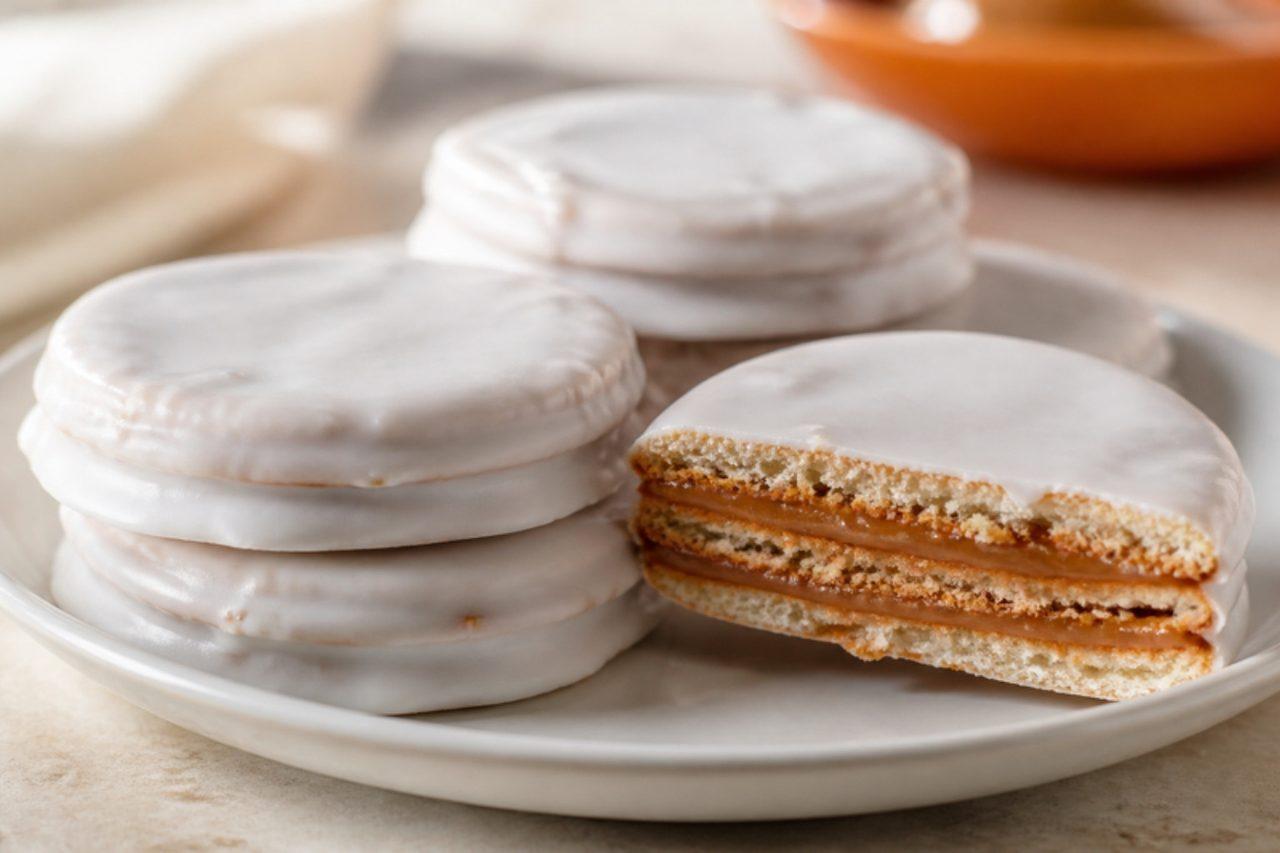
Alfajor santafesino: three paper-thin crisp pastry discs stacked with dulce de leche under a snow-white sugar glaze
 Argentinian
Santa Fe's alfajor is a different animal from the soft cornflour kind sold everywhere else: three wafer-thin, crackly discs of yolk-rich pastry, stacked with dulce de leche, then dipped in a cooked sugar glaze that sets hard, white and shiny. Bakeries in Santa Fe city and along the Paraná river ship them all over the country in boxes, and travellers bring them home as the regional present. Bite through and the glaze shatters, the pastry flakes and the dulce de leche holds it all together. Thick pastry is the mistake that ruins the texture; it has to be rolled until you can almost see the worktop through it, or the alfajor turns bready. Some old recipes add a splash of cane spirit to the dough; this version uses only water and is alcohol-free. Use a thick, pastry-chef's dulce de leche (repostero) so it doesn't ooze. Chef's tip: bake the discs in batches and keep the rest of the dough covered; it dries out fast and then cracks when rolled.
- Total time
- 120 min
- Difficulty
- hard
- Serves
- 12
Ingredients
For the pastry
- 10 ½ oz plain flourplus extra for rolling
- 1 oz buttermelted
- ¼ cup cold waterroughly
- 1 pinch salt
For the filling
For the glaze
- 14 oz sugar
- ½ cup water
- 1 tsp lemon juice
Shop this recipe on Amazon
Spices & pantry
Fresh ingredients (3)
Links open Amazon in a new tab. As an Amazon Associate, WhatToEat.Today earns from qualifying purchases.
Method
0/10 doneStep 1: Put 10 ½ oz plain flour and 1 pinch salt in a bowl, add 4 egg yolks, 1 oz butter and most of ¼ cup cold water and mix into a firm dough, adding the rest of the water only if it is dry.
Step 2: Knead until smooth and elastic, then wrap and rest.
20 minStep 3: Heat the oven to 350°F (325°F fan) and line two baking trays. Roll a quarter of the dough on a floured worktop until about 1 mm thick, almost see-through.
Step 4: Cut 7 cm rounds and lay them on the trays. Prick each one several times with a fork so they stay flat. Repeat with the rest of the dough to get 36 discs.
Step 5: Bake in batches until crisp, dry and only just colouring at the edges. Cool on the trays.
7 minStep 6: Spread a disc with 8 oz thick dulce de leche (repostero) (about 1 heaped teaspoon), top with a second disc, spread with 8 oz thick dulce de leche (repostero) and finish with a third disc. Press gently. Make 12 stacks and chill them while you make the glaze.
Step 7: Put 14 oz sugar, ½ cup water and 1 tsp lemon juice in a small saucepan and stir over a low heat until the sugar dissolves, then boil without stirring until the syrup reaches 250°F (a drop in cold water forms a soft ball).
10 minStep 8: Take off the heat and leave until the bubbles subside, then beat with a wooden spoon until it turns cloudy, white and creamy, like thick paint.
5 minStep 9: Holding each alfajor on a fork, dip it in the glaze, turn to coat all over and let the excess drip off. If the glaze thickens, rewarm it over a very low heat with a teaspoon of water.
Step 10: Set the alfajores on a rack until the glaze is dry, hard and opaque.
60 min
Nutrition per serving
- Calories
- 330 kcal
- Protein
- 3 g
- Carbs
- 65 g
- Fat
- 6 g
- Fibre
- 1 g
Nutrition values are estimates.
KrazyBadal
Good to know
- How long does alfajor santafesino take?
- About 120 minutes in total: 75 minutes to prepare and 45 minutes to cook.
- How many people does it serve?
- 12 as written. Change the servings above the ingredients and every amount scales to match.
- Is it vegetarian?
- Yes. It has no meat or fish.
- What can I use instead of plain flour?
- Self-raising flour, same amount (then leave out the baking powder).
- What can I use instead of butter?
- The same weight of ghee or coconut oil (for frying and most baking).
Reviews
No reviews yet. Be the first to cook it.
Rate this recipe
Sign in to rate and review this recipe.
You might also like
Basque burnt cheesecake
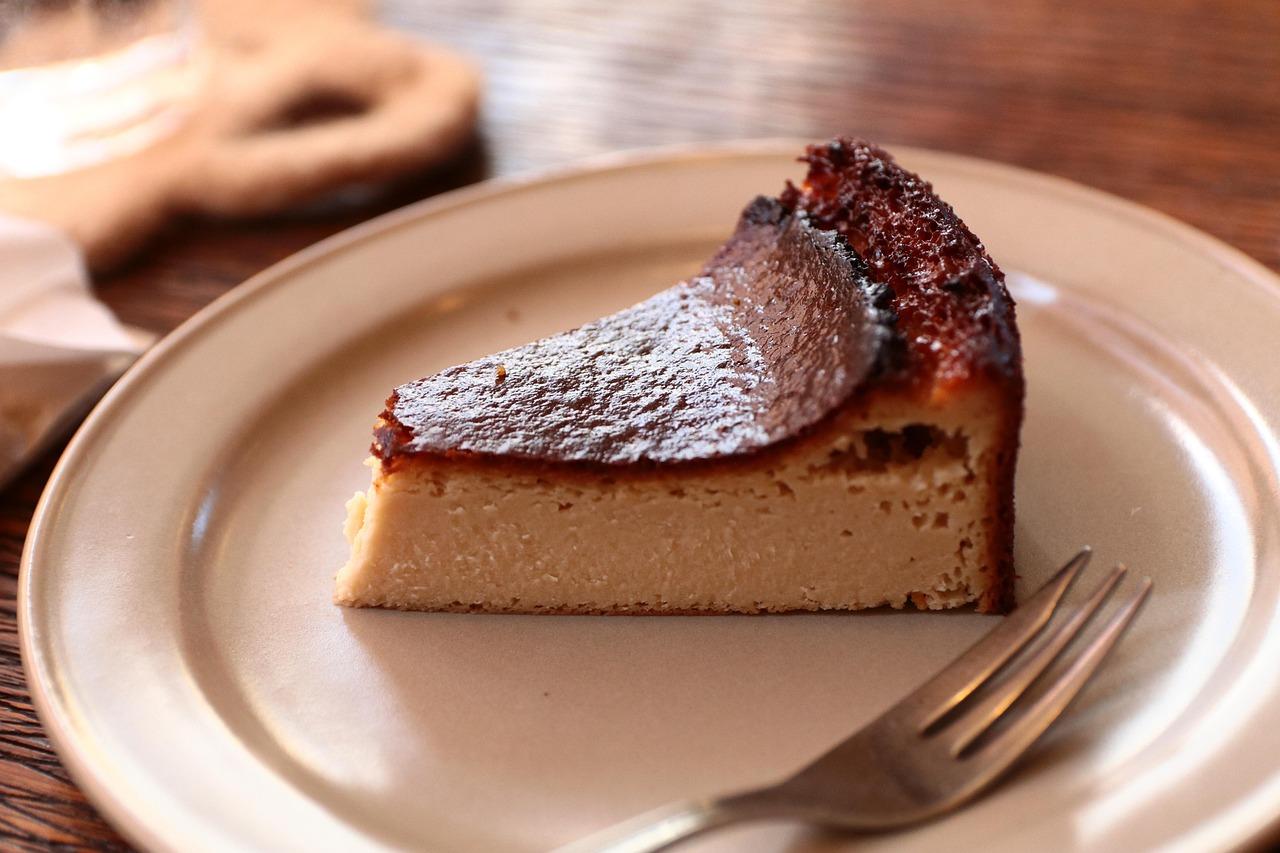
This crustless cheesecake was created in the early 1990s at La Viña, a pintxos bar in the old town of San Sebastián (Donostia) in the Basque Country, and is now famous around the world. It's baked very hot so the top caramelises almost black and the sides rise and crack, while the middle stays soft and creamy, almost runny. There's no base and no water bath, and the rough, rustic look is the point: it's lined with crumpled baking paper. La Viña uses a spoonful of wheat flour; cornflour does the same job and keeps it gluten free. Chef's tip: take it out of the oven while the centre still wobbles like a soft set custard; it firms up as it cools, and if it looks set in the oven, the middle will be dry instead of creamy.
 Spanish

Almond cookiesOat, coconut and almond cookies
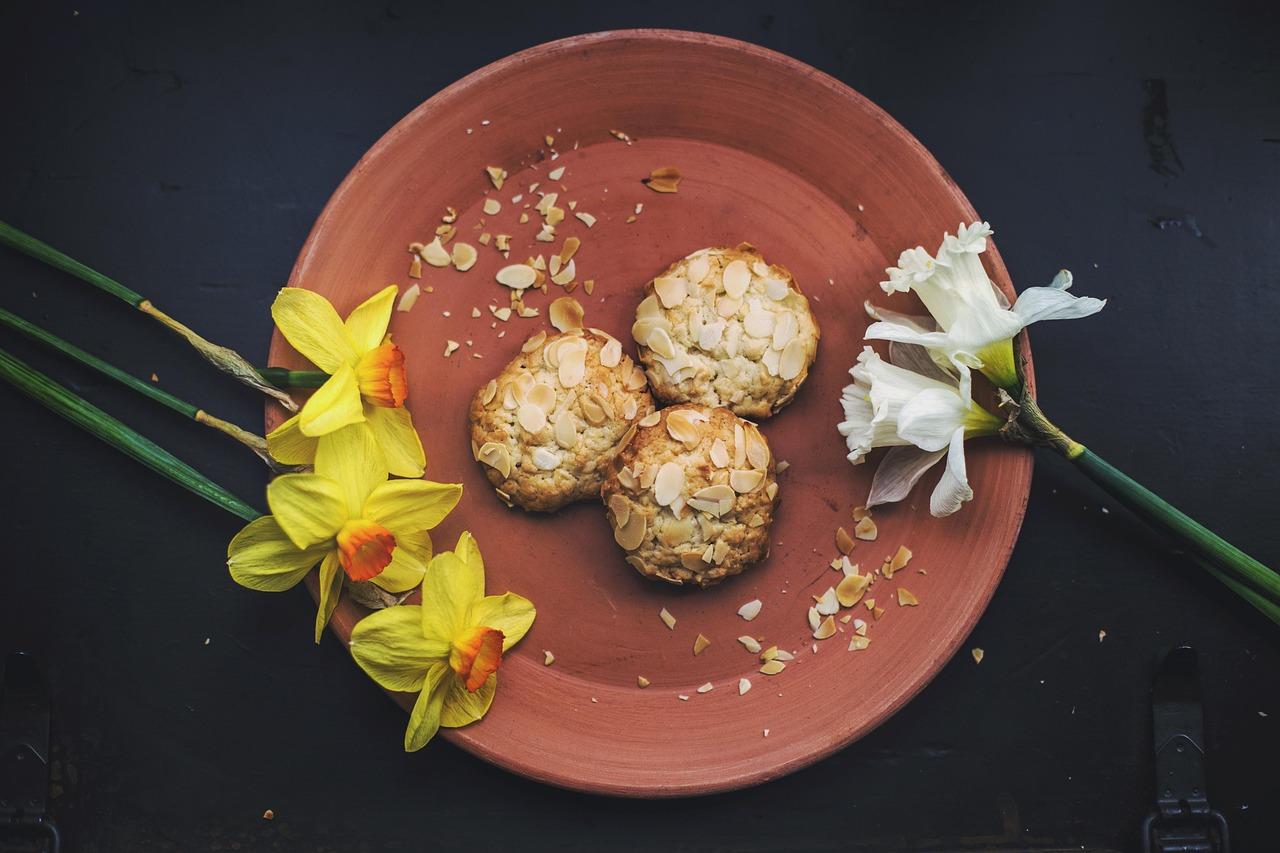
A big batch of crunchy cookies with rolled oats, coconut, chopped almonds and chunks of cooking chocolate. For a change, use cashew nuts instead of almonds.
Reform tortaWalnut meringue chocolate cake
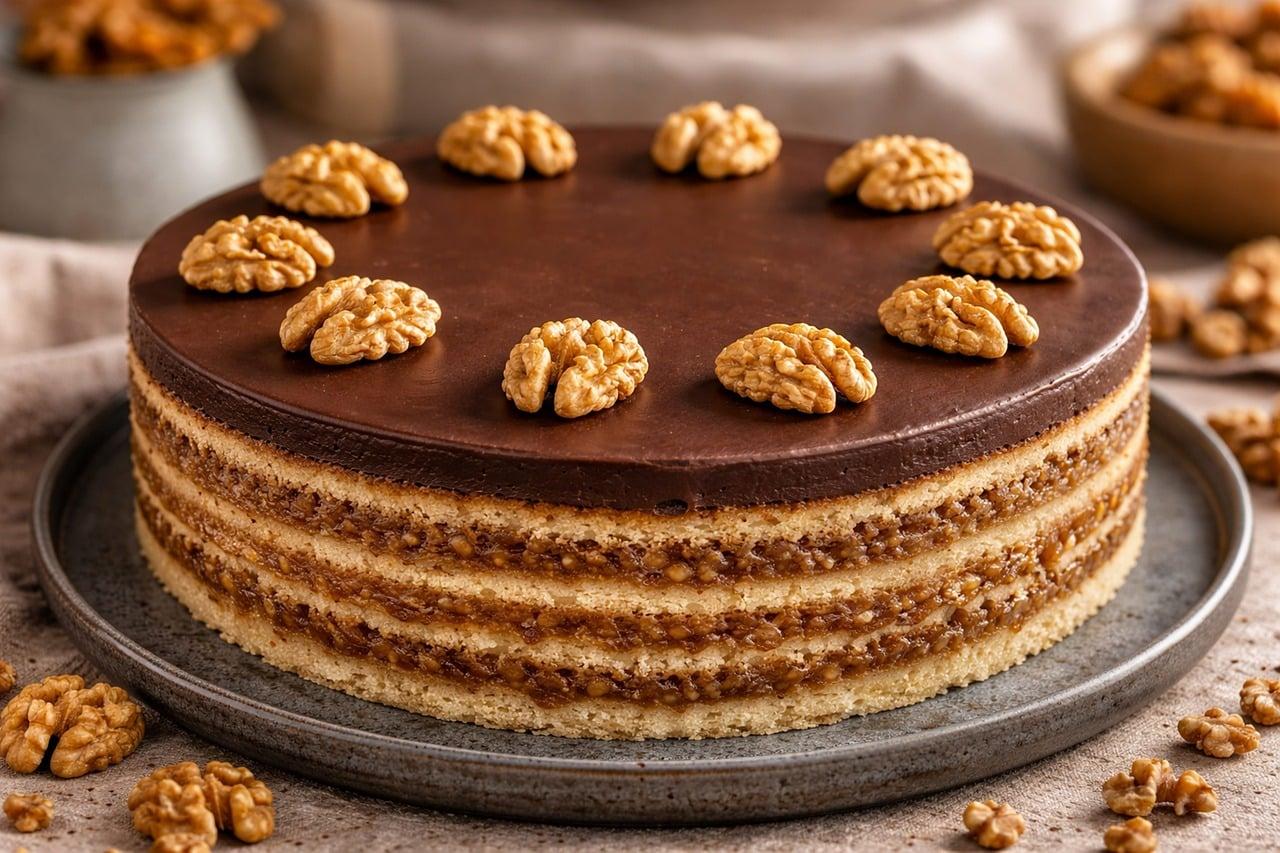
Belgrade pastry shops have sold reform torta since the early twentieth century, and it is still the cake Serbian families bring out for birthdays, weddings and the slava. Three thin layers of walnut meringue, crisp at the edge and chewy inside, are stacked with a dense chocolate butter cream made with egg yolks cooked over steam until thick. It is very rich, so cut thin slices and serve with strong coffee. The usual slip is beating the butter into a chocolate mixture that is still warm, which melts it and splits the cream; let it cool to room temperature first. Chef's tip: assemble the cake the day before; overnight in the fridge the meringue softens a little and the cake slices cleanly with a hot knife.