
AI-generated image
Dongbei suan cai
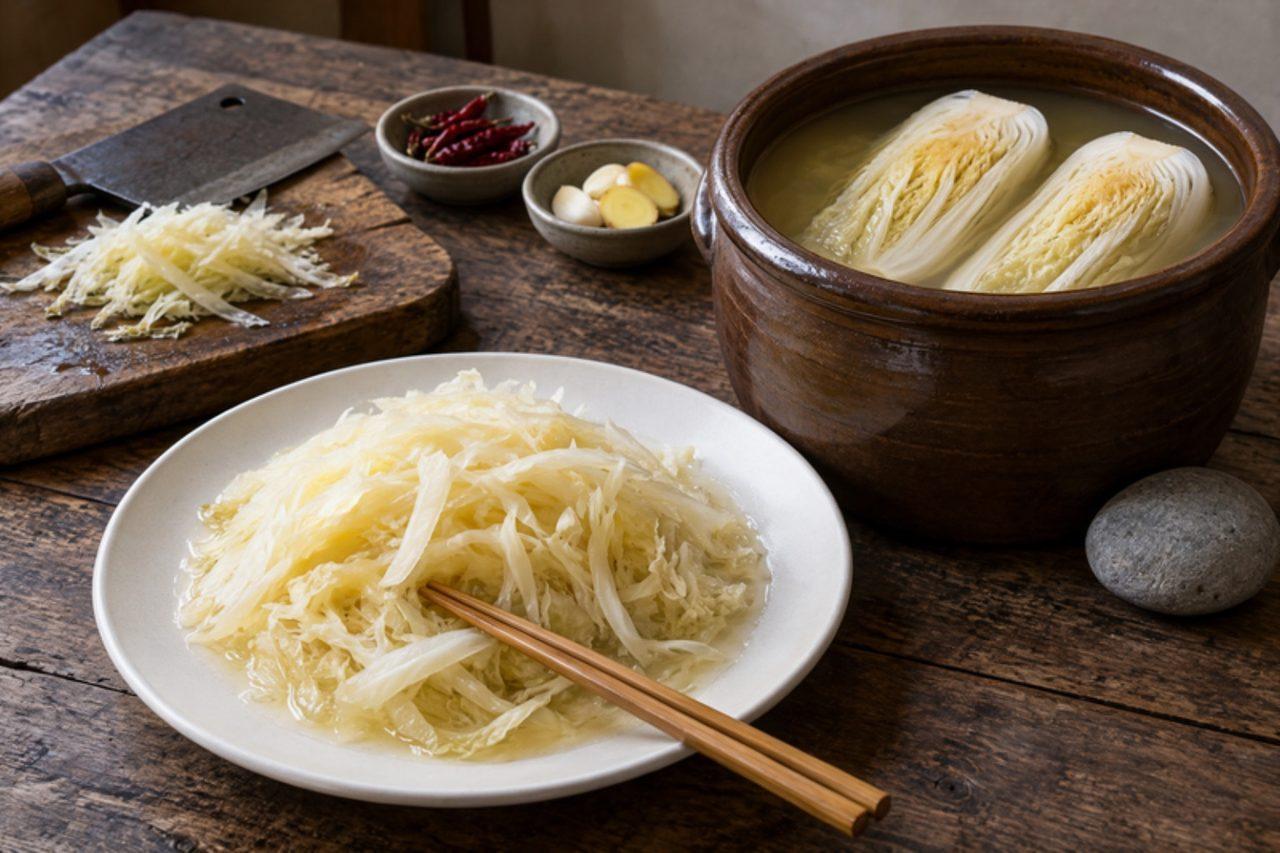
东北酸菜: whole napa cabbages packed in a crock with light brine and left a month to turn pale, sour and silky



In Harbin, Changchun and Shenyang, late October is when families buy napa cabbage by the cartload, scald it, and pack it head to tail into big glazed crocks on the balcony, weighed down with a smooth river stone. A month later, as winter sets in, it has become suan cai: pale, almost translucent leaves with a clean, lactic sourness and a soft crunch at the rib. It is shredded into suan cai bai rou (sour cabbage with pork belly), stuffed into dumplings for Spring Festival and simmered in hot pots through the long winter. Common mistake: fermenting somewhere warm; above about 20 °C the cabbage softens and can go slimy, so use the coolest spot you have. Normal signs are fine bubbles, a cloudy brine and a sharp sour smell; a flat white film (kahm yeast) can be skimmed off. Fuzzy coloured mould, pink or black patches, or a putrid smell mean discard the lot. Do not eat it before 3 weeks: it is ready when the leaves are uniformly pale yellow-green and taste fully sour. Then keep it in the brine in the fridge for 2 months. Chef's tip: rinse and squeeze the shreds before cooking to soften the sourness.
- Total time
- 40 min
- Difficulty
- easy
- Serves
- 16
Ingredients
For the suan cai
- 2 napa cabbagesabout 3 kg total, firm and heavy
- 2 ⅛ oz saltfor a 2% brine
- 3 litres cool boiled waterenough to cover
Shop this recipe on Amazon
Spices & pantry
Links open Amazon in a new tab. As an Amazon Associate, WhatToEat.Today earns from qualifying purchases.
Method
0/7 doneStep 1: Remove any damaged outer leaves from the 2 napa cabbages, trim the root end but keep the head intact, and cut each cabbage in half lengthways.
5 minStep 2: Scrub a 5–6 litre ceramic crock or food-grade bucket and a plate that fits inside it with hot soapy water, then rinse with boiling water. You also need a weight: a clean stone or a sealed bag of brine.
10 minStep 3: Bring a large pot of water to a boil. Holding each half by the root, dip it into the water for 30–60 seconds, until the leaves soften and turn bright, then let it drain and cool on a rack.
10 minStep 4: Dissolve 2 ⅛ oz salt in 3 litres cool boiled water to make a brine of 2% salt (20 g per litre). Pack the cabbage halves tightly into the crock, alternating root ends, pressing down so there are few gaps.
10 minStep 5: Pour over the brine to cover the cabbage by at least 3 cm, put the plate on top and weigh it down so nothing floats. Cover the crock loosely with a lid or cloth.
Step 6: Leave in a cool place, ideally 10–64°F, for 3–4 weeks. Check every few days: bubbles, cloudy brine and a sour smell are normal; skim off any flat white film, and top up with 2% brine if the level drops. Discard if you see fuzzy coloured mould, pink or black patches, or smell rot.
Step 7: It is ready when the leaves are pale and translucent and taste sour right through, after at least 3 weeks; do not eat it earlier. Transfer to clean jars, keep covered by brine in the fridge, and use within 2 months. Shred finely and rinse before cooking.
Nutrition per serving
- Calories
- 15 kcal
- Protein
- 1 g
- Carbs
- 3 g
- Fat
- 0 g
- Fibre
- 2 g
Nutrition values are estimates.
KrazyBadal
Good to know
- How long does dongbei suan cai take?
- About 40 minutes in total: 30 minutes to prepare and 10 minutes to cook.
- How many people does it serve?
- 16 as written. Change the servings above the ingredients and every amount scales to match.
- Is it vegan?
- Yes. It has no meat, fish, dairy or eggs.
- Is it gluten free?
- Yes, as written. Check the labels on stock, sauces and spice mixes, which sometimes contain gluten.
- Can I make it ahead?
- Yes. It keeps well, so you can cook it earlier in the day or the day before and reheat it.
- What can I use instead of napa cabbages?
- Savoy or spring greens, same weight.
Reviews
No reviews yet. Be the first to cook it.
Rate this recipe
Sign in to rate and review this recipe.
You might also like
Vegan nuoc cham
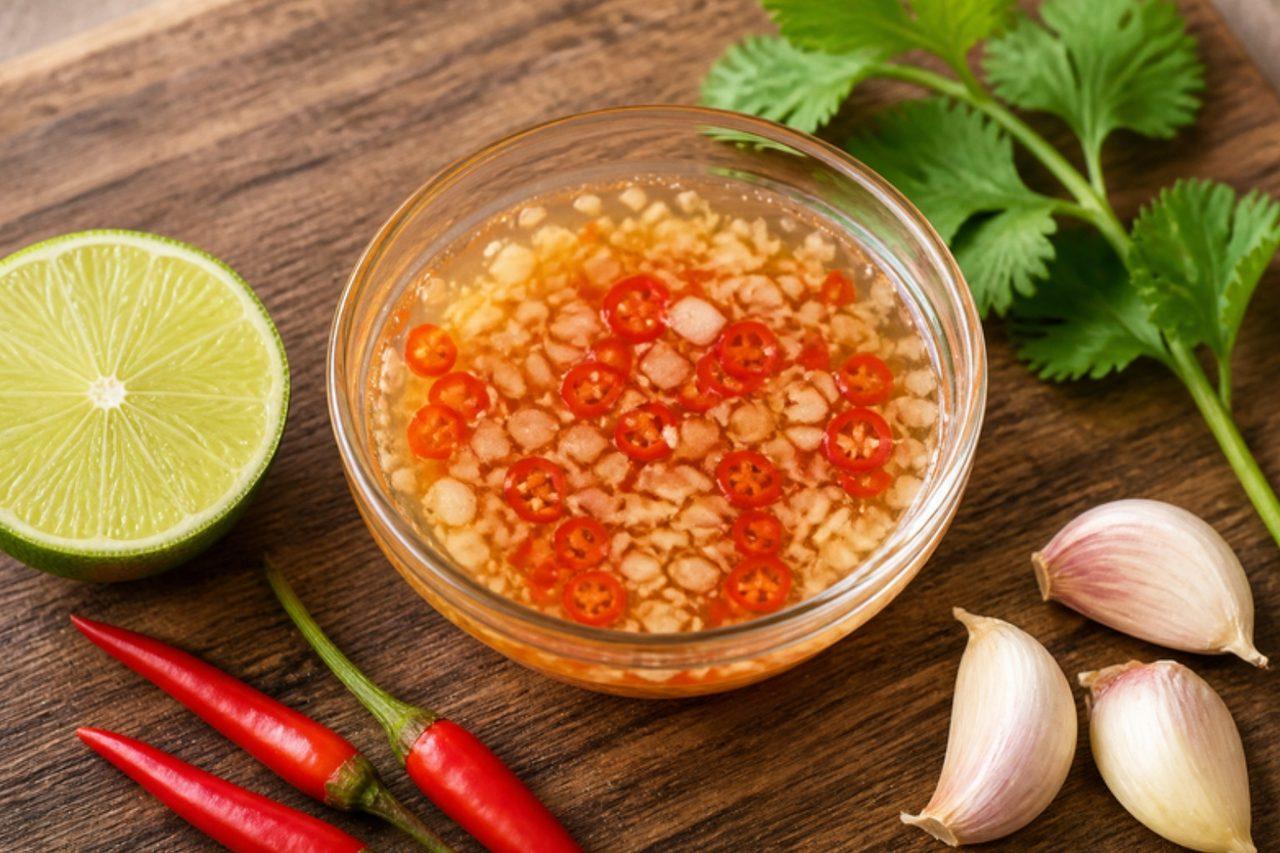
Nước chấm is the dipping sauce that goes with almost everything in Vietnam: spring rolls, bánh xèo, noodle salads and broken rice. Buddhist vegetarian cooks, all over the country, make it without fish sauce, using light soy sauce and a little coconut water for the deep, rounded taste. It should be thin, clear and pale amber, with flecks of garlic and chilli floating on top. Chef's tip: dissolve the sugar in the warm water first, then add the lime and soy, and stir in the garlic and chilli last, pounded with a pinch of sugar, so they float on the surface instead of sinking.
 Vietnamese

Mint and onion chutney
Onions fried gently until soft and sweet, then blended with fresh mint, green chilli and lemon juice. It's a mellow, fresh-tasting chutney that is great with bhajias, samosas, kebabs and tikka, or spread in sandwiches.
 Indian

Sour cream dip
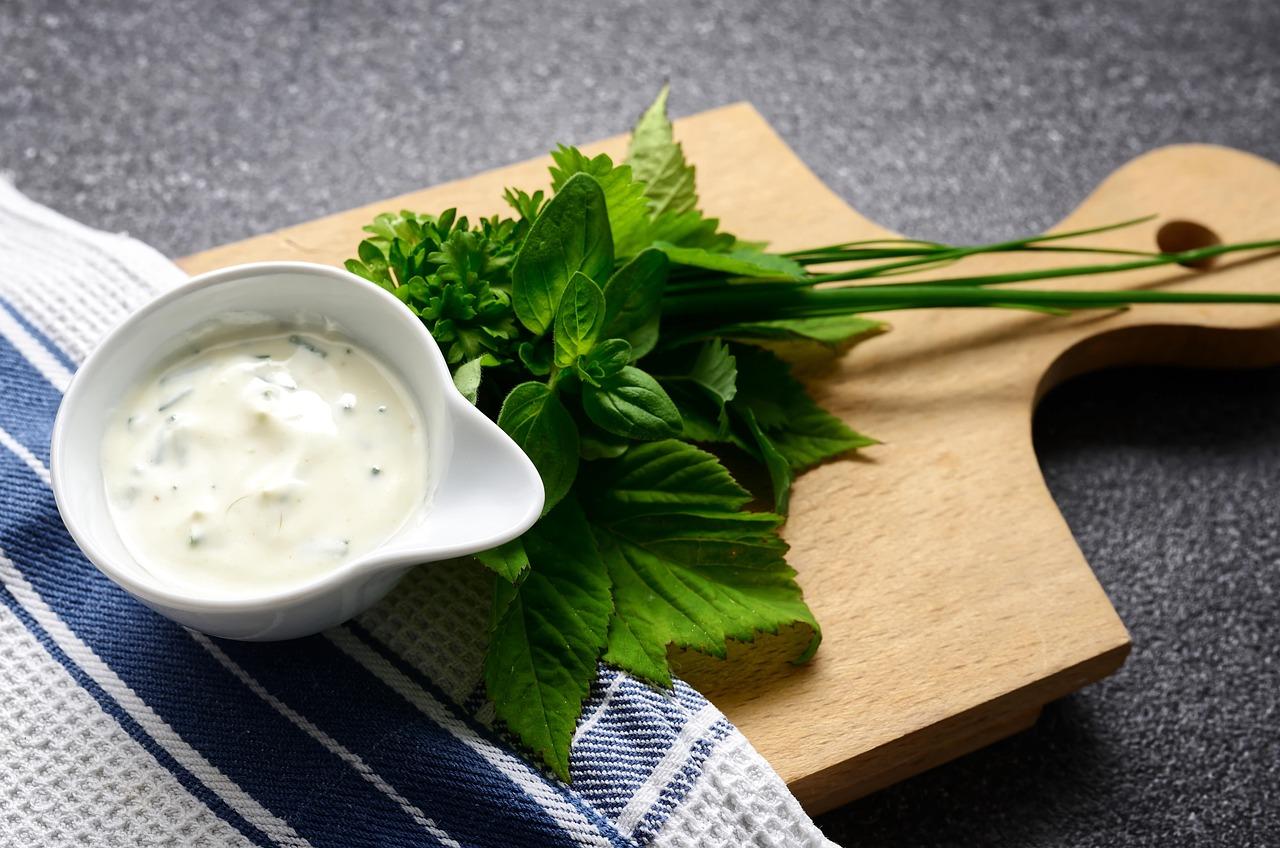
A simple, tangy dip made with thick home-made cottage cheese (hung yogurt) or ready-made sour cream, seasoned with garlic, chilli, black pepper and vinegar. Serve it cold with crisps, nachos and jacket potatoes. The book's other dips use this as their 'sour cream'.