
AI-generated image
Folar de Olhão
Caramelised layered Easter bread
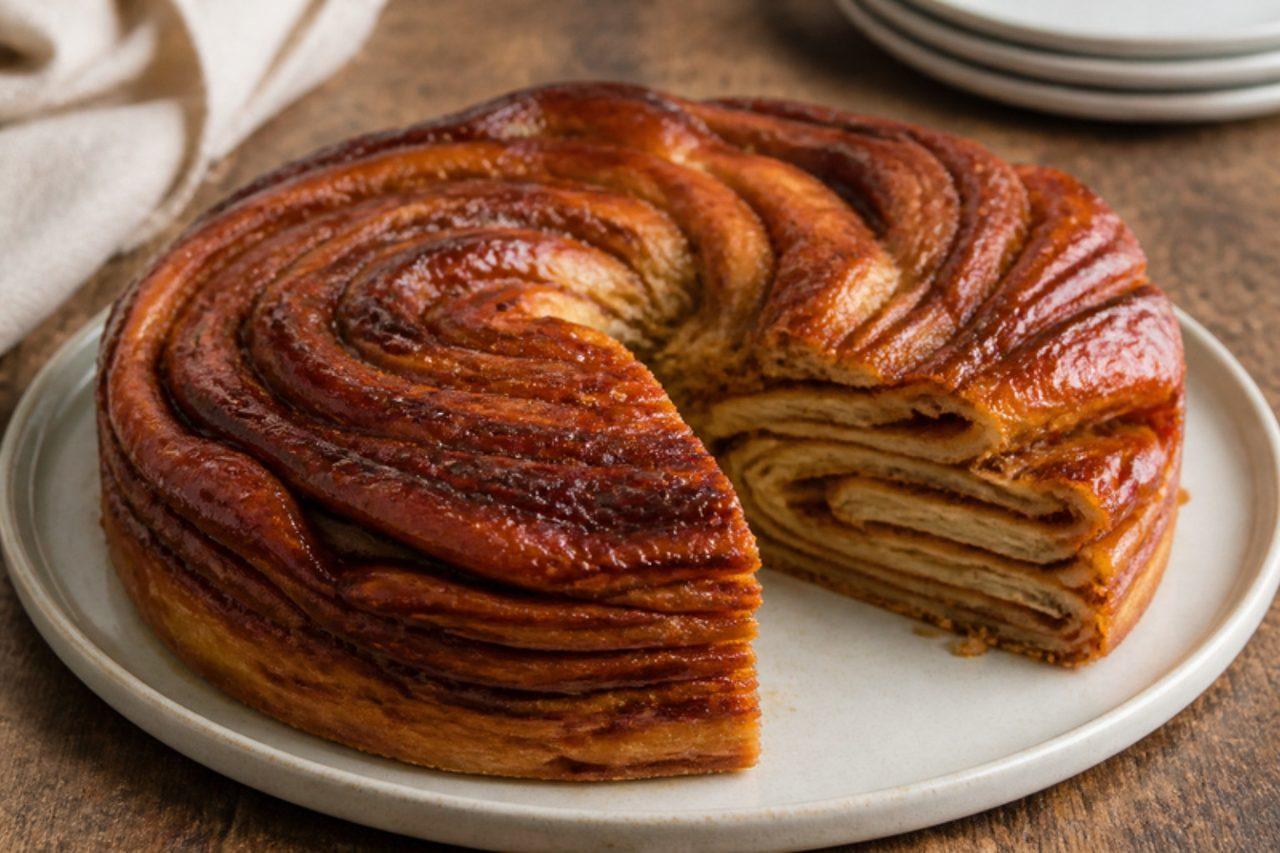
Folar de Olhão: Olhão's caramelised, many-layered Easter sweet bread

In the fishing town of Olhão, Easter means folar, and it looks nothing like the egg-topped breads of the north: here a soft, cinnamon dough is rolled up in layers of brown sugar and fat, sliced, packed into a tin and baked until the sugar runs into a dark, sticky caramel. Turned out upside down, it pulls apart in sweet, glossy spirals. Families bake it on Holy Thursday so it is ready for the long weekend, and godparents give one to their godchildren. Many bakeries use some lard; this version uses butter only. Chef's tip: roll the dough as thin as you dare, as the more layers you get, the more caramel edges there are.
- Total time
- 90 min
- Difficulty
- medium
- Serves
- 12
Ingredients
For the dough
- ¾ cup whole milklukewarm
- 1 ⅛ lb strong white bread flour
- 2 ⅛ oz sugar
- 1 tsp salt
- 2 eggsbeaten
- 2 ⅛ oz buttersoftened
- 1 tbsp orange zest
- 1 tsp fennel seedslightly crushed
For the layers
- 1 ½ tbsp ground cinnamon
- 5 ½ oz buttermelted
Shop this recipe on Amazon
What you'll need
Spices & pantry
Fresh ingredients (4)
Links open Amazon in a new tab. As an Amazon Associate, WhatToEat.Today earns from qualifying purchases.
Method
0/9 doneStep 1: Stir ¼ oz fast-action dried yeast into ¾ cup whole milk. In a large bowl mix 1 ⅛ lb strong white bread flour, 2 ⅛ oz sugar, 1 tsp salt, 1 tbsp orange zest and 1 tsp fennel seeds, then add the milk and 2 eggs and mix into a shaggy dough.
Step 2: Knead for 8 minutes, then work in 2 ⅛ oz butter a piece at a time and knead for 5 minutes more, until the dough is smooth, soft and springs back when poked.
13 minStep 3: Cover and leave in a warm place for 1–1½ hours, until doubled.
90 minStep 4: Mix 9 oz dark brown soft sugar and 1 ½ tbsp ground cinnamon. Brush a 24 cm round deep cake tin (not loose-bottomed, or the caramel leaks) generously with some of 1 oz butter and scatter a quarter of the sugar mix over the bottom.
Step 5: Knock back the dough and roll it out on a lightly floured surface into a thin rectangle about 60 × 40 cm. Brush with most of the remaining 3 ⅛ oz butter and scatter over half the sugar mix.
Step 6: Roll it up tightly from a long side, like a Swiss roll, and cut into 12 slices. Stand them cut side up in the tin, close together, and sprinkle the rest of the sugar mix over and between them. Drizzle with the last of 1 oz butter.
Step 7: Cover and leave for 40 minutes, until the slices have puffed up and fill the tin. Heat the oven to 350°F (325°F fan).
40 minStep 8: Bake for 40–45 minutes, until deep golden on top and the syrup bubbles thickly at the edges. If the top browns too fast, cover with foil after 25 minutes.
45 minStep 9: Rest in the tin for just 5 minutes, then run a knife round the edge and turn it out onto a plate, scraping any caramel left in the tin over the top. A common mistake is waiting too long: once the caramel sets it glues the bread into the tin.
5 min
Nutrition per serving
- Calories
- 390 kcal
- Protein
- 6 g
- Carbs
- 55 g
- Fat
- 16 g
- Fibre
- 2 g
Nutrition values are estimates.
KrazyBadal
Good to know
- How long does folar de Olhão take?
- About 90 minutes in total: 45 minutes to prepare and 45 minutes to cook.
- How many people does it serve?
- 12 as written. Change the servings above the ingredients and every amount scales to match.
- Is it vegetarian?
- Yes. It has no meat or fish.
- Can I make it ahead?
- Yes. It keeps well, so you can cook it earlier in the day or the day before and reheat it.
- What can I use instead of whole milk?
- Semi-skimmed milk with 1 tbsp cream per 240ml (1 cup).
- What can I use instead of fast-action dried yeast?
- Fresh yeast, three times the weight.
Reviews
No reviews yet. Be the first to cook it.
Rate this recipe
Sign in to rate and review this recipe.
You might also like
Basque burnt cheesecake
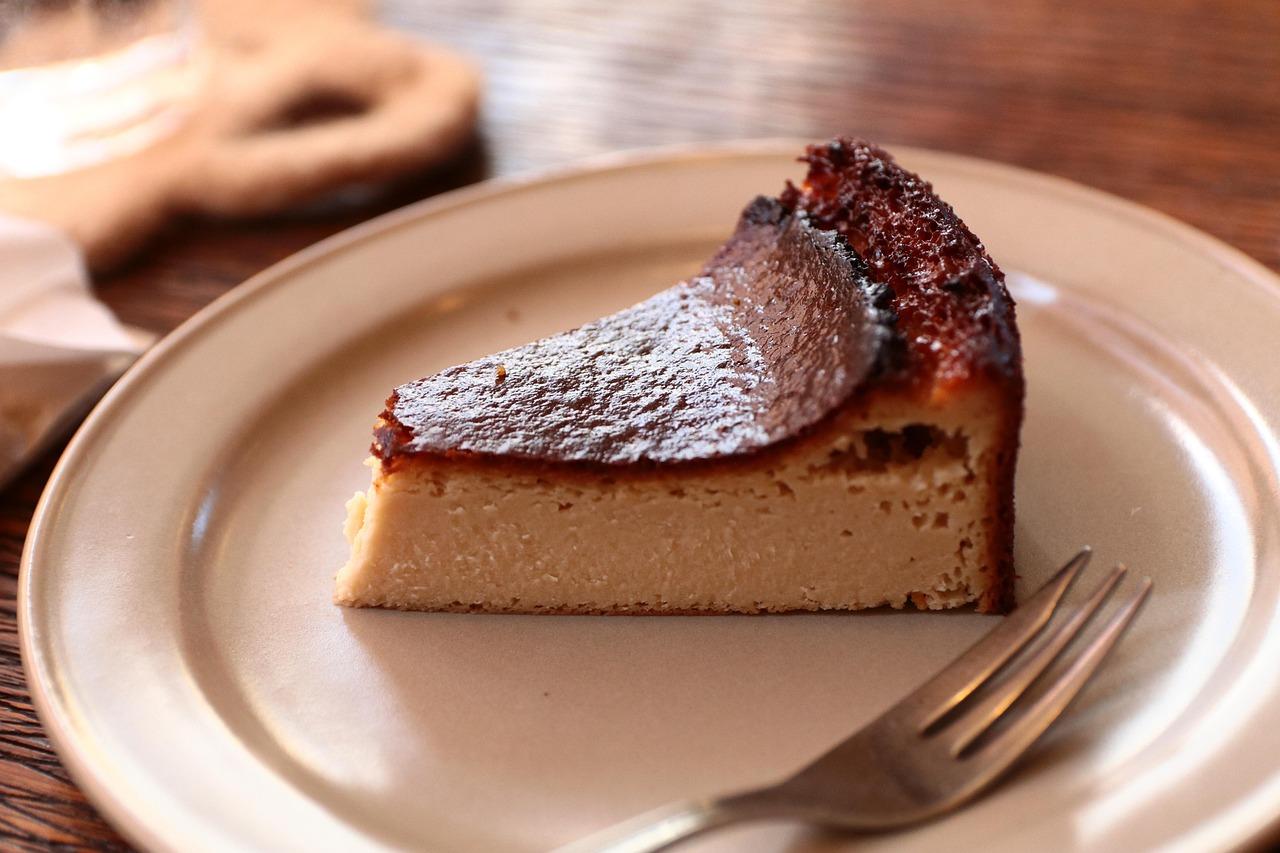
This crustless cheesecake was created in the early 1990s at La Viña, a pintxos bar in the old town of San Sebastián (Donostia) in the Basque Country, and is now famous around the world. It's baked very hot so the top caramelises almost black and the sides rise and crack, while the middle stays soft and creamy, almost runny. There's no base and no water bath, and the rough, rustic look is the point: it's lined with crumpled baking paper. La Viña uses a spoonful of wheat flour; cornflour does the same job and keeps it gluten free. Chef's tip: take it out of the oven while the centre still wobbles like a soft set custard; it firms up as it cools, and if it looks set in the oven, the middle will be dry instead of creamy.
 Spanish

Pataniscas de bacalhauSalt cod fritters
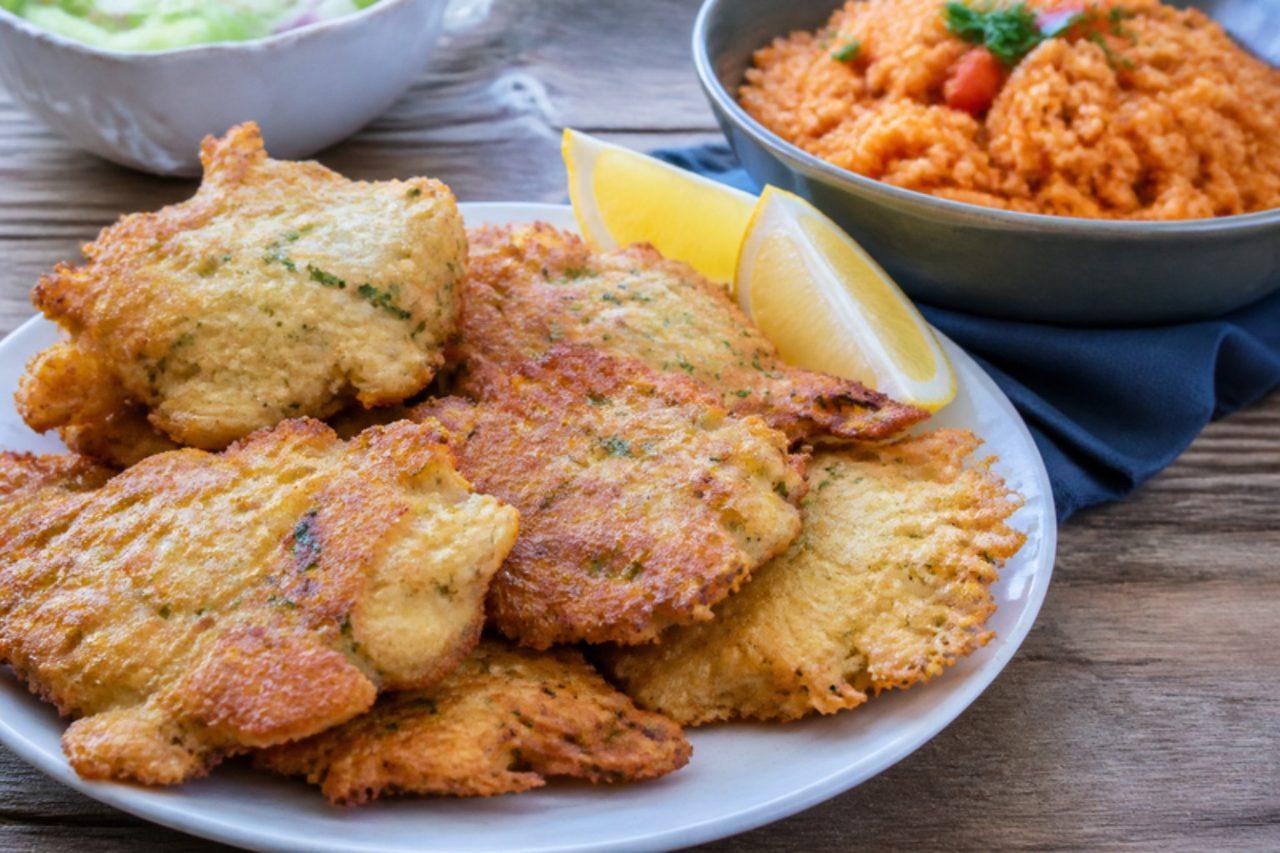
Where pastéis de bacalhau are neat and smooth, pataniscas are rough and generous: spoonfuls of a loose batter packed with shreds of salt cod, onion and parsley, fried into wide, crisp-edged fritters. Lisbon tascas serve them at lunch with arroz de feijão, a soupy red-bean rice, or tucked into a bread roll as a snack. Soak the cod in the fridge for a day or two first. A common mistake is a batter as thick as pancake mix, which gives doughy fritters; it should drop loosely from the spoon. Chef's tip: let the batter rest for 30 minutes so the flour swells and the fritters hold together without needing more.
Reform tortaWalnut meringue chocolate cake
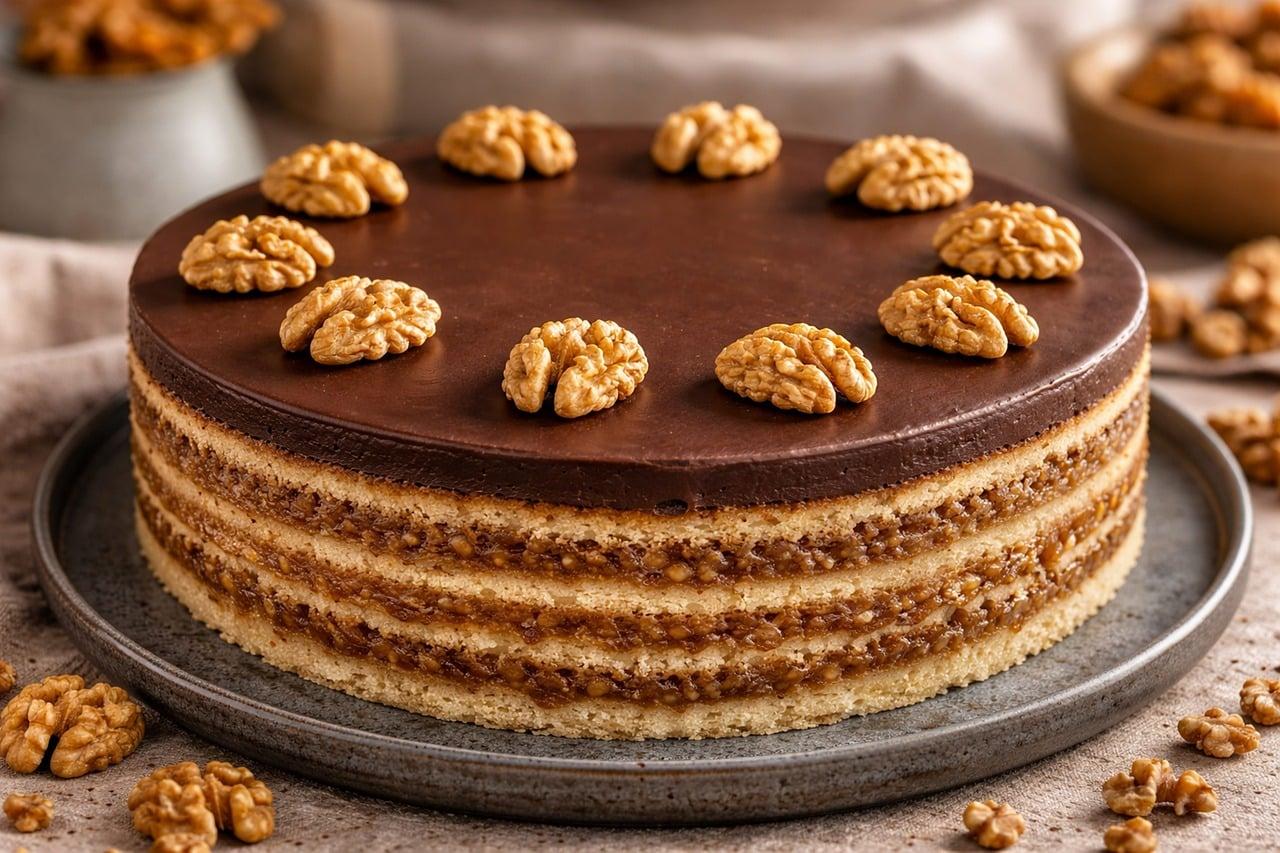
Belgrade pastry shops have sold reform torta since the early twentieth century, and it is still the cake Serbian families bring out for birthdays, weddings and the slava. Three thin layers of walnut meringue, crisp at the edge and chewy inside, are stacked with a dense chocolate butter cream made with egg yolks cooked over steam until thick. It is very rich, so cut thin slices and serve with strong coffee. The usual slip is beating the butter into a chocolate mixture that is still warm, which melts it and splits the cream; let it cool to room temperature first. Chef's tip: assemble the cake the day before; overnight in the fridge the meringue softens a little and the cake slices cleanly with a hot knife.
Perfect for:Easter