Moist banana bread
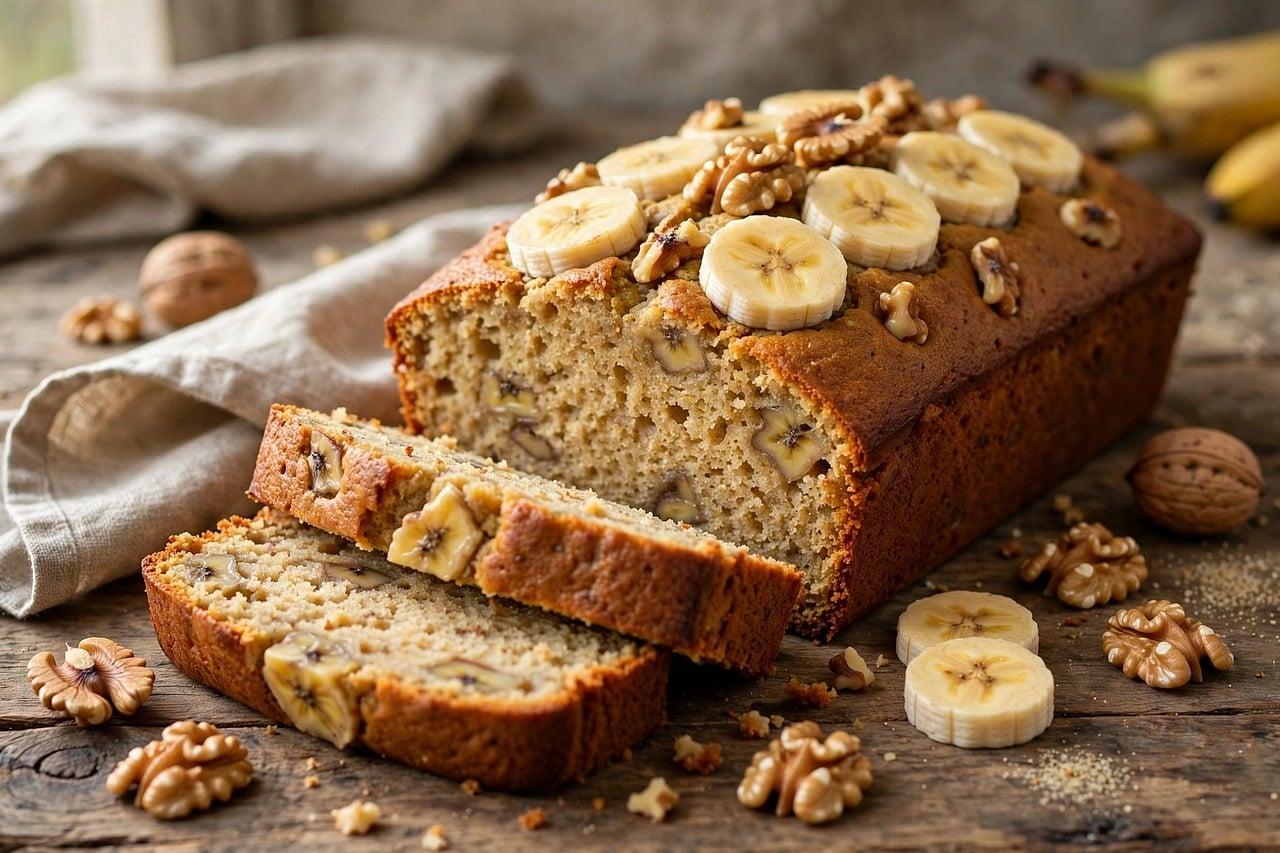
The blacker the bananas, the better the loaf. This one is mixed in a single bowl with melted butter and a little brown sugar, so it's soft, deeply banana-y and keeps well for days.
by KrazyBadal 0 views
15 recipes that use light brown sugar, with photos, step-by-step instructions and cook times. The quickest, Speculoos spread, takes 15 minutes. It is most often cooked with cinnamon, egg and butter.
Run out of light brown sugar? White sugar + 1 tsp honey or golden syrup per 100g.
Got a few things in the fridge? Search by everything you have
The blacker the bananas, the better the loaf. This one is mixed in a single bowl with melted butter and a little brown sugar, so it's soft, deeply banana-y and keeps well for days.
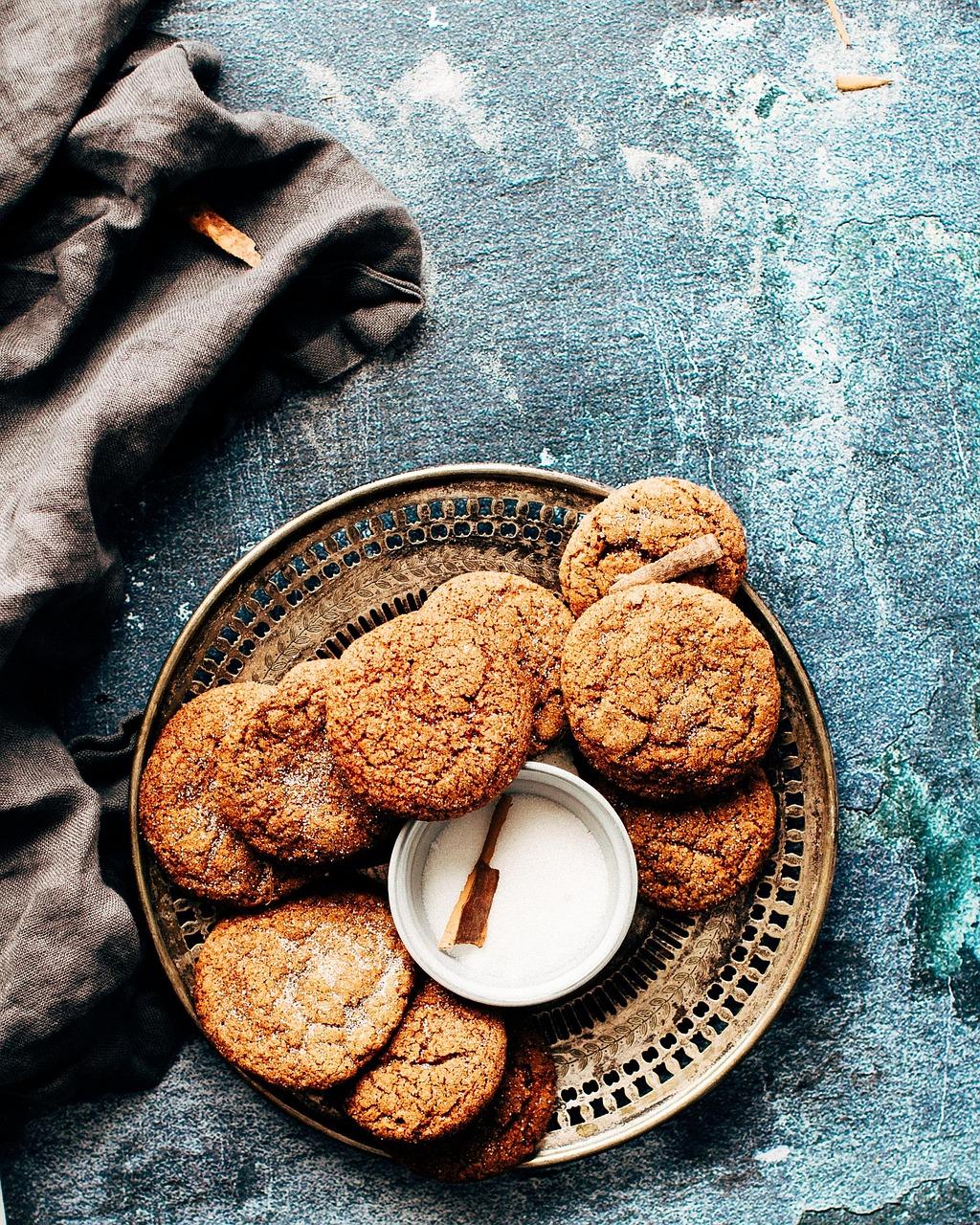
Warmly spiced butter biscuits with cardamom, cinnamon, nutmeg and a kick of freshly ground black pepper, made rich with ground almonds and cream. Dusted with icing sugar, they are perfect at Christmas.
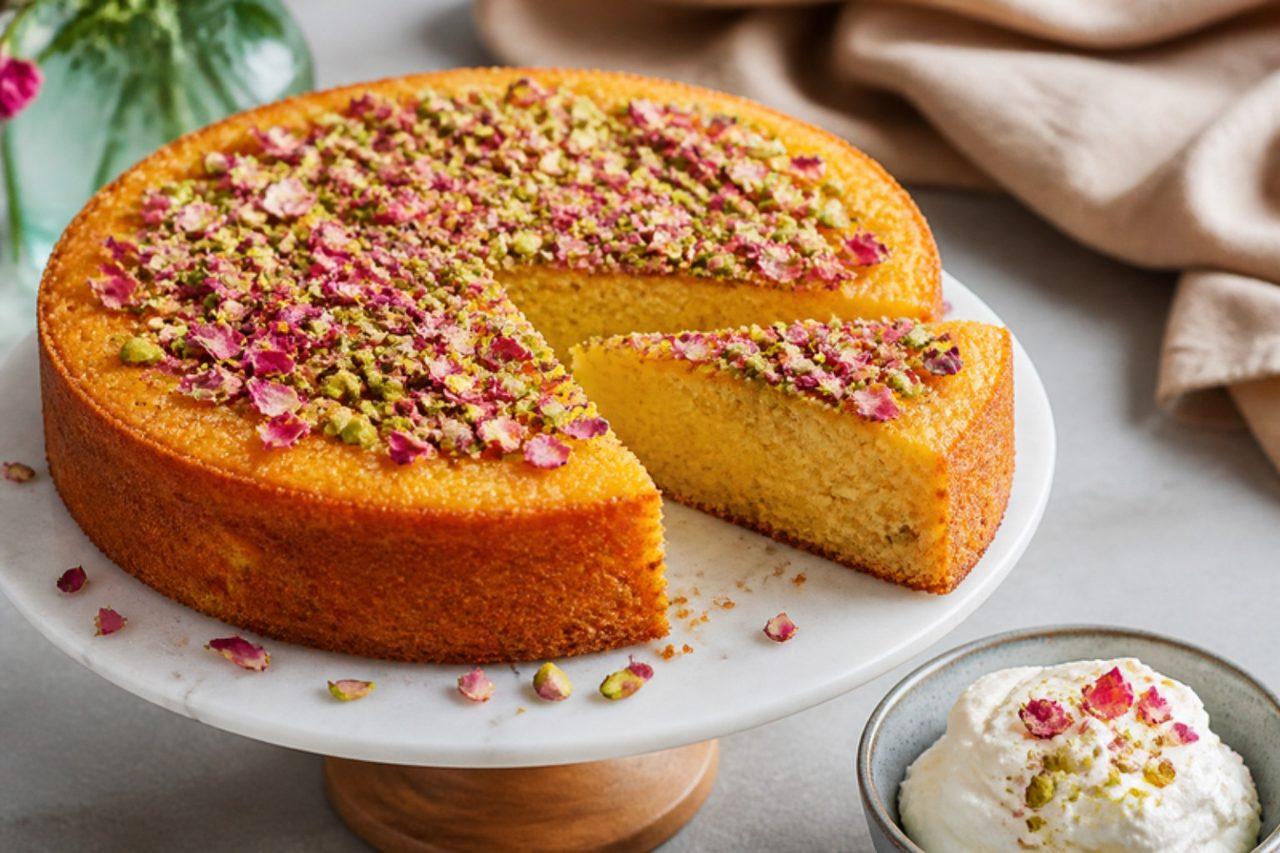
Persian love cake is not an old Iranian recipe but a modern one from the Iranian diaspora, popular in cafés in London and Melbourne, built on the flavours of Persian sweets: almond, cardamom, nutmeg, rosewater and pistachio. The name comes from a story about a woman who baked a spell-binding cake for a prince. It has a crunchy almond base and a soft, moist, yogurt-rich top, finished with rose-scented cream, green pistachios and pink petals, and it is lovely for birthdays and Nowruz tea. Made with ground almonds and no wheat flour, it is naturally gluten free. Chef's tip: press the base layer firmly into the tin; that crunchy bottom is the signature of this cake.
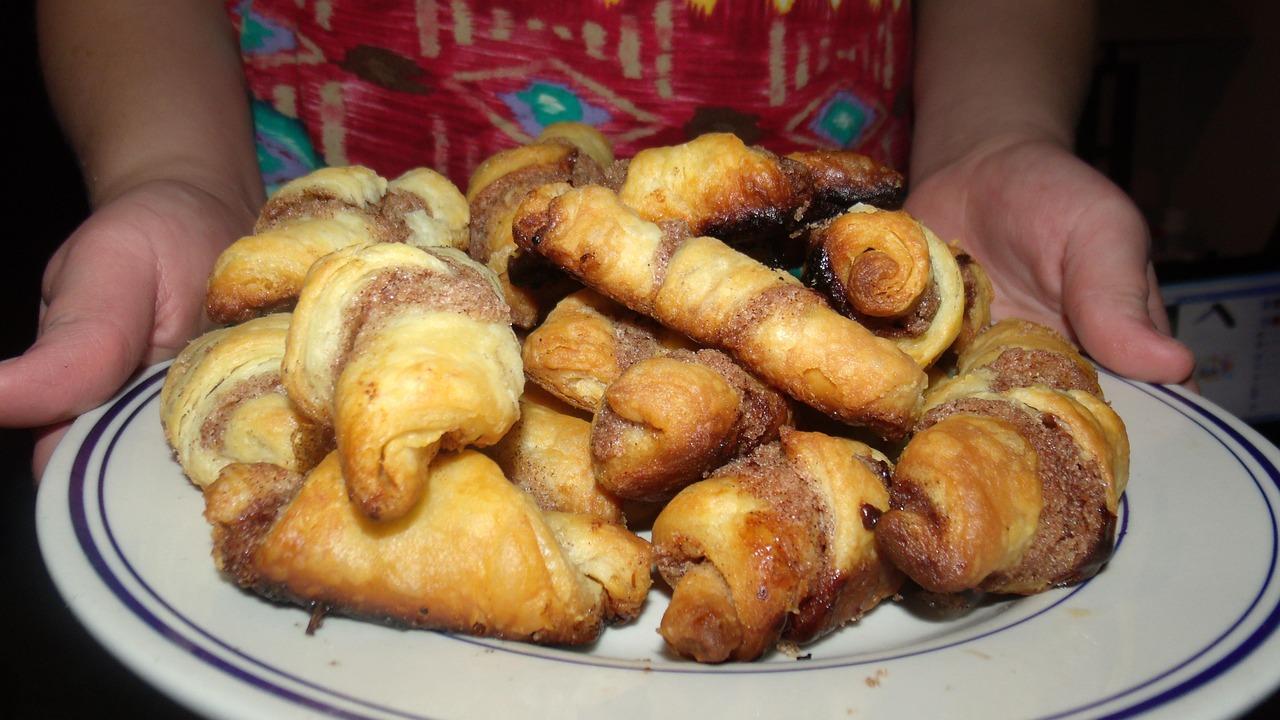
Rugelach came from the Jewish bakeries of Eastern Europe, and today they are piled high on trays in Jerusalem's Machane Yehuda market and in every New York deli bakery, eaten with coffee on Friday or packed for a Hanukkah visit. The American-style dough made with cream cheese and butter bakes up tender and flaky, and each wedge is rolled up around a filling of brown sugar, cinnamon, chopped walnuts and raisins into a small crescent. Chef's tip: chop the walnuts and raisins finely; big pieces tear the thin dough as you roll it.
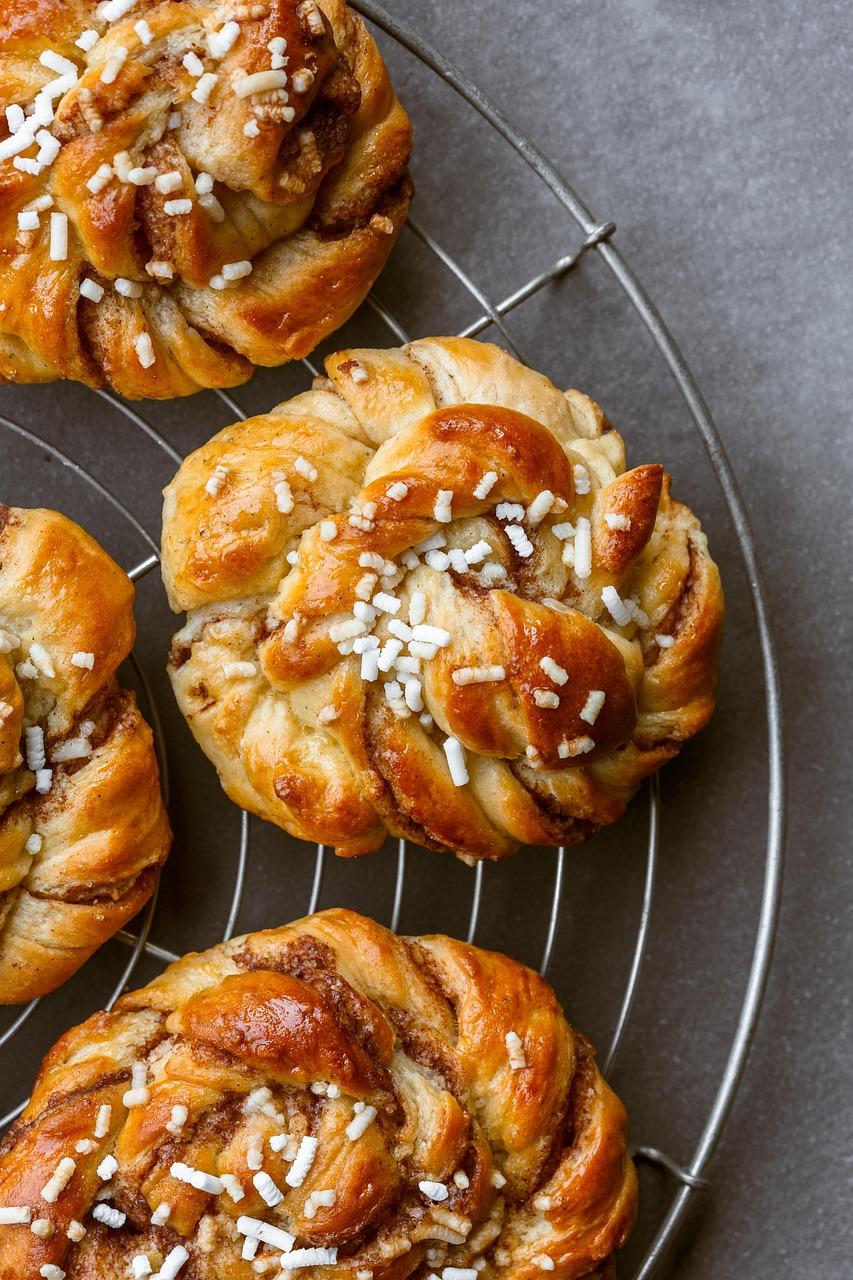
Every Swedish café from Malmö to Kiruna keeps a tray of kanelbullar by the till, and on 4 October, Kanelbullens dag, bakeries can barely keep up. They belong to fika, the mid-morning or afternoon pause for coffee and something sweet. Unlike the big, iced American roll, a Swedish bun is modest and buttery: the dough is perfumed with freshly crushed cardamom, the filling is a thin smear of cinnamon butter, and the top gets a scatter of crunchy pearl sugar instead of frosting. This version shapes them into knots, the way Stockholm bakers do, though plain spirals baked in paper cases are just as traditional at home. Chef's tip: crush the cardamom seeds yourself just before mixing; ready-ground cardamom loses most of its scent within weeks and the buns will taste only of cinnamon.
Dutch appeltaart is a tall, generous pie baked in a springform tin, piled so high with apple chunks that a slice stands almost as tall as it is wide. A buttery, cake-like crust holds apples with cinnamon, lemon and raisins, and the top is woven into a lattice. It is what Dutch cafés serve with coffee, and what people bake for a birthday, always with a spoon of slagroom (lightly whipped cream). Amsterdam's Winkel 43 made it famous with tourists. Chef's tip: use firm, tart apples such as Goudreinet, Elstar or Bramley mixed with Jonagold; soft dessert apples collapse into purée and leave a gap under the lattice.
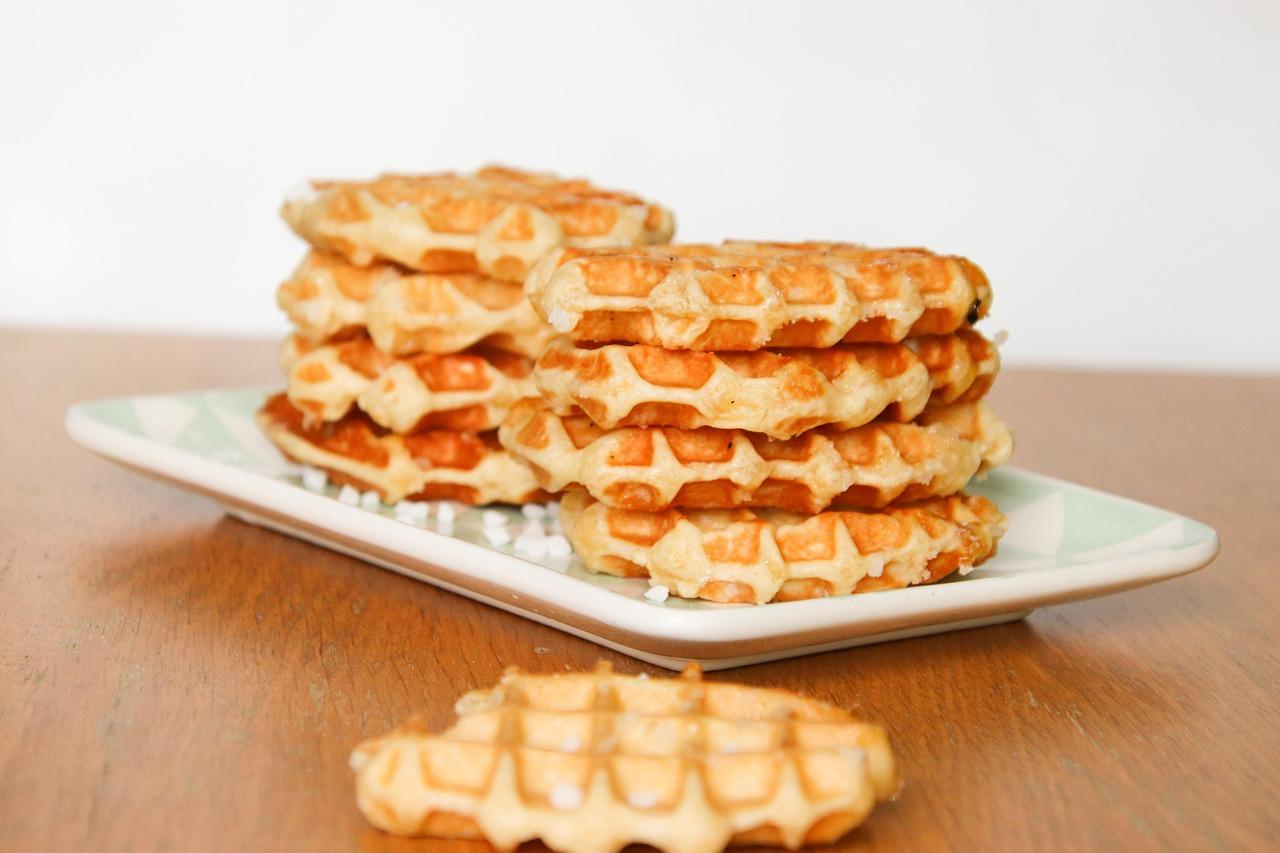
In Liège, in French-speaking Wallonia, the waffle is not a light batter but a rich yeasted dough studded with pearl sugar, eaten warm from a paper sleeve as you walk down the street. As it cooks in a deep-grid iron, the sugar nuggets melt and caramelise into a crackling, toffee-like crust, while the inside stays soft and chewy like brioche. Belgians eat them plain, any time of day, not loaded with cream (that is the lighter Brussels waffle). Chef's tip: knead the pearl sugar in only at the very end, after the dough has risen; if it goes in earlier, it dissolves and the waffles lose their crunch.
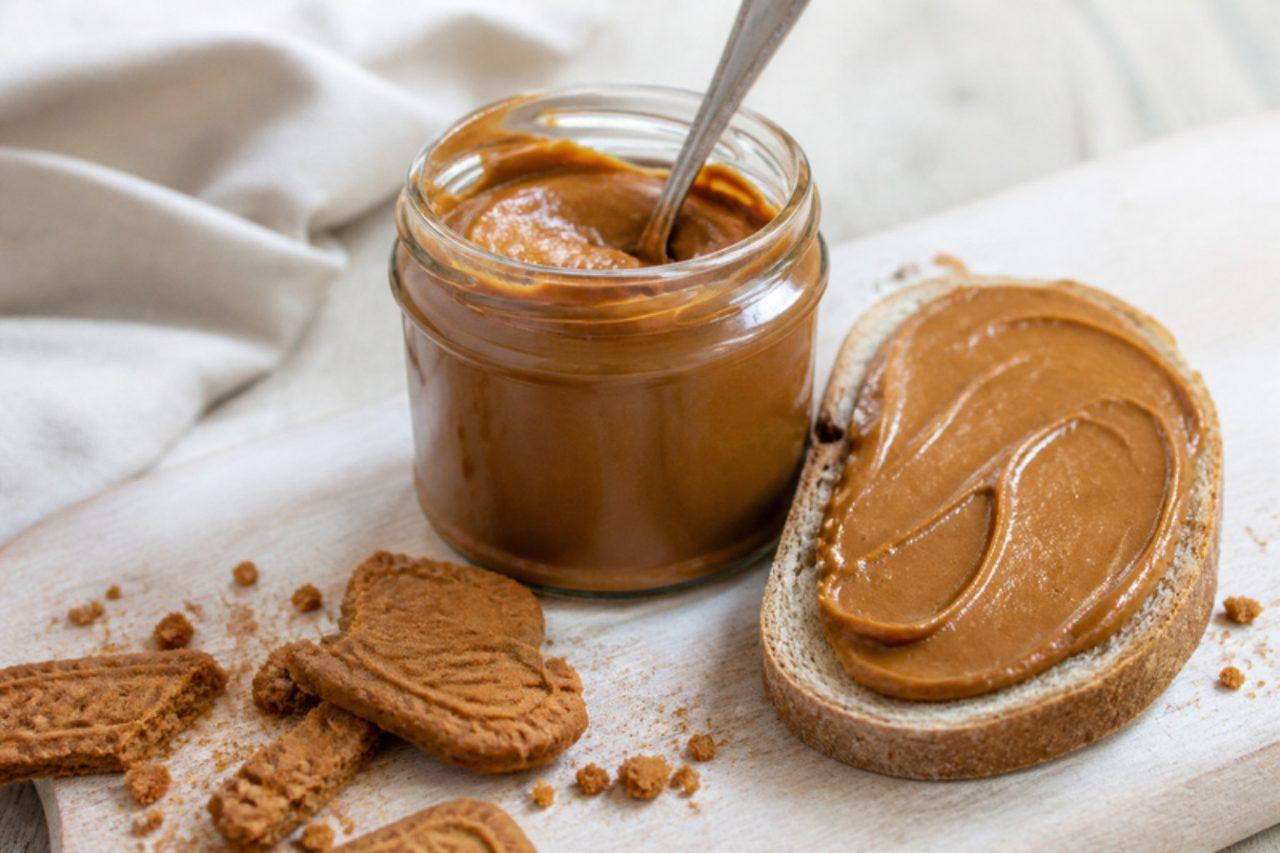
Speculoospasta, a sweet spread made from crushed spiced caramel biscuits, is a Flemish invention of the 2000s: a home cook took the idea to a Belgian TV contest for inventors, and within a few years it sat next to chocolate spread on breakfast tables across Belgium and the Netherlands. Belgians spread it thickly on bread or toast, stir it into yoghurt, or warm it to pour over ice cream. Homemade, it tastes more of cinnamon and caramel and less of sugar than shop jars. Chef's tip: blitz the biscuits to a powder as fine as flour before adding liquid; any grit left now stays gritty in the jar.
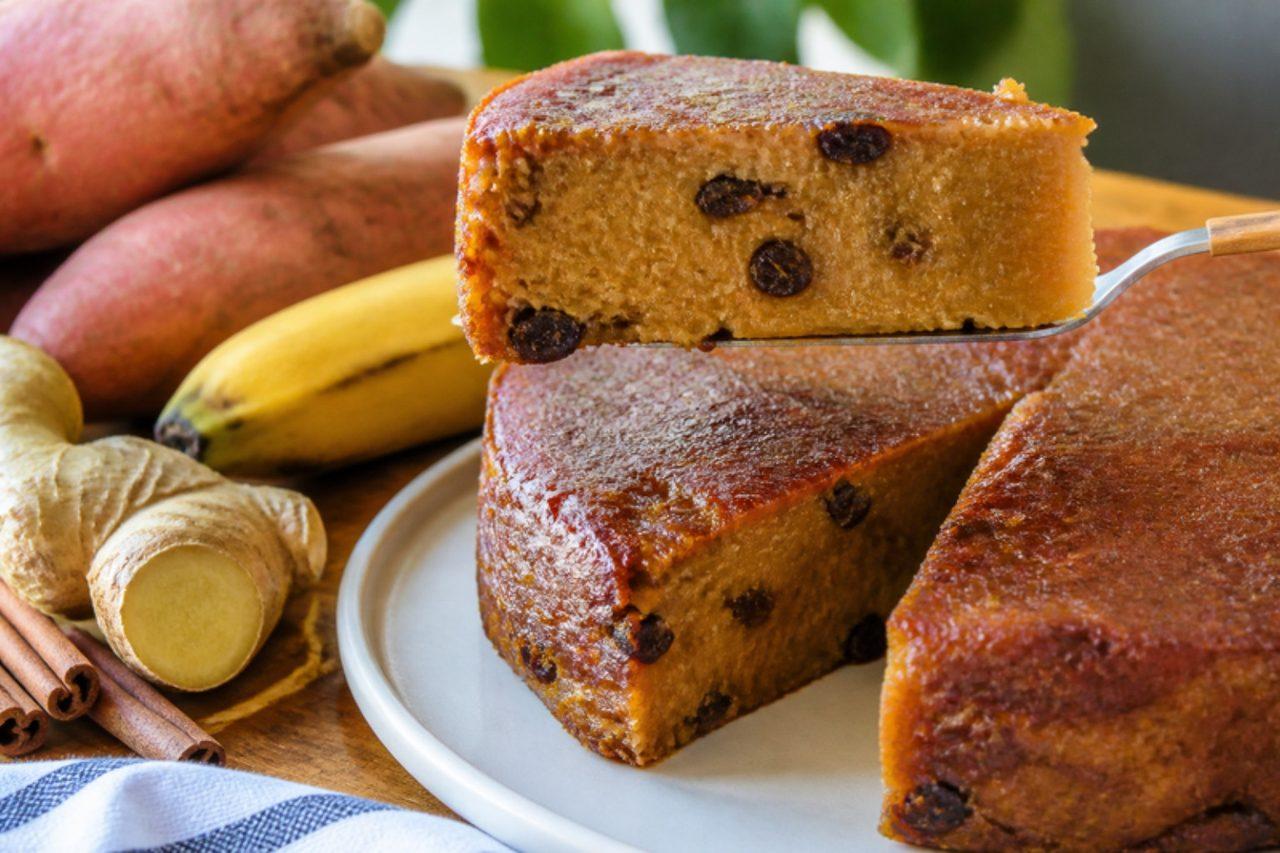
Pen patat, sweet potato 'bread', is the Haitian pudding sold in squares by street vendors and baked at home for Sunday afternoons and holidays, from the hills above Pétion-Ville to Haitian bakeries abroad. Grated white sweet potato (patat) and ripe banana are baked with coconut milk, evaporated milk, fresh ginger and warm spices until set and caramel-brown on top. It is dense, moist and fudgy, a little like a spiced cake and a little like a custard, and it's eaten warm or cold with coffee. Chef's tip: grate the sweet potato finely on the small holes; coarse shreds stay stringy, fine ones melt into a smooth pudding.
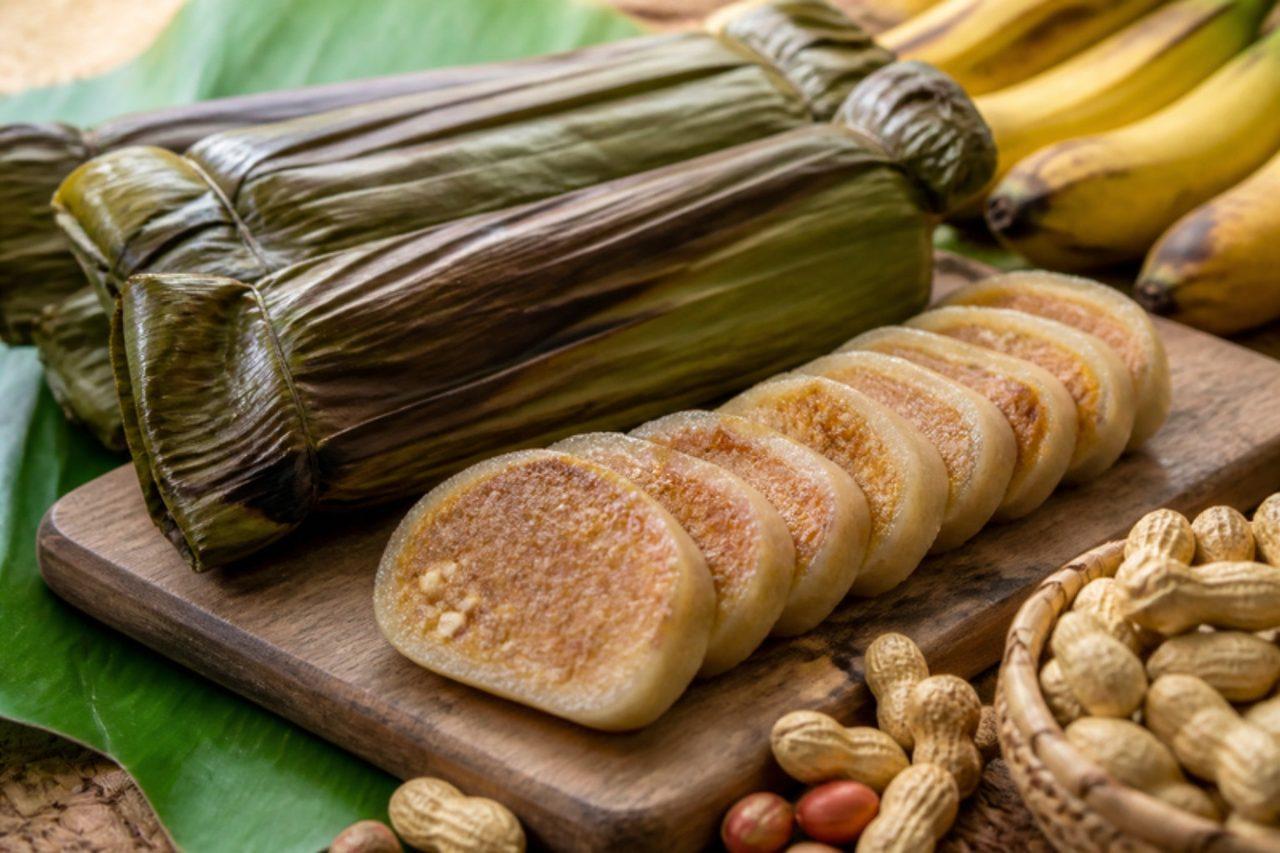
Koba is the street sweet of Madagascar's highlands, sold in thick slices from huge logs wrapped in banana leaves at markets and taxi-brousse stops around Antananarivo and Antsirabe. Koba ravina is a dense block of ground peanuts, rice flour and brown sugar; koba akondro adds ripe banana and is softer. This home version makes small parcels that steam in an hour and a half instead of a whole day. Chef's tip: wrap the parcels tightly; loose parcels let water in and the koba turns sticky instead of firm.
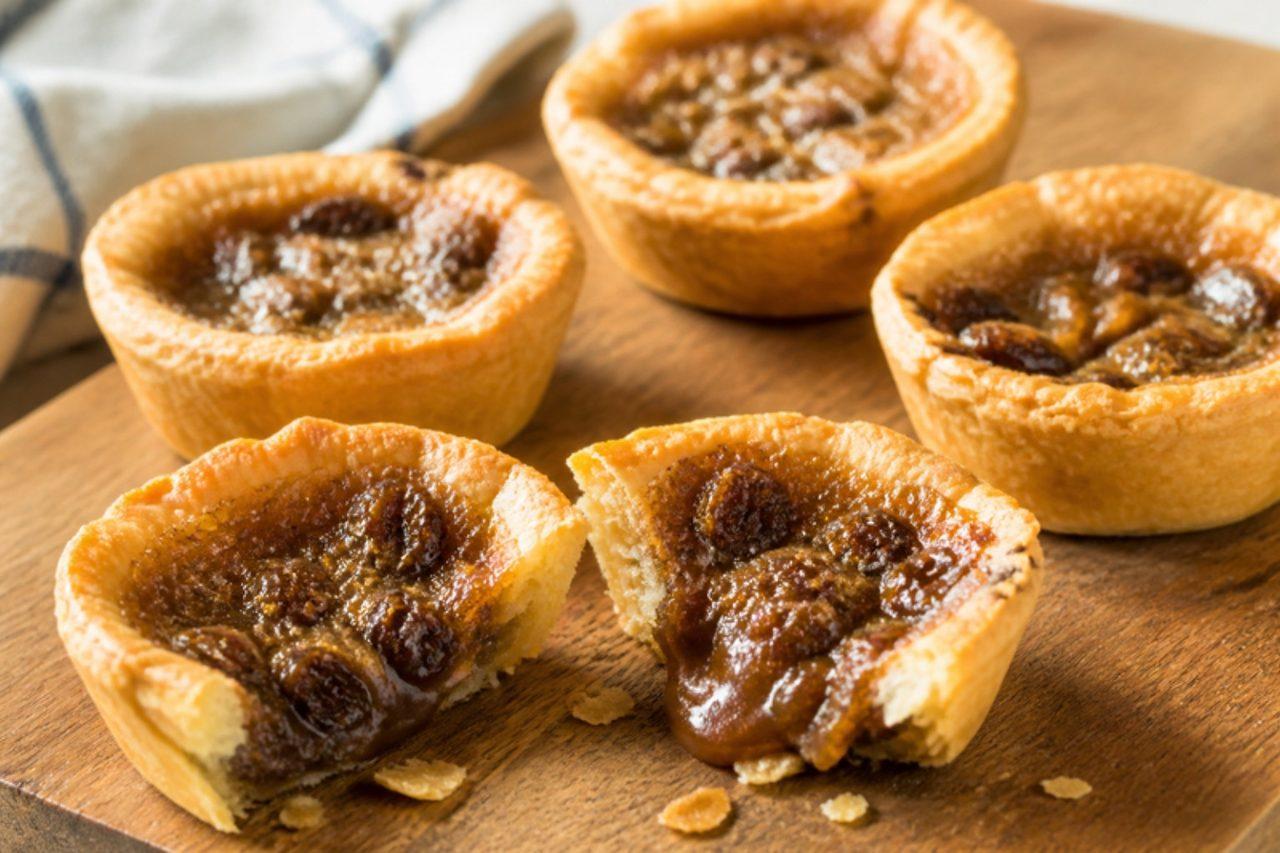
Butter tarts are fiercely loved in Ontario, where towns along the 'Butter Tart Trail' near Midland and Wellington County hold contests, and where Canadians argue about whether raisins belong in them. Small, flaky pastry cups hold a filling of brown sugar, butter, egg and syrup that bakes into a gooey, caramel-like centre with a crackled top. This version adds a little maple syrup and leaves raisins optional. Chef's tip: bake only until the filling bubbles and the edges are set but the centre still jiggles; runny is the goal, but overbaked tarts turn sugary and hard.
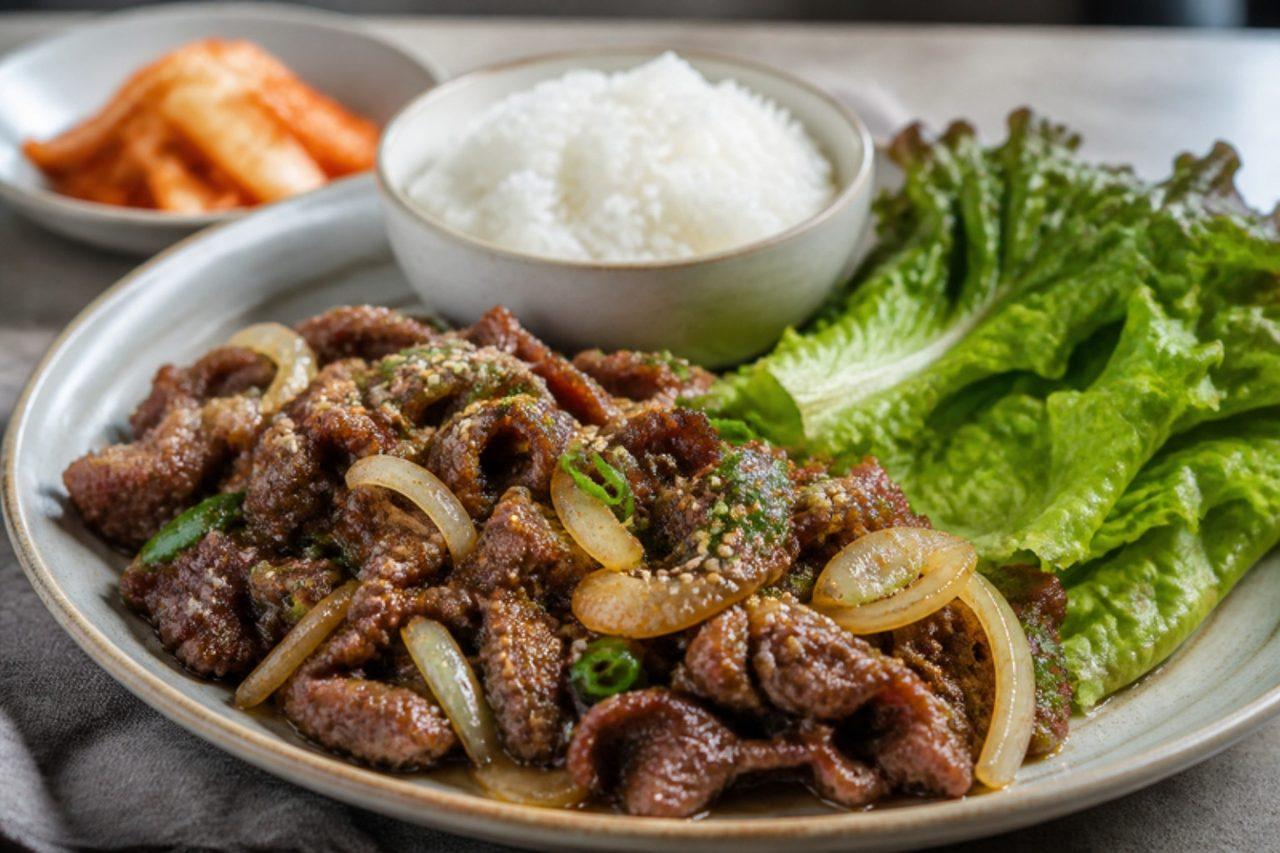
In Seoul, bulgogi restaurants still cook it on a domed grill set into the table, with a moat around the edge that catches the sweet juices for spooning over rice. At home it is made in a hot pan, and it is a favourite for family dinners, lunch boxes and birthday tables. Grated Asian pear softens the meat and adds a gentle sweetness to the soy and garlic. Wrap it in lettuce with a little ssamjang, or eat it over rice. Chef's tip: put the beef in the freezer for 30 minutes before slicing; firm meat cuts into wafer-thin slices easily.
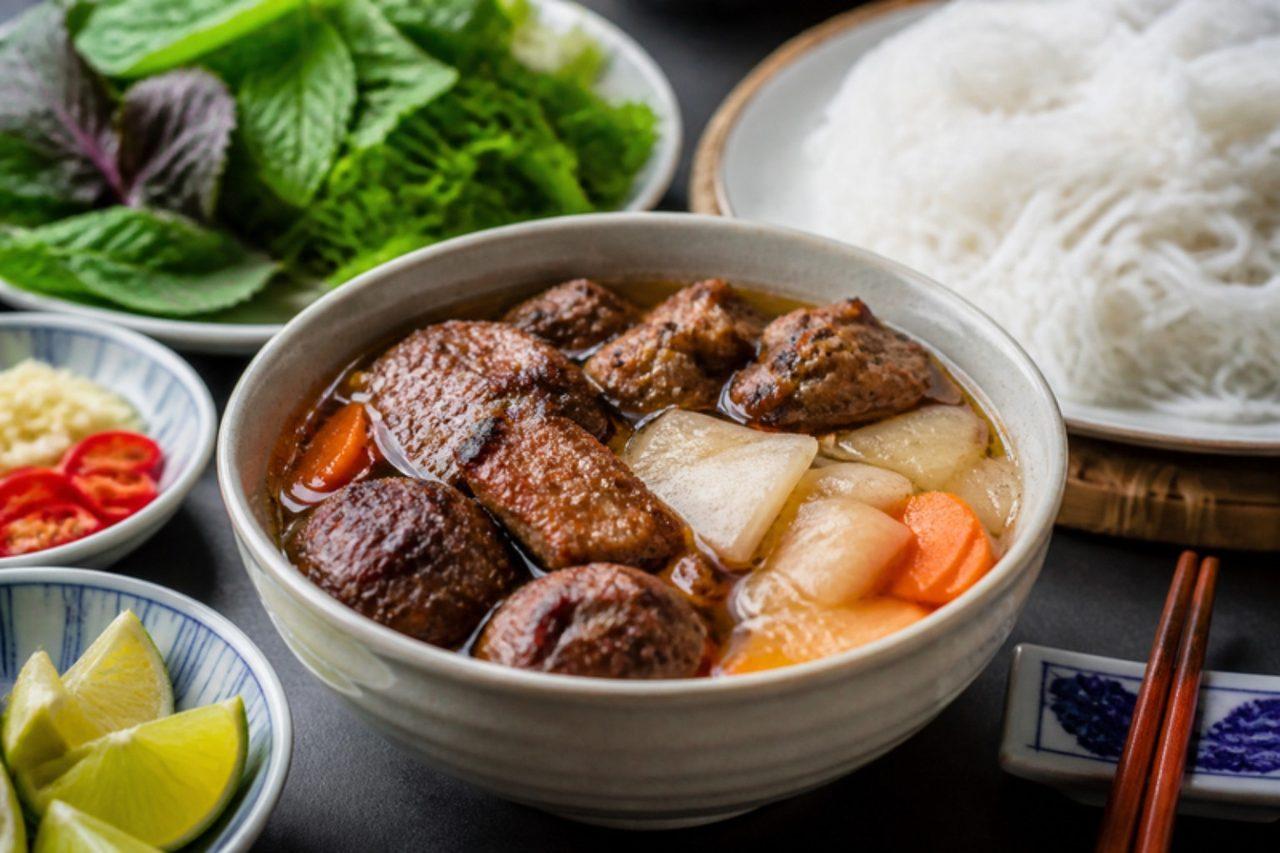
Around 11 in the morning, the side streets of Hanoi's Old Quarter fill with smoke as cooks fan little charcoal braziers loaded with pork. Bun cha is the city's lunch: grilled patties and caramelised strips of pork belly served floating in a warm bowl of thin, sweet-sour fish sauce, with cold rice vermicelli and a basket of lettuce and herbs to dip in alongside. Each mouthful is a bit of noodle, a bit of meat and a leaf or two, all dunked together. A barbecue gives the real smoky edge, but a ridged grill pan works well indoors. Chef's tip: let the grilled meat sit in the warm sauce for a few minutes before eating, so the smoky fat seasons the sauce and the sauce soaks into the meat.
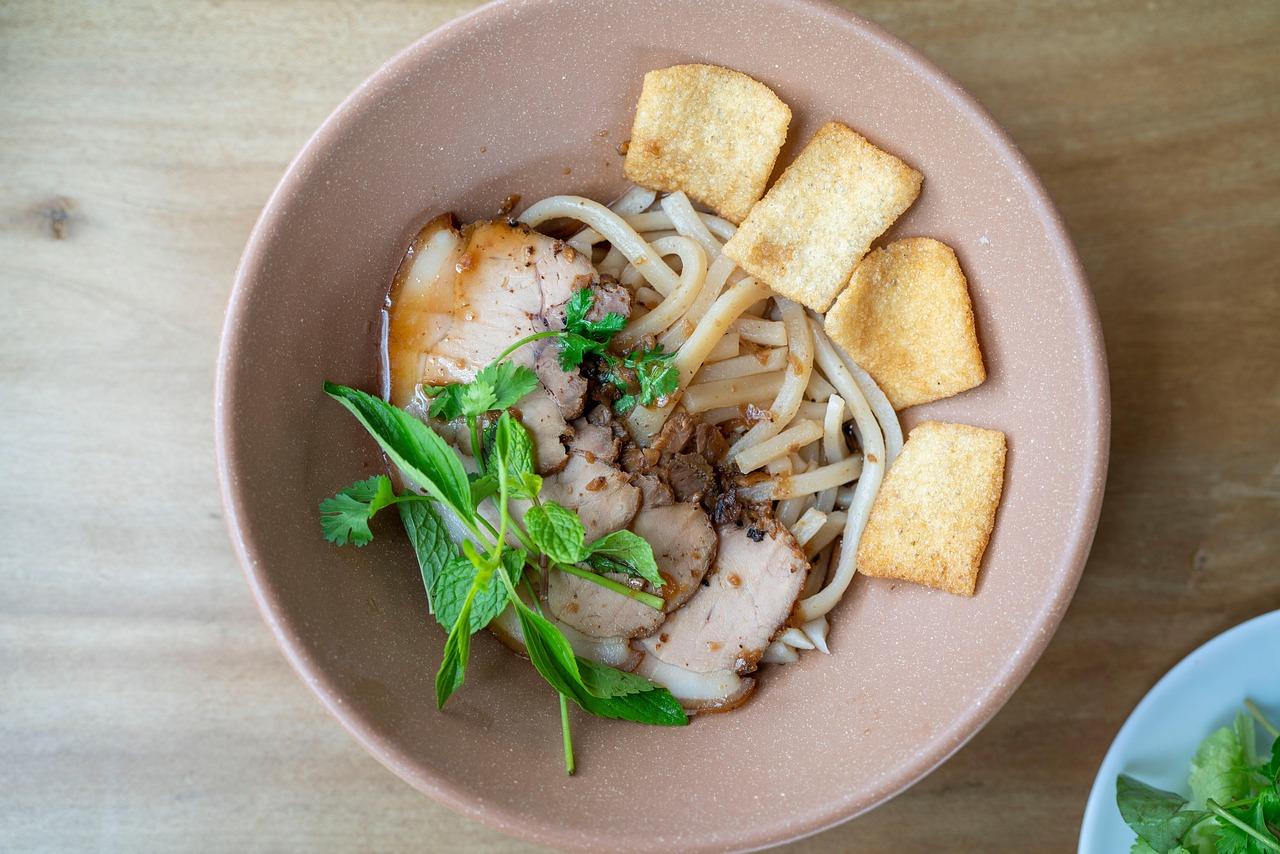
You will really only find proper cao lầu in Hội An, the old trading port on Vietnam's central coast, where it's sold in small family eateries and along the riverside at lunch. The noodles are yellowish and unusually chewy, made with lye water that locals traditionally link to the town's ancient Bá Lễ well. They come almost dry, topped with slices of sweet five-spice pork, raw greens and crisp squares of fried dough, with just a spoonful of the pork juices. Because the real noodles are very hard to buy outside Hội An, this home version uses thick udon noodles, which give a similar bouncy chew; it is a substitute, not the original. Chef's tip: rinse the cooked udon in cold water, then dip briefly in hot water just before serving, so they are warm but firm.
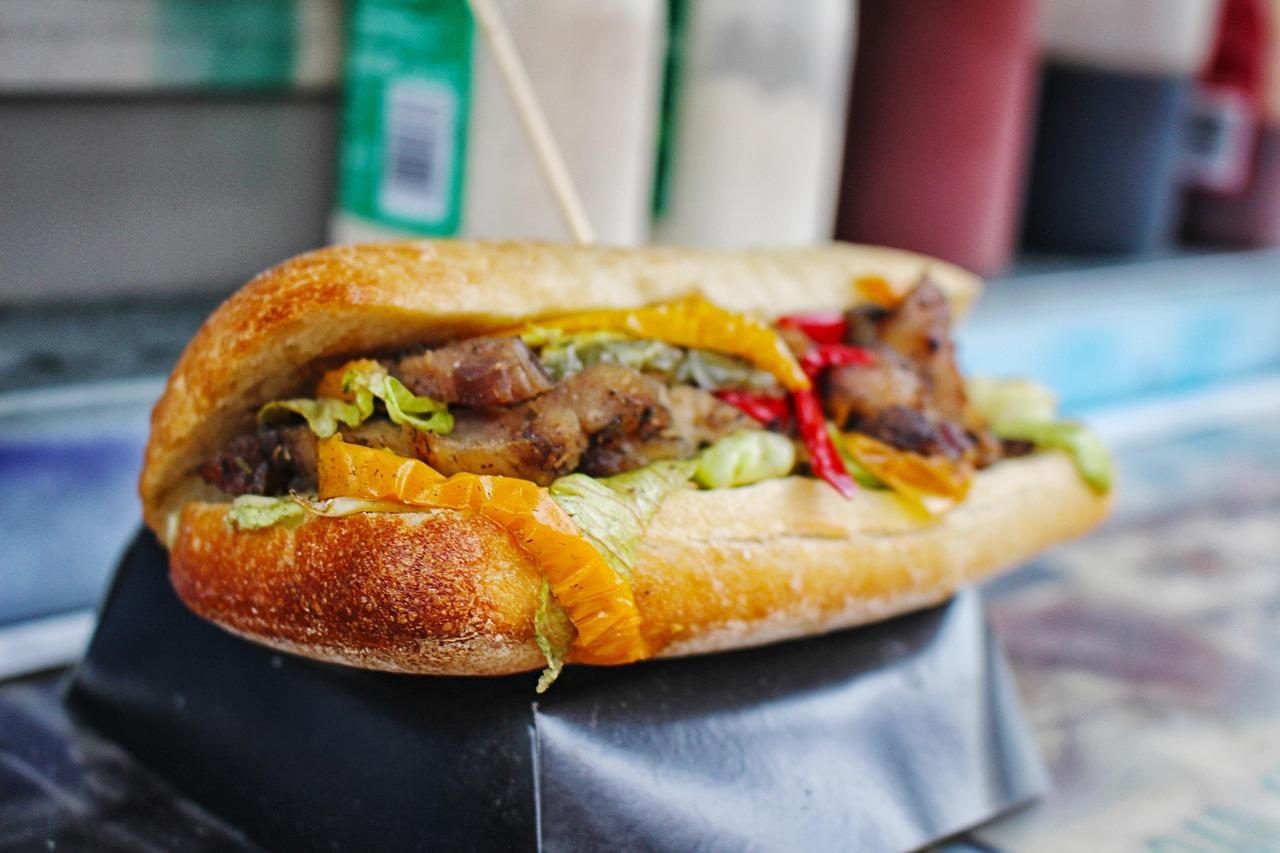
On Saigon pavements at breakfast time, bánh mì carts with glass cases are stacked with light, crackly rolls, tubs of pickles and trays of pâté and pork. The bread came with the French, but the filling is entirely Vietnamese: a smear of liver pâté and mayonnaise, cold cuts or lemongrass-grilled pork, sweet-sour carrot and daikon, cucumber, coriander and fresh chilli, with a splash of savoury seasoning sauce. It's eaten on the move, often on the back of a motorbike. This is the meat version; there is also a lemongrass tofu bánh mì on the site. Chef's tip: choose the lightest, airiest baguettes you can find, as a dense French loaf squeezes the filling out the sides.