Skip to content

Recipes with yellow soybean paste

5 recipes that use yellow soybean paste, with photos, step-by-step instructions and cook times. The quickest, Homemade hoisin sauce, takes 15 minutes. It is most often cooked with garlic, coarse sea salt and coriander roots.

Got a few things in the fridge? Search by everything you have

Homemade hoisin sauce

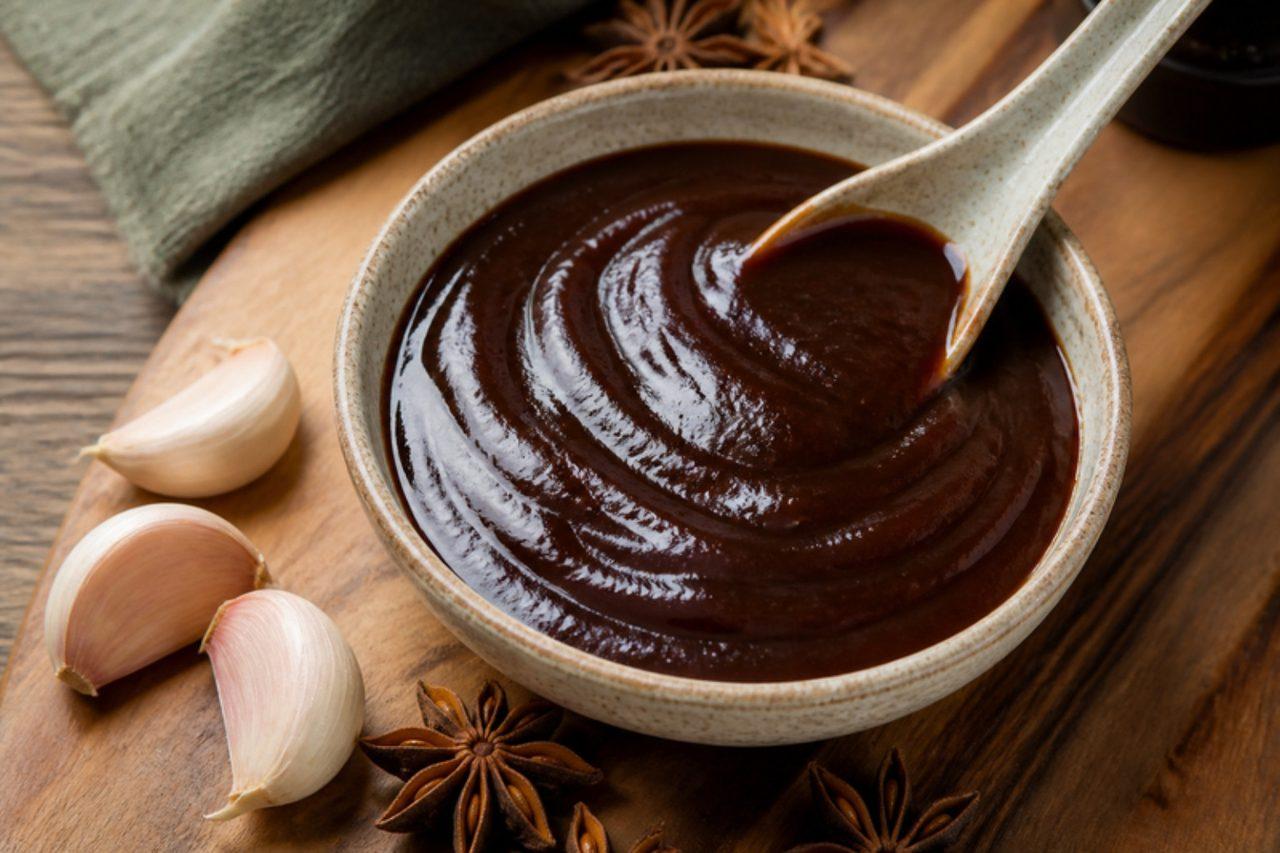
Cantonese cooks in Guangzhou and Hong Kong brush hoisin over char siu, stir it into noodles and put a dish of it on the table with roast duck and spring rolls. Despite the name, which means 'seafood sauce', it contains no seafood at all. Making it yourself takes fifteen minutes and gives a fresher, less sticky sauce that is sweet, salty, garlicky and gently spiced, without thickeners or colourings. Use it for dipping, glazing tofu or vegetables, and in marinades. The usual mistake is boiling it hard, which scorches the sugar and turns it bitter; keep it at a lazy bubble. Chef's tip: fermented yellow soybean paste (huang dou jiang) gives the closest flavour, but white miso works too if that is what you have.

by KrazyBadal 0 views

Thai red curry paste

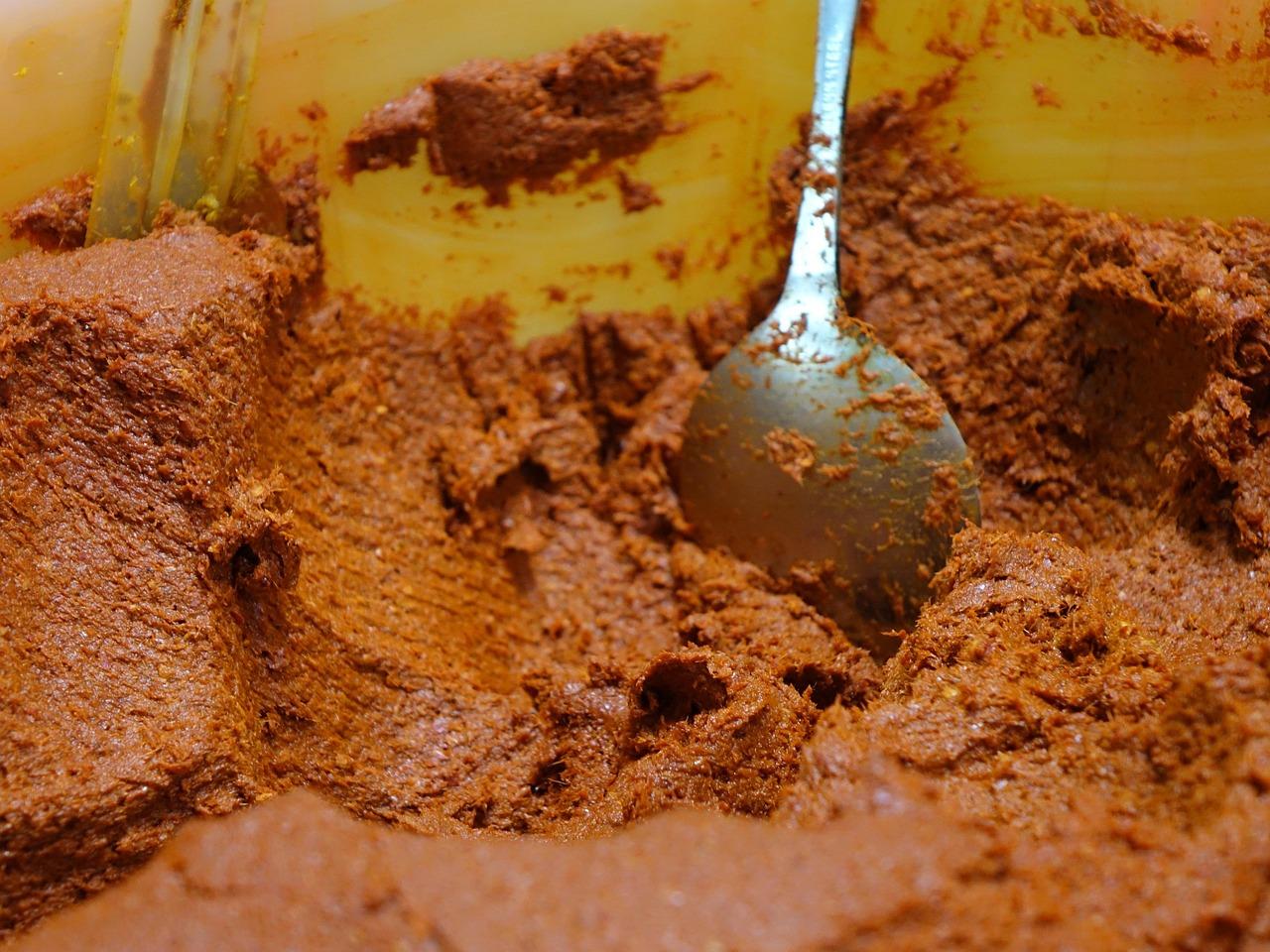
Market stalls in Bangkok's Or Tor Kor and Khlong Toei sell red curry paste by the scoop from brick-red mounds, but a home batch pounded in a granite mortar smells far brighter. This is the base for gaeng phet, choo chee and red duck curry, and a spoonful also lifts fried rice and stir-fried long beans. The paste is coarse, deep red and fiercely aromatic, with lemongrass and galangal up front. Traditionally a teaspoon of kapi (fermented shrimp paste) goes in at the end; this version uses yellow soybean paste instead so it stays vegan. Add 1 tsp roasted shrimp paste in step 8 if you want the classic. Chef's tip: soak the chillies until fully soft and squeeze them dry before pounding; hard, wet chillies are the usual reason a paste stays gritty and watery.

40 minThaiBasicsVeganGluten freeSpicy
by KrazyBadal 0 views

Thai green curry paste

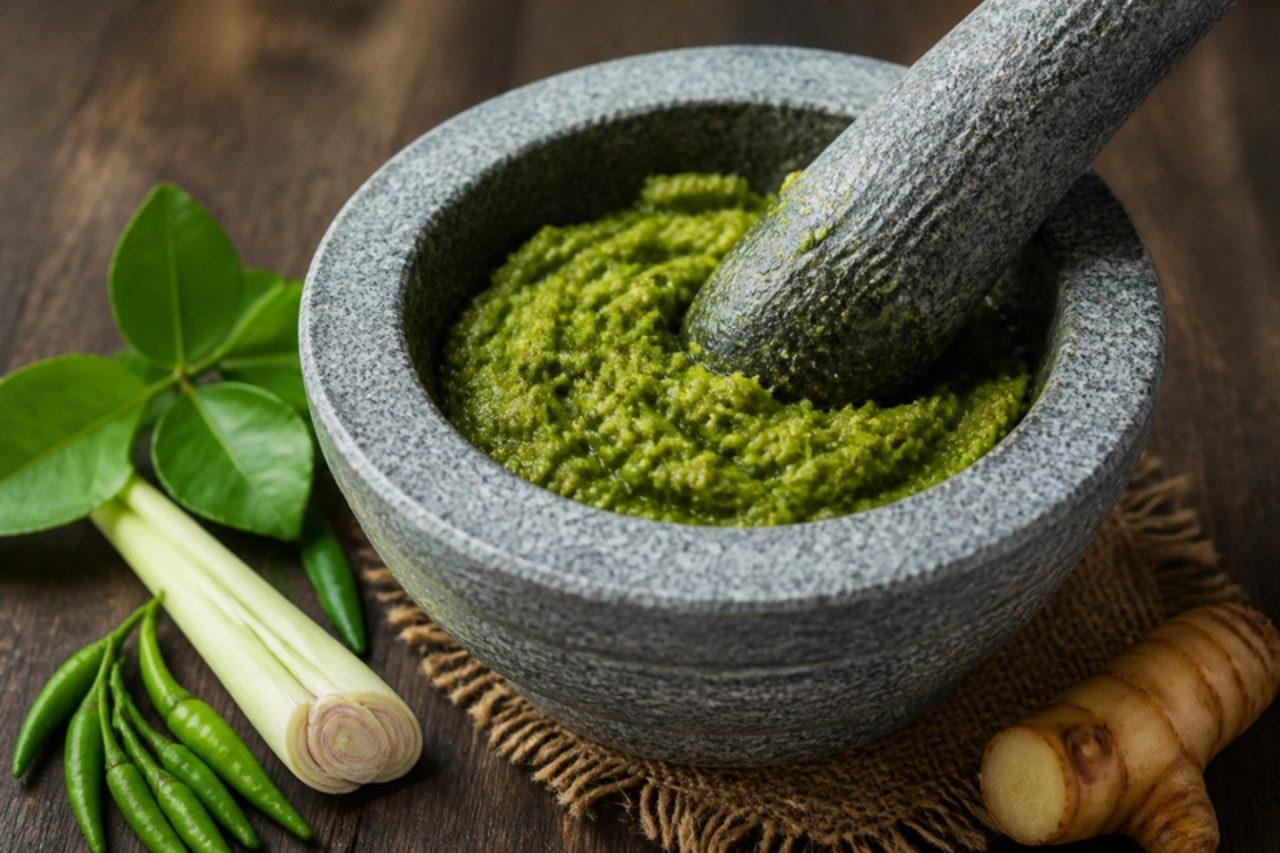
Green curry is a central-plains dish, cooked in Bangkok shophouse kitchens and eaten over rice or khanom jeen noodles at lunch. Its paste uses fresh green chillies rather than dried red ones, so it tastes grassy, hot and citrusy, with cumin and white pepper underneath. Thai cooks would add kapi (shrimp paste) at the end; here yellow soybean paste gives the savoury depth so the paste is vegan, and 1 tsp roasted shrimp paste can go back in for the traditional version. Chef's tip: don't add water to get the blender going; a watery paste won't fry in coconut cream and the curry tastes flat. Use a spoonful of oil and patience instead.

38 minThaiBasicsVeganGluten freeSpicy
by KrazyBadal 0 views

Nam prik kapi, vegan styleVegan chilli dip with vegetables

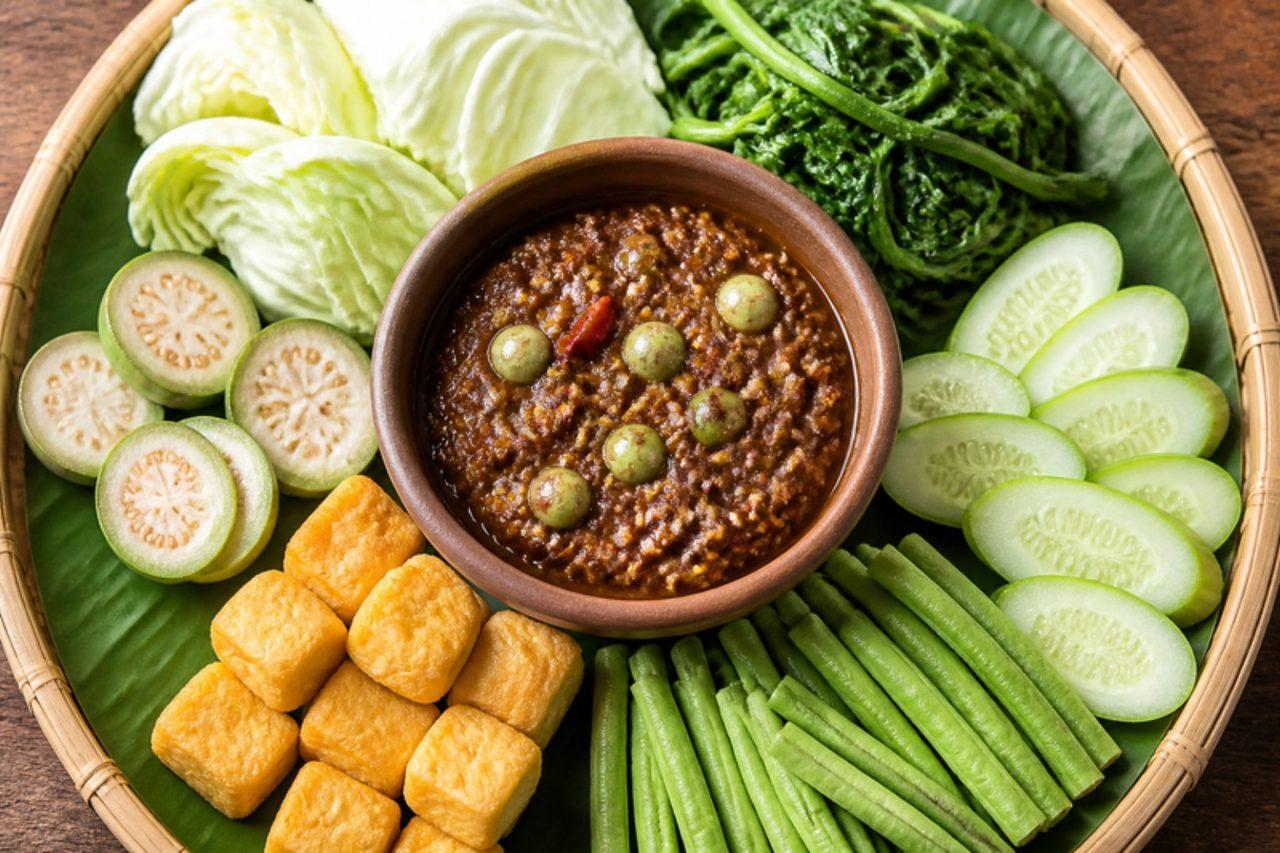
Across the central plains, a small bowl of nam prik kapi sits in the middle of the family tray with a platter of raw and boiled vegetables, a fried fish and rice, and everyone dips as they go. The classic is built on kapi, a pungent fermented shrimp paste, pounded with garlic, bird's-eye chillies, lime and palm sugar. This vegan version keeps the same sharp, hot, sweet-sour balance but swaps the kapi for yellow soybean paste and a little toasted nori for a sea note, and fried tofu takes the place of the mackerel. For the traditional dip, wrap 1½ tbsp kapi in foil, toast it in a dry pan for 2 minutes, use it instead of the soybean paste and nori, and season with fish sauce instead of tamari. Chef's tip: pound the garlic and chillies before the liquids go in; adding lime too early turns the mortar into a splashing mess and leaves the garlic in chunks.

by KrazyBadal 0 views

Zhajiangmian with mushroom and tofuNoodles in bean paste sauce

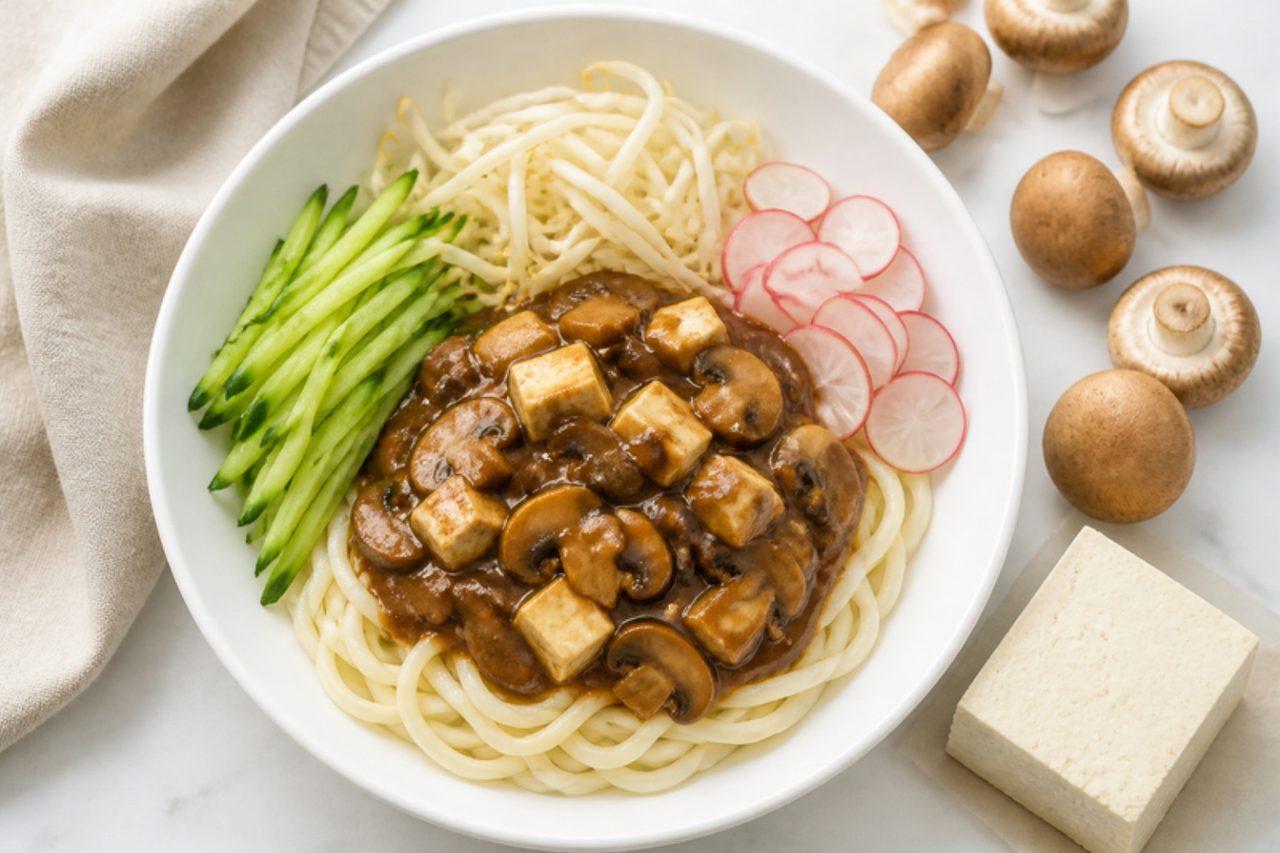
Zhajiangmian is old Beijing's comfort food, eaten in hutong noodle houses and at home on hot summer days. Thick wheat noodles are topped with a dark, salty-sweet sauce of fermented soybean paste fried slowly in oil, then piled with raw cucumber, radish and beansprouts that you mix in at the table. Pork is traditional; diced firm tofu and mushrooms give the sauce the same chunky body here. Chef's tip: fry the bean paste gently and patiently, on a low heat, until the oil separates out and it smells toasty; rushed, it tastes raw and harsh.

by KrazyBadal 0 views

Goes well with yellow soybean paste