Skip to content
WhatToEat.Today

All recipes

46

Vegetarian, or something you can't eat? Set your diet once and we'll hide recipes that don't fit.

Arroz con mariscosSeafood rice

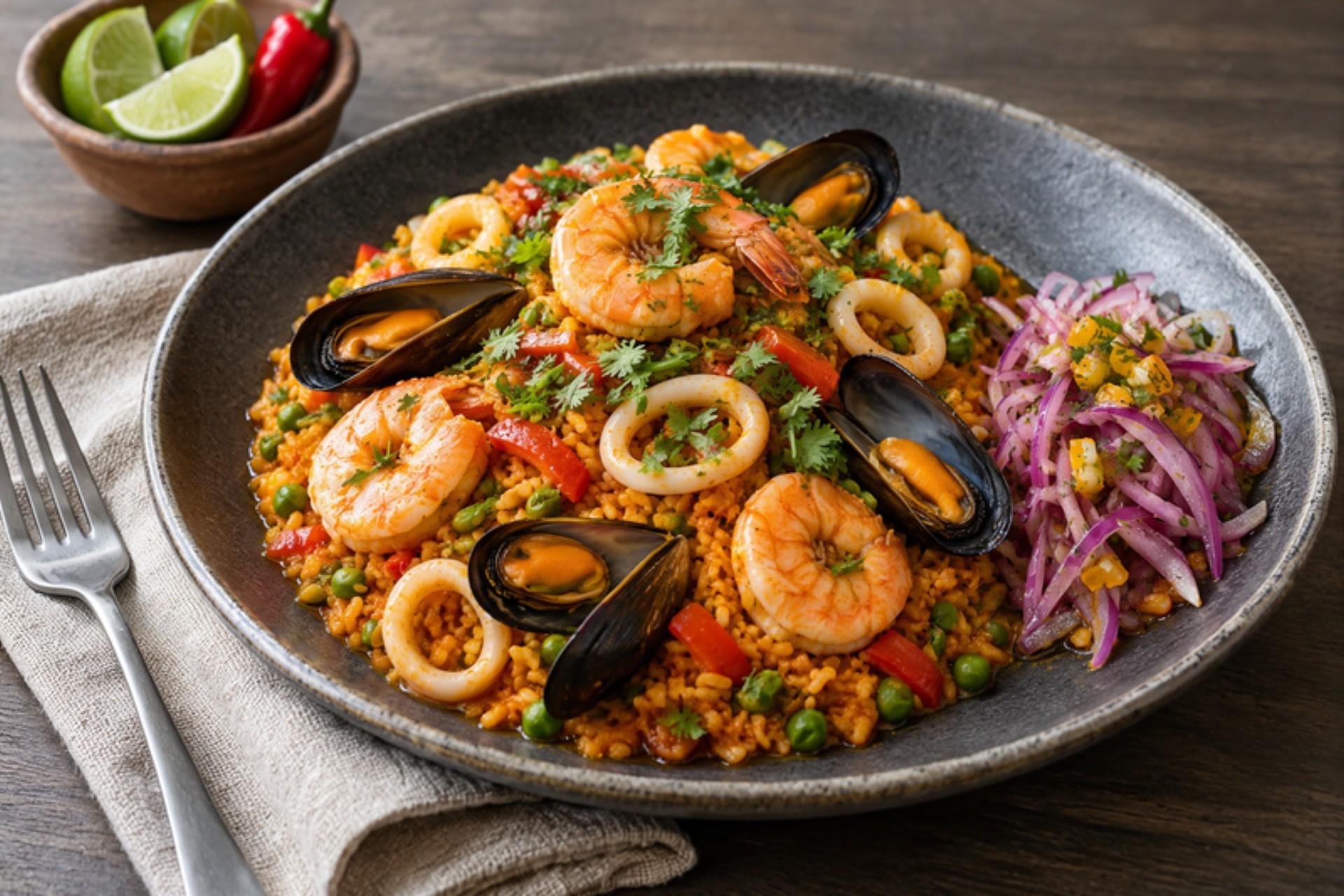
Arroz con mariscos is the weekend dish of Callao and the beach towns south of Lima, served in cevicherías as the hot partner to a cold ceviche. It is moister than a paella, closer to a risotto, coloured with ají panca and ají amarillo and finished with peas and a little Parmesan-style cheese, as many Lima cooks do. The common mistake is adding all the seafood at the start: the squid turns rubbery and the prawns shrink to nothing. Cook the rice first and add the shellfish only for the final minutes. Discard any mussels that are open before cooking and do not close when tapped, and any that stay shut after cooking. The cheese is often made with animal rennet; use a vegetarian hard cheese if you prefer. Chef's tip: simmer the prawn shells in the stock for 10 minutes; they give the rice its deep seafood taste.

by KrazyBadal 0 views

Ceviche peruanoLime-cured white fish

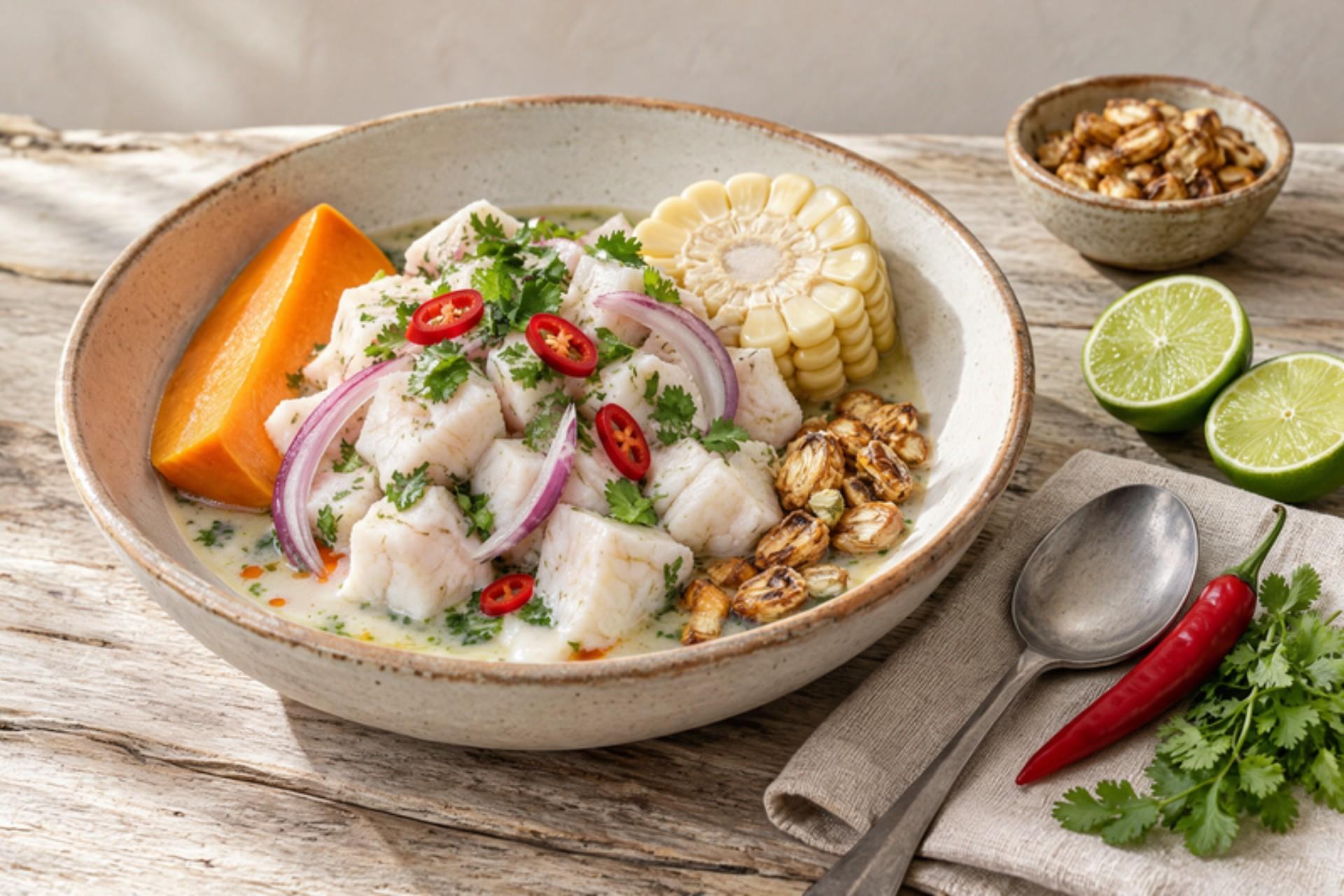
Ceviche is Peru's national dish, eaten at lunchtime in the cevicherías of Lima's Surquillo and Chorrillos markets, because the fish must be fresh off the morning boats and cevicherías traditionally close in the afternoon. The classic is raw white fish 'cooked' in lime juice with red onion, chilli and coriander, served with sweet potato and corn. Lime juice does not kill bacteria or parasites, so this version first poaches the fish for a minute until just opaque, then dresses it, which keeps the classic flavour and texture far safer. Even so, it is not for pregnant women, young children or anyone with a weakened immune system. The usual mistake is leaving the fish in the lime for an hour: it turns chalky and the juice goes bitter. Chef's tip: squeeze the limes gently by hand and stop before the pith; over-squeezed limes make bitter leche de tigre.

by KrazyBadal 0 views

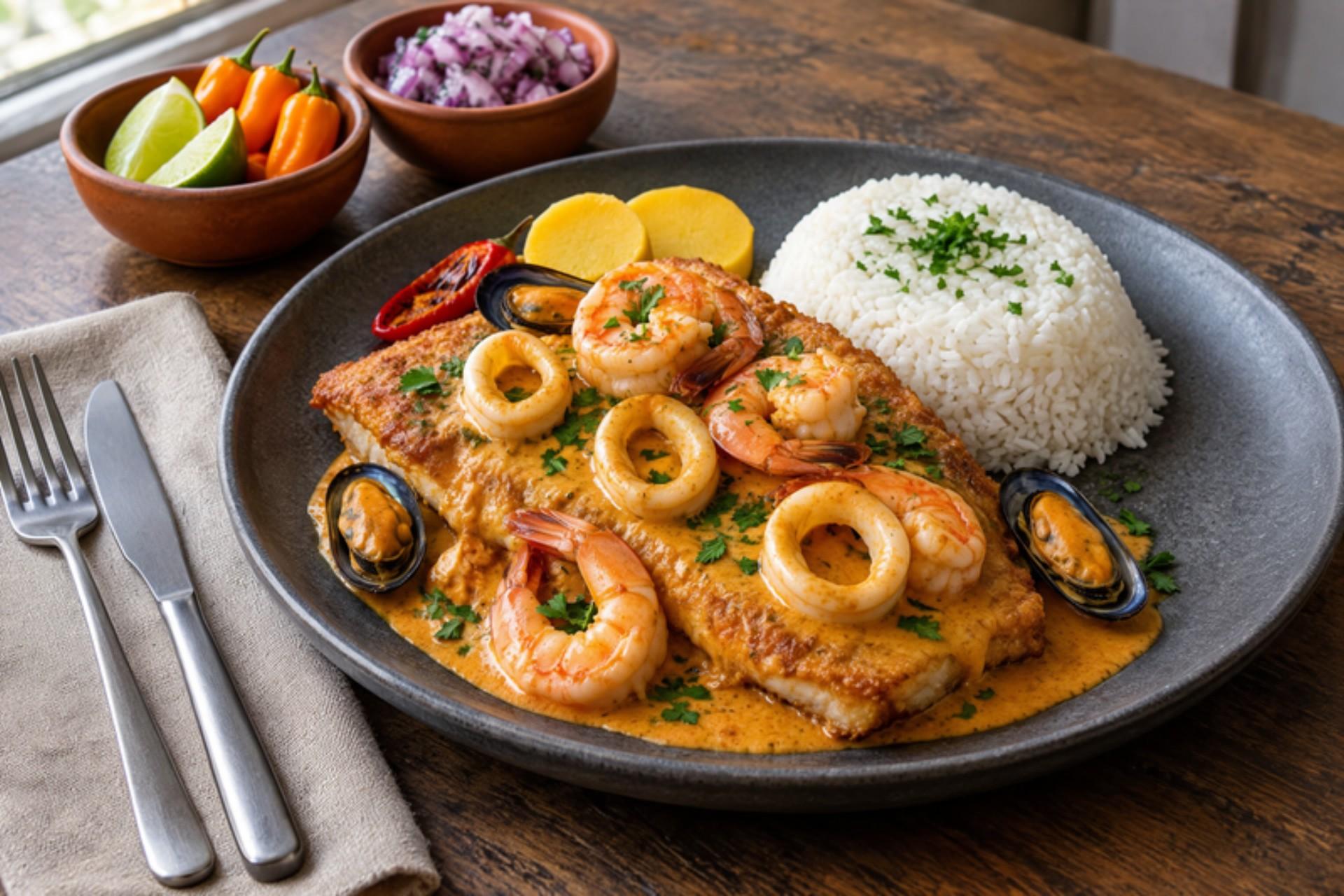
Pescado a lo machoFried fish in spicy seafood sauce

Pescado a lo macho is a classic of Lima's seafood restaurants, the dish people order for a long Sunday lunch near the sea in Chorrillos: a fillet of fried white fish smothered in a thick, spicy sauce of ají panca and ají amarillo packed with prawns, squid and mussels. The name boasts that you need to be brave for the chilli, but you can turn it down. The common mistake is overcooking the seafood while the sauce reduces; add it only when the sauce is already thick. Discard mussels that are open and do not close when tapped, and any that stay shut after cooking. Chef's tip: dust the fish in flour seasoned with cumin and fry it last, so it reaches the table crisp under the sauce.

by KrazyBadal 0 views

Ilish bhajaFried hilsa fish

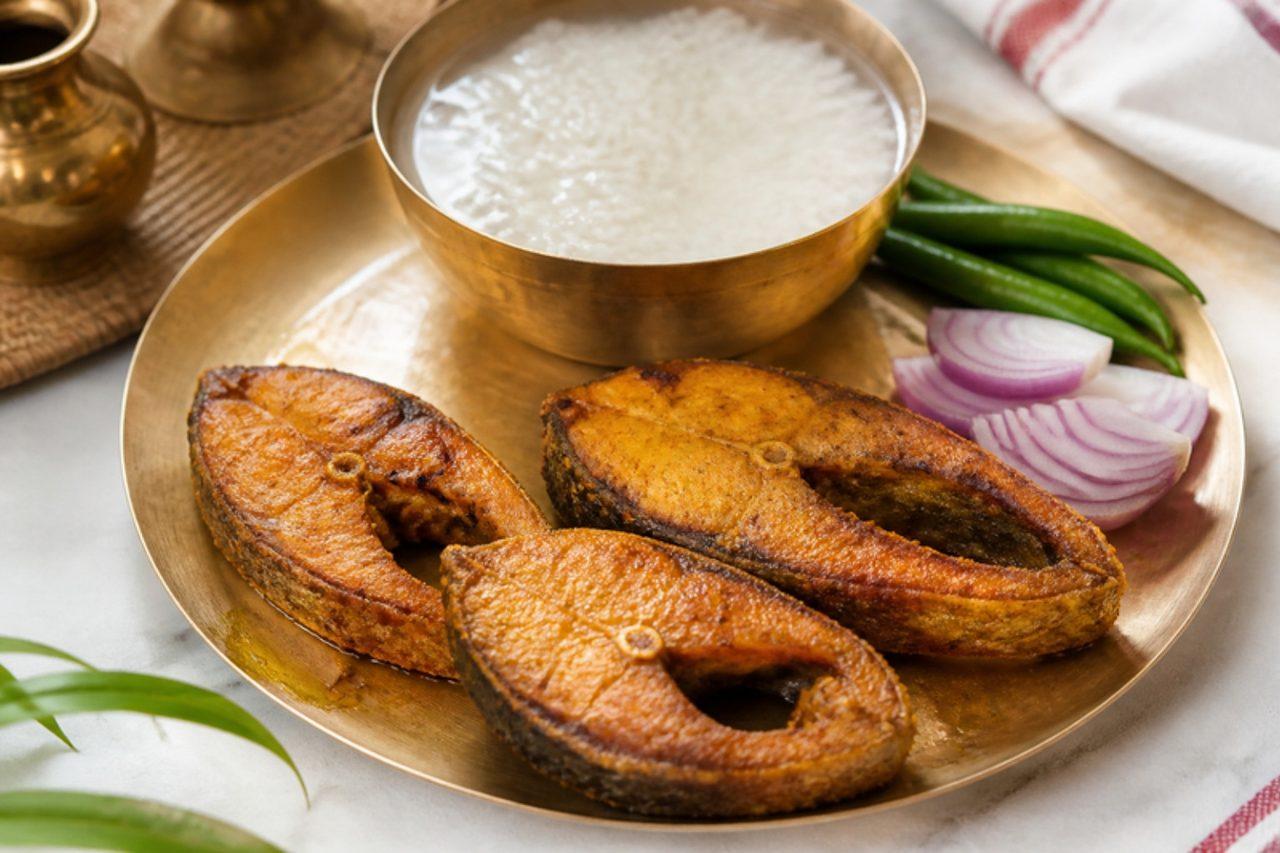
Breakfast on Pohela Boishakh in Dhaka means panta bhat, rice soaked overnight in water, eaten under the trees at Ramna with crisp fried hilsa, raw onion and green chilli. Ilish bhaja is the simplest way to cook Bangladesh's national fish: steaks rubbed only with turmeric and salt and fried in mustard oil until the edges crisp and the rich, oily flesh turns soft and sweet. The oil left in the pan, perfumed with the fish, is poured over rice and is half the pleasure. The common mistake is turning the steaks too soon, which tears the delicate skin; leave them until they release from the pan by themselves. The fish is done when the flesh is opaque right through and flakes away from the central bone. Chef's tip: hilsa is full of fine bones, so eat it slowly with your fingers and warn guests who have not tried it before.

by KrazyBadal 0 views

OsterpinzeEaster anise brioche

Osterpinze is the Easter bread of Styria, Carinthia and the area around Trieste, a soft, golden brioche dome with three deep cuts on top for the Holy Trinity, so that it opens into a crown as it bakes. The dough is rich with egg yolks and butter and flavoured with anise and lemon; old recipes add a splash of white wine, left out here. It is blessed in the Easter basket on Holy Saturday and eaten on Easter morning with ham, horseradish and eggs, or with butter and jam. Chef's tip: make the three cuts with scissors just before baking, deep enough to reach halfway down, so the crown opens wide.

by KrazyBadal 0 views

AllerheiligenstriezelBraided sweet loaf

In Bavaria and Austria, godparents give their godchildren an Allerheiligenstriezel on All Saints' Day, 1 November: a large braided loaf of sweet yeast dough, brushed with egg and scattered with almonds or pearl sugar. The braid is said to recall the old custom of cutting a plait of hair in mourning, and the size of the loaf once showed how generous the godparent was. It is lightly sweet, with lemon and vanilla, and is eaten sliced with butter or jam. Some recipes add rum-soaked raisins; these are soaked in warm water instead. Chef's tip: braid four strands for an impressive, high loaf.

by KrazyBadal 0 views

ParihuelaSpicy seafood soup

Parihuela is the big weekend seafood soup of Callao and the Peruvian coast, eaten at long Sunday lunches in cevicherías and praised as a cure for tiredness and late nights. A deep red broth of ají panca, ají amarillo, tomato and fish stock is loaded with chunks of fish, prawns, squid and mussels. A portion gives about 30 g of protein, from the fish and shellfish, for roughly 300 kcal. Some cooks add chicha de jora or beer; this version has none. The common mistake is adding all the seafood at once: squid and prawns turn rubbery while the fish cooks, so they go in last. Before cooking, discard any mussels that stay open when tapped, and after cooking discard any that stay shut. Chef's tip: fry the chilli pastes in the oil until they darken and smell sweet; that toasted ají is what gives parihuela its depth.

by KrazyBadal 0 views

TopfengolatschenSweet quark puff pastry squares

A Topfengolatsche is what Viennese office workers grab from the bakery on the way in, and what grandparents order with a Melange in a coffee house on a Sunday afternoon. The corners of a puff pastry square are folded over a lemony, vanilla-scented filling of Topfen (Austrian quark) with plump raisins, and the top gets a thin white glaze. It is flaky, light and not too sweet. Raisins are sometimes soaked in rum; warm water or orange juice works just as well, and the recipe below is alcohol-free. Wet quark is the classic problem, because it turns the filling runny and it leaks out in the oven. Chef's tip: hang the quark in a sieve lined with a clean cloth for an hour, or squeeze it, until it is as thick as soft cream cheese.

by KrazyBadal 0 views

Pejerrey arrebozadoBattered fish fillets with onion salsa

Pejerrey arrebozado is a Lima classic from the cevicherías and home kitchens of the coast, eaten at lunch on a plate with white rice, a heap of sharp salsa criolla and sometimes boiled potato. The pejerrey, a small silverside, is opened into butterflied fillets, dipped in a light egg-and-flour batter and fried golden. Outside Peru, use small fillets of whiting, sole, haddock or tilapia. The batter here uses sparkling water, not beer, so it is alcohol free. The common mistake is frying in oil that isn't hot enough: the batter drinks the oil and turns greasy, so test with a drop of batter first. Chef's tip: make the salsa criolla first and let the onion sit in lime for ten minutes; it softens its bite and turns a pretty pink.

by KrazyBadal 0 views

Chicharrón de pescadoCrisp fried fish chunks

Up and down the Peruvian coast, from Chorrillos in Lima to the beaches of Piura, chicharrón de pescado is the crunchy plate ordered alongside ceviche at a long seafood lunch: bite-size chunks of firm white fish marinated briefly in garlic and lime, dusted in flour and fried, then served with fried cassava, salsa criolla and tartar or rocoto sauce. Using frozen peeled cassava keeps it to half an hour. The common mistake is leaving the fish in the lime too long: after about ten minutes the acid starts to 'cook' the outside and the coating slips off. Chef's tip: toss the floured pieces in a sieve to shake off every bit of loose flour; a thin coat fries crisp, a thick one turns pasty.

by KrazyBadal 0 views

Kärntner ReindlingCinnamon raisin yeast cake

Carinthia's Easter loaf takes its name from the Reindl, the round, deep pan it is baked in, and in southern Austria no Easter basket goes to church without one. Inside the golden yeast crust is a spiral of butter, cinnamon sugar and plump raisins, so every slice shows a dark swirl. Locals eat it two ways: sweet with coffee on Easter morning, or alongside the savoury Easter platter with horseradish. Many bakers soak the raisins in rum overnight; warm water or tea works just as well and keeps it alcohol-free. A dry, crumbly Reindling usually means too much flour went in during kneading, so keep the dough soft and only lightly floured. Chef's tip: butter the pan well and dust it with sugar, which caramelises into a thin crunchy shell.

by KrazyBadal 0 views

Rui macher kaliaRohu fish curry

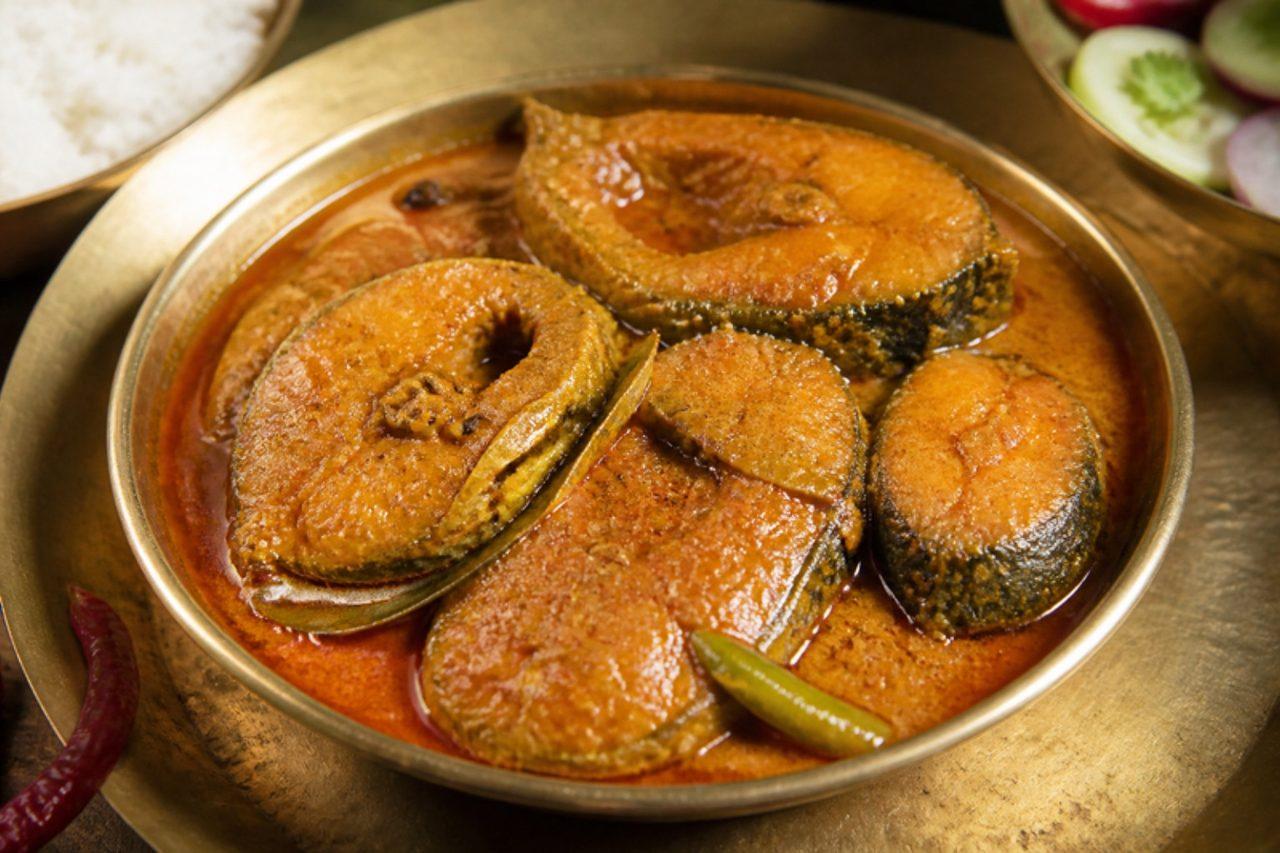
At Bangladeshi weddings the fish course is often rui macher kalia, and big steaks of rohu from the Padma and Meghna, shining in a dark, glossy gravy, are a sign that the hosts have spared no expense; families also cook it for jamai shashthi and Eid. The fish is rubbed with turmeric and fried crisp, then simmered briefly in a gravy of browned onion, ginger, yogurt and garam masala that is rich, a little sweet and fragrant with whole spices. People often break the fish by stirring the pot; slide it in and shake the pan gently instead. Contains fish and milk. Chef's tip: fry the fish in mustard oil until it is properly golden and crisp at the edges before it meets the gravy, so it holds its shape and doesn't taste raw.

by KrazyBadal 0 views

Postre MassiniCustard sponge with burnt sugar top

Montevideo's birthday cake of choice since the early twentieth century, the Massini is two thin layers of sponge sandwiching a thick filling of whipped cream folded with egg-yolk custard, crowned with a thin glassy crust of torched yolk and sugar. Bakeries across Uruguay sell it on Sundays. Traditional versions sometimes add a sweet fortified wine to the custard; this one is alcohol-free. The custard is cooked to a safe 71 °C. The common mistake is assembling with warm custard, which melts the cream into a puddle. Chef's tip: if you don't have a blowtorch, put the sugared top under a very hot grill for a minute and watch it closely.

by KrazyBadal 0 views

Escabeche de pescadoFried fish in sweet-sour onion sauce

In Lima, escabeche de pescado belongs to the criollo kitchen of the old city: it turns up on Friday lunch menus, on buffet tables, and above all in Lent and Holy Week, when families eat fish and this dish can be made the day before. Fish is fried until golden, then covered in a warm sauce of thick-cut red onion softened in oil with garlic, ají amarillo, ají panca, cumin and vinegar, and left to cool so the flavours soak in. It is served cold or at room temperature with boiled sweet potato, hard-boiled egg and purple botija olives. It tastes tangy, sweet and gently fruity-hot, with crunchy onion over tender fish. The fish here is fully cooked, but because it is a cold seafood dish, pregnant people, babies, older people and anyone with weak immunity should eat it well chilled and within 2 days. Common mistake: stewing the onions until limp; they should only lose their raw bite. It is ready when the sauce has soaked a little into the fish and smells of vinegar and toasted chilli. Chef's tip: use thick fillets of corvina or bonito; thin fillets break under the sauce.

by KrazyBadal 0 views

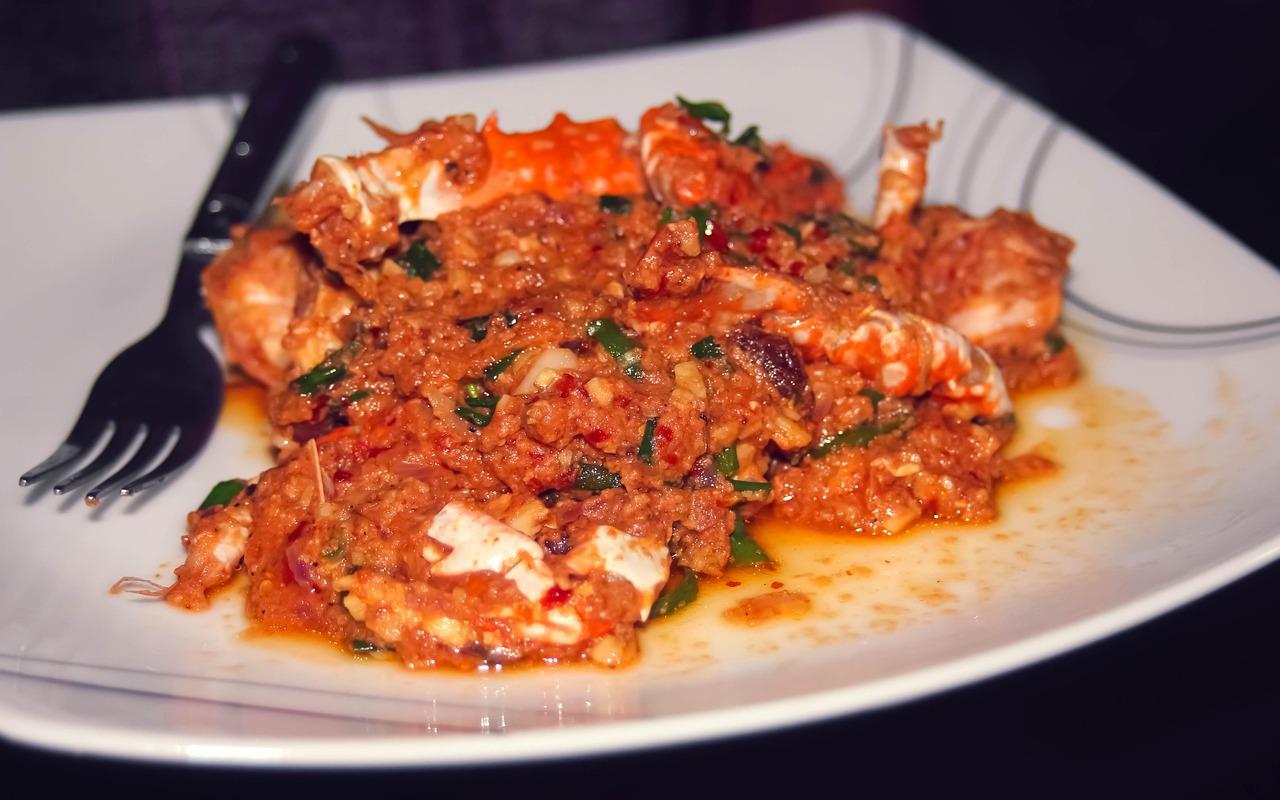
Kakra bhunaMud crab masala

The muddy channels of the Sundarbans and the shrimp farms around Shyamnagar and Paikgachha are crab country, and in Khulna homes the big-clawed mud crabs are chopped in half, fried and then cooked down in a thick, fiery masala until it coats every crack and crevice. It is a dish for eating with your hands, sucking the masala from the shells and cracking the claws, with plain rice and a bowl of water for your fingers. Crabs must be bought alive and lively, or freshly cooked from a fishmonger you trust: throw away any that are dead before cooking, have a cracked shell or smell unpleasant. Ask the fishmonger to dispatch and clean them for you if you are not confident doing it yourself. Undercooking is the risk to avoid; the shells should be bright orange-red and the meat white and opaque right through. Chef's tip: crack the claws lightly before they go in, so the masala seeps inside.

by KrazyBadal 0 views

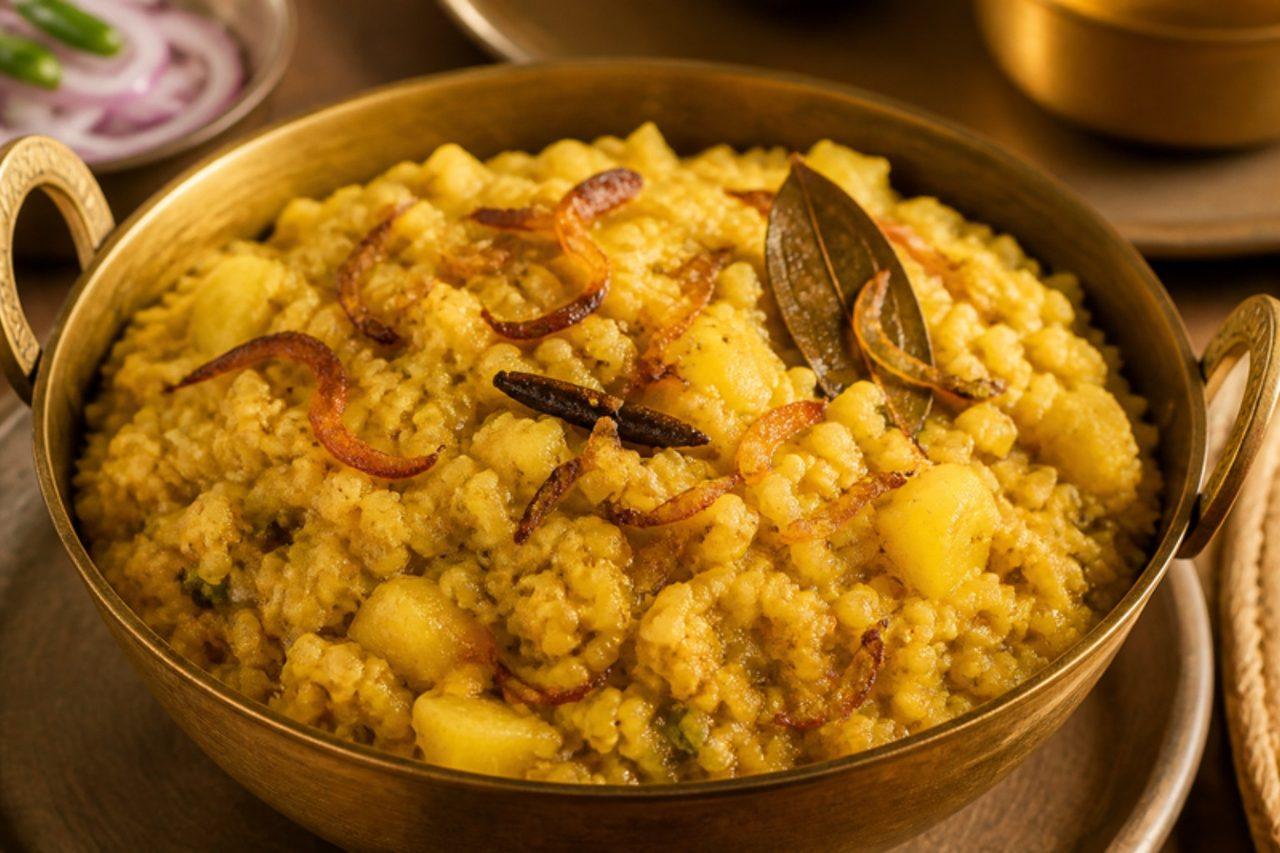
Muri ghonto

For a Bengali family, the head of a big rohu is the part saved for the guest of honour or the new son-in-law at Jamai Shashthi, and the finest thing to do with it is muri ghonto. The head is fried in mustard oil, broken into pieces and cooked with a handful of fragrant short-grain rice, diced potato and warm spices until it becomes a thick, almost dry mash, finished with ghee and garam masala. In Dhaka homes it is eaten in the middle of a meal, after the shak and dal and before the main fish curry, with plain rice. Many cooks leave the head in big lumps, but it should be broken up after frying so the rich flavour from the head spreads through the rice. Chef's tip: buy the head from a large fish of at least 2 kg and ask the fishmonger to remove the gills and split it for you.

by KrazyBadal 0 views

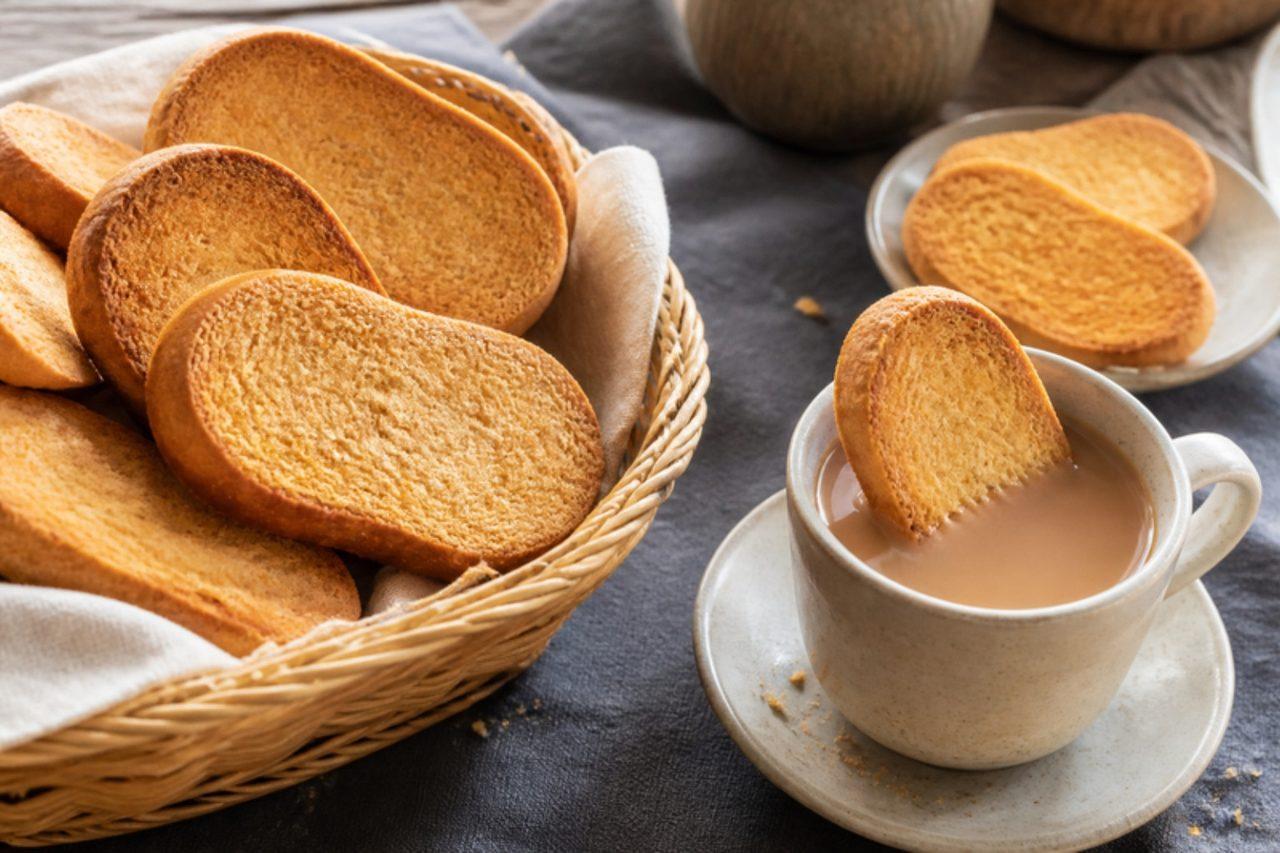
Bela biscuitTwice-baked tea biscuit

Old Chittagong bakeries, some of them in the Chandanpura area for well over a century, still fire their wood ovens for bela biscuit, a pale oval rusk so hard it cracks rather than snaps. It starts as a lightly sweet, enriched yeast dough that is baked once like a bun and then dried for a long time in a cooling oven until crisp right through. In Chittagong homes it comes out at teatime and when guests arrive, and the whole point is the dunk: a few seconds in hot milky tea and it softens into something like buttery bread. The classic slip is pulling the biscuits from the second bake too soon; they feel firm while warm but go chewy overnight if the centre is still damp. Chef's tip: break one open after drying; if the middle is pale and soft, give the tray another 20 minutes.

by KrazyBadal 0 views

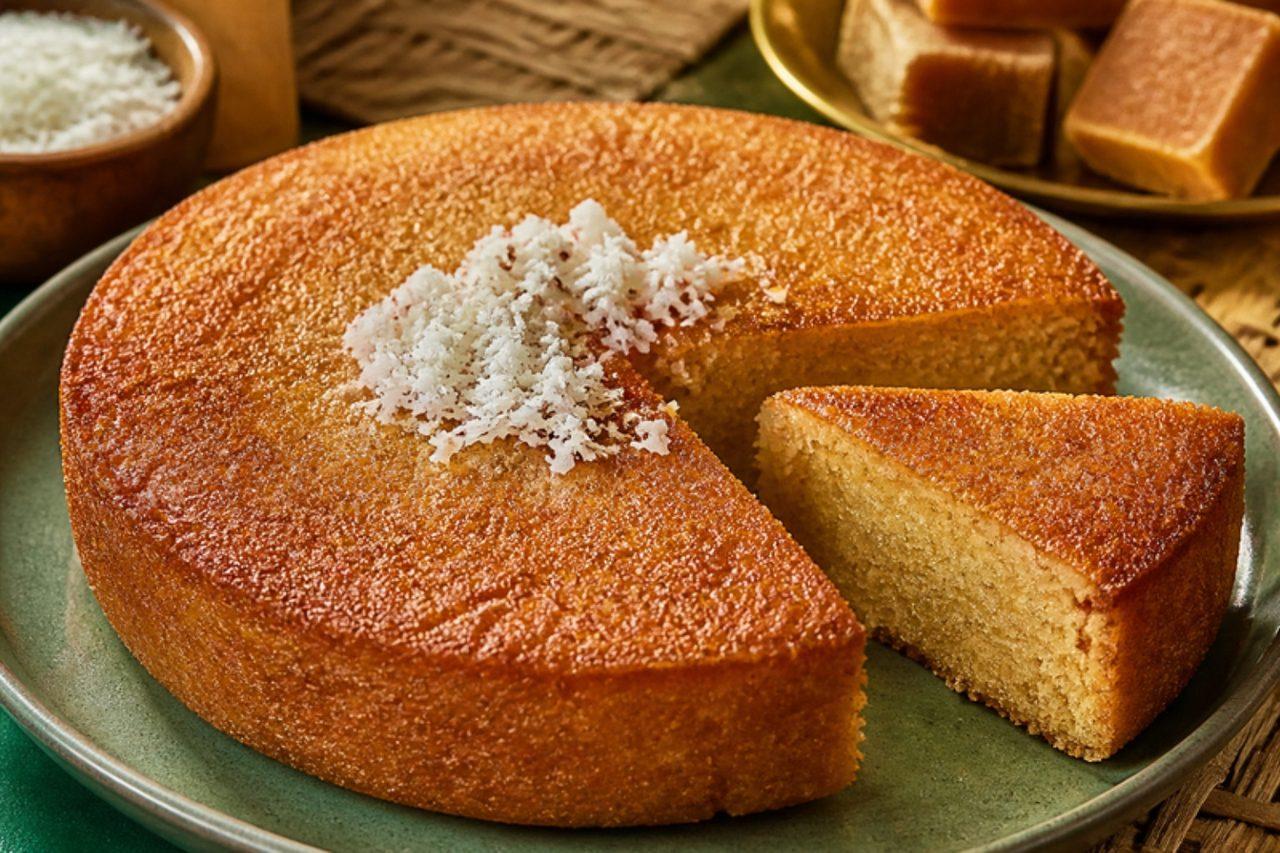
Bibikhana pithaBaked rice flour and coconut cake

The name means something like a lady's dish, and bibikhana pitha has long been the grand, special-occasion pitha of well-off households in Dhaka, Comilla and Noakhali, made in winter when a son-in-law or important guest is expected. It is closer to a cake than most pithas: rice flour, eggs, milk, grated coconut and date-palm jaggery are beaten together and baked slowly, traditionally in a heavy pan over charcoal with more coals heaped on the lid, until it sets into a dense, moist, caramel-brown cake. It is cut into wedges and served with tea in the afternoon. Baking too hot is the typical slip, so the jaggery burns before the middle sets; a moderate oven and patience give an even colour. Chef's tip: let it cool completely before cutting, as it firms up and slices cleanly only once cold.

by KrazyBadal 0 views

Hutki shiraDried fish and aubergine curry

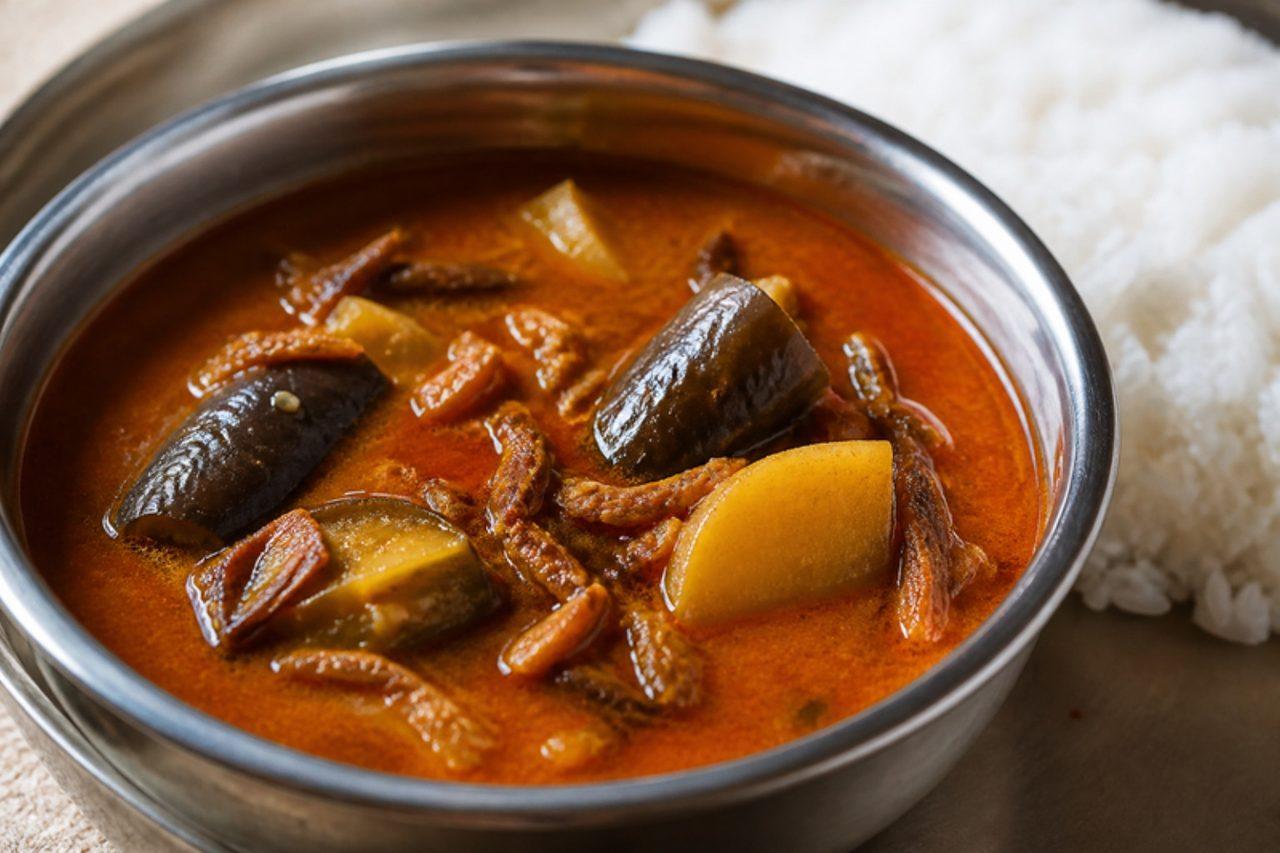
Hutki is what Sylhetis call shutki, sun-dried fish, and a pot of hutki shira, a thin, soupy curry, is pure home cooking from Sylhet, Sunamganj and the haor villages, where fish dried in the dry season feeds families through the rest of the year. The broth is fiery with fresh and dried chilli and full of garlic, softened with chunks of potato, brinjal and sometimes tomato or shatkora, and it is ladled over plenty of plain rice. The smell of the dried fish is strong as it cooks, but it mellows into a deep savoury taste. Skipping the soak is the error that ruins it: unwashed hutki is gritty and far too salty. Buy dried fish from a busy, reputable Asian grocer, and choose pieces that are dry, firm and free of mould. Chef's tip: keep the broth loose; shira should be soupy enough to drown the rice.

by KrazyBadal 0 views

Ilish dim bhunaFried hilsa roe

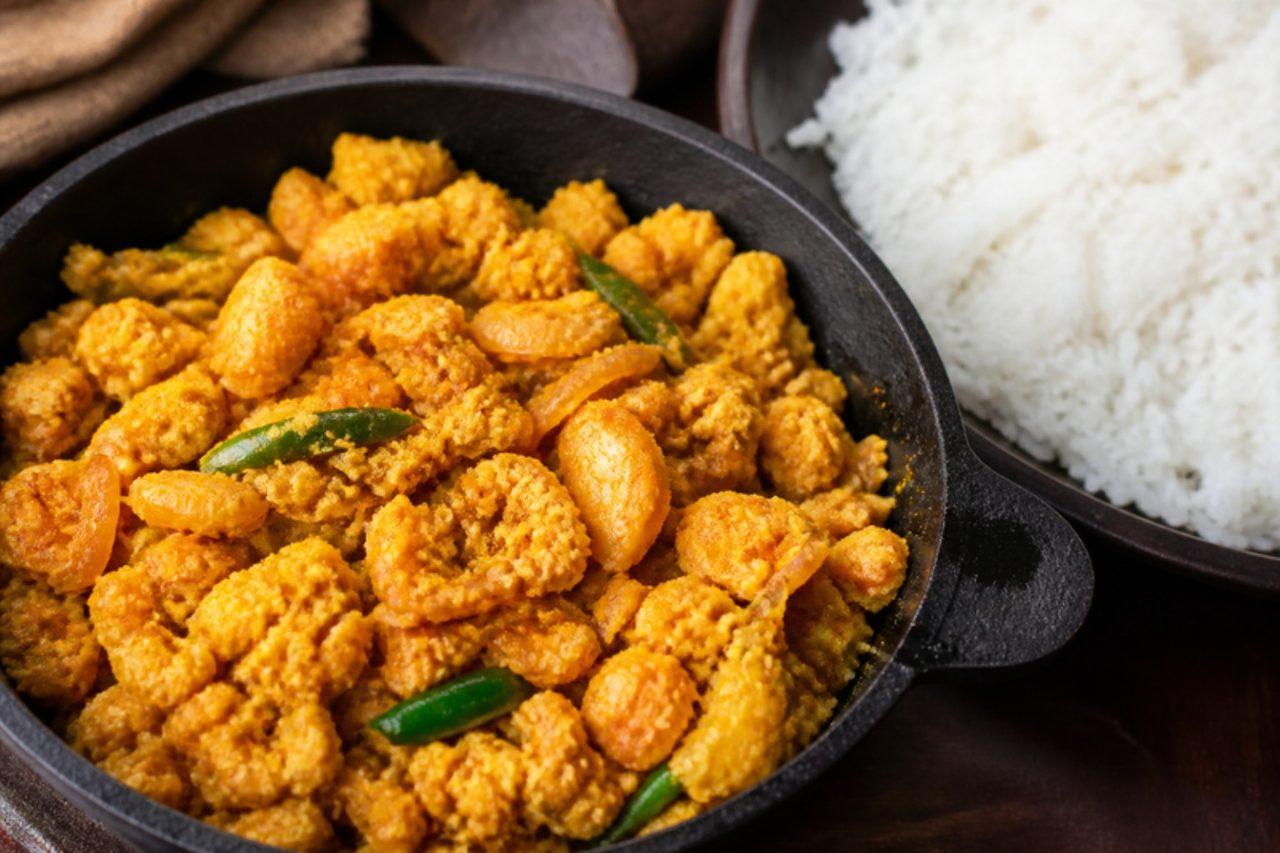
Early in the hilsa season the female fish carry a pair of large, golden roe sacs, and in Barisal kitchens nobody would dream of wasting them. Ilish dim bhuna is the quick and greedy way to cook them: the roe is fried with lots of onion, turmeric and green chilli until it breaks into soft, rich, slightly grainy crumbs, a little like a savoury fish scramble. It is eaten as a side dish with plain rice and dal, often on the same day the fish itself is cooked in mustard. Roe spoils quickly, so buy it bright and fresh-smelling with the fish and cook it the same day. Many cooks stir the roe too early and too hard, turning it into paste; let it set first. Chef's tip: steam the roe sacs for 3 minutes before frying, so they firm up and break into neat crumbs.

by KrazyBadal 0 views

Ilish polaoHilsa fish rice

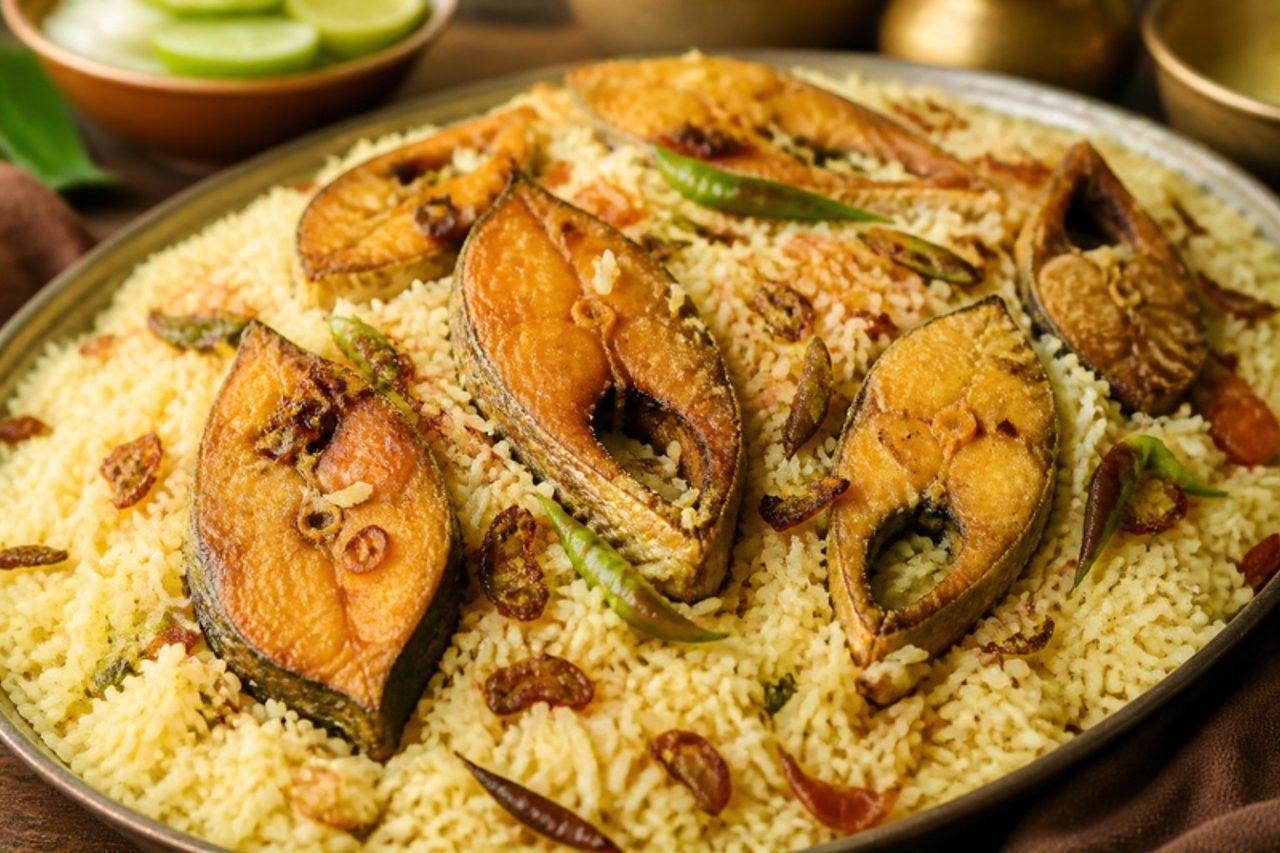
Monsoon is hilsa season: as the fish run up the Meghna and the boats come back heavy into Chandpur ghat and the Barisal river markets, the richest cooks make ilish polao, a fragrant rice cooked in the oil left from frying the fish and in a light stock from the head and tail. Fried hilsa steaks are tucked into the rice to finish in the steam, so they stay moist and take on the scent of cardamom and bay. It is a dish for the hilsa season and for honoured guests, served with fried onions, a wedge of lime and a green chilli. The usual misjudgement is stirring once the fish is in; the steaks are fragile and fall apart into bones. Chef's tip: keep the oil the fish was fried in, because the whole dish depends on that hilsa-scented fat.

by KrazyBadal 0 views

Kochur loti chingriTaro stolons with prawns

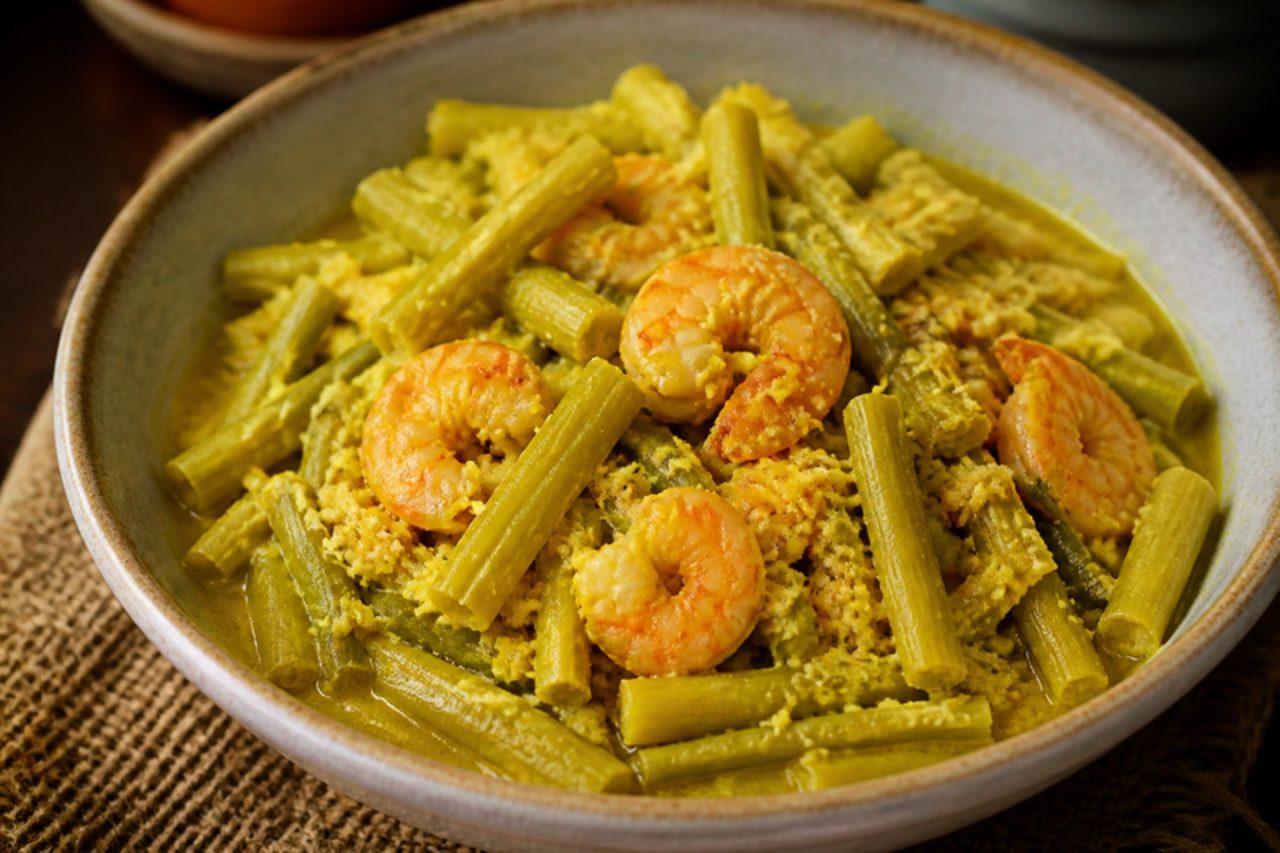
Kochur loti are the long, thin runners that taro plants send out across the pond banks in the rainy season, and in Khulna, where freshwater prawns are farmed in every second field, the two end up in the same karai. The stolons are peeled, cut into short lengths and cooked with small prawns, onion and freshly grated coconut until soft and almost melting, giving a mild, slightly sweet, gently earthy dish for lunch with rice and dal. Taro of all kinds contains crystals that make the mouth and throat itch if it is not cooked enough or balanced with something sour, so the stolons need peeling, a full cook and a squeeze of lime. Many people undercook the loti because they look tender early; give them the whole time. Chef's tip: oil your hands before peeling the stolons, or wear gloves, as the sap can irritate the skin.

by KrazyBadal 0 views

Loitta fryFried Bombay duck fish

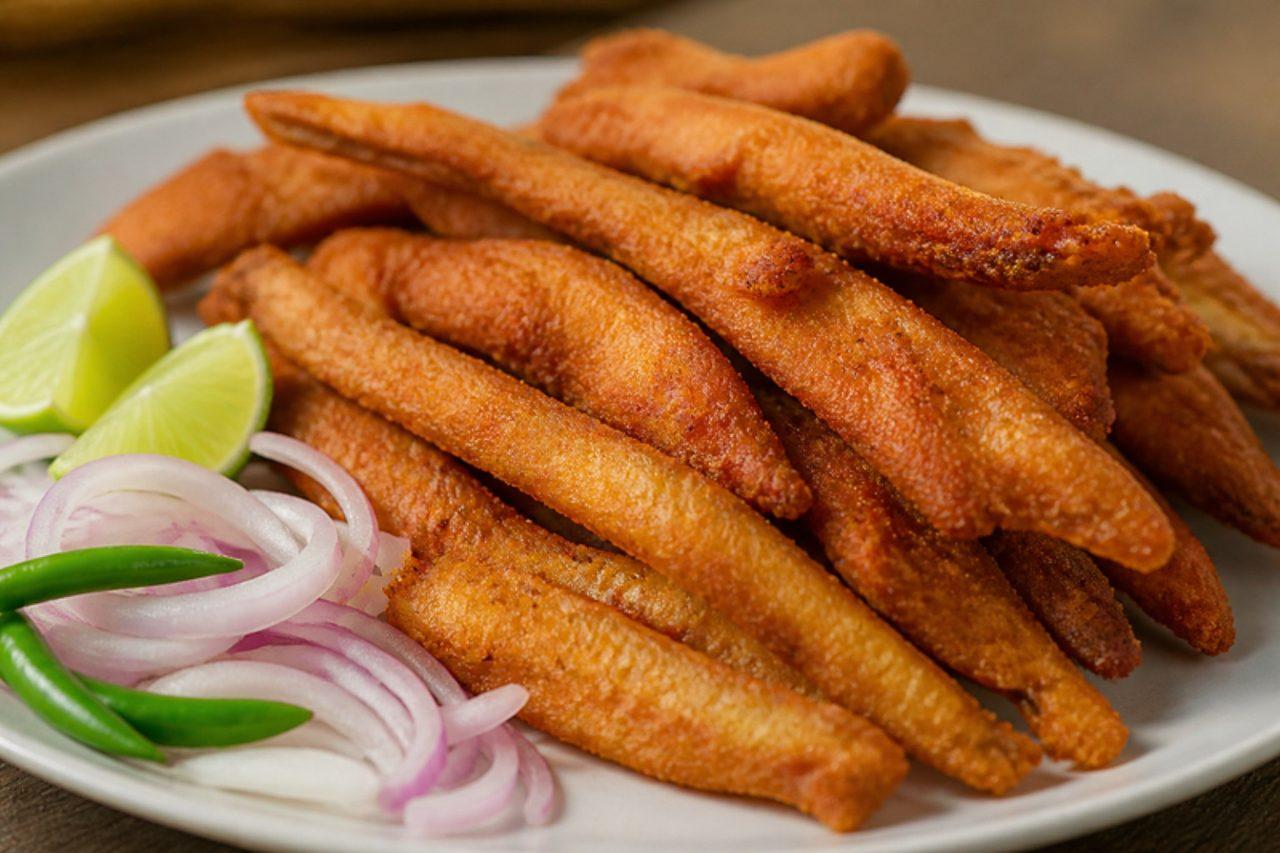
Down on the beach road at Cox's Bazar, the fry stalls lay out trays of loitta, the soft, almost jelly-like Bombay duck fish, ready to be coated in chilli and rice flour and dropped into hot oil while you wait. The contrast is the whole point: a shatteringly crisp, spicy shell around flesh so tender it barely holds together. In Chittagong homes it is a weekday treat with rice and dal, and it often appears at iftar. Fresh loitta holds a lot of water, and the usual mistake is to coat it straight away, which makes the crust go soggy and spit in the pan. Pressing it under weight first fixes that. Chef's tip: if you can only get frozen Bombay duck from an Asian grocer, thaw it in the fridge overnight and press it twice as long.

by KrazyBadal 0 views

Tel koiFried climbing perch in gravy

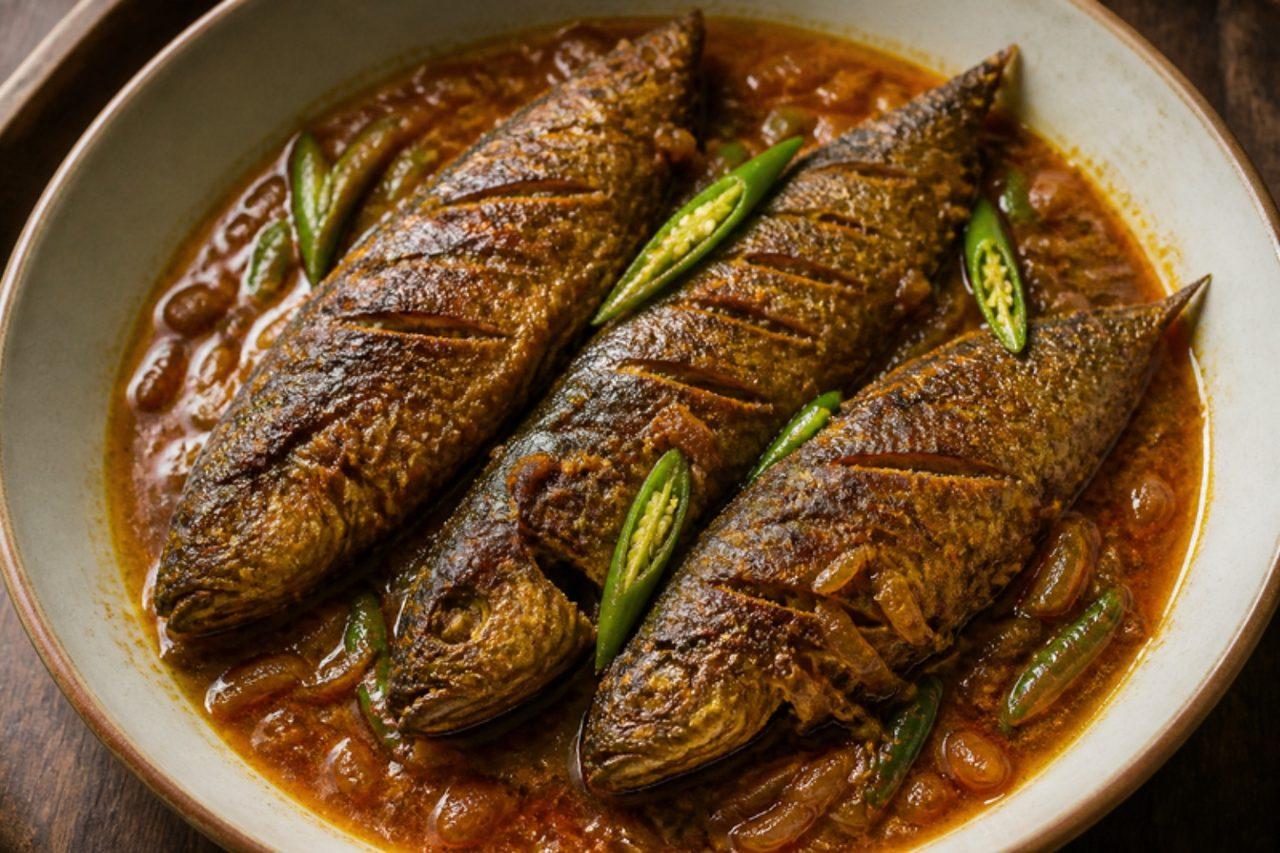
Koi, the climbing perch, is a small, tough-scaled fish of ponds and rice fields with a sweet flesh that Bengalis prize above much bigger fish, and tel koi, koi in oil, is how Khulna households celebrate a good catch, especially when a son-in-law visits. The fish are fried whole until crisp and then slipped into a glossy gravy of onion, cumin, turmeric and whole green chillies that is meant to have a visible layer of mustard oil on top. They are eaten with plain rice, picking the soft flesh away from the many fine bones. You will find koi fresh or frozen in Bangladeshi grocers. The usual pitfall is a timid frying, which leaves the skin soft and the bones chewy; fry until the fins crisp. Chef's tip: score each fish twice on both sides so the spices get in and the thick back cooks as quickly as the belly.

by KrazyBadal 0 views

Showing 24 of 46 recipes

Show more recipes

Page 1 of 2