Skip to content
Recipes

All recipes

Vegetarian, or something you can't eat? Set your diet once and we'll hide recipes that don't fit.

Pan de yucaCassava starch cheese rolls

Cali bakeries sell pandeyucas warm in paper bags from early morning, often in a horseshoe shape, to go with a glass of kumis yoghurt drink or a café con leche. Made only from cassava starch, cheese, egg and a little butter, they are gluten free, puff up in the oven and stay hollow and stretchy inside with a thin crisp skin. Unlike pandebono, there is no corn flour, so they are lighter and chewier. Use tapioca (cassava) starch, sold in Asian and Latin shops; the cheese is typically a salty queso costeño made with animal rennet, so mix a vegetarian feta-style cheese with vegetarian mozzarella. Dough that is too wet makes them spread flat; it should feel like soft play dough. Chef's tip: they are at their best within 30 minutes of baking, so shape them ahead and bake just before eating.

by KrazyBadal 0 views

Pastel de carne murcianoMinced beef and chorizo pie

Murcia's bakeries sell pastel de carne from first thing in the morning: a round pie with a crisp, coiled puff pastry lid, filled with spiced minced meat, chorizo and hard-boiled egg. People eat one standing at the counter with coffee, or buy a big one for Sunday lunch. Bakers make the coiled lid from a long rope of pastry; at home a scored spiral on a puff pastry lid gives the same look. This contains pork (chorizo). Chef's tip: let the filling cool completely before it goes into the pastry, otherwise the base melts and turns soggy.

by KrazyBadal 0 views

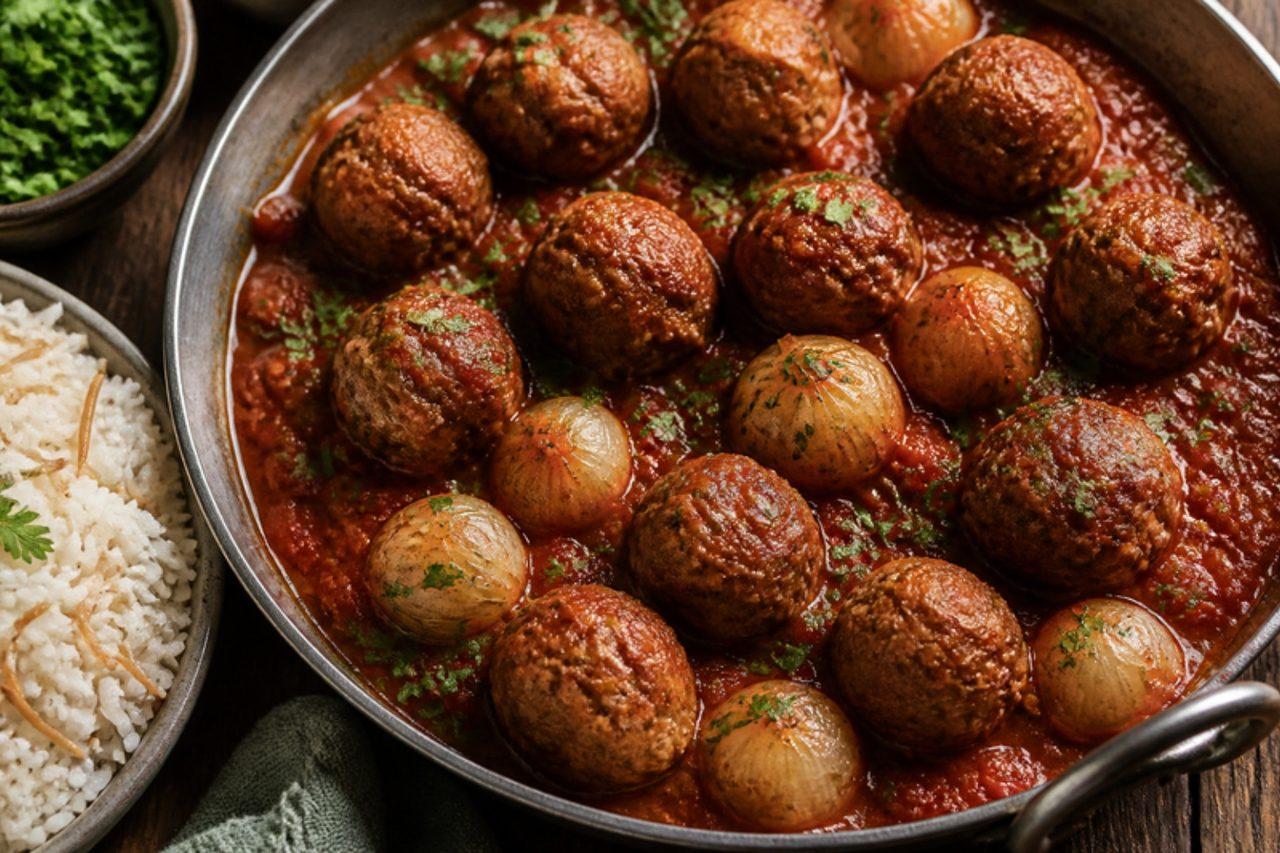
Dawood bashaMeatballs in tomato sauce

Named, so the story goes, after an Ottoman governor who loved it, dawood basha is a homely Damascus and Beirut supper of small spiced meatballs simmered with baby onions in tomato sauce, finished with pine nuts. Families serve it ladled over vermicelli rice, and it is one of the first dishes Syrian children learn to love. The sauce is lightly tangy from pomegranate molasses and fragrant with allspice and cinnamon. Common mistake: crowding the meatballs when browning — they steam instead of colouring; fry in batches. Chef's tip: grate a little onion into the meat and squeeze out the juice first; the meatballs stay tender without falling apart.

65 minSyrianMeatGluten free
by KrazyBadal 0 views

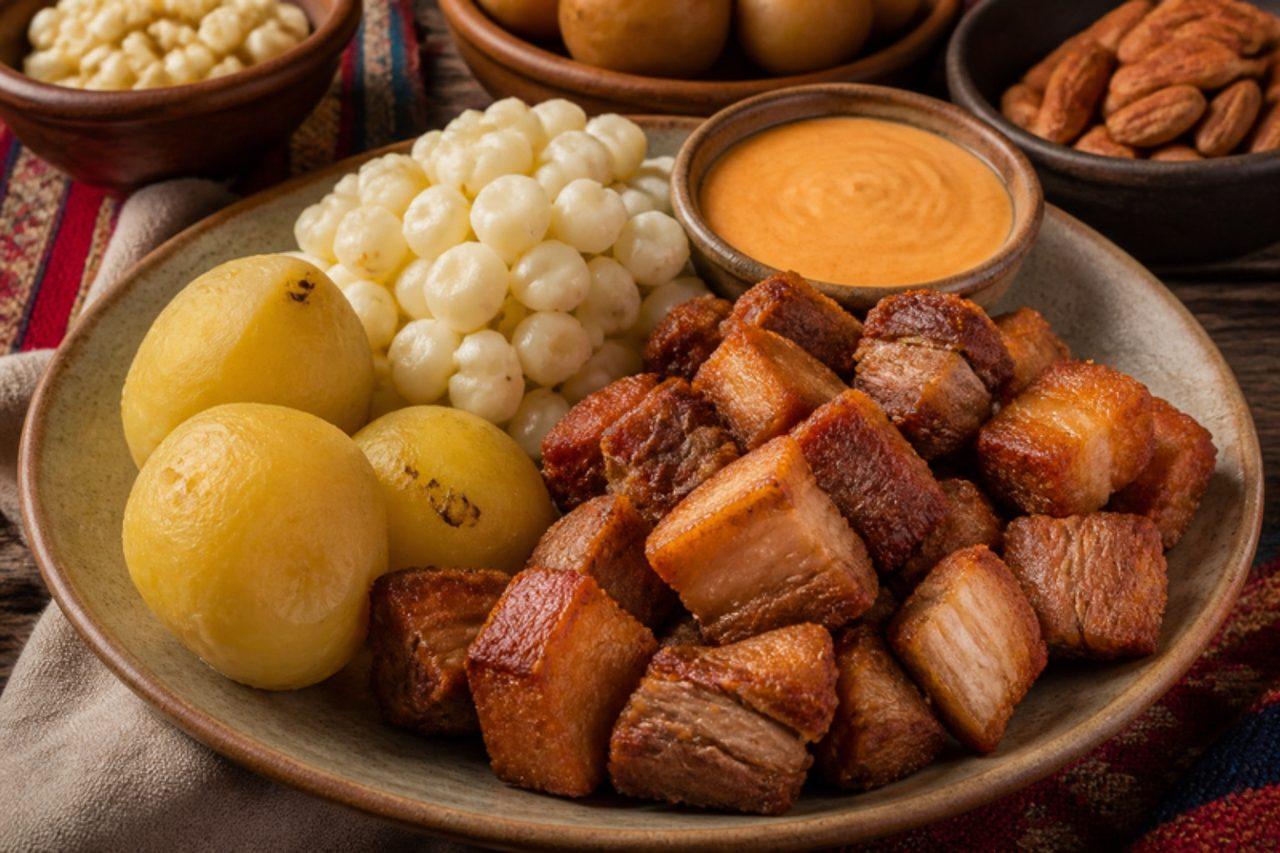
Frito pastusoFried pork with potatoes and mote

In Pasto and the high Nariño towns close to Ecuador, frito pastuso is a weekend plate found at market counters and family lunches: chunks of pork leg simmered with garlic and cumin until the water evaporates, then fried in their own fat until browned and crisp at the edges, served with small boiled yellow potatoes, mote (white hominy), toasted corn and a smooth ají de maní, the region's peanut and chilli sauce. The pork is salty and crusty, the potatoes soft, and the peanut sauce brings a gentle heat. Contains peanuts. The mistake people make is cutting the pork too small, so it dries out before it browns; keep the chunks generous, about 4 cm. Chef's tip: marinate the pork overnight in the fridge; the garlic and cumin get right into the meat and the fried edges caramelise better.

by KrazyBadal 0 views

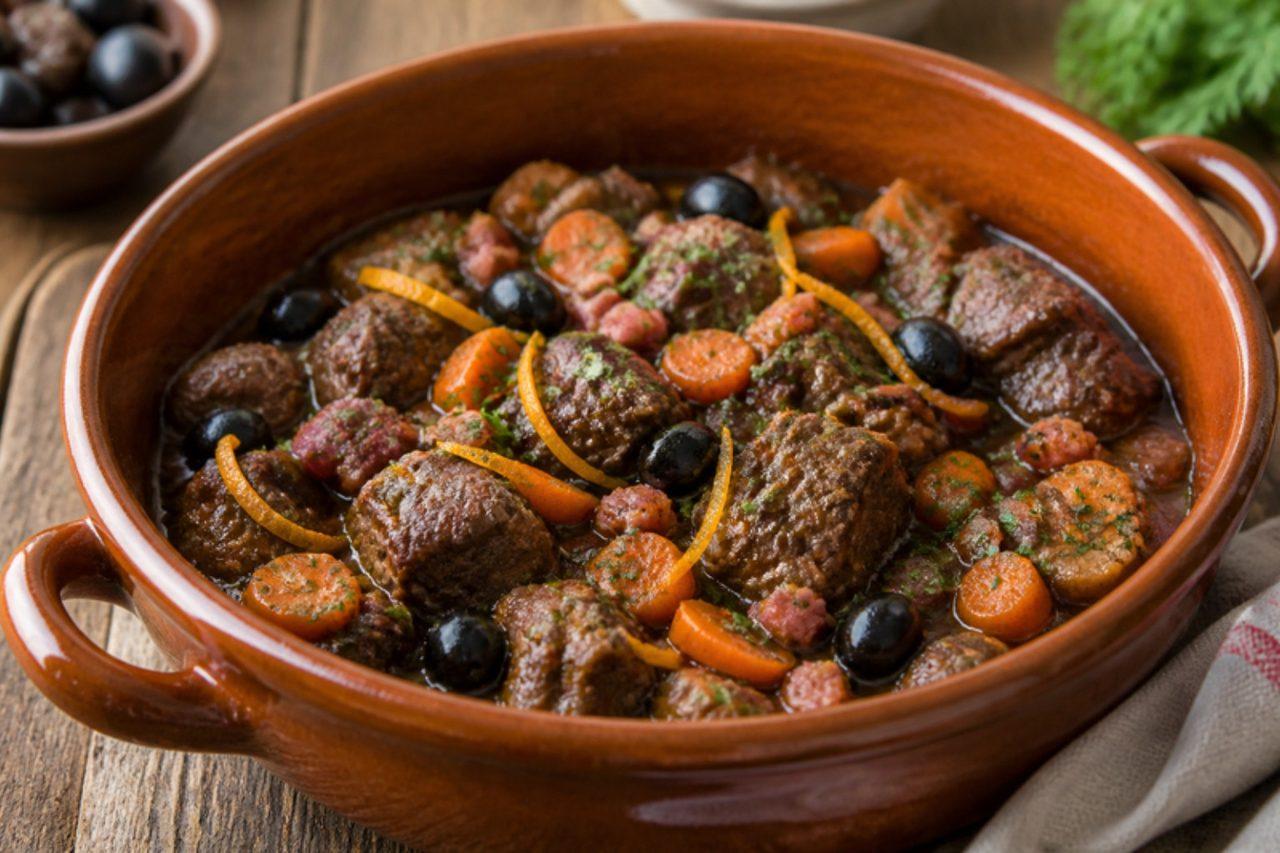
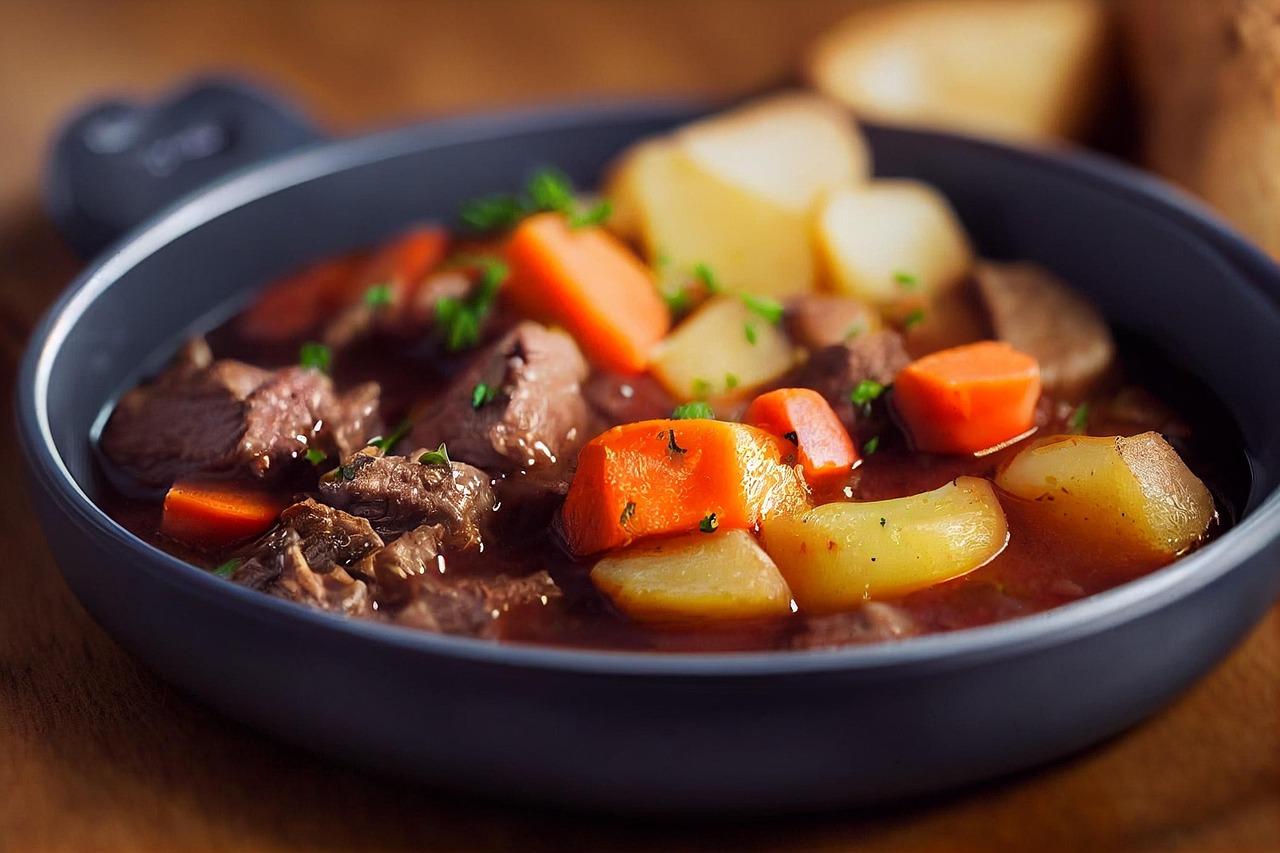
Daube provençaleRed wine beef stew with olives

In Provence the daube is the Sunday and winter-feast dish, traditionally simmered all morning in a pot-bellied clay daubière at the edge of the fire. Chunks of beef are marinated overnight in the fridge with red wine, garlic, herbs and a strip of orange peel, then braised slowly with black olives until the sauce turns dark, glossy and fragrant with citrus. It uses red wine, and the ingredient note gives an alcohol-free version; the optional smoked lardons make it a pork dish too. In Avignon and Nice the leftover sauce dresses macaroni (the macaronade), but polenta or plain boiled potatoes are just as good. Chef's tip: make it a day ahead; it tastes even better reheated, and the fat is easy to lift off once cold.

250 minFrenchMeatGluten free
by KrazyBadal 0 views

Pan de arrozRice flour cheese rings

Coffee in Arauca or Casanare rarely comes alone: there is usually a basket of pan de arroz, small golden rings made from rice flour and grated salty cheese, sold at roadside stalls, bakeries and village fiestas across the plains. They bake crisp on the outside and soft, slightly chewy and cheesy within, a cousin of pandebono but lighter and more crumbly. Eat them warm with a cup of tinto or hot chocolate in the afternoon. The cheese on the plains is queso llanero, a firm, salty farm cheese; mix feta-style cheese with a little mozzarella if you cannot find it, and as both are usually made with animal rennet, choose vegetarian (microbial-rennet) ones. The mistake that causes trouble is coarse, lumpy cheese, which makes the dough crack as you shape it; crumble or grate it very finely. Chef's tip: rest the dough for 10 minutes before shaping so the rice flour hydrates and the rings close without splitting.

by KrazyBadal 0 views

Panaché (Moroccan mixed fruit milkshake)

Juice bars from Tangier to Agadir list a 'panaché' on the board, which in Morocco means a thick milkshake blended from whatever mix of fruit is in season, most often banana, apple, avocado and orange, served in a tall glass and sometimes topped with chopped dried fruit and nuts. Avocado is used as a sweet fruit here, and it makes the drink extra creamy. It is a favourite after school, as a quick breakfast or after an afternoon in the medina. Make it just before drinking: the orange juice can make the milk turn slightly grainy and the avocado darkens if it stands, which is the usual mistake. Chef's tip: use a ripe, soft avocado and a banana with brown freckles for natural sweetness, so you need very little sugar.

by KrazyBadal 0 views

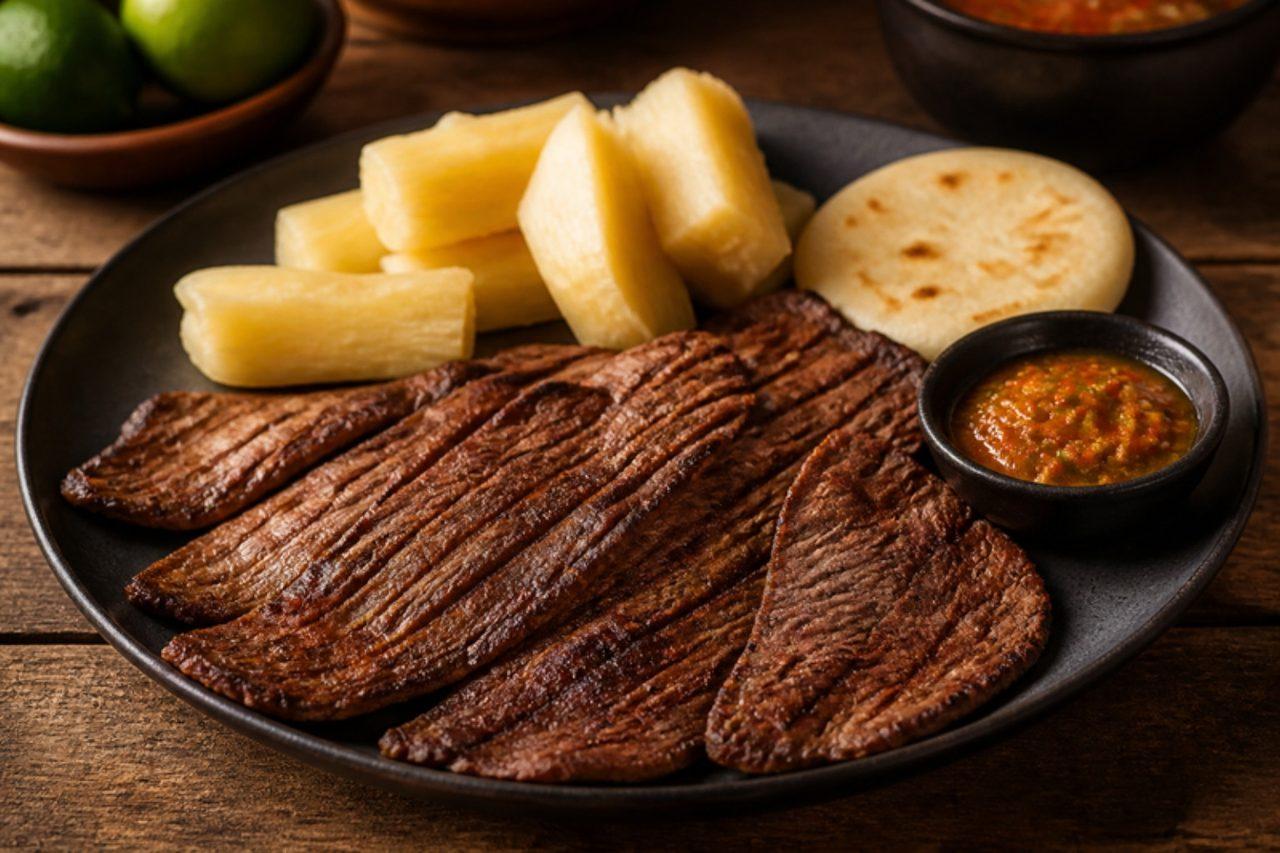
Carne oreadaAir-dried marinated beef

Before refrigerators, Santander cooks preserved beef by marinating thin sheets of it with panela, salt, garlic and cumin and hanging it in the sun and breeze until the surface dried. Carne oreada is still sold in the markets of Bucaramanga and San Gil, and grilled at home or in asaderos with arepa santandereana, cassava and guacamole. The meat comes out chewy-tender with a sweet, salty, caramelised edge and a concentrated, almost cured beef flavour. Sun-drying isn't safe in most home settings, so this version dries the meat on a rack uncovered in the fridge for 1–2 days, which gives the same firm, dark surface. Grilling it too long is the frequent fault, as the thin meat goes leathery; it needs only a few minutes a side over high heat. Chef's tip: some cooks splash a little beer into the marinade, but orange juice gives a similar tang without alcohol.

by KrazyBadal 0 views

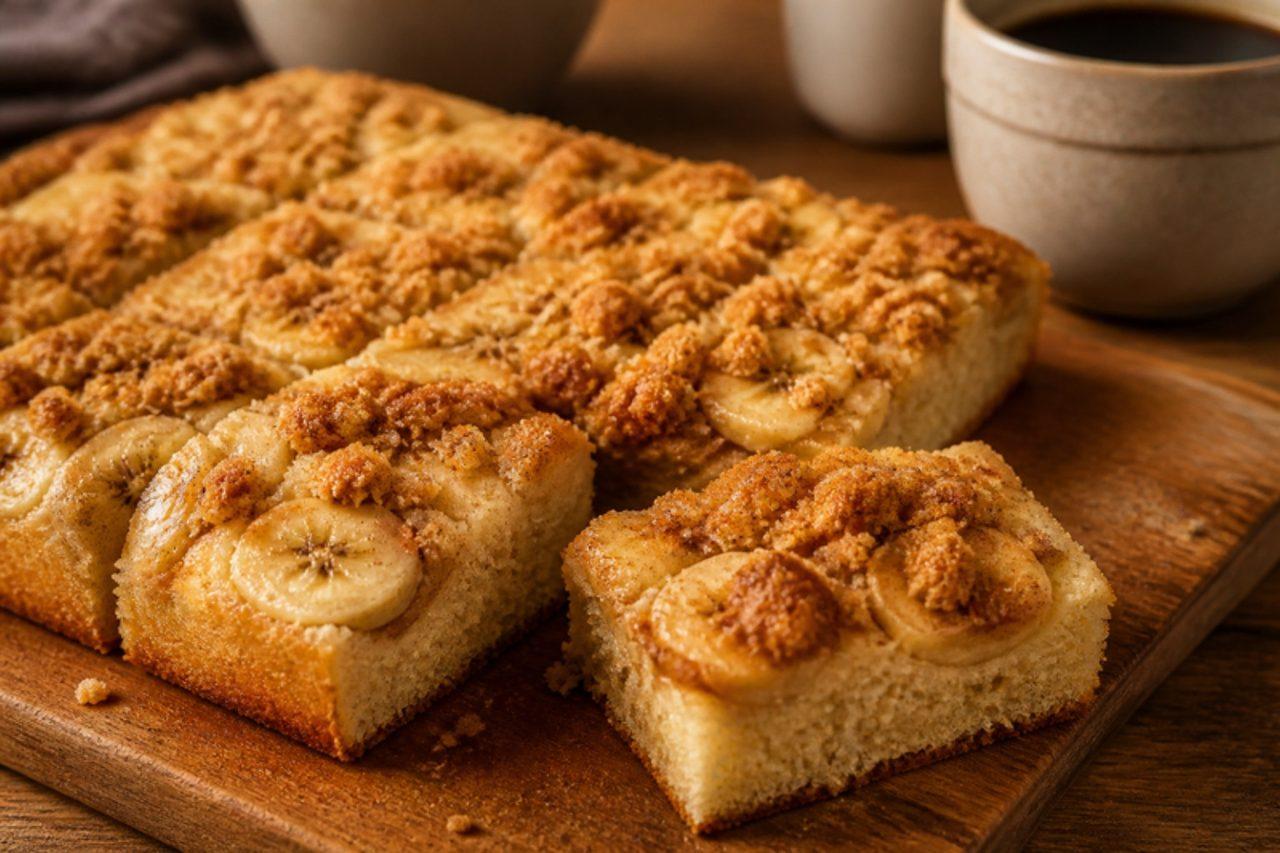
CucaBanana crumble yeast cake

German settlers in Rio Grande do Sul and Santa Catarina brought the Streuselkuchen, and their descendants call it cuca: a soft, enriched yeast dough baked under a layer of fruit and a thick, buttery crumble called farofa. In Blumenau, Pomerode and the serra gaúcha it is sold in colonial bakeries and roadside cafés and served at the long afternoon café colonial with coffee, jams and cheeses. Banana with cinnamon is the classic, but grape, apple and guava versions are common. The usual misstep is letting the dough rise in a cold kitchen and then baking it anyway: it stays heavy and dense, so wait until it really has doubled. Chef's tip: rub the crumble together and chill it in the freezer while the dough rises, so it stays in big, crunchy clusters in the oven.

by KrazyBadal 0 views

Limonada de cocoCoconut lime cooler

Cartagena's heat makes limonada de coco almost compulsory: beach kiosks and restaurants in the old walled city blend it to order, and it arrives as a pale, frosty slush, sharp with lime and rich with coconut. It is a drink to sip slowly with fried fish, coconut rice and patacones, or on its own on a hot afternoon. Coconut cream gives the body, sugar balances the lime, and a full load of ice gives the frozen texture. The common slip is blending lime pieces with their peel for too long, which turns it bitter within minutes; use juice plus a little zest instead. Shake the tin of coconut cream before measuring, since it separates. Serve it straight away, before it melts and separates. Chef's tip: freeze some of the coconut cream in an ice-cube tray beforehand and use it in place of half the ice for a thicker, creamier result.

by KrazyBadal 0 views

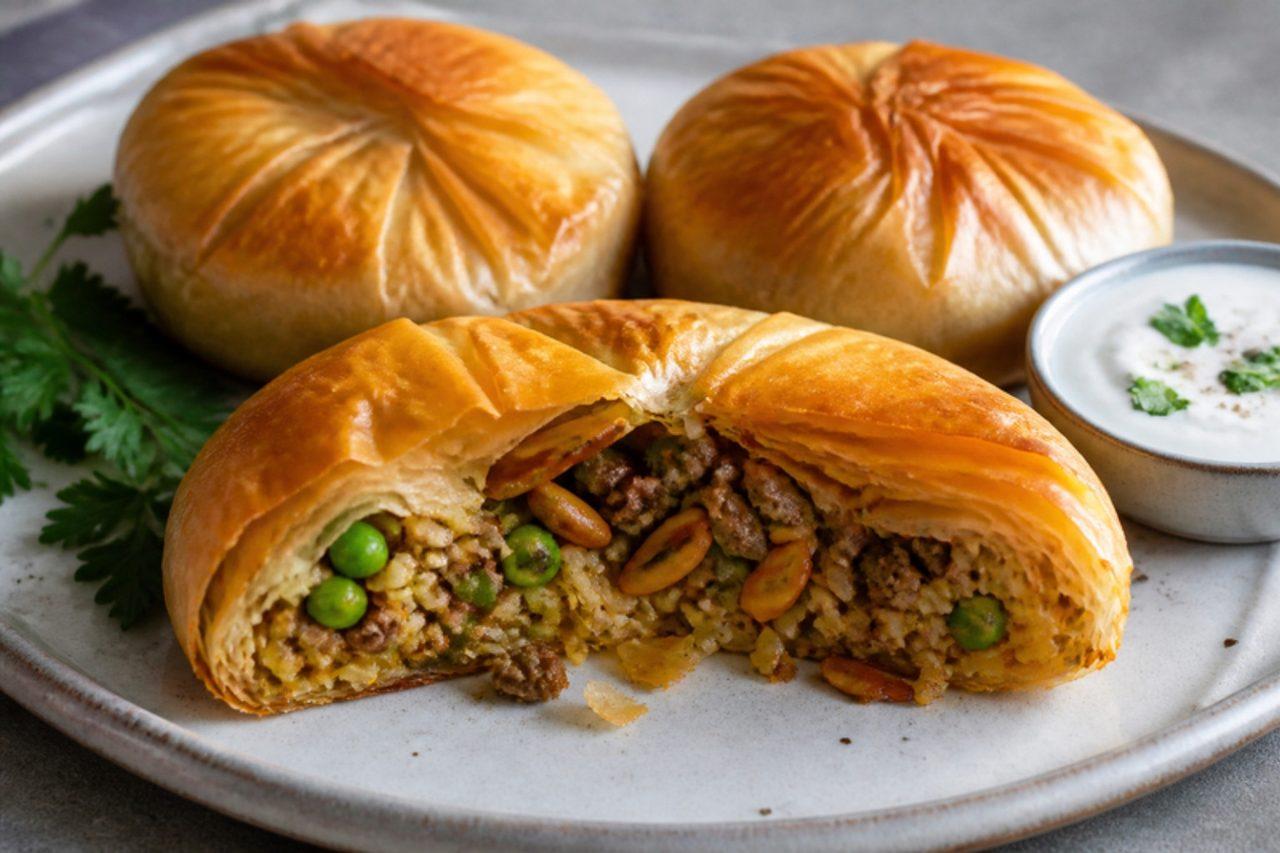
OuziSpiced rice and lamb filo parcels

Ouzi is the showpiece of Jordanian and Damascene wedding buffets and Eid lunches: golden filo bundles that break open to spiced rice, minced lamb, peas and toasted nuts. The name comes from the whole roast lamb once served on a mountain of rice; the parcels are the neat, home-sized version, made ahead and baked as guests arrive. Serve with plain yoghurt or a cucumber-yoghurt salad. The common mistake is filling the filo with wet rice, which turns the bottoms soggy, so cook the rice until just tender and spread it out to steam dry. Chef's tip: lay a few nuts and peas in the bowl first, then the filo, then the filling, so each parcel comes out with a pretty top.

by KrazyBadal 0 views

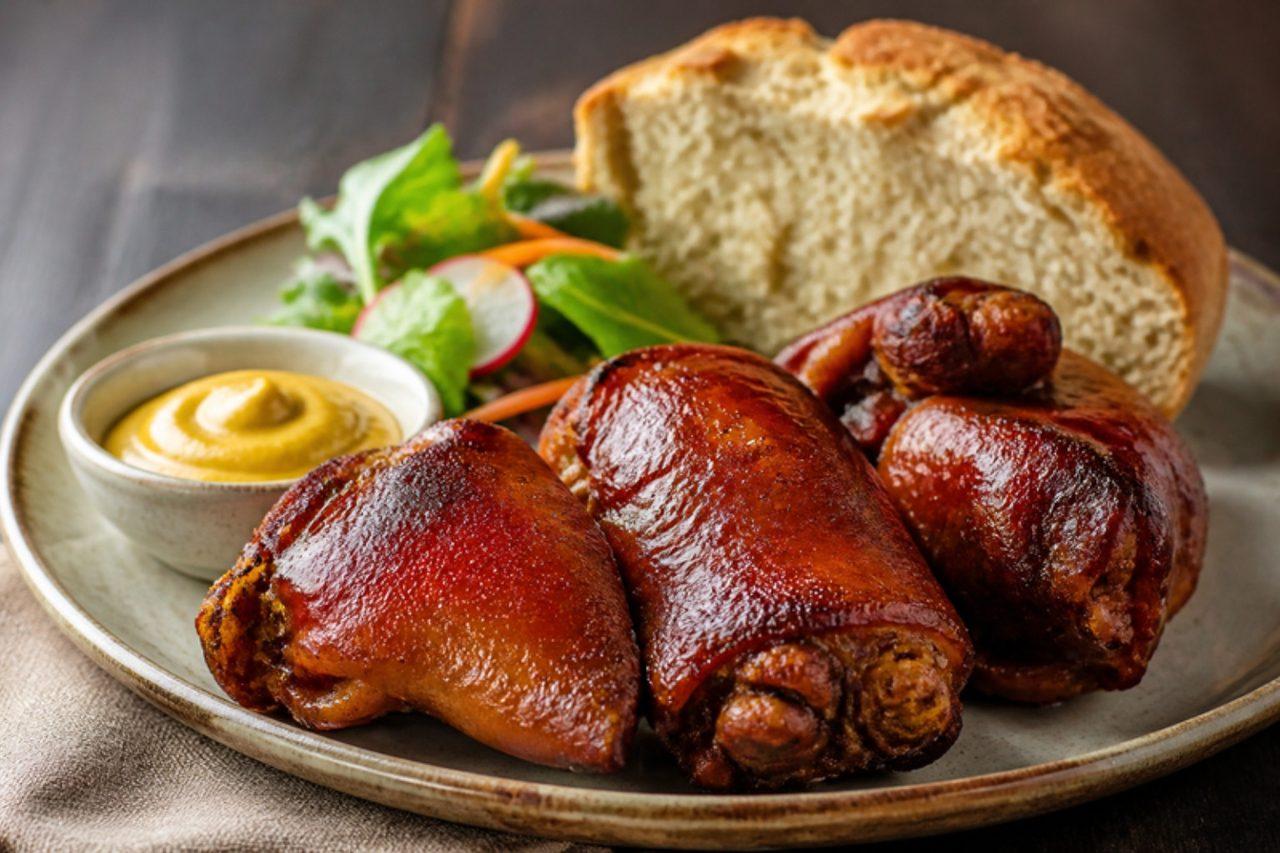
CrubeensCrisped pig's trotters

Crubeens are boiled pig's trotters, once sold hot from stalls at fairs and in Cork and Dublin pubs as a salty, sticky snack to go with a pint. They are pork, and very gelatinous: simmered for hours until the meat almost falls from the bone, then crisped in the oven with a mustard and breadcrumb coating, which is how many cooks finish them today. Eat them with your fingers, with brown bread and pickles. Chef's tip: ask your butcher for split, cleaned trotters, and singe off any stray hairs with a kitchen blowtorch before cooking.

220 minIrishMeat
by KrazyBadal 0 views

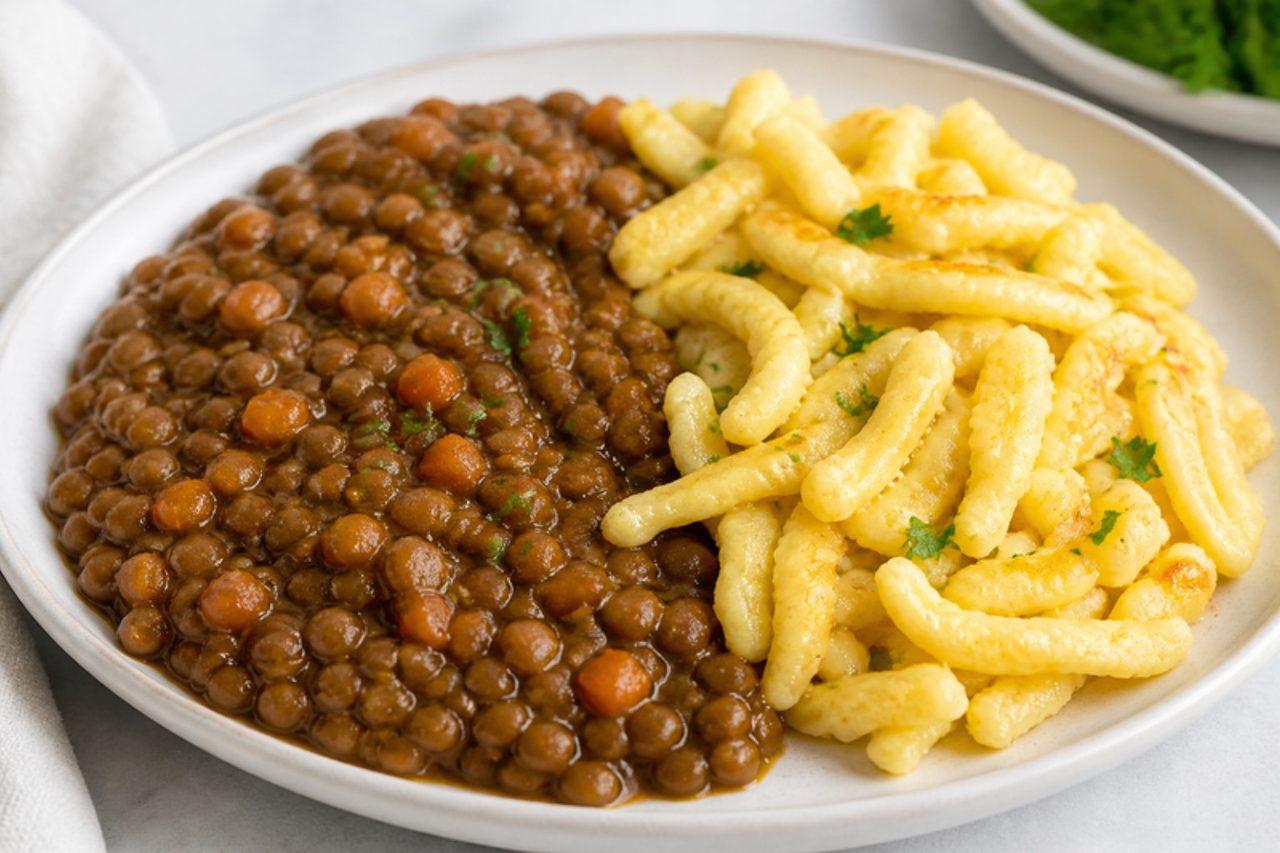
Linsen mit SpätzleSweet-sour lentils with egg noodles

Linsen mit Spätzle is Swabia's Saturday supper, eaten in kitchens from Stuttgart to Ulm when the week's cooking was done and something cheap and filling was needed. Small brown or green Alb lentils are stewed with root vegetables, then sharpened with vinegar and a little sugar, and ladled over freshly scraped Spätzle. Most families add a pair of thin smoked Saitenwürstle; this version skips them, and the smoked paprika keeps a hint of that flavour. A common mistake is adding the vinegar at the start, which stops the lentils softening, so it goes in at the end. Chef's tip: beat the Spätzle batter until bubbles pop on the surface; that air is what makes them springy.

by KrazyBadal 0 views

Liverpool scouseBeef and lamb stew

Scouse is so central to Liverpool that its people are named after it; the thick stew of meat, potatoes and onions was carried from the Baltic by sailors and cooked for dockers' families, and city restaurants still celebrate Global Scouse Day each February. Some of the potatoes cook down into the gravy, making it thick and hearty. Serve it with pickled red cabbage or beetroot and crusty bread. Chef's tip: cut half the potatoes small so they collapse and thicken the stew, and leave the rest in chunks.

170 minBritishMeat
by KrazyBadal 0 views

Cassata sicilianaRicotta sponge cake

Cassata is the baroque centrepiece of a Palermo Easter: a dome of sponge lined with pale green marzipan, filled with sweetened sheep's ricotta and chocolate, glazed white and crowned with jewel-like candied fruit. Pastry shops around the city fill their windows with it in Holy Week, and families slice it after Easter lunch. It is rich, cool and creamy under the shell of almond paste, and nothing like the layered Indian-style cassata ice cream. The sponge is often brushed with a liqueur syrup; this version uses orange juice instead. It must chill for at least 4 hours, so make it the day before. Chef's tip: drain the ricotta overnight; that is the secret to a filling that holds its shape when cut.

by KrazyBadal 0 views

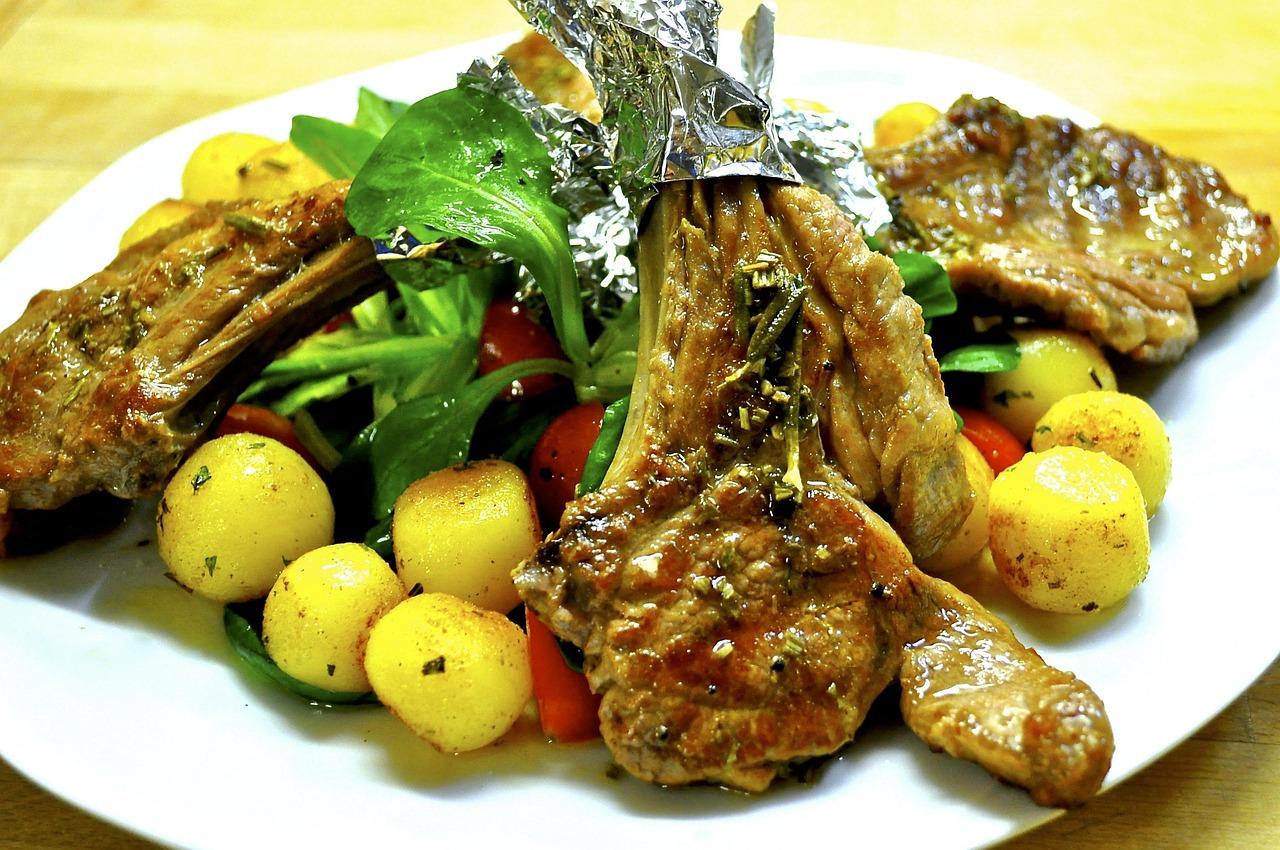
PaidakiaGrilled lamb chops

In the mountain villages around Athens and in Roumeli, families drive out on Sunday to psistaries where paidakia are sold by the kilo: thin lamb rib chops grilled over charcoal until the fat crackles, then showered with lemon, salt and oregano and eaten with your fingers. Chips, a horiatiki salad and tzatziki complete the meal. Common mistake: marinating them for hours in lemon, which makes the meat mushy; season simply and add lemon after grilling. Chef's tip: leave a thin rim of fat on each chop and grill fat-side first for a minute; it renders and bastes the meat.

20 minGreekMeatGluten free
by KrazyBadal 0 views

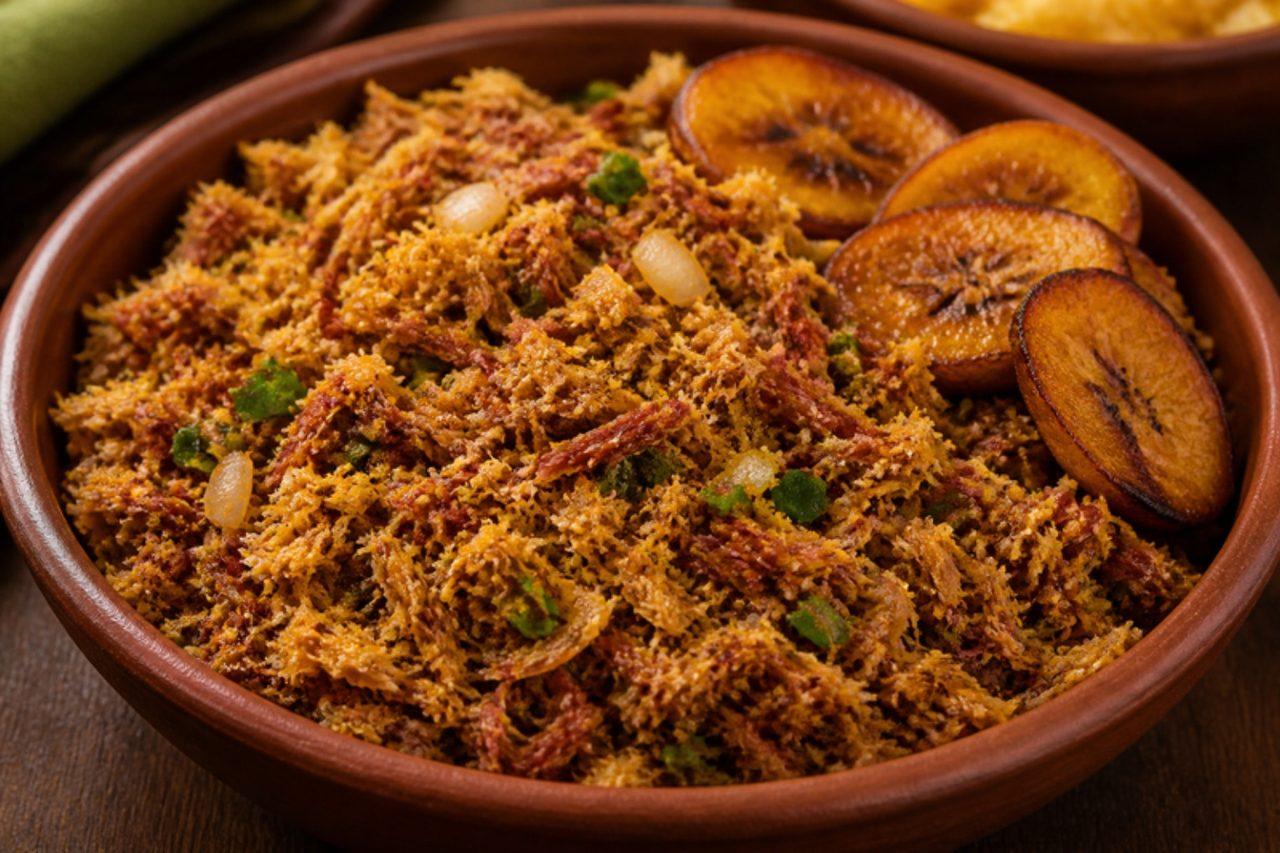
Paçoca de carne de solPounded dried beef with cassava flour

Not the peanut sweet of the same name: in Ceará, Piauí and Maranhão, paçoca is a savoury, fluffy tangle of fried carne de sol pounded with toasted cassava flour and onion in a big wooden pilão. Cowboys of the sertão carried it on long rides because it keeps for days, and today it is served at roadside restaurants and at home with baião de dois, boiled macaxeira, ripe banana and a cold glass of cajá juice. It should be dry, crumbly and full of crisp beef threads, salty and deeply savoury. The thing that goes wrong most often is adding the cassava flour to a wet pan, which turns it into paste; the beef must be fried really dry first. Without a pilão, a large mortar or short pulses in a food processor do the job. Chef's tip: let the pounded paçoca rest for ten minutes before serving; the farinha soaks up the beef fat and the texture turns soft and fluffy.

by KrazyBadal 0 views

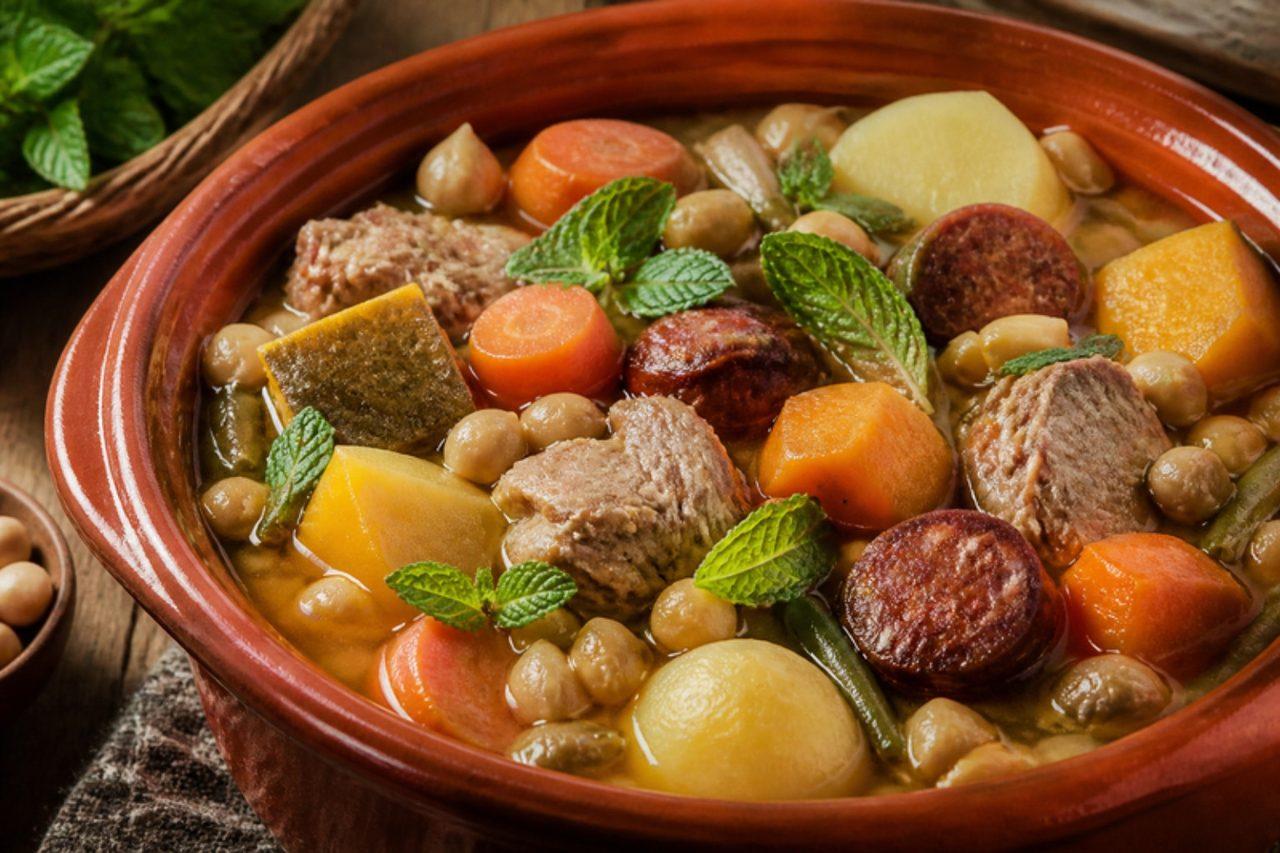
Cozido de grãoChickpea stew with pork and chouriço

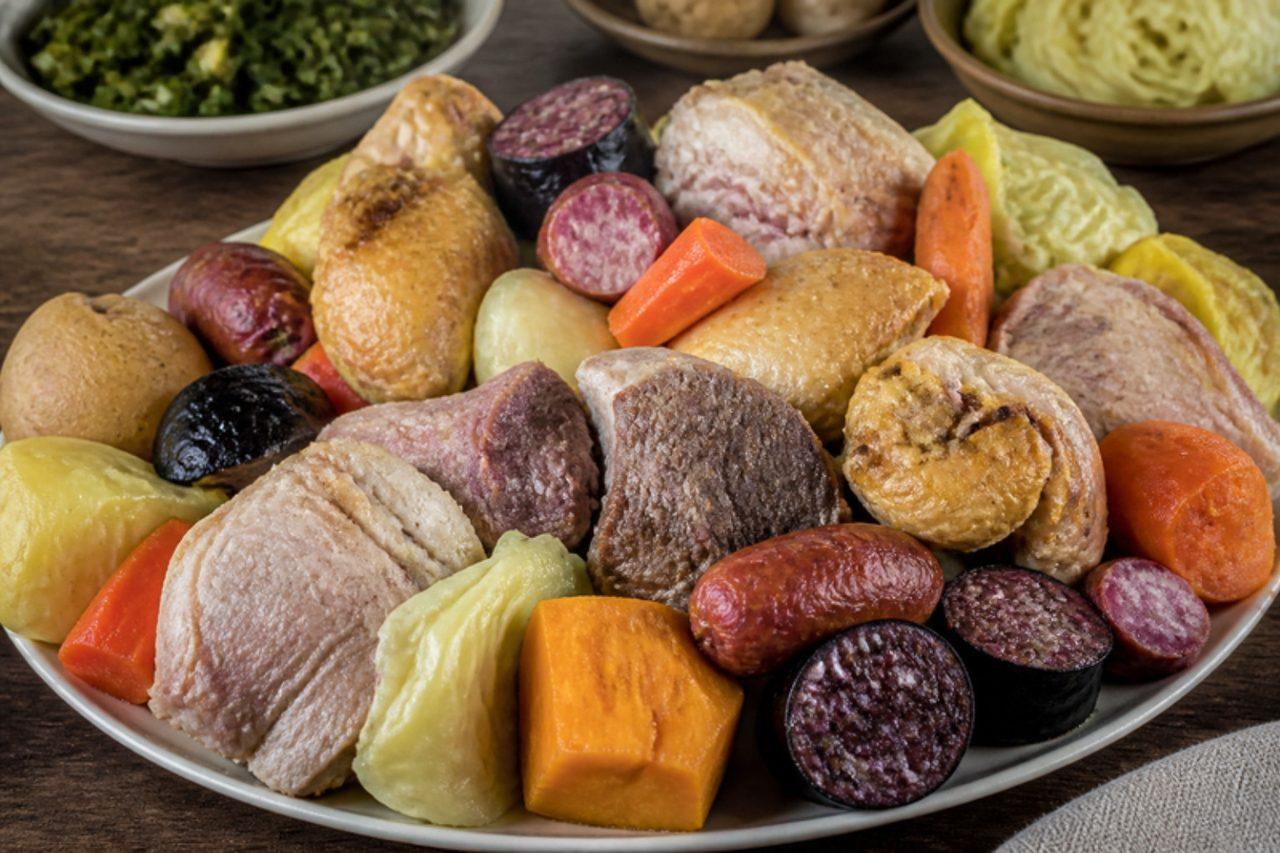
Inland Alentejo makes its cozido with chickpeas instead of the cabbage-heavy versions of the north: a big pot of chickpeas, pork, chouriço and blood sausage, with potatoes, carrots, green beans and pumpkin all cooked together and finished with fresh mint. It is a winter Sunday lunch, and leftovers become soup the next day. This contains pork (pork belly, chouriço and morcela). Start the chickpeas the night before. A common mistake is adding the vegetables at the start; they go in near the end so they hold their shape. Chef's tip: keep the sausages whole while they simmer, then slice them, so they flavour the broth without falling apart.

by KrazyBadal 0 views

Cozido das FurnasSlow-cooked meat and vegetable pot

In Furnas, on São Miguel, cooks lower tall pots of meat and vegetables into holes in the hot volcanic ground by the lake at dawn, cover them with earth and dig them up at lunchtime six hours later. The steam cooks everything gently in its own juices, so the meats are falling apart and the cabbage tastes of smoked sausage. A low oven gives a very similar result at home. This contains pork (belly, chouriço and blood sausage). Chef's tip: seal the pot tightly with foil under the lid; the dish relies on steam, not added water.

by KrazyBadal 0 views

Lorne sausageSquare beef and pork sausage

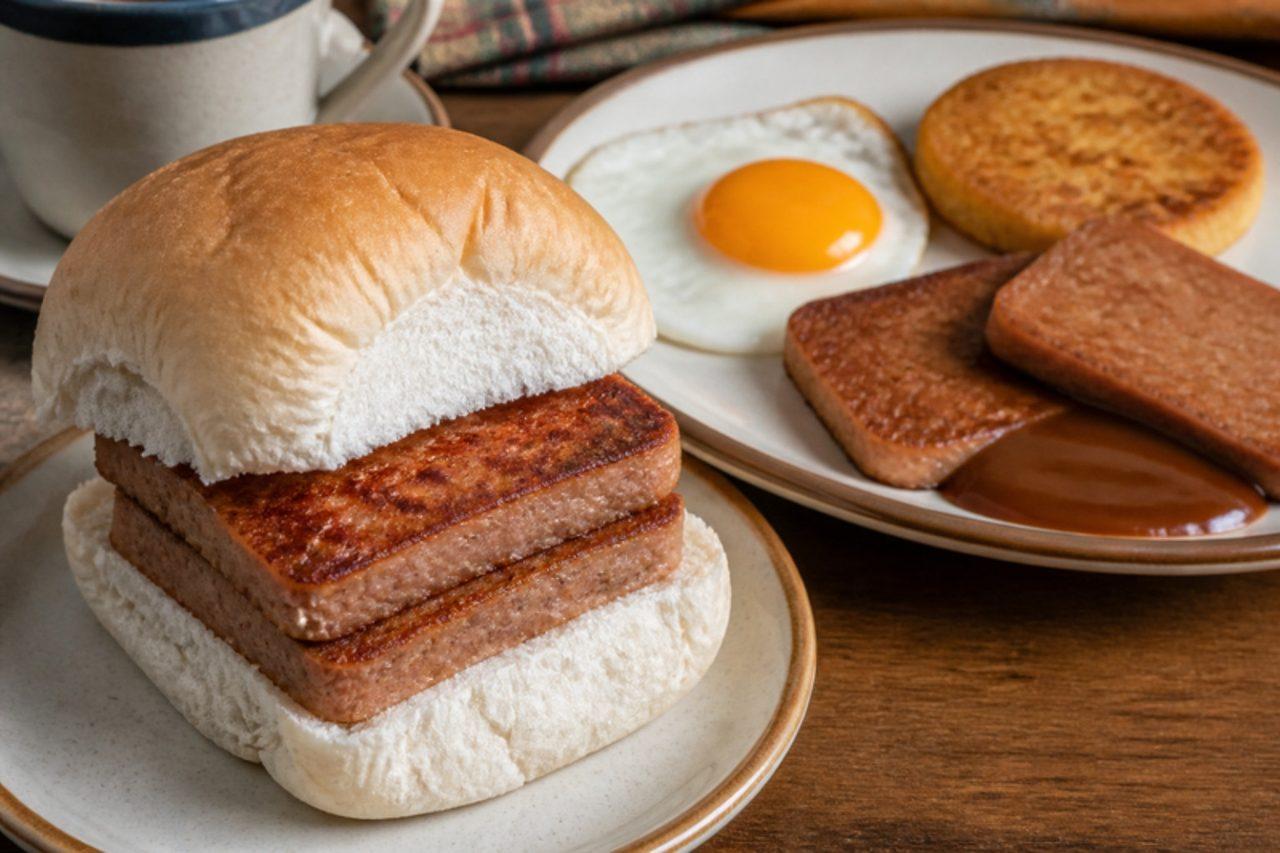
Lorne sausage, better known in Scotland simply as square sausage or slice, is a skinless loaf of seasoned beef and pork mince that is cut into squares and fried for the full Scottish breakfast, or slapped in a morning roll with brown sauce. It is easy to make at home and freezes well. Chef's tip: freeze the shaped block for an hour before slicing; it cuts into neat, thin squares.

by KrazyBadal 0 views

Cornish saffron buns

Saffron buns, called 'tea treats' in parts of Cornwall, were handed out at Sunday school outings and chapel tea treats, and they still glow yellow in bakery windows from Penzance to Truro. A pinch of saffron steeped in warm milk colours a soft, enriched dough studded with currants and peel, so they taste gently floral and fruity. Eat them split and spread with butter or clotted cream. Chef's tip: steep the saffron overnight for the deepest colour and flavour.

by KrazyBadal 0 views

Brioche col tuppoTopknot brioche

On summer mornings in Catania, breakfast is a glass of granita, almond, coffee, lemon or black mulberry, with a warm brioscia col tuppo beside it. The brioche is a soft, sweet, orange-scented bun with a little ball of dough on top, the tuppo, named after the bun women once wore their hair in. You tear off the tuppo first, dip it in the granita, then work through the rest. Bakeries in eastern Sicily sometimes enrich the dough with lard; this version uses butter. Chef's tip: give the dough a long, slow rise; it is what makes the crumb so light and stringy. Serve it with granita al limone.

by KrazyBadal 0 views

CoyotasPiloncillo-filled turnovers

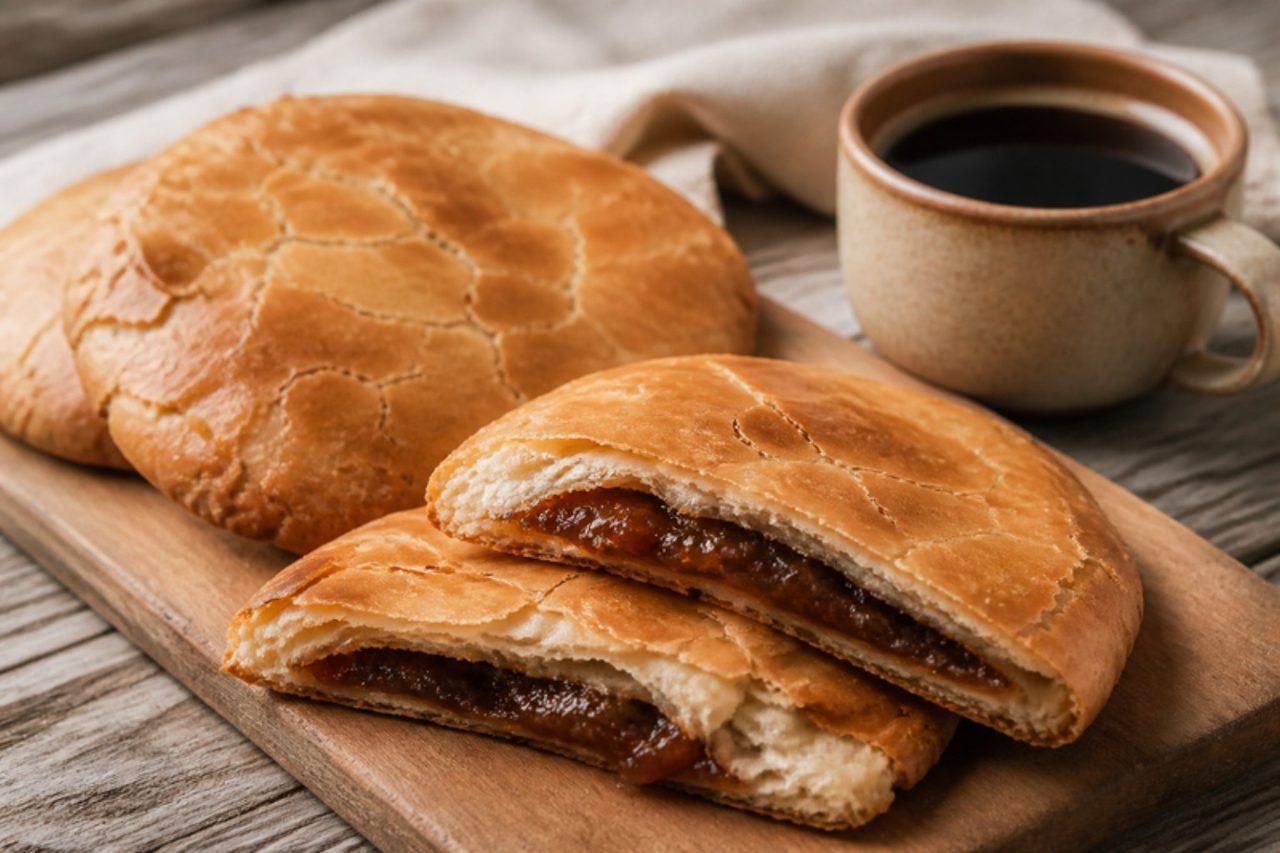
Coyotas were first baked in the Villa de Seris neighbourhood of Hermosillo, and today Sonorans buy them by the dozen in paper bags to eat with morning coffee or take as a gift when they travel. They are flat, round, pale pastries with a crisp, crumbly crust and a thin layer of molten piloncillo inside, like a giant cookie with a toffee middle. Some bakers add guava or cajeta, but brown sugar loaf is the classic. Chef's tip: pinch the edges firmly and prick the tops; otherwise the hot sugar bubbles out and burns on the tray.

by KrazyBadal 0 views

Pain d'épices de DijonHoney spice loaf

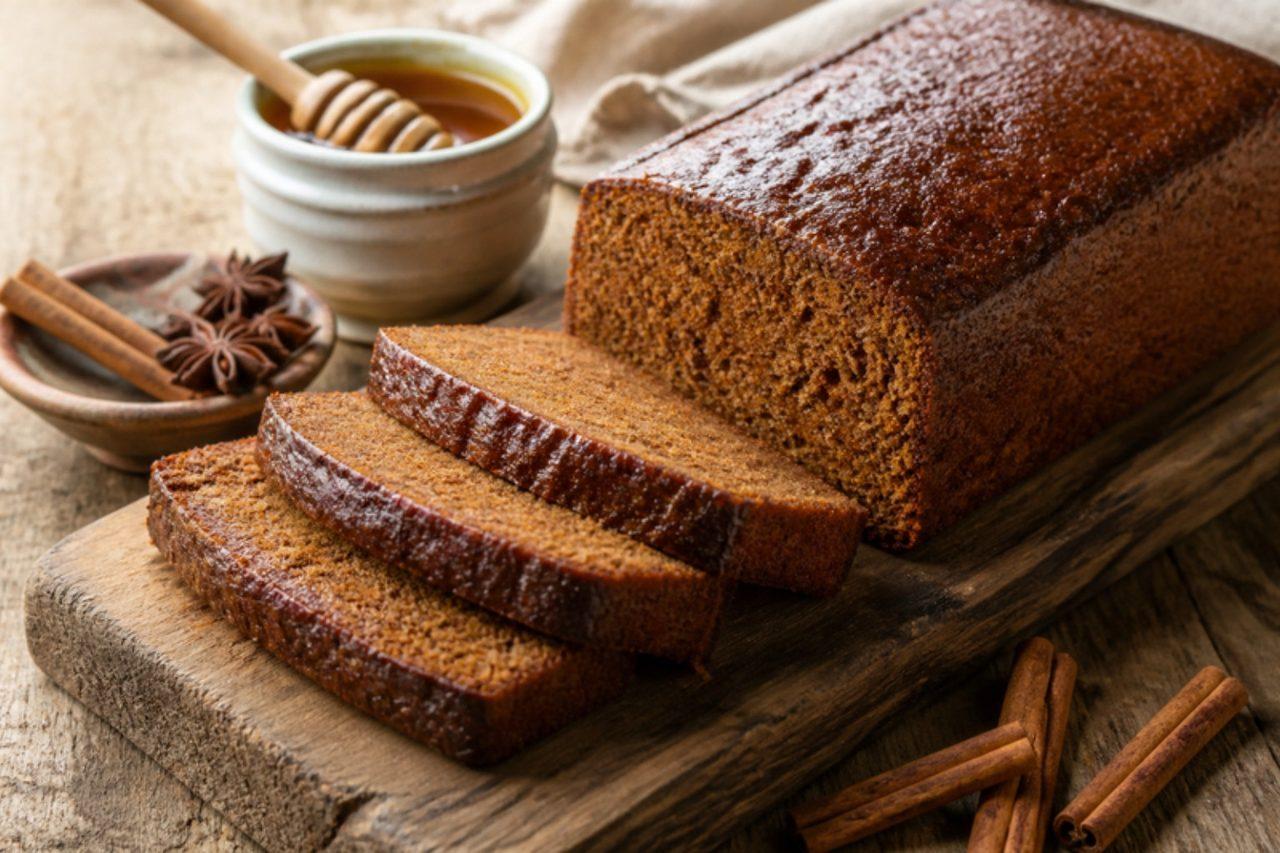
Dijon has been baking pain d'épices since the Middle Ages, and the shops near the old ducal palace still sell it by the slice, plain or glazed with orange. It is a dense, fragrant honey loaf, sold all year but eaten most in December, when Burgundian families toast slices for breakfast, spread them with butter, or serve them with cheese and pears. The Dijon style uses wheat flour and a whole egg, which makes it softer than the rye-flour loaves of Reims. Chef's tip: wrap it and wait a day before cutting; the crumb turns moist and the spices settle and deepen.

by KrazyBadal 0 views

Showing 24 of 3,537 recipes

Show more recipes

Page 112 of 148