Skip to content
Recipes

All recipes

Vegetarian, or something you can't eat? Set your diet once and we'll hide recipes that don't fit.

Jukut ares (Balinese banana stem soup with chicken)

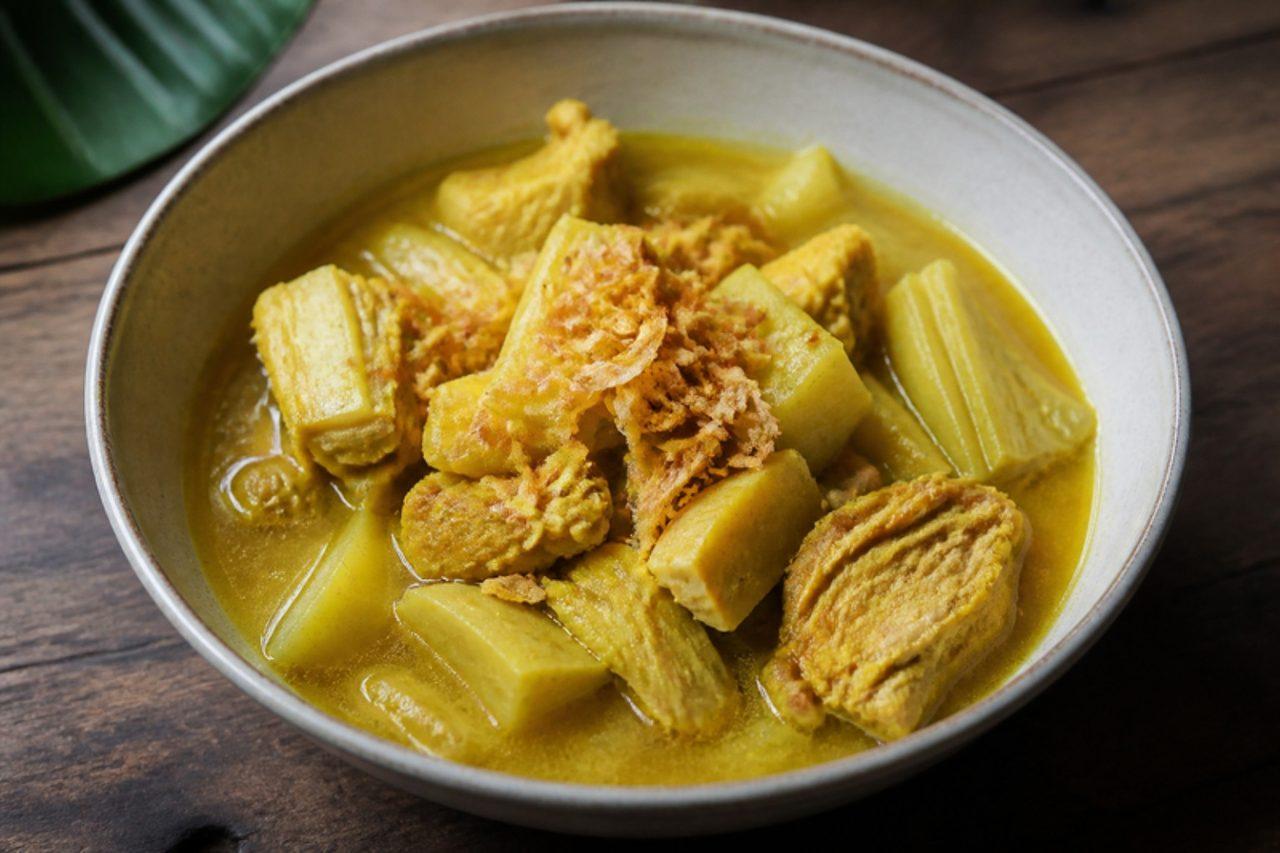
Jukut ares is cooked in Bali for Galungan and the ceremonies around it, when families gather at home and the kitchen turns out dishes for days; the humble banana tree, which gives fruit, leaves and stem, stands for the generosity of the land. The soft white core of the trunk is sliced thin and simmered in a broth built on base genep, the island's master spice paste, until it is tender and slightly silky, like a cross between bamboo shoot and leek. Villages often use pork bones; this version uses chicken thighs, which make a lighter, golden, peppery broth. Serve it in bowls with steamed rice and sambal. Chef's tip: soak the sliced stem in salted water and pull off the stringy fibres as you go, or the soup turns grey and stringy.

by KrazyBadal 0 views

Piernik staropolskiHoney spice cake with plum jam

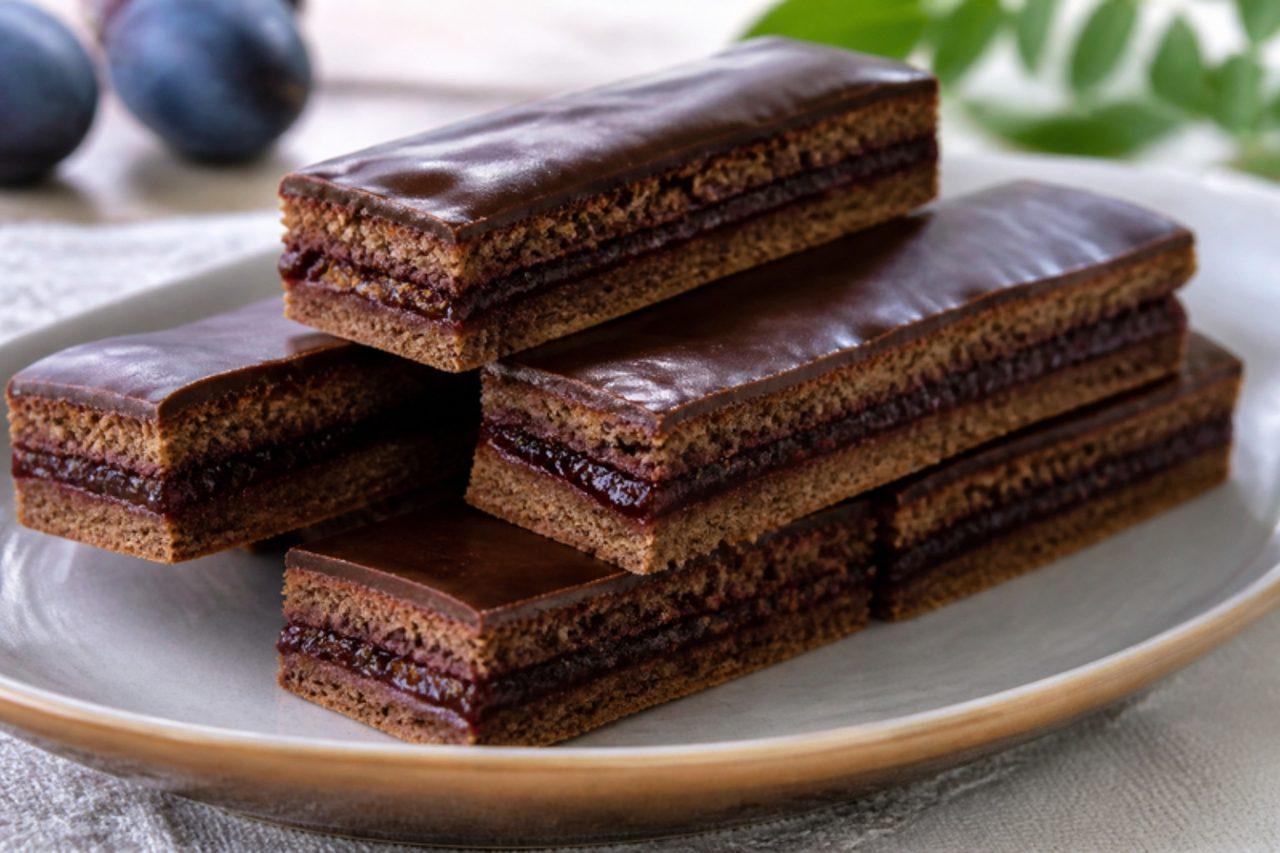
Piernik staropolski is the grand Polish Christmas gingerbread, and the old tradition is to mix the honey dough in November (once even at a child's birth) and leave it to mature for weeks in a cool place, which deepens the spice and makes the cake tender. It is baked a few weeks before Christmas, split into layers with powidła (thick plum butter), glazed with chocolate and left to soften again. This home version rests the dough for at least 3 days. Chef's tip: wrap the baked layers and let them sit for 3 days before filling; fresh piernik is hard, and it softens as it absorbs moisture from the jam.

by KrazyBadal 0 views

Sayur sopClear vegetable soup

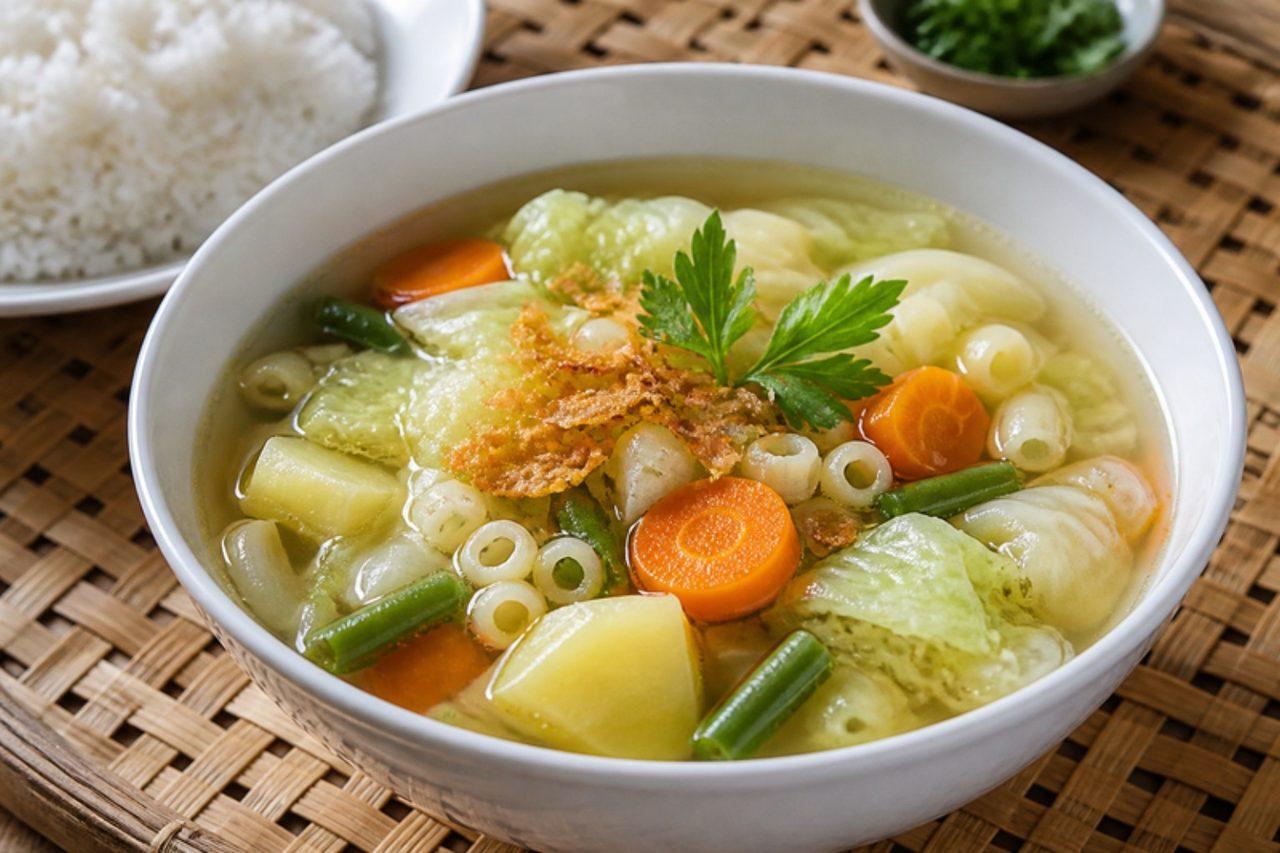
Sayur sop is the clear vegetable soup cooked in homes all over Indonesia, from Medan to Surabaya, on any ordinary weeknight and whenever a child is poorly; it is spooned over rice beside fried tofu or tempeh. Most families make it with chicken stock, so this is the vegetarian version, built on vegetable stock with fried shallots and celery leaf for depth. It is gentle, savoury and fragrant with nutmeg and white pepper, and children love it. It has about 4 g of protein per portion, from the vegetables and macaroni; add cubes of firm tofu for more. The common mistake is boiling it hard, which clouds the broth and breaks the potato; keep it at a lazy simmer. Chef's tip: fry the garlic and shallot in a little oil before they go in, rather than adding them raw, for a broth that tastes much richer than it is.

by KrazyBadal 0 views

Chilcano de pescadoClear fish broth

In the fishermen's terminals of Chorrillos and Callao, chilcano is what you drink on a Sunday morning after a long night: a clear, gingery broth made from the heads and bones left over from cleaning fish for ceviche, with chunks of fish, red onion, chilli and a squeeze of lime in the bowl. It is light and warming, around 160 kcal a bowl, and still gives about 24 g of protein from the fish fillet and the broth. The common mistake is squeezing the lime into the pot while it boils, which turns it bitter; add it to each bowl at the table. Don't boil the bones for more than 30 minutes either, or the broth turns cloudy and harsh. Chef's tip: ask the fishmonger for heads and frames from mild white fish like sea bass or cod, and leave out oily fish such as mackerel, which makes the broth strong and fishy.

by KrazyBadal 0 views

Aguadito de polloCoriander chicken rice soup

Aguadito is the soup Lima serves in the small hours: at the end of a wedding, after New Year's Eve and at weekend family lunches, it is ladled out thick and steaming to revive everyone. Rice simmers in chicken broth coloured deep green with blended coriander and warmed with yellow ají amarillo, along with peas, carrot, pepper, sweetcorn and potato. A portion gives about 24 g of protein, from the chicken with a little from the rice and peas, for around 480 kcal. The common mistake is adding the coriander purée too early: cooked for long it turns khaki and loses its fresh taste, so stir it in for the last 10 minutes. The chicken must reach 74 °C at the bone. Chef's tip: blend a handful of spinach with the coriander; it keeps the colour vivid green without changing the flavour.

by KrazyBadal 0 views

Sayur asemSour tamarind vegetable soup

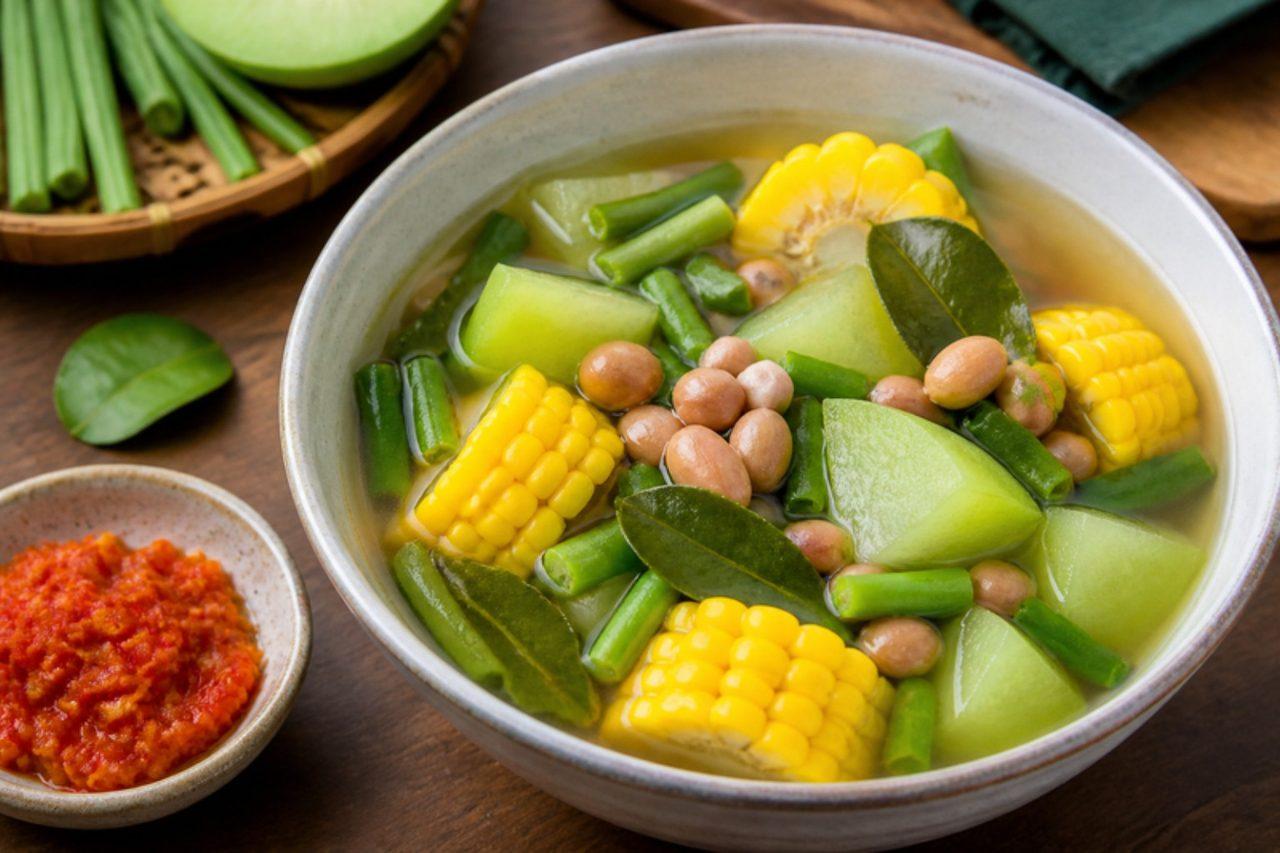
Sayur asem is the soup that sits beside fried tempeh, rice and sambal on lunch tables across Jakarta and West Java, and it is most loved in the hot months, when its sharp, sweet-sour broth cools you down. Chunks of sweetcorn, chayote, long beans, raw peanuts and young melinjo leaves simmer in a clear broth soured with tamarind and rounded with a little palm sugar. It is light, with about 5 g of protein per portion, mostly from the peanuts; serve it with tempeh or tofu if you want a full meal. The most common mistake is adding all the vegetables at once: the corn and peanuts need a head start, while the long beans and leaves turn grey and soft if they boil too long. Chef's tip: dissolve the tamarind in a little hot water and add it in stages, tasting as you go, because tamarind blocks vary hugely in strength.

by KrazyBadal 0 views

Tahu campurFried tofu and beef noodle soup

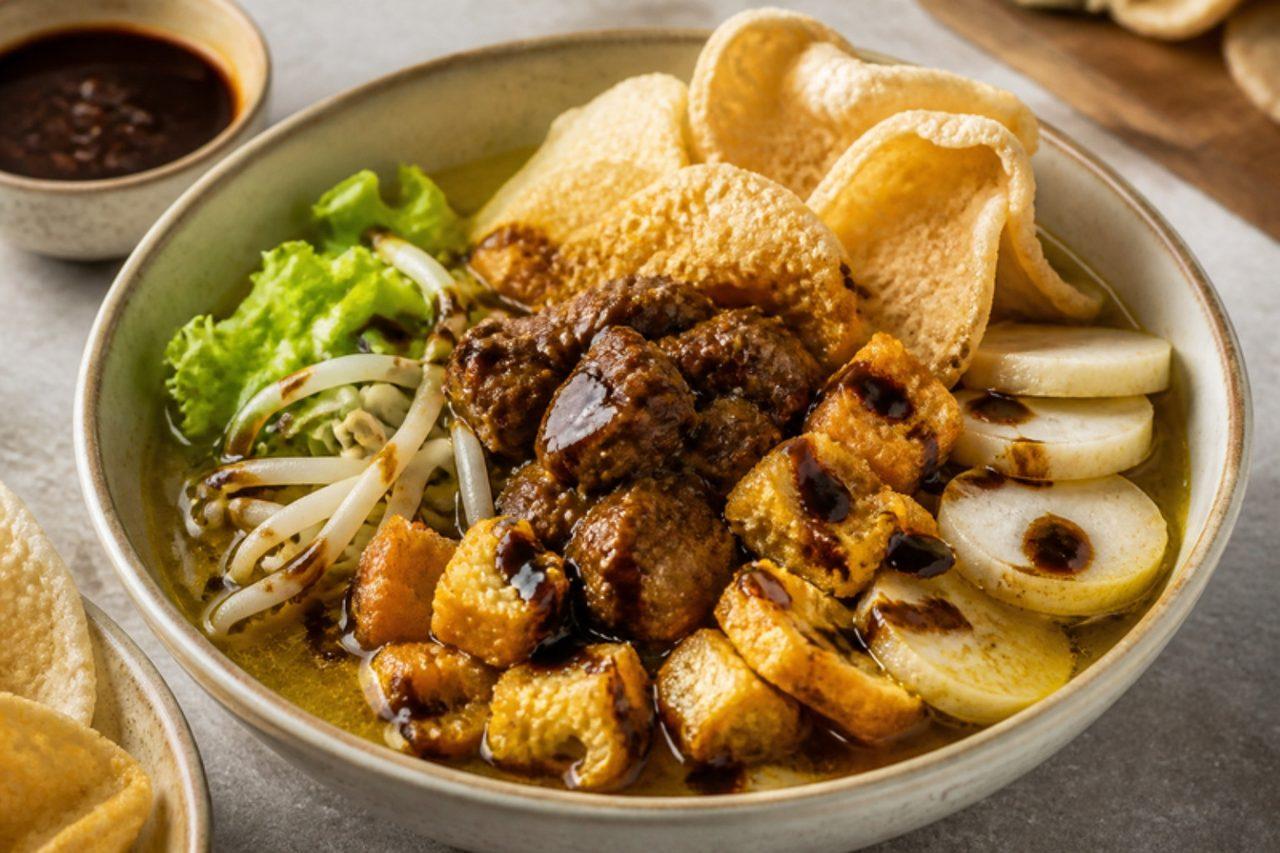
Tahu campur comes from Lamongan in East Java, and its vendors carry it all over Surabaya, where it is a filling lunch or early supper eaten from a deep plate. Golden fried tofu, slices of rice cake, beef, bean sprouts and lettuce sit in a light, spiced beef broth, and a spoon of black petis (fermented shrimp paste) mashed with chilli, garlic and sweet soy is stirred through at the table. This version uses beef shin, which gives a clear broth and tender meat. A portion has about 30 g of protein, from the beef and the tofu. The common mistake is boiling the broth hard: it turns cloudy and greasy, so keep it at a gentle simmer and skim it. Chef's tip: thin the petis with a little hot broth before you add the chilli and lime, or it stays in sticky lumps.

by KrazyBadal 0 views

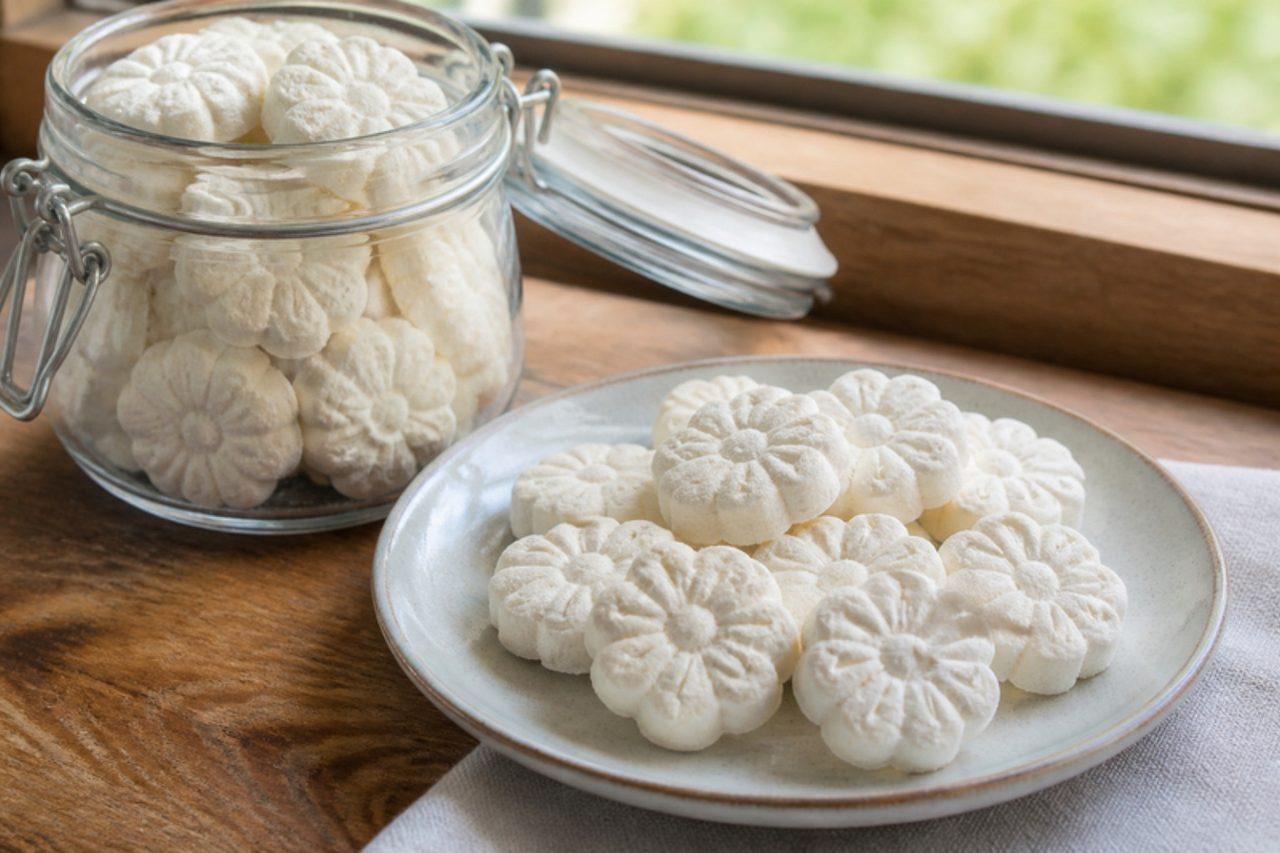
Kue bangkitTapioca coconut flower cookies

Jars of kue bangkit sit on coffee tables across Riau and the Sumatran coast at Lebaran, and Chinese-Indonesian families bake the same little white flowers for Lunar New Year. They are made from tapioca starch slowly roasted with pandan leaves, then bound with sugar, egg yolk and thick coconut milk and pressed into tiny flower shapes. When they are right they feel crisp and light in the hand and then dissolve instantly on the tongue, leaving the taste of coconut and pandan. The step people rush is roasting the starch; it must be dry-fried until feather-light, or the cookies bake hard and chalky. Chef's tip: keep the dough covered with a cloth while you work, because tapioca dough dries in minutes and then crumbles in the mould.

by KrazyBadal 0 views

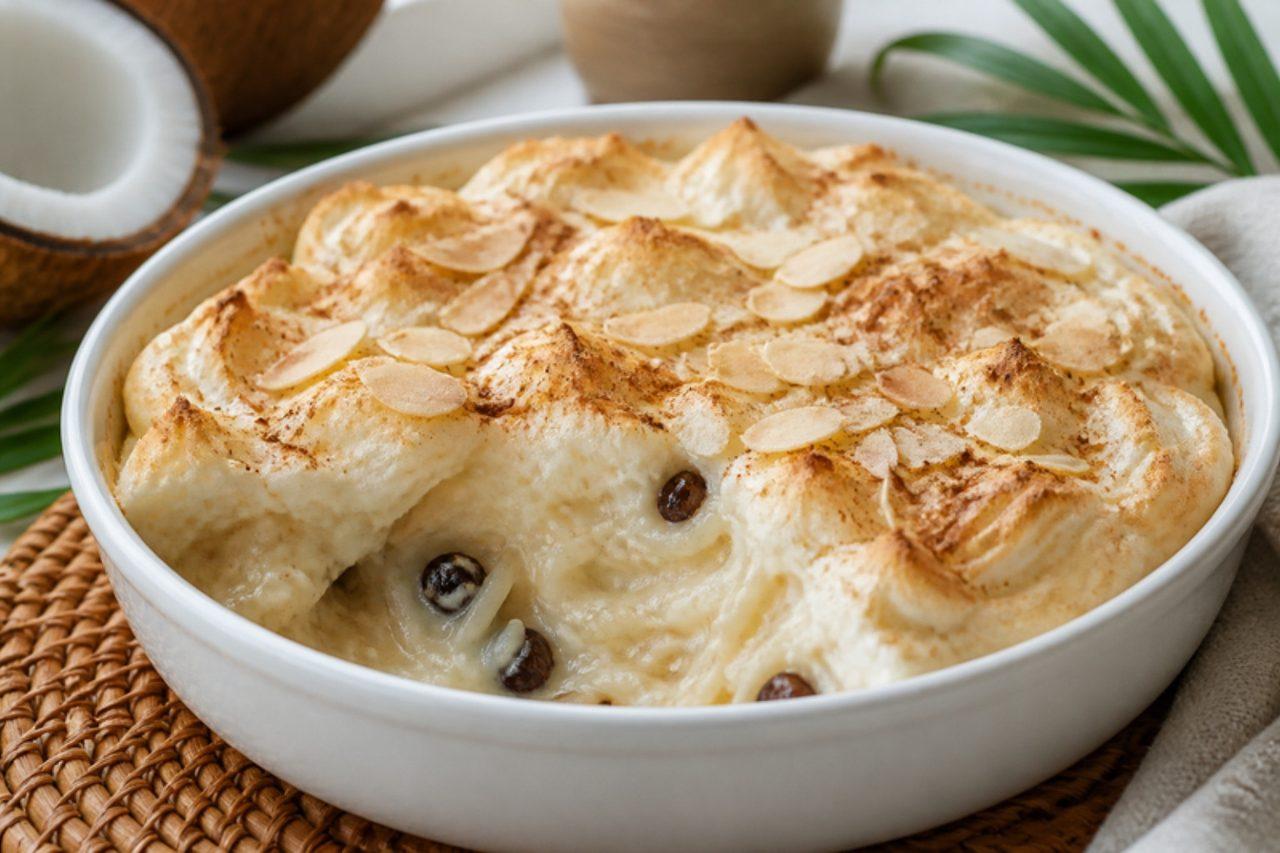
KlappertaartBaked young coconut custard

Manado, at the northern tip of Sulawesi, inherited klappertaart from its Dutch colonial kitchens (klapper is old Dutch for coconut), and it is still the dessert North Sulawesi families bring to birthdays, Christmas and church gatherings. Soft strips of young coconut flesh are folded through a creamy, cinnamon-scented milk custard with raisins, then baked under a sprinkle of almonds until barely set and bronzed on top. It is eaten warm or cold, spooned straight from the dish. Many recipes soak the raisins in rum or add a splash to the custard; this one is alcohol-free, with the rum as an option. Overbaking it until firm is the mistake to avoid; it should be soft and spoonable. Chef's tip: use the jelly-soft flesh of young coconuts (or frozen young coconut strips); grated mature coconut makes the custard dry and chewy.

by KrazyBadal 0 views

Spiku (lapis Surabaya)Three-layer butter sponge with jam

Visitors leaving Surabaya are expected to carry home a box of spiku as oleh-oleh, the gift from your travels, and it also turns up for Lebaran and Chinese New Year. The name comes from the Dutch spekkoek, but this is a different cake: three thick layers of rich, yolk-heavy butter sponge, two plain and one chocolate, stuck together with apricot or strawberry jam. The crumb is soft, tight and buttery, best in thin slices with tea. Folding the melted butter in roughly or too fast lets it sink and bake into a greasy band at the bottom, so add it in a thin stream and fold just until it vanishes. Chef's tip: bake the three layers at the same time in three identical tins; weigh the batter into them so the layers come out even.

by KrazyBadal 0 views

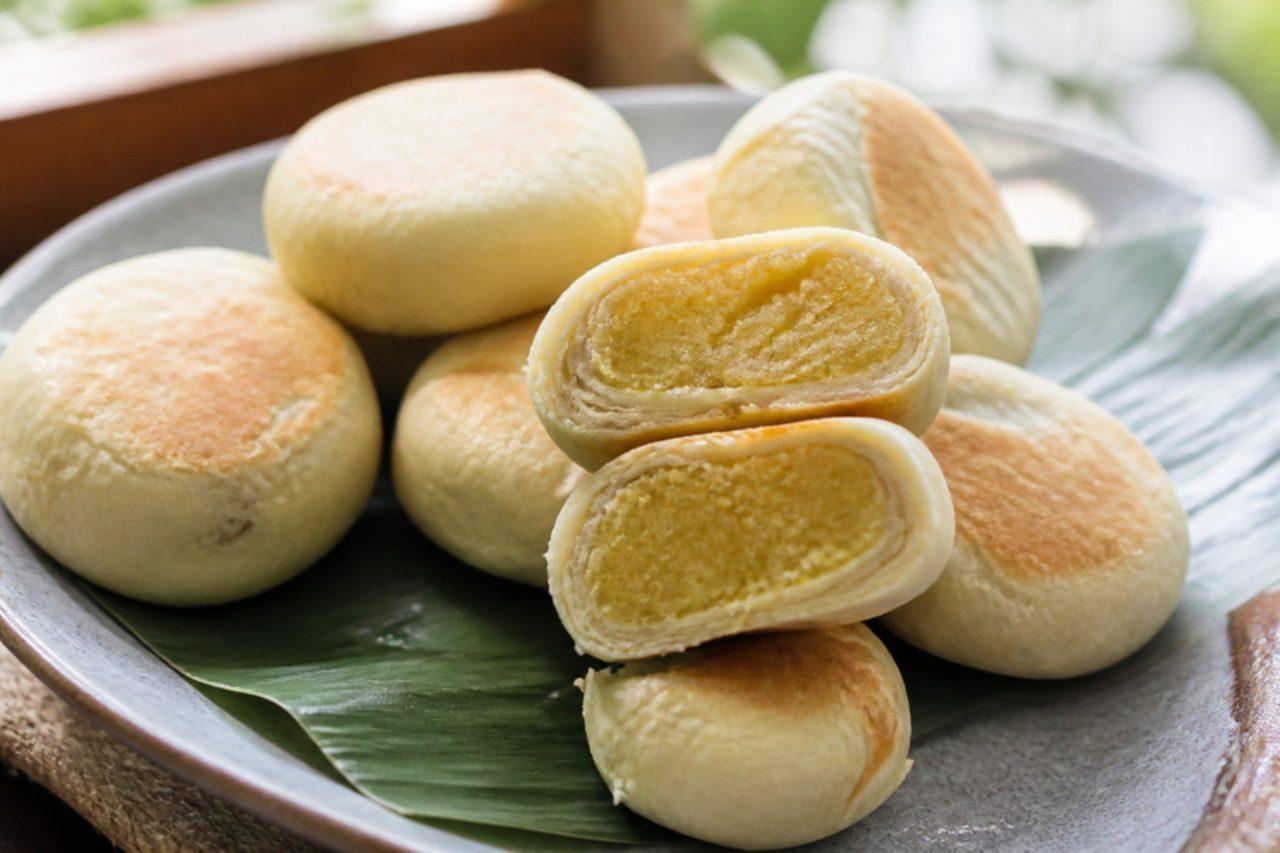
BakpiaMung bean pastries

Nobody leaves Yogyakarta without a cardboard box of bakpia; the Pathuk neighbourhood, a short walk from Malioboro, is lined with family bakeries turning them out for visitors as oleh-oleh, the snacks Indonesians bring home from a trip. These are small, round and slightly puffed, with a thin, flaky skin that goes golden in spots and a smooth, lightly salted sweet mung bean centre. They came to Java with Chinese bakers (the name comes from Hokkien bak pia) and are eaten with sweet hot tea or a glass of kopi. Using too much filling is the usual problem; the skin should wrap it with no stretching. Chef's tip: cook the mung beans with a knotted pandan leaf for the classic fragrance, and keep the pastry balls under a damp cloth so the skins stay supple while you work.

by KrazyBadal 0 views

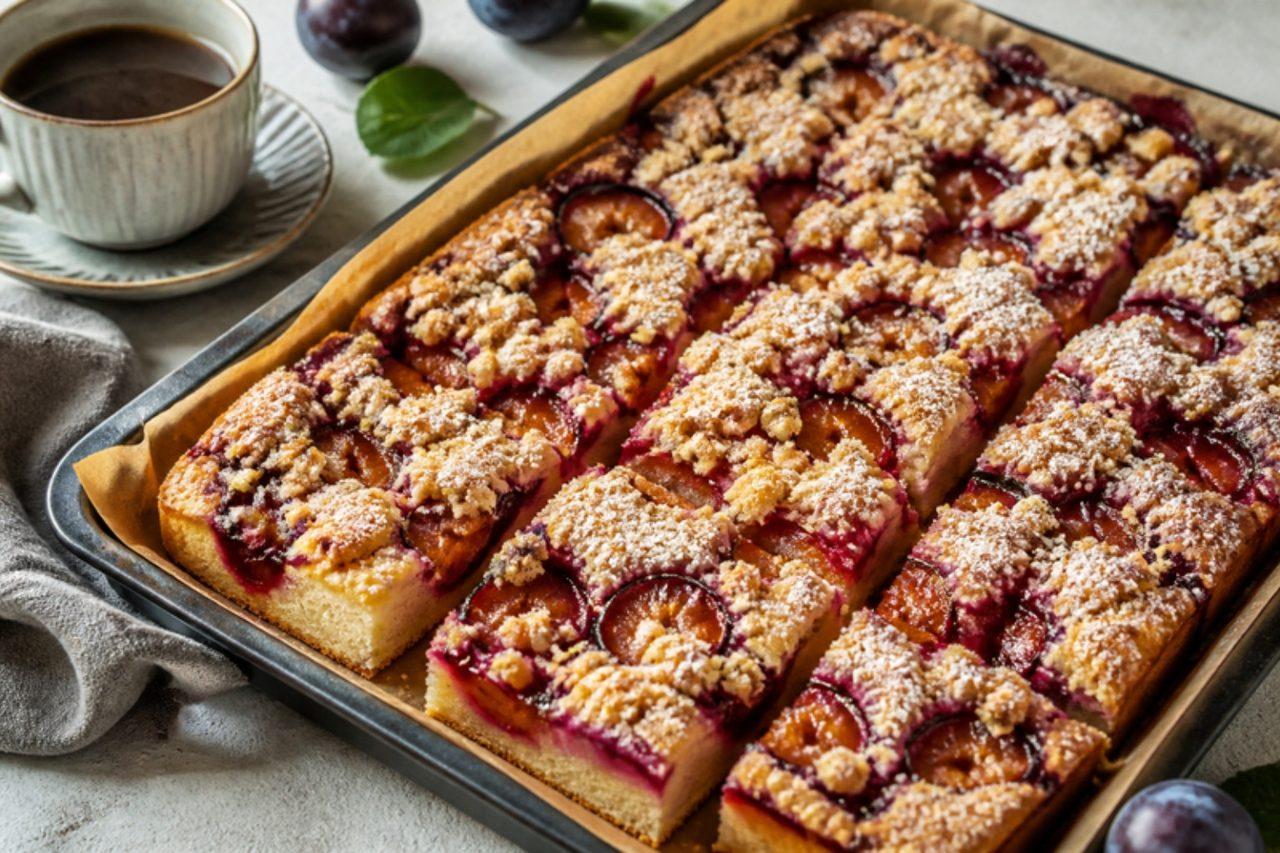
Placek ze śliwkamiPlum and crumble yeast cake

When the węgierki plums ripen in late August, Polish grandmothers from Kraków to Gdańsk bake placek ze śliwkami on the big oven tray and cut it into squares for Sunday coffee or for the neighbours. Under a buttery kruszonka crumble the plums melt into jammy, sharp pools on a soft, slightly sweet yeast dough. It is best on the day, still faintly warm, with a mug of coffee or a dollop of whipped cream. Laying the plums skin side down is the classic mistake: the juice floods the dough and leaves it raw, so set them cut side up and close together. Chef's tip: toss the plum halves with a spoonful of semolina or breadcrumbs before arranging; it soaks up the juice and keeps the base light.

150 minPolishBaking
by KrazyBadal 0 views

JagodziankiBlueberry crumble buns

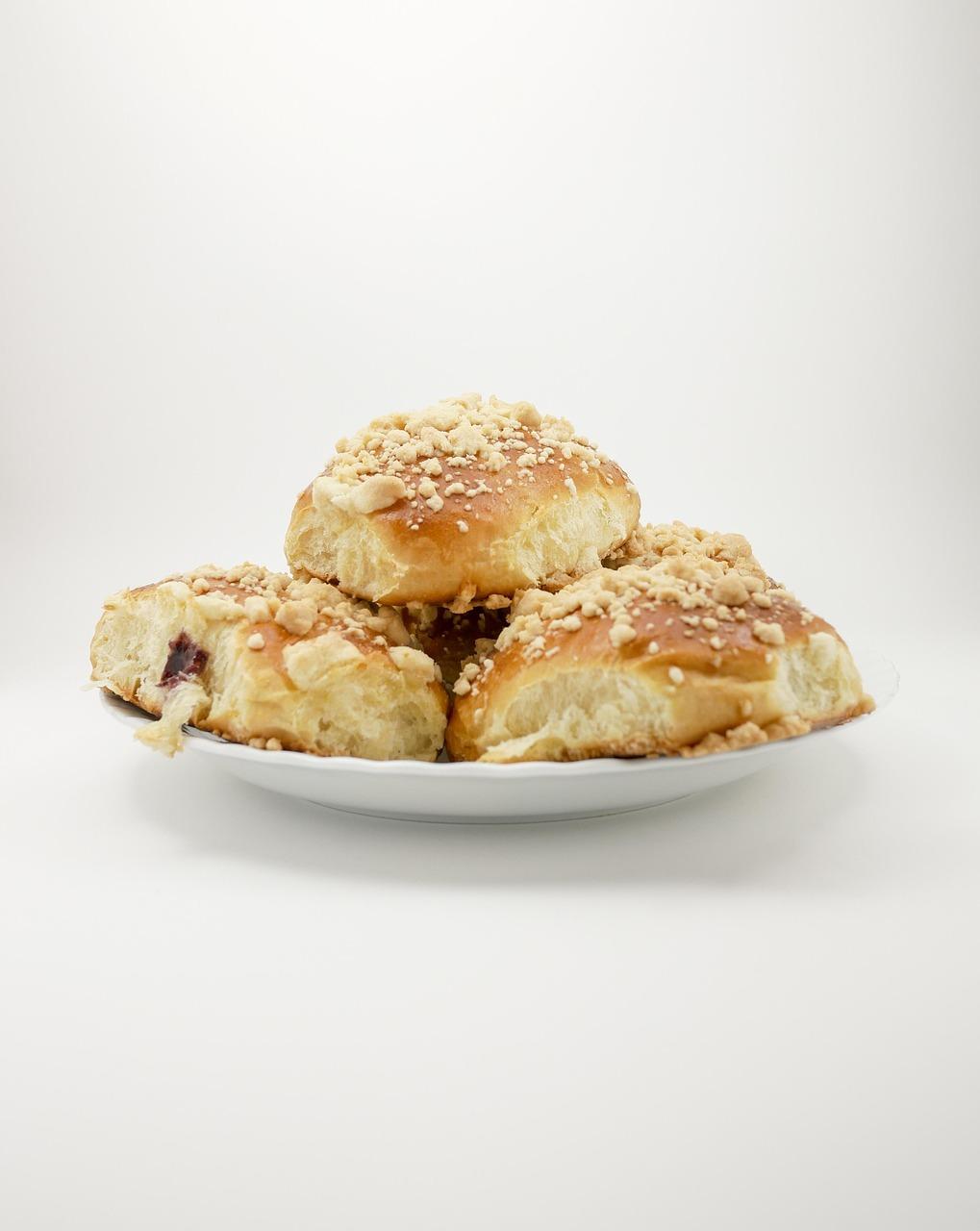
When the forest blueberries (jagody) arrive in July, Polish bakeries start selling jagodzianki by the trayful, and queues form for them warm. Each oval bun is soft, buttery yeast dough wrapped around a juicy pocket of blueberries, topped with a crunchy butter crumble and sometimes a drizzle of icing. They are a summer treat for the beach, the train or an afternoon with coffee, and children eat them by the bagful, staining their fingers purple. Berries tossed in sugar alone burst through the seams; the potato starch thickens the juice so it stays inside. Chef's tip: pinch the seams very firmly and set the buns seam side down, then press the crumble on with your palm so it sticks to the egg wash.

145 minPolishBaking
by KrazyBadal 0 views

Zupa jarzynowaMixed vegetable soup

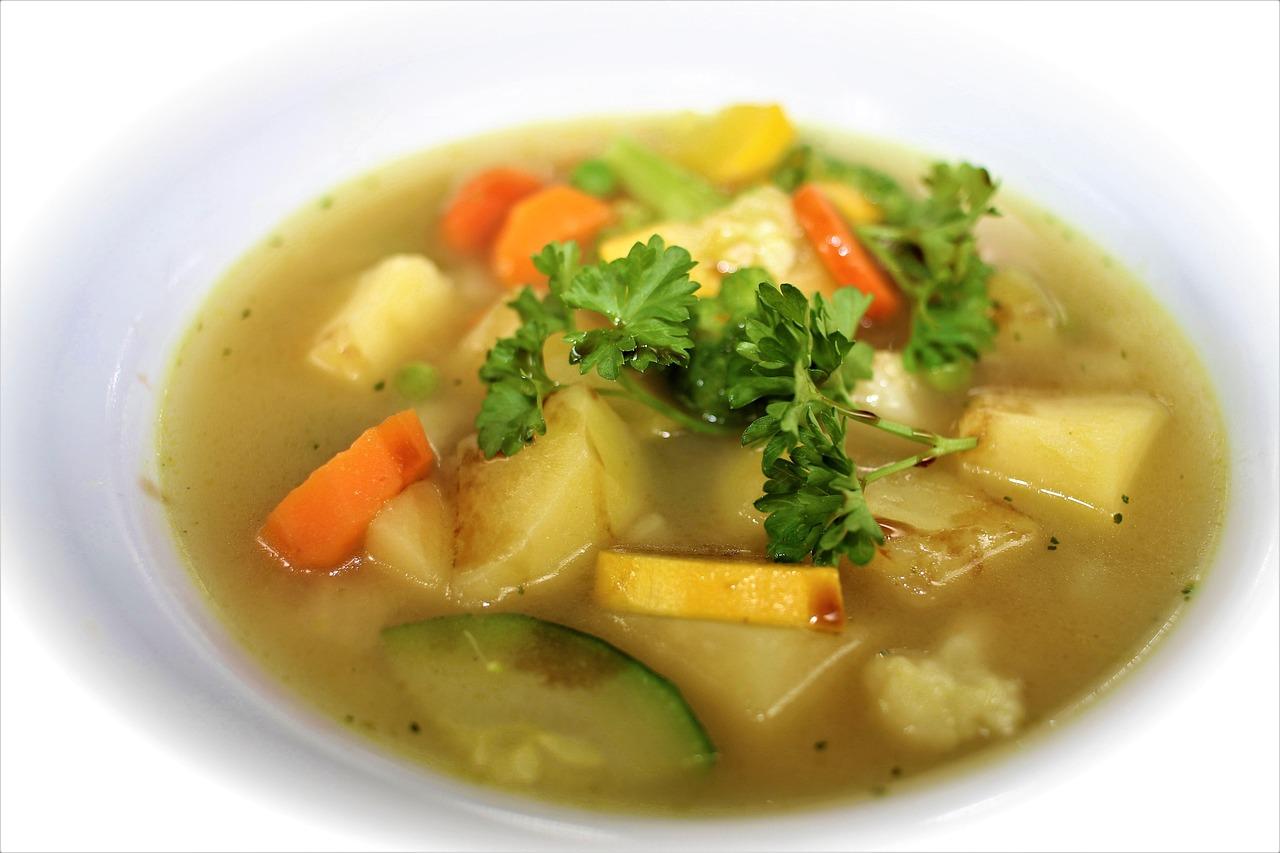
Zupa jarzynowa is what a Polish kitchen makes when the vegetable drawer needs clearing: carrots, parsley root, celeriac, potatoes, cauliflower, green beans and peas, all diced small and simmered in one pot. From Białystok to Szczecin it is the Monday soup, the canteen soup and the soup for anyone off their food, and it is eaten with bread and a swirl of soured cream. A common mistake is putting everything in at once, so the beans and peas turn khaki and soft. Chef's tip: add the vegetables in stages, roots first, green things last, and every spoonful has a bit of bite.

by KrazyBadal 0 views

FasolówkaWhite bean soup

Fasolówka warms up Podhale farmhouses and Lublin kitchens through the cold months: dried white beans cooked until creamy with smoked pork ribs or smoked bacon, potatoes, carrot and a big pinch of marjoram. It is a meal in a bowl for a winter Saturday, served with rye bread. For a vegetarian pot, leave out the pork, use vegetable stock and add 1 tsp smoked paprika and a little more oil. A common mistake is salting the beans at the start, which keeps the skins tough. Chef's tip: mash a ladle of the cooked beans against the side of the pot; it thickens the soup naturally without flour.

120 minPolishSoupsGluten free
by KrazyBadal 0 views

Zupa owocowaFruit soup with pasta

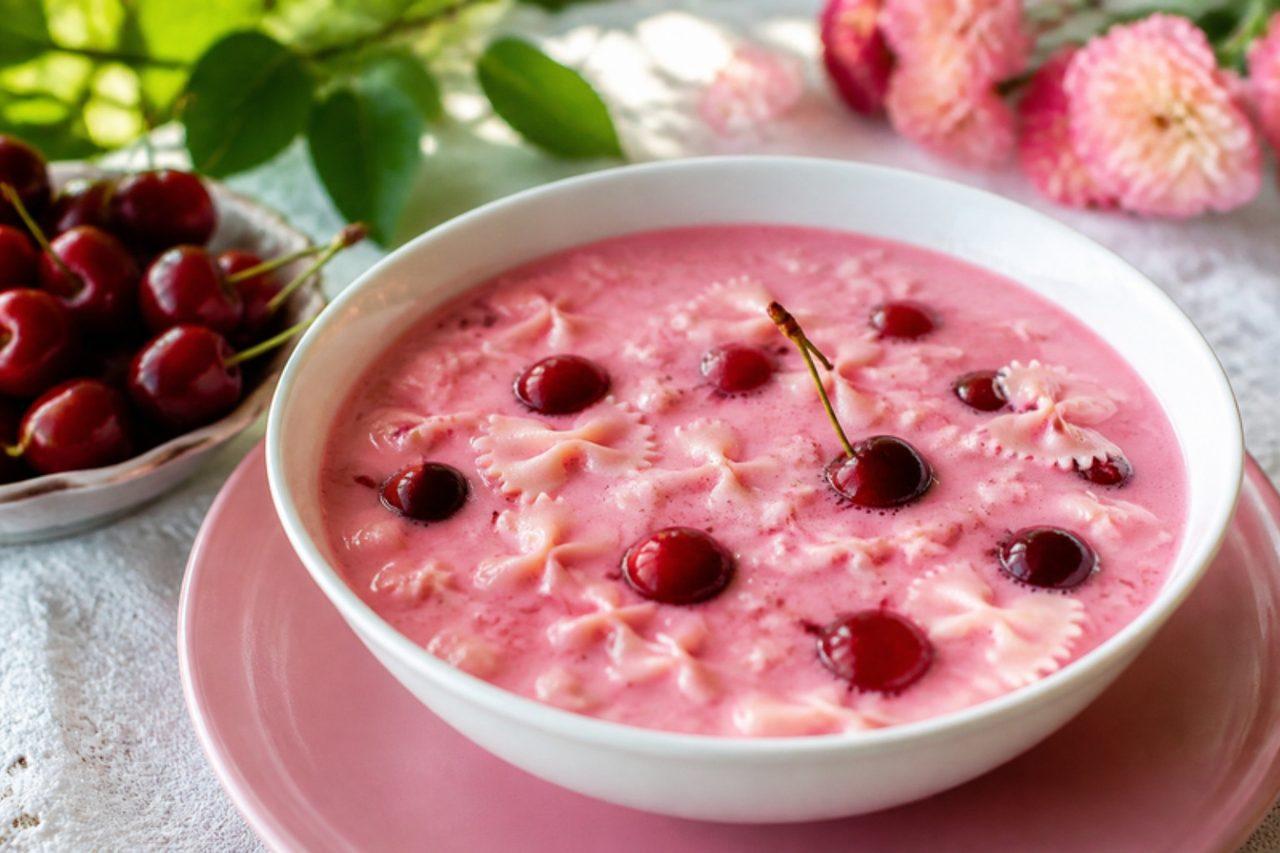
On a hot July afternoon in a Mazurian village or a Warsaw allotment, a pot of zupa owocowa sits cooling on the windowsill: sour cherries or strawberries simmered with sugar, lightly thickened, and served cold over little pasta shells or bow ties. Polish children often get it as the first course of a summer lunch, and it tastes like a drinkable fruit compote. A common mistake is thickening it too much, so it sets into jelly in the fridge; it should stay pourable. Chef's tip: stir a spoon of soured cream into each bowl, not the pot, so the colour stays bright.

by KrazyBadal 0 views

Zupa kalafiorowaCauliflower soup

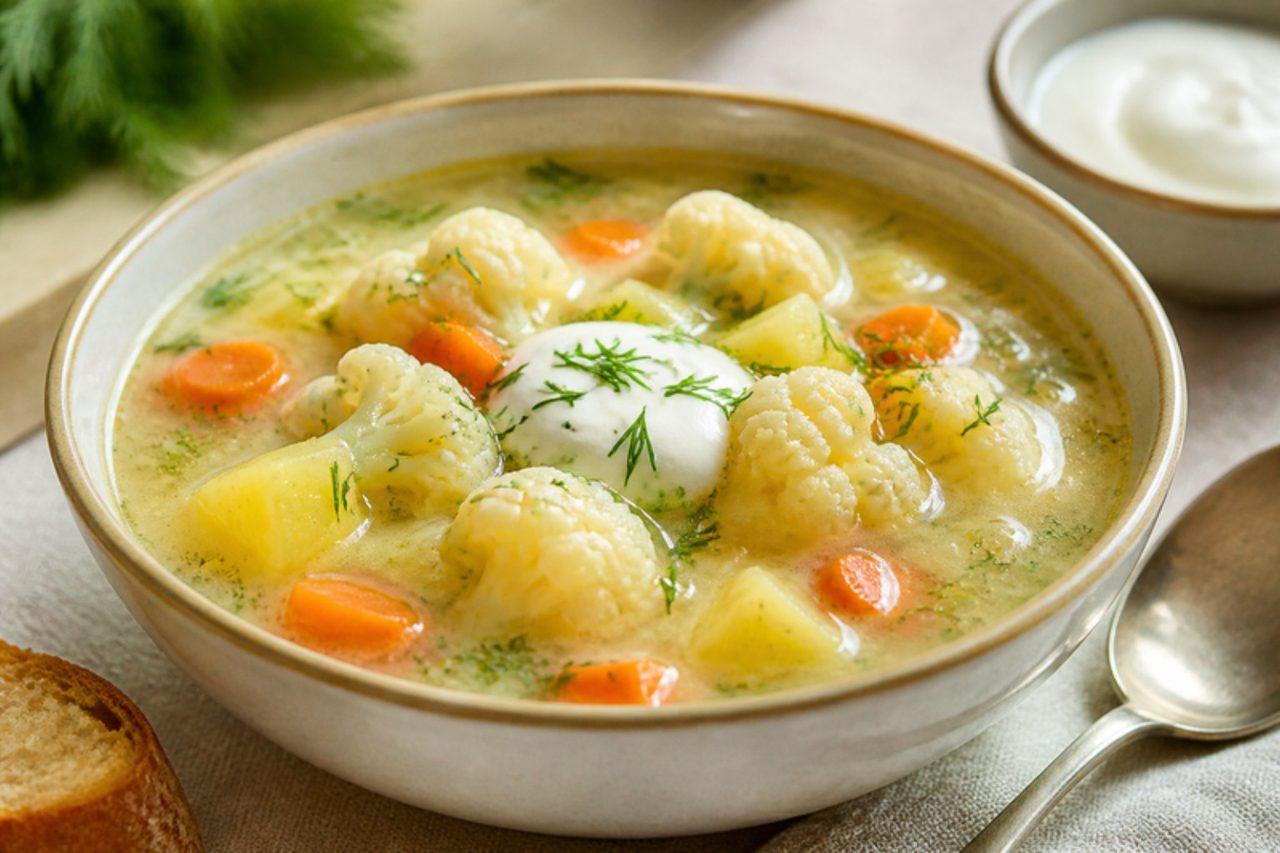
Late-summer cauliflowers from the market gardens around Kalisz and Poznań end up in zupa kalafiorowa, a chunky, comforting soup that Polish families eat on a September weekday with fresh bread. Small florets, potato and carrot simmer in broth, and soured cream and dill turn it creamy and fresh at the end. It is not blended: the pleasure is in the soft florets. A common mistake is adding the cauliflower with the potatoes, so it falls apart into mush. Chef's tip: simmer the cauliflower stalk with the potatoes for flavour and add the florets for only the last 8–10 minutes.

by KrazyBadal 0 views

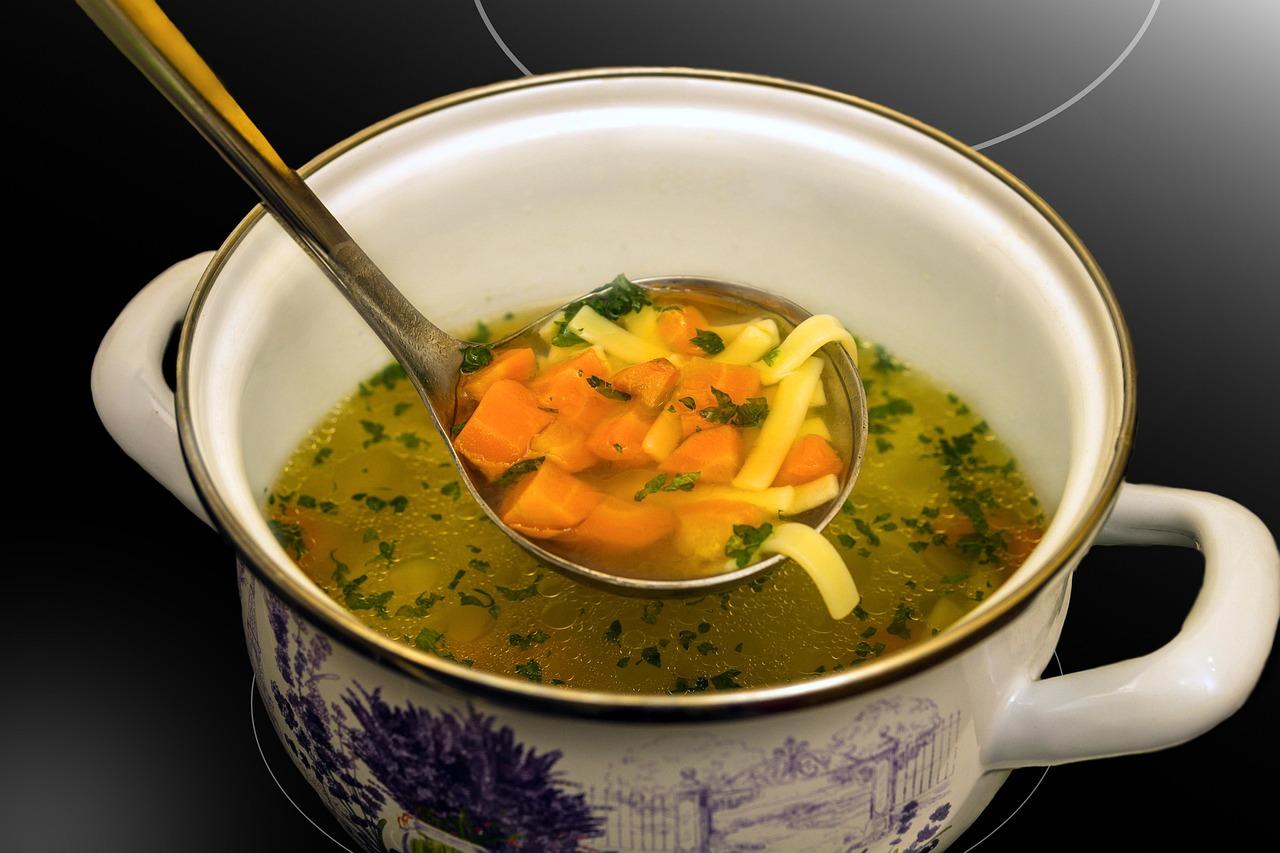
RosółChicken broth

Sunday lunch in Poland, from Gdańsk tenements to Silesian family houses, still starts with rosół: a golden, crystal-clear chicken broth served with fine egg noodles, sliced carrot and parsley. It cooks for hours at the barest simmer with a charred onion, parsley root, celeriac and leek, and the leftover meat goes into pierogi or a salad. It is also the soup for colds and new mothers. A common mistake is letting it boil, which clouds the broth and makes it greasy. Chef's tip: start the chicken in cold water and skim carefully as it comes up to heat; the clearer the first 20 minutes, the clearer the finished rosół.

195 minPolishSoups
by KrazyBadal 0 views

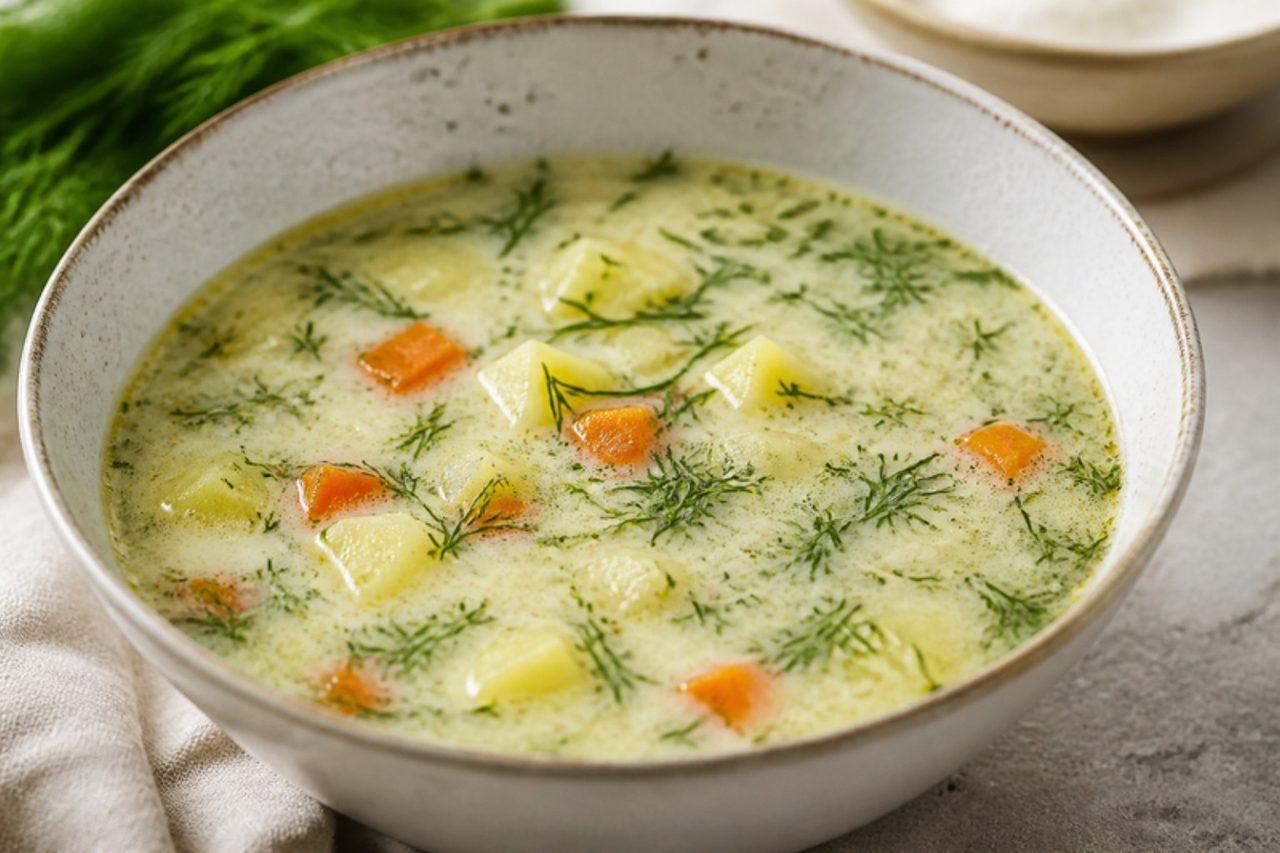
Zupa koperkowaDill and potato soup

In early summer, when bunches of dill tied with string pile up at Kraków's Stary Kleparz market, Polish cooks make zupa koperkowa: a light broth of potato, carrot and parsley root that gets almost a whole bunch of chopped dill at the end. It is a weekday lunch soup, often with a hard-boiled egg or a spoon of soured cream, and it tastes clean and green. A common mistake is cooking the dill with the vegetables, which turns it dull and grassy. Chef's tip: stir half the dill stalks in during simmering for depth, then add all the feathery leaves only once the pot is off the heat.

by KrazyBadal 0 views

BandrekSpiced ginger drink

Up in the cool tea highlands around Bandung and Garut, bandrek warms people through damp nights; vendors carry it in big kettles to night markets and football matches. It starts like wedang jahe but goes further, with cinnamon, cloves, pepper and lemongrass, and Sundanese sellers often float slivers of young coconut in each glass. The flavour is sweet, spicy and lingering. Chef's tip: simmer the whole spices, don't boil them hard; a fierce boil draws out bitterness from the clove.

by KrazyBadal 0 views

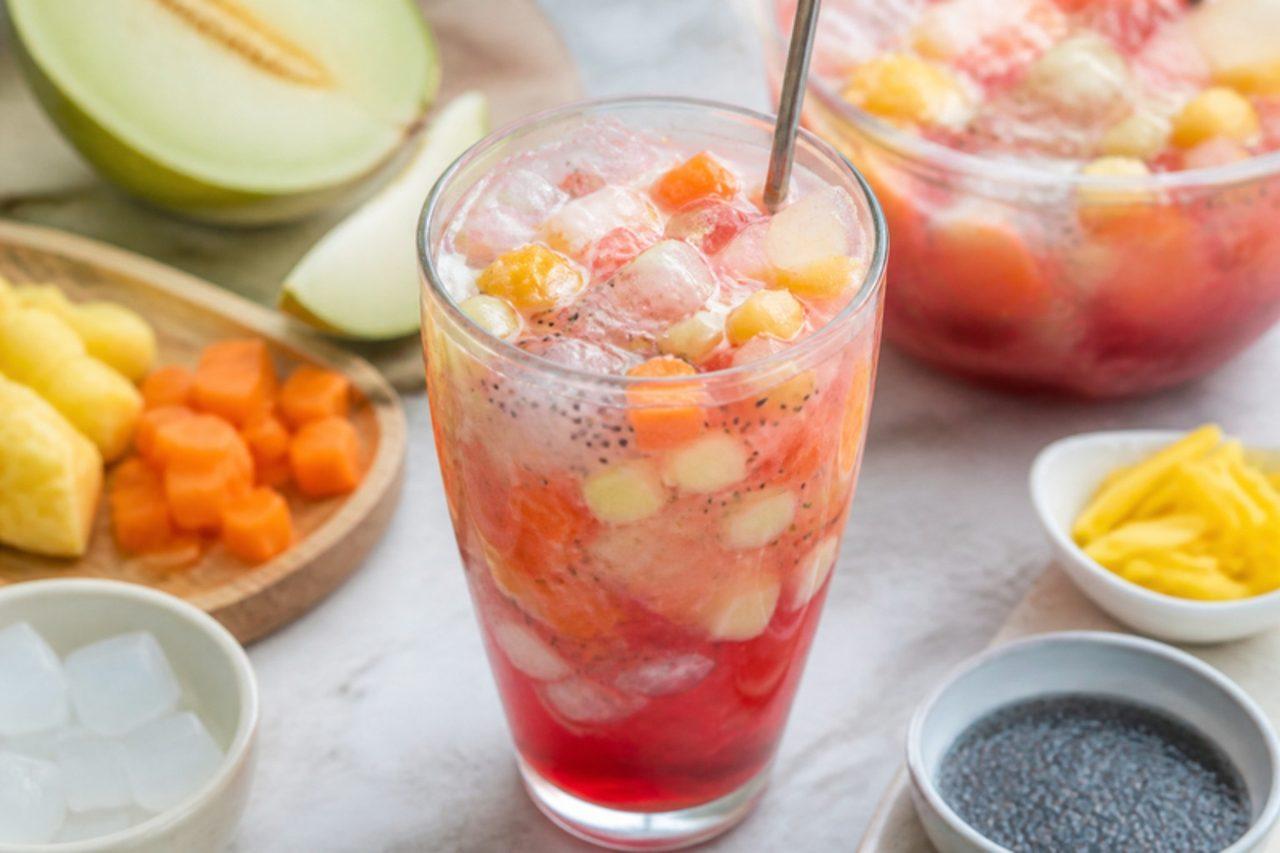
Es buahIced fruit cocktail

Ramadan evenings in Jakarta mean queues at the es buah carts, where melon, papaya, pineapple, jackfruit and nata de coco are scooped into glasses with swollen basil seeds, red rose syrup and a ribbon of condensed milk over crushed ice. It is drunk with a spoon at iftar, after dates, and it is just as welcome on any hot afternoon. Use whatever ripe fruit you have. Chef's tip: soak the basil seeds fully before adding them; dry seeds clump and stay gritty in the cold syrup.

by KrazyBadal 0 views

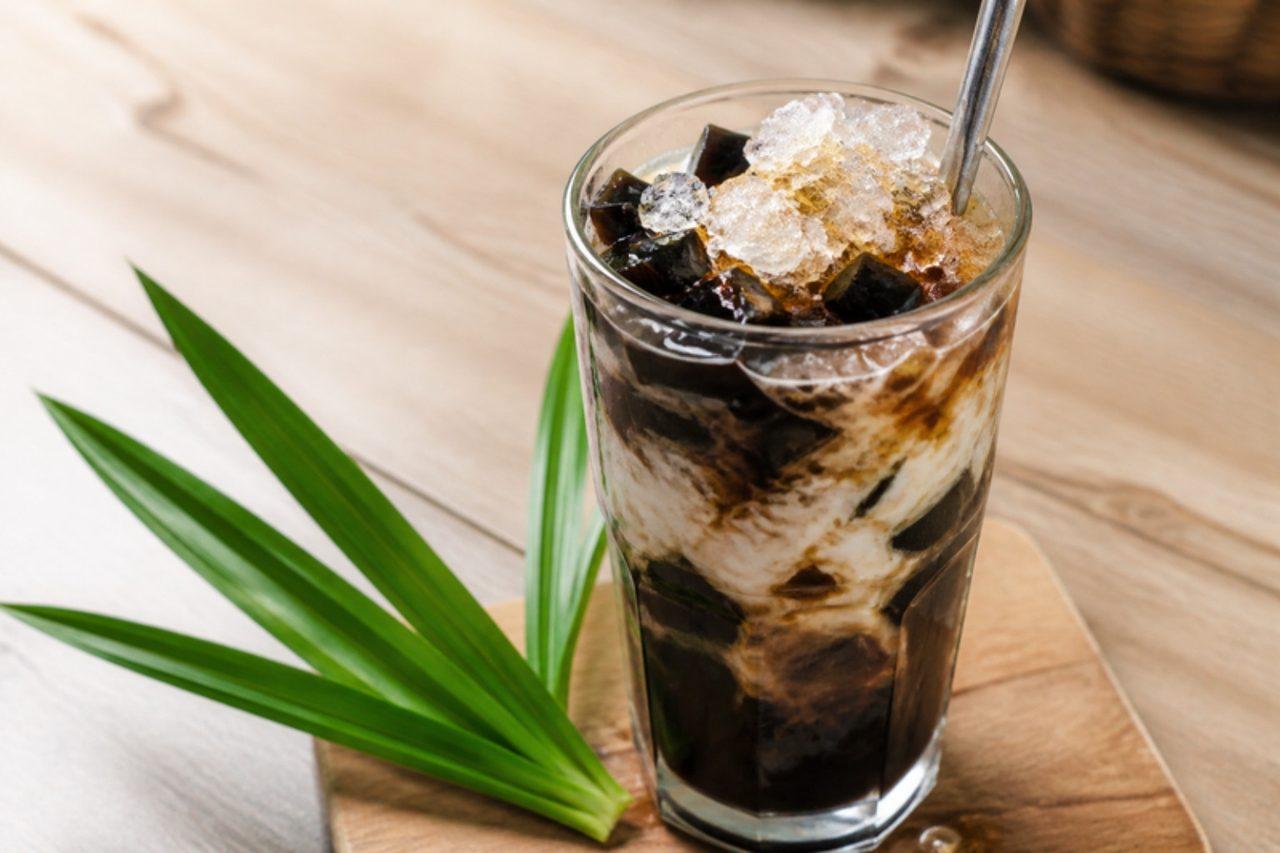
Es cincauGrass jelly drink

Glasses of es cincau are handed out at Ramadan iftar tables across Java and sold from roadside carts all year on hot afternoons. Cubes of black grass jelly, with its slightly bitter, herbal taste, sit in pale coconut milk and dark palm-sugar syrup over crushed ice, and the contrast is the whole joy of it. Ready-made grass jelly in tins is fine; this recipe sets your own from grass jelly powder. Chef's tip: let the jelly set fully and cold before cutting; cut warm, it tears and melts into the drink.

by KrazyBadal 0 views

Beras kencurRice and ginger drink

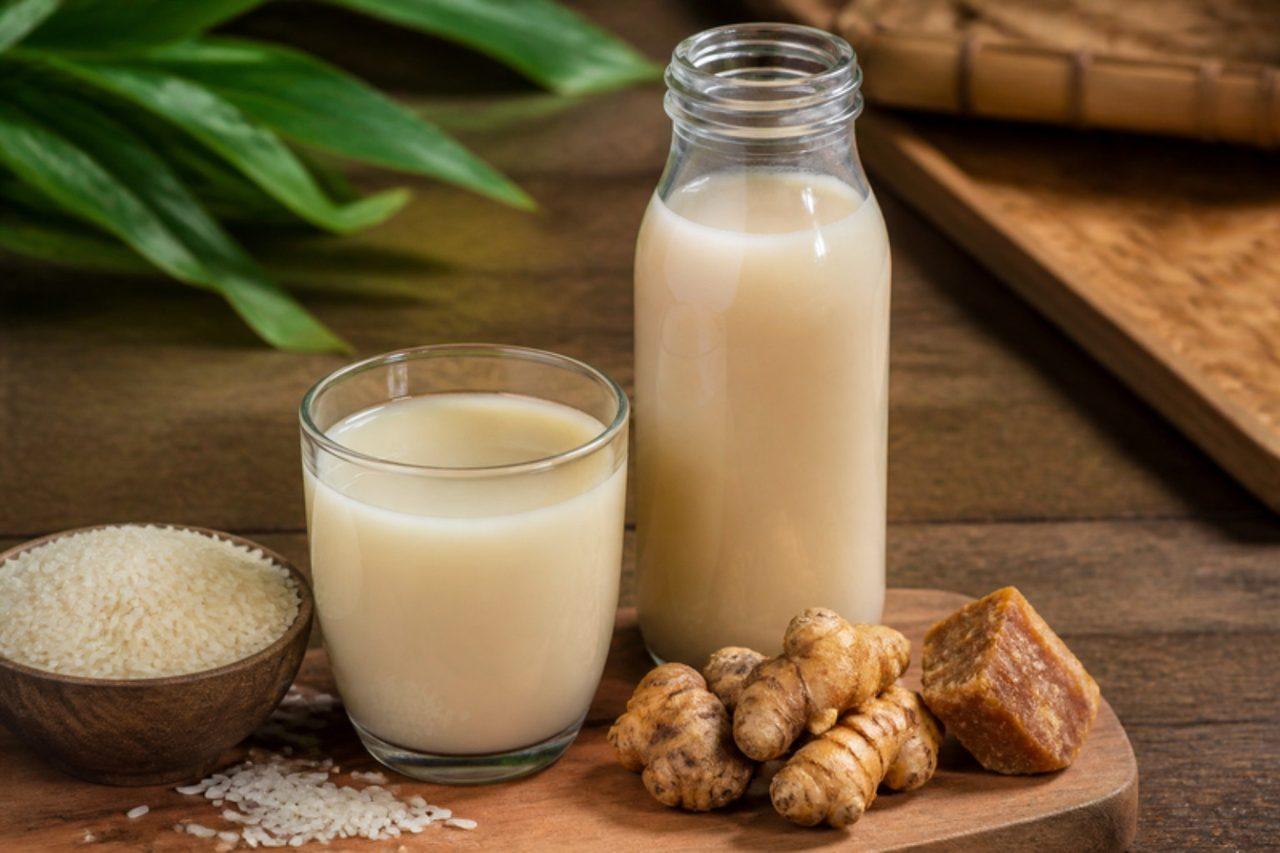
The other half of the jamu seller's basket, beras kencur is milky-white and gently sweet, made from soaked rice blended with kencur, a peppery, camphor-scented relative of ginger, then strained into palm sugar syrup. Javanese children are often given it as their first taste of jamu, and adults drink it mid-morning. Kencur (sometimes sold as aromatic ginger or sand ginger) is found fresh or frozen in Asian shops. Chef's tip: use only a little kencur at first; too much makes the drink medicinal and soapy rather than fresh and spicy.

by KrazyBadal 0 views

Jamu kunyit asamTurmeric tamarind drink

Jamu gendong women still walk Solo and Yogyakarta lanes in the morning with baskets of bottles on their backs, and kunyit asam is the one most people buy: earthy fresh turmeric and sour tamarind boiled with palm sugar, strained and drunk cool. It tastes bright, tangy and faintly peppery, rather like a spiced lemonade. Families also make big jugs at home for hot afternoons. Chef's tip: wear gloves or scrub the board straight away; fresh turmeric stains hands, wood and plastic bright yellow within minutes.

by KrazyBadal 0 views

Showing 24 of 103 recipes

Show more recipes

Page 1 of 5