Skip to content
Recipes

All recipes

Vegetarian, or something you can't eat? Set your diet once and we'll hide recipes that don't fit.

Fermented bean curd

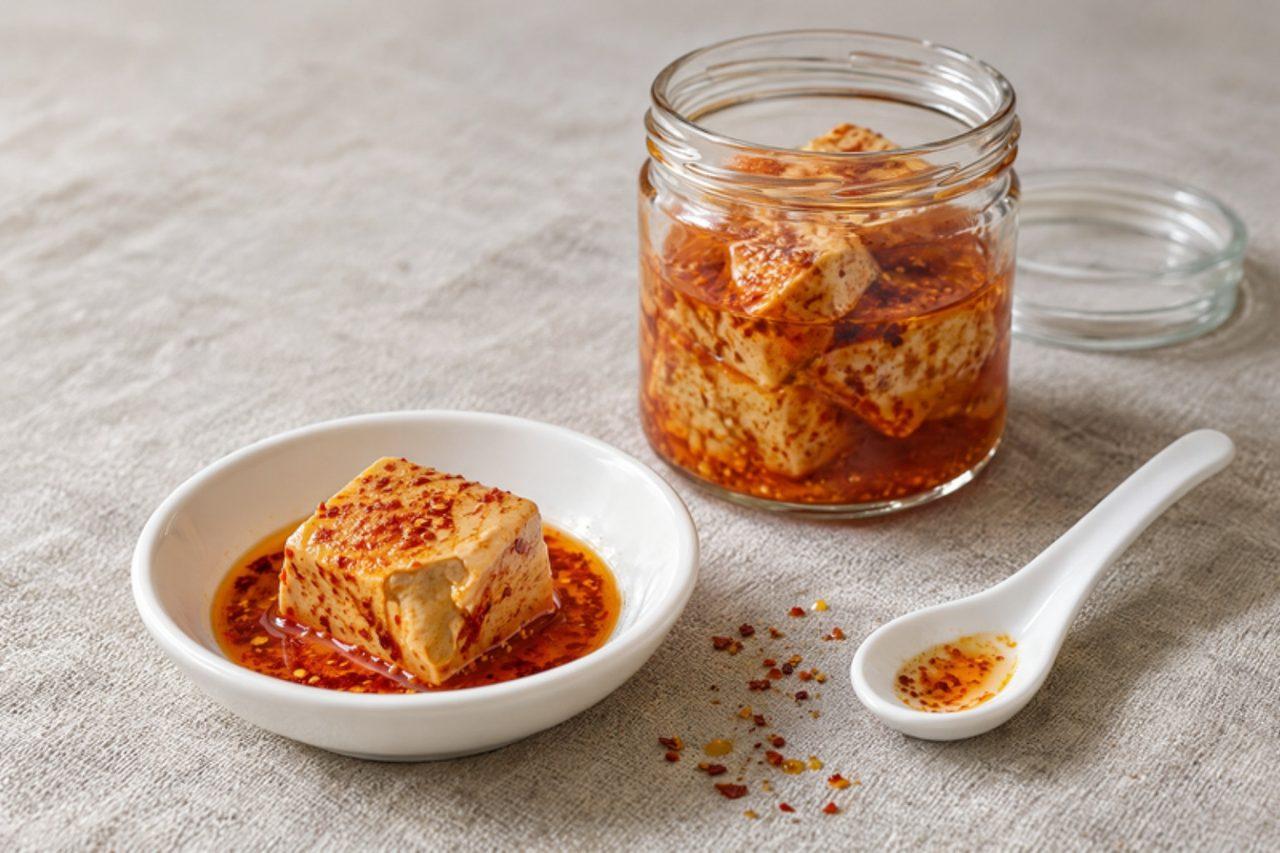
Fu ru is made all over China, from Guilin's chilli-red cubes to Shaoxing's pale ones, and is usually prepared in the cool months between late autumn and early spring, when the moulds grow slowly and cleanly. Firm tofu cubes sit on rice straw or a rack until a soft white fuzz covers them; they are then rolled in salt and chilli and aged in brine until the centre turns custard-soft and the flavour becomes deep, cheesy and savoury. A quarter of a cube is mashed over plain rice congee for breakfast, or stirred into a sauce for stir-fried water spinach. Common mistake: making it in a warm kitchen; above about 20 °C the wrong moulds and bacteria take over. The bloom must be white or greyish-white and fluffy, smelling mildly of mushrooms; throw away any cube with green, black, pink, orange or yellow spots, sliminess or an ammonia or rotten smell, and if many are affected discard the whole batch. Do not reduce the salt: it is what keeps this low-acid soy ferment safe, and the whole ageing happens in the fridge. It is ready after 6–8 weeks, when a cube is soft right through. Chef's tip: press the tofu overnight first, drier cubes grow a cleaner bloom.

by KrazyBadal 0 views

Nutmeg jelly

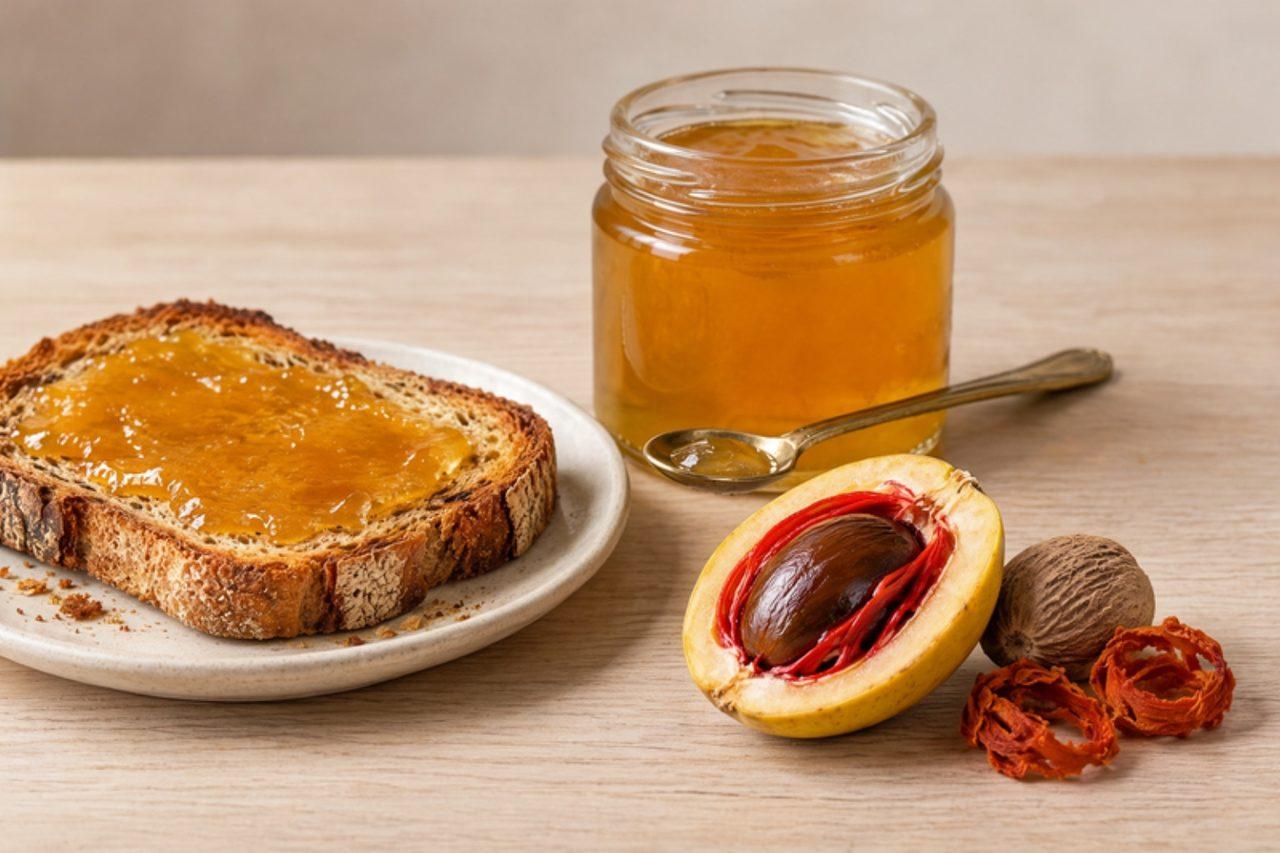
Grenada, the Spice Isle, grows nutmeg all over the green hills of St Andrew and St John, and the pale yellow, apricot-sized fruit that wraps the seed and its red lace of mace was long thrown away at the processing stations. Grenadian cooks turned that tart, slightly astringent flesh into nutmeg jelly, a clear amber spread that is eaten on hops bread or coconut bake at breakfast, sold in small jars in the St George's market and carried home by visitors at Christmas. The fruit is loaded with pectin, so it sets easily, and it tastes sweet-sharp and fragrant, faintly of apple, with a soft warm hint of the spice itself. Outside the Caribbean the fresh fruit is hard to get; tart cooking apples or quinces with a little freshly grated nutmeg make a close copy (see the notes). The common slip is boiling on long after the set point, which turns the jelly dark, gummy and dull, so start testing early. It is ready when a drop wrinkles on a cold saucer or the thermometer reads 104–105 °C. Chef's tip: drop a strand of the red mace into each jar for colour and a little extra perfume.

by KrazyBadal 0 views

Gremolata

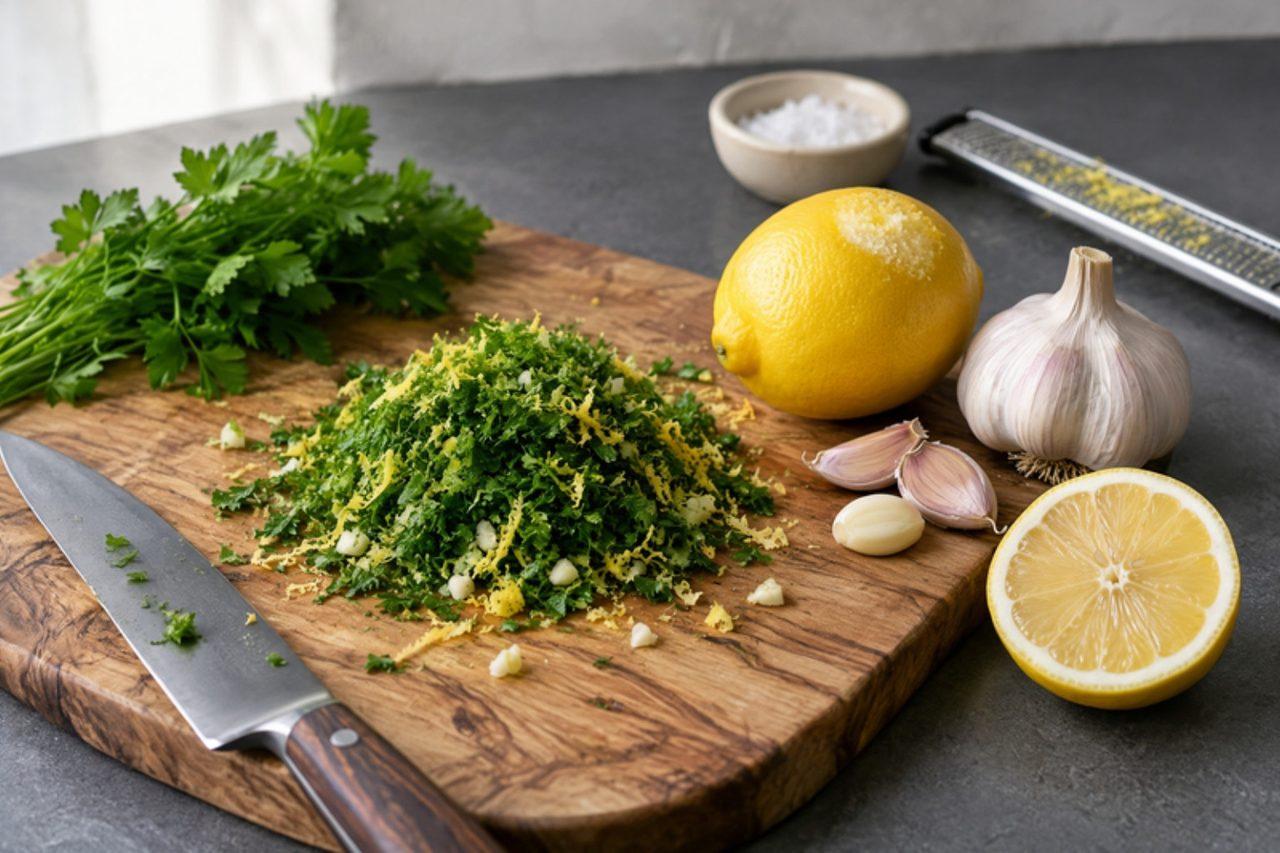
Gremolata is the Milanese finishing touch spooned over ossobuco on Sunday tables across Lombardy, and it brightens any slow-cooked stew, roast vegetables, beans or grilled fish. Flat-leaf parsley, lemon zest and raw garlic are chopped together so finely that they become a fragrant green confetti; the fresh, sharp flavour wakes up a dish so much that you need far less salt. About 0.0 g salt per portion. The usual mistake is grating the white pith with the zest, which makes it bitter; take only the yellow skin. Make it no more than an hour ahead, as the garlic gets harsh and the parsley darkens. Chef's tip: chop the garlic first with a few parsley leaves, so the juice soaks into the herbs instead of sticking to the knife.

by KrazyBadal 0 views

Trini pepper sauce

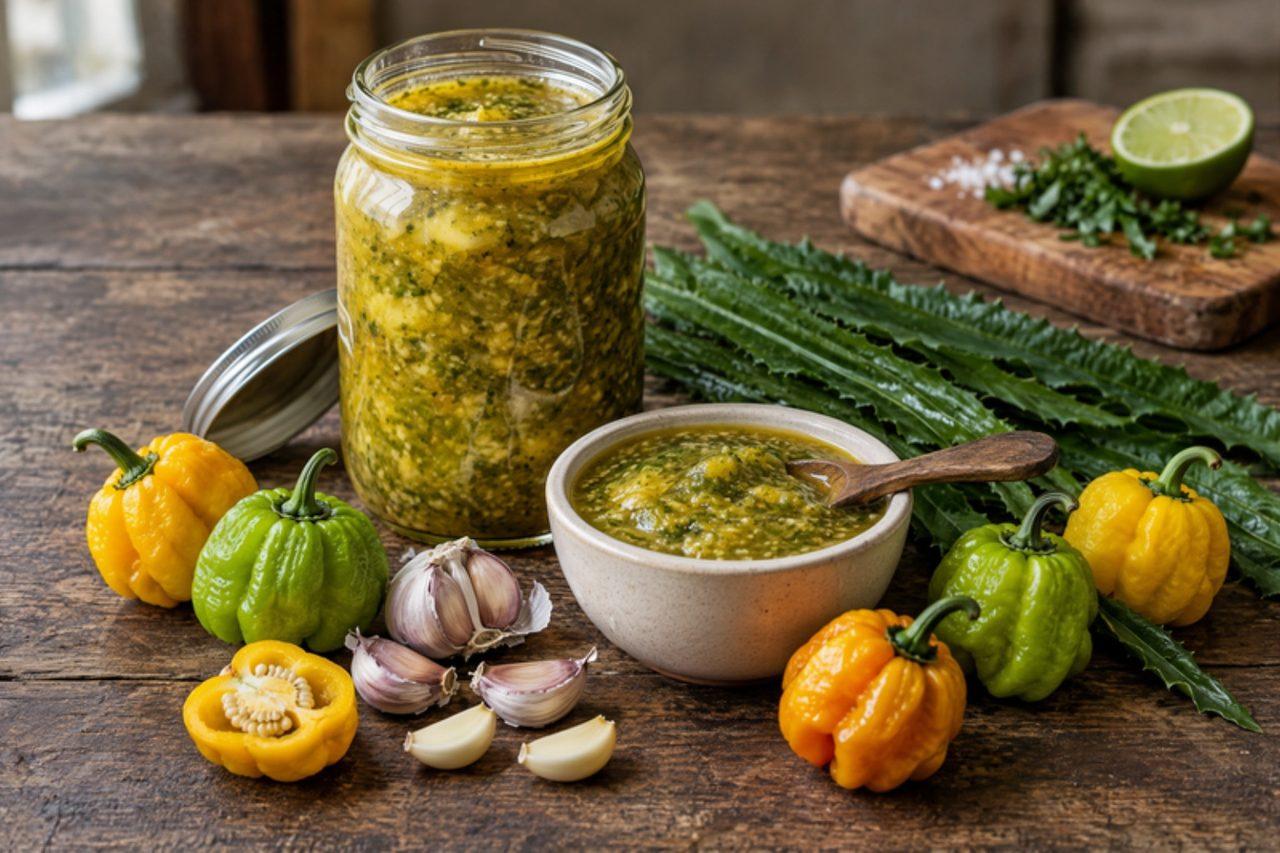
Ask for doubles anywhere in Trinidad and the vendor will ask "slight or heavy?", meaning how much pepper sauce goes on. This raw, rough-blended sauce also goes on pholourie, aloo pie, bake and saltfish and Christmas pastelles, and every family swears theirs is best. Scotch bonnet or local congo peppers are blended with shado beni (culantro), plenty of garlic, prepared mustard, vinegar and lime, and many cooks stretch it with grated green papaya or green mango for body. It tastes ferociously hot, sharp, garlicky and green, with a tangy mustard finish. Abroad, swap the culantro for double the amount of coriander with its stalks. Common mistake: following the old habit of standing the bottle in the sun to "cure"; raw garlic and herbs are not safe at room temperature, so let the flavours marry in the fridge instead. Wear gloves and keep the blender lid on. It is ready after 2–3 days in the fridge, when the colour turns from bright to olive and the raw garlic edge has softened. Chef's tip: salt and squeeze the grated papaya before adding it, so it does not water the sauce down.

by KrazyBadal 0 views

Pineapple soybean paste

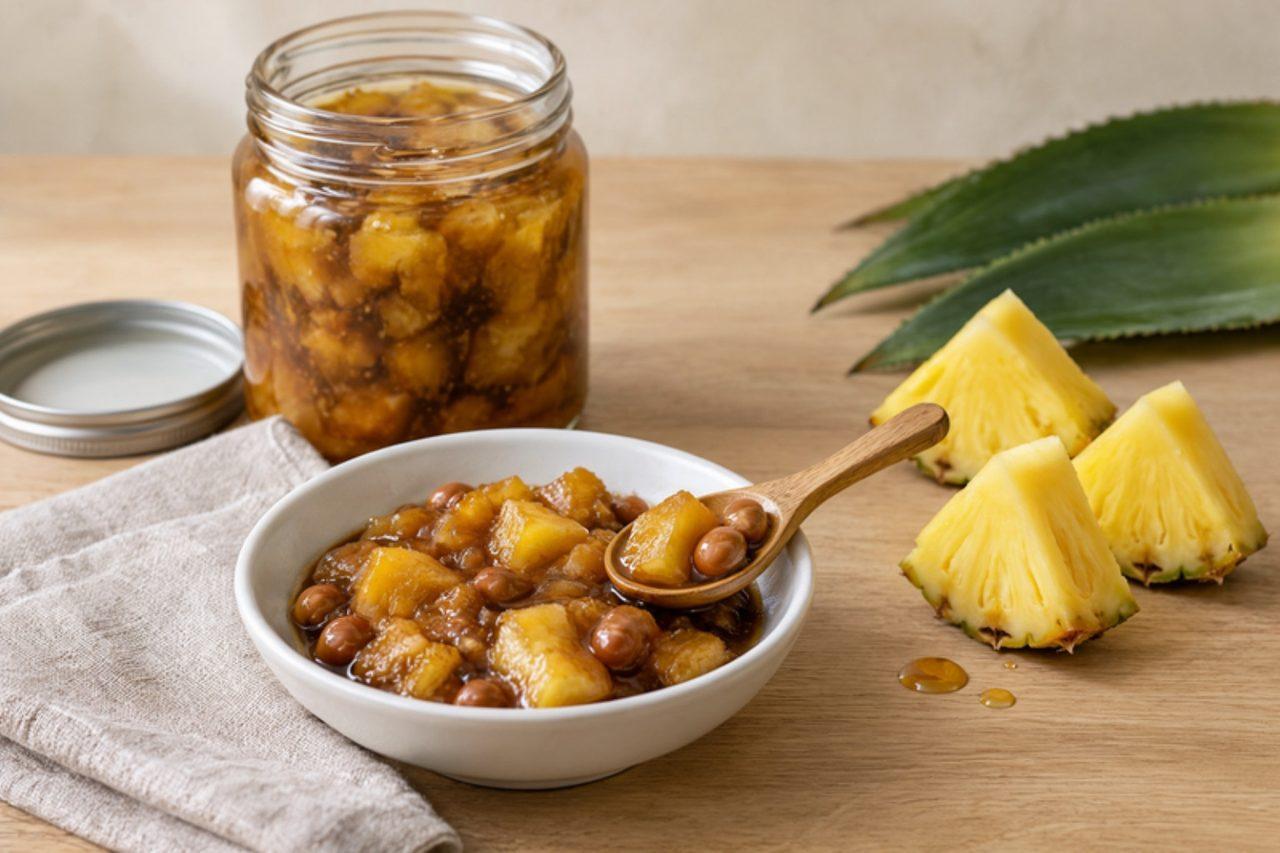
Hakka households in Miaoli, Hsinchu and Pingtung are frugal and patient, and pineapple soybean paste (ong lai dau jiong) shows both. In early summer, when Taiwan's pineapples are plentiful, the fruit is cut into wedges and layered in jars with salted soybean koji and sugar, then left in a cool corner for months. The pineapple softens and goes golden-brown, the beans melt into a thick sauce, and the whole jar turns sweet, salty and tangy with a soft funk like miso. Spooned over steamed fish with ginger and scallion, stirred into braised bitter melon or tossed through stir-fried greens and wood ear, it is a back-pocket seasoning for everyday Hakka meals and bento. Common mistake: using very ripe, juicy pineapple; the fruit breaks into mush and the extra water dilutes the salt. Choose firm, just-ripe fruit and dry it after cutting. It is ready when the pineapple has turned amber and translucent and the beans are soft, after 1–3 months. Chef's tip: read the koji label — many brands are dusted with wheat flour, so it is not reliably gluten free.

by KrazyBadal 0 views

Chinese plum sauce

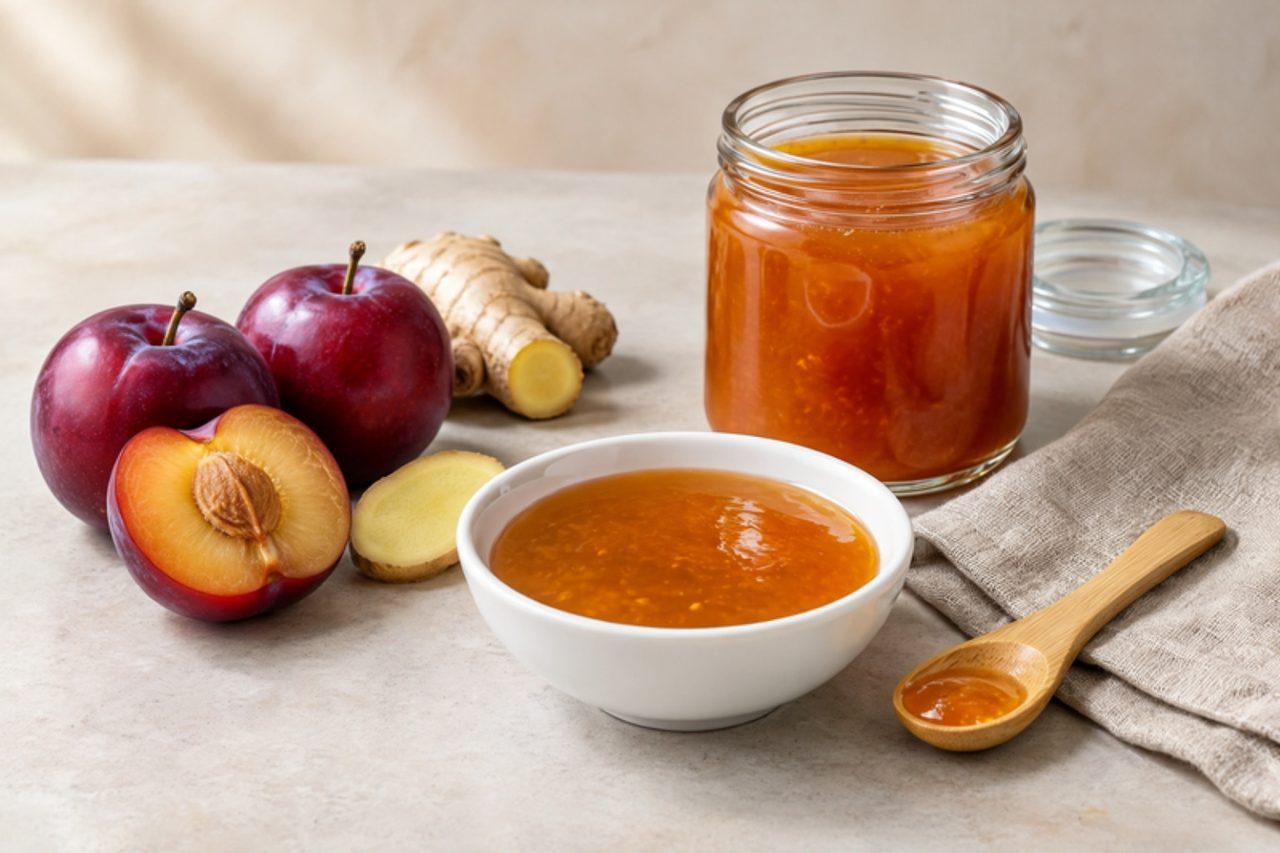
In Hong Kong and Guangzhou roast-meat shops, a small saucer of plum sauce comes with crisp roast goose and siu mei, and at home it is the dip for spring rolls at New Year and the glaze for vegetarian fried tofu or cha siu-style mushrooms. Cantonese suan mei jiang is fruitier and more sour than the gloopy bottled kind: ripe plums are simmered with sugar, rice vinegar, ginger and a little chilli until thick and glossy. Make it in late summer when dark plums are cheap. Common mistake: boiling it too thick; it sets further as it cools, so stop when it coats the back of a spoon and a drip on a cold plate wrinkles only slightly. Readiness cues: the plum skins have melted into the sauce, the colour is deep ruby and the taste balances sweet and sharp. This is a high-acid preserve: in the fridge it keeps 2 months, or water-bath process sealed jars for 20 minutes to keep them in a cupboard for a year (refrigerate once opened). Discard if you see mould, it fizzes, the lid bulges or leaks, or it smells fermented. Chef's tip: add 2 Chinese salted preserved plums, mashed, for the authentic salty-sour depth.

by KrazyBadal 0 views

Louise sliceJam and coconut meringue slice

Louise slice, or Louise cake, is a New Zealand tea-time classic found on church cake stalls and in grandma's tins from Invercargill to Whangārei. A buttery shortcake base is spread with raspberry jam and topped with a chewy coconut meringue that bakes to pale gold. It is light and pretty, and very easy. A common mistake is baking the meringue too hot, which browns it before it sets inside. Chef's tip: spread the meringue right to the edges so the jam doesn't bubble through.

by KrazyBadal 0 views

Passionfruit sponge

The passionfruit sponge is the star of the Australian country show cake table and every Sunday afternoon tea, made from the vines that cover back fences from Sydney to the Sunshine Coast. Two airy, fatless sponges are filled with whipped cream and topped with a tangy passionfruit icing. A common mistake is knocking the air out when folding in the flour; use a light hand and a big metal spoon. Chef's tip: beat the eggs and sugar for a full 8–10 minutes until thick enough to hold a trail.

by KrazyBadal 0 views

Dongbei suan caiFermented napa cabbage

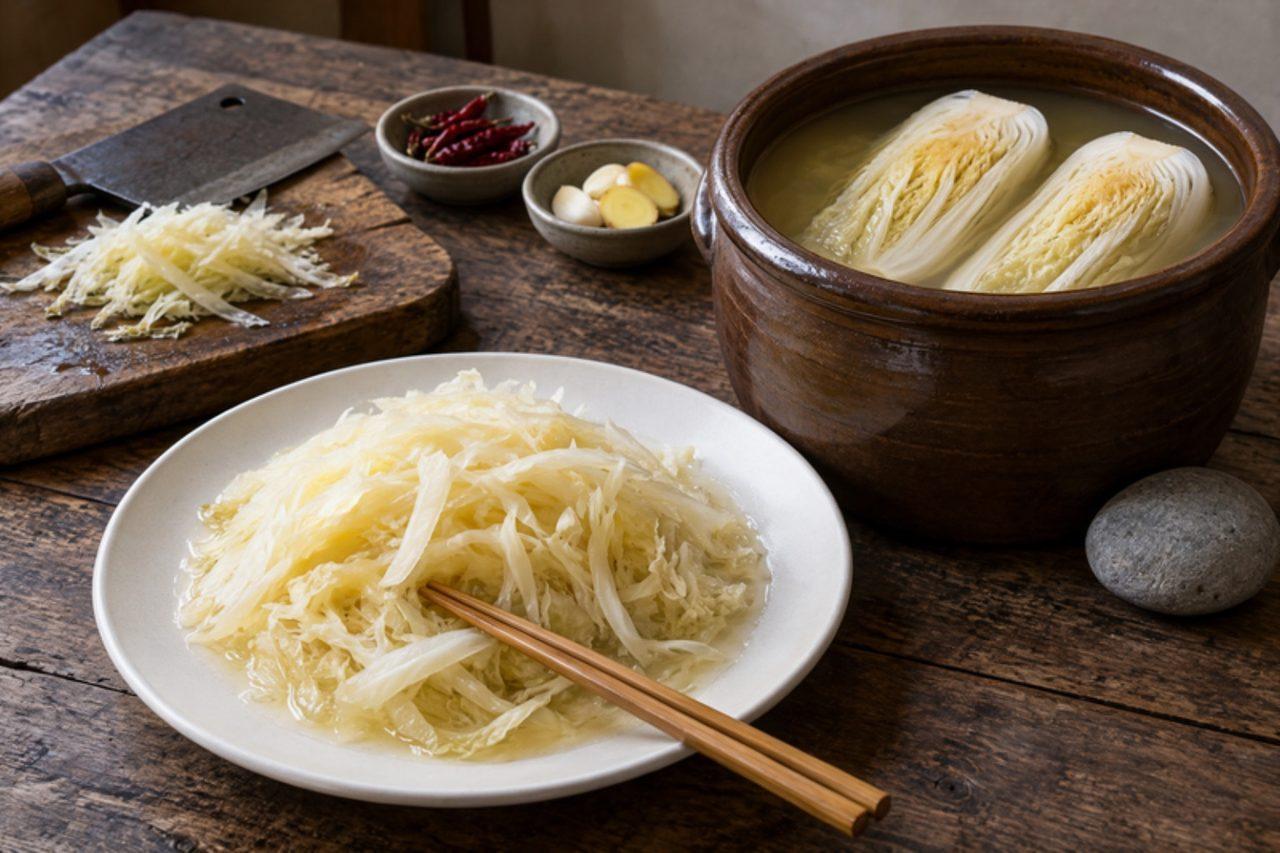
In Harbin, Changchun and Shenyang, late October is when families buy napa cabbage by the cartload, scald it, and pack it head to tail into big glazed crocks on the balcony, weighed down with a smooth river stone. A month later, as winter sets in, it has become suan cai: pale, almost translucent leaves with a clean, lactic sourness and a soft crunch at the rib. It is shredded into suan cai bai rou (sour cabbage with pork belly), stuffed into dumplings for Spring Festival and simmered in hot pots through the long winter. Common mistake: fermenting somewhere warm; above about 20 °C the cabbage softens and can go slimy, so use the coolest spot you have. Normal signs are fine bubbles, a cloudy brine and a sharp sour smell; a flat white film (kahm yeast) can be skimmed off. Fuzzy coloured mould, pink or black patches, or a putrid smell mean discard the lot. Do not eat it before 3 weeks: it is ready when the leaves are uniformly pale yellow-green and taste fully sour. Then keep it in the brine in the fridge for 2 months. Chef's tip: rinse and squeeze the shreds before cooking to soften the sourness.

by KrazyBadal 0 views

Scotch bonnet pepper sauce

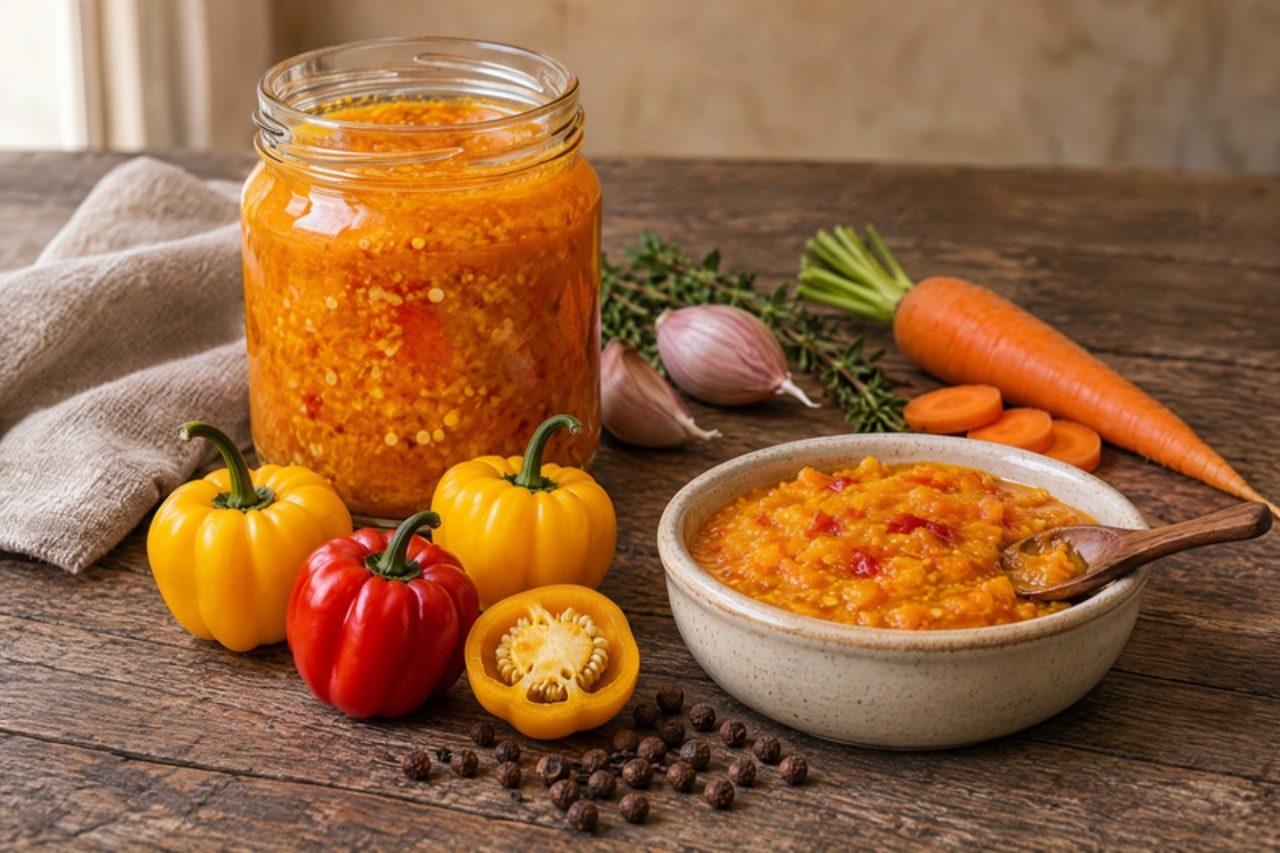
On a Jamaican Sunday dinner table the bottle of pepper sauce sits next to the salt, shaken over rice and peas, brown stew chicken, escovitch fish and the beef patty from the corner shop. Home versions differ from yard to yard, but most cook scotch bonnets briefly in vinegar with onion, carrot, garlic and the island's own pimento (allspice) berries, then blend them smooth. The result is a pourable, bright orange sauce: fruity, floral heat first, then the sweetness of carrot and the warm clove note of pimento, with a clean vinegar finish. A few drops are plenty. Wear gloves, open a window and never lean over the pot or blender; the fumes sting. Common mistake: blending raw peppers with too little vinegar and leaving the bottle on the counter; keep the full amount of vinegar (at least 5% acidity) and store it in the fridge. It is ready when the carrot is soft and the sauce is smooth and pourable; the flavour mellows and rounds after two days. Chef's tip: for a milder sauce, cut out the seeds and white ribs from half the peppers before cooking.

by KrazyBadal 0 views

Brazo de reinaSponge roll with dulce de leche

The 'queen's arm' sits in the glass cabinet of every Chilean bakery: a light sponge rolled around a thick layer of manjar (Chilean dulce de leche) and dusted with icing sugar. At home it is the cake for a birthday tea or an unexpected visitor, because it bakes in 10 minutes. The common mistake is overbaking: a dry sponge cracks as you roll it. Take it out the moment it springs back. Chef's tip: roll the sponge up in a sugared tea towel while it is still hot and let it cool that way; it remembers the shape and won't crack when you fill it.

by KrazyBadal 0 views

Feijoa jam

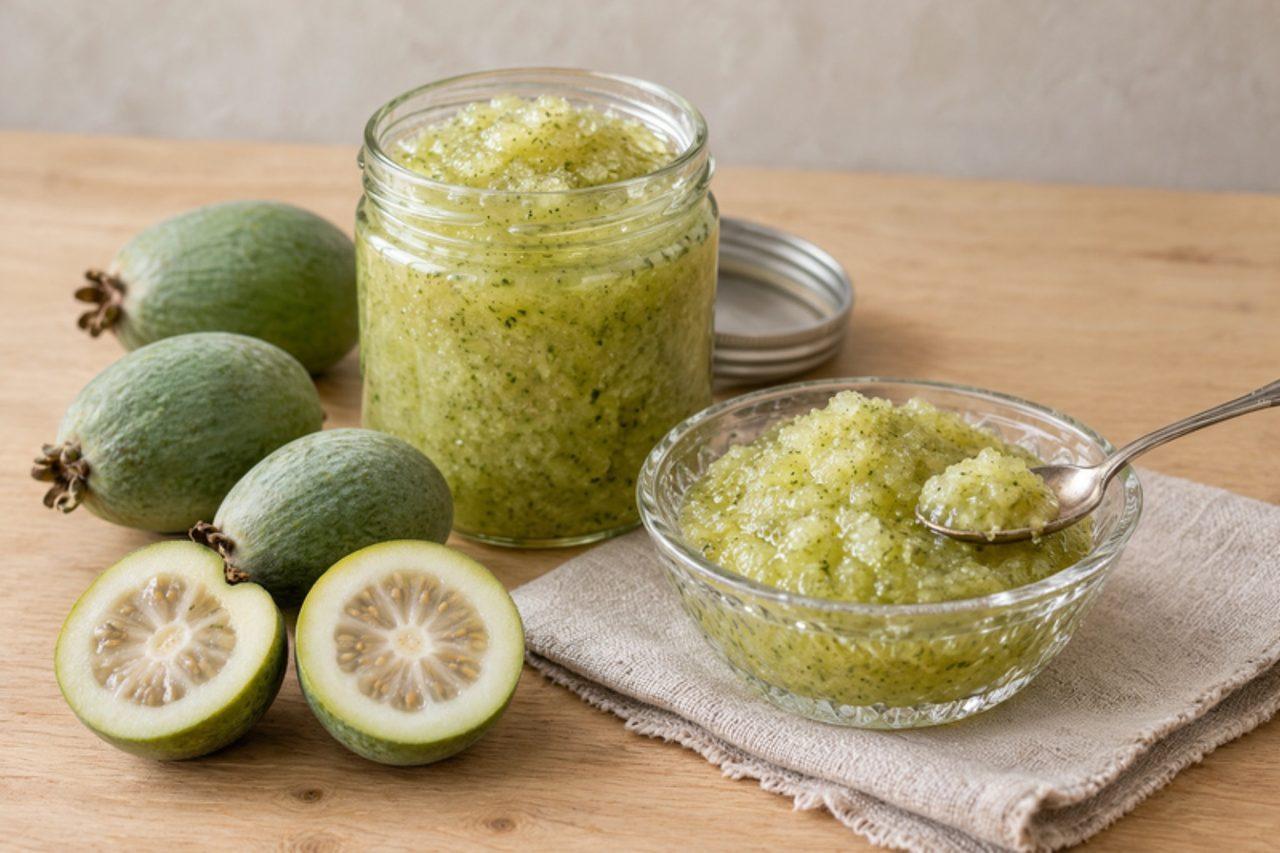
Feijoa bushes grow in almost every garden along Georgia's Black Sea coast, in Batumi, Kobuleti and the hills of Guria, and in late October and November the egg-shaped green fruit drop faster than anyone can eat them. The local answer is a raw jam: the whole fruit, skin and all, minced with sugar and kept cold, so it keeps the fresh, heady taste of pineapple, guava and mint. It is spooned into small glass dishes beside a cup of black tea, spread on bread for breakfast, stirred into yoghurt and eaten by the teaspoon through the winter cold season. The texture is a loose, pale-green pulp with a little grit from the seeds and skin; the flavour is sweet, tart and very aromatic. Common mistake: leaving the cut fruit to stand before mixing with sugar; it browns within minutes, so mince straight into the sugar and stir. The jam is ready when the sugar has fully dissolved and the colour is an even jade green. Because it is never cooked it must live in the fridge or freezer. Chef's tip: use fruit that gives slightly when pressed and smells strongly; hard feijoas taste of skin, overripe ones have brown jelly inside and turn the jam muddy.

by KrazyBadal 0 views

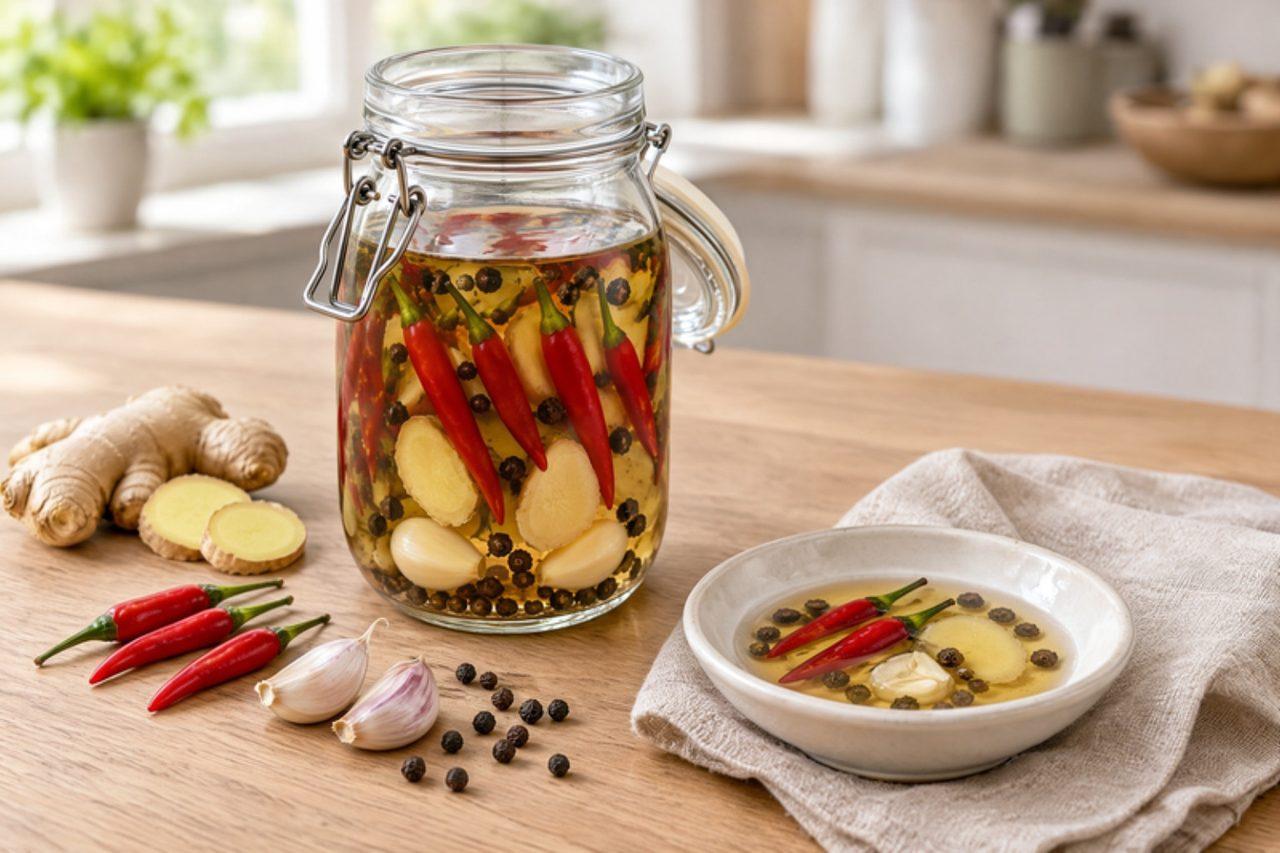
Sinamak

Iloilo is the home of La Paz batchoy and chicken inasal, and on every table there sits a tall bottle of sinamak, cane or coconut vinegar crowded with chillies, garlic and ginger. Visayan families keep a bottle going all year, and the dip turns up with grilled pork belly, crisp lechon kawali, fried fish and longganisa at breakfast. After a few days of steeping it is clean and sour, hot from siling labuyo, warm with ginger and peppery, with a faint sweetness from the cane vinegar. Common mistake: making a huge bottle and leaving it in a warm kitchen for months; fresh garlic and ginger are low-acid, so use full-strength vinegar, keep it in the fridge and make a fresh batch every couple of months. Toasting the garlic is not traditional and is not needed. It is ready when the vinegar has turned faintly golden and smells strongly of chilli and garlic, usually after 3 days. Chef's tip: bruise the chillies with the flat of a knife instead of slicing them; the heat comes out slowly and the vinegar stays clear. Cider vinegar can stand in for cane or coconut vinegar.

by KrazyBadal 0 views

Tarta de zapallitosCourgette and cheese tart

In Buenos Aires every rotisería sells tartas by the slice, and at home a tarta de zapallitos is baked on Sunday evening so that a wedge can go into the vianda (packed lunch) for school and work all week. Zapallitos are round green courgettes; ordinary courgettes work just as well. The common mistake is adding the courgette raw, which floods the pastry; sauté it until the liquid has cooked away. Argentine queso rallado and many hard cheeses are made with animal rennet, so use a vegetarian hard cheese. Chef's tip: bake the tart on a preheated baking tray so the base crisps before the filling soaks in.

by KrazyBadal 0 views

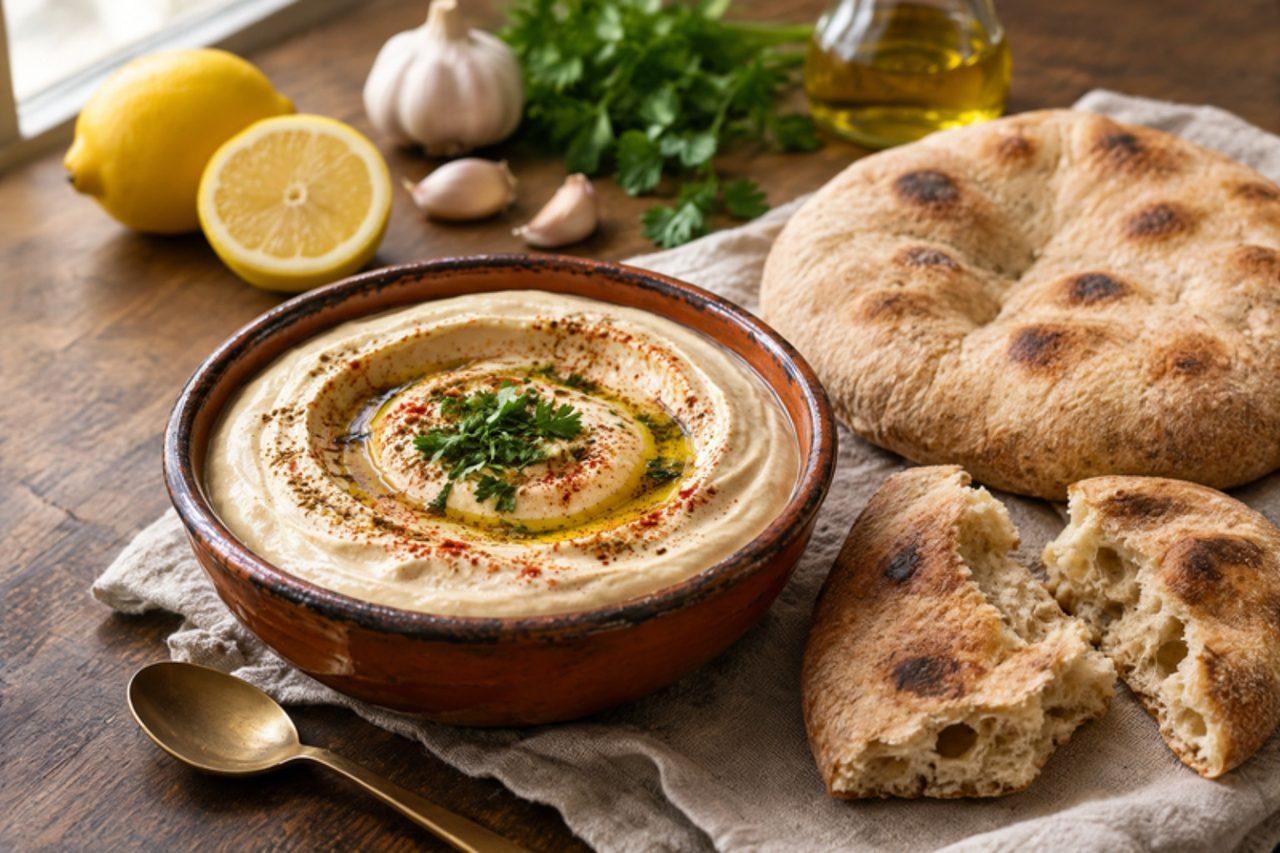
Salatet tahinaTahini sauce

No Egyptian table is complete without salatet tahina: in Cairo and Alexandria it is served with fried fish, grilled kofta, ful and falafel, and it is on every mezze plate at Friday lunch. Sesame paste is whipped with lemon juice, garlic, cumin and cold water until it turns pale, fluffy and creamy, with no sugar at all. Suitable as part of a balanced diet, it brings sesame protein and healthy fats with very little carbohydrate: about 150 kcal and 5 g carbohydrate per portion of 3 tablespoons. The usual mistake is panicking when the tahini seizes and goes thick after the lemon goes in; keep adding cold water a spoon at a time and it loosens into a smooth sauce. Chef's tip: use ice-cold water, which makes the tahina whiter and fluffier.

by KrazyBadal 0 views

MerkénSmoked chilli seasoning

Merkén comes from the Mapuche kitchens of Araucanía: cacho de cabra chillies are dried, smoked over a wood fire, then ground with toasted coriander seed and salt into a brick-red powder that is smoky, warm and lightly hot. In Temuco and across the south it is shaken over potatoes, eggs, sopaipillas, grilled fish and soups. Outside Chile, use dried smoked red chillies, or plain dried red chillies plus smoked paprika. The mistake to avoid is scorching the chillies in the pan: if they blacken, the whole jar is bitter. Chef's tip: grind it a little coarse, as it is sold in Temuco's market, so the coriander seeds stay noticeable.

by KrazyBadal 0 views

Dousha bao (red bean buns)

All over China, from Beijing breakfast stalls to Shanghai school bags, dousha bao are the sweet buns people grab in the morning and tuck into a lunch box for later: fluffy white yeasted dough wrapped around smooth red bean paste and steamed until springy. They freeze beautifully, so families make a big batch on Sunday. The mistake is opening the steamer lid as soon as the timer goes; the sudden cold makes the buns wrinkle and collapse. Turn off the heat and wait five minutes before lifting the lid. Chef's tip: chill the bean paste and roll it into balls before wrapping; a firm filling is much easier to seal neatly.

by KrazyBadal 0 views

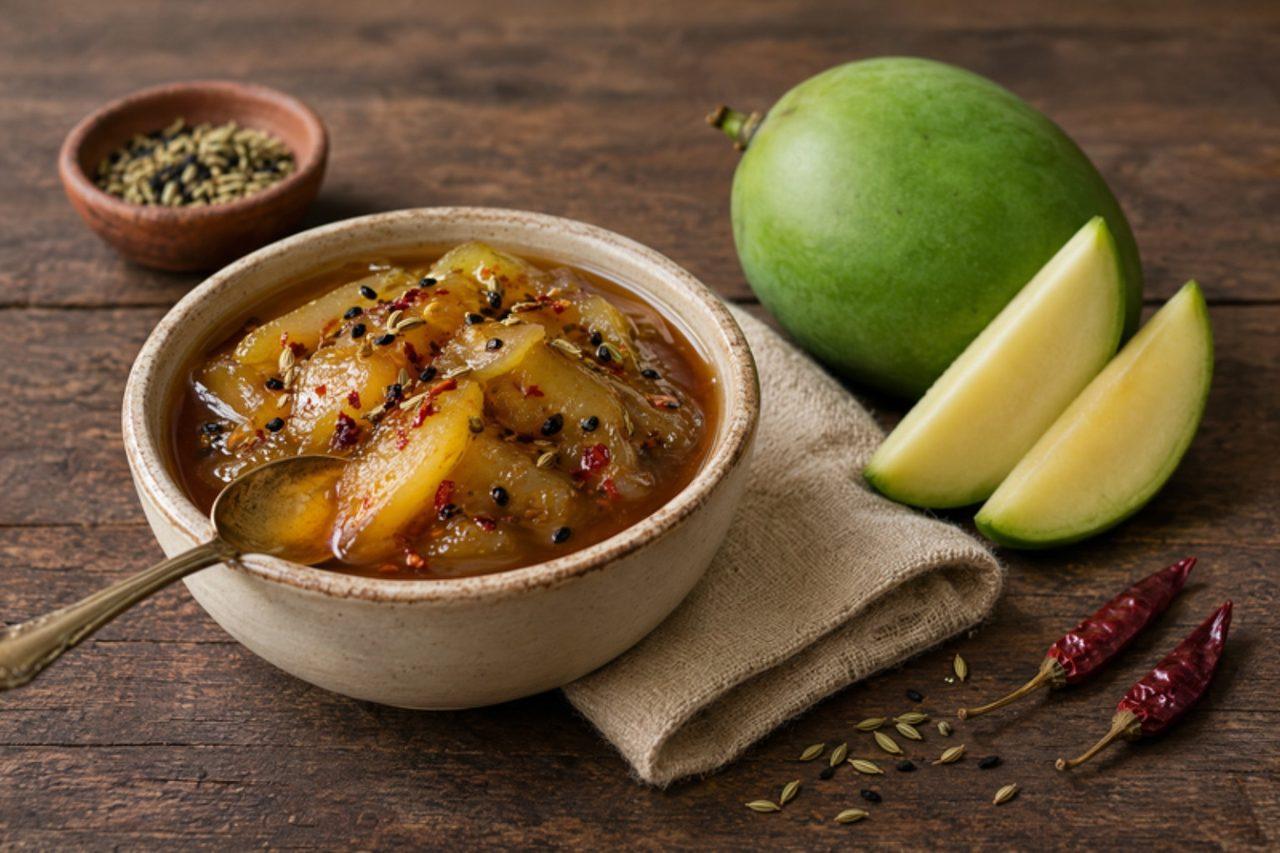
Aam ki launjiSweet and sour raw mango relish

In Rajasthan and across the Hindi belt, launji is the quick mango relish made the day the first raw mangoes come home in April, and it keeps appearing on the thali all through the scorching summer. Unlike the long-cured achaars, it is cooked in 20 minutes: mango pieces in mustard oil with saunf, kalonji, methi and cumin, then simmered with jaggery until glossy. The pieces stay soft but hold their shape in a thick, amber syrup that is sweet first, then sour, with a warm hum of chilli and a liquorice note from the fennel. Eat it with dal-baati, puri, paratha or plain khichdi; in the heat it is believed to cool the body. The common mistake is adding the jaggery too early, so it caramelises and turns bitter before the mango is tender; cook the mango first, then the jaggery. It is ready when the syrup coats the back of a spoon and the mango looks translucent at the edges. It thickens as it cools. Store in a clean jar in the fridge and eat within a week to 10 days. Chef's tip: leave a little peel on some pieces; it gives a pleasant chew and stops the mango from turning to mush.

by KrazyBadal 0 views

Gevulde koekAlmond-filled cookie

A gevulde koek is two discs of short, buttery dough sandwiching a thick layer of almond paste (spijs), glazed with egg and crowned with half an almond. Every Amsterdam bakery has a stack of them, and they are the classic koffie snack at about eleven in the morning, or something to eat on the bike home from the Noordermarkt. The pastry is crumbly and the middle soft, fragrant and lemony. It contains wheat, egg, milk and almonds. Chef's tip: make the almond paste a day ahead; it firms up and is much easier to shape into neat discs.

by KrazyBadal 0 views

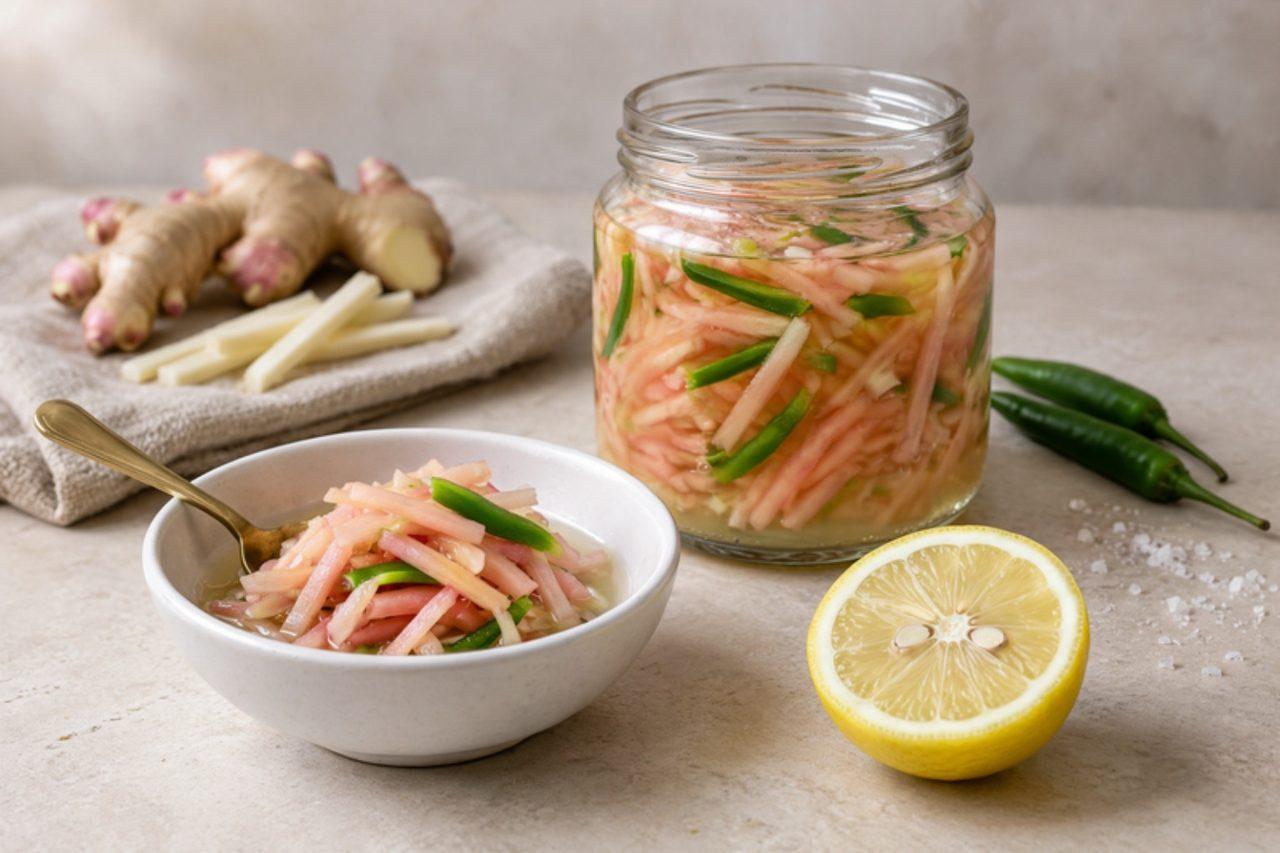
Adrak ka acharGinger pickle

Walk into a Punjabi dhaba in winter and there is often a steel bowl of ginger matchsticks soaking in lemon juice beside the onion rings. Adrak ka achar is the simplest pickle of all: tender ginger, green chilli, salt and lemon, nothing cooked. Young ginger with thin, pinkish skin reacts with the acid and turns a pretty pale pink within a day; older ginger stays yellow but tastes just as good. The flavour is clean, hot and sour, with crunch, and a forkful cuts the richness of sarson ka saag, makki ki roti, chole bhature or a heavy dal makhani. Common mistake: cutting the ginger thick or using fibrous old roots, which stay woody and harsh; slice thin enough to see light through. It is ready when the ginger has softened slightly, the juice tastes less sharp and the slices have taken colour. Fresh ginger in lemon juice keeps in the fridge for up to 2 weeks; discard it if mould appears, the juice turns slimy or the smell turns from fresh-sour to musty. Chef's tip: a pinch of black salt (kala namak) added at the end gives it that dhaba-style sulphurous edge.

by KrazyBadal 0 views

KneippbrødWholemeal loaf

Open almost any Norwegian matpakke (the packed lunch wrapped in paper) and you will find slices of kneippbrød, a soft, lightly sweet loaf of sammalt hvete (wholemeal wheat) baked in a tin. Its fine crumb slices thin without crumbling, perfect for brown cheese, jam or cucumber at the school desk. The common mistake is adding too much flour while kneading because wholemeal dough feels sticky; the loaf then bakes dense and dry. Chef's tip: let the dough rest for 20 minutes after mixing, before kneading, so the bran softens and the dough turns smooth on its own.

by KrazyBadal 0 views

Melting momentsLemon buttercream sandwich biscuits

Melting moments are the soft, crumbly biscuits found in Australian and New Zealand bakery jars and grandmother's tins, two rounds made with custard powder and icing sugar sandwiched with a lemon butter icing. The custard powder gives them their yellow colour and tender, short texture that melts in the mouth, hence the name. A common mistake is overbaking; they should be pale, not golden. Chef's tip: press each ball with a floured fork for the classic stripes.

by KrazyBadal 0 views

RosinbollerCardamom raisin buns

In Norway, rosinboller are what a parent bakes on Sunday so the week's lunch boxes have something sweet, and what fills the tables at every school dugnad and bake sale. The dough is enriched with milk and butter and scented with freshly ground cardamom, and the buns are pulled apart soft and golden. The common mistake is using hot milk: anything above blood heat kills the yeast and the buns stay flat. Chef's tip: crush the cardamom seeds yourself just before mixing; the pre-ground powder loses most of its perfume.

by KrazyBadal 0 views

Wiri wiri pepper sauce

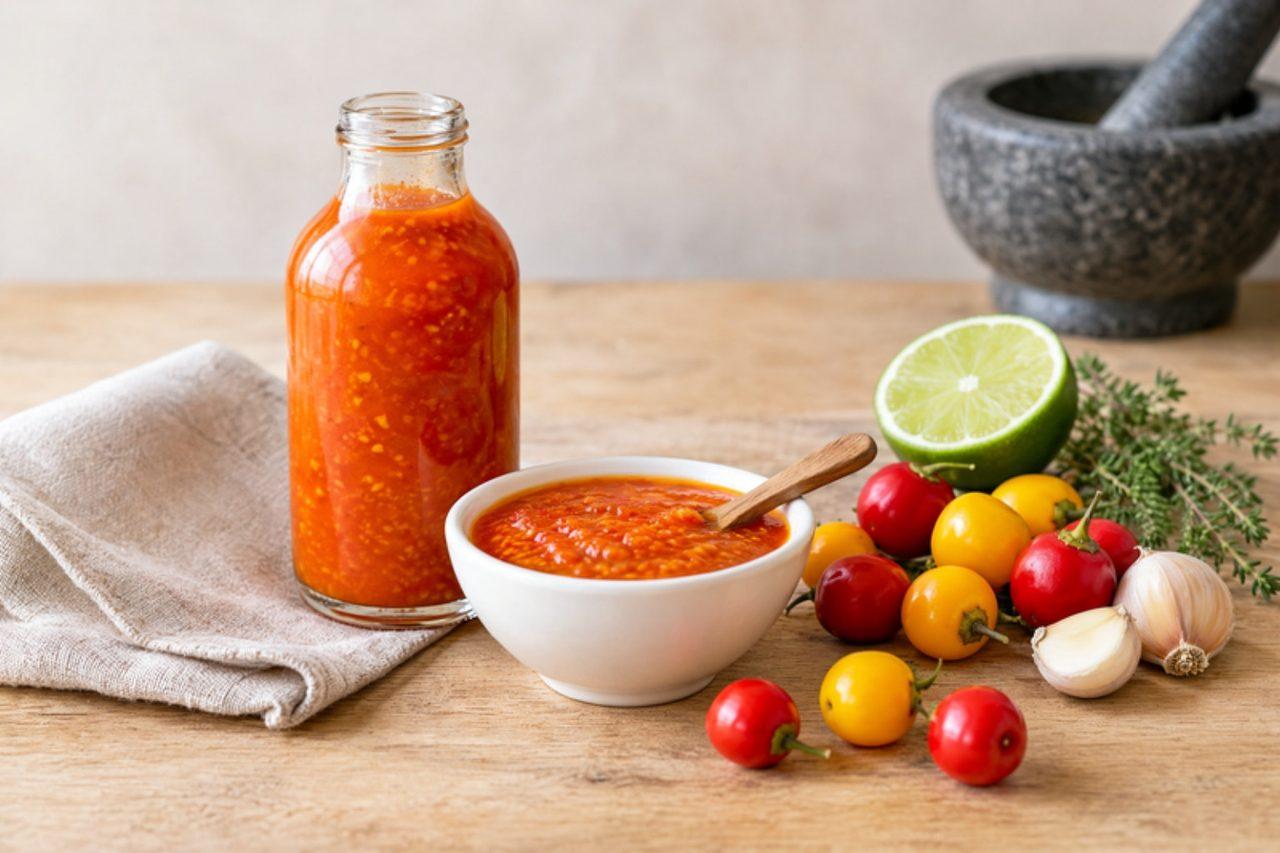
Every Guyanese household, from Georgetown to the villages of Berbice, has its own bottle of pepper sauce, and the most prized is made with wiri wiri: tiny, round peppers no bigger than a currant, red, orange or yellow, with a fruity, almost tomato-like heat that hits fast and fades clean. They are ground with plenty of garlic, a little onion, prepared mustard, salt and vinegar, and often a few slices of green mango or five-finger (carambola) for sourness. A dab goes on cook-up rice, dhal and rice, roti and curry, fried fish and bake, and on the pepperpot at Christmas. The sauce is coarse, bright orange-red and loose, sour first, then fiercely hot and garlicky. A common mistake is thinning it with water, which makes it spoil quickly; use vinegar alone for any loosening. It is ready after a day in the fridge, when the garlic has softened into the heat and the colour has deepened. Outside Guyana, wiri wiri is hard to find; Scotch bonnets or red bird's-eye chillies work, though the flavour is a little different. Chef's tip: grate in a few slices of green mango for the true sour, fruity Guyanese edge.

by KrazyBadal 0 views

Showing 24 of 1,158 recipes

Show more recipes

Page 1 of 49