Skip to content
Recipes

All recipes

Vegetarian, or something you can't eat? Set your diet once and we'll hide recipes that don't fit.

Tavuk sote

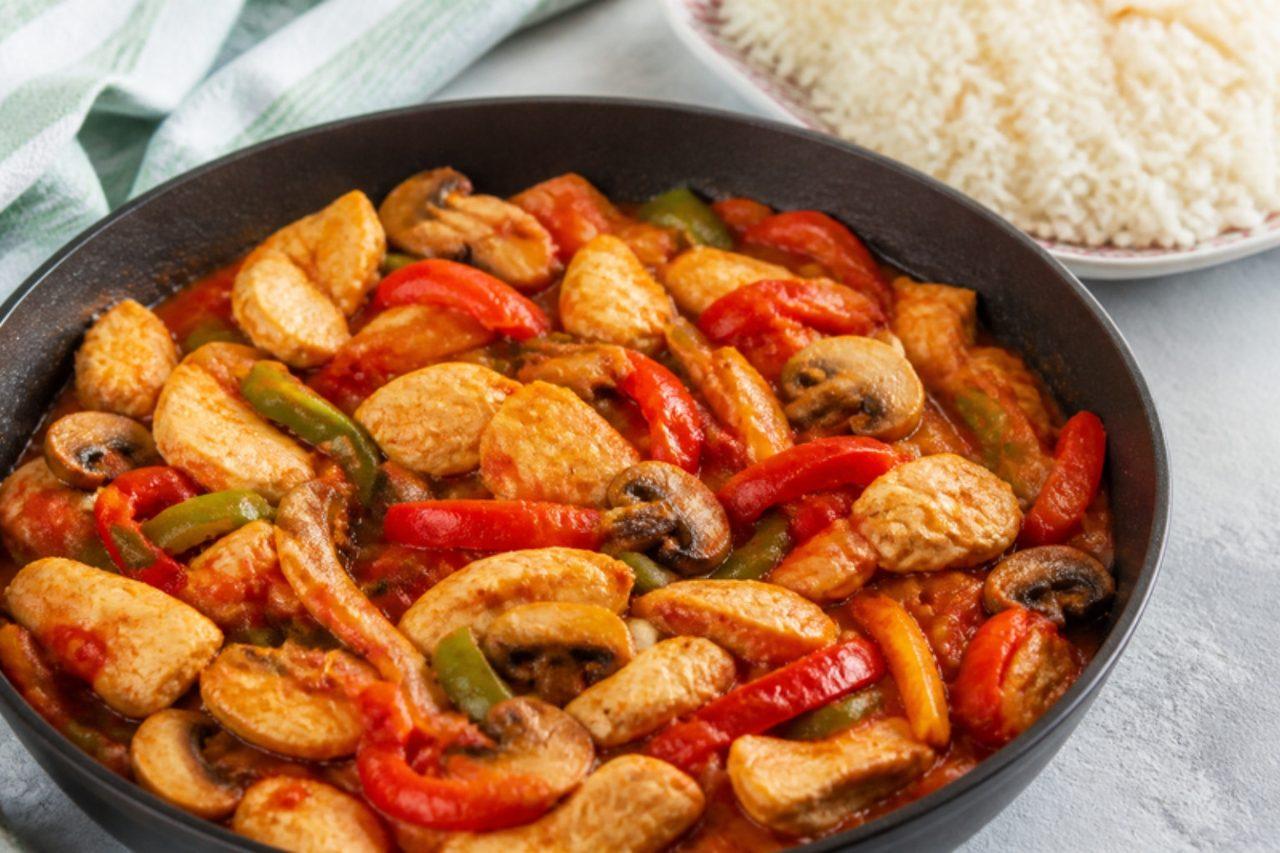
Tavuk sote is what Turkish home cooks make on a busy weekday: strips of chicken thigh seared hard, then tossed with green and red peppers, mushrooms, onion, tomato and a spoonful of pepper paste until glossy. It cooks in the time the bulgur or rice takes, and lokantas serve it from the steam tray with a side of yoghurt. Thigh meat stays juicy; breast dries out quickly. Common mistake: adding all the chicken at once, which drops the pan temperature and leaves it pale and watery. Chef's tip: finish with a knob of butter and a pinch of dried thyme off the heat for a glossy, aromatic sauce.

by KrazyBadal 0 views

Nan-e gerdooyi

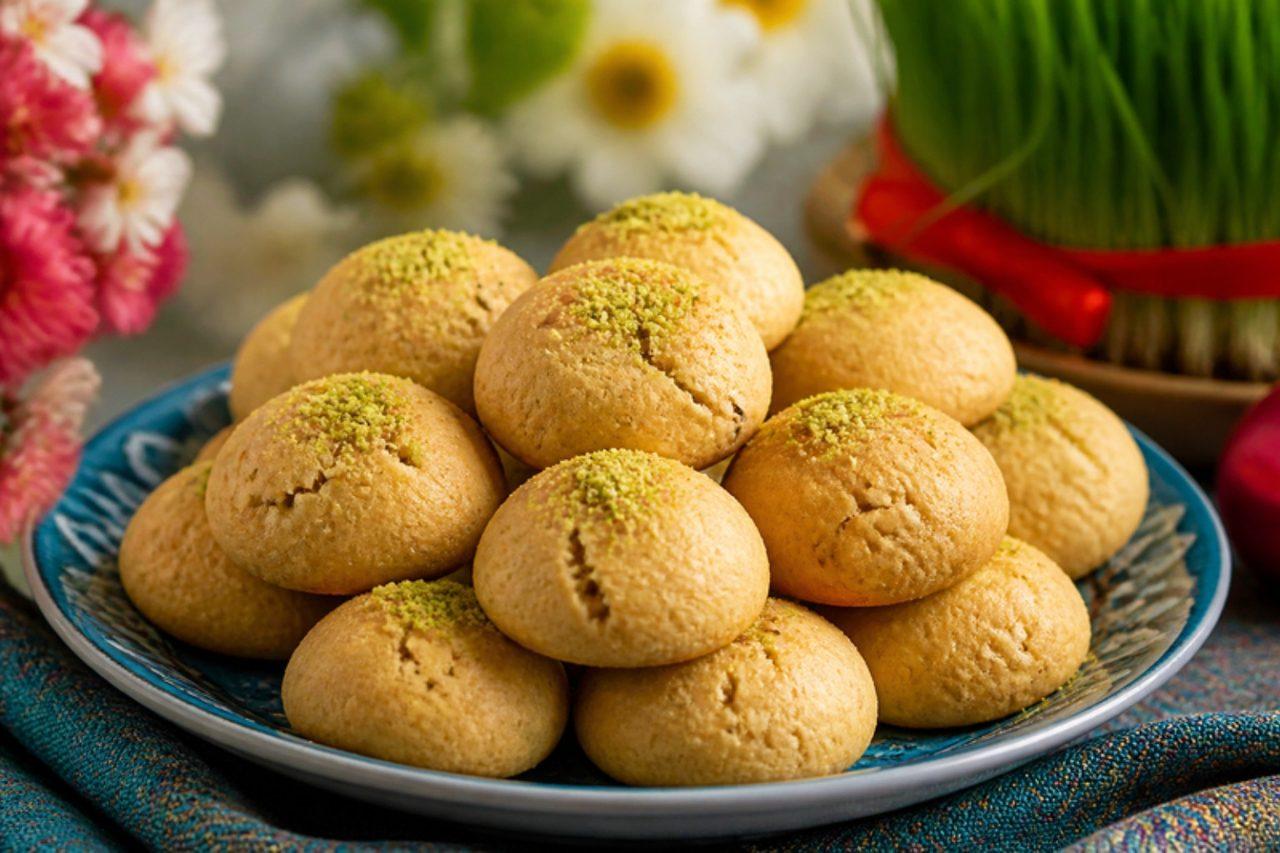
In the run-up to Nowruz, when Tabriz, Tehran and Qazvin families are spring-cleaning and baking for the round of holiday visits, nan-e gerdooyi are among the first cookies to go into the tin. They are made with chopped walnuts held together by egg yolks and sugar, no flour at all, so they bake crisp at the edge and soft and chewy in the middle. A common mistake is grinding the walnuts to a paste; they should be chopped into small pieces so the cookies have texture and don't turn oily. Chef's tip: leave a good gap between them on the tray; they spread to about twice their size.

by KrazyBadal 0 views

Irish buttermilk scones

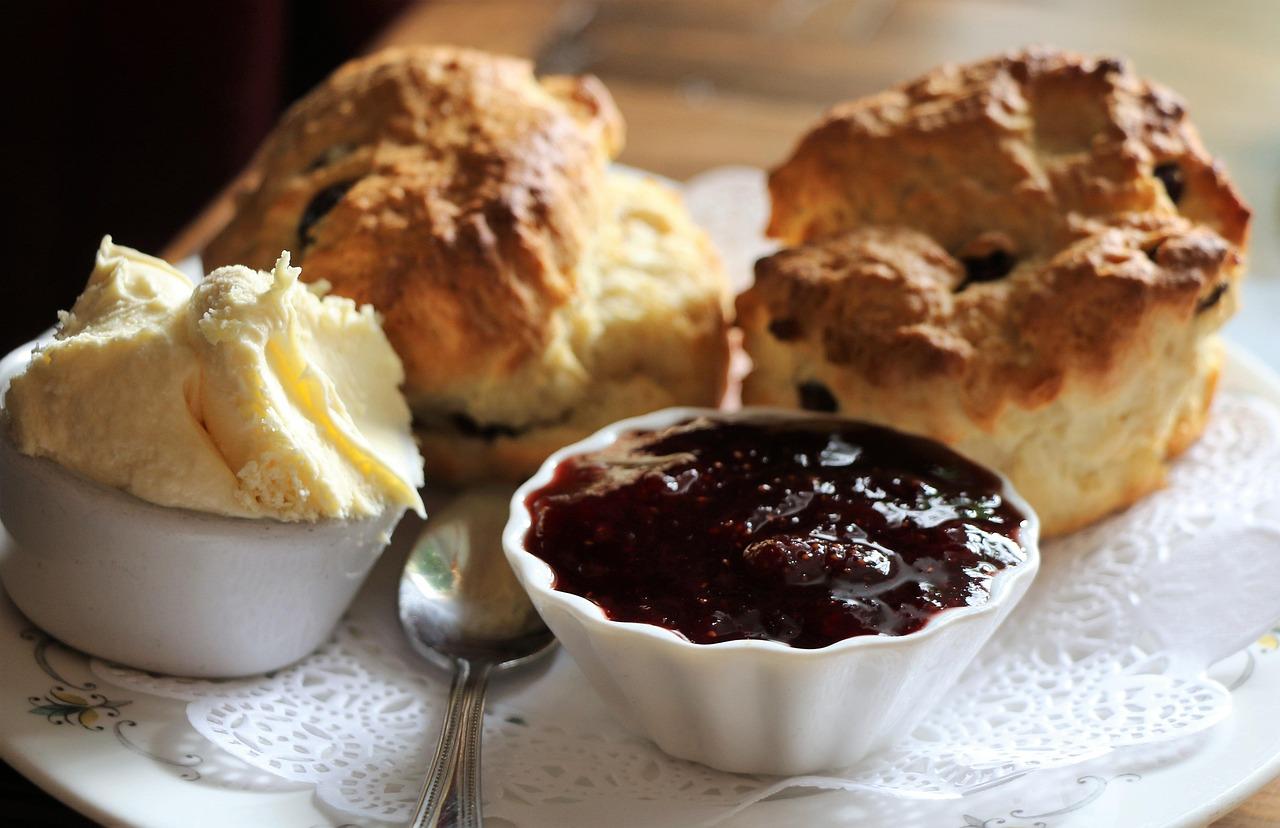
Irish scones are the centre of afternoon tea in hotels and country houses from Galway to Wicklow, and the bake that every Irish cook makes from memory. Buttermilk makes them light and tender with a faint tang, and an egg wash gives the glossy golden top. Serve warm, split, with butter, raspberry jam and whipped cream. Chef's tip: press the cutter straight down without twisting; twisting seals the edges and stops them rising tall.

by KrazyBadal 0 views

Devon cream tea scones

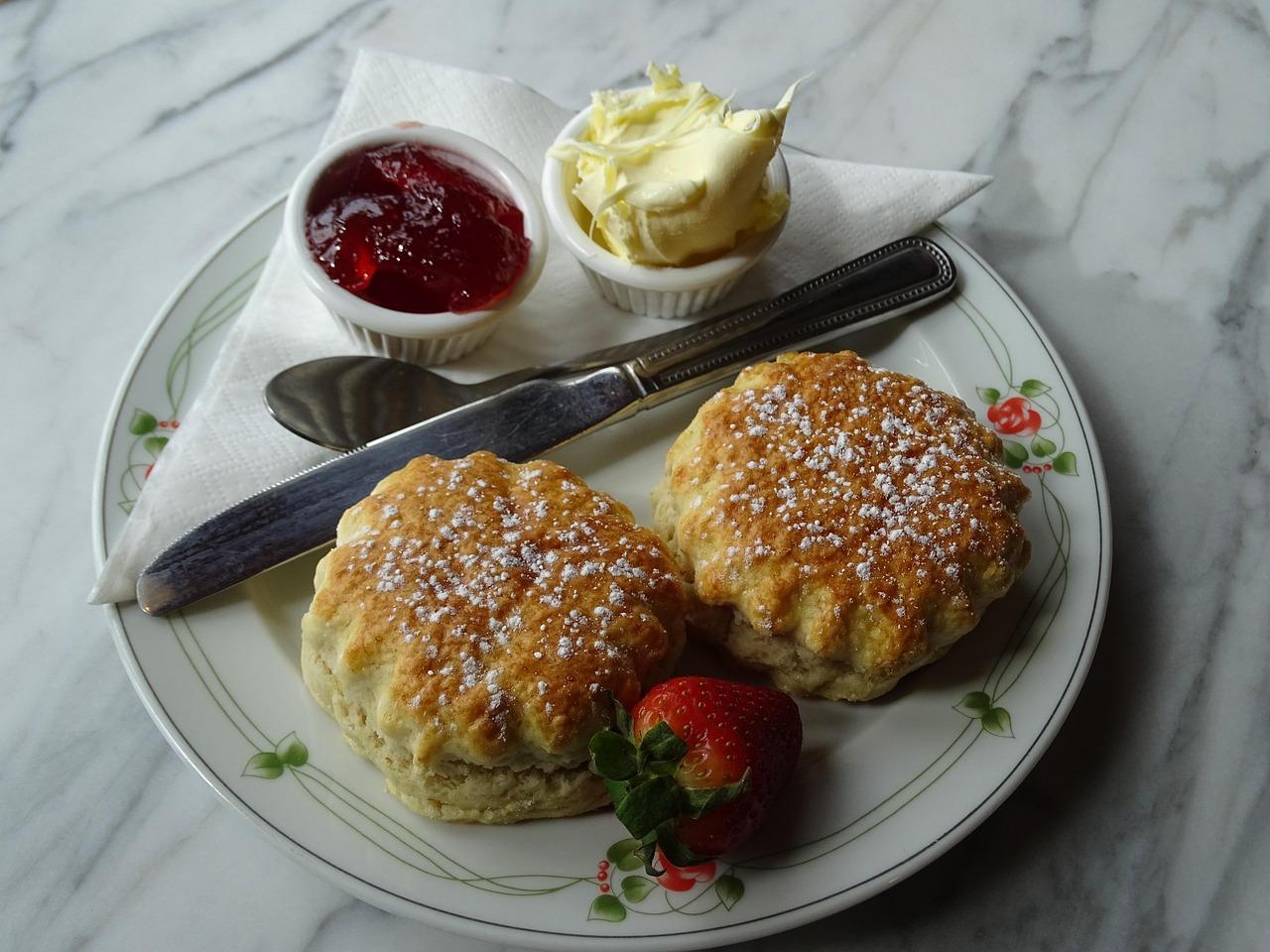
A cream tea is the West Country's afternoon treat: warm scones, clotted cream and strawberry jam with a pot of tea, served in tea gardens across Devon and Cornwall. In Devon the cream goes on first and the jam on top; in Cornwall it's the other way round, and the argument never ends. These scones are plain and light so the cream and jam shine. Chef's tip: cut straight down with the cutter and don't twist it, or the scones rise lopsided.

by KrazyBadal 0 views

Singin' hinnies

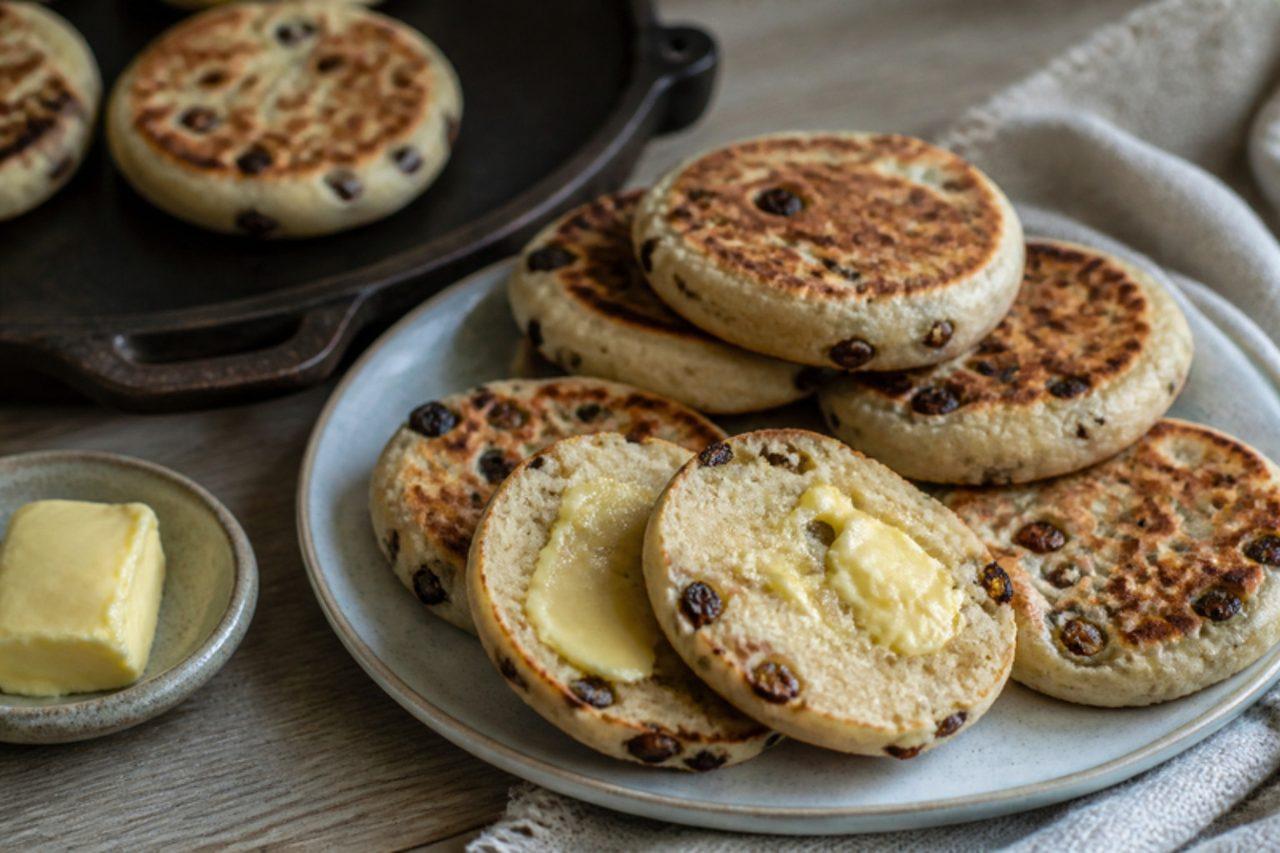
Singin' hinnies are the girdle cakes of Northumberland and Tyneside, named for the singing hiss of the butter as they cook ('hinny' is a Geordie word of affection, like 'honey'). Mothers made them for children coming home from school, cooked on a heavy griddle and eaten hot, split and buttered. They are scone dough studded with currants and cooked in the pan instead of the oven. Chef's tip: keep the heat medium-low so they cook through before the outside darkens.

by KrazyBadal 0 views

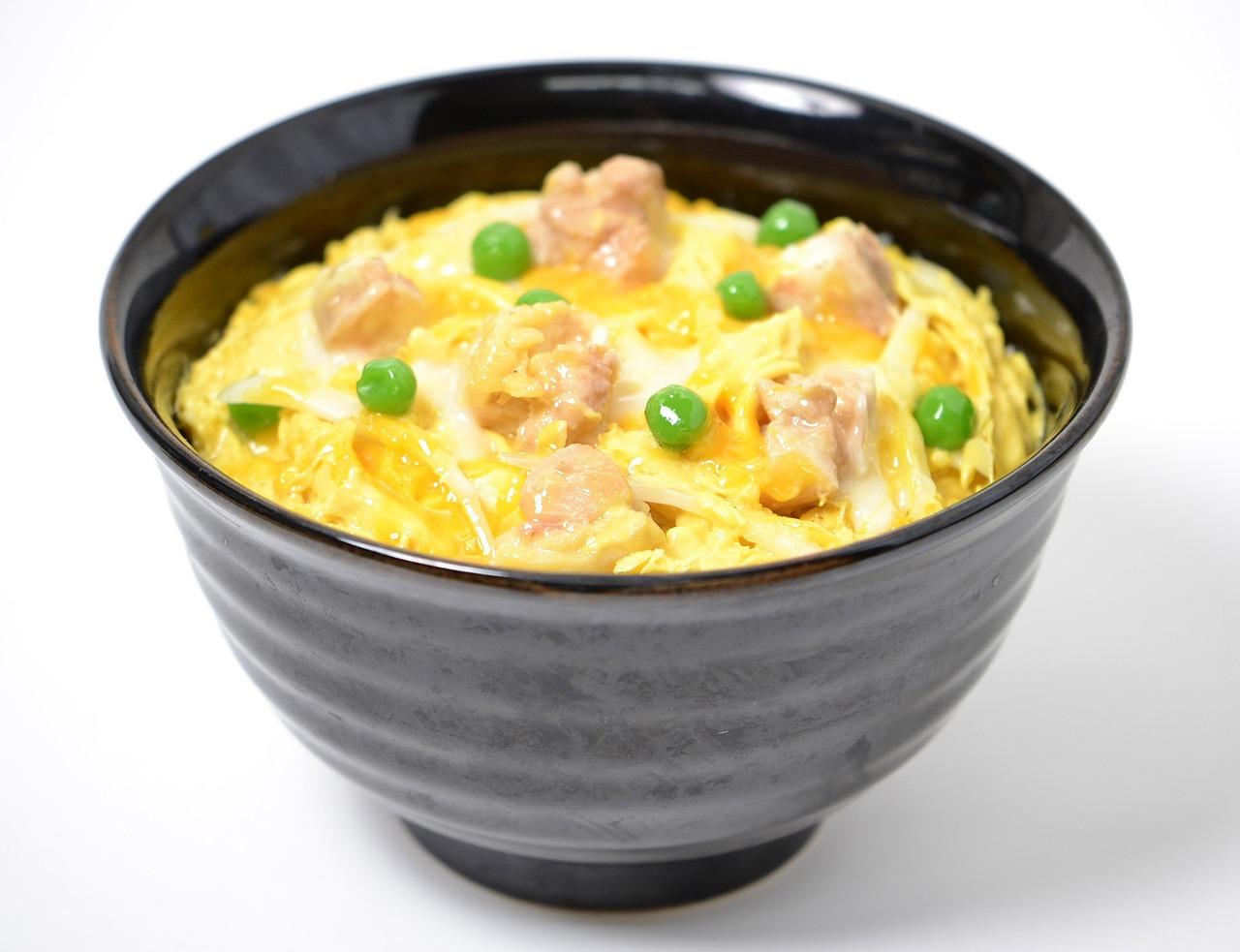
Oyakodon

The name means 'parent and child bowl', a gentle joke about cooking the chicken and the egg together. A Nihonbashi chicken restaurant in Tokyo says it first served the dish in the 1890s, and today it is a staple lunch in soba shops, office canteens and home kitchens all over the country. Thigh meat and sliced onion simmer briefly in sweet soy dashi, then beaten egg goes in and is taken off the heat while still soft and glossy. Everything slides onto a bowl of hot rice so the sauce seeps into the grains. Chef's tip: beat the eggs with just a few strokes of chopsticks, leaving streaks of white and yolk, as that marbled look and silky texture is what you're after.

by KrazyBadal 0 views

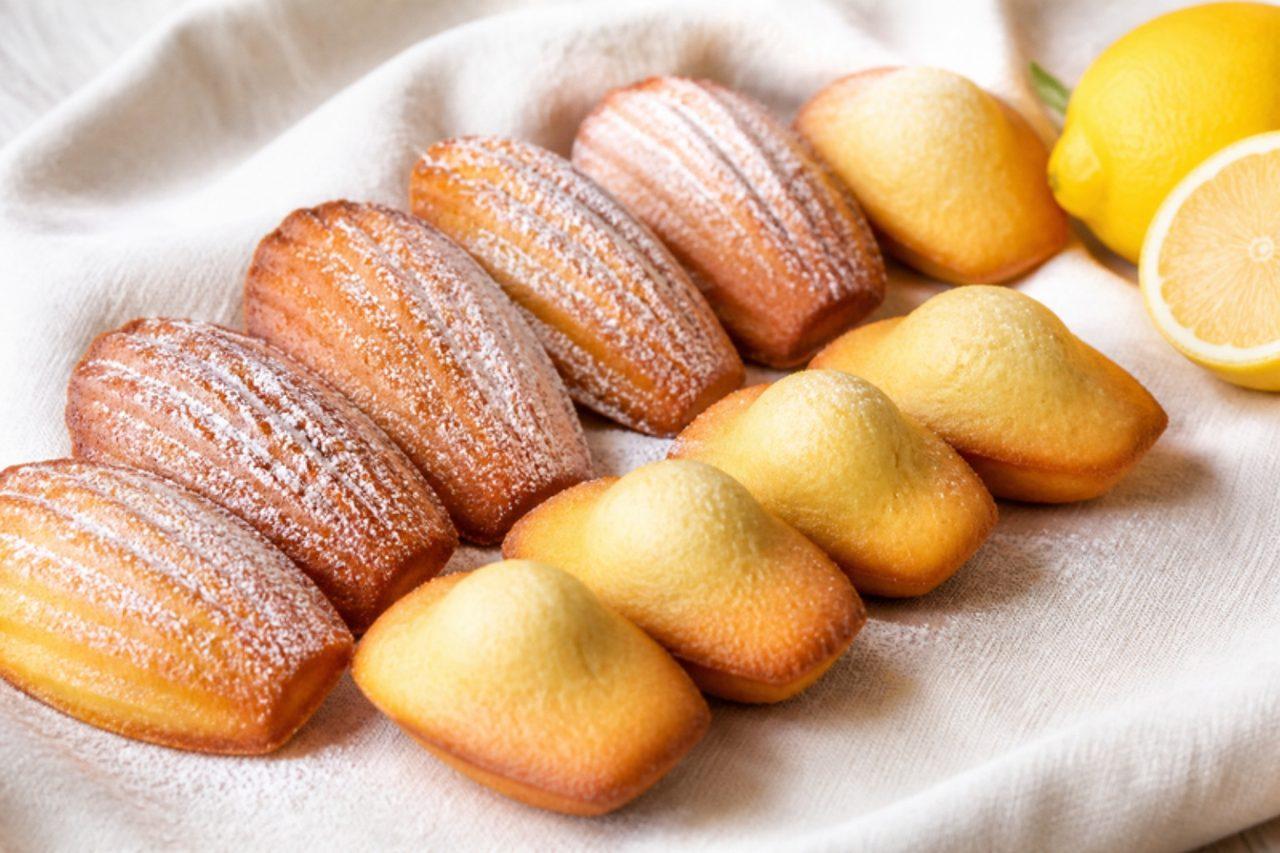
Madeleines

Madeleines come from Commercy, a small town in Lorraine, where they've been sold in boxes to travellers since the 1700s, and Proust made them famous dipped in lime-blossom tea. These little scallop-shaped sponges are crisp and golden at the edges, soft and buttery inside, and should have a proud hump on the back. French children eat them for goûter, the after-school snack, and they are best within an hour of baking. You'll need a madeleine tin. Chef's tip: chill the batter and the buttered tin before baking; putting room-temperature batter in a warm tin is the common mistake and the madeleines come out flat with no hump.

by KrazyBadal 0 views

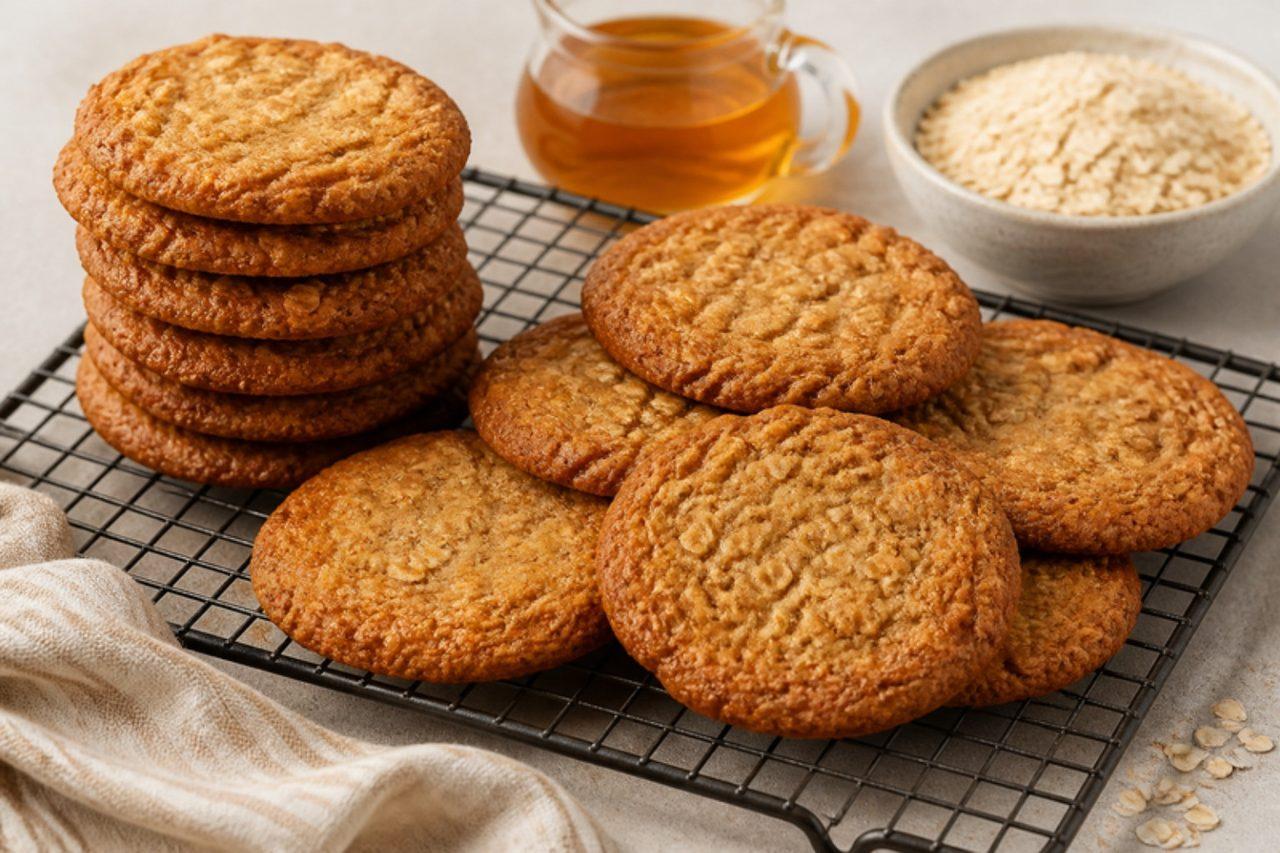
Anzac biscuits

Anzac biscuits are baked in kitchens all over Australia and New Zealand in the days before 25 April, Anzac Day, when both countries remember the soldiers of the Australian and New Zealand Army Corps who landed at Gallipoli in 1915. Recipes appeared in fundraising cookbooks soon after the war, and they keep well because they contain no eggs: just oats, flour, coconut, sugar, butter and golden syrup, raised with bicarbonate of soda. Bake them short for chewy, longer for crunchy; every family has its side. Chef's tip: add the bicarbonate to the hot butter and syrup and wait for it to foam up before mixing; that froth is what makes them light and lacy.

by KrazyBadal 0 views

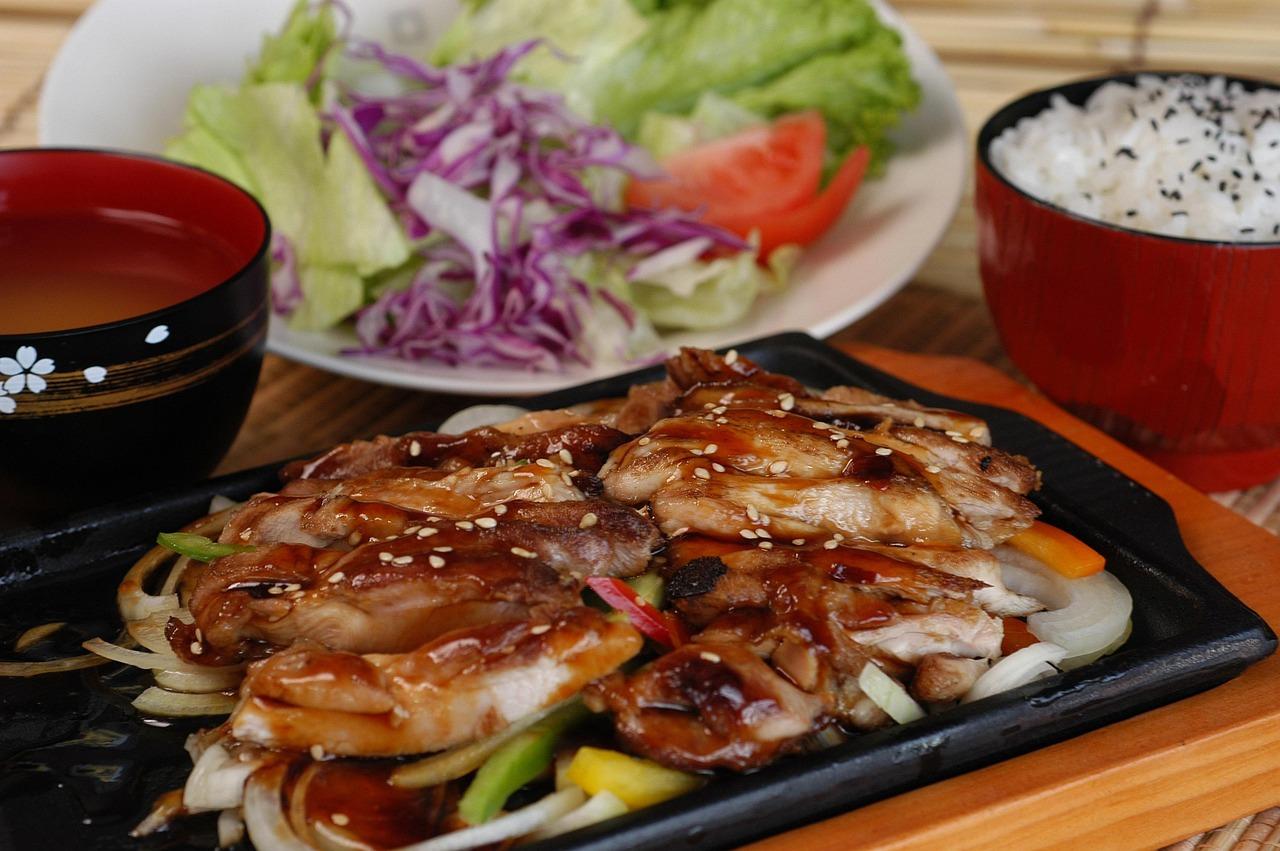
Chicken teriyaki

Teri means shine and yaki means grilled, which sums up the glossy, lacquered finish of this weeknight favourite. Japanese restaurants often save the teriyaki treatment for yellowtail in winter, but at home it is usually chicken thighs, cooked in one frying pan and sliced over rice or packed into a lunchbox. The sauce is just soy sauce, mirin, sake and sugar, bubbled down in the pan until it clings. Serve it with shredded cabbage and a bowl of miso soup. Chef's tip: wipe the fat out of the pan with kitchen paper before the sauce goes in, so the glaze thickens and shines instead of sitting in a greasy pool.

by KrazyBadal 0 views

Kladdkaka

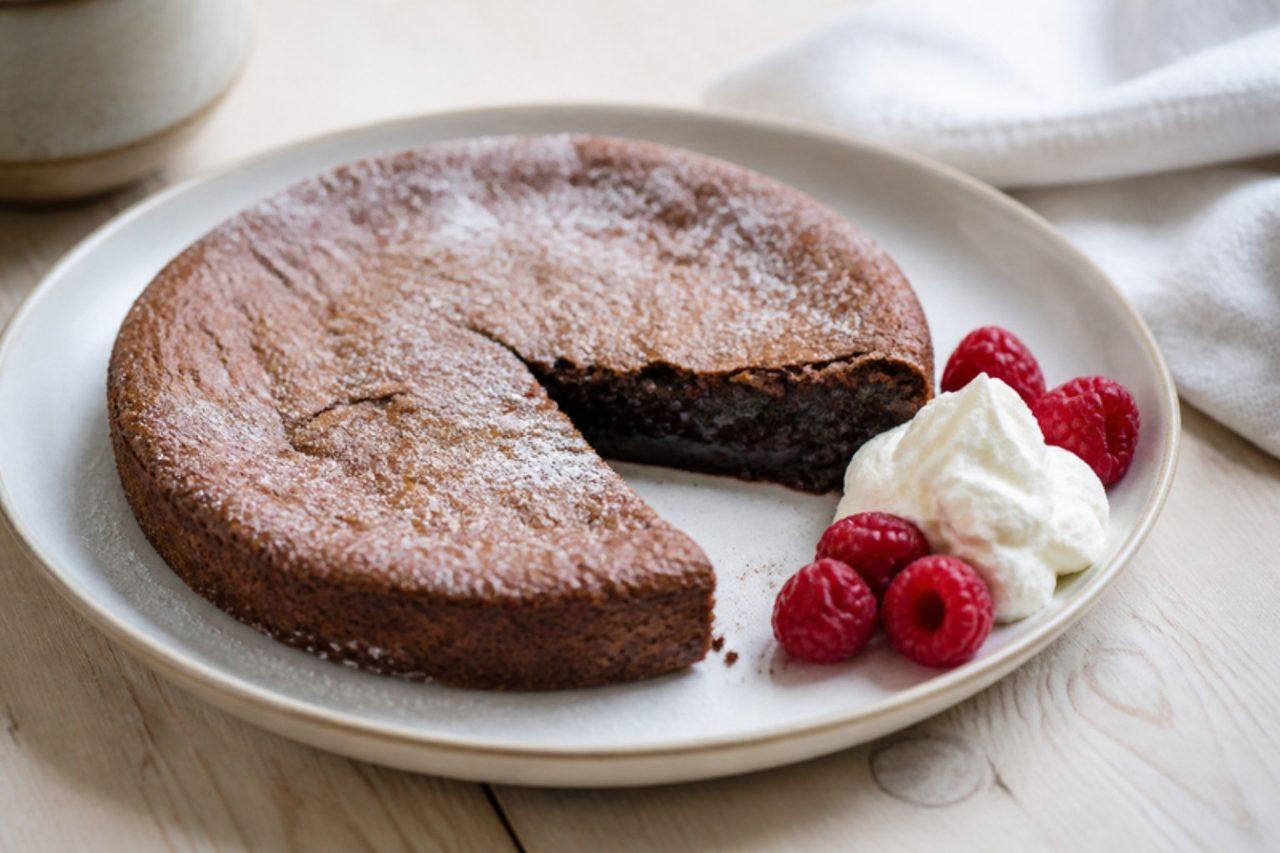
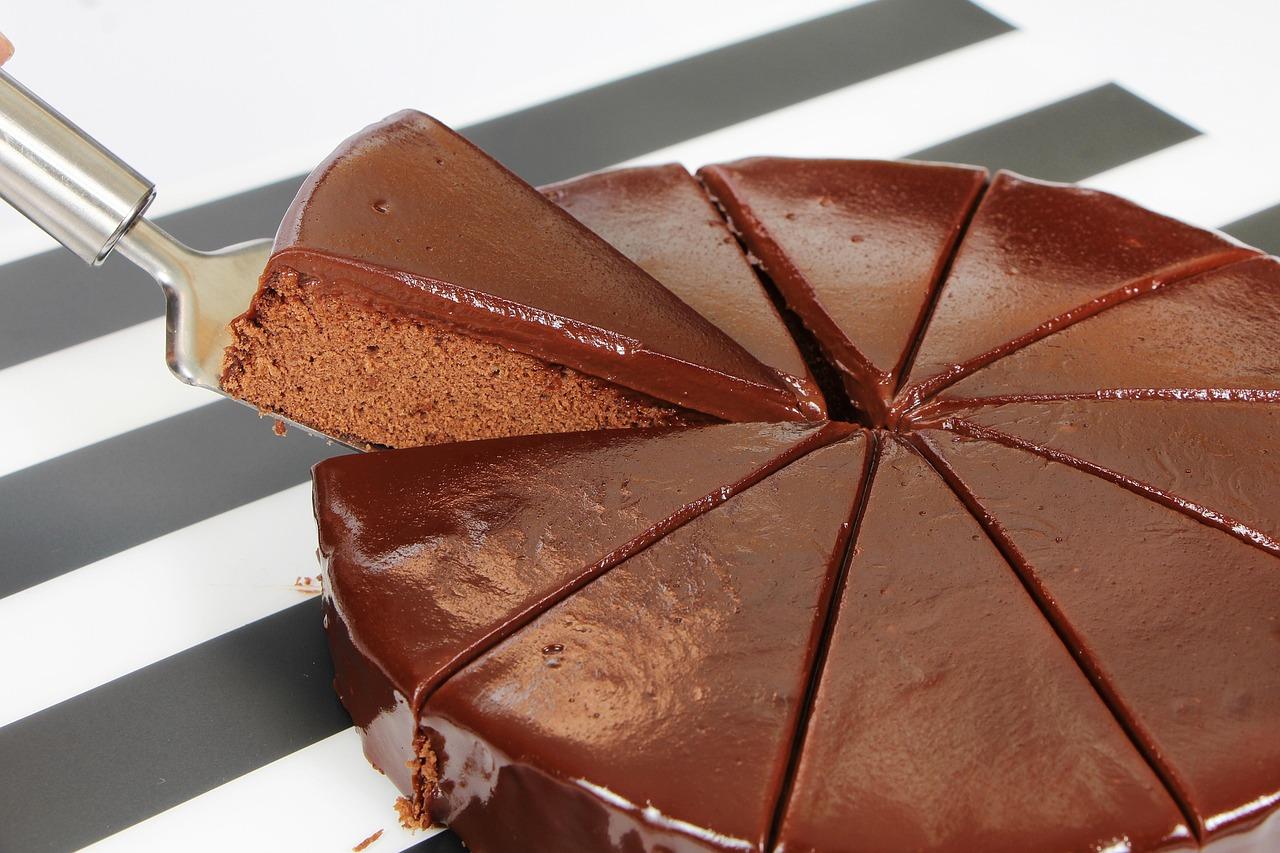
Kladdkaka, literally 'sticky cake', is the chocolate cake Swedish teenagers learn to make first, because it needs one pan, no mixer and no raising agent. The outside bakes to a thin, crackly crust while the centre stays fudgy and almost molten, somewhere between a brownie and a chocolate pudding. In Sweden it turns up at birthday parties, after Friday tacos and at summer cottages, cut into wedges and served with lightly whipped cream and a few raspberries or lingonberries. Cocoa, not bar chocolate, gives it its classic flavour. Chef's tip: take it out when the middle still wobbles like set jelly; it firms up as it cools and a fully set kladdkaka is just a dry chocolate cake.

by KrazyBadal 0 views

Kung pao chicken

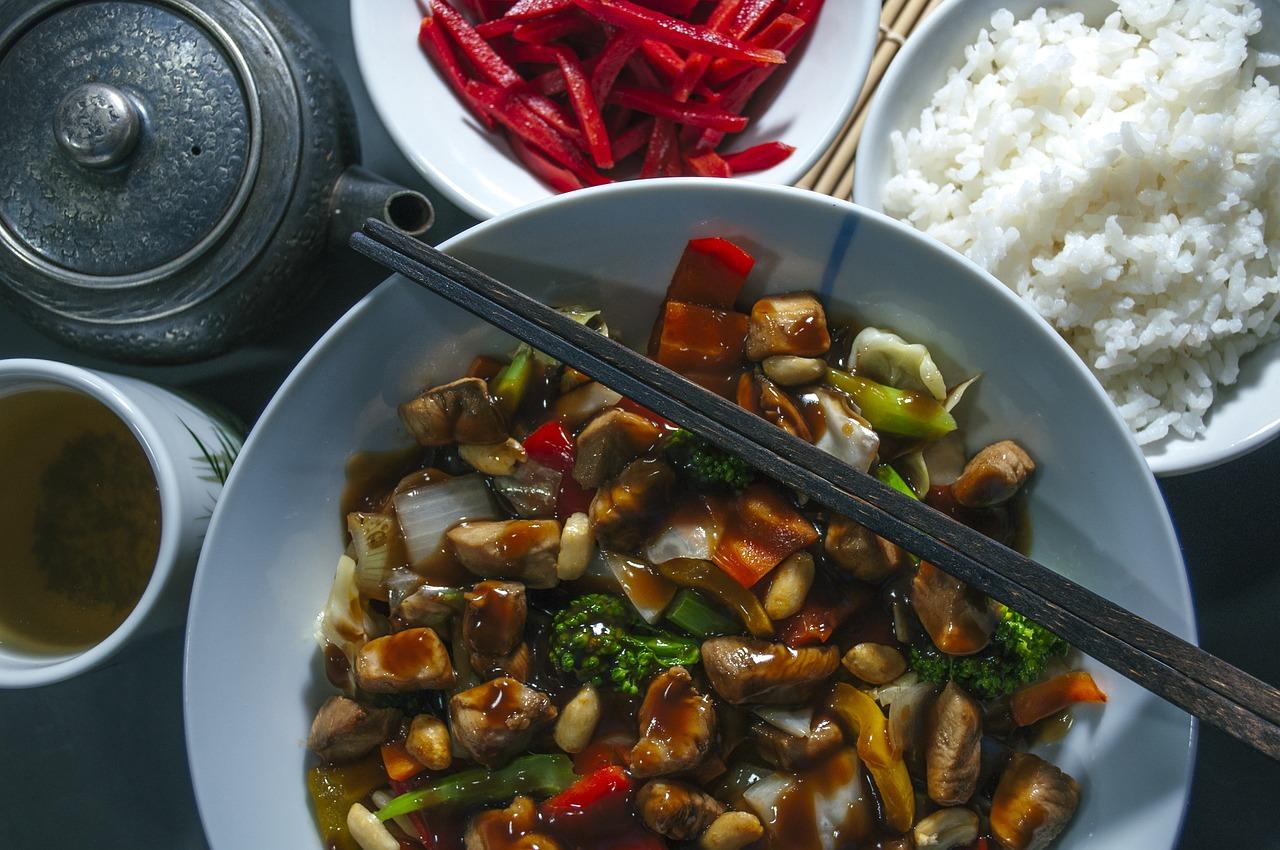
Named after a 19th-century governor of Sichuan, gong bao chicken is weeknight food in Chengdu: small cubes of tender thigh meat tossed in a wok with scorched chillies, tingling Sichuan pepper and crunchy peanuts. Its signature is the glossy sauce Sichuan cooks call 'lychee flavour', sweet and sour in equal measure, clinging lightly rather than pooling on the plate. The chilli here perfumes the oil more than it burns, so it is the gentlest of the classic Sichuan stir-fries. Serve it with plain steamed rice and a green vegetable such as stir-fried pak choi. Chef's tip: mix the sauce in a bowl before you light the hob, because the whole stir-fry is over in about four minutes and there is no time to measure once the wok is hot.

by KrazyBadal 0 views

Pad kra pao gai

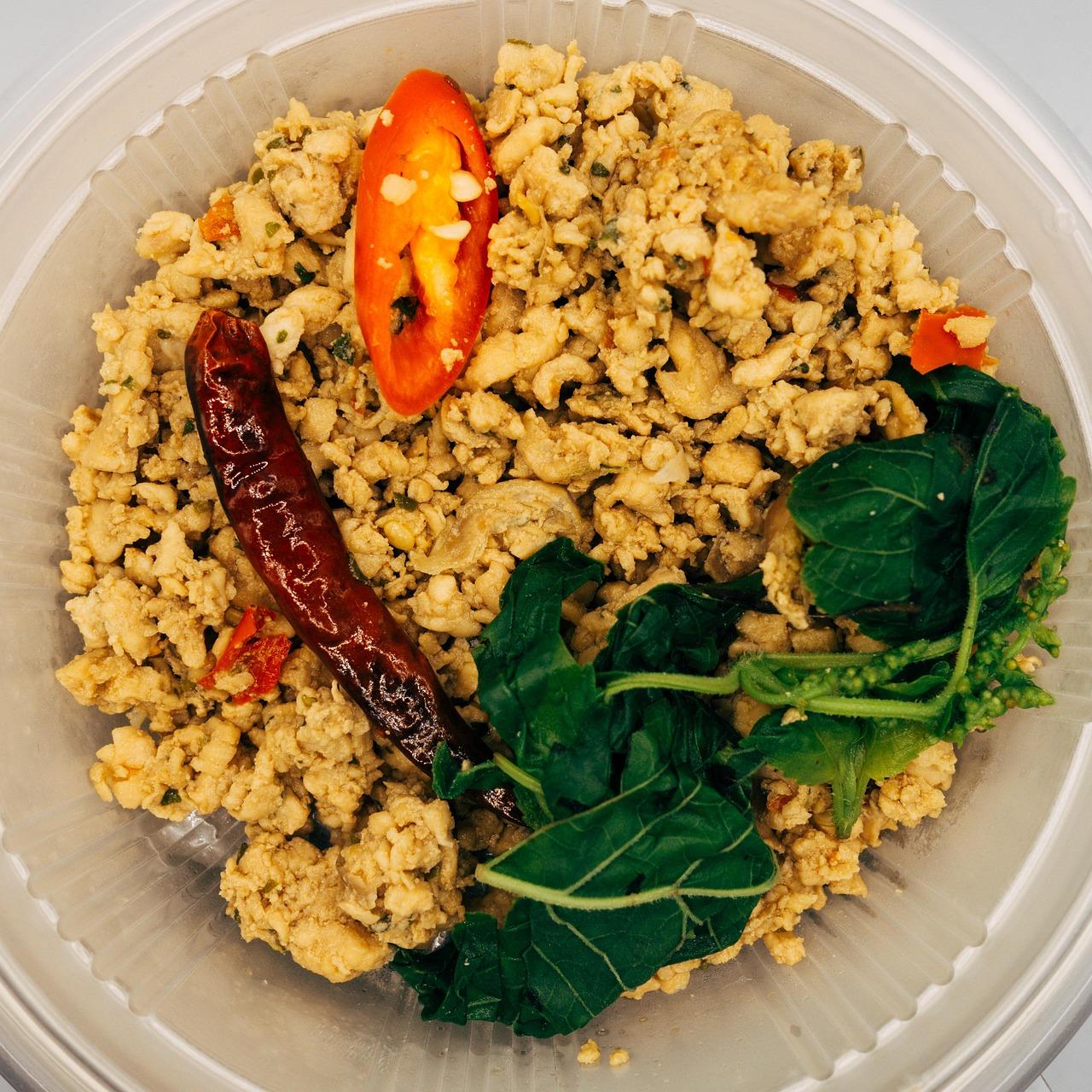
Ask a Bangkok office worker what they had for lunch and the answer is very often 'kra pao gai, khai dao': chopped chicken flash-fried with garlic, chillies and holy basil, spooned over rice and crowned with a fried egg whose edges have blistered into brown lace. Street stalls and food courts across the city cook it to order in a roaring wok in about three minutes. The chicken should be slightly sticky and salty-sweet, the basil peppery with a hint of clove, and the runny yolk becomes a sauce for the rice. A saucer of prik nam pla (sliced chillies in fish sauce) on the side is all it needs. Chef's tip: chop the chicken by hand with a heavy knife instead of buying fine mince; the coarse, uneven bits catch the sauce and stay juicy.

by KrazyBadal 0 views

Cashew chicken

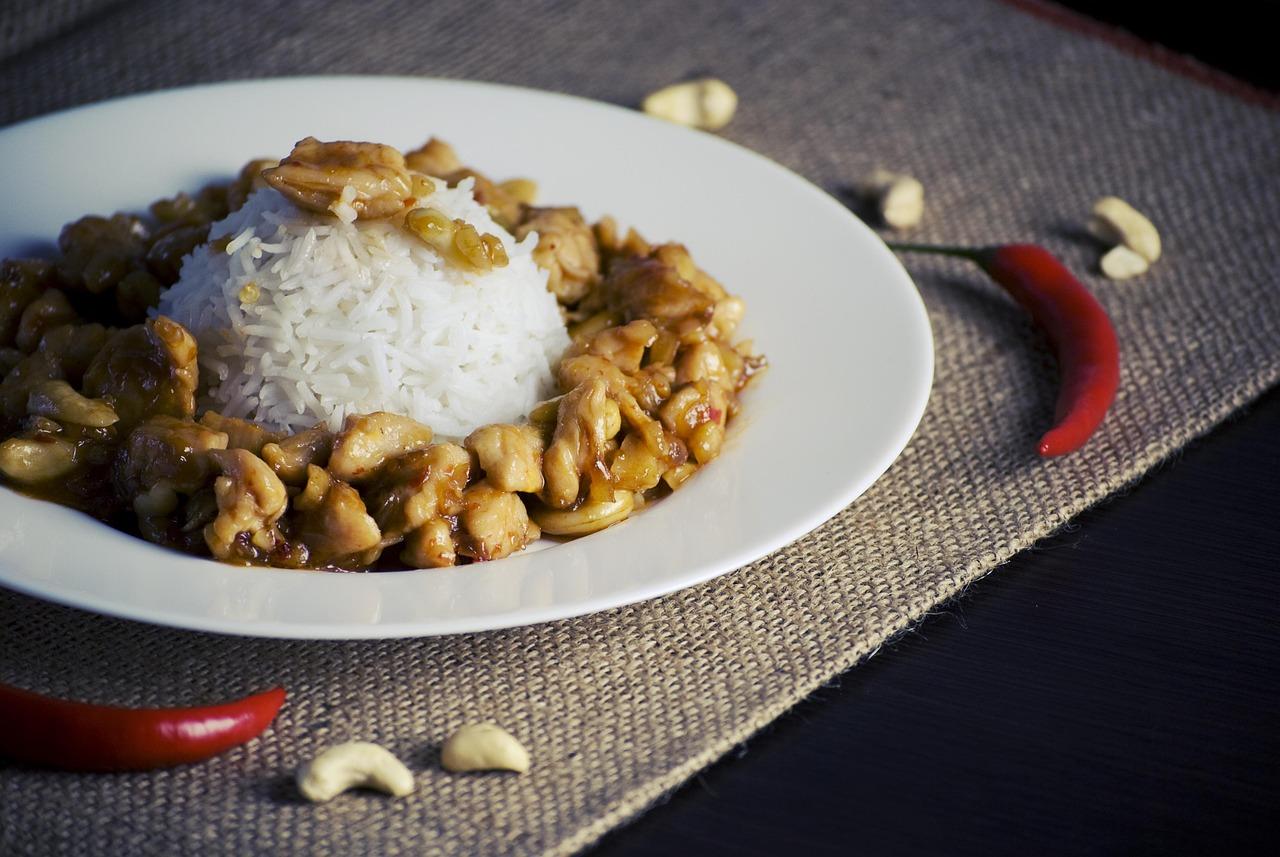
Crunchy, mild and gently sweet, this stir-fry is what central Thai families order for the table when children or chilli-shy guests are eating too. Strips of chicken are dusted in cornflour and fried golden, then tossed with roasted cashews, onion, spring onion and whole dried chillies that are crisped in the oil for smoky colour rather than fierce heat. Restaurants from Bangkok to Hua Hin serve it as one dish of a shared meal, with steamed rice and a sour soup such as tom yum. The sauce is glossy and savoury from oyster sauce, with a spoonful of roasted chilli paste for depth. Chef's tip: toast the cashews slowly in the oil before anything else goes into the wok; they stay crunchy far longer than nuts thrown in raw.

by KrazyBadal 0 views

Savoury herb scones

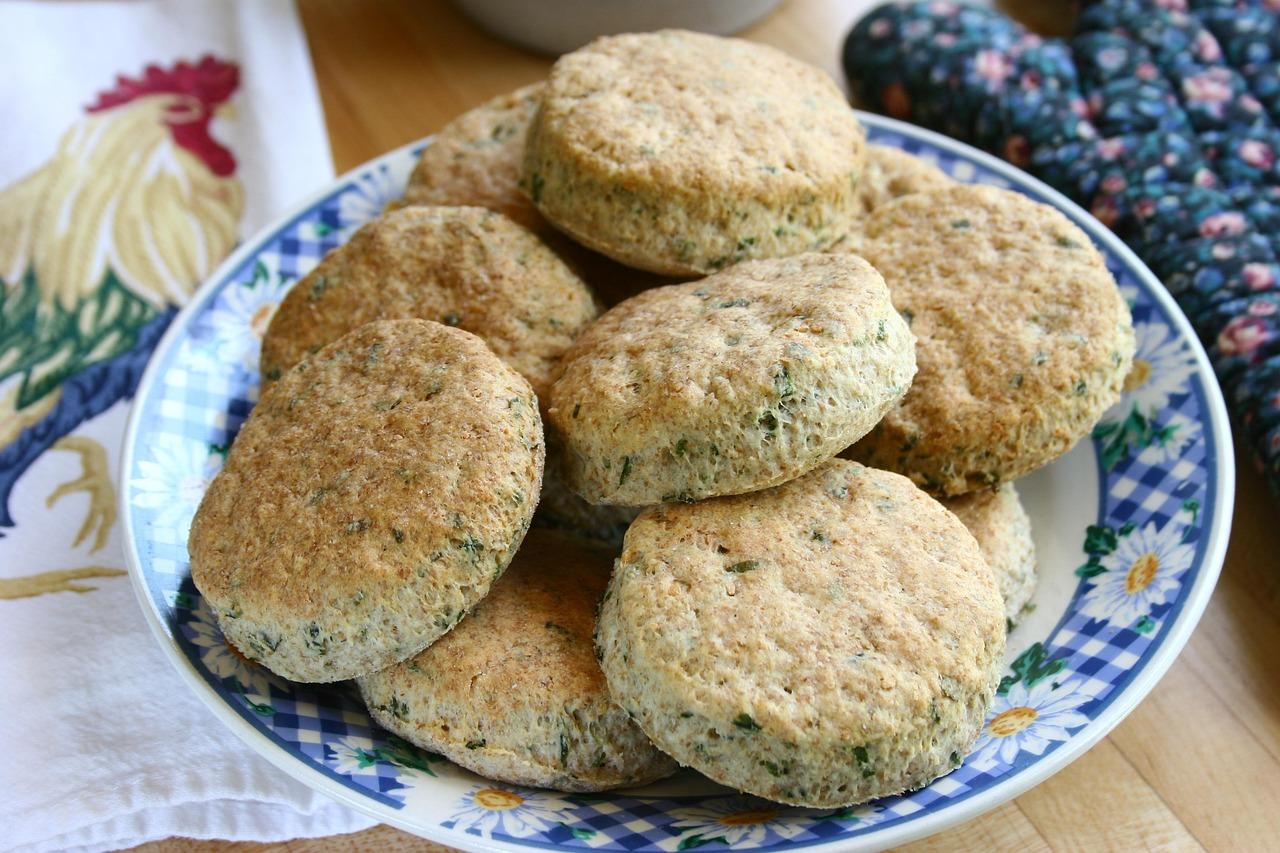
Light savoury scones made from rice flour and gram flour, flavoured with dried basil, oregano, mustard and black pepper and topped with poppy seeds. Shaped as one round and marked into 8 wedges, they are good warm with soup or salad. The book's recipe uses one egg; to make them eggless, leave it out and add an extra 60 ml soya milk and 1 tsp baking powder.

30 minBaking
by KrazyBadal 0 views

Oat meal chikki

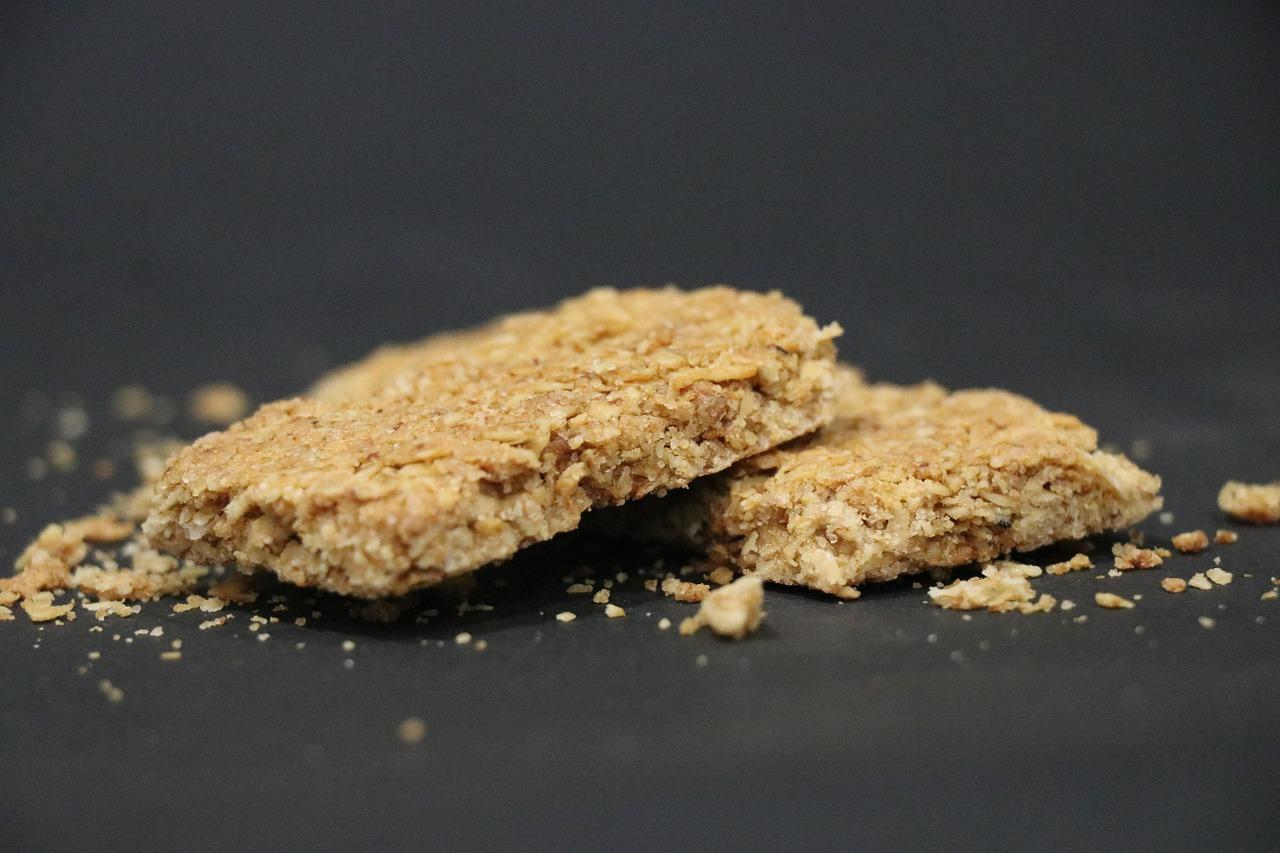
A quick baked oat bar with coconut and a touch of cocoa and golden syrup, pressed thin and cut while warm. Crisp, buttery and very easy.

30 minBaking
by KrazyBadal 0 views

Peanut butter cookies

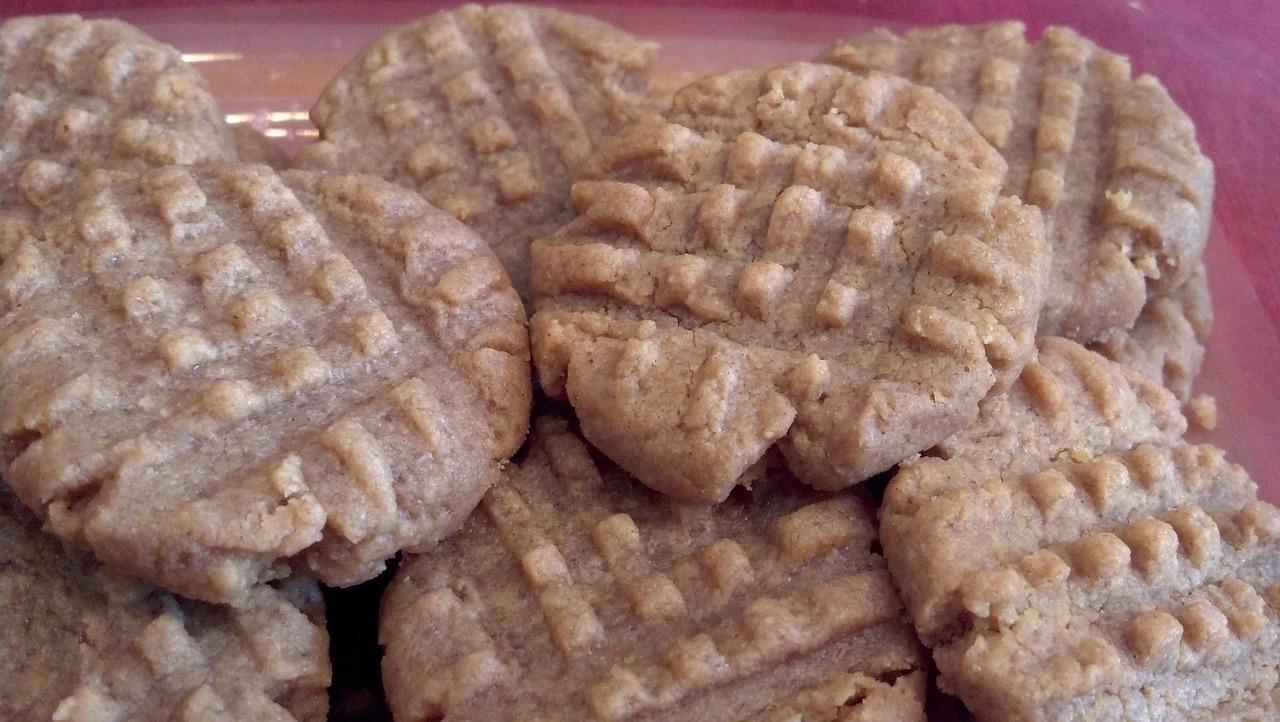
Chewy-crisp cookies made with crunchy peanut butter, honey and condensed milk, with rice crisps for crunch and roasted peanuts on top. No creaming needed: everything is melted together.

by KrazyBadal 0 views

Chocolate icing

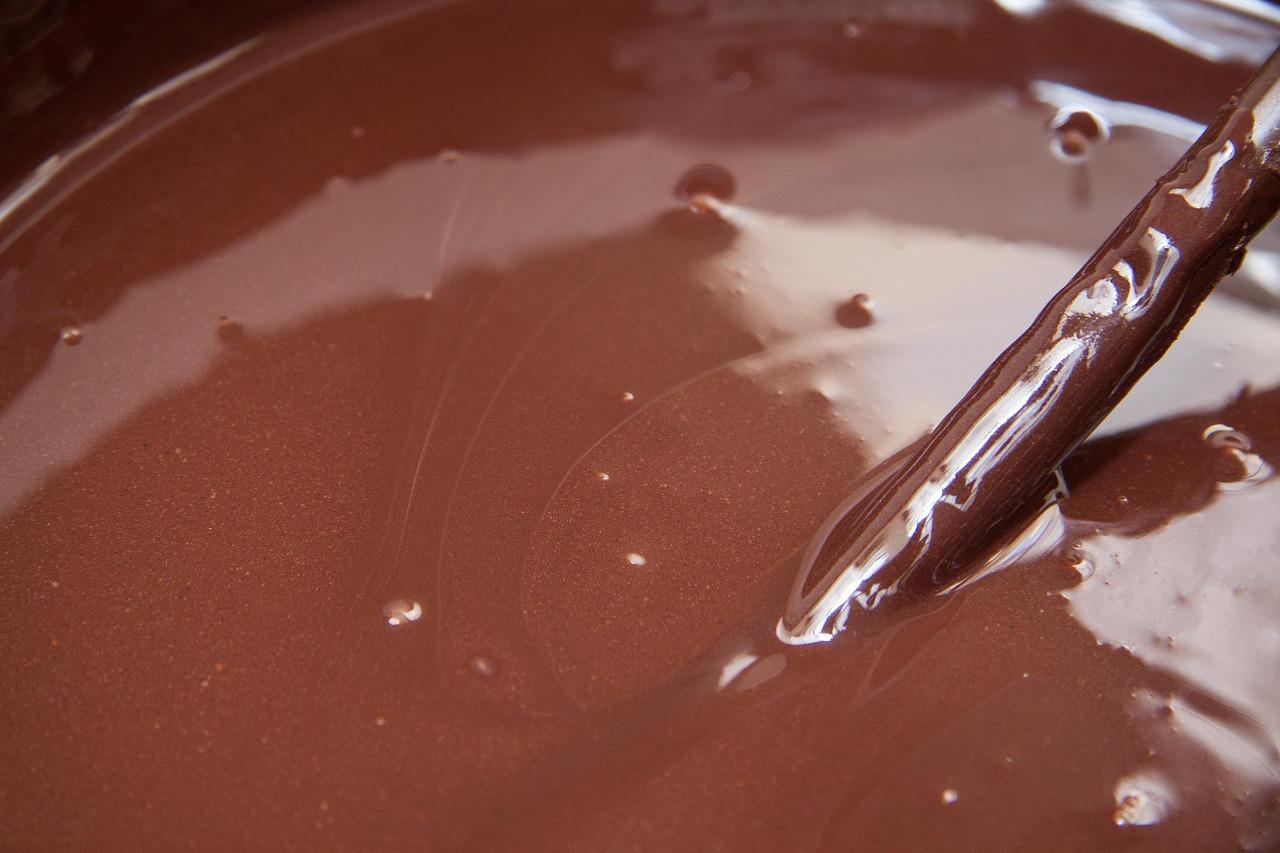
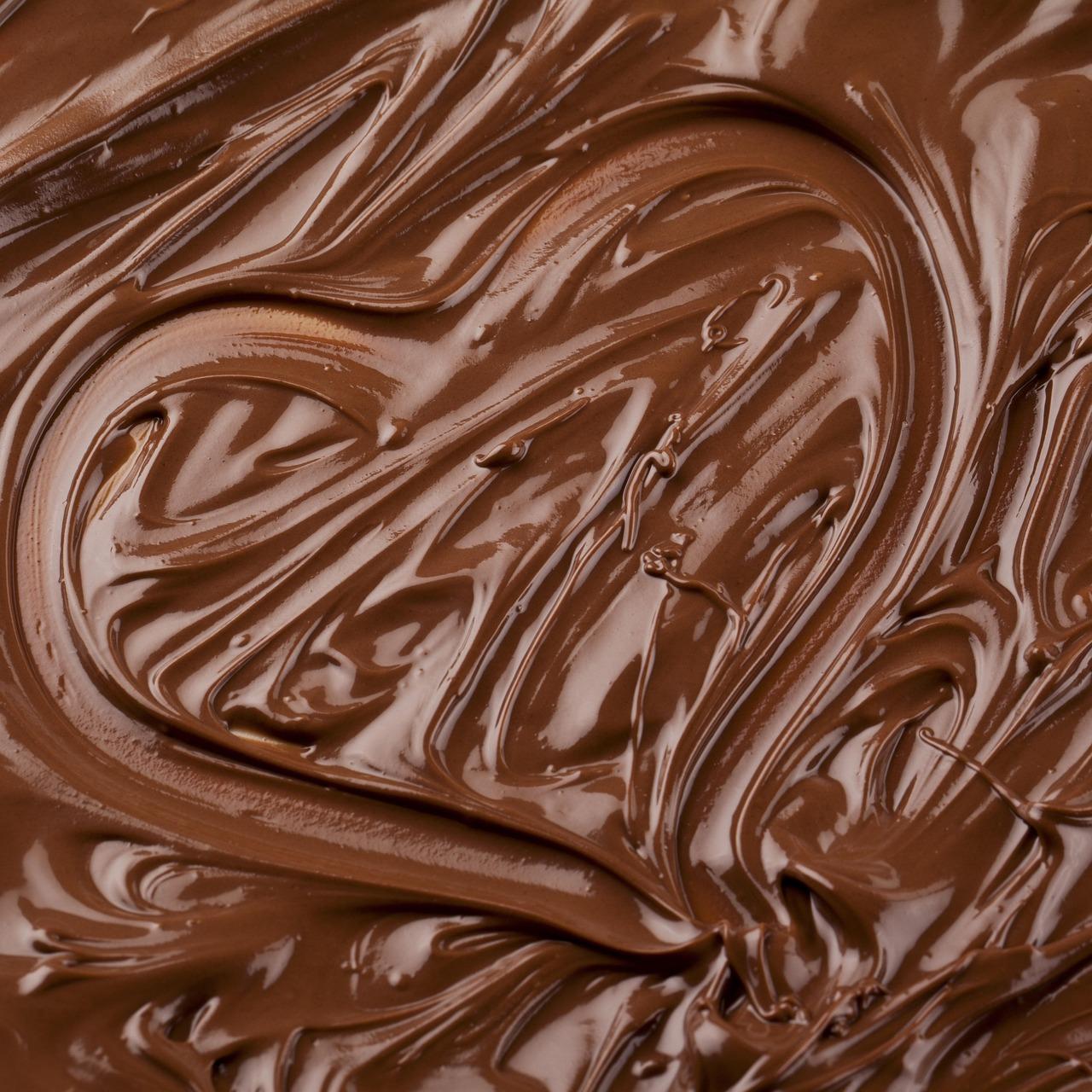
A shiny chocolate coating of melted cooking chocolate and a spoonful of ghee. Melt it gently over hot water or in the microwave; never let any water touch it. Once dry it gives the cake a lovely shine.

by KrazyBadal 0 views

Glacé icing

The simplest icing: icing sugar warmed with a little boiling water and coloured as you like. Pour it over fairy cakes and small sponges and leave it to set to a glossy finish.

by KrazyBadal 0 views

Chocolate fudge frosting

A rich, glossy chocolate frosting made with melted cooking chocolate, butter and an egg, then thickened with icing sugar. Use it to fill or cover cakes, swirling it on with a palette knife. Contains egg.

20 minBakingGluten free
by KrazyBadal 0 views

Chocolate fudge icing (eggless)

An eggless chocolate fudge icing made with butter, milk, cocoa and drinking chocolate. Coat the cake while the icing is still warm; it thickens as it cools and can also be piped.

10 minBakingGluten free
by KrazyBadal 0 views

Basic butter icing

A light butter icing for all basic sponge cakes, flavoured with the essence of your choice. Add a little milk for a softer icing for piping, or use cocoa instead of the cornflour to make chocolate butter icing.

by KrazyBadal 0 views

Fresh cream icing

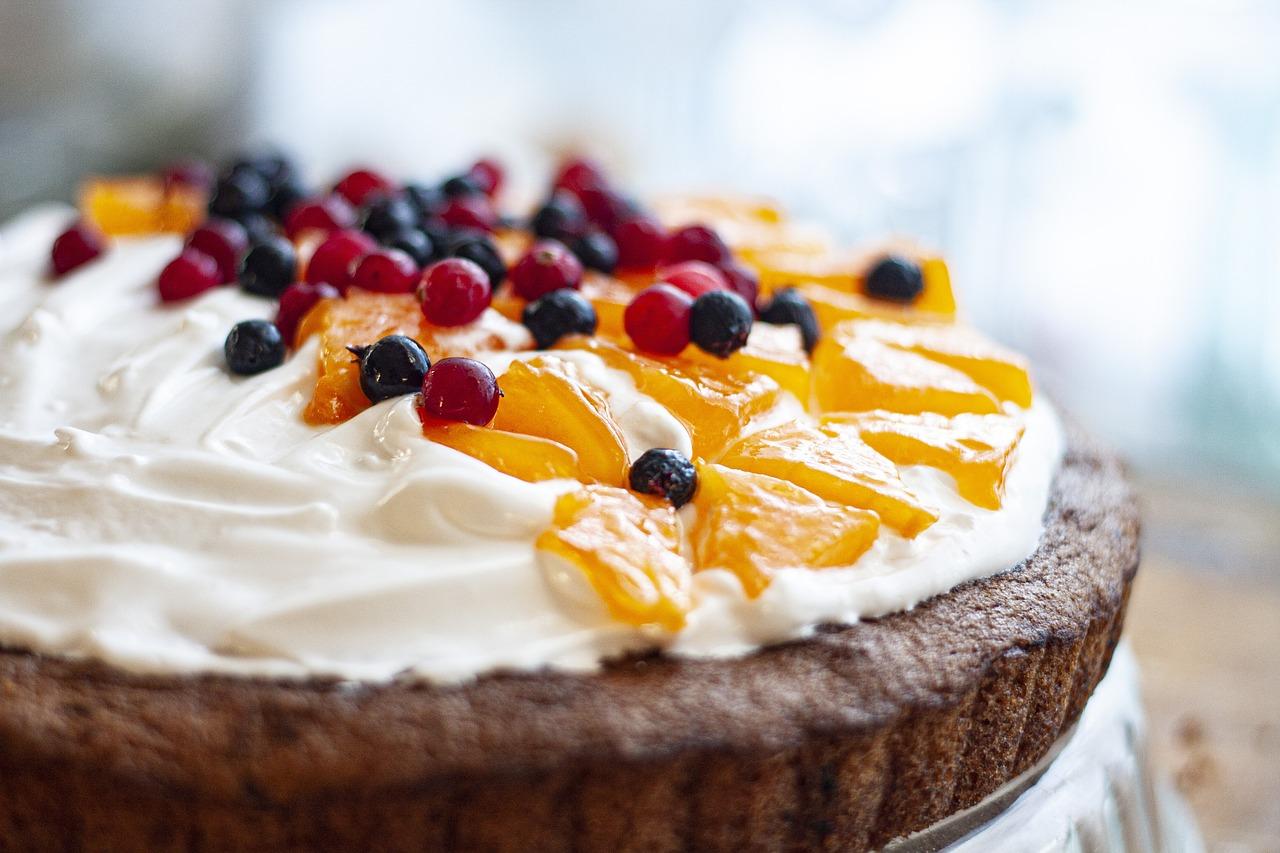
Sweetened whipped cream with vanilla for coating cakes and piping decorations. An electric beater can be used, but for an inexperienced cook a hand whisk is safer: over-beating curdles the cream.

10 minBakingGluten free
by KrazyBadal 0 views