Skip to content
Recipes

All recipes

Vegetarian, or something you can't eat? Set your diet once and we'll hide recipes that don't fit.

Mozuku-zuSeaweed in sweet vinegar

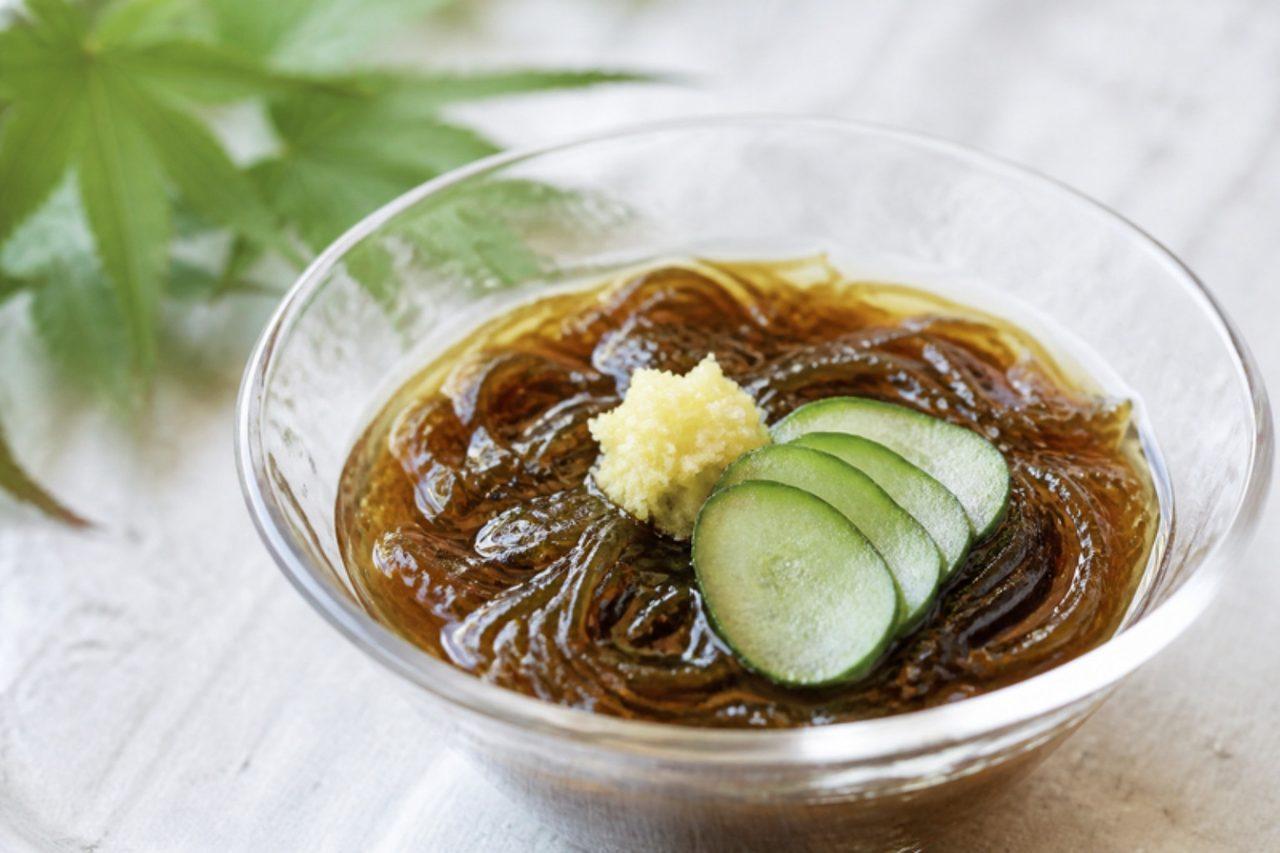
In Okinawa, where most of Japan's mozuku is farmed, a small bowl of mozuku-zu starts many a home supper and izakaya meal, especially in the hot months. The fine, slippery strands of seaweed are rinsed of their salt and served cold in a gentle dressing of rice vinegar, a little sugar and soy, topped with grated ginger, so it tastes clean, sour and of the sea. Shop versions often use bonito dashi; this one uses kombu dashi, so it is vegan. It is very light, with less than 1 g of protein a portion, so it belongs alongside a tofu dish and rice rather than as a main. The most common mistake is not rinsing salted mozuku enough: it needs two or three changes of water or the dish turns harsh. Chef's tip: chill the dressing and the bowls well; mozuku-zu should be served icy cold.

by KrazyBadal 0 views

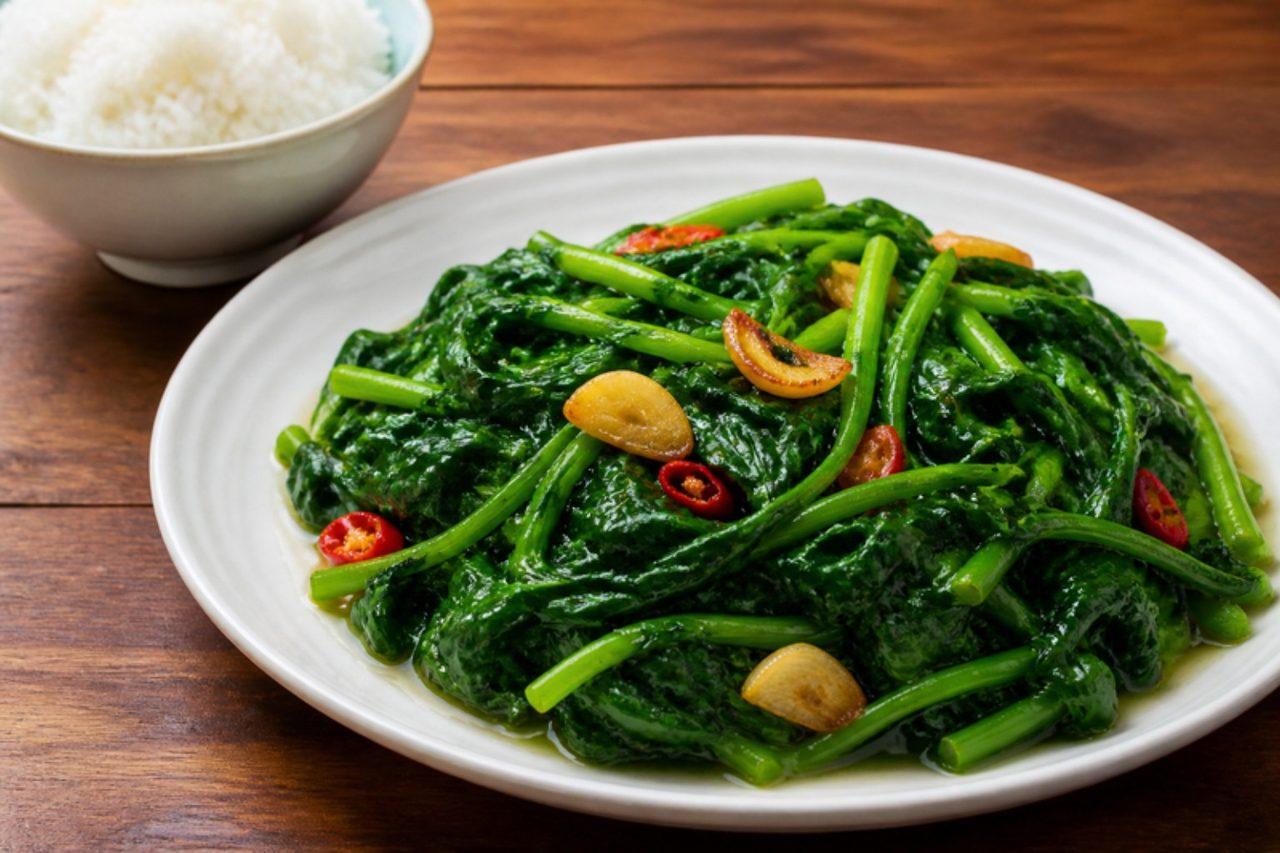
Di gua yeStir-fried sweet potato leaves

Stir-fried sweet potato leaves are on the table at almost every Taiwanese home dinner and at every rechao stir-fry stall from Taipei to Kaohsiung, a cheap, dark-green side that once fed the island in lean years and is now loved for its silky texture. The tender leaves and tips are thrown into a smoking wok with plenty of garlic and a splash of water and cooked in about two minutes. It is vegan and light, with about 3 g of protein per portion. The common mistake is overloading the wok: the leaves stew and turn black-green and slimy, so cook in two batches if your pan is small. If you can't find sweet potato leaves, use water spinach or pea shoots. Chef's tip: add a tablespoon of water with the leaves; the burst of steam wilts them evenly without extra oil.

by KrazyBadal 0 views

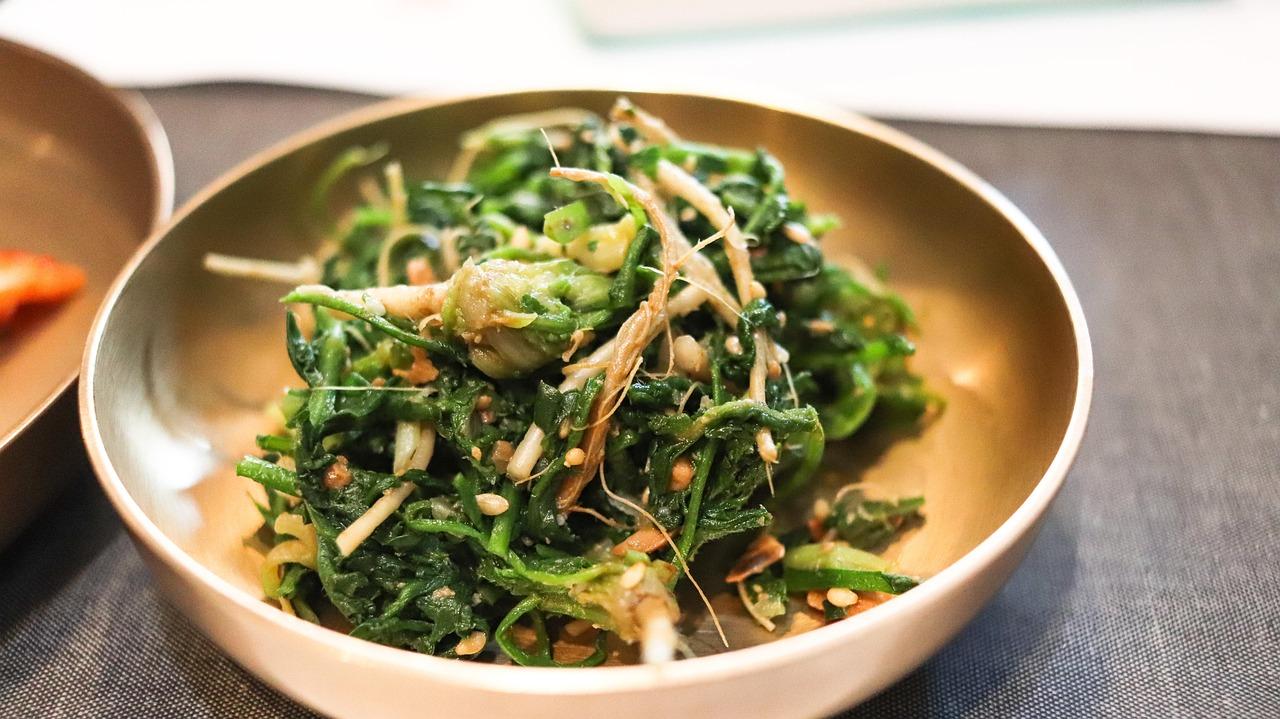
Chamnamul muchimDressed wild parsley

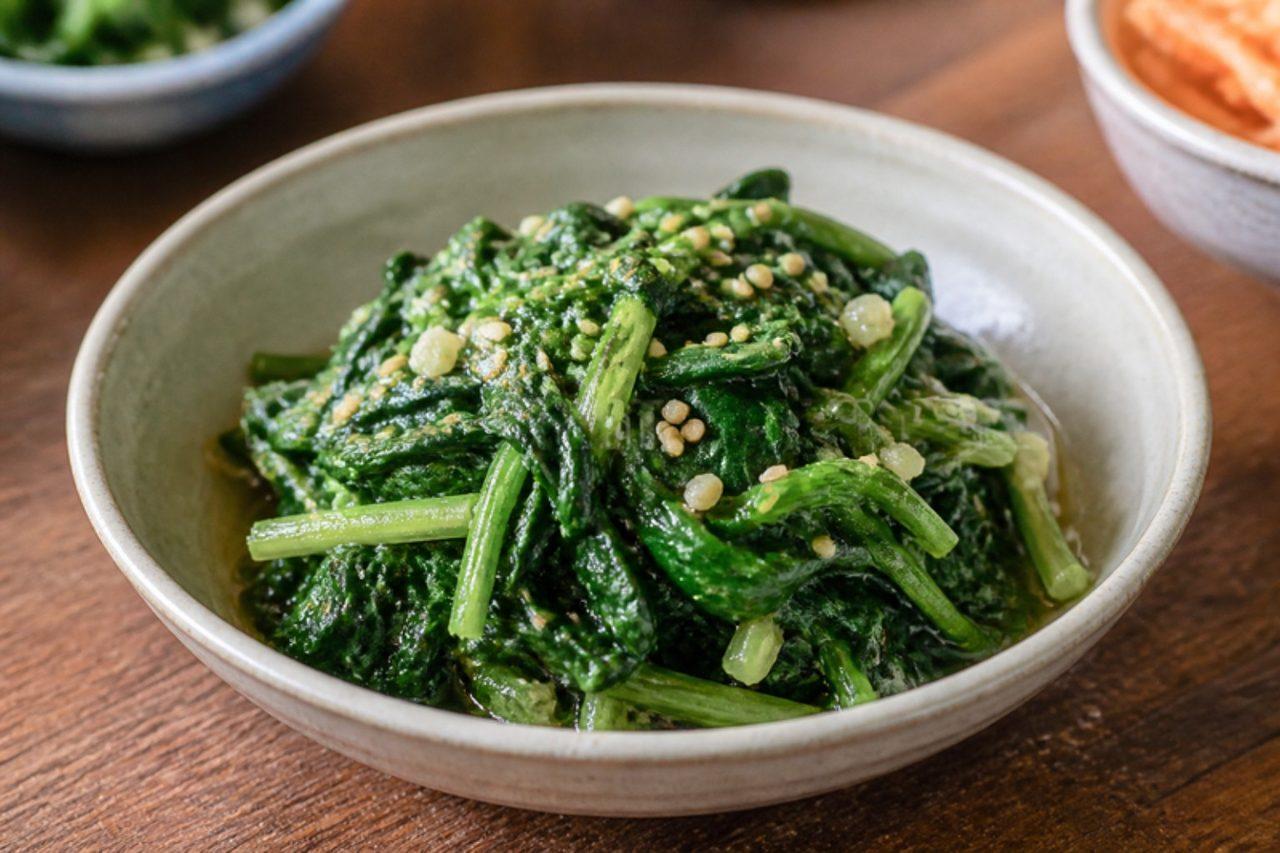
Chamnamul, a mild, celery-scented wild parsley, fills Korean markets in spring, and this simple namul is one of the banchan that turns up on home tables and in bibimbap bowls from March to May. The stems are blanched for seconds, then dressed by hand with garlic, sesame oil and toasted sesame so the herb stays bright and crunchy. It is a light side with about 3 g of protein per portion; pair it with tofu, eggs or a bean stew for a full meal. The common mistake is over-blanching: chamnamul goes limp and grey in under a minute. If you can't find it, use the tender tops of flat-leaf parsley mixed with pea shoots. Chef's tip: season with salt first and the sesame oil last, so the salt reaches the leaves instead of sliding off the oil.

by KrazyBadal 0 views

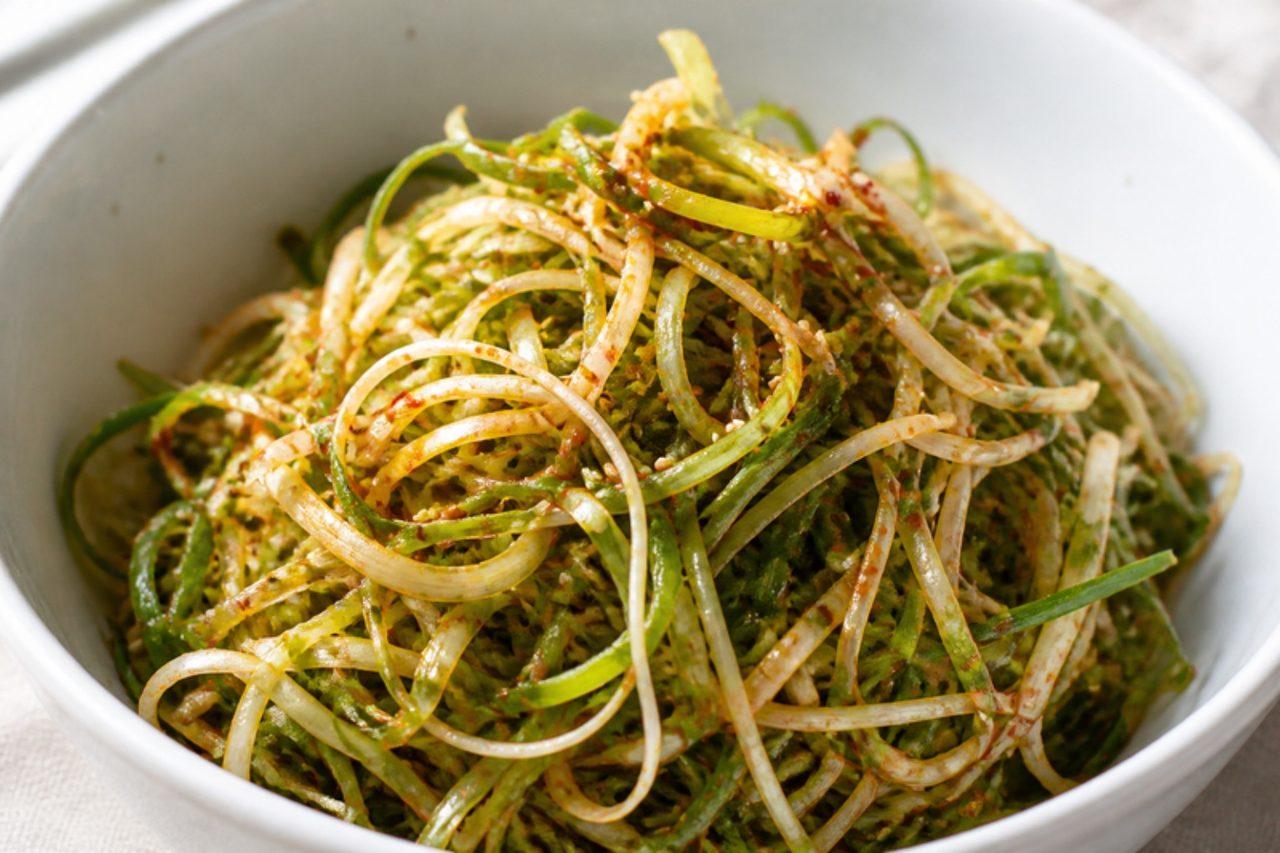
Pa muchimSpring onion salad

Pa muchim is the tangle of sharp, spicy spring onion that arrives with barbecue in restaurants all over Korea, from Seoul to Busan, and it is just as good at home beside grilled tofu, mushrooms or a rice bowl. Spring onion is shredded into long, thin threads, rinsed in cold water to tame its bite, then dressed at the last moment with chilli flakes, vinegar, soy, sugar and sesame. It is a light, vegan side with about 2 g of protein per portion. The common mistake is dressing it too early: after 10 minutes the onion wilts and weeps. Chef's tip: soak the shredded onion in iced water for 10 minutes before dressing; it curls, crisps and loses its harsh raw heat.

by KrazyBadal 0 views

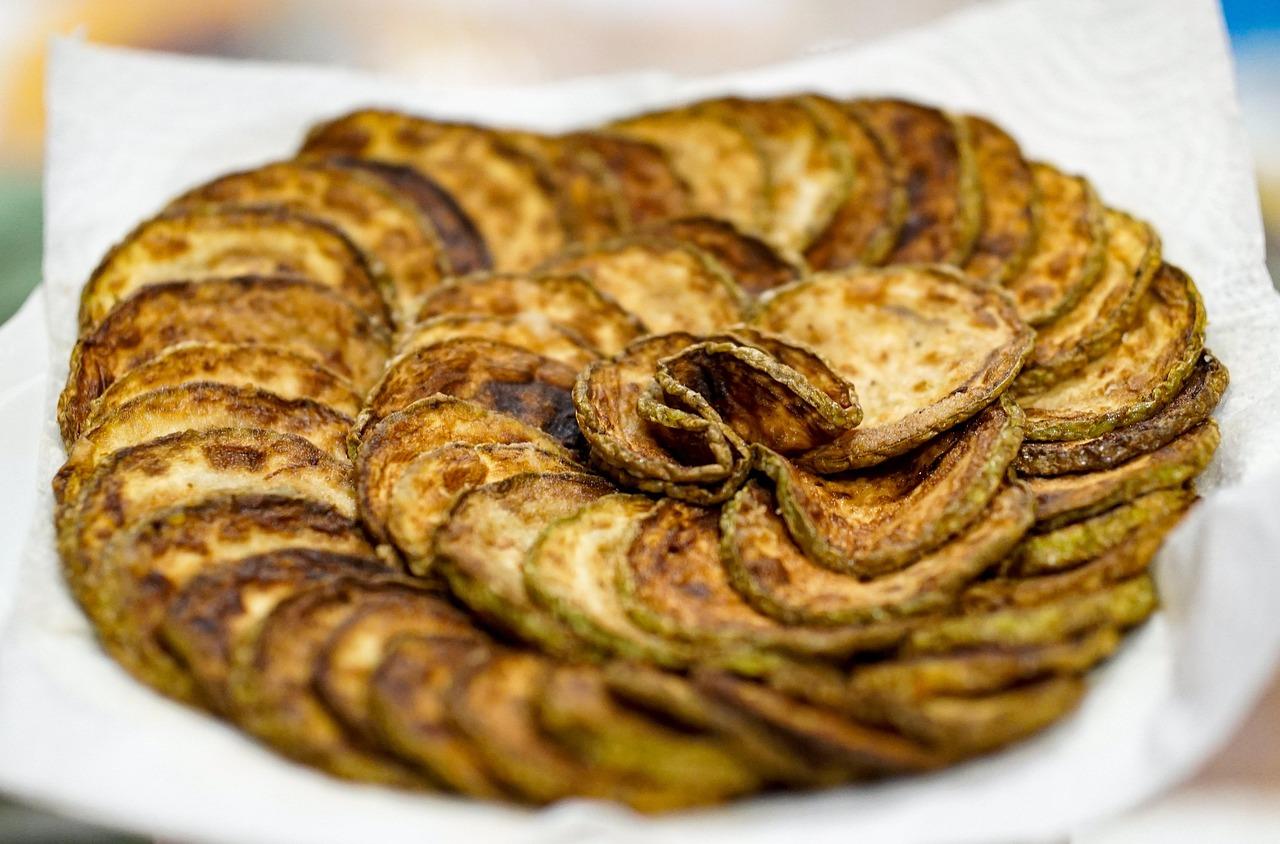
Zucchine trifolateGarlic parsley courgettes

Zucchine trifolate is a contorno cooked all over Italy through the summer glut, when every market stall is piled with courgettes: thin slices sautéed in olive oil with garlic and finished with chopped parsley, the same way Italians cook mushrooms 'trifolati'. They come out golden at the edges and tender in the middle, and go beside eggs, cheese or a plate of beans and bread. It is vegan, gluten free and light. The most common mistake is crowding the pan, which steams the courgettes into a watery mush; cook them in a wide pan or in two batches. Chef's tip: salt only at the end, because salt draws out water and stops the slices browning.

by KrazyBadal 0 views

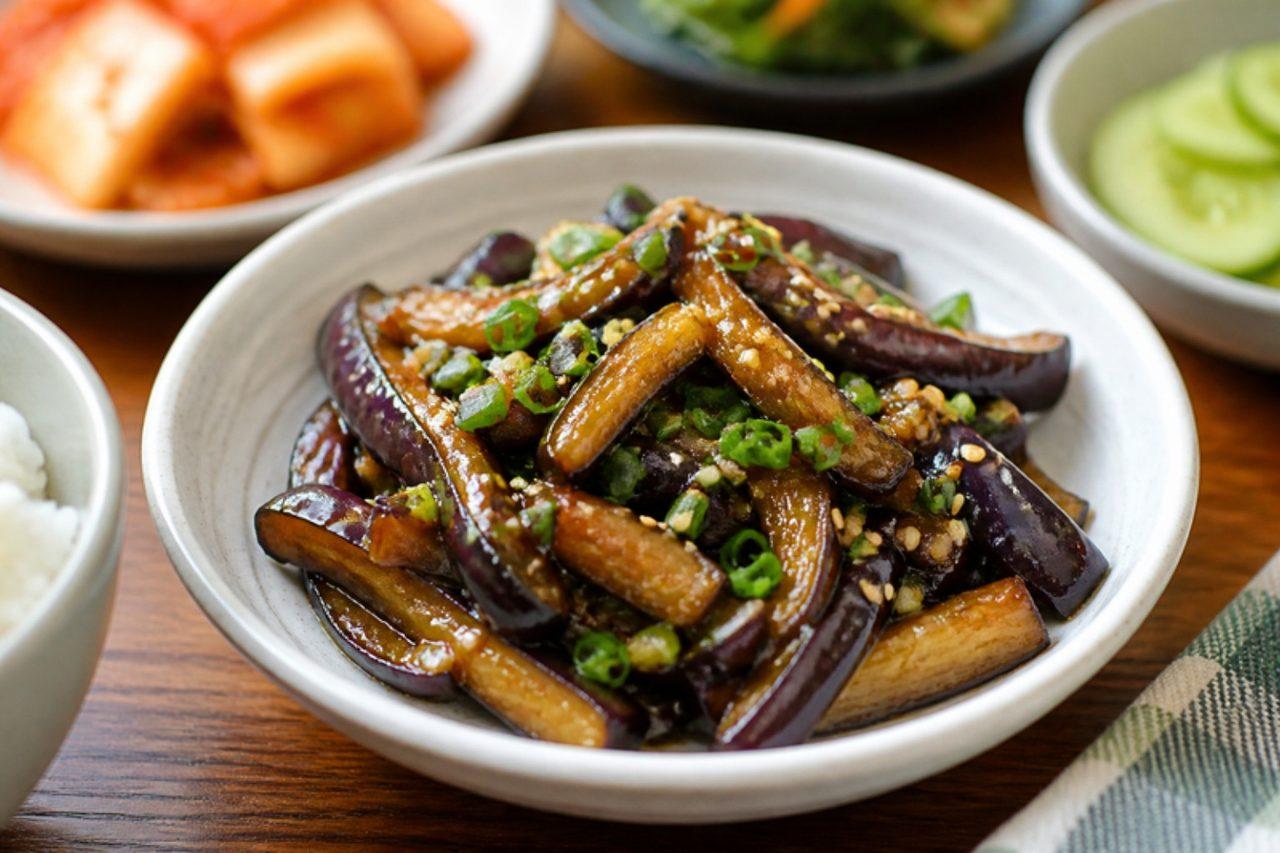
Gaji bokkeumStir-fried aubergine

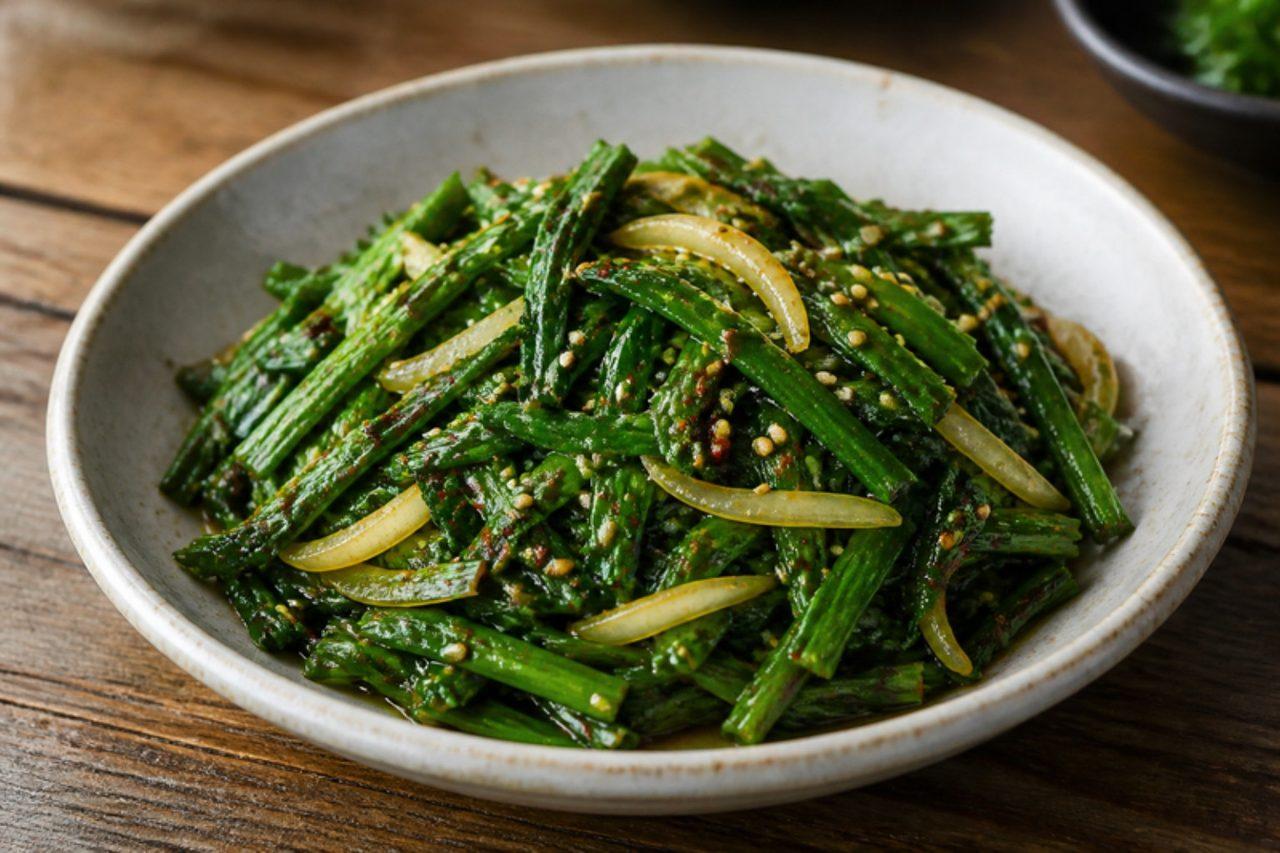
Gaji bokkeum is a summer banchan in Korean homes, cooked in the weeks when long, thin Korean aubergines fill the markets. Strips of aubergine are seared until soft and caramelised, then tossed in garlic, spring onion, soy sauce and sesame so they turn glossy and savoury-sweet. It sits beside rice and soup at dinner and keeps well in the lunchbox. The mistake is pouring in lots of oil at the start: aubergine soaks it all up and turns greasy. Chef's tip: sear the strips in a moderate amount of oil and add a splash of water if the pan dries; the steam softens them without more oil.

by KrazyBadal 0 views

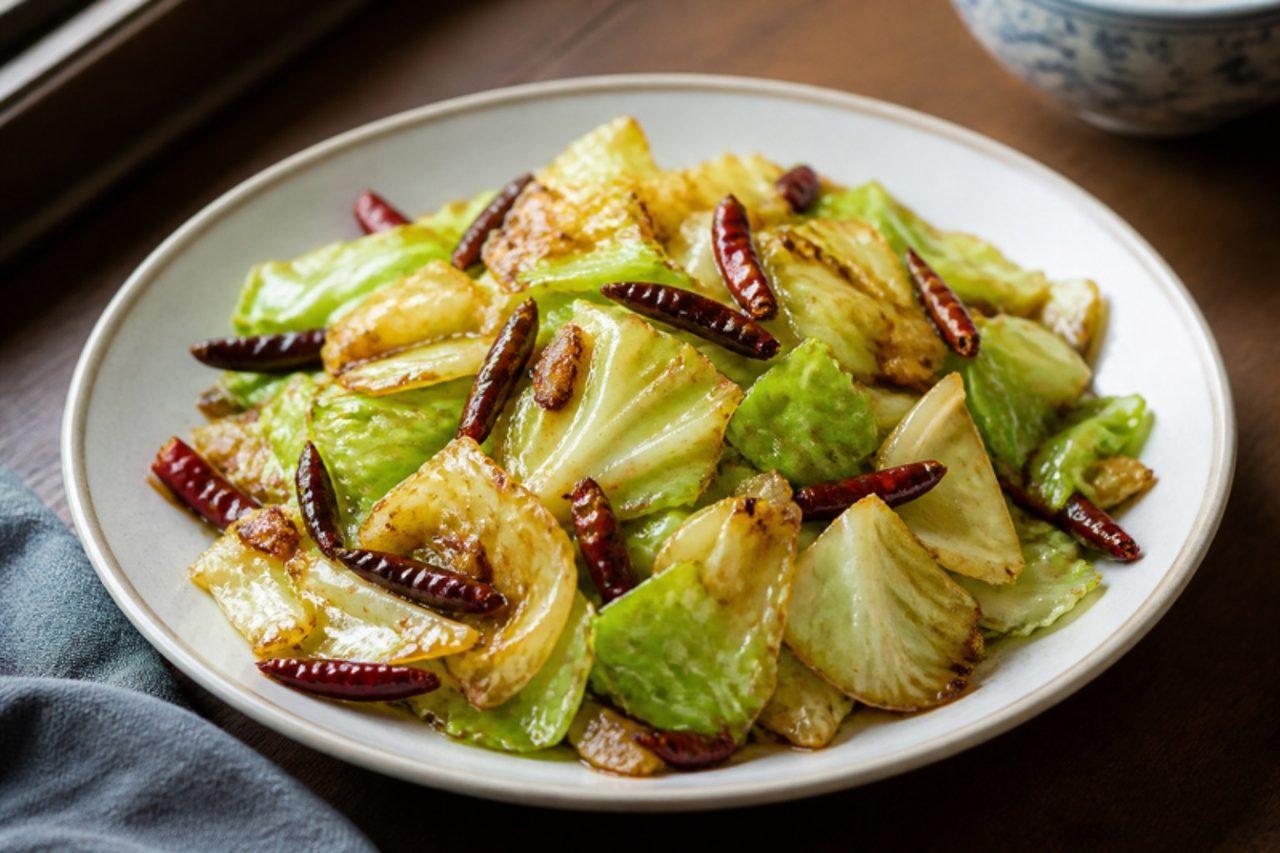
Hand-torn cabbage

Shou si bao cai is a Hunan restaurant classic that every Changsha family also cooks at home: cabbage leaves torn by hand, then flash-fried in a roaring wok with garlic and dried chillies and splashed with black vinegar until smoky, sweet and still crunchy. It goes alongside rice and a meat or tofu dish at dinner. The mistake is putting wet leaves into a lukewarm pan: the cabbage stews and goes limp instead of charring at the edges. Chef's tip: tear rather than cut, because the ragged edges catch the heat and the sauce better than clean knife cuts.

by KrazyBadal 0 views

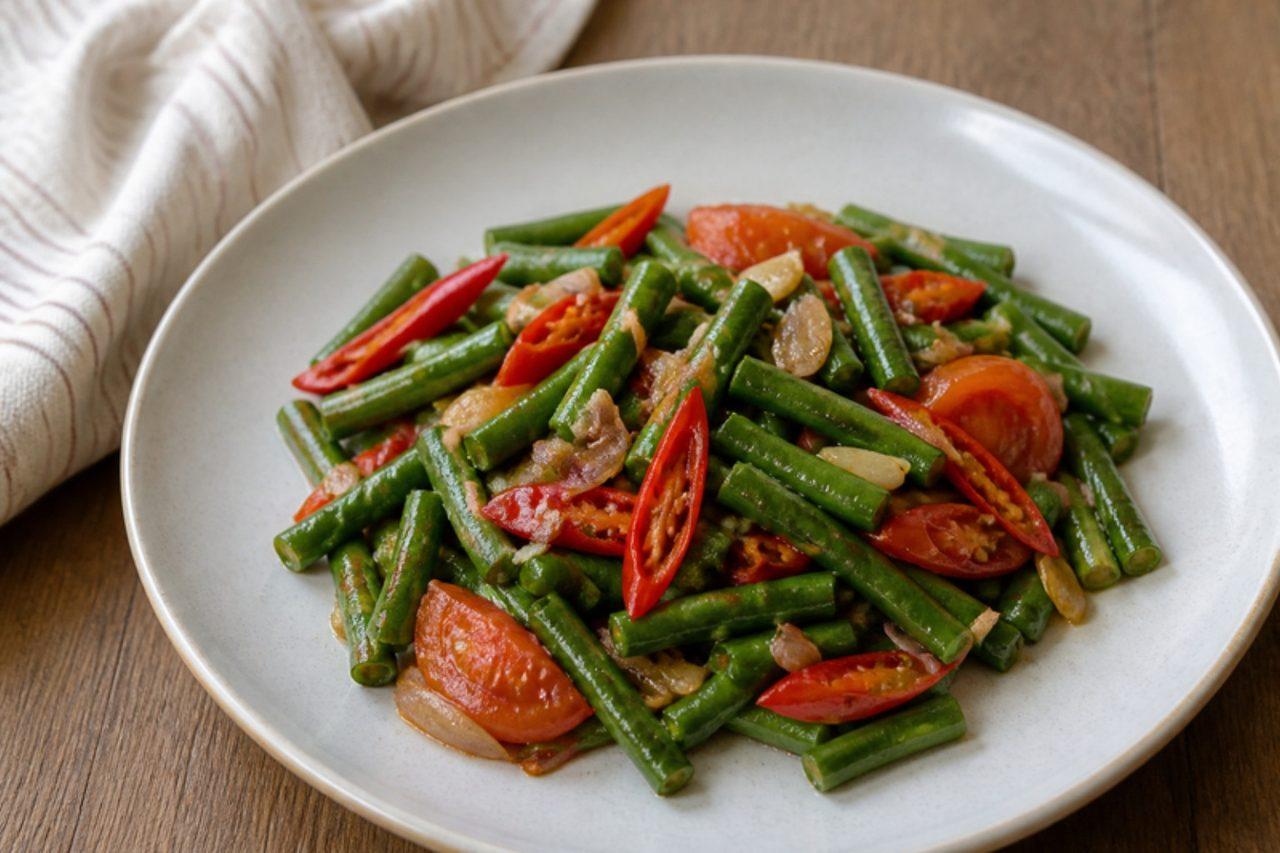
Tumis kacang panjang (Indonesian stir-fried long beans)

In Javanese homes and warungs, tumis kacang panjang is one of the quickest vegetable dishes on the table, cooked in minutes at dinner time and eaten with rice, fried tempeh and sambal. The beans keep a little bite, the tomato breaks down into a light, savoury gloss, and the chilli gives gentle heat. Plenty of cooks stir in a little terasi (shrimp paste); here it is left out to keep the dish vegan, with a pinch of sugar for balance. The common mistake is adding a lot of water and covering the pan, which boils the beans grey; a splash and a hot pan are enough. Chef's tip: cut the beans on a slant so more surface touches the pan and they cook faster.

by KrazyBadal 0 views

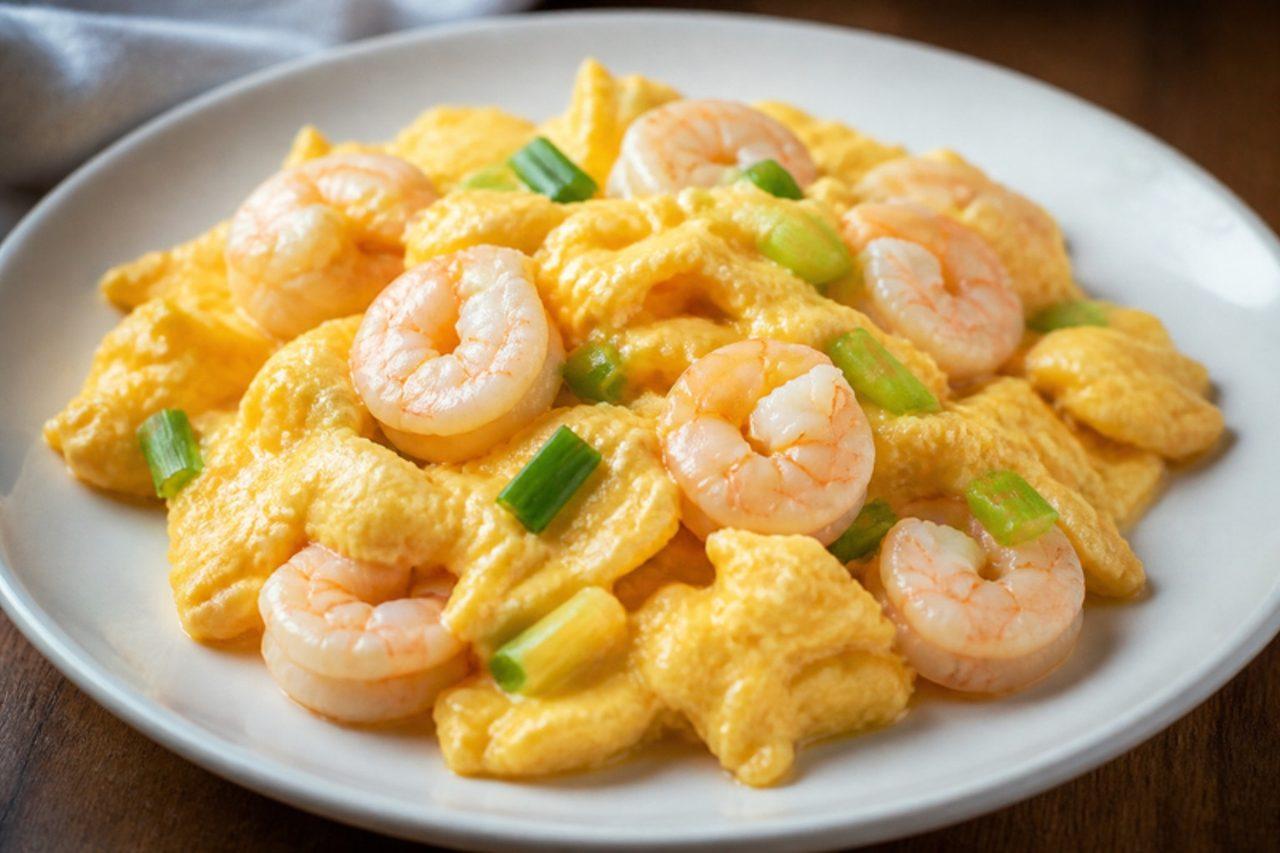
Hua dan xia ren (shrimp with silky scrambled egg)

Hua dan xia ren comes from Guangdong and the Hong Kong cha chaan teng, where it is spooned over rice for a quick lunch or set in the middle of a family dinner: prawns folded into eggs that are barely set, glossy and soft as custard. The classic error is stirring the eggs like a breakfast scramble over a high flame, which gives you dry little curds. Because the eggs are only just set, cook them a little longer for anyone pregnant, very young, older or vulnerable. Chef's tip: a spoon of cornflour slurry and a little oil in the beaten eggs keeps them silky even if you overshoot by a few seconds.

by KrazyBadal 0 views

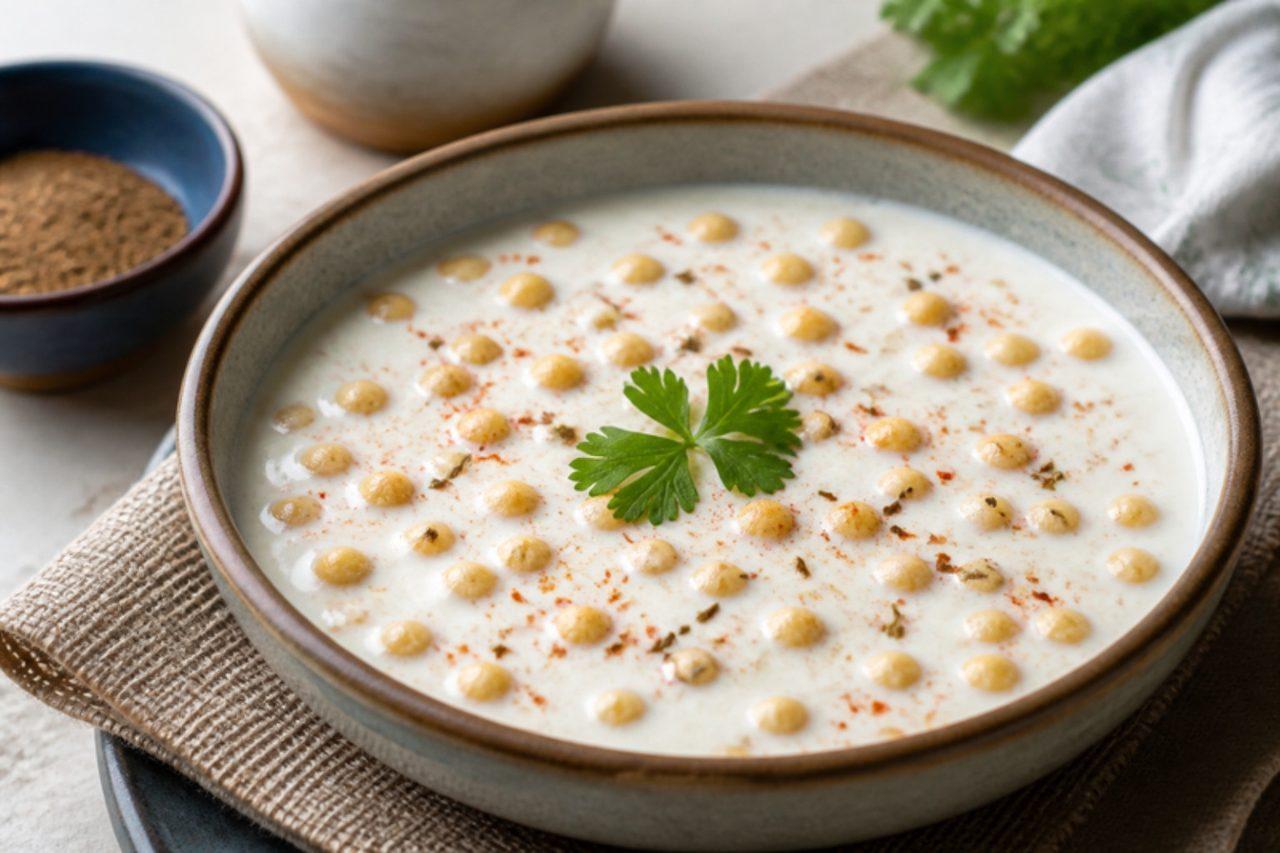
Boondi raitaYogurt with gram flour pearls

Across North India, from Delhi dhabas to Rajasthani wedding buffets, boondi raita is the cooling bowl that turns a plain weeknight dal and rice or a spicy pulao into a proper meal. Tiny fried gram-flour pearls (boondi) are softened briefly and folded into whisked yogurt seasoned with roasted cumin, black salt and red chilli, so each spoonful is creamy with soft little pops. Ready-made salted boondi is sold in Indian shops; check the packet says it is made only with gram flour if you need it gluten free. The common mistake is leaving the boondi to soak too long, which turns it to mush. Chef's tip: soak the boondi in warm water for just 2 minutes and squeeze it gently; this rinses off excess oil and salt and keeps the raita light.

by KrazyBadal 0 views

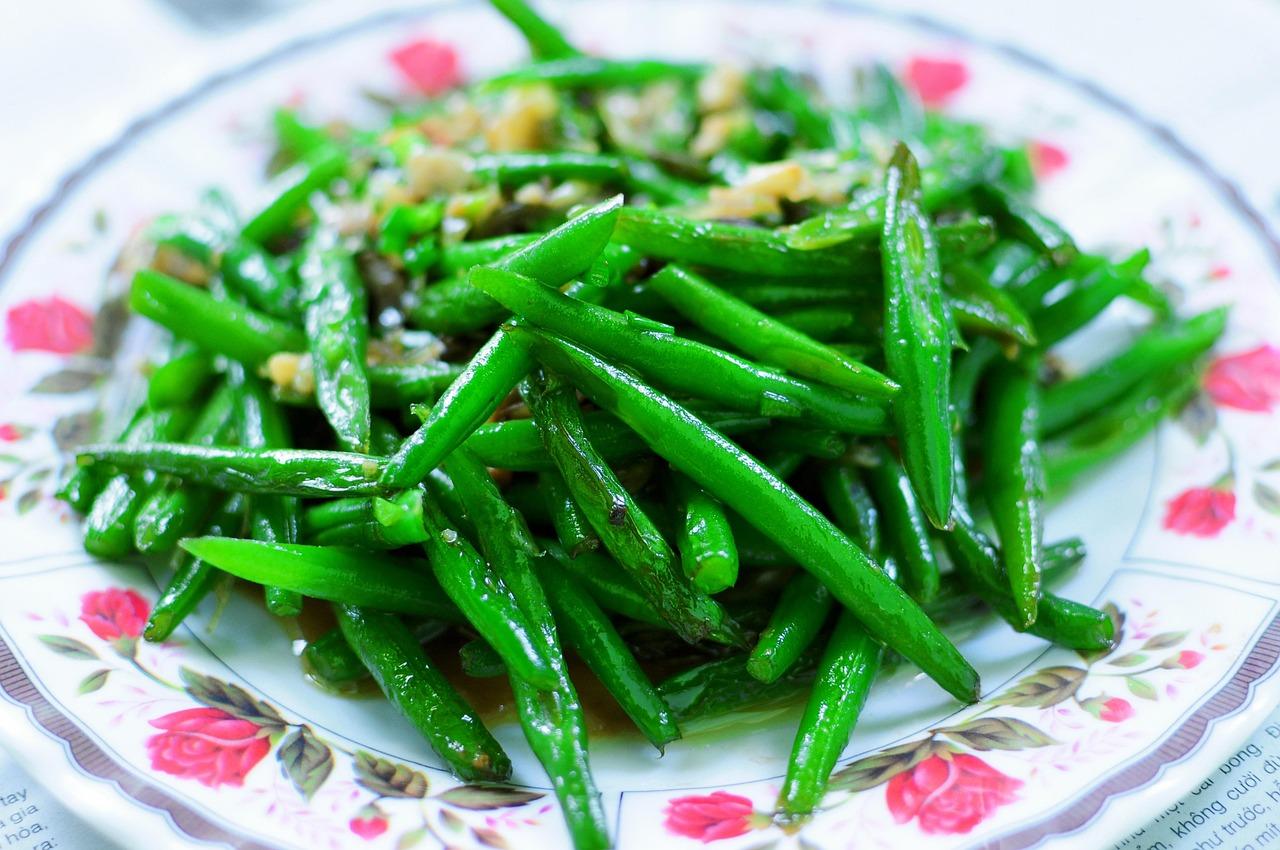
Haricots verts persillésGreen beans with garlic and parsley

Haricots verts persillés are the green beans that sit beside roast chicken, an omelette or a plate of potatoes in homes all over France, especially in June and July when fine beans are at their best. They are blanched until just tender, then tossed in foaming butter with a little garlic and lots of chopped parsley, so they stay bright green with a slight snap. Using olive oil instead of butter makes them vegan. The most common mistake is cooking the beans in too little water, so it stops boiling and they turn olive-grey; use a big pot of well-salted water. Chef's tip: cool the beans in iced water after blanching if you want to make them ahead, then warm them in the butter just before serving.

by KrazyBadal 0 views

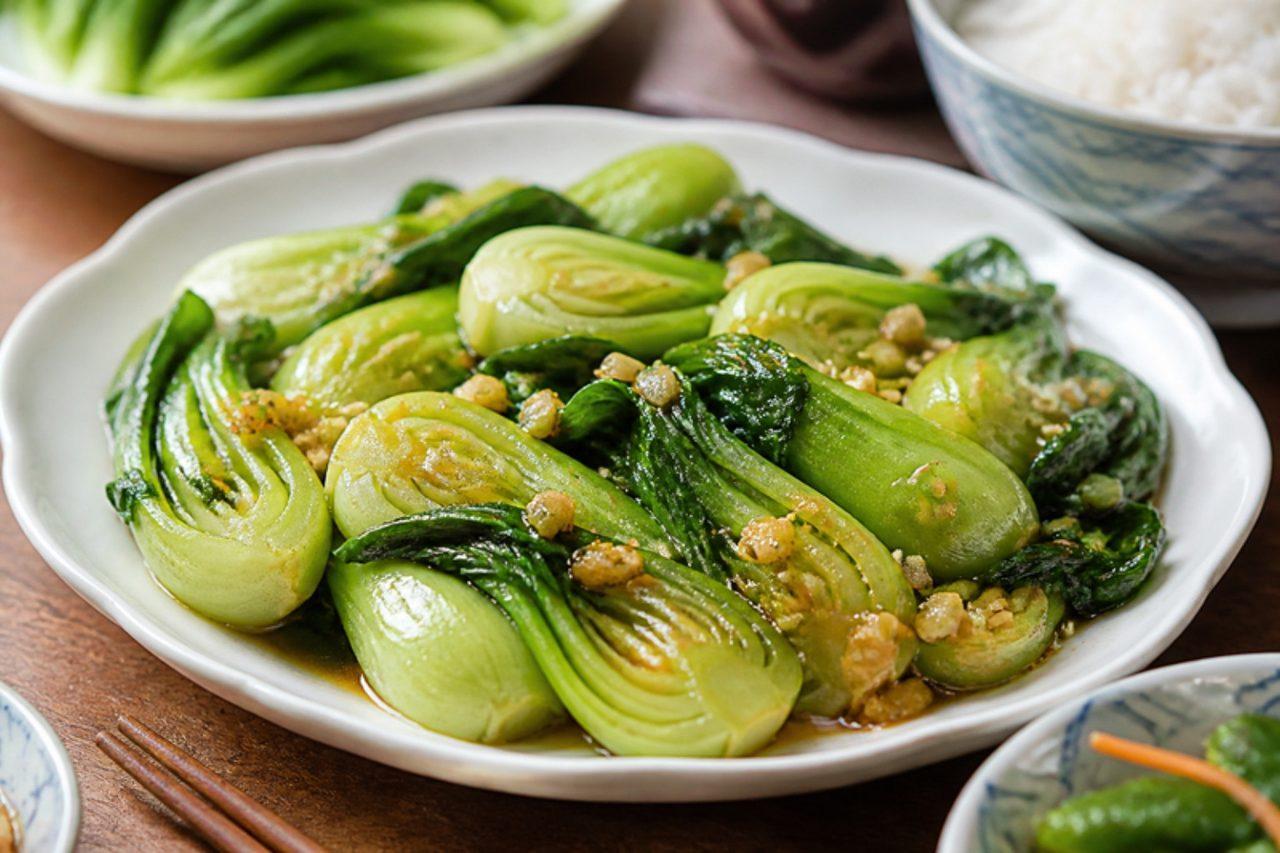
Garlic bok choy

Order a plate of greens in any home kitchen or small restaurant in Guangzhou or Shanghai and it will most likely be this: baby bok choy or xiao bai cai tossed in a smoking wok with a heap of chopped garlic, a pinch of salt and a splash of water, on the table in four minutes. The stems stay juicy and crisp, the leaves silky, and the garlic sweet. It goes with every meal. A portion is about 50 kcal. The most common mistake is a wet, crowded wok, which stews the greens to khaki; dry them well and cook in batches if your pan is small. Chef's tip: add half the garlic at the start and half at the end; you get both mellow, toasty garlic and a fresh punch.

by KrazyBadal 0 views

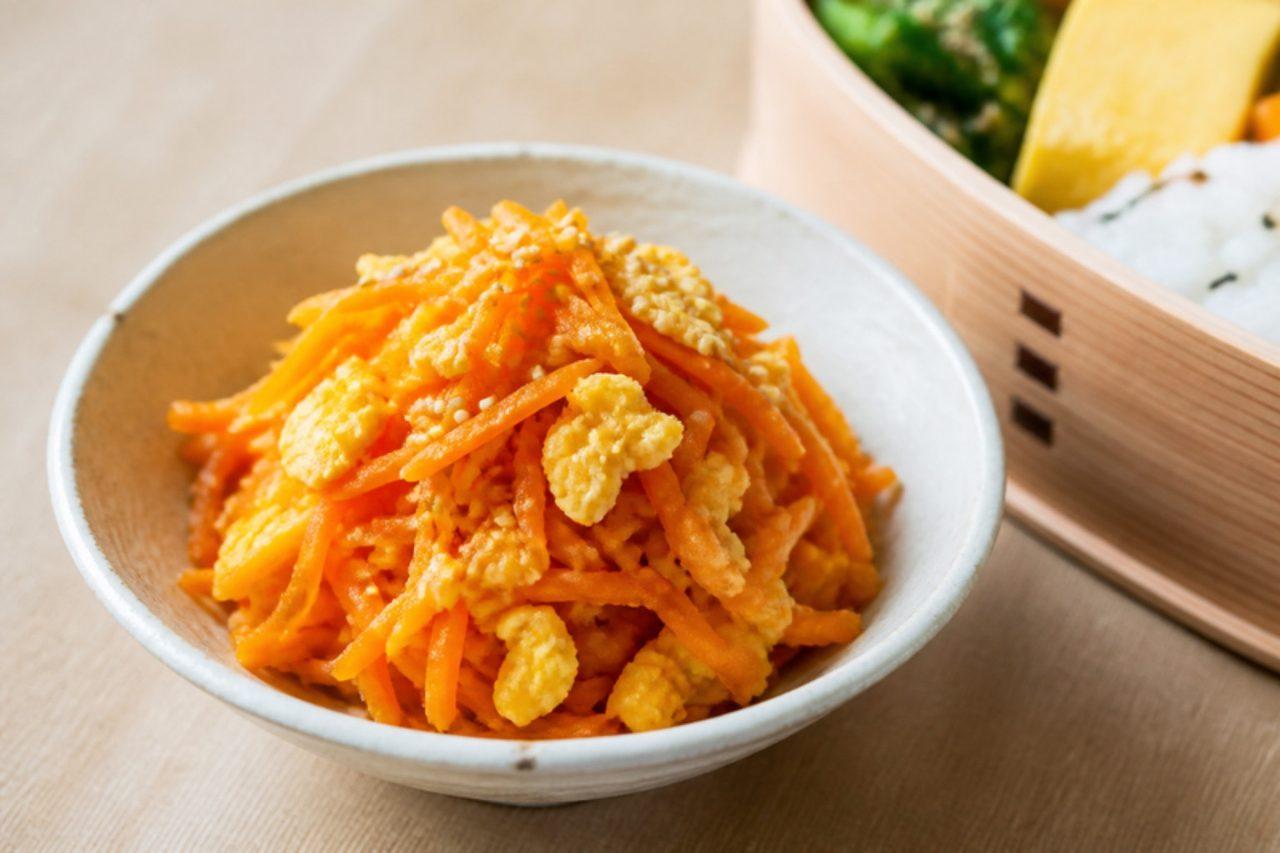
Ninjin shirishiri (Okinawan carrot and egg)

In Okinawa, at the southern tip of Japan, ninjin shirishiri is what home cooks make when there is a bag of carrots and a lunchbox to fill. The carrots are grated into fine ribbons on a shirishiri grater, softened in sesame oil and bound with a scrambled egg and a splash of kombu dashi, so they taste sweet and mild enough for small children. It is served warm at dinner and cold in the next day's bento. It contains egg, soya and wheat (soy sauce) and sesame. Chef's tip: cook the carrot until it turns limp and glossy before the egg goes in; that is where its sweetness comes from.

by KrazyBadal 0 views

Bai zhuo xiaPoached prawns

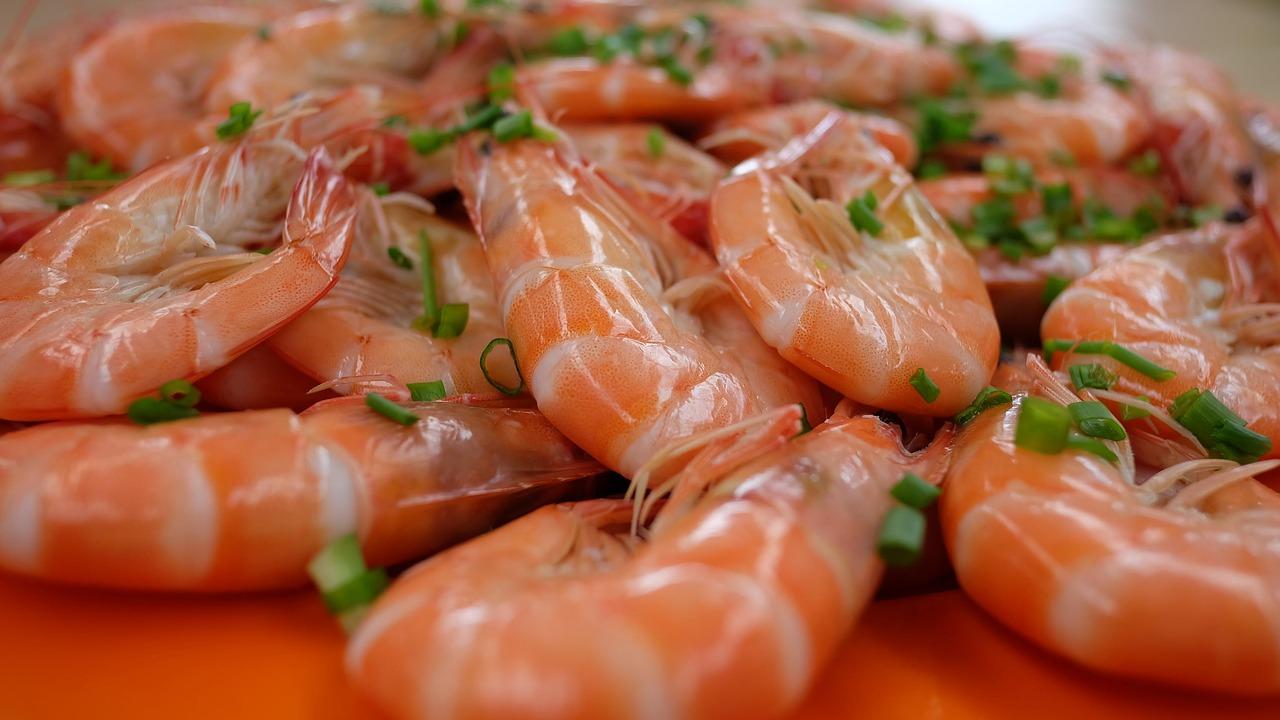
Bai zhuo, "plain poaching", is how Cantonese cooks treat seafood they think is too good to sauce, and a plate of whole poached prawns is on the table at almost every family dinner and wedding banquet in Guangzhou and Shunde. The prawns are dropped into boiling water with ginger and spring onion for barely two minutes, then peeled at the table and dipped in a sizzling sauce of soy, chilli and spring onion. They are sweet, springy and very light. A portion is about 130 kcal. In Guangdong the prawns are often bought live; this recipe uses fresh or thawed raw shell-on prawns. Discard any that smell of ammonia, have black heads or slimy, soft shells. The common mistake is overcooking, which makes them rubbery and hard to peel; take them out the moment they curl and turn pink. Chef's tip: plunge the cooked prawns into iced water for 30 seconds; the flesh firms up and shrinks slightly from the shell, so they peel easily.

by KrazyBadal 0 views

Vitamina de banana (Brazilian banana smoothie)

In Brazil a smoothie is a vitamina, and vitamina de banana is what parents from São Paulo to Recife whizz up for breakfast or when children get home from school hungry. Ripe banana, cold milk and a spoonful of oats make a thick, naturally sweet drink that fills a gap until dinner, so no sugar is needed. It contains milk and gluten (oats, unless labelled gluten free). Chef's tip: use bananas with brown freckles on the skin; they are sweeter and blend creamier than green-tipped ones.

by KrazyBadal 0 views

Cucumber-stuffed chikuwa (chikuwa kyuri)

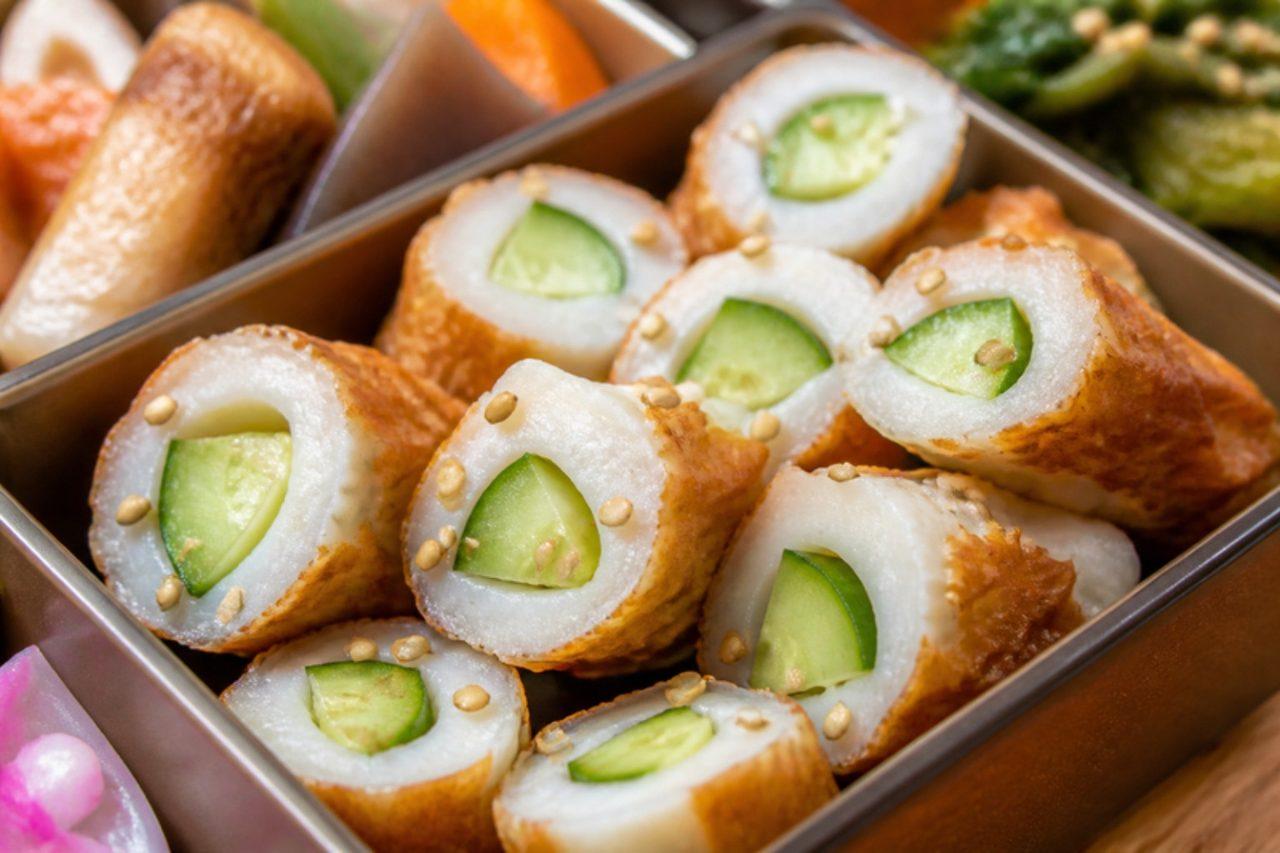
Chikuwa, the tube-shaped grilled fish cake sold in every Japanese supermarket, gets the simplest treatment of all in children's bento: a stick of crisp cucumber pushed through the hole and the tube sliced into rounds, so each piece looks like a little green-eyed wheel. It is cold, crunchy and gently savoury, ready in five minutes on a busy morning, and good as an after-school nibble too. Chikuwa is ready to eat; it contains fish and usually wheat and egg white, so check the label. Chef's tip: trim the cucumber stick to fit snugly; too fat and the chikuwa splits.

by KrazyBadal 0 views

Välling (Swedish oat and milk drink)

Välling, a thin gruel of cereal and milk, has been the Swedish child's bedtime drink for generations, and many families still make their own for toddlers once they move on to cow's milk at around a year old. It is smooth, warm and lightly oaty, with no added sugar or honey. It contains milk and gluten (oats are often processed with wheat; use certified gluten-free oats if needed); there is no egg, nuts, soya, sesame or fish. Chef's tip: blend the oats to a fine flour first, so the drink is silky and flows easily from a beaker.

by KrazyBadal 0 views

Chwinamul muchimSeasoned aster greens

Chwinamul, the wild aster that grows on the mountains of Gangwon and the slopes around Jirisan, is one of the most loved spring greens in Korea, sold by grandmothers at village markets in April and dried for the namul of Daeboreum, the first full moon of the lunar year. Blanched and squeezed, it is seasoned with soup soy sauce, garlic and sesame oil and has a deep, herbal, slightly bitter flavour that wakes up the rice. A portion is about 45 kcal. If you can't find chwinamul, use spinach or watercress, blanched for less time. The common mistake is not squeezing the greens well, so the seasoning slides off; press them firmly in your fist. Chef's tip: season with your fingertips, rubbing the dressing gently into the leaves; Korean cooks call it son-mat, the taste of the hands.

by KrazyBadal 0 views

Buchu muchimSeasoned garlic chives

In Korean barbecue restaurants from Mapo in Seoul to Busan's Haeundae, a little bowl of dressed garlic chives comes to the table with the grilled pork, and at home buchu muchim is the five-minute banchan made when there is a bunch of chives in the fridge. The flat chives are cut into lengths and tossed raw with gochugaru, soy, vinegar and sesame; they have a punchy garlic-onion bite that cuts through rich meat or a simple bowl of rice. A portion is about 40 kcal. The usual mistake is mixing it hard, which bruises the chives and makes them bitter and slimy; toss lightly with your fingertips. Chef's tip: dress the chives with the oil first, then the salty and sour parts; the oil coats them and keeps them crisp longer.

by KrazyBadal 0 views

Isubgul sharbatPsyllium lemon drink

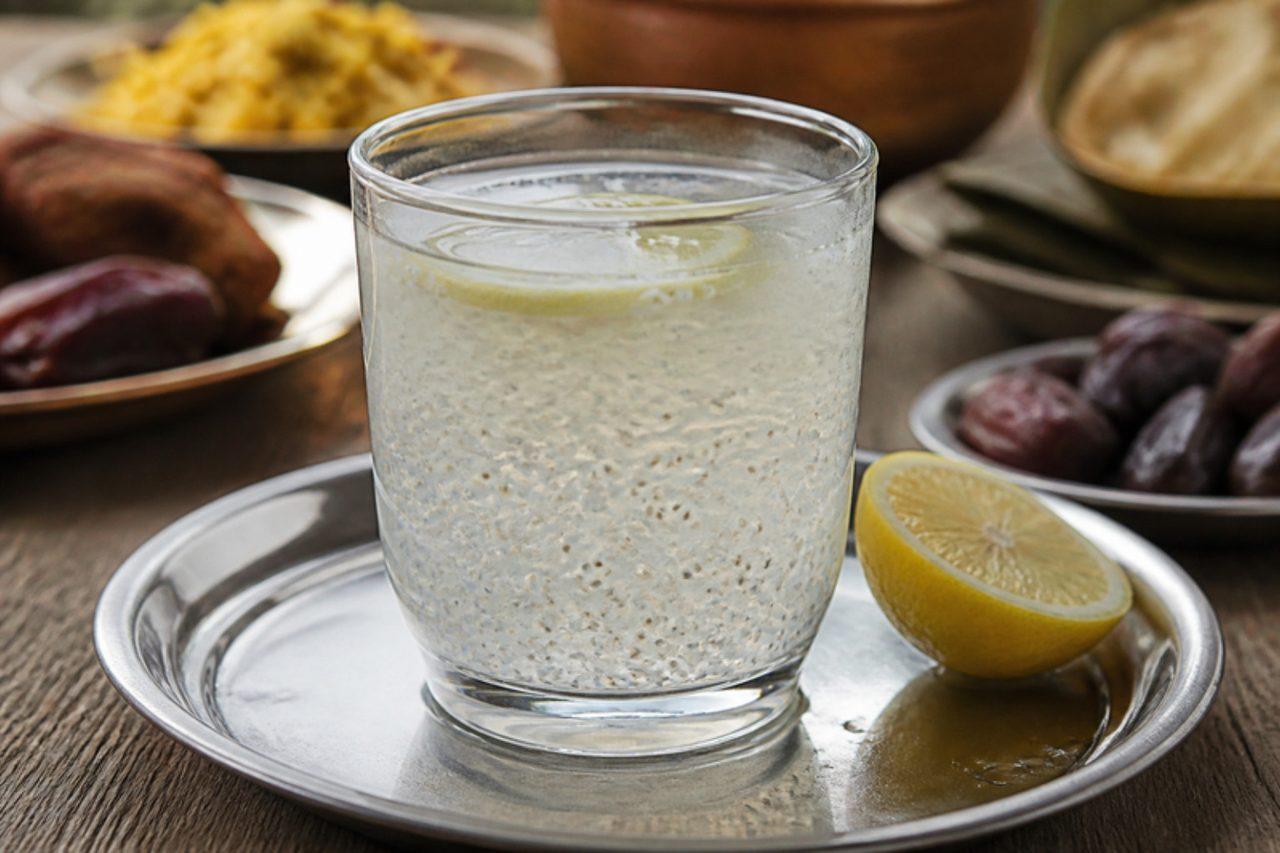
Many Bangladeshi grandmothers insist on a glass of isubgul sharbat at iftar or before sehri, and in Dhaka's old neighbourhoods it is sold from shops alongside tokma and lebu sharbat throughout Ramadan; the psyllium is valued for keeping digestion comfortable during the fast. Stirred into sweetened lemon water, the husk swells into a soft, slightly thick drink with a mild, neutral taste. The classic mistake is letting it stand: psyllium keeps absorbing water and sets into a jelly within minutes, so mix it just before drinking. Drink plenty of water as well, and anyone taking regular medication should space it at least two hours away from psyllium. Chef's tip: sprinkle the husk on top and whisk immediately with a fork rather than spooning it in a heap, so it disperses without lumps.

by KrazyBadal 0 views

Tokma sharbatBasil seed lemon drink

When the azan sounds at sunset during Ramadan, tables from Dhaka's Mirpur flats to village courtyards in Comilla carry a jug of tokma sharbat: lemon water swirling with soaked sweet basil seeds, each one wearing a soft, jelly-like halo. It is sweet, sharp and cooling, a gentle first sip after a long hot fast before the dates and piyaju. The most common mistake is stirring the seeds straight into the jug dry, where they clump into slimy lumps; always soak them separately in plenty of water first. Chef's tip: bruise a few mint leaves or add a thumb of grated ginger to the jug, which many Dhaka families do in the hottest months.

by KrazyBadal 0 views

Doodh pattiStrong milk tea

Doodh patti is poured from a dented pan at every truck stop, university canteen and street-corner dhaba in Pakistan, from Karachi's Saddar to the Murree road, and it is drunk at all hours: before work, after cricket, at midnight with a paratha. The tea is made without any water at all, boiling loose black tea and sugar in milk until it turns a deep caramel colour and tastes rich, malty and strong. The mistake is simmering too gently and pulling it off too soon, giving a weak, milky drink; it needs a proper rolling boil, more than once. Contains milk. Chef's tip: lift the pan off the heat each time the tea froths to the top and return it, three times; each rise deepens the colour and flavour.

by KrazyBadal 0 views

ApfelschorleApple juice spritzer

At any German beer garden, from Munich's Chinese Tower to the cider taverns of Frankfurt, the drink for children, drivers and anyone on a hot afternoon is Apfelschorle: cloudy apple juice topped up with sparkling mineral water. Germans drink it at family lunches, after sport and at school summer parties, and it is far less sweet than juice alone. The usual mix is half and half, but many people go lighter on the juice. The common mistake is pouring the water first, which knocks out the bubbles. Chef's tip: use naturally cloudy apple juice and very cold, strongly sparkling water, and pour the water in slowly down the side of the glass.

by KrazyBadal 0 views

Røget ål med rørægSmoked eel and scrambled egg

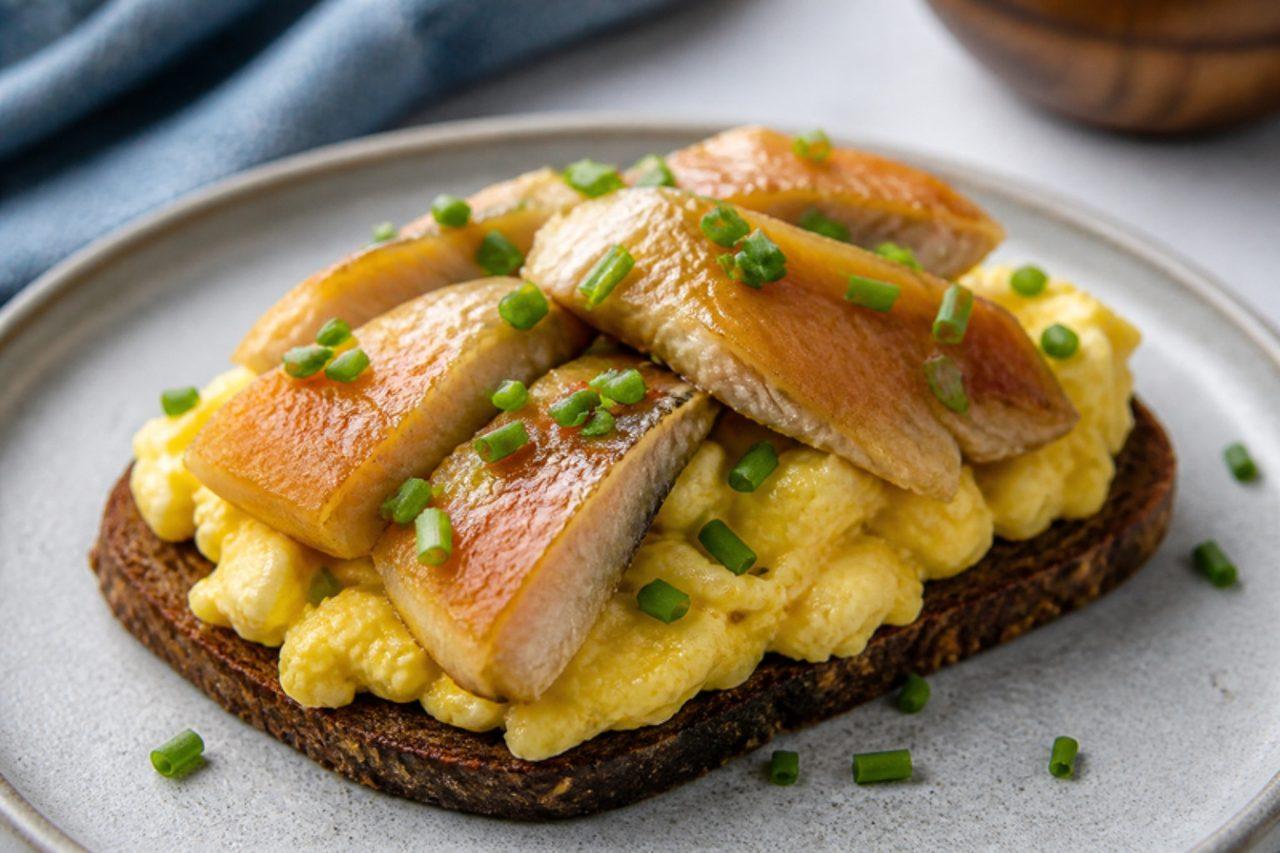
Smoked eel with scrambled egg is a summer smørrebrød from the islands south of Zealand and from Bornholm's smokehouses, served on rye with chives and sometimes a little radish. The rich, oily fish and the soft egg are a classic pairing. European eel is now endangered, so buy only eel certified as legally and sustainably farmed, or swap in hot-smoked mackerel or trout, which taste close and are easy to find. Smoked fish carries a listeria risk, so it is not for pregnant women, young children or anyone with a weakened immune system unless heated until steaming. A common mistake is scrambling the egg until dry. Chef's tip: lift the egg off the heat while it still looks slightly wet; it carries on cooking on the bread.

by KrazyBadal 0 views

Showing 24 of 407 recipes

Show more recipes

Page 1 of 17