Skip to content
Recipes

All recipes

Vegetarian, or something you can't eat? Set your diet once and we'll hide recipes that don't fit.

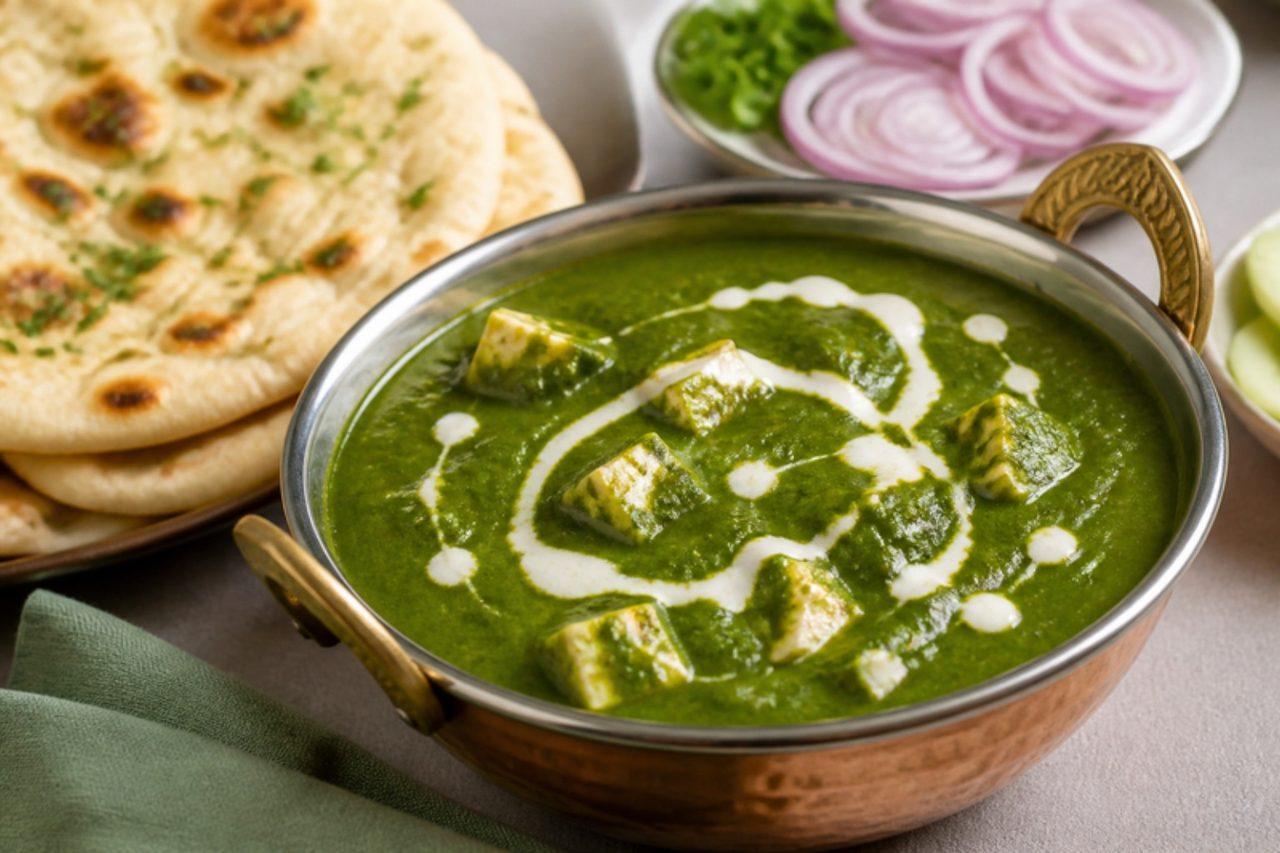
Palak paneerPaneer in spinach sauce

Palak paneer is a Punjabi winter favourite, made when fresh spinach piles up in the markets of Amritsar and Ludhiana, and now cooked on weeknights all over India with makki di roti, naan or rice. The spinach is blanched for just a minute, blended smooth and cooked with fried garlic, onion, tomato and gentle spices, then soft cubes of paneer are folded in. Paneer is acid-set, so it contains no animal rennet. The usual mistake is overcooking the spinach, which turns the sauce khaki and bitter: blanch it briefly, cool it fast, and simmer the purée for only a few minutes. Chef's tip: fry a little extra sliced garlic in ghee and pour it over just before serving for the classic dhaba finish.

by KrazyBadal 0 views

Anda curryEgg curry

Anda curry is the North Indian weeknight curry that comes together when the fridge holds little more than eggs, onions and tomatoes, served across Punjab and Uttar Pradesh with rotis, jeera rice or paratha. Hard-boiled eggs are scored and fried with turmeric and chilli so they get a speckled, golden skin, then simmered in a gravy of browned onion, ginger, garlic, tomato and garam masala. The common mistake is under-browning the onions: pale onions give a thin, raw-tasting gravy, so cook them until they are deep golden. Chef's tip: make shallow cuts in the boiled eggs before frying, so the masala seeps into the whites.

by KrazyBadal 0 views

Mchuzi wa mayaiEgg curry in coconut and tomato

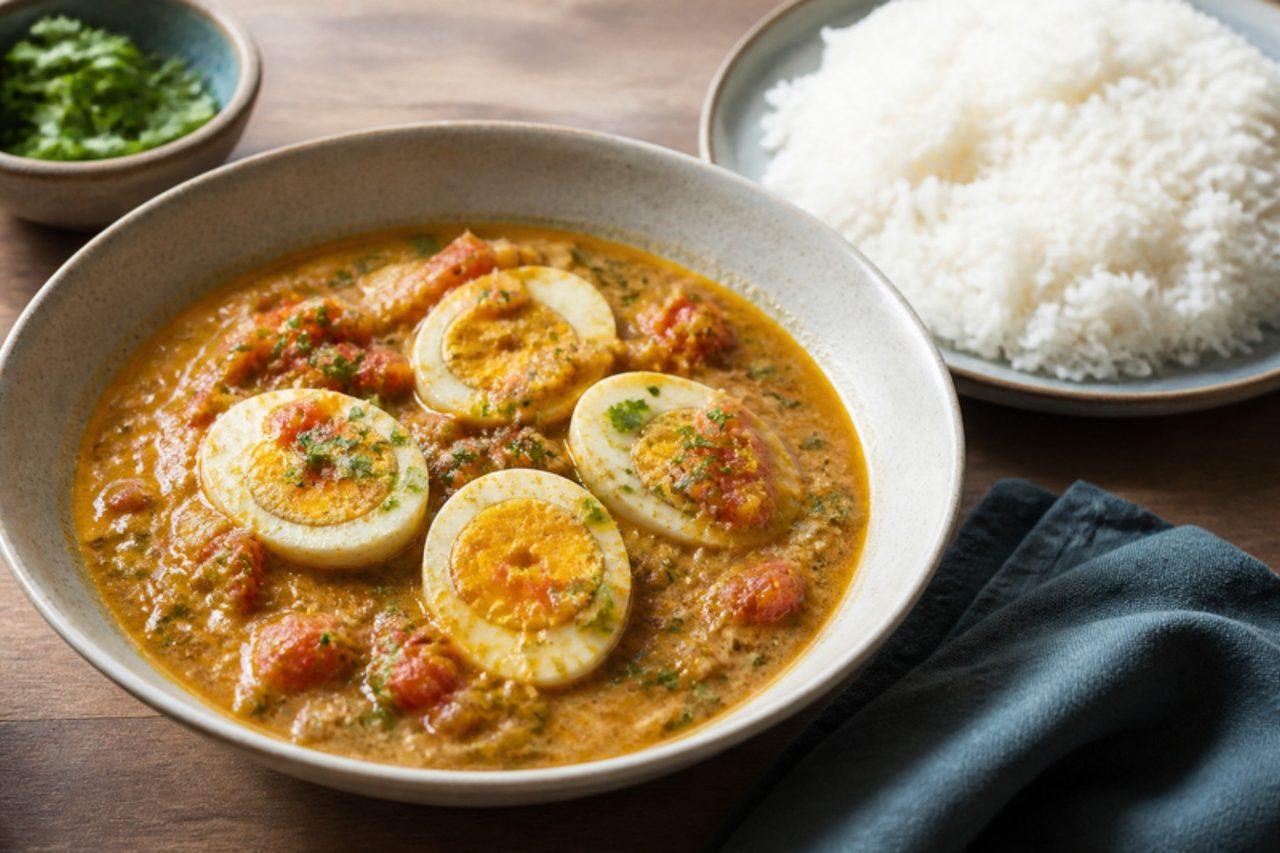
On the Swahili coast, from Mombasa and Malindi to Dar es Salaam and Zanzibar, mchuzi wa mayai is the curry made when there is no meat or fish in the house: boiled eggs simmered in a turmeric-yellow sauce of tomato and coconut milk with ginger, chilli and fresh coriander. It is a weeknight supper with white rice or soft chapati, and it costs very little. The mistake to avoid is boiling hard once the coconut milk goes in, which makes the sauce split and turn oily; keep it at a gentle bubble. Chef's tip: score each peeled egg with a few shallow cuts so the sauce seeps inside and the eggs don't slide around the pan.

by KrazyBadal 0 views

Dahi alooPotatoes in yogurt gravy

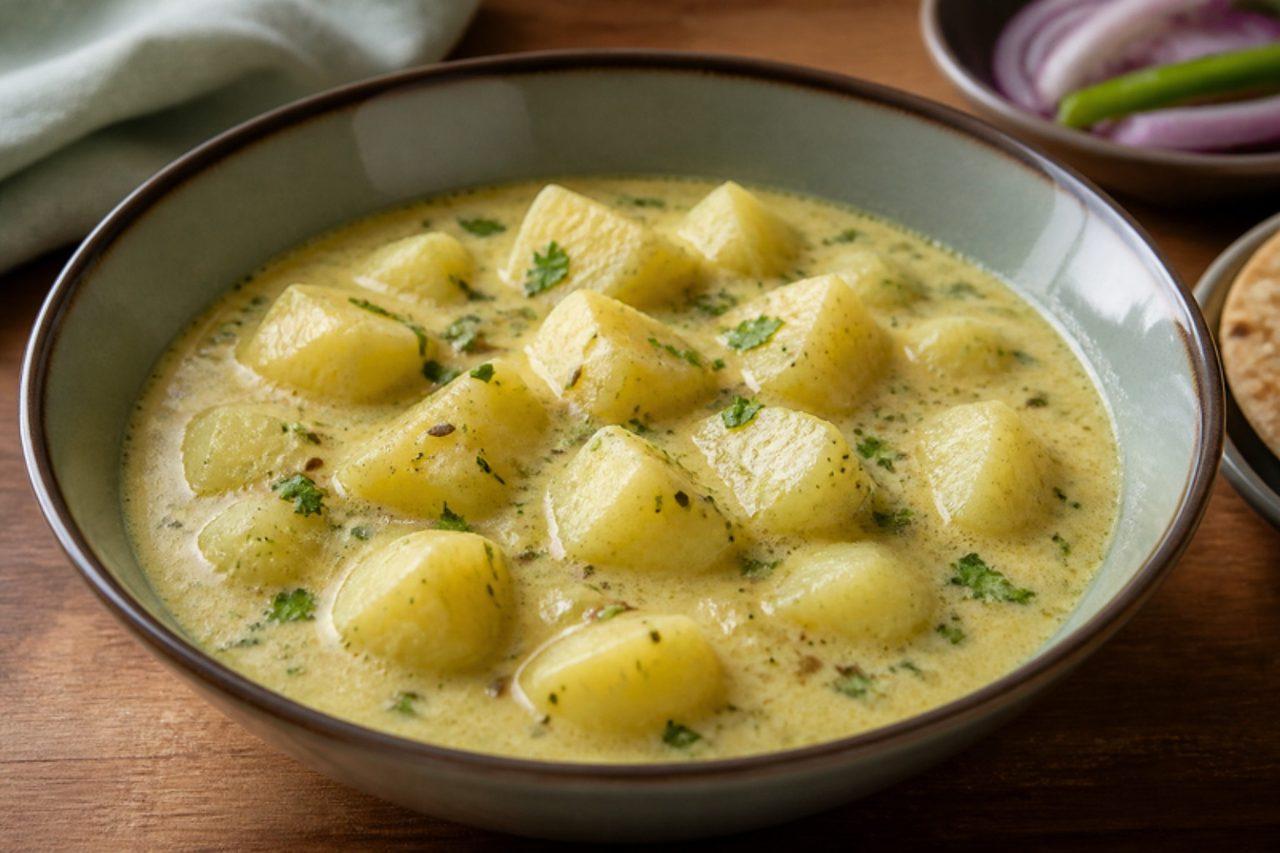
Dahi aloo is the light potato curry cooked in Rajasthan and across Uttar Pradesh when there are no fresh vegetables in the house, and on vrat (fasting) days, when families leave out onion and garlic and cook it with rock salt. Boiled potatoes are simmered in whisked yogurt thickened with a spoon of gram flour, tempered with cumin, hing and green chilli, giving a gently sour, soupy gravy to pour over puris or rice. The mistake nearly everyone makes once is adding cold yogurt straight to a hot pan, where it splits into curds; whisk the gram flour in well and keep stirring over a low heat until it bubbles. Chef's tip: for a fasting version, swap the gram flour for 1 tablespoon of water chestnut flour (singhara atta), leave out the hing and turmeric, and use rock salt. Most hing is cut with wheat flour, so buy a gluten-free one if that matters.

by KrazyBadal 0 views

Corn palakSweetcorn in spinach gravy

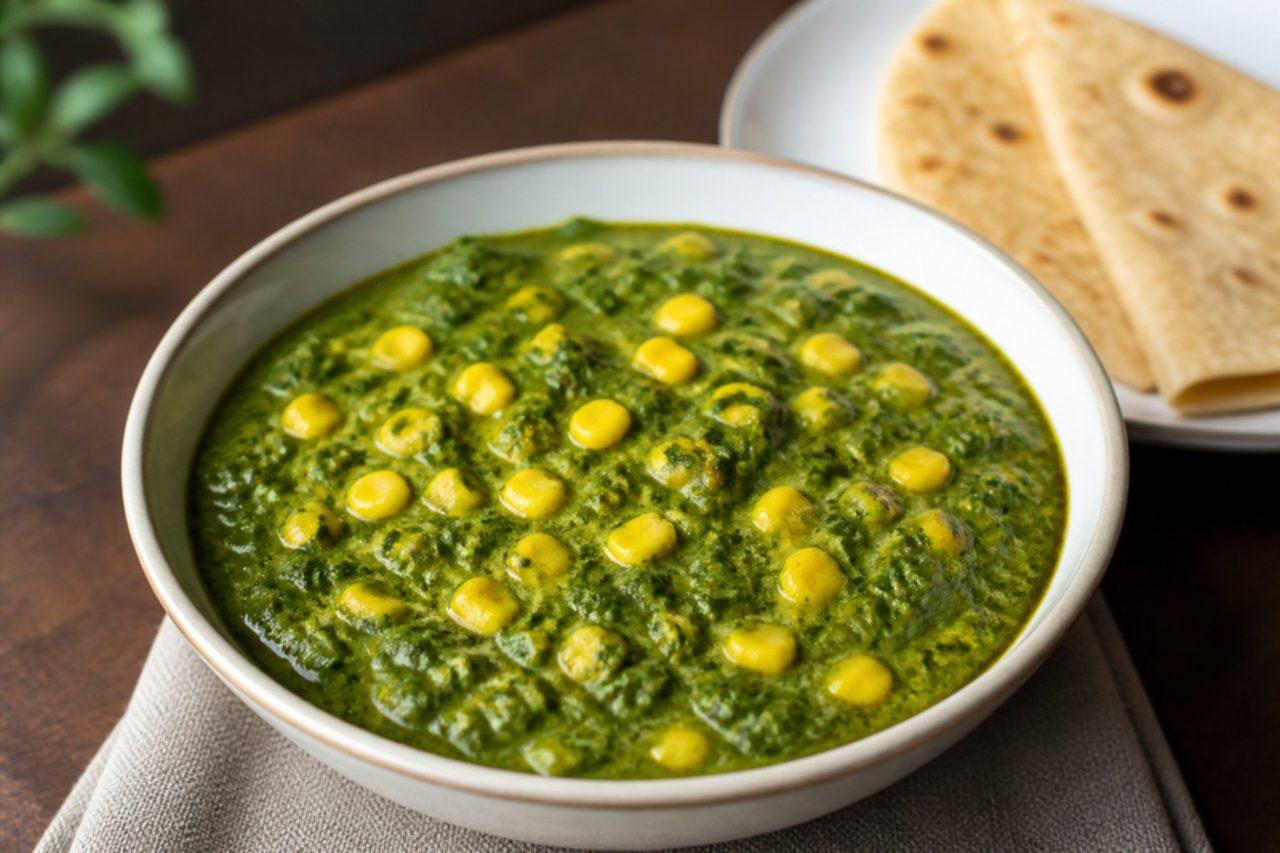
Corn palak grew out of North Indian restaurant menus, where palak paneer met the sweetcorn that is now in every Delhi and Chandigarh market, and it has become a weeknight favourite for families with children who like the little bursts of sweetness. Blanched spinach is blended smooth and cooked into a light masala with garlic and cumin, then sweetcorn is simmered in and a spoon of cream rounds it off. The most common mistake is boiling the spinach too long before blending, which turns the gravy khaki and bitter; one minute in boiling water and straight into cold keeps it emerald. Chef's tip: a pinch of kasuri methi crumbled in at the end makes it taste like the restaurant version.

by KrazyBadal 0 views

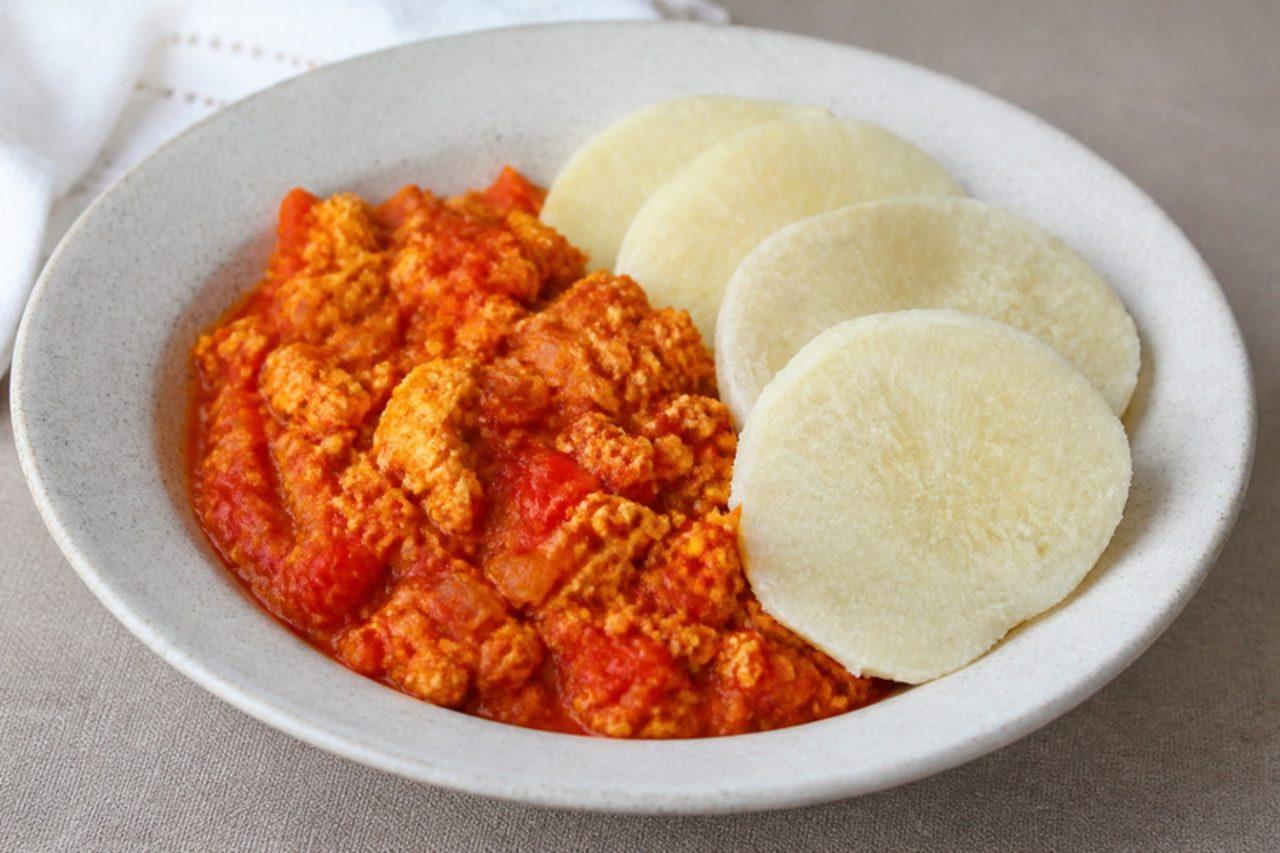
Ghanaian egg stew
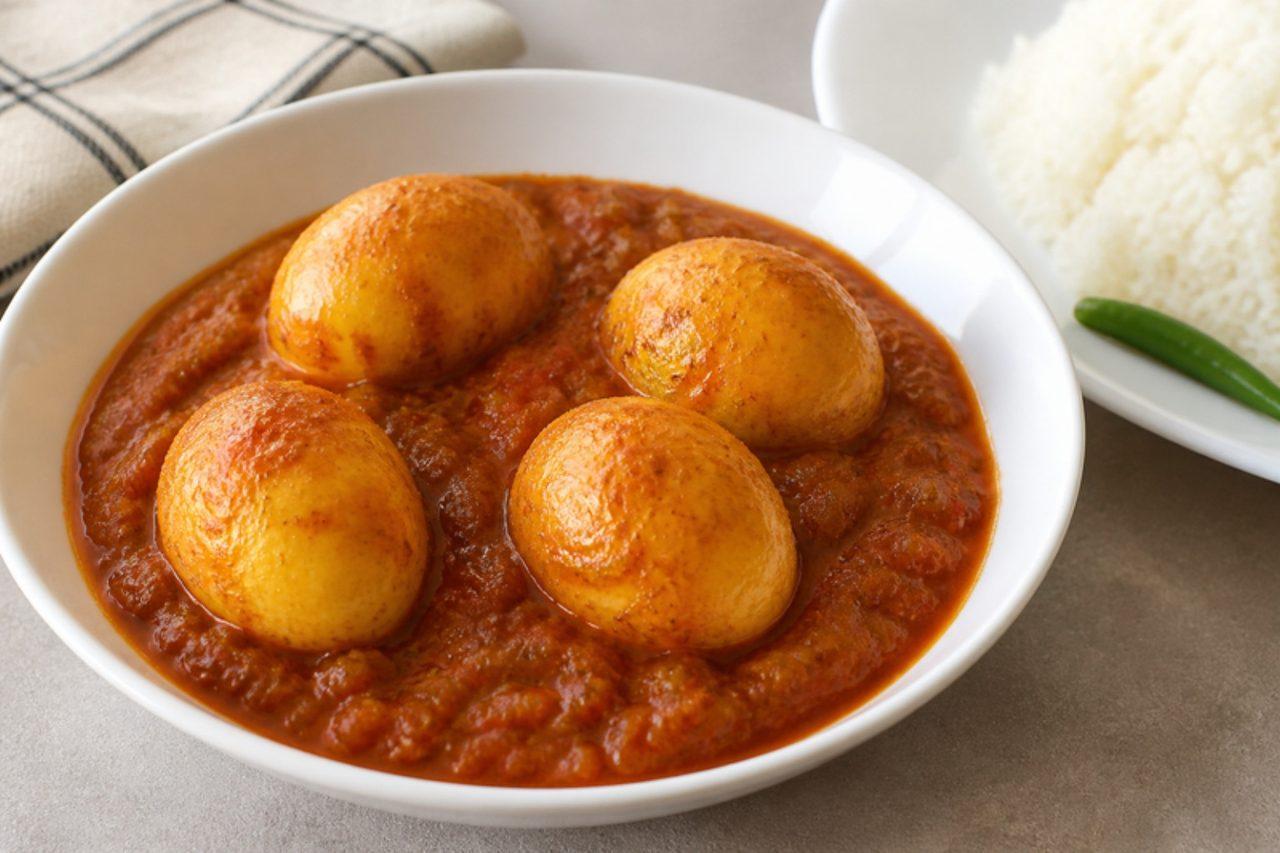
Egg stew is the fastest stew in a Ghanaian kitchen, made in Accra and Kumasi homes for breakfast or a weeknight dinner: onions, fresh tomatoes and red pepper are cooked down in oil until thick and sweet, then beaten eggs are stirred through so they set in soft, sauce-coated curds. It is eaten with boiled yam or green plantain (ampesi), rice, or a soft bread roll. The mistake that makes it taste raw and sharp is adding the egg too soon: the tomato base must fry until the oil rises to the top. Many cooks use a stock cube, which is often chicken-based, so this version uses a vegetable cube. Chef's tip: pour the eggs in a thin stream and wait 30 seconds before the first stir, so they form large, tender pieces instead of crumbs.

by KrazyBadal 0 views

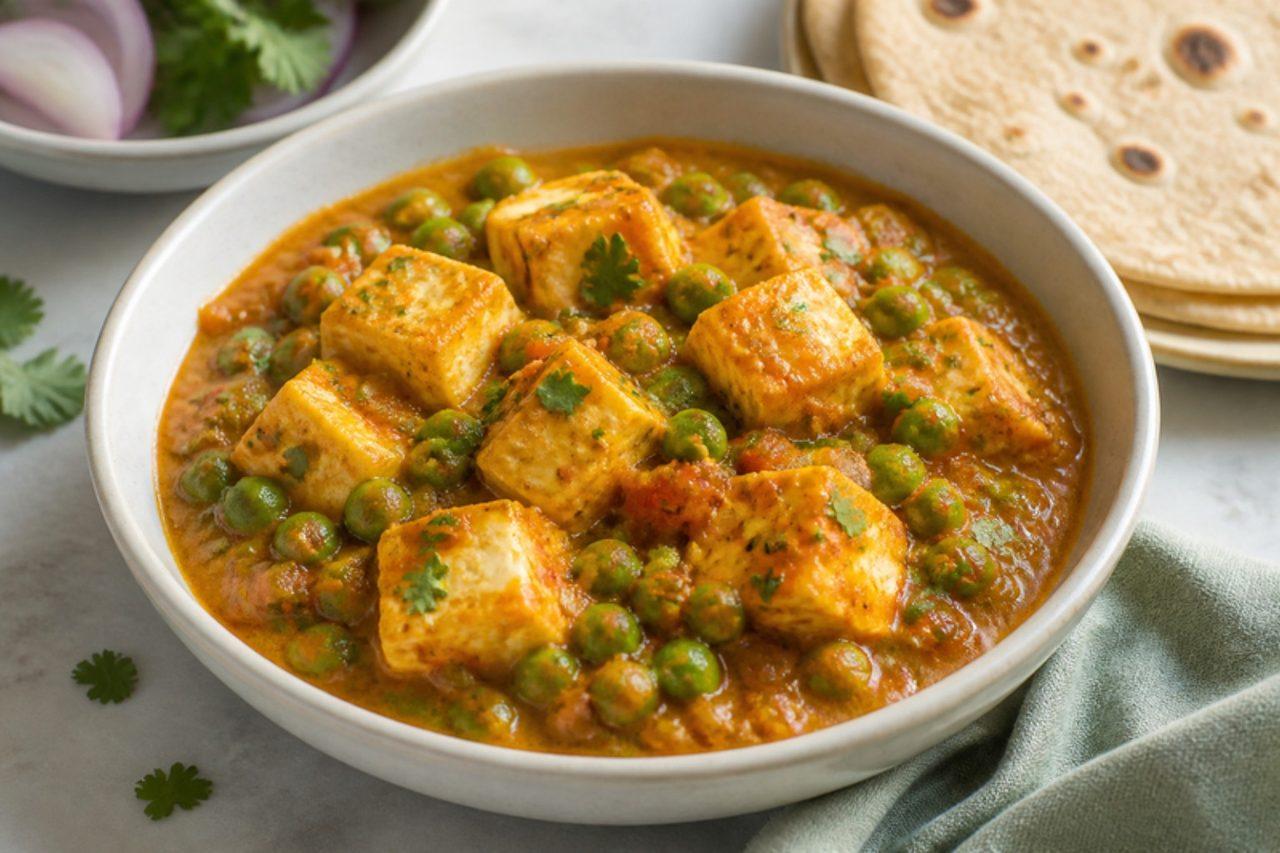
Matar paneerPea and paneer curry

Matar paneer is one of Punjab's most-cooked dinners, made in North Indian homes for a midweek meal or when guests drop in, and served with butter rotis, parathas or jeera rice. Soft cubes of paneer and sweet green peas simmer in a gravy of browned onion, tomato, ginger and garlic, finished with garam masala and a pinch of crushed fenugreek. Paneer is set with lemon juice or vinegar, not rennet, so it is a safe choice for vegetarians. The common mistake is boiling the paneer in the gravy for too long, which makes it rubbery and squeaky. Chef's tip: soak the paneer cubes in hot salted water for 10 minutes while the gravy cooks; they turn soft and spongy and soak up the sauce.

by KrazyBadal 0 views

Dim bhunaFried boiled eggs in masala

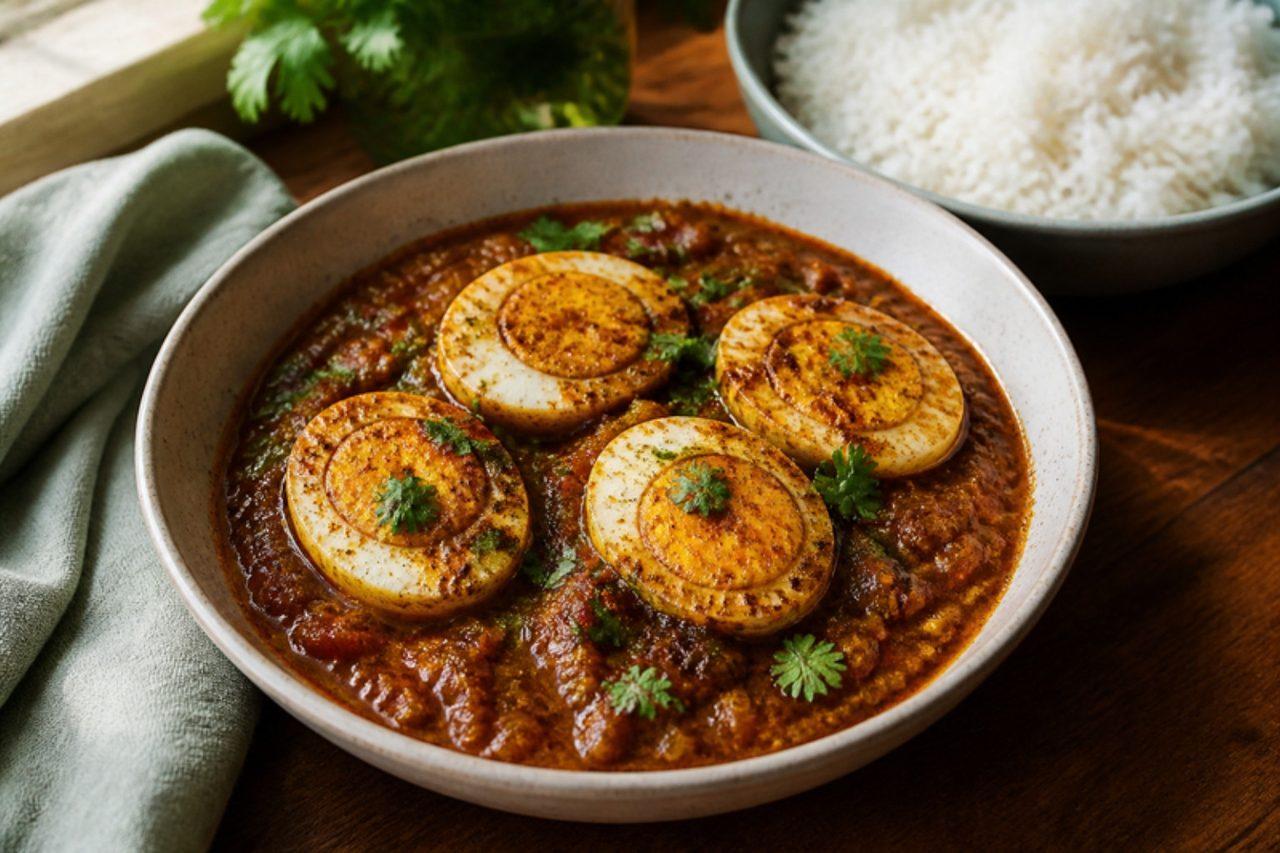
Dim bhuna is a Bangladeshi weeknight standby, cooked in kitchens from Chattogram to Sylhet when there are eggs in the basket and rice on the stove. Boiled eggs are fried until their skins blister golden, then tossed in a thick, dark masala of slow-browned onion and garlic that clings to them rather than pooling as a gravy. Eat it with plain rice, daal and a squeeze of lime. The mistake most people make is dropping smooth whole eggs into hot oil: they spit and can burst, and the masala slides off. Chef's tip: score each peeled egg with three shallow cuts so it fries safely and soaks up the spices.

by KrazyBadal 0 views

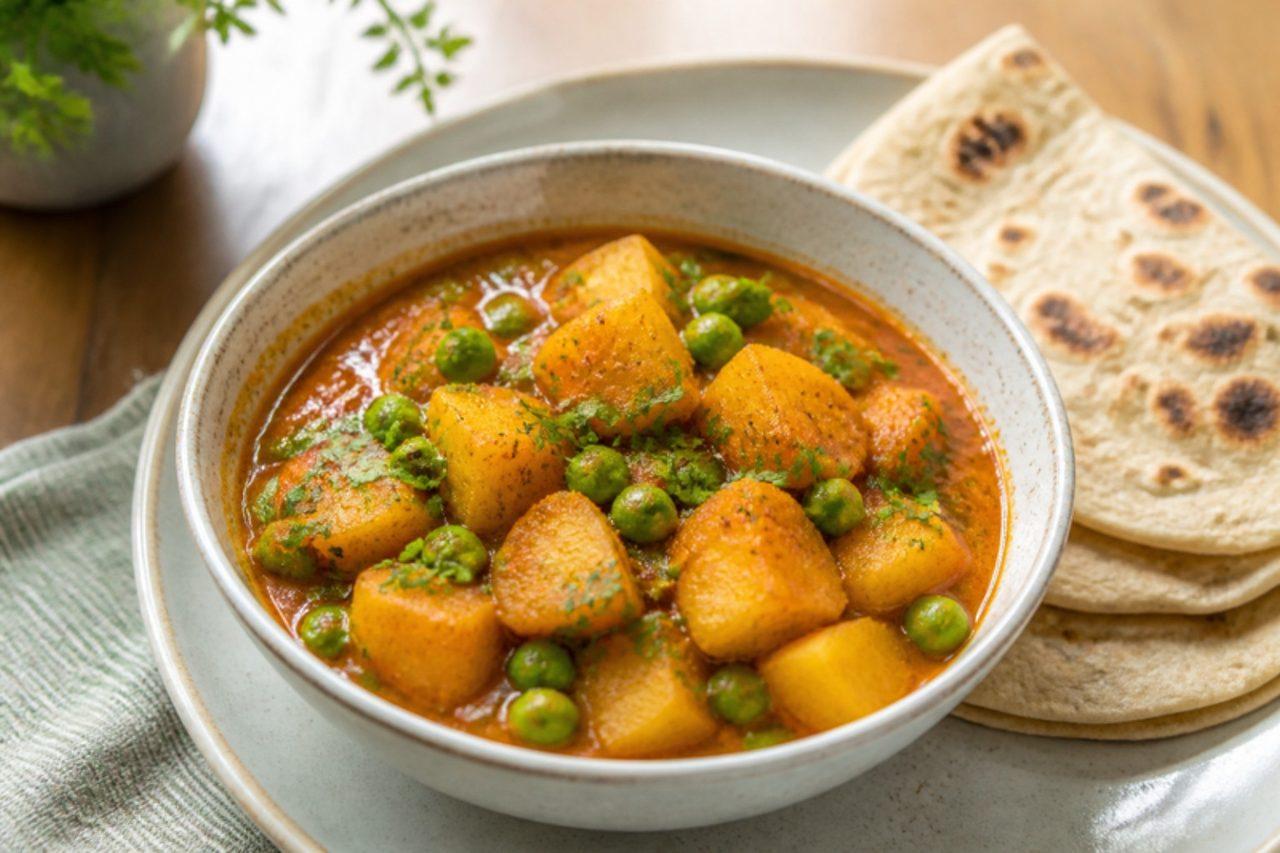
Aloo matarPotato and pea curry

Aloo matar is the everyday potato and pea curry of North Indian homes, cooked through the winter when fresh peas fill the markets of Delhi and Punjab, and eaten with hot phulkas or rice on a weeknight. Small cubes of potato and sweet peas simmer in a thin, bright tomato gravy with cumin, turmeric and coriander, so it is comforting rather than rich. The common mistake is cutting the potatoes too big: they take forever, the peas turn grey waiting for them, and the gravy reduces to nothing. Chef's tip: mash two or three potato cubes against the side of the pot near the end; it thickens the gravy naturally without cream.

by KrazyBadal 0 views

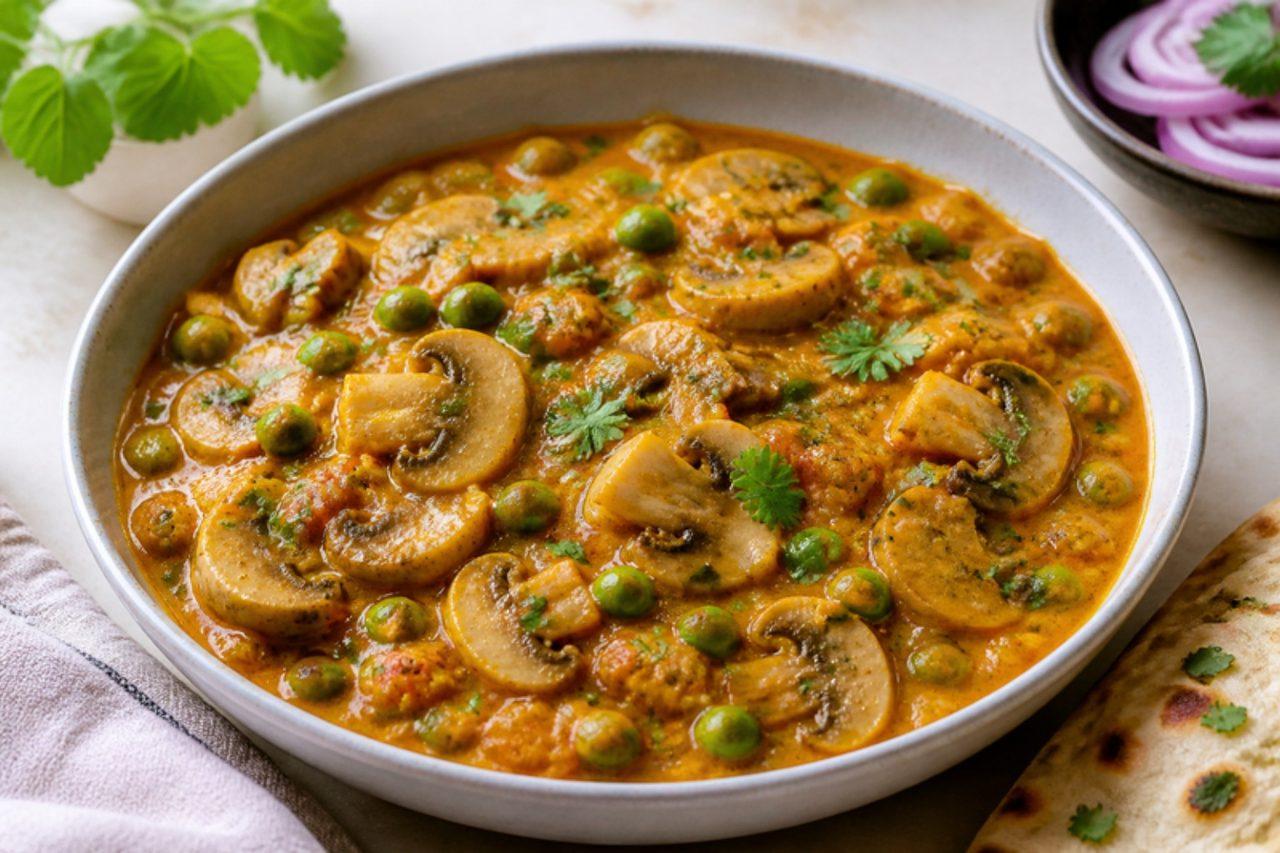
Mushroom matarMushroom and pea curry

Across North India, from Delhi flats to Lucknow kitchens, mushroom matar has become the weeknight cousin of matar paneer: quick to cook, meaty in texture without any meat, and good with rotis or jeera rice. Button mushrooms and sweet green peas sit in a medium-thick onion-tomato gravy warmed with ginger, garlic and garam masala. The common mistake is adding the mushrooms to a wet masala, where they boil and turn rubbery; sear them first in a hot pan until they brown, and their juices go into the sauce rather than drowning it. Chef's tip: frozen peas are perfect here and need only the last 4 minutes, so they stay bright green.

by KrazyBadal 0 views

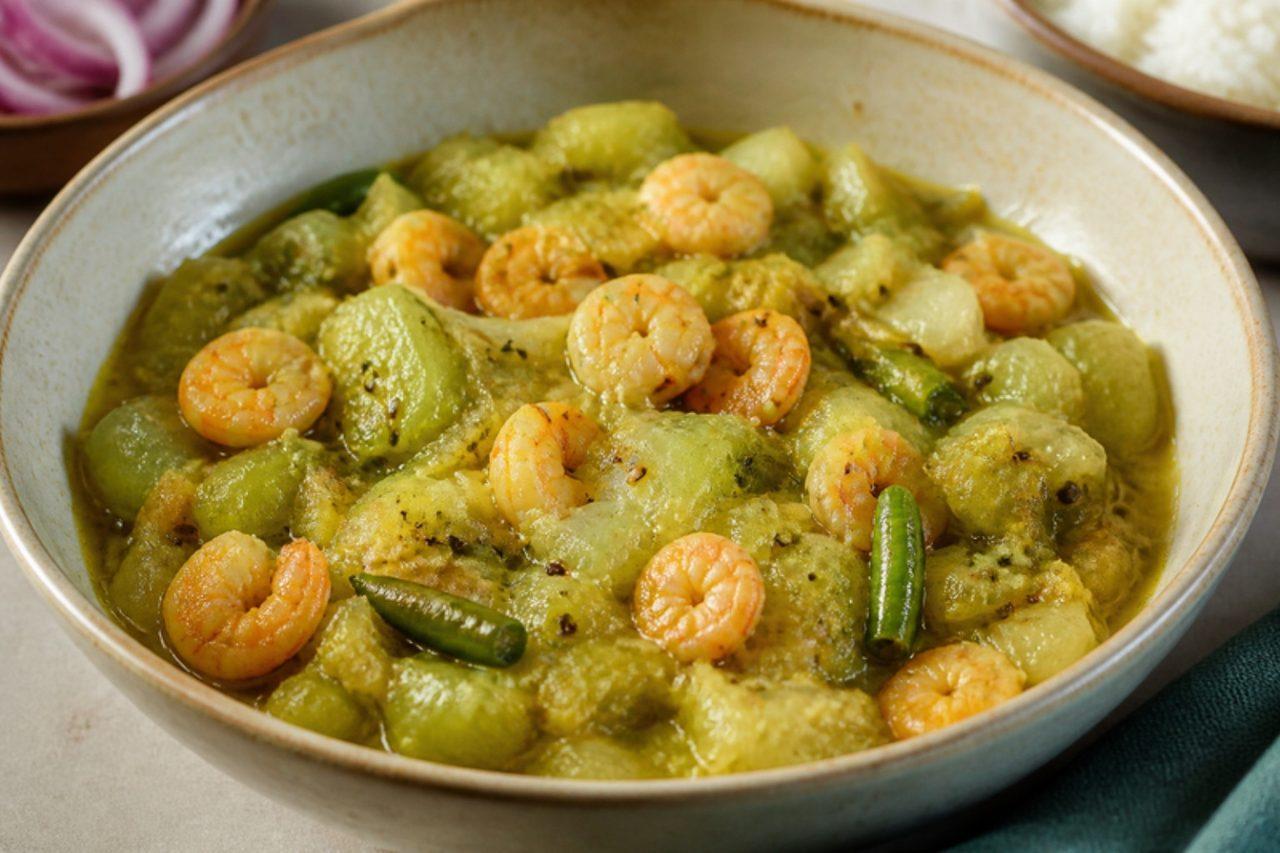
Lau chingriBottle gourd with prawns

Lau chingri is everyday lunch and dinner food in Dhaka homes and over the border in Kolkata: pale bottle gourd cooked slowly in its own juice with small prawns, cumin and green chilli until it turns soft and sweet. It is mild and light, eaten with plain rice and a spoon of dal. The common mistake is adding water; lau is mostly water already, and extra liquid turns it into a thin soup. Chef's tip: fry the prawns first and lift them out, then return them at the end so they stay plump instead of rubbery.

by KrazyBadal 0 views

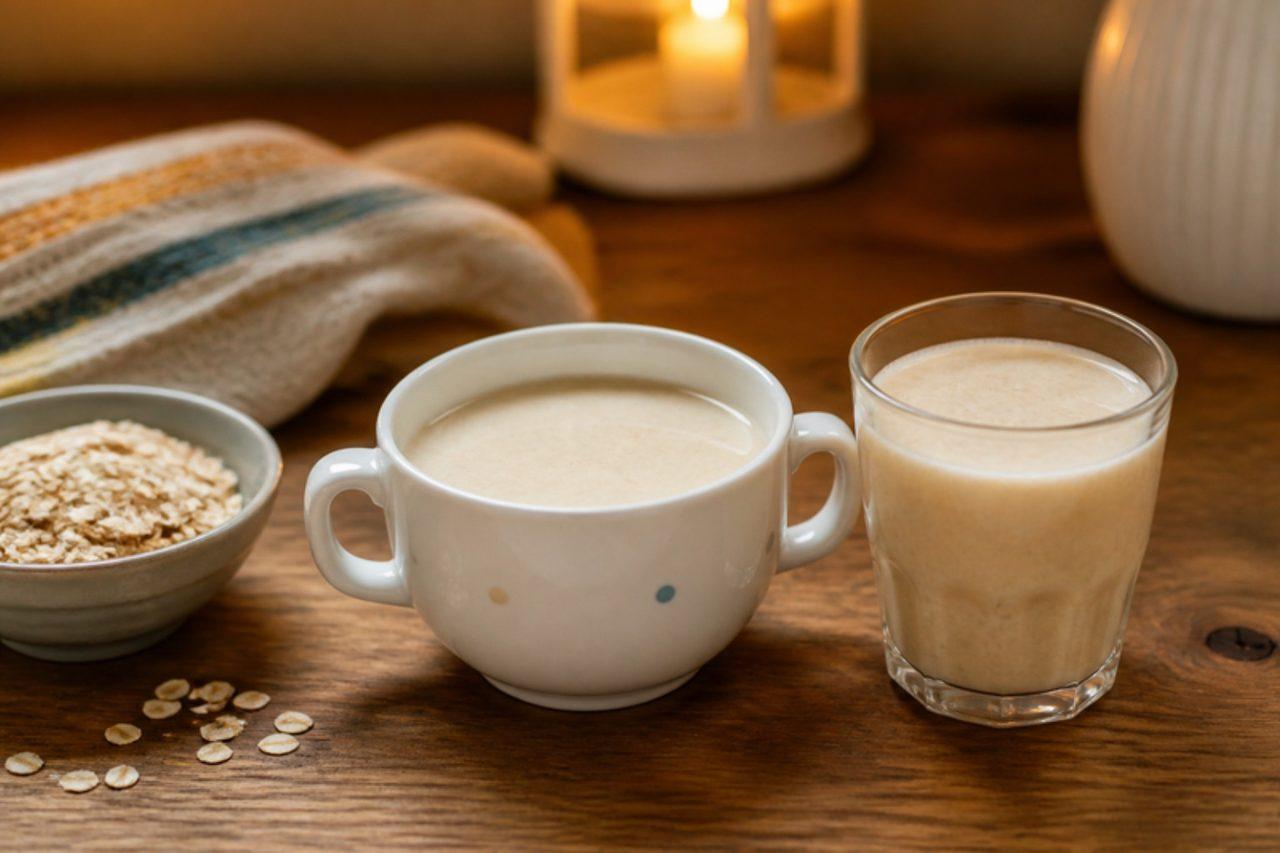
Välling (Swedish oat and milk drink)

Välling, a thin gruel of cereal and milk, has been the Swedish child's bedtime drink for generations, and many families still make their own for toddlers once they move on to cow's milk at around a year old. It is smooth, warm and lightly oaty, with no added sugar or honey. It contains milk and gluten (oats are often processed with wheat; use certified gluten-free oats if needed); there is no egg, nuts, soya, sesame or fish. Chef's tip: blend the oats to a fine flour first, so the drink is silky and flows easily from a beaker.

by KrazyBadal 0 views

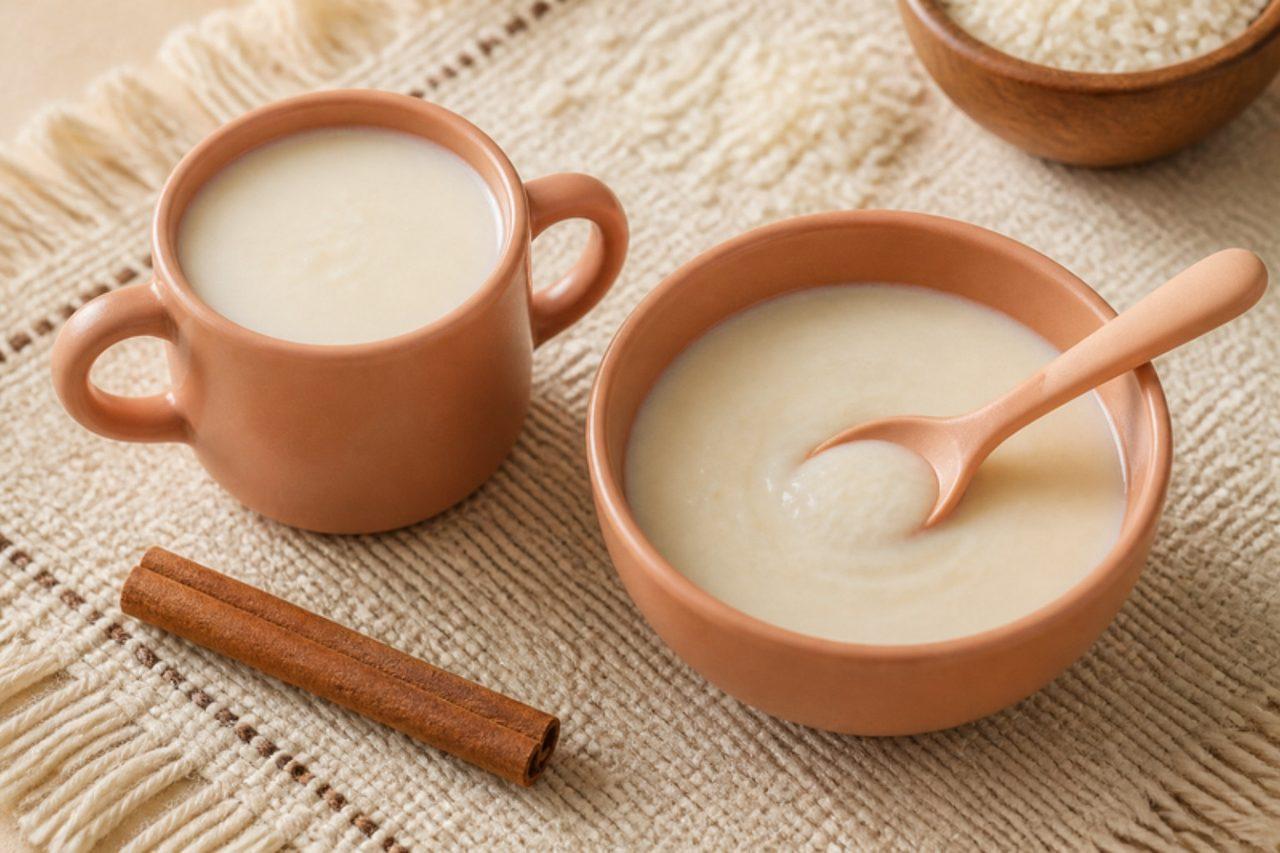
Rice atole for babies (atole de arroz)

Atole is the warm, thick drink Mexicans have sipped since before the conquest, and in many homes the first version a baby tastes is atole de arroz, ground rice cooked with a stick of true cinnamon. For grown-ups it is sweetened with piloncillo and drunk at breakfast or on cold evenings around Día de Muertos; for babies the sugar stays out and it is thickened enough to eat from a spoon. It contains milk; there is no egg, gluten, nuts, soya, sesame or fish. Chef's tip: grind the rice yourself in a spice grinder; shop-bought rice flour works, but freshly ground rice tastes sweeter.

by KrazyBadal 0 views

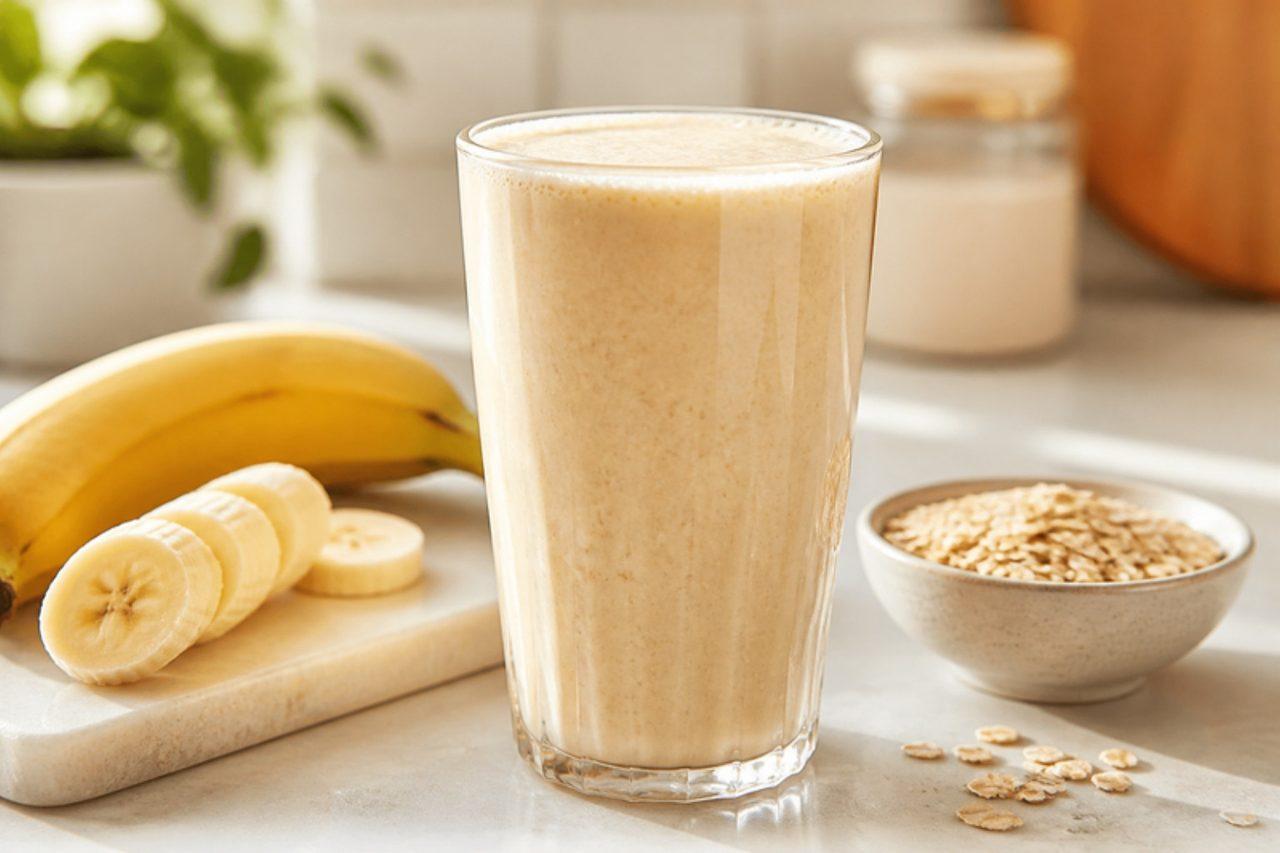
Vitamina de banana (Brazilian banana smoothie)

In Brazil a smoothie is a vitamina, and vitamina de banana is what parents from São Paulo to Recife whizz up for breakfast or when children get home from school hungry. Ripe banana, cold milk and a spoonful of oats make a thick, naturally sweet drink that fills a gap until dinner, so no sugar is needed. It contains milk and gluten (oats, unless labelled gluten free). Chef's tip: use bananas with brown freckles on the skin; they are sweeter and blend creamier than green-tipped ones.

by KrazyBadal 0 views

Khanom khai (Thai egg cakes)

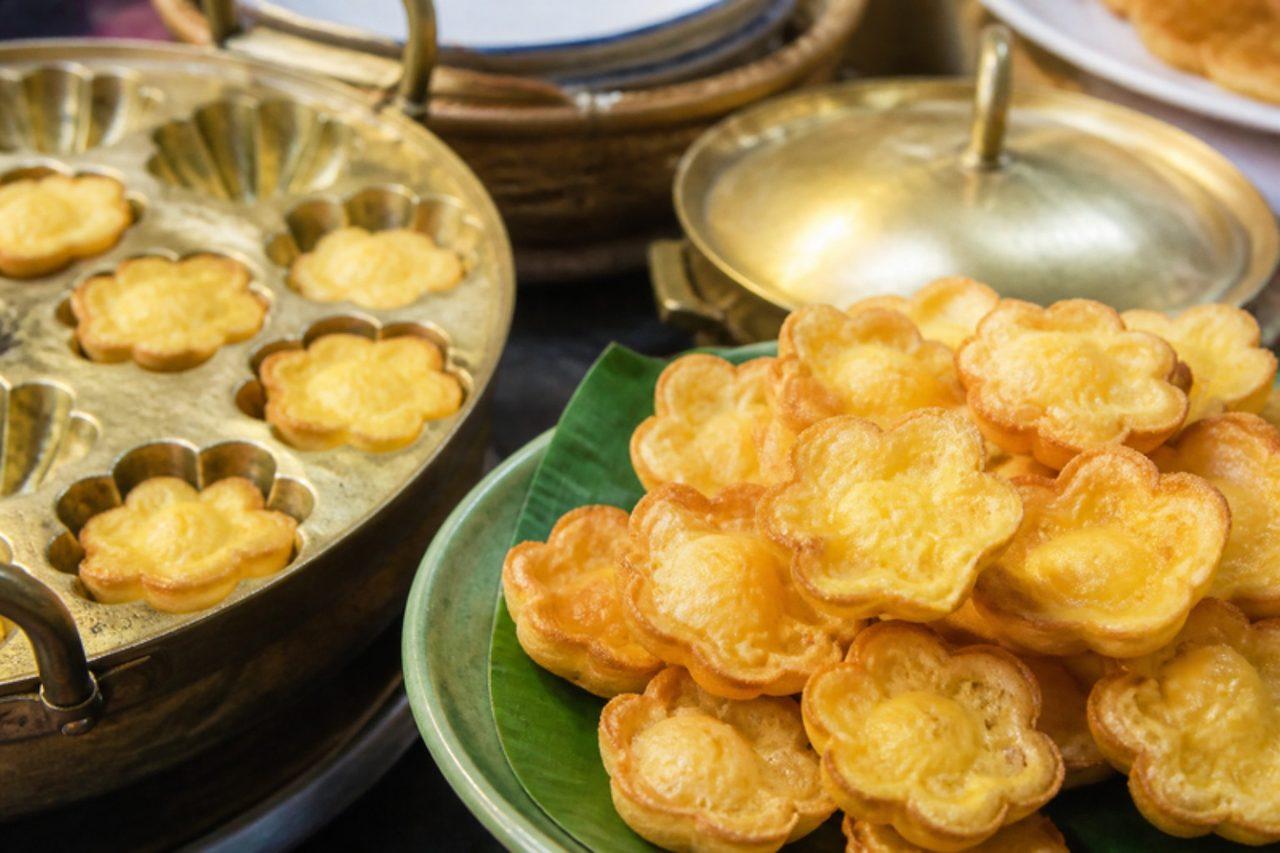
Khanom khai are the tiny golden sponge cakes that Thai market vendors bake in heavy brass moulds, filling the air with a sweet, eggy smell, and Bangkok children buy a paper bag of them after school. They are light and spongy inside with crisp, caramelised edges, and taste of egg and vanilla. They're made with oil rather than butter. They contain egg and gluten. Without a traditional mould, a mini-muffin or madeleine tin works well. Chef's tip: beat the eggs and sugar until really thick and pale; all the lift comes from that air.

30 minThaiBaking
by KrazyBadal 0 views

Am (Filipino rice-water first porridge)

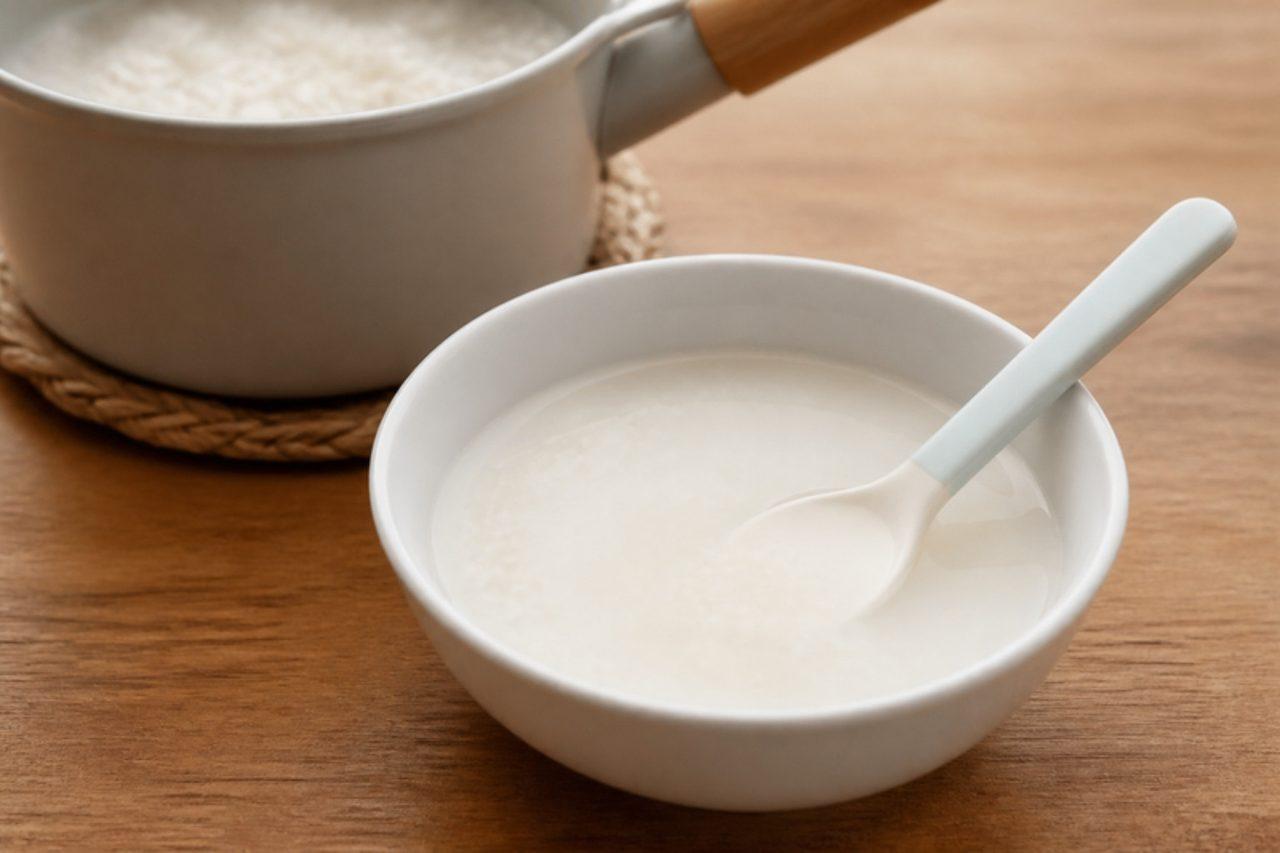
Filipino lolas remember giving babies am, the thick, cloudy liquid that rises to the top as rice boils, ladled off and cooled before the rest of the pot is cooked for the family's lunch. Today it is offered as a thin, smooth first porridge, a few spoonfuls alongside other first foods such as mashed squash or banana, rather than on its own. It tastes mild and slightly sweet. It contains none of the common allergens (milk, egg, gluten, peanut, tree nuts, soya, sesame, fish). Chef's tip: use more water than usual and keep the lid off, so the liquid thickens into a creamy am instead of evaporating away.

by KrazyBadal 0 views

Doodh pattiStrong milk tea

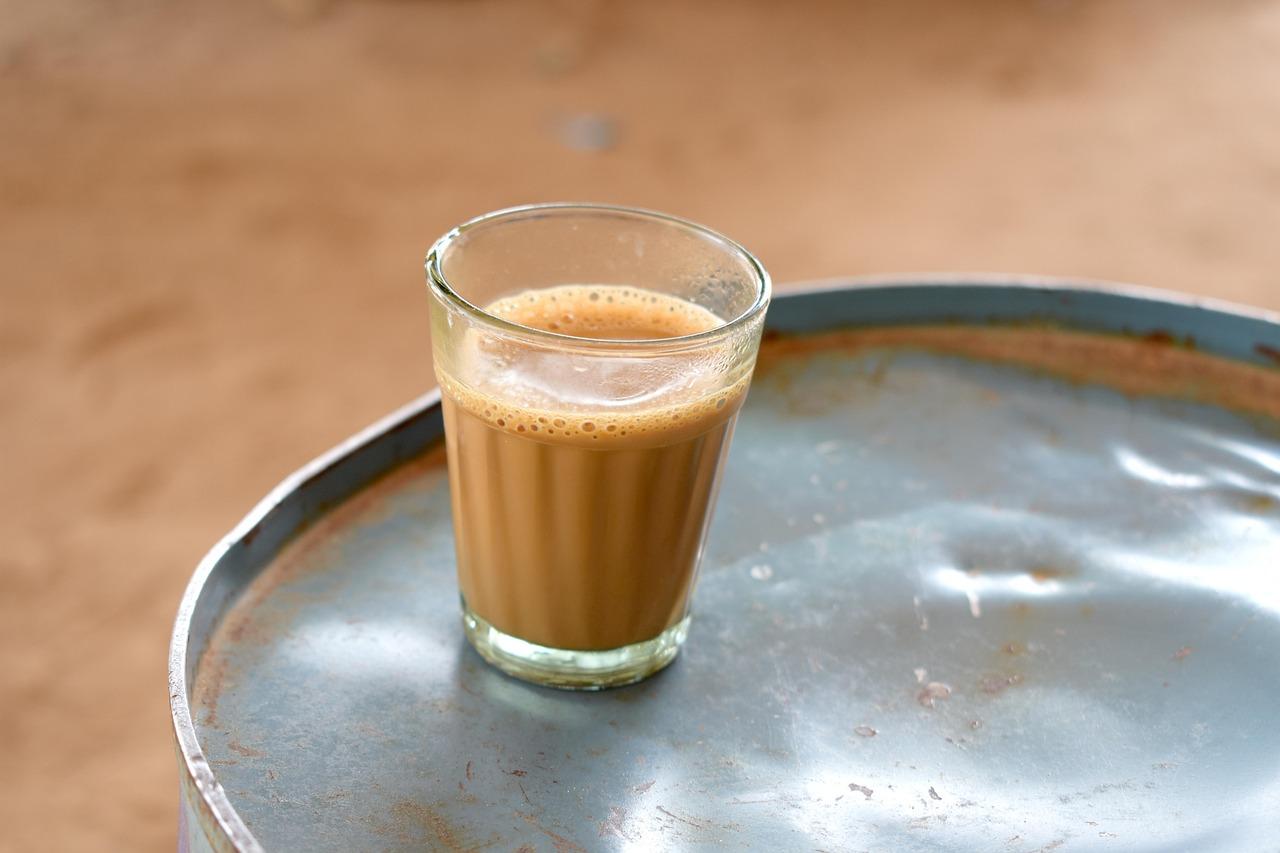
Doodh patti is poured from a dented pan at every truck stop, university canteen and street-corner dhaba in Pakistan, from Karachi's Saddar to the Murree road, and it is drunk at all hours: before work, after cricket, at midnight with a paratha. The tea is made without any water at all, boiling loose black tea and sugar in milk until it turns a deep caramel colour and tastes rich, malty and strong. The mistake is simmering too gently and pulling it off too soon, giving a weak, milky drink; it needs a proper rolling boil, more than once. Contains milk. Chef's tip: lift the pan off the heat each time the tea froths to the top and return it, three times; each rise deepens the colour and flavour.

by KrazyBadal 0 views

Isubgul sharbatPsyllium lemon drink

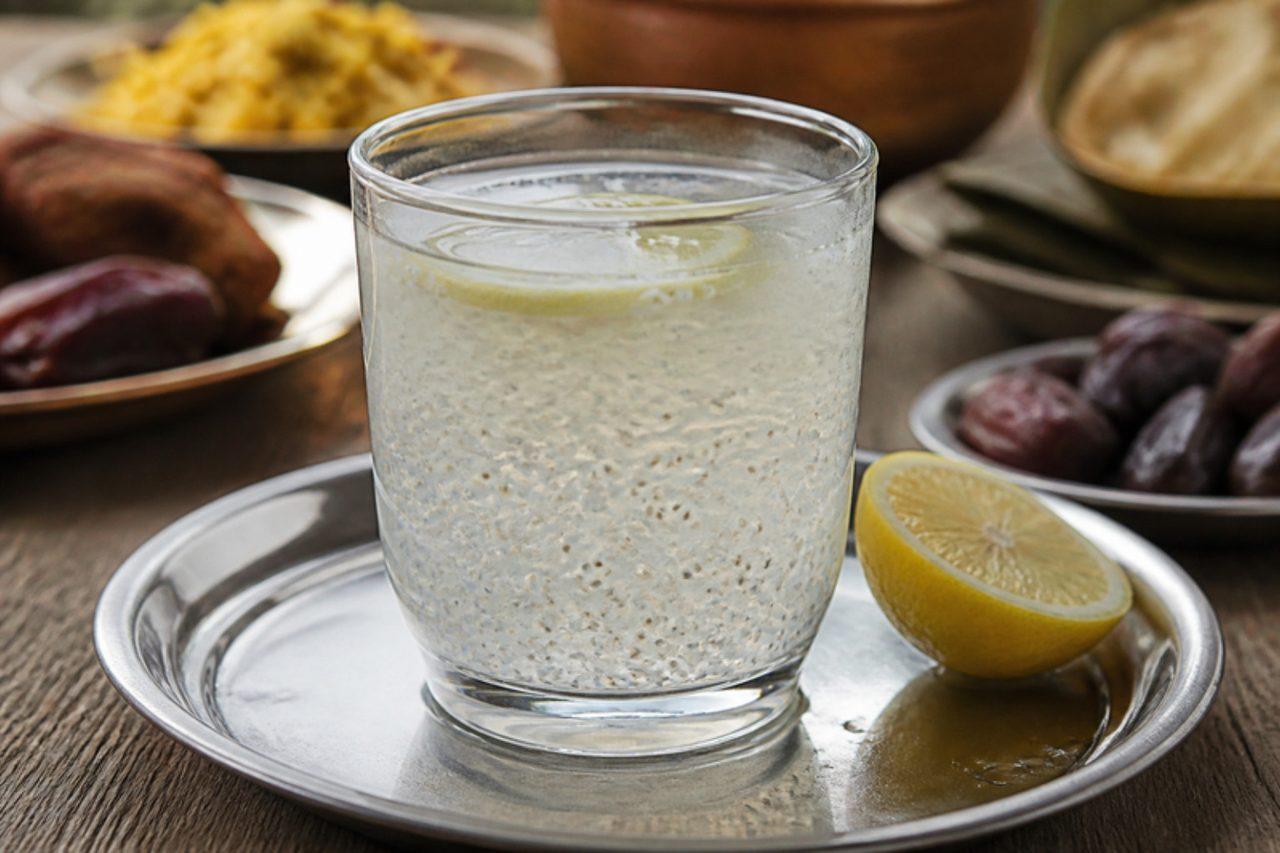
Many Bangladeshi grandmothers insist on a glass of isubgul sharbat at iftar or before sehri, and in Dhaka's old neighbourhoods it is sold from shops alongside tokma and lebu sharbat throughout Ramadan; the psyllium is valued for keeping digestion comfortable during the fast. Stirred into sweetened lemon water, the husk swells into a soft, slightly thick drink with a mild, neutral taste. The classic mistake is letting it stand: psyllium keeps absorbing water and sets into a jelly within minutes, so mix it just before drinking. Drink plenty of water as well, and anyone taking regular medication should space it at least two hours away from psyllium. Chef's tip: sprinkle the husk on top and whisk immediately with a fork rather than spooning it in a heap, so it disperses without lumps.

by KrazyBadal 0 views

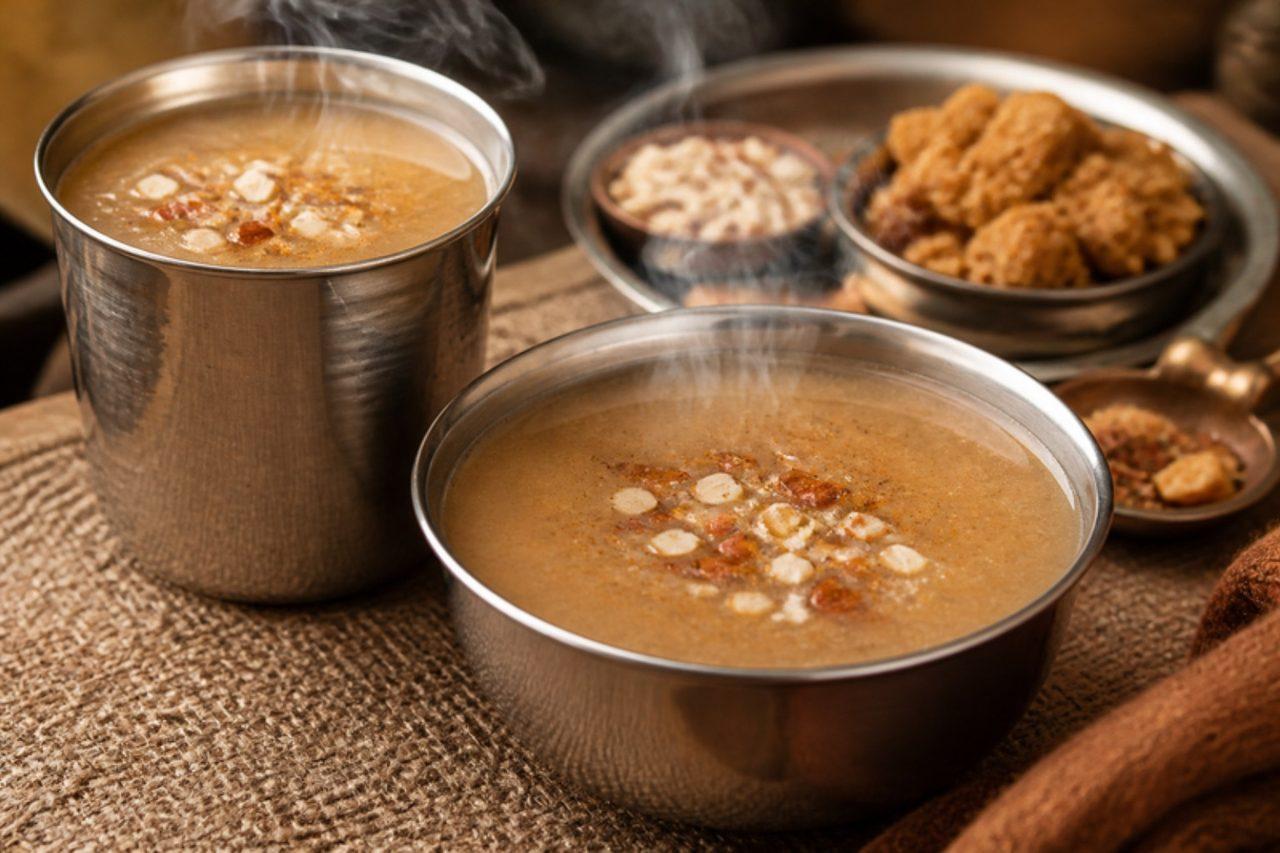
Bajri ni raabPearl millet jaggery drink

In Gujarati homes from Ahmedabad to the villages of Saurashtra, raab is what is made on a cold January evening, for a cough, or for a new mother regaining her strength: a spoon of bajri flour roasted in ghee with ajwain and dry ginger, then cooked with water and jaggery into a thin, sippable porridge. It is drunk hot from a steel tumbler and tastes of toasted grain, caramel and warm spice. A tumbler is about 220 kcal. The most common mistake is adding jaggery to boiling raab with the flame high, which can make it split; turn the heat down first and stir it in until it melts. Chef's tip: roast the flour on a low flame until it smells like toasted biscuit and darkens just slightly; underroasted bajri tastes raw and bitter.

by KrazyBadal 0 views

ApfelschorleApple juice spritzer

At any German beer garden, from Munich's Chinese Tower to the cider taverns of Frankfurt, the drink for children, drivers and anyone on a hot afternoon is Apfelschorle: cloudy apple juice topped up with sparkling mineral water. Germans drink it at family lunches, after sport and at school summer parties, and it is far less sweet than juice alone. The usual mix is half and half, but many people go lighter on the juice. The common mistake is pouring the water first, which knocks out the bubbles. Chef's tip: use naturally cloudy apple juice and very cold, strongly sparkling water, and pour the water in slowly down the side of the glass.

by KrazyBadal 0 views

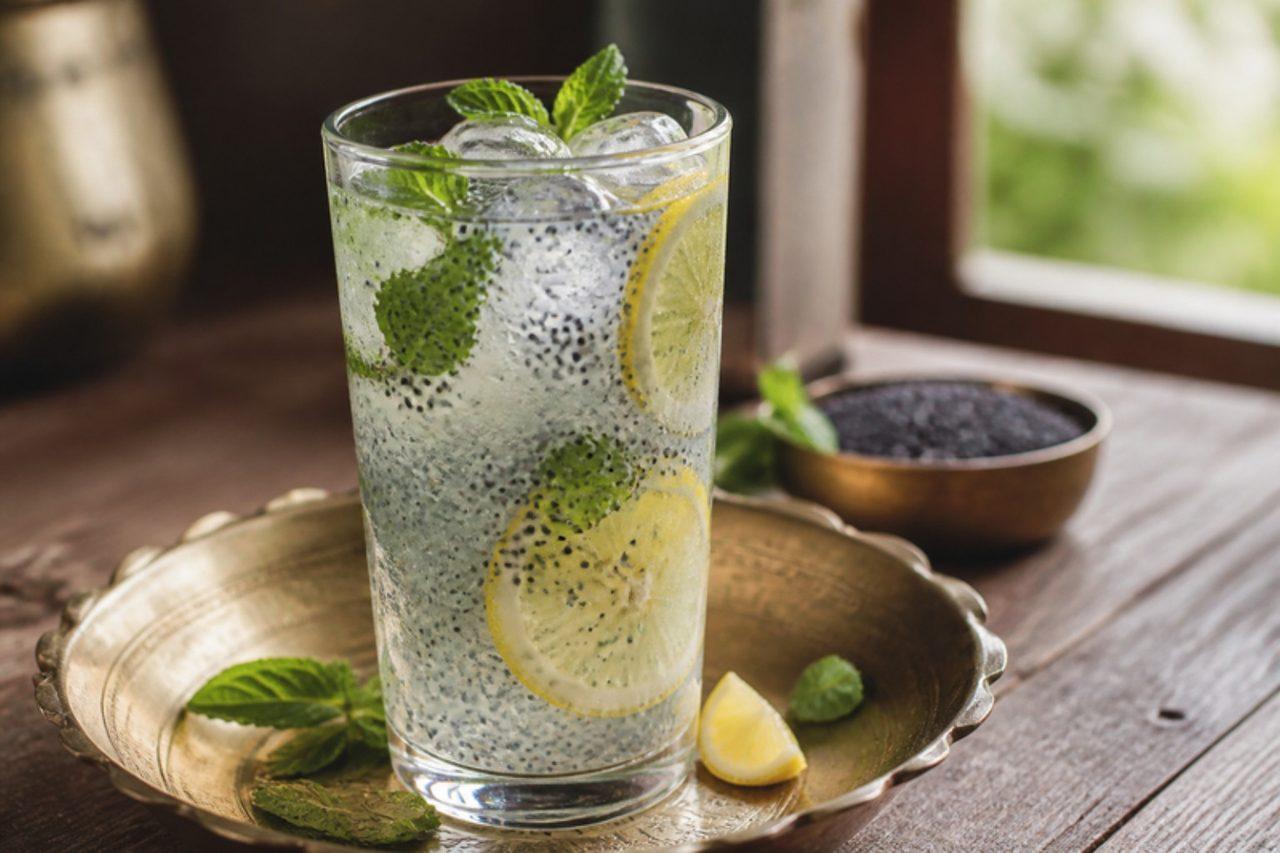
Tokma sharbatBasil seed lemon drink

When the azan sounds at sunset during Ramadan, tables from Dhaka's Mirpur flats to village courtyards in Comilla carry a jug of tokma sharbat: lemon water swirling with soaked sweet basil seeds, each one wearing a soft, jelly-like halo. It is sweet, sharp and cooling, a gentle first sip after a long hot fast before the dates and piyaju. The most common mistake is stirring the seeds straight into the jug dry, where they clump into slimy lumps; always soak them separately in plenty of water first. Chef's tip: bruise a few mint leaves or add a thumb of grated ginger to the jug, which many Dhaka families do in the hottest months.

by KrazyBadal 0 views

HallongrottorRaspberry thumbprint cookies

Hallongrottor, 'raspberry caves', are the cookie Swedish children learn to bake first, pressing a thumb into each ball of buttery dough and filling the hollow with raspberry jam. They turn up at birthday parties, school bake sales and every proper fika in homes from Malmö to Luleå. Baked in paper cases, they keep their shape and the jam bubbles into a glossy jewel. A common mistake is overfilling the hollows, which makes the jam boil over and burn. Chef's tip: use a thick, set jam and fill only to the rim.

by KrazyBadal 0 views

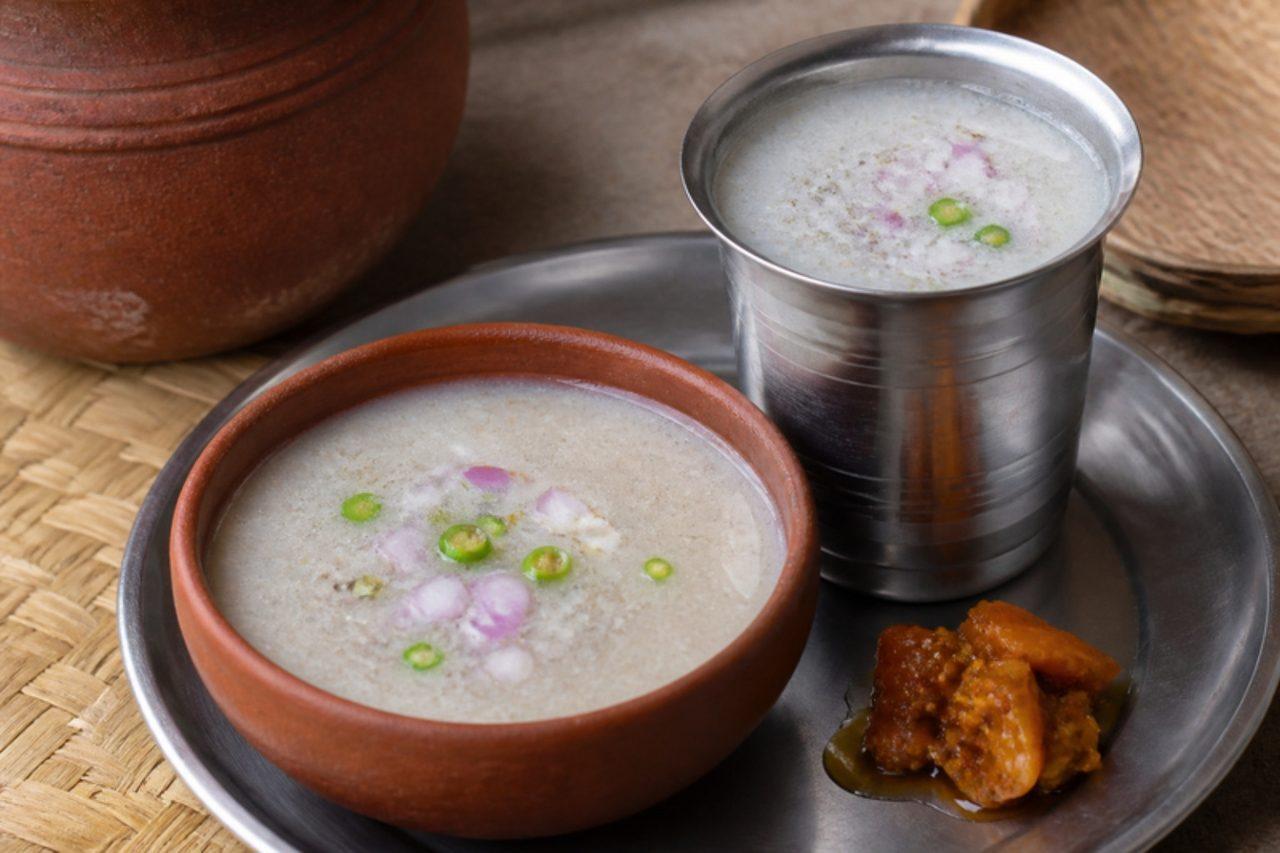
Kambu koozhPearl millet porridge

In the hot months in rural Tamil Nadu, and at the Aadi festival of the village goddesses, big clay pots of kambu koozh are made the evening before and ladled out cold at midday to farm workers and pilgrims. Pearl-millet flour is cooked into a thick porridge, left overnight to sour lightly, then thinned with buttermilk and salt and eaten with chopped raw shallots, green chilli and a bite of pickle. It is sour, filling and surprisingly refreshing. A glass is about 165 kcal. Allow 8–12 hours of fermenting, not counted in the times. The usual mistake is adding the buttermilk to warm porridge, which makes it grainy; it must be completely cold first. Chef's tip: cook the porridge in a clay or steel pot rather than non-stick; it ferments more evenly and gets that clean, tangy taste.

by KrazyBadal 0 views

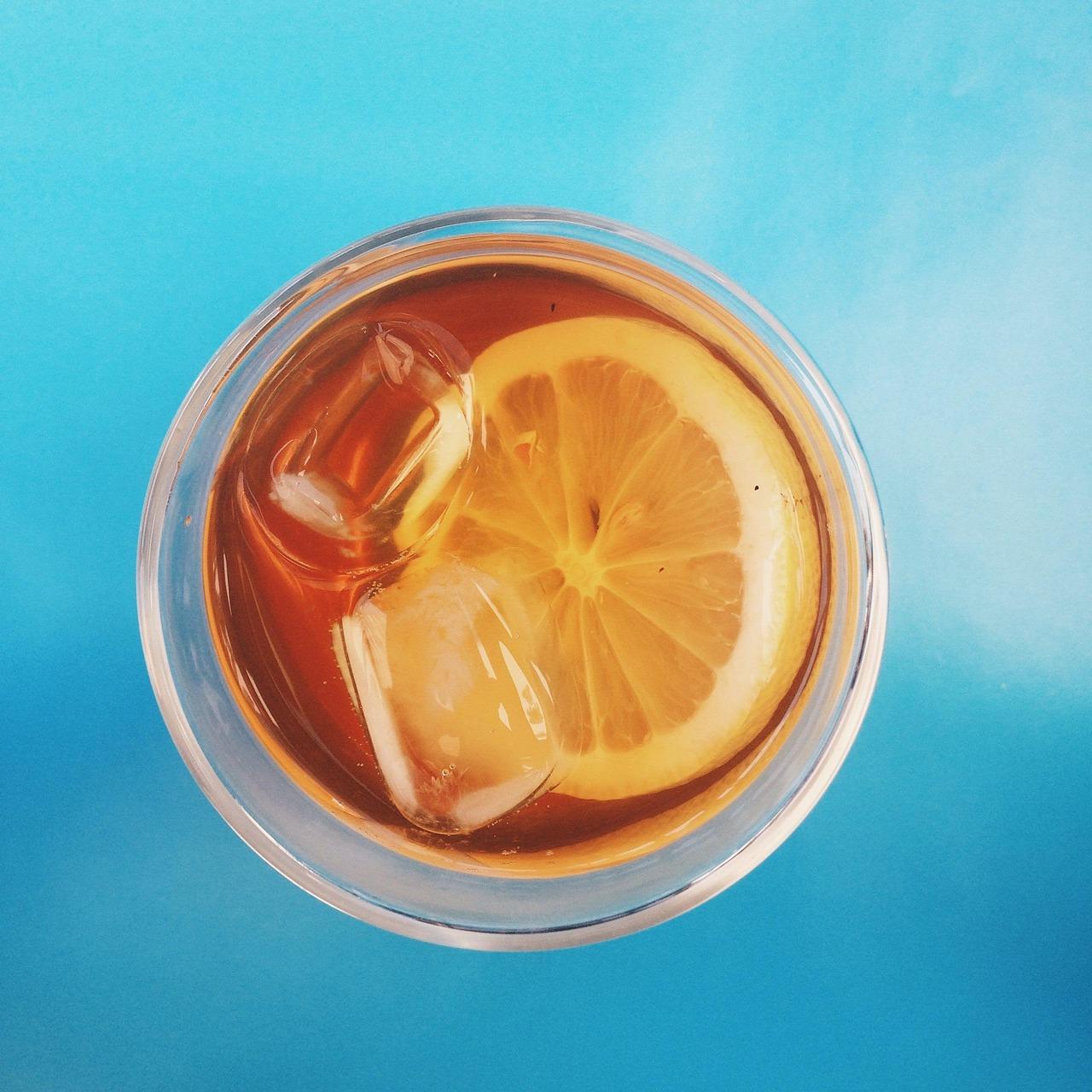
Teh O ais limauIced black tea with lime

In kopitiam shorthand, 'teh' is tea with milk, 'O' means no milk, 'ais' is iced and 'limau' adds lime, so this is the order Malaysians shout across the counter on a sticky afternoon in Penang or Kuala Lumpur. Strong, sweetened black tea is cooled over ice and squeezed with lime until it tastes like a sharper, less perfumed iced lemon tea. It goes with fried noodles and roti. Chef's tip: pouring hot tea straight onto a glass of ice dilutes it into weak tea; brew it double strength, or chill it first.

by KrazyBadal 0 views

Showing 24 of 465 recipes

Show more recipes

Page 1 of 20