Skip to content
Recipes

All recipes

Vegetarian, or something you can't eat? Set your diet once and we'll hide recipes that don't fit.

Botok tempeTempeh and coconut in banana leaf

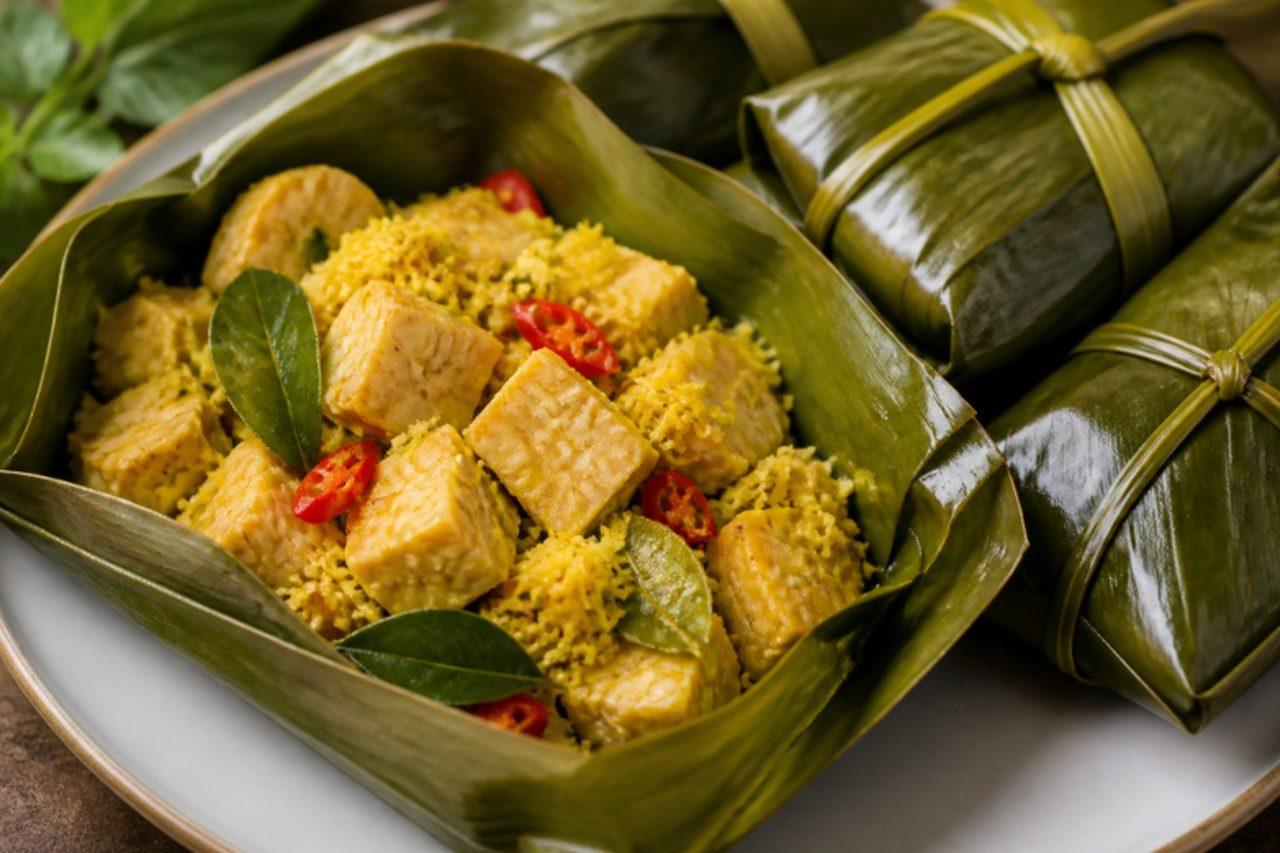
In village kitchens of Central and East Java, from Klaten to Kediri, botok is a weekday parcel dish: crumbled tempeh mixed with freshly grated coconut, chilli, galangal and a little palm sugar, wrapped in banana leaf with a bay leaf and steamed until set. It comes to the table at lunch, unwrapped beside rice, and tastes of toasted coconut and bay, moist and crumbly rather than saucy. Each portion has about 125 g of tempeh plus coconut, giving roughly 24 g of protein, mainly from the tempeh. The common mistake is wrapping the parcels loosely, so steam gets in and the filling turns wet; fold them snugly and pin them shut. Chef's tip: squeeze a little of the coconut through your fingers before mixing; if it feels dry, add a spoon or two of water so the botok binds when it steams.

by KrazyBadal 0 views

Tahu tekFried tofu with peanut sauce

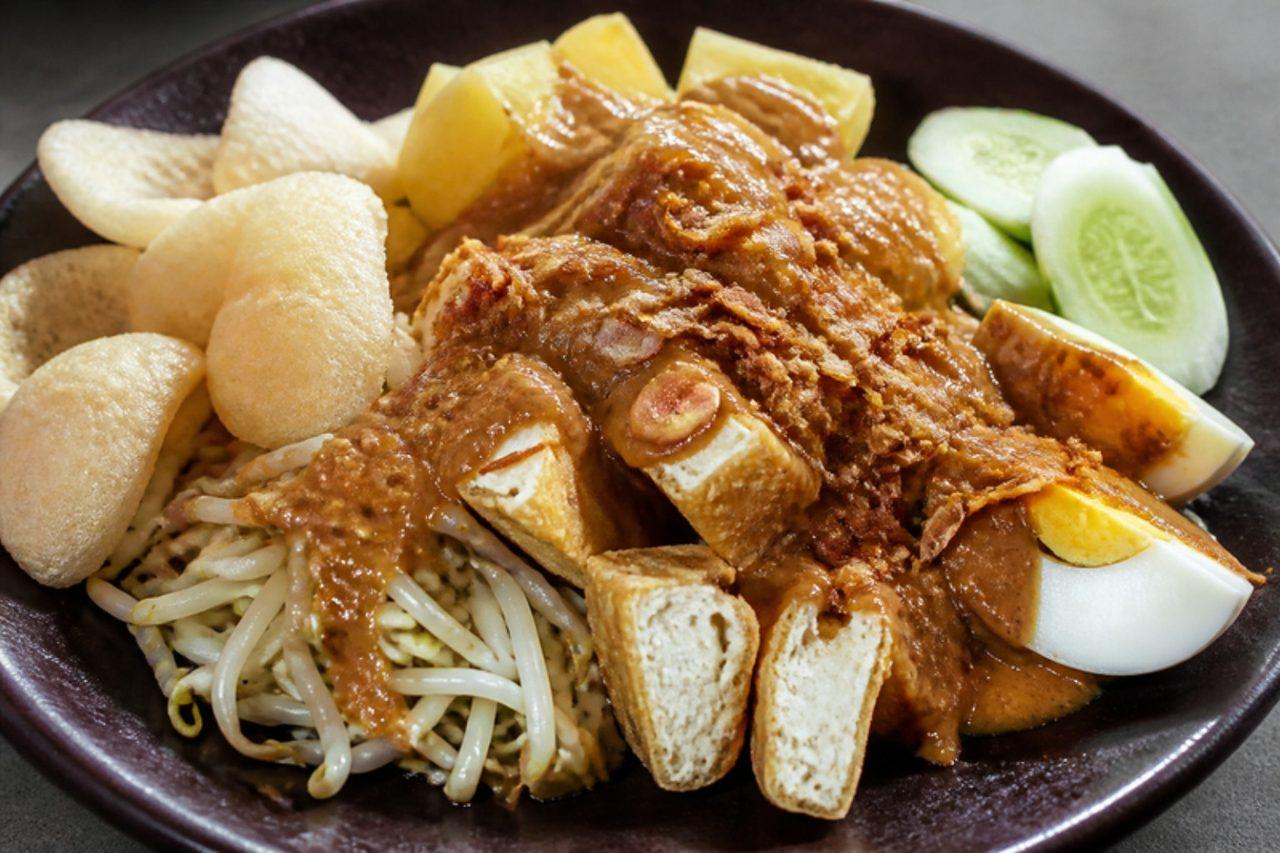
After dark in Surabaya, the tahu tek seller's cart is easy to find: listen for the tek-tek-tek of scissors snipping fried tofu, potato and egg into bite-sized pieces straight onto the plate, before it all disappears under bean sprouts, cucumber and a thick peanut sauce. It is a supper dish, filling and saucy. The street version stirs petis, a black shrimp paste, into the sauce; this vegetarian version leaves it out and gets its depth from sweet soy, tamarind and fried garlic instead. A portion gives about 32 g of protein, from the tofu, egg and peanuts. The common mistake is making the sauce too thin; it should be thick enough to sit on top of the tofu. Chef's tip: grind the peanuts with the garlic and chilli while the fried peanuts are still warm, so the oil releases and the sauce turns creamy.

by KrazyBadal 0 views

Tahu bacemSweet braised tofu

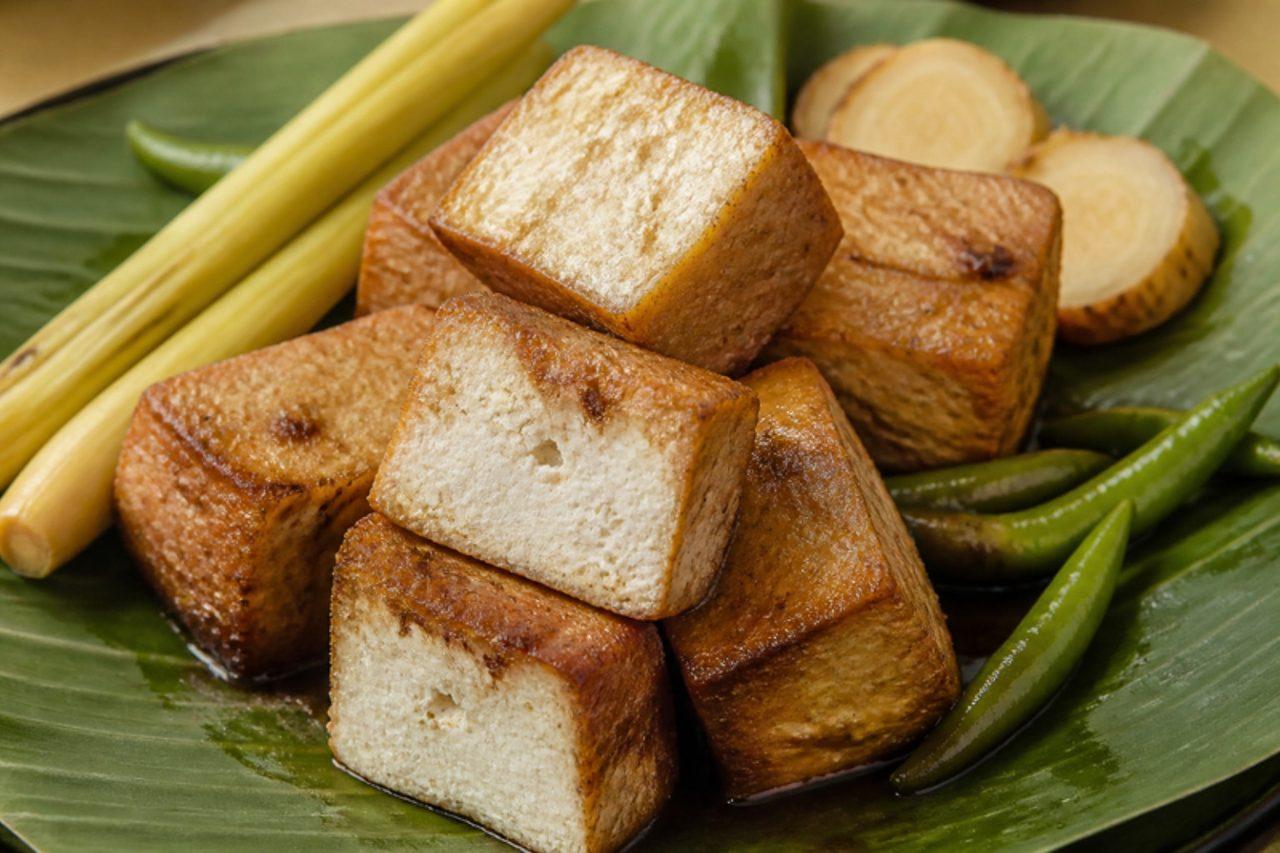
Tahu bacem is tempe bacem's softer sister, sold side by side on the gudeg stalls of Yogyakarta and Klaten and cooked at home on Sundays to see the family through the week. Firm tofu soaks up a braise of coconut water, palm sugar, coriander and galangal until it turns the colour of caramel all the way through, and a quick sear gives it a thin, chewy skin. A portion of about 200 g of tofu gives roughly 26 g of protein, from the soybeans in the tofu. The usual mistake is using silken or soft tofu, which breaks apart during the long simmer; buy firm or extra-firm. Chef's tip: press the tofu for 15 minutes before braising; the drier it is, the more of the sweet, spiced liquid it drinks in.

by KrazyBadal 0 views

RotmosMashed swede and carrot

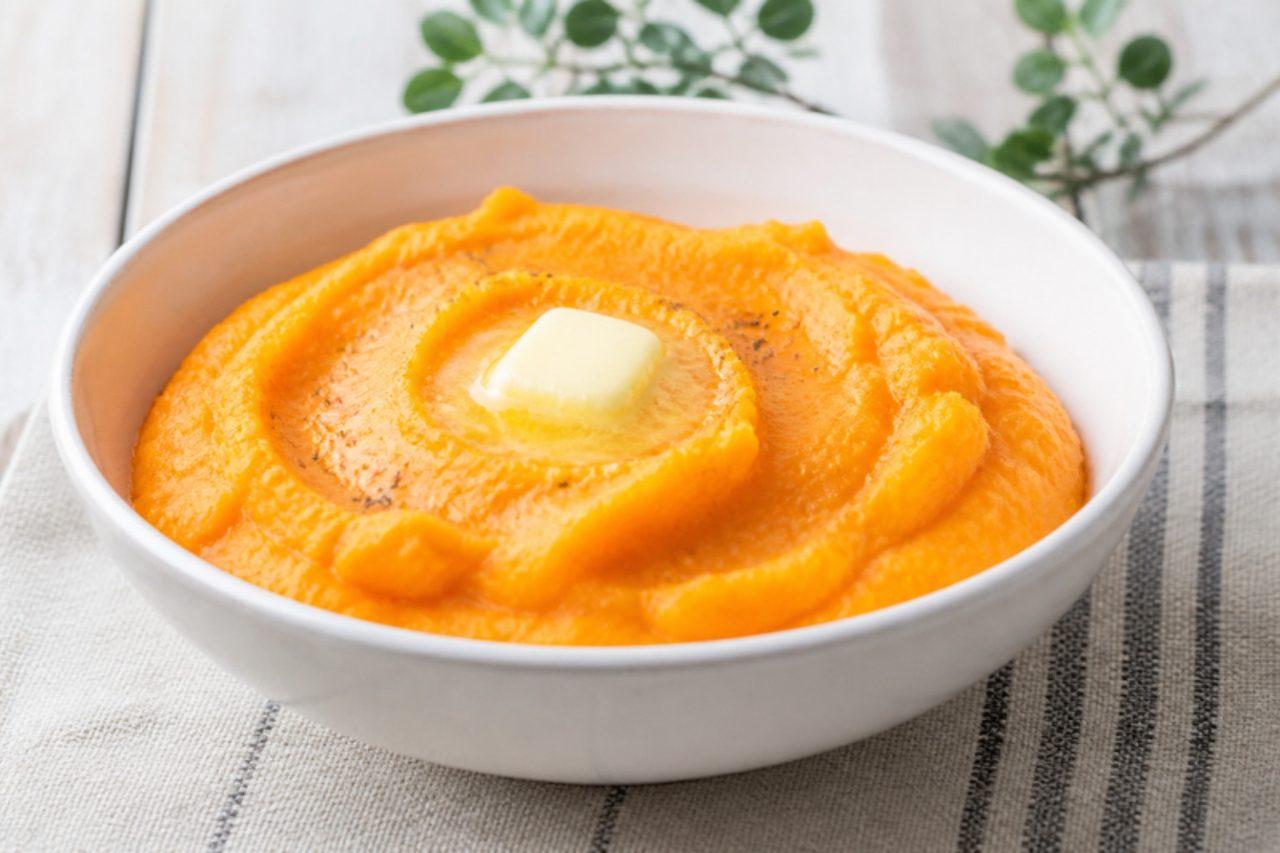
Rotmos, literally 'root mash', is a Swedish winter staple, cooked from Skåne to Norrland when the cellars are full of swede, and served beside sausages or boiled pork at home dinners, and on Thursdays with pea soup. Swede gives the mash its golden colour and gently peppery sweetness, potato makes it smooth, and a little butter and allspice round it out. It is a vegetarian side with about 3 g of protein per portion; try it with fried halloumi or a bean stew. The common mistake is mashing it straight from the pan: watery roots give a sloppy mash, so steam-dry them first. Chef's tip: leave the mash a little coarse; Swedes like to see flecks of swede and carrot rather than a smooth purée.

by KrazyBadal 0 views

Mâncare de mazăreStewed green peas

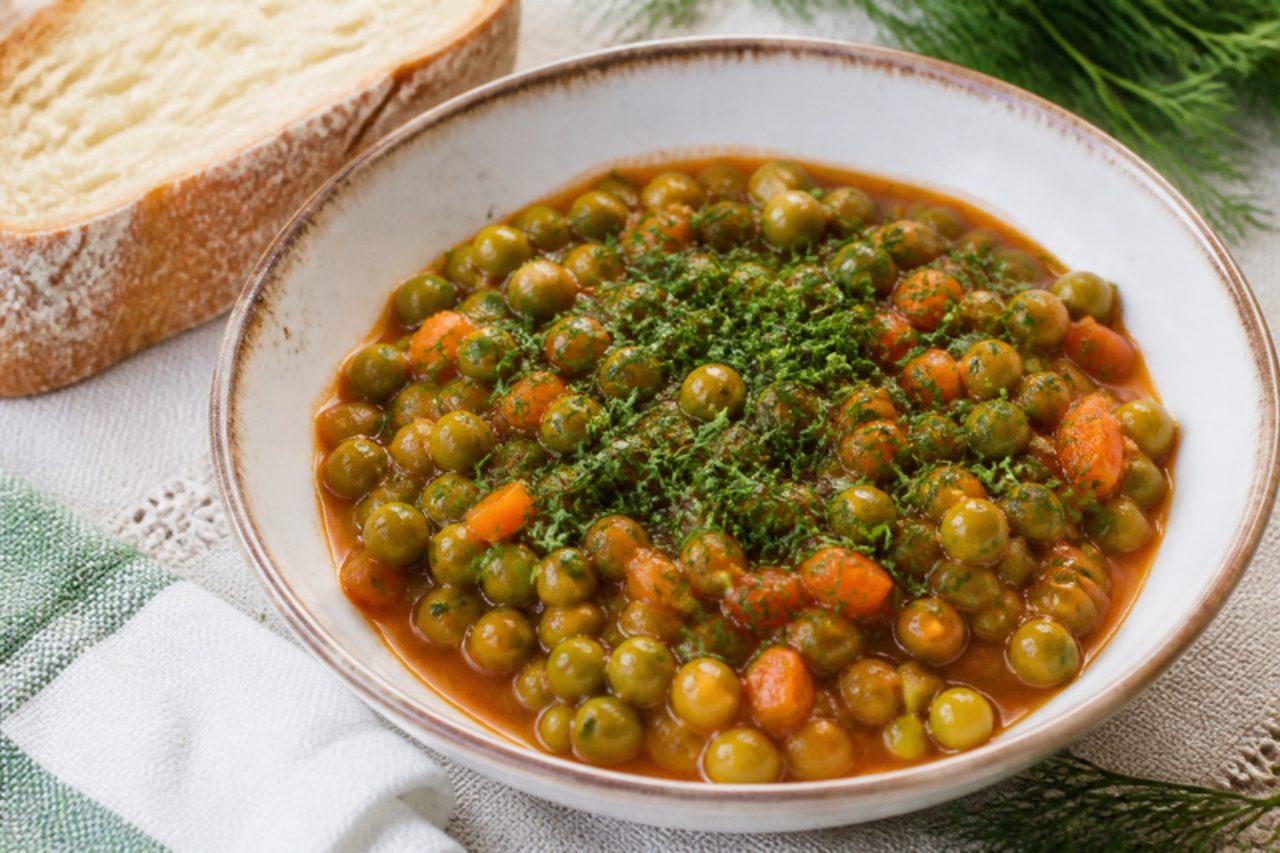
In Romanian homes from Bucharest to the villages of Moldavia, mâncare de mazăre is a weekday lunch all year and a mainstay of the Orthodox fasting days, when the table is meat-free; it is eaten with mămăligă (polenta) or bread and a pickle or two. Peas simmer gently with soft onion and carrot in a light tomato sauce, and a handful of dill goes in at the end. A portion gives about 14 g of protein from the peas, so it isn't a high-protein dish on its own; serve it with polenta and a chunk of bread, or a fried egg on top if you eat eggs. The most common mistake is boiling the peas for too long, which turns them khaki and mushy. Chef's tip: thicken the sauce with a teaspoon of flour fried in the oil before the tomato goes in, as Romanian cooks do, or leave it out to keep the dish gluten free.

by KrazyBadal 0 views

Iri-dofuScrambled tofu with vegetables

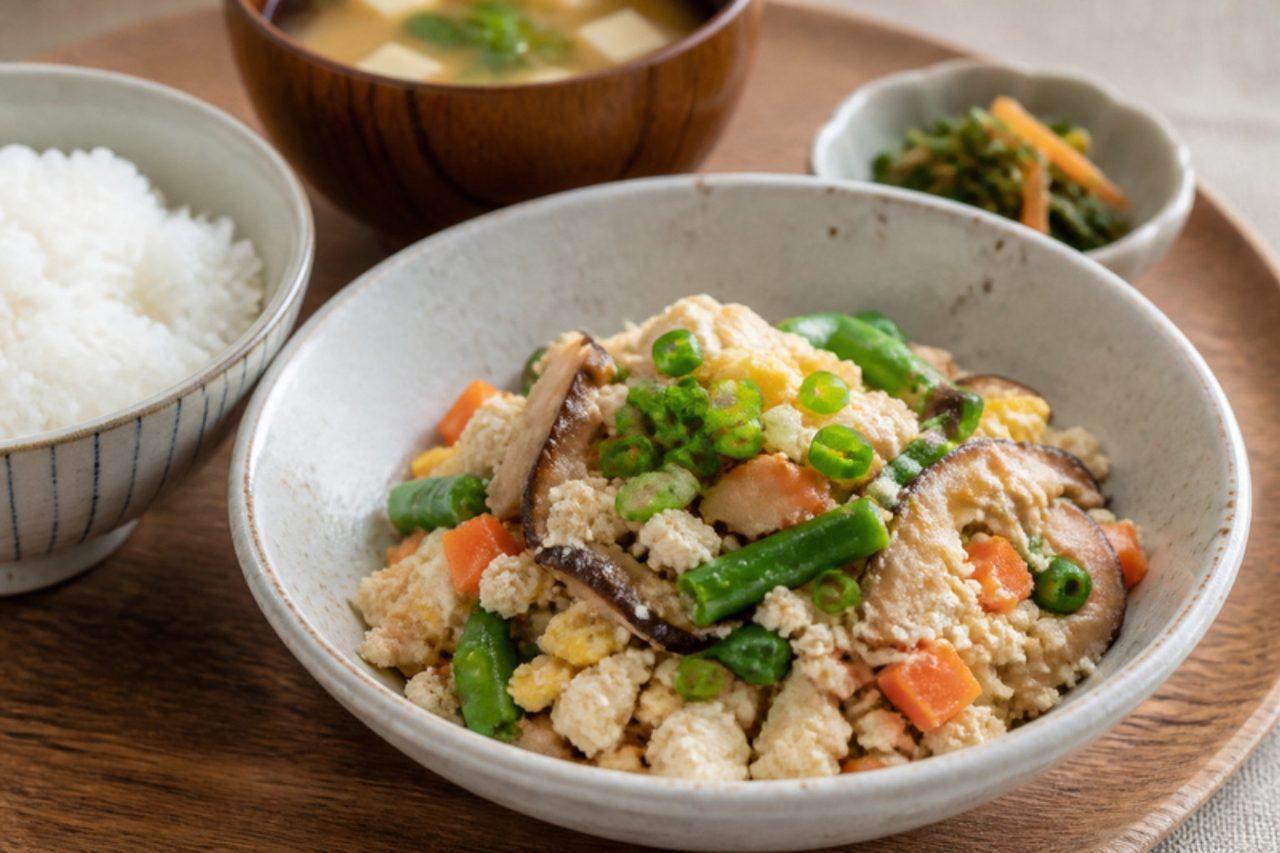
Iri-dofu is a thrifty home dish cooked all over Japan, from Tokyo flats to farmhouses in Shikoku, made to fill out a weekday dinner tray or a bento. Firm tofu is crumbled and stirred in a dry pan until it turns fluffy, then cooked with carrot, shiitake and green beans in soy and dashi, with an egg stirred through at the end. It tastes gently sweet and savoury, and is eaten warm or cold with rice and miso soup. This version uses a kombu and shiitake dashi, so it is vegetarian. A portion gives about 22 g of protein, from the tofu and egg. The common mistake is not drying the tofu enough, which leaves a watery scramble. Chef's tip: keep stirring until the tofu crumbs squeak against the pan; that is when they are dry enough to soak up the seasoning.

by KrazyBadal 0 views

Fagioli al fiascoSlow-cooked cannellini beans with sage

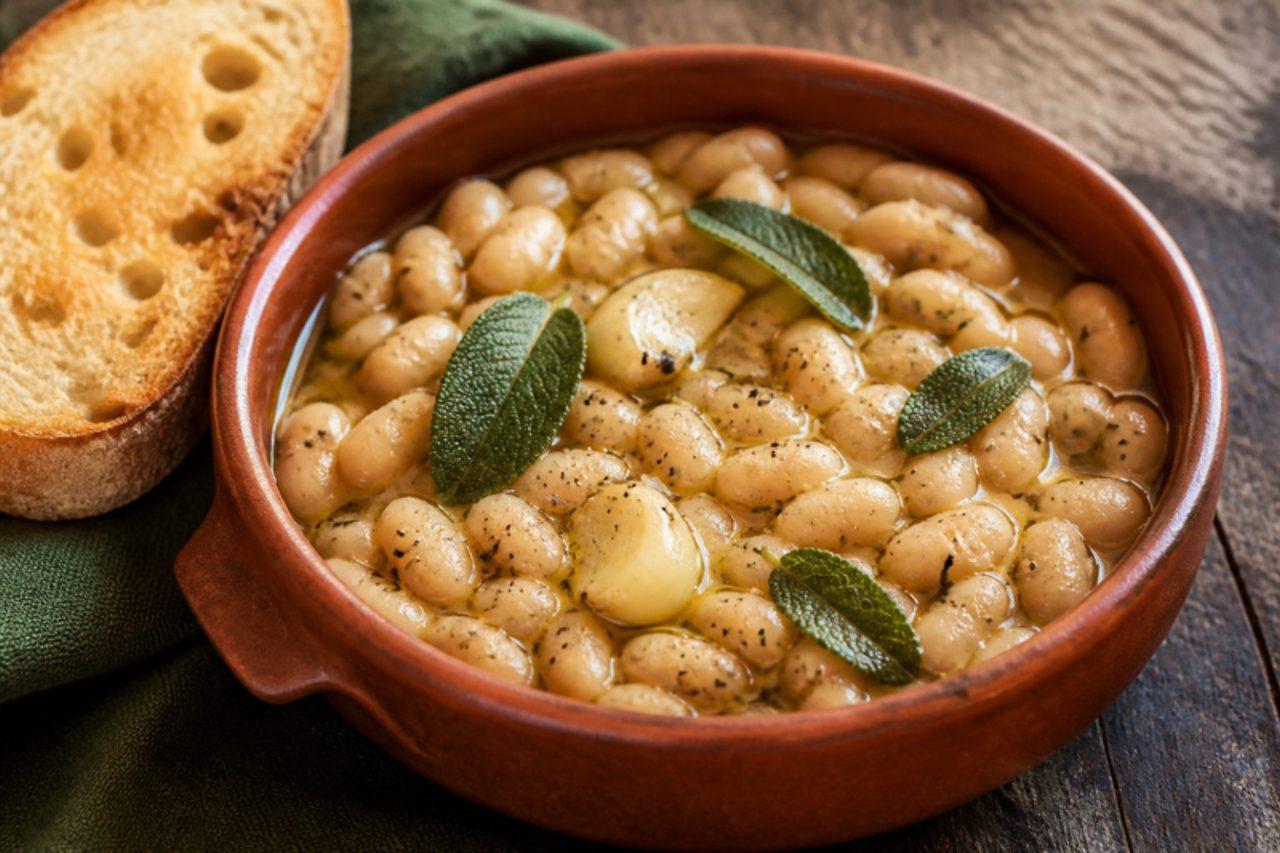
In Tuscany, and above all in Florence and the Chianti hills, beans were once cooked overnight in an old glass wine flask set in the dying embers of the hearth, and fagioli al fiasco are still made in autumn when the new season's peppery olive oil arrives in November. Cannellini, sage, garlic and oil are sealed in a lidded pot and cooked very slowly, so the beans turn creamy and buttery inside while staying whole. At home a heavy casserole in a low oven does the job. Served as a side or a light main with toasted bread, a portion gives about 23 g of protein from the beans. Soak the beans for 12 hours first; that time is not counted below. The most common mistake is letting the liquid boil: fast bubbling splits the skins and turns the beans mealy. Chef's tip: salt only at the very end, and pour over your best oil at the table, not during cooking, where its fresh flavour is lost.

160 minItalianSidesVeganGluten free
by KrazyBadal 0 views

Tempe bacemSweet braised tempeh

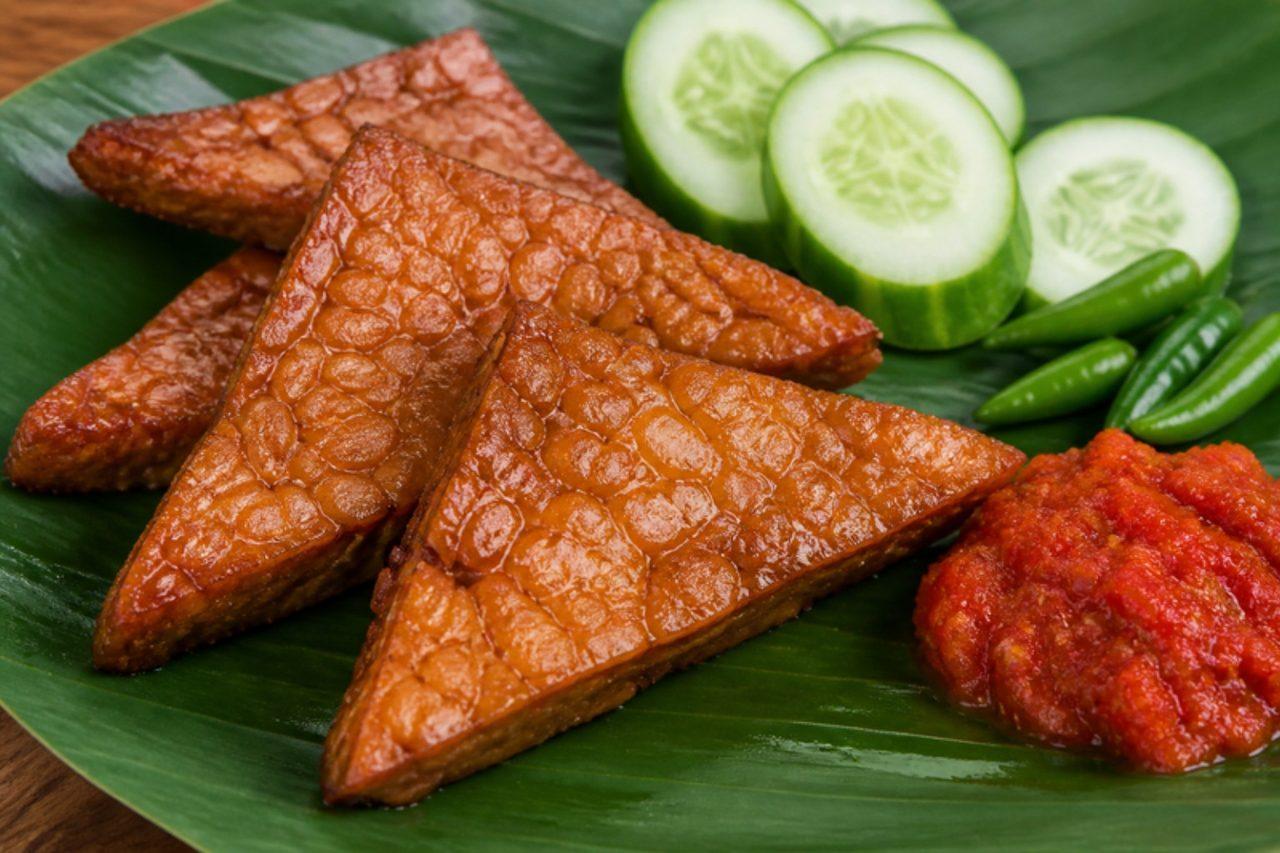
Every warung in Yogyakarta and Solo has a tray of tempe bacem on the counter, dark, sticky and sweet, eaten at lunch with rice, sambal and a few raw cucumber slices, or packed for journeys because it keeps so well. The tempeh is simmered slowly in coconut water with palm sugar, galangal, coriander seed and bay leaf until the liquid has gone and every slab is glazed, then seared briefly so the edges caramelise. A portion of about 150 g of tempeh gives roughly 28 g of protein, nearly all from the fermented soybeans. The common mistake is turning the heat up to hurry the braise: the sugar catches and turns bitter before the tempeh has soaked anything up. Chef's tip: make it a day ahead; bacem tastes deeper after a night in the fridge and sears better cold.

by KrazyBadal 0 views

Hongshao doufuRed-braised tofu

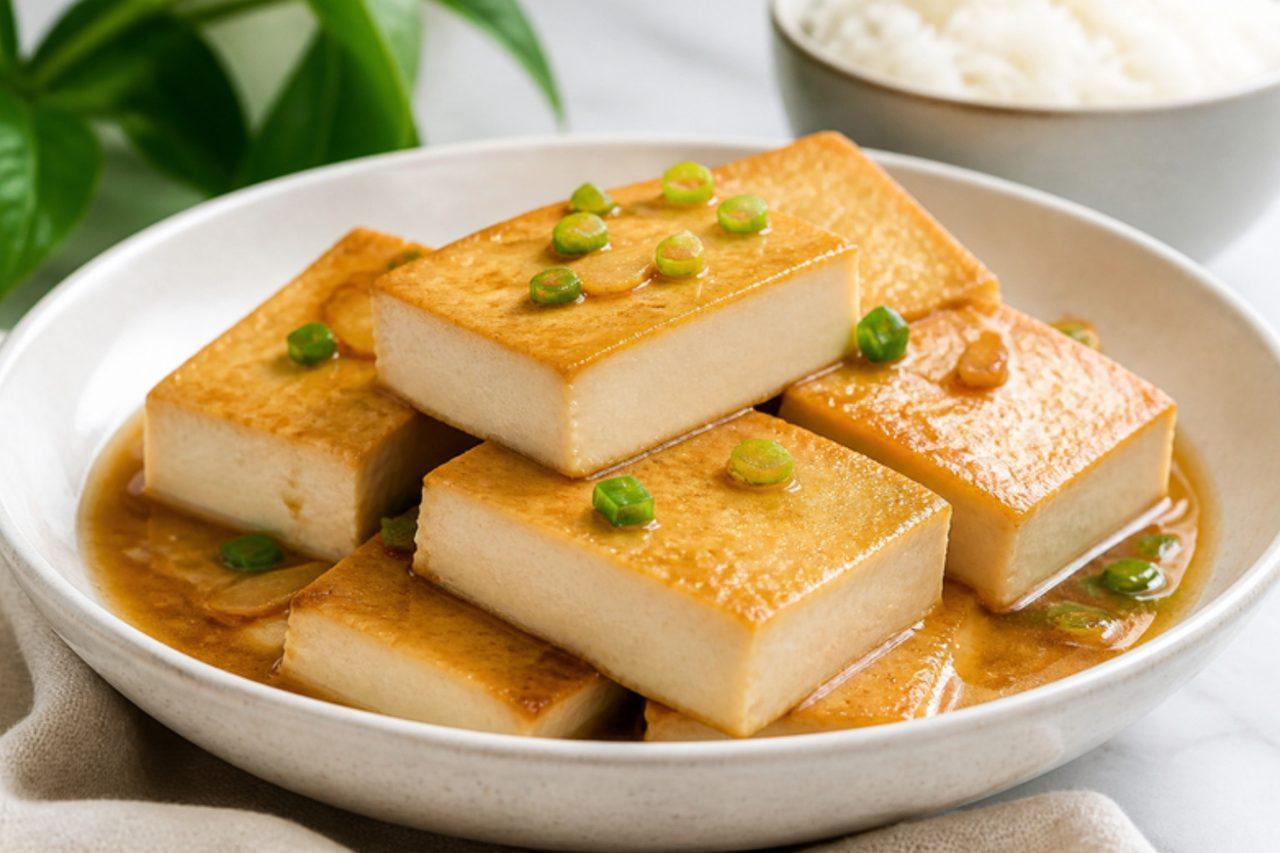
Hongshao doufu is the meat-free cousin of red-braised pork, cooked in home kitchens from Shanghai to Sichuan as a weeknight dinner with rice and a green vegetable. Slices of firm tofu are fried until golden, then braised in a glossy, mahogany sauce of light and dark soy, a little sugar, ginger and spring onion until they turn sweet-salty and slightly chewy. This version skips the usual splash of Shaoxing wine. A portion gives about 26 g of protein, from 200 g of firm tofu each. The common mistake is moving the tofu too soon in the pan; leave it until it releases on its own, or it tears. Chef's tip: let the sauce reduce until it bubbles thickly and coats the back of a spoon; that is when the tofu is properly lacquered.

by KrazyBadal 0 views

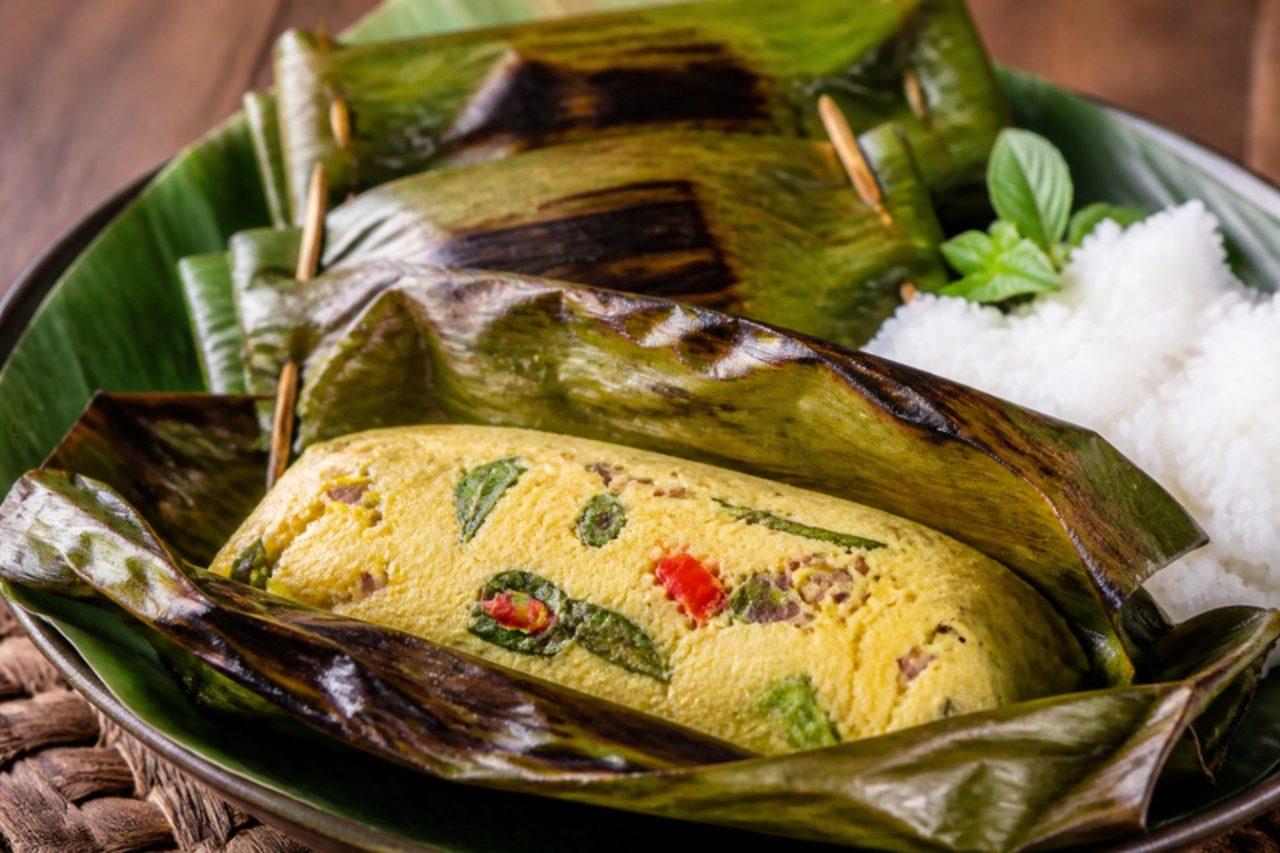
Pepes tahuTofu and basil in banana leaf

In Bandung and the hills of West Java, pepes means anything wrapped in banana leaf, steamed and then charred over coals, and pepes tahu is the everyday meat-free one, eaten at lunch with rice, raw vegetables and sambal. Mashed tofu is bound with egg, shallot, chilli, lemon basil and lime leaf, so it sets into a soft, fragrant, smoky cake inside its leaf. Each portion has about 150 g of tofu and most of an egg, giving roughly 24 g of protein, from the tofu and eggs. The common mistake is skipping the steaming and going straight to the grill: the outside burns while the egg in the middle stays raw. Chef's tip: steam first until the filling is firm right through, then grill only to scorch the leaf and add smoke.

by KrazyBadal 0 views

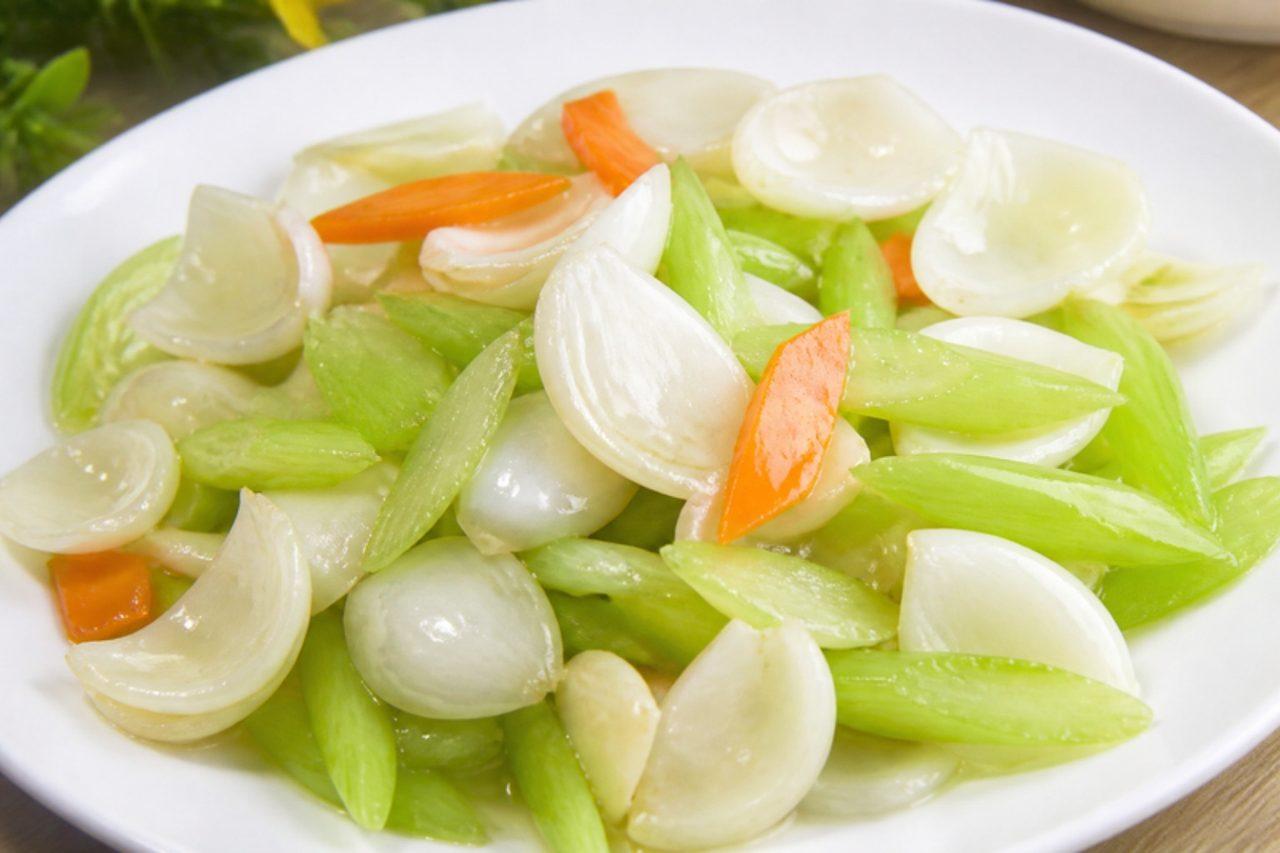
Xiqin chao baiheCelery and lily bulb stir-fry

In Guangdong homes and dim sum restaurants this pale green and ivory stir-fry is served as a cooling dish in the dry autumn months, when lily bulb is said to soothe the lungs. Celery is cut on the slant and stir-fried hot with garlic, then the sweet, starchy petals of fresh lily bulb go in for the last minute, with a glossy thin sauce. It is vegan and light, with about 3 g of protein per portion. The common mistake is cooking the lily bulb too long: it turns floury and falls apart, so add it last. If you can't get fresh lily bulb, use soaked dried lily bulb or water chestnuts for crunch. Chef's tip: blanch the celery for 30 seconds first; it keeps its jade colour and only needs a quick toss in the wok.

by KrazyBadal 0 views

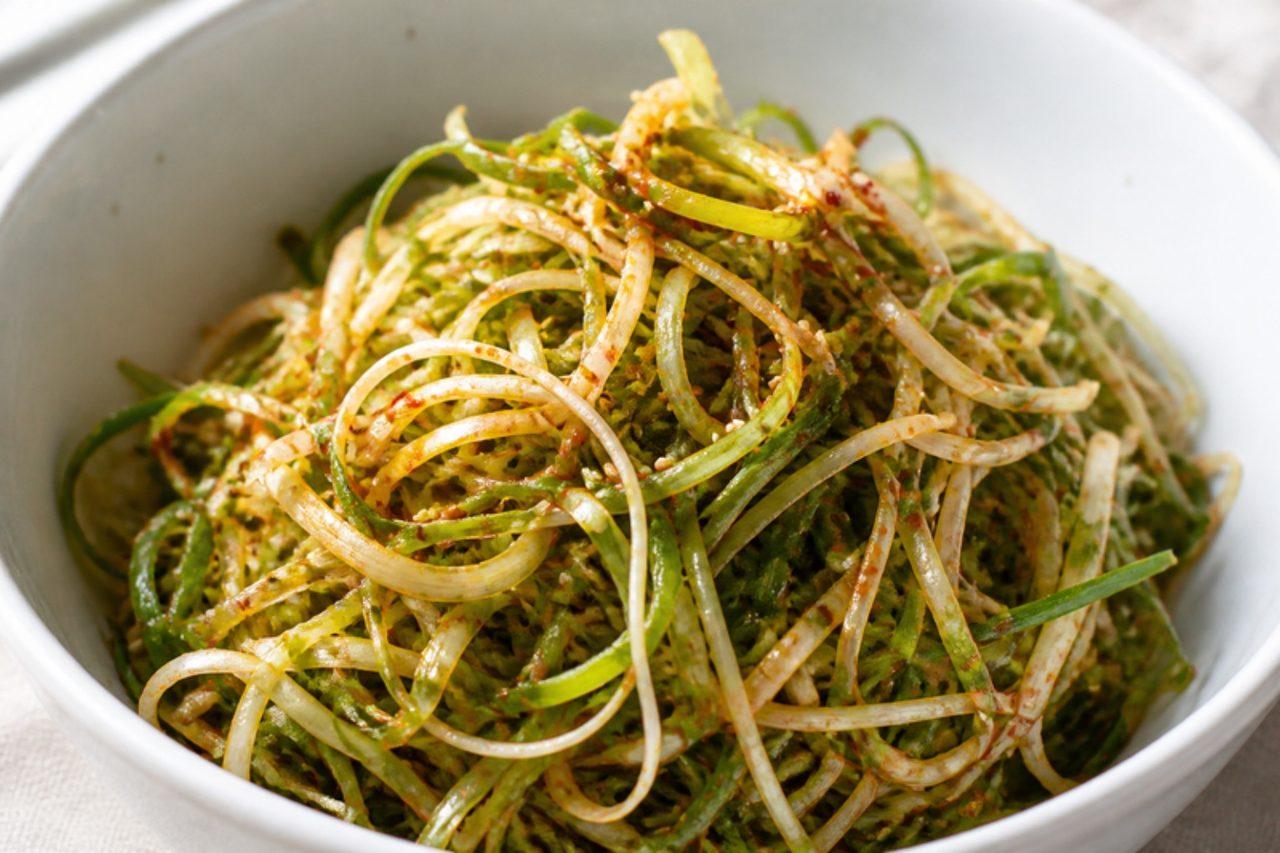
Pa muchimSpring onion salad

Pa muchim is the tangle of sharp, spicy spring onion that arrives with barbecue in restaurants all over Korea, from Seoul to Busan, and it is just as good at home beside grilled tofu, mushrooms or a rice bowl. Spring onion is shredded into long, thin threads, rinsed in cold water to tame its bite, then dressed at the last moment with chilli flakes, vinegar, soy, sugar and sesame. It is a light, vegan side with about 2 g of protein per portion. The common mistake is dressing it too early: after 10 minutes the onion wilts and weeps. Chef's tip: soak the shredded onion in iced water for 10 minutes before dressing; it curls, crisps and loses its harsh raw heat.

by KrazyBadal 0 views

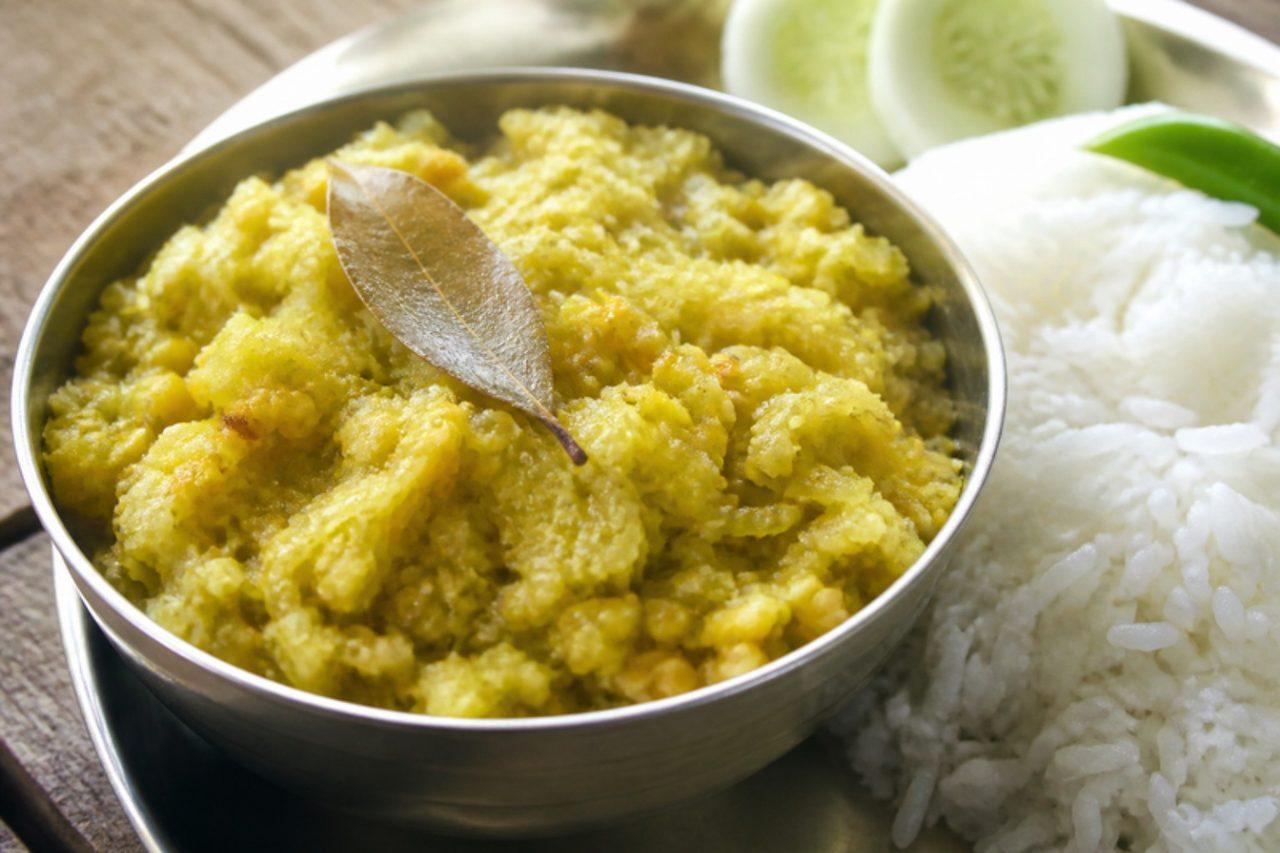
Lau ghontoBottle gourd with moong dal

Lau ghonto is a gentle summer dish from Dhaka and Kolkata kitchens, served in the first courses of a Bengali lunch with plain rice, when the bottle gourds are young and sweet. The gourd is grated, cooked down in its own juice with a handful of roasted moong dal, ginger and a little cumin until soft and almost creamy, and seasoned with a pinch of sugar. It is light, about 190 kcal a portion, and gives about 8 g of protein from the moong dal, so it is a vegetable side rather than a protein dish and is not tagged High protein. The most common mistake is adding water: bottle gourd releases plenty of its own, and extra water turns the ghonto into a soup. Chef's tip: choose a gourd that feels heavy, with pale, fuzzy skin you can dent with a fingernail; older gourds have hard seeds and turn bitter.

by KrazyBadal 0 views

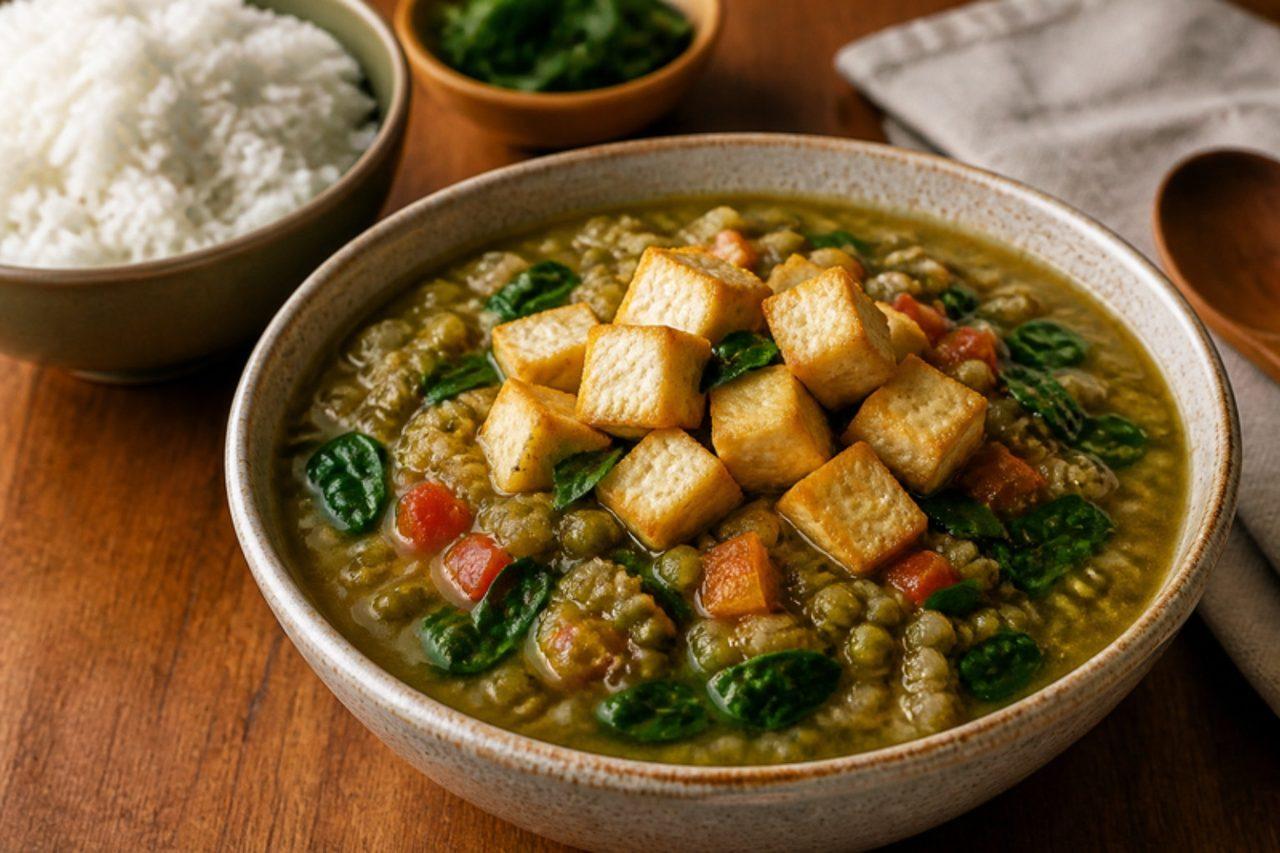
Vegetarian ginisang monggoSautéed mung bean stew with tofu

All over the Philippines, ginisang monggo is what's on the table on Friday, a habit from the days of meatless Fridays that never went away. Whole green mung beans are simmered until they burst into a thick, savoury stew with lots of garlic, onion and tomato and finished with malunggay (moringa) or spinach leaves. Home cooks usually add pork or dried shrimp and season with fish sauce; this vegetarian version uses golden fried tofu and soy sauce instead. A portion gives about 25 g of protein from the mung beans and tofu, and it is filling enough to eat with rice as a whole meal. The most common mistake is adding the greens too early, so they turn grey and slimy; put them in at the very end and turn off the heat. Chef's tip: let the beans simmer until most have split their skins and some collapse into the liquid; that is what makes the stew creamy without any thickener.

by KrazyBadal 0 views

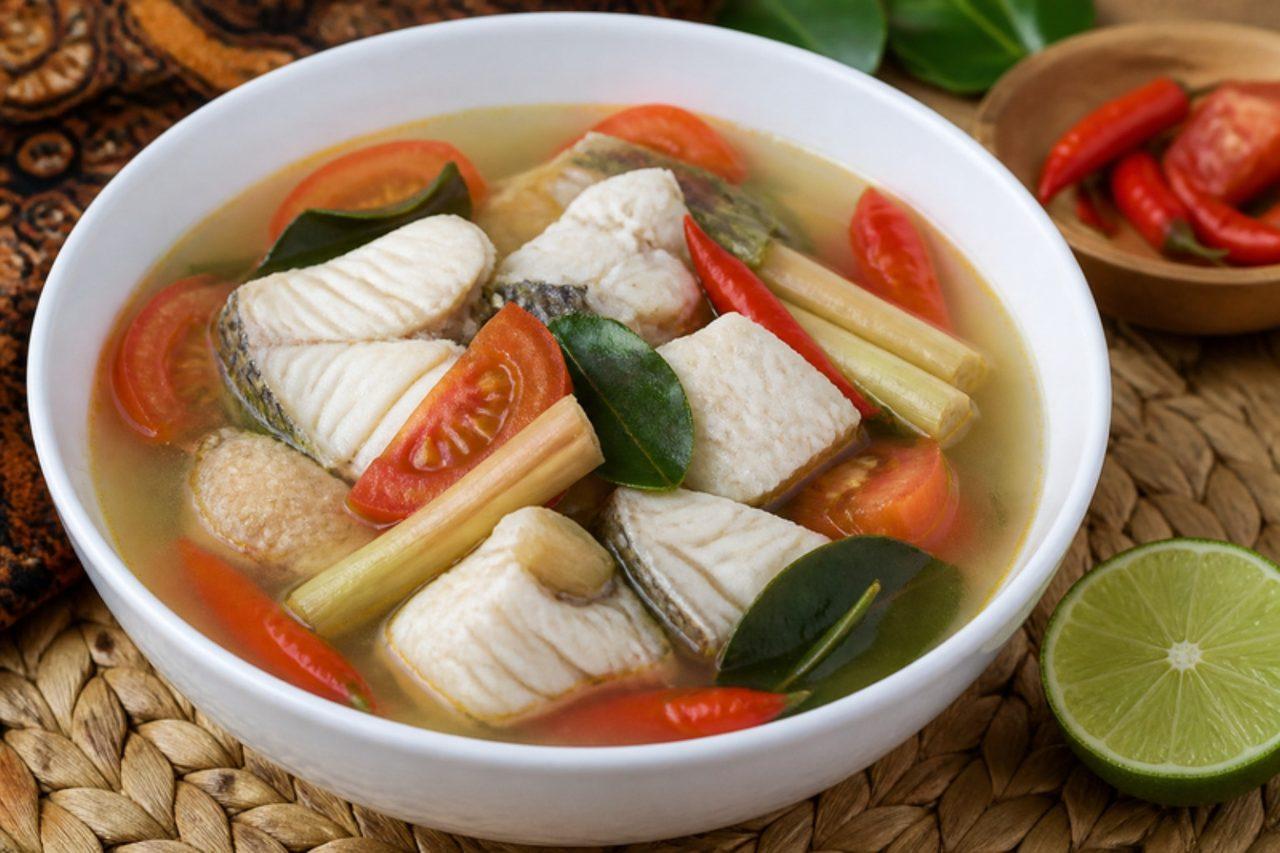
Ikan kuah asamFish in clear sour broth

Across Ambon in Maluku and the coasts of North Sulawesi, ikan kuah asam is the soup families eat almost daily with papeda or rice, made from whatever fish came in that morning. The broth is thin and clear, bright with lime and tomato, warm with chilli and lemongrass, with chunks of fish poached just until they flake. It is light but filling, with about 28 g of protein a portion from the fish. The common mistake is adding the lime juice too early and boiling it: it turns bitter, so squeeze it in at the end. Chef's tip: use a firm, meaty fish such as tuna, mackerel or snapper, cut into large chunks, so it holds together in the broth.

by KrazyBadal 0 views

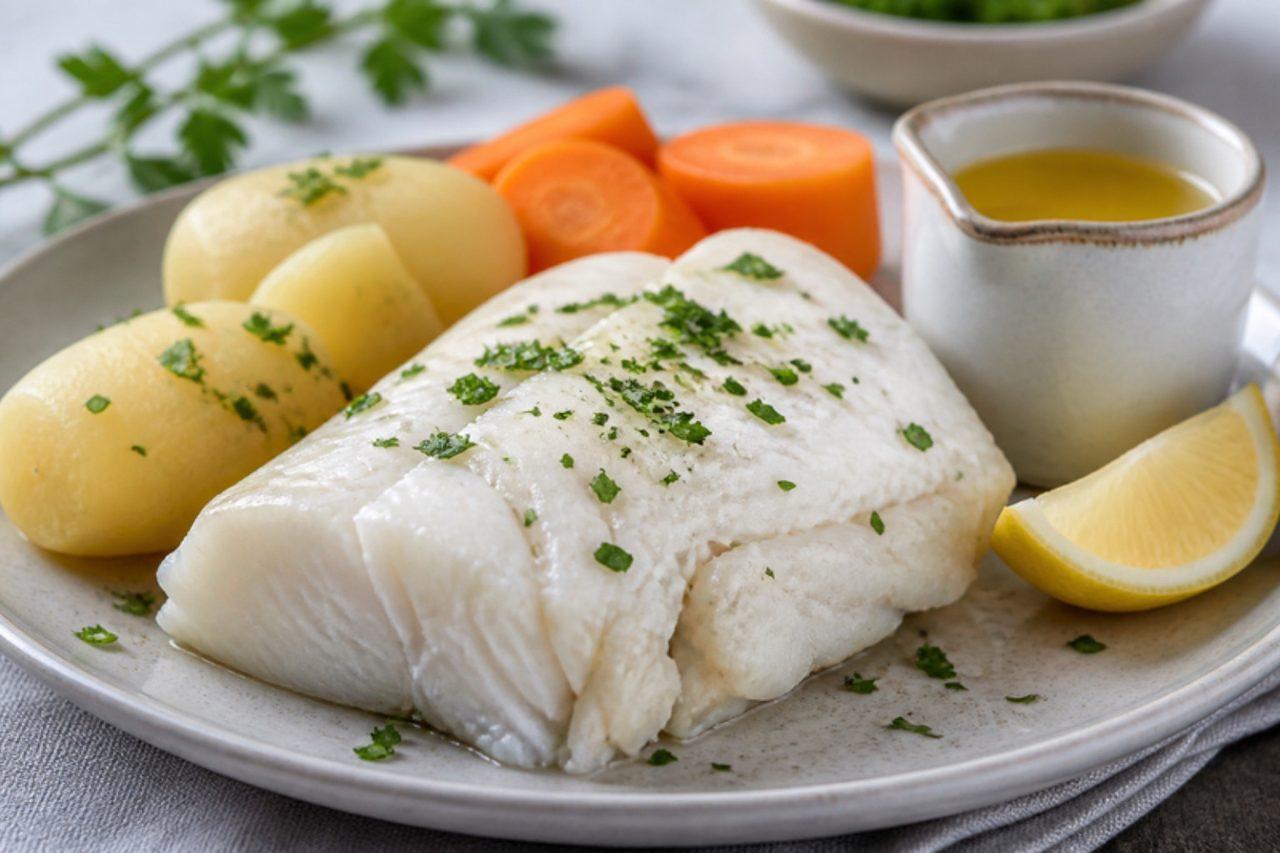
Kokt torskPoached cod with potatoes

From January to April, when the spawning skrei cod arrive at the Lofoten Islands, Norwegian homes eat kokt torsk at least once a week: thick cod loins poached in well-salted water, served plainly with boiled potatoes, carrots and a little melted butter. It is clean, gentle food, and the whole plate comes to around 430 kcal with about 40 g of protein, almost all from the cod. The common mistake is boiling the fish: the water should barely tremble, which Norwegians say makes it "smile", or the flakes tighten and turn woolly. Cook it until it is opaque and the flakes separate at a light press, about 60–63 °C in the thickest part. Chef's tip: salt the poaching water as heavily as the sea, about 60 g to a litre; it seasons the cod all the way through in the few minutes it cooks.

by KrazyBadal 0 views

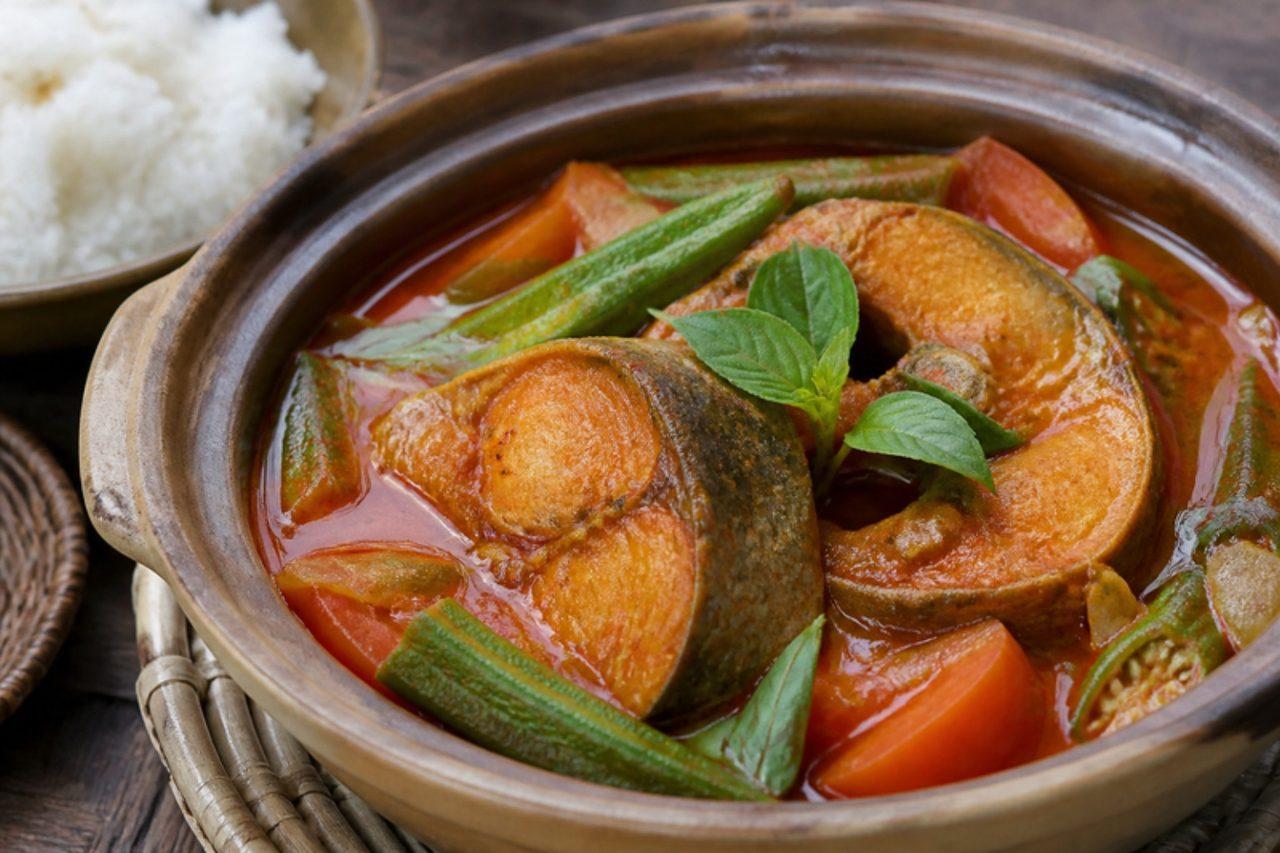
Asam pedas ikanSour spicy tamarind fish

Asam pedas, "sour and spicy", is the pride of Malay kitchens in Melaka and Johor, cooked for everyday lunches and sold at rice stalls with a dozen other dishes. Fish steaks simmer in a thin, brick-red gravy of dried chilli, shallot and belacan soured with tamarind, with okra and tomato soaking up the sauce and Vietnamese mint scenting it. It is fiery, tangy and light, with about 29 g of protein a portion from the fish; eat it with plenty of plain rice. The common mistake is rushing the chilli paste: if it isn't fried until the oil separates, the gravy tastes raw and harsh. Chef's tip: use oily, firm fish such as Spanish mackerel or stingray, which stand up to the sour broth.

by KrazyBadal 0 views

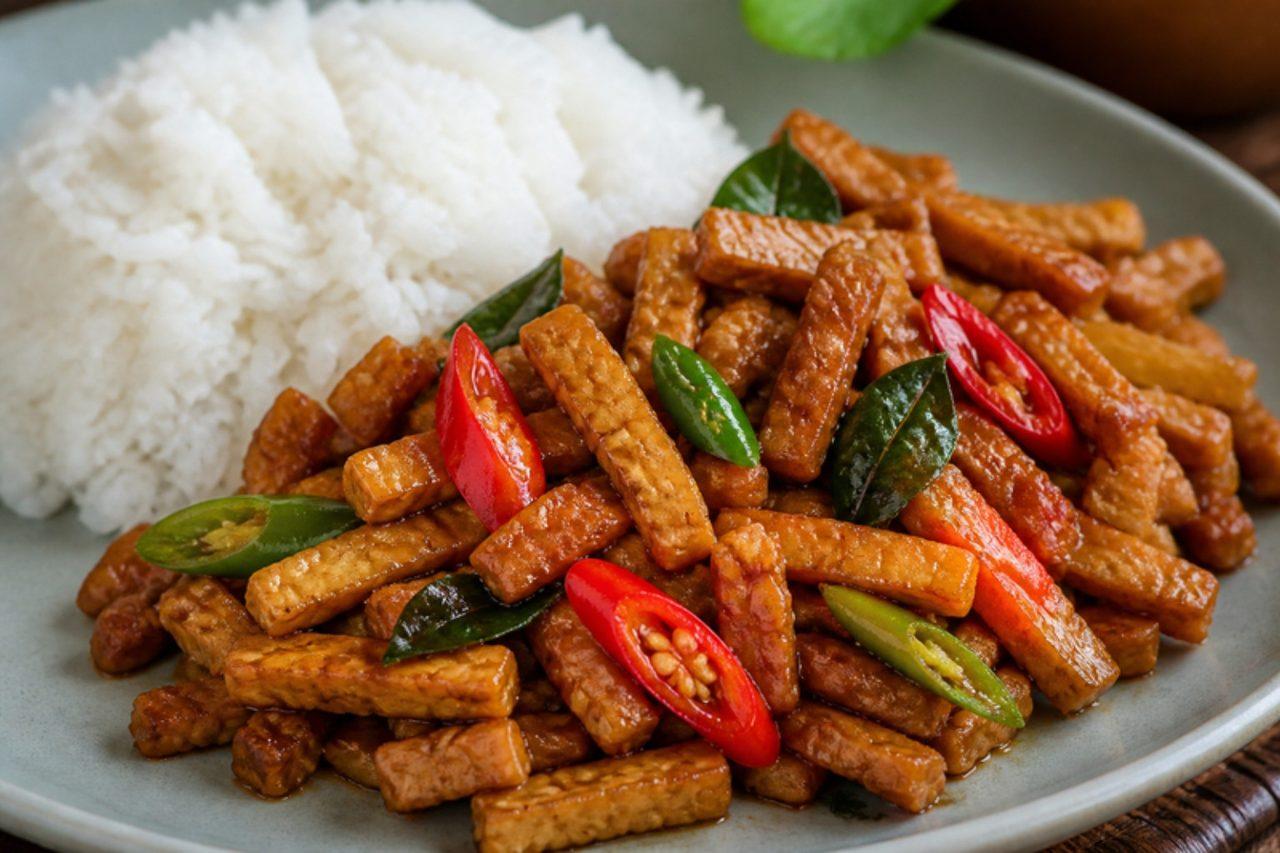
Oseng tempeStir-fried tempeh with chilli

Oseng tempe is the quick fix of Javanese home cooking, made in Semarang, Surabaya and every student boarding house in between for weekday lunch or dinner with plain rice. Thin matchsticks of tempeh are fried until crisp-edged, then tossed with shallot, garlic, sliced chilli, galangal and bay leaf in sweet soy sauce until sticky, sweet, salty and hot. A portion with about 125 g of tempeh gives roughly 24 g of protein, almost all from the tempeh. The common mistake is adding the sweet soy too early, before the tempeh has browned: it soaks in, burns and turns the strips soft. Chef's tip: fry the tempeh separately first, then build the sauce and return it at the end, so every strip stays a little crunchy.

by KrazyBadal 0 views

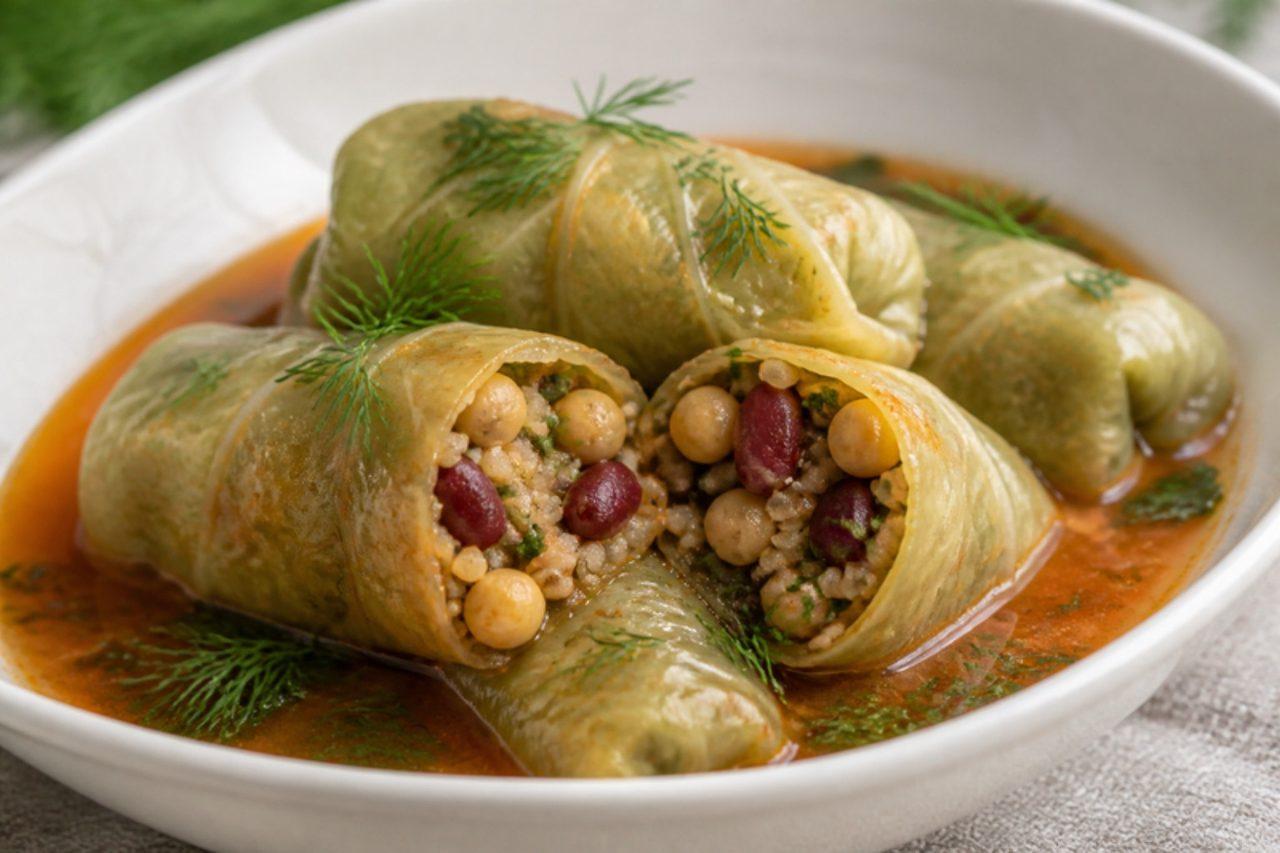
Pasuts tolmaBean and bulgur cabbage rolls

Across Armenia, from Yerevan kitchens to village homes in Shirak, pasuts tolma is the dish of the long Lenten fast before Easter, and many families also make it for the first days of the new year: cabbage leaves wrapped around a thick filling of red beans, lentils, chickpeas and bulgur, simmered in a tangy tomato broth. The rolls come out soft and savoury, with a gentle sourness, and are just as good cold the next day with a spoonful of garlic yoghurt for those who eat dairy (leave it out to keep the dish vegan). A portion of about six rolls gives roughly 22 g of protein, all from the beans, lentils, chickpeas and wheat. The beans and chickpeas must soak for 12 hours first; that time is not counted below. The most common mistake is rolling the parcels loosely: they open in the pot and the filling drifts into the broth. Chef's tip: cook the legumes until just tender, not soft, because they keep cooking inside the leaves for another hour.

by KrazyBadal 0 views

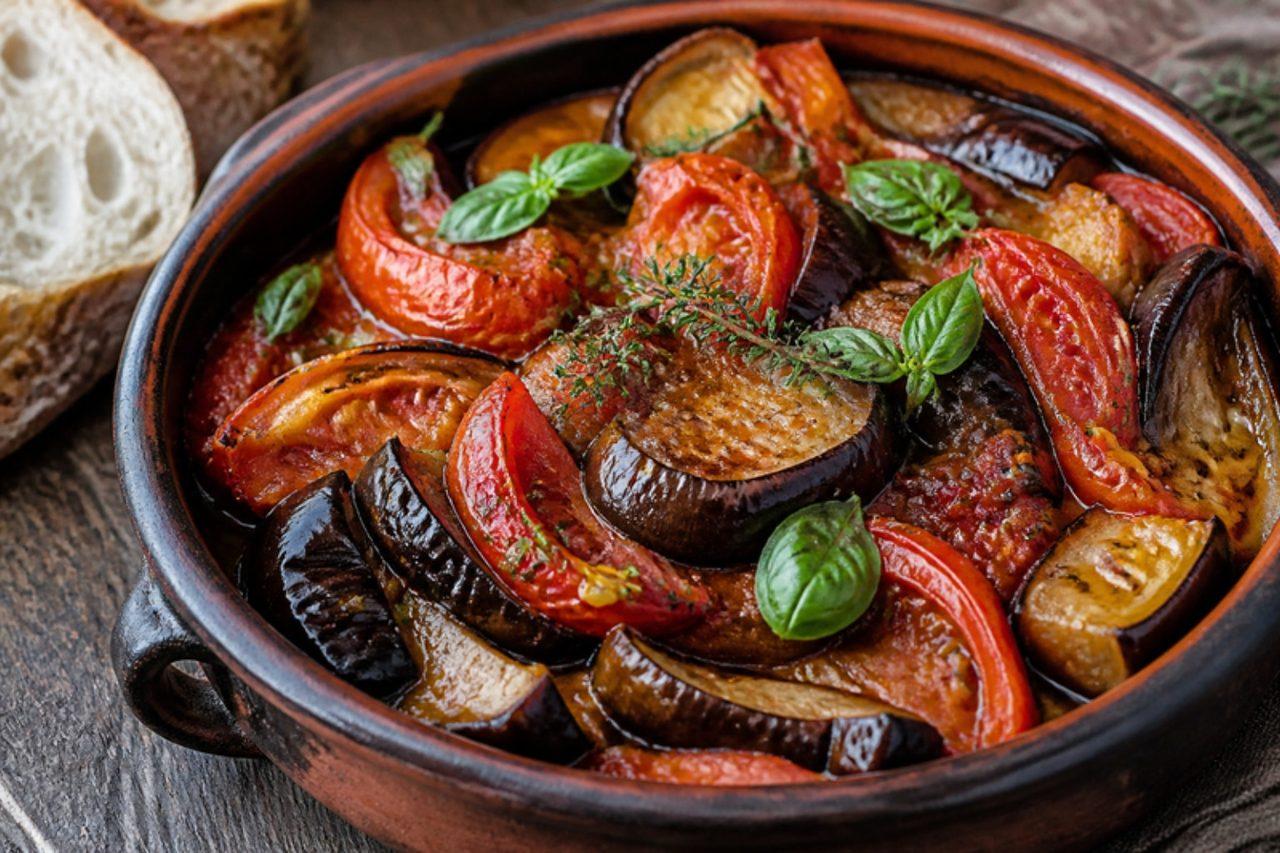
BohémienneAubergine and tomato stew

Bohémienne is the older, simpler cousin of ratatouille, cooked in Avignon and the Vaucluse villages at the end of summer when aubergines and tomatoes are cheap and ripe. Just those two vegetables, with onion, garlic and plenty of olive oil, are stewed slowly until they melt into a soft, jammy confit that is eaten warm with bread, cold on toast, or beside an omelette. It is vegan and light, with about 3 g of protein per portion. The common mistake is hurrying it over a high heat: the aubergine catches before it softens, so keep the heat low and stir gently. Chef's tip: salt the aubergine cubes for 20 minutes and pat them dry; they then take up less oil and keep a silky texture.

by KrazyBadal 0 views

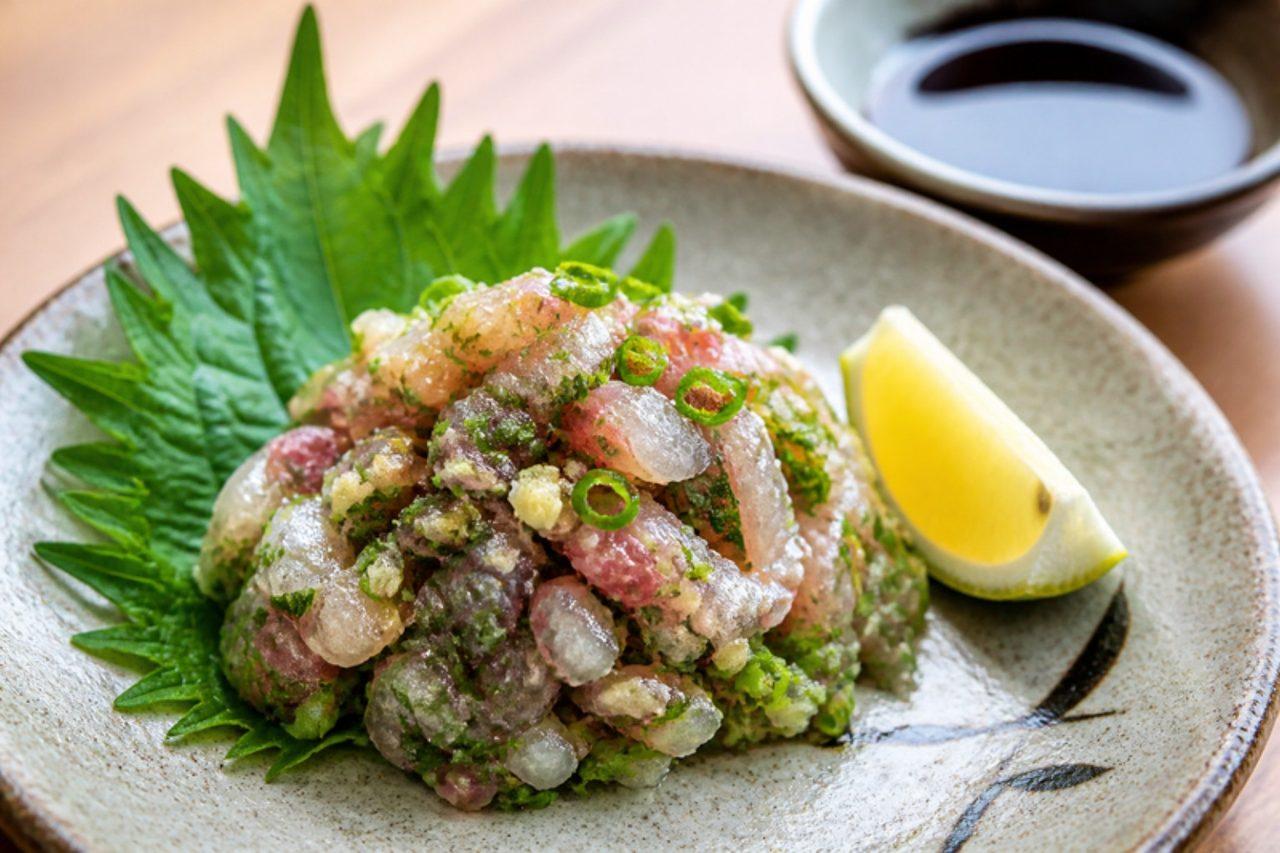
Aji no tatakiChopped horse mackerel with ginger

Aji no tataki is a dish of Japan's fishing ports, from the Izu peninsula to Kyushu, eaten as a summer lunch over rice or a starter with cold drinks when the horse mackerel come in fresh. The raw fillets are skinned and chopped with a knife, then mixed with grated ginger, spring onion and shiso, so the fish is soft, cool and clean-tasting with a sharp herbal bite. As a main over rice, a portion has about 28 g of protein from the fish. This is raw fish: buy only sashimi-grade fish from a fishmonger you trust, keep it ice-cold, and freeze it at −20 °C for at least 24 hours first to kill parasites; anyone pregnant, very young, older or with a weak immune system should not eat it. The common mistake is chopping it into a paste: keep small pieces with some texture. Chef's tip: chill the board and the bowl, and work quickly, so the fish never warms up.

by KrazyBadal 0 views

OmenaFried silver fish with tomato

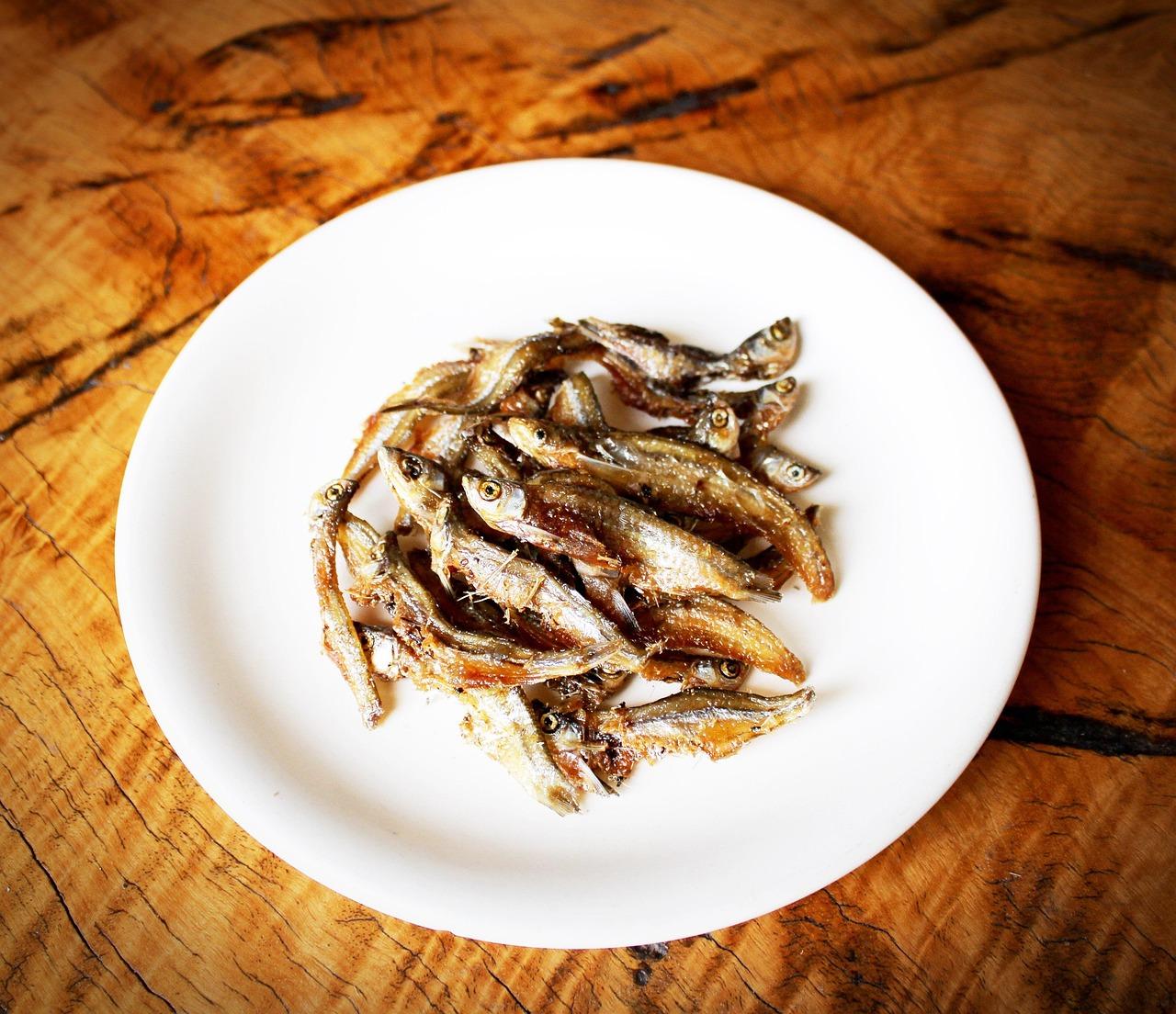
Omena are tiny silver cyprinid fish netted at night on Lake Victoria and sun-dried on the shores around Kisumu and Homa Bay; in western Kenya they are a cheap, protein-rich weeknight dinner, fried crisp and then simmered briefly in onion and tomato and eaten with ugali and sukuma wiki. They are eaten whole, bones and all, like whitebait. The common mistake is skipping the rinse: dried omena carry sand from the drying beaches, so soak and swish them in several changes of warm water. Chef's tip: fry the drained fish on their own until crisp and fragrant before the tomato goes in; it takes away the strong 'lake' smell and keeps them from going mushy. Look for dried omena (also sold as dagaa) in African grocers.

by KrazyBadal 0 views

Garang asemChicken and starfruit in banana leaf

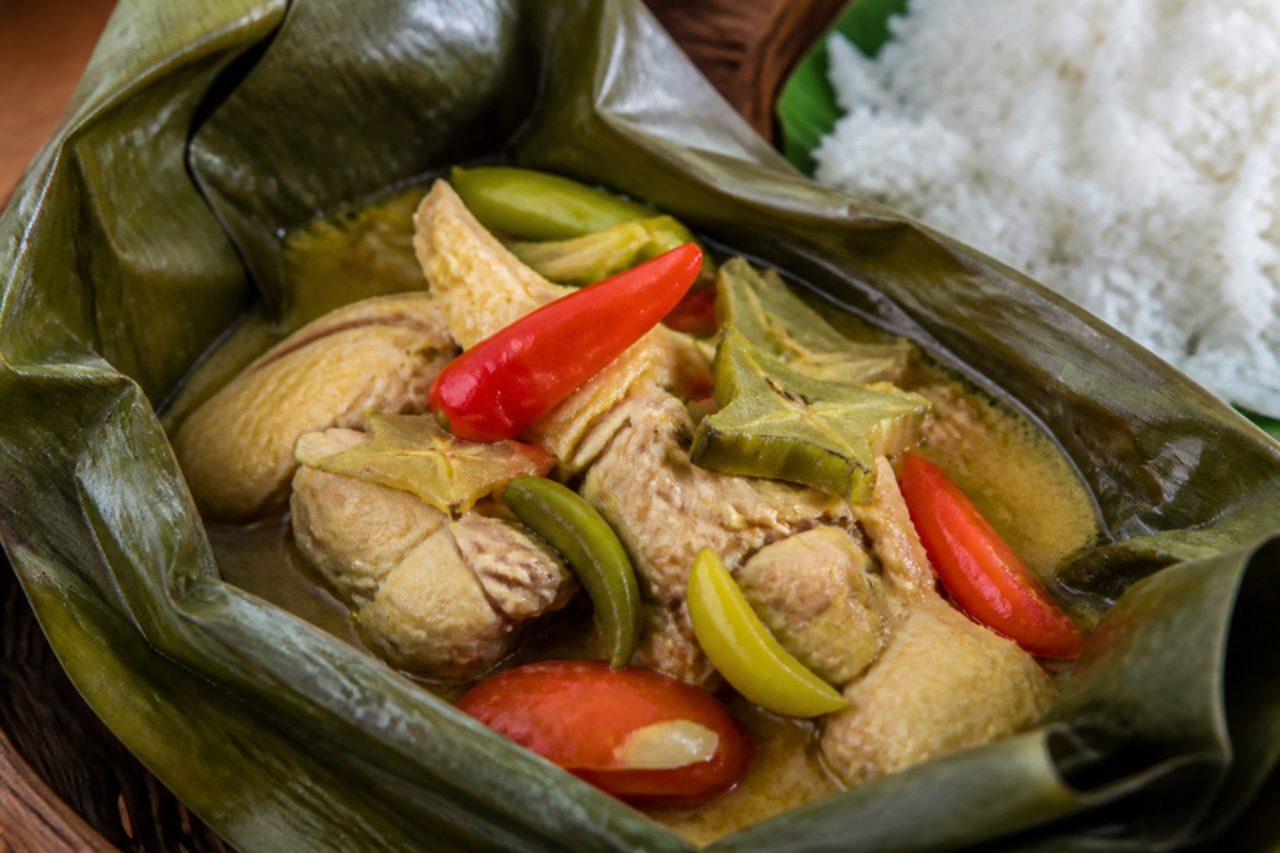
Garang asem is a dish from Kudus and Demak on the north coast of Central Java, where it is cooked for family lunches and sold at warungs by midday. Bone-in chicken is packed into banana-leaf parcels with sour starfruit, tomato, whole chillies and a little thin coconut milk, then steamed until the juices turn into a light, tangy, peppery broth. It is clean-tasting rather than rich, and a portion has about 32 g of protein from the chicken; serve it with steamed rice. The common mistake is wrapping the parcels loosely so the broth runs out; fold the leaves in two layers and pin them tight. Chef's tip: if you can't find belimbing wuluh (sour starfruit), use green tomatoes and a spoon of tamarind water for the same sharpness.

by KrazyBadal 0 views

Guota doufuEgg-battered pan-fried tofu

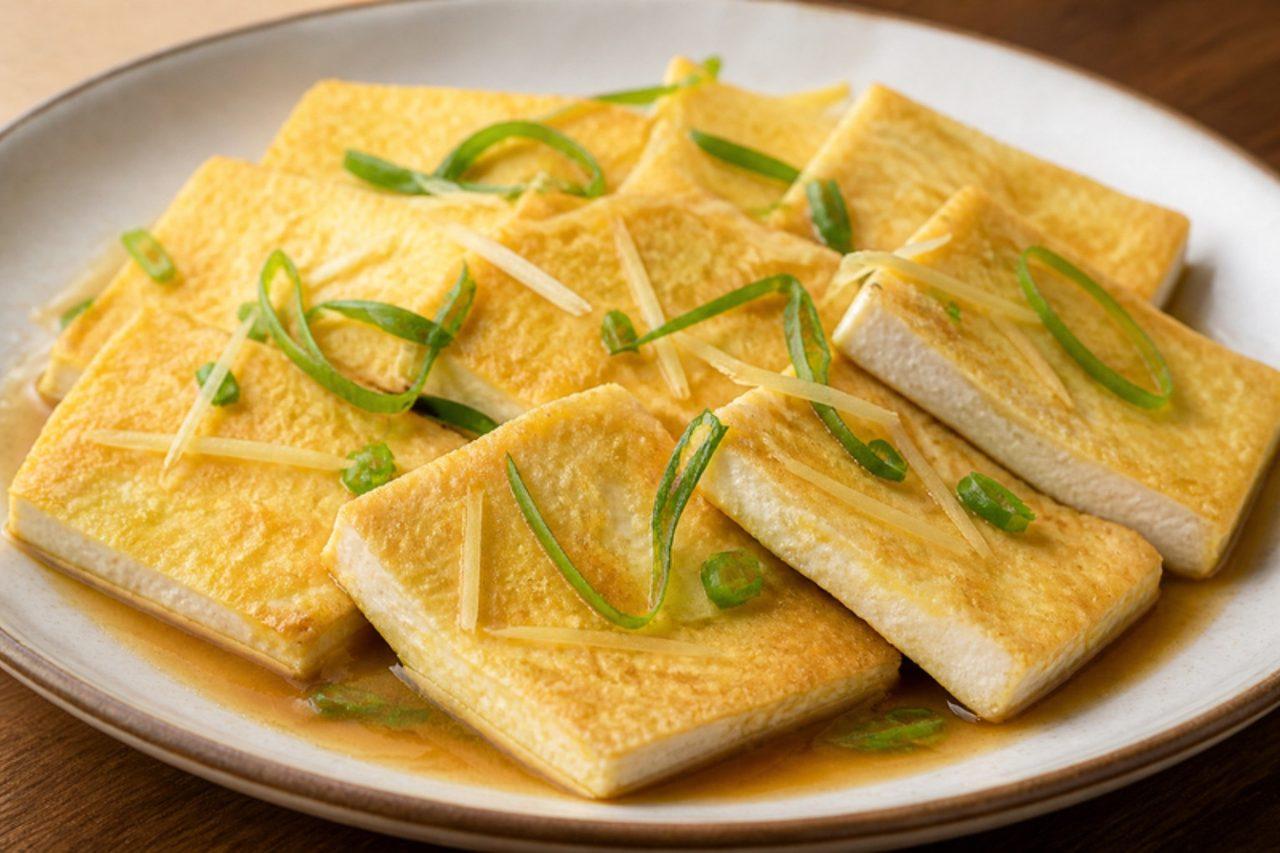
Guota doufu comes from the Lu kitchen of Shandong, where guota means pan-fried and then simmered so the coating soaks up the sauce. It is a banquet dish in Jinan restaurants and a family favourite at home: tofu slices are dusted in flour, dipped in egg, fried golden, then simmered briefly in a savoury stock with ginger and spring onion until the eggy coating turns tender and juicy. This version uses vegetable stock and no cooking wine. A portion gives about 24 g of protein, from the tofu and eggs. The common mistake is too much stock, which turns the coating soggy and loose; add only enough to come halfway up the tofu. Chef's tip: shake off the excess flour well before the egg, or the coating peels away in sheets.

by KrazyBadal 0 views

Showing 24 of 2,448 recipes

Show more recipes

Page 1 of 102