Skip to content
Recipes

All recipes

Vegetarian, or something you can't eat? Set your diet once and we'll hide recipes that don't fit.

Shou tao bao (longevity peach buns)

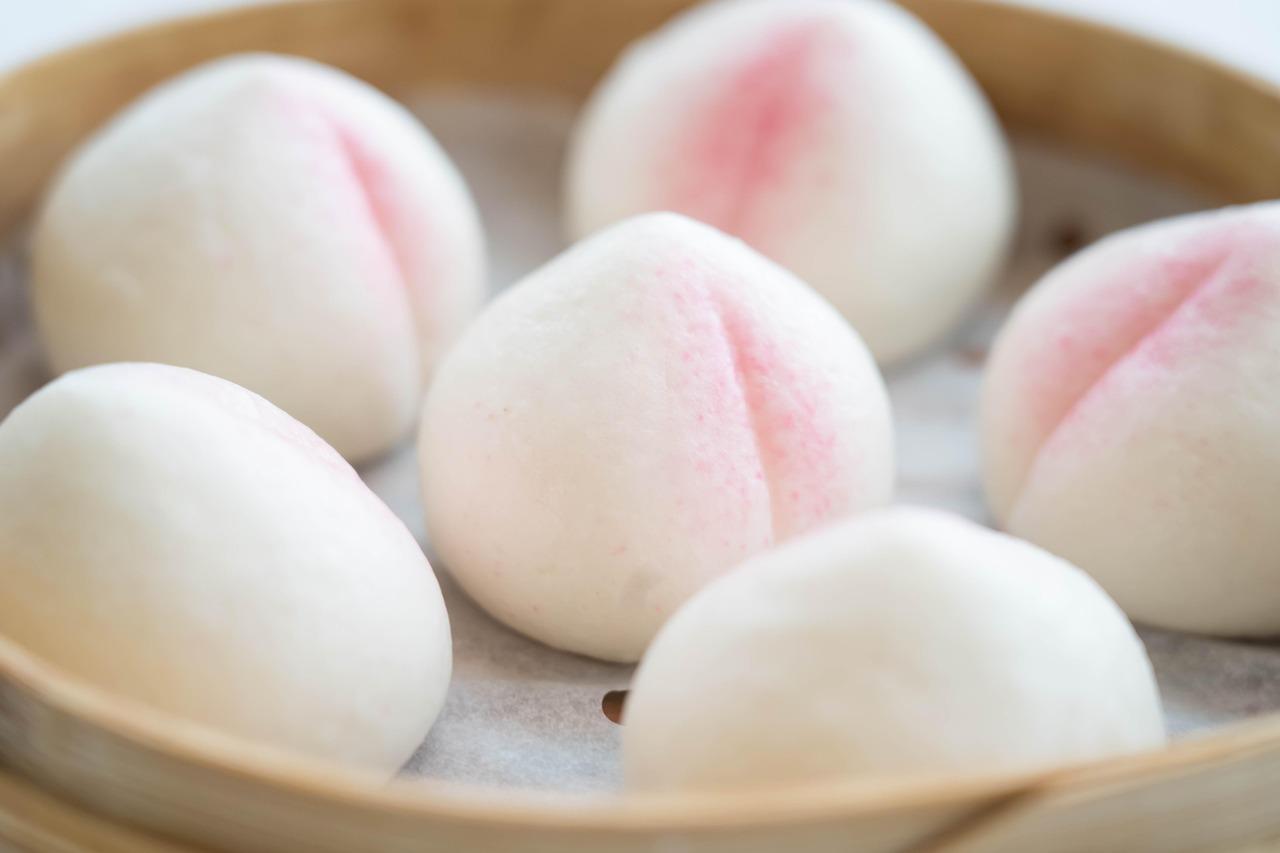
In Chinese tradition the peach is the fruit of long life, so birthday tables, from a grandparent's 80th to a child's party, carry a plate of shou tao bao: fluffy white steamed buns pinched into a peach shape, blushed pink at the tip and filled with sweet lotus seed paste. Children love helping to shape the creases and add the pastry leaves. This version is made without milk. It contains gluten. Chef's tip: steam over a gentle, not roaring, boil and wait 5 minutes before lifting the lid, so the buns stay smooth and don't wrinkle.

by KrazyBadal 0 views

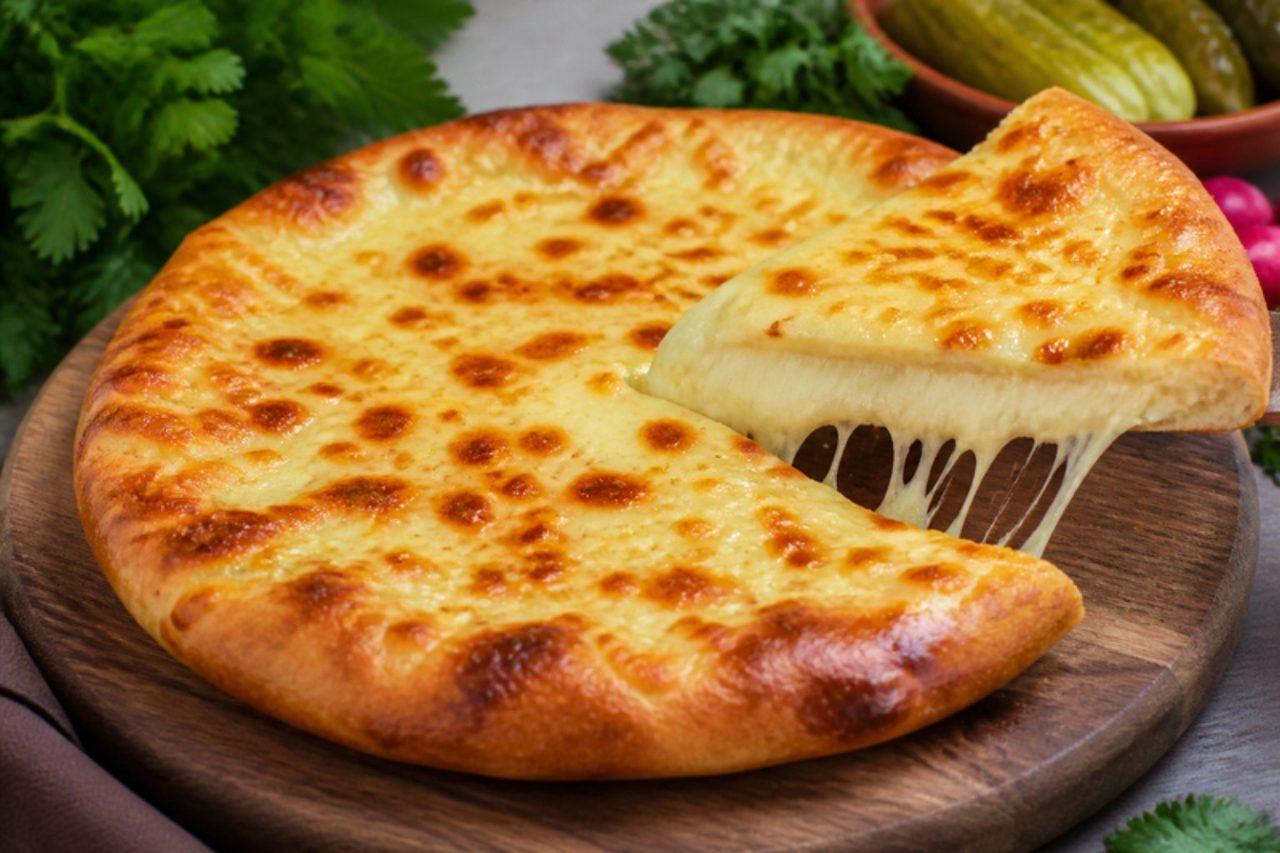
Megruli khachapuriCheese-filled bread with cheese topping

Samegrelo, in western Georgia, gives its name to the most generous of the khachapuri: a round, soft yoghurt-and-yeast bread filled with salty cheese and then topped with more cheese, so it comes out of the oven with a golden, blistered lid. It is the khachapuri of Georgian supra feasts and family Sundays, cut into wedges and passed around with herbs, pickles and a tomato and cucumber salad. Traditionally the cheese is a mix of stretchy sulguni and fresh, tangy imeruli; outside Georgia, low-moisture mozzarella and feta make a good match. Sulguni and some fetas use animal rennet, so pick ones made with vegetarian rennet. Overfilling is what makes the base tear and leak, so keep the dough at least 5 mm thick underneath. Chef's tip: bake it high in a very hot oven and rub butter over the cheese as soon as it comes out, which is how Georgian bakeries finish it.

by KrazyBadal 0 views

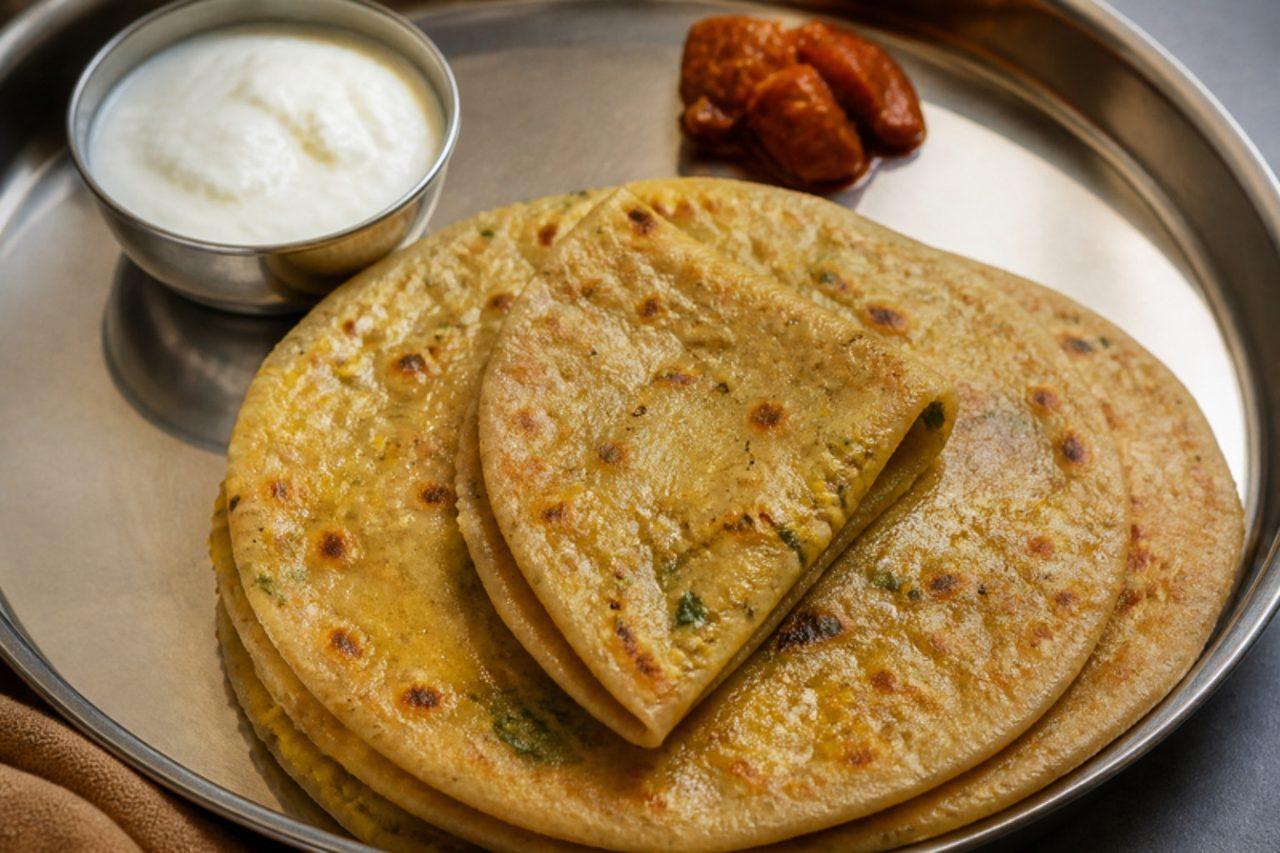
Dal paratha

In north Indian kitchens, last night's thick dal rarely goes to waste: the next morning it is kneaded into wholewheat flour with ajwain and coriander and rolled into soft, savoury parathas for breakfast and the school tiffin. They are golden-flecked, faintly spiced and filling, and taste good cold with yoghurt or pickle. They contain gluten (wheat) and milk (ghee); use oil to make them dairy free. Chef's tip: add the dal before any water; it is often all the liquid the dough needs.

by KrazyBadal 0 views

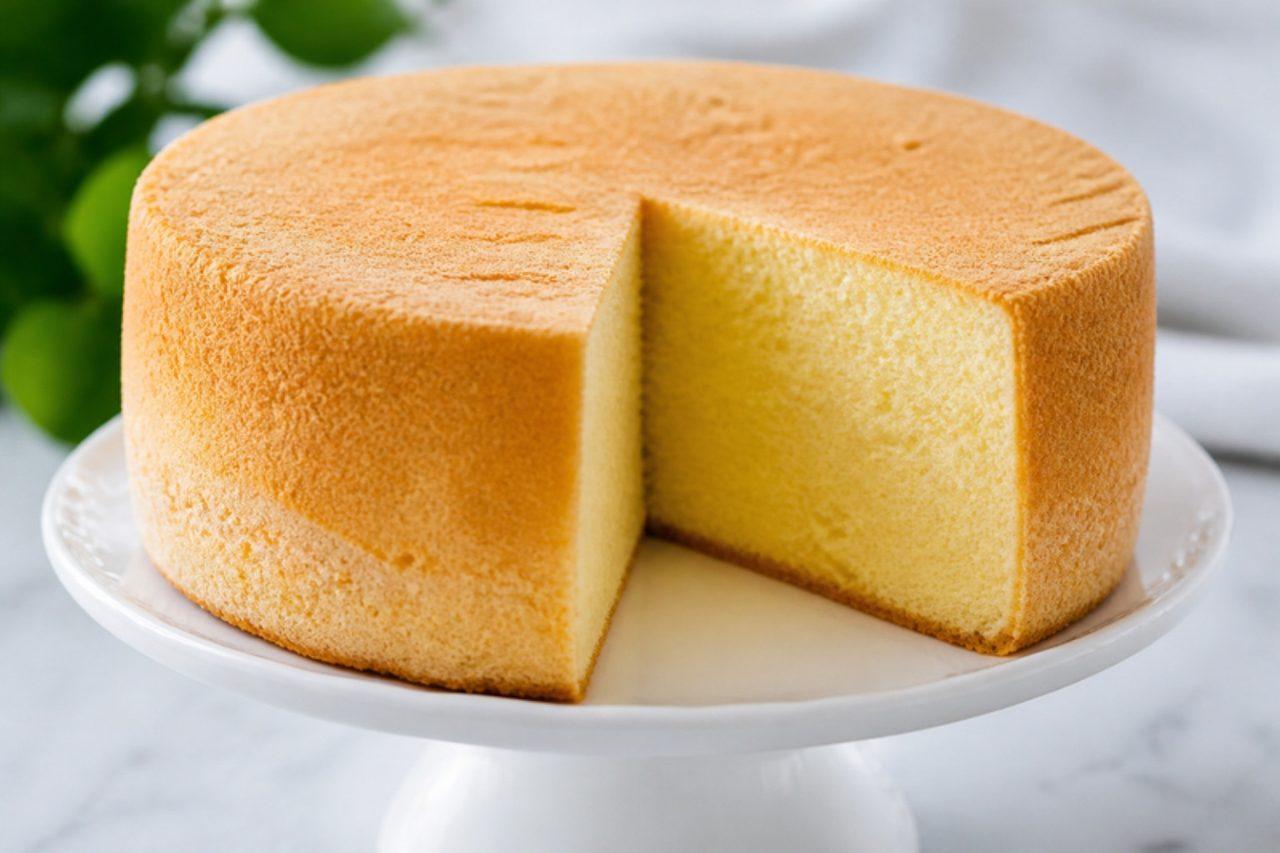
Bánh bông lan (Vietnamese sponge cake)

Bánh bông lan is the soft, golden sponge sold in every Vietnamese bakery, eaten with coffee or as an after-school snack, and it is also the cake under the cream and fruit at most children's birthdays from Hanoi to Saigon. Made with oil instead of butter, it stays moist and springy for days and is free of milk. It contains egg and gluten. Chef's tip: whisk the whites in a spotlessly clean bowl; a trace of yolk or grease stops them rising.

by KrazyBadal 0 views

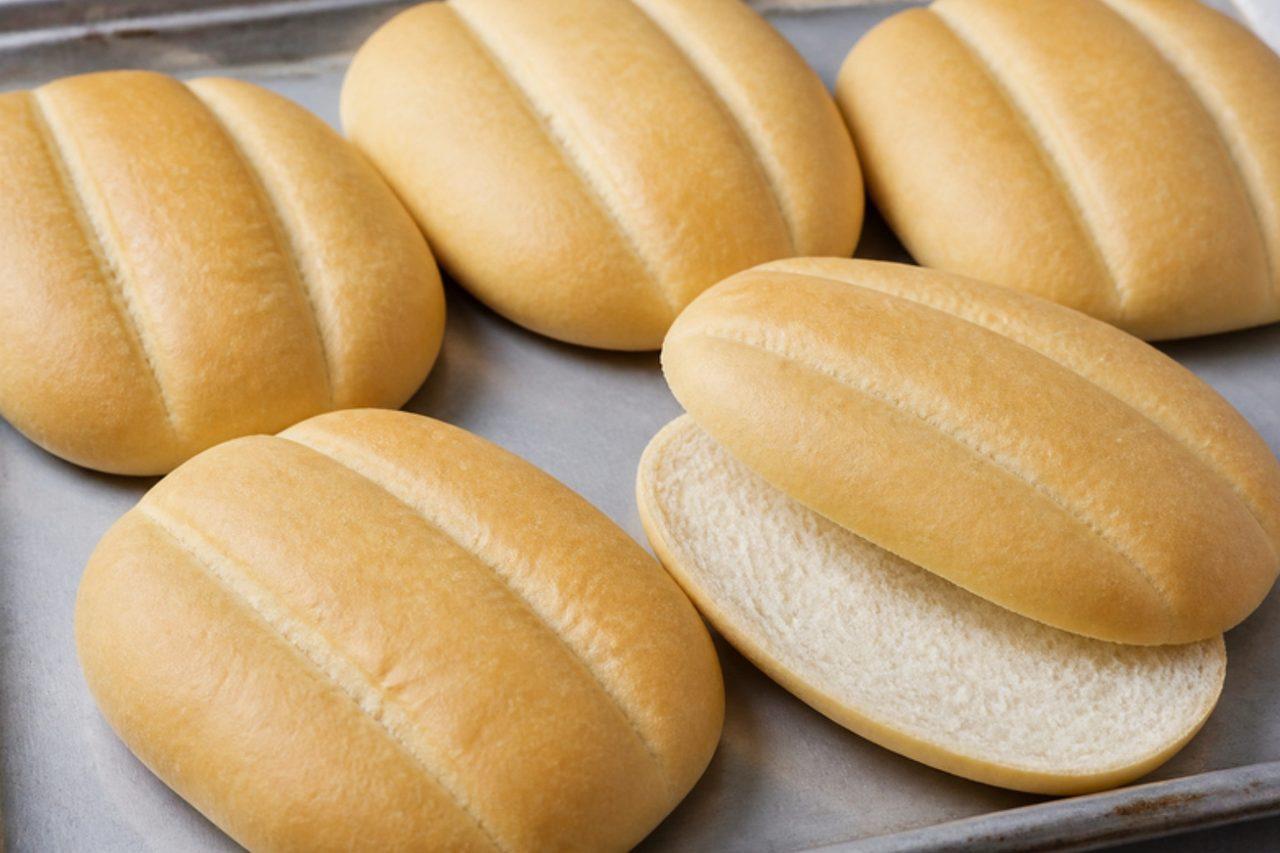
TelerasSoft two-groove sandwich rolls

Without teleras there would be no torta, Mexico City's great lunchtime sandwich. These wide, flattish oval rolls, marked with two long grooves, have a thin, tender crust and a soft, close crumb that holds refried beans, avocado, queso and pickled jalapeños without falling apart. Every neighbourhood panadería piles them on metal trays next to the crustier bolillos, and street stalls toast them on a griddle before filling. Some bakers add a spoonful of lard to the dough; vegetable shortening gives the same softness and keeps these vegan. Pressing the grooves too gently is the usual mistake, because they puff closed in the oven and you lose the three-part shape. Chef's tip: for a proper torta, split the roll, pull out a little of the crumb and toast the cut sides on a hot comal with a smear of oil or butter.

by KrazyBadal 0 views

Gâteau battuTall egg-rich brioche cake

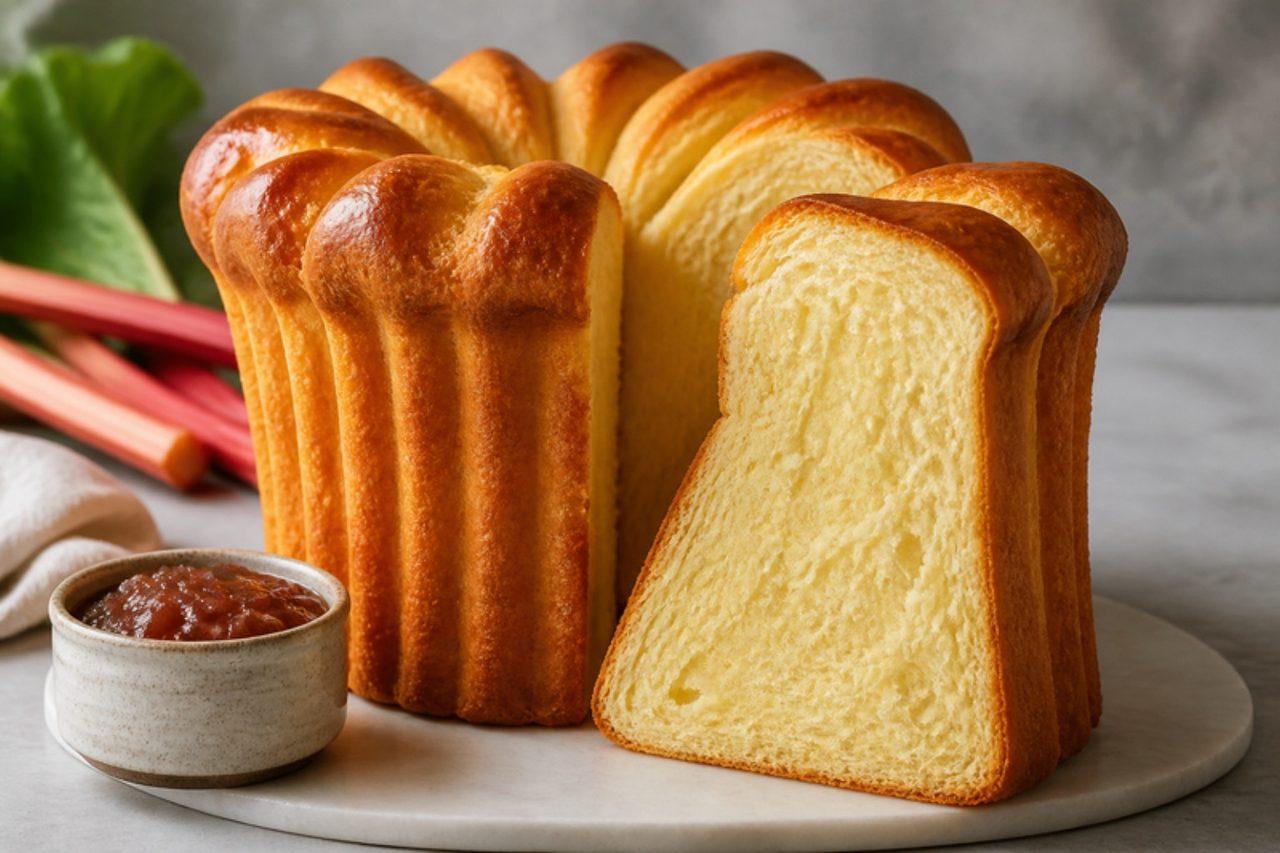
Picardy's tall, fluted gâteau battu ("beaten cake") gets its name from the long beating its dough needs: so many egg yolks and so much butter go in that it is closer to a thick batter than a bread dough. In the Somme it is the cake of family celebrations, first communions and weddings, and of Sunday breakfast, and it is baked in a distinctive tall, ridged mould that gives it the look of a chef's toque. The crumb is yellow, very light, buttery and only gently sweet. Serve it in slices with rhubarb jam, poached fruit or crème anglaise, or toasted the next day. Unmoulding too soon is how it collapses: the crumb is so tender that it needs 10 minutes to firm in the tin. Chef's tip: let the dough rise slowly until it reaches the rim of the mould, even if that takes 3 hours; rushing it gives a dense, cakey bottom.

300 minFrenchBaking
by KrazyBadal 0 views

Garlic bok choy

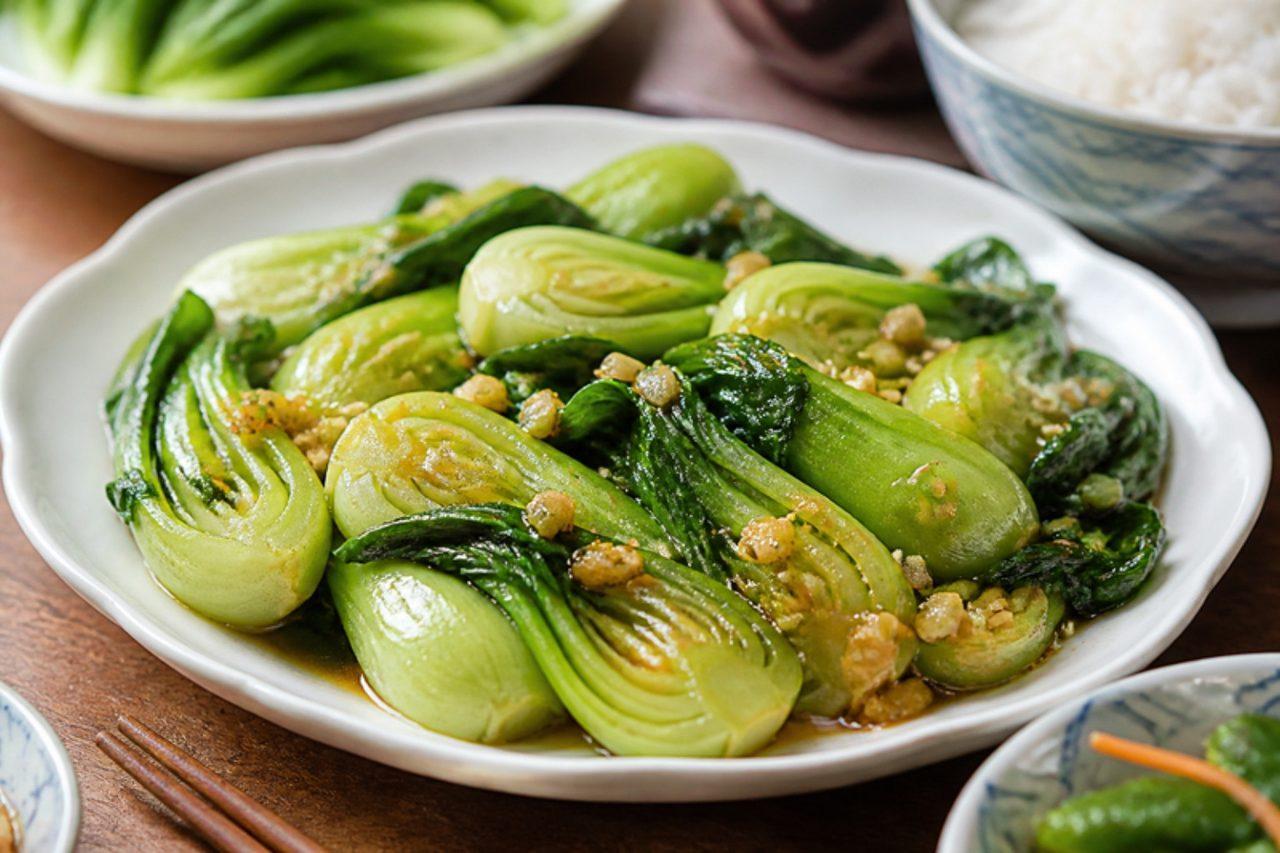
Order a plate of greens in any home kitchen or small restaurant in Guangzhou or Shanghai and it will most likely be this: baby bok choy or xiao bai cai tossed in a smoking wok with a heap of chopped garlic, a pinch of salt and a splash of water, on the table in four minutes. The stems stay juicy and crisp, the leaves silky, and the garlic sweet. It goes with every meal. A portion is about 50 kcal. The most common mistake is a wet, crowded wok, which stews the greens to khaki; dry them well and cook in batches if your pan is small. Chef's tip: add half the garlic at the start and half at the end; you get both mellow, toasty garlic and a fresh punch.

by KrazyBadal 0 views

Ghee-shakkar roti roll

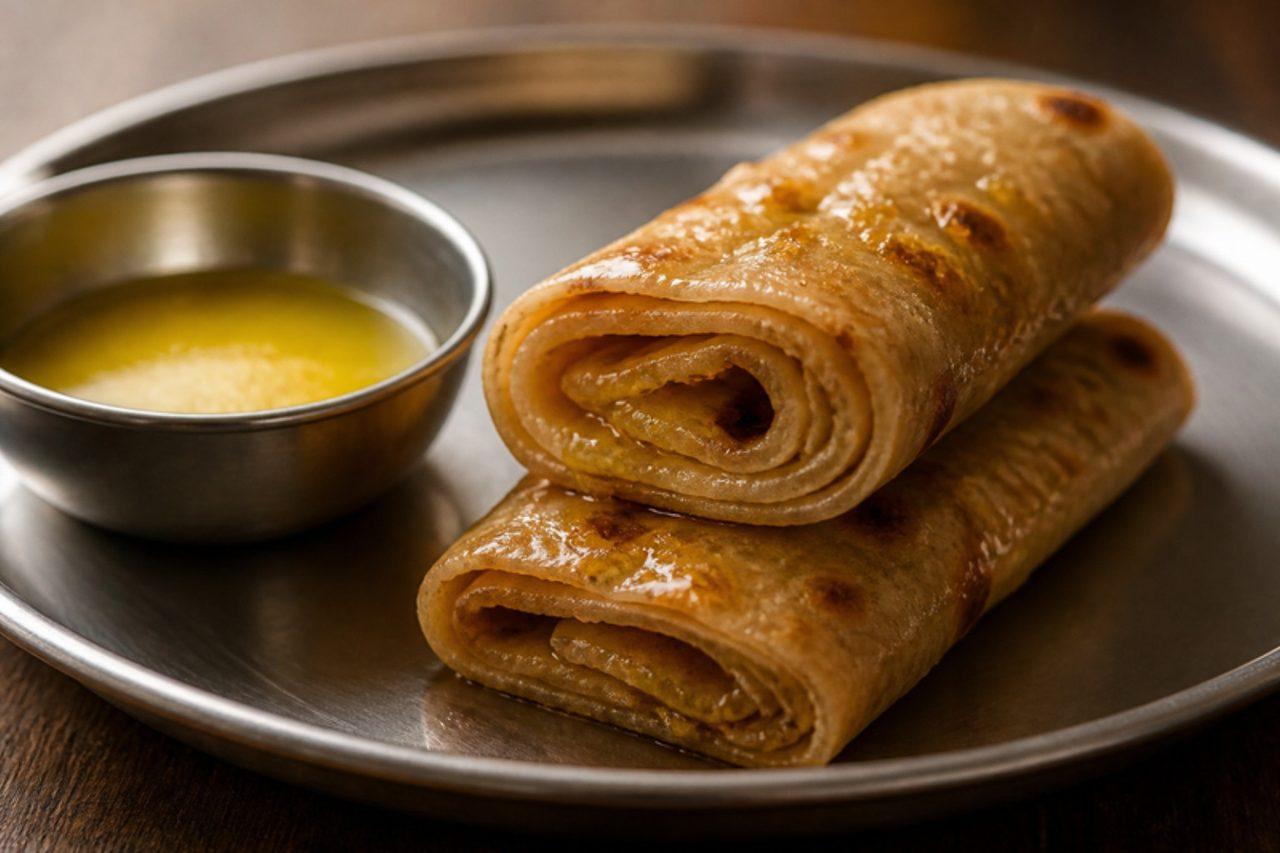
Ask anyone who grew up in north India about school tiffin and the ghee-shakkar roti comes up: a soft, warm chapati brushed with ghee, sprinkled with a little sugar or jaggery powder and rolled like a cigar, made by a parent in the rush before the school bus. It is sweet, buttery and wheaty, and still tastes good cold at the morning break. It contains milk (ghee) and gluten (wheat). Chef's tip: use jaggery powder and a light hand; a teaspoon per roti is plenty, and the ghee carries the flavour.

by KrazyBadal 0 views

BaijimoGriddle-baked flatbread

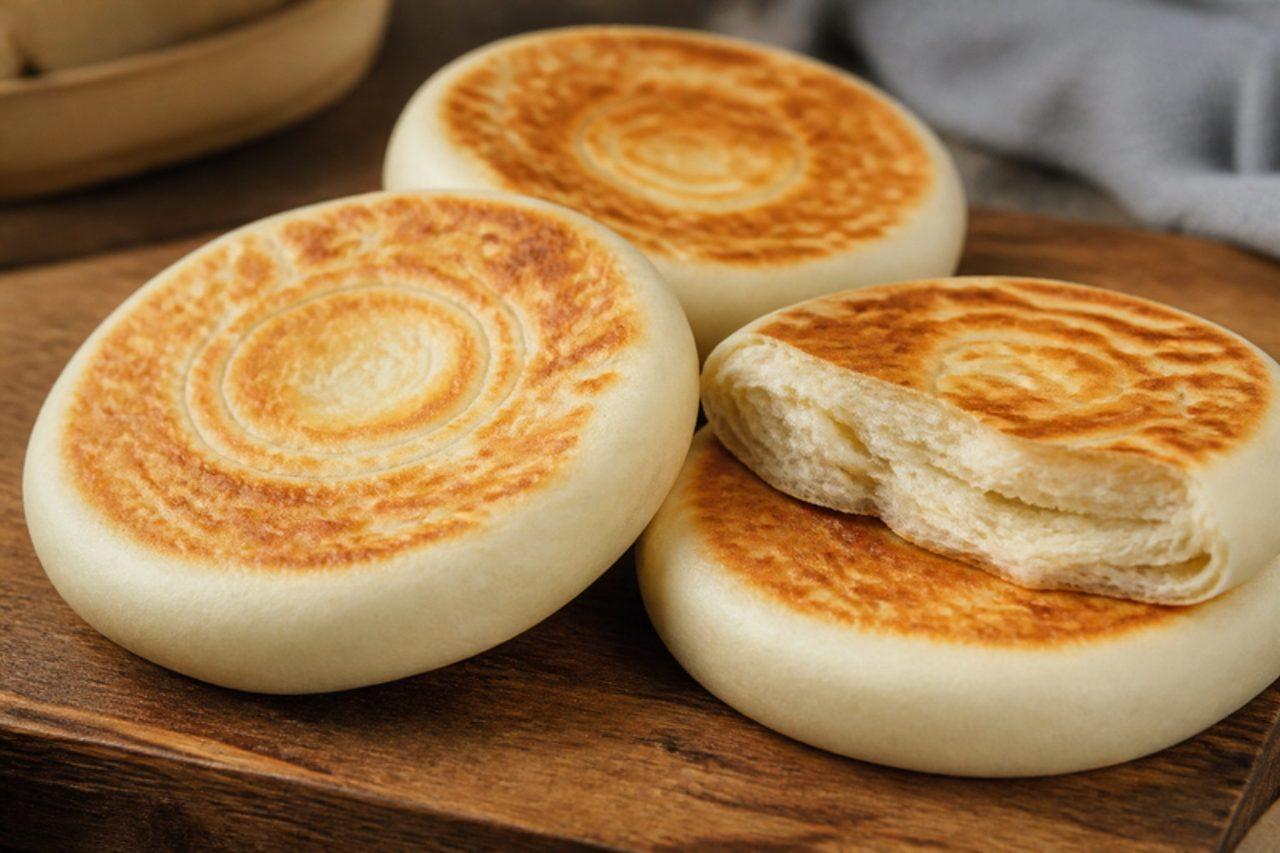
Xi'an street cooks describe a good baijimo with a three-part saying: an iron ring, a tiger's back and a chrysanthemum heart. That means a pale, firm rim, a top mottled golden like tiger stripes, and a spiral pattern in the middle. Inside it is fluffy and layered, outside thin and crisp, and it is split from the side while hot to make roujiamo, the famous Shaanxi sandwich of chopped braised pork. For a meat-free filling, use braised shiitake and tofu with chilli oil, or spicy shredded potato. The dough is only half-risen on purpose; letting it fully prove is the mistake that gives you a soft, bun-like bread with no crunch. Chef's tip: twist the coil as you stand it on end and press it flat, which is what draws the spiral into the chrysanthemum heart.

by KrazyBadal 0 views

CraquelinBrioche with sugar cube pockets

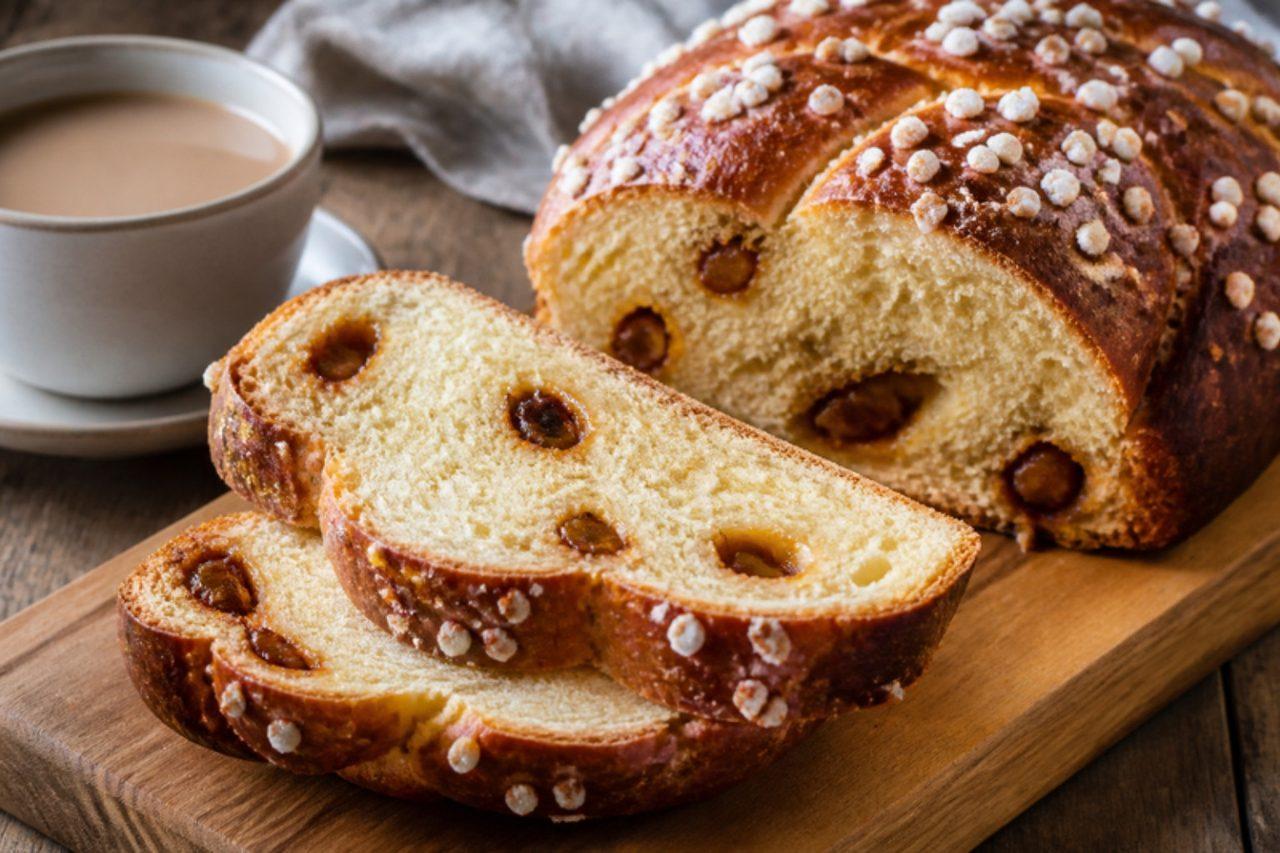
Sugar cubes, of all things, are the secret of the Belgian craquelin. Bakers in Ghent, Bruges and Brussels wrap broken cubes inside rich brioche, and as the loaf bakes they melt into little wells of syrup that set crunchy, while pearl sugar crackles on the crust (hence the name). It is a Sunday breakfast and weekend bakery loaf, sliced thick and eaten plain or with butter and a bowl of café au lait; Flemish bakers sometimes add orange zest. Leaving sugar pieces exposed on the outside, especially the base, is the usual pitfall: they caramelise, burn and glue the loaf to the tin. Chef's tip: chill the kneaded brioche for at least an hour before you fold in the sugar, so the butter firms and the dough is easy to wrap around the cubes.

by KrazyBadal 0 views

MokkapalatChocolate coffee squares

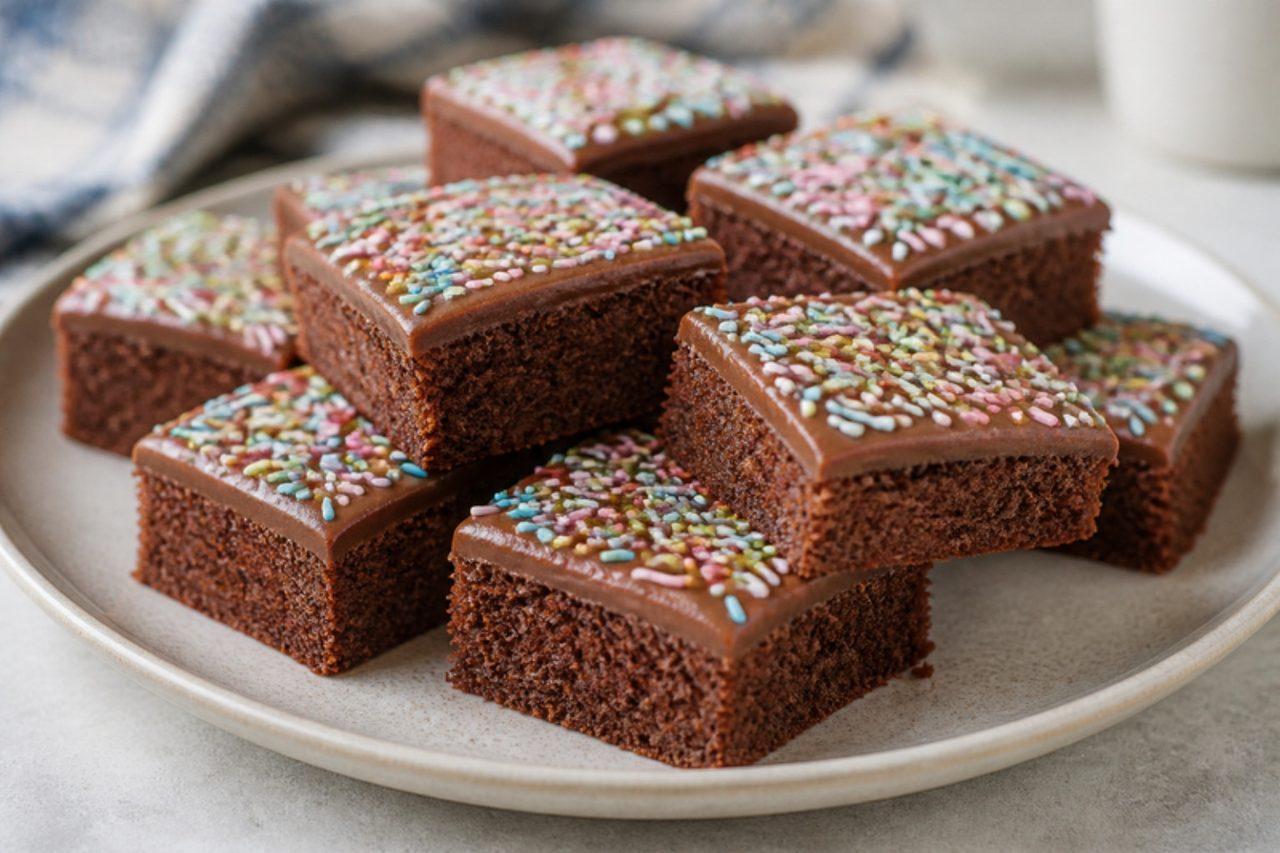
Mokkapalat ('mocha pieces') are what Finnish parents bake on the big oven tray for a child's birthday, a school bake sale or a summer cottage weekend: soft chocolate sponge squares with a thin, glossy coffee-cocoa icing and a shower of coloured sprinkles. The coffee is gentle and only deepens the chocolate, so children love them, and you can use decaf. They are moist enough to keep three days in a tin and freeze well. Icing the cake while it is hot is the classic mistake; it soaks in and goes dull, so wait until it is just warm. Chef's tip: add the icing liquid a spoonful at a time; it should spread like thick paint and set with a shine.

by KrazyBadal 0 views

Butterflap breadFolded buttered rolls

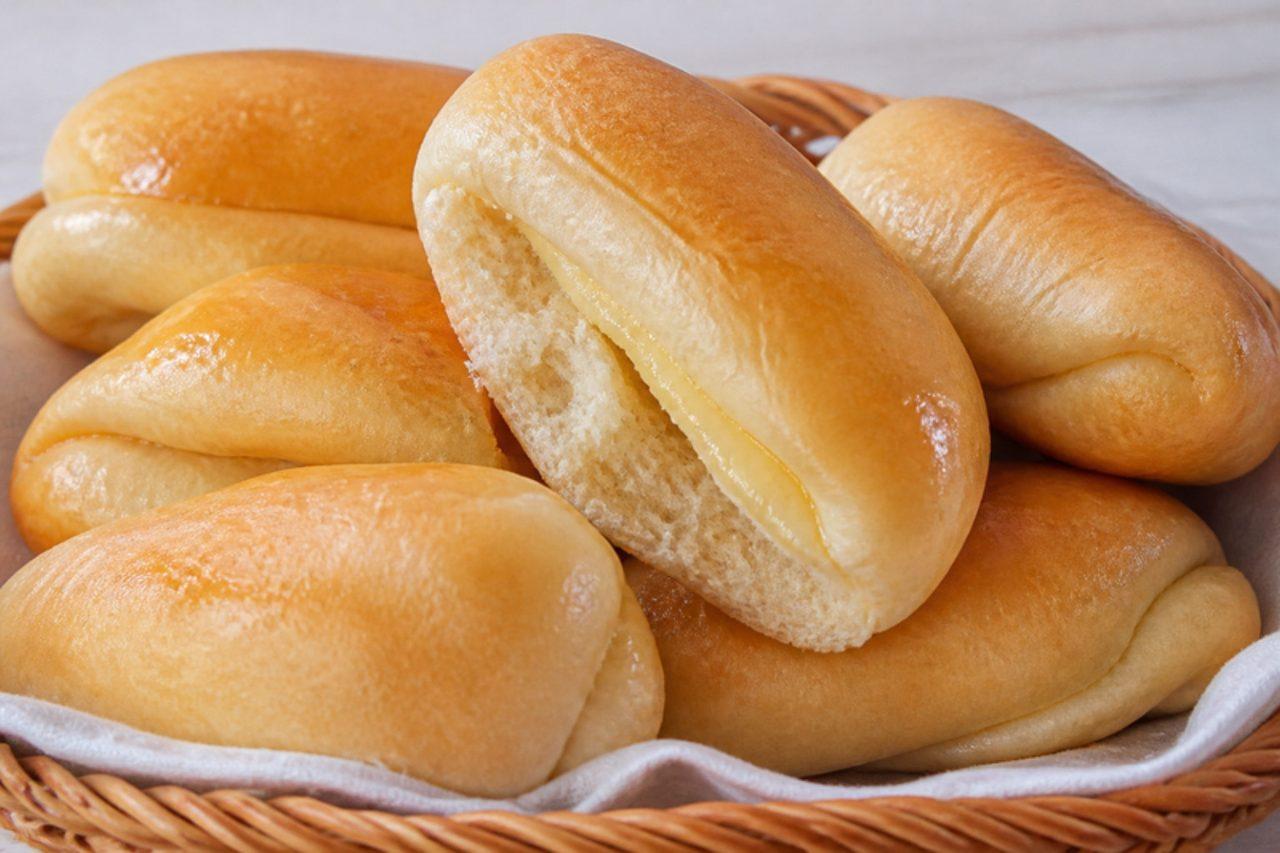
Soft, squishy and folded like a little book, butterflap is a Trinidad and Tobago bakery classic, sold by the bag from Port of Spain to San Fernando. Each roll is an oval of milky dough spread with butter and folded over, so it bakes into a tender roll that peels open along a buttery seam. People eat them warm for breakfast with cheese or a hot cup of cocoa tea, split them for a sandwich at lunch, or tear them up beside a pot of stew. Many bakeries use margarine; butter tastes better. Spreading the butter too thick, right to the edges, is where it goes wrong: it leaks out and fries the base, so keep a clean border. Chef's tip: pack the folded rolls snugly in the tin so they rise up rather than out and stay soft at the sides.

by KrazyBadal 0 views

PalianytsiaRound hearth loaf

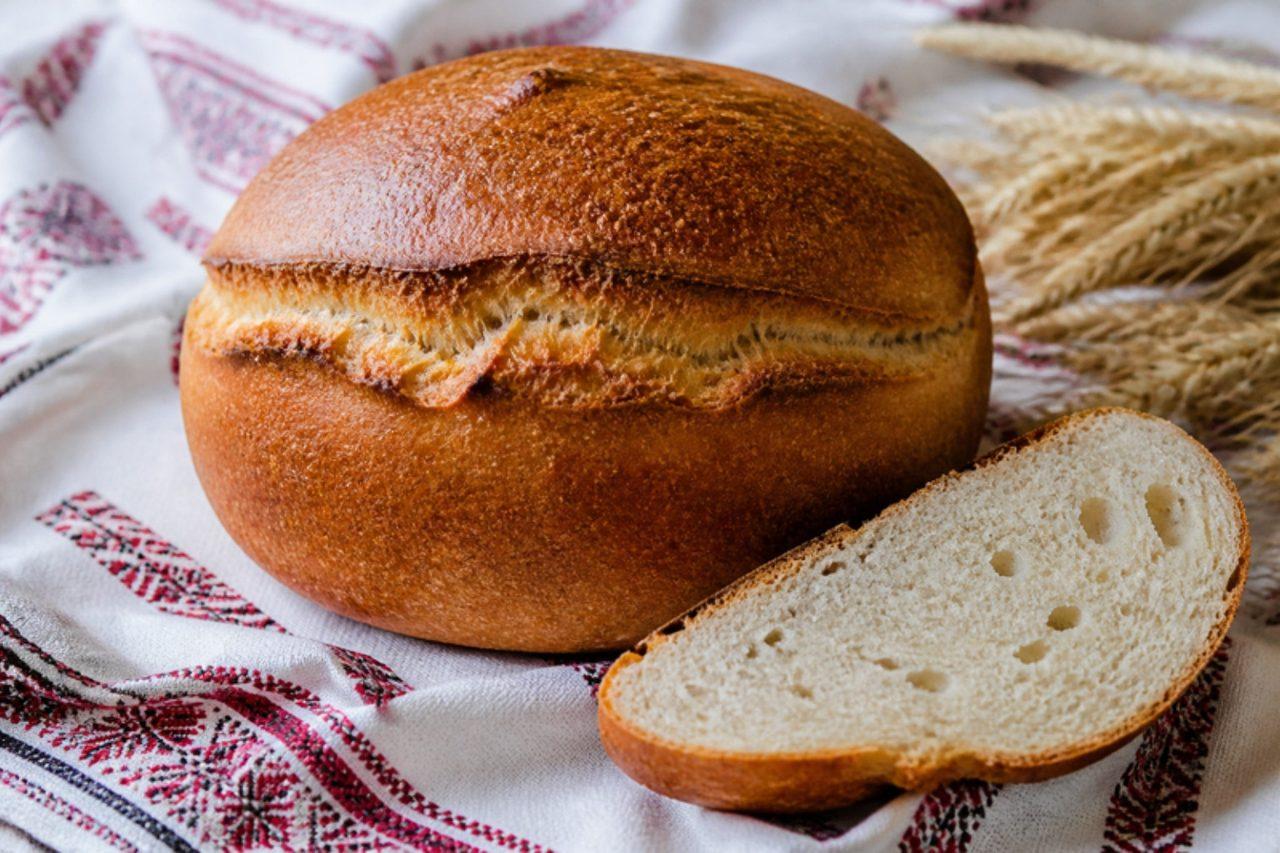
Its name is famously hard to pronounce for anyone who did not grow up speaking Ukrainian, and the loaf itself is just as recognisable: a tall, round wheat hearth bread with one deep cut along its side, which opens in the oven into a raised, crunchy crest. Ukrainian families have long baked palianytsia for everyday meals and for welcoming guests. The crust is thick and well browned, the crumb white, open and slightly chewy. It belongs next to a bowl of borscht with garlic, or sliced with sunflower oil, salt and spring onions. A slow rise gives it flavour, so it uses little yeast. A shallow, timid cut is the commonest mistake: the side bursts in a random place instead of lifting into the crest. Chef's tip: cut at a low angle, about 2 cm deep, a third of the way up the side, and cool the loaf fully before slicing.

by KrazyBadal 0 views

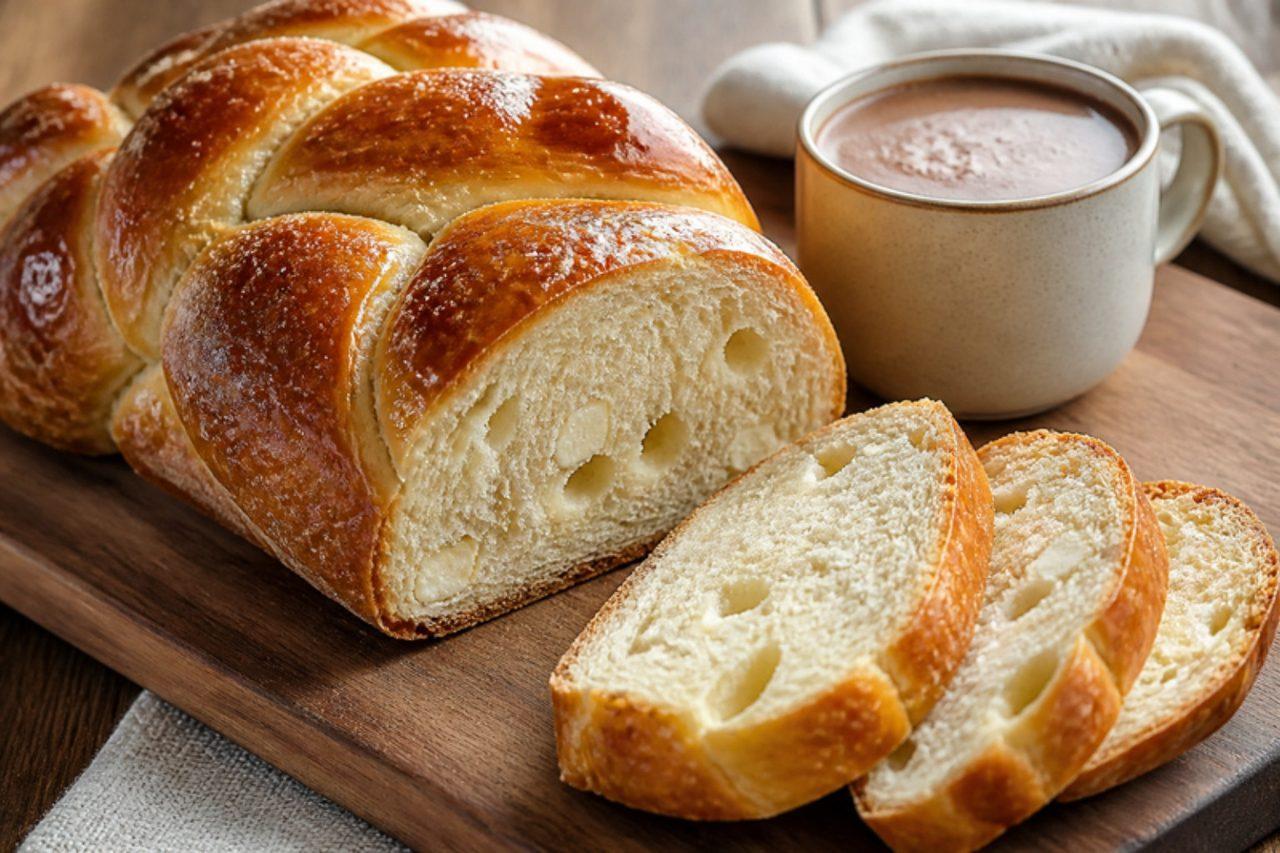
Pan aliñadoSweet and salty cheese bread braid

Colombian panaderías fill their glass cases with pan aliñado, a shiny braided loaf that is sweet on the outside and salty from the crumbled white cheese worked through the dough. In Bogotá and across the Andean towns it is torn into chunks at the onces, the late-afternoon break, and dunked in a cup of hot chocolate, ideally with an extra slice of fresh cheese melting in the cup. The texture should be soft and pillowy, the crust thin and glossy with a sugary shine. Queso costeño is the usual cheese; a mix of feta and low-moisture mozzarella is the closest substitute (choose ones made with vegetarian rennet). Adding the cheese at the start is the common error: it smears and stops the dough developing, so knead it in last. Chef's tip: sprinkle sugar over the egg wash just before baking for the sweet, crackly top that makes it pan aliñado.

by KrazyBadal 0 views

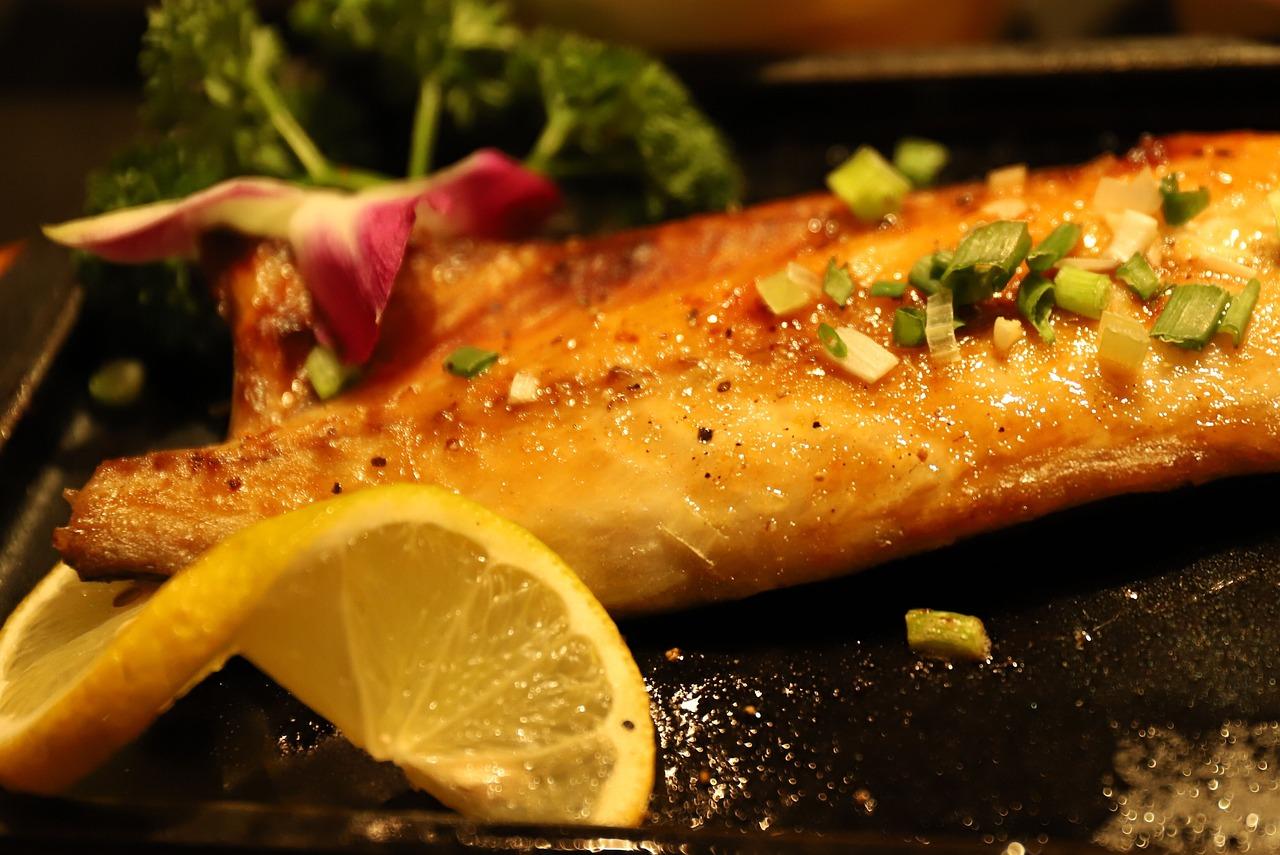
Godeungeo guiGrilled mackerel

Andong, far inland, is oddly famous for its mackerel: the fish was salted on the coast and carried over the mountains, arriving perfectly seasoned, and Andong gangodeungeo is still sold that way. Across Korea, a salted mackerel fillet pan-grilled until the skin crackles is a staple of home dinners and set-meal restaurants, served with rice, doenjang soup and kimchi. Mackerel is an oily fish, so this is filling rather than low calorie: about 340 kcal a portion. The most common mistake is moving the fish too soon; leave it skin side down until the skin releases on its own, or it tears and sticks. Chef's tip: dust the skin very lightly with flour or starch before grilling, or simply pat it bone-dry; you'll get a crisp, glassy skin.

22 minKoreanFishGluten free
by KrazyBadal 0 views

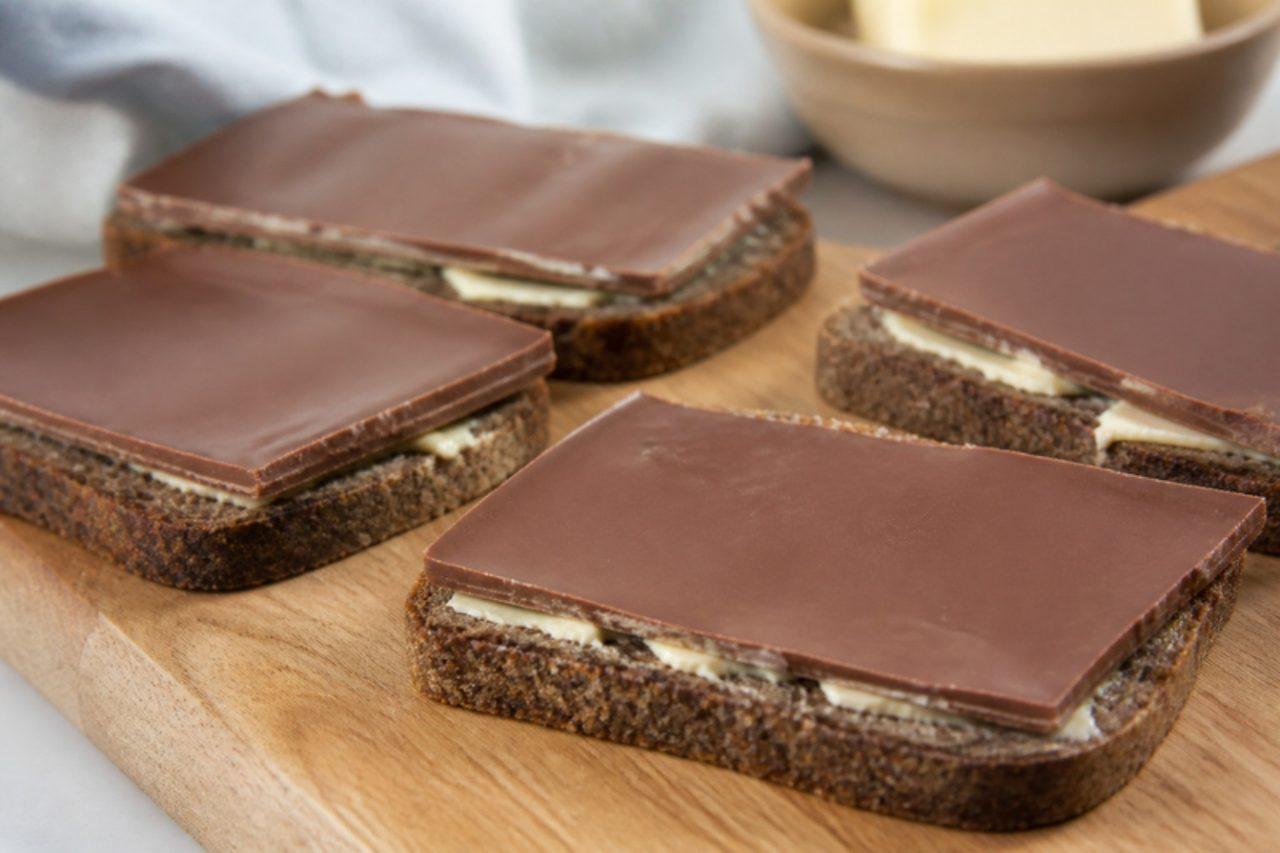
Chocolate slices on rye (pålægschokolade)

Pålægschokolade, wafer-thin slices of chocolate made for laying on bread, is a Danish lunchbox treat, usually saved for Fridays or birthdays: buttered dark rye, a slab of chocolate on top, then cut into fingers. The sour, dense rye and the sweet chocolate are a famous match. Shop slices are thin squares; here you make your own from a bar, which lets you pick dark chocolate with less sugar. It contains gluten (rye and wheat), milk and soya (lecithin in most chocolate). Chef's tip: spread the chocolate as thin as a coin; thick pieces crack and fall off.

by KrazyBadal 0 views

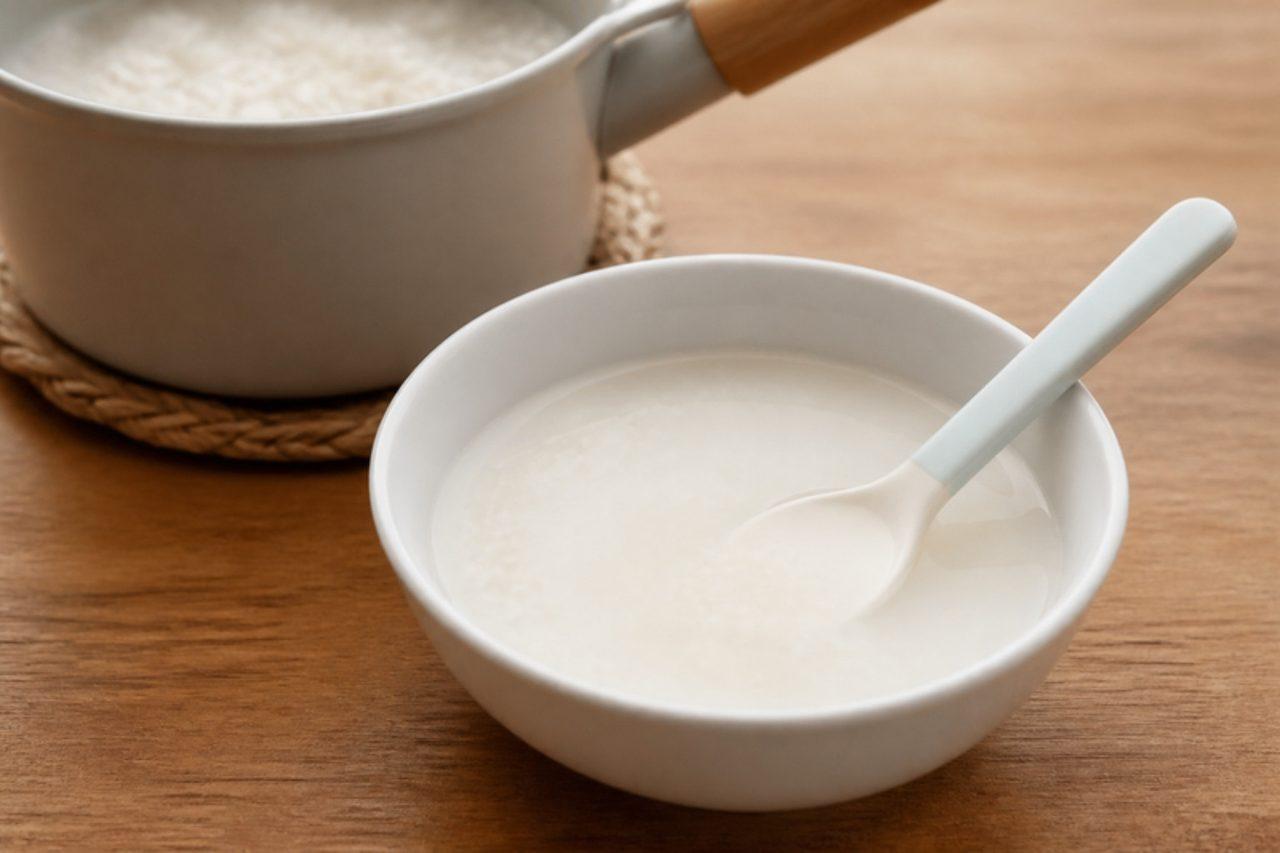
Am (Filipino rice-water first porridge)

Filipino lolas remember giving babies am, the thick, cloudy liquid that rises to the top as rice boils, ladled off and cooled before the rest of the pot is cooked for the family's lunch. Today it is offered as a thin, smooth first porridge, a few spoonfuls alongside other first foods such as mashed squash or banana, rather than on its own. It tastes mild and slightly sweet. It contains none of the common allergens (milk, egg, gluten, peanut, tree nuts, soya, sesame, fish). Chef's tip: use more water than usual and keep the lid off, so the liquid thickens into a creamy am instead of evaporating away.

by KrazyBadal 0 views

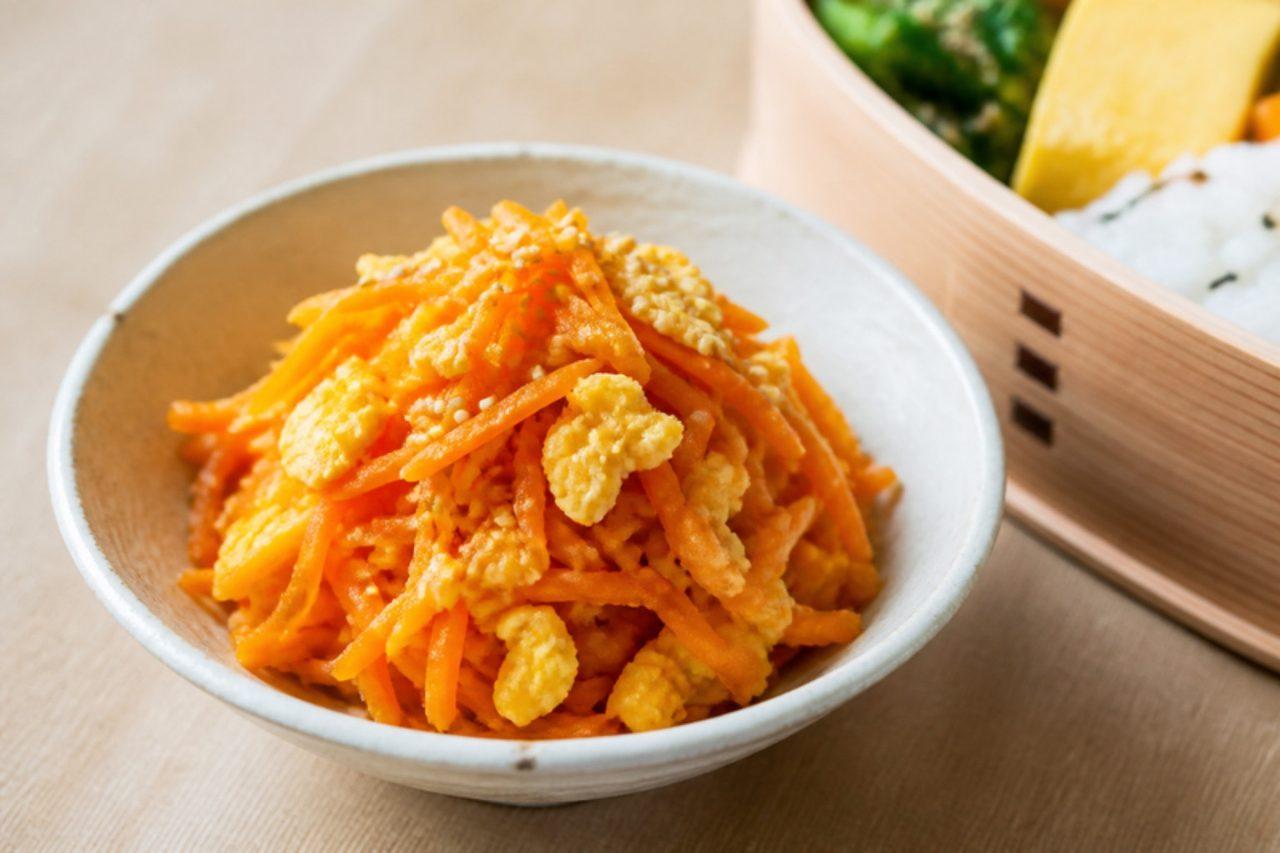
Ninjin shirishiri (Okinawan carrot and egg)

In Okinawa, at the southern tip of Japan, ninjin shirishiri is what home cooks make when there is a bag of carrots and a lunchbox to fill. The carrots are grated into fine ribbons on a shirishiri grater, softened in sesame oil and bound with a scrambled egg and a splash of kombu dashi, so they taste sweet and mild enough for small children. It is served warm at dinner and cold in the next day's bento. It contains egg, soya and wheat (soy sauce) and sesame. Chef's tip: cook the carrot until it turns limp and glossy before the egg goes in; that is where its sweetness comes from.

by KrazyBadal 0 views

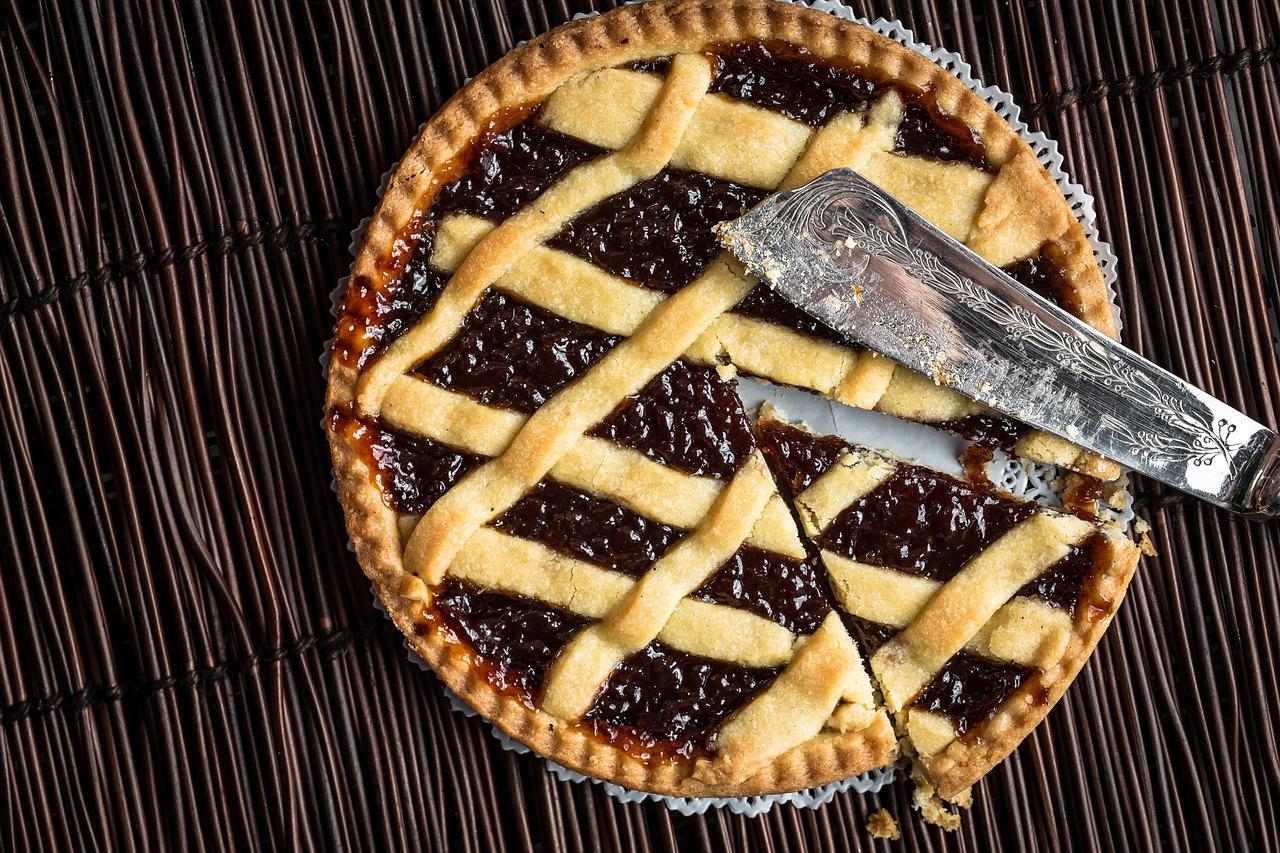
Crostata di marmellata (Italian jam tart)

Crostata di marmellata is the tart that Italian grandmothers bake on Sunday and cut into slices for the week's merenda, the after-school snack eaten from Turin to Palermo with a glass of milk. A tender, lemon-scented pasta frolla holds a layer of apricot or cherry jam under a simple lattice. Choose a high-fruit jam to keep the sugar down. It contains gluten, milk and egg. Chef's tip: chill the pastry well and keep it cold; warm pasta frolla tears and shrinks in the oven.

by KrazyBadal 0 views

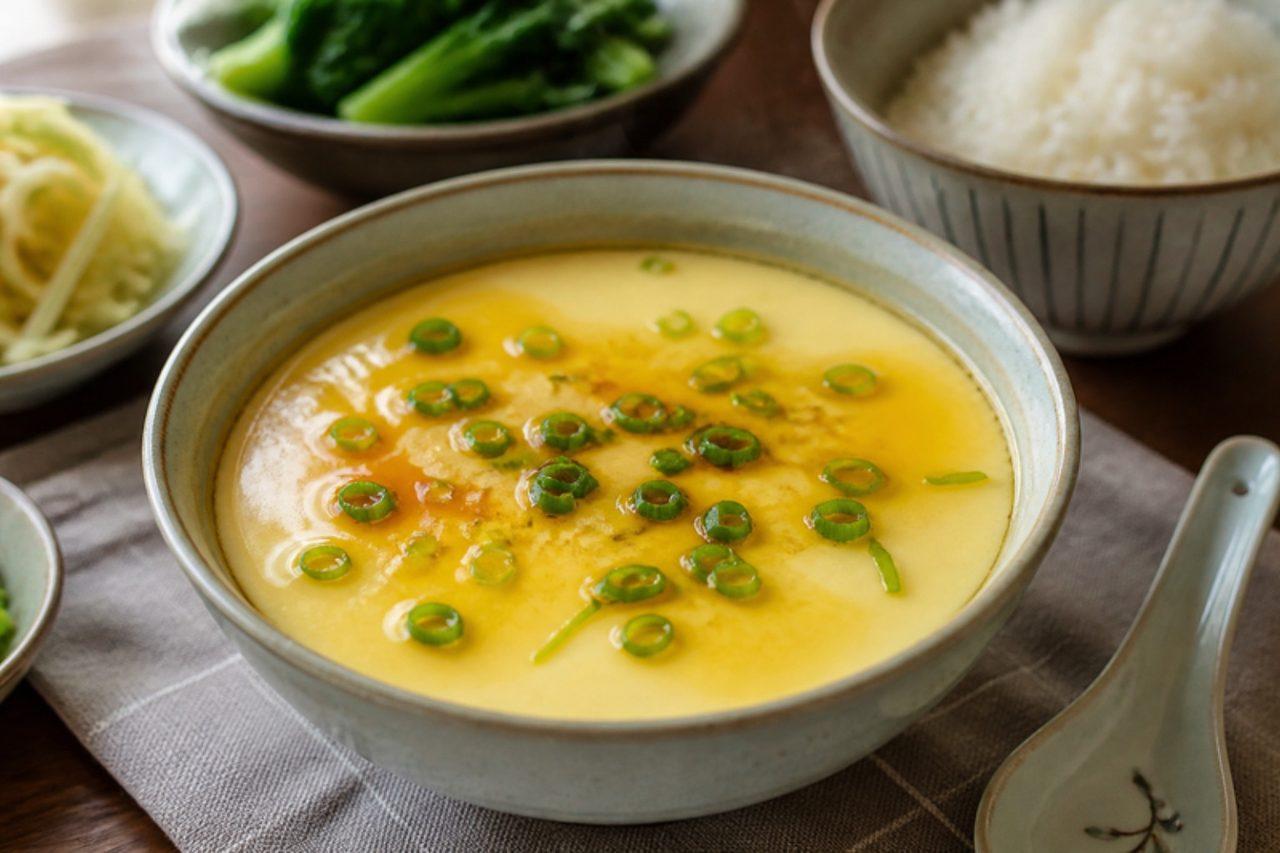
Ji dan gengSteamed egg custard

Ji dan geng is the first "real food" many Chinese children remember: a bowl of steamed egg so smooth it shivers, made by grandmothers from Shanghai to Chengdu for a toddler's lunch, a sick day or a quick side at dinner, and eaten with a spoon over rice. Eggs are beaten with warm water, steamed gently, then finished with a few drops of soy and sesame oil and some spring onion. Eggs are an allergen, and for toddlers under one, leave out the soy. A bowl is about 110 kcal. The most common mistake is using cold water and a fierce heat, which gives a pitted, spongy custard; use warm water and a gentle steam. Chef's tip: cover the bowl with a plate or cling film while it steams, so no condensation drips onto the surface and the top stays like glass.

by KrazyBadal 0 views

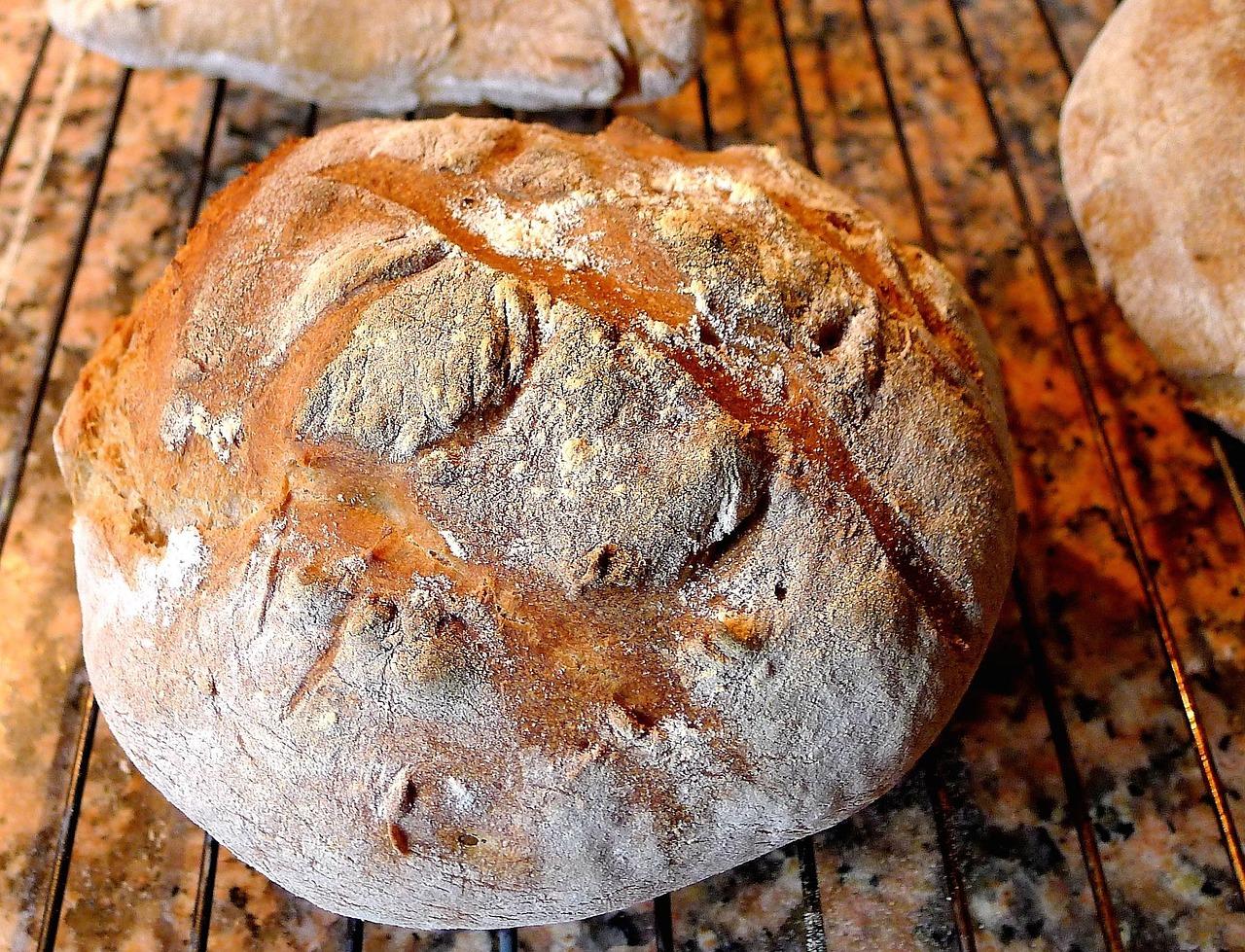
Pain de campagneCountry sourdough loaf

Picture a round, flour-dusted boule on the counter of a village bakery in Burgundy or the Auvergne: that is pain de campagne, the 'country loaf' French families once baked weekly in a shared oven and kept in a cloth for days. A little wholemeal rye in the dough gives a greyish crumb, an earthy, gently sour flavour and a thick, crackling crust that stays good for four or five days. Slice it for tartines with butter and honey, toast it for soup, or serve it with a cheese board, onion soup or a slow vegetable stew. This version builds a fresh leaven in the morning and rests the shaped loaf in the fridge overnight, so you bake first thing the next day. Many home loaves come out pale and soft because they are pulled too early; French bakers call the dark finish 'bien cuit', and that colour is where the flavour lives. Chef's tip: bake straight from the fridge into a screaming-hot lidded casserole; the cold, firm dough is easier to score and springs up higher.

by KrazyBadal 0 views

Quarkbällchen (German quark doughnut balls)

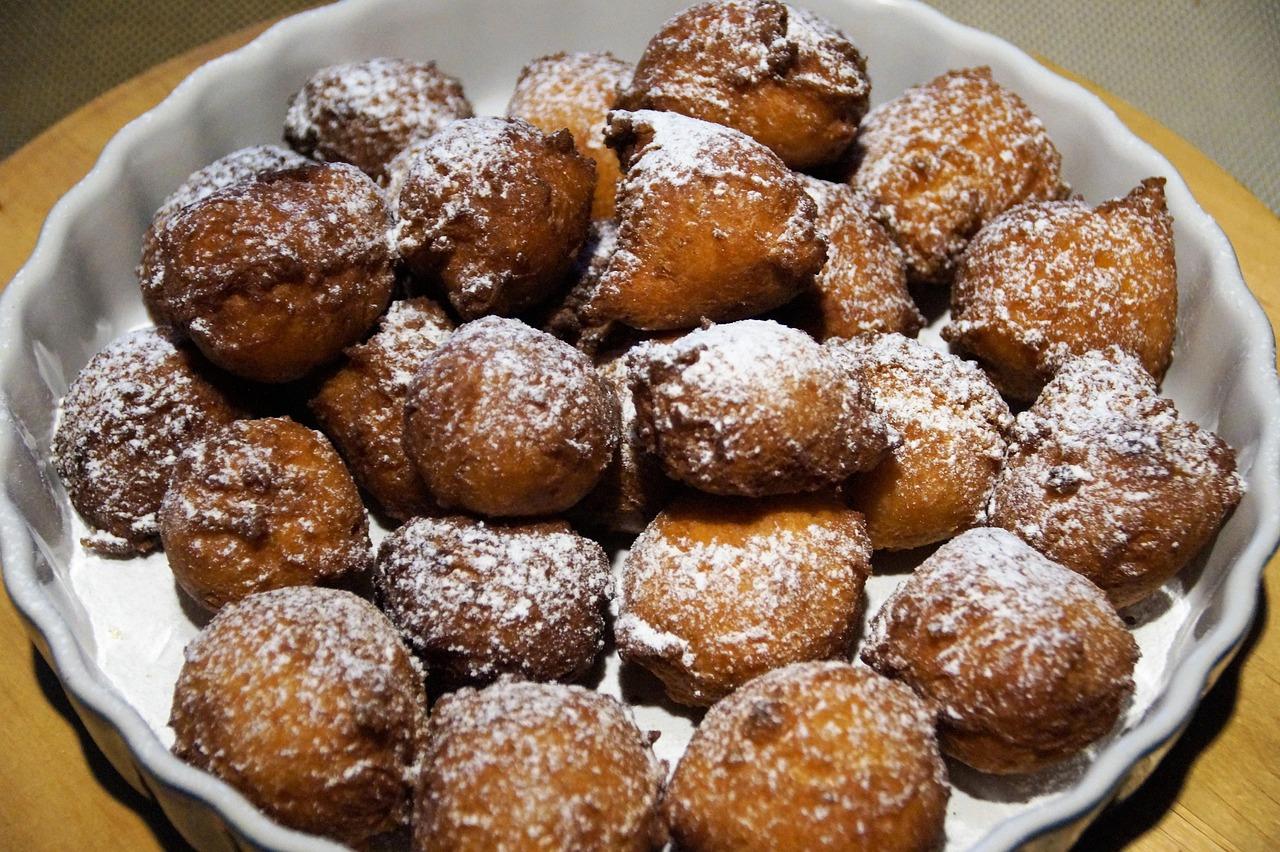
Quarkbällchen fill the trays of German bakeries all year and reach their peak at Fasching, the carnival season, and families in Berlin, Saxony and beyond make them at home for children's afternoon Kaffee und Kuchen. The quark dough needs no yeast, so they are quick: crisp and golden outside, soft and cake-like inside, with a light tang. They are rolled in sugar rather than drenched. They contain milk, egg and gluten. Chef's tip: keep the oil at 170 °C so they cook through; hotter oil browns them before the centre is done.

by KrazyBadal 0 views

Pan chutaAniseed round bread

The small town of Oropesa, half an hour from Cusco, calls itself Peru's bread capital, and its wood-fired bakeries are famous for chuta: big, flat, round loaves as wide as a dinner plate, glossy on top, with a faint sweetness and the warmth of aniseed. Travellers on the road to Puno and Bolivia stop to buy them by the bagful, and families bring them home for All Saints' Day and for sharing with hot coca tea or coffee, fresh cheese and butter. The bakeries traditionally use lard; this version uses vegetable shortening and butter, so it is vegetarian. The make-or-break moment is the proof: chuta is large and flat, and if it goes in under-risen it bakes dense and splits at the rim. Chef's tip: toast the aniseed for a minute in a dry pan and crush it lightly before adding, for a rounder, sweeter perfume.

by KrazyBadal 0 views

Mawa cakeCardamom khoya butter cake

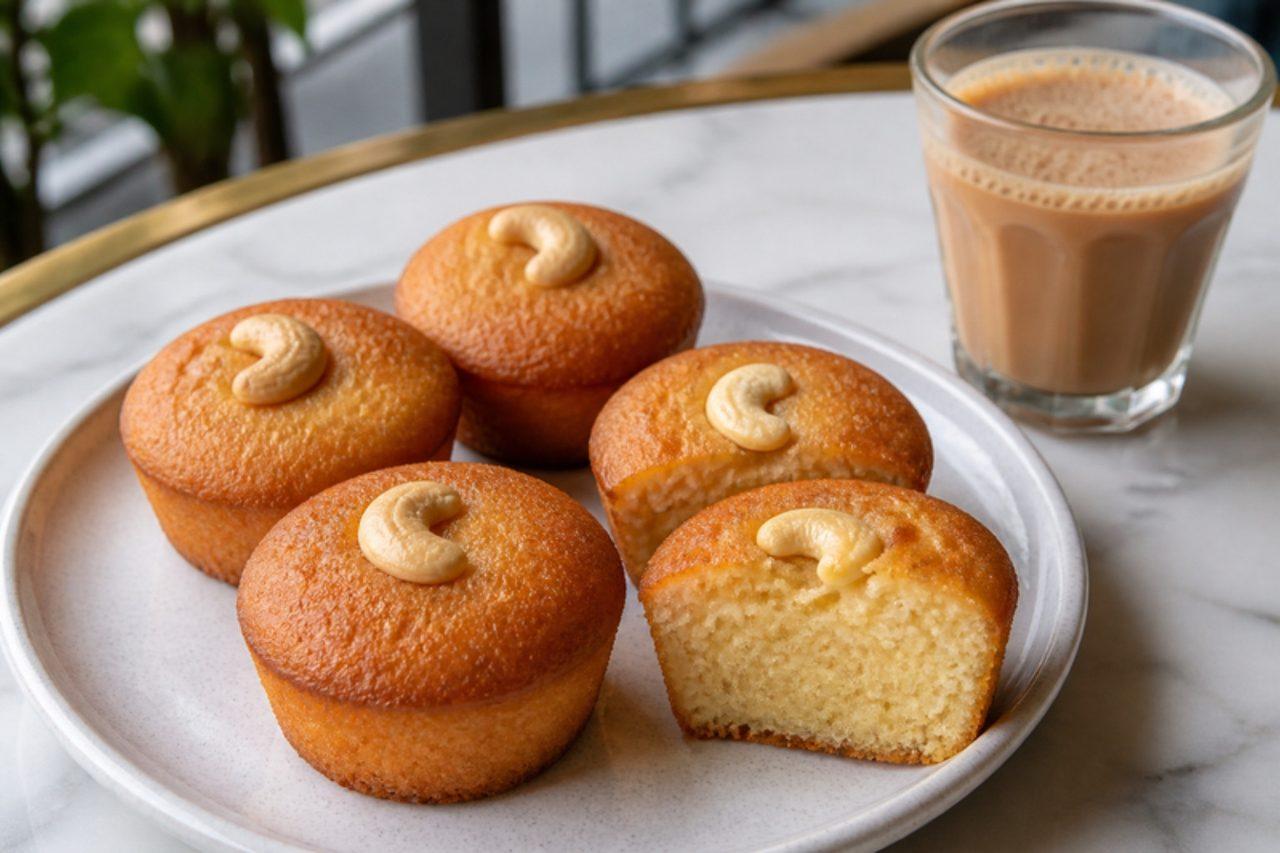
Walk into an old Irani café in Mumbai or Pune at teatime and the glass jars on the counter will hold squat, golden mawa cakes, each crowned with a single cashew. The crumb is close and buttery, heavy with milky khoya and perfumed with cardamom, somewhere between a pound cake and a barfi. Locals dunk a slice in cutting chai or eat it with a bun maska on the side. This version uses eggs, as the classic bakeries do; eggless versions swap the eggs for yogurt or condensed milk and are just as popular. The usual slip is adding the khoya in hard lumps, which leave greasy pockets in the cake, so grate it and rub it smooth before it meets the butter. Chef's tip: warm the cardamom seeds in a dry pan for a minute before grinding; the aroma doubles and carries right through the bake.

by KrazyBadal 0 views

Showing 24 of 2,789 recipes

Show more recipes

Page 1 of 117