Skip to content
Recipes

All recipes

Vegetarian, or something you can't eat? Set your diet once and we'll hide recipes that don't fit.

Singin' hinnies

Singin' hinnies are the girdle cakes of Northumberland and Tyneside, named for the singing hiss of the butter as they cook ('hinny' is a Geordie word of affection, like 'honey'). Mothers made them for children coming home from school, cooked on a heavy griddle and eaten hot, split and buttered. They are scone dough studded with currants and cooked in the pan instead of the oven. Chef's tip: keep the heat medium-low so they cook through before the outside darkens.

by KrazyBadal 0 views

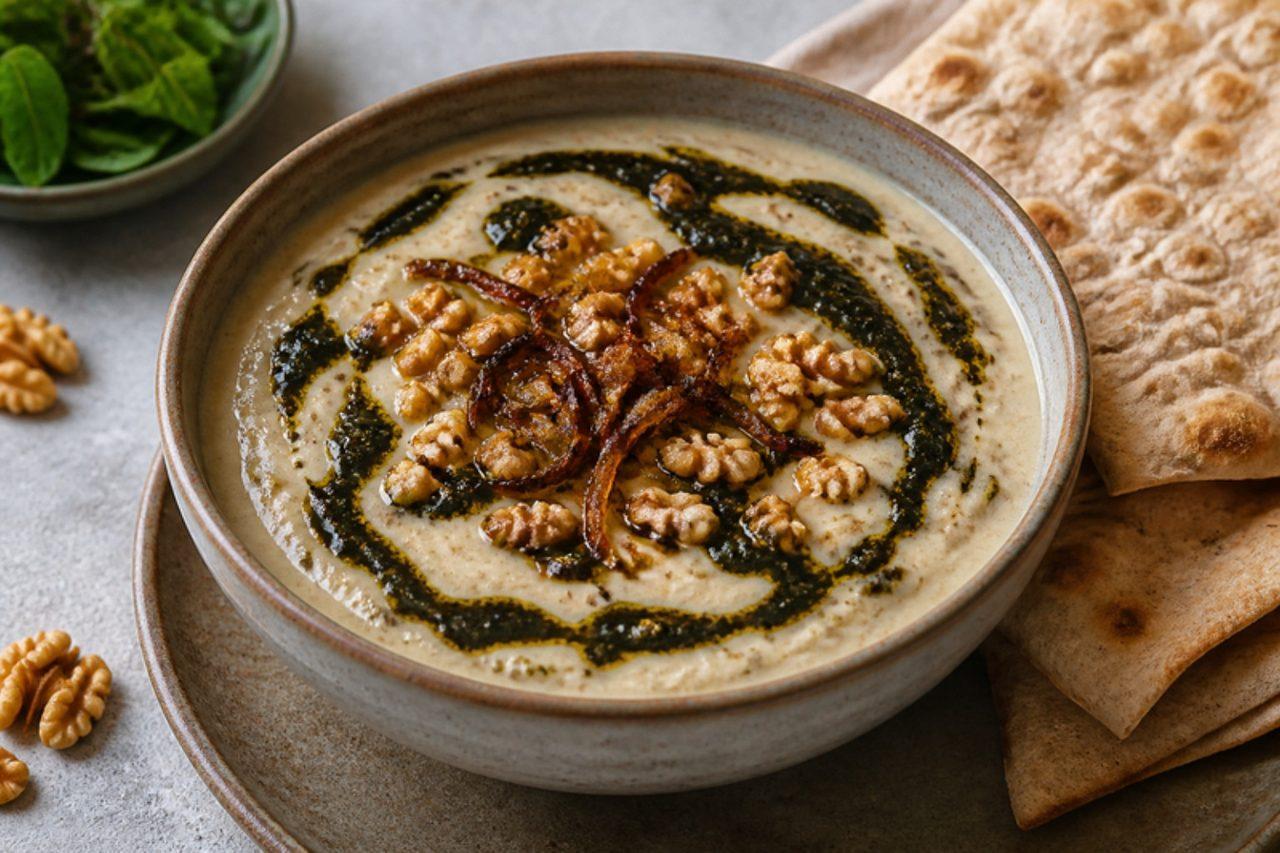
Kaleh joosh

Kaleh joosh is the fast, frugal soup of the Azerbaijani villages around Tabriz and of central Iran, cooked when the cupboard holds kashk, walnuts and onions. Kashk, the tangy fermented whey that gives so many Persian dishes their savoury depth, is simmered with deeply fried onions and ground walnuts, then crowned with sizzling dried mint and turmeric oil. It is eaten from a shared bowl, scooped up with torn bread rather than spoons, often on cold evenings. A common mistake is boiling the kashk hard, which can make it split and grainy; keep it at a gentle bubble. Chef's tip: taste your kashk before salting, as brands vary wildly in saltiness.

by KrazyBadal 0 views

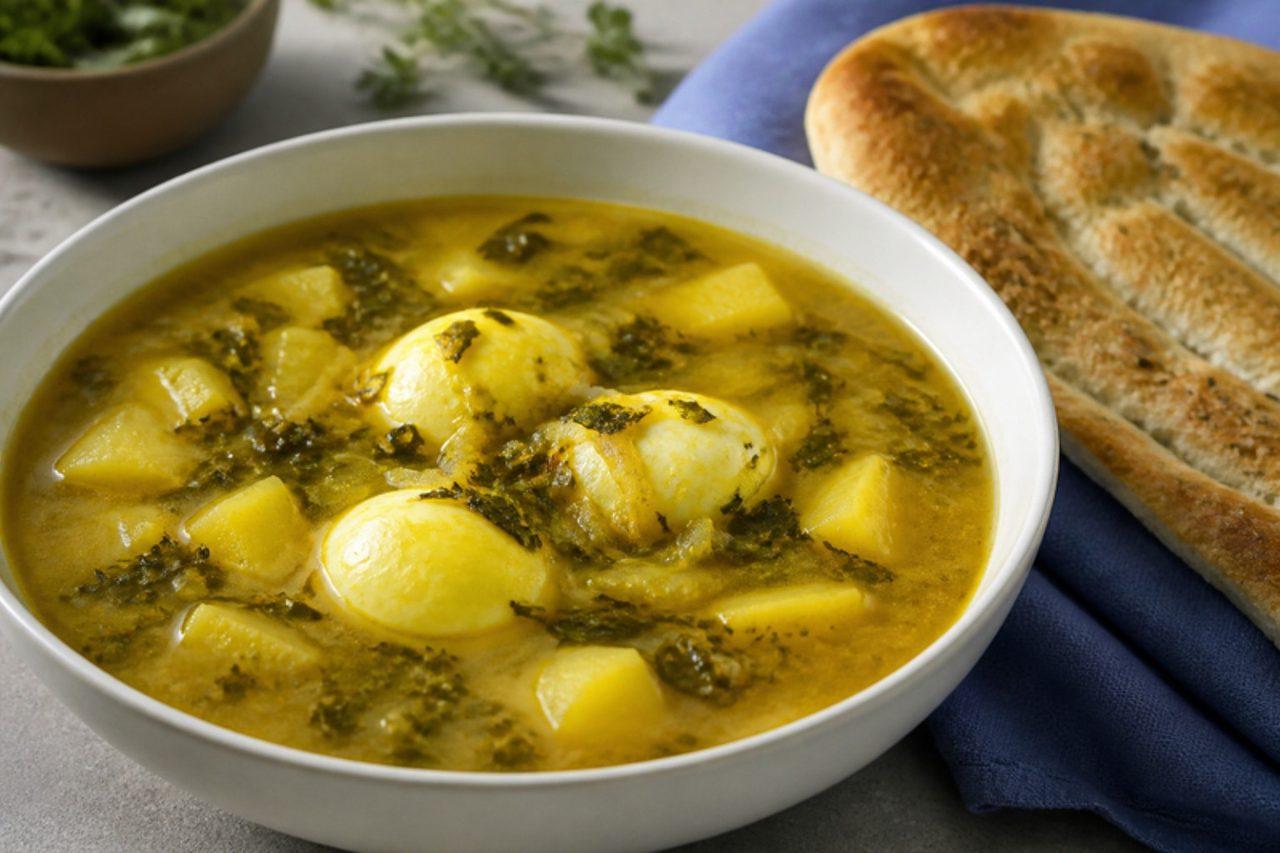
Eshkeneh

Eshkeneh is the soup of the cold north-west, cooked in Tabriz kitchens on winter evenings when there is little in the house but onions, eggs and dried fenugreek. The onions are fried very slowly until sweet and brown, a spoon of flour and turmeric thickens the broth, and eggs are dropped in to poach at the end; a little sour from lemon or dried sour cherries balances it. Azerbaijani families crumble barbari or lavash into their bowls so the bread soaks up the broth. A common mistake is rushing the onions, which leaves the soup thin and harsh rather than mellow and golden. Chef's tip: add the dried fenugreek with the flour, not before, because it scorches quickly and turns bitter.

by KrazyBadal 0 views

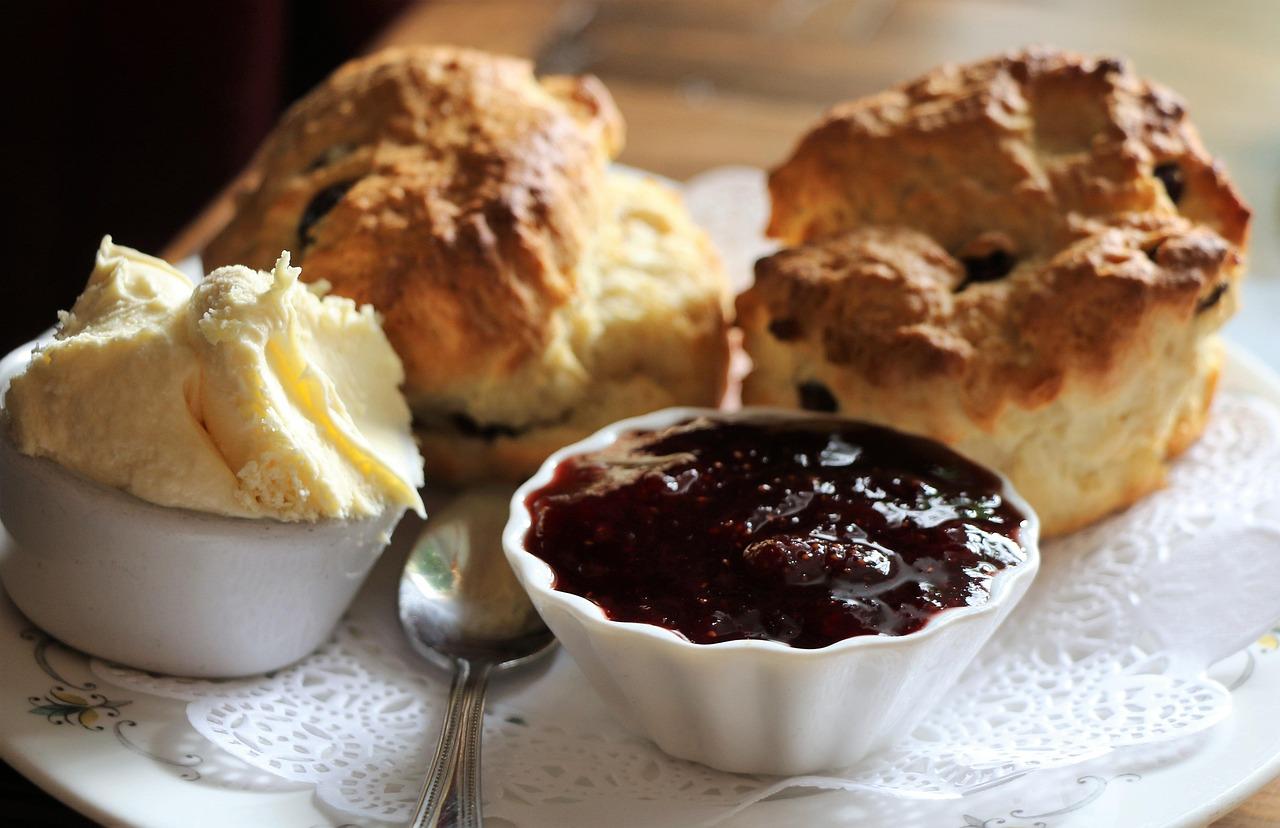
Devon cream tea scones

A cream tea is the West Country's afternoon treat: warm scones, clotted cream and strawberry jam with a pot of tea, served in tea gardens across Devon and Cornwall. In Devon the cream goes on first and the jam on top; in Cornwall it's the other way round, and the argument never ends. These scones are plain and light so the cream and jam shine. Chef's tip: cut straight down with the cutter and don't twist it, or the scones rise lopsided.

by KrazyBadal 0 views

Porra antequerana

In Antequera, north of Málaga, porra comes to the table so thick that a spoon stands up in it, and bars in the old town serve it from May until the first autumn rains as a starter or a light supper. It is a cousin of salmorejo, but with green pepper and more garlic, and the town tops it with chopped egg and a thread of oil. Locally the garnish also includes tuna and cured ham; this version keeps it vegetarian with egg and diced pepper. A common mistake is thinning it with water to make it go further: porra should be spooned, never sipped. Chef's tip: use only the reddest, softest tomatoes of the summer, because a pale tomato makes a pink, flat-tasting porra however much oil you add.

by KrazyBadal 0 views

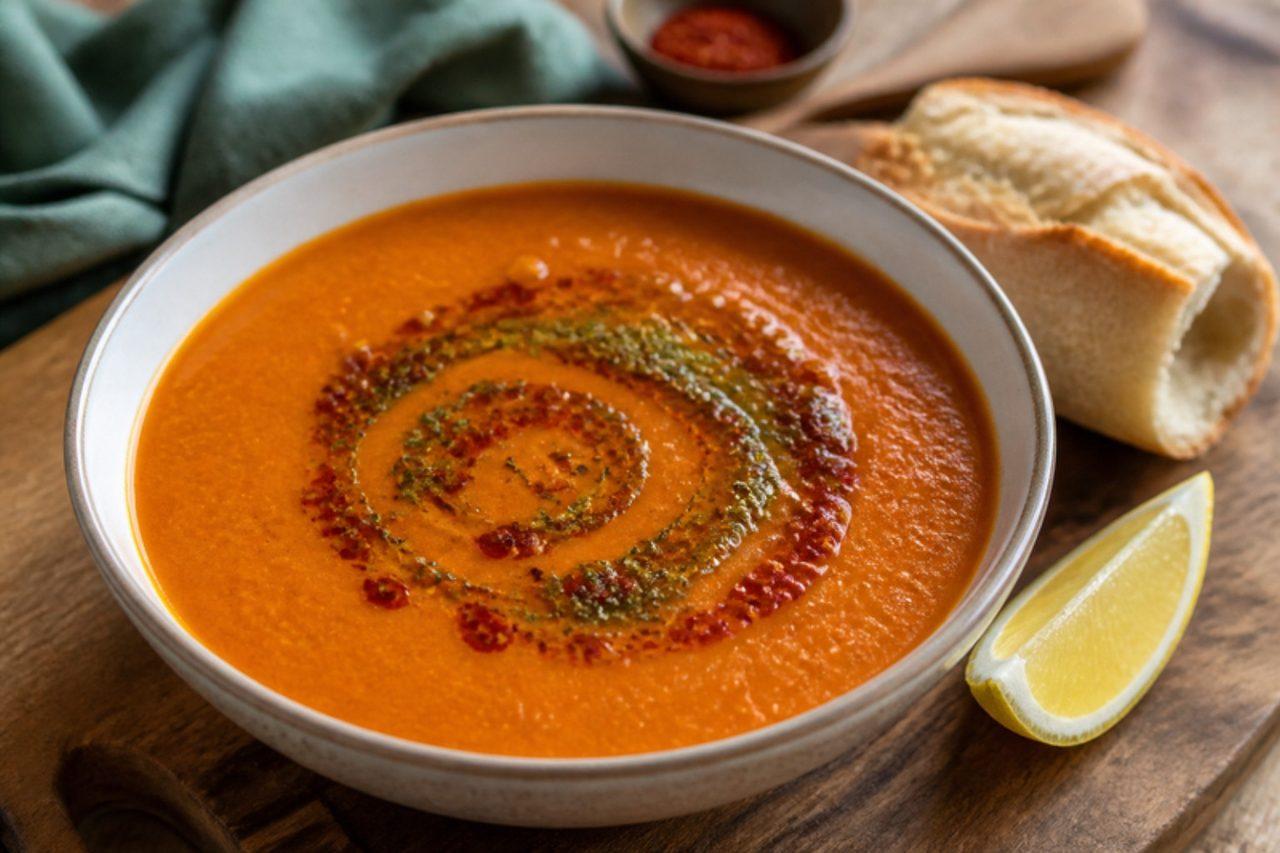
Tarhana çorbası

Late every summer, women across Central Anatolia, from Uşak to Konya and Sivas, ferment a dough of yoghurt, flour, tomatoes, peppers and onion, dry it on cloths in the sun and rub it into crumbs. All winter that tarhana becomes a quick, warming soup with a gentle sourness and the sweetness of sun-dried pepper. It is breakfast in villages, a cure for colds in cities, and is eaten with bread and a squeeze of lemon. Common mistake: tipping dry tarhana straight into hot liquid, which forms stubborn lumps; soak it in cold water first. Chef's tip: finish with a spoon of butter sizzled with dried mint and chilli flakes drizzled over each bowl; it lifts the whole soup.

by KrazyBadal 0 views

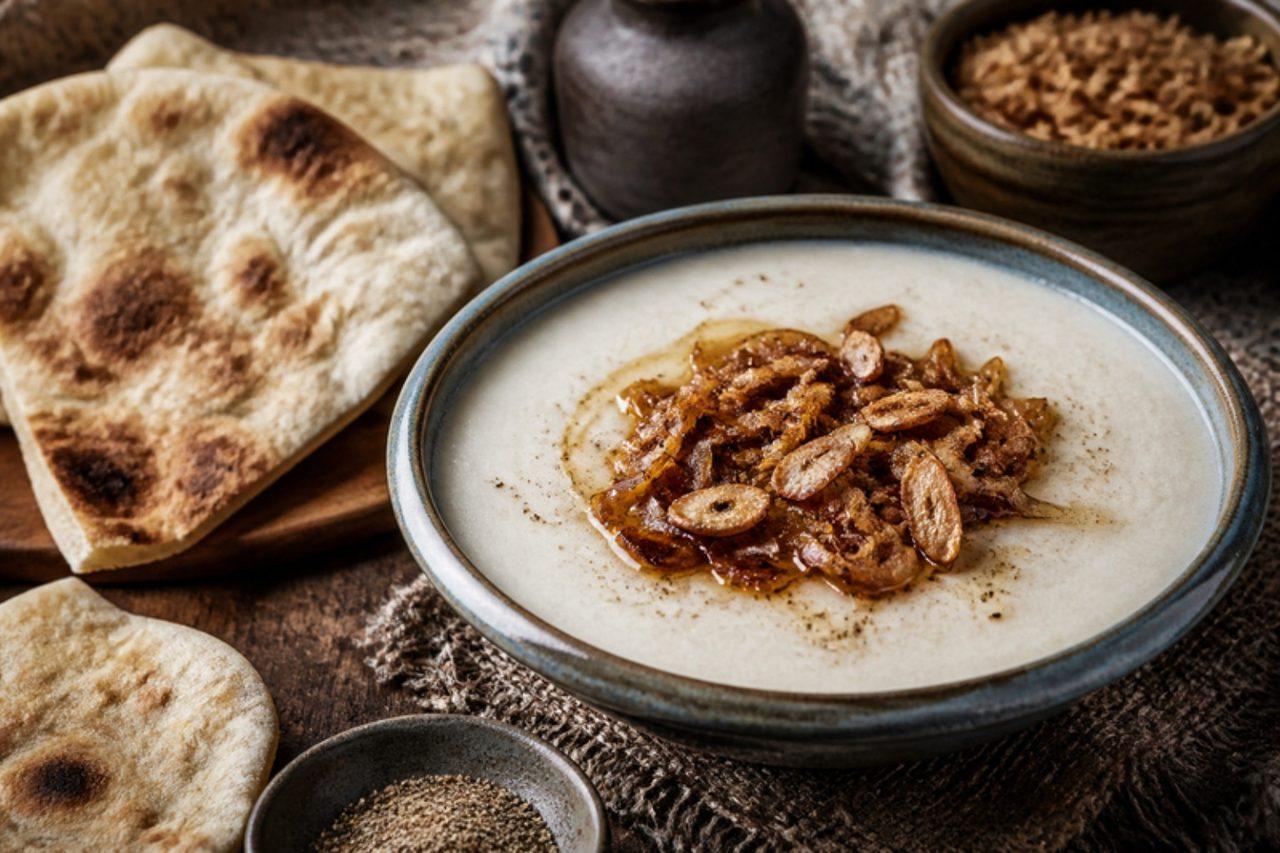
Shorbet kishk

In the Bekaa Valley, late summer means spreading bulgur fermented with yoghurt on rooftops to dry, then rubbing it into kishk powder that keeps the family through winter. On a cold morning that powder becomes shorbet kishk, a thick, tangy, porridge-like soup eaten for breakfast with radishes, spring onions and flatbread to scoop it up. Meat-eaters often add preserved lamb (awarma); this version keeps it vegetarian with plenty of garlic and onion fried in olive oil. Kishk powder is sold in Middle Eastern grocers. Common mistake: adding the powder to hot water; it clumps, so always whisk it into cold water first. Chef's tip: finish with a spoonful of garlic sizzled in oil and a pinch of dried mint poured over each bowl.

by KrazyBadal 0 views

Irish buttermilk scones

Irish scones are the centre of afternoon tea in hotels and country houses from Galway to Wicklow, and the bake that every Irish cook makes from memory. Buttermilk makes them light and tender with a faint tang, and an egg wash gives the glossy golden top. Serve warm, split, with butter, raspberry jam and whipped cream. Chef's tip: press the cutter straight down without twisting; twisting seals the edges and stops them rising tall.

by KrazyBadal 0 views

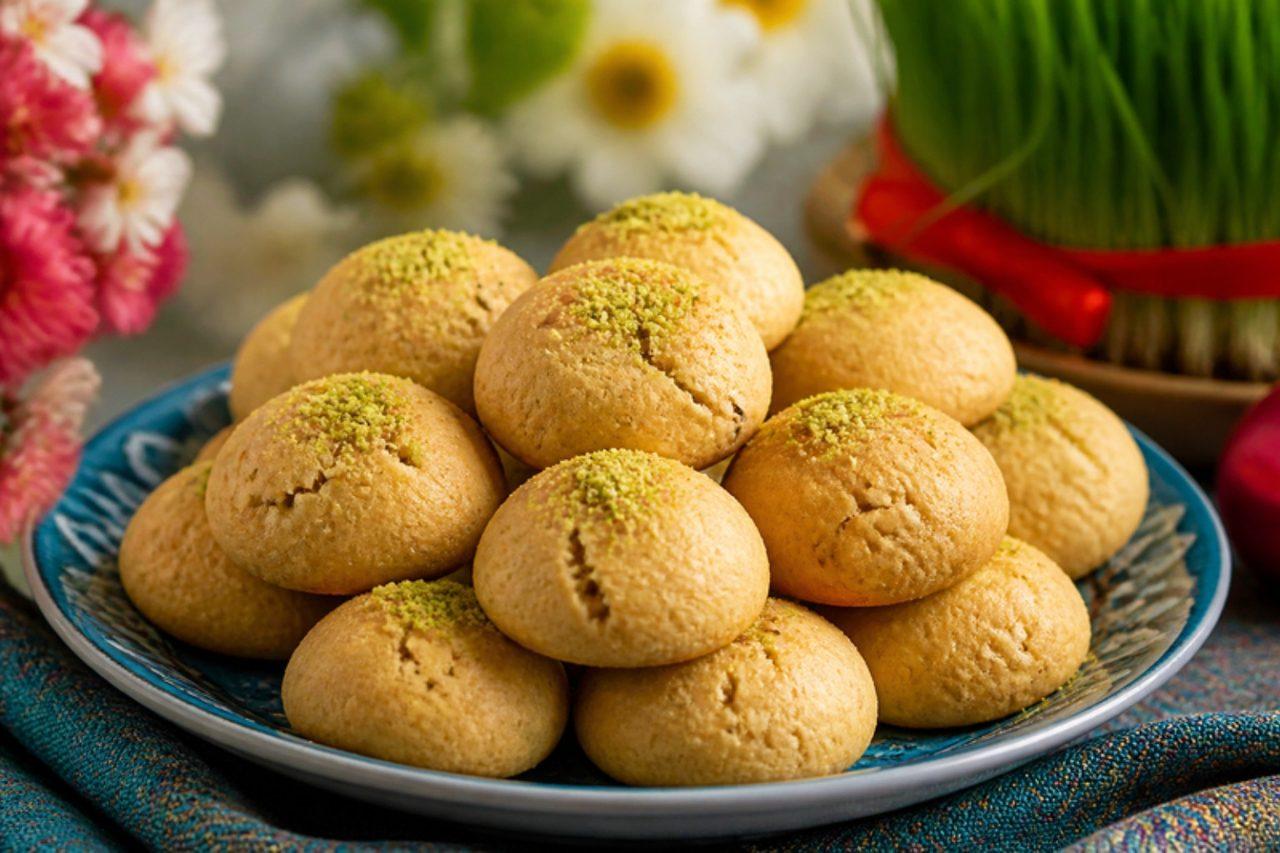
Nan-e gerdooyi

In the run-up to Nowruz, when Tabriz, Tehran and Qazvin families are spring-cleaning and baking for the round of holiday visits, nan-e gerdooyi are among the first cookies to go into the tin. They are made with chopped walnuts held together by egg yolks and sugar, no flour at all, so they bake crisp at the edge and soft and chewy in the middle. A common mistake is grinding the walnuts to a paste; they should be chopped into small pieces so the cookies have texture and don't turn oily. Chef's tip: leave a good gap between them on the tray; they spread to about twice their size.

by KrazyBadal 0 views

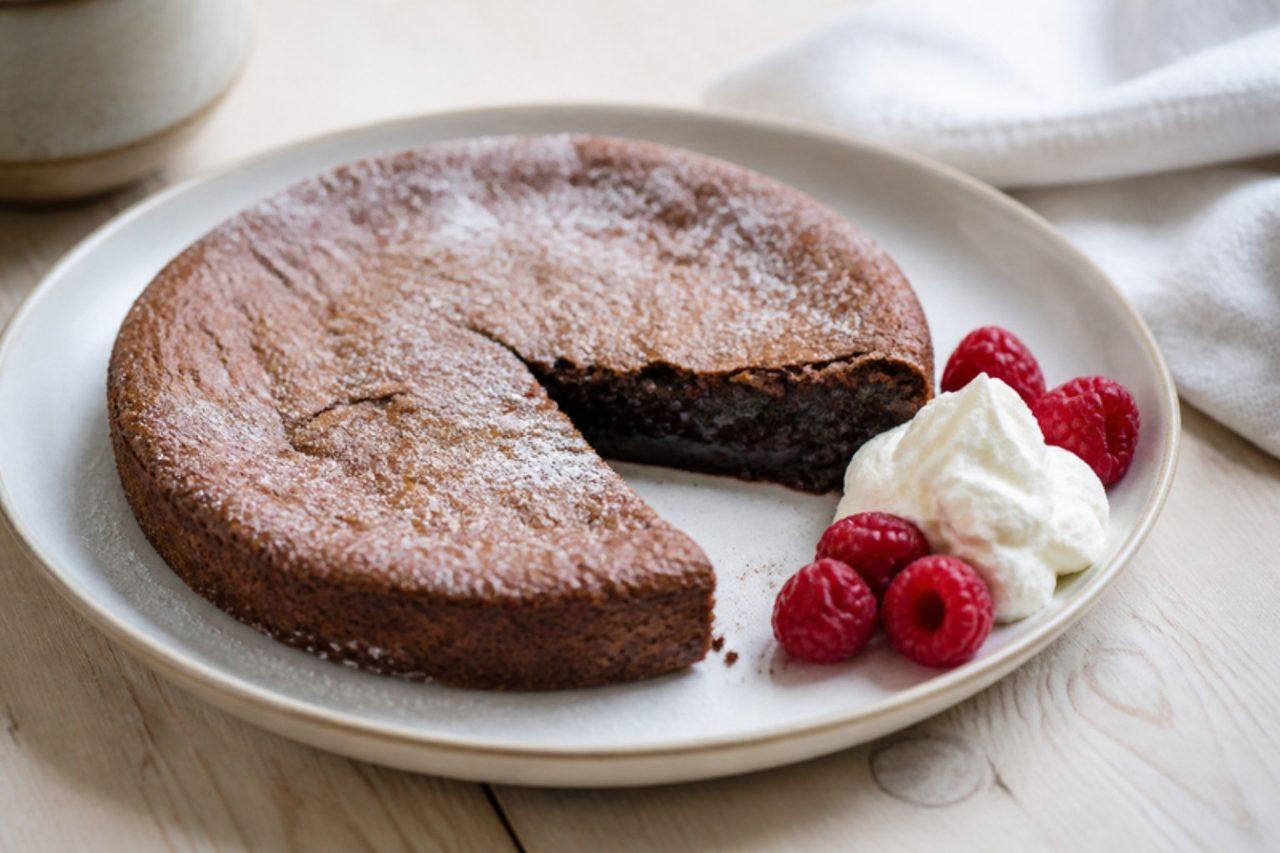
Kladdkaka

Kladdkaka, literally 'sticky cake', is the chocolate cake Swedish teenagers learn to make first, because it needs one pan, no mixer and no raising agent. The outside bakes to a thin, crackly crust while the centre stays fudgy and almost molten, somewhere between a brownie and a chocolate pudding. In Sweden it turns up at birthday parties, after Friday tacos and at summer cottages, cut into wedges and served with lightly whipped cream and a few raspberries or lingonberries. Cocoa, not bar chocolate, gives it its classic flavour. Chef's tip: take it out when the middle still wobbles like set jelly; it firms up as it cools and a fully set kladdkaka is just a dry chocolate cake.

by KrazyBadal 0 views

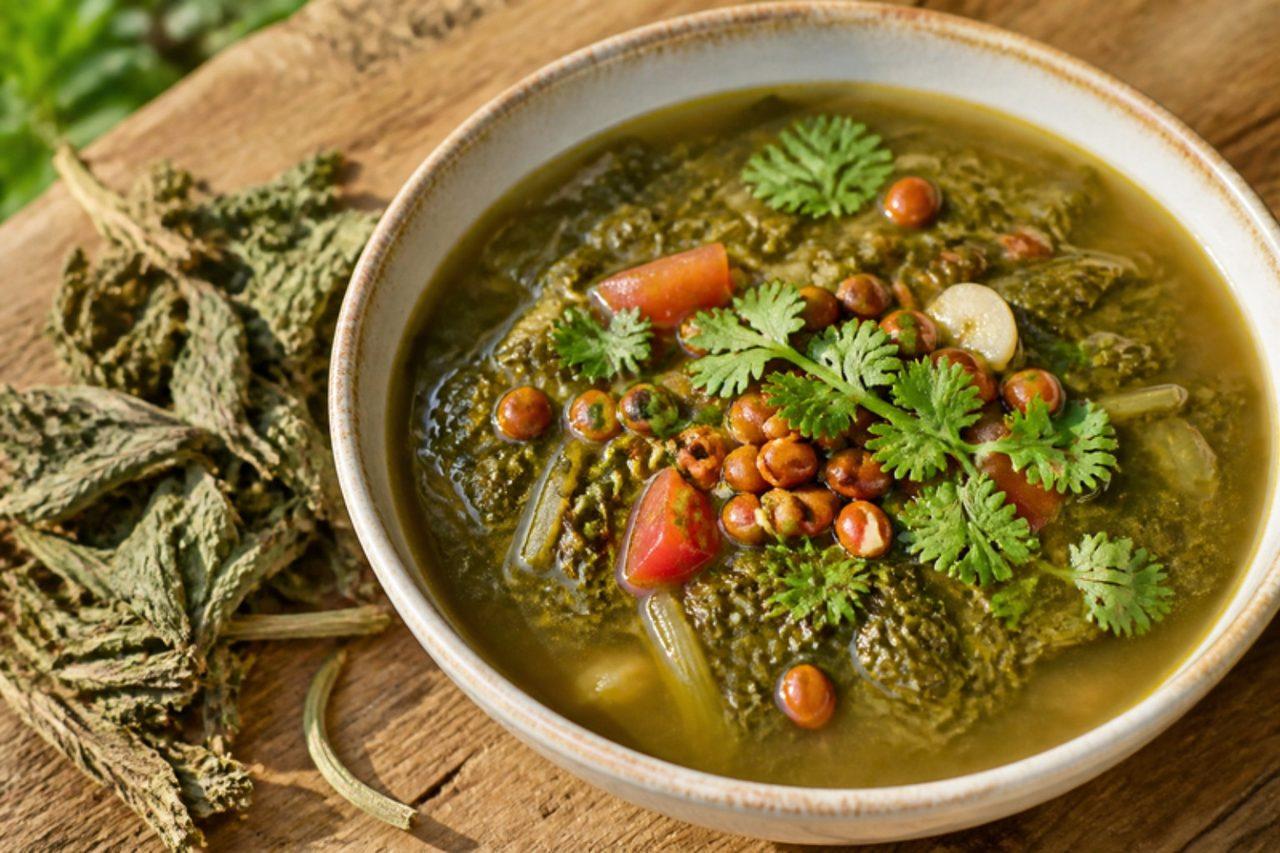
Gundruk ko jhol

In the terraced hill villages between Pokhara and Ilam, families pack mustard, radish and cauliflower leaves into clay pots after the autumn harvest, let them ferment for a week or two and then sun-dry them into gundruk. That dark, tangy leaf is the store cupboard of the winter months, and its most common use is this thin, sour soup (jhol), served on the side of dal bhat or with dhido, the stiff buckwheat or millet porridge of the hills. It tastes a little like a smoky, vinegary green tea and is light, warming and very cheap. A handful of roasted soybeans (bhatmas) is often thrown in for crunch. The mistake is to cook gundruk without soaking it first, which leaves it gritty and too sour. Chef's tip: squeeze the soaked leaves hard and fry them in the oil until they crackle before you add water; that frying gives the soup its toasty depth.

by KrazyBadal 0 views

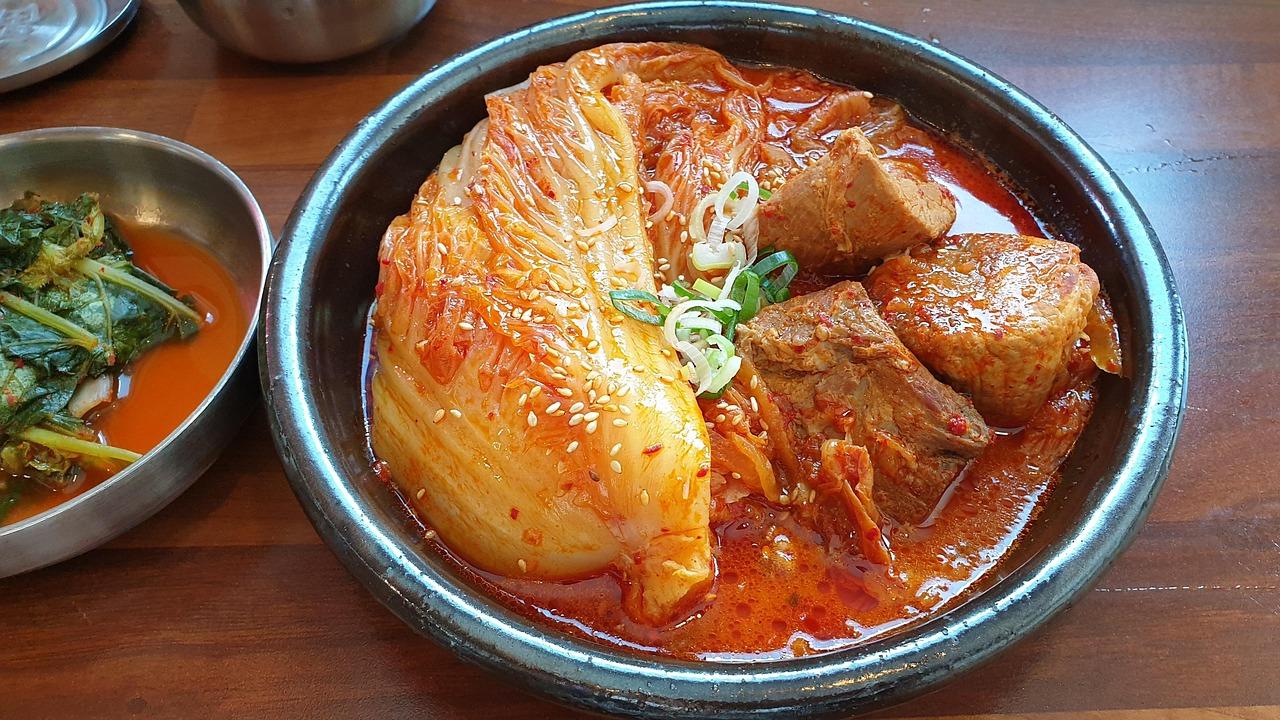
Kimchi jjigae

Every Korean home has a version of kimchi jjigae, and it turns up on the table from Seoul to Busan at breakfast, lunch and late at night. It is the classic way to use up kimchi that has fermented for weeks and turned properly sour. Pork belly gives the broth richness, tofu soaks up the heat, and the pot comes to the table still boiling, next to a bowl of plain rice. Chef's tip: fry the kimchi in the pork fat for a full 5 minutes before any water goes in; that is where the deep, savoury flavour comes from.

by KrazyBadal 0 views

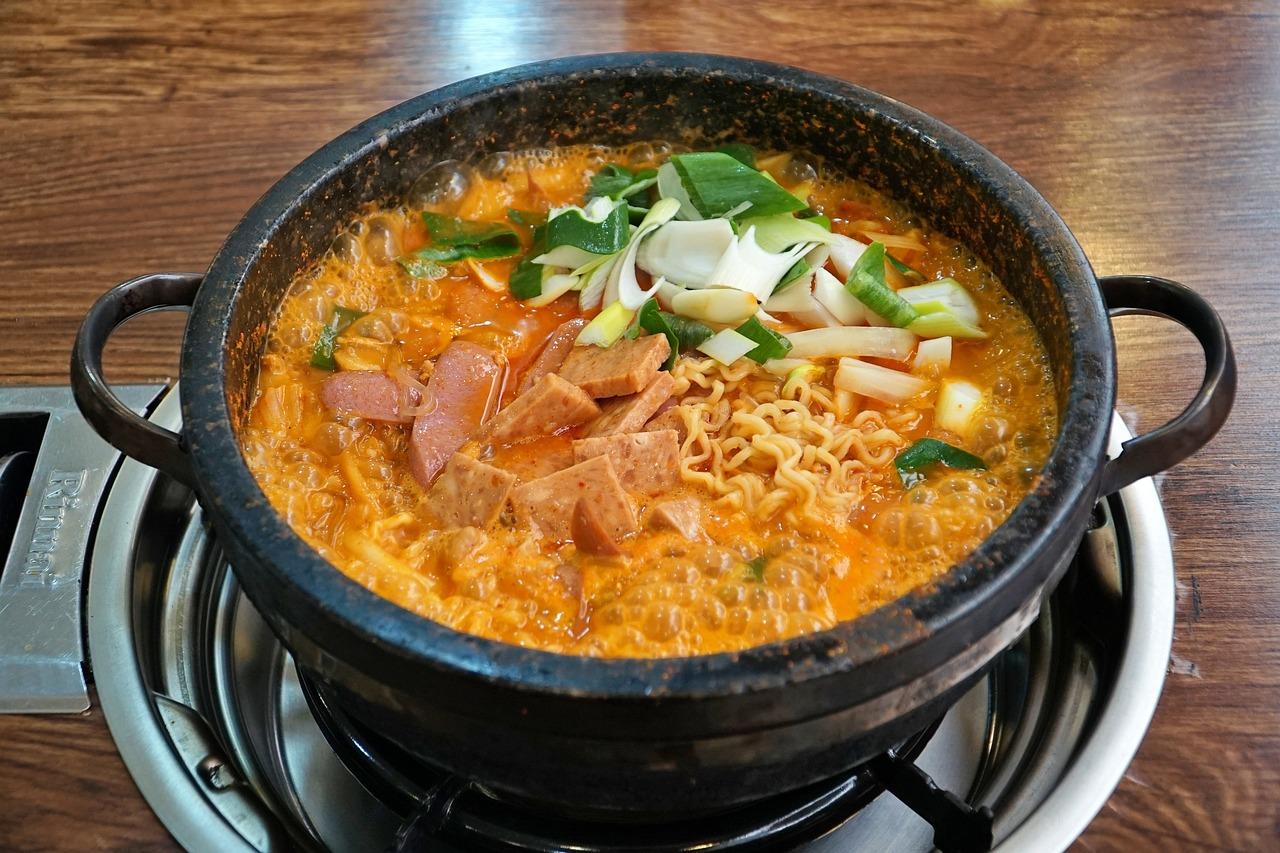
Budae jjigae

Budae jjigae grew up in Uijeongbu, north of Seoul, in the hard years after the Korean War, when surplus tinned meat and sausages from the nearby US army base were cooked with kimchi and chilli. The town still has a whole street of restaurants serving it. It is a sharing dish: a wide pan goes on a gas burner in the middle of the table, and friends fish out sausages and noodles as it bubbles. Chef's tip: arrange everything in neat piles in the pan before the stock goes in, so each person can see what they are reaching for.

by KrazyBadal 0 views

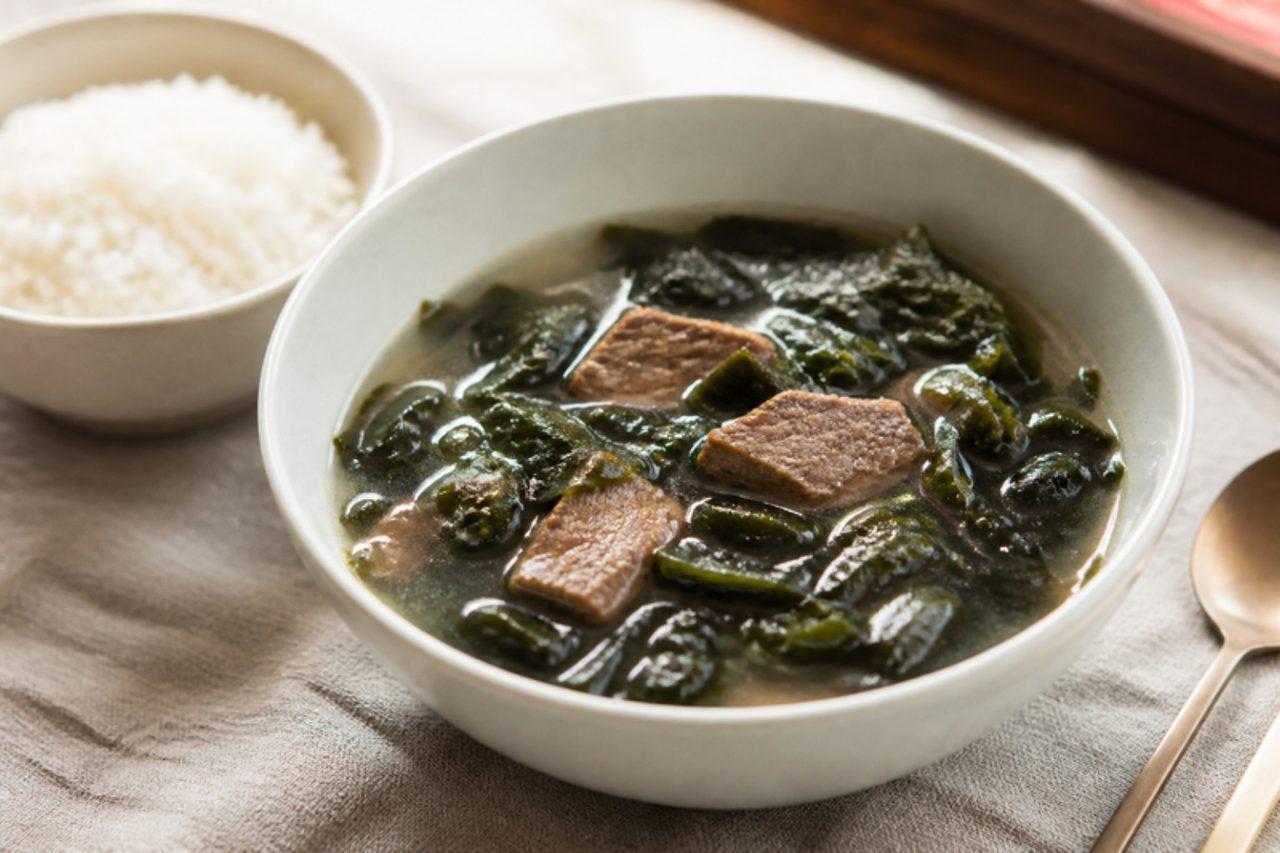
Miyeok guk with beef

Ask someone in Korea what they ate on their birthday morning and the answer is usually miyeok guk. The same soup is given to new mothers for weeks after a birth, as the seaweed is rich in iodine, calcium and iron. Some students avoid it on exam days, because slippery seaweed is said to make you 'slip' in the test. The broth is clear and mild, made with brisket fried in sesame oil and seasoned with soup soy sauce. Chef's tip: squeeze the soaked seaweed hard and fry it with the beef for a few minutes; it gives the broth a rounder, nutty taste.

by KrazyBadal 0 views

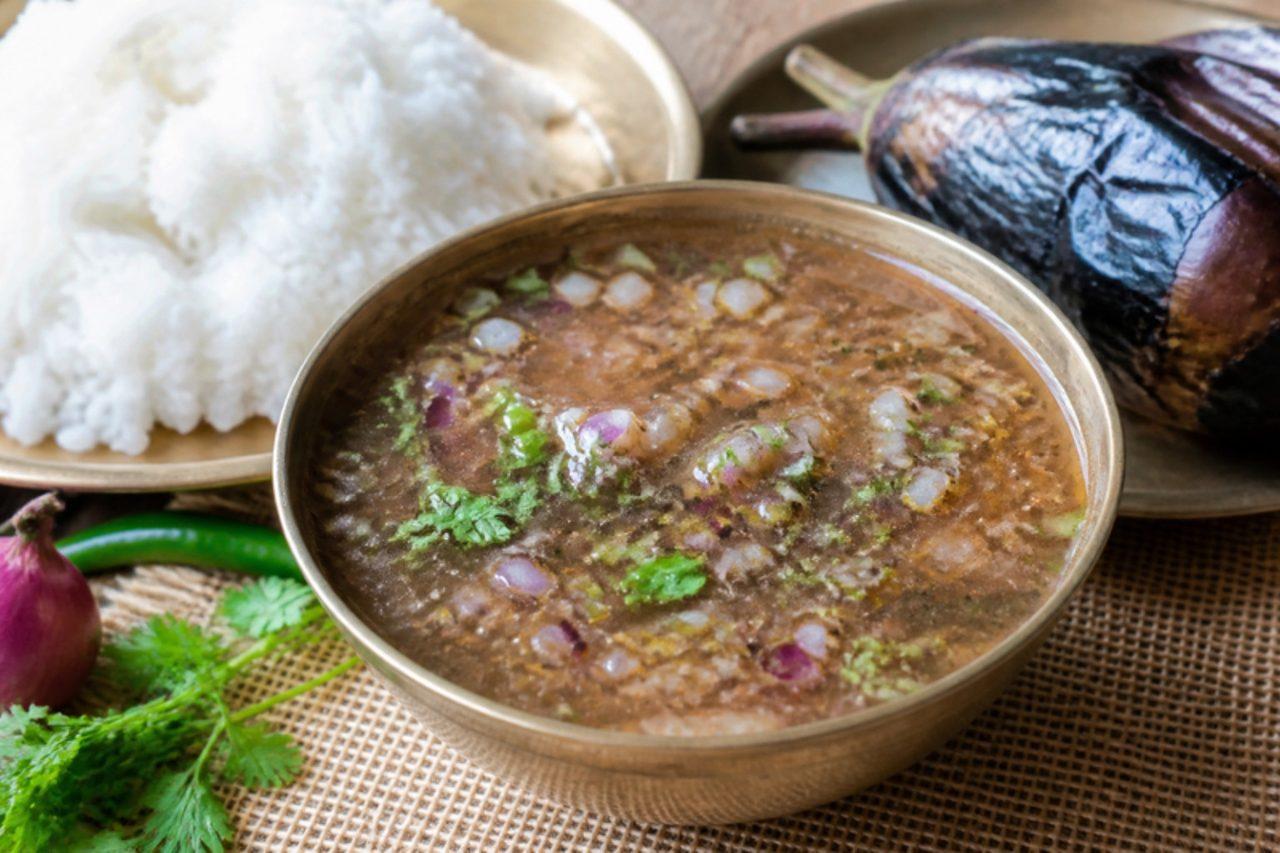
Pachi pulusu

Pachi pulusu, 'raw stew', is Telangana's summer cooler: a no-cook tamarind water stirred with jaggery, finely sliced raw onion and green chilli, finished with a hot mustard-seed tempering. In the heat of April and May in villages around Warangal and Karimnagar, families pour it over hot rice with a spoonful of dal or a spicy fry, and it wakes up appetites dulled by the sun. Some add a smoky roasted brinjal mashed in, which gives it body. Sweet, sour and sharp at once, it takes ten minutes. Chef's tip: rub the onion with salt and a little chilli powder in your fingers before adding the tamarind water, so it softens slightly and flavours the whole bowl.

by KrazyBadal 0 views

Česnečka

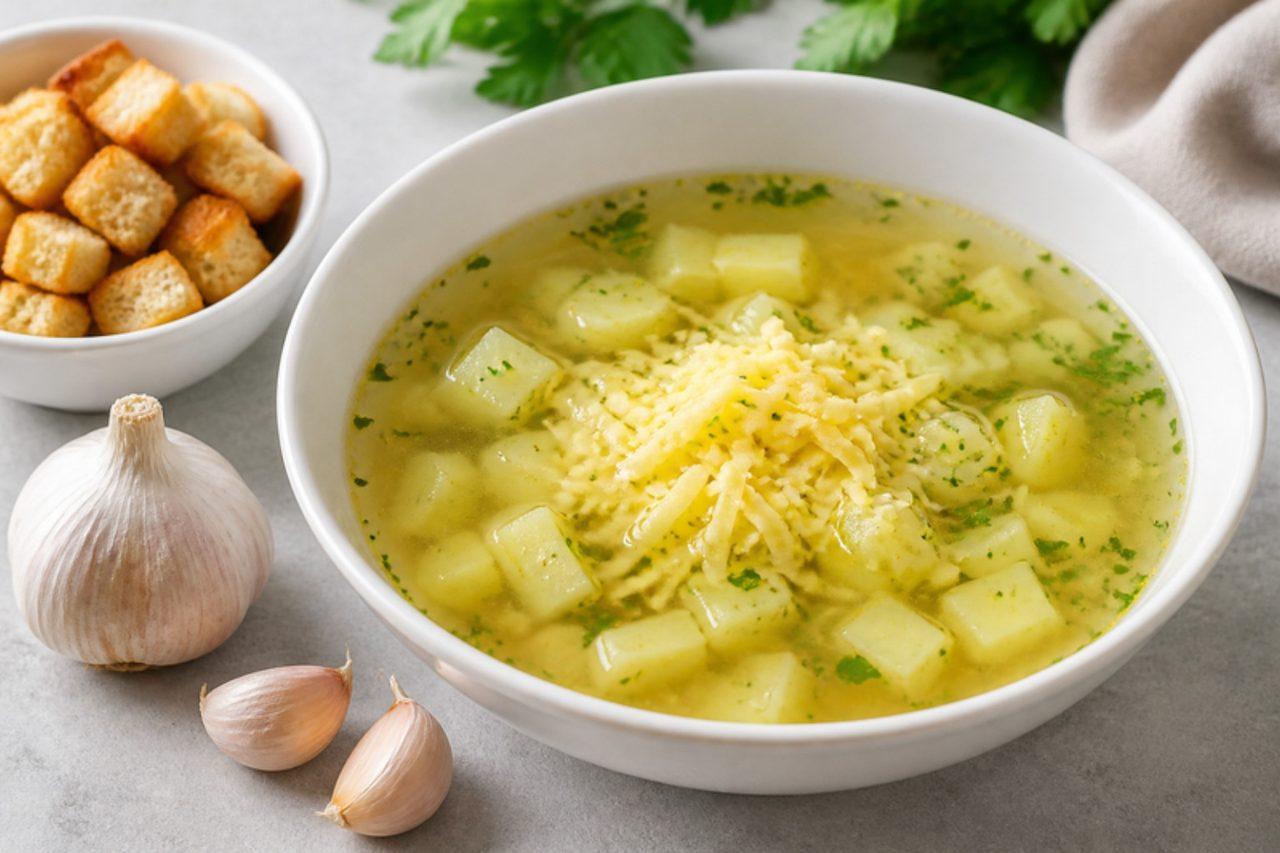
Česnečka is the soup Czechs swear by after a long night in a Prague pivnice: a thin, savoury broth fragrant with raw garlic, caraway and marjoram, with soft potato cubes, crunchy fried bread and a fistful of grated cheese melting into each bowl. It costs almost nothing, comes together in half an hour and is served in workers' canteens and village pubs all winter. This version uses vegetable stock instead of the old meat bouillon. Chef's tip: crush the garlic into the bowls or add it right at the end off the heat; boiled garlic goes sweet and mild, and česnečka should bite.

30 minCzechSoups
by KrazyBadal 0 views

Molokhia

Molokhia is one of the oldest dishes on the Egyptian table, eaten across the country from Alexandria to Upper Egypt, usually at a family lunch with white rice and torn baladi bread. The finely minced leaves of the jute plant cook in stock in minutes into a bright green, gently slippery soup; at the end a ta'leya of garlic and ground coriander fried in oil is poured in with a loud hiss. Most families cook it with chicken or rabbit broth, but a well-flavoured vegetable stock makes a lovely, light vegan version. Frozen minced molokhia from Middle Eastern grocers is what most Cairo cooks use too. Chef's tip: some cooks take a sharp breath (the shahqa) as the ta'leya goes in; joke or not, the point is to pour it in while the garlic is still sizzling hot.

by KrazyBadal 0 views

Hideg meggyleves

Hideg meggyleves is a chilled sour cherry soup served as a starter in Hungary at the height of summer, from family lunches in the cherry-growing villages around Pest county to the terraces of Balaton restaurants. Sour cherries simmer briefly with sugar, cinnamon and cloves, then the soup is thickened with sour cream and served icy cold, pink and gently tangy. Some cooks add a splash of red wine for grown-ups. It is eaten before the main course, not as dessert, though no one complains if you have it after. Chef's tip: chill it for at least 3 hours; the flavour rounds out and the spices soften as it cools. A common mistake is boiling it after the cream goes in, which curdles it.

by KrazyBadal 0 views

Anzac biscuits

Anzac biscuits are baked in kitchens all over Australia and New Zealand in the days before 25 April, Anzac Day, when both countries remember the soldiers of the Australian and New Zealand Army Corps who landed at Gallipoli in 1915. Recipes appeared in fundraising cookbooks soon after the war, and they keep well because they contain no eggs: just oats, flour, coconut, sugar, butter and golden syrup, raised with bicarbonate of soda. Bake them short for chewy, longer for crunchy; every family has its side. Chef's tip: add the bicarbonate to the hot butter and syrup and wait for it to foam up before mixing; that froth is what makes them light and lacy.

by KrazyBadal 0 views

Pian'er chuan noodles

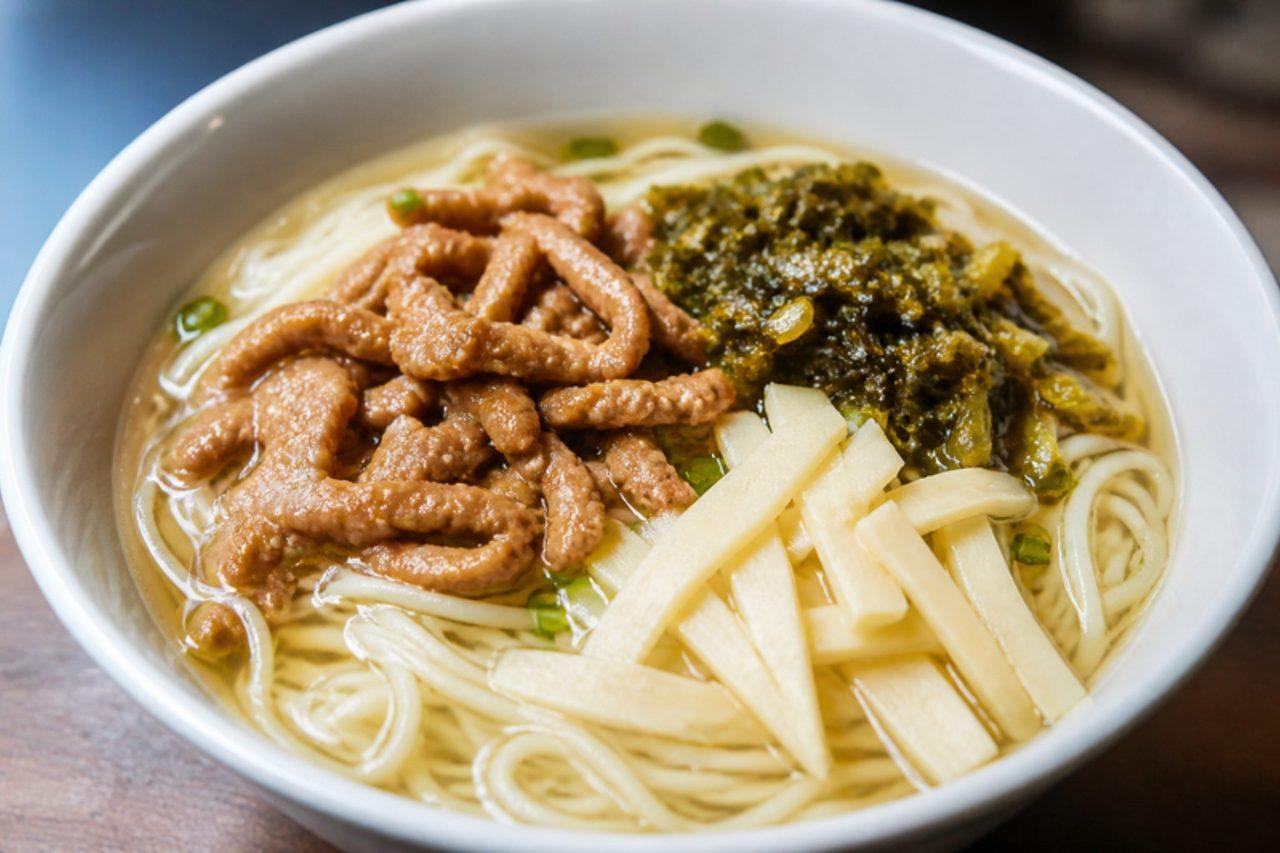
Ask a Hangzhou local what they eat at a noodle shop and the answer is often pian'er chuan, a quick bowl named for its sliced (pian) pork and bamboo that are flash-cooked (chuan) in the broth. Salty, crunchy pickled mustard greens give it its savoury depth, the bamboo adds a clean sweetness, and the thin noodles soak up a cloudy, peppery soup. It is everyday lunch food, eaten at speed. A common mistake is skipping the rinse on the pickled greens; unrinsed, they make the whole bowl too salty. Chef's tip: slice the pork as thinly as you can while it is half-frozen, so it cooks in seconds and stays tender.

by KrazyBadal 0 views

Tomato rasam

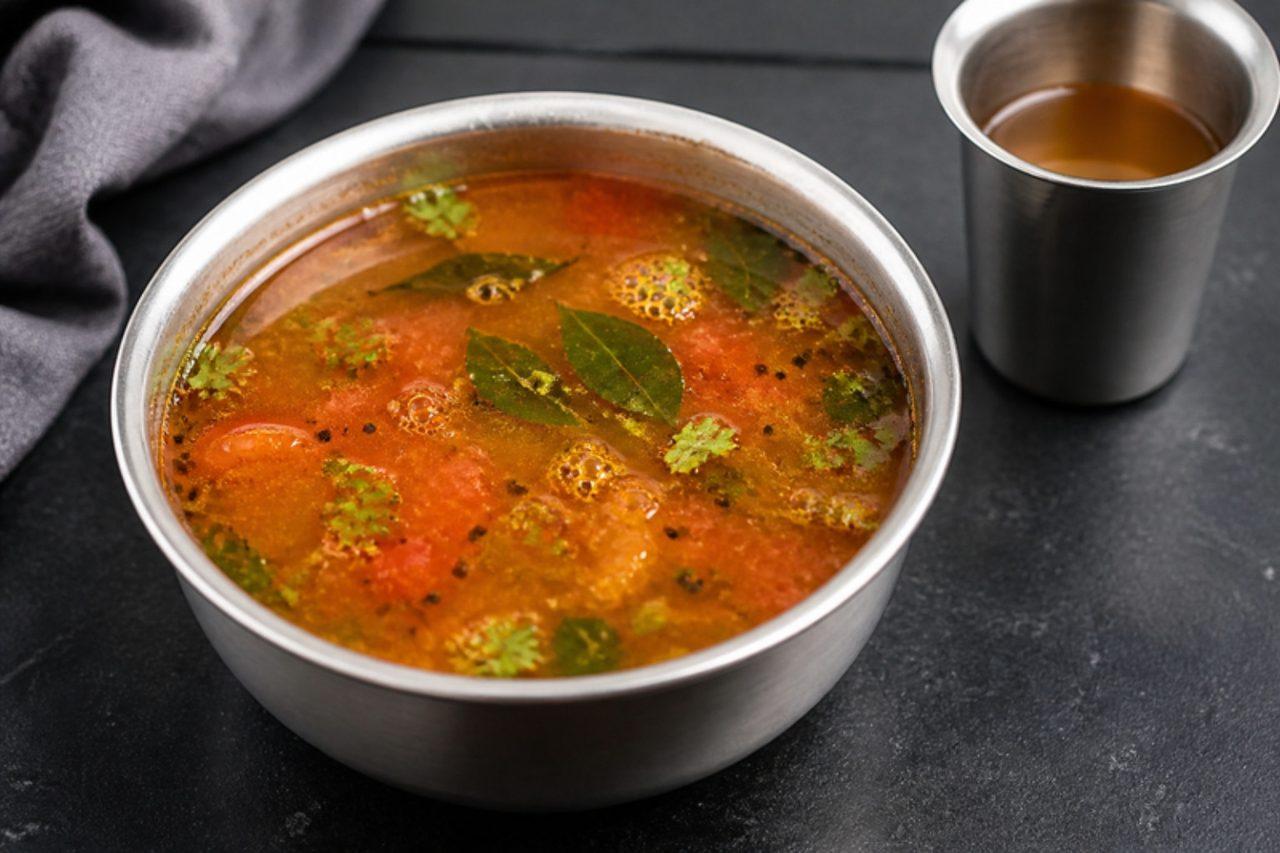
Rasam is the thin, sour, peppery broth that runs through every Tamil Nadu meal, poured over rice after sambar or sipped from a tumbler when you have a cold. This tomato version is the everyday kind: ripe tomatoes and tamarind simmered with crushed garlic, black pepper and cumin, then lifted with a tempering of mustard seeds, dried chilli and curry leaves. It's light, warming and ready in 25 minutes. Serve it with plain rice and a dry vegetable, or on its own in a cup. Chef's tip: once you add the spice mix, take the rasam off the heat as soon as it froths up; boiling it hard turns the flavour flat and the pepper harsh.

by KrazyBadal 0 views

Thukpa

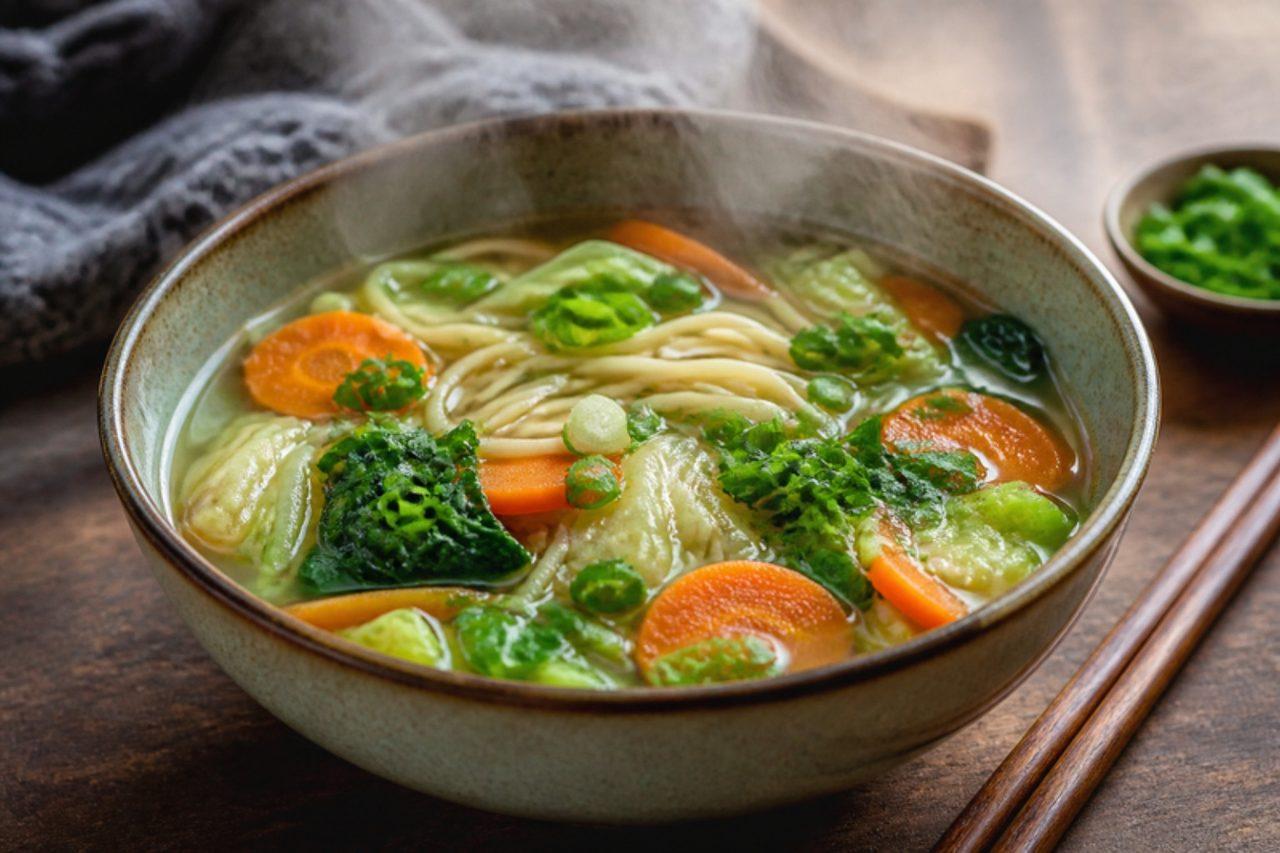
Thukpa is the warming noodle soup of the Himalayas, eaten in Sikkim, Ladakh and the Tibetan settlements of the hills on cold evenings. A gingery, garlicky broth is cooked with carrot, cabbage and tomato, then wheat noodles and spinach go straight into the pot. It's light yet filling, savoury with soy and pepper and as spicy as you like with chilli on the side. Serve in deep bowls with a squeeze of lemon. Chef's tip: cook the noodles in the soup only just before serving; left standing, they keep drinking up the broth and turn soft.

by KrazyBadal 0 views

Sopa de fideo

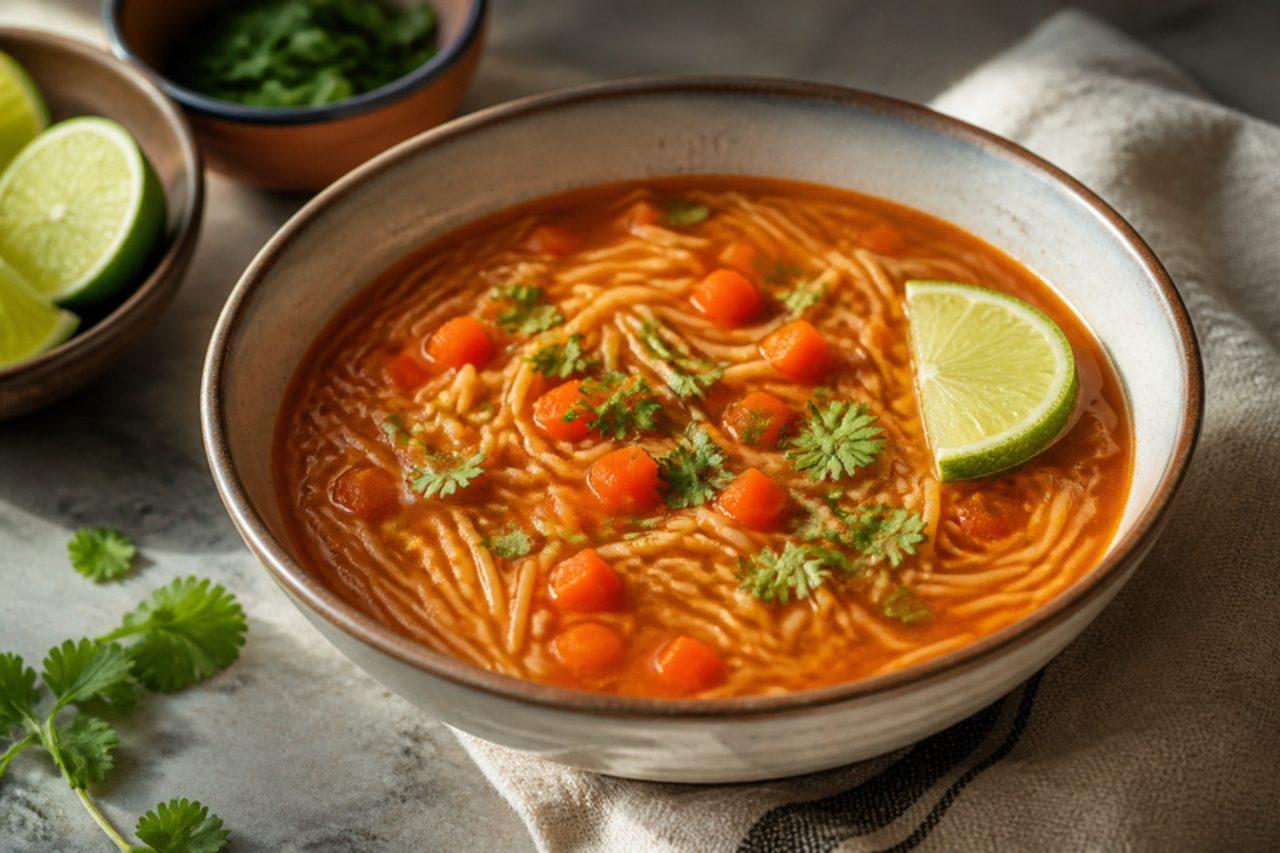
Sopa de fideo is the soup almost every Mexican grew up on, served at home from Monterrey to Mérida as the first course of the midday meal. Thin fideo noodles (short broken vermicelli) are fried in oil until golden before the tomato broth goes in, which gives them a toasty, nutty flavour and stops them turning to mush. This version uses a vegetable stock, so it is vegan and very kind to small children. Serve it with lime, a little dried chilli for the grown-ups and bread or tortillas. Chef's tip: fry the noodles over a medium heat and keep stirring; they go from pale to golden to burnt in seconds, and you want the colour of a digestive biscuit.

by KrazyBadal 0 views

Tom yum goong

Steaming bowls of this prawn soup land on almost every table in central Thailand, from riverside shophouses in Ayutthaya to family dinners in Bangkok, where it sits in the middle to be shared with rice and two or three other dishes. The broth is thin but loud: sour from lime, salty from fish sauce, hot from crushed bird's eye chillies, and perfumed by bruised lemongrass, galangal and torn makrut lime leaf, which flavour the soup but are left in the bowl. This is the clear style (nam sai) with a spoonful of roasted chilli paste for colour and a gentle sweetness; the creamy nam khon style adds evaporated milk, which we leave out to keep it dairy free. Serve it piping hot with plain jasmine rice. Chef's tip: simmer the prawn heads and shells for five minutes before anything else goes in, and the soup tastes of the sea rather than of water.

25 minThaiSoupsGluten freeSpicy
by KrazyBadal 0 views

Showing 24 of 53 recipes

Show more recipes

Page 1 of 3