Skip to content
WhatToEat.Today

All recipes

793

Vegetarian, or something you can't eat? Set your diet once and we'll hide recipes that don't fit.

Sopa criollaCreamy beef noodle soup

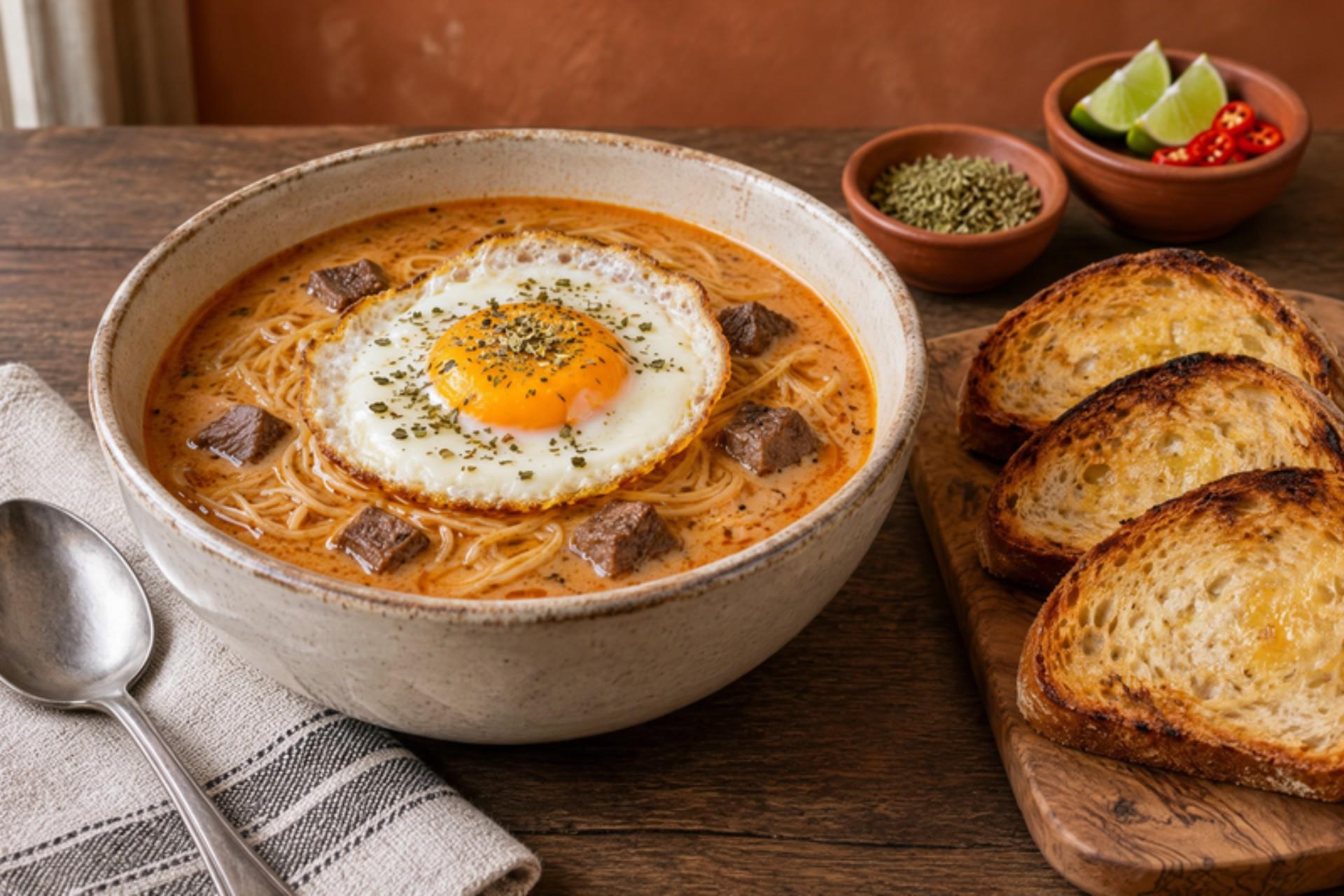
Sopa criolla is the soup Lima turns to on grey winter evenings, when the garúa mist hangs over the city: a beef broth reddened with ají panca, full of thin noodles and strips of beef, enriched with evaporated milk and finished with a poached egg. It arrives with toasted bread for dunking. The common mistake is boiling the soup after adding the milk; it splits into specks. Lower the heat first and stir it in gently. The beef strips are thin, so they cook through in a few minutes. Chef's tip: crack the eggs straight into the barely simmering soup and leave them alone for three minutes; the whites set into soft ribbons that thicken the broth.

by KrazyBadal 0 views

Canelones de verduraSpinach and ricotta crêpe cannelloni

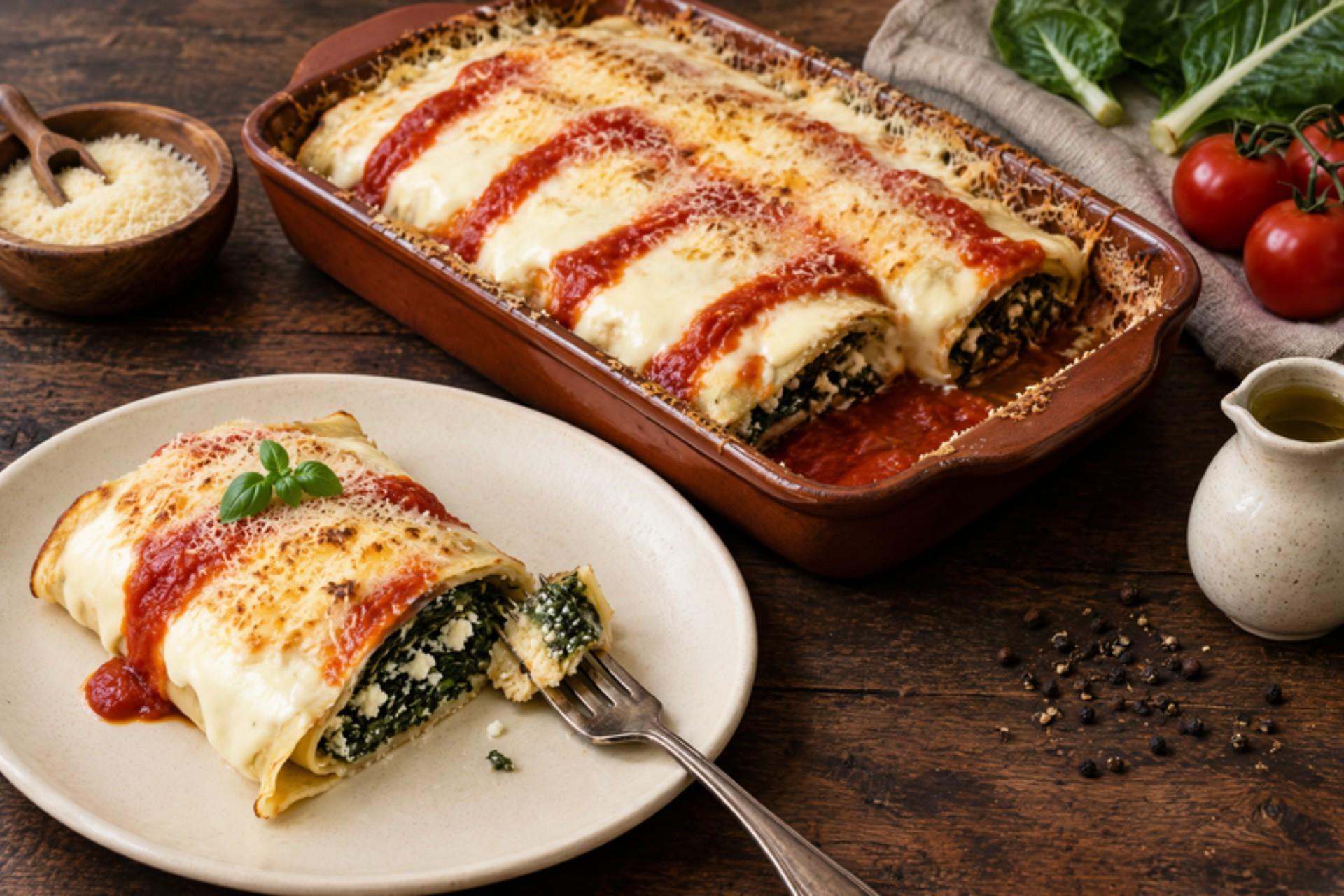
In Argentina, Sunday lunch at the nonna's house in Rosario or Buenos Aires often means canelones, a legacy of Italian immigrants made the Río de la Plata way: thin crêpes instead of pasta tubes, rolled around chard and ricotta, then baked under tomato sauce and béchamel. They are often served on the 29th of the month or for Christmas too. The common mistake is thick crêpes: they turn stodgy. The batter should be as thin as single cream and the pancakes almost see-through. Hard cheeses are usually made with animal rennet; use a vegetarian hard cheese if you prefer. Chef's tip: roll the canelones and chill them for an hour before saucing; they hold their shape better in the oven.

by KrazyBadal 0 views

Arroz con mariscosSeafood rice

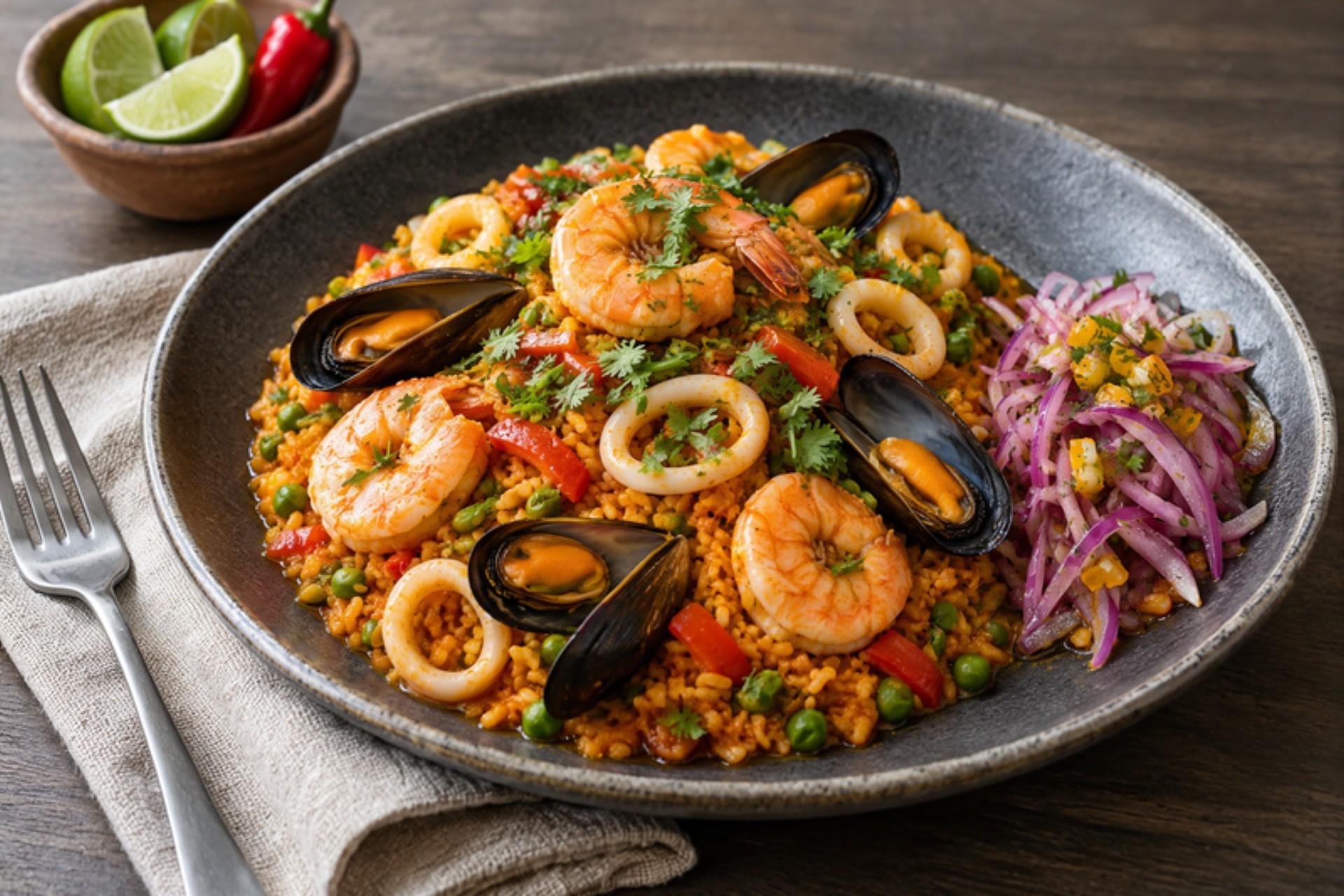
Arroz con mariscos is the weekend dish of Callao and the beach towns south of Lima, served in cevicherías as the hot partner to a cold ceviche. It is moister than a paella, closer to a risotto, coloured with ají panca and ají amarillo and finished with peas and a little Parmesan-style cheese, as many Lima cooks do. The common mistake is adding all the seafood at the start: the squid turns rubbery and the prawns shrink to nothing. Cook the rice first and add the shellfish only for the final minutes. Discard any mussels that are open before cooking and do not close when tapped, and any that stay shut after cooking. The cheese is often made with animal rennet; use a vegetarian hard cheese if you prefer. Chef's tip: simmer the prawn shells in the stock for 10 minutes; they give the rice its deep seafood taste.

by KrazyBadal 0 views

Torta de limãoLime meringue pie

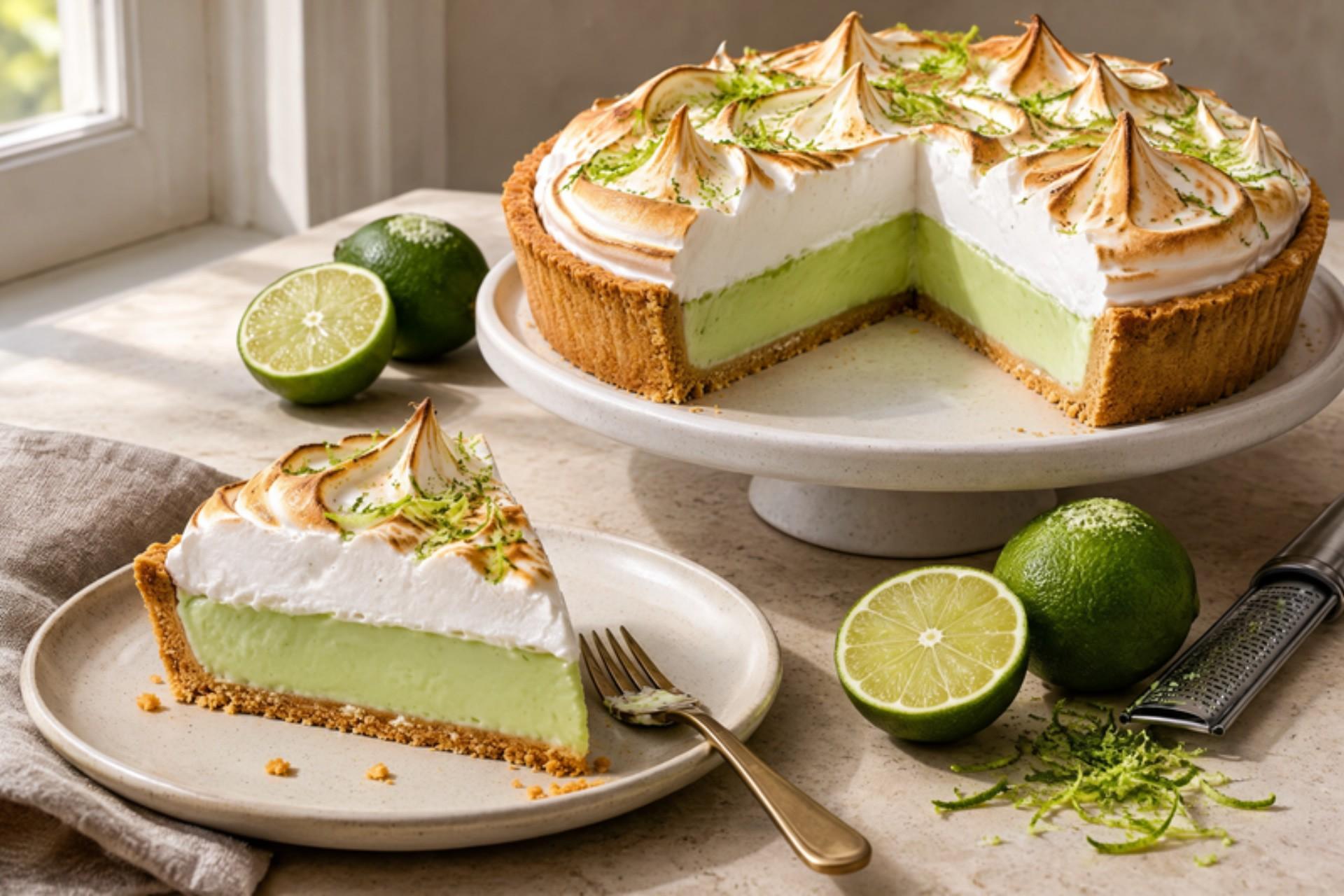
Torta de limão is one of Brazil's best-loved desserts, made in home kitchens from São Paulo to Belo Horizonte for birthdays and Sunday lunch, and sold by the slice in padarias (bakeries). A crumbly crust of butter biscuits holds a no-cook filling of condensed milk and plenty of lime juice that thickens like magic, topped with a cloud of glossy meringue that is browned in the oven. Brazilian limes (limão taiti) are juicy and very sharp, so use fresh limes, never bottled juice. The usual mistake is adding all the lime juice at once: pour it in gradually while whisking, or the filling can turn grainy. The meringue is done when the peaks are golden brown. For anyone pregnant, very young, older or with a weakened immune system, make sure the meringue is well browned and the egg whites cooked. Chef's tip: grate the zest over the filling just before the meringue goes on; the fragrant oils stay bright.

by KrazyBadal 0 views

X-tudoBurger with everything

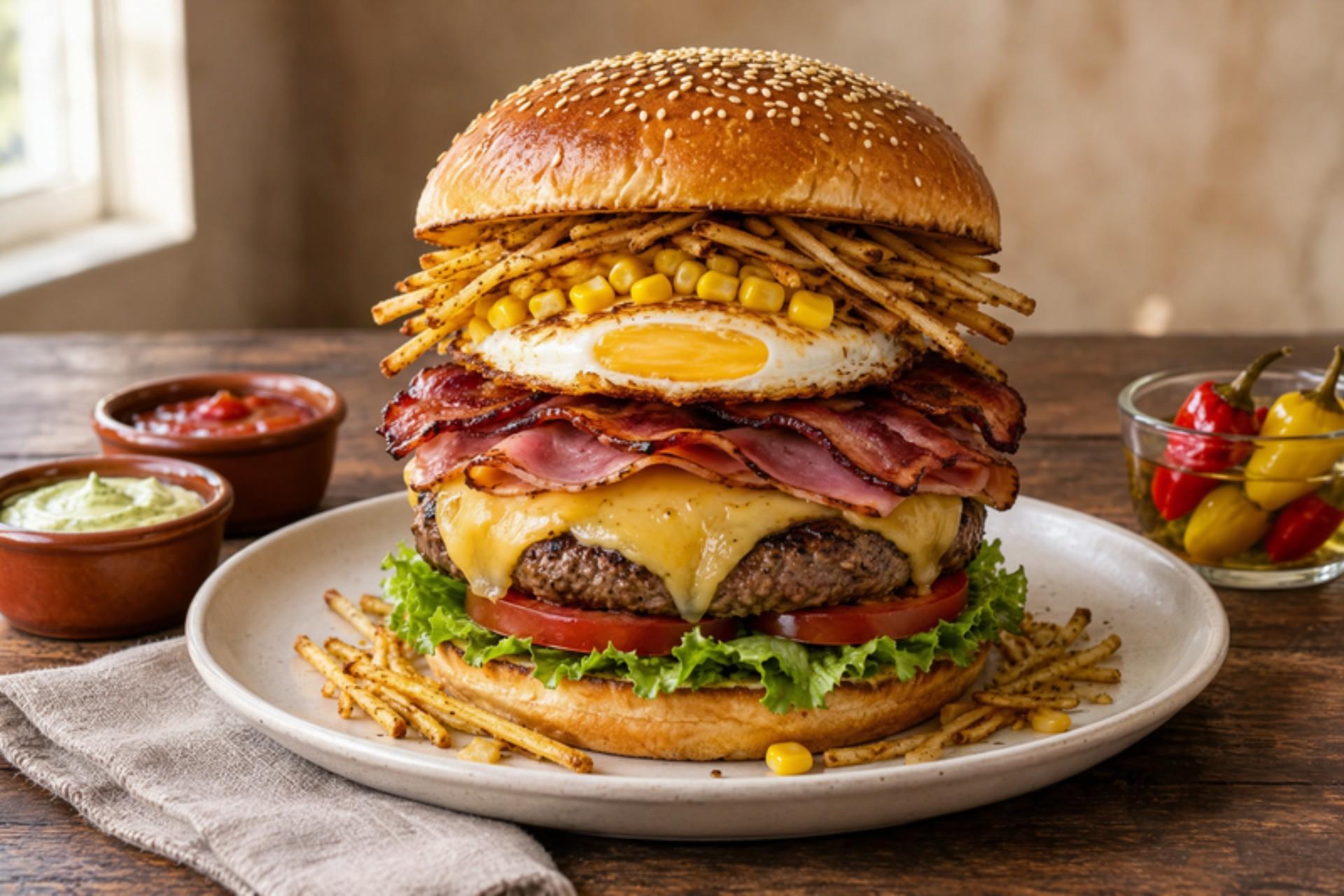
The x-tudo (say 'shee-TOO-doo'; 'x' sounds like 'cheese' in Portuguese) is the late-night king of Brazilian lanchonetes (snack bars) and street food trailers in São Paulo, Curitiba and Rio, eaten after football or a night out. A soft bun is stacked with a beef patty, melted cheese, ham, bacon, a fried egg, lettuce, tomato, sweetcorn and crunchy potato sticks, all held together with mayonnaise. It contains pork (ham and bacon) and egg. The common mistake is building it on a cold bun: toast the cut sides in the burger fat so they don't go soggy under all the fillings. The patty is done when there's no pink in the middle and it reaches 71 °C. Cook the egg until the white is fully set; for anyone pregnant, a young child or older or vulnerable people, cook the yolk firm too. Chef's tip: press the bun flat on the hot plate with a spatula for 20 seconds once built, the way lanchonetes do; it melts everything together.

by KrazyBadal 0 views

Mandioca fritaFried cassava

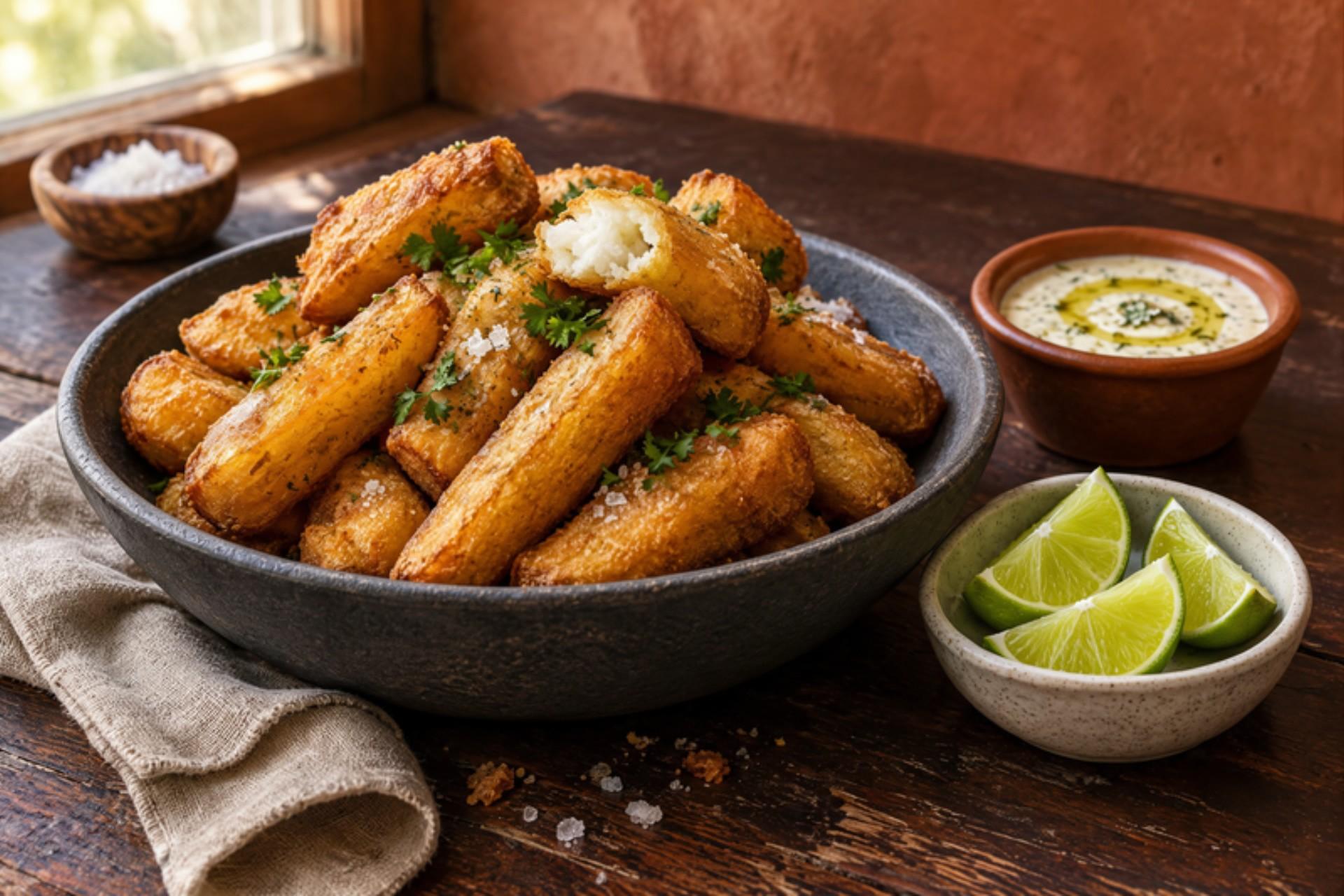
Mandioca frita, called aipim in Rio and macaxeira in the Northeast, is a must at Brazilian botecos (neighbourhood bars), served in a basket with lime and a little hot sauce on Friday nights, or alongside picanha at a Sunday churrasco. Fat cassava batons are boiled until tender, then fried until the outside crackles and the inside is fluffy, like the best chips you have ever had. Cassava must never be eaten raw: peel off all the brown bark and pink layer and boil it until completely soft right through. The usual mistake is frying it before it is fully tender; it stays hard and woody in the middle. Boil until a knife meets no resistance and the batons start to split. Chef's tip: let the boiled cassava cool and dry completely on a rack, or even chill it overnight; dry cassava fries crisper and splatters less.

by KrazyBadal 0 views

Pescado a lo machoFried fish in spicy seafood sauce

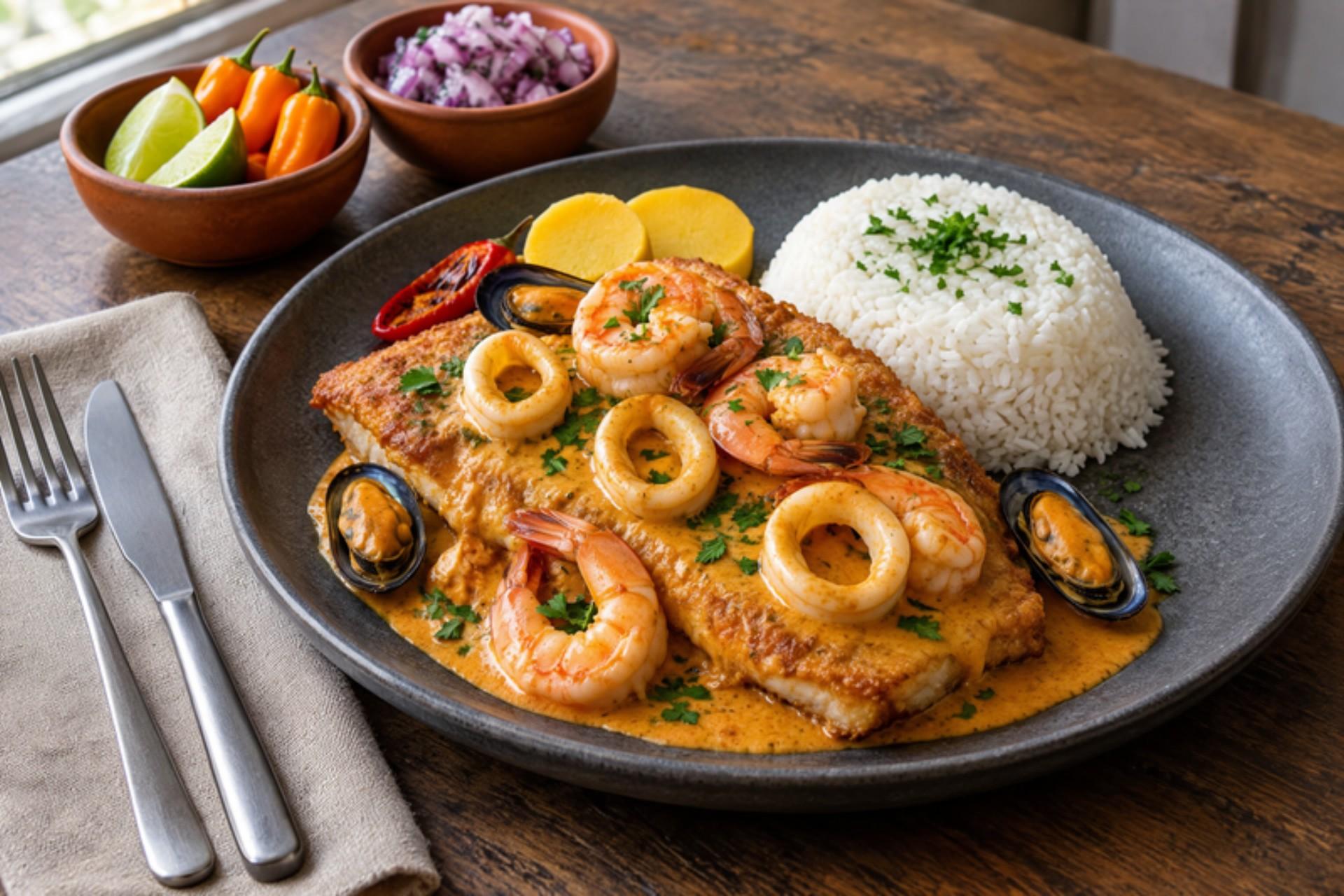
Pescado a lo macho is a classic of Lima's seafood restaurants, the dish people order for a long Sunday lunch near the sea in Chorrillos: a fillet of fried white fish smothered in a thick, spicy sauce of ají panca and ají amarillo packed with prawns, squid and mussels. The name boasts that you need to be brave for the chilli, but you can turn it down. The common mistake is overcooking the seafood while the sauce reduces; add it only when the sauce is already thick. Discard mussels that are open and do not close when tapped, and any that stay shut after cooking. Chef's tip: dust the fish in flour seasoned with cumin and fry it last, so it reaches the table crisp under the sauce.

by KrazyBadal 0 views

Arroz tapadoRice dome with beef filling

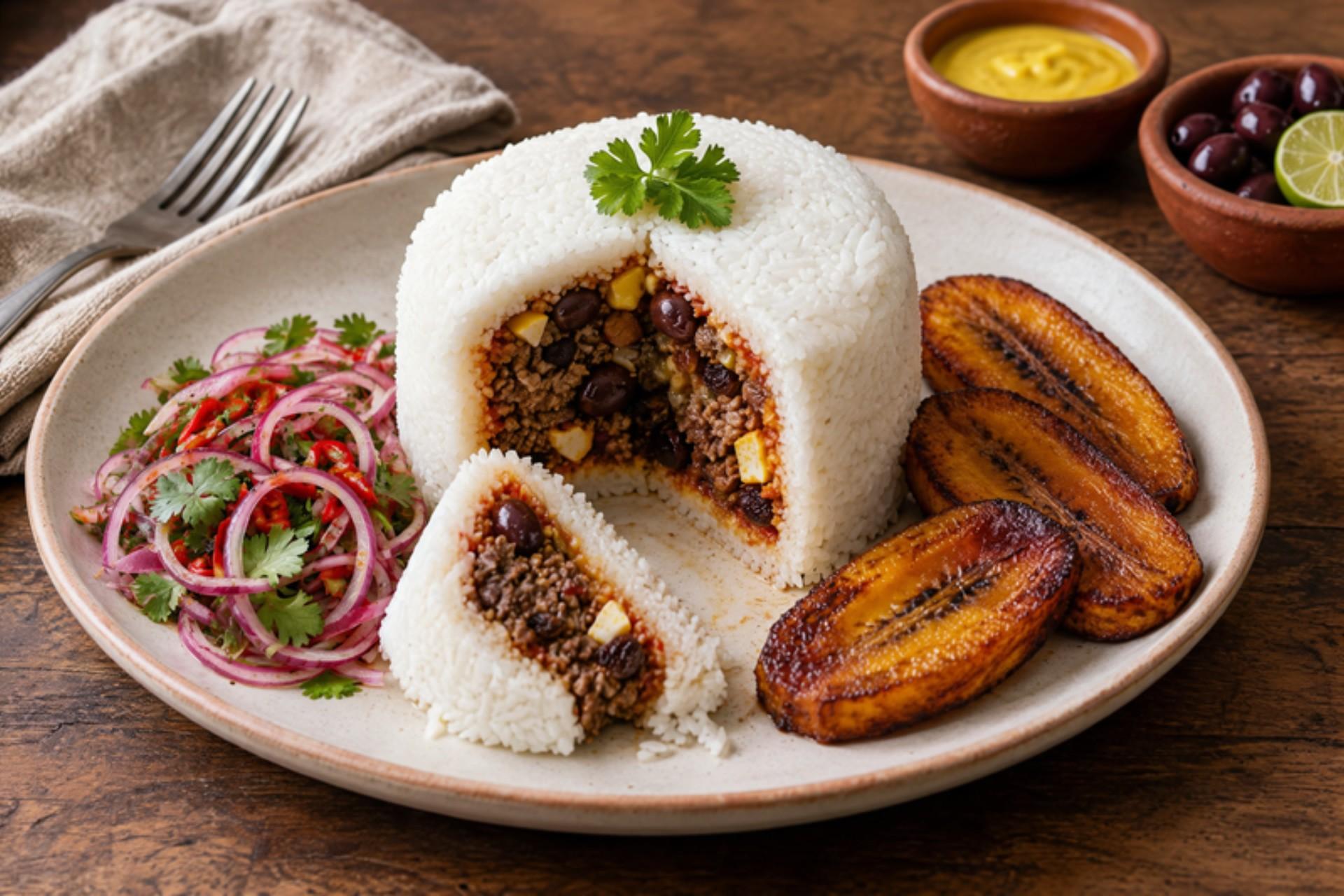
Arroz tapado means covered rice, and it is the thrifty weekday lunch of Lima homes and school canteens: garlic rice pressed into a bowl, filled with a sweet-savoury beef mince and turned out like a dome. The filling of minced beef with onion, ají panca, raisins, black olives and hard-boiled egg is the same picadillo that goes into papas rellenas. The usual mistake is leaving the filling wet: the dome collapses and the rice turns soggy. Simmer it until the pan is almost dry. Minced beef must reach 71 °C, so cook it until no pink remains. Serve with a spoonful of salsa criolla. Chef's tip: brush the bowl with a little oil and pack the rice firmly with the back of a spoon; a well-pressed dome holds its shape on the plate.

by KrazyBadal 0 views

Lomo saltadoBeef stir-fry with chips

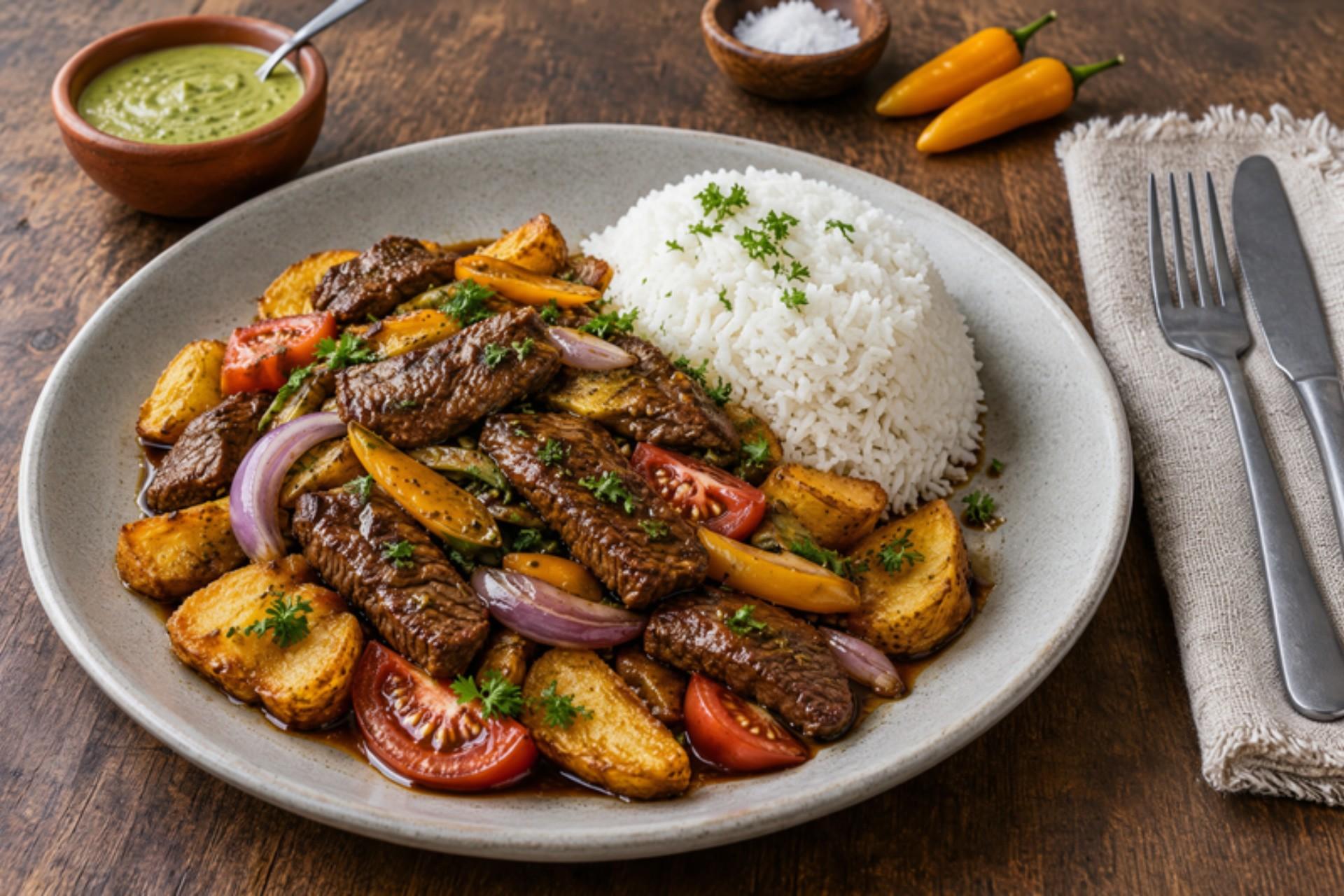
Lomo saltado was born in the chifas of central Lima, where Chinese cooks met Peruvian ingredients, and today it is the lunch every Peruvian family makes when they want something fast and a little indulgent. Strips of beef are seared in a smoking-hot wok with red onion, tomato and yellow chilli, splashed with soy sauce and vinegar, then tossed with chips and served beside white rice, so you get both starches on one plate. The common mistake is crowding the wok: the beef stews in its juices and turns grey and chewy instead of charring. Cook it in two batches over the highest heat you have. Chef's tip: add the chips at the very last second, or serve them on the side, so they soak up a little sauce but stay crisp.

by KrazyBadal 0 views

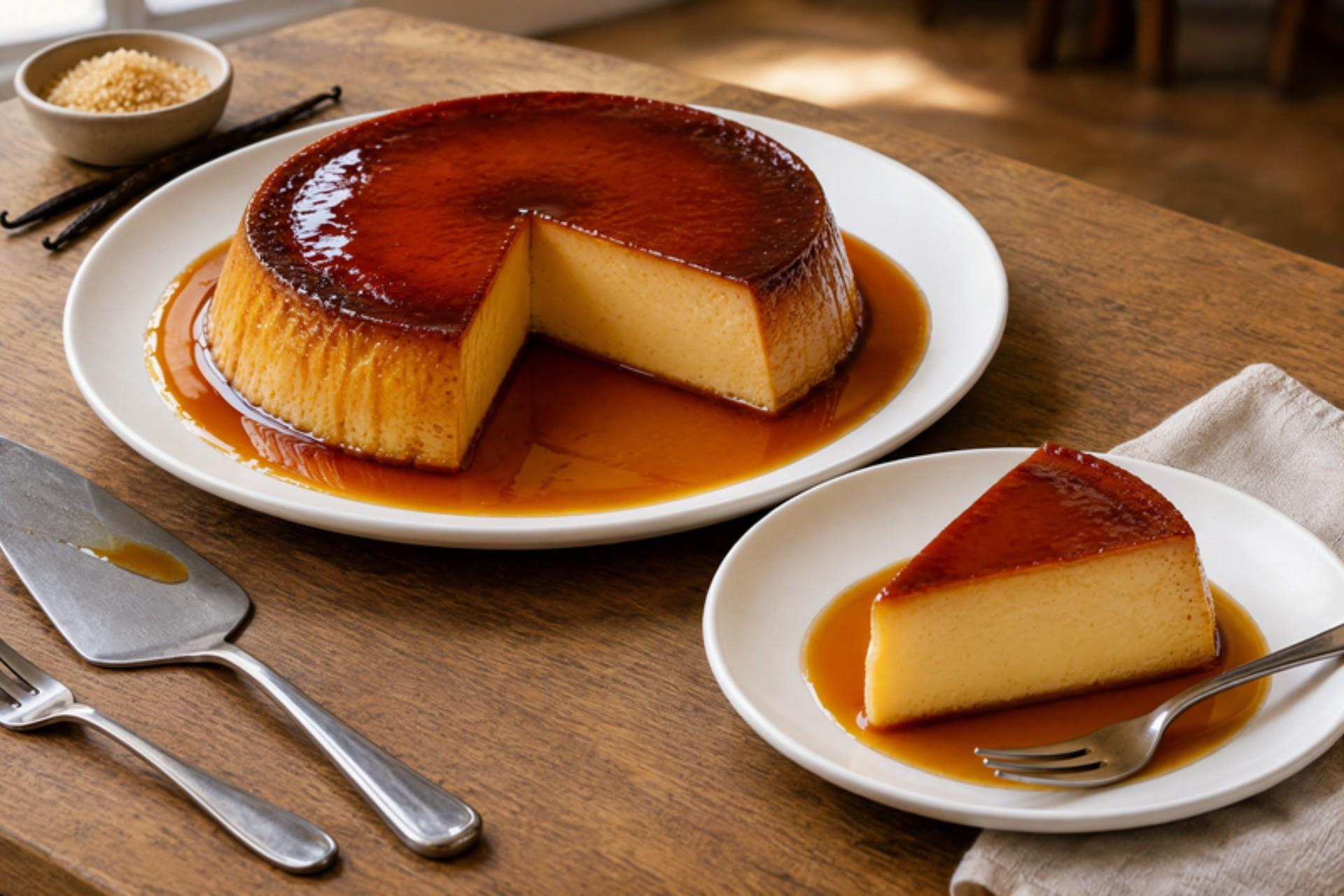
Crema volteadaBaked caramel custard

In Lima, crema volteada is the dessert that appears at Sunday lunch in Miraflores and Barranco homes and at every birthday where an aunt is in charge of the sweets. It is firmer and richer than a Spanish flan because it is made with both evaporated and condensed milk, so it slices cleanly and tastes of toffee. The usual mistake is baking it in an oven that is too hot: the custard boils, fills with tiny holes and weeps. Keep the water bath at a bare simmer and take it out while the centre still wobbles slightly. Chef's tip: chill it overnight before turning it out; a cold custard releases in one piece and the caramel has time to melt into a pourable sauce.

by KrazyBadal 0 views

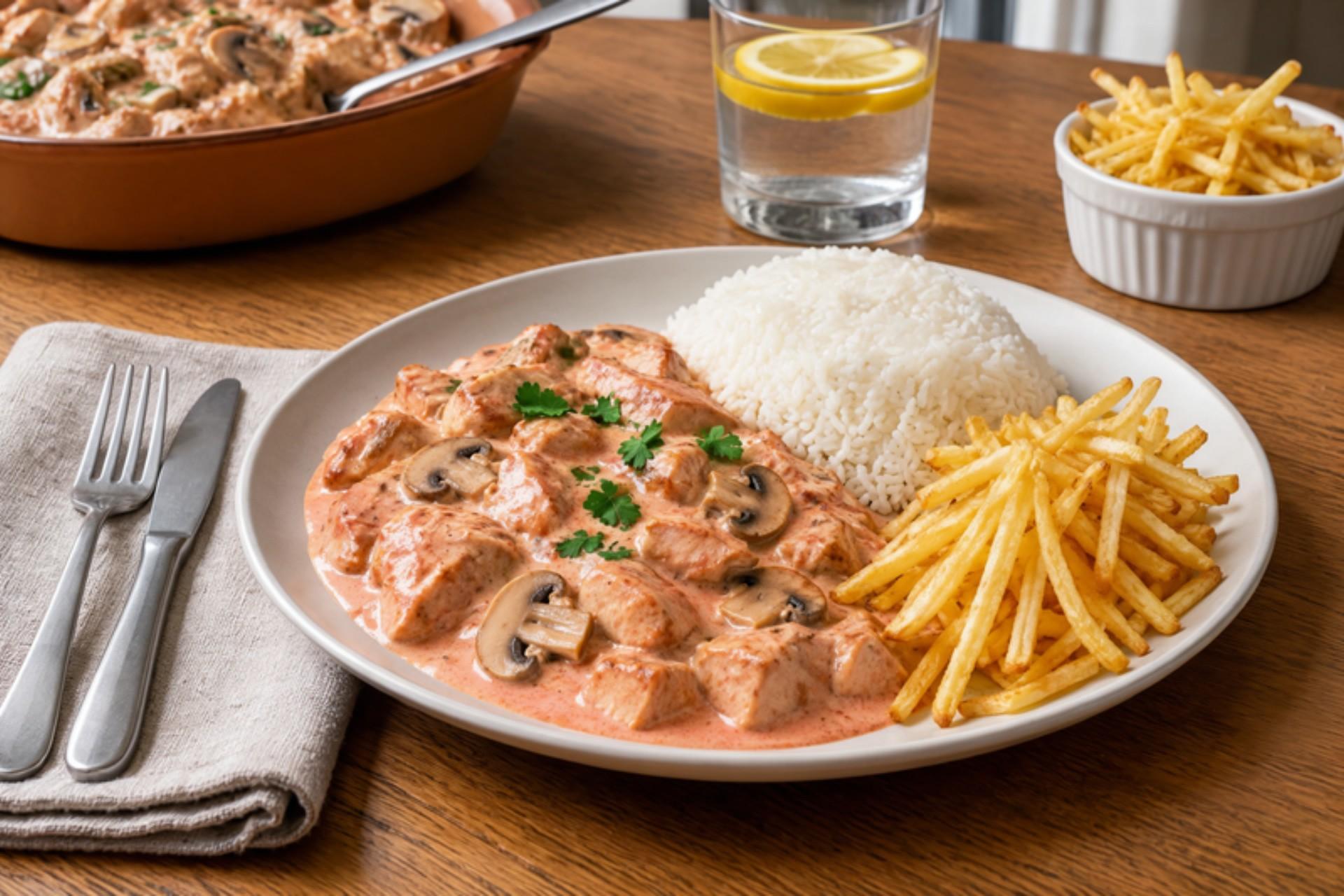
Strogonoff de frangoCreamy chicken stroganoff

Brazil adopted Russia's stroganoff and made it its own: strogonoff de frango is everyday family food in São Paulo, Rio and all over the country, cooked for weeknight dinners and Sunday lunch and served with fluffy white rice and a pile of crunchy potato sticks (batata palha) on top. Strips of chicken are seared, then simmered in a pink, gently tangy sauce of tomato, ketchup, mustard and mushrooms, finished with cream. It is mild, so children love it. The common mistake is boiling the sauce after adding the cream: it can split and turn grainy. Stir it in at the end over a low heat. The chicken is done when no pink remains and the thickest piece reaches 74 °C. Chef's tip: brown the chicken in two batches in a very hot pan; the golden bits on the bottom dissolve into the sauce and give it real depth.

by KrazyBadal 0 views

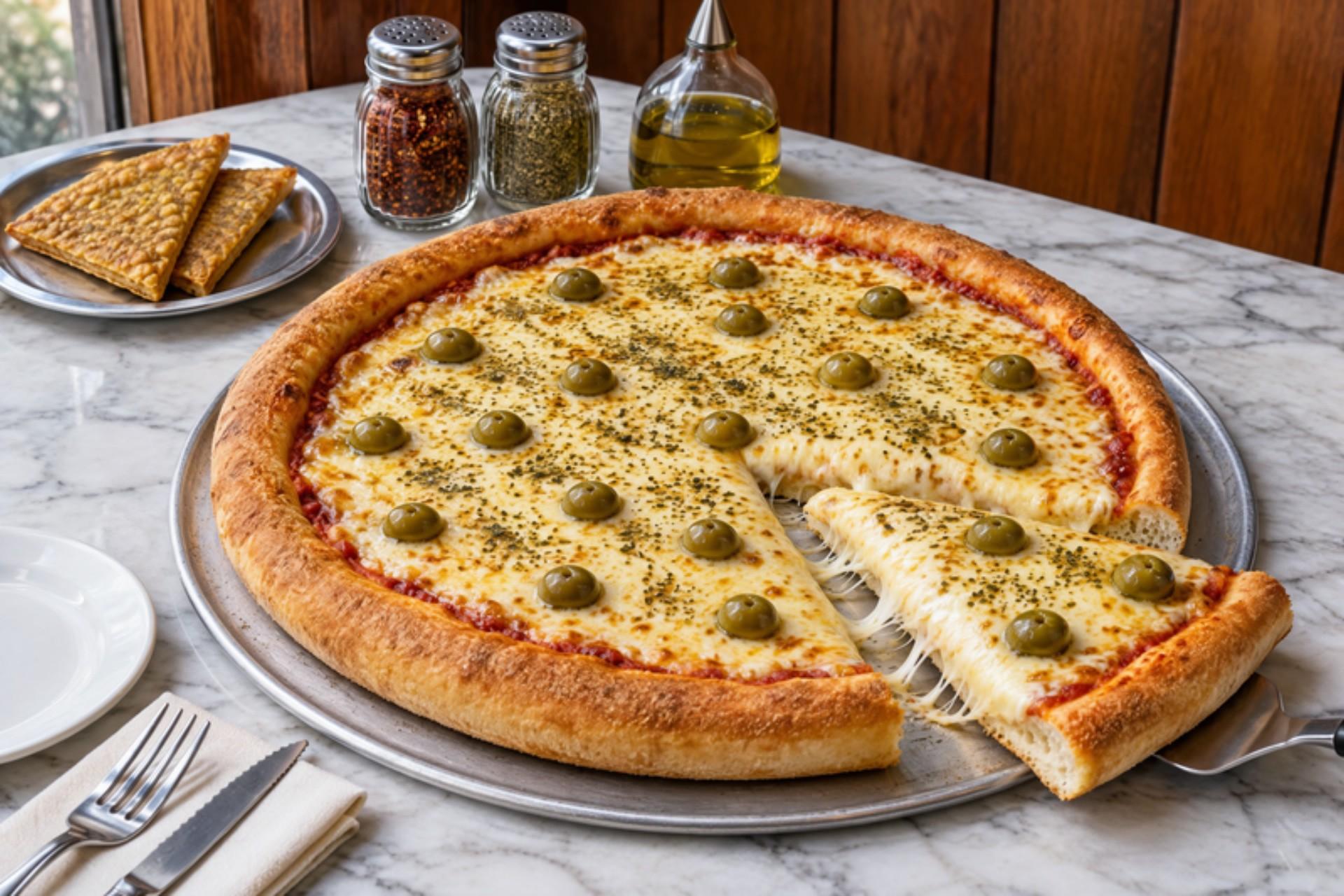
Pizza de muzzarellaThick-crust mozzarella pizza

The pizza de muzzarella, or simply muzza, is the pride of Buenos Aires' old pizzerías along Avenida Corrientes, eaten standing at the counter after the theatre, often with a slice of fainá on top. Unlike a Neapolitan pizza it has a thick, soft, bready base baked in a round metal pan, a thin smear of oregano tomato sauce and a deep layer of mozzarella that bubbles and browns, finished with green olives. The common mistake is using fresh mozzarella balls: they release water and the pizza swims. Use firm, low-moisture mozzarella grated or sliced thick. Many mozzarellas use animal rennet; choose a vegetarian one if you prefer. Chef's tip: give the dough a second rise in the oiled pan, so the base bakes airy inside and fried-crisp underneath.

by KrazyBadal 0 views

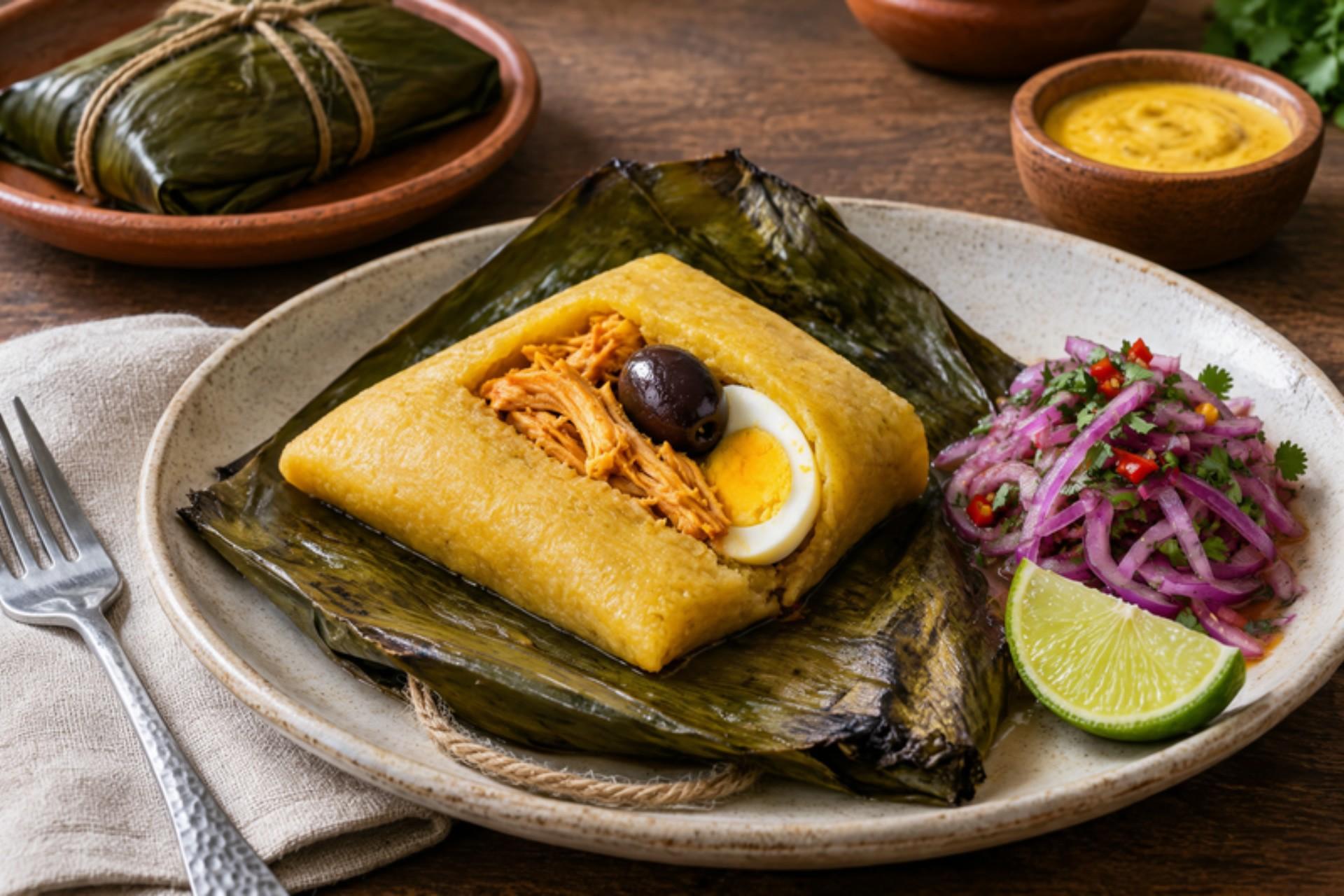
Tamales peruanosChicken corn tamales in banana leaf

In Lima, tamales are a Sunday breakfast, bought warm from street vendors calling 'tamaleeeeros' or made at home for Christmas, and eaten with crusty bread and a pile of salsa criolla. Peruvian tamales are larger and softer than Mexican ones, made from corn dough coloured with ají and wrapped in banana leaves, hiding chicken, a black olive, a slice of egg and a peanut. Peanuts are an allergen, so leave them out if needed. The usual mistake is a dry dough: the tamales turn crumbly. Beat in enough warm stock to make a soft paste that just holds its shape. The chicken must reach 74 °C before it goes in. Chef's tip: fat makes the dough tender; beat the oil and dough for a full 5 minutes until light, as Lima cooks do with pork lard.

by KrazyBadal 0 views

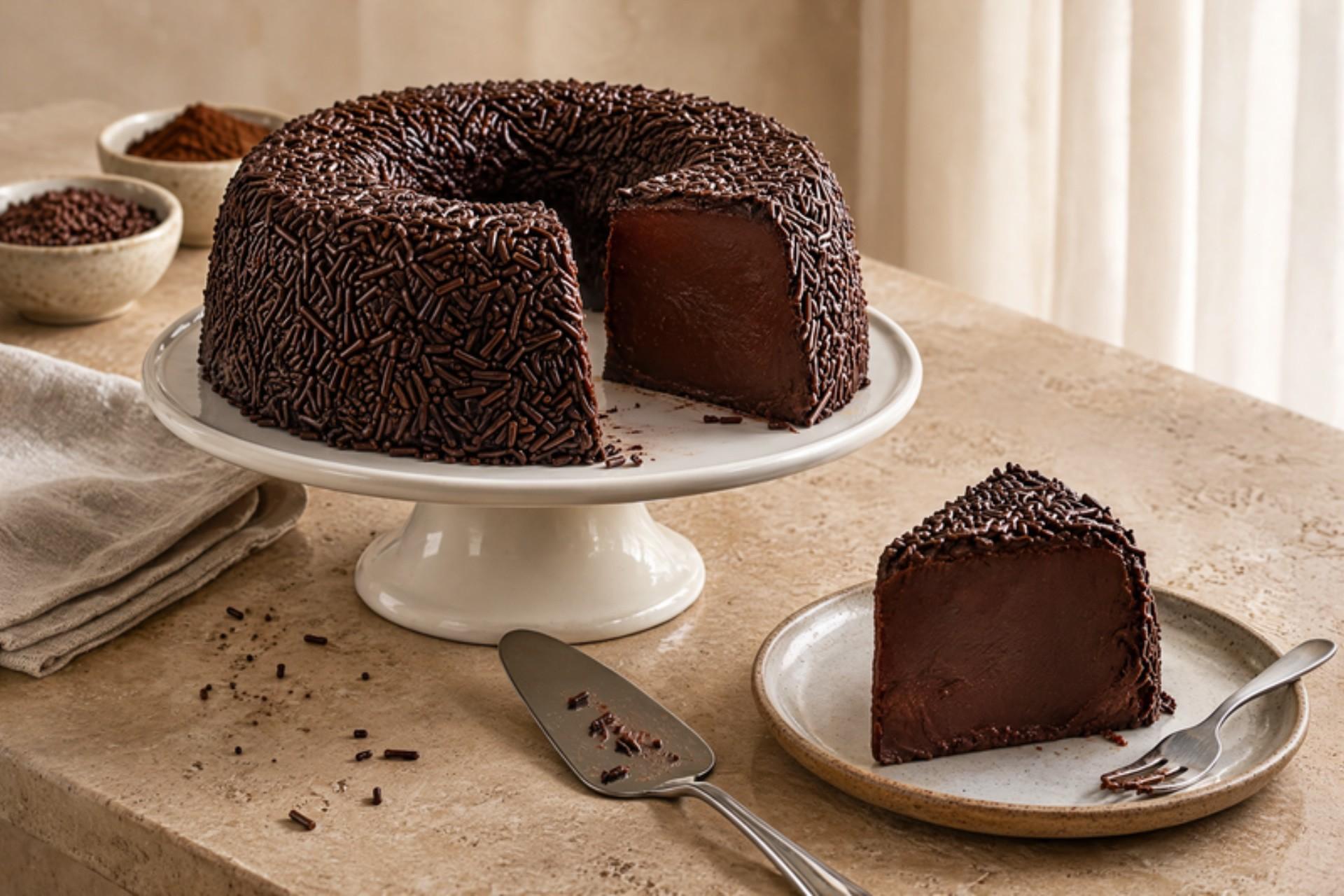
BrigadeirãoBaked chocolate fudge pudding

Brigadeirão is the big, sliceable version of the brigadeiro, the chocolate fudge ball found at every Brazilian children's birthday party. Home cooks in São Paulo and Rio bake it in a ring tin in a water bath for Sunday lunch desserts and family parties: condensed milk, cocoa, eggs, cream and butter set into a dense, fudgy, truffle-like pudding, then it is turned out and showered with chocolate sprinkles. The common mistake is unmoulding it warm: it tears and slumps. It needs at least 4 hours in the fridge to firm up. It is done when the edges are set, the centre wobbles only slightly, and a skewer comes out with moist crumbs, not liquid. The eggs are fully baked. It contains milk and egg. Chef's tip: wrap the outside of the tin in foil and use hot, not boiling, water in the bath; it stops the pudding curdling into bubbles at the edges.

by KrazyBadal 0 views

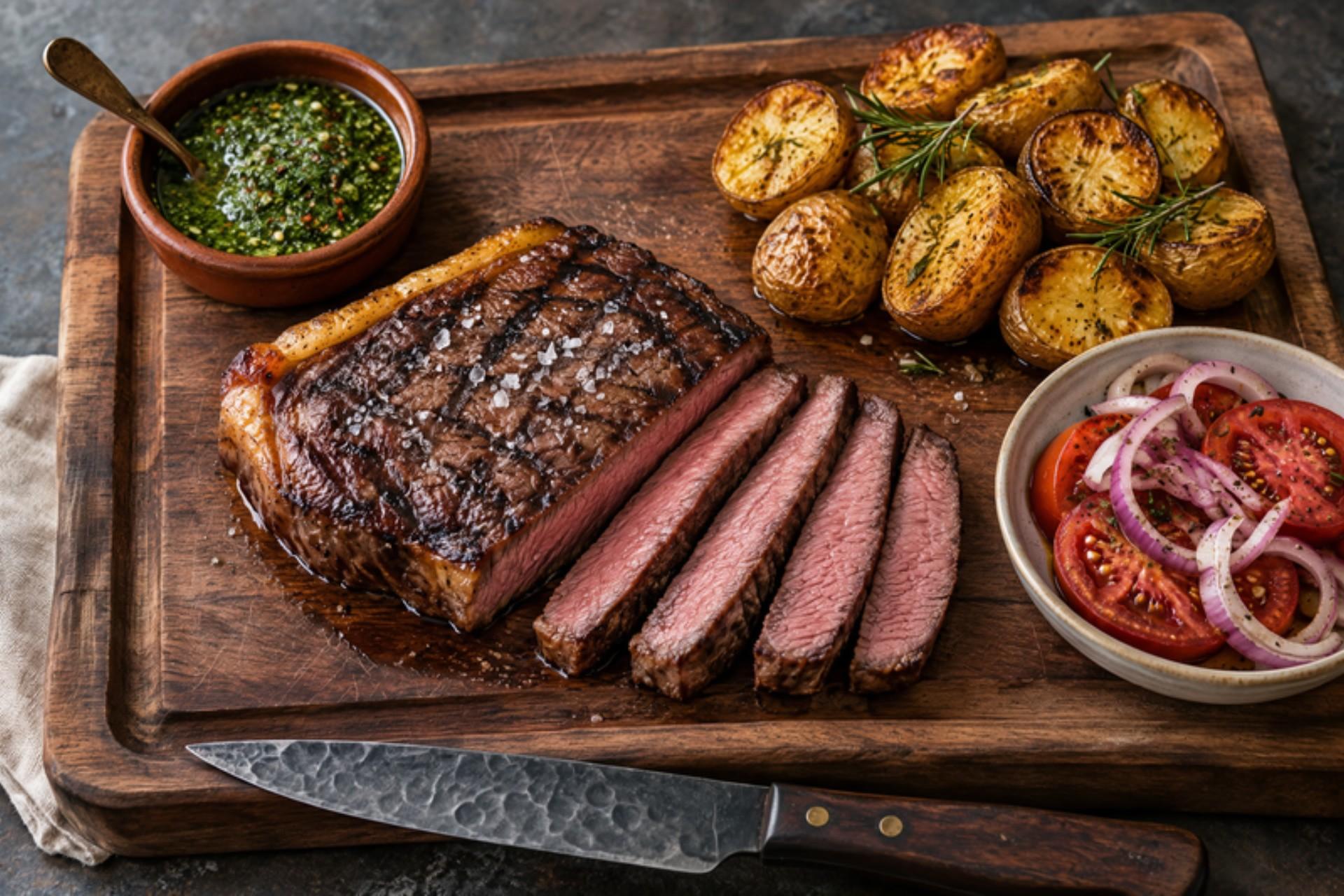
Bife de chorizoGrilled sirloin steak with chimichurri

Bife de chorizo, despite the name, has nothing to do with sausage: it is the thick sirloin (strip loin) steak that every parrilla in Buenos Aires grills, from the steakhouses of Palermo to the roadside grills of the pampas, and it is the Saturday-night order for anyone who wants beef and nothing else. It is cut at least 3 cm thick, seasoned only with coarse salt and grilled over hot embers, then served with chimichurri and a simple tomato and onion salad. The common mistake is cooking it straight from the fridge and turning it constantly; it greys outside and stays raw in the middle. Bring it to room temperature for 30 minutes and turn it only once. Chef's tip: salt the steak with coarse salt only just before it goes on the grill, and cut into it only after a 5-minute rest.

by KrazyBadal 0 views

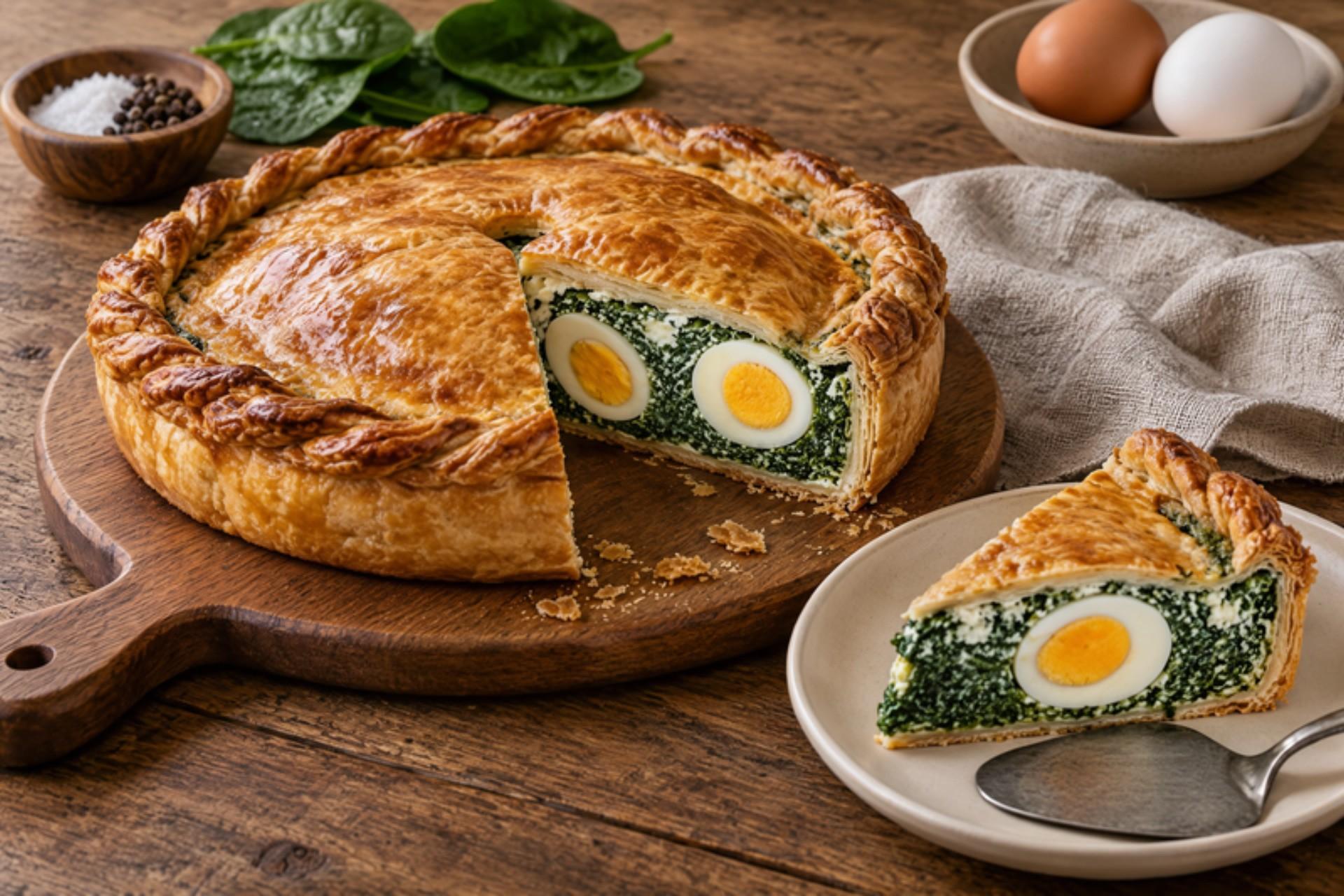
Tarta pascualinaSpinach and egg pie

Tarta pascualina came to Buenos Aires and Montevideo with Ligurian immigrants, and it is still baked for Easter (Pascua, hence the name), though most porteños now buy or make it any weekday for a light supper with a tomato salad. A crisp, olive-oil crust holds chard or spinach bound with ricotta and cheese, with whole eggs baked into hollows so every slice shows a ring of yolk. The usual mistake is not squeezing the greens: the filling floods and the base goes soggy. Wring them in a clean tea towel until no more water drips. Hard cheeses such as Parmesan are usually made with animal rennet; use a vegetarian hard cheese if you prefer. Chef's tip: bake the tart on the lowest shelf on a hot baking sheet so the bottom crust browns as well as the top.

by KrazyBadal 0 views

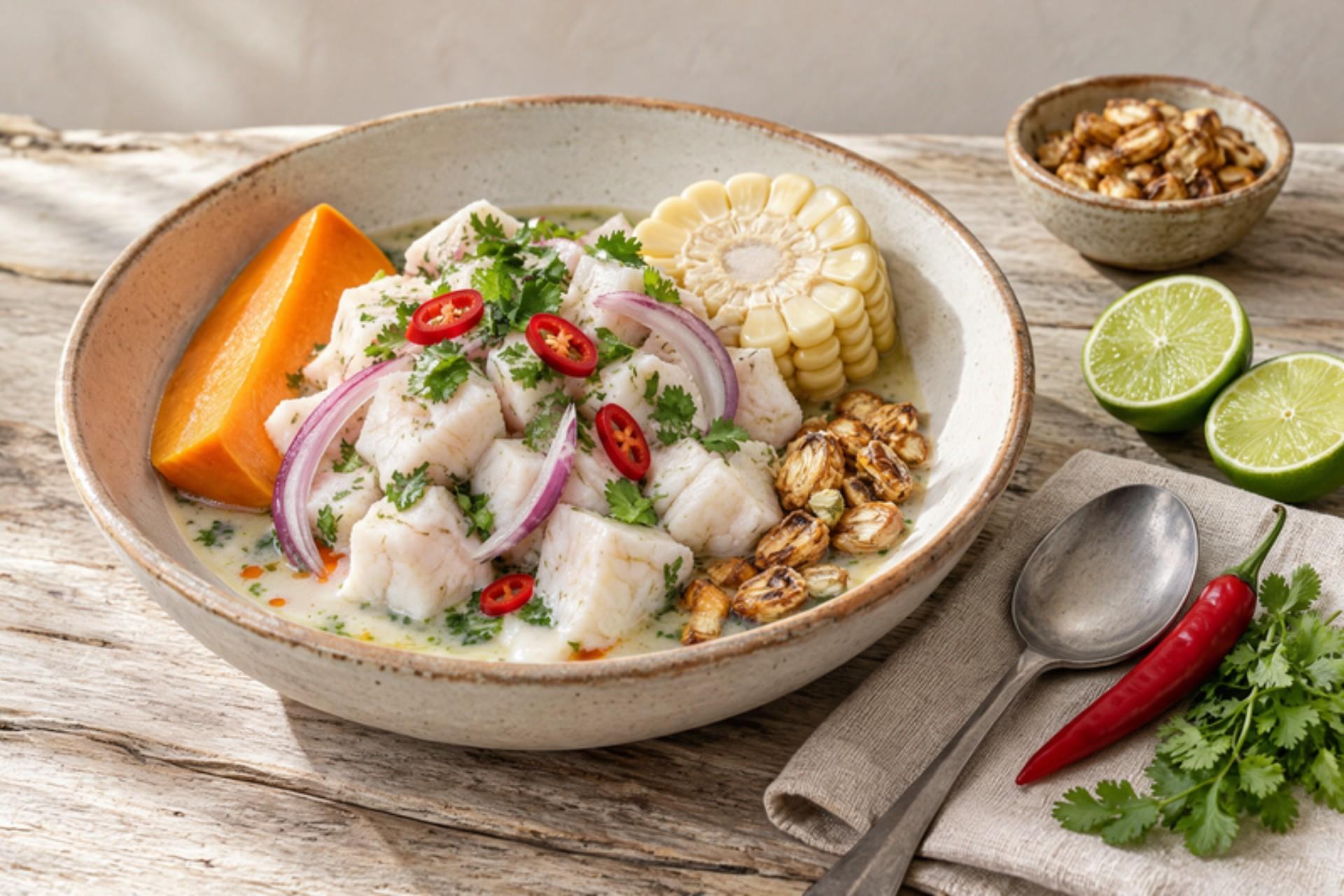
Ceviche peruanoLime-cured white fish

Ceviche is Peru's national dish, eaten at lunchtime in the cevicherías of Lima's Surquillo and Chorrillos markets, because the fish must be fresh off the morning boats and cevicherías traditionally close in the afternoon. The classic is raw white fish 'cooked' in lime juice with red onion, chilli and coriander, served with sweet potato and corn. Lime juice does not kill bacteria or parasites, so this version first poaches the fish for a minute until just opaque, then dresses it, which keeps the classic flavour and texture far safer. Even so, it is not for pregnant women, young children or anyone with a weakened immune system. The usual mistake is leaving the fish in the lime for an hour: it turns chalky and the juice goes bitter. Chef's tip: squeeze the limes gently by hand and stop before the pith; over-squeezed limes make bitter leche de tigre.

by KrazyBadal 0 views

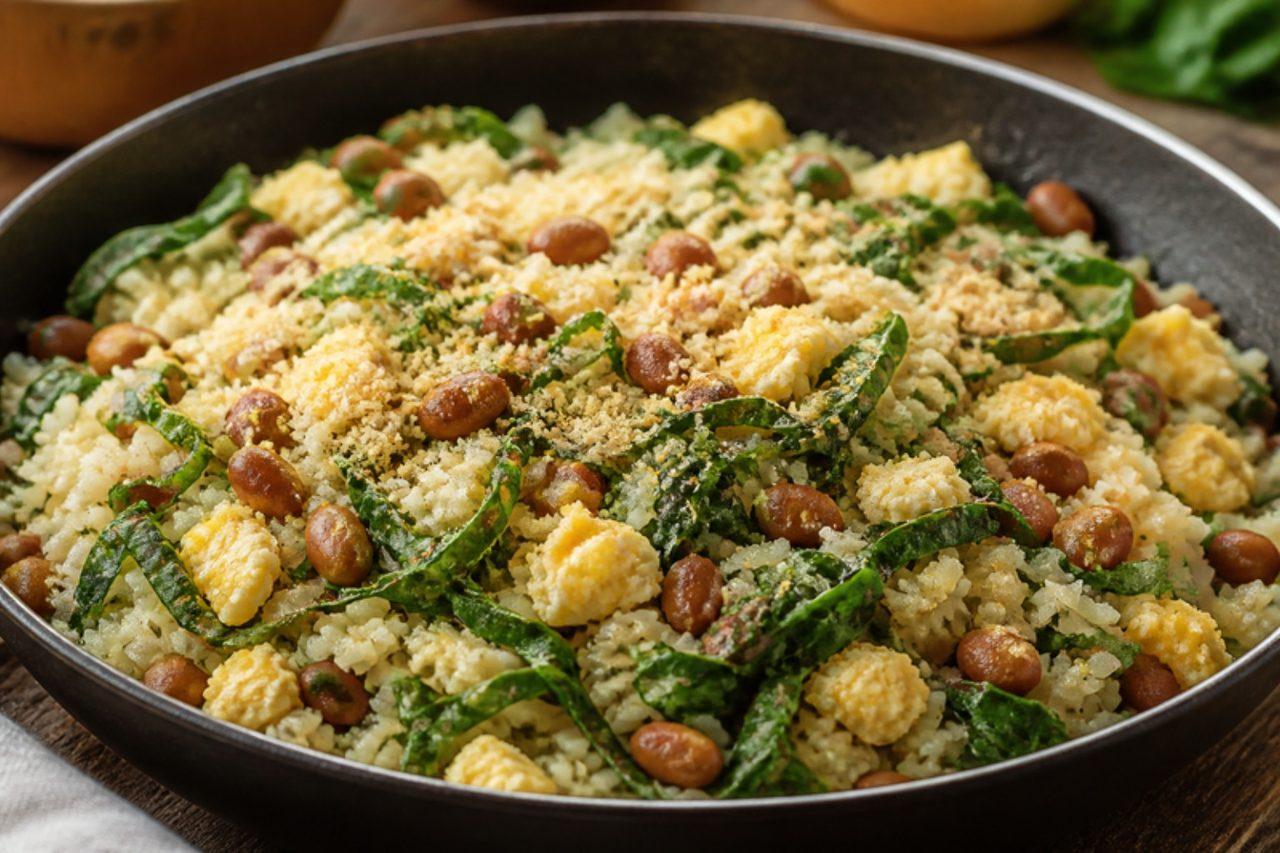
MexidãoRice and beans scrambled with egg

Mexidão, the 'big mix-up', is a late-night favourite in Belo Horizonte and the farm kitchens of Minas Gerais: yesterday's rice and beans fried in one pan with onion and garlic, scrambled with egg, tossed with finely shredded couve and finished with toasted cassava flour. Many versions add bacon or sausage; this one stays vegetarian and is just as satisfying. Leftover rice is only safe if it was cooled within an hour of cooking and kept in the fridge, and it must be reheated until piping hot. The common mistake is piling everything into a cold, crowded pan so it turns mushy instead of crisping at the edges. Chef's tip: toast the cassava flour in the pan until it smells a little like popcorn before adding it.

by KrazyBadal 0 views

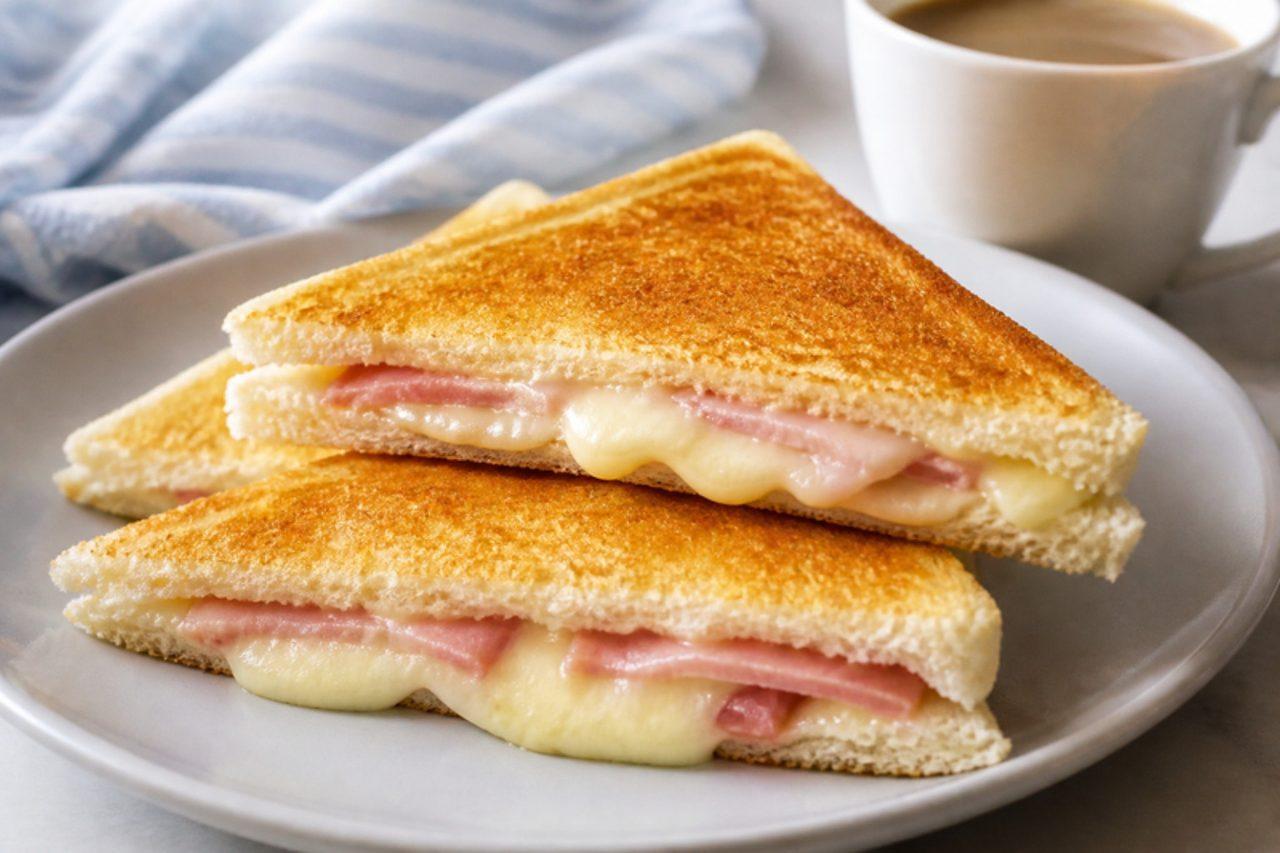
Tostado de jamón y quesoPressed ham and cheese sandwich

The tostado is what Buenos Aires orders in a café at merienda or as a light late dinner, and what Uruguayan kids get made at home: thin crustless pan de miga layered with cooked pork ham and mild cheese, buttered outside and pressed until crisp and oozing. The common mistake is too much filling; this sandwich is meant to be thin, so the cheese melts before the bread burns. Chef's tip: if you have no sandwich press, weigh it down in the pan with a second heavy pan so it toasts flat and even.

by KrazyBadal 0 views

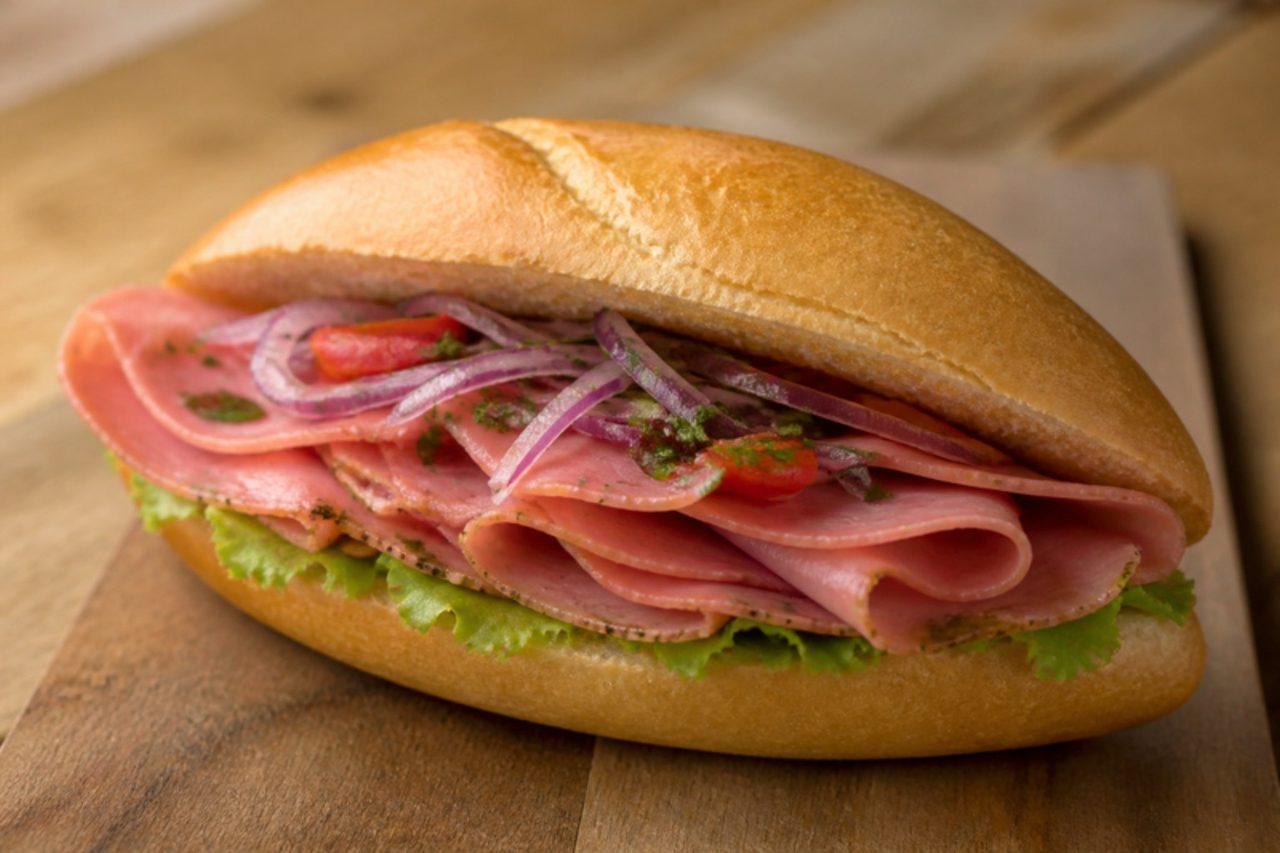
Pan con butifarraHam roll with onion salsa

Pan con butifarra is Lima's evening sandwich, sold in old-school sangucherías and made at home for a light dinner with coffee: a crusty roll filled with jamón del país, a spiced Peruvian pork ham, under a heap of salsa criolla, red onion sliced thin and soaked in lime with chilli. Outside Peru, use a good cooked pork ham. The common mistake is leaving the onion harsh; give it a quick rinse in salted water before dressing it. Chef's tip: a leaf of lettuce under the ham stops the lime juice soaking straight into the bread.

by KrazyBadal 0 views

Revuelto de zapallitosCourgettes scrambled with egg and cheese

Revuelto de zapallitos is a weeknight dinner in Buenos Aires homes and all over Argentina in summer, when the little round courgettes called zapallitos are cheap: diced courgette and onion cooked down in oil, scrambled with eggs and finished with grated cheese. It is eaten with bread or as a side to a salad. Grated hard cheese like reggianito or Parmesan is usually made with animal rennet, so use a vegetarian hard cheese for a vegetarian dinner. The common mistake is adding the eggs before the courgettes have given up their water, which turns the scramble wet and grey. Chef's tip: salt the courgettes as they go in, so they release their juice early and it cooks away.

by KrazyBadal 0 views

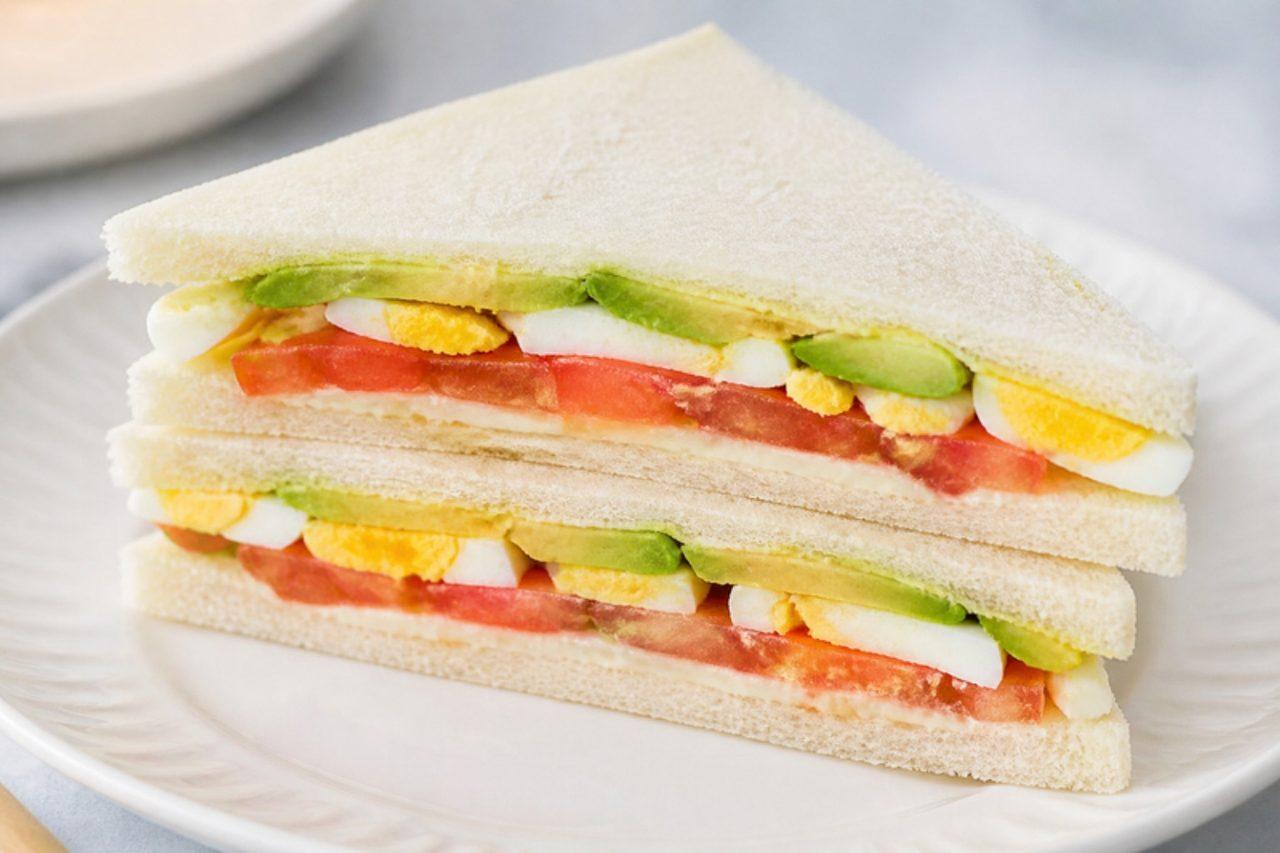
TripleAvocado, tomato and egg sandwich

The triple is the soft, layered sandwich of Lima's cafés and bakeries, eaten at lonche, the Peruvian late-afternoon meal, or as a light supper: three slices of crustless white bread layered with avocado, tomato and sliced hard-boiled egg, all held together with mayonnaise. It looks neat, tastes fresh and is loved by children. Shop-bought mayonnaise is made with pasteurised egg, so it is safe for everyone. The common mistake is letting wet tomato touch the bread, which turns it soggy within minutes. Chef's tip: pat the tomato dry and sit it between the avocado and egg, then press the sandwich under a board for a minute before cutting.

by KrazyBadal 0 views

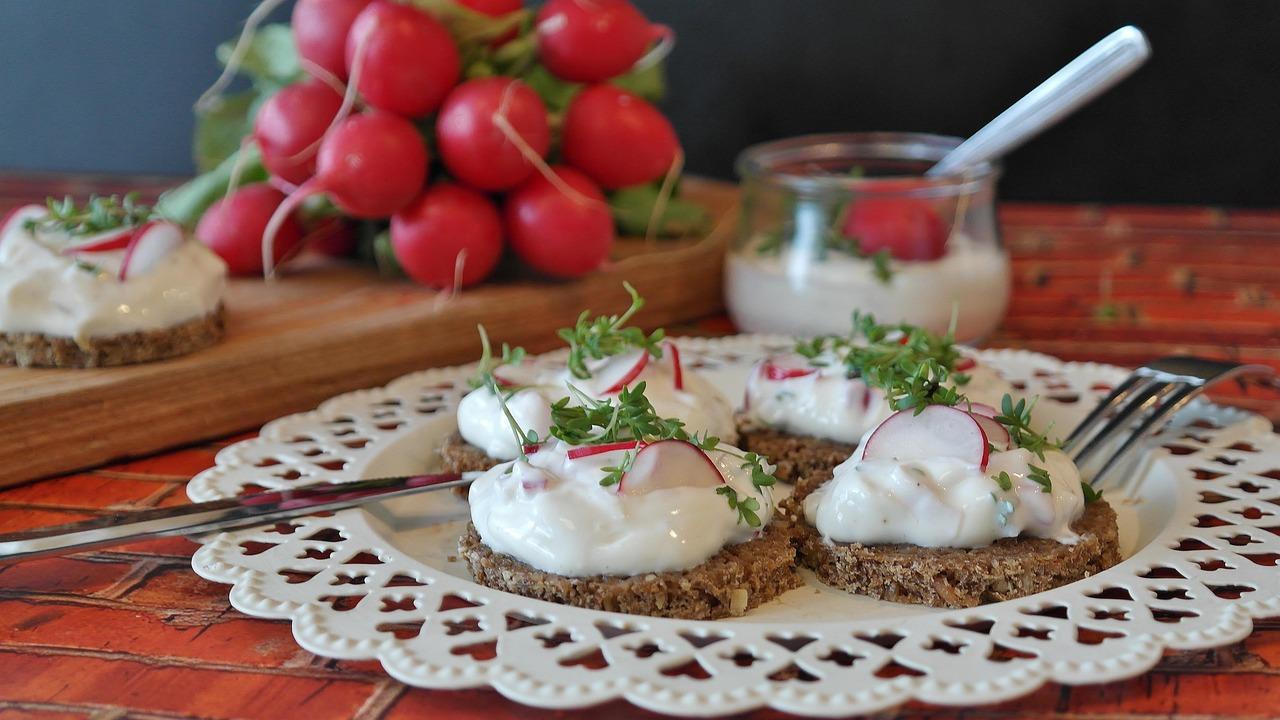
Platte kaas met radijsjesQuark and radish on brown bread

In Flanders the evening meal is often a boterham, a plate of open bread slices, and one of the most loved toppings in Ghent and Antwerp is platte kaas: fresh, soft quark seasoned with chives, salt and pepper, spread thickly on brown bread and covered with crunchy radish slices. It is cool, light and ready in five minutes, a good supper after a big lunch. Some quark and fresh cheeses are set with a little animal rennet, so check the label for a vegetarian one. The common mistake is using thin, low-fat quark straight from the tub, which is watery and slides off the bread; stir it well and drain off any liquid first. Chef's tip: slice the radishes paper-thin and salt them only at the moment you serve, so they stay crisp.

by KrazyBadal 0 views

BeiruteRoast beef and egg pita sandwich

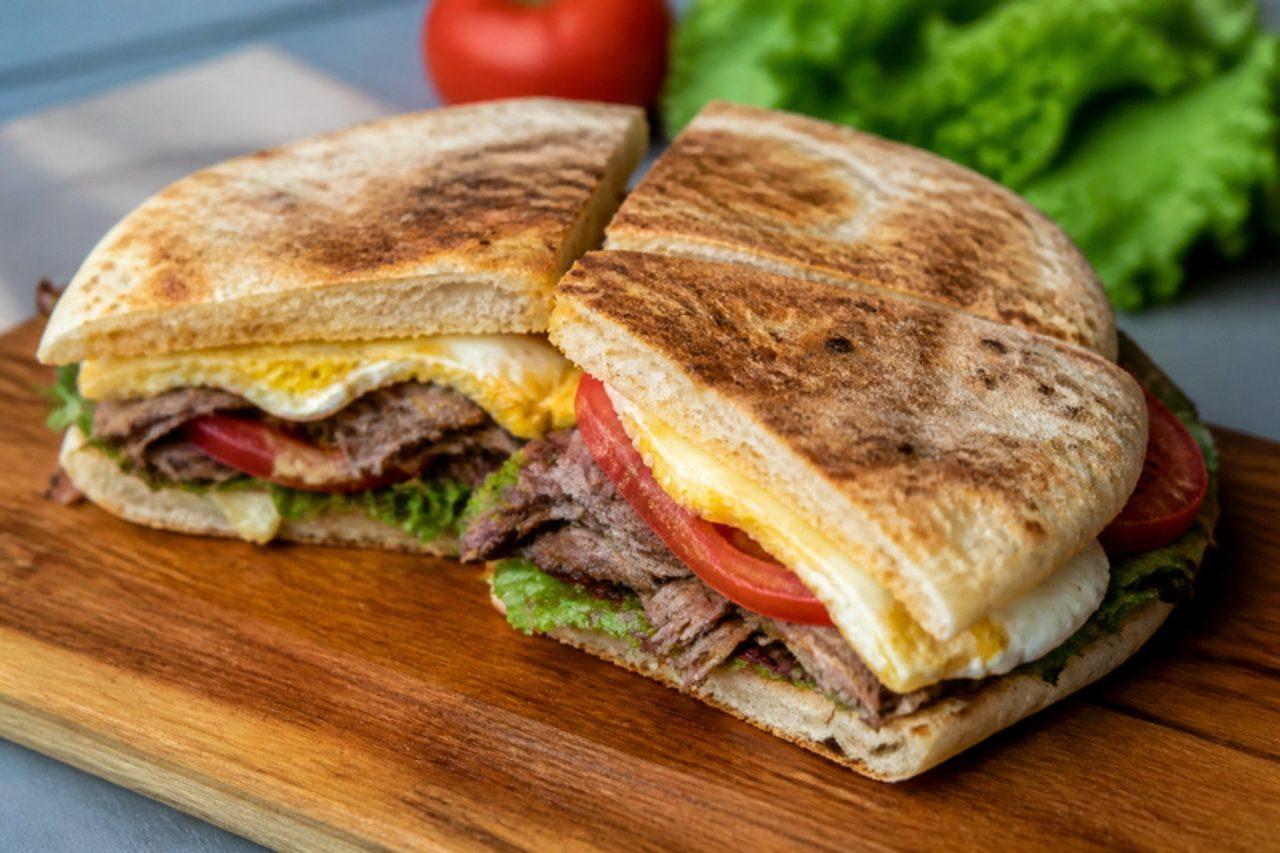
The beirute was born in São Paulo's Lebanese-run lanchonetes and is now a late-night dinner order all over the city: a whole pita split, filled with thin roast beef, melting cheese, tomato, lettuce and a fried egg, toasted on the griddle and cut into wedges with a sprinkle of za'atar or oregano. The common mistake is overloading it with wet lettuce and tomato before toasting, which steams the bread soft; add them after. Chef's tip: toast the pita cut-side down in the pan first so the inside is crisp and keeps the juices out.

by KrazyBadal 0 views

Showing 24 of 793 recipes

Show more recipes

Page 1 of 34