Skip to content
Recipes

All recipes

Vegetarian, or something you can't eat? Set your diet once and we'll hide recipes that don't fit.

Dakbaeksuk

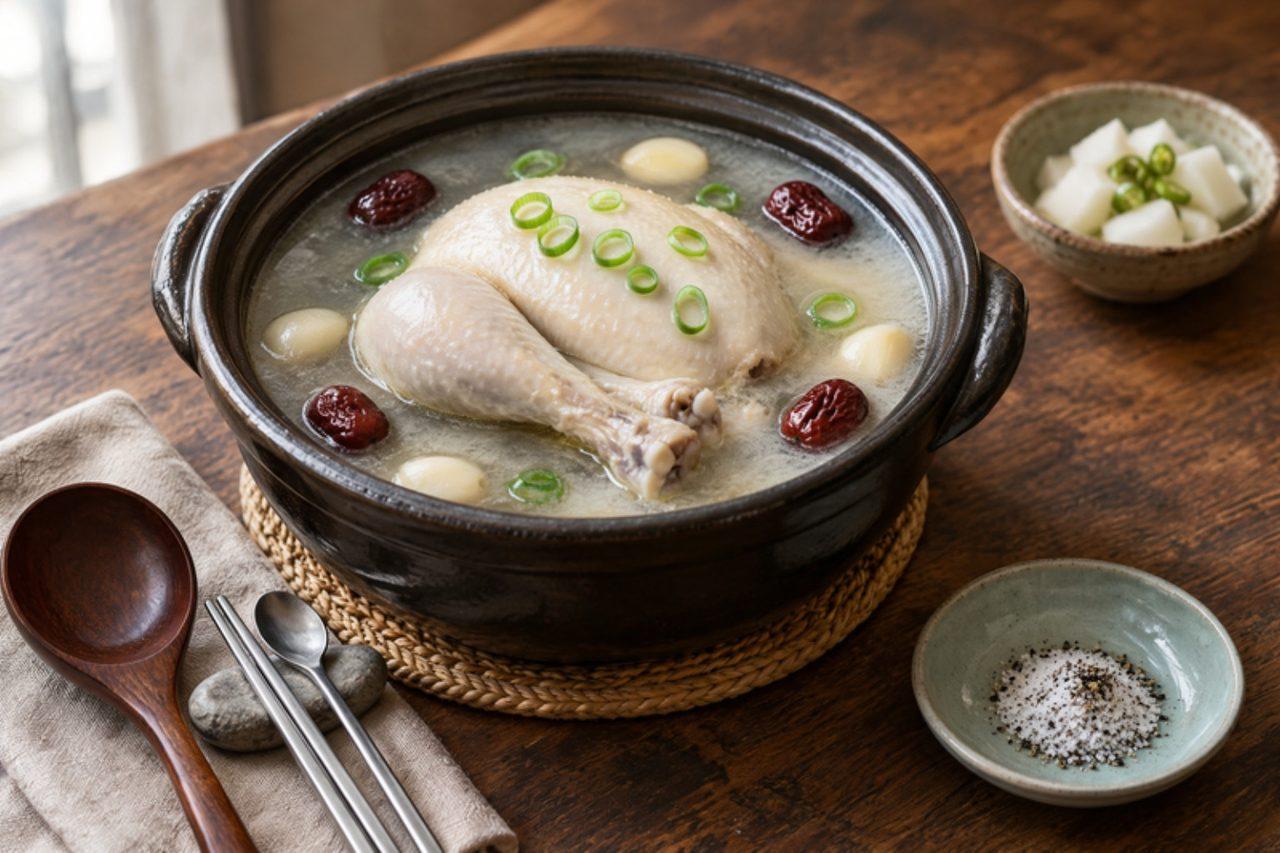
Dakbaeksuk is a whole chicken simmered plain in a big pot, a dish Koreans eat on the boknal 'dog days' of midsummer and at valley restaurants in the mountains, where families sit on platforms by the stream. Unlike samgyetang it is not stuffed; the bird simmers with a fistful of garlic, a few jujubes and dried roots such as astragalus until it falls apart, and you eat the meat with salt and pepper and drink the milky broth. Suitable as part of a balanced diet: high in protein, with no flour or added sugar. About 420 kcal and 8 g carbohydrate per portion; restaurants finish with rice porridge in the broth, so keep that portion small or use brown rice. The usual mistake is boiling it fiercely, which makes the meat stringy; it should simmer gently. Chef's tip: skim the fat off the broth before serving; it tastes cleaner and lighter.

by KrazyBadal 0 views

Oksusu-cha

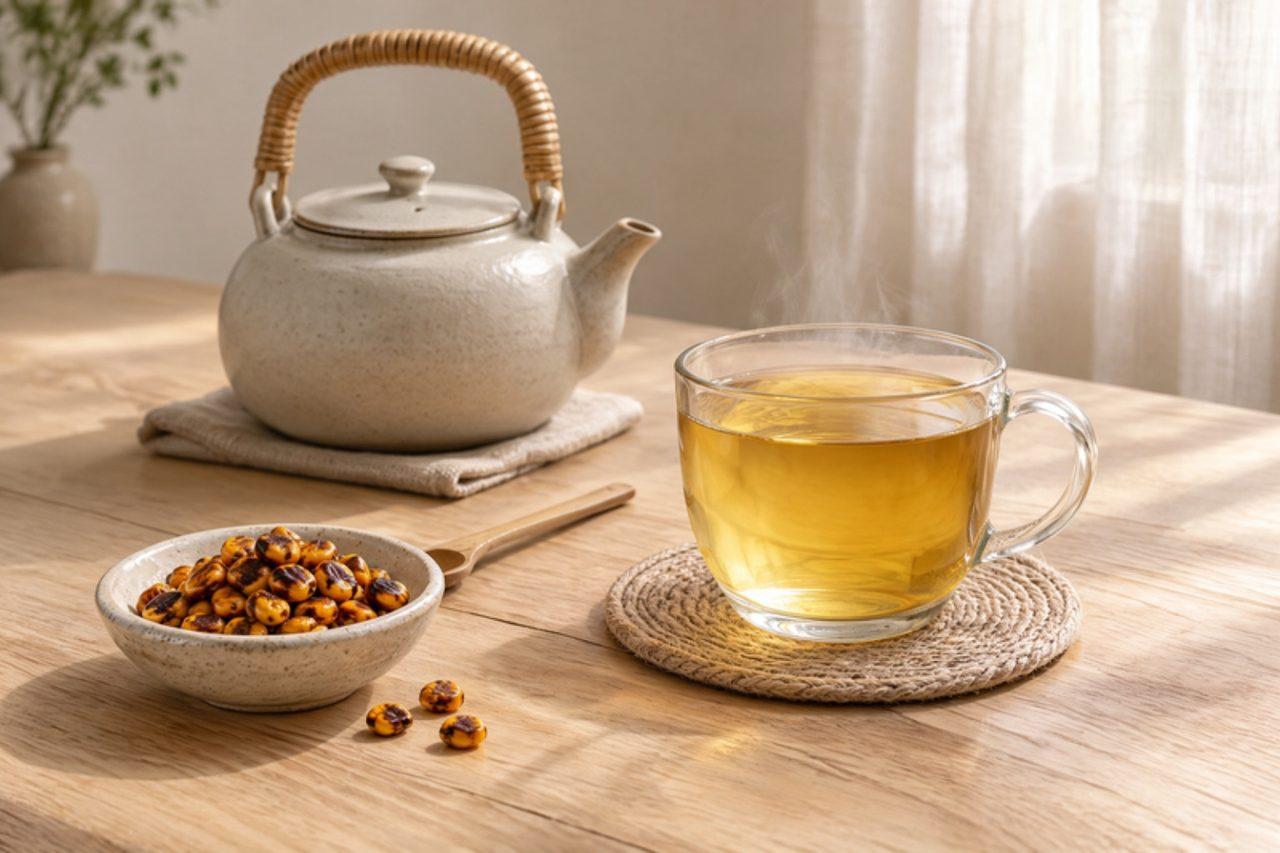
Oksusu-cha is the tea Korean households boil by the kettleful and keep in the fridge in old glass bottles, drunk instead of water with meals from Seoul apartments to Gangwon farmhouses, chilled in summer and hot in winter. Dried corn kernels are roasted until dark golden, then simmered to make a pale amber tea that tastes gently sweet and toasty, though nothing is added at all. About 0.0 g salt per glass. The usual mistake is boiling the kernels too long, which makes the tea cloudy and starchy; 15 minutes is plenty. Ready-roasted corn kernels are sold in Korean shops; if roasting your own, use dried corn, not fresh or tinned. Chef's tip: mix in a spoon of roasted barley for the classic boricha blend, rounder and more nutty, though no longer gluten free.

by KrazyBadal 0 views

Kimchi jjim

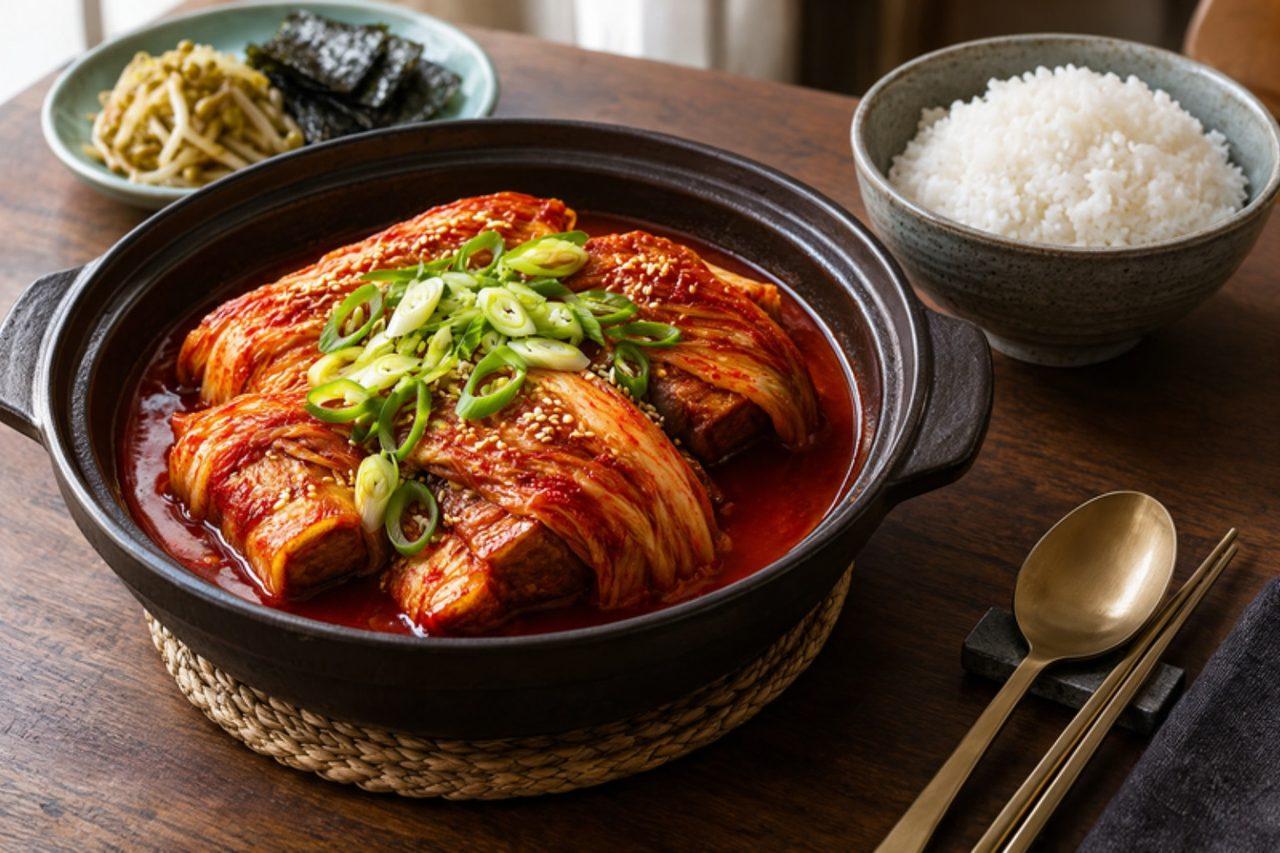
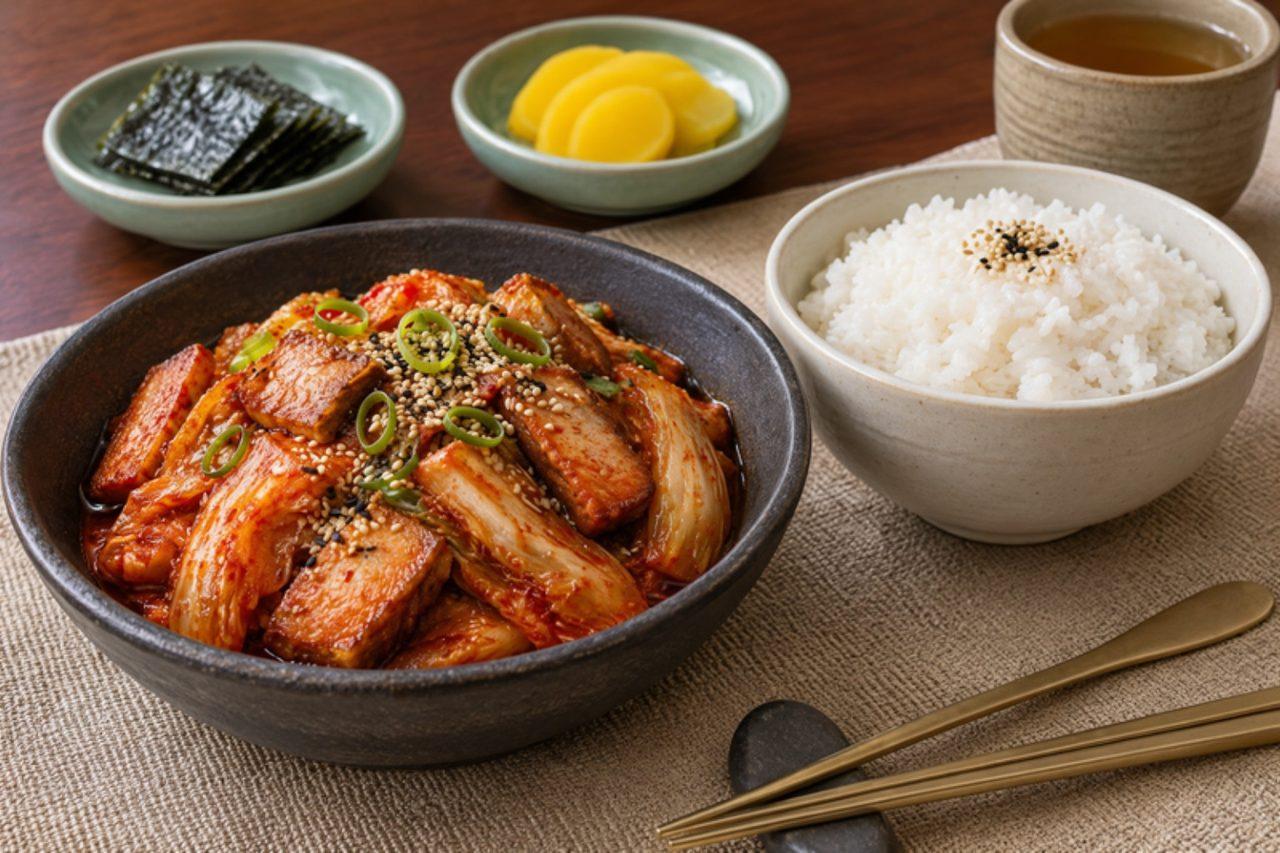
Kimchi jjim is what Korean households make in late winter, when the big batch of kimchi from the autumn kimjang has turned deeply sour and is too strong to eat raw. Whole quarters of the old kimchi are laid over a thick piece of pork belly and braised slowly until the cabbage is silky and the pork is meltingly soft. At the table you snip the pork with scissors and wrap a piece in a kimchi leaf with rice. The usual mistake is using fresh kimchi, which gives a flat, raw-tasting stew; it needs well-fermented, sour kimchi. Chef's tip: add a splash of the kimchi brine near the end if the sauce tastes sweet rather than tangy.

90 minKoreanMeatSpicy
by KrazyBadal 0 views

Gamjatang

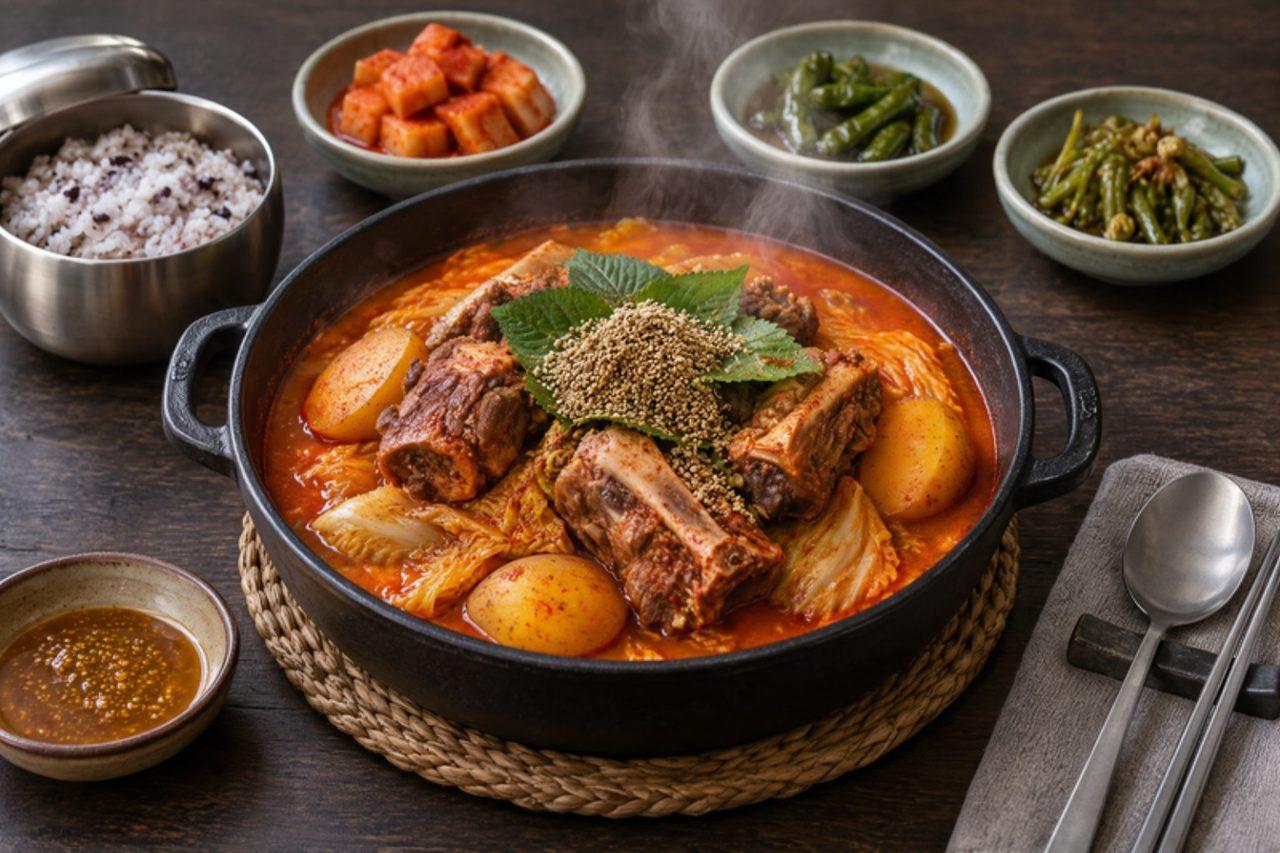
Gamjatang is a late-night favourite in Seoul and Incheon, where restaurants keep huge pots of pork backbone stew bubbling for shift workers and friends after a night out. Pork neck bones are soaked, blanched and simmered with doenjang until the meat pulls away, then finished with potatoes, napa cabbage, perilla leaves and nutty ground perilla seeds in a chilli-red broth. Everyone picks the meat off the bones at the table and ends the meal by frying rice in the leftover broth. The usual mistake is skipping the soaking and blanching, which leaves the broth grey and scummy. A pressure cooker cuts the bone simmering to 45 minutes. Chef's tip: stir the perilla seed powder in only at the end; boiled too long it loses its fragrance.

180 minKoreanMeatSpicy
by KrazyBadal 0 views

Ojingeo sukhoe

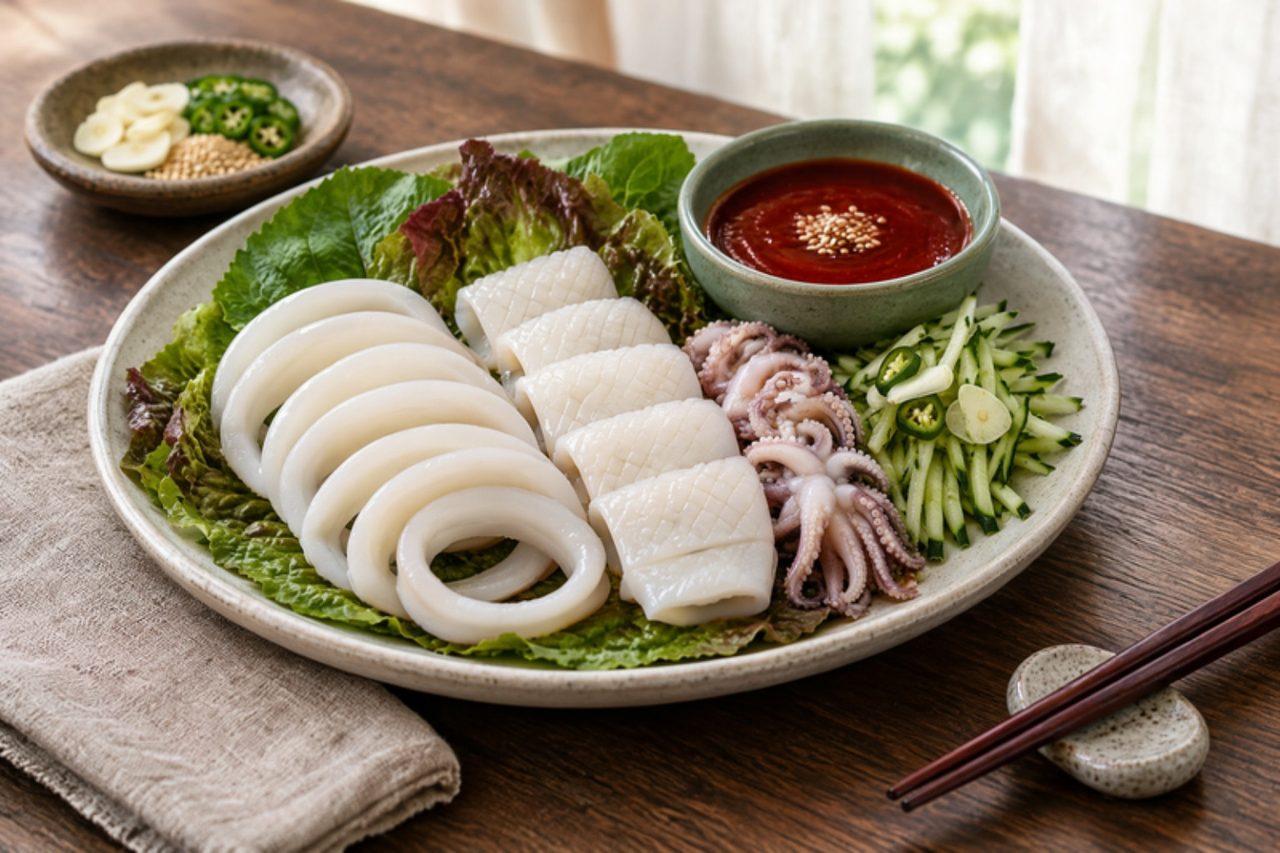
Ojingeo sukhoe is a summer favourite in the fishing towns of Gangwon and on Ulleungdo island, where squid are landed overnight and served at home and in harbour restaurants within hours. The squid is scored, blanched for barely a minute so it stays tender, sliced into rings and eaten with crisp cucumber, lettuce and chogochujang, a tangy chilli-vinegar sauce. Suitable as part of a balanced diet: lean protein and fresh vegetables. About 160 kcal and 10 g carbohydrate per portion; the teaspoon of sugar in the sauce is optional, or use a sweetener. The usual mistake is overcooking: squid goes from tender to rubbery after about 90 seconds. Chef's tip: plunge it into iced water the moment it curls, so the cooking stops instantly.

15 minKoreanFish
by KrazyBadal 0 views

Jogi gui

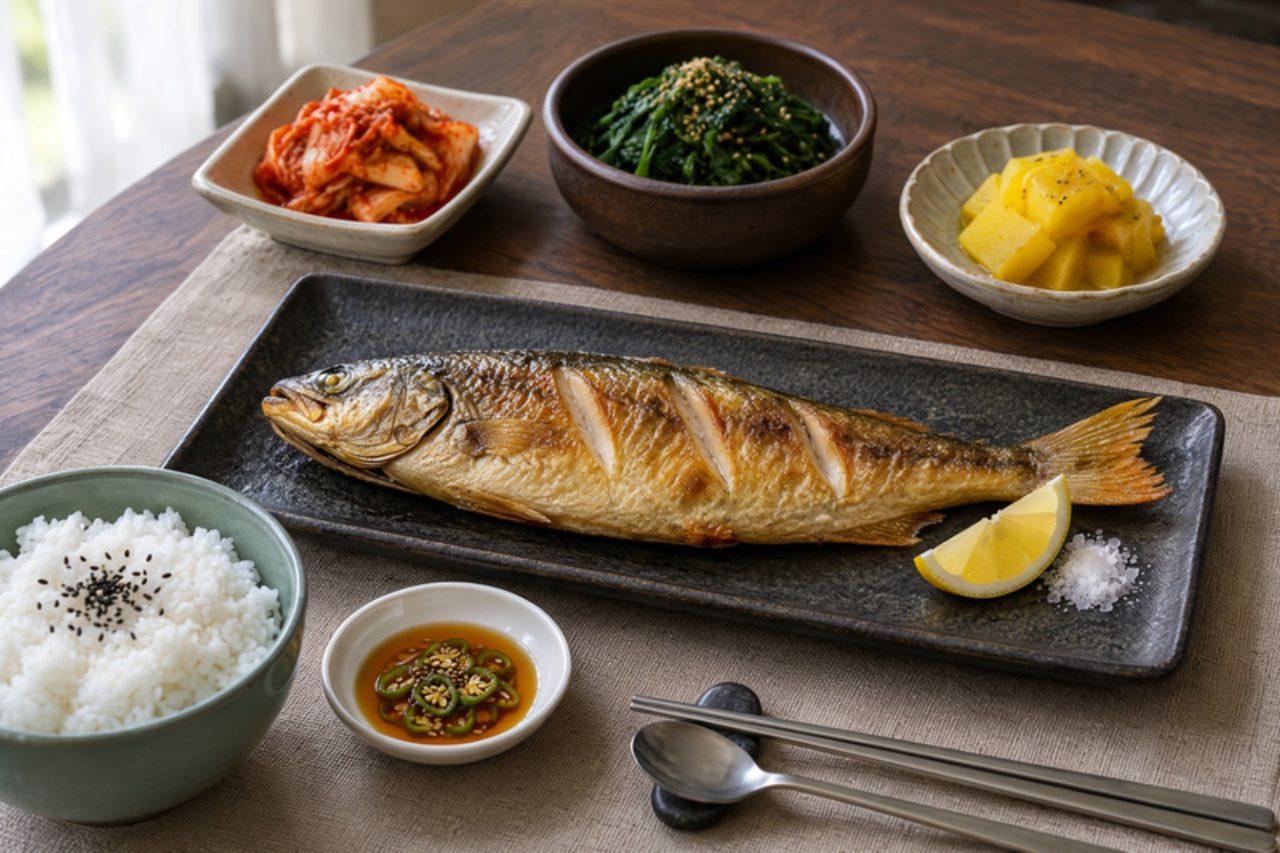
Yellow croaker from Yeonggwang on Korea's west coast is so prized that dried gulbi are given as gifts at Chuseok, and a simply grilled or pan-roasted croaker is a classic of the family table and of ancestral memorial meals. The fish is salted, dried briefly and cooked whole until the skin crackles and the flesh comes away in sweet, moist flakes; you eat it with rice, kimchi and a few vegetable banchan. Suitable as part of a balanced diet: high in protein with no batter or flour. About 210 kcal and 1 g carbohydrate per portion. The usual mistake is turning the fish too early, so the skin tears and sticks; wait until it releases on its own. Small sea bream or red mullet work if you cannot find croaker. Chef's tip: pat the fish completely dry and leave it uncovered in the fridge for 30 minutes before cooking for the crispest skin.

25 minKoreanFishGluten free
by KrazyBadal 0 views

Dakgangjeong

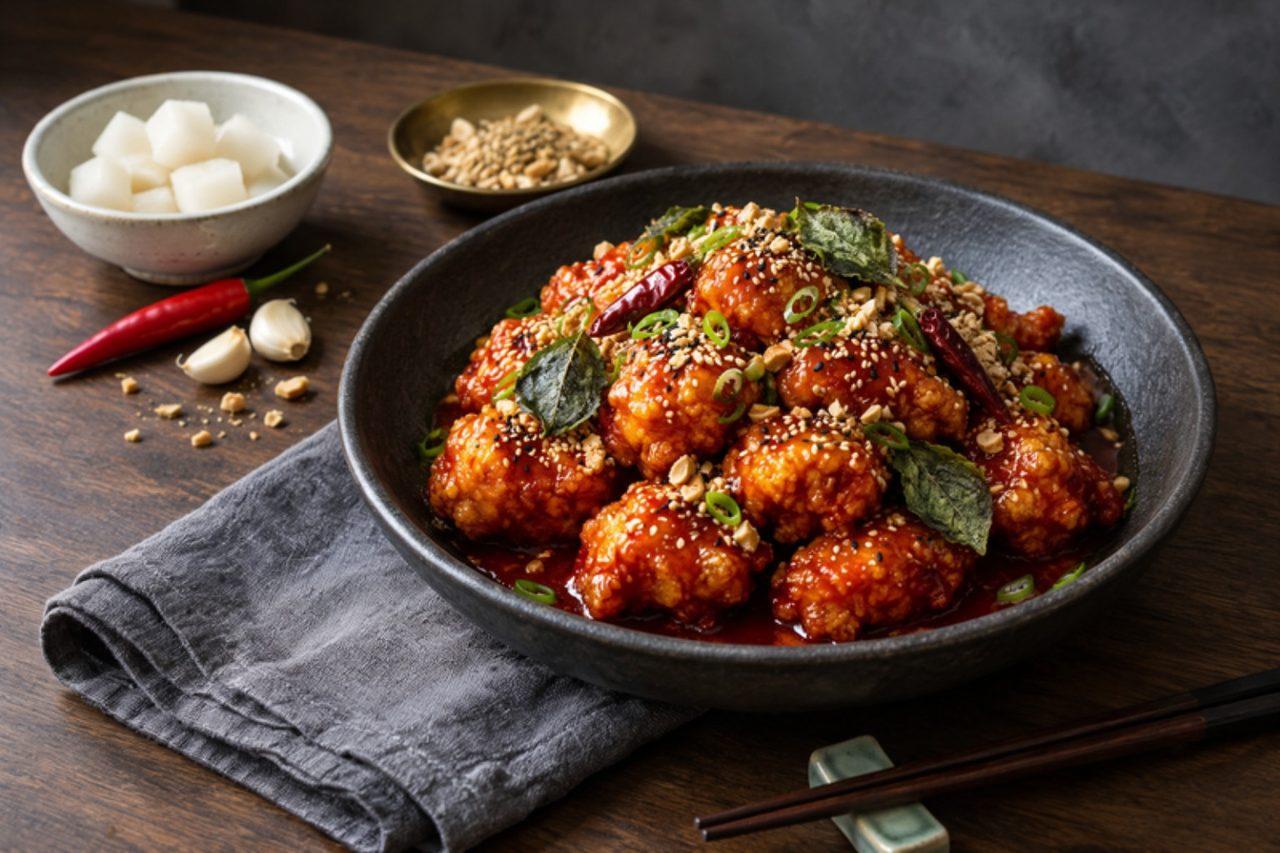
Dakgangjeong is the boxed fried chicken of Sokcho's Jungang market on Korea's east coast, carried home by the tub and packed into lunchboxes the next day, because the double-fried pieces in their sticky glaze stay crunchy even when cold. The common mistake is frying only once; the second fry drives out moisture so the crust holds up to the sauce. Chef's tip: coat with potato starch rather than flour, and let the coated chicken sit for 5 minutes so the starch hydrates into a craggy crust.

by KrazyBadal 0 views

Bokkeum kimchi

When a jar of kimchi turns very sour in Korean homes, it gets stir-fried with a little sugar and sesame oil, and often with pork belly, into bokkeum kimchi, a deep, mellow side dish that keeps for days and is a favourite in school and office dosirak. For a vegan version, use kimchi made without fish sauce or salted shrimp and leave out the pork. The usual mistake is using fresh, crisp kimchi, which tastes harsh when fried; it needs to be properly sour. Chef's tip: fry the kimchi until the edges just begin to catch and caramelise, which is where the flavour is.

by KrazyBadal 0 views

Hobak jjigae

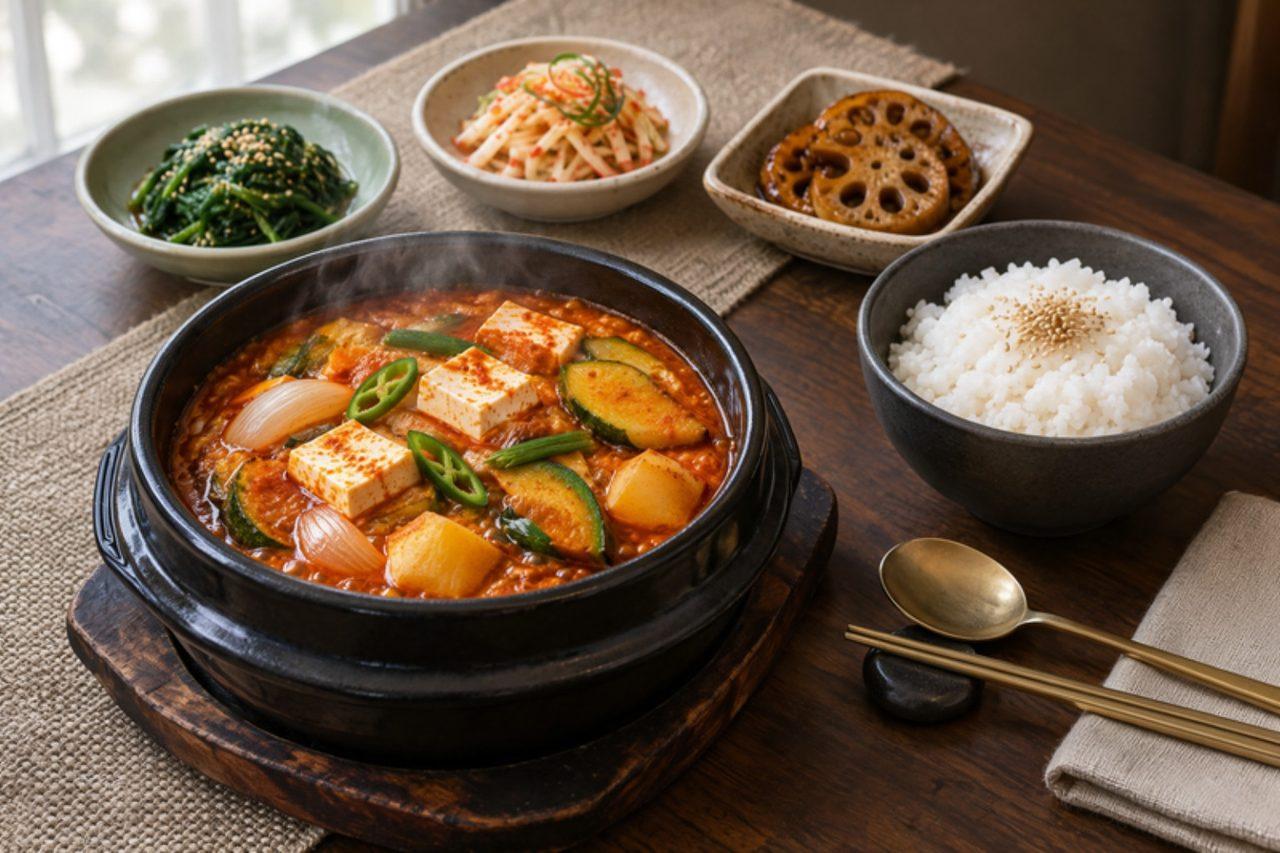
Hobak jjigae is the late-summer stew of Korean home kitchens, made when the garden throws up more courgettes (aehobak) than anyone can eat, and it lands on the table in its own pot next to rice and kimchi on any ordinary weeknight. Potato and soft tofu soften in a red, gently spicy broth of gochujang and kelp, and the courgette turns silky without falling apart. Most cooks start with anchovy stock; this one uses dried kelp and shiitake so it stays vegan. The usual mistake is adding the courgette with the potato, which leaves it mushy and grey by the time the potato is cooked. Chef's tip: a final splash of soup soy sauce (guk-ganjang) seasons the broth more deeply than salt without darkening it.

by KrazyBadal 0 views

Yukgaejang

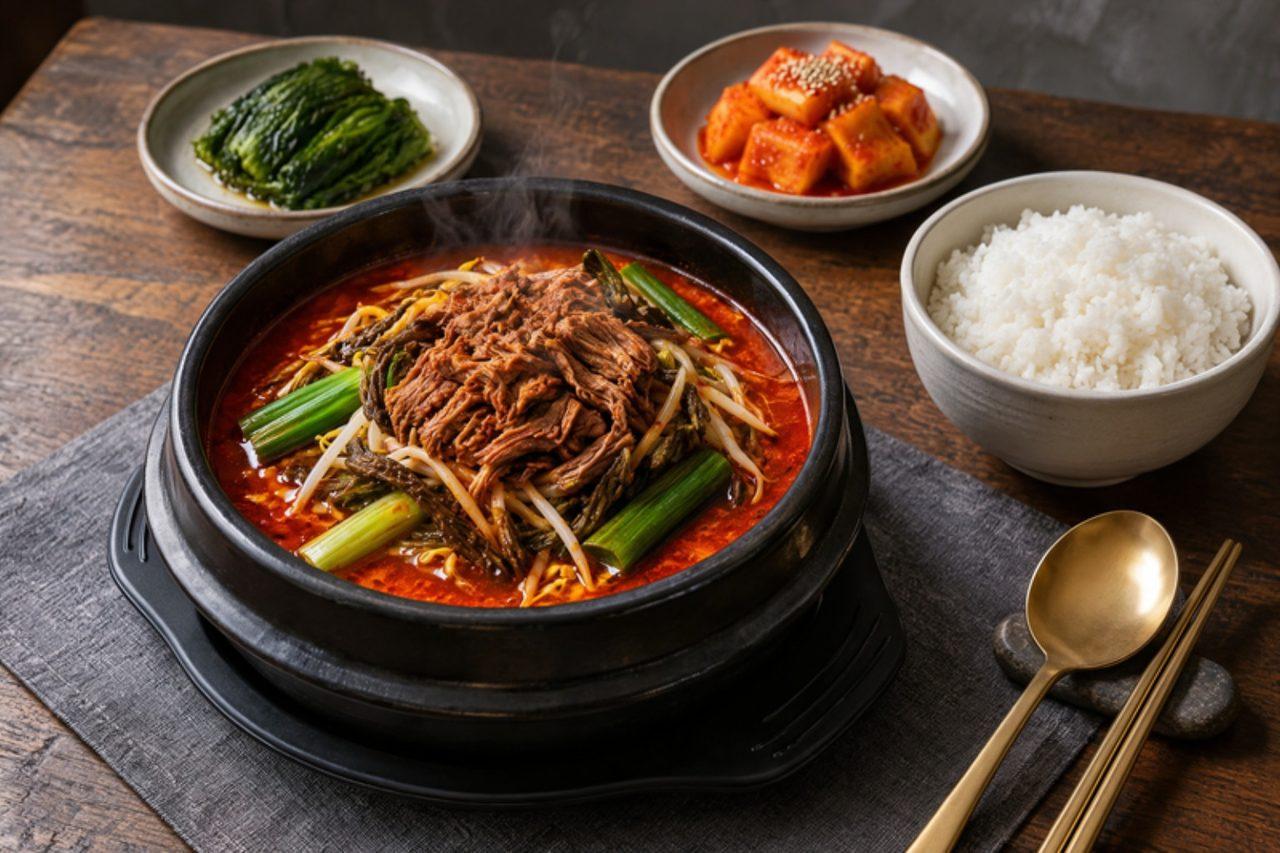
Yukgaejang is the red, chilli-slicked beef soup Koreans eat on the hottest days of summer to sweat out the heat, and it is also the soup served to mourners at funerals all over the country. Beef brisket is simmered for a couple of hours, shredded by hand and tossed with chilli flakes, garlic and soy, then returned to the broth with soaked bracken (gosari), bean sprouts and armfuls of leek. The flavour is deep and beefy with a slow chilli burn. Serve with a bowl of rice and kimchi. The usual mistake is adding the chilli flakes straight to the soup, where they taste raw and dusty; cooking them first in oil turns them sweet and red. A pressure cooker gets the brisket tender in 40 minutes. Chef's tip: shred the beef along the grain with your fingers rather than slicing it, so every strand soaks up the seasoning.

180 minKoreanSoupsSpicy
by KrazyBadal 0 views

Dak hanmari

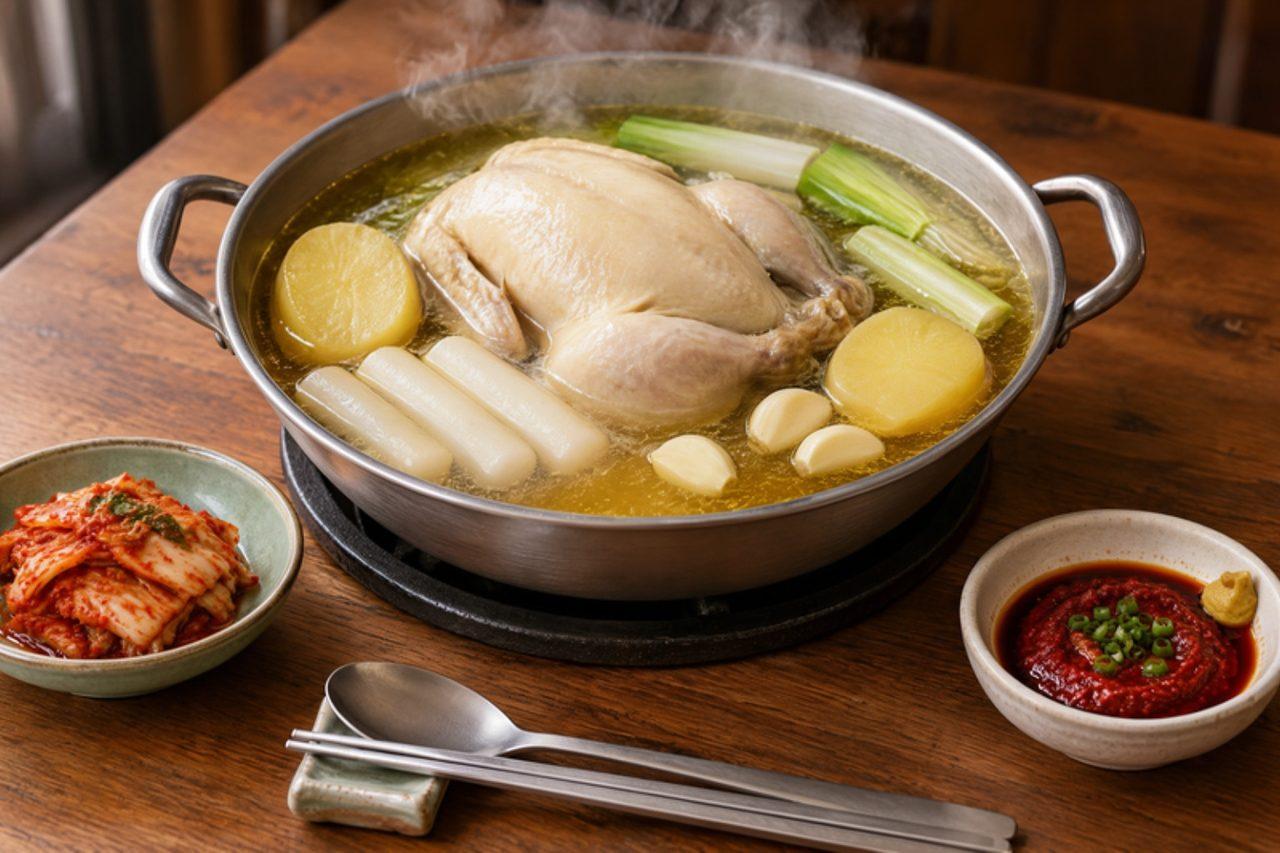
Dak hanmari, literally 'one chicken', comes from the alley of restaurants beside Dongdaemun market in Seoul, where a whole chicken arrives in a basin of pale broth and finishes cooking on a burner at the table. Potatoes and chewy rice cakes simmer alongside, and each piece is dunked in a sharp dipping sauce of chilli, soy, vinegar and mustard that you mix to your own taste. When the chicken is gone, knife-cut noodles go into the broth. The usual mistake is rushing the first simmer: the broth needs its full time with garlic and leek to taste of chicken. Chef's tip: let everyone build their own dip, adding a spoon of hot broth so the chilli flakes bloom.

by KrazyBadal 0 views

Ssanghwa-cha (herbal tonic tea)

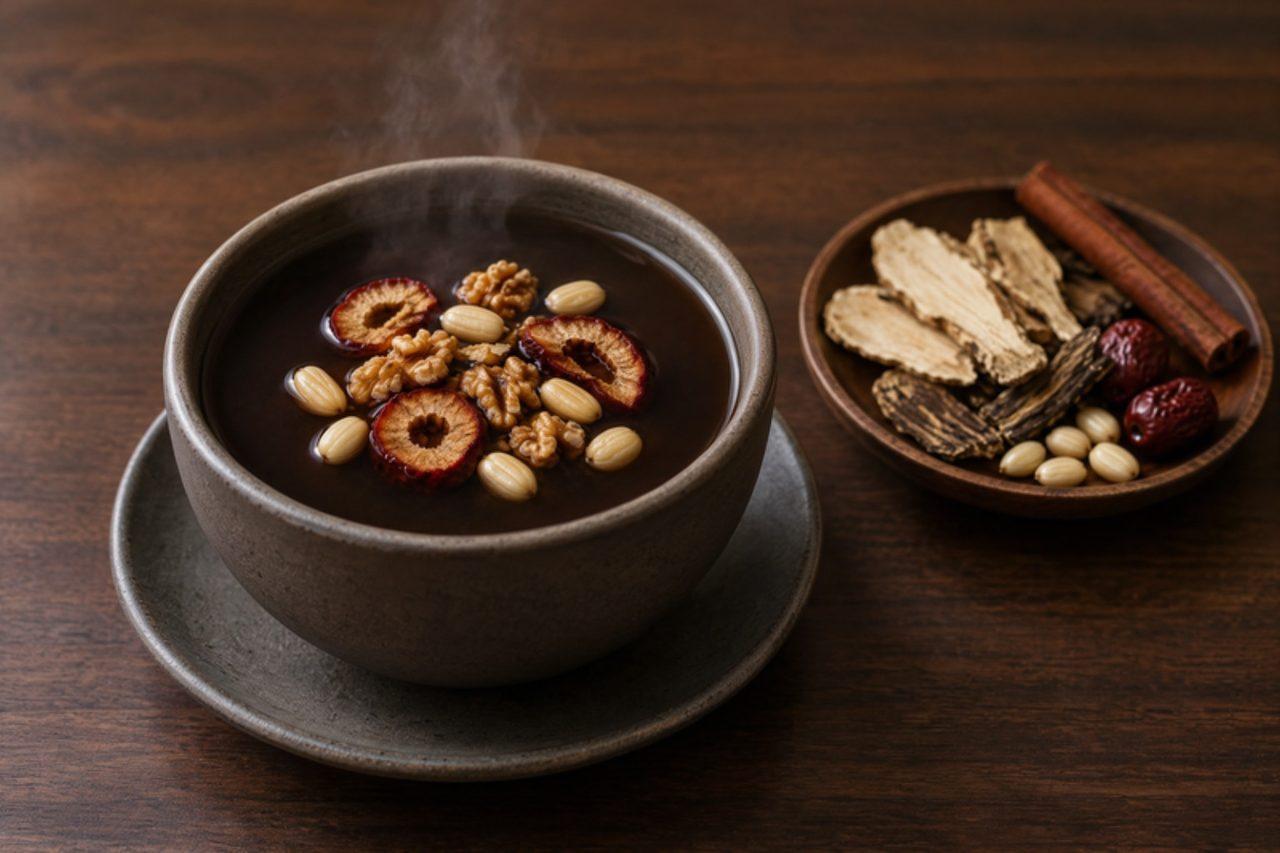
Ssanghwa-cha is the strongest thing on the menu of an old Korean dabang. From the 1960s these smoky tea rooms served it in thick ceramic cups, dark as coffee, with pine nuts, slivered jujube and walnut floating on top; in winter some still slide a raw egg yolk in, which this recipe leaves out. The brew comes from Korean herbal tradition, where ssanghwa-tang is drunk to warm up and recover from tiredness after hard work or a cold. It tastes earthy and bitter at first, then sweet from licorice and jujube, with warmth from cinnamon and ginger and a celery-like perfume from angelica. Herbal shops sell the roots in pre-measured packs. The common mistake is boiling it hard: the liquid reduces too fast and turns harsh. Keep a gentle simmer with the lid ajar for two hours. It is ready when it is very dark brown, reduced to about a third and smells of cinnamon and roots. Because it contains licorice and angelica, skip it if you are pregnant or breastfeeding, have high blood pressure, or take blood thinners or other medicines unless your doctor agrees. Chef's tip: a second, lighter brew from the same roots is good with honey.

135 minKoreanDrinksVeganGluten free
by KrazyBadal 0 views

Twigim (vegetable and egg)

Twigim is the fried side of Seoul's bunsik stalls: a glass case of sweet potato, vegetable fritters, boiled eggs and squid in a thicker, crunchier batter than Japanese tempura. Around the student bars of Sinchon and in Tongin Market, people order a mixed plate in the evening and have the pieces snipped and drowned in tteokbokki sauce. Squid is the other classic; this version keeps it vegetarian. It contains egg and wheat. Chef's tip: fry everything twice, the second time hotter, the way the stalls do; it is the secret to batter that stays crisp under sauce.

by KrazyBadal 0 views

Cheonggukjang jjigae

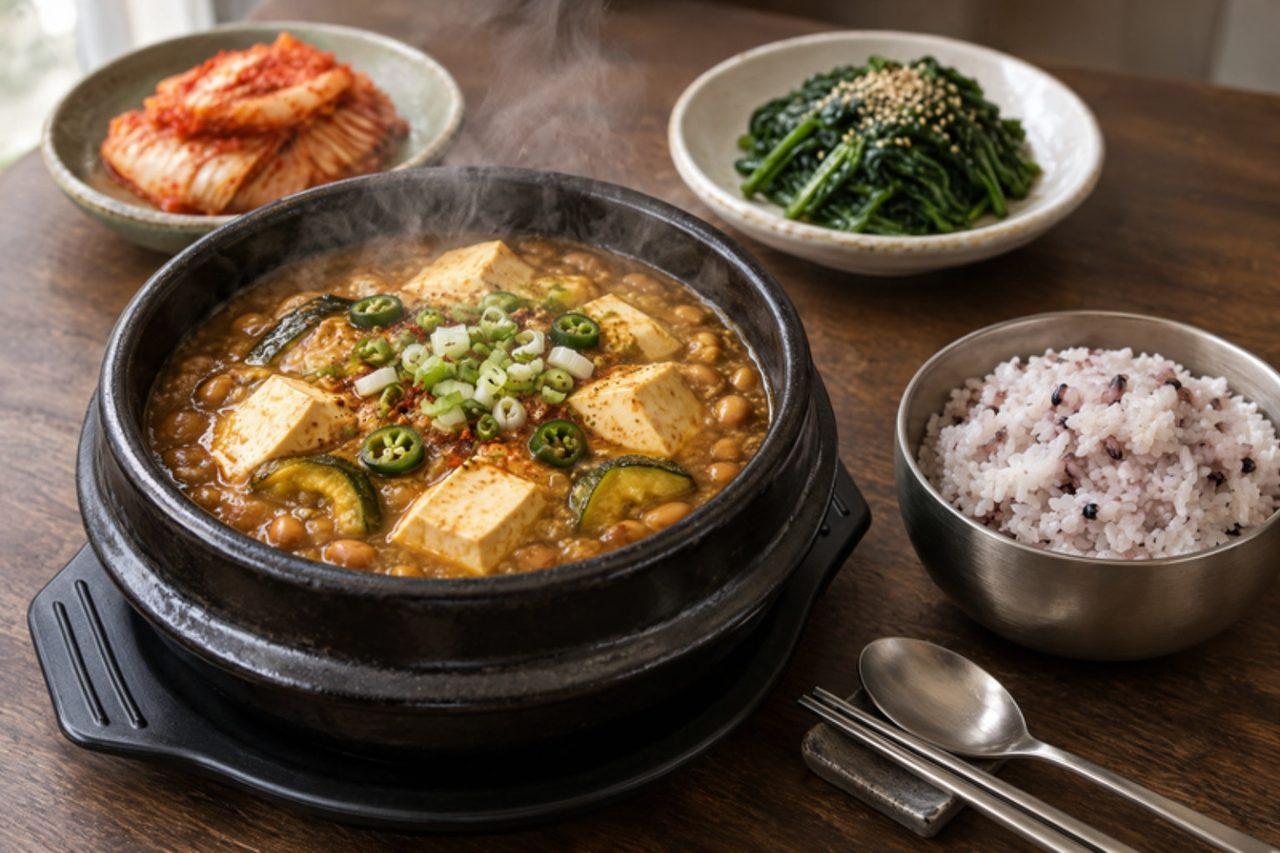
Cheonggukjang is a sticky, quick-fermented soybean paste made over two or three days in a warm room, and in Korean homes it becomes a bubbling winter stew, cooked in an earthenware pot and set in the middle of the table with rice and banchan. Its smell is famously strong, but the taste is nutty and deeply savoury, with tofu, courgette, onion and greens simmered in an anchovy-kelp stock. Suitable as part of a balanced diet: it is high in plant protein and fibre. About 230 kcal and 14 g carbohydrate per portion; eat it with a small bowl of mixed-grain rice. The usual mistake is boiling the cheonggukjang for a long time, which makes it bitter and dulls its flavour; it goes in for the last few minutes. Chef's tip: mash a spoon of doenjang in with it for a rounder, saltier base.

by KrazyBadal 0 views

Saesongi beoseot bokkeum

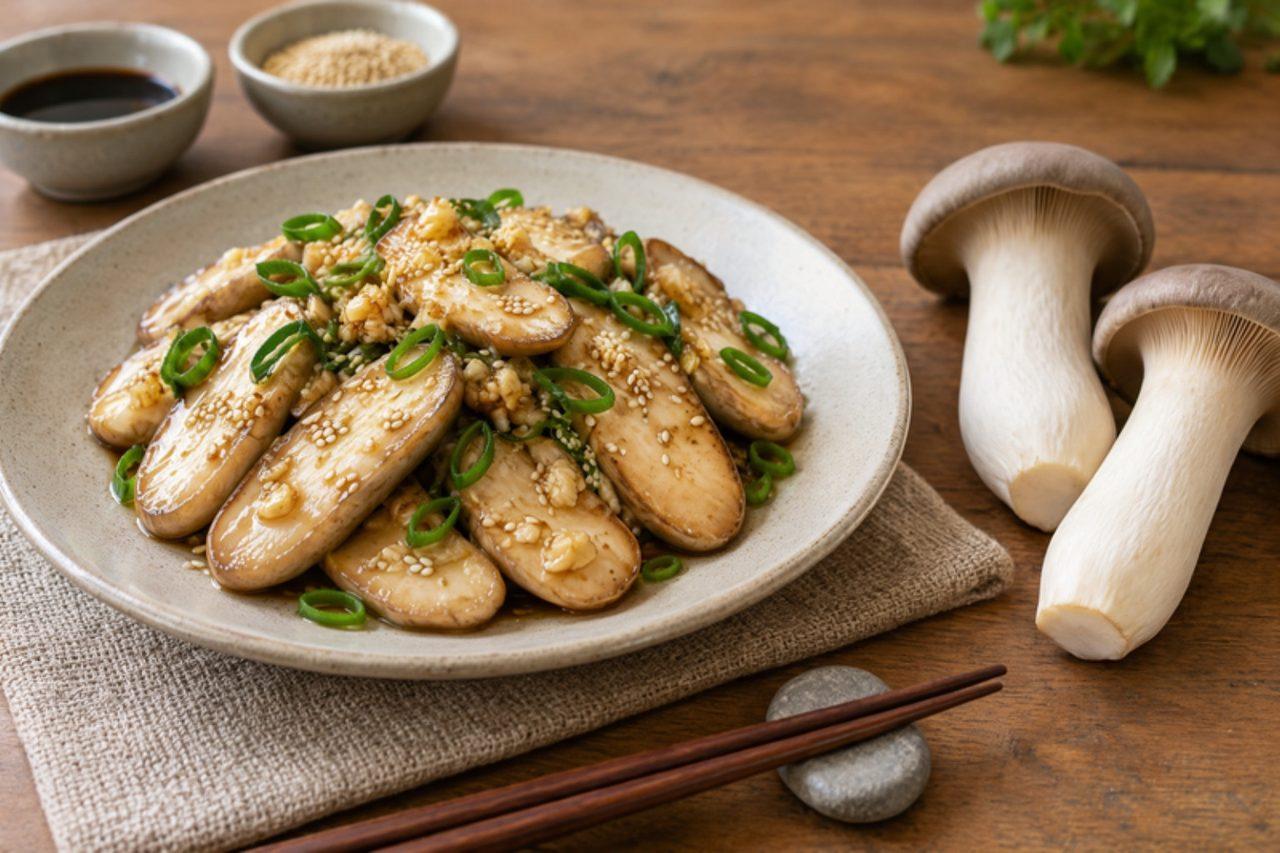
King oyster mushrooms, saesongi in Korean, are cheap and meaty, and this quick stir-fry is a staple in Korean home kitchens for dinner banchan and next-day dosirak alike. The thick stems turn juicy and almost scallop-like, seasoned with just soy, garlic and spring onion. The common mistake is salting or saucing the mushrooms as soon as they hit the pan, which draws out their water so they stew instead of browning. Chef's tip: let the slices sear undisturbed in a hot pan until golden on one side before you add anything else.

by KrazyBadal 0 views

Dubu gangjeong

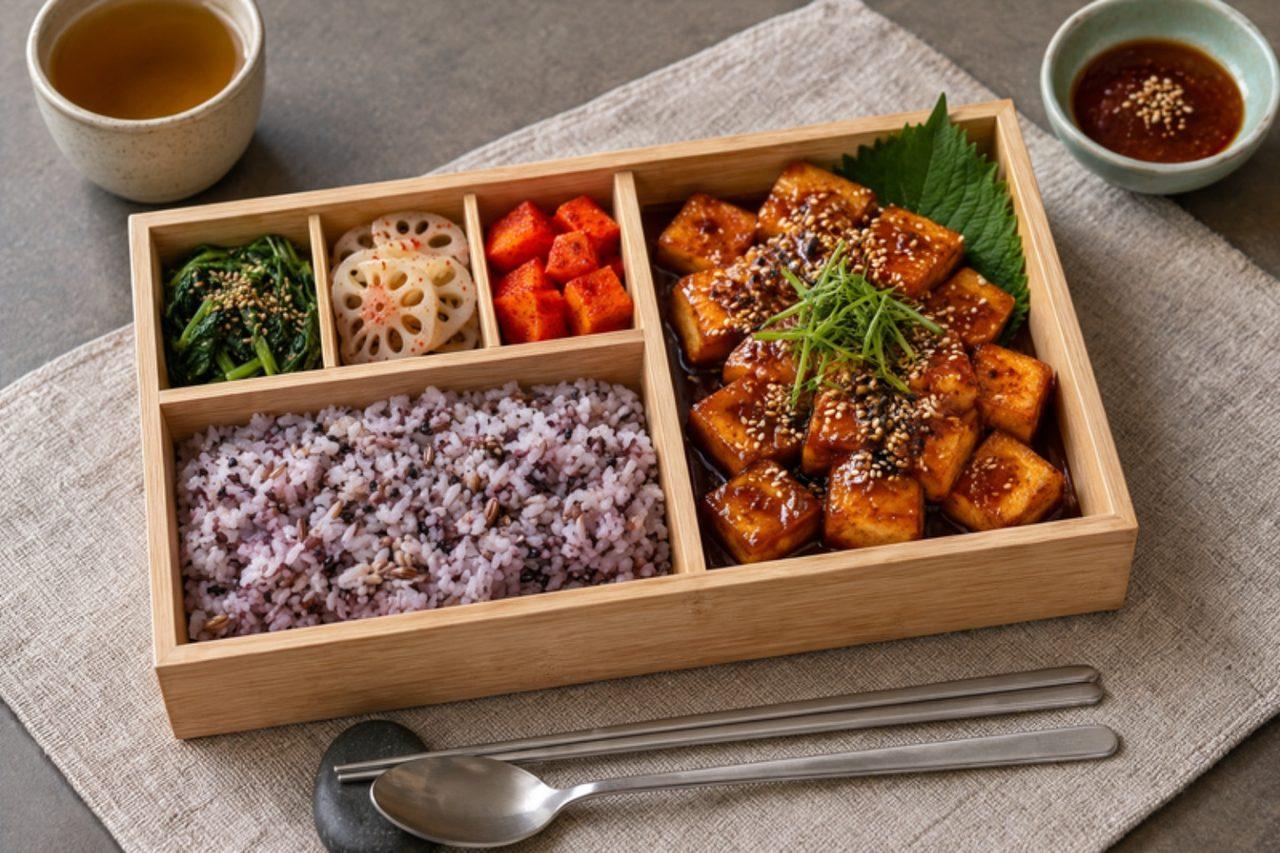
Gangjeong usually means sticky glazed fried chicken, but Korean mothers make this tofu version for the dosirak because the starch coating stays crisp even after a morning in the lunchbox. The glaze is mild, sweet and garlicky, so children love it; add gochujang for the grown-ups. The common mistake is skipping the pressing, which leaves wet tofu that spits in the oil and goes soggy under the sauce. Chef's tip: let the fried cubes cool for two minutes before glazing, and boil the sauce to large, slow bubbles first, so it clings instead of soaking in.

by KrazyBadal 0 views

Ogokbap

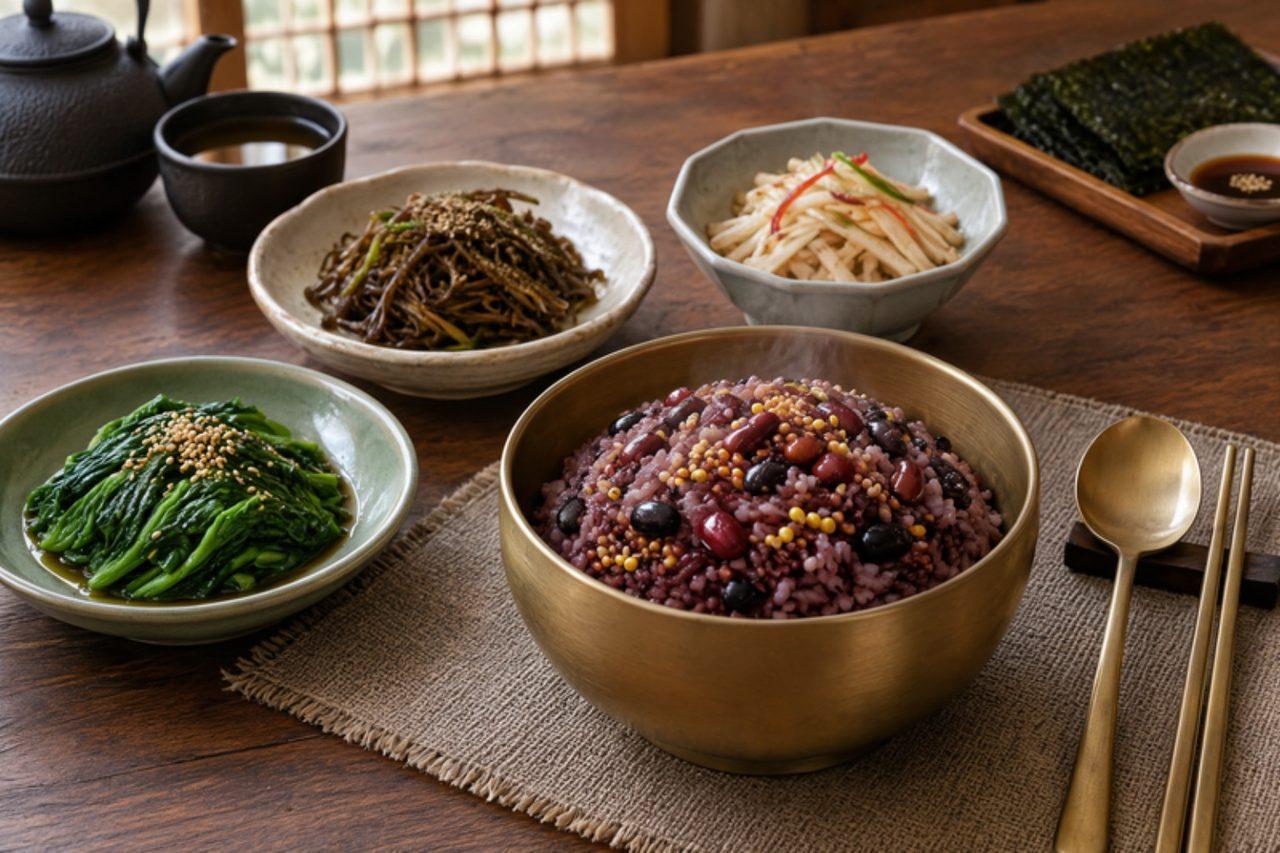
Ogokbap is cooked across Korea for Jeongwol Daeboreum, the first full moon of the lunar year, when families share five-grain rice with nine kinds of dried namul and crack nuts to wish for good health. Sticky rice, millet, sorghum, black soybeans and adzuki beans cook together into a chewy, purple-tinged rice with a nutty, gently sweet flavour. It is good any time of year beside soup and banchan. The usual mistake is putting the adzuki beans in raw with the rice: they stay hard while the rice turns soft, so parboil them first. Chef's tip: keep a little of the adzuki cooking water for the rice, as it gives ogokbap its lovely rosy colour.

by KrazyBadal 0 views

Naengchae jokbal

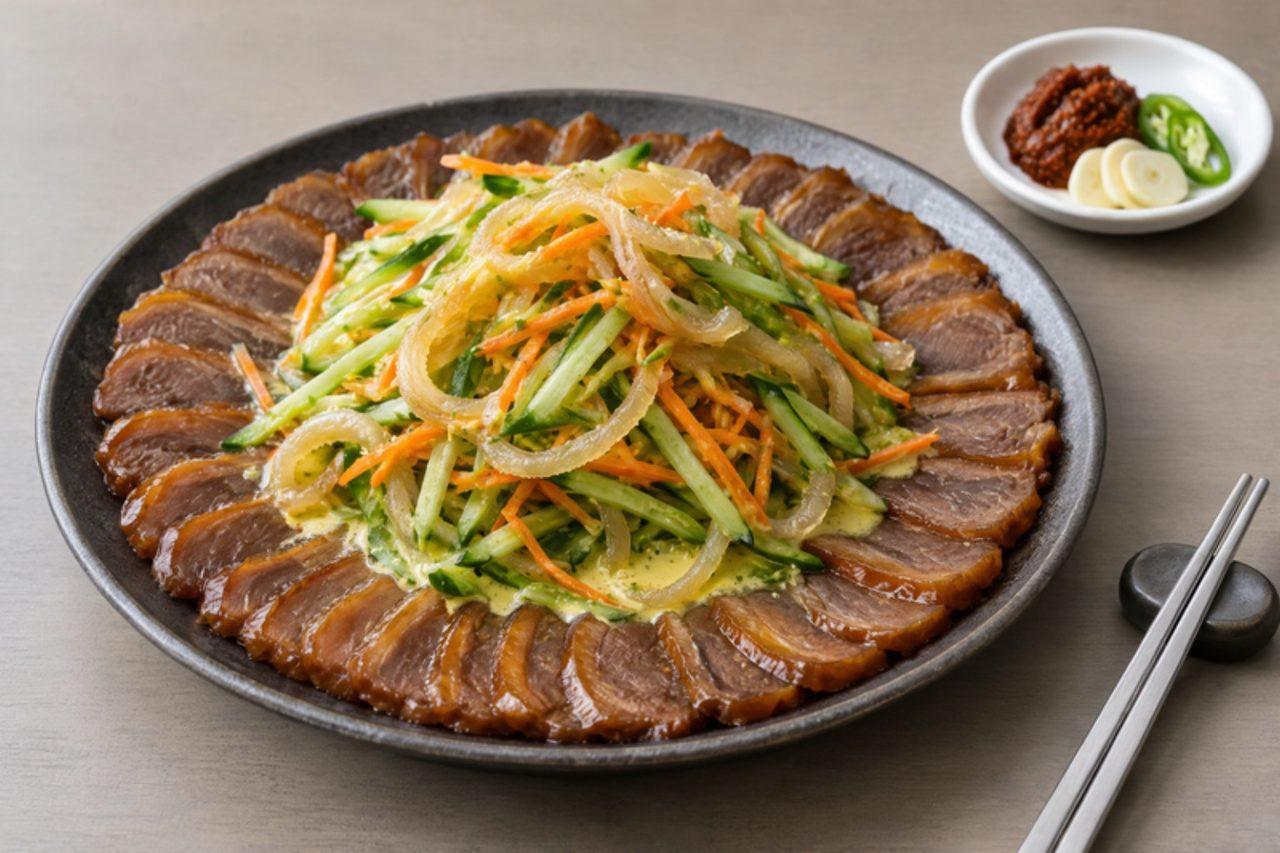
Busan's Jokbal Alley in Bupyeong-dong, beside Kkangtong Market, is where braised pork trotter was first served cold as a salad, a summer trick that spread across Korea. The pork trotters are simmered for hours in soy, ginger and spices until the skin turns sticky and tender, chilled, sliced thin and tossed with cucumber, shredded jellyfish and a nose-tingling dressing of Korean mustard, vinegar and garlic. It is evening food, shared from a big platter. Chef's tip: slice the meat only once it is fully cold; warm trotter meat tears instead of cutting into clean slices.

190 minKoreanMeat
by KrazyBadal 0 views

Chungmu gimbap

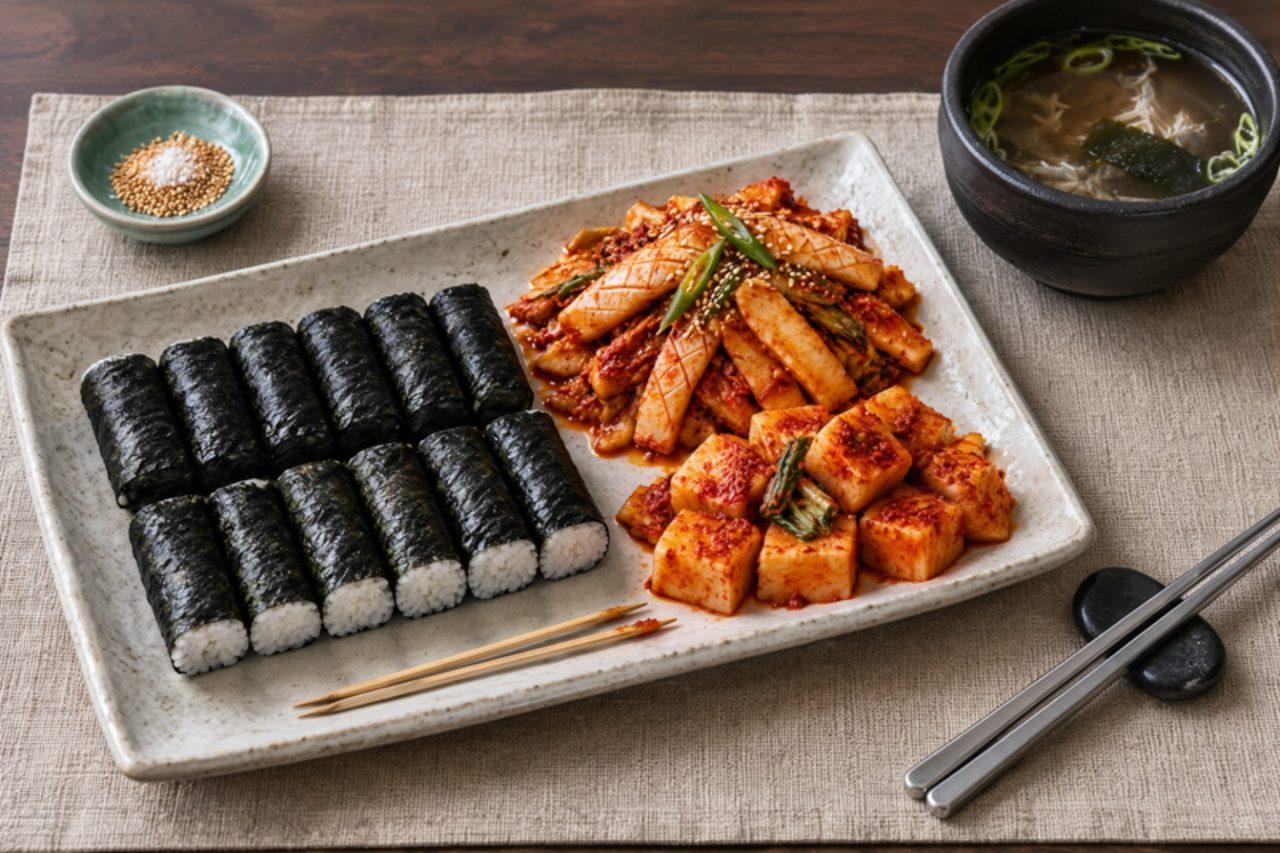
In the harbour town of Tongyeong (once called Chungmu), fishermen's wives made plain rice rolls in laver with the spicy side dishes packed separately, because filled gimbap spoiled in the heat of the boats. Today Chungmu gimbap is a lunchbox and road-trip classic all over Korea: finger-sized rolls eaten with a toothpick, sweet-spicy squid and fish cake, and crunchy radish kimchi. The common mistake is overcooking the squid, which goes rubbery; blanch it just until it turns white and curls. Chef's tip: brush the gim lightly with sesame oil before rolling, which keeps it from going chewy.

by KrazyBadal 0 views

Jinmichae bokkeum

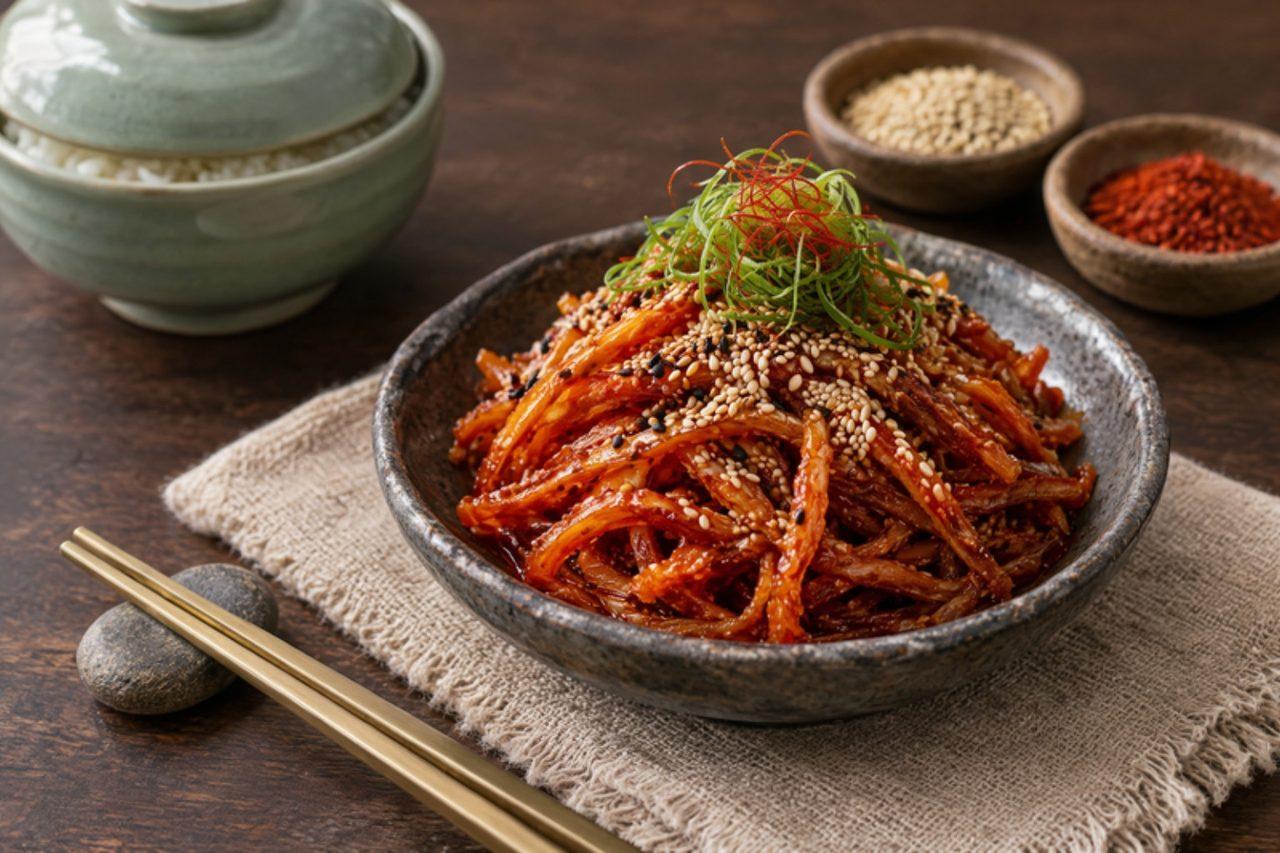
Jinmichae, shredded seasoned dried squid, is one of the most popular banchan in Korean lunchboxes: chewy, sweet and a little spicy, and it keeps for a week. Children across Korea find it in their dosirak and parents make a big tub on Sunday. The common mistake is glazing it over the heat, which turns the squid hard as wire; mix the strips into the warm sauce off the heat. Chef's tip: soak the squid briefly in water first and squeeze it out, so it stays tender even straight from the fridge.

15 minKoreanFishSpicy
by KrazyBadal 0 views

Kongjuk

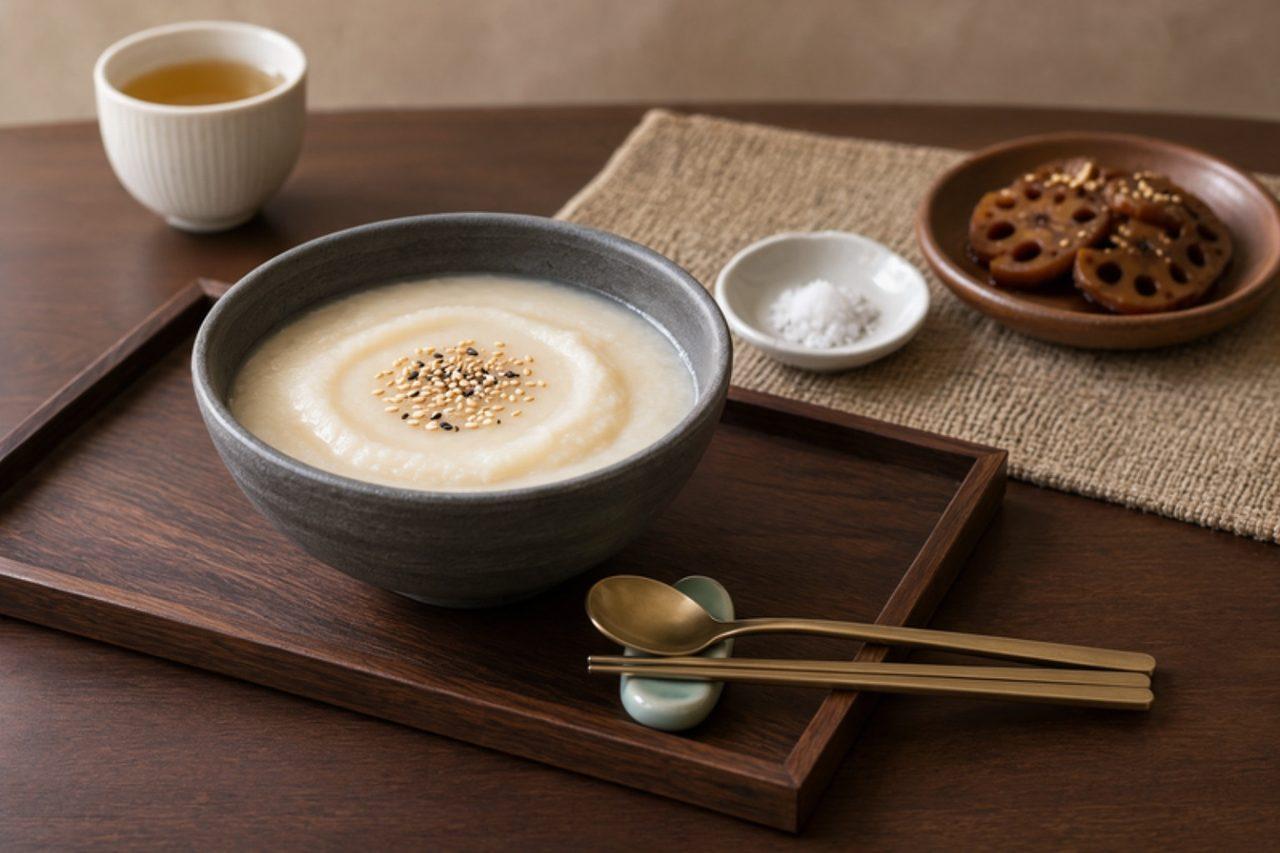
Kongjuk is the porridge Korean families make when they want something filling but plain: soaked soybeans ground into a milk with rice and cooked until it is thick, pale and creamy. It is a breakfast and a summer staple in the countryside, eaten with a little salt and some kimchi or radish on the side. The mistake to avoid is under-blending the beans: gritty bean skins make the porridge grainy, so blend long and fine, or sieve it. Stir often too, because soy milk catches on the bottom quickly. Chef's tip: skim off the loose skins after soaking by rubbing the beans between your palms under water; the porridge comes out silkier and whiter.

by KrazyBadal 0 views

Bibim dangmyeon

At the crossing of Gukje Market and BIFF Square, near Nampo-dong, women sit behind low tables mixing bibim dangmyeon to order for shoppers perched on plastic stools. Chewy sweet-potato noodles are piled with seasoned spinach, carrot, yellow pickled radish and strips of Busan fish cake, then drenched in a sweet, tangy chilli sauce that you mix with chopsticks. It is a quick, cheap bowl, eaten year round, cold in summer. Chef's tip: rinse the noodles in cold water straight after cooking; it stops them clumping and keeps them bouncy.

by KrazyBadal 0 views

Dakjuk

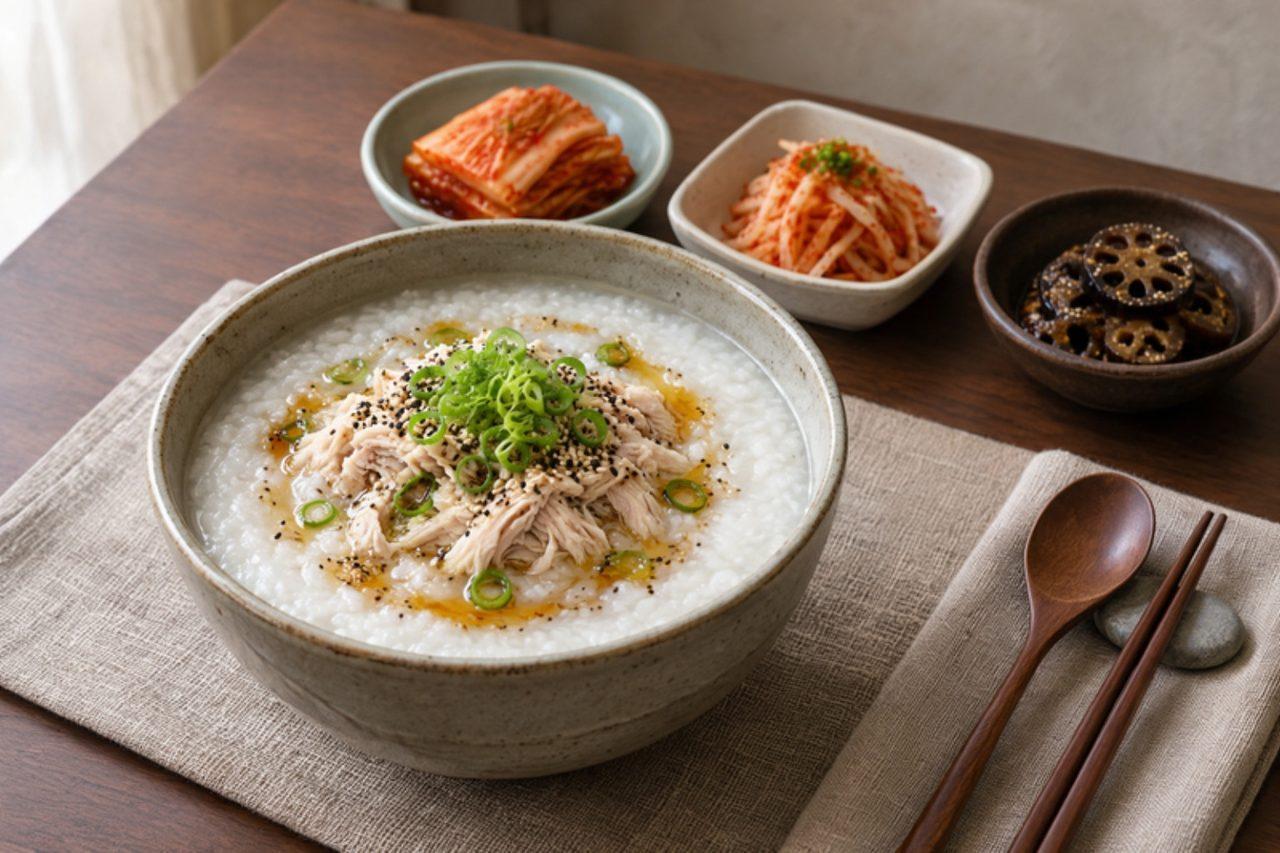
All over Korea, dakjuk is the bowl a mother makes on a cold morning or when someone is under the weather: chicken simmered with garlic and ginger, the meat pulled into shreds, and soaked rice cooked down in the broth until it turns into a soft, savoury porridge finished with sesame oil. It is eaten for breakfast or as a gentle lunch, with a little kimchi on the side. The usual mistake is boiling the chicken hard, which clouds the broth and toughens the meat; keep it at a lazy simmer. Chef's tip: fry the soaked rice in sesame oil for two minutes before the broth goes in, so the grains toast lightly and the porridge tastes nutty rather than flat.

by KrazyBadal 0 views

Yuja-cha (citron tea)

Goheung, on the southern coast of South Jeolla, is Korea's yuja country: in November the groves turn gold and families slice the knobbly citrons for yuja-cheong, the honeyed preserve that becomes tea all winter. From December to March a spoonful in hot water is offered to guests, to students cramming late and to anyone with a scratchy throat, as it is traditionally drunk for colds. The tea is sweet, floral and sharp, with soft, chewy strands of peel that you eat at the end with a spoon. The common mistake is leaving the fruit damp or the pith too thick: wet fruit lets mould in, and thick white pith makes the preserve bitter. Scrub, dry completely and pare away any pith thicker than a few millimetres. The cheong is ready after a day or two, when the sugar has dissolved into a clear, glossy syrup around the peel. Keep it in the fridge for up to three months, always with a dry spoon; throw it away if you see fuzzy mould, smell alcohol or it bubbles. No yuja? Japanese yuzu is the same fruit; otherwise use 2 lemons and 2 mandarins. Chef's tip: soak the seeds in a little of the honey and add that liquid back for a silkier syrup.

by KrazyBadal 0 views

Showing 24 of 349 recipes

Show more recipes

Page 1 of 15