Skip to content
WhatToEat.Today

All recipes

1,696

Vegetarian, or something you can't eat? Set your diet once and we'll hide recipes that don't fit.

Arroz tapadoRice dome with beef filling

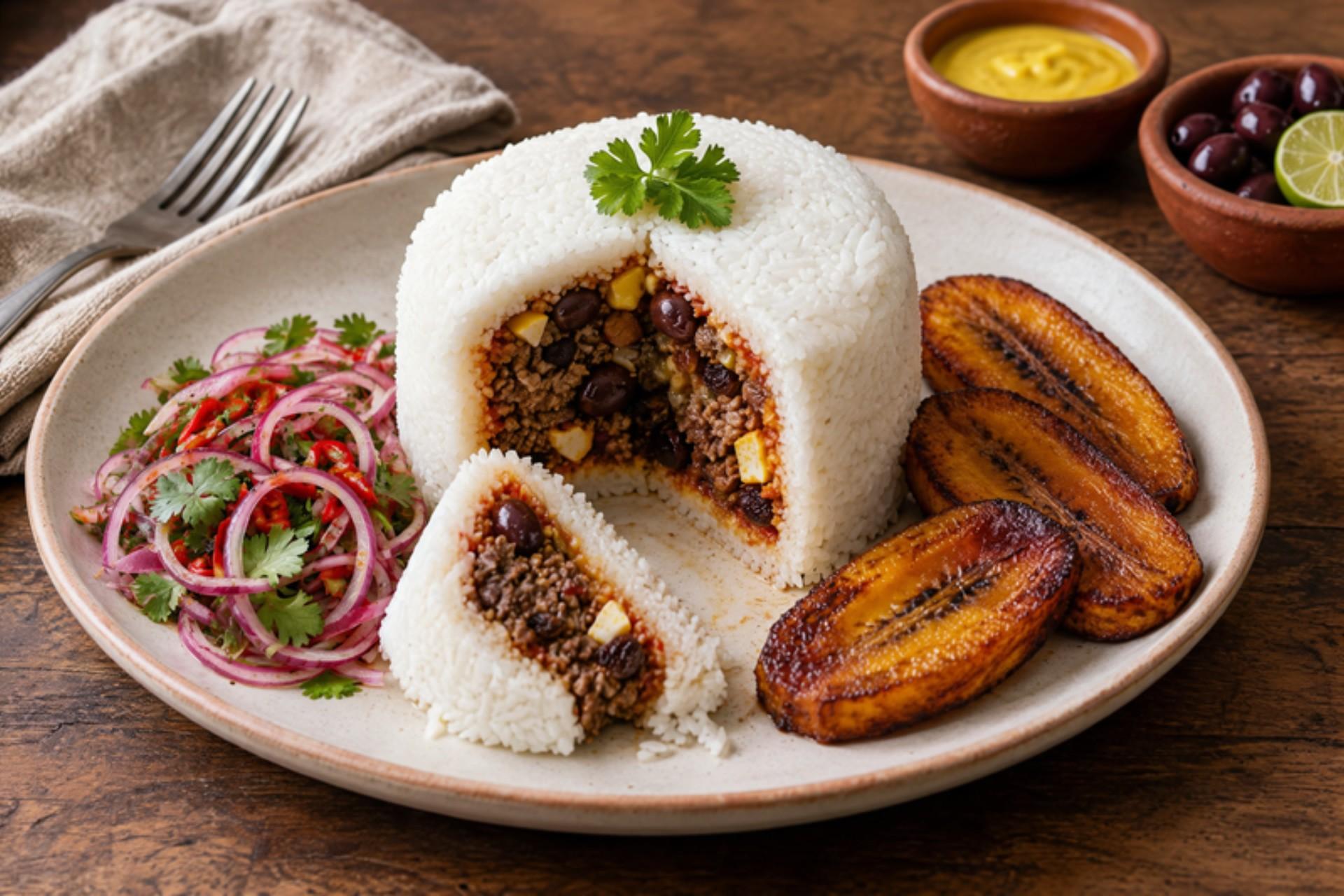
Arroz tapado means covered rice, and it is the thrifty weekday lunch of Lima homes and school canteens: garlic rice pressed into a bowl, filled with a sweet-savoury beef mince and turned out like a dome. The filling of minced beef with onion, ají panca, raisins, black olives and hard-boiled egg is the same picadillo that goes into papas rellenas. The usual mistake is leaving the filling wet: the dome collapses and the rice turns soggy. Simmer it until the pan is almost dry. Minced beef must reach 71 °C, so cook it until no pink remains. Serve with a spoonful of salsa criolla. Chef's tip: brush the bowl with a little oil and pack the rice firmly with the back of a spoon; a well-pressed dome holds its shape on the plate.

by KrazyBadal 0 views

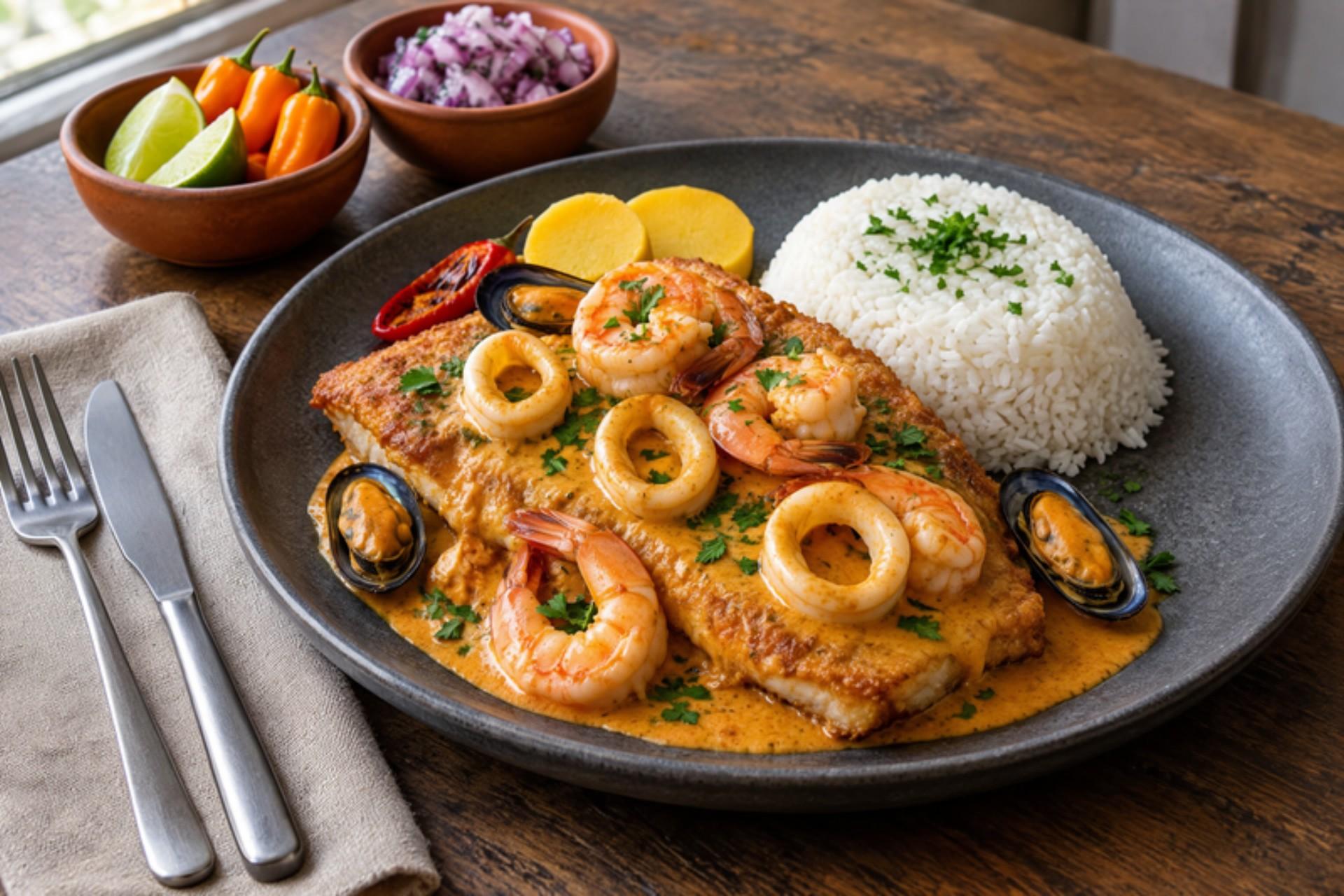
Pescado a lo machoFried fish in spicy seafood sauce

Pescado a lo macho is a classic of Lima's seafood restaurants, the dish people order for a long Sunday lunch near the sea in Chorrillos: a fillet of fried white fish smothered in a thick, spicy sauce of ají panca and ají amarillo packed with prawns, squid and mussels. The name boasts that you need to be brave for the chilli, but you can turn it down. The common mistake is overcooking the seafood while the sauce reduces; add it only when the sauce is already thick. Discard mussels that are open and do not close when tapped, and any that stay shut after cooking. Chef's tip: dust the fish in flour seasoned with cumin and fry it last, so it reaches the table crisp under the sauce.

by KrazyBadal 0 views

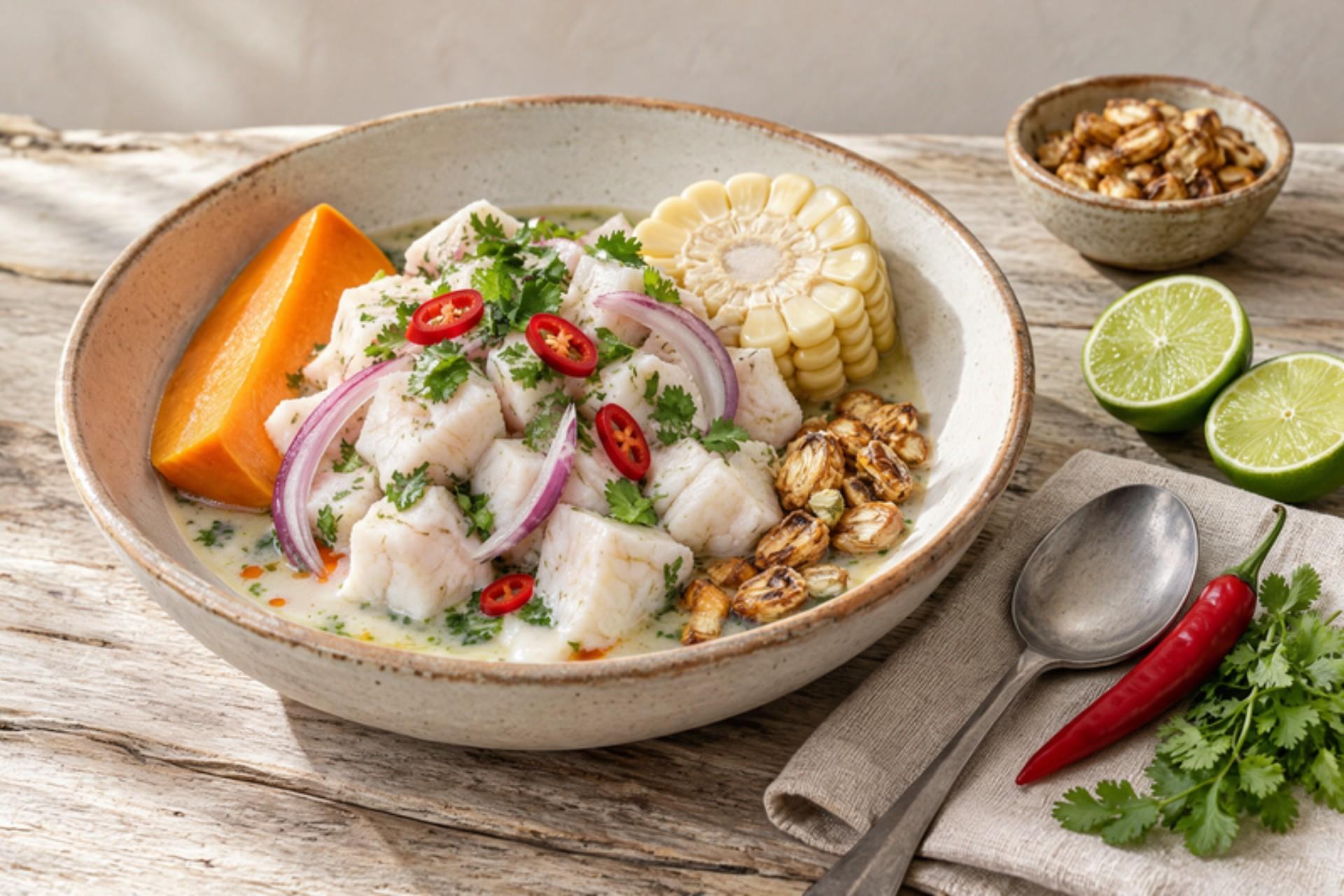
Ceviche peruanoLime-cured white fish

Ceviche is Peru's national dish, eaten at lunchtime in the cevicherías of Lima's Surquillo and Chorrillos markets, because the fish must be fresh off the morning boats and cevicherías traditionally close in the afternoon. The classic is raw white fish 'cooked' in lime juice with red onion, chilli and coriander, served with sweet potato and corn. Lime juice does not kill bacteria or parasites, so this version first poaches the fish for a minute until just opaque, then dresses it, which keeps the classic flavour and texture far safer. Even so, it is not for pregnant women, young children or anyone with a weakened immune system. The usual mistake is leaving the fish in the lime for an hour: it turns chalky and the juice goes bitter. Chef's tip: squeeze the limes gently by hand and stop before the pith; over-squeezed limes make bitter leche de tigre.

by KrazyBadal 0 views

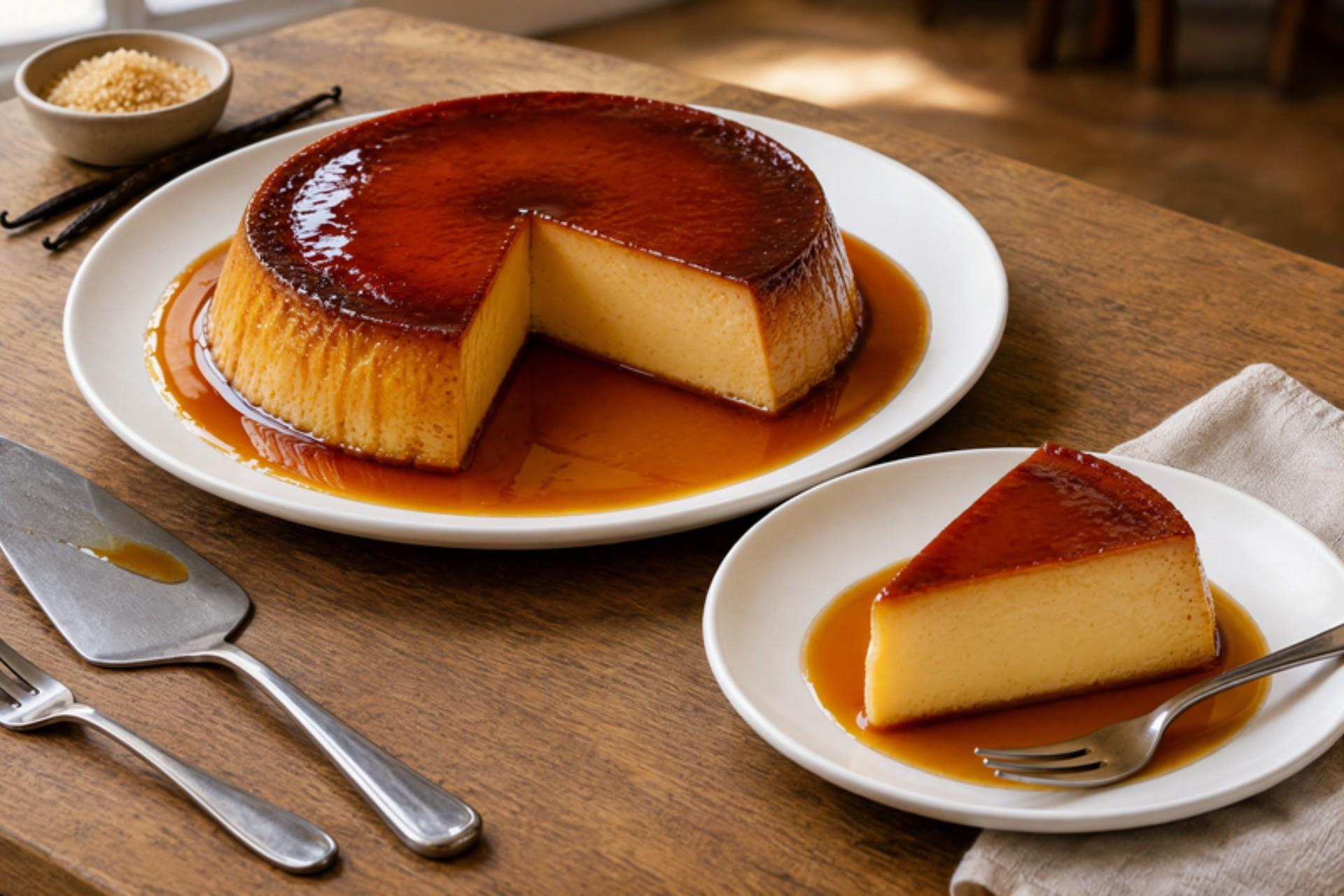
Crema volteadaBaked caramel custard

In Lima, crema volteada is the dessert that appears at Sunday lunch in Miraflores and Barranco homes and at every birthday where an aunt is in charge of the sweets. It is firmer and richer than a Spanish flan because it is made with both evaporated and condensed milk, so it slices cleanly and tastes of toffee. The usual mistake is baking it in an oven that is too hot: the custard boils, fills with tiny holes and weeps. Keep the water bath at a bare simmer and take it out while the centre still wobbles slightly. Chef's tip: chill it overnight before turning it out; a cold custard releases in one piece and the caramel has time to melt into a pourable sauce.

by KrazyBadal 0 views

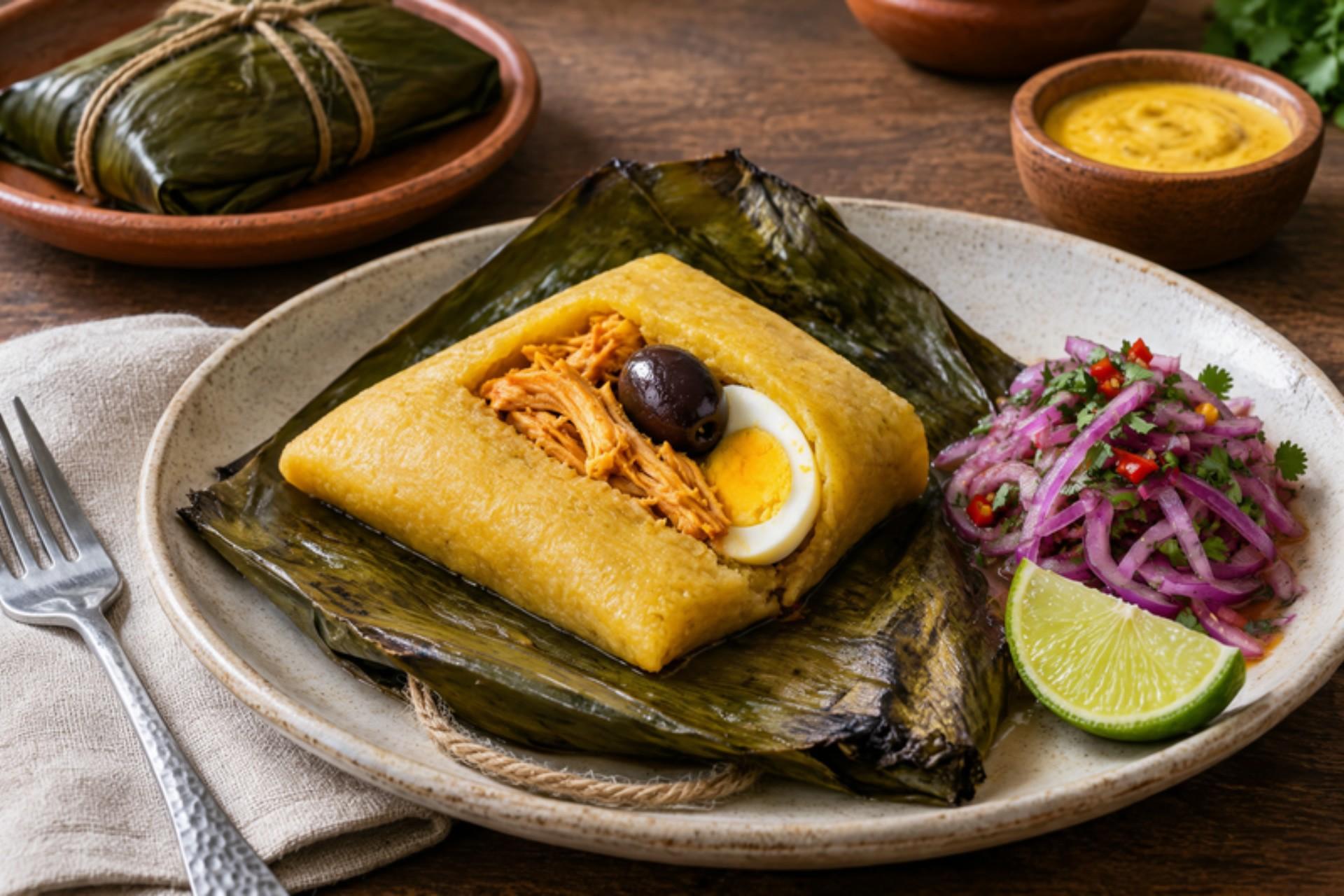
Tamales peruanosChicken corn tamales in banana leaf

In Lima, tamales are a Sunday breakfast, bought warm from street vendors calling 'tamaleeeeros' or made at home for Christmas, and eaten with crusty bread and a pile of salsa criolla. Peruvian tamales are larger and softer than Mexican ones, made from corn dough coloured with ají and wrapped in banana leaves, hiding chicken, a black olive, a slice of egg and a peanut. Peanuts are an allergen, so leave them out if needed. The usual mistake is a dry dough: the tamales turn crumbly. Beat in enough warm stock to make a soft paste that just holds its shape. The chicken must reach 74 °C before it goes in. Chef's tip: fat makes the dough tender; beat the oil and dough for a full 5 minutes until light, as Lima cooks do with pork lard.
by KrazyBadal 0 views

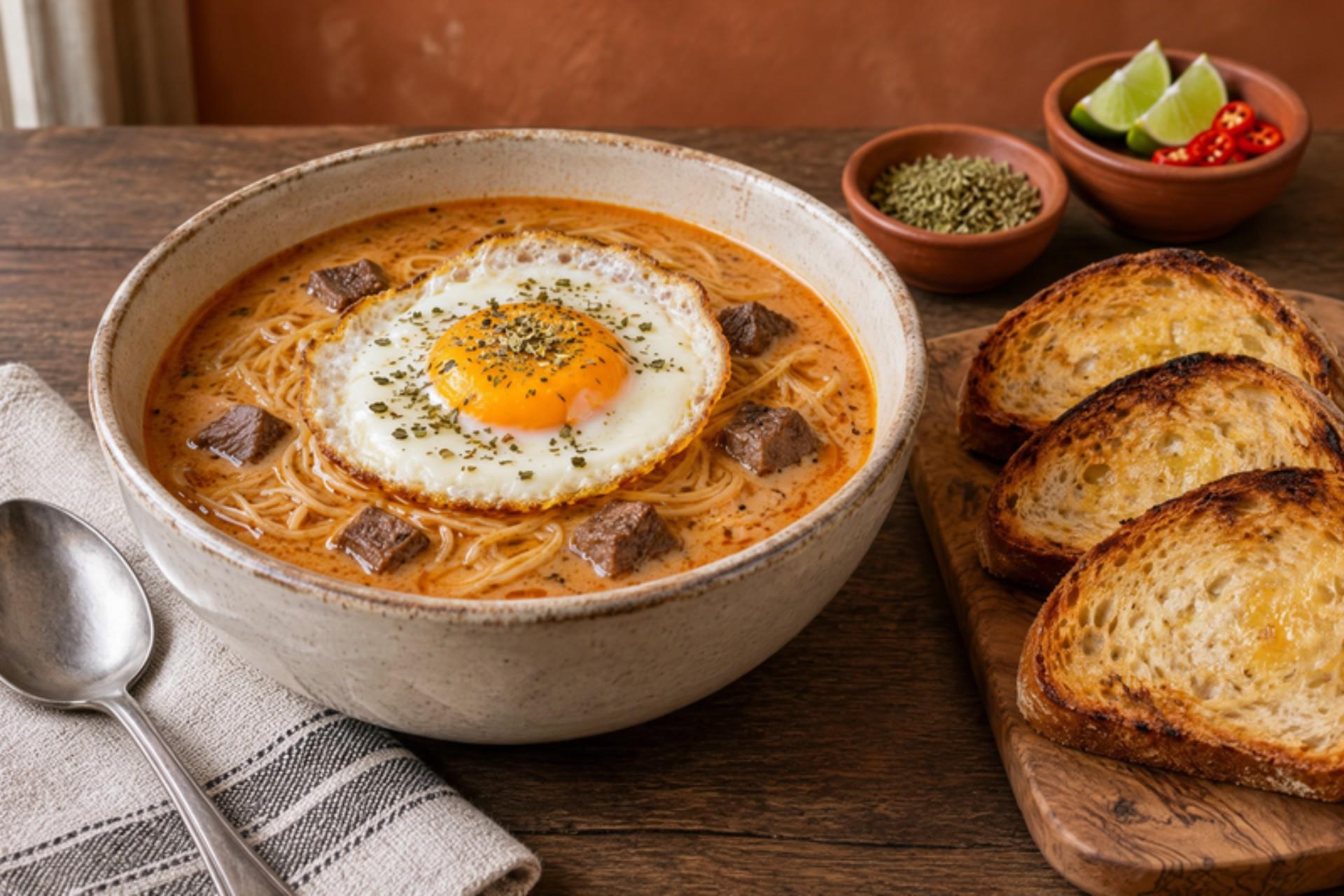
Sopa criollaCreamy beef noodle soup

Sopa criolla is the soup Lima turns to on grey winter evenings, when the garúa mist hangs over the city: a beef broth reddened with ají panca, full of thin noodles and strips of beef, enriched with evaporated milk and finished with a poached egg. It arrives with toasted bread for dunking. The common mistake is boiling the soup after adding the milk; it splits into specks. Lower the heat first and stir it in gently. The beef strips are thin, so they cook through in a few minutes. Chef's tip: crack the eggs straight into the barely simmering soup and leave them alone for three minutes; the whites set into soft ribbons that thicken the broth.

by KrazyBadal 0 views

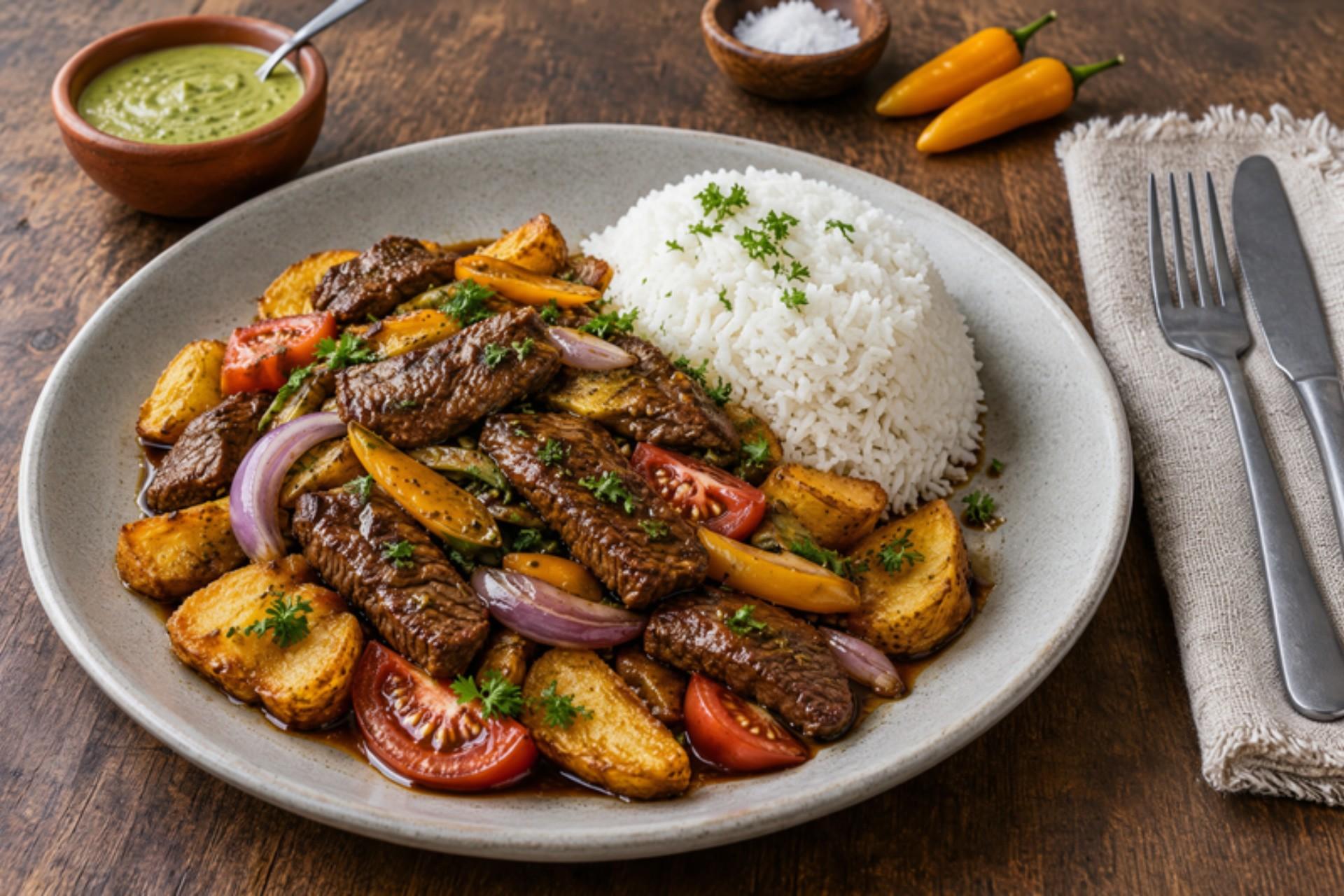
Lomo saltadoBeef stir-fry with chips

Lomo saltado was born in the chifas of central Lima, where Chinese cooks met Peruvian ingredients, and today it is the lunch every Peruvian family makes when they want something fast and a little indulgent. Strips of beef are seared in a smoking-hot wok with red onion, tomato and yellow chilli, splashed with soy sauce and vinegar, then tossed with chips and served beside white rice, so you get both starches on one plate. The common mistake is crowding the wok: the beef stews in its juices and turns grey and chewy instead of charring. Cook it in two batches over the highest heat you have. Chef's tip: add the chips at the very last second, or serve them on the side, so they soak up a little sauce but stay crisp.

by KrazyBadal 0 views

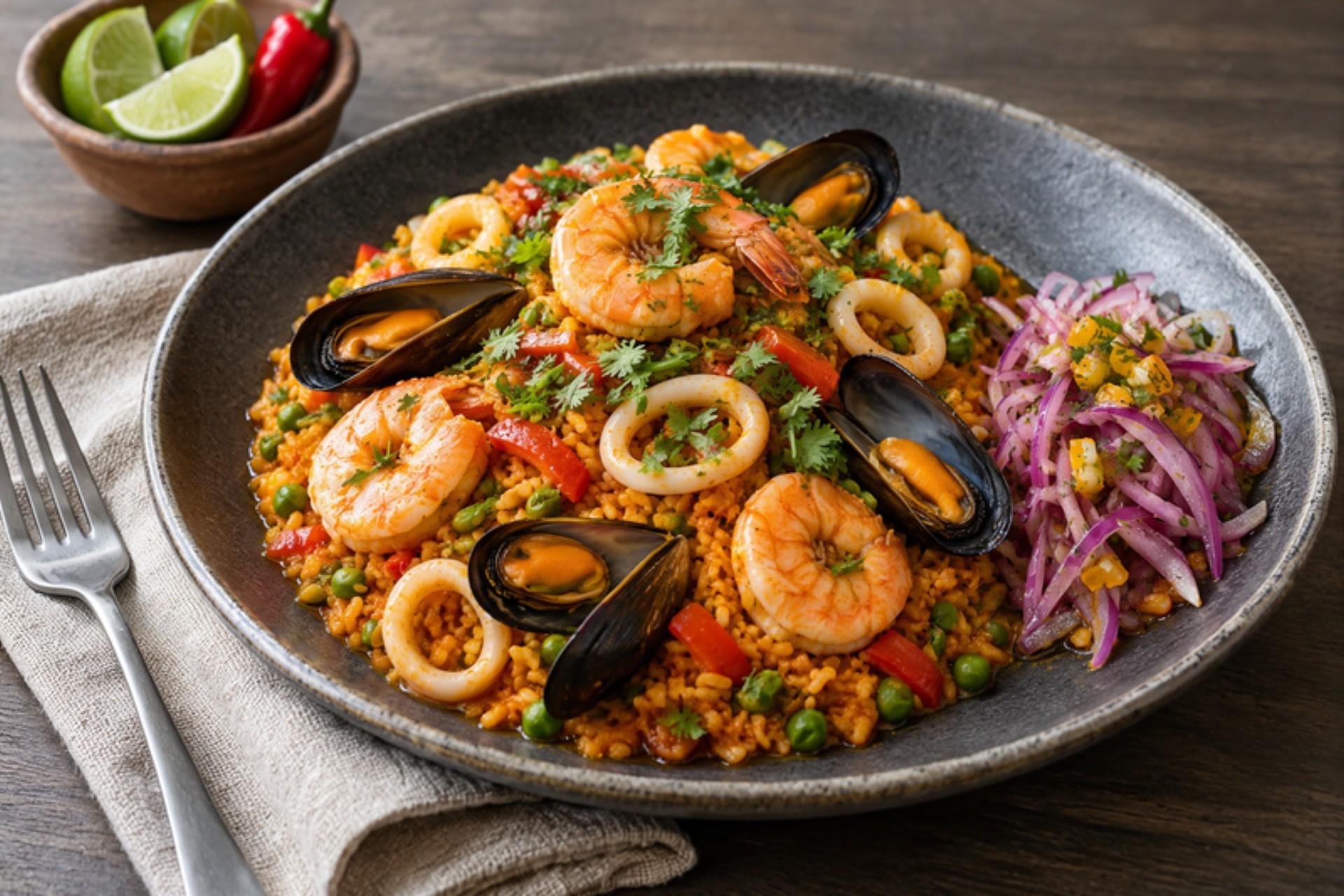
Arroz con mariscosSeafood rice

Arroz con mariscos is the weekend dish of Callao and the beach towns south of Lima, served in cevicherías as the hot partner to a cold ceviche. It is moister than a paella, closer to a risotto, coloured with ají panca and ají amarillo and finished with peas and a little Parmesan-style cheese, as many Lima cooks do. The common mistake is adding all the seafood at the start: the squid turns rubbery and the prawns shrink to nothing. Cook the rice first and add the shellfish only for the final minutes. Discard any mussels that are open before cooking and do not close when tapped, and any that stay shut after cooking. The cheese is often made with animal rennet; use a vegetarian hard cheese if you prefer. Chef's tip: simmer the prawn shells in the stock for 10 minutes; they give the rice its deep seafood taste.

by KrazyBadal 0 views

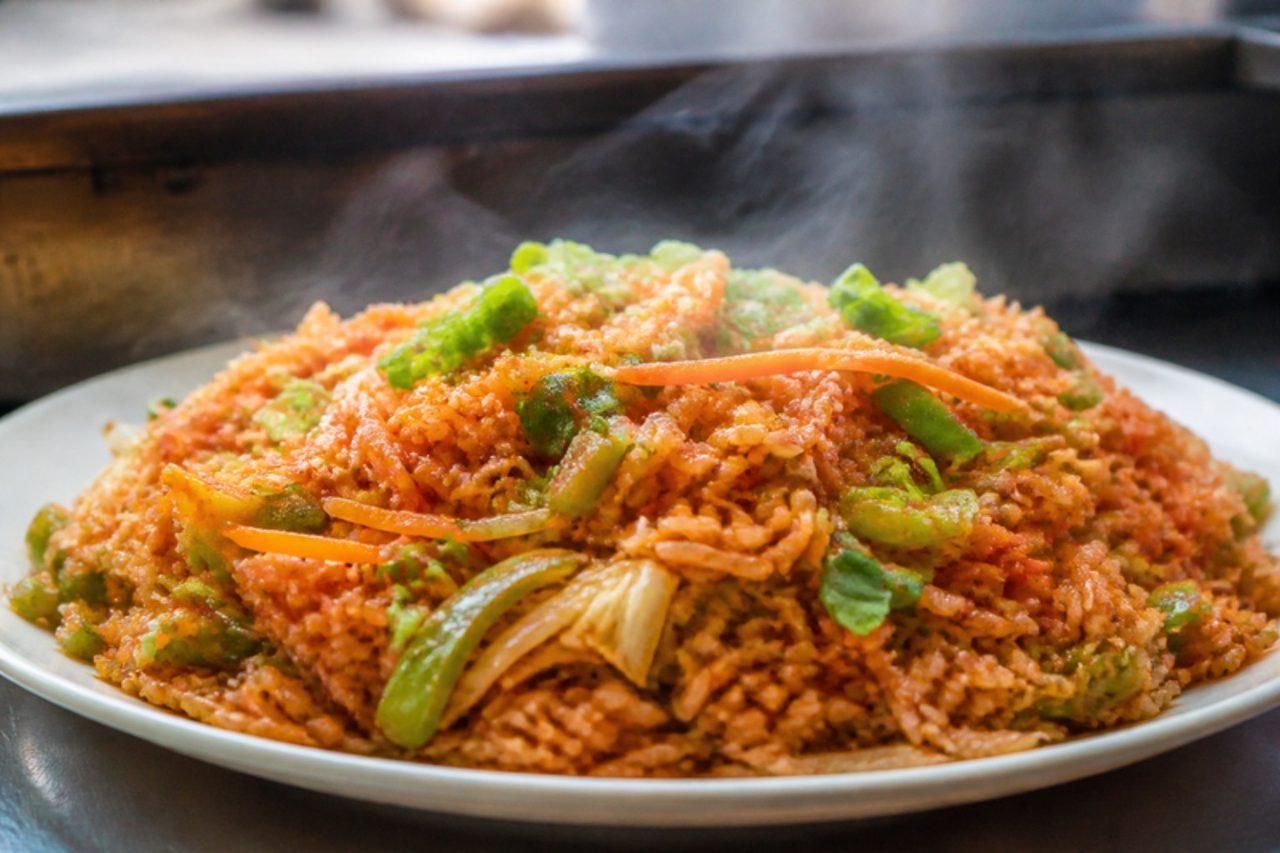
Schezwan fried rice

Schezwan fried rice is a star of Mumbai's Indo-Chinese carts, where it is tossed in huge woks late into the evening for office workers heading home; at home it is the best thing to do with last night's rice. Cold rice is fried hard with garlic, carrot, cabbage, pepper and spring onion, then coated in red Schezwan sauce until every grain is orange and hot. It is spicy, garlicky and slightly smoky. The common mistake is using freshly cooked warm rice, which clumps and turns mushy. Chef's tip: break up the cold rice with your fingers before it goes in, so it hits the wok as separate grains. Leftover rice must have been cooled quickly (spread out, into the fridge within an hour) and used within a day; fry it until it is piping hot all the way through and steaming, and never reheat it a second time.

by KrazyBadal 1 views

Chilli garlic noodles

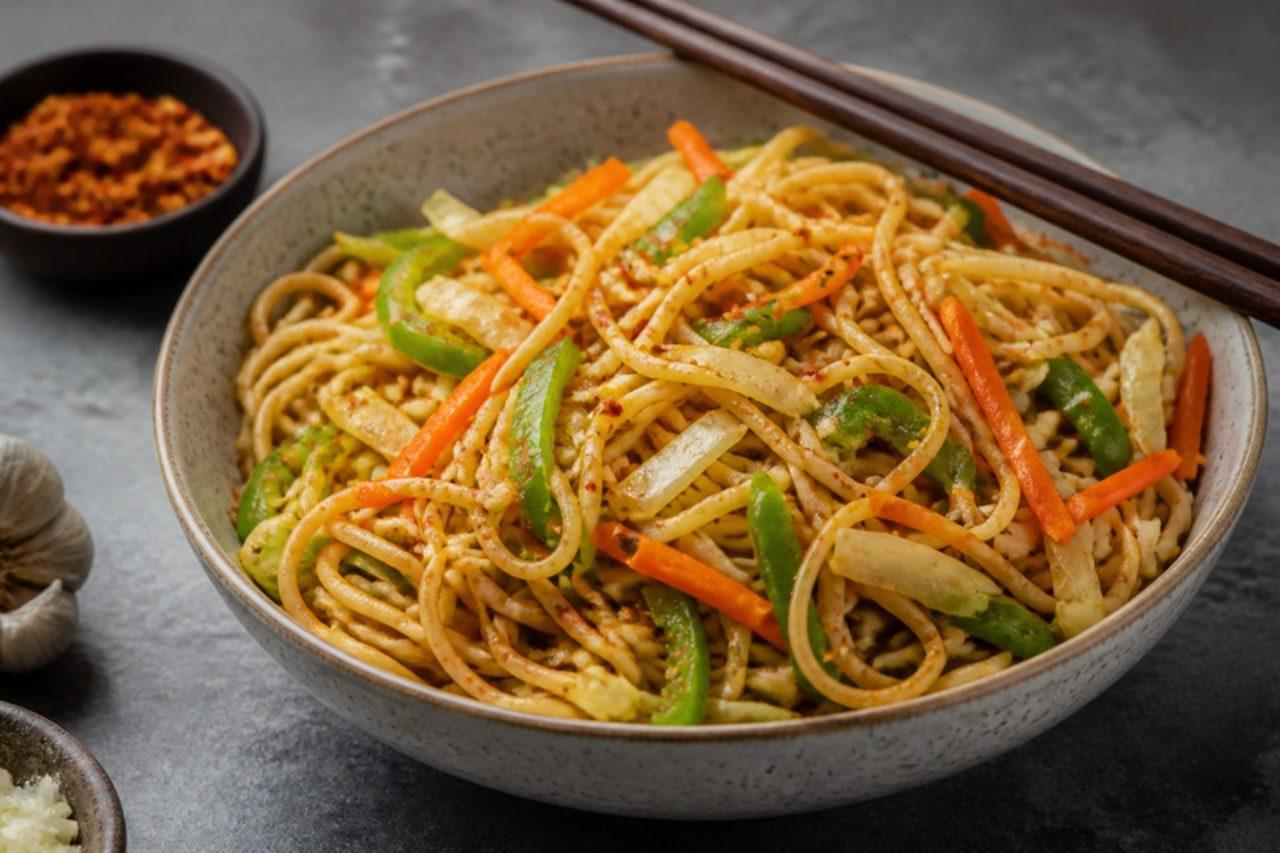
Chilli garlic noodles are the punchier sibling of hakka noodles on every Indo-Chinese menu, from Kolkata's Tangra to college canteens in Pune, and they make a quick dinner at home. Boiled noodles are tossed over a fierce heat with plenty of garlic, crushed red chilli, soy and vinegar and a handful of crunchy vegetables. They are hot, tangy and garlicky, good alone or with a bowl of manchow-style soup. The common mistake is overcooking the noodles, which then break and clump in the wok. Chef's tip: cook them a minute short of the packet time, rinse under cold water and toss with a teaspoon of oil so they stay springy and separate. Check the noodle packet if you need them egg-free; many hakka noodles are, some are not.

by KrazyBadal 0 views

Platte kaas met radijsjesQuark and radish on brown bread

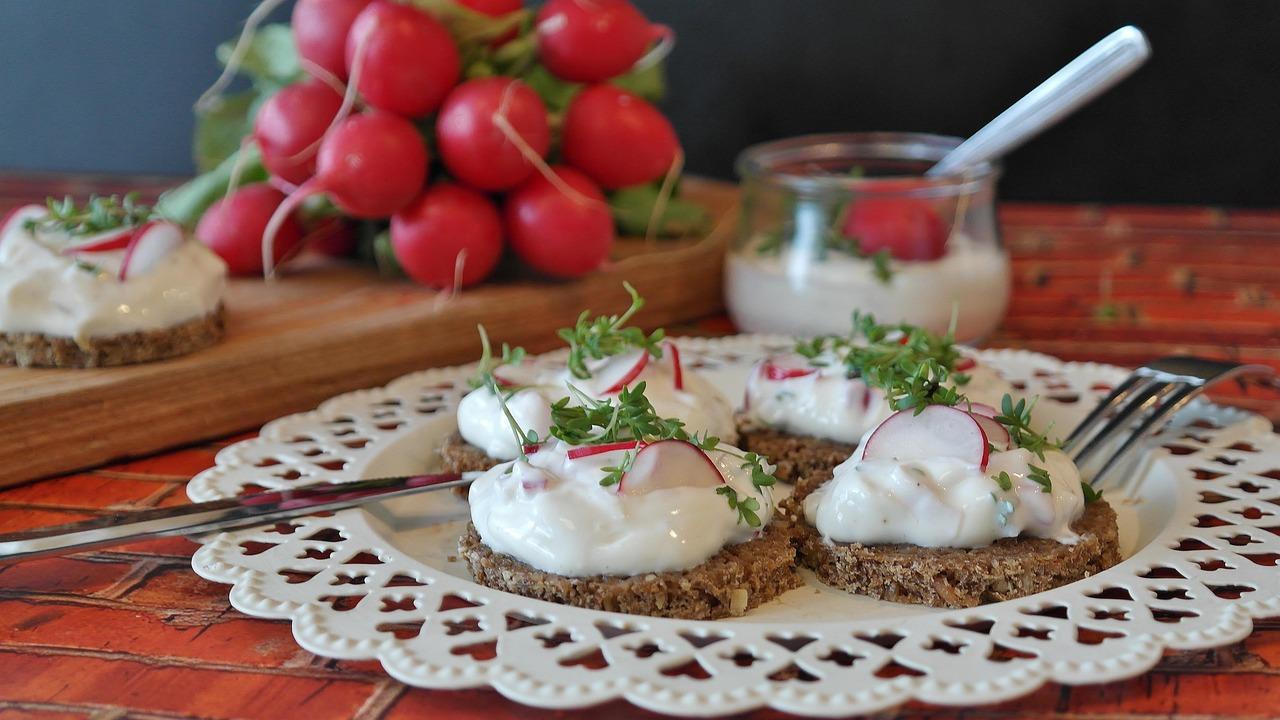
In Flanders the evening meal is often a boterham, a plate of open bread slices, and one of the most loved toppings in Ghent and Antwerp is platte kaas: fresh, soft quark seasoned with chives, salt and pepper, spread thickly on brown bread and covered with crunchy radish slices. It is cool, light and ready in five minutes, a good supper after a big lunch. Some quark and fresh cheeses are set with a little animal rennet, so check the label for a vegetarian one. The common mistake is using thin, low-fat quark straight from the tub, which is watery and slides off the bread; stir it well and drain off any liquid first. Chef's tip: slice the radishes paper-thin and salt them only at the moment you serve, so they stay crisp.

by KrazyBadal 0 views

Dadpe poheRaw flattened rice with coconut

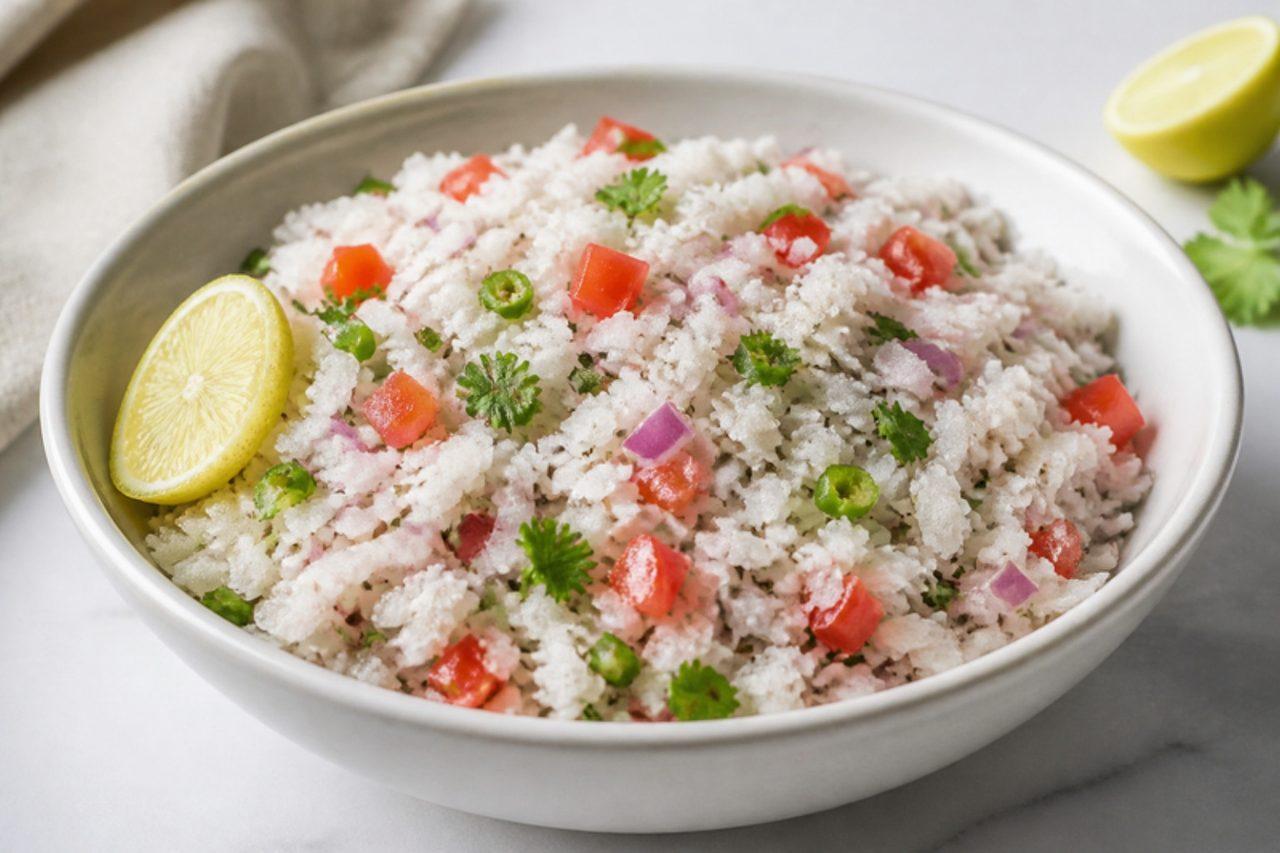
Dadpe pohe comes from the Konkan and Pune side of Maharashtra and is eaten as an evening snack or a light supper, especially in the rainy season when fresh coconut is plentiful. Thin poha is never cooked: it is mixed with fresh coconut, onion, tomato, lemon and green chilli, pressed under a lid for a few minutes so it softens in their juices, then finished with a quick tempering. It is fresh, sweet-sour and crunchy. The common mistake is rinsing thin poha, which turns it straight to mush. Chef's tip: rub the coconut, onion and tomato together with your fingers first so they give up their juice; that is what softens the poha.

by KrazyBadal 0 views

Godhuma dosaInstant wheat dosa

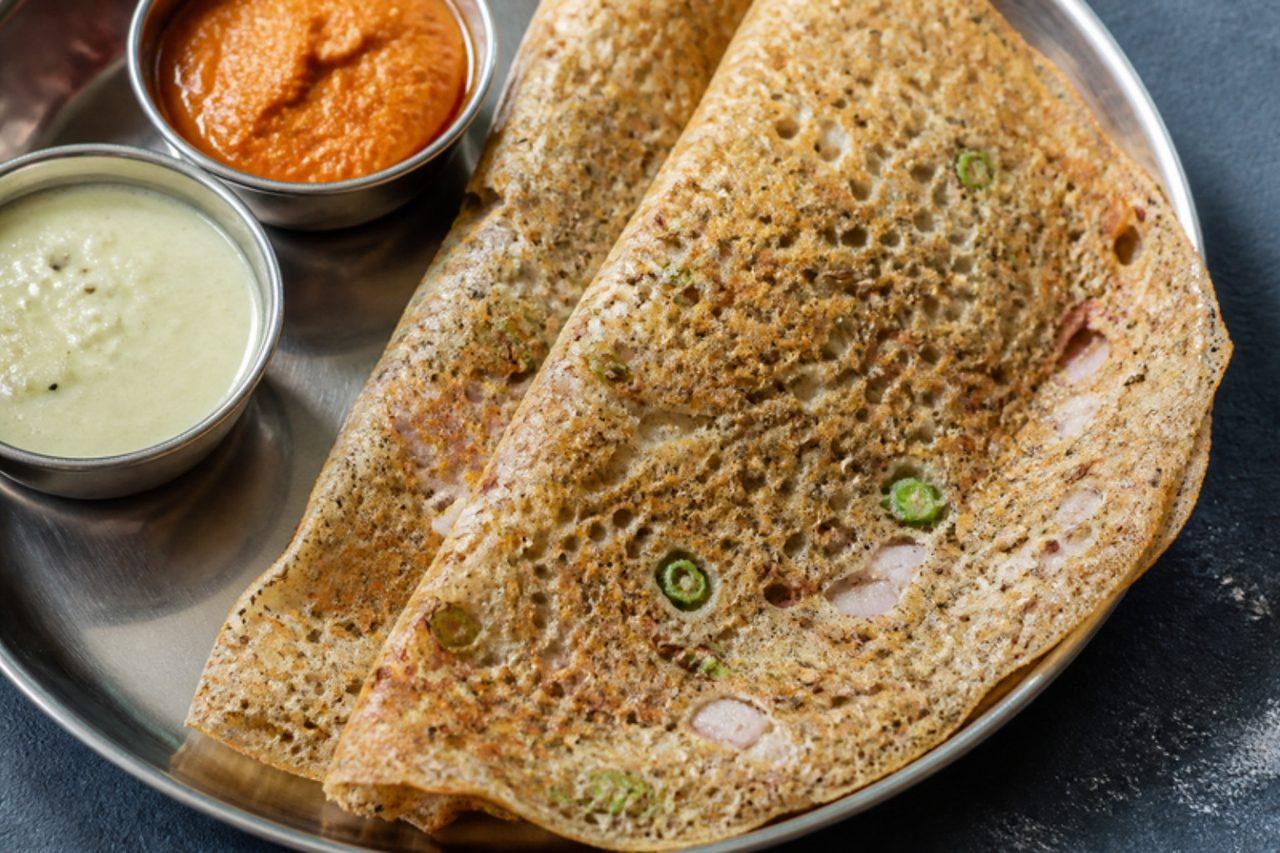
Godhuma dosa is the Tamil answer to an empty batter tub: in homes across Tamil Nadu and Andhra it is whisked together from wheat flour and water at dinner time and cooked straight away, no soaking or fermenting. The thin batter is poured onto the hot tawa so it sets into a crisp, lacy net flecked with cumin, onion and green chilli. Eat it hot with coconut or tomato chutney, or with podi and oil. The usual mistake is making the batter too thick and spreading it with a ladle like a rice dosa, which gives a gummy pancake. Chef's tip: pour the watery batter from a little height in a spiral from the edge inwards, then fill the big gaps; the small holes are what make it crisp.

by KrazyBadal 0 views

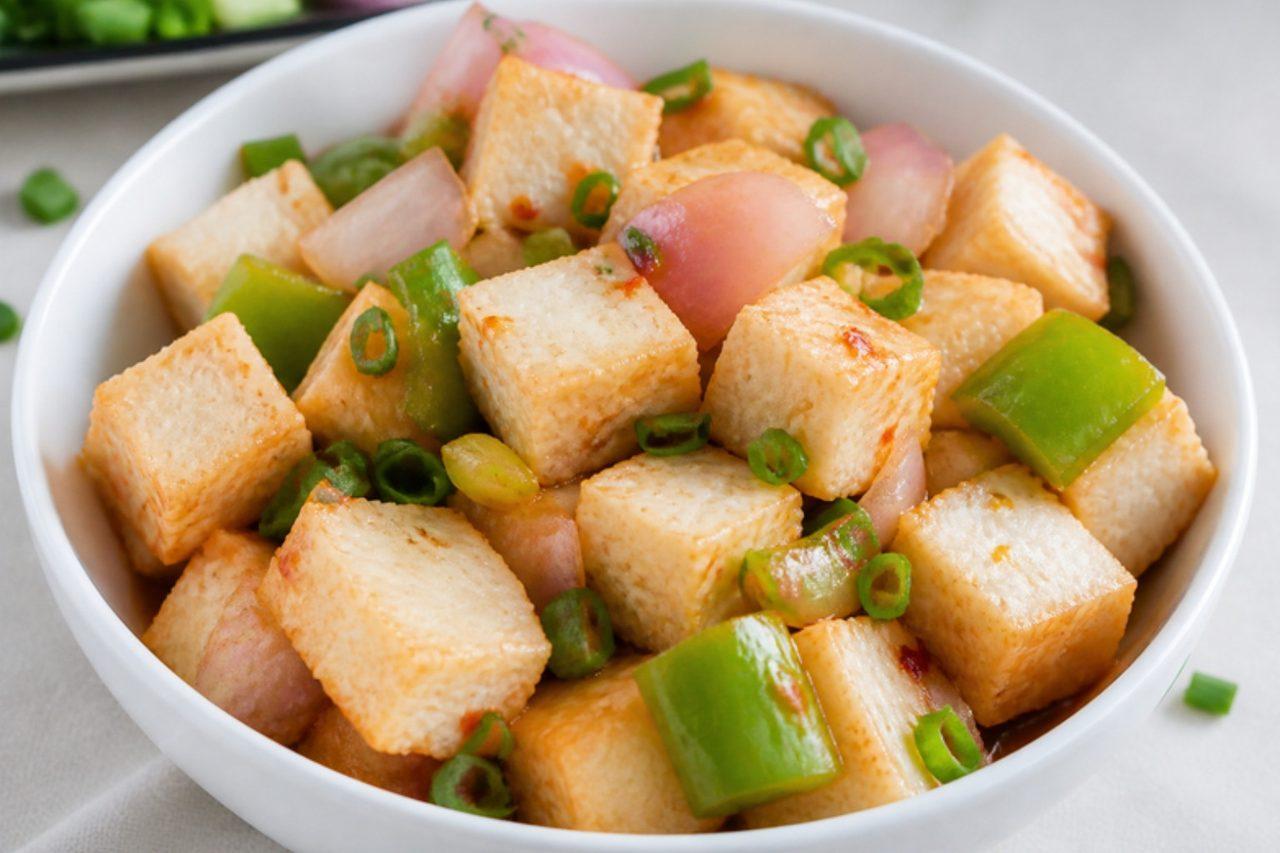
Chilli idliStir-fried idli cubes

Chilli idli was born in the Indo-Chinese restaurants of Chennai and is now how many South Indian homes use up yesterday's idlis for a fast dinner. The cold idlis are cut into cubes, fried until golden, then tossed with onion, green pepper, garlic and a glossy soy and chilli sauce. Crisp at the edges, soft inside, sweet, sour and hot, it is eaten on its own or as a side with fried rice. The common mistake is using fresh, warm idlis, which crumble in the wok. Chef's tip: use idlis straight from the fridge and fry them in a single layer without stirring for the first minute so a crust forms. Idlis kept for this should have gone into the fridge within two hours of steaming and be used within a day or two.

by KrazyBadal 0 views

Kandyachya patichi bhajiSpring onion greens stir-fry

Kandyachya patichi bhaji is winter cooking from village kitchens in Satara, Kolhapur and Marathwada, when bunches of spring onions are cheap at every market. The chopped greens and bulbs are stir-fried with garlic and green chilli, then dusted with gram flour, which toasts and clings to the greens and makes the bhaji dry and savoury. It is eaten with jowar or bajra bhakri and a spoon of thecha or curd. The usual mistake is tipping the besan in one spot, where it forms raw lumps. Chef's tip: sprinkle the besan evenly over the whole pan like flour on a board, then keep stirring on a low heat until it smells nutty.

by KrazyBadal 0 views

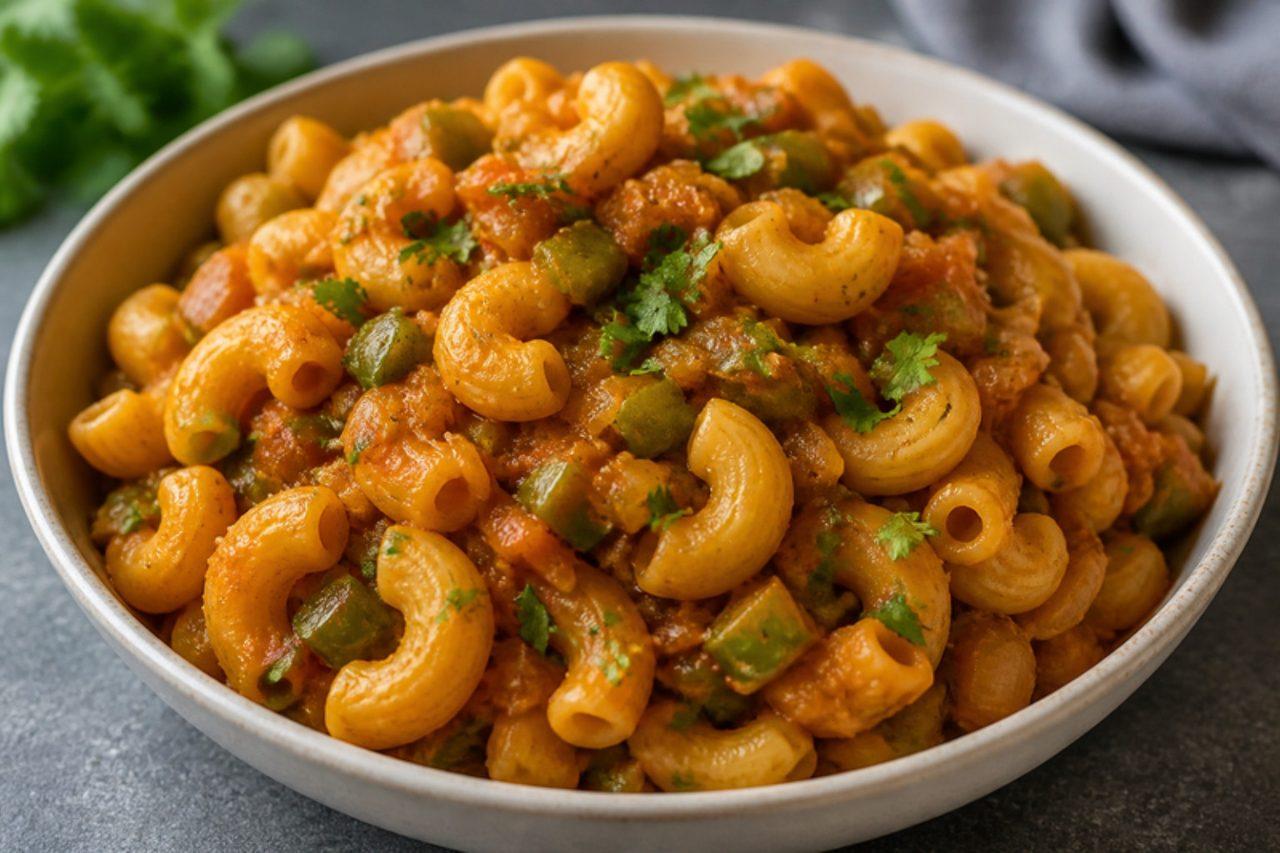
Masala pastaSpiced macaroni

Masala pasta is how countless homes in Delhi, Mumbai and Ahmedabad cook pasta on a school night: macaroni tossed in a quick onion, tomato and capsicum masala with cumin, chilli and garam masala, often with a little ketchup for the children. It is tangy, mildly spiced and comforting, with the sauce clinging to every piece. The usual mistake is draining away all the pasta water, so the masala turns dry and sticky. Chef's tip: save a mug of the starchy cooking water and add a splash while tossing; it makes the masala silky and helps it coat the pasta. If you add cheese, many cheeses are made with animal rennet, so choose one labelled vegetarian.

by KrazyBadal 1 views

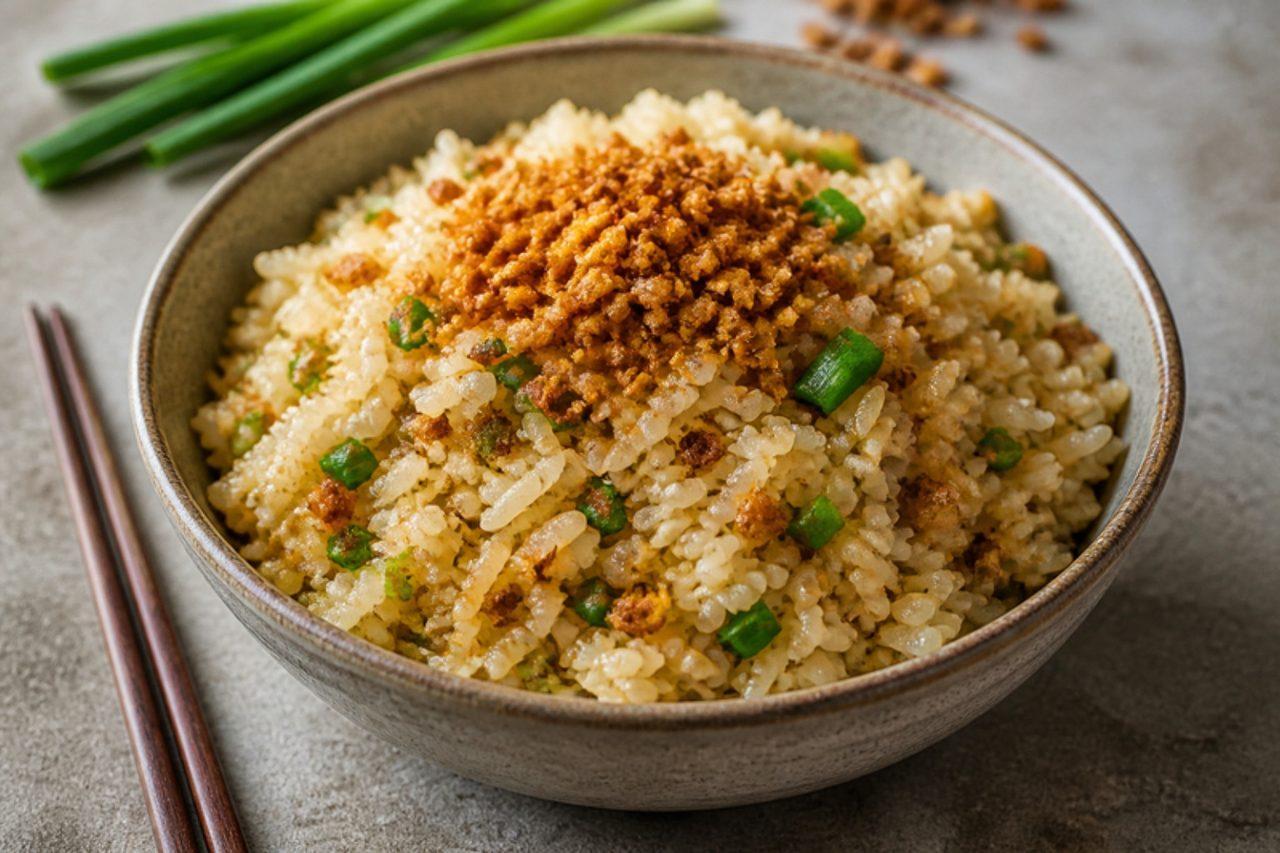
Burnt garlic fried rice

Burnt garlic fried rice is one of the most-ordered dishes in Indo-Chinese restaurants from Mumbai to Bengaluru, and it is a ten-minute dinner at home with a tub of leftover rice. The name is a bit of a fib: the garlic is fried to a deep golden brown, never black, so it turns nutty and sweet, then tossed through the rice with spring onion, soy and white pepper. It is simple, savoury and fragrant, good alone or with chilli paneer or a vegetable manchurian. The usual mistake is letting the garlic go dark brown in the pan, because it keeps cooking in the hot oil and ends up bitter. Chef's tip: lift out a spoonful of the golden garlic to scatter on top at the end, so you get crunch as well as flavour. Leftover rice must have been cooled quickly (spread out, into the fridge within an hour) and used within a day; fry it until it is piping hot all the way through and steaming, and never reheat it a second time.

by KrazyBadal 0 views

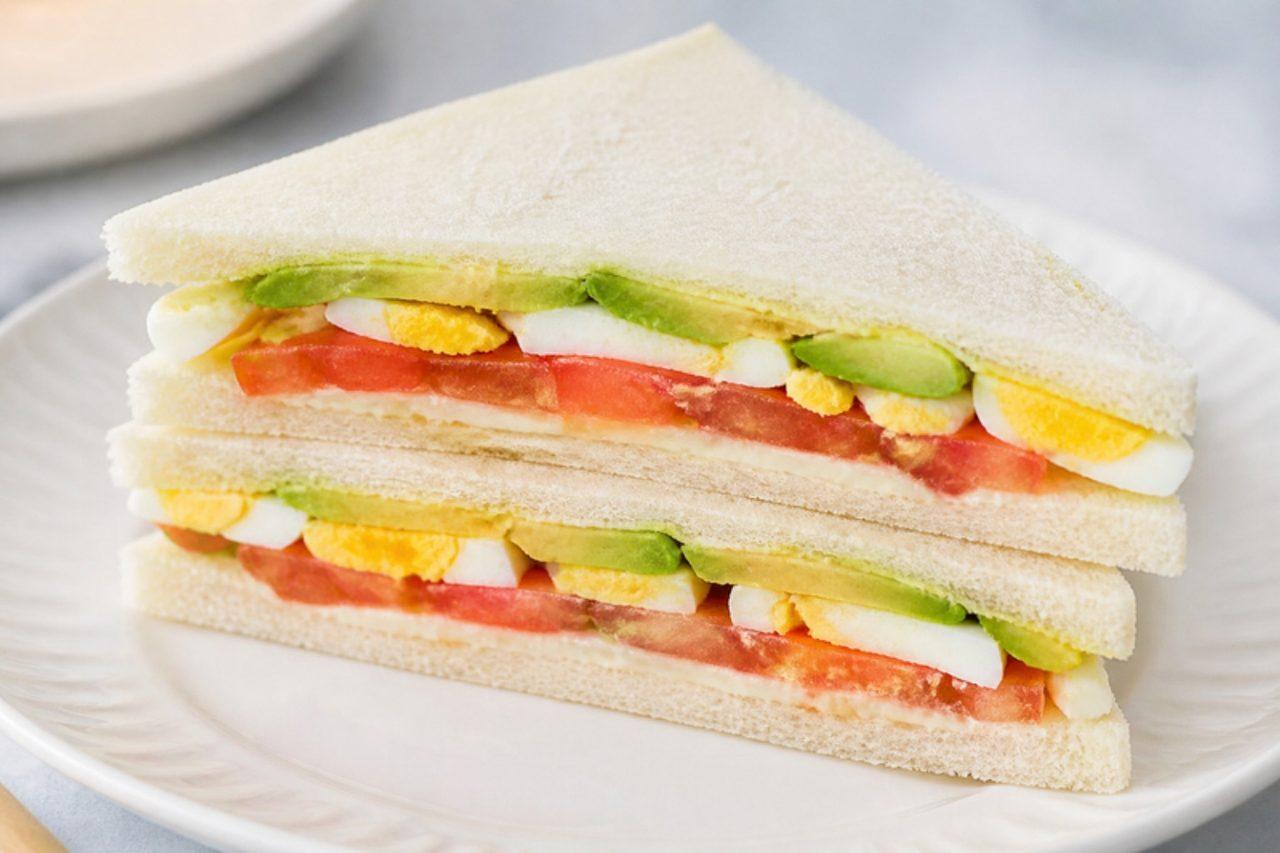
TripleAvocado, tomato and egg sandwich

The triple is the soft, layered sandwich of Lima's cafés and bakeries, eaten at lonche, the Peruvian late-afternoon meal, or as a light supper: three slices of crustless white bread layered with avocado, tomato and sliced hard-boiled egg, all held together with mayonnaise. It looks neat, tastes fresh and is loved by children. Shop-bought mayonnaise is made with pasteurised egg, so it is safe for everyone. The common mistake is letting wet tomato touch the bread, which turns it soggy within minutes. Chef's tip: pat the tomato dry and sit it between the avocado and egg, then press the sandwich under a board for a minute before cutting.

by KrazyBadal 0 views

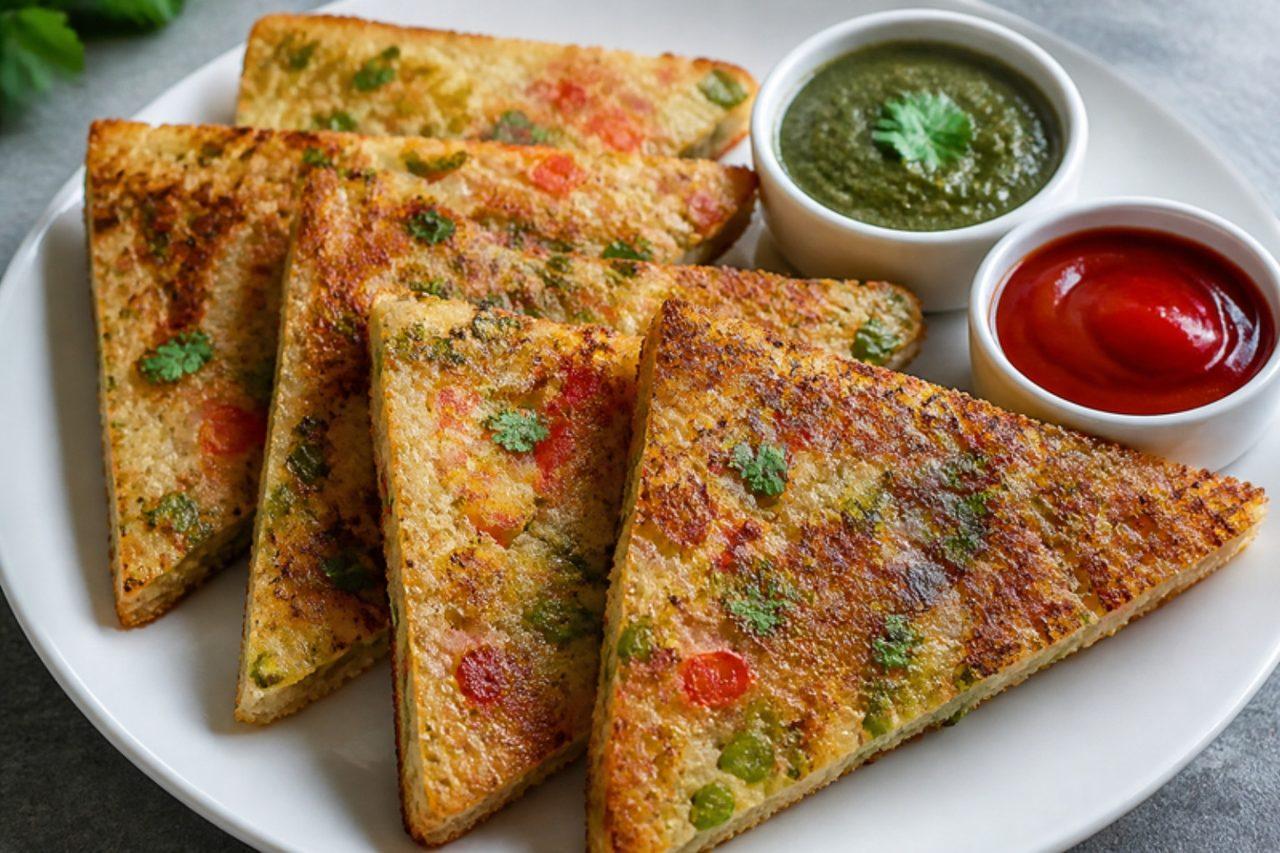
Suji toastSemolina vegetable toast

Suji toast, sometimes called rava toast, is a Mumbai and North Indian home favourite for breakfast, tiffin or a quick dinner with soup. A paste of fine semolina, curd and finely chopped onion, tomato and capsicum is spread on bread and pan-toasted, paste side down, until it forms a golden, crunchy crust. It tastes like a cross between a vegetable uttapam and cheese-free toast, and children love it with ketchup. The common mistake is making the paste too runny, so it slides off and stays raw in the middle. Chef's tip: let the semolina and curd sit for 5 minutes while you chop; it thickens into a paste that spreads like soft butter.

by KrazyBadal 1 views

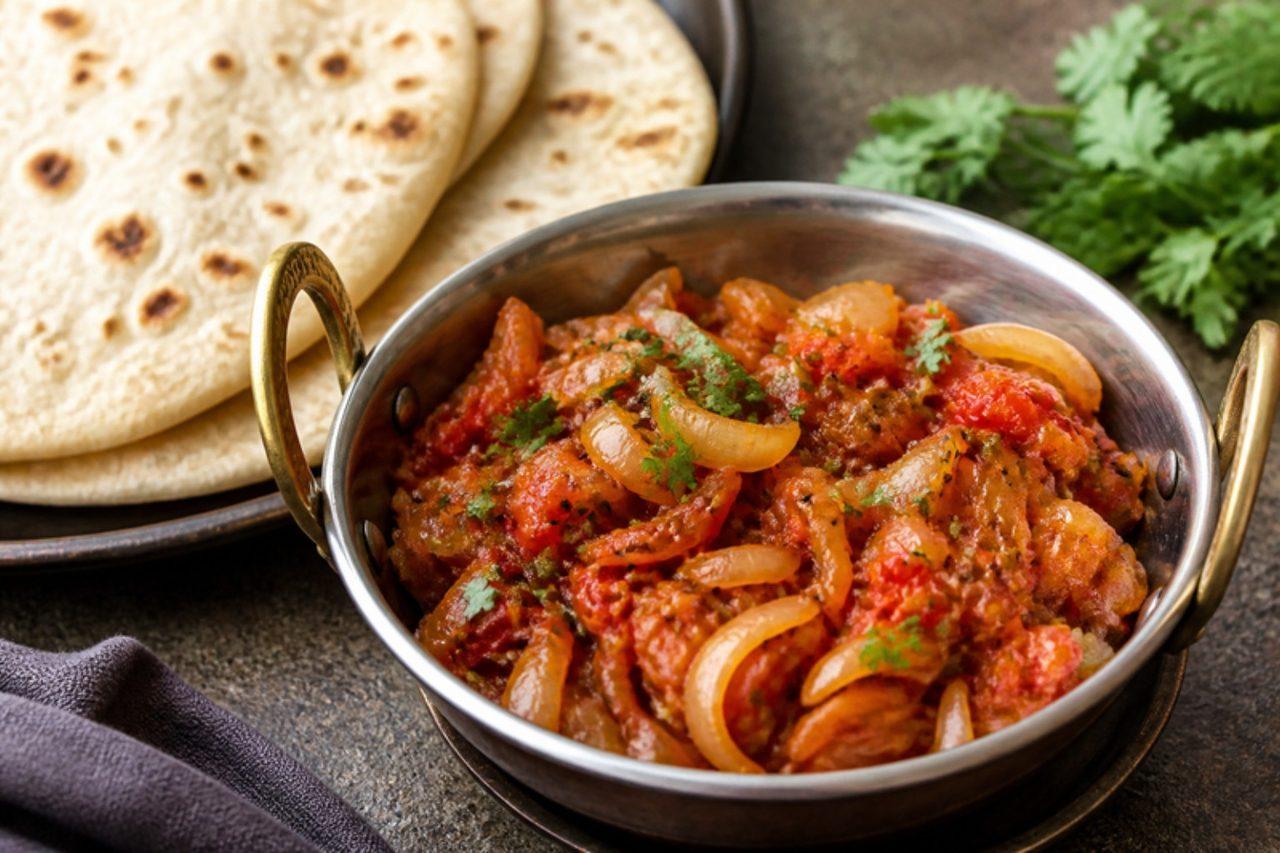
Pyaz tamatar ki sabziOnion and tomato dry curry

In Punjabi and Uttar Pradesh homes, pyaz tamatar ki sabzi is the dinner that rescues an empty vegetable basket: just onions and tomatoes, cooked with cumin and red chilli until they collapse into a jammy, spicy-sweet side for hot rotis or parathas. It is humble but rich-tasting, and it keeps well for the next day's lunch box. The common mistake is adding the tomatoes before the onions have softened, which leaves the onion raw and the sabzi watery. Chef's tip: cut the onions into thick petals rather than fine slices so some keep a little bite in the finished sabzi.

by KrazyBadal 0 views

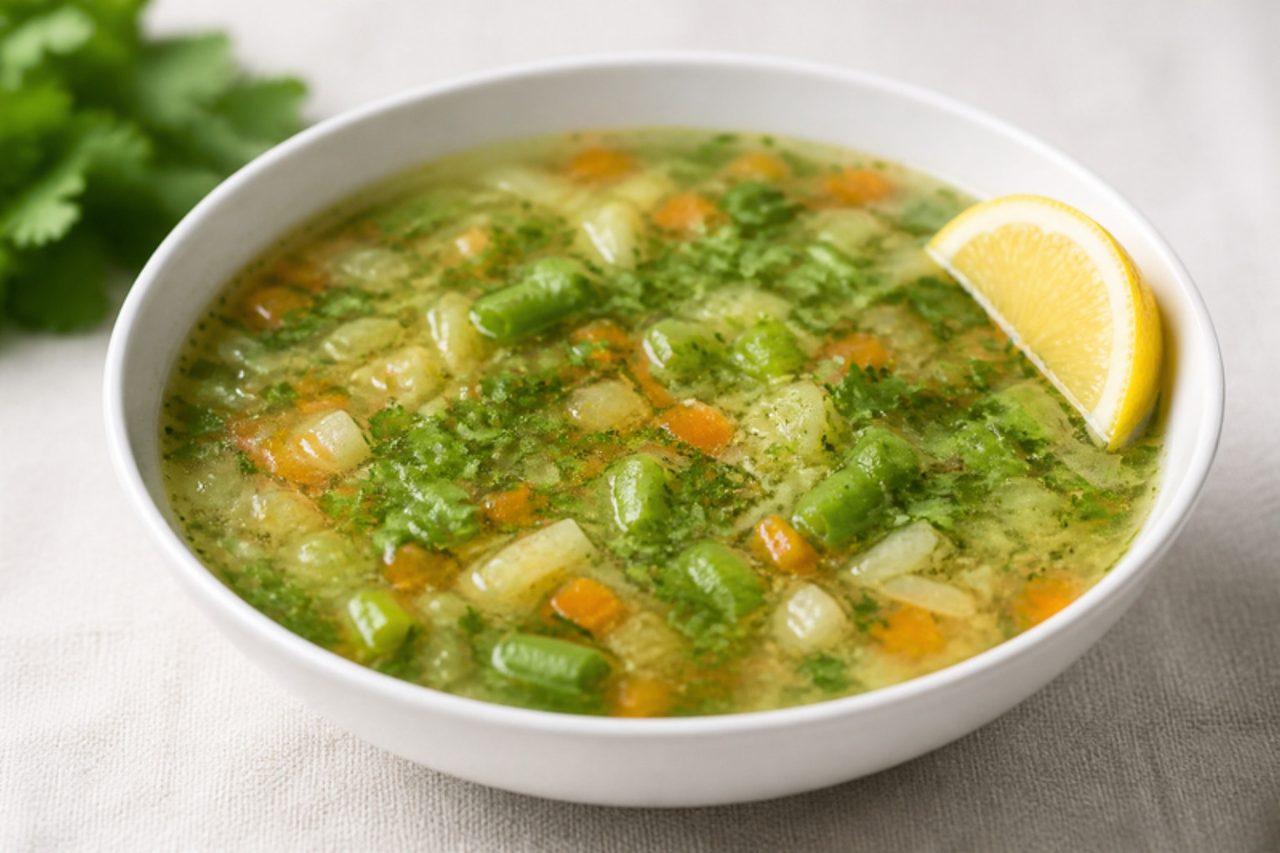
Lemon coriander soup

Lemon coriander soup is a fixture on Indo-Chinese restaurant menus from Delhi to Hyderabad and a favourite light dinner at home on cold or under-the-weather evenings. Finely chopped vegetables simmer briefly in hot stock with ginger, garlic and coriander stems, the broth is lightly thickened, and it is finished with fresh coriander and plenty of lemon. It is clear, tangy and warming. The usual mistake is boiling the soup after the lemon goes in, which makes it bitter and dulls the colour. Chef's tip: chop the coriander stems and cook them with the vegetables; they carry far more flavour than the leaves, which go in only at the end.

by KrazyBadal 0 views

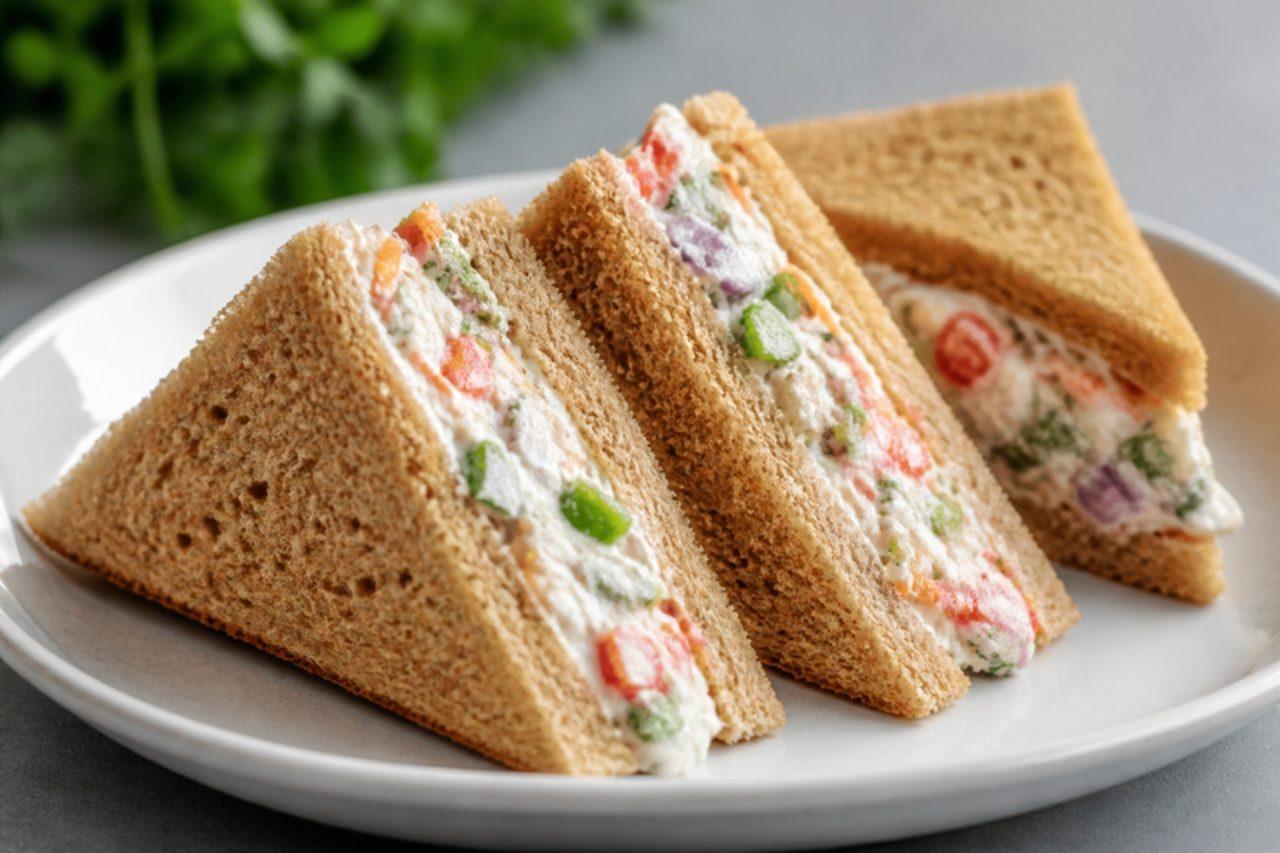
Curd sandwich

The curd sandwich is a staple of home kitchens all over India, from Bengaluru tiffin boxes to Delhi picnic baskets, and an easy summer dinner when it is too hot to cook. Thick hung curd is mixed with grated carrot, capsicum, onion, coriander and black pepper and spread between slices of bread, eaten cold and creamy or toasted until crisp. It is cool, tangy and crunchy. The usual mistake is using runny curd or wet vegetables, which make the bread soggy within minutes. Chef's tip: squeeze the grated carrot in your fist before adding it, and make the sandwiches just before eating.

by KrazyBadal 0 views

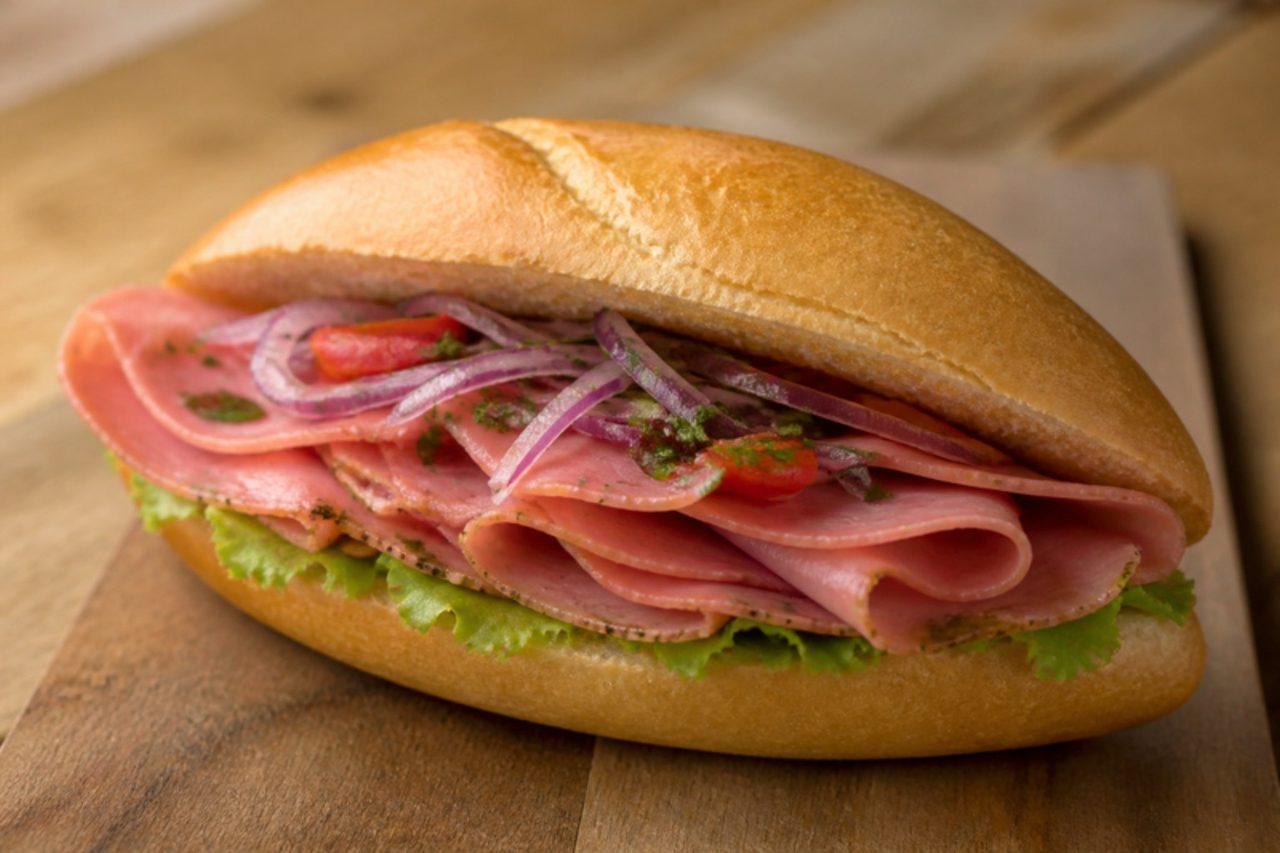
Pan con butifarraHam roll with onion salsa

Pan con butifarra is Lima's evening sandwich, sold in old-school sangucherías and made at home for a light dinner with coffee: a crusty roll filled with jamón del país, a spiced Peruvian pork ham, under a heap of salsa criolla, red onion sliced thin and soaked in lime with chilli. Outside Peru, use a good cooked pork ham. The common mistake is leaving the onion harsh; give it a quick rinse in salted water before dressing it. Chef's tip: a leaf of lettuce under the ham stops the lime juice soaking straight into the bread.

by KrazyBadal 0 views

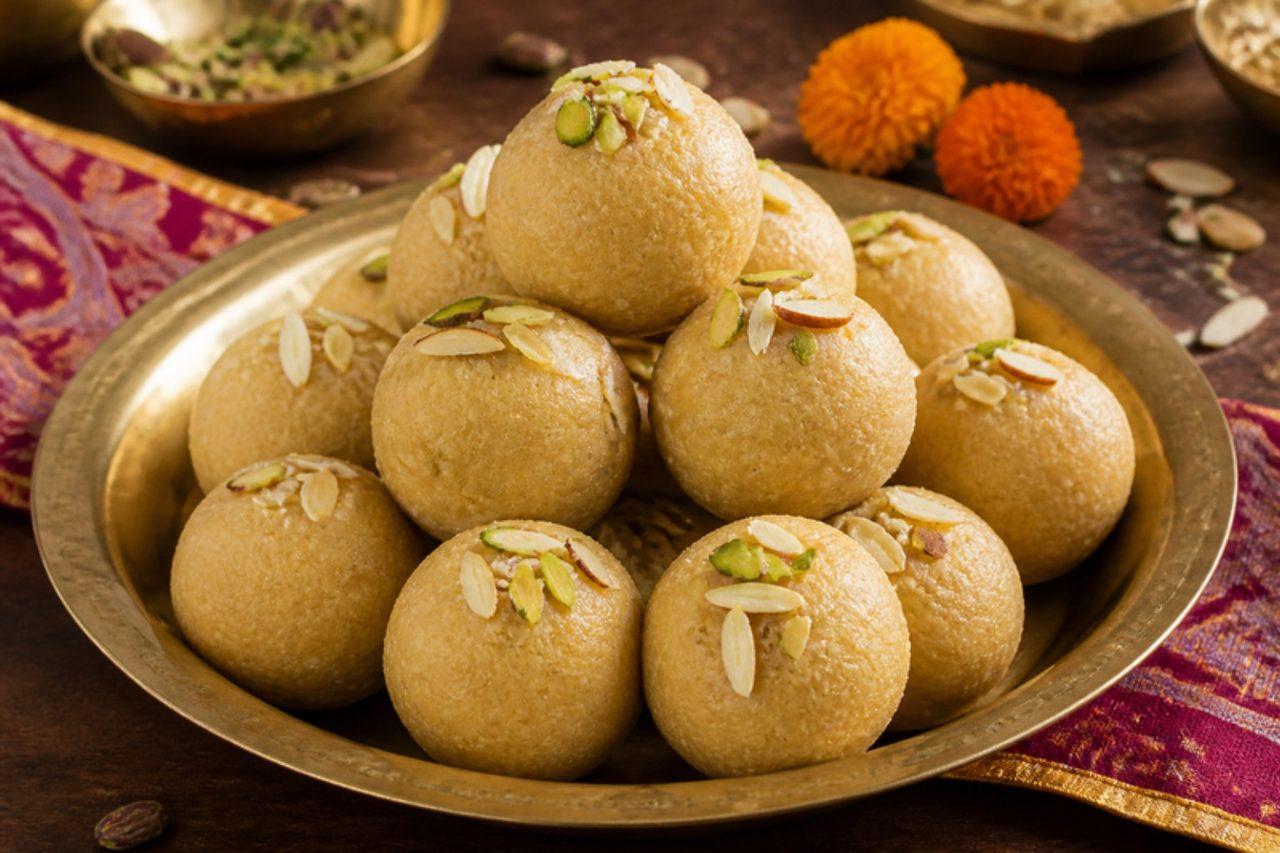
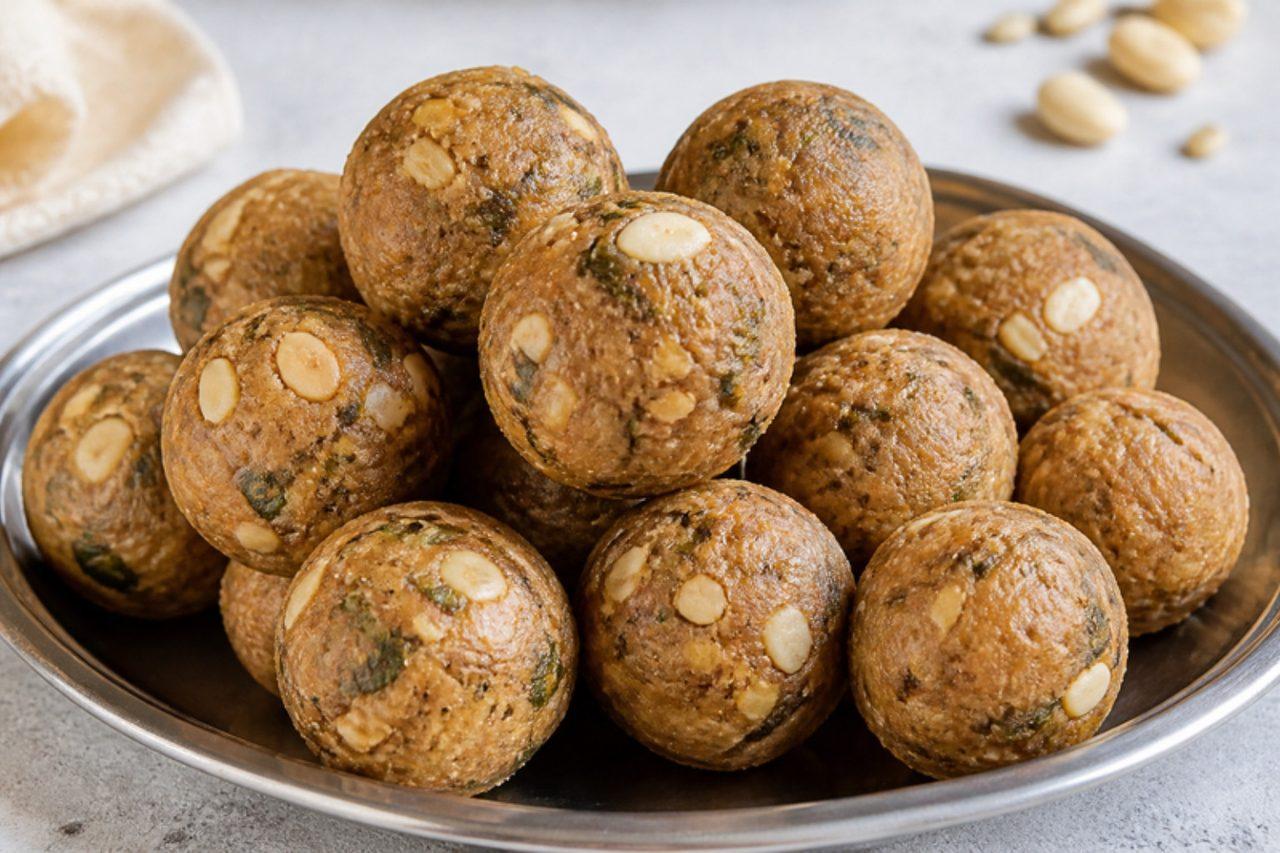
Sattu ke ladduRoasted gram laddus

Kajli Teej in Bundi, Rajasthan, falls in the dark fortnight of Bhadrapad, when women fast for their husbands and break the fast in the evening by moonrise with sattu: roasted gram flour mixed with ghee, sugar and nuts and pressed into laddus or one large decorated cake called a sattu pinda. The laddus are nutty, soft, powdery and very filling. Common mistake: using plain besan instead of sattu, or under-roasting the sattu, which tastes raw; roast gently in ghee until it smells biscuity and the ghee starts to separate at the edges. Chef's tip: shape while the mix is warm but cool enough to hold, and press each laddu firmly in your palm so it does not crumble.

by KrazyBadal 0 views

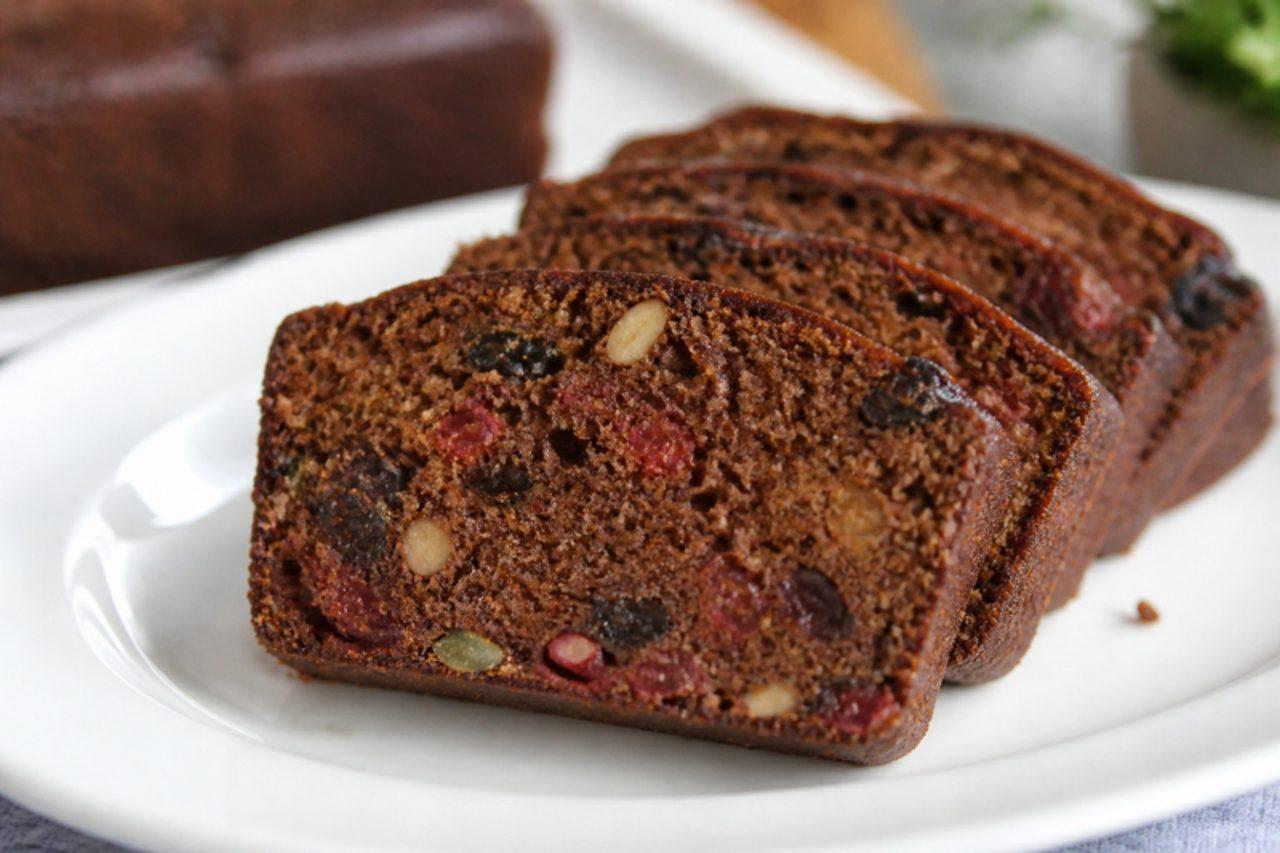
Kerala plum cake

Come December every bakery in Kerala, from Thalassery, where the first one was baked, to Kochi, stacks its shelves with plum cake, and families give slices to neighbours over Christmas and New Year. Its deep brown colour and slightly bitter-sweet edge come from caramelised sugar syrup, and it is packed with dried fruit and warm spices. This alcohol-free version soaks the fruit in grape or orange juice. The common mistake is burning the caramel: once it goes past dark amber it turns acrid and the whole cake tastes bitter. Pull it off the heat the moment it is the colour of strong tea. Chef's tip: bake low and slow at 150°C with a tray of water on the shelf below; the cake rises evenly without a cracked, dry top.

135 minIndianBaking
by KrazyBadal 0 views

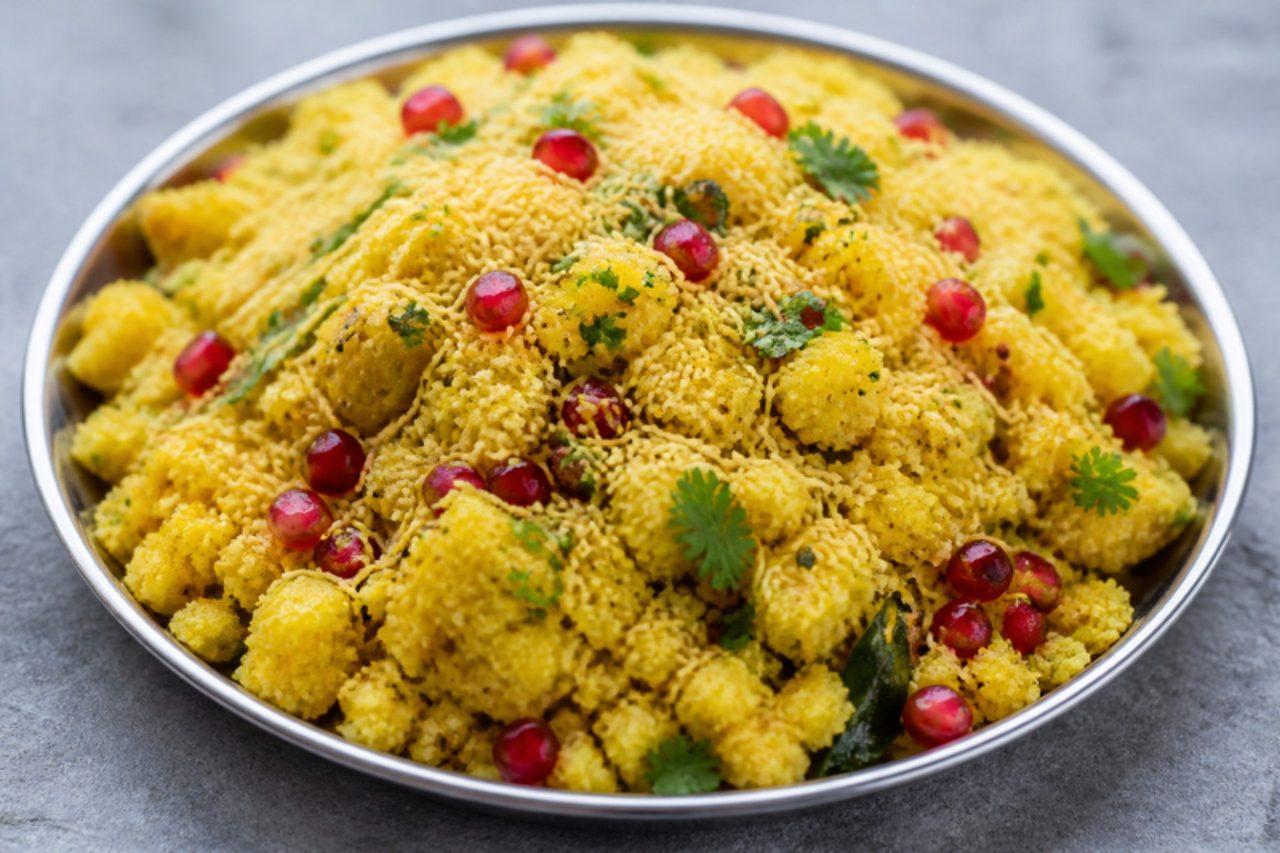
Sev khamniCrumbled khaman with sev

Sev khamni belongs to Surat's evening farsan counters and to Ahmedabad, where the richer, nuttier version is sold as amiri khaman. Coarsely ground chana dal is steamed into soft khaman, crumbled, and tossed in a hot tempering of mustard, sesame, garlic and green chilli with sugar and lemon, so it is sweet, sour, hot and moist all at once. It is heaped on a plate and covered with fine sev, coriander and pomegranate, and eaten with a spoon at tea time or as a party starter. The common mistake is crumbling the khaman while hot, which turns it to paste; let it cool fully first and break it with your fingertips. Chef's tip: add the sev only at the table, or it softens within minutes.

by KrazyBadal 0 views

NuchinundeSteamed dal and dill dumplings

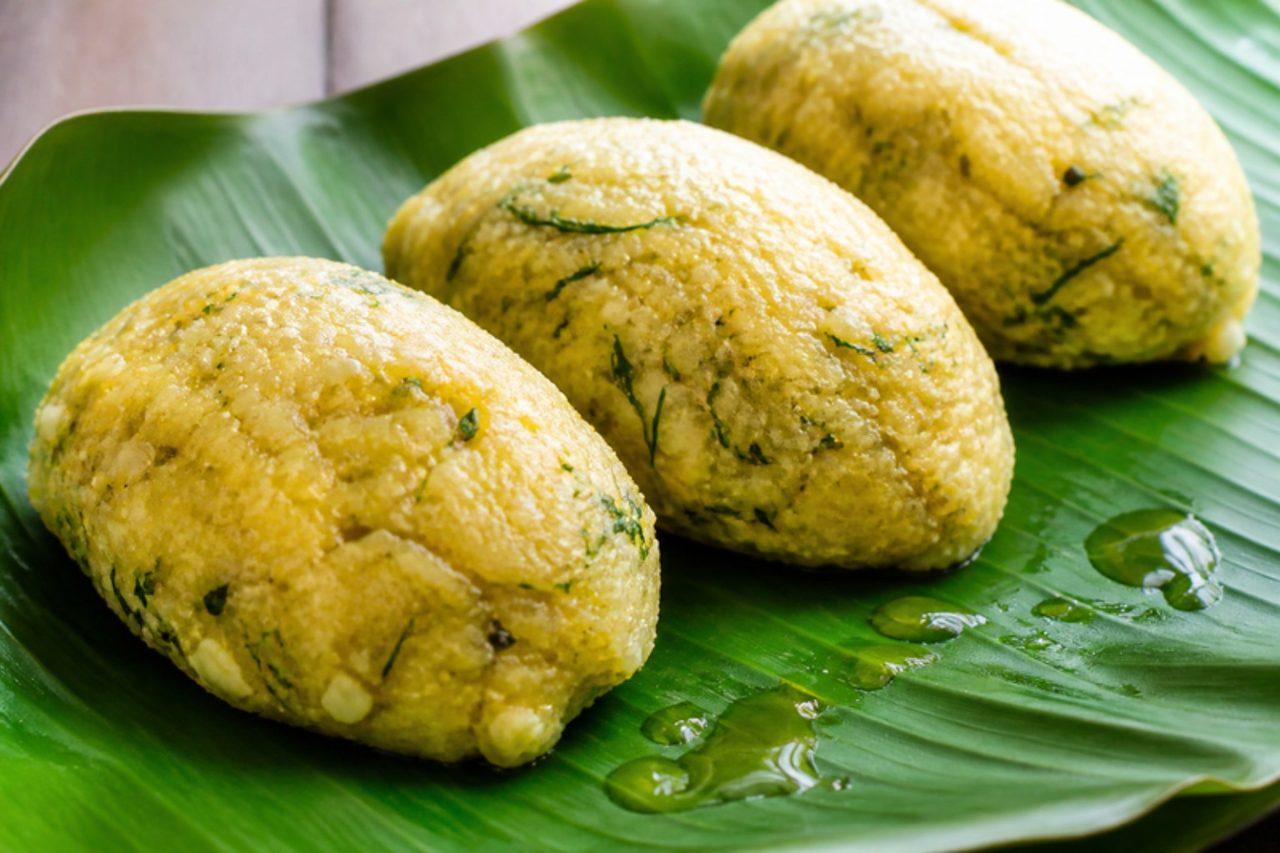
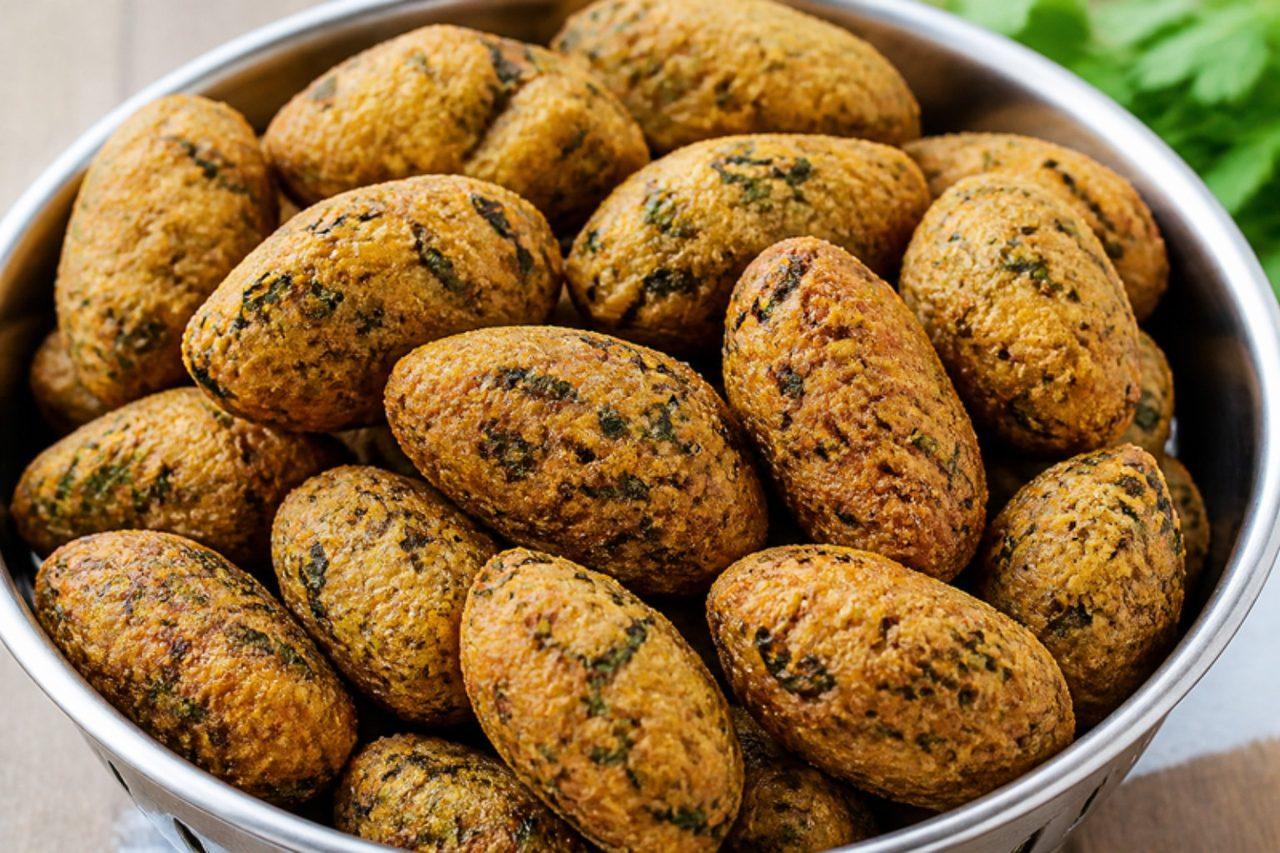
Nuchinunde are steamed lentil dumplings from old Mysuru and Bengaluru homes, made for breakfast or an evening tiffin and often offered for Ganesha Chaturthi. Toor and chana dal are ground coarse with green chilli and ginger, mixed with fresh dill (sabsige soppu), coconut and curry leaves, shaped into ovals and steamed, so they come out soft but crumbly, herby and protein-rich with no oil. A common mistake is grinding the dal to a paste; it should stay grainy like coarse semolina or the dumplings turn rubbery. Chef's tip: drain the soaked dal for a full 15 minutes; extra water makes the mix too loose to hold its shape.

by KrazyBadal 0 views

Biscuit rottiStuffed semolina half-moons

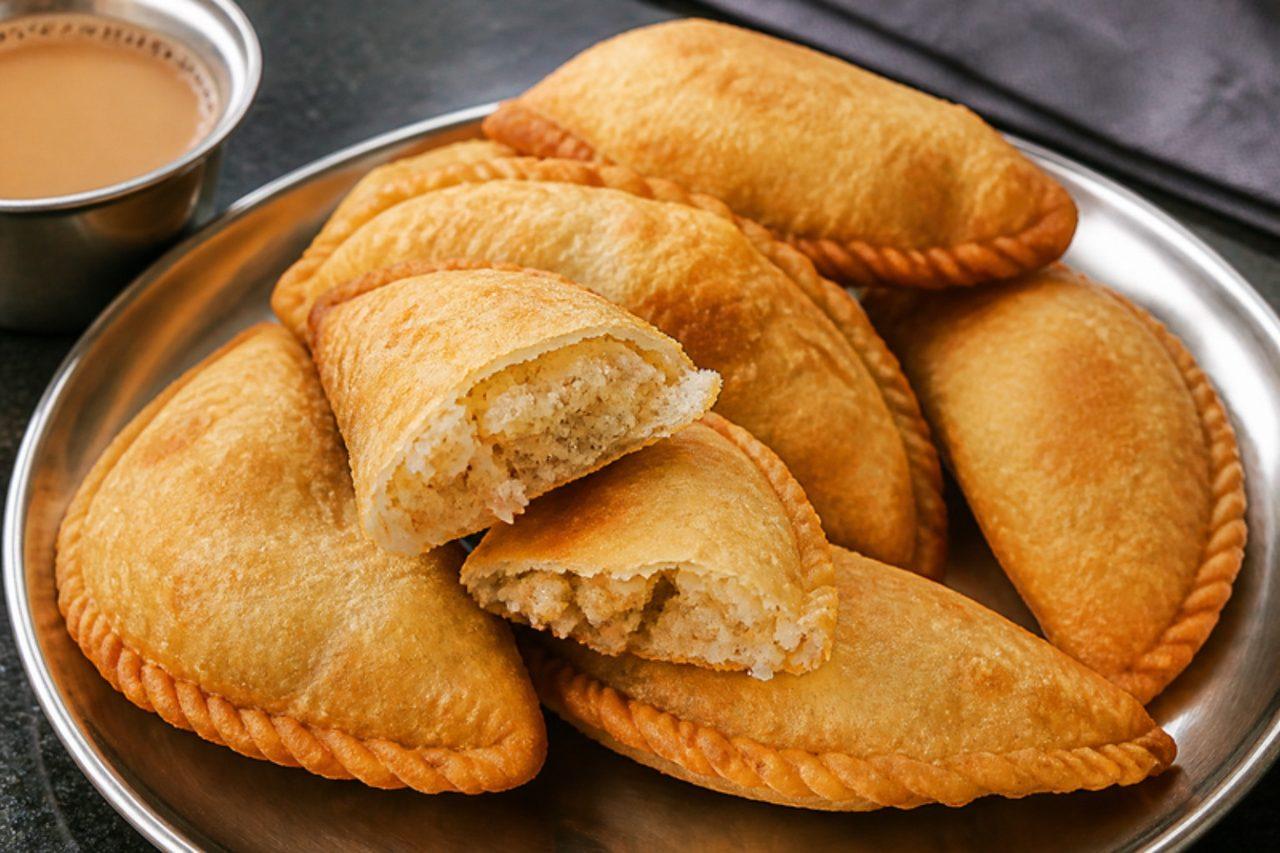
Biscuit rotti is a Mangalorean snack-shop favourite, eaten with evening coffee and made in large batches for weddings and Udupi temple-town feasts. The flaky, biscuit-crisp shell wraps a savoury-sweet filling of roasted semolina and fresh coconut with green chilli, ginger and curry leaves, held together with a little water so it stays moist. They are best eaten the same day, warm or at room temperature. The usual mistake is frying in oil that is too hot: the shell blisters and browns before it turns crisp, then goes soft as it cools. Fry on medium so they take a full 5-6 minutes. Chef's tip: let the cooked filling cool completely before you stuff the rounds; warm filling makes the dough sticky and the edges won't seal.

by KrazyBadal 0 views

Kerala beef cutlet

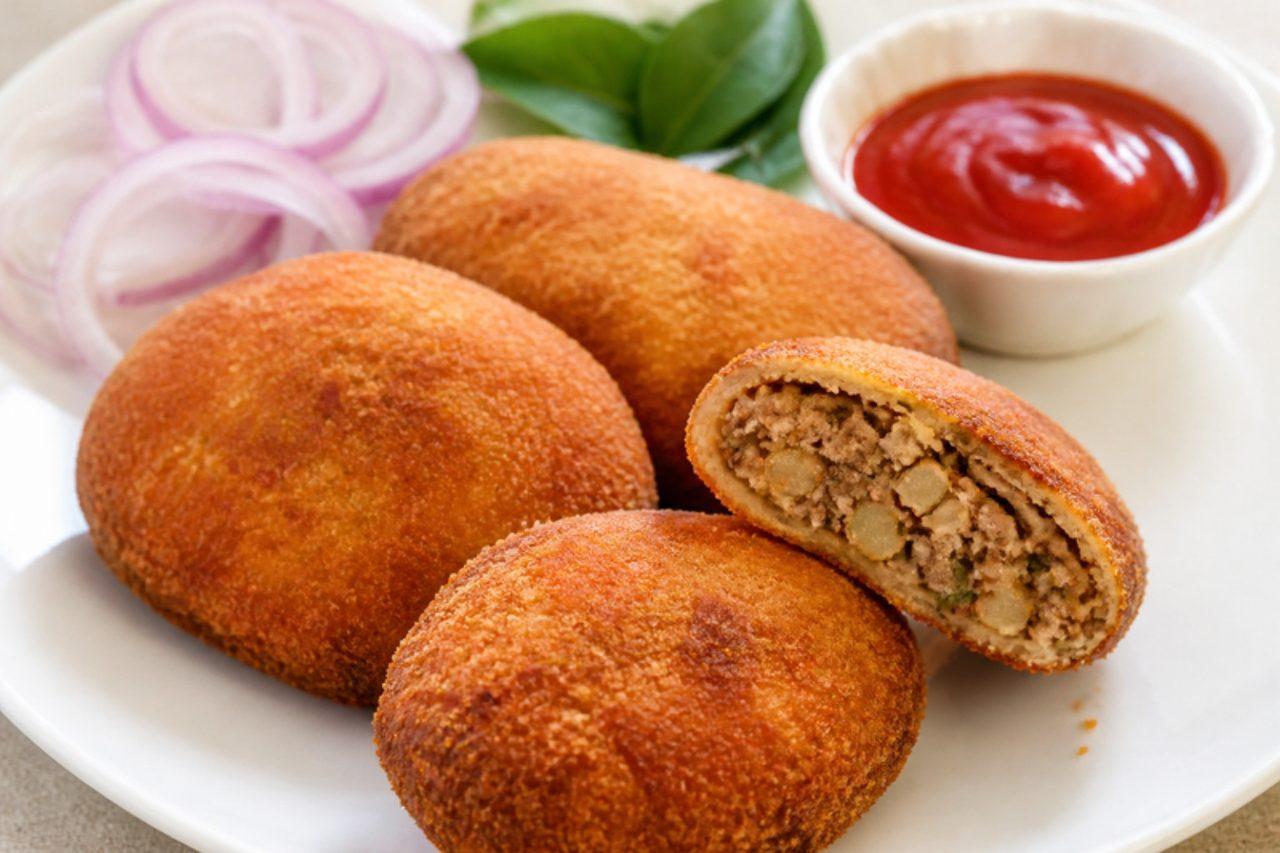
Beef cutlets are a fixture of Kerala bakery counters and of Syrian Christian Christmas and wedding tables, where they are served with sliced onion salad and tomato sauce. The beef is cooked dry with ginger, garlic, green chilli and lots of black pepper, mashed with potato, shaped into ovals and fried in a crunchy breadcrumb coat. They are peppery, savoury and crisp, good hot or at room temperature. The mistake is a wet filling: if the mince still has juice in the pan, the cutlets split and soak up oil. Cook the meat until completely dry. Chef's tip: shape the cutlets a day ahead and chill or freeze them on a tray; cold cutlets hold their shape perfectly in the oil.

75 minIndianMeat
by KrazyBadal 0 views

Semiya upmaSavoury vermicelli

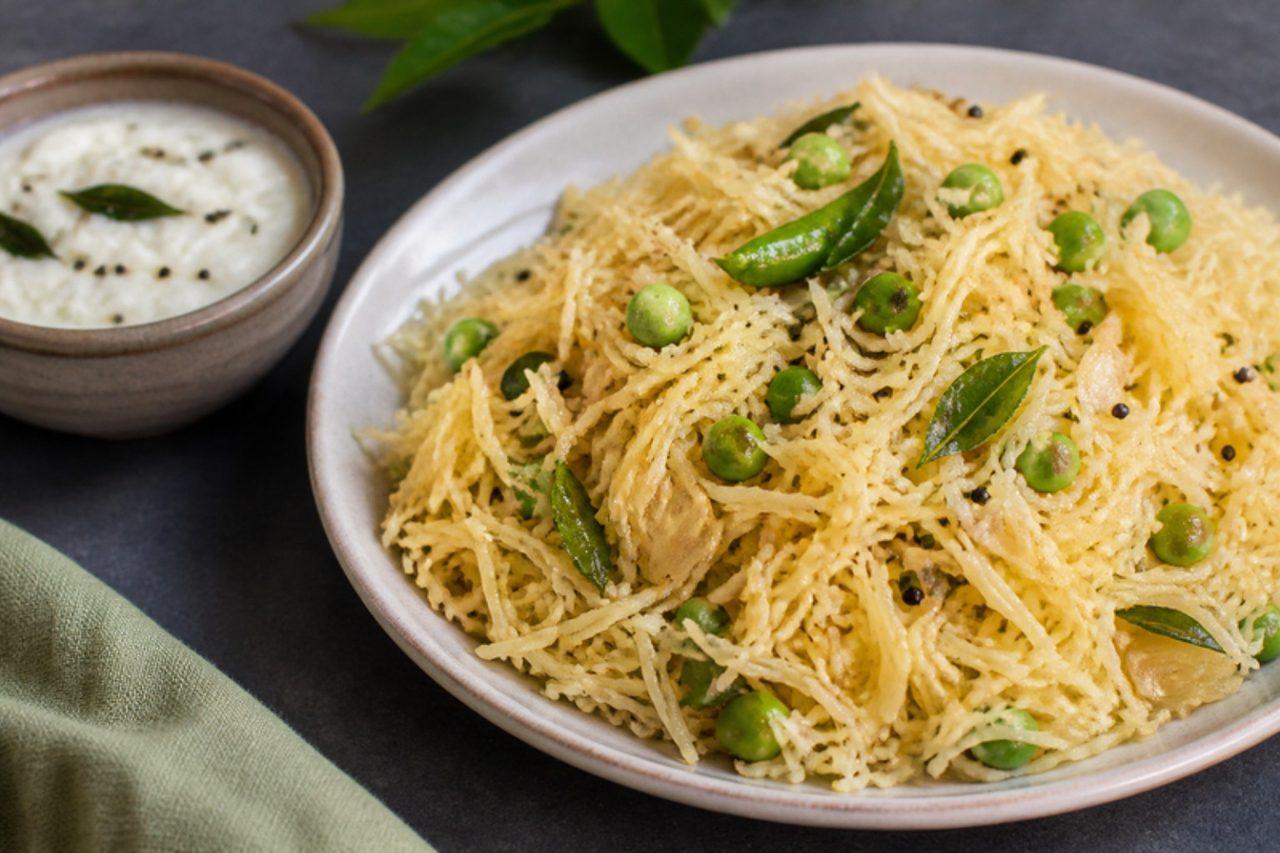
Semiya upma is a fixture of Tamil home cooking, from Coimbatore to Chennai, made for breakfast, for school tiffin boxes and very often for a light dinner when nobody wants a heavy meal. Ready-roasted wheat vermicelli is cooked in a tempering of mustard seeds, dal, curry leaves, onion and green chilli with a handful of peas until each strand is soft and separate. It is mild and savoury with a squeeze of lemon, and children love it. The common mistake is adding too much water, which turns the vermicelli into a sticky lump. Chef's tip: once the water is absorbed, take the pan off the heat and leave it covered for 2 minutes; the strands finish cooking in the steam and stay separate.

by KrazyBadal 0 views

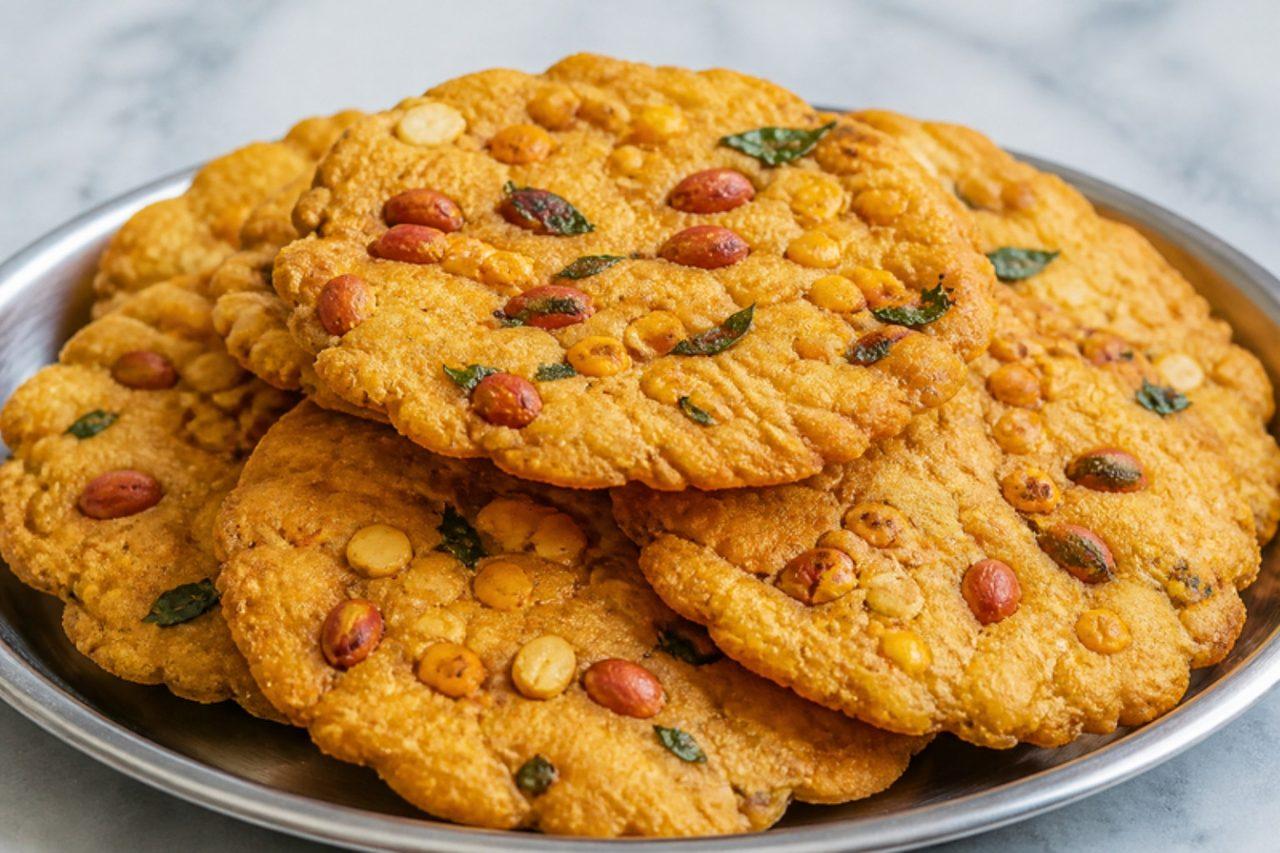
NippattuPeanut rice crackers

Nippattu is the Karnataka tea-time cracker, sold in Iyengar bakeries from Bengaluru to Mysuru and fried at home for Gowri-Ganesha and Deepavali. Unlike the thin, delicate Tamil thattai, nippattu is thicker and chunkier, packed with crushed peanuts and roasted gram (hurigadale) so every bite crunches with nuts. It's spiced with chilli, hing and curry leaves and keeps for weeks. A common mistake is skipping the hot oil rubbed into the flour; without it the crackers turn hard instead of short and crisp. Chef's tip: prick each disc a few times with a fork so it fries flat and crisp right through instead of puffing.

by KrazyBadal 0 views

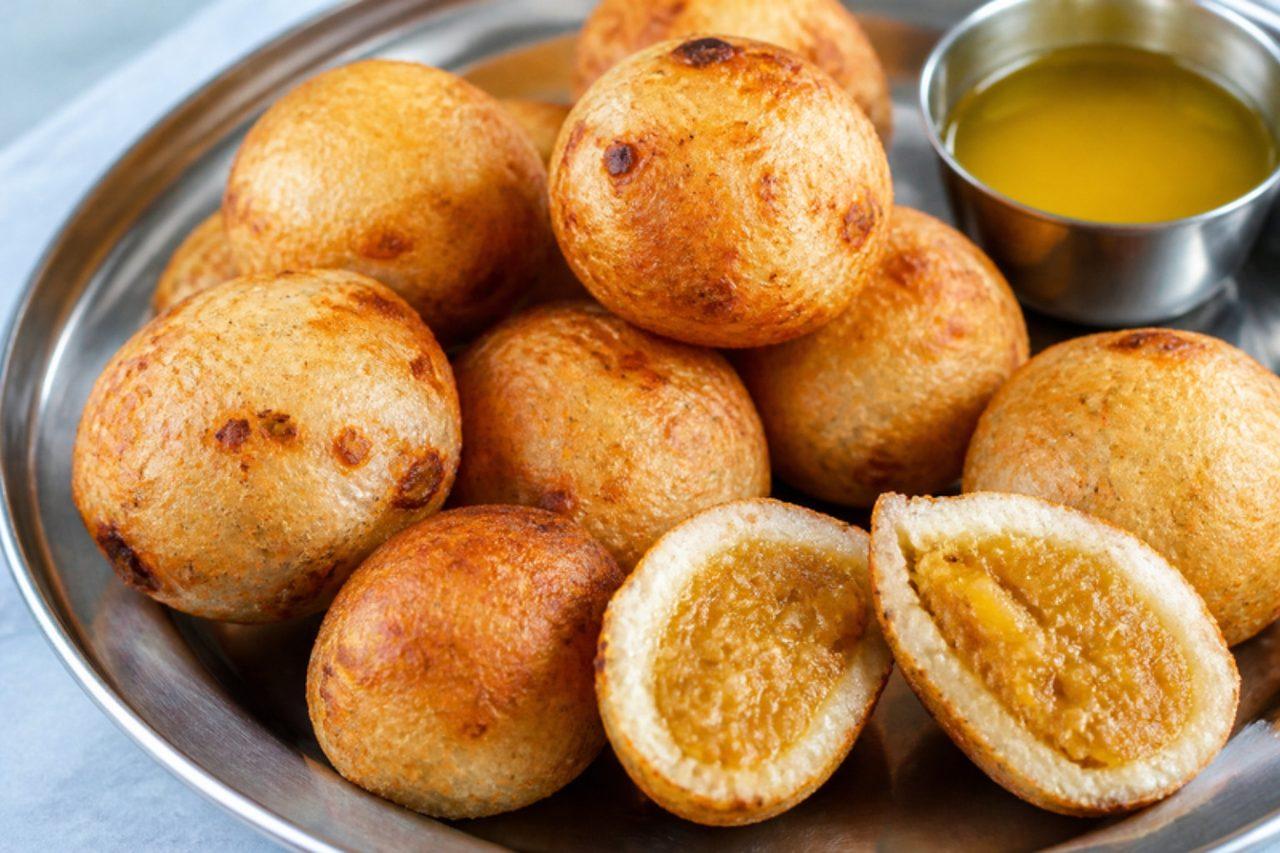
BooreluChana dal and jaggery dumplings

Boorelu, also called poornalu, are the sweet that Telugu homes fry for Sankranti, Varalakshmi Vratam and weddings, and that a bride's family traditionally sends to her in-laws by the basketful. A soft ball of cooked chana dal, jaggery, coconut and cardamom is dipped in a thick batter of urad dal and rice and fried until the shell is crisp and blistered while the filling stays fudgy. They are eaten warm, split open with a spoon of ghee for those who take dairy. The usual mistake is a filling that is too wet: it bursts through the batter in the oil and splatters, so cook the dal and jaggery until it holds a firm ball. Chef's tip: grind the batter thick like idli batter and add salt; the slight saltiness of the shell is what makes the sweet filling sing.

by KrazyBadal 0 views

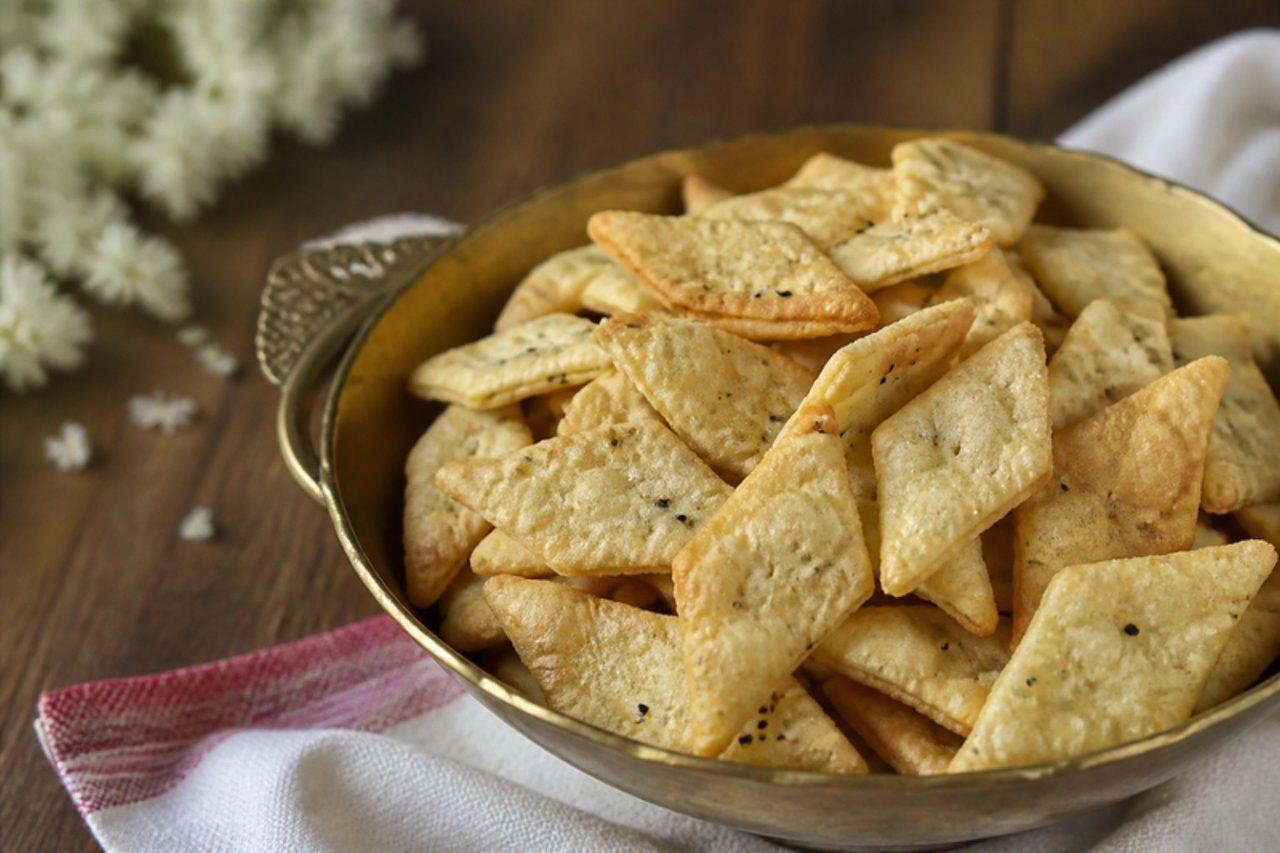
NimkiFlaky fried nigella pastry

On Bijoya Dashami, the last day of Durga Puja, Bengali families visit elders, touch their feet and are fed sweets, and the tin of nimki is always opened alongside the narkel naru and mishti. Nimki are small diamonds of short pastry flavoured with kalonji (nigella seeds), fried slowly until they blister into flaky layers. They are salty, crunchy and very moreish with a cup of tea. Common mistake: frying in oil that is too hot; the outside browns while the inside stays raw and hard. Fry on a low-medium flame until the pieces float, sound hollow and are a pale golden colour. Chef's tip: the dough is ready when a handful pressed in your fist holds its shape (the 'moyan' test); too little ghee gives hard nimki, too much makes them crumble in the oil.

by KrazyBadal 0 views

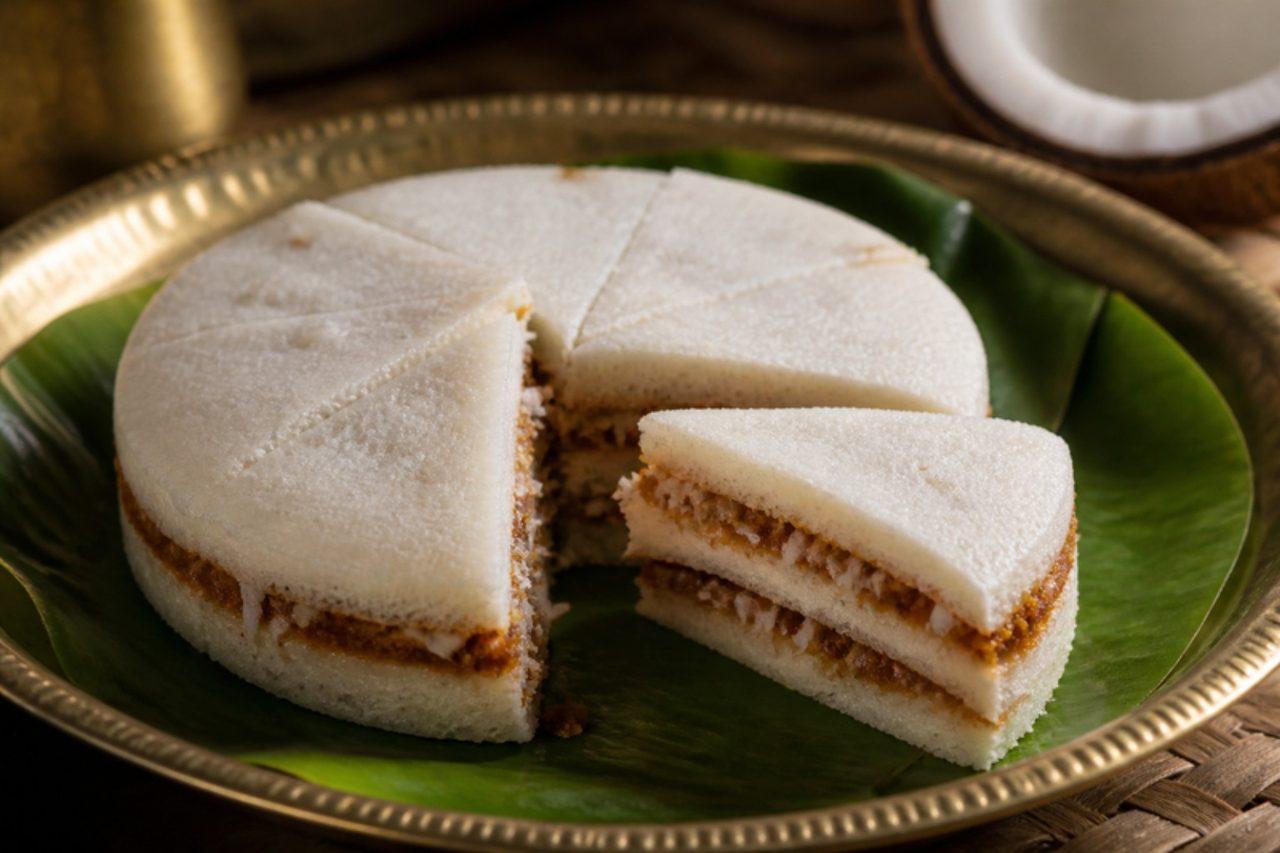
Tekeli pithaSteamed coconut jaggery rice cake

In Assamese homes the nights before Magh Bihu are spent making pitha, and tekeli pitha is the one named after the pot it is cooked on: a cloth is tied over the mouth of a tekeli (a small clay water pot), and damp rice flour, coconut and jaggery are piled on top and steamed by the water boiling underneath. It comes off as a soft, crumbly cake, sweet in the middle and plain at the edges, eaten warm with tea on Bihu morning or packed into the bhogali spread. Any narrow-necked pot or saucepan works at home. Common mistake: using dry shop rice flour straight from the packet; it needs to be just damp enough to clump when pressed, or the cake falls apart, and it is done when the top looks matt and a skewer comes out clean, about 10–12 minutes. Chef's tip: soak and grind your own rice flour if you can; flour from soaked rice, dried for an hour, gives the softest pitha.

by KrazyBadal 0 views

Bataka sevFasting potato sev

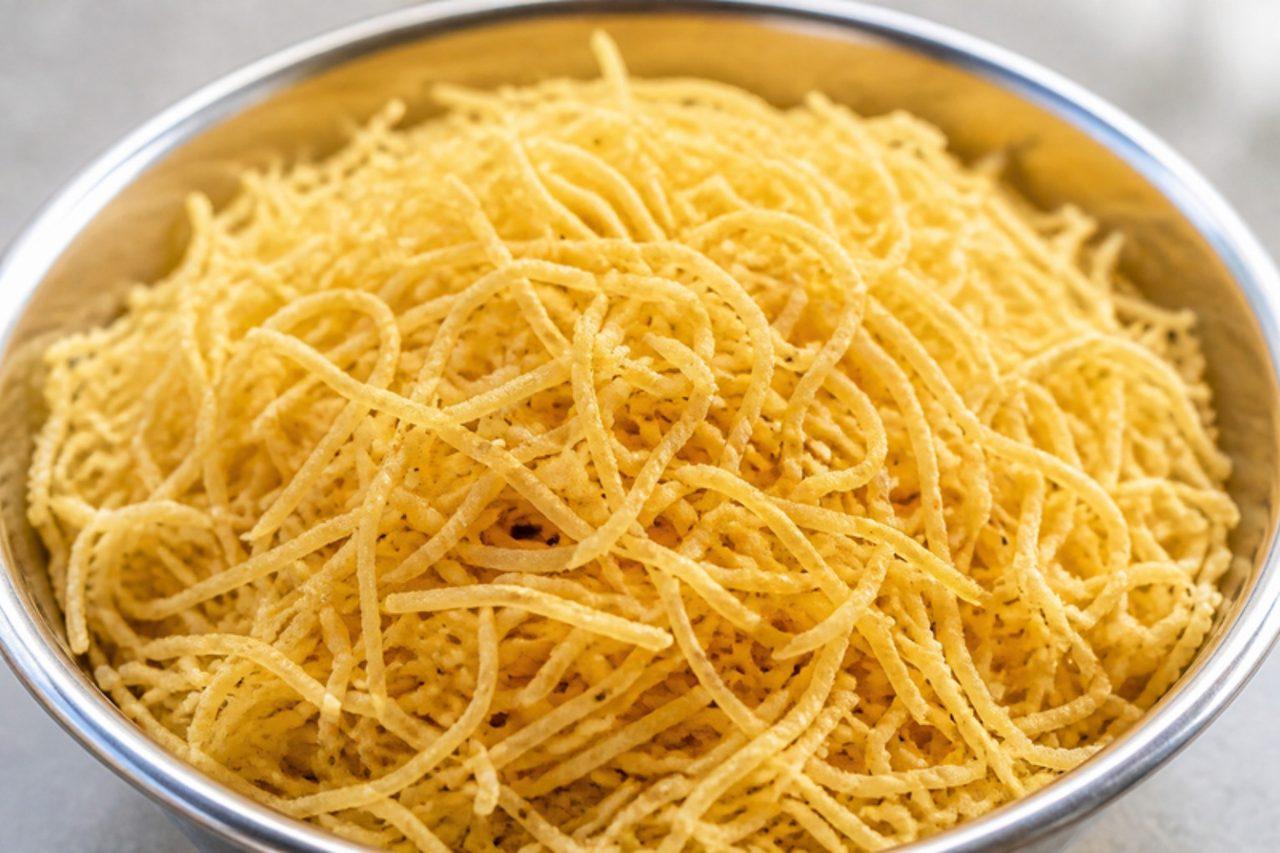
Bataka sev is the sev that Gujarati households can eat on upvas days, from Ekadashi and Shivratri to the Navratri fasts: there is no gram flour, only boiled potato bound with arrowroot, seasoned with rock salt, green chilli and crushed pepper. It fries into pale gold, delicate threads that melt quickly in the mouth, and is eaten on its own, over farari chevdo or on fasting bhel. The common mistake is using warm or watery potatoes, which make a sticky dough that will not pass through the press; boil, peel and cool the potatoes completely, and grate them rather than mashing. Chef's tip: fry in small spirals in moderately hot oil and lift them out while still pale, as they keep colouring for a minute after draining.

by KrazyBadal 0 views

Kavuni arisiBlack rice sweet

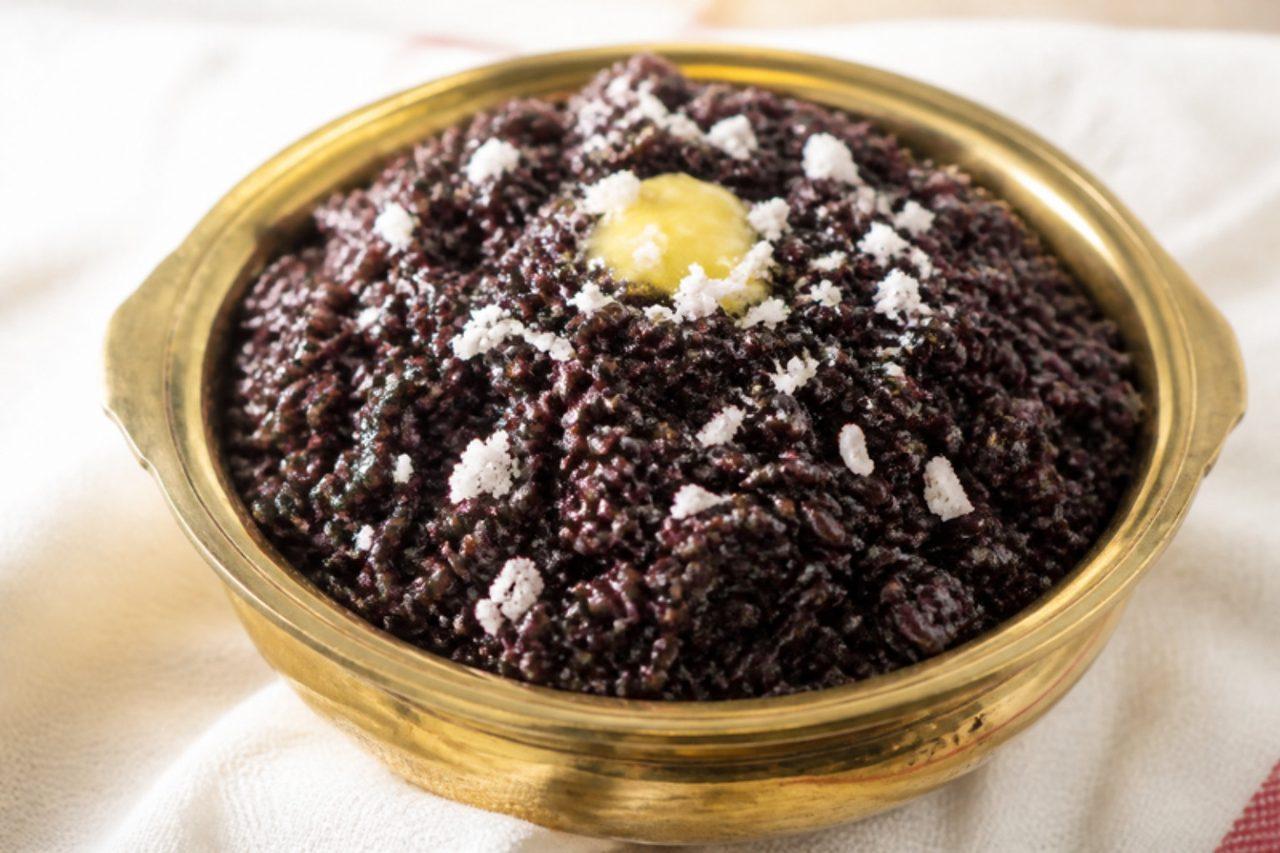
Kavuni arisi is the deep purple-black sweet that every Chettiar wedding feast in Karaikudi begins with, a nod to the trading families' old links with Burma, where the black rice came from. The rice is soaked overnight, cooked until soft but still chewy, then mixed with sugar, plenty of fresh grated coconut and a spoon of ghee, so it is nutty, gently sweet and pleasantly sticky. It is eaten warm or at room temperature in small portions. The usual mistake is cooking black rice like white rice; it needs a long soak and a long cook, or the grains stay hard at the centre. Chef's tip: mash a quarter of the cooked rice lightly with the back of a spoon before adding sugar, which makes it hold together the way it does in Chettinad.

by KrazyBadal 0 views

Tal ni chikkiSesame jaggery brittle

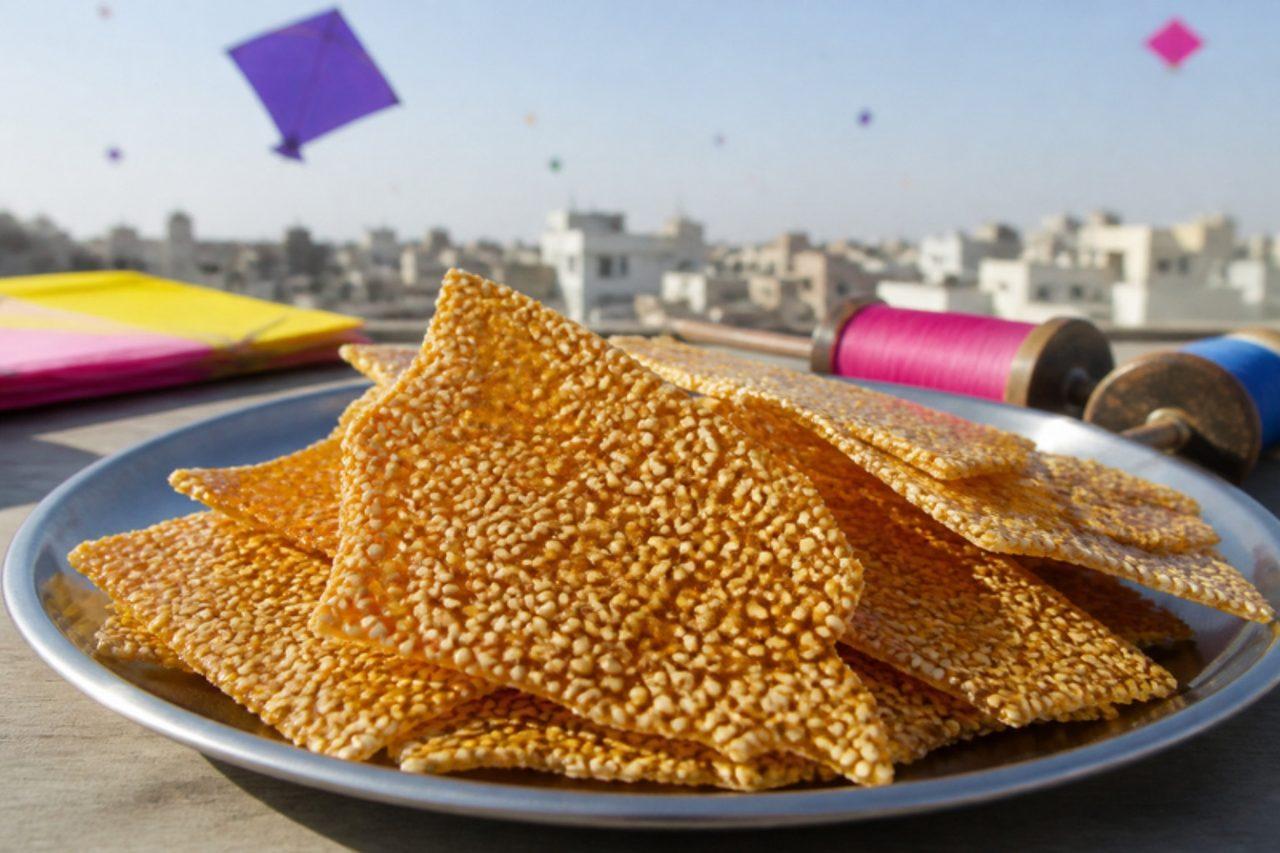
On 14 January every Gujarati rooftop fills with kite-flyers, and somewhere between the manja reels there is always a tin of tal ni chikki, broken into shards. The thinnest kind, tal sankli, is rolled out so fine you can almost see through it; it shatters with a snap and tastes of toasted sesame and dark caramel. It is a two-ingredient sweet where everything depends on the jaggery. Common mistake: pulling the jaggery off the heat too soon; it must reach the hard-crack stage, when a drop in cold water sets instantly and snaps cleanly, or the chikki stays chewy and sticks to the teeth. Chef's tip: work fast and roll on the greased back of a steel thali; if it hardens before you finish, warm it in the pan for a few seconds.

by KrazyBadal 0 views

Kara sevPeppery gram flour sev

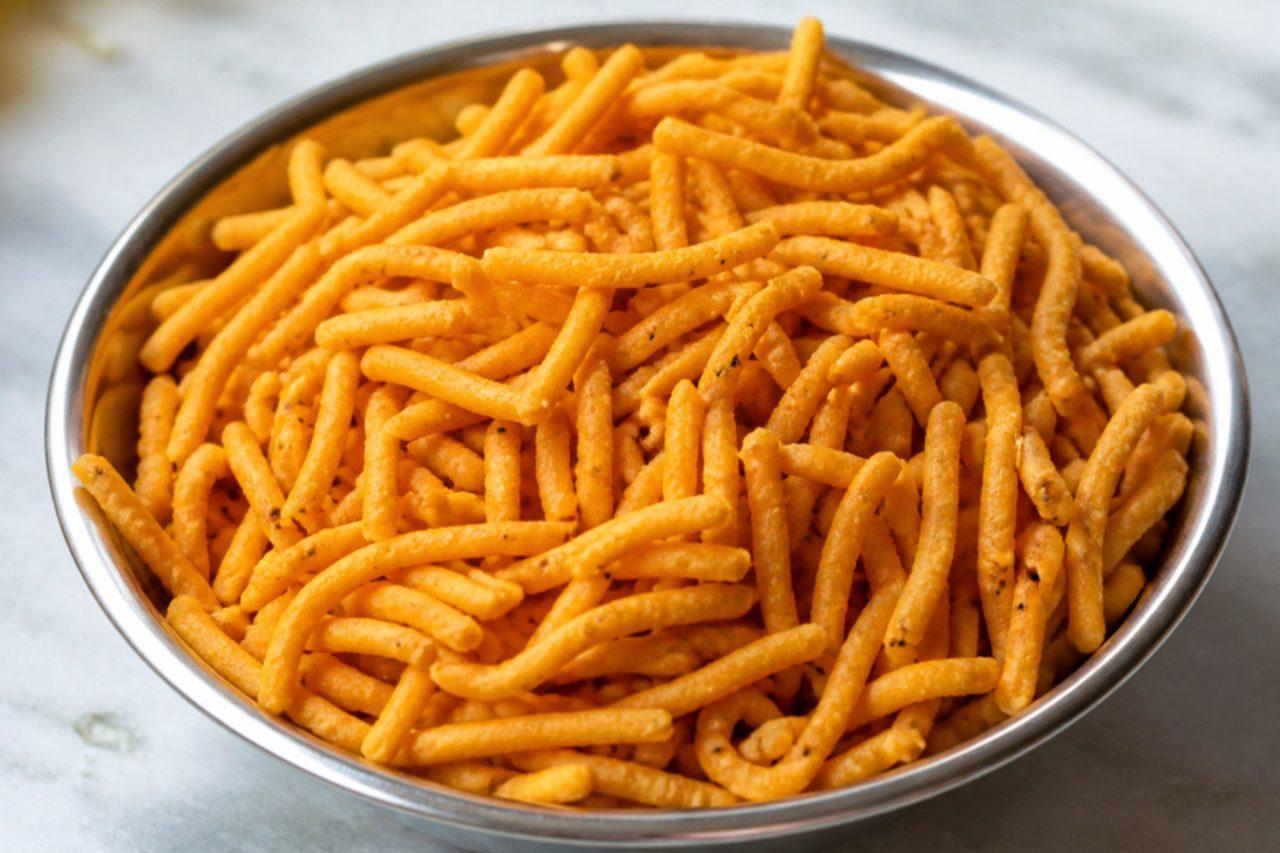
Kara sev is sold by the kilo in Sattur and Tirunelveli sweet shops, where it is bagged next to halwa for travellers to take home. The sticks are thicker and knobblier than north Indian sev, with crushed black pepper and garlic giving a slow burn. The most common mistake is a dough that is too stiff: it won't press through the mould and the sev cracks into crumbs, so it should be soft enough to squeeze easily. Chef's tip: press the dough with the flat ridged blade straight over the oil and let it break off in short pieces, then crush any long ones once cooled.

by KrazyBadal 0 views

Methi laddooFenugreek and jaggery laddoos

Every Punjabi winter, mothers and grandmothers roast a big batch of methi laddoos and hand out one a day with morning tea or warm milk, for strength and to keep the cold out of the joints. Fenugreek gives a gentle bitterness that the jaggery, ghee and roasted wheat balance into something nutty and warming, with crunch from puffed gond and almonds. The mistake people make is roasting the atta on high heat: it browns outside, stays raw inside and the laddoos taste floury. Keep it low and patient until it smells of biscuits. Chef's tip: soak the fenugreek powder in milk overnight; it softens the bitterness so even children will eat them.

by KrazyBadal 0 views

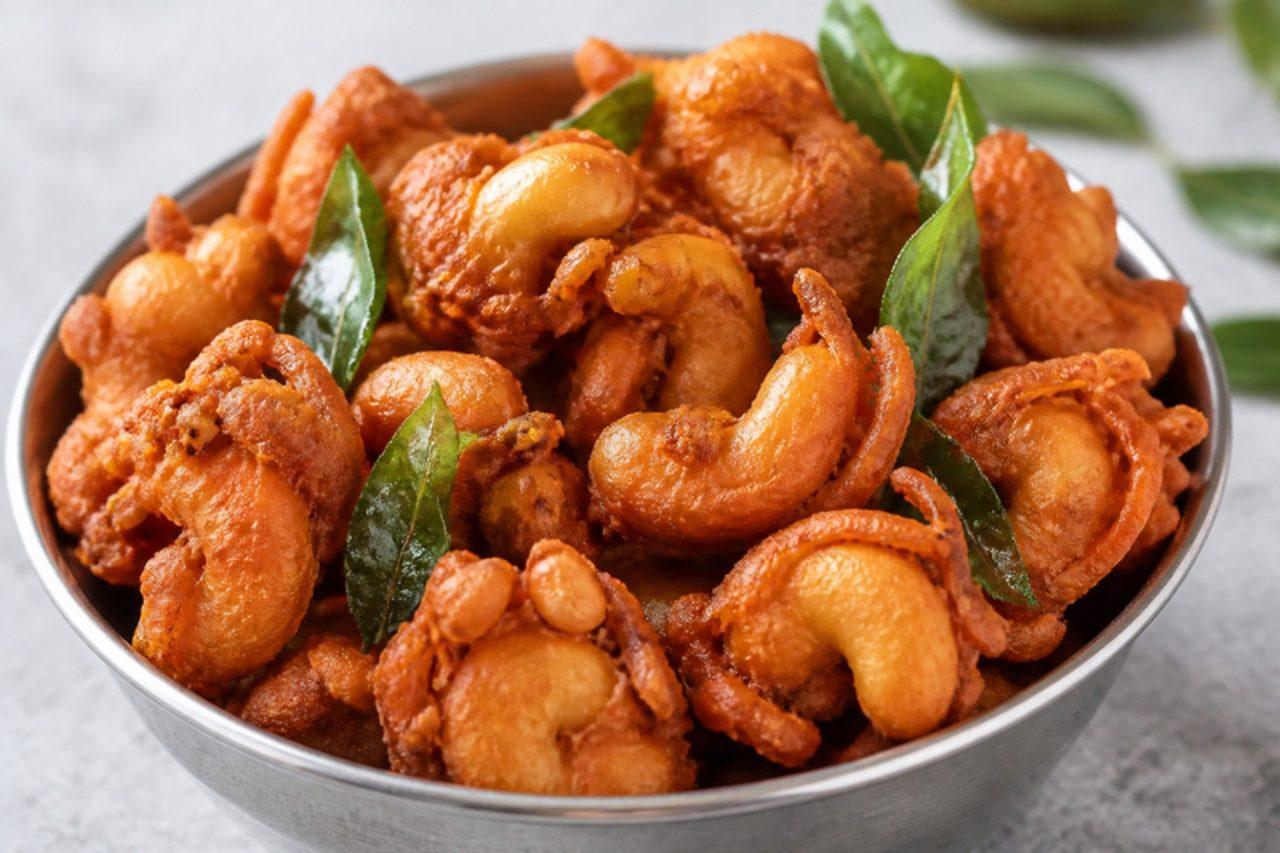
Cashew pakodaCashew fritters

Cashew pakoda is the luxurious version of onion pakoda sold at Tamil sweet stalls and Chennai's old sweet shops, especially at Deepavali, when it's packed in boxes alongside mixture and ribbon pakoda. The cashews sit in a lacy, crunchy coat of besan with onion, curry leaves and fennel. The mistake is making a wet batter: this isn't a dipping batter but a crumbly mix squeezed onto the cashews, so add water only by the spoonful. Chef's tip: fry on medium heat so the cashews toast inside the coat; too hot and the coat browns while the nuts stay pale and soft.

by KrazyBadal 0 views

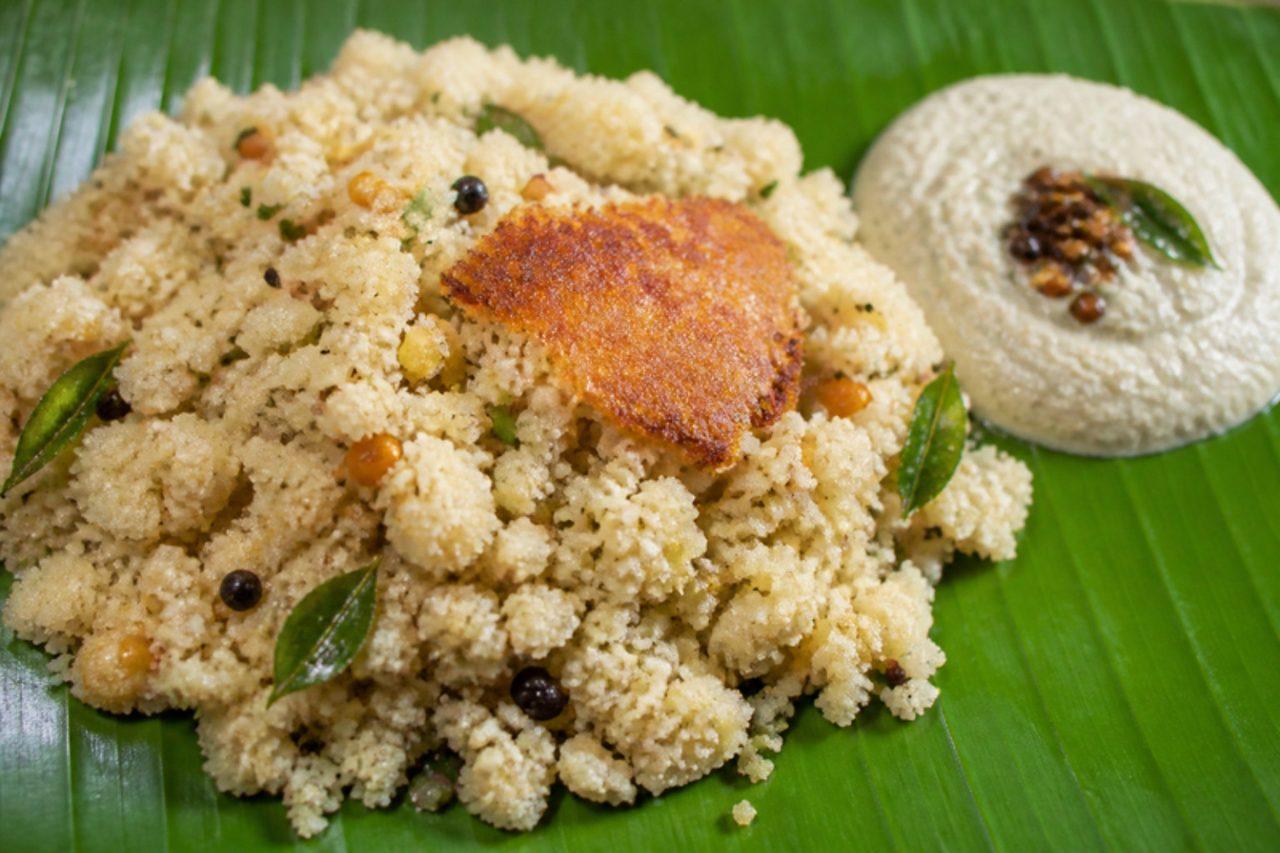
Arisi upmaBroken rice and dal upma

Arisi upma is the old Tamil country breakfast and evening dinner, especially in Tirunelveli and Madurai homes, made from rice and toor dal coarsely broken at home and cooked in a heavy pot. The best part is the 'kaanthal', the crisp golden crust that forms on the bottom, which families fight over. The mistake is too much water, which gives a sticky porridge; use about two and a half times the volume of the broken rice. Chef's tip: once cooked, leave it on the lowest heat with a lid for ten minutes, undisturbed, to build that crust.

by KrazyBadal 0 views

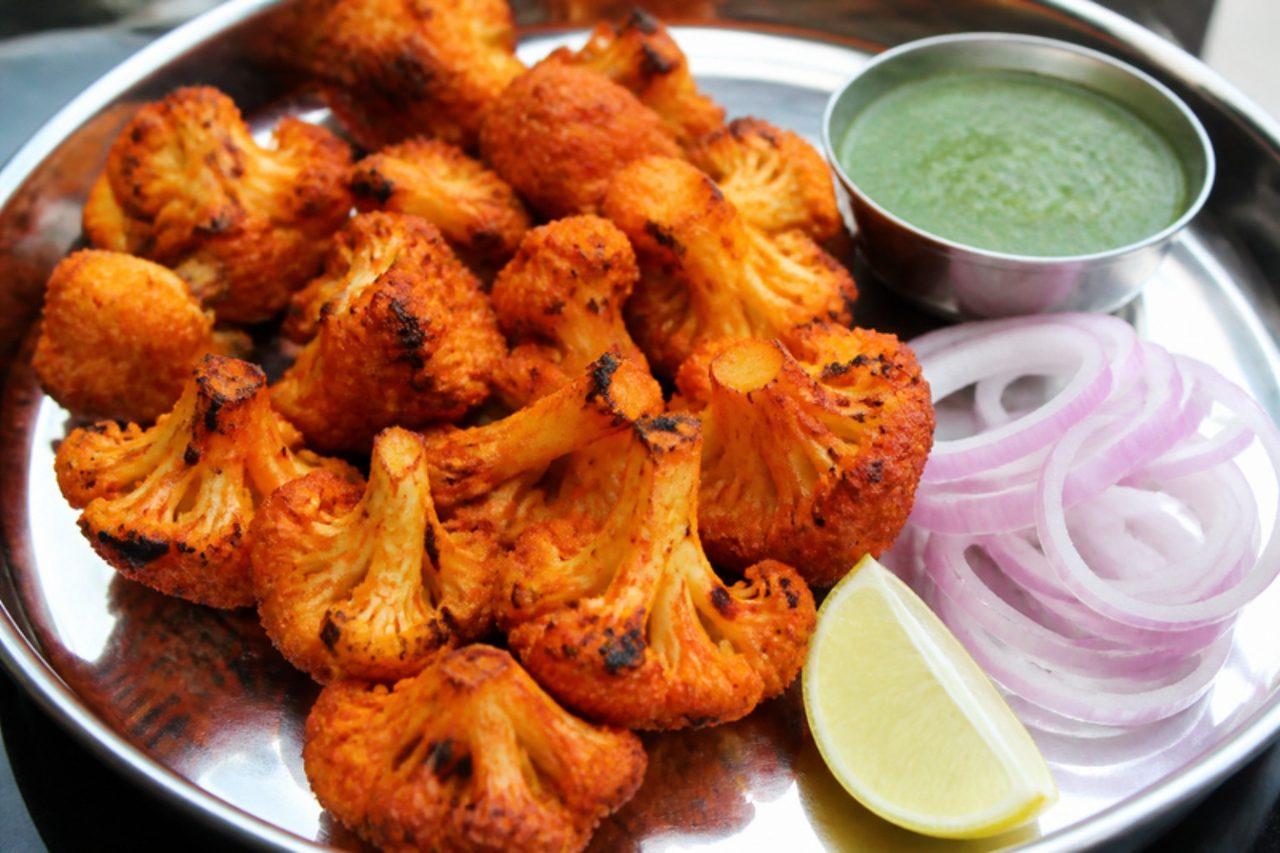
Tandoori gobhiRoasted spiced cauliflower

Punjabi dhabas that fire a tandoor all day always have a skewer of tandoori gobhi for the vegetarians at the table, and in winter, when cauliflower is cheap and sweet, it is the starter everyone orders with a Lohri bonfire dinner. Big florets are blanched, rubbed with a pungent mustard-oil and yogurt marinade, and roasted until the edges blacken and the inside is tender. The common mistake is either skipping the blanch, so the stalks stay raw while the outside burns, or boiling too long so the florets turn mushy and drop off the skewer. Three minutes in boiling water is right. Chef's tip: a spoon of dry-roasted besan in the marinade makes it cling and gives a nutty crust.

by KrazyBadal 0 views

Tala methi na muthiaFried fenugreek dumplings

In Surat and the towns of South Gujarat, winter means undhiyu, and undhiyu means a big batch of fried methi muthia. These little finger-shaped dumplings of fresh fenugreek, gram flour and coarse wheat flour are crisp outside and soft inside, sweet-sour from sugar and lemon, with the pleasant bitterness of methi. Many families fry extra to eat as a snack with tea or with green chutney. The common mistake is frying in oil that is too hot; the outside browns while the centre stays raw and pasty, so fry them at a steady medium heat. Chef's tip: a little hot oil rubbed into the flour (moyan) is what makes them crumbly-crisp rather than hard.

by KrazyBadal 0 views

Thatte idliLarge flat plate idli

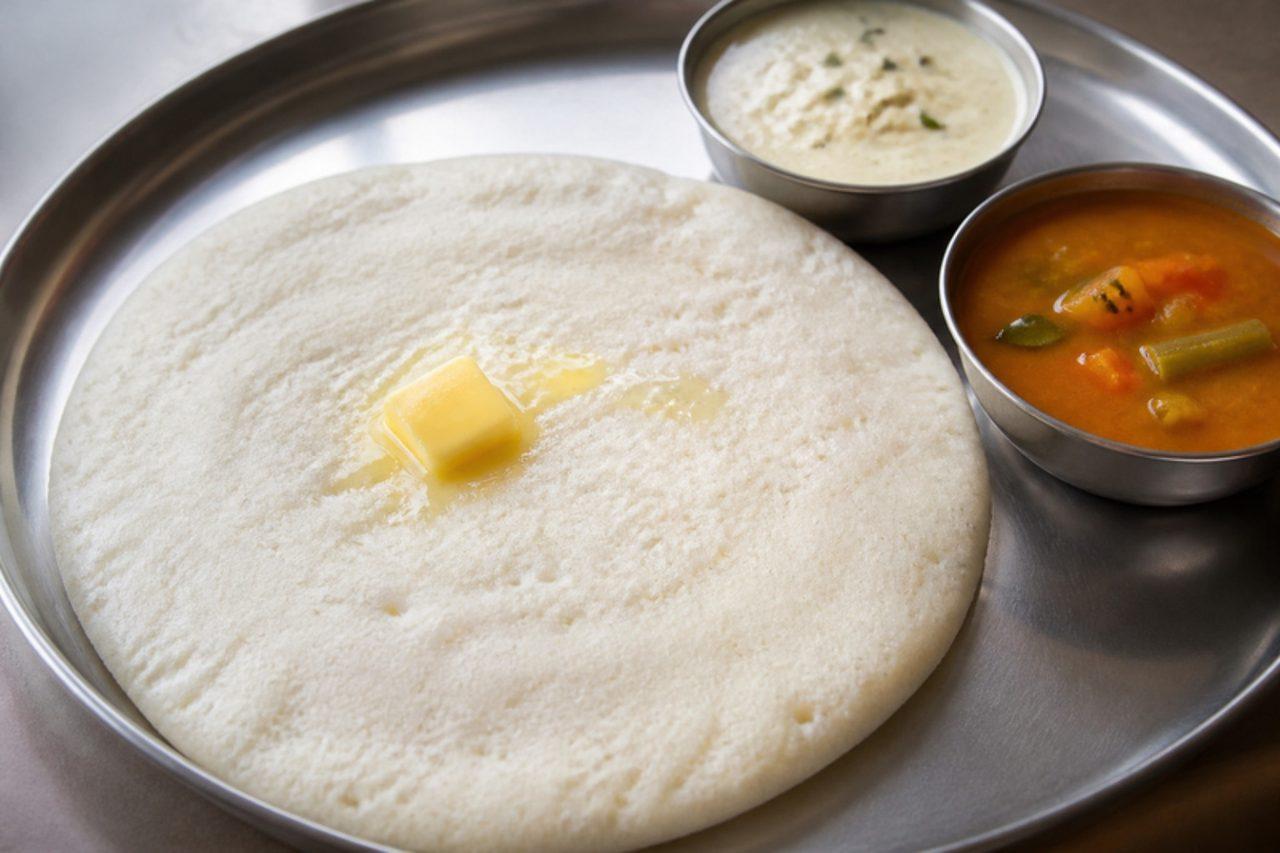
Thatte idli comes from Bidadi, on the old highway from Bengaluru to Mysuru, where roadside hotels steam plate-sized idlis on round thatte trays from dawn for travellers' breakfast. Poha in the batter makes them soft and spongy, and they are served with a knob of butter melting on top, coconut chutney and a thin sambar or podi. A common mistake is a stiff batter: thatte idlis need a looser, pourable batter than ordinary idli or they turn dense in the wide plate. Chef's tip: grind the urad dal with ice-cold water until it is light and almost doubled; that air carries the whole idli.

by KrazyBadal 0 views

Kobi na muthiaCabbage steamed dumplings

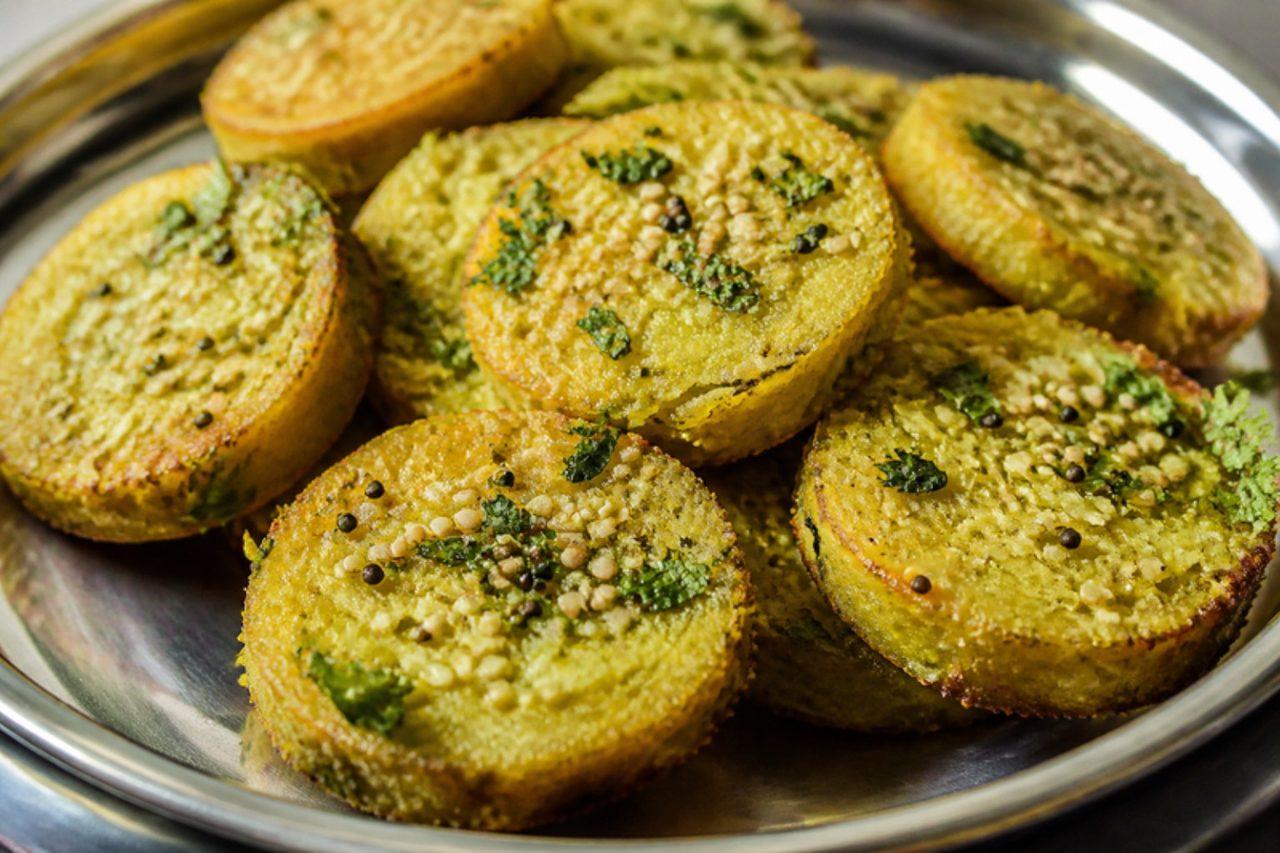
When the dudhi runs out, Gujarati cooks reach for a head of cabbage, and kobi na muthia appear for breakfast in Vadodara and Rajkot homes. Finely shredded cabbage is bound with wheat and gram flour, ginger, green chilli and a touch of sugar, steamed into logs, sliced and crisped in a sesame and mustard tempering. Cabbage gives a sweeter, more delicate flavour and a slightly lacy texture. The mistake to avoid is shredding the cabbage coarsely; thick shreds poke out of the logs and the slices fall apart, so chop it as fine as you can or pulse it briefly in a food processor. Chef's tip: let the salted cabbage sit for 10 minutes before adding flour so it softens and gives up enough water to make the dough.

by KrazyBadal 0 views

Surti alu puriPuris with white pea ragda

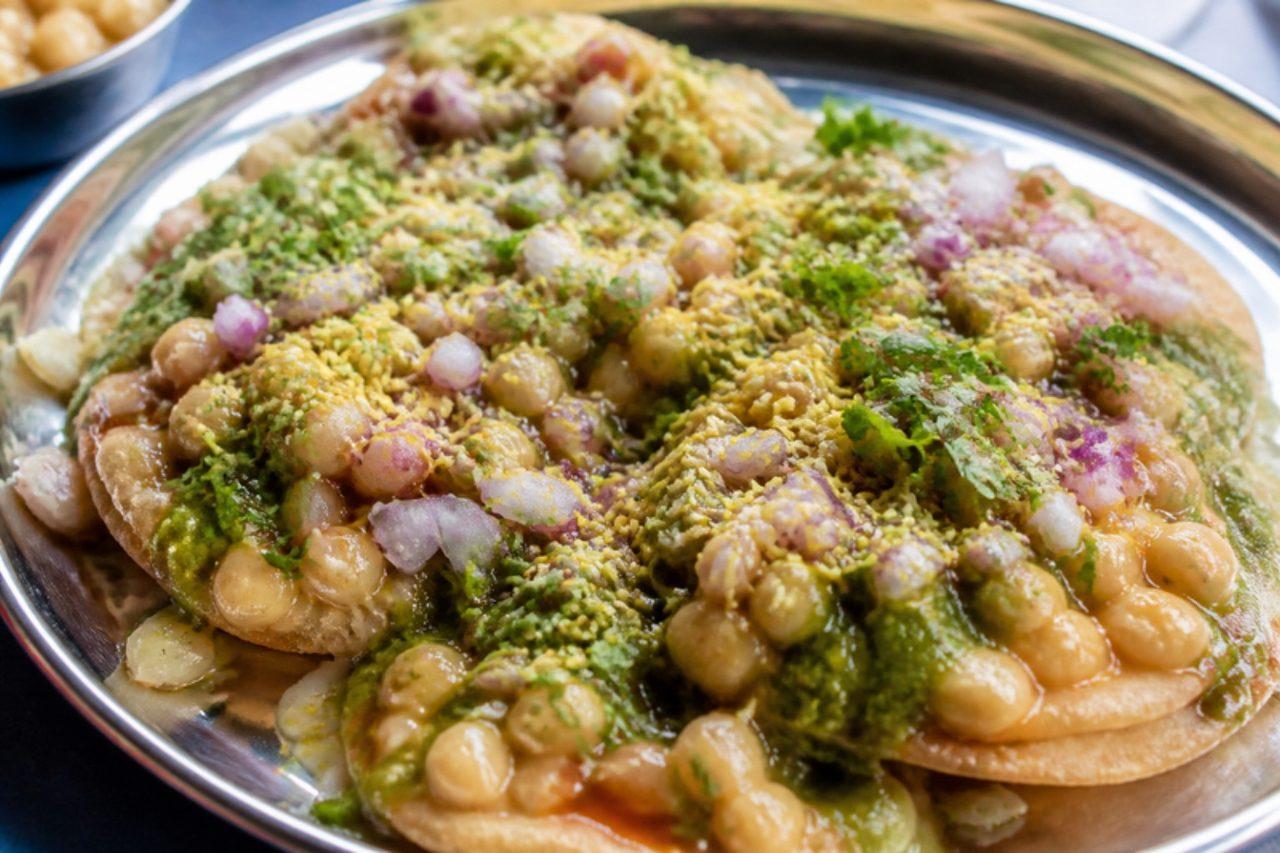
Surat's alu puri is built on the white-pea ragda, not on potatoes, and the stalls of Chowk Bazaar and Athwa Lines pile crisp, flat puris on a plate and drown them in hot, spiced white-pea ragda, then add raw onion, green and sweet chutneys, a shake of masala and a snowfall of sev. It is a winter evening snack, eaten standing, hot, spicy and crunchy all at once. The common mistake is making the ragda too thick: it should be loose enough to soak into the puris a little, so thin it with hot water just before serving. Chef's tip: prick the puris well before frying so they stay flat and crisp instead of puffing up.

by KrazyBadal 0 views

GhughuteFried jaggery dough shapes

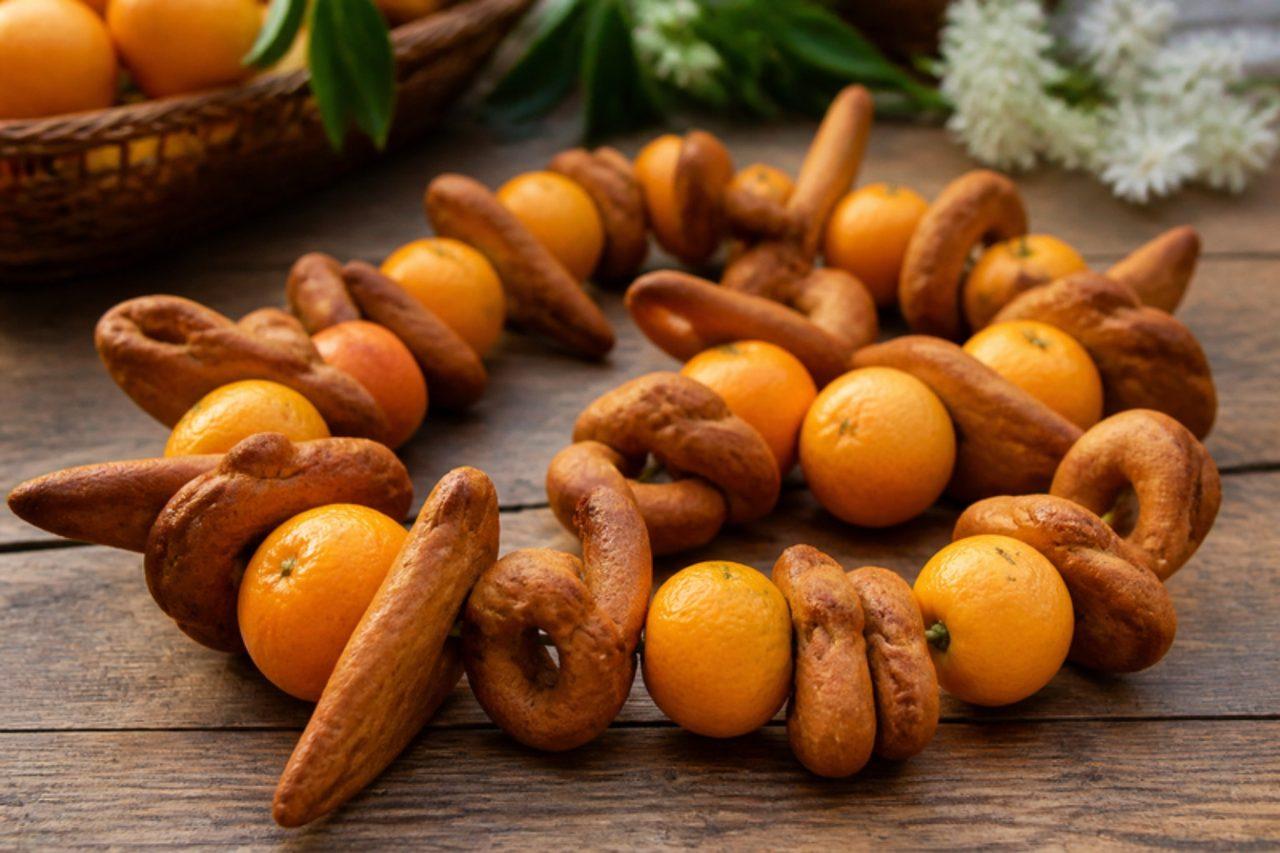
In Kumaon, Makar Sankranti is Ghughutiya, and the evening before, families knead wheat flour with jaggery and shape it into little drums (damru), swords, knots and flowers, fry them and thread them into necklaces with an orange in the middle. The next morning children wear the garlands and call the crows: 'kale kale, ghughuti mala khale', offering them the first bites before eating the rest themselves. The ghughute are crisp outside and slightly chewy within, gently sweet with fennel. Common mistake: oil that is too hot; they darken in seconds but stay doughy inside, so fry on a medium heat until they are an even deep gold and sound hollow when tapped. Chef's tip: keep the dough quite stiff, like for mathri; soft dough loses its shapes in the oil.

by KrazyBadal 0 views

Kaddu bhaatBottle gourd dal with rice

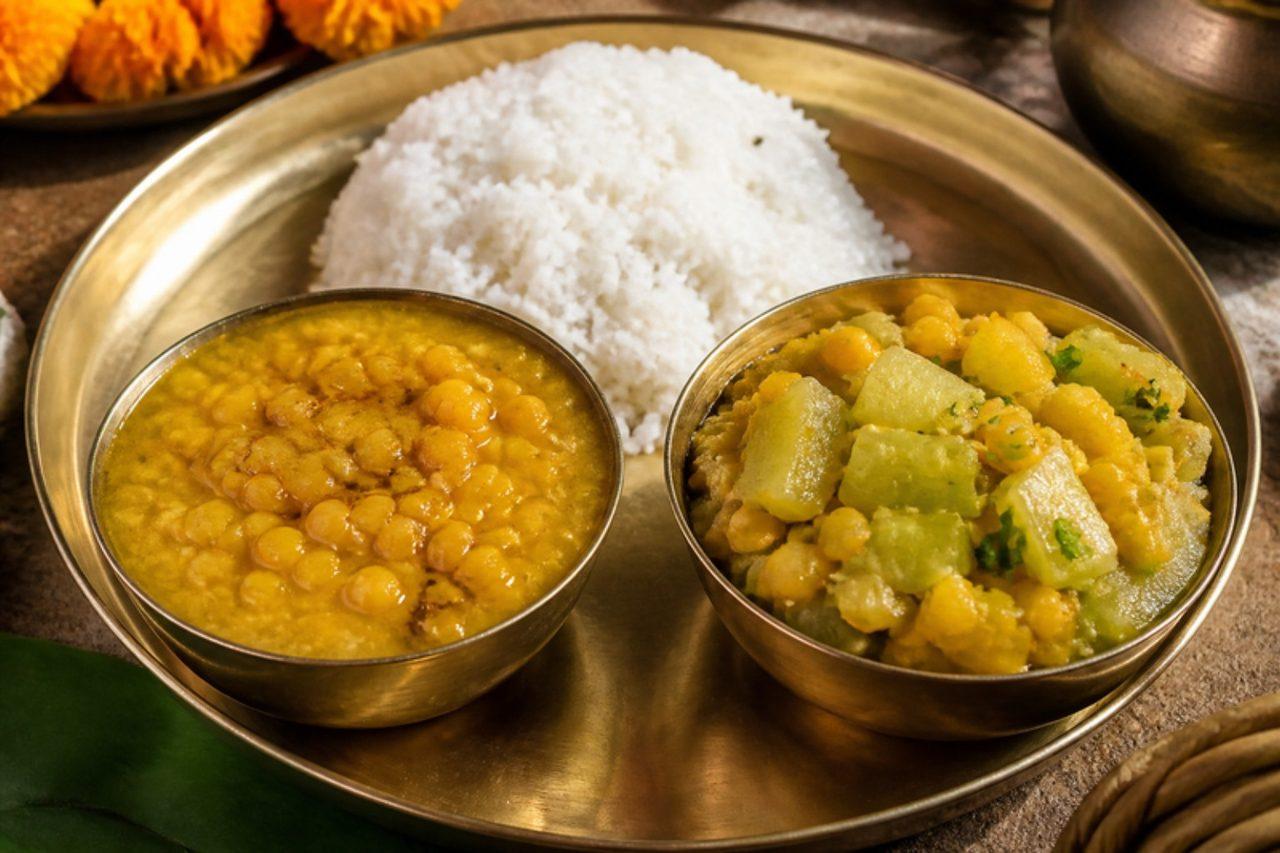
Chhath begins with Nahay-khay: after a holy bath in the Ganga or a pond, the women and men keeping the fast in Bihar and Jharkhand eat one pure, simple meal, and it is always kaddu (bottle gourd) cooked with chana dal, plain rice and a ghee-fried sabzi, seasoned only with sendha namak (rock salt) and no onion or garlic. The dal is mild, soft and sweet from the gourd, with cumin, ginger and green chilli. Common mistake: adding the gourd at the start, so it collapses to mush; cook the chana dal soft first, then simmer the gourd until just translucent. Chef's tip: grate a spoon of fresh ginger into the ghee tadka at the end; it is the main flavour since there is no garlic.

by KrazyBadal 0 views

Showing 48 of 1,696 recipes

Show more recipes

Page 2 of 71