Skip to content
Recipes

All recipes

Vegetarian, or something you can't eat? Set your diet once and we'll hide recipes that don't fit.

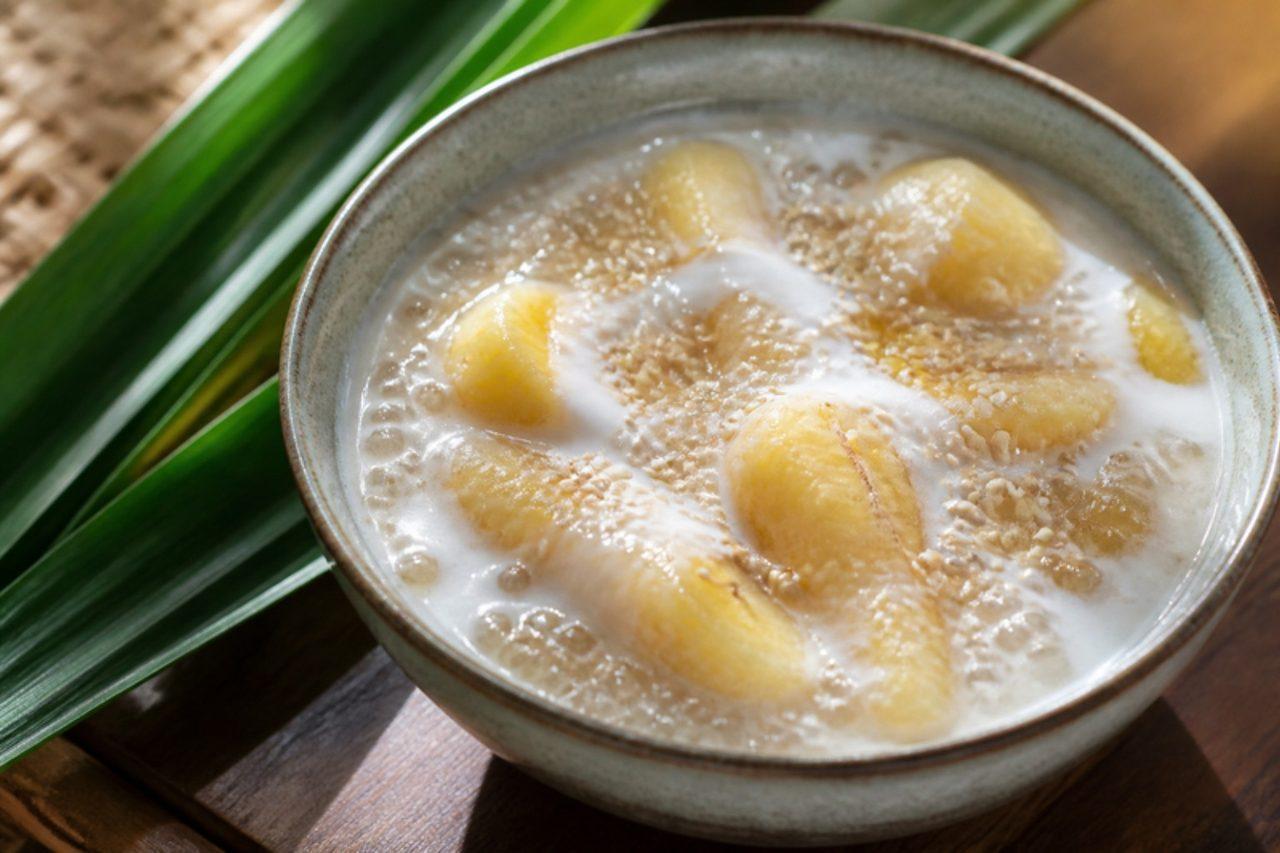
Chek k'tis

Ask for something sweet at a Phnom Penh dessert cart on a rainy-season afternoon and you may be handed a warm cup of chek k'tis: chunks of small, tart-sweet bananas bobbing in coconut milk with clear, chewy tapioca pearls. The coconut milk is sweetened with palm sugar and seasoned with a good pinch of salt, which makes it taste rich rather than cloying, and a knot of pandan gives it a grassy vanilla scent. It is also cooked at home as an offering-day treat and eaten warm or at room temperature. The usual error is using very ripe, spotty bananas, which melt into grey sludge; firm, just-yellow fruit holds its shape and blushes pink as it cooks. Chef's tip: let the coconut milk only shiver, never boil hard, or it splits and turns oily.

by KrazyBadal 0 views
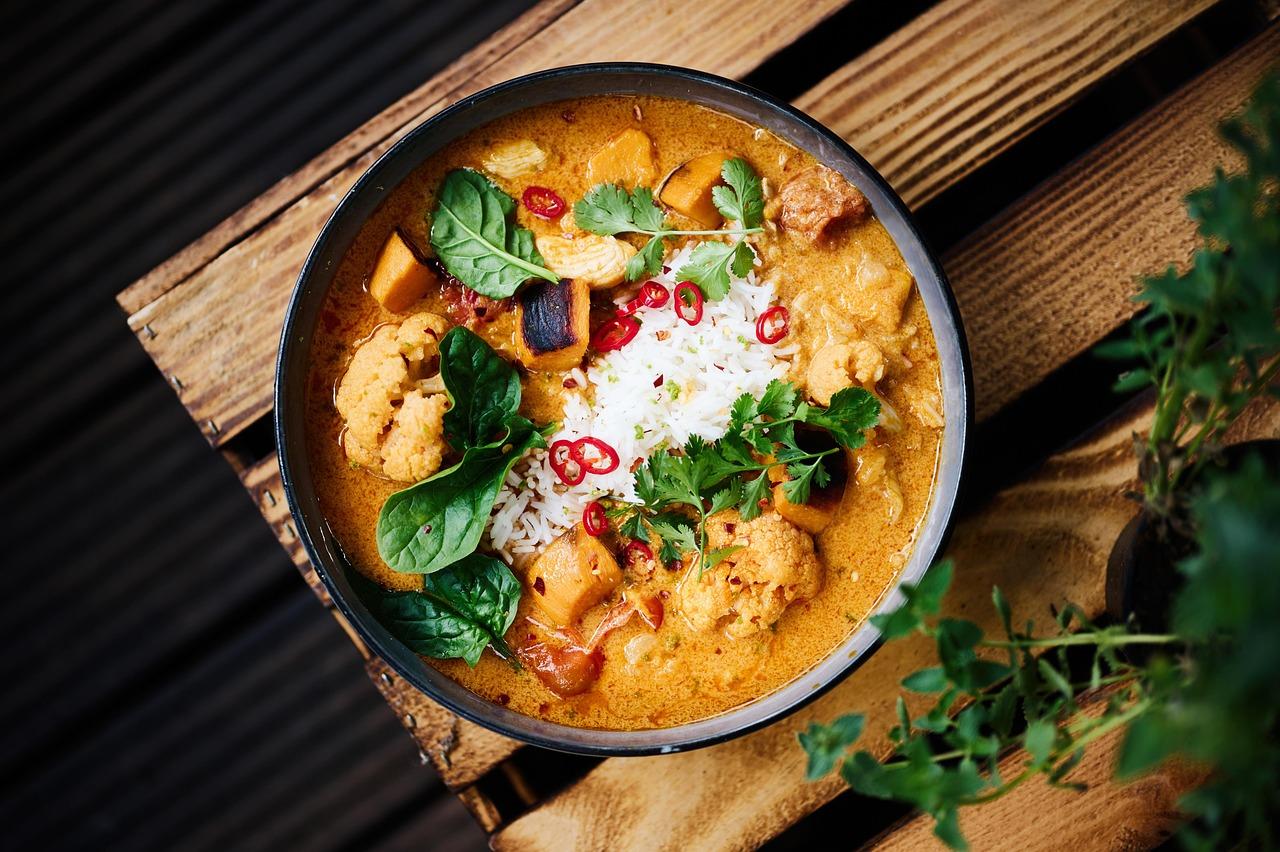
Khmer red chicken curry

When a Cambodian family celebrates (a wedding, Khmer New Year, the Pchum Ben days in autumn), a big pot of red curry is usually on the stove, and in Phnom Penh it is just as likely to be eaten for breakfast from a street stall with a crusty baguette for mopping. It is a gentle, fragrant curry rather than a fiery one: chicken on the bone simmered in coconut milk with a red kroeung of dried chillies, lemongrass and galangal, plus chunks of sweet potato, aubergine and long beans that soak up the orange-tinged sauce. Dropping all the vegetables in at once is the error to avoid; the aubergine collapses before the sweet potato is cooked. Chef's tip: make it a few hours ahead or the day before, as the flavours deepen and the sauce settles into a silky, spoonable gravy.

by KrazyBadal 0 views
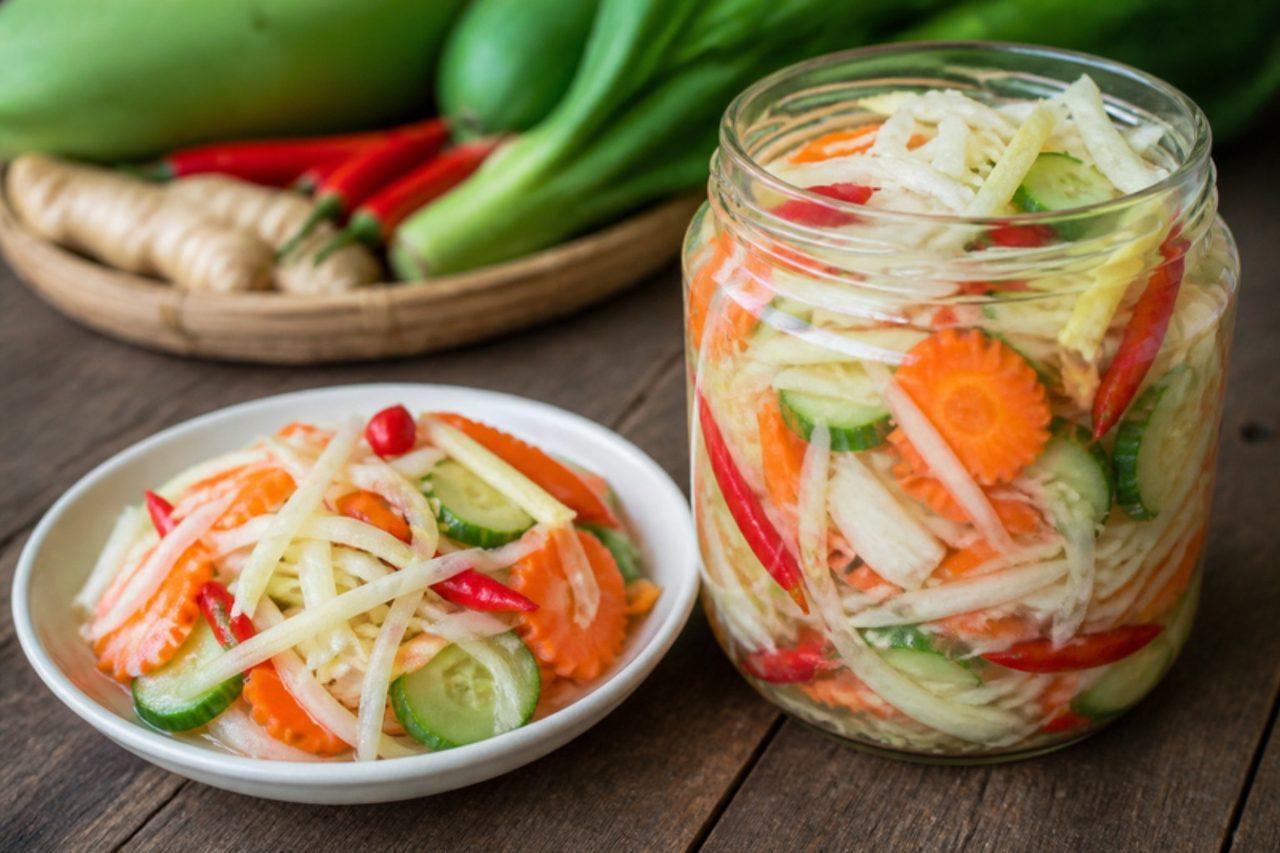
Khmer pickled vegetables

Cambodian cooks keep a jar of chrouk in the fridge the way others keep ketchup. These quick pickles of green papaya, carrot, cucumber and a little ginger come on the side of broken-rice breakfasts in Phnom Penh, with grilled food at night markets and tucked into num pang baguettes, adding crunch and a sweet-sour snap to anything rich or smoky. The brine is simply rice vinegar, sugar and salt, which keeps the vegetables pale and crisp. Pouring the brine on boiling hot is the classic slip: it softens the cucumber and dulls the colours. Chef's tip: salt the papaya and carrot for 15 minutes and squeeze them before jarring; they stay crunchy for a week instead of turning floppy by day two.

by KrazyBadal 0 views

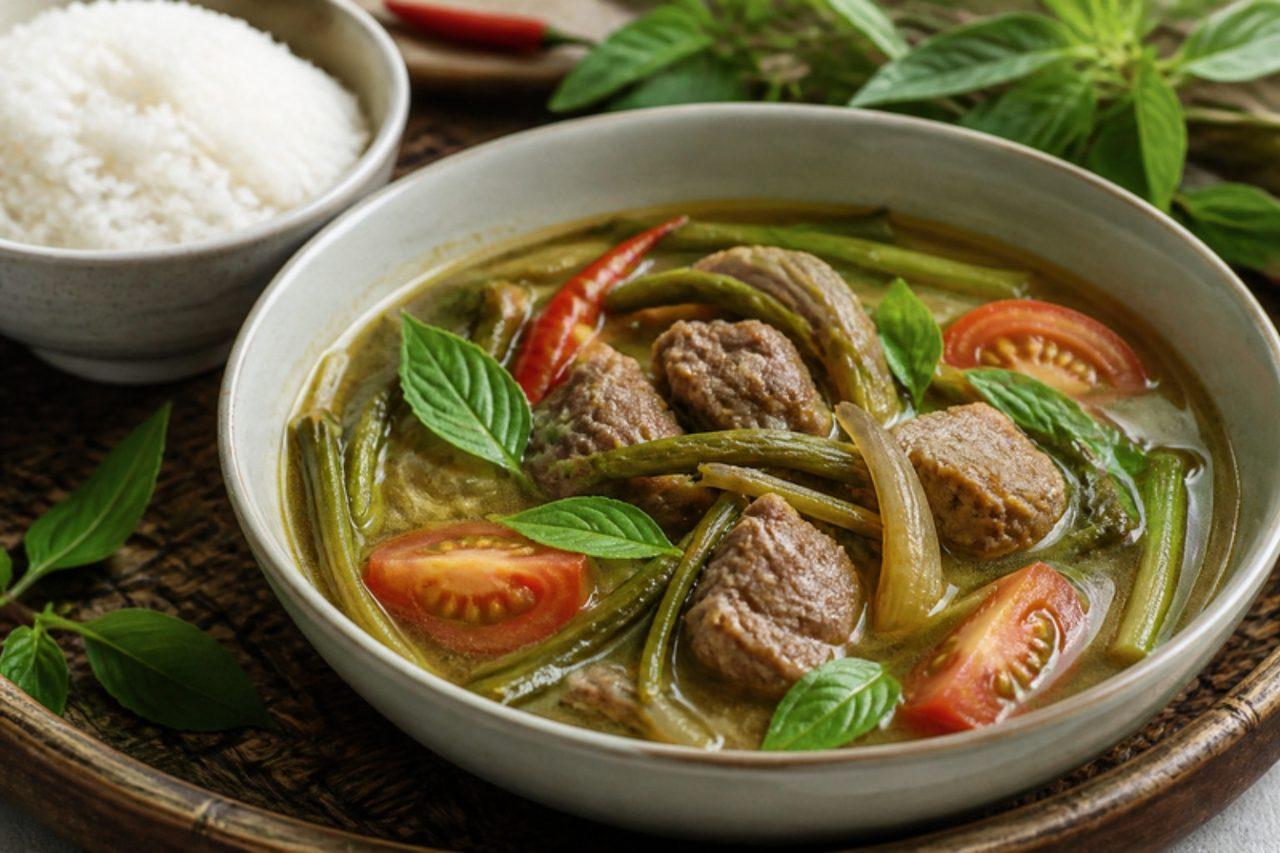
Samlor machu kroeung

Sour, herbal and gently golden from turmeric, samlor machu kroeung is one of the soups Phnom Penh families put on the table at lunch, ladled over rice with a side of something fried or grilled. Its base is a fresh kroeung of lemongrass, galangal, turmeric and kaffir lime, fried and simmered with slow-cooked beef until the broth turns aromatic, then soured with tamarind and finished with armfuls of crunchy morning glory. Many cooks use beef tripe; here it is braising beef, which turns spoon-tender. A slip that ruins it is adding the morning glory too early, so it turns khaki and slimy. Chef's tip: toast the kroeung in the beef fat until it darkens a shade and smells sweet; that is where the soup's depth comes from.

by KrazyBadal 0 views

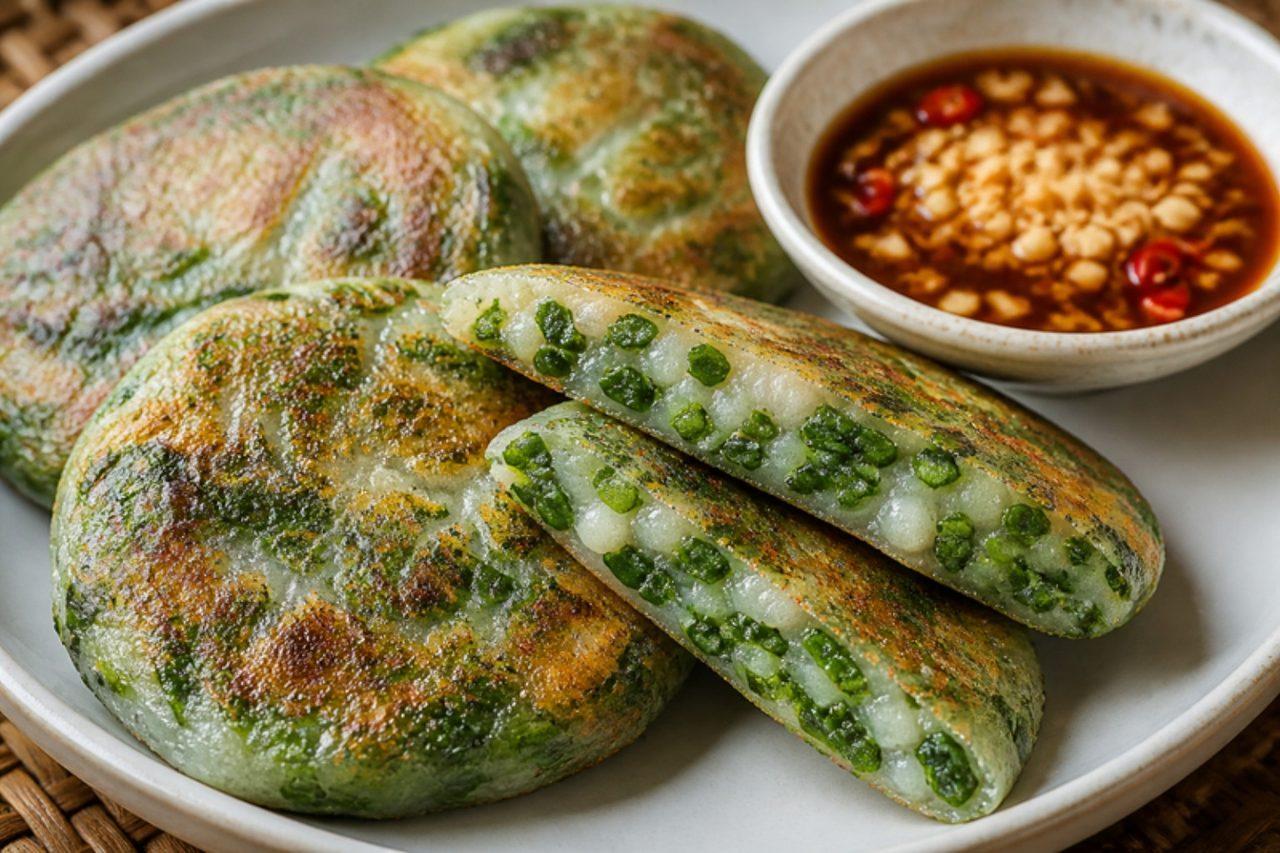
Num kachay with soy-lime dip

Bright green and blistered gold, these little chive cakes are fried to order on oiled griddles at Phnom Penh's Russian Market and at morning carts outside schools. A dough of rice and tapioca flour is packed with chopped garlic chives, steamed until translucent and then pan-fried, so each cake has a crackly shell and a soft, bouncy, slightly sticky inside. At the stalls they come with a sweet fish-sauce dip; this vegetarian version is served with a sweet-sour soy, lime and garlic dip with crushed peanuts. A frequent slip is frying the cakes raw, which leaves them gummy in the middle and greasy outside. Chef's tip: steam them a day ahead if you like, chill them uncovered, and fry from cold; the dried skin crisps even better.

by KrazyBadal 0 views

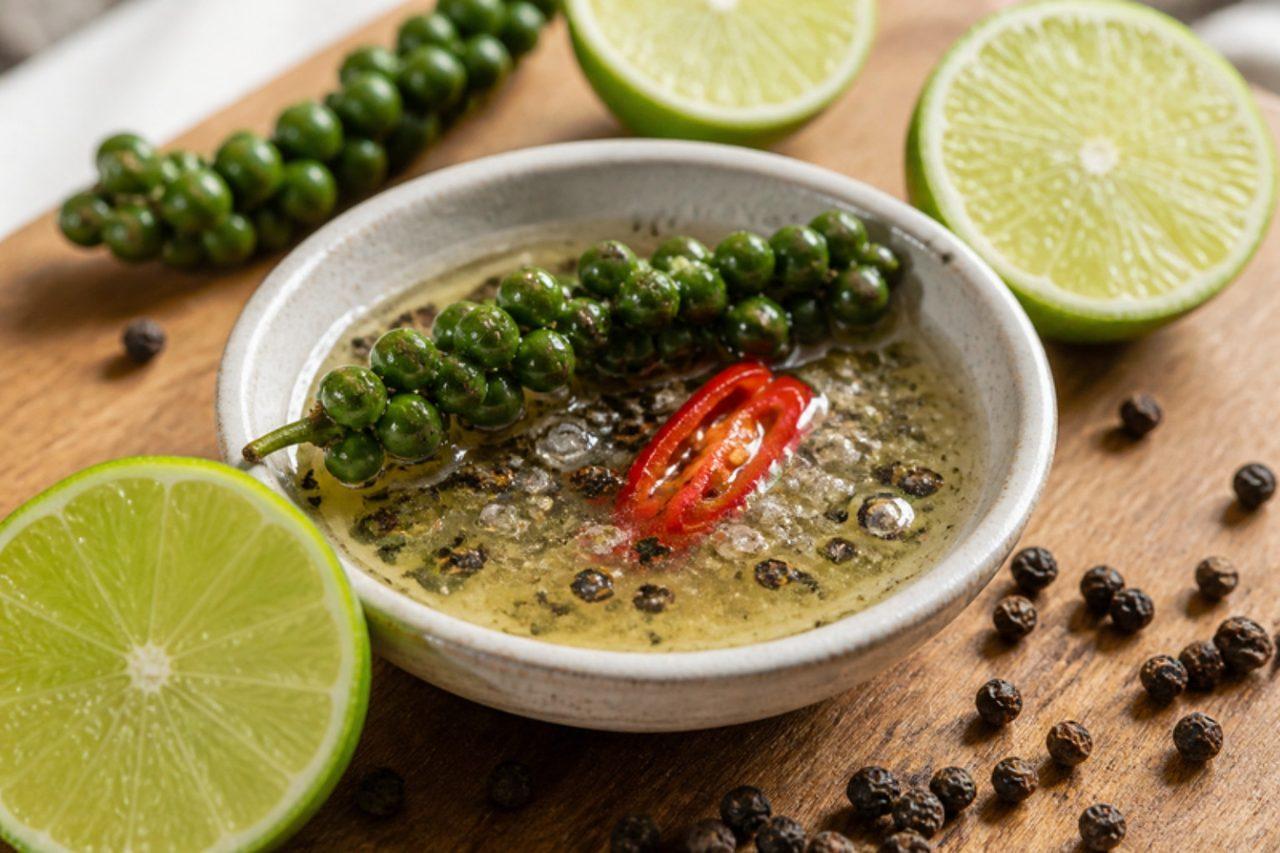
Kampot pepper and lime dip

Every table in Kampot and along the crab-shack pier at Kep gets a saucer of tuk mrech, and diners mix their own: a heap of salt, a spoonful of freshly cracked local pepper and a squeeze of lime. It is sharp, salty and floral-hot, with none of the sweetness of most Khmer dips, and it is meant for dragging grilled corn, griddled tofu, fried eggs or a pepper crab through. Kampot pepper carries a protected geographical indication and tastes fruity and resinous rather than just hot; any good whole black peppercorns work, but pre-ground pepper does not. People often get it wrong by grinding the pepper to dust, which turns the dip muddy and bitter, or by mixing it hours ahead so the lime goes flat. Chef's tip: warm the peppercorns in a dry pan for a minute before cracking them, and squeeze the lime straight into the saucer at the table so it stays fresh and zingy.

by KrazyBadal 0 views

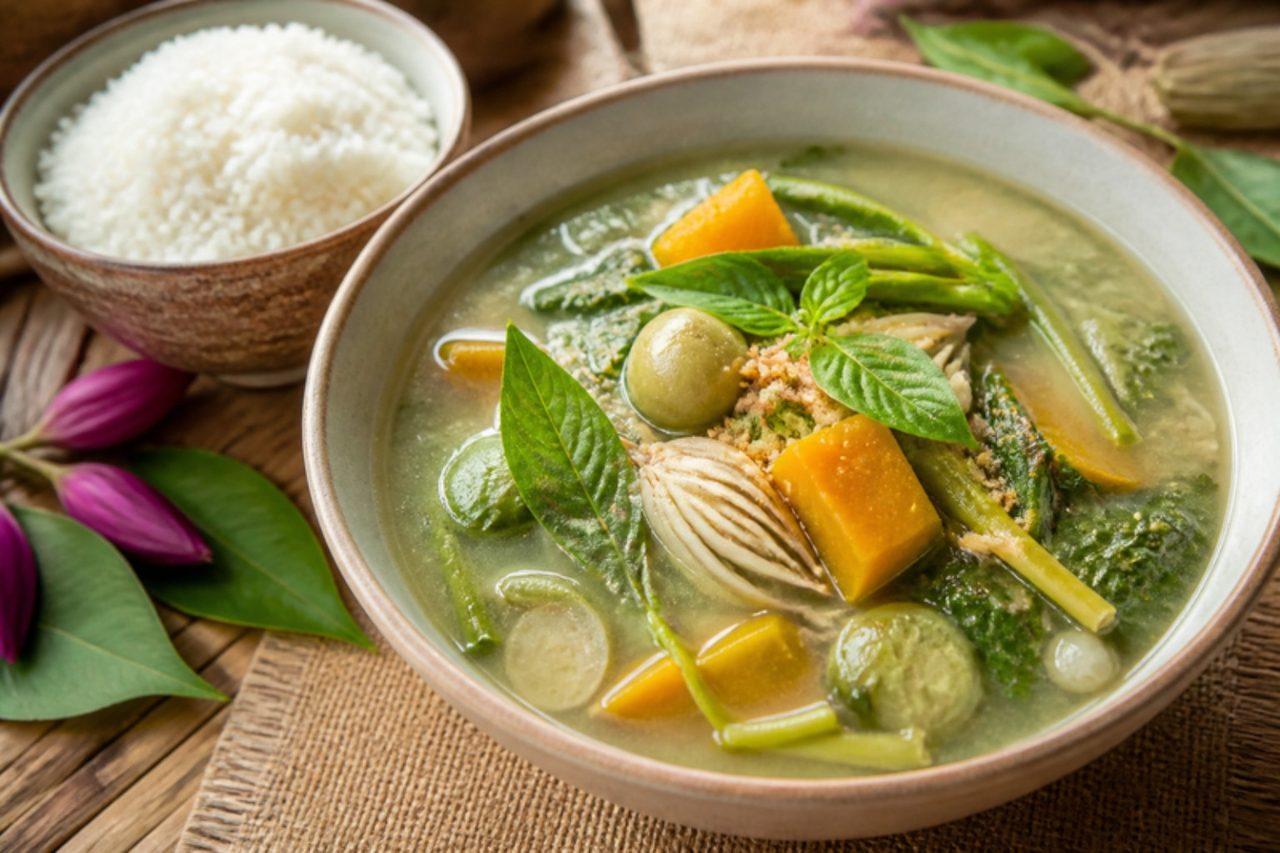
Samlor proher

Home cooks in the villages around Siem Reap make samlor proher when the garden is full: a light, clear soup crowded with pumpkin, banana blossom, long beans, little aubergines and leafy greens, seasoned with a lemongrass kroeung and a spoonful of prahok. Toasted ground rice is stirred in near the end, giving the broth a faint body and a nutty, popcorn-like aroma. It is everyday lunch food, eaten with steamed rice and perhaps a piece of grilled fish, and it tastes savoury, sweet from the pumpkin and gently earthy. Leaving the prahok raw is the big no; it must be mashed and boiled in the broth for at least 10 minutes, so it cooks through and its sharpness rounds out. Chef's tip: slice the banana flower straight into lime-acidulated water, or it will turn black within minutes.

by KrazyBadal 0 views

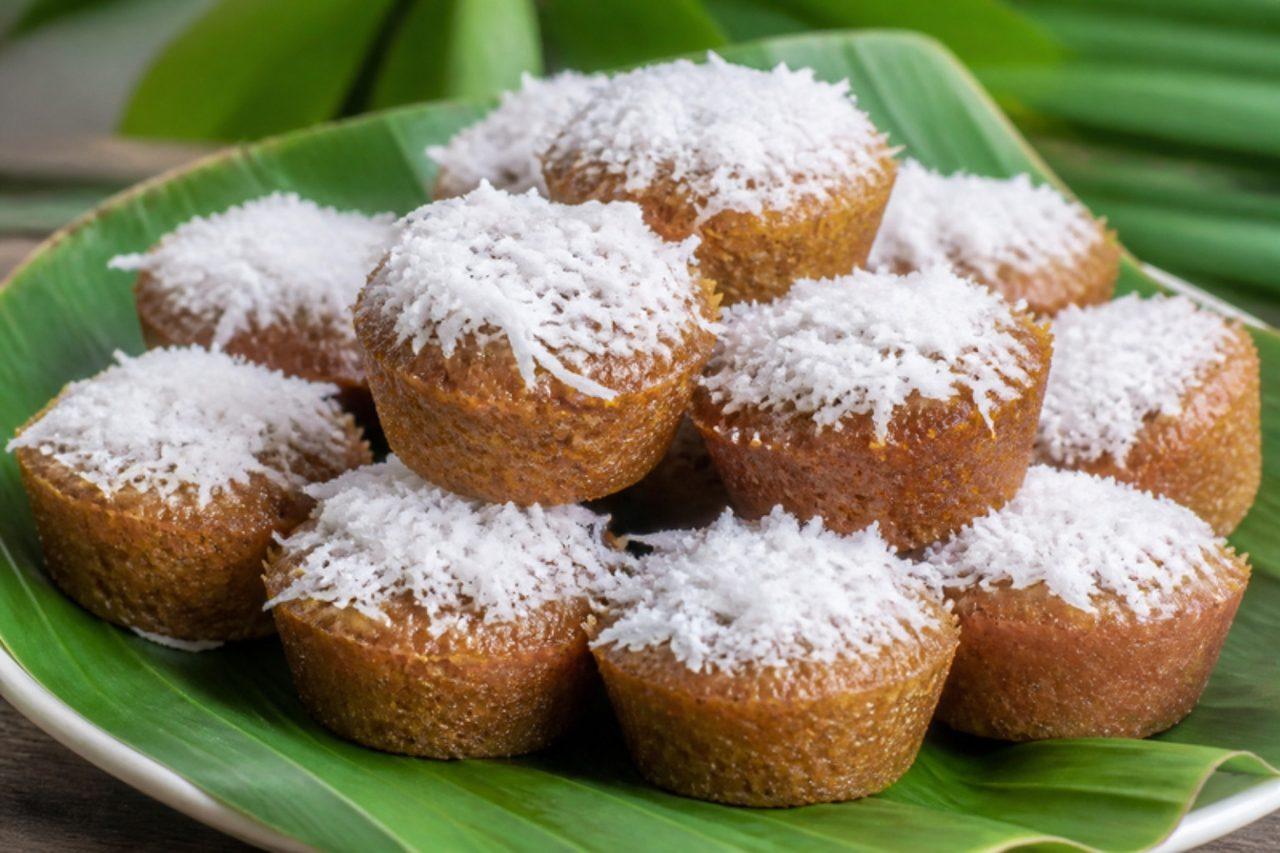
Num akor

Tiny, springy and the colour of light caramel, num akor are sold from bamboo trays at Cambodian markets in the early morning and appear on the sweets table at weddings and pagoda ceremonies. A rice-flour batter sweetened with palm sugar is left to bubble with yeast, then steamed in small cups so it rises into a soft, airy dome with a faint fermented tang. A spoonful of salted grated coconut on top balances the sweetness. People tend to overfill the cups or lift the steamer lid early, and both give flat, dense cakes with a sunken top. Chef's tip: stir the risen batter just once before pouring, fill each cup only three-quarters, and wrap the steamer lid in a tea towel so drips can't pock the surface.

by KrazyBadal 0 views

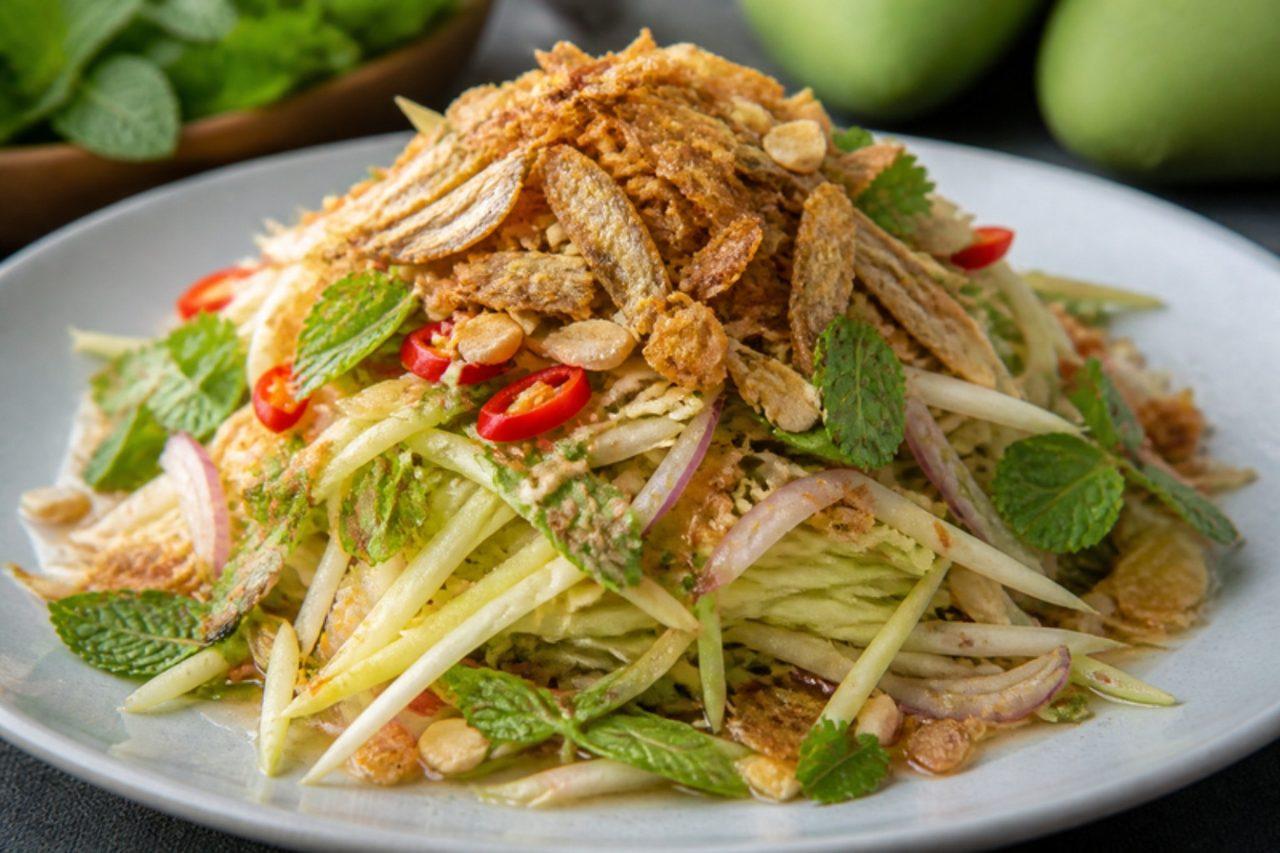
Khmer green mango salad with crispy dried fish

Sharp enough to make you wince and then reach for more, nhoam svay is the salad sold from glass-fronted carts around Siem Reap's Old Market and packed for weekend picnics at the West Baray reservoir. Hard green mango is cut into fine strands and tossed with shallots, mint and a dressing of lime, fish sauce and palm sugar, then topped with crunchy roasted peanuts and flakes of salty dried fish fried until crisp. It is eaten as a snack on its own or as a fresh, sour side to grilled meat and rice. Many people dress it too early, which draws water out of the mango and leaves a limp, watery salad. Chef's tip: fry the dried fish slowly until it shatters, then crumble it over at the very last moment; for a vegetarian version, leave it out and use soy sauce in place of the fish sauce.

by KrazyBadal 0 views

Prahok ktis

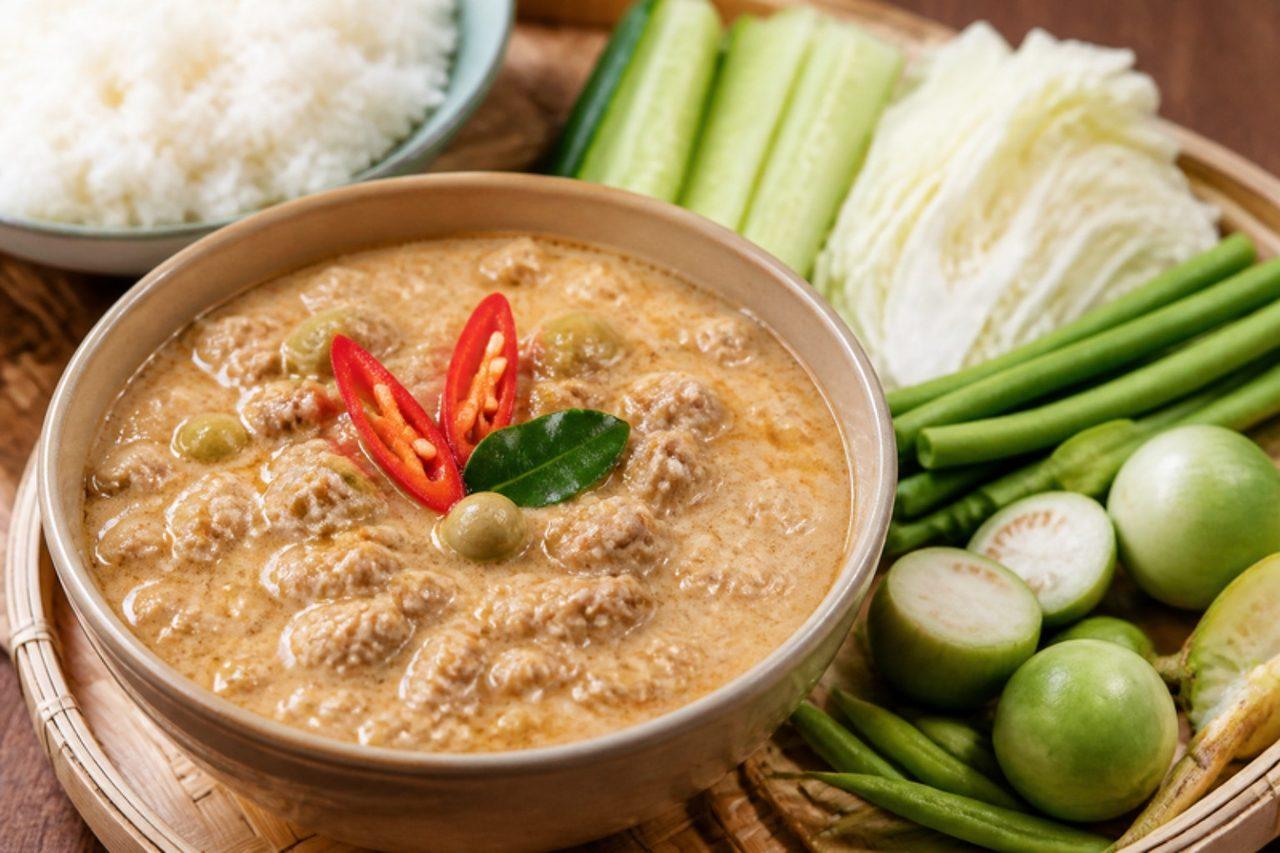
Prahok, the pungent fermented fish paste of the Tonlé Sap, is softened here into something mellow and moreish: it is simmered with coconut cream, minced pork, a fragrant lemongrass paste and pea aubergines until thick and orange-flecked. In Phnom Penh it is a family-table dish for lunch or a weekend feast, set in a bowl in the middle with a platter of crisp raw vegetables (cucumber, cabbage wedges, long beans, Thai aubergines) and steamed rice for everyone to scoop with. Salty, sweet, funky and creamy all at once, it tastes far gentler than the jar smells. Prahok tossed in at the end goes wrong: it stays harsh and is not cooked through, so it must simmer properly with the pork. Chef's tip: buy prahok in jars from an Asian grocer, mash it with a splash of hot water before adding, and let the dip simmer for a full 10 minutes after the pork is cooked.

by KrazyBadal 0 views

Cha traop dot

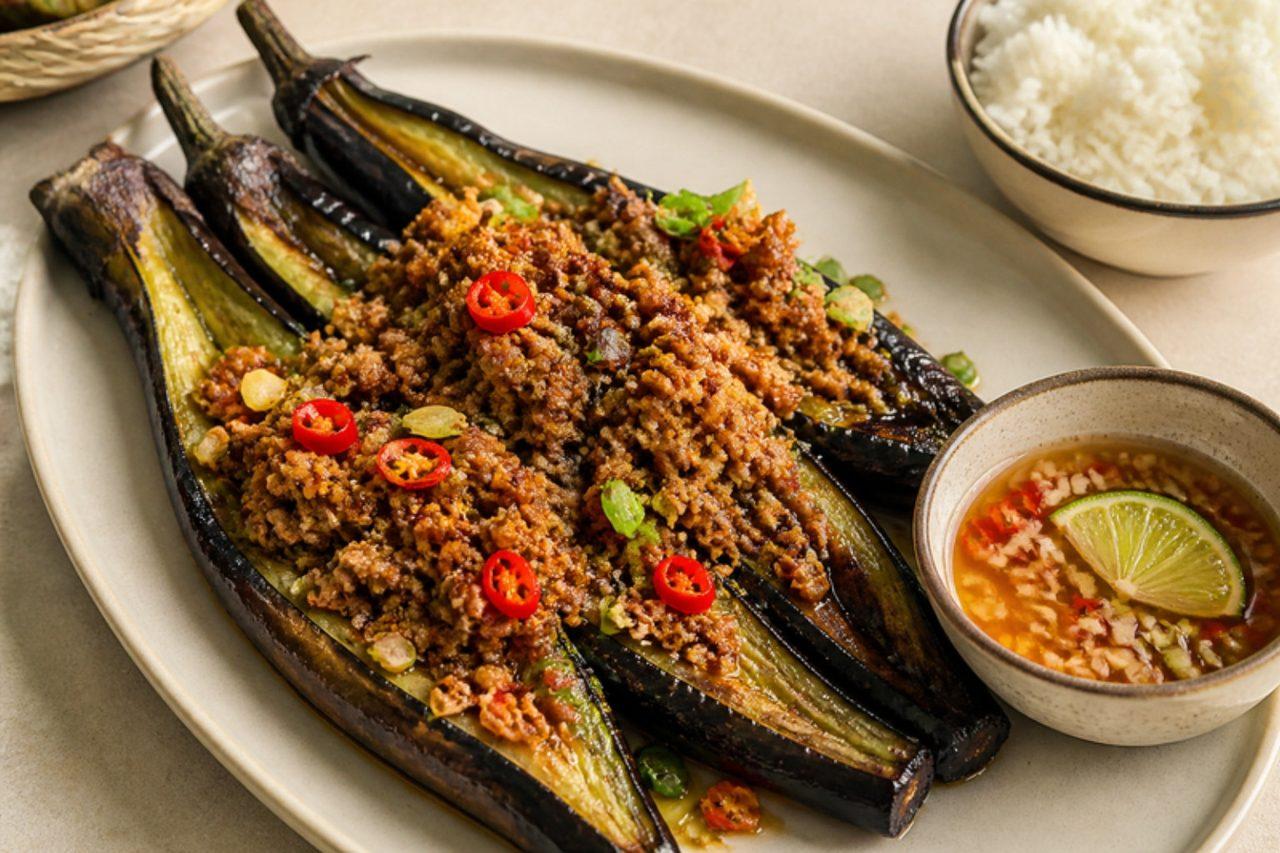
Long purple aubergines blackened right on the coals or gas flame are a weeknight staple in Phnom Penh homes and in the rice-and-curry shops where office workers eat lunch from a row of pots. Once peeled, the flesh is soft, silky and deeply smoky; it is laid on a plate, topped with minced pork fried with garlic and fish sauce, then drizzled with hot spring onion oil and a sweet-salty lime dressing. Eaten with plenty of jasmine rice, it is gentle enough for children and rich enough to feel like a treat. A typical mistake is pulling the aubergines off the heat when the skin is only scorched in patches, which leaves hard, bland flesh inside. Chef's tip: char them until they slump completely flat and the skin cracks all over, then rest them in a covered bowl for 5 minutes so the skin slips off in one go.

by KrazyBadal 0 views

Kep crab with green Kampot pepper

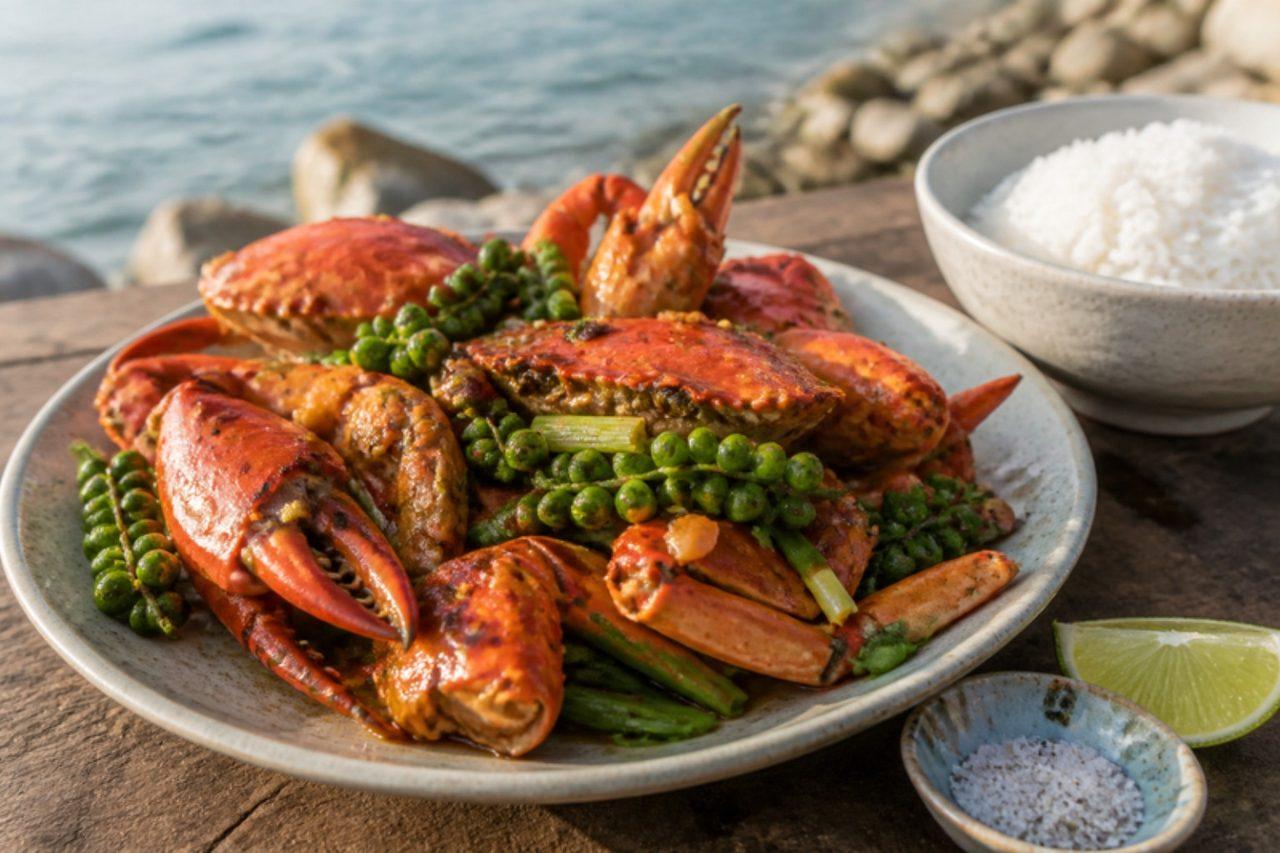
This is the dish people travel to the seaside town of Kep for: at the crab market, women haul baskets of blue swimmer crabs out of the water, and the wooden restaurants behind them stir-fry the catch for lunch with whole sprigs of green peppercorns picked that week in the Kampot hills. Fresh green pepper is juicy and aromatic rather than fiery, popping between the teeth with a bright, almost citrusy heat, and it clings to the sweet crab meat along with garlic and a light, salty-sweet sauce. Eat it with your hands, with rice and a saucer of salt, pepper and lime. Overcooking is the usual failure: crab left in the wok too long turns dry and stringy. Chef's tip: buy crabs already killed and cleaned by the fishmonger, or frozen cut crab, and throw out any piece that smells off; cook just until the shells turn bright orange and the meat is opaque right through.

by KrazyBadal 0 views

Num kom

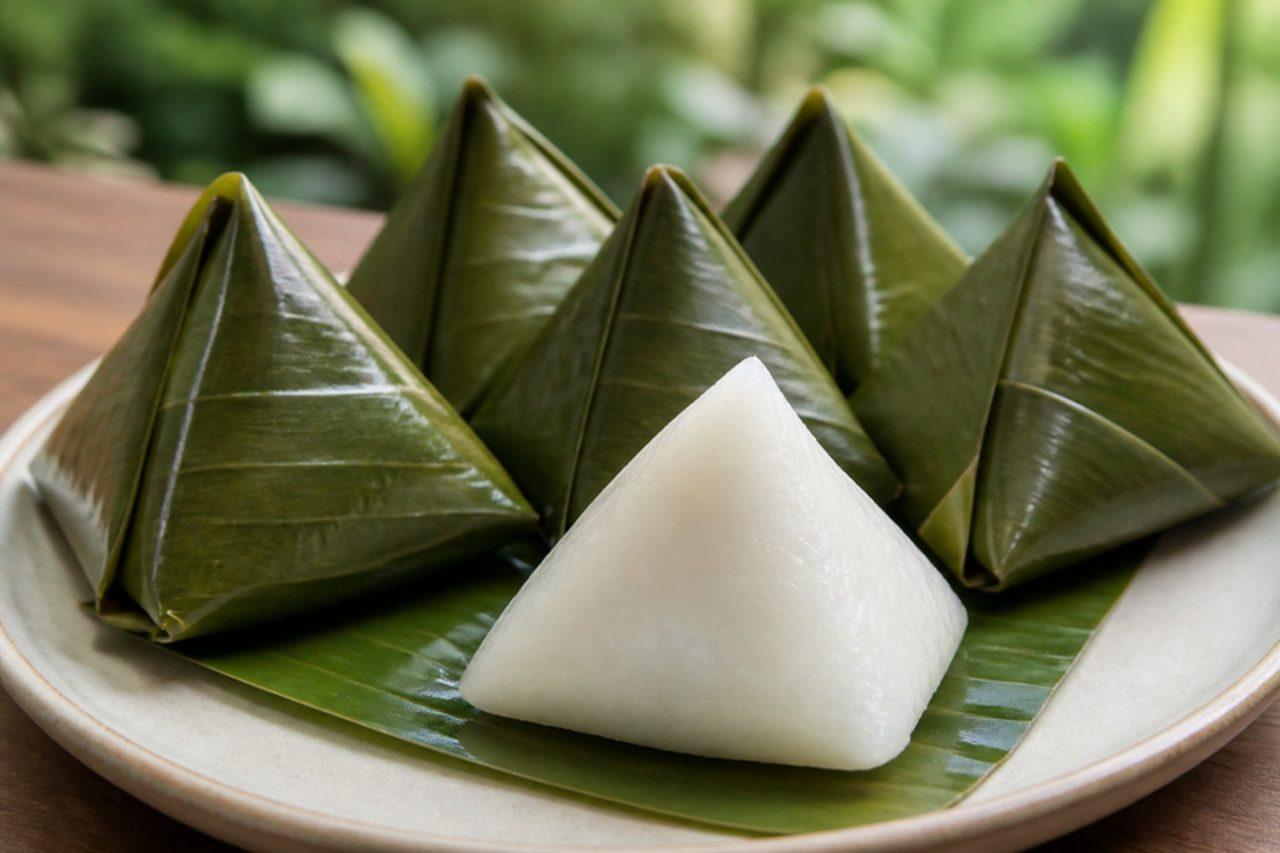
Neat little green pyramids tied in pairs are a sign of celebration in Cambodia: num kom are folded by the tray for Khmer New Year in April, for weddings and for offerings at the pagoda. Inside the banana-leaf wrapper is a thin, soft, chewy skin of glutinous rice dough around a sticky filling of grated coconut cooked with palm sugar and toasted sesame. The leaf leaves a gentle tea-like scent, and the cakes keep well for a day at room temperature, which makes them good for sharing. A brittle leaf is what trips people up: straight from the packet it splits along the veins as you fold, and the dough leaks out. Chef's tip: pass each leaf piece briefly over a gas flame or dip it in hot water until it turns glossy and pliable before you start folding.

by KrazyBadal 0 views

Trey aing (grilled fish with lemongrass)

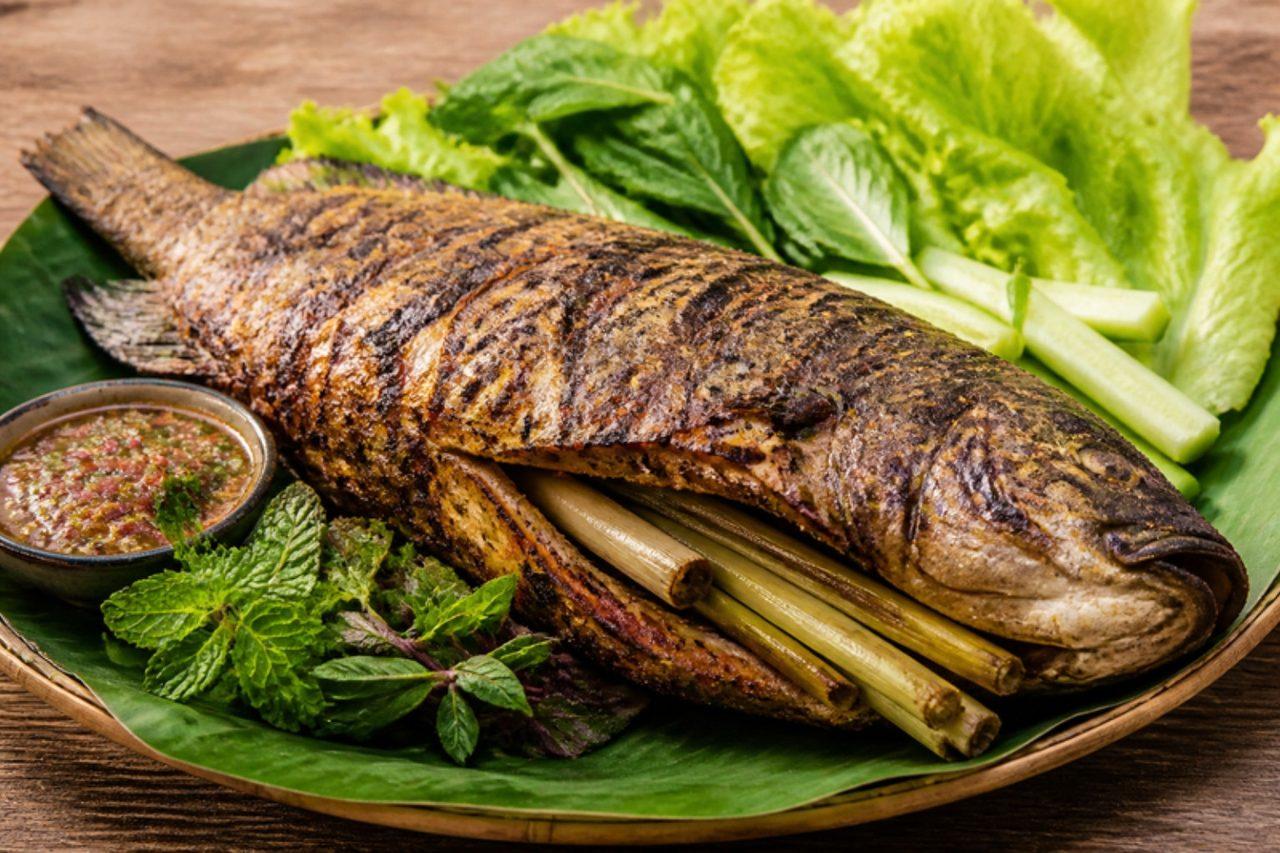
Around Siem Reap and the floating villages of the Tonlé Sap, weekend outings mean a bamboo picnic hut by the water and a whole fish grilled over charcoal in a wire basket. The fish is stuffed and rubbed with lemongrass, garlic and salt, so the skin blisters and smokes while the white flesh stays moist; diners pull off flakes and wrap them in lettuce with mint, basil, sliced cucumber and sour green mango, then dunk the parcel in a garlicky lime dip with crushed peanuts. Snakehead or tilapia are the usual fish, but sea bass or bream are excellent. Turning the fish too soon is the classic misstep; the skin tears and sticks to the grill. Chef's tip: oil the fish and the basket well, then leave it alone until the underside releases by itself, about 10 minutes.

by KrazyBadal 0 views

Lort cha (vegetarian)

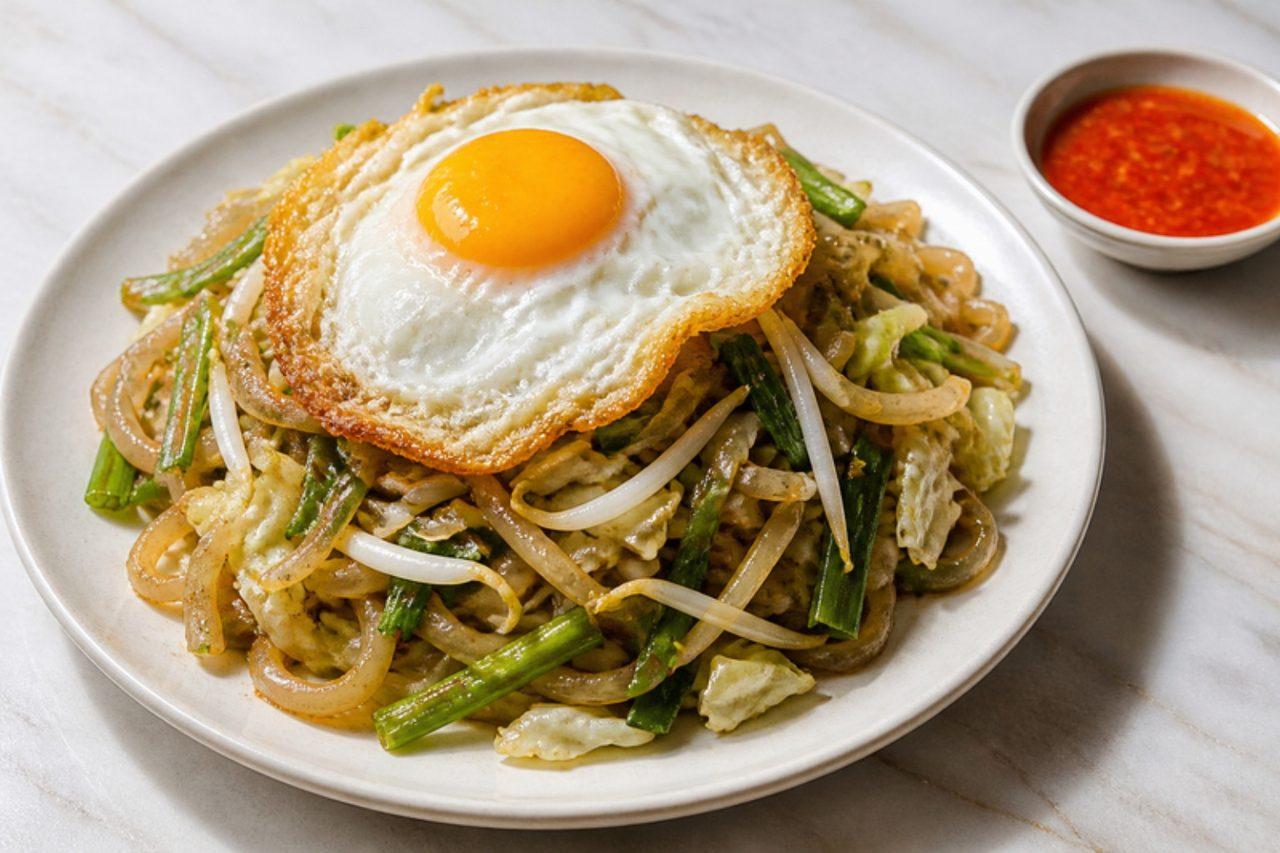
Late afternoon around Phnom Penh's Orussey and Kandal markets, vendors work flat griddles crowded with lort, short rice noodles tapered at both ends like fat pins. They are fried hard with bean sprouts and garlic chives until some strands catch and turn chewy-crisp, splashed with sweet-salty soy, then crowned with a fried egg and a squeeze of sweet chilli sauce for an after-school or after-work snack. Stalls season with fish and oyster sauce; this vegetarian version uses soy and a mushroom-based stir-fry sauce instead. The usual mistake is stirring the noodles constantly, which breaks them into mush and never lets them brown. Chef's tip: loosen the noodles with warm water before they go near the pan, then leave them alone for a full minute at a time so they pick up toasty, caramelised patches.

by KrazyBadal 0 views

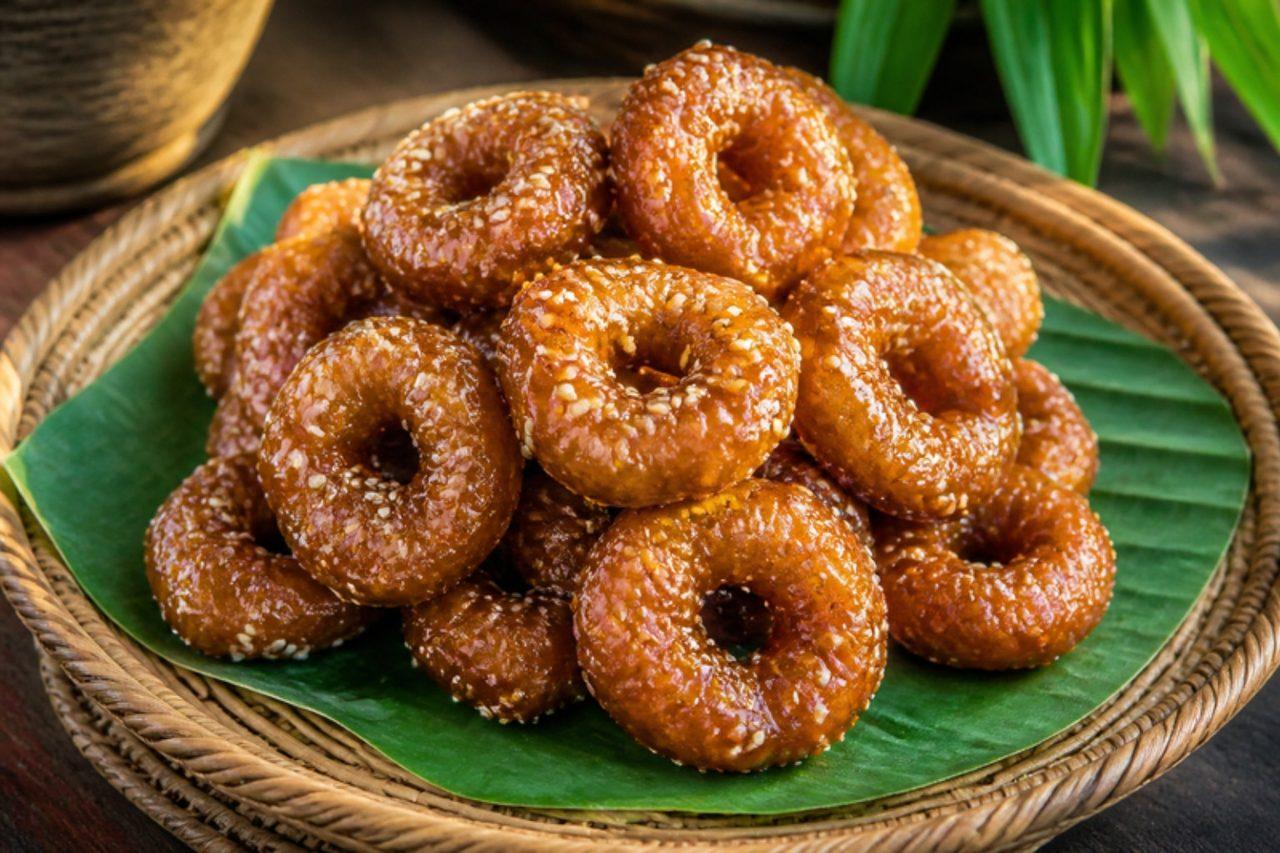
Num kong

Stacked on trays at morning markets across Cambodia and pressed into the hands of guests at Khmer New Year, num kong are rings of glutinous rice dough sweetened with palm sugar and fried until deep bronze. Bite through the crackly, caramel-glazed shell and the inside is soft and chewy, almost like mochi, with a smoky toffee flavour from the palm sugar and a coating of toasted sesame. They go with strong iced coffee or jasmine tea. Most failures come from oil that is too hot: the outside darkens in a minute while the inside stays raw and pasty, and trapped air can make a ring pop and spit. Chef's tip: knead the dough until it is completely smooth and crack-free, then fry at a steady 160 °C for a good 6–7 minutes; patience gives the shatter-crisp crust.

by KrazyBadal 0 views

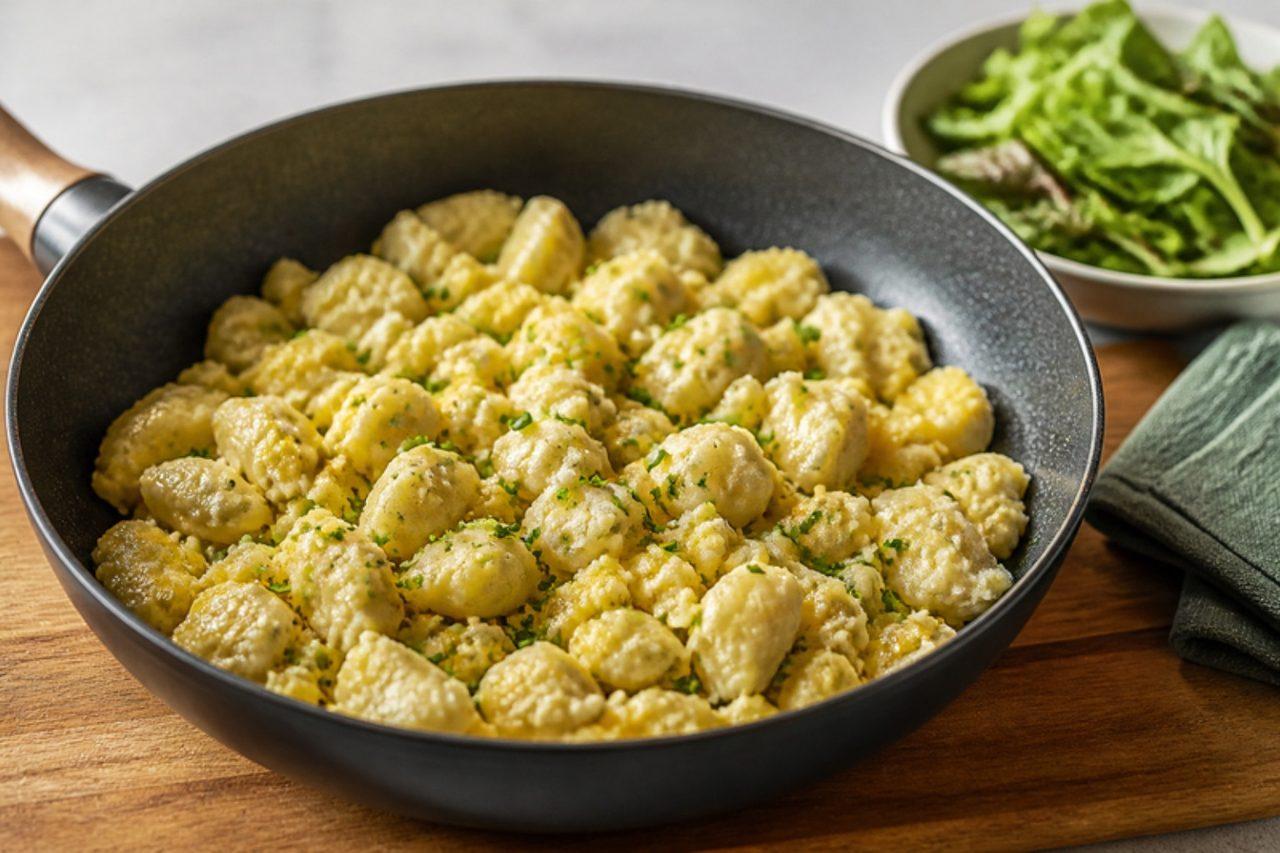
Eiernockerl

Eiernockerl is what Viennese grandmothers cook when the larder is nearly bare: a loose flour batter is scraped in little nubs into boiling water, then tossed in foaming butter and set with beaten eggs. In Vienna it turns up on weekday lunch tables and in old-fashioned Beisln, usually with a green salad in a sharp vinegar dressing on the side. The nockerl should be soft and slightly chewy, the egg just set and glossy, with lots of chives. A common mistake is cooking the eggs until dry and grainy; take the pan off the heat while they still look a little wet. Chef's tip: let the batter rest for 10 minutes before you cut it into the water, so the flour swells and the nockerl hold their shape.

by KrazyBadal 0 views

Topfenknödel

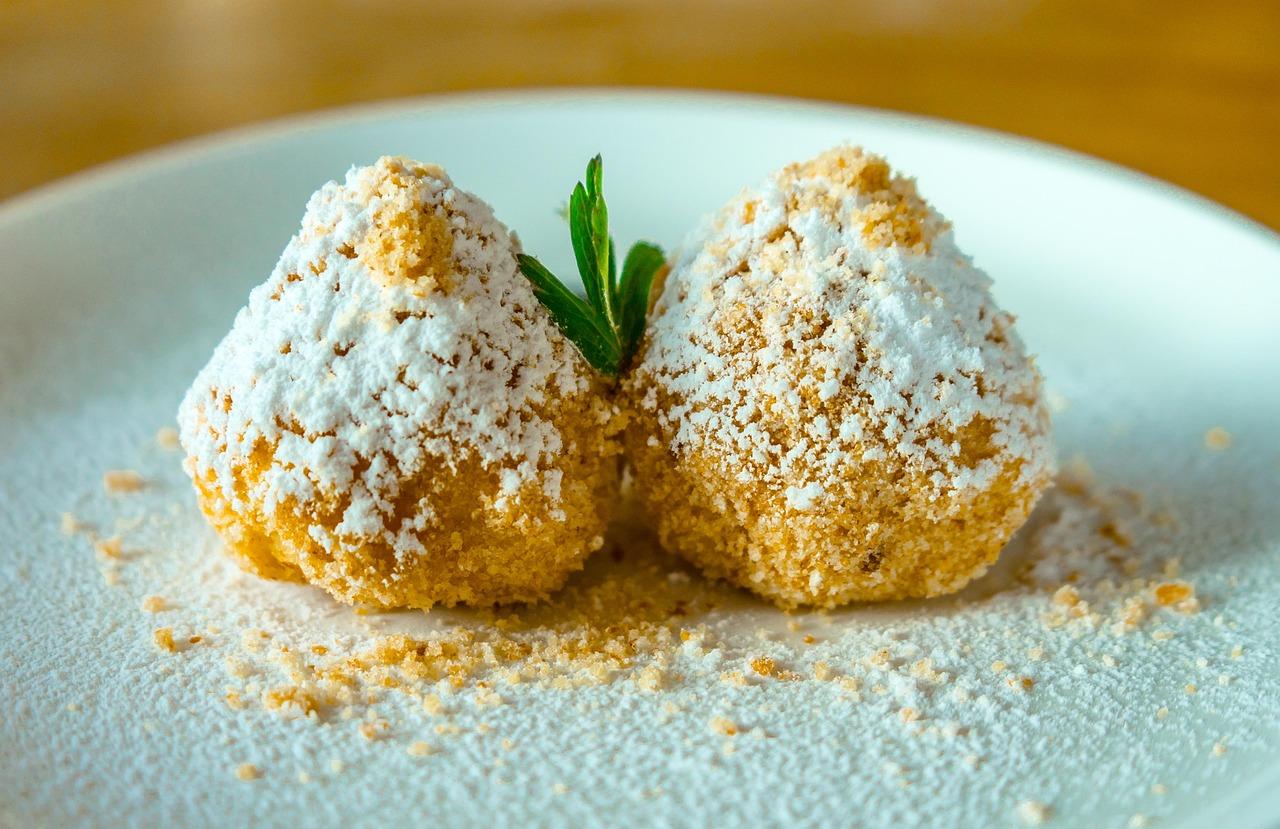
Topfenknödel belong to the long Austrian tradition of sweet main courses: in Viennese homes and Lower Austrian inns they are often served as a light Friday lunch, or as dessert after soup. Fresh quark, butter, egg and semolina make a dough that cooks into soft, tangy, almost cheesecake-like dumplings, which are rolled in breadcrumbs toasted in butter with cinnamon sugar and served with a warm fruit compote. A common mistake is boiling them hard; they puff, crack and fall apart, so keep the water just shivering. Most quark is made without animal rennet, but check the label and choose one marked vegetarian. Chef's tip: rest the dough for at least 30 minutes so the semolina can swell; it makes the dumplings hold together.

by KrazyBadal 0 views

Liptauer

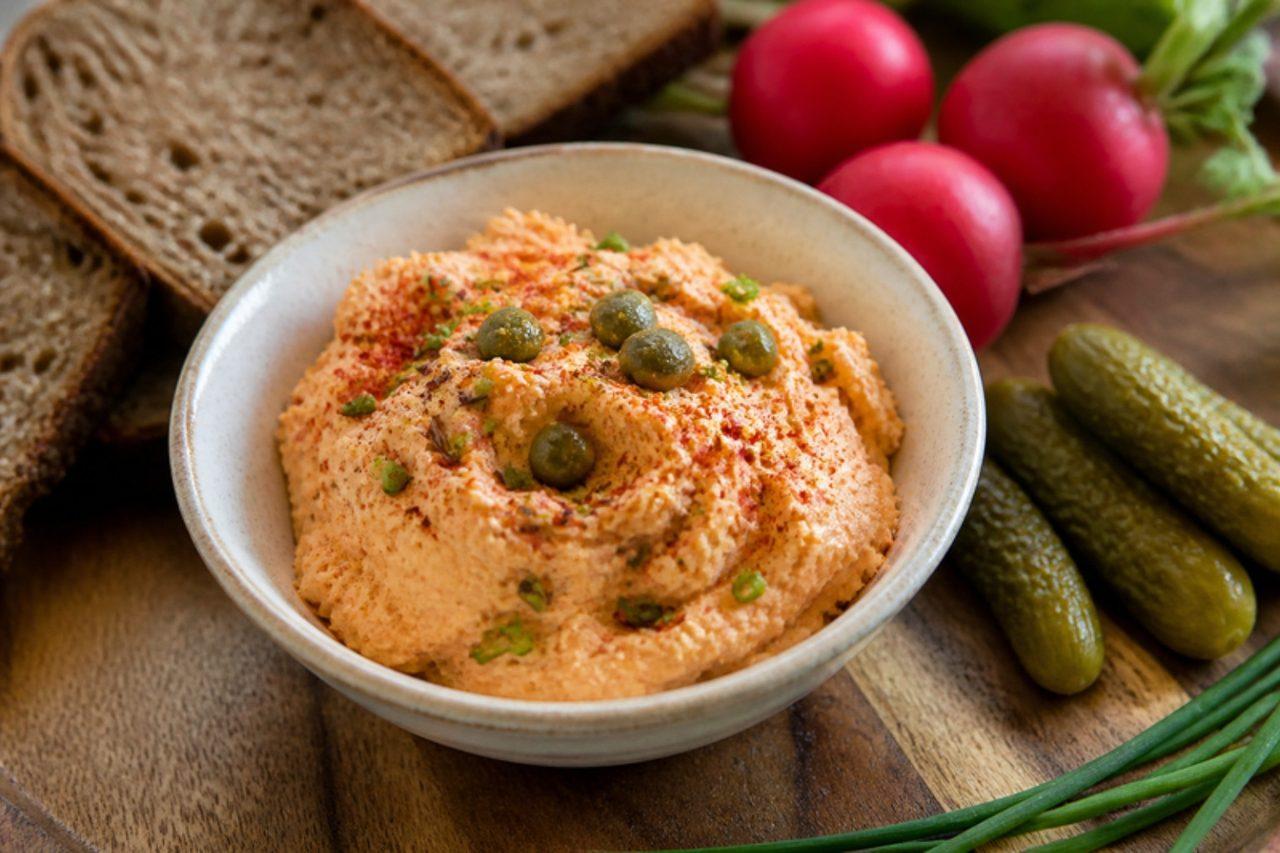
No Heuriger, the wine tavern on the vineyard slopes at the edge of Vienna, is complete without a bowl of rust-red Liptauer next to the bread basket. Quark and soft butter are beaten with sweet paprika, ground caraway, mustard, onion and capers into a spread that is creamy, tangy and gently warm. Spread it thick on dark rye bread with radishes and chives, or pipe it onto halved peppers for a snack board. A common mistake is using wet quark straight from the tub, which makes the spread runny; drain it in a sieve first. Most quark is set without rennet, but some brands use a little animal rennet, so pick one labelled vegetarian. Chef's tip: make it a few hours ahead; the paprika colour deepens and the caraway softens as it sits.

by KrazyBadal 0 views

Viennese Gugelhupf

In Vienna the Gugelhupf is the Sunday cake of home bakers, set out on the table for afternoon Jause with coffee, and every family has its own fluted copper or ceramic mould. Unlike the yeasted ring cakes of Alsace and southern Germany, the everyday Viennese one is a Rührgugelhupf, a buttery sponge lifted with whisked egg whites, scented with lemon and studded with plump raisins. It is tender, light and keeps moist for several days under a cake dome. A common mistake is a badly greased mould; every ridge needs butter and flour or the cake tears as it comes out. Chef's tip: soak the raisins in hot water for 15 minutes, dry them and toss them in a spoon of flour so they don't sink.

by KrazyBadal 0 views

Germknödel

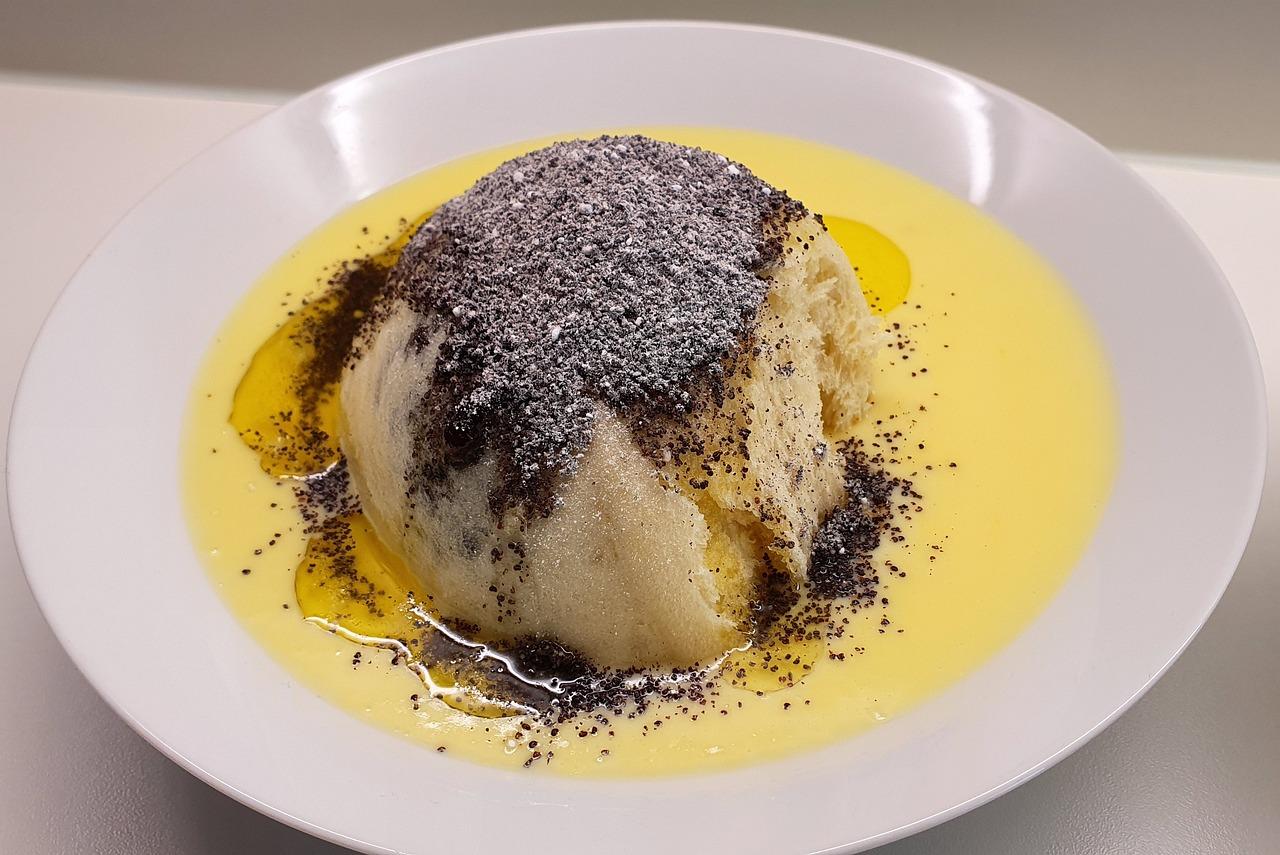
After a morning on the slopes, Austrians head into the mountain huts of Tyrol, Salzburg and Styria for one thing: a Germknödel the size of a fist, steamed until pillowy and split open to reveal dark plum butter. It comes drowned in melted butter, or in vanilla sauce, under a thick snow of ground poppy seeds and icing sugar, and it is eaten as a whole meal. The dough is soft and slightly sweet, and the powidl inside is tart and jammy. A common mistake is lifting the lid while they steam; the dumplings deflate and turn heavy. Chef's tip: seal each dumpling with the seam underneath and let them prove a second time on squares of baking paper, so you can move them without denting them.

by KrazyBadal 0 views

Grießnockerlsuppe

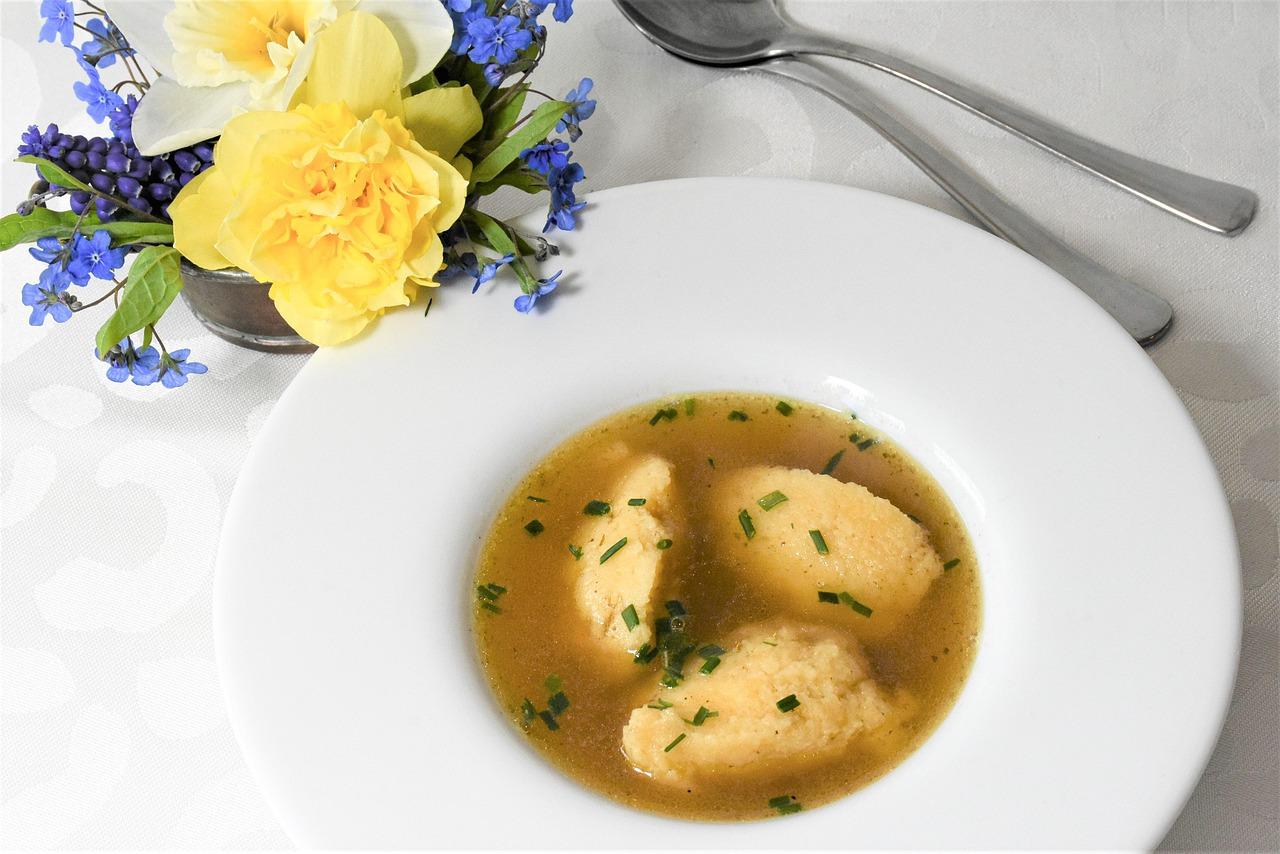
Grießnockerlsuppe is the soup that opens a proper Austrian Sunday lunch, from Viennese grandmothers' tables to village inns in Upper Austria: a clear, deeply savoury beef broth with three or four soft, oval semolina dumplings that should be fluffy enough to cut with a spoon. The broth is made from beef shin and bones, simmered slowly with charred onion; broth left over from Tafelspitz works perfectly too. Chef's tip: let the semolina mix rest for 15 minutes before shaping; the grains swell and the dumplings hold together without going heavy.

by KrazyBadal 0 views

Steirisches Wurzelfleisch

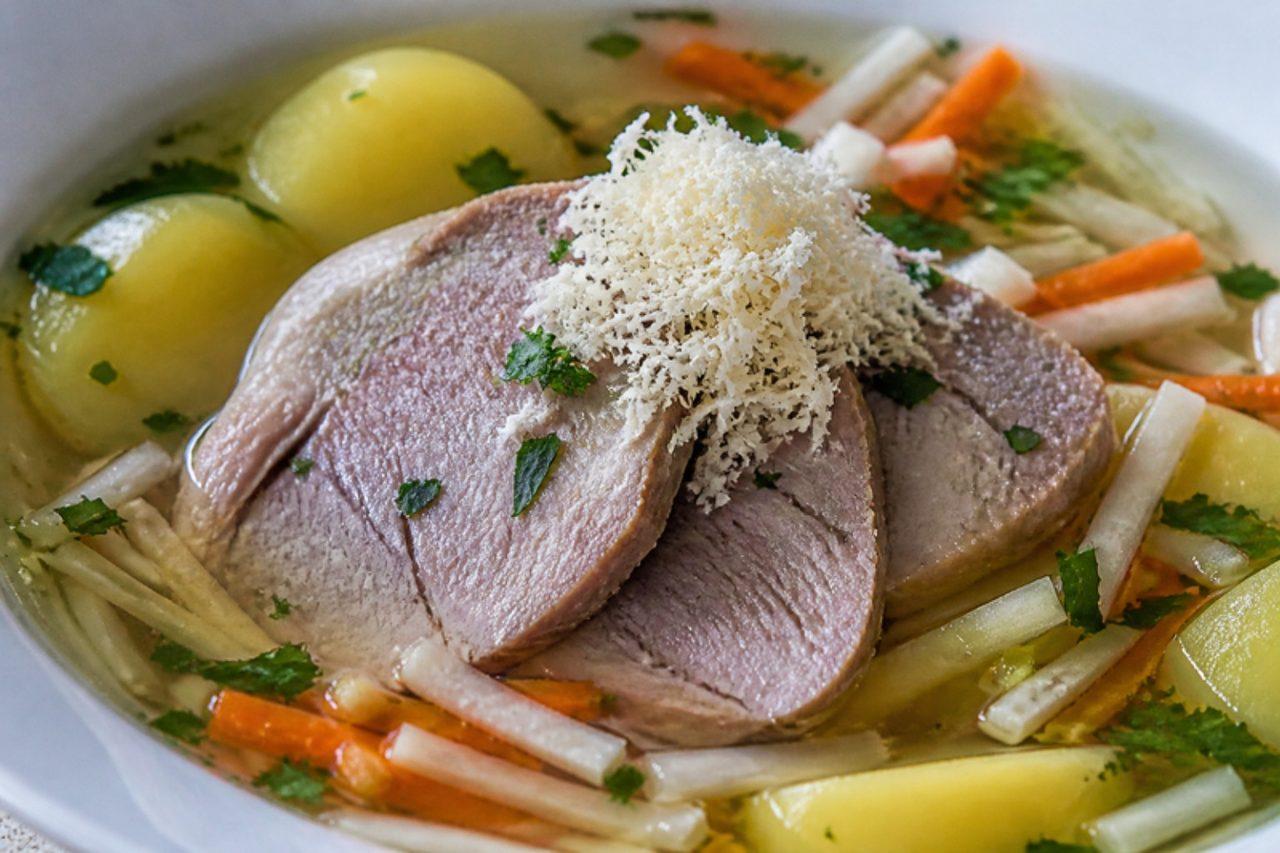
Wurzelfleisch, 'root meat', is a winter dish from the farms of Styria in south-east Austria, cooked in November and December when pigs were killed and the cellar was full of carrots, celeriac and parsley root. Pork shoulder is simmered in a lightly sour broth, then served in deep plates with thin strips of root vegetables, boiled potatoes and a snowfall of freshly grated horseradish. It is a gentle, clean-tasting dish, quite unlike a roast. Chef's tip: grate the horseradish at the table; it loses its bite within minutes.

130 minAustrianMeatGluten free
by KrazyBadal 0 views

Kärntner Kasnudeln

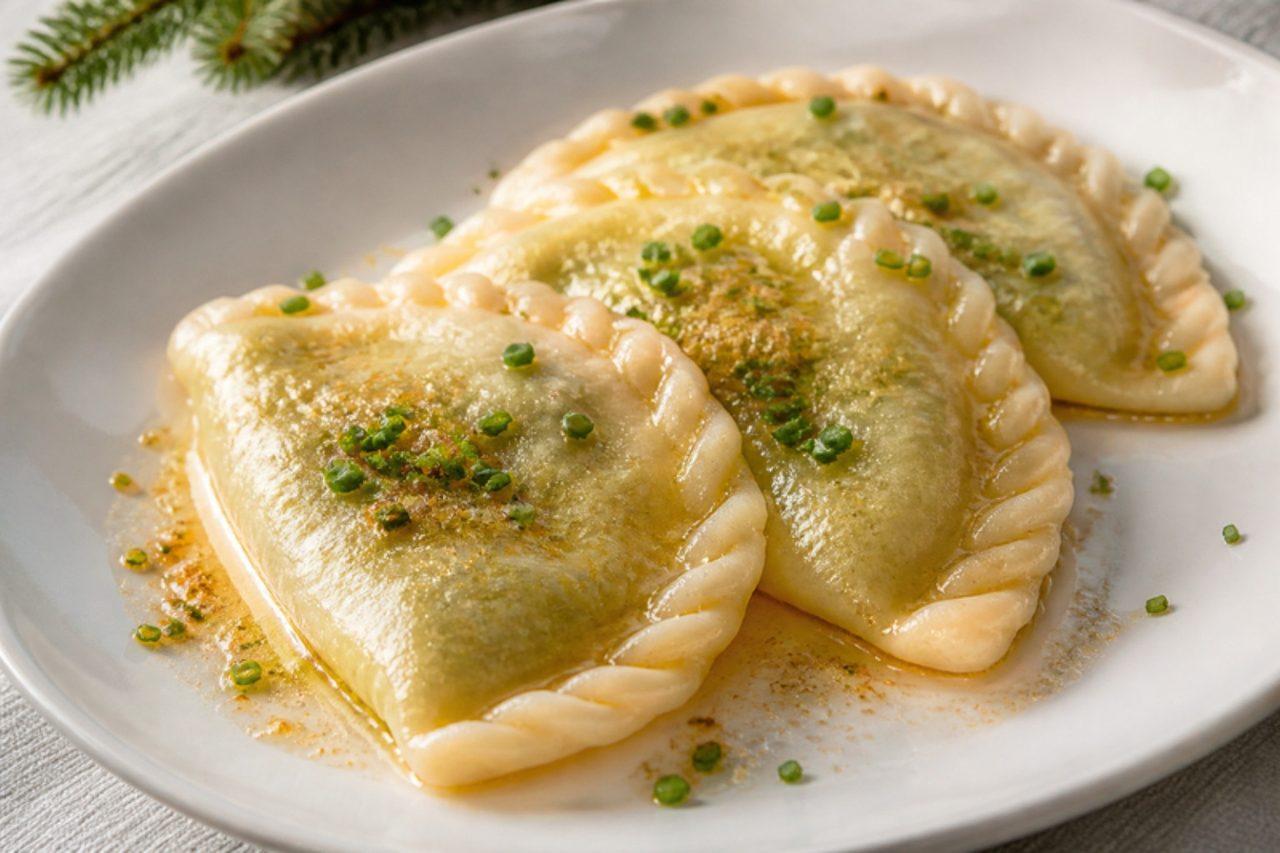
Kasnudeln are the pride of Carinthia in Austria's south, where every village claims the best filling and where they are eaten on Fridays and at church fairs. Big half-moons of thin noodle dough are stuffed with crumbly curd cheese, floury potato, onion and fresh mint, then sealed with a braided edge called 'krendeln' that keeps the filling in as they simmer. They are served with a generous pour of brown butter and chives, often with a green salad. A common mistake is rolling the dough too thick: it should be thin enough to see your hand through, or the folded edges turn stodgy. Carinthian Topfen is usually made without animal rennet, but check the label and pick a vegetarian quark. Chef's tip: if crimping feels tricky, press the edges with a fork first, then practise the braid on the last few.

by KrazyBadal 0 views

Showing 24 of 85 recipes

Show more recipes

Page 1 of 4