Skip to content
Recipes

All recipes

Vegetarian, or something you can't eat? Set your diet once and we'll hide recipes that don't fit.

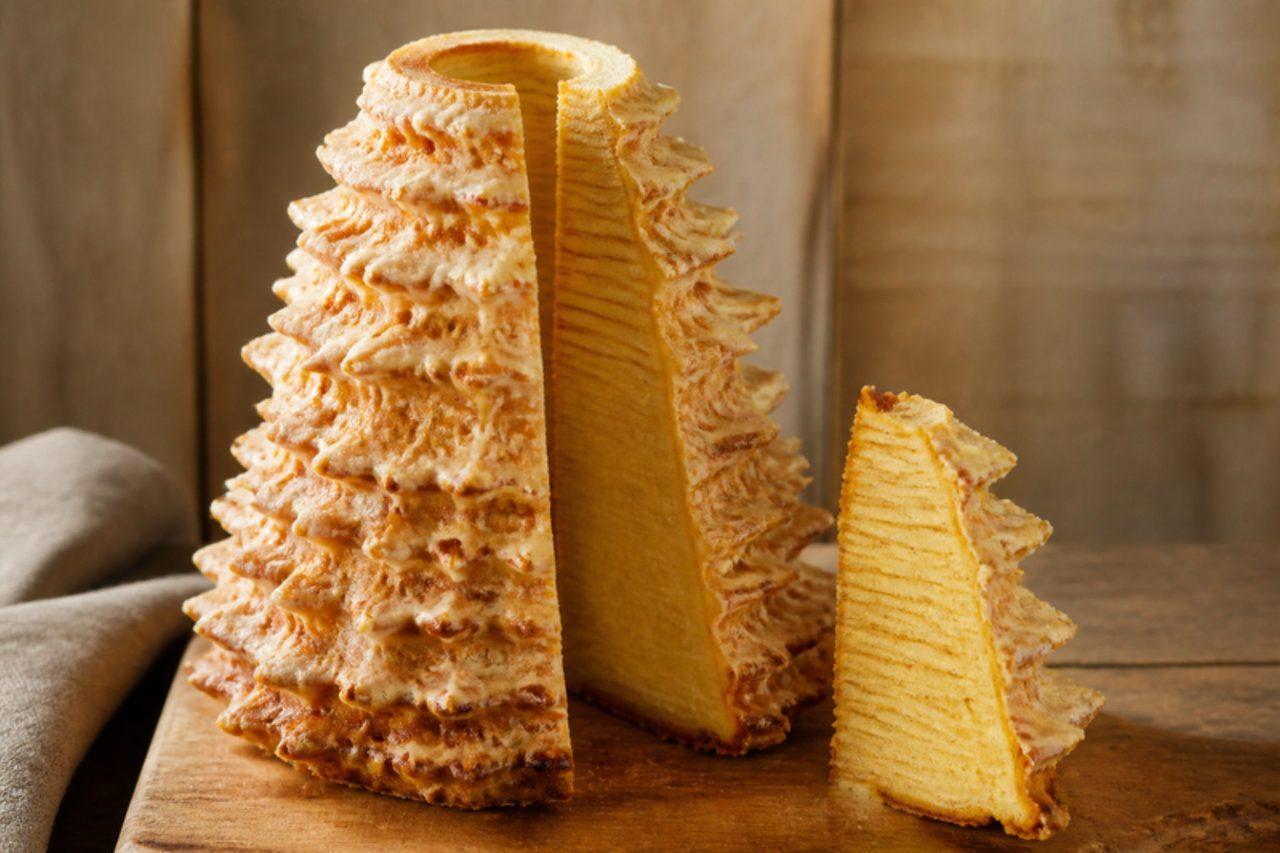
Gâteau à la brocheSpit cake

At weddings and village fairs in the Aveyron and the Pyrenees, gâteau à la broche is a performance: a wooden cone turns on a spit in front of a wood fire while a cook ladles batter over it, layer after layer, for hours. The drips set into the spiky ridges that make the tall, hollow cake look like a fir tree. Slices have thin golden rings, a soft, buttery, eggy crumb and a scent of orange-flower water; it is eaten at the end of the feast with sweet wine for the adults or coffee. Older recipes use rum where this one uses orange-flower water and lemon, and at home a foil-wrapped rolling pin turned under a hot grill does the job of the spit. Pouring too much batter at once is the easy mistake: thick layers stay raw inside, so ladle thinly and let each one colour. Chef's tip: keep the batter at room temperature and stir it each time; cold batter clings badly and drips off in sheets.

140 minFrenchBaking
by KrazyBadal 0 views

Pain de campagneCountry sourdough loaf

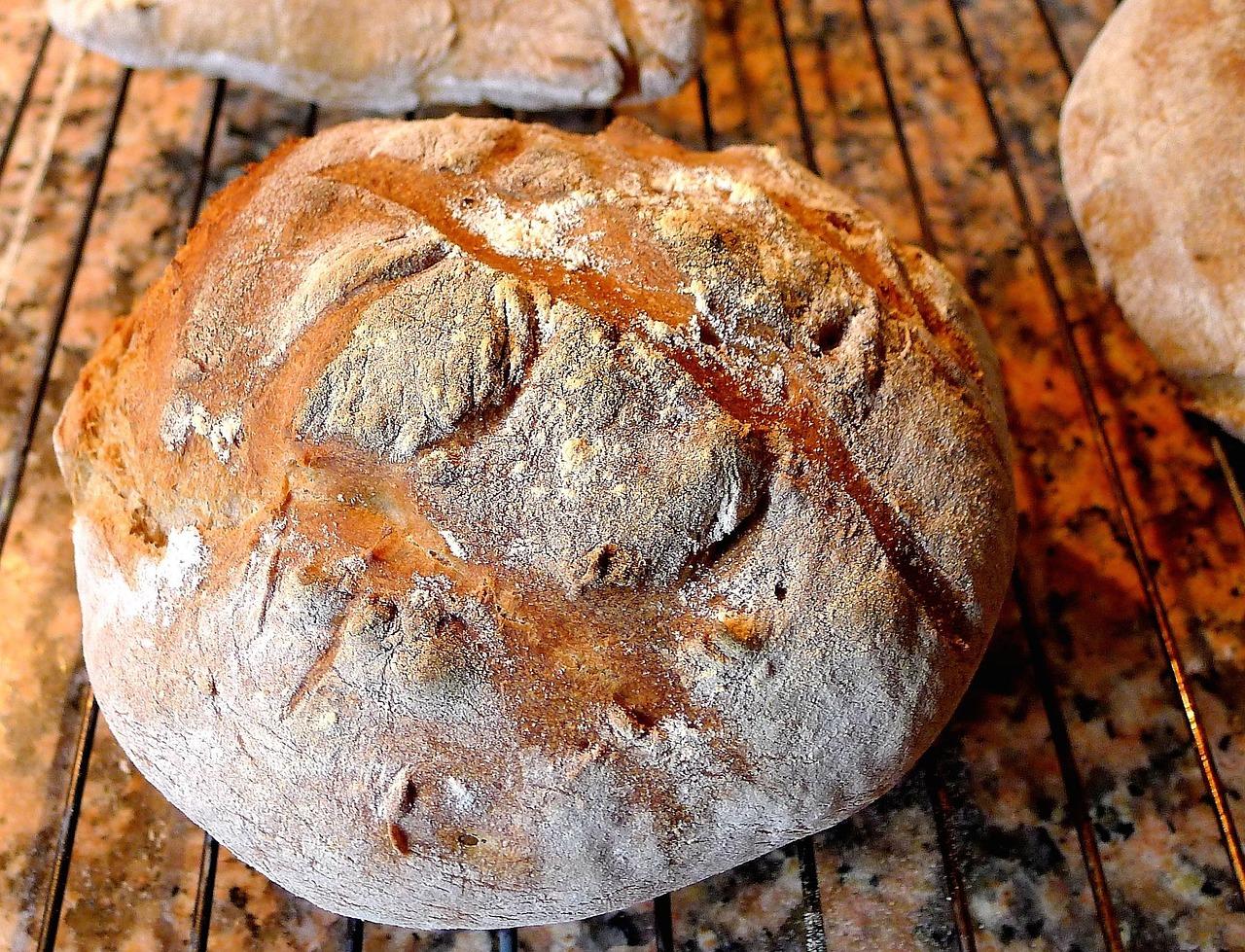
Picture a round, flour-dusted boule on the counter of a village bakery in Burgundy or the Auvergne: that is pain de campagne, the 'country loaf' French families once baked weekly in a shared oven and kept in a cloth for days. A little wholemeal rye in the dough gives a greyish crumb, an earthy, gently sour flavour and a thick, crackling crust that stays good for four or five days. Slice it for tartines with butter and honey, toast it for soup, or serve it with a cheese board, onion soup or a slow vegetable stew. This version builds a fresh leaven in the morning and rests the shaped loaf in the fridge overnight, so you bake first thing the next day. Many home loaves come out pale and soft because they are pulled too early; French bakers call the dark finish 'bien cuit', and that colour is where the flavour lives. Chef's tip: bake straight from the fridge into a screaming-hot lidded casserole; the cold, firm dough is easier to score and springs up higher.

by KrazyBadal 0 views

Gâteau battuTall egg-rich brioche cake

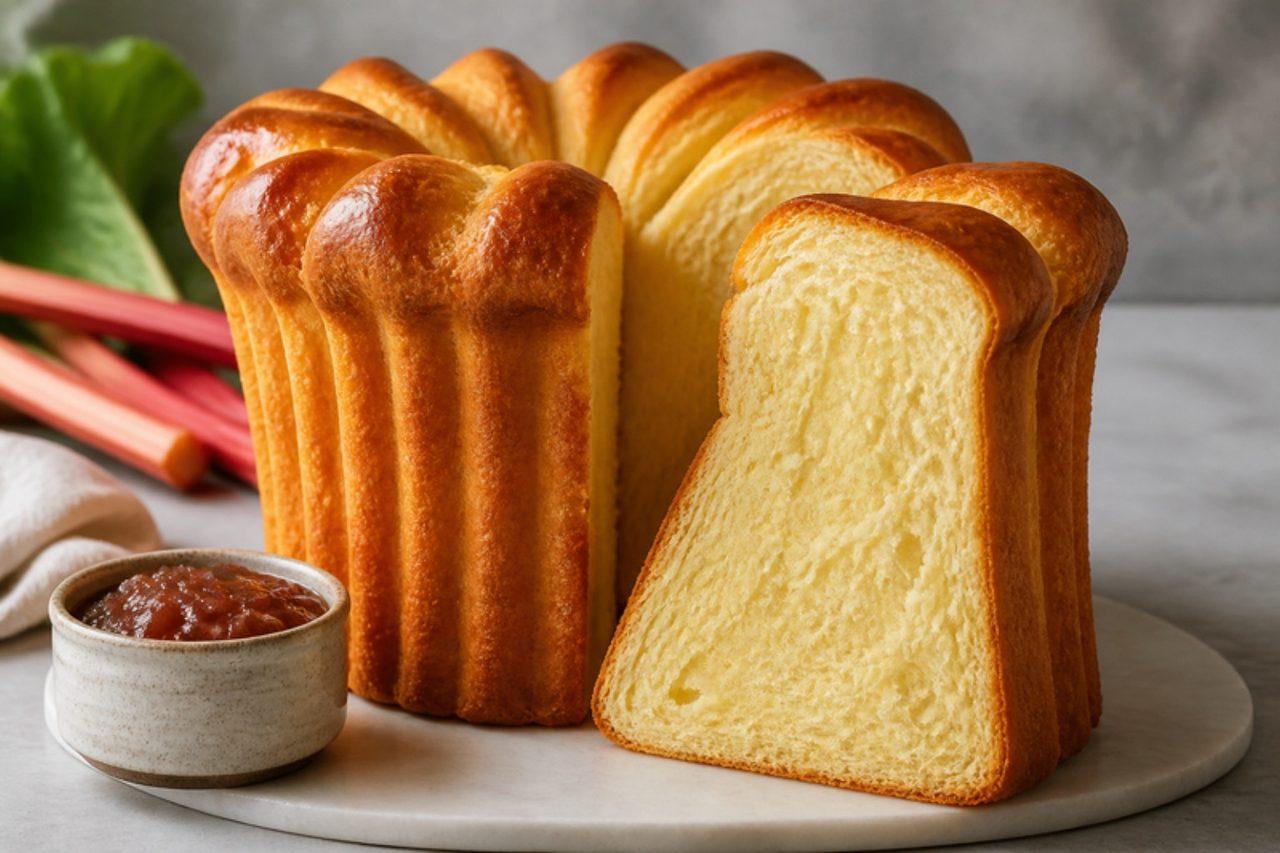
Picardy's tall, fluted gâteau battu ("beaten cake") gets its name from the long beating its dough needs: so many egg yolks and so much butter go in that it is closer to a thick batter than a bread dough. In the Somme it is the cake of family celebrations, first communions and weddings, and of Sunday breakfast, and it is baked in a distinctive tall, ridged mould that gives it the look of a chef's toque. The crumb is yellow, very light, buttery and only gently sweet. Serve it in slices with rhubarb jam, poached fruit or crème anglaise, or toasted the next day. Unmoulding too soon is how it collapses: the crumb is so tender that it needs 10 minutes to firm in the tin. Chef's tip: let the dough rise slowly until it reaches the rim of the mould, even if that takes 3 hours; rushing it gives a dense, cakey bottom.

300 minFrenchBaking
by KrazyBadal 0 views

RohlíkSalt and caraway breakfast roll

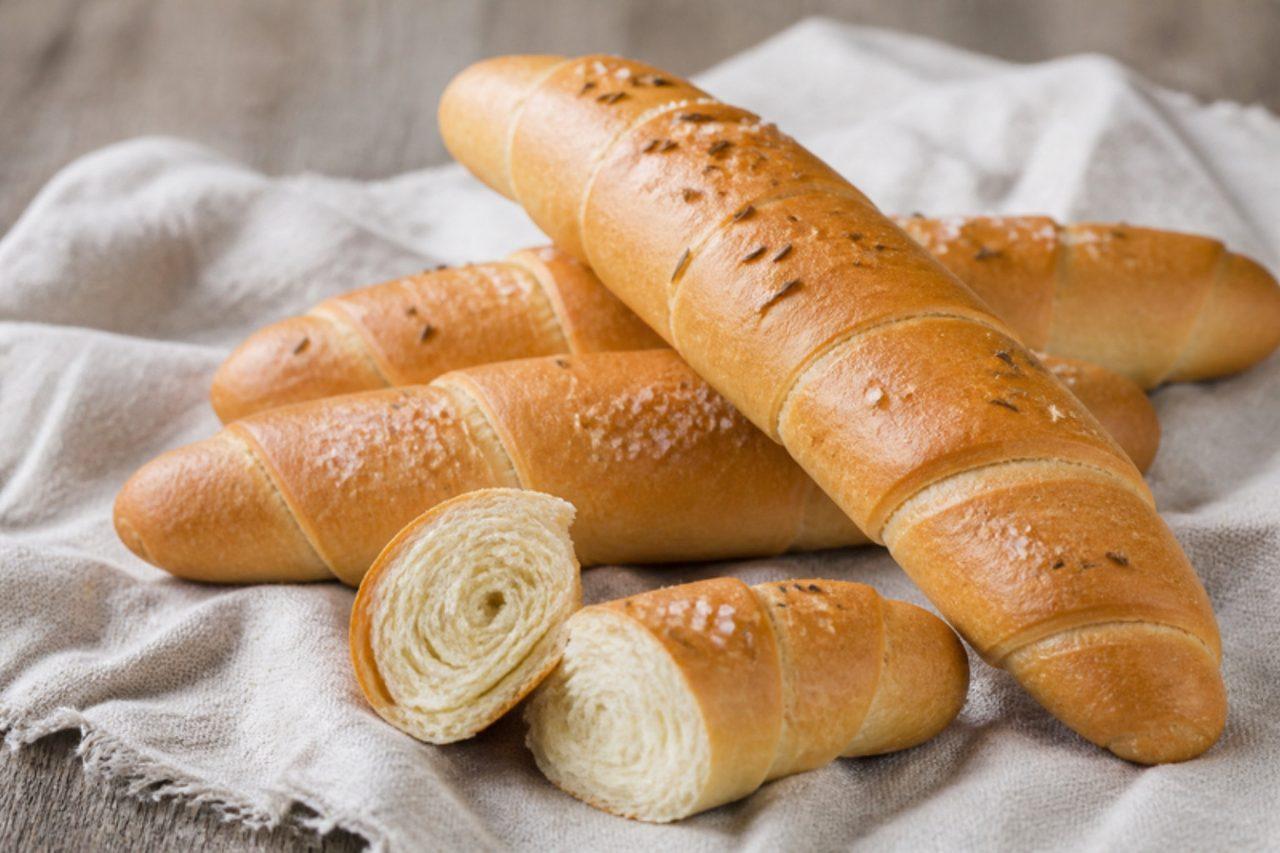
Ask a Czech or Slovak what they ate for breakfast as a child and the answer is usually a rohlík: a long, slim roll rolled up from a triangle of dough, sold for a few crowns at every bakery and supermarket from Prague to Bratislava. It has a thin, crisp golden crust scattered with coarse salt and caraway, and a soft, tight spiral inside. People eat it with butter and jam, with a spread such as egg or bean pomazánka, with a cup of white coffee, or simply dunked in a mug of cocoa. This version uses sunflower oil, so it is vegan. Rolling the triangles loosely is the usual mistake; the spiral opens in the oven and the roll splits. Chef's tip: stretch each triangle gently by its point as you roll it up, which keeps the coil tight and gives the long, even shape.

by KrazyBadal 0 views

Pain de mieSoft square sandwich loaf

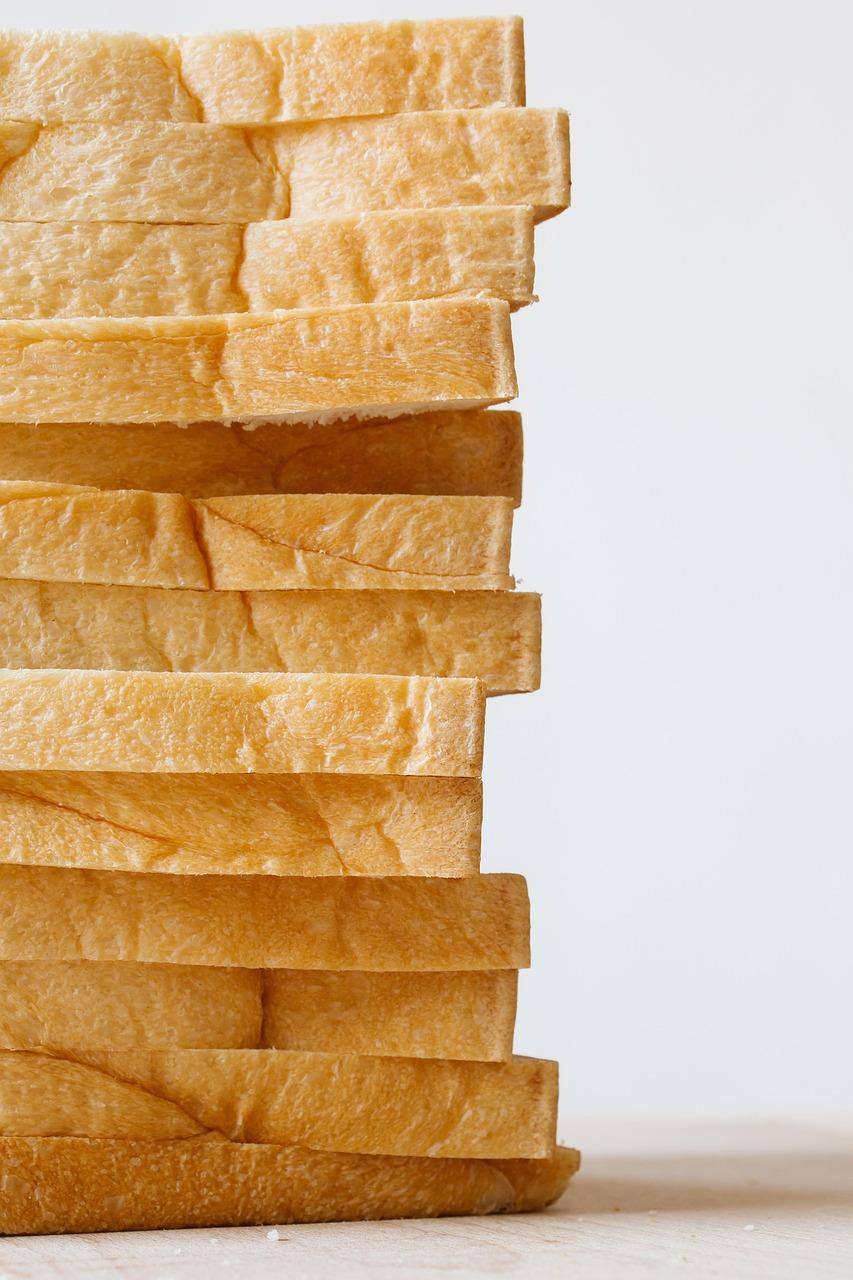
Ask a Paris café what goes into a croque-monsieur and the answer is pain de mie, the 'crumb bread' baked in a lidded tin so it comes out as a neat square block. Shut away from the oven's heat, the dough rises against the lid into a fine, soft, close crumb with a thin, pale golden crust that barely needs trimming. French children take it to school as tartines with butter and chocolate spread, it makes the best croques, French toast and canapés, and it is the loaf to choose for neat cucumber sandwiches. Milk and butter keep it tender for several days. The tricky moment is the final rise: if the dough reaches the rim before the lid goes on, it squeezes out of the seams and bakes with a dense band; too little rise and the corners come out rounded. Chef's tip: put the lid on when the dough is about 1 cm below the rim, and grease the underside of the lid as well as the tin so the block turns out cleanly.

by KrazyBadal 0 views

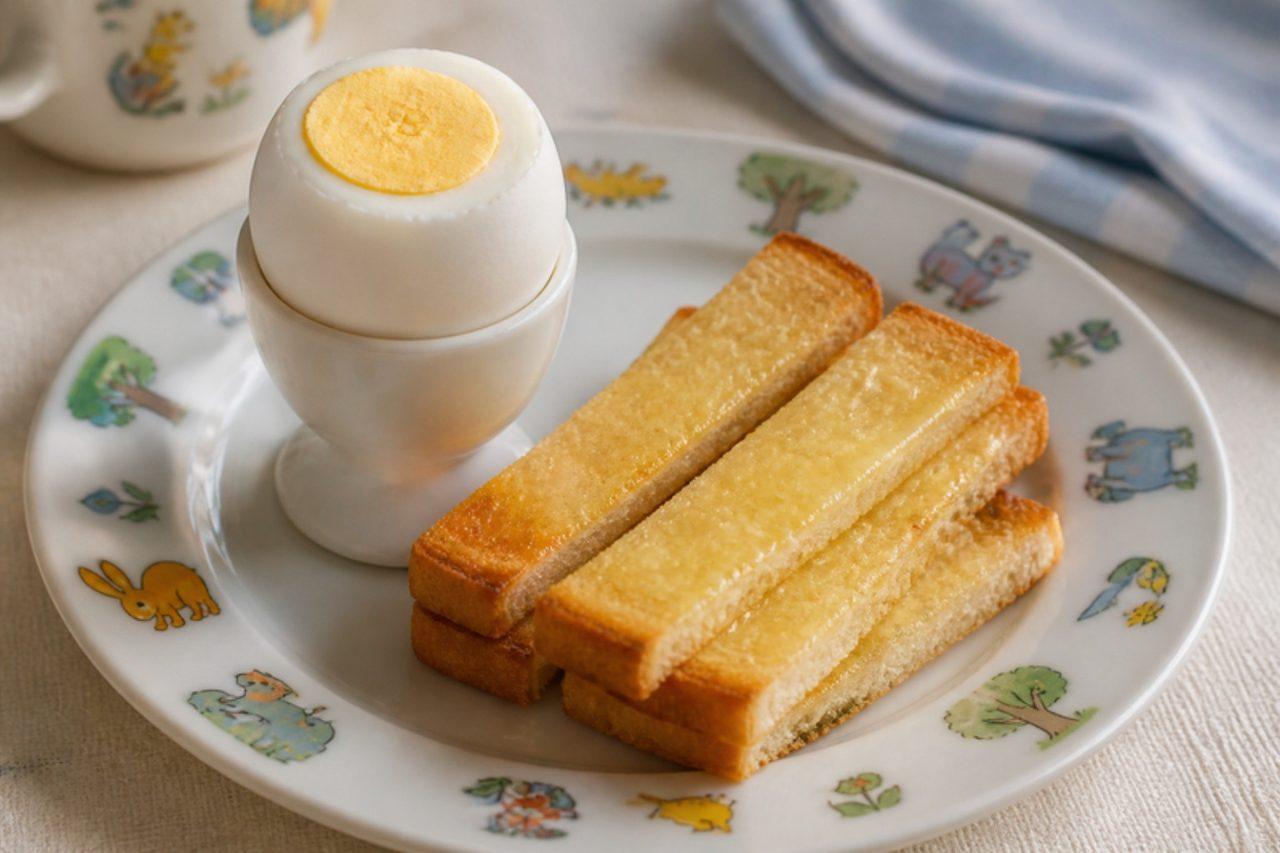
Œuf et mouillettes (egg and soldiers for toddlers)

In France, l'œuf à la coque with mouillettes, buttered bread fingers, is the gentle supper or Sunday breakfast every child knows. For babies and toddlers the egg is boiled a little longer, until the white is firm and the yolk is set but still soft and fudgy, so little ones can scoop and spread it rather than dip into a runny centre. It contains egg, gluten (wheat) and milk (butter). Chef's tip: start with eggs at room temperature so they don't crack in the hot water, and lower them in gently on a spoon.

by KrazyBadal 0 views

ChaplasHollow puffed Andean bread

Walk through Ayacucho's central market at seven in the morning and you will see women selling stacks of chaplas from cloth-lined baskets, still warm from the wood-fired ovens of the Andes. These round wheat breads puff up like pita in the fierce heat, leaving a hollow pocket inside a thin, soft, lightly floury crust. In Ayacucho and Huancavelica they are eaten with sweet coffee or hot emoliente for breakfast, or split and filled with queso fresco, avocado or a spoonful of rocoto sauce. Highland bakers traditionally work in a little lard; vegetable shortening gives the same tenderness and keeps the bread vegan. A cool baking tray is the reason chaplas stay flat, so preheat it thoroughly. Chef's tip: let the rolled rounds rest before baking and flip them upside down onto the tray, so the smooth, dry side meets the heat first and the pocket opens evenly.

by KrazyBadal 0 views

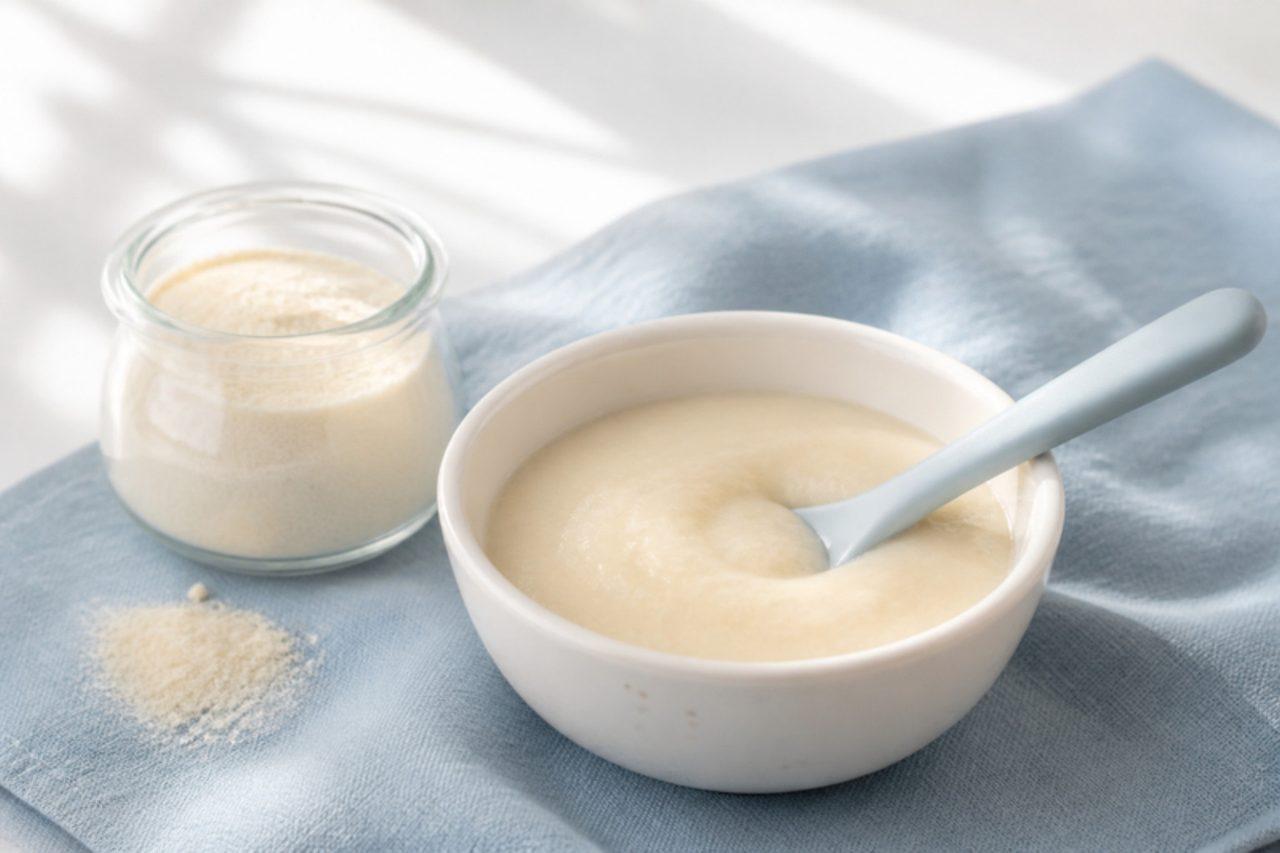
Bouillie (French baby cereal porridge)

In France, la bouillie is the warm cereal porridge that joins a baby's morning or evening milk at around six months. It is simply the baby's usual milk, breast milk or formula, thickened with plain infant cereal or fine oat or rice flour, and given from a spoon, or thinner from a bottle as many French families do at bedtime. It is creamy and mild. It contains milk from the formula, and gluten if you use oat or wheat cereal; there is no egg, nuts, soya, sesame or fish. Chef's tip: choose a cereal with no added sugar or flavourings; you can add a spoon of fruit purée for sweetness later.

by KrazyBadal 0 views

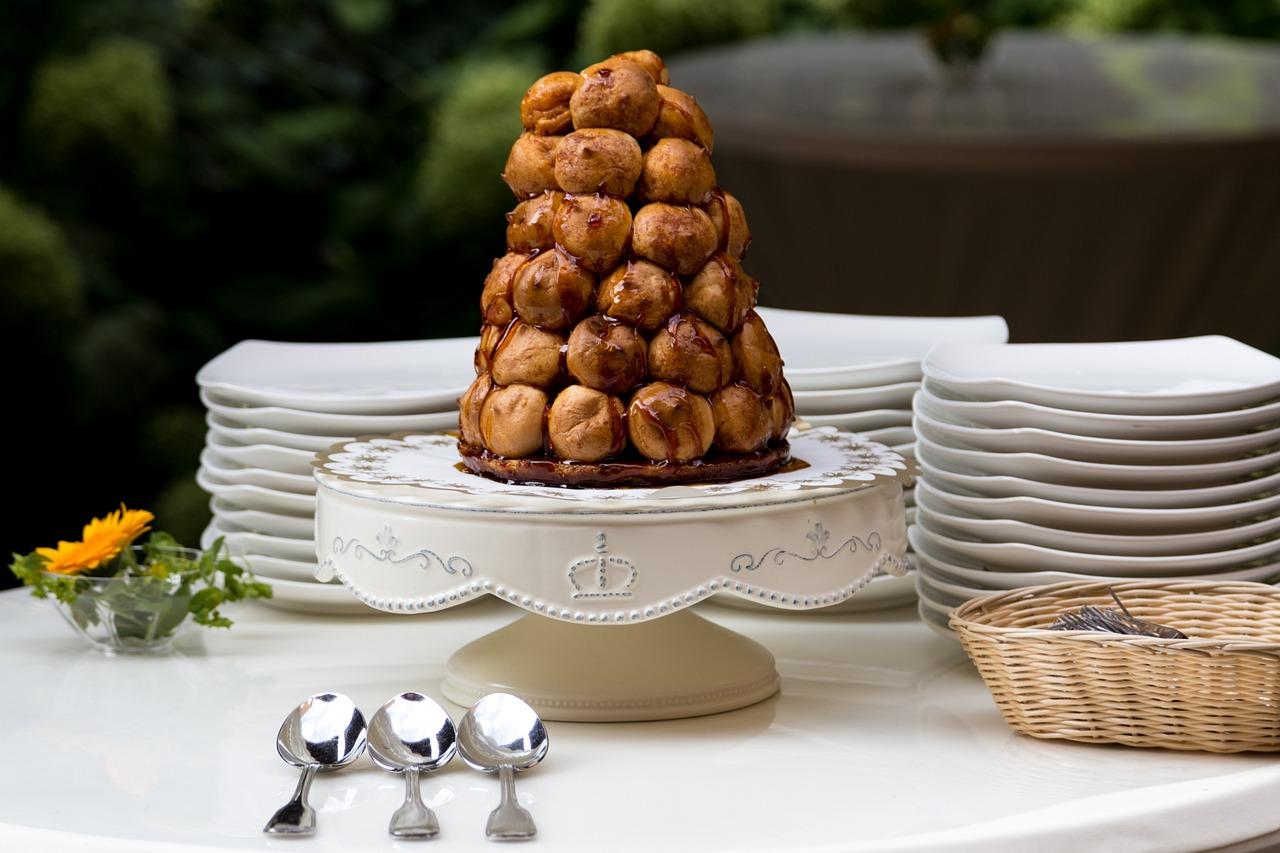
CroquemboucheCaramel-bound choux puff tower

At a French wedding, christening or first communion, the croquembouche ('crunch in the mouth') arrives at the end of the meal: a tall cone of choux puffs filled with vanilla pastry cream, stuck together with amber caramel and wrapped in spun sugar threads. Guests crack puffs off with a knife or the back of a spoon, so each bite is crisp caramel, light pastry and cold, smooth cream. Pâtissiers often flavour the cream with orange liqueur; it is written here with vanilla only, and you can add 2 tablespoons of liqueur to the cooled cream. Underbaked choux is the classic mistake, because pale puffs go soft and collapse under the weight, so bake them until they are deep golden and dry inside; and since hot caramel burns badly, keep a bowl of iced water beside you and work with care. Chef's tip: build the tower on the day, no more than 4 hours before serving; the caramel softens in the fridge and humid air.

210 minFrenchBaking
by KrazyBadal 0 views

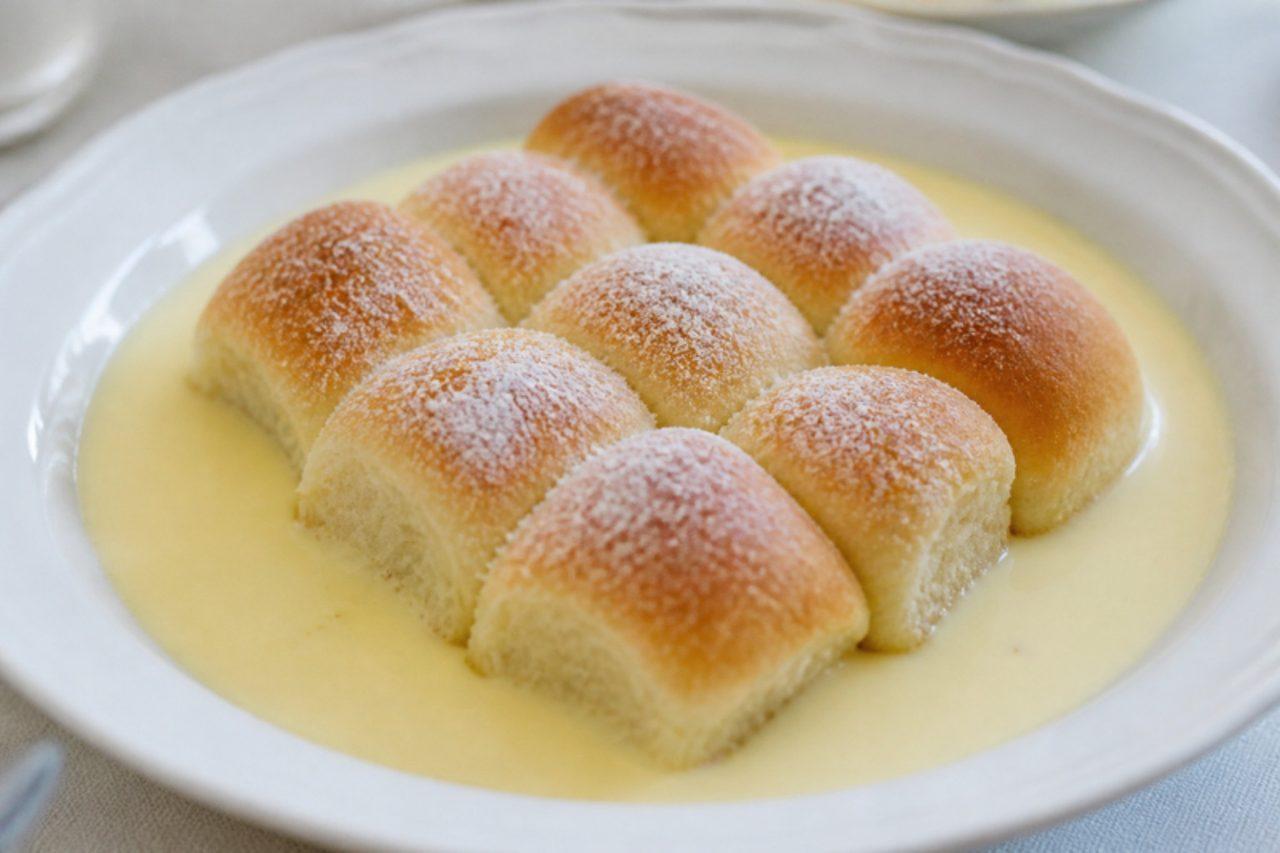
Buchtičky se šodó (tiny buns in vanilla custard)

Ask anyone who went to school in Czechia or Slovakia about the canteen, and buchtičky se šodó comes up with a smile: a bowl of tiny, soft, buttery yeast buns baked close together and pulled apart, sitting in warm vanilla custard. Families make it at home as a sweet main course or afternoon treat, especially in winter. The custard here is lightly sweetened. It contains gluten, milk and egg. Chef's tip: brush the buns with melted butter before they go into the tin, so they pull apart cleanly after baking.

by KrazyBadal 0 views

Pan chutaAniseed round bread

The small town of Oropesa, half an hour from Cusco, calls itself Peru's bread capital, and its wood-fired bakeries are famous for chuta: big, flat, round loaves as wide as a dinner plate, glossy on top, with a faint sweetness and the warmth of aniseed. Travellers on the road to Puno and Bolivia stop to buy them by the bagful, and families bring them home for All Saints' Day and for sharing with hot coca tea or coffee, fresh cheese and butter. The bakeries traditionally use lard; this version uses vegetable shortening and butter, so it is vegetarian. The make-or-break moment is the proof: chuta is large and flat, and if it goes in under-risen it bakes dense and splits at the rim. Chef's tip: toast the aniseed for a minute in a dry pan and crush it lightly before adding, for a rounder, sweeter perfume.

by KrazyBadal 0 views

Baguette

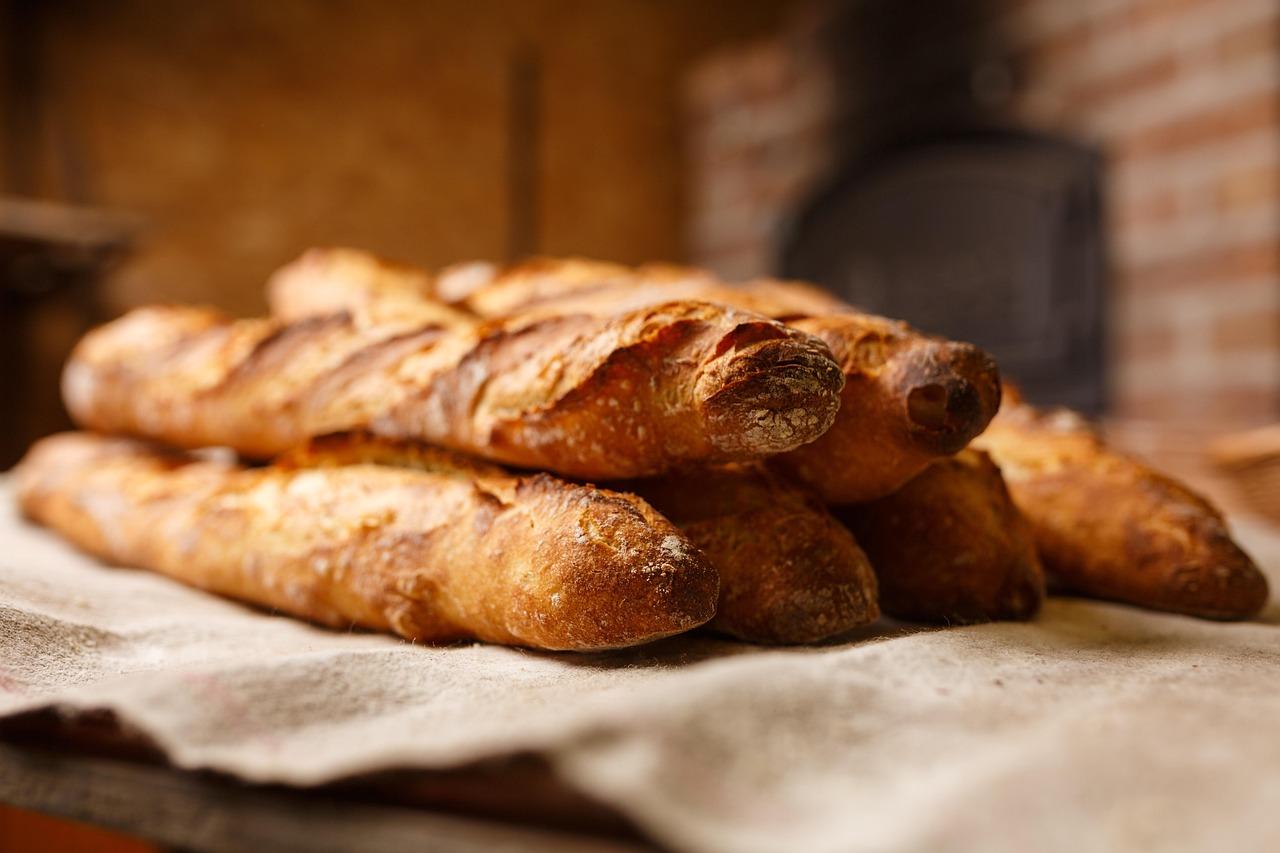
Four ingredients and nothing else: since a 1993 decree, a loaf sold in France as a baguette de tradition may contain only flour, water, salt and leavening. Parisians buy one or two a day, warm from the boulangerie, and the end of the loaf rarely makes it home uneaten. A good one has a thin, shattering, deep golden crust, an open, creamy crumb and a faint nutty sweetness from a long, slow rise. Tear it for butter and jam at breakfast, split it for a jambon-beurre or a cheese sandwich, or put it on the table with soup, salad and a cheese board. Shaping is where most home bakers go wrong: pressing all the air out while rolling the dough long gives a tight, cottony crumb, so handle it lightly and let the bench rest do the work. Chef's tip: cut the slashes almost lengthways, at a shallow angle with the blade nearly flat, and overlap each one by a third; straight-down, crosswise cuts just open into flat scars instead of the raised 'ears' you want.

by KrazyBadal 0 views

Tartare d'alguesSeaweed tartare

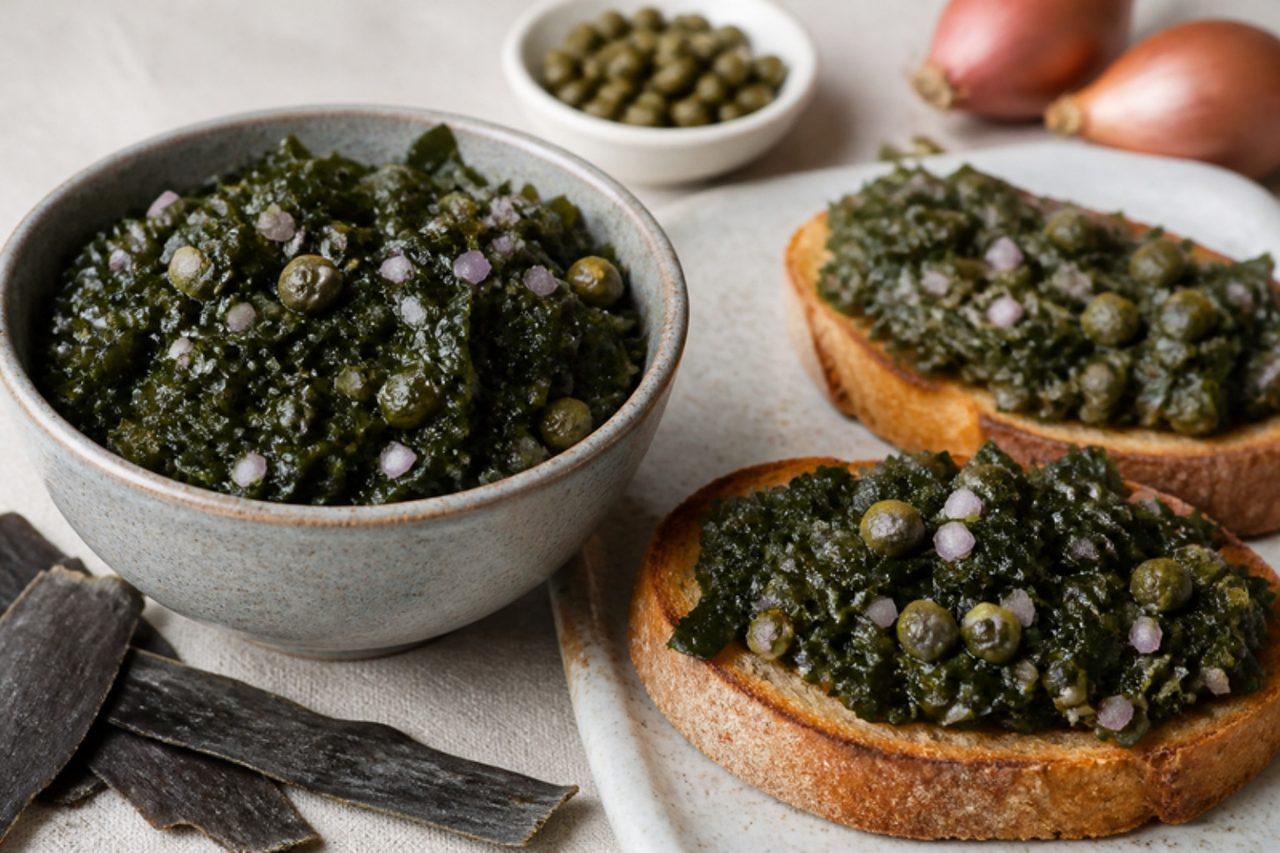
Tartare d'algues is a modern Breton classic, a dark green, salty spread of chopped seaweed with capers, shallots, gherkins and lemon, sold in jars at markets in Roscoff and Saint-Malo and spread on toast or blinis at the apéro. Brittany harvests more seaweed than anywhere else in Europe. The common mistake is not rinsing salted seaweed well enough, so it is far too salty. Chef's tip: rinse the seaweed in two changes of cold water, then taste a piece before chopping.

by KrazyBadal 0 views

AnchoïadeAnchovy dip

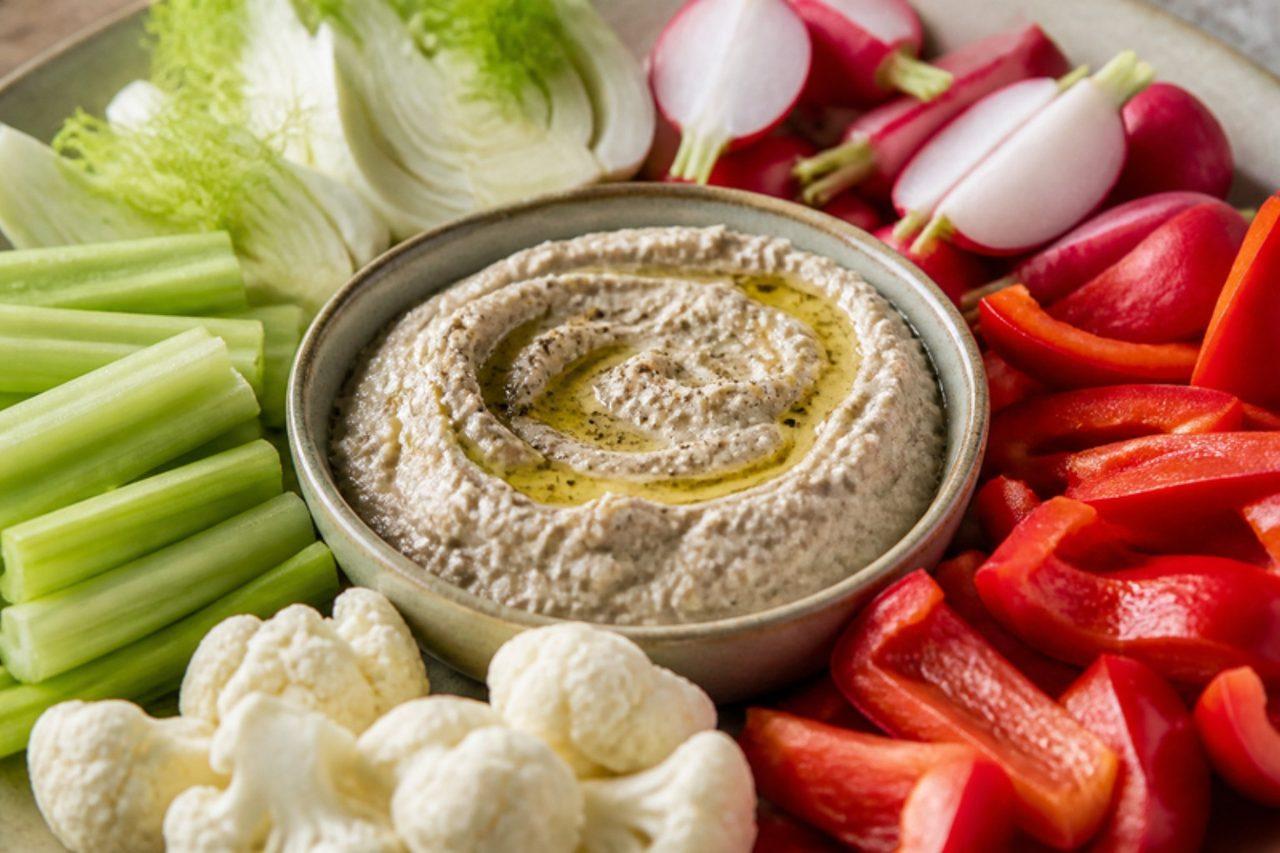
Anchoïade is the anchovy dip of Provence, pounded with garlic and olive oil and served at the apéro or as a summer starter with a big basket of raw vegetables, celery, fennel, radishes, peppers and cauliflower, for everyone to dip; in Marseille and Nice it is also spread on toast. It uses salted (cured) anchovies, which are not cooked: cured fish is not for pregnant women, young children or anyone with a weakened immune system; for a safer version, warm the finished anchoïade gently in a small pan for 3–4 minutes until steaming hot before serving. The common mistake is adding the oil too fast, so it splits. Chef's tip: soak the salted anchovies in milk or water for 10 minutes to soften their saltiness.

by KrazyBadal 0 views

Entremets trois chocolatsTriple chocolate mousse cake

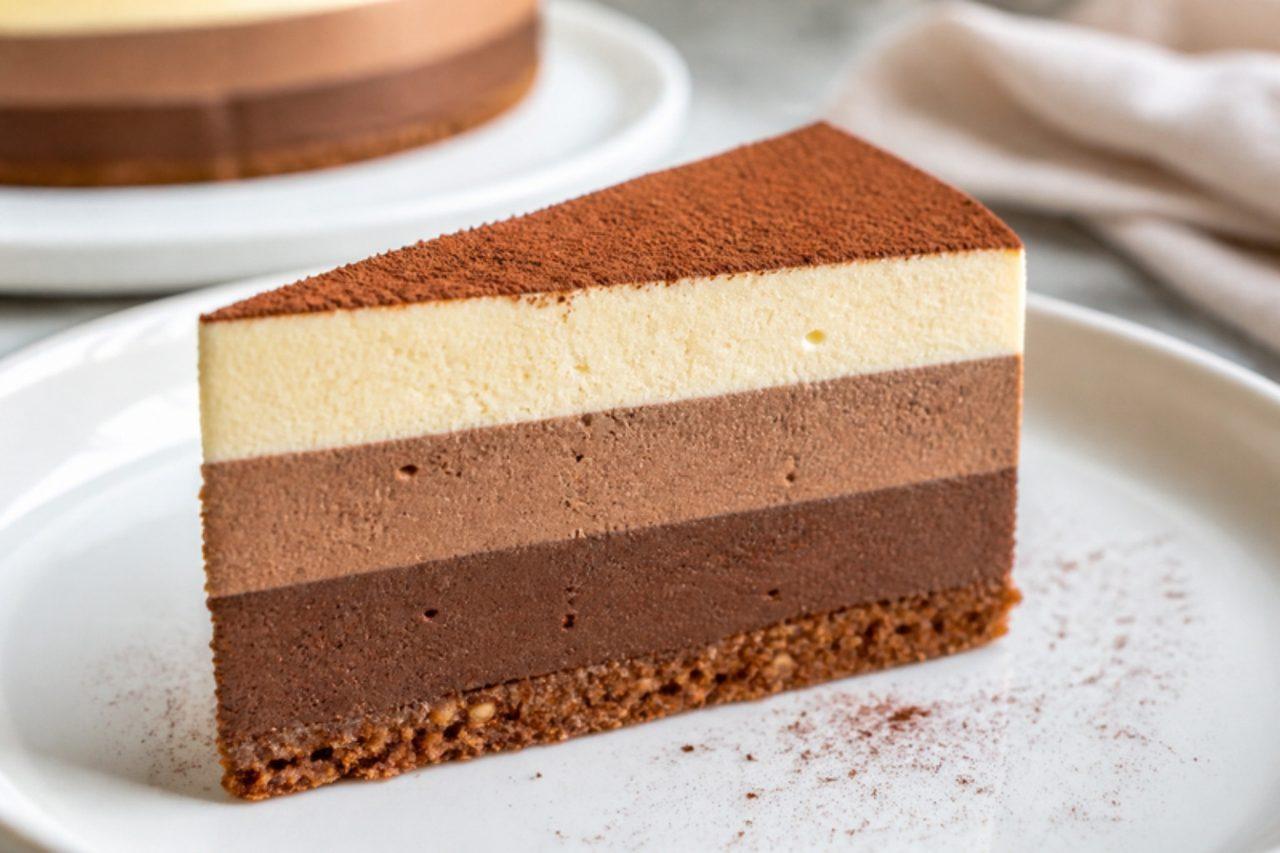
The trois chocolats is the most popular birthday entremets in French pâtisseries, a crisp praline base topped with three layers of mousse, dark, milk and white chocolate, set in a ring and sliced to show the stripes. This home version sets the mousses with agar, so it is vegetarian. The common mistake is pouring a layer before the one below is set, so they mix. Chef's tip: chill each layer for 30 minutes, until it no longer moves when you tilt the ring.

by KrazyBadal 0 views

Nougat blancWhite honey nougat

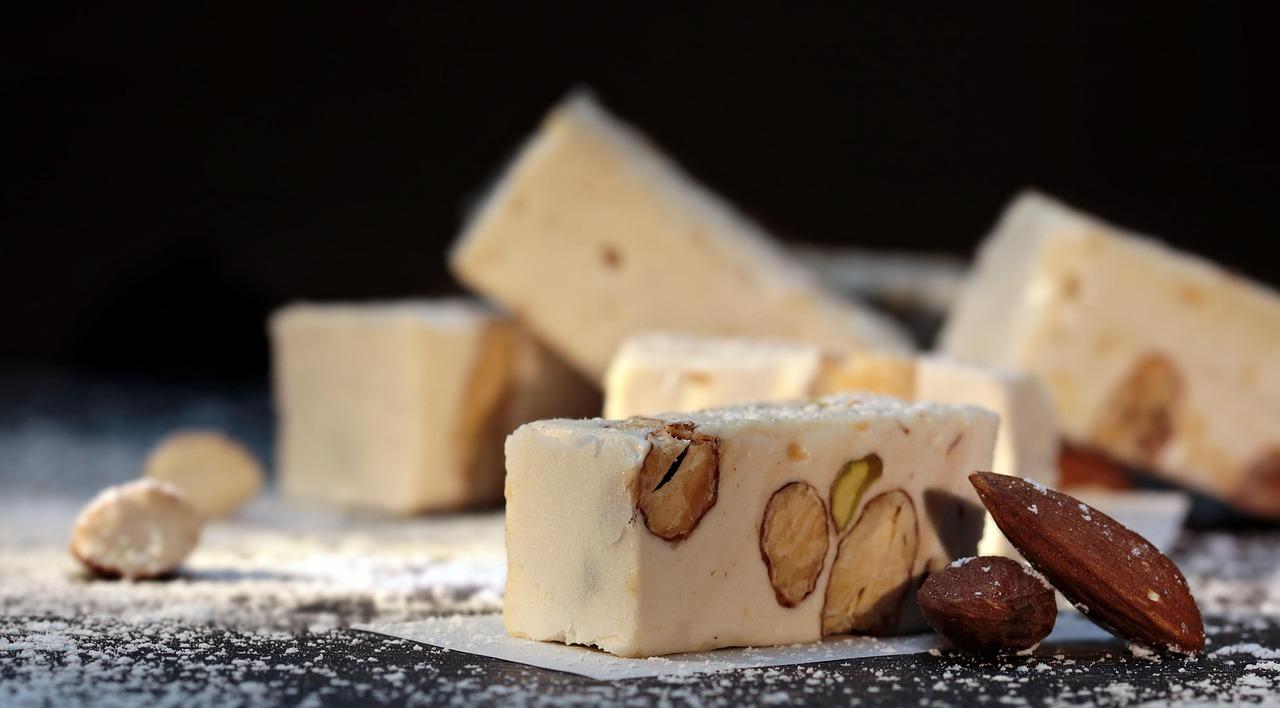
White nougat is the most famous sweet of Montélimar in the Drôme, made with lavender honey, whisked egg white and plenty of almonds and pistachios, and it is one of the thirteen desserts on every Provençal Christmas Eve table. It needs a sugar thermometer, but no special skill. The common mistake is undercooking the syrup, so it never sets firm. Chef's tip: work quickly once the nuts are in, and press the nougat flat with an oiled sheet of baking paper.

by KrazyBadal 0 views

Crème de marronsSweet chestnut spread

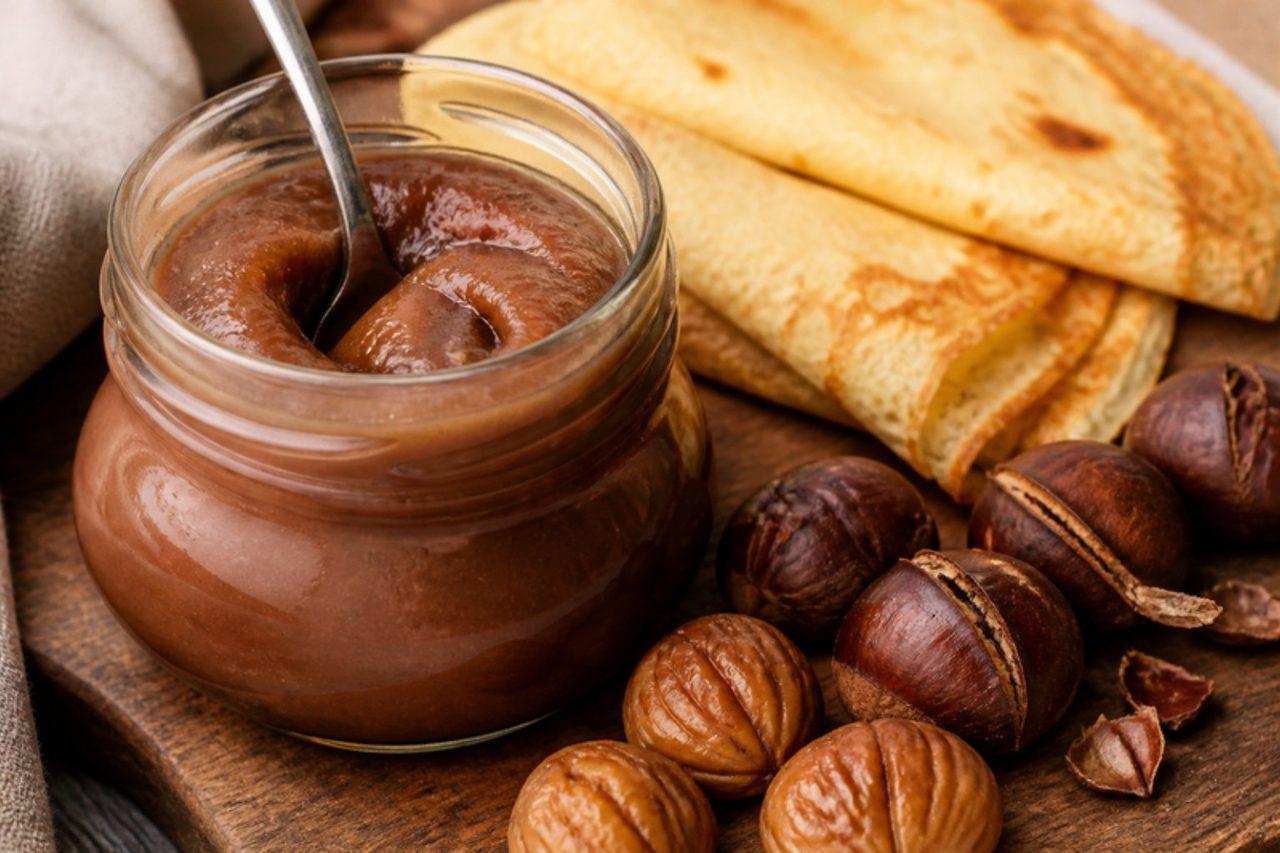
Crème de marrons, sweet chestnut cream, was invented in Privas in the Ardèche in the 1880s to use up broken chestnuts from making marrons glacés, and it is now a French store-cupboard classic: spread on crêpes at Candlemas, stirred into fromage blanc, or piled into a Mont Blanc dessert. This home version uses cooked, peeled chestnuts. The common mistake is not blending it smooth enough. Chef's tip: blend while still warm, and push it through a sieve for a silky finish.

by KrazyBadal 0 views

Crêpes dentelleCrisp lace crêpe biscuits

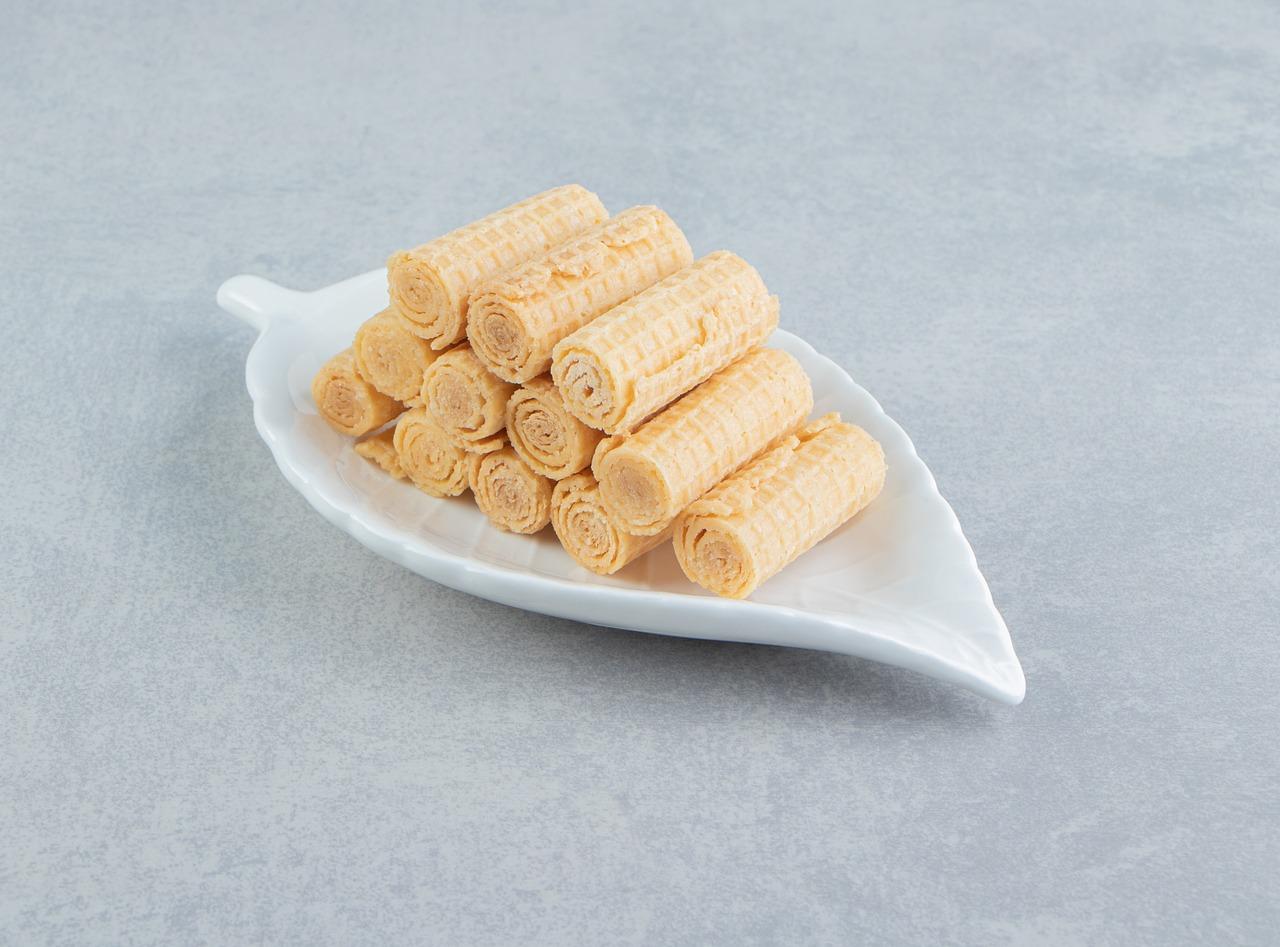
Crêpes dentelle, "lace crêpes", are a speciality of Quimper in Brittany, said to have been invented by a baker there in 1886 who burnt a crêpe and rolled it up; they are wafer-thin, crisp, buttery rolled biscuits, sold in tins all over Brittany and eaten with coffee or crumbled over ice cream. The common mistake is spreading the batter too thick, so they will not crisp. Chef's tip: spread the batter so thin you can see the tray through it, and roll each one as soon as it comes out of the oven.

by KrazyBadal 0 views

Pets-de-nonneFried choux puffs

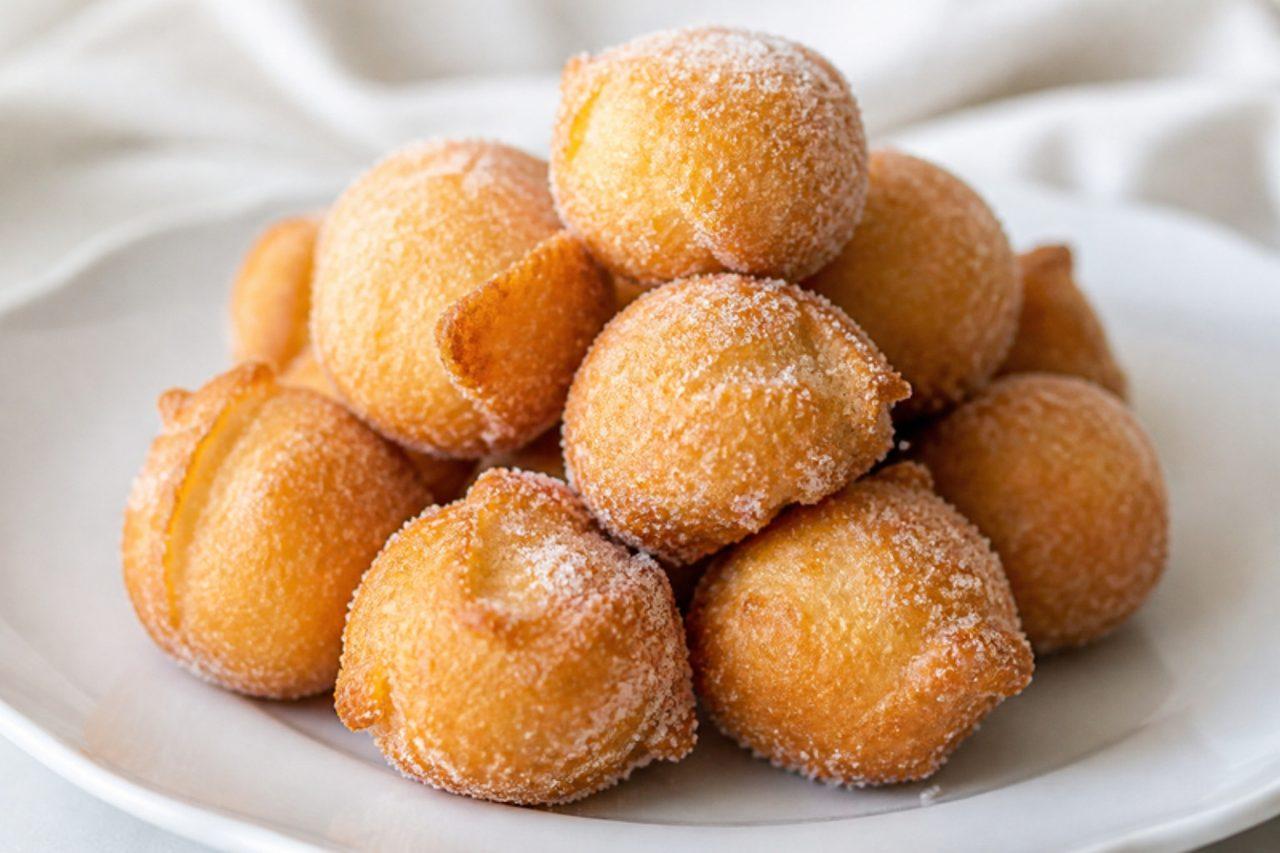
Pets-de-nonne are tiny fried choux puffs, light as air, rolled in sugar and eaten warm at carnival time, Mardi Gras and in winter markets in Alsace, Lorraine and the Franche-Comté. Spoonfuls of choux dough swell and turn themselves over in the hot oil. The common mistake is frying too hot, so they brown before they puff and stay raw inside. Chef's tip: keep the oil at 170 °C and fry only a few at a time; they turn over by themselves when ready.

by KrazyBadal 0 views

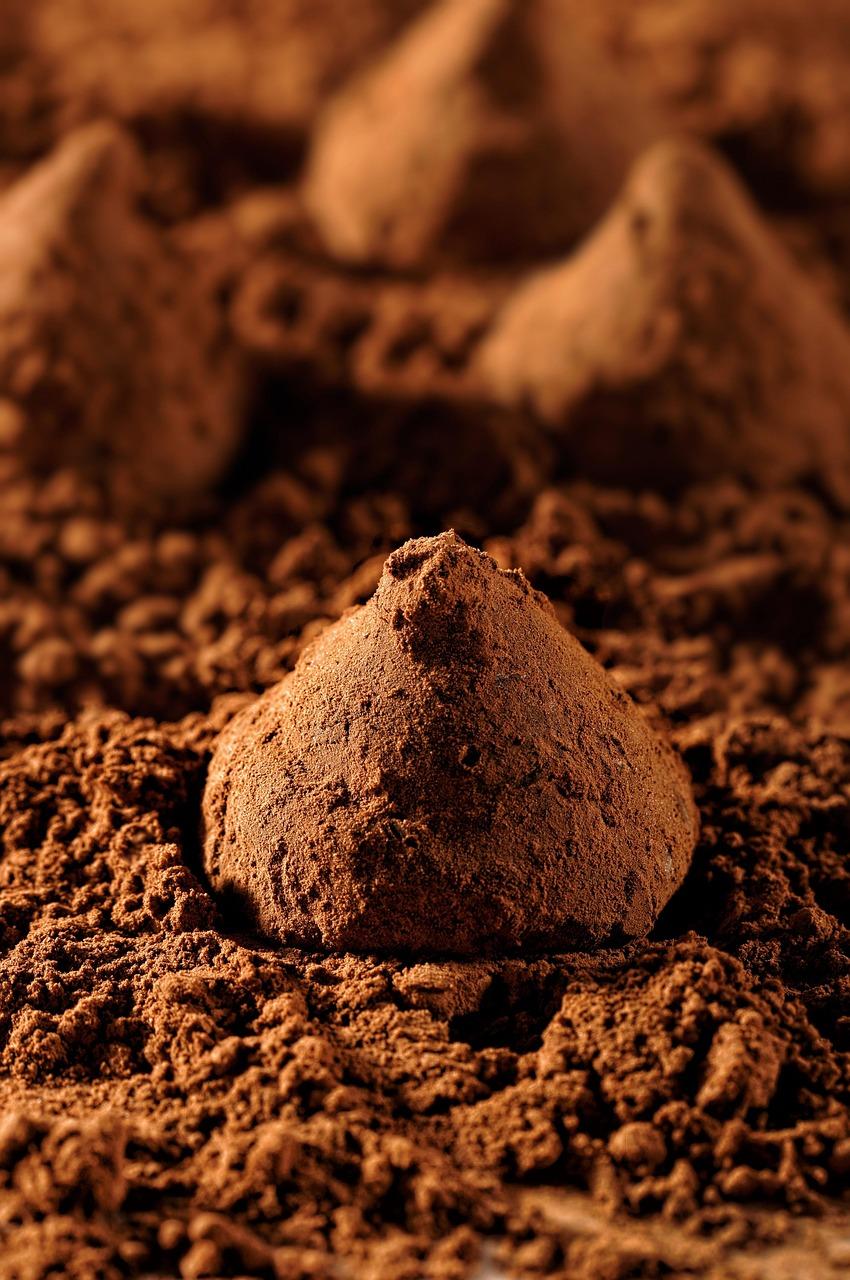
Truffes au chocolatChocolate truffles

Chocolate truffles, named after the black truffles of Périgord they resemble, are the home-made Christmas gift and after-dinner treat of France, rolled roughly and dusted with bitter cocoa. They need just good dark chocolate, cream and a little butter. The common mistake is overheating the chocolate, which makes it split and greasy. Chef's tip: work with cold hands and a melon baller, and keep the tray in the fridge between batches.

by KrazyBadal 0 views

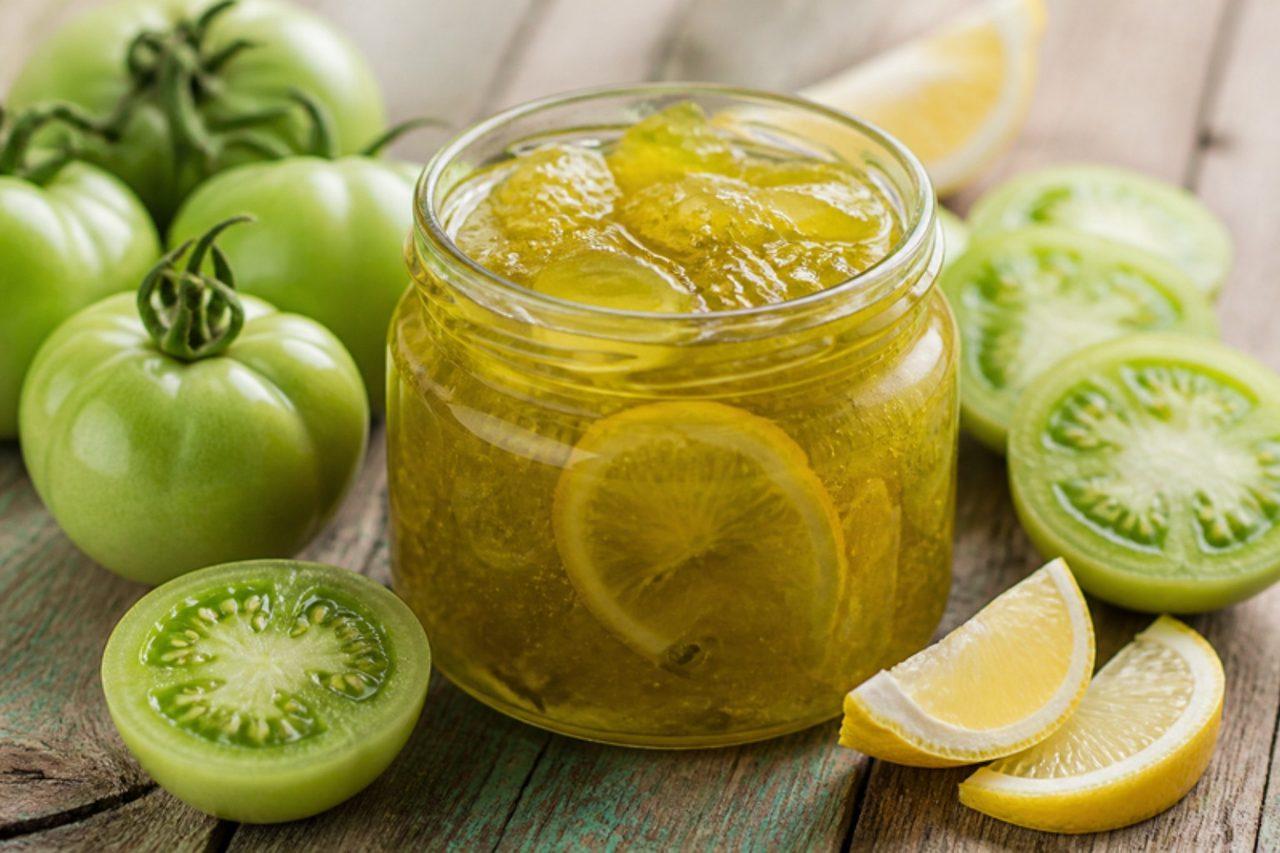
Confiture de tomates vertesGreen tomato jam

Green tomato jam is the thrifty end-of-summer preserve of French kitchen gardens, made in October in the south-west and Provence with the tomatoes that will never ripen before the frost; it tastes surprisingly like a mix of melon and lemon and is served with breakfast or with cheese. The common mistake is cutting the tomatoes too big, so they stay hard. Chef's tip: slice them thinly and leave them overnight in the sugar; they turn translucent when cooked.

by KrazyBadal 0 views

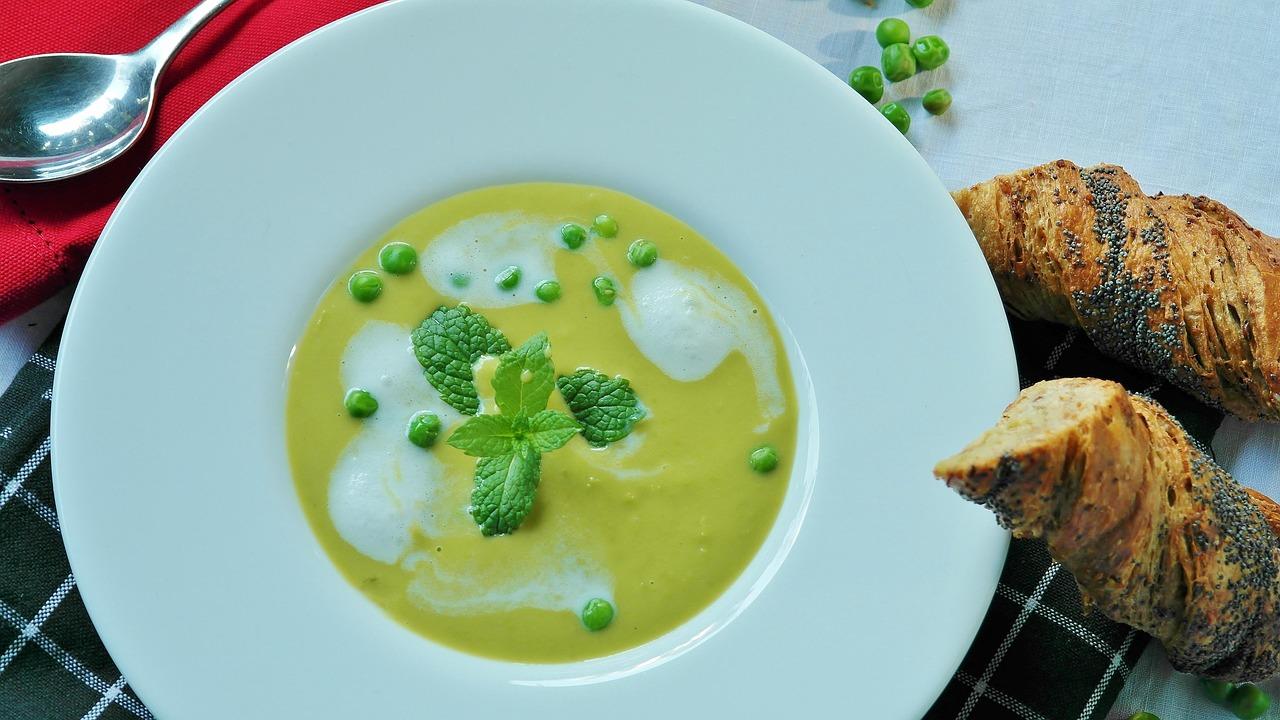
Potage Saint-GermainFresh pea soup

Potage Saint-Germain is a Parisian classic named after the Saint-Germain district, a bright green spring soup served at the start of family dinners in May and June when fresh peas arrive, though frozen peas make an excellent version all year. Peas are simmered briefly with lettuce, spring onions and mint, then blended smooth so the soup tastes fresh and sweet. The common mistake is cooking the peas too long, which turns the soup khaki and dull. Chef's tip: cool the blended soup quickly in a bowl set over iced water if you are not serving it at once; it keeps its vivid colour.

by KrazyBadal 0 views

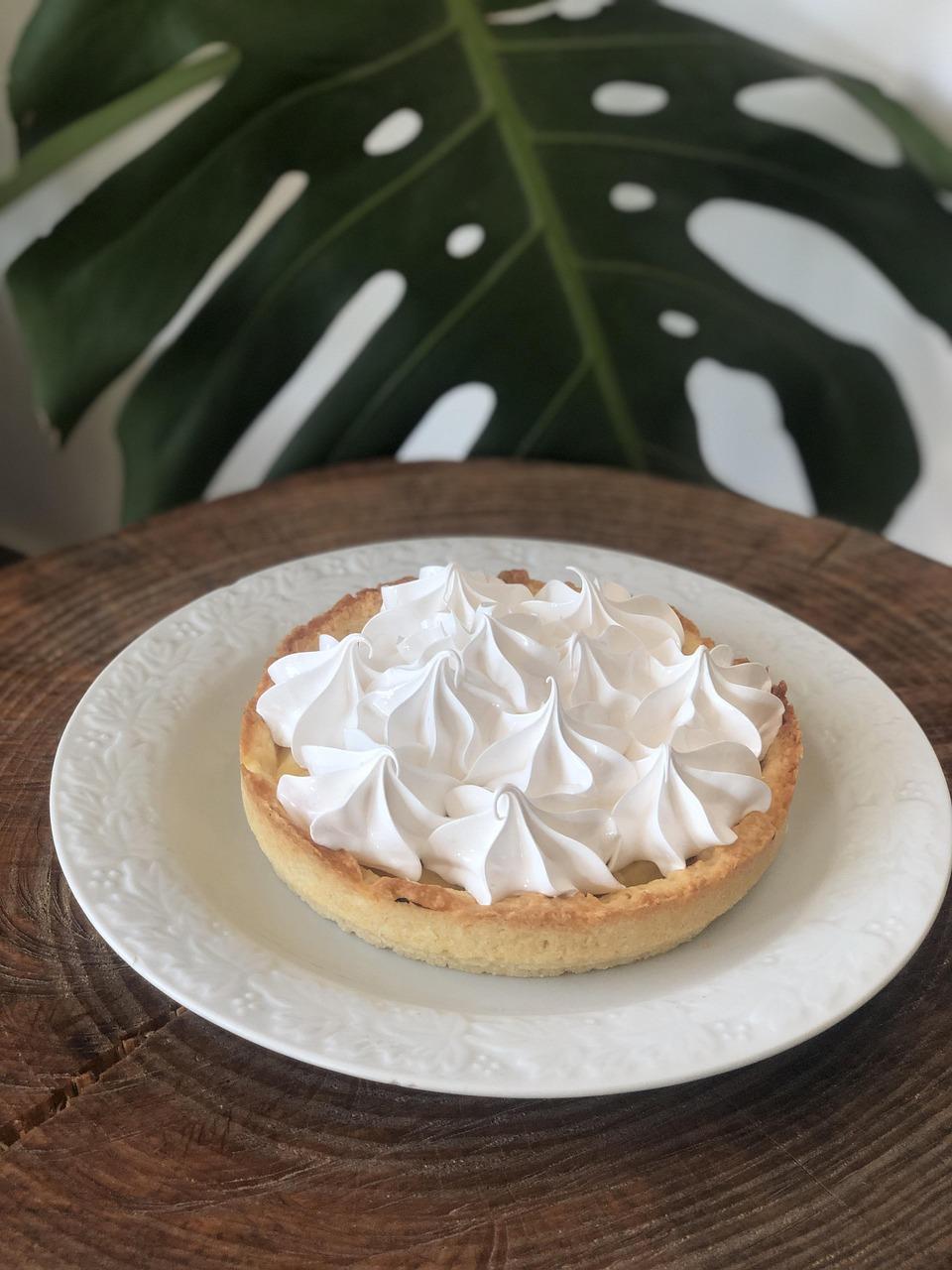
Tarte au citron meringuéeLemon meringue tart

Tarte au citron meringuée is one of the best-loved tarts in French pâtisseries, a crisp sweet pastry case filled with sharp lemon cream and crowned with swirls of glossy meringue, toasted until golden; it is a favourite Sunday lunch dessert from Paris to Menton, the lemon town on the Riviera. The lemon cream is cooked on the hob, so it sets cleanly. The common mistake is letting the lemon cream boil hard, which makes it grainy. Chef's tip: make the meringue with hot syrup (Italian meringue); it is stable, safe to eat and will not weep on the tart.

by KrazyBadal 0 views

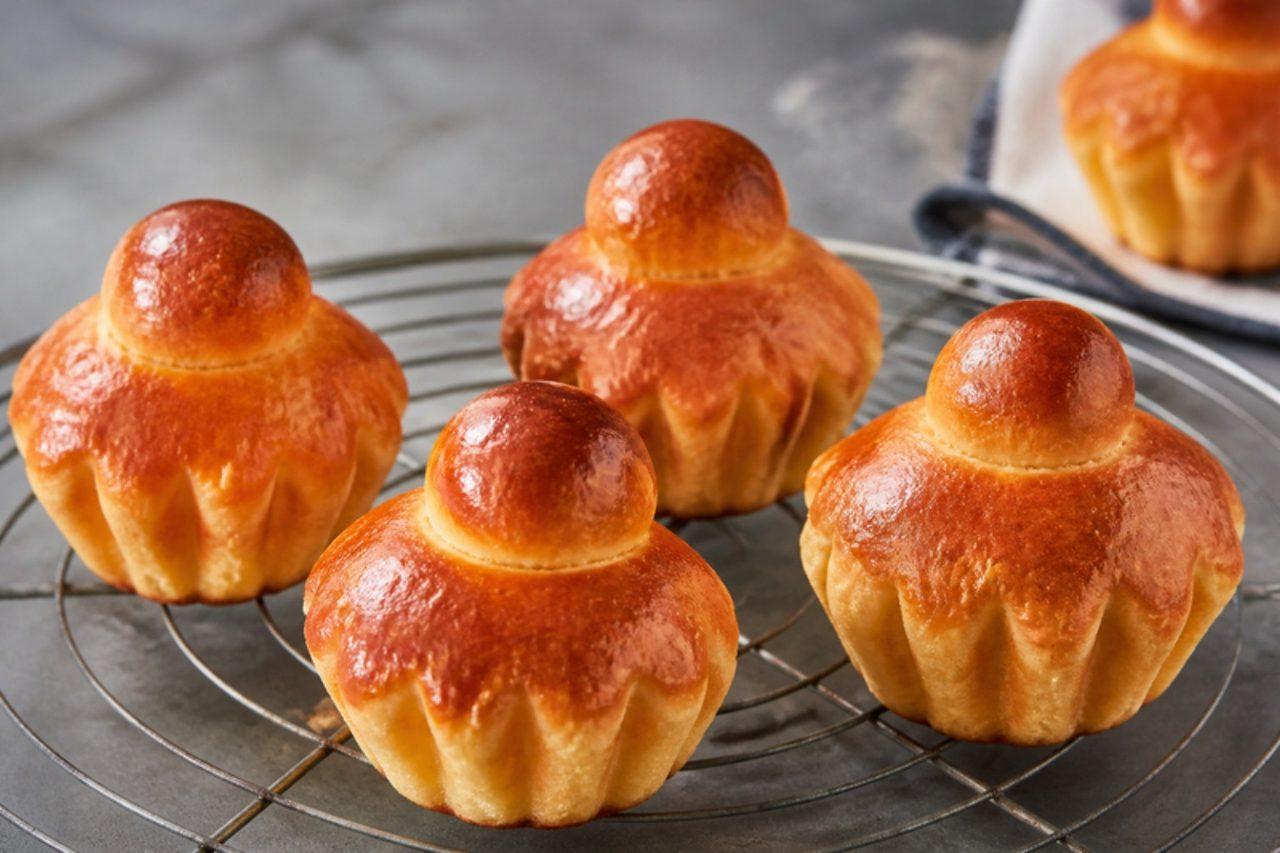
Brioche à têteTopknot brioche

Brioche à tête, the brioche parisienne, is the little fluted bun with a round head that sits in every French bakery window, eaten for Sunday breakfast, dunked in hot chocolate or served with jam at goûter. The dough is very rich in eggs and butter, kneaded long until silky, then chilled overnight, which makes it easy to shape and gives a deep flavour. The common mistake is adding the butter too fast, which leaves a greasy dough. Chef's tip: add the butter a little at a time while the mixer runs, and wait until each piece disappears before adding the next.

620 minFrenchBaking
by KrazyBadal 0 views

Showing 24 of 544 recipes

Show more recipes

Page 1 of 23