Skip to content
WhatToEat.Today

All recipes

2,163

Vegetarian, or something you can't eat? Set your diet once and we'll hide recipes that don't fit.

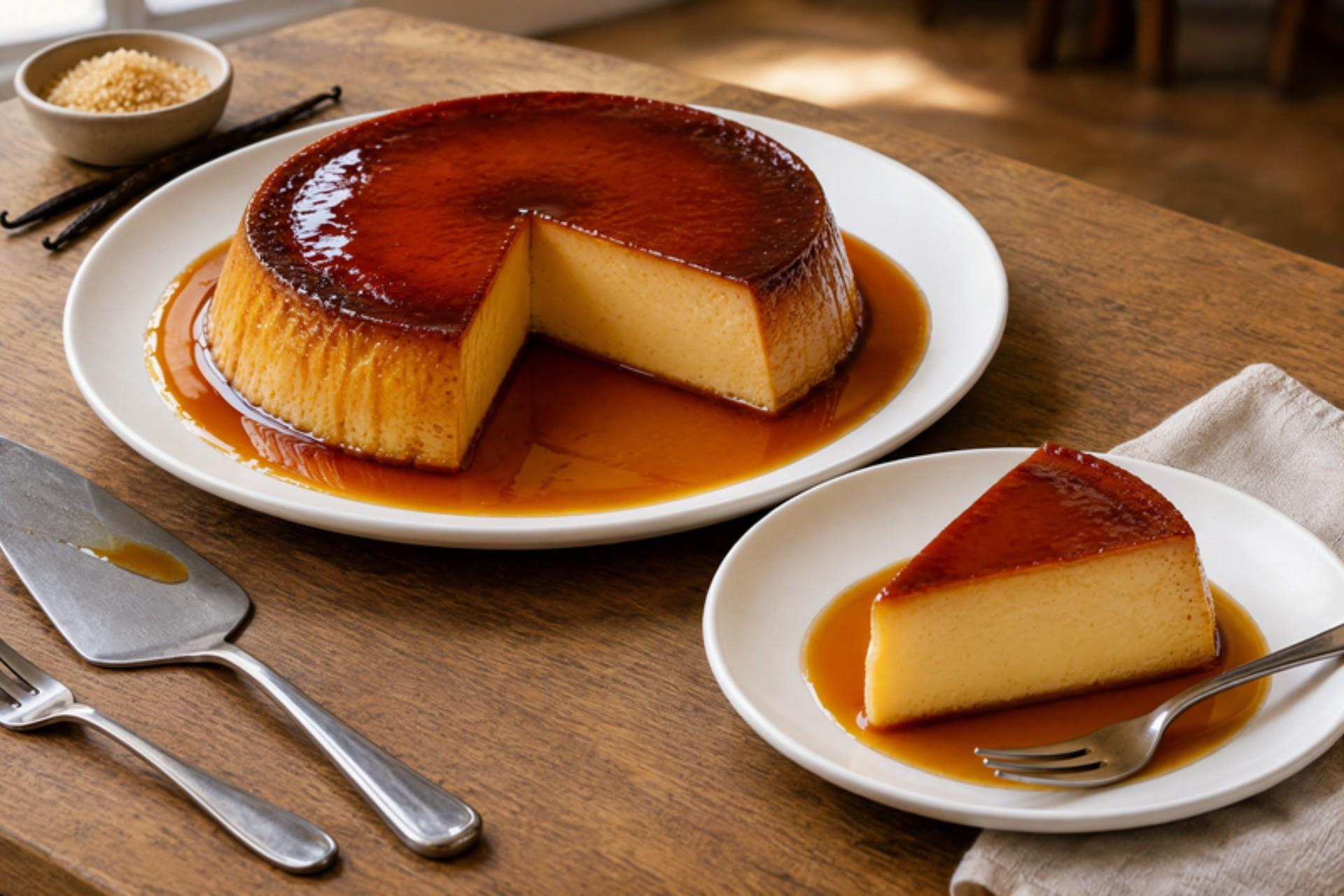
Crema volteadaBaked caramel custard

In Lima, crema volteada is the dessert that appears at Sunday lunch in Miraflores and Barranco homes and at every birthday where an aunt is in charge of the sweets. It is firmer and richer than a Spanish flan because it is made with both evaporated and condensed milk, so it slices cleanly and tastes of toffee. The usual mistake is baking it in an oven that is too hot: the custard boils, fills with tiny holes and weeps. Keep the water bath at a bare simmer and take it out while the centre still wobbles slightly. Chef's tip: chill it overnight before turning it out; a cold custard releases in one piece and the caramel has time to melt into a pourable sauce.

by KrazyBadal 0 views

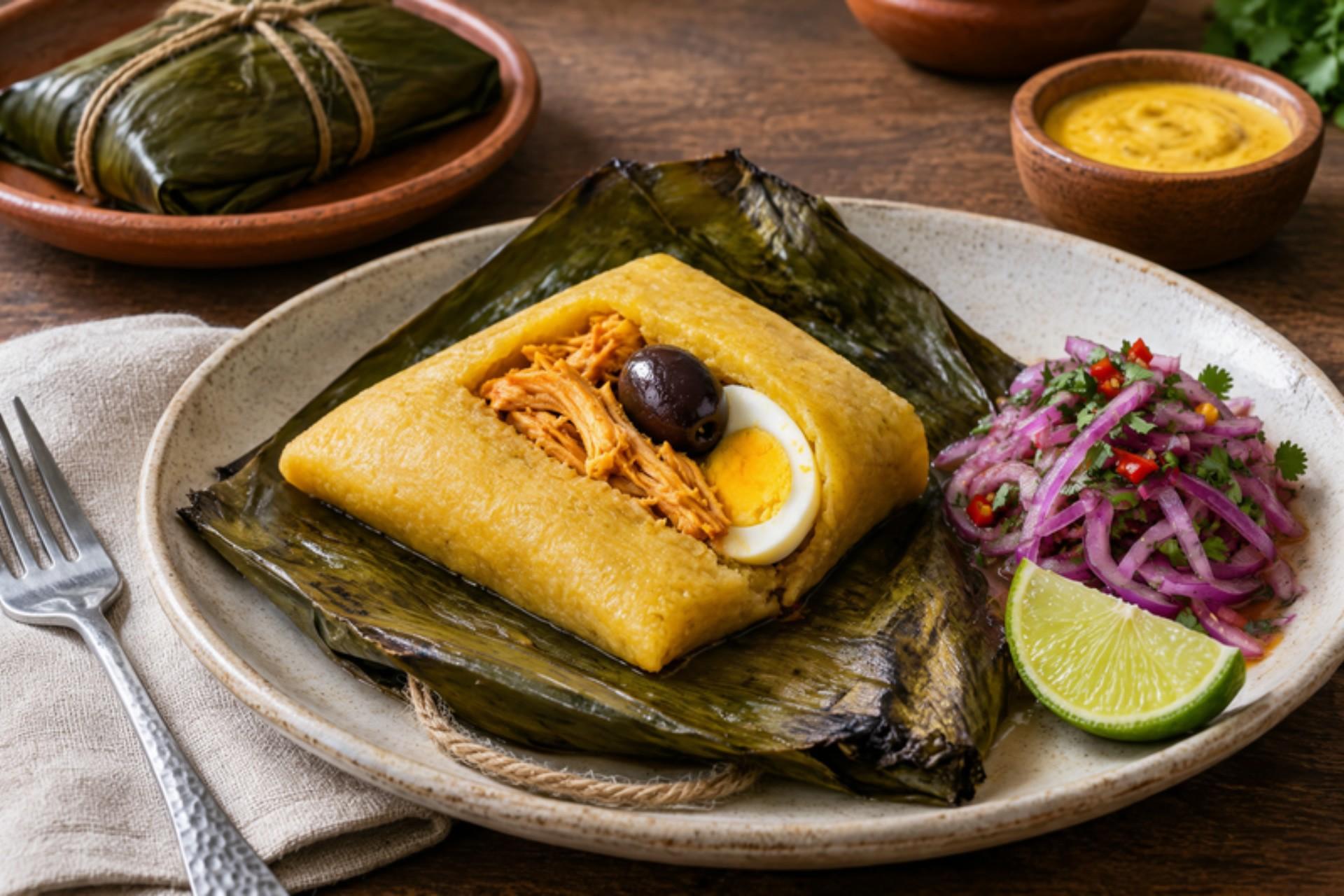
Tamales peruanosChicken corn tamales in banana leaf

In Lima, tamales are a Sunday breakfast, bought warm from street vendors calling 'tamaleeeeros' or made at home for Christmas, and eaten with crusty bread and a pile of salsa criolla. Peruvian tamales are larger and softer than Mexican ones, made from corn dough coloured with ají and wrapped in banana leaves, hiding chicken, a black olive, a slice of egg and a peanut. Peanuts are an allergen, so leave them out if needed. The usual mistake is a dry dough: the tamales turn crumbly. Beat in enough warm stock to make a soft paste that just holds its shape. The chicken must reach 74 °C before it goes in. Chef's tip: fat makes the dough tender; beat the oil and dough for a full 5 minutes until light, as Lima cooks do with pork lard.

by KrazyBadal 0 views

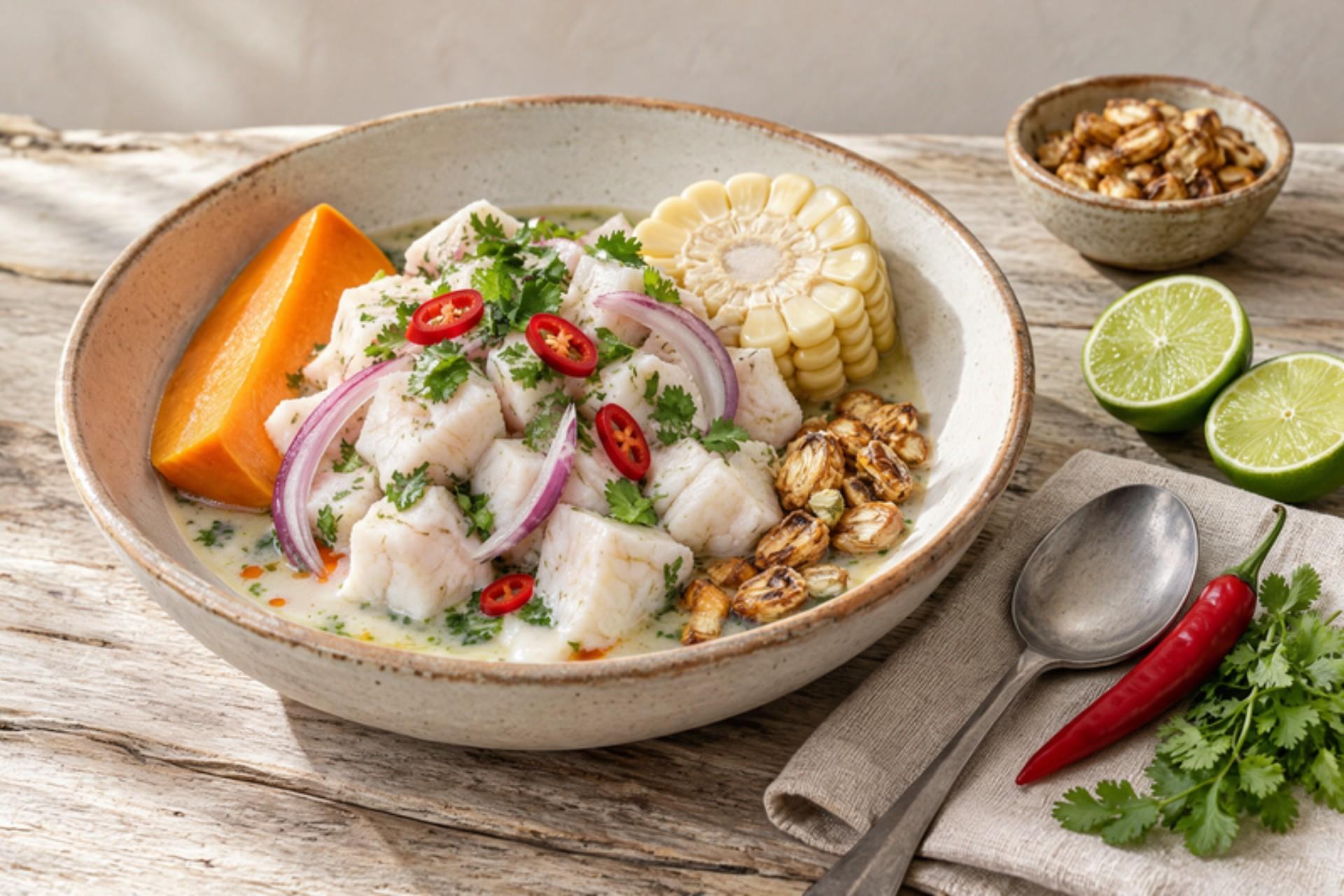
Ceviche peruanoLime-cured white fish

Ceviche is Peru's national dish, eaten at lunchtime in the cevicherías of Lima's Surquillo and Chorrillos markets, because the fish must be fresh off the morning boats and cevicherías traditionally close in the afternoon. The classic is raw white fish 'cooked' in lime juice with red onion, chilli and coriander, served with sweet potato and corn. Lime juice does not kill bacteria or parasites, so this version first poaches the fish for a minute until just opaque, then dresses it, which keeps the classic flavour and texture far safer. Even so, it is not for pregnant women, young children or anyone with a weakened immune system. The usual mistake is leaving the fish in the lime for an hour: it turns chalky and the juice goes bitter. Chef's tip: squeeze the limes gently by hand and stop before the pith; over-squeezed limes make bitter leche de tigre.

by KrazyBadal 0 views

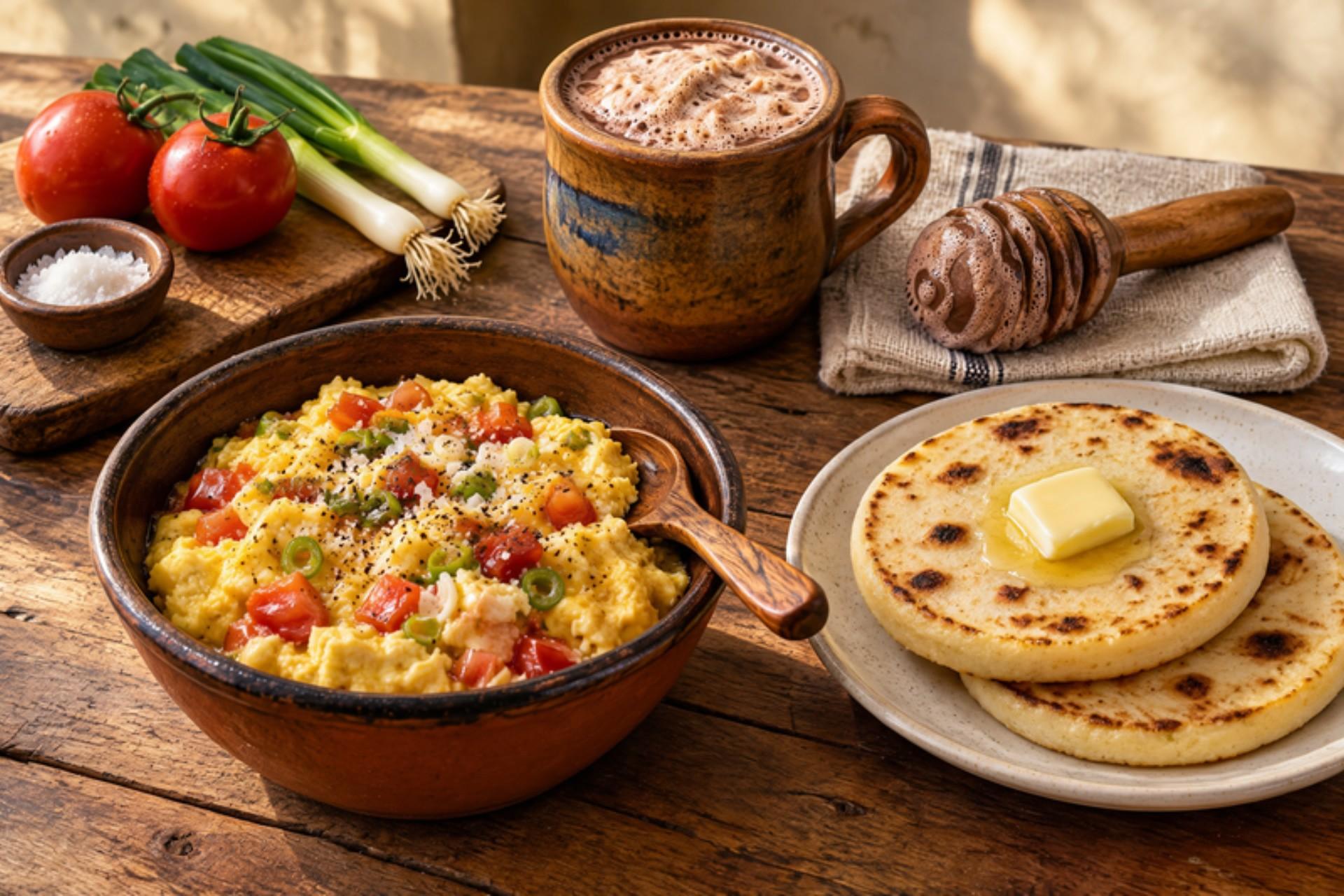
Huevos pericosScrambled eggs with tomato and onion

Huevos pericos are the everyday breakfast of Colombian homes from Medellín to Bogotá, made before school and work and eaten with a warm arepa and a cup of hot chocolate or tinto coffee. The name comes from the parakeet (perico), for the flecks of green spring onion and red tomato through the yellow egg. The secret is a quick hogao-style base: the onion and tomato are softened first, then the eggs are folded through over a low heat so they stay creamy. The common mistake is high heat, which turns the eggs dry and rubbery. Cook them slowly and take them off while still glossy. If you are cooking for anyone pregnant, a young child or an older person, cook until fully set. Chef's tip: use the long green tops of the spring onion as well as the white; Colombian cebolla larga is all about that mild green flavour.

by KrazyBadal 0 views

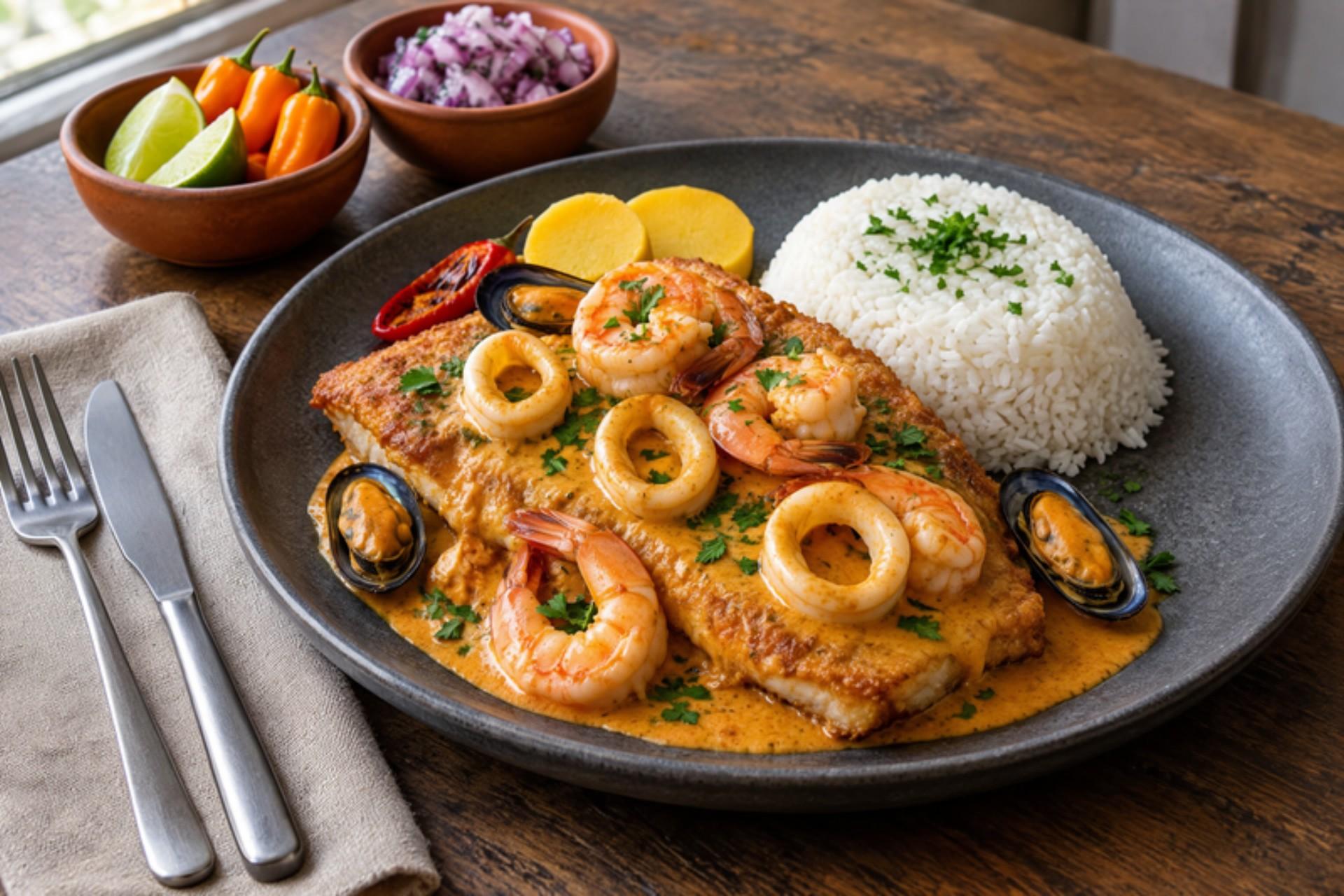
Pescado a lo machoFried fish in spicy seafood sauce

Pescado a lo macho is a classic of Lima's seafood restaurants, the dish people order for a long Sunday lunch near the sea in Chorrillos: a fillet of fried white fish smothered in a thick, spicy sauce of ají panca and ají amarillo packed with prawns, squid and mussels. The name boasts that you need to be brave for the chilli, but you can turn it down. The common mistake is overcooking the seafood while the sauce reduces; add it only when the sauce is already thick. Discard mussels that are open and do not close when tapped, and any that stay shut after cooking. Chef's tip: dust the fish in flour seasoned with cumin and fry it last, so it reaches the table crisp under the sauce.

by KrazyBadal 0 views

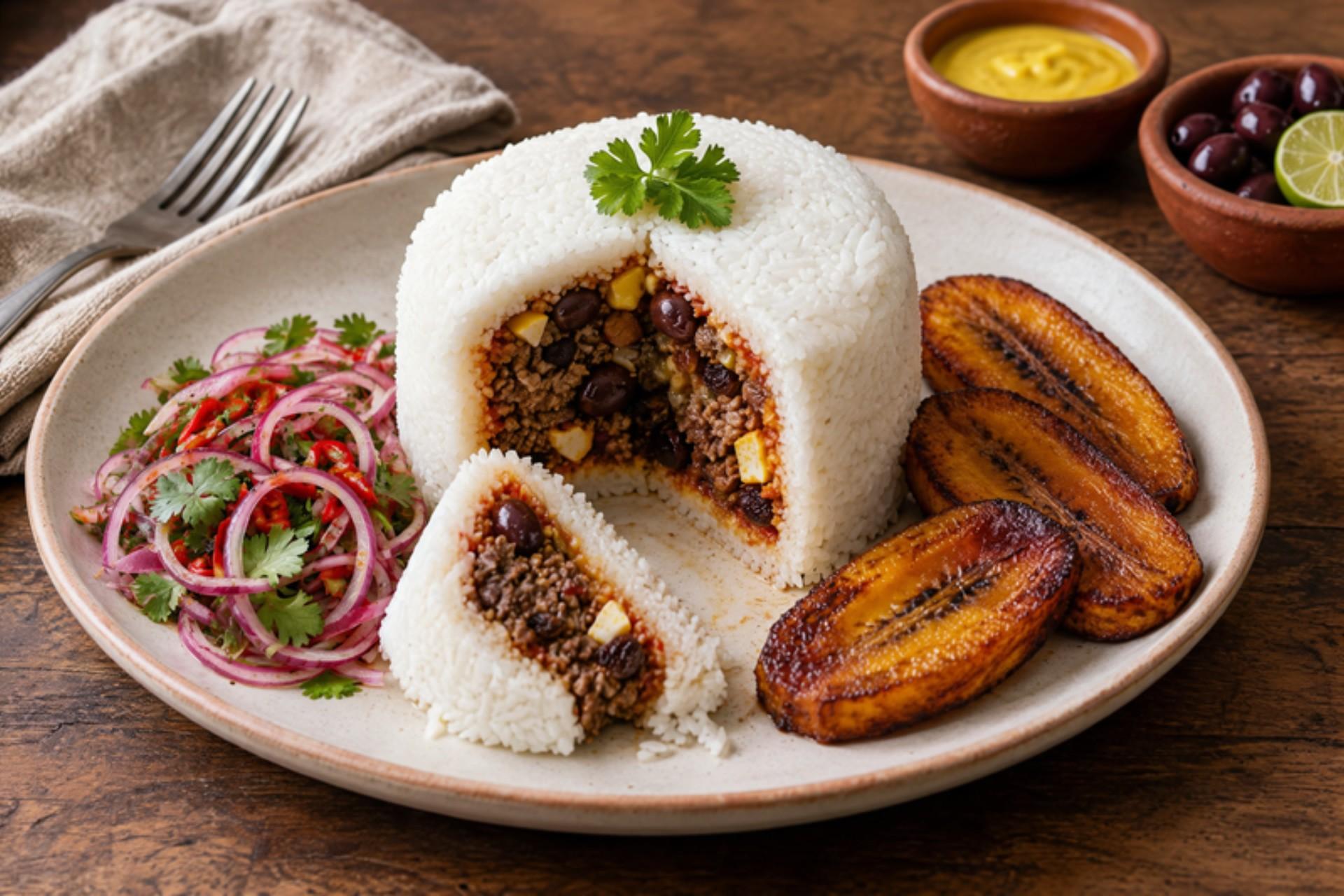
Arroz tapadoRice dome with beef filling

Arroz tapado means covered rice, and it is the thrifty weekday lunch of Lima homes and school canteens: garlic rice pressed into a bowl, filled with a sweet-savoury beef mince and turned out like a dome. The filling of minced beef with onion, ají panca, raisins, black olives and hard-boiled egg is the same picadillo that goes into papas rellenas. The usual mistake is leaving the filling wet: the dome collapses and the rice turns soggy. Simmer it until the pan is almost dry. Minced beef must reach 71 °C, so cook it until no pink remains. Serve with a spoonful of salsa criolla. Chef's tip: brush the bowl with a little oil and pack the rice firmly with the back of a spoon; a well-pressed dome holds its shape on the plate.

by KrazyBadal 0 views

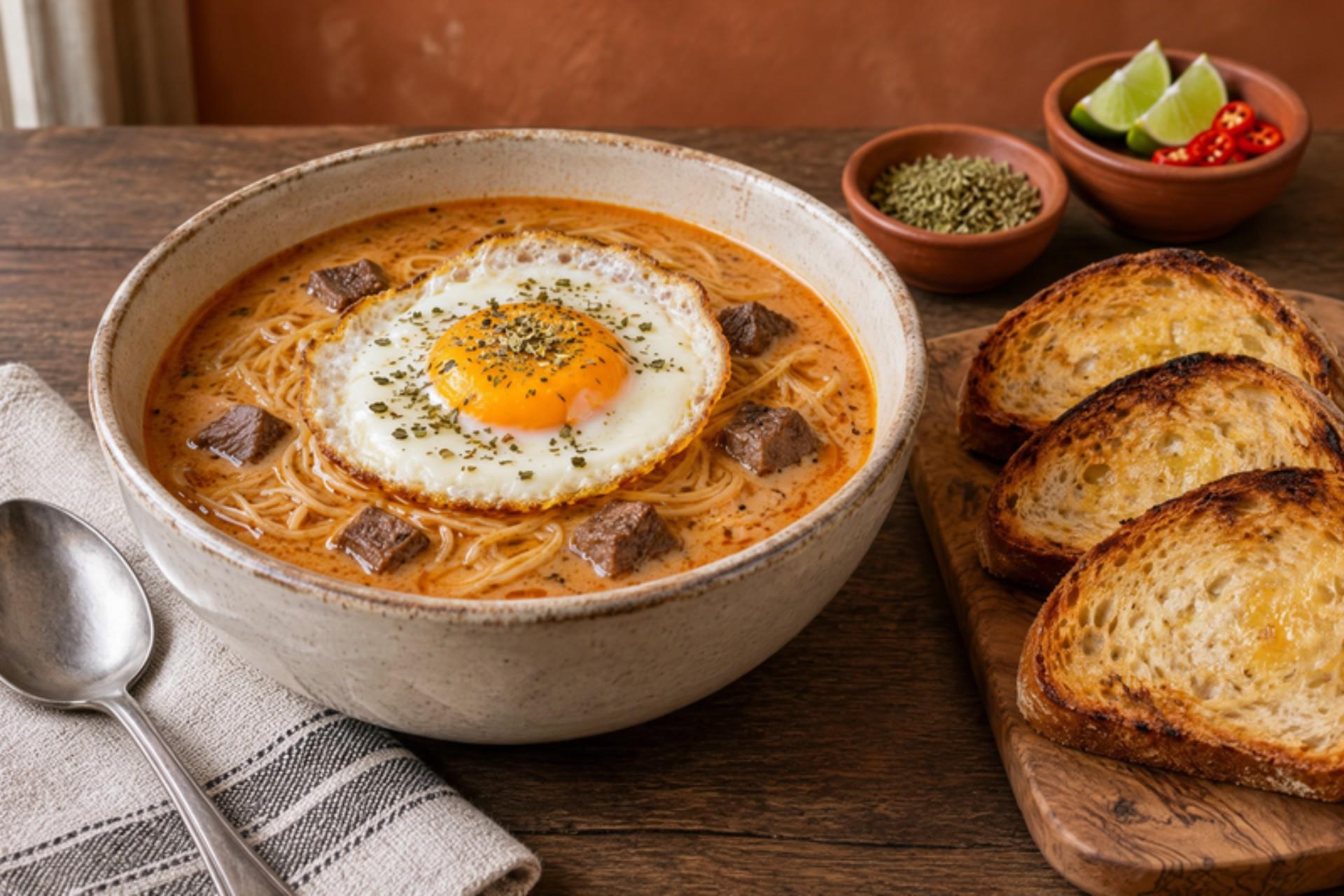
Sopa criollaCreamy beef noodle soup

Sopa criolla is the soup Lima turns to on grey winter evenings, when the garúa mist hangs over the city: a beef broth reddened with ají panca, full of thin noodles and strips of beef, enriched with evaporated milk and finished with a poached egg. It arrives with toasted bread for dunking. The common mistake is boiling the soup after adding the milk; it splits into specks. Lower the heat first and stir it in gently. The beef strips are thin, so they cook through in a few minutes. Chef's tip: crack the eggs straight into the barely simmering soup and leave them alone for three minutes; the whites set into soft ribbons that thicken the broth.

by KrazyBadal 0 views

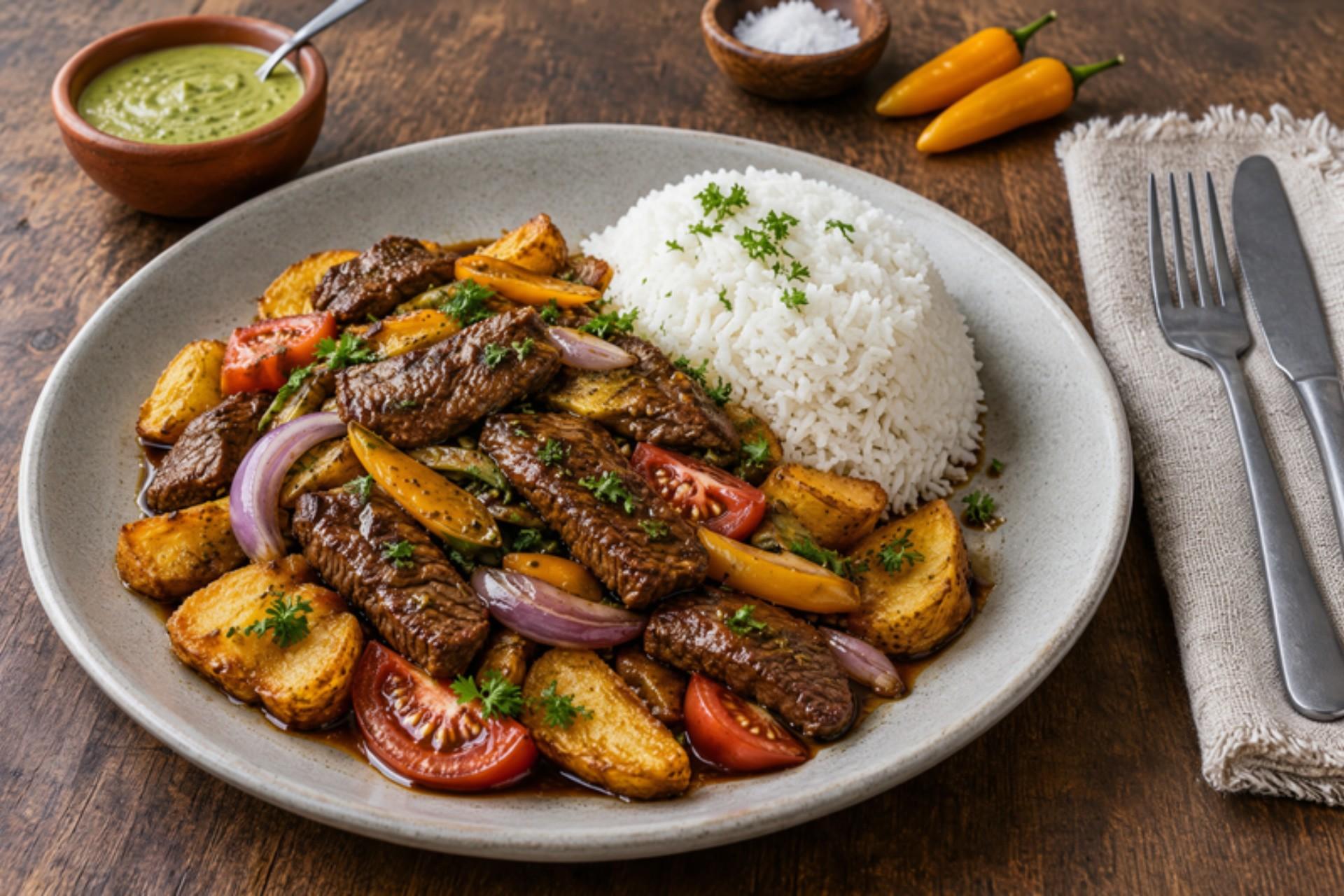
Lomo saltadoBeef stir-fry with chips

Lomo saltado was born in the chifas of central Lima, where Chinese cooks met Peruvian ingredients, and today it is the lunch every Peruvian family makes when they want something fast and a little indulgent. Strips of beef are seared in a smoking-hot wok with red onion, tomato and yellow chilli, splashed with soy sauce and vinegar, then tossed with chips and served beside white rice, so you get both starches on one plate. The common mistake is crowding the wok: the beef stews in its juices and turns grey and chewy instead of charring. Cook it in two batches over the highest heat you have. Chef's tip: add the chips at the very last second, or serve them on the side, so they soak up a little sauce but stay crisp.

by KrazyBadal 0 views

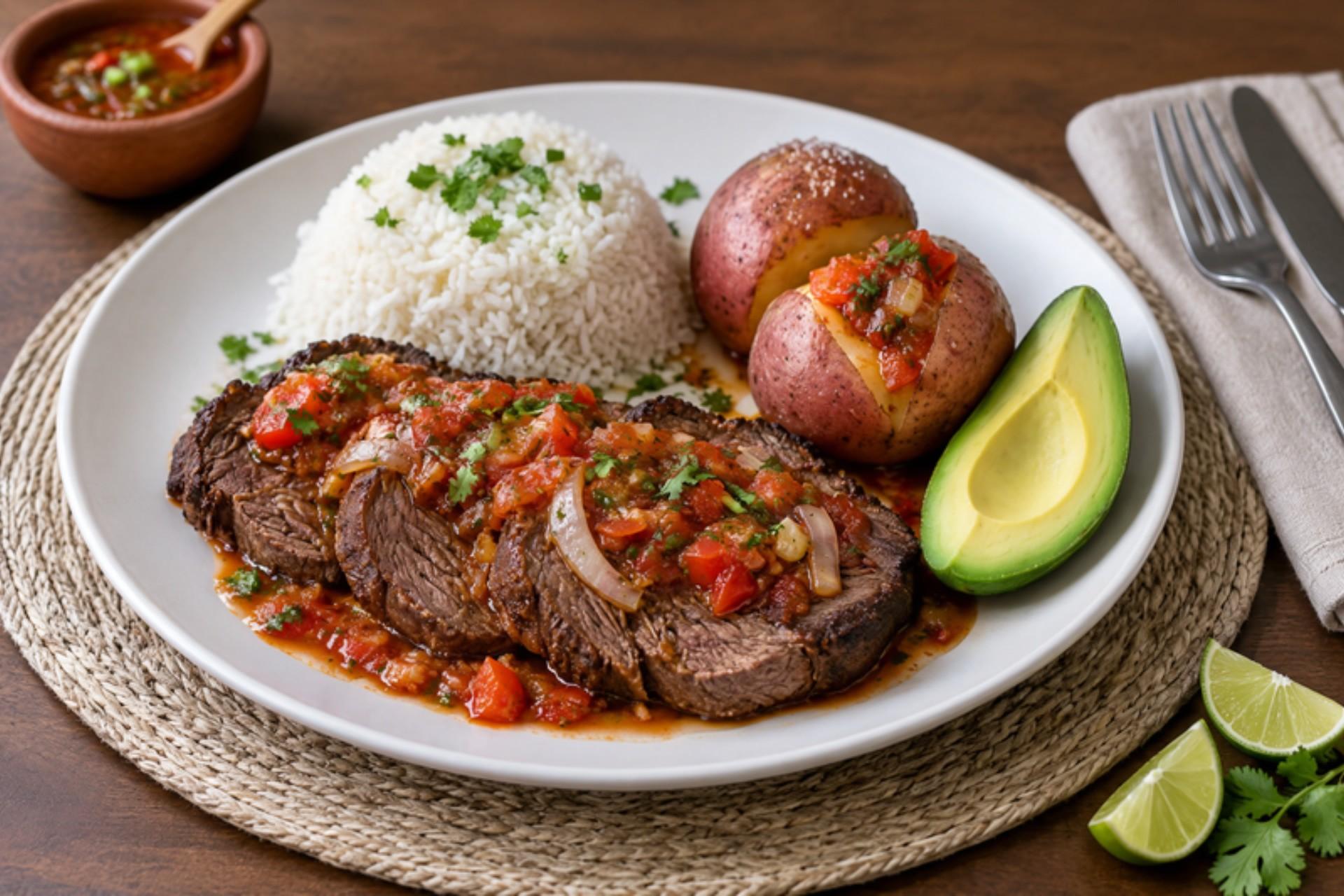
SobrebarrigaBraised beef flank in tomato sauce

Sobrebarriga is a Bogotá Sunday lunch: beef flank (the thin covering of the belly, which is what the name means) braised for hours with beer, onion and herbs until it can be cut with a spoon, then finished in a rich hogao of tomato and onion. Families in the Andean highlands serve it with salt potatoes, rice and a slice of avocado. The common mistake is hurrying the braise: flank stays stringy until it has cooked for at least two and a half hours. Simmer it gently until a fork slides in easily. The beer cooks for a long time, so most of the alcohol is driven off but not all; for an alcohol-free version use beef stock with 1 tbsp of brown sugar. Chef's tip: after braising, brush the meat with mustard and give it 15 minutes in a hot oven for a browned, slightly crisp top.

by KrazyBadal 0 views

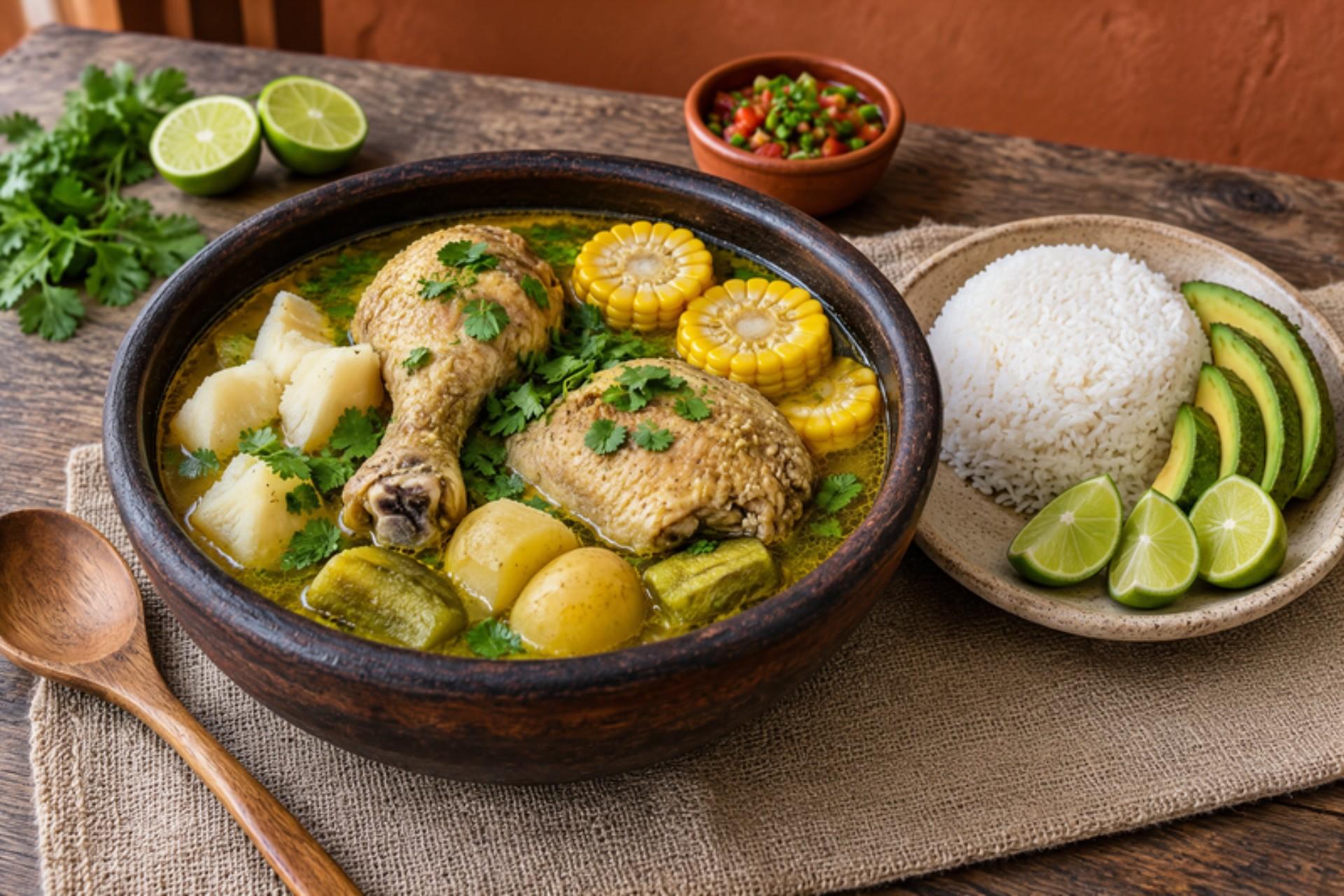
Sancocho de gallinaChicken soup with yuca and plantain

Sancocho de gallina is the soup Colombians cook in a huge pot for Sunday family gatherings, river outings in the Valle del Cauca and New Year's Day, often over a wood fire. A hen is simmered with corn on the cob, yuca, green plantain and potatoes until the starchy vegetables thicken the broth, then everything is served in deep bowls with rice, avocado and ají on the side. This version uses a whole chicken, which cooks faster than a laying hen. Yuca (cassava) must always be fully cooked until soft right through, never eaten raw or underdone. The common mistake is adding all the vegetables at once: the potato turns to mush before the yuca is tender. Add them in stages. Chef's tip: break the green plantain into chunks with your hands instead of cutting it; the rough edges release starch and give the broth its body.

by KrazyBadal 0 views

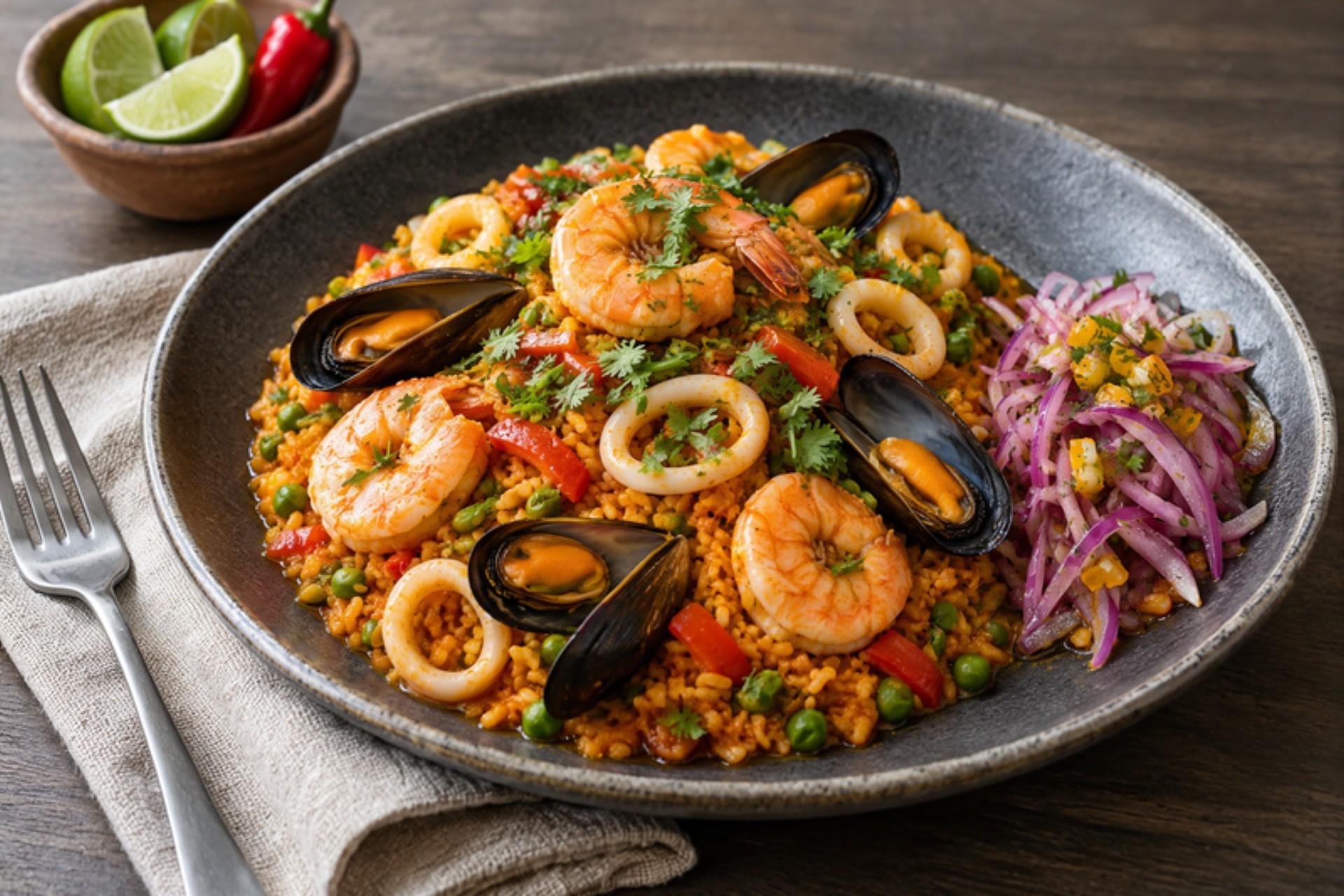
Arroz con mariscosSeafood rice

Arroz con mariscos is the weekend dish of Callao and the beach towns south of Lima, served in cevicherías as the hot partner to a cold ceviche. It is moister than a paella, closer to a risotto, coloured with ají panca and ají amarillo and finished with peas and a little Parmesan-style cheese, as many Lima cooks do. The common mistake is adding all the seafood at the start: the squid turns rubbery and the prawns shrink to nothing. Cook the rice first and add the shellfish only for the final minutes. Discard any mussels that are open before cooking and do not close when tapped, and any that stay shut after cooking. The cheese is often made with animal rennet; use a vegetarian hard cheese if you prefer. Chef's tip: simmer the prawn shells in the stock for 10 minutes; they give the rice its deep seafood taste.

by KrazyBadal 0 views

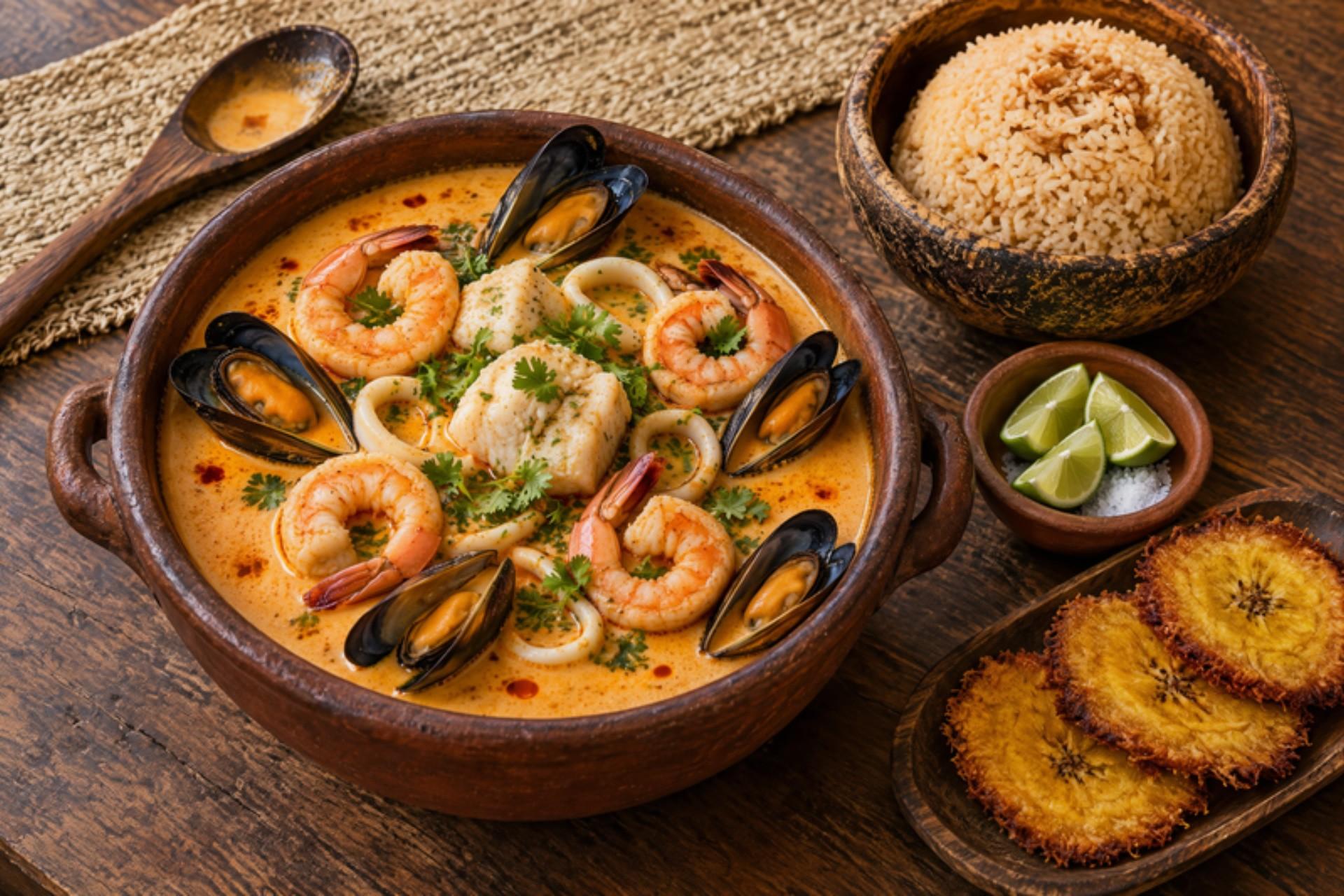
Cazuela de mariscosCoconut seafood stew

In Cartagena's old walled city and the beach kiosks of Bocagrande, cazuela de mariscos is the seafood dish to share on a hot afternoon: a rich stew of fish, prawns, squid and mussels in coconut milk and cream, coloured with a little tomato and served with coconut rice and fried green plantain (patacones). The common mistake is boiling the seafood in the sauce until it toughens. Build the sauce first, then add the seafood in order of cooking time for just a few minutes. Discard any mussels that are open and do not close when tapped, and any that stay shut after cooking. Chef's tip: a splash of the mussel cooking liquid stirred in at the end gives the cazuela its sea-salty depth without extra salt.

by KrazyBadal 0 views

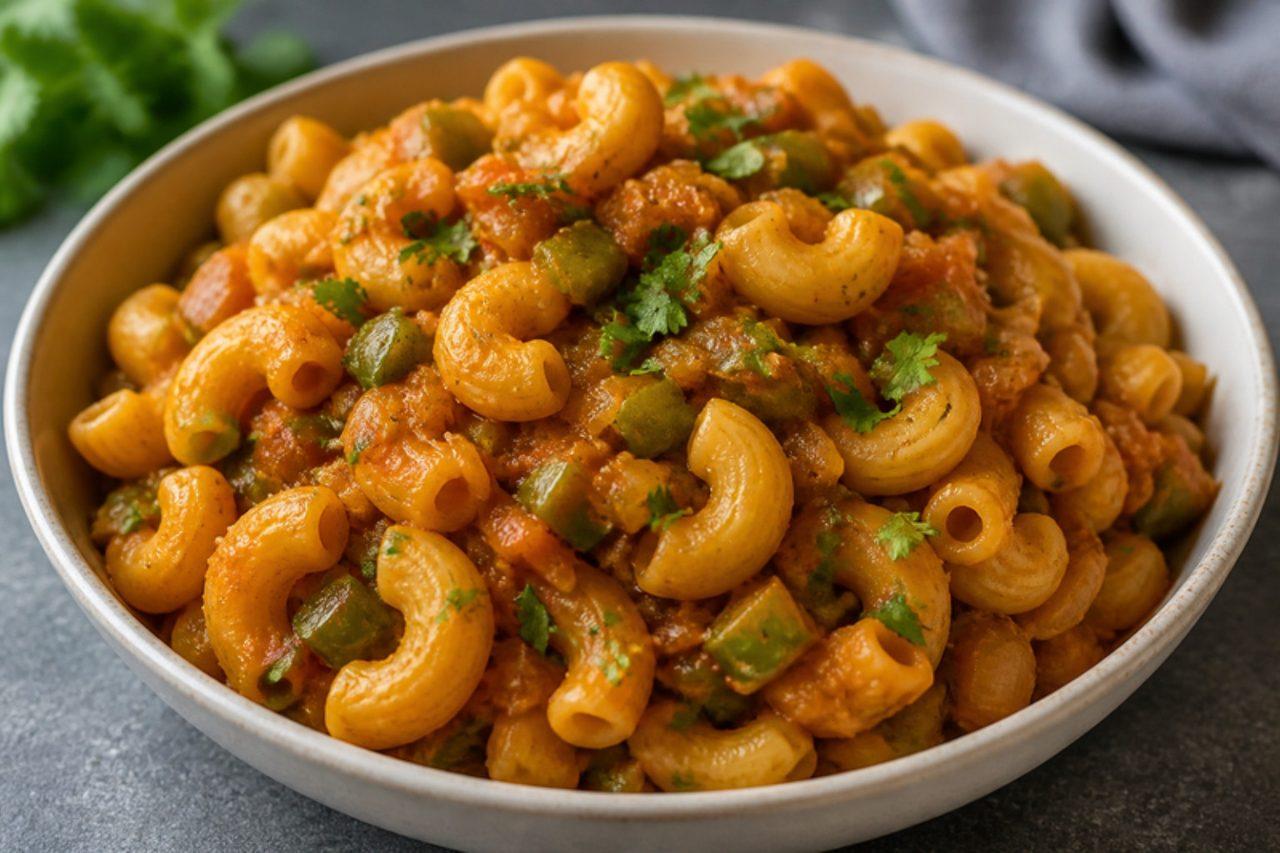
Masala pastaSpiced macaroni

Masala pasta is how countless homes in Delhi, Mumbai and Ahmedabad cook pasta on a school night: macaroni tossed in a quick onion, tomato and capsicum masala with cumin, chilli and garam masala, often with a little ketchup for the children. It is tangy, mildly spiced and comforting, with the sauce clinging to every piece. The usual mistake is draining away all the pasta water, so the masala turns dry and sticky. Chef's tip: save a mug of the starchy cooking water and add a splash while tossing; it makes the masala silky and helps it coat the pasta. If you add cheese, many cheeses are made with animal rennet, so choose one labelled vegetarian.

by KrazyBadal 1 views

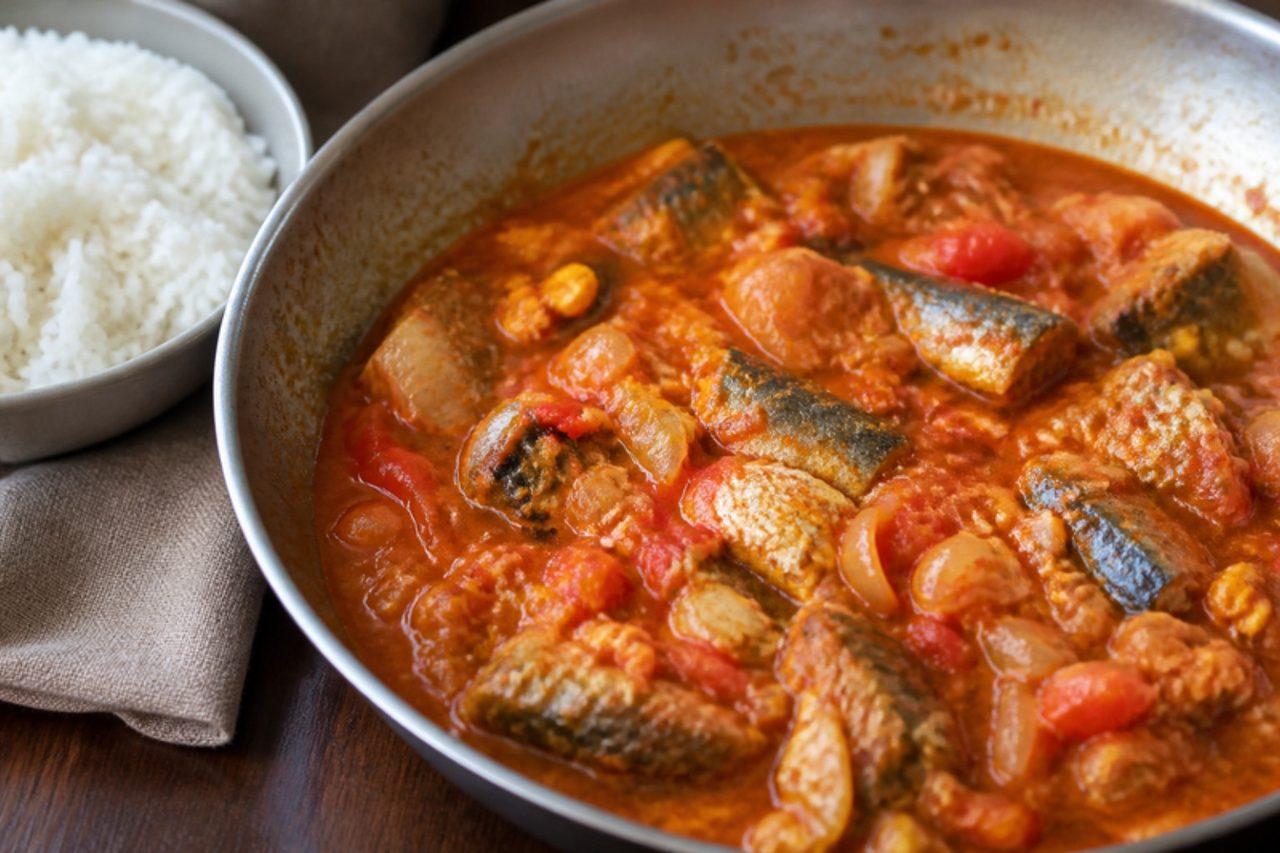
Ginisang sardinasSautéed sardines with egg

Ginisang sardinas is everyday Filipino home cooking, especially in the rainy season and towards the end of the month when the budget is tight: a tin or two of sardines in tomato sauce sautéed with garlic, onion and fresh tomato, then stretched with egg. It's eaten for dinner with plenty of hot rice; some families add misua noodles to make it a soup. The common mistake is stirring too much once the sardines are in, which breaks them into mush. Chef's tip: fry the garlic until just golden before anything else goes in; that toasty garlic is what makes the tin taste homemade.

by KrazyBadal 0 views

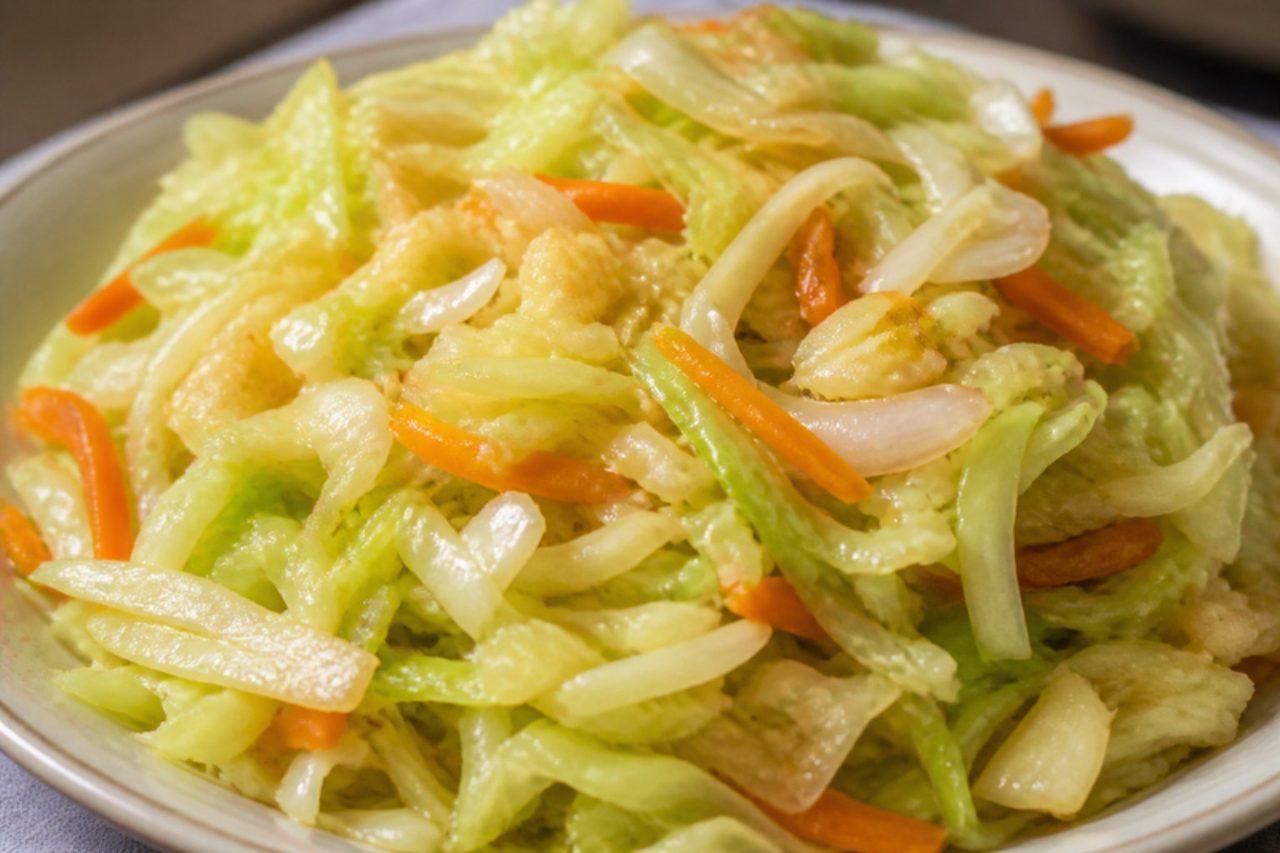
Ginisang repolyoSautéed cabbage and carrot

Ginisang repolyo is the budget-friendly side every Filipino family seems to know, cooked on a weekday evening in Manila or Davao to stretch a meal with plenty of rice. Shredded cabbage and carrot are sautéed with garlic and onion and seasoned with soy until just wilted, sweet and still crunchy. Cooks often add pork, shrimp or sliced hot dog; add fried tofu instead if you want it more filling and vegetarian. The common mistake is cooking the cabbage until it sags and smells sulphurous; stop while the shreds are still bright and springy. Chef's tip: give the carrot a minute alone in the pan first, because it takes longer than the cabbage to soften.

by KrazyBadal 0 views

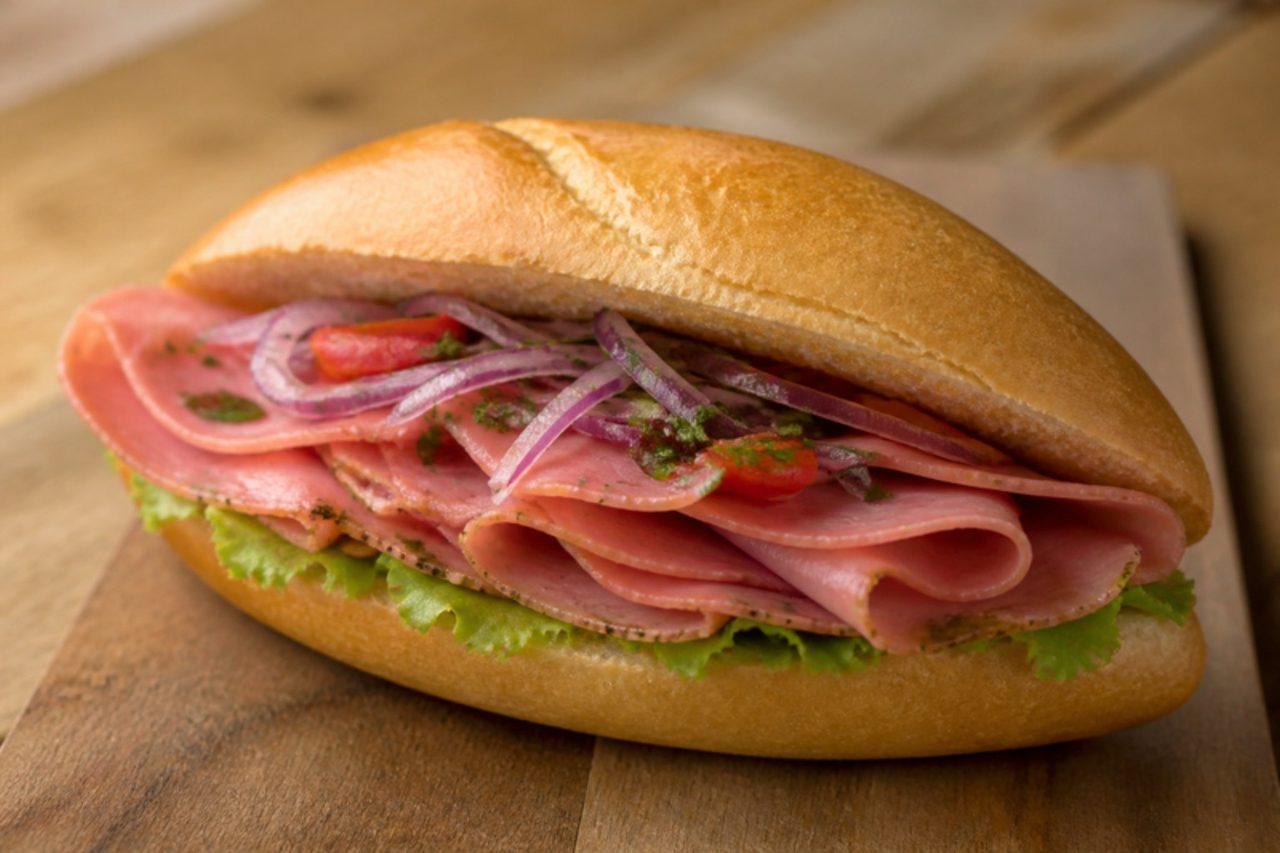
Pan con butifarraHam roll with onion salsa

Pan con butifarra is Lima's evening sandwich, sold in old-school sangucherías and made at home for a light dinner with coffee: a crusty roll filled with jamón del país, a spiced Peruvian pork ham, under a heap of salsa criolla, red onion sliced thin and soaked in lime with chilli. Outside Peru, use a good cooked pork ham. The common mistake is leaving the onion harsh; give it a quick rinse in salted water before dressing it. Chef's tip: a leaf of lettuce under the ham stops the lime juice soaking straight into the bread.

by KrazyBadal 0 views

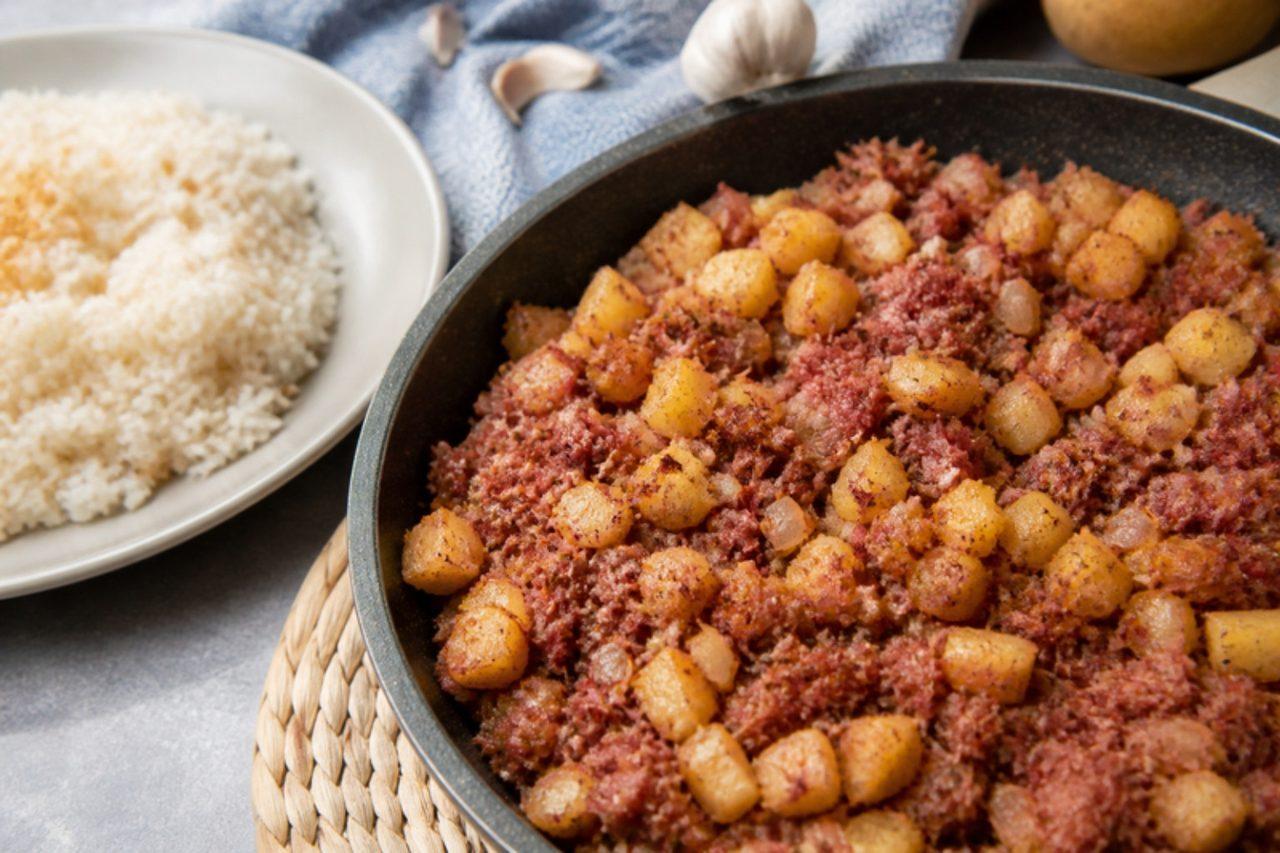
Corned beef guisadoSautéed corned beef and potato

In Manila and all over the Philippines, a tin of corned beef in the cupboard means dinner is never more than 15 minutes away. Corned beef guisado is the beef fried with lots of garlic, onion and small cubes of potato until the edges crisp, and it's eaten with garlic rice and a fried egg for breakfast or with plain rice for a fast weeknight supper. The common mistake is cutting the potato too big, so it's still hard when the beef is ready; keep the cubes to 1 cm. Chef's tip: once the beef is in, leave it alone for a minute or two so it catches and crisps on the bottom before you stir.

by KrazyBadal 0 views

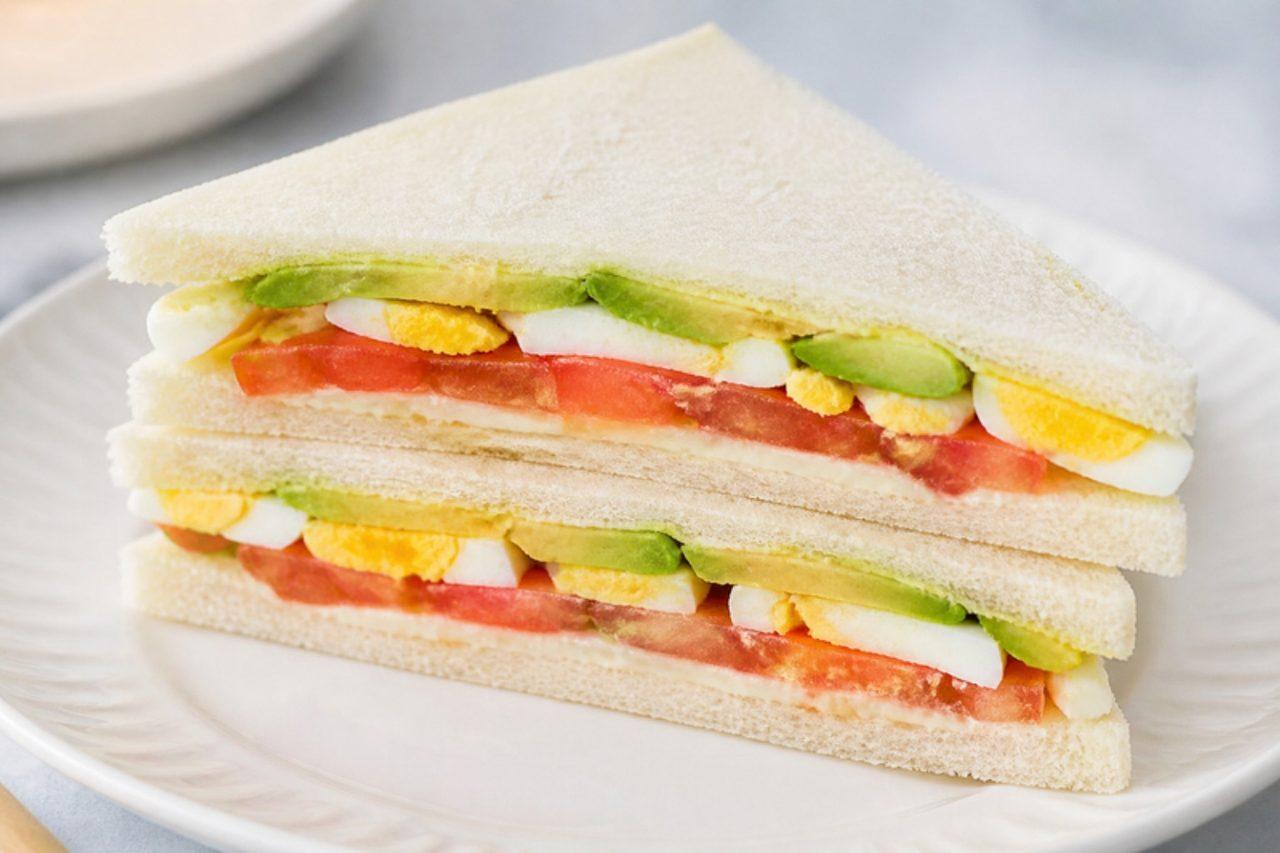
TripleAvocado, tomato and egg sandwich

The triple is the soft, layered sandwich of Lima's cafés and bakeries, eaten at lonche, the Peruvian late-afternoon meal, or as a light supper: three slices of crustless white bread layered with avocado, tomato and sliced hard-boiled egg, all held together with mayonnaise. It looks neat, tastes fresh and is loved by children. Shop-bought mayonnaise is made with pasteurised egg, so it is safe for everyone. The common mistake is letting wet tomato touch the bread, which turns it soggy within minutes. Chef's tip: pat the tomato dry and sit it between the avocado and egg, then press the sandwich under a board for a minute before cutting.

by KrazyBadal 0 views

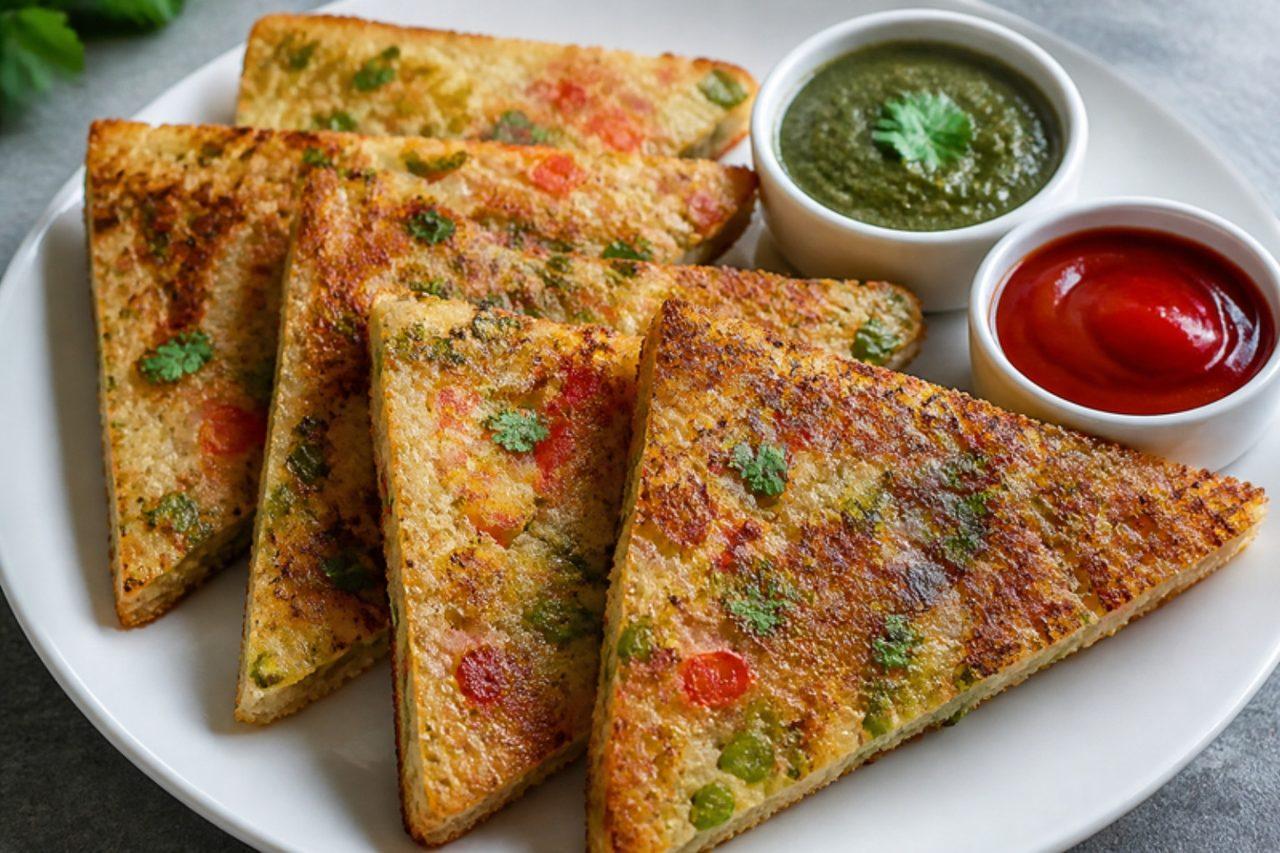
Suji toastSemolina vegetable toast

Suji toast, sometimes called rava toast, is a Mumbai and North Indian home favourite for breakfast, tiffin or a quick dinner with soup. A paste of fine semolina, curd and finely chopped onion, tomato and capsicum is spread on bread and pan-toasted, paste side down, until it forms a golden, crunchy crust. It tastes like a cross between a vegetable uttapam and cheese-free toast, and children love it with ketchup. The common mistake is making the paste too runny, so it slides off and stays raw in the middle. Chef's tip: let the semolina and curd sit for 5 minutes while you chop; it thickens into a paste that spreads like soft butter.

by KrazyBadal 1 views

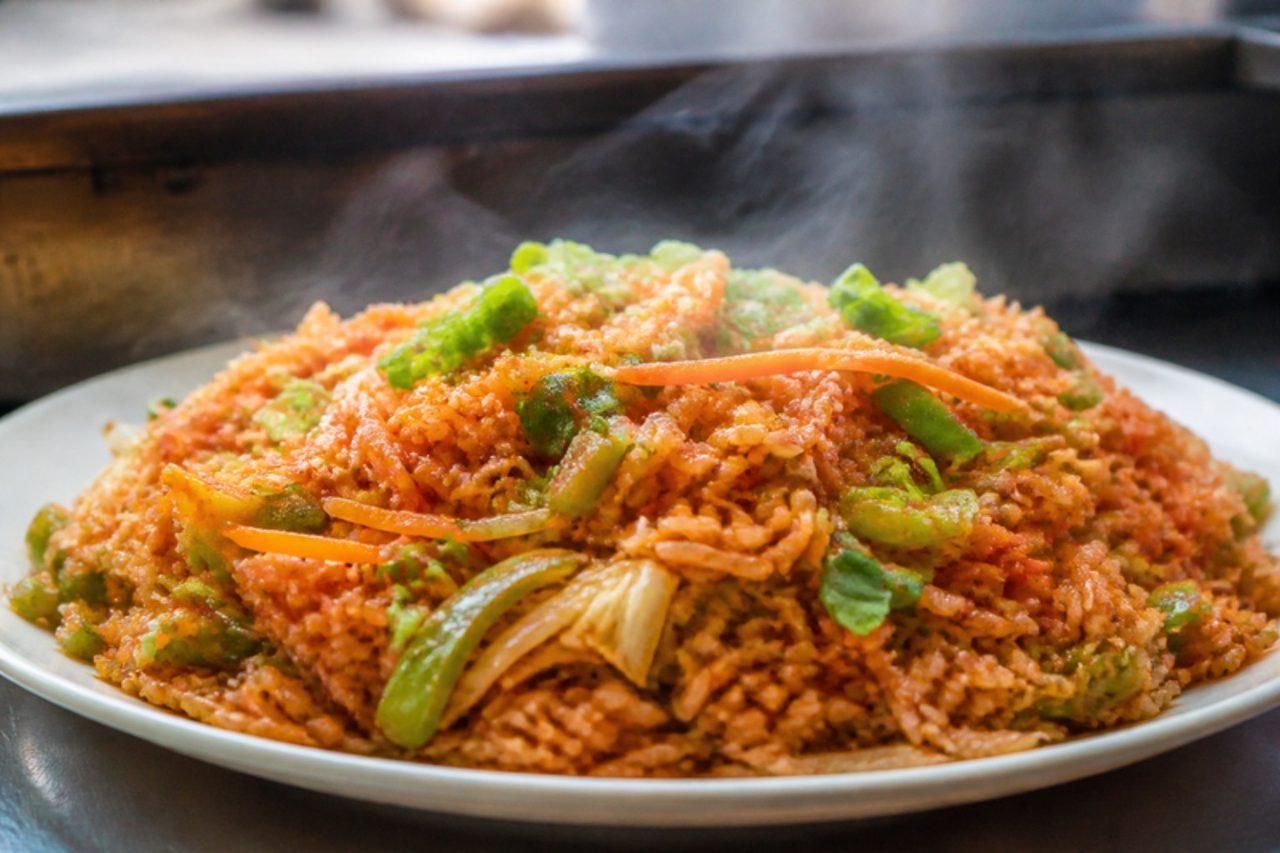
Schezwan fried rice

Schezwan fried rice is a star of Mumbai's Indo-Chinese carts, where it is tossed in huge woks late into the evening for office workers heading home; at home it is the best thing to do with last night's rice. Cold rice is fried hard with garlic, carrot, cabbage, pepper and spring onion, then coated in red Schezwan sauce until every grain is orange and hot. It is spicy, garlicky and slightly smoky. The common mistake is using freshly cooked warm rice, which clumps and turns mushy. Chef's tip: break up the cold rice with your fingers before it goes in, so it hits the wok as separate grains. Leftover rice must have been cooled quickly (spread out, into the fridge within an hour) and used within a day; fry it until it is piping hot all the way through and steaming, and never reheat it a second time.

by KrazyBadal 1 views

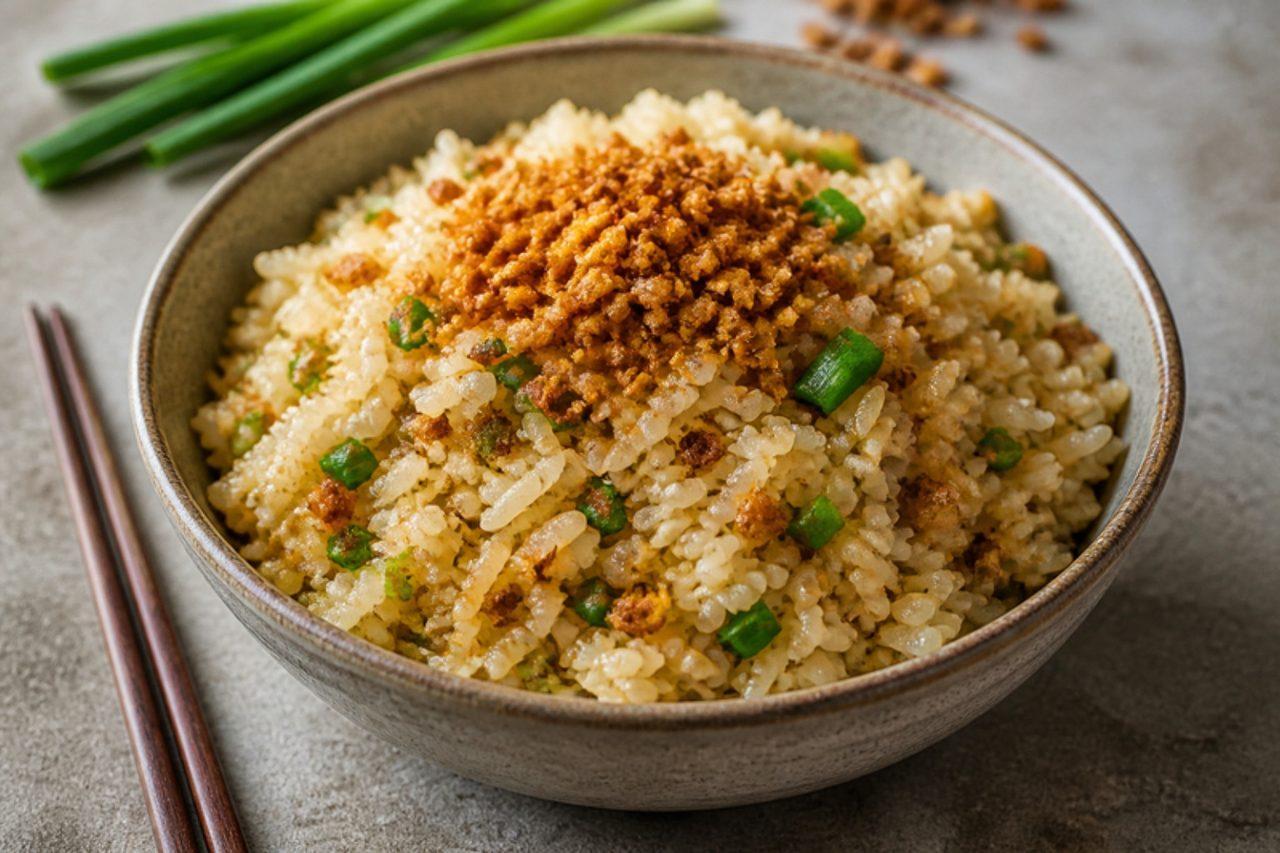
Burnt garlic fried rice

Burnt garlic fried rice is one of the most-ordered dishes in Indo-Chinese restaurants from Mumbai to Bengaluru, and it is a ten-minute dinner at home with a tub of leftover rice. The name is a bit of a fib: the garlic is fried to a deep golden brown, never black, so it turns nutty and sweet, then tossed through the rice with spring onion, soy and white pepper. It is simple, savoury and fragrant, good alone or with chilli paneer or a vegetable manchurian. The usual mistake is letting the garlic go dark brown in the pan, because it keeps cooking in the hot oil and ends up bitter. Chef's tip: lift out a spoonful of the golden garlic to scatter on top at the end, so you get crunch as well as flavour. Leftover rice must have been cooled quickly (spread out, into the fridge within an hour) and used within a day; fry it until it is piping hot all the way through and steaming, and never reheat it a second time.

by KrazyBadal 0 views

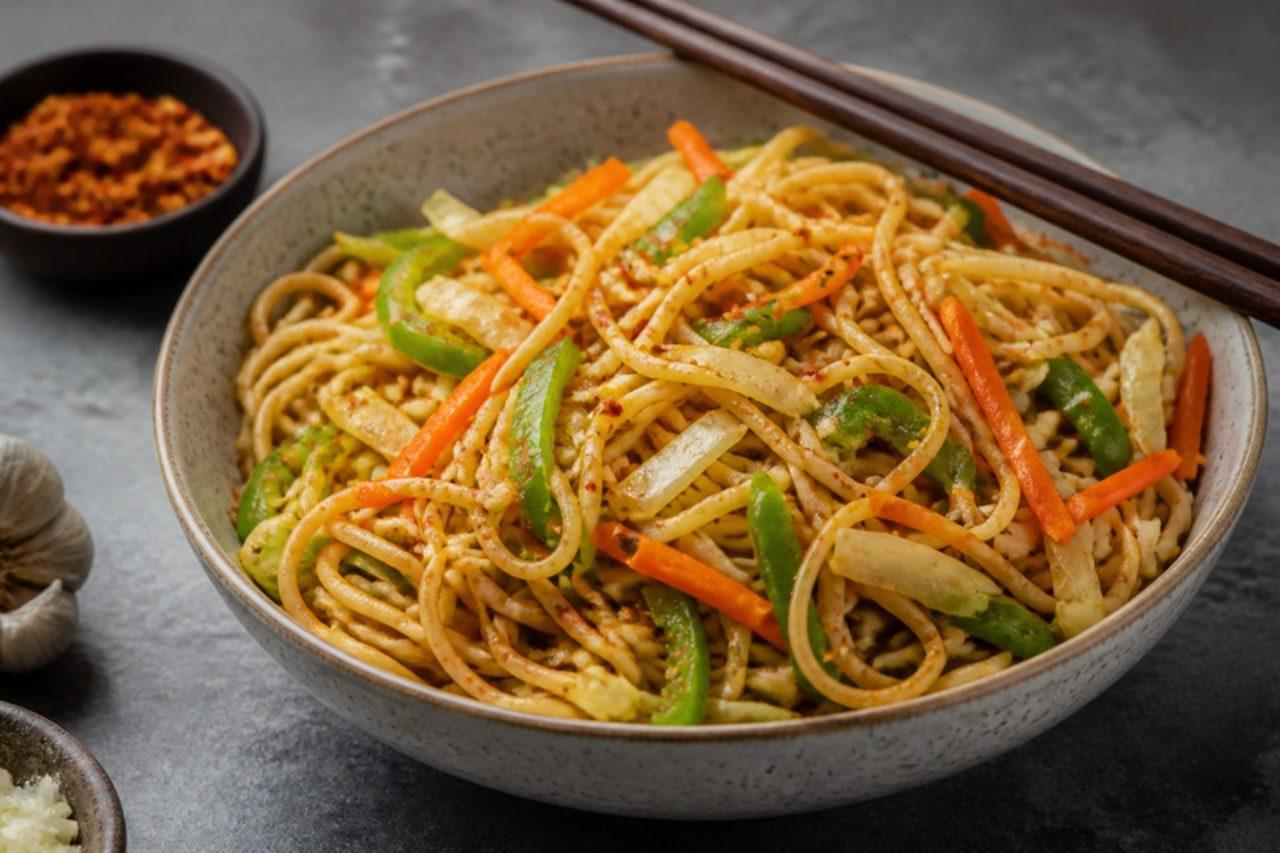
Chilli garlic noodles

Chilli garlic noodles are the punchier sibling of hakka noodles on every Indo-Chinese menu, from Kolkata's Tangra to college canteens in Pune, and they make a quick dinner at home. Boiled noodles are tossed over a fierce heat with plenty of garlic, crushed red chilli, soy and vinegar and a handful of crunchy vegetables. They are hot, tangy and garlicky, good alone or with a bowl of manchow-style soup. The common mistake is overcooking the noodles, which then break and clump in the wok. Chef's tip: cook them a minute short of the packet time, rinse under cold water and toss with a teaspoon of oil so they stay springy and separate. Check the noodle packet if you need them egg-free; many hakka noodles are, some are not.

by KrazyBadal 0 views

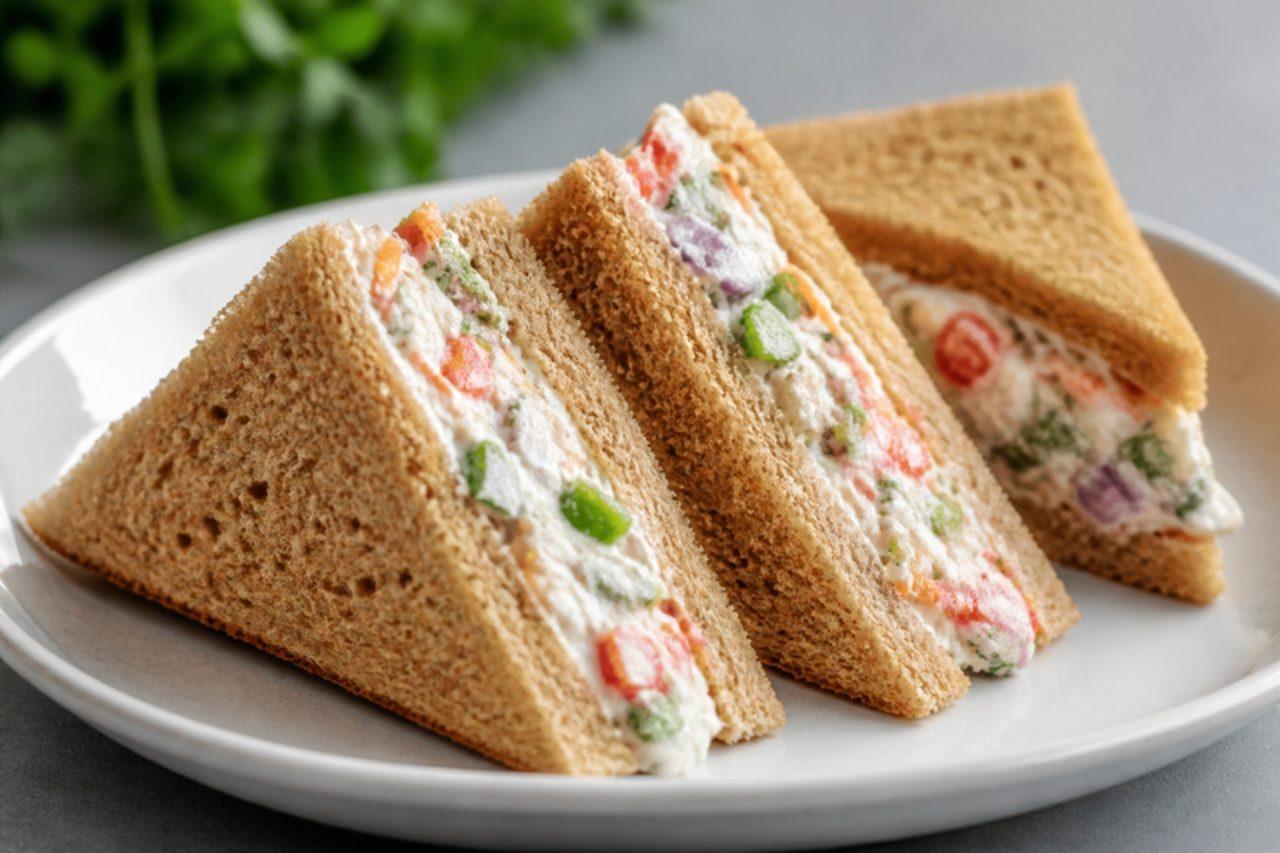
Curd sandwich

The curd sandwich is a staple of home kitchens all over India, from Bengaluru tiffin boxes to Delhi picnic baskets, and an easy summer dinner when it is too hot to cook. Thick hung curd is mixed with grated carrot, capsicum, onion, coriander and black pepper and spread between slices of bread, eaten cold and creamy or toasted until crisp. It is cool, tangy and crunchy. The usual mistake is using runny curd or wet vegetables, which make the bread soggy within minutes. Chef's tip: squeeze the grated carrot in your fist before adding it, and make the sandwiches just before eating.

by KrazyBadal 0 views

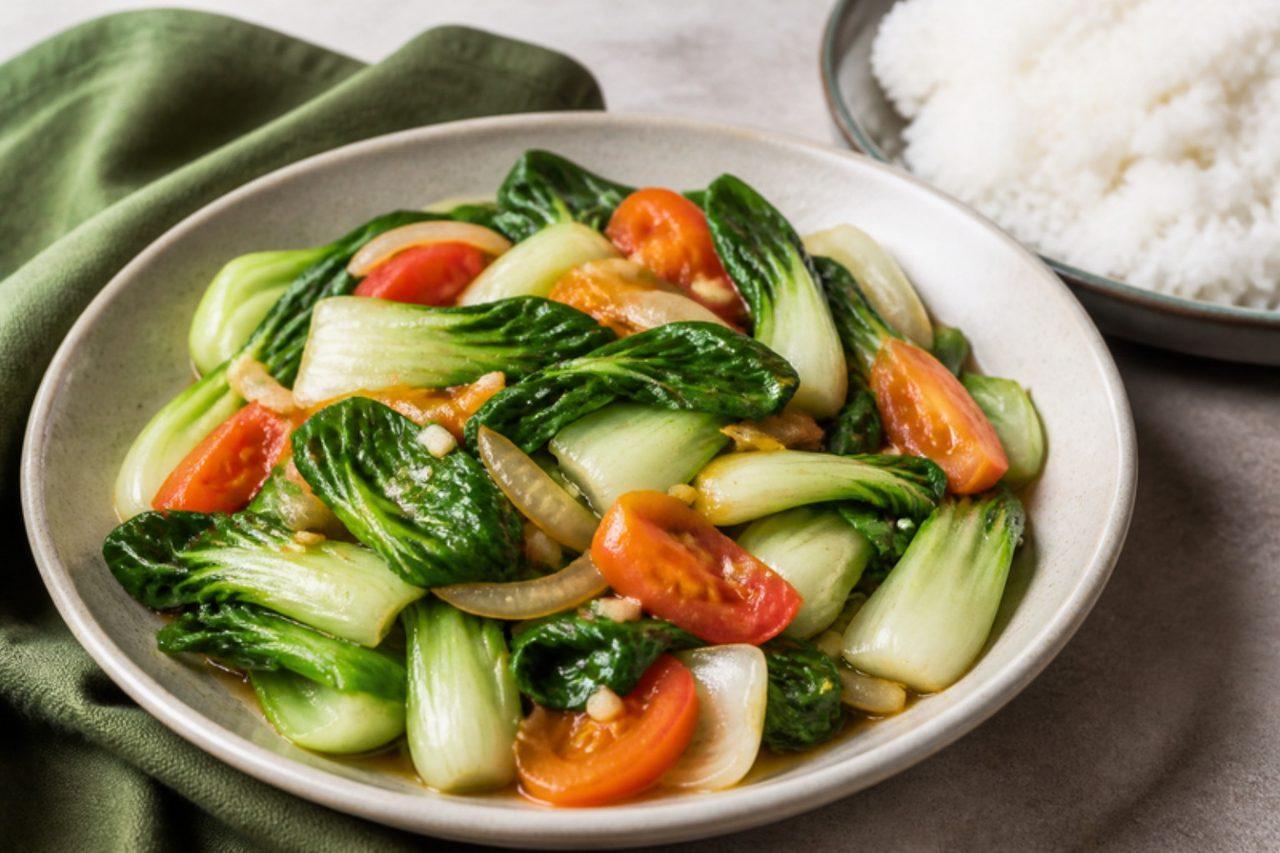
Ginisang pechaySautéed bok choy

Ginisang pechay is a no-fuss Filipino weeknight vegetable, cooked in homes from Manila to Cebu to go with rice and a piece of fried fish or tofu. Bok choy (pechay) is sautéed in the classic Filipino base of garlic, onion and tomato, then seasoned with a dash of soy so the leaves turn glossy and the stems stay juicy. Many cooks add ground pork, shrimp or a splash of fish sauce; this version is vegan. The common mistake is covering the pan, which steams the pechay olive-grey; keep the lid off and cook fast. Chef's tip: cook the tomato until it slumps into a jammy sauce before the greens go in; that's where the flavour comes from.

by KrazyBadal 0 views

Showing 24 of 2,163 recipes

Show more recipes

Page 1 of 91