Skip to content
WhatToEat.Today

All recipes

522

Vegetarian, or something you can't eat? Set your diet once and we'll hide recipes that don't fit.

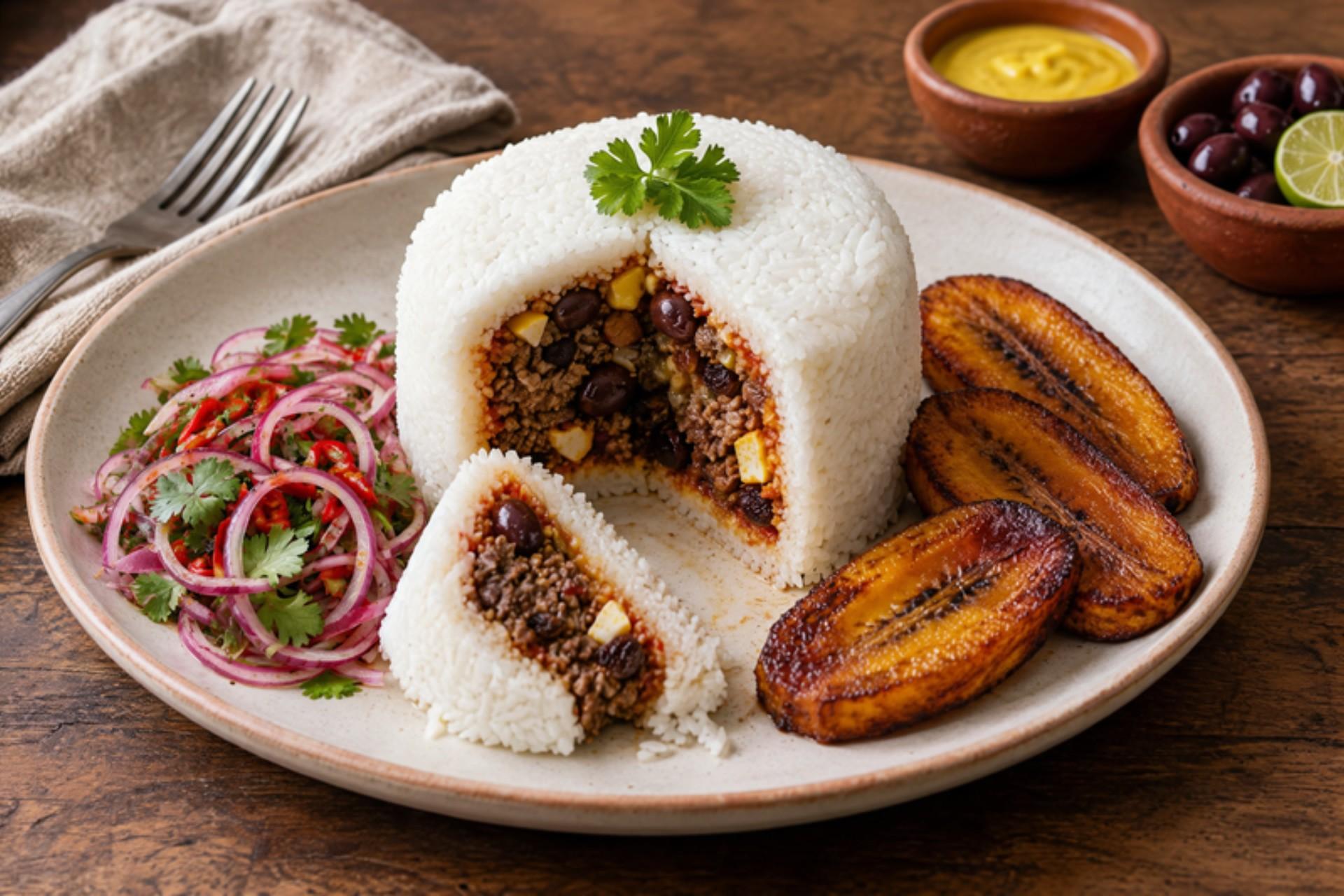
Arroz tapadoRice dome with beef filling

Arroz tapado means covered rice, and it is the thrifty weekday lunch of Lima homes and school canteens: garlic rice pressed into a bowl, filled with a sweet-savoury beef mince and turned out like a dome. The filling of minced beef with onion, ají panca, raisins, black olives and hard-boiled egg is the same picadillo that goes into papas rellenas. The usual mistake is leaving the filling wet: the dome collapses and the rice turns soggy. Simmer it until the pan is almost dry. Minced beef must reach 71 °C, so cook it until no pink remains. Serve with a spoonful of salsa criolla. Chef's tip: brush the bowl with a little oil and pack the rice firmly with the back of a spoon; a well-pressed dome holds its shape on the plate.

by KrazyBadal 0 views

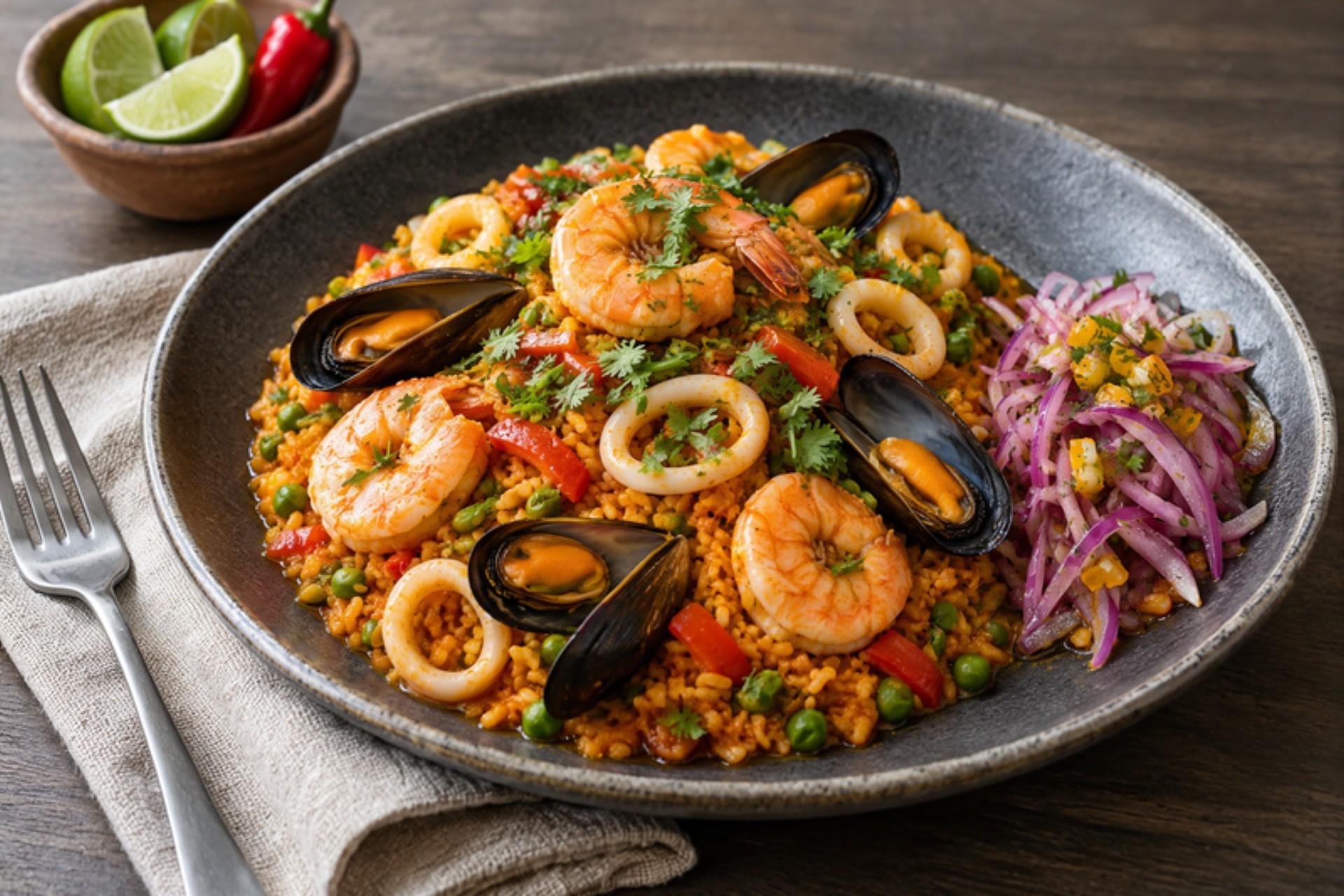
Arroz con mariscosSeafood rice

Arroz con mariscos is the weekend dish of Callao and the beach towns south of Lima, served in cevicherías as the hot partner to a cold ceviche. It is moister than a paella, closer to a risotto, coloured with ají panca and ají amarillo and finished with peas and a little Parmesan-style cheese, as many Lima cooks do. The common mistake is adding all the seafood at the start: the squid turns rubbery and the prawns shrink to nothing. Cook the rice first and add the shellfish only for the final minutes. Discard any mussels that are open before cooking and do not close when tapped, and any that stay shut after cooking. The cheese is often made with animal rennet; use a vegetarian hard cheese if you prefer. Chef's tip: simmer the prawn shells in the stock for 10 minutes; they give the rice its deep seafood taste.

by KrazyBadal 0 views

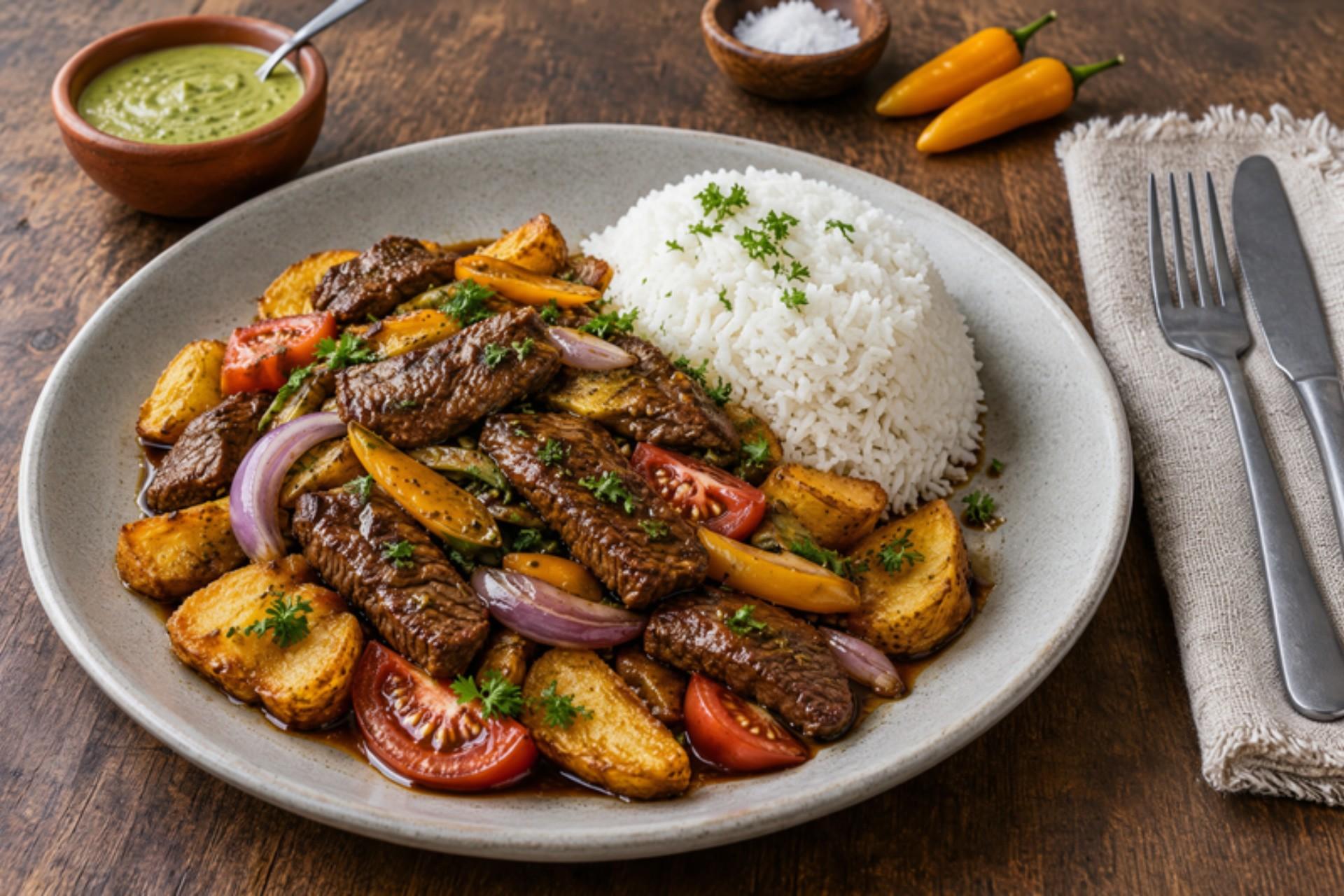
Lomo saltadoBeef stir-fry with chips

Lomo saltado was born in the chifas of central Lima, where Chinese cooks met Peruvian ingredients, and today it is the lunch every Peruvian family makes when they want something fast and a little indulgent. Strips of beef are seared in a smoking-hot wok with red onion, tomato and yellow chilli, splashed with soy sauce and vinegar, then tossed with chips and served beside white rice, so you get both starches on one plate. The common mistake is crowding the wok: the beef stews in its juices and turns grey and chewy instead of charring. Cook it in two batches over the highest heat you have. Chef's tip: add the chips at the very last second, or serve them on the side, so they soak up a little sauce but stay crisp.

by KrazyBadal 0 views

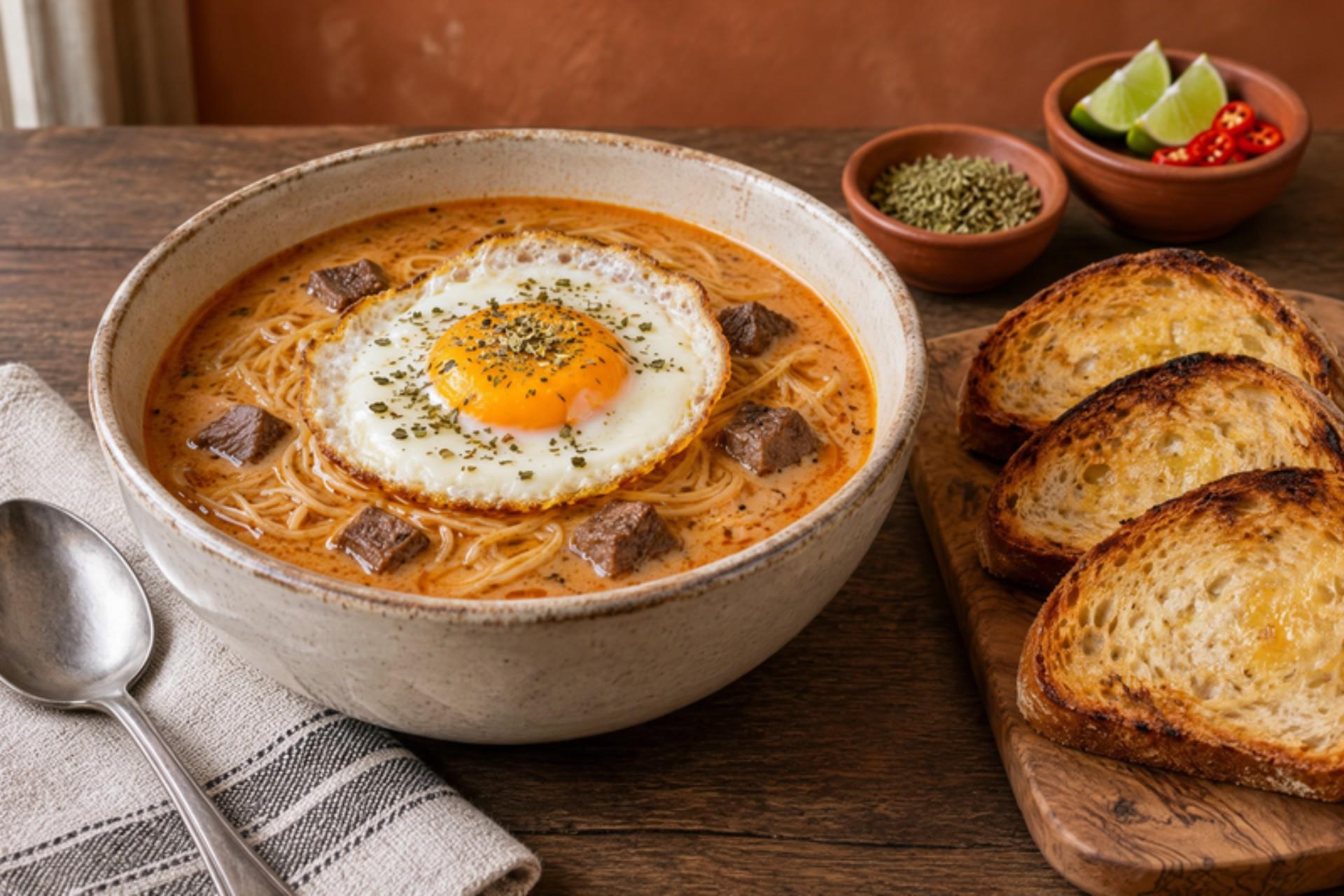
Sopa criollaCreamy beef noodle soup

Sopa criolla is the soup Lima turns to on grey winter evenings, when the garúa mist hangs over the city: a beef broth reddened with ají panca, full of thin noodles and strips of beef, enriched with evaporated milk and finished with a poached egg. It arrives with toasted bread for dunking. The common mistake is boiling the soup after adding the milk; it splits into specks. Lower the heat first and stir it in gently. The beef strips are thin, so they cook through in a few minutes. Chef's tip: crack the eggs straight into the barely simmering soup and leave them alone for three minutes; the whites set into soft ribbons that thicken the broth.

by KrazyBadal 0 views

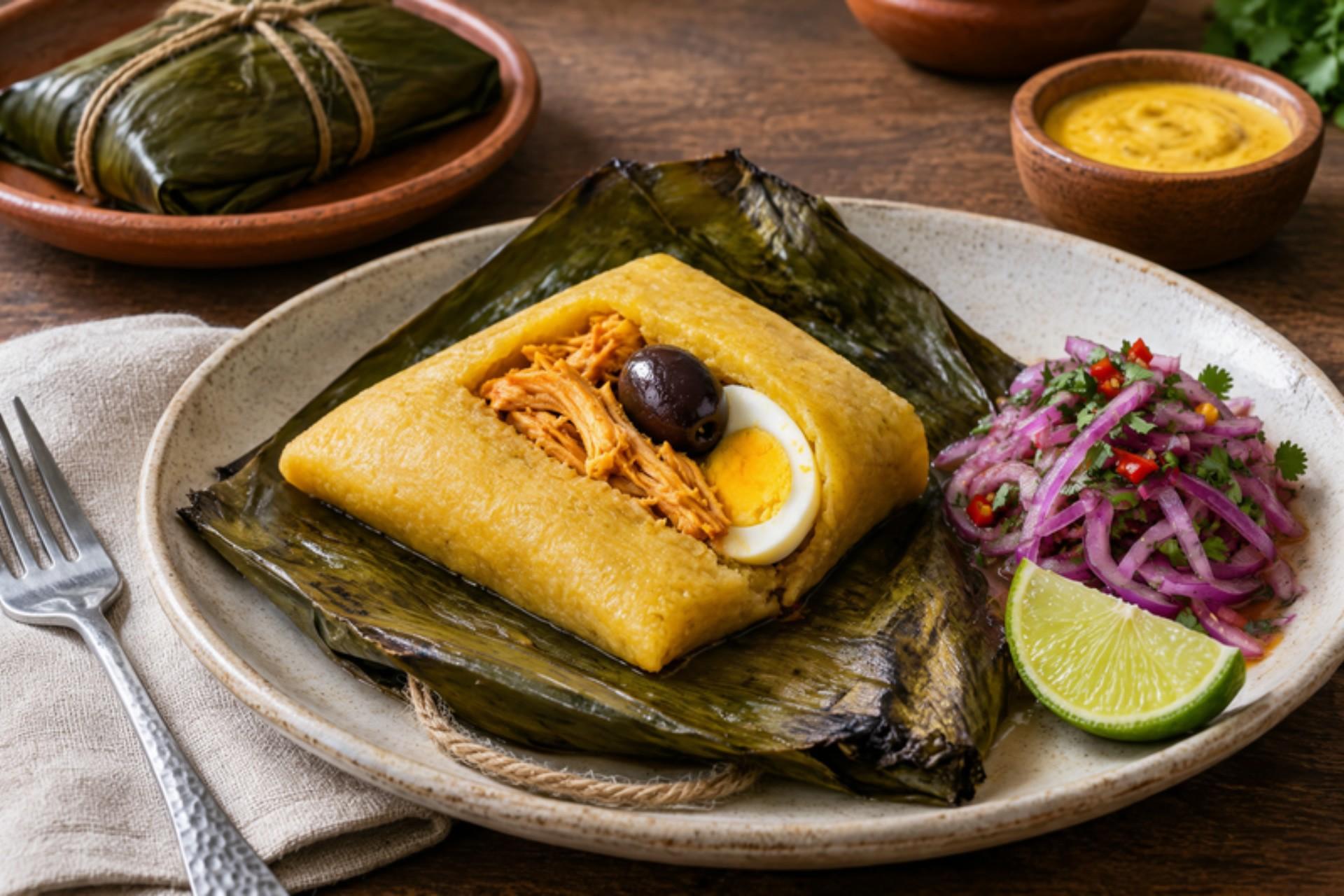
Tamales peruanosChicken corn tamales in banana leaf

In Lima, tamales are a Sunday breakfast, bought warm from street vendors calling 'tamaleeeeros' or made at home for Christmas, and eaten with crusty bread and a pile of salsa criolla. Peruvian tamales are larger and softer than Mexican ones, made from corn dough coloured with ají and wrapped in banana leaves, hiding chicken, a black olive, a slice of egg and a peanut. Peanuts are an allergen, so leave them out if needed. The usual mistake is a dry dough: the tamales turn crumbly. Beat in enough warm stock to make a soft paste that just holds its shape. The chicken must reach 74 °C before it goes in. Chef's tip: fat makes the dough tender; beat the oil and dough for a full 5 minutes until light, as Lima cooks do with pork lard.

by KrazyBadal 0 views

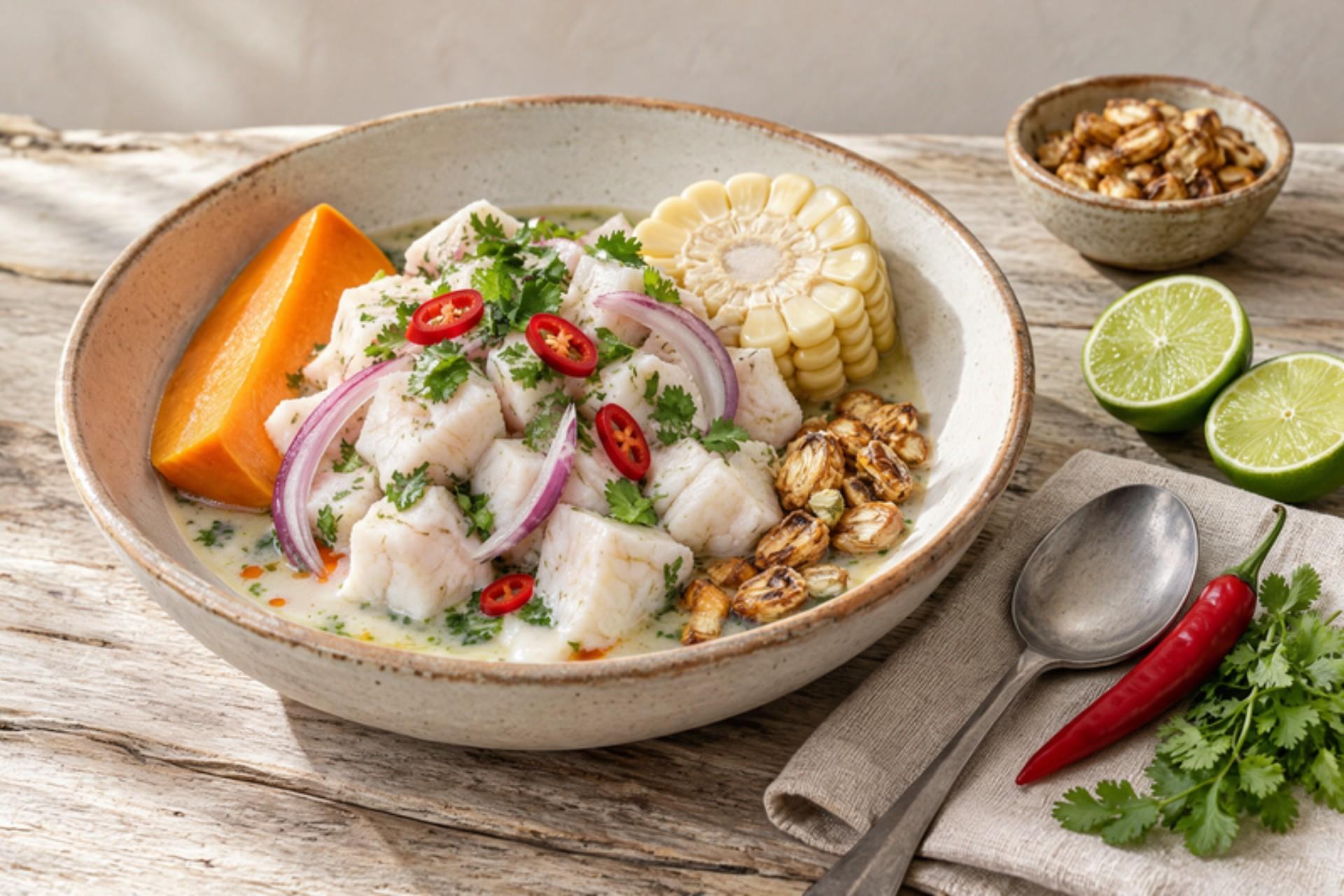
Ceviche peruanoLime-cured white fish

Ceviche is Peru's national dish, eaten at lunchtime in the cevicherías of Lima's Surquillo and Chorrillos markets, because the fish must be fresh off the morning boats and cevicherías traditionally close in the afternoon. The classic is raw white fish 'cooked' in lime juice with red onion, chilli and coriander, served with sweet potato and corn. Lime juice does not kill bacteria or parasites, so this version first poaches the fish for a minute until just opaque, then dresses it, which keeps the classic flavour and texture far safer. Even so, it is not for pregnant women, young children or anyone with a weakened immune system. The usual mistake is leaving the fish in the lime for an hour: it turns chalky and the juice goes bitter. Chef's tip: squeeze the limes gently by hand and stop before the pith; over-squeezed limes make bitter leche de tigre.

by KrazyBadal 0 views

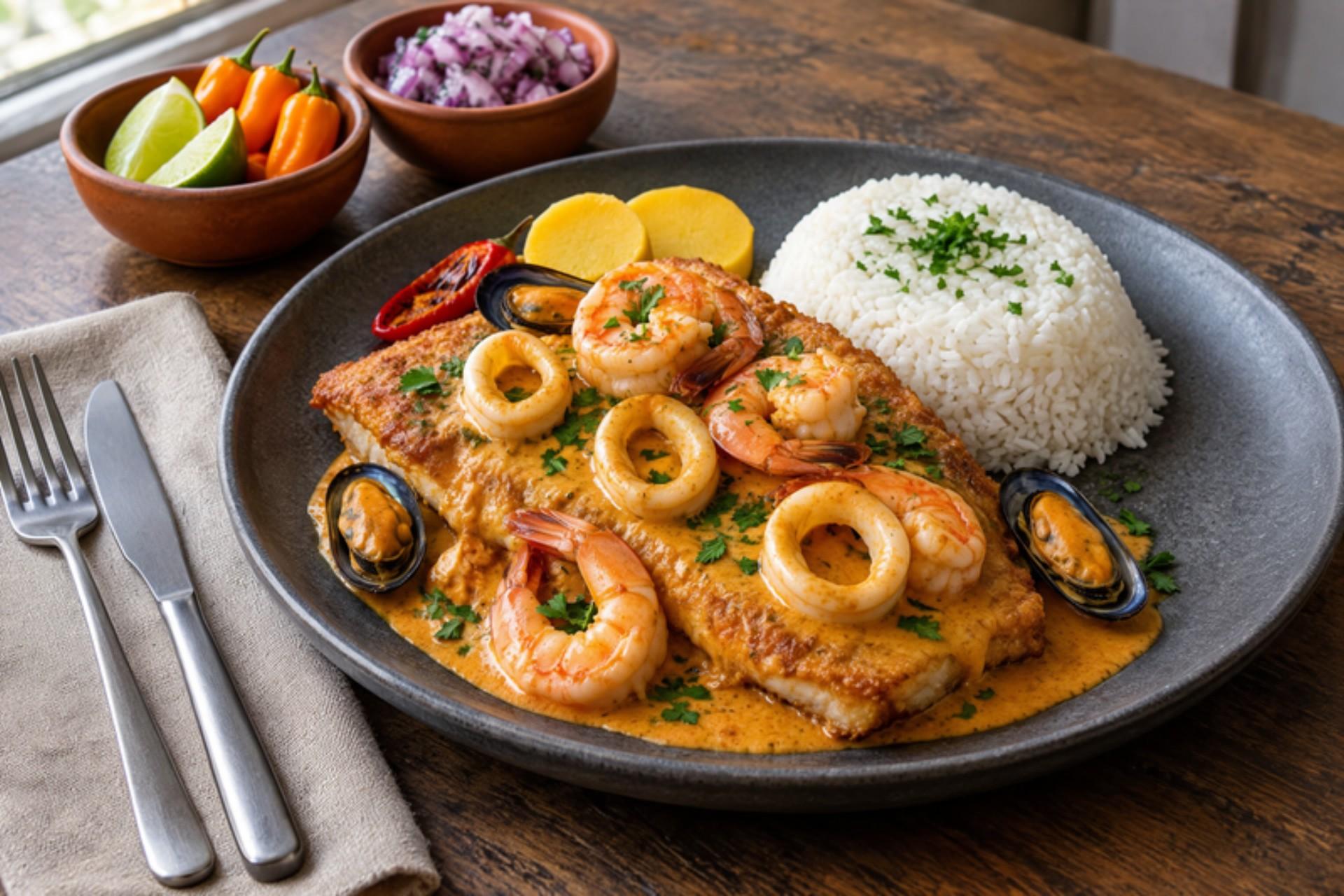
Pescado a lo machoFried fish in spicy seafood sauce

Pescado a lo macho is a classic of Lima's seafood restaurants, the dish people order for a long Sunday lunch near the sea in Chorrillos: a fillet of fried white fish smothered in a thick, spicy sauce of ají panca and ají amarillo packed with prawns, squid and mussels. The name boasts that you need to be brave for the chilli, but you can turn it down. The common mistake is overcooking the seafood while the sauce reduces; add it only when the sauce is already thick. Discard mussels that are open and do not close when tapped, and any that stay shut after cooking. Chef's tip: dust the fish in flour seasoned with cumin and fry it last, so it reaches the table crisp under the sauce.

by KrazyBadal 0 views

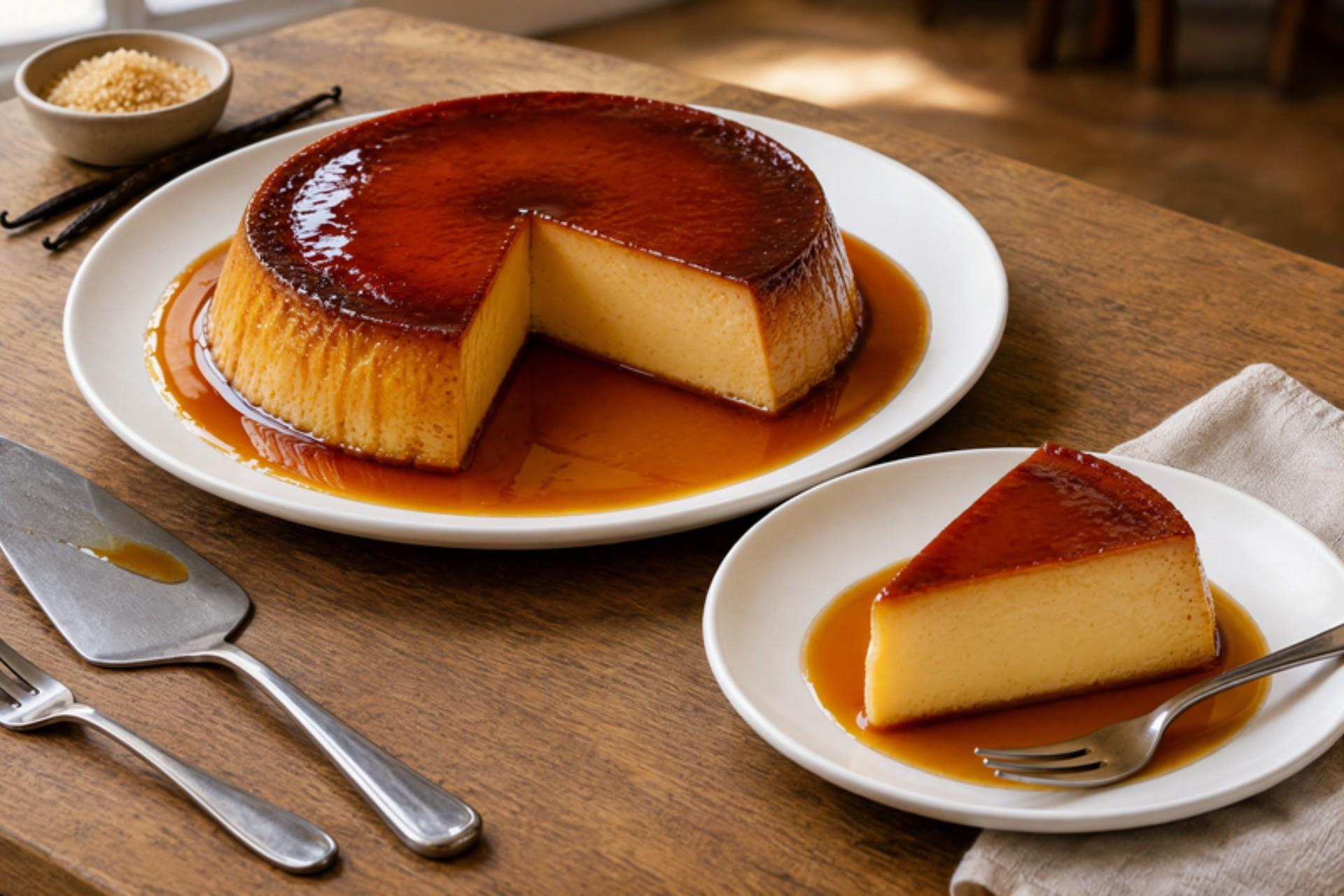
Crema volteadaBaked caramel custard

In Lima, crema volteada is the dessert that appears at Sunday lunch in Miraflores and Barranco homes and at every birthday where an aunt is in charge of the sweets. It is firmer and richer than a Spanish flan because it is made with both evaporated and condensed milk, so it slices cleanly and tastes of toffee. The usual mistake is baking it in an oven that is too hot: the custard boils, fills with tiny holes and weeps. Keep the water bath at a bare simmer and take it out while the centre still wobbles slightly. Chef's tip: chill it overnight before turning it out; a cold custard releases in one piece and the caramel has time to melt into a pourable sauce.

by KrazyBadal 0 views

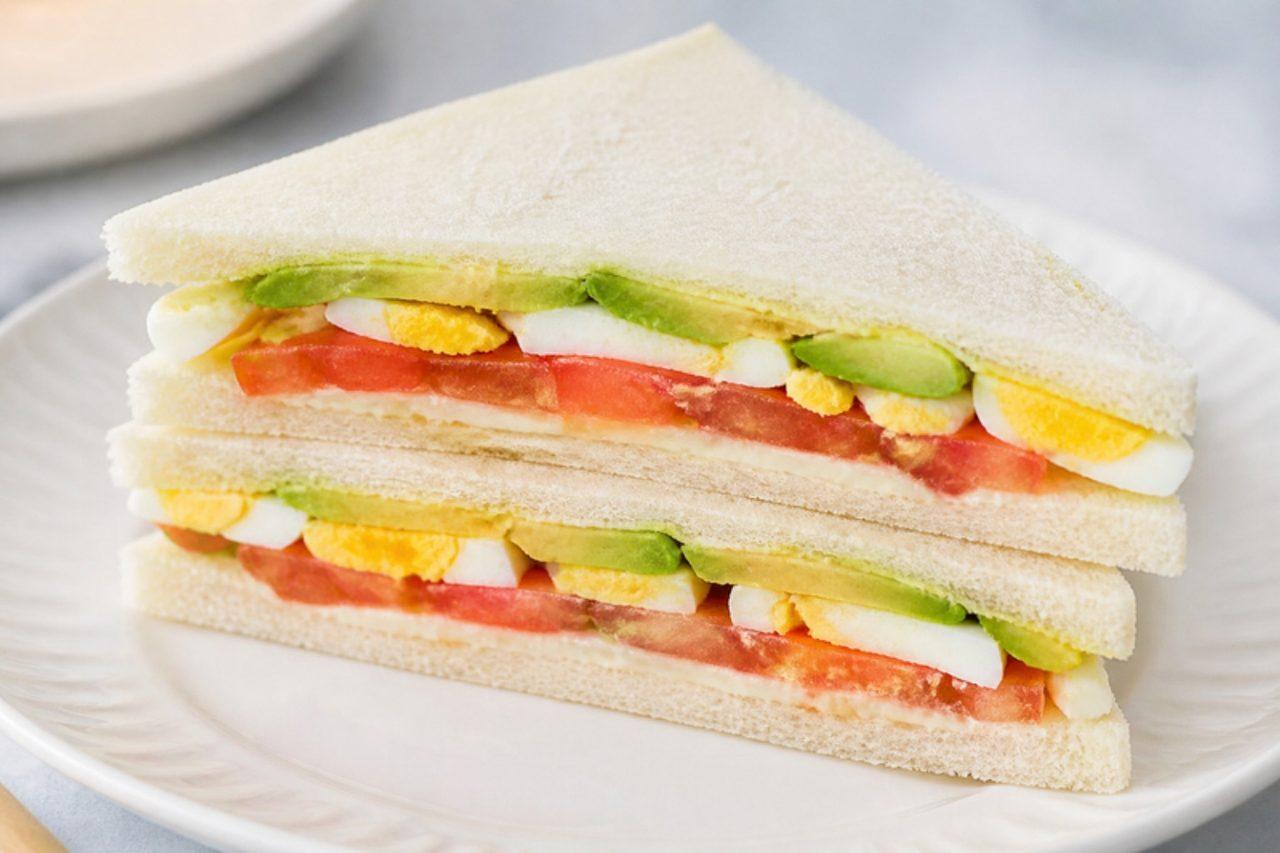
TripleAvocado, tomato and egg sandwich

The triple is the soft, layered sandwich of Lima's cafés and bakeries, eaten at lonche, the Peruvian late-afternoon meal, or as a light supper: three slices of crustless white bread layered with avocado, tomato and sliced hard-boiled egg, all held together with mayonnaise. It looks neat, tastes fresh and is loved by children. Shop-bought mayonnaise is made with pasteurised egg, so it is safe for everyone. The common mistake is letting wet tomato touch the bread, which turns it soggy within minutes. Chef's tip: pat the tomato dry and sit it between the avocado and egg, then press the sandwich under a board for a minute before cutting.

by KrazyBadal 0 views

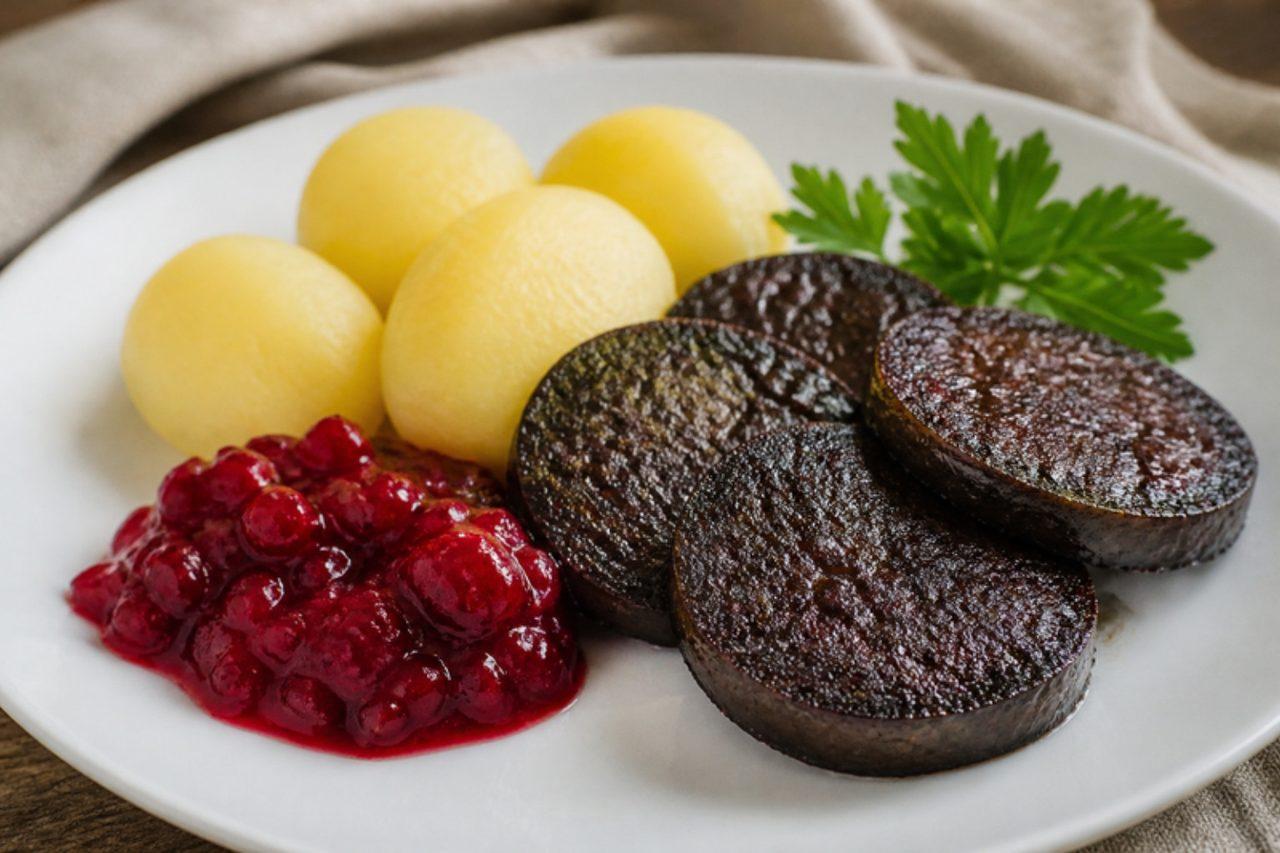
Blodpudding with lingonberriesFried blood pudding with lingonberries

Blodpudding is a weeknight supper in northern Sweden and a school-lunch classic in Finland (where it is veripalttu's milder cousin): slices of ready-made blood pudding, made from pork blood, rye flour and spices, fried until crisp at the edges and eaten with sweet-sharp lingonberry jam. It contains pork blood and often pork fat, so it is not for vegetarians. Serve it with boiled potatoes or crispbread and a glass of milk, as Swedes do. The common mistake is cutting the slices too thin, so they crumble in the pan. Chef's tip: fry in butter over a steady medium heat and leave the slices alone until a dark crust forms; flipping early makes them stick.

by KrazyBadal 0 views

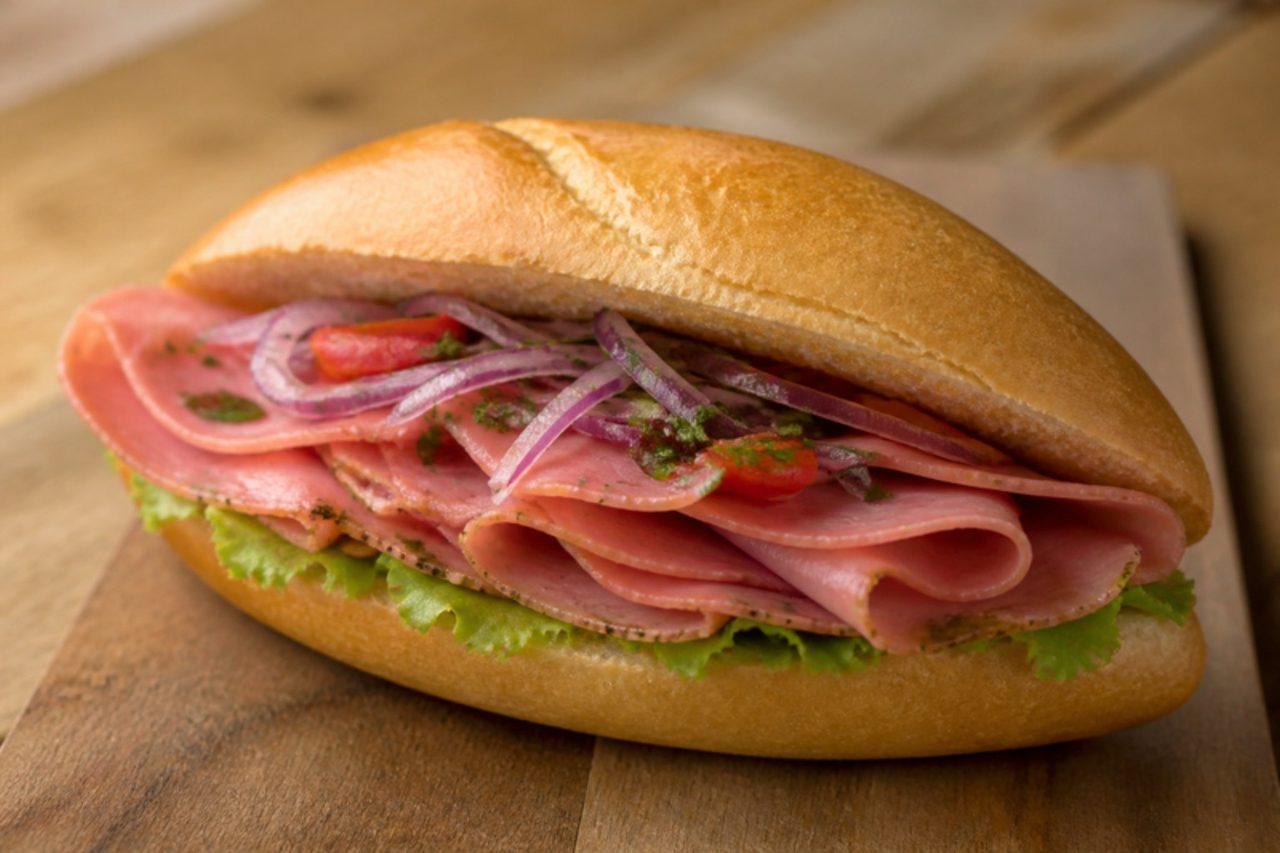
Pan con butifarraHam roll with onion salsa

Pan con butifarra is Lima's evening sandwich, sold in old-school sangucherías and made at home for a light dinner with coffee: a crusty roll filled with jamón del país, a spiced Peruvian pork ham, under a heap of salsa criolla, red onion sliced thin and soaked in lime with chilli. Outside Peru, use a good cooked pork ham. The common mistake is leaving the onion harsh; give it a quick rinse in salted water before dressing it. Chef's tip: a leaf of lettuce under the ham stops the lime juice soaking straight into the bread.

by KrazyBadal 0 views

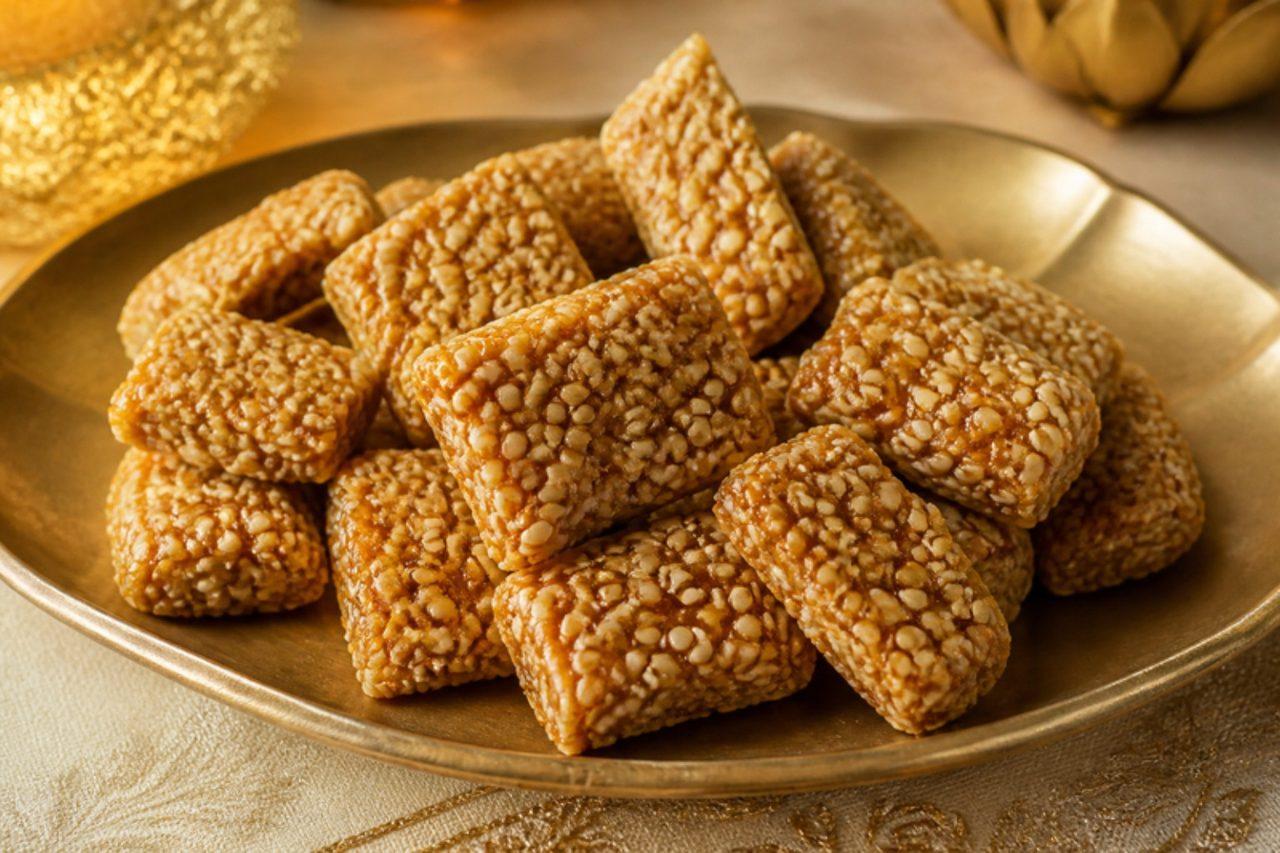
Gato zinzliSesame caramel sweets

Zinzli is the Mauritian Creole word for sesame, and gato zinzli are the little amber squares or drops of toasted sesame set in caramelised sugar that crowd the edge of every Divali plate on the island, next to moutaille and cravate. They are close to the til chikki of India but made with white sugar, a squeeze of lime and a little vanilla, so they are glassy, crunchy and nutty. Common mistake: taking the caramel off too early, which gives chewy sweets that stick to your teeth; cook the sugar to a light amber, about the hard-crack stage, when a drop in cold water snaps cleanly. Chef's tip: have everything oiled and ready before you start, because once the sesame goes in you have only a minute or two to shape it.

by KrazyBadal 0 views

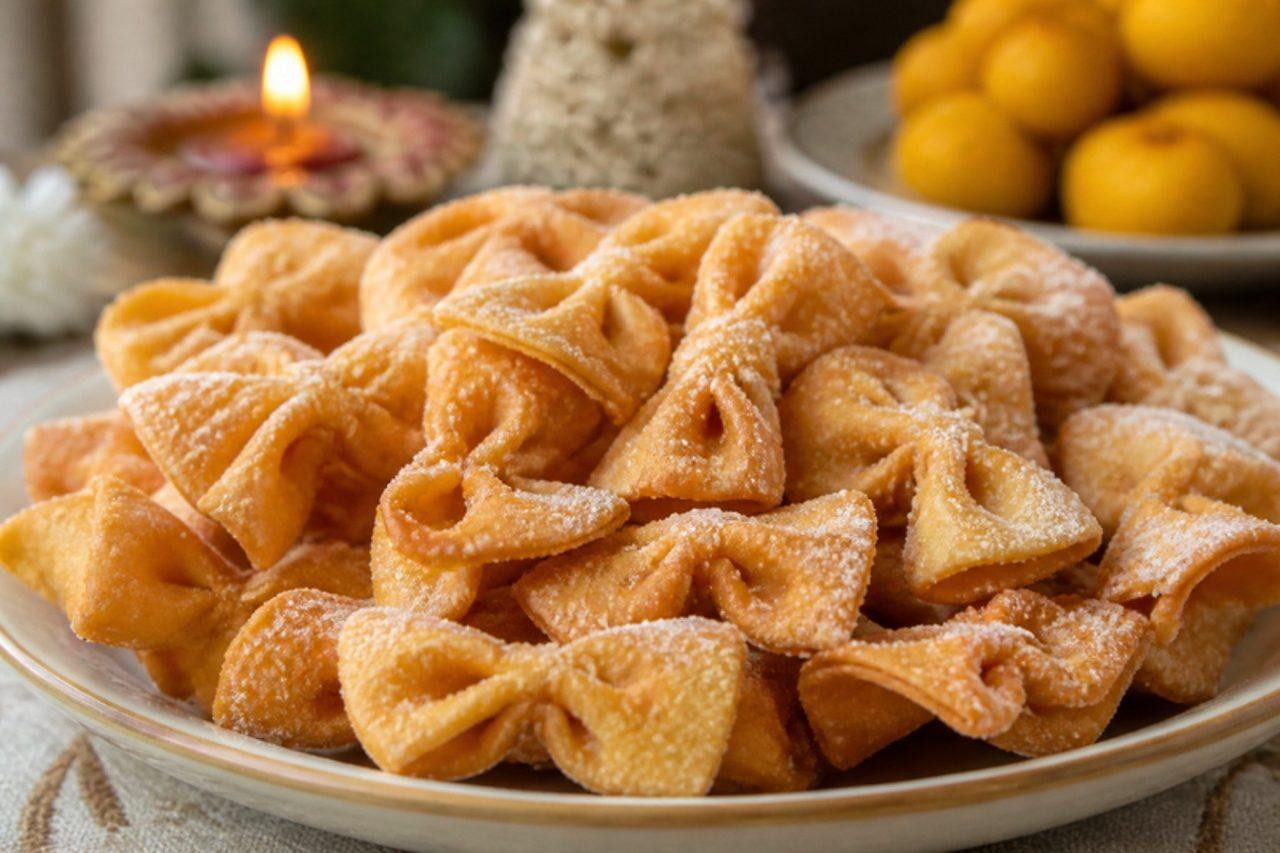
Gato cravateBow-tie pastries

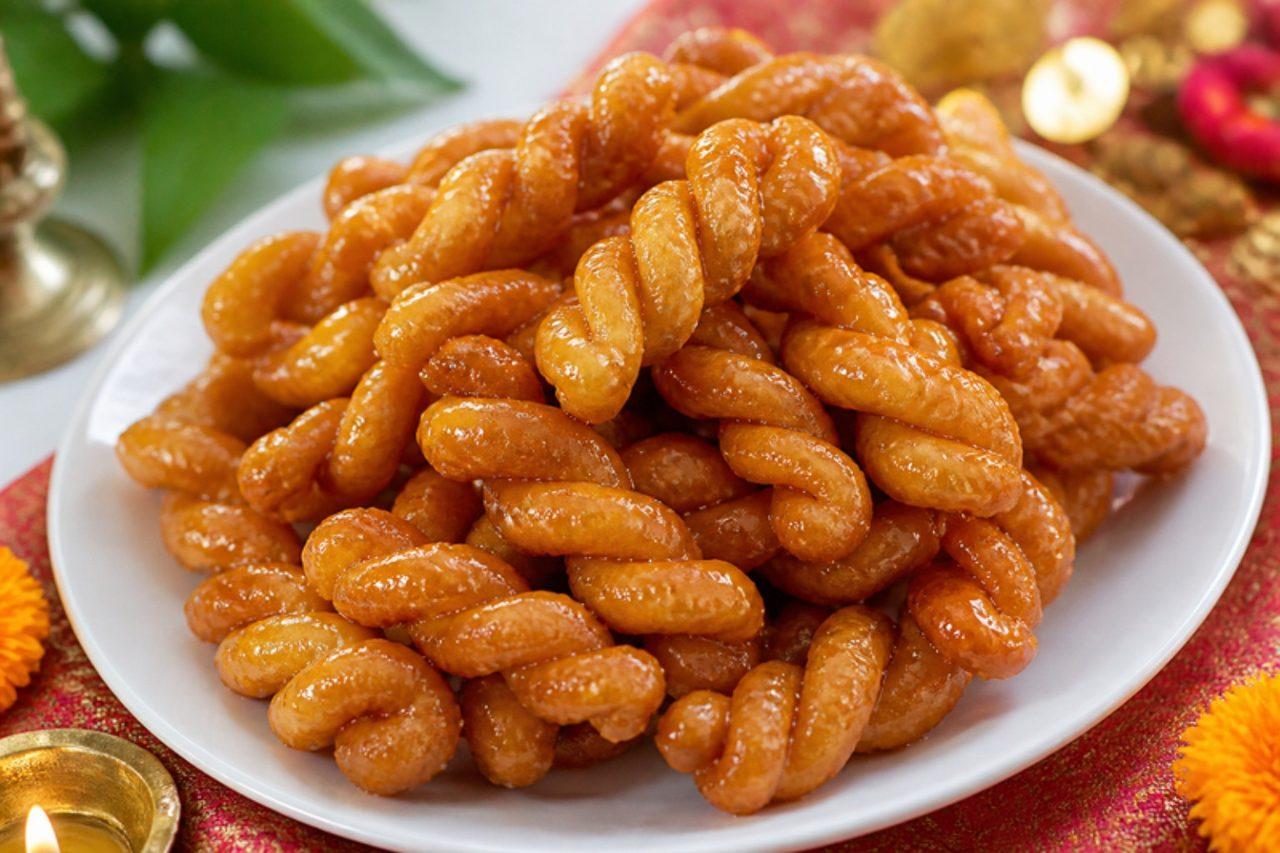
Gato cravate, 'tie cakes', are named for their shape: little strips of sweet dough slit down the middle and pulled through themselves into a twisted bow. In Mauritius they are fried by the tin in the week before Divali and packed with other sweets onto the plates that neighbours exchange on the night of the lamps; they also turn up at weddings and tea time. The pastry is lightly sweetened with sugar and vanilla, fried until blistered and crisp, then tossed in cinnamon sugar. Common mistake: rolling the dough thick, which gives a hard, bready bow; roll it as thin as a coin and fry until pale gold and the bubbling has nearly stopped, a sign the moisture has cooked out. Chef's tip: toss them in sugar while still warm so it sticks, and let them cool on a rack so they stay crisp.

by KrazyBadal 0 views

Gato moutailleFried dough ropes in cardamom syrup

On Divali evening in Mauritius, Hindu households set out clay lamps and then walk plates of sweets round to their neighbours, Hindu, Muslim, Creole and Chinese alike; gato moutaille, gato cravate and gato zinzli are almost always on the plate. Moutaille (from the Bhojpuri mithai) are short ropes of soft dough twisted into knots or spirals, fried until crisp and soaked in a cardamom syrup so the outside is sticky and the inside stays slightly chewy. Common mistake: syrup that is too thick, which crystallises into a white crust; cook it only to one-string consistency, when a drop pulled between finger and thumb makes a single thread. Chef's tip: dip the moutaille while they are hot and the syrup is warm, then lift them out after a minute so they stay crisp.

by KrazyBadal 0 views

Rosero quiteñoChilled spiced fruit and corn drink

Rosero is a festive drink of Quito in Ecuador, made for Corpus Christi in June, when the city once filled with processions and dancers. It is thick and refreshing: whole hominy (mote) and a thin purée of naranjilla (lulo) and pineapple, sweetened with sugar, spiced with cinnamon, cloves and allspice, and perfumed with orange-blossom water and rose petals, then served chilled in tall glasses with diced fruit. Frozen naranjilla pulp is sold in Latin shops. It is vegan. Chef's tip: simmer the pineapple peel with the spices for the syrup, as Quiteño cooks do; it adds a lot of flavour.

by KrazyBadal 0 views

Pajagua mascadaBeef and cassava patties

Pajagua mascada is a Paraguayan street-food classic that appears on every table for the San Juan festival on 24 June, when bonfires burn and the night is full of games and traditional food. Minced beef is mixed with mashed cassava, onion, garlic and a little egg and flour, shaped into flat patties and fried until crisp. The name comes from Guaraní and refers to the 'chewing' of old Paraguayan cooks, who made it from leftover meat. Chef's tip: dry the boiled cassava well and remove its woody core, which keeps the patties light and crunchy.

by KrazyBadal 0 views

JordgubbstårtaStrawberry cream layer cake

On Midsummer Eve in June, Swedes dance round the maypole in the countryside, eat herring and new potatoes, and finish with the first Swedish strawberries of the year, very often in a Jordgubbstårta. It is a light sponge split into three layers and filled with vanilla custard, whipped cream and sliced strawberries, then covered in more cream and crowned with whole berries. Make the sponge and custard the day before so you only assemble it on the day. Chef's tip: beat the eggs and sugar until really thick and pale; the air in the eggs is the only thing that makes this sponge rise.

by KrazyBadal 0 views

Kæst skataFermented skate

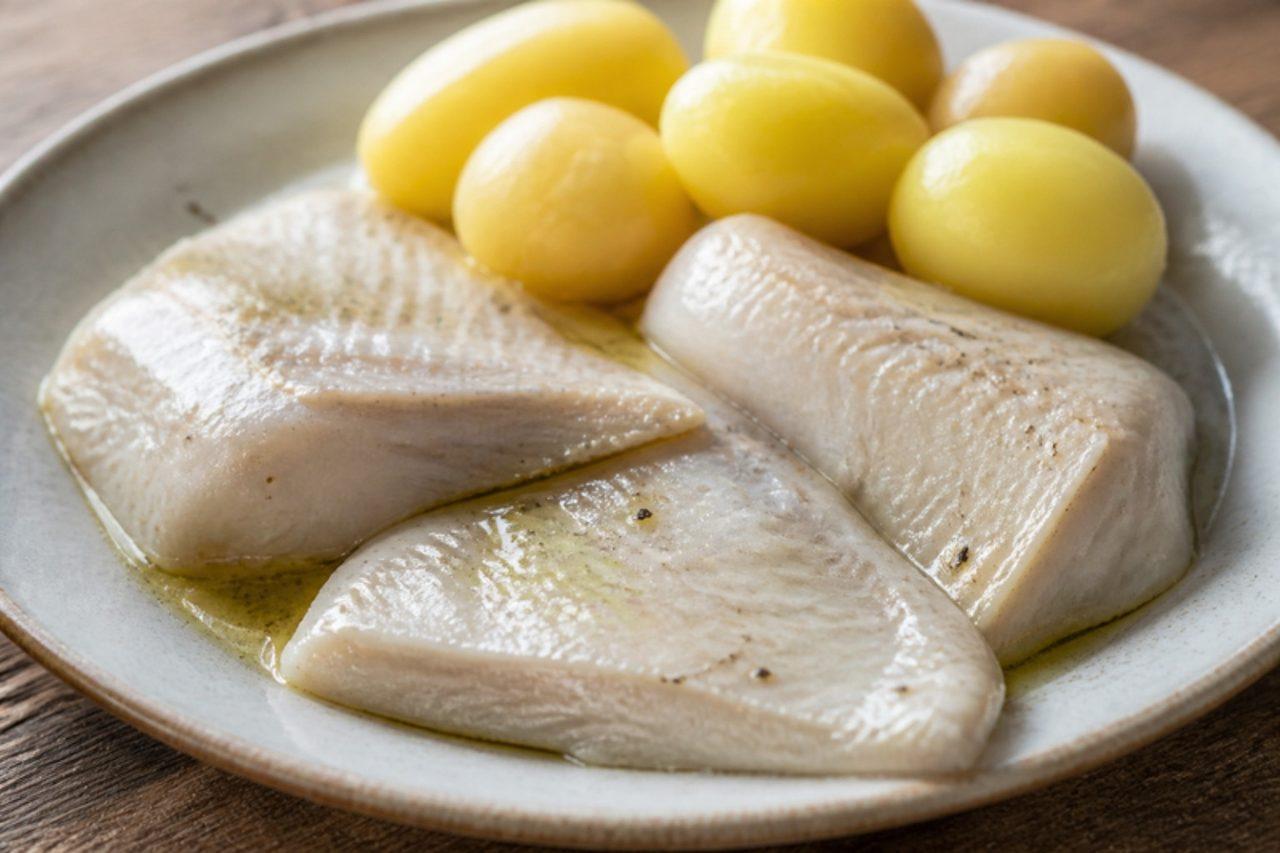
St Thorlak's Day (Þorláksmessa), 23 December, honours Iceland's patron saint, and in the Westfjords and now across the country it is the day for kæst skata: fermented skate, boiled and eaten with potatoes and melted, salty sheep's tallow (hamsatólg) or butter. Its ammonia smell is famous, which is why many families cook it in the garage or eat at a restaurant, then have it the next day as a bracing start to Christmas. Buy skate already fermented from an Icelandic fishmonger; don't try to ferment it at home. Chef's tip: cook it in a lidded pot with a window open, and boil the potatoes in a separate pot.

by KrazyBadal 0 views

Chipa so'oCheese bread with spiced beef

In Paraguay, families bake chipa in the clay tatakua ovens on Holy Wednesday so there is food for Thursday and Good Friday, when cooking stops. Chipa so'o ('chipa with meat') is a cassava-starch and cheese bread wrapped around a little filling of minced beef cooked with onion and egg, then baked until crisp outside and chewy within. It is naturally gluten free. Chef's tip: knead the dough until it no longer cracks at the edges when pressed; dry dough splits around the filling.

by KrazyBadal 0 views

FastelavnsbollerCustard and cream pastry buns

On Fastelavn, the Danish Shrovetide Sunday, children dress up, knock a barrel full of sweets and are rewarded with fastelavnsboller. The bakery kind is made from laminated Danish pastry, baked into round shells around a spoon of vanilla custard, then split, piped with whipped cream and finished with glossy icing. They are messy, rich and eaten once a year. The common mistake is letting the butter melt into the dough while rolling, which loses the flaky layers; keep everything cold. Chef's tip: a quick home lamination with a block of grated cold butter gives proper layers without a day's work.

by KrazyBadal 0 views

MämmiRye and malt Easter pudding

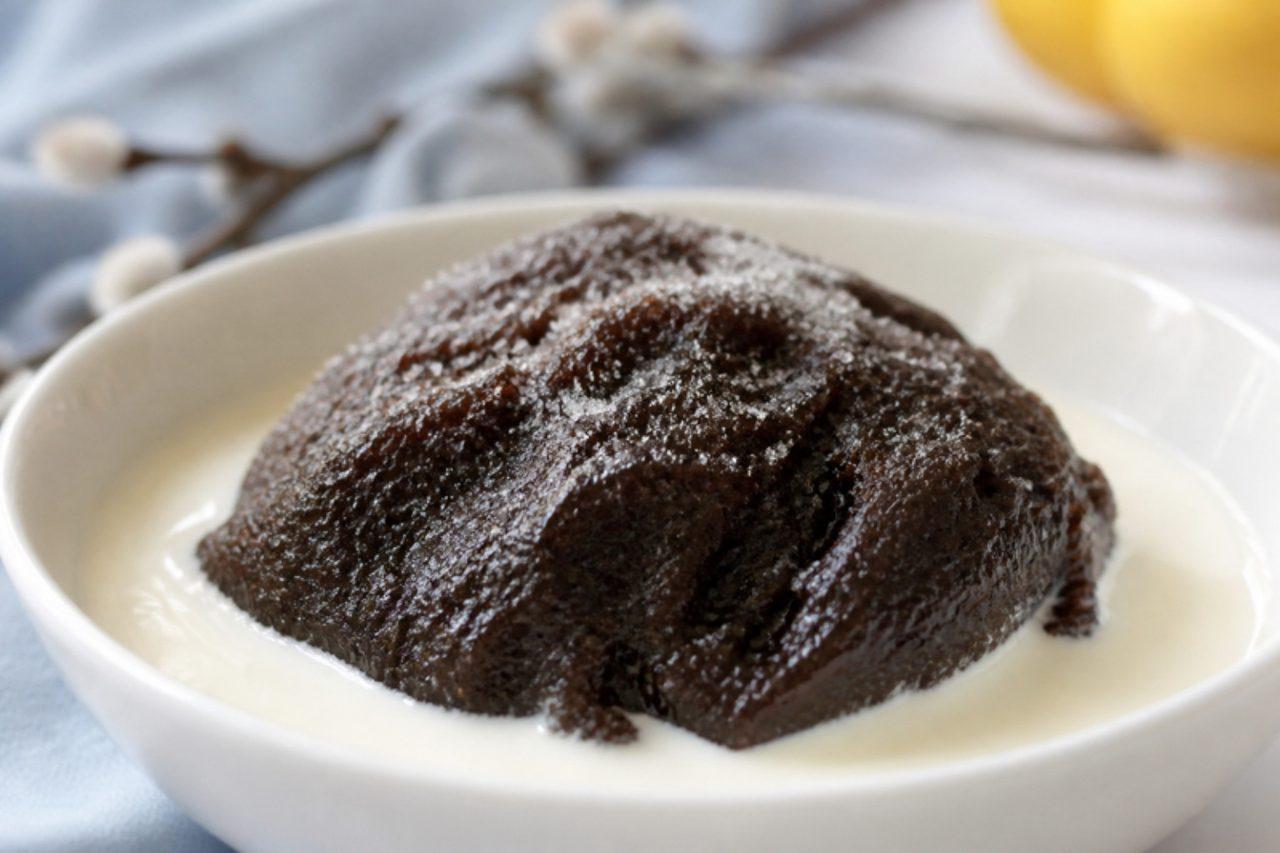
Mämmi is Finland's Easter dessert, a dark, almost black pudding of rye flour and malted rye, sweetened slowly by the malt's own enzymes and by a little molasses, then baked for hours in birch-bark boxes or small dishes. It looks unusual but tastes mild, malty and gently sweet, and is eaten cold with cream and sugar on Easter Sunday. It is vegan, and it was once eaten through Lent. You need powdered rye malt from a baking supplier or Nordic shop. Chef's tip: keep the porridge warm (around 60 °C) for two hours before baking so the malt can sweeten it; skip this and mämmi tastes bitter.

by KrazyBadal 0 views

KalanehWild leek stuffed flatbread

In Kurdistan and Kermanshah, Newroz arrives with the first spring greens on the hillsides, and families gather wild leeks to fold into kalaneh, thin griddle breads cooked over a fire or a hot pan and soaked in melted butter. The dough is plain and soft, rolled very thin around a pile of chopped leek or chives with a little salt and pepper, so the greens steam inside as the bread blisters. Eat it hot, torn into strips, with yogurt and tea at a Newroz picnic. The common mistake is wet greens, which turn the dough soggy and make it tear; dry them well after washing. Chef's tip: brush the butter on the moment the bread leaves the pan so it soaks right in.

by KrazyBadal 0 views

MuurinpohjalettuGriddle pancakes

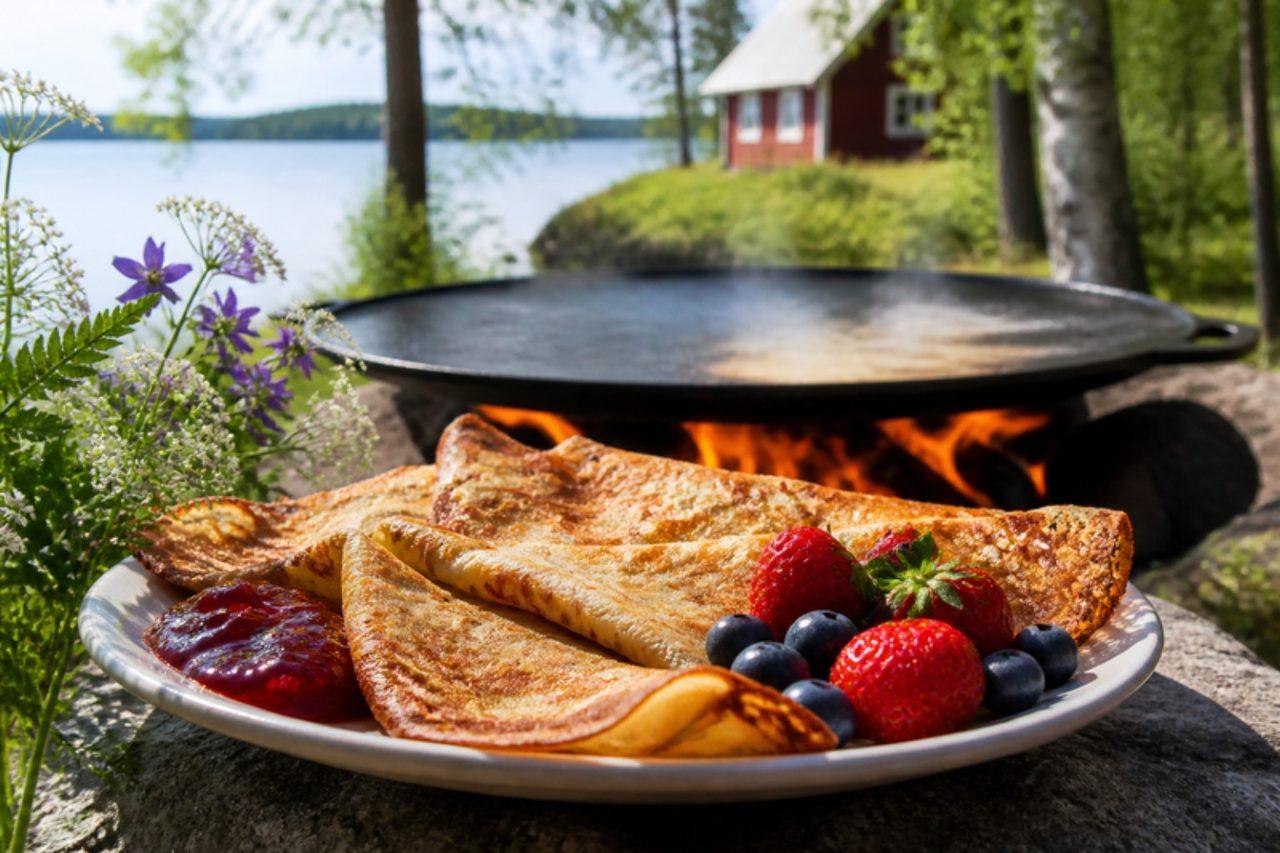
At Juhannus, Finnish Midsummer, families head to their lakeside cottages, light bonfires and fire up the muurinpohja, a wide, shallow cast-iron pan set over a wood fire, to cook huge, thin pancakes. Muurinpohjalettu are lacy and crisp at the edges, soft in the middle, and are eaten straight from the pan with strawberry jam, sugar or whipped cream, often after the sauna. At home a large frying pan or crêpe pan works well. Chef's tip: let the batter rest for 30 minutes; the flour soaks up the milk and the pancakes stop tearing.

by KrazyBadal 0 views

Dowina (Kurdish yogurt soup)

Dowina, called ash-e doogh in Persian, is warming spring food in Kurdish homes around Newroz, when yogurt is plentiful and the first herbs are cut from the garden. Rice and chickpeas simmer in a tangy, lightly thickened yogurt broth, finished with fresh dill, coriander and a sizzle of dried mint in oil. It is eaten warm, never boiling hot, with flatbread. The common mistake is to heat the yogurt too fast without stirring, which makes it split into grainy curds. Chef's tip: whisk an egg yolk and a spoonful of rice flour into the yogurt before it goes on the heat; it holds the soup smooth all the way to the simmer.

by KrazyBadal 0 views

Showing 24 of 522 recipes

Show more recipes

Page 1 of 22