Skip to content
Recipes

All recipes

Vegetarian, or something you can't eat? Set your diet once and we'll hide recipes that don't fit.

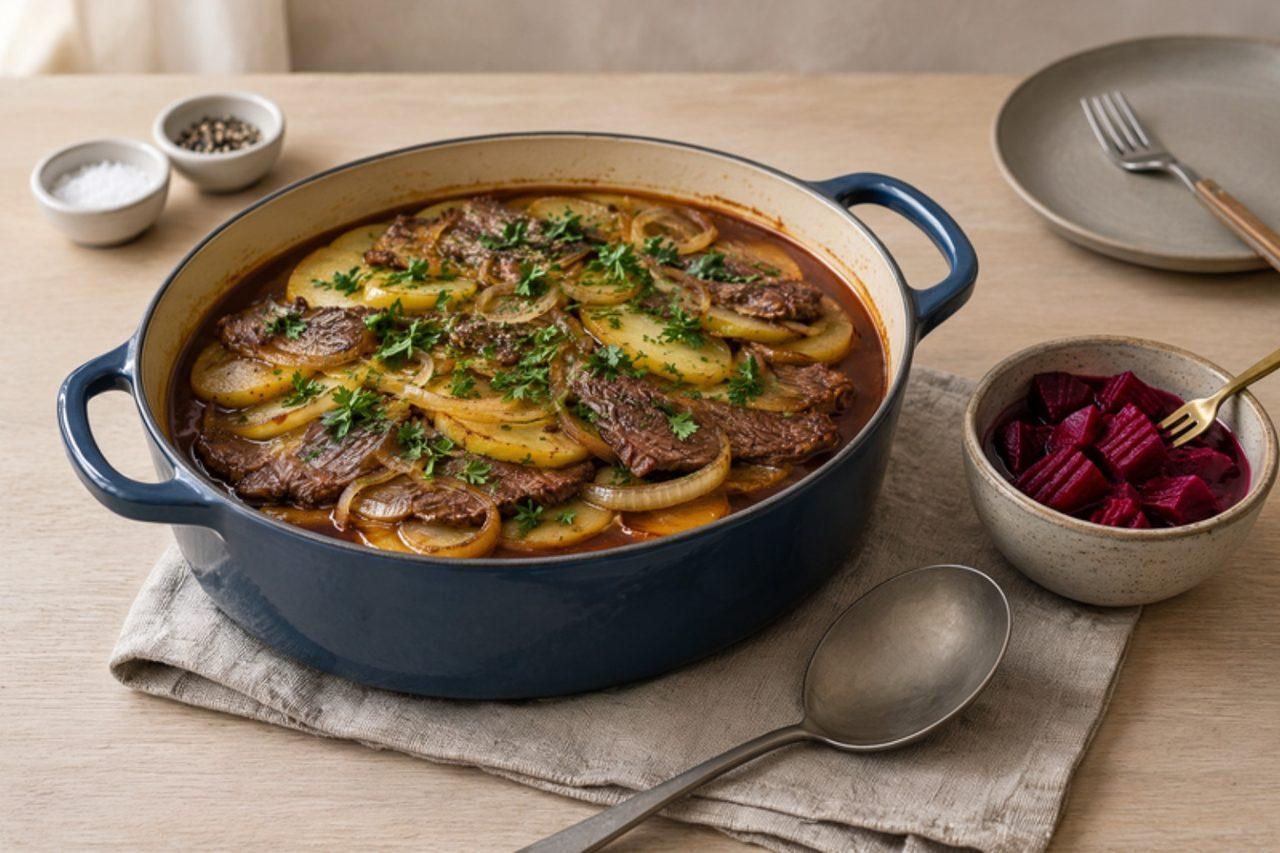
SjömansbiffBeef, onion and potato bake

Sjömansbiff, the 'sailor's beef', was the meal cooked in a single pot in the galleys of Swedish ships, and today it is a Saturday-evening favourite at home and on traditional husmanskost lunch menus. Thin slices of beef, sweet onions and sliced potatoes are browned, layered and braised in dark lager with thyme and bay until the potatoes soak up the meaty juices. The dish contains alcohol: the beer cooks for over an hour but some alcohol can remain, so for an alcohol-free pot use the same amount of beef stock with a teaspoon of dark molasses. The usual mistake is slicing the potatoes too thin, so they collapse into mash; keep them a good 1 cm thick. Serve with pickled beetroot or a crisp cucumber salad. Chef's tip: fry the onions slowly until truly golden before layering, because their sweetness is what balances the bitter edge of the beer.
by KrazyBadal 0 views

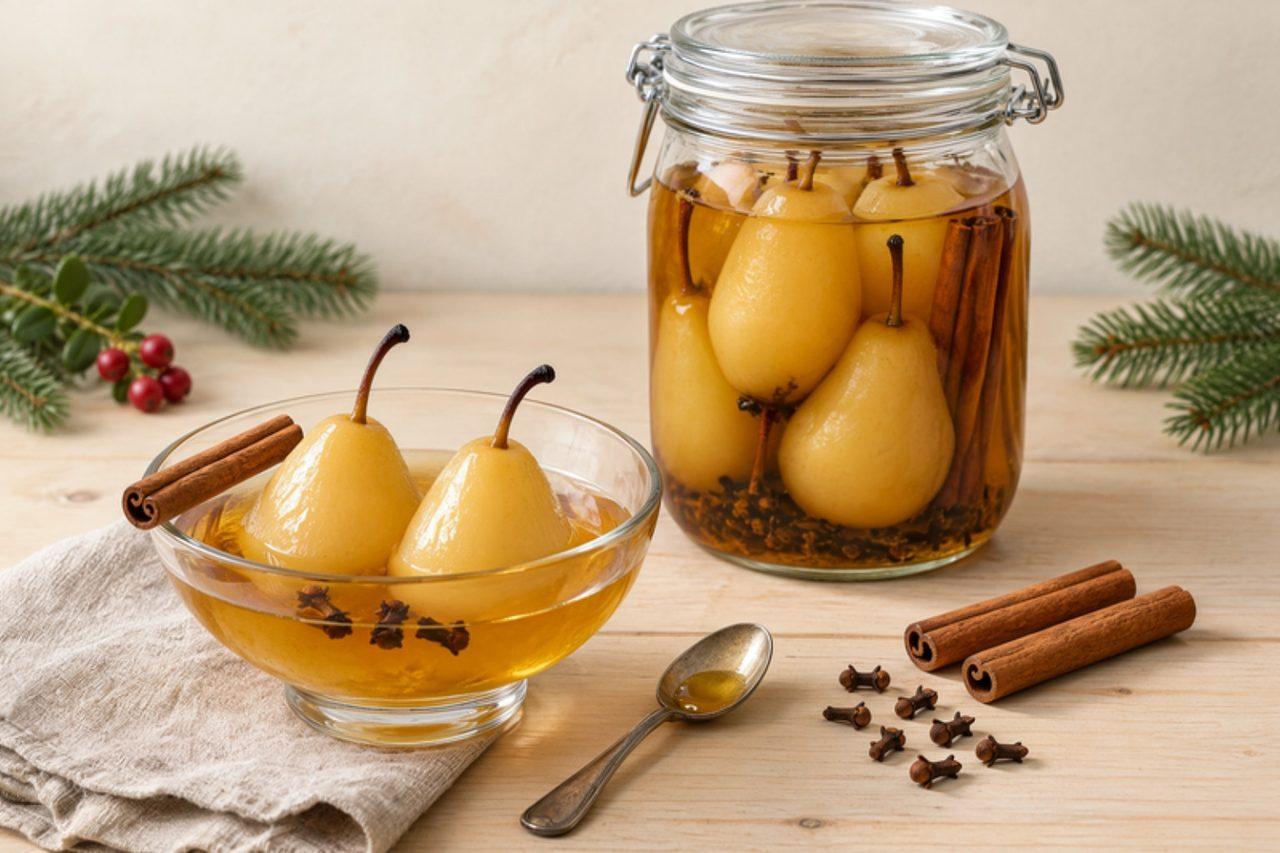
Syltade päronSpiced poached pears

When the Swedish julbord is laid in December, a bowl of syltade päron sits between the Christmas ham, the liver pâté and the brawn, and its spiced syrup cuts neatly through all that richness. The pears are put up in September from small, hard cooking varieties such as Gråpäron, picked just short of ripe and poached whole in sugar syrup with cinnamon, cloves and a good splash of vinegar. They taste sweet at first, then gently sour and warm; the flesh should be tender to the core yet hold its shape, amber and translucent at the edges. The usual mistake is reaching for ripe, juicy pears, which collapse into mush in the hot syrup: choose hard ones and keep the simmer gentle. They are done when a thin skewer slides in with only slight resistance, and the syrup is ready when it runs clear and slightly thick from a spoon. Give the jars at least a week before opening so the spice soaks in. Chef's tip: leave the stalks on so each pear looks whole on the plate and can be lifted out by it.

by KrazyBadal 0 views

NyponsoppaRosehip soup

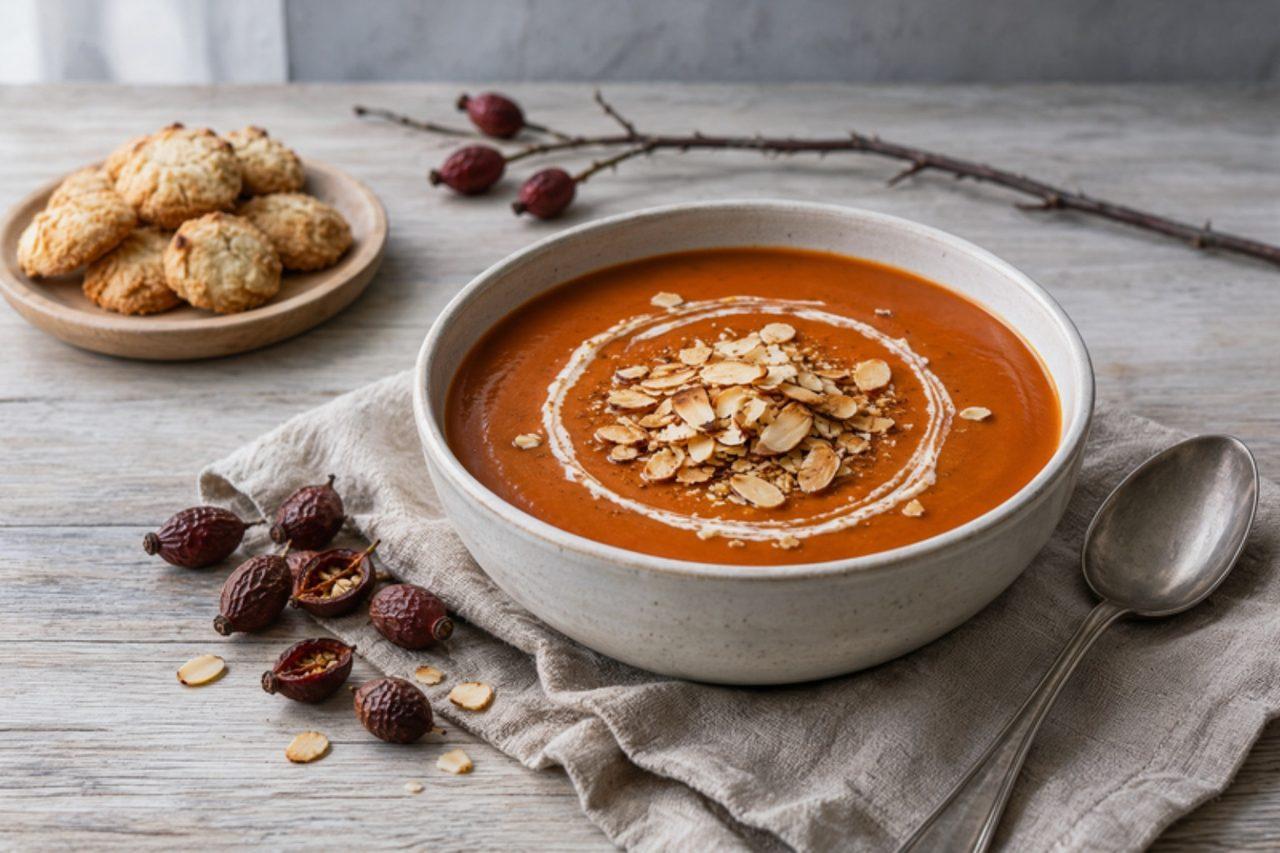
Nyponsoppa, rosehip soup, is one of Sweden's oldest breakfast and school-dinner soups, bright orange-red, gently sweet-sour and full of vitamin C. Families buy dried rosehip shells or powder, simmer them into a smooth soup and serve it warm in deep plates, traditionally with little almond biscuits or a spoon of cream on top. The mistake is not straining well enough: rosehips have tiny irritating hairs around the seeds, so use seedless dried shells and strain through a fine sieve. Chef's tip: finish with lemon juice off the heat, which brightens the colour and stops the soup tasting flat.

by KrazyBadal 0 views

RullepølseRolled spiced pork belly

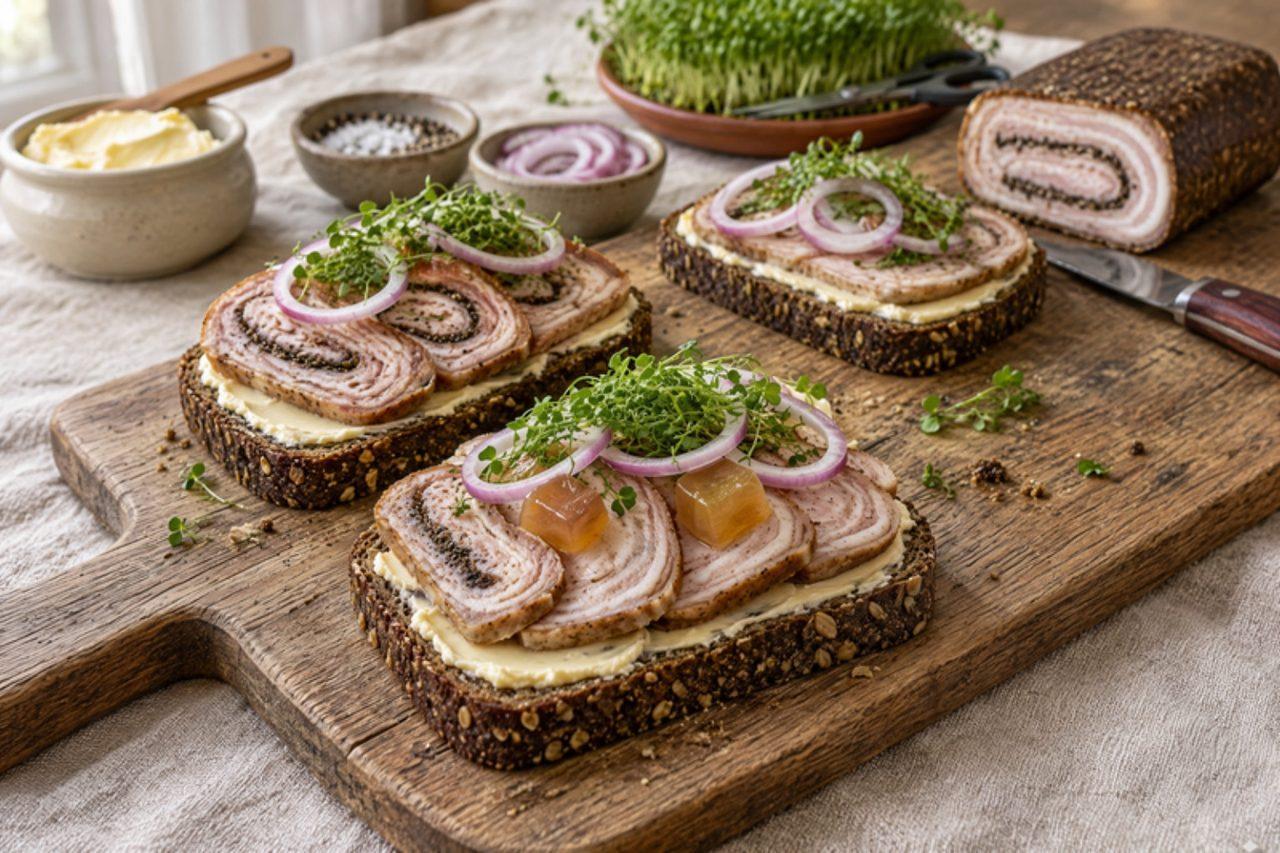
Rullepølse is the classic Danish pålæg (sandwich topping): pork belly spread with onion, herbs and allspice, rolled tightly, cured overnight, simmered and then pressed into a neat block that slices paper-thin. On rugbrød with raw onion rings, cress and a cube of meat jelly, it is the pride of a Copenhagen madpakke and the Christmas lunch table. The common mistake is skipping the press: unpressed, the roll stays loose and crumbles when sliced. As the roll has seasoned surfaces inside it, cook it like mince to 71 °C in the centre. Chef's tip: wrap the roll in a clean cloth before tying, so it keeps a perfect round shape while it simmers.

by KrazyBadal 0 views

Boller i karry for toddlersMeatballs in mild curry for toddlers

Boller i karry, meatballs in curry, is one of Denmark's best-loved dinners, voted a national favourite and cooked on weeknights from Copenhagen's Nørrebro to farmhouses in Jutland. The meatballs are pork, poached gently rather than fried, and the sauce is mild and creamy, made from the poaching liquid with apple and leek and just a pinch of curry powder. For toddlers from 12 months there is no stock cube and very little salt, and the meatballs are cut small. It contains wheat (gluten), milk and egg; there are no nuts or soya. Chef's tip: keep the poaching water at a bare shiver; boiling makes the meatballs tough and crumbly.

by KrazyBadal 0 views

SvartvinbärsgeléBlackcurrant jelly

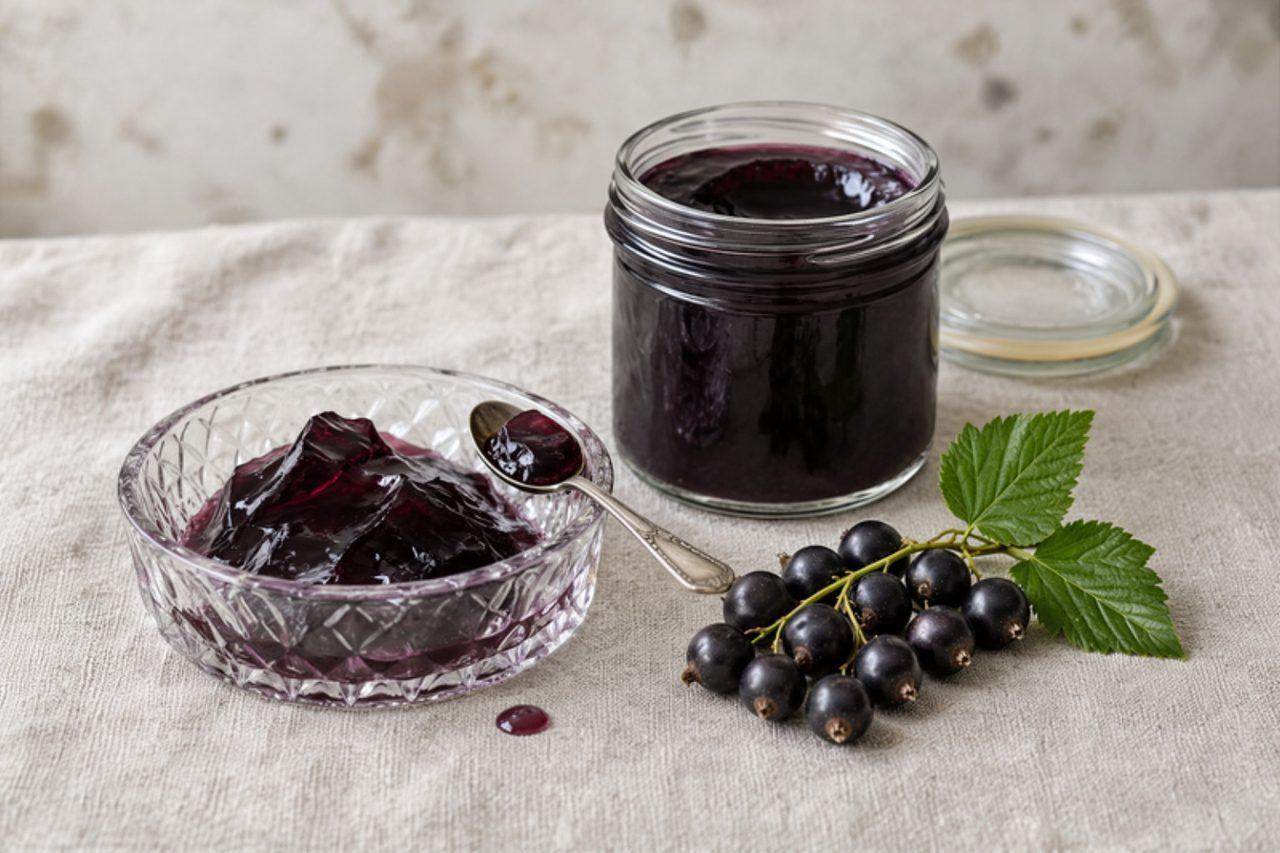
Almost every Swedish garden has a row of blackcurrant bushes, and in late July and early August the berries are stripped into buckets for saft and for this jelly. Svartvinbärsgelé sets glossy, clear and nearly black in the jar, with a sharp, musky, almost wine-like flavour that can stand up to strong meat: it goes beside roast elk, venison or a reindeer stew in autumn, onto the Christmas table with the ham, and onto toast with a slice of aged cheese at breakfast. Blackcurrants are so rich in pectin and acid that nothing else is needed but sugar. The classic mistake is squeezing the jelly bag to hurry the juice out; that pushes pulp through and the jelly turns cloudy, so let it drip in its own time. It has reached setting point when a drop on an ice-cold saucer wrinkles under your fingertip, or a thermometer reads 104–105 °C. Chef's tip: there is no need to pick off the stalks and dry flower ends, because everything is strained away; just rinse the bunches and drop them in.

by KrazyBadal 0 views

BostongurkaSweet cucumber relish

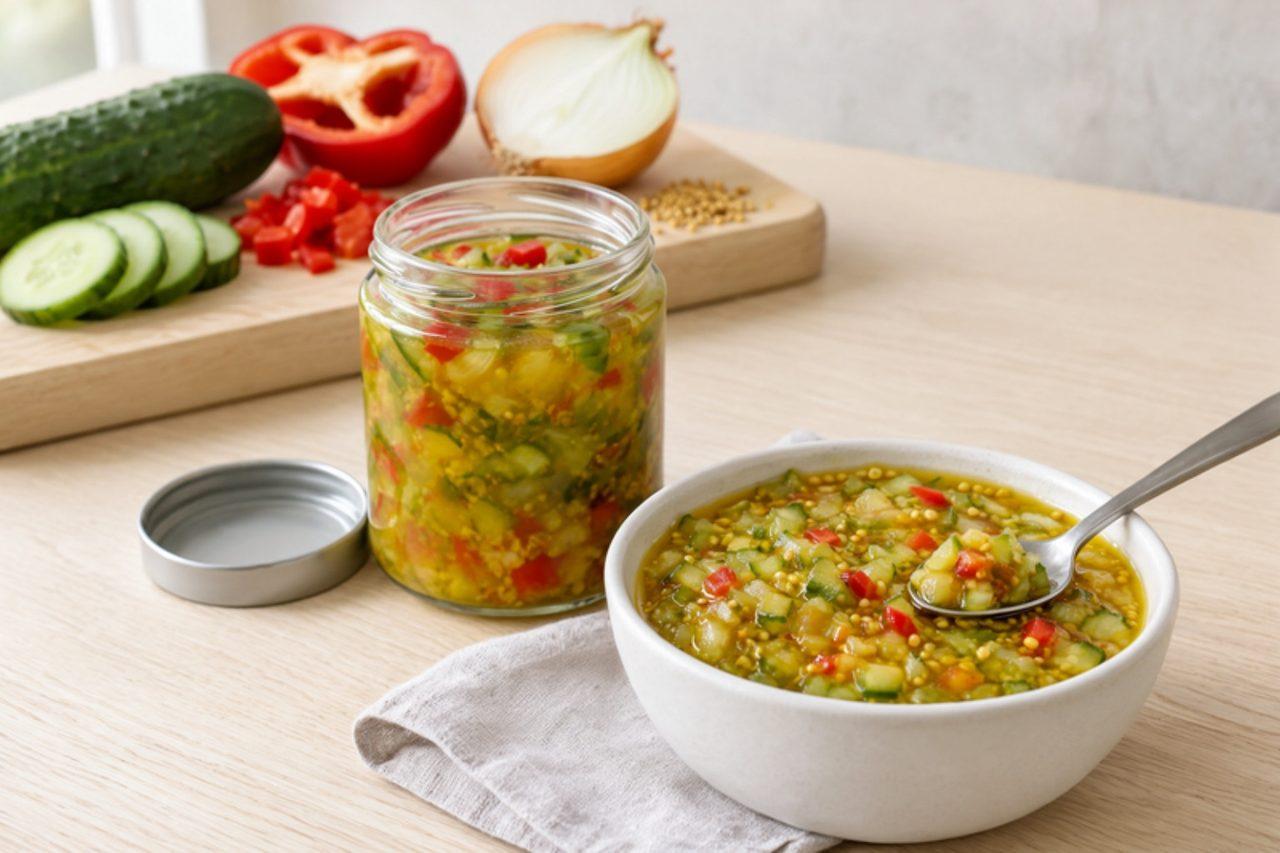
Every Swedish korvkiosk, from Stockholm's Södermalm to the ferry ports of Gothenburg, offers bostongurka in a squeeze bottle, and most Swedes still put it on their grillkorv with mustard, ketchup and crispy fried onions. Families make their own in August and September, when cucumbers are cheap at the farm stands, and spoon it onto hot dogs at summer barbecues, beside meatballs, into potato salad and onto cheese sandwiches all winter. It is a fine-chopped relish: sweet and sour, golden-yellow from turmeric, with crunch from the cucumber and the soft warmth of mustard seed. Common mistake: skipping the overnight salting; without it the cucumber leaks water and the relish turns soupy and dull. Squeeze the vegetables hard before cooking. It is ready when the vegetables are just tender but still crunchy and the liquid has thickened enough to cling to them. Chef's tip: chop by hand or pulse very briefly in a processor; a purée loses the crunch that makes it bostongurka.

by KrazyBadal 0 views

HyldeblomstsaftElderflower cordial

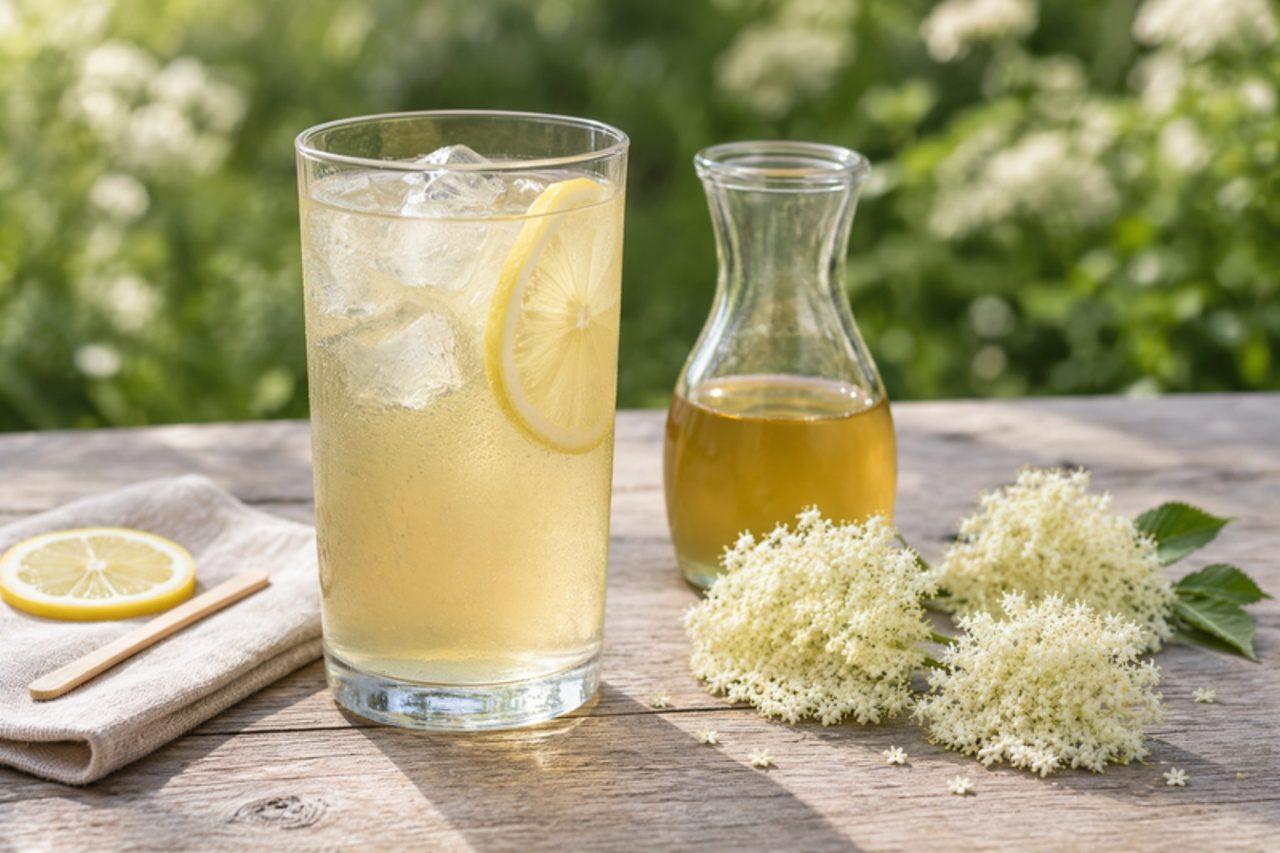
In Denmark the elder hedges flower from late May to the end of June, and picking the creamy umbels on a dry, sunny morning is one of the first rituals of summer. The flowers steep for a few days with sliced lemon, sugar syrup and citric acid, then are strained into bottles of hyldeblomstsaft, a non-alcoholic cordial that is diluted with cold still or sparkling water and poured at garden lunches, children's birthday parties and around the bonfire on Sankt Hans aften, 23 June. It tastes floral and honeyed, a little like muscat grapes, with a fresh lemony edge that keeps it from cloying. The mistake most people make is picking flowers that are already browning, damp or growing by a busy road; they give a musty, catty smell. Choose freshly opened heads that smell sweet, and shake out the insects instead of washing them, which rinses away the pollen and the flavour. The cordial is ready when it tastes clearly of elderflower and the lemon slices have softened. Chef's tip: snip the florets off with scissors right under the flowers, as green stalk makes it bitter.

by KrazyBadal 0 views

ÄggostEgg cheese

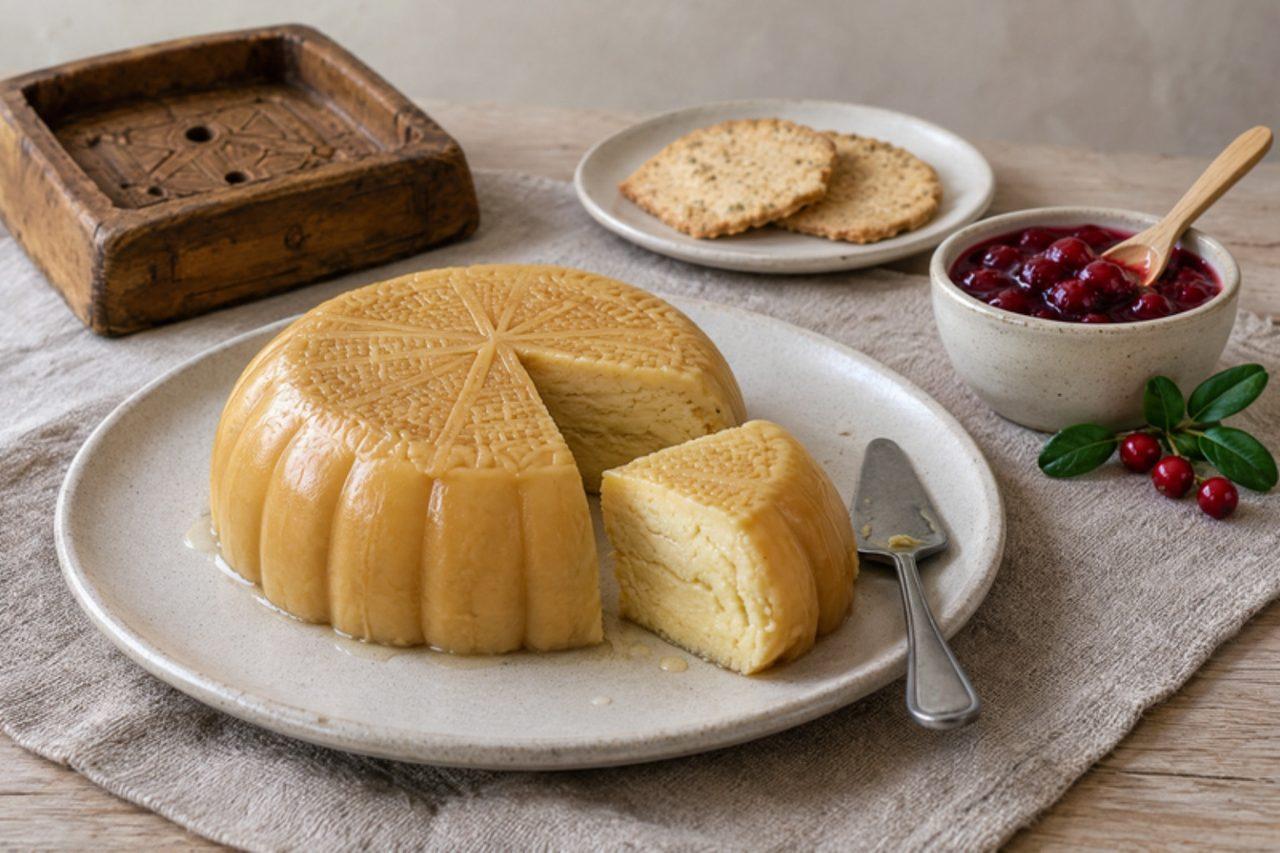
Äggost, egg cheese, belongs to the farm kitchens of Västergötland and Halland in west Sweden, where it is made for Christmas, Easter and midsummer tables and the leftovers become breakfast with cloudberry or lingonberry jam. Eggs and milk are heated until soft, sweet curds form, which are drained in a holed mould so they keep its pattern. It is creamy, mild and slightly sweet. The common mistake is rushing the heat: boiling the milk too hard makes rubbery curds, so keep it at a gentle simmer. Chef's tip: this version sets the curds with buttermilk, not rennet, so it is suitable for vegetarians; drain it overnight in the fridge for the firmest slice.

by KrazyBadal 0 views

RäksmörgåsOpen prawn and egg sandwich

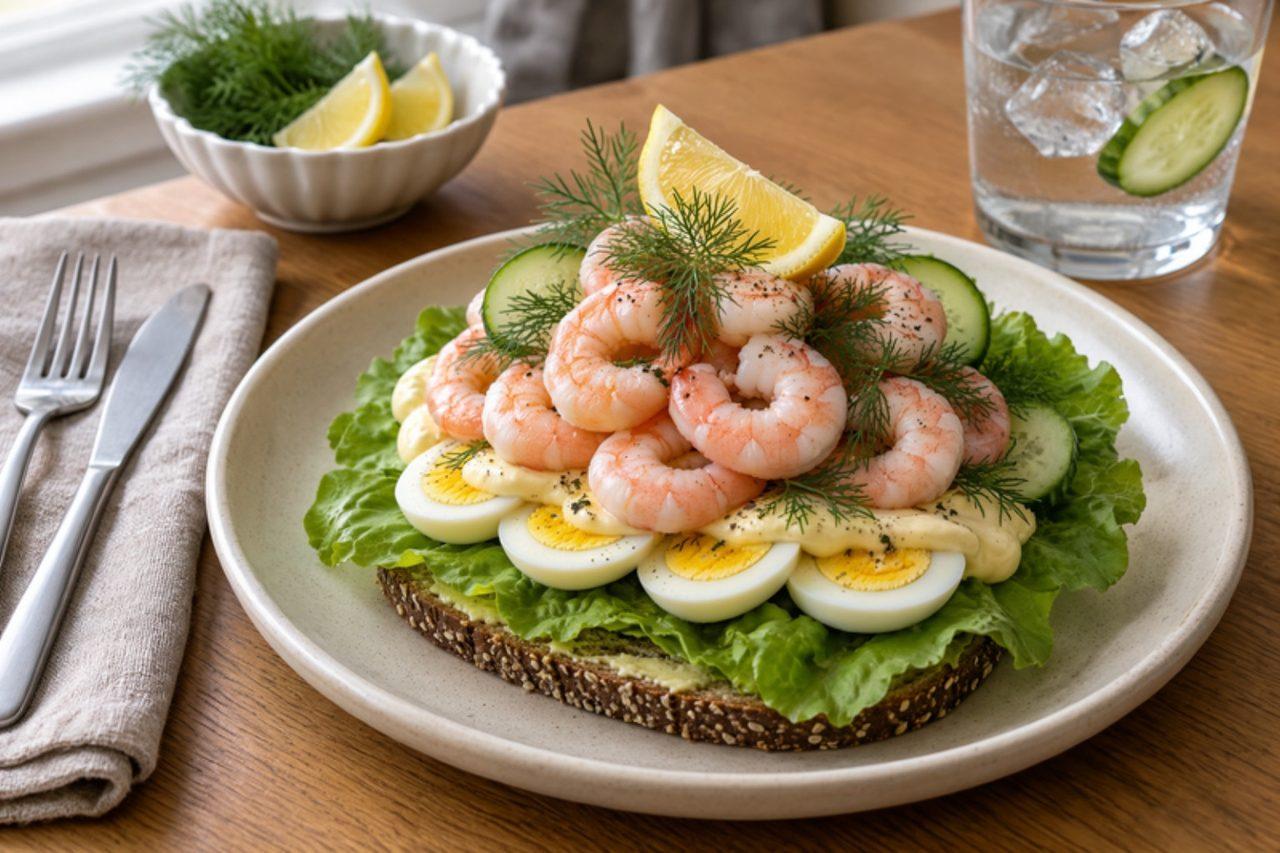
Räksmörgås is the Swedish open prawn sandwich served in every café from Gothenburg harbour to Stockholm's Central Station, and made at home for lunch on Fridays: buttered bread, lettuce, egg slices and a mayonnaise, under a heap of sweet, cold-water prawns with dill and lemon. Packed for lunch, it's built at work from separate boxes. The common mistake is buying ready-peeled prawns in brine, which are watery and bland; shell-on cooked prawns peeled yourself taste far sweeter. Keep them in the fridge or on an ice pack at all times. Chef's tip: stir a little of the lemon zest and chopped dill into the mayonnaise, so it seasons every layer.

by KrazyBadal 0 views

AsierSweet dill pickled cucumbers

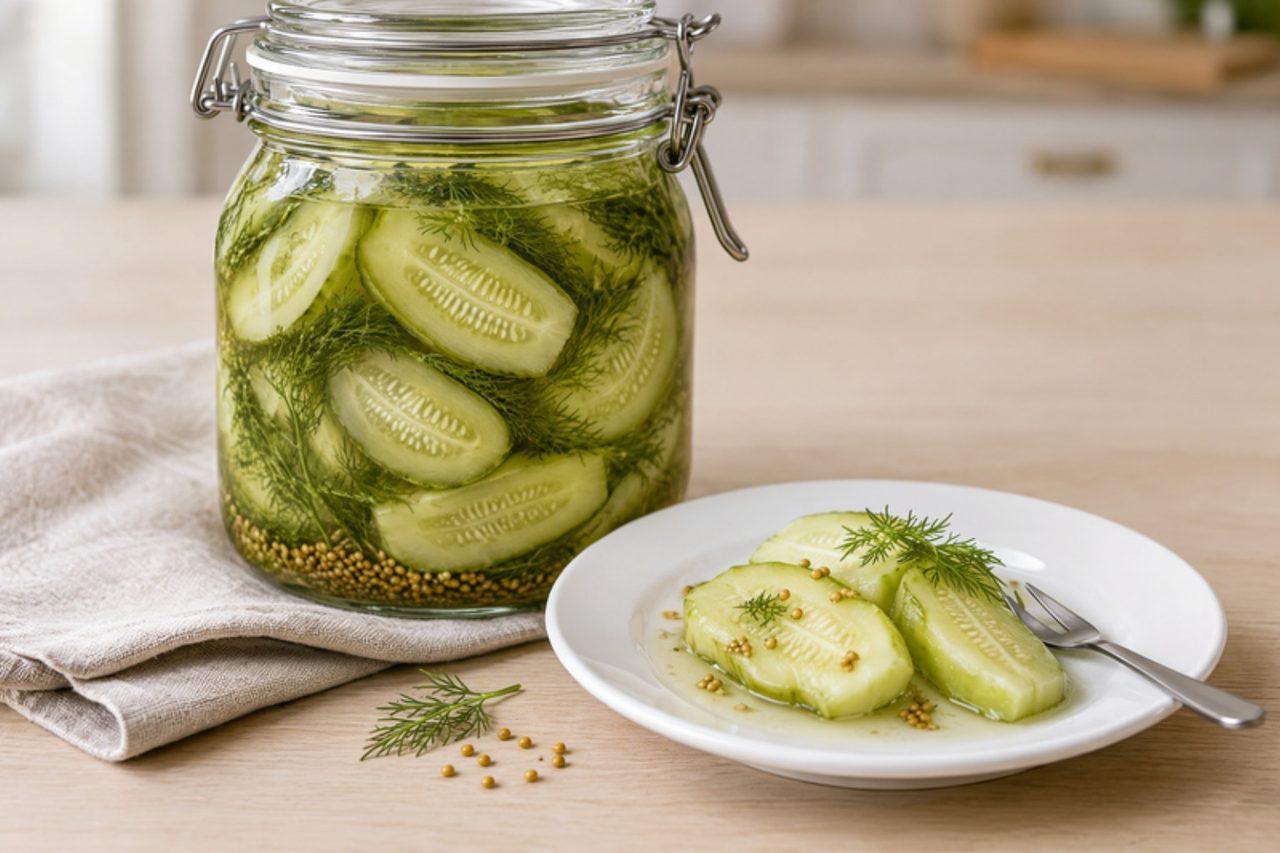
Late August in Danish allotments means the asie, a fat yellow-green cucumber left on the vine until its skin turns thick and its seeds big, and the smell of hot vinegar in every kitchen. The cucumbers are peeled, seeded and salted overnight, then sealed in jars with a sweet vinegar lage, dill crowns and mustard seeds. Asier are a fixture of the Danish table all winter: beside frikadeller, flæskesteg and roast duck at Christmas, sliced onto smørrebrød with liver pâté, and with boiled potatoes and brown gravy on any Tuesday. The pickle is crisp yet tender, sweet first and then sharply sour, with dill and mustard on the finish. Common mistake: skipping the overnight salting, which leaves watery, flabby asier that dilute the vinegar. The salt draws the water out so the cucumber stays firm. They are ready after two weeks, when the flesh has turned translucent and sweet-sour right through. Chef's tip: no asier? Use large, overgrown ridge or field cucumbers; ordinary salad cucumbers are too watery.

by KrazyBadal 0 views

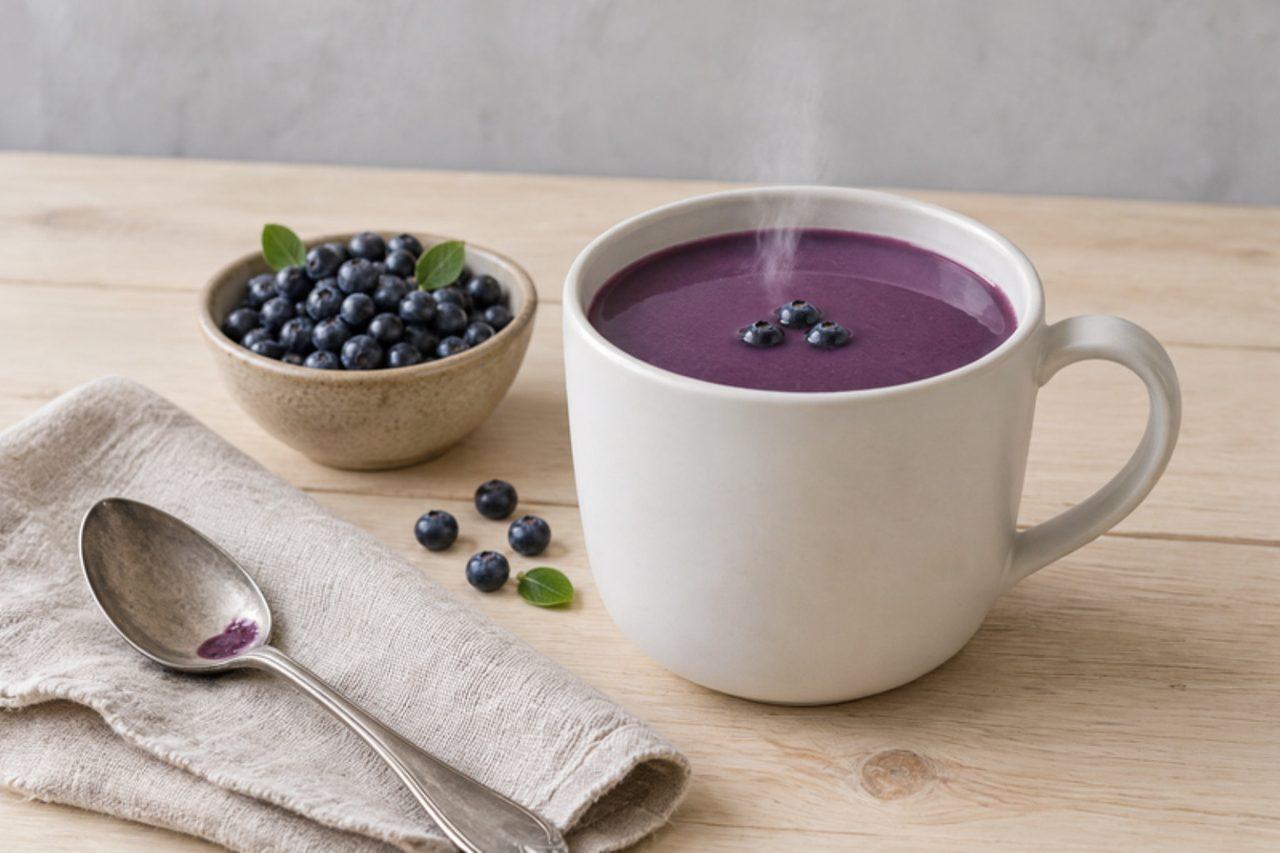
Blåbärssoppa (warm bilberry drink)

Every first Sunday of March, the 90-kilometre Vasaloppet ski race from Sälen to Mora is fuelled by blåbärssoppa: volunteers at the feeding stations hand thousands of skiers paper cups of the warm purple drink, and Swedes drink it from thermoses on winter hikes, after skating and on the ski slopes. It is made from wild bilberries, the small dark forest berries with purple flesh, cooked with sugar and thickened with potato starch so it is just thick enough to coat the cup. It is sweet, softly tart and tastes intensely of berries, with a silky, almost glossy body. The common mistake is stirring the starch straight into the hot pot: it forms jelly lumps at once. Always mix potato starch with cold water first, take the pot off the boil, then stir it in and bring back just to a bubble; long boiling thins it again. It is ready when it turns glossy and coats a spoon in a thin film. Bilberries are sold frozen in Nordic shops; cultivated blueberries work too, with a squeeze of lemon for sharpness. Chef's tip: it is just as good cold the next day, or served as a soup with whipped cream and almond biscuits.

by KrazyBadal 0 views

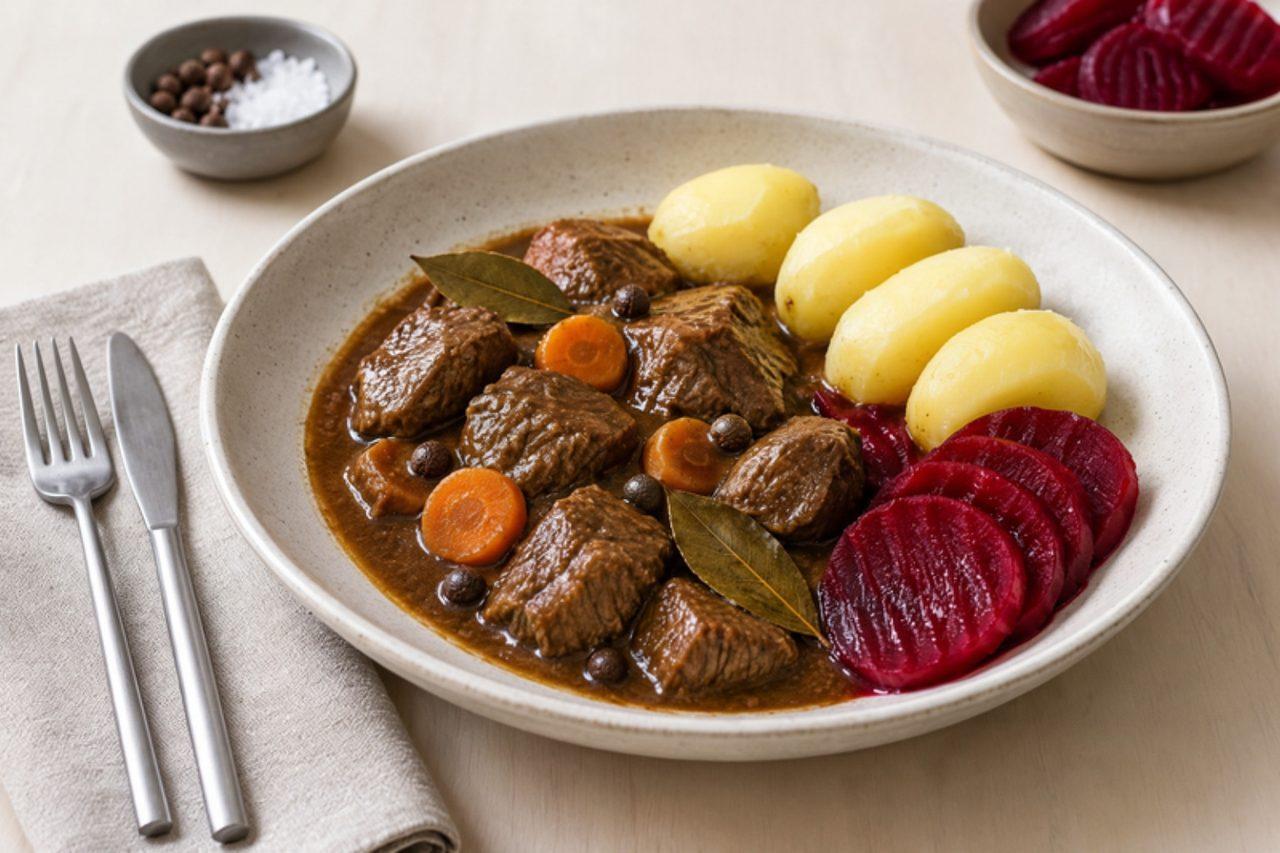
KalopsBeef stew with allspice

Kalops is the Swedish winter stew that fills kitchens from Skåne to Norrland on dark November weekends: chunks of beef chuck simmered slowly with onions, carrots, whole allspice and bay until the sauce turns brown, glossy and lightly peppery. It is always eaten with plain boiled potatoes and a spoonful of sweet pickled beetroot (inlagda rödbetor), whose sharpness cuts the richness. It reheats beautifully, so many families make it a day ahead. The usual mistake is crowding the pan when browning, so the beef steams grey and the sauce never gets its deep colour; brown in batches. Chef's tip: crush half the allspice berries lightly before they go in so the warm clove-like scent reaches the whole pot, but leave the rest whole for a gentler background note.

by KrazyBadal 0 views

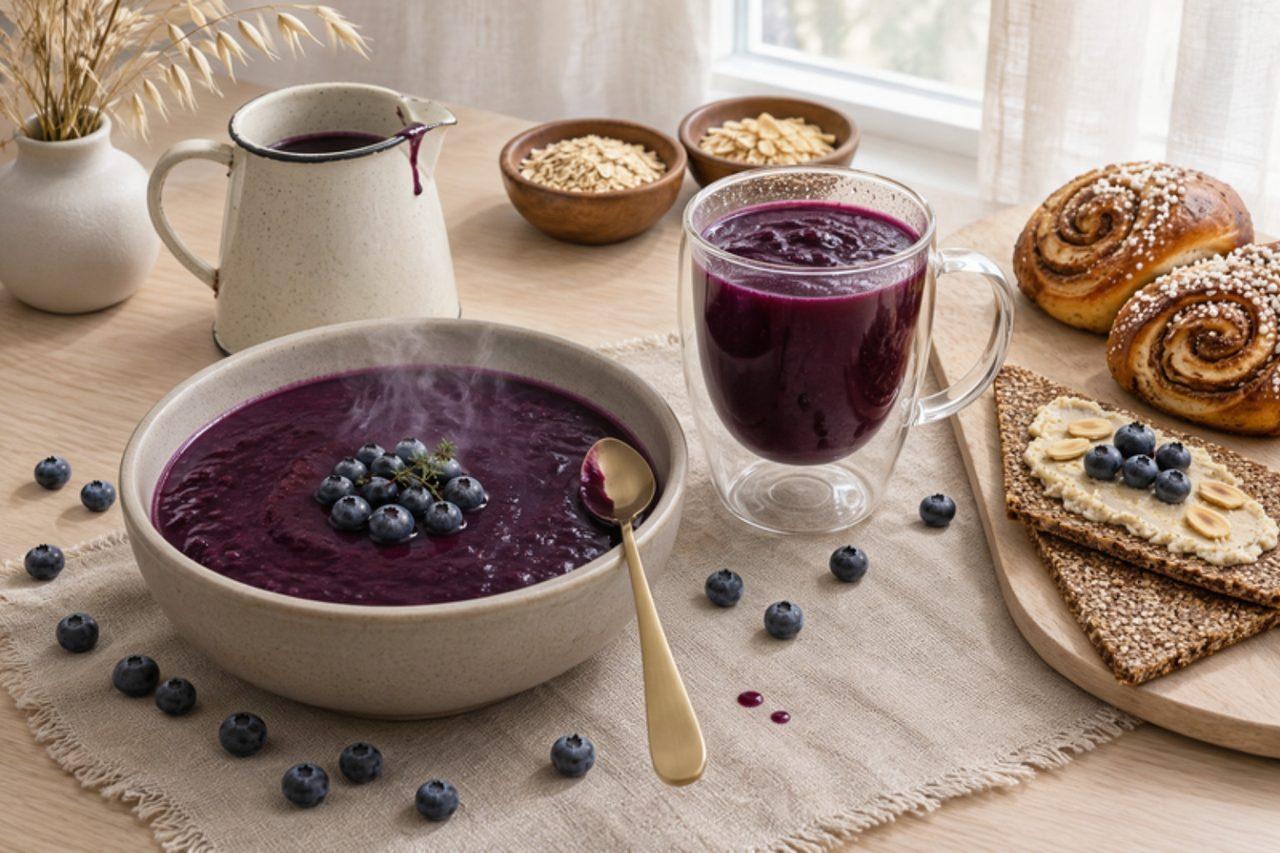
BlåbärssoppaBilberry soup

Swedes have drunk blåbärssoppa for generations, warm on a winter morning and cold from a cup after the Vasaloppet ski race, where skiers are handed it at every station. It is a thin, deep purple soup of bilberries or blueberries, sweetened and thickened just enough with potato starch to coat the tongue. The common mistake is boiling the soup after adding the starch: it turns stringy and then thins out again, so take it off the heat as soon as it thickens. Chef's tip: wild bilberries give a far deeper colour and flavour than cultivated blueberries, and frozen ones work perfectly.

by KrazyBadal 0 views

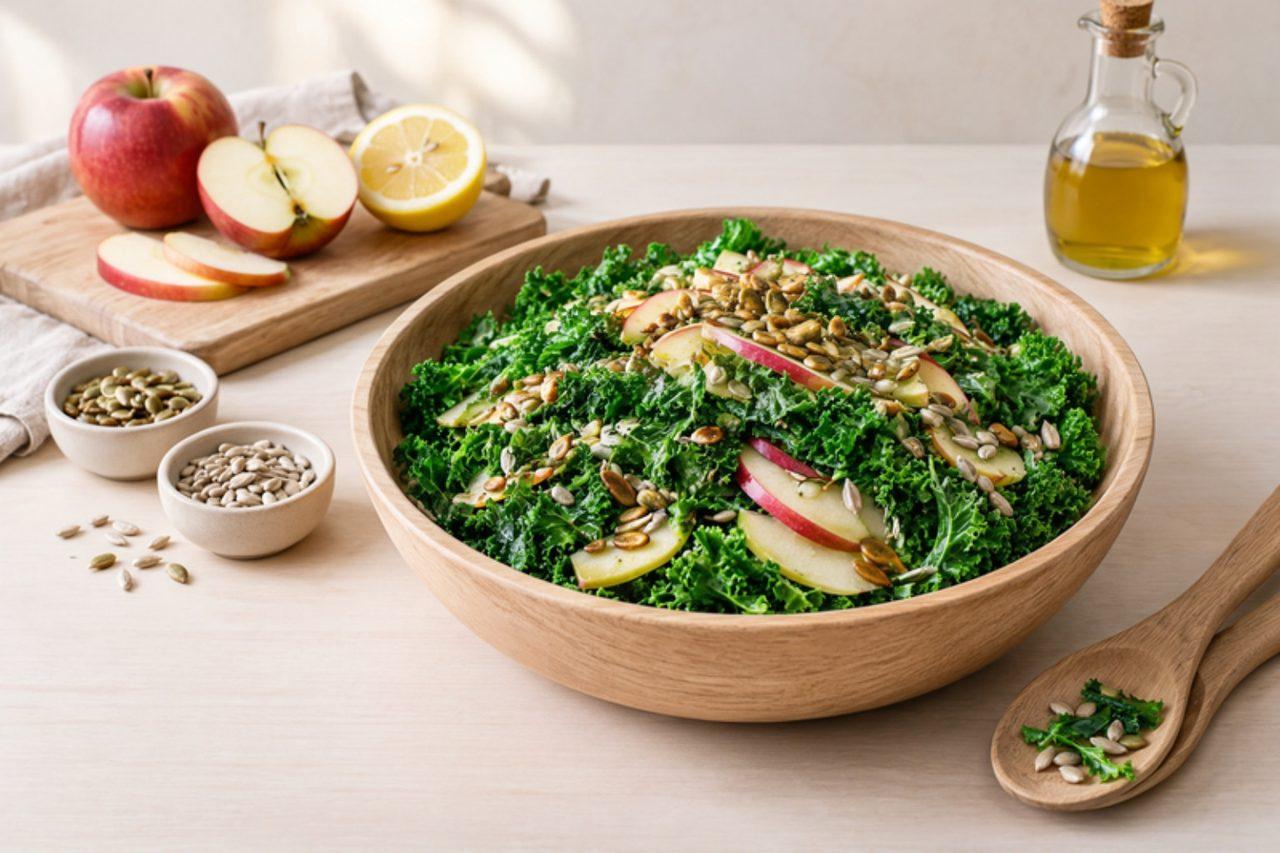
GrønkålssalatRaw kale salad

Kale (grønkål) is a winter classic in Denmark, traditionally stewed with cream at Christmas, but in Copenhagen homes and cafés it is now just as often eaten raw in this bright salad through the cold months, from November to March. Shredded kale is massaged with lemon juice and oil until it turns silky and dark green, then tossed with crisp apple, red onion and toasted sunflower and pumpkin seeds. Serve it beside rye bread with eggs, or with baked salmon or potatoes. Suitable as part of a balanced diet. About 160 kcal and 9 g carbohydrate per portion. The usual mistake is skipping the massage, which leaves the leaves tough and squeaky. Chef's tip: strip out every bit of stalk; even thin stems stay woody in a raw salad.

by KrazyBadal 0 views

Lingondricka (lingonberry cordial)

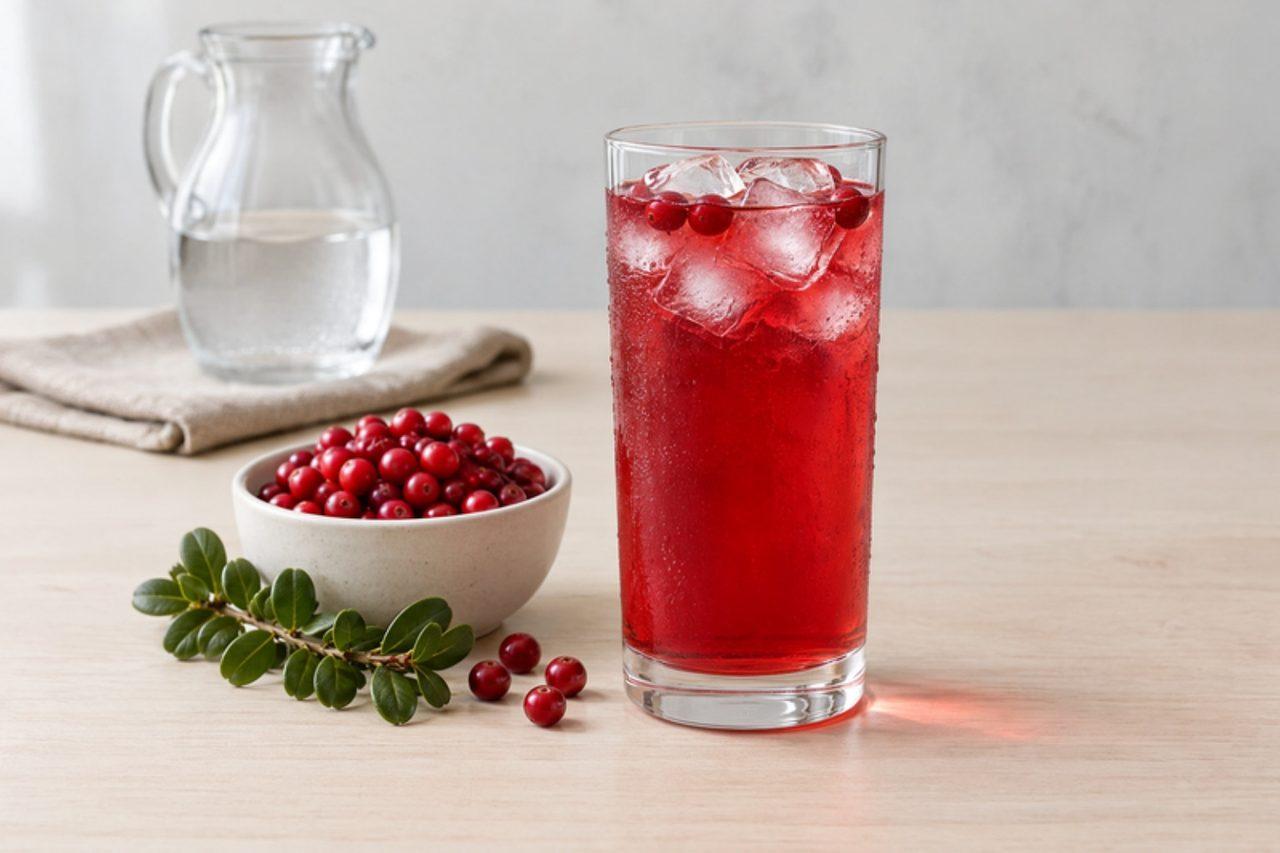
In Sweden the jug of red lingondricka sits on the table at weekday dinners, in school canteens and at the julbord, poured beside meatballs, pyttipanna or a Saturday pea soup. Lingonberries grow wild in the forests of Norrland and Dalarna, and in late August families pick them by the bucket with a wooden berry rake. Cooked with sugar and strained, they become a cordial that is both sweet and sharp, with a slight bitter-almond edge from the skins, bright enough to cut through rich, creamy food. The common mistake is boiling the berries hard for a long time: the cordial turns jammy and brownish, and the pectin can make it set in the bottle. Bring it just to the boil, crush, then simmer only briefly. The syrup is ready when it is clear ruby, flows like a thin syrup and tastes tart then sweet. Lingonberries are sold frozen in Nordic and Eastern European shops; cranberries work as a substitute, with a little more sugar. Bottled hot into sterilised bottles it keeps 2 months in the fridge, or 6 months frozen. Throw it out if you see mould or it fizzes. Chef's tip: mix one part cordial to five of chilled sparkling water for a party version.

by KrazyBadal 0 views

Ugnsbakad laxOven-baked salmon

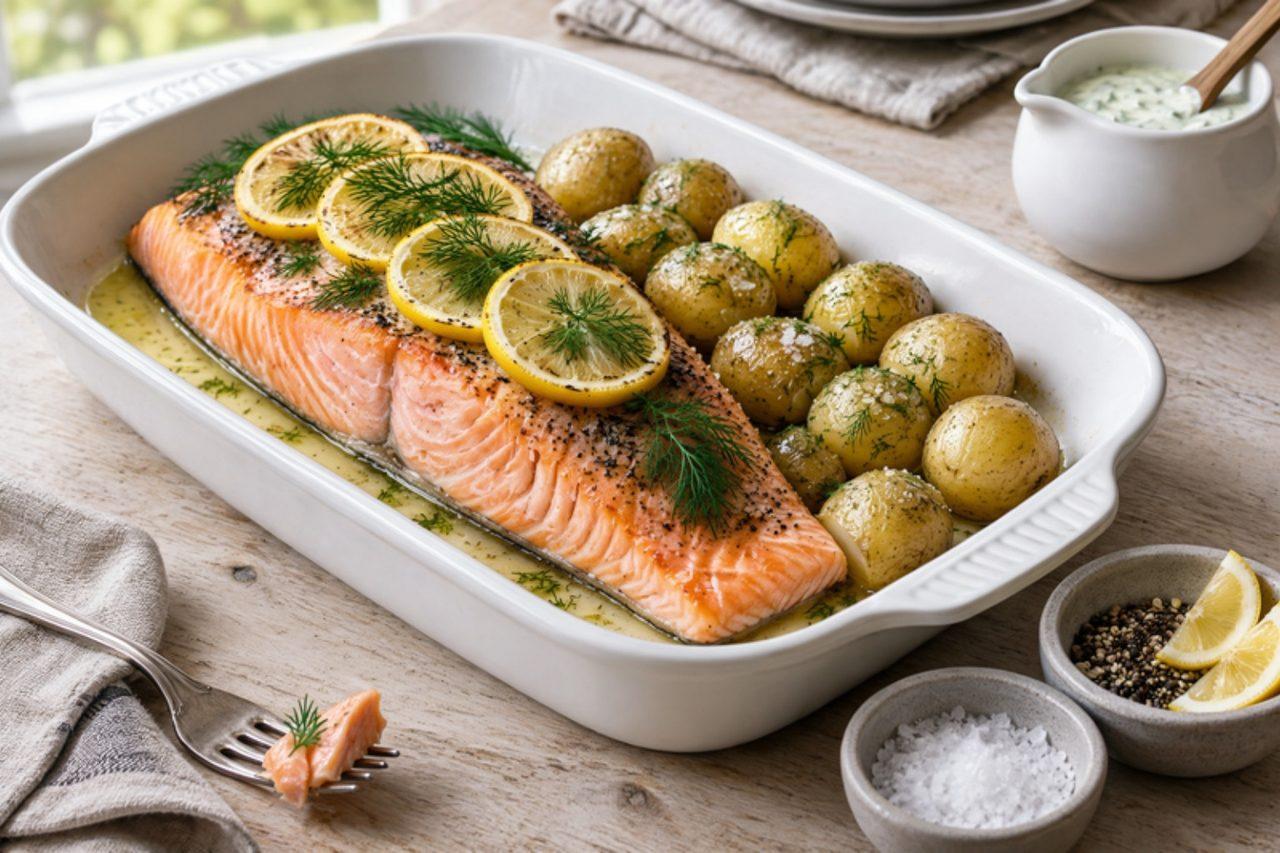
Ugnsbakad lax is one of Sweden's most common weeknight dinners, made all year round but especially in summer when dill is everywhere, and it is on every school and workplace lunch menu. A thick side of salmon bakes quickly with lemon slices and plenty of dill, staying moist and pink in the centre. Oily fish, high in protein and suitable as part of a balanced diet; serve with a few boiled new potatoes and green beans or a cucumber salad. About 350 kcal and 2 g carbohydrate per portion. The usual mistake is baking it until it is dry and chalky, with white protein seeping out; take it out as soon as it flakes. Chef's tip: salt the salmon 15 minutes before baking so it seasons through and holds its juices.

by KrazyBadal 0 views

HjortronsyltCloudberry jam

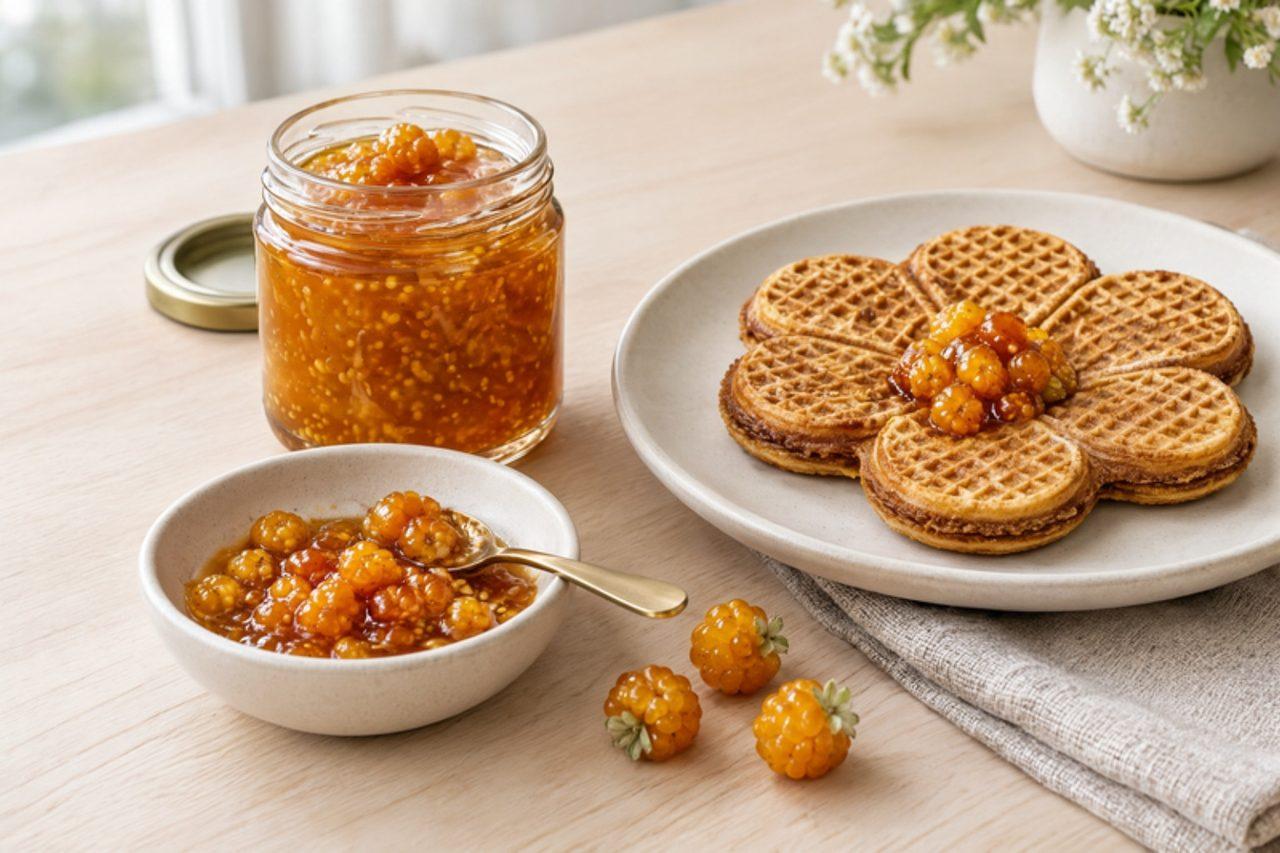
Cloudberries grow one berry to a stem on the bogs of Norrbotten, Lapland and northern Finland, and families guard their picking spots for generations. They ripen for barely two weeks in late July and August, turning from hard red to soft, honey-gold, and almost all of the harvest goes into hjortronsylt. It is a treasure kept for special days: warmed over vanilla ice cream, spooned onto Swedish waffles on Våffeldagen, served with warm leipäjuusto, Finland's squeaky baked cheese, and set out with cream on the Christmas table. The jam is loose and bright, tasting of apricot, sour apple and honey, with crunchy seeds. Unlike most jams it is cooked very briefly, so the delicate flavour survives. Common mistake: boiling it like strawberry jam; long cooking turns cloudberries brown and dull, so stop after a few minutes. It is ready when the sugar has dissolved and the berries look glossy and just collapsed. Chef's tip: frozen cloudberries from Nordic shops work perfectly; for a smoother jam, press half the berries through a sieve to remove seeds, as many Finnish cooks do.

by KrazyBadal 0 views

RosinbollerCardamom raisin buns

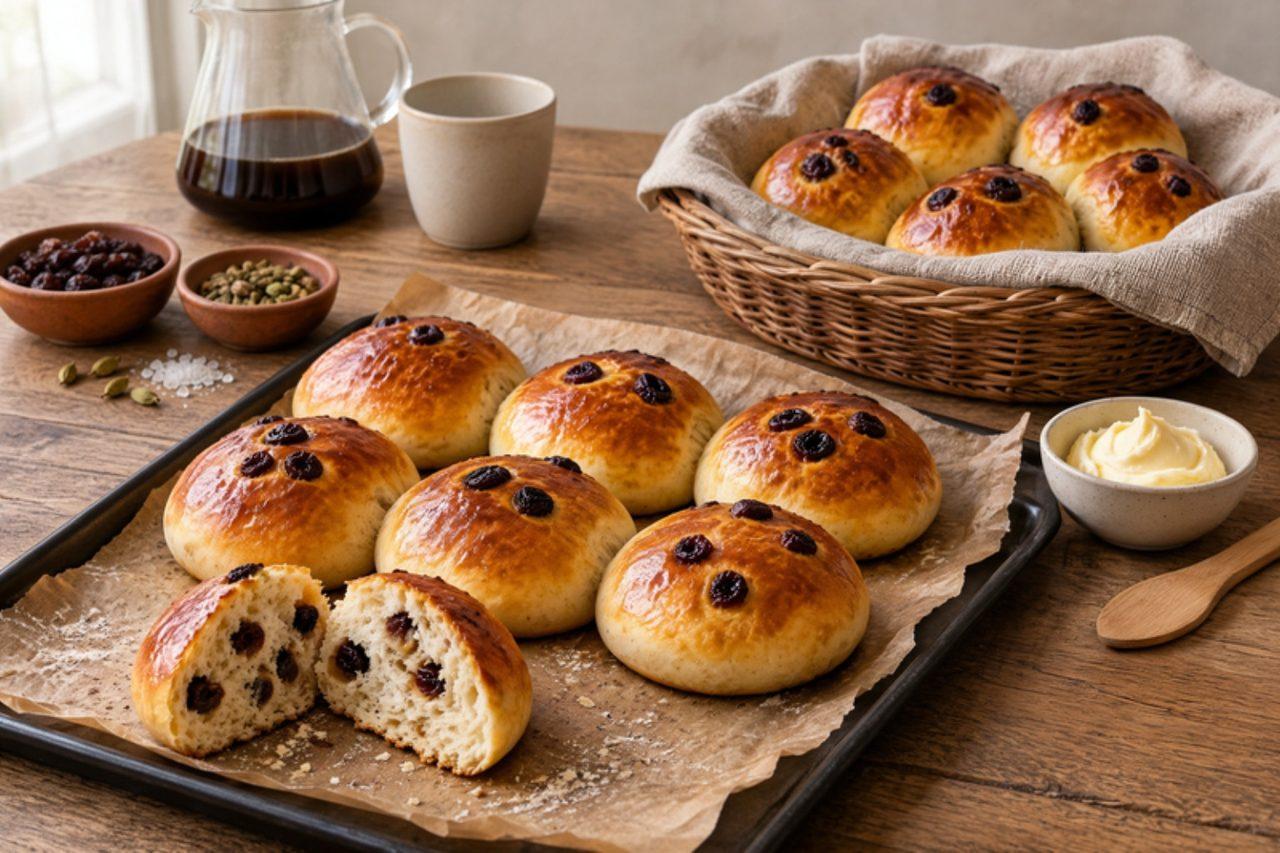
In Norway, rosinboller are what a parent bakes on Sunday so the week's lunch boxes have something sweet, and what fills the tables at every school dugnad and bake sale. The dough is enriched with milk and butter and scented with freshly ground cardamom, and the buns are pulled apart soft and golden. The common mistake is using hot milk: anything above blood heat kills the yeast and the buns stay flat. Chef's tip: crush the cardamom seeds yourself just before mixing; the pre-ground powder loses most of its perfume.

by KrazyBadal 0 views

Ägg och kaviarBoiled eggs with fish roe spread

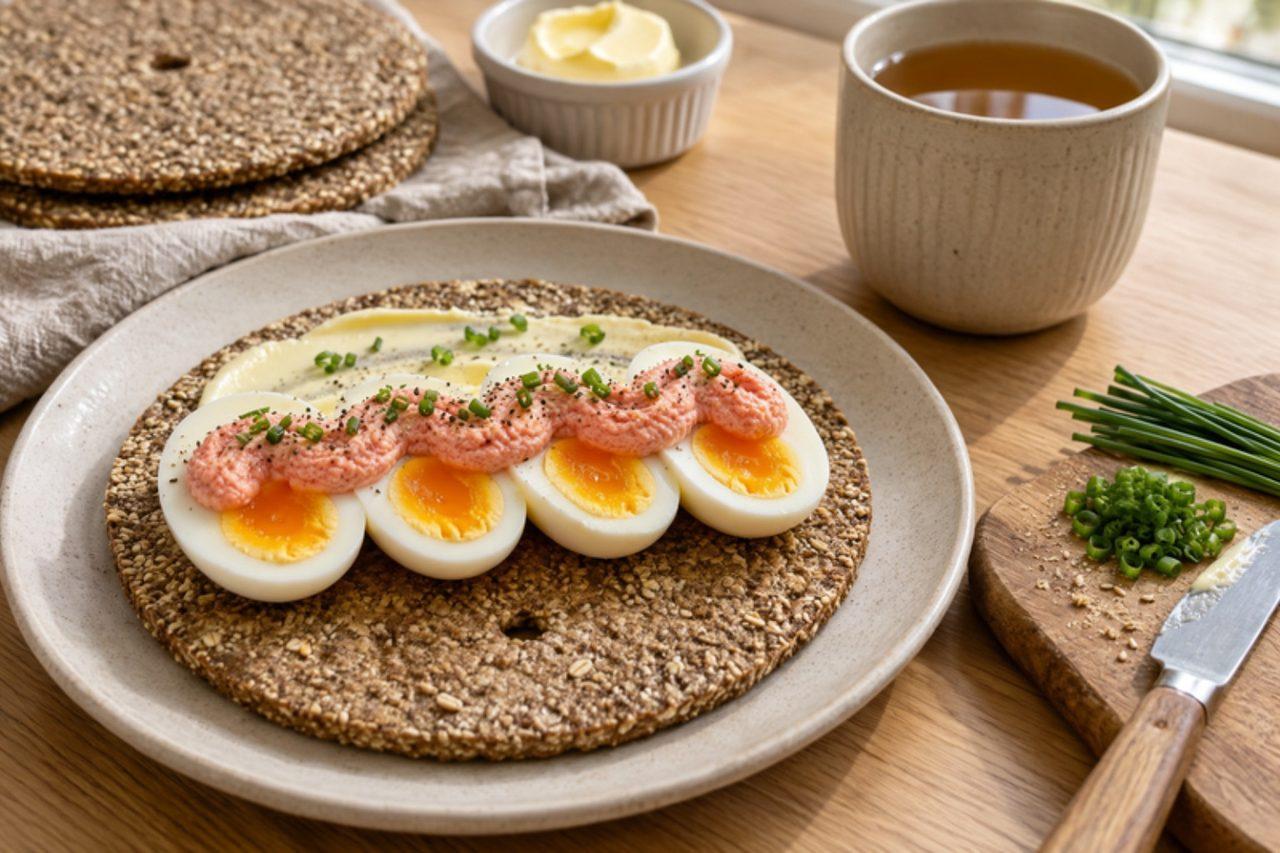
Open any fridge in Stockholm or Gothenburg and you'll find a blue tube of kaviar, a salty, smoky, slightly sweet spread of smoked cod roe, and at breakfast it goes on halved boiled eggs on crispbread or buttered bread. It's a combination Swedes love from childhood, eaten every day and at Easter. The kaviar is smoked and pasteurised, so it is safe for most people; boil the eggs fully for pregnant people and young children. The common mistake is over-boiling the eggs to a grey, chalky yolk; 8 minutes gives a set yolk that's still bright and slightly fudgy. Chef's tip: plunge the eggs into iced water straight away; they peel cleanly and the yolks stay sunny yellow.

by KrazyBadal 0 views

ÆggemadEgg and tomato rye sandwich

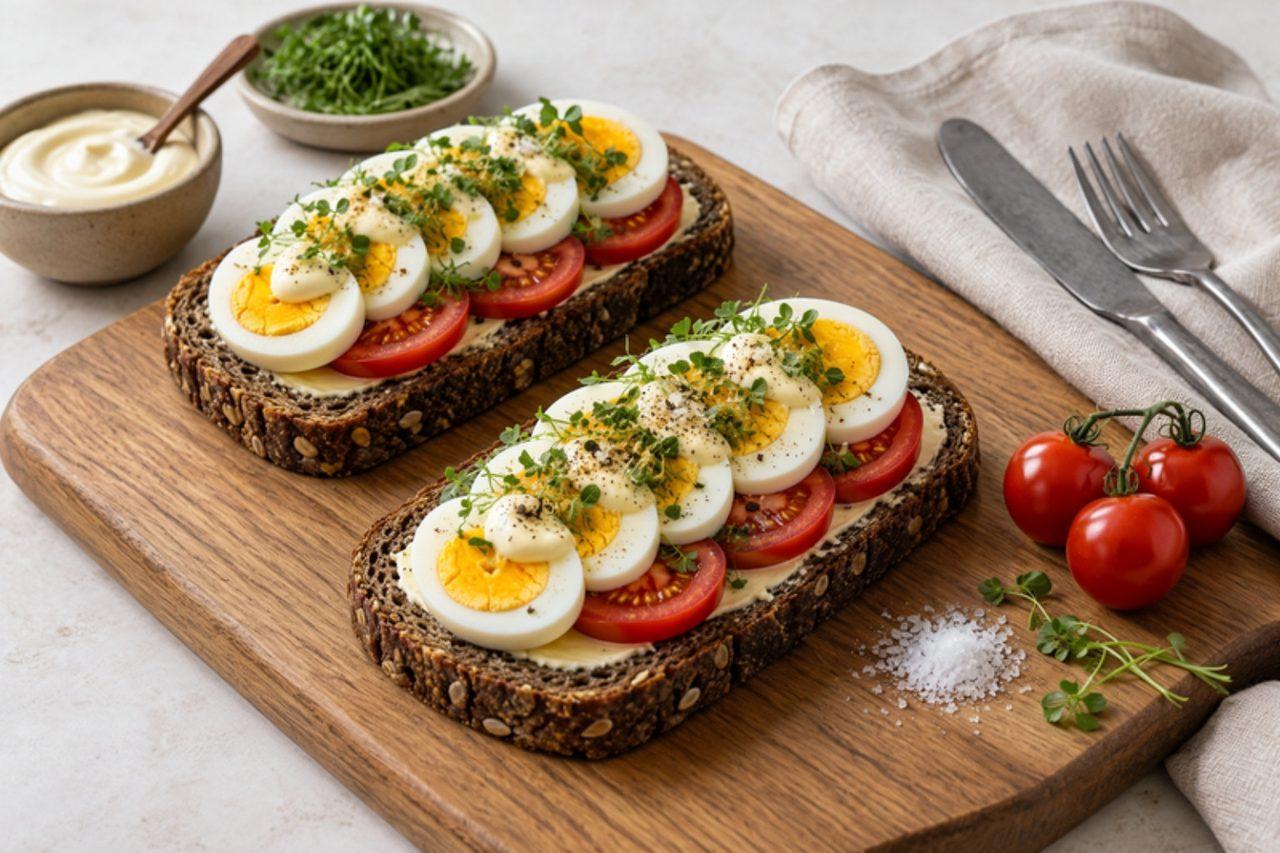
The Danish madpakke (packed lunch) is a stack of rugbrød slices, each with its own pålæg, and æggemad is the one that shows up in every family's box: dense rye, a smear of butter or mayonnaise, rounds of hard-boiled egg and tomato, and a tuft of cress. In the box, the slices are separated by baking paper so the toppings don't smudge. The common mistake is undercooking the eggs, so the yolk smears and the slices fall apart; for lunchboxes, the yolk must be fully set. Chef's tip: slice the egg with an egg slicer or a wet knife once it is completely cold, and the rounds stay neat.

by KrazyBadal 0 views

KneippbrødWholemeal loaf

Open almost any Norwegian matpakke (the packed lunch wrapped in paper) and you will find slices of kneippbrød, a soft, lightly sweet loaf of sammalt hvete (wholemeal wheat) baked in a tin. Its fine crumb slices thin without crumbling, perfect for brown cheese, jam or cucumber at the school desk. The common mistake is adding too much flour while kneading because wholemeal dough feels sticky; the loaf then bakes dense and dry. Chef's tip: let the dough rest for 20 minutes after mixing, before kneading, so the bran softens and the dough turns smooth on its own.

by KrazyBadal 0 views

Kaffeost (coffee with cheese)

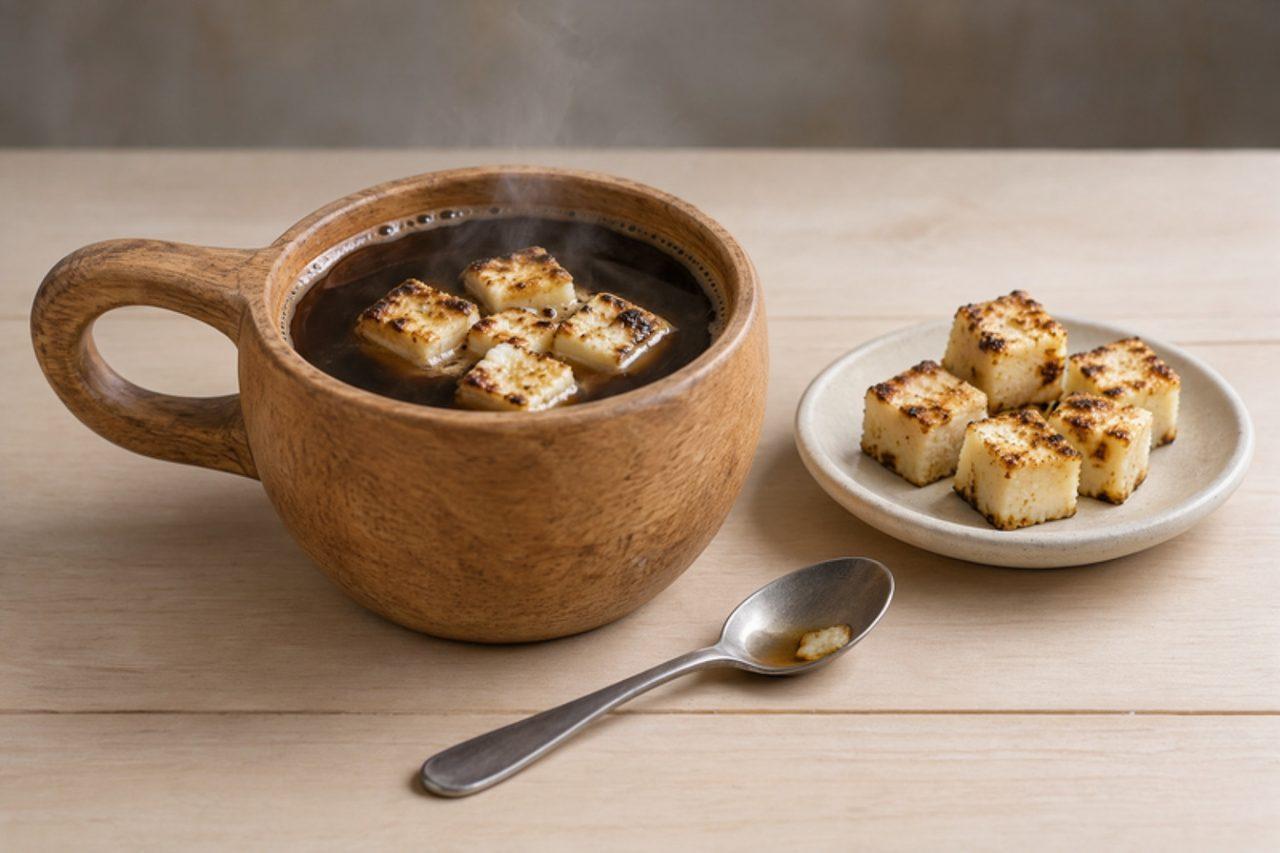
In the far north, across Swedish Norrbotten and Finnish Lapland, coffee comes with cheese in the cup. Leipäjuusto, a mild, squeaky cheese baked or grilled until spotted brown (called kaffeost or 'bread cheese'), is cut into cubes and put in a cup, often a carved wooden kuksa, then hot black coffee is poured over. Sámi reindeer herders and Tornedalen farmers have made it this way for generations; it is a fireside or mid-morning drink on a cold day, and in some families a little sugar or a slice of dried reindeer meat goes in as well. The cheese warms through, softens slightly and soaks up the coffee, so you drink the coffee and then spoon out the warm, chewy, milky cubes. The common mistake is using a soft or melting cheese: it collapses into strings. Use proper leipäjuusto or halloumi, which keep their shape. It is ready when the cubes are hot to the centre, about 2 minutes, and slightly puffed. Strong coffee means real caffeine here, so it is an adult drink. Leipäjuusto is sold in Nordic shops; halloumi is the nearest substitute. Chef's tip: warm the cheese on a dry pan first for extra browned flavour.

by KrazyBadal 0 views

TebirkesPoppy seed pastries

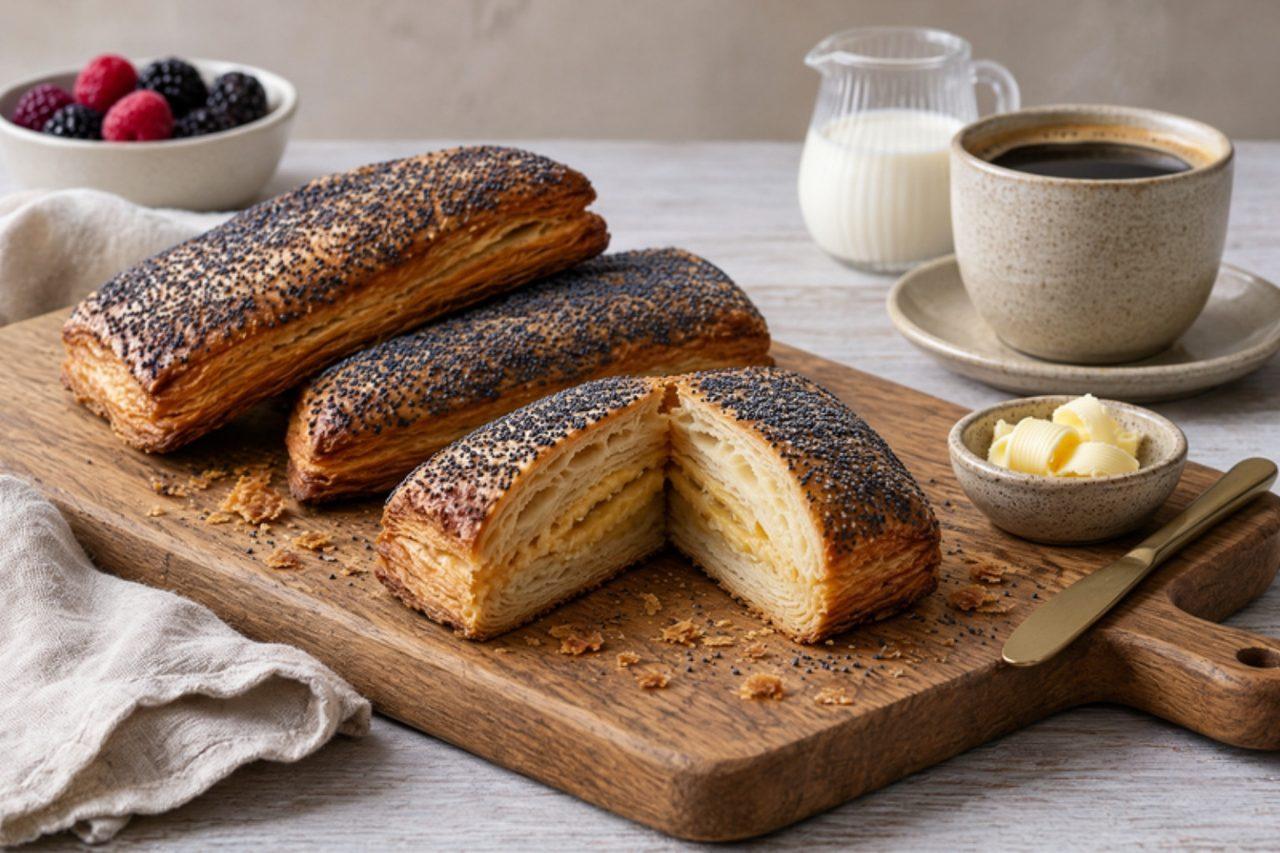
Tebirkes are the Danish bakery breakfast pastry: flaky, laminated dough folded round a sweet remonce of butter, sugar and marzipan, then smothered in poppy seeds so that half of them end up on your plate and the table. Copenhageners pick them up warm on the way to work or buy a bag on Sunday morning. The mistake is letting the dough get warm while laminating: the butter melts into the dough and you get bready rolls, not layers. Chef's tip: chill the dough for 15 minutes between every fold, and if butter starts breaking through, put it back in the fridge before you go on.

by KrazyBadal 0 views

Showing 24 of 201 recipes

Show more recipes

Page 1 of 9