Skip to content
WhatToEat.Today

All recipes

652

Vegetarian, or something you can't eat? Set your diet once and we'll hide recipes that don't fit.

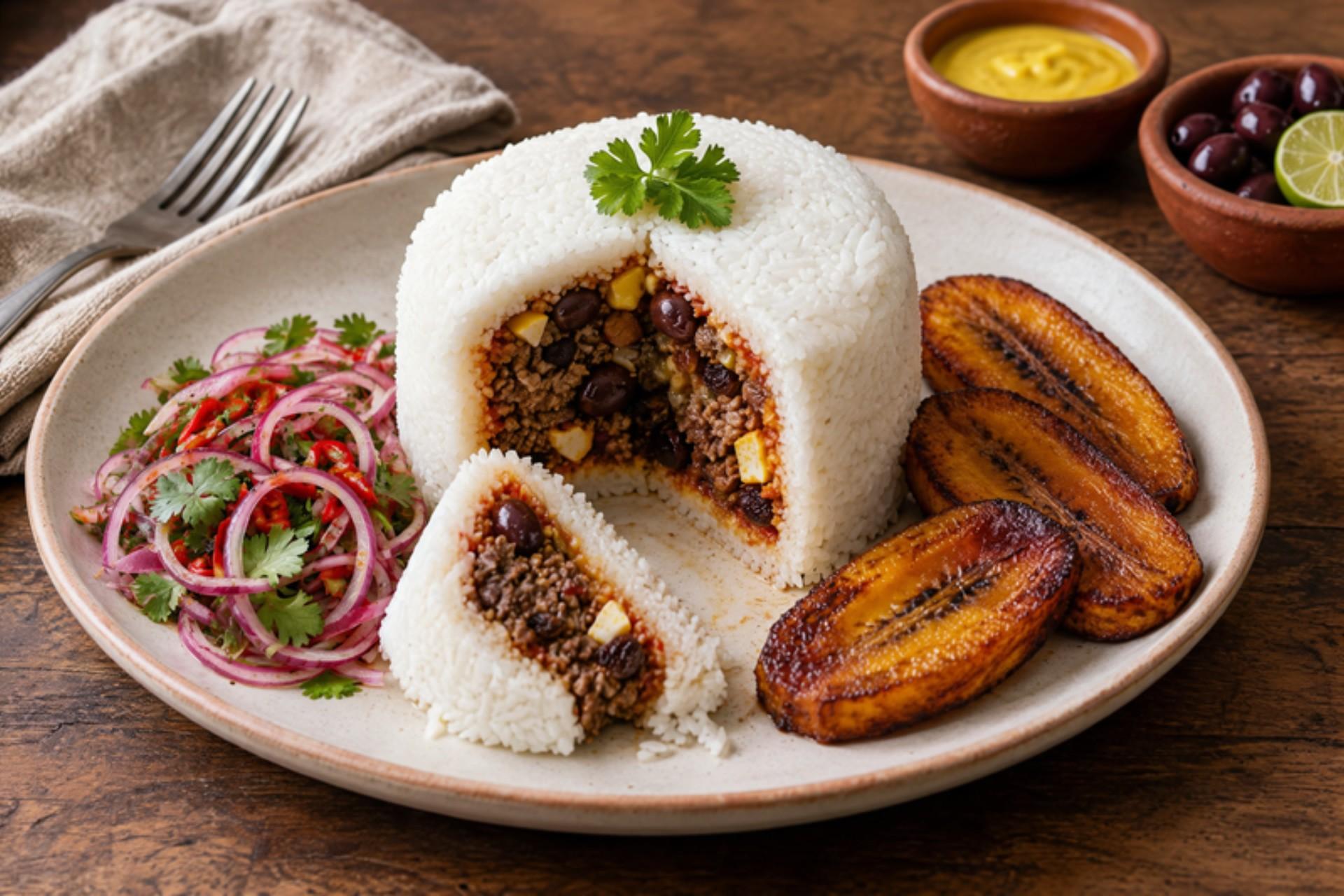
Arroz tapadoRice dome with beef filling

Arroz tapado means covered rice, and it is the thrifty weekday lunch of Lima homes and school canteens: garlic rice pressed into a bowl, filled with a sweet-savoury beef mince and turned out like a dome. The filling of minced beef with onion, ají panca, raisins, black olives and hard-boiled egg is the same picadillo that goes into papas rellenas. The usual mistake is leaving the filling wet: the dome collapses and the rice turns soggy. Simmer it until the pan is almost dry. Minced beef must reach 71 °C, so cook it until no pink remains. Serve with a spoonful of salsa criolla. Chef's tip: brush the bowl with a little oil and pack the rice firmly with the back of a spoon; a well-pressed dome holds its shape on the plate.

by KrazyBadal 0 views

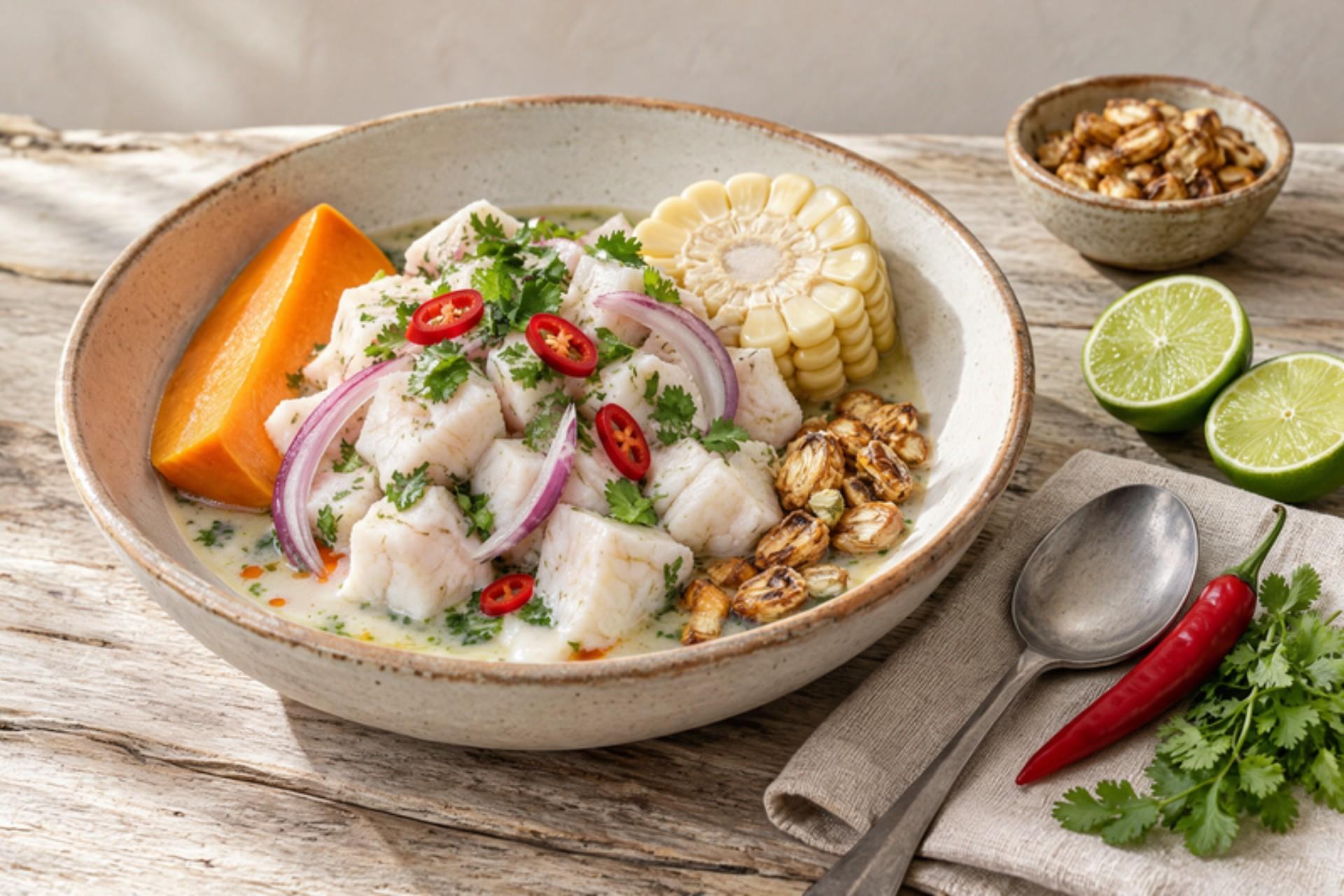
Ceviche peruanoLime-cured white fish

Ceviche is Peru's national dish, eaten at lunchtime in the cevicherías of Lima's Surquillo and Chorrillos markets, because the fish must be fresh off the morning boats and cevicherías traditionally close in the afternoon. The classic is raw white fish 'cooked' in lime juice with red onion, chilli and coriander, served with sweet potato and corn. Lime juice does not kill bacteria or parasites, so this version first poaches the fish for a minute until just opaque, then dresses it, which keeps the classic flavour and texture far safer. Even so, it is not for pregnant women, young children or anyone with a weakened immune system. The usual mistake is leaving the fish in the lime for an hour: it turns chalky and the juice goes bitter. Chef's tip: squeeze the limes gently by hand and stop before the pith; over-squeezed limes make bitter leche de tigre.

by KrazyBadal 0 views

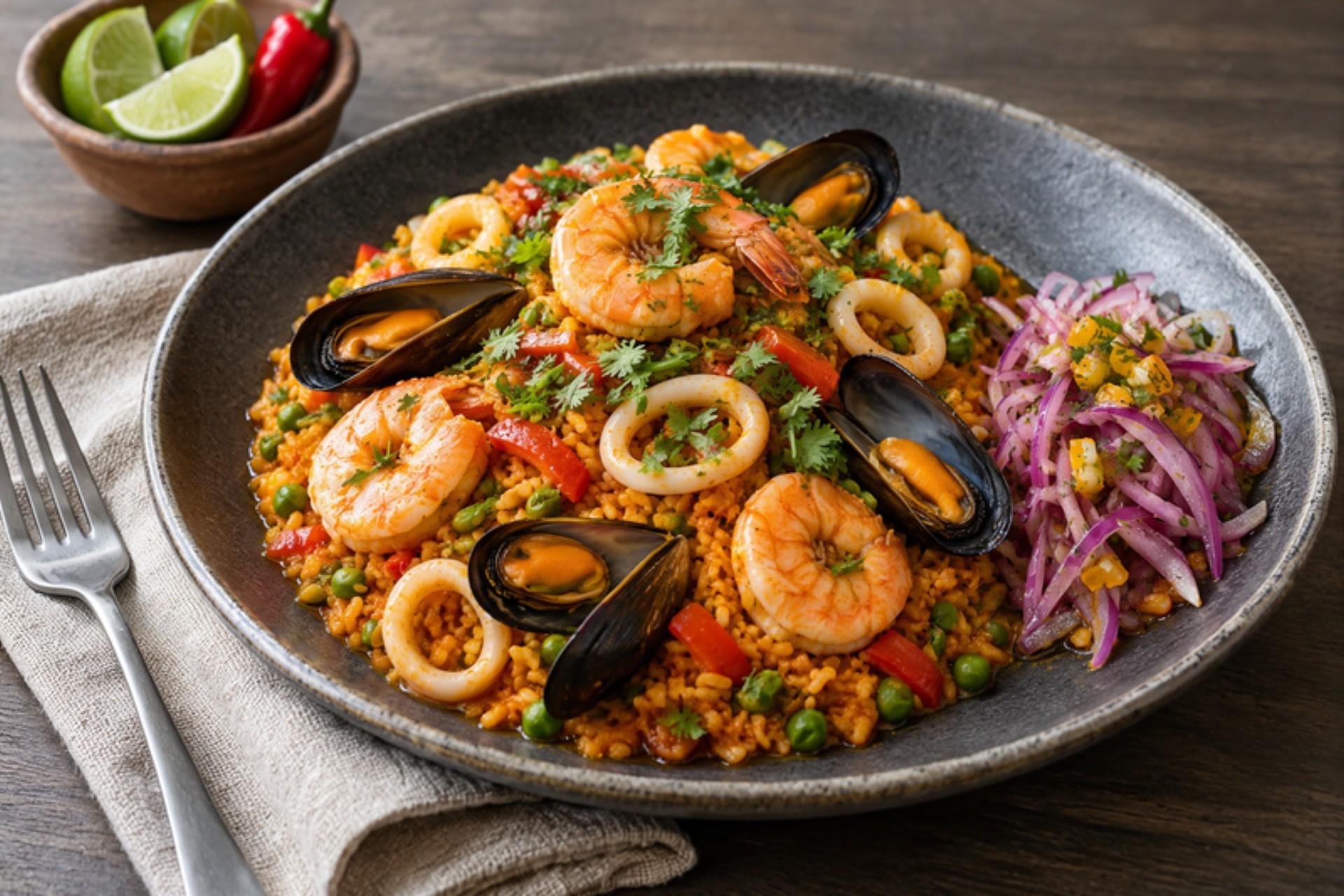
Arroz con mariscosSeafood rice

Arroz con mariscos is the weekend dish of Callao and the beach towns south of Lima, served in cevicherías as the hot partner to a cold ceviche. It is moister than a paella, closer to a risotto, coloured with ají panca and ají amarillo and finished with peas and a little Parmesan-style cheese, as many Lima cooks do. The common mistake is adding all the seafood at the start: the squid turns rubbery and the prawns shrink to nothing. Cook the rice first and add the shellfish only for the final minutes. Discard any mussels that are open before cooking and do not close when tapped, and any that stay shut after cooking. The cheese is often made with animal rennet; use a vegetarian hard cheese if you prefer. Chef's tip: simmer the prawn shells in the stock for 10 minutes; they give the rice its deep seafood taste.

by KrazyBadal 0 views

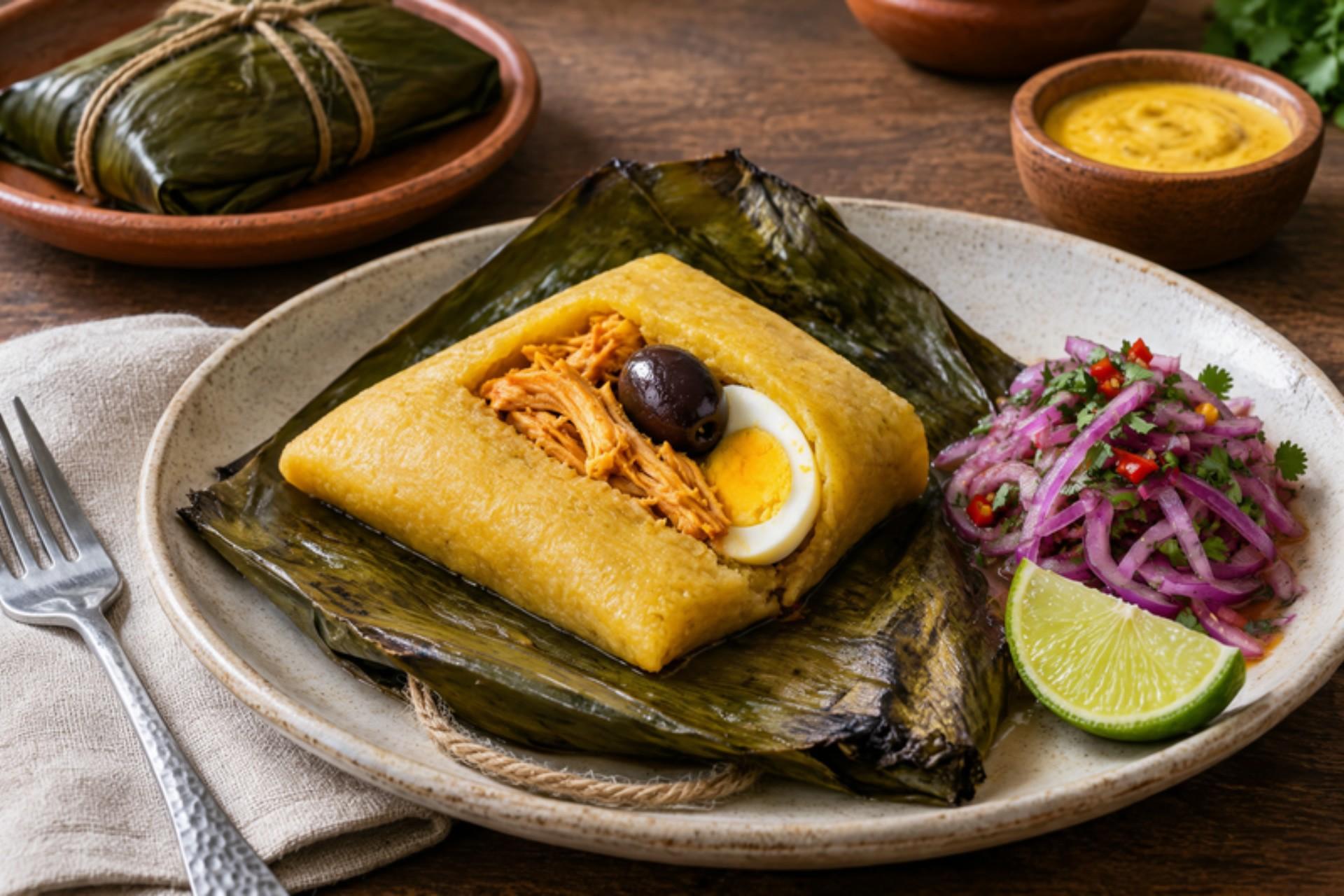
Tamales peruanosChicken corn tamales in banana leaf

In Lima, tamales are a Sunday breakfast, bought warm from street vendors calling 'tamaleeeeros' or made at home for Christmas, and eaten with crusty bread and a pile of salsa criolla. Peruvian tamales are larger and softer than Mexican ones, made from corn dough coloured with ají and wrapped in banana leaves, hiding chicken, a black olive, a slice of egg and a peanut. Peanuts are an allergen, so leave them out if needed. The usual mistake is a dry dough: the tamales turn crumbly. Beat in enough warm stock to make a soft paste that just holds its shape. The chicken must reach 74 °C before it goes in. Chef's tip: fat makes the dough tender; beat the oil and dough for a full 5 minutes until light, as Lima cooks do with pork lard.

by KrazyBadal 0 views

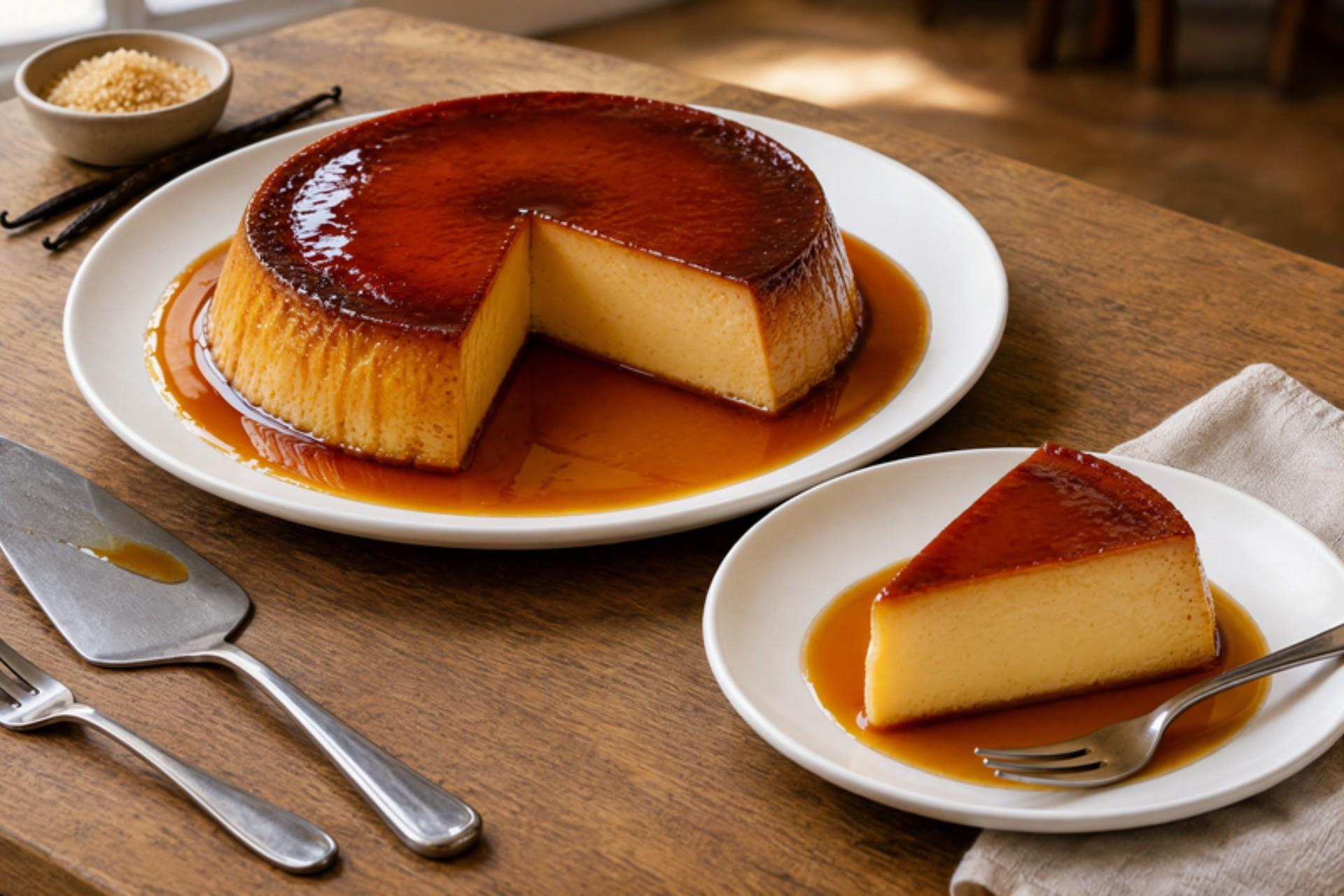
Crema volteadaBaked caramel custard

In Lima, crema volteada is the dessert that appears at Sunday lunch in Miraflores and Barranco homes and at every birthday where an aunt is in charge of the sweets. It is firmer and richer than a Spanish flan because it is made with both evaporated and condensed milk, so it slices cleanly and tastes of toffee. The usual mistake is baking it in an oven that is too hot: the custard boils, fills with tiny holes and weeps. Keep the water bath at a bare simmer and take it out while the centre still wobbles slightly. Chef's tip: chill it overnight before turning it out; a cold custard releases in one piece and the caramel has time to melt into a pourable sauce.

by KrazyBadal 0 views

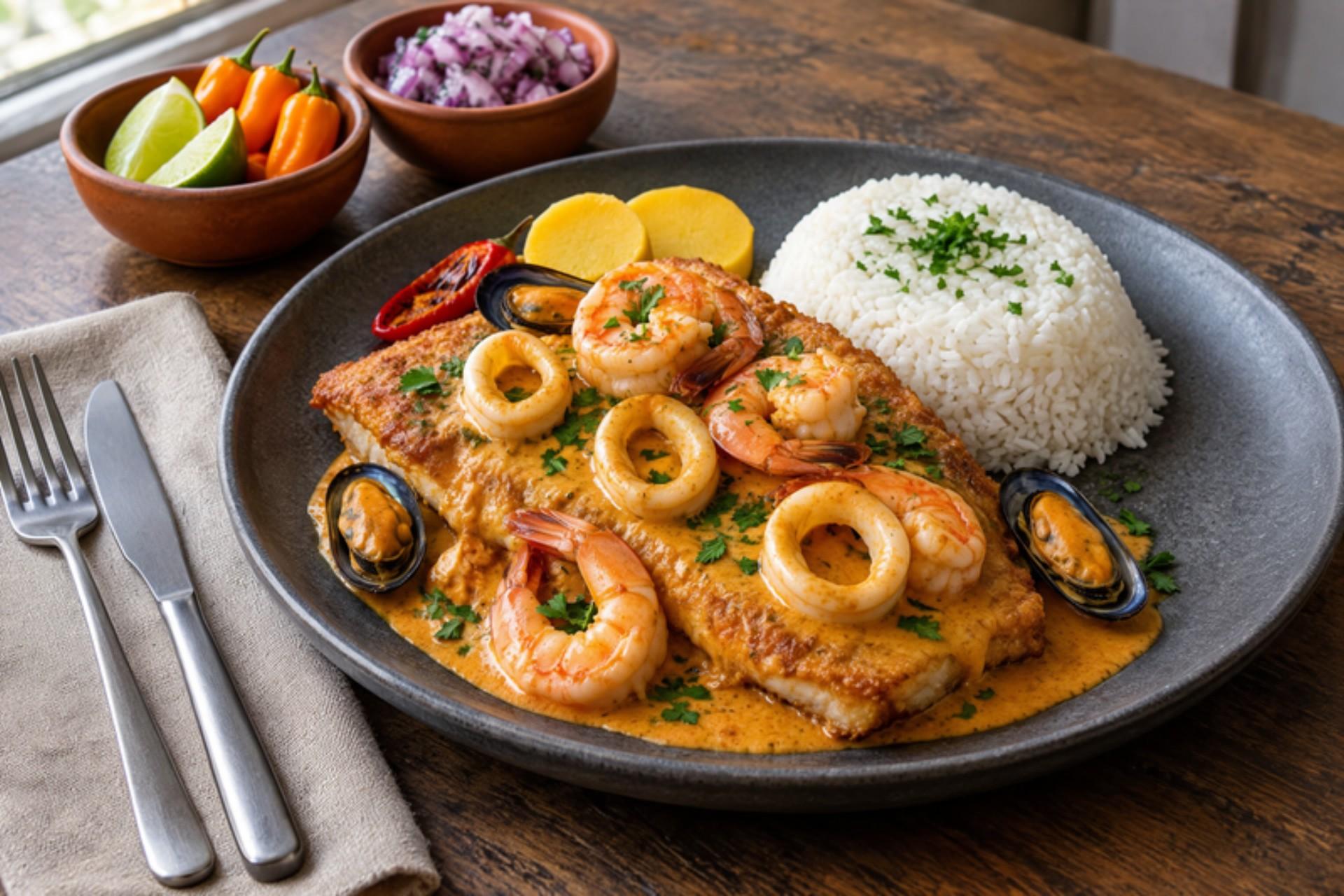
Pescado a lo machoFried fish in spicy seafood sauce

Pescado a lo macho is a classic of Lima's seafood restaurants, the dish people order for a long Sunday lunch near the sea in Chorrillos: a fillet of fried white fish smothered in a thick, spicy sauce of ají panca and ají amarillo packed with prawns, squid and mussels. The name boasts that you need to be brave for the chilli, but you can turn it down. The common mistake is overcooking the seafood while the sauce reduces; add it only when the sauce is already thick. Discard mussels that are open and do not close when tapped, and any that stay shut after cooking. Chef's tip: dust the fish in flour seasoned with cumin and fry it last, so it reaches the table crisp under the sauce.

by KrazyBadal 0 views

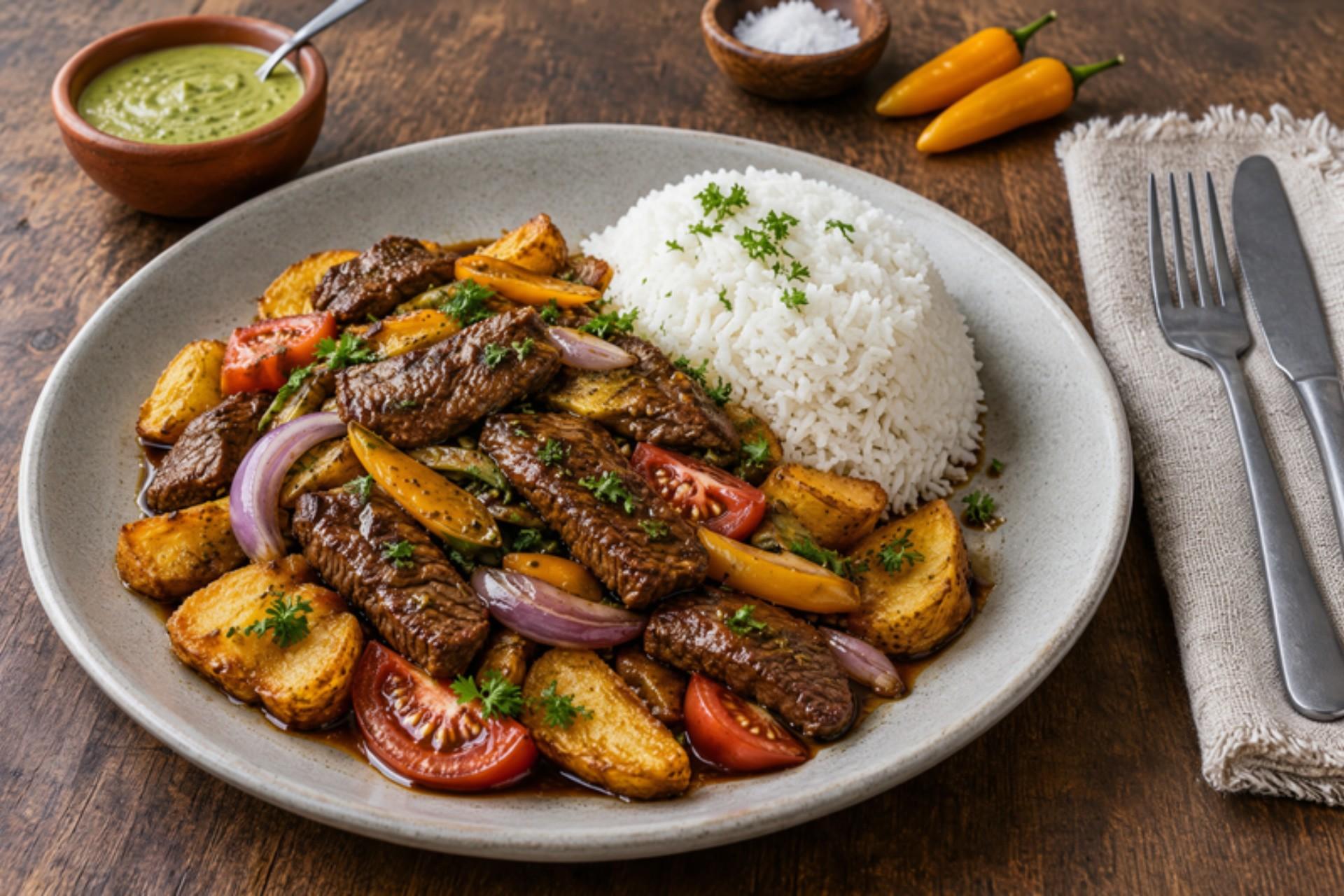
Lomo saltadoBeef stir-fry with chips

Lomo saltado was born in the chifas of central Lima, where Chinese cooks met Peruvian ingredients, and today it is the lunch every Peruvian family makes when they want something fast and a little indulgent. Strips of beef are seared in a smoking-hot wok with red onion, tomato and yellow chilli, splashed with soy sauce and vinegar, then tossed with chips and served beside white rice, so you get both starches on one plate. The common mistake is crowding the wok: the beef stews in its juices and turns grey and chewy instead of charring. Cook it in two batches over the highest heat you have. Chef's tip: add the chips at the very last second, or serve them on the side, so they soak up a little sauce but stay crisp.

by KrazyBadal 0 views

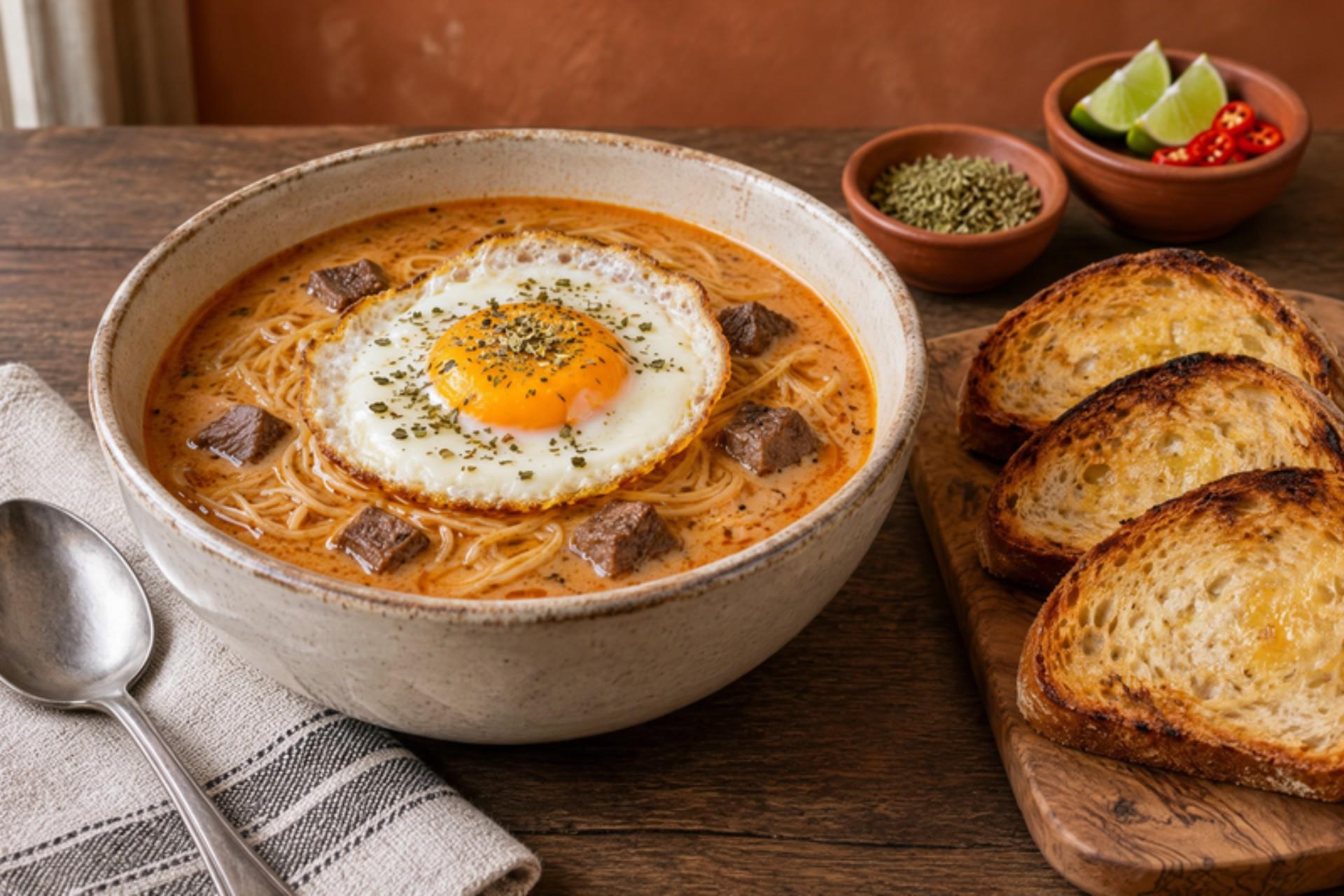
Sopa criollaCreamy beef noodle soup

Sopa criolla is the soup Lima turns to on grey winter evenings, when the garúa mist hangs over the city: a beef broth reddened with ají panca, full of thin noodles and strips of beef, enriched with evaporated milk and finished with a poached egg. It arrives with toasted bread for dunking. The common mistake is boiling the soup after adding the milk; it splits into specks. Lower the heat first and stir it in gently. The beef strips are thin, so they cook through in a few minutes. Chef's tip: crack the eggs straight into the barely simmering soup and leave them alone for three minutes; the whites set into soft ribbons that thicken the broth.

by KrazyBadal 0 views

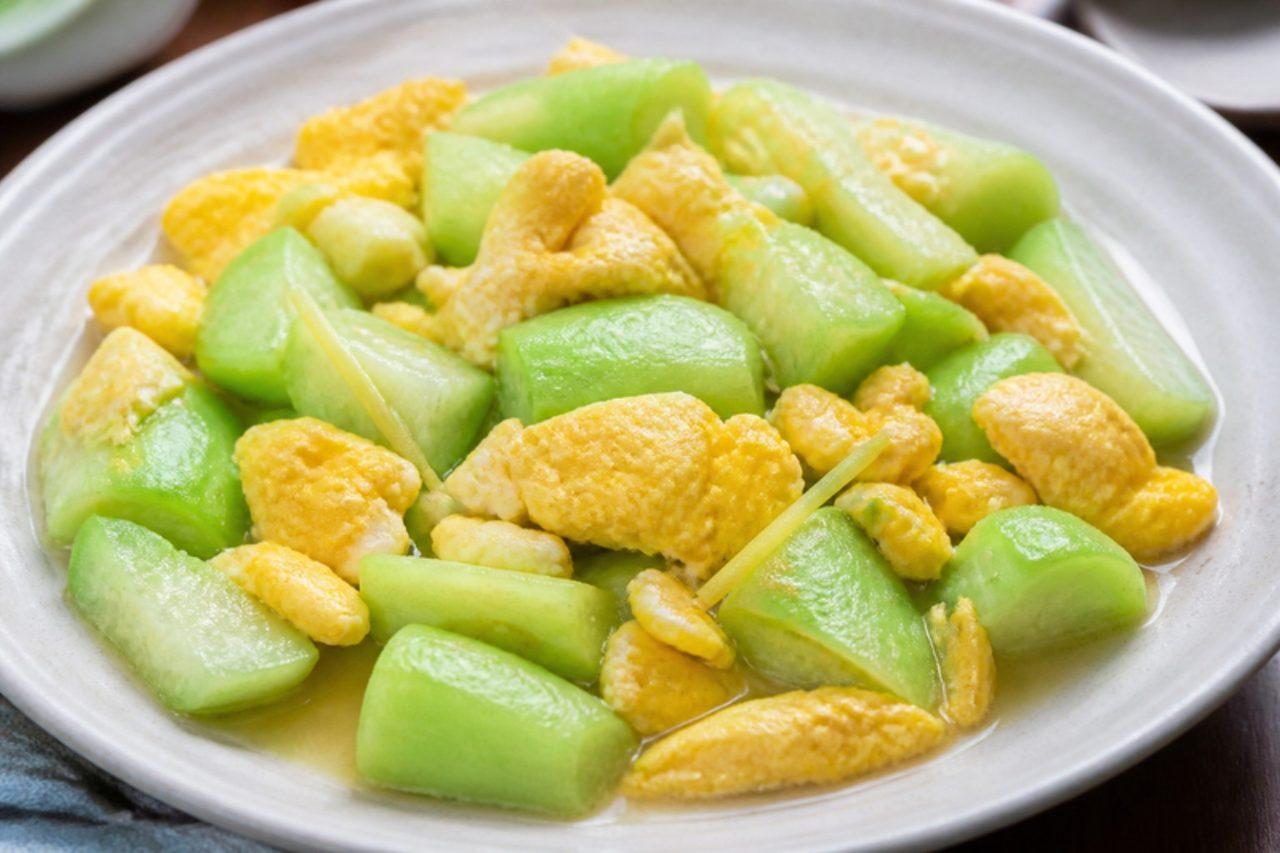
Si gua chao danLuffa and egg stir-fry

Si gua chao dan is a southern Chinese summer staple, cooked in Guangdong, Fujian and Guangxi homes on hot evenings when something light is wanted with rice. Angled luffa softens into silky, faintly sweet pieces and releases its own juice, which the scrambled egg soaks up. The common mistake is leaving the ridges on: peel the hard ridges of angled luffa (or all the skin of smooth luffa), or they stay tough and bitter. Chef's tip: scramble the egg first and lift it out while still a little soft, then return it at the end so it stays fluffy instead of rubbery.

by KrazyBadal 0 views

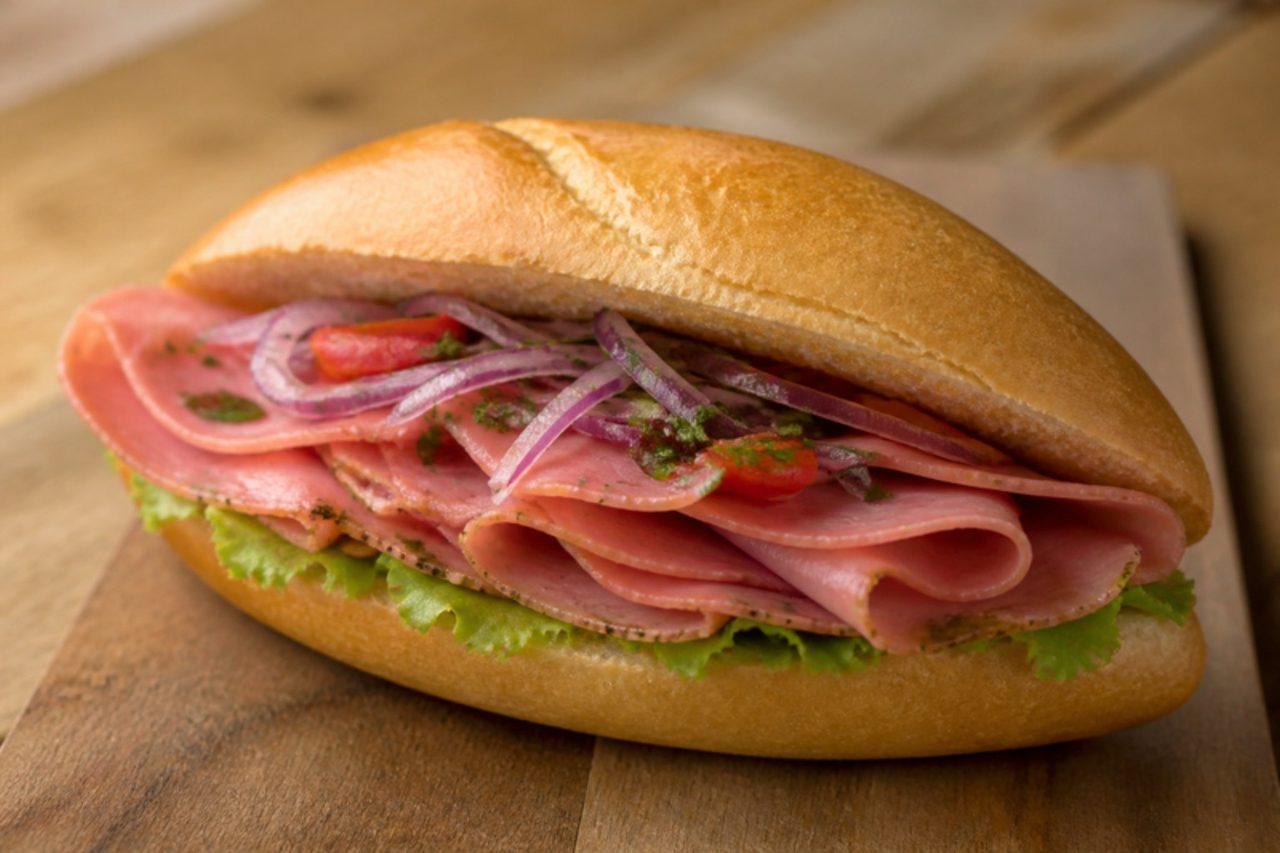
Pan con butifarraHam roll with onion salsa

Pan con butifarra is Lima's evening sandwich, sold in old-school sangucherías and made at home for a light dinner with coffee: a crusty roll filled with jamón del país, a spiced Peruvian pork ham, under a heap of salsa criolla, red onion sliced thin and soaked in lime with chilli. Outside Peru, use a good cooked pork ham. The common mistake is leaving the onion harsh; give it a quick rinse in salted water before dressing it. Chef's tip: a leaf of lettuce under the ham stops the lime juice soaking straight into the bread.

by KrazyBadal 0 views

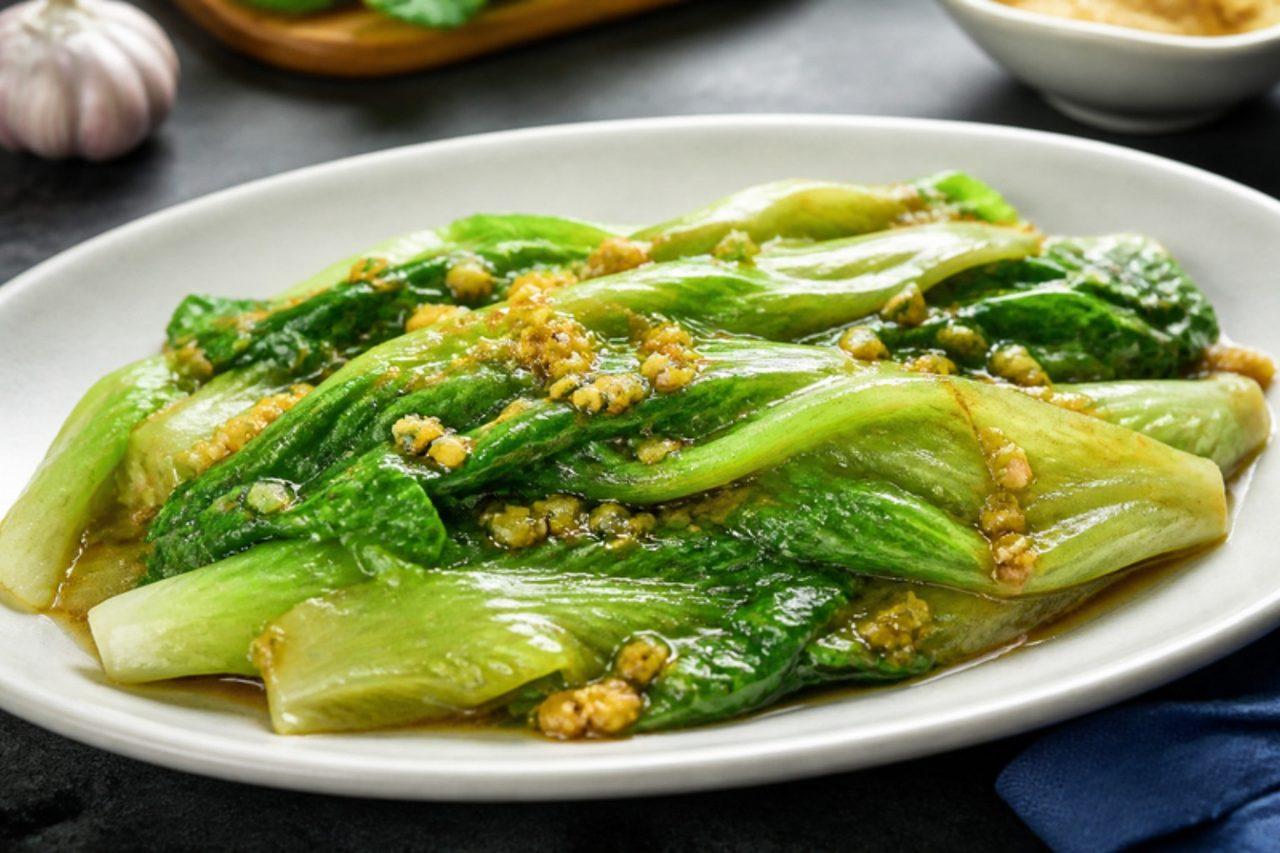
Suan rong sheng caiGarlic stir-fried lettuce

In Guangdong, lettuce is a cooking green, not just a salad leaf: suan rong sheng cai is iceberg or romaine flash-fried with heaps of garlic and a splash of soy, and it appears beside rice at family dinners and in every Hong Kong-style café. The leaves wilt at the edges while the ribs stay juicy and crunchy. Cantonese cooks often add oyster sauce; light soy and a pinch of sugar keep this one vegan. The mistake to avoid is wet leaves: water left on the lettuce spits in the oil and stews the dish, so spin them very dry. Chef's tip: cook it in two batches if your wok is small, because a crowded pan turns lettuce limp and grey in seconds.

by KrazyBadal 0 views

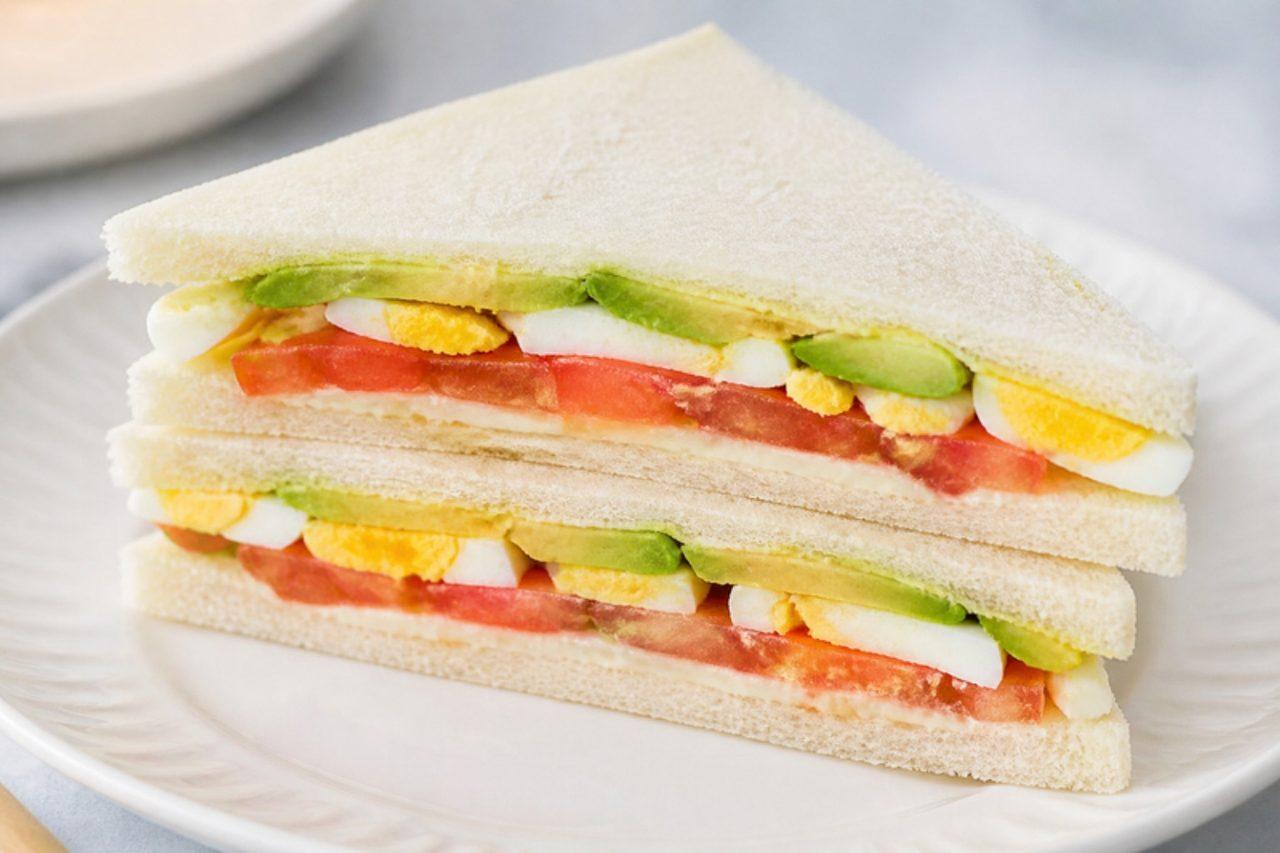
TripleAvocado, tomato and egg sandwich

The triple is the soft, layered sandwich of Lima's cafés and bakeries, eaten at lonche, the Peruvian late-afternoon meal, or as a light supper: three slices of crustless white bread layered with avocado, tomato and sliced hard-boiled egg, all held together with mayonnaise. It looks neat, tastes fresh and is loved by children. Shop-bought mayonnaise is made with pasteurised egg, so it is safe for everyone. The common mistake is letting wet tomato touch the bread, which turns it soggy within minutes. Chef's tip: pat the tomato dry and sit it between the avocado and egg, then press the sandwich under a board for a minute before cutting.

by KrazyBadal 0 views

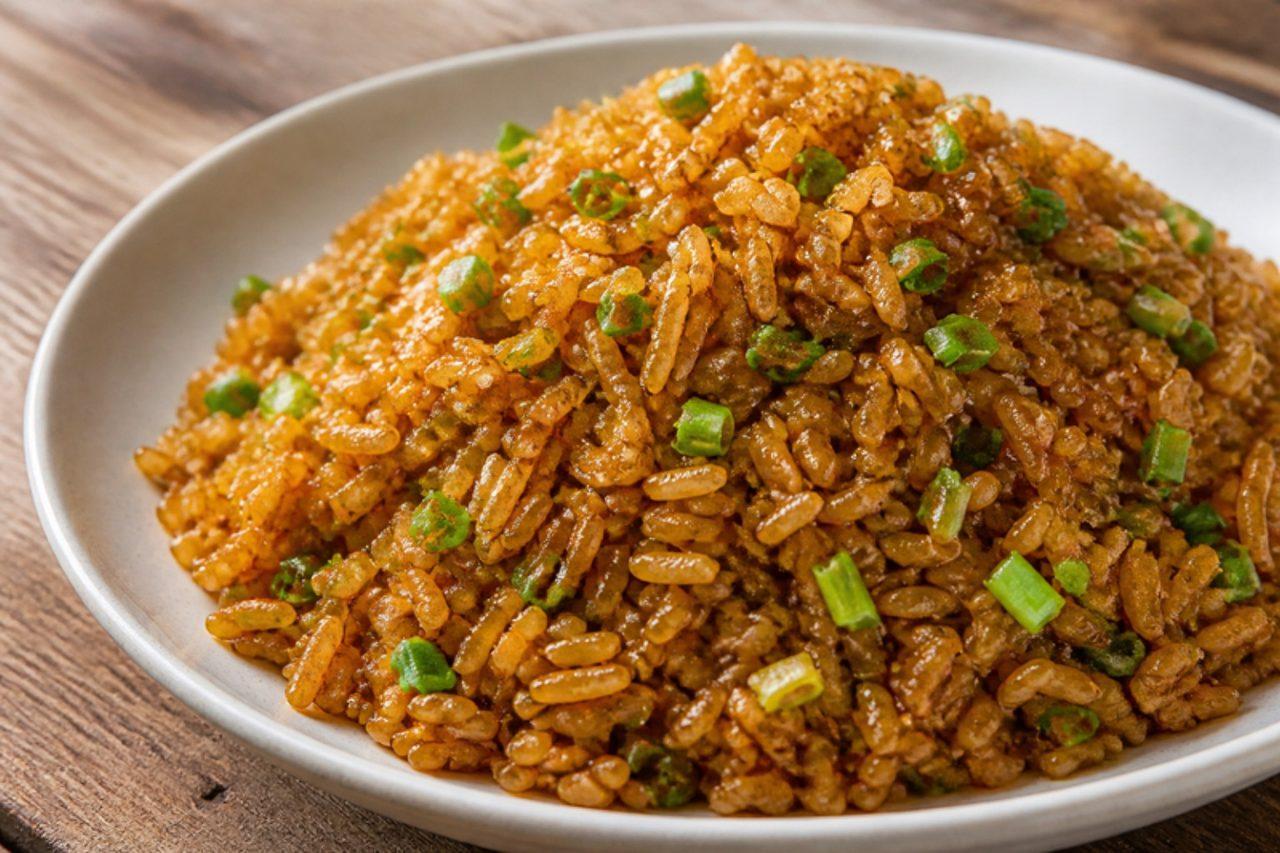
Jiangyou chaofanSoy sauce fried rice

Jiangyou chaofan, soy sauce fried rice, is what Shanghai home cooks do with yesterday's rice on a busy weeknight: rice tossed in a hot wok with light and dark soy and a fistful of spring onion until every grain is evenly bronze and slightly smoky. Many families stir in a beaten egg; this vegan version leaves it out, but you can add one before the rice if you eat eggs. The common mistake is pouring soy straight onto the rice in the middle of the wok, which leaves dark patches and pale grains; drizzle it round the hot edge instead. Chef's tip: break up cold rice with damp hands before it goes in, so it fries grain by grain instead of steaming in clumps.

by KrazyBadal 0 views

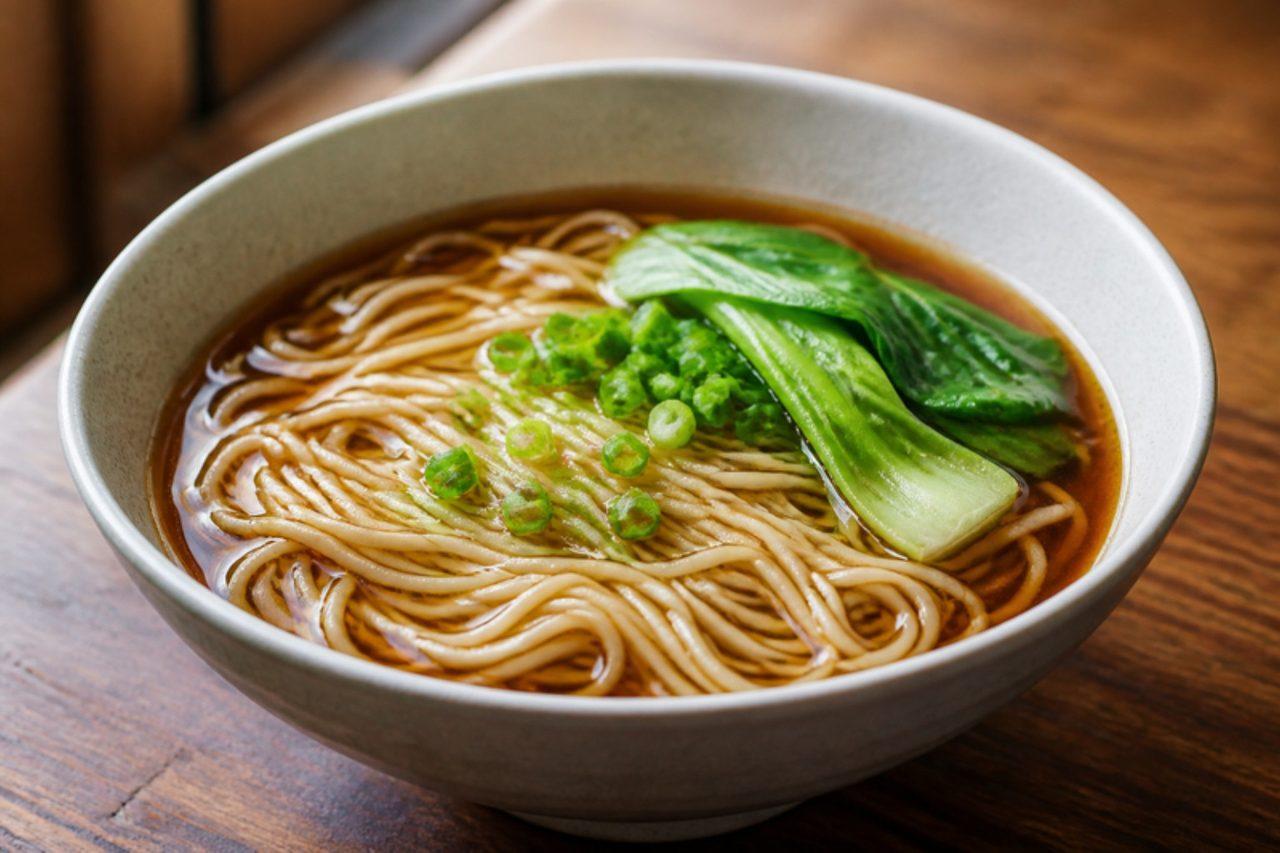
Yangchun mianNoodles with spring onion oil

Yangchun mian is the bare-bones noodle bowl of Shanghai and the towns of Jiangsu, slurped late at night or as a cheap supper when nothing else is in the house: thin wheat noodles in a clear, soy-seasoned broth, glossed with spring onion oil and a few greens. Street stalls traditionally melt a spoon of lard into the bowl; this version uses a quickly made spring onion oil and vegetable stock so it stays vegetarian. The common mistake is cooking the noodles in the broth itself, which turns it cloudy and starchy; boil them separately in plenty of water. Chef's tip: put the soy and oil in the empty bowl first and pour the boiling stock onto them, so the soy blooms and the bowl smells like a Shanghai noodle shop.

by KrazyBadal 0 views

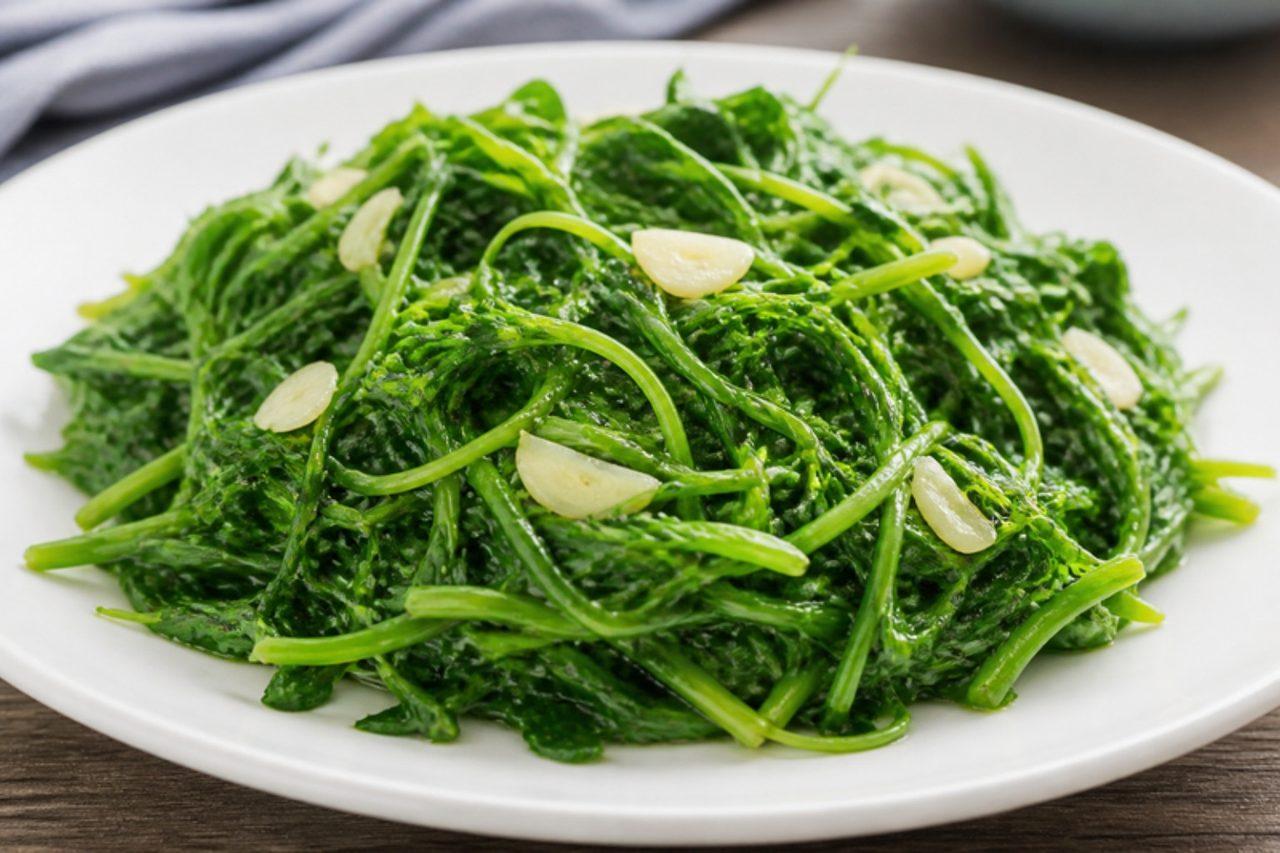
Qing chao dou miaoGarlic pea shoots

Dou miao, the tender tips of the pea plant, are a prized spring and winter green in Sichuan restaurants and Cantonese homes alike, and qing chao, plain stir-frying, is the way they are most often cooked for a quick dinner beside rice. The shoots collapse in under a minute and taste sweet, like fresh peas. Buy the larger cooking pea shoots from Chinese grocers, not the tiny salad cress. The common mistake is overcooking: once they turn dark and stringy they lose all their sweetness, so pull them off the heat while a few leaves still look raw. Chef's tip: add a splash of water with the salt; the steam finishes the stems evenly without the leaves frying dry.

by KrazyBadal 0 views

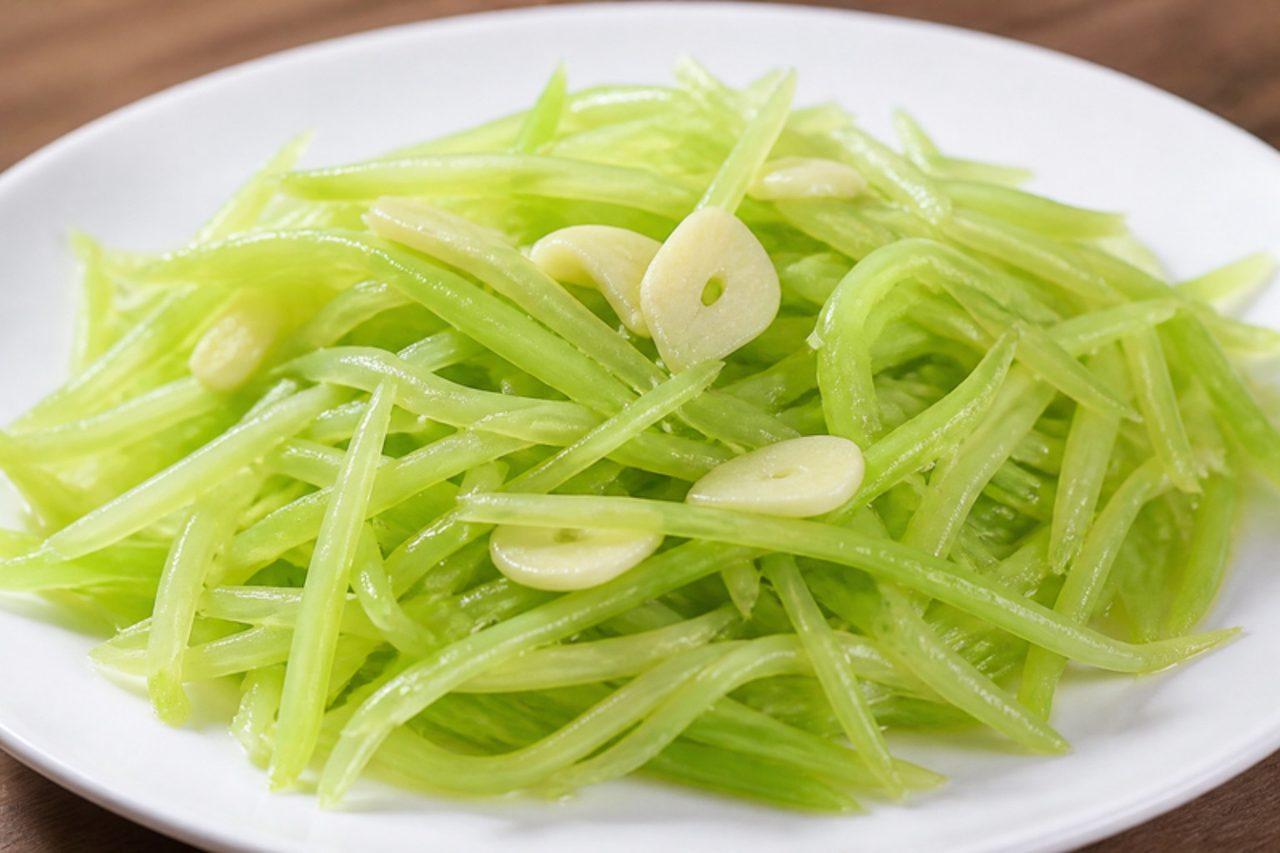
Qing chao wosunStir-fried celtuce

Wosun, celtuce or stem lettuce, is a fat, pale-green stalk loved across Sichuan and Chongqing, where it is slivered and flash-fried for weeknight dinners and spring banquets alike. It tastes somewhere between cucumber, courgette and mild celery, with a satisfying crunch that survives the wok. Look for it in Chinese groceries in spring; the leaves can be cooked like lettuce. The common mistake is peeling too thinly: the outer layer is fibrous, so peel until you reach the translucent jade-green core. Chef's tip: salt the slivers for five minutes and squeeze them lightly before cooking, so they stay snappy and season right through.

by KrazyBadal 0 views

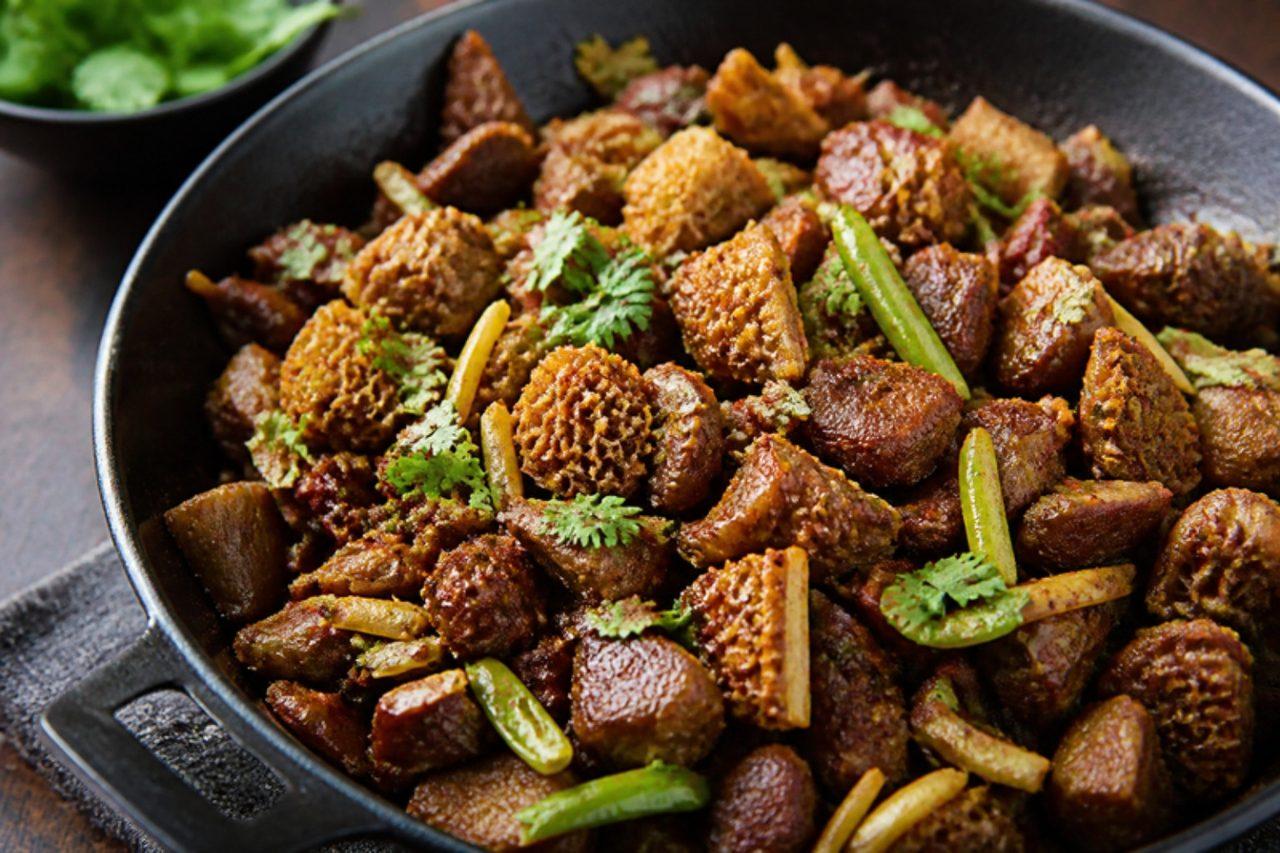
BhuttanFried goat tripe and offal

In Nepal, Dashain is the longest and most important festival of the year, and the meat dishes made in its days of family feasting use every part of the goat; bhuttan, made from the tripe, intestines and liver, is the snack that comes out first with a glass of something and a plate of beaten rice. This recipe uses offal bought ready cleaned from a butcher: the tripe and intestines are boiled until tender, then fried hard in mustard oil with fenugreek seeds, onion, garlic, ginger, cumin, coriander and chilli until browned and crisp at the edges, with the liver added only at the end. Common mistake: frying the tripe before it is tender, which makes it rubbery; boil it until a fork goes in easily, and cook the whole dish until the pieces are browned and the masala clings with the oil separating, at least 71 °C in the centre and the liver with no pink. Keep raw offal chilled and use within a day. Chef's tip: a pinch of crushed timur (Sichuan-style Nepali pepper) at the end gives the tingle Nepali cooks love.

80 minNepaliMeatGluten freeSpicy
by KrazyBadal 0 views

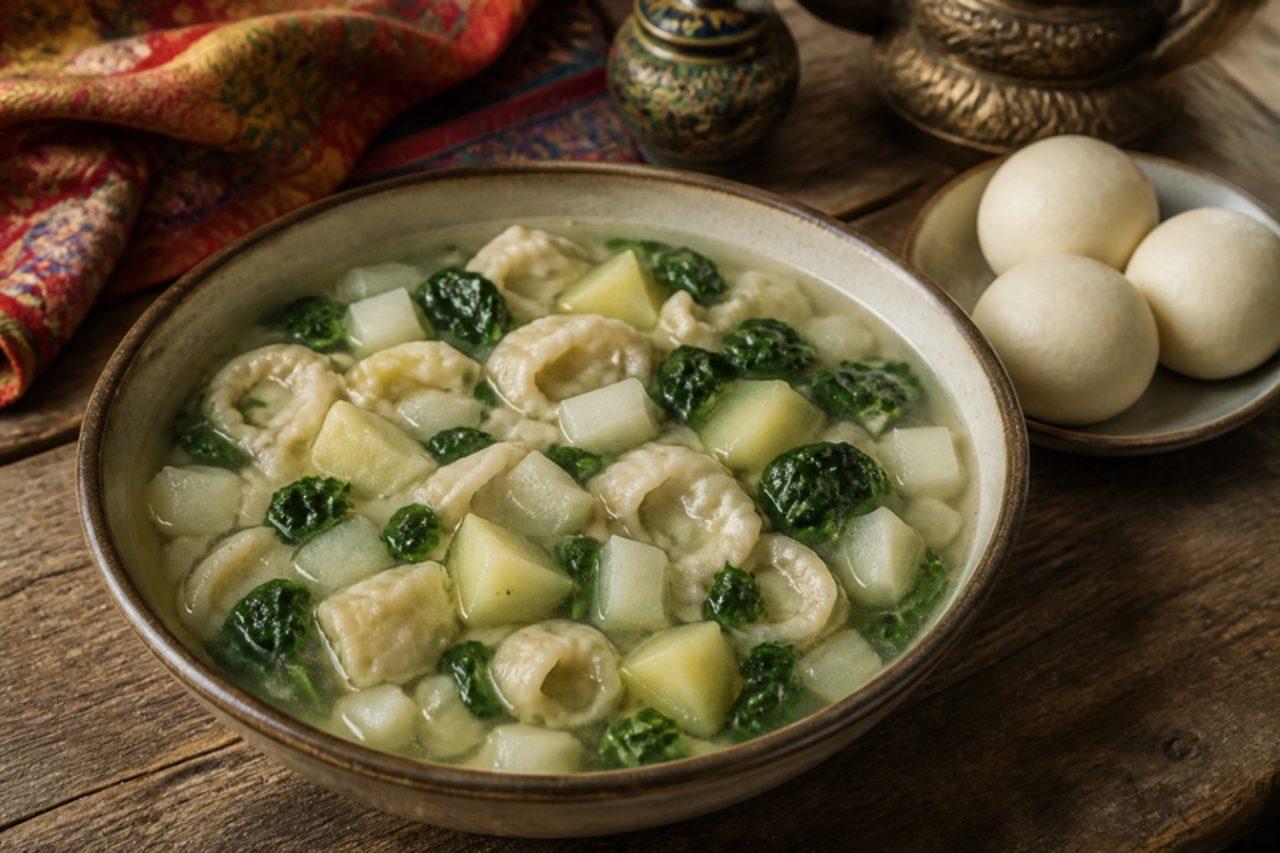
GuthukNine-ingredient noodle soup

Two nights before Losar, Sherpa and Tibetan families in the Himalaya and Kathmandu sit down to guthuk, a thick soup made with nine ingredients to clear away the old year's bad luck. Mixed among the little hand-pinched dough pieces are larger balls, each hiding a token: a chilli for a sharp tongue, salt for an easy-going nature, a peppercorn, a scrap of paper or white wool for a kind heart, and everyone laughs at what they find. A little soup is left in each bowl and carried out of the house with a dough figure to take misfortune away. This vegan version is gingery, peppery and hearty, with radish, greens, beans and rice. The common mistake is adding the dough pieces too early so they swell and go slimy; drop them in near the end and cook just until they float and turn glossy. Chef's tip: warn everyone about the tokens before they eat, use only large, unmistakable ones, and leave them out for small children.

by KrazyBadal 0 views

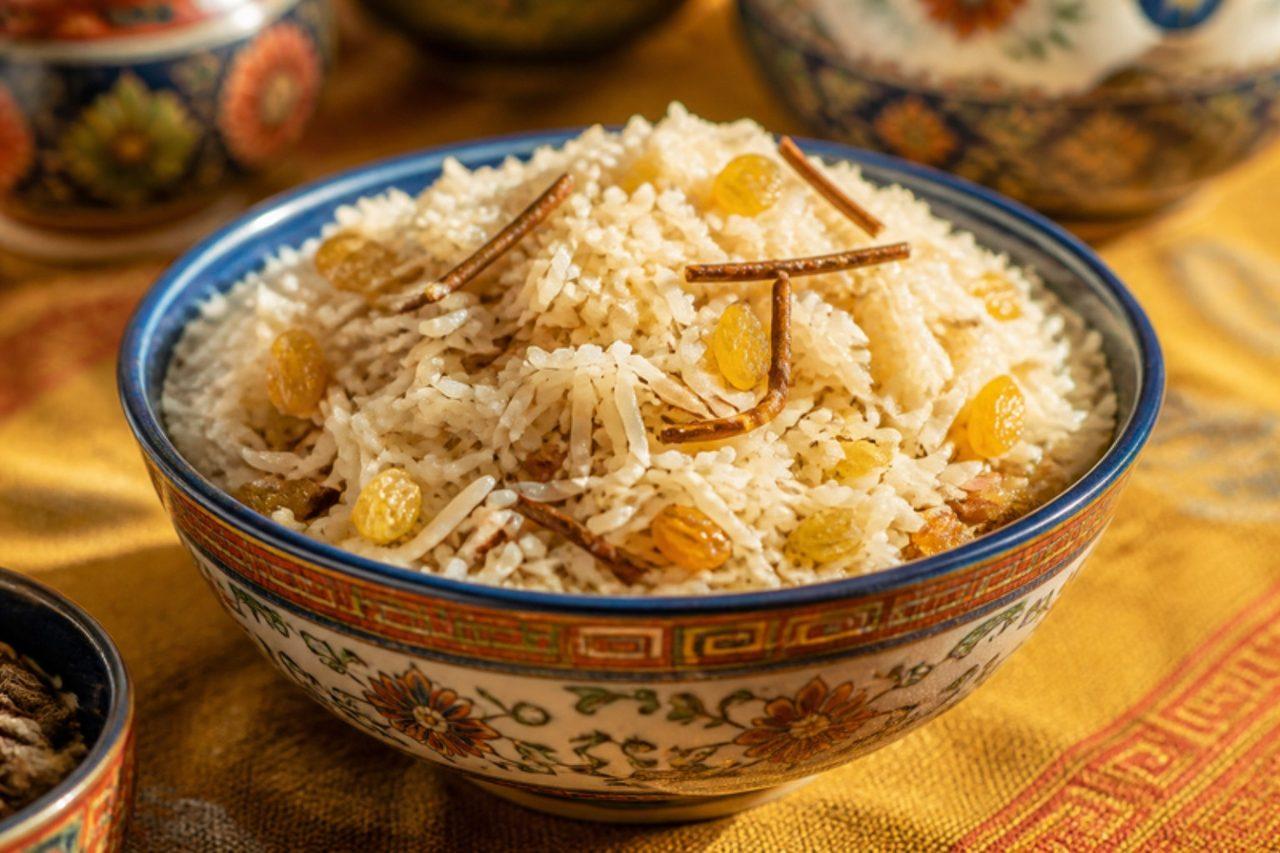
DresilSweet rice with butter and raisins

On the first morning of Losar, Tibetan and Sherpa households in the Himalaya and in Kathmandu greet the year with a bowl of dresil: rice tossed with melted butter, sugar, raisins and droma, the small sweet roots of a wild silverweed gathered on the high pastures. It is eaten with butter tea before visits begin, and a little is offered at the family shrine first. The rice is fluffy and glossy, gently sweet and buttery, with chewy bursts of fruit. The common mistake is cooking the sugar in with the rice, which makes it sticky and likely to catch; cook the rice plain, then fold everything in. It is ready when every grain is coated and separate and the raisins have plumped. Chef's tip: droma is hard to find outside Tibetan shops; chopped dried dates and a few toasted cashews give a similar sweet, earthy chew.

by KrazyBadal 0 views

Dowina (Kurdish yogurt soup)

Dowina, called ash-e doogh in Persian, is warming spring food in Kurdish homes around Newroz, when yogurt is plentiful and the first herbs are cut from the garden. Rice and chickpeas simmer in a tangy, lightly thickened yogurt broth, finished with fresh dill, coriander and a sizzle of dried mint in oil. It is eaten warm, never boiling hot, with flatbread. The common mistake is to heat the yogurt too fast without stirring, which makes it split into grainy curds. Chef's tip: whisk an egg yolk and a spoonful of rice flour into the yogurt before it goes on the heat; it holds the soup smooth all the way to the simmer.

by KrazyBadal 0 views

Pajagua mascadaBeef and cassava patties

Pajagua mascada is a Paraguayan street-food classic that appears on every table for the San Juan festival on 24 June, when bonfires burn and the night is full of games and traditional food. Minced beef is mixed with mashed cassava, onion, garlic and a little egg and flour, shaped into flat patties and fried until crisp. The name comes from Guaraní and refers to the 'chewing' of old Paraguayan cooks, who made it from leftover meat. Chef's tip: dry the boiled cassava well and remove its woody core, which keeps the patties light and crunchy.

by KrazyBadal 0 views

AllerheiligenstriezelBraided sweet loaf

In Bavaria and Austria, godparents give their godchildren an Allerheiligenstriezel on All Saints' Day, 1 November: a large braided loaf of sweet yeast dough, brushed with egg and scattered with almonds or pearl sugar. The braid is said to recall the old custom of cutting a plait of hair in mourning, and the size of the loaf once showed how generous the godparent was. It is lightly sweet, with lemon and vanilla, and is eaten sliced with butter or jam. Some recipes add rum-soaked raisins; these are soaked in warm water instead. Chef's tip: braid four strands for an impressive, high loaf.

by KrazyBadal 0 views

Sopa teólogaTurkey broth with bread and cheese

Sopa teóloga ('the theologian's soup') goes back to colonial convents in Lima and Arequipa, where it was cooked for feast days, and it is still served at Holy Week and family celebrations. A rich turkey (or chicken) broth is thickened with soaked bread, milk and fresh cheese, with yellow potatoes and shreds of turkey, and finished with a little ají amarillo and chopped huacatay or parsley. It is thick, comforting and filling. Chef's tip: blend part of the soaked bread with broth before adding it, which gives the soup its creamy body without lumps.

by KrazyBadal 0 views

Chipa so'oCheese bread with spiced beef

In Paraguay, families bake chipa in the clay tatakua ovens on Holy Wednesday so there is food for Thursday and Good Friday, when cooking stops. Chipa so'o ('chipa with meat') is a cassava-starch and cheese bread wrapped around a little filling of minced beef cooked with onion and egg, then baked until crisp outside and chewy within. It is naturally gluten free. Chef's tip: knead the dough until it no longer cracks at the edges when pressed; dry dough splits around the filling.

by KrazyBadal 0 views

Showing 24 of 652 recipes

Show more recipes

Page 1 of 28