Skip to content
WhatToEat.Today

All recipes

638

Vegetarian, or something you can't eat? Set your diet once and we'll hide recipes that don't fit.

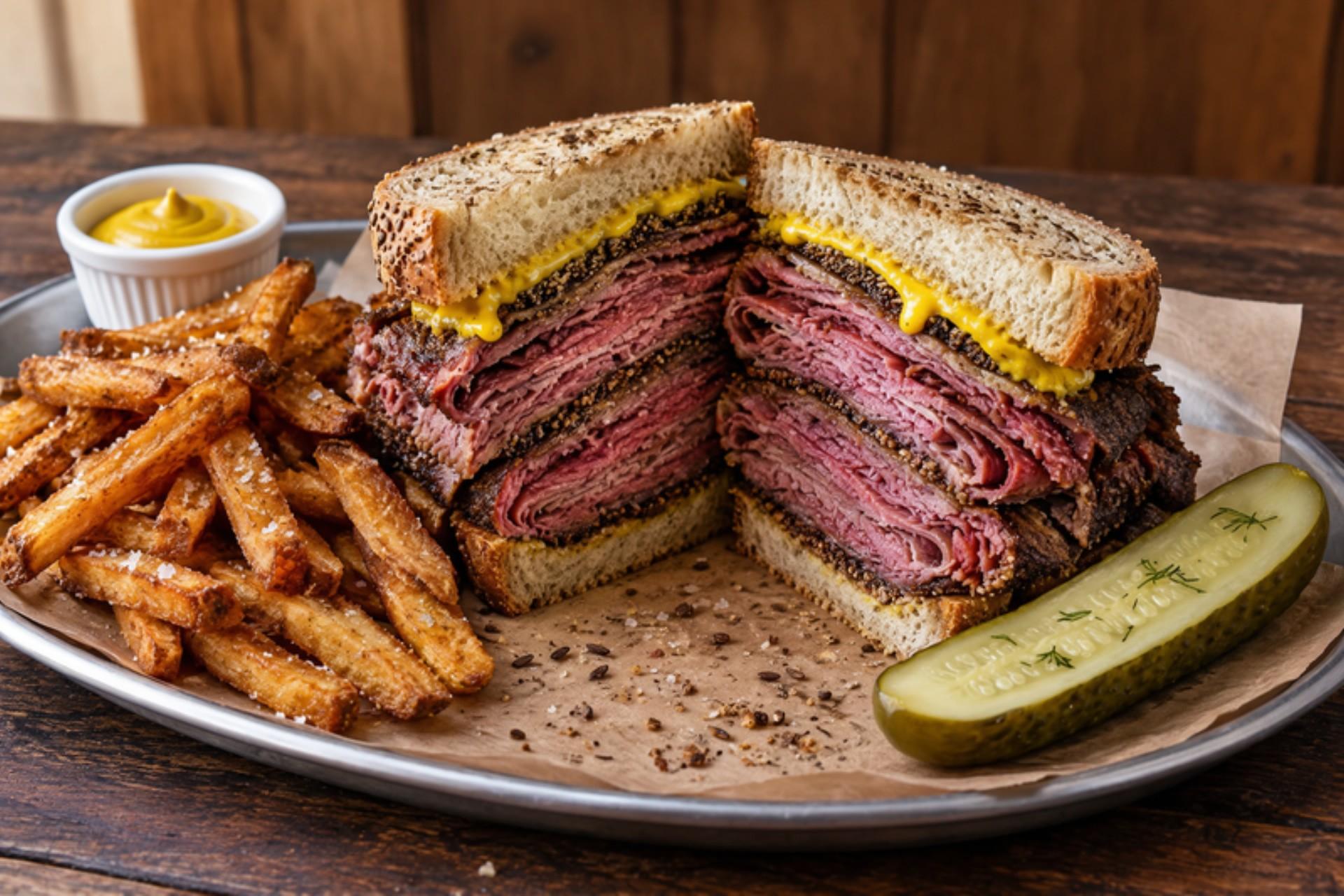
Montreal smoked meat sandwich

Montreal smoked meat is the city's most famous deli food, served since the early 1900s at Jewish delicatessens along boulevard Saint-Laurent, and ordered for lunch or late at night 'medium' fat, piled on rye with yellow mustard, a sour pickle, fries and a cherry cola. Beef brisket is cured in the fridge with salt, curing salt and spices for a week, then smoked or slow-roasted and finally steamed until tender. There is no pork. Curing at home needs care: use exactly 2.5% salt and 0.25% curing salt No. 1 (6.25% sodium nitrite) by weight of meat, keep it in the fridge at 0–4 °C the whole time, and never guess the amounts. The pink colour comes from the cure, not undercooking; the brisket must reach at least 71 °C and is tender at about 93 °C. The common mistake is slicing with the grain, which makes it stringy: always cut across the grain, thinly, while hot. Chef's tip: steam the cooked brisket for an hour just before serving; that final steam is what makes it melt like real deli meat.

450 minCanadianMeat
by KrazyBadal 0 views

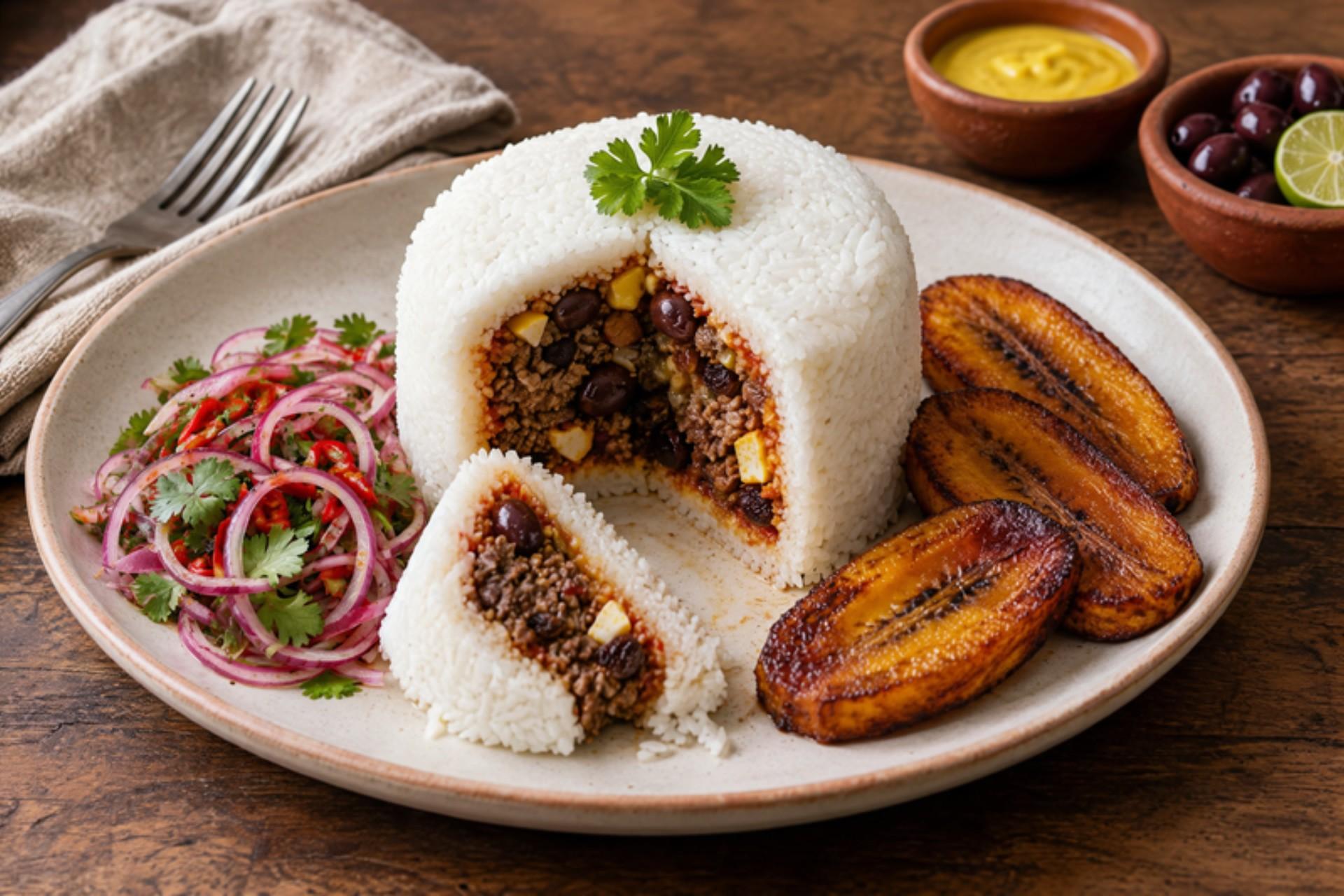
Arroz tapadoRice dome with beef filling

Arroz tapado means covered rice, and it is the thrifty weekday lunch of Lima homes and school canteens: garlic rice pressed into a bowl, filled with a sweet-savoury beef mince and turned out like a dome. The filling of minced beef with onion, ají panca, raisins, black olives and hard-boiled egg is the same picadillo that goes into papas rellenas. The usual mistake is leaving the filling wet: the dome collapses and the rice turns soggy. Simmer it until the pan is almost dry. Minced beef must reach 71 °C, so cook it until no pink remains. Serve with a spoonful of salsa criolla. Chef's tip: brush the bowl with a little oil and pack the rice firmly with the back of a spoon; a well-pressed dome holds its shape on the plate.

by KrazyBadal 0 views

Thunder Bay Persian rollsPink-iced cinnamon buns

Persians are the pride of Thunder Bay, Ontario, sold in local bakeries and eaten with coffee at breakfast or on a cold afternoon by the shore of Lake Superior; they are almost unknown outside the city. Despite the name, they have nothing to do with Iran: a soft, enriched cinnamon-swirled dough is shaped into oval buns, fried or baked until golden, then spread with a thick pink icing coloured with raspberries or strawberries. They are vegetarian and contain egg, milk and wheat. The common mistake is icing them warm: the glaze melts into a sticky film instead of setting thick and fudgy. Wait until they are completely cool. They are ready when golden all over and they sound hollow when tapped underneath. Chef's tip: use mashed fresh or thawed frozen raspberries for the icing rather than colouring; it gives the true pale-pink shade and a sharp, fruity tang against the sweetness.

by KrazyBadal 0 views

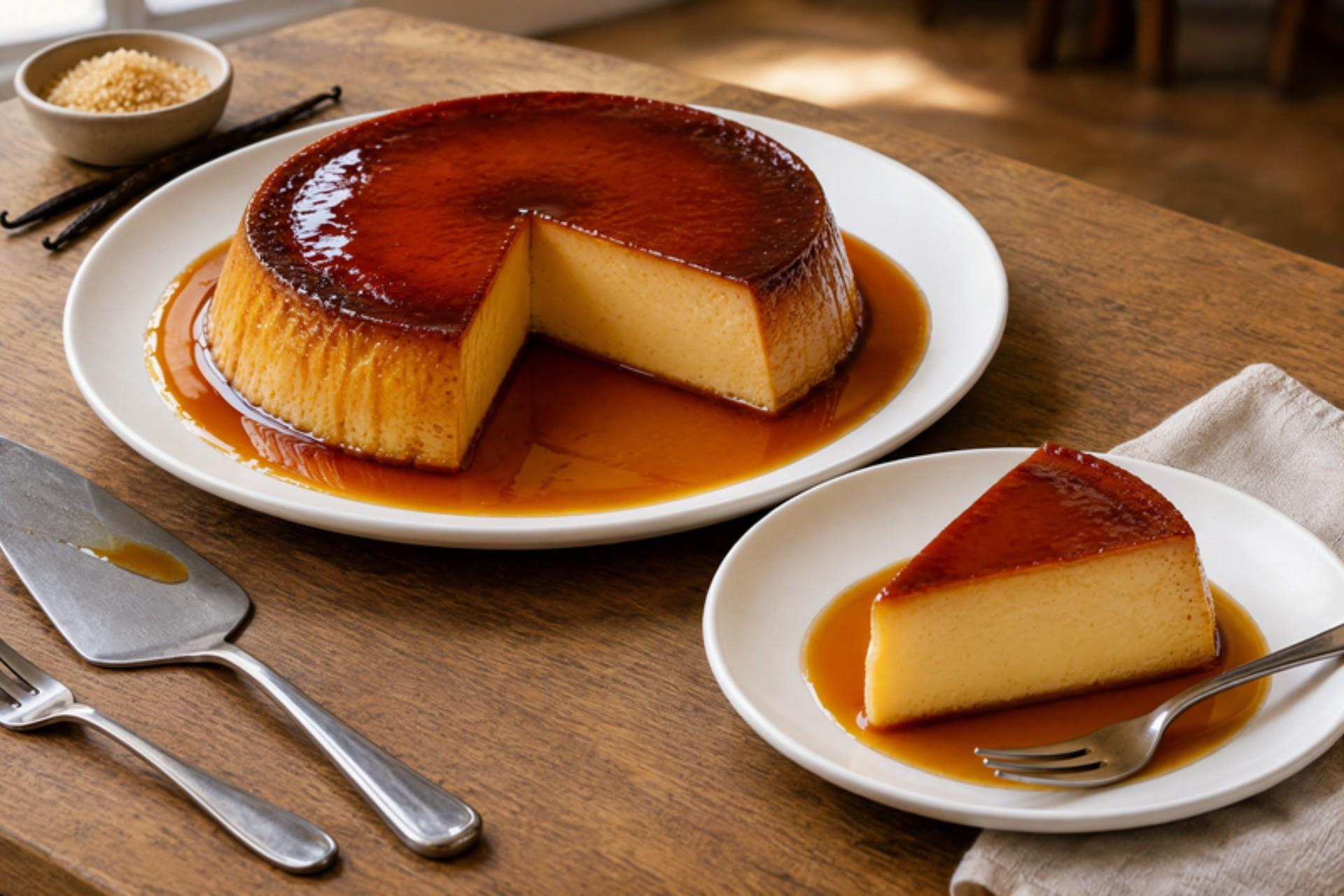
Crema volteadaBaked caramel custard

In Lima, crema volteada is the dessert that appears at Sunday lunch in Miraflores and Barranco homes and at every birthday where an aunt is in charge of the sweets. It is firmer and richer than a Spanish flan because it is made with both evaporated and condensed milk, so it slices cleanly and tastes of toffee. The usual mistake is baking it in an oven that is too hot: the custard boils, fills with tiny holes and weeps. Keep the water bath at a bare simmer and take it out while the centre still wobbles slightly. Chef's tip: chill it overnight before turning it out; a cold custard releases in one piece and the caramel has time to melt into a pourable sauce.

by KrazyBadal 0 views

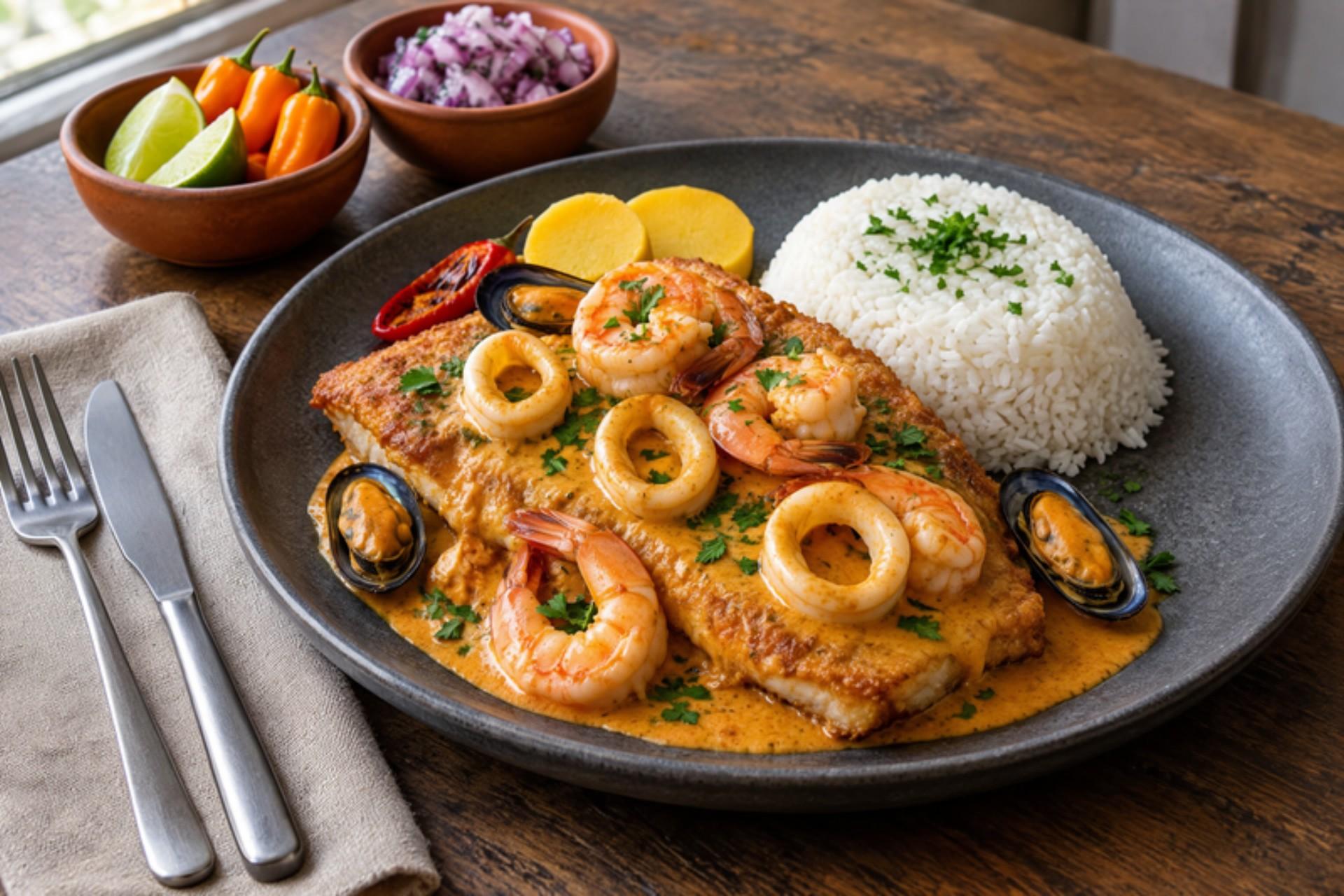
Pescado a lo machoFried fish in spicy seafood sauce

Pescado a lo macho is a classic of Lima's seafood restaurants, the dish people order for a long Sunday lunch near the sea in Chorrillos: a fillet of fried white fish smothered in a thick, spicy sauce of ají panca and ají amarillo packed with prawns, squid and mussels. The name boasts that you need to be brave for the chilli, but you can turn it down. The common mistake is overcooking the seafood while the sauce reduces; add it only when the sauce is already thick. Discard mussels that are open and do not close when tapped, and any that stay shut after cooking. Chef's tip: dust the fish in flour seasoned with cumin and fry it last, so it reaches the table crisp under the sauce.

by KrazyBadal 0 views

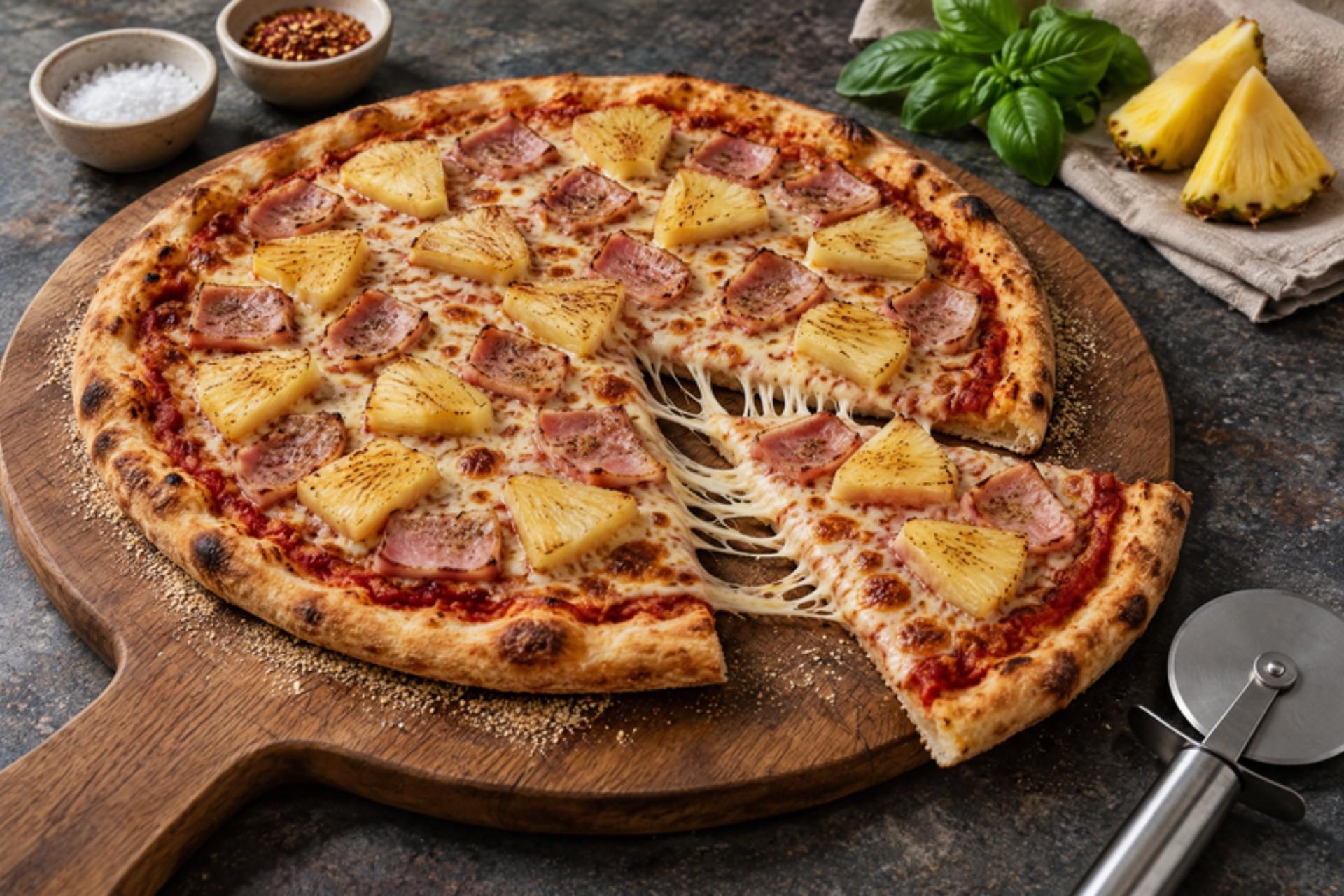
Hawaiian pizza

Hawaiian pizza is not from Hawaii at all: it was invented in 1962 at a restaurant in Chatham, Ontario, by a Greek-Canadian cook who tried tinned pineapple on a pizza, and it is still one of Canada's most ordered pizzas for Friday nights and parties. It contains pork: cooked ham with sweet, juicy pineapple chunks over tomato sauce and mozzarella on a chewy homemade crust. The common mistake is piling on wet pineapple straight from the tin: the juice floods the base and it bakes soggy. Drain the pineapple and pat it dry, and use a very hot oven. The pizza is ready when the crust is browned and crisp underneath and the cheese is bubbling with golden patches. Chef's tip: roast the drained pineapple pieces for 10 minutes before topping; they caramelise at the edges and stop releasing juice into the pizza.

by KrazyBadal 0 views

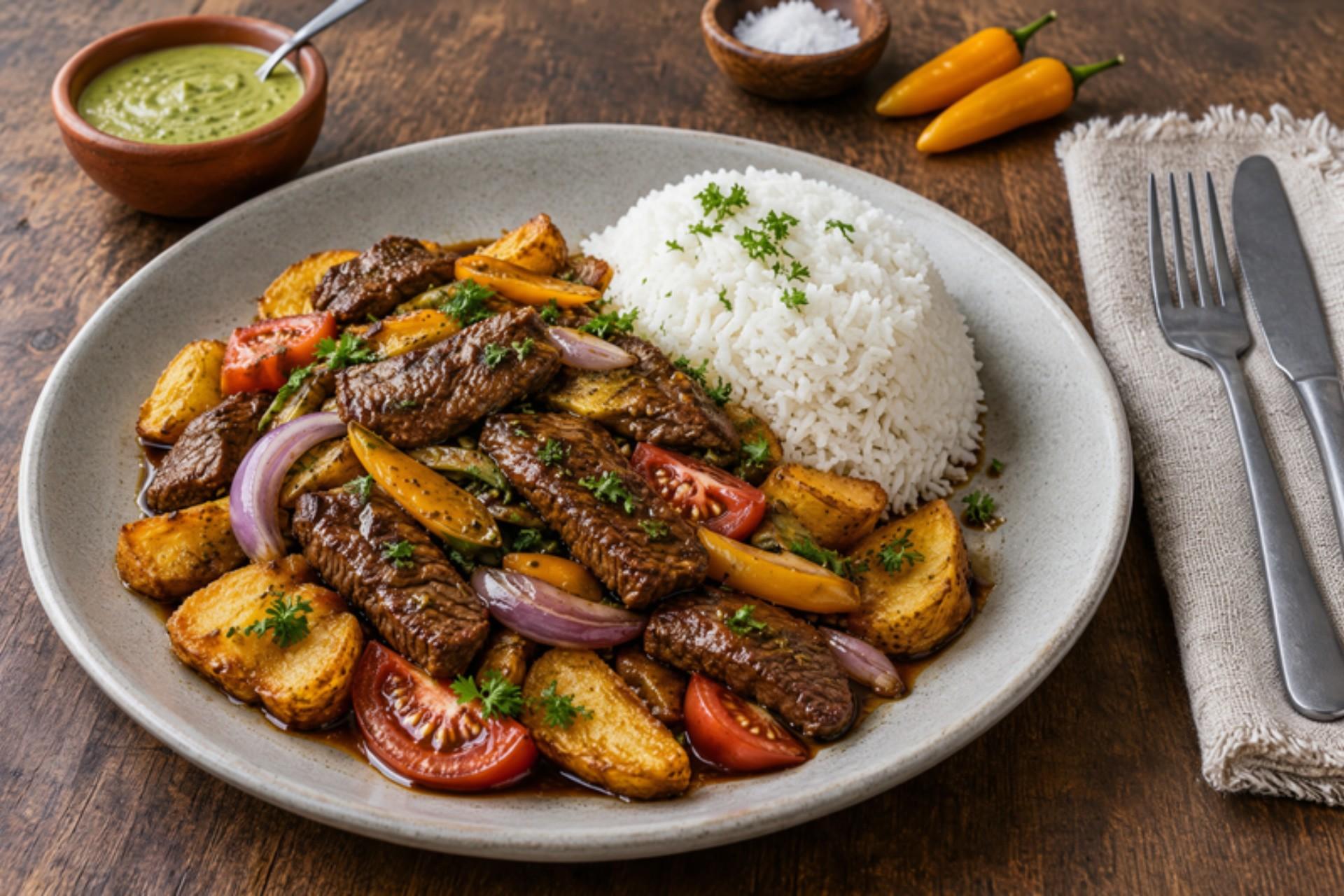
Lomo saltadoBeef stir-fry with chips

Lomo saltado was born in the chifas of central Lima, where Chinese cooks met Peruvian ingredients, and today it is the lunch every Peruvian family makes when they want something fast and a little indulgent. Strips of beef are seared in a smoking-hot wok with red onion, tomato and yellow chilli, splashed with soy sauce and vinegar, then tossed with chips and served beside white rice, so you get both starches on one plate. The common mistake is crowding the wok: the beef stews in its juices and turns grey and chewy instead of charring. Cook it in two batches over the highest heat you have. Chef's tip: add the chips at the very last second, or serve them on the side, so they soak up a little sauce but stay crisp.

by KrazyBadal 0 views

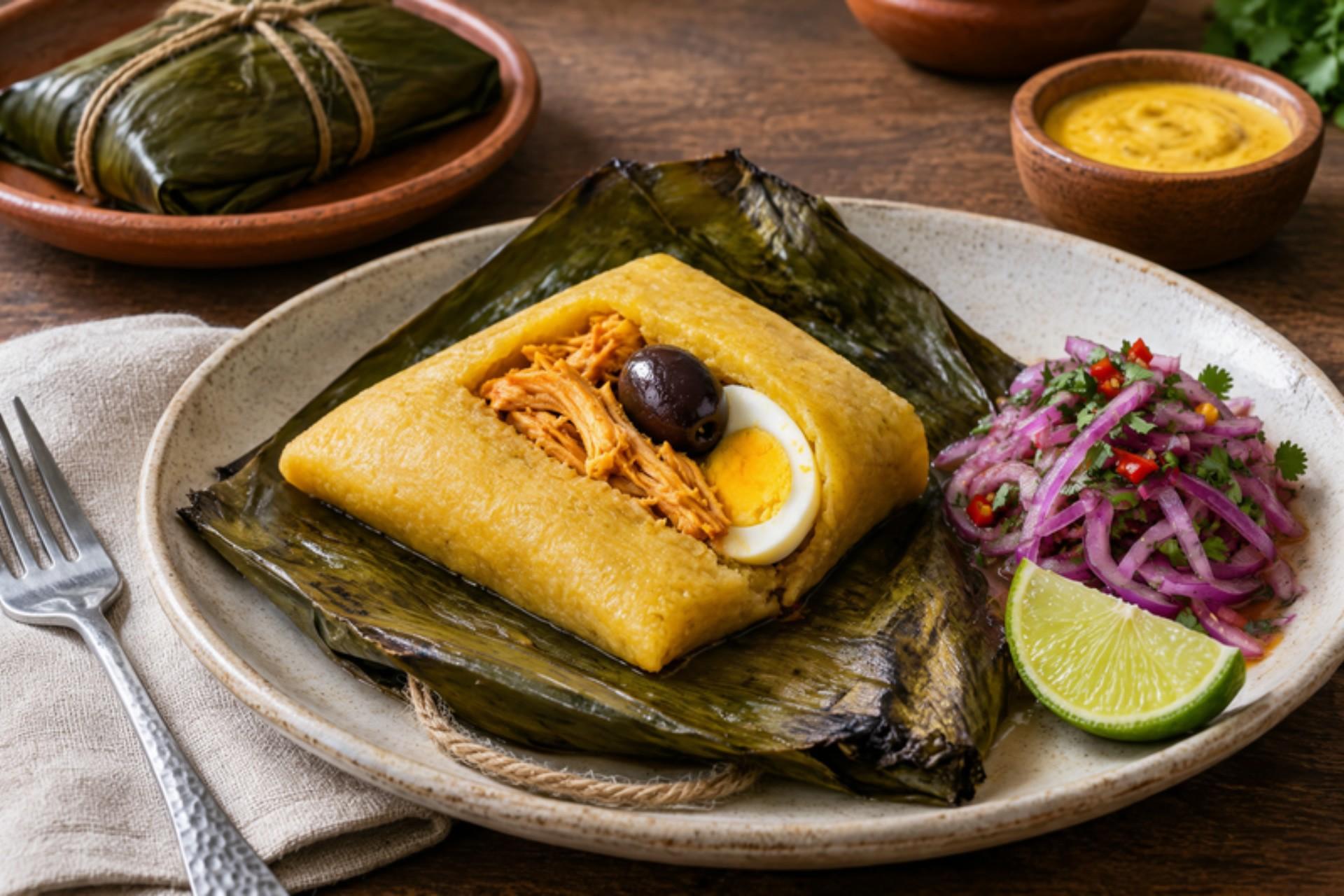
Tamales peruanosChicken corn tamales in banana leaf

In Lima, tamales are a Sunday breakfast, bought warm from street vendors calling 'tamaleeeeros' or made at home for Christmas, and eaten with crusty bread and a pile of salsa criolla. Peruvian tamales are larger and softer than Mexican ones, made from corn dough coloured with ají and wrapped in banana leaves, hiding chicken, a black olive, a slice of egg and a peanut. Peanuts are an allergen, so leave them out if needed. The usual mistake is a dry dough: the tamales turn crumbly. Beat in enough warm stock to make a soft paste that just holds its shape. The chicken must reach 74 °C before it goes in. Chef's tip: fat makes the dough tender; beat the oil and dough for a full 5 minutes until light, as Lima cooks do with pork lard.

by KrazyBadal 0 views

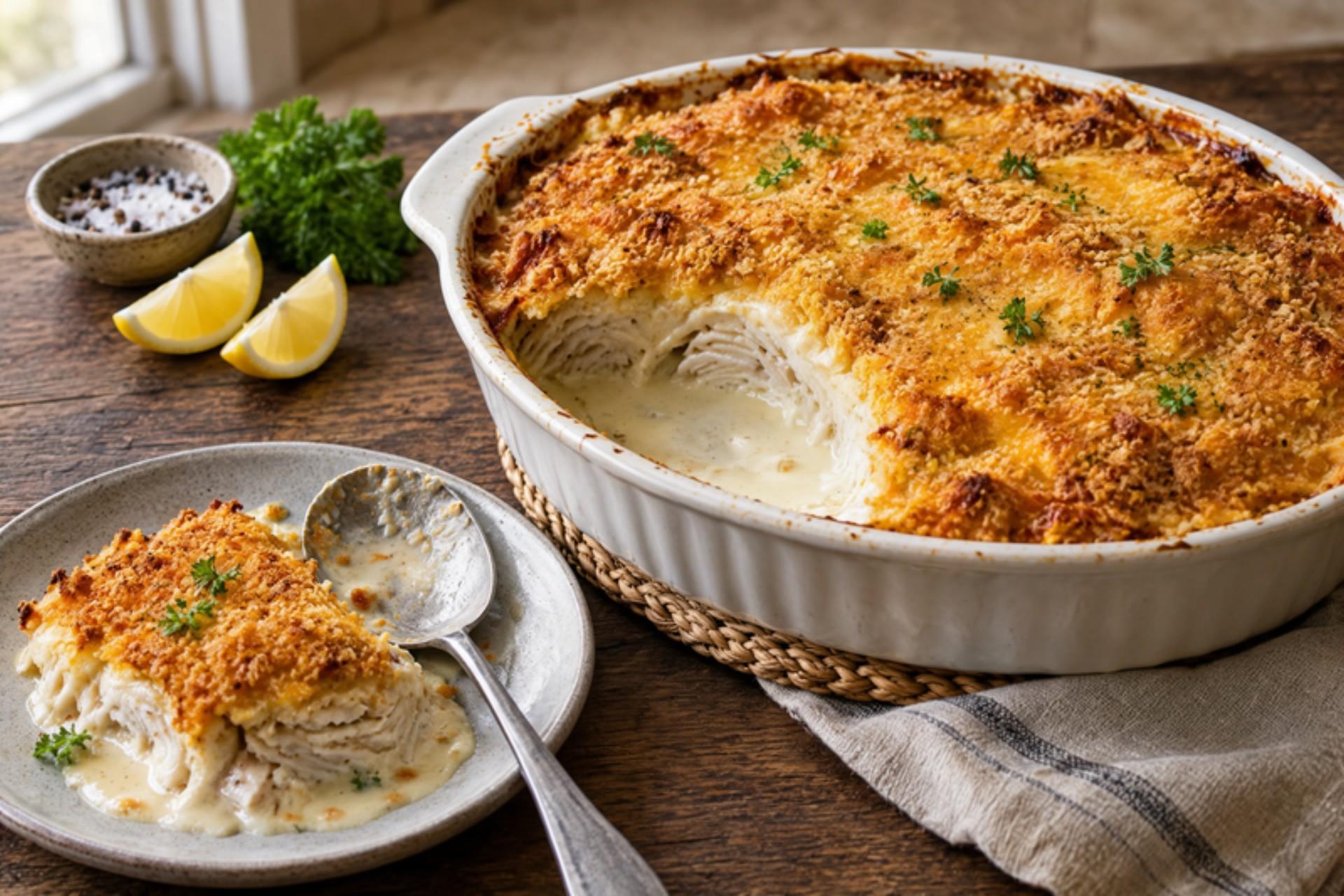
Newfoundland cod au gratin

Cod au gratin is a Newfoundland and Labrador staple, made in St. John's kitchens and outport homes for Sunday dinner, church suppers and Christmas time, when cod has been the island's lifeline for centuries. Pieces of fresh cod are layered in a buttery dish, covered in a creamy white sauce and blanketed with sharp cheddar and buttery breadcrumbs, then baked until bubbling and golden. The usual mistake is pre-cooking the cod: it overcooks into dry crumbs in the oven. Lay it in raw; it is done when it is opaque all the way through and flakes easily under a fork. Serve with mashed potatoes, peas or a green salad. Chef's tip: warm the milk before whisking it into the roux; the sauce comes together smooth in seconds, with no lumps.

by KrazyBadal 0 views

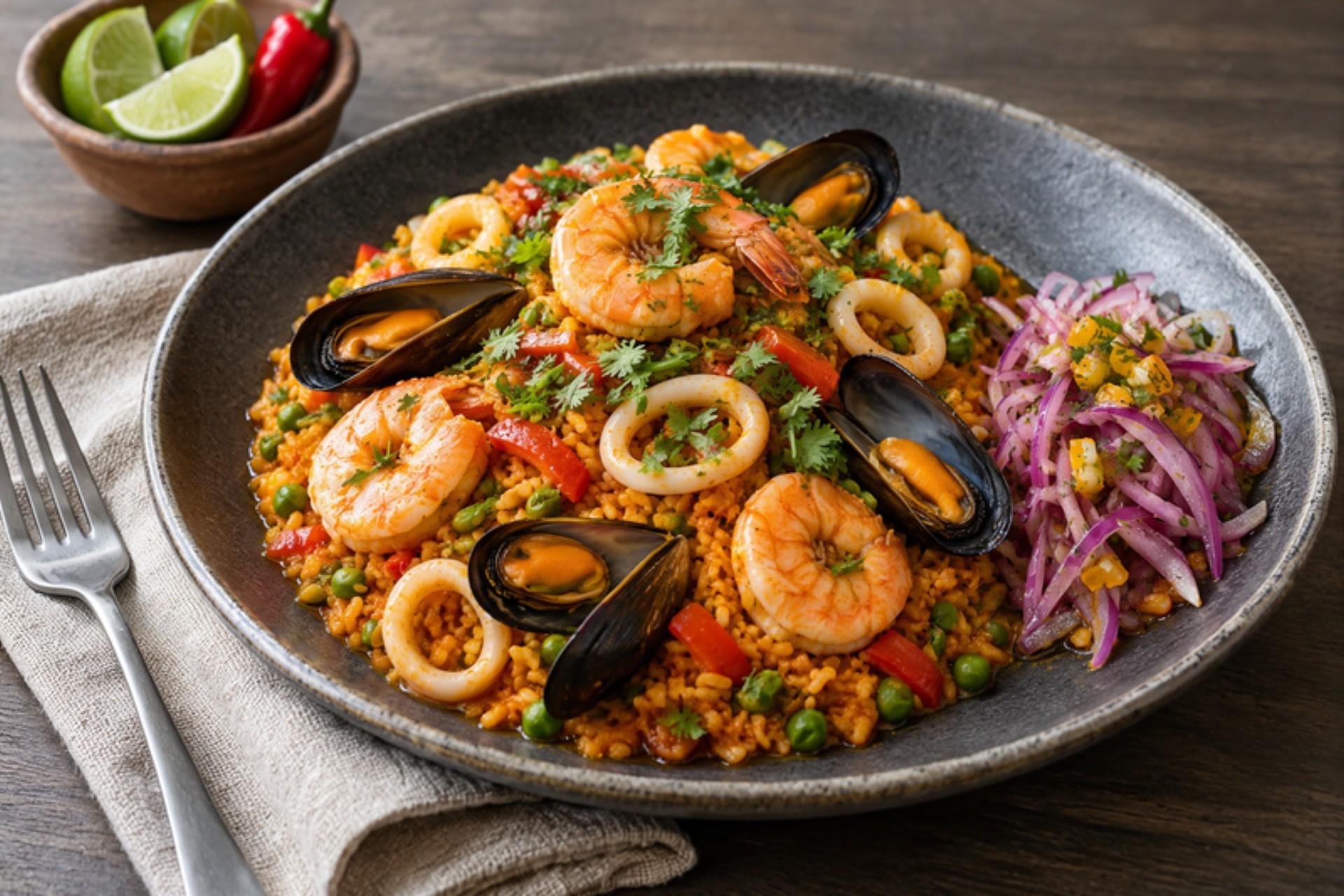
Arroz con mariscosSeafood rice

Arroz con mariscos is the weekend dish of Callao and the beach towns south of Lima, served in cevicherías as the hot partner to a cold ceviche. It is moister than a paella, closer to a risotto, coloured with ají panca and ají amarillo and finished with peas and a little Parmesan-style cheese, as many Lima cooks do. The common mistake is adding all the seafood at the start: the squid turns rubbery and the prawns shrink to nothing. Cook the rice first and add the shellfish only for the final minutes. Discard any mussels that are open before cooking and do not close when tapped, and any that stay shut after cooking. The cheese is often made with animal rennet; use a vegetarian hard cheese if you prefer. Chef's tip: simmer the prawn shells in the stock for 10 minutes; they give the rice its deep seafood taste.

by KrazyBadal 0 views

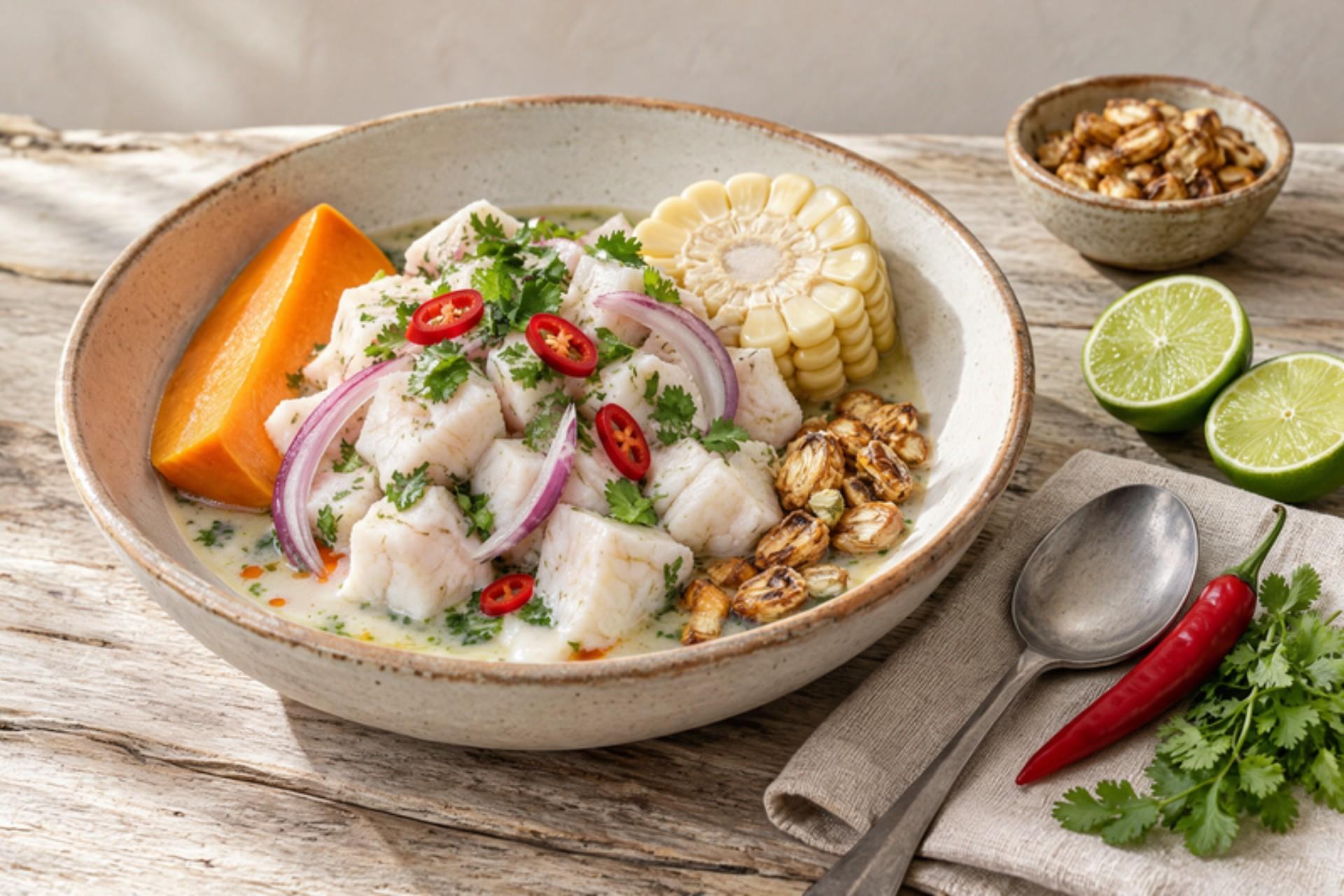
Ceviche peruanoLime-cured white fish

Ceviche is Peru's national dish, eaten at lunchtime in the cevicherías of Lima's Surquillo and Chorrillos markets, because the fish must be fresh off the morning boats and cevicherías traditionally close in the afternoon. The classic is raw white fish 'cooked' in lime juice with red onion, chilli and coriander, served with sweet potato and corn. Lime juice does not kill bacteria or parasites, so this version first poaches the fish for a minute until just opaque, then dresses it, which keeps the classic flavour and texture far safer. Even so, it is not for pregnant women, young children or anyone with a weakened immune system. The usual mistake is leaving the fish in the lime for an hour: it turns chalky and the juice goes bitter. Chef's tip: squeeze the limes gently by hand and stop before the pith; over-squeezed limes make bitter leche de tigre.

by KrazyBadal 0 views

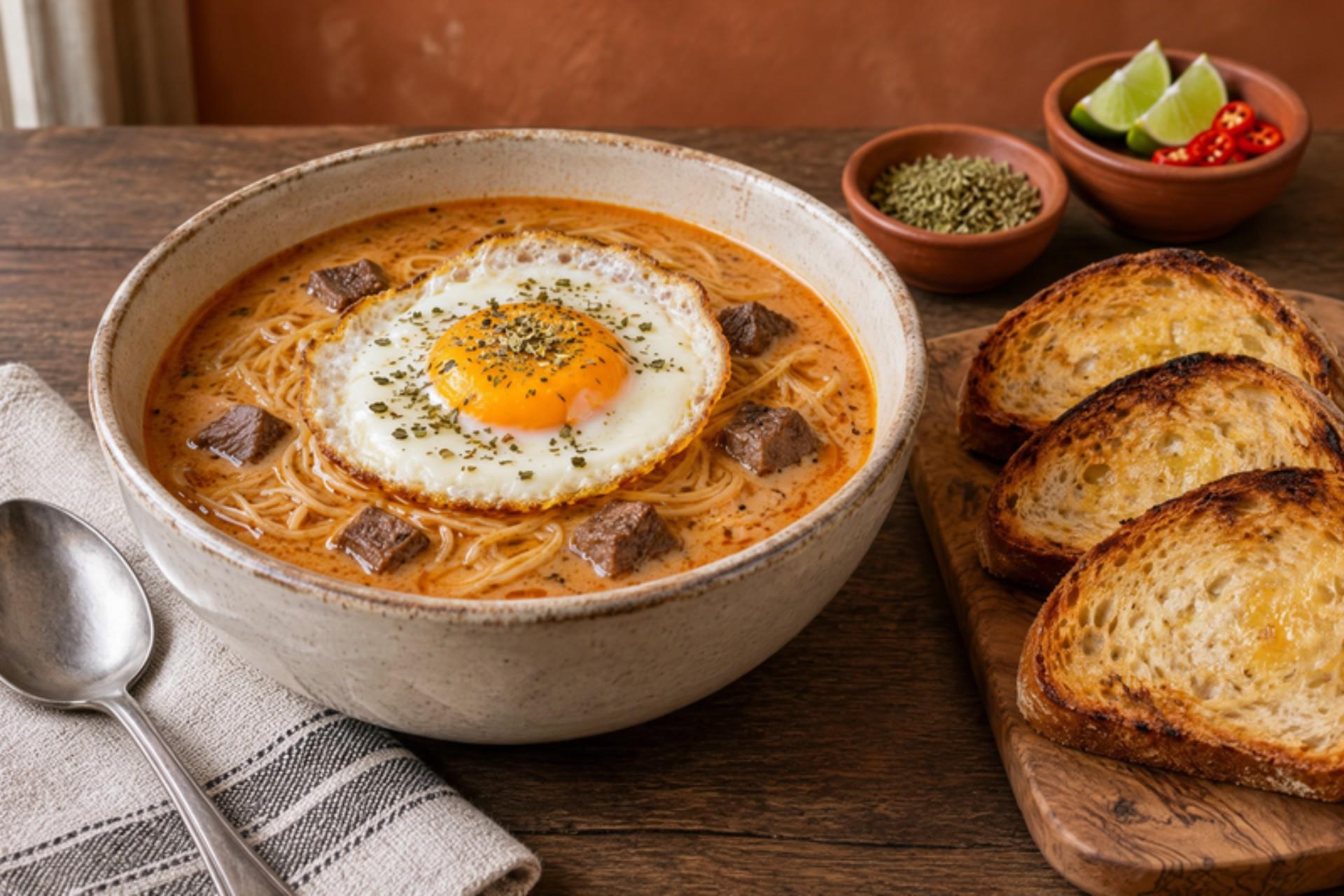
Sopa criollaCreamy beef noodle soup

Sopa criolla is the soup Lima turns to on grey winter evenings, when the garúa mist hangs over the city: a beef broth reddened with ají panca, full of thin noodles and strips of beef, enriched with evaporated milk and finished with a poached egg. It arrives with toasted bread for dunking. The common mistake is boiling the soup after adding the milk; it splits into specks. Lower the heat first and stir it in gently. The beef strips are thin, so they cook through in a few minutes. Chef's tip: crack the eggs straight into the barely simmering soup and leave them alone for three minutes; the whites set into soft ribbons that thicken the broth.

by KrazyBadal 0 views

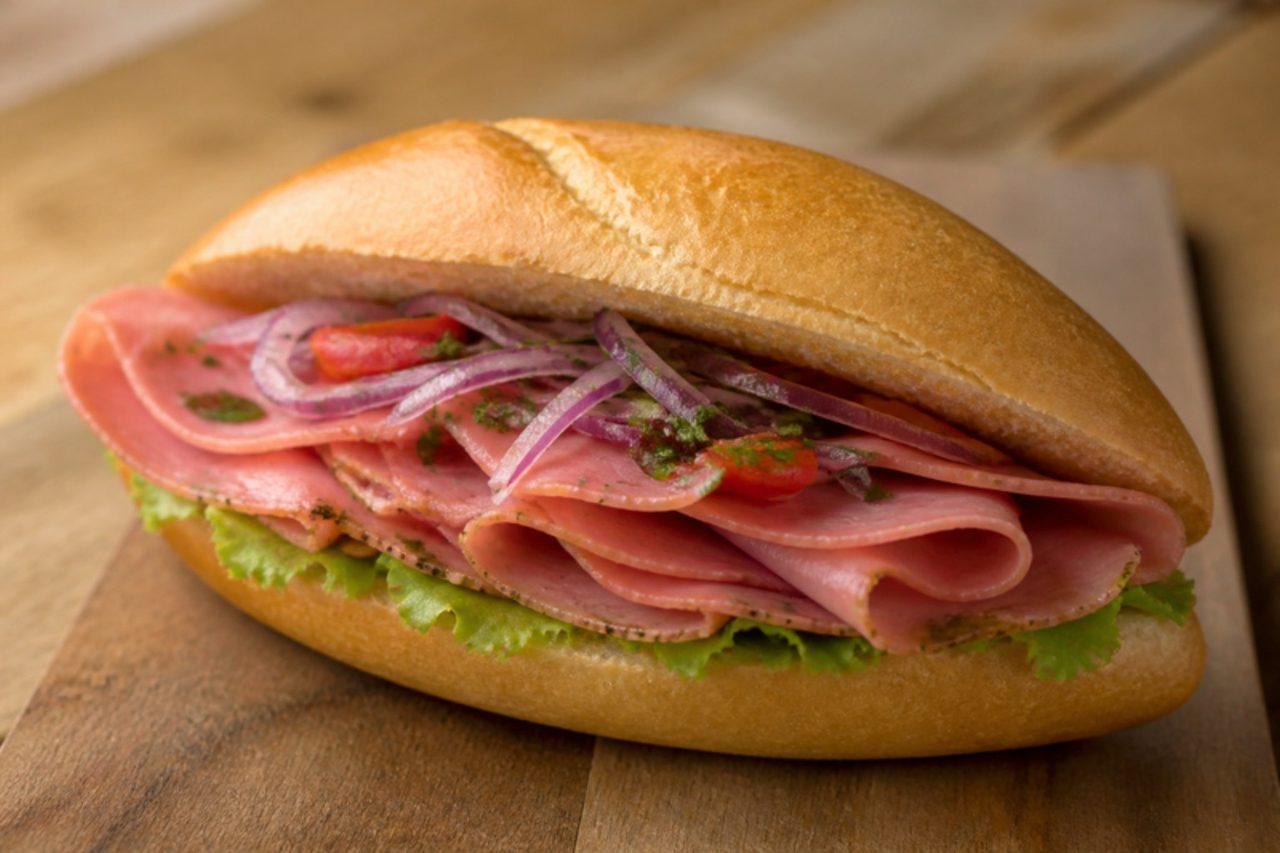
Pan con butifarraHam roll with onion salsa

Pan con butifarra is Lima's evening sandwich, sold in old-school sangucherías and made at home for a light dinner with coffee: a crusty roll filled with jamón del país, a spiced Peruvian pork ham, under a heap of salsa criolla, red onion sliced thin and soaked in lime with chilli. Outside Peru, use a good cooked pork ham. The common mistake is leaving the onion harsh; give it a quick rinse in salted water before dressing it. Chef's tip: a leaf of lettuce under the ham stops the lime juice soaking straight into the bread.

by KrazyBadal 0 views

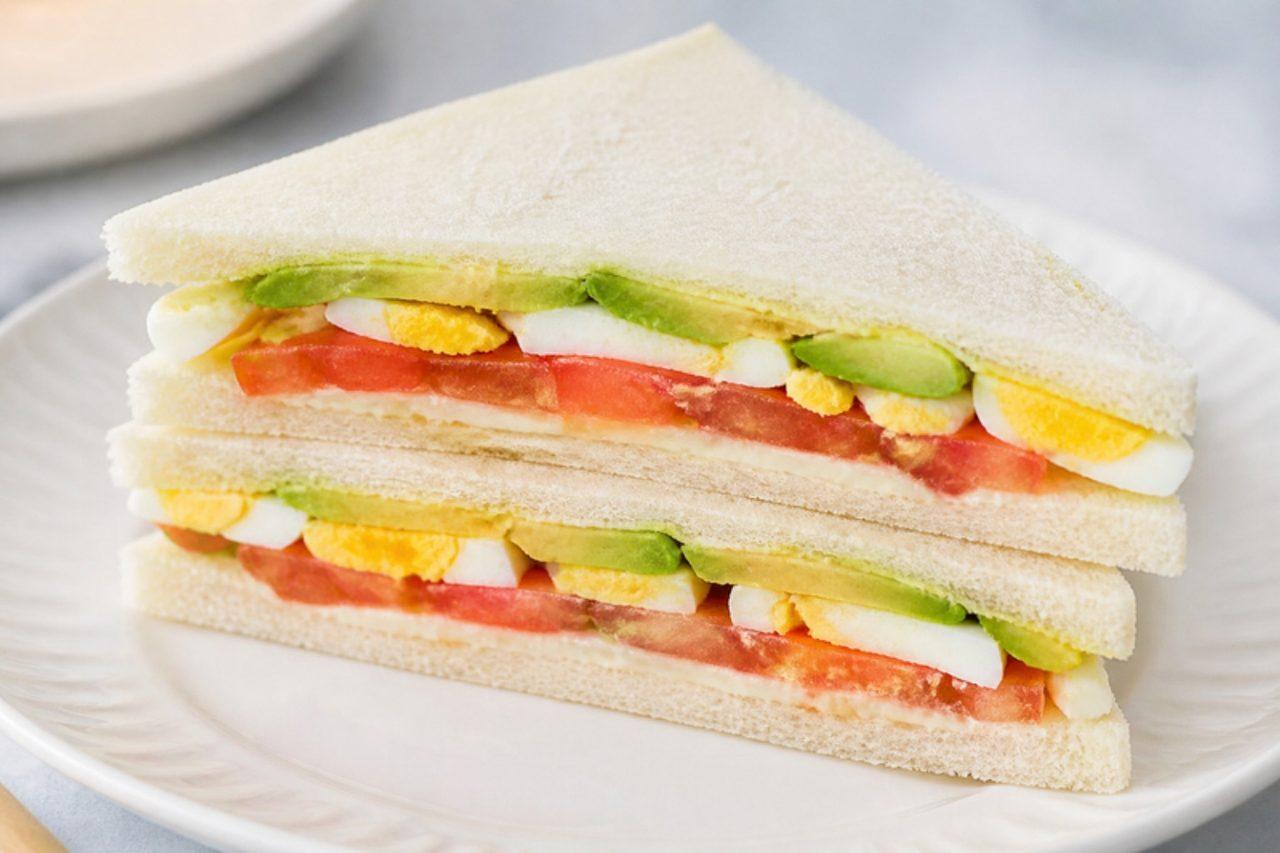
TripleAvocado, tomato and egg sandwich

The triple is the soft, layered sandwich of Lima's cafés and bakeries, eaten at lonche, the Peruvian late-afternoon meal, or as a light supper: three slices of crustless white bread layered with avocado, tomato and sliced hard-boiled egg, all held together with mayonnaise. It looks neat, tastes fresh and is loved by children. Shop-bought mayonnaise is made with pasteurised egg, so it is safe for everyone. The common mistake is letting wet tomato touch the bread, which turns it soggy within minutes. Chef's tip: pat the tomato dry and sit it between the avocado and egg, then press the sandwich under a board for a minute before cutting.

by KrazyBadal 0 views

Kluski lanePoured egg noodles in broth

Kluski lane, 'poured dumplings', are the soft little egg noodles Polish grandmothers from Kraków to Gdańsk make in minutes by pouring a thin batter into simmering broth. This vegetable-broth version is a light, soothing supper or a quick meal for children, and in some homes the same noodles go into hot sweet milk instead. The common mistake is a batter that is too thick; it drops in lumps and turns into heavy, doughy dumplings. It should run off a spoon in a slow ribbon. Chef's tip: pour the batter from a jug in a thin stream from a little height while you stir the broth, so it sets into long, wavy threads.

by KrazyBadal 2 views

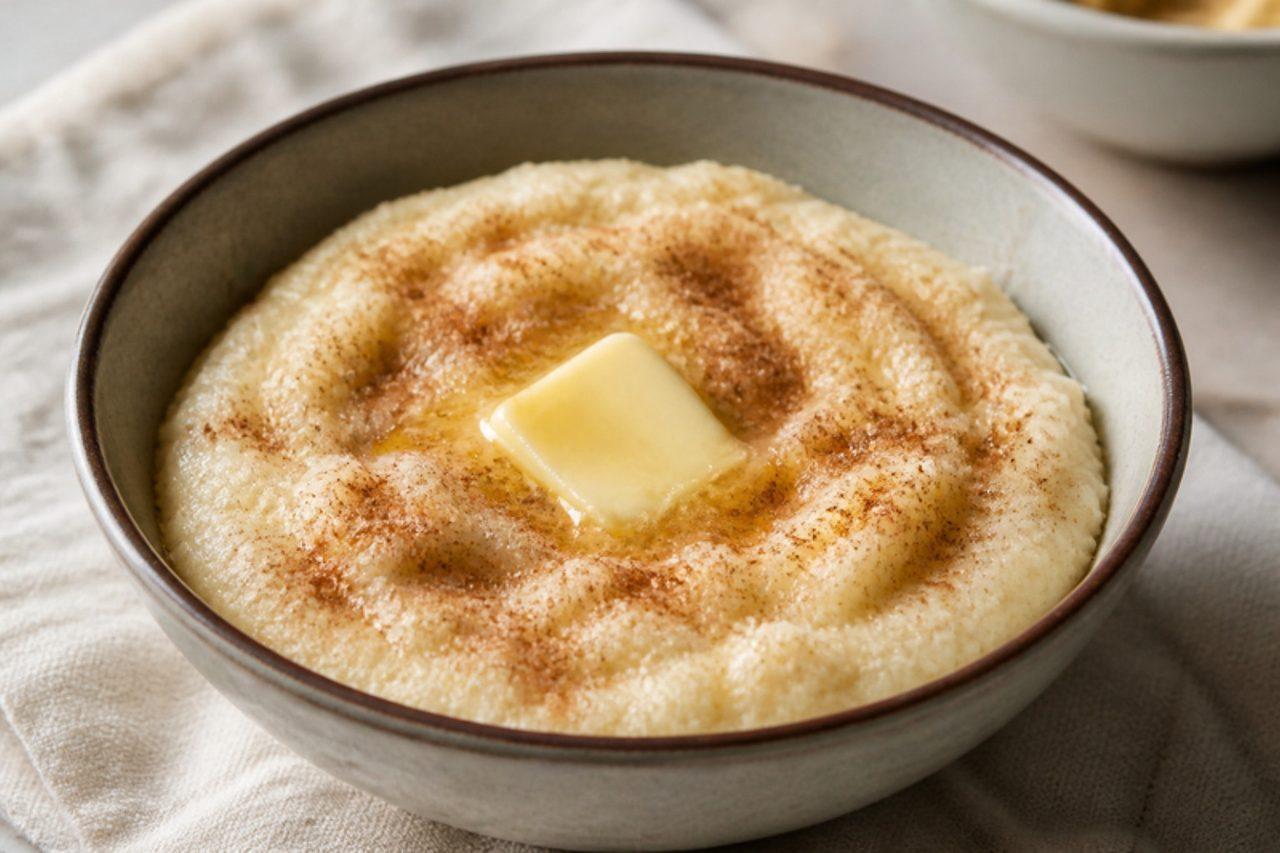
GrießbreiSemolina porridge

Grießbrei is the soft, sweet semolina pudding that German and Austrian families from Bavaria to Vienna eat warm as a light supper on cold evenings, especially when children are tired or someone is under the weather. Semolina is rained into hot milk and stirred until thick and velvety, then topped with cinnamon sugar, a knob of butter or stewed fruit. The classic mistake is tipping the semolina in all at once, which makes lumps that never smooth out. Chef's tip: take it off the heat while it still looks a little runny, because it keeps thickening on the plate.

by KrazyBadal 0 views

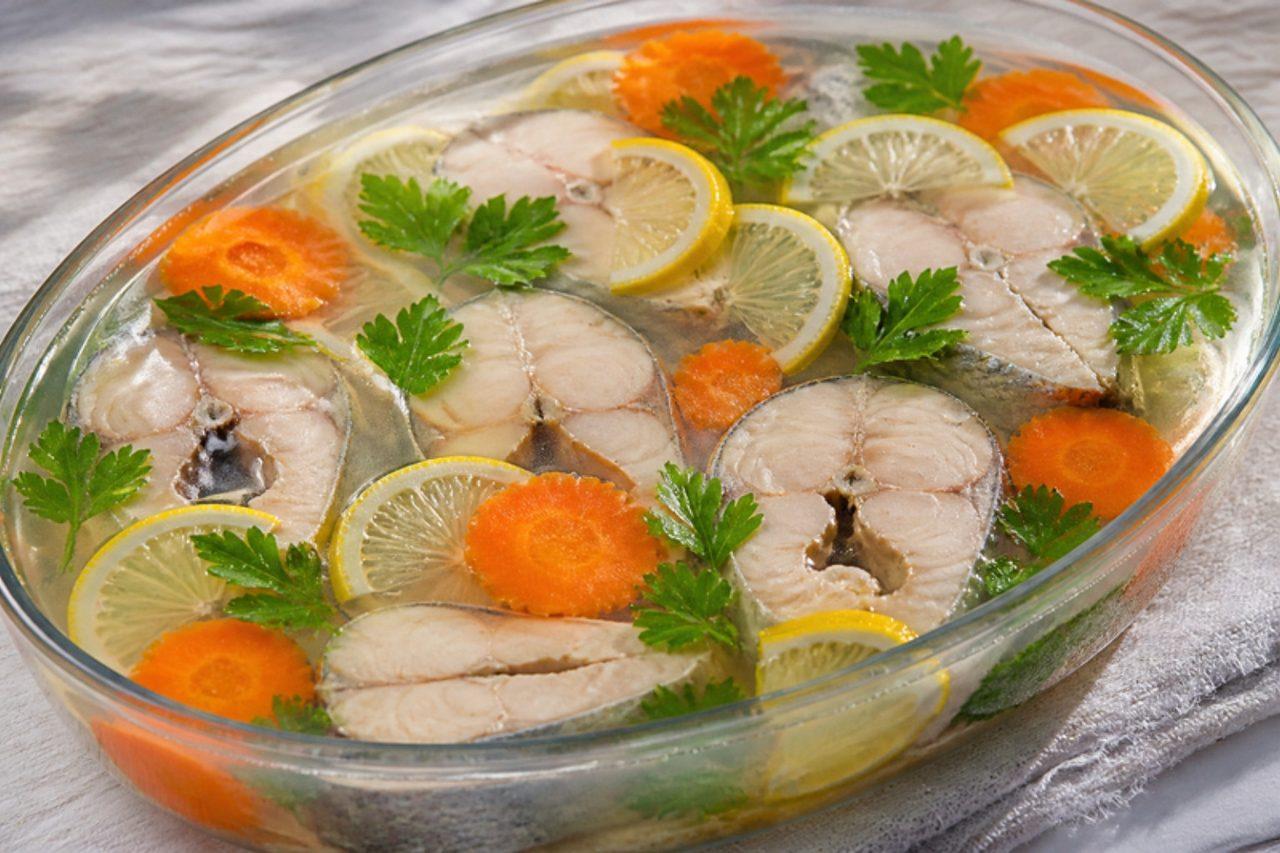
Karp w galarecieCarp in aspic

Carp in aspic is one of the cold dishes of the Polish Wigilia. Carp steaks are poached gently in a stock of root vegetables and the fish's own bones, then laid in a dish with carrot slices, lemon and parsley and covered in the clarified stock, which sets into a clear, shimmering jelly overnight. Serve it chilled with lemon and horseradish. A little powdered gelatine helps the aspic set reliably at home. Chef's tip: simmer the fish bones and vegetables slowly and never boil the stock hard; boiling makes it cloudy.

120 minPolishFishGluten free
by KrazyBadal 0 views

Pajagua mascadaBeef and cassava patties

Pajagua mascada is a Paraguayan street-food classic that appears on every table for the San Juan festival on 24 June, when bonfires burn and the night is full of games and traditional food. Minced beef is mixed with mashed cassava, onion, garlic and a little egg and flour, shaped into flat patties and fried until crisp. The name comes from Guaraní and refers to the 'chewing' of old Paraguayan cooks, who made it from leftover meat. Chef's tip: dry the boiled cassava well and remove its woody core, which keeps the patties light and crunchy.

by KrazyBadal 0 views

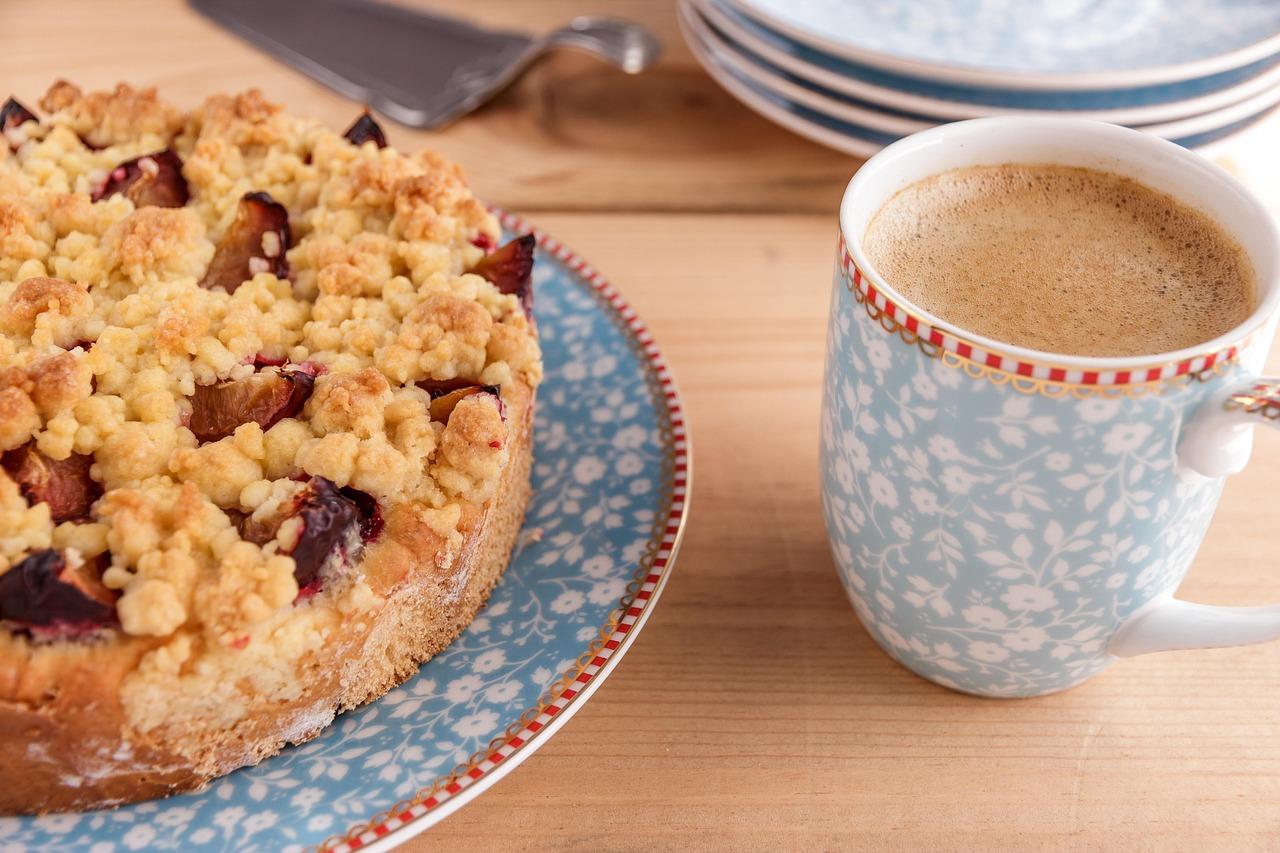
KirmeskuchenPlum streusel yeast cake

When the Kirmes, the yearly fair for a village church's patron saint, comes to the Rhineland and Hesse, families bake enormous trays of Kirmeskuchen to share with the relatives who come home for the fun-fair, the dancing and the procession. This version is the most loved: a soft, buttery yeast dough covered edge to edge with tightly packed plum halves and a thick, crumbly streusel. Cut it into squares and serve it with whipped cream and coffee in the afternoon. Chef's tip: stand the plum halves upright, cut side up and overlapping like roof tiles, so the juice stays in the fruit instead of soaking the dough.

by KrazyBadal 0 views

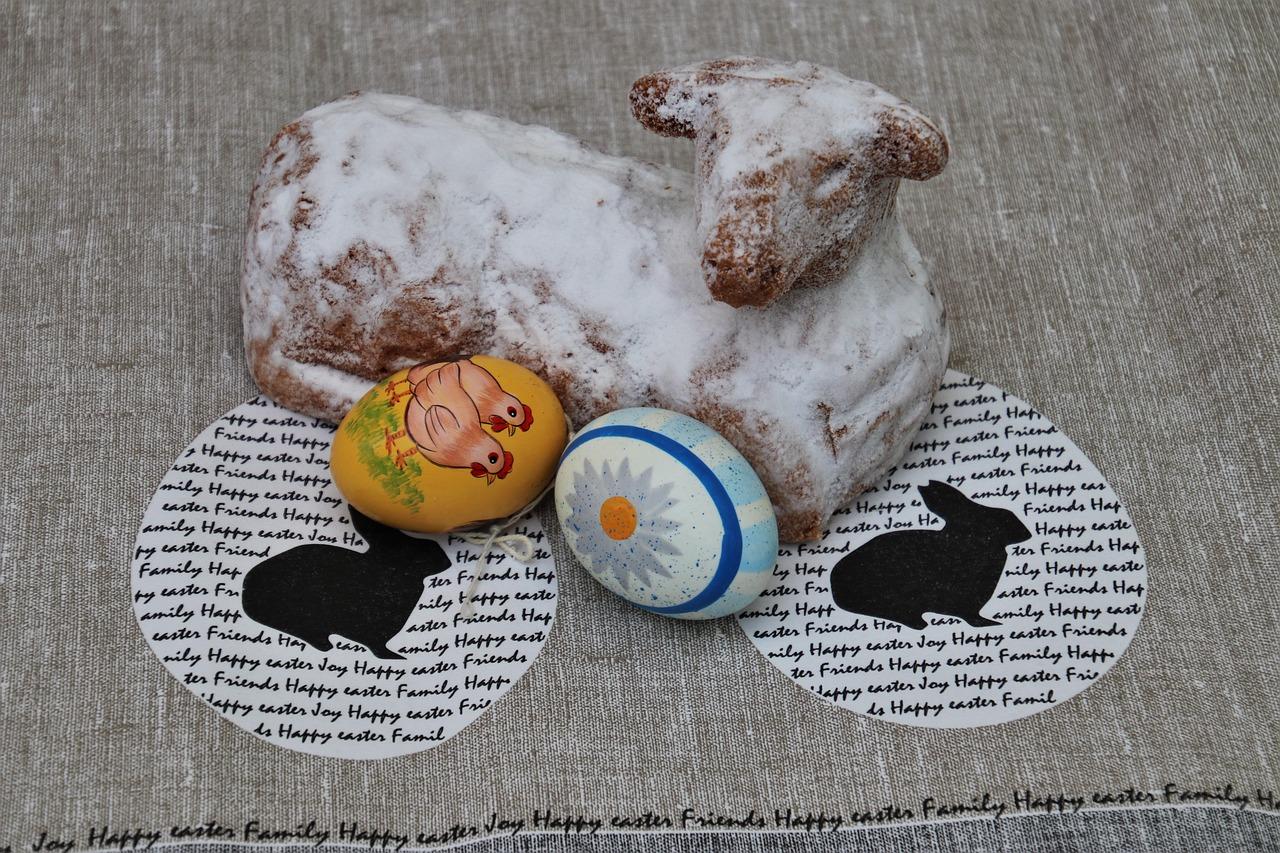
OsterlammEaster lamb sponge cake

In Germany and Austria an Osterlamm, a light sponge baked in a two-piece lamb-shaped mould, stands on the Easter breakfast table, dusted with icing sugar with a ribbon and bell around its neck and sometimes a little flag. In Catholic regions it is taken to church on Holy Saturday to be blessed with the Easter basket. The cake is a buttery, lemony sponge, firm enough to keep its shape. You need a lamb cake mould, sold in kitchen shops before Easter. Chef's tip: grease the mould with soft butter and dust it with breadcrumbs or flour into every crevice, or the lamb's head stays in the tin.

by KrazyBadal 0 views

Tire Sainte-CatherinePulled molasses taffy

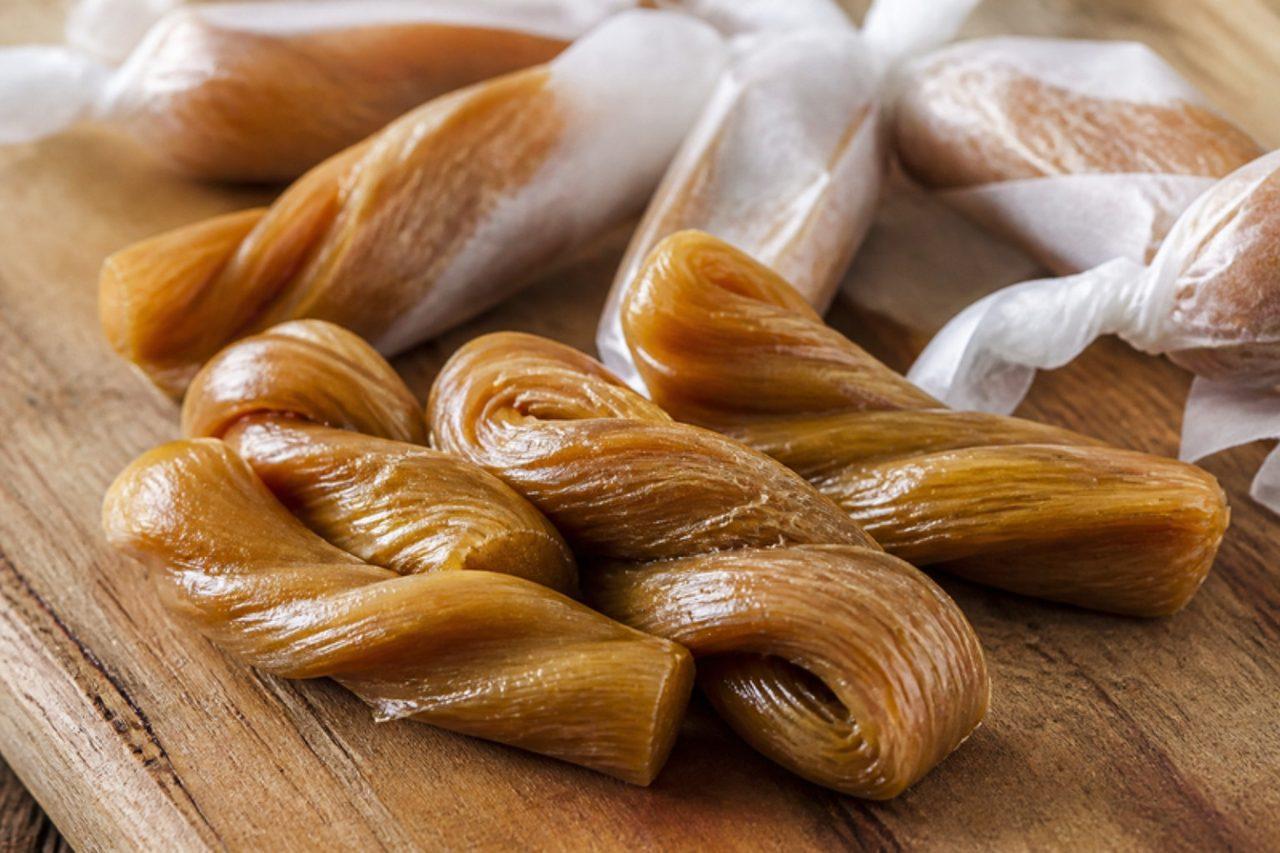
On 25 November, Quebec celebrates St Catherine, patron of unmarried women, with tire Sainte-Catherine, a pulled molasses taffy. The custom goes back to Marguerite Bourgeoys, who is said to have made taffy in the 1600s to draw children to her school in Ville-Marie, and today schools and families still 'pull the tire' together. Hot molasses and sugar syrup is cooled, then pulled with buttered hands until it turns golden and satiny, twisted into ropes and cut into pieces. It is gluten free. Chef's tip: pull it as soon as it is cool enough to handle, as it sets fast; work in pairs.

by KrazyBadal 0 views

Kulche khetayeeCardamom pistachio shortbread

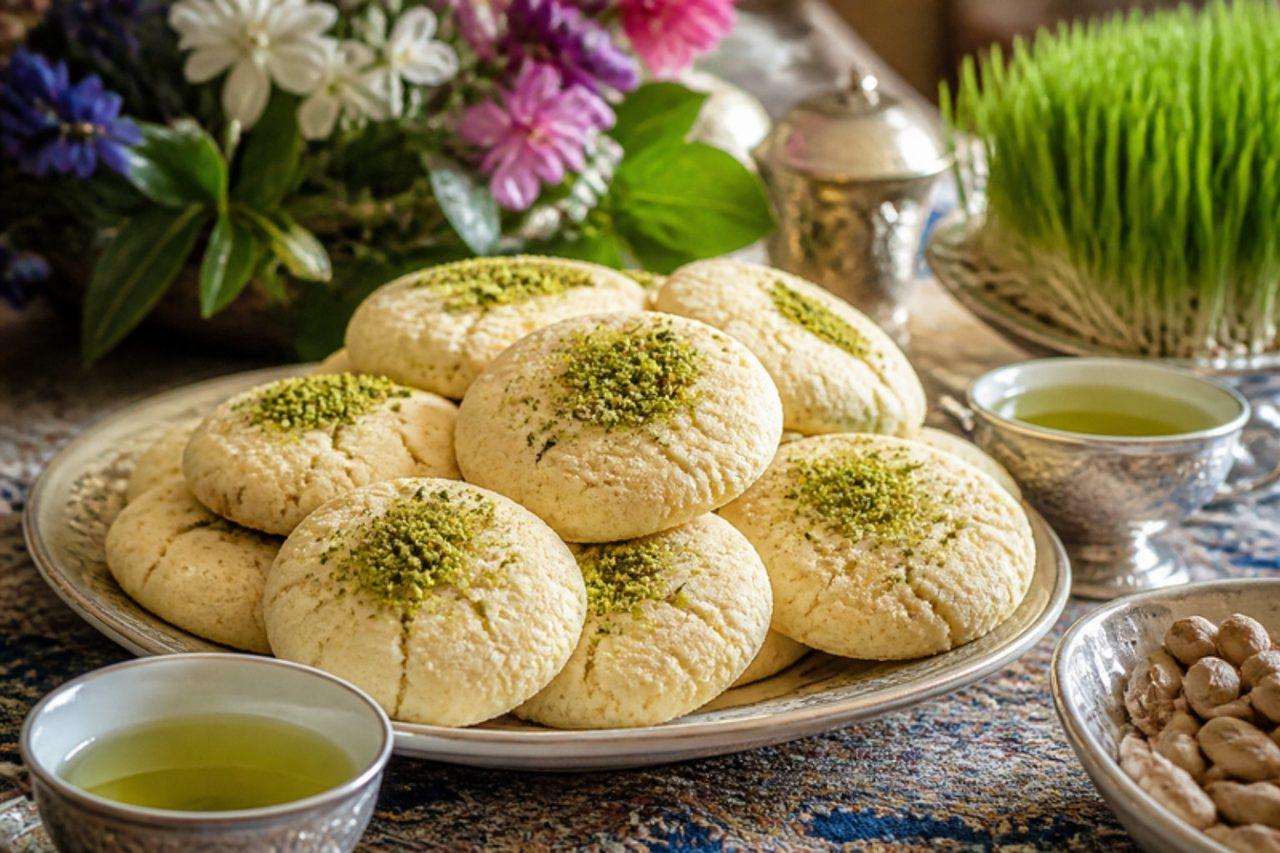
When guests come to an Afghan home over Nowruz or the days of Eid, they are poured green tea and offered a plate of kulche khetayee, crumbly round shortbreads that dissolve on the tongue. In Kabul the dough is made with clarified butter or oil, icing sugar and cardamom, and each biscuit is topped with a pinch of ground pistachio before baking very gently so they stay pale. The common mistake is baking too hot: the biscuits should be cream-coloured, not golden, or they lose their melting texture. Chef's tip: let them cool fully on the tray, because they are too fragile to move while warm.

by KrazyBadal 0 views

ApfelkrautApple syrup

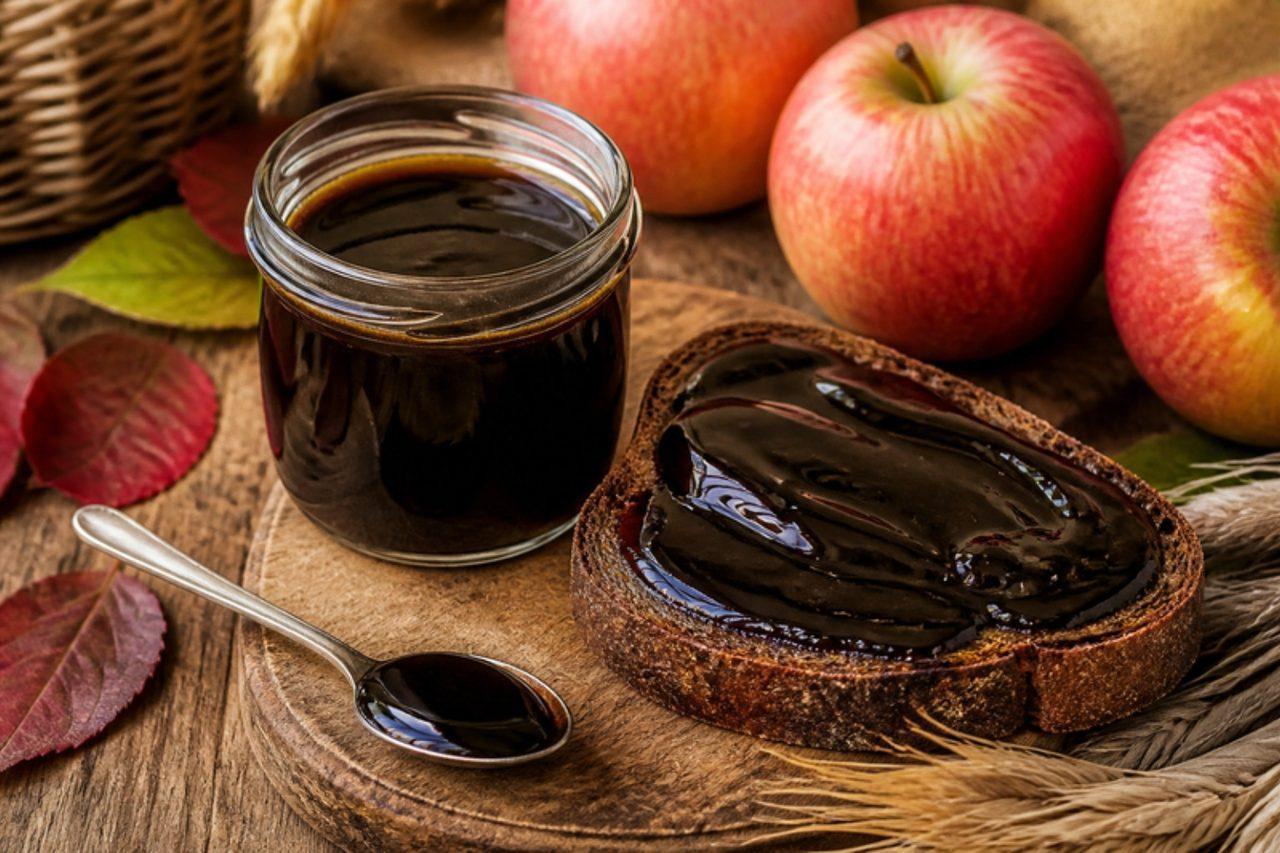
In the Rhineland, apples from the autumn harvest are pressed and boiled for hours in copper cauldrons into Apfelkraut, a dark, glossy, sweet-sour syrup that is spread on Schwarzbrot with butter and quark, and that families bring to the Erntedank harvest thanksgiving in October. It needs no added sugar at all: the apples' own sugar and pectin concentrate until the juice is as thick as treacle and tastes like baked apple and caramel. Eat it on rye bread, with potato pancakes (Reibekuchen) or in a sauce for Sauerbraten. Chef's tip: use a mix of sweet and tart apples; the tart ones give the tang and the pectin that makes it set.

by KrazyBadal 0 views

MartinshörnchenMarzipan crescent pastries

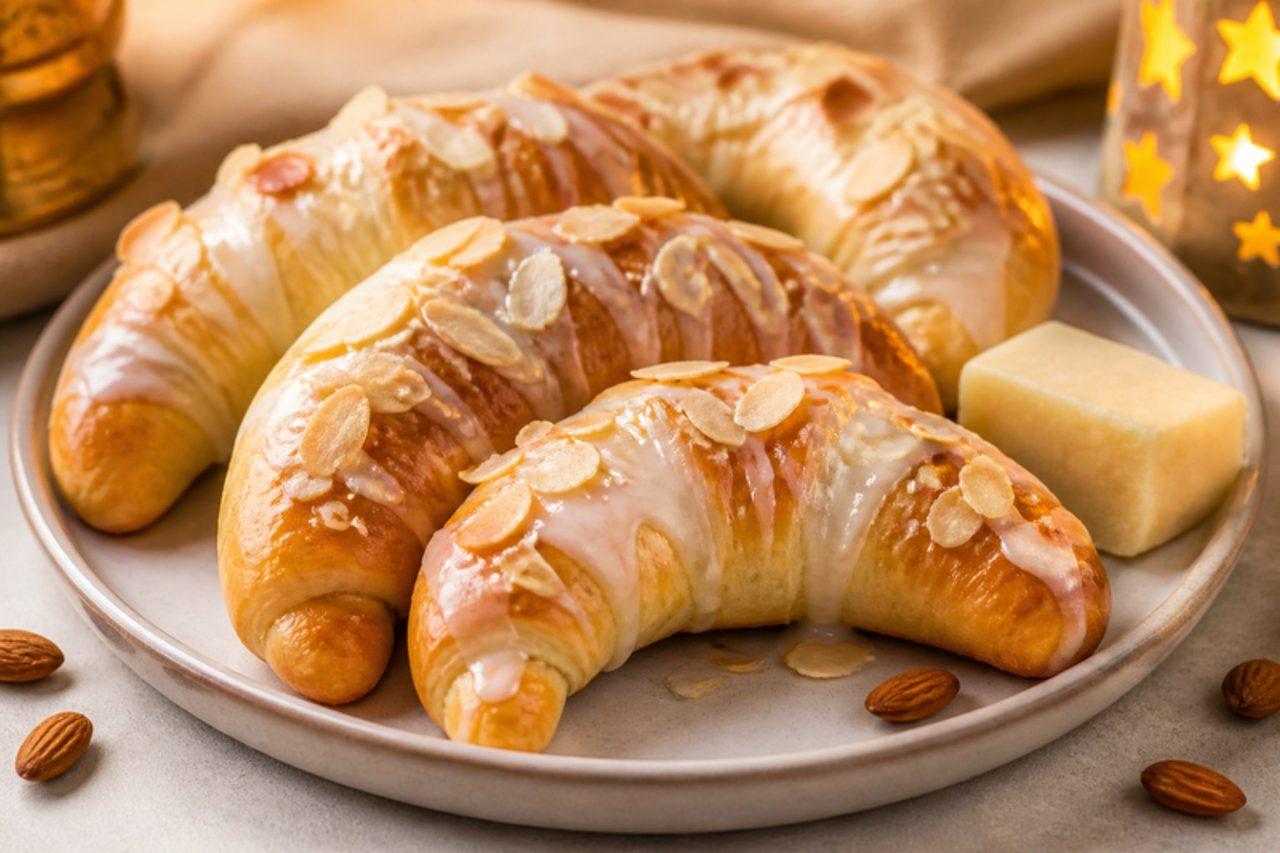
On 11 November children in Lower Saxony, Saxony and much of Germany walk through the dark streets with paper lanterns, singing songs for St Martin, the soldier who cut his cloak in half to share it with a beggar. Bakeries sell Martinshörnchen, sweet crescent-shaped yeast pastries, and many families break them in half to share, as St Martin did. This version is filled with soft marzipan and ground almonds and finished with a thin lemon glaze. Chef's tip: roll each wedge from the wide end with a gentle tug so you get at least three turns of dough, which gives the crescents their shape.

by KrazyBadal 0 views

Showing 24 of 638 recipes

Show more recipes

Page 1 of 27