Skip to content
WhatToEat.Today

All recipes

616

Vegetarian, or something you can't eat? Set your diet once and we'll hide recipes that don't fit.

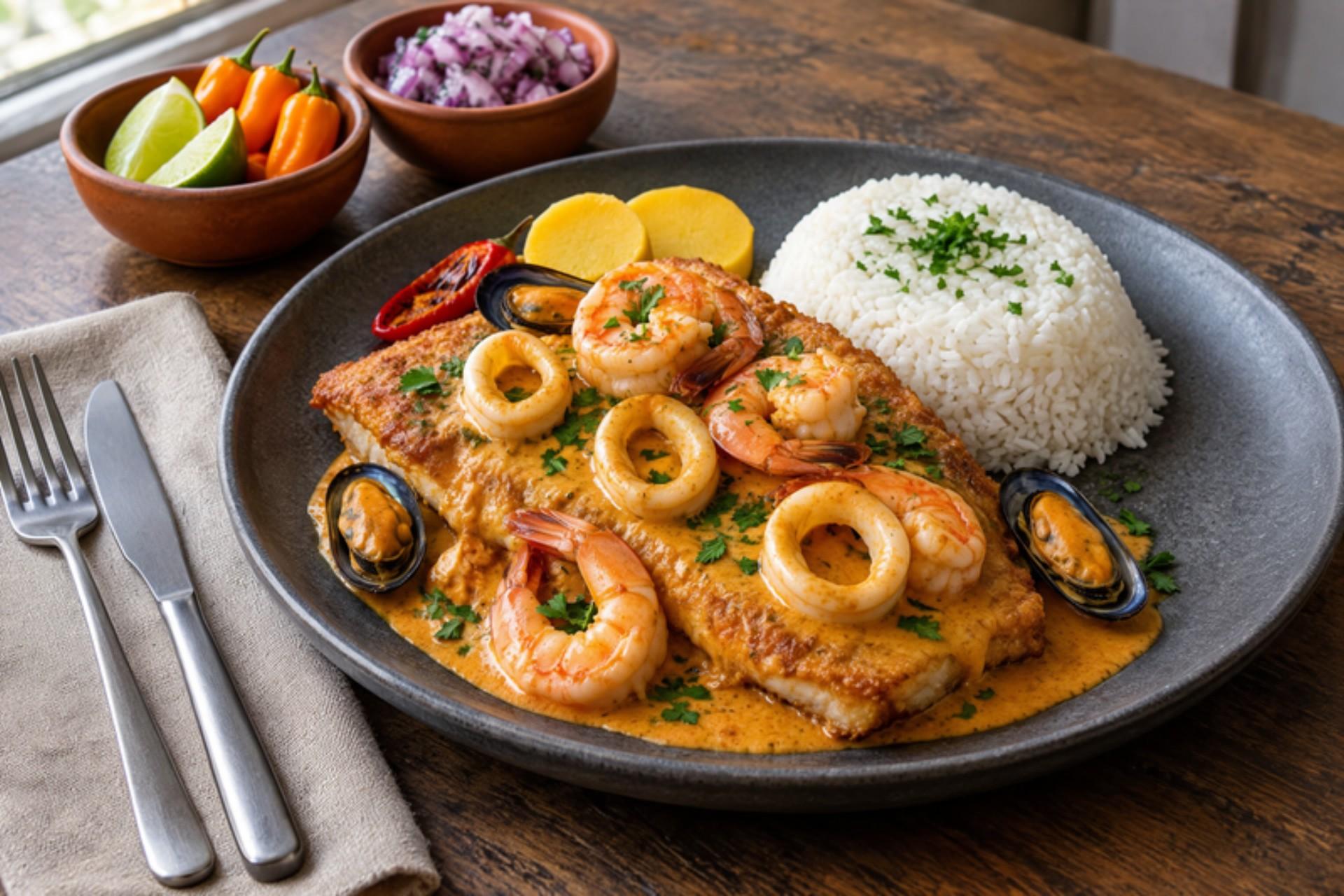
Pescado a lo machoFried fish in spicy seafood sauce

Pescado a lo macho is a classic of Lima's seafood restaurants, the dish people order for a long Sunday lunch near the sea in Chorrillos: a fillet of fried white fish smothered in a thick, spicy sauce of ají panca and ají amarillo packed with prawns, squid and mussels. The name boasts that you need to be brave for the chilli, but you can turn it down. The common mistake is overcooking the seafood while the sauce reduces; add it only when the sauce is already thick. Discard mussels that are open and do not close when tapped, and any that stay shut after cooking. Chef's tip: dust the fish in flour seasoned with cumin and fry it last, so it reaches the table crisp under the sauce.

by KrazyBadal 0 views

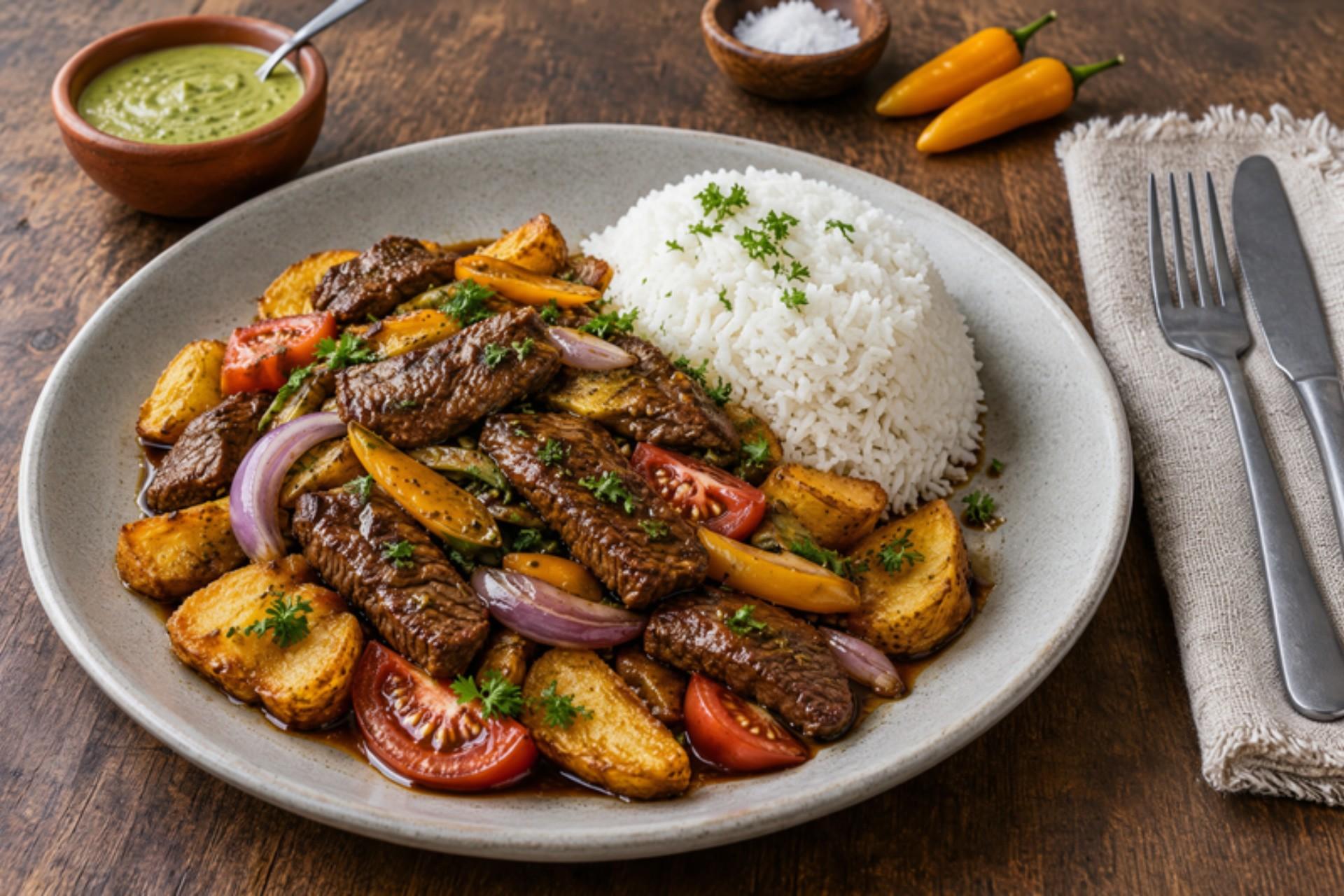
Lomo saltadoBeef stir-fry with chips

Lomo saltado was born in the chifas of central Lima, where Chinese cooks met Peruvian ingredients, and today it is the lunch every Peruvian family makes when they want something fast and a little indulgent. Strips of beef are seared in a smoking-hot wok with red onion, tomato and yellow chilli, splashed with soy sauce and vinegar, then tossed with chips and served beside white rice, so you get both starches on one plate. The common mistake is crowding the wok: the beef stews in its juices and turns grey and chewy instead of charring. Cook it in two batches over the highest heat you have. Chef's tip: add the chips at the very last second, or serve them on the side, so they soak up a little sauce but stay crisp.

by KrazyBadal 0 views

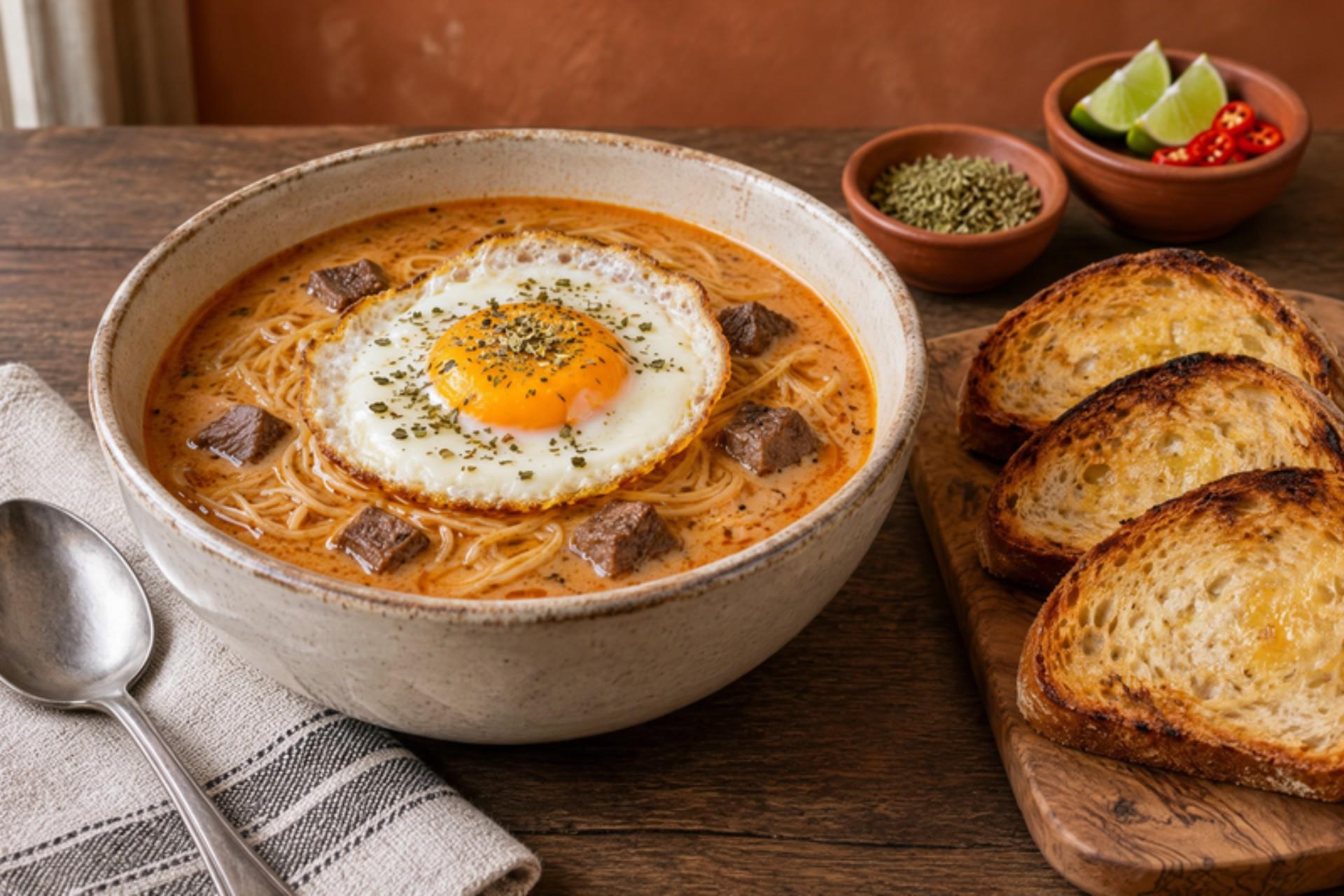
Sopa criollaCreamy beef noodle soup

Sopa criolla is the soup Lima turns to on grey winter evenings, when the garúa mist hangs over the city: a beef broth reddened with ají panca, full of thin noodles and strips of beef, enriched with evaporated milk and finished with a poached egg. It arrives with toasted bread for dunking. The common mistake is boiling the soup after adding the milk; it splits into specks. Lower the heat first and stir it in gently. The beef strips are thin, so they cook through in a few minutes. Chef's tip: crack the eggs straight into the barely simmering soup and leave them alone for three minutes; the whites set into soft ribbons that thicken the broth.

by KrazyBadal 0 views

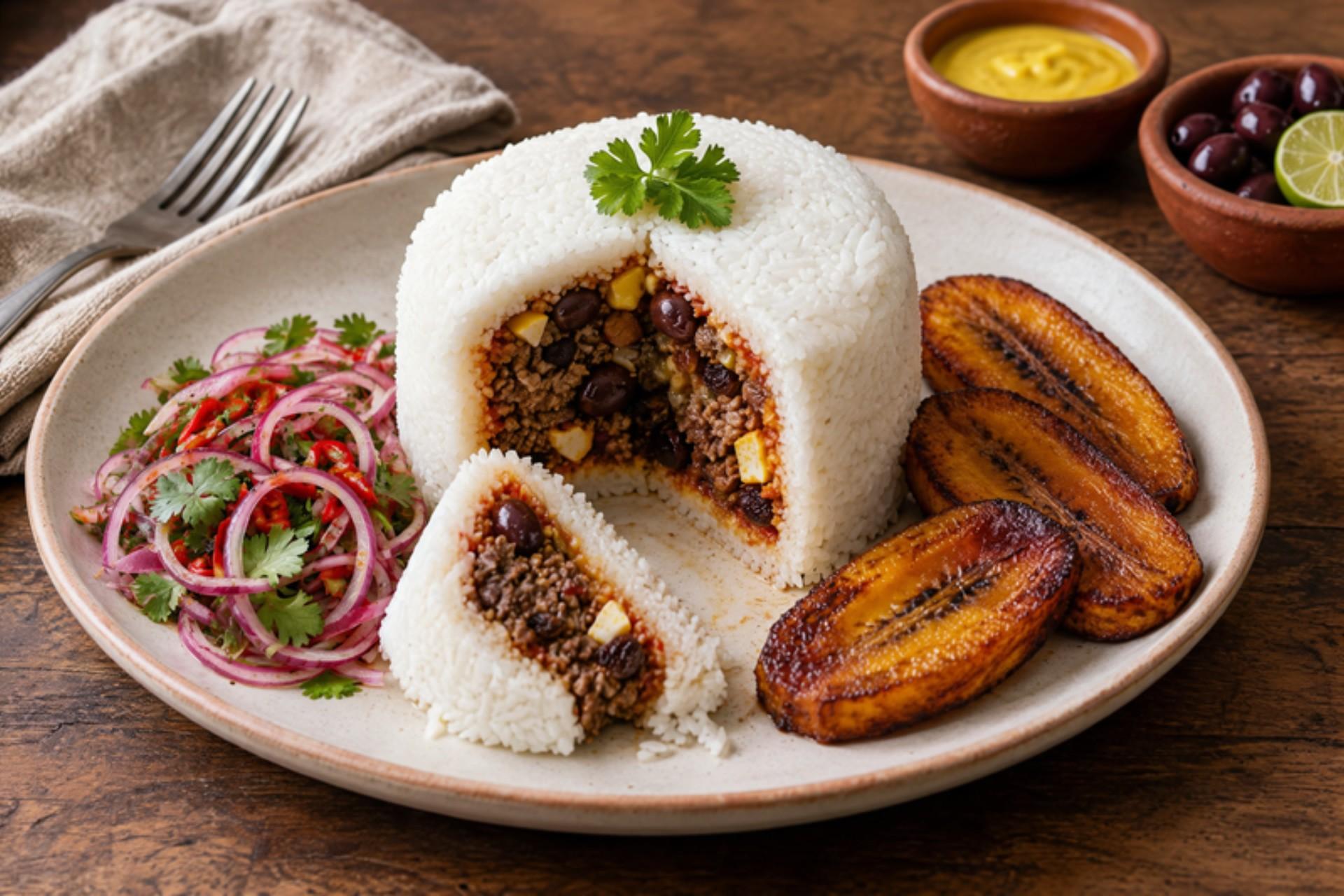
Arroz tapadoRice dome with beef filling

Arroz tapado means covered rice, and it is the thrifty weekday lunch of Lima homes and school canteens: garlic rice pressed into a bowl, filled with a sweet-savoury beef mince and turned out like a dome. The filling of minced beef with onion, ají panca, raisins, black olives and hard-boiled egg is the same picadillo that goes into papas rellenas. The usual mistake is leaving the filling wet: the dome collapses and the rice turns soggy. Simmer it until the pan is almost dry. Minced beef must reach 71 °C, so cook it until no pink remains. Serve with a spoonful of salsa criolla. Chef's tip: brush the bowl with a little oil and pack the rice firmly with the back of a spoon; a well-pressed dome holds its shape on the plate.

by KrazyBadal 0 views

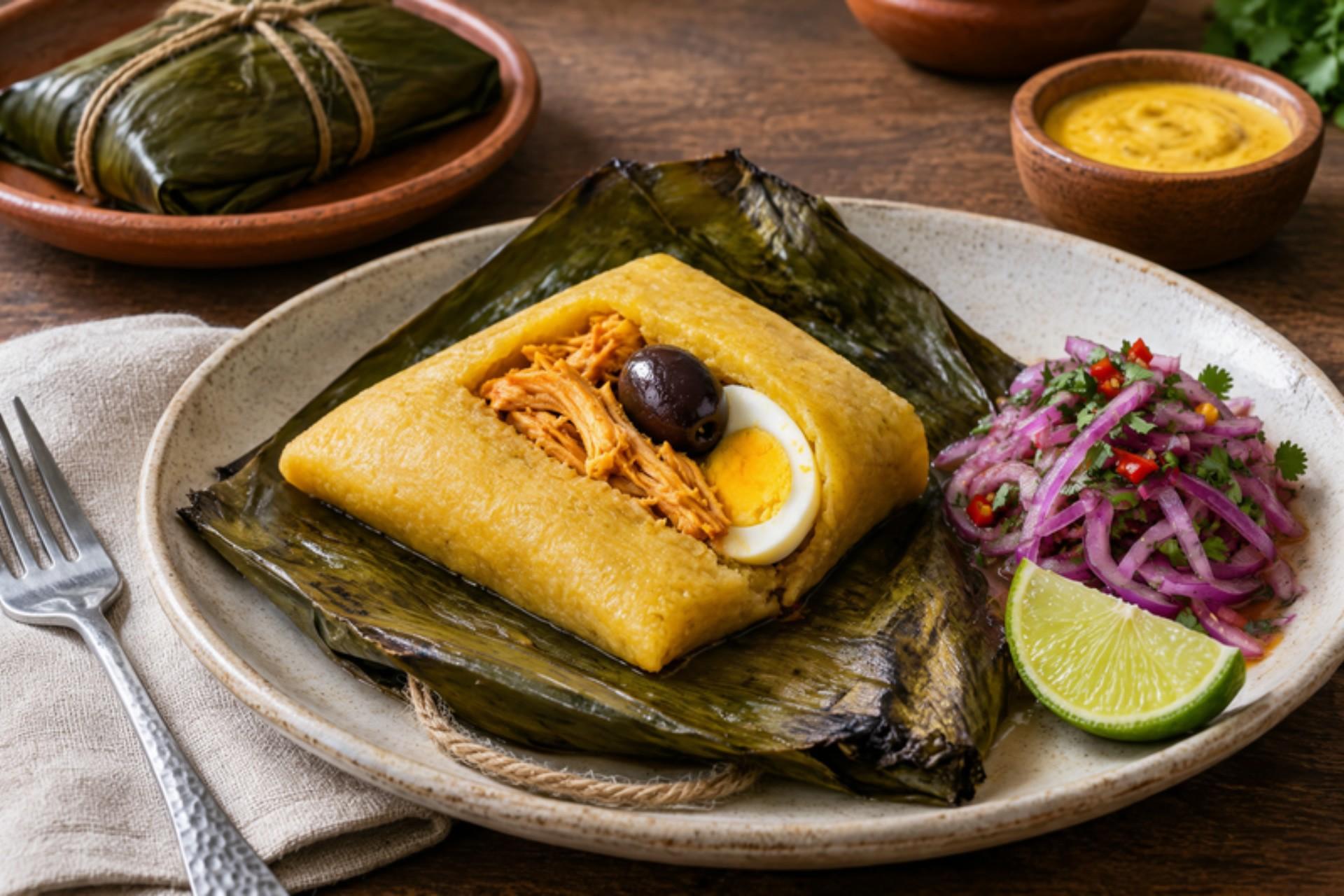
Tamales peruanosChicken corn tamales in banana leaf

In Lima, tamales are a Sunday breakfast, bought warm from street vendors calling 'tamaleeeeros' or made at home for Christmas, and eaten with crusty bread and a pile of salsa criolla. Peruvian tamales are larger and softer than Mexican ones, made from corn dough coloured with ají and wrapped in banana leaves, hiding chicken, a black olive, a slice of egg and a peanut. Peanuts are an allergen, so leave them out if needed. The usual mistake is a dry dough: the tamales turn crumbly. Beat in enough warm stock to make a soft paste that just holds its shape. The chicken must reach 74 °C before it goes in. Chef's tip: fat makes the dough tender; beat the oil and dough for a full 5 minutes until light, as Lima cooks do with pork lard.

by KrazyBadal 0 views

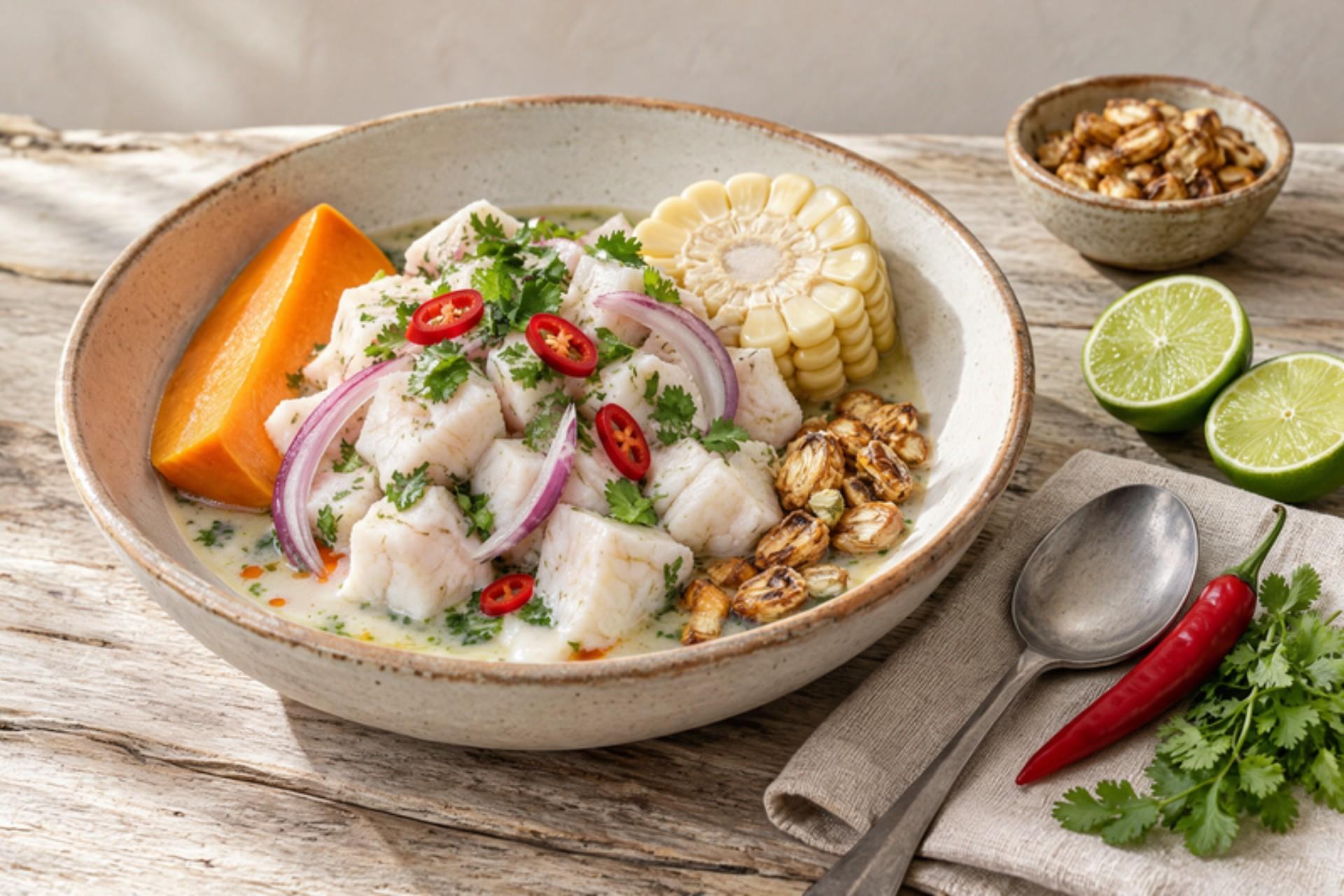
Ceviche peruanoLime-cured white fish

Ceviche is Peru's national dish, eaten at lunchtime in the cevicherías of Lima's Surquillo and Chorrillos markets, because the fish must be fresh off the morning boats and cevicherías traditionally close in the afternoon. The classic is raw white fish 'cooked' in lime juice with red onion, chilli and coriander, served with sweet potato and corn. Lime juice does not kill bacteria or parasites, so this version first poaches the fish for a minute until just opaque, then dresses it, which keeps the classic flavour and texture far safer. Even so, it is not for pregnant women, young children or anyone with a weakened immune system. The usual mistake is leaving the fish in the lime for an hour: it turns chalky and the juice goes bitter. Chef's tip: squeeze the limes gently by hand and stop before the pith; over-squeezed limes make bitter leche de tigre.

by KrazyBadal 0 views

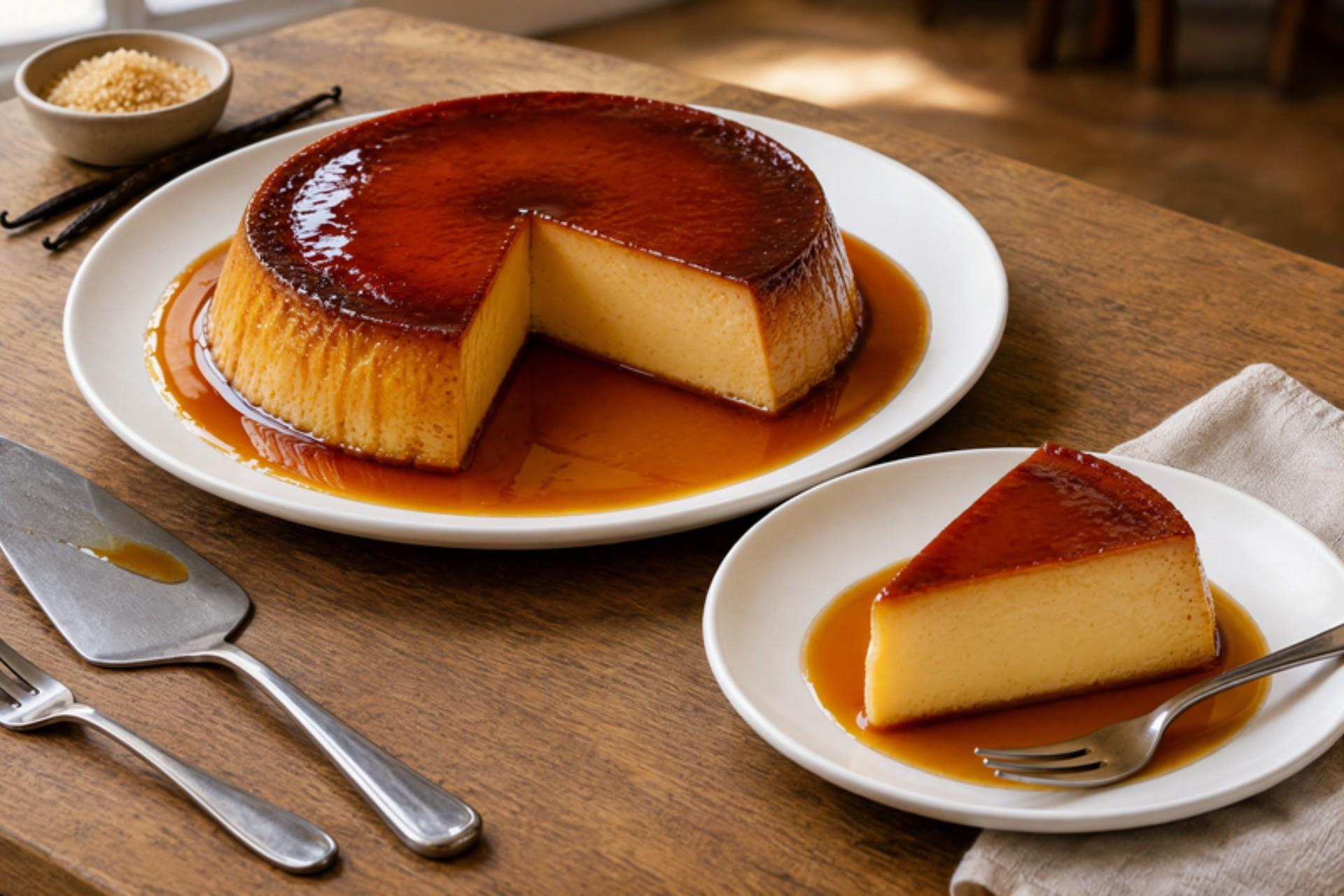
Crema volteadaBaked caramel custard

In Lima, crema volteada is the dessert that appears at Sunday lunch in Miraflores and Barranco homes and at every birthday where an aunt is in charge of the sweets. It is firmer and richer than a Spanish flan because it is made with both evaporated and condensed milk, so it slices cleanly and tastes of toffee. The usual mistake is baking it in an oven that is too hot: the custard boils, fills with tiny holes and weeps. Keep the water bath at a bare simmer and take it out while the centre still wobbles slightly. Chef's tip: chill it overnight before turning it out; a cold custard releases in one piece and the caramel has time to melt into a pourable sauce.

by KrazyBadal 0 views

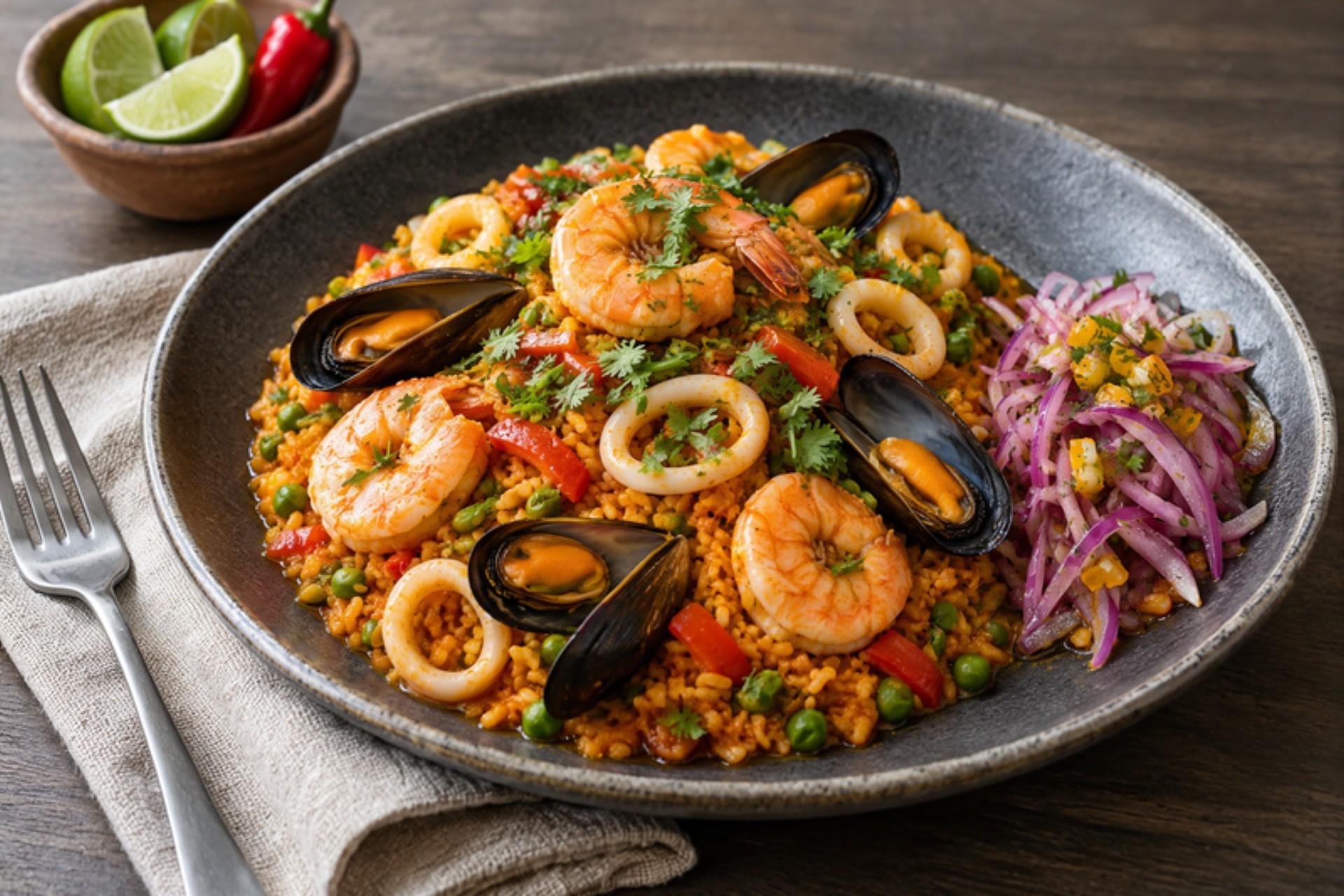
Arroz con mariscosSeafood rice

Arroz con mariscos is the weekend dish of Callao and the beach towns south of Lima, served in cevicherías as the hot partner to a cold ceviche. It is moister than a paella, closer to a risotto, coloured with ají panca and ají amarillo and finished with peas and a little Parmesan-style cheese, as many Lima cooks do. The common mistake is adding all the seafood at the start: the squid turns rubbery and the prawns shrink to nothing. Cook the rice first and add the shellfish only for the final minutes. Discard any mussels that are open before cooking and do not close when tapped, and any that stay shut after cooking. The cheese is often made with animal rennet; use a vegetarian hard cheese if you prefer. Chef's tip: simmer the prawn shells in the stock for 10 minutes; they give the rice its deep seafood taste.

by KrazyBadal 0 views

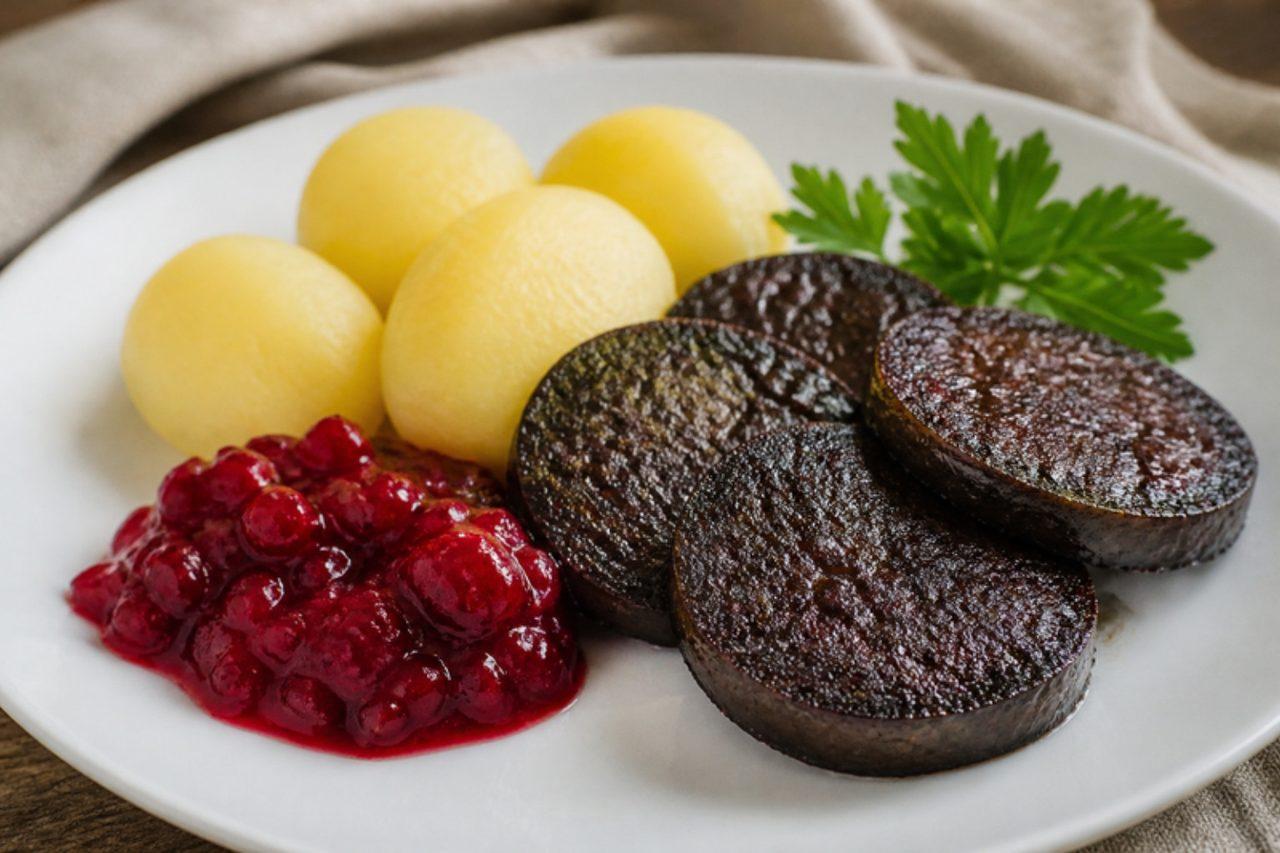
Blodpudding with lingonberriesFried blood pudding with lingonberries

Blodpudding is a weeknight supper in northern Sweden and a school-lunch classic in Finland (where it is veripalttu's milder cousin): slices of ready-made blood pudding, made from pork blood, rye flour and spices, fried until crisp at the edges and eaten with sweet-sharp lingonberry jam. It contains pork blood and often pork fat, so it is not for vegetarians. Serve it with boiled potatoes or crispbread and a glass of milk, as Swedes do. The common mistake is cutting the slices too thin, so they crumble in the pan. Chef's tip: fry in butter over a steady medium heat and leave the slices alone until a dark crust forms; flipping early makes them stick.

by KrazyBadal 0 views

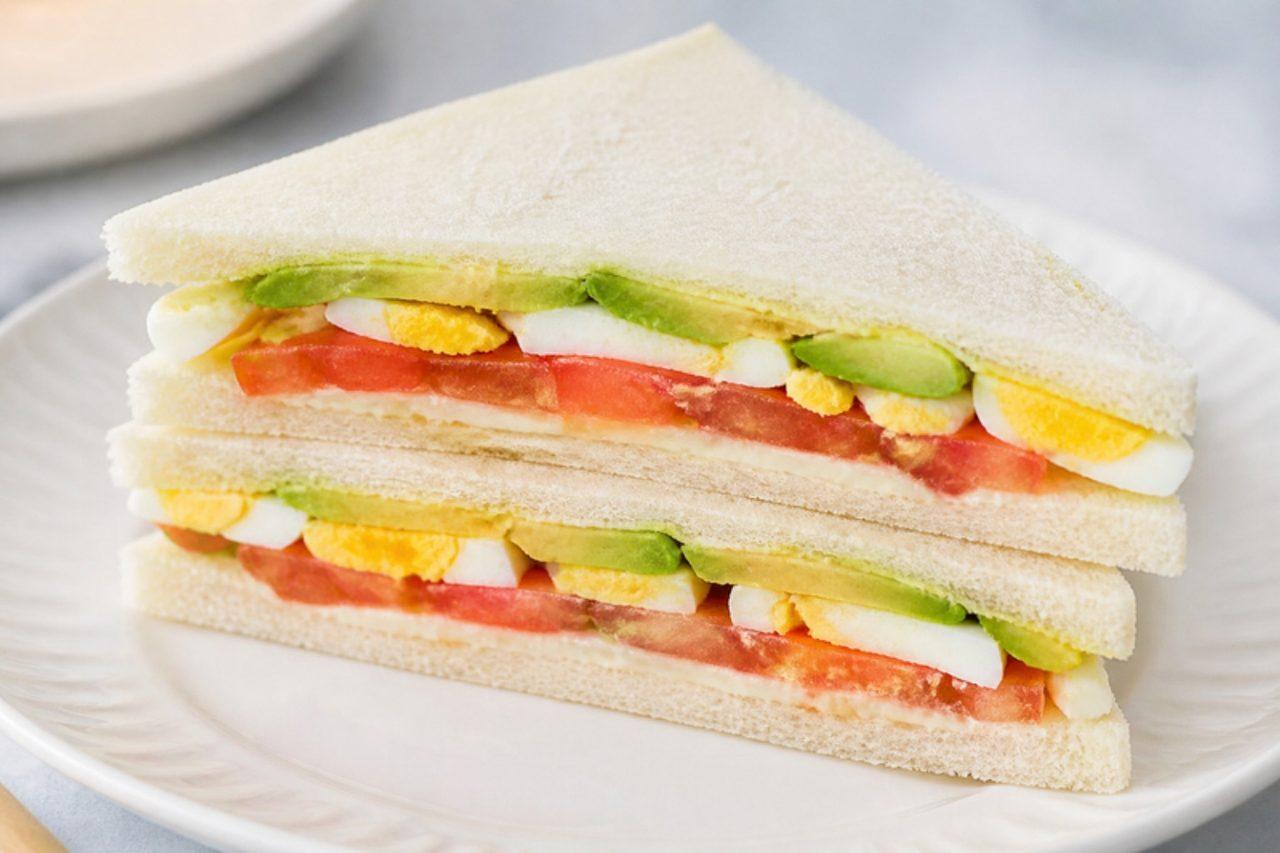
TripleAvocado, tomato and egg sandwich

The triple is the soft, layered sandwich of Lima's cafés and bakeries, eaten at lonche, the Peruvian late-afternoon meal, or as a light supper: three slices of crustless white bread layered with avocado, tomato and sliced hard-boiled egg, all held together with mayonnaise. It looks neat, tastes fresh and is loved by children. Shop-bought mayonnaise is made with pasteurised egg, so it is safe for everyone. The common mistake is letting wet tomato touch the bread, which turns it soggy within minutes. Chef's tip: pat the tomato dry and sit it between the avocado and egg, then press the sandwich under a board for a minute before cutting.

by KrazyBadal 0 views

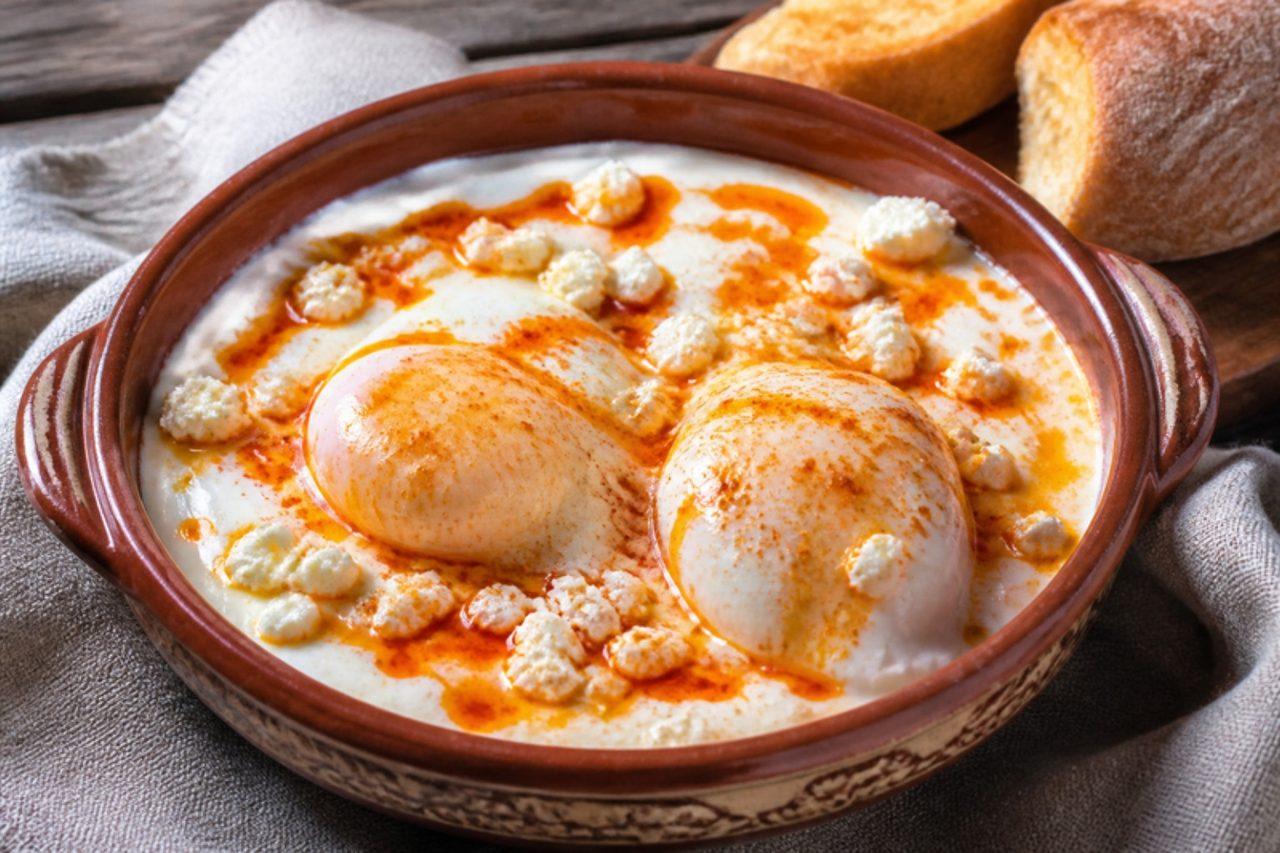
Panagyurski eggsPoached eggs on garlic yogurt

Yaytsa po panagyurski come from Panagyurishte, a mountain town in central Bulgaria, and are eaten for breakfast or as a quick, light supper: poached eggs set on a bed of thick garlicky yogurt mixed with crumbled sirene, Bulgaria's white brined cheese, then drizzled with butter turned red with paprika. Sirene and feta are often made with animal rennet, so choose a vegetarian feta-style cheese if needed. The common mistake is warming the yogurt in a pan, which makes it split; let it sit at room temperature while you poach the eggs instead. Chef's tip: stir the paprika into the butter off the heat, because it scorches and turns bitter in seconds.

by KrazyBadal 0 views

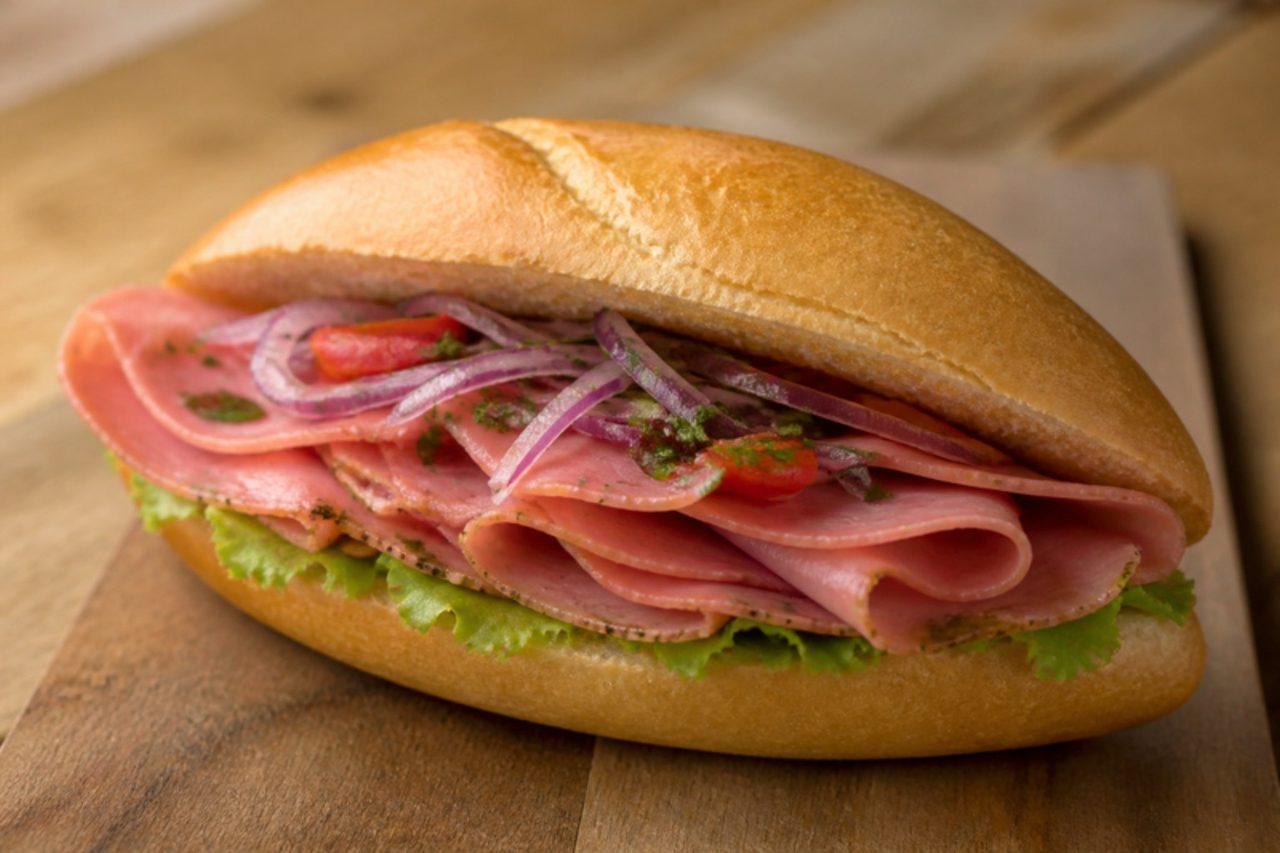
Pan con butifarraHam roll with onion salsa

Pan con butifarra is Lima's evening sandwich, sold in old-school sangucherías and made at home for a light dinner with coffee: a crusty roll filled with jamón del país, a spiced Peruvian pork ham, under a heap of salsa criolla, red onion sliced thin and soaked in lime with chilli. Outside Peru, use a good cooked pork ham. The common mistake is leaving the onion harsh; give it a quick rinse in salted water before dressing it. Chef's tip: a leaf of lettuce under the ham stops the lime juice soaking straight into the bread.

by KrazyBadal 0 views

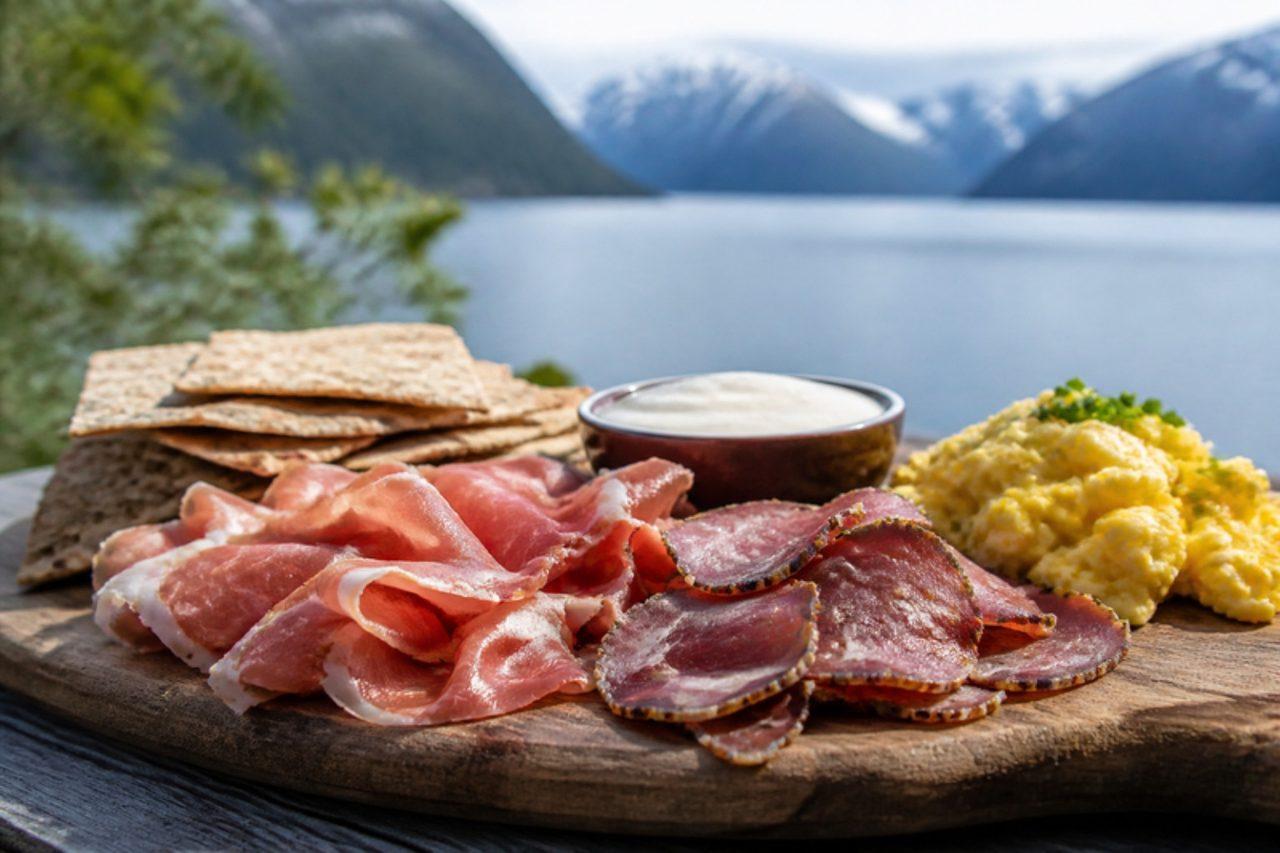
SpekematCured meat platter

Spekemat is the Norwegian summer celebration table: on 17 May, at confirmations and on light Midsummer evenings at the cabin, platters of thin-sliced cured meats come out with crisp flatbrød, soft lefse, sour cream (rømme), scrambled eggs and cucumber salad. The classics are fenalår (salt-cured, air-dried leg of lamb), spekeskinke (cured pork ham) and morr or other cured sausage. All are bought ready cured and are not cooked, so the platter is not for pregnant women, young children or anyone with a weakened immune system; keep the meats chilled and put them out no more than 2 hours before eating. For a safer version for those guests, serve slices of cooked ham and roast lamb instead. Chef's tip: slice the meat as thin as paper, across the grain, and let it sit out for 15 minutes before serving so the fat softens and the flavour comes through.

by KrazyBadal 0 views

JordgubbstårtaStrawberry cream layer cake

On Midsummer Eve in June, Swedes dance round the maypole in the countryside, eat herring and new potatoes, and finish with the first Swedish strawberries of the year, very often in a Jordgubbstårta. It is a light sponge split into three layers and filled with vanilla custard, whipped cream and sliced strawberries, then covered in more cream and crowned with whole berries. Make the sponge and custard the day before so you only assemble it on the day. Chef's tip: beat the eggs and sugar until really thick and pale; the air in the eggs is the only thing that makes this sponge rise.

by KrazyBadal 0 views

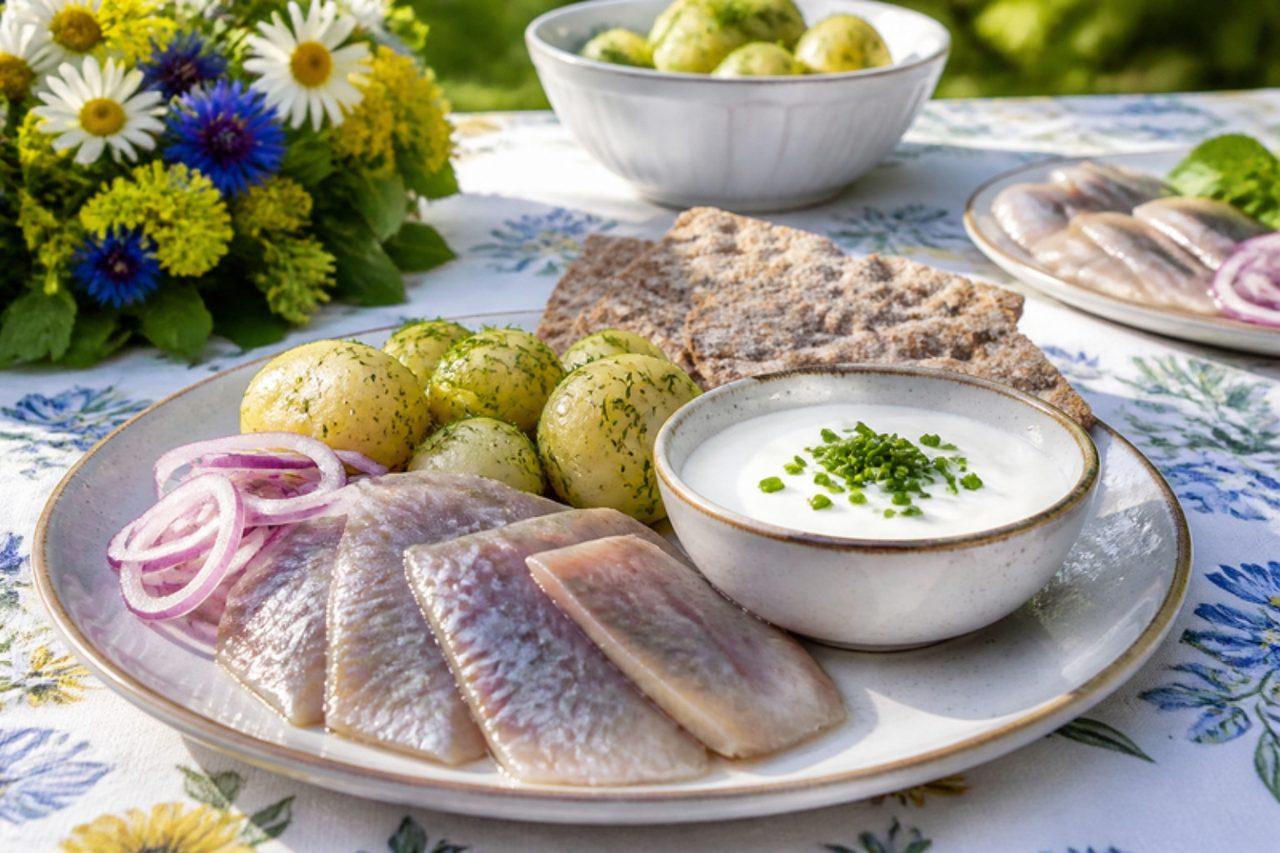
MatjessillMatjes herring with potatoes

No Swedish Midsummer table is complete without sill, and matjessill, the mild, sweet-cured herring, is the favourite: it is laid out on the long table in the garden with gräddfil (sour cream), chopped chives, red onion and a bowl of steaming new potatoes boiled with crown dill. Everyone eats it with crispbread and a little cheese before the strawberries. The herring is bought ready cured in jars or tins, so the only cooking is the potatoes. Cured herring is not cooked, so it is not for pregnant women, young children or anyone with a weakened immune system; buy it from a chilled, sealed pack, keep it in the fridge and serve it within its use-by date. For a safer, cooked option, serve the same plate with hot-smoked or pan-fried fresh herring, cooked until opaque and flaking. Chef's tip: drain the herring well and pat it dry so its brine does not water down the sour cream.

by KrazyBadal 0 views

FastelavnsbollerCustard and cream pastry buns

On Fastelavn, the Danish Shrovetide Sunday, children dress up, knock a barrel full of sweets and are rewarded with fastelavnsboller. The bakery kind is made from laminated Danish pastry, baked into round shells around a spoon of vanilla custard, then split, piped with whipped cream and finished with glossy icing. They are messy, rich and eaten once a year. The common mistake is letting the butter melt into the dough while rolling, which loses the flaky layers; keep everything cold. Chef's tip: a quick home lamination with a block of grated cold butter gives proper layers without a day's work.

by KrazyBadal 0 views

MuurinpohjalettuGriddle pancakes

At Juhannus, Finnish Midsummer, families head to their lakeside cottages, light bonfires and fire up the muurinpohja, a wide, shallow cast-iron pan set over a wood fire, to cook huge, thin pancakes. Muurinpohjalettu are lacy and crisp at the edges, soft in the middle, and are eaten straight from the pan with strawberry jam, sugar or whipped cream, often after the sauna. At home a large frying pan or crêpe pan works well. Chef's tip: let the batter rest for 30 minutes; the flour soaks up the milk and the pancakes stop tearing.

by KrazyBadal 0 views

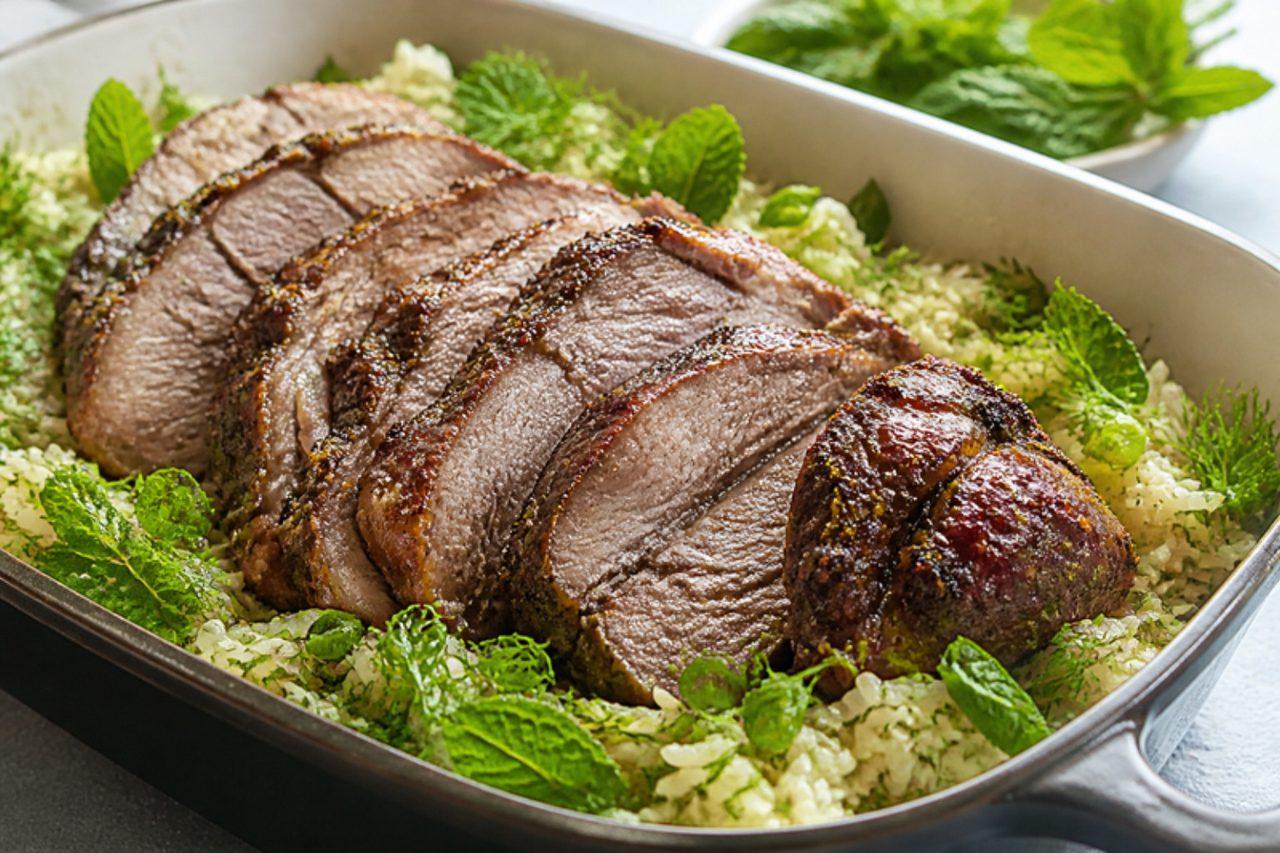
Gergyovsko agneRoast lamb with rice

St George's Day, Gergyovden, on 6 May, is one of Bulgaria's biggest festivals: George is the patron of shepherds, and every family roasts lamb, traditionally a whole one baked over rice, green onions, mint and chopped liver. Our site writes this as a boned lamb shoulder rather than a whole animal: the shoulder is slow-roasted on a bed of rice cooked with the lamb's liver, spring onions, dill and mint, which soaks up the juices. Serve with a yogurt and cucumber salad. Chef's tip: cover the lamb for most of the roast and uncover it only at the end, so it stays juicy and the rice doesn't dry out.

by KrazyBadal 0 views

SnobrødBonfire stick bread

On Sankt Hans Aften, Danish Midsummer Eve on 23 June, people gather round huge bonfires on beaches and in gardens, sing the Midsummer song and burn a straw witch, and the children twist ropes of dough round sticks and bake snobrød over the embers. The bread comes out crisp and smoky outside and soft inside, ready to fill with jam, or butter for those who eat dairy. It is just as much fun at any garden fire or campfire. Chef's tip: hold the bread over glowing embers, not flames, and keep turning; flames blacken the outside long before the inside is done.

by KrazyBadal 0 views

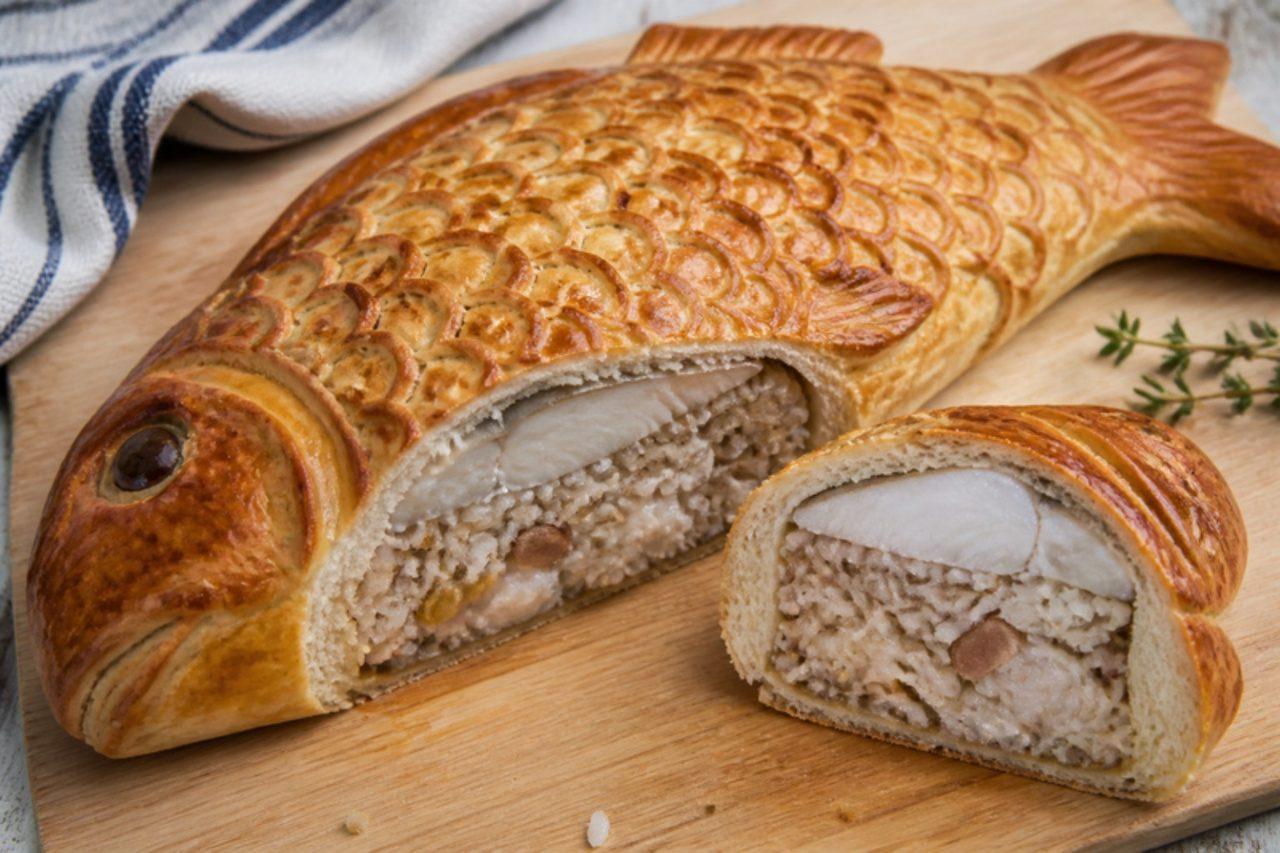
RibnikCarp baked in bread with rice

St Nicholas (Nikulden), on 6 December, is the patron of fishermen and sailors in Bulgaria, and every family that day eats carp, and many make ribnik: a whole carp (or carp fillets) stuffed with rice, onion, walnuts and raisins, wrapped in bread dough and baked so the dough soaks up the juices. The bread and the fish are blessed and shared with neighbours. This version uses carp fillets, which avoids the bones. Chef's tip: lay the fish skin-side down on the dough and seal the seams well, so the juices stay inside.

by KrazyBadal 0 views

Sopa teólogaTurkey broth with bread and cheese

Sopa teóloga ('the theologian's soup') goes back to colonial convents in Lima and Arequipa, where it was cooked for feast days, and it is still served at Holy Week and family celebrations. A rich turkey (or chicken) broth is thickened with soaked bread, milk and fresh cheese, with yellow potatoes and shreds of turkey, and finished with a little ají amarillo and chopped huacatay or parsley. It is thick, comforting and filling. Chef's tip: blend part of the soaked bread with broth before adding it, which gives the soup its creamy body without lumps.

by KrazyBadal 0 views

KaguyjyWhite corn pudding

On the night of 23–24 June, Paraguayans celebrate San Juan with bonfires, games like walking over hot coals and the 'paso de fuego', and a table of traditional foods, and kaguyjy (also mazamorra) is one of them. It is a soft, creamy pudding of cracked white corn (locro) simmered slowly in water and then milk with sugar or honey, sometimes with orange peel. It is eaten warm or cold. It is gluten free. Chef's tip: soak the corn overnight and cook it until each kernel is tender before adding the milk, or it never turns creamy.

by KrazyBadal 0 views

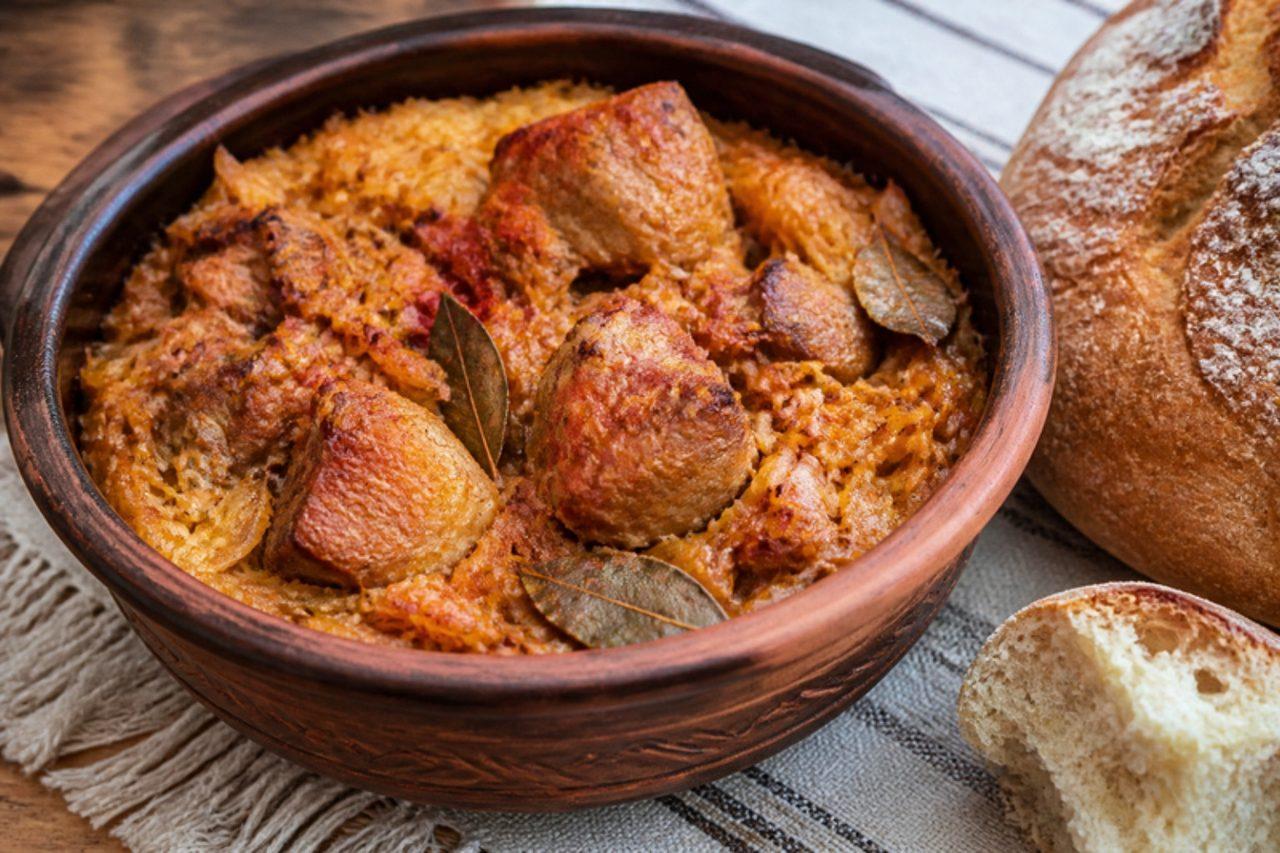
Svinsko s kiselo zelePork baked with sauerkraut

After the forty-day Advent fast and the meatless Christmas Eve, Bulgarians break the fast on Christmas Day with pork, and the classic dish is svinsko s kiselo zele: pork shoulder baked slowly with homemade sauerkraut, rice, paprika and bay in a clay pot until the cabbage turns soft and golden. It fills the house with a sour, savoury smell and tastes even better the next day. Chef's tip: rinse the sauerkraut if it is very sour, but keep some brine; a little sharpness is what balances the rich pork.

by KrazyBadal 0 views

Dowina (Kurdish yogurt soup)

Dowina, called ash-e doogh in Persian, is warming spring food in Kurdish homes around Newroz, when yogurt is plentiful and the first herbs are cut from the garden. Rice and chickpeas simmer in a tangy, lightly thickened yogurt broth, finished with fresh dill, coriander and a sizzle of dried mint in oil. It is eaten warm, never boiling hot, with flatbread. The common mistake is to heat the yogurt too fast without stirring, which makes it split into grainy curds. Chef's tip: whisk an egg yolk and a spoonful of rice flour into the yogurt before it goes on the heat; it holds the soup smooth all the way to the simmer.

by KrazyBadal 0 views

Showing 24 of 616 recipes

Show more recipes

Page 1 of 26