Skip to content

High-protein vegetarian meals

Meat-free meals with plenty of protein from paneer, dal, beans, tofu and eggs. (468 recipes)

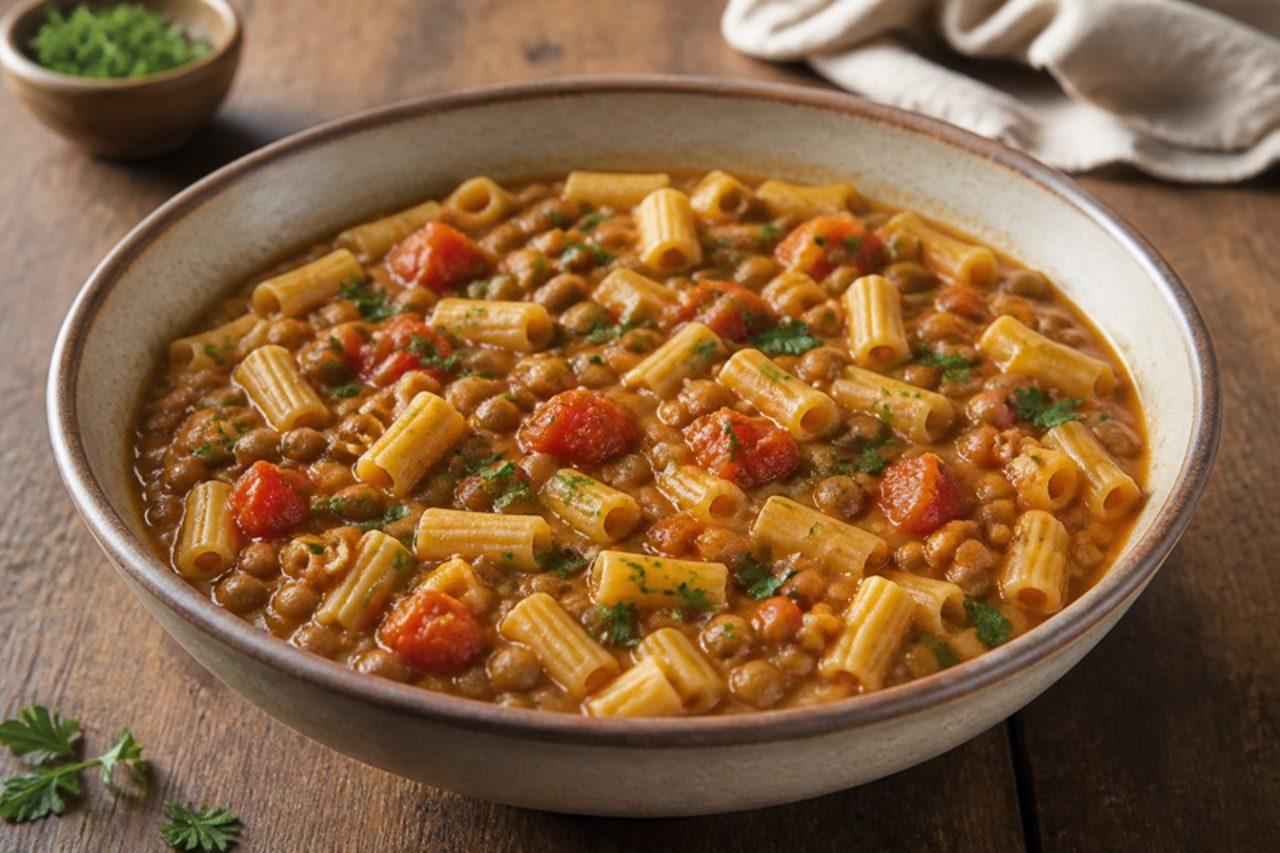
Pasta e lenticchiePasta and lentil stew

In Naples, pasta with legumes is weekday food, and pasta e lenticchie is the one every family makes in winter: small lentils cooked with garlic, celery and a little tomato until soft, then mixed short pasta (pasta mista, the broken ends of different shapes) is cooked right in the pot until thick and creamy. Lentils also bring luck for the New Year, so many families make it on 1 January. Chef's tip: cook the pasta in the lentils with only just enough water, adding it a ladle at a time; the starch from the pasta makes the stew creamy without any cheese.

by KrazyBadal 0 views

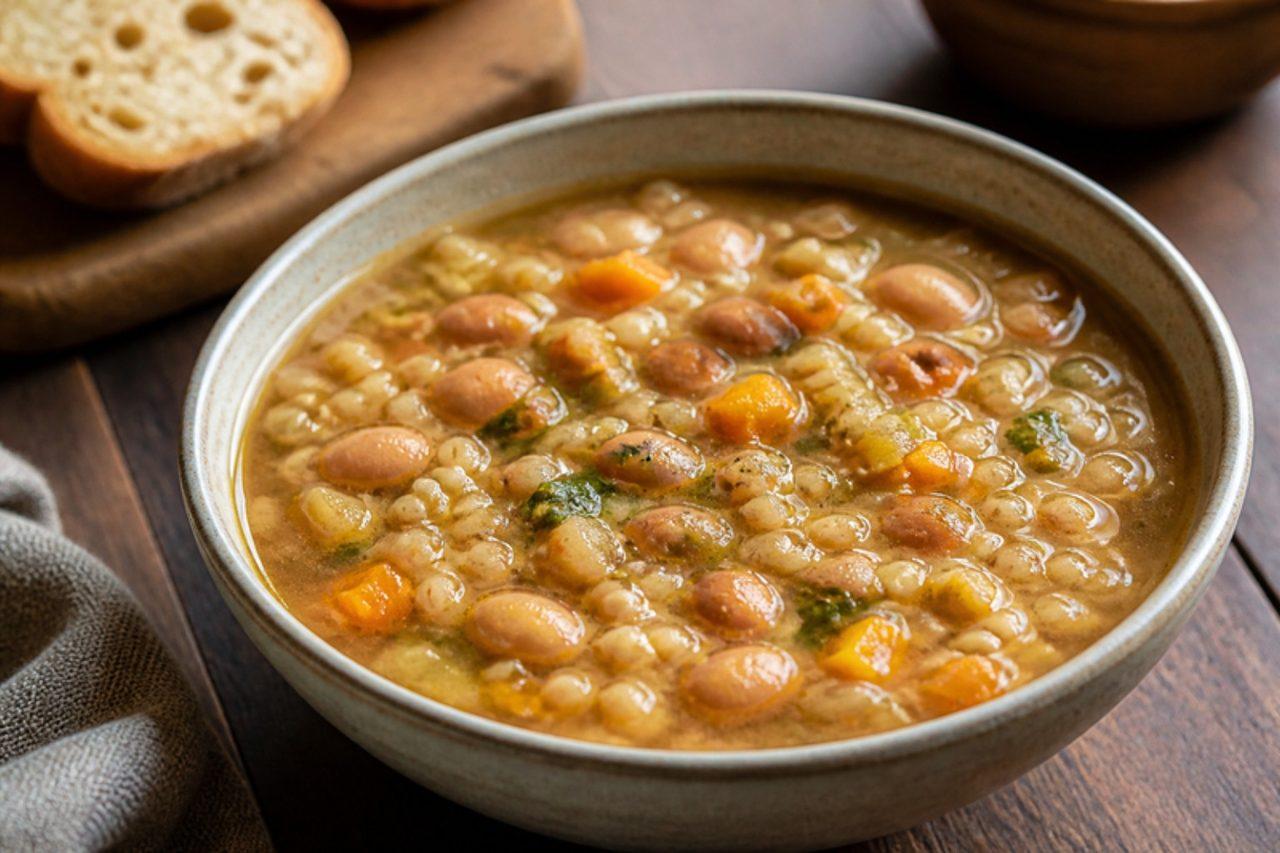
Zuppa di farro della GarfagnanaEmmer and bean soup

In the Garfagnana, the wooded mountain valley north of Lucca in Tuscany, farro (emmer wheat) has been grown for 2,000 years and has its own protected status. The classic local dish is a thick, warming soup of farro and borlotti beans, half of them puréed, with onion, carrot, celery, tomato and herbs, served in winter with a thread of new olive oil. Chef's tip: blend half of the cooked beans before adding the farro; it gives the soup a creamy body.

110 minItalianSoupsVegan
by KrazyBadal 0 views

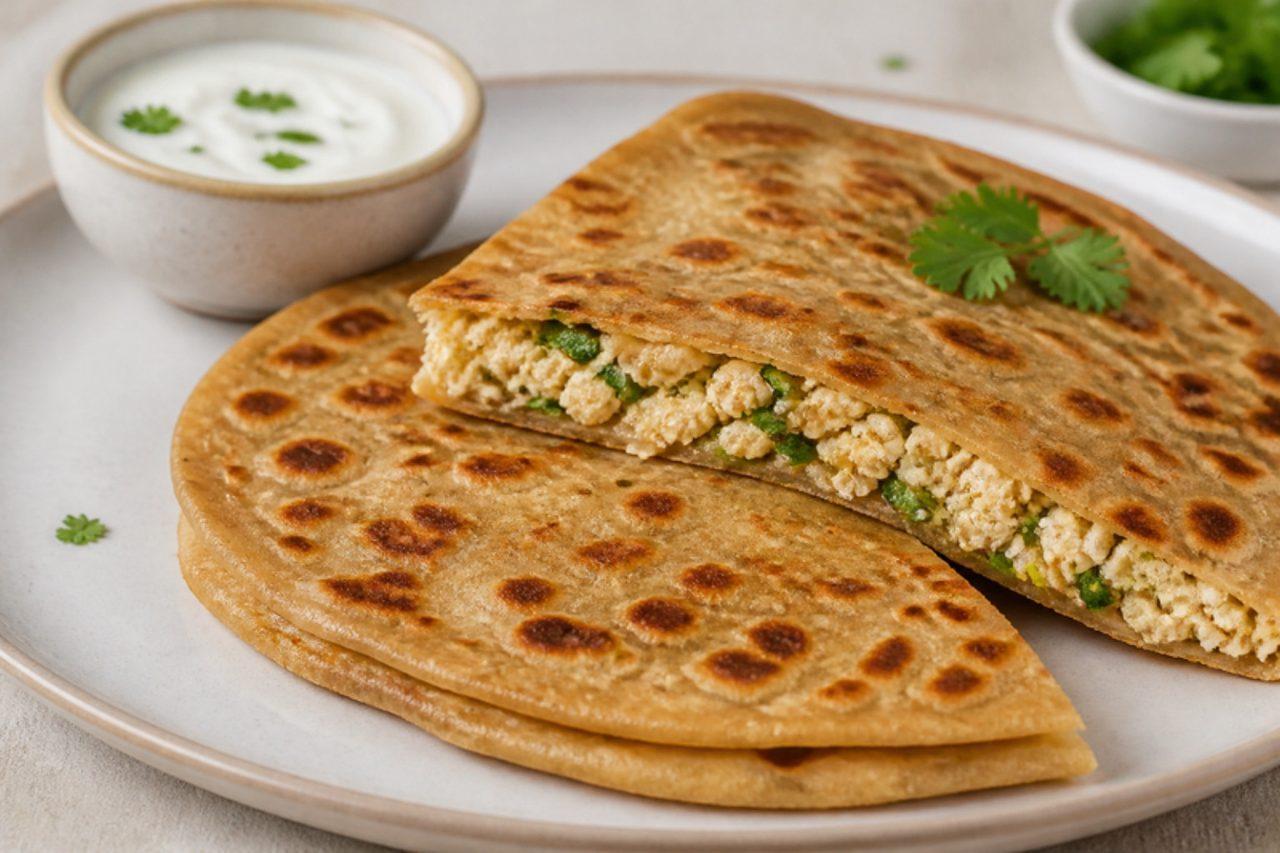
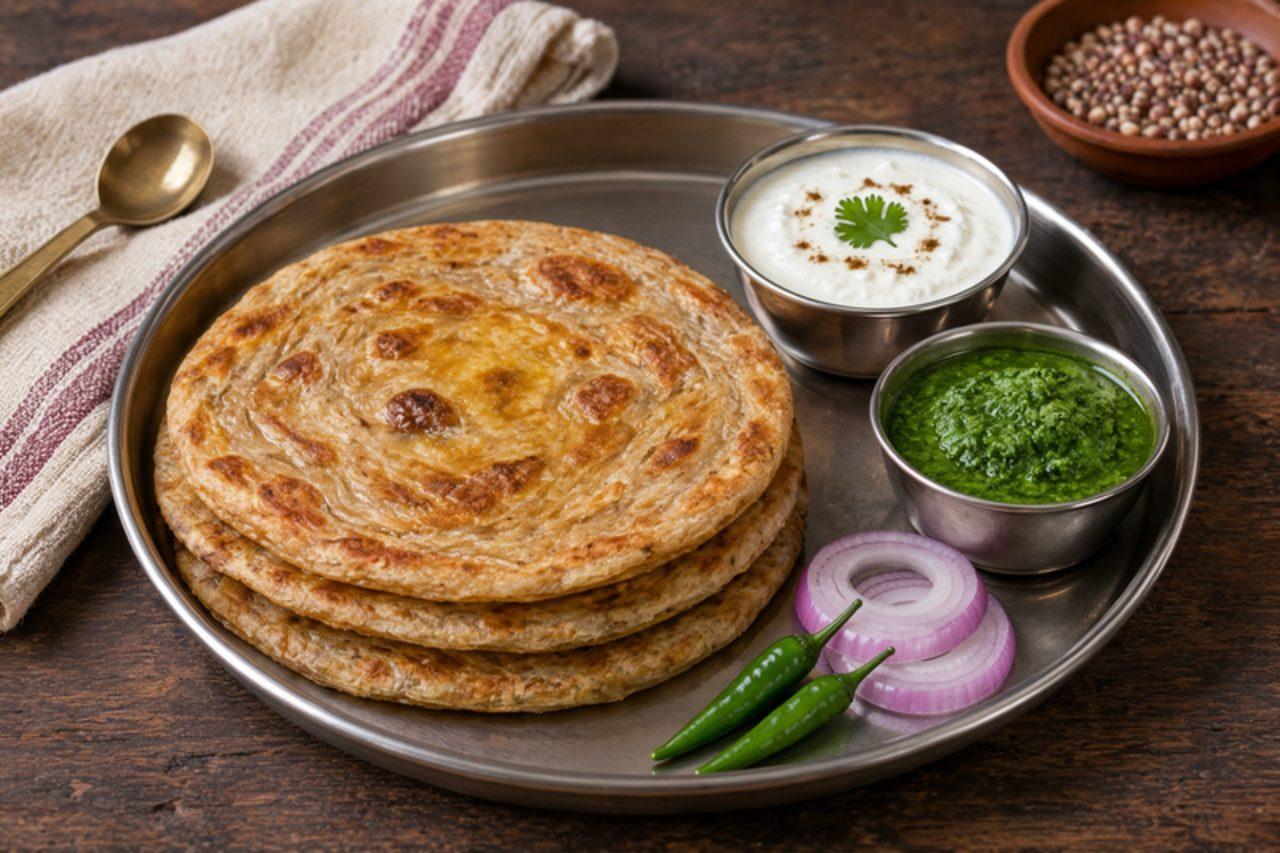
Paneer parathaPaneer-stuffed flatbread

Dhaba breakfasts on the Grand Trunk Road out of Amritsar always have paneer paratha on the board, and it's a lunchbox favourite in Delhi homes because it stays soft and filling until the afternoon. The filling is fresh paneer grated fine, mixed with green chilli, lots of coriander, ajwain, a little onion and a pinch of amchur. Rolled inside atta dough and cooked with ghee, it becomes a mild, milky, protein-rich paratha with crisp brown patches. Serve with dahi, mint chutney or mango achar, and a cup of adrak chai. Use homemade or shop paneer; both are made with lemon or vinegar, not rennet. Common mistake: crumbling the paneer roughly; big lumps poke through the dough and tear it. Grate it finely or mash it with the heel of your hand. Chef's tip: if your paneer is very fresh and moist, add a tablespoon of atta to the filling to bind it, and roll these slightly thicker than a gobi paratha.

by KrazyBadal 0 views

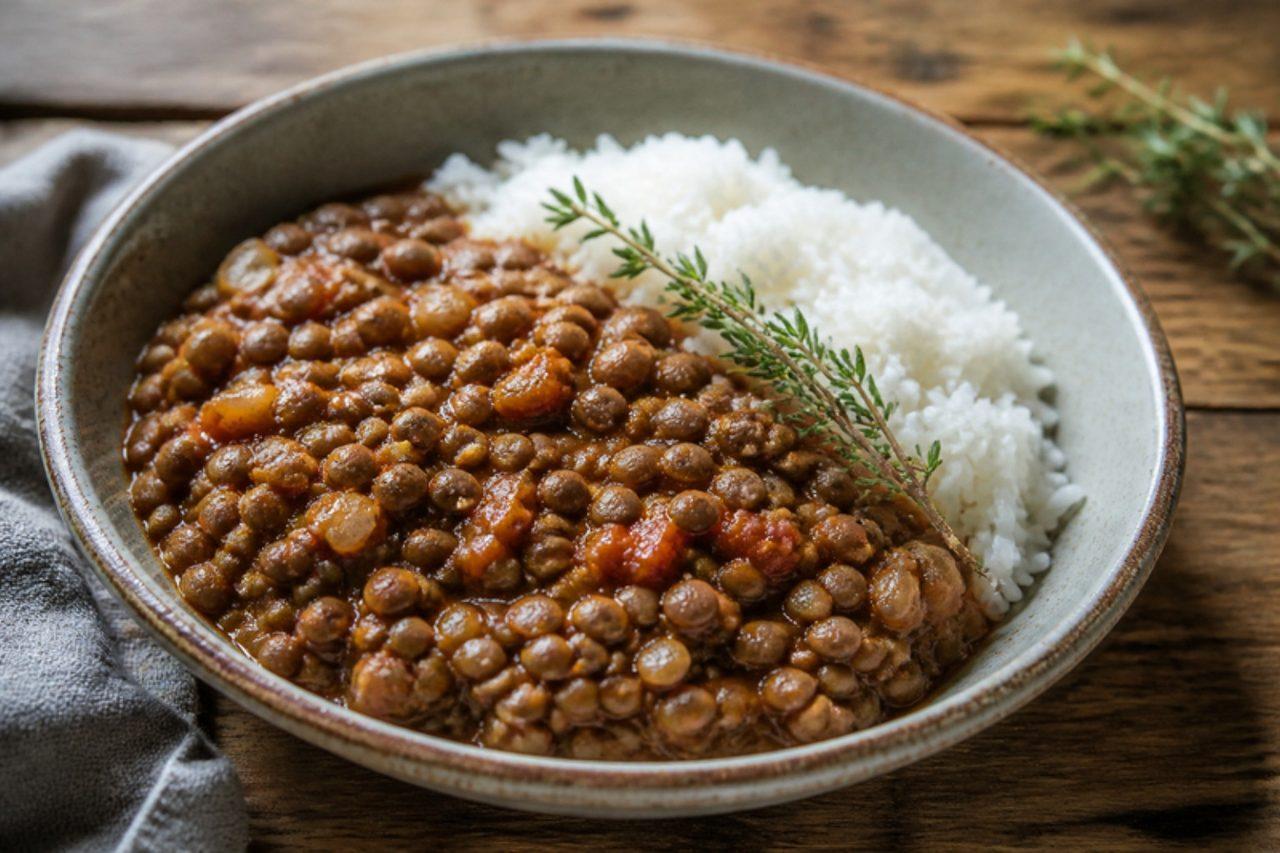
Lentilles de CilaosMountain lentils

High in the volcanic cirque of Cilaos, farmers grow tiny brown-green lentils on terraces, and the whole island prizes them: they hold their shape, taste nutty and mineral, and turn up beside every kind of cari, with a mound of white rice and a spoon of rougail. The village holds a lentil festival each autumn, and a pot of lentilles is a fixture of family Sunday lunches across Réunion. Outside the island, use small French green or brown lentils, which behave in the same way. Don't let them boil hard; a fierce boil splits the skins and turns the pot into mush, so keep it at a gentle bubble. Chef's tip: take the time to brown the onions properly before the lentils go in, because that slow, sweet browning is what gives the sauce its depth.

by KrazyBadal 0 views

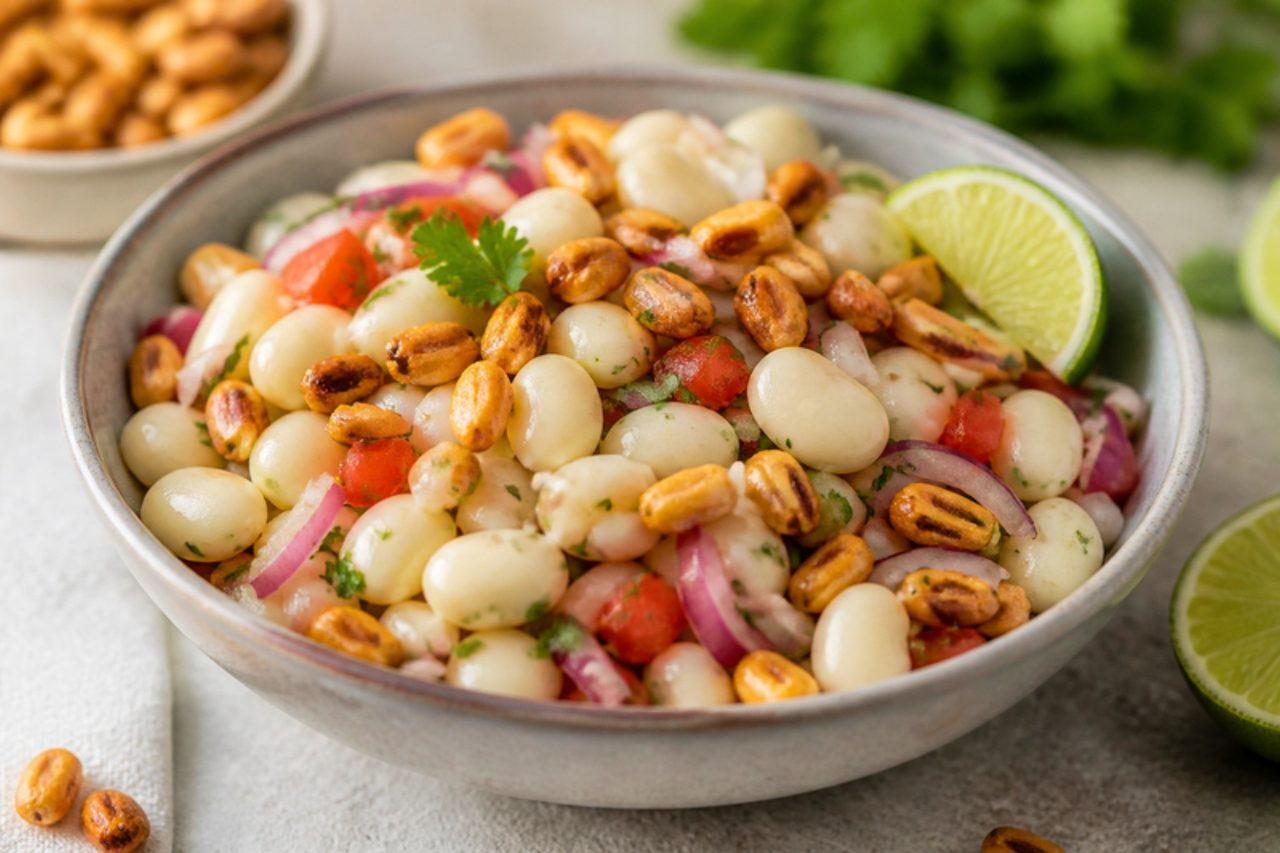
Chochos con tostadoLupin bean and toasted corn salad

On street corners in Quito and Latacunga vendors pile paper cups with chochos, the pale Andean lupin beans, tossed with lime-soaked red onion and tomato and showered with crunchy toasted corn. It is a cheap, filling mid-morning snack, sour and salty with a nutty crunch, and it doubles as a light lunch with a fried plantain on the side. Buy chochos ready debittered, sold cooked in jars or vacuum packs: raw lupins are bitter and contain toxic alkaloids until they have been soaked and boiled for several days, so never use dried ones without that long treatment. Lupin is also a declared allergen and can affect people with peanut allergy. The common mistake is skipping the rinse, which leaves the beans tasting of brine. Chef's tip: salt the onion with the lime juice 10 minutes ahead so it softens and turns pink.

by KrazyBadal 0 views

Gahat ke paratheHorse gram stuffed parathas

Gahat (horse gram) is the warming winter lentil of Uttarakhand, and in Garhwal it is boiled, mashed and stuffed into parathas for cold mornings, served with butter, curd and a hill pickle. The filling is spiked with ginger, garlic, green chilli and coriander, and the parathas keep you full for hours. Gahat is hard, so it needs a long soak and a pressure cooker. The common mistake is leaving the filling wet; moisture steams through the dough and the paratha tears. Chef's tip: dry the mashed gahat in a pan for a few minutes after mashing until it holds together like a soft crumble.

by KrazyBadal 0 views

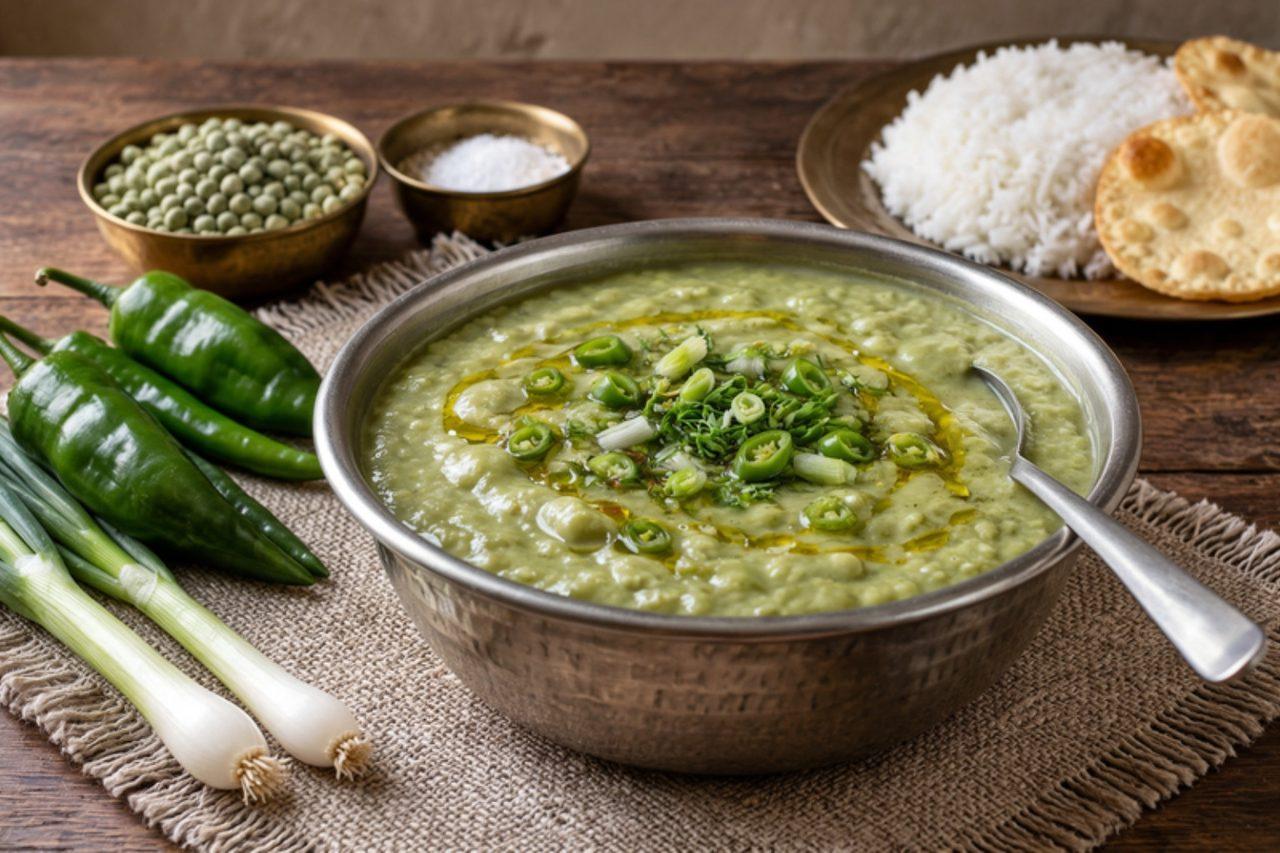
OotiSoft dried pea curry

Ooti is a Meitei comfort dish from Manipur, especially loved in winter and at the community feasts of Ningol Chakouba: dried peas simmered with a pinch of soda until they collapse into a soft, mild stew scented with garlic and spring onion. It goes with rice and a fiery eromba. The mistake is adding too much soda, which tastes soapy; a small pinch is enough. Chef's tip: soak the peas overnight and they will be soft in about 40 minutes.

by KrazyBadal 0 views

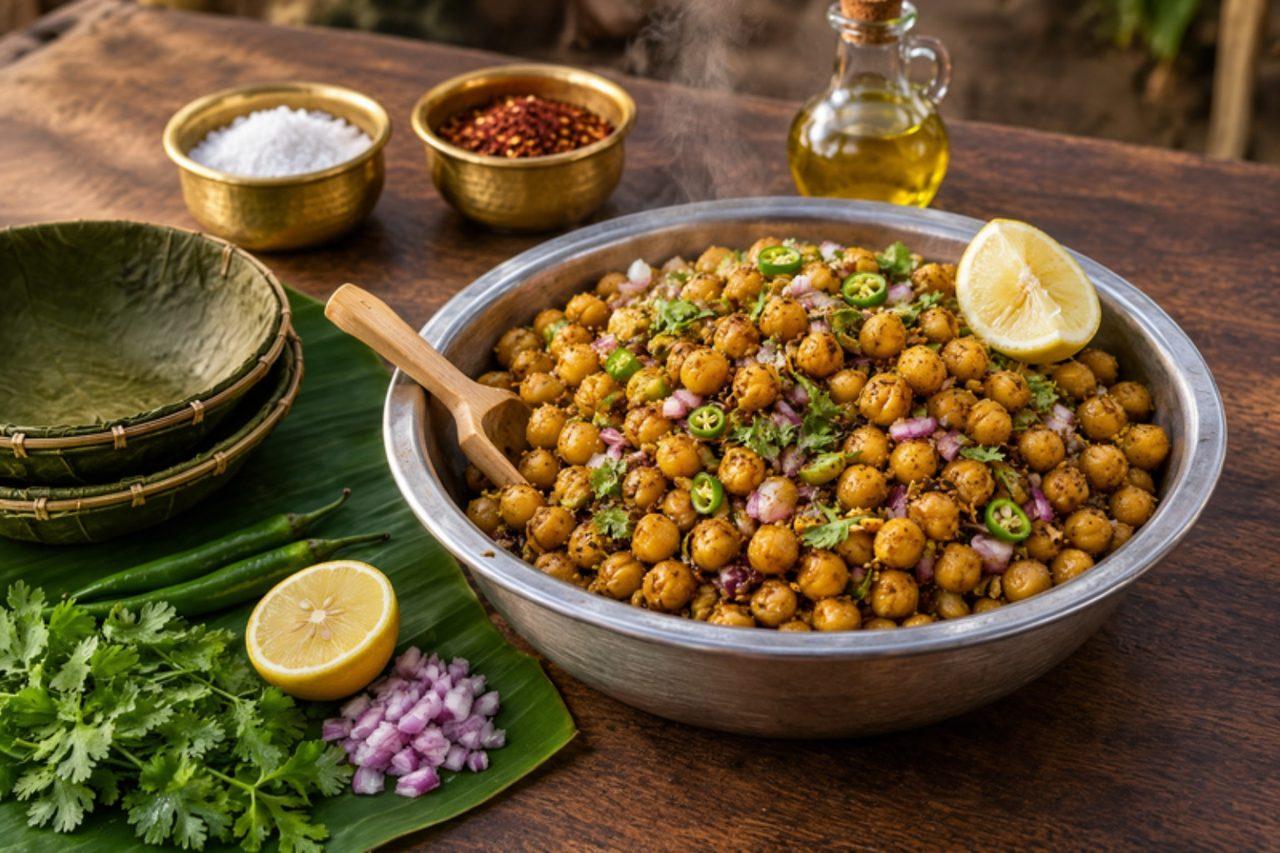
Kelli chanaSpiced chickpea snack

On Imphal evenings, kelli chana is sold from steaming pots at street stalls and outside markets: boiled chickpeas tossed while hot with raw onion, chilli, coriander and lemon, sometimes with a spoon of roasted chilli. It is a cheap, filling snack before dinner. The mistake is using under-cooked chickpeas, which stay hard; they should squash easily between finger and thumb. Chef's tip: toss the chickpeas while still hot so they soak up the lemon and salt.

by KrazyBadal 0 views

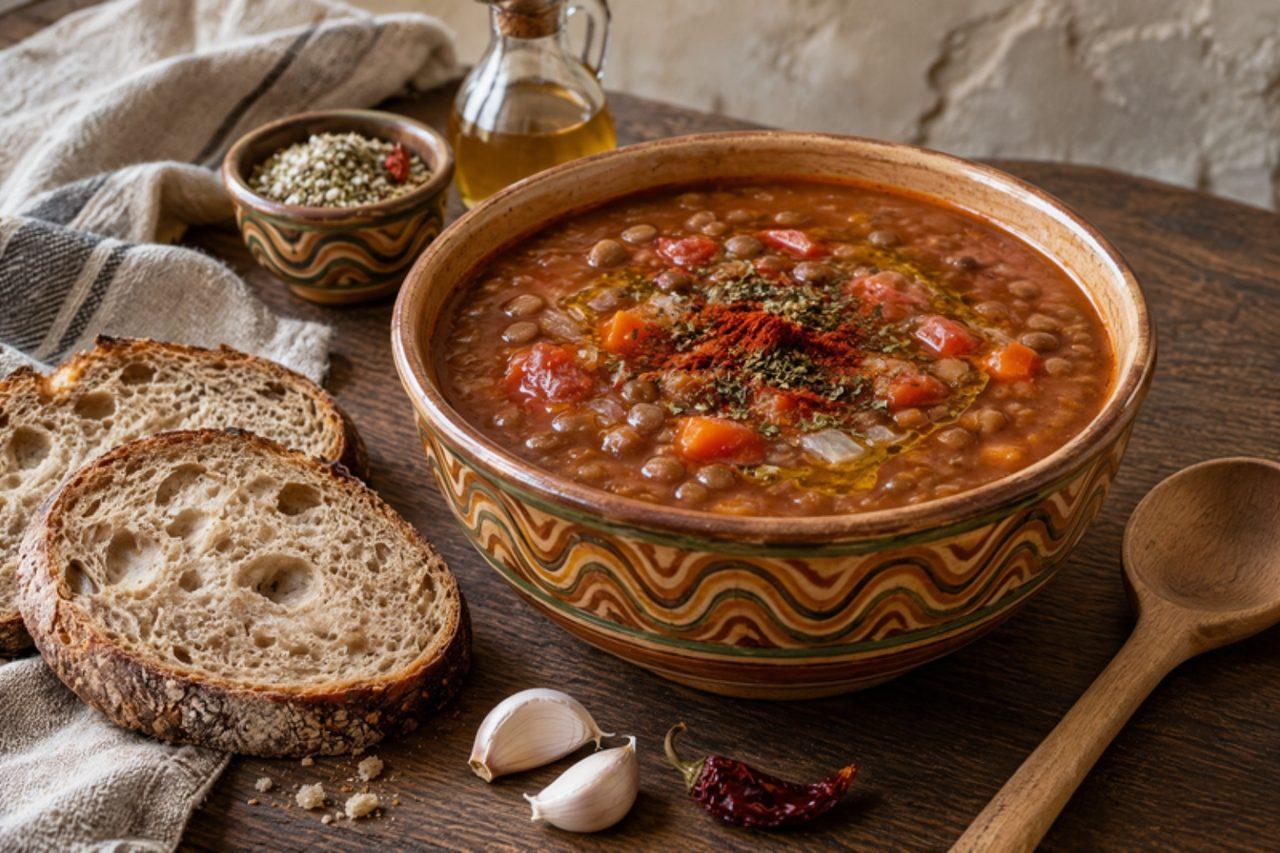
Leshta chorbaLentil soup

Leshta chorba is cooked in Bulgarian homes all winter, and it is the soup of choice on fasting days before Christmas and Easter, when families eat no meat or dairy. Brown lentils simmer with onion, carrot and tomato, coloured with sweet paprika and scented with chubritsa (summer savory), the herb that makes Bulgarian cooking taste like itself. It is eaten with a slice of wholemeal bread and a few pickles. Suitable as part of a balanced diet. About 280 kcal and 34 g carbohydrate per portion. The usual mistake is frying the paprika in very hot oil: it burns and turns bitter in a few seconds, so take the pan off the heat first. Chef's tip: a splash of vinegar stirred into each bowl at the table brightens the earthy lentils.

by KrazyBadal 0 views

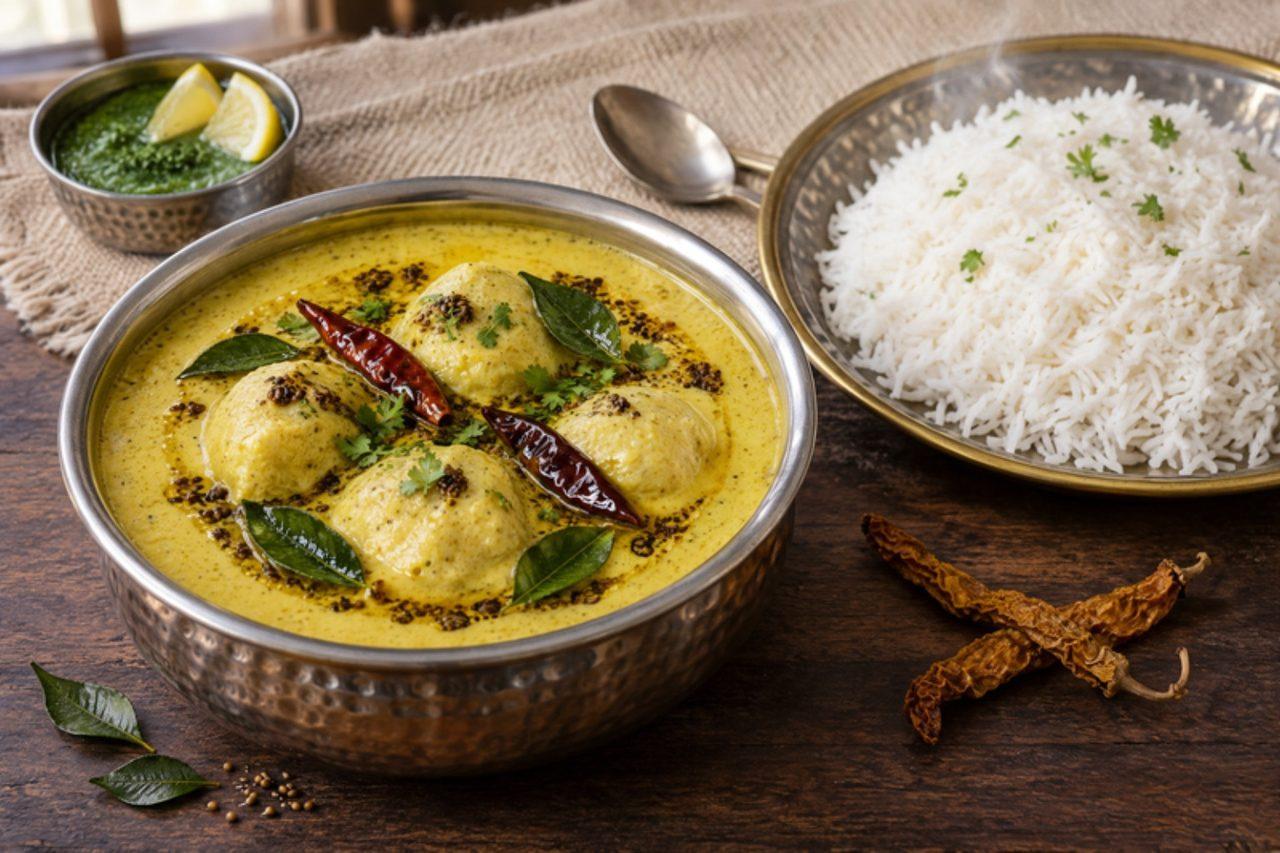
Dubki kadhiUrad dal dumplings in curd curry

Dubki means a dip, and in this Chhattisgarhi kadhi the spiced urad dal batter is dropped raw straight into the simmering curd so the dumplings cook in the pot rather than in hot oil. It is the lighter, everyday cousin of pakora kadhi, served with rice at lunch across Durg and Raipur and at village feasts. The common mistake is dropping the batter into kadhi that is barely warm; the dumplings fall apart, so the kadhi must be at a lively simmer. Chef's tip: whisk the batter by hand for a full 3 minutes until a spoonful floats in water, and the dumplings will be airy, not dense.

by KrazyBadal 0 views

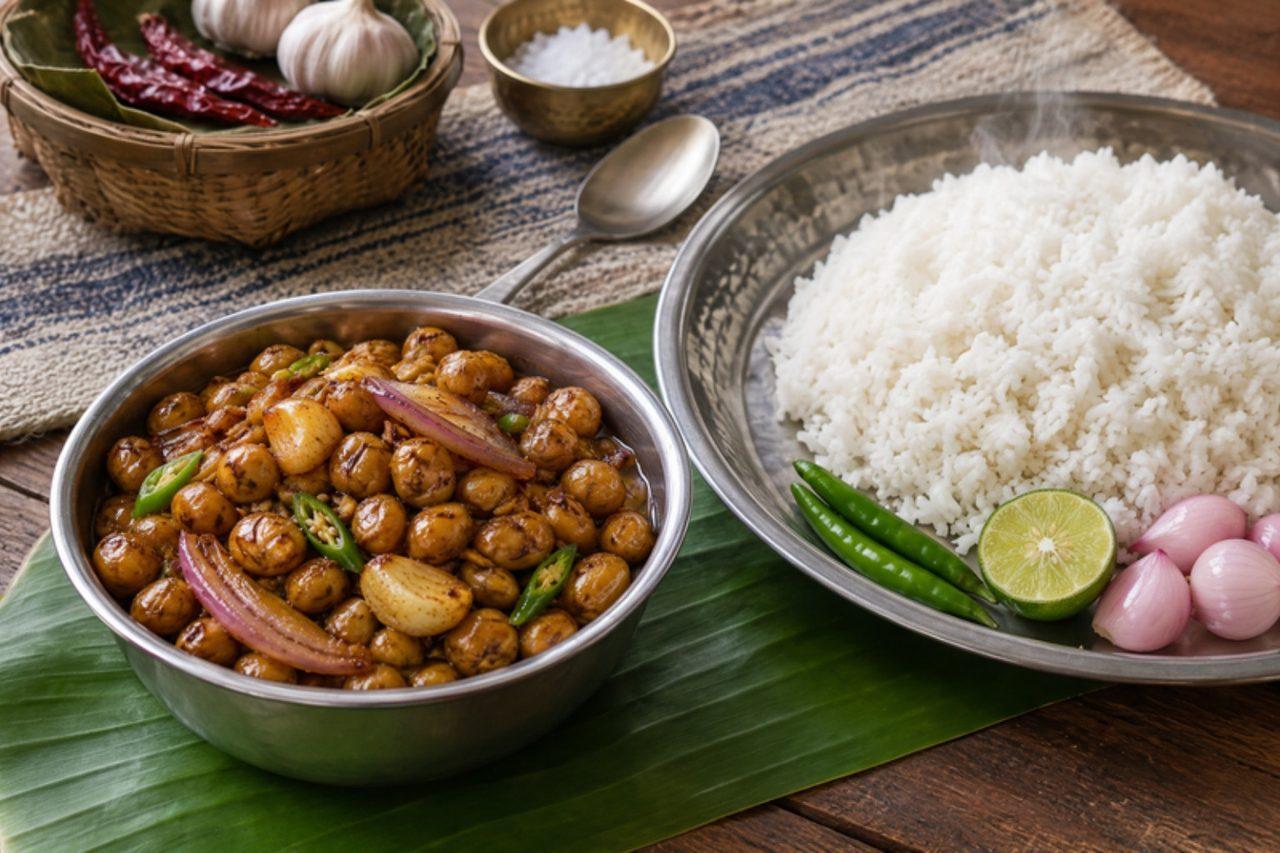
BekangFried fermented soybeans

Bekang is the Mizo name for soybeans boiled and left to ferment in leaves until sticky and strongly savoury, and fried bekang is one of the most loved sides on the Aizawl table, spooned over plain rice. To ferment your own, keep the wrapped, drained beans at 30–40 °C for 2–3 days: they are ready when coated in sticky white threads and smell of ammonia and nuts. Throw them out if you see black, green or pink mould or they smell rotten. The common mistake is frying on high heat until the beans scorch and turn bitter. Chef's tip: bought kinema, axone or natto work in place of homemade bekang.

by KrazyBadal 0 views

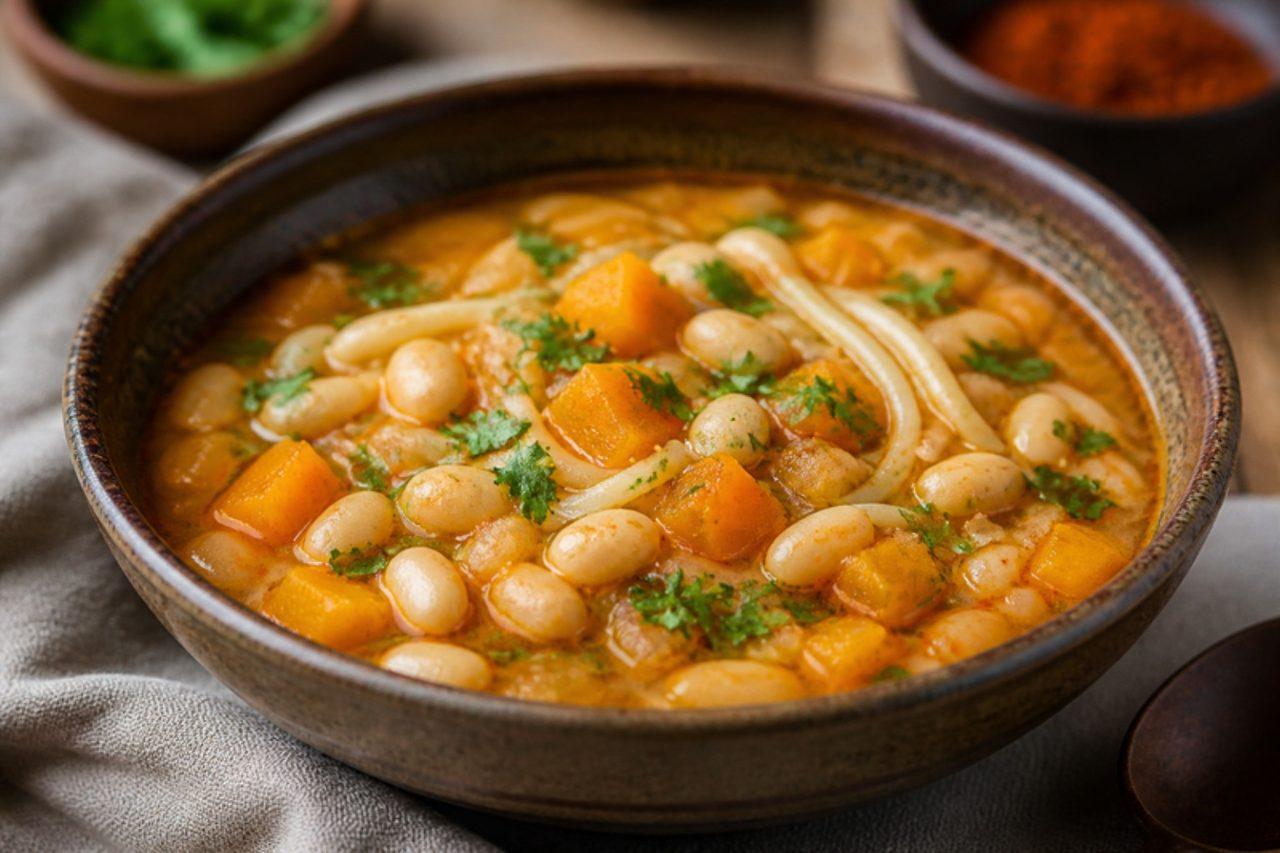
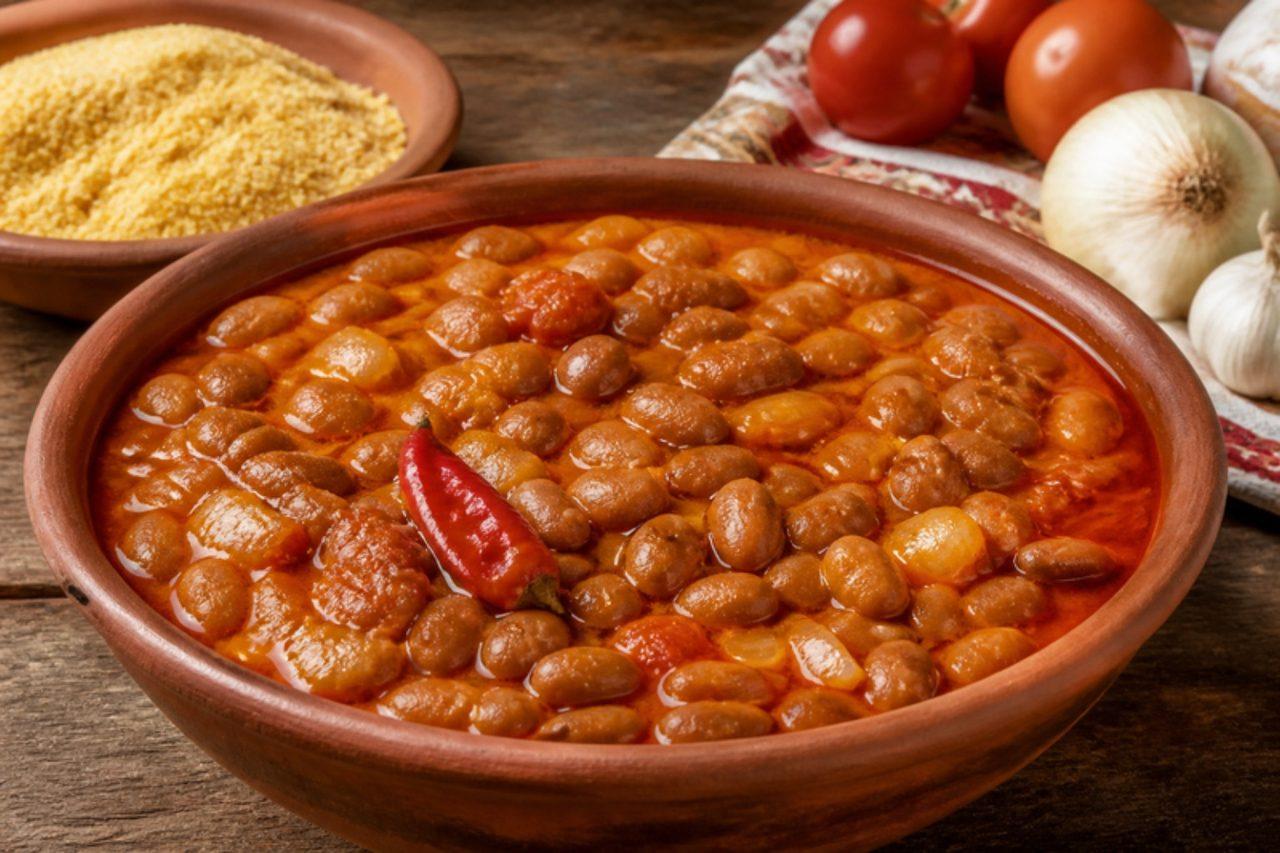
Porotos con riendasBean and squash stew with spaghetti

When the Andes turn white above Santiago, lunch counters in the Mercado Central and home kitchens all over the Central Valley put on a pot of porotos con riendas, dried beans stewed with squash until thick and orange, with broken spaghetti, the 'reins', stirred through at the end. It is served in deep plates with a spoonful of pebre or a tomato salad alongside. Many cooks add longaniza sausage; this version keeps it meat-free and relies on smoky paprika and slow-cooked onion. Adding the pasta too early is the common mistake: it swells, goes soft and drinks all the liquid. Chef's tip: grate a third of the squash so it melts into the beans and thickens the stew, and dice the rest so you still get chunks.

by KrazyBadal 0 views

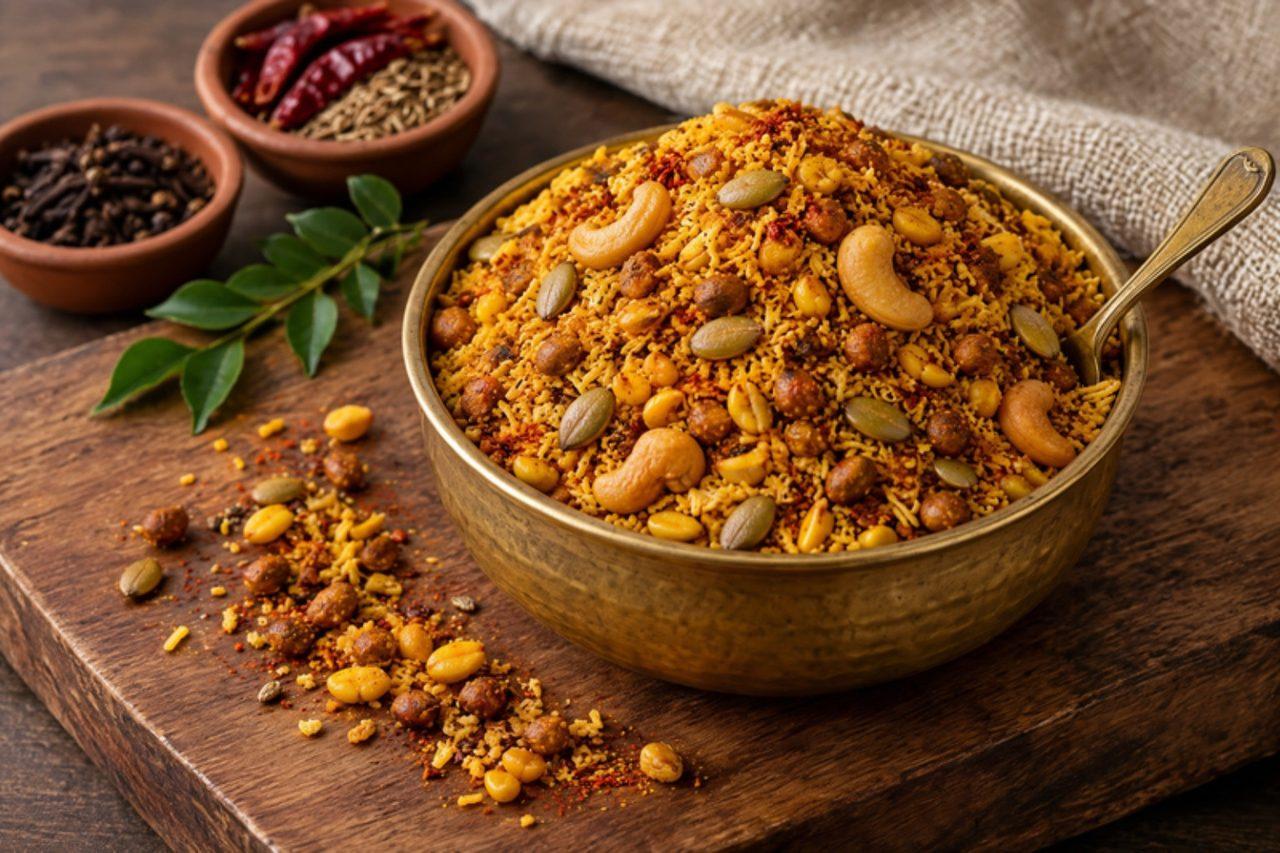
Agra dalmothFried lentil snack mix

Agra is famous for two sweets and one namkeen, and dalmoth is the namkeen: soaked masoor and chana dal fried until crunchy and tossed with chilli, black salt, dry mango and a little sugar, sold in big tins near the Taj and packed for every train journey. It is eaten with tea in the afternoon and handed round to guests at Diwali. The dal is fried dry, without any batter coating. The common mistake is frying the dal straight from soaking water; any moisture makes the oil spit dangerously and the dal chewy, so dry it on a cloth for at least an hour. Chef's tip: fry the masoor and chana separately, as they need different times to turn crisp.

by KrazyBadal 0 views

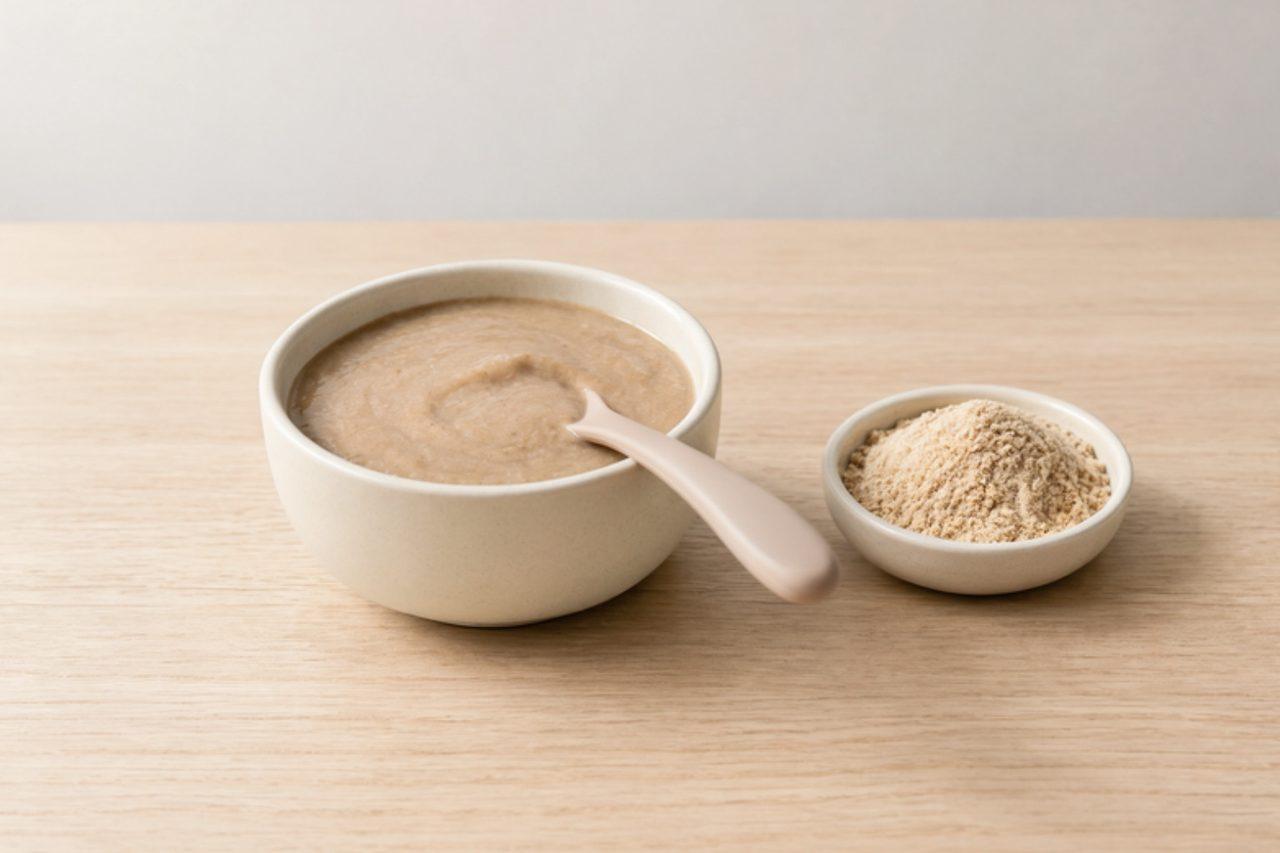
Lito (sarbottam pitho porridge)

Ask a mother in Kathmandu, Pokhara or a hill village what her baby eats after the pasni rice-feeding ceremony, and the answer is often lito: porridge made from sarbottam pitho, a 'super flour' that families roast and grind themselves from two parts soybean to one part each of maize and wheat. Cooked with water it becomes a smooth, nutty, toast-coloured porridge with more protein than plain rice. For babies there is no salt, sugar, jaggery, honey or ghee needed. It contains soya and wheat (gluten). Chef's tip: roast the grains separately, each until it smells nutty and cracks between your teeth, then grind and sieve; the beans need longest.

by KrazyBadal 0 views

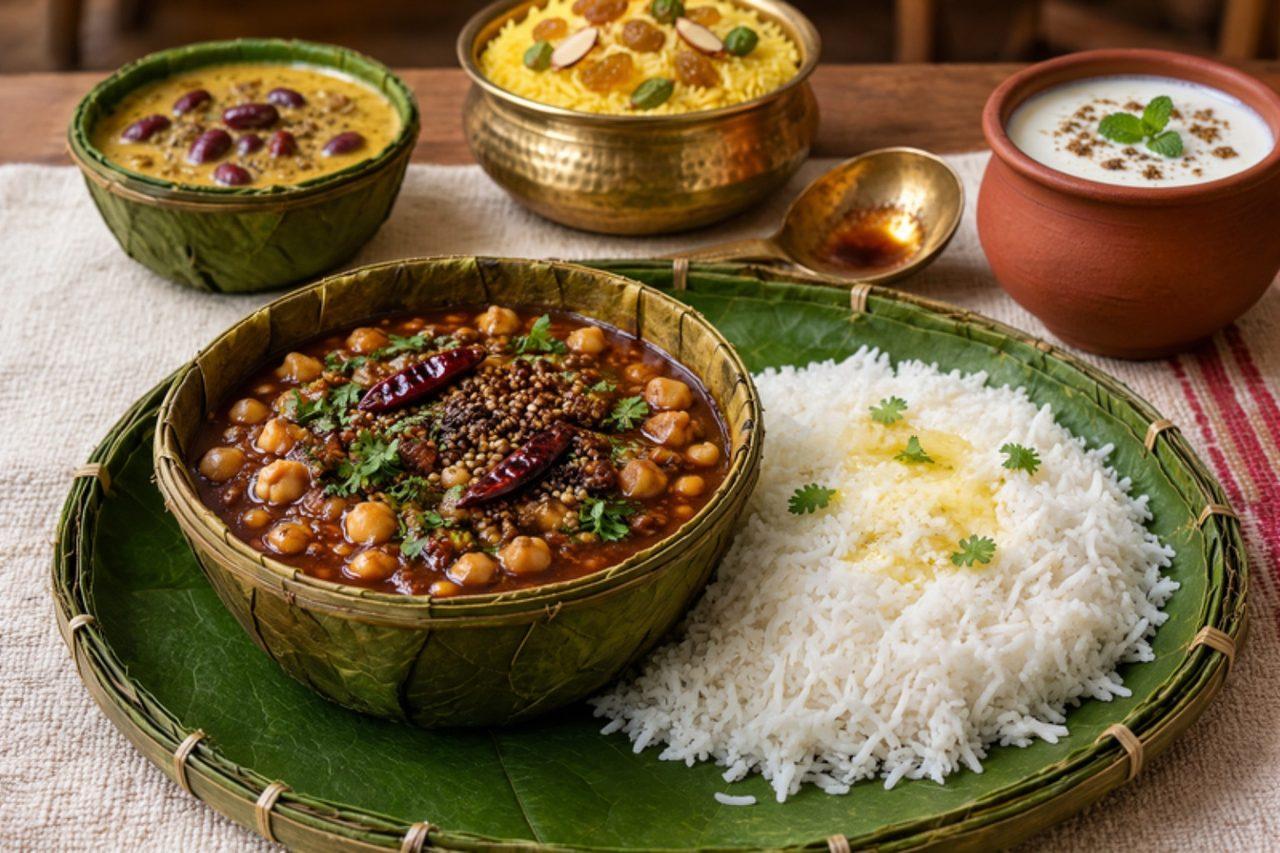
Kangri khattaTangy chickpeas

At a Kangra dham, the leaf-plate feast cooked by botis (Brahmin cooks) for weddings and village festivals, khatta comes towards the end, a dark, sweet-sour dish of chickpeas or pumpkin in a gravy soured with tamarind or dried mango and balanced with jaggery. It is served with rice and has no onion or garlic. The gravy is thin, glossy and almost black from the long-cooked tamarind. The common mistake is adding the tamarind to undercooked chickpeas; the acid stops them softening, so cook them fully first. Chef's tip: a teaspoon of rice flour or gram flour stirred into the gravy gives the dham-style gloss without making it heavy.

by KrazyBadal 0 views

Feijão de óleo de palmaPalm oil beans

No Saturday table in Luanda feels complete without a pot of these beans next to the funge, and the deep orange colour of the dende oil tells you they are ready. Soft, creamy beans are simmered with onion, garlic, tomato and a generous pour of red palm oil until the broth thickens and every bean is coated, earthy, faintly smoky and rich. Serve them with funge de bombó (cassava) or funge de milho, with fried plantain, or with rice and greens. Buy unrefined red palm oil from an African grocer, ideally certified sustainable; it is not the same as the pale refined kind. Chef's tip: hold back the salt and tomato until the beans are truly soft, because both firm up the skins and are the usual reason a bean pot never gets creamy.

by KrazyBadal 0 views

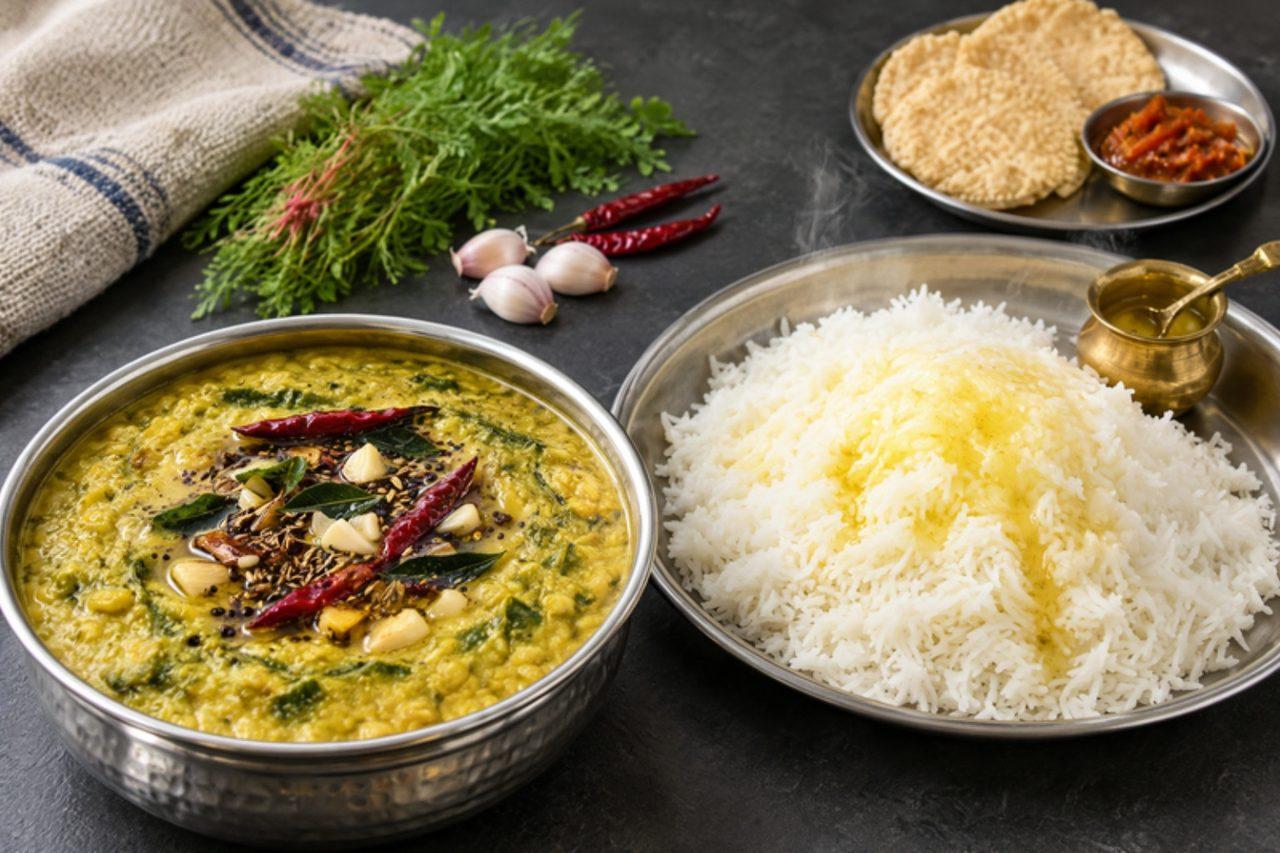
Chintha chiguru pappuDal with young tamarind leaves

Every spring the tamarind trees of Telangana put out soft, coppery new leaves, chintha chiguru, and housewives in Hyderabad and the districts strip them by the handful for a few weeks of this pleasantly sour dal. The leaves give the tang that tamarind pulp gives the rest of the year, and the pappu is eaten with hot rice, ghee and a crisp papad. The common mistake is adding all the leaves at the start; they lose their fresh sourness, so stir half in near the end. Chef's tip: if tamarind shoots are out of reach, use a mix of sorrel and a teaspoon of tamarind paste.

by KrazyBadal 0 views

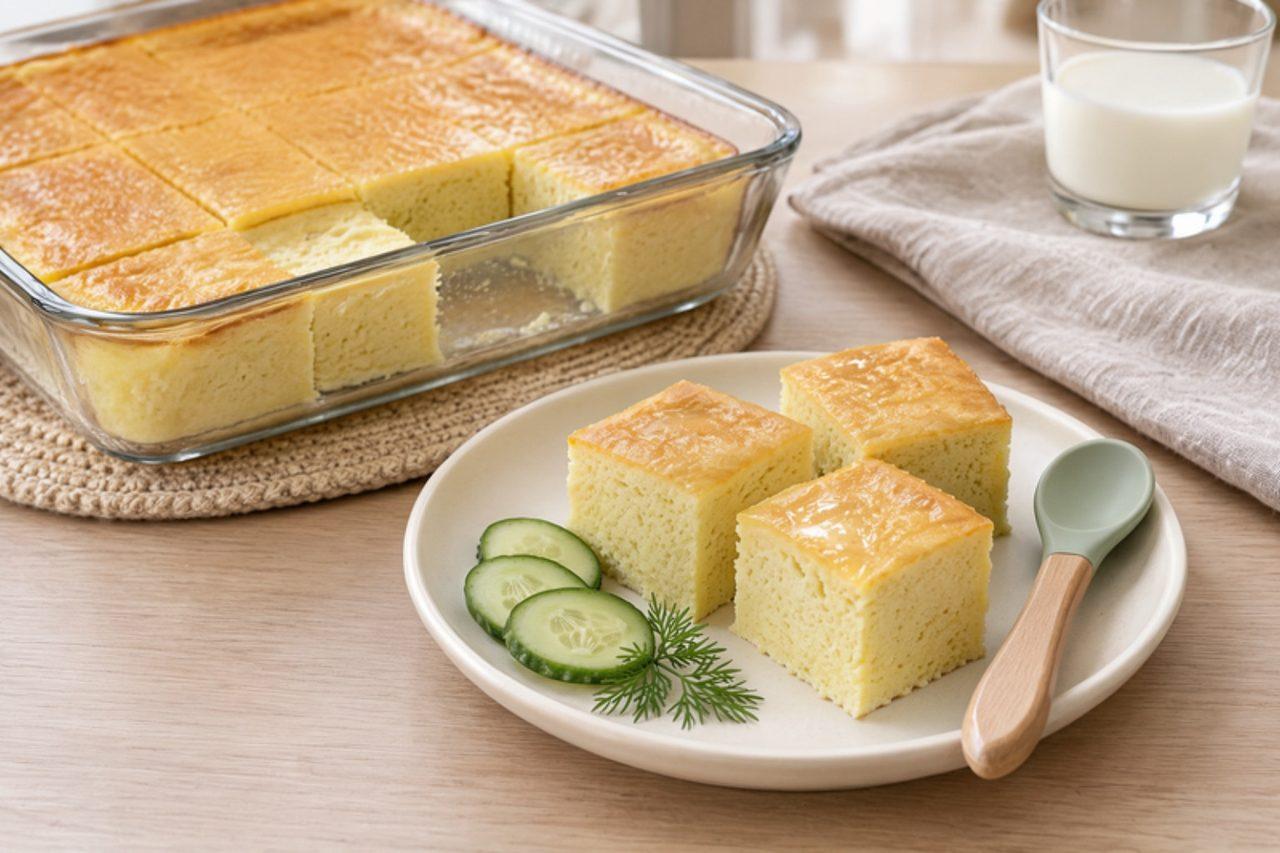
Detsadovsky omlet (kindergarten oven omelette)

Anyone who went to a detsky sad, a kindergarten, in Moscow, Kyiv or Minsk remembers this omelette: tall, pale and soft as a sponge, baked in big trays and served in squares with a slice of bread and butter. The secret is lots of milk and a deep dish, so the eggs steam-bake into a quivering, custardy block rather than a flat frittata. It makes a protein-rich breakfast or supper for toddlers from 12 months, made here without salt. It contains egg and milk; there is no gluten, nuts or soya. Chef's tip: stir the eggs and milk, don't whisk them into a foam, or the omelette rises and then collapses.

by KrazyBadal 0 views

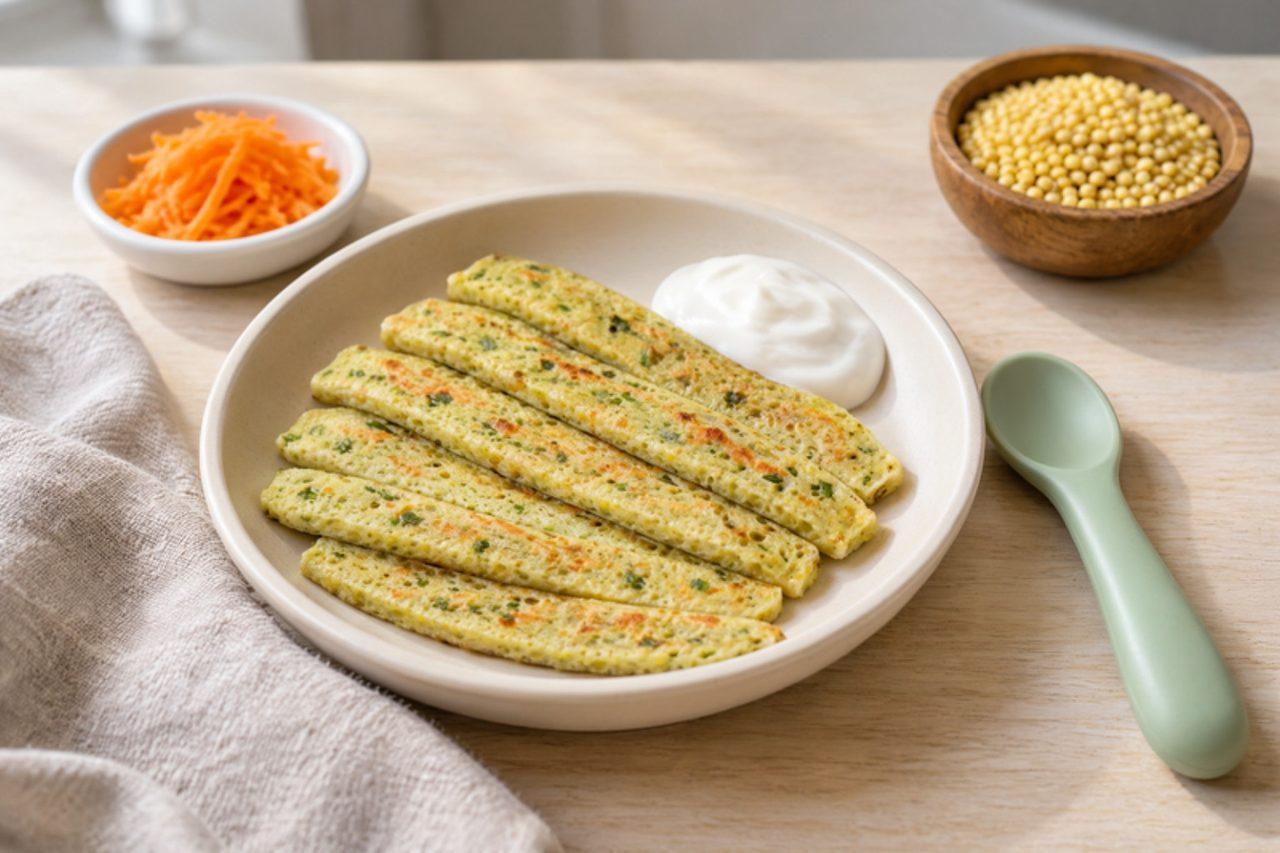
Moong dal cheela fingers for babiesMoong dal pancake fingers for babies

Across Punjab and north India, moong dal cheela is a weekday breakfast griddled to order, usually with green chilli, ginger and a pinch of ajwain. For babies from nine months the batter is just soaked yellow moong and grated carrot, cooked thin and soft and cut into strips that are easy to grab, ideal for baby-led eating alongside spoon food. They are tender, mildly sweet from the carrot and packed with plant protein. They are free of the major allergens: no milk, egg, gluten, nuts, soya, sesame or fish. Chef's tip: grind the batter to the thickness of double cream; thinner batter tears, thicker batter stays raw in the middle.

by KrazyBadal 0 views

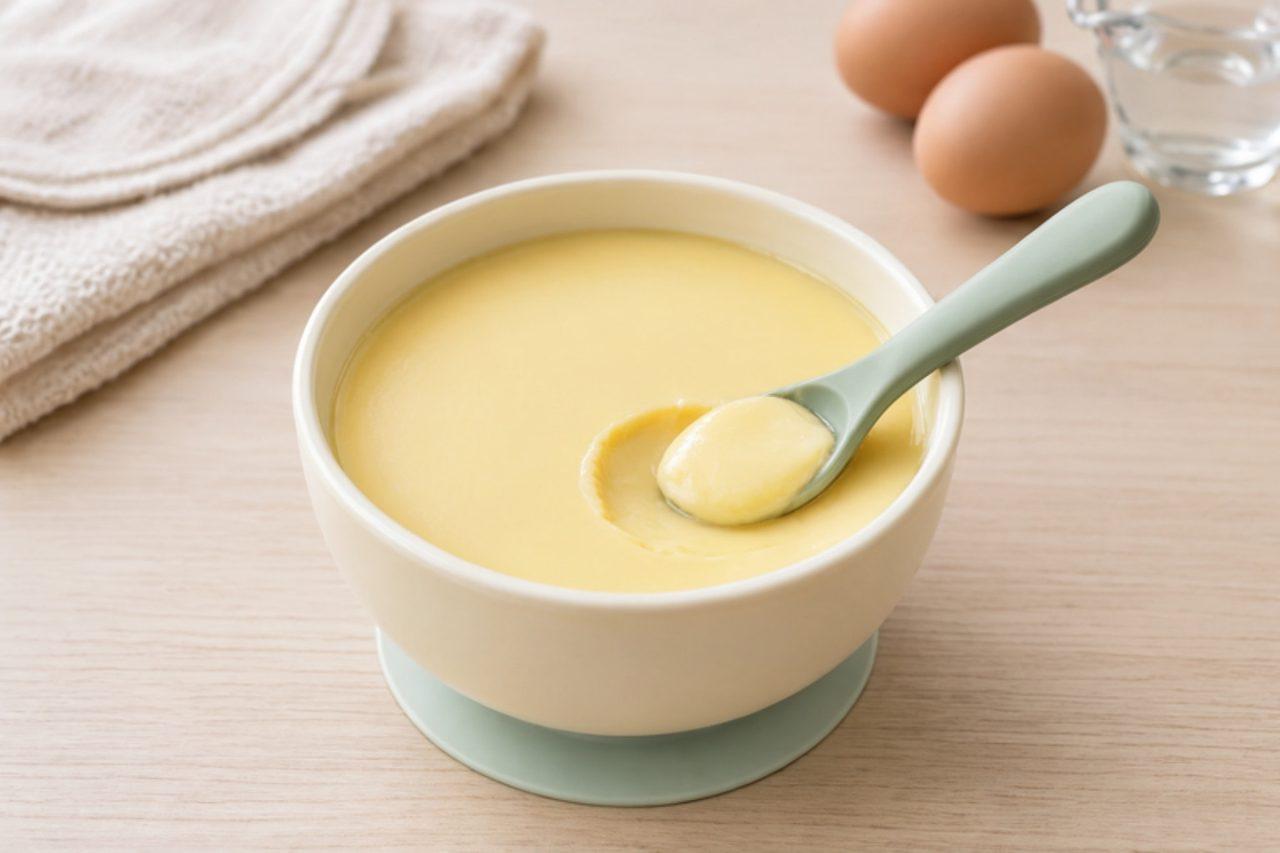
Jīdàn gēng for babies (steamed egg custard)

Jīdàn gēng, egg steamed with water into a quivering custard, is the dish Chinese grandparents everywhere from Shanghai to Guangzhou make for small children, and it is often the way a baby first meets whole egg at around nine months. The family version is finished with soy sauce, sesame oil and spring onion; this one is plain, so it tastes clean and gently eggy. Steamed slowly, it is smooth as silk and fully set. It contains egg and is free of milk, gluten, nuts, soya, sesame and fish. Chef's tip: cover the bowl with a plate while it steams; dripping condensation is what pockmarks the surface.

by KrazyBadal 0 views

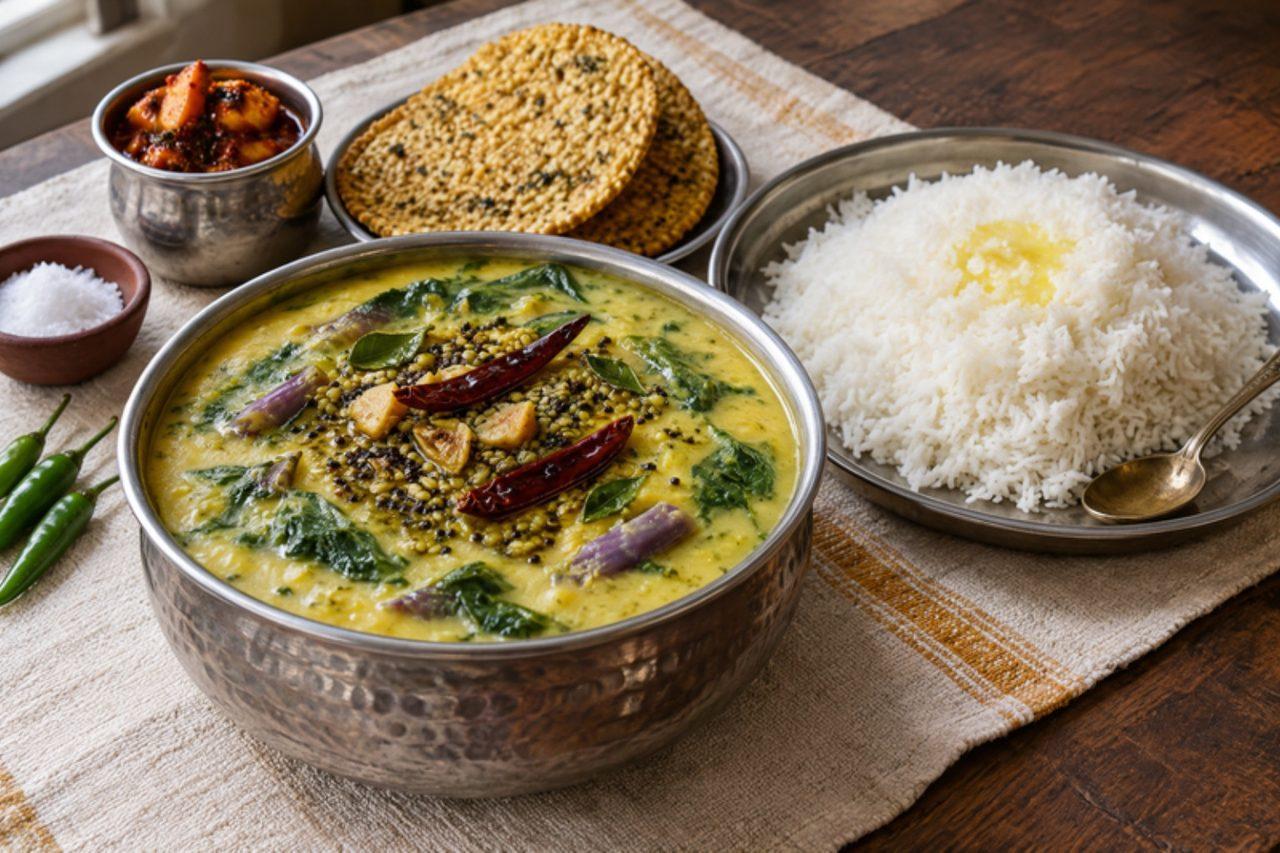
Bachali kura pappuDal with Malabar spinach

Bachali, or Malabar spinach, climbs over back walls all across Telangana and Andhra, and its thick, glossy leaves go into this everyday pappu that turns up at lunch several times a month with rice, ghee and a pickle. The leaves give the dal a silky body and a faint lemony note. People often overcook it until the greens turn khaki; add them after the dal is soft and cook just long enough to wilt. Chef's tip: use the tender stems too, chopped small; they add a pleasant crunch.

by KrazyBadal 0 views

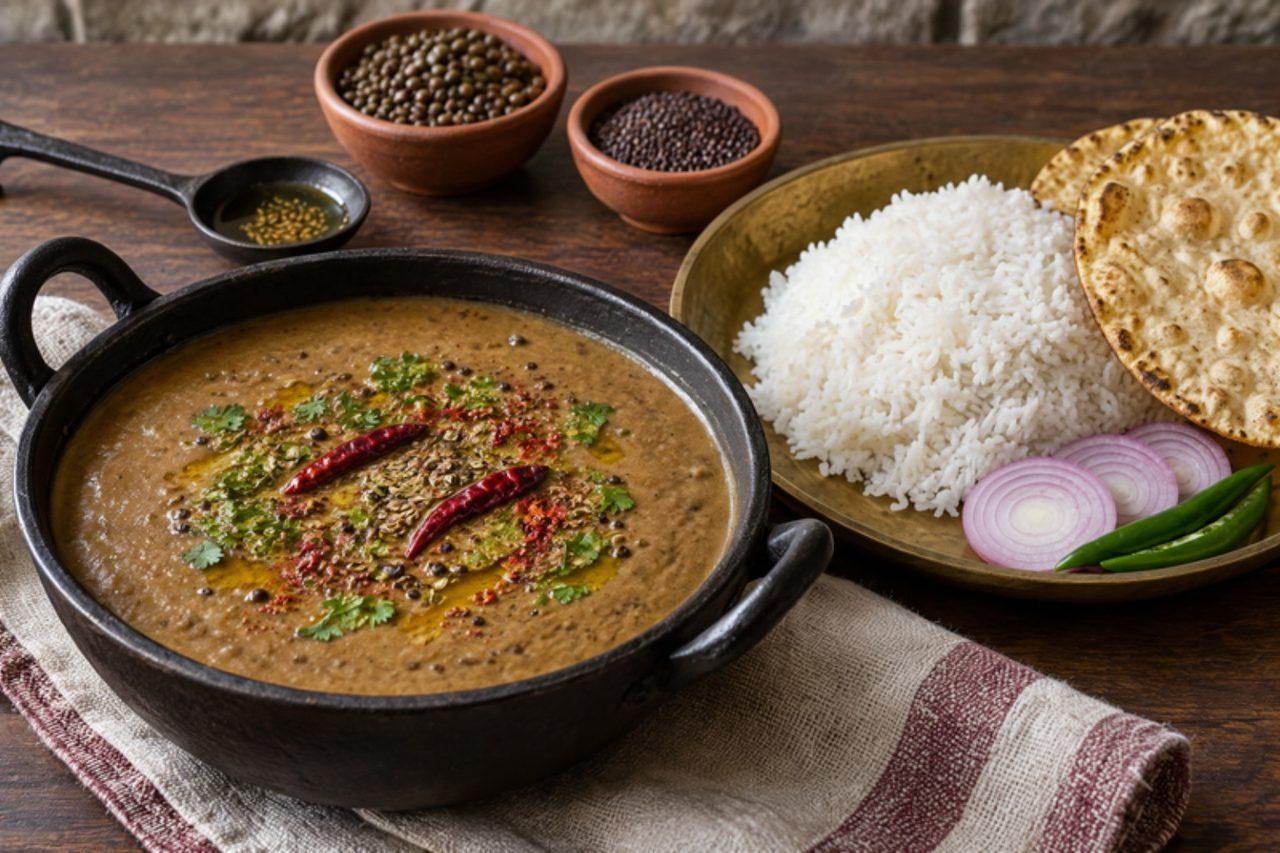
DubukThick lentil curry

Dubuk is a Kumaoni winter staple from the hill villages around Almora and Pithoragarh, where soaked bhatt (black soybean) or gahat is ground on a stone and simmered slowly in an iron kadhai until it turns thick and dark. It is eaten with plain rice on cold evenings, and the iron pot gives it its slightly earthy colour and taste. Toor dal or a mix of toor and urad works well if you cannot find pahadi lentils. The common mistake is grinding the lentils to a fine paste and boiling hard, which makes dubuk gluey; grind coarse and keep the simmer gentle. Chef's tip: stir in a spoon of the rice paste only at the end, and only if the gravy needs body, because the lentils thicken a lot as they stand.

by KrazyBadal 0 views

Rántott sajtFried breaded cheese

Rántott sajt is the Hungarian answer to a hungry evening: thick slabs of mild trappista or Edam, breaded twice and fried until the crumb is golden and the inside just begins to ooze. In Budapest it is sold at the büfé stands of the Nagyvásárcsarnok (the Great Market Hall), at the Lehel market and at lángos counters by Lake Balaton, almost always with chips and a dollop of tartar sauce. Traditional trappista and Edam are often made with animal rennet, so choose a cheese labelled vegetarian (made with microbial rennet) if that matters to you. Chef's tip: freeze the breaded slices for 10 minutes before frying, so the crust sets before the cheese melts.

by KrazyBadal 0 views

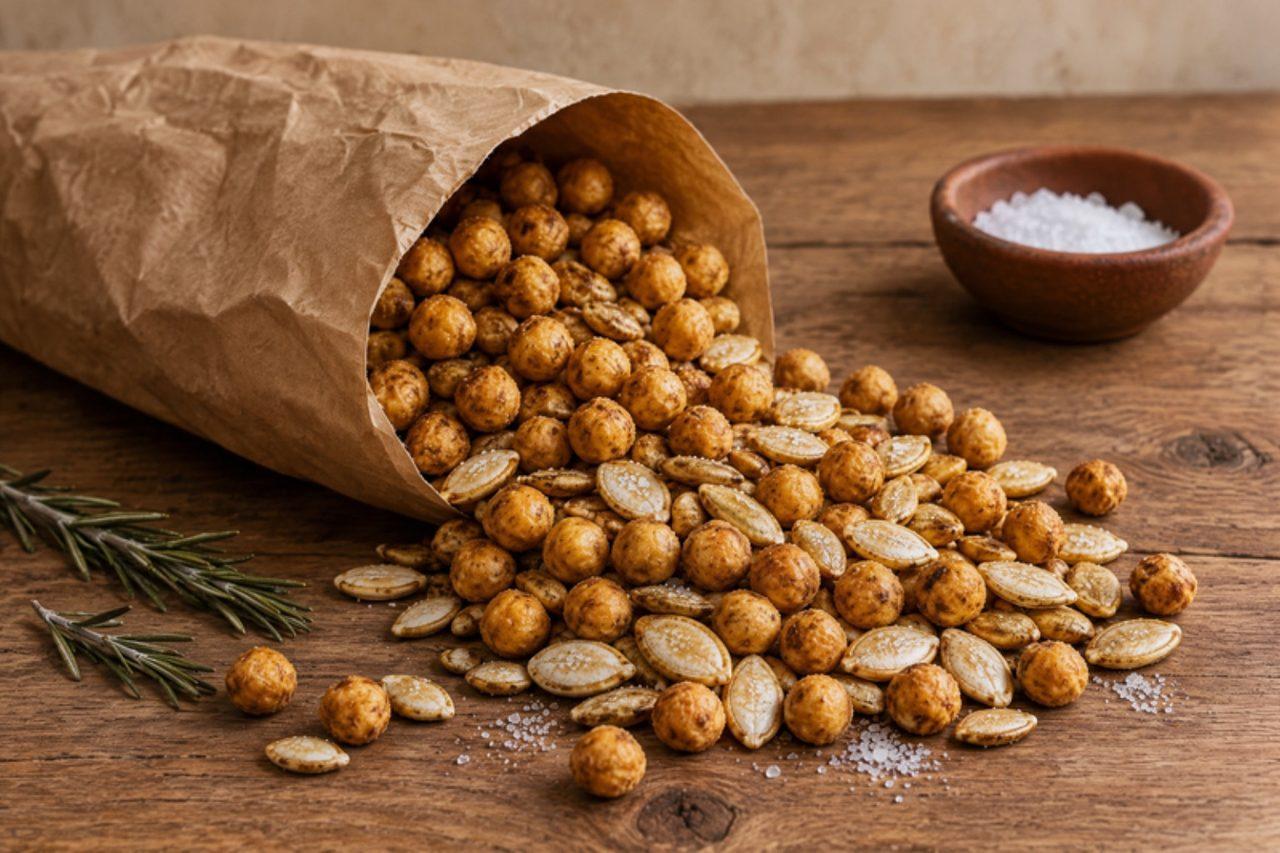
Calia e simenzaRoasted chickpeas and pumpkin seeds

Calia (toasted chickpeas) and simenza (salted pumpkin seeds) are sold together in twisted paper bags by the old caliari of Palermo, at the Festino of Santa Rosalia in July, along the Foro Italico seafront and outside the Teatro Massimo after a show. You crack the seeds with your teeth and chase them with the crunchy, nutty chickpeas, a habit that can last a whole evening. This home version roasts soaked dried chickpeas and salted seeds in the oven. Chef's tip: dry the soaked chickpeas really well; any surface water steams them instead of making them crunchy.

by KrazyBadal 0 views

Showing 24 of 468 recipes

Show more recipes

Page 5 of 20

More collections