Skip to content

Low-calorie recipes

Lighter recipes that are still filling and full of flavour. (483 recipes)

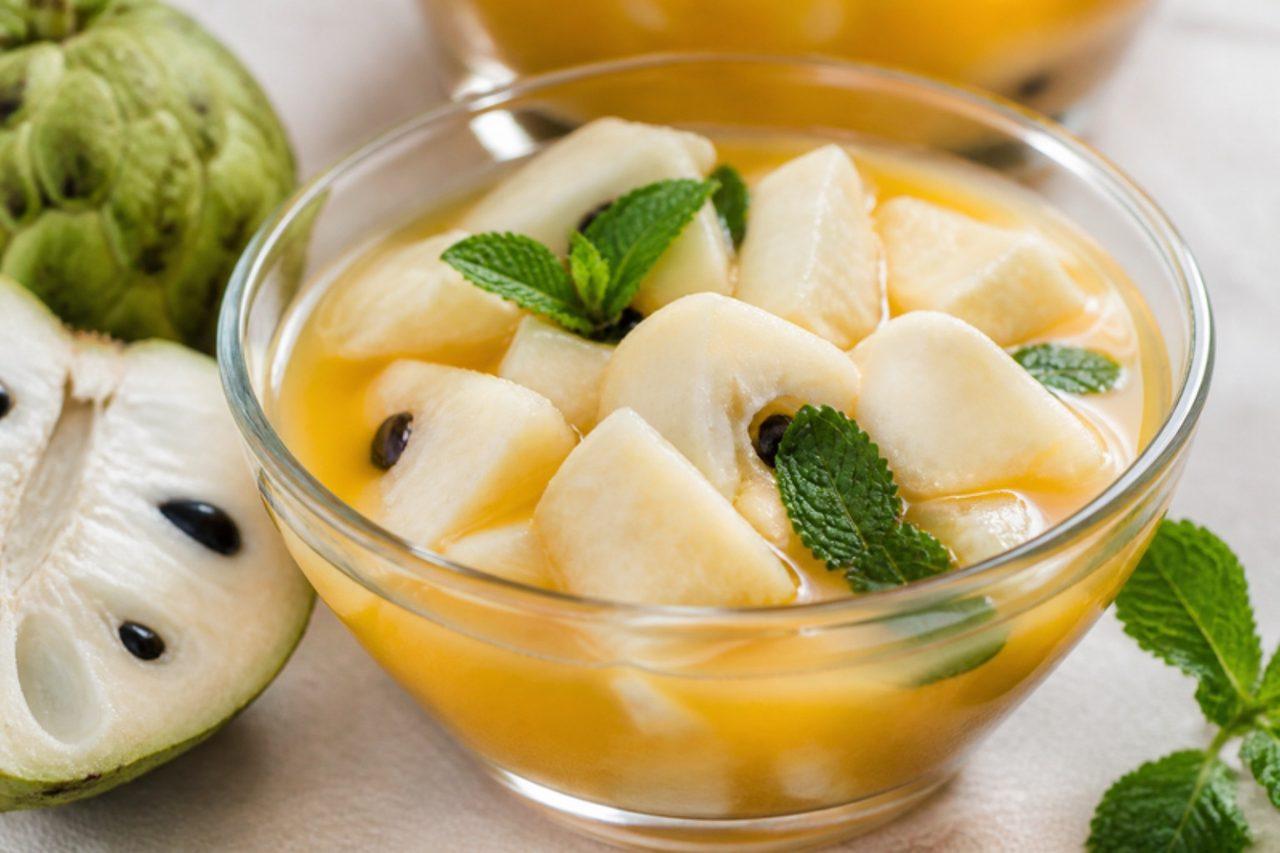
Chirimoya alegreCherimoya in orange juice

Chileans call it 'happy cherimoya': ripe custard-apple pulp dropped into fresh orange juice and served ice-cold. It turns up as the summer dessert after a big lunch in the Central Valley and in the Aconcagua valley, where much of Chile's cherimoya grows. The fruit should be soft like a ripe avocado; a hard one tastes starchy. The most common mistake is preparing the fruit ahead without juice, so it turns brown and loses its perfume: drop each piece straight into the orange juice. Remove every black seed, as the seeds must not be eaten or crushed. Chef's tip: squeeze the oranges yourself and taste before you sweeten; good juice often needs no sugar at all.

by KrazyBadal 0 views

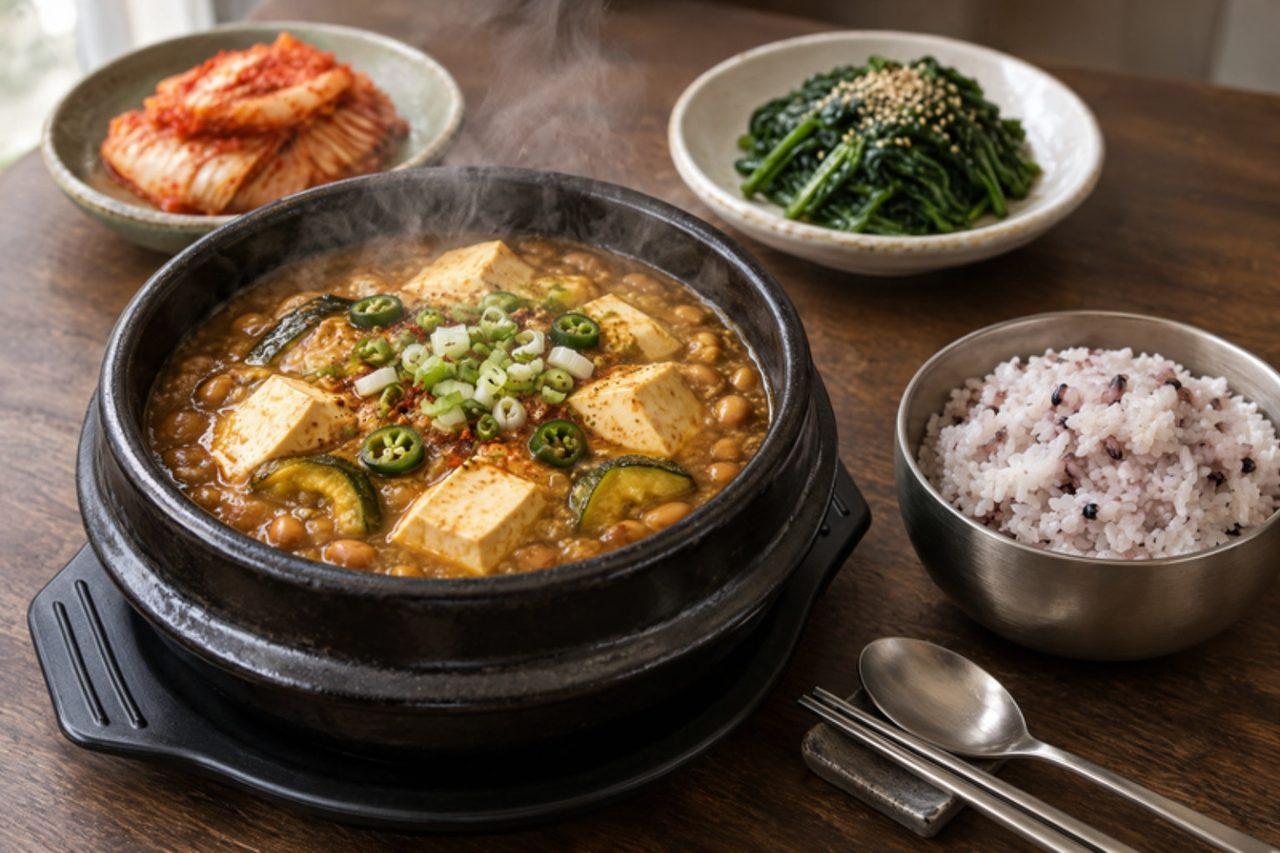
Cheonggukjang jjigaeFermented soybean stew

Cheonggukjang is a sticky, quick-fermented soybean paste made over two or three days in a warm room, and in Korean homes it becomes a bubbling winter stew, cooked in an earthenware pot and set in the middle of the table with rice and banchan. Its smell is famously strong, but the taste is nutty and deeply savoury, with tofu, courgette, onion and greens simmered in an anchovy-kelp stock. Suitable as part of a balanced diet: it is high in plant protein and fibre. About 230 kcal and 14 g carbohydrate per portion; eat it with a small bowl of mixed-grain rice. The usual mistake is boiling the cheonggukjang for a long time, which makes it bitter and dulls its flavour; it goes in for the last few minutes. Chef's tip: mash a spoon of doenjang in with it for a rounder, saltier base.

by KrazyBadal 0 views

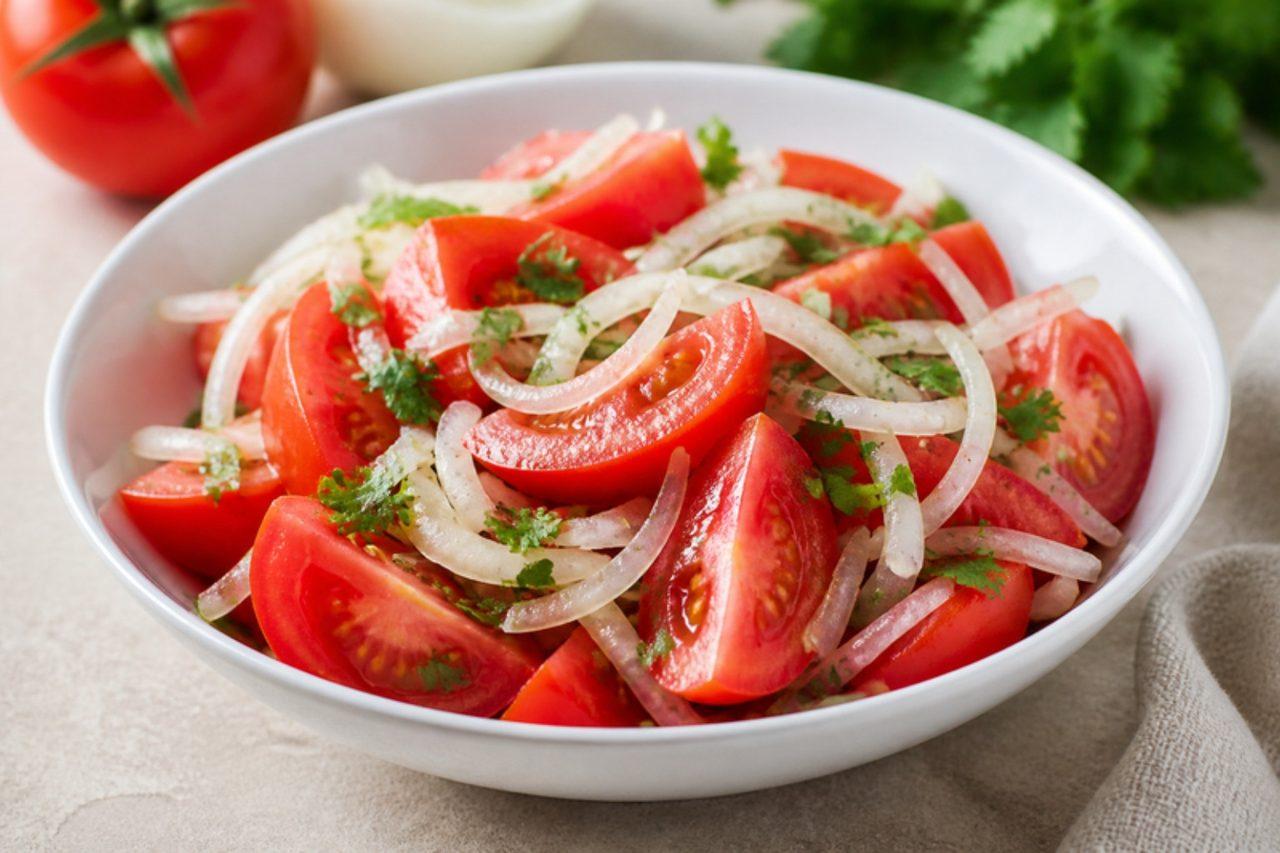
Ensalada chilenaTomato and onion salad

Every Chilean barbecue, every plate of empanadas on 18 September and most weekday lunches come with this salad: ripe peeled tomatoes and white onion cut into fine 'feathers' (corte pluma), dressed with oil, salt and coriander, sometimes with a little green chilli. It is cool, juicy and sharp, the perfect counterweight to grilled meat or a bean stew. The mistake that ruins it is using raw onion straight from the board: it overpowers everything. Soak the slices in cold salted water first and they turn sweet and crunchy. Chef's tip: peel the tomatoes, as Chileans do, so they drink up the dressing.

by KrazyBadal 0 views

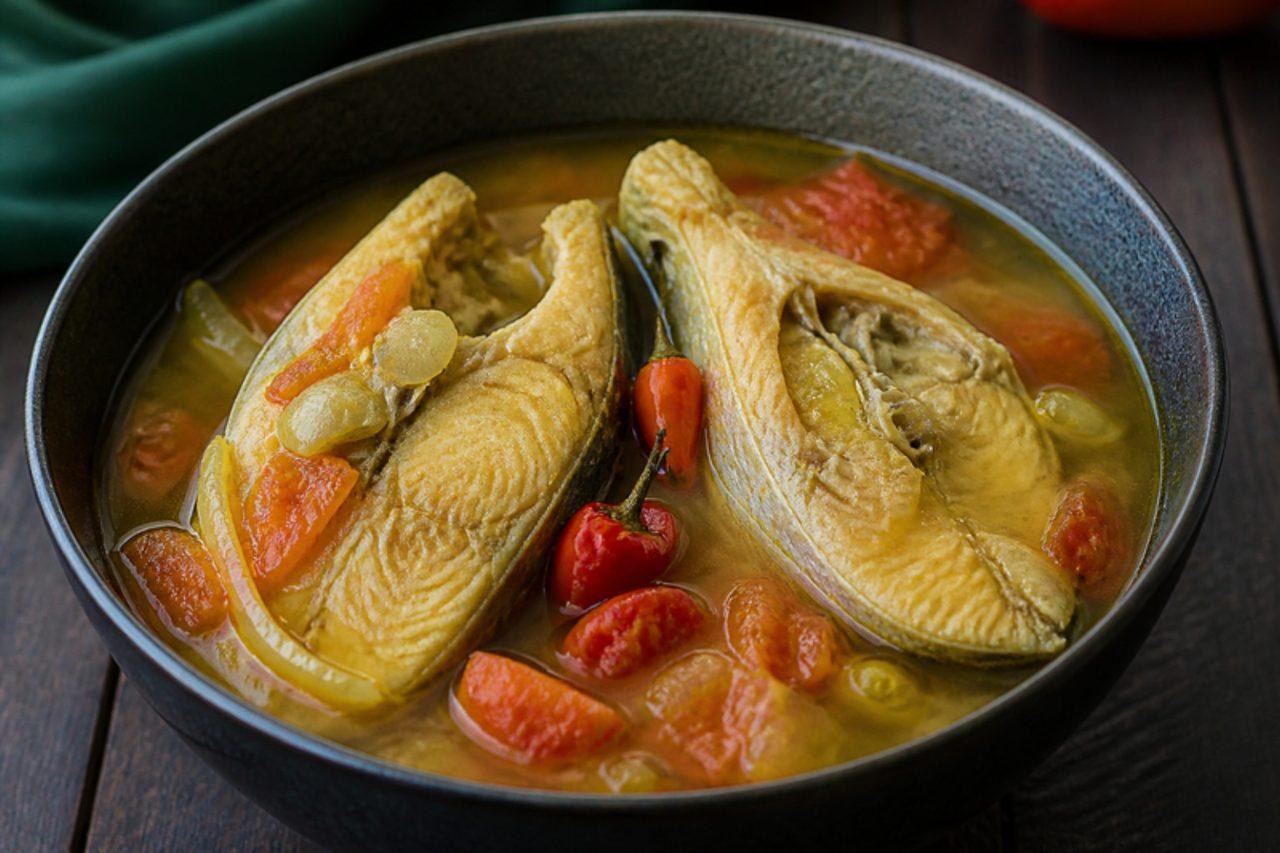
Surinamese peprewatraHot pepper fish broth

Peprewatra means 'pepper water' in Sranan Tongo, and in Paramaribo it is the broth people reach for after a long night, on a rainy day or when they feel a cold coming: a clear, very spicy fish soup with Madame Jeanette peppers, onion, tomato and lots of herbs, often with a few pieces of cassava or plantain to make it a meal. Use firm white fish steaks with the bone in for flavour. The usual mistake is boiling the fish hard, so it breaks into shreds; add it to the hot broth and keep it just simmering. Chef's tip: drop the whole pepper in first and pierce it once; take it out when the broth is as hot as you like it.

by KrazyBadal 0 views

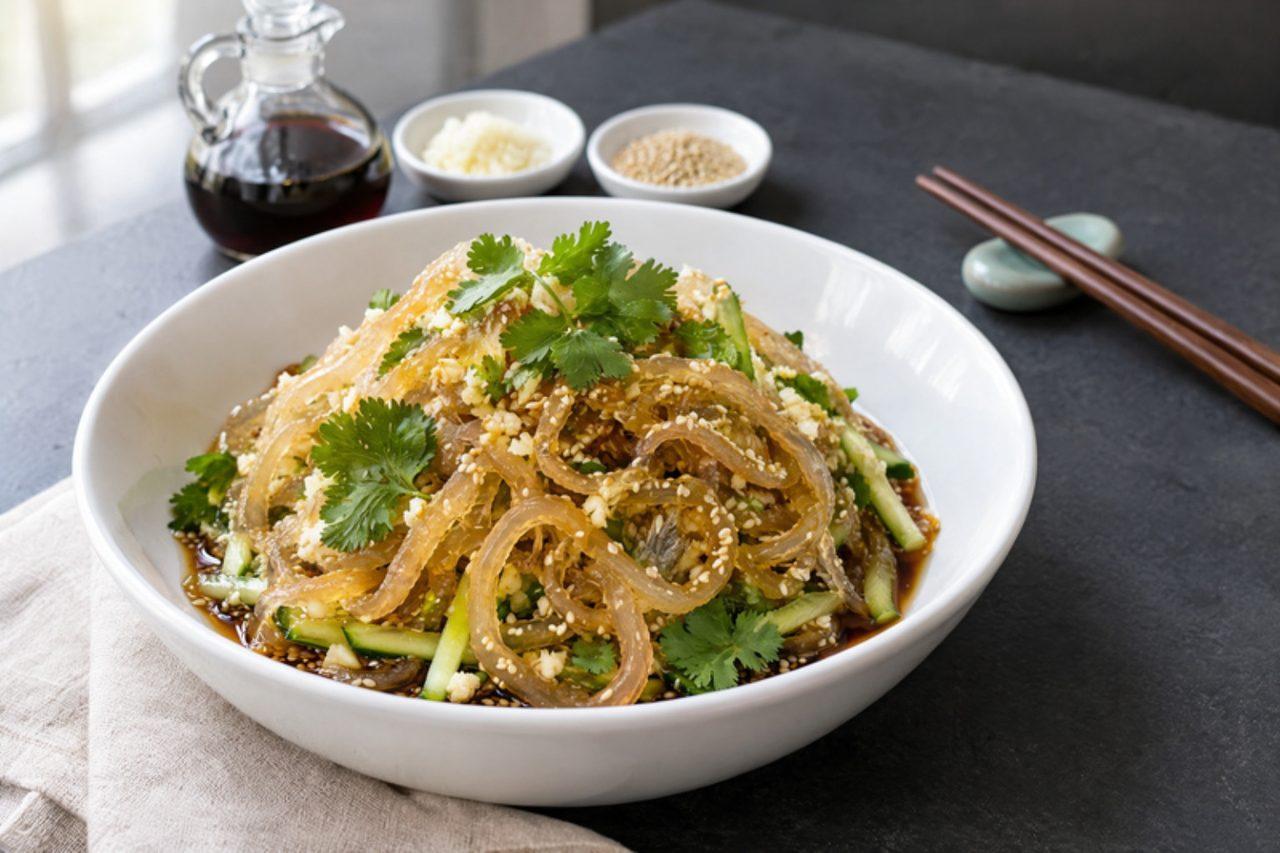
Liangban haizheCold jellyfish salad

In Shanghai and along the eastern coast, crunchy cold jellyfish is one of the classic cold starters at banquets and summer dinners, served before the hot dishes. Ready-salted jellyfish is soaked, blanched for seconds so it curls and crisps, then tossed with cucumber, garlic, rice vinegar and sesame oil. It has almost no flavour of its own; the pleasure is its springy crunch and the sharp dressing. Very light and suitable as part of a balanced diet. About 90 kcal and 6 g carbohydrate per portion. The usual mistake is skipping the long soak: the jellyfish is packed in salt and stays far too salty and tough. Another is blanching in boiling water, which shrinks it to rubber. Chef's tip: blanch in water just off the boil, around 80 °C, for 10 seconds, then plunge it into iced water.

by KrazyBadal 0 views

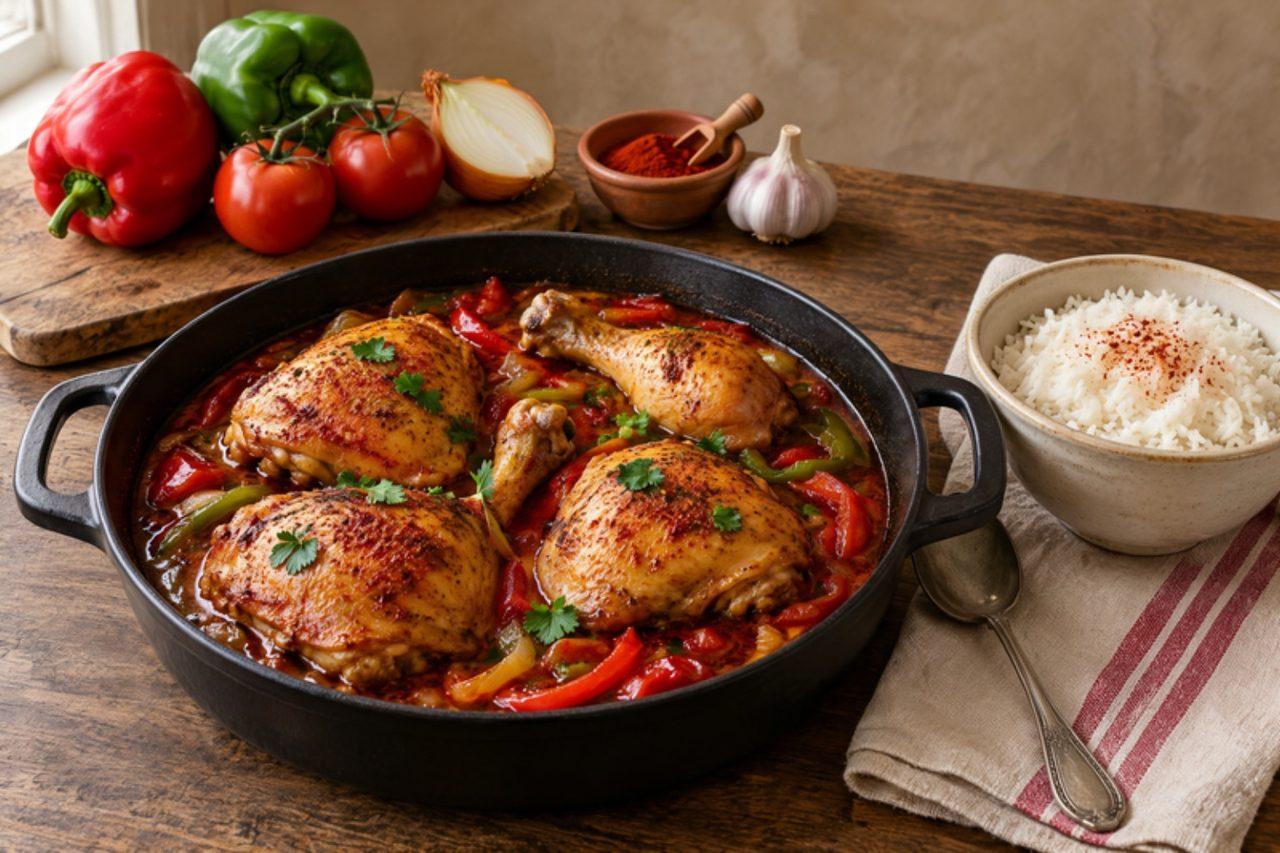
Poulet basquaiseBasque chicken with peppers

Poulet basquaise is the everyday family braise of the French Basque Country around Bayonne and Espelette, cooked all summer when peppers are sweet and plentiful. Chicken thighs are browned, then simmered in a piperade of red and green peppers, onion, garlic and tomato, warmed with the region's mild, fruity piment d'Espelette. Rich in vegetables and suitable as part of a balanced diet; serve with green beans or a small portion of brown rice instead of the usual white rice. About 380 kcal and 14 g carbohydrate per portion. The usual mistake is crowding the pan when browning, so the chicken steams and the skin stays pale. Chef's tip: let the peppers cook down slowly until soft and sweet before the chicken goes back in; that is the flavour of the dish.

by KrazyBadal 0 views

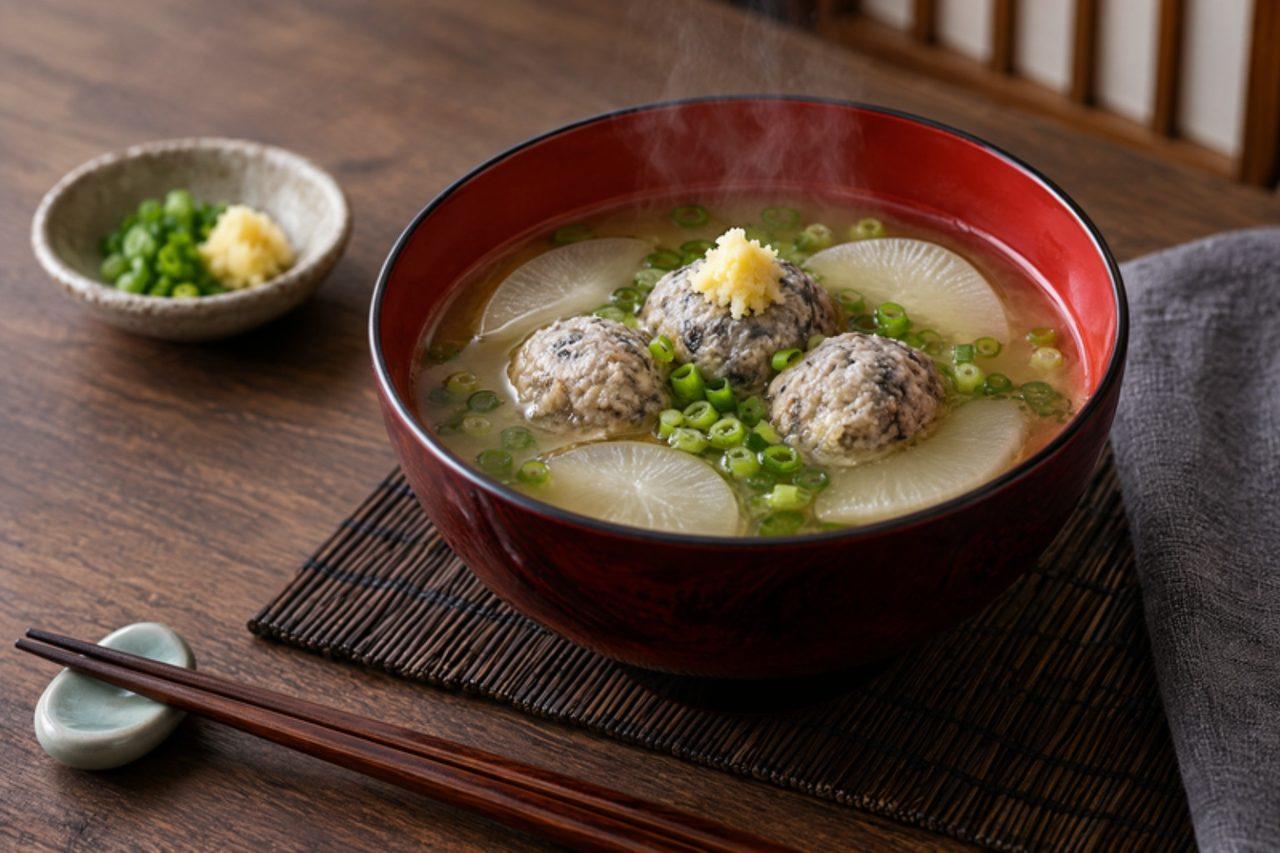
Iwashi no tsumire jiruSardine dumpling soup

Along the coasts of Chiba and Kanagawa, where sardines are landed in huge numbers in autumn, cooks chop them by hand into tsumire (fish dumplings) and drop them into a light dashi with daikon and carrot. It is an everyday supper soup, warming and very savoury, eaten with rice and pickles. Suitable as part of a balanced diet: sardines are rich in protein and omega-3 fats, and the soup is low in starch. About 220 kcal and 9 g carbohydrate per portion. The usual mistake is pureeing the sardines smooth in a processor, which makes the dumplings rubbery; chop with a knife, leaving a little texture. Chef's tip: add a teaspoon of miso and plenty of ginger to the fish paste; it seasons it and hides any strong fishiness.

by KrazyBadal 0 views

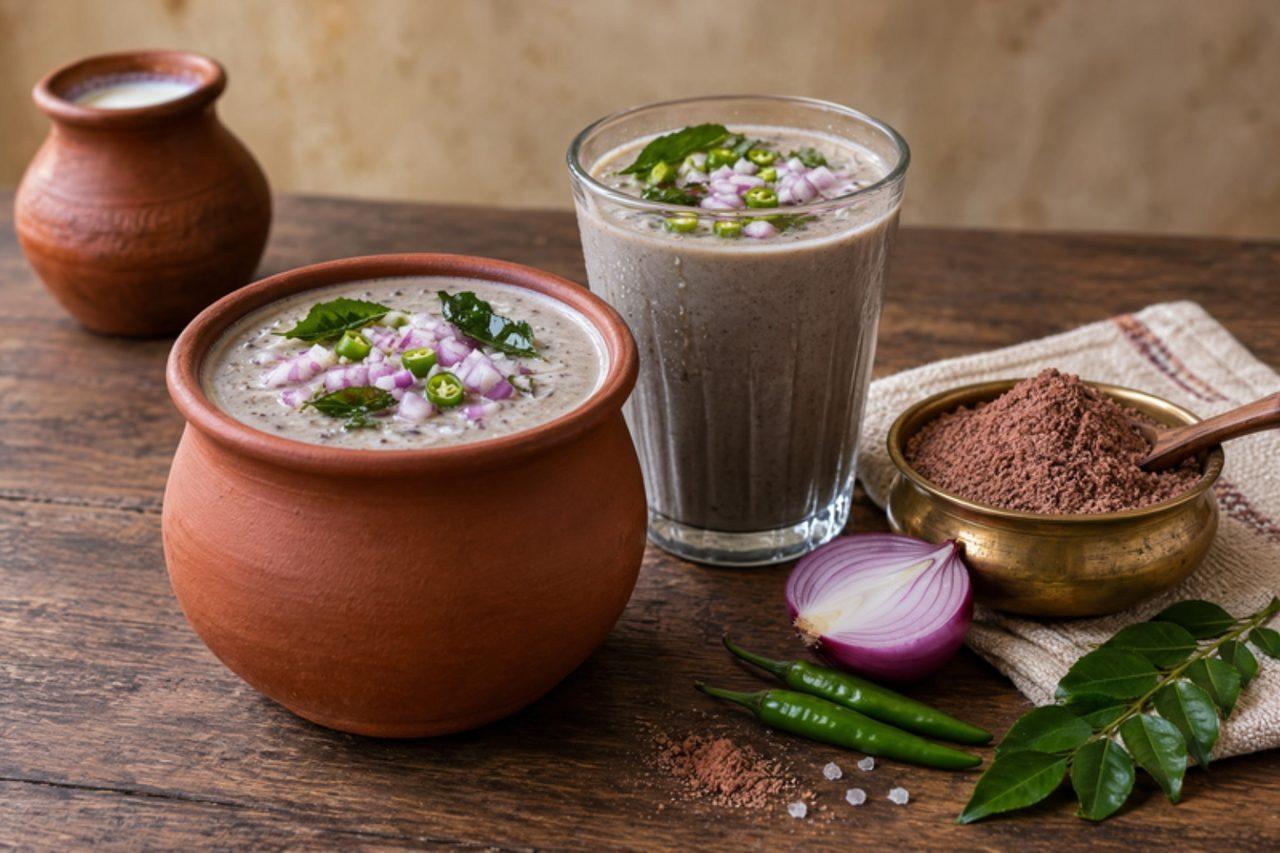
Ragi ambaliFinger millet porridge drink

Across rural Andhra Pradesh and Telangana, farm workers drink a big glass of ragi ambali in the early morning before the summer heat, and clay pots of it are sold at roadside stalls in April and May. Finger-millet flour is cooked into a thick paste, left overnight to ferment lightly, then thinned with buttermilk and stirred with raw onion, green chilli and curry leaves into a cool, tangy, savoury drink. It is suitable as part of a balanced diet. About 140 kcal and 22 g carbohydrate per portion. The usual mistake is pouring the ragi flour straight into boiling water, which makes lumps; mix it with cold water first. Chef's tip: cook the paste until it turns glossy and darker, about 8 minutes; undercooked ragi tastes raw and floury.

by KrazyBadal 0 views

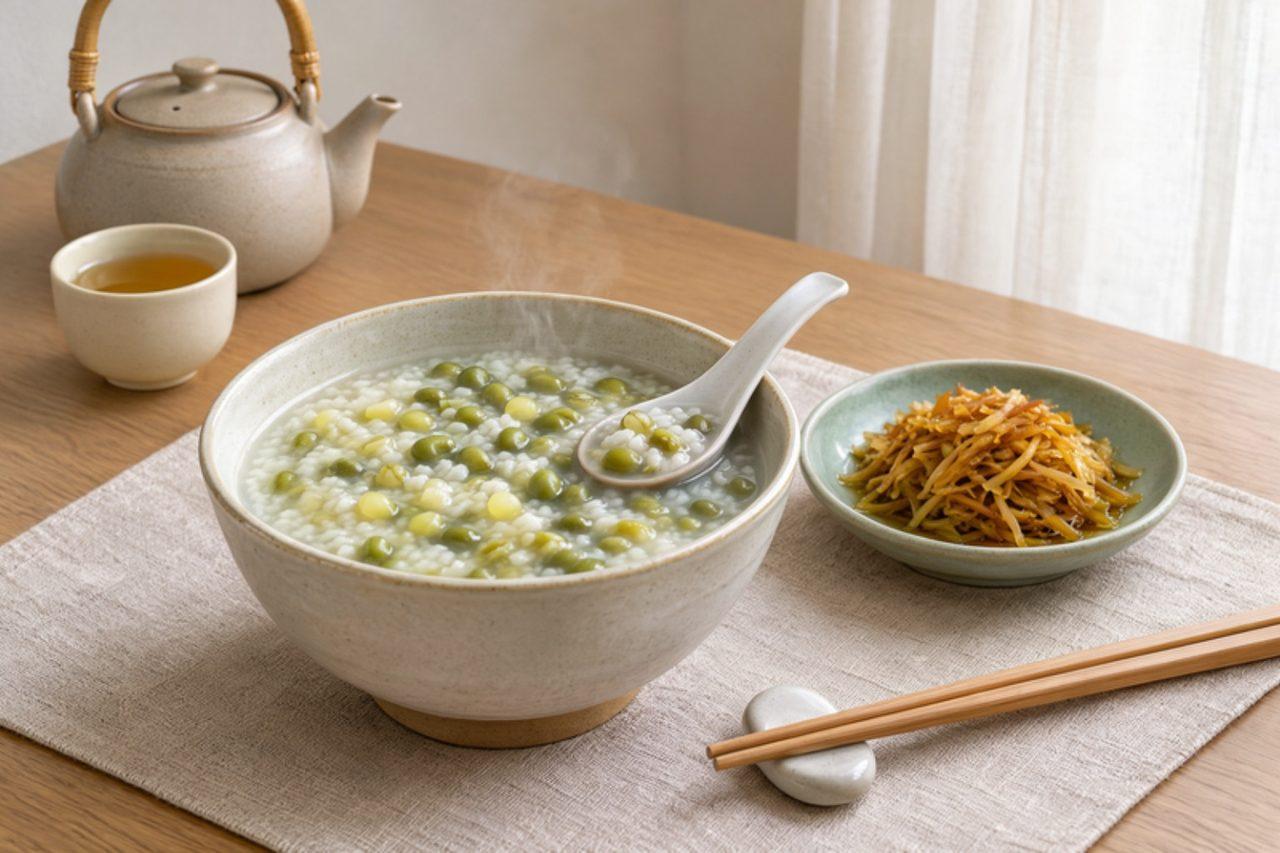
Lüdou zhouRice and mung bean congee

In Beijing and across the north, a pot of lüdou zhou is what families cook on hot summer mornings: plain rice and mung beans simmered until the beans split and the rice turns creamy, believed to cool the body. It is eaten with salty pickled vegetables, a fried dough stick or a spoon of sugar for children. The mistake is putting the rice and beans in together; mung beans need a head start or you get mushy rice with hard beans. Chef's tip: once it is cooked, leave it to stand off the heat with the lid on for 10 minutes; it thickens into a silky congee without extra stirring.

by KrazyBadal 0 views

SalabatHot ginger tea

Salabat is the Filipino early-morning cup, simmered in homes from Luzon to Mindanao when the weather turns cool or a sore throat threatens, and drunk with bibingka and puto bumbong outside churches during the Christmas dawn masses. It is just ginger, water and dark sugar, but the ginger has to be bashed to release its heat. The mistake is slicing the ginger thinly and boiling briefly; you get a pale, weak tea. Crush it and simmer it properly. Chef's tip: leave the skin on young ginger, scrub it well and smash it with the flat of a cleaver, which gives a stronger, rounder heat.

by KrazyBadal 0 views

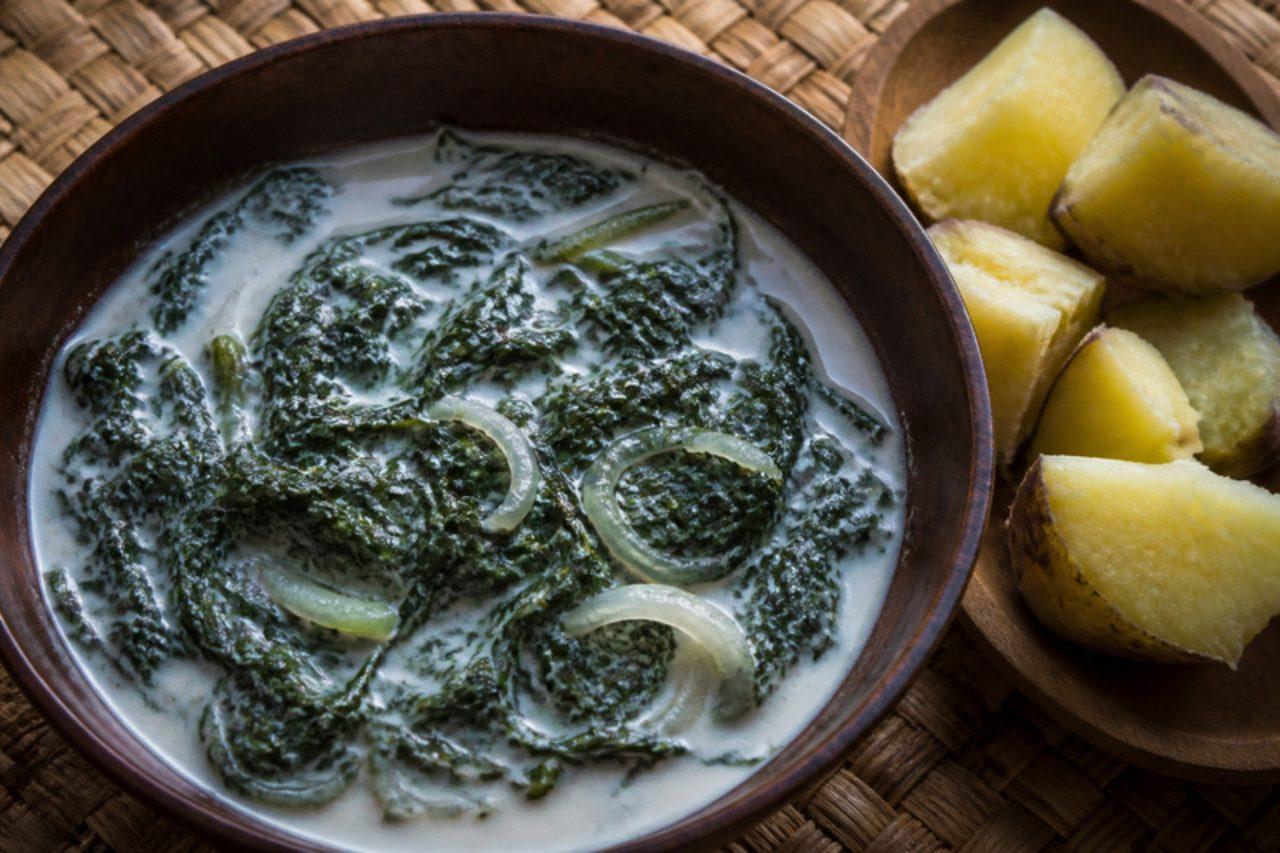
Aibika in coconut milkGreens in coconut milk

Aibika, a tall leafy hibiscus grown in almost every garden in Papua New Guinea, is the country's most important green vegetable, cooked daily from the Highlands to Port Moresby. The large leaves are slightly slippery like okra and turn silky and rich when simmered in coconut milk with onion. Serve with kaukau, taro or rice. Outside PNG, spinach, Chinese spinach or taro leaves cooked well can stand in. A common mistake is overcooking, which turns the leaves slimy; a few minutes is enough. Chef's tip: shred the leaves into ribbons so they cook evenly.

by KrazyBadal 0 views

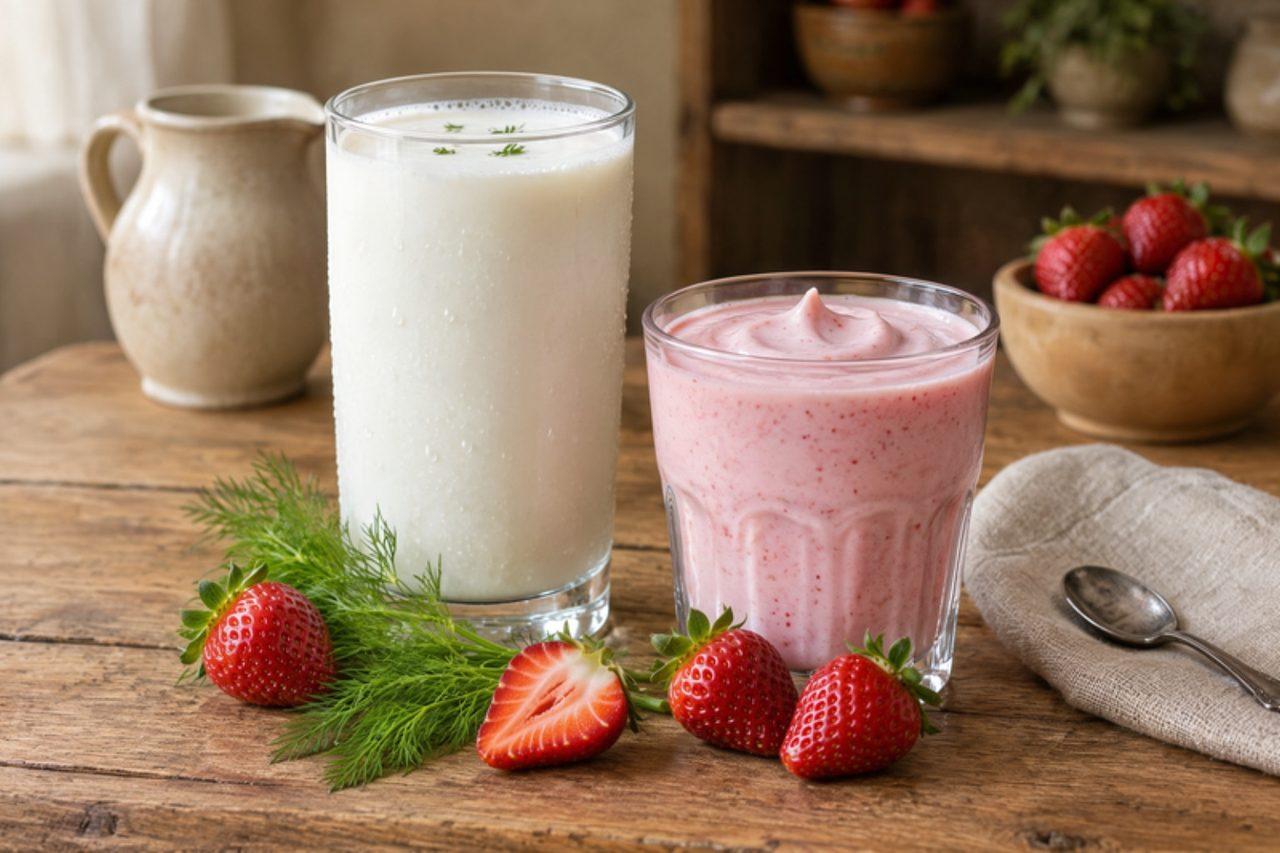
MaślankaChilled buttermilk

Maślanka, the tangy liquid left after churning butter, is sold in cartons all over Poland and drunk ice-cold with breakfast, with boiled new potatoes in summer, or blended with fruit for children. On its own it is thin, sour and refreshing; with strawberries and a spoon of sugar it becomes a light pink breakfast smoothie. The mistake is buying "buttermilk" that is really thickened yoghurt drink with added flavourings; look for plain cultured buttermilk with nothing else on the label. Chef's tip: chill the glasses as well as the buttermilk, and blend for no more than 20 seconds so it stays light and doesn't separate.

by KrazyBadal 0 views

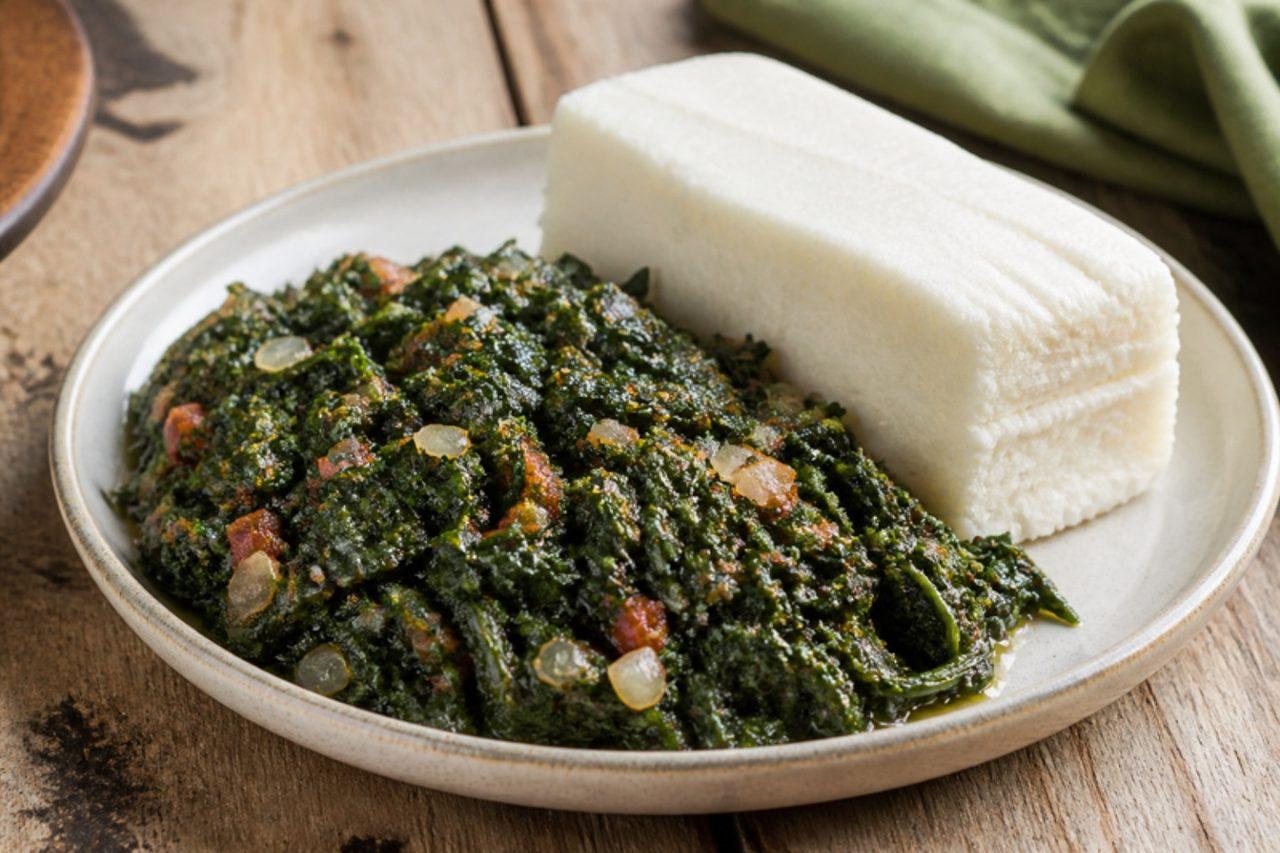
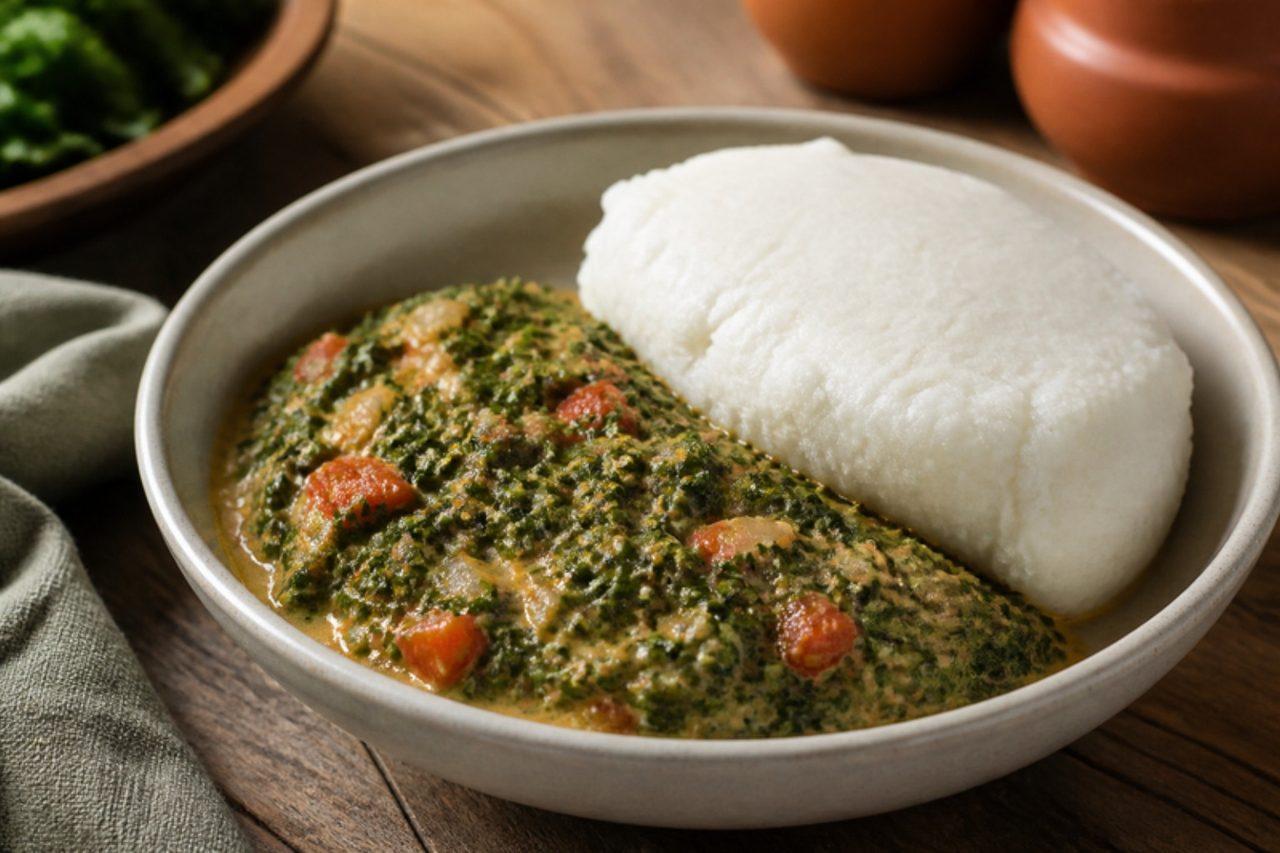
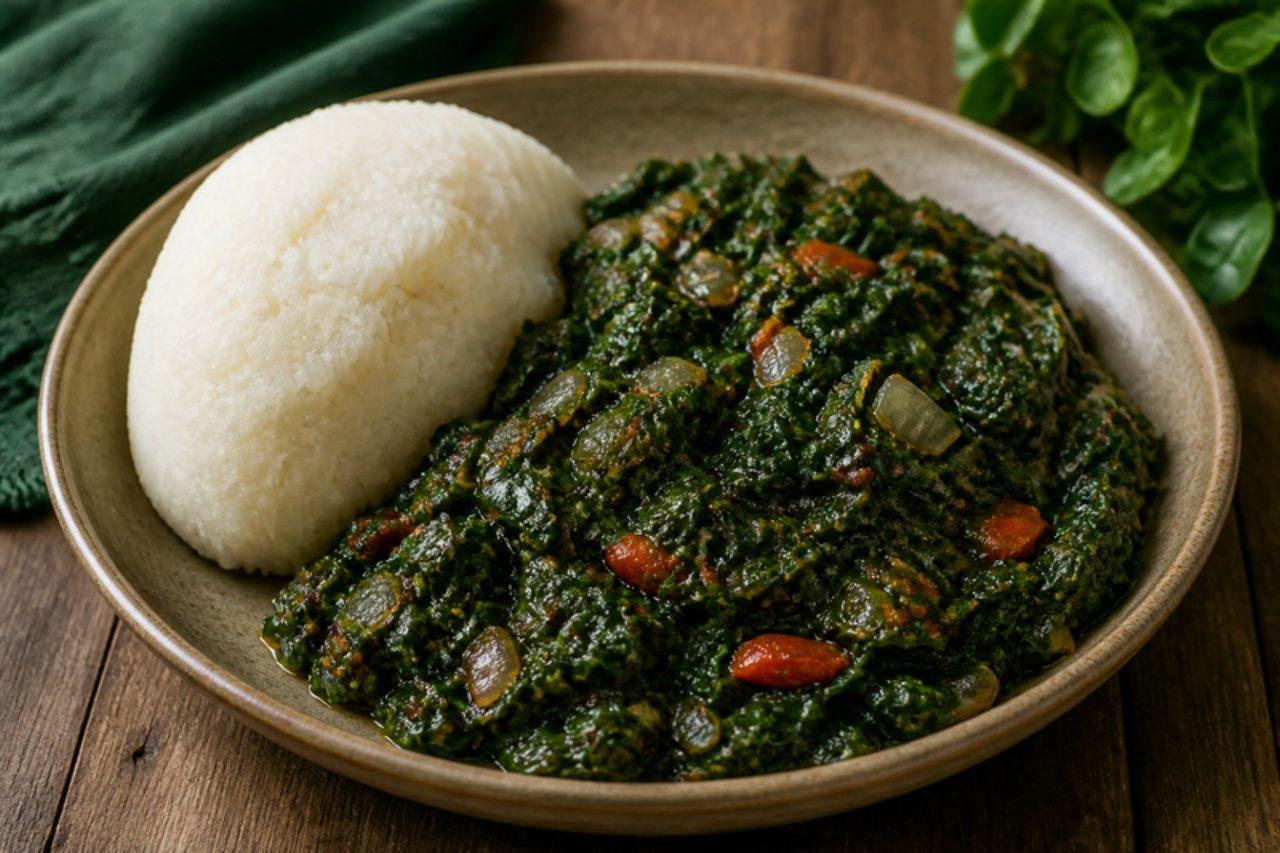
ManaguNightshade greens

Market women in Kisii and Kakamega sell managu in thick bunches, and in the hills it is the green that goes with ugali at almost every family dinner. The leaves of cultivated African nightshade are soft and pleasantly bitter, a bit like a stronger spinach, and here they are blanched, then cooked down with onion and tomato into a soft, savoury heap. At home many families stir in a spoon of cream at the end; to keep it vegan, use coconut milk as below; buy managu fresh or frozen from African grocers and never gather wild nightshade, as some kinds are poisonous. Using the boiling water as a sauce is a common error: always drain the first boil, or the dish stays harsh. Chef's tip: squeeze the drained leaves firmly in your fist before frying so the tomato flavour soaks in instead of being watered down.

by KrazyBadal 0 views

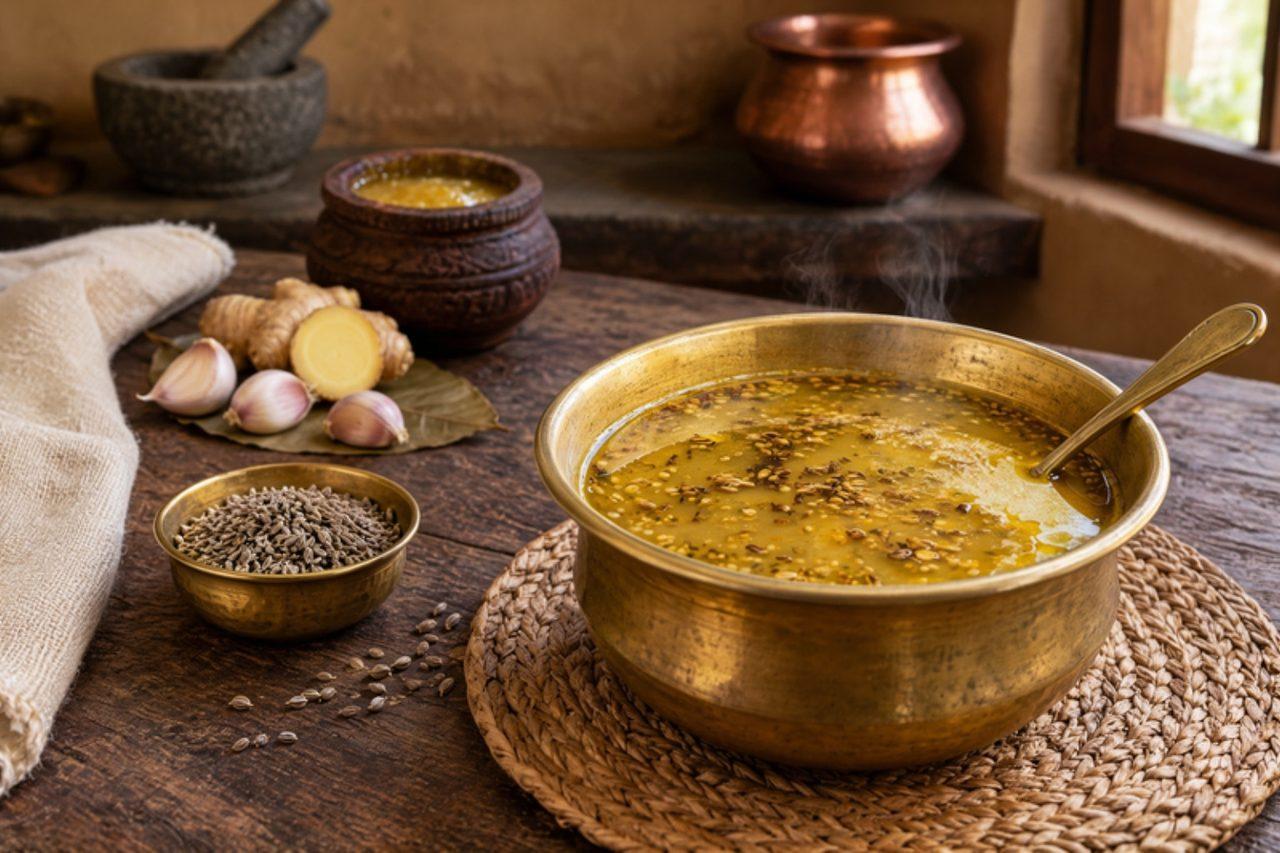
Jwano ko jholCarom seed broth

Jwano ko jhol is the soup Nepali families make for a mother in the weeks after a birth, and for anyone in the house who has a cold during the Kathmandu winter. Carom seeds are fried in ghee with a spoon of flour until nutty, then whisked with water, garlic and ginger into a thin, peppery, slightly thyme-like broth that is sipped hot from a bowl or poured over rice. The usual mistake is burning the jwano: it turns bitter in seconds, so take it off the heat as soon as it darkens a shade. Chef's tip: whisk the water in a little at a time, as with gravy, so the flour never forms lumps.

by KrazyBadal 0 views

MchichaAmaranth greens with peanut

Bundles of mchicha (amaranth leaves) are stacked high at Kariakoo market in Dar es Salaam, and almost every Tanzanian family cooks them a few times a week, often as the vegetable beside ugali and maharage. The leaves wilt quickly into something silkier and earthier than spinach, and a spoonful of ground peanuts turns the tomato juices into a creamy, nutty sauce. Look for amaranth leaves (also sold as callaloo, chauli or bayam) at African, Caribbean or Asian grocers; baby spinach works if you cannot find them. Overcooking is the main thing to avoid: take them off the heat while still deep green. Chef's tip: toast the peanuts in a dry pan before grinding them; raw peanuts taste beany in the finished dish.

by KrazyBadal 0 views

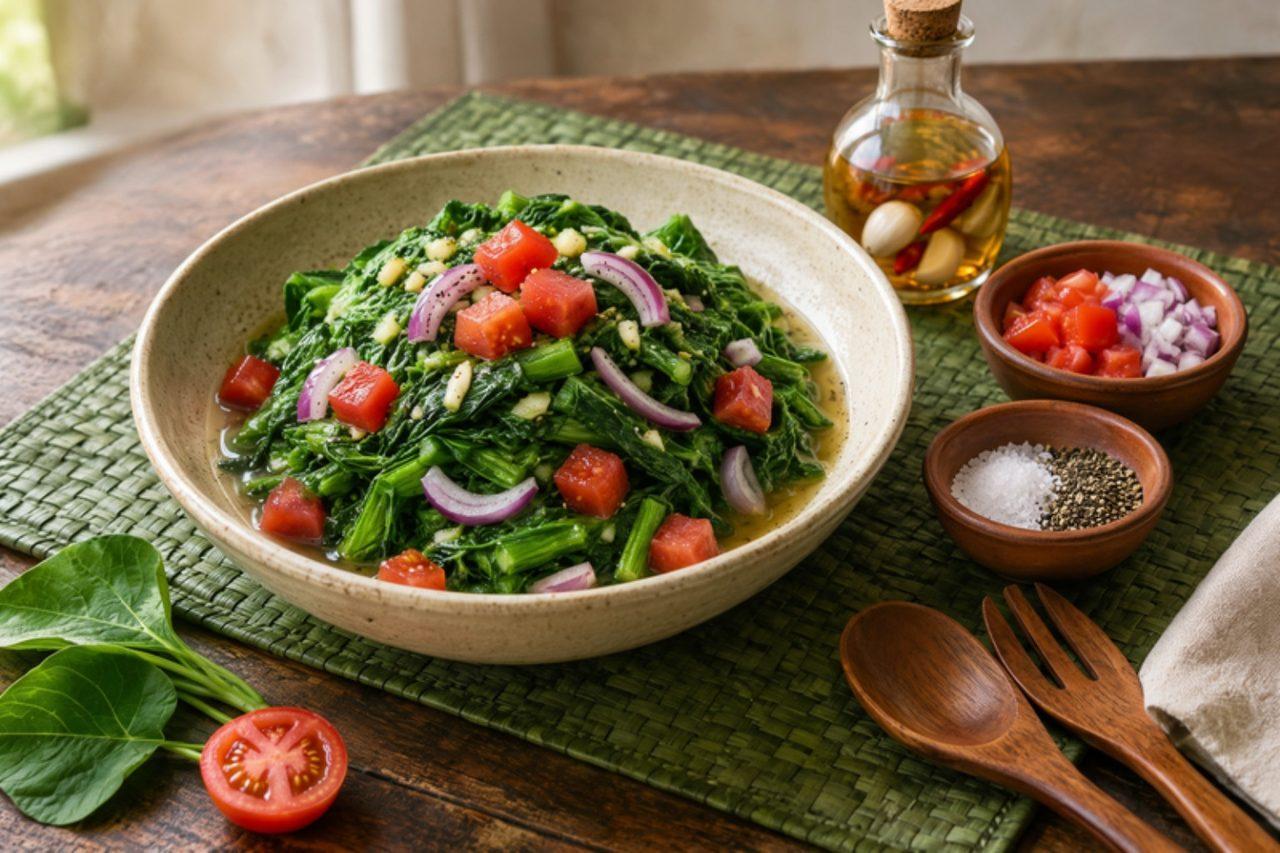
Ensaladang talbos ng kamote (sweet potato leaf salad)

In Filipino provinces from Pampanga to Leyte, the tender tips of sweet potato vines grow by every house, and this quick salad of blanched leaves, ripe tomato and red onion in sukang Iloko vinegar sits beside fried fish or rice in baon and family lunches. The leaves turn silky and mild, and the vinegar keeps it fresh in a closed tub. The mistake is boiling the leaves for minutes until they turn dark and slimy; thirty seconds is enough. Chef's tip: plunge the leaves into iced water straight from the pot, so they stay bright green until lunchtime.

by KrazyBadal 0 views

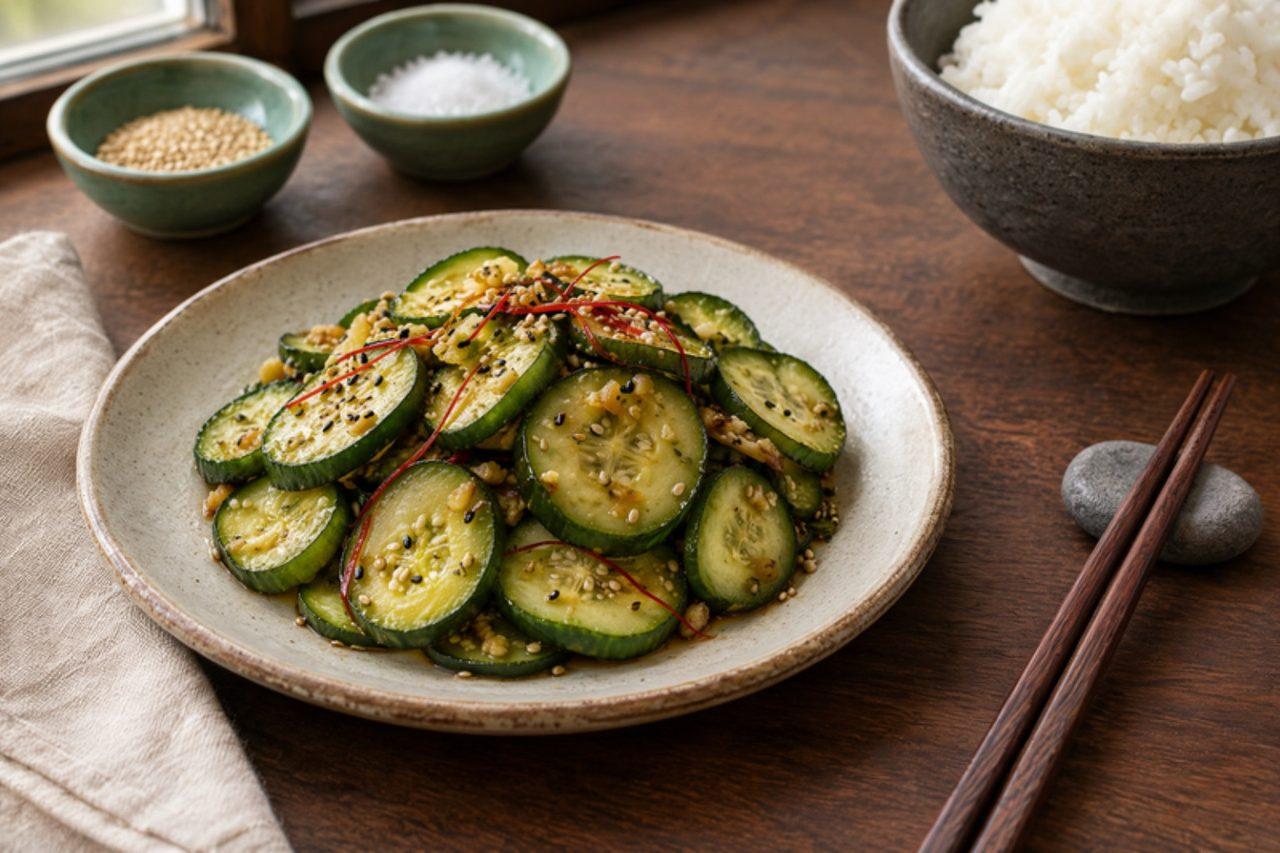
Oi bokkeumStir-fried cucumber

Cooked cucumber sounds odd until you try oi bokkeum, a Korean banchan in which salted, squeezed slices are flashed in a hot pan with garlic and sesame. They come out bright green and squeaky-crunchy, like a warm pickle, and they hold up beautifully in a dosirak because the salting has already drawn out the water that would make other cucumber sides soggy. The common mistake is frying too long; past a minute or two the slices go soft. Chef's tip: spread the cooked cucumber on a plate to cool at once rather than leaving it in the hot pan, so it keeps its colour.

by KrazyBadal 0 views

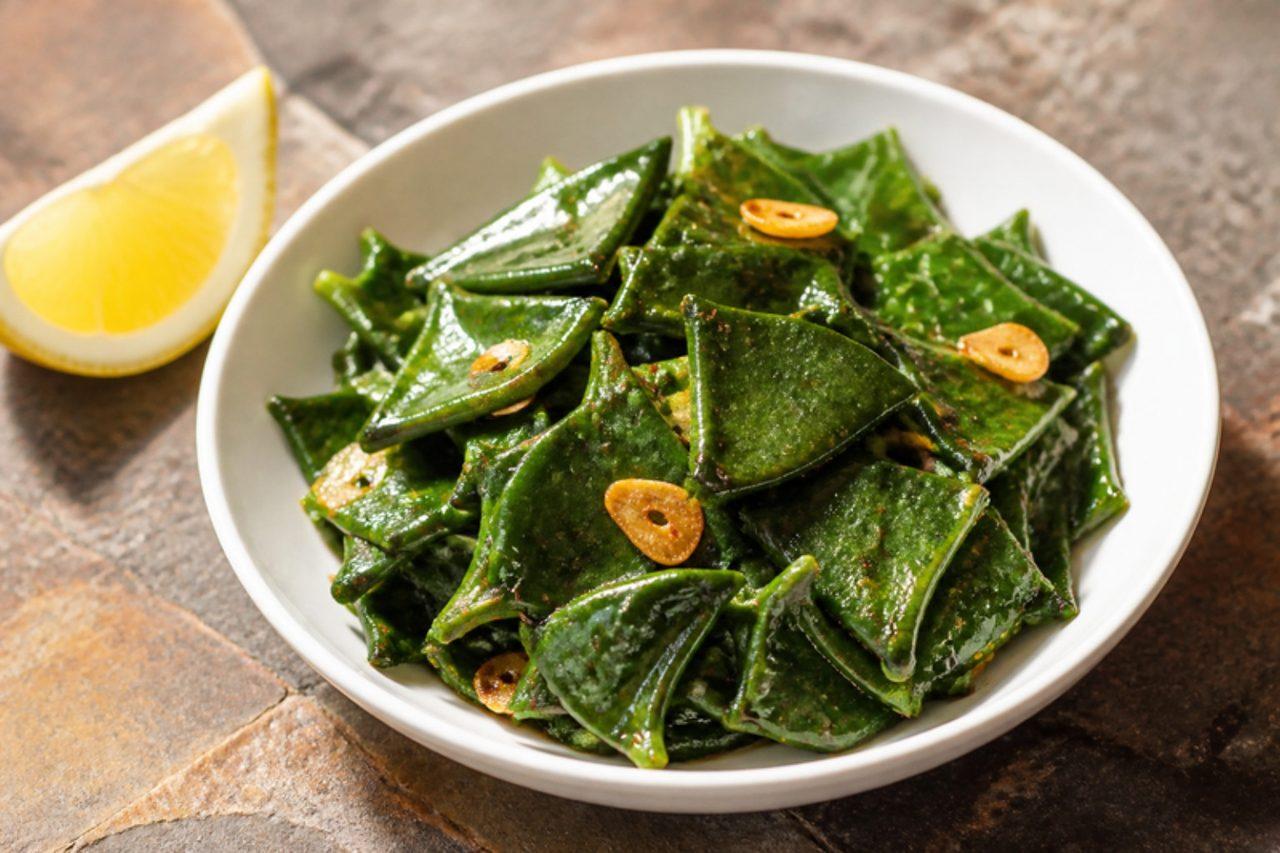
Warrigal greensGarlic native spinach

Warrigal greens grow wild along the beaches and estuaries of the New South Wales and Queensland coast and were cooked by Aboriginal people long before Captain Cook's crew ate them to fight scurvy. The thick, triangular leaves taste like a salty, more robust spinach. They hold oxalates, so they must be blanched briefly and the water thrown away before cooking. Sautéed with garlic and lemon they make a quick side for grilled fish or barramundi. A common mistake is skipping the blanch; the leaves taste bitter and are not good for you raw. Chef's tip: use tender tips only and discard woody stems.

by KrazyBadal 0 views

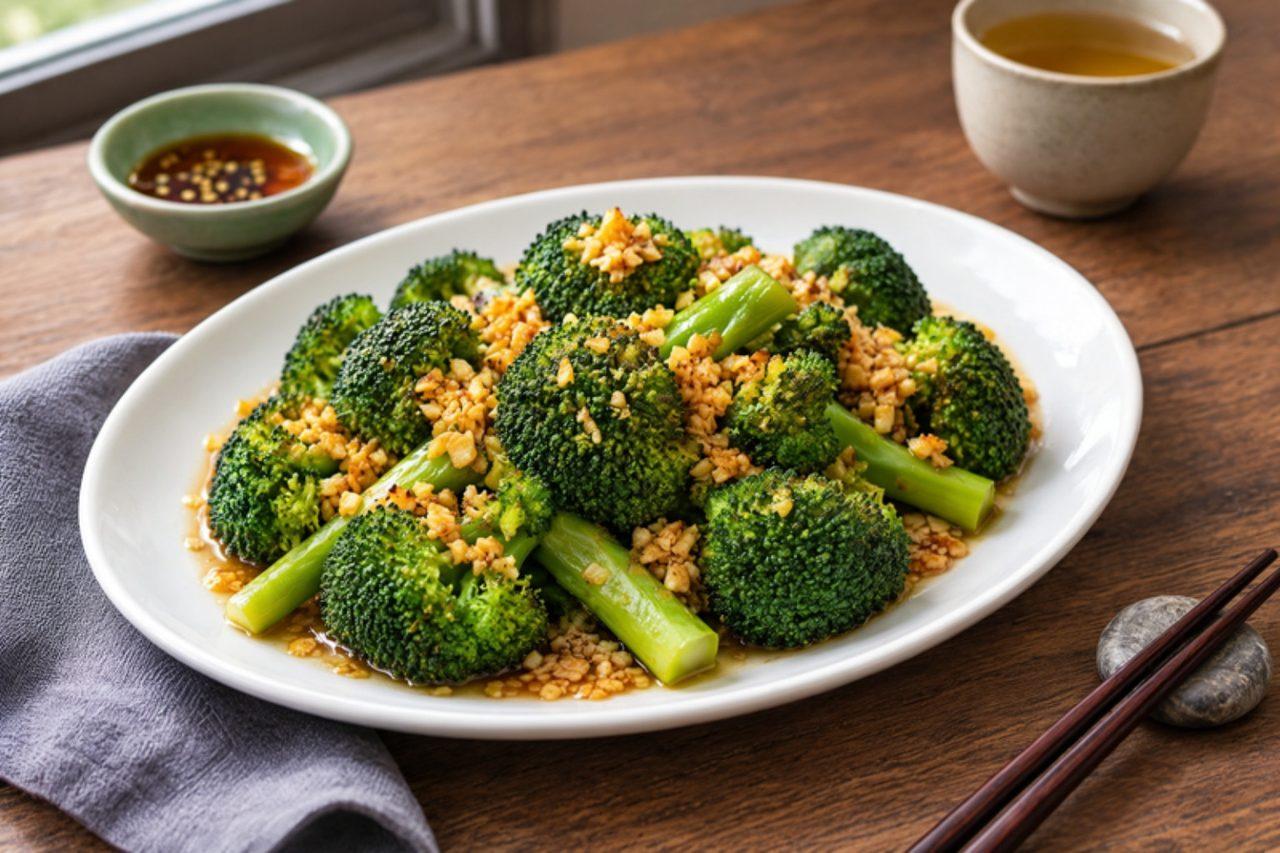
Suan rong xilanhuaGarlic broccoli

Garlic broccoli is on the menu of almost every Chinese home kitchen and family restaurant, from Guangzhou to Shanghai, as the quick green dish at a weekday dinner. The florets are blanched just until bright, then tossed in a hot wok with a big spoon of minced garlic and a splash of water, so they stay crisp, glossy and full of garlic flavour. Serve with tofu, fish or eggs and a modest portion of rice. It is suitable as part of a balanced diet. About 90 kcal and 8 g carbohydrate per portion. The usual mistake is adding the garlic to very hot oil before the broccoli, where it burns and turns bitter. Chef's tip: add a few drops of oil to the blanching water; it keeps the broccoli shiny and green.

by KrazyBadal 0 views

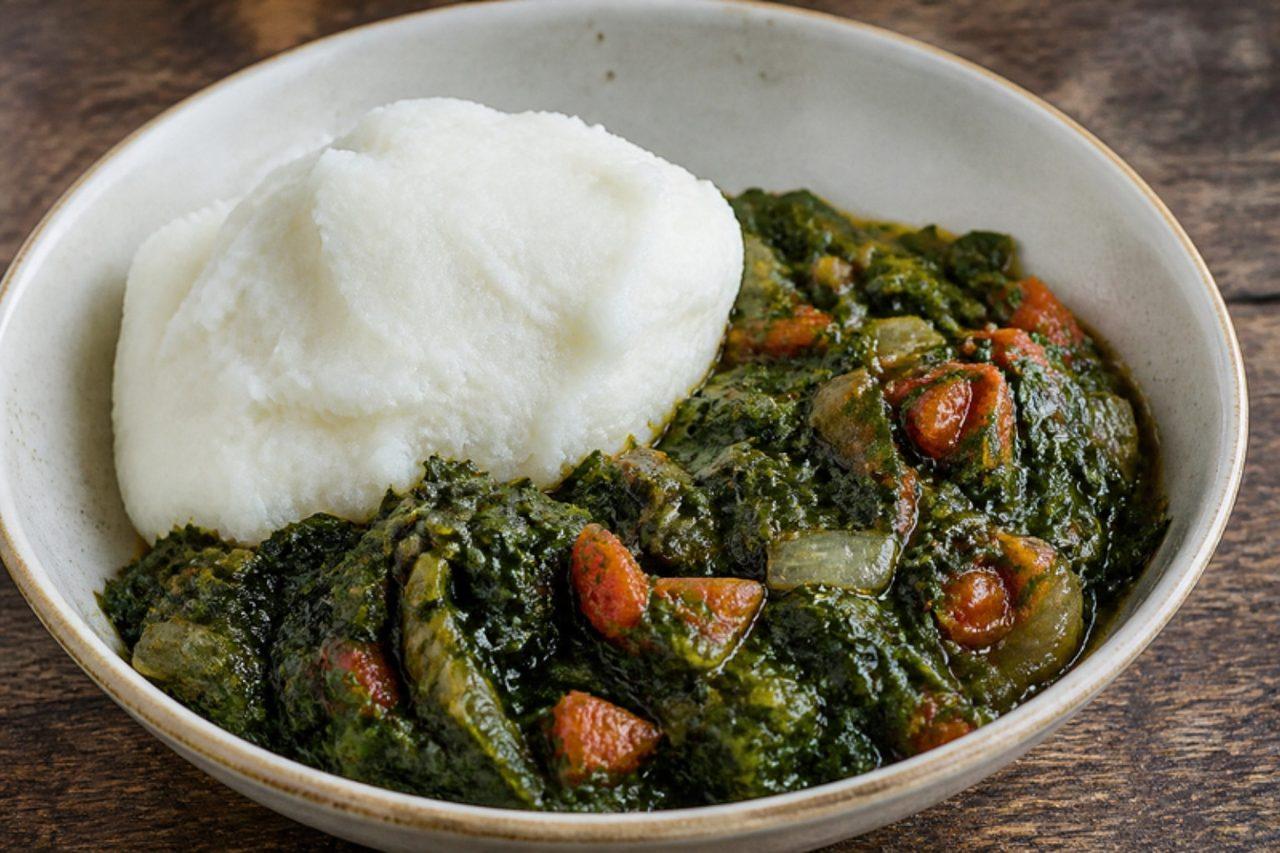
MorogoGreens with tomato and onion

Out in Limpopo and on the edges of Gauteng, morogo is the word for edible leaves, and a pot of them simmering with onion and tomato is what turns a plate of stiff pap into supper. In villages the leaves come from amaranth, cowpea or pumpkin plants picked in the yard; at home you can use shop-bought amaranth or pumpkin leaves from an African grocer, or plain spinach mixed with a little kale, which gives a very similar soft, earthy, slightly mineral result. The greens cook down until silky and dark, with sweet tomato and a little chilli running through them. Serve with pap, samp and beans or a pile of rice, and eat it with your hands, rolling a ball of pap through the greens. Chef's tip: let the onion and tomato fry down to a thick jam before the leaves go in, otherwise the morogo ends up watery and bland.

by KrazyBadal 0 views

MrendaJute mallow greens

Luhya grandmothers in Kakamega and Bungoma say mrenda slides the ugali down, and they mean it: jute mallow leaves, cooked with a little soda, turn deliberately slippery and silky, a texture Western Kenya loves. The flavour is mild and grassy, lifted here with onion and tomato, and the greens are often mixed with cowpea leaves or eaten beside fish. Fresh jute mallow can be hard to find, but frozen chopped leaves sold as molokhia in Middle Eastern and African shops work perfectly. The traditional alkali is a lye filtered from ash; bicarbonate of soda stands in, and heaping it in is the mistake that leaves a soapy taste, so keep to a pinch. Chef's tip: stir with a wooden whisk or a fork in one direction as it cooks; Luhya cooks beat it this way to make the sauce smooth.

by KrazyBadal 0 views

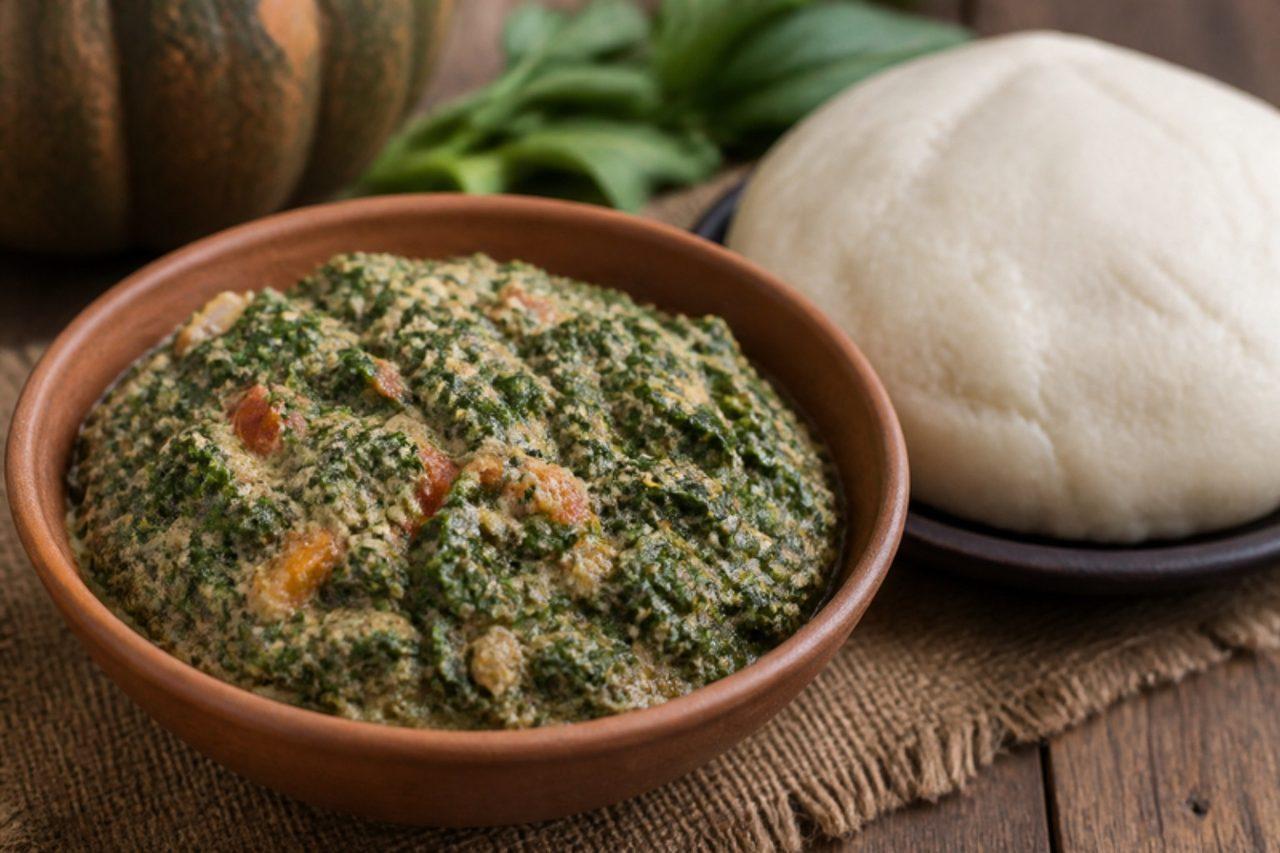
ChibwabwaPumpkin leaves with groundnuts

From December to March, when pumpkin vines sprawl over every compound fence in Lusaka and the Copperbelt, chibwabwa is on the table almost daily as a relish for nshima. The tender leaves and shoots are stripped of their hairy outer fibres, cooked down until silky and finished with tomato, onion and freshly pounded groundnuts, which thicken the juices into a creamy, nutty sauce. The taste is green and mildly sweet, closer to young spinach than to pumpkin itself. Look for pumpkin leaves at African or South Asian grocers; spinach mixed with a little chard is a fair stand-in. Skipping the peeling is the mistake people make, and it leaves the stems stringy and prickly. Chef's tip: add the groundnut powder only at the end and simmer it gently, or it sinks and scorches.

by KrazyBadal 0 views

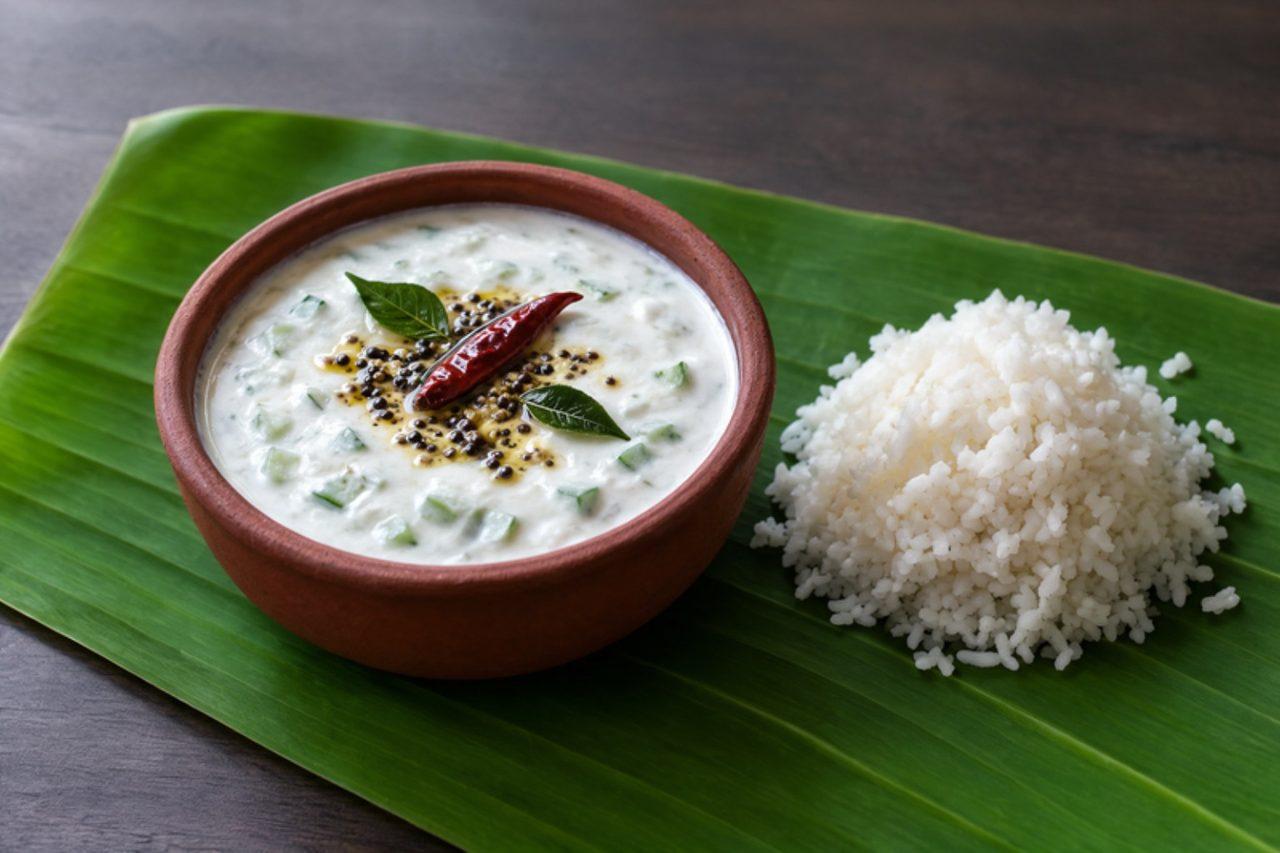
Vellarikka pachadiCucumber yogurt curry

Vellarikka pachadi is one of the cooling yogurt dishes on the Kerala sadya, the banana-leaf feast served at Onam and weddings, and it turns up at everyday lunches across Thrissur and Kottayam too. Diced cucumber is softened briefly, then folded into thick yogurt with a paste of coconut, green chilli and crushed mustard seed, and finished with mustard seeds and curry leaves crackled in coconut oil. Coconut and curd carry the flavour, so it needs only a pinch of salt: about 0.25 g salt per portion. The usual mistake is adding the yogurt to hot cucumber, which splits it; let the cucumber cool first. Serve with rice and a dry vegetable thoran. Chef's tip: grind the coconut paste with a few raw mustard seeds; their gentle pungency is what makes a pachadi taste of Kerala.

by KrazyBadal 0 views

Ju hua chaChrysanthemum tea

Ju hua cha is chrysanthemum tea, a summer staple in Hangzhou, where the famous small white Hang bai ju flowers grow, and across Guangdong and Hong Kong, where it is poured at dim sum and sold chilled in street-side stalls. Dried flowers open in hot water into a pale golden, honey-scented infusion with a gentle bitterness. It is drunk plain here: no salt and no sugar, so about 0.0 g salt per cup. The usual mistake is using boiling water, which turns it harsh; let the kettle rest for a minute first. A few goji berries add colour and a little natural sweetness. Chef's tip: rinse the dried flowers quickly in warm water first to wash off dust and wake up their fragrance.

by KrazyBadal 0 views

Showing 24 of 483 recipes

Show more recipes

Page 6 of 21

More collections