Skip to content

Mocktails and cool drinks

Sharbats, lassis, juices and coolers with no alcohol. (413 recipes)

Magic coffee

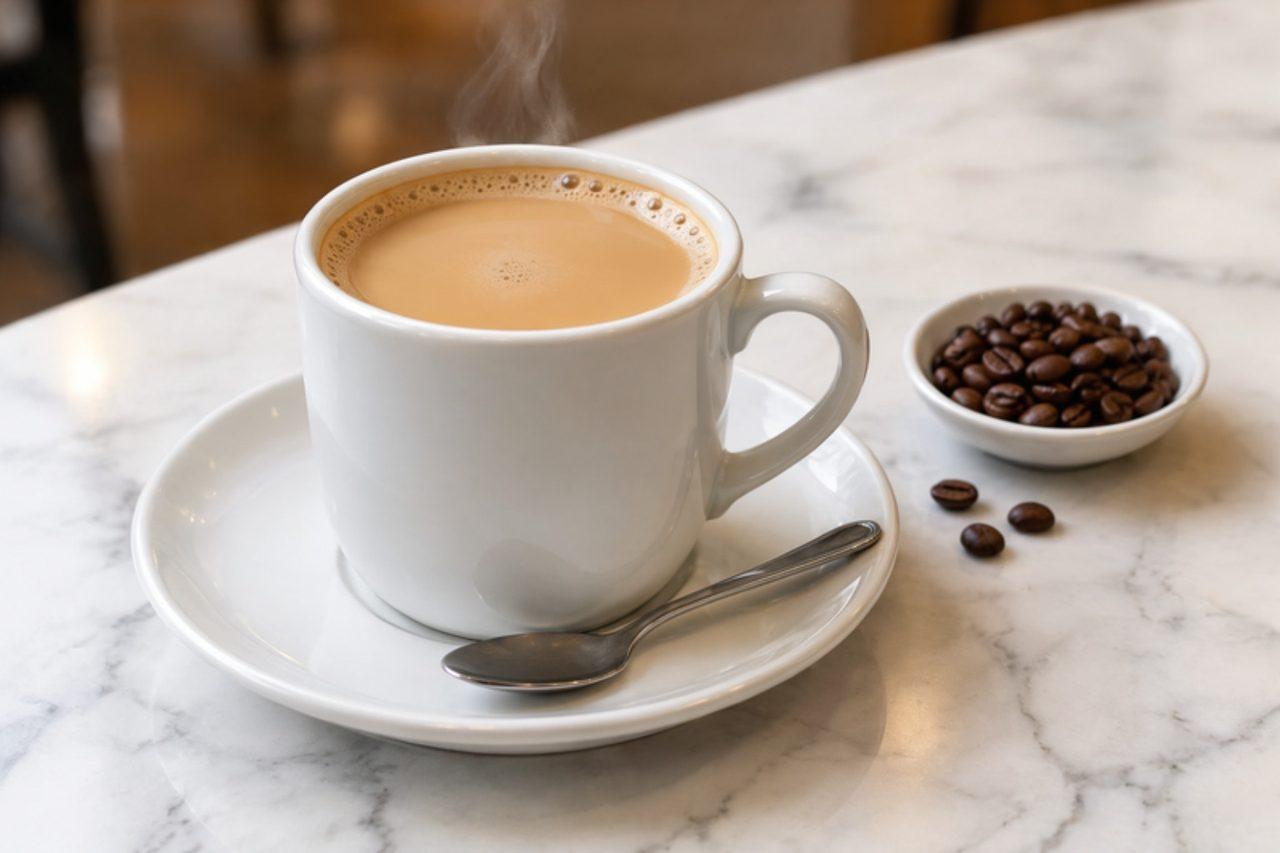
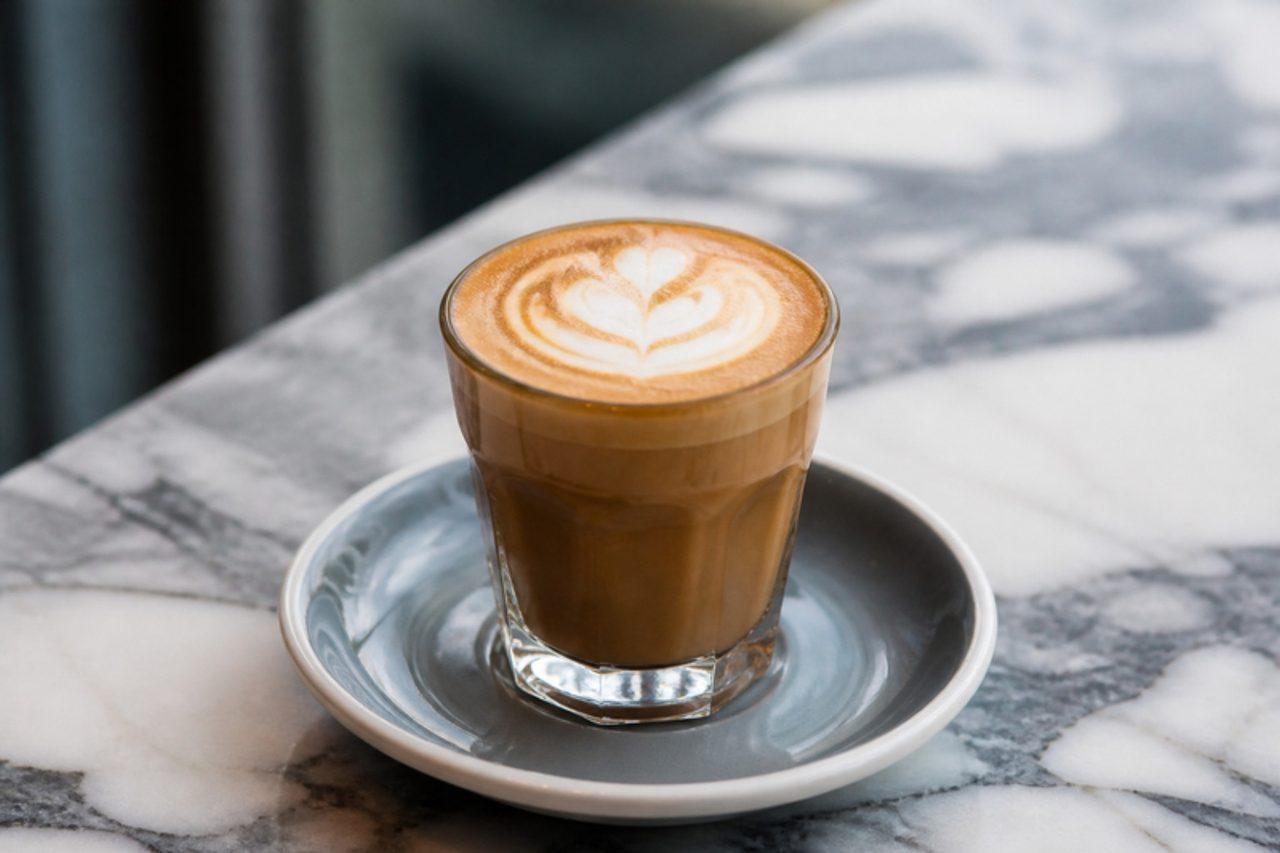
The magic is a Melbourne café insider's order, born in the city's Fitzroy and Collingwood coffee bars: a double ristretto (the short, intense first part of the espresso shot) topped with silky steamed milk in a 160 ml cup. It is stronger and sweeter-tasting than a flat white because there's less milk and only the richest part of the shot. A common mistake is scalding the milk; above about 65 °C it loses its natural sweetness. Chef's tip: stop the shot early, at about 30 ml for a double, to get that syrupy ristretto.

by KrazyBadal 0 views

Ipoh white coffee

Ipoh's old town kopitiams, with their marble tables and morning crowds queueing for kai si hor fun and egg tarts, gave Malaysia its 'white coffee'. The name comes not from milk but from the roast: beans are roasted with palm-oil margarine, lighter than the dark, sugar-roasted kopi of the rest of the country, then brewed and served with condensed milk. It is smoother and less bitter than ordinary kopi, nutty and buttery, pale caramel in the cup, drunk hot at breakfast or iced in the afternoon heat. At home, buy ground Ipoh-style white coffee from an Asian grocer; you cannot easily reproduce the margarine roast in a kitchen. The common mistake is brewing it like espresso: forced extraction makes it bitter and kills the soft, toasty flavour. Steep it in a cloth sock or a coffee filter with water just off the boil. It is ready when the brew is reddish-brown and clear, not inky. This is a strong coffee with real caffeine, not for children. Chef's tip: warm the cups with hot water first; white coffee cools fast and loses its aroma.

by KrazyBadal 0 views

Oksusu-chaRoasted corn tea

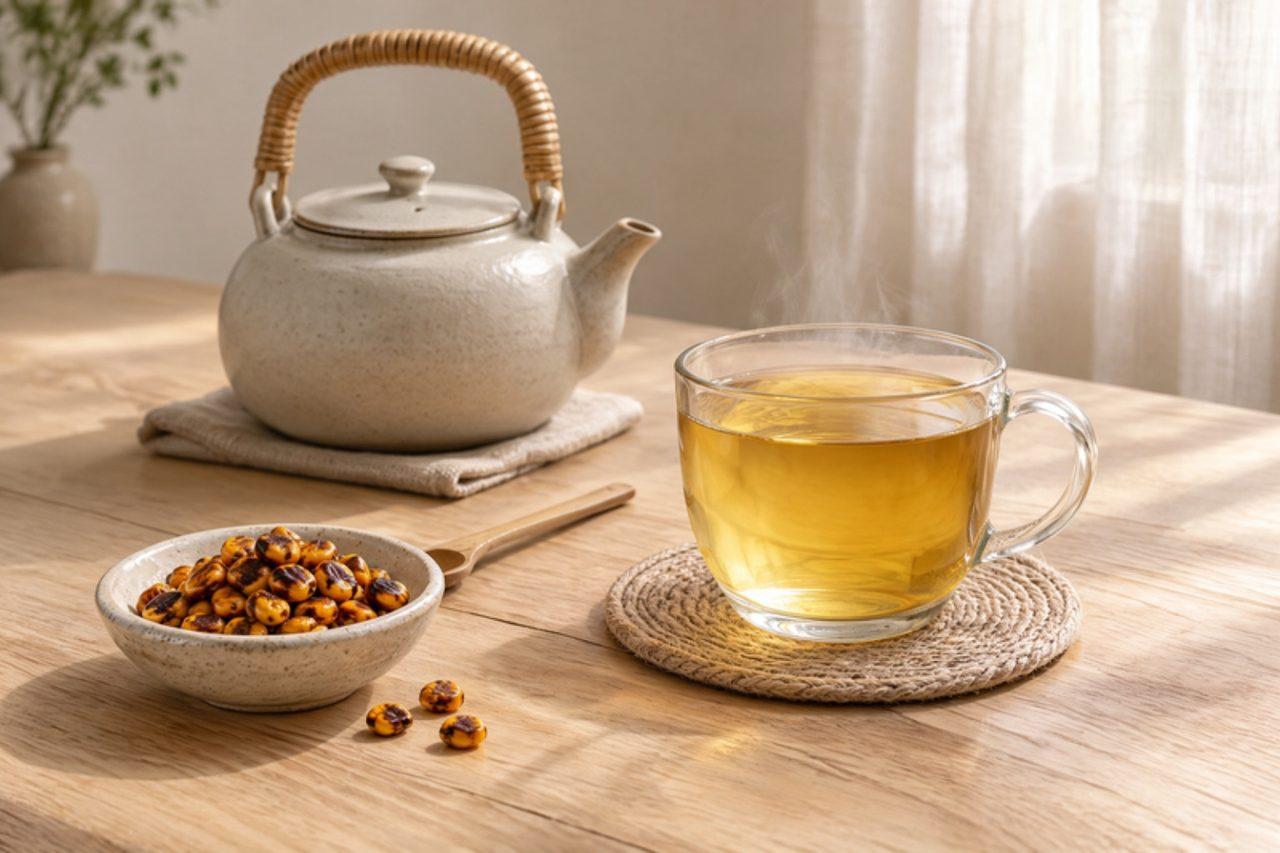
Oksusu-cha is the tea Korean households boil by the kettleful and keep in the fridge in old glass bottles, drunk instead of water with meals from Seoul apartments to Gangwon farmhouses, chilled in summer and hot in winter. Dried corn kernels are roasted until dark golden, then simmered to make a pale amber tea that tastes gently sweet and toasty, though nothing is added at all. About 0.0 g salt per glass. The usual mistake is boiling the kernels too long, which makes the tea cloudy and starchy; 15 minutes is plenty. Ready-roasted corn kernels are sold in Korean shops; if roasting your own, use dried corn, not fresh or tinned. Chef's tip: mix in a spoon of roasted barley for the classic boricha blend, rounder and more nutty, though no longer gluten free.

by KrazyBadal 0 views

MorochoCracked white corn drink

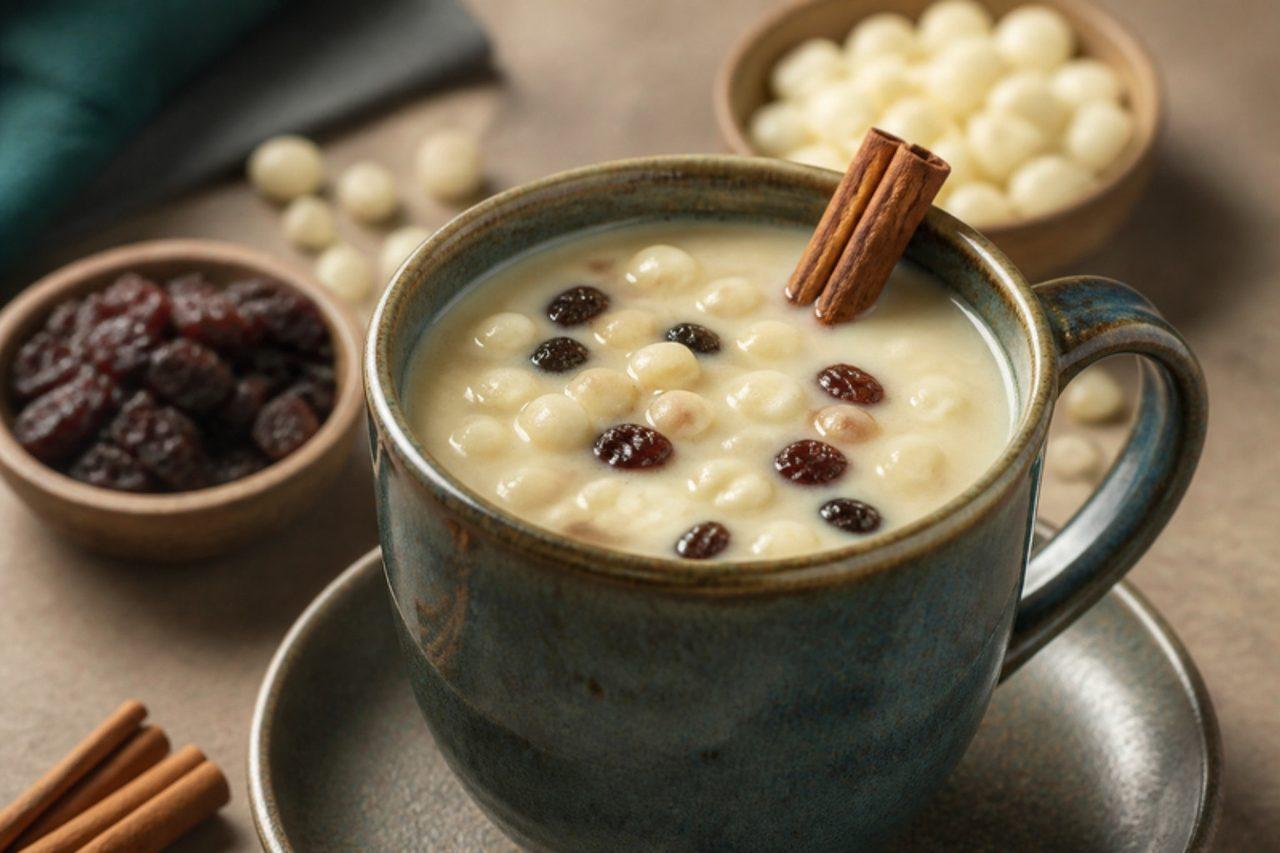
Morocho is what Quiteños drink on a chilly evening at a market stall, often with a crisp empanada de morocho alongside: cracked white corn simmered for an hour with milk, cinnamon and cloves until it turns into a thick, creamy drink you half sip, half spoon, studded with plump raisins. It tastes like a gently spiced rice pudding made with corn. The usual mistake is adding the milk too early and not stirring, so it catches and scorches on the bottom of the pan. Chef's tip: soak the corn overnight; it cooks faster and more evenly and turns properly creamy.

by KrazyBadal 0 views

Mate de muñaAndean mint tea

Muña is the minty shrub that grows wild on the slopes around Cusco, Puno and the Sacred Valley, and highland cooks reach for it after a heavy meal of chicharrón or when visitors are struggling with the altitude. Market herb sellers sell it in fresh bunches, and hotels and homes leave it in a flask for anyone coming in from the cold evenings. Steeped simply in hot water, it smells somewhere between spearmint, oregano and pennyroyal, with a cooling, slightly peppery taste and a pale green-gold colour. It is traditionally drunk to settle the stomach. The usual mistake is boiling the leaves hard for a long time, which turns the tea brown and bitter. Pour water just off the boil over the sprigs, cover, and let it steep. It is ready when the cup is pale gold and the aroma rises as soon as you lift the lid. Outside Peru, look for dried muña in Latin shops; failing that, use mostly spearmint with a little fresh oregano. Muña is strong: avoid large amounts in pregnancy, and check with a doctor if you take regular medication. Chef's tip: cover the cup while it steeps so the scented oils stay in the tea.

by KrazyBadal 0 views

Ragi maltFinger millet malt drink

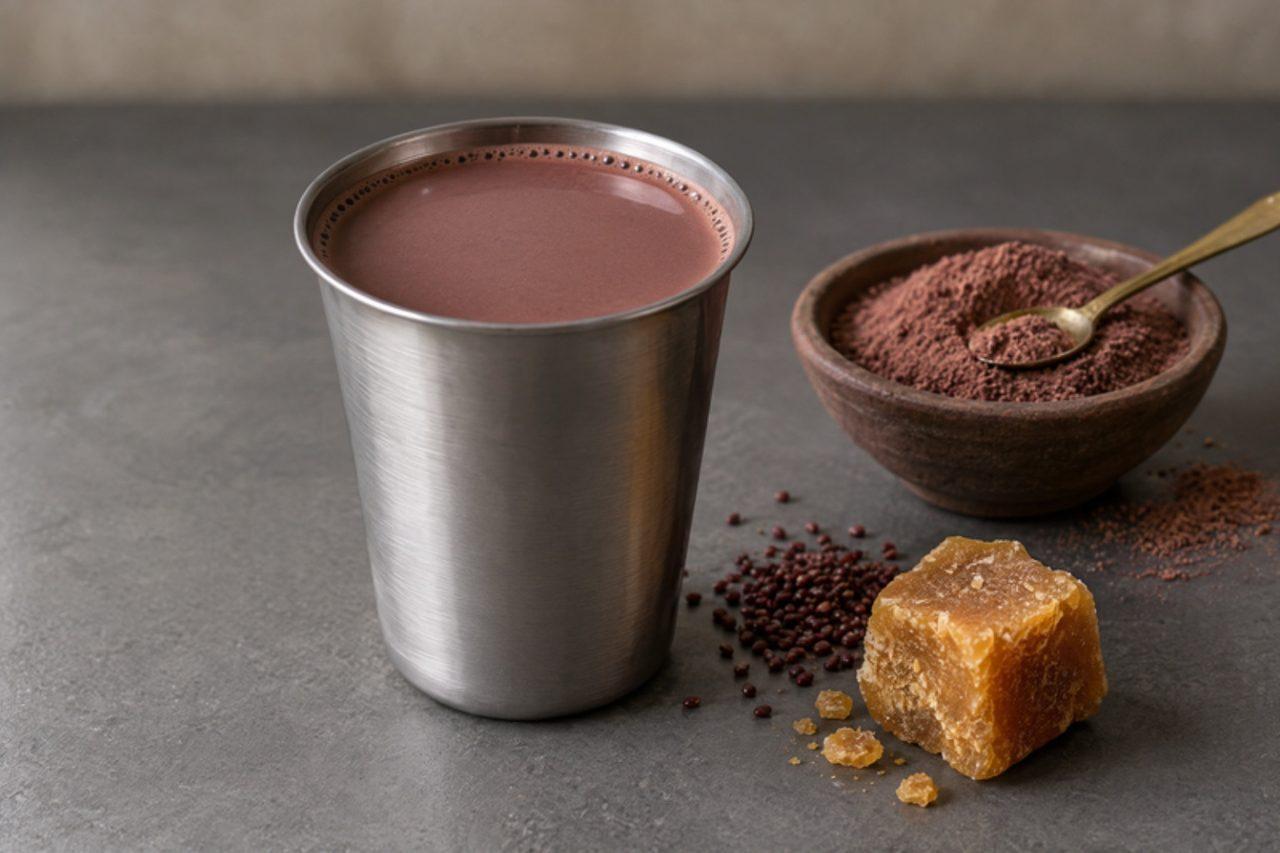
Across Karnataka, from Bengaluru flats to farmhouses round Mandya and Mysuru, a mug of ragi malt is how many mornings start, especially for schoolchildren, older relatives and anyone heading out to work in the fields. Finger millet powder is whisked into water and cooked until it thickens, then loosened with hot milk and sweetened with jaggery and cardamom; the savoury version, beaten into buttermilk with salt, is drunk cold at lunch in summer. The sweet version is smooth, malty and nutty, mauve-brown, thicker than milk but still drinkable. The commonest mistake is tipping ragi powder straight into hot liquid: it seizes into stubborn lumps. Always whisk it into cold water first. It is ready when the raw, grassy smell has gone, the mixture turns glossy and darker, and it coats the back of a spoon. Add jaggery only off the heat, or the milk can split. For babies, skip the jaggery and ask your health visitor about introducing ragi. Chef's tip: sprouted ragi powder (the true 'malt') tastes sweeter and cooks faster; look for it in Indian shops.

by KrazyBadal 0 views

Masala doodhSaffron nut milk

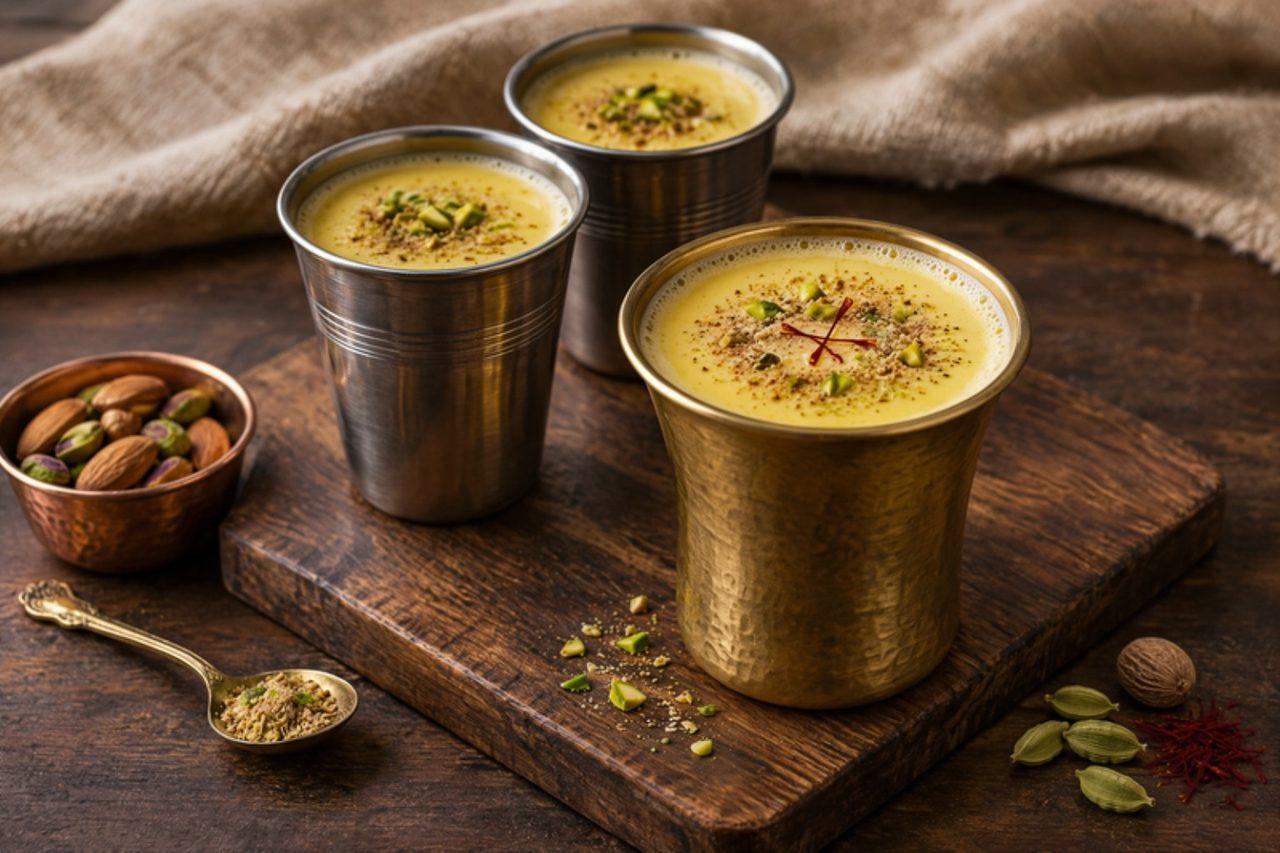
Late evening at Ahmedabad's Manek Chowk, milk sellers pour masala doodh from a height between two brass pots to cool and froth it, and on Sharad Purnima families set a pot of it under the full moon before drinking it chilled. It is richer and more fragrant than plain badam milk: a home-ground masala of almonds, pistachios, cardamom, nutmeg and a little black pepper is stirred into milk reduced with saffron and sugar. The common mistake is boiling it hard after the nut masala goes in, which makes it catch and taste scorched. Chef's tip: grind a jar of the masala in one go and keep it in the fridge; two teaspoons turn any glass of milk into a treat.

by KrazyBadal 0 views

Limonata a cosce aperteFizzy lemonade

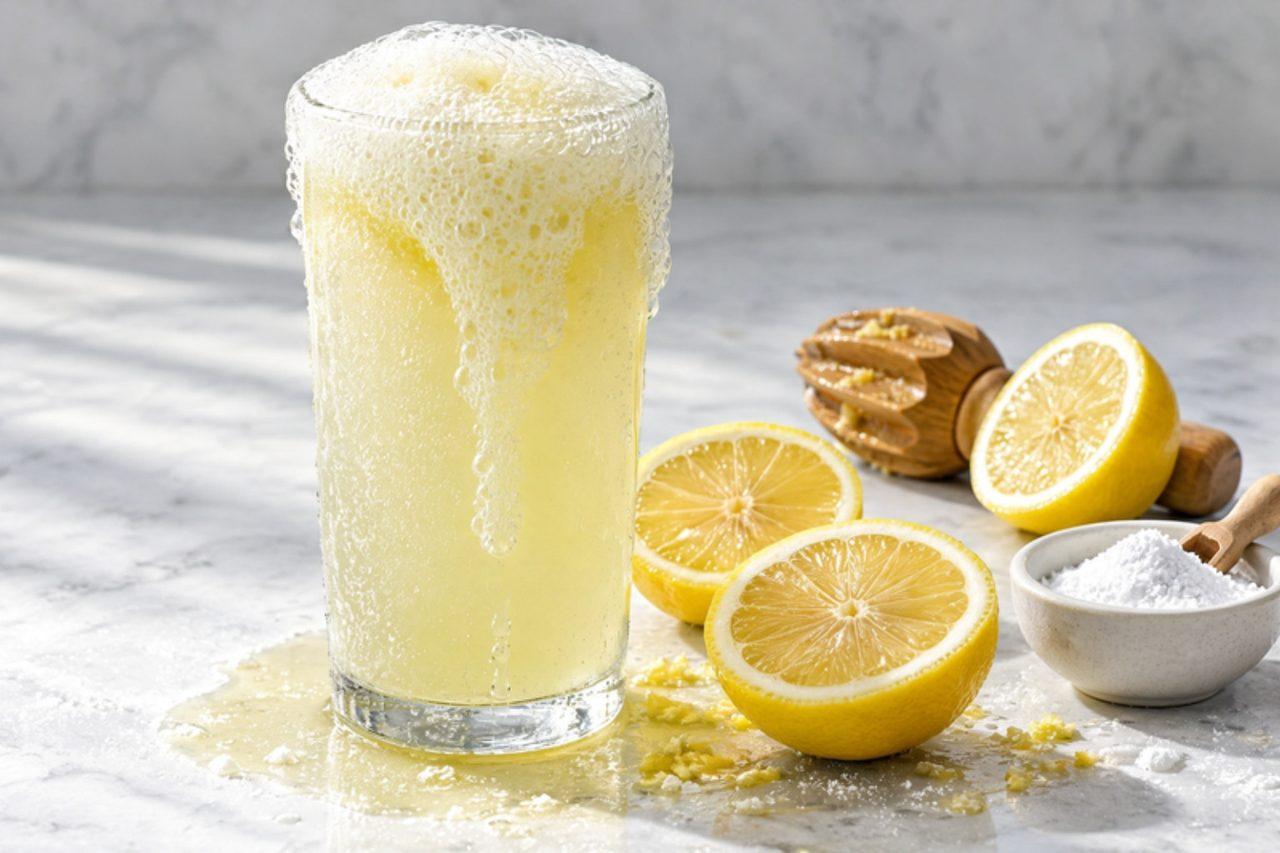
On hot afternoons along the Lungomare and in Piazza Sannazaro, the old acquafrescai kiosks squeeze half a lemon into a glass of sparkling water, then add a pinch of bicarbonate of soda. The drink foams up and over the rim, so you have to lean forward with your legs apart to drink it without soaking your shoes, which is where the cheeky name comes from. It tastes sharp, salty-fresh and very fizzy, and Neapolitans swear by it after a heavy lunch. Chef's tip: have the glass at your lips before you stir in the bicarbonate; the foam rises in seconds.

by KrazyBadal 0 views

SalabatHot ginger tea

Salabat is the Filipino early-morning cup, simmered in homes from Luzon to Mindanao when the weather turns cool or a sore throat threatens, and drunk with bibingka and puto bumbong outside churches during the Christmas dawn masses. It is just ginger, water and dark sugar, but the ginger has to be bashed to release its heat. The mistake is slicing the ginger thinly and boiling briefly; you get a pale, weak tea. Crush it and simmer it properly. Chef's tip: leave the skin on young ginger, scrub it well and smash it with the flat of a cleaver, which gives a stronger, rounder heat.

by KrazyBadal 0 views

Beijing douzhiFermented mung bean drink

Douzhi is the most famous acquired taste in Beijing: a hot, grey-green, sour drink made from the liquid left when mung beans are ground for starch, then fermented. Old Beijingers sip it at breakfast with crisp jiaoquan rings and shredded salted mustard pickles, and visitors either love it or never try it twice. At home you make a small batch by blending mung beans, settling out the starch and fermenting the cloudy water for a day. The mistake is letting it boil hard: it separates into watery and thick layers, so keep it at a gentle bubble. It must smell cleanly sour like yogurt; throw it away if it smells rotten, has mould, or turns pink or slimy. Chef's tip: stir it continuously as it heats and add a splash of the thinner liquid at the end, which keeps the classic smooth, slightly thick texture.

1440 minChineseDrinksVeganGluten free
by KrazyBadal 0 views

MursikSmoky fermented milk

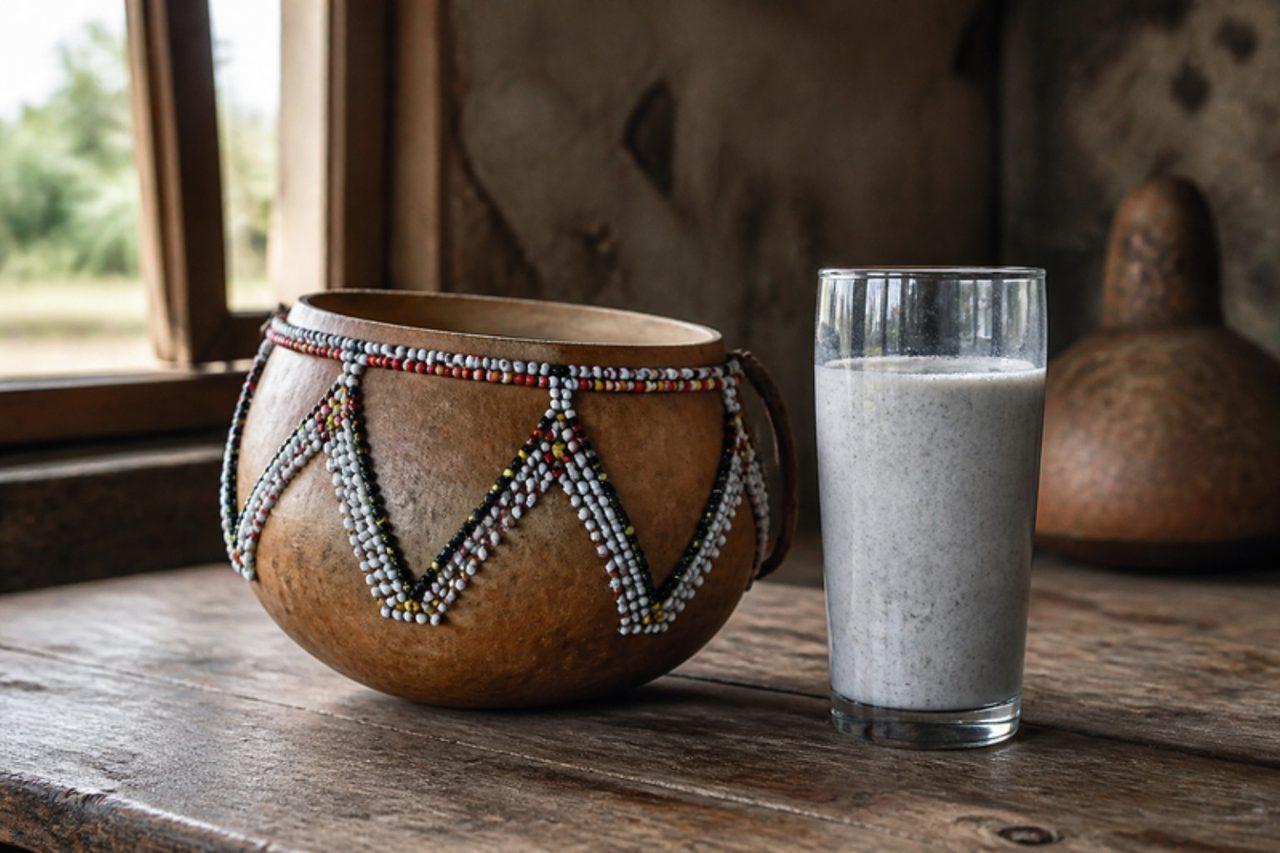
When Kenyan marathon runners land back in Eldoret, relatives greet them with a gourd of mursik, the soured milk of Kalenjin homesteads across the Rift Valley highlands. Traditionally, milk sits for several days in a sotet, a long calabash whose inside has been scraped with a smouldering stick of senetwet (the tree often called the cromwell tree) so a lining of fine charcoal coats it; that charcoal gives mursik its smoky taste, grey flecks and long keeping. At home we skip raw milk and a wild ferment: pasteurised milk is soured with a live cultured buttermilk, and a jar smoked inside with untreated hardwood, or a pinch of food-grade activated charcoal, brings the flavour. Thick, sharp and smoky, it is drunk with ugali, sweet potatoes or after a long run, and the usual mistake is fermenting it somewhere too hot, where it splits into whey and tastes yeasty. Chef's tip: shake the jar hard before pouring, as herders shake the gourd, to make it smooth and drinkable.

by KrazyBadal 0 views

Koffie verkeerdCoffee with extra milk

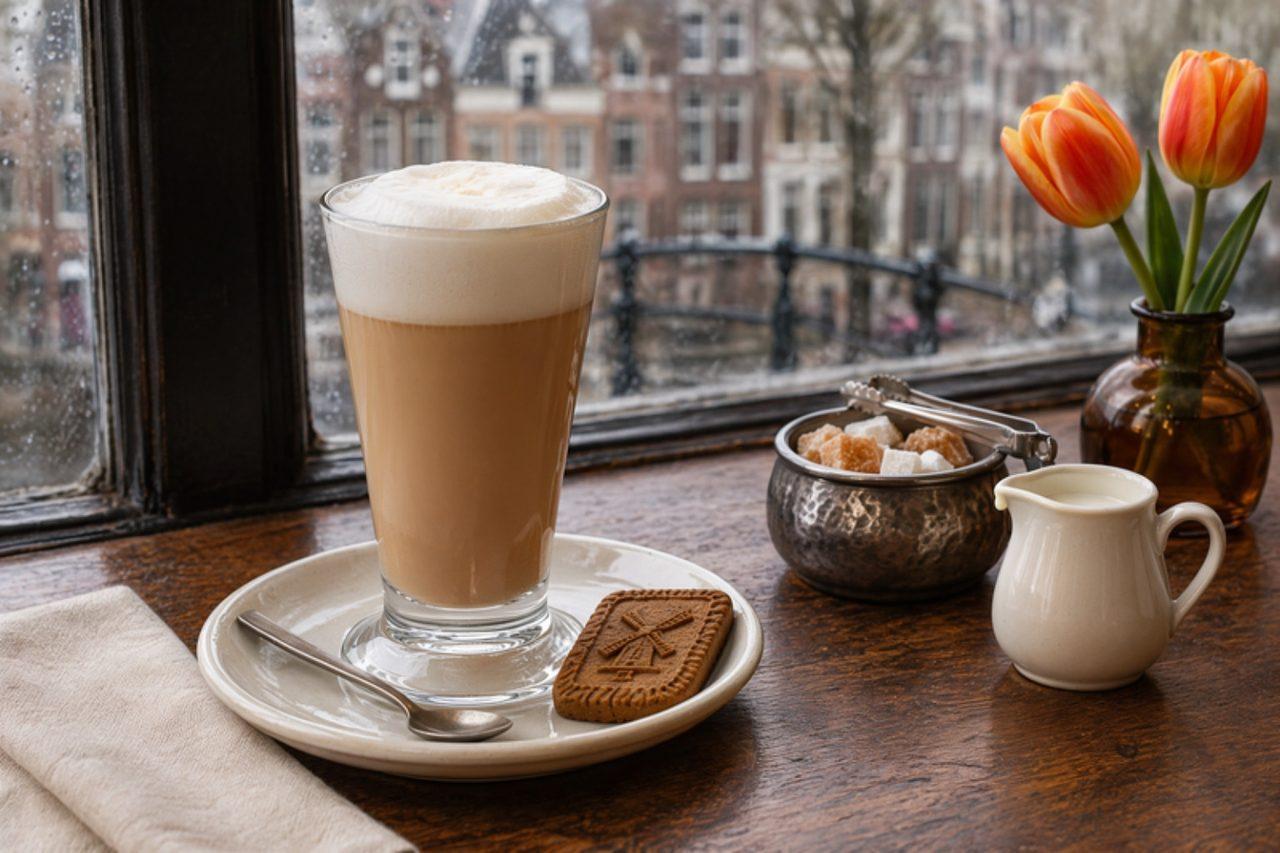
Order a koffie verkeerd in any Dutch café or bruin café and you get a tall glass that is mostly steamed milk with a strong shot of coffee poured in, the 'wrong' way round compared with a normal black coffee. It is the Dutch morning cup at home and at work, usually with a speculaas biscuit on the saucer. The common mistake is boiling the milk, which makes it taste cooked and kills the foam; heat it only until it steams and small bubbles form at the edge, about 65 °C. Chef's tip: froth the milk by shaking it in a jar with the lid on before warming it in the microwave, and you get café-style foam without a machine.

by KrazyBadal 0 views

MoshOat and milk drink

In Guatemalan homes, mosh is what a mother hands a child on a chilly highland morning in Quetzaltenango or Huehuetenango: rolled oats cooked long and thin with water, milk, cinnamon and sugar, so it's drunk from a mug rather than eaten with a spoon. The common mistake is making it too thick like porridge; it should pour easily, so keep adding hot milk or water as the oats swell. Chef's tip: whisk it hard for a minute at the end; it breaks up the oats and makes the drink smooth and frothy.

by KrazyBadal 0 views

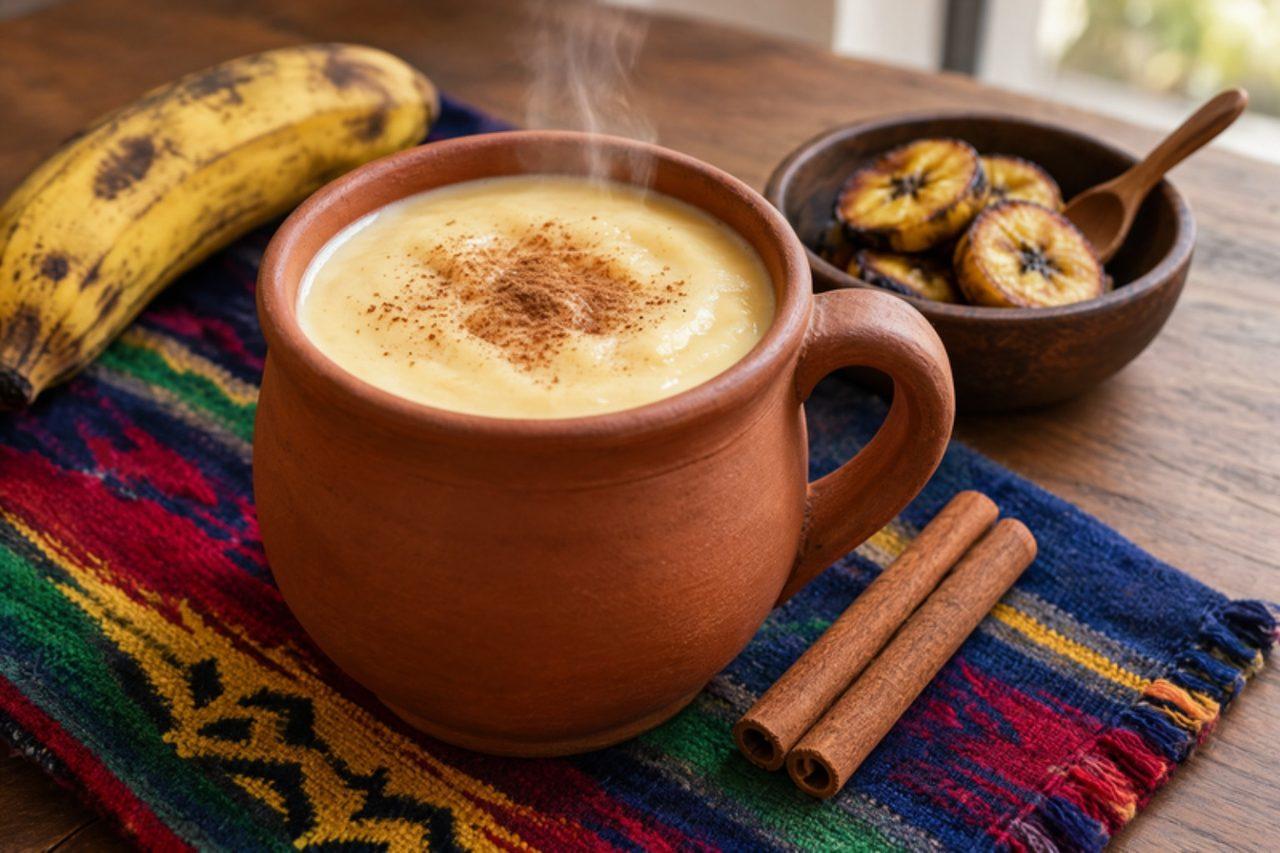
Atol de plátanoWarm plantain and milk drink

In Guatemalan markets, steaming pots of atol are sold from early morning: thick, sweet, drinkable porridges made from corn, rice, oats or, in this case, very ripe plantain blended with milk and cinnamon. Atol de plátano is creamy and fruity, a filling breakfast in a mug. The common mistake is boiling it hard after the milk goes in, which catches and burns on the bottom; keep it at a gentle bubble and stir. Chef's tip: simmer the plantain with the cinnamon in water first, then blend; this cooks the starch fully and gives a silky drink without any raw-banana taste.

by KrazyBadal 0 views

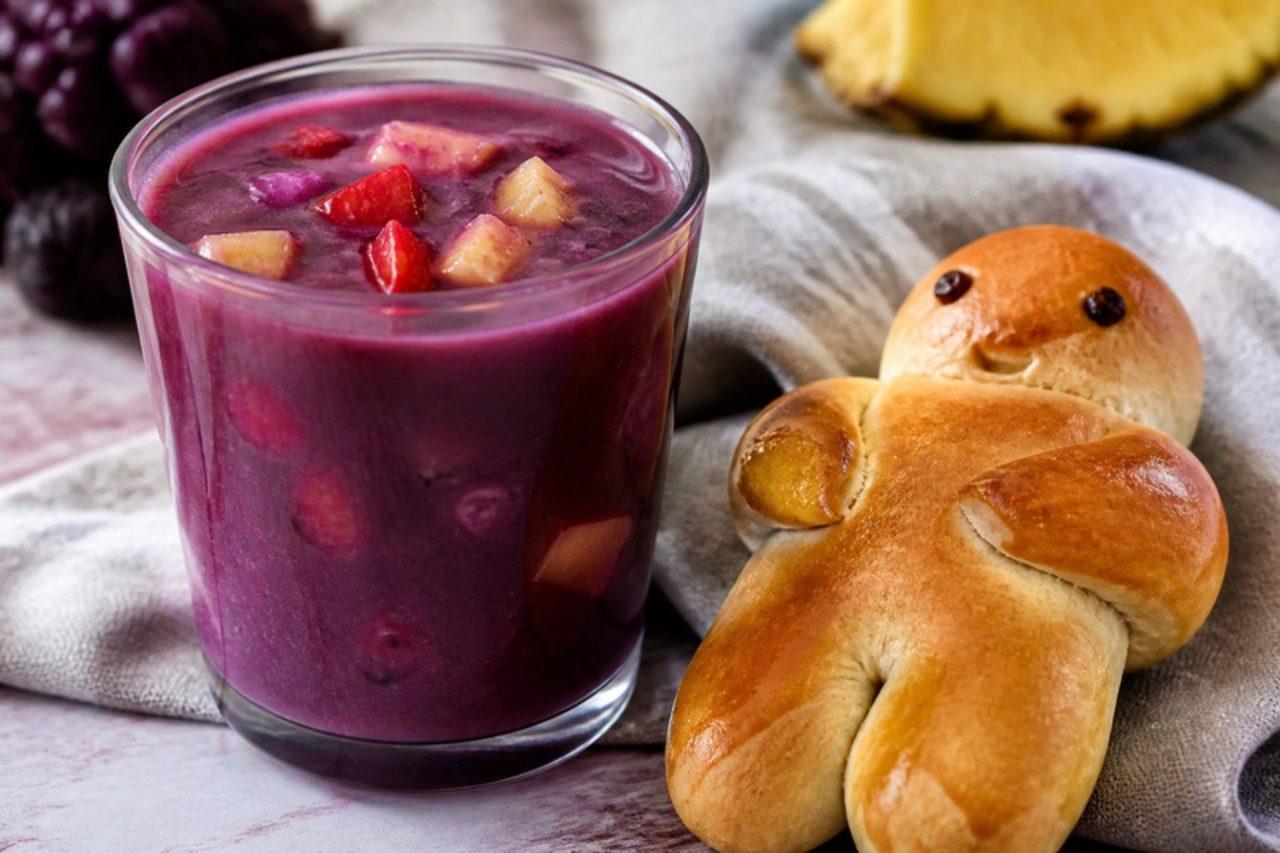
Colada moradaPurple corn and berry drink

Every year in the days before 2 November, the Día de los Difuntos, Quito's kitchens and bakeries fill with the smell of colada morada: a warm, spoon-thick drink of purple corn flour cooked with blackberries, blueberries, pineapple and a bundle of fragrant herbs and spices. It is deep violet, sweet-tart and full of chopped fruit, and it is always served with guaguas de pan, the bread babies, often shared with family at the cemetery. The most common mistake is stirring the corn flour straight into hot liquid, which makes lumps: whisk it into cold water first. Chef's tip: lemon verbena and lemongrass give the authentic perfume; if you can find naranjilla or a few orange leaves, add them to the spice pot too.

100 minAndeanDrinksVeganGluten free
by KrazyBadal 0 views

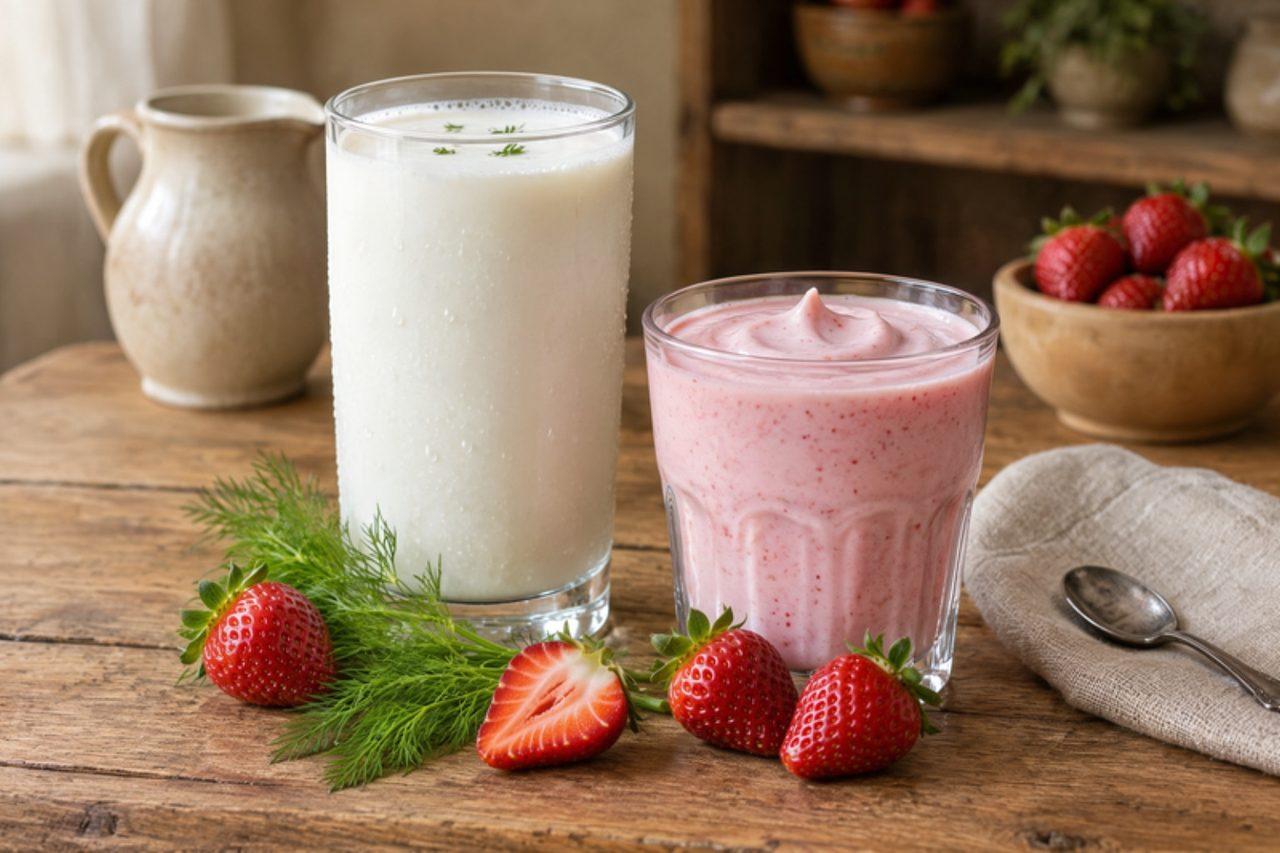
MaślankaChilled buttermilk

Maślanka, the tangy liquid left after churning butter, is sold in cartons all over Poland and drunk ice-cold with breakfast, with boiled new potatoes in summer, or blended with fruit for children. On its own it is thin, sour and refreshing; with strawberries and a spoon of sugar it becomes a light pink breakfast smoothie. The mistake is buying "buttermilk" that is really thickened yoghurt drink with added flavourings; look for plain cultured buttermilk with nothing else on the label. Chef's tip: chill the glasses as well as the buttermilk, and blend for no more than 20 seconds so it stays light and doesn't separate.

by KrazyBadal 0 views

Hongzao guiyuan cha (red date and longan tea)

Across southern China, from Fujian to Guangdong, a pot of red dates and dried longan is what mothers and grandmothers put on the stove when the weather turns cold, and it is the classic drink brought to new mothers during zuo yuezi, the month of rest after childbirth. It is also sipped through the winter in the afternoon, or offered to visitors at Lunar New Year because the red dates promise sweetness ahead. The tea is amber-brown, naturally sweet and fruity, with a caramel, smoky depth from the longan and a gentle warmth if you add ginger. The common mistake is simmering whole dates: their skins stay tight and the tea tastes thin. Slit or tear each date so the flesh can give up its sweetness, then simmer slowly. It is ready when the dates are puffed and soft, the longan has swollen and the liquid is the colour of weak tea and tastes of toffee. It is traditionally drunk for comfort and warmth, not as a medicine; it is high in natural sugar, so go easy if you watch your blood sugar, and goji can interact with blood-thinning medicines, so check with a doctor if you take them. Chef's tip: eat the softened fruit from the bottom of the cup with a spoon; nothing is wasted.

by KrazyBadal 0 views

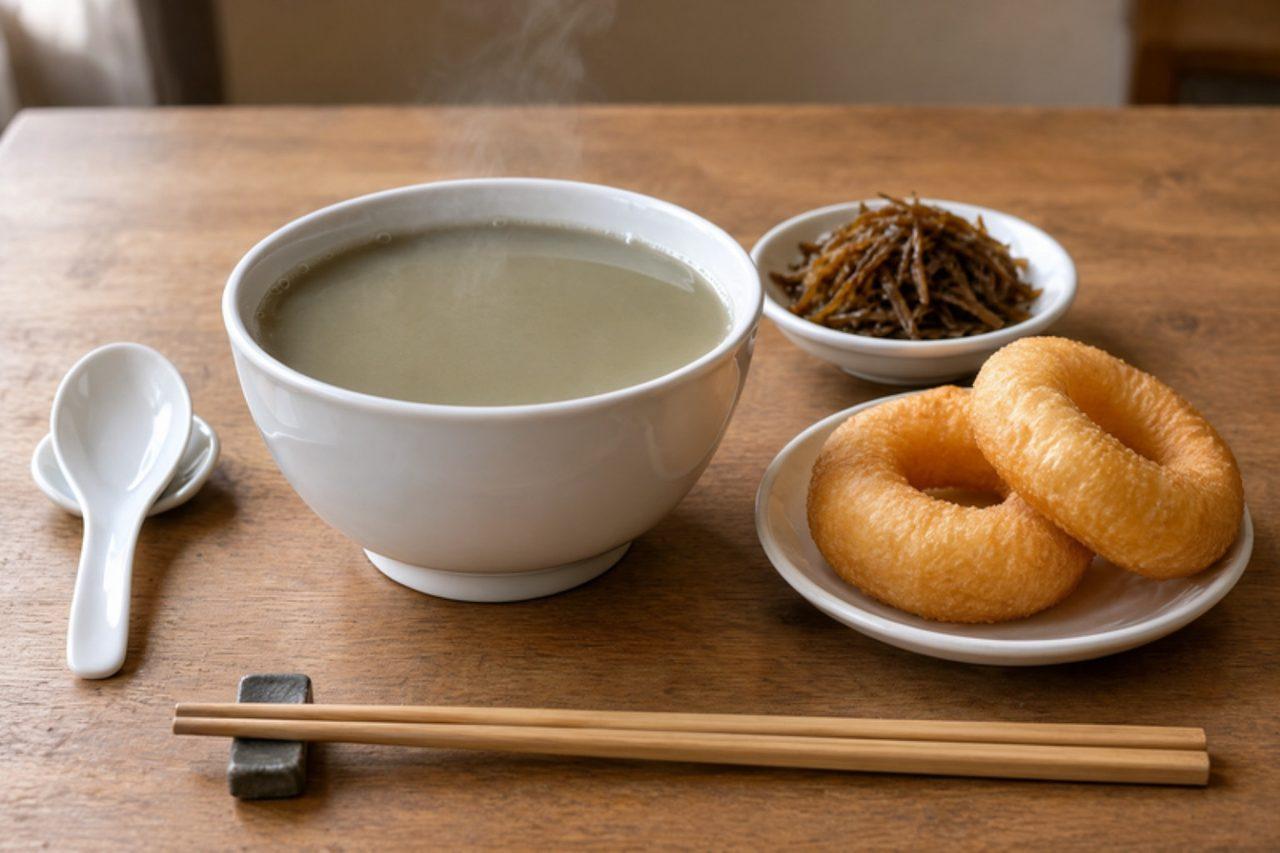
Douzhi (fermented mung bean drink)

Douzhi is the breakfast that divides Beijing. It is the sour liquid left over when mung beans are ground and their starch settles out to make noodles and jelly; left to ferment for a day or two, the grey-green whey turns tangy, a little cheesy and sulphurous. Old Beijingers drink it piping hot at dawn in hutong shops around Qianmen and Huguosi, with a dish of finely shredded salty pickle dressed in chilli oil and crisp fried dough rings (jiaoquan) from the bakery. First-timers often say it smells like stale socks; regulars say it tastes like home. The texture is thin and slightly creamy, the flavour sour, a little bitter and savoury. The common mistake is boiling the soured starch hard: it separates into grey water and sludge. Bring it up slowly, stirring, and take it off as soon as it froths. The ferment makes only a trace of alcohol, well under 1%. Ferment at 20–25 °C; normal signs are fine bubbles, a sour, yogurt-like smell and a grey colour. Discard it if you see fuzzy mould, pink or black patches, a slimy texture or a putrid smell. Chef's tip: save 100 ml of a good batch to start the next one, as Beijing workshops do.

by KrazyBadal 0 views

Caffè shakeratoShaken iced espresso

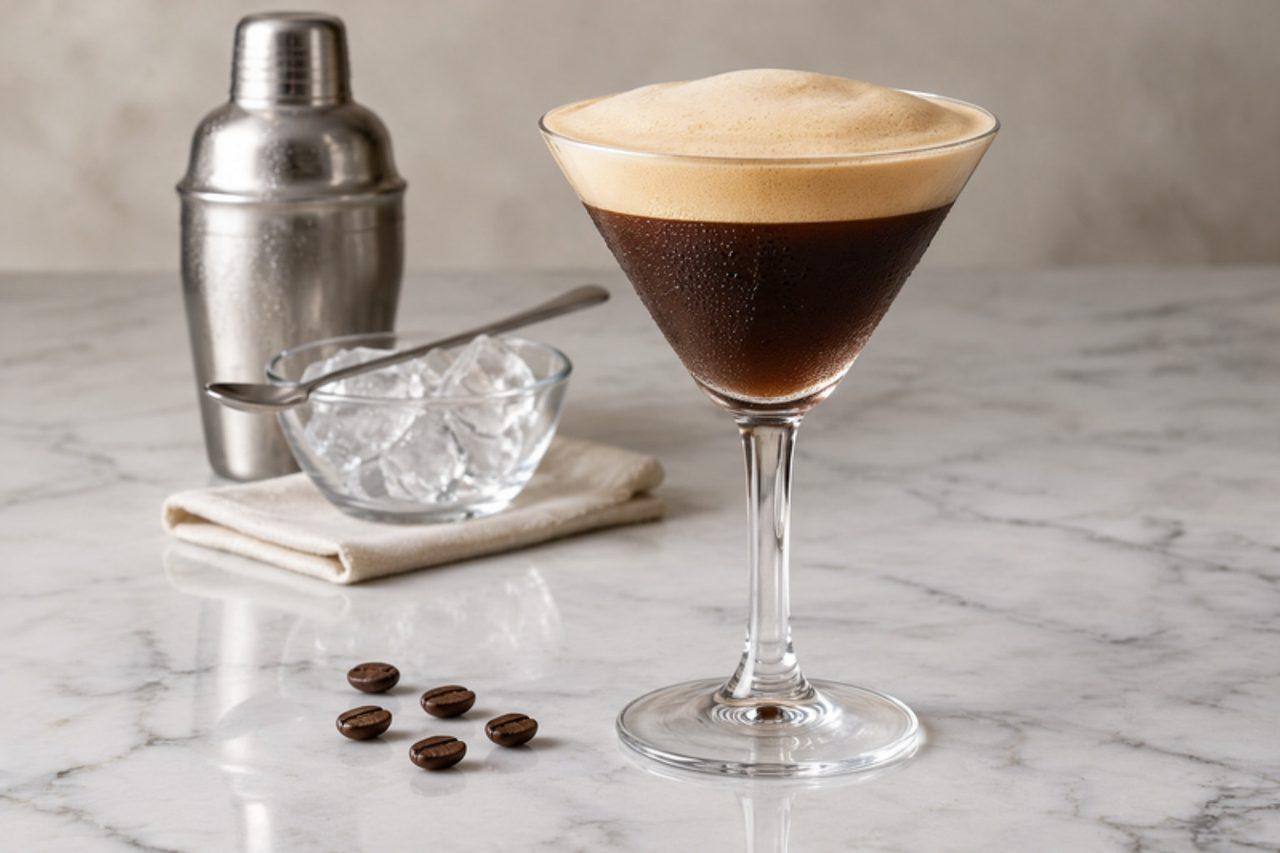
When July heat settles over Italian piazzas, bar regulars from Rome to Bologna switch their morning or after-lunch espresso for a shakerato. The barista pulls a fresh shot, tips it into a cocktail shaker with ice and sugar, shakes hard for fifteen seconds and strains it into a chilled martini or wine glass, where it settles into a dark body under a thick, beige, mousse-like crema. It tastes intense and bittersweet, colder and smoother than iced coffee, with a texture almost like a light cream. The common mistake is using too little ice or shaking half-heartedly: the coffee stays warm and the foam collapses within seconds. Fill the shaker at least half full with ice and shake until the metal is too cold to hold comfortably. It is ready when you hear the ice rattle softly and the shaker frosts over, and the pour has a thick foam on top. One shaker holds one double espresso, so it is fairly strong in caffeine. Chef's tip: dissolve the sugar in the hot espresso before adding ice; granulated sugar barely melts once the coffee is cold.

by KrazyBadal 0 views

Caffè lecceseEspresso with almond milk over ice

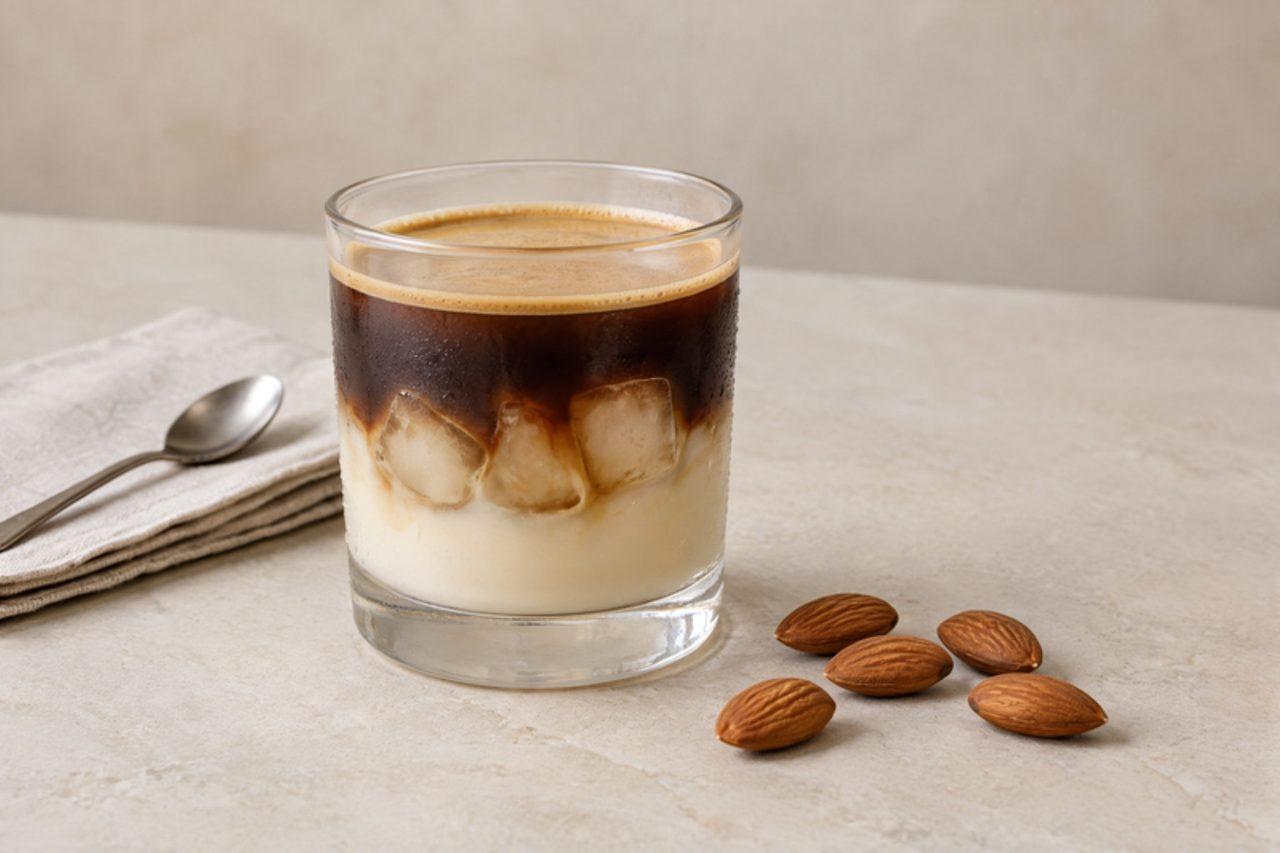
In Lecce and the towns of Salento, summer mornings start at the bar with a caffè in ghiaccio, and the local version, a fairly recent invention now poured everywhere from Otranto to Gallipoli, adds a pour of latte di mandorla: the sweet almond-milk syrup Puglian bakers have made for generations from local almonds. A short glass is filled with ice, the almond syrup goes in, and a hot espresso is poured straight over so it cracks the ice and blends into a pale, cold, nutty coffee. It is sweet without being sticky, with a marzipan aroma and a clean bitter finish. The common mistake is letting the espresso cool before pouring: it no longer melts and mixes with the dense syrup, which then sits at the bottom. Pull the shot and pour it at once, then stir. It is ready when the drink is evenly caramel-coloured and the glass feels icy. Lecce bars serve it from about May to late September, often with a pasticciotto. Espresso means a fair hit of caffeine. Chef's tip: if you can only find unsweetened almond drink, stir 1 tsp of sugar into it first, but real Puglian almond syrup gives the true taste.

by KrazyBadal 0 views

Caffè alla nocciolaEspresso with hazelnut cream

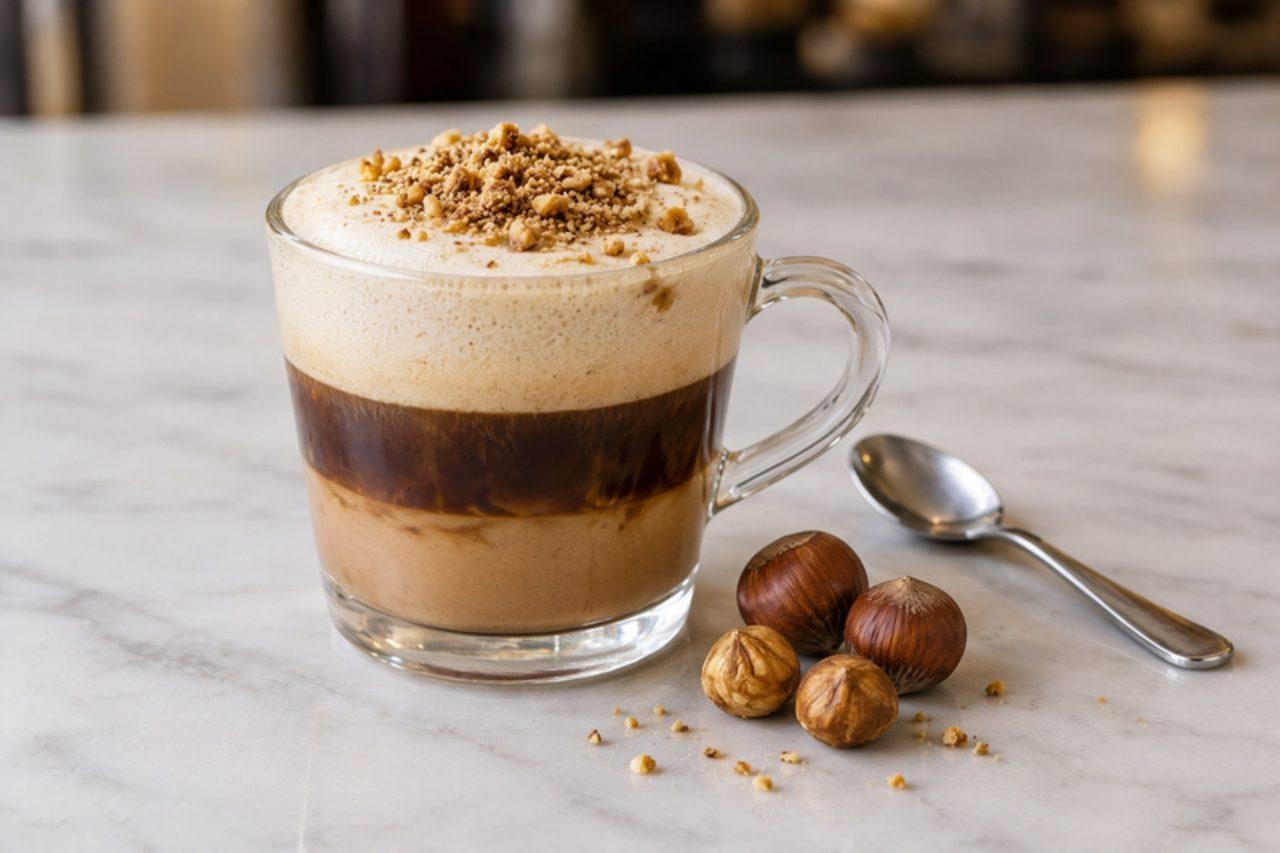
Naples takes its espresso seriously, and its bars along Via Toledo and the Lungomare also serve this richer cousin: a small glass cup smeared with hazelnut cream, a hot ristretto poured in, and a cap of cremina, the pale foam Neapolitans make by beating the first drops of coffee with sugar. It is drunk standing at the counter at mid-morning or after lunch as a little treat, and in summer the same flavours come as a cold crema al caffè. It tastes of roasted hazelnut and dark coffee, sweet and nutty, with a soft, airy foam that melts into the cup. The common mistake is whisking the cremina with too much coffee: it stays liquid and never turns pale. Use just a teaspoon of the first, thick drops and beat hard. It is ready when the foam is light beige, thick and falls from the spoon in ribbons. Espresso means a fair amount of caffeine, so keep this one for grown-ups. Chef's tip: warm the glass under hot water first and swirl the hazelnut cream up the sides; the hot coffee melts it into stripes as it goes in.

by KrazyBadal 0 views

Jugo de macaWarm maca drink

Before dawn at markets in Huancayo, Cusco and Lima, juice ladies ladle hot jugo de maca from big pots for workers on their way in: maca root, a turnip relative grown above 4,000 metres in the Junín highlands, simmered with milk, cinnamon and cloves and sweetened with honey or sugar. It tastes malty and toasty, a bit like butterscotch. The common mistake is stirring the powder straight into hot milk, which leaves gritty lumps; whisk it into a little cold milk first. Maca is not usually advised in pregnancy, so ask your doctor first if you are pregnant. Chef's tip: use gelatinised (cooked) maca powder if you can find it; it dissolves smoothly and is gentler on the stomach.

by KrazyBadal 0 views

Thambili (king coconut water)

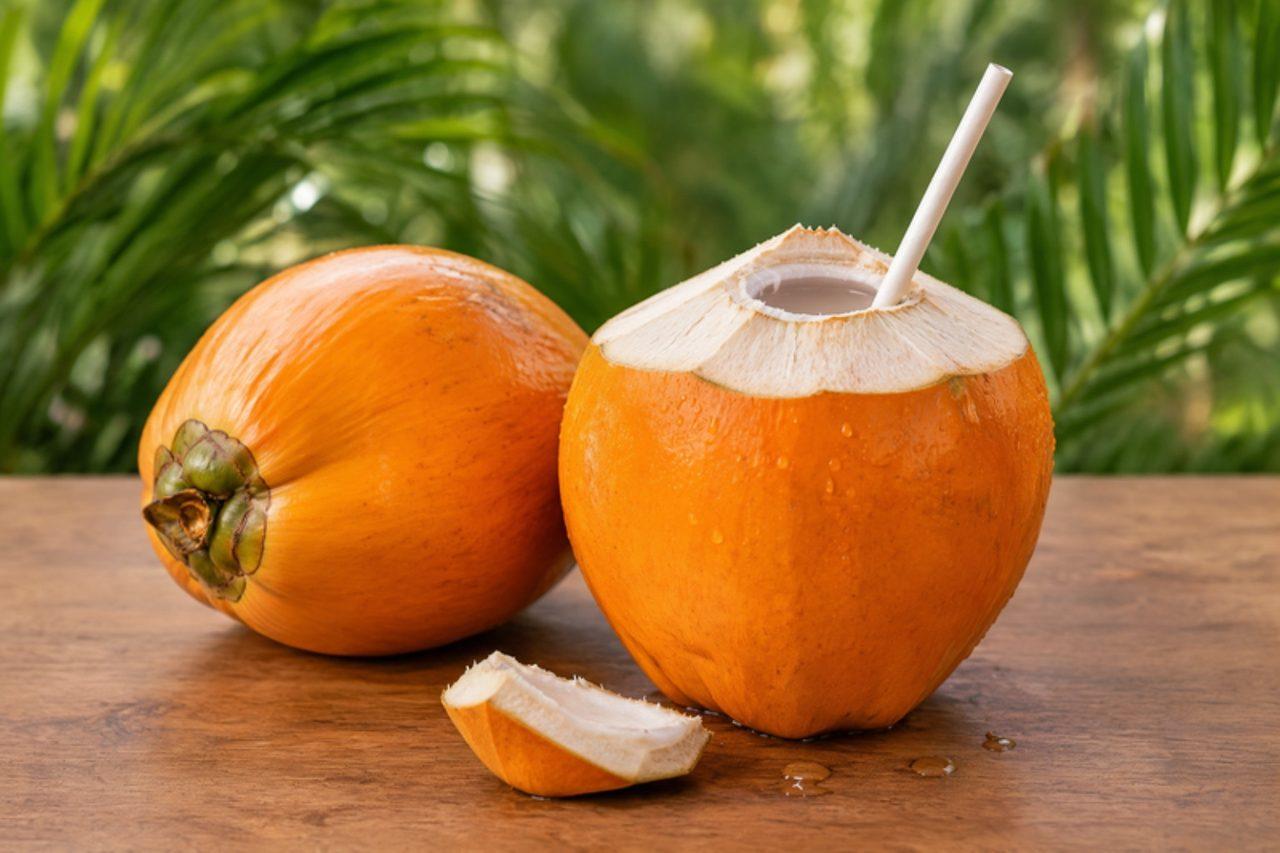
All along Sri Lanka's roads, from Galle Road in Colombo to the highways into Kandy and the beaches of the south coast, vendors stack bright orange king coconuts in pyramids under umbrellas. The thambili is a variety grown on the island for drinking: smaller than a green coconut and sweeter, with a faint saltiness that makes it more refreshing than any bottled drink. It is drunk any time of day in the heat, after a long bus ride, after a cricket match, and given to people recovering from a fever because it is gentle on the stomach. The water is clear, lightly sweet and nutty, and the soft jelly inside is eaten with a spoon made from a slice of the husk. The common mistake is hacking at the side of the nut; the blade glances off and the water spills. Trim the pointed top with downward strokes until a pale circle shows, then pierce it. It is ready to drink when a small hole opens straight into the water without husk fibres. Outside Sri Lanka, young green or Thai coconuts are the nearest substitute. Chef's tip: chill the coconuts for a few hours before opening; the water tastes sweeter cold, and use a heavy knife and a towel, keeping fingers well clear.

by KrazyBadal 0 views

MunkoyoFermented maize drink

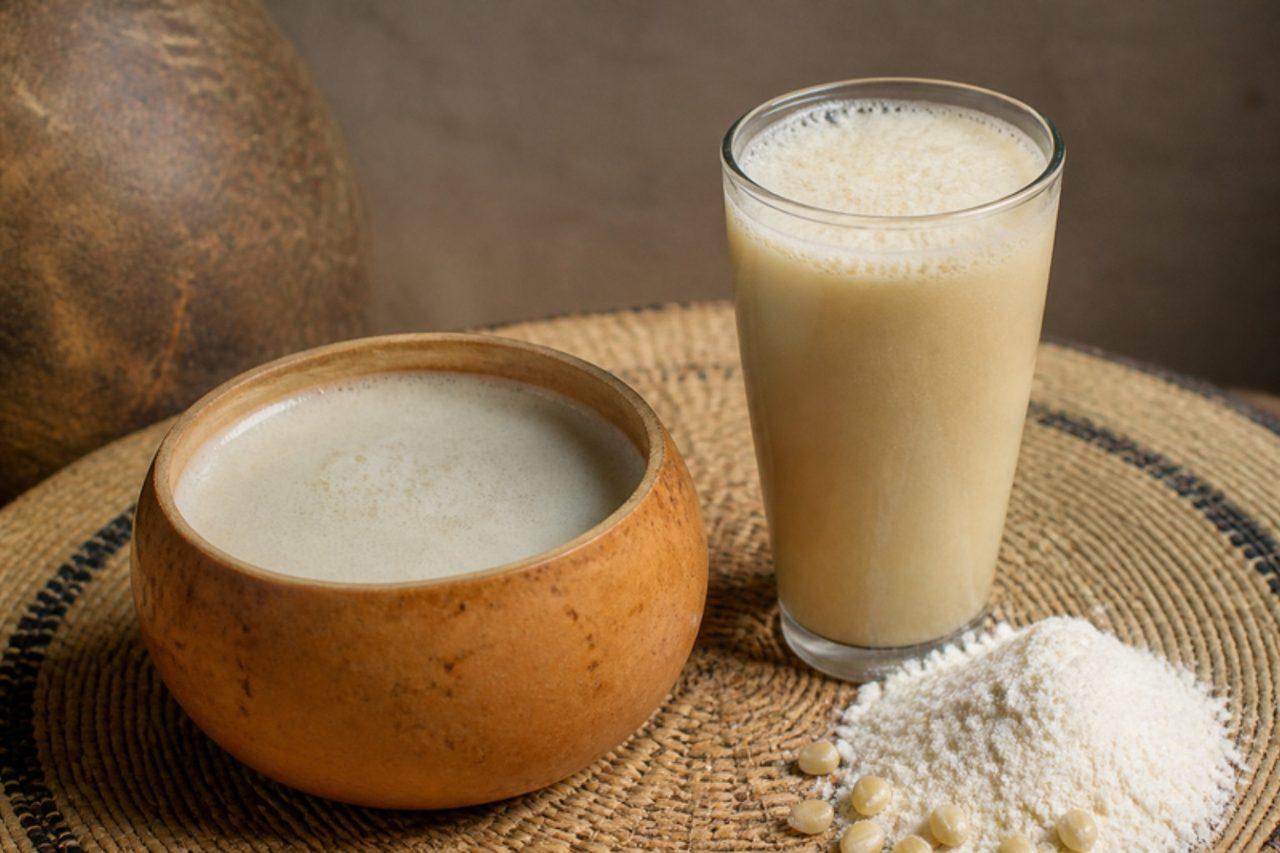
Munkoyo is the drink of Zambian village afternoons and long bus rides, sold in reused bottles at roadside stands from Kabwe to Mansa: a thin maize porridge sweetened and loosened by the pounded roots of the munkoyo shrub, then left to ferment lightly for about a day. It tastes gently sweet and sour, a little like a thin, cool maize yoghurt drink, and is drunk by everyone, children included, because it is not meant to be alcoholic. Munkoyo root is hard to find outside Zambia, so this recipe uses ground sorghum malt (sold as sorghum malt flour), which carries the same kind of starch-thinning enzymes; barley diastatic malt powder also works but makes it no longer gluten free. The big mistake is adding the root or malt to boiling-hot porridge, which kills the enzymes so it never thins. Chef's tip: drink it within two days and keep it chilled after fermenting, because if it ferments for longer it keeps souring and can start to develop traces of alcohol.

by KrazyBadal 0 views

Showing 24 of 413 recipes

Show more recipes

Page 5 of 18

More collections