Skip to content

Mocktails and cool drinks

Sharbats, lassis, juices and coolers with no alcohol. (485 recipes)

Ssanghwa-cha (herbal tonic tea)

Ssanghwa-cha is the strongest thing on the menu of an old Korean dabang. From the 1960s these smoky tea rooms served it in thick ceramic cups, dark as coffee, with pine nuts, slivered jujube and walnut floating on top; in winter some still slide a raw egg yolk in, which this recipe leaves out. The brew comes from Korean herbal tradition, where ssanghwa-tang is drunk to warm up and recover from tiredness after hard work or a cold. It tastes earthy and bitter at first, then sweet from licorice and jujube, with warmth from cinnamon and ginger and a celery-like perfume from angelica. Herbal shops sell the roots in pre-measured packs. The common mistake is boiling it hard: the liquid reduces too fast and turns harsh. Keep a gentle simmer with the lid ajar for two hours. It is ready when it is very dark brown, reduced to about a third and smells of cinnamon and roots. Because it contains licorice and angelica, skip it if you are pregnant or breastfeeding, have high blood pressure, or take blood thinners or other medicines unless your doctor agrees. Chef's tip: a second, lighter brew from the same roots is good with honey.

135 minKoreanDrinksVeganGluten free
by KrazyBadal 0 views

GuayusaHolly leaf infusion

In Kichwa villages along the Napo river around Tena, families rise before dawn, gather around the fire and share a pot of guayusa: an infusion of the large leaves of an Amazon holly tree, passed round while people talk over dreams and plan the day. It tastes smooth, grassy and faintly sweet, with none of the bitterness of black tea, and it carries a steady lift of caffeine, so it is not one for young children or late evenings. Dried guayusa is sold loose in health-food and tea shops. A common mistake is treating it like delicate green tea and steeping it for just a minute; it needs a gentle simmer to draw out its flavour. Chef's tip: add a strip of lemongrass or a slice of ginger for a fragrant twist, and sweeten, if at all, with a little panela.

by KrazyBadal 0 views

Batido de mameyMamey milkshake

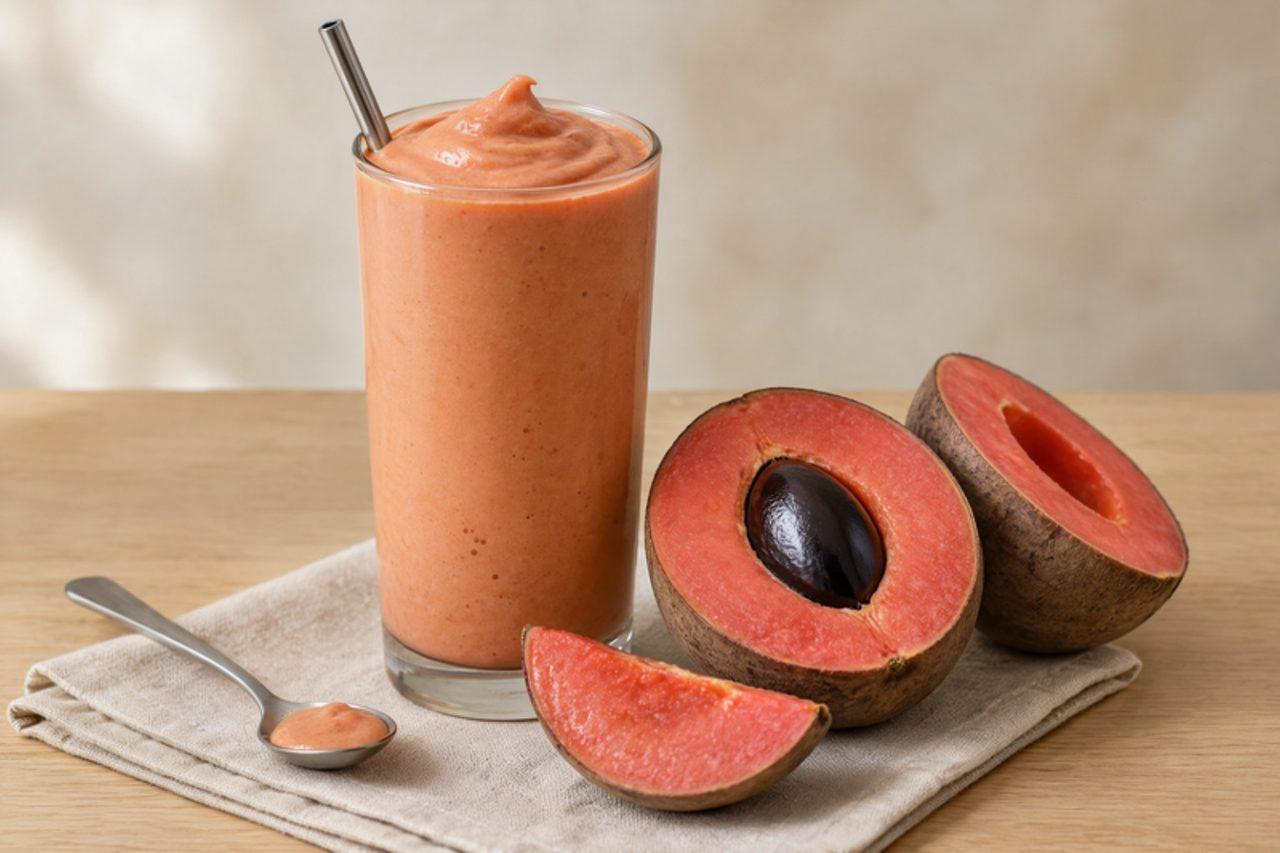
In Havana and all over the island, the cafeteria counter has a blender that never stops, turning out batidos of mango, guanábana, papaya and the favourite of all, mamey. The fruit has a rough brown skin and a soft, salmon-red flesh that tastes like sweet potato, pumpkin pie, almond and apricot at once, and blended with cold milk it makes a shake so thick it is almost a dessert. It is drunk mid-afternoon on hot days, at breakfast with toast, or at a kid's birthday party; Miami's Cuban cafés keep the tradition alive with frozen pulp. The common mistake is using a hard mamey, which tastes starchy and slightly bitter; the fruit must give like a ripe avocado when pressed and show deep red flesh when you scratch the skin with a fingernail. The batido is ready when it is smooth, pumpkin-orange and pours slowly in a thick ribbon. Frozen mamey pulp from Latin American shops is a good substitute; reduce the ice because the pulp is already cold. Chef's tip: a pinch of salt and a drop of vanilla bring out mamey's almond notes.

by KrazyBadal 0 views

Ensalada salvadoreñaChopped fruit apple drink

Order an ensalada at a pupusería in El Salvador and a tall glass arrives: apple juice crowded with tiny cubes of apple, mango and marañón (cashew fruit), drunk through a straw and finished with a spoon. It is the country's favourite cooler for hot afternoons and Sunday lunches. Outside Central America cashew fruit is rare, so pineapple stands in well. Cutting the fruit too big is the mistake people make; pieces should be small enough to come up a wide straw. Chef's tip: chop the apple last and drop it straight into the juice so it stays white.

by KrazyBadal 0 views

Neer mor (spiced buttermilk)

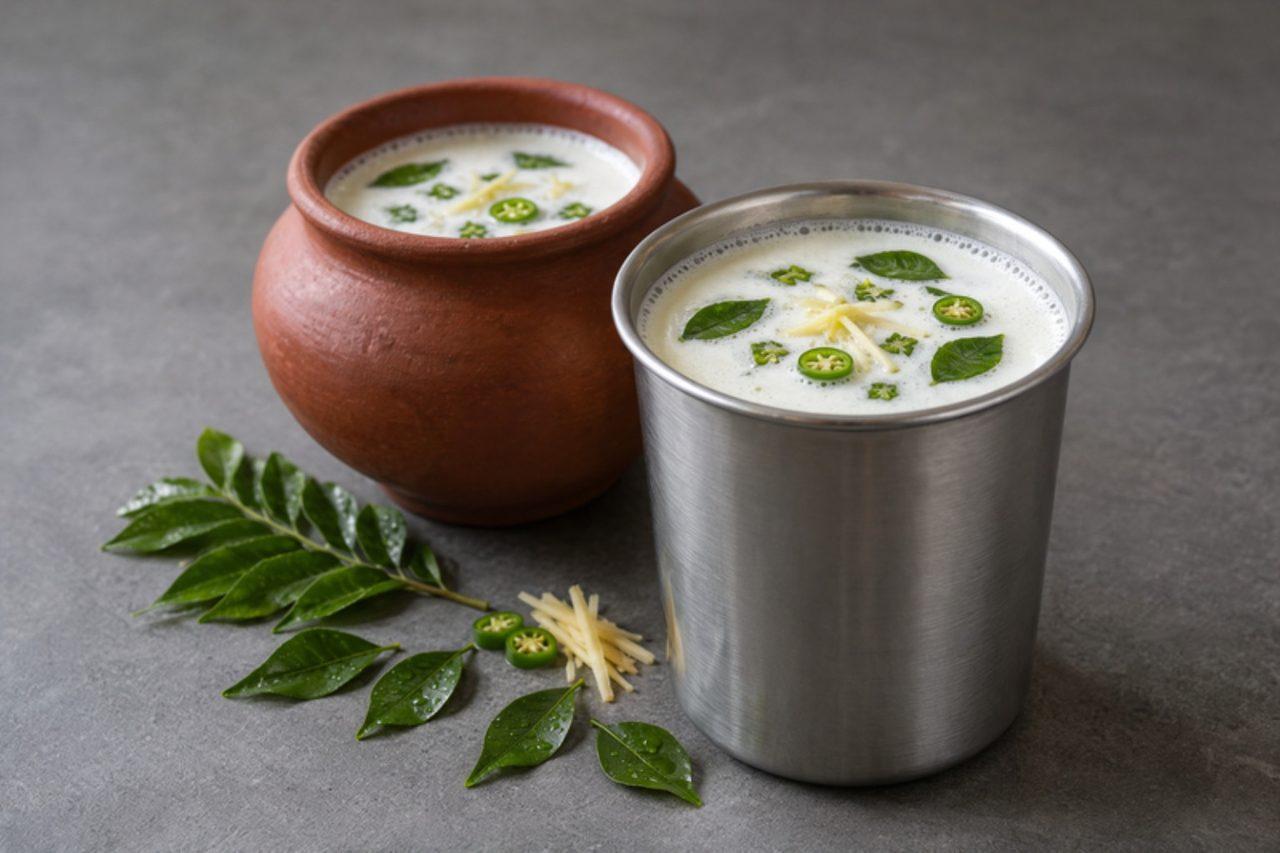
From April to June, when Chennai and Madurai bake at forty degrees, temples, shops and political parties set up 'thaneer pandhal' sheds by the roadside, offering free neer mor to every passer-by from great clay pots. At home it comes after a rice meal of sambar and rasam, or in the middle of the afternoon. The curd is churned and thinned with water until barely white, then seasoned with green chilli, ginger, curry leaves, coriander and a pinch of asafoetida, sometimes finished with a tempering of mustard seeds. It should be very thin, salty, tangy and herby, with a little chilli heat and a lingering savoury scent. The common mistake is using too little water: it then drinks like a heavy lassi rather than a thirst-quencher. Aim for about one part curd to four parts water. It is ready when the buttermilk is smooth, cold and pale green-flecked, and smells of curry leaf. It keeps a day in the fridge. Chef's tip: crush the ginger, chilli and curry leaves rather than chopping them; bruising releases far more flavour into the thin liquid.

by KrazyBadal 0 views

Trà sen (lotus tea)

Every June and July, before sunrise, boats slip between the pink lotus on Hanoi's West Lake to gather flowers for trà sen. The finest lotus tea is made by stripping the tiny white rice-like anthers from hundreds of blooms and layering them with green tea, a labour that makes it one of Vietnam's most expensive gifts, kept for Tết. Families do a simpler version at home: a spoon of Thái Nguyên green tea is tucked into the heart of a fresh flower in the evening, the petals closed and tied, and by morning the leaves have taken on a sweet, creamy, slightly vanilla-like perfume. It is brewed in a small clay pot and drunk in tiny cups in the early morning. The common mistake is brewing with boiling water, which flattens the lotus scent and makes the green tea bitter. Rinse the leaves quickly and brew at 80–85 °C. It is ready when the cup is pale gold and the steam smells of flowers before tea. No fresh lotus? Buy ready-made lotus-scented tea from Vietnamese shops and start at the brewing step. Chef's tip: pick a bud that is just about to open; a fully open bloom has already lost its scent.

by KrazyBadal 0 views

GenmaichaGreen tea with toasted rice

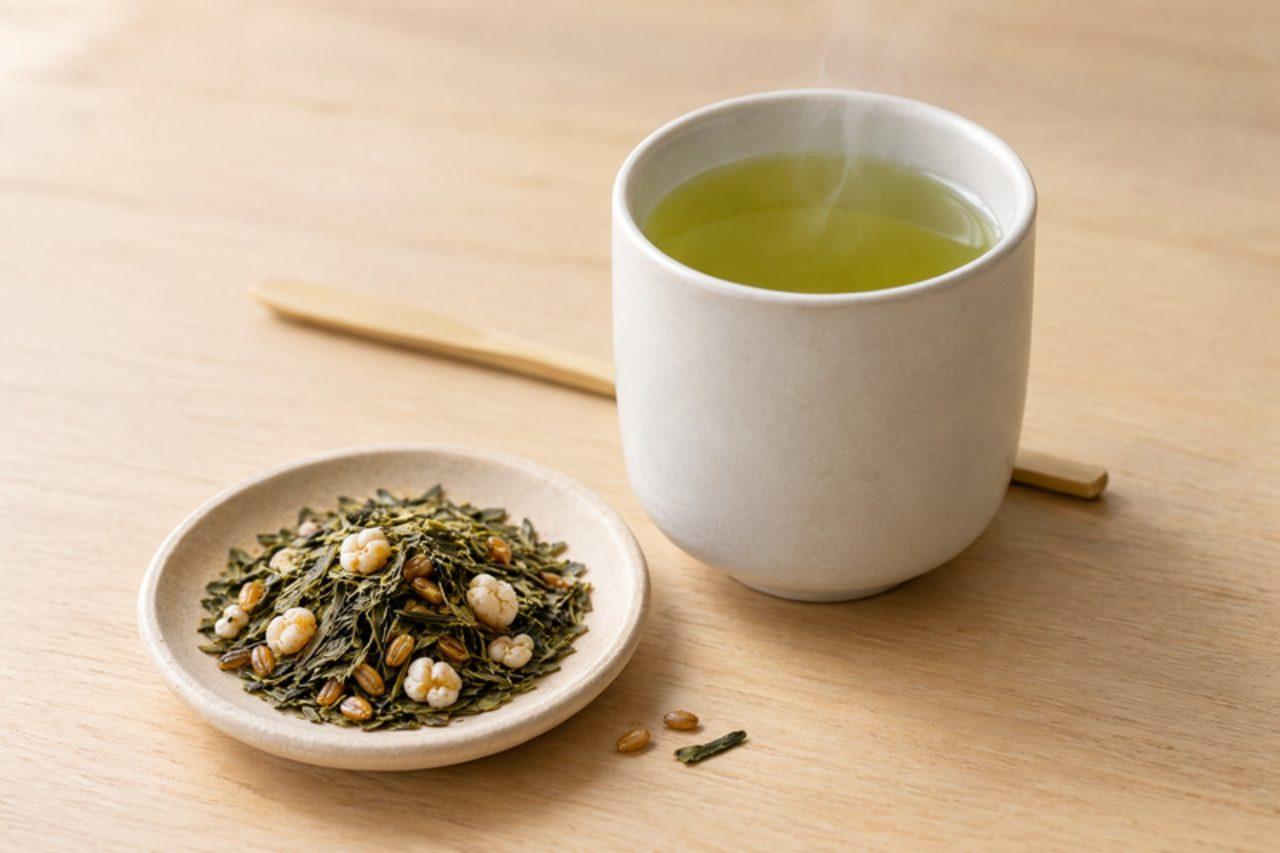
Genmaicha started as a thrifty Japanese blend: toasted rice stretched expensive tea leaves and made the pot go further. It is now loved for itself and turns up everywhere, from office kettles in Tokyo to the free tea at sushi counters and ramen shops, poured all through the meal because its gentle, roasted flavour does not fight with soy or fish. The rice gives a nutty, savoury, almost buttery taste; the green tea adds a light grassy edge. It has about half the caffeine of plain sencha, so many people drink it in the afternoon. The usual mistake is pouring boiling water straight onto it: the green leaves scald and the cup turns bitter while the rice flavour gets lost. Let the kettle sit for a minute or two so the water is around 80–85 °C, and steep for no more than a minute. It is ready when the liquor is pale yellow-green and clear, and the steam smells of popcorn and cut grass. Chef's tip: matcha-iri genmaicha, with powdered matcha dusted over the blend, gives a greener, fuller cup; use it the same way but stir the pot once before pouring.

by KrazyBadal 0 views

Makhaniya lassiSaffron lassi with butter

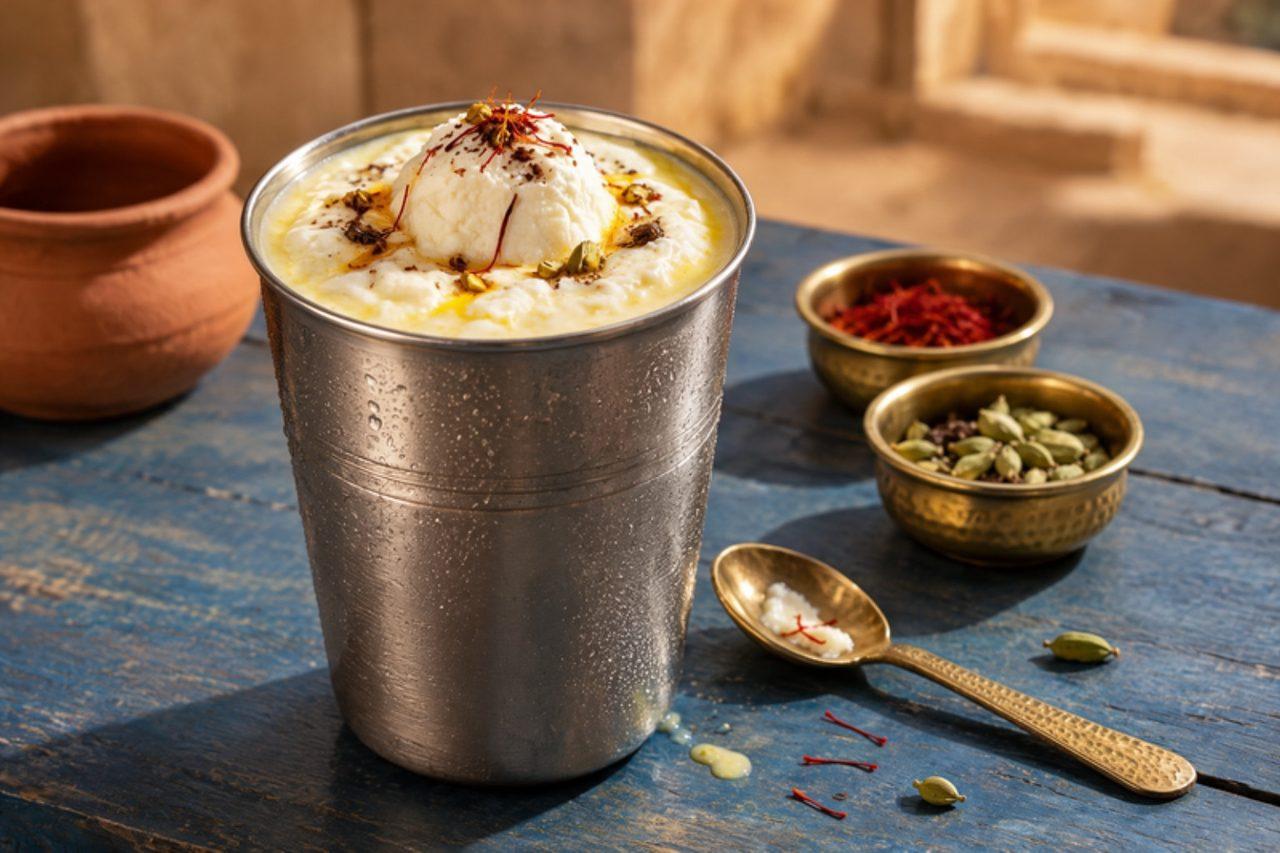
Around the clock tower and old city of Jodhpur, lassi shops churn this rich drink all day in summer: chilled set curd whisked with sugar, saffron and cardamom, poured into tall glasses and crowned with a spoon of fresh white butter (makhan) and a layer of malai. You drink the cool lassi and eat the butter and cream with a spoon. It is a meal in itself. The common mistake is thinning it with too much water or ice, which loses the thick, almost spoonable texture that makes it Jodhpuri. Chef's tip: use curd set from full-fat milk the night before and whisk it by hand or with a few pulses only.

by KrazyBadal 0 views

Tsestalulu (sea-buckthorn juice)

Sea buckthorn grows wild along the river beds of Ladakh, and in Leh the bright orange berries are pressed into tsestalulu, a sharp, tropical-tasting juice sold in summer cafés and made at home after the autumn harvest. It is drunk chilled, sweetened with sugar or honey and thinned with cold water. The berries are very sour and slightly oily, so the juice is always diluted. The common mistake is boiling the pulp, which dulls both the colour and the fresh taste; just blend and strain. Chef's tip: frozen sea-buckthorn berries or plain unsweetened purée from health shops work very well; strain twice through a fine sieve for a silky drink.

by KrazyBadal 0 views

SekotengGinger drink with peanuts

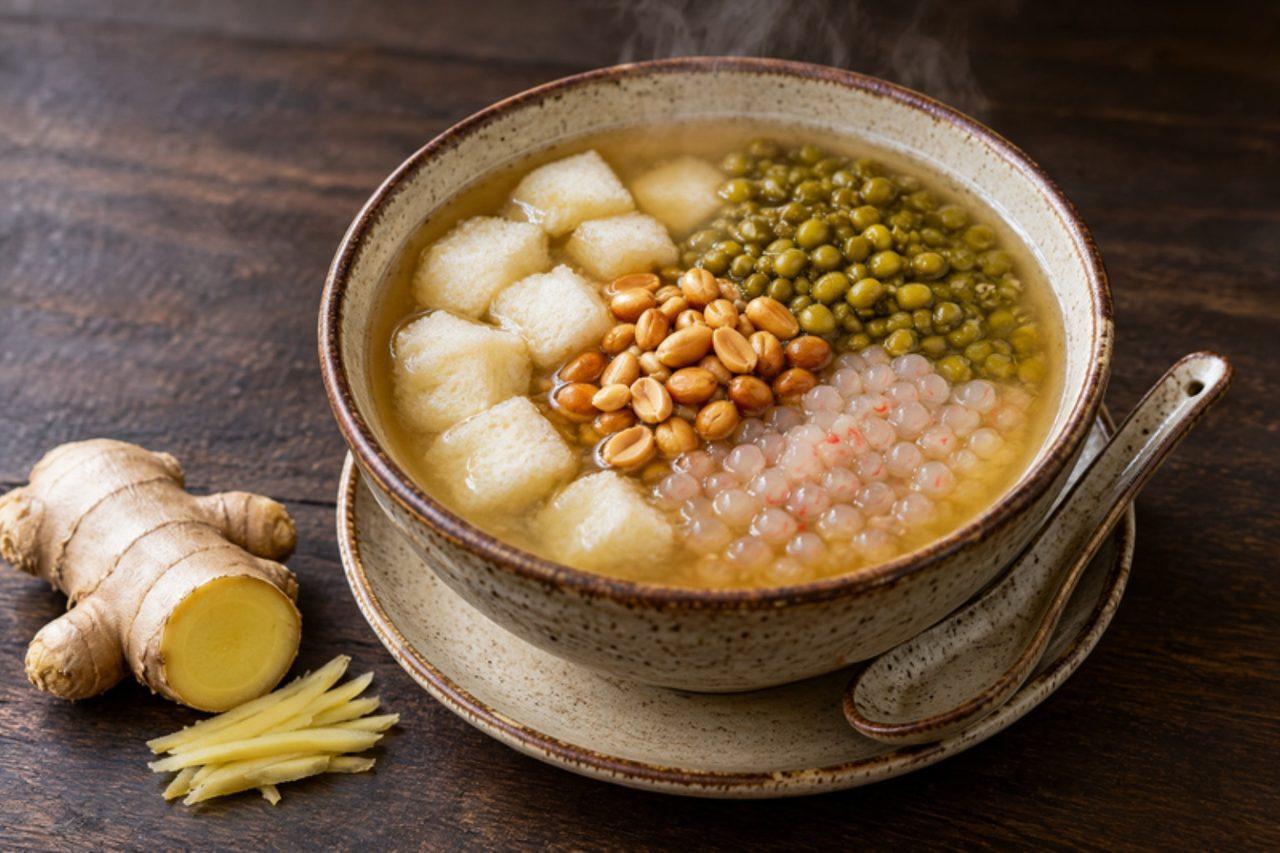
After dark in Semarang, Solo and the towns of Central Java, the sekoteng seller pushes his cart round the kampung, a copper pot of ginger water steaming on a charcoal stove and little jars of toppings lined up beside it. You get a bowl of roasted peanuts, soft mung beans, chewy pink pacar cina pearls and cubes of white bread, drowned in sweet, fiery ginger broth; on rainy nights, people say, it warms you down to the feet. The bread soaks up syrup and turns soft at the edges, the peanuts stay crunchy and the ginger bites. The common mistake is cooking the sago pearls in the ginger water: they release starch and make the broth gluey and cloudy. Boil them separately, rinse, and add to each bowl. The broth is ready when it is pale gold, clear and hot enough to make you cough a little. Pacar cina are small red sago pearls; plain small tapioca pearls coloured with a drop of red food colouring or beet juice work. Some sellers add condensed milk; this version stays dairy-free. Chef's tip: roast the ginger before simmering for a deeper, rounder heat.

by KrazyBadal 0 views

ChichemeCold cracked corn drink

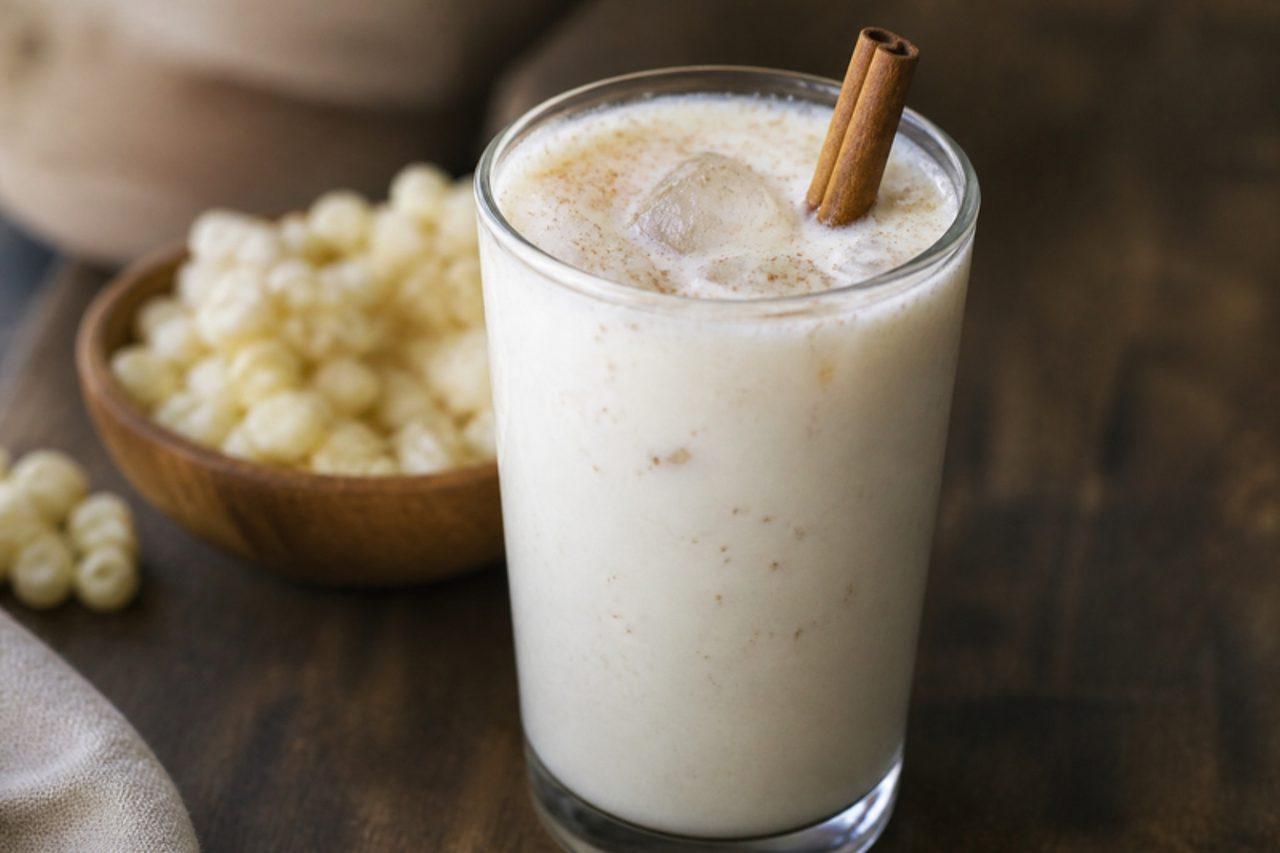
Chicheme comes from La Chorrera, just west of Panama City, where it is sold by the glass at the town's fairs alongside bollos and chorizo, and it is now drunk all over the country on hot afternoons. Cracked white corn is cooked until soft and swollen, then mixed with sweetened milk, cinnamon and vanilla and served very cold, so every sip has chewy grains in it. Undercooked corn is the classic mistake; the kernels must be soft right through or the drink feels gritty. Chef's tip: soak the corn overnight, and it cooks in under an hour instead of two.

by KrazyBadal 0 views

Teh talua (egg tea)

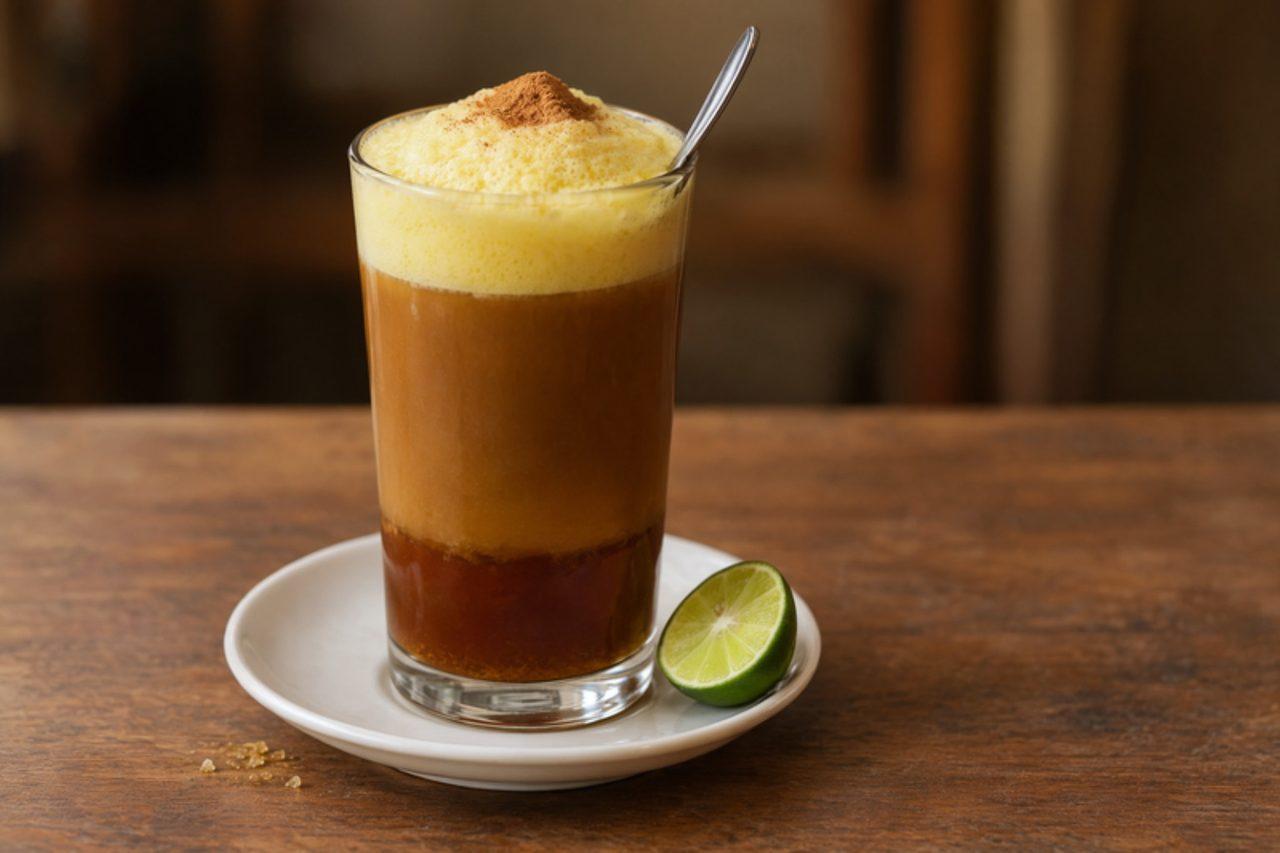
In the lapau coffee shops of Bukittinggi, Payakumbuh and Padang, the sound of a spoon or a small whisk clattering against a glass means someone has ordered teh talua. A raw egg yolk, traditionally from a free-range kampung hen or a duck, is whisked with sugar until thick and almost white, strong hot tea is poured on from a height, and a wedge of lime goes on the side. Minangkabau men drink it in the late afternoon or evening as a pick-me-up after work in the fields. It comes out with a creamy, caramel-coloured body under a deep layer of foam, rich like a light custard, with the lime cutting any eggy edge. The common mistake is whisking too little: the yolk stays yellow, the tea curdles it in strings and it smells of egg. Beat until the yolk has doubled in volume and falls in a thick ribbon. Use pasteurised eggs for anyone pregnant, babies and small children, older people or anyone unwell, as the yolk is only lightly warmed. Some lapau add condensed milk; this one is dairy-free. It contains caffeine. Chef's tip: pour the tea in a thin stream from high up while still stirring, to build the tallest foam.

by KrazyBadal 0 views

Surinamese dawetCoconut milk and lemongrass drink

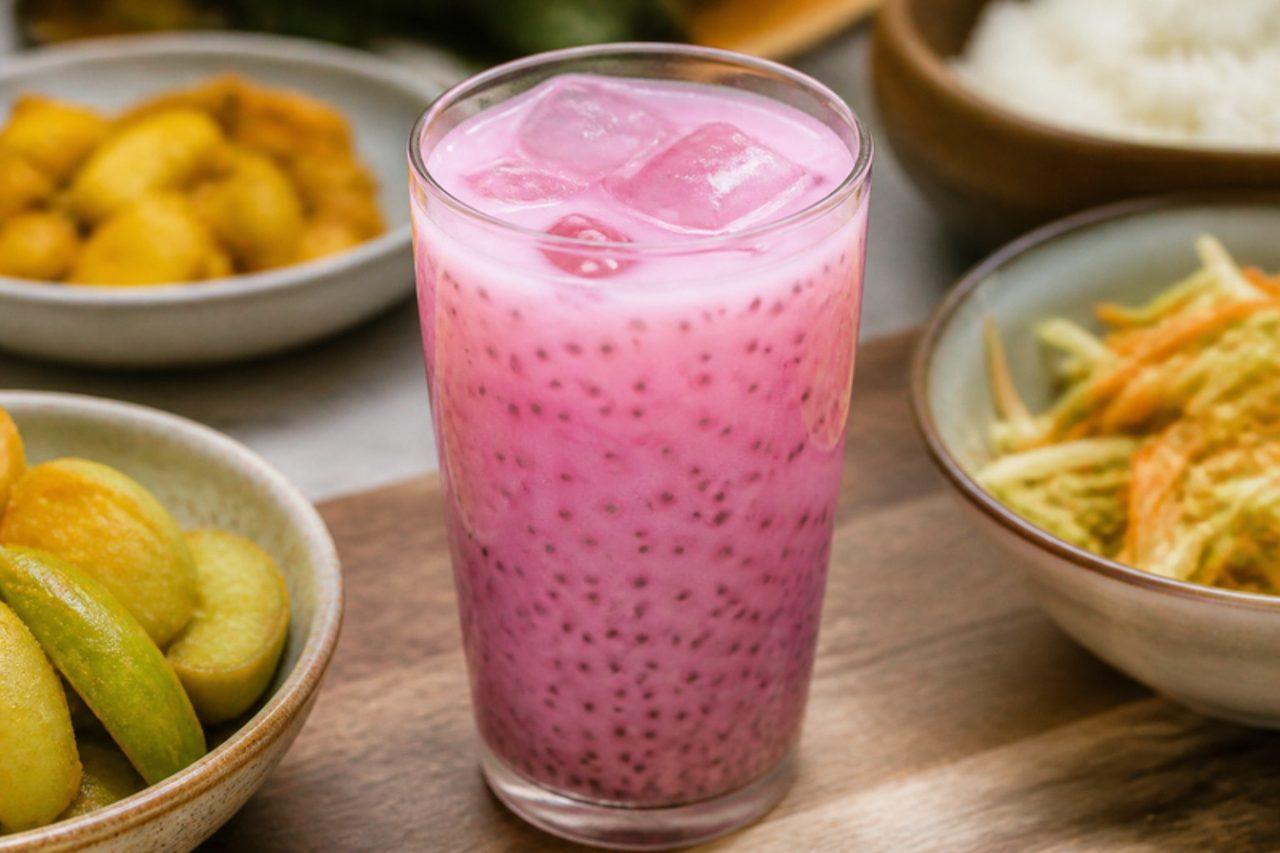
Javanese Surinamers brought dawet from Java, and today it is sold cold from big jars at warungs in Lelydorp and the Paramaribo district of Blauwgrond, especially on hot Sunday afternoons. In Suriname it has become its own drink, quite different from the Malaysian cendol with its green noodles: chilled coconut milk sweetened with a lemongrass and pandan syrup, often tinted pale pink and studded with soaked basil seeds or soft jelly strips. The common mistake is boiling the coconut milk, which makes it split and taste flat; it should only be warmed. Chef's tip: bruise the lemongrass hard with a rolling pin before simmering it, so the syrup tastes bright and lemony.

by KrazyBadal 0 views

Atol shucoSour black corn drink

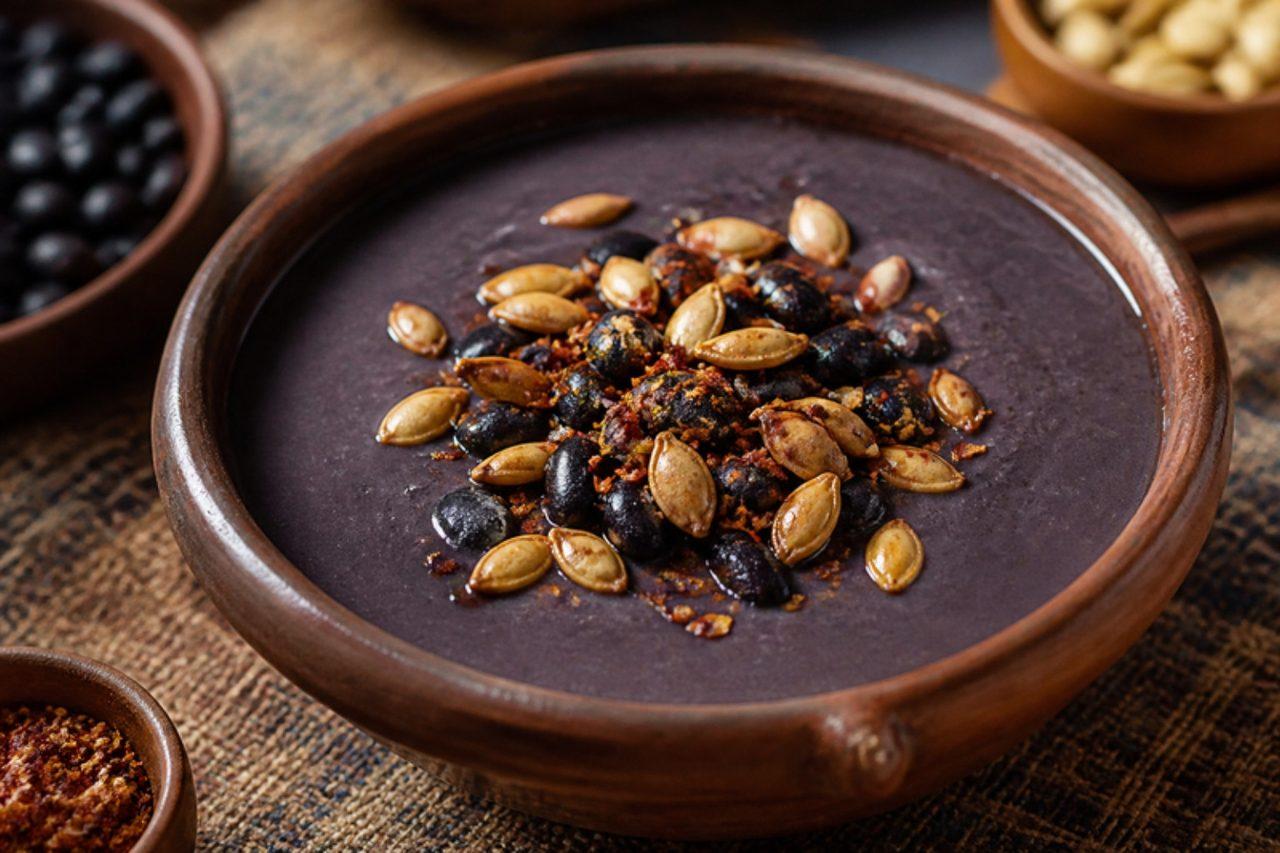
In San Salvador's Plaza Libertad and outside churches on cool mornings, atol shuco is ladled from steaming clay pots into gourd bowls. Shuco means 'dirty', for its dusky purple-grey colour: it is made from fermented black corn, so it tastes slightly sour and earthy, topped with ground toasted pumpkin seeds, a few whole black beans and a pinch of chilli salt. It is savoury and filling rather than sweet. The usual mistake is leaving the masa to ferment too long in a hot kitchen; check it after a day and use it as soon as it smells pleasantly tangy. Throw it away if you see mould or it smells unpleasant. Chef's tip: if you can't wait for fermentation, a squeeze of lime at the end gives a similar tang.

by KrazyBadal 0 views

Akajiso juice (red shiso cordial)

Bunches of red shiso fill Japanese greengrocers for a few weeks in June and July, mostly bought to colour umeboshi. Gardeners from Kyoto's Ohara valley to Kantō boil the surplus into this cordial and keep it in the fridge for hot afternoons. Simmering pulls a murky purple-brown liquid from the leaves; the magic is the moment the vinegar goes in and the whole pan flushes a brilliant clear magenta. Diluted with ice water or soda water it tastes sweet-sour and herbal, like a cross between blackcurrant, mint and cinnamon. The most common mistake is simmering the leaves too long or with the stems: it turns grassy and bitter. Strip the leaves, boil them for five minutes only, until they have turned green and limp, then lift them out. The cordial is ready when it is jewel-bright and clear. Bottle it in a clean, sterilised bottle and keep it in the fridge for up to three weeks; discard if it fizzes, clouds or grows mould. No fresh red shiso nearby? Japanese and Korean shops sometimes sell it in summer, and it grows easily from seed. Chef's tip: freeze some as ice cubes to drop into sparkling water.

by KrazyBadal 0 views

CortaditoEspresso with steamed milk

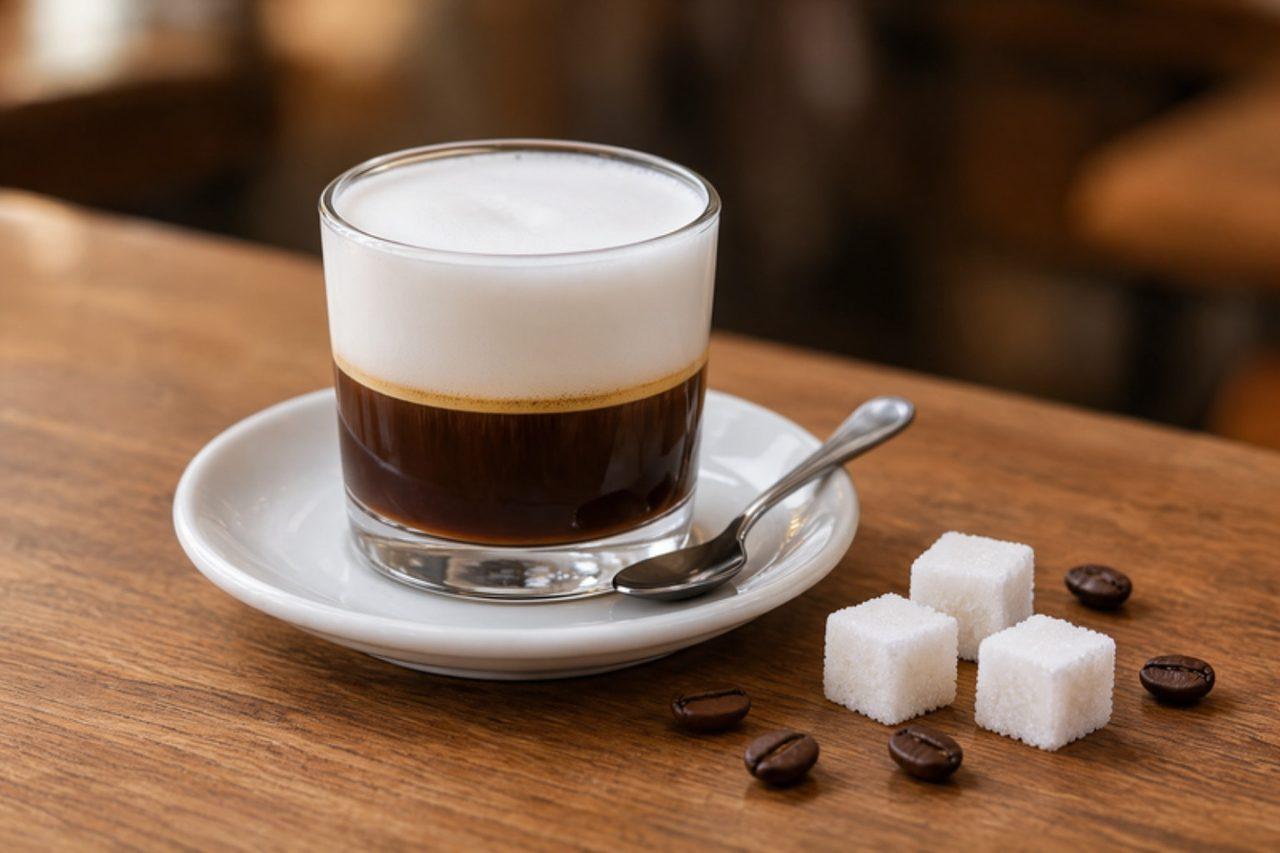
Havana runs on small cups of coffee: a cafecito standing at a ventanita, a colada shared in tiny plastic cups at work, and in the afternoon or with breakfast, a cortadito, which is Cuban coffee cut (cortado) with roughly as much hot milk. The coffee is brewed in a stovetop cafetera, and the first dark drops are whipped hard with sugar into a pale, thick espumita that floats on top of the cup. The result is rich, very sweet and caramel-like, with a velvety milk body and a strong, bitter edge underneath. It is high in caffeine, so it is not one for children. The common mistake is adding sugar to the pot or stirring it in at the end; without the espumita you get a thin, flat drink. Beat the first concentrated coffee with the sugar until it turns light tan and holds soft folds, then pour in the rest. It is ready when a pale foam floats on the cup and the milk has been heated until steaming, with small bubbles around the edge but not boiling. Chef's tip: catch only the first 2–3 teaspoons of coffee for the foam; later coffee is too thin to whip.

by KrazyBadal 0 views

Café guayoyoLong black coffee

In the coffee villages of the Venezuelan Andes, in Trujillo, Mérida and Táchira, the day starts in the dark with a pot of guayoyo, and it never really stops: a cup at breakfast with arepas, one mid-morning, one after lunch, one at the bodega counter in the afternoon. Guayoyo is the opposite of a short, dark negrito: plenty of water through a modest amount of coffee, poured through a colador de tela, a cotton cloth sock on a wire ring. It is light-bodied, mild and clean, closer to tea in strength, with gentle chocolate notes and almost no bitterness, so it is easy to drink cup after cup. It still has caffeine, so count the cups. The common mistake is pouring boiling water onto the grounds, which pulls out bitter flavours; let the kettle rest off the boil for a minute first. Never wash the cloth with soap either, or every cup tastes soapy. The coffee is ready when it runs through amber-brown, clear enough to see the bottom of a white cup. Sweeten with papelón (raw cane sugar) if you like. Chef's tip: keep the rinsed cloth in a jar of water in the fridge between uses so it never smells stale.

by KrazyBadal 0 views

Malai cha (cream tea)

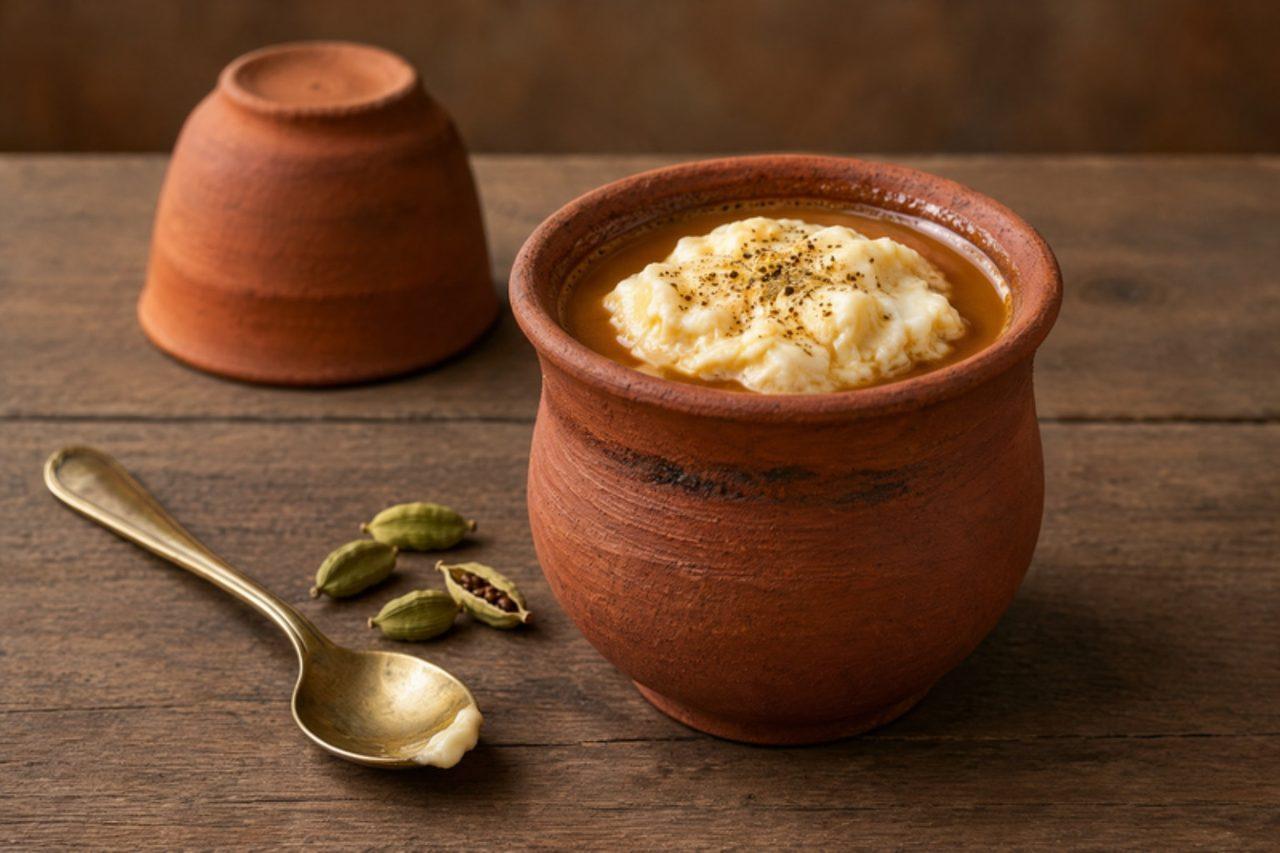
In Bogura, the town famous for its sweet doi, and in the lanes of Old Dhaka around Nazira Bazar, tea stalls keep a wide karai of milk barely simmering all evening. Layers of skin build up on top; the tea-maker lifts them off as malai and lays a thick spoonful on every cup of strong, sweet milk tea, poured into small unglazed clay bhar that give the tea a faint earthy smell. People stand around after maghrib prayers or late at night, sipping through the cream and finally eating it with a finger. The tea is malty and syrupy-sweet; the malai is soft, rich and slightly caramelised. The usual mistake is boiling the milk hard: a rolling boil breaks the skin into flakes and you never get a thick sheet. Keep it at a lazy shiver and lift the skin every 5 minutes. The tea is ready when it is the colour of milky caramel and coats the back of a spoon; the malai is ready when it lifts off as a wrinkled, leathery sheet. Strong CTC tea makes this fairly caffeinated. Chef's tip: soak clay cups in water for ten minutes first, so they don't drink up the tea or smell dusty.

by KrazyBadal 0 views

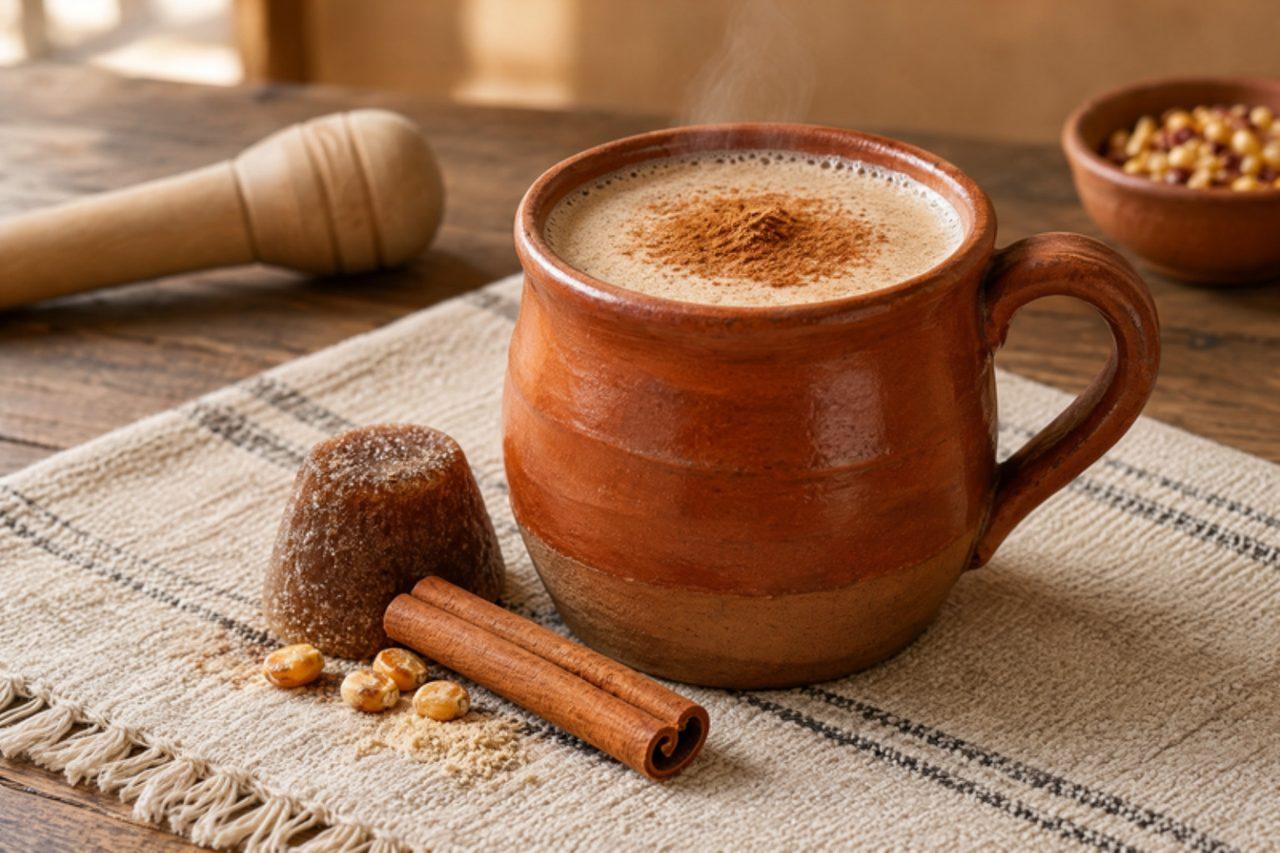
PinoleToasted corn drink

In the canyons of the Sierra Tarahumara in Chihuahua, Rarámuri runners set off at dawn carrying a pouch of pinole, corn kernels toasted on a clay comal and ground fine, to stir into cold water along the trail. Across northern Mexico it is still a breakfast drink, sweetened with piloncillo and cinnamon and stirred into water or warm milk. This version toasts coarse cornmeal at home for the same nutty, popcorn-like flavour. The common mistake is toasting over a high heat: the outside burns and turns bitter before the inside goes golden. Chef's tip: toast a big batch and keep it in a jar, so a morning cup is just two spoonfuls stirred into water.

by KrazyBadal 0 views

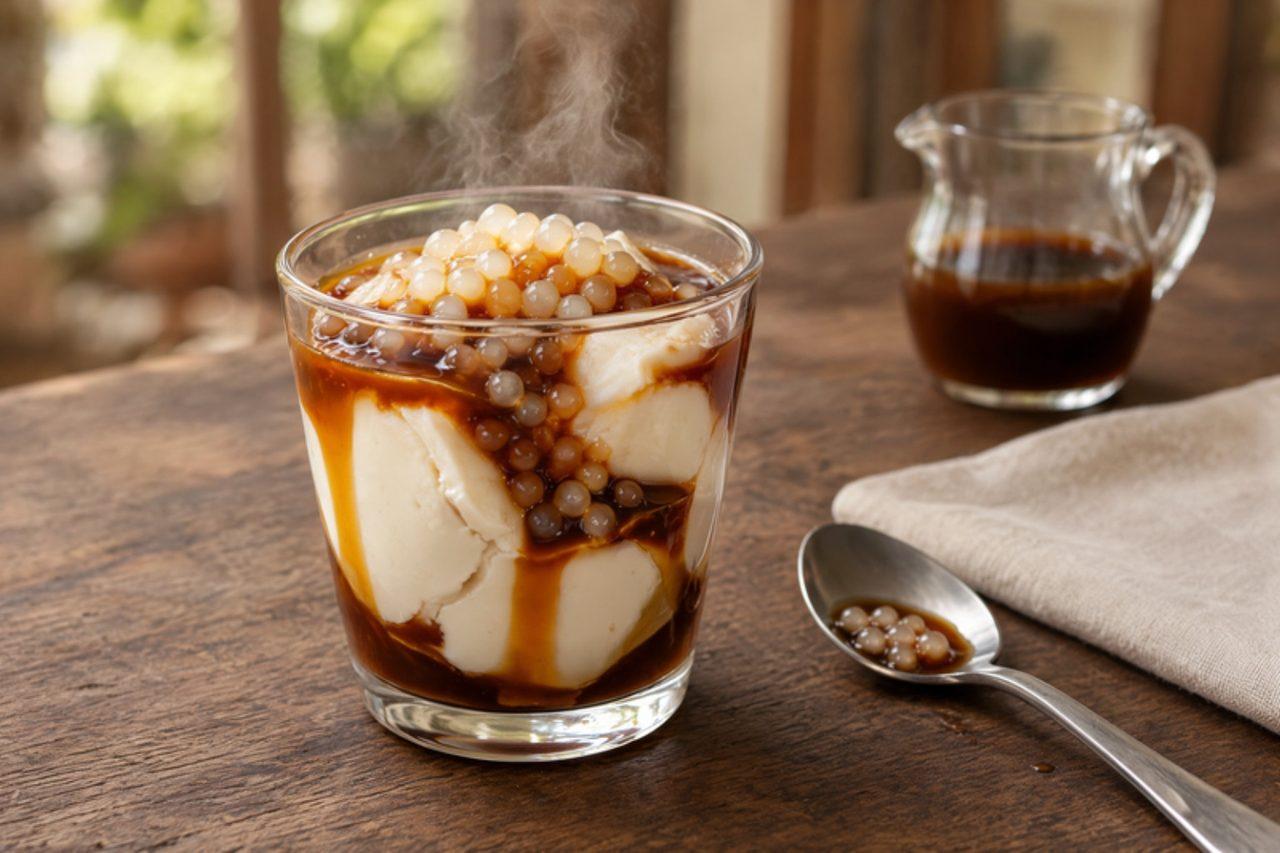
TahoWarm tofu with syrup and sago

Before eight in the morning in any Philippine barangay you hear the call "Tahooo!" as the magtataho walks past with two aluminium buckets balanced on a shoulder pole: one holds warm, wobbly silken tofu, the other dark arnibal syrup and sago. He scoops paper-thin layers of tofu into a plastic cup with a flat ladle, pours syrup over and adds the pearls, and children eat it standing at the gate with a spoon or slurp it through a wide straw. The taste is caramel and soy milk; the texture is custard-soft tofu against chewy pearls. Baguio has its own pink strawberry version. The common mistake is cooking the sago in too little water or not stirring at the start, so the pearls glue into a lump; use plenty of boiling water and stir for the first two minutes. The sago is ready when the pearls are translucent with only a tiny white dot left in the centre, and the arnibal is right when it coats a spoon like thin maple syrup. Chef's tip: steam the tofu in its box or bowl rather than boiling it, so it stays in one silky piece. Small sago pearls are a choking risk for babies and toddlers, so serve them only to older children.

by KrazyBadal 0 views

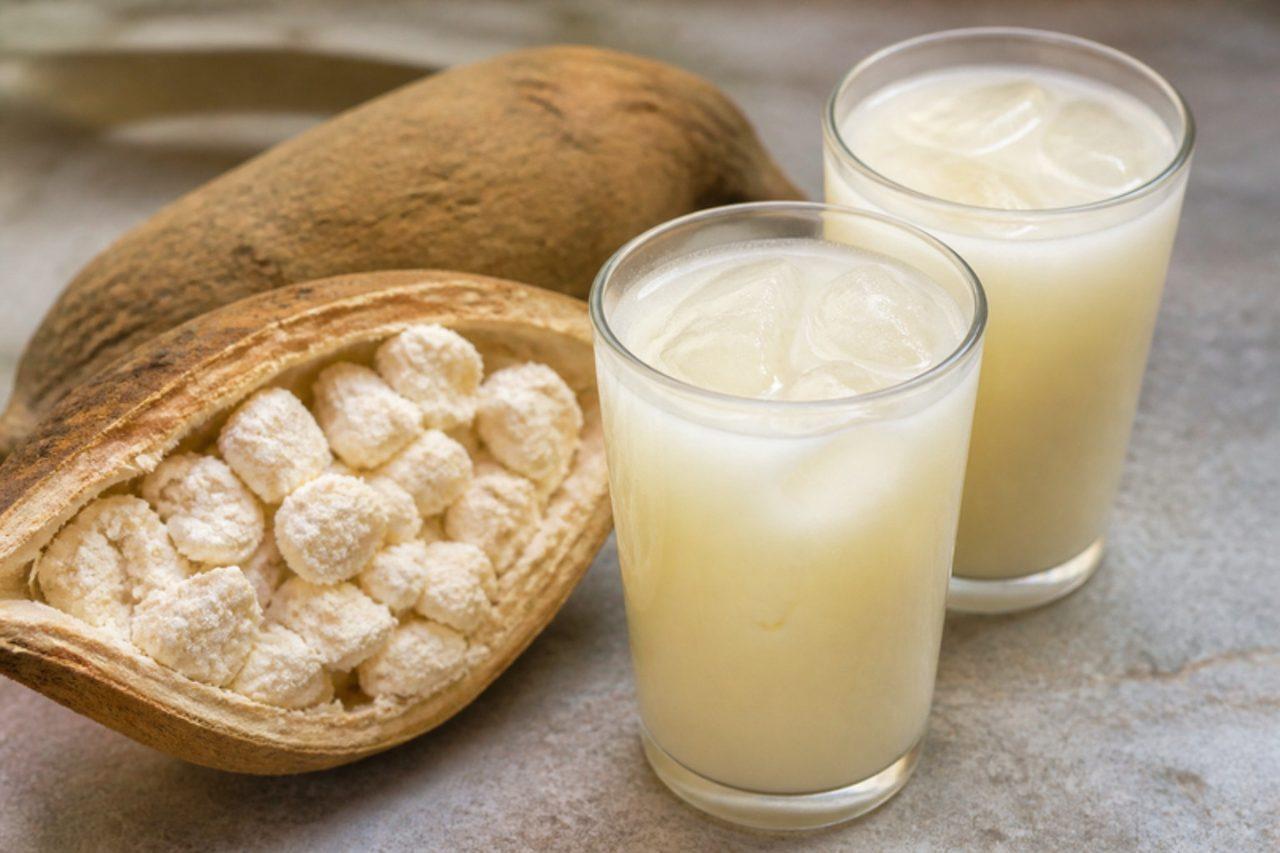
MalambeBaobab fruit drink

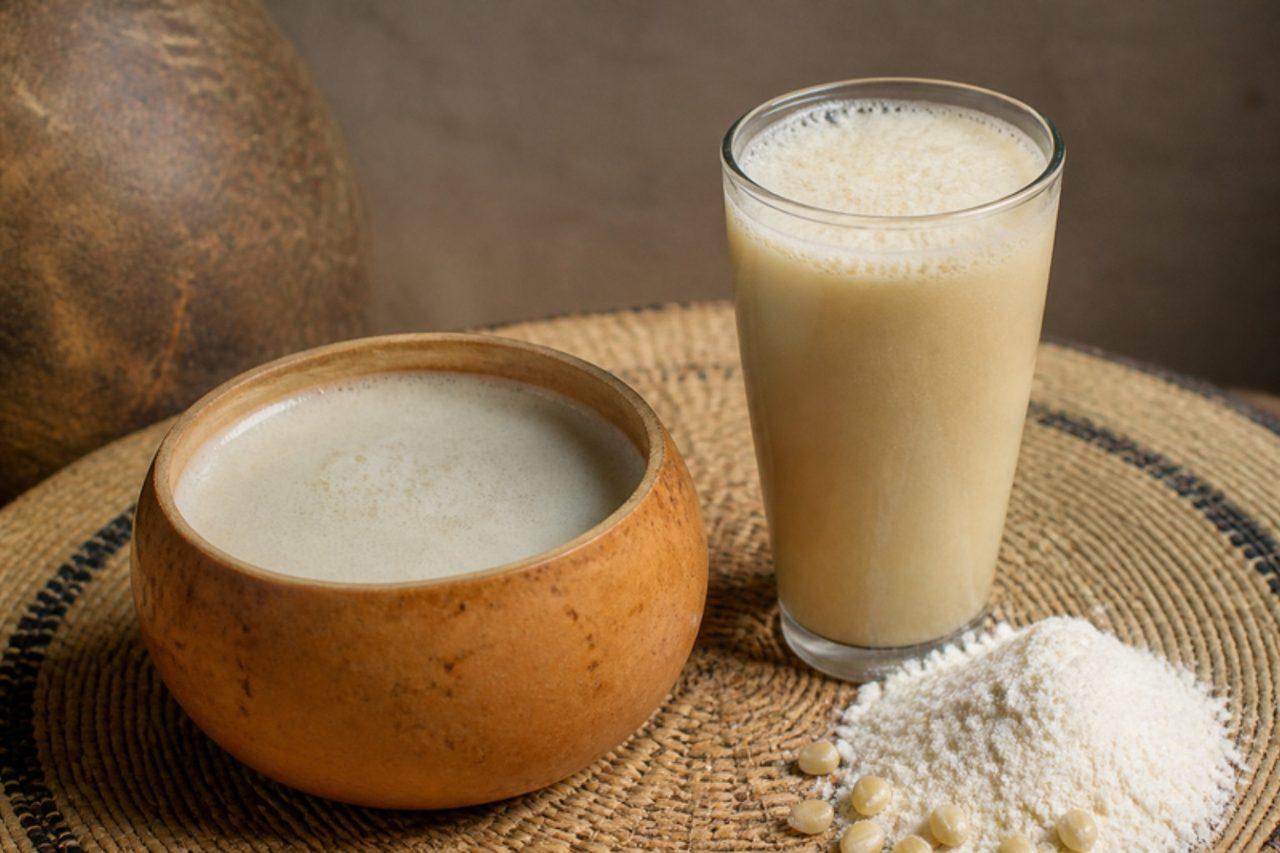
On the hot Lower Shire valley floor around Nsanje and Chikwawa, the hard, velvety baobab pods are cracked open in the dry season and their chalky white pulp is soaked to make malambe, a cooling drink sold by the cup at markets. It is pale and creamy-looking, tart like lemon sherbet with a hint of pear, and thicker than juice. Baobab pulp is sold abroad as dried chunks or fine powder; either works here, and the powder makes it a 15-minute drink. Not soaking the chunks long enough is the usual mistake, leaving the drink thin and gritty. Chef's tip: whisk the drink just before serving, because the pulp settles quickly to the bottom.

by KrazyBadal 0 views

Jugo de macaWarm maca drink

Before dawn at markets in Huancayo, Cusco and Lima, juice ladies ladle hot jugo de maca from big pots for workers on their way in: maca root, a turnip relative grown above 4,000 metres in the Junín highlands, simmered with milk, cinnamon and cloves and sweetened with honey or sugar. It tastes malty and toasty, a bit like butterscotch. The common mistake is stirring the powder straight into hot milk, which leaves gritty lumps; whisk it into a little cold milk first. Maca is not usually advised in pregnancy, so ask your doctor first if you are pregnant. Chef's tip: use gelatinised (cooked) maca powder if you can find it; it dissolves smoothly and is gentler on the stomach.

by KrazyBadal 0 views

Chai nabat (saffron rock candy tea)

Pilgrims leaving Mashhad carry home boxes of saffron nabat, crystals of rock candy grown on a string and tinted gold with Khorasani saffron. Across Iran a glass of chai nabat is what you are handed when you feel unwell, after a shock, after an exam, or late at night when the evening meal sits heavy; it is traditionally drunk to settle the stomach and warm you up. The tea is brewed strong in a teapot that sits on top of the kettle, then poured clear and amber into small glasses, and the nabat stick is stirred until it softens the tea with a gentle, honeyed sweetness and a faint saffron aroma. Black tea has a moderate amount of caffeine, so give children a weaker glass. A common mistake is boiling the leaves or letting them steep on direct heat, which turns the tea bitter and murky; Persian tea is "dam" — brewed gently on steam. It is ready when the leaves have sunk, the tea is clear and reddish-amber and it smells of bergamot or cardamom. Chef's tip: hold the glass up to the light; if you can't see through it, top it up with hot water, as Iranians do.

by KrazyBadal 0 views

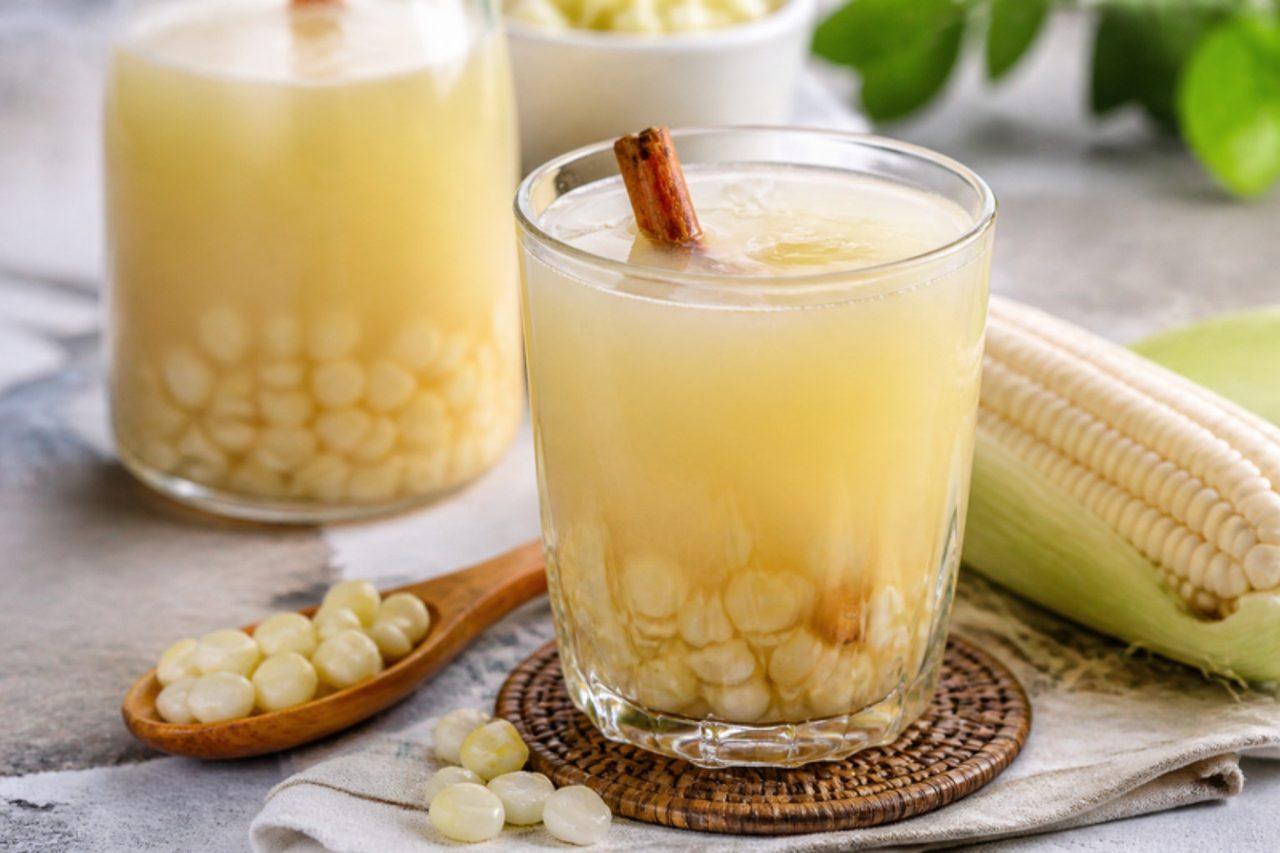
SomóCold spiced corn drink

Somó is how Santa Cruz cools down: big tubs of chilled, sweet, cinnamon-scented corn water sold in markets and at the door of lowland homes, with soft kernels of white corn floating in every glass to be eaten with a spoon. It is a simple drink, but it needs time, because the dried corn must soak and then simmer until each kernel bursts open. People often serve it before the kernels have fully opened, and then they are hard and chalky. Chef's tip: add a strip of orange peel with the spices for a fresher note, as some cruceño grandmothers do.

100 minAndeanDrinksVeganGluten free
by KrazyBadal 0 views

Café de higoFig and grain coffee

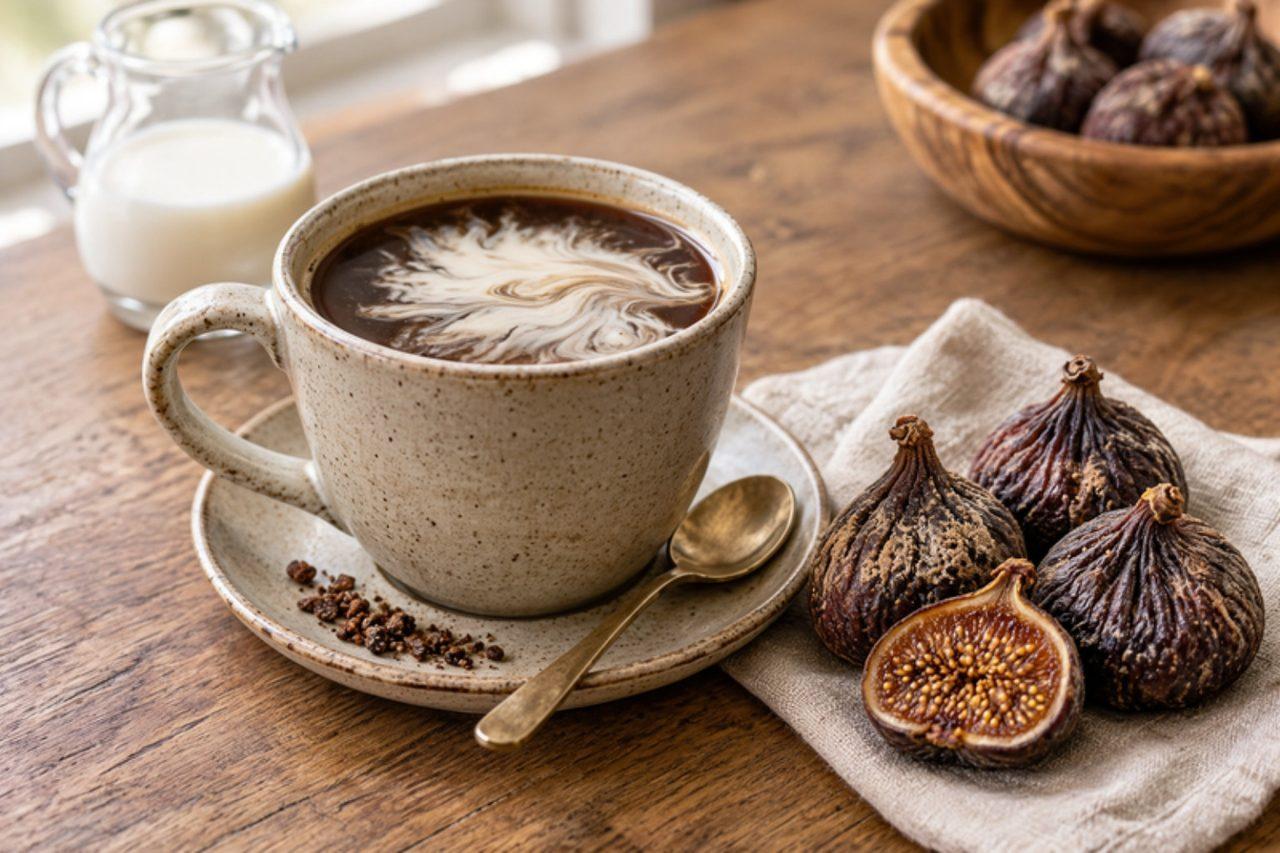
In the farmhouses of central Chile, in the Maule and O'Higgins valleys, people have long drunk café de higo: a dark, caffeine-free "coffee" made from dried figs roasted with grains such as barley and wheat, then ground. It's mellow, fruity and slightly caramel-like, and many Chileans still prefer it with milk at breakfast. The fig granules are sold in Chilean and Latin grocers. The common mistake is brewing it like instant coffee, with a quick stir; it's a ground blend, so simmer it briefly and strain. It contains grains, so it is not gluten free. Chef's tip: a strip of orange peel in the pan brings out the fig flavour.

by KrazyBadal 0 views

Magic coffee

The magic is a Melbourne café insider's order, born in the city's Fitzroy and Collingwood coffee bars: a double ristretto (the short, intense first part of the espresso shot) topped with silky steamed milk in a 160 ml cup. It is stronger and sweeter-tasting than a flat white because there's less milk and only the richest part of the shot. A common mistake is scalding the milk; above about 65 °C it loses its natural sweetness. Chef's tip: stop the shot early, at about 30 ml for a double, to get that syrupy ristretto.

by KrazyBadal 0 views

Bajre ki raabdiFermented pearl millet buttermilk porridge

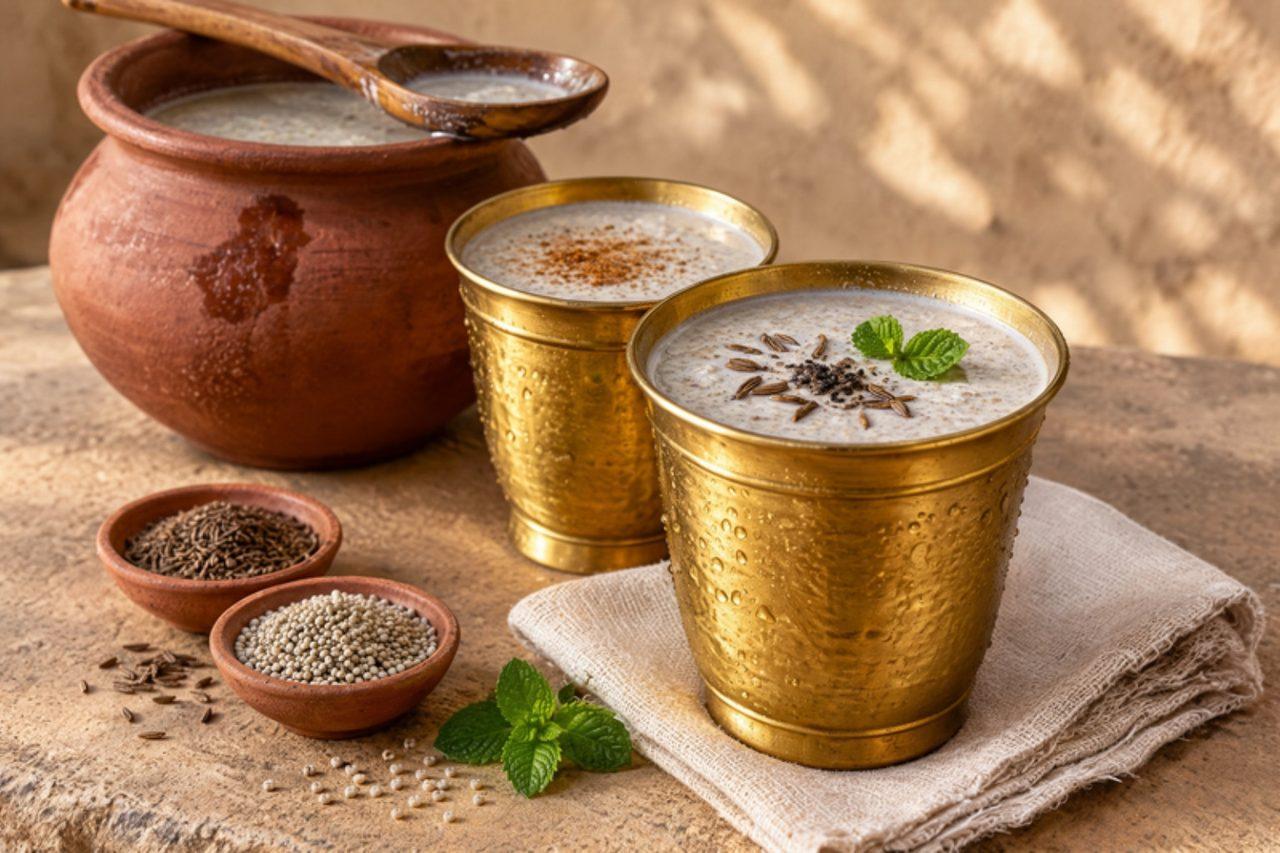
In the villages of Haryana and the Rajasthan border, raabdi is drunk at midday in May and June to keep cool in the fields. Pearl-millet flour is stirred into buttermilk and left to ferment for a few hours, then cooked slowly until thick, cooled in a clay pot and thinned with more buttermilk and salt. It tastes tangy and earthy, a little like a savoury porridge you can drink. Ferment at warm room temperature (25–32 °C) for 4–6 hours: it should smell pleasantly sour with a few bubbles. Throw it away if you see pink, black or furry mould or it smells rotten or of nail varnish. The common mistake is cooking on high heat, which scorches the millet and leaves raw lumps. Chef's tip: keep the cooked raabdi in the fridge and drink it within 2 days, thinning each glass to taste.

by KrazyBadal 0 views

Mongolian salty milk tea

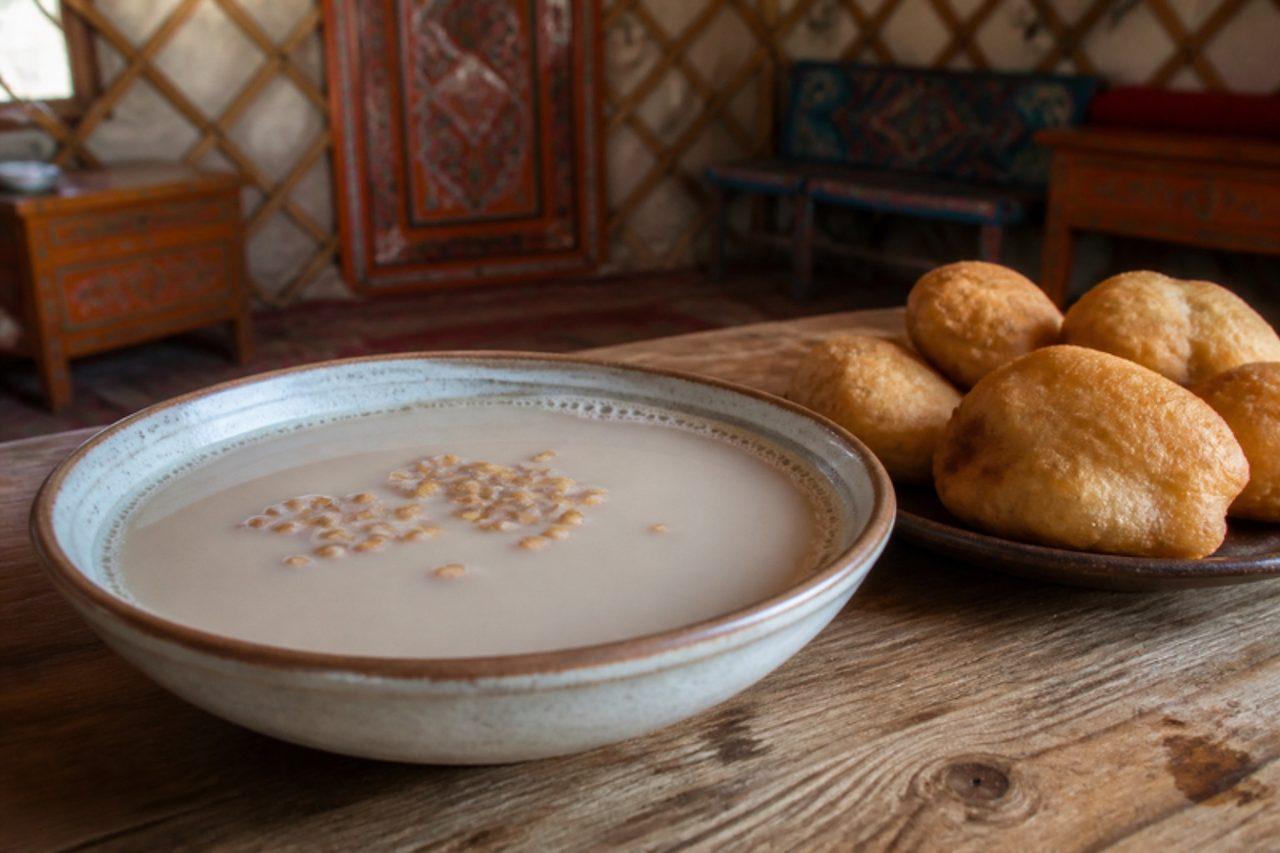
Süütei tsai is the first thing offered to anyone who steps into a ger on the Mongolian steppe, from Arkhangai to the Gobi, and families drink it all day long from wide bowls. Green brick tea is boiled in water, then milk and a pinch of salt go in, and the tea is ladled high and poured back again and again to aerate it. Some households add a knob of butter or a spoon of toasted millet for a richer, more filling bowl. It is savoury, not sweet, which surprises first-time visitors. A common mistake is using black tea leaves, which go bitter; use green brick tea or a mild green tea. Chef's tip: the ladling is not just ritual, it gives the tea a smooth, rounded taste.

by KrazyBadal 0 views

Yuja-cha (citron tea)

Goheung, on the southern coast of South Jeolla, is Korea's yuja country: in November the groves turn gold and families slice the knobbly citrons for yuja-cheong, the honeyed preserve that becomes tea all winter. From December to March a spoonful in hot water is offered to guests, to students cramming late and to anyone with a scratchy throat, as it is traditionally drunk for colds. The tea is sweet, floral and sharp, with soft, chewy strands of peel that you eat at the end with a spoon. The common mistake is leaving the fruit damp or the pith too thick: wet fruit lets mould in, and thick white pith makes the preserve bitter. Scrub, dry completely and pare away any pith thicker than a few millimetres. The cheong is ready after a day or two, when the sugar has dissolved into a clear, glossy syrup around the peel. Keep it in the fridge for up to three months, always with a dry spoon; throw it away if you see fuzzy mould, smell alcohol or it bubbles. No yuja? Japanese yuzu is the same fruit; otherwise use 2 lemons and 2 mandarins. Chef's tip: soak the seeds in a little of the honey and add that liquid back for a silkier syrup.

by KrazyBadal 0 views

Masala doodhSaffron nut milk

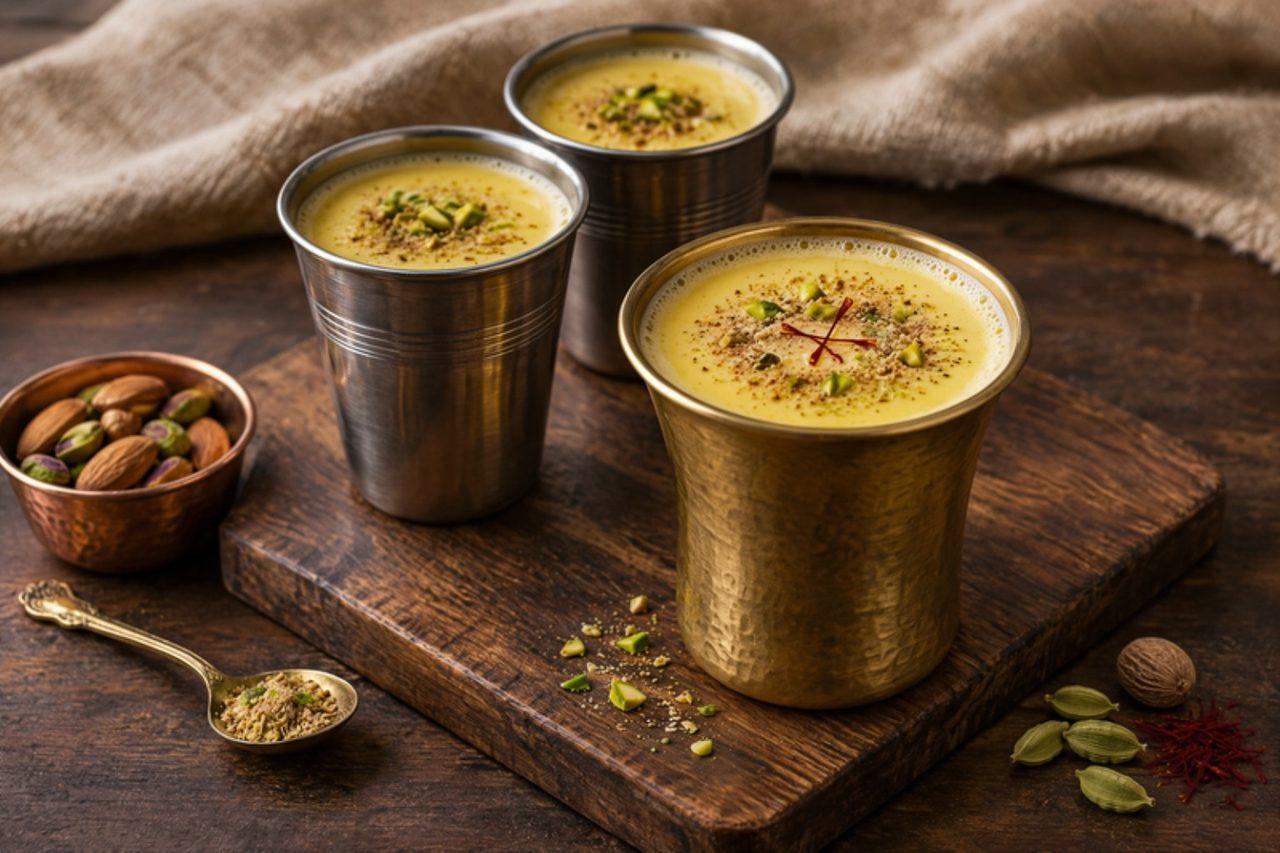
Late evening at Ahmedabad's Manek Chowk, milk sellers pour masala doodh from a height between two brass pots to cool and froth it, and on Sharad Purnima families set a pot of it under the full moon before drinking it chilled. It is richer and more fragrant than plain badam milk: a home-ground masala of almonds, pistachios, cardamom, nutmeg and a little black pepper is stirred into milk reduced with saffron and sugar. The common mistake is boiling it hard after the nut masala goes in, which makes it catch and taste scorched. Chef's tip: grind a jar of the masala in one go and keep it in the fridge; two teaspoons turn any glass of milk into a treat.

by KrazyBadal 0 views

Batido de trigoPuffed wheat shake

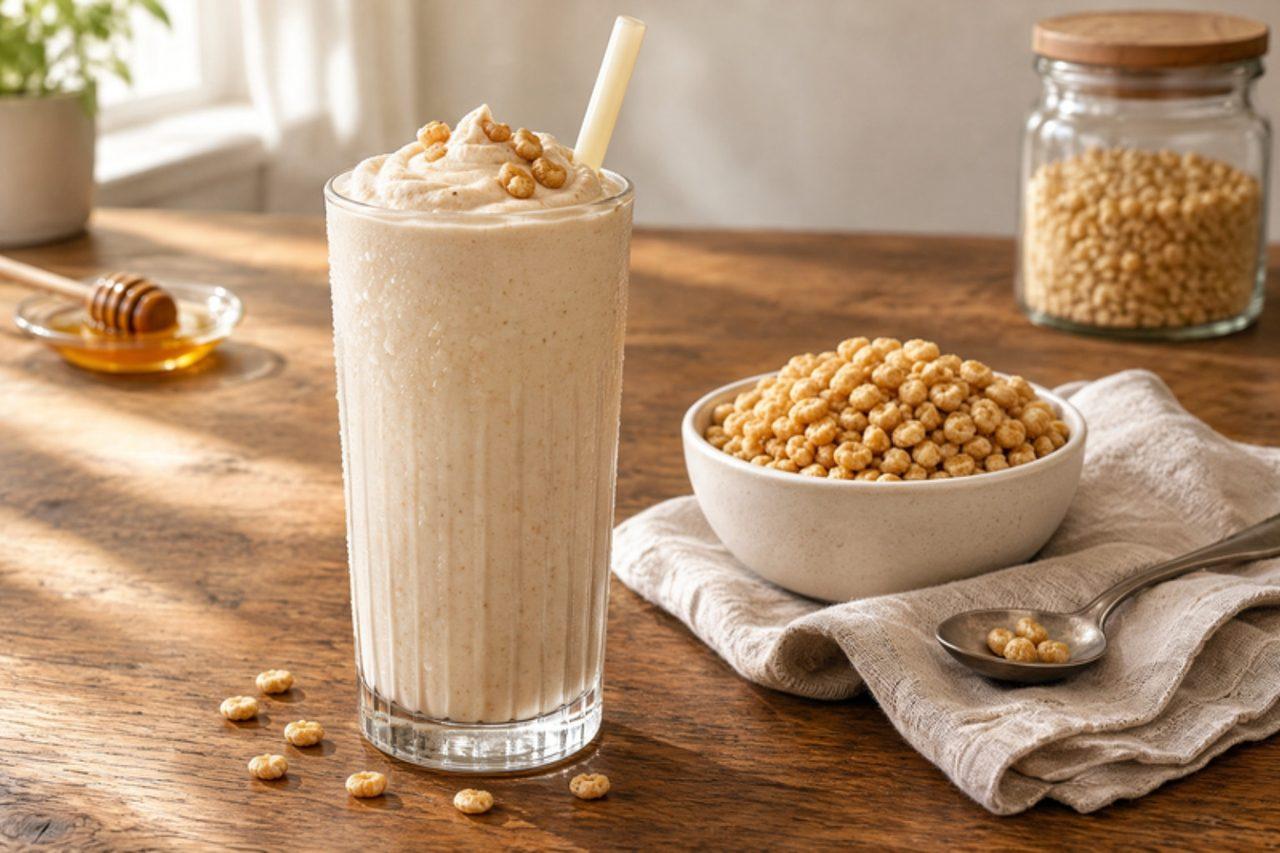
Havana cafeterías and Miami ventanitas blend this for breakfast on the run: puffed wheat, cold milk, sugar and ice whizzed into a thick, frothy shake that tastes like a malted milk with toasted cereal. It is one of the most loved Cuban batidos, and quick to make at home. The common mistake is using sweetened, honey-coated cereal, which makes it cloying; plain puffed wheat lets the toasty grain flavour come through. Chef's tip: blend the puffed wheat with half the milk first until completely smooth, then add the ice, so you don't get soggy flecks of cereal.

by KrazyBadal 0 views

Sharbat-e bidmeshk (willow blossom sherbet)

Kashan and the villages of Qamsar and Niasar are famous for distilling flowers in spring: rose water in May, and before that araq-e bidmeshk, the distillate of the fuzzy catkins of the musk willow. In summer, when the desert heat settles over the old houses, the same bottles go into sharbat-e bidmeshk, a pale syrup diluted with icy water and served to guests in tall glasses, sometimes with swollen basil seeds. It is traditionally drunk to calm the nerves and cool the body. The taste is delicate, sweet and haunting, somewhere between honeysuckle, musk and fresh hay. The common mistake is adding the distillate to hot syrup; the heat drives the scent away within minutes, so cool the syrup completely first. The syrup is ready when it is clear and pours like thin honey, and the finished sherbet should smell floral the moment you lift the glass. Look for the distillate in Iranian shops; there is no true substitute, though rose water with a few drops of orange-blossom water makes a pleasant but different drink. Chef's tip: a squeeze of lemon in the syrup stops it crystallising in the fridge, where it keeps for a month.

by KrazyBadal 0 views

Misutgaru (multigrain powder drink)

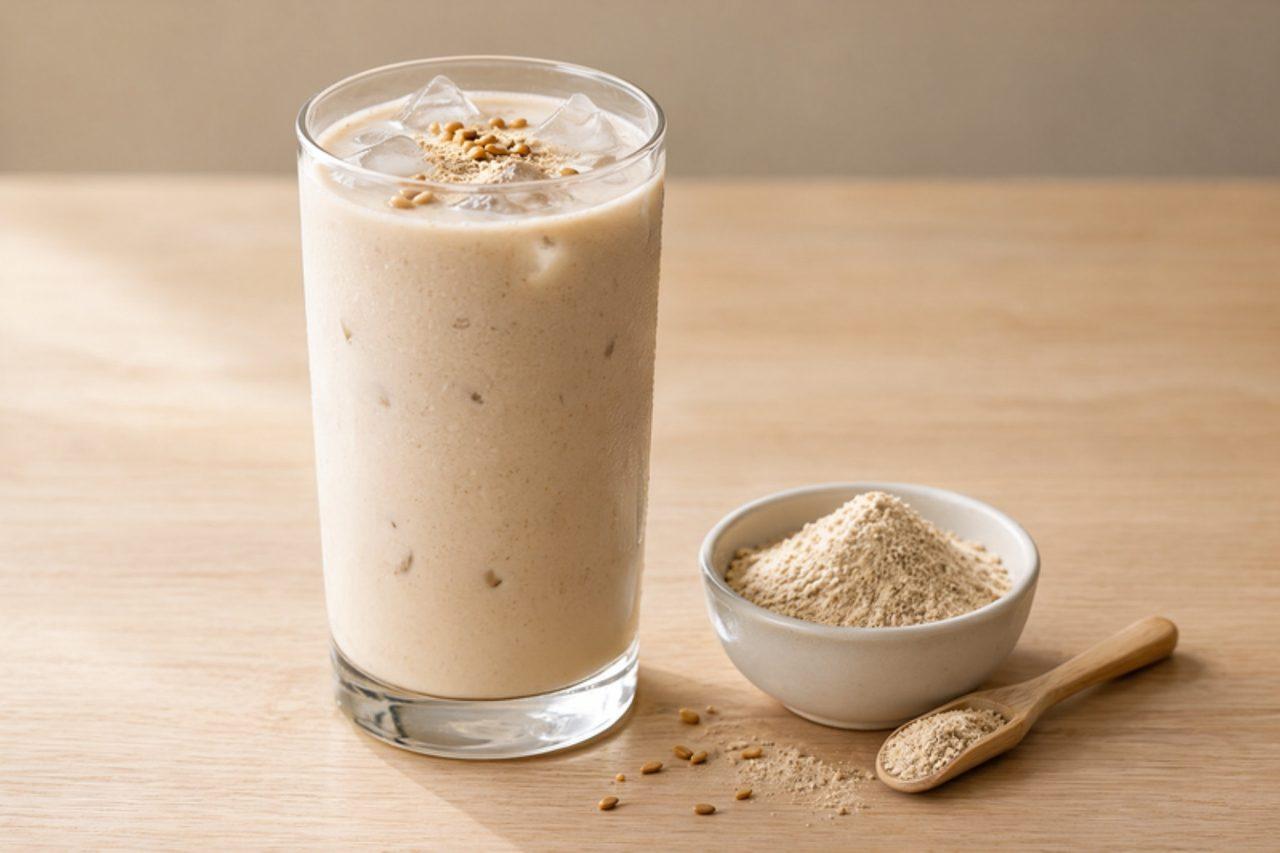
Misutgaru began as travellers' food, a powder of roasted grains that kept for weeks and could be stirred into water on the road. Today it is the drink of Korean summer: mothers shake it with cold milk for breakfast before school, office workers buy it as misutgaru latte from cafés, and farmers drink it at midday in the fields of July. The powder is a mix of roasted barley, glutinous and brown rice, black and yellow soybeans, and sesame, and it tastes of toasted cereal and peanut, lightly sweet, with a thick, creamy body that fills you up like a light meal. The common mistake is tipping the powder into a full glass of milk and stirring: it floats, clumps into dry balls and never fully mixes. Shake it in a jar with a little liquid first, or blend it, then add the rest. It is ready when the drink is smooth, beige and frothy with no dry flecks, and slightly thickened after a minute's rest. Use water or soy milk for a dairy-free version, and note that the barley means it is not gluten free. Chef's tip: a pinch of salt makes the grain flavour taste rounder and less flat.

by KrazyBadal 0 views

Bissy tea (kola nut tea)

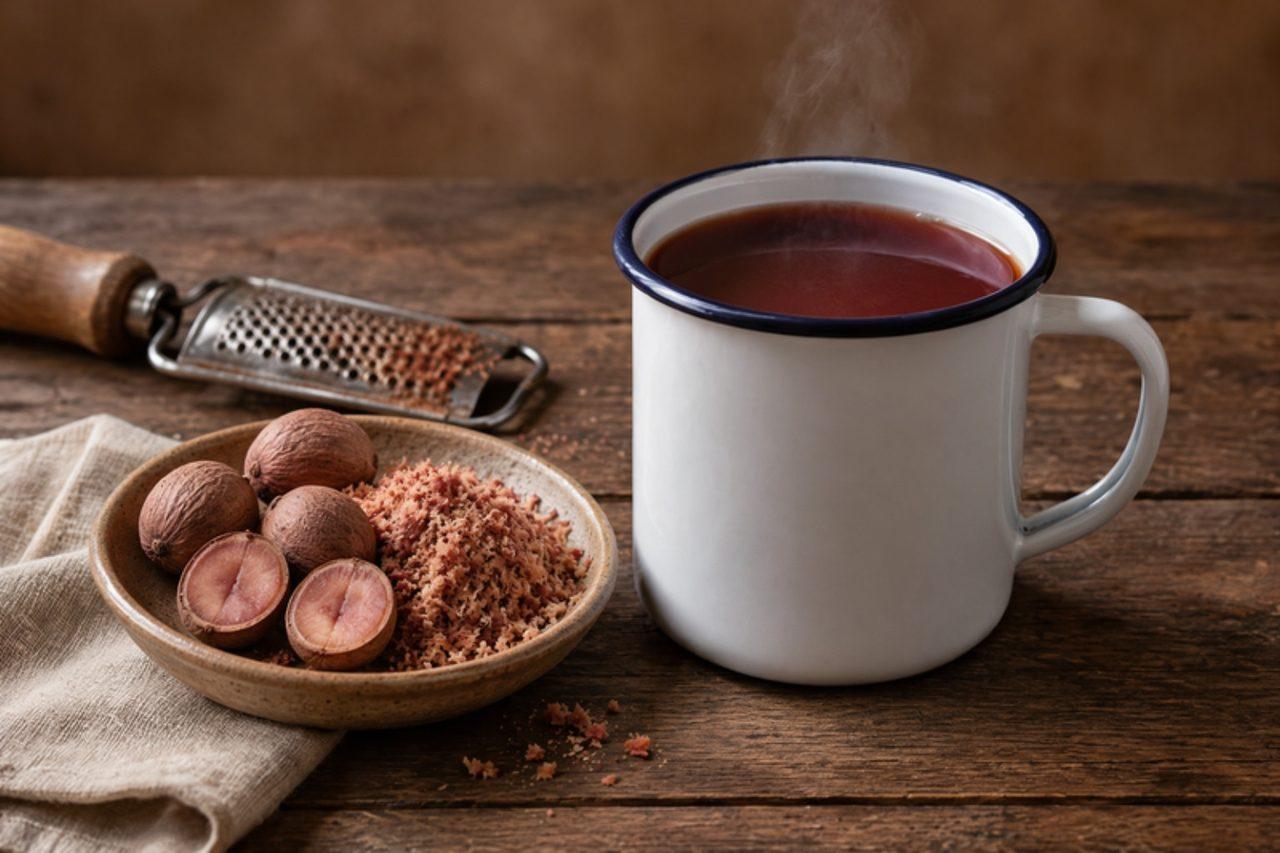
Kola trees came to Jamaica with enslaved West Africans, and the nut, called bissy on the island, has stayed in country medicine ever since. Older people in St Mary, St Elizabeth and the hills of Clarendon still keep a dried bissy in the kitchen and grate some into boiling water when the stomach is upset or after eating something that disagreed with them,. Parched in a dry pan first, the grated nut gives a reddish-brown tea that smells faintly of cocoa and tastes bitter and astringent, softened by plenty of sugar. The common mistake is boiling raw, ungrated nut and expecting much flavour: whole pieces give little. Grate it finely, parch it until it darkens and smells like toasted cocoa, then boil. It is ready when the tea is a deep reddish-brown and coats the tongue with bitterness. Kola nut is very high in caffeine, as strong as a big mug of coffee or more, so drink one cup, not late in the day, and keep it away from children, pregnant people and anyone sensitive to caffeine or with heart trouble. Chef's tip: strain it through a fine cloth; the grated nut leaves a gritty sediment that a sieve lets through.

by KrazyBadal 0 views

MaślankaChilled buttermilk

Maślanka, the tangy liquid left after churning butter, is sold in cartons all over Poland and drunk ice-cold with breakfast, with boiled new potatoes in summer, or blended with fruit for children. On its own it is thin, sour and refreshing; with strawberries and a spoon of sugar it becomes a light pink breakfast smoothie. The mistake is buying "buttermilk" that is really thickened yoghurt drink with added flavourings; look for plain cultured buttermilk with nothing else on the label. Chef's tip: chill the glasses as well as the buttermilk, and blend for no more than 20 seconds so it stays light and doesn't separate.

by KrazyBadal 0 views

Maesil-cha (green plum tea)

In early June the hillsides of Gwangyang are picked clean of hard green maesil, and Korean kitchens across the country fill with jars of plums buried in sugar. Over about a hundred days the sugar draws out the fruit's juice and becomes maesil-cheong, a golden syrup that is both a cooking ingredient and a drink. Iced, it is the summer cooler; hot, it is traditionally drunk after a heavy meal for digestion. It tastes bright and tart, like green apple and apricot, rounded by the sugar. The common mistake is putting damp plums or plums with stalks into the jar: water and stalk ends invite mould and unwanted fermentation. Pick out each stalk with a toothpick and dry the fruit completely. The syrup is ready when the plums have shrivelled and float in clear amber liquid. A little foaming early on is normal, but if it smells strongly of alcohol, grows fuzzy mould or turns slimy, discard it. Remove the plums at 100 days, because their stones contain natural compounds best kept out of a long-stored syrup. Chef's tip: use half white and half light brown sugar for a rounder, toffee-edged syrup.

by KrazyBadal 0 views

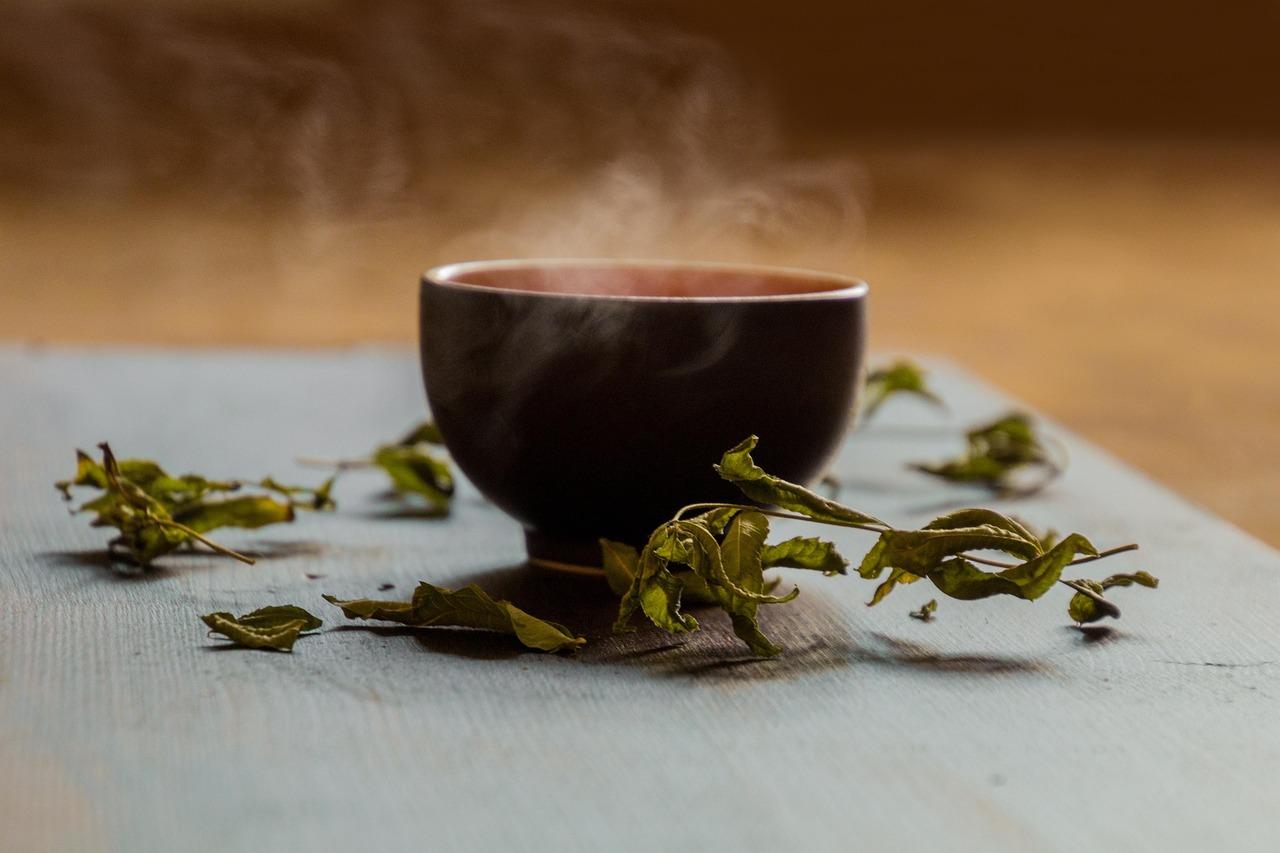
Mursalski chaiIronwort tea

High in the Rhodope mountains, shepherds and villagers start the day with a pot of mursalski chai, brewed from the dried flowering stems of Sideritis scardica, the Balkan ironwort that grows on the limestone slopes around Mursalitsa peak. It tastes gently floral, lemony and a little like chamomile and mint, and is traditionally sweetened with honey or drunk plain. The common mistake is steeping it for just a couple of minutes like black tea; the woody stems need a short simmer to give their full flavour and golden colour. Chef's tip: break the stems into 5 cm pieces so they fit the pot and release more flavour, and use a slice of lemon to brighten the colour. Vegans can sweeten it with sugar instead of honey.

by KrazyBadal 0 views

Calamansi juice

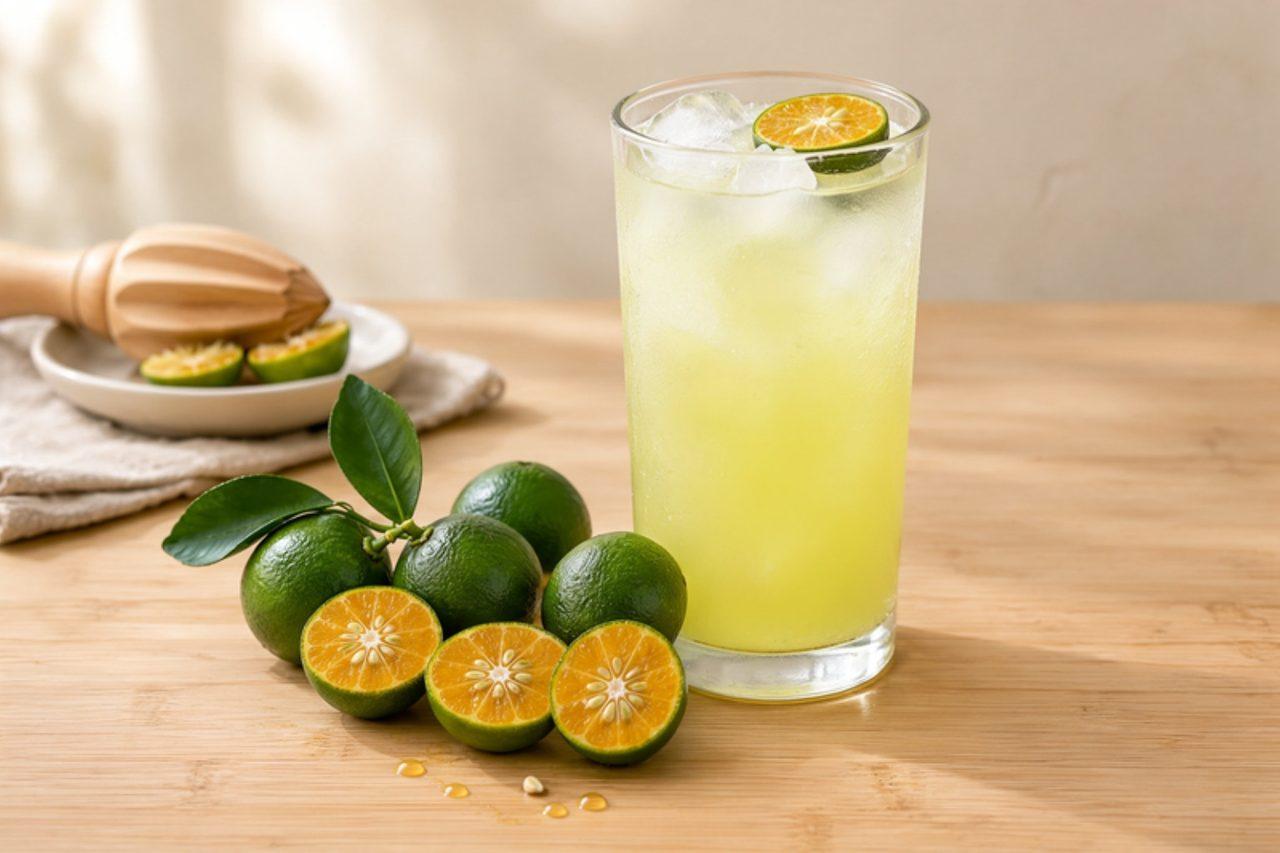
Every Filipino household seems to have a calamansi bush or a bag of the little green fruit in the fridge, from Manila condos to farmhouses in Mindoro, the island that grows most of them. At lunch in the dry season the juice comes out iced in a big pitcher; in the rainy months, when everyone has a cough, a lola stirs the same juice into hot water with a little sugar or honey and hands it over at bedtime. It tastes like a lime crossed with a mandarin: sharp, floral and slightly bitter at the edges, with a pale green-gold colour. The usual mistake is squeezing the fruit hard and letting the seeds and pith fall in, which turns the juice bitter within minutes; halve each fruit across, squeeze gently over a small strainer and stop before the peel folds. It is ready when the sugar has fully dissolved, the juice tastes bright rather than harsh and a cold glass fogs on the outside. Chef's tip: dissolve the sugar in a little warm water first, as it never melts properly in iced juice.

by KrazyBadal 0 views

Café con lecheCoffee with hot milk

Every morning from Havana to Miami's Little Havana, breakfast is a big cup of café con leche with a length of buttered, pressed Cuban bread (tostada) to dunk in it. A moka pot of dark espresso-style coffee is whipped with sugar into a pale foam, the espumita, and poured into a mug of hot, lightly salted milk. The usual mistake is boiling the milk, which gives it a skin and a cooked taste; heat it only until it steams. Coffee contains caffeine, so this is a grown-up drink; children traditionally get a cup that is mostly milk. Chef's tip: whisk the first few drops of coffee hard with the sugar to a thick paste before adding the rest; that is what makes the creamy espumita on top.

by KrazyBadal 0 views

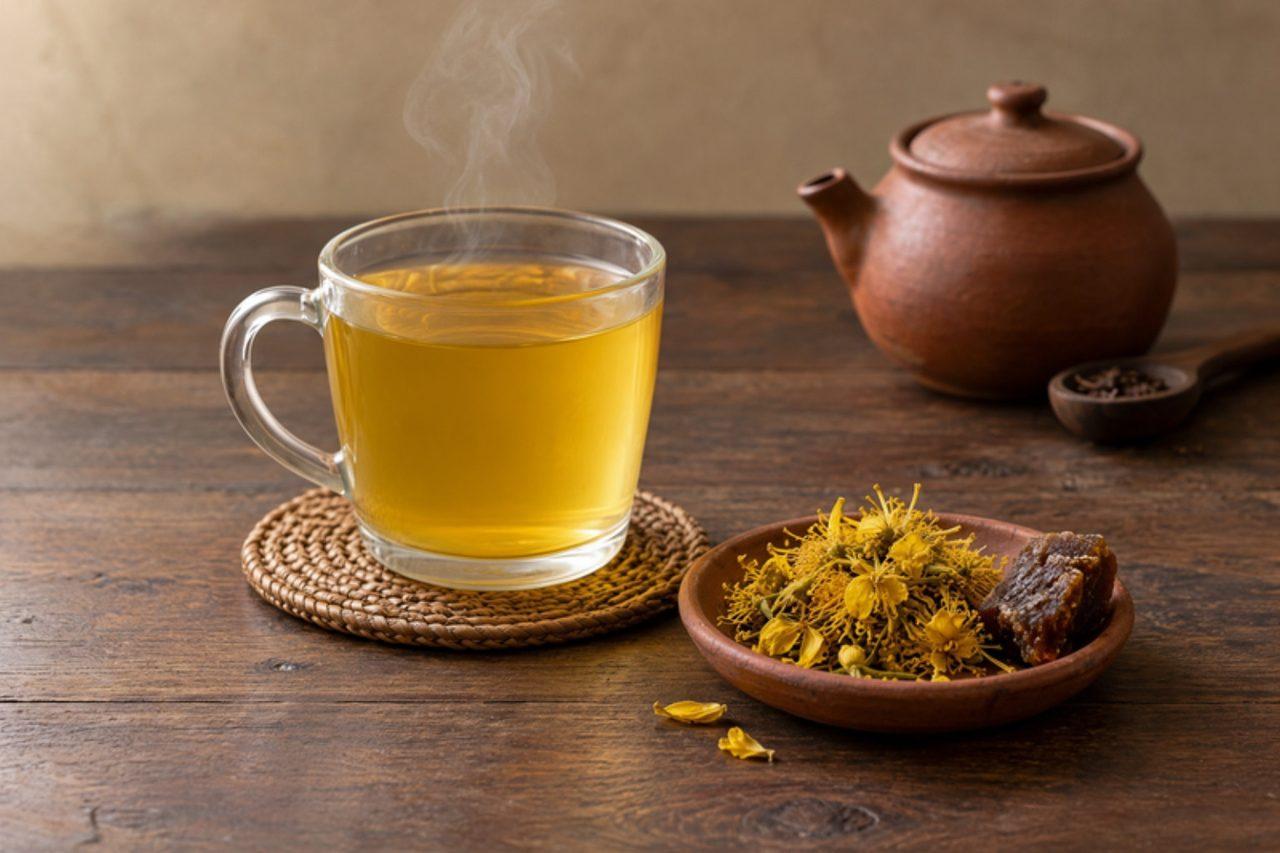
Ranawara teaTanner's cassia flower tea

Ranawara, tanner's cassia, is a scrubby shrub with bright golden flowers that grows wild along dry-zone roadsides and in gardens from Kurunegala to Jaffna. The flowers are picked, dried in the shade and sold in packets at every Sri Lankan supermarket and ayurvedic shop, and many households drink a cup each morning instead of plantain tea, traditionally believing it helps balance blood sugar and cool the body during the hot season. It brews into a pale golden-yellow tea with a mild, grassy, slightly beany taste and a gentle bitterness, which is why it is drunk with a piece of jaggery or a spoon of kithul treacle. The common mistake is brewing the flowers with too little water or for too long: the bitterness takes over. A good pinch per cup, a short simmer and a few minutes' steep is enough. It is ready when it is clear and bright yellow and smells like dried hay. Ranawara is a senna-family plant: do not drink it if you are pregnant or breastfeeding, do not give it to young children, and check with a doctor if you take diabetes or other regular medication. Chef's tip: add a few dried flowers to the cup when serving; they float and turn the colour even more golden.

by KrazyBadal 0 views

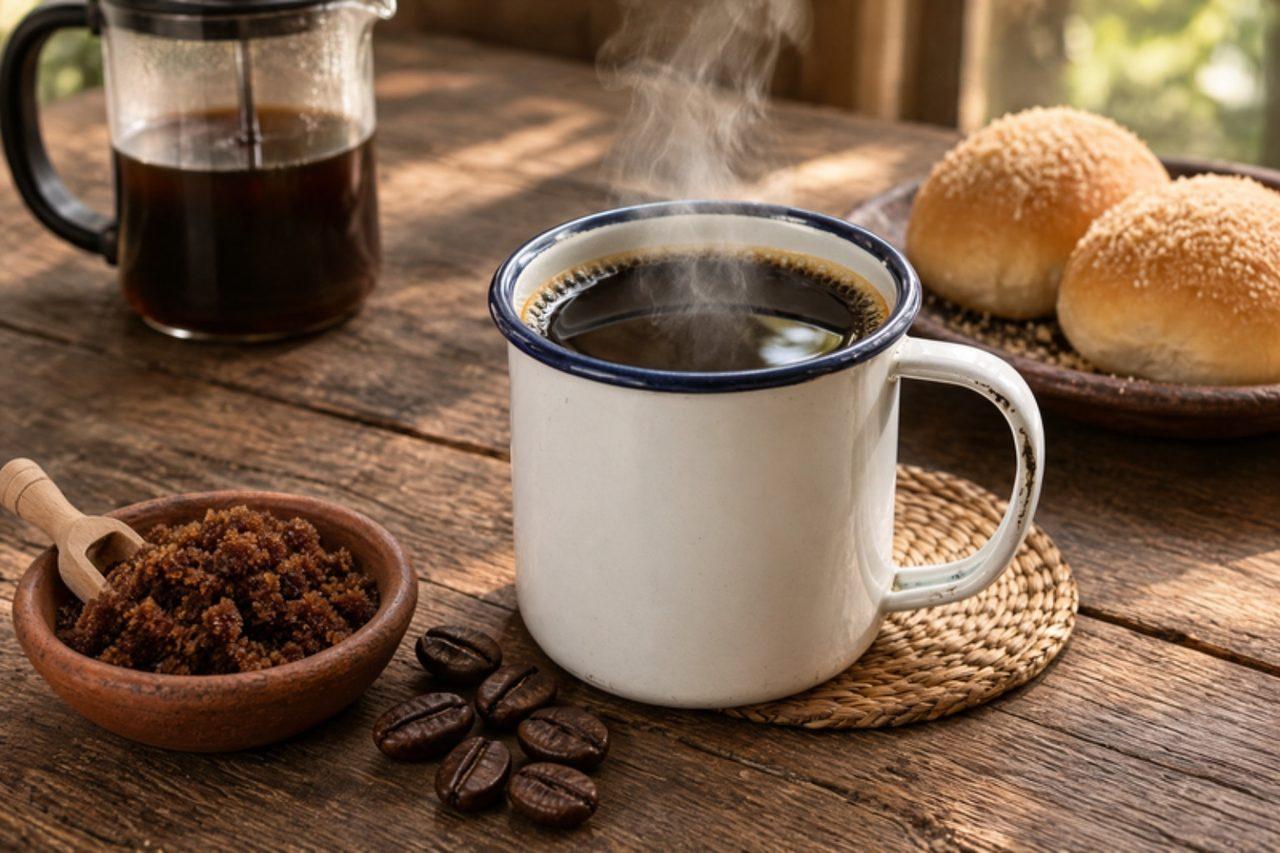
Kapeng barakoStrong Liberica coffee

In Lipa and the hill towns of Batangas, mornings start with kapeng barako boiled in a dented aluminium kaldero and poured into enamel mugs, often next to pandesal, a slab of tapang Taal or a plate of suman. Barako is Liberica, a large-beaned coffee that grows on tall trees around Mount Malarayat, and the word itself means a strong, rough-mannered man. The cup is heavy and earthy with notes of jackfruit, dark chocolate and smoke, and it is sweetened with sticky muscovado from Negros or Antique, never with white sugar. It carries plenty of caffeine, so go easy if you are sensitive and keep it away from children. The usual mistake is keeping the pot at a rolling boil once the coffee is in: the grounds stew and the drink turns sour and harsh. Bring the water to the boil, then take it off the heat before adding the coffee. The brew is ready when the crust of grounds sinks after the splash of cold water and the liquid underneath is a clear, deep mahogany. Chef's tip: grind it coarse, like raw sugar, so it settles cleanly in the pot.

by KrazyBadal 0 views

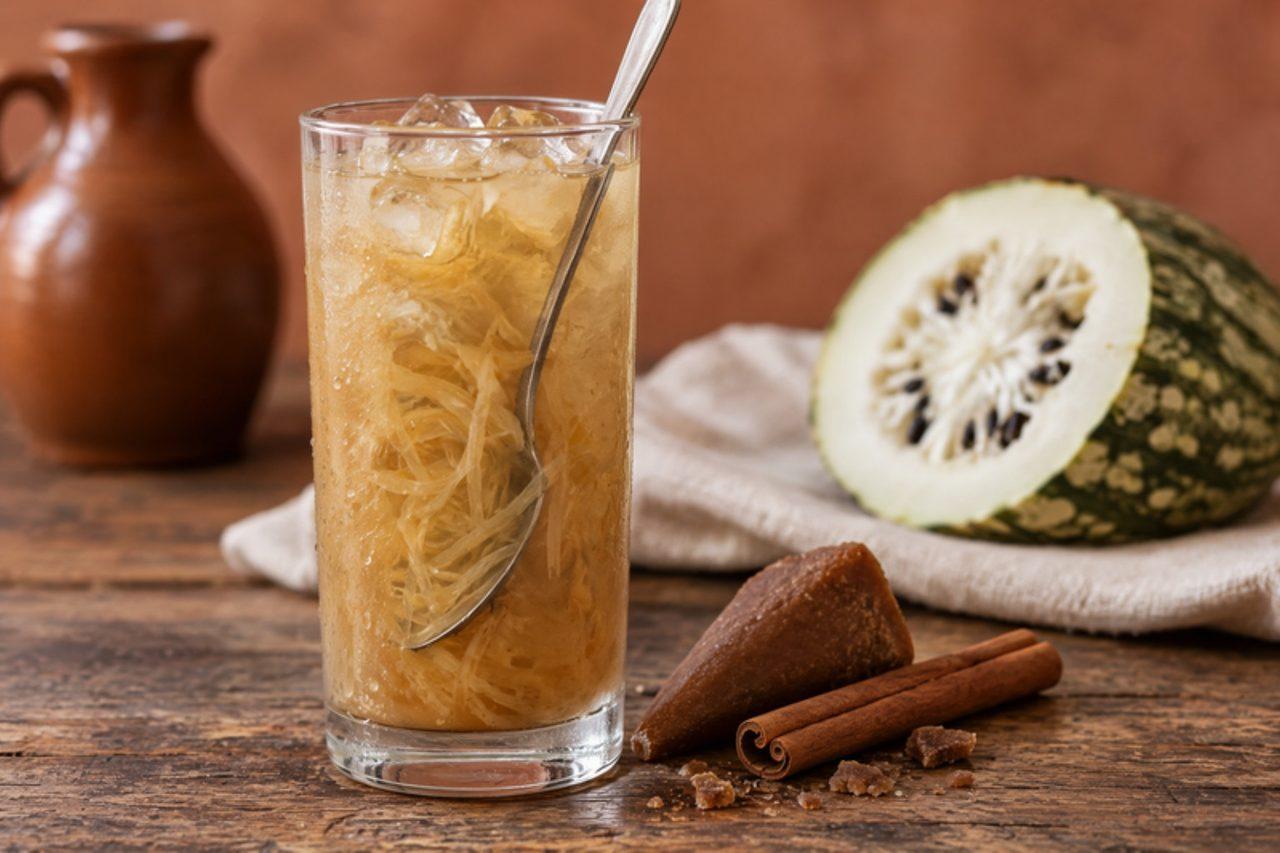
Agua de chilacayoteFig-leaf squash drink

When the big, mottled chilacayote squashes ripen at the end of the rains, cooks in Oaxaca's valleys and the Mixteca of Puebla turn them into a drink you eat with a spoon. The flesh is cooked with dark piloncillo and cinnamon until it falls into translucent threads, then cooled and loosened with water; in Oaxaca it is ladled out of clay jars at fairs, weddings and the Day of the Dead, often with a little pineapple. It tastes like cinnamon-scented panela, with soft, slightly crunchy strands that slide up the straw. The usual mistake is boiling it to mush; overcooked flesh goes cloudy and the strands disappear. Simmer gently and stop when the threads separate easily with a fork but still have a little bite. It is ready when the syrup is amber and the strands look glassy. Chilacayote is hard to find outside Mexico; spaghetti squash is the best substitute and gives the same threads. Keeps 3 days in the fridge. Chef's tip: grate a little orange zest into the pot in the last minute to brighten the piloncillo.

by KrazyBadal 0 views

Surti cold cocoaThick chilled cocoa milk

Long after dinner, the lanes around Surat's Chowk Bazaar and Athwa Lines fill with families queueing for cold cocoa, a thick, almost milkshake-like chocolate milk poured from big steel cans into tall glasses. The secret is cooking cocoa and a spoon of cornflour into rich milk first, then chilling it for hours so it thickens and the cocoa flavour deepens, before whisking it frothy to order. The common mistake is stirring cocoa powder straight into cold milk, which leaves bitter, dusty lumps floating on top. Chef's tip: make it the night before and whisk with a hand blender for 30 seconds just before pouring for the classic foamy head.

by KrazyBadal 0 views

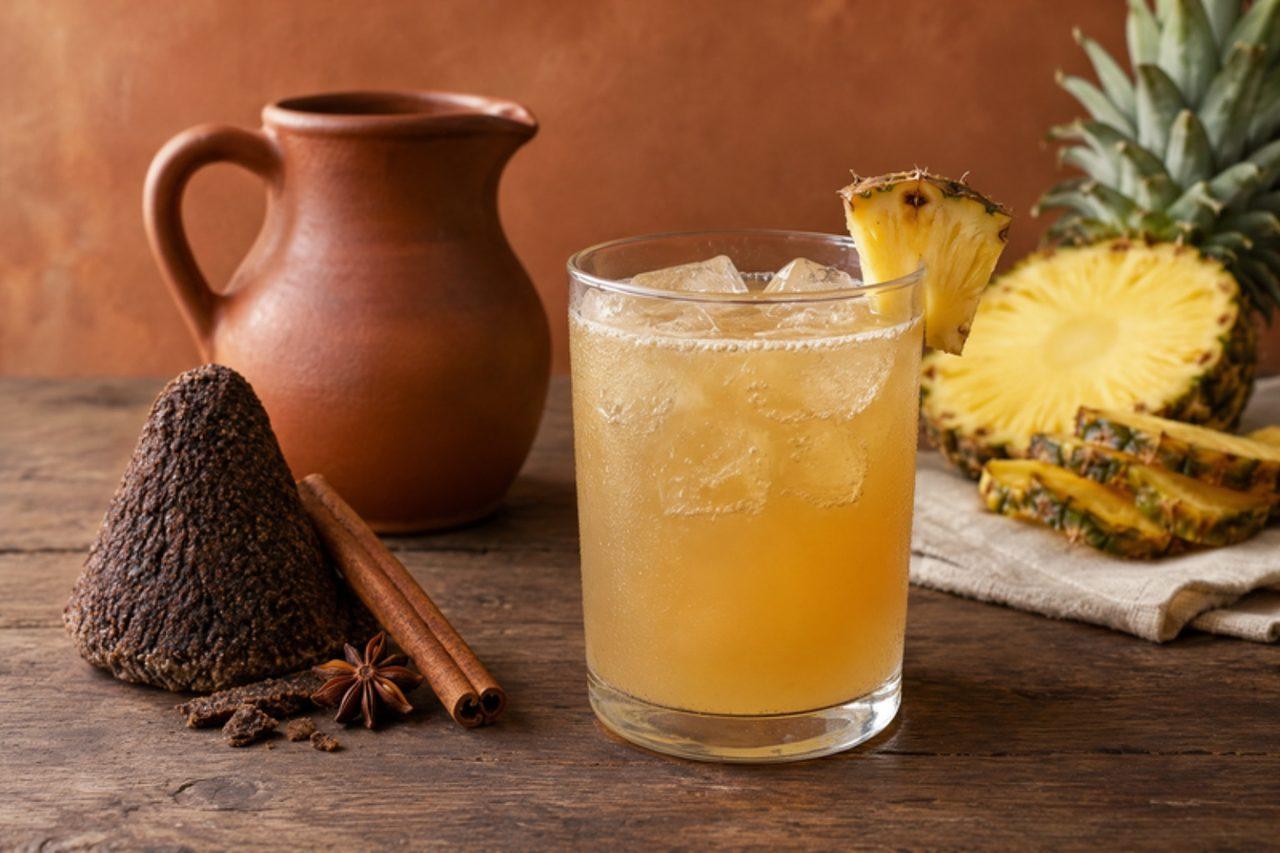
TepacheFermented pineapple drink

In Guadalajara and markets across central Mexico, tepacheros sell this drink from big clay jars, ladled over ice into bags with a straw on hot afternoons. It is the thrifty drink of the house: the peel and core left after eating a pineapple are fermented for two or three days with piloncillo, cinnamon and cloves until the liquid turns golden, faintly fizzy and pleasantly sour, like a spiced pineapple cider. Wild yeasts from the peel do the work, so it makes a trace of alcohol, well under 1% when drunk young; the longer it sits, the sourer and more alcoholic it gets. The common mistake is leaving it too long in a warm kitchen, when it turns vinegary and cloudy; in hot weather check after 36 hours. It is ready when it has a layer of fine bubbles, smells sweet-sour and fruity, and tastes tart rather than syrupy. White, flat foam can be skimmed; fuzzy, coloured mould, a slimy texture or a rotten smell mean throw it away. Keep it in the fridge 3–5 days, and if you bottle it for fizz, burp the bottles daily so pressure cannot build. Chef's tip: use an organic pineapple and do not scrub the peel, as the yeasts live on its skin.

by KrazyBadal 0 views

Herbata z sokiem malinowymTea with raspberry syrup

In Polish homes a bottle of sok malinowy, the raspberry syrup made each July from garden or forest raspberries, waits in the pantry for winter. When someone comes in from the frost, or lies in bed with a cold, it goes into a glass of hot black tea, sometimes with a slice of lemon; grandmothers insist it makes you sweat the chill out, and the drink is traditionally given at the first sign of a sniffle. It also appears simply after a winter walk or with a slice of cake. The tea turns ruby, tastes of summer berries with a light tannic edge, and is sweet enough without sugar. The usual mistake is pouring syrup into boiling tea straight from the kettle: the fresh raspberry aroma cooks off and only sweetness is left. Let the tea cool for a minute or two first. It is ready when the tea is deep amber, the syrup has fully swirled through and it smells clearly of raspberries. No homemade syrup? Use a good shop-bought raspberry syrup, or make the quick one in the optional steps. Chef's tip: brew the tea weaker than usual, about two minutes, so the fruit stays in front.

by KrazyBadal 0 views

Winter melon tea

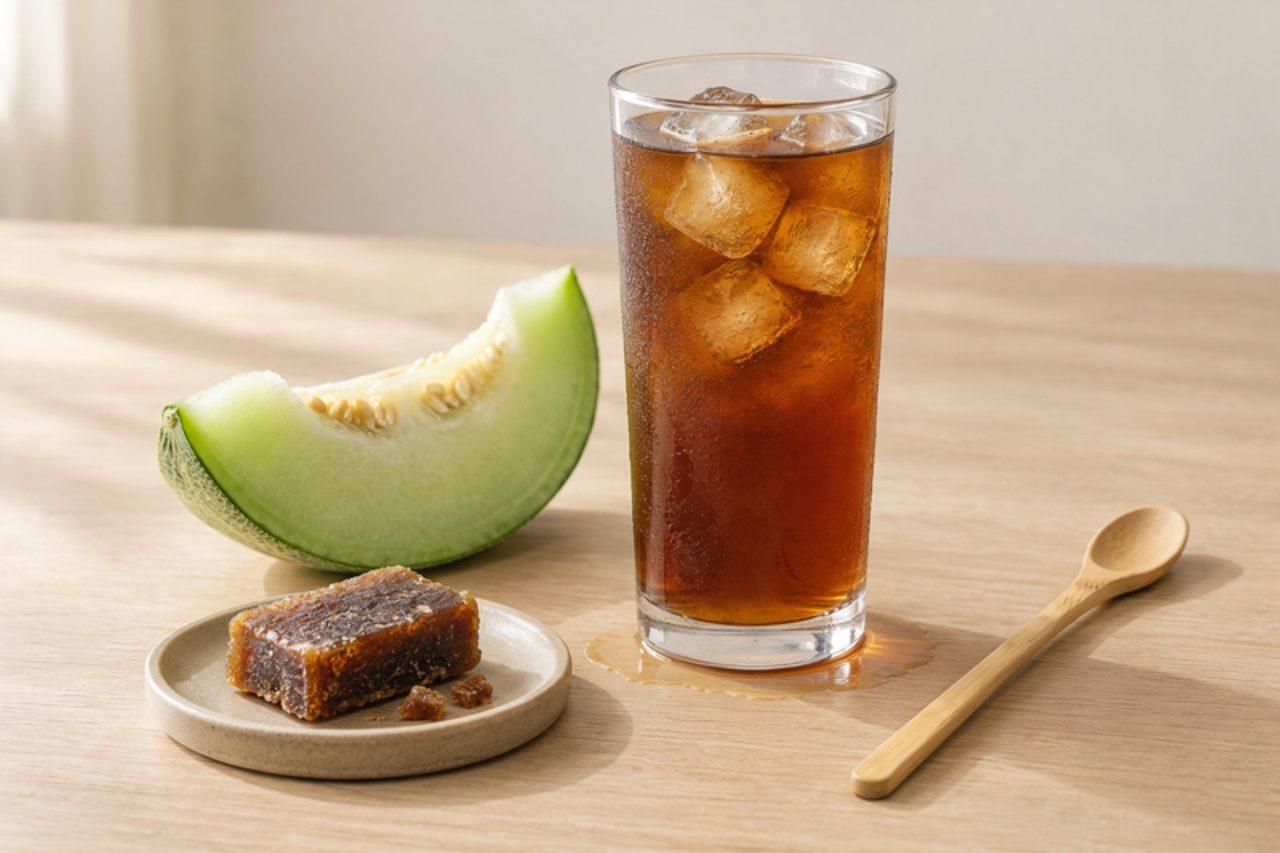
All over Taiwan, from Tainan's old markets to Taipei's night-market stalls, winter melon tea is sold in plastic cups packed with ice through the steaming summer. Despite the name there is no tea in it: chunks of winter melon are cooked down for hours with brown and white sugar until the melon disappears into a thick, dark, toffee-scented paste, which is set into blocks and later dissolved in hot water and chilled. The drink tastes of caramel and light molasses with a gentle, grassy melon note, and it is often mixed half and half with lemon juice or fresh milk. The common mistake is stopping too early, when the mixture is still runny: it will not set and it tastes boiled rather than caramelised. Keep stirring until a drop on a cold plate sets firm and the paste pulls away from the pan. Ready blocks keep 2 months in the fridge, or 6 months frozen; make the drink whenever you want it. If you cannot find winter melon (ash gourd, available frozen in Asian shops), there is no good substitute. Chef's tip: a final 10 minutes on low heat with constant stirring gives the deep, smoky colour that market versions have.

by KrazyBadal 0 views

MunkoyoFermented maize drink

Munkoyo is the drink of Zambian village afternoons and long bus rides, sold in reused bottles at roadside stands from Kabwe to Mansa: a thin maize porridge sweetened and loosened by the pounded roots of the munkoyo shrub, then left to ferment lightly for about a day. It tastes gently sweet and sour, a little like a thin, cool maize yoghurt drink, and is drunk by everyone, children included, because it is not meant to be alcoholic. Munkoyo root is hard to find outside Zambia, so this recipe uses ground sorghum malt (sold as sorghum malt flour), which carries the same kind of starch-thinning enzymes; barley diastatic malt powder also works but makes it no longer gluten free. The big mistake is adding the root or malt to boiling-hot porridge, which kills the enzymes so it never thins. Chef's tip: drink it within two days and keep it chilled after fermenting, because if it ferments for longer it keeps souring and can start to develop traces of alcohol.

by KrazyBadal 0 views

Kawa zbożowaRoasted grain coffee

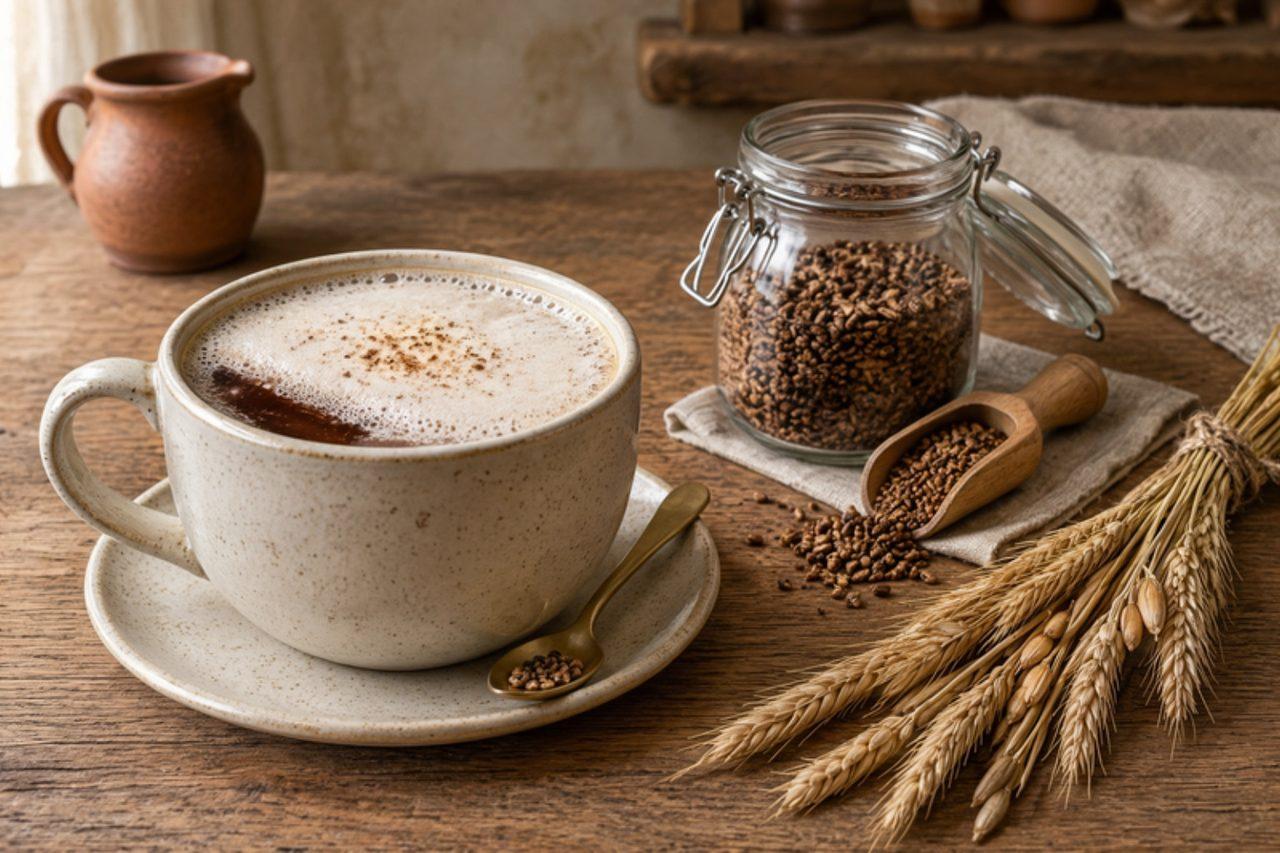
In Polish kindergartens, school canteens and grandmothers' kitchens, kawa zbożowa is the breakfast "coffee" everyone can drink: a blend of roasted rye, barley, chicory and sometimes sugar beet that tastes toasty and malty with no caffeine at all. It is usually drunk milky and a little sweet alongside bread and butter. The common mistake is brewing ground grain coffee like espresso: it needs a few minutes of simmering to give up its flavour, or it tastes like weak tea. Chef's tip: let the pot stand off the heat for 2 minutes after simmering so the grounds sink, then pour gently and you won't need a filter at all.

by KrazyBadal 0 views

Showing 48 of 485 recipes

Show more recipes

Page 9 of 21

More collections