Skip to content

Vegan Indian recipes

Indian dishes with no dairy, ghee, eggs or meat. (560 recipes)

Idli upmaCrumbled idli stir-fry

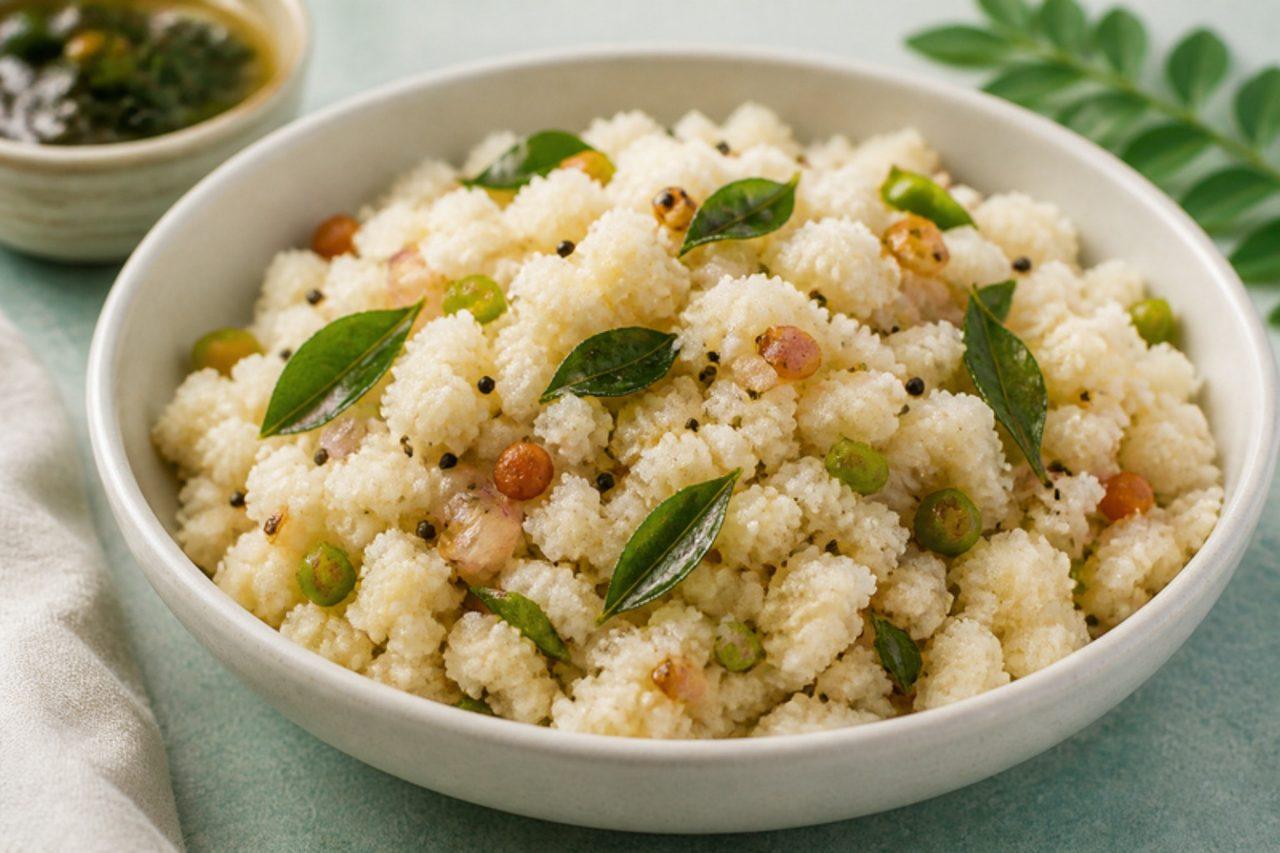
Tamil households steam more idlis than anyone can eat, and next morning the cold leftovers become idli upma, sometimes called idli podi upma or uthiri idli. They are crumbled by hand and tossed in sesame or coconut oil with mustard seeds, two dals, curry leaves, onion and green chilli, so they turn fluffy and savoury, with crunchy bits of dal. It is ready in fifteen minutes and goes into school boxes in Chennai and Coimbatore with a spoon of coconut chutney or a sprinkle of idli podi. The common mistake is crumbling warm, freshly steamed idlis, which mash into a paste; they must be cold, ideally straight from the fridge. Chef's tip: go easy on salt, as the idlis are already seasoned.

by KrazyBadal 0 views
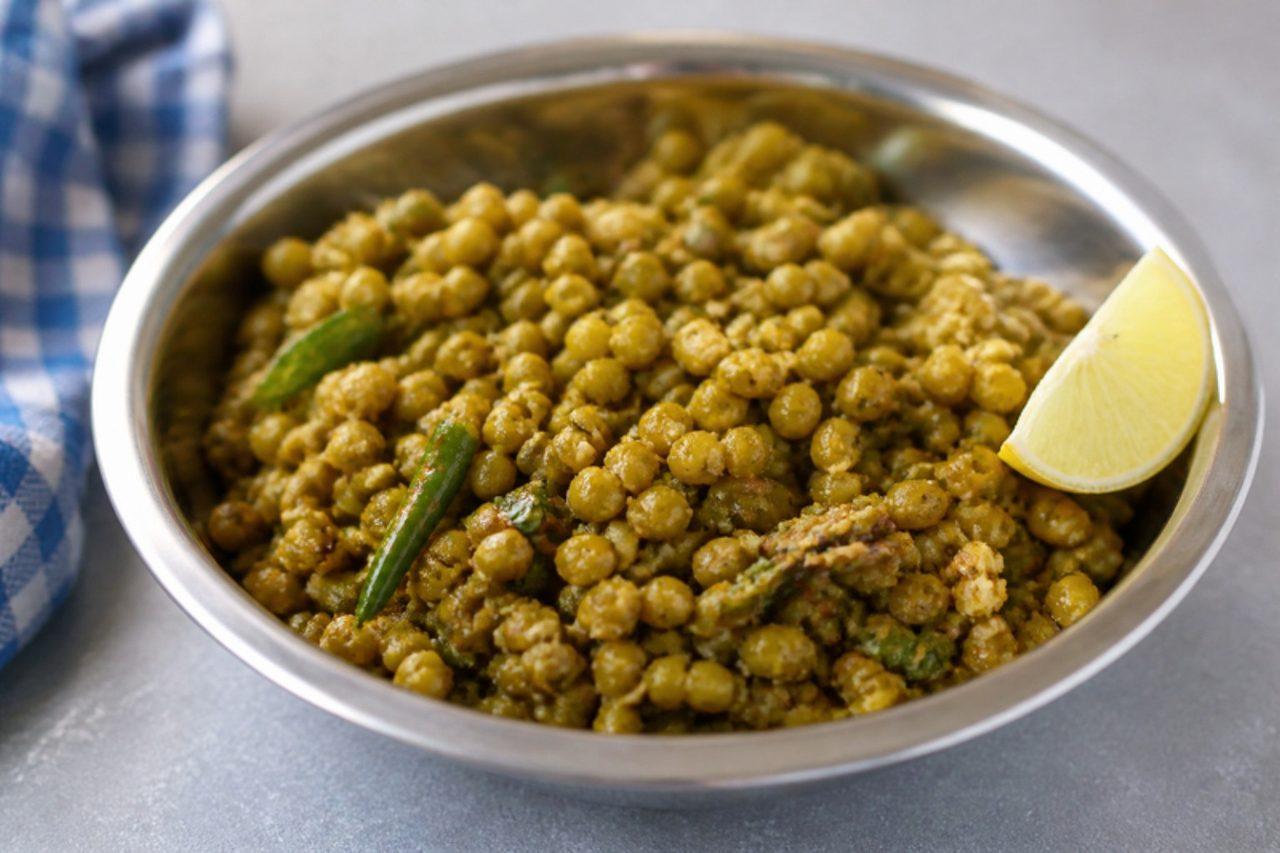
Mag nu shaakDry whole green moong

Wednesday is mag day in many Gujarati homes, and in Jain families this is how it is cooked: whole green moong soaked overnight, pressure-cooked until just soft, then tossed in a vaghar of mustard seed, ajwain and hing with green chilli and dry ginger powder instead of fresh ginger, and no onion or garlic at all. A pinch of jaggery and a squeeze of lemon give it the gentle sweet-sour taste Gujaratis expect. It's a dry shaak, each bean whole and coated, eaten with rotli, or with kadhi-bhaat for a light, very satisfying meal. A common mistake is overcooking the moong until it bursts and turns to mush; two whistles is enough, and the beans should still hold their shape. Chef's tip: save the cooking water; a few spoons loosen the shaak if it looks too dry, and the rest makes a lovely mag nu osaman with a little lemon and vaghar.

by KrazyBadal 0 views
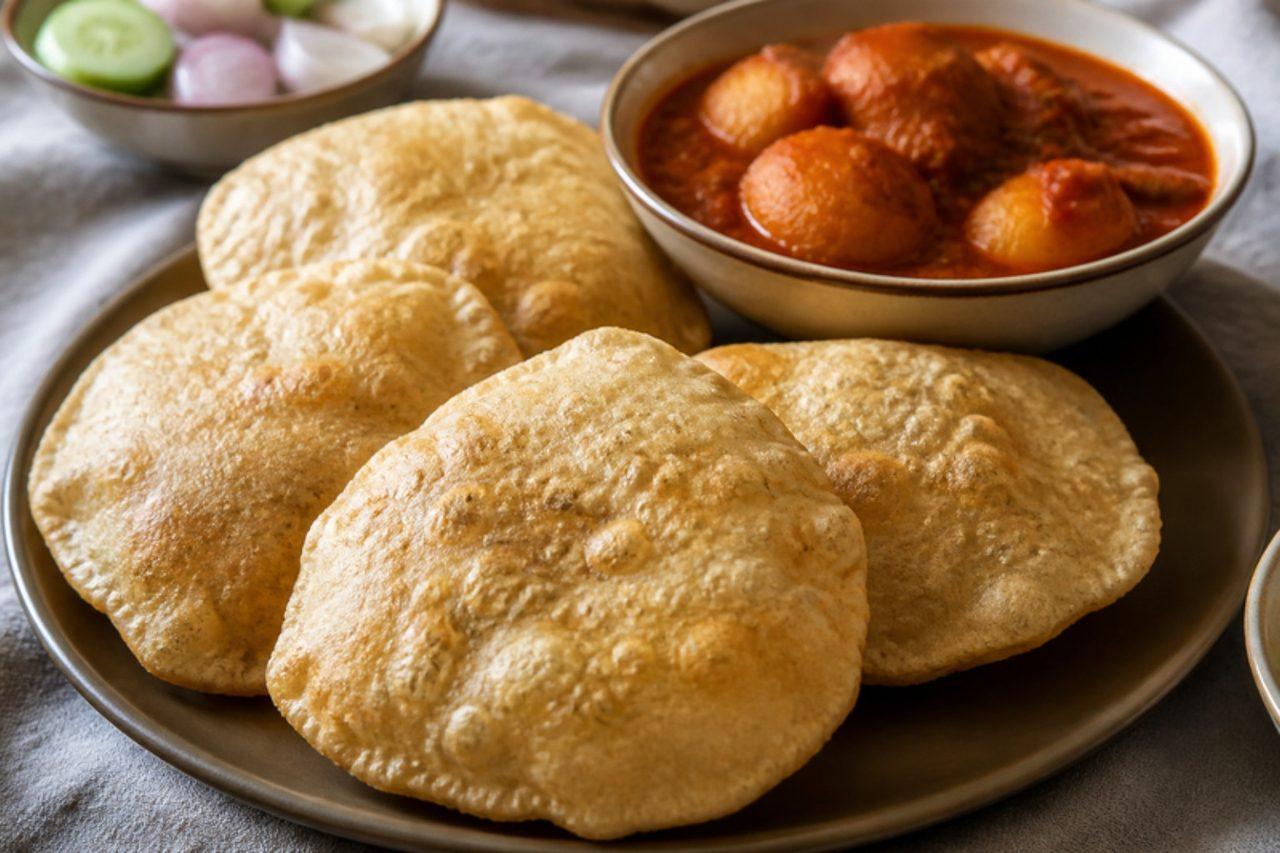
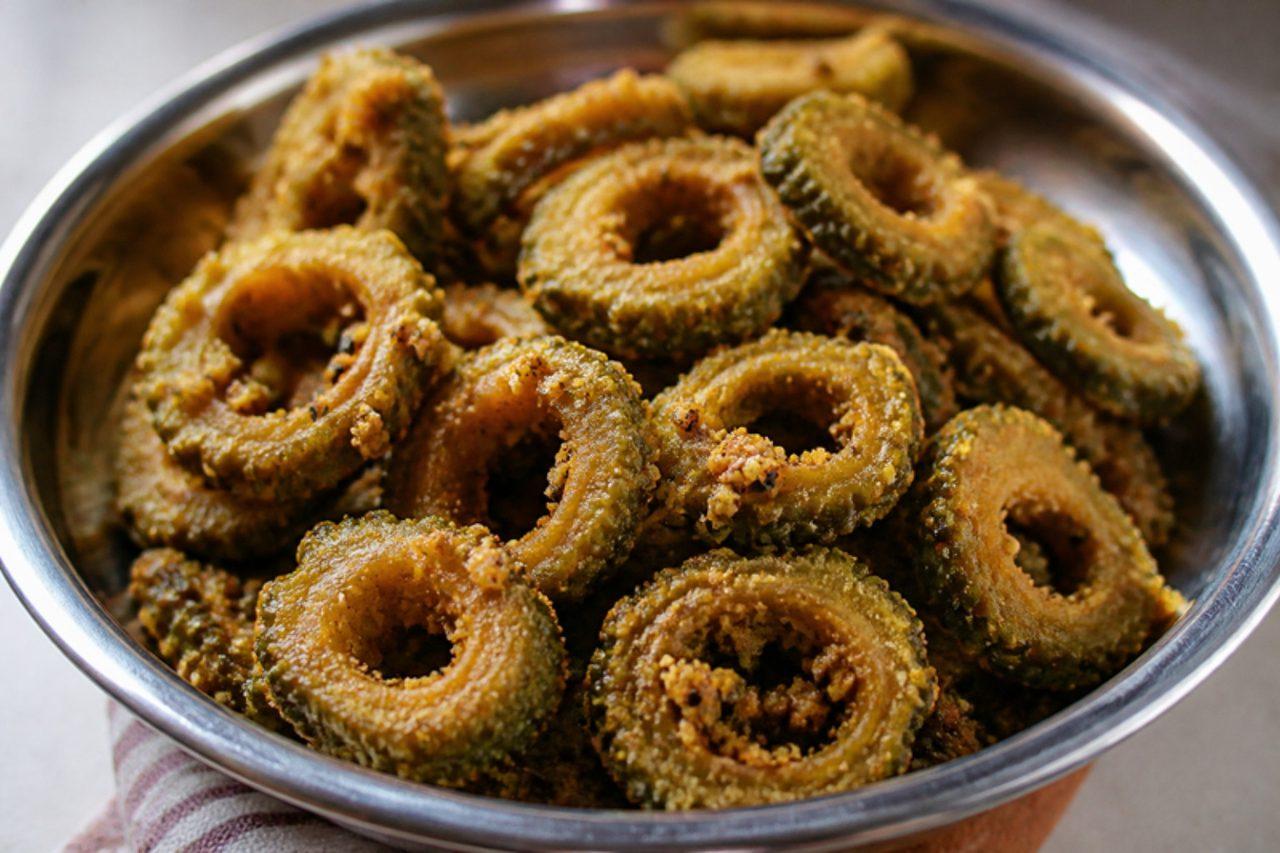
Karela nu shaakBitter gourd and jaggery curry

Most children in Gujarat grow up hating karela and end up asking for this version. Bitter gourd is sliced into thin rings, rubbed with salt and turmeric, squeezed, then cooked slowly in a vaghar of mustard seed and hing until soft and browned. A spoonful of besan toasted in the same pan clings to each ring, and jaggery melts into a glossy coating, so it tastes sweet, nutty, spicy and only pleasantly bitter. With no onion or garlic it suits Jain homes, and it's a monsoon favourite with dal-bhaat-rotli. A common mistake is salting the shaak again as if from scratch; the squeezed karela still holds salt, so taste first. Chef's tip: add the besan only once the karela is dry and browned, and stir constantly for a minute; in a wet pan it forms lumps.

by KrazyBadal 0 views
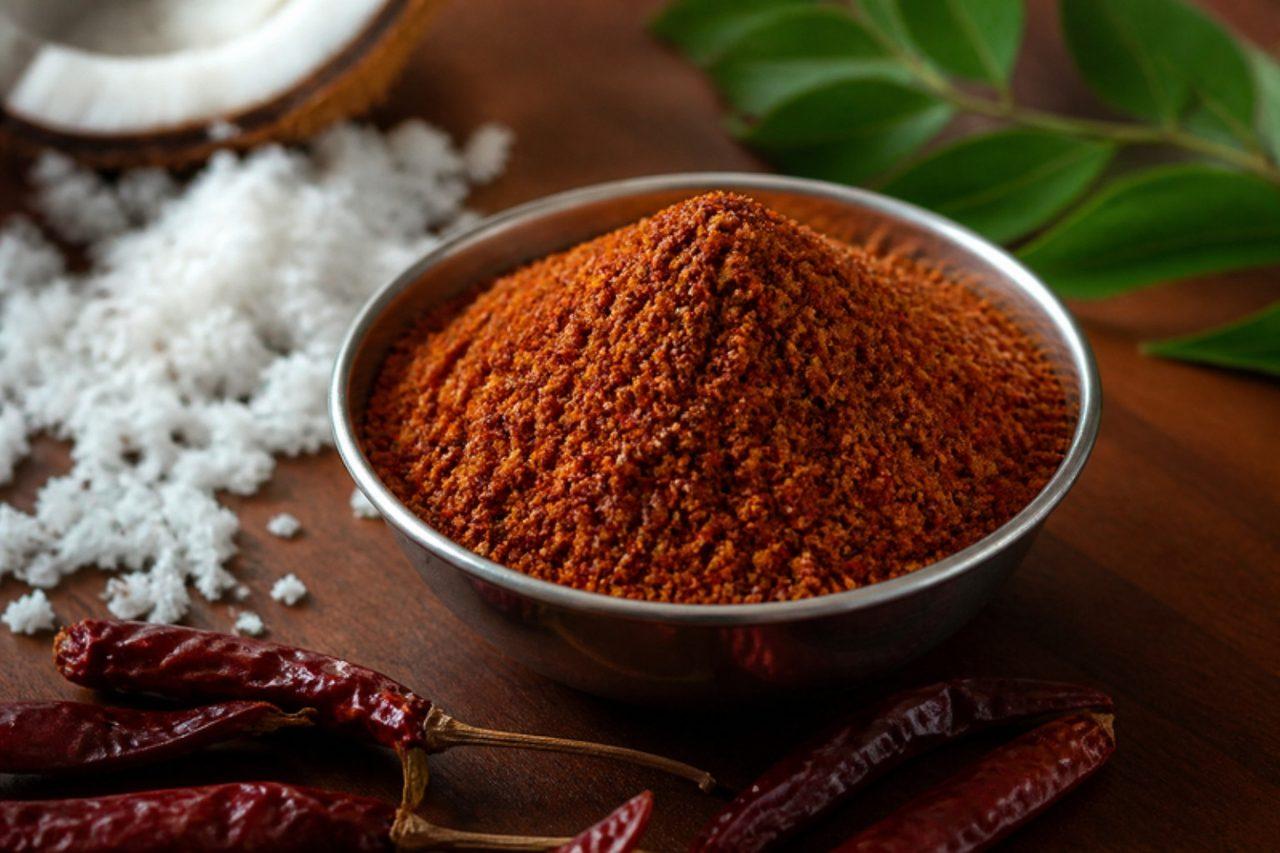
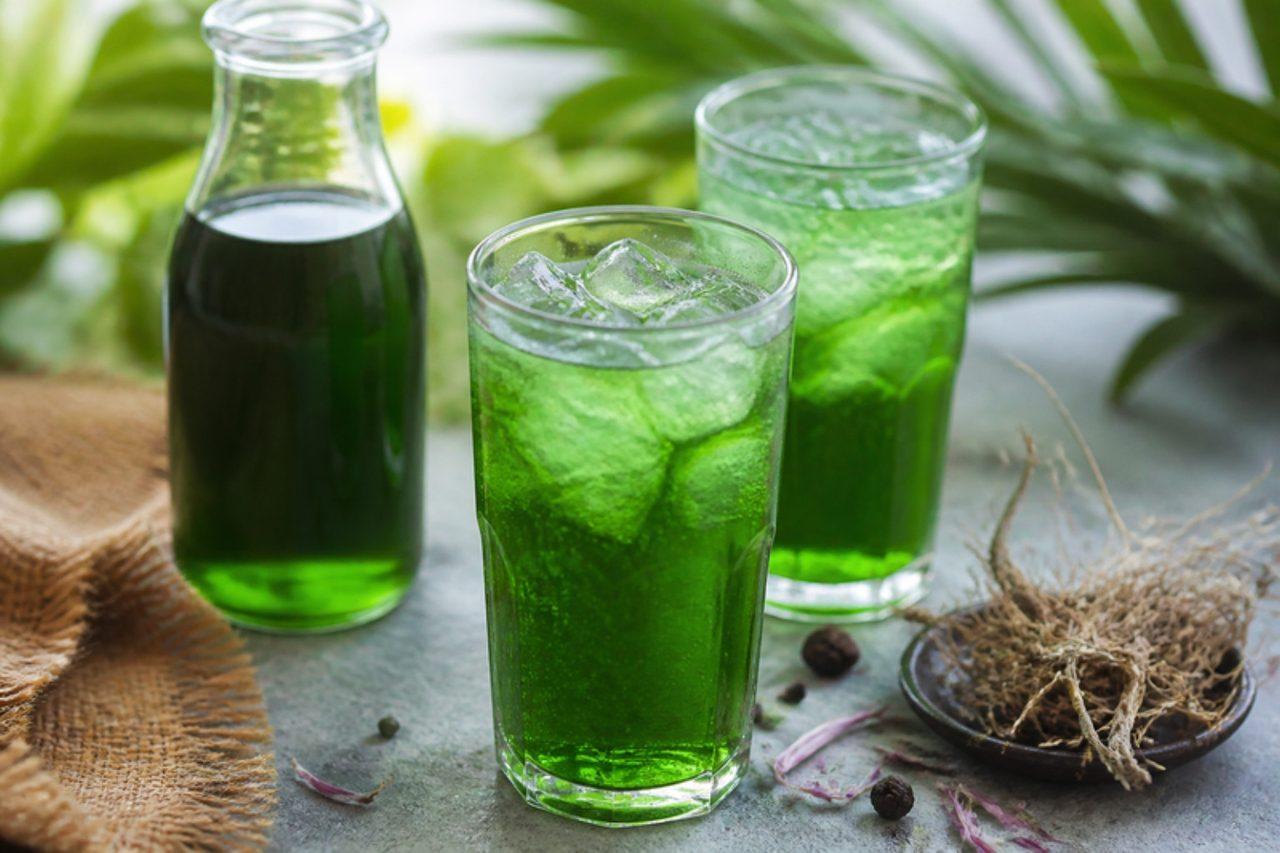
Khus sharbatVetiver root syrup drink

Before air-conditioning, North Indian houses hung wet mats of khus grass over their doors in June, and the breeze through them smelt of damp earth and wood. The same vetiver root flavours this sharbat, a summer staple in Delhi, Rajasthan and Uttar Pradesh. Shop-bought bottles are bright emerald green from colouring; a homemade syrup is pale gold and tastes far more of the root itself, cool and grassy. Families serve it diluted with water to guests arriving from the heat, or with cold milk as a dessert drink at summer parties. The common mistake is boiling the roots hard; the aroma is delicate and cooks off, so infuse them in hot water instead and add the infusion to the syrup off the heat. Chef's tip: if you want the classic green colour for children, a drop of green food colour does no harm, but taste it plain first.

by KrazyBadal 0 views
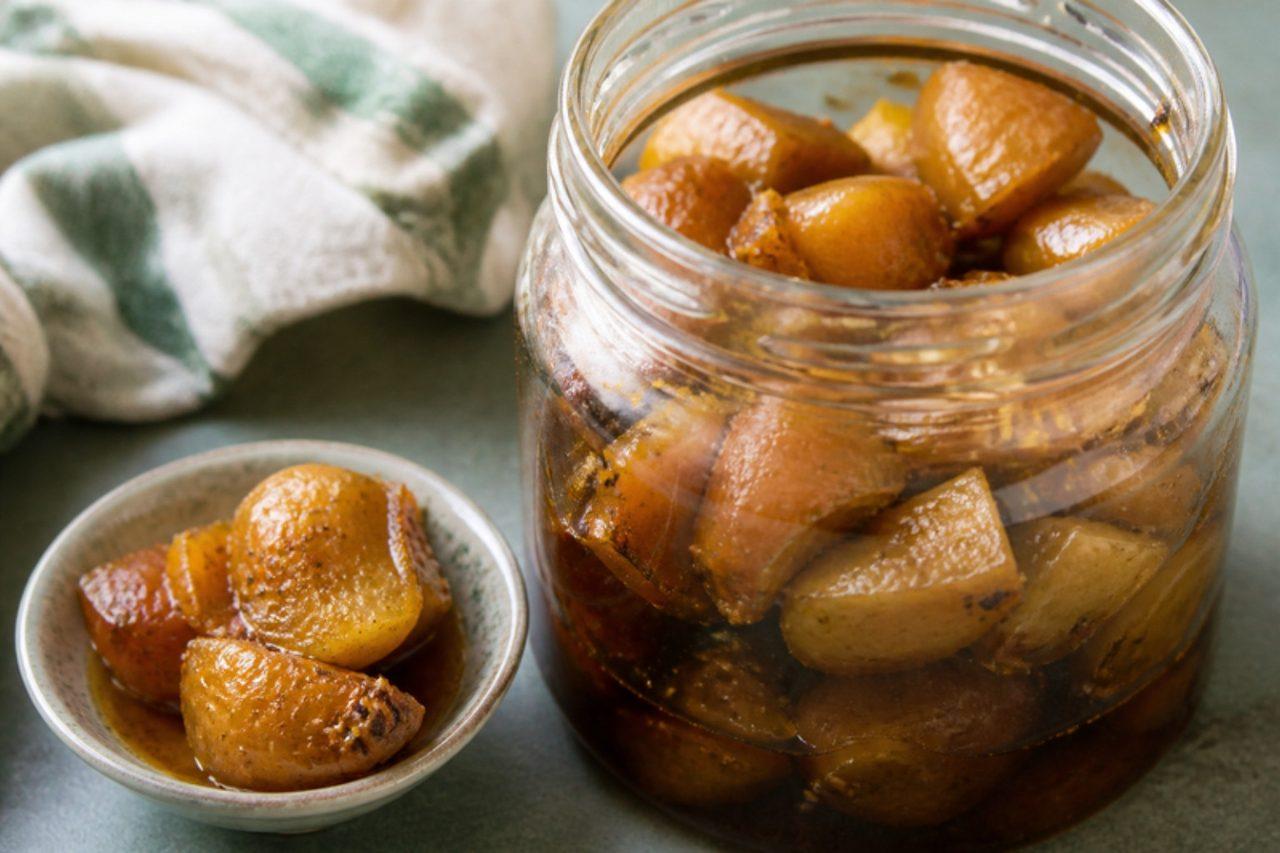
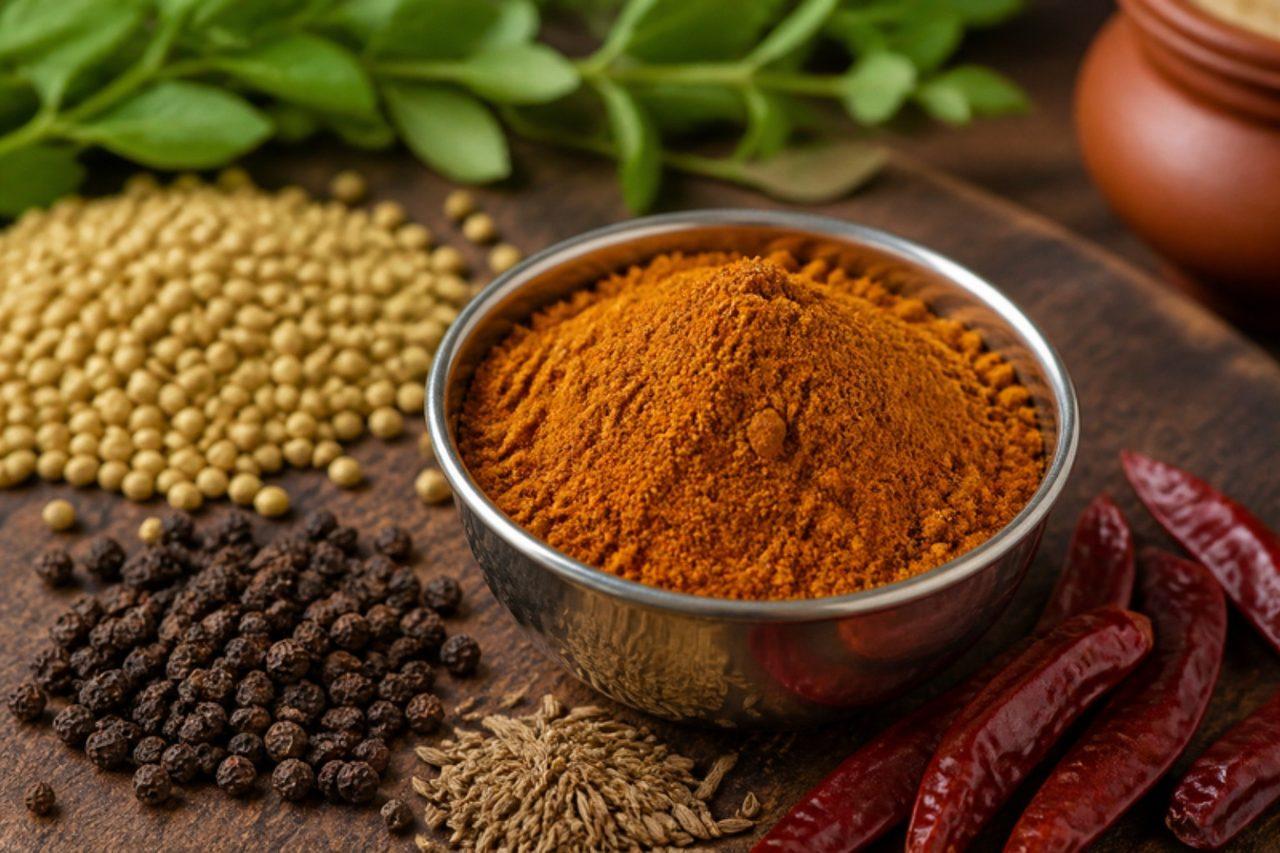
Rasam powderRasam spice powder

A spoon of rasam podi, a lime-sized ball of tamarind, a tomato and a ladle of cooked toor dal: that is lunch in countless Tamil homes, from Thanjavur to Tirunelveli, and the podi is what makes one family's rasam taste unlike the neighbour's. This version is peppery and cumin-forward, as rasam should be, with roasted coriander for body and a little toor dal that thickens the broth slightly and gives it a rounded, nutty base. It is meant for clear, thin rasams: tomato rasam, pepper rasam, lemon rasam, and the one you sip as a soup when you have a cold. Make a small batch, since the aroma fades after a couple of months. Common mistake: roasting the coriander seeds until dark brown; they turn bitter and the rasam tastes burnt. Chef's tip: add rasam powder at the end, when the tamarind water is already boiling, and switch off the heat as soon as the rasam froths; boiling it hard kills the pepper aroma.

by KrazyBadal 0 views
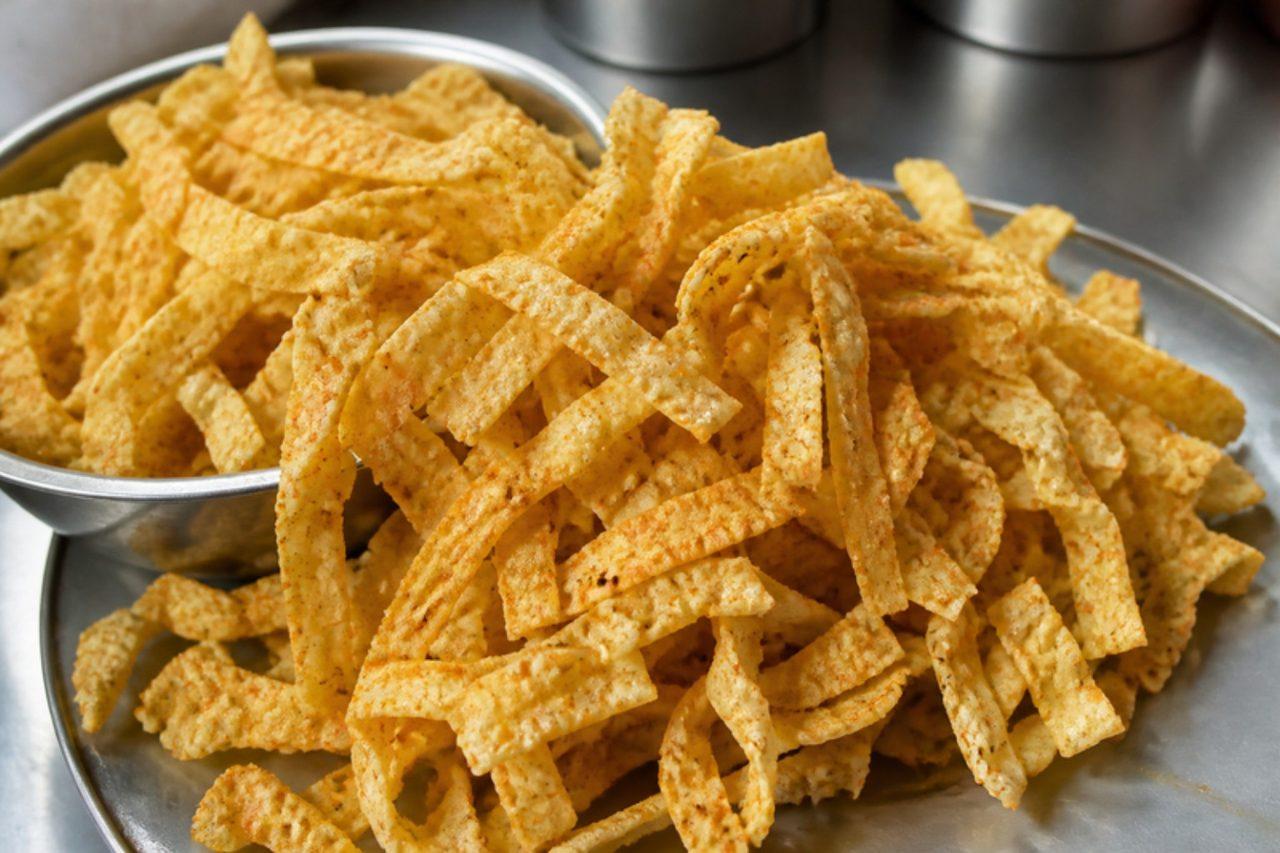
Goda masalaMaharashtrian spice blend

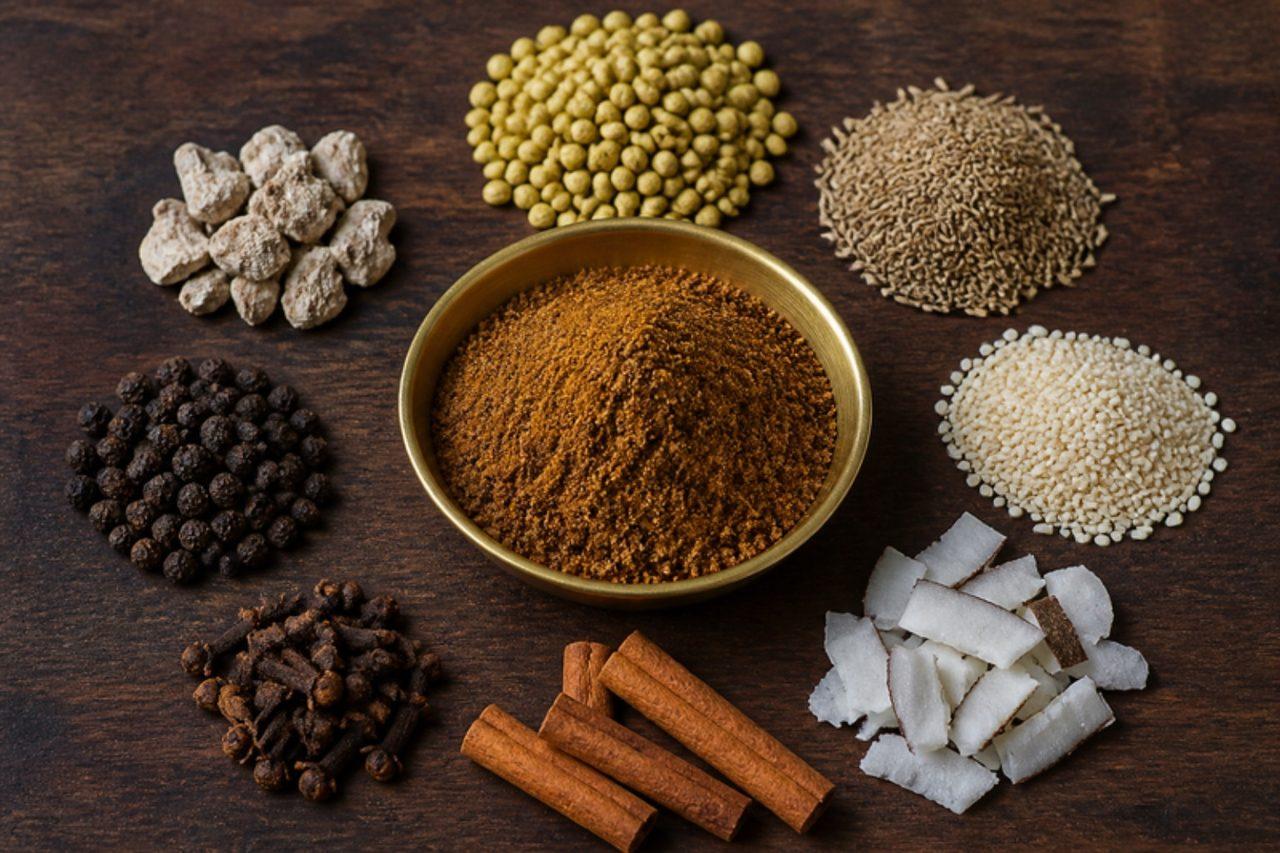
Goda means sweet in Marathi, and the word describes not sugar but the warm, rounded fragrance of this masala, which every Pune and Satara household roasts in small batches. It is the soul of Brahmin Maharashtrian cooking: masale bhaat at weddings, a spoonful in amti (tangy toor dal), bharli vangi (stuffed brinjal), and usal for misal. It is dark and aromatic rather than hot, built on coriander, dry coconut (kopra) and sesame, perfumed with cinnamon, cloves and cardamom, and given its earthy, slightly musky depth by dagad phool (stone flower, a lichen), with nagkesar and maratha moggu if you can find them at a Marathi grocer. Common mistake: roasting the coconut and sesame with the hard spices on a high flame; the coconut burns before the coriander is done and the whole batch tastes bitter. Chef's tip: roast each spice in a drop of oil until a shade darker, because that slow roasting is what gives goda masala its colour.

by KrazyBadal 0 views
Kanda lasun masalaOnion and garlic spice blend

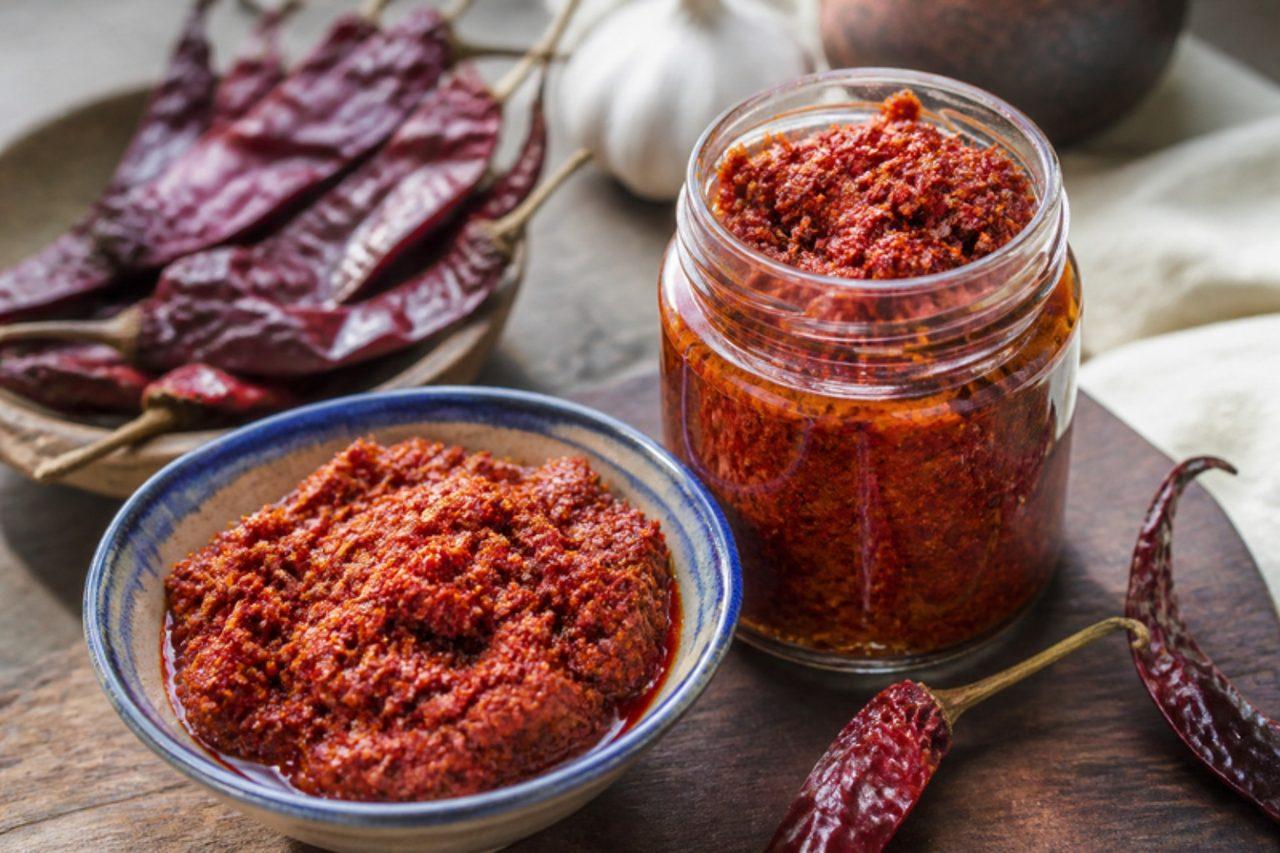
Kolhapuri women still make kanda lasun masala once a year, in the hot months, in a day-long session of frying, roasting and pounding, and the jar lasts until the next summer. The masala is a deep brick-red, oily paste-powder that smells of browned onion and garlic and sets your mouth on fire, thanks to plenty of hot chilli powder, traditionally from Sankeshwari or Lavangi chillies, plus milder Kashmiri for colour. A spoon or two transforms misal, kat (the spicy gravy for pav), batata bhaji, anda curry or the famous tambda rassa of mutton. Common mistake: frying the onions only until golden. They must be deep brown and crisp, with no moisture left, or the masala will turn mouldy within weeks. Chef's tip: dry the fried onion and garlic on paper for an hour before grinding, and keep the finished jar in the fridge if your kitchen is humid.

by KrazyBadal 0 views
Kashmiri ver masalaKashmiri spice cakes

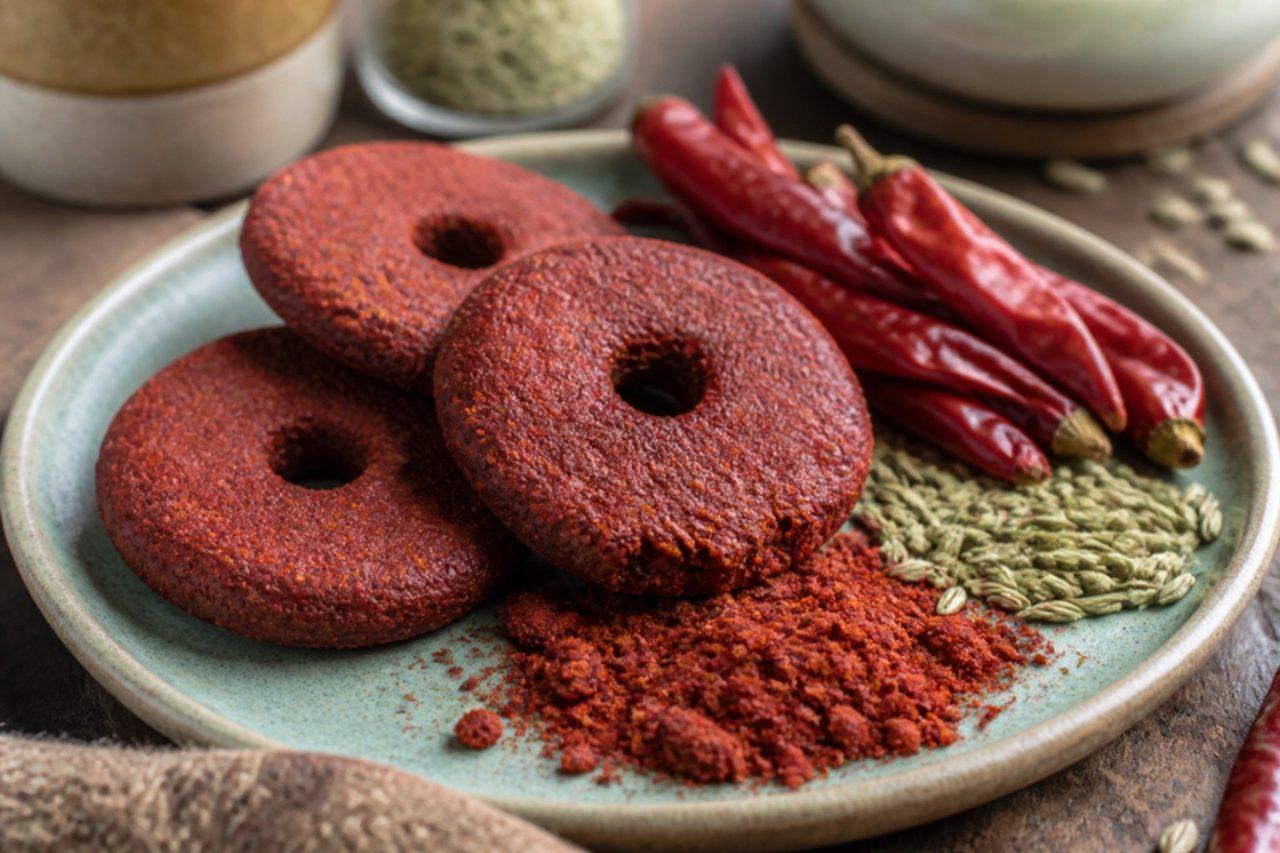
In Srinagar's old city, ver is still made at the end of summer and strung up to dry in kitchens: flat, ring-shaped cakes of ground spices bound with shallot paste and pungent mustard oil, dark red and rock hard. It was a way to store flavour for the long winter, when fresh ingredients were scarce. A piece grated into the pot gives Kashmiri food its typical deep red colour and its warm, sweet-hot fennel and dry ginger flavour, without tomatoes or onions: think dum aloo, nadru yakhni (lotus stem), haak (collard greens), chaman (paneer) and rogan josh. Kashmiri Muslim kitchens often add garlic; Pandit homes may leave the shallots out altogether. Common mistake: drying the cakes in a damp or closed spot; they stay soft inside and grow mould. Chef's tip: heat the mustard oil until it smokes and then cool it before mixing, to take away its raw, sharp bite.

by KrazyBadal 0 views
PanakamJaggery and ginger water

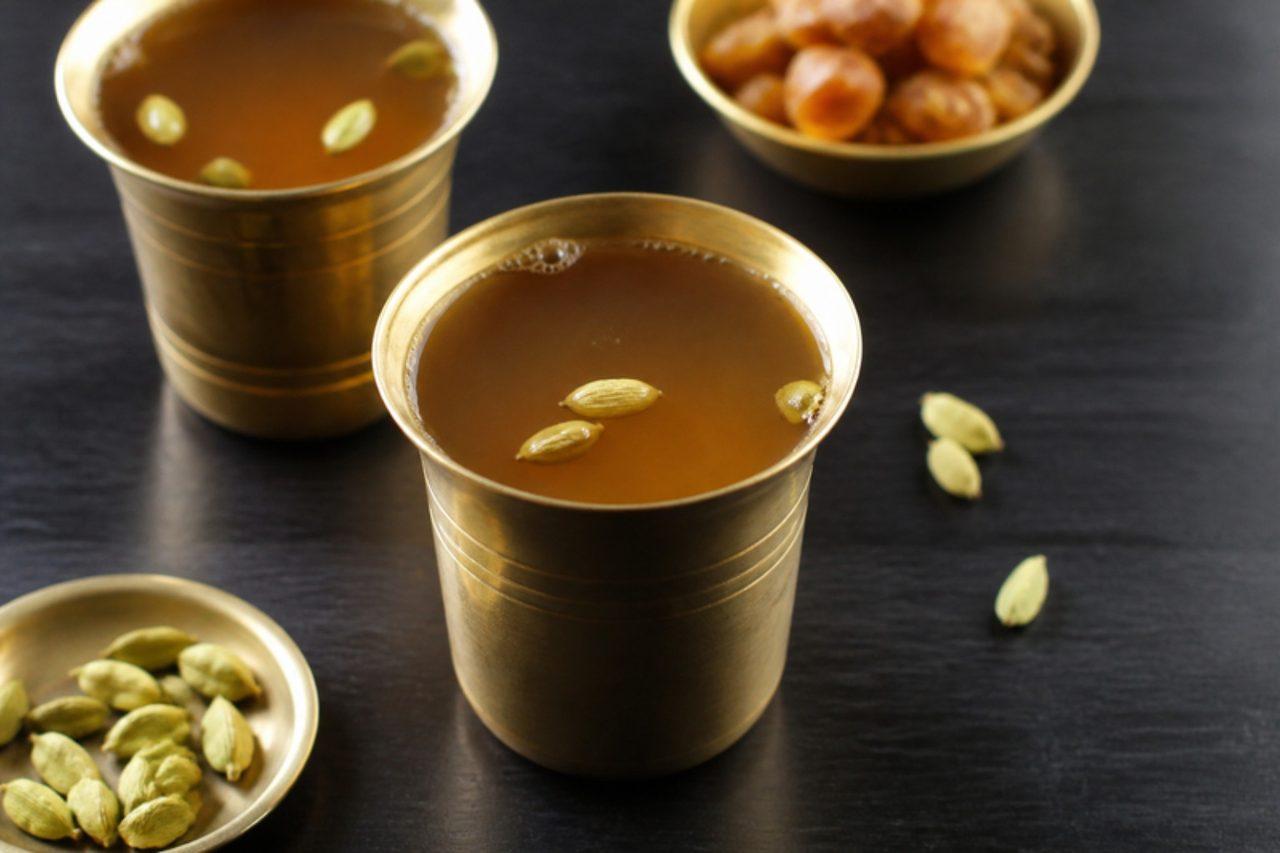
On Sri Rama Navami, temples and homes across Andhra Pradesh, Telangana and Tamil Nadu set out brass pots of panakam beside neer mor (spiced buttermilk) and kosambari. The drink is offered first, then handed to everyone in small steel tumblers. It is nothing more than jaggery dissolved in water, but the dry ginger and black pepper give it a pleasant heat that cuts through the sweetness, and cardamom and a few tulsi leaves make it smell of the festival. It is never boiled; it's stirred until the jaggery melts. The common mistake is not straining: jaggery often carries sand and fibres, so always pour it through a fine cloth. Chef's tip: a squeeze of lemon is not traditional everywhere, but in hot Vijayawada summers many homes add it, and it brightens the drink wonderfully.

by KrazyBadal 0 views
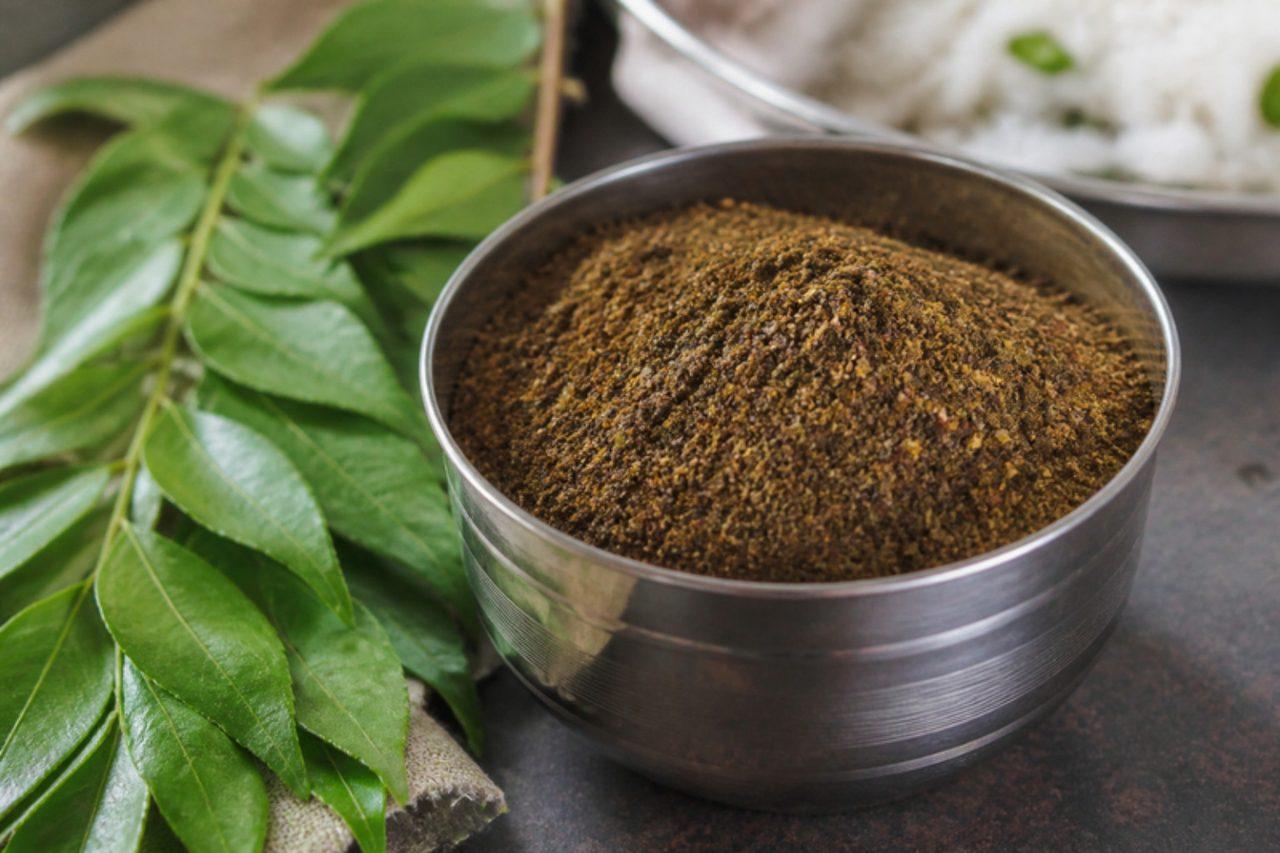
Karuveppilai podiCurry leaf powder

Grandmothers in Tamil Nadu make karuveppilai podi as much for health as for taste; curry leaves are said to be good for the hair and the blood, and this is the most delicious way to eat a whole bunch at once. Big handfuls of leaves are roasted until crisp and crumbly, then ground with roasted urad and chana dal, red chillies, a little tamarind for sourness and pepper. The powder is dark, fragrant, savoury and slightly tart. Mix it into hot rice with sesame oil or ghee for a quick lunch with a vegetable poriyal, or sprinkle it over idli and dosa. Common mistake: using leaves that are still damp after washing. The podi then traps moisture, loses its colour and can turn mouldy in the jar. Chef's tip: wash the leaves a few hours ahead and spread them on a cloth to air-dry until they feel papery, then roast them on the lowest heat until they crack between your fingers.

by KrazyBadal 0 views

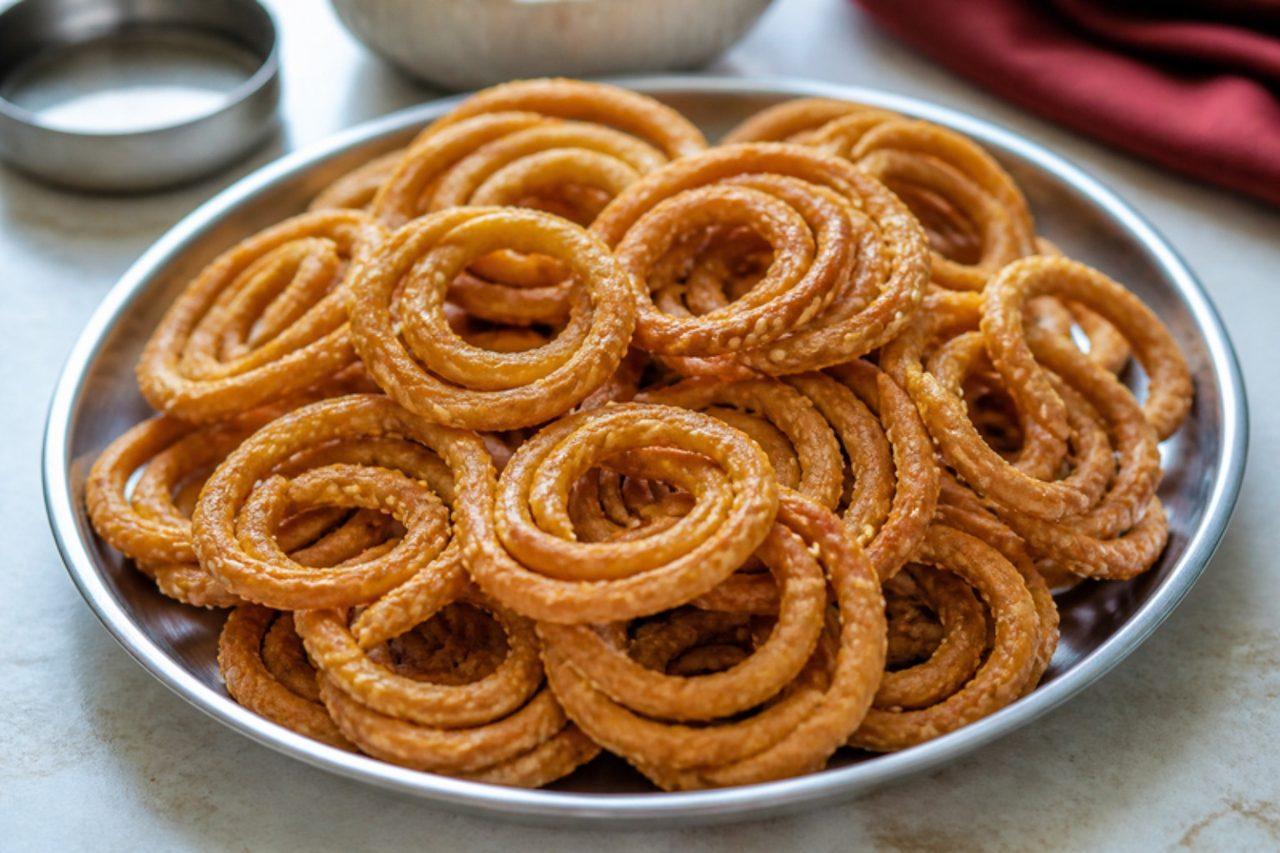
KadboliCrunchy savoury rice and lentil rings

Kadboli is the Maharashtrian answer to chakli for people without a press: the same kind of roasted multi-grain flour, called bhajani, is rolled into ropes on a wooden board and twisted into rings by hand. Grandmothers in Kolhapur and Satara can turn out hundreds in an afternoon, each with the faint ridges of the board on it. The flavour is deeper and more toasty than a plain gram-flour snack, thanks to rice, chana, urad and moong all roasted before grinding, with coriander and cumin roasted in. They are hard-crunchy, spicy and moreish, eaten from the faral dabba with tea through Diwali week. Ready-made kadboli bhajani from a Maharashtrian grocer saves the roasting steps. Chef's tip: knead with water that is just off the boil; the heat partly cooks the starch and gives a pliable dough that rolls into smooth ropes without cracking.

by KrazyBadal 0 views

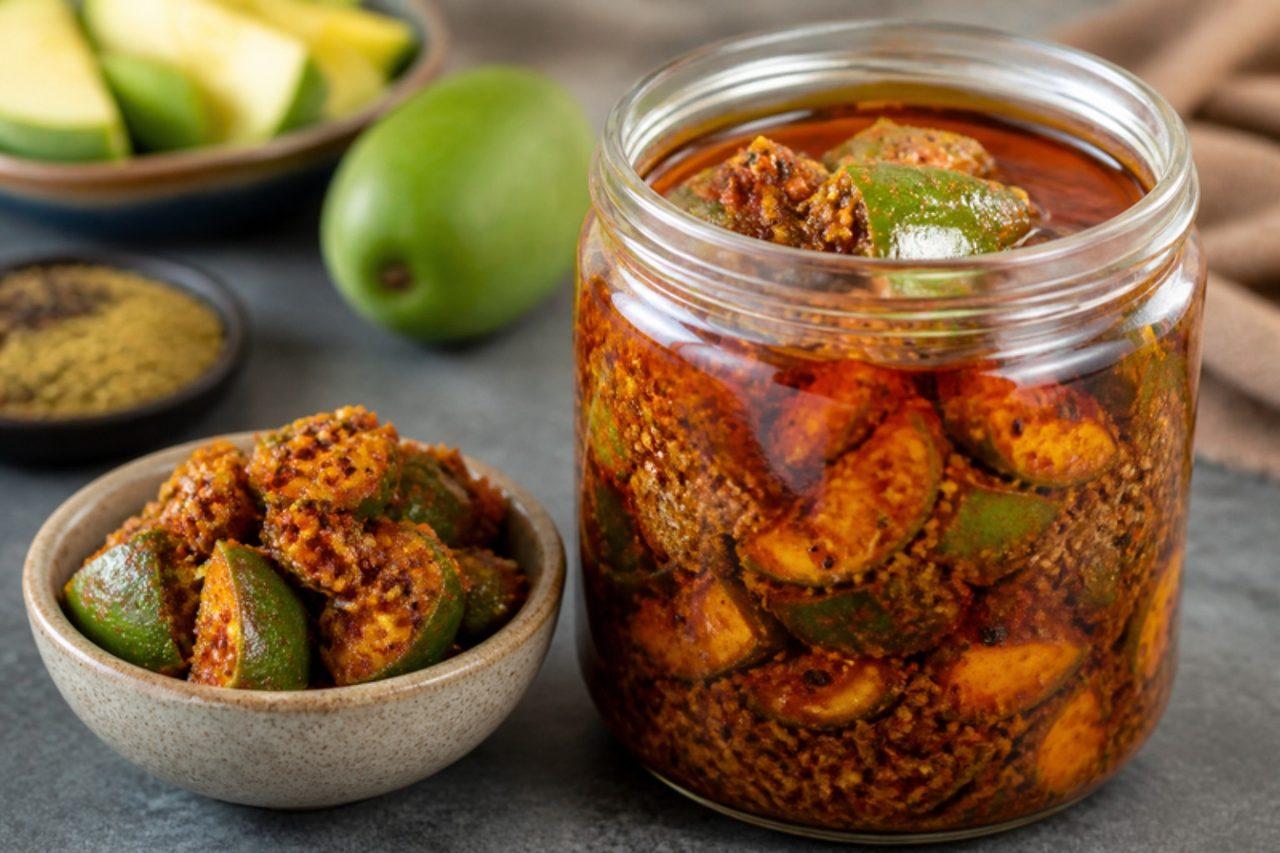
Punjabi aam ka acharRaw mango pickle

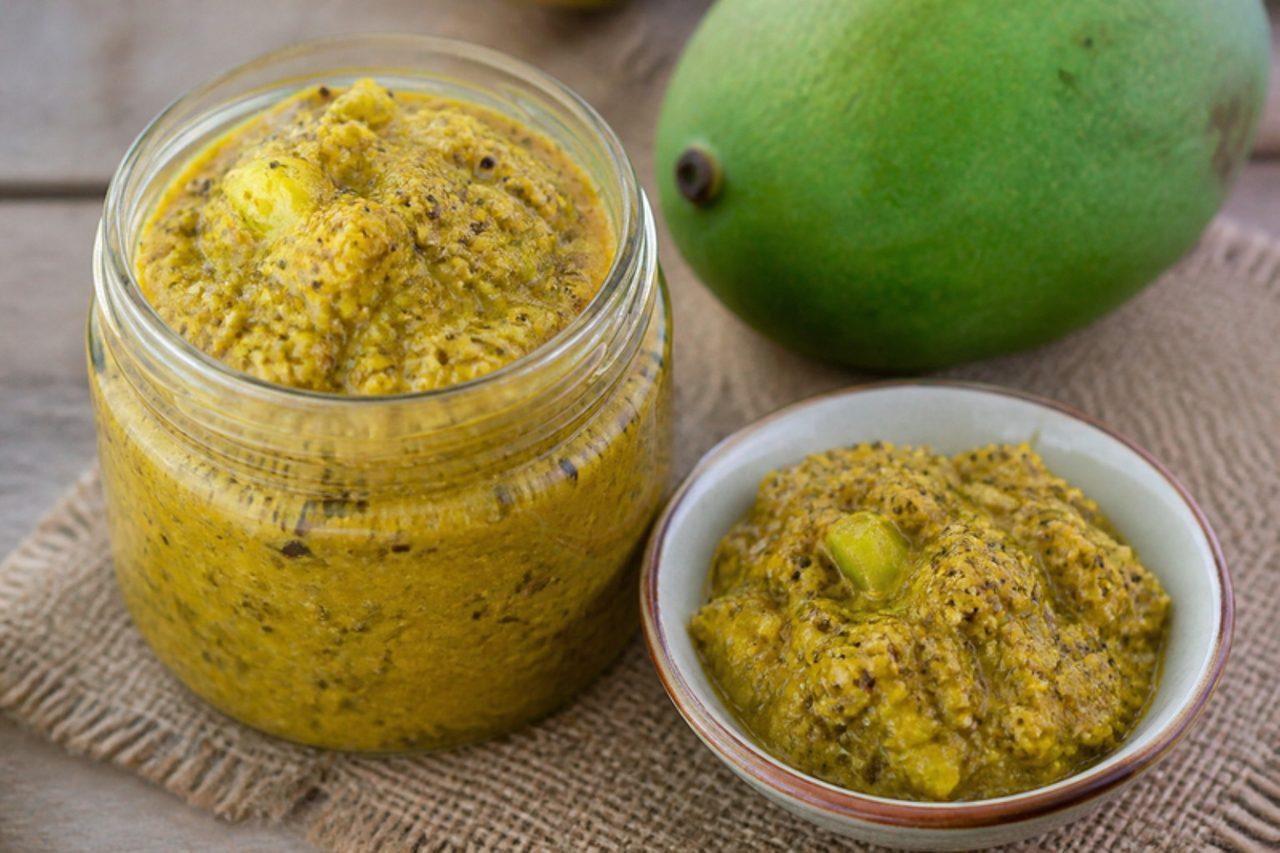
Drive through Punjab in June and you will see rooftops lined with glass barnis of mango pickle warming in the sun. The Punjabi style is bold and oily: firm raw mango is chopped with its stone, dried until leathery at the edges, then tossed with coarse saunf (fennel), kalonji (nigella), methi dana, yellow mustard, turmeric and red chilli, all bound by mustard oil heated until it smokes. A week of sun mellows the oil's bite and softens the mango, giving a pungent, fennel-sweet pickle with a strong mustard-oil kick, quite different from the sesame-oil avakaya of Andhra or a Gujarati methia keri. It is the pickle for aloo paratha with white butter, dal-chawal and rajma. Common mistake: using mustard oil straight from the bottle; it must be heated to smoking and cooled, or the pickle tastes harsh. Keep all the pieces under oil, use a dry spoon and discard the jar if mould forms. Chef's tip: cut the mango with a heavy cleaver so each piece keeps a sliver of the soft stone; families fight over those bits.

by KrazyBadal 0 views

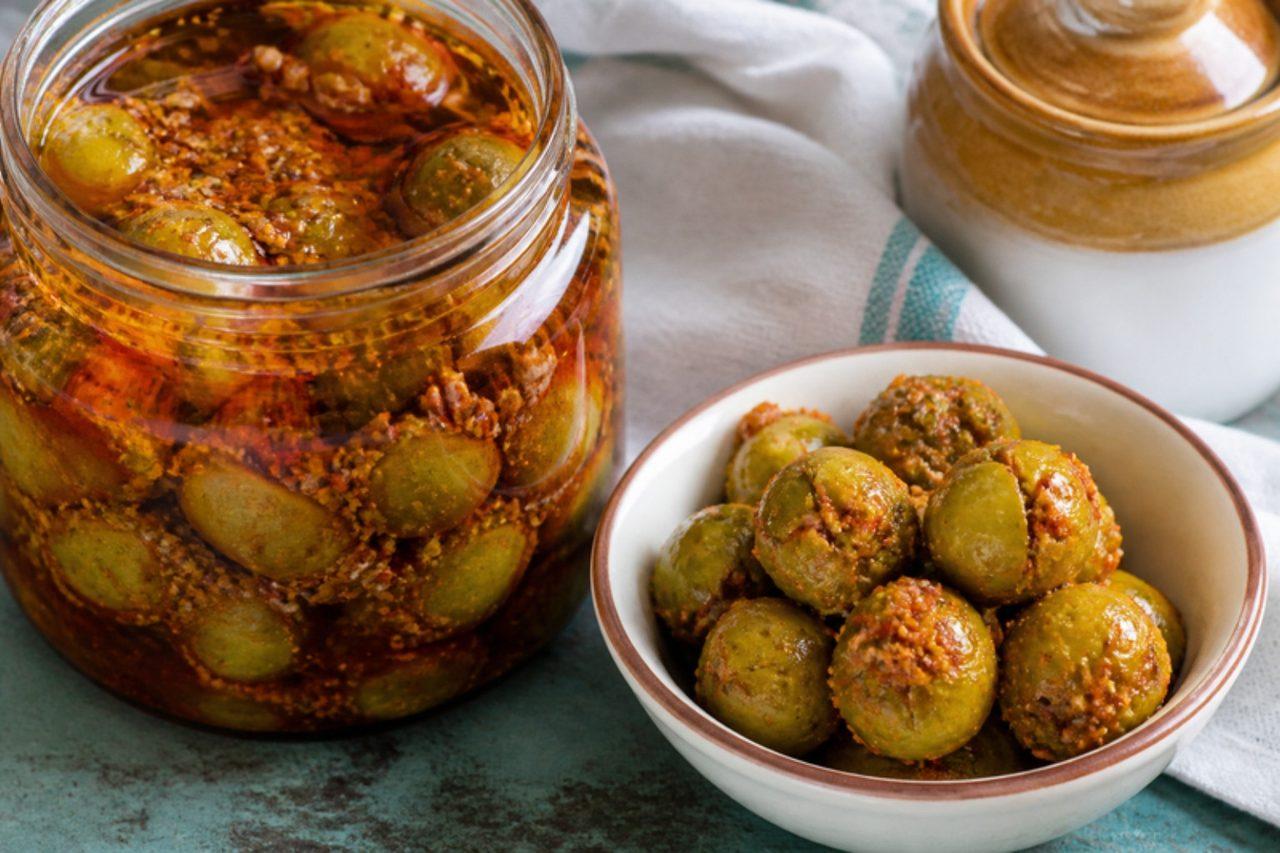
Gunda nu athanuGum berry pickle

Gunda (lasoda or Indian cherry, Cordia myxa) appear in Gujarati markets for only a few weeks in early summer, and a jar of gunda nu athanu is the reward for catching them. Each green berry is slit and its sticky seed pulled out, then stuffed with the same kuria-based masala used for methia keri, along with small pieces of raw mango for sourness. Under groundnut oil the berries soften in a few days into a tender, slightly chewy pickle with a mild sweetness of their own and plenty of chilli heat. It is loved alongside bhakhri, thepla, khichdi and kadhi, and many families make it as keri-gunda, half mango, half berries. Getting the seed out is the only tricky part, because the flesh is gluey: dip your knife and fingertips in salt and the seed slips out cleanly. Pick firm, fully green berries with no brown patches. Common mistake: washing and stuffing straight away; any water left inside the berry will spoil the jar, so dry them completely first. Keep everything submerged under oil, always use a dry spoon, and discard if you see mould. Chef's tip: gunda soften faster than mango, so make a smaller jar and eat it within three months.

by KrazyBadal 0 views

Aam kasundiMango mustard relish

Kasundi was once made in Bengali homes only by women of the household on a particular day in spring, with elaborate rules; today most families make this quicker aam (mango) version and keep it in the fridge through summer. Soaked black and yellow mustard seeds are ground with sour raw mango, green chilli, turmeric and salt, then loosened with mustard oil and left in the sun for a few days so the flavours mellow and sharpen at the same time. It is nose-tingling, sour, salty and a little bitter, the dip for beguni, alur chop, fish fry, mochar chop and the snack plates of a Kolkata evening, and a spoon in jhalmuri lifts it straight away. Common mistake: grinding the mustard too long or in a hot blender jar, which makes it bitter; grind in short bursts with cold water and something sour. Keep the jar under a thin film of mustard oil, use a clean dry spoon and discard if mould appears. Chef's tip: soak the mustard in water with a pinch of salt and turmeric; it tames the bitterness and gives a brighter yellow.

by KrazyBadal 0 views

Dhani khajurPopped jowar and dates

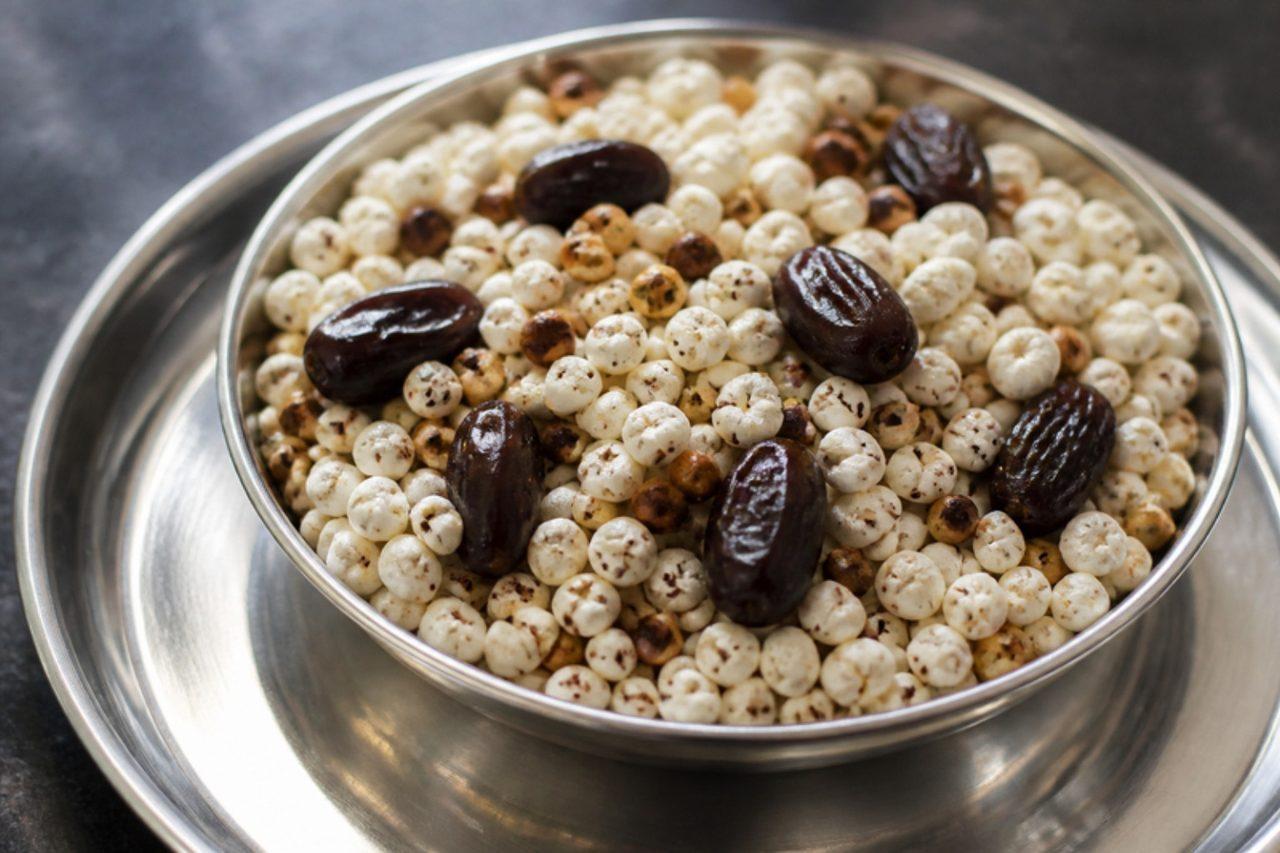
On Holika Dahan night, Gujarati families circle the bonfire with coconut, water and a plate of dhani, dalia and khajur, toss a handful into the flames, and then share the rest. The popped jowar is light and crunchy, the roasted chana nutty and mealy, and the dates bring a chewy, caramel sweetness, so together they make a surprisingly satisfying snack. The idea passed down by elders is practical: as the season turns from winter to summer, dates give warmth and energy, and the dry grains settle the stomach. It is also the first thing handed to children when they come home with coloured faces the next morning. Buy fresh dhani in the weeks before Holi, when Gujarati grocers and street sellers have it by the sackful. Chef's tip: shake the dhani in a sieve before mixing; it loosens the papery husks and the hard unpopped kernels that can crack a tooth.

by KrazyBadal 0 views

Choddo shaakFourteen leafy greens stir-fry

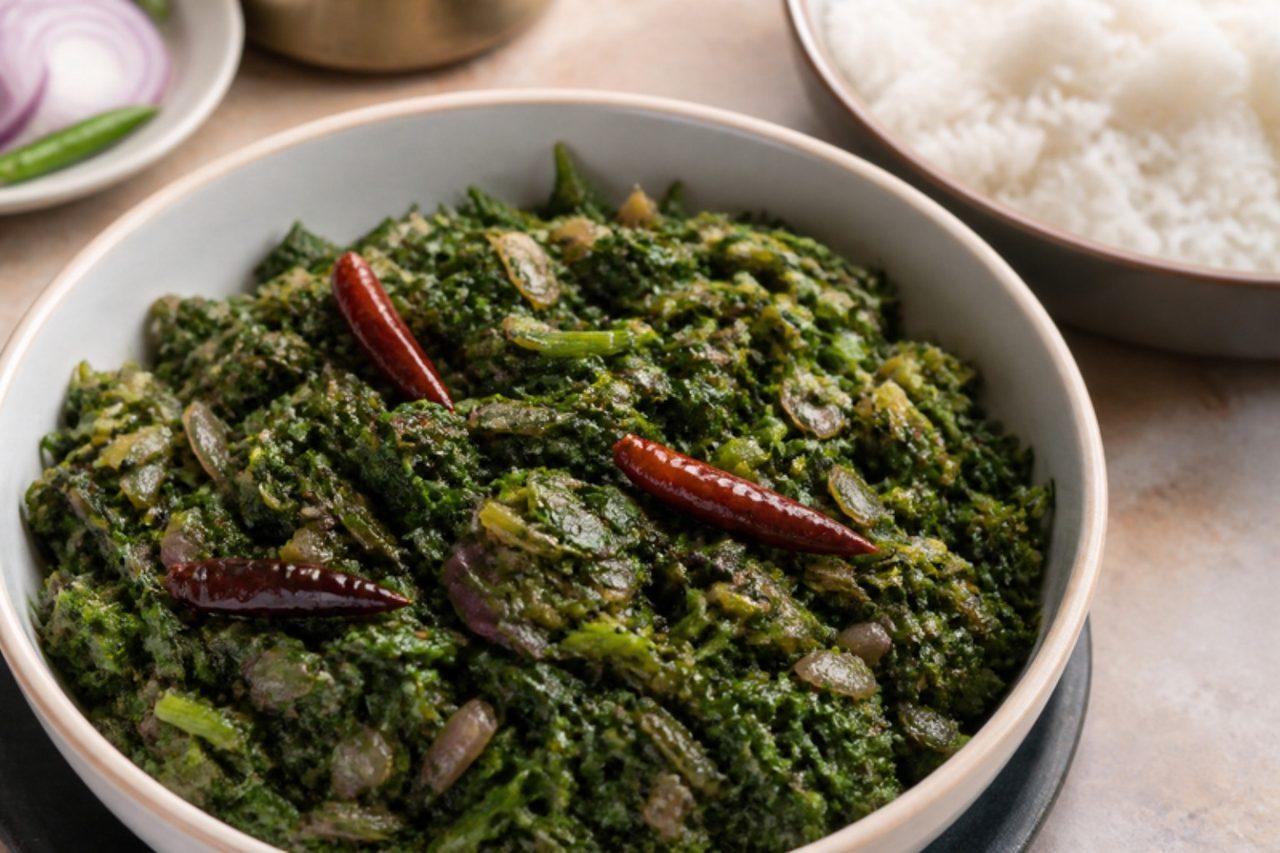
On Bhoot Chaturdashi, the night before Kali Puja and Diwali, Bengali homes light fourteen lamps for their ancestors and eat a dish of fourteen greens at lunch to keep illness and restless spirits away. Markets in Kolkata sell bundles already mixed for the day: spinach, red and green amaranth, Malabar spinach, water spinach, fenugreek, mustard and radish greens, bathua, jute leaves, pumpkin leaves, helencha and a few neem leaves for bitterness. Fried briefly in mustard oil with nigella and dried chilli, they cook down to an earthy, slightly bitter, faintly sweet tangle. It is eaten as the first course with hot rice and a drizzle of ghee for those who want it. If you can't find all fourteen, use what your grocer has; the mix matters more than the exact list. Chef's tip: cook it uncovered after the first wilt so the water evaporates; choddo shaak should be dry and glossy, not stewed.

by KrazyBadal 0 views

RadhaballaviDal-stuffed puris

Named after Radhaballabh, a name of Krishna, these stuffed puris are said to have begun as a temple offering, and they are now what Bengali families serve on a festive morning: at a wedding breakfast, on Janmashtami, or bought hot from a Kolkata sweet shop with a bowl of aloo dum and a sweet like rosogolla or chhanar jilipi on the side. Soaked urad dal is ground coarse and fried dry with ginger, fennel, cumin and hing, then sealed in a soft maida dough, rolled thin and fried until it balloons. The puris are softer and more delicate than kachori, with a thin layer of spiced dal through the middle. They are vegan here, fried in oil; many sweet shops fry them in ghee, which is fine if you do not need them dairy-free. Common mistake: a damp filling, which turns to steam in the oil and bursts the dough; cook it until it is completely dry and crumbly. Chef's tip: roll with gentle pressure from the centre outwards and leave the edges a touch thicker, so the filling cannot push through.

by KrazyBadal 0 views

Chammanthi podiDry coconut chutney powder

Kerala students heading off to hostels in Bengaluru or Chennai always seem to have a jar of chammanthi podi from home in their bags, because it makes a plate of plain rice and curd into a meal. Fresh grated coconut is roasted with dried chillies, shallots, ginger and curry leaves for the best part of half an hour, until it turns a deep, toasty reddish brown, then ground with tamarind and salt. The result is a moist, oily, smoky powder that tastes of coconut first, then sourness and heat. Serve it with kanji (rice gruel), with puttu and banana, or spread on dosa and idli. Common mistake: taking the coconut off the heat when it is merely golden. The remaining moisture makes the podi spoil within days; it must be uniformly dark and completely dry. Chef's tip: keep the flame low and stir without stopping for the last 10 minutes, as coconut goes from brown to burnt very fast.

by KrazyBadal 0 views

Nimbu ka acharLemon pickle

Lemon pickle is the one achar that North Indian grandmothers hand over without a speech, because there is almost nothing to it: lemons, salt, a few spices, a jar and patience. No oil goes in. The quartered lemons sit in salt and their own juice, in a sunny window or on the roof, and over three or four weeks the peel turns soft, translucent and brown, and the juice becomes a thick, sweet-sour syrup. This version is the khatta-meetha kind, with sugar, ajwain, black salt and chilli, loved with parathas, khichdi and as a cure for an upset stomach; leave out the sugar and double the chilli for the salty, sharp version. Use thin-skinned, juicy lemons (kagzi nimbu) and wash and dry them thoroughly. Common mistake: being impatient; the peel is bitter and hard until it has fully cured, so wait until it squashes easily. Keep the pieces pressed under the juice, use only a dry spoon and discard the jar if mould appears. Chef's tip: shake the jar every day rather than opening it; less air and fewer spoons mean less risk of spoilage.

by KrazyBadal 0 views

ChorafaliCrisp besan and urad strips

Chorafali is the snack Gujarati children wait for in Diwali week, because it is made in the last days and vanishes first. The dough of gram flour and white urad flour is kneaded, then pounded with a pestle until it turns pale and elastic, rolled out almost transparent and cut into strips. In hot oil the strips swell into crunchy, bubbled ribbons in under a minute, and a shower of red chilli, dry mango powder and kala namak while they are hot makes them tangy, salty and sharp. It is a Surat and Saurashtra favourite and comes out alongside suvali, mathiya and ghughra for guests on the New Year. Eat it on its own or with tea. Chef's tip: roll with oil on the board and pin, never dry flour; loose besan burns in the oil and leaves bitter brown flecks on the strips.

by KrazyBadal 0 views

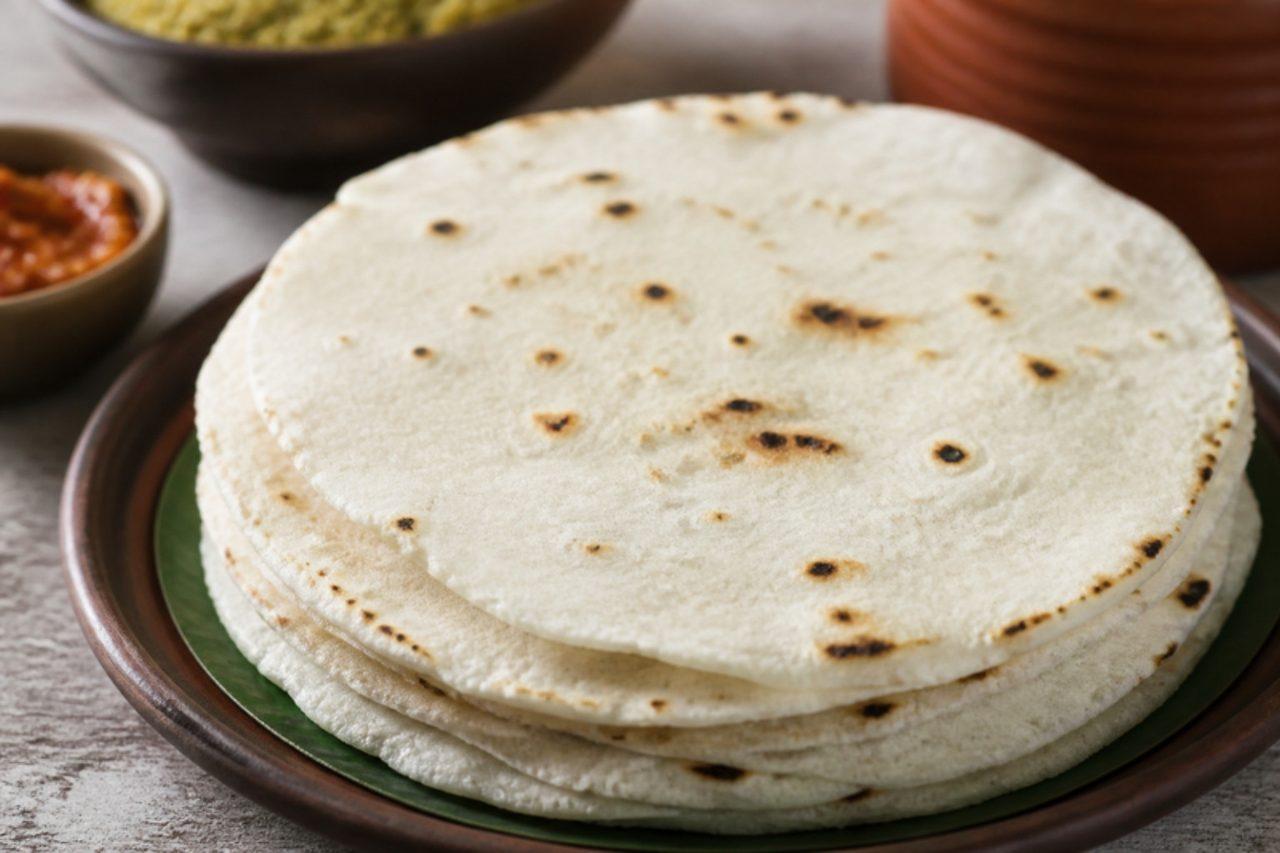
Tandalachi bhakriRice flour flatbread

Along the Konkan coast, from Alibag down to Sindhudurg, the everyday bread isn't wheat at all but tandalachi bhakri, a soft round of rice flour and water, the natural partner to a coconut-rich Malvani fish curry, kombdi rassa, a bowl of usal or plain pithla with sol kadhi. Unlike Karnataka's akki rotti, it has no onion, coconut or chilli in the dough: just rice flour, salt and hot water, kneaded smooth and patted out thin by hand. Cooked on a hot iron tawa and finished over an open flame, it puffs up like a balloon and stays soft and pliable, with a faint sweetness and toasty spots. Common mistake: mixing the flour with cold or warm water. Rice flour has no gluten, so it needs boiling water to gelatinise and bind; otherwise the bhakri cracks all round the edges. Chef's tip: knead each portion again just before patting; a dough that sat still dries on the surface and cracks.

by KrazyBadal 0 views

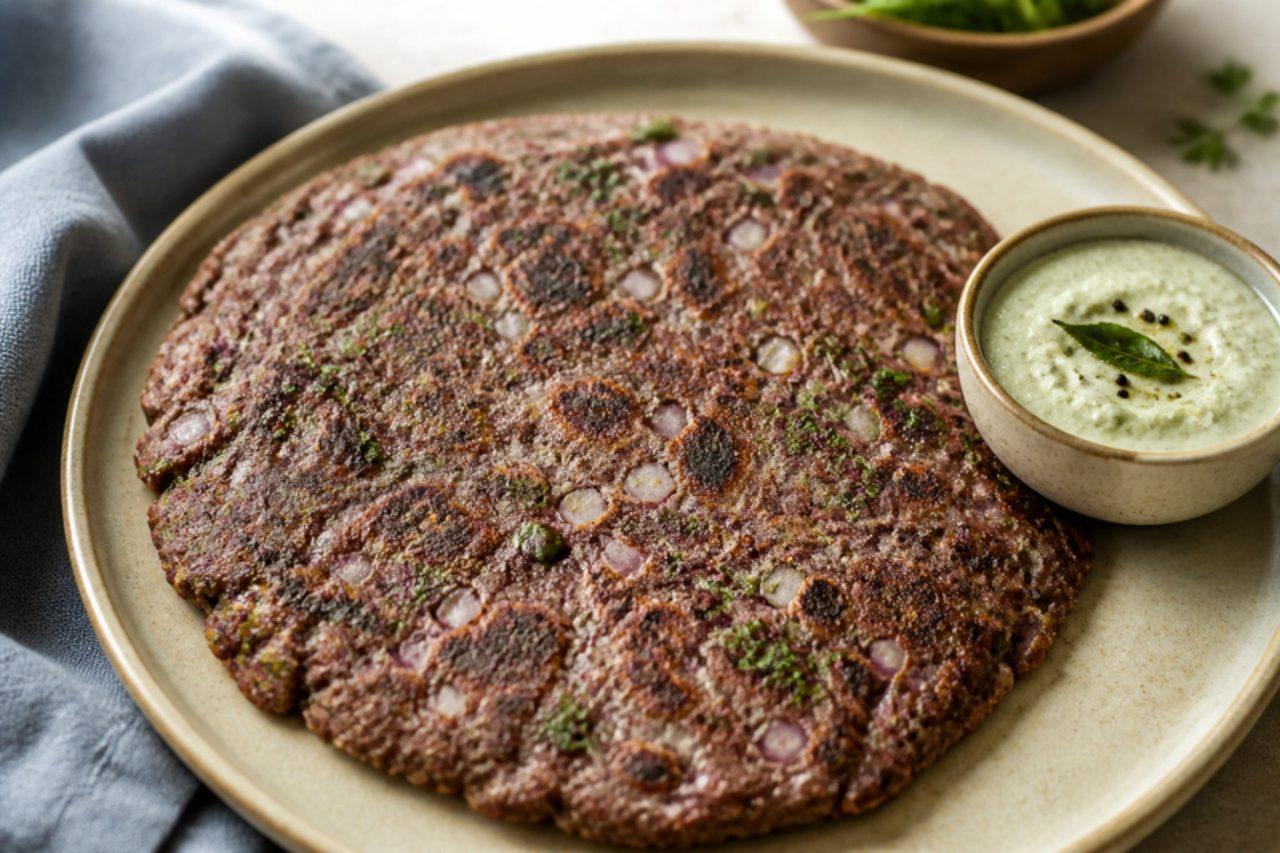
Ragi rottiFinger millet flatbread

In Bengaluru, Mandya and Mysuru, ragi rotti is the hearty breakfast that farmers and office-goers alike eat before a long day, still warm from the tawa. It is made with finger-millet flour mixed with raw onion, a generous amount of sabsige soppu (dill), green chilli, coriander and fresh coconut, then patted out directly onto the cold griddle with wet fingers rather than rolled. The result is earthy, nutty and slightly chewy, crisp at the edges, with the fresh anise note of dill running through. It is different from the soft boiled-dough ragi mudde and from rice akki rotti, and it is eaten with coconut chutney, a dollop of homemade white butter or a spicy ennegai (stuffed brinjal) curry. Common mistake: patting the dough onto a hot tawa; it sticks, tears and burns your fingers. Chef's tip: use two tawas, or cool one under the tap between rottis, so each one starts on a cool surface.

by KrazyBadal 0 views

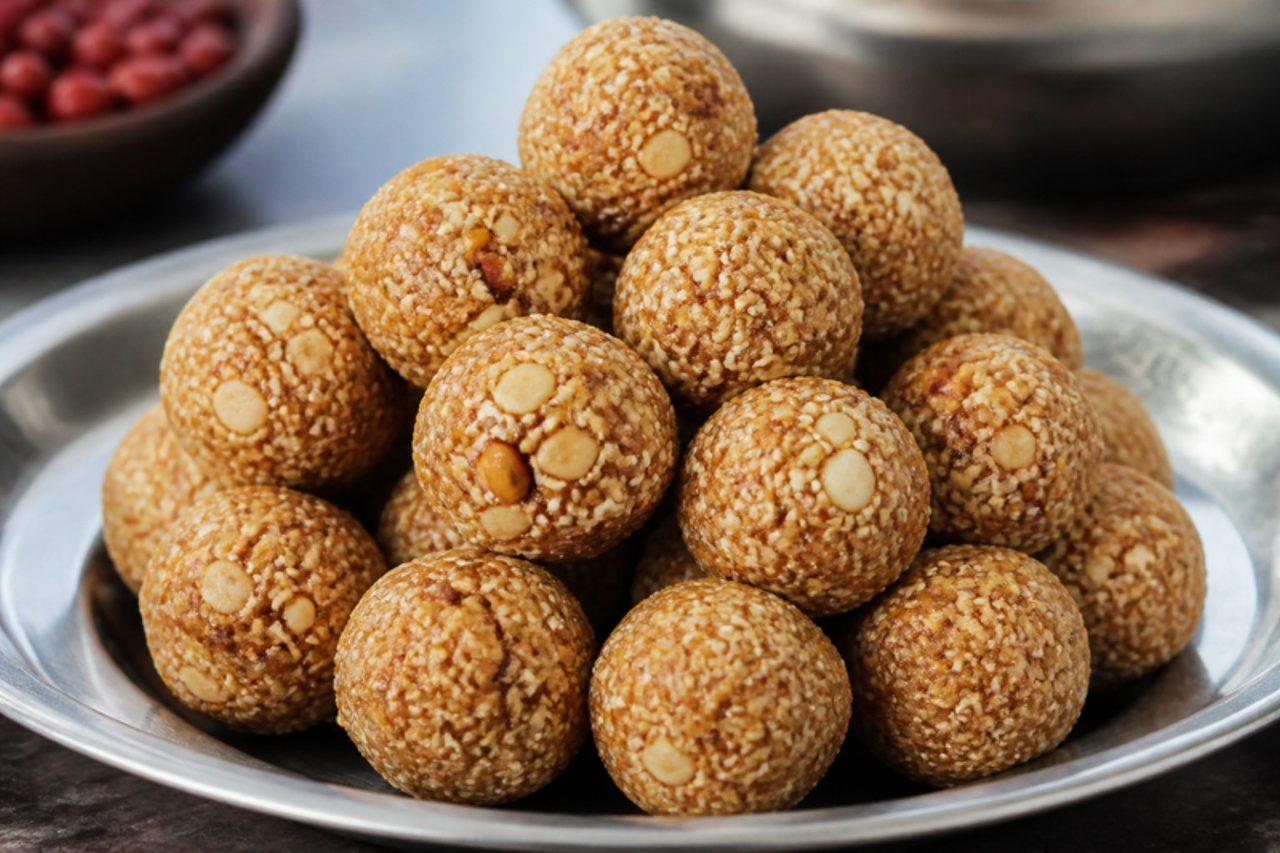
Tilgul ladooSesame and jaggery balls

On Makar Sankranti in Maharashtra, neighbours, colleagues and old rivals swap tilgul and say 'tilgul ghya, goad goad bola': take this sesame and jaggery, and speak sweetly. Sesame and jaggery both warm the body in the coldest weeks of January, which is why the ladoo appears in every Pune and Mumbai home, often next to halwa sugar beads. These are the softer, chewy kind: sesame and peanuts are roasted separately, then bound with jaggery cooked just to the soft-ball stage and rolled quickly while warm. They taste nutty and toffee-like with a hint of cardamom. Hand them out in small bags or eat one after lunch. The common mistake is overcooking the jaggery: it sets rock hard and the ladoos can crack a tooth. Grease your hands with a little oil rather than ghee to keep them vegan. Chef's tip: test the jaggery by dropping a little into cold water; it should gather into a soft ball you can squash between your fingers.

by KrazyBadal 0 views

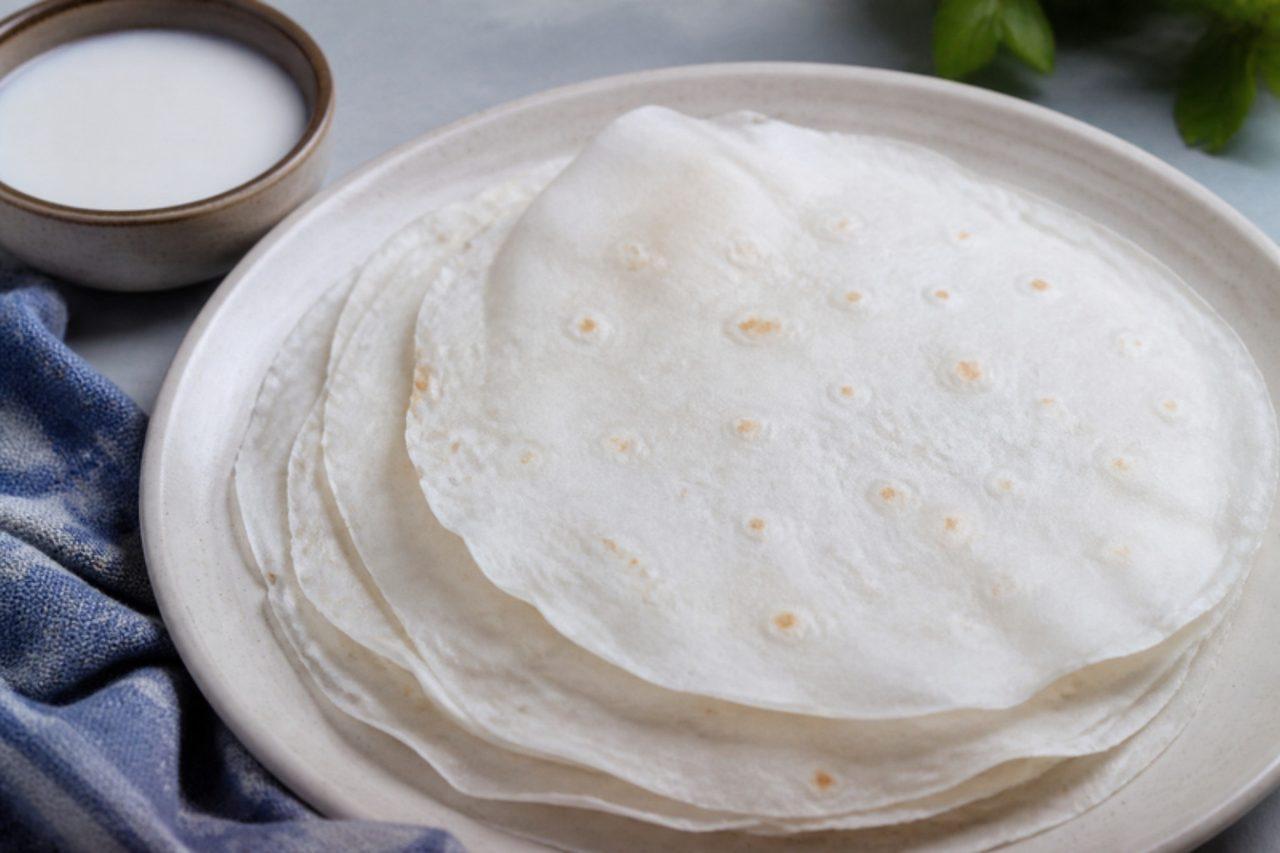
PathiriThin rice flatbreads

When the call for maghrib rings out in Kozhikode and Malappuram during Ramadan, families break the fast with dates and juice and then sit down to a stack of pathiri with chicken curry or mutton stew. Also called nice pathiri, these are the thinnest breads in Kerala: a dough of fine rice flour scalded with boiling water, rolled almost see-through, cooked on a dry tawa until they puff, and then dipped in thin coconut milk so they turn soft and silky. They taste mild and slightly sweet, made only to soak up gravy. The usual mistake is adding the flour to water that has stopped boiling; the dough stays crumbly and the pathiri crack. Rice flour has no gluten, so these suit anyone avoiding wheat. Serve them warm, folded into quarters, with any curry (they are vegan as made here; the curry is up to you). Chef's tip: knead the scalded dough while it is still hot, using the heel of your hand and a little oil, until it is as smooth as a baby's cheek.

by KrazyBadal 0 views

Showing 24 of 560 recipes

Show more recipes

Page 5 of 24

More collections