Skip to content

Vegetarian Chinese recipes

Tofu, noodles, dumplings and stir-fries without meat or fish. (213 recipes)

Beijing douzhiFermented mung bean drink

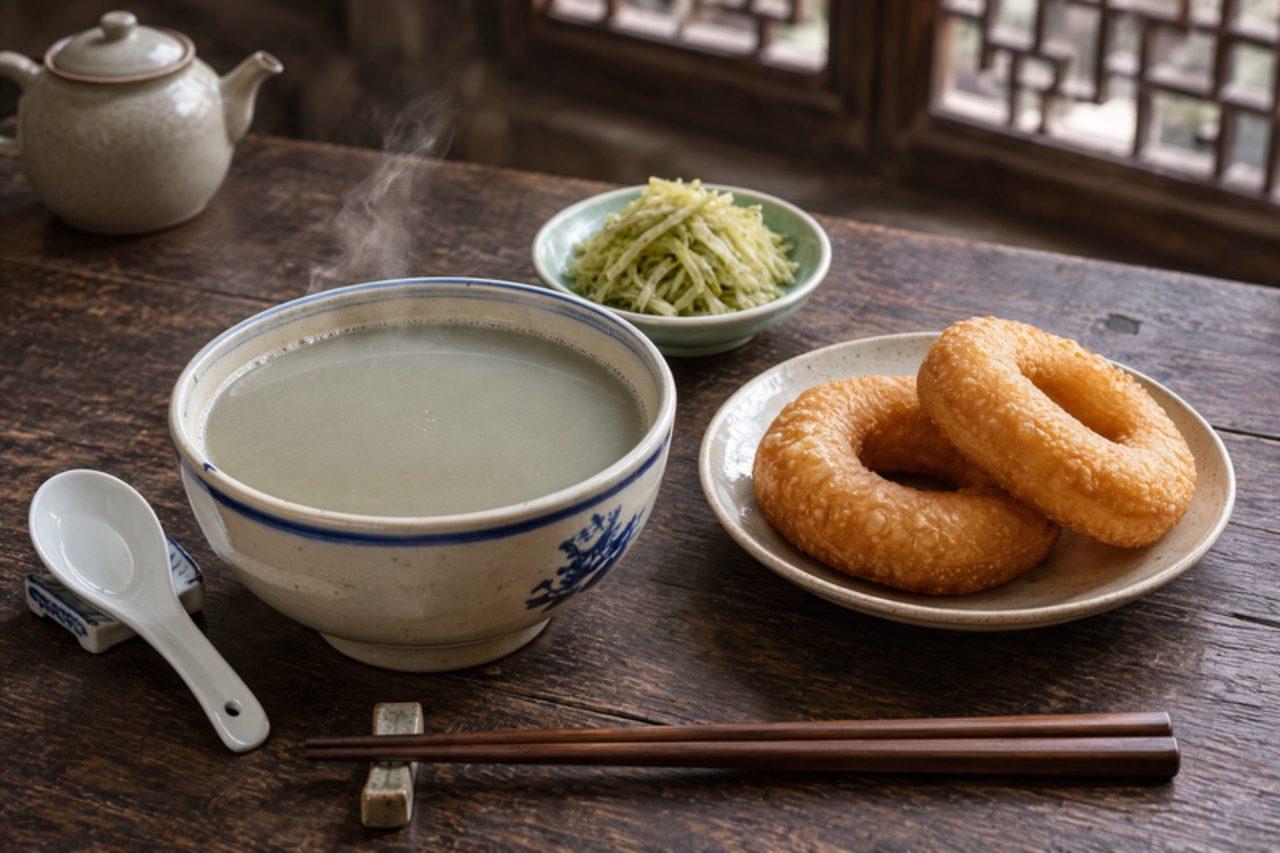
Douzhi is the most famous acquired taste in Beijing: a hot, grey-green, sour drink made from the liquid left when mung beans are ground for starch, then fermented. Old Beijingers sip it at breakfast with crisp jiaoquan rings and shredded salted mustard pickles, and visitors either love it or never try it twice. At home you make a small batch by blending mung beans, settling out the starch and fermenting the cloudy water for a day. The mistake is letting it boil hard: it separates into watery and thick layers, so keep it at a gentle bubble. It must smell cleanly sour like yogurt; throw it away if it smells rotten, has mould, or turns pink or slimy. Chef's tip: stir it continuously as it heats and add a splash of the thinner liquid at the end, which keeps the classic smooth, slightly thick texture.

1440 minChineseDrinksVeganGluten free
by KrazyBadal 0 views

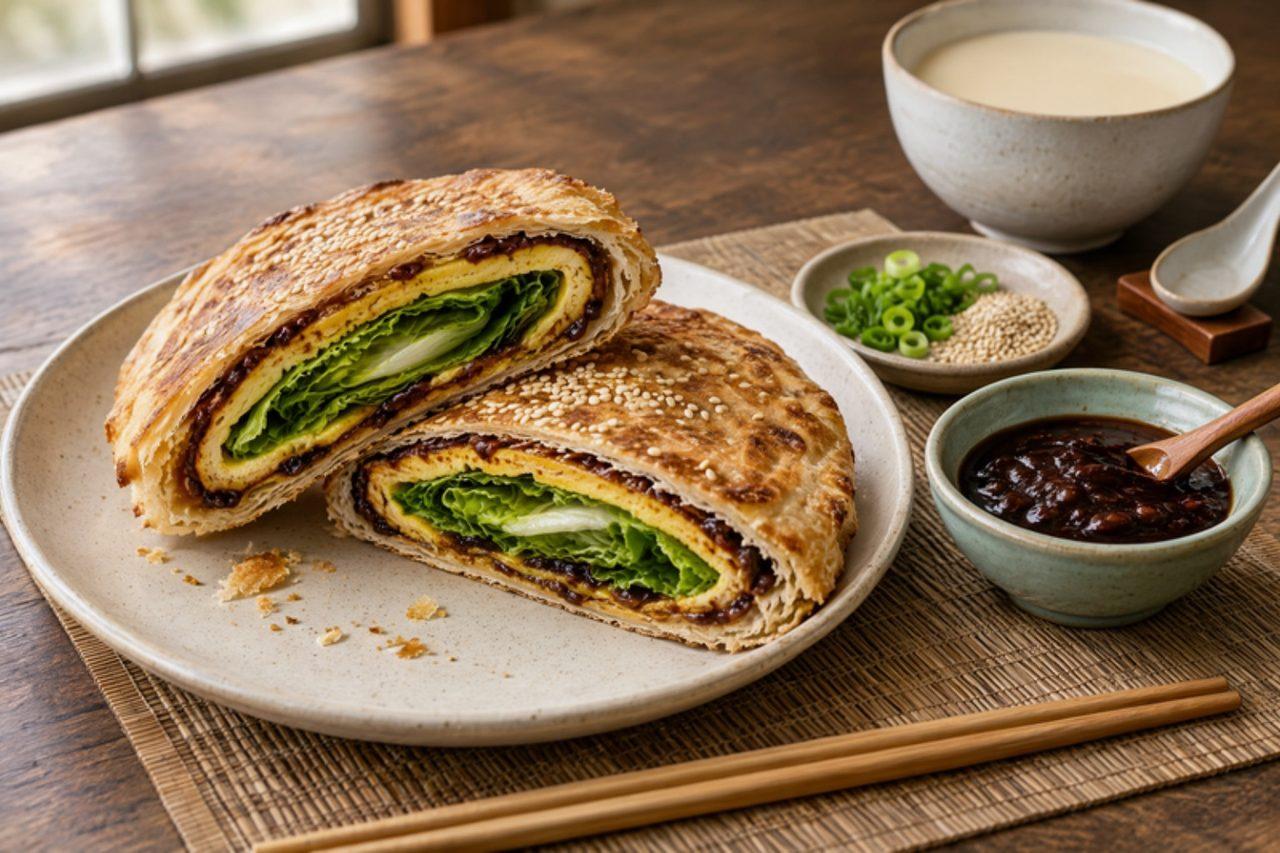
Jidan guanbingFlatbread filled with egg

Jidan guanbing, "egg-poured pancake", started in Henan and is now on breakfast carts across China: a layered flatbread puffs up like a balloon on the griddle, the cook tears a slit, pours beaten egg inside, then wraps it around lettuce with sweet bean sauce and chilli. The mistake is rolling the dough too thick so it never puffs; roll it thin and seal the oil paste well inside so steam separates the layers. Chef's tip: press the centre gently with a spatula as soon as it starts to rise, which pushes the air into one big pocket ready for the egg.

by KrazyBadal 0 views

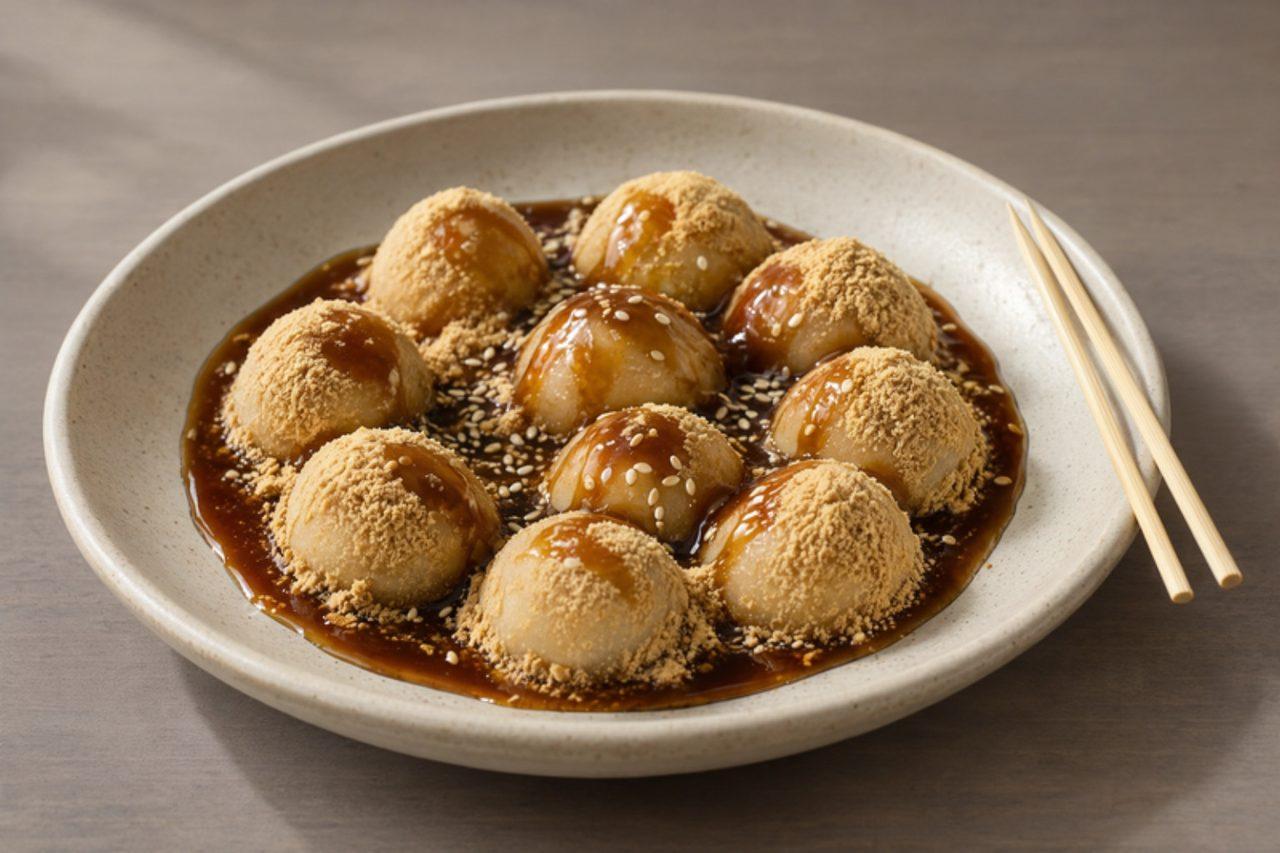
San da paoGlutinous rice balls in soybean flour

On Jinli Ancient Street and in the Kuanzhai Xiangzi alleys, san da pao vendors draw a crowd by hurling balls of hot glutinous rice dough at a wooden board hung with brass plates: bang, bang, bang, the "three cannons" of the name, before the balls drop into a tray of roasted soybean flour. Served with dark brown sugar syrup and sesame, they are a soft, chewy, nutty afternoon snack. They contain soya and sesame. Glutinous rice is very sticky, so cut the balls small for children. Chef's tip: work the steamed dough while it is still hot; once it cools it stiffens and will not stretch.

by KrazyBadal 0 views

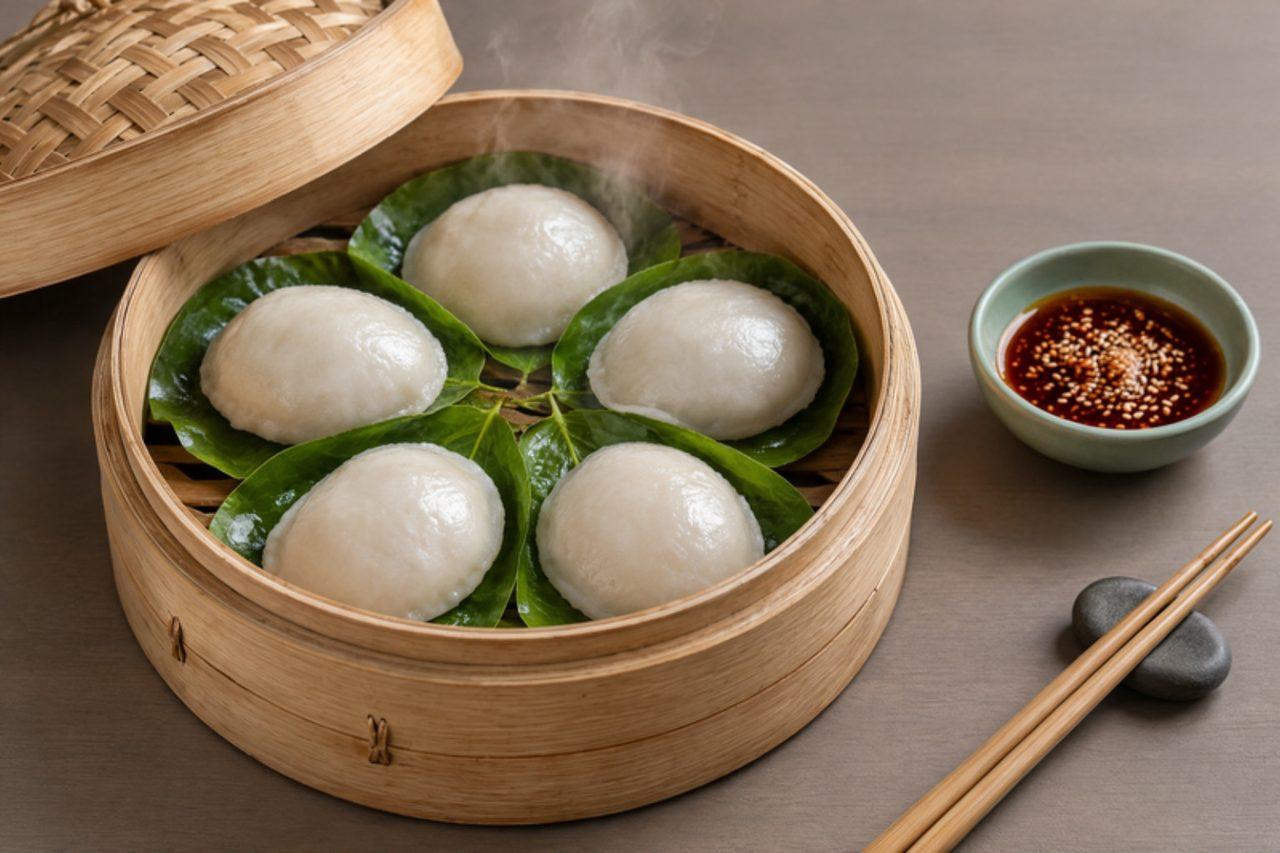
Ye er baSesame sticky rice dumplings

Ye er ba, "leaf cakes", come from Xinjin on Chengdu's southern edge and are sold all over the city in snack restaurants and teahouses, including the busy tea gardens of People's Park, at breakfast and through the afternoon. Each dumpling is wrapped in a leaf, which keeps it moist and adds a faint green fragrance as it steams; the skin is soft and stretchy, the filling a sweet, nutty black sesame paste. Traditional fillings use lard; this version uses coconut oil and is vegan. It contains sesame. Chef's tip: keep the dough as soft as an earlobe; dry dough cracks and the filling leaks out.

by KrazyBadal 0 views

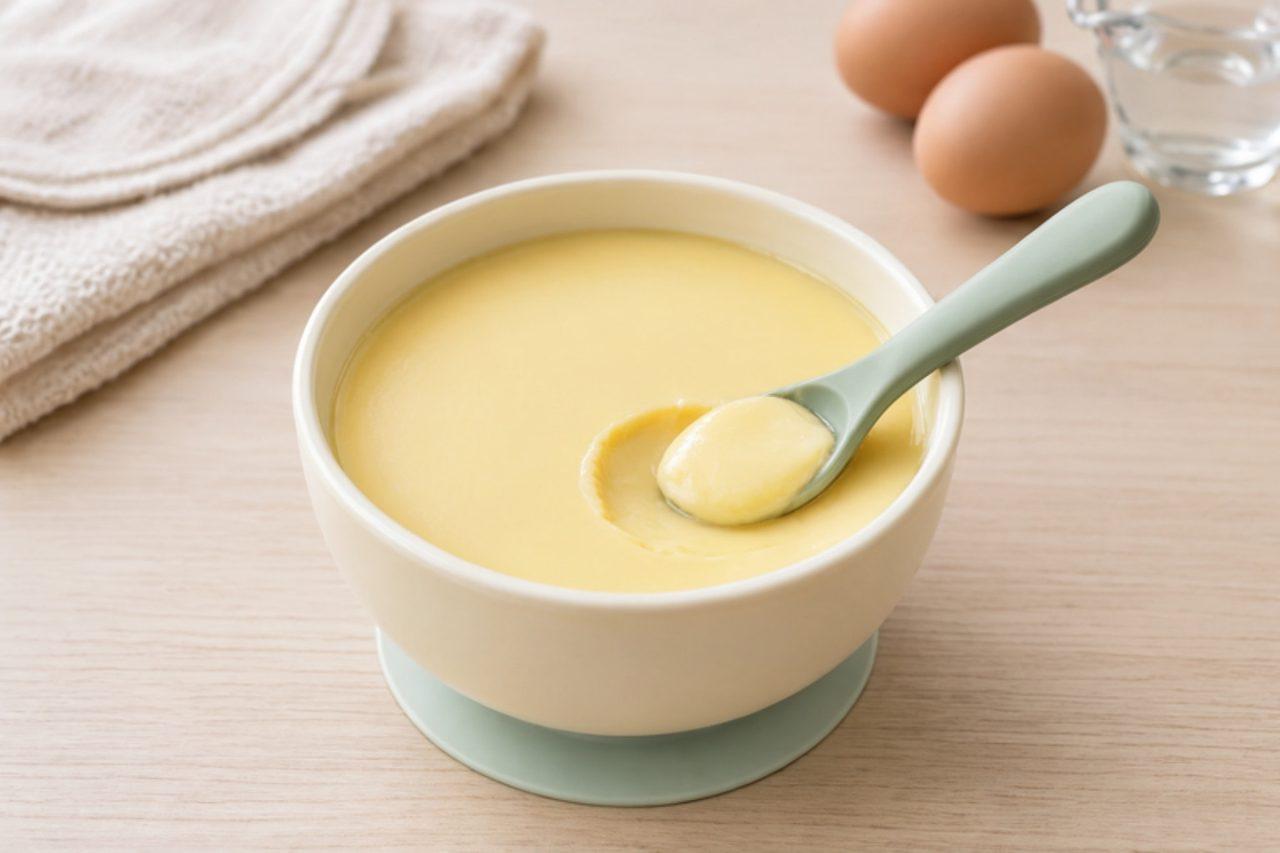
Jīdàn gēng for babies (steamed egg custard)

Jīdàn gēng, egg steamed with water into a quivering custard, is the dish Chinese grandparents everywhere from Shanghai to Guangzhou make for small children, and it is often the way a baby first meets whole egg at around nine months. The family version is finished with soy sauce, sesame oil and spring onion; this one is plain, so it tastes clean and gently eggy. Steamed slowly, it is smooth as silk and fully set. It contains egg and is free of milk, gluten, nuts, soya, sesame and fish. Chef's tip: cover the bowl with a plate while it steams; dripping condensation is what pockmarks the surface.

by KrazyBadal 0 views

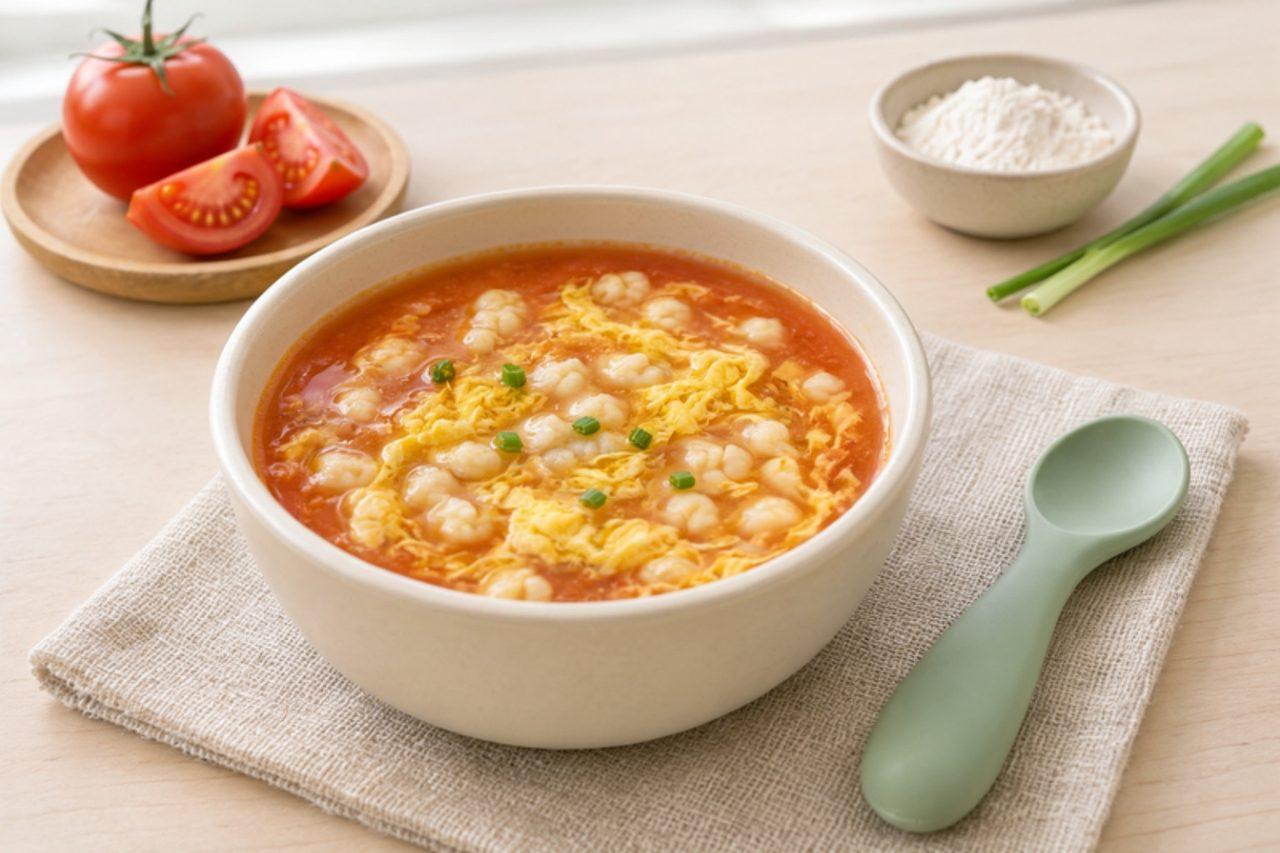
Gē da tāng (flour-knot soup with tomato and egg)

Gē da tāng is the soup of northern Chinese homes, from Beijing hutongs to the kitchens of Hebei and Shandong, made on cold evenings or when someone is under the weather. Water is dripped onto flour until it forms little knots, which are rained into a broth of soft tomatoes and finished with egg, so the bowl is part soup, part tiny dumpling. For toddlers from 12 months it is cooked without salt or soy sauce, and the egg is simmered until fully set. It contains wheat (gluten) and egg, and sesame if you add the oil; there is no milk, nuts or soya. Chef's tip: drip the water in a thin trickle while stirring with chopsticks, so you get rice-sized knots, not a paste.

by KrazyBadal 0 views

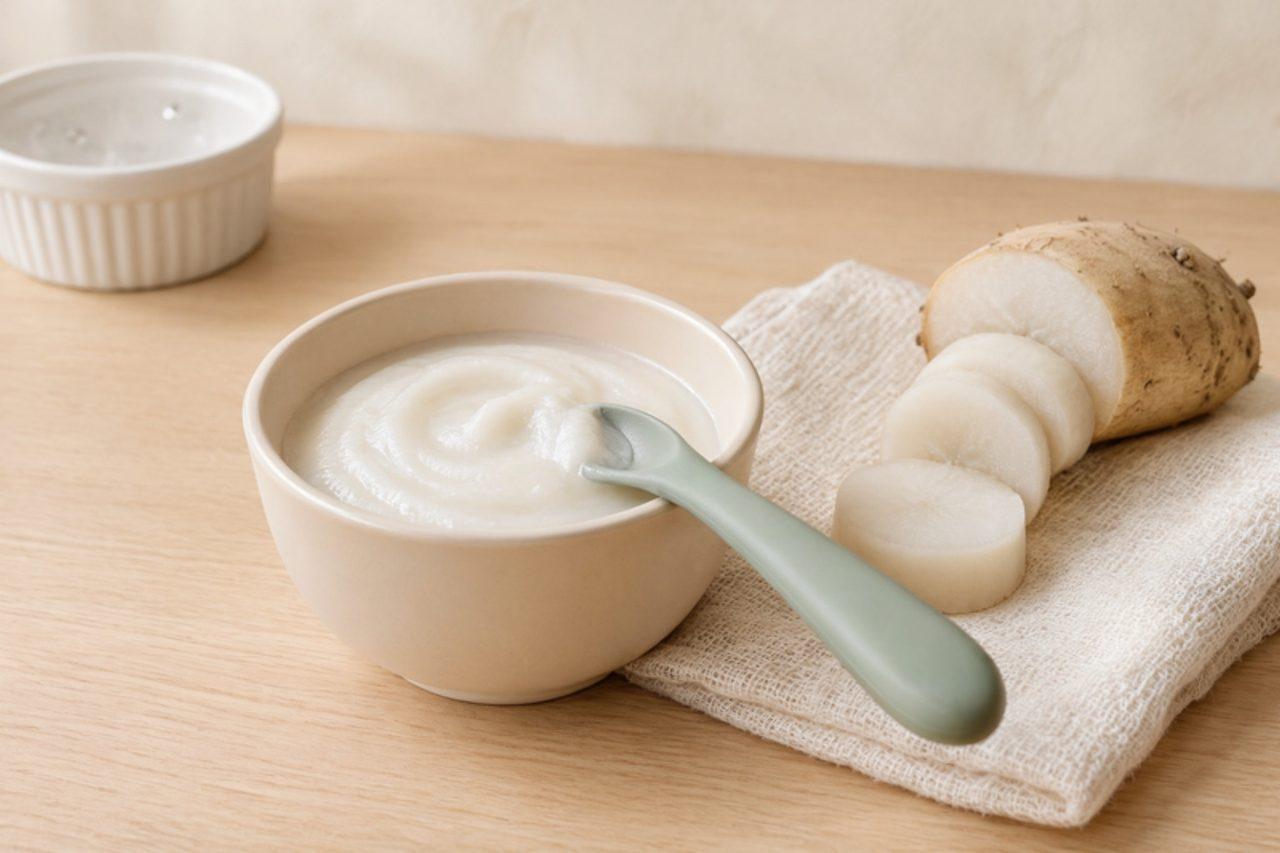
Shānyào ní (Chinese yam purée)

Chinese yam (shānyào, the long, hairy-skinned root sold in bundles in markets from Beijing to Guangzhou) is valued in Chinese homes as easy on the tummy, and steamed shānyào ní is one of the classic first purées offered at six months. Once steamed, the crisp, slippery flesh turns floury and pale, and pressed through a sieve it gives a smooth, slightly sweet, potato-like purée. Nothing else is added: no salt, sugar or honey for babies. It is free of the major allergens. Chef's tip: wear gloves or oil your hands before peeling; the raw sap makes skin itch, but cooking destroys it completely.

by KrazyBadal 0 views

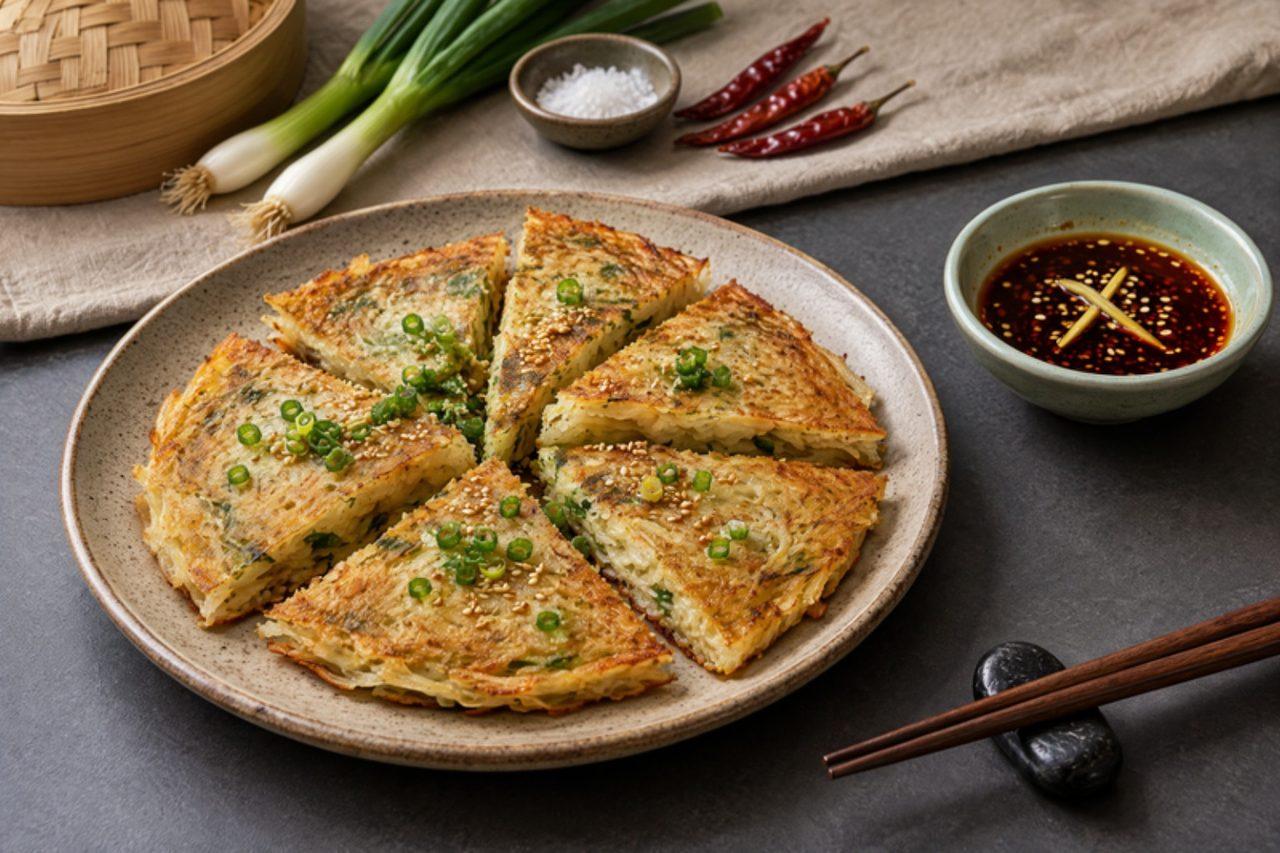
Tudou si bing (shredded potato pancakes)

In Shandong, Hebei and the northeast, these thin, lacy potato pancakes are a cheap street breakfast and a favourite filler for children's lunch boxes, crisp at the edges and soft in the middle. The potato is cut into very fine matchsticks, seasoned with spring onion, salt and a little white pepper, and bound with just enough flour to hold. The mistake is rinsing away all the starch and squeezing too hard: the shreds then won't stick together. Rinse once, drain, and squeeze lightly. Chef's tip: press the pancake thin with the back of a spatula as soon as it hits the pan; thin pancakes crisp right through and stay crisp longer in a box.

by KrazyBadal 0 views

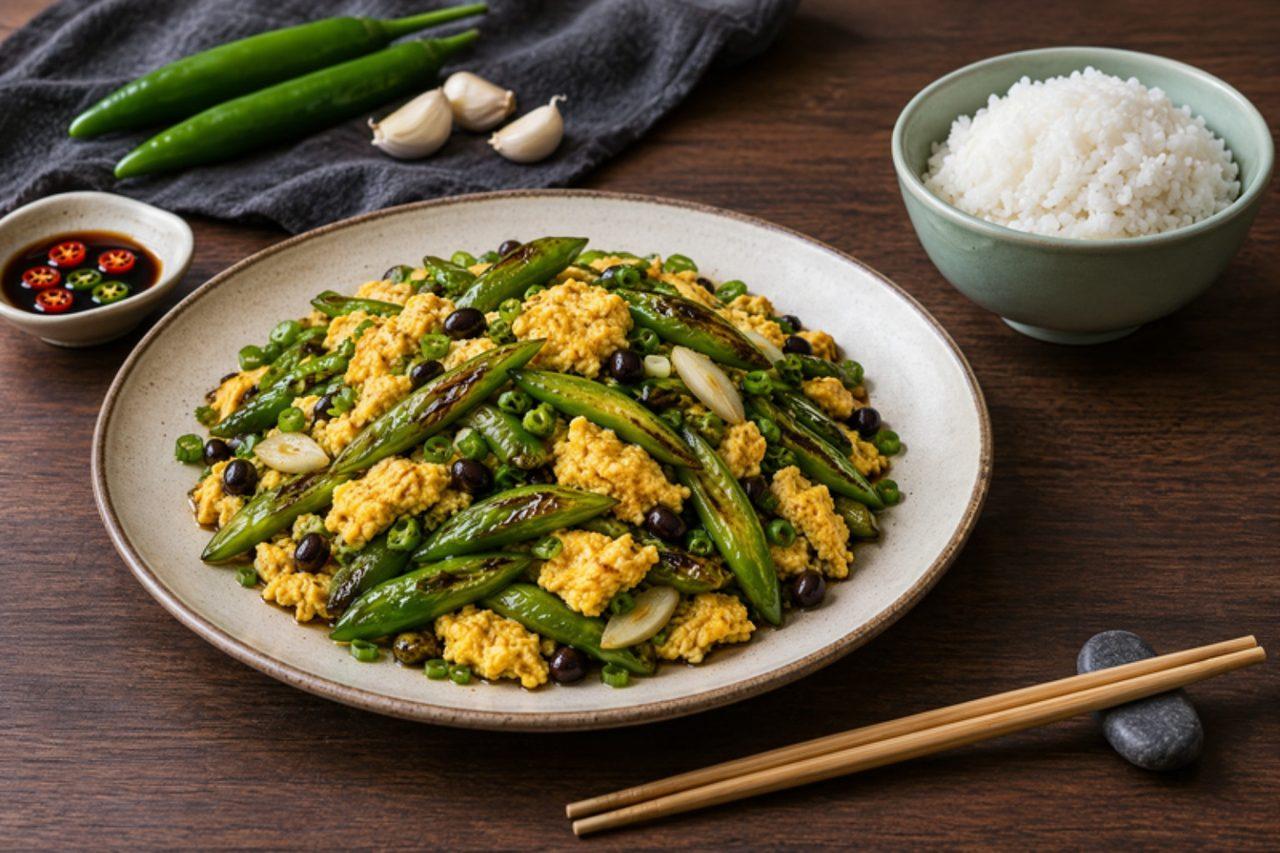
Lajiao chao jidan (green chilli and egg)

Hunan home cooks in Changsha make this in ten minutes when there is nothing but eggs and long green chillies in the kitchen, and it is a standard dish at lunchbox shops: the chillies are dry-fried until blistered and smoky, then tossed with big soft curds of egg and a splash of soy. It is hot, so choose mild long chillies or green peppers if you prefer. The mistake is cooking the eggs with the chillies from the start, which makes them tough and grey; scramble them separately and combine at the end. Chef's tip: press the chillies against the hot dry wok with a spatula until they wrinkle and char in spots before any oil goes in. Contains egg and soya.

by KrazyBadal 0 views

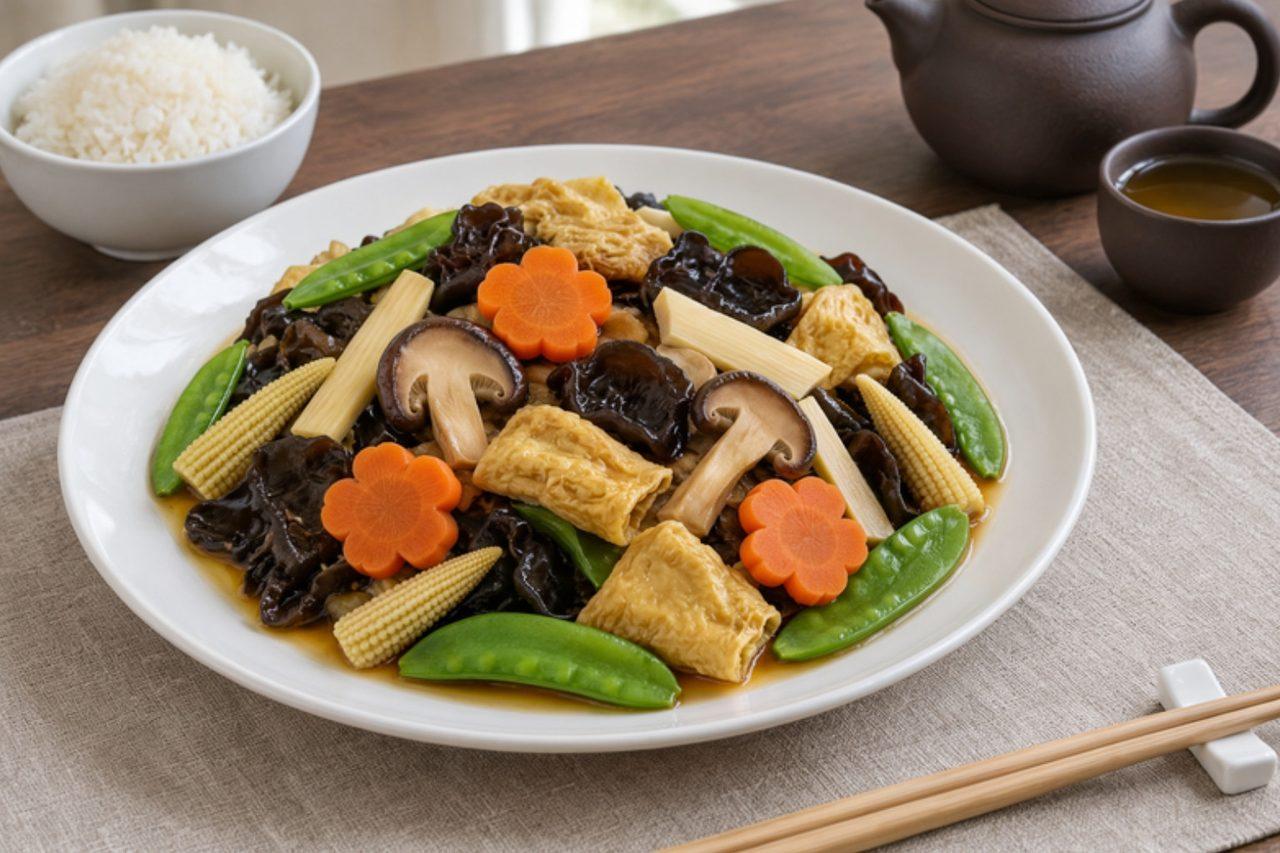
Su shi jin (mixed vegetable stir-fry)

Su shi jin means "vegetarian assortment", and it comes from the Buddhist kitchens of eastern China; today it is a staple of office lunchbox shops in Shanghai and Hangzhou. Crunchy wood ear mushrooms, strips of tofu skin, chewy wheat gluten (kao fu or mian jin), carrot, snow peas and bamboo shoot are stir-fried quickly and glossed with a light soy and ginger sauce. The mistake is adding everything at once, so the firm vegetables are raw and the snow peas overcooked; cook in order of hardness. Chef's tip: soak dried wood ear in cold water rather than hot; it plumps up crunchier.

by KrazyBadal 0 views

Dousha bao (red bean buns)

All over China, from Beijing breakfast stalls to Shanghai school bags, dousha bao are the sweet buns people grab in the morning and tuck into a lunch box for later: fluffy white yeasted dough wrapped around smooth red bean paste and steamed until springy. They freeze beautifully, so families make a big batch on Sunday. The mistake is opening the steamer lid as soon as the timer goes; the sudden cold makes the buns wrinkle and collapse. Turn off the heat and wait five minutes before lifting the lid. Chef's tip: chill the bean paste and roll it into balls before wrapping; a firm filling is much easier to seal neatly.

by KrazyBadal 0 views

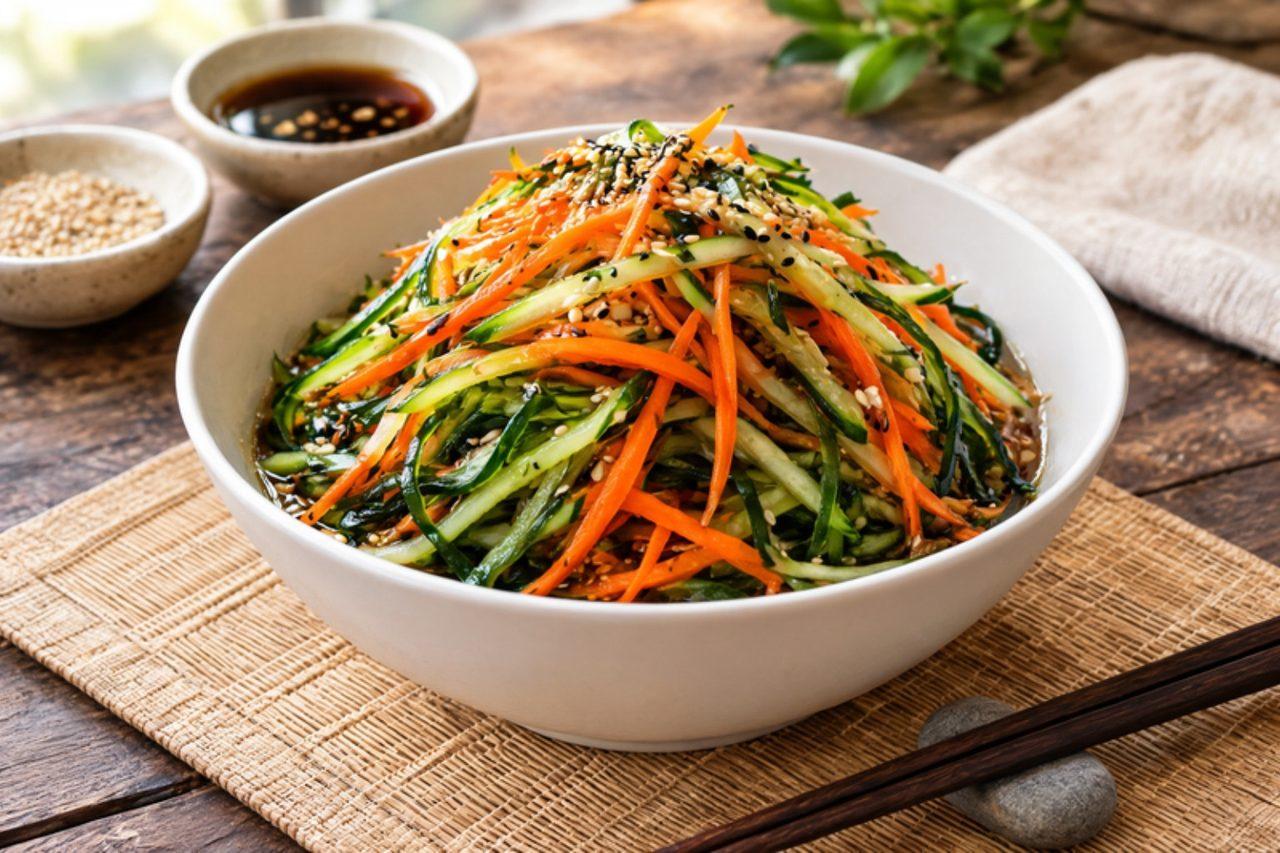
Liangban sansiCold three-shred salad

Liangban sansi, 'cold-tossed three shreds', is one of the most common cold dishes on Chinese family tables, made in summer and at Lunar New Year as a fresh plate among the richer dishes. Fine strips of carrot, cucumber and kelp (or tofu skin) are blanched where needed and dressed with garlic, rice vinegar, soy and sesame oil, giving a crunchy, bright, gently sour salad. Serve it beside steamed fish or tofu. It is suitable as part of a balanced diet. About 70 kcal and 7 g carbohydrate per portion. The usual mistake is cutting the shreds thick and uneven, which makes the salad clumsy and the dressing slides off. A pinch of sugar in the dressing is optional; a sweetener works too. Chef's tip: soak dried kelp strips until soft and blanch them for one minute with a splash of vinegar so they lose their sliminess.

by KrazyBadal 0 views

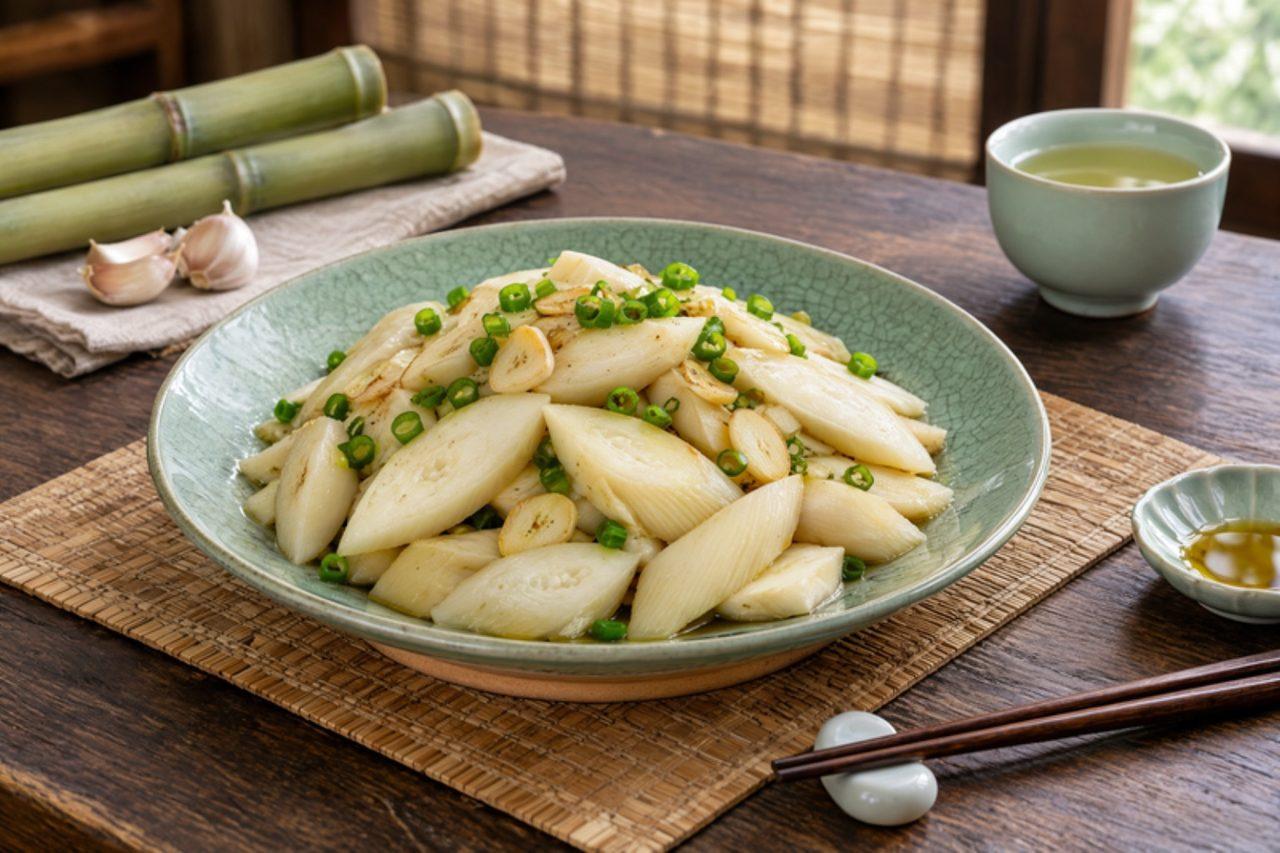
Qingchao jiaobaiStir-fried water bamboo

Jiaobai (water bamboo, Manchurian wild rice stem) is a summer and early-autumn vegetable of the lakes around Suzhou, Wuxi and Hangzhou, and 'clear-fried' jiaobai is how Jiangnan home cooks show off its sweet, juicy crunch. The pale stems are cut into thin slices or strips and stir-fried briefly with garlic, a splash of soy and a pinch of salt, so they stay crisp and taste faintly like bamboo shoot and corn. Serve with tofu, fish or eggs and a little rice. It is suitable as part of a balanced diet. About 60 kcal and 6 g carbohydrate per portion. The usual mistake is overcooking, which makes it soft and loses the crunch; two or three minutes is enough. Asian grocers sell it fresh or vacuum-packed. Chef's tip: choose plump, white stems with no black specks inside, which show an older stem.

by KrazyBadal 0 views

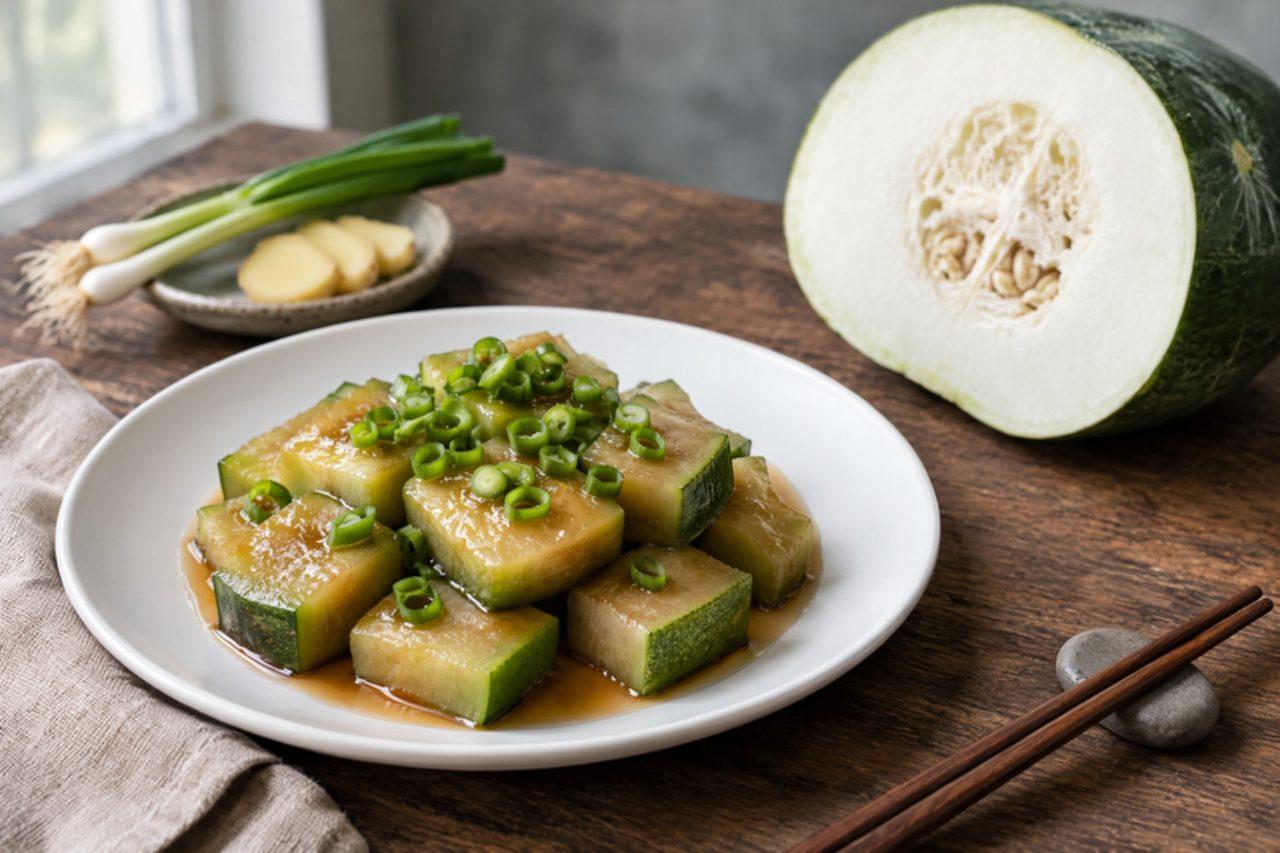
Hong shao dongguaBraised winter melon

Across China, red-braised winter melon is a cheap summer supper dish, cooked when melons the size of a child are sold by the slice at every market from Shanghai to Chengdu. Thick pieces of pale melon are seared, then braised in soy sauce, a touch of sugar and ginger until they turn amber, glossy and almost jelly-soft, soaking up the sauce like a sponge. Eat it with steamed rice and a green vegetable. The usual mistake is cutting the melon too thin, so it dissolves before it colours; keep the pieces about 2 cm thick. Chef's tip: score the flesh in a criss-cross pattern so the sauce soaks in and the pieces look like braised pork belly.

by KrazyBadal 0 views

Dongbei luan dunMixed vegetable stew

Luan dun, the 'chaotic stew', is everyday harvest cooking from Heilongjiang, Jilin and Liaoning, made in autumn when the garden gives everything at once and a big pot feeds the whole household through the cold evenings. Potato, aubergine, green beans, corn on the cob, peppers and tomato are cooked together in a soy-scented broth until soft and saucy, with the potato thickening it naturally. Serve it with steamed rice or mantou buns. The usual mistake is putting everything in together, so the beans stay squeaky while the aubergine turns to mush; add the vegetables in order of how long they take. A pressure cooker works too: 4 minutes on high after the beans and potato go in. Chef's tip: crush the potato pieces lightly against the pot near the end to give the stew body.

by KrazyBadal 0 views

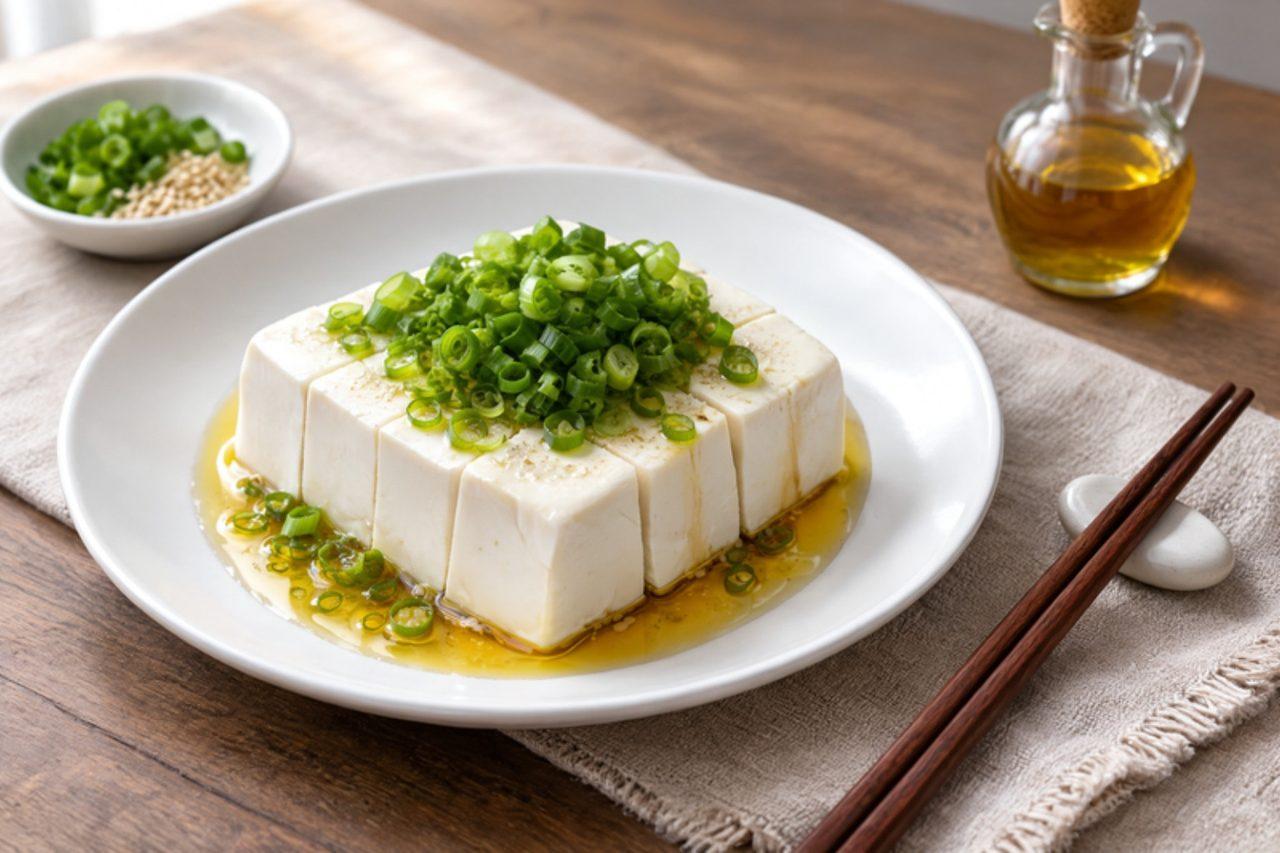
Xiaocong ban doufuCold tofu with spring onion

Xiaocong ban doufu is a northern Chinese home dish, especially popular in Beijing and Shandong on hot summer evenings, so simple that it has given Chinese a proverb about being clear as 'green onion and white tofu'. Soft tofu is blanched, cooled, cut into cubes and tossed with a heap of chopped spring onion, sesame oil and a little salt, so it is cool, silky and fresh. Serve it beside stir-fried vegetables and a little rice or a wholewheat bun. It is suitable as part of a balanced diet. About 120 kcal and 3 g carbohydrate per portion. The usual mistake is stirring hard so the tofu breaks into crumbs; fold it gently with a spoon. Chef's tip: blanch the tofu in salted water for a minute, which firms it up and takes away the raw beany taste.

by KrazyBadal 0 views

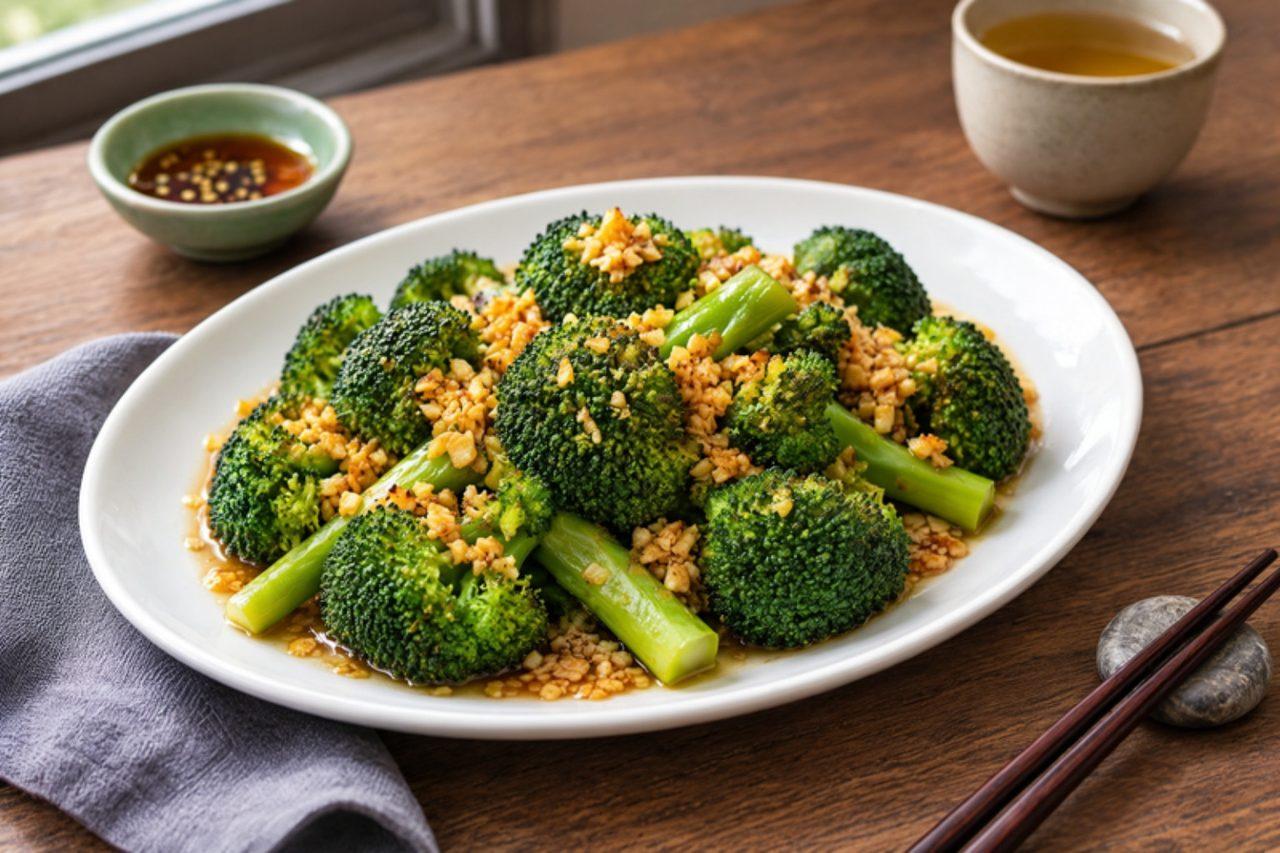
Suan rong xilanhuaGarlic broccoli

Garlic broccoli is on the menu of almost every Chinese home kitchen and family restaurant, from Guangzhou to Shanghai, as the quick green dish at a weekday dinner. The florets are blanched just until bright, then tossed in a hot wok with a big spoon of minced garlic and a splash of water, so they stay crisp, glossy and full of garlic flavour. Serve with tofu, fish or eggs and a modest portion of rice. It is suitable as part of a balanced diet. About 90 kcal and 8 g carbohydrate per portion. The usual mistake is adding the garlic to very hot oil before the broccoli, where it burns and turns bitter. Chef's tip: add a few drops of oil to the blanching water; it keeps the broccoli shiny and green.

by KrazyBadal 0 views

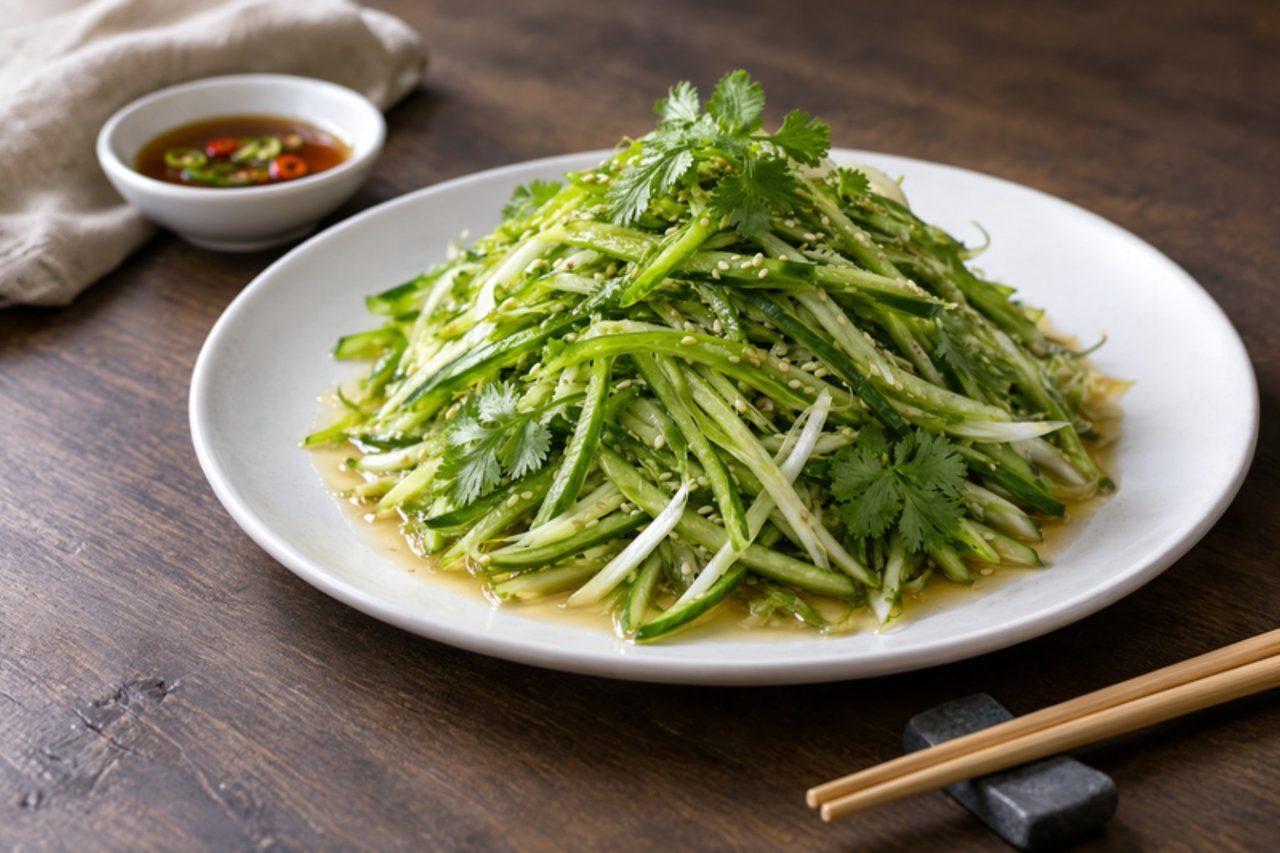
Laohu caiTiger salad

Laohu cai, 'tiger salad', is the fierce raw salad of China's north-east, served in Shenyang and Harbin homes and restaurants alongside dumplings, grilled skewers and heavy stews. Long green chillies, cucumber, coriander and spring onion are cut into thin strips and dressed with rice vinegar, a little soy and sesame oil, so it is hot, crunchy and very fresh. Serve it next to protein dishes as a crisp, low-starch side. It is suitable as part of a balanced diet. About 50 kcal and 5 g carbohydrate per portion. The usual mistake is dressing it too early, so the cucumber weeps and the coriander goes limp; dress it just before eating. Chef's tip: choose a mix of mild and hot chillies so you control the heat and still get plenty of crunch.

by KrazyBadal 0 views

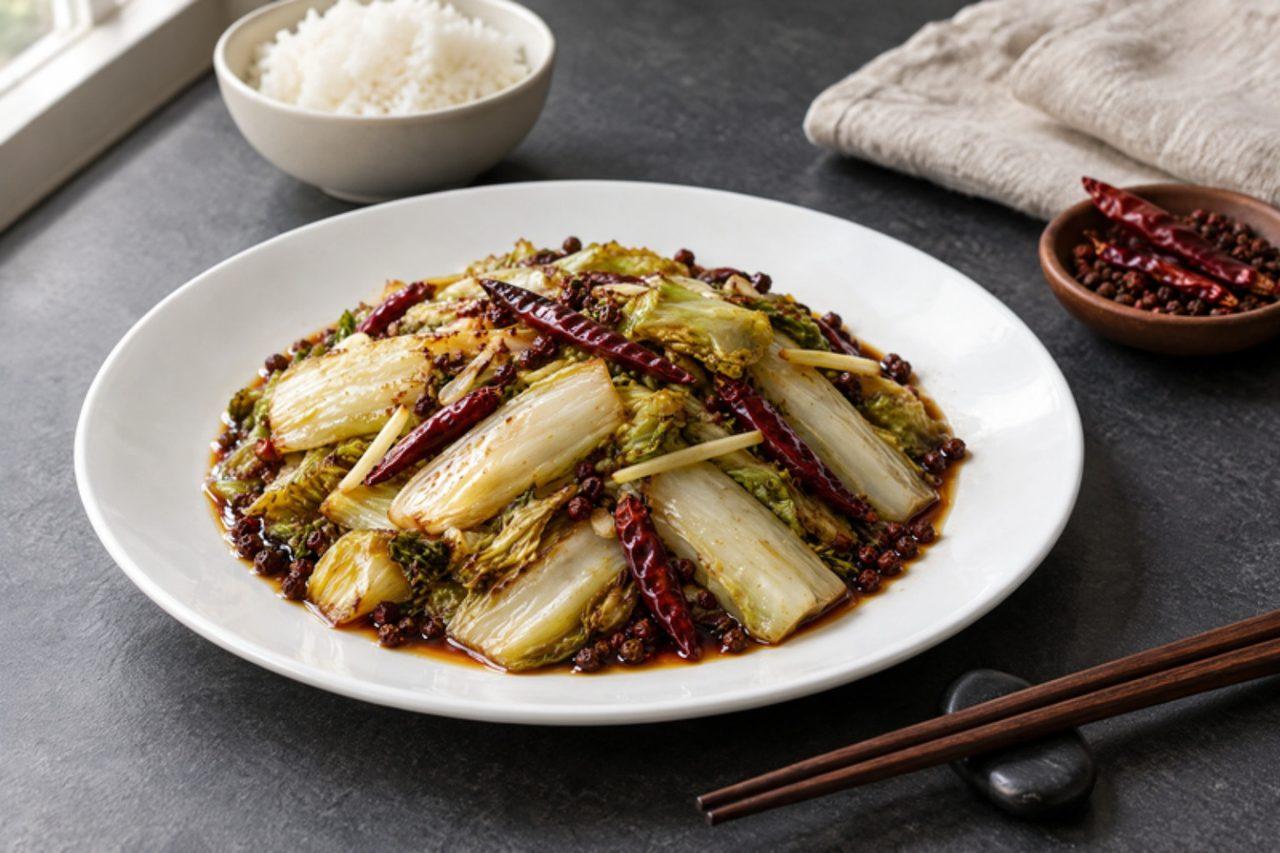
Suan la baicaiHot and sour cabbage

Hot-and-sour napa cabbage is a cheap, fast winter dish cooked in Sichuan home kitchens and right across northern China when cabbages are stacked outside every door. The thick white stems are stir-fried first over a fierce flame with dried chillies and Sichuan pepper, then the leaves go in, and a splash of black vinegar is sizzled round the edge of the wok for a sharp, smoky tang. Serve it with tofu or eggs and a small bowl of rice. It is suitable as part of a balanced diet. About 80 kcal and 8 g carbohydrate per portion. The usual mistake is cooking over a low heat, which stews the cabbage in its own water; the wok must be very hot. A pinch of sugar is traditional; it is optional, and a sweetener can be used instead. Chef's tip: slice the stems on a sharp angle so they cook as fast as the leaves.

by KrazyBadal 0 views

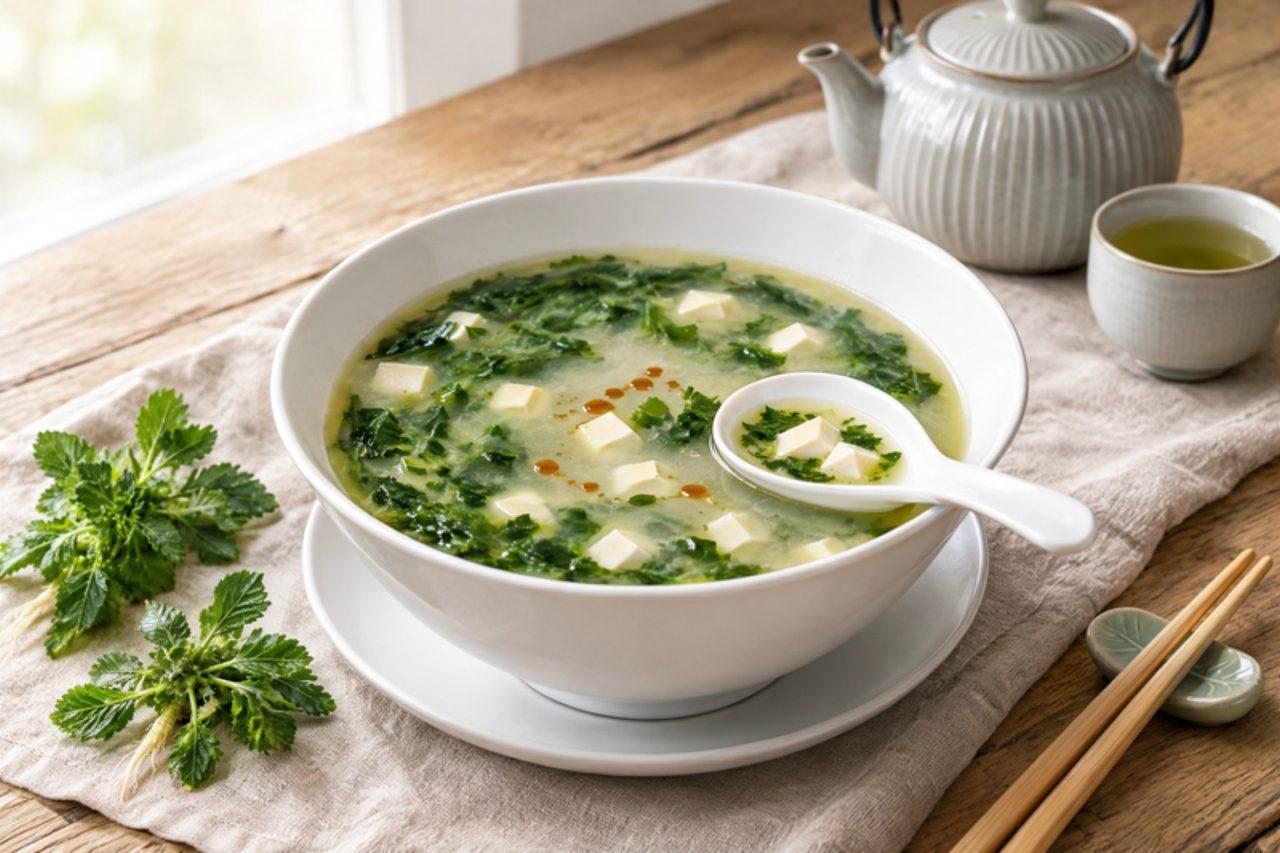
Jicai doufu gengShepherd's purse and tofu soup

In Shanghai and Jiangsu, shepherd's purse (jicai) is picked from field edges in early spring, and this gentle, lightly thickened soup is one of the first dishes of the season at home and in Shanghainese restaurants. Finely chopped greens and small cubes of soft tofu are simmered in vegetable stock with a few shiitake, then thickened just enough to coat a spoon, giving a soothing, savoury soup with a fresh, grassy taste. Serve it as a starter or with a small bowl of rice. It is suitable as part of a balanced diet. About 110 kcal and 7 g carbohydrate per portion. The usual mistake is adding too much starch, which makes it gluey; it should flow off the spoon. Spinach works if you can't find jicai. Chef's tip: blanch and squeeze the greens before chopping, which keeps the soup bright green instead of murky.

by KrazyBadal 0 views

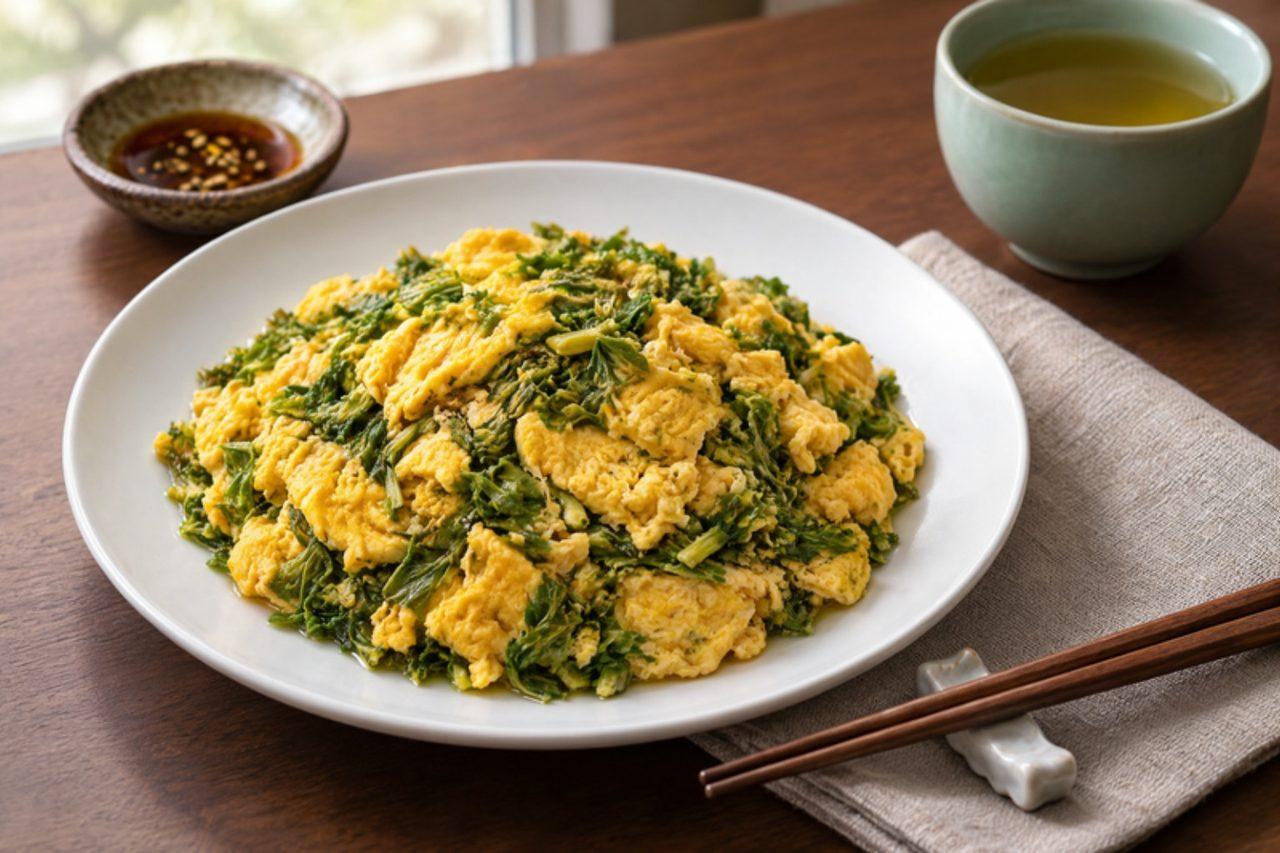
Xiangchun chao jidanChinese toon scrambled eggs

For a few weeks each April in Shandong, Henan and Beijing, the red-tipped young shoots of the Chinese toon tree are sold in bundles at every market, and the first thing families make is this quick scramble for lunch or supper. The toon has a strong, garlicky, almost oniony perfume that turns sweet and nutty once cooked with egg. It is eaten with rice, congee or steamed buns. Suitable as part of a balanced diet, it is high in protein and very low in starch: about 190 kcal and 3 g carbohydrate per portion. The usual mistake is skipping the blanch: raw toon tastes harsh and is always scalded first. Chef's tip: chop the toon very finely and beat it into the egg before cooking, so every mouthful carries the scent.

by KrazyBadal 0 views

Ju hua chaChrysanthemum tea

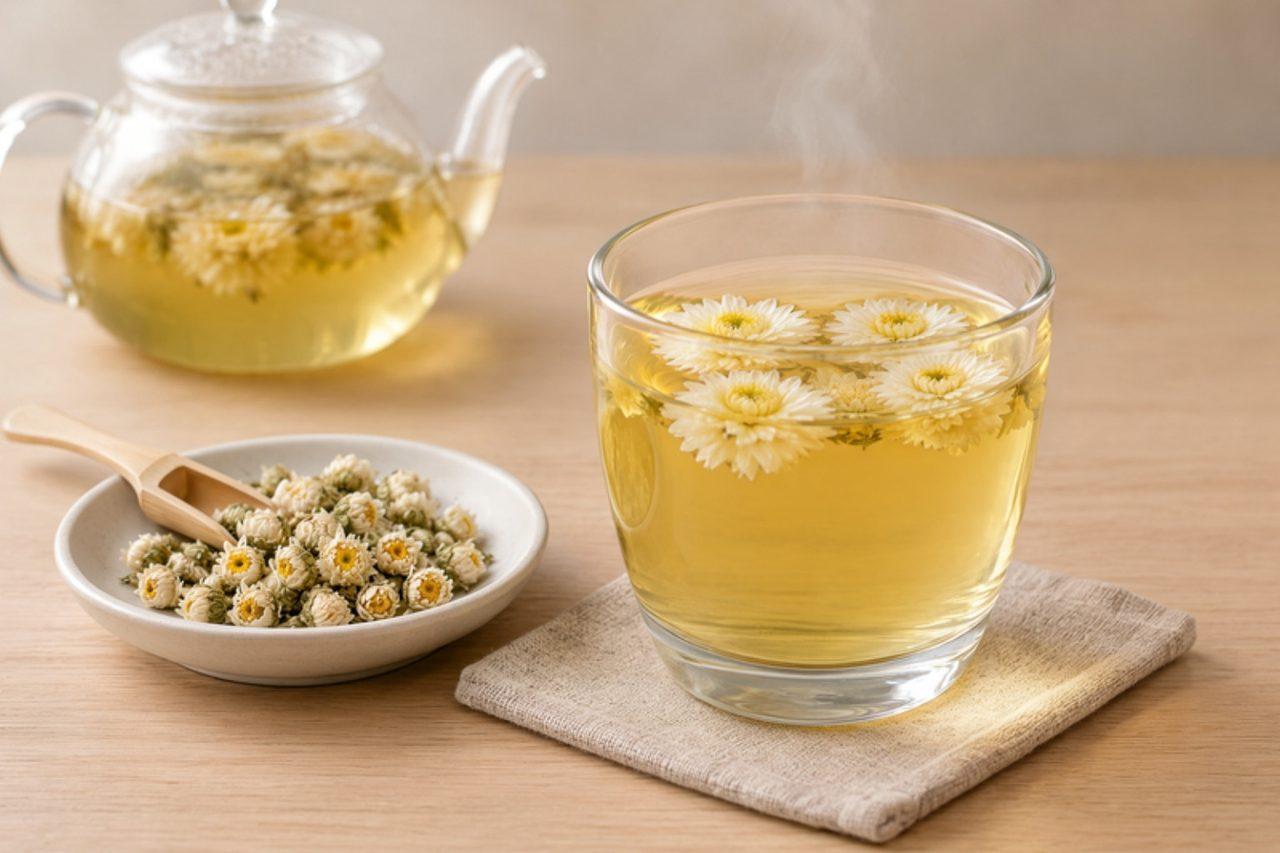
Ju hua cha is chrysanthemum tea, a summer staple in Hangzhou, where the famous small white Hang bai ju flowers grow, and across Guangdong and Hong Kong, where it is poured at dim sum and sold chilled in street-side stalls. Dried flowers open in hot water into a pale golden, honey-scented infusion with a gentle bitterness. It is drunk plain here: no salt and no sugar, so about 0.0 g salt per cup. The usual mistake is using boiling water, which turns it harsh; let the kettle rest for a minute first. A few goji berries add colour and a little natural sweetness. Chef's tip: rinse the dried flowers quickly in warm water first to wash off dust and wake up their fragrance.

by KrazyBadal 0 views

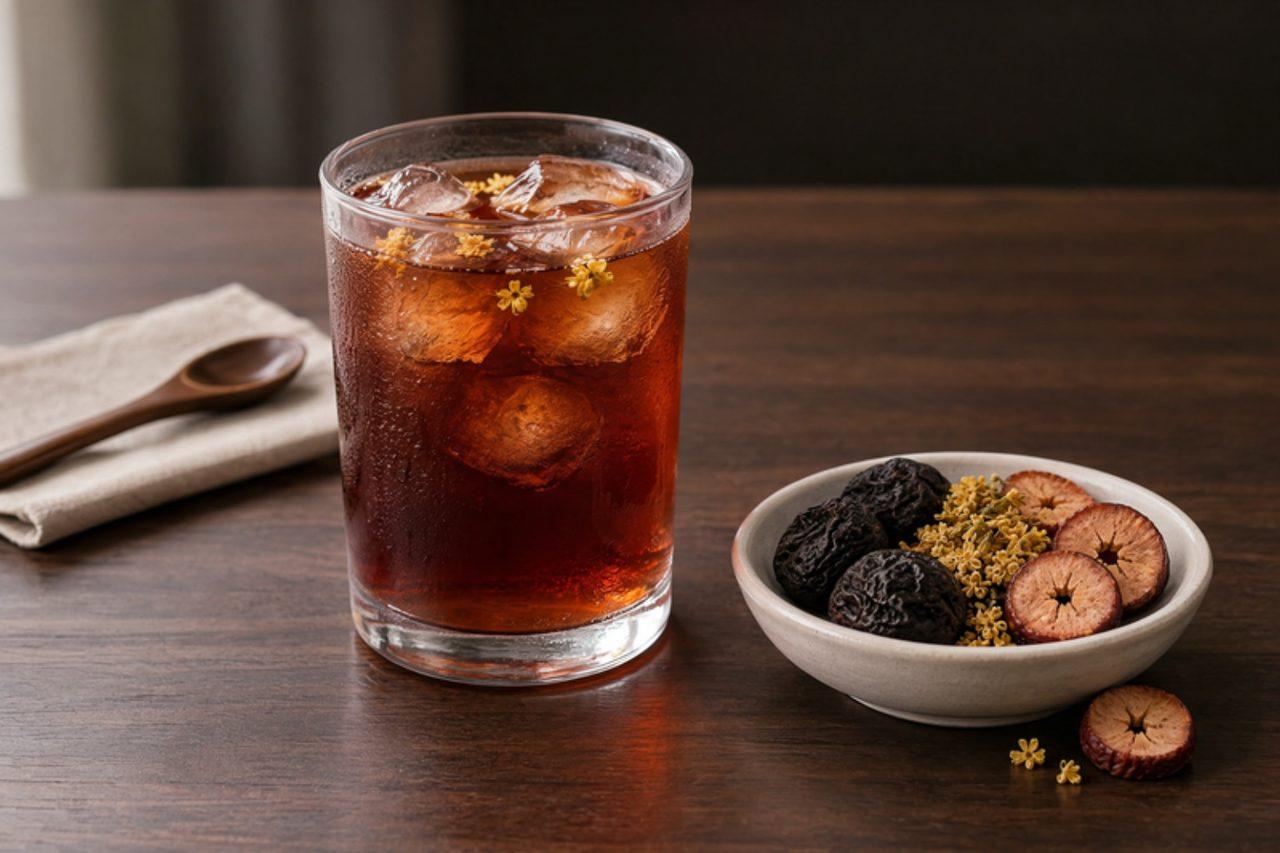
Suanmeitang (sour plum drink)

Old Beijing sold suanmeitang from brass bowls at street corners in summer, chilled with blocks of river ice, and the Qing court drank a version as a cooler. Today it comes in big jugs at copper-pot hotpot restaurants, where its sourness cuts through mutton and sesame sauce; families brew a pot every few days all summer. Smoked wumei plums give a deep, almost bacon-like smokiness, hawthorn adds fruity acid, licorice softens the edges and rock sugar rounds everything off, with dried osmanthus on top for a honeyed scent. It should be dark ruby, clear and refreshing, tart first and sweet after. The common mistake is boiling it hard for hours: the plum stones and hawthorn seeds release bitterness and the brew turns muddy. Simmer gently, strain early and chill fast. It is ready when the plums have collapsed and the liquid tastes clearly sour-sweet with a smoky finish. Licorice root is traditionally used in small amounts; people with high blood pressure, heart or kidney problems, or who are pregnant should keep the licorice out or check with a doctor. Chef's tip: add the osmanthus only after the heat is off, or its perfume vanishes.

by KrazyBadal 0 views

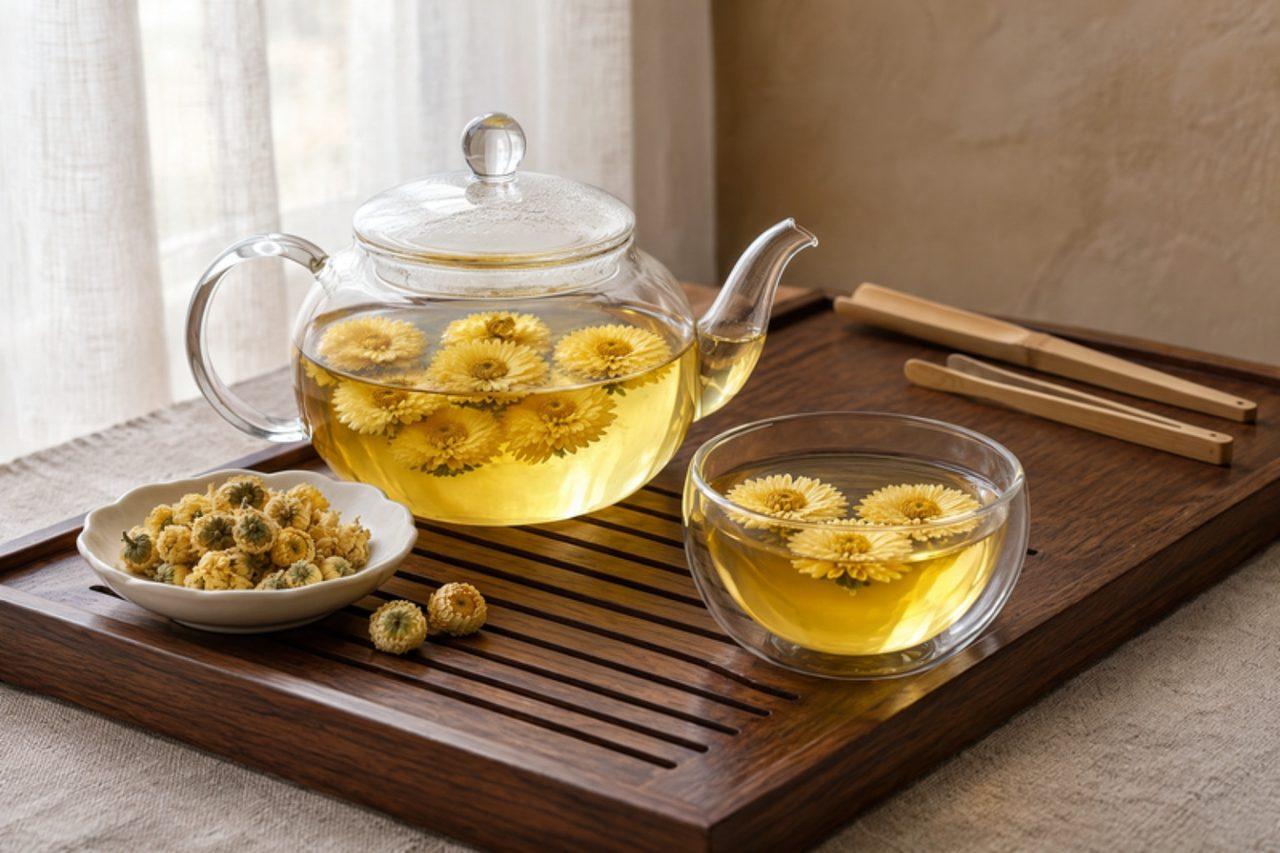
Juhua cha (chrysanthemum tea)

The small white hangbaiju flowers grown around Tongxiang, near Hangzhou, are picked in November, steamed and dried, and they end up in teapots all over China. Families brew them after a rich dinner, through the dry autumn, and iced in summer; dim sum houses in the south offer them as a caffeine-free choice, often mixed with pu-erh. The tea is pale gold, lightly floral with a faint bitterness like chamomile, softened by a little rock sugar and a few goji berries that turn plump and red in the pot. The common mistake is pouring boiling water straight onto the flowers and leaving them for twenty minutes; the tea turns brownish and bitter. Water just off the boil, around 90 °C, and a short steep keep it clear and sweet. It is ready when the flowers have opened like little daisies, the colour is light amber and the smell is honey-like. You can top up the pot two or three times. If you are allergic to ragweed, daisies or marigolds, try a small cup first or skip it, as chrysanthemum belongs to the same family. Chef's tip: for iced juhua cha, brew it double strength and pour it straight over a glass full of ice so it does not taste watery.

by KrazyBadal 0 views

Showing 24 of 213 recipes

Show more recipes

Page 6 of 9

More collections