Skip to content

Vegetarian Indian dinners

Dal, sabzi, curries and rice dishes for a meat-free Indian dinner. (880 recipes)

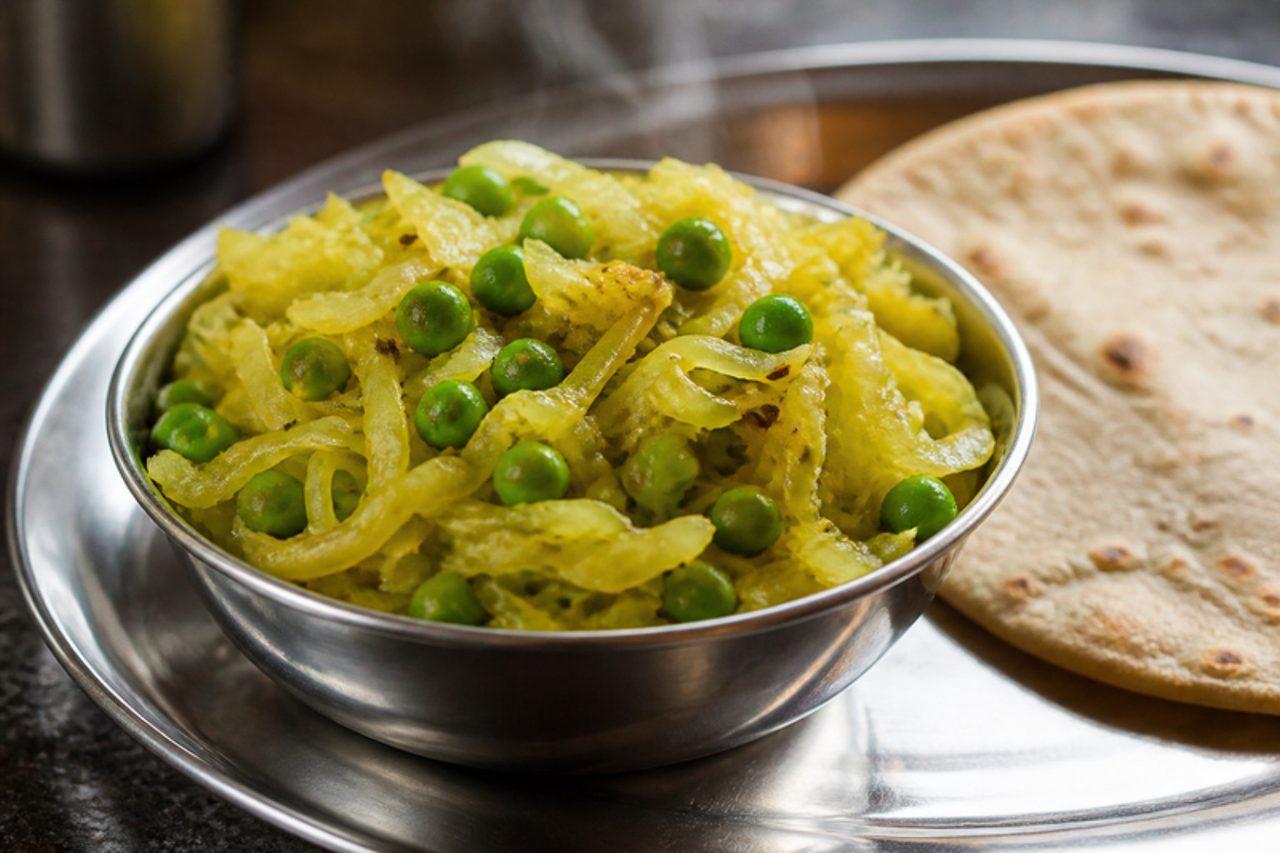
Patta gobhi matarCabbage and pea stir-fry

This is one of the plainest and most loved dishes of North Indian home cooking, made in Kanpur, Dehradun and Delhi on any weeknight when the fridge holds half a cabbage: finely shredded cabbage and green peas cooked fast with cumin, green chilli and turmeric until just wilted, still with some crunch. It goes into lunch boxes with ajwain parathas or onto the dinner thali with dal. A portion is about 110 kcal. The most common mistake is covering it for too long, which makes the cabbage watery and gives it a sulphur smell; cook it mostly uncovered on a fairly high heat. Chef's tip: shred the cabbage as finely as you can with a sharp knife; thin ribbons cook in five minutes and soak up the spices evenly.

by KrazyBadal 0 views
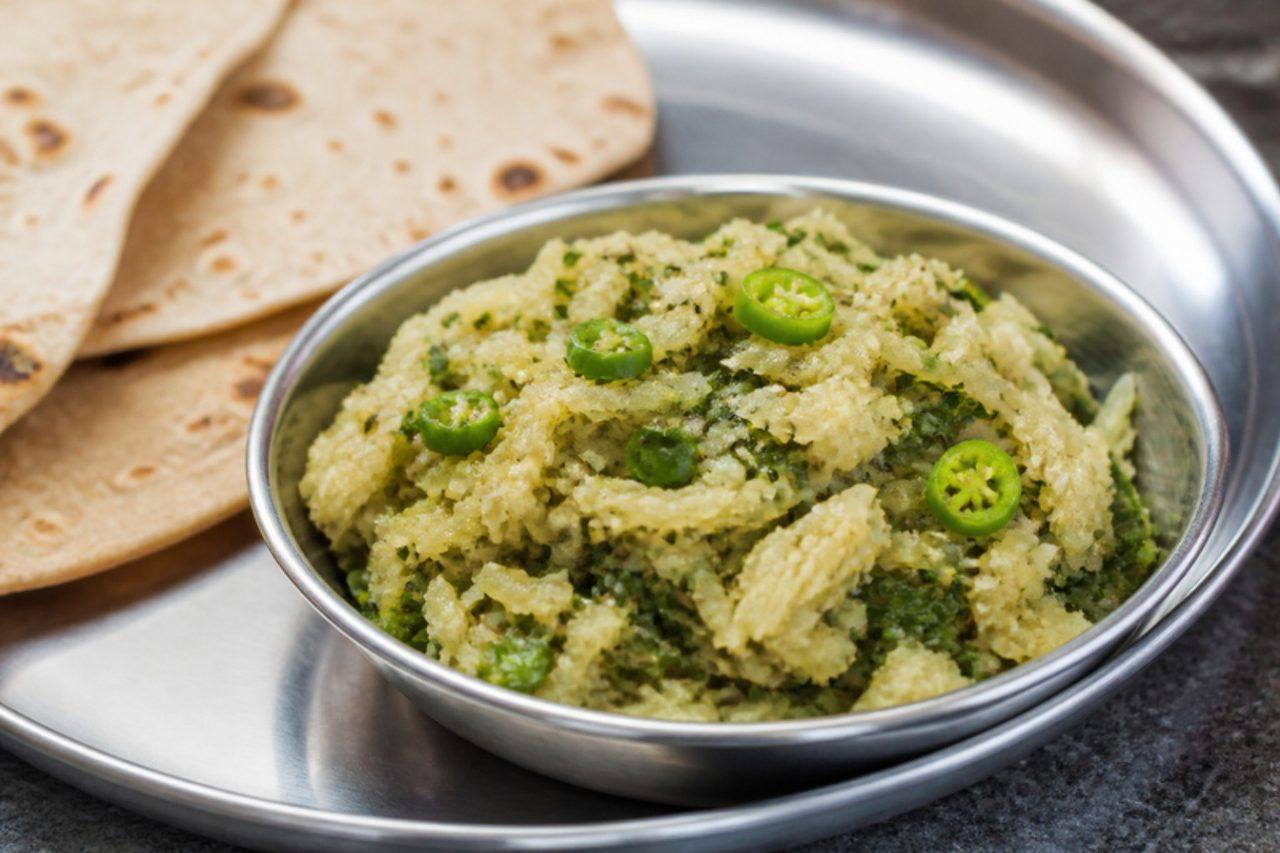
Beans foogathGreen beans with coconut

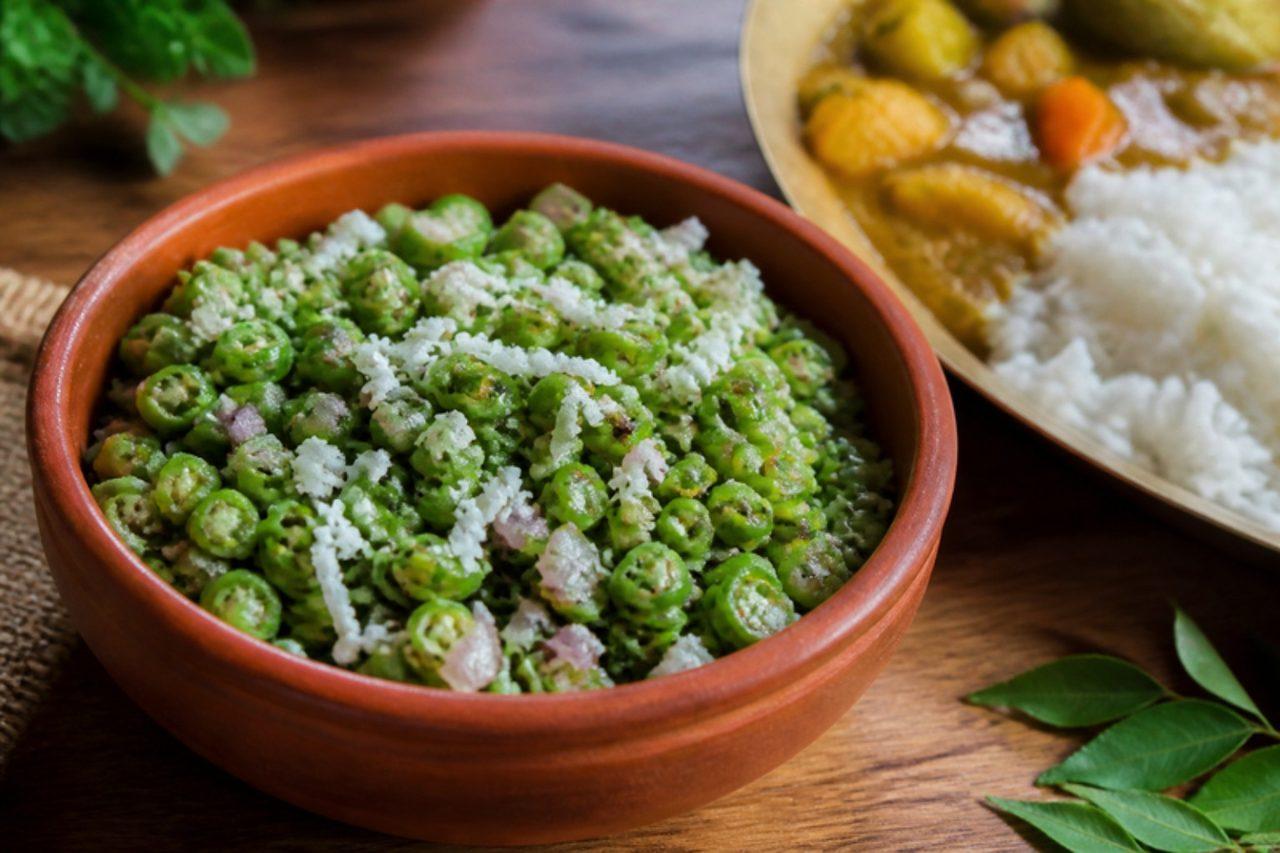
Foogath is the everyday vegetable of Goan Catholic homes in Margao and Panjim, a dry stir-fry of finely chopped beans, cabbage or gourd with onion, green chilli and plenty of freshly scraped coconut, eaten on the side of fish curry rice at Sunday lunch or with plain rice and dal at a weekday supper. It is mild, sweet and fresh-tasting. A portion is about 120 kcal. The common mistake is cooking the beans too long in a covered pan, which turns them khaki; cook them quickly and keep them bright green. Chef's tip: chop the beans very fine, almost into small rounds; that is the Goan way, and it lets them cook in a few minutes.

by KrazyBadal 0 views
Varagu pongalKodo millet pongal

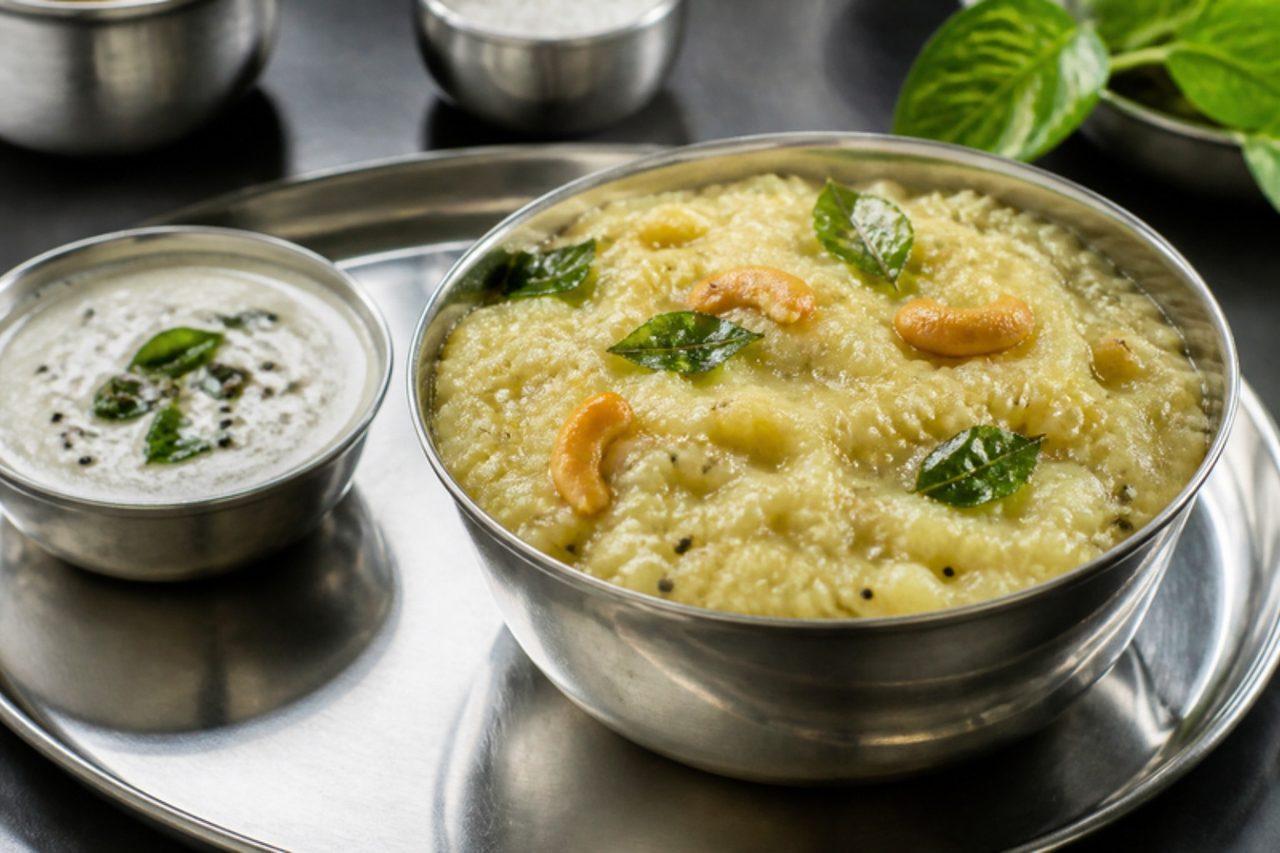
Ven pongal, the peppery rice and dal porridge, is the Sunday breakfast of Tamil Nadu and the prasadam handed out at temples; in Chennai homes that have turned to millets, kodo millet (varagu) now often takes the rice's place. It cooks into the same soft, creamy mass with yellow moong dal, scented with crushed black pepper, cumin, ginger and curry leaves fried in a modest spoon of ghee, and is eaten with coconut chutney and sambar. A portion is about 280 kcal, far less ghee than the temple version. The mistake people make is serving it too thick; pongal firms up fast as it cools, so make it looser than you think. Chef's tip: crush the peppercorns coarsely in a mortar rather than grinding them fine; you want little bursts of heat in each spoonful.

by KrazyBadal 0 views
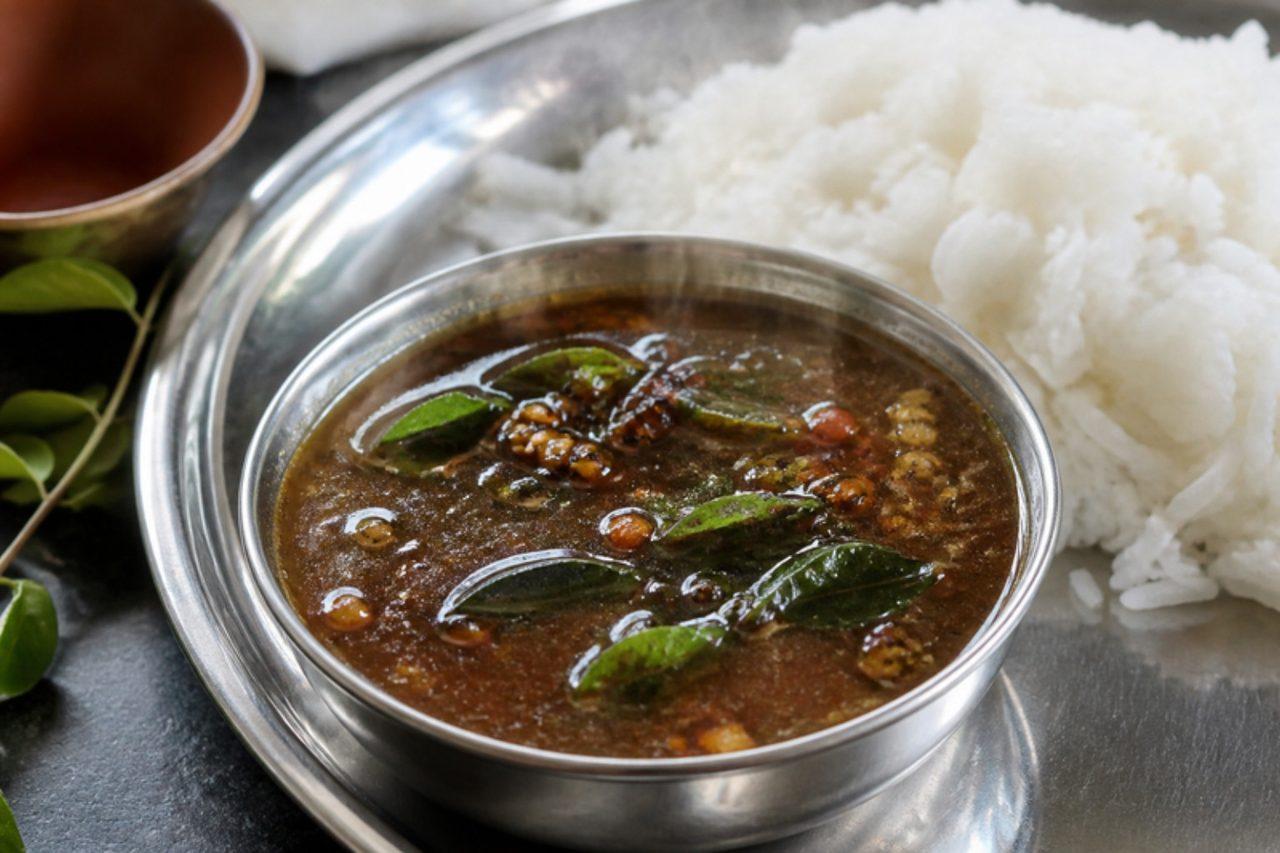
Milagu rasamPepper rasam

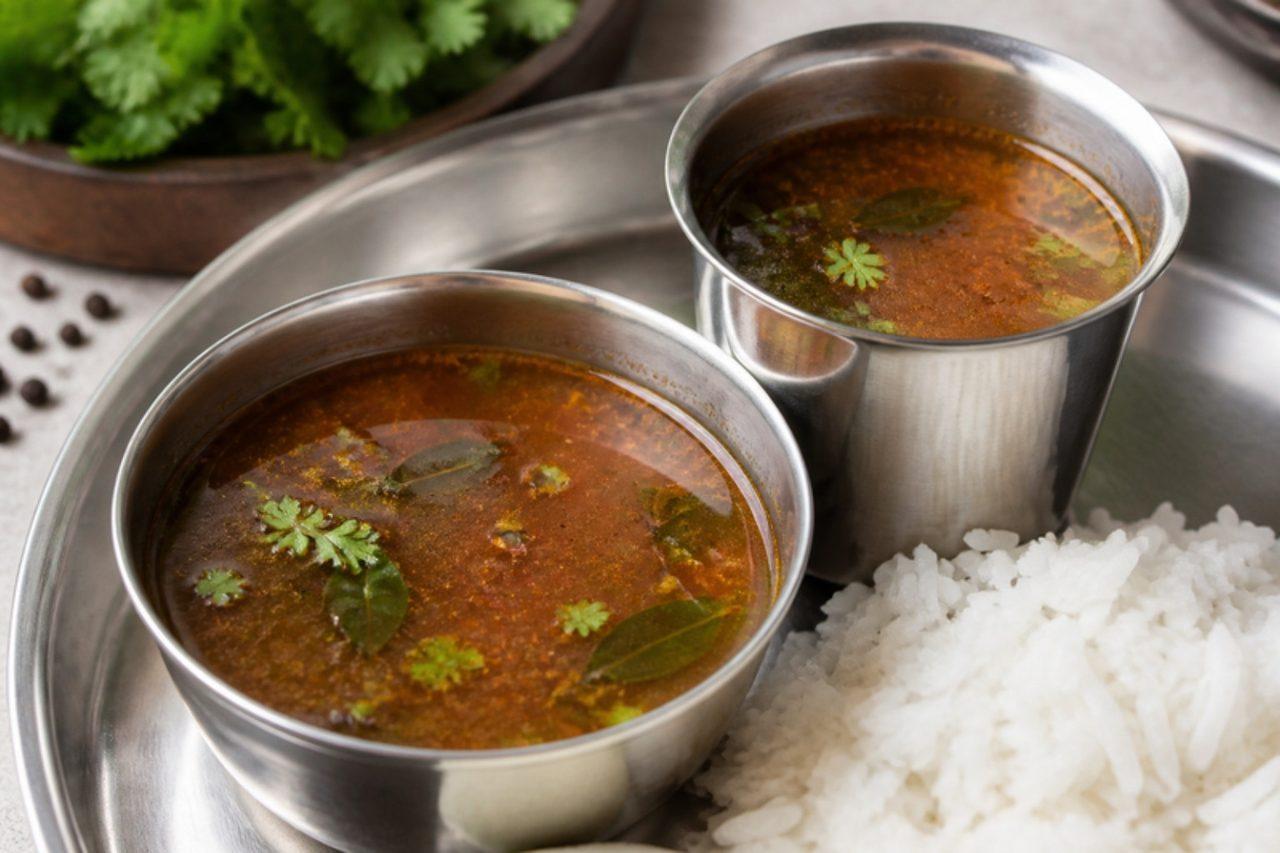
In Tamil homes from Madurai to Chennai, milagu rasam is the medicine of the kitchen, made when someone has a cold, the weather turns wet, or the family just wants a light dinner of rasam and rice. Unlike tomato rasam it needs no dal: tamarind water is simmered with a freshly ground paste of black pepper, cumin and garlic and tempered with ghee or oil, giving a thin, sharp, warming broth that clears the head. It is poured over rice or sipped from a cup. A portion is about 55 kcal. The common mistake is letting it boil hard after the spice paste goes in, which makes it bitter; once it froths up, turn off the heat. Chef's tip: dry-roast the pepper and cumin for a minute before grinding; it turns the heat round and deep instead of harsh.

by KrazyBadal 0 views
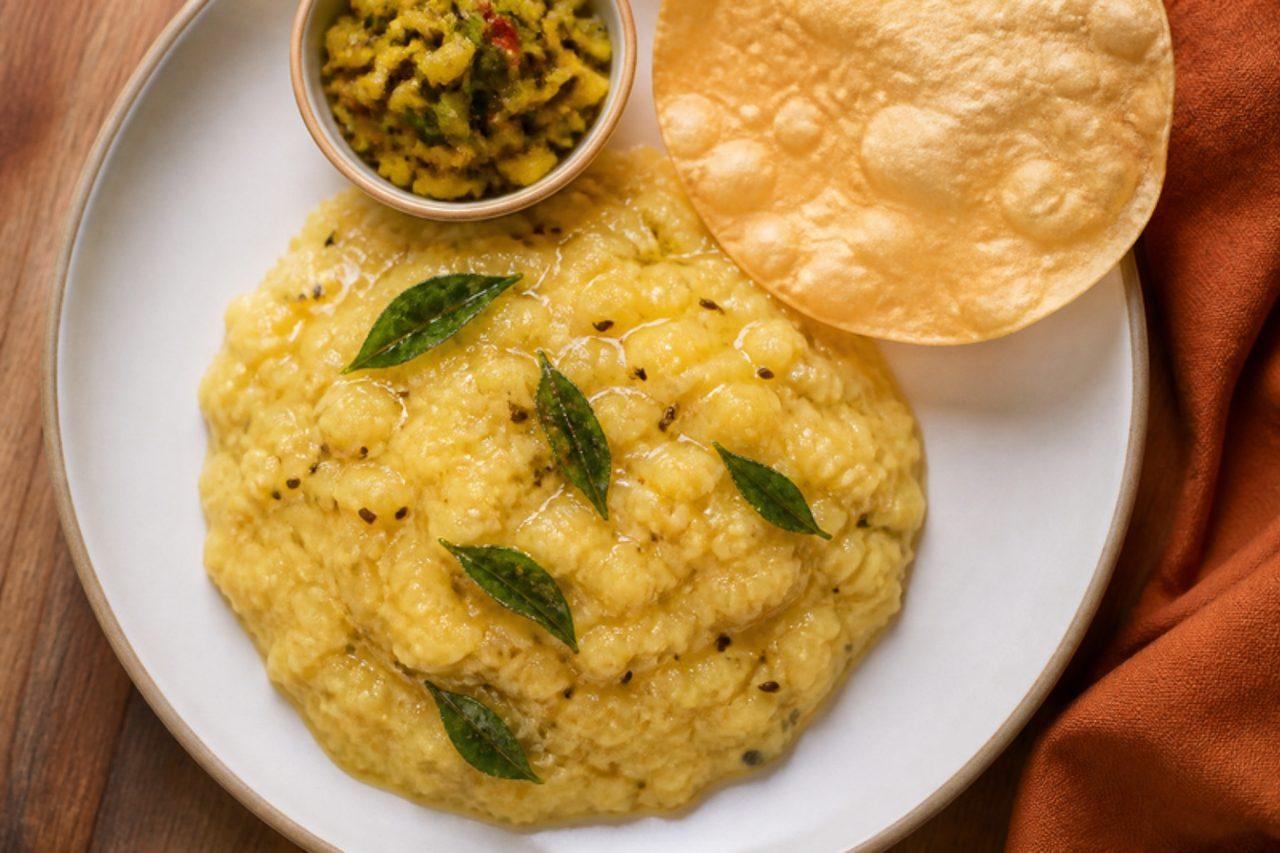
Moong dal khichdiRice and moong dal porridge

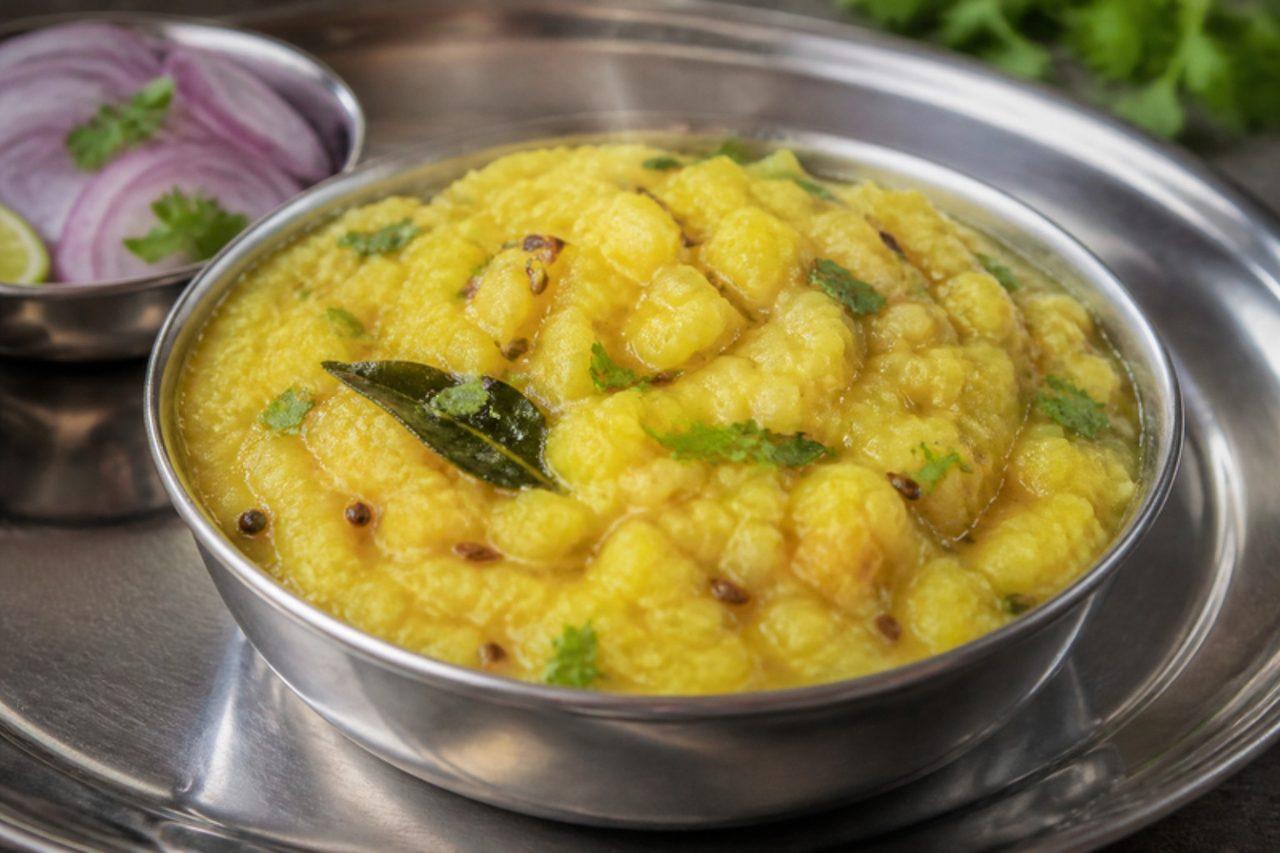
When someone in a Gujarati or Rajasthani home is under the weather, has just come back from a long trip, or simply wants a light supper on a Monday, the pressure cooker comes out for plain moong dal khichdi. Rice and split yellow moong cook together with turmeric until they collapse into a soft, spoonable porridge, and a small tempering of ghee, cumin and asafoetida is poured over at the end. It is eaten with yogurt, papad and a pickle, and it is gentle enough for toddlers over one year. A portion is about 290 kcal. The most common mistake is too little water, which leaves a stiff, dry khichdi; it should be loose enough to settle flat in the bowl. Chef's tip: dry-roast the dal for two minutes before adding water; it gives a nutty smell that plain boiled dal never has.

by KrazyBadal 0 views
ChorchoriMixed vegetable stir-fry

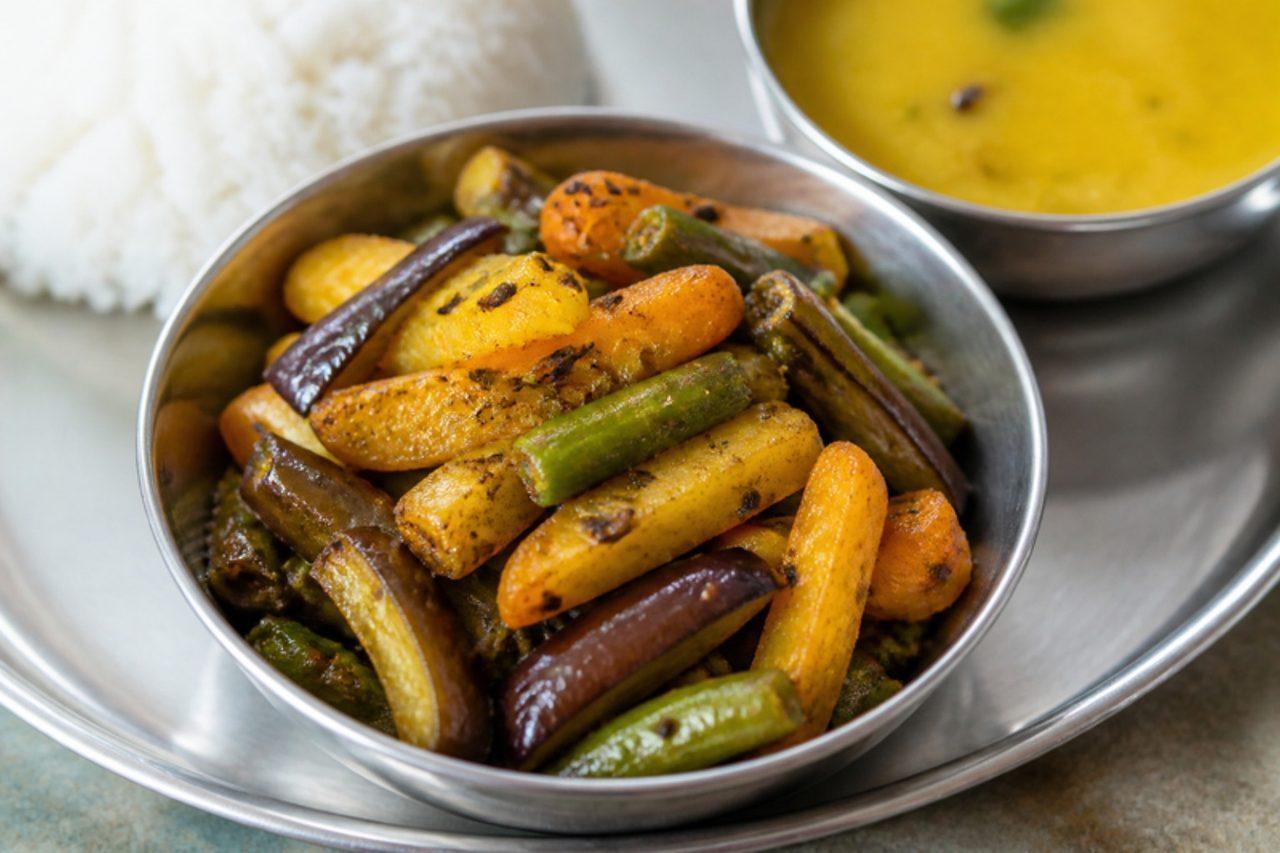
Chorchori is the thrifty everyday dish of Kolkata kitchens, where whatever vegetables are in the basket, pumpkin, potato, aubergine, radish, beans, are cut into sticks and cooked down slowly with panch phoron and mustard oil until the pan is dry and the bottom catches a little. Bengalis love that slightly caramelised scrape at the bottom of the pan. It is eaten with rice and dal at lunch. A portion is about 150 kcal. The usual mistake is stirring too much, which breaks the vegetables into mush; once the lid is on, leave it and just shake the pan. Chef's tip: add a teaspoon of mustard paste or a pinch of sugar at the end, as many Bengali homes do; it rounds out the flavour.

by KrazyBadal 0 views
Shimla mirch besanCapsicum with gram flour

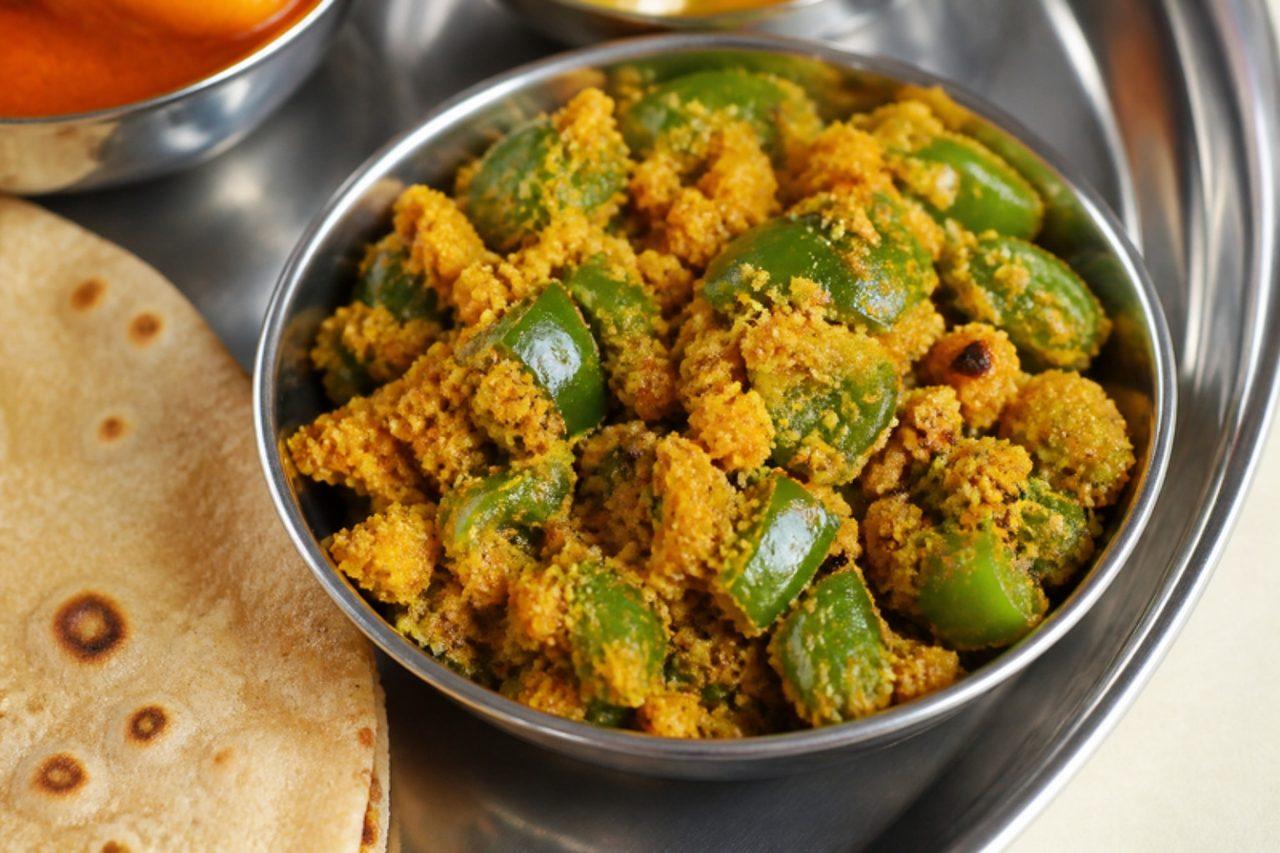
In Marwari homes in Jodhpur and Bikaner, and across Vidarbha in Maharashtra, gram flour stretches a few vegetables into a satisfying dry sabzi, and capsicum with besan is the weekday favourite, eaten with phulka and a bowl of kadhi or dal. Diced green peppers are cooked until just soft, then dusted with roasted, spiced besan, which turns into crumbly golden bits that cling to the peppers. A portion is about 165 kcal. The common mistake is adding the besan raw to the wet peppers, which gives a pasty, raw-tasting coating; roast it dry in a separate pan first until it smells nutty. Chef's tip: keep the capsicum slightly crunchy; it carries on softening once the besan goes in.

by KrazyBadal 0 views
Matki usalSprouted moth bean curry

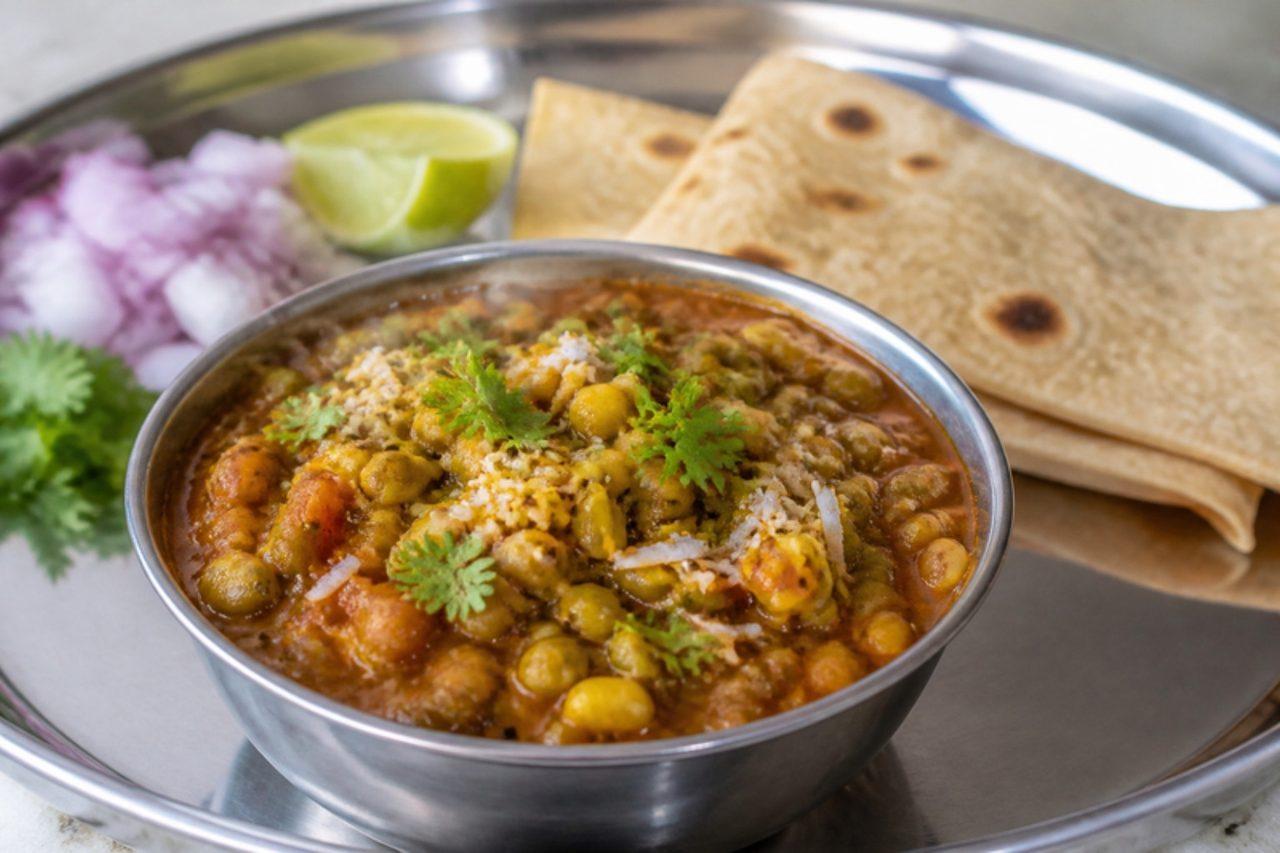
Every Marathi kitchen from Pune to Kolhapur keeps a jar of matki, the small brown moth beans, sprouting on the counter, and a bowl of usal is what turns up with chapati or bhakri at a weekday lunch, or topped with farsan as misal on Sundays. The sprouts stay slightly firm in a thin, spicy gravy flavoured with goda masala, the sweet-smoky spice mix of Maharashtra, and a little fresh coconut. A portion is about 230 kcal. Sprouting takes 2 days (soak overnight, then leave wrapped in a cloth for 24–36 hours), which is not counted in the times. The common mistake is overcooking the sprouts until they split and go mushy; they should hold their shape and still have a slight bite. Chef's tip: add a teaspoon of jaggery and a few kokum petals at the end; the gentle sweet-sour balance is what makes usal taste Maharashtrian.

by KrazyBadal 0 views
Parwal ki sabziPointed gourd and potato curry

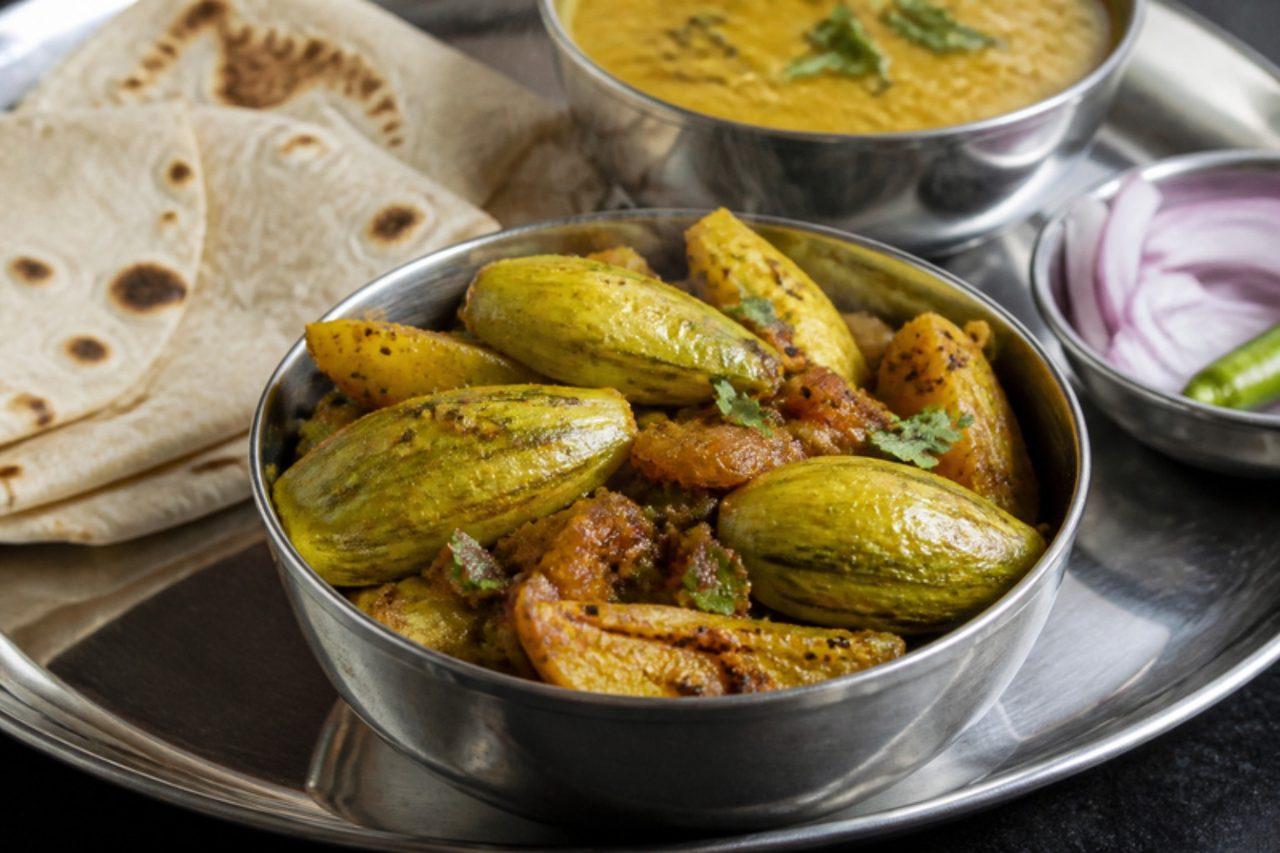
Parwal, the small striped pointed gourd, is the summer vegetable of Patna, Varanasi and the Bhojpuri belt, and parwal-aloo is what fills the plate beside dal, rice and roti through the monsoon months. Lightly scraped gourds are halved and cooked with potato, onion, turmeric and a little garam masala until tender and golden in spots. A portion is about 140 kcal. The common mistake is peeling the parwal completely; just scrape off the rough outer skin so the halves keep their green colour and do not fall apart. Chef's tip: choose firm, bright green parwal with soft seeds; if the seeds are hard and red, scoop them out before cooking.

by KrazyBadal 0 views

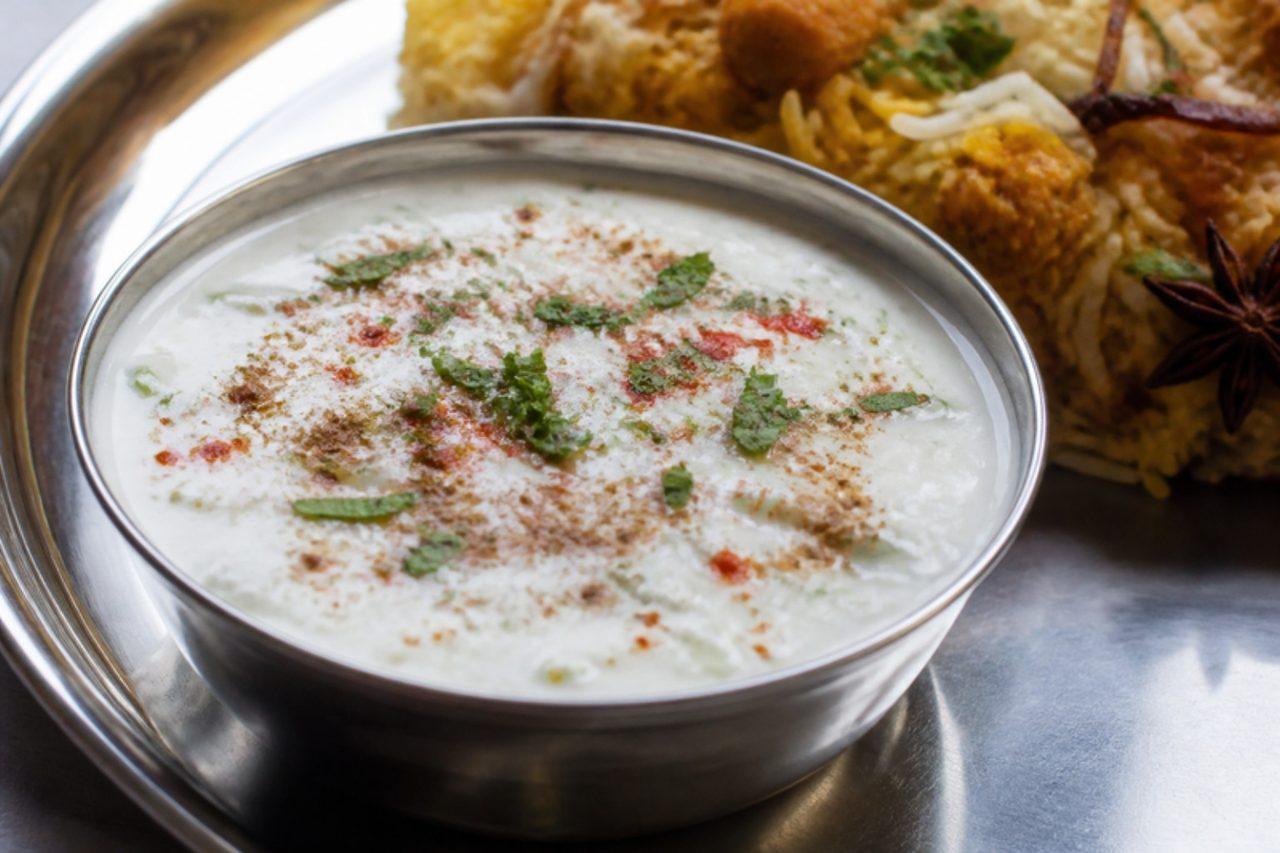
Kheera raitaCucumber yogurt dip

From Lucknow dinner tables to the biryani counters of Old Delhi, a bowl of cucumber raita is the cooling answer to anything spicy, and in summer it is eaten on its own with a paratha. Grated cucumber is folded into smooth, whisked yogurt with freshly roasted cumin, mint and a pinch of black salt. A portion is about 70 kcal. The common mistake is using yogurt straight from the pot without whisking, which gives a lumpy raita; whisk it smooth first and thin it with a spoon of cold water if needed. Chef's tip: roast whole cumin seeds in a dry pan and crush them yourself just before serving; the smoky smell is what makes a raita sing.

by KrazyBadal 0 views

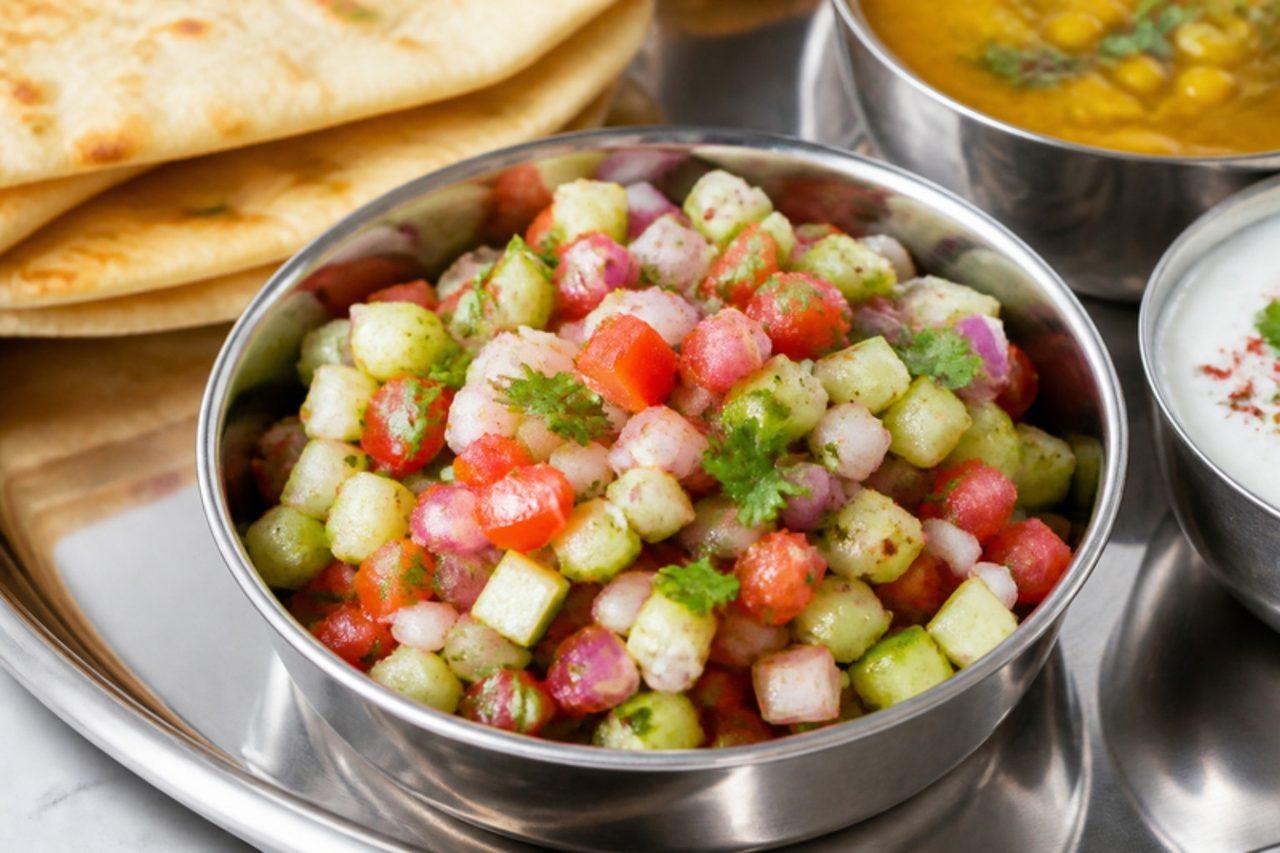
KachumberCucumber tomato onion salad

No North Indian or Gujarati thali is complete without a little heap of kachumber, the chopped salad that cuts through rich dal makhani, biryani or chhole in homes and dhabas from Delhi to Ahmedabad. Cucumber, tomato and onion are diced small and dressed only with lemon juice, salt, chilli and roasted cumin, so it stays crisp and sharp. A portion is about 40 kcal. The most common mistake is salting it too early; salt draws the water out of the cucumber and tomato and leaves a soggy puddle, so dress it just before serving. Chef's tip: soak the chopped onion in iced water for 5 minutes and drain; it loses its harsh bite and stays crunchy.

by KrazyBadal 0 views

UlavacharuHorse gram soup

Horse gram (ulavalu) was once the grain fed to horses and the poorest farmers in the dry Rayalaseema and Krishna districts; today ulavacharu is a prized dish in Vijayawada restaurants, served with hot rice, a dot of ghee for those who eat it and fresh cream in the fancier places. The beans are boiled for a long time, and their dark, earthy cooking liquid is simmered down with tamarind, jaggery and spices into a thick, glossy, sweet-sour soup. A portion is about 210 kcal. The beans need soaking overnight first. The most common mistake is throwing away the cooking water: it is the soup. Chef's tip: let ulavacharu reduce slowly until it coats a spoon like thin gravy; that thick, almost syrupy finish is what separates it from rasam.

by KrazyBadal 0 views

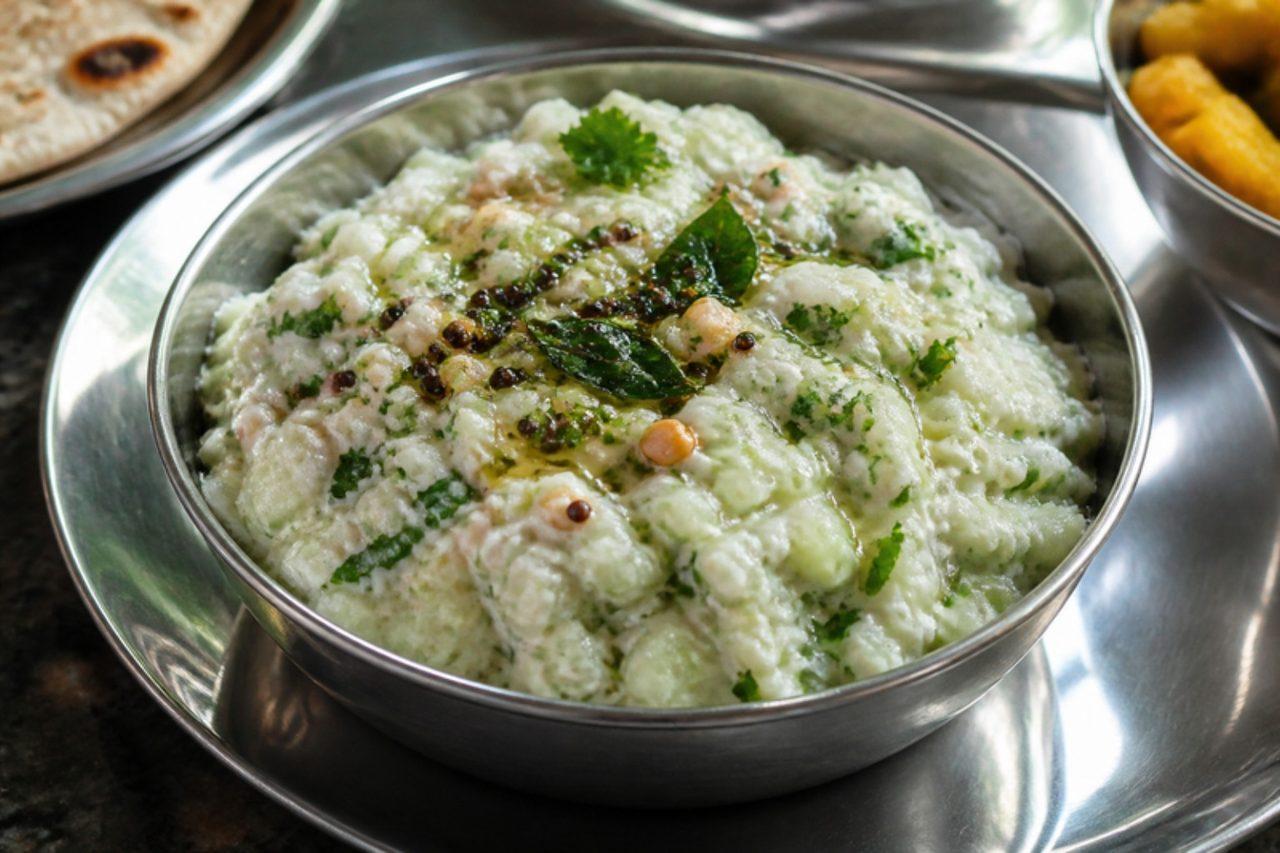
Kakdi koshimbirCucumber peanut salad

Koshimbir is the cool, crunchy salad that sits on the left side of a Marathi thali in Pune and Nashik, eaten at lunch with varan-bhaat and served at every festival meal. This one is grated or finely chopped cucumber mixed with crushed roasted peanuts, green chilli and a little yogurt, then finished with a fizz of mustard seeds and asafoetida in hot oil. A portion is about 110 kcal. The common mistake is not squeezing the cucumber, which makes the salad watery within minutes; press out the juice (and drink it). Chef's tip: add the crushed peanuts at the last moment so they stay crunchy, and use a pinch of sugar only if your yogurt is very sour.

by KrazyBadal 0 views

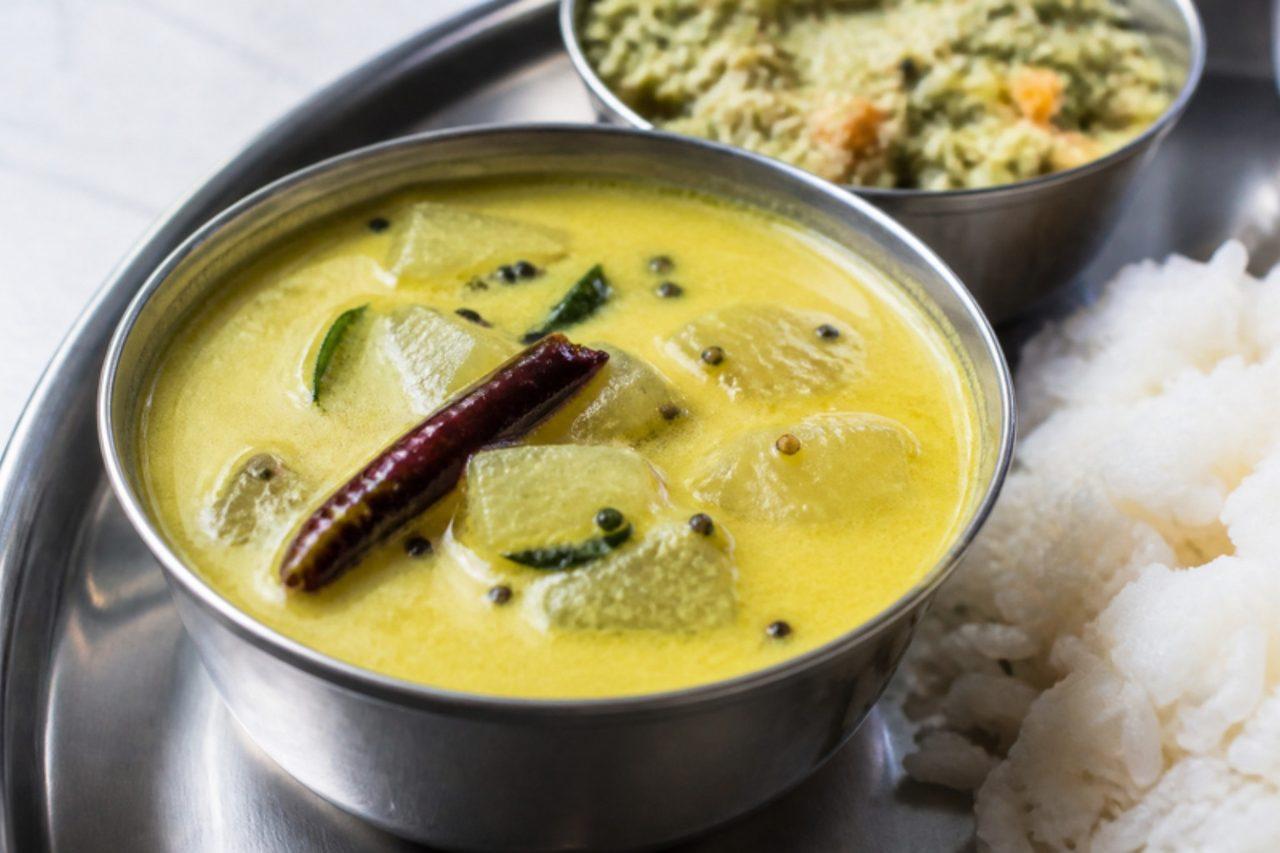
Majjige huliAsh gourd in buttermilk

Majjige huli is part of the Udupi and Mangaluru lunch, served with rice on banana leaves at temple meals and weddings and made at home on hot days: chunks of ash gourd (or cucumber, or chayote) cooked tender and then simmered gently in sour buttermilk thickened with a paste of coconut, green chilli, ginger and soaked chana dal. It is mild, tangy and pale yellow, and very cooling. A portion is about 150 kcal. The most common mistake is boiling it after the buttermilk goes in; it splits into curds and whey. Heat it until just steaming and then take it off. Chef's tip: use buttermilk that is a day or two old and properly sour; fresh buttermilk tastes flat in this dish.

by KrazyBadal 0 views

Mooli ki sabziRadish stir-fry

In Punjab and western Uttar Pradesh, radishes are bought with their leafy tops in the winter months, and nothing is wasted: the root is grated and the greens chopped, and both are cooked down with ajwain and green chilli into a soft, slightly sweet sabzi. It is eaten with makki or wheat roti and a spoon of white butter for those who are not counting, and it is very light without it. A portion is about 80 kcal. The usual mistake is skipping the squeeze: grated radish holds a lot of sharp-tasting water, so press it out first, or the sabzi turns soupy and bitter. Chef's tip: ajwain is the classic partner for radish; it softens the pungency and helps digestion, so don't leave it out.

by KrazyBadal 0 views

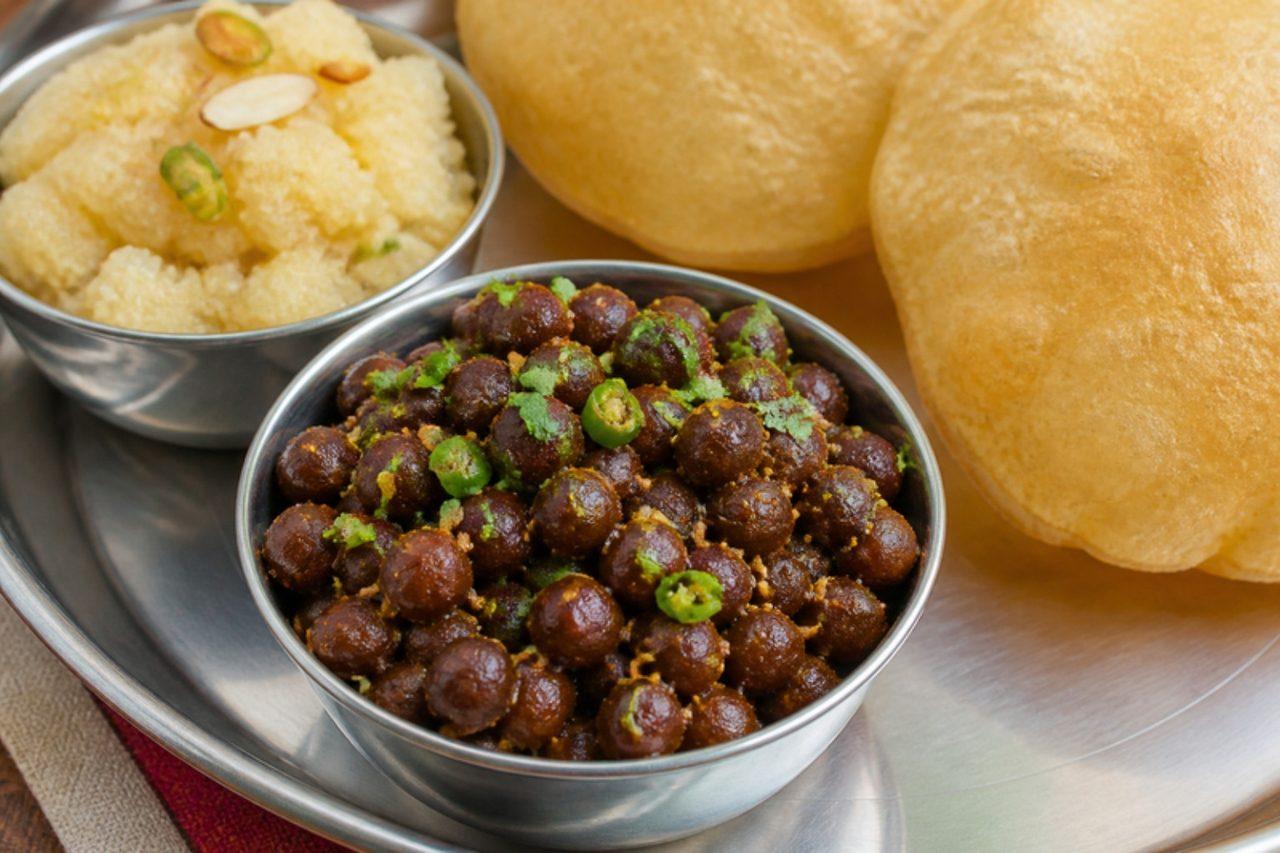
Sukhe kale chaneDry black chickpeas

On Ashtami, the eighth day of Navratri, homes in Delhi, Punjab and Uttar Pradesh invite young girls for kanjak puja and feed them puri, sooji halwa and these dry black chickpeas, cooked without onion or garlic. The kala chana are boiled until tender and then tossed in a hot, dry masala of cumin, coriander, amchur and green chilli until every chickpea is coated and the edges catch slightly. Outside festivals they make a protein-rich side or a snack with a squeeze of lemon. A portion is about 240 kcal. Soak the chickpeas overnight first. The common mistake is undercooking them: black chickpeas need longer than white, and should squash easily between two fingers. Chef's tip: keep 3 tablespoons of the cooking water and add it with the spices; it helps the masala cling to each chickpea.

by KrazyBadal 0 views

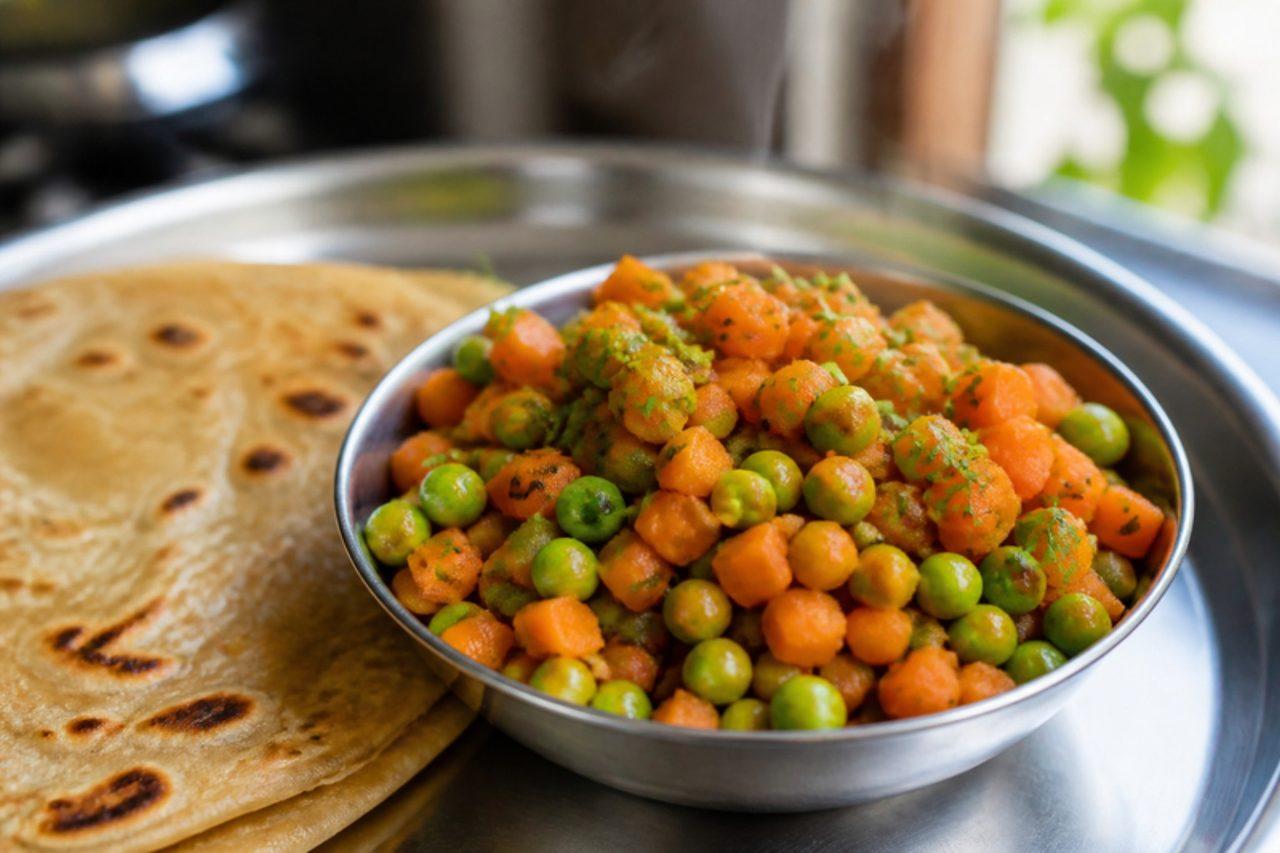
Gajar matarCarrot and pea stir-fry

Come December, the carts in Delhi and Lucknow are full of long red Delhi carrots and pods of fresh peas, and gajar matar becomes the everyday sabzi of the season, packed into tiffins with paratha or eaten with dal and rice. Diced carrot and peas are cooked with cumin, a little ginger and dry spices until just tender and sweet. Children tend to like it for its colour and mild taste. A portion is about 120 kcal. The usual mistake is cutting the carrot too big, so the peas go wrinkly before the carrot is cooked; dice it to the size of a pea. Chef's tip: if you can find the red winter carrots, use them; they are sweeter and juicier than orange ones, so you need no sugar at all.

by KrazyBadal 0 views

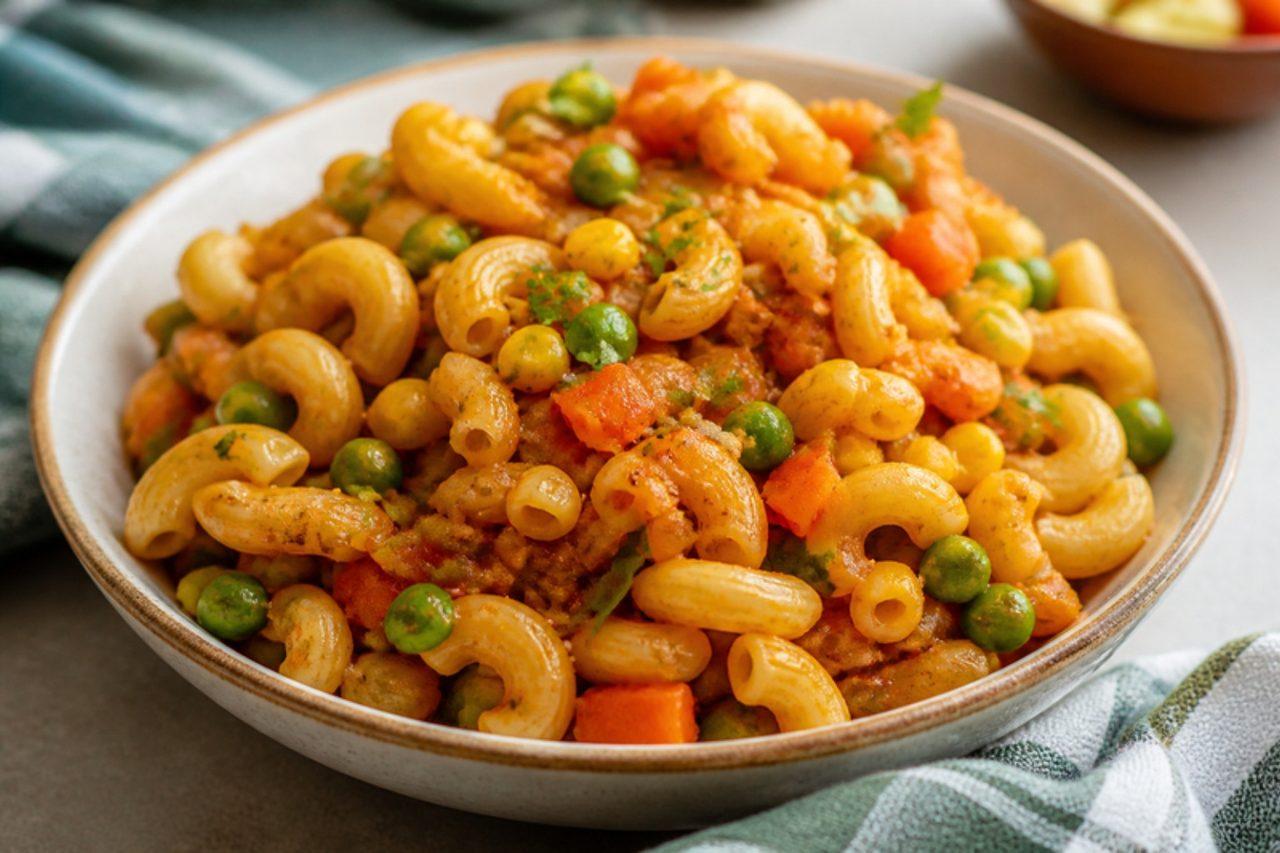
Masala macaroniSpiced vegetable macaroni

Pasta arrived in Indian kitchens through Irani cafés and school canteens, and home cooks quickly made it their own. This tiffin favourite from cities like Mumbai, Hyderabad and Bengaluru cooks elbow macaroni until just tender, then tosses it in a cumin-scented onion and tomato masala with soft carrot, peas, capsicum and sweetcorn. The spice stays gentle (a little Kashmiri chilli for colour, turmeric, coriander and a pinch of garam masala) and a spoonful of ketchup adds the sweet-sour note children expect. It is good hot for dinner and still tasty at room temperature in a lunchbox by midday. Grated cheese on top is optional; most cheddar and processed cheese uses animal rennet unless labelled vegetarian, so choose a vegetarian one. Chef's tip: keep a cup of the starchy pasta water; a splash at the end turns the masala into a light sauce that clings to every piece instead of sitting at the bottom.

by KrazyBadal 0 views

Paruppu sadamMashed rice and toor dal

Long before they can manage rasam or sambar, children in Tamil homes are fed paruppu sadam: rice and toor dal cooked together until very soft, mashed smooth and loosened with a spoonful of ghee. It is plainer and wetter than a khichdi, with no vegetables or spice blend, just turmeric, salt and a light thalippu (tempering) of cumin, curry leaves and a pinch of asafoetida. The same bowl is comfort food for grown-ups, eaten with a crisp potato roast, a fried appalam (urad papad) and a dollop of mango pickle. It also turns up at the start of a festive Tamil meal, where the first course is always dal rice with ghee. The texture should be creamy and spoonable, almost like a thick soup. Chef's tip: mash the rice and dal while they are piping hot; once they cool, the starch sets and the mash turns gluey rather than smooth.

by KrazyBadal 0 views

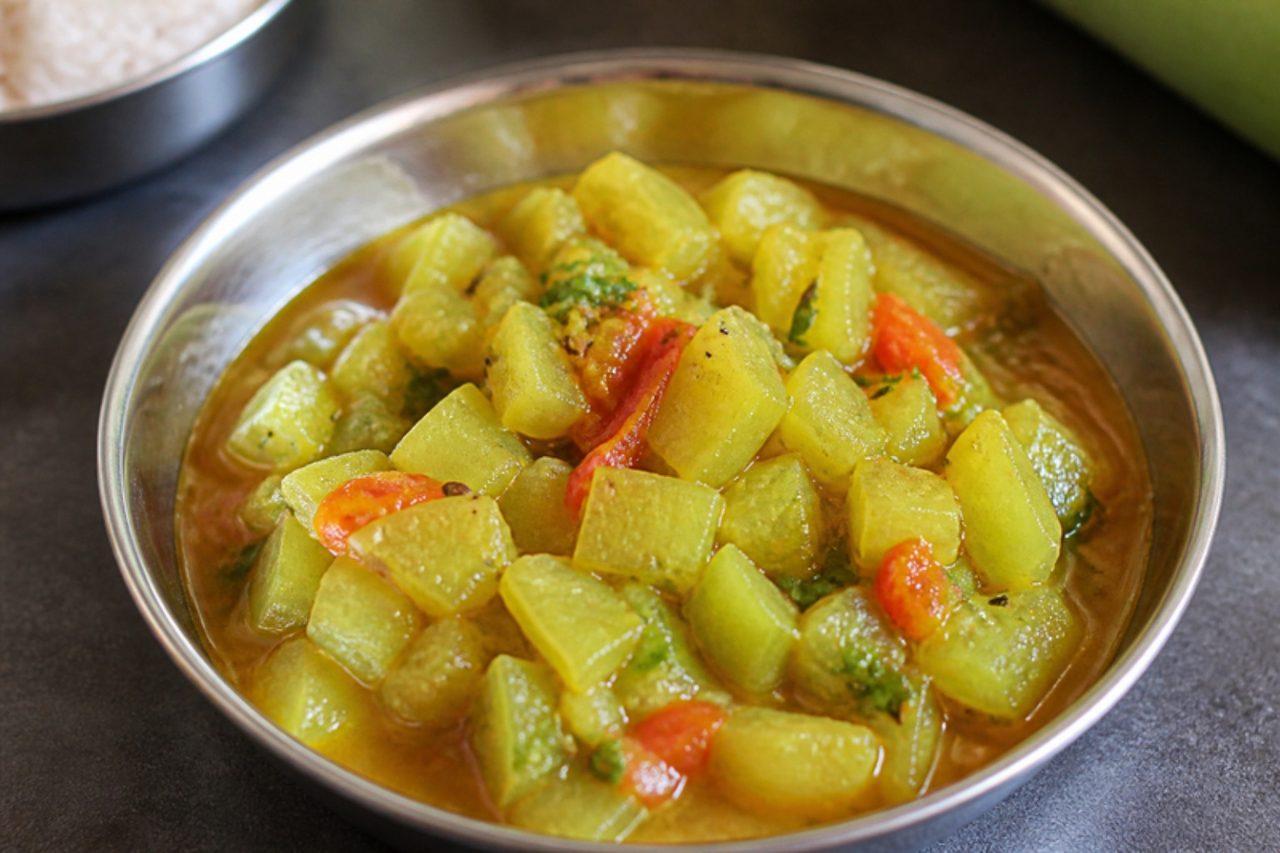
Dudhi nu shaakBottle gourd curry

When someone in a Gujarati house is unwell, or it's simply too hot to eat anything heavy, this is the shaak that appears with khichdi or thin rotli. Pale green bottle gourd cubes are cooked in a vaghar of cumin, mustard seed and hing with green chilli, a little tomato and a pinch of jaggery, and they release so much juice that almost no water is needed. With no onion, garlic or fresh ginger, it's everyday Jain food too. It ends up soft, light and gently sweet-sour, with a little thin gravy to soak into rice. The common mistake is adding water; dudhi is mostly water itself, and the shaak goes soupy and bland. Cover and let it stew in its own juice. Chef's tip: always taste a tiny raw piece first; a bottle gourd that tastes bitter can make you ill and must be thrown away.

by KrazyBadal 0 views

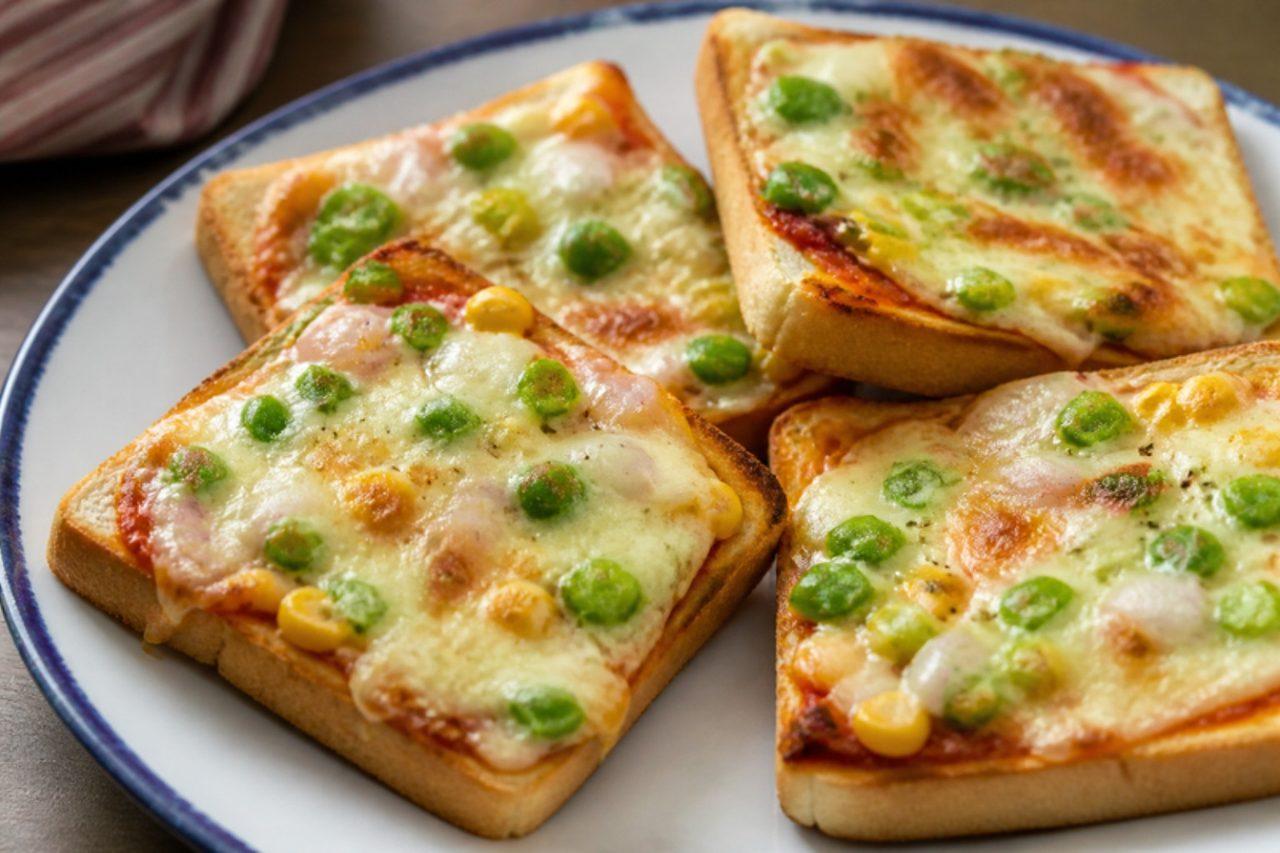
Bread pizza

Long before pizza chains reached every Indian town, mothers in Delhi, Ahmedabad and Kolkata were turning a loaf of sliced bread into after-school pizza on the tawa. Each slice is buttered underneath, spread with tomato sauce, scattered with sweetcorn, onion, capsicum and tomato, then covered with cheese and a lid until the bottom is crisp and the top bubbles. It is ready in 20 minutes, children can build their own, and the toppings can be whatever vegetables are in the fridge. Mozzarella or processed cheese both work; they are usually made with animal rennet unless labelled vegetarian, so choose a vegetarian one. Common mistake: piling on juicy chopped tomato with its seeds, which soaks the bread into a soggy slab; deseed it and keep the topping light. Chef's tip: toast the bare side of the bread on the tawa first, then top that crisp side, so the base stays crunchy under the sauce.

by KrazyBadal 0 views

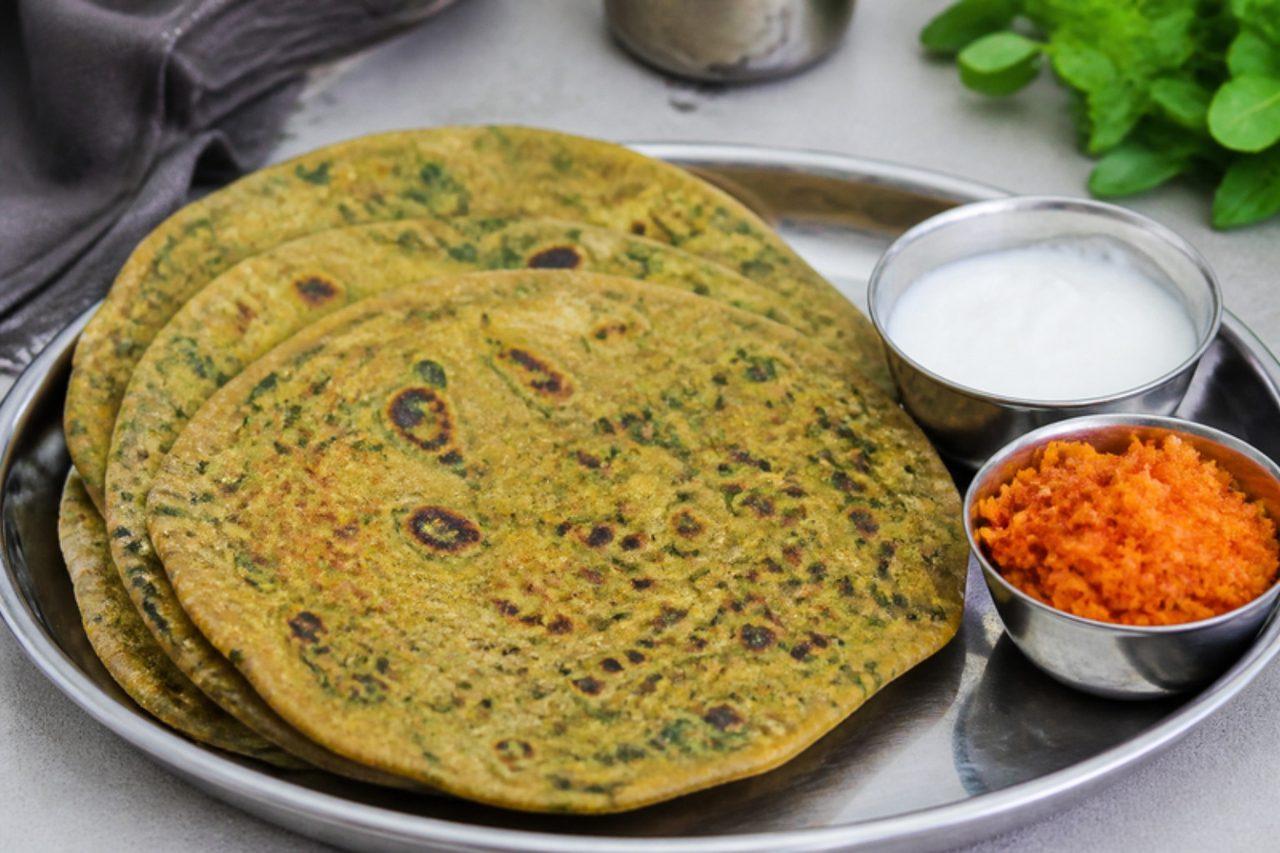
Methi theplaFenugreek flatbreads

Ask any Gujarati family heading for a train, a flight or a yatra what is in the steel dabba and the answer is methi thepla, with a jar of chhundo and some dry garlic chutney. Kneaded with dahi and a little oil rather than water, and spiced with turmeric, chilli, ajwain and sesame, they stay soft and fresh for three or four days without a fridge. Fresh methi gives a gentle bitterness balanced by a pinch of sugar, and the spoonful of besan adds a nutty depth. They are breakfast with masala chai, the school tiffin with dry aloo shaak, and the evening snack with pickle. A common mistake is pouring in water at the start; salt draws juice from the methi and dahi loosens the dough, so it turns sticky. Add water only by the spoonful at the end. Chef's tip: roll them really thin and cook on a medium tawa; thick theplas go leathery once cold.

by KrazyBadal 0 views

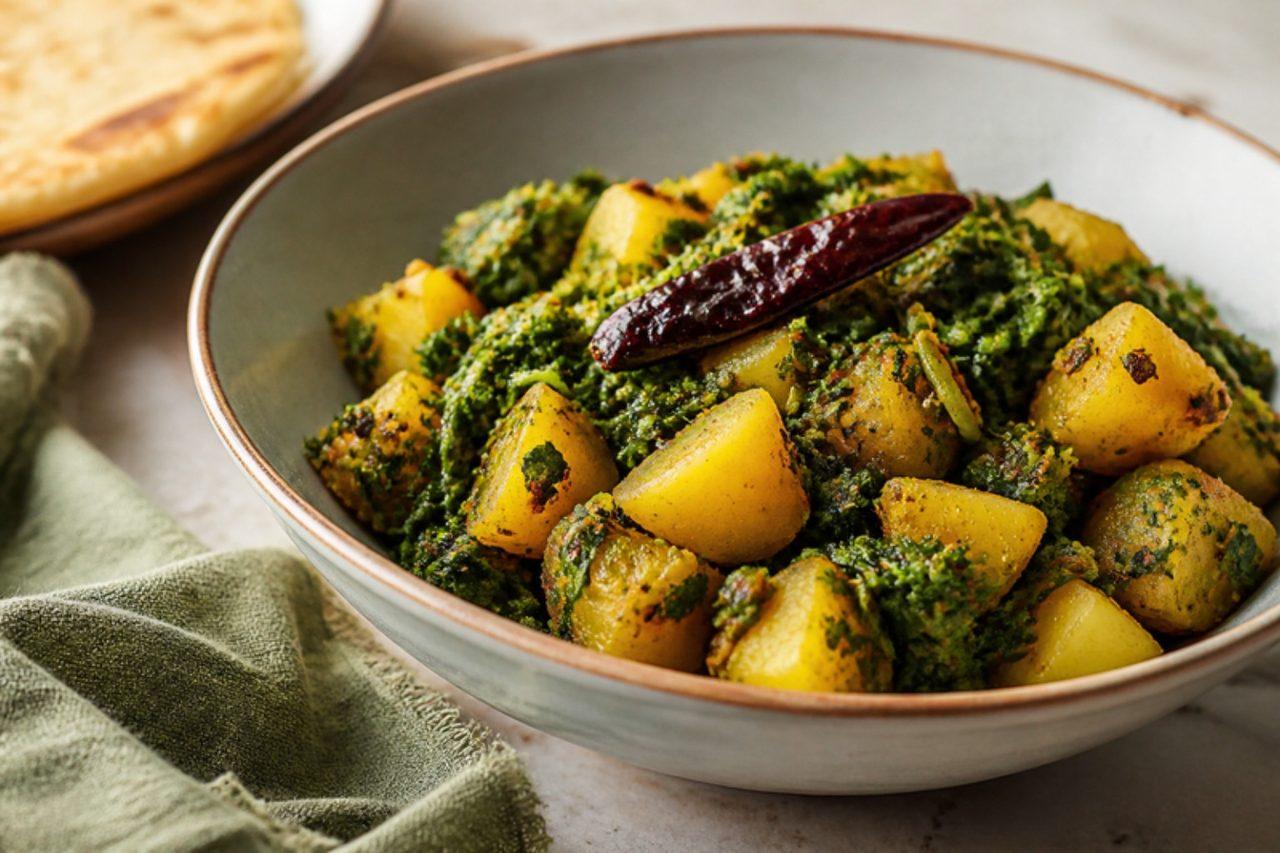
Aloo methiPotato and fenugreek stir-fry

When winter methi floods the Punjab sabzi mandis, every family cooks aloo methi with makki di roti or plain phulka and a bowl of dal. The leaves cook right down into a dark green coating around tender potato cubes, garlicky and gently bitter, with a little sourness from amchur and heat from dried red chilli. It's a classic tiffin sabzi because it tastes just as good cold. The common mistake is covering the pan after the methi goes in, which traps steam and brings out the bitterness; cook the potatoes covered first, then finish uncovered. Chef's tip: sprinkle the chopped methi with a pinch of salt, leave it ten minutes and squeeze out the green juice to tame the bitterness, just as Punjabi grandmothers do.

by KrazyBadal 0 views

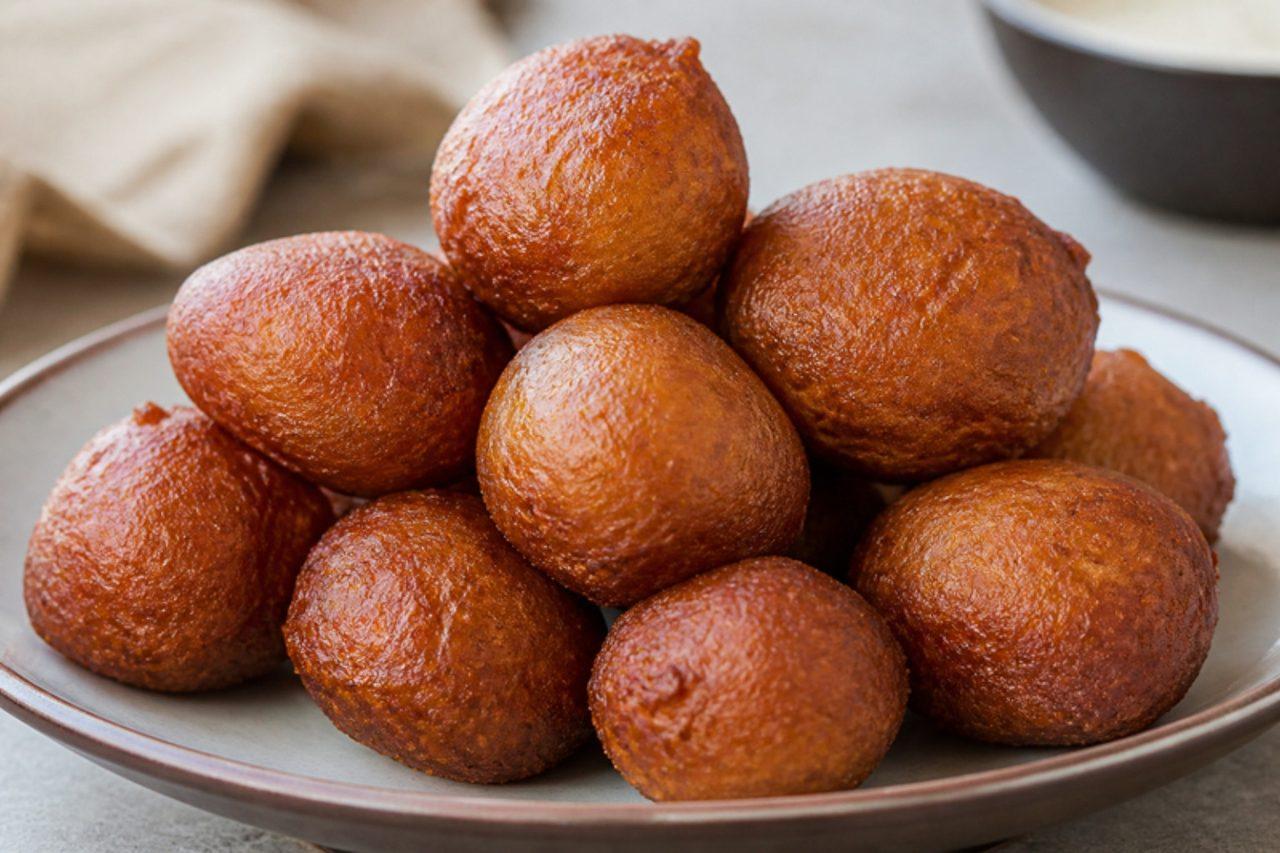
GulguleJaggery and wheat fritters

Rainy afternoons in Lucknow, Varanasi and Patna smell of gulgule frying. These little sweet fritters are made from a thick batter of whole wheat flour and melted jaggery, studded with fennel seeds, and dropped by hand into medium-hot oil, where they puff up and roll themselves over into dark-golden balls. Outside they are thin and crisp; inside they stay soft and cakey with a deep caramel sweetness. They are also made as a prasad for Sheetla Ashtami and on Teej, and children love them warm with a glass of milk. Made with water and fried in oil, as here, they are vegan. Expect about 20 bite-sized fritters. Chef's tip: test the batter by dropping a spoonful into water; if it holds its shape and doesn't spread, it is thick enough to make round gulgule.

by KrazyBadal 0 views

Showing 24 of 880 recipes

Show more recipes

Page 9 of 37

More collections