Skip to content

Vegetarian Indian dinners

Dal, sabzi, curries and rice dishes for a meat-free Indian dinner. (779 recipes)

Choddo shaakFourteen leafy greens stir-fry

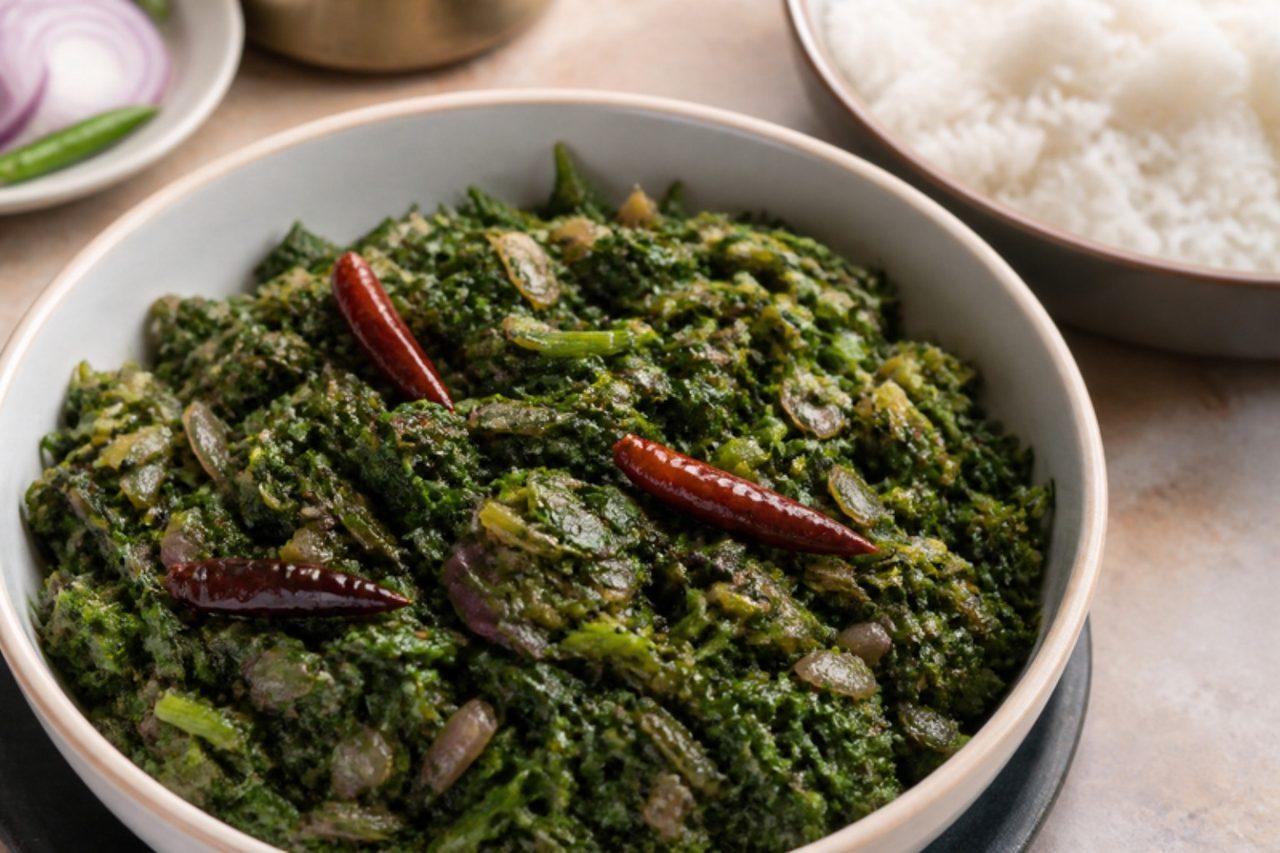
On Bhoot Chaturdashi, the night before Kali Puja and Diwali, Bengali homes light fourteen lamps for their ancestors and eat a dish of fourteen greens at lunch to keep illness and restless spirits away. Markets in Kolkata sell bundles already mixed for the day: spinach, red and green amaranth, Malabar spinach, water spinach, fenugreek, mustard and radish greens, bathua, jute leaves, pumpkin leaves, helencha and a few neem leaves for bitterness. Fried briefly in mustard oil with nigella and dried chilli, they cook down to an earthy, slightly bitter, faintly sweet tangle. It is eaten as the first course with hot rice and a drizzle of ghee for those who want it. If you can't find all fourteen, use what your grocer has; the mix matters more than the exact list. Chef's tip: cook it uncovered after the first wilt so the water evaporates; choddo shaak should be dry and glossy, not stewed.

by KrazyBadal 0 views

SuvaliSweet milk and sesame puris

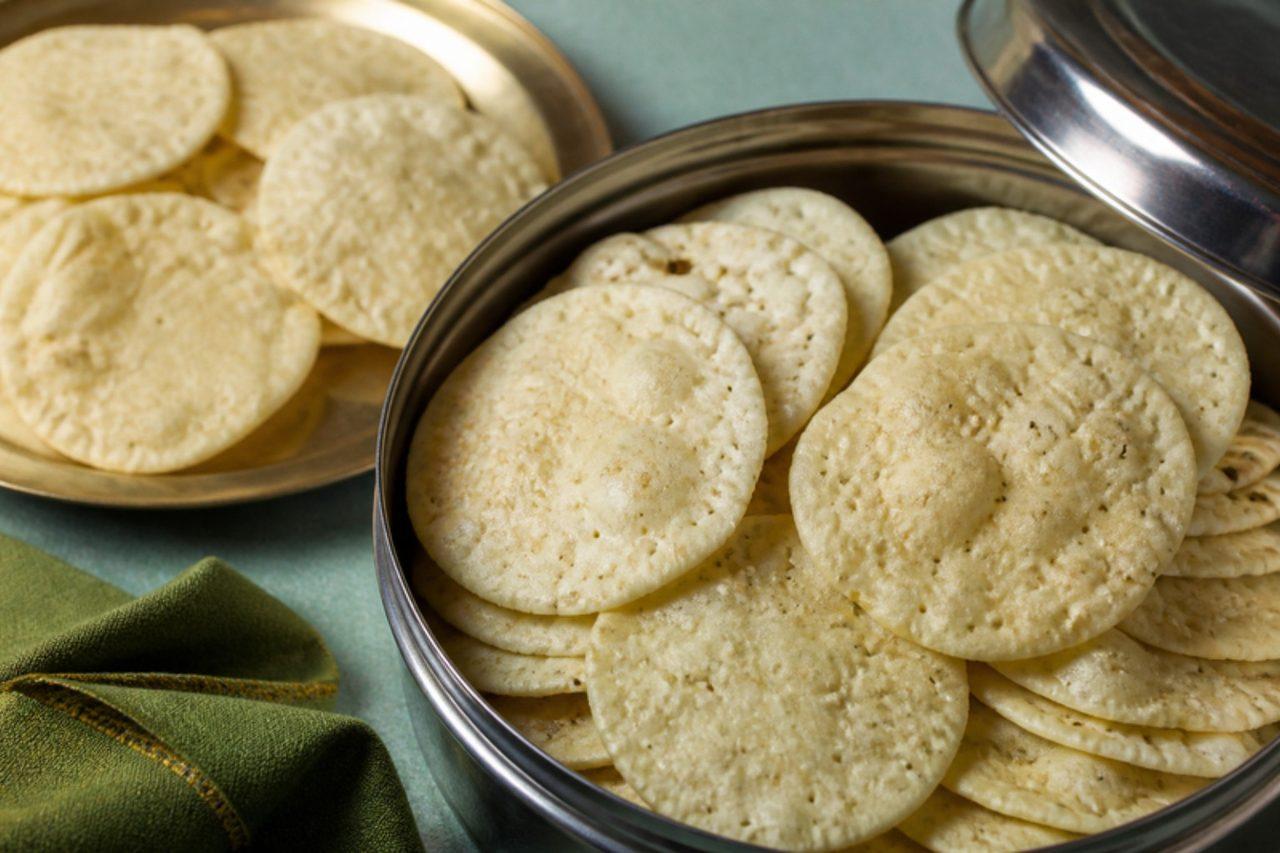
Open any Gujarati steel dabba in Diwali week and suvali will be near the top, stacked between chorafali and mathiya. Families fry them on the days around Dhanteras and Kali Chaudas, then hand them to every guest who drops by on Bestu Varas, the Gujarati New Year, with a cup of masala tea. The dough is short with ghee and sweetened by sugar dissolved in milk, so the puris snap cleanly and melt into a gentle sweetness rather than tasting like a biscuit. Sesame gives a nutty crunch, cardamom the festive smell. They should stay ivory with only the faintest blush of colour. Eat them with tea, or the way many grandparents do, with a spoonful of chhundo or sweet mango pickle. Chef's tip: roll every suvali before you start frying and keep them under a damp cloth, so you can give the pan your full attention and keep the heat low and steady.

by KrazyBadal 0 views

Tilgul ladooSesame and jaggery balls

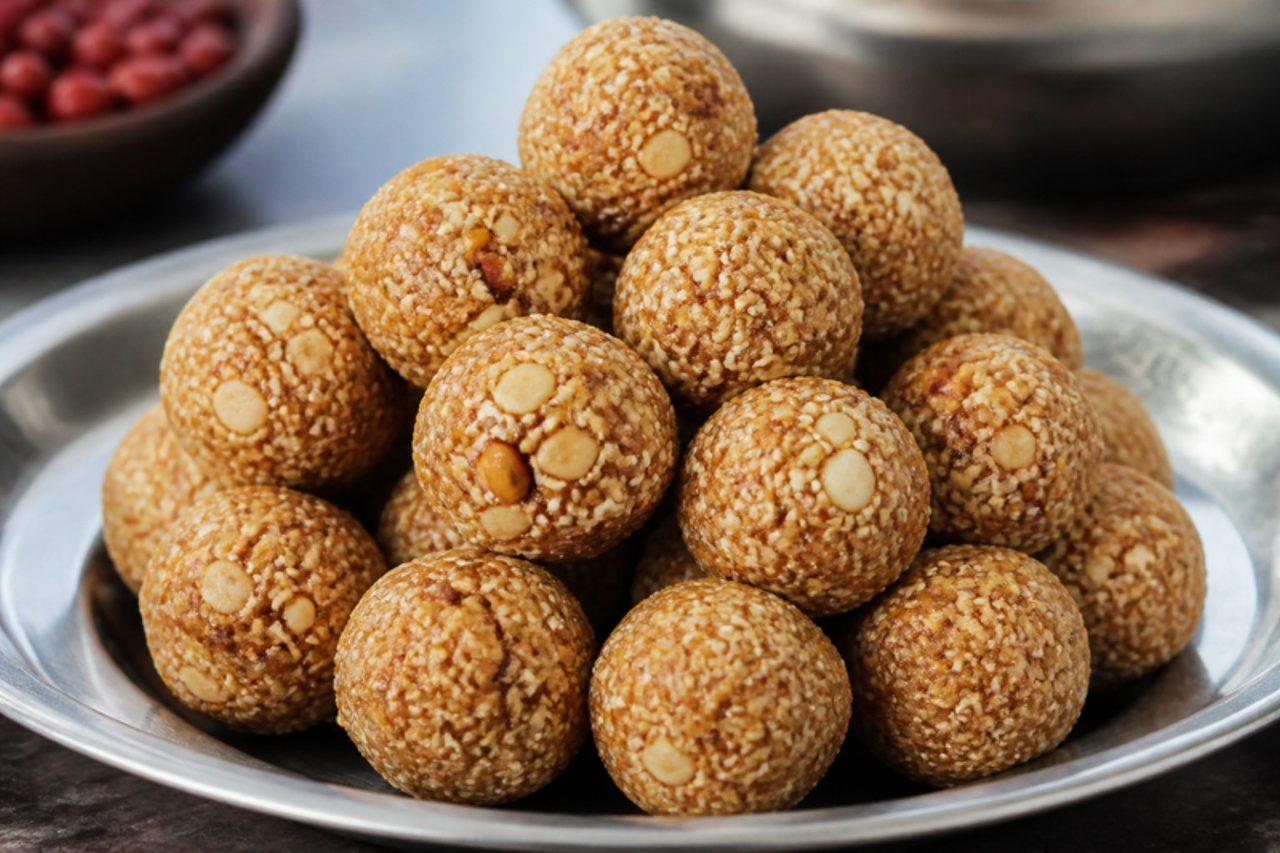
On Makar Sankranti in Maharashtra, neighbours, colleagues and old rivals swap tilgul and say 'tilgul ghya, goad goad bola': take this sesame and jaggery, and speak sweetly. Sesame and jaggery both warm the body in the coldest weeks of January, which is why the ladoo appears in every Pune and Mumbai home, often next to halwa sugar beads. These are the softer, chewy kind: sesame and peanuts are roasted separately, then bound with jaggery cooked just to the soft-ball stage and rolled quickly while warm. They taste nutty and toffee-like with a hint of cardamom. Hand them out in small bags or eat one after lunch. The common mistake is overcooking the jaggery: it sets rock hard and the ladoos can crack a tooth. Grease your hands with a little oil rather than ghee to keep them vegan. Chef's tip: test the jaggery by dropping a little into cold water; it should gather into a soft ball you can squash between your fingers.

by KrazyBadal 0 views

Navratan kormaNine-jewel vegetable korma

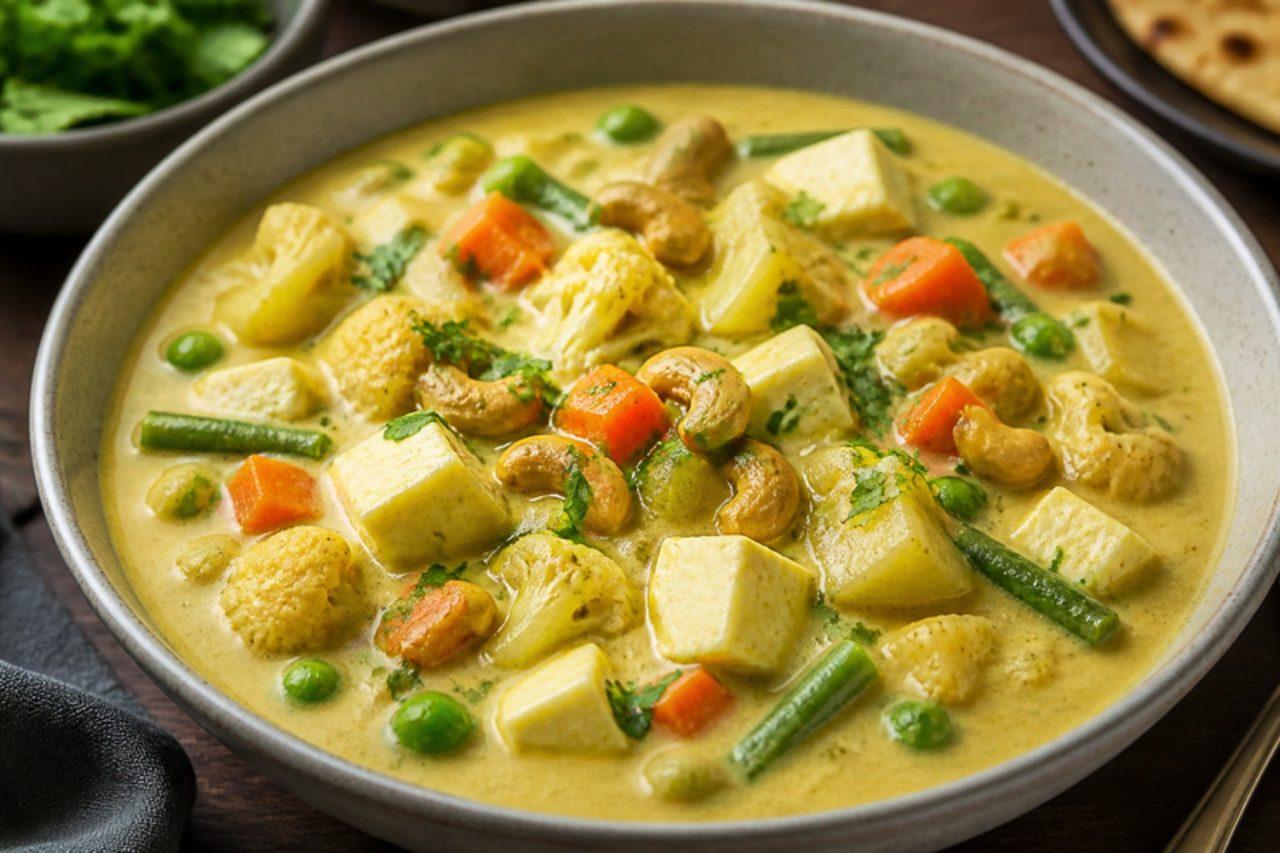
Legend ties the name to the nine gems (navratna) of Akbar's court, and the dish lives up to it: nine kinds of vegetables, paneer, fruit and nuts in an ivory gravy that is mild, rich and a little sweet. It is a fixture of North Indian wedding buffets and restaurant menus, often the one curry children and spice-shy guests head straight for. The gravy is a Mughlai white base, made from onions boiled (not browned) and ground with cashews, cooked gently in ghee with whole spices, yogurt and cream. Each vegetable is cooked separately so it stays bright and holds its shape, and pineapple and raisins go in at the end for little bursts of sweetness. Serve it with jeera rice, naan or laccha paratha and a sharp onion salad on the side. Common mistake: browning the onions; they colour the gravy beige and make it taste like any other curry. Keep the heat gentle once the yogurt is in, so it does not split. Chef's tip: a pinch of white pepper and a drop of kewra water at the end give the restaurant flavour without adding chilli heat.

by KrazyBadal 0 views

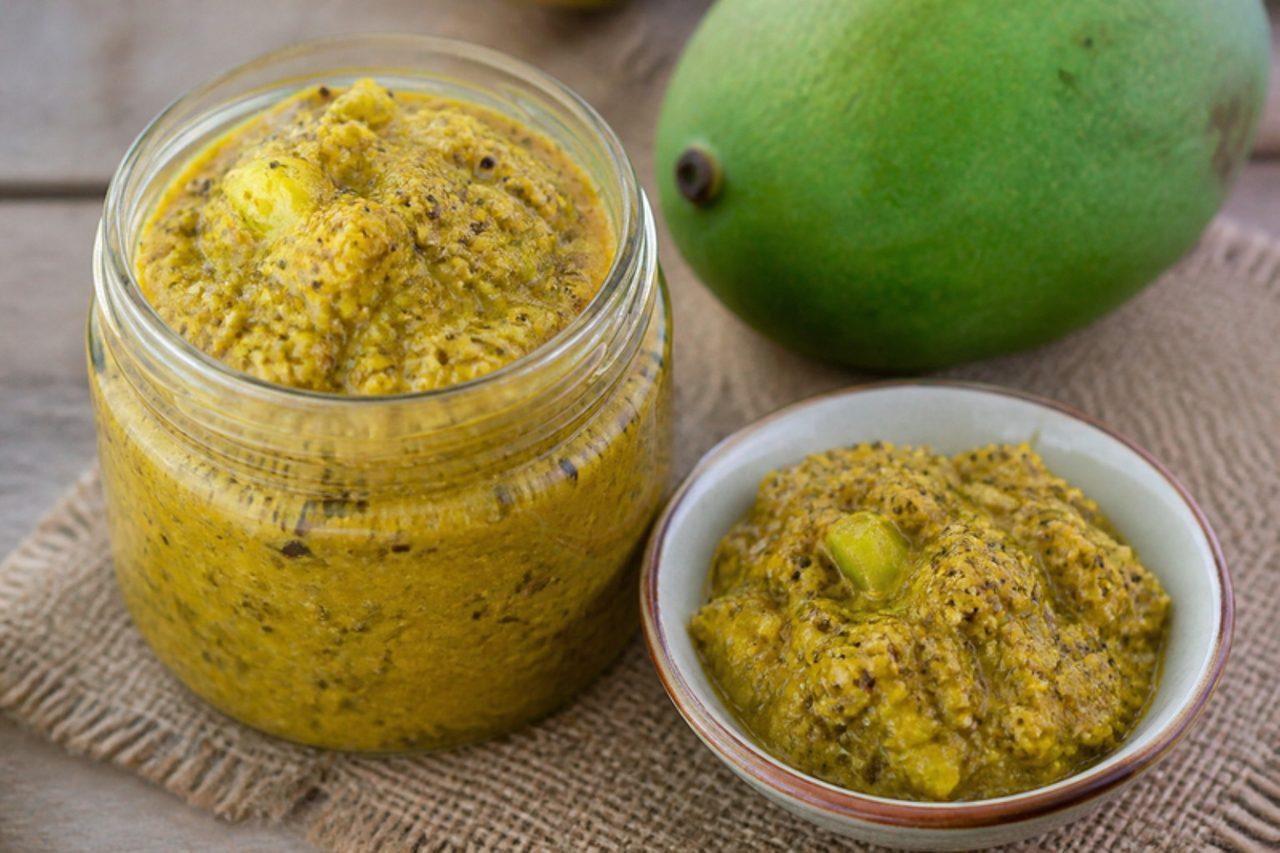
Punjabi aam ka acharRaw mango pickle

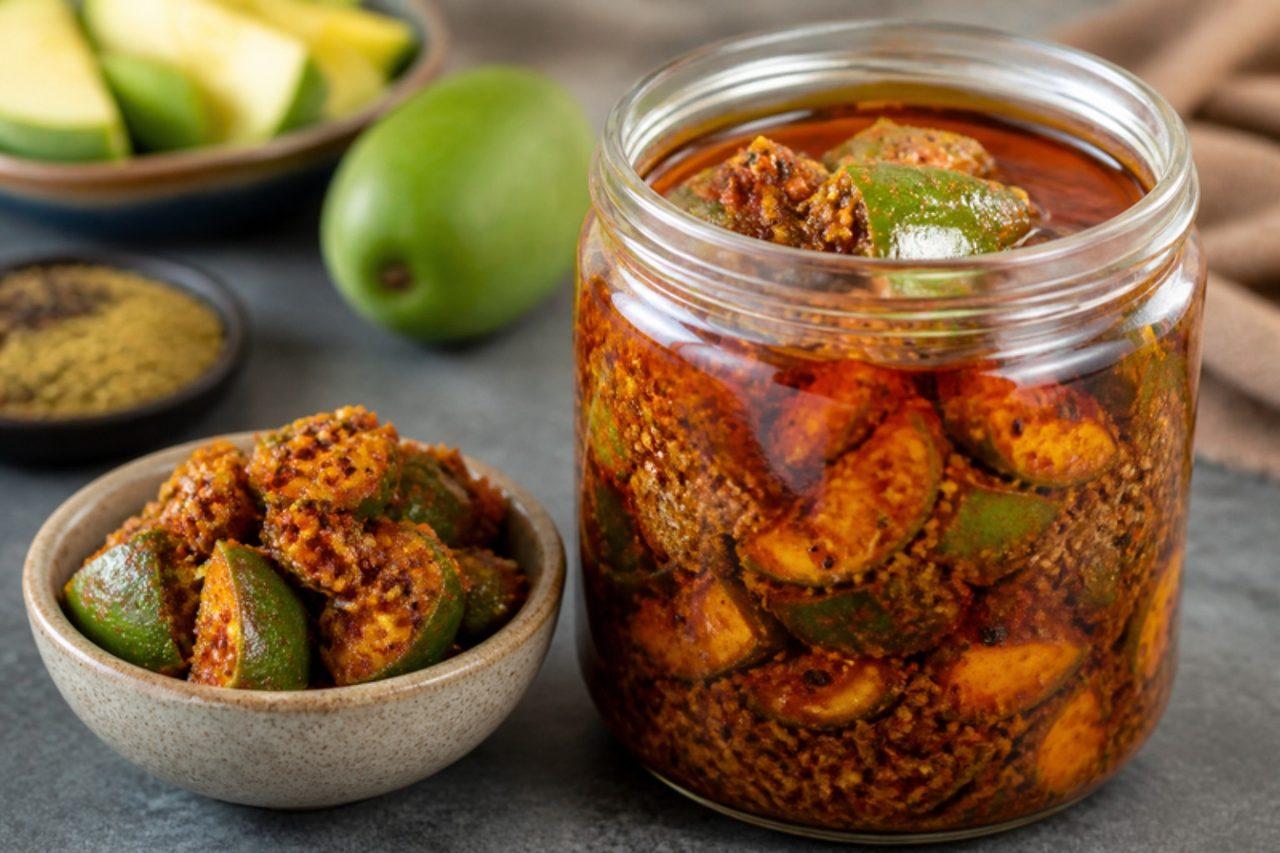
Drive through Punjab in June and you will see rooftops lined with glass barnis of mango pickle warming in the sun. The Punjabi style is bold and oily: firm raw mango is chopped with its stone, dried until leathery at the edges, then tossed with coarse saunf (fennel), kalonji (nigella), methi dana, yellow mustard, turmeric and red chilli, all bound by mustard oil heated until it smokes. A week of sun mellows the oil's bite and softens the mango, giving a pungent, fennel-sweet pickle with a strong mustard-oil kick, quite different from the sesame-oil avakaya of Andhra or a Gujarati methia keri. It is the pickle for aloo paratha with white butter, dal-chawal and rajma. Common mistake: using mustard oil straight from the bottle; it must be heated to smoking and cooled, or the pickle tastes harsh. Keep all the pieces under oil, use a dry spoon and discard the jar if mould forms. Chef's tip: cut the mango with a heavy cleaver so each piece keeps a sliver of the soft stone; families fight over those bits.

by KrazyBadal 0 views

Aam kasundiMango mustard relish

Kasundi was once made in Bengali homes only by women of the household on a particular day in spring, with elaborate rules; today most families make this quicker aam (mango) version and keep it in the fridge through summer. Soaked black and yellow mustard seeds are ground with sour raw mango, green chilli, turmeric and salt, then loosened with mustard oil and left in the sun for a few days so the flavours mellow and sharpen at the same time. It is nose-tingling, sour, salty and a little bitter, the dip for beguni, alur chop, fish fry, mochar chop and the snack plates of a Kolkata evening, and a spoon in jhalmuri lifts it straight away. Common mistake: grinding the mustard too long or in a hot blender jar, which makes it bitter; grind in short bursts with cold water and something sour. Keep the jar under a thin film of mustard oil, use a clean dry spoon and discard if mould appears. Chef's tip: soak the mustard in water with a pinch of salt and turmeric; it tames the bitterness and gives a brighter yellow.

by KrazyBadal 0 views

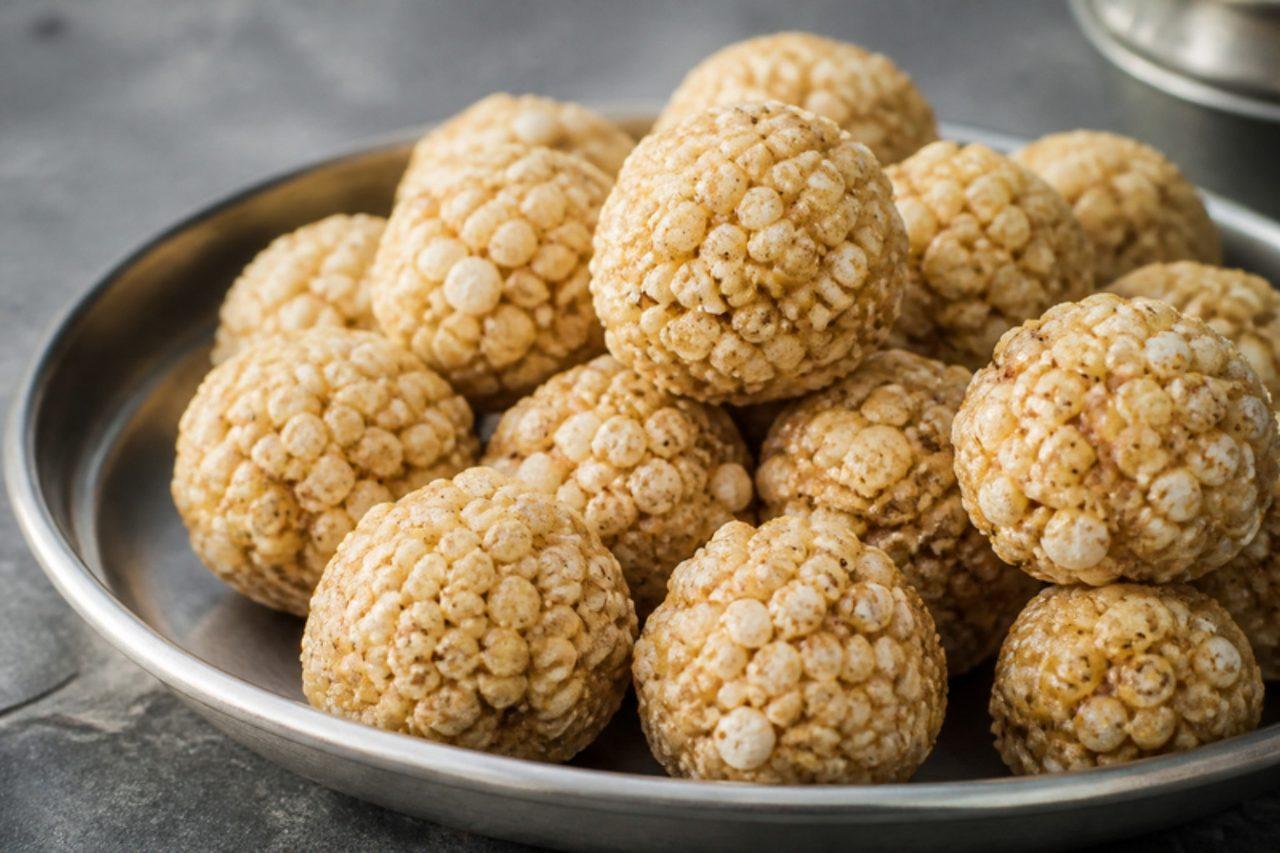
Rajgira ladooPopped amaranth jaggery balls

Before Mahashivratri and Navratri, sweet stalls in Maharashtra pile up trays of rajgira ladoo, and they are one of the few sweets that suit a strict fast and a vegan diet at once. Amaranth seeds puff like tiny popcorn in a hot pan; mixed with jaggery cooked to a firm syrup, they set into light, crunchy balls with a toffee-like, molasses sweetness and a toasty grain flavour. They are eaten as an energy-giving snack on fast days, given as prasad, and packed for long temple queues. Ready-popped rajgira is easy to find in Indian shops; popping your own seeds (a spoonful at a time in a hot, dry, lidded pan) takes about 10 minutes more. Chef's tip: wet your palms with cold water and shape the ladoos while the mix is very warm; once the jaggery cools, it sets hard and won't bind.

by KrazyBadal 0 views

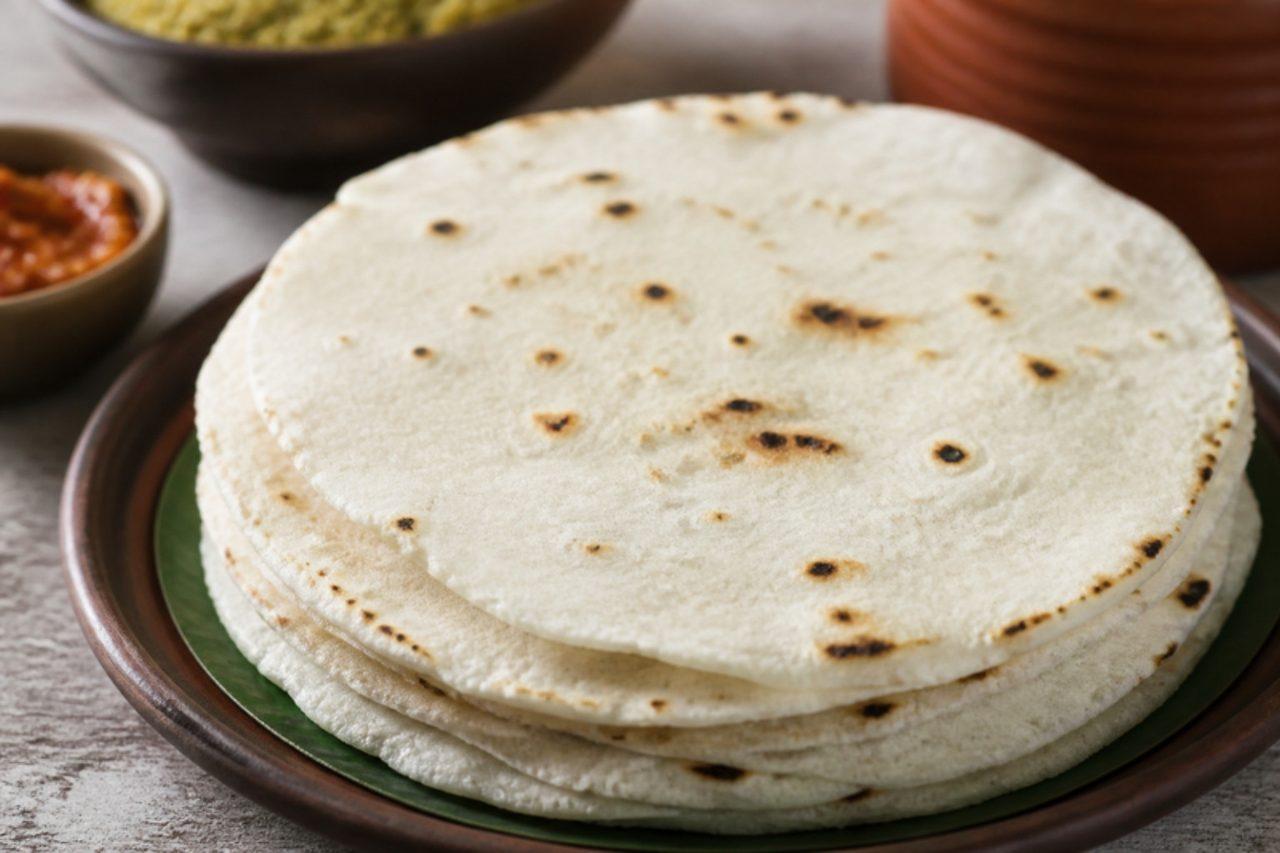
Tandalachi bhakriRice flour flatbread

Along the Konkan coast, from Alibag down to Sindhudurg, the everyday bread isn't wheat at all but tandalachi bhakri, a soft round of rice flour and water, the natural partner to a coconut-rich Malvani fish curry, kombdi rassa, a bowl of usal or plain pithla with sol kadhi. Unlike Karnataka's akki rotti, it has no onion, coconut or chilli in the dough: just rice flour, salt and hot water, kneaded smooth and patted out thin by hand. Cooked on a hot iron tawa and finished over an open flame, it puffs up like a balloon and stays soft and pliable, with a faint sweetness and toasty spots. Common mistake: mixing the flour with cold or warm water. Rice flour has no gluten, so it needs boiling water to gelatinise and bind; otherwise the bhakri cracks all round the edges. Chef's tip: knead each portion again just before patting; a dough that sat still dries on the surface and cracks.

by KrazyBadal 0 views

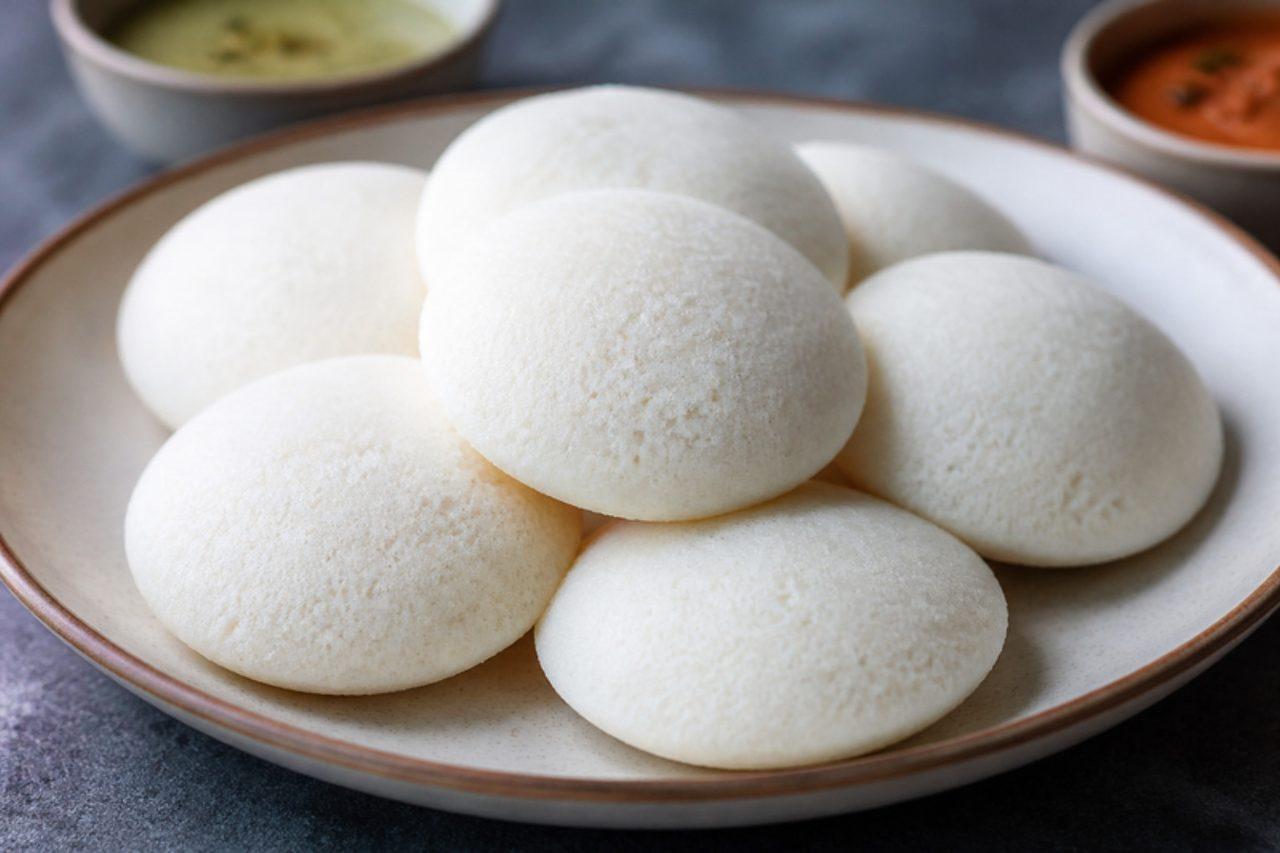
SannasSteamed rice cakes

Sannas are to a Goan Catholic feast what idli is to a Chennai breakfast: soft, pillowy steamed rice cakes, made for Christmas, weddings and village feast days to mop up sorpotel, xacuti or a coconut curry. They are fluffier and slightly sweeter than idli, because ground coconut and a little sugar go into the rice batter, and they are traditionally risen with fresh coconut toddy (sur). This version uses dried yeast in place of toddy, so it contains no alcohol, and the long overnight ferment still gives the faint sour note that makes them taste right. Serve them warm with any Goan curry (vegetable xacuti or chana ross keep it vegetarian) or with jaggery and coconut milk for tea. The common mistake is overfilling the moulds; sannas rise a lot and spill over. Fill each two-thirds full. Chef's tip: grind a handful of cooked rice or soaked poha into the batter; it gives that cotton-soft, spongy texture that plain rice batter lacks.

by KrazyBadal 0 views

Paruppu podiLentil powder for rice

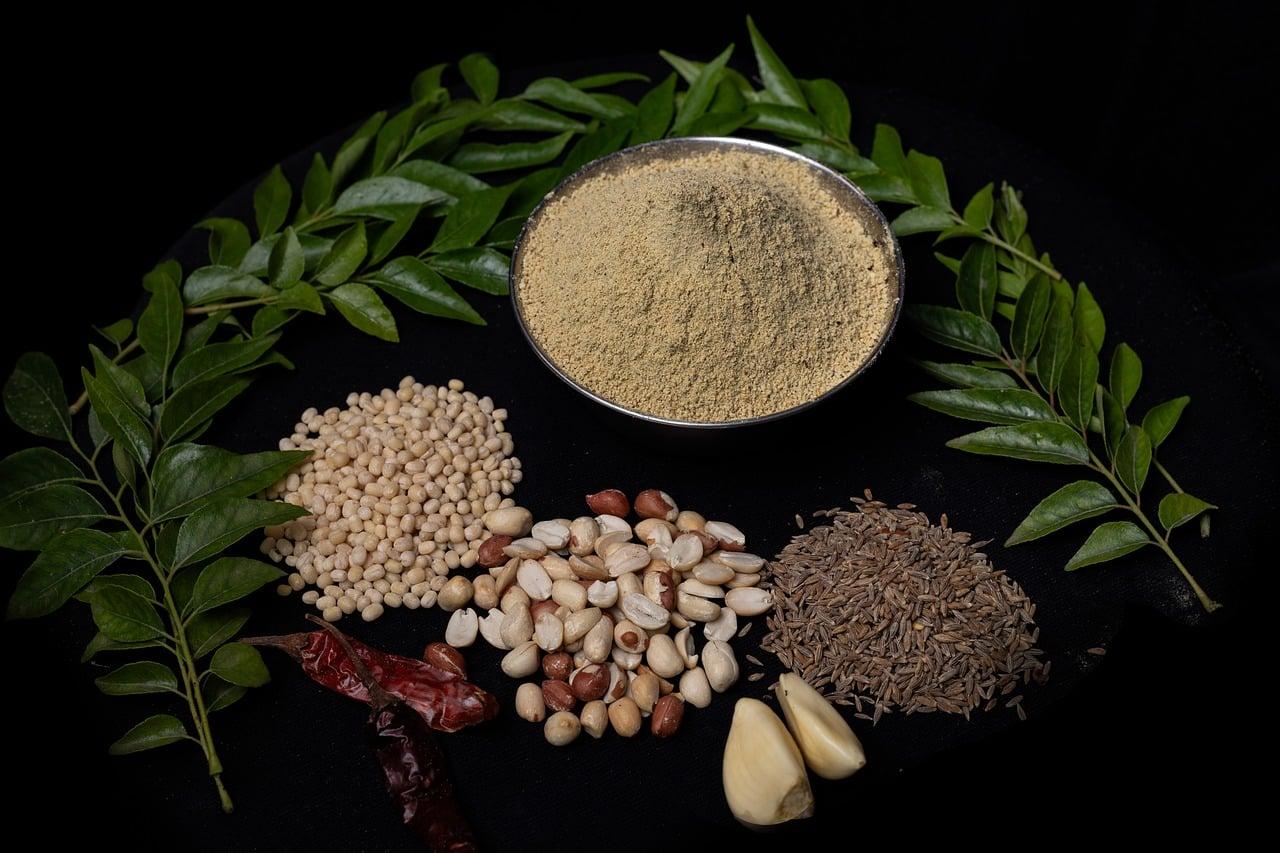
Ask a Tamil or Andhra child what they want for a quick lunch and the answer is often paruppu podi sadam: a heap of steaming rice, two spoons of this pale, sandy powder and a generous pour of ghee or sesame oil, mixed by hand, with appalam and a spoon of mango pickle alongside. The podi is mild compared with idli podi, built on roasted toor dal and pottukadalai (roasted split gram), with black pepper and just a few red chillies for warmth. Andhra kandi podi adds garlic, which makes it more savoury; roast the cloves until dry so the powder keeps. The recipe itself is vegan, but the traditional serving uses ghee. Common mistake: roasting the toor dal too fast; it browns outside while staying hard and raw-tasting inside. Chef's tip: grind it finer than idli podi, almost to a soft powder, so it coats every grain of rice.

by KrazyBadal 0 views

DoodhpakRice milk pudding

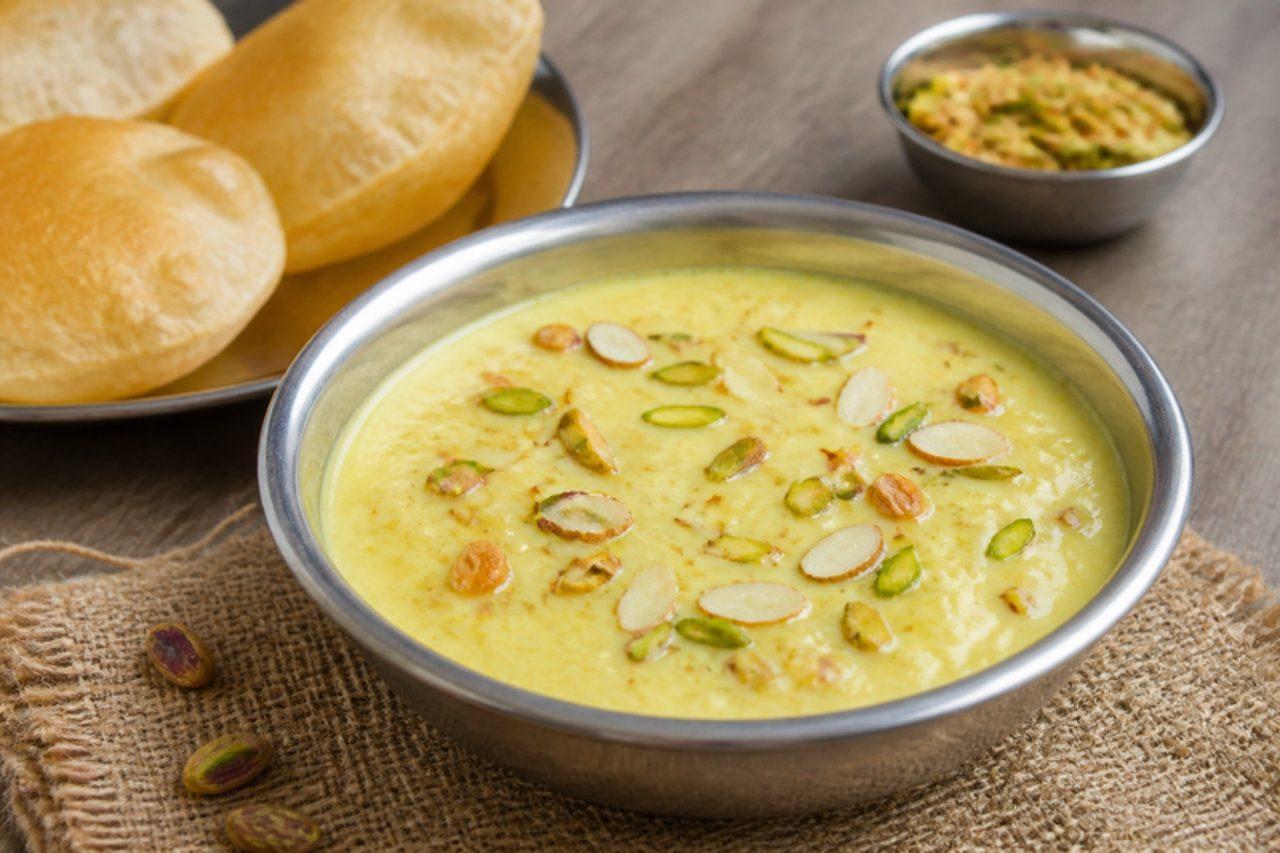
Doodhpak and puri is the classic pairing of a Gujarati jamanvar (feast), served at weddings, at Sharad Purnima and, in many families, cooked for pitru paksha (shraddh) to remember the ancestors. Unlike a thick kheer, doodhpak is pourable and silky: a small amount of rice cooks in milk that has been reduced by about a third, so each grain is soft but still whole, and the milk turns creamy and faintly golden from saffron. Charoli (chironji, small almond-like seeds), slivered almonds and pistachios give it bite, and cardamom with a little nutmeg (jaiphal) is the true Gujarati flavour. It thickens a lot as it cools, so take it off the heat while it still looks thin. Serve warm in winter or chilled in summer, with hot puris, dal-bhaat and a dry shaak. Common mistake: adding sugar before the rice is fully soft; the sugar stops the grains cooking and they stay chalky. Chef's tip: rub the soaked rice with a teaspoon of ghee before it goes in, so the grains stay separate and do not form lumps on the base.

by KrazyBadal 0 views

AmchurDry mango powder

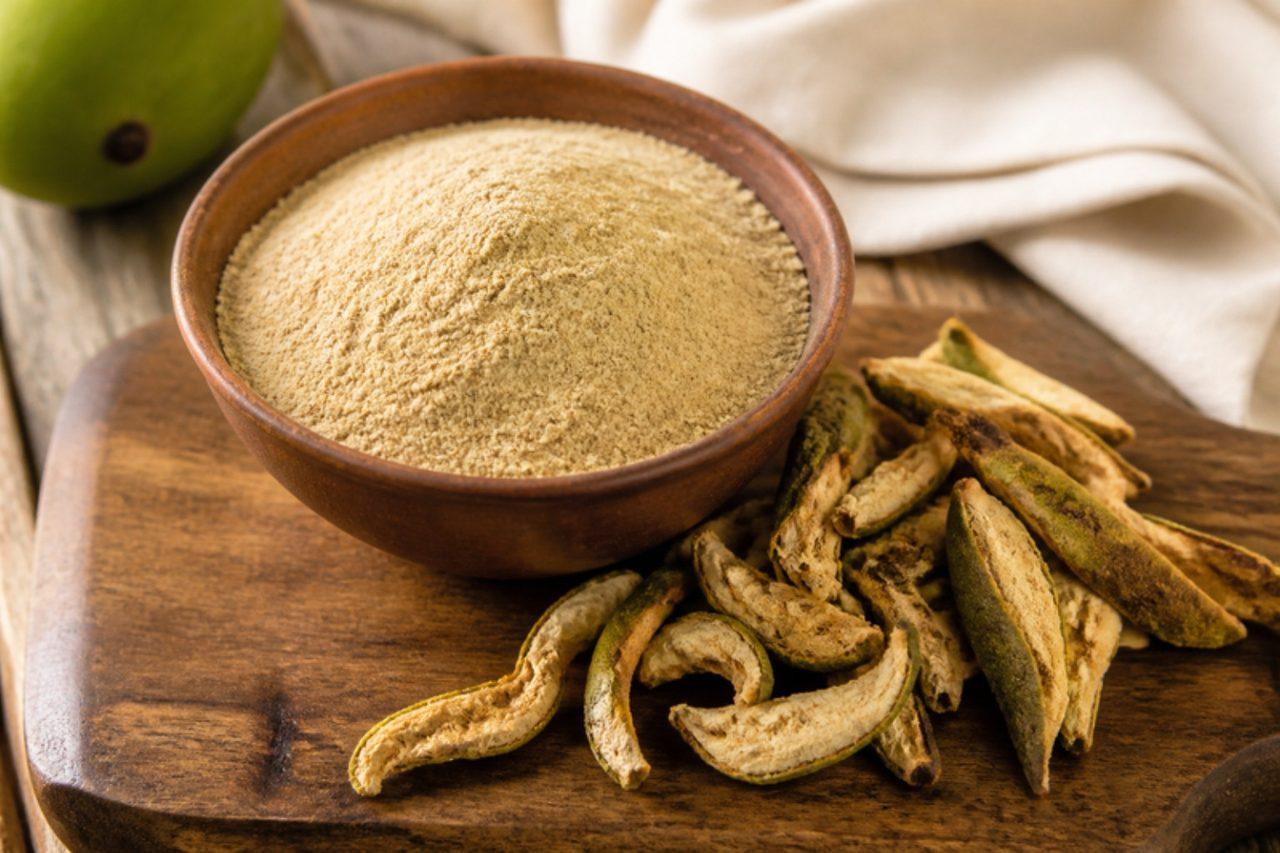
Every Punjabi and UP kitchen keeps a jar of amchur next to the jeera and haldi, and the homemade version smells far fresher and sourer than most shop powder. In villages around Saharanpur and Malihabad, the raw mangoes that fall in early-summer storms are peeled, sliced and spread out to dry, and the brittle slices (amchur khatai) are either stored whole or ground. Amchur gives a fruity, mouth-puckering sourness without any liquid, which is why it goes into dry dishes where tomato or tamarind would make things soggy: bhindi masala, stuffed karela, samosa and kachori fillings, chole, chaat masala and pav bhaji masala. A kilo of mangoes gives roughly 100 g of powder. Common mistake: grinding slices that still bend; even slight moisture makes the powder clump into hard lumps in the jar. Chef's tip: choose small, rock-hard, very sour green mangoes with white flesh, not ones starting to turn yellow; riper fruit dries into a brown, sweetish powder.

by KrazyBadal 0 views

Rumali rotiHandkerchief-thin flatbread

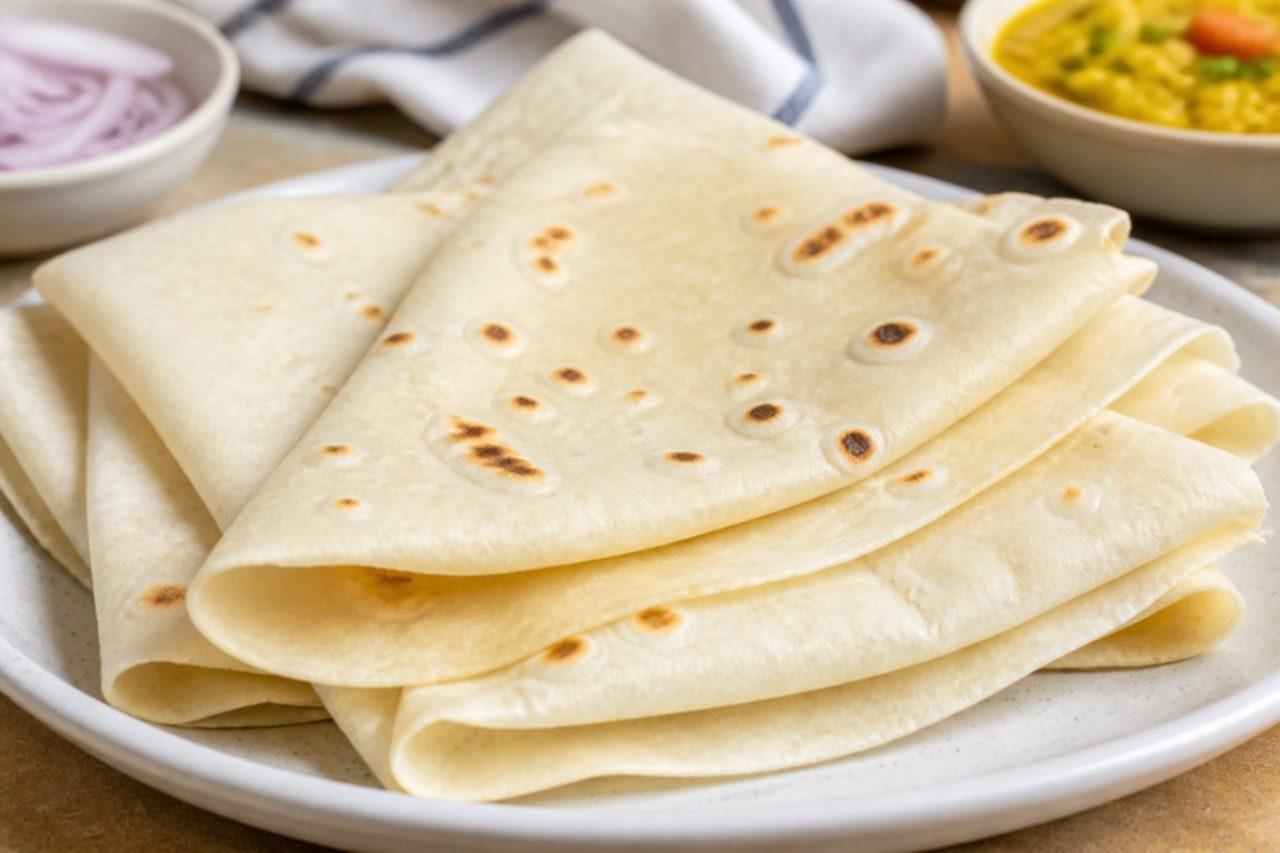
Watch a rumali roti maker at a Mughlai stall in Old Delhi's Jama Masjid lanes or Lucknow's Aminabad and it looks like a magic trick: a ball of dough is flattened, tossed and stretched over the backs of the hands until it is translucent and almost a metre wide, then laid over a huge domed iron griddle for a few seconds. Rumal means handkerchief, and the finished bread is folded into quarters like one: silky, soft, slightly chewy and very thin. It is the bread for kebabs, korma, nihari and shahi paneer. At home, an upturned wok over a high flame does the job, and you can roll most of the way and stretch the last bit by hand. The dough is mainly maida with some atta, kept very soft and well rested. Common mistake: a firm or under-rested dough tears the moment you start stretching. Chef's tip: wipe the hot kadai with salted water before each roti; the hiss means it's hot enough, and the salt film stops the roti from sticking or blistering.

by KrazyBadal 0 views

Chakka pradhamanJackfruit coconut milk pudding

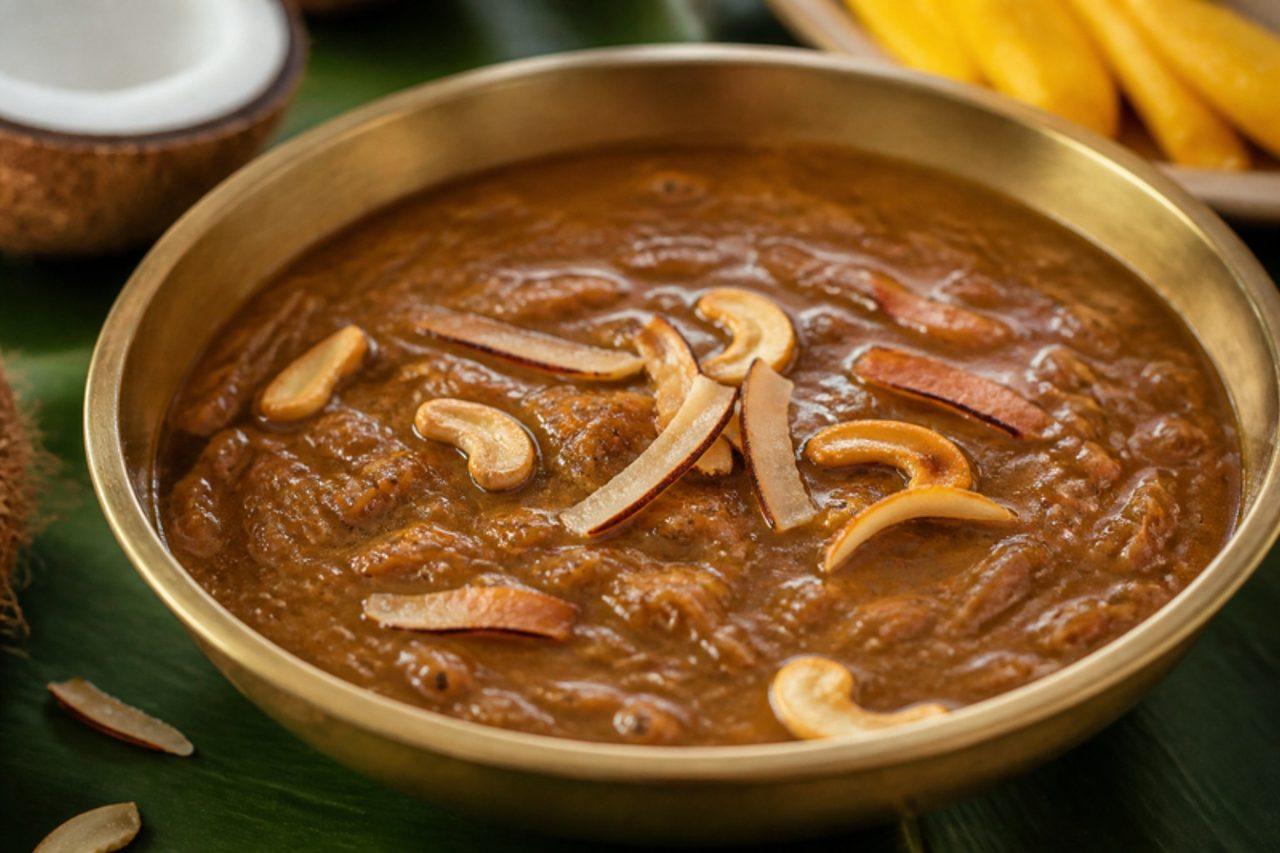
When the jackfruit trees of Kerala hang heavy in summer, families cook the ripe bulbs with jaggery and ghee into chakka varatti, a dark, sticky preserve that keeps for months. Come Onam in August or September, a jar of varatti is all that stands between them and chakka pradhaman, the richest payasam on the sadya leaf. The preserve is melted into thin coconut milk, simmered, then finished with the thick first pressing, dry ginger, cardamom and coconut slivers fried in ghee. It tastes of caramelised fruit and toffee, smooth and heavy, with crunchy bits of coconut. Serve it warm in small cups or on the leaf with a crushed pappadam and a slice of banana, as Malabar families do. Do not let the pot boil once the thick coconut milk goes in: it splits and turns oily. Chef's tip: if you have ready varatti, use 250 g and skip the first stage; the slow-cooked jackfruit is what gives the deep colour, so do not rush it.

by KrazyBadal 0 views

Methia keriRaw mango pickle

If a Gujarati home makes only one athanu each summer, it is methia keri. Rajapuri or other firm raw mango is cut with its skin, salted overnight, dried, then coated in a masala built on methi kuria (split fenugreek) and rai kuria (split mustard), with Kashmiri chilli, hing, turmeric and salt, and covered with groundnut oil. The kuria swell and soften in the oil, so the fenugreek turns pleasantly bitter-nutty instead of hard. In a week the mango is tender but still has bite, and the pickle is tangy, hot and aromatic with hing. It goes on the side of every thali, with khichdi-kadhi, thepla, bhakhri or a simple dal-bhaat. Buy kuria rather than splitting seeds yourself; Rajkot and Kanda-style methi kuria sold in Gujarati shops are ideal. Common mistake: leaving any moisture on the mango, the jar or the spoon; a single damp spoon can bring mould to a whole jar. Keep the oil 2 cm above the pieces at all times, and discard if you see mould or smell anything sour or off. Chef's tip: pour a little hot oil over the hing in the middle of the kuria and cover it for a minute; the bloomed hing perfumes the whole masala.

by KrazyBadal 0 views

Ragi rottiFinger millet flatbread

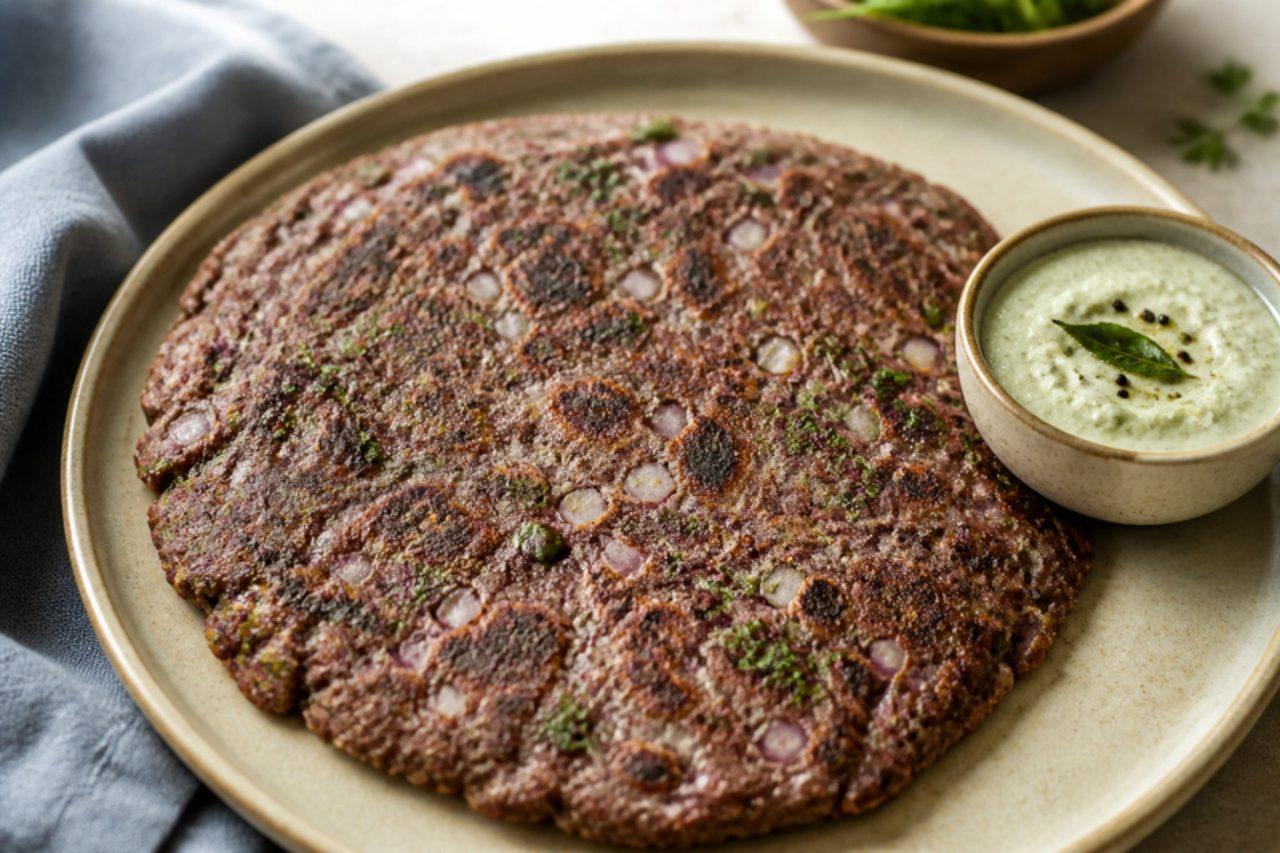
In Bengaluru, Mandya and Mysuru, ragi rotti is the hearty breakfast that farmers and office-goers alike eat before a long day, still warm from the tawa. It is made with finger-millet flour mixed with raw onion, a generous amount of sabsige soppu (dill), green chilli, coriander and fresh coconut, then patted out directly onto the cold griddle with wet fingers rather than rolled. The result is earthy, nutty and slightly chewy, crisp at the edges, with the fresh anise note of dill running through. It is different from the soft boiled-dough ragi mudde and from rice akki rotti, and it is eaten with coconut chutney, a dollop of homemade white butter or a spicy ennegai (stuffed brinjal) curry. Common mistake: patting the dough onto a hot tawa; it sticks, tears and burns your fingers. Chef's tip: use two tawas, or cool one under the tap between rottis, so each one starts on a cool surface.

by KrazyBadal 0 views

Ghila pithaFried rice and jaggery cakes

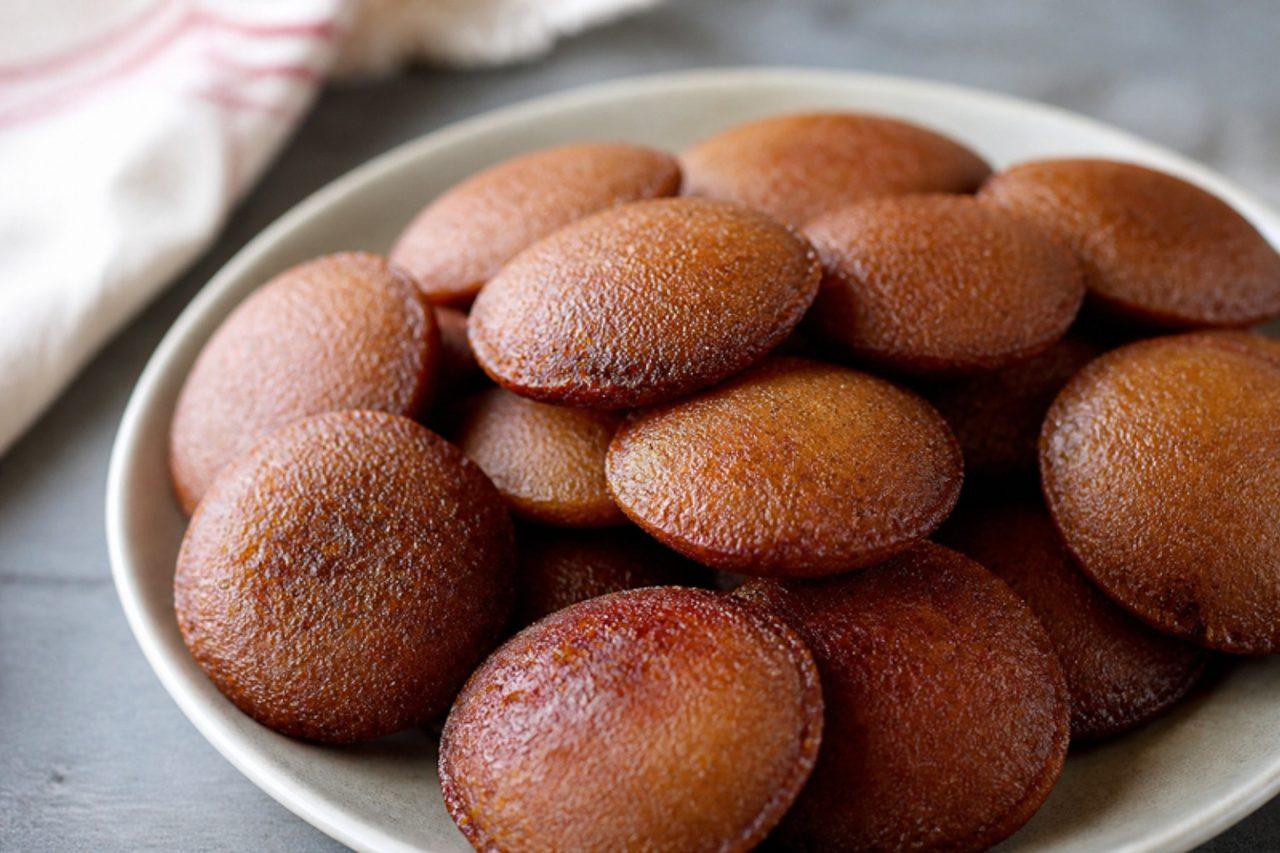
Magh Bihu in January closes the harvest in Assam with bonfires, feasts and plates full of pitha. Ghila pitha takes its name from ghila, the kneecap, because the little cakes are pressed into rounded discs that puff in the middle as they fry. Sticky bora or plain rice is soaked, dried and ground to a damp flour, then kneaded with melted jaggery and fried in mustard or vegetable oil. Outside they are dark brown and crisp; inside chewy and soft like a doughnut, with the deep flavour of jaggery. They keep a few days, so they are stacked in steel tins for visitors and eaten with black tea or with doi and jolpan. Some cooks add a pinch of fennel or sesame. The common mistake is oil that is too hot: jaggery darkens and burns long before the inside is cooked, so fry slowly. Chef's tip: let the dough rest for 30 minutes after kneading; the rice flour drinks up the syrup and the cakes hold together.

by KrazyBadal 0 views

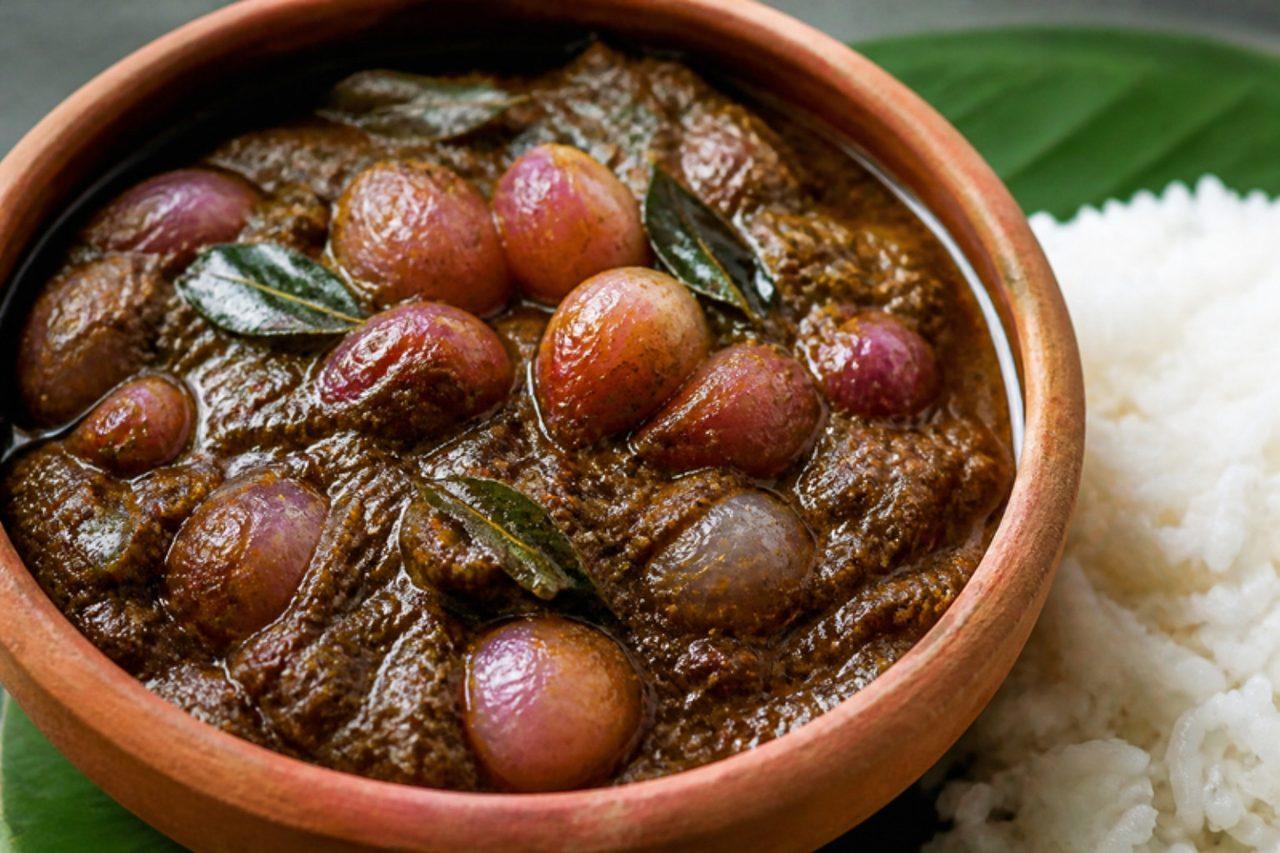
Ulli theeyalShallots in roasted coconut gravy

Theeyal comes from the word for burnt, and the colour gives it away: grated coconut and coriander seeds are roasted together in a dry pan until deep brown, then ground into a paste that turns a sour tamarind gravy almost black. Ulli (shallot) theeyal is the version most Malayali grandmothers make for Onam and for ordinary weekday lunches in Palakkad and Thrissur, with dozens of whole small onions softened in coconut oil until sweet. It tastes smoky, sour and slightly sweet all at once, and it is thick enough to cling to rice. Serve with hot matta rice, a thoran and papadam. The mistake everyone makes once is burning the coconut: it must be roasted on a low flame and taken off when it is the colour of strong coffee, never black. Gluten-free with gluten-free asafoetida. Chef's tip: grind the roasted coconut while it is still warm, so the oil releases and the paste turns smooth and glossy.

by KrazyBadal 0 views

Goan chana dal doceChana dal and coconut fudge

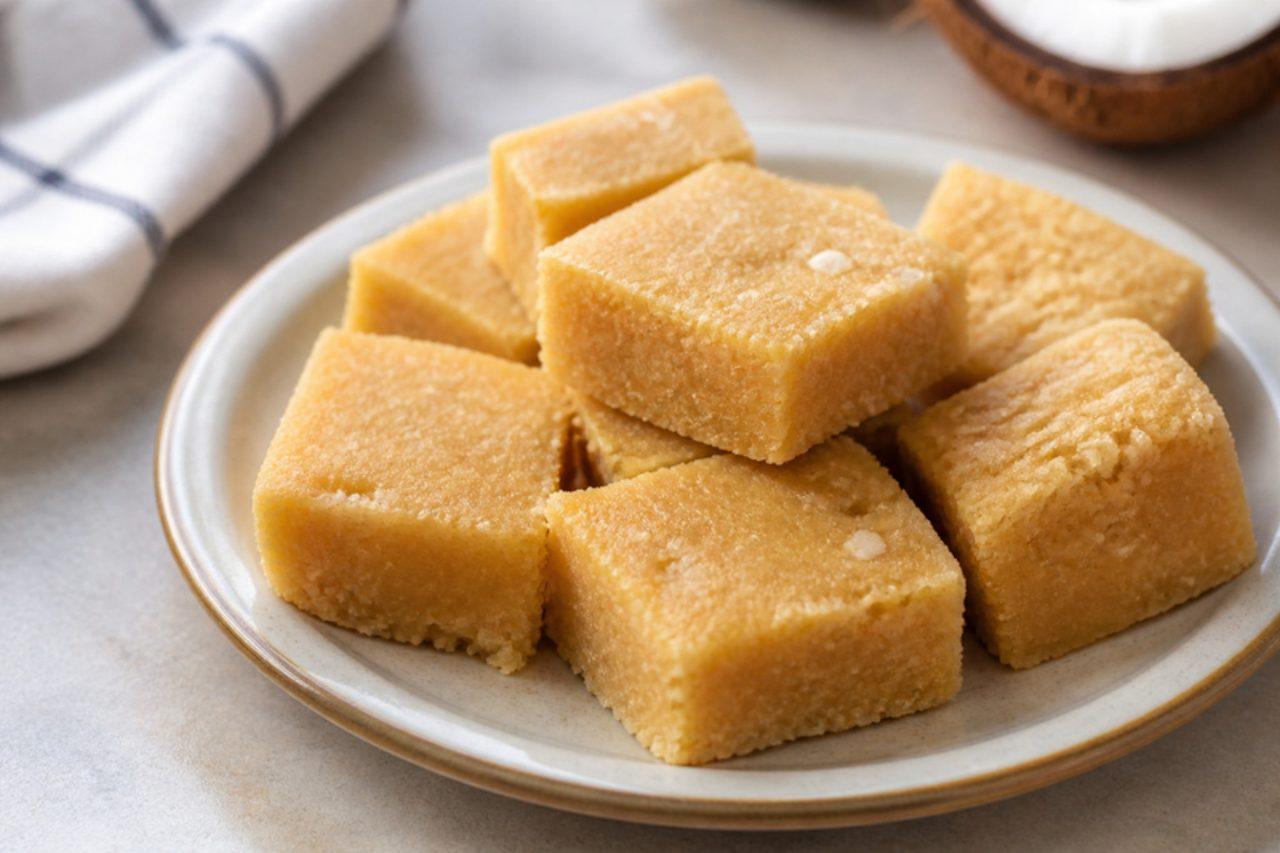
Doce de grão is one of the oldest sweets on the Goan Christmas kuswar platter, made in Catholic homes from Margao to Mapusa in the weeks before Christmas and also for weddings. Chana dal is boiled and ground with fresh coconut, then cooked with sugar in a wide pan, stirred constantly for the best part of an hour, until it turns into a thick, glossy dough that leaves the sides of the pan. Spread on a plate, cut into diamonds or pressed into small moulds, it is dense, fudgy and nutty, with a soft coconut flavour. Some families add a little ghee at the end for shine, and that makes it vegetarian rather than vegan. The usual mistake is taking it off the heat too soon: it stays sticky and never sets. Push a spoon through the middle; it is ready when the line holds and the mixture rolls into a ball. Chef's tip: grind the coconut and dal together while the dal is warm and without water; a wet paste takes twice as long to cook down.

by KrazyBadal 0 views

Upvasachi batata bhajiFasting potato stir-fry with peanuts

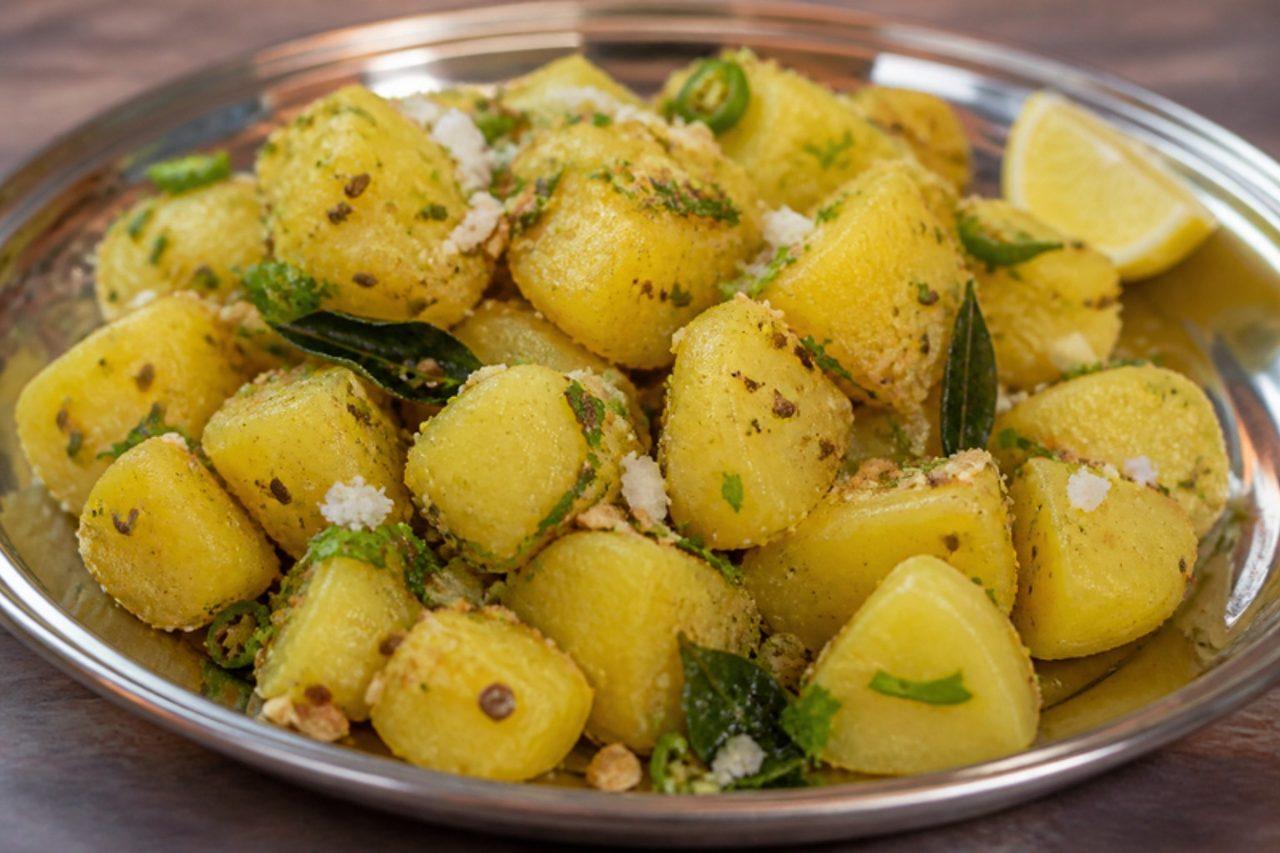
Ask anyone from Pune or Nashik what they eat on Ekadashi or a Navratri upvas, and this dry potato bhaji will be on the plate, usually next to sabudana khichdi or bhagar and a bowl of danyachi amti. Unlike North Indian vrat ke aloo, there is no tomato and no gravy: cubes of boiled potato are tossed in ghee or oil with cumin and crushed green chilli, then coated in coarsely ground roasted peanuts that cling to every piece. A little sugar and lemon give it the gentle sweet-sour lift that Maharashtrian cooking loves, and coriander and fresh coconut finish it. It is quick, filling and good cold in a tiffin too. Some families add curry leaves; others leave them out on strict fasts. Chef's tip: cool the potatoes completely before cubing; warm potatoes break into mash when you toss them.

by KrazyBadal 0 views

Kuttu ki puriBuckwheat puris

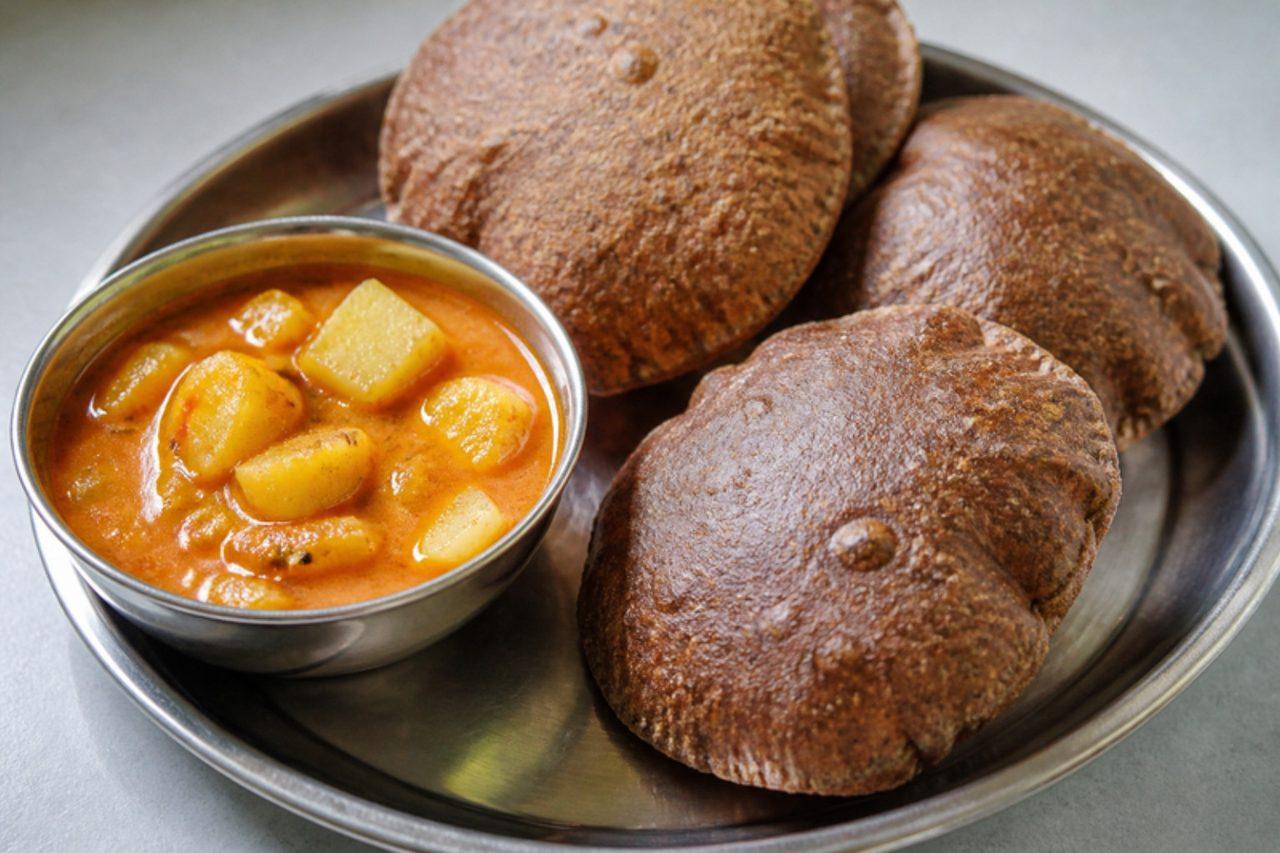
Through the nine days of Navratri, Delhi and Punjabi kitchens switch wheat for kuttu, buckwheat flour, and these dark, earthy puris become the fast-day staple. Kuttu has no gluten, so boiled potato is mashed in to bind the dough and keep the puris soft; they puff less than wheat puris but come out crisp at the edges and tender inside, with a nutty, slightly bitter flavour. Rajgira or singhara flour can be used in exactly the same way. They are eaten with vrat ke aloo, kaddu ki sabzi or a bowl of sweet curd, and on Ashtami many temples serve them with halwa. Only sendha namak goes in, and no regular salt, spices or grains, so they suit strict fasts. Buckwheat is naturally gluten-free, but buy flour labelled gluten-free if that matters to you, as some is milled alongside wheat. Chef's tip: make the dough just before frying; kuttu dough goes sticky and wet if it sits.

by KrazyBadal 0 views

Inji puliGinger tamarind relish

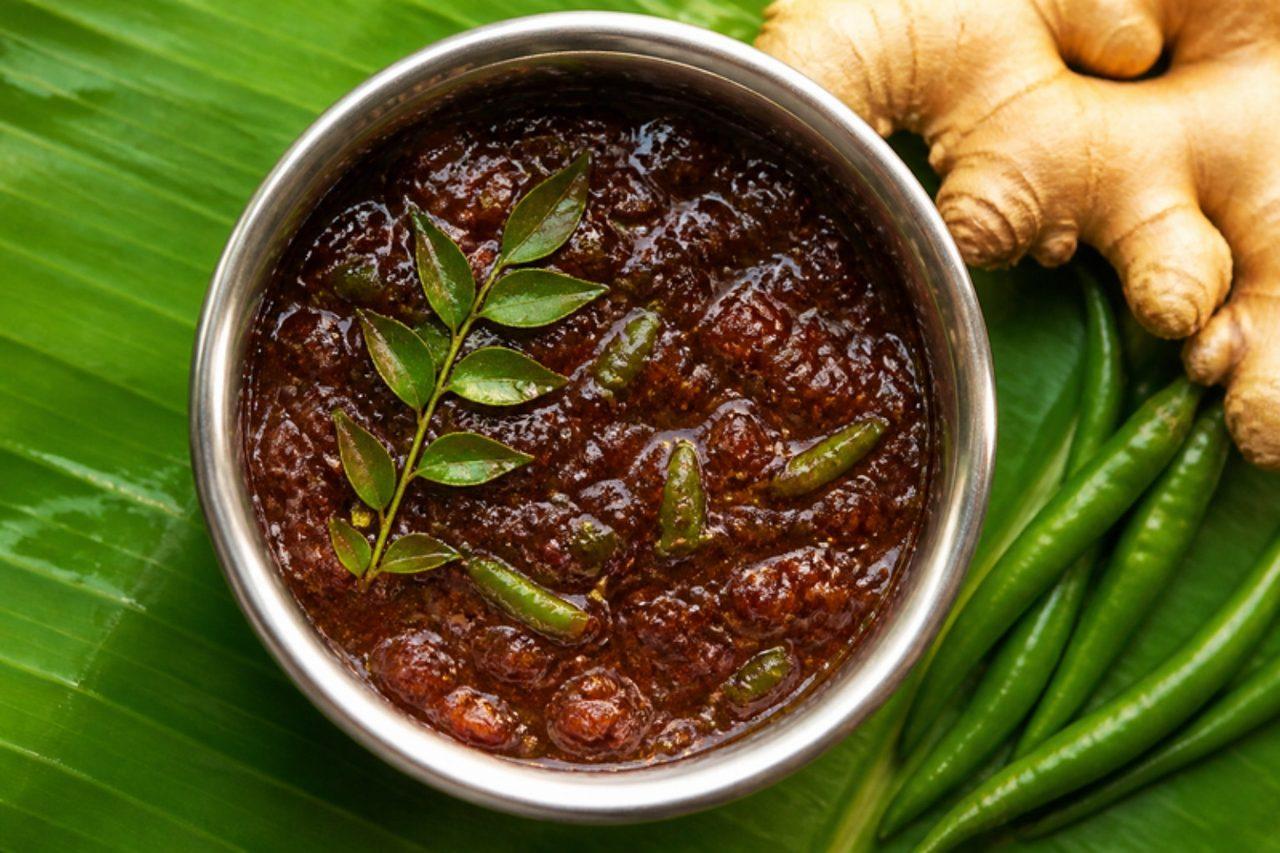
On the banana leaf of an Onam sadya, inji puli takes the top left corner, a small dark spoonful that you dip into between rice, sambar and payasam to wake the palate up. Some call it puli inji; it is said to balance the 'hundred curries', and it is so loved that the old saying counts it as worth them all. Fresh ginger and green chillies are fried in coconut oil, then simmered in tamarind water with jaggery until thick and shiny, sweet first, then sour, then hot. It is made a day or two before the feast because it gets better as it rests. Serve a teaspoon with rice or curd rice; it also lifts a plain dosa. The usual mistake is browning the ginger too far, which makes the relish bitter; it should just turn golden. Gluten-free if you use gluten-free asafoetida or leave it out. Chef's tip: cook it down until the oil starts to appear at the edges; any wetter and it will not keep.

by KrazyBadal 0 views

Singhare ka halwaWater chestnut flour pudding

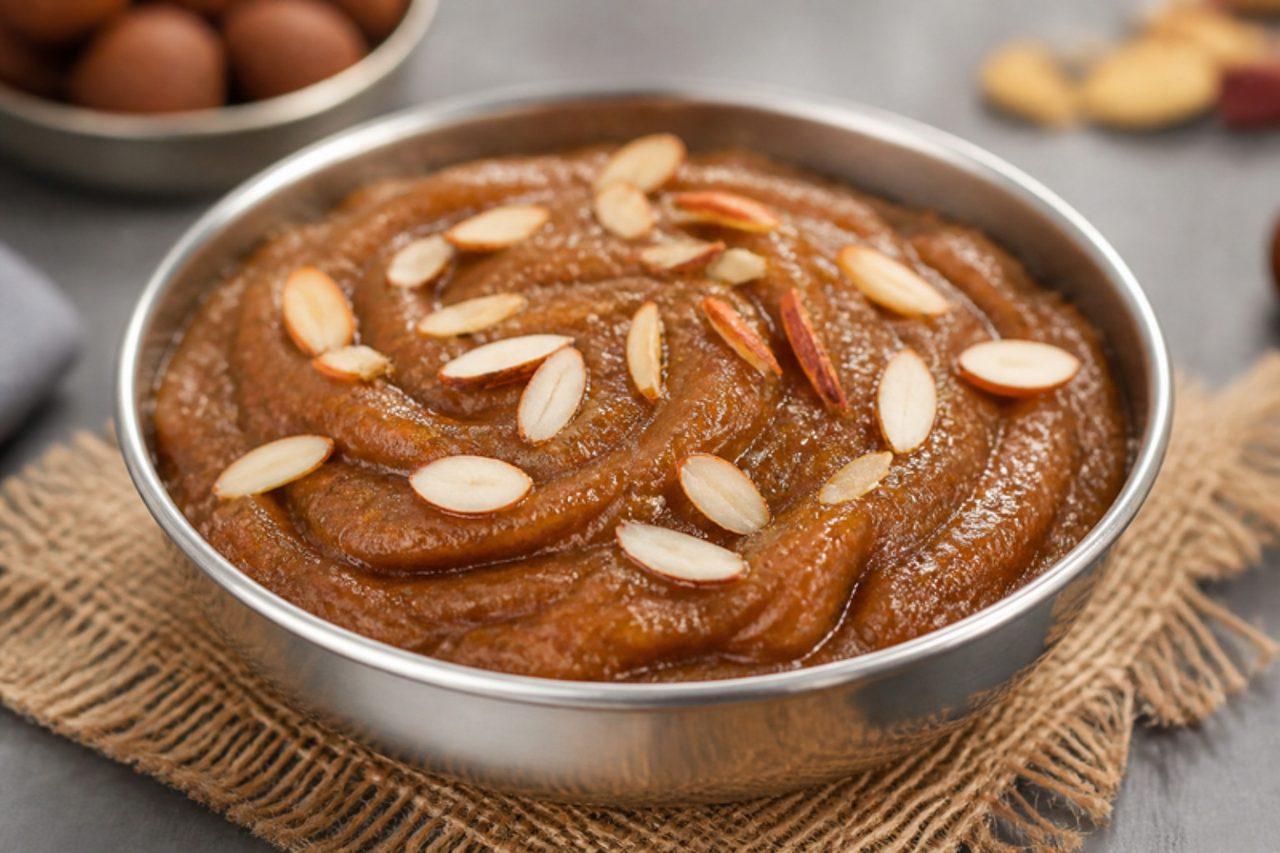
Singhara, water chestnut, is dried and ground into a pale flour that North Indian homes keep for fasts, and this halwa is what many make first on Navratri Ashtami, Janmashtami or Ekadashi, often as the bhog offered before the fast is broken. It comes together in twenty minutes: the flour is roasted in ghee until it smells toasty and darkens a shade, hot sugar water goes in, and with fast stirring it swells into a soft, glossy halwa that is earthy, sweet and slightly chewy. Serve it warm, on its own or with kuttu puri and aloo for a full fasting meal. It uses only ingredients allowed on most fasts. Chef's tip: dissolve the sugar in the water and keep it at a boil; cold liquid makes the flour seize into lumps the moment it hits the pan.

by KrazyBadal 0 views

Kadumanga acharBaby mango pickle

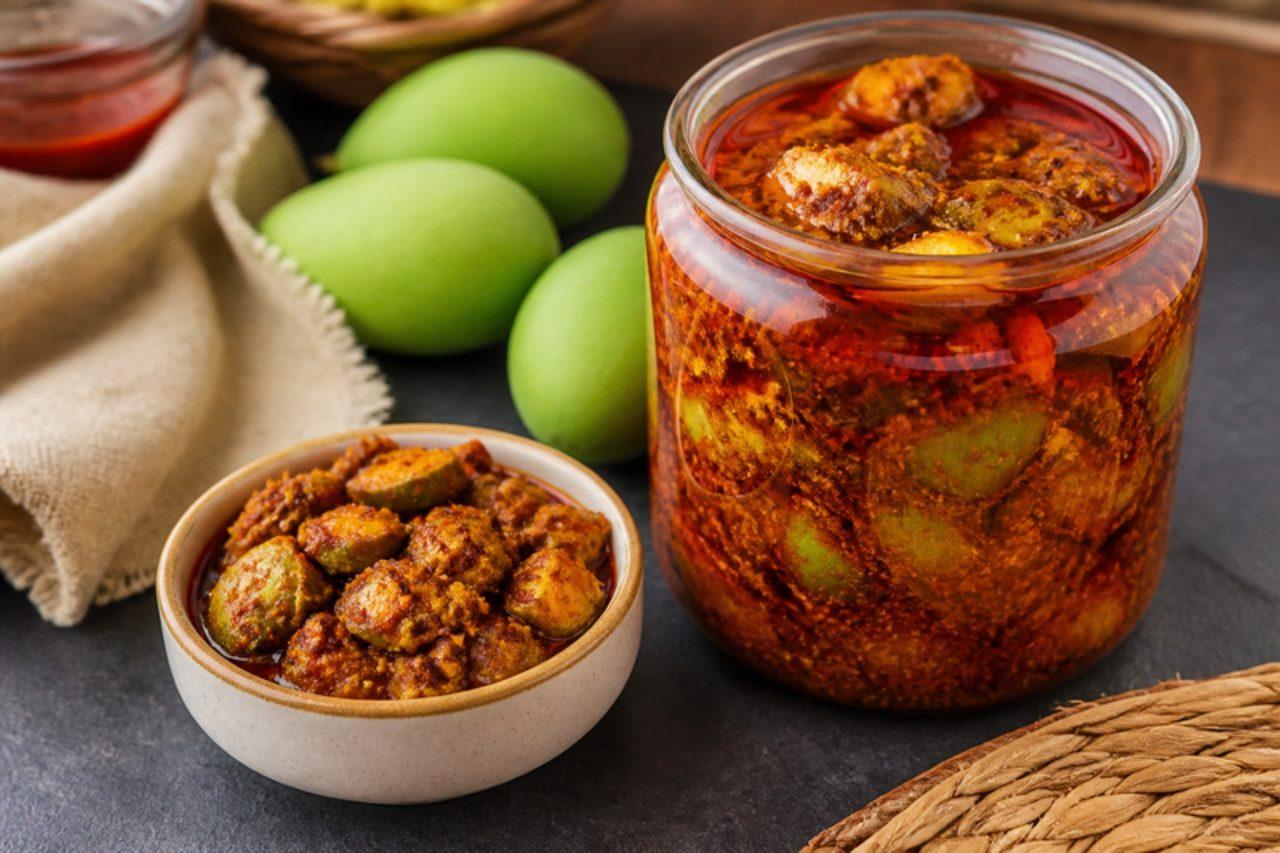
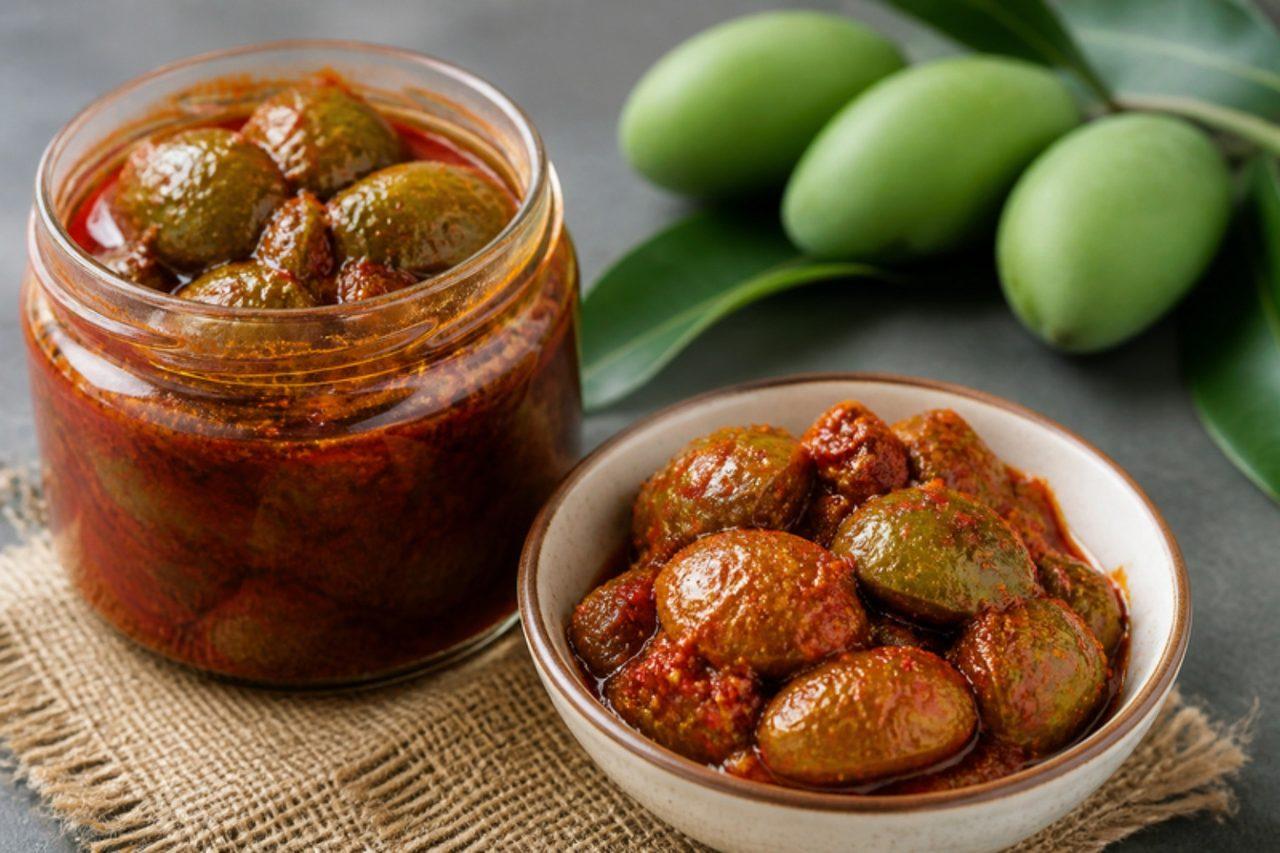
In late February the mango trees of Kerala drop tiny, thumb-sized green fruit with soft stones, and those tender mangoes (kanni manga) become one of the pickles on a Kerala sadya leaf, beside the inji puli and naranga. They are salted whole until they wrinkle and sit in their own brine, then dressed with a tempering of gingelly (sesame) oil, mustard, Kashmiri chilli, roasted fenugreek and hing. The brine turns thick and red, and the little mangoes stay crunchy and sour, with a bitter-sharp bite under the chilli. Kadumanga literally means strong mango, and in some sadya kitchens the name also covers a quicker pickle of finely cut raw mango in the same masala; this is the whole-fruit version. Eat a mango with kanji (rice gruel), curd rice or the sadya rice. Common mistake: pricking or cutting the mangoes; they must stay whole with a bit of stalk so the brine does not turn slimy. Keep them fully covered, use a dry spoon and discard if mould appears. Chef's tip: let the chilli and fenugreek cool in the oil before mixing; added hot, they scorch and taste bitter.

by KrazyBadal 0 views

Showing 24 of 779 recipes

Show more recipes

Page 8 of 33

More collections