Skip to content

Vegetarian Indian dinners

Dal, sabzi, curries and rice dishes for a meat-free Indian dinner. (779 recipes)

Payar mezhukkupurattiStir-fried long beans

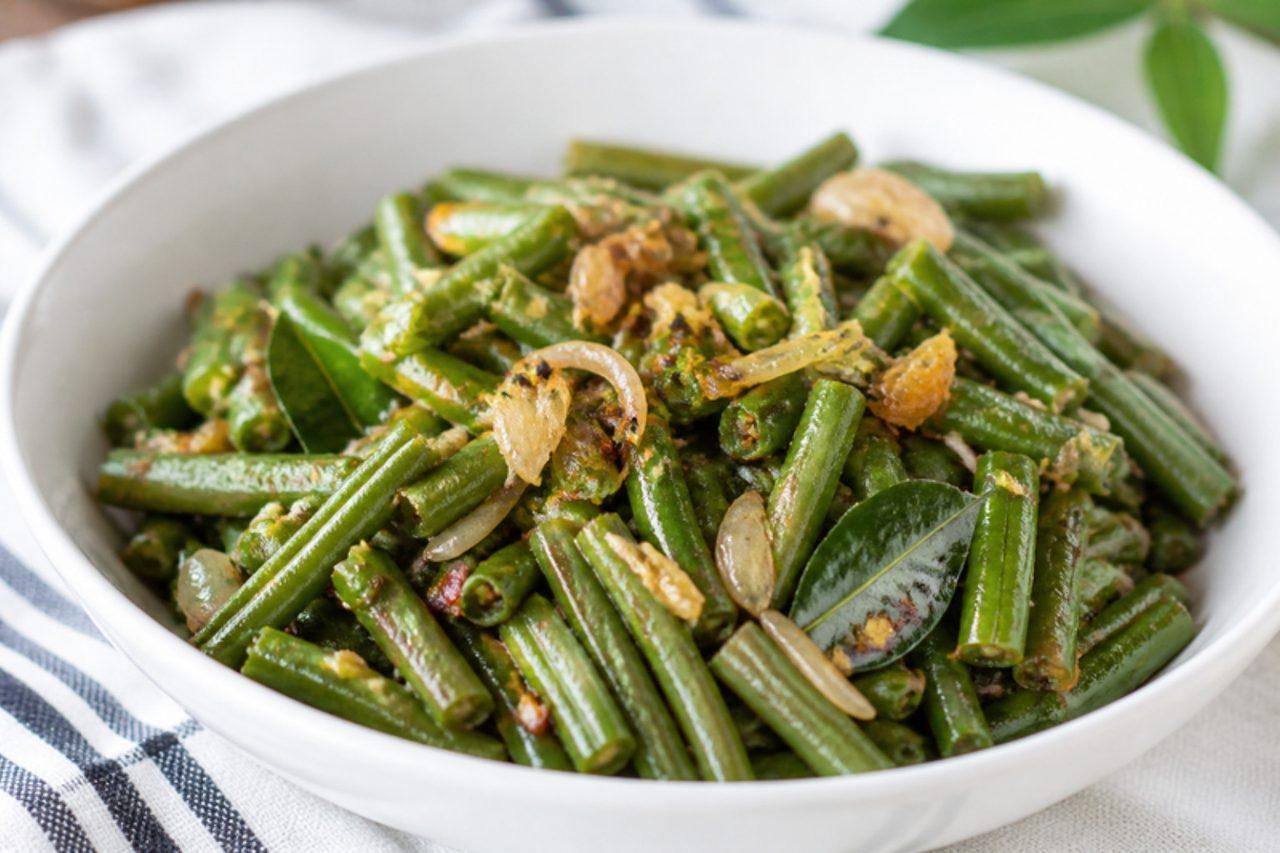
The name says it all: mezhukku means oil and puratti means smeared, so this is a dry stir-fry that leaves every bean slick and shiny with coconut oil. Vanpayar, the yard-long beans that climb over every Kerala garden fence, are cut short and cooked with crushed shallots, garlic and dried chilli flakes until tender and blistered in places. It is weekday food in Kottayam and Alappuzha homes, packed into tiffin with rice and moru curry, and it turns up on festive spreads too. The taste is simple, smoky and savoury, with crunch from the shallots. Serve with matta rice and a thin curry. The common mistake is covering the pan for too long, which steams the beans grey and soft; cover briefly, then finish uncovered so they roast. Chef's tip: crush the shallots, garlic and chilli together in a mortar rather than slicing them; the rough paste clings to the beans much better.

by KrazyBadal 0 views

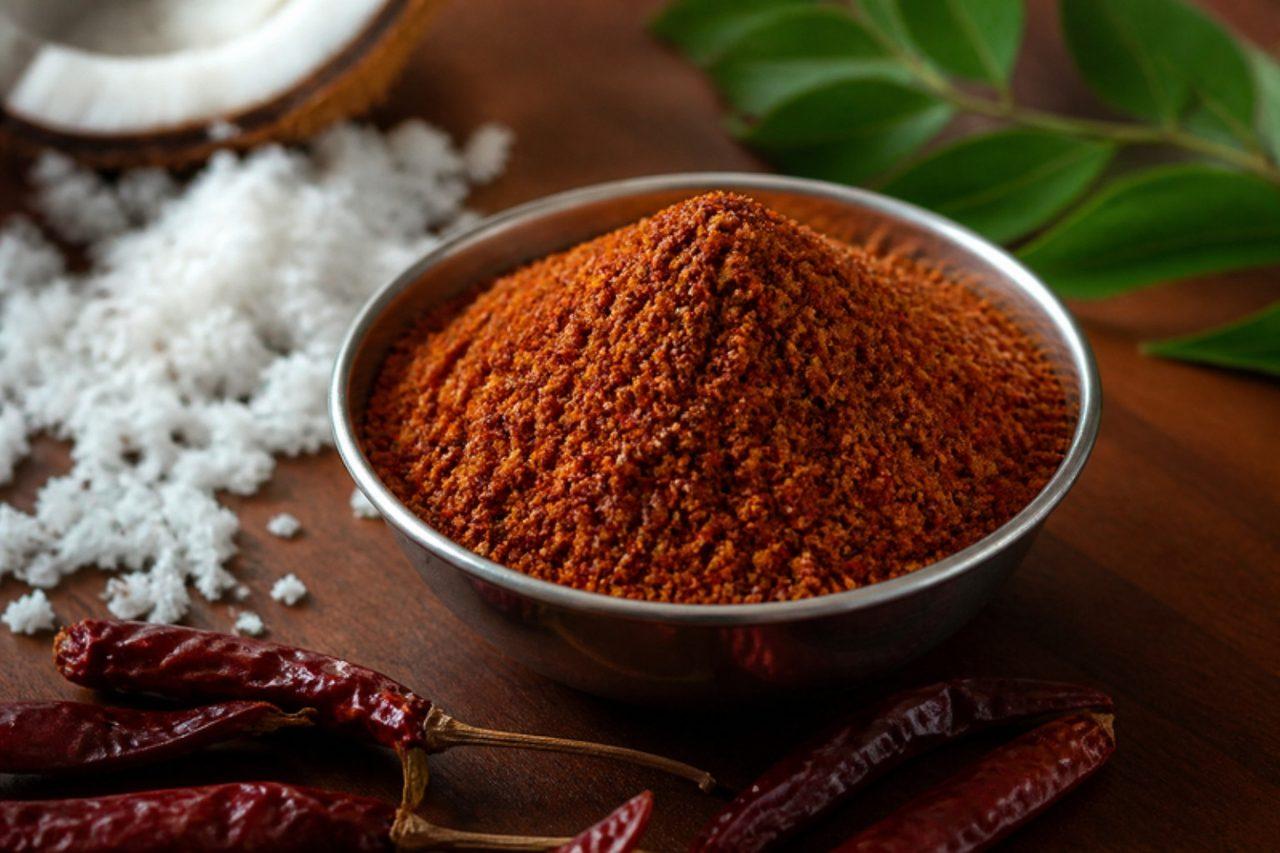
Chammanthi podiDry coconut chutney powder

Kerala students heading off to hostels in Bengaluru or Chennai always seem to have a jar of chammanthi podi from home in their bags, because it makes a plate of plain rice and curd into a meal. Fresh grated coconut is roasted with dried chillies, shallots, ginger and curry leaves for the best part of half an hour, until it turns a deep, toasty reddish brown, then ground with tamarind and salt. The result is a moist, oily, smoky powder that tastes of coconut first, then sourness and heat. Serve it with kanji (rice gruel), with puttu and banana, or spread on dosa and idli. Common mistake: taking the coconut off the heat when it is merely golden. The remaining moisture makes the podi spoil within days; it must be uniformly dark and completely dry. Chef's tip: keep the flame low and stir without stopping for the last 10 minutes, as coconut goes from brown to burnt very fast.

by KrazyBadal 0 views

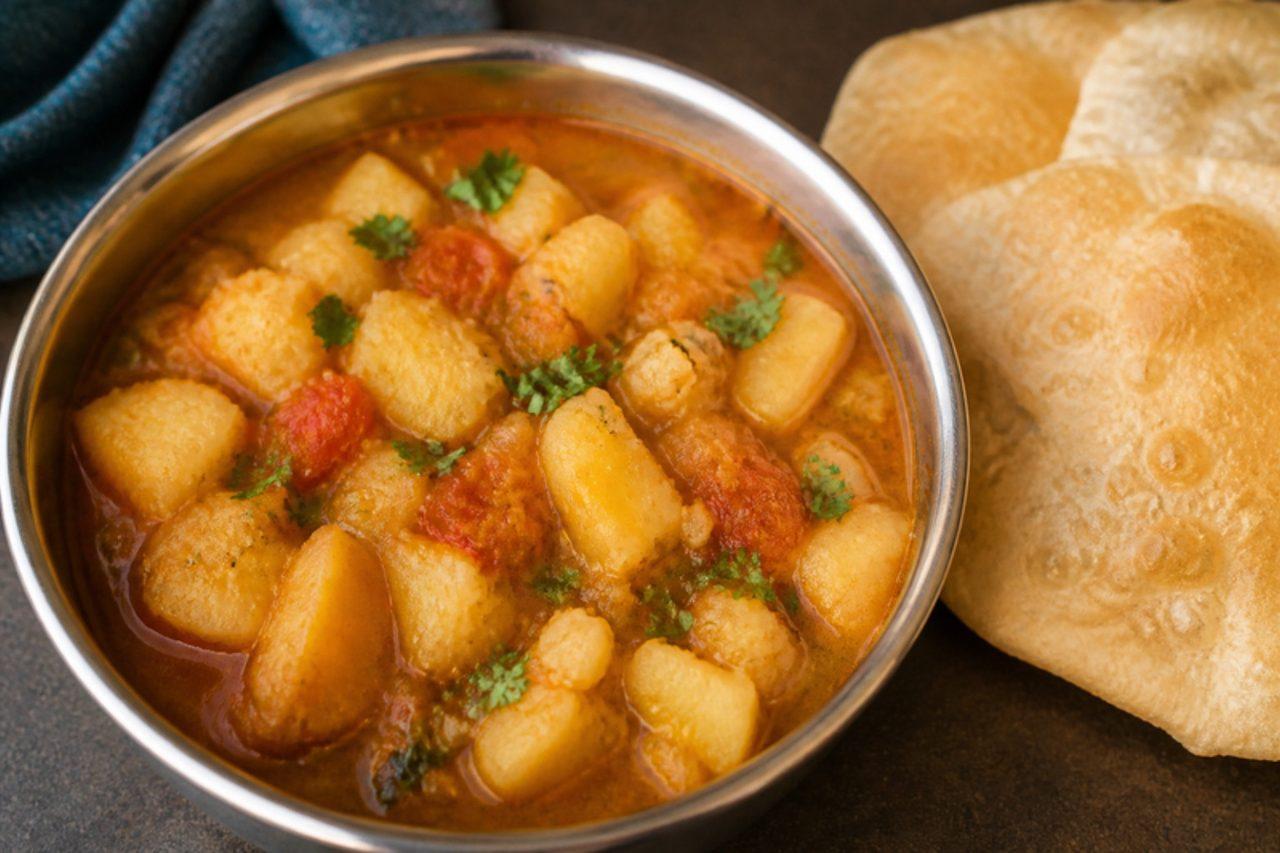
Vrat ke alooFasting potato curry

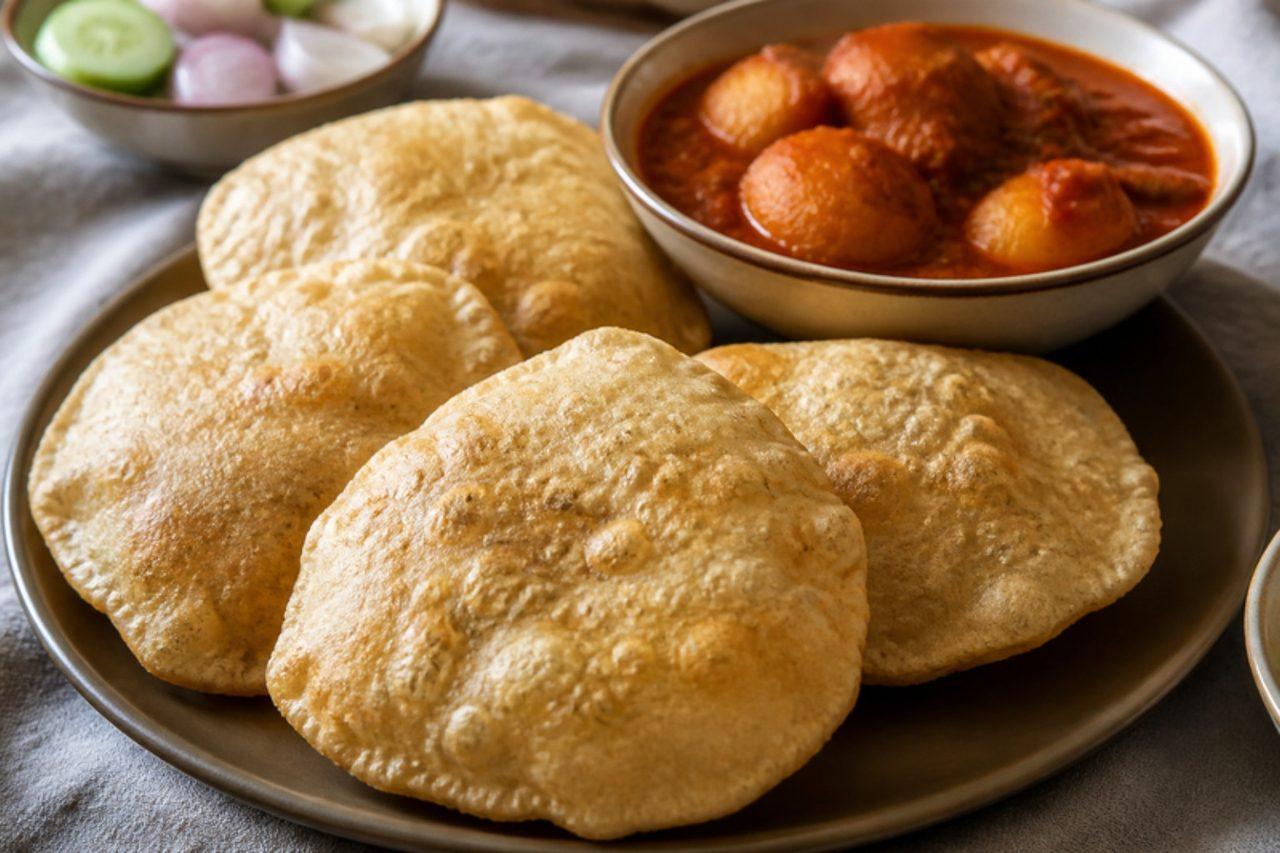
On Navratri mornings in Delhi, Lucknow and Punjabi homes everywhere, this is what fills the kadhai next to the kuttu puri. Boiled potatoes are broken by hand, not cut, so their rough edges melt into a loose, brothy gravy of tomato, cumin, fresh ginger and green chilli, seasoned only with sendha namak and a little pepper. It is soupy enough to dunk puri into, tangy from the tomato and gently hot, and comforting after a morning of fasting. Very strict homes skip red chilli powder and coriander as well as turmeric and asafoetida; this recipe uses neither turmeric nor hing. Ghee is traditional; oil keeps it vegan. Chef's tip: mash two or three pieces of potato into the gravy as it simmers; the starch thickens it naturally, since no flour or onion is allowed.

by KrazyBadal 0 views

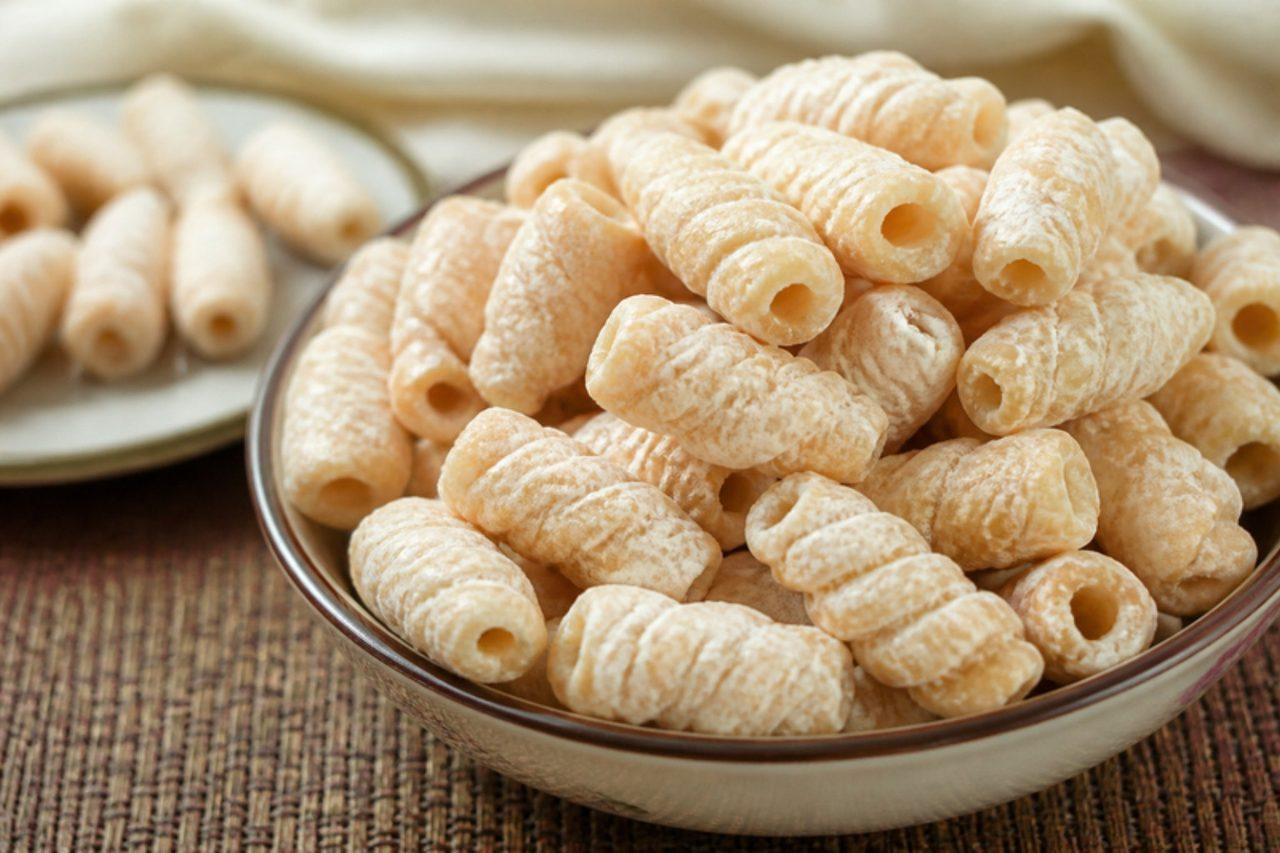
KulkulsSugar-glazed dough curls

No Goan or Mangalorean Catholic Christmas kuswar (sweet platter) is complete without kulkuls, the tiny ridged shells that families sit round the table rolling for hours in the week before 25 December. A soft dough of flour, coconut milk, egg and butter is pinched into small balls, pressed and rolled over the back of a fork (or a clean comb) so each curls into a ribbed shell, then fried until crisp and tossed in a white sugar glaze. They are crunchy, lightly sweet and moreish, and they keep for weeks in a tin, which is why the kuswar is shared round the neighbourhood. These contain egg: vegetarian, not vegan. The mistake everyone makes once is rolling the dough too thick, which leaves them hard and doughy inside; each should be no thicker than a coin. Chef's tip: fry on a medium-low flame until just golden; kulkuls darken a little more once out of the oil and the glaze is meant to stay white.

by KrazyBadal 0 views

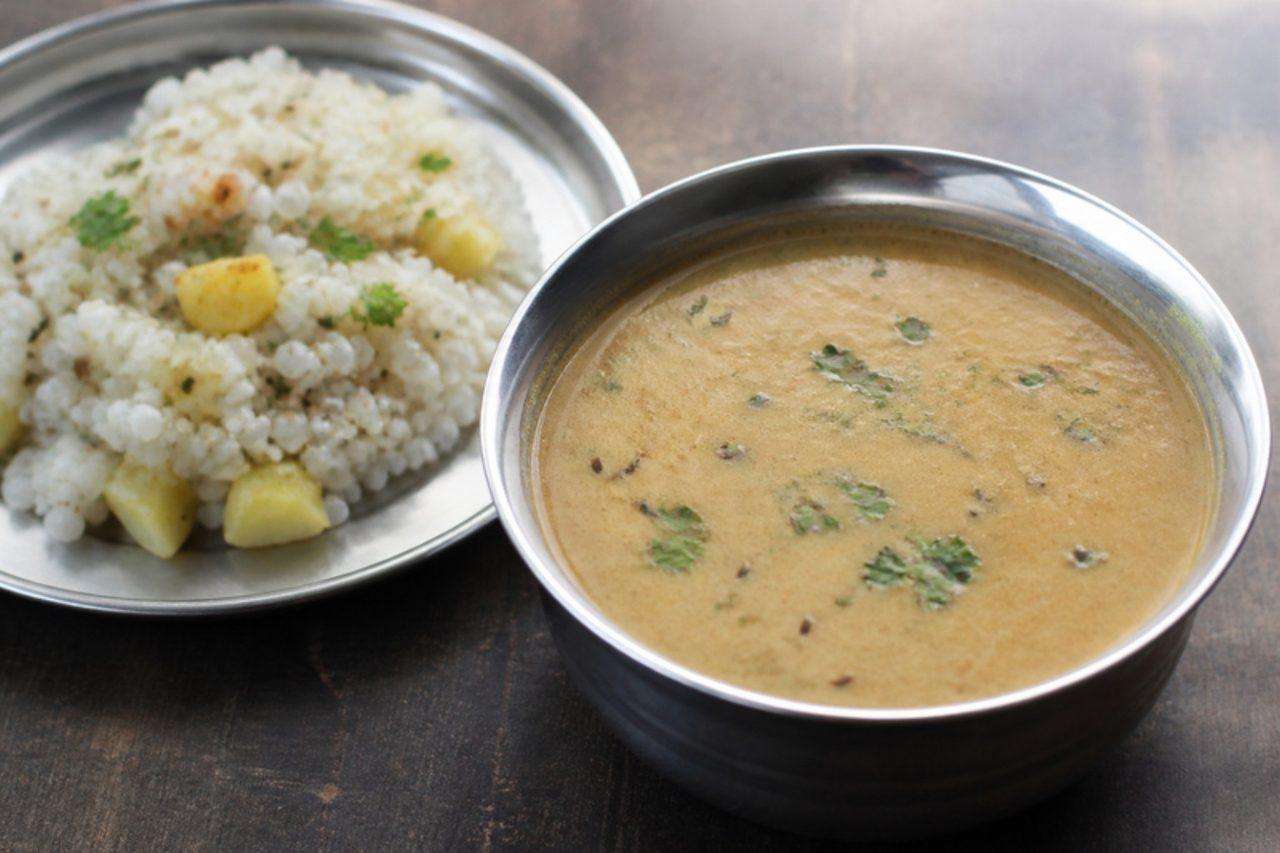
Danyachi amtiPeanut curry

On fast days in Maharashtra, when dal is off the menu, danyachi amti takes its place. Roasted peanuts are ground smooth with green chilli, then simmered with water, a cumin tadka, kokum and a little jaggery into a pale, creamy curry with a sour, slightly sweet and spicy taste. It is ladled over sabudana khichdi or vari tandul (barnyard millet) bhagar, loosening them and adding protein to a fasting meal, and it goes well with upvasachi batata bhaji on the side. Use sendha namak so it suits the fast; ghee is the usual fat in many homes, oil keeps it vegan. It thickens a lot as it stands, so thin it with hot water before serving. Chef's tip: grind the peanut paste really smooth and whisk it into the water before heating; a coarse grind leaves the amti gritty and it splits as it boils.

by KrazyBadal 0 views

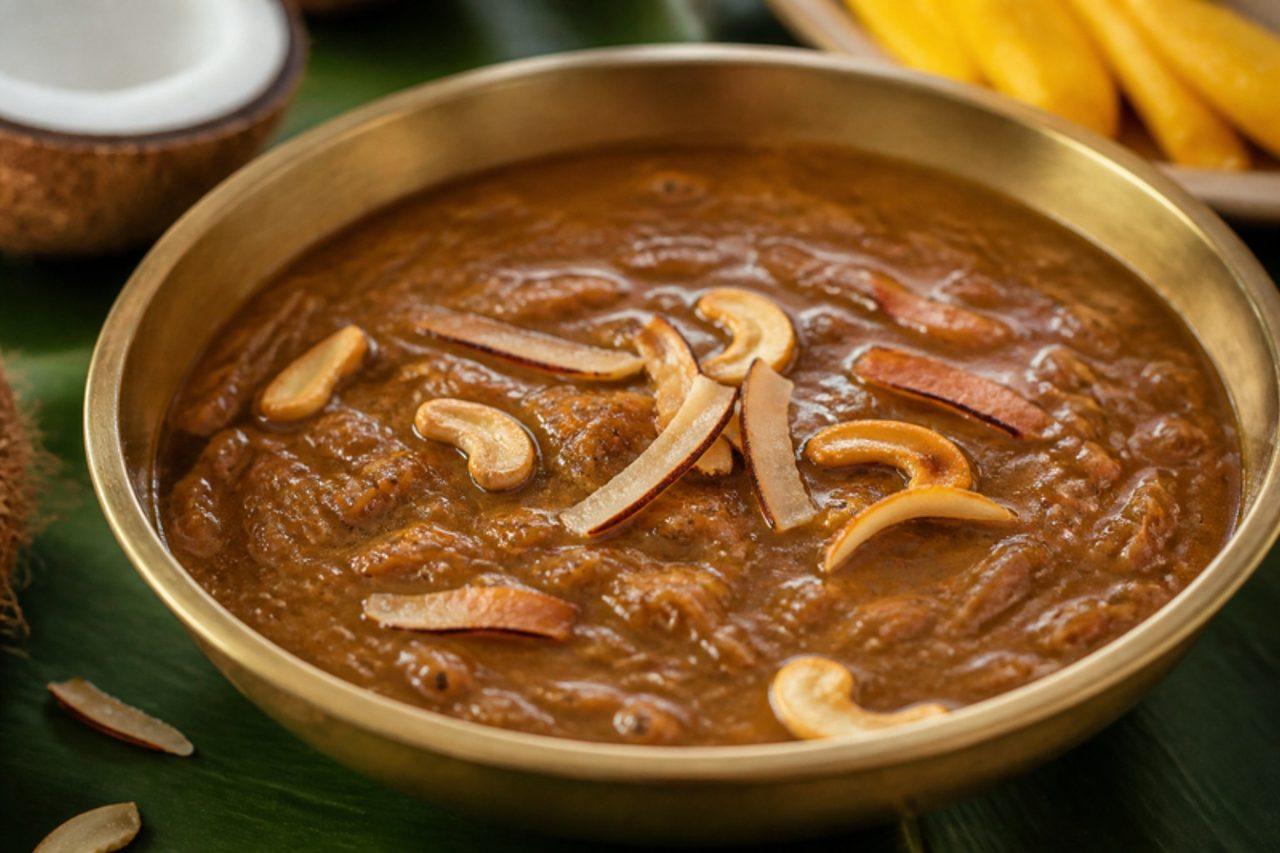
Chakka pradhamanJackfruit coconut milk pudding

When the jackfruit trees of Kerala hang heavy in summer, families cook the ripe bulbs with jaggery and ghee into chakka varatti, a dark, sticky preserve that keeps for months. Come Onam in August or September, a jar of varatti is all that stands between them and chakka pradhaman, the richest payasam on the sadya leaf. The preserve is melted into thin coconut milk, simmered, then finished with the thick first pressing, dry ginger, cardamom and coconut slivers fried in ghee. It tastes of caramelised fruit and toffee, smooth and heavy, with crunchy bits of coconut. Serve it warm in small cups or on the leaf with a crushed pappadam and a slice of banana, as Malabar families do. Do not let the pot boil once the thick coconut milk goes in: it splits and turns oily. Chef's tip: if you have ready varatti, use 250 g and skip the first stage; the slow-cooked jackfruit is what gives the deep colour, so do not rush it.

by KrazyBadal 0 views

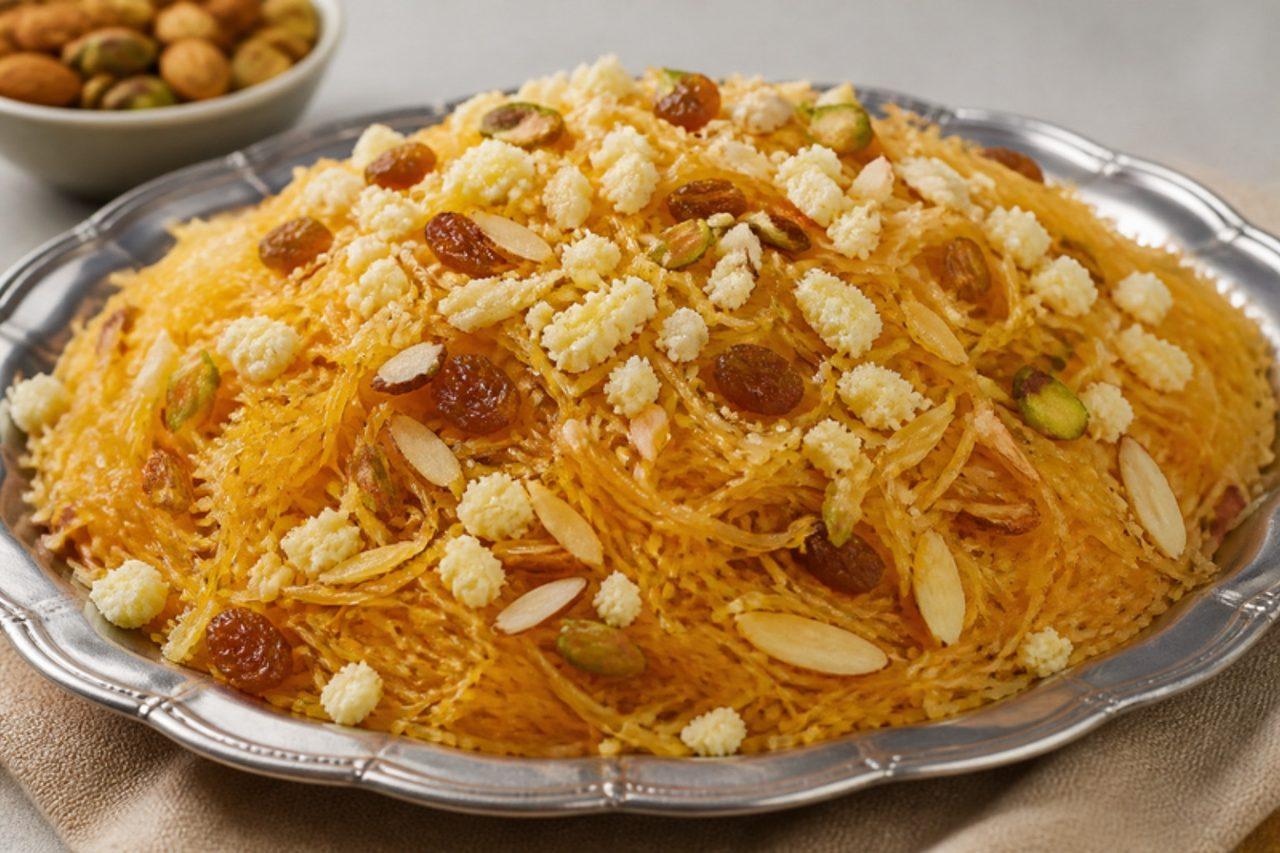
Kimami seviyanDry saffron vermicelli

On Eid ul-Fitr morning in Lucknow, after namaz, every Awadhi household sets out kimami seviyan, the dry, glossy cousin of the milky sheer khurma. Hair-thin vermicelli is roasted in ghee until deep golden, then cooked in a kimam (sugar syrup) scented with saffron, cardamom and kewra until each strand is separate, shiny and just tender. It is finished with crumbled khoya, fried dry coconut, almonds, pistachios, chironji and raisins, and often topped with silver leaf. The texture is chewy and buttery rather than soupy, more like a sweet pulao of noodles. Serve it warm in small plates to guests, with sheer khurma or a cup of tea. The common mistake is adding too much syrup or water, which turns the seviyan soft and lumpy; it should look dry with every strand coated. Chef's tip: use the finest unroasted seviyan from a Muslim bazaar if you can and roast them yourself in ghee; ready-roasted ones give a flatter taste.

by KrazyBadal 0 views

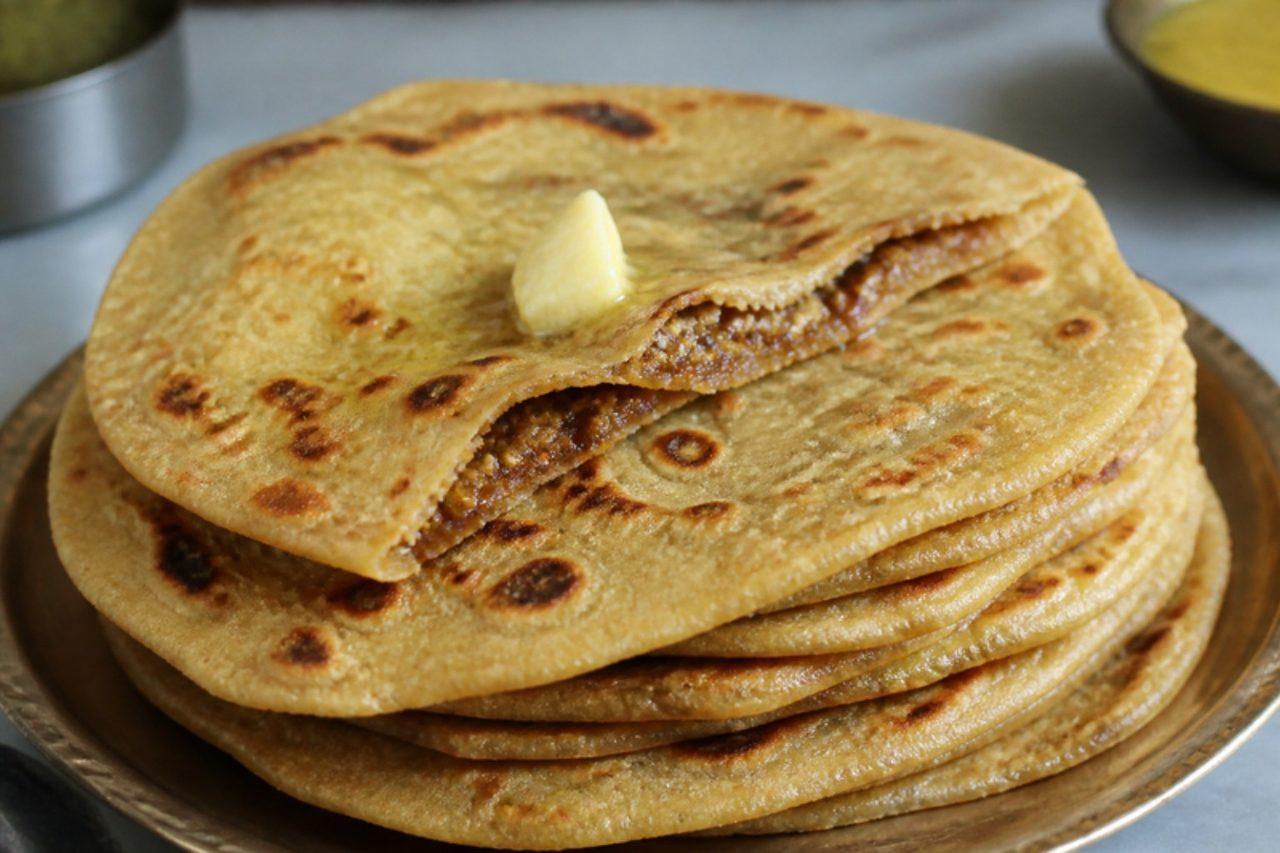
Gul poliJaggery-stuffed flatbread

Puran poli belongs to Holi and Gudi Padwa, but Makar Sankranti in Maharashtra is the day of gul poli. The filling here is not chana dal at all: it is grated jaggery mixed with roasted sesame, roasted gram flour, poppy seeds and dry coconut, which melts inside the dough as the poli cooks and then sets slightly as it cools. A good one is thin, with crisp brown spots, and does not leak. It keeps for a week, so many Pune households make a stack on Bhogi and eat them through the festival, warm with a spoon of ghee or cold with milk. The mistake most beginners make is using sticky, wet jaggery, which melts into a puddle and bursts the poli; choose dry, crumbly jaggery and grate it fine. Chef's tip: roll on a sheet of plastic or rice flour and cook on a low to medium heat; jaggery burns fast and leaks if the tawa is too hot.

by KrazyBadal 0 views

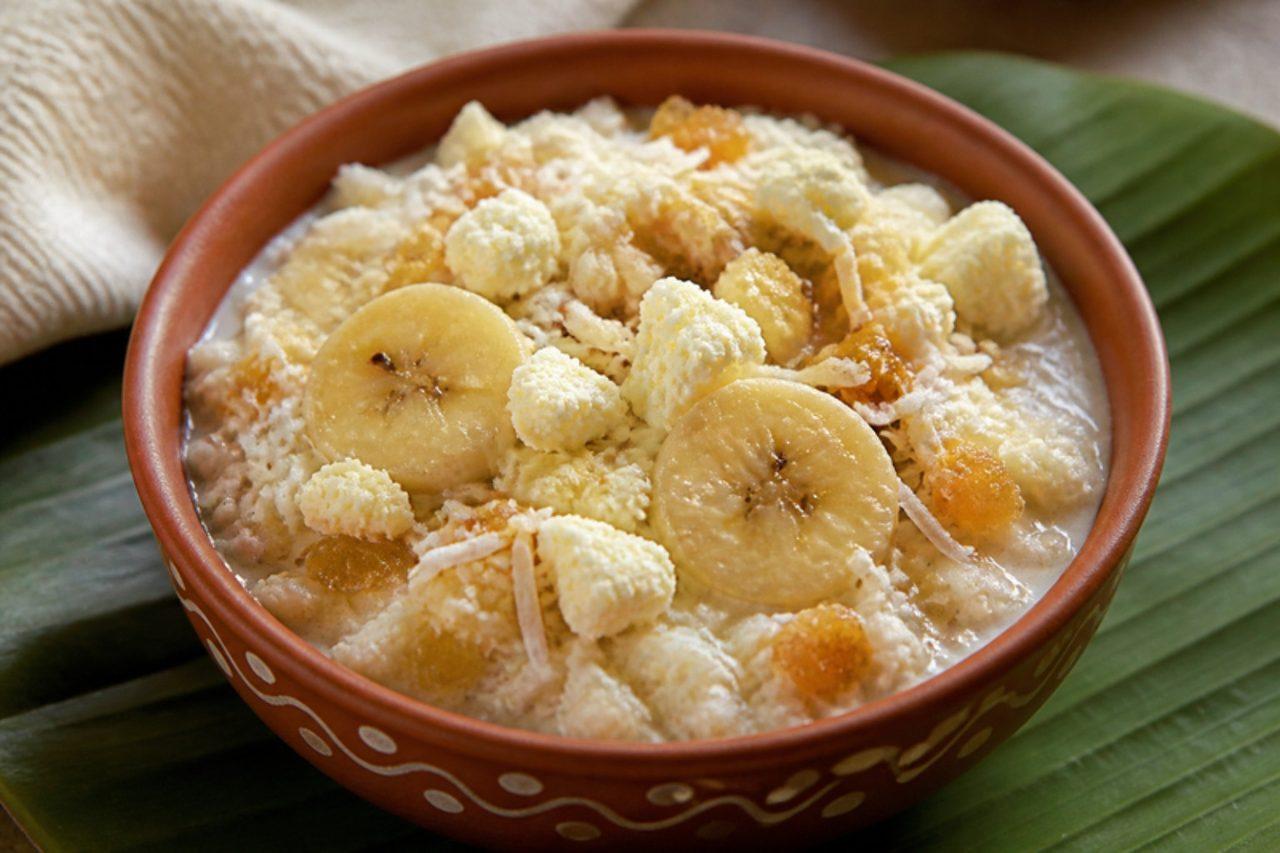
Makar chaulaRaw rice, banana and jaggery offering

On Makar Sankranti in Odisha, the first rice of the winter harvest goes to the sun god before anyone else tastes it. Makar chaula is that offering: freshly harvested rice soaked and coarsely pounded, then mixed raw with grated coconut, ripe banana, chhena (fresh cheese), jaggery or sugarcane juice, milk, black pepper and a little ginger. Temples such as Puri and Konark offer huge quantities, and every home in Cuttack and Bhubaneswar makes its own bowl after the morning bath. It is not cooked at all, so it tastes fresh, milky and gently spiced, with a soft chew from the rice. Eat it in the morning as prasad, with sugarcane pieces and til ladoo. The common mistake is grinding the rice to a powder; it should stay coarse, like broken grains, or the mix turns gluey. Chef's tip: use the newest, softest short-grain rice you can find; old rice stays hard even after soaking.

by KrazyBadal 0 views

PathiriThin rice flatbreads

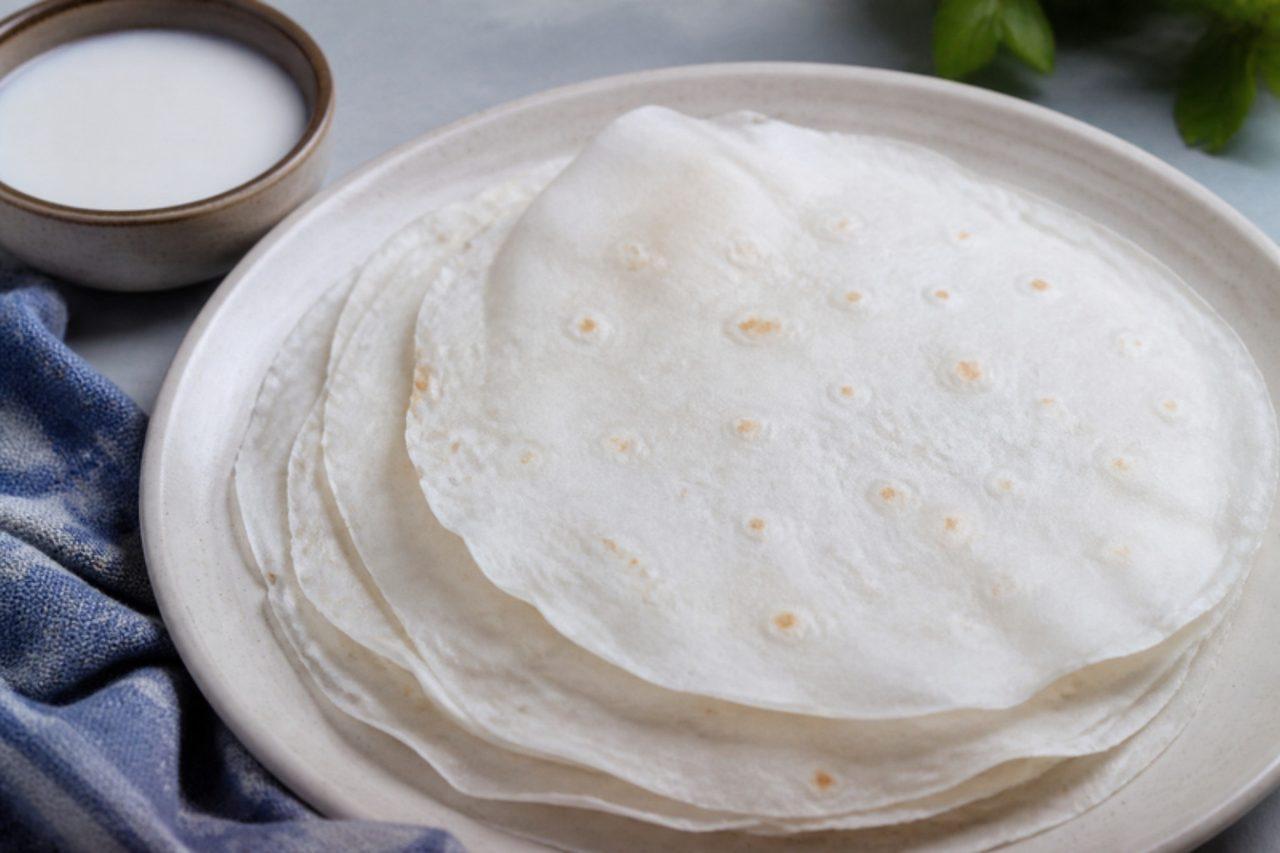
When the call for maghrib rings out in Kozhikode and Malappuram during Ramadan, families break the fast with dates and juice and then sit down to a stack of pathiri with chicken curry or mutton stew. Also called nice pathiri, these are the thinnest breads in Kerala: a dough of fine rice flour scalded with boiling water, rolled almost see-through, cooked on a dry tawa until they puff, and then dipped in thin coconut milk so they turn soft and silky. They taste mild and slightly sweet, made only to soak up gravy. The usual mistake is adding the flour to water that has stopped boiling; the dough stays crumbly and the pathiri crack. Rice flour has no gluten, so these suit anyone avoiding wheat. Serve them warm, folded into quarters, with any curry (they are vegan as made here; the curry is up to you). Chef's tip: knead the scalded dough while it is still hot, using the heel of your hand and a little oil, until it is as smooth as a baby's cheek.

by KrazyBadal 0 views

Karuveppilai podiCurry leaf powder

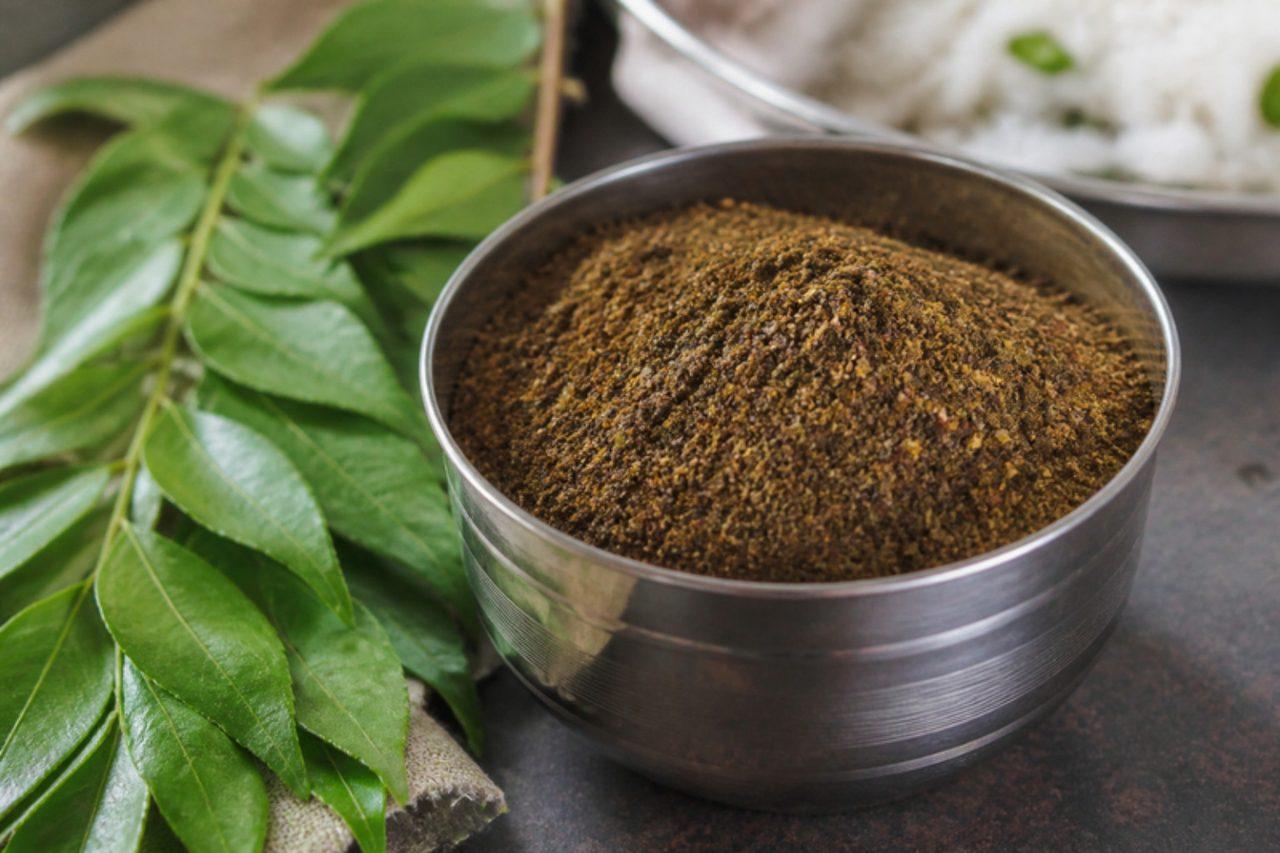
Grandmothers in Tamil Nadu make karuveppilai podi as much for health as for taste; curry leaves are said to be good for the hair and the blood, and this is the most delicious way to eat a whole bunch at once. Big handfuls of leaves are roasted until crisp and crumbly, then ground with roasted urad and chana dal, red chillies, a little tamarind for sourness and pepper. The powder is dark, fragrant, savoury and slightly tart. Mix it into hot rice with sesame oil or ghee for a quick lunch with a vegetable poriyal, or sprinkle it over idli and dosa. Common mistake: using leaves that are still damp after washing. The podi then traps moisture, loses its colour and can turn mouldy in the jar. Chef's tip: wash the leaves a few hours ahead and spread them on a cloth to air-dry until they feel papery, then roast them on the lowest heat until they crack between your fingers.

by KrazyBadal 0 views

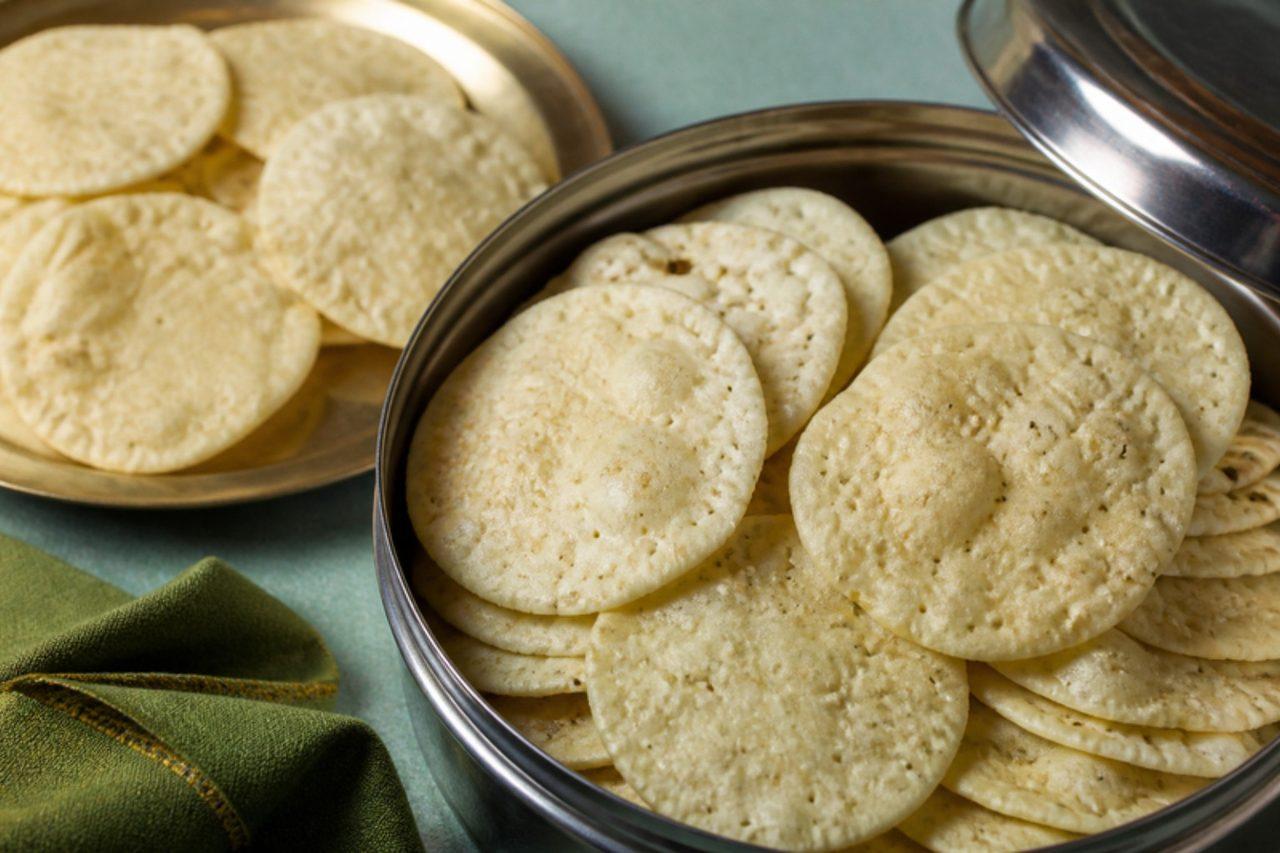
Ghila pithaFried rice and jaggery cakes

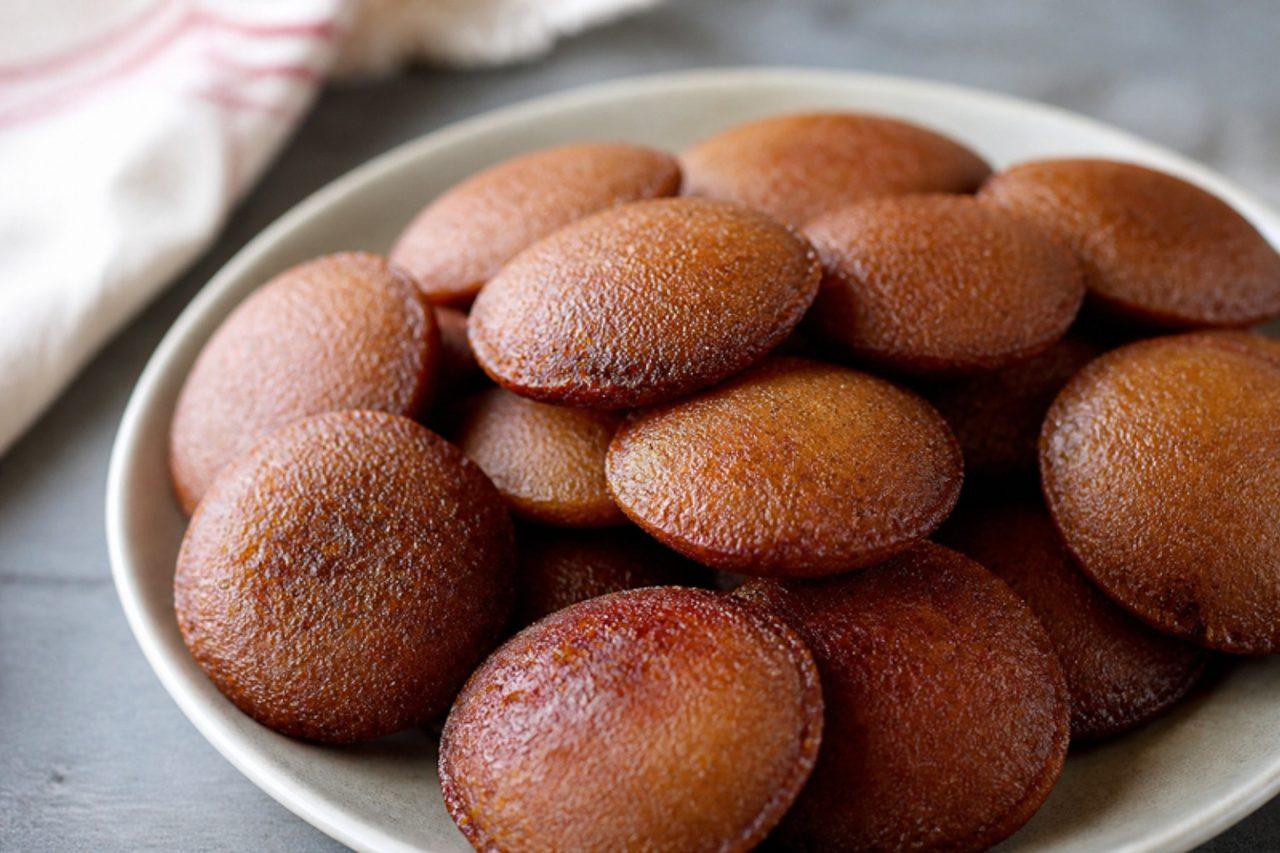
Magh Bihu in January closes the harvest in Assam with bonfires, feasts and plates full of pitha. Ghila pitha takes its name from ghila, the kneecap, because the little cakes are pressed into rounded discs that puff in the middle as they fry. Sticky bora or plain rice is soaked, dried and ground to a damp flour, then kneaded with melted jaggery and fried in mustard or vegetable oil. Outside they are dark brown and crisp; inside chewy and soft like a doughnut, with the deep flavour of jaggery. They keep a few days, so they are stacked in steel tins for visitors and eaten with black tea or with doi and jolpan. Some cooks add a pinch of fennel or sesame. The common mistake is oil that is too hot: jaggery darkens and burns long before the inside is cooked, so fry slowly. Chef's tip: let the dough rest for 30 minutes after kneading; the rice flour drinks up the syrup and the cakes hold together.

by KrazyBadal 0 views

Khatta meetha kadduSweet-sour pumpkin

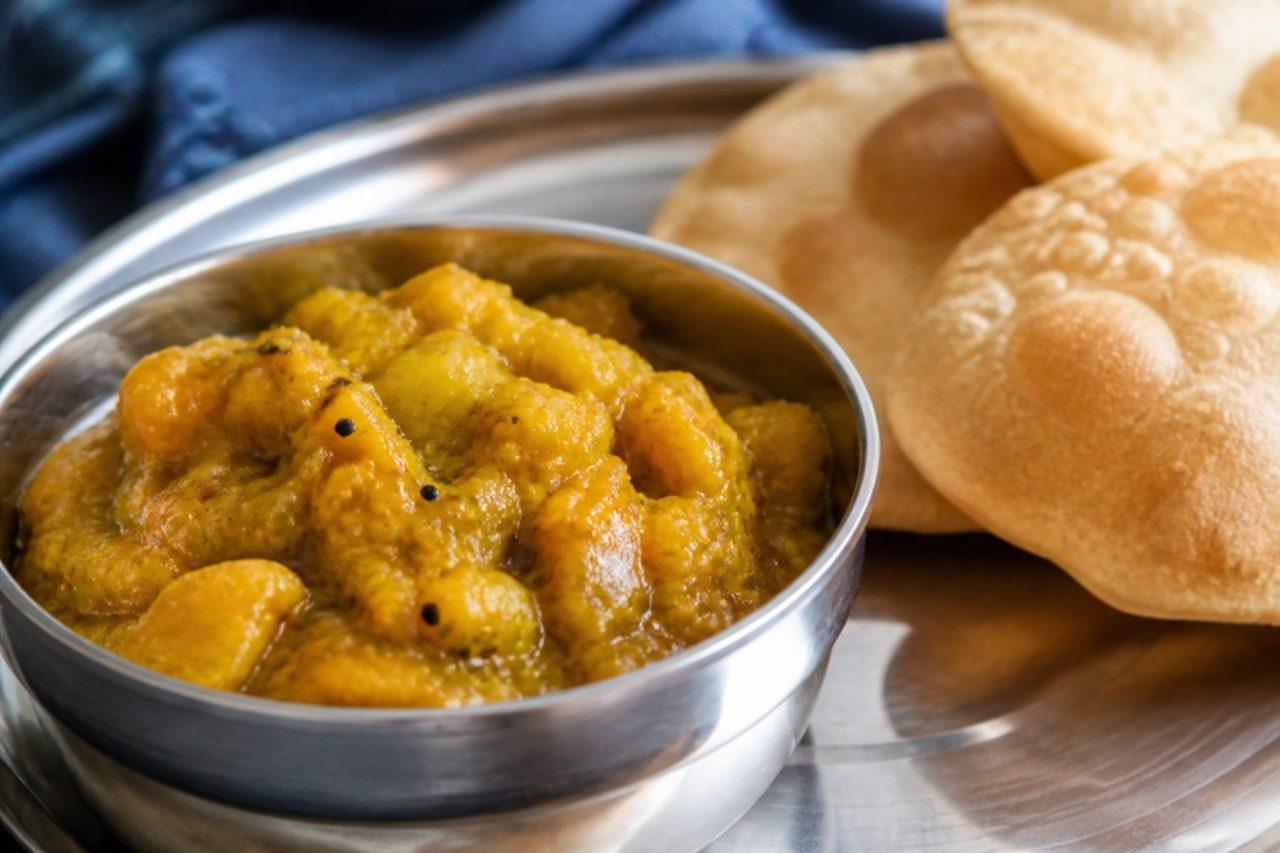
Kaddu ki sabzi with puri is the meal served at countless bhandaras, the free community feasts outside temples in Uttar Pradesh and Punjab, and at home it is a fasting favourite for Navratri. Chunks of yellow pumpkin are cooked until soft with sizzling fenugreek seeds and cumin, then half-mashed and finished with jaggery and dry mango powder, so the dish swings between sweet and sour with gentle heat from ginger and chilli. The fenugreek gives it a faintly bitter, maple-like depth. This fasting version uses rock salt and leaves out the turmeric, asafoetida and fennel that bhandara cooks add. Serve with kuttu puri or regular puri, and a bowl of raita. Chef's tip: keep the skin on part of the pumpkin; it holds the pieces together while the peeled pieces melt into the sauce, giving a better texture.

by KrazyBadal 0 views

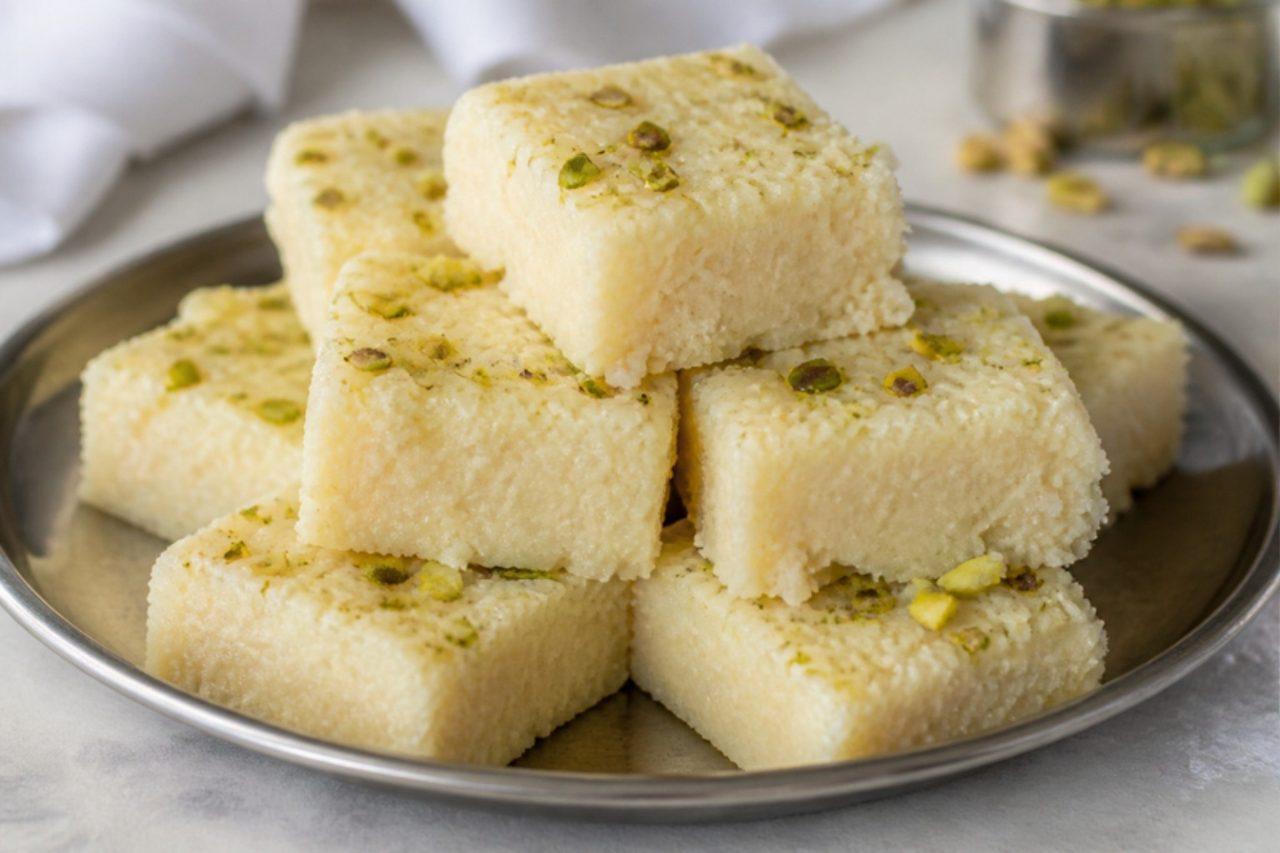
KalakandMilk cake

Alwar in Rajasthan built its reputation on kalakand, and the town's sweet shops still sell it by the slab, moist and crumbly, somewhere between fudge and fresh cheese. The texture comes from two dairy elements cooked together: fresh chhena, curdled with lemon so it stays in fine, soft crumbs, and full-fat milk reduced to a thick cream. Sugar loosens it, then it is cooked down until it just holds together and spread to set. It tastes of sweet milk and cardamom, with tiny grains that melt as you chew. It is a favourite for Diwali, Raksha Bandhan and any good news. Serve it at room temperature, cut into squares. Chef's tip: stop cooking while it still looks a little moist; kalakand firms up a lot as it cools, and overcooking turns it dry and chewy.

by KrazyBadal 0 views

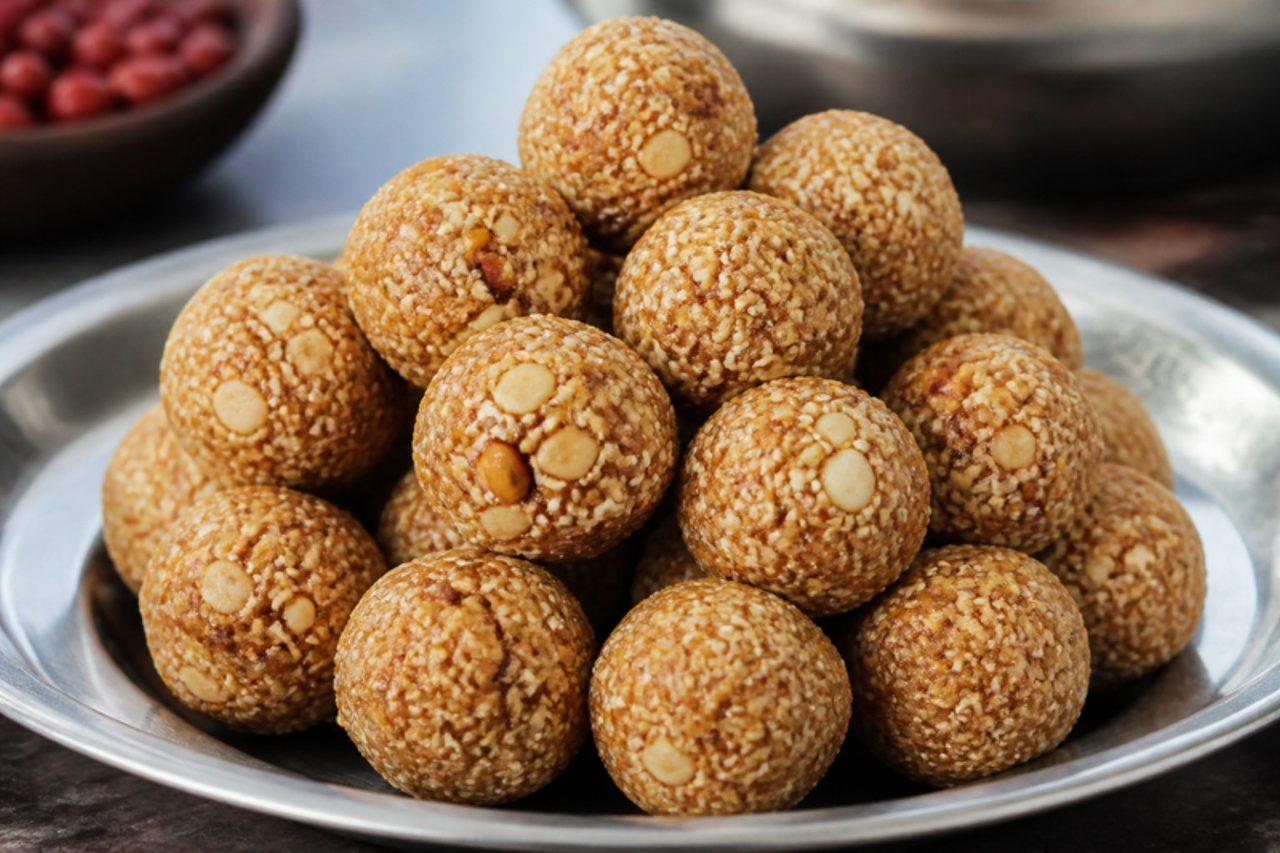
Tilgul ladooSesame and jaggery balls

On Makar Sankranti in Maharashtra, neighbours, colleagues and old rivals swap tilgul and say 'tilgul ghya, goad goad bola': take this sesame and jaggery, and speak sweetly. Sesame and jaggery both warm the body in the coldest weeks of January, which is why the ladoo appears in every Pune and Mumbai home, often next to halwa sugar beads. These are the softer, chewy kind: sesame and peanuts are roasted separately, then bound with jaggery cooked just to the soft-ball stage and rolled quickly while warm. They taste nutty and toffee-like with a hint of cardamom. Hand them out in small bags or eat one after lunch. The common mistake is overcooking the jaggery: it sets rock hard and the ladoos can crack a tooth. Grease your hands with a little oil rather than ghee to keep them vegan. Chef's tip: test the jaggery by dropping a little into cold water; it should gather into a soft ball you can squash between your fingers.

by KrazyBadal 0 views

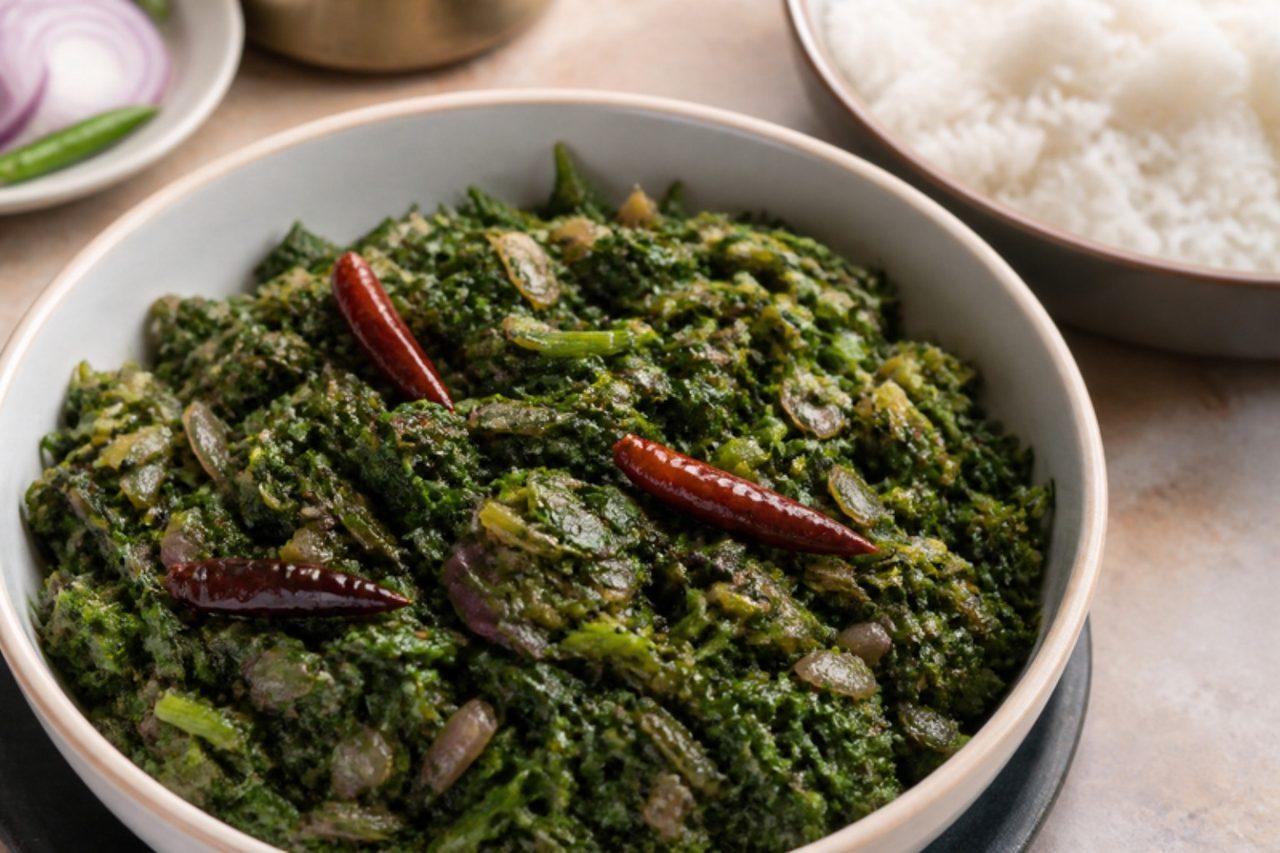
Choddo shaakFourteen leafy greens stir-fry

On Bhoot Chaturdashi, the night before Kali Puja and Diwali, Bengali homes light fourteen lamps for their ancestors and eat a dish of fourteen greens at lunch to keep illness and restless spirits away. Markets in Kolkata sell bundles already mixed for the day: spinach, red and green amaranth, Malabar spinach, water spinach, fenugreek, mustard and radish greens, bathua, jute leaves, pumpkin leaves, helencha and a few neem leaves for bitterness. Fried briefly in mustard oil with nigella and dried chilli, they cook down to an earthy, slightly bitter, faintly sweet tangle. It is eaten as the first course with hot rice and a drizzle of ghee for those who want it. If you can't find all fourteen, use what your grocer has; the mix matters more than the exact list. Chef's tip: cook it uncovered after the first wilt so the water evaporates; choddo shaak should be dry and glossy, not stewed.

by KrazyBadal 0 views

Sakkare acchuMoulded sugar figures

Every Sankranti plate in Karnataka carries a few of these little sugar figures beside the ellu bella: an elephant, a temple gopuram, a parrot, a coconut. The wooden moulds, two halves tied with string, are soaked in water overnight so the sugar does not stick, and the syrup is clarified with a splash of milk until it is crystal clear. It is cooked to a thick stage, then stirred until it turns cloudy and pours like thin cream, and poured fast before it sets. Children love making them almost as much as eating them; they melt on the tongue like a soft fondant. The milk makes them vegetarian rather than vegan. The common mistake is pouring before the syrup has been beaten enough: it stays clear and sets like brittle glass that sticks in the mould. Chef's tip: work in small batches of about 150 g sugar so the syrup does not set in the pan while you are still pouring.

by KrazyBadal 0 views

SuvaliSweet milk and sesame puris

Open any Gujarati steel dabba in Diwali week and suvali will be near the top, stacked between chorafali and mathiya. Families fry them on the days around Dhanteras and Kali Chaudas, then hand them to every guest who drops by on Bestu Varas, the Gujarati New Year, with a cup of masala tea. The dough is short with ghee and sweetened by sugar dissolved in milk, so the puris snap cleanly and melt into a gentle sweetness rather than tasting like a biscuit. Sesame gives a nutty crunch, cardamom the festive smell. They should stay ivory with only the faintest blush of colour. Eat them with tea, or the way many grandparents do, with a spoonful of chhundo or sweet mango pickle. Chef's tip: roll every suvali before you start frying and keep them under a damp cloth, so you can give the pan your full attention and keep the heat low and steady.

by KrazyBadal 0 views

Navratan kormaNine-jewel vegetable korma

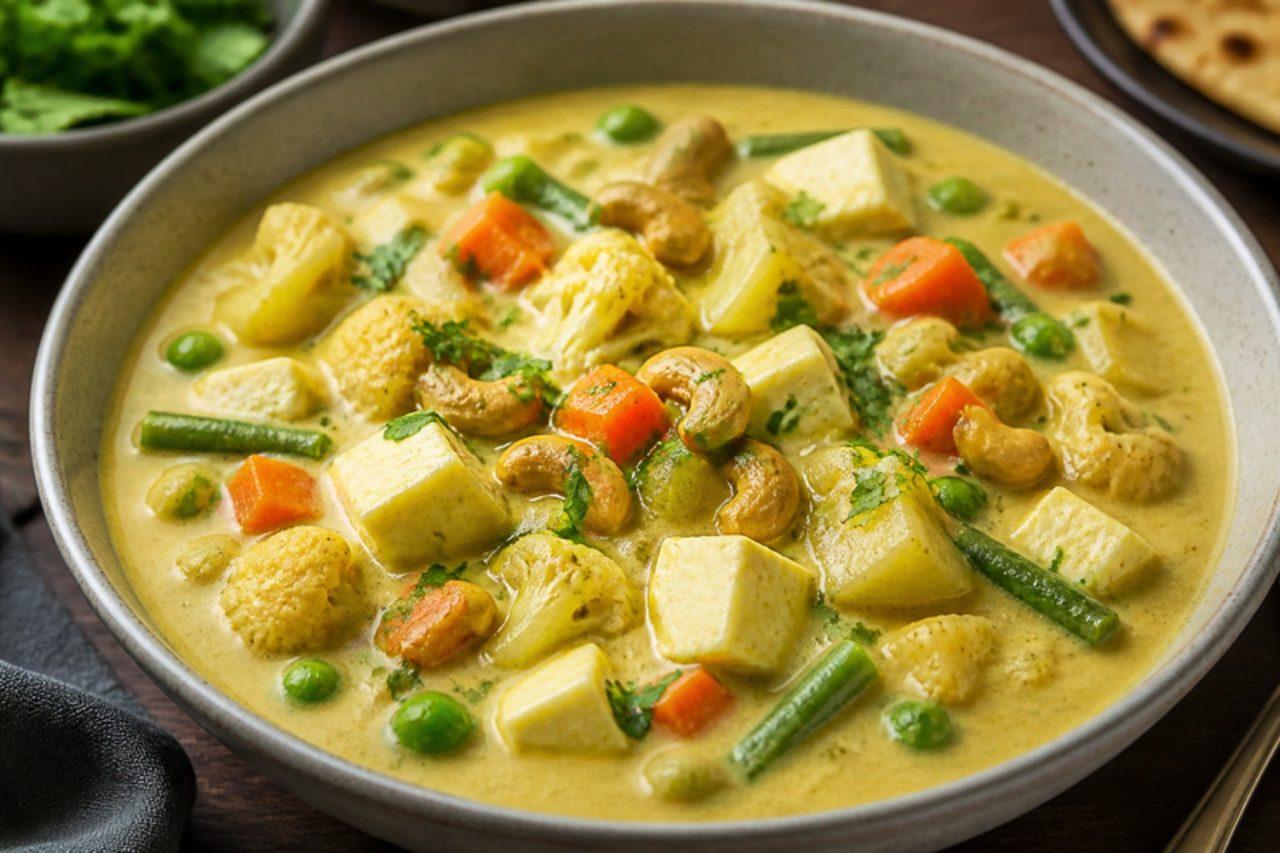
Legend ties the name to the nine gems (navratna) of Akbar's court, and the dish lives up to it: nine kinds of vegetables, paneer, fruit and nuts in an ivory gravy that is mild, rich and a little sweet. It is a fixture of North Indian wedding buffets and restaurant menus, often the one curry children and spice-shy guests head straight for. The gravy is a Mughlai white base, made from onions boiled (not browned) and ground with cashews, cooked gently in ghee with whole spices, yogurt and cream. Each vegetable is cooked separately so it stays bright and holds its shape, and pineapple and raisins go in at the end for little bursts of sweetness. Serve it with jeera rice, naan or laccha paratha and a sharp onion salad on the side. Common mistake: browning the onions; they colour the gravy beige and make it taste like any other curry. Keep the heat gentle once the yogurt is in, so it does not split. Chef's tip: a pinch of white pepper and a drop of kewra water at the end give the restaurant flavour without adding chilli heat.

by KrazyBadal 0 views

Tandalachi bhakriRice flour flatbread

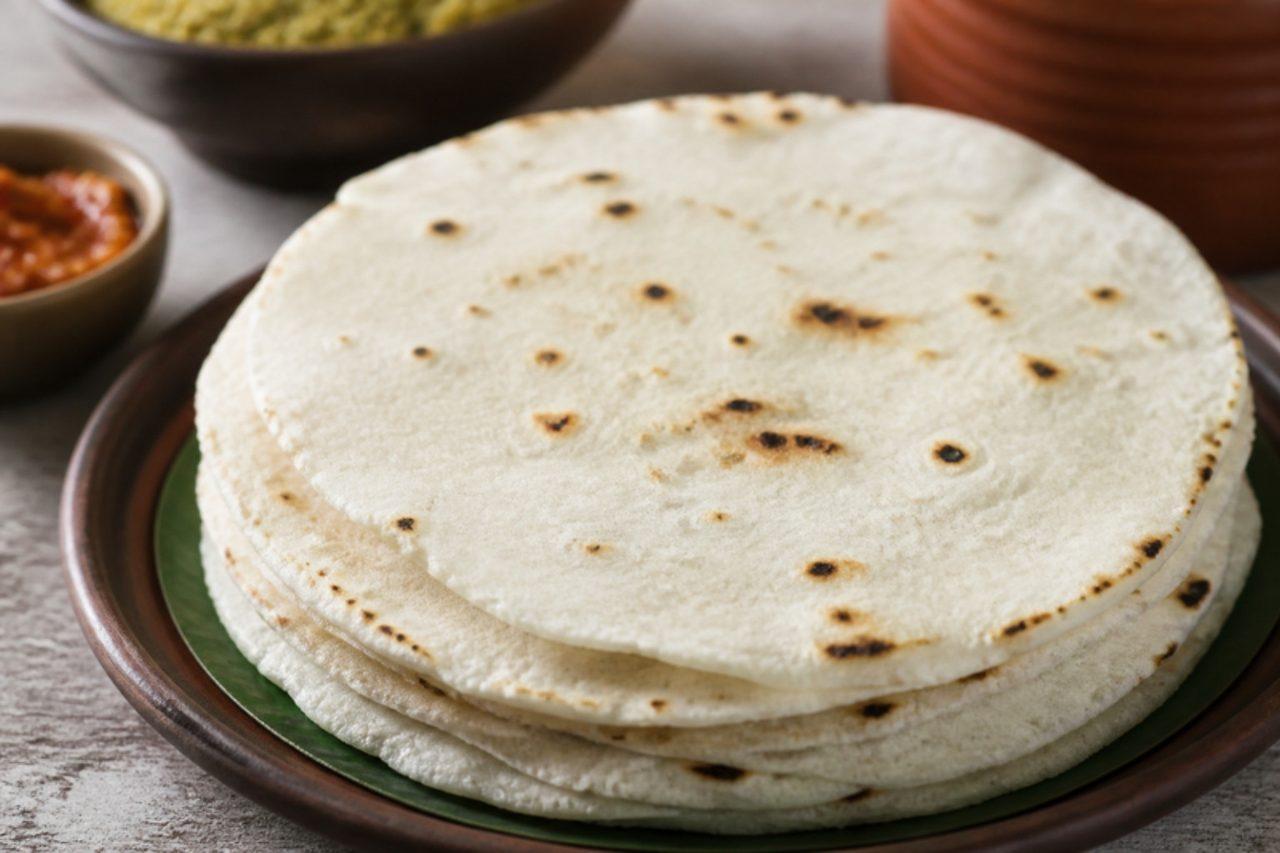
Along the Konkan coast, from Alibag down to Sindhudurg, the everyday bread isn't wheat at all but tandalachi bhakri, a soft round of rice flour and water, the natural partner to a coconut-rich Malvani fish curry, kombdi rassa, a bowl of usal or plain pithla with sol kadhi. Unlike Karnataka's akki rotti, it has no onion, coconut or chilli in the dough: just rice flour, salt and hot water, kneaded smooth and patted out thin by hand. Cooked on a hot iron tawa and finished over an open flame, it puffs up like a balloon and stays soft and pliable, with a faint sweetness and toasty spots. Common mistake: mixing the flour with cold or warm water. Rice flour has no gluten, so it needs boiling water to gelatinise and bind; otherwise the bhakri cracks all round the edges. Chef's tip: knead each portion again just before patting; a dough that sat still dries on the surface and cracks.

by KrazyBadal 0 views

Warqi parathaFlaky laminated flatbread

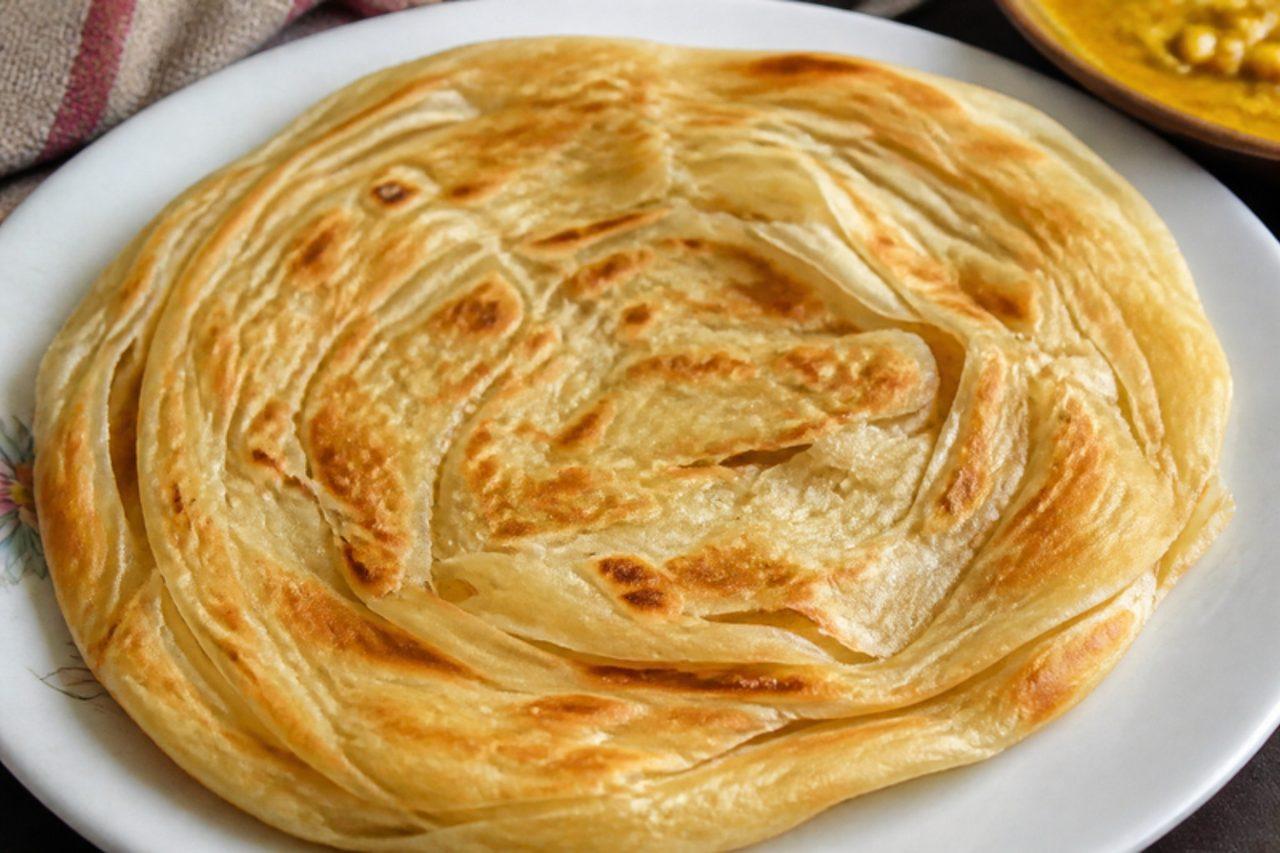
Warq means a thin leaf, and this is the paratha of the Awadhi and Hyderabadi dastarkhwan, where the old royal kitchens laminated dough like a pastry chef. A soft dough of maida, milk and ghee is rolled out very thin, brushed with soft ghee, dusted with flour and folded again and again until there are dozens of layers. Cooked slowly on a tawa, it puffs and shatters into crisp, buttery flakes on the outside while the inside stays tender and layered. It is rich and slightly sweet, made for scooping up Lucknowi qorma, nihari, haleem or a vegetarian shahi paneer at Eid and wedding feasts, and it is quite different from the soft, saffron-sweet sheermal of the same city. Common mistake: using melted, runny ghee for the layers; it soaks into the dough instead of separating it. Chef's tip: let the ghee set to a soft, creamy paste, and chill the folded dough for 15 minutes before the final rolling so the layers stay distinct.

by KrazyBadal 0 views

Ragi rottiFinger millet flatbread

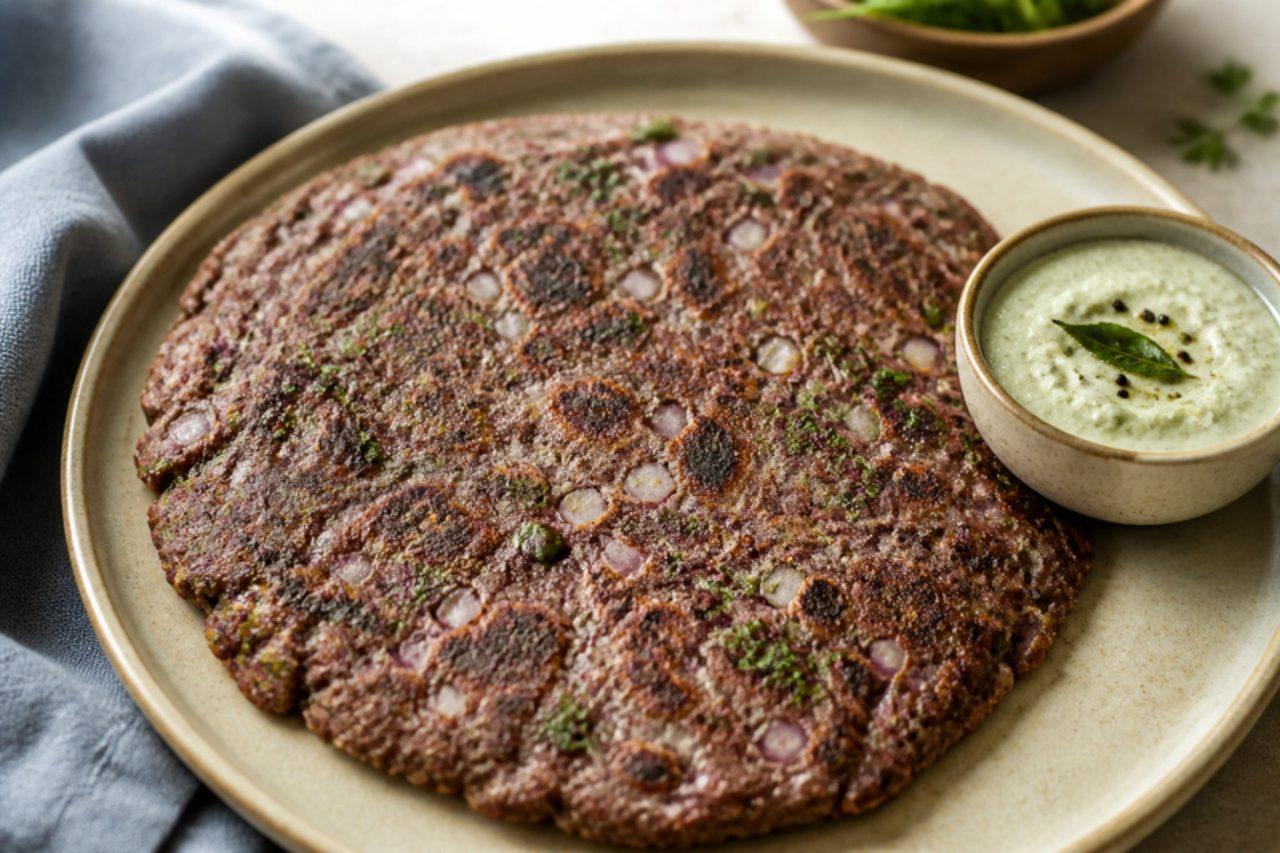
In Bengaluru, Mandya and Mysuru, ragi rotti is the hearty breakfast that farmers and office-goers alike eat before a long day, still warm from the tawa. It is made with finger-millet flour mixed with raw onion, a generous amount of sabsige soppu (dill), green chilli, coriander and fresh coconut, then patted out directly onto the cold griddle with wet fingers rather than rolled. The result is earthy, nutty and slightly chewy, crisp at the edges, with the fresh anise note of dill running through. It is different from the soft boiled-dough ragi mudde and from rice akki rotti, and it is eaten with coconut chutney, a dollop of homemade white butter or a spicy ennegai (stuffed brinjal) curry. Common mistake: patting the dough onto a hot tawa; it sticks, tears and burns your fingers. Chef's tip: use two tawas, or cool one under the tap between rottis, so each one starts on a cool surface.

by KrazyBadal 0 views

RadhaballaviDal-stuffed puris

Named after Radhaballabh, a name of Krishna, these stuffed puris are said to have begun as a temple offering, and they are now what Bengali families serve on a festive morning: at a wedding breakfast, on Janmashtami, or bought hot from a Kolkata sweet shop with a bowl of aloo dum and a sweet like rosogolla or chhanar jilipi on the side. Soaked urad dal is ground coarse and fried dry with ginger, fennel, cumin and hing, then sealed in a soft maida dough, rolled thin and fried until it balloons. The puris are softer and more delicate than kachori, with a thin layer of spiced dal through the middle. They are vegan here, fried in oil; many sweet shops fry them in ghee, which is fine if you do not need them dairy-free. Common mistake: a damp filling, which turns to steam in the oil and bursts the dough; cook it until it is completely dry and crumbly. Chef's tip: roll with gentle pressure from the centre outwards and leave the edges a touch thicker, so the filling cannot push through.

by KrazyBadal 0 views

Rajgira ladooPopped amaranth jaggery balls

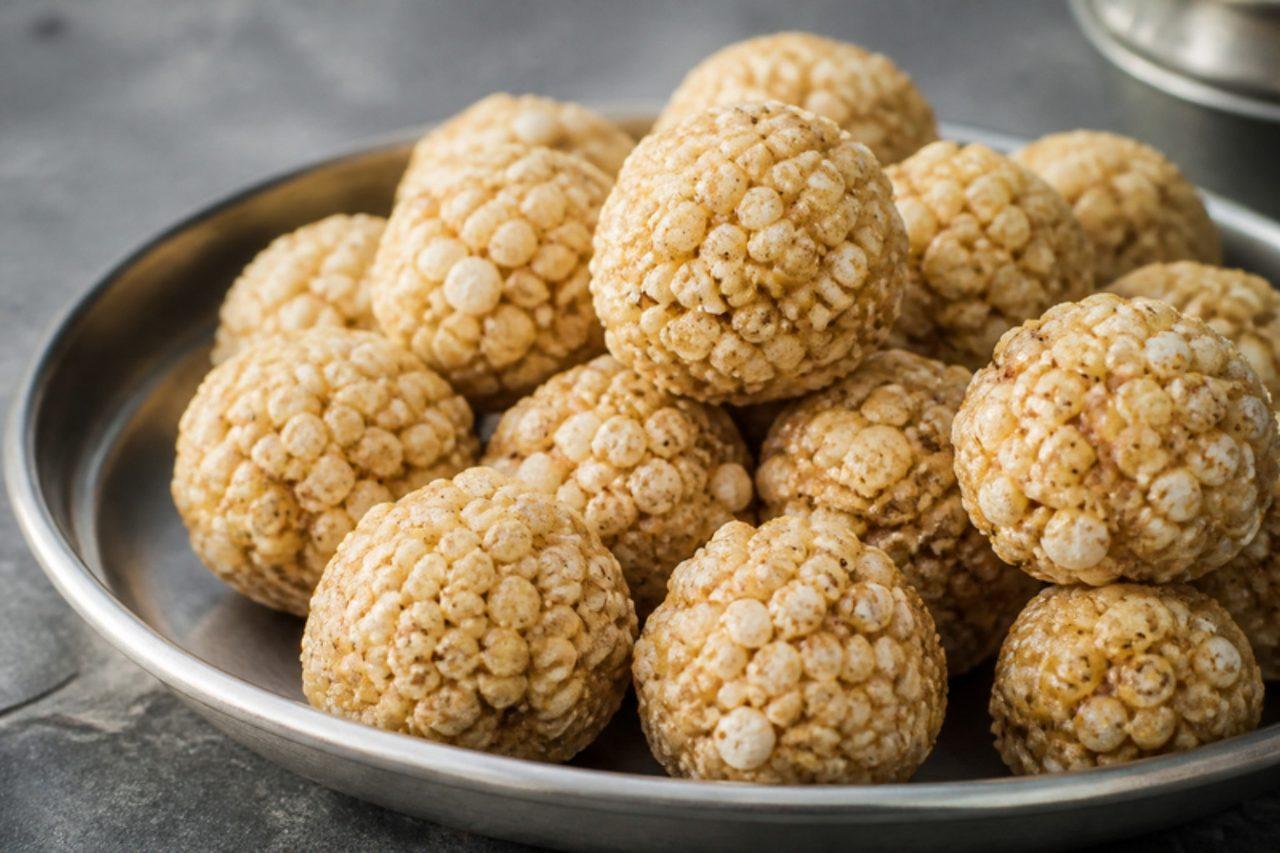
Before Mahashivratri and Navratri, sweet stalls in Maharashtra pile up trays of rajgira ladoo, and they are one of the few sweets that suit a strict fast and a vegan diet at once. Amaranth seeds puff like tiny popcorn in a hot pan; mixed with jaggery cooked to a firm syrup, they set into light, crunchy balls with a toffee-like, molasses sweetness and a toasty grain flavour. They are eaten as an energy-giving snack on fast days, given as prasad, and packed for long temple queues. Ready-popped rajgira is easy to find in Indian shops; popping your own seeds (a spoonful at a time in a hot, dry, lidded pan) takes about 10 minutes more. Chef's tip: wet your palms with cold water and shape the ladoos while the mix is very warm; once the jaggery cools, it sets hard and won't bind.

by KrazyBadal 0 views

Showing 24 of 779 recipes

Show more recipes

Page 7 of 33

More collections