Skip to content

Vegetarian Indian dinners

Dal, sabzi, curries and rice dishes for a meat-free Indian dinner. (779 recipes)

Pav bhaji masalaPav bhaji spice blend

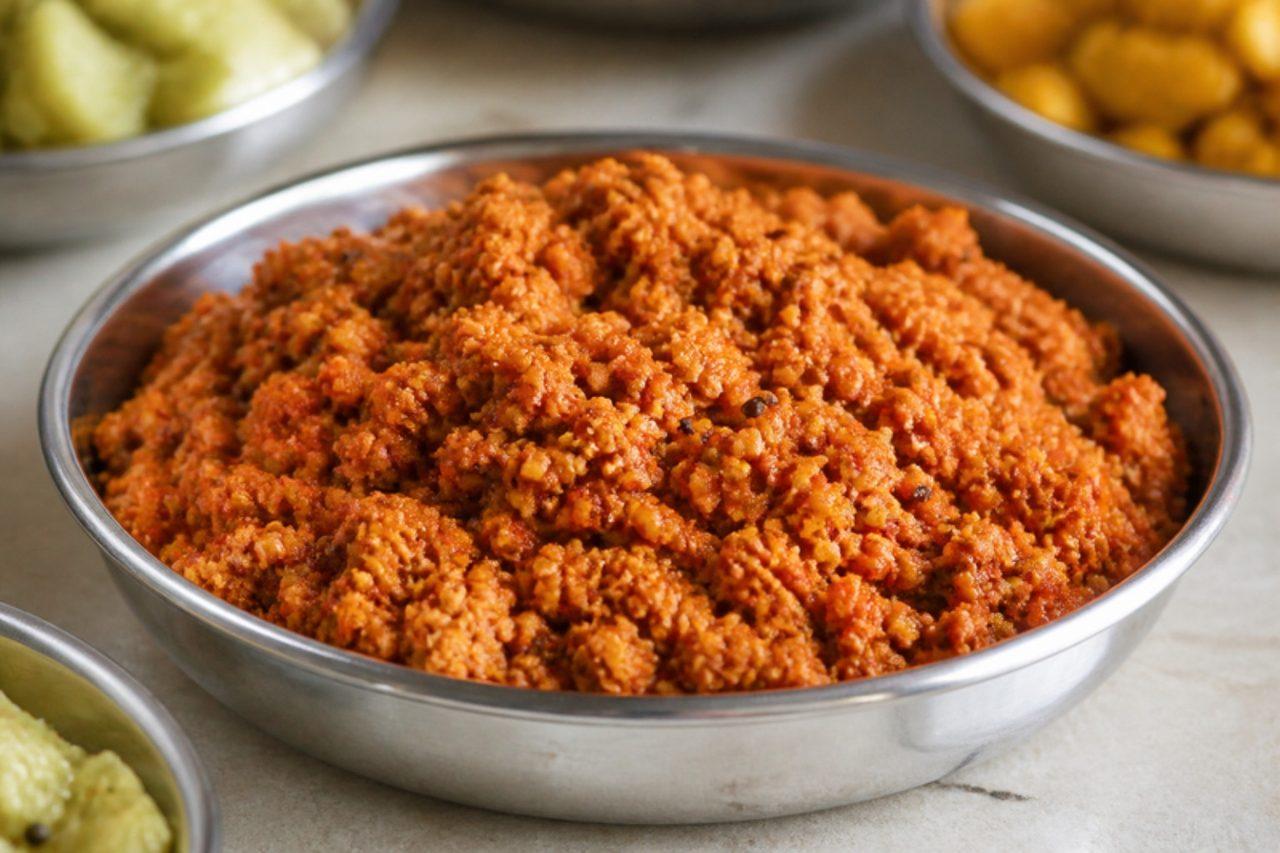
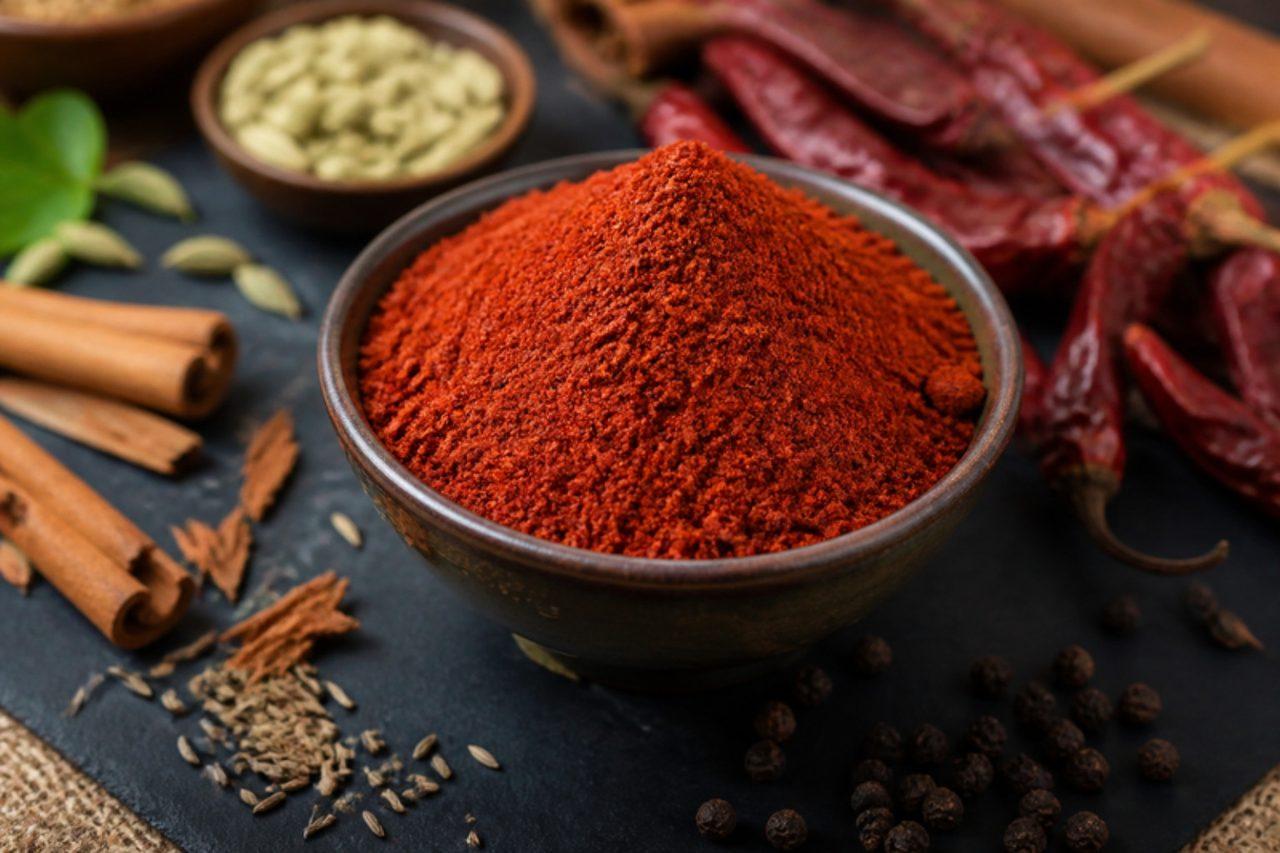
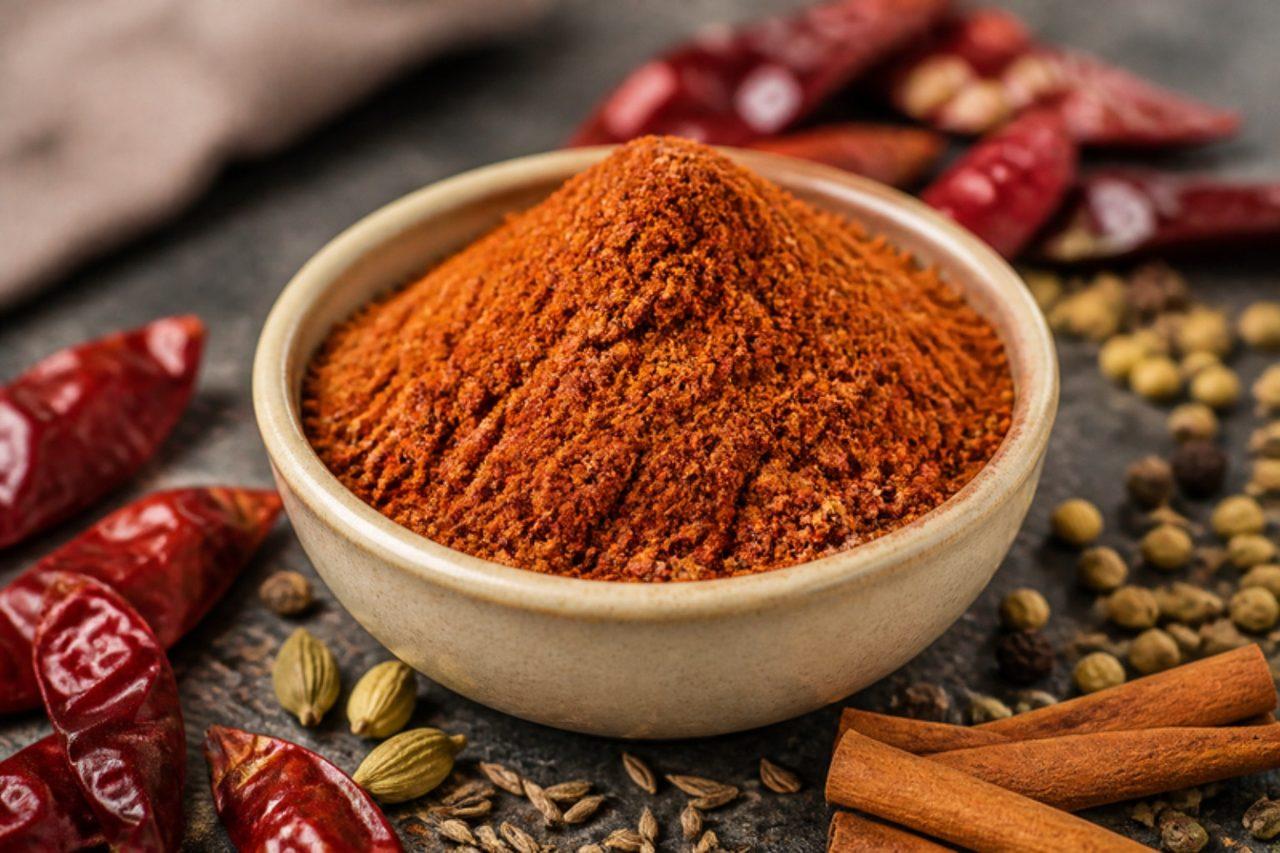
The bhaji at a Juhu Beach or Girgaum Chowpatty stall gets its unmistakable taste from a ready-made masala, but a home-roasted blend smells far brighter and lets you choose the heat. Whole coriander, cumin, fennel, cloves, cinnamon, cardamom and star anise are roasted, cooled and ground with Kashmiri chilli for colour, amchur (dry mango powder) for tang, kala namak (black salt) for that eggy, savoury depth, and dry ginger. A good pav bhaji masala is red, sour-salty and aromatic rather than very hot. It is also the quick way to give tawa pulao, masala toast and Bombay sandwiches their street flavour. Common mistake: stirring the masala into a dry, very hot pan; the amchur and chilli powder scorch in seconds. Chef's tip: add the masala once the tomatoes have broken down into the butter, and keep a spoonful back to sprinkle over the bhaji in the last minute for a fresh hit of aroma.

by KrazyBadal 0 views

Methia masalaPickle spice mix

In Gujarati homes, methia masala (also called achar masala or sambhar masala in Kathiawad) is mixed each April before the mango pickling begins, and a jar of it lasts the year. It is built on methi kuria and rai kuria, split fenugreek and split mustard seeds sold at every Gujarati grocer, which are bloomed in smoking-hot groundnut oil with hing so they lose their raw bitterness, then mixed with Kashmiri chilli powder, turmeric and salt. That one masala makes instant pickles of carrot, gunda, raw mango or kerda in minutes, is spooned beside khichu, thepla and dhokla and goes into methia keri, the classic Gujarati mango pickle. Common mistake: pouring the oil over the chilli powder while it is smoking hot; the chilli turns black and bitter. Chef's tip: pour the hot oil over the kuria and hing only, wait until it is just warm, and only then stir in the chilli, turmeric and salt.

by KrazyBadal 0 views

Turiya nu shaakRidge gourd curry

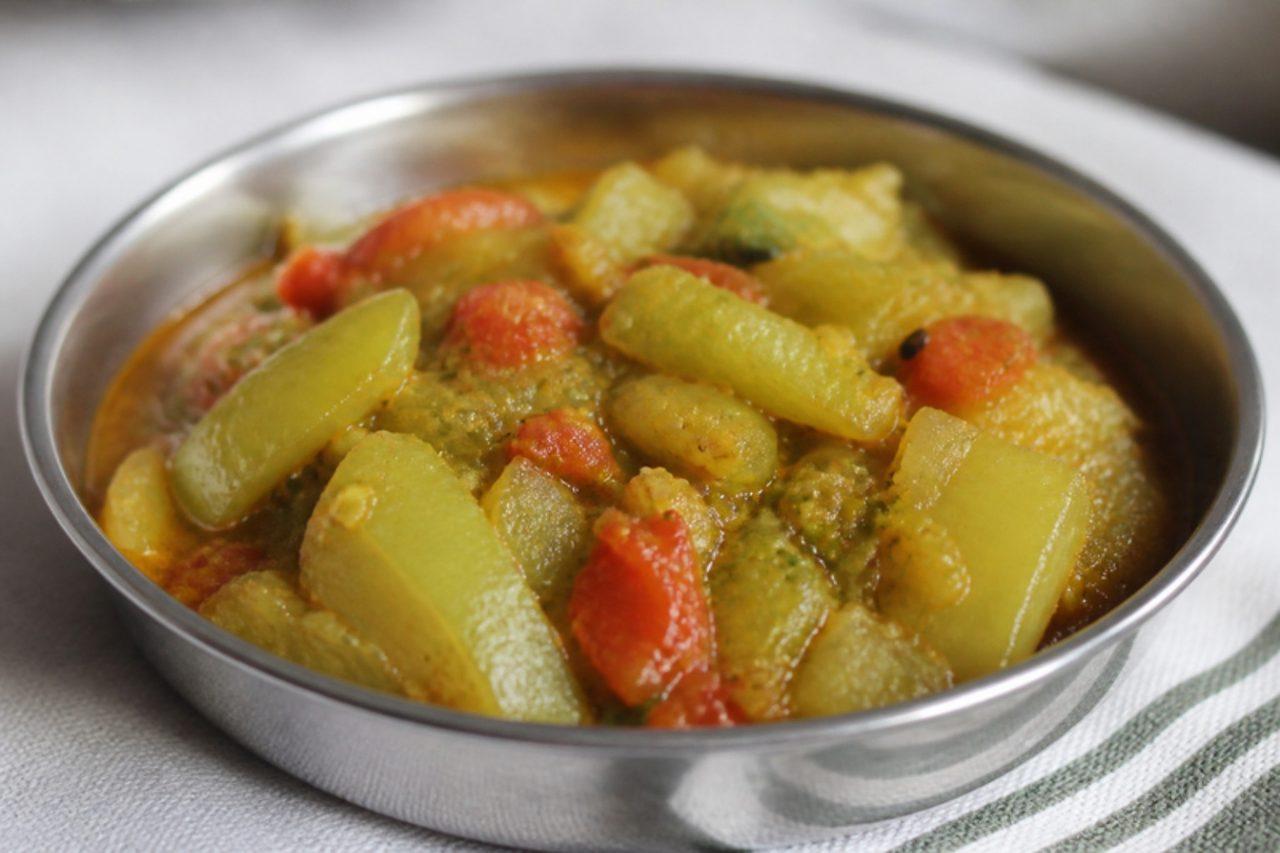
Turiya arrives in Gujarat's markets with the monsoon, and this quick, juicy shaak is a weekday staple from Rajkot to Navsari, eaten with rotli and a dollop of ghee, or with khichdi and kadhi. It is cooked the Jain way, in a vaghar of mustard seed, ajwain and hing with green chilli and dry ginger powder instead of fresh ginger, plus tomato and a pinch of sugar. The gourd turns silky and almost melts, leaving a light, sweetish gravy. A common mistake is overcooking: ridge gourd softens in about eight minutes and turns to mush soon after. Take it off the heat as soon as the pieces are translucent but still hold their shape. Chef's tip: scrape off only the hard ridges and leave the green skin between them; it keeps the pieces together and adds flavour.

by KrazyBadal 0 views

Jeera alooCumin potatoes

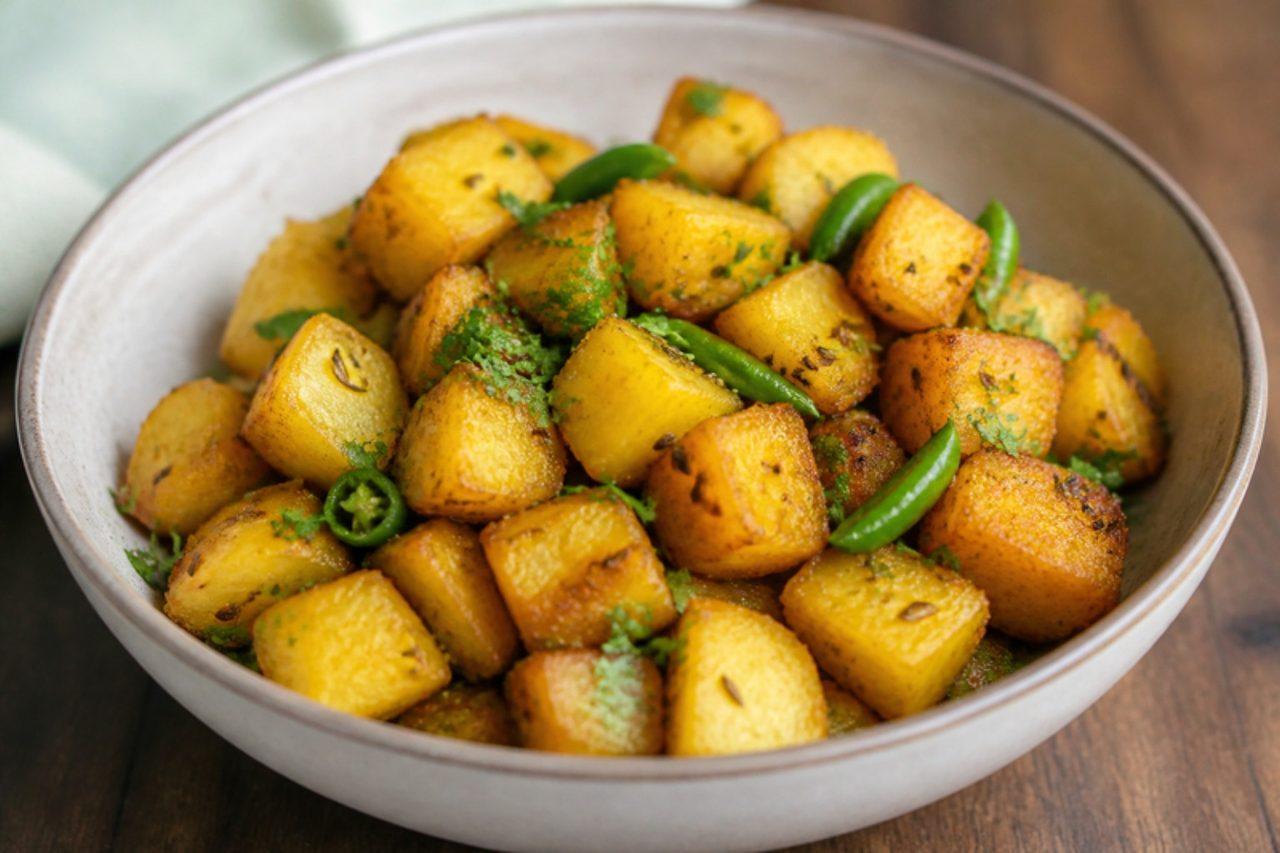
Jeera aloo is what North Indian mothers pack with puri for a train ride, serve with dal and rice on a weeknight, and cook in bulk for Navratri kanjak lunches alongside halwa and chana. Boiled potatoes are cubed and tossed in plenty of cumin that has sizzled until dark and nutty, with green chilli, ginger, a little turmeric and chilli, then soured with amchur. The edges catch and turn golden while the insides stay soft and fluffy. The common mistake is tossing potatoes that are still hot from boiling; they crumble. Cool them completely, ideally in the fridge, so the cubes hold their shape. Chef's tip: let the cumin turn a shade darker before the potatoes go in; pale cumin gives a raw, dusty taste.

by KrazyBadal 0 views

Panch phoronFive-seed spice mix

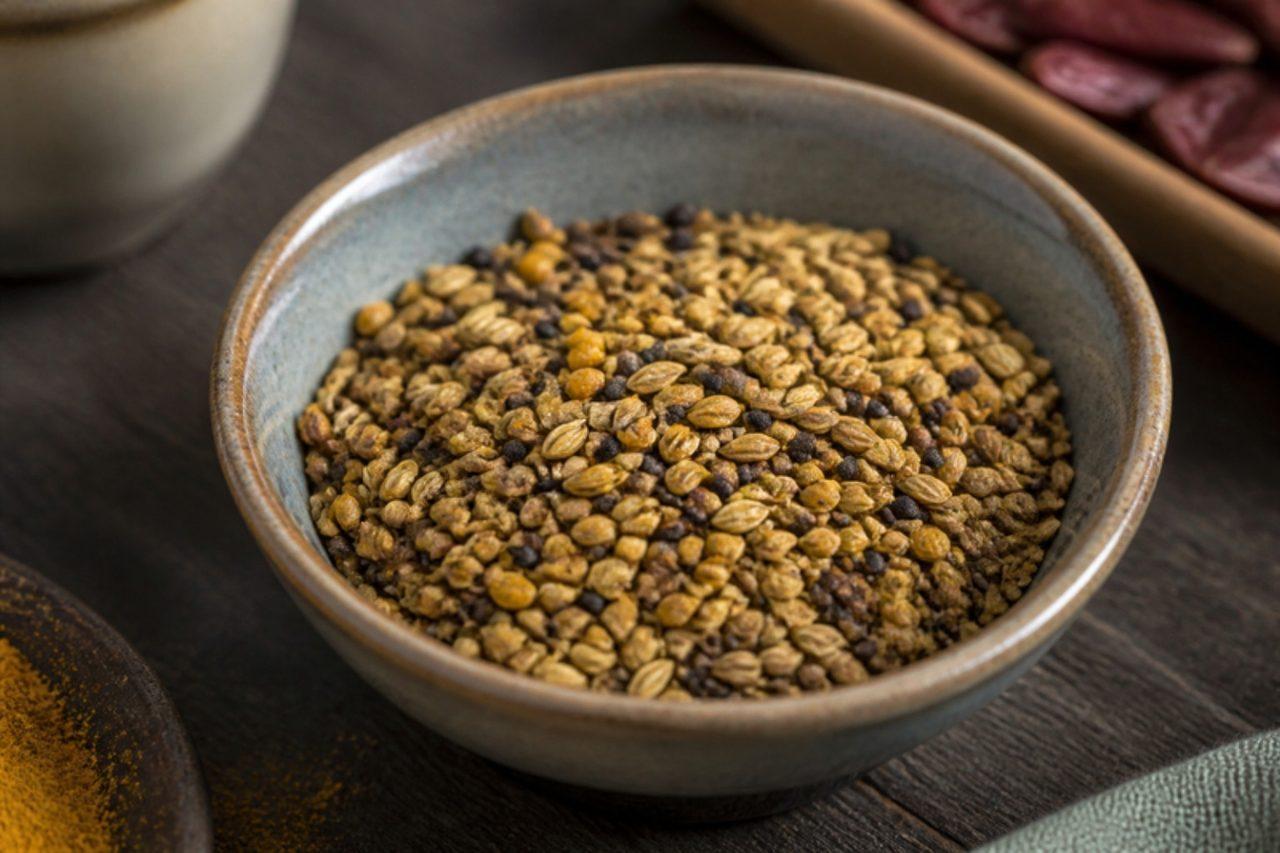
Every Bengali and Odia kitchen keeps a jar of panch phoron within reach of the stove, because so much of the cooking begins with a teaspoon of it crackling in hot mustard oil. The five seeds, in equal measure, are left whole and never roasted or ground ahead: bitter fenugreek, oniony nigella (kalonji), earthy cumin, sharp black mustard and sweet fennel. Together they give a layered, slightly bittersweet aroma that is the signature of tomato chutney, cholar dal, labra, chorchori and the sweet-sour vegetable dishes of a Bengali lunch. In some traditional homes radhuni, a wild celery seed, replaces the mustard. Common mistake: tempering over a high flame. The fenugreek blackens in seconds and the whole dish tastes bitter. Chef's tip: let the oil heat until it just shimmers, add the panch phoron, and the moment the mustard starts popping and the fenugreek is reddish brown, add the vegetables or dal.

by KrazyBadal 0 views

GulguleJaggery and wheat fritters

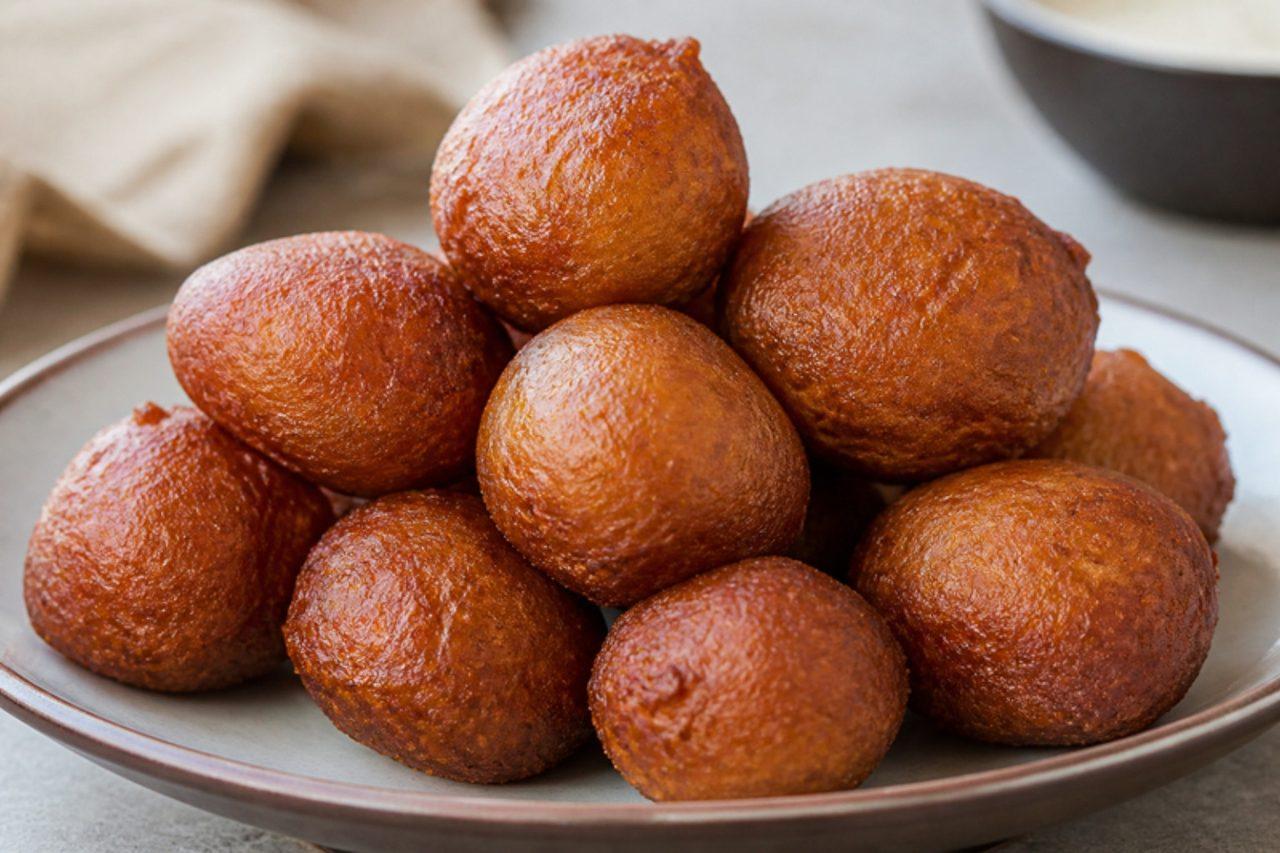
Rainy afternoons in Lucknow, Varanasi and Patna smell of gulgule frying. These little sweet fritters are made from a thick batter of whole wheat flour and melted jaggery, studded with fennel seeds, and dropped by hand into medium-hot oil, where they puff up and roll themselves over into dark-golden balls. Outside they are thin and crisp; inside they stay soft and cakey with a deep caramel sweetness. They are also made as a prasad for Sheetla Ashtami and on Teej, and children love them warm with a glass of milk. Made with water and fried in oil, as here, they are vegan. Expect about 20 bite-sized fritters. Chef's tip: test the batter by dropping a spoonful into water; if it holds its shape and doesn't spread, it is thick enough to make round gulgule.

by KrazyBadal 0 views

Karela nu shaakBitter gourd and jaggery curry

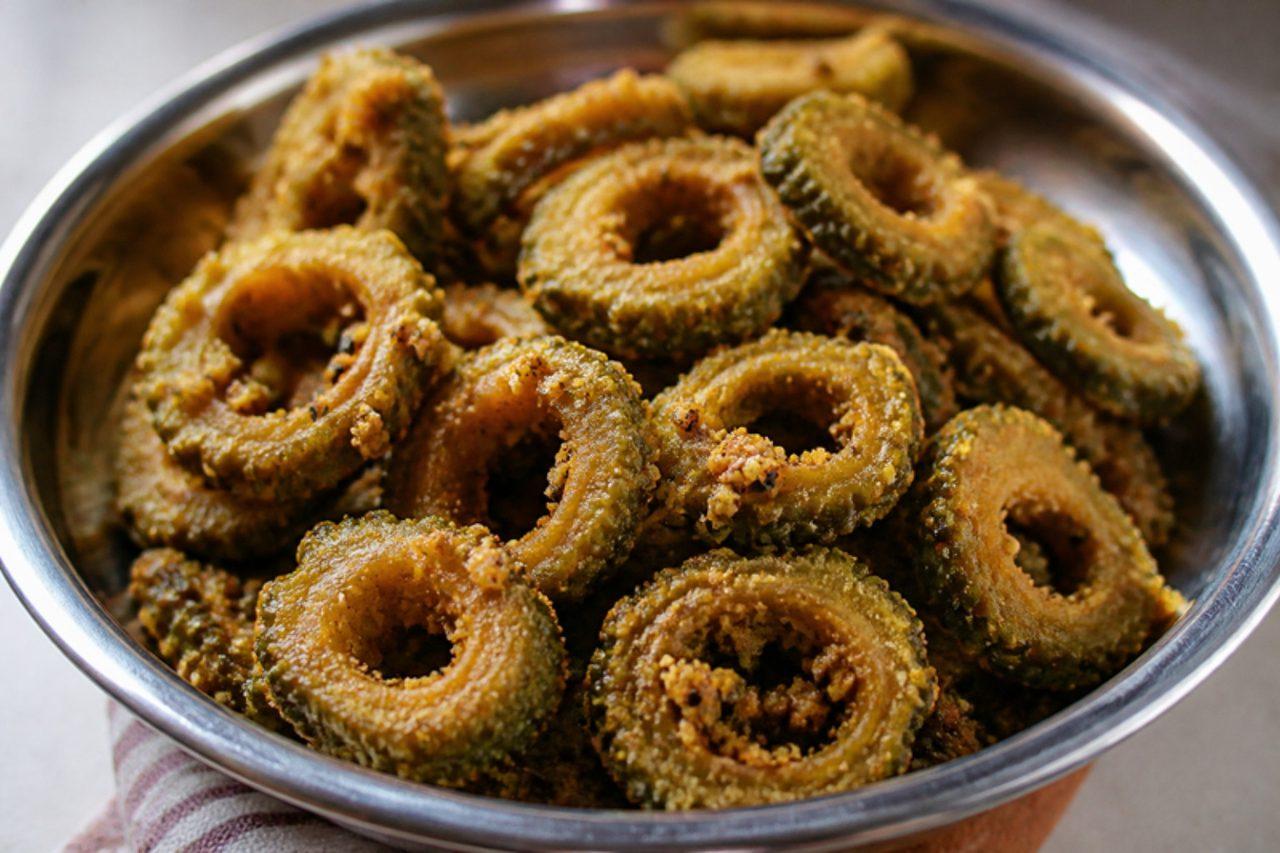
Most children in Gujarat grow up hating karela and end up asking for this version. Bitter gourd is sliced into thin rings, rubbed with salt and turmeric, squeezed, then cooked slowly in a vaghar of mustard seed and hing until soft and browned. A spoonful of besan toasted in the same pan clings to each ring, and jaggery melts into a glossy coating, so it tastes sweet, nutty, spicy and only pleasantly bitter. With no onion or garlic it suits Jain homes, and it's a monsoon favourite with dal-bhaat-rotli. A common mistake is salting the shaak again as if from scratch; the squeezed karela still holds salt, so taste first. Chef's tip: add the besan only once the karela is dry and browned, and stir constantly for a minute; in a wet pan it forms lumps.

by KrazyBadal 0 views

Rabodi ki sabziDried maize wafers in yogurt curry

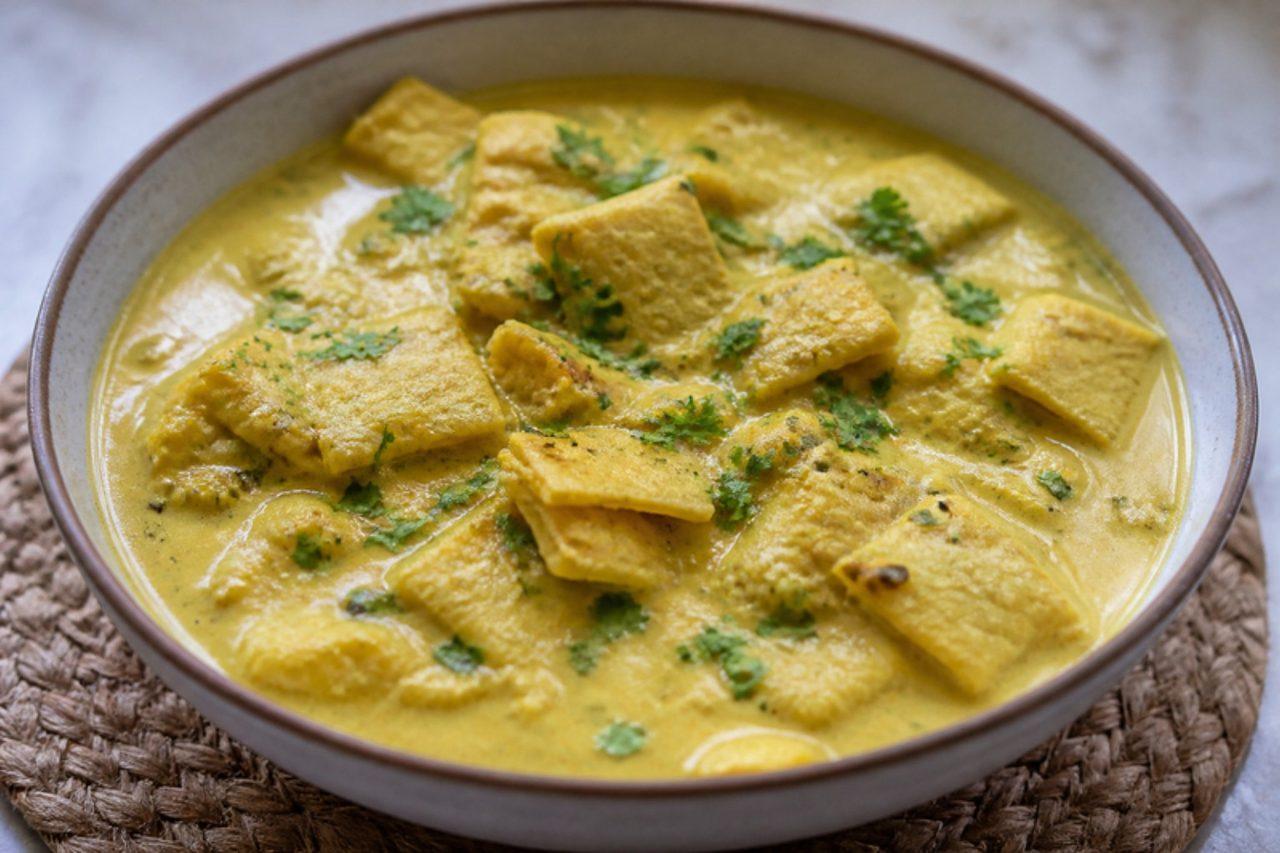
In the Thar desert towns of Barmer, Jodhpur and Bikaner, green vegetables were scarce for much of the year, so women boiled maize flour with sour buttermilk in summer, spread it in thin rounds on cloth and dried it in the sun. Those rabodi keep for months and become this curry: fried until puffed, then simmered in a spiced yogurt gravy until soft and chewy. It is tangy, savoury and comforting, eaten with bajra roti or rice, and because it has no onion, garlic or fresh ginger, it suits a Jain or Marwari festive thali. A common mistake is letting the dahi gravy boil before it has been stirred to a boil with besan; it curdles. Whisk besan into the dahi and stir constantly until it comes to a boil. Chef's tip: fry the rabodi only until they puff and turn a shade darker; burnt rabodi taste bitter and stay hard in the gravy.

by KrazyBadal 0 views

Methi dana ki sabziSweet-sour fenugreek seed curry

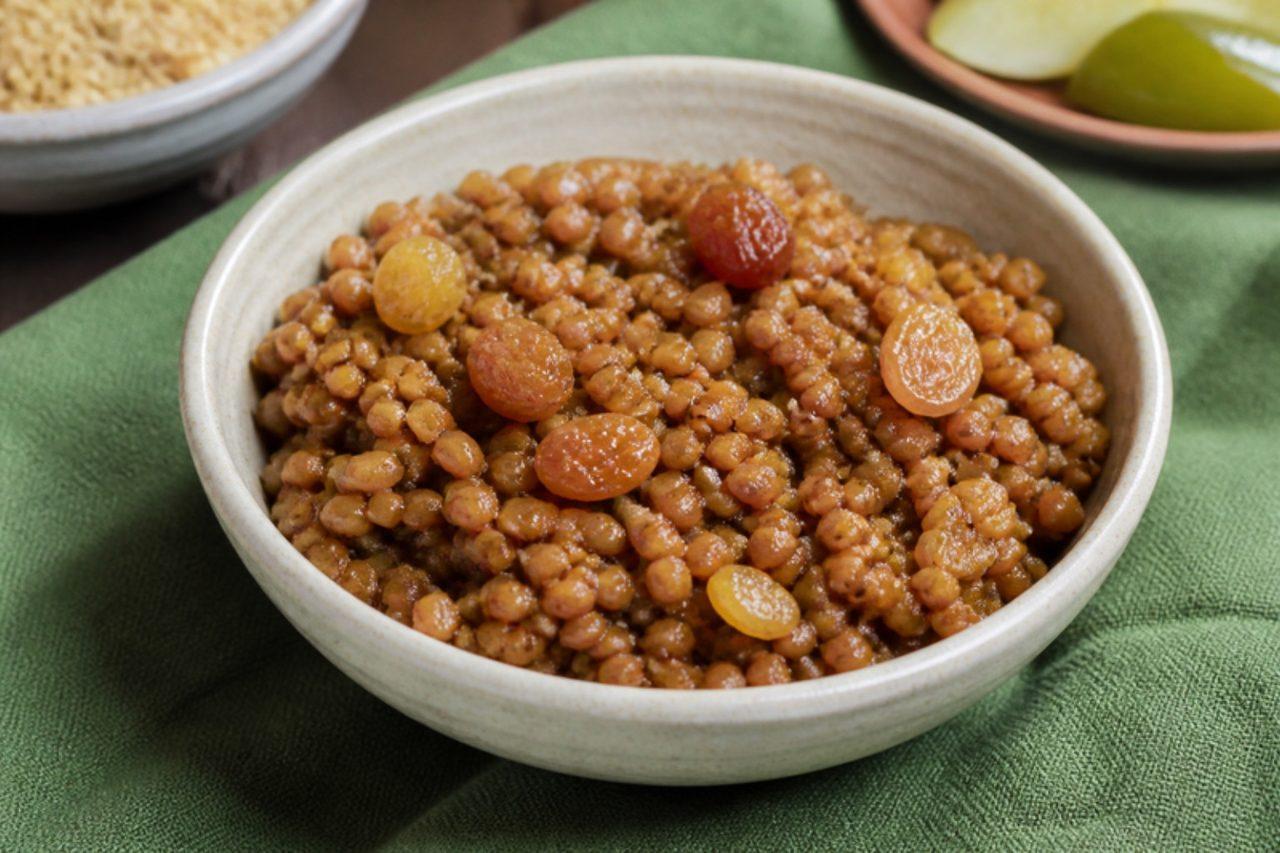
Marwari wedding and festival thalis in Jaipur, Bikaner and the Marwari homes of Kolkata always carry a small bowl of this: fenugreek seeds soaked overnight, boiled to tame their bitterness, then cooked down with jaggery, raisins, amchur and warm spices until sticky and glossy. It is eaten in small spoonfuls with puri, bajra roti or dal-baati, more like a relish than a vegetable, and it's especially loved after childbirth and in winter as a warming food. With no onion, garlic or root vegetables, it suits Jain homes as is. The common mistake is skipping the boil-and-drain; seeds that are only soaked stay unpleasantly bitter. Chef's tip: the sabzi keeps for a week in the fridge and tastes better on day two, so make it a day before a festive meal.

by KrazyBadal 0 views

Thengai sadamCoconut rice

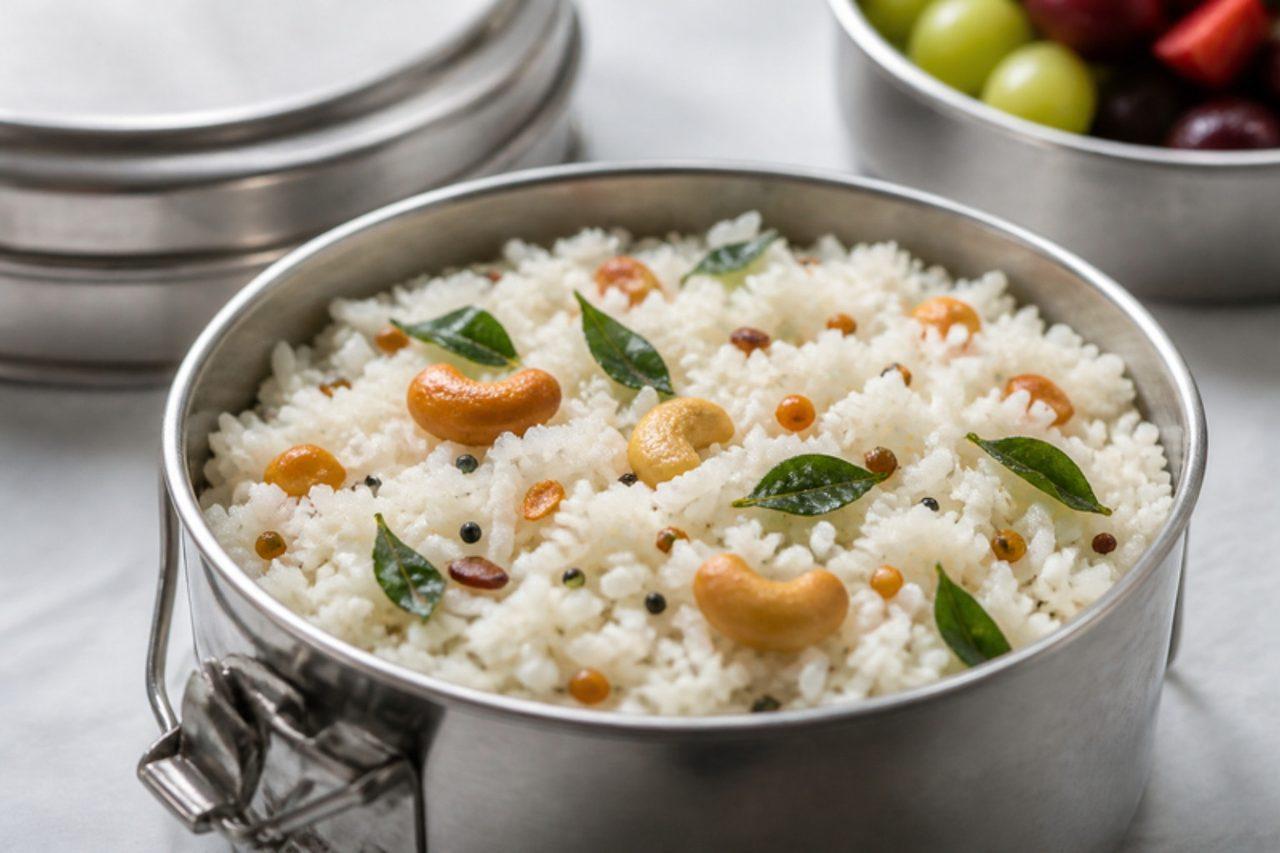
Thengai sadam is one of the 'variety rice' dishes that fill Tamil lunchboxes and temple prasadam lines, alongside lemon and tamarind rice. It is made for Aadi Perukku and Varalakshmi Vratam, packed for train journeys to Madurai, and turned out on busy weekdays from leftover rice. Fresh coconut, lightly toasted in coconut oil, clings to every grain; crunchy urad and chana dal, cashews and curry leaves give bite, and a dry red chilli a gentle heat. It tastes mild, sweet from the coconut and very fragrant. Serve it with potato roast, appalam or a spoon of mor kuzhambu. A common mistake is browning the coconut; it should only lose its raw smell and stay snowy white. Chef's tip: spread the rice on a plate to cool fully; warm, freshly cooked rice breaks and turns pasty when tossed.

by KrazyBadal 0 views

Kashmiri ver masalaKashmiri spice cakes

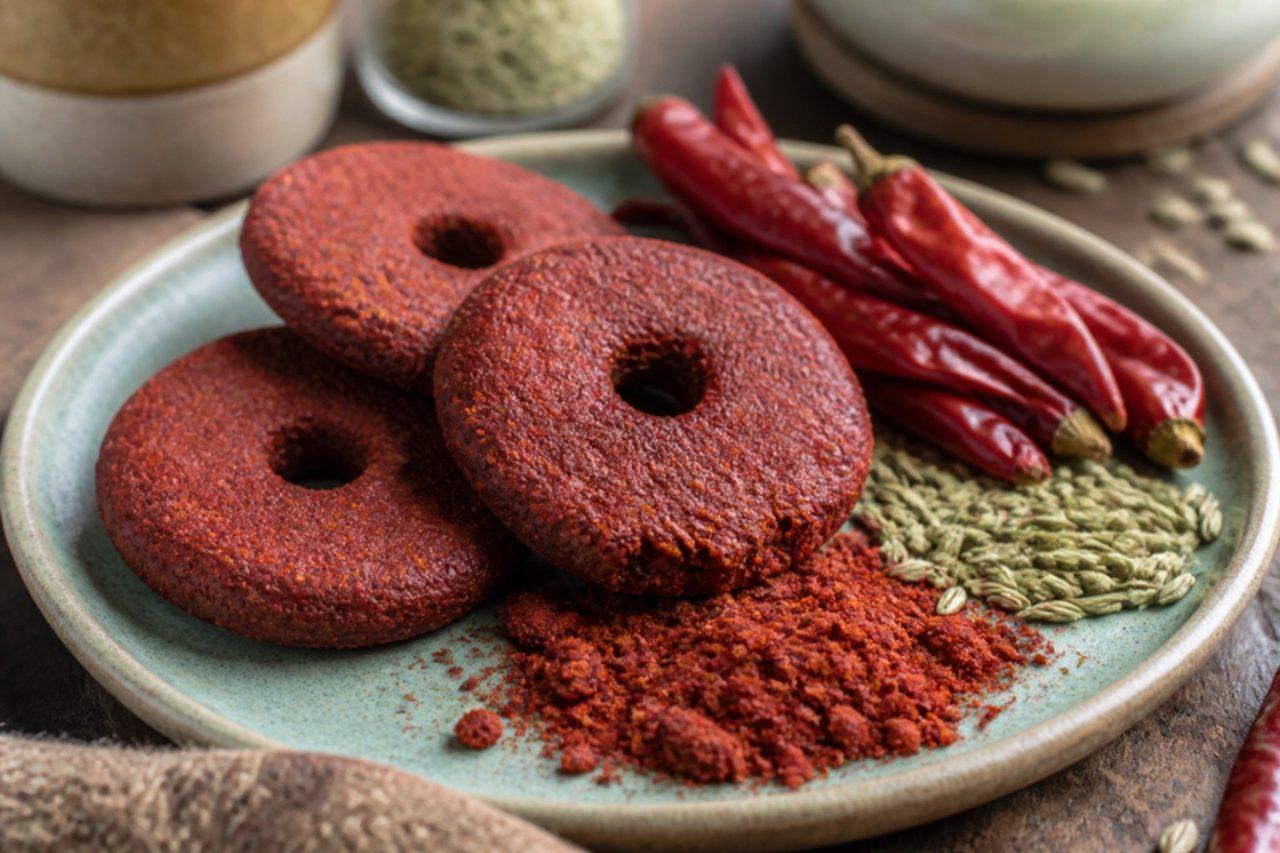
In Srinagar's old city, ver is still made at the end of summer and strung up to dry in kitchens: flat, ring-shaped cakes of ground spices bound with shallot paste and pungent mustard oil, dark red and rock hard. It was a way to store flavour for the long winter, when fresh ingredients were scarce. A piece grated into the pot gives Kashmiri food its typical deep red colour and its warm, sweet-hot fennel and dry ginger flavour, without tomatoes or onions: think dum aloo, nadru yakhni (lotus stem), haak (collard greens), chaman (paneer) and rogan josh. Kashmiri Muslim kitchens often add garlic; Pandit homes may leave the shallots out altogether. Common mistake: drying the cakes in a damp or closed spot; they stay soft inside and grow mould. Chef's tip: heat the mustard oil until it smokes and then cool it before mixing, to take away its raw, sharp bite.

by KrazyBadal 0 views

Tawa pulaoGriddle rice with peppers

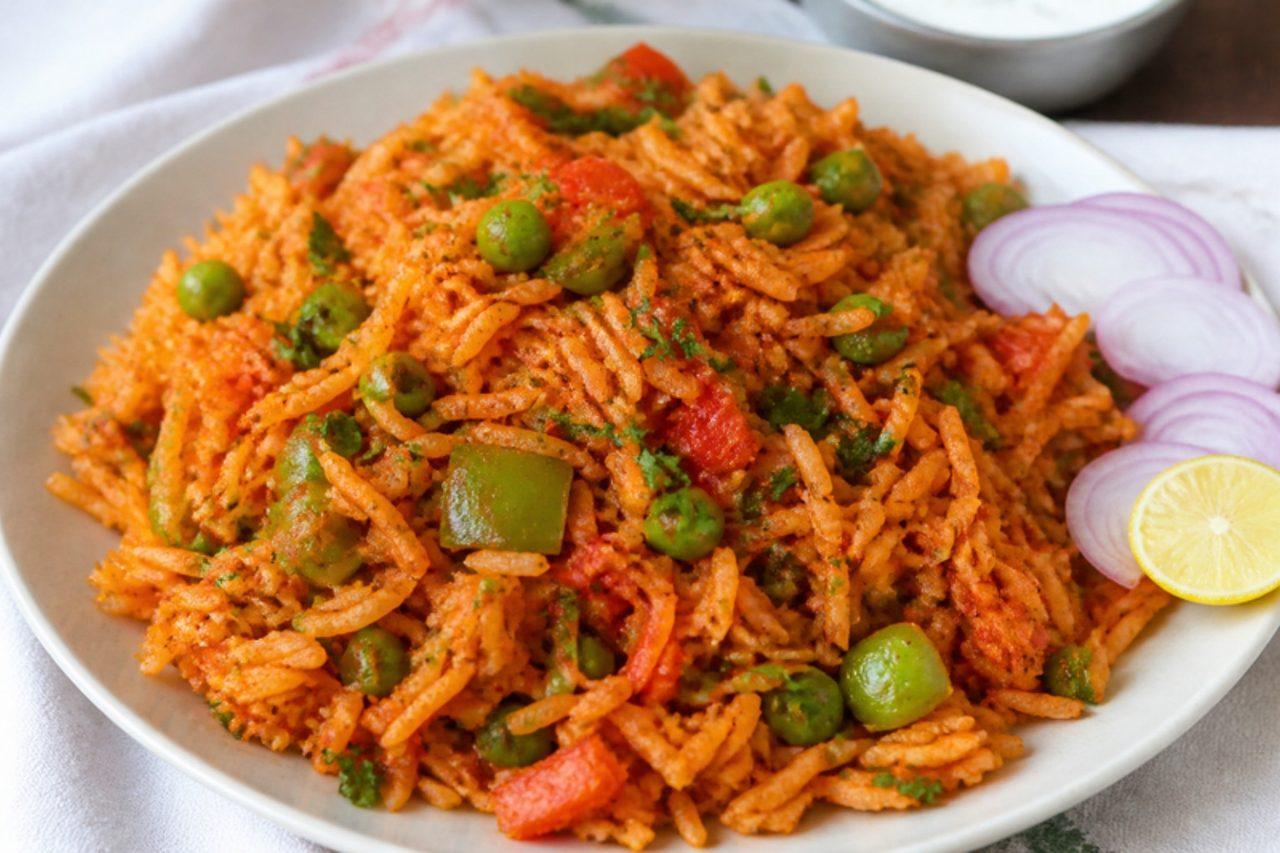
After the pav bhaji crowd thins out at Juhu or Girgaon Chowpatty, the stall owner scrapes the giant iron tawa, drops in a slab of butter and leftover rice, and starts tossing it with the same masala, peppers and tomato. Tawa pulao began as a quick meal for the cooks themselves and became a Mumbai favourite in its own right, eaten late at night and packed into lunchboxes. It's buttery, tangy and spicy, red with Kashmiri chilli and smelling of pav bhaji masala, with peas and capsicum for colour and a squeeze of lemon. Serve with raita, onion rings and papad. The common mistake is using freshly cooked, warm rice; it breaks and goes sticky. Day-old, fridge-cold basmati gives separate grains. Chef's tip: use a wide pan and toss rather than stir, as the stall cooks do with two flat spatulas.

by KrazyBadal 0 views

Rasam powderRasam spice powder

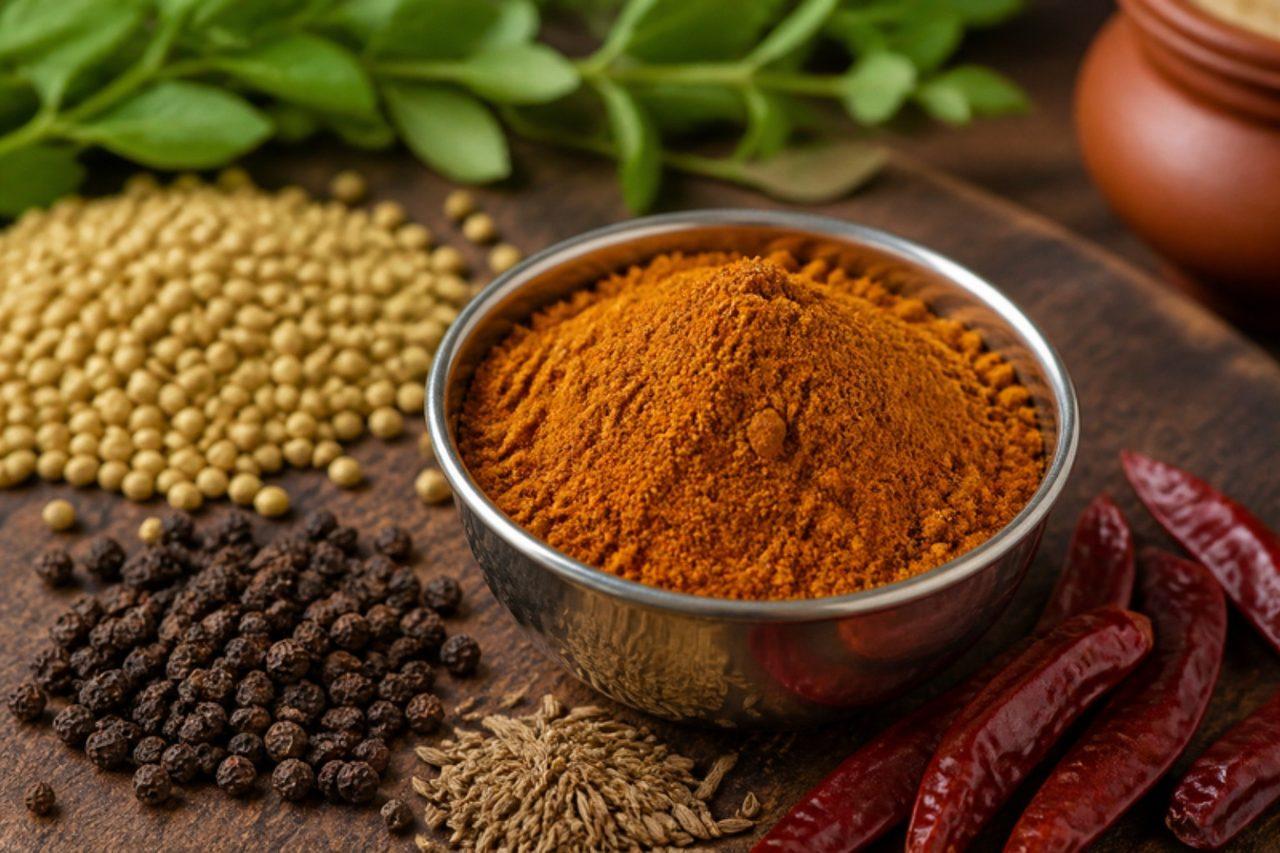
A spoon of rasam podi, a lime-sized ball of tamarind, a tomato and a ladle of cooked toor dal: that is lunch in countless Tamil homes, from Thanjavur to Tirunelveli, and the podi is what makes one family's rasam taste unlike the neighbour's. This version is peppery and cumin-forward, as rasam should be, with roasted coriander for body and a little toor dal that thickens the broth slightly and gives it a rounded, nutty base. It is meant for clear, thin rasams: tomato rasam, pepper rasam, lemon rasam, and the one you sip as a soup when you have a cold. Make a small batch, since the aroma fades after a couple of months. Common mistake: roasting the coriander seeds until dark brown; they turn bitter and the rasam tastes burnt. Chef's tip: add rasam powder at the end, when the tamarind water is already boiling, and switch off the heat as soon as the rasam froths; boiling it hard kills the pepper aroma.

by KrazyBadal 0 views

Goda masalaMaharashtrian spice blend

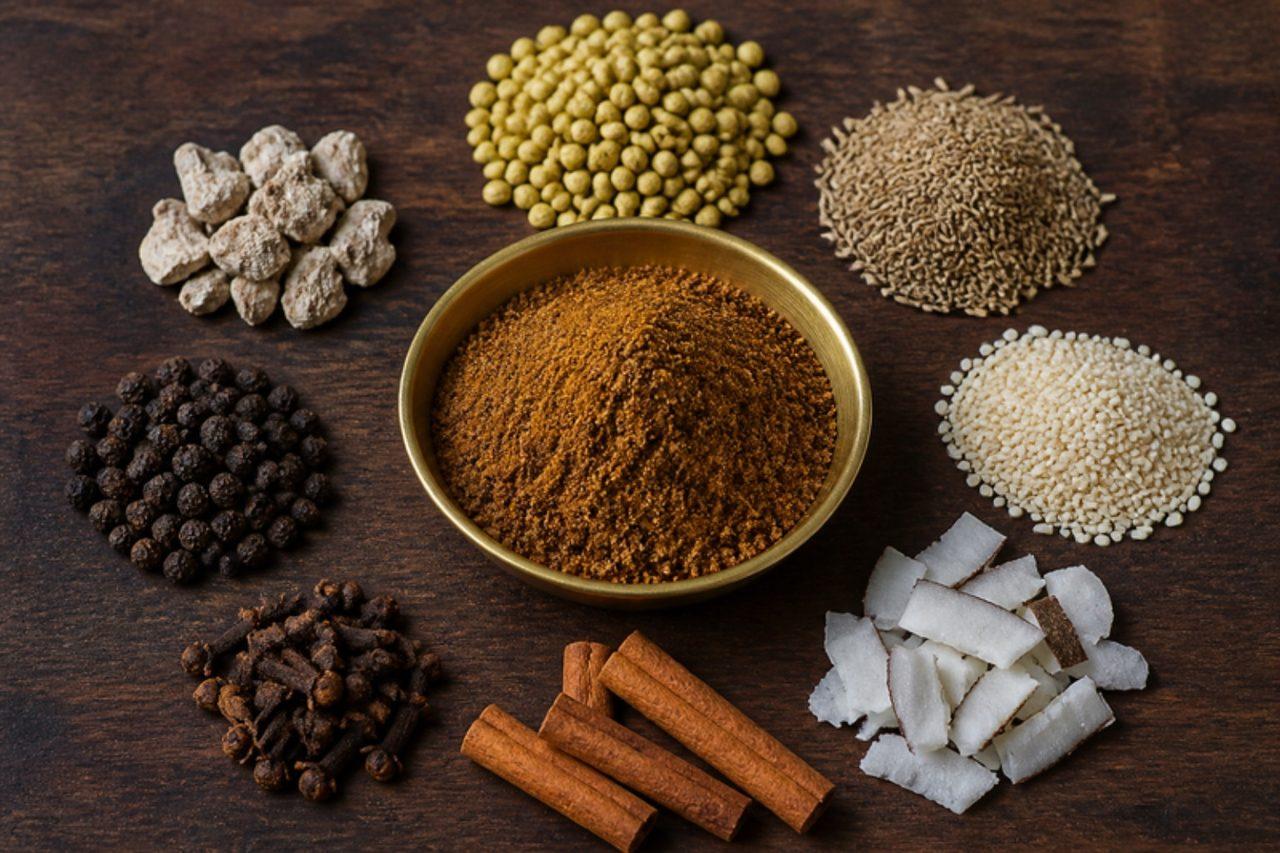
Goda means sweet in Marathi, and the word describes not sugar but the warm, rounded fragrance of this masala, which every Pune and Satara household roasts in small batches. It is the soul of Brahmin Maharashtrian cooking: masale bhaat at weddings, a spoonful in amti (tangy toor dal), bharli vangi (stuffed brinjal), and usal for misal. It is dark and aromatic rather than hot, built on coriander, dry coconut (kopra) and sesame, perfumed with cinnamon, cloves and cardamom, and given its earthy, slightly musky depth by dagad phool (stone flower, a lichen), with nagkesar and maratha moggu if you can find them at a Marathi grocer. Common mistake: roasting the coconut and sesame with the hard spices on a high flame; the coconut burns before the coriander is done and the whole batch tastes bitter. Chef's tip: roast each spice in a drop of oil until a shade darker, because that slow roasting is what gives goda masala its colour.

by KrazyBadal 0 views

Chora nu shaakBlack-eyed pea curry

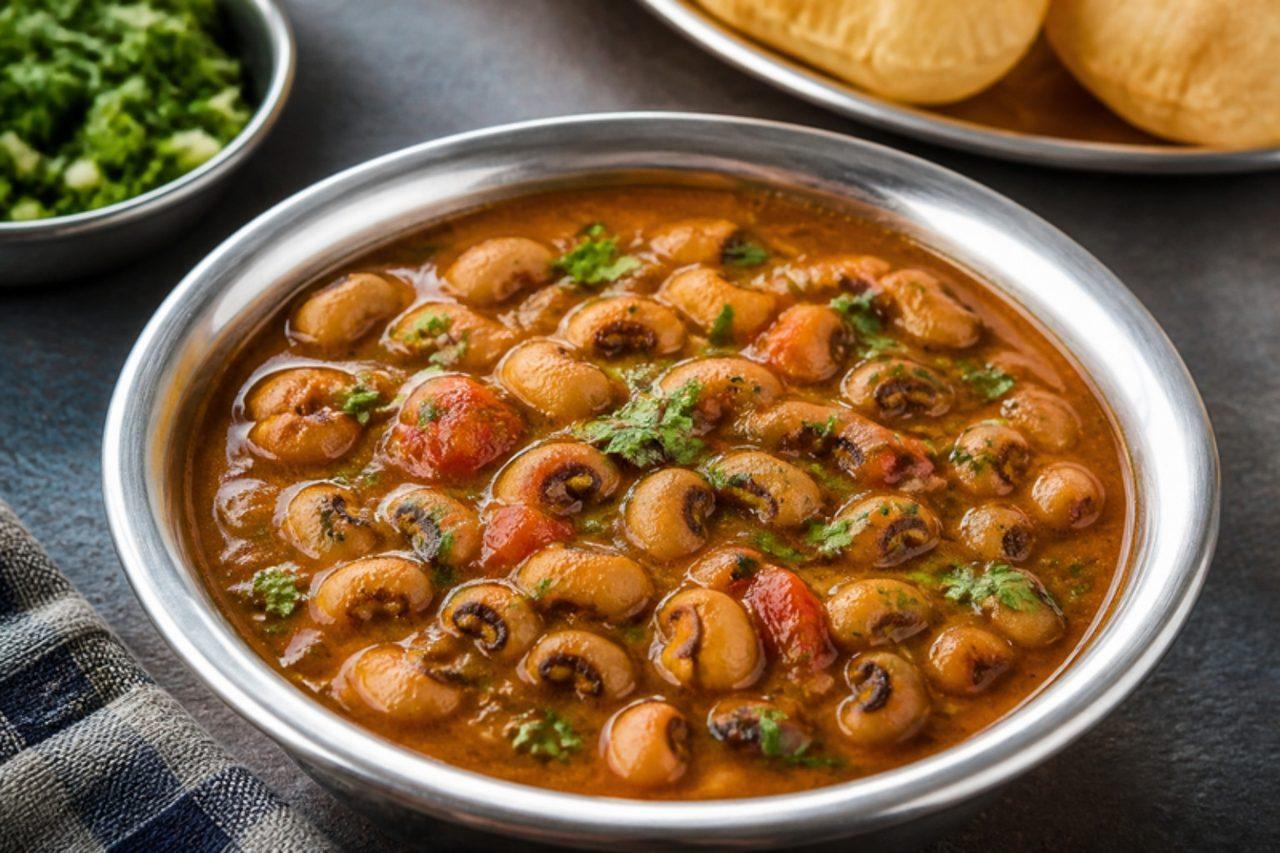
Chora nu shaak is a Sunday favourite in Surat and Baroda homes and one of the pulse shaaks that rotate through a Jain kitchen in place of onion-based gravies. Black-eyed peas are cooked soft, then simmered in a thin tomato gravy built on a vaghar of mustard seed, cumin, hing, cloves and dry red chilli, sweetened with jaggery and sharpened with lemon in true Gujarati style. Dry ginger powder replaces fresh ginger, and there is no onion or garlic. The gravy should be loose enough to soak into rotli or rice, with a few beans mashed to give it body. A common mistake is adding tomato and jaggery before the beans are fully soft; acid and sugar keep them hard however long you cook them. Chef's tip: let the shaak rest for 10 minutes before serving; the chora drink up the gravy and the flavours round out.

by KrazyBadal 0 views

Malvani masalaKonkan spice blend

Head down the coast to Malvan, Vengurla or Devgad and every family has its own masala tin, ground in summer when the chillies are crisp and dry. Malvani masala is hotter and more aromatic than goda masala and uses no coconut: it is mostly Bedgi chillies (for a deep red colour and moderate heat) with a handful of fiery Sankeshwari, roasted with coriander and about fifteen whole spices including fennel, star anise, mace, nutmeg and stone flower. Fried in oil with coconut and onion, it becomes the base of kombdi vade (chicken curry with puris), bangda and surmai curries, prawn sukka, and vegetarian dishes like kala vatana usal and Malvani batata bhaji. The blend itself is vegan. Common mistake: leaving the stalks on the chillies; they grind into hard, woody bits and dull the colour. Chef's tip: dry the chillies in the sun or in a barely warm pan first, then roast them separately on low until they crackle, so they grind to a fine, bright powder.

by KrazyBadal 0 views

Dhana jiruCoriander and cumin powder

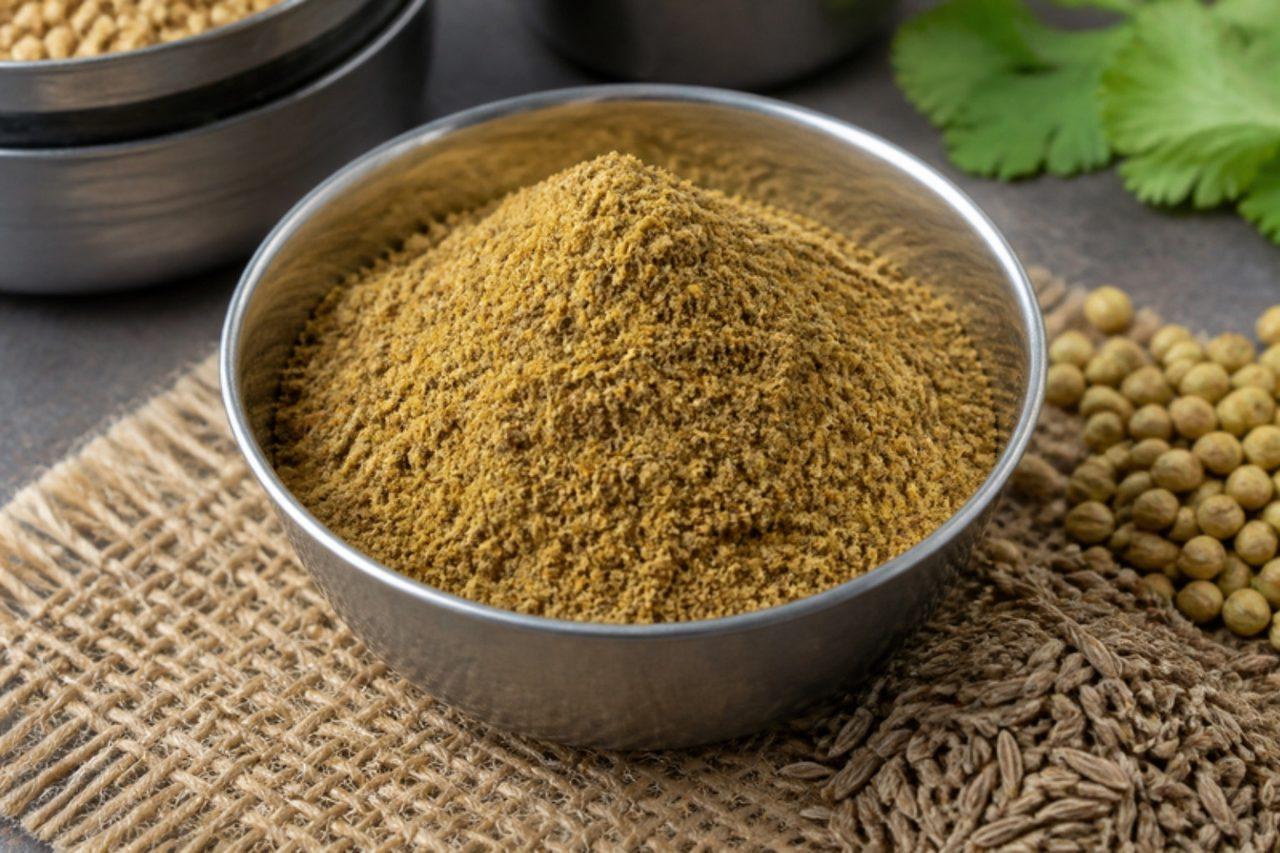
Open the masala dabba in any Gujarati kitchen, from Rajkot to Vadodara, and next to the haldi and marchu there will be a compartment of dhana jiru. It is the spice that goes into almost every shaak, dal and kadhi, often alongside red chilli and turmeric in the same pinch-and-throw rhythm. The ratio is roughly four parts coriander to one of cumin, giving a mild, citrusy, earthy powder that thickens and rounds out a dish rather than heating it. Many families buy it ready-ground, but a fresh home batch is so much more fragrant that it changes a plain potato shaak or tuver dal. Surti and Parsi kitchens roast it darker; most Gujarati homes keep it light. Common mistake: over-roasting, which kills the fresh lemony note of the coriander. Chef's tip: roast just until warm and fragrant, grind, then sift; the coriander husks stay in the sieve and the powder comes out soft and fine.

by KrazyBadal 0 views

Danyachi amtiPeanut curry

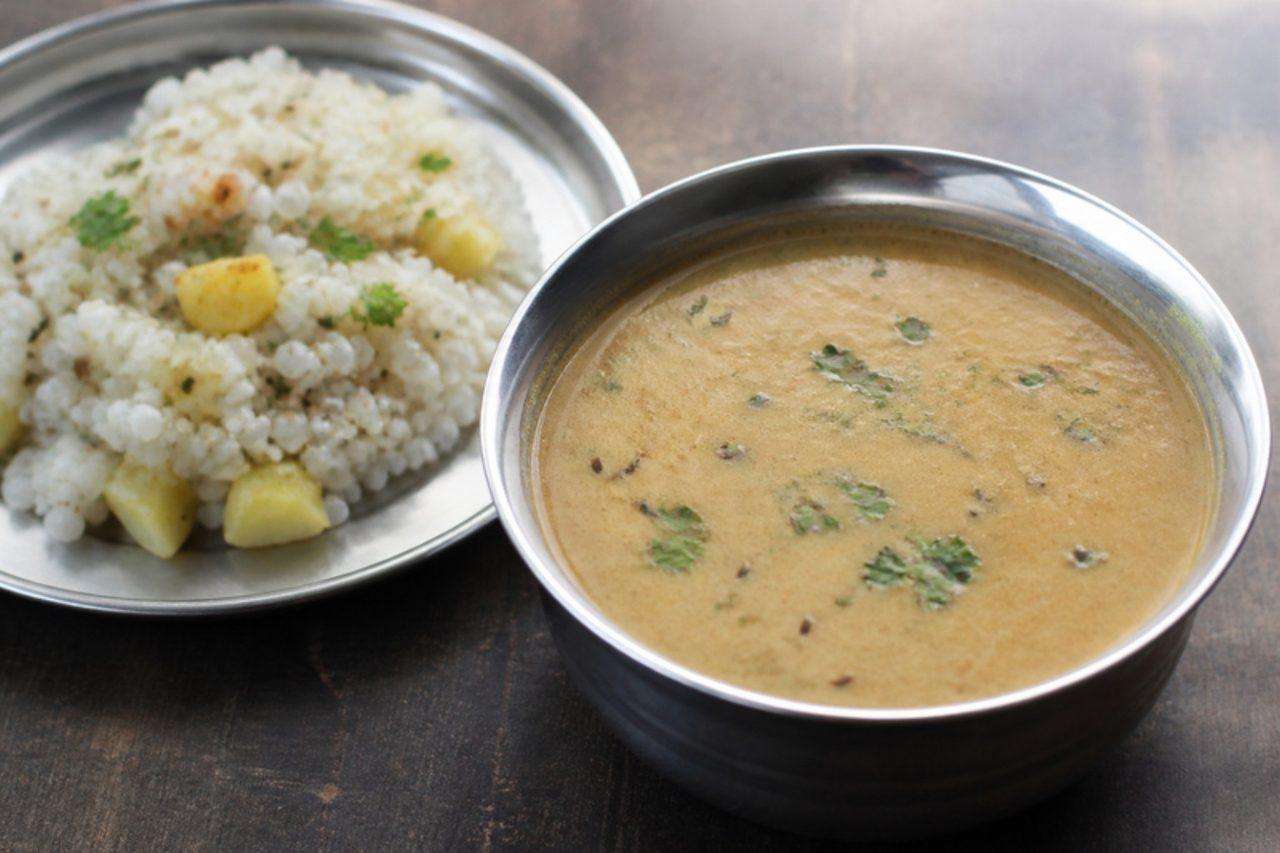
On fast days in Maharashtra, when dal is off the menu, danyachi amti takes its place. Roasted peanuts are ground smooth with green chilli, then simmered with water, a cumin tadka, kokum and a little jaggery into a pale, creamy curry with a sour, slightly sweet and spicy taste. It is ladled over sabudana khichdi or vari tandul (barnyard millet) bhagar, loosening them and adding protein to a fasting meal, and it goes well with upvasachi batata bhaji on the side. Use sendha namak so it suits the fast; ghee is the usual fat in many homes, oil keeps it vegan. It thickens a lot as it stands, so thin it with hot water before serving. Chef's tip: grind the peanut paste really smooth and whisk it into the water before heating; a coarse grind leaves the amti gritty and it splits as it boils.

by KrazyBadal 0 views

KulkulsSugar-glazed dough curls

No Goan or Mangalorean Catholic Christmas kuswar (sweet platter) is complete without kulkuls, the tiny ridged shells that families sit round the table rolling for hours in the week before 25 December. A soft dough of flour, coconut milk, egg and butter is pinched into small balls, pressed and rolled over the back of a fork (or a clean comb) so each curls into a ribbed shell, then fried until crisp and tossed in a white sugar glaze. They are crunchy, lightly sweet and moreish, and they keep for weeks in a tin, which is why the kuswar is shared round the neighbourhood. These contain egg: vegetarian, not vegan. The mistake everyone makes once is rolling the dough too thick, which leaves them hard and doughy inside; each should be no thicker than a coin. Chef's tip: fry on a medium-low flame until just golden; kulkuls darken a little more once out of the oil and the glaze is meant to stay white.

by KrazyBadal 0 views

Vrat ke alooFasting potato curry

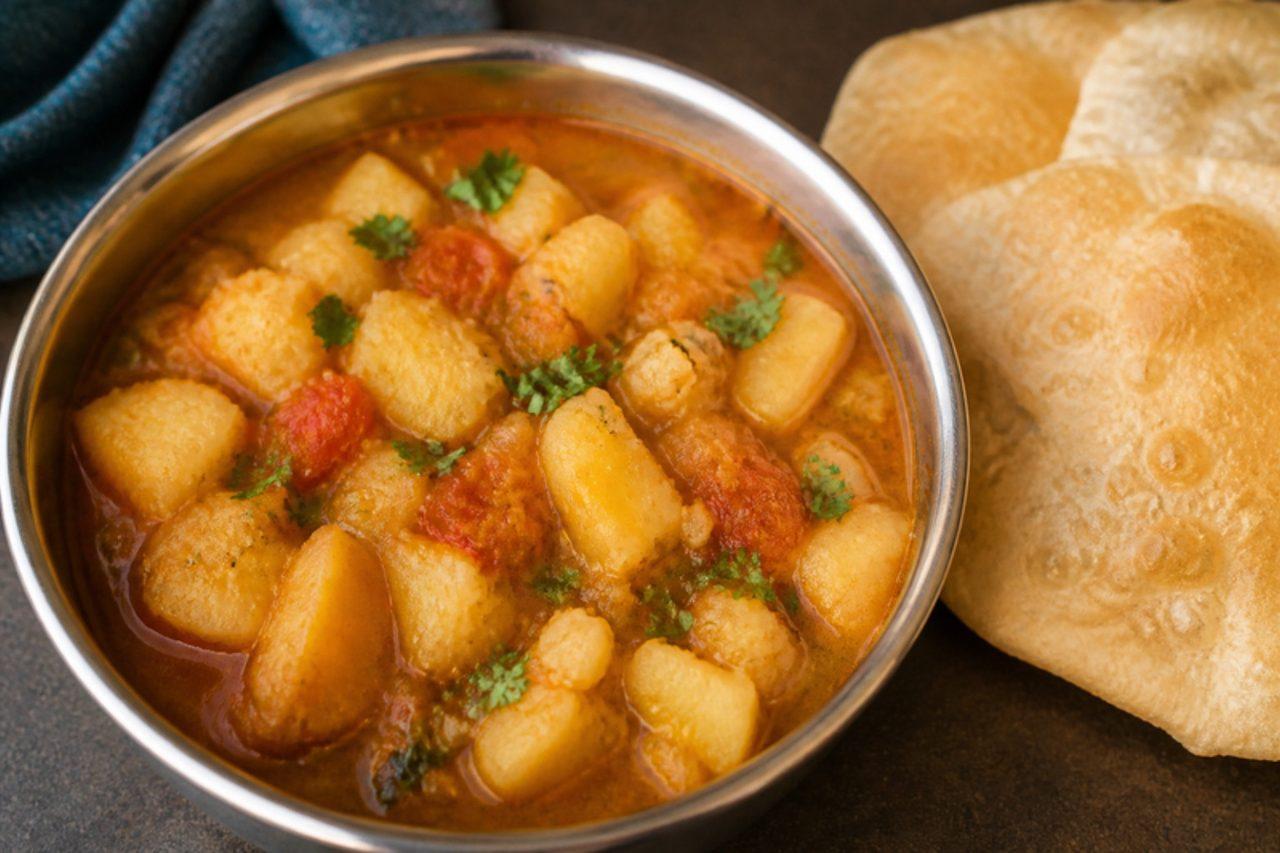
On Navratri mornings in Delhi, Lucknow and Punjabi homes everywhere, this is what fills the kadhai next to the kuttu puri. Boiled potatoes are broken by hand, not cut, so their rough edges melt into a loose, brothy gravy of tomato, cumin, fresh ginger and green chilli, seasoned only with sendha namak and a little pepper. It is soupy enough to dunk puri into, tangy from the tomato and gently hot, and comforting after a morning of fasting. Very strict homes skip red chilli powder and coriander as well as turmeric and asafoetida; this recipe uses neither turmeric nor hing. Ghee is traditional; oil keeps it vegan. Chef's tip: mash two or three pieces of potato into the gravy as it simmers; the starch thickens it naturally, since no flour or onion is allowed.

by KrazyBadal 0 views

Makar chaulaRaw rice, banana and jaggery offering

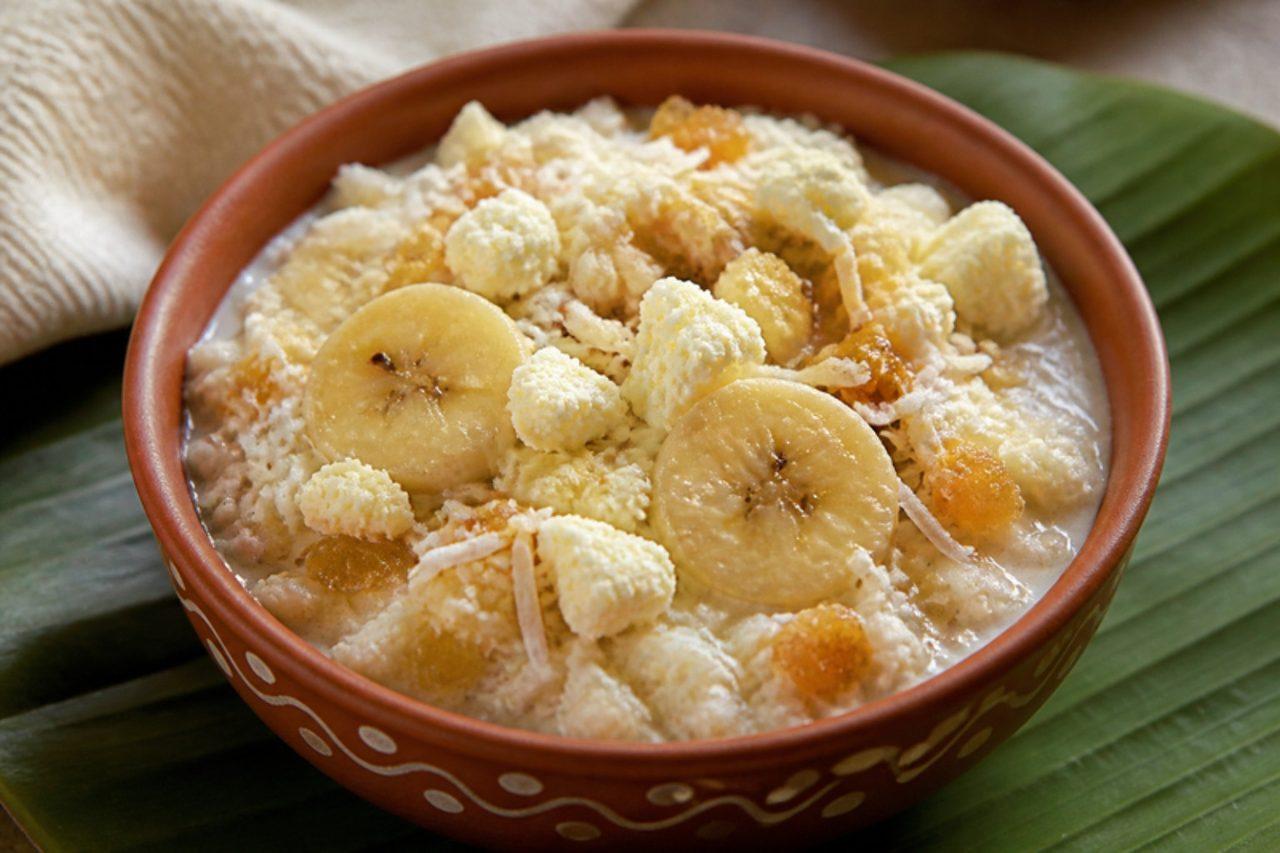
On Makar Sankranti in Odisha, the first rice of the winter harvest goes to the sun god before anyone else tastes it. Makar chaula is that offering: freshly harvested rice soaked and coarsely pounded, then mixed raw with grated coconut, ripe banana, chhena (fresh cheese), jaggery or sugarcane juice, milk, black pepper and a little ginger. Temples such as Puri and Konark offer huge quantities, and every home in Cuttack and Bhubaneswar makes its own bowl after the morning bath. It is not cooked at all, so it tastes fresh, milky and gently spiced, with a soft chew from the rice. Eat it in the morning as prasad, with sugarcane pieces and til ladoo. The common mistake is grinding the rice to a powder; it should stay coarse, like broken grains, or the mix turns gluey. Chef's tip: use the newest, softest short-grain rice you can find; old rice stays hard even after soaking.

by KrazyBadal 0 views

Ghila pithaFried rice and jaggery cakes

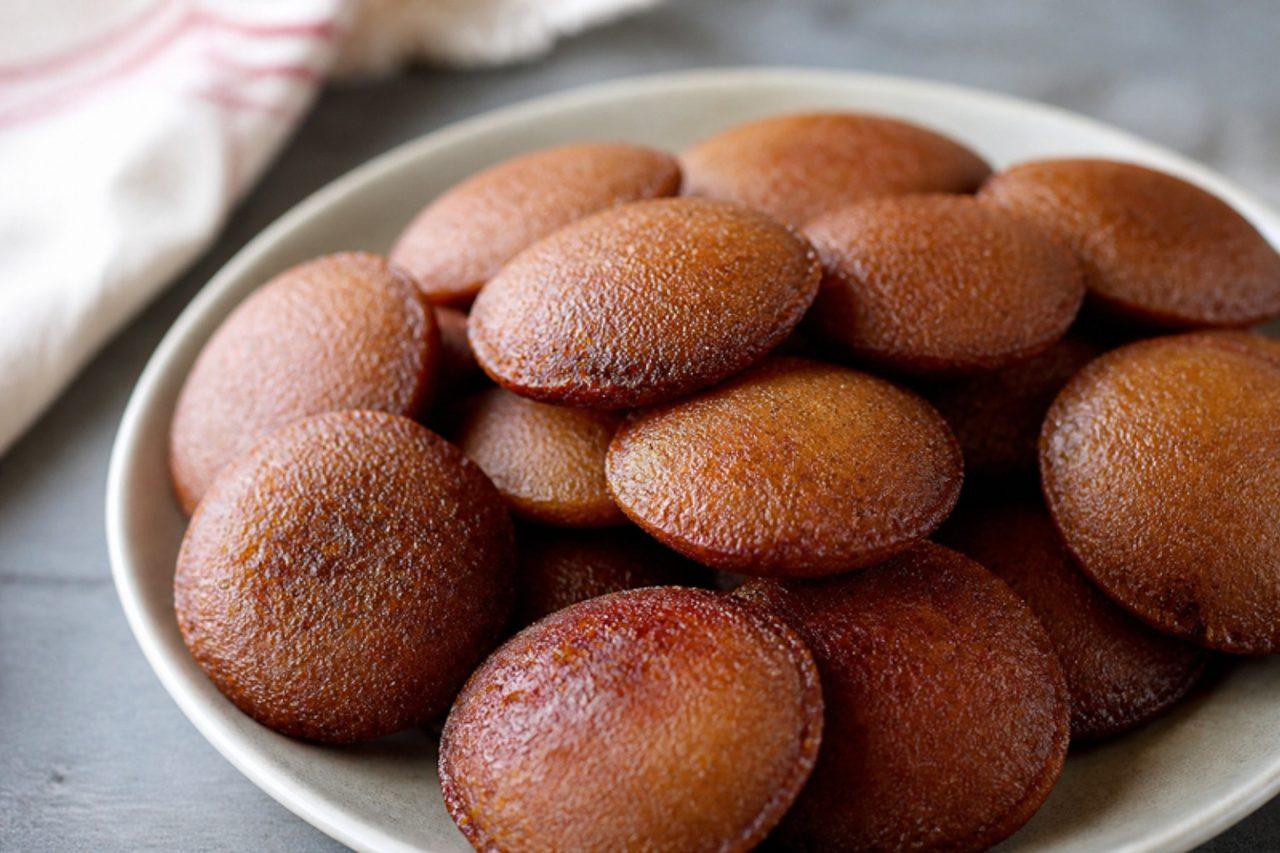
Magh Bihu in January closes the harvest in Assam with bonfires, feasts and plates full of pitha. Ghila pitha takes its name from ghila, the kneecap, because the little cakes are pressed into rounded discs that puff in the middle as they fry. Sticky bora or plain rice is soaked, dried and ground to a damp flour, then kneaded with melted jaggery and fried in mustard or vegetable oil. Outside they are dark brown and crisp; inside chewy and soft like a doughnut, with the deep flavour of jaggery. They keep a few days, so they are stacked in steel tins for visitors and eaten with black tea or with doi and jolpan. Some cooks add a pinch of fennel or sesame. The common mistake is oil that is too hot: jaggery darkens and burns long before the inside is cooked, so fry slowly. Chef's tip: let the dough rest for 30 minutes after kneading; the rice flour drinks up the syrup and the cakes hold together.

by KrazyBadal 0 views

Chammanthi podiDry coconut chutney powder

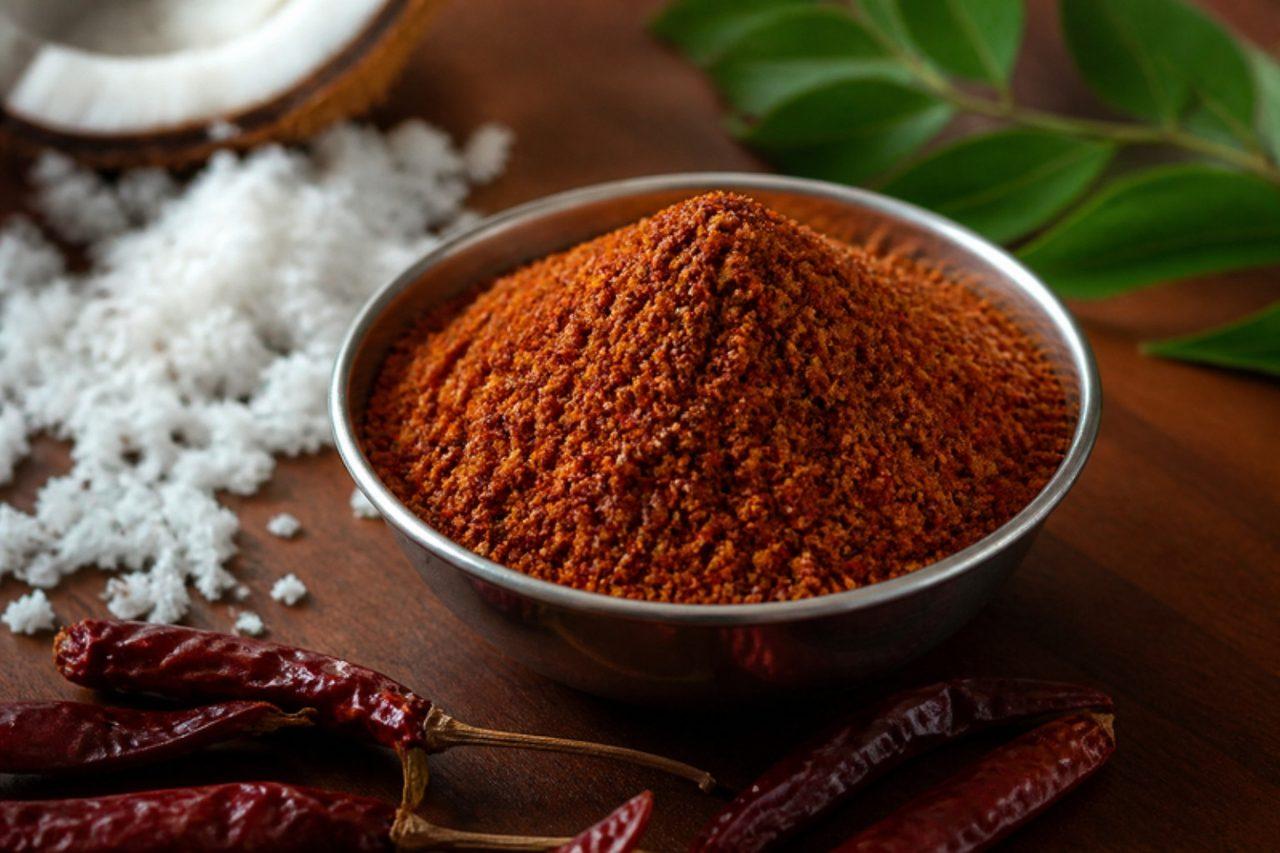
Kerala students heading off to hostels in Bengaluru or Chennai always seem to have a jar of chammanthi podi from home in their bags, because it makes a plate of plain rice and curd into a meal. Fresh grated coconut is roasted with dried chillies, shallots, ginger and curry leaves for the best part of half an hour, until it turns a deep, toasty reddish brown, then ground with tamarind and salt. The result is a moist, oily, smoky powder that tastes of coconut first, then sourness and heat. Serve it with kanji (rice gruel), with puttu and banana, or spread on dosa and idli. Common mistake: taking the coconut off the heat when it is merely golden. The remaining moisture makes the podi spoil within days; it must be uniformly dark and completely dry. Chef's tip: keep the flame low and stir without stopping for the last 10 minutes, as coconut goes from brown to burnt very fast.

by KrazyBadal 0 views

Gul poliJaggery-stuffed flatbread

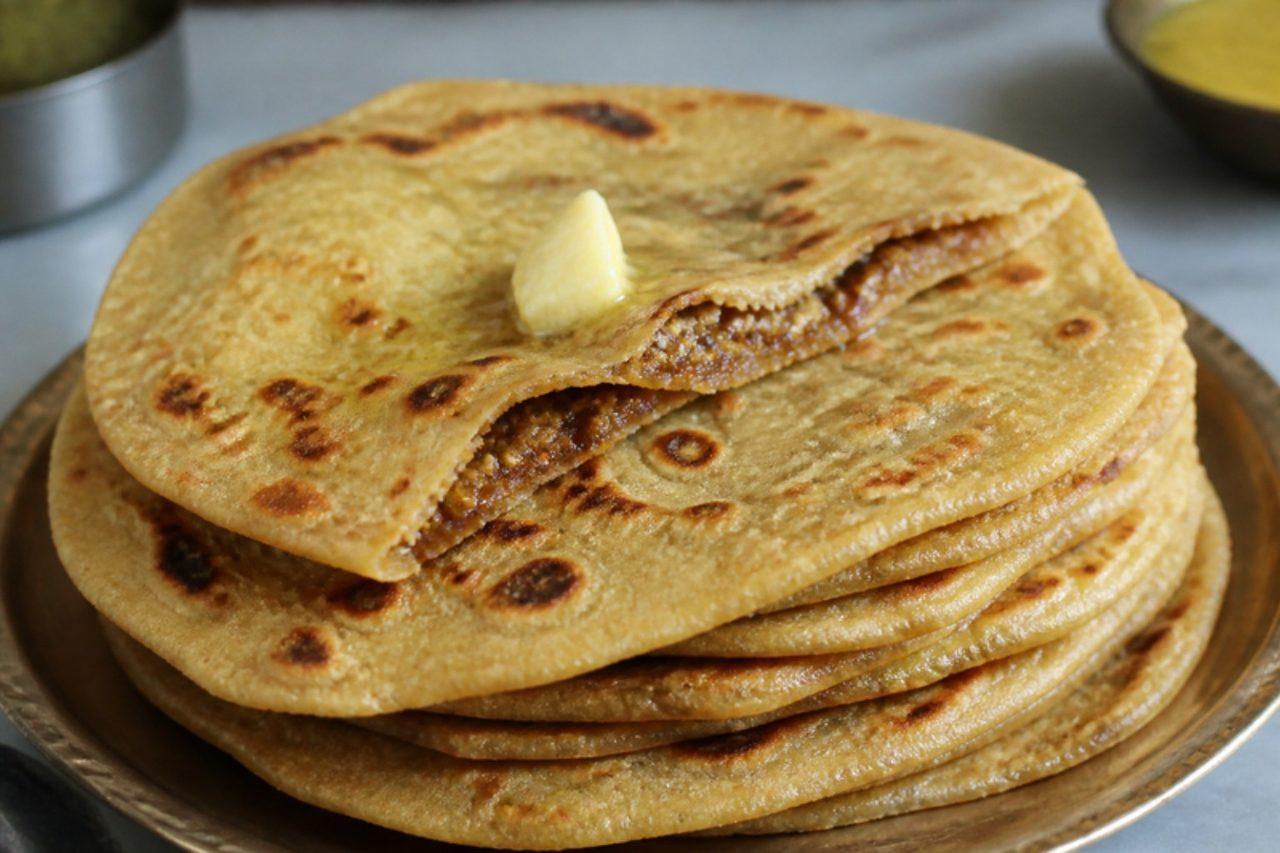
Puran poli belongs to Holi and Gudi Padwa, but Makar Sankranti in Maharashtra is the day of gul poli. The filling here is not chana dal at all: it is grated jaggery mixed with roasted sesame, roasted gram flour, poppy seeds and dry coconut, which melts inside the dough as the poli cooks and then sets slightly as it cools. A good one is thin, with crisp brown spots, and does not leak. It keeps for a week, so many Pune households make a stack on Bhogi and eat them through the festival, warm with a spoon of ghee or cold with milk. The mistake most beginners make is using sticky, wet jaggery, which melts into a puddle and bursts the poli; choose dry, crumbly jaggery and grate it fine. Chef's tip: roll on a sheet of plastic or rice flour and cook on a low to medium heat; jaggery burns fast and leaks if the tawa is too hot.

by KrazyBadal 0 views

Showing 24 of 779 recipes

Show more recipes

Page 6 of 33

More collections