Skip to content

Vegetarian Indian dinners

Dal, sabzi, curries and rice dishes for a meat-free Indian dinner. (765 recipes)

Bagara bainganBaby aubergines in peanut sesame sauce

Bagara baingan is a Hyderabadi wedding dish of small aubergines cooked whole in a dark, tangy gravy of roasted peanuts, sesame, dried coconut and tamarind. Unlike a Gujarati stuffed brinjal, the aubergines here are only quartered at the base and fried until silky, then left to soak up a thin-but-rich sauce that is finished with a tempering, the 'baghar' that gives the dish its name. It's sour, nutty and gently spiced, and is served with biryani, bagara rice or plain rice. Chef's tip: choose small, glossy purple aubergines that feel heavy for their size; soft, light ones are full of seeds and turn mushy before the gravy has a chance to cling.

by KrazyBadal 2 views
Paneer biryaniRice and moong dal in coconut milk

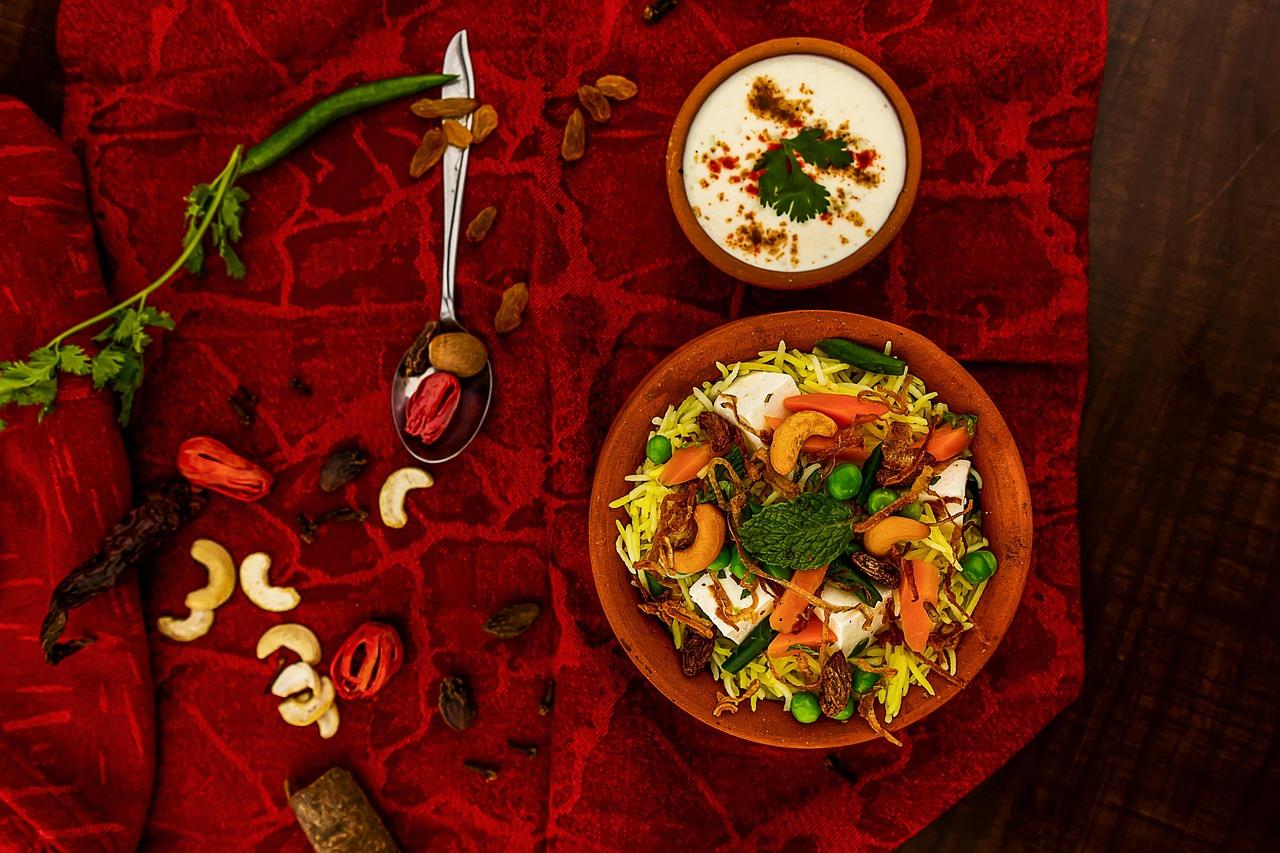
A mild, creamy biryani: rice and husked green gram roasted in ghee, then cooked in coconut milk with peas, carrots, potatoes, peanuts and cashews, and finished with soft fried paneer and a fresh coriander yogurt. Serve hot, garnished with more fried cashews and paneer.

by KrazyBadal 2 views
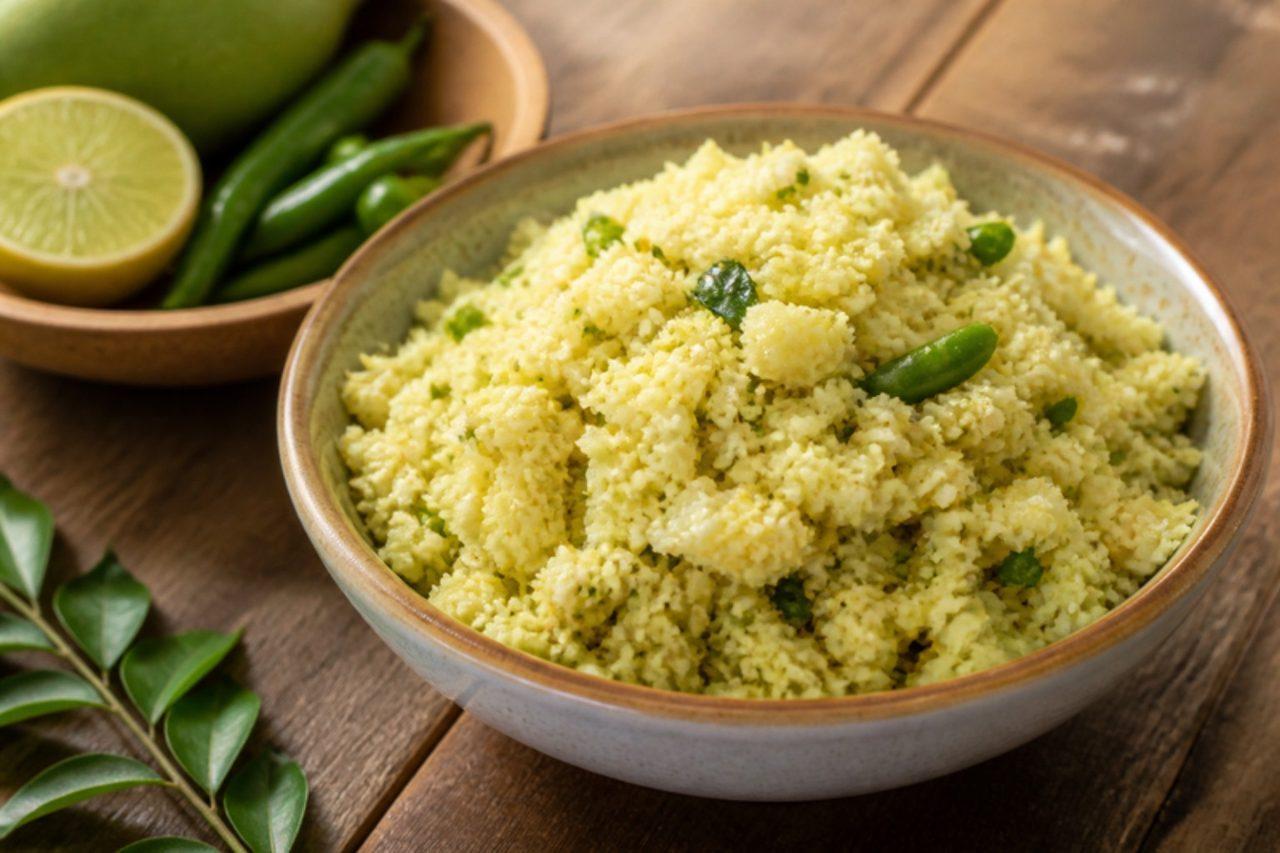
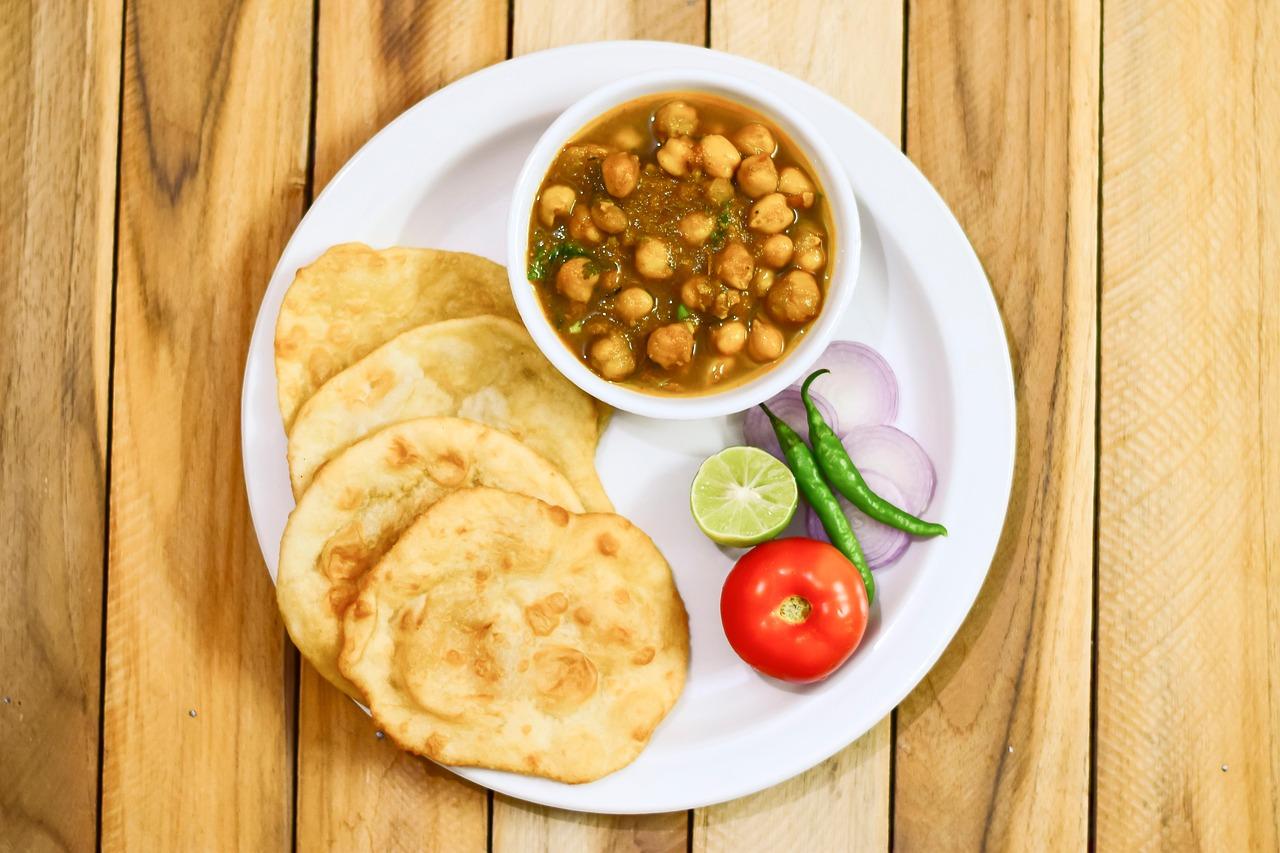
Chana masala

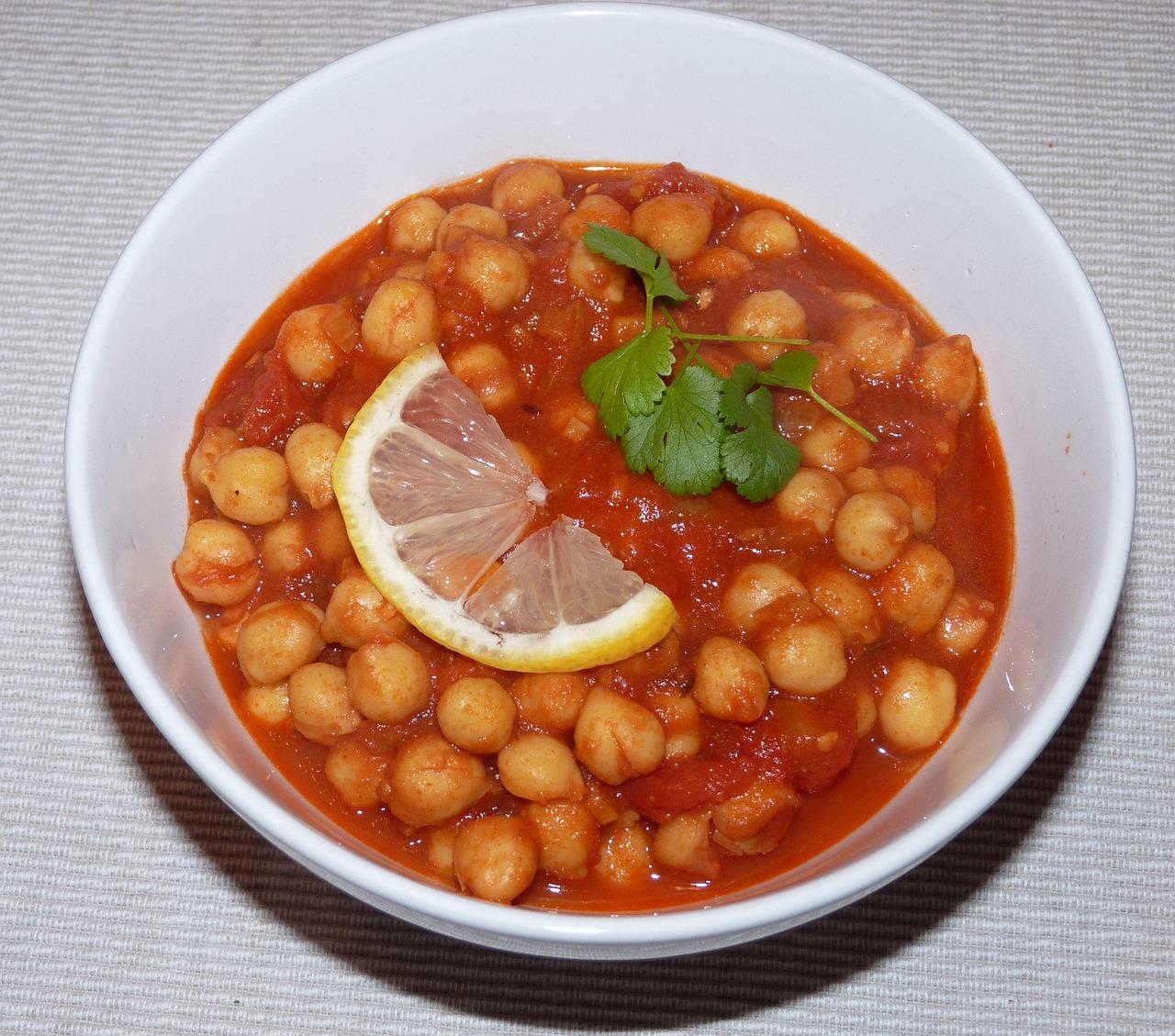
A North Indian staple that comes together from the store cupboard. Toasted cumin, slow-softened onion and a good spoonful of garam masala give tinned chickpeas real depth. Serve with rice, naan or a stack of warm rotis.

by KrazyBadal 2 views
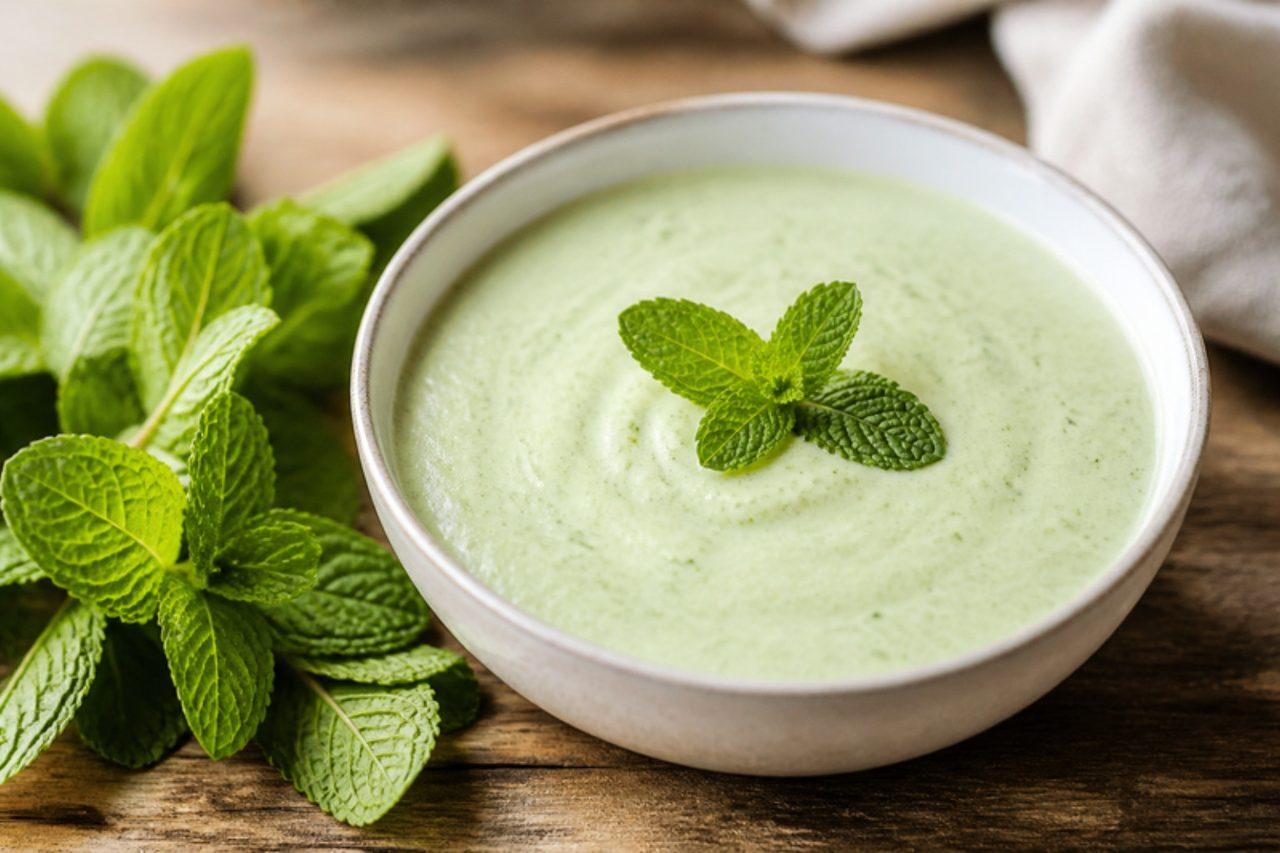
Kaju curryCashew curry

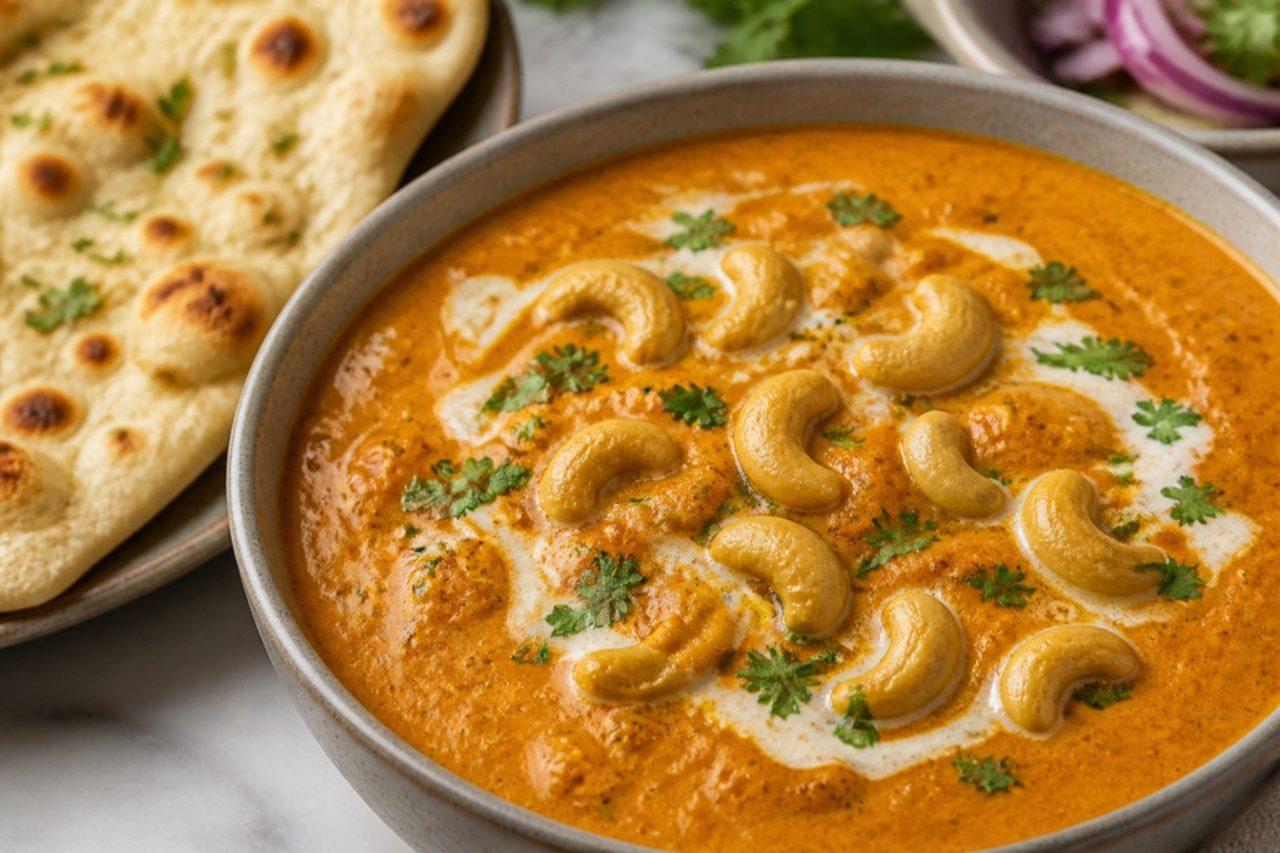
Walk along any wedding buffet in Pune, Mumbai or Ahmedabad and there is usually a chafing dish of kaju curry near the paneer, with guests going back for seconds. Whole cashews are fried in ghee until golden, which makes them crunchy outside and buttery inside, then folded into a rich onion and tomato gravy thickened with more cashews, finished with cream and kasuri methi. The gravy is orange, smooth and rounded with a touch of sweetness; it should taste of roasted nuts and gentle spice, not fire. Gujarati restaurants often serve a spicier Kathiyawadi version, but the wedding style here is the mild one. Eat it with butter naan, tandoori roti or jeera rice. Common mistake: adding the fried cashews too early; they soak up the gravy and turn soft, so fold them in just before serving. Chef's tip: keep a few fried cashews back and scatter them on top at the table so every spoonful has some crunch.

by KrazyBadal 1 views
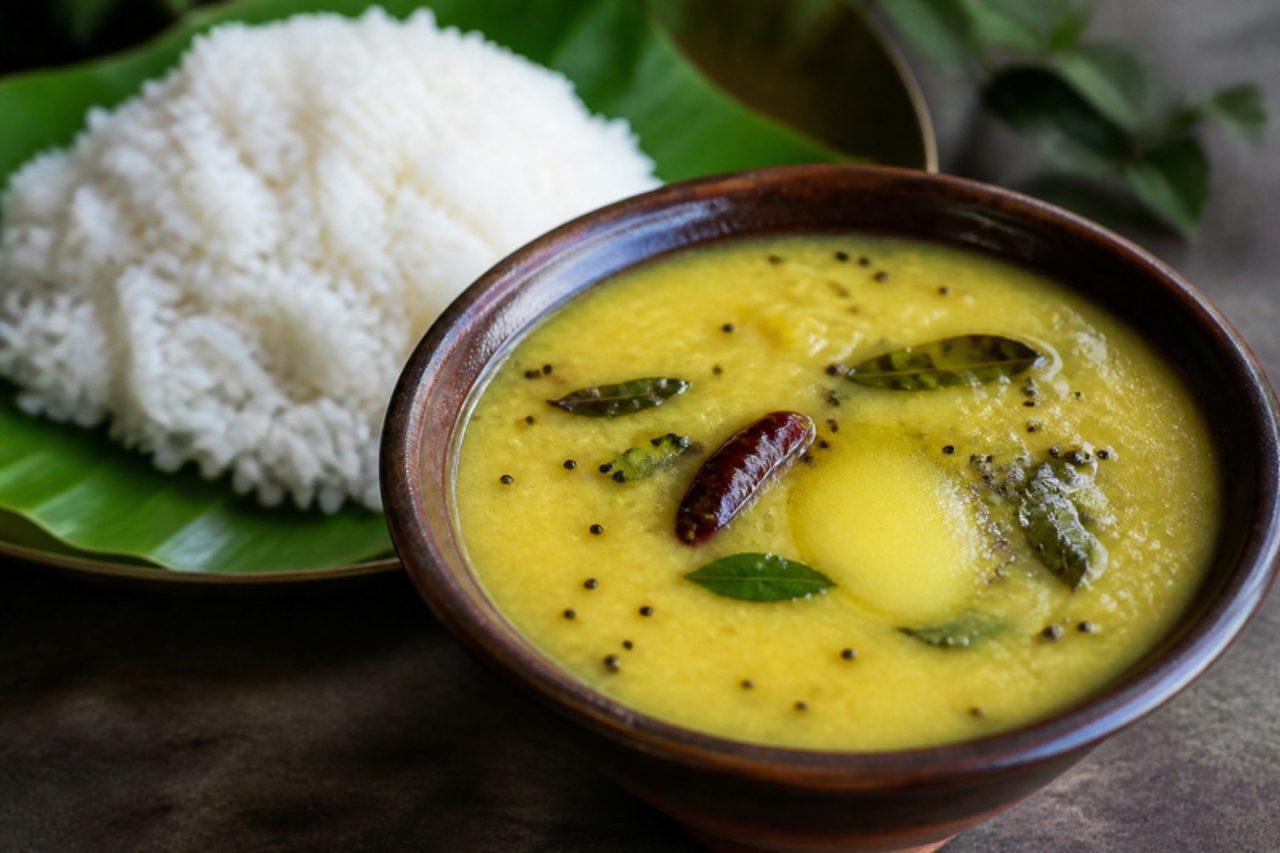
Pineapple pachadiPineapple in yogurt and coconut

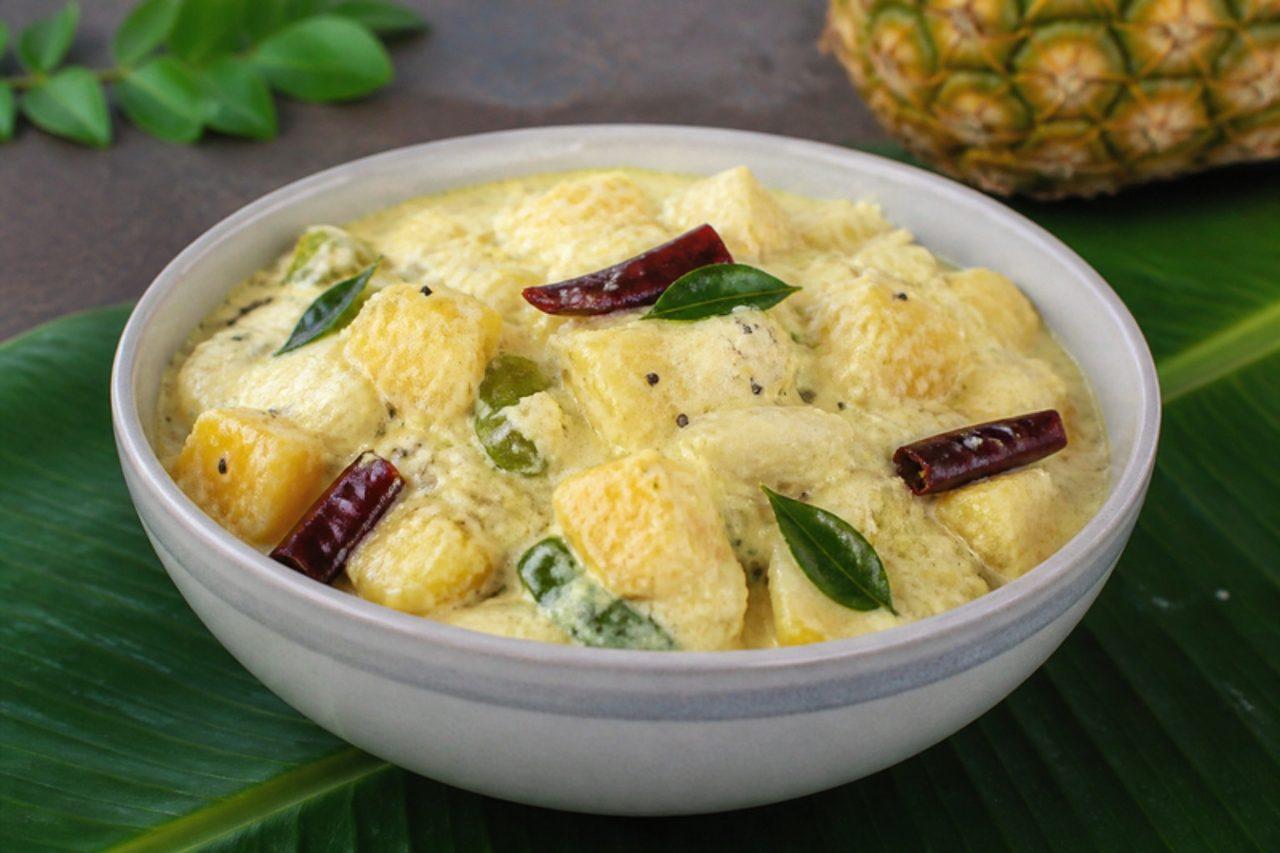
Sadya etiquette puts pachadi next to the kichadi, and pineapple is the festive favourite, especially in central Kerala around Kottayam and Thrissur, where it appears at Onam, weddings and Vishu. Ripe pineapple is simmered briefly with turmeric, chilli and a little sugar, then folded into a paste of coconut, green chilli and raw mustard seed and loosened with whisked curd. The result is sweet, tangy and gently pungent from the ground mustard, with a crackling coconut-oil tadka on top. Serve it cool alongside rice, sambar and thoran, or as a side with appam. The mistake to avoid is adding the yogurt to a hot pan: it splits into grainy curds, so take the pineapple off the heat and let it cool first. Chef's tip: grind the mustard seeds raw with the coconut, but only briefly; over-ground mustard turns bitter.

by KrazyBadal 1 views
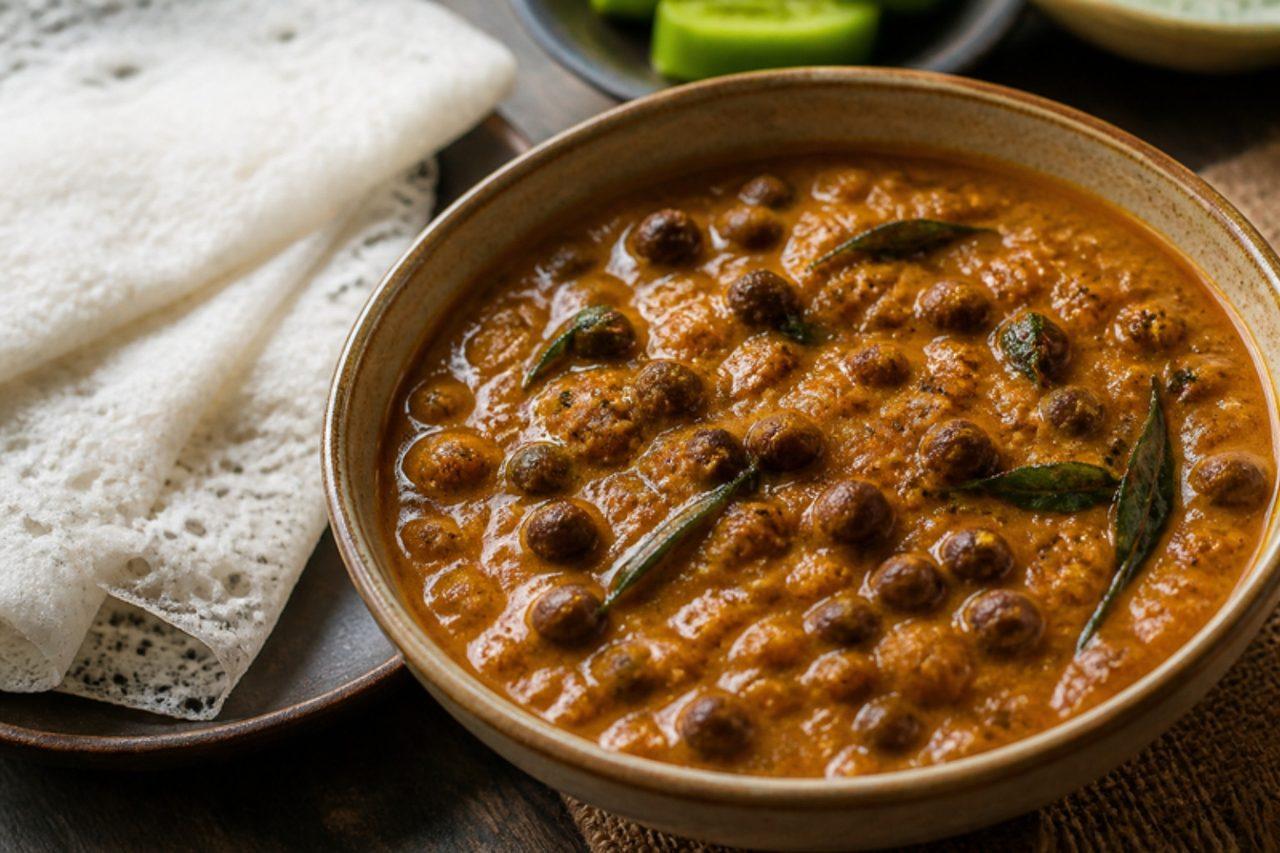
Alu chi patal bhajiColocasia leaf curry

No Maharashtrian festive thali, at Ganesh Chaturthi, a wedding or a naming ceremony, feels complete without a bowl of aluchi patal bhaji: chopped colocasia leaves stewed soft with chana dal and peanuts in a thin curry that is sour with tamarind, sweet with jaggery and thickened with a spoon of gram flour. It is eaten mixed into rice or sipped from the thali. Colocasia leaves must be cooked thoroughly with an acid like tamarind; undercooked leaves make the throat itch. The usual mistake is skimping on the cooking time to save the bright green colour; the leaves should be fully soft and olive-green. Chef's tip: soak the peanuts and chana dal for at least 2 hours, so they cook in the same time as the leaves.

by KrazyBadal 1 views
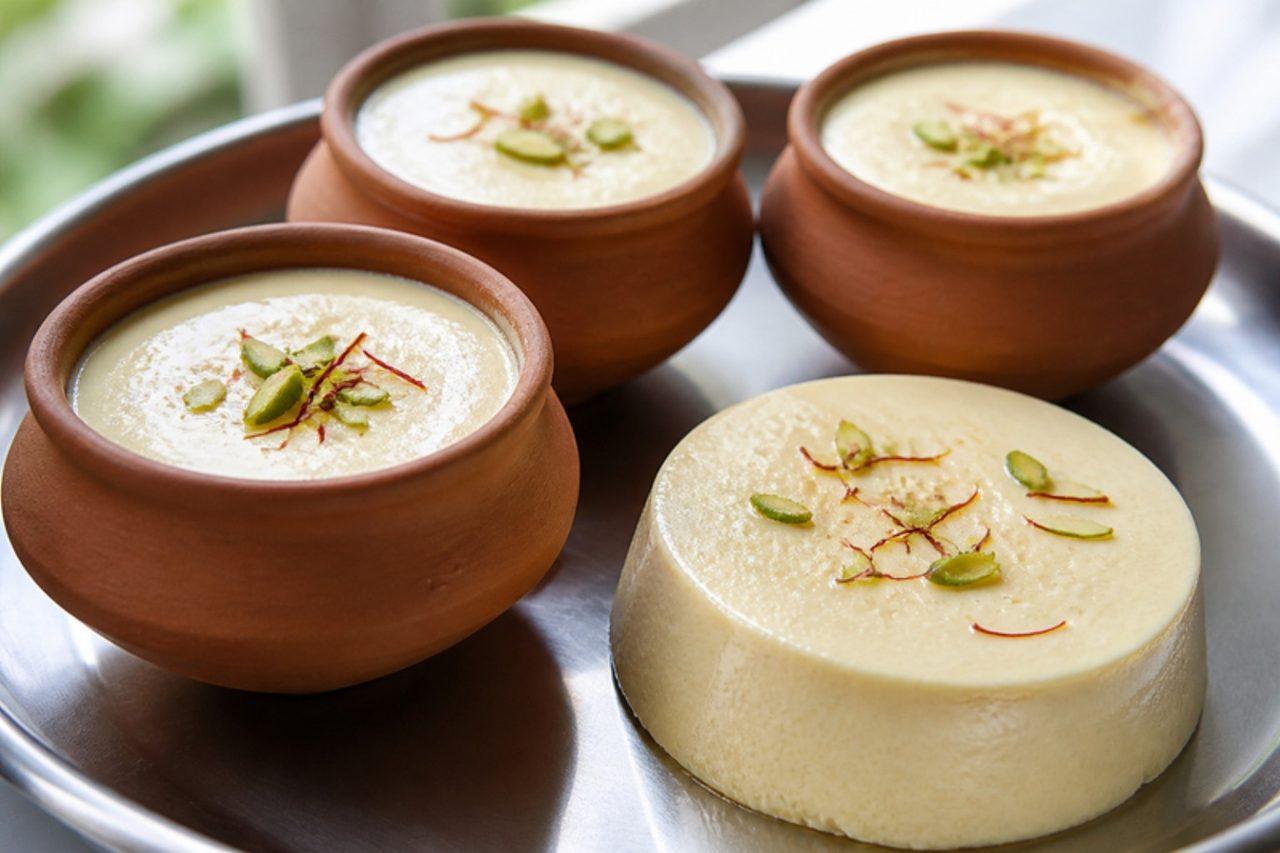
KhurmiWheat and jaggery biscuits

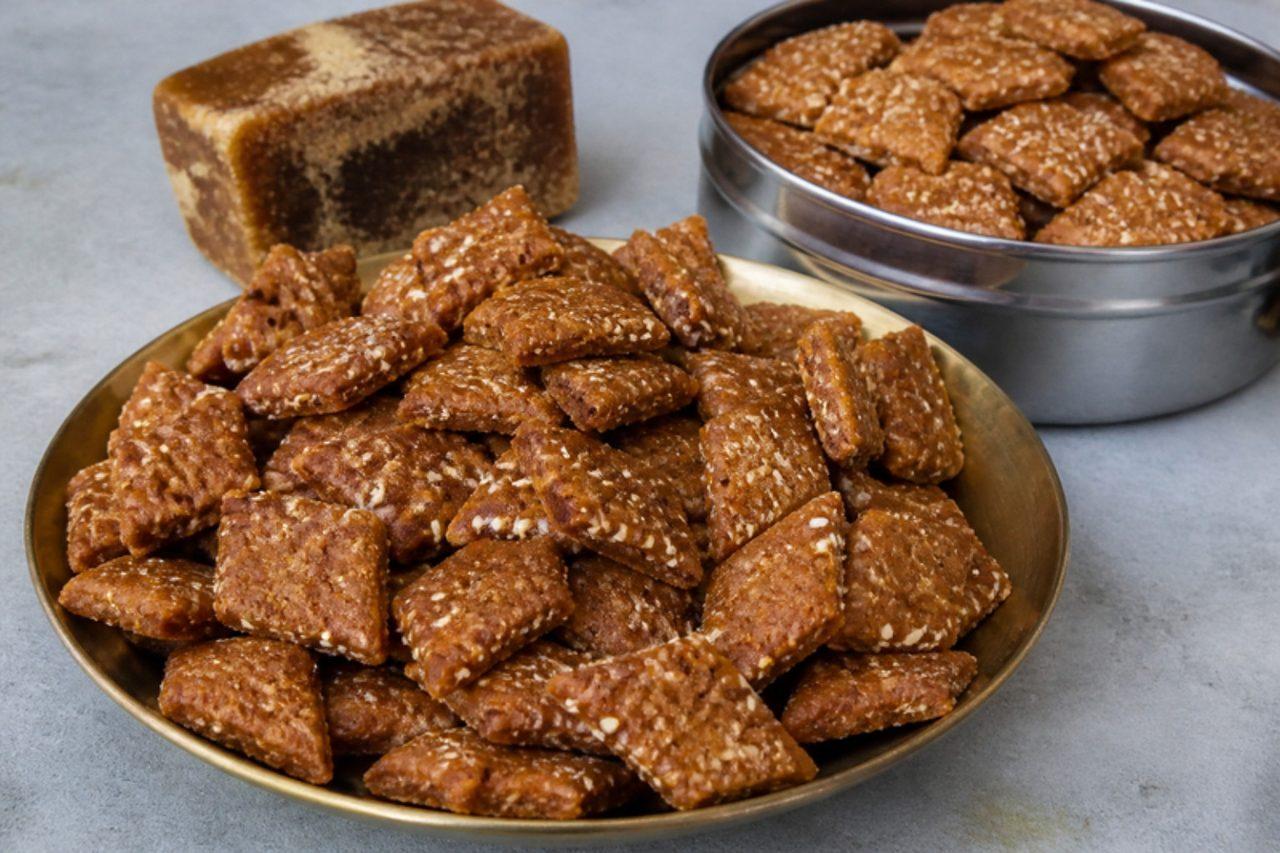
Khurmi are the sweet half of Chhattisgarh's Teeja-Pola festival snacks, made in big batches alongside the salty thethri. The dough is wheat flour and a little semolina bound with melted jaggery, studded with sesame and coconut, then cut into diamonds or pressed into small patterned shapes and fried until dark gold. They have a hard, crunchy bite and a deep caramel flavour, and they last for weeks in a steel dabba, ready for visitors and children back from school. Chef's tip: cool the jaggery water to lukewarm before kneading; hot jaggery makes a slack dough that spreads and soaks up oil.

by KrazyBadal 1 views
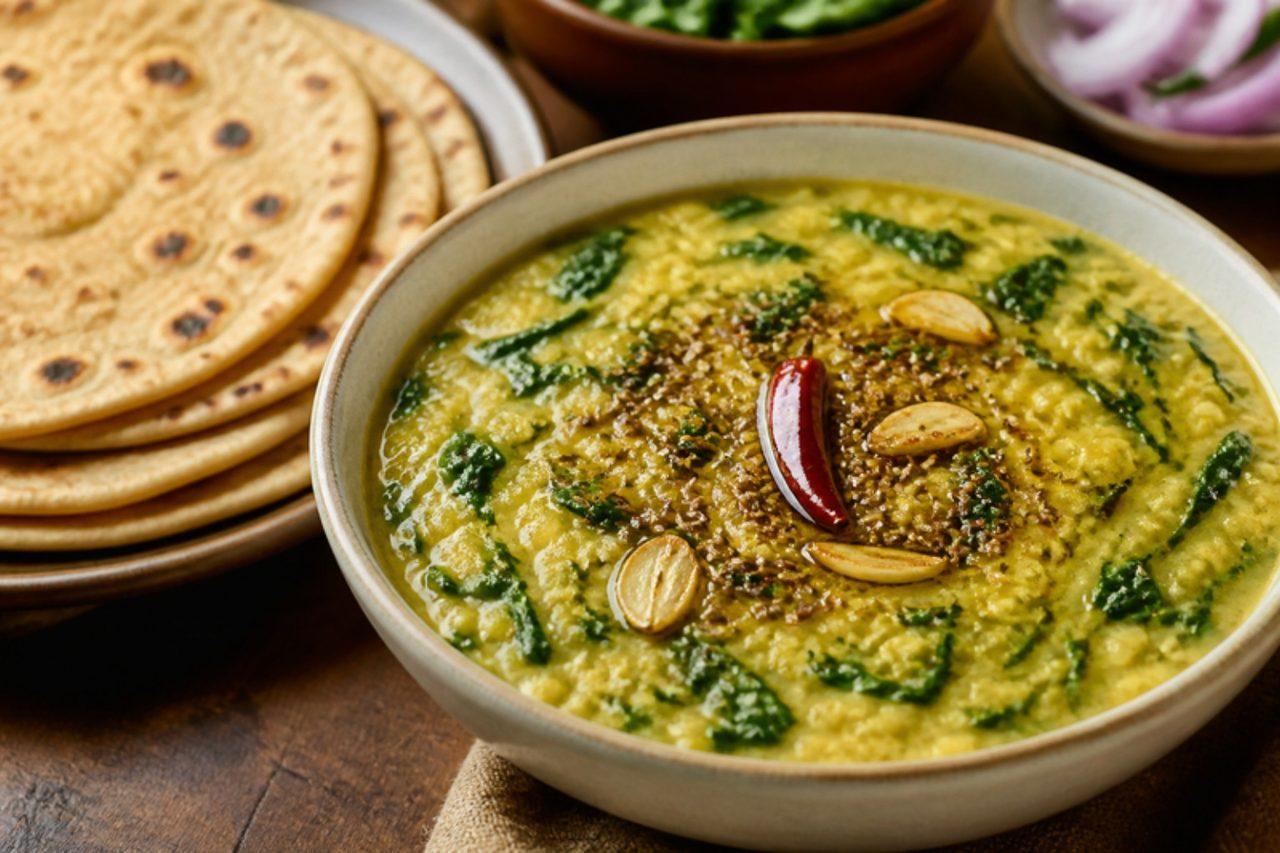
Maharashtrian aamtiSweet and sour dal

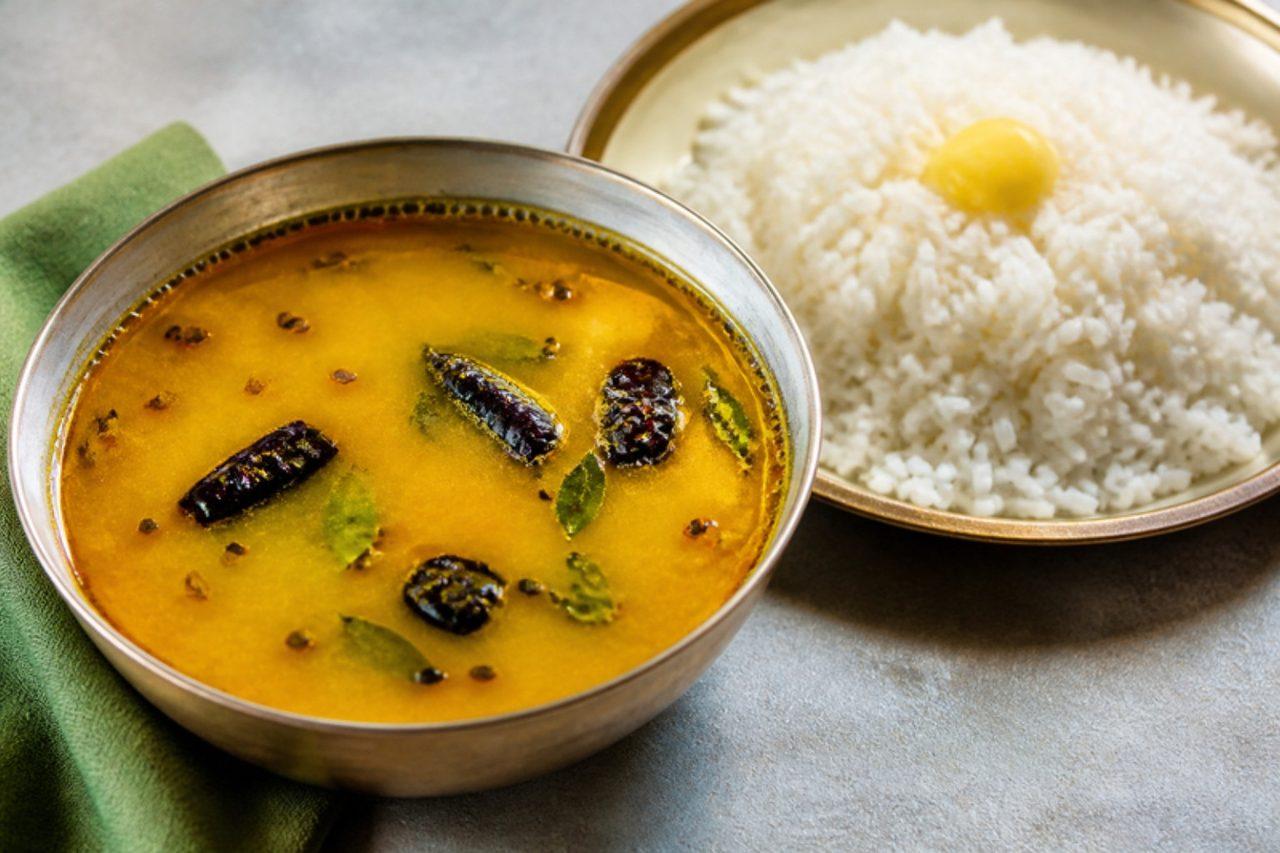
Aamti is the everyday dal of Maharashtrian homes from Pune to Kolhapur: toor dal cooked soft, soured with kokum, sweetened with a little jaggery and seasoned with goda masala, the dark, aromatic spice blend of the state. It's thinner than a Punjabi dal and has a gentle sweet-sour-hot balance. Before the tempering goes in, many cooks scoop out a bowl of the plain cooked dal for varan bhaat, the simple turmeric-yellow dal with rice, ghee and lemon that every Maharashtrian child grows up on and that starts every festive thali. Chef's tip: add the kokum near the end and taste after 5 minutes; it keeps releasing sourness, and it's easy to overshoot.
by KrazyBadal 1 views
Akki rottiRice flour flatbread

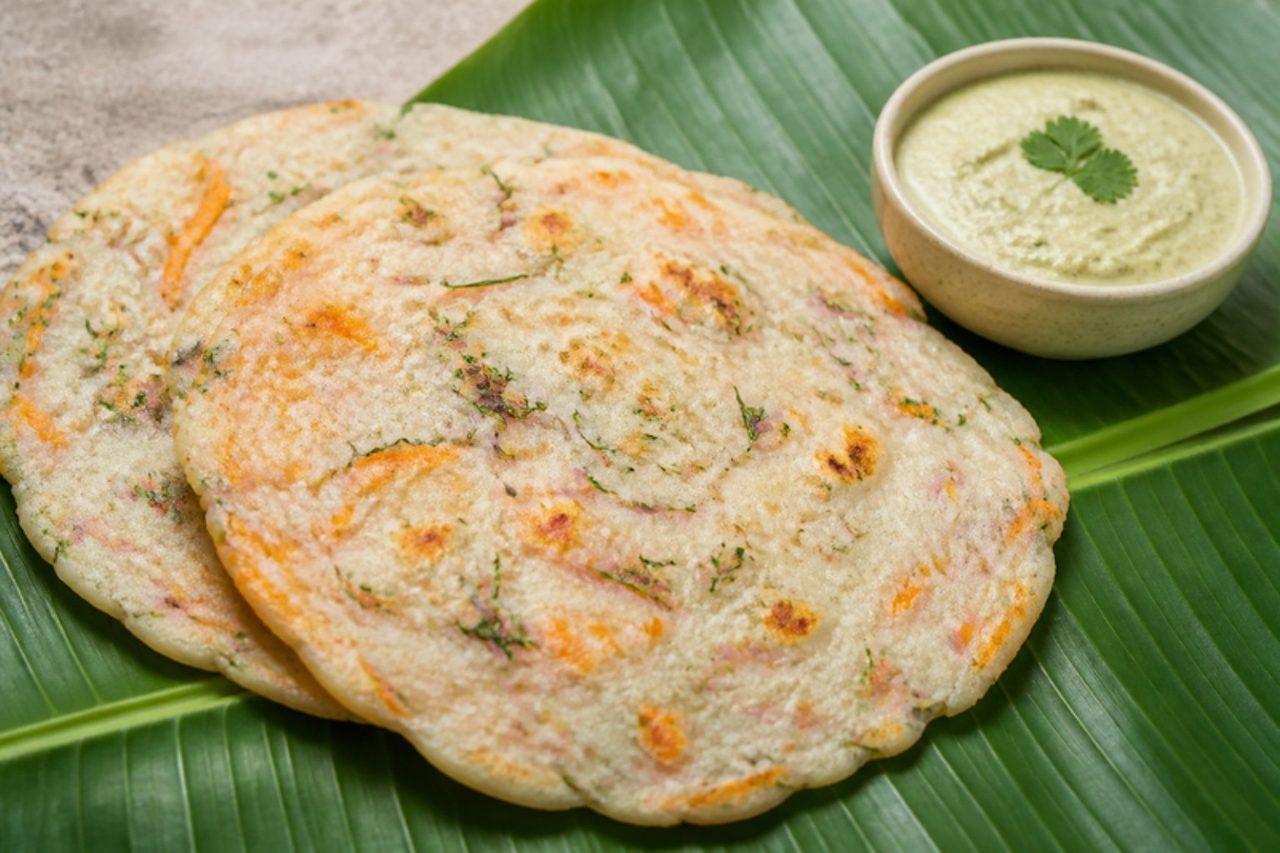
Akki rotti is the breakfast of Bengaluru and the old Mysore country: rice flour mixed with grated vegetables, dill, coconut and green chilli, patted out thin by hand straight onto a cold pan, then cooked until speckled and crisp at the edges. Every home has its own mix; dill (sabbasige soppu) is the classic flavour, but cucumber, carrot or fenugreek all turn up. It is eaten hot off the pan with coconut chutney or a dab of ghee and spicy chutney powder, and it is naturally gluten-free. Chef's tip: work with two pans in turn, patting the next rotti onto a cooled pan while the first one cooks; patting onto a hot pan burns your fingers and gives an uneven rotti.

by KrazyBadal 1 views
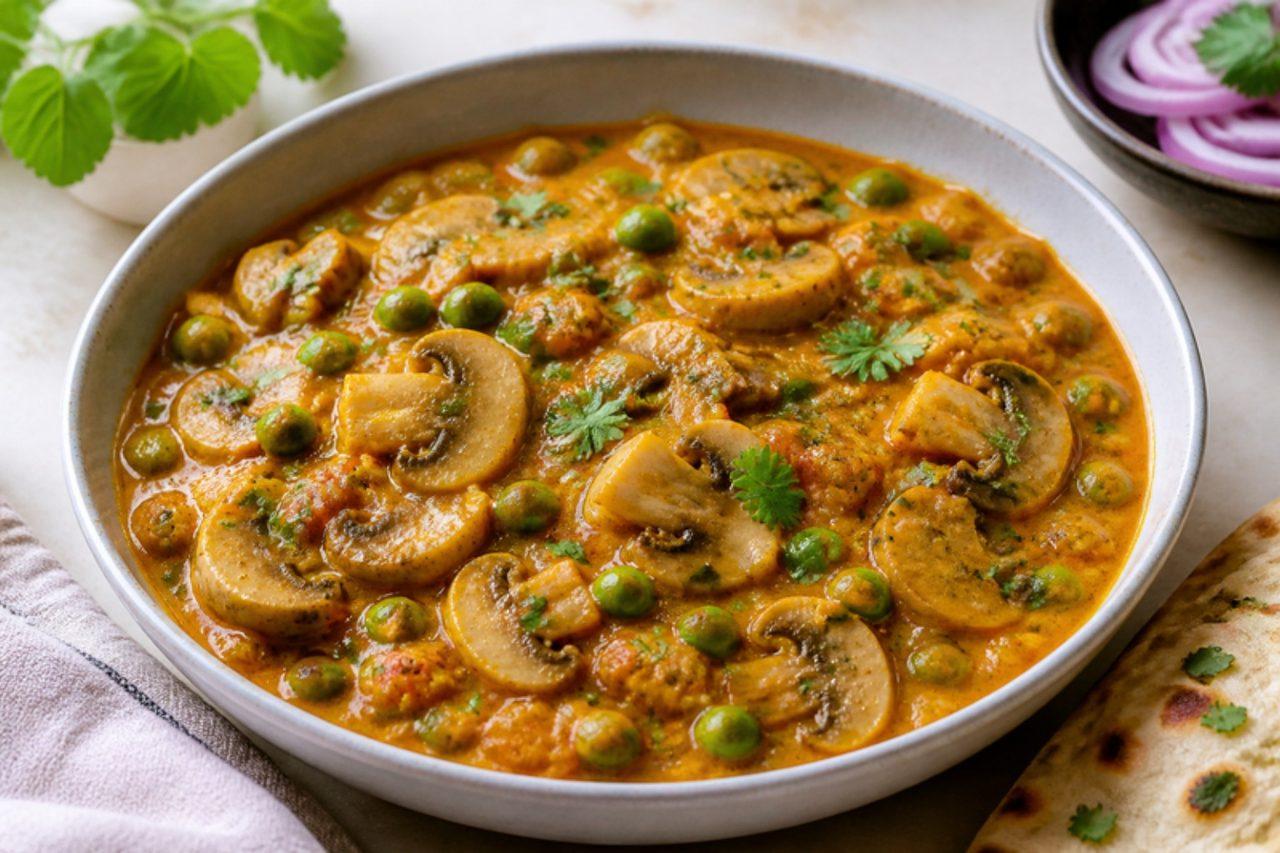
Tawa mushrooms

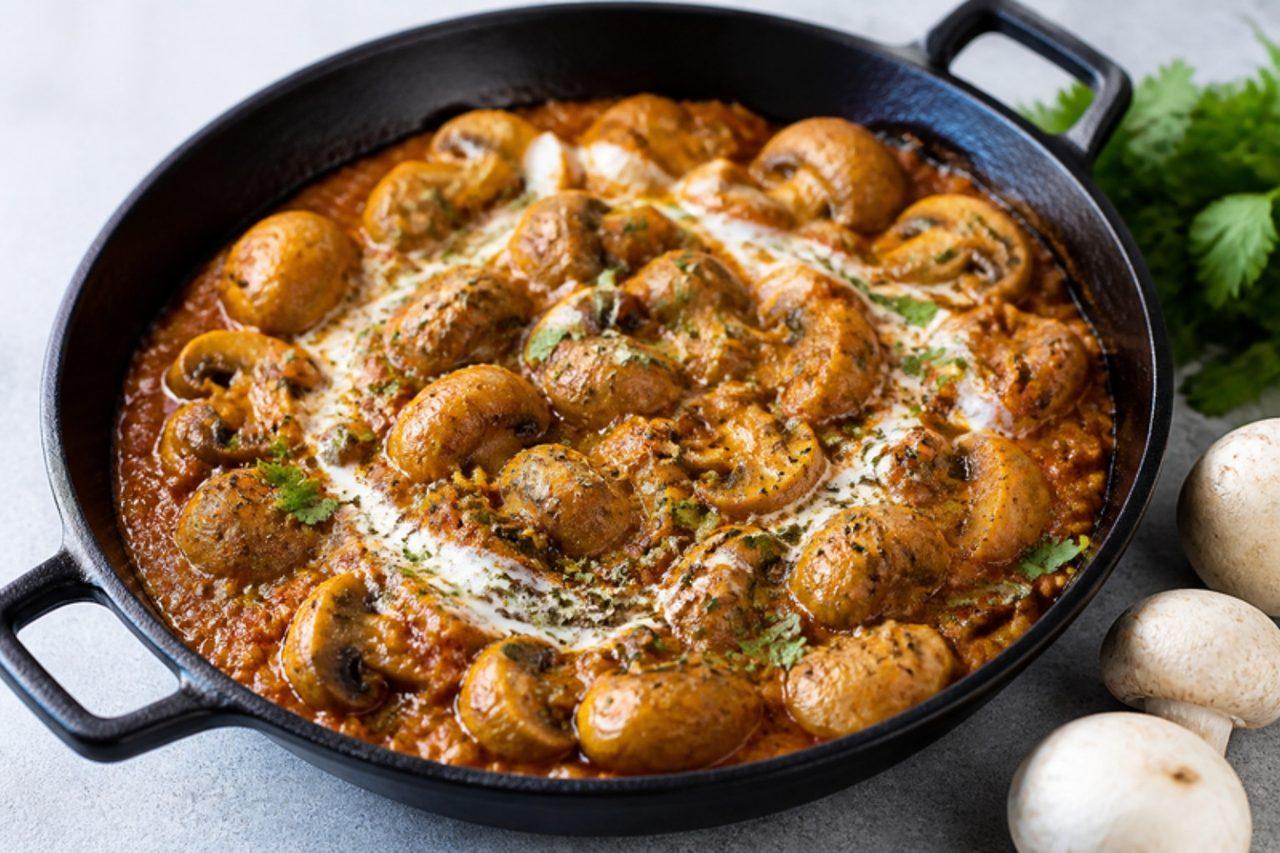
Halved mushrooms cooked on the tawa in a rich masala of browned onions, ginger, garlic and puréed tomato, finished with a little cream and dried fenugreek. It's quick, creamy and full of flavour. Serve hot with naan, paratha or bread straight off the barbecue.

by KrazyBadal 1 views
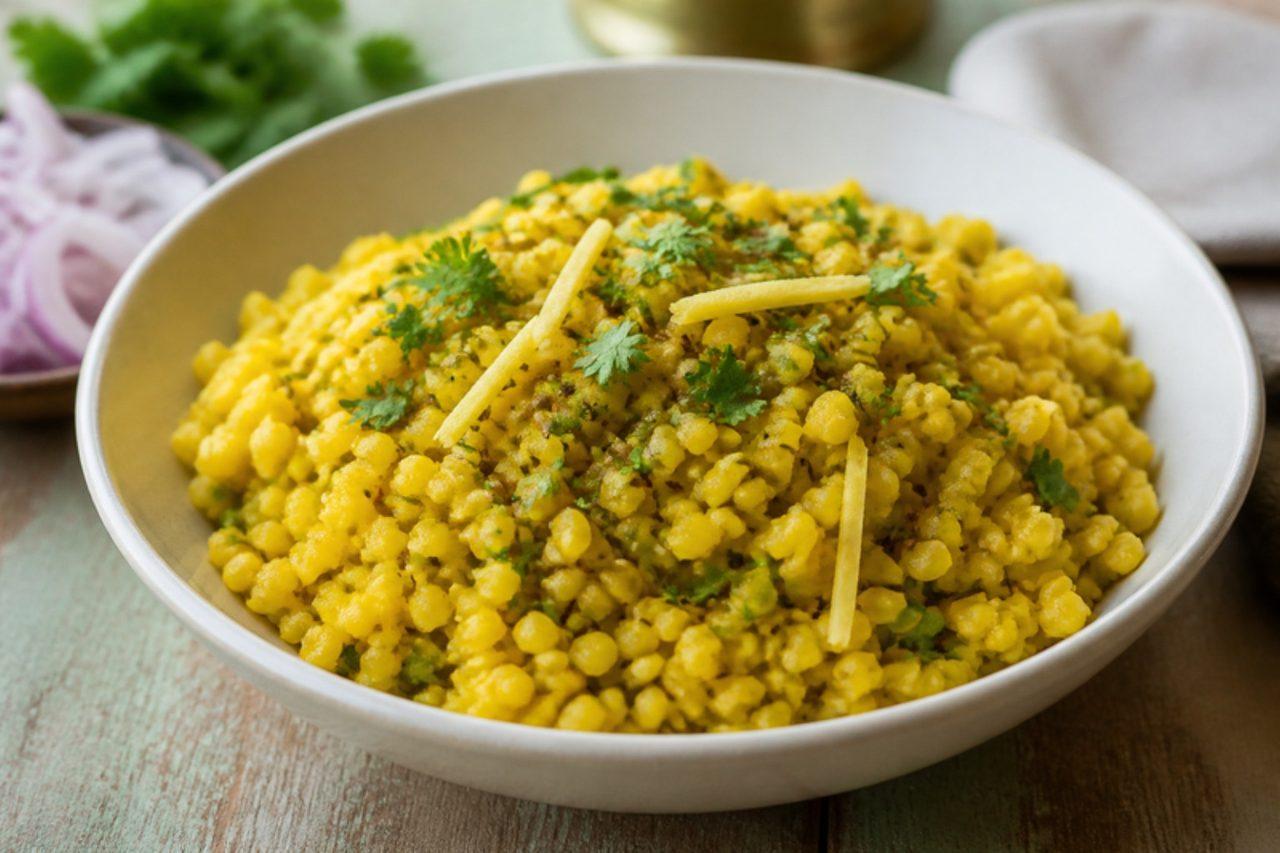
Farari samo khichdiBarnyard millet with potato and peanuts

Samo (also called moraiyo, sama or barnyard millet) is the fasting-day stand-in for rice. Here it's simmered with potato cubes and crushed roasted peanuts after a ghee tempering of cumin, cloves and cinnamon, then finished with lemon and coriander. It's soft, nutty and mildly spiced. Serve it hot with yogurt or farari potato kadhi.

by KrazyBadal 1 views
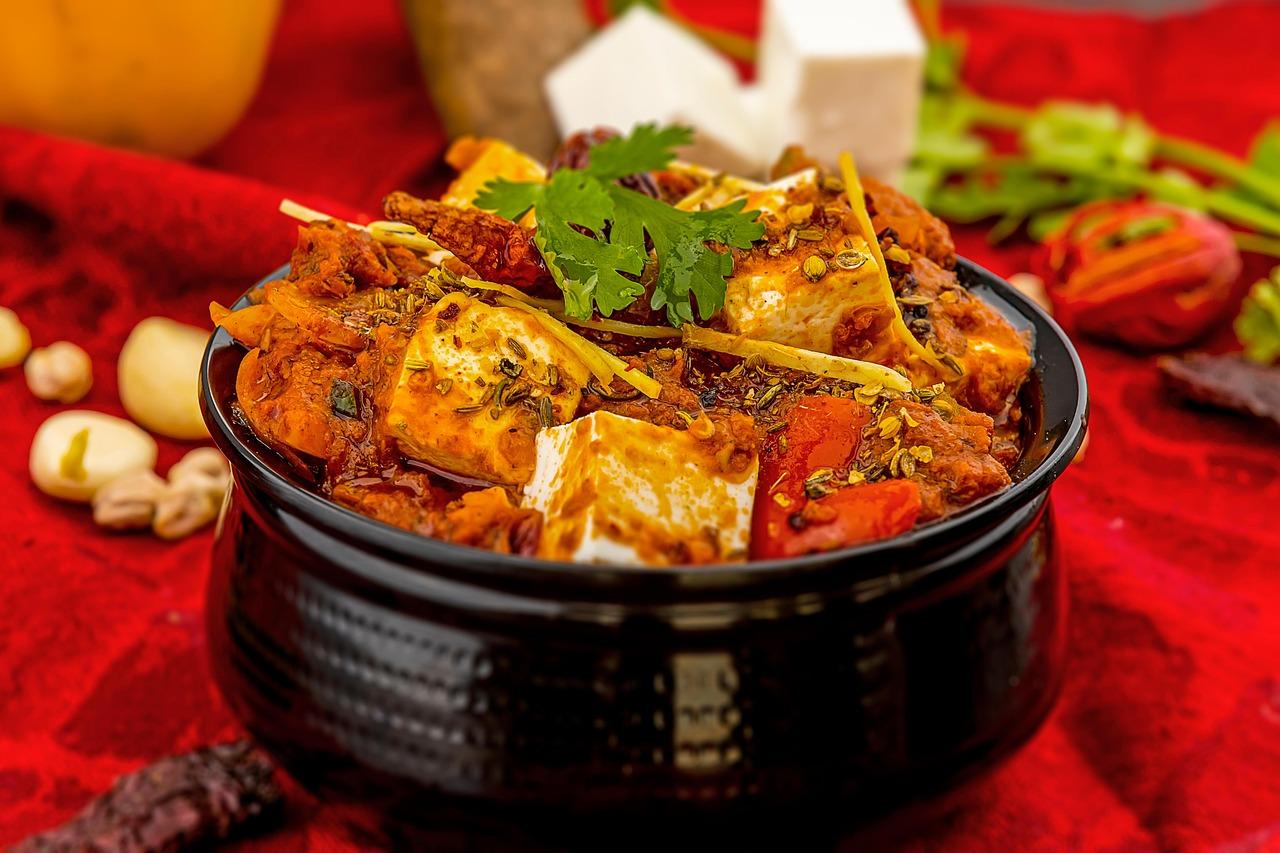
Channa paneer masala

A party-sized pot of chickpeas and golden paneer cubes with stir-fried capsicum, in a deep, glossy gravy built on browned onion, ginger, garlic, tamarind and a little jaggery. Coarsely ground black pepper and halved coriander seeds in the tempering give it warmth. Serve hot with naan or bhatura.

by KrazyBadal 1 views
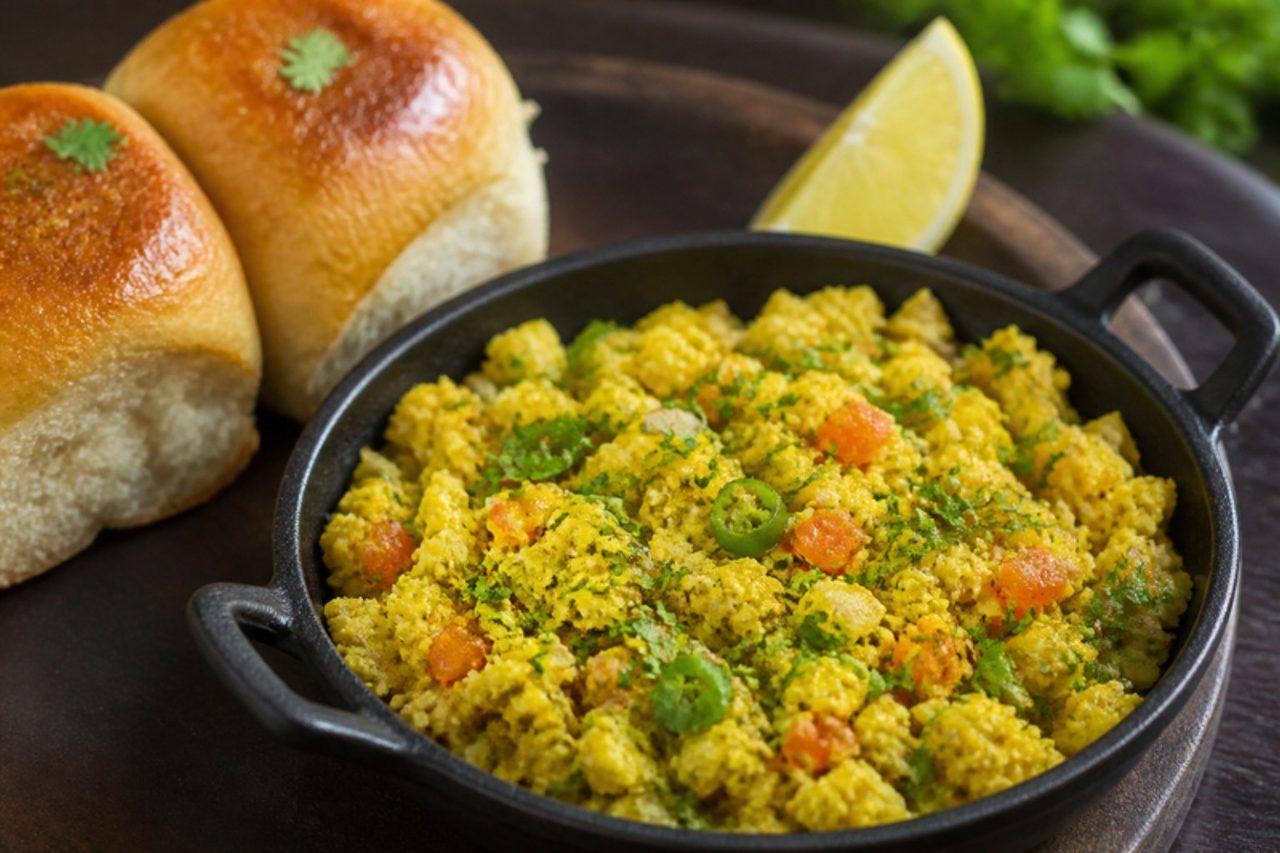
Cauliflower peas kheema
Cauliflower grated into small crumbs and cooked until tender, then mixed with peas and a smooth, spicy onion-tomato paste flavoured with cardamom, black pepper and cumin. The texture is just like a kheema (mince) but completely vegetarian. Serve hot with parathas.

by KrazyBadal 1 views

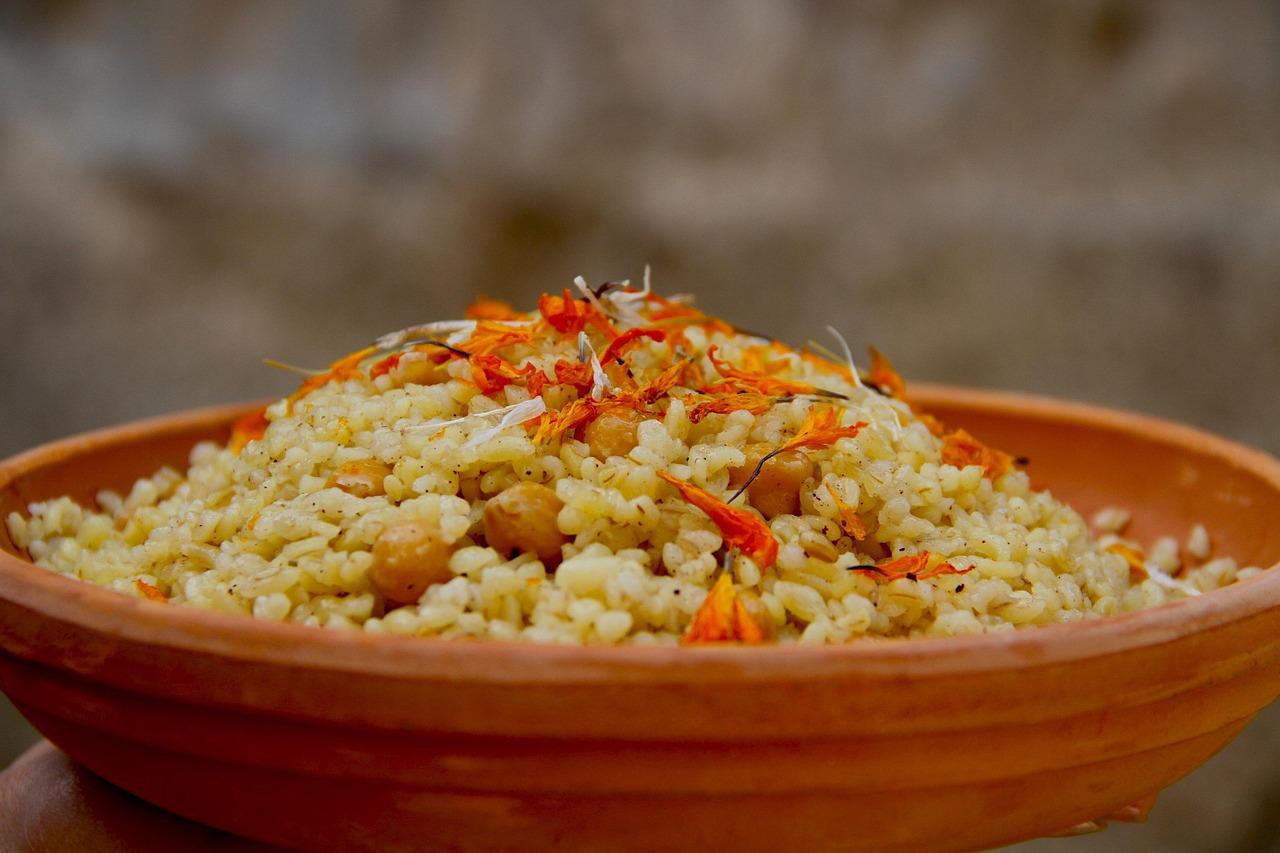
Masaledar khichdiLayered saffron rice and pigeon pea bake

A festive, baked khichdi: rice and pigeon pea lentils are cooked with cumin and tinted with saffron, then layered with a garlicky onion and yogurt gravy and crisp ghee-fried onions. It comes out of the oven fragrant and rich. Serve hot with plain yogurt.

by KrazyBadal 1 views

Nutty datesChocolate nut dates

A quick, rich sweet of dates melted down in butter, then mixed with milk chocolate, chopped nuts, coconut and rice krispies and pressed into a tray. It's chewy, chocolatey and crisp. Makes about 30 diamonds; keep them in the fridge and serve cold.

by KrazyBadal 1 views

Cabbage and coconut salad

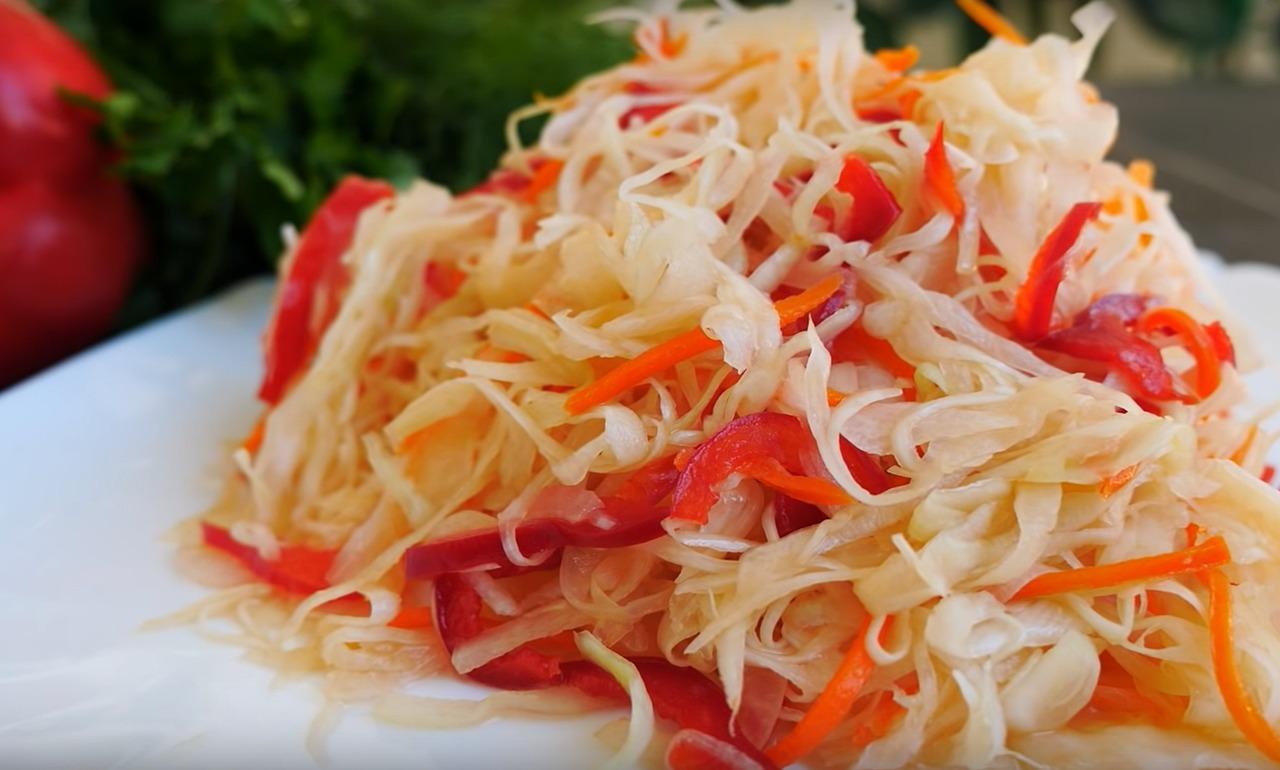
A crunchy Indian-style salad of finely shredded cabbage, fresh coconut, fried red peanuts and cashews, with plenty of chilli. The lemon dressing is tempered: mustard seeds are popped in hot oil first, which gives it a lovely nutty flavour. Serve it as a side with dal and rice, or with any Gujarati meal.

by KrazyBadal 1 views

Kachri bateta coconut chutneyCoconut and raw mango chutney

A fresh, crumbly chutney of grated coconut and raw mango with a little chilli paste, sugar and a pinch of turmeric. It's sweet, sour and mildly hot, and is served with kachri bateta, the Gujarati potato snack, as well as with pattice and bhajias.

by KrazyBadal 1 views

Mint and yogurt chutney

A smooth, cooling green chutney of fresh mint, coriander and green chillies blended into yogurt with a dash of vinegar. It's the classic partner for tikka, kebabs, samosas and pakoras, and also good drizzled over chaat.

by KrazyBadal 1 views

Hot pav bhaji garlic chutneyCooked tomato and garlic chutney

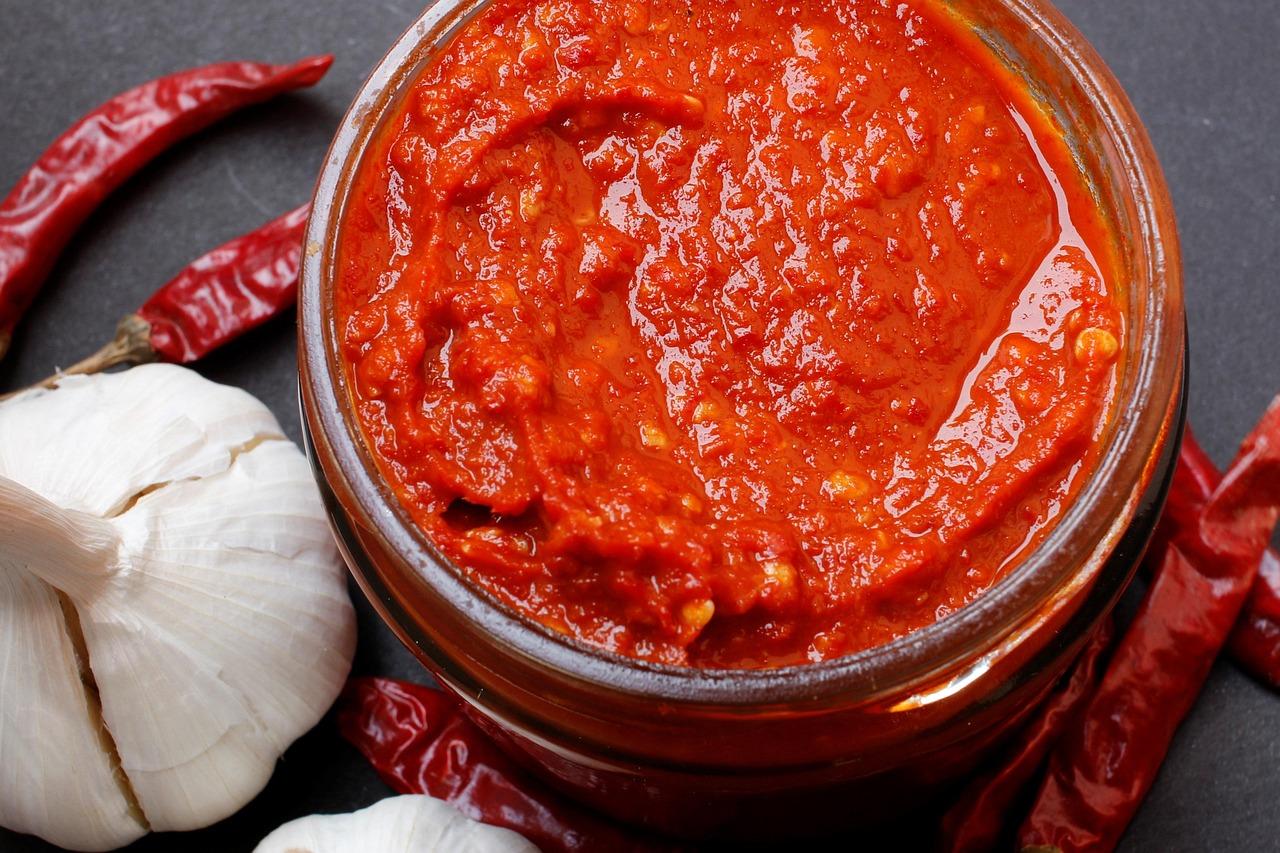
A hot, garlicky chutney of tomatoes cooked down with garlic paste, red chilli and cumin, then mashed until coarse. It's served alongside pav bhaji for extra heat, and is also good with vada pav, dabeli and toasted sandwiches.

by KrazyBadal 1 views

Red chilli chutney

A smooth, glossy red chilli sauce of salted fresh red chillies blended with tomato sauce, vinegar, garlic and jaggery. Salting the chillies overnight softens them and takes off some of the rawness. It keeps for weeks in a glass jar in the fridge and goes with spring rolls, samosas and noodles.

by KrazyBadal 1 views

Mint and onion chutney

Onions fried gently until soft and sweet, then blended with fresh mint, green chilli and lemon juice. It's a mellow, fresh-tasting chutney that is great with bhajias, samosas, kebabs and tikka, or spread in sandwiches.

by KrazyBadal 1 views

Maru bhajia chutneyTomato, carrot and cucumber chutney

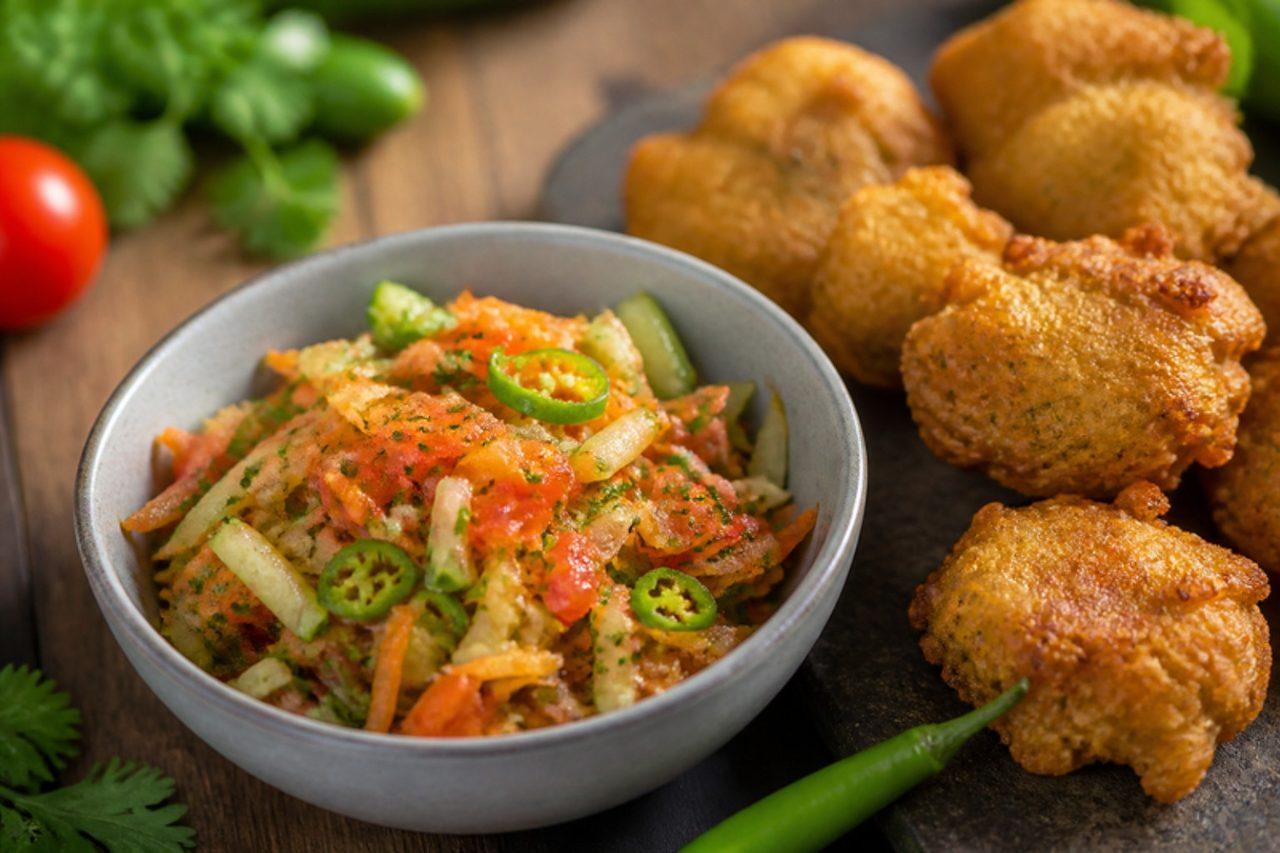
A fresh, juicy chutney of grated tomato, cucumber and carrot with crushed chillies, ketchup and coriander. It's the bright, tangy salad-chutney served with Kenyan-style maru bhajia (crispy potato bhajias). It needs no cooking and takes minutes to make.

by KrazyBadal 1 views

Match stick salad

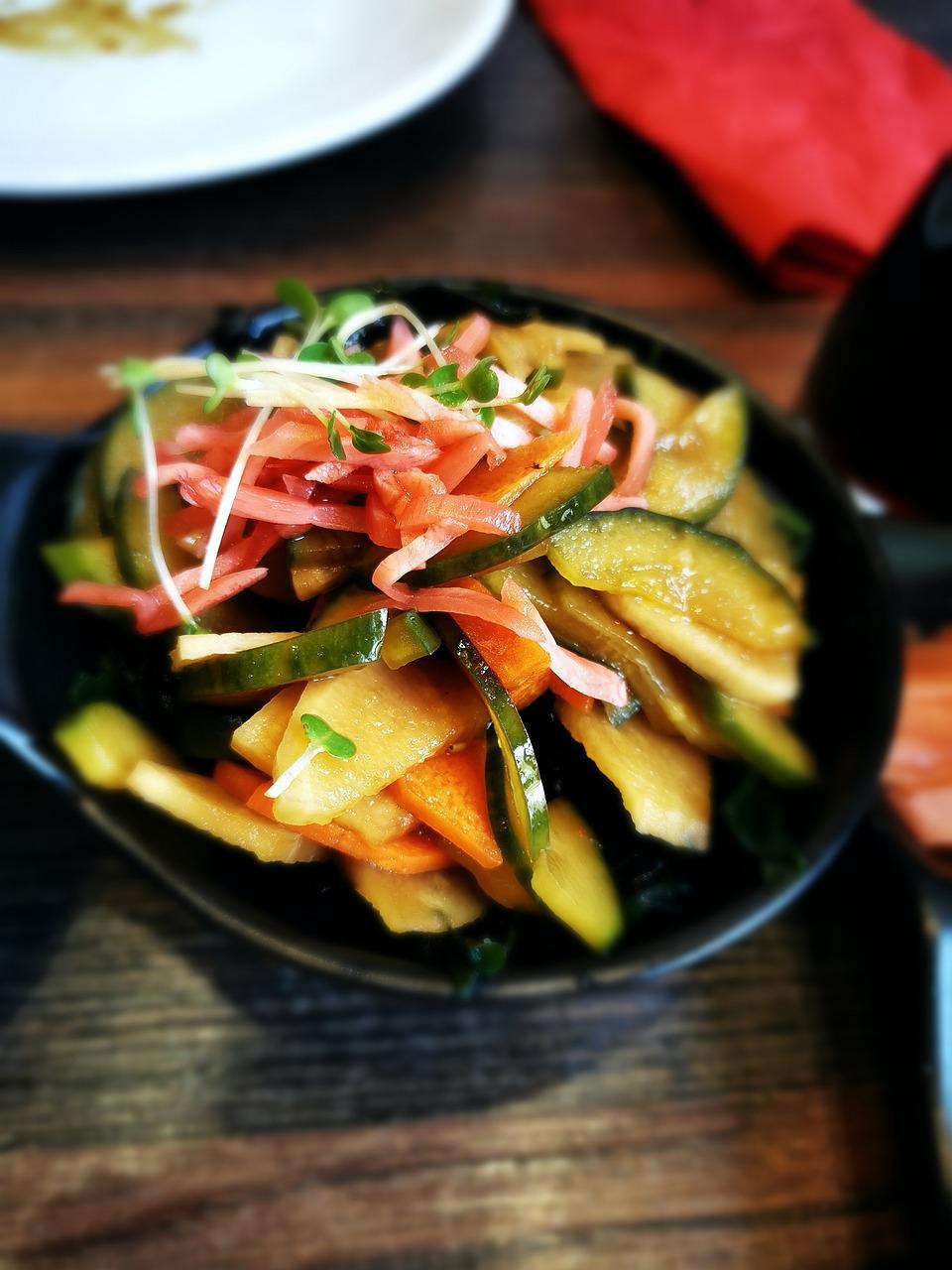
Carrots, turnips, three colours of pepper, cucumber, onion and tomato cut into fine matchsticks and spiced with chilli, lemon and coriander. A sizzling dressing of hot oil with cumin, mustard and sesame seeds is poured over at the table. It is crunchy and bright, and should be eaten as soon as it's dressed.

by KrazyBadal 1 views

Green chilli chutney

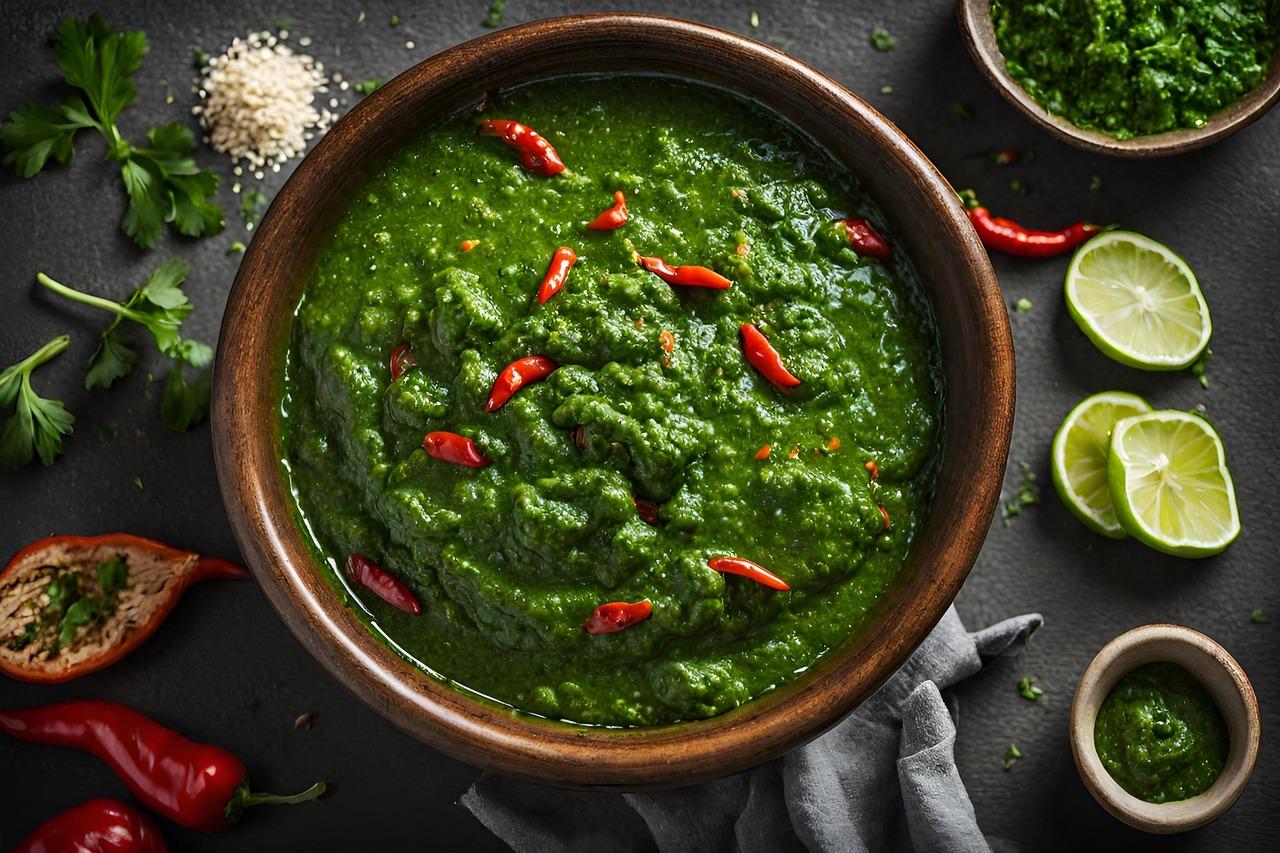
The everyday Gujarati green chutney: fresh coriander, hot green chillies, raw mango and green pepper blended coarsely with fafadia gathia, which thickens it and stops it going watery. It's hot, tangy and a little sweet. Serve it with dhokla, khandvi, sandwiches and all kinds of farsan.

by KrazyBadal 1 views

Kadu sweet & sour soupAsh gourd sweet and sour soup

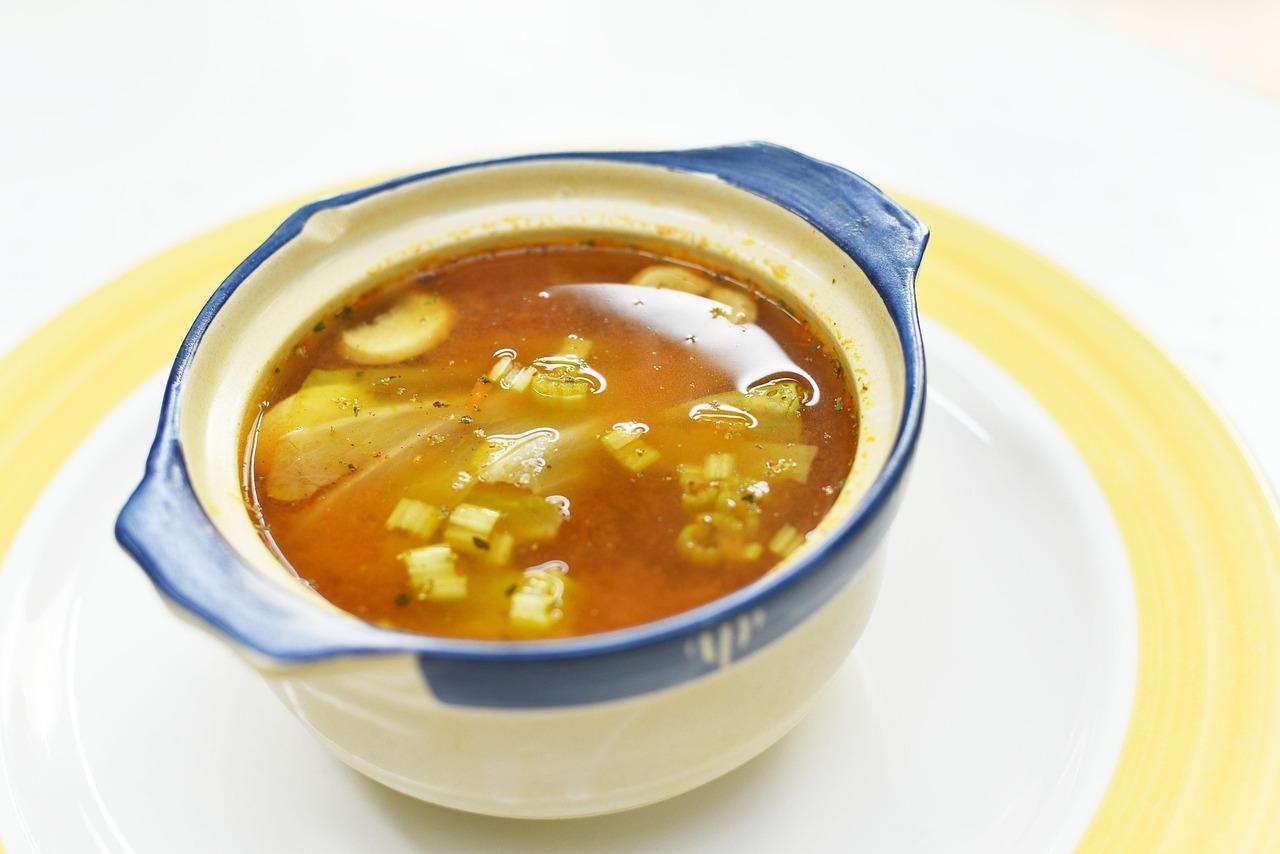
A light, sweet-and-sour soup made from ash gourd (kadu) stock, thickened with cornflour and seasoned with tomato and chilli sauces, vinegar and black pepper. Lightly fried carrot, cauliflower and spring onion go on top for crunch. Serve it with hot buns. Bottle gourd works just as well as ash gourd.

by KrazyBadal 1 views

Chaat masala

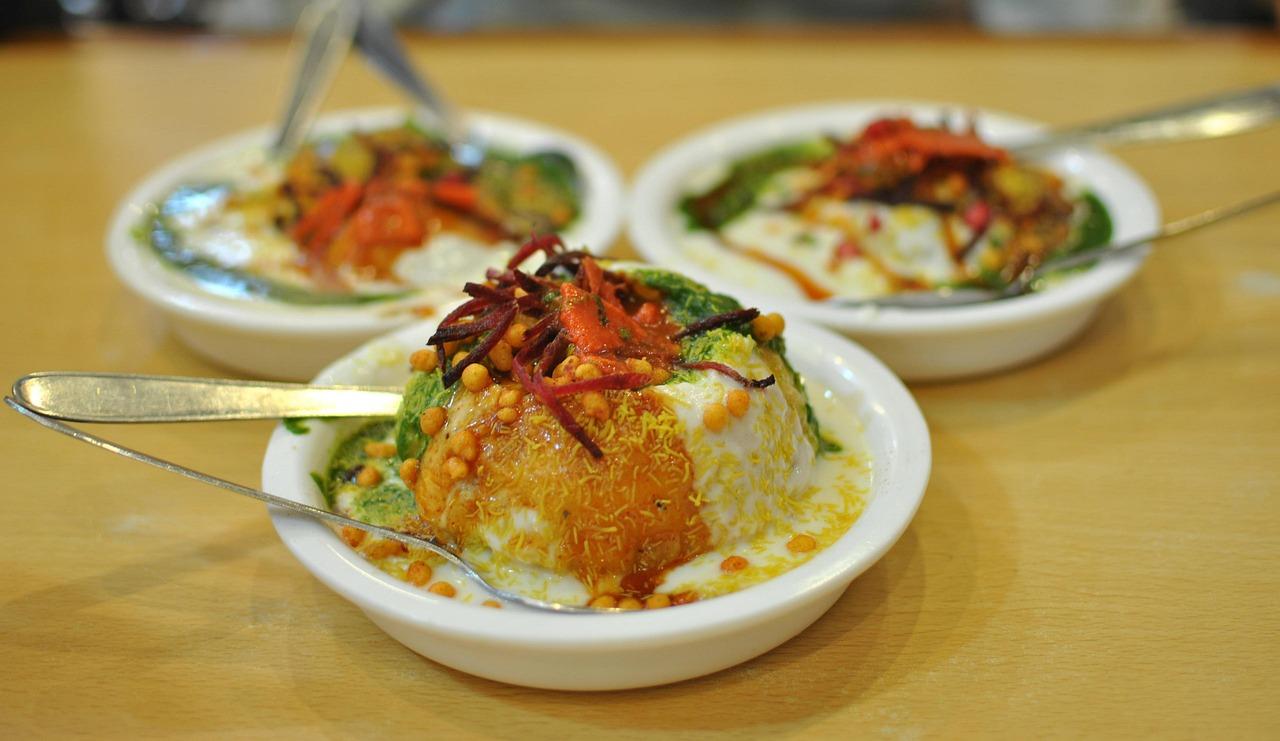
Chaat masala is the tangy, salty, slightly sulphurous sprinkle that makes chaat taste like chaat. Dried mango (amchur) gives the sourness and black salt the distinctive savoury edge. Sprinkle it over fruit, salads, raita, chips and street-food snacks.

by KrazyBadal 1 views

Sugar syrup

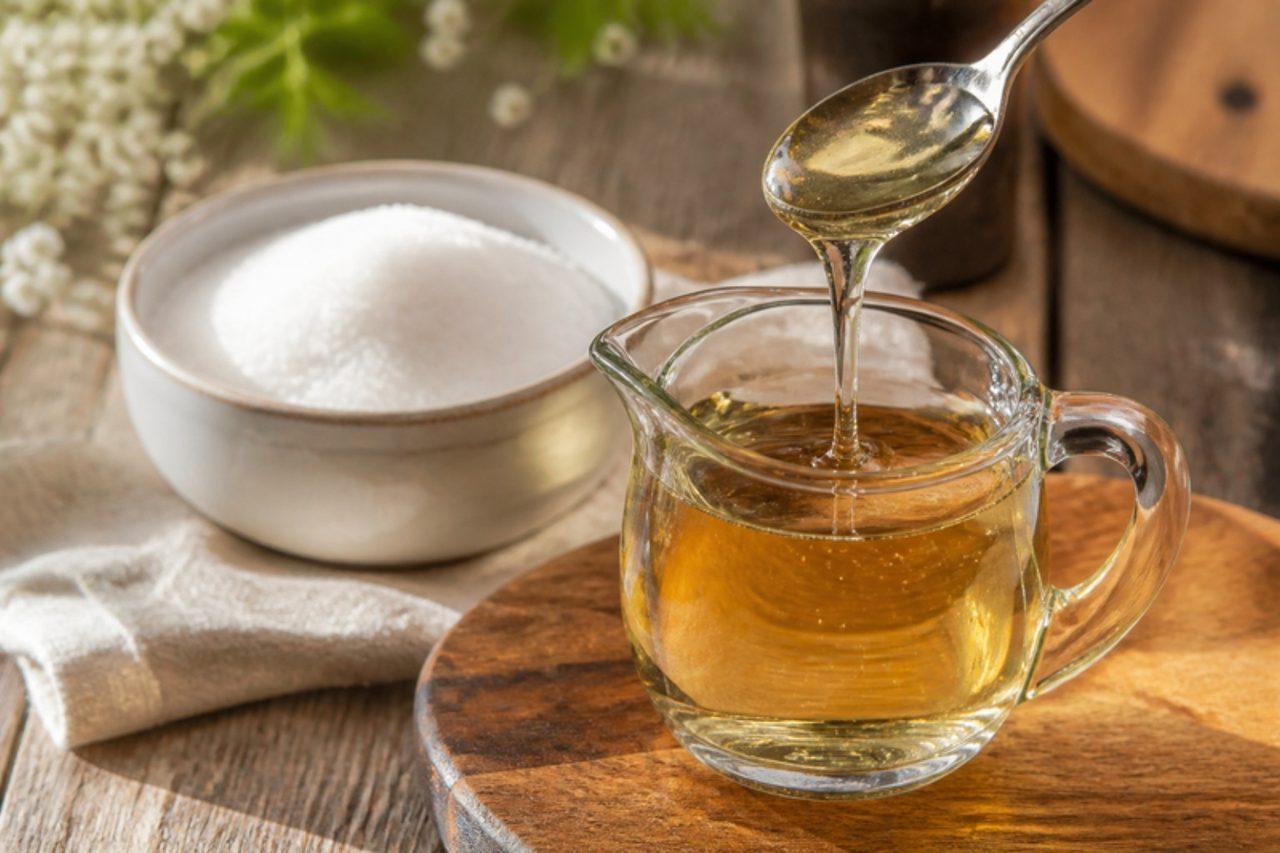
Sugar syrup (chashni) is the base of many Indian sweets, and recipes ask for it at different stages. A light syrup is for soaking sweets and sweetening drinks. One-thread and two-thread syrups are boiled longer so the sweet sets. You can make it with milk instead of water for some sweets.

by KrazyBadal 1 views

Dal masala

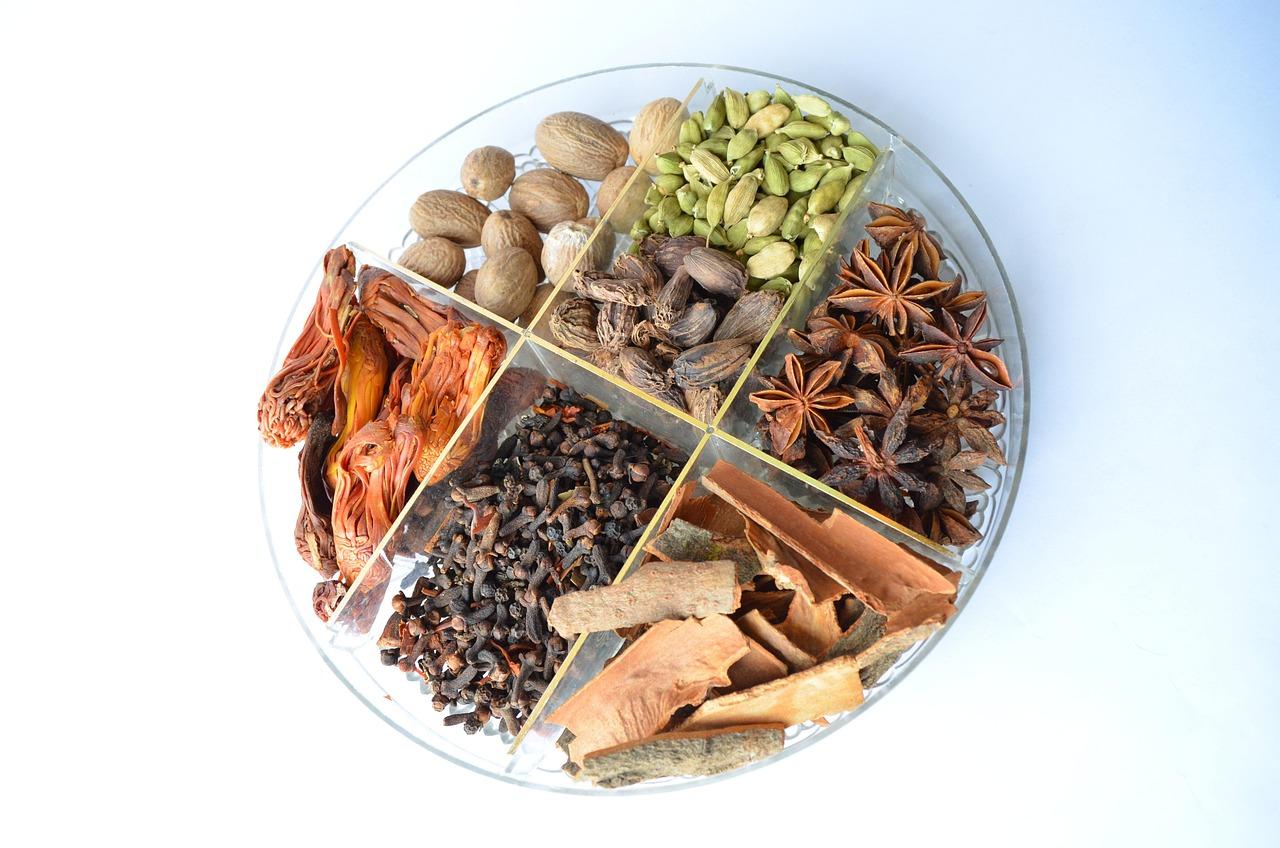
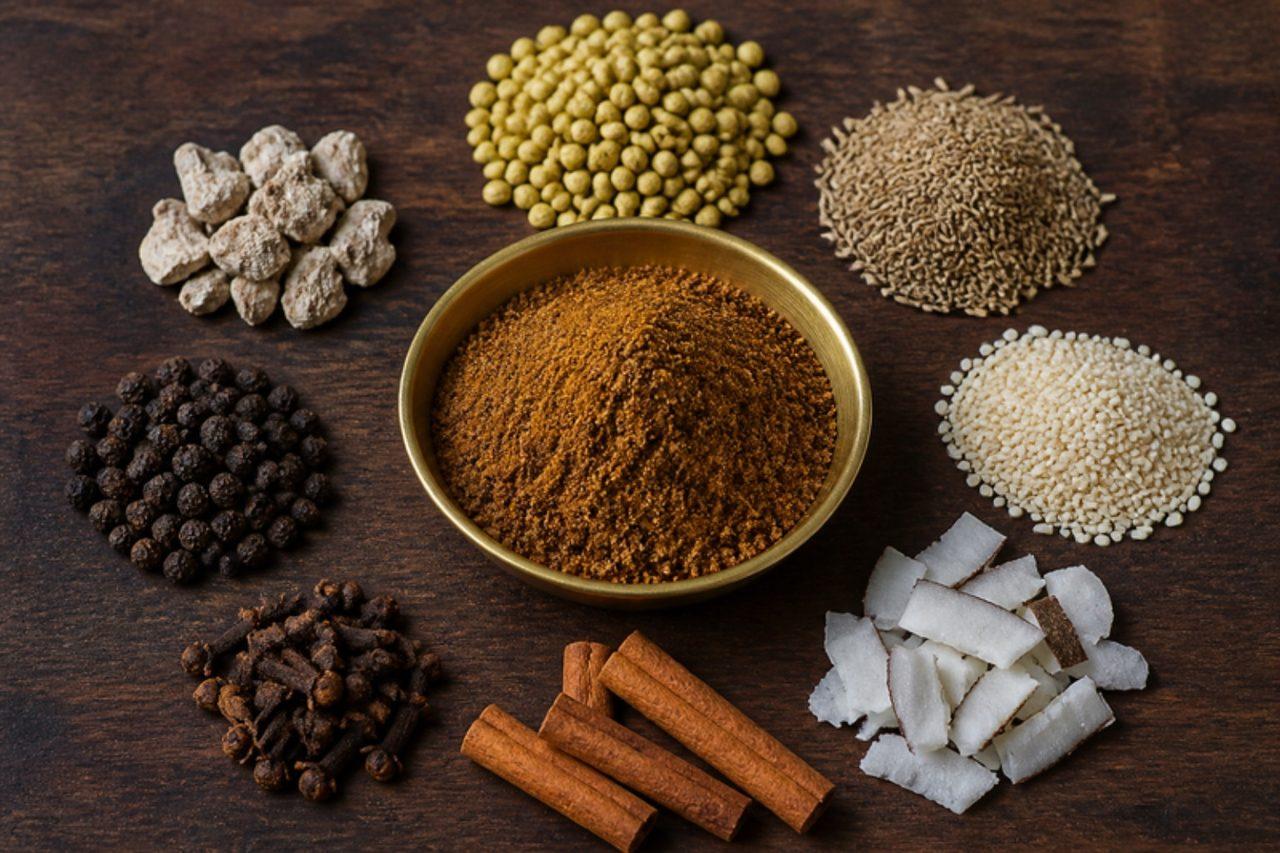
A Gujarati dal masala with whole spices roasted in a little oil, plus star anise, black cardamom and dagad phool (stone flower) for depth. A teaspoon gives dals, kadhi and khichdi a warm, rounded flavour. The recipe makes a big batch, so it's worth making once a season.

by KrazyBadal 1 views

Bean sprouts

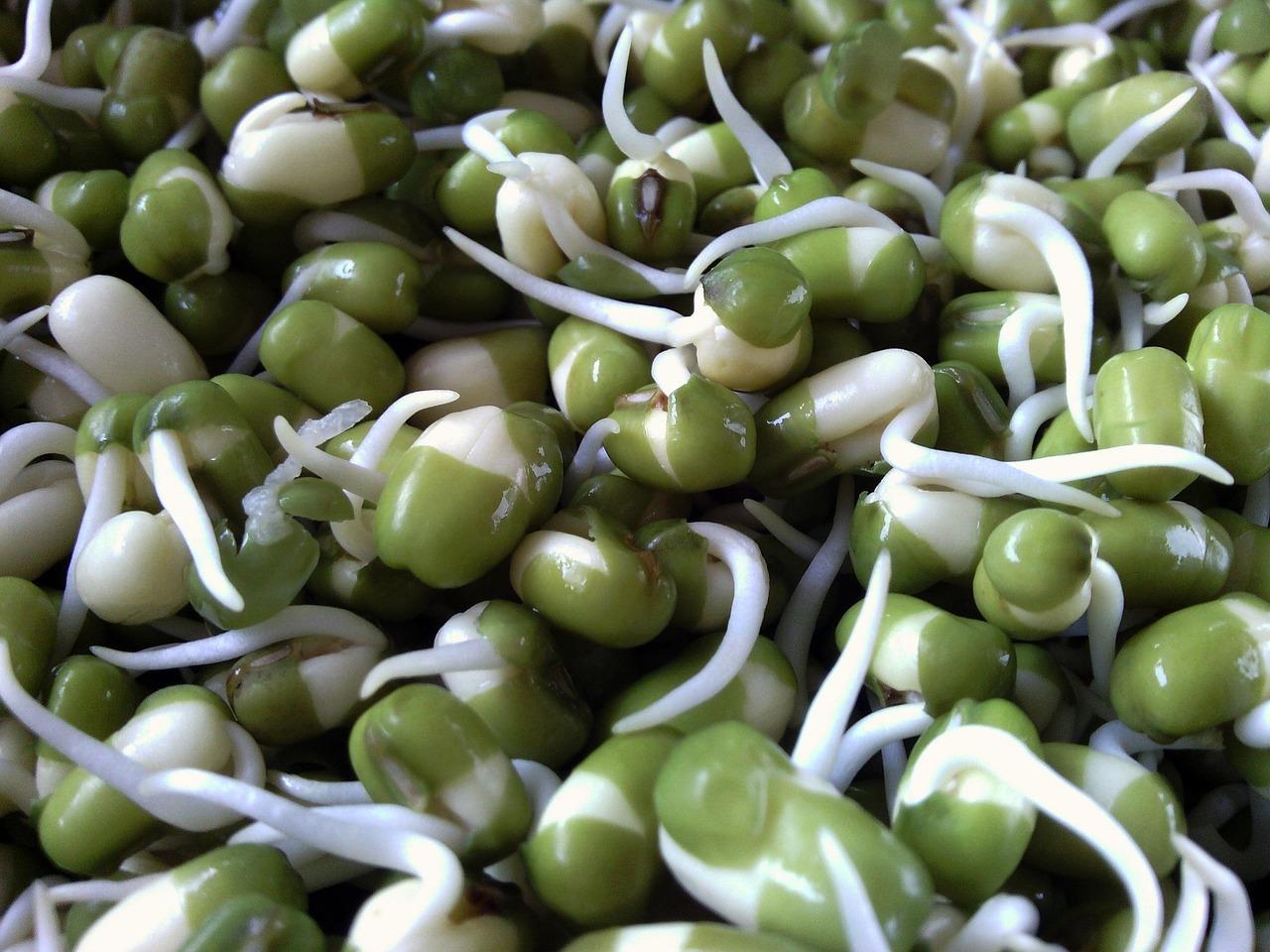
Sprouting whole green grams makes them crunchier, quicker to cook and more nutritious. All you need is muslin, water and a warm spot, and they're ready in 3–4 days. Use them in salads, bhel, usal and stir-fries. Any other whole pulse sprouts the same way.

by KrazyBadal 1 views

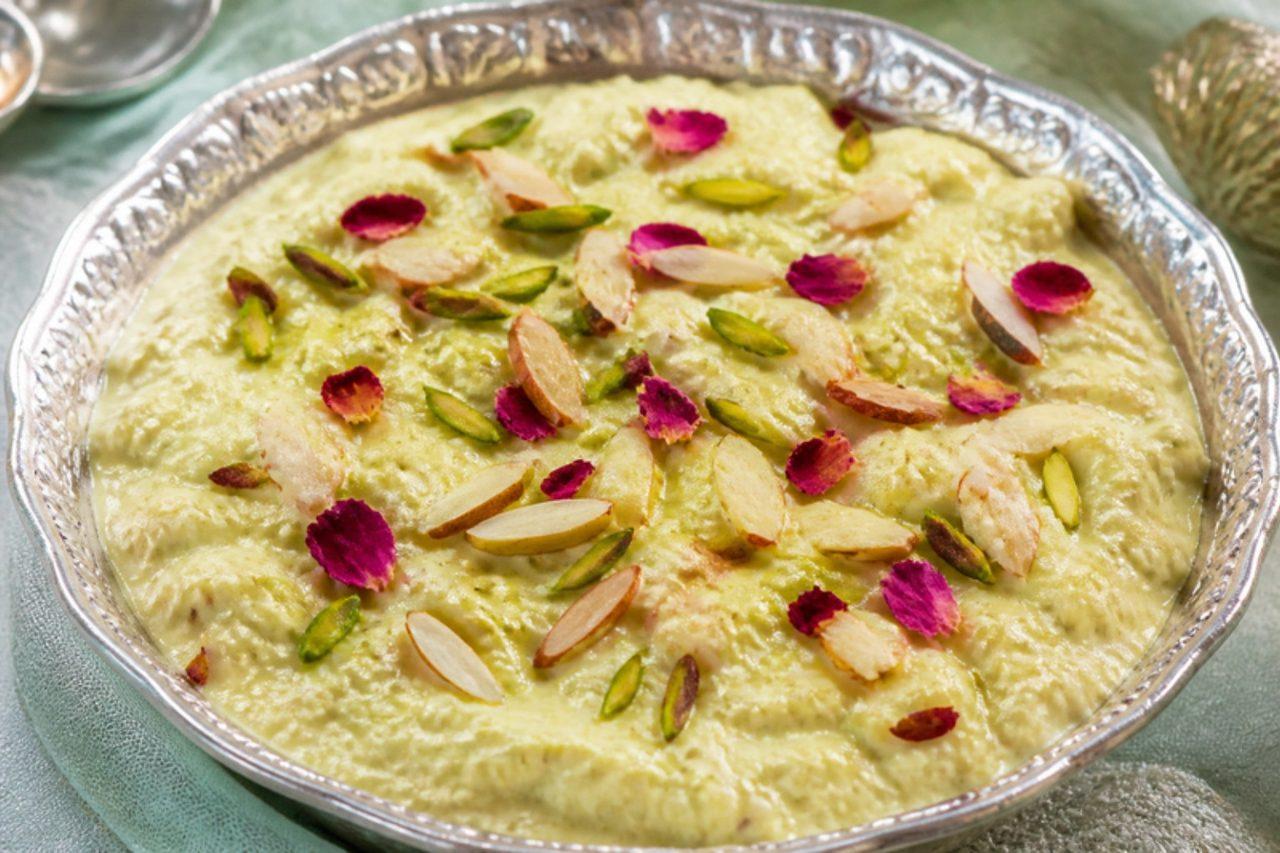
Gil-e-firdaus (Hyderabadi bottle gourd and rice pudding)

The name means 'clay of paradise', and gil-e-firdaus belongs to the grand dessert tables of Hyderabad, served at weddings, at Eid and during Ramadan iftars alongside double ka meetha. Grated bottle gourd (lauki) is softened in ghee, then cooked in milk with coarsely ground rice and crumbled khoya until thick, pale green and fragrant with cardamom and rose water. It's thicker than a kheer, creamy and gently grainy, with soft strands of gourd and plenty of almonds and pistachios. Serve it warm in winter or chilled in summer, in small bowls. It is naturally egg-free: the ground rice and khoya do the thickening, giving it the richness a custard would. Chef's tip: squeeze the grated gourd well and add the sugar only once the rice is cooked; sugar added too early is the common mistake that stops the rice softening and leaves the pudding runny.

by KrazyBadal 0 views

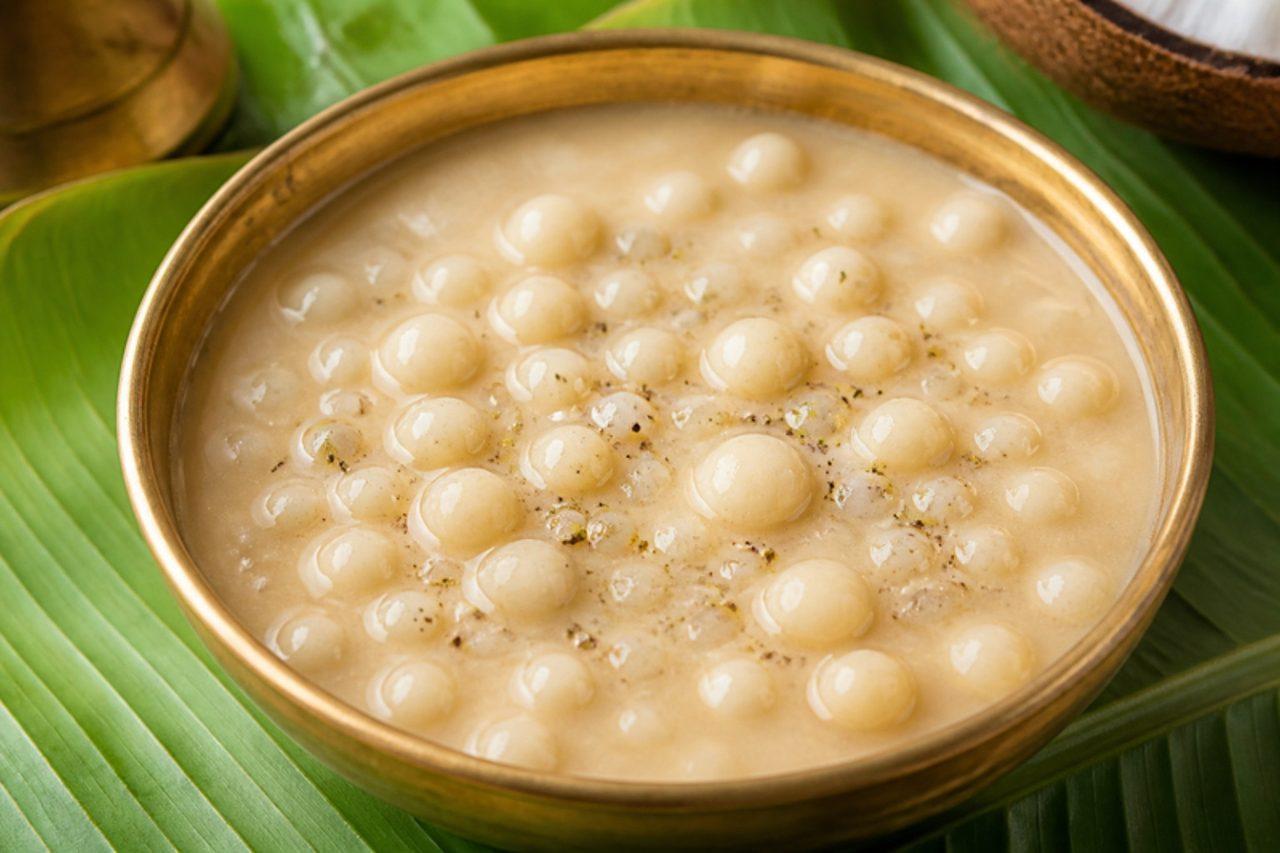
Paal kozhukattai (rice dumplings in sweet coconut milk)

Paal kozhukattai is made in Tamil Nadu homes for Vinayaka Chaturthi and on rainy evenings when something warm and sweet is wanted. Tiny pearls of rice-flour dough are cooked in thin coconut milk until they float and turn glossy, then the pot is sweetened with jaggery and finished with thick coconut milk and cardamom. The dumplings are soft and chewy, the liquid creamy and caramel-coloured, and the whole thing is served warm in small bowls, or at room temperature as part of a festival offering. It is naturally egg-free and vegan: the rice flour, scalded with boiling water, holds the dumplings together, and its starch thickens the coconut milk as they cook. Chef's tip: once the thick coconut milk goes in, keep it below a boil; boiling it hard is the common mistake that splits the coconut milk and makes it oily.

by KrazyBadal 0 views

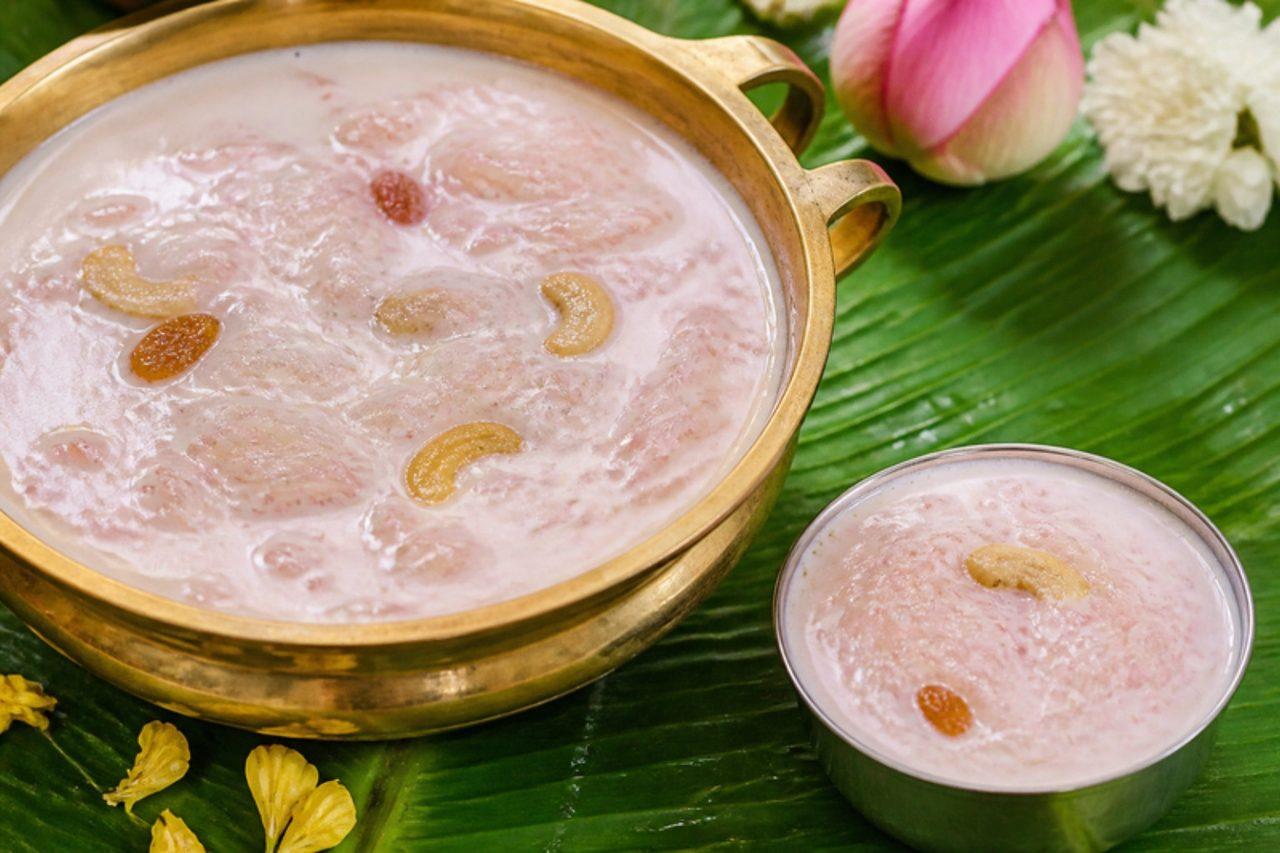
Palada payasam (Kerala rice-flake milk pudding)

No Onam sadya in Kerala feels finished without palada, ladled onto the banana leaf near the end of the feast, often after a darker jaggery payasam. Thin flakes of rice (ada) are cooked for a long time in milk and sugar, and as the milk reduces the sugar caramelises very slightly, turning the whole pot a soft blush pink. The result is creamy and gently chewy, with a taste like warm toffee milk. It is served warm or at room temperature, sometimes mopped up with a crisp pappadam crushed into it, the way Keralites eat it at weddings. It is naturally egg-free: the starch from the rice flakes and the slow reduction of the milk thicken it, with no custard at all. Use ready-made rice ada from an Indian shop. Chef's tip: the pink colour only comes with patience; keep the heat low and steady and keep stirring, because rushing it on a high flame scorches the milk and turns it brown and bitter.

by KrazyBadal 0 views

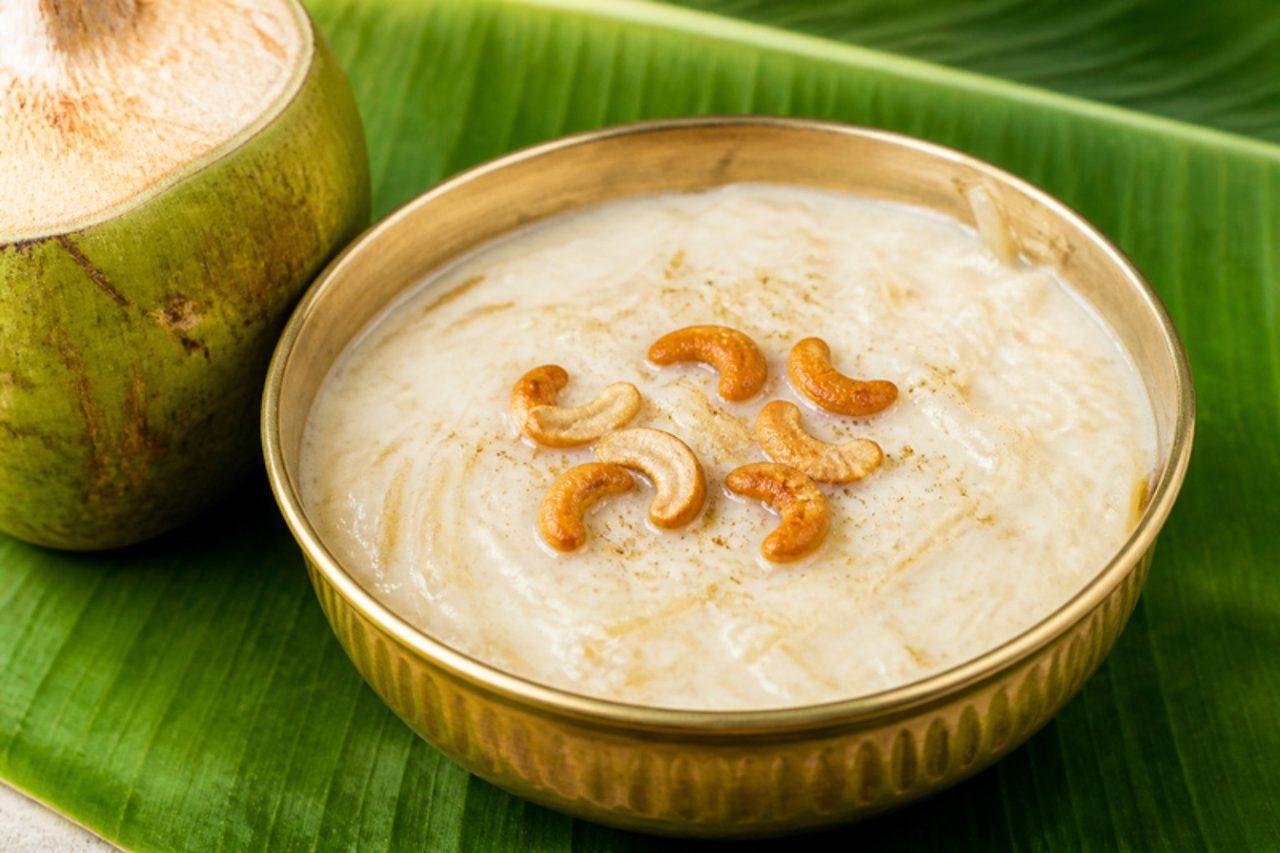
Elaneer payasam (Kerala tender-coconut milk pudding)

In Kerala, where green coconuts are sold by the roadside all summer, elaneer payasam is the cool, delicate cousin of the hot temple payasams. It turns up at Vishu lunches and summer weddings, and on any hot afternoon when someone has opened a few tender coconuts. Milk is boiled down until creamy and faintly caramel, sweetened, chilled, and only then mixed with slippery spoonfuls of young coconut flesh and a little of its water, so the coconut stays fresh and floral rather than cooked. The pudding is pourable, silky and cold, with soft white strands of coconut through it; serve it in small glasses after a meal or alongside banana chips. It is naturally egg-free: the long reduction of the milk, helped by a little condensed milk, gives the body that a custard would get from yolks. Chef's tip: the common mistake is stirring the coconut water into hot milk, which can make it split and taste sour; let the milk cool completely first.

by KrazyBadal 0 views

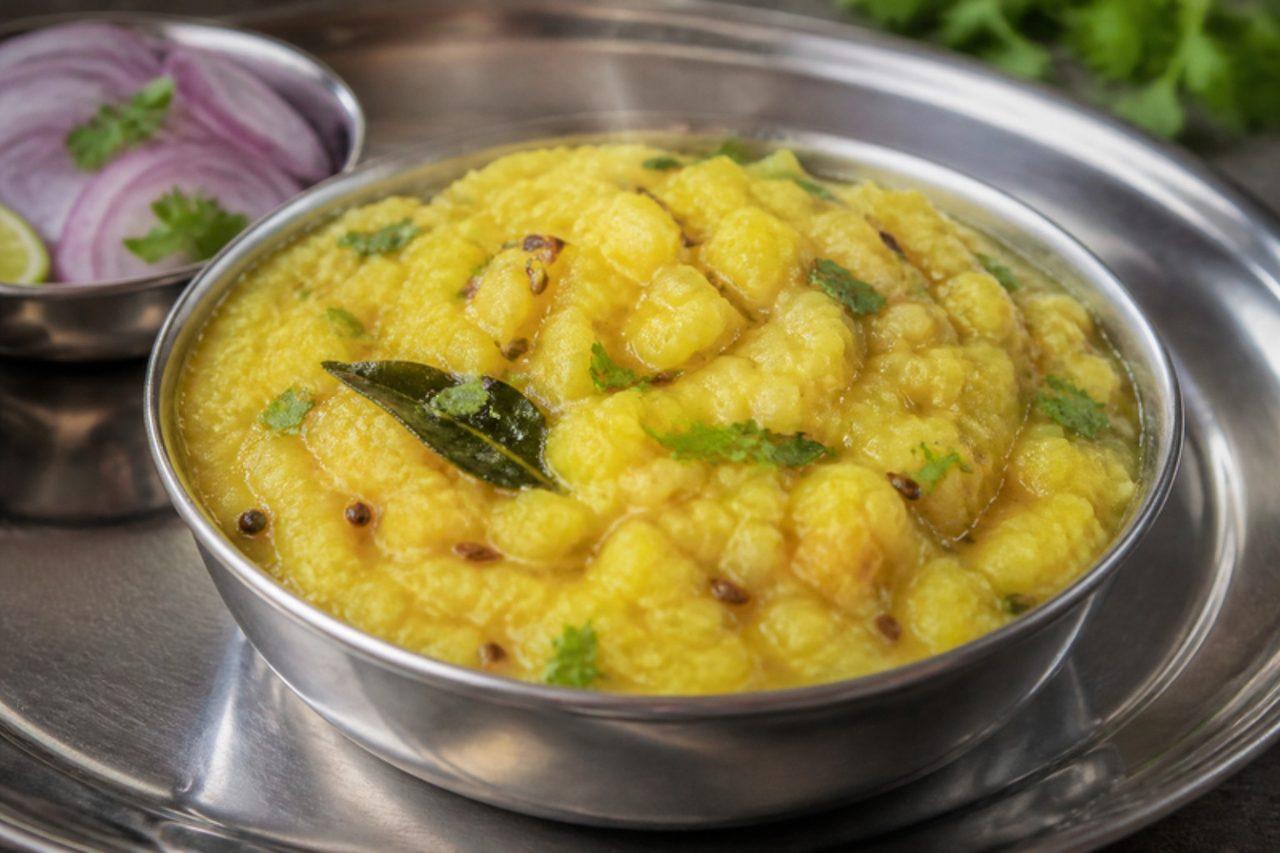
DalithoyMild toor dal with mustard

Dalithoy is the comfort dal of Konkani-speaking families in Goa, Mangalore and Udupi, eaten almost daily at lunch with red rice, and the first thing many make for someone recovering from illness. It is deliberately simple: toor dal cooked very soft with ginger and green chilli, thinned to a pourable soup and finished with coconut oil, mustard seeds, curry leaves and a good pinch of asafoetida. A portion gives about 19 g of protein from the toor dal, or about 23 g with a plate of rice, for about 330 kcal. With a pressure cooker it is on the table in half an hour. The most common mistake is skimping on the asafoetida or burning it: it is the main flavour here, so add it off the heat at the end of the tempering. Chef's tip: whisk the cooked dal until it is completely smooth before thinning it; dalithoy should be silky, with no whole grains left.

by KrazyBadal 0 views

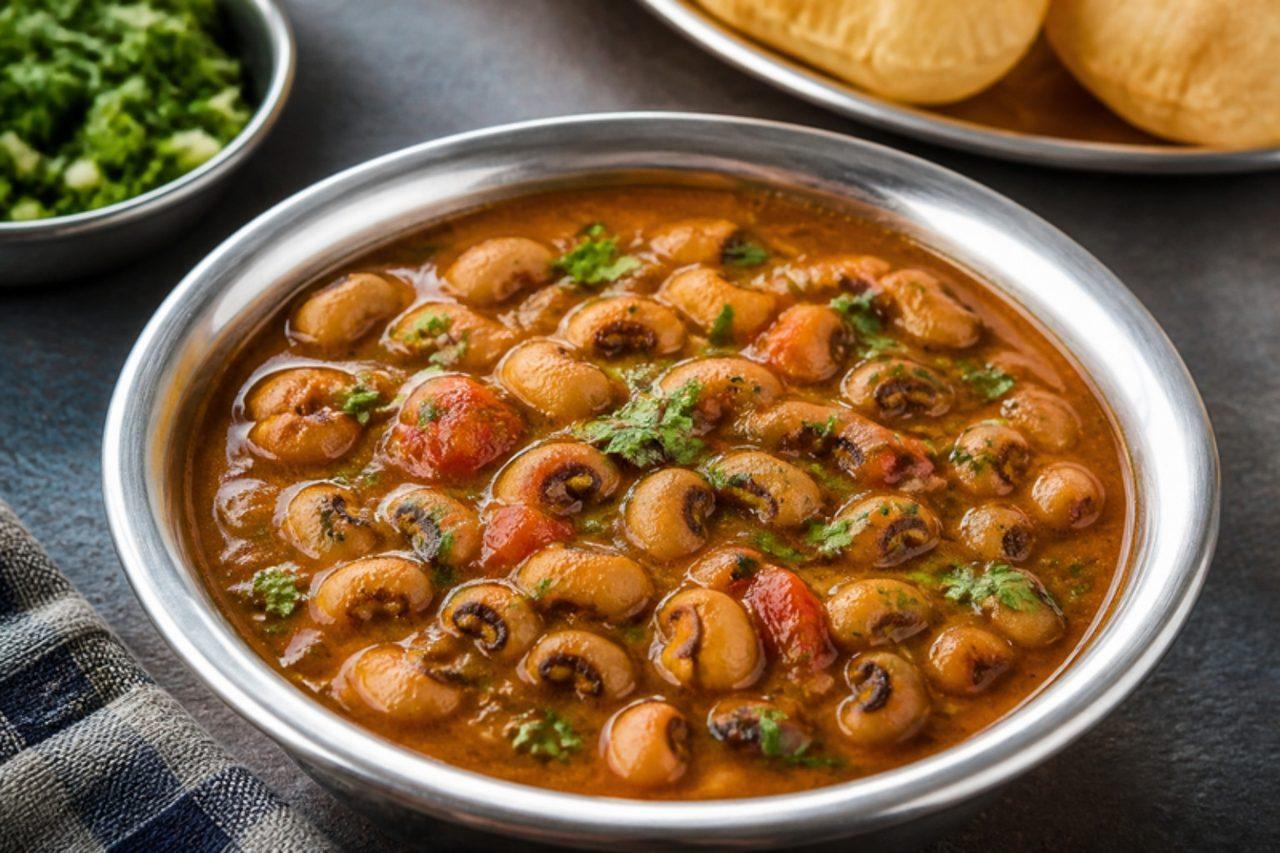
Chana ghassiBlack chickpea coconut curry

Chana ghassi is a Mangalorean and Udupi favourite, cooked for Sunday breakfast with soft neer dosa or for a weekday lunch over boiled rice. Small black chickpeas are simmered until tender and then cooked in a russet gravy of coconut and spices roasted in coconut oil, sharpened with tamarind and finished with fried onion and curry leaves. A portion gives about 21 g of protein, mostly from the black chickpeas with a little from the coconut. The chickpeas need 8 hours of soaking first (overnight is easiest), which is not counted in the times. The most common mistake is under-roasting the coconut and spices: the gravy then tastes raw and flat instead of deep and toasty. Chef's tip: roast the dried chillies, coriander and fenugreek first and the coconut last, until it turns an even reddish brown; grind it with a little of the chickpea cooking water for the smoothest gravy.

by KrazyBadal 0 views

Bhapa doi (Bengali steamed sweet yogurt)

Bhapa doi means steamed yogurt, and it's the dessert Kolkata households make when there's no time to visit the sweet shop for mishti doi. It's especially popular on Jamai Shashthi and at Poila Baisakh, the Bengali New Year, but it appears at Sunday lunches all year. Thick hung yogurt is mixed with condensed milk and a little milk, scented with cardamom, then gently steamed until it sets like a soft cheesecake without a crust. Chilled, it's dense, smooth and tangy-sweet. Serve it plain in small bowls, topped with pistachios, or with ripe mango in summer. There is no egg here: the milk proteins in the yogurt and condensed milk set with gentle heat, just as eggs would set a baked custard, and the condensed milk adds body and sweetness. Chef's tip: steam it on a low, gentle simmer; the common mistake is a fierce boil, which makes the yogurt weep whey and turn grainy.

by KrazyBadal 0 views

Methi dalLentils with fenugreek leaves

In Punjab, Rajasthan and Delhi homes, methi dal arrives in late autumn and winter, when bunches of fresh fenugreek are cheap and fragrant at every vegetable cart. The leaves are stirred into a pot of soft toor and moong dal, where their gentle bitterness balances the earthy lentils, and a cumin and garlic tadka goes over the top. It is a light everyday dinner with phulka or rice. A portion gives about 21 g of protein from the two dals, for about 350 kcal. The most common mistake is cooking the leaves for too long or chopping in the thick stems, which makes the dal bitter and stringy: use only leaves and tender tips and add them for the last few minutes. Chef's tip: toss the chopped leaves with a pinch of salt, leave them for 10 minutes and squeeze out the green juice; it takes the harsh edge off the bitterness without losing the flavour.

by KrazyBadal 0 views

Kharvas (steamed milk-and-curd pudding, home method)

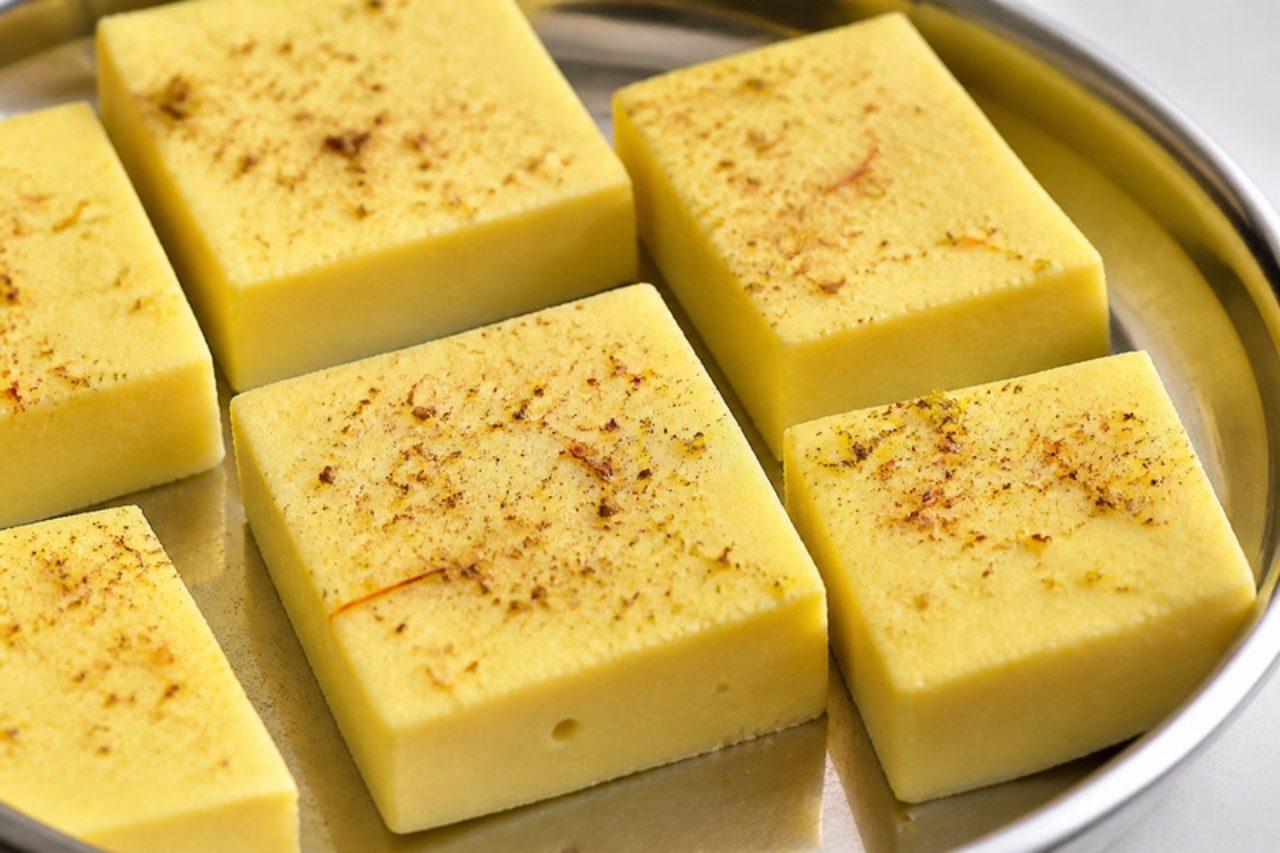
Kharvas is a festive treat in Maharashtra and Gujarat, traditionally made from the first milk a cow gives after calving, which sets into a wobbly pudding when steamed. That milk is hard to find in cities, so home cooks in Pune and Mumbai make a version with ordinary milk, curd and condensed milk, and that is the method here. It is steamed until it sets into a soft, sliceable square with a slightly springy texture, coloured with saffron and lightly sweetened with jaggery, with a hint of nutmeg. Families serve it at room temperature or cold as a teatime sweet, especially in the monsoon and around Ganesh Chaturthi. There is no egg: the curd and condensed milk proteins set on steaming the way colostrum does, and the condensed milk gives body and binds it. Chef's tip: whisk the mixture until completely smooth and strain it, because lumps of curd are the common mistake that leaves holes and a grainy set.

by KrazyBadal 0 views

Aamras (spiced mango pulp)

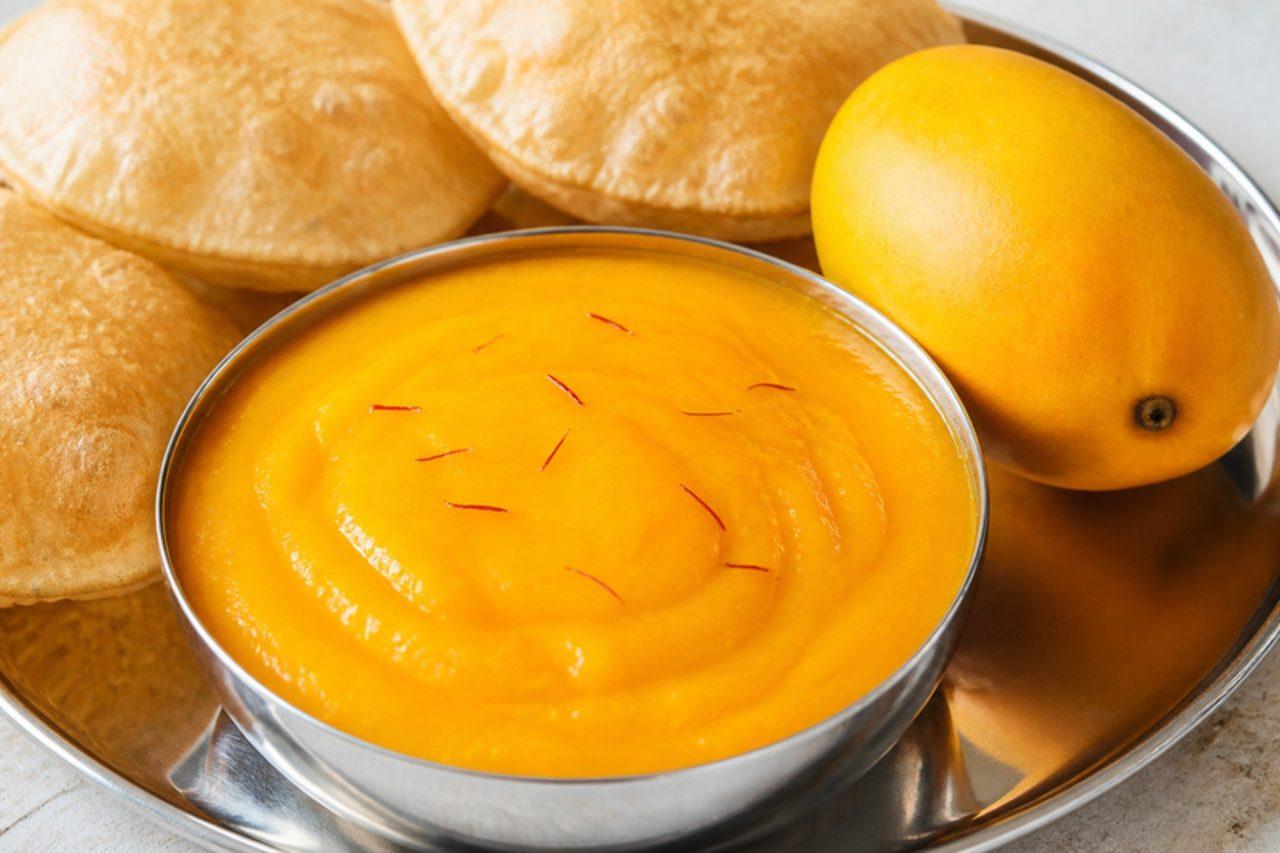
When Kesar mangoes reach Ahmedabad and Alphonsos reach Pune in April and May, aamras appears at almost every summer lunch in Gujarat and Maharashtra. It's simply ripe mango pulp, thick and silky, with a pinch of dry ginger to help digestion, a little cardamom and sometimes a spoon of sugar if the fruit isn't sweet enough. It's eaten as part of the meal rather than after it, scooped up with hot puris, alongside a potato sabzi and dal; in Maharashtra it's also served at Akshaya Tritiya and Gudi Padwa. Spoon it out chilled in bowls, or offer it to children by itself. It is naturally egg-free and vegan: the mango's own thick pulp gives all the body, so nothing needs to bind or set it. Chef's tip: use only soft, fragrant, fully ripe mangoes and press the pulp through a sieve if they are fibrous; under-ripe fruit is the common mistake that makes aamras sour and thin.

by KrazyBadal 0 views

Ghanta tarkariMixed vegetables with dried peas

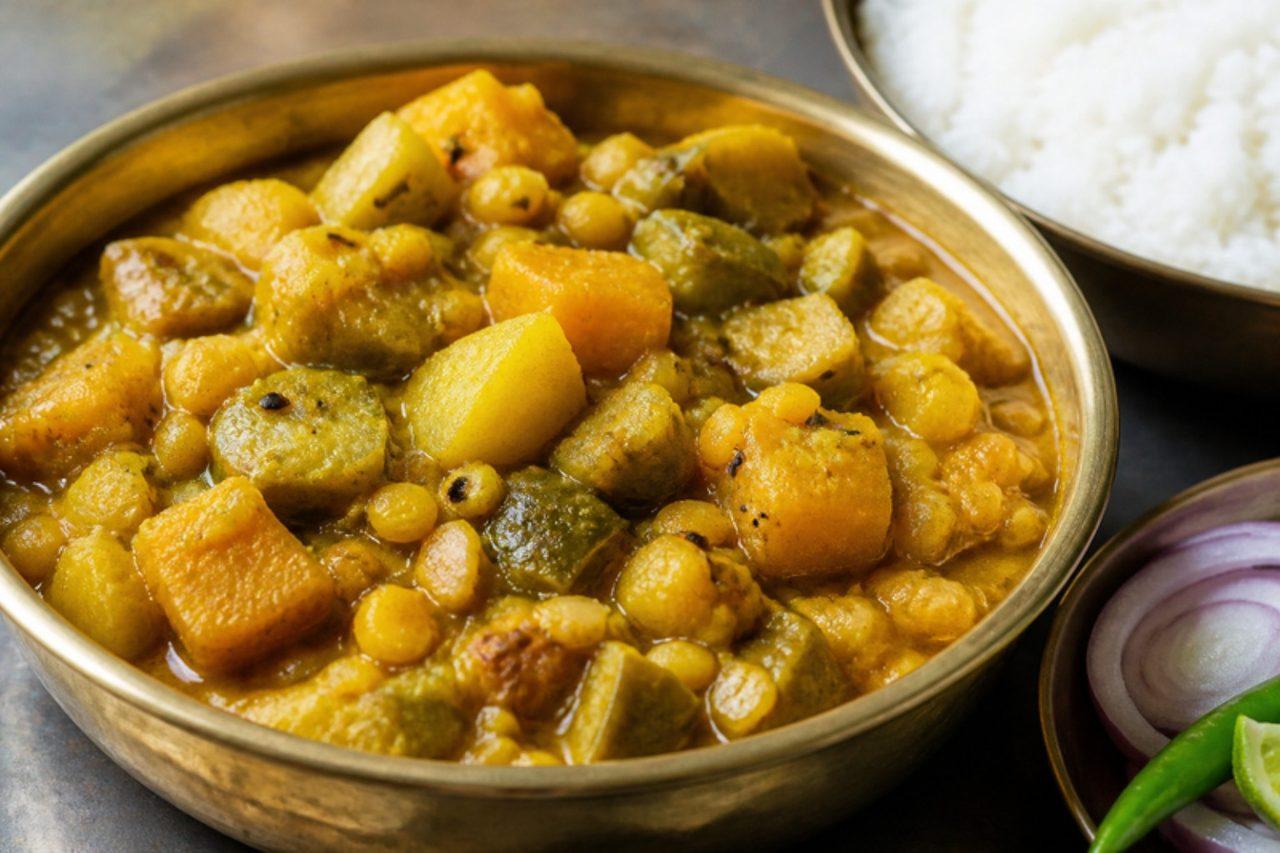
Ghanta is the Odia one-pot of everything the winter market offers, cooked in Bhubaneswar and Cuttack homes for festival days and pujas, and in a similar form in the temple kitchens at Puri. Pumpkin, raw banana, sweet potato, aubergine and beans are cooked with soaked dried peas and chana dal until the pulses thicken it into a soft, chunky stew, seasoned with ginger, cumin and a light panch phoron tempering. A portion gives about 20 g of protein from the dried peas, chana dal and vegetables. The dried peas and chana dal need 8 hours of soaking first (overnight), which is not counted in the times. The most common mistake is adding all the vegetables at once: pumpkin melts to mush while the raw banana is still hard, so add them in two stages. Chef's tip: grind the ginger and cumin with a little water to a fresh paste rather than using powder; it is what gives ghanta its clean, warm flavour.

by KrazyBadal 0 views

Gongura pappuLentils with sour roselle leaves

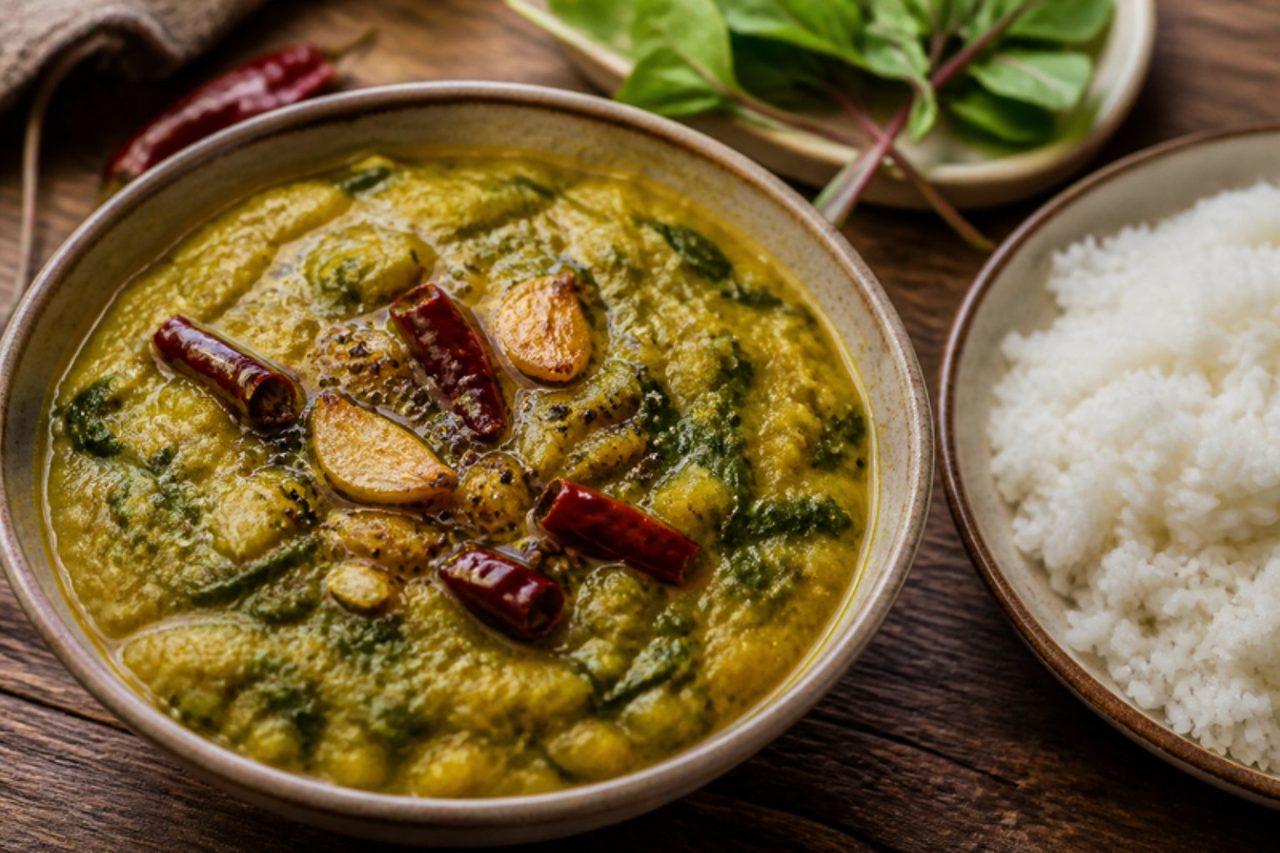
In Guntur, Vijayawada and across Telangana, gongura pappu is the everyday lunch dal that people who move away miss most: toor dal cooked soft with handfuls of sour roselle leaves, which melt into a tangy, olive-green purée, then finished with a sizzling tempering of garlic and dried red chillies. It is eaten mixed into hot rice with a spoon of ghee or oil and a crisp papad. A portion gives about 20 g of protein, almost all from the toor dal, and about 23 g with a plate of rice. Gongura is sold in Indian grocers in bunches; you need only the leaves. The most common mistake is cooking the leaves in an aluminium or iron pan: their acid reacts with the metal and the dal turns dark and tastes metallic, so use a steel or enamelled pot. Chef's tip: mash the dal and wilted leaves together hard with a whisk or wooden masher before tempering; a smooth, creamy pappu carries the sourness evenly instead of in stringy patches.

by KrazyBadal 0 views

Avarekalu saaruField bean and coconut curry

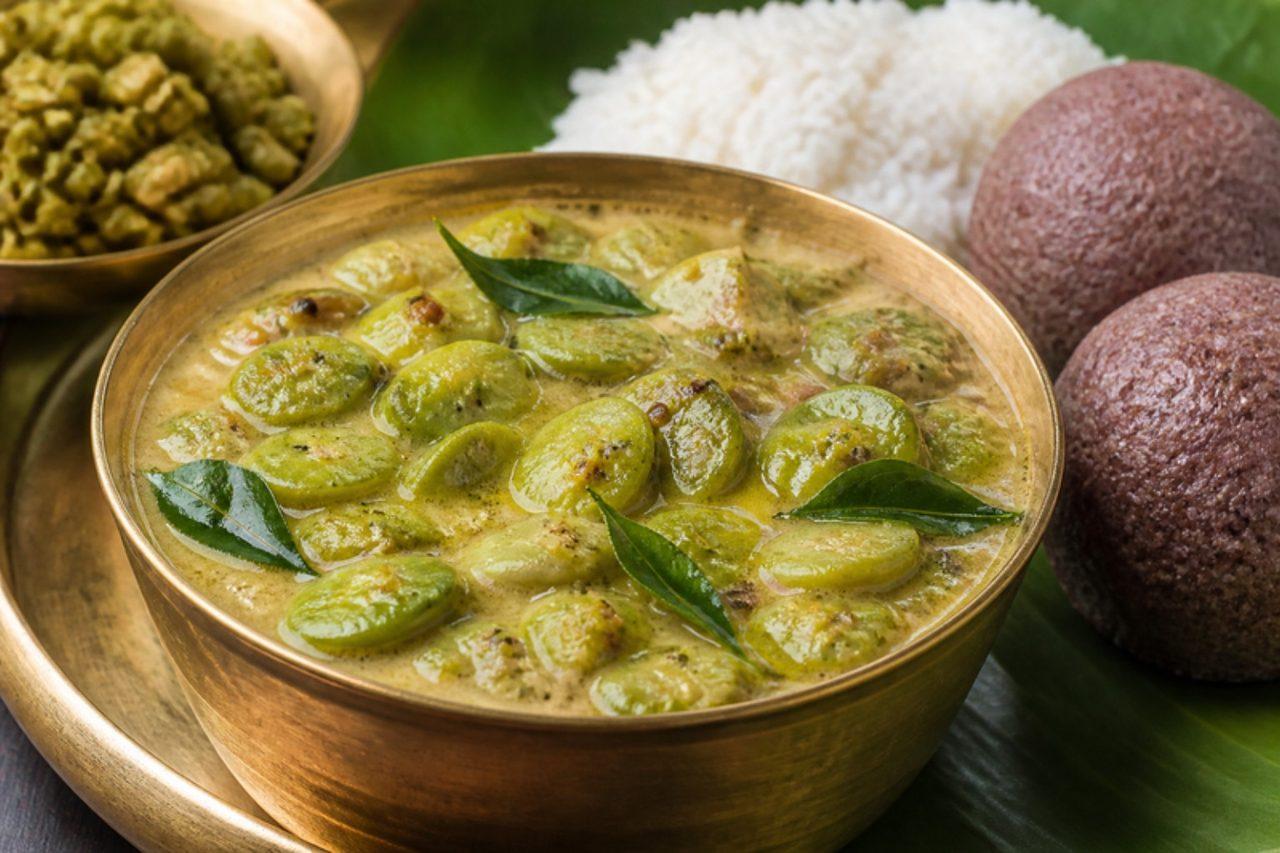
When the avarekai (hyacinth bean) season comes to Bengaluru and Mysuru in December and January, the city celebrates with a whole street festival of avarekalu dishes, and this thin, fragrant saaru is the one cooked at home for lunch with ragi mudde or rice. The tender beans, popped out of their pods, are simmered in a gravy of coconut, roasted spices and a little tamarind and jaggery. Fresh beans are watery, so a portion gives about 12 g of protein, from the beans, a little toor dal and the coconut; that is why it is not tagged High protein. Frozen shelled avarekalu from Indian grocers works well out of season. The most common mistake is undercooking the beans: like all hyacinth beans they must be cooked until completely soft, never eaten raw or half-cooked. Chef's tip: for the classic hitikida flavour, soak the shelled beans in warm water for 30 minutes and squeeze each one out of its skin; it takes time but gives a creamier, sweeter saaru.

by KrazyBadal 0 views

Bhaja muger dalRoasted moong dal with ginger

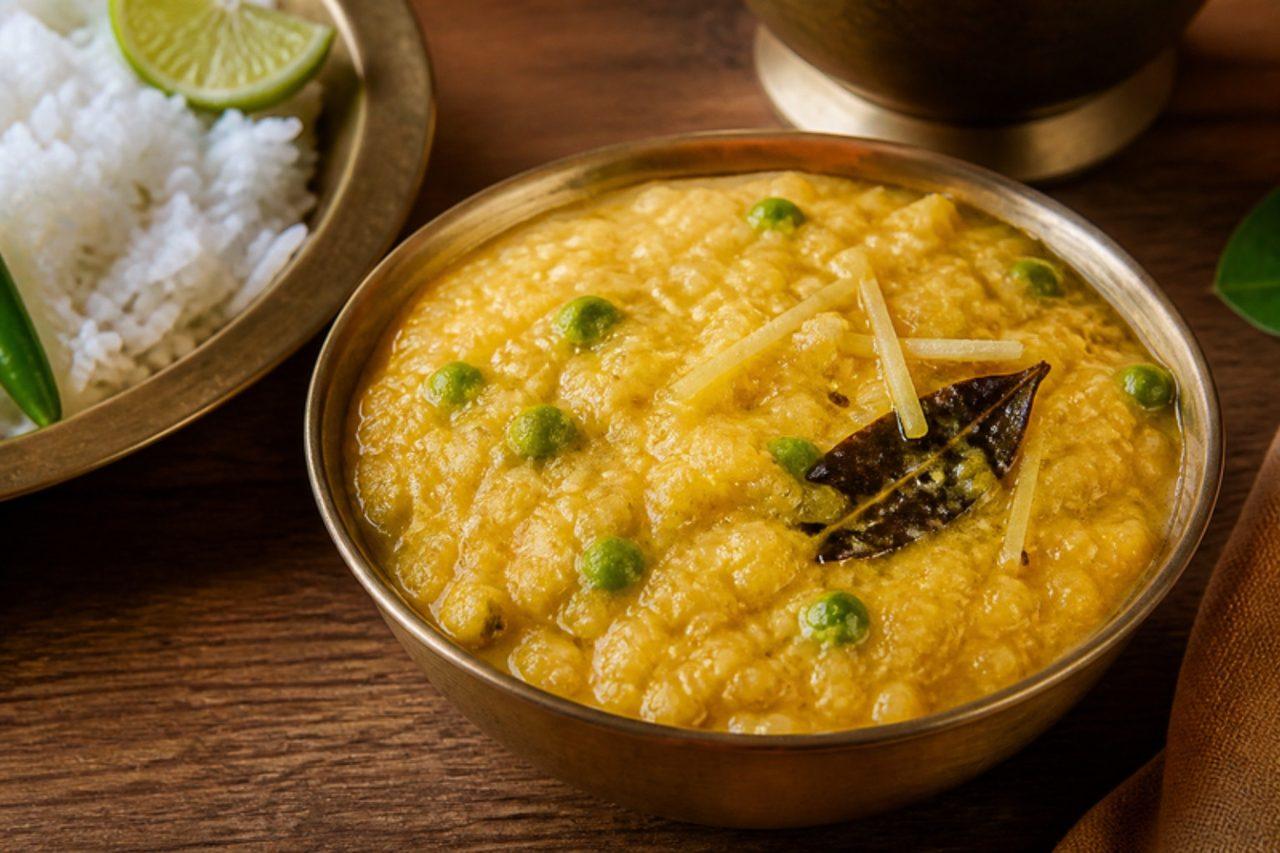
Bengali households in Kolkata make bhaja muger dal on winter weekdays, and it is a fixture of the vegetarian bhog served at Durga Puja and Saraswati Puja. The moong is dry-roasted in a heavy pan until it smells nutty, then cooked soft with ginger and green peas and finished with ghee, bay leaf and a whisper of sugar. The roasting gives it a toasty, almost sweet depth that plain moong dal never has. A portion gives about 21 g of protein from the moong and peas, for about 360 kcal. Serve it with rice and a fried vegetable such as begun bhaja. The most common mistake is roasting over too high a heat: the outside browns while the inside stays raw, and the dal tastes burnt and never softens evenly. Chef's tip: roast only until the dal is a couple of shades darker, pale gold, and you can smell it from the next room; stop the moment you see the first brown spots.

by KrazyBadal 0 views

Chilli paneerPaneer with peppers and soy

Chilli paneer was born in the Chinese restaurants of Kolkata's Tangra and Tiretta Bazaar, where Hakka cooks adapted their chilli chicken for vegetarian customers, and today it is the Friday-night order from Delhi to Bengaluru. Cubes of paneer are coated in cornflour and fried crisp, then tossed over a fierce flame with onion petals, green pepper, garlic, soy sauce and plenty of green chilli in a glossy sauce. Paneer is set with acid, not rennet, so it is fully vegetarian. The mistake to avoid is letting the paneer sit in the sauce, which makes the crust soggy; toss it in at the very end and serve. Chef's tip: soak the paneer in hot salted water for 5 minutes before coating; it stays soft inside even after frying. Soy sauce contains wheat; use tamari if you need it gluten-free.

by KrazyBadal 0 views

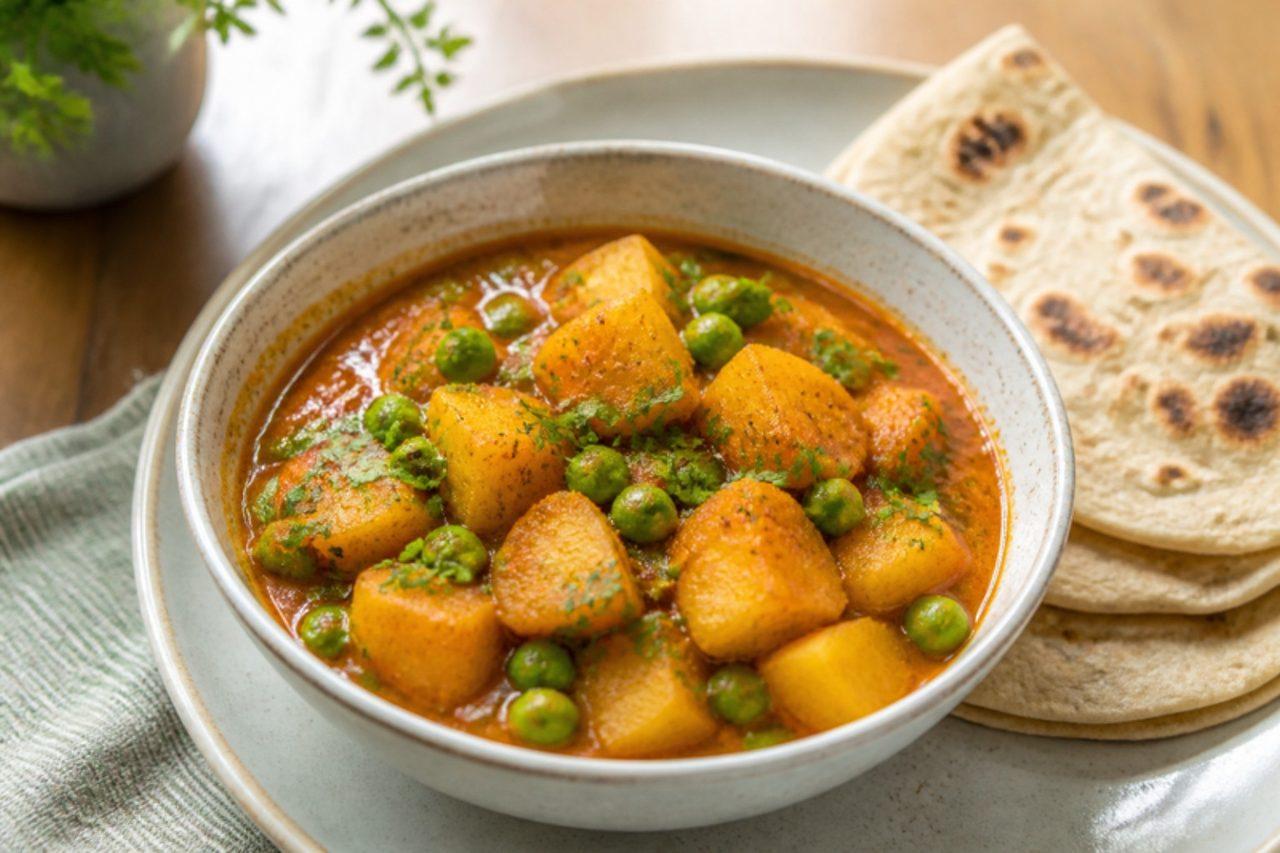
Aloo matarPotato and pea curry

Aloo matar is the everyday potato and pea curry of North Indian homes, cooked through the winter when fresh peas fill the markets of Delhi and Punjab, and eaten with hot phulkas or rice on a weeknight. Small cubes of potato and sweet peas simmer in a thin, bright tomato gravy with cumin, turmeric and coriander, so it is comforting rather than rich. The common mistake is cutting the potatoes too big: they take forever, the peas turn grey waiting for them, and the gravy reduces to nothing. Chef's tip: mash two or three potato cubes against the side of the pot near the end; it thickens the gravy naturally without cream.

by KrazyBadal 0 views

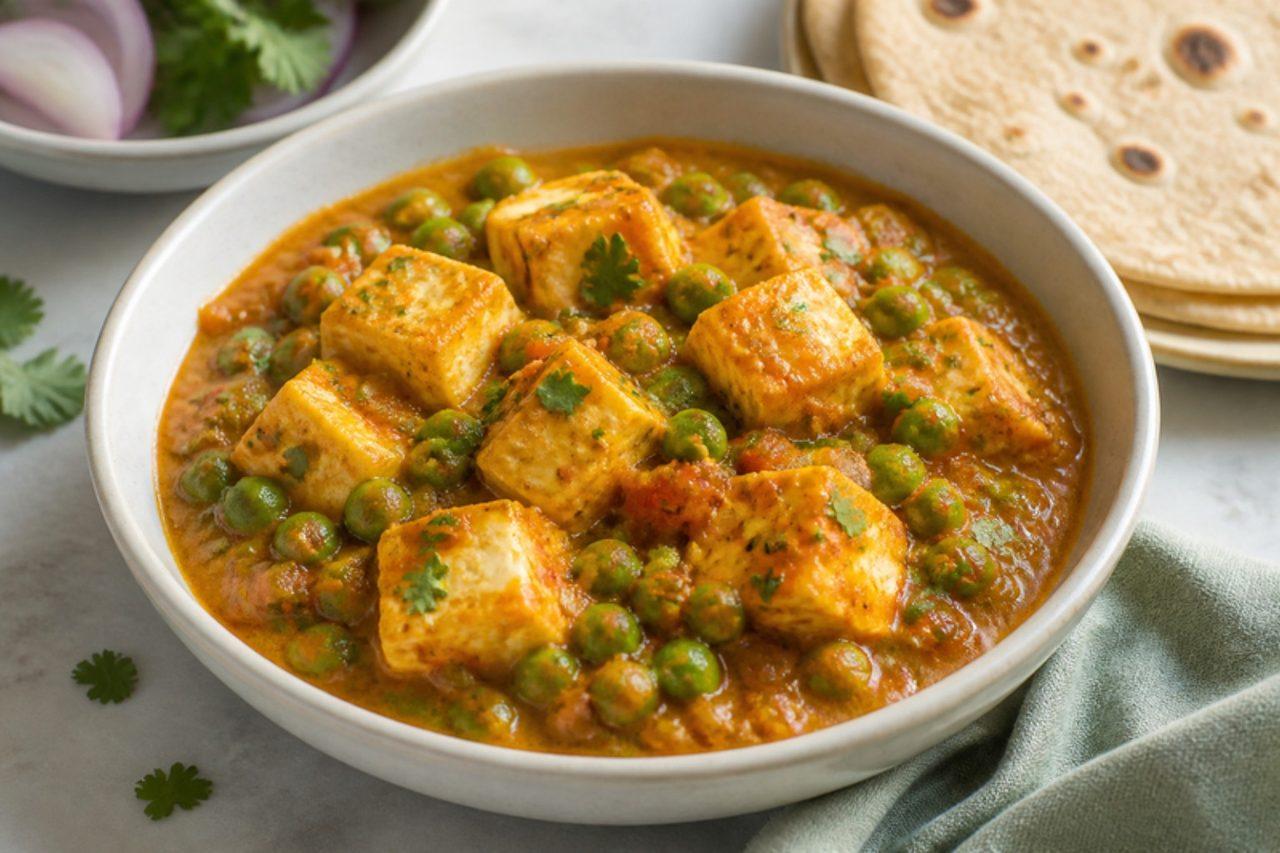
Matar paneerPea and paneer curry

Matar paneer is one of Punjab's most-cooked dinners, made in North Indian homes for a midweek meal or when guests drop in, and served with butter rotis, parathas or jeera rice. Soft cubes of paneer and sweet green peas simmer in a gravy of browned onion, tomato, ginger and garlic, finished with garam masala and a pinch of crushed fenugreek. Paneer is set with lemon juice or vinegar, not rennet, so it is a safe choice for vegetarians. The common mistake is boiling the paneer in the gravy for too long, which makes it rubbery and squeaky. Chef's tip: soak the paneer cubes in hot salted water for 10 minutes while the gravy cooks; they turn soft and spongy and soak up the sauce.

by KrazyBadal 0 views

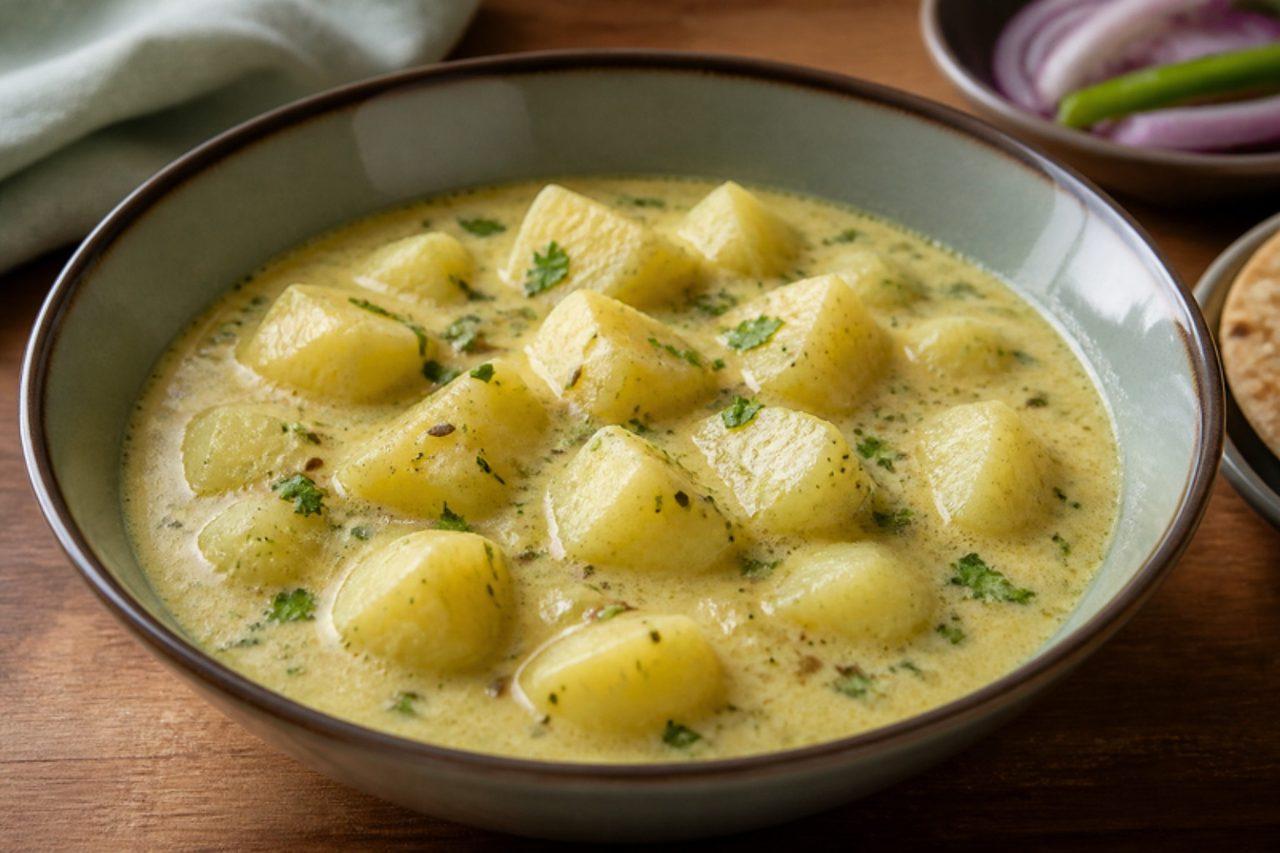
Dahi alooPotatoes in yogurt gravy

Dahi aloo is the light potato curry cooked in Rajasthan and across Uttar Pradesh when there are no fresh vegetables in the house, and on vrat (fasting) days, when families leave out onion and garlic and cook it with rock salt. Boiled potatoes are simmered in whisked yogurt thickened with a spoon of gram flour, tempered with cumin, hing and green chilli, giving a gently sour, soupy gravy to pour over puris or rice. The mistake nearly everyone makes once is adding cold yogurt straight to a hot pan, where it splits into curds; whisk the gram flour in well and keep stirring over a low heat until it bubbles. Chef's tip: for a fasting version, swap the gram flour for 1 tablespoon of water chestnut flour (singhara atta), leave out the hing and turmeric, and use rock salt. Most hing is cut with wheat flour, so buy a gluten-free one if that matters.

by KrazyBadal 0 views

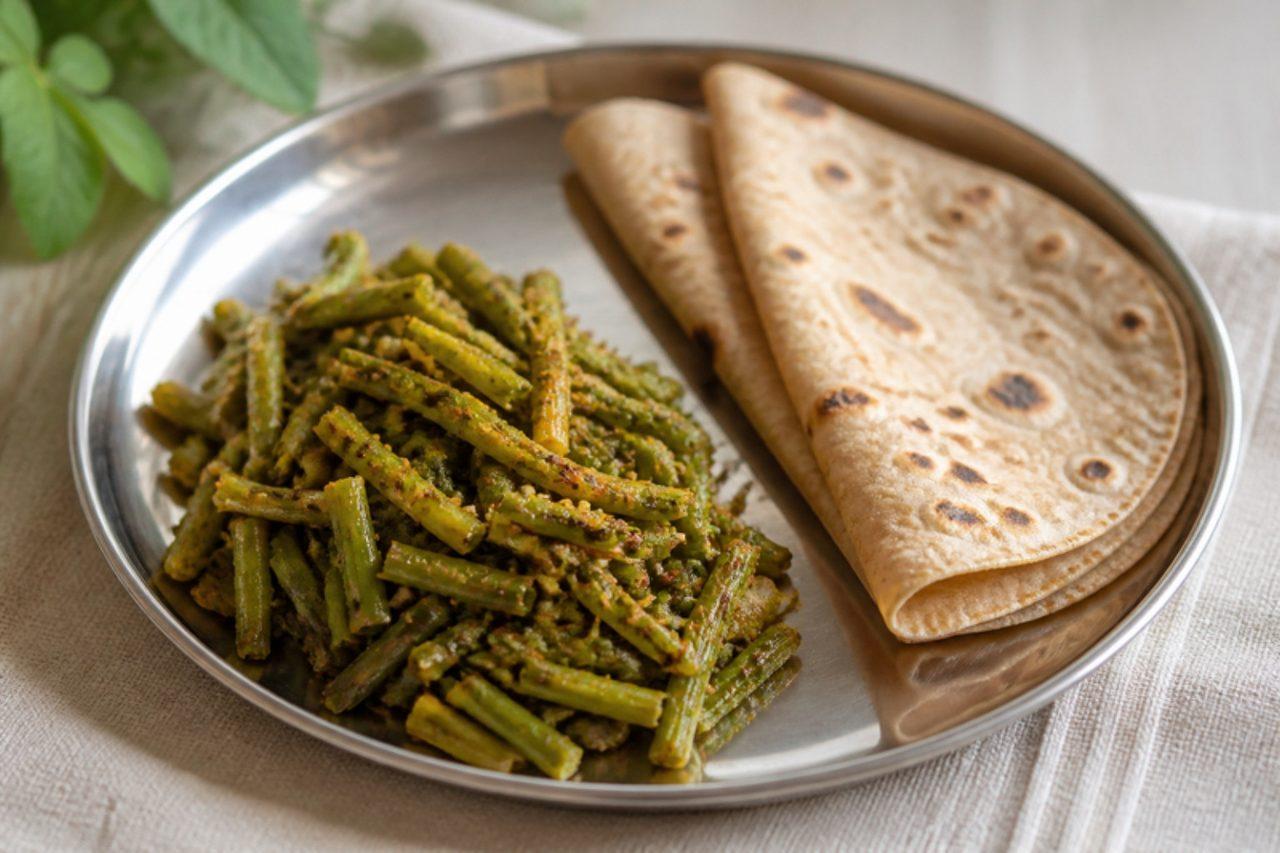
Guvar nu shaakCluster beans with garlic and jaggery

Guvar (cluster beans) is everyday Gujarati shaak, cooked in Kathiawad and Ahmedabad homes most weeks with bajra rotla or rotli and a bowl of khadhi. The flat, slightly bitter beans are steamed in their pan with ajwain and garlic, then balanced the Gujarati way with a little jaggery and a squeeze of lemon, so every mouthful is gently sweet, sour and spicy. The mistake to avoid is using old, thick guvar; the pods should snap cleanly, and tough ones stay stringy however long you cook them. Chef's tip: a pinch of bicarbonate of soda in the cooking water is an old trick for keeping guvar green, but it is not needed if you keep the lid off at the end. Most hing contains wheat, so buy a gluten-free one if needed.

by KrazyBadal 0 views

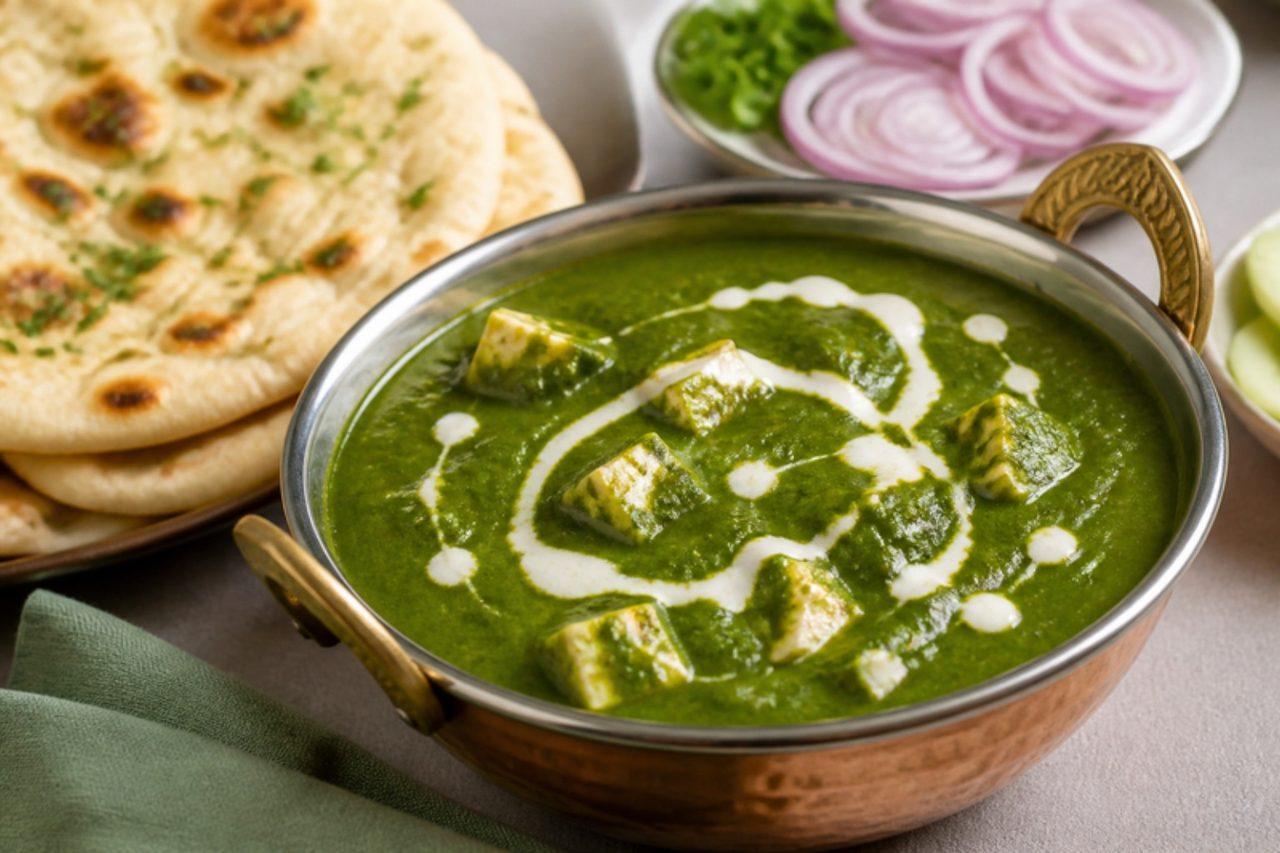
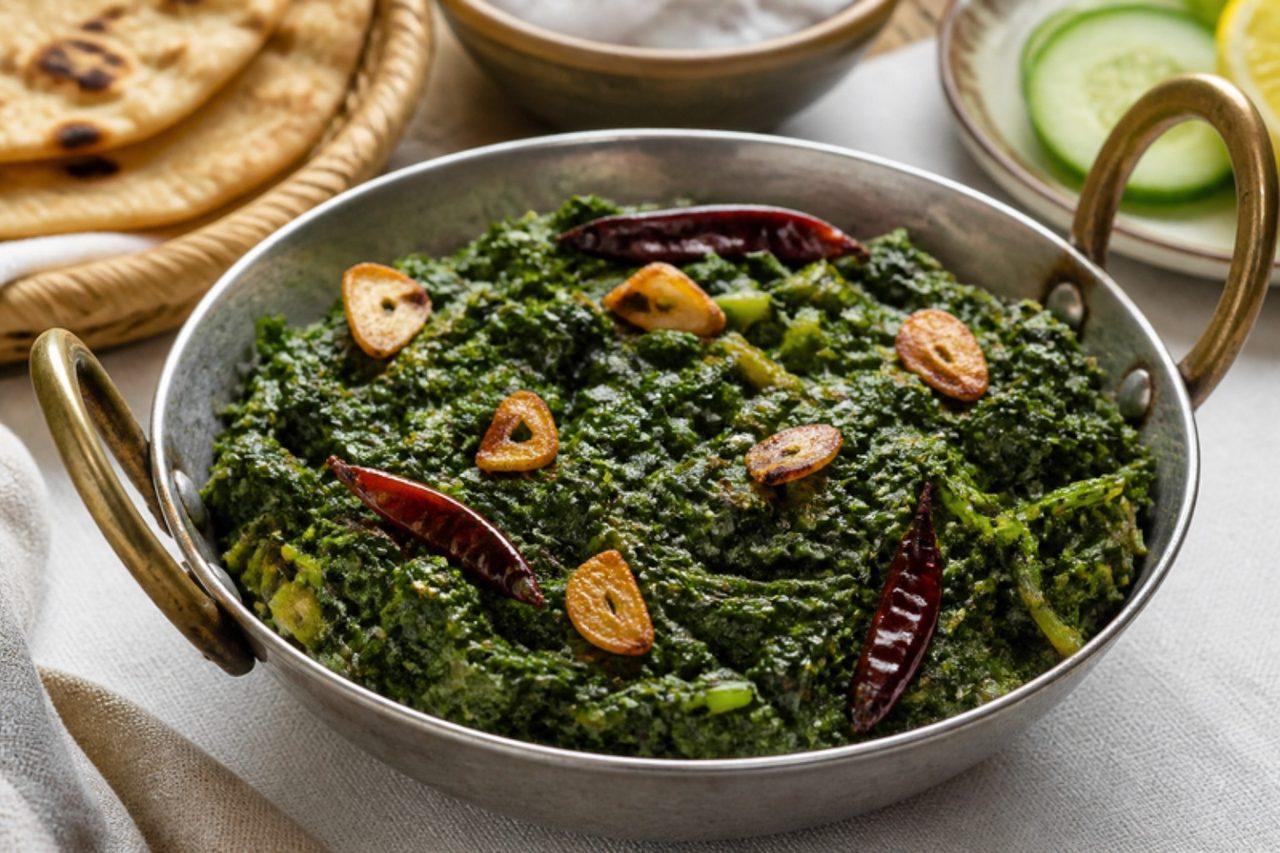
Palak paneerPaneer in spinach sauce

Palak paneer is a Punjabi winter favourite, made when fresh spinach piles up in the markets of Amritsar and Ludhiana, and now cooked on weeknights all over India with makki di roti, naan or rice. The spinach is blanched for just a minute, blended smooth and cooked with fried garlic, onion, tomato and gentle spices, then soft cubes of paneer are folded in. Paneer is acid-set, so it contains no animal rennet. The usual mistake is overcooking the spinach, which turns the sauce khaki and bitter: blanch it briefly, cool it fast, and simmer the purée for only a few minutes. Chef's tip: fry a little extra sliced garlic in ghee and pour it over just before serving for the classic dhaba finish.

by KrazyBadal 0 views

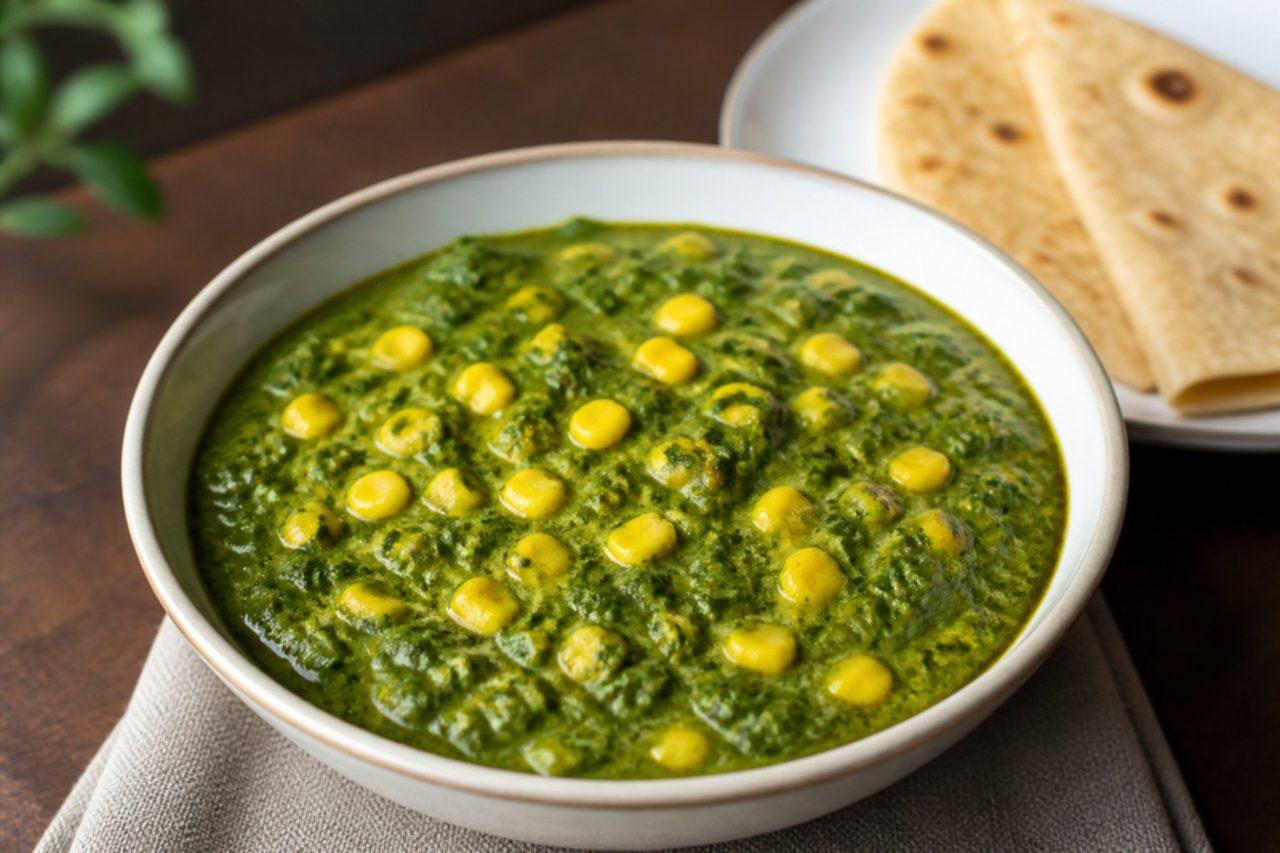
Corn palakSweetcorn in spinach gravy

Corn palak grew out of North Indian restaurant menus, where palak paneer met the sweetcorn that is now in every Delhi and Chandigarh market, and it has become a weeknight favourite for families with children who like the little bursts of sweetness. Blanched spinach is blended smooth and cooked into a light masala with garlic and cumin, then sweetcorn is simmered in and a spoon of cream rounds it off. The most common mistake is boiling the spinach too long before blending, which turns the gravy khaki and bitter; one minute in boiling water and straight into cold keeps it emerald. Chef's tip: a pinch of kasuri methi crumbled in at the end makes it taste like the restaurant version.

by KrazyBadal 0 views

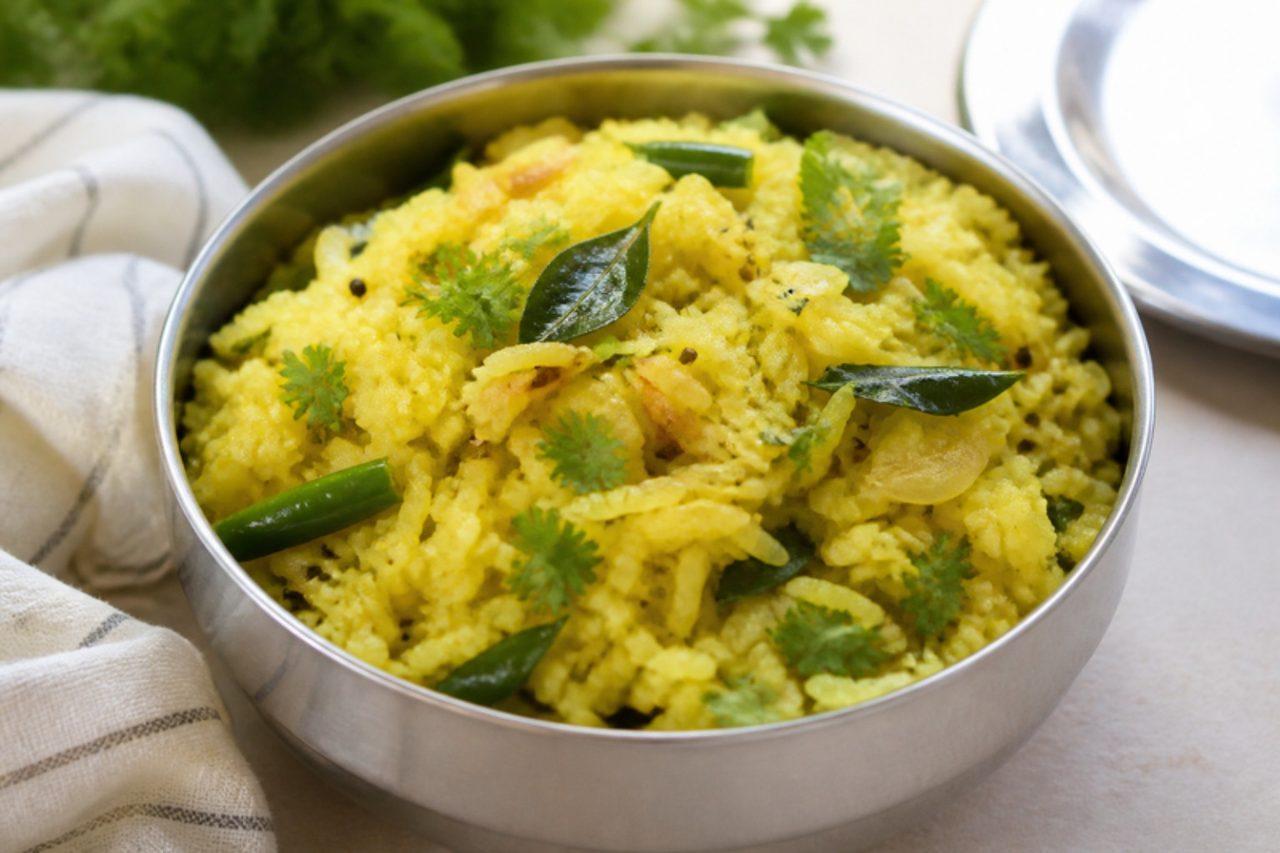
Vagharela bhaatTempered leftover rice

Vagharela bhaat is how Gujarati cooks rescue yesterday's rice: a quick vaghar (tempering) of mustard and cumin seeds, curry leaves, onion and green chilli, then the rice tossed through with turmeric and a squeeze of lemon. It is a one-pan lunch or late dinner, eaten with plain yogurt, a pickle or a bowl of kadhi. The common mistake is using freshly cooked, warm rice, which breaks and goes sticky; cold, fridge-firm rice keeps every grain separate. Food safety: cool leftover rice quickly, keep it in the fridge and use it within a day, and reheat it until piping hot all the way through. Chef's tip: crumble the cold rice with your fingers before it goes in the pan, so you never have to mash clumps in the pan.

by KrazyBadal 0 views

Lehsuni palakGarlic spinach

In Punjabi homes from Amritsar to Ludhiana, lehsuni palak is the green dish that lands on the table in winter when spinach is cheap and sweet, eaten with hot phulkas and a bowl of dal. It is not a purée like palak paneer: the leaves are chopped and wilted so they keep some body, then a second round of garlic fried golden in oil is poured over at the end, nutty and fragrant. The usual mistake is burning the garlic; dark brown garlic turns bitter and spoils the whole pan, so pull it off the heat when it is the colour of light toast. Chef's tip: squeeze the washed spinach lightly before it goes in, or the pan floods and the leaves stew instead of sautéing.

by KrazyBadal 0 views

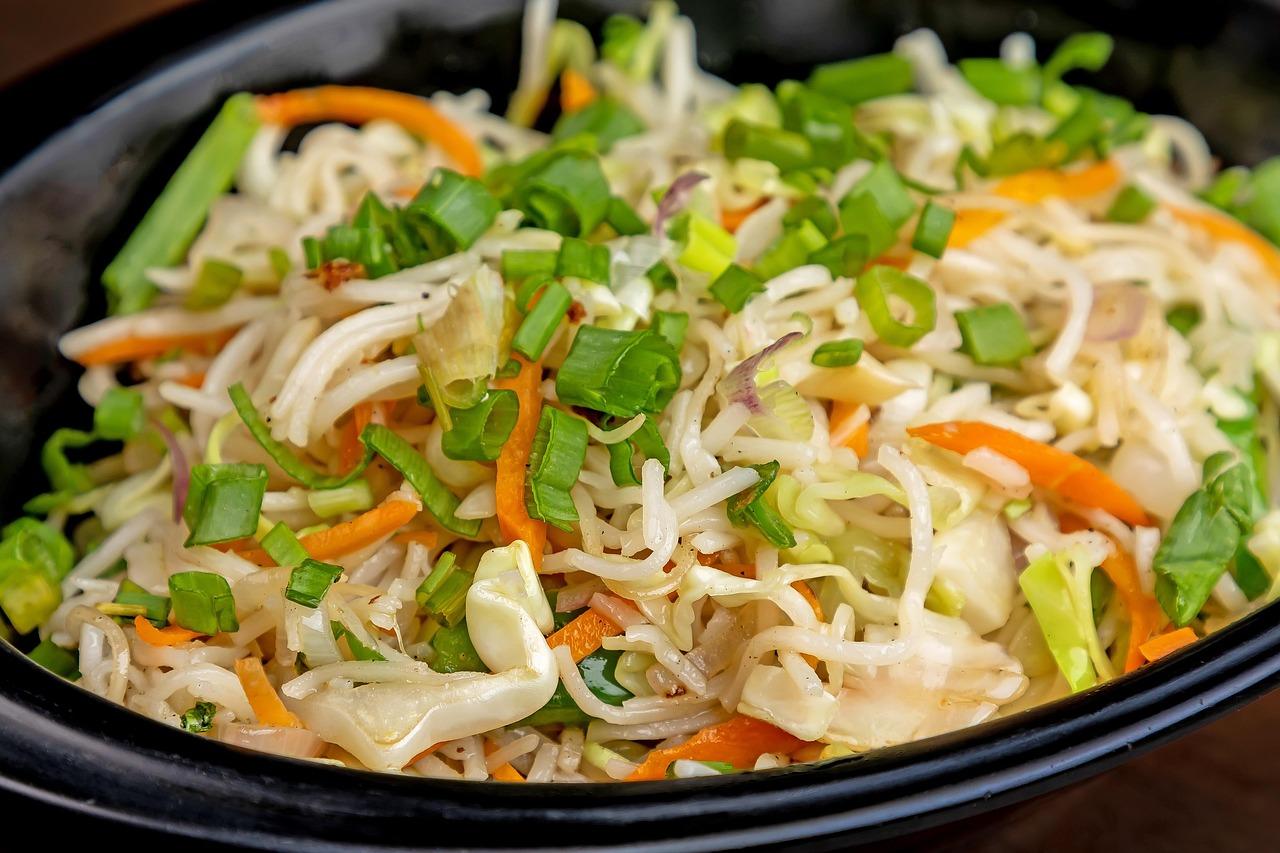
Veg Hakka noodlesVegetable stir-fried noodles

Hakka noodles are the street and restaurant staple of Kolkata's Chinese community, now sold from carts in every Indian city for a cheap evening meal and loved by children everywhere. Thin noodles are boiled, cooled, then tossed over the highest heat with shredded cabbage, carrot, peppers and spring onion, seasoned with soy, vinegar and white pepper. The mistake that ruins them is a crowded, lukewarm pan: the vegetables sweat and the noodles clump into a damp heap, so cook in a very hot wok and do two batches if yours is small. Chef's tip: toss the boiled noodles with a teaspoon of oil as soon as they are drained; they won't stick while you chop. Check the noodle packet: many Hakka noodles contain egg, so buy egg-free ones for a vegan dish.

by KrazyBadal 0 views

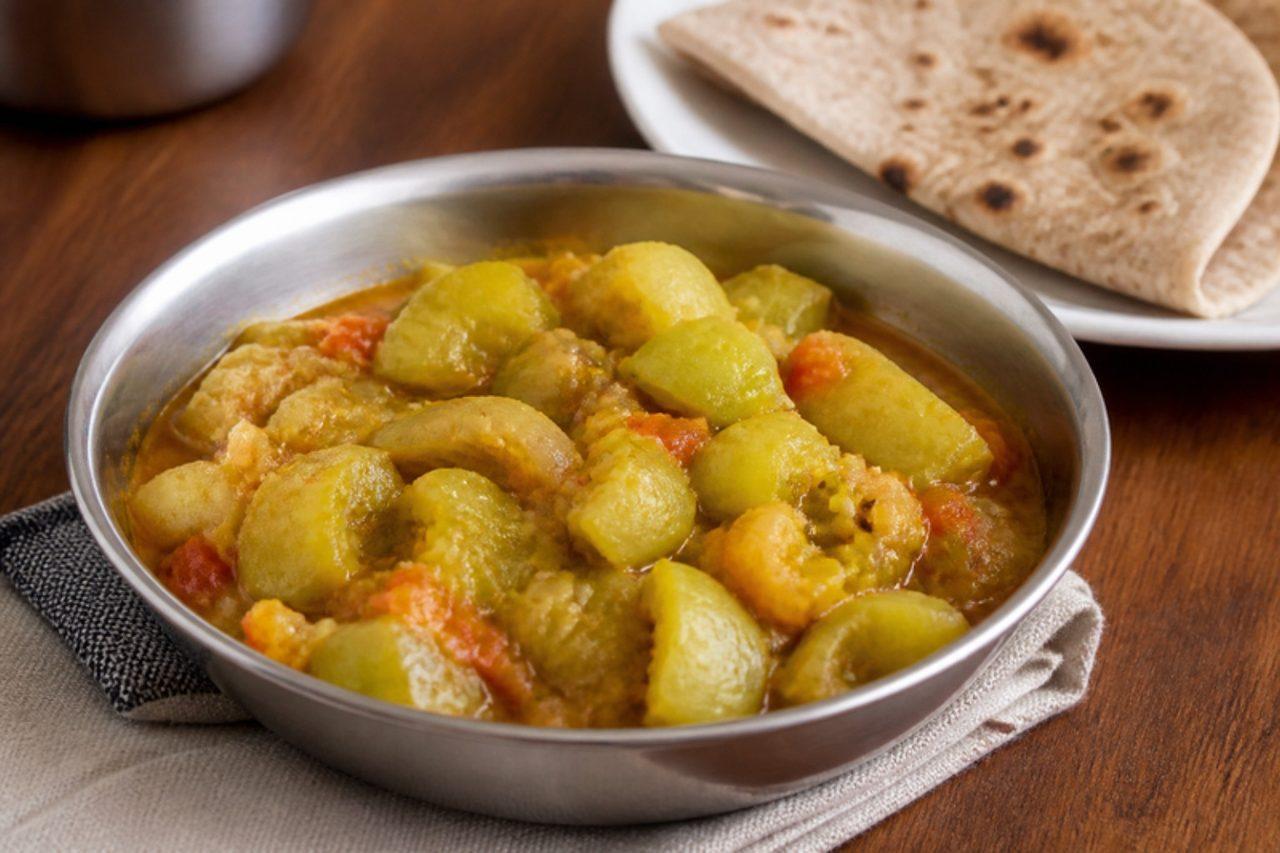
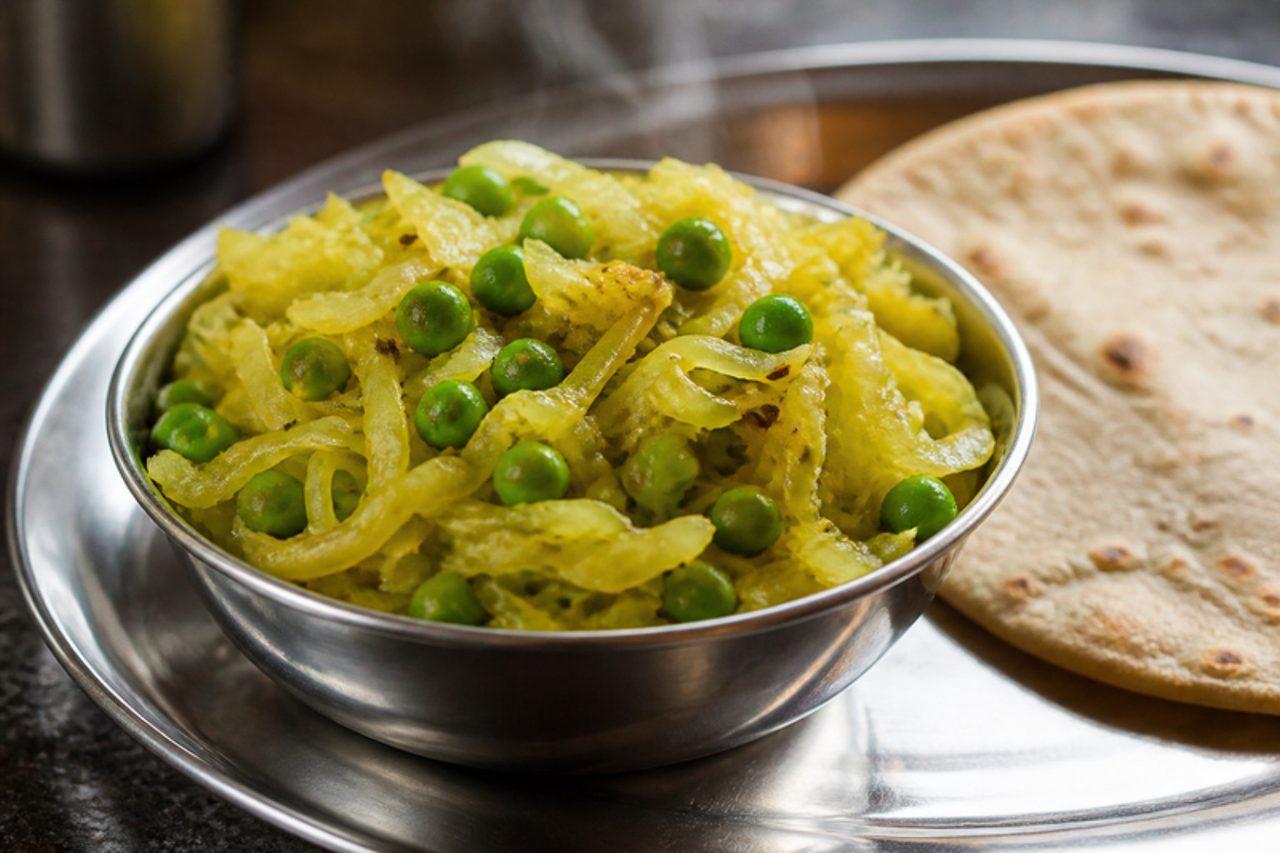
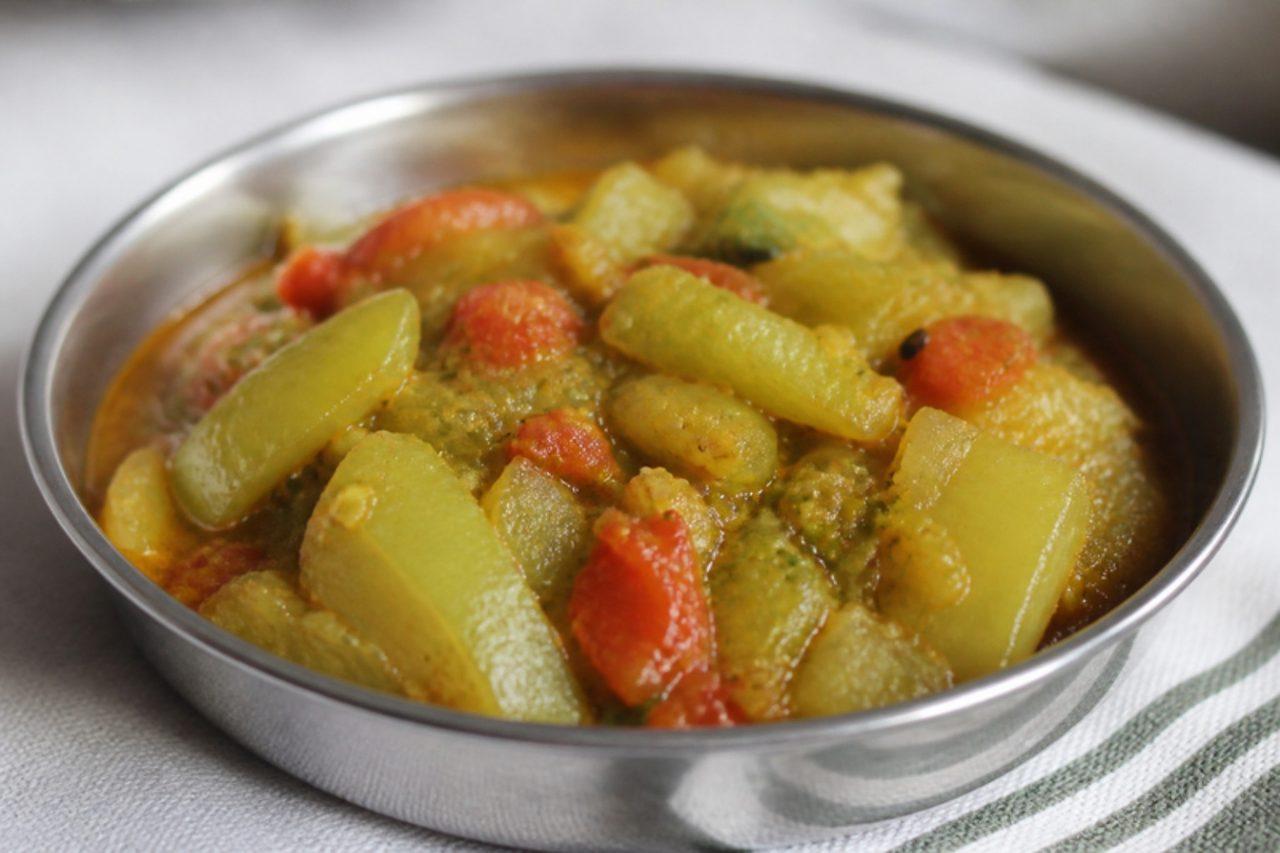
Turai ki sabziRidge gourd with tomato

In Uttar Pradesh, Bihar and across the North Indian plains, turai (ridge gourd) is the light monsoon vegetable that mothers cook for upset stomachs, hot evenings and anyone who wants a gentle dinner with roti and dal. Peeled and chopped, it releases its own water as it cooks, and with a little tomato and cumin it forms a soft, sweet, barely spicy gravy. The common mistake is adding water: the gourd is full of it, and extra water gives a bland, thin soup, so cover the pan and let it make its own. Chef's tip: taste a slice of raw gourd before cooking; very occasionally one is bitter, and a bitter gourd will spoil the whole pot.

by KrazyBadal 0 views

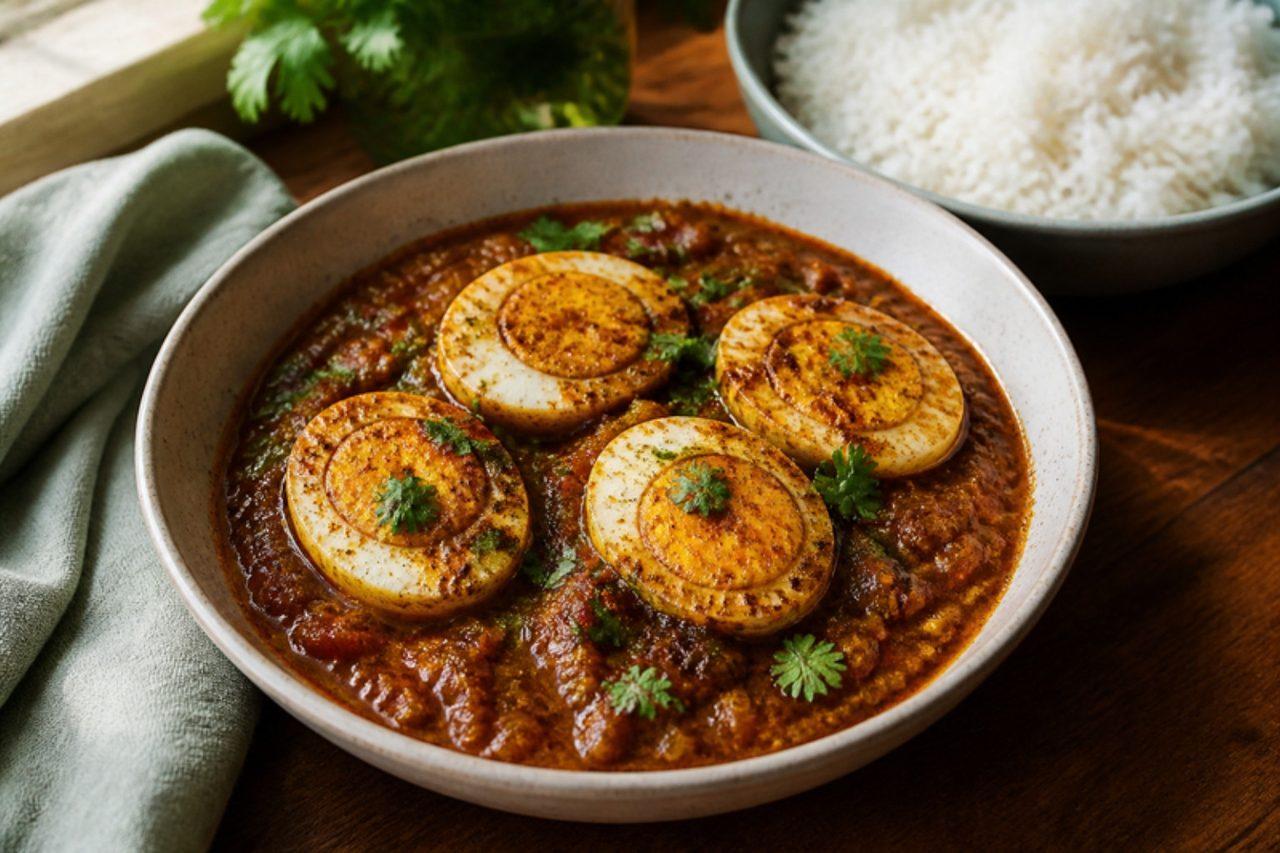
Anda curryEgg curry

Anda curry is the North Indian weeknight curry that comes together when the fridge holds little more than eggs, onions and tomatoes, served across Punjab and Uttar Pradesh with rotis, jeera rice or paratha. Hard-boiled eggs are scored and fried with turmeric and chilli so they get a speckled, golden skin, then simmered in a gravy of browned onion, ginger, garlic, tomato and garam masala. The common mistake is under-browning the onions: pale onions give a thin, raw-tasting gravy, so cook them until they are deep golden. Chef's tip: make shallow cuts in the boiled eggs before frying, so the masala seeps into the whites.

by KrazyBadal 0 views

Mushroom matarMushroom and pea curry

Across North India, from Delhi flats to Lucknow kitchens, mushroom matar has become the weeknight cousin of matar paneer: quick to cook, meaty in texture without any meat, and good with rotis or jeera rice. Button mushrooms and sweet green peas sit in a medium-thick onion-tomato gravy warmed with ginger, garlic and garam masala. The common mistake is adding the mushrooms to a wet masala, where they boil and turn rubbery; sear them first in a hot pan until they brown, and their juices go into the sauce rather than drowning it. Chef's tip: frozen peas are perfect here and need only the last 4 minutes, so they stay bright green.

by KrazyBadal 0 views

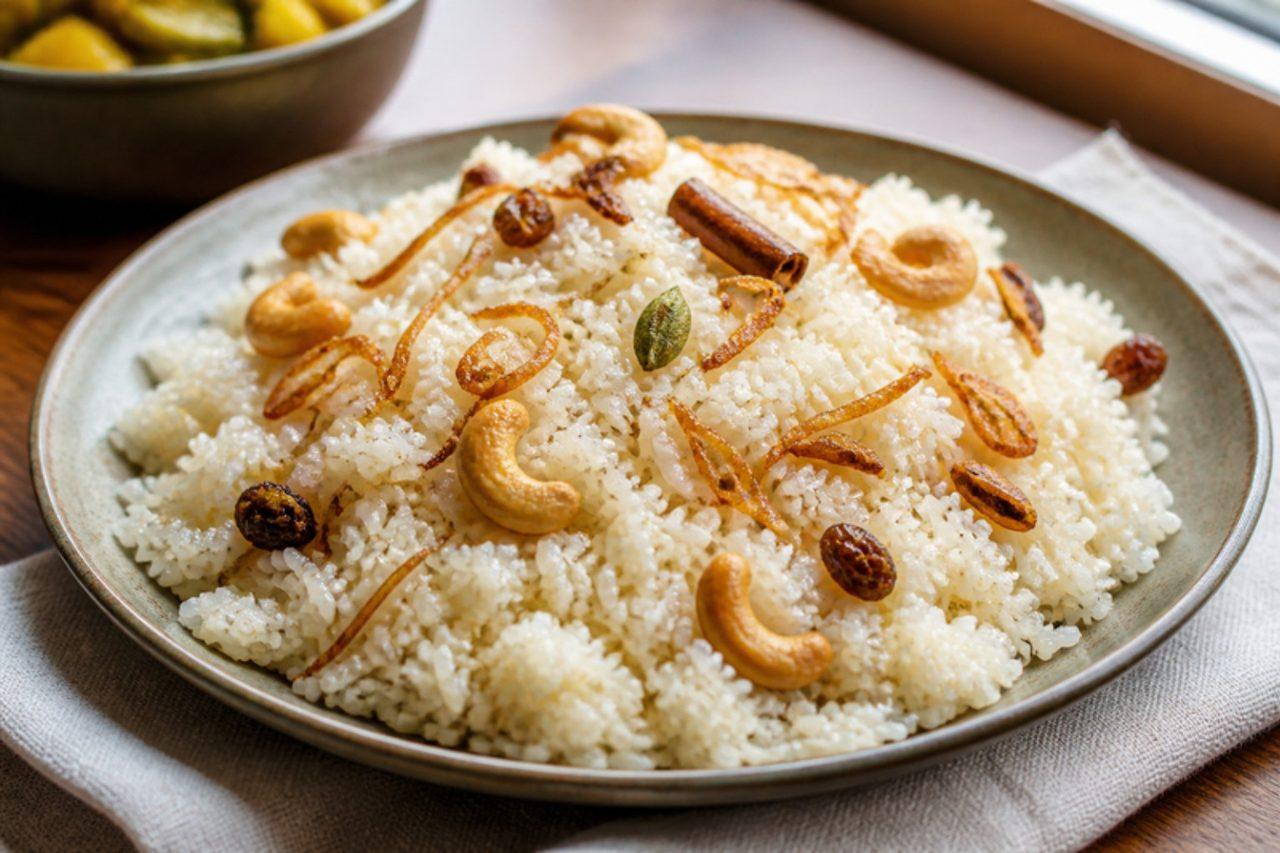
Ghee riceGhee rice with cashews and raisins

Neychoru, or ghee rice, comes from the Malabar coast of Kerala and the coastal towns of Karnataka, where it is cooked for Friday lunches, weddings and Eid tables alongside chicken or vegetable curries. Short, fragrant kaima (jeerakasala) rice is fried in ghee with whole spices, cooked until each grain is separate, and topped with crisp fried onions, cashews and plump raisins. The mistake to avoid is stirring the rice once the water goes in, which breaks the delicate grains and makes it mushy; cover it and leave it alone. Chef's tip: if you can't find kaima rice, basmati works, but cut the water by a few spoonfuls. It is not a 30-minute dish once the rice has been rinsed, drained and rested, so start it before the curry.

by KrazyBadal 0 views

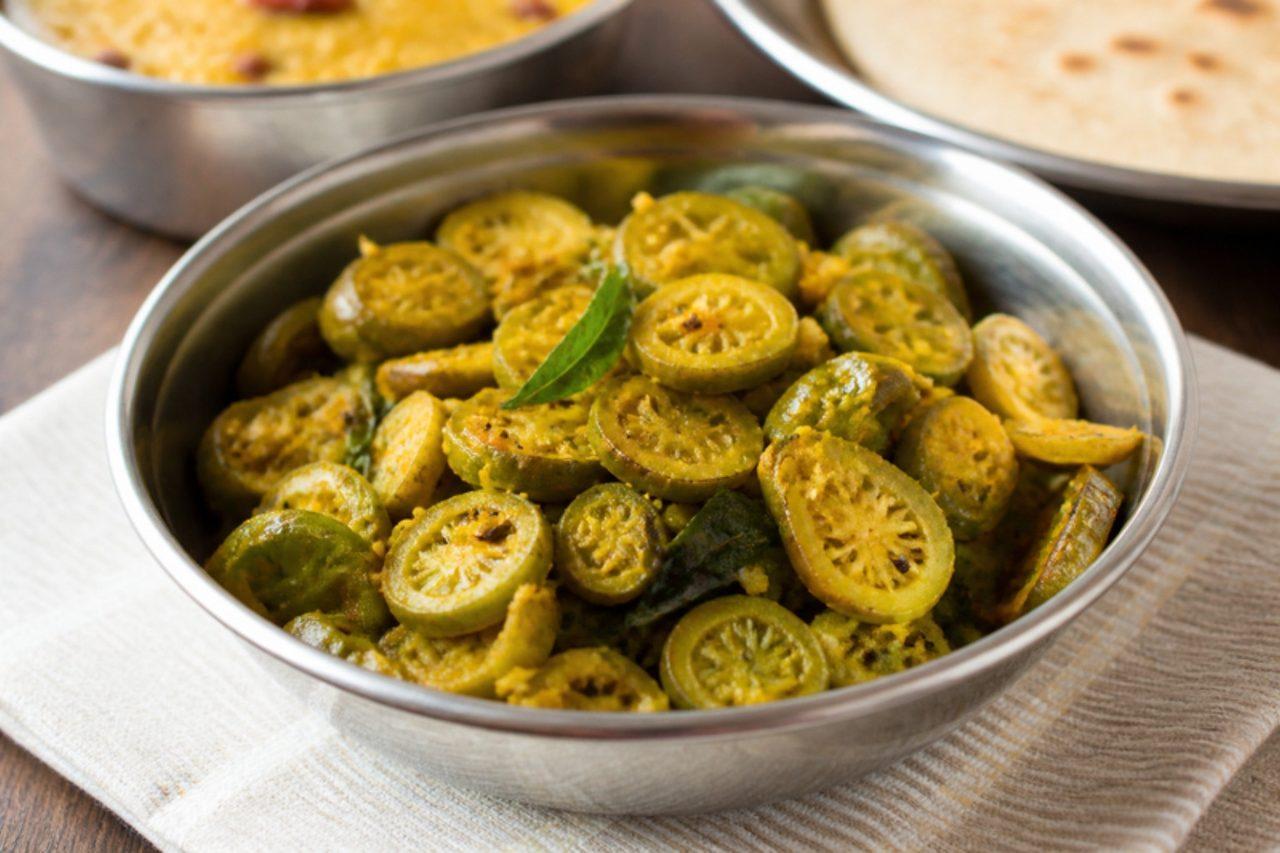
Tindora nu shaakIvy gourd stir-fry

Tindora (ivy gourd) nu shaak is a lunch-box and dinner standby in Gujarat and Mumbai's Gujarati homes: thin rounds of the little gourd stir-fried with mustard seeds and turmeric until they are tender inside and lightly crisp at the edges. It is a dry shaak, eaten with dal-bhaat or rolled into a rotli, and children often like it best. The common mistake is slicing the tindora too thick, which means it either stays raw in the middle or needs water that makes it soggy; cut every round about 3 mm thick. Chef's tip: avoid tindora that is red or soft inside, which means it is overripe and will taste sour. Most hing contains wheat, so buy a gluten-free one if needed.

by KrazyBadal 0 views

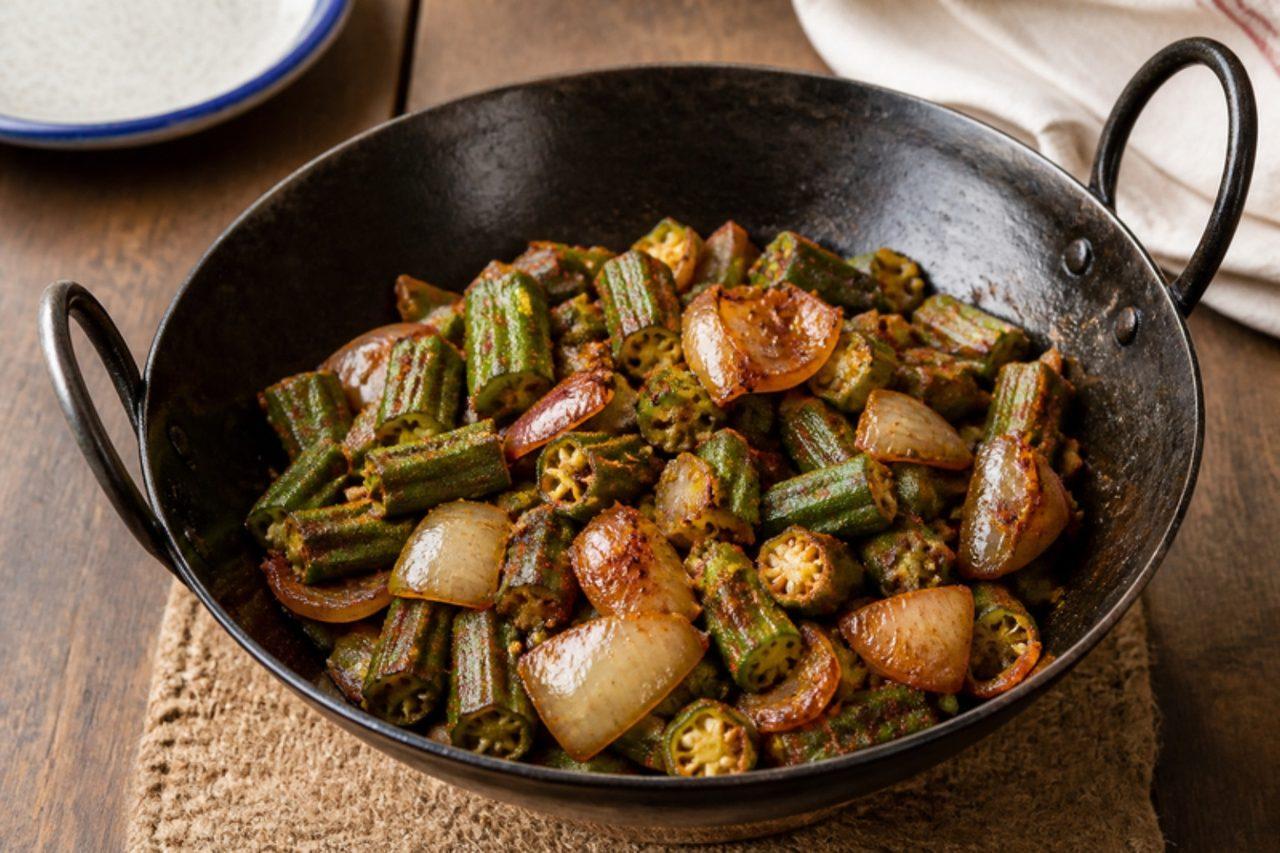
Bhindi do pyazaOkra with onions

Bhindi do pyaza is the summer okra dish of North Indian dhabas and home kitchens, made in the hot months when ladyfinger is tender and cheap. 'Do pyaza' means two lots of onion: one fried soft into the masala and one added in chunky petals near the end so it stays sweet and slightly crunchy against the okra. The classic mistake is washing the okra and cutting it while it is still wet, which turns the whole pan slimy; dry every pod completely before you slice it. Chef's tip: add the salt only once the okra is nearly cooked, because salt draws out moisture and makes it sticky.

by KrazyBadal 0 views

Dahi tikhariYogurt with garlic chilli tempering

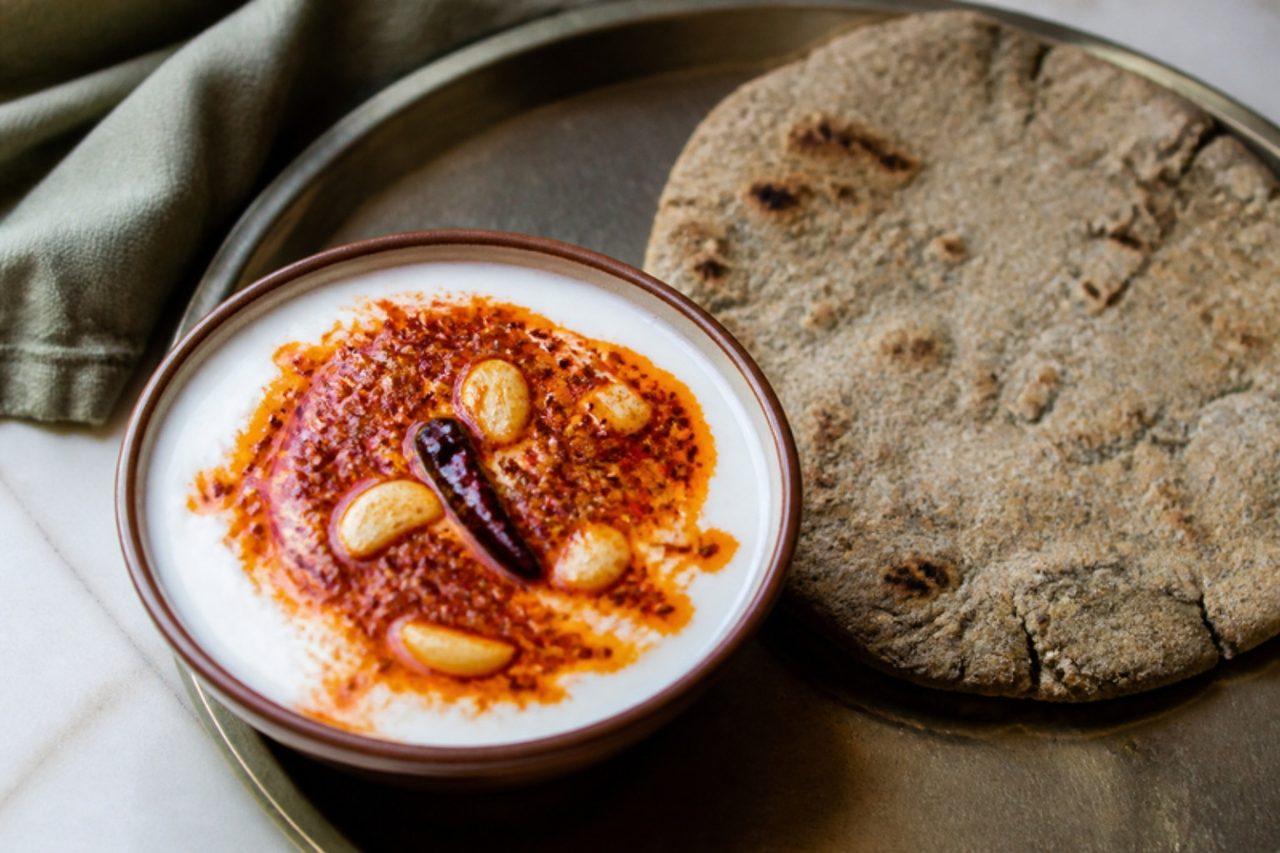
Dahi tikhari is a fiery side from the farmhouses and highway dhabas of Kathiawad in Gujarat, where it is scooped up with thick bajra rotla, raw onion and jaggery at supper. Thick yogurt is seasoned with salt, then hot oil with crushed garlic, red chilli and cumin is poured over so it sizzles and streaks the bowl red. It takes ten minutes and cools down a spicy meal while adding its own heat. The common mistake is letting the garlic go dark brown, which makes the whole bowl bitter. Chef's tip: hang the yogurt in a sieve for a few minutes while you prepare the tempering; thicker yogurt holds the oil in pools instead of splitting.

by KrazyBadal 0 views

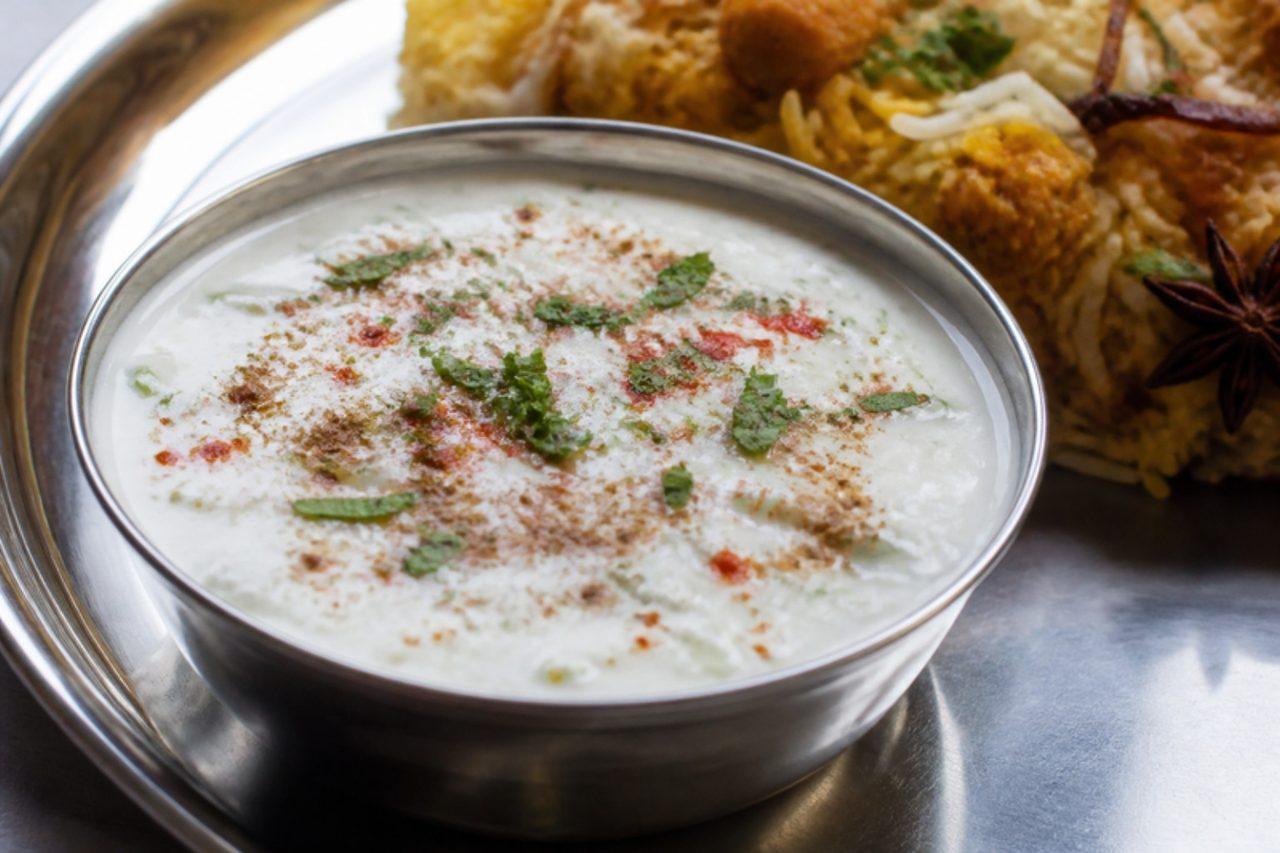
Boondi raitaYogurt with gram flour pearls

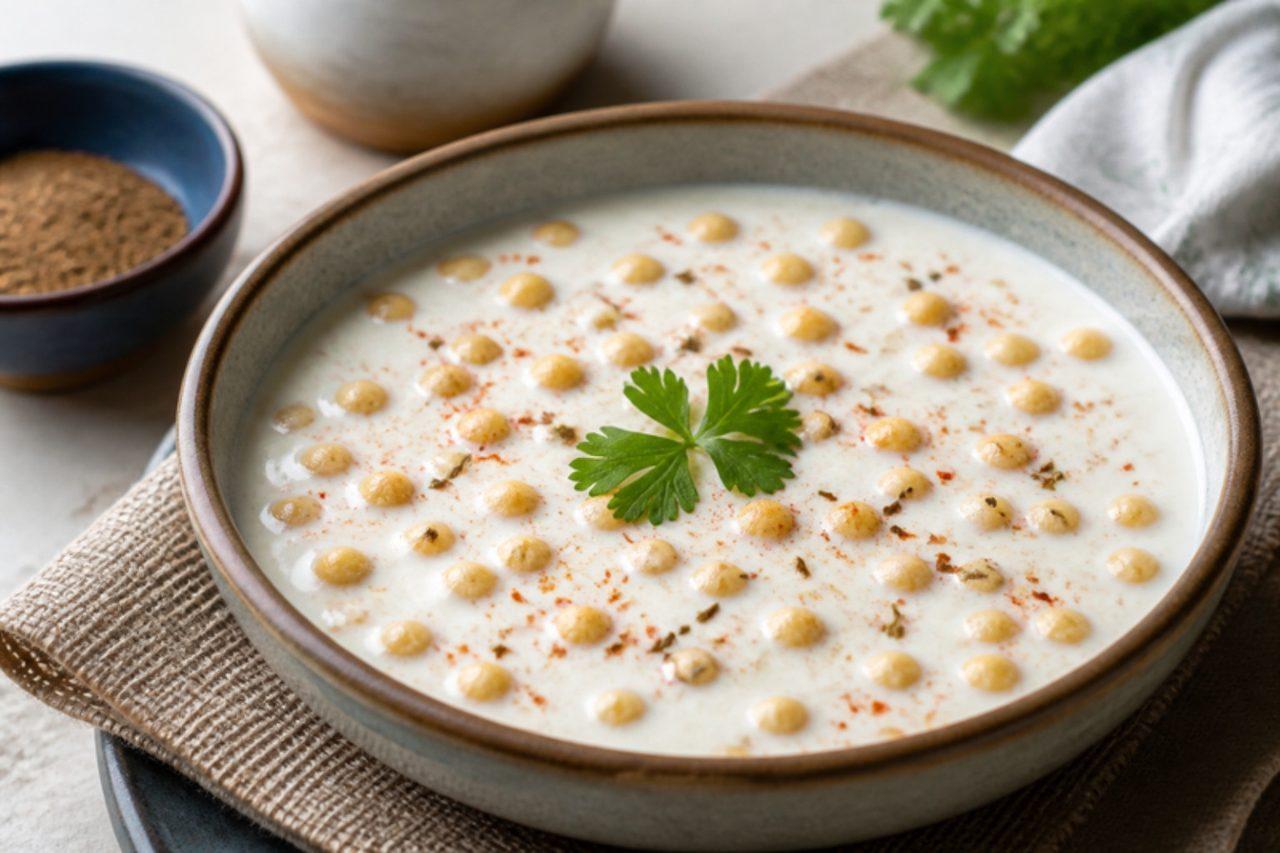
Across North India, from Delhi dhabas to Rajasthani wedding buffets, boondi raita is the cooling bowl that turns a plain weeknight dal and rice or a spicy pulao into a proper meal. Tiny fried gram-flour pearls (boondi) are softened briefly and folded into whisked yogurt seasoned with roasted cumin, black salt and red chilli, so each spoonful is creamy with soft little pops. Ready-made salted boondi is sold in Indian shops; check the packet says it is made only with gram flour if you need it gluten free. The common mistake is leaving the boondi to soak too long, which turns it to mush. Chef's tip: soak the boondi in warm water for just 2 minutes and squeeze it gently; this rinses off excess oil and salt and keeps the raita light.

by KrazyBadal 0 views

Jeera riceCumin rice

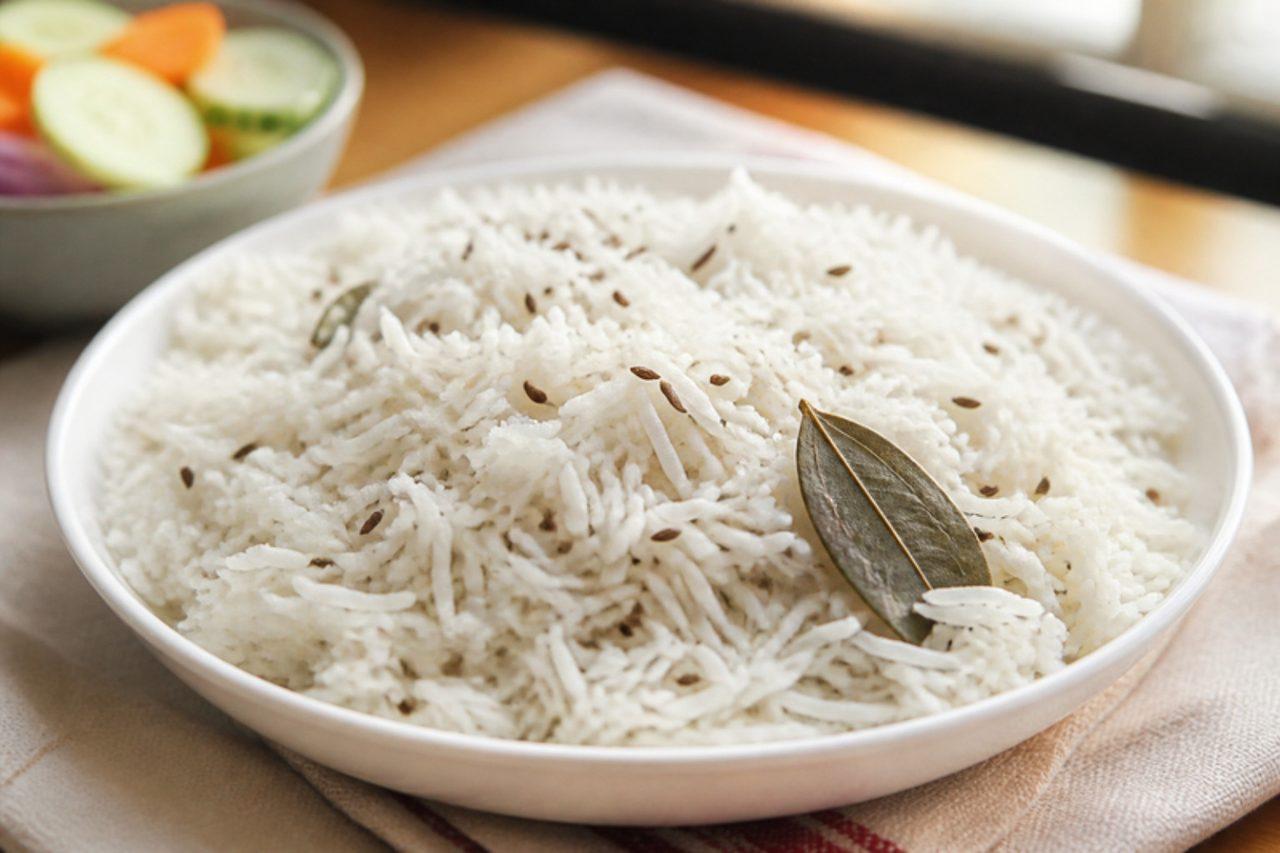
Jeera rice is the plain-but-not-plain rice of North Indian restaurants and homes, cooked on weeknights from Delhi to Lucknow to go with dal makhani, rajma, chole or any gravy curry. Cumin seeds are fried in ghee with a bay leaf, cardamom and cloves until they crackle, then rinsed basmati is cooked in the same pot, so every long grain is scented and separate. The usual mistake is stirring the rice while it cooks, which breaks the grains and makes it sticky. Chef's tip: if you have 20 minutes to spare, soak the rinsed rice first; the grains cook up longer and even fluffier (that pushes it past 30 minutes).

by KrazyBadal 0 views

Dahi bhindiOkra in yogurt gravy

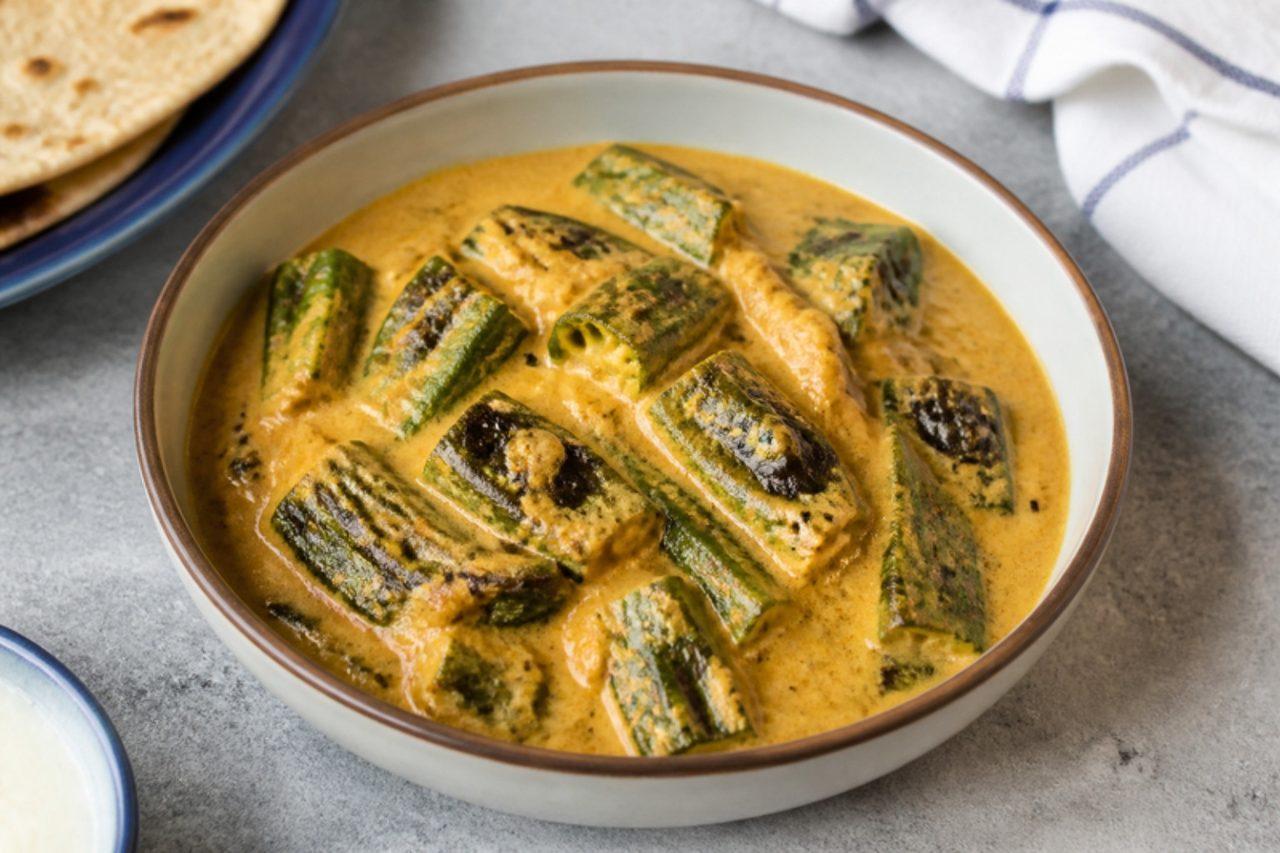
Dahi bhindi is how North Indian and Rajasthani cooks turn a plate of okra into a saucy curry for summer evenings, when the heat calls for something sour and cooling. The okra is fried first until it loses its stickiness, then folded into a thin yogurt gravy flavoured with fennel, cumin and a little chilli, good with rotis or plain rice. The usual mistake is pouring in the yogurt over a high flame, which curdles it; whisk it with the spices first, turn the heat right down, and stir until it simmers. Chef's tip: a pinch of crushed fennel seeds in the tempering brings out the sweetness of the okra.

by KrazyBadal 0 views

Sukhi moong dalDry yellow moong dal

Sukhi (dry) moong dal is made in Rajasthan and Uttar Pradesh when there is no time for a soupy dal, or to roll into parathas and pack for journeys; Marwari families often serve it at weddings with kachoris. Soaked yellow moong is cooked with just enough water to soften it while keeping the grains whole, then lifted with amchur, ginger and a ghee tempering. The mistake to avoid is too much water or stirring hard, which turns it into a mushy khichdi; add water a little at a time and fold gently. Chef's tip: soak the dal for at least 30 minutes, which is why this dish takes longer than the cooking alone. It is one of the few dals that is just as good at room temperature.

by KrazyBadal 0 views

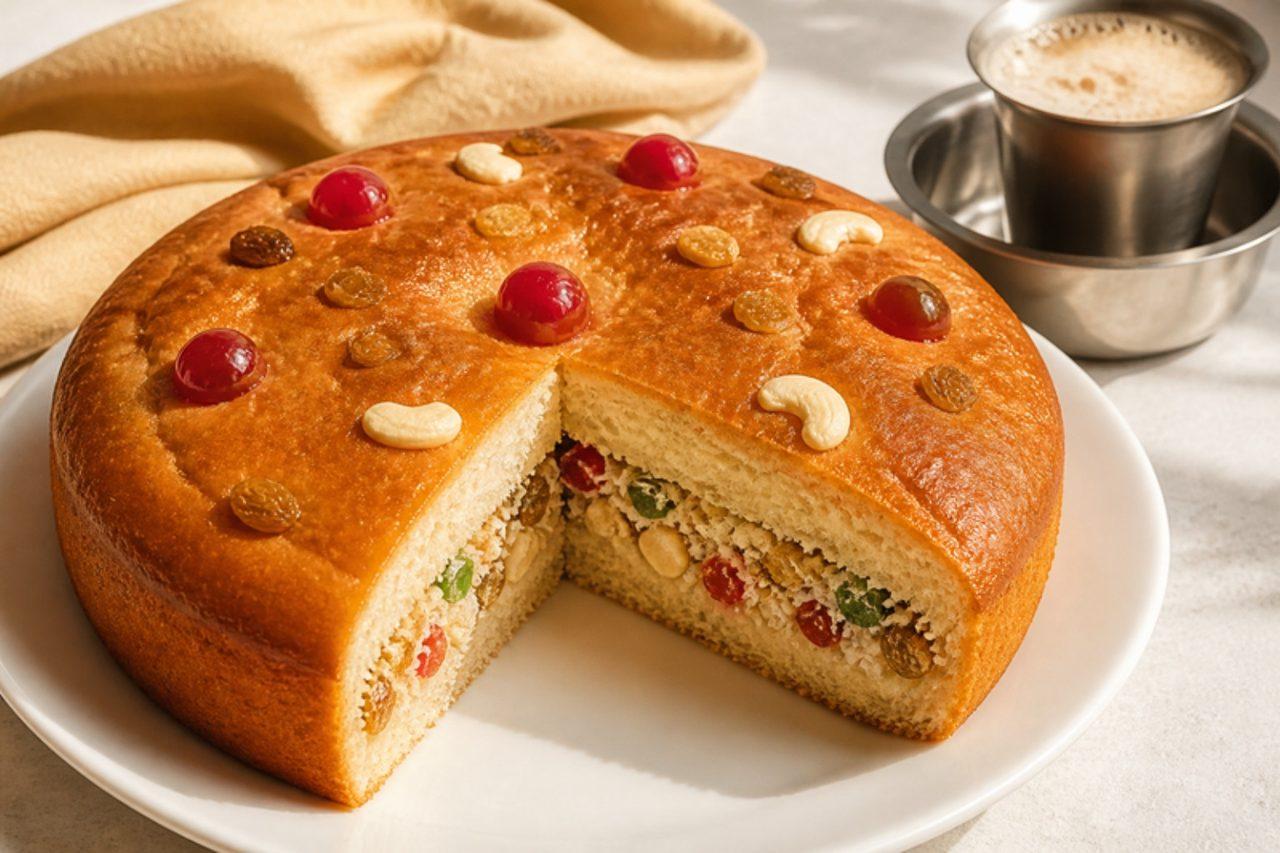
DilkhushCoconut and candied fruit stuffed bread

Teatime at an Iyengar bakery in Bengaluru or Mangaluru means dilkhush ("happy heart") stacked in wedges beside the khara buns: a soft, sweet bread round with a thick layer of grated coconut, sugar, tutti-frutti and cashews baked inside it. The dough in these bakeries is usually eggless, so the crumb is light and milky rather than rich, and the filling stays moist and chewy. Eat a wedge with a small glass of filter coffee or masala chai, or pack it for a school snack. The usual mistake is to pile the filling to the very edge; leave a clear 2 cm rim or the seal splits and the coconut toasts black on the tray. Chef's tip: squeeze a little milk into dry desiccated coconut before mixing the filling, so it tastes closer to fresh coconut and does not steal moisture from the bread.

by KrazyBadal 0 views

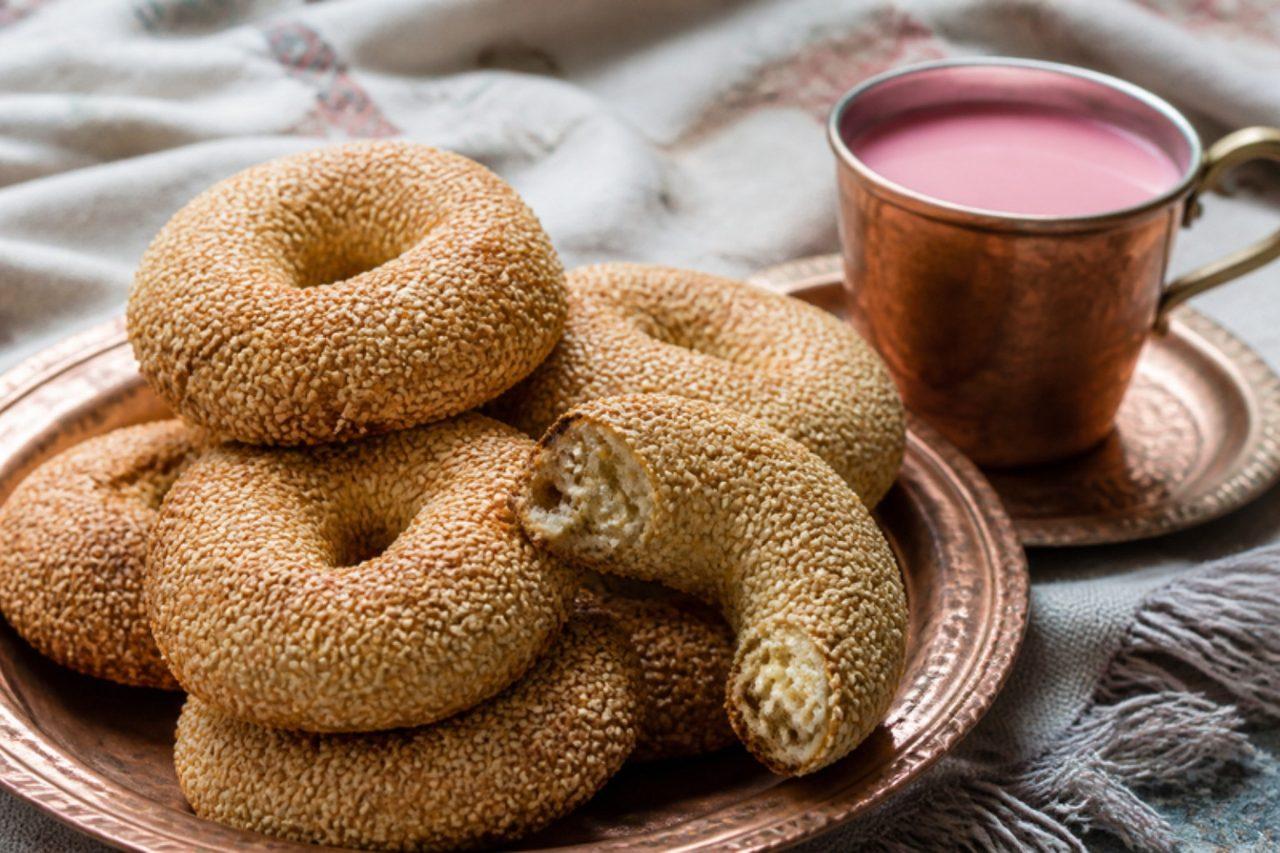
TsochvoruSesame bread rings

Long before office hours, Srinagar's kandur bakers pull trays of tsochvoru from their clay ovens, and by seven a paper bag of them is on most breakfast cloths in the Valley. They are small, bagel-like rings, a little crisp outside and close-textured inside, covered in toasted sesame and faintly rich from milk and ghee. Kashmiris break them into pink, salty noon chai, or eat them with butter alongside kahwa in the afternoon. Unlike bagels they are not boiled, so they stay lighter and crunchier. Sesame sliding off in the oven is the usual disappointment; the dough must be brushed with milk and pressed into the seeds, not just sprinkled. Chef's tip: press each ring top-down into a plate of sesame, then poke the hole a second time just before baking, because it shrinks as the dough proves.

by KrazyBadal 0 views

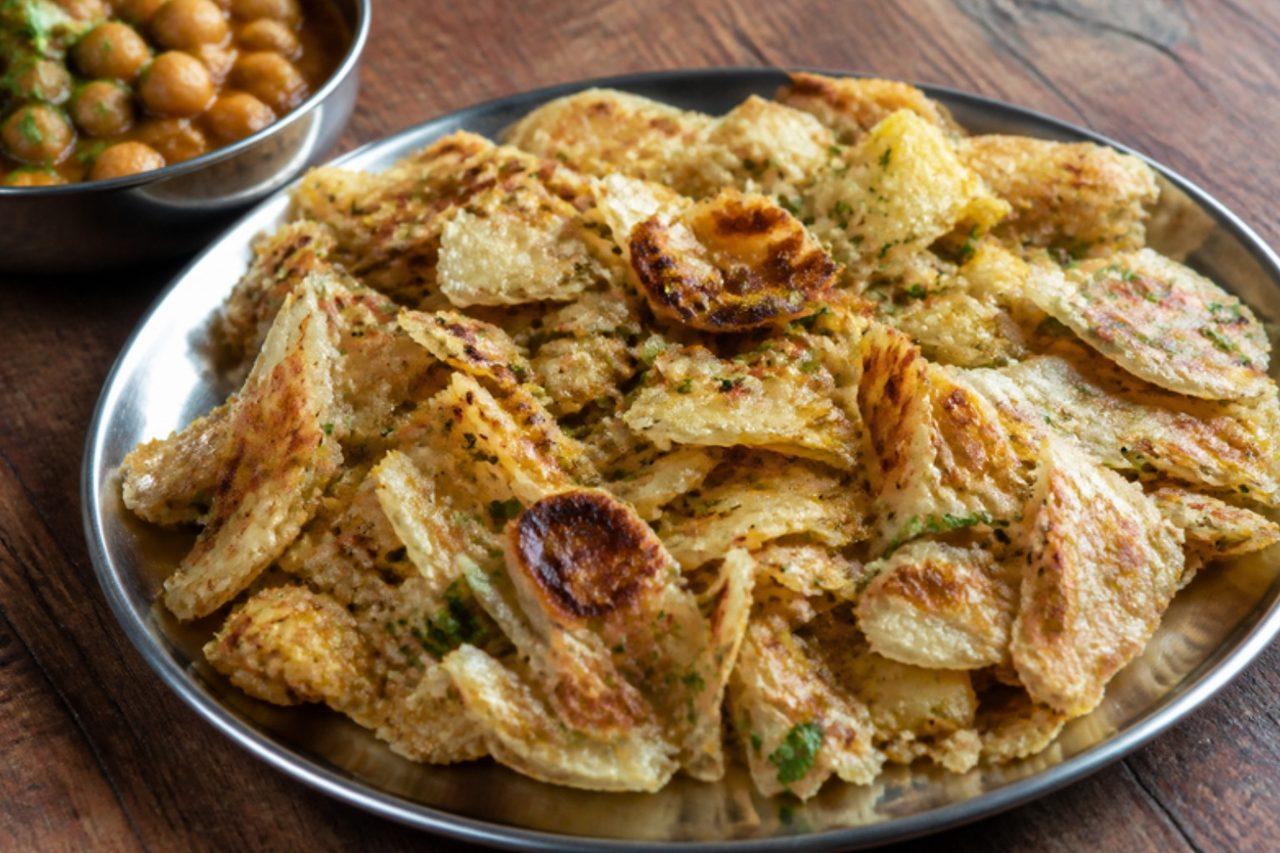
Chur chur naanCrushed flaky stuffed naan

Amritsar's dhabas around the Golden Temple are famous for this one: a layered, potato-and-paneer stuffed naan that the cook slaps out of the tandoor and then crushes between both palms (chur chur means crumbled) so the flaky layers break apart and soak up a spoonful of ghee. It arrives crisp at the edges, soft and buttery inside, with spiced filling showing through the cracks, and is eaten for lunch with chole, a bowl of dal makhani and a glass of lassi. At home a very hot oven and a preheated tray stand in for the tandoor. The usual slip is skipping the ghee between the coils; without it the dough fuses and there are no layers to crush. Chef's tip: crush the naan the moment it leaves the oven, wrapped in a clean tea towel so your hands are protected; once it cools it cracks instead of flaking.

by KrazyBadal 0 views

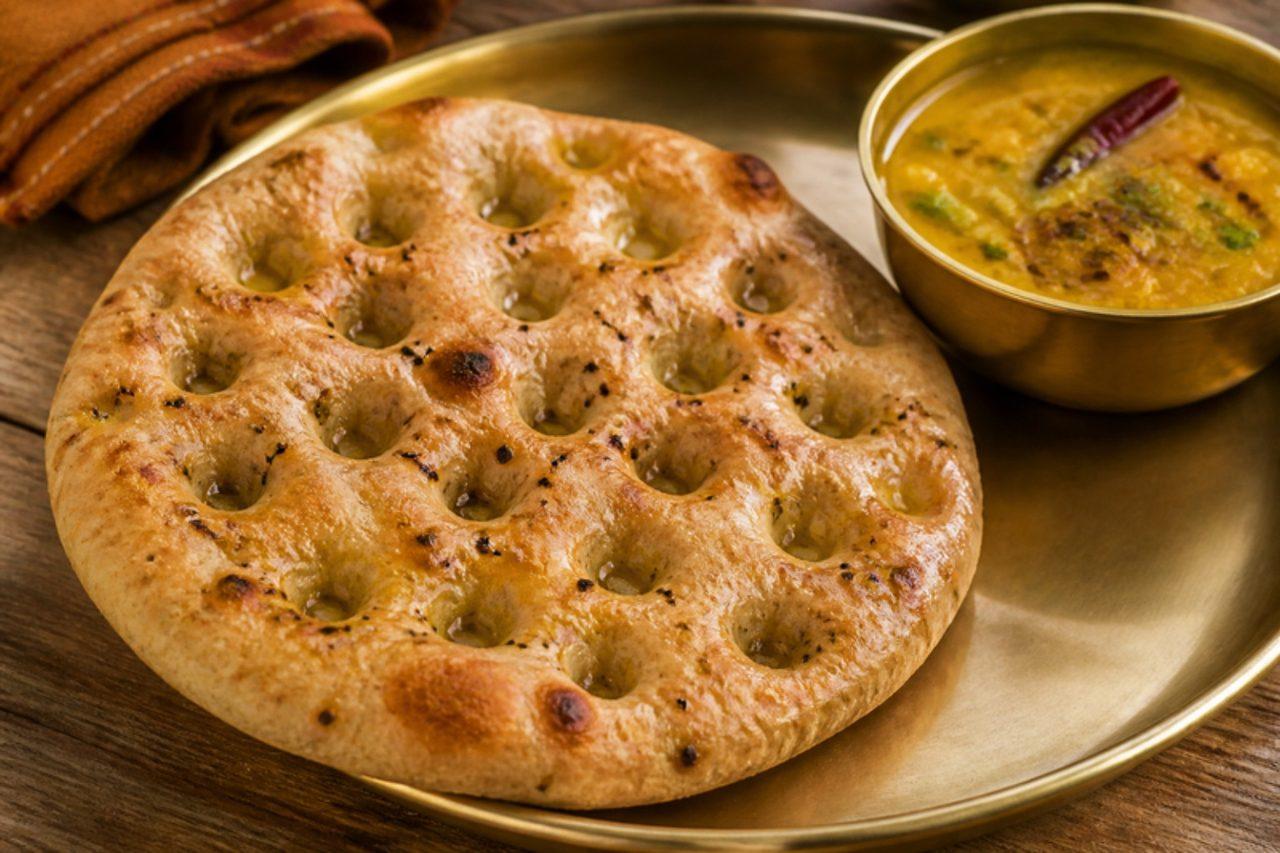
Khoba rotiThick pinched wholewheat flatbread

Pinched by hand into rows of tiny craters, khoba roti is the festive everyday bread of Rajasthan's Marwar and Mewar homes, made when guests come or for a Sunday thali. It is thick, almost a centimetre, with a crisp, toasty crust and a soft, chewy middle, and every hollow on top becomes a little cup for melted ghee. Serve it with panchmel dal, ker sangri, gatte ki sabzi or a fiery garlic chutney. The commonest mistake is a hot tawa: the outside chars while the thick centre stays doughy, so keep the flame low and be patient. Chef's tip: dip your thumb and finger in water between pinches; damp fingertips lift the dough into crisp ridges without tearing it.

by KrazyBadal 0 views

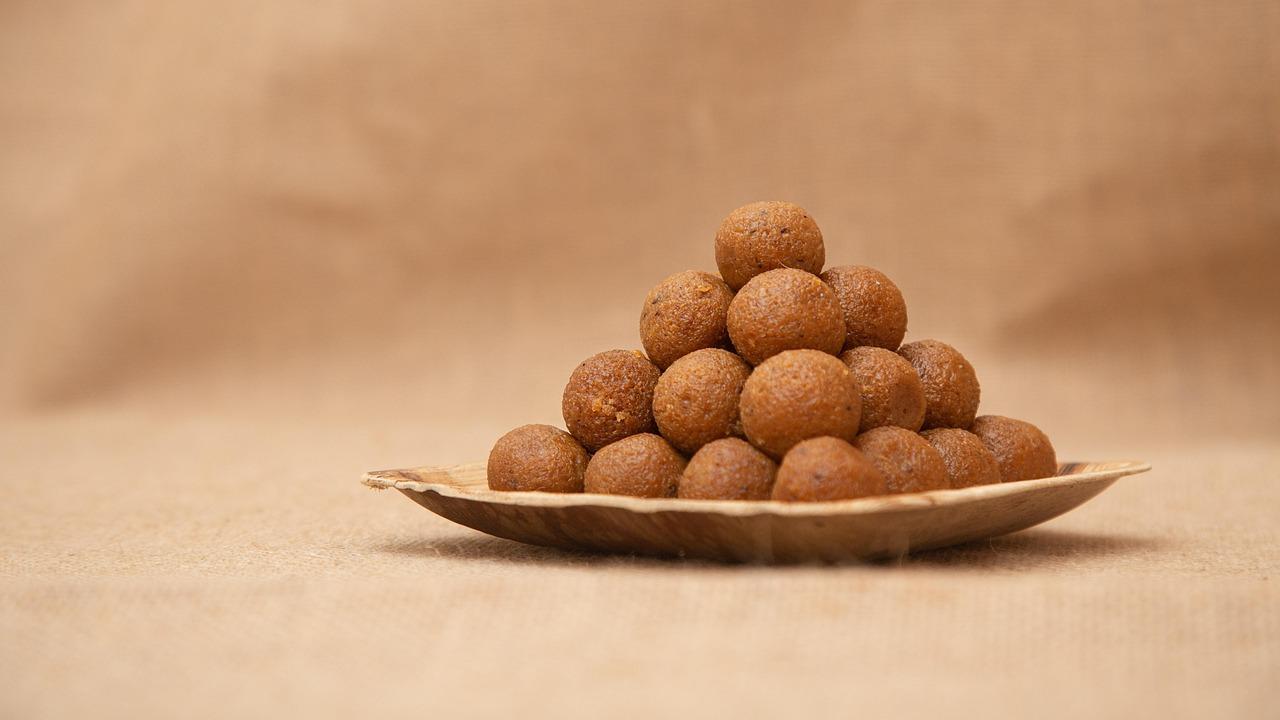
Ragi laddooFinger millet jaggery balls

In Karnataka, ragi (finger millet) is everyday food, and mothers roll ragi laddoos to keep in a tin for after-school snacks and school sports days, because they are filling and keep well. The flour is roasted in ghee until it smells like toasted biscuits, then bound with melted jaggery and sesame into dark, fudgy balls. Jaggery is still sugar, so these are a treat, kept small. They contain milk (ghee) and sesame. Chef's tip: roast the flour slowly until it darkens a shade and smells nutty; under-roasted ragi tastes raw and floury.

by KrazyBadal 0 views

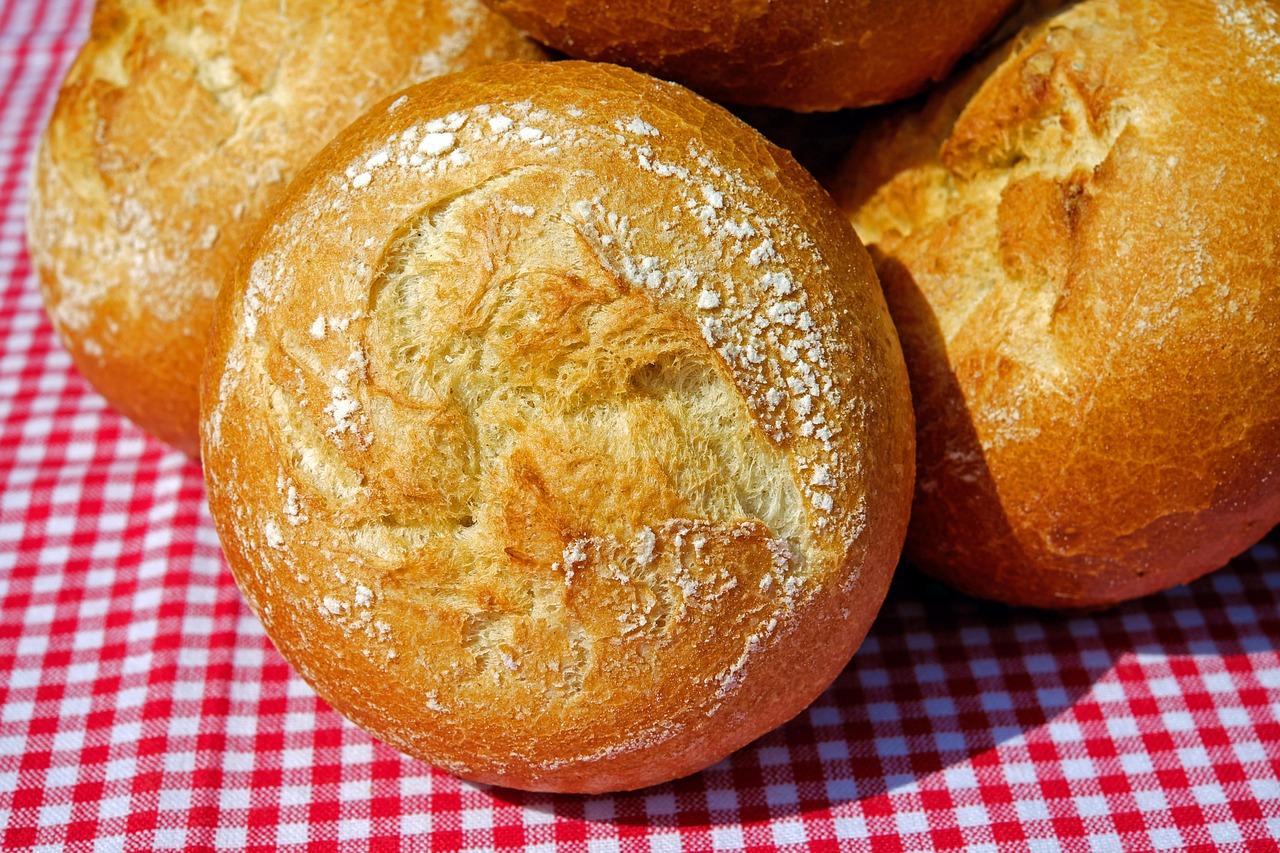
Brun pavHard-crusted bakery bun

Order brun maska at one of Mumbai's old Irani cafés, under the bentwood chairs and slow ceiling fans, and a waiter brings a hard, round bun split and spread thickly with butter, next to a cup of sweet Irani chai. Brun is the opposite of soft ladi pav: its floury top crackles, the crust is thick enough to knock on, and the inside is dense and chewy, made to be dunked until it softens. The bread itself is just flour, water, yeast and salt, so it is vegan; add the butter (or a vegan spread) only when serving. A long, fairly slow bake gives the crust; pulling it out when it is merely golden is the mistake that leaves you with an ordinary roll. Chef's tip: a day-old brun is even better for dunking, so bake a batch ahead and split and toast them lightly before buttering.

by KrazyBadal 0 views

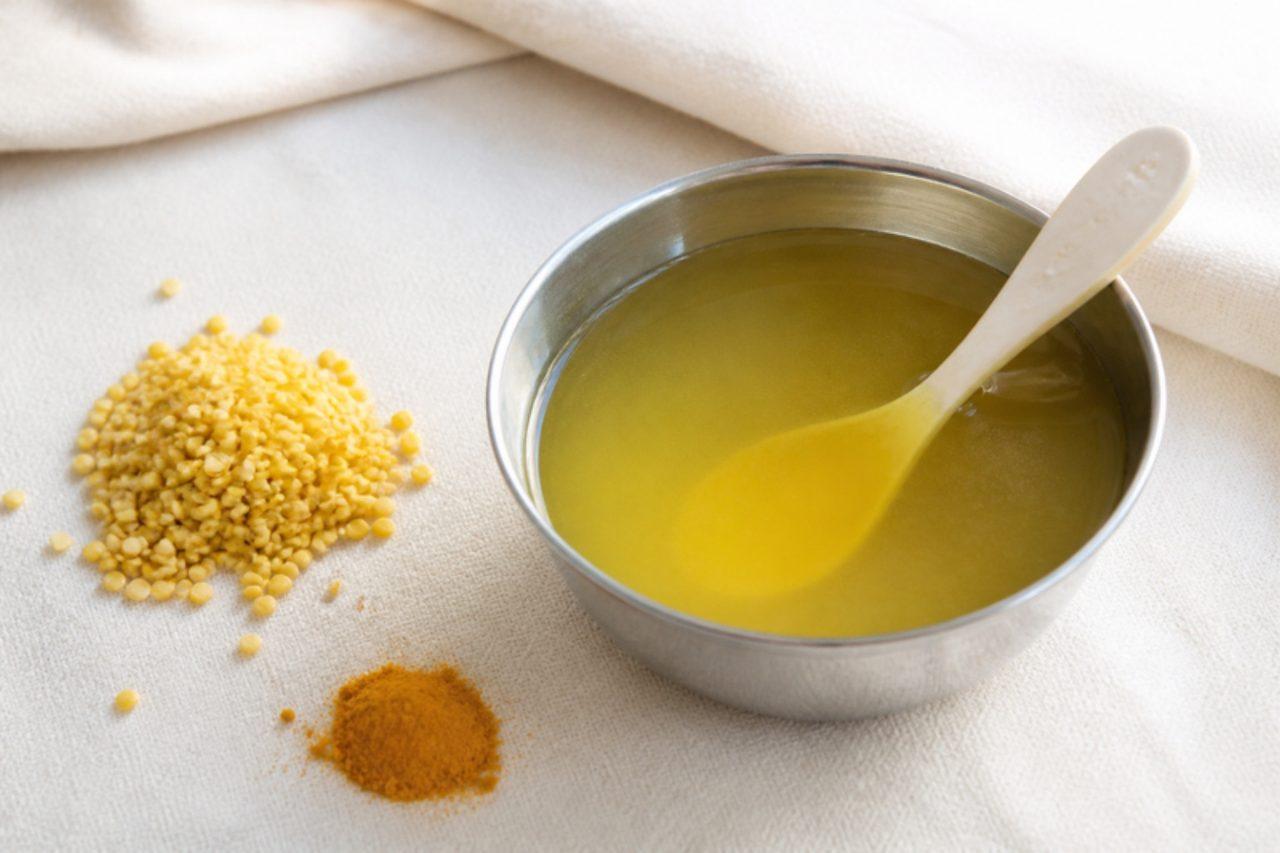
Moong dal water for babies

In North Indian homes, moong dal ka pani is often the first thing other than milk a baby tastes, spooned from a steel katori at lunchtime while the family eats dal-chawal. Split yellow moong is cooked until it falls apart with a pinch of turmeric, then the thin top liquid is strained off; over the following weeks more of the soft dal is mashed in. It tastes mild and slightly sweet. It is free of the common allergens (milk, egg, gluten, peanut, tree nuts, soya, sesame, fish). Chef's tip: a drop of ghee can be added once your baby is used to dairy, but keep it plain at first.

by KrazyBadal 0 views

Ghee-shakkar roti roll

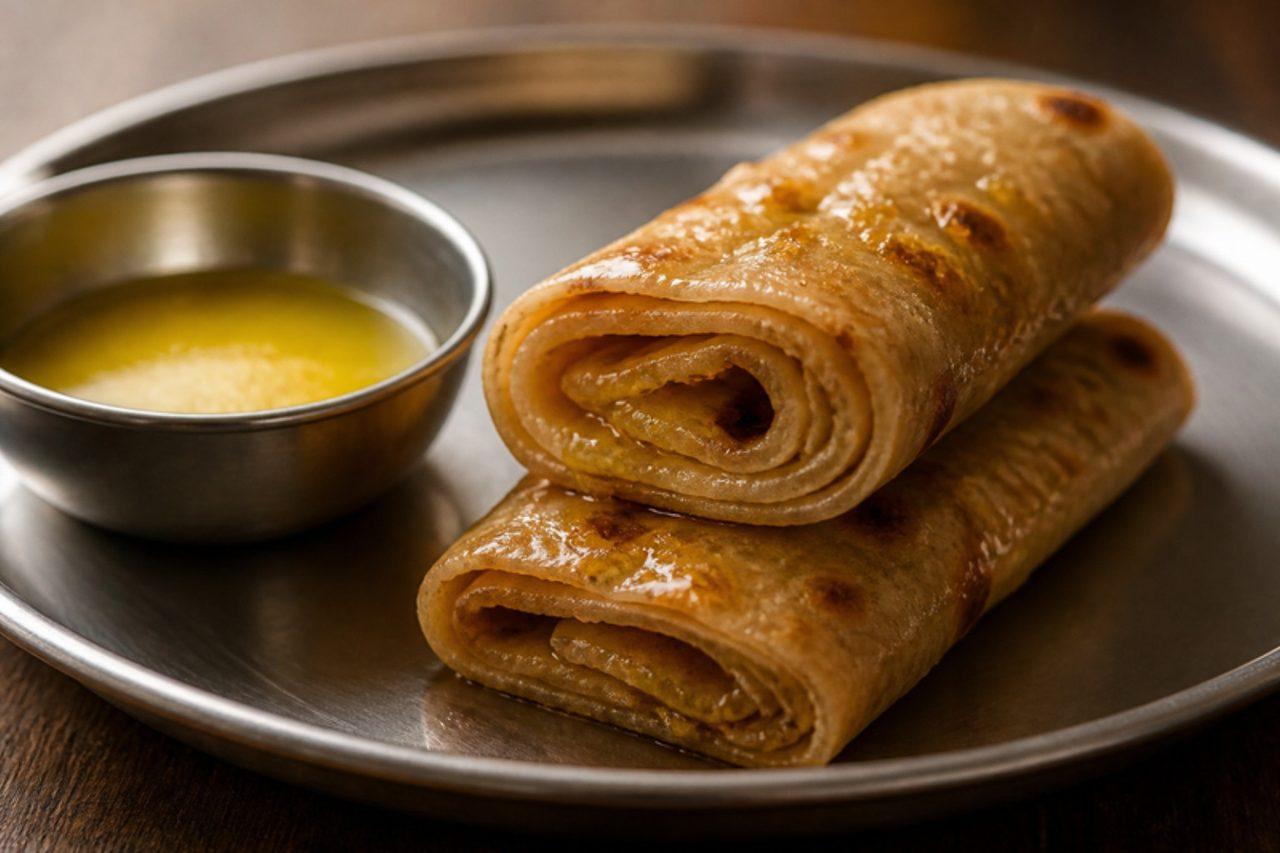
Ask anyone who grew up in north India about school tiffin and the ghee-shakkar roti comes up: a soft, warm chapati brushed with ghee, sprinkled with a little sugar or jaggery powder and rolled like a cigar, made by a parent in the rush before the school bus. It is sweet, buttery and wheaty, and still tastes good cold at the morning break. It contains milk (ghee) and gluten (wheat). Chef's tip: use jaggery powder and a light hand; a teaspoon per roti is plenty, and the ghee carries the flavour.

by KrazyBadal 0 views

Vegetable frankie

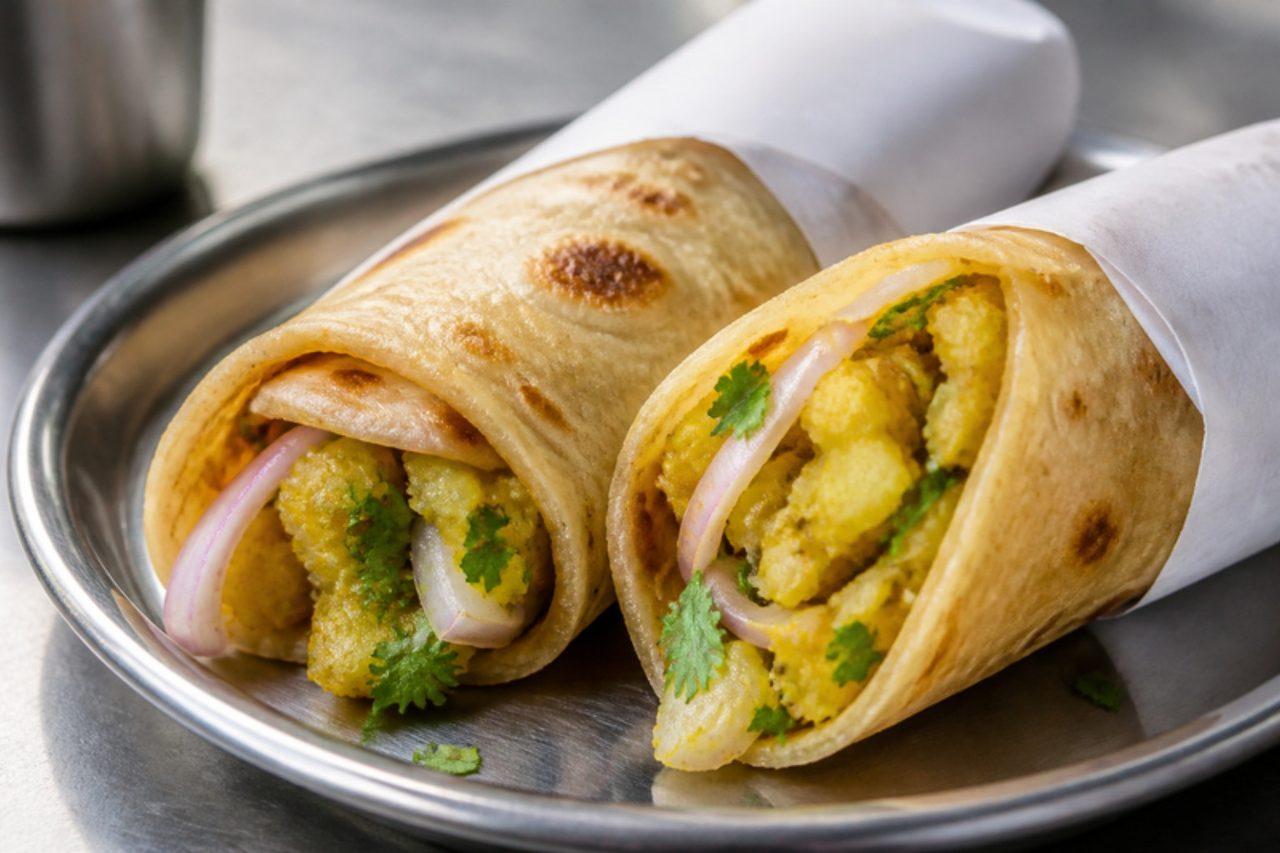
The frankie was born on the streets of Mumbai and soon moved into the city's tiffin boxes: a soft flour roti wrapped around a spiced potato filling, sprinkled with a tangy chaat-masala vinegar and raw onion, then rolled in paper. Children eat it for lunch and after school, and parents tone down the chilli. This version is vegan; it contains gluten (wheat flour). Chef's tip: just a few drops of the masala water per roll; it should taste tangy, not make the roti soggy.

by KrazyBadal 0 views

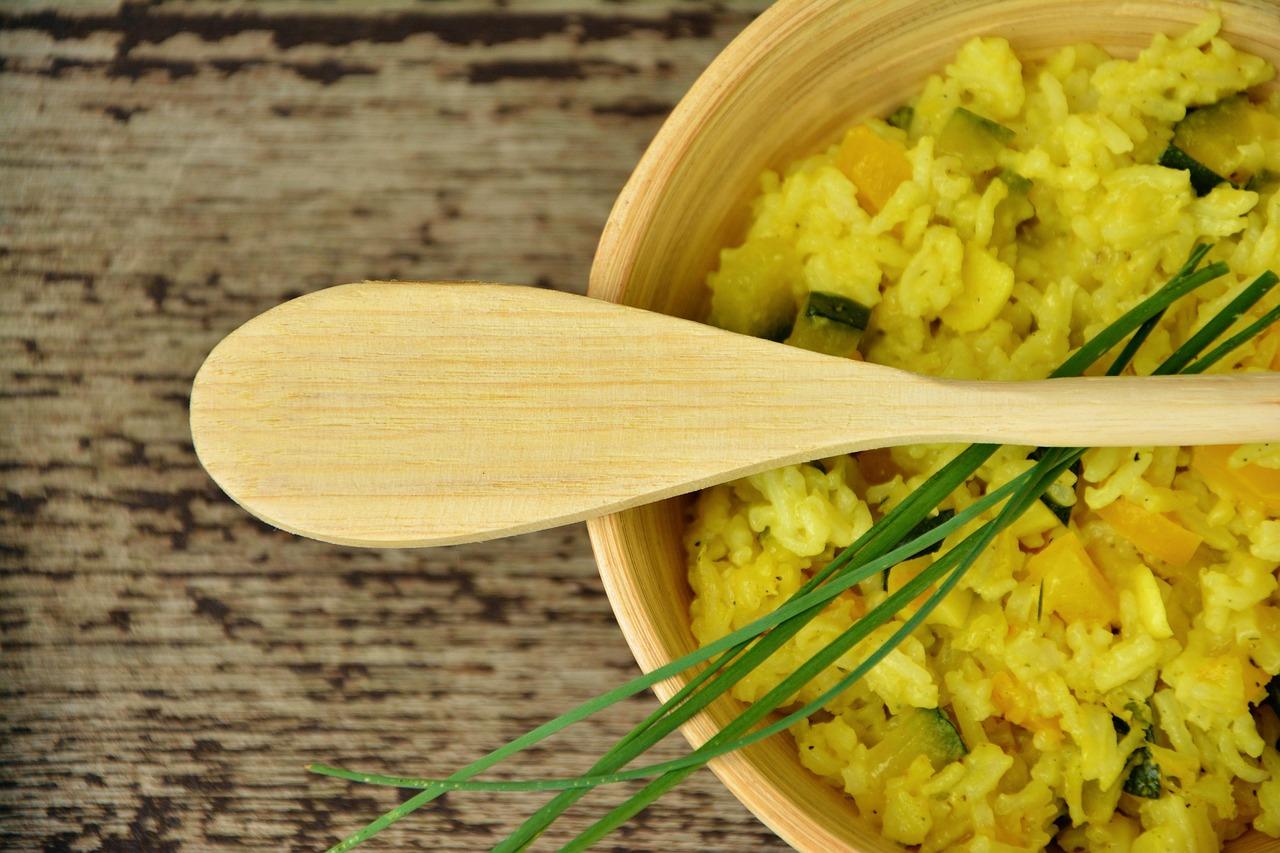
Sweetcorn pulao

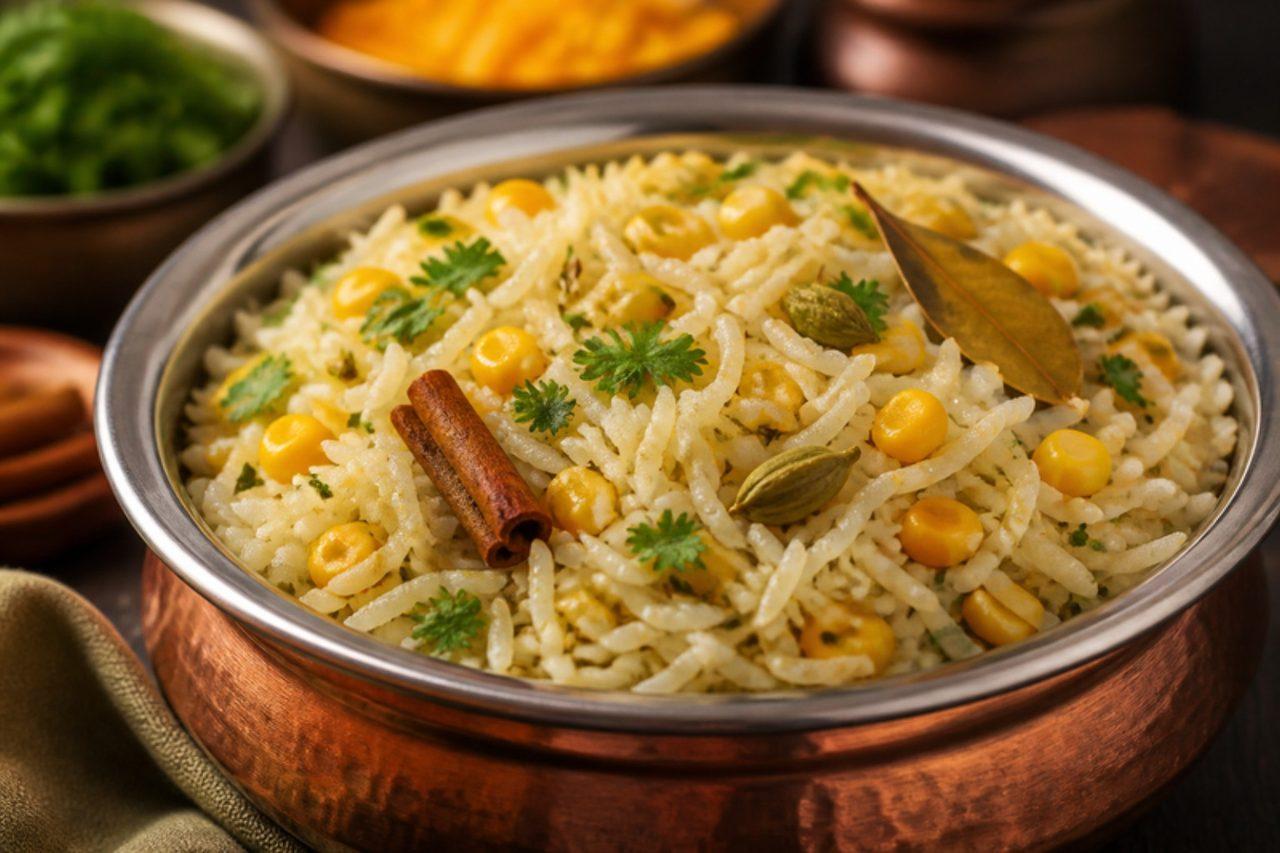
Sweetcorn pulao is a modern city favourite in India, from Pune to Delhi, cooked on school nights and packed into the next day's tiffin: fluffy basmati with juicy corn, gently perfumed with cumin, bay and cardamom, mild enough for the youngest at the table. Serve it with raita or a simple dal. It contains milk (ghee); use oil for a dairy-free version. Chef's tip: once the lid is on, don't stir; stirring breaks the grains and makes the pulao sticky.

by KrazyBadal 0 views

Dal paratha

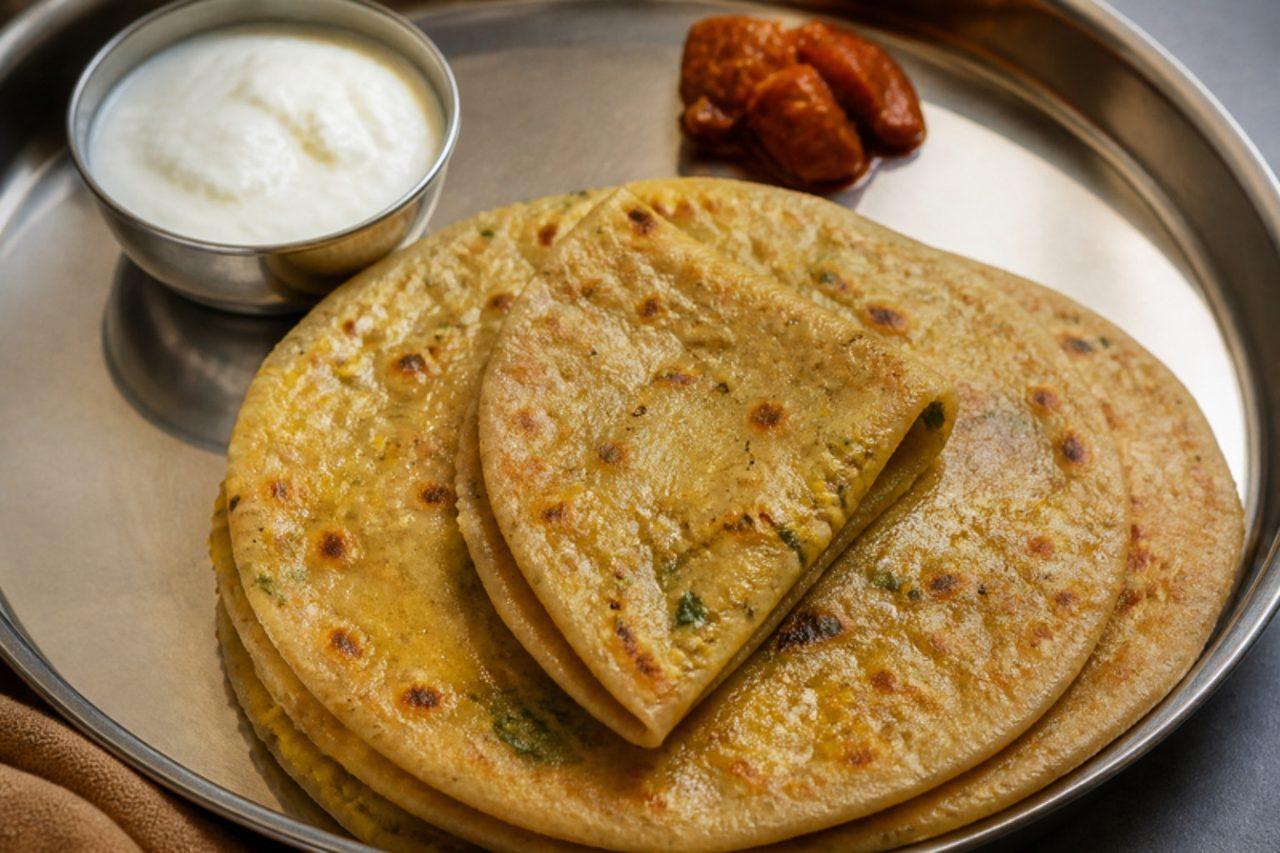
In north Indian kitchens, last night's thick dal rarely goes to waste: the next morning it is kneaded into wholewheat flour with ajwain and coriander and rolled into soft, savoury parathas for breakfast and the school tiffin. They are golden-flecked, faintly spiced and filling, and taste good cold with yoghurt or pickle. They contain gluten (wheat) and milk (ghee); use oil to make them dairy free. Chef's tip: add the dal before any water; it is often all the liquid the dough needs.

by KrazyBadal 0 views

Beans foogathGreen beans with coconut

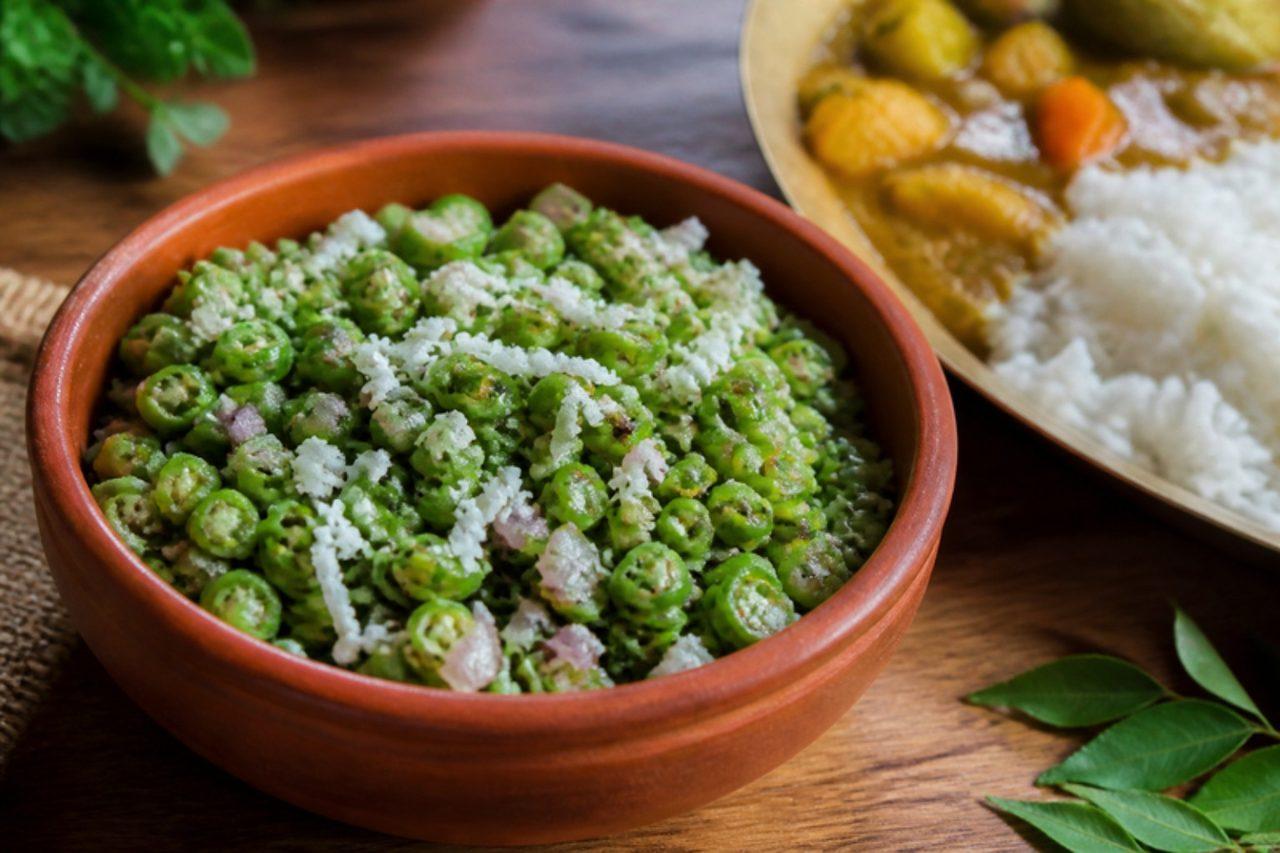
Foogath is the everyday vegetable of Goan Catholic homes in Margao and Panjim, a dry stir-fry of finely chopped beans, cabbage or gourd with onion, green chilli and plenty of freshly scraped coconut, eaten on the side of fish curry rice at Sunday lunch or with plain rice and dal at a weekday supper. It is mild, sweet and fresh-tasting. A portion is about 120 kcal. The common mistake is cooking the beans too long in a covered pan, which turns them khaki; cook them quickly and keep them bright green. Chef's tip: chop the beans very fine, almost into small rounds; that is the Goan way, and it lets them cook in a few minutes.

by KrazyBadal 0 views

Paruppu usiliGreen beans with crumbled lentils

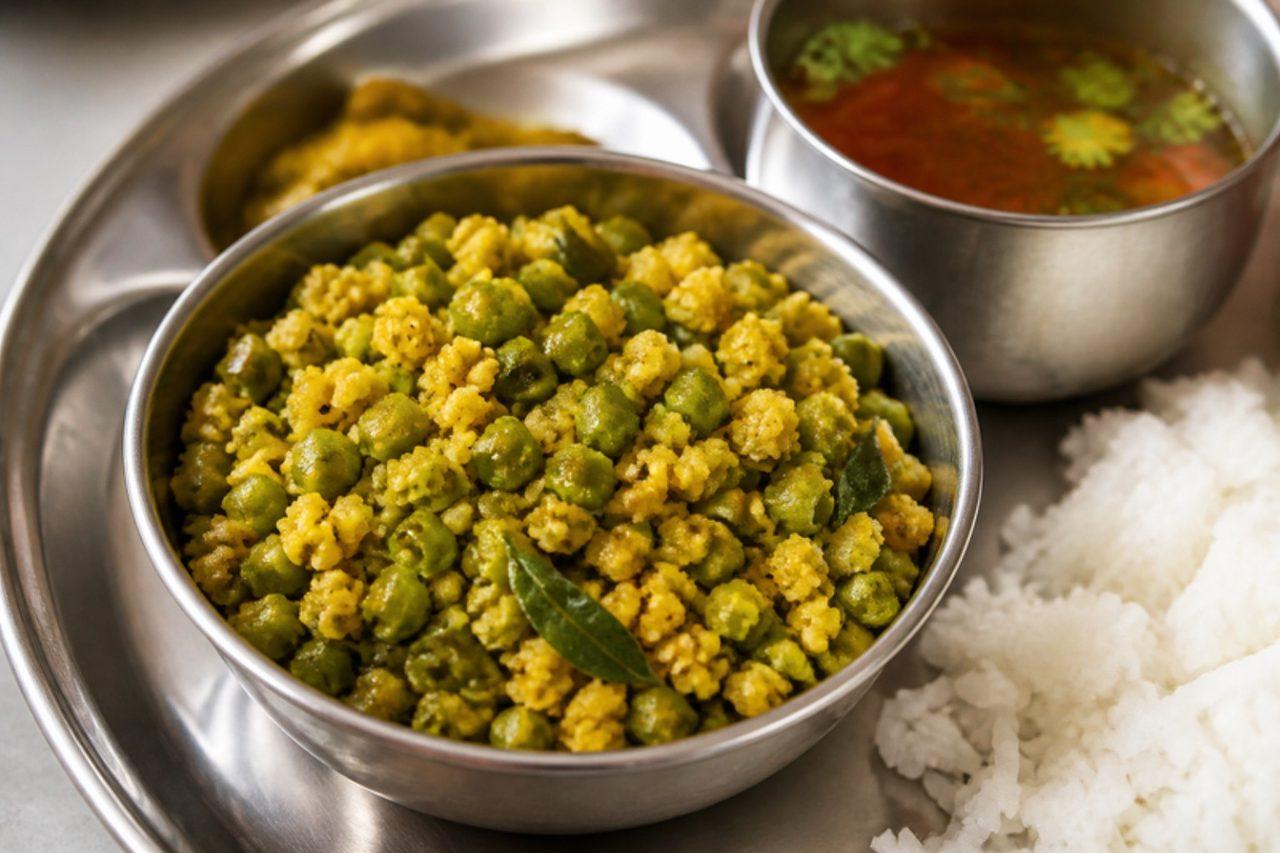
Paruppu usili is a Tamil Brahmin speciality, the dry dish that sits beside more kuzhambu or rasam on a Thanjavur lunch leaf at weddings and at home: chana and toor dal are soaked, ground coarsely with red chilli, steamed into a cake, crumbled, then fried with finely chopped green beans until the crumbs turn golden and crisp in places. The result is nutty, spicy and full of protein. A portion is about 220 kcal. The dals soak for 1 hour first (not counted in the times). The mistake most people make is grinding the dal to a smooth paste; it should be coarse like semolina, or the usili turns into lumps instead of crumbs. Chef's tip: steam the ground dal before frying, rather than frying it raw; it crumbles perfectly and needs far less oil.

by KrazyBadal 0 views

Patta gobhi matarCabbage and pea stir-fry

This is one of the plainest and most loved dishes of North Indian home cooking, made in Kanpur, Dehradun and Delhi on any weeknight when the fridge holds half a cabbage: finely shredded cabbage and green peas cooked fast with cumin, green chilli and turmeric until just wilted, still with some crunch. It goes into lunch boxes with ajwain parathas or onto the dinner thali with dal. A portion is about 110 kcal. The most common mistake is covering it for too long, which makes the cabbage watery and gives it a sulphur smell; cook it mostly uncovered on a fairly high heat. Chef's tip: shred the cabbage as finely as you can with a sharp knife; thin ribbons cook in five minutes and soak up the spices evenly.

by KrazyBadal 0 views

Varagu pongalKodo millet pongal

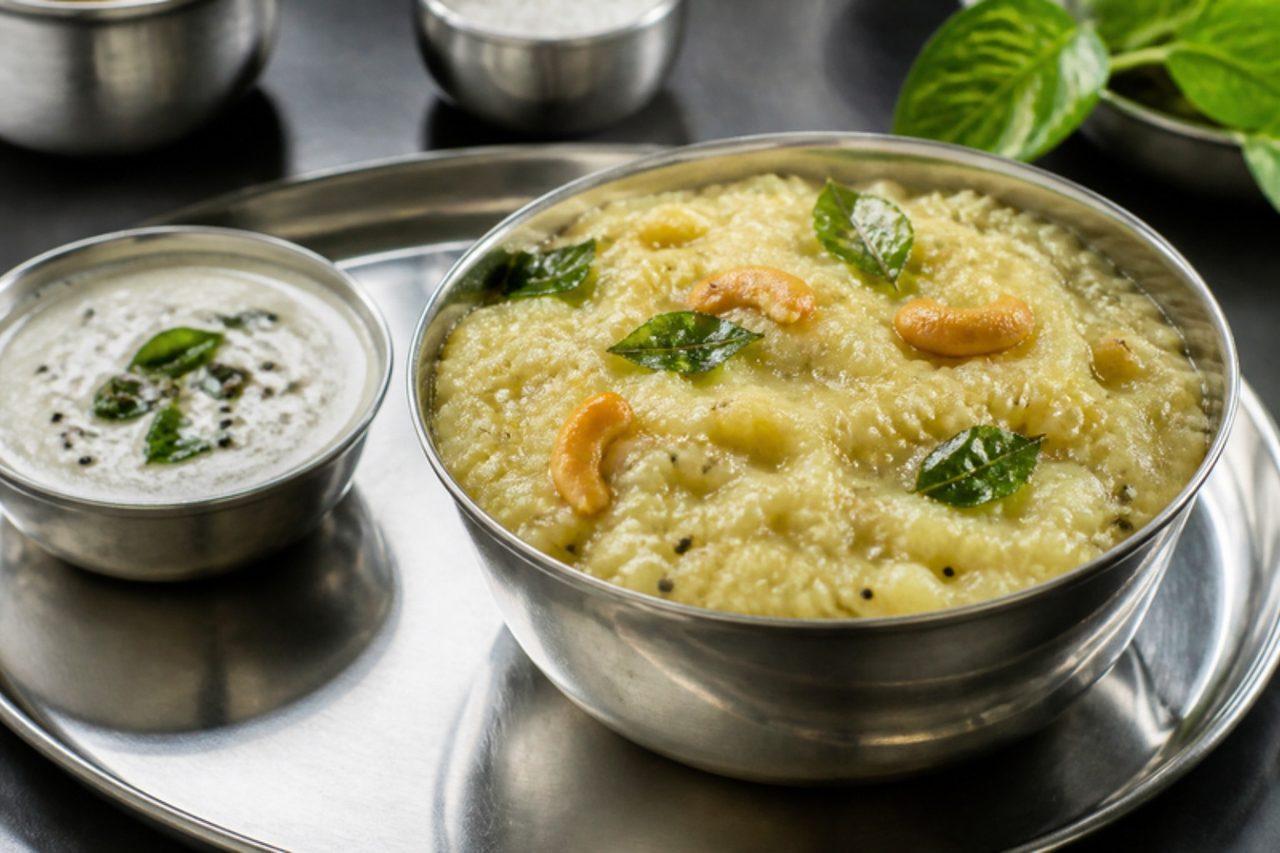
Ven pongal, the peppery rice and dal porridge, is the Sunday breakfast of Tamil Nadu and the prasadam handed out at temples; in Chennai homes that have turned to millets, kodo millet (varagu) now often takes the rice's place. It cooks into the same soft, creamy mass with yellow moong dal, scented with crushed black pepper, cumin, ginger and curry leaves fried in a modest spoon of ghee, and is eaten with coconut chutney and sambar. A portion is about 280 kcal, far less ghee than the temple version. The mistake people make is serving it too thick; pongal firms up fast as it cools, so make it looser than you think. Chef's tip: crush the peppercorns coarsely in a mortar rather than grinding them fine; you want little bursts of heat in each spoonful.

by KrazyBadal 0 views

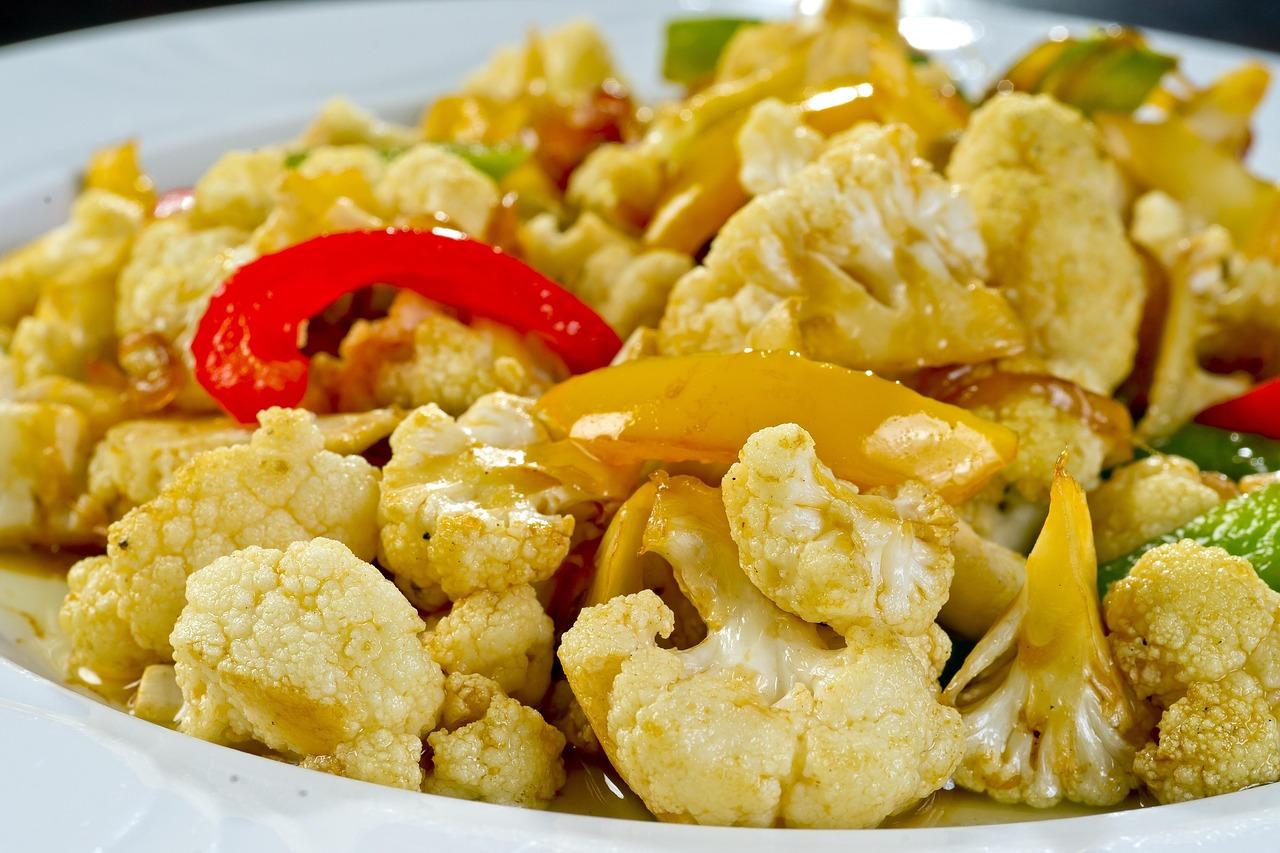
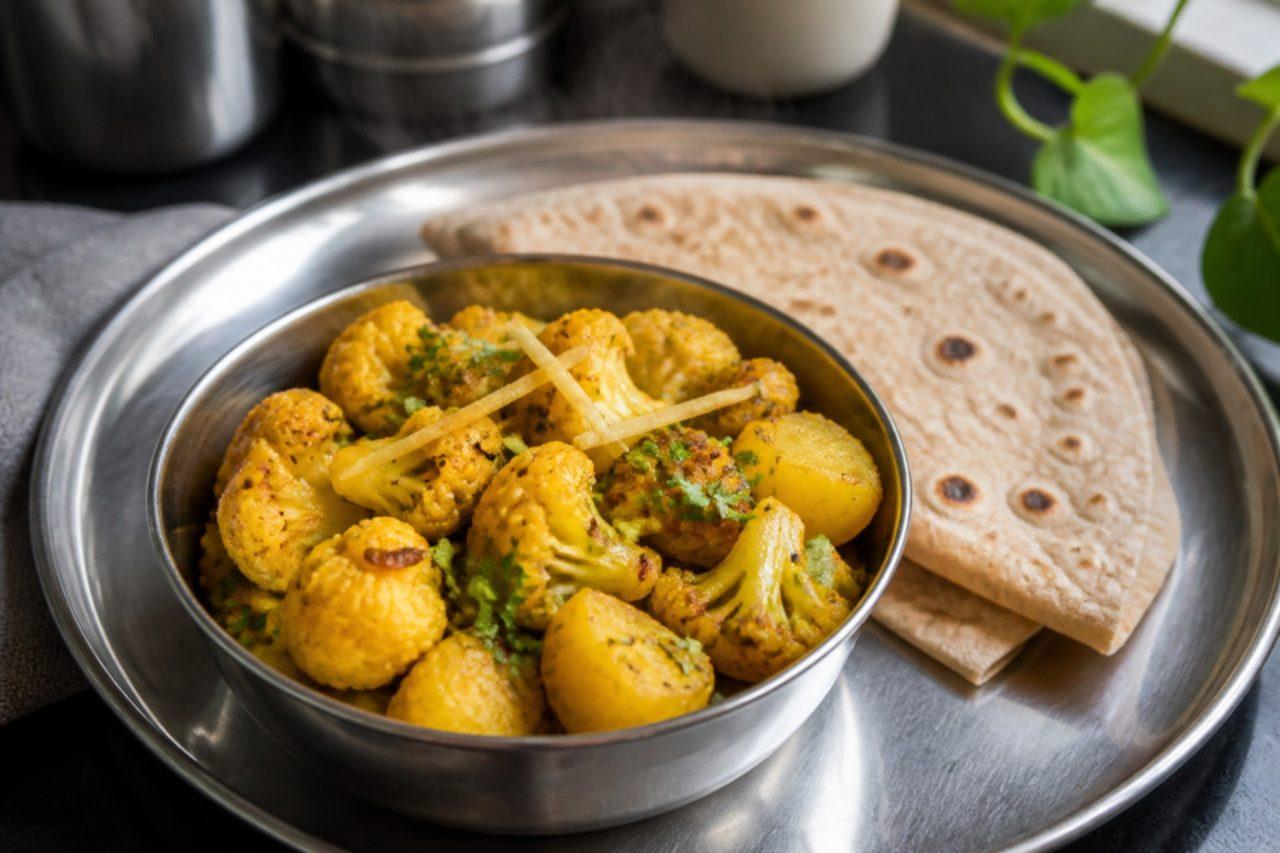
Aloo gobi

In winter, when the Punjab markets are piled with tight white cauliflowers, aloo gobi is on the table in Amritsar and Ludhiana homes several times a week, folded into hot phulkas for lunch boxes or eaten with dal and rice at night. This is the dry home version, not the oily dhaba one: florets and potato cubes cooked covered in their own steam with cumin, ginger, turmeric and green chilli, then uncovered so the edges brown a little. A portion is about 175 kcal. The most common mistake is adding water, which boils the cauliflower to mush; the lid and a low heat do the work. Chef's tip: cut the potatoes smaller than the florets so they cook in the same time, and don't stir too often, or the florets break.

by KrazyBadal 0 views

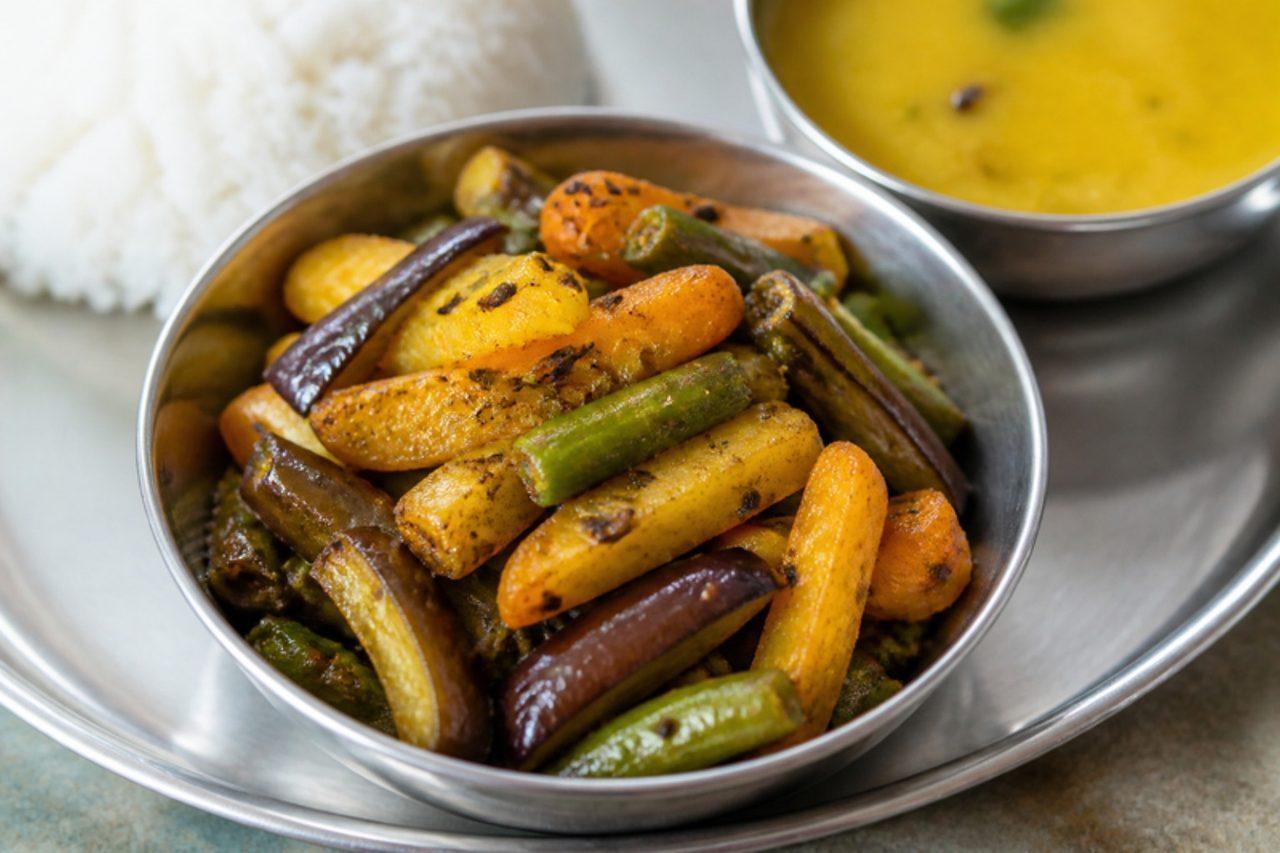
ChorchoriMixed vegetable stir-fry

Chorchori is the thrifty everyday dish of Kolkata kitchens, where whatever vegetables are in the basket, pumpkin, potato, aubergine, radish, beans, are cut into sticks and cooked down slowly with panch phoron and mustard oil until the pan is dry and the bottom catches a little. Bengalis love that slightly caramelised scrape at the bottom of the pan. It is eaten with rice and dal at lunch. A portion is about 150 kcal. The usual mistake is stirring too much, which breaks the vegetables into mush; once the lid is on, leave it and just shake the pan. Chef's tip: add a teaspoon of mustard paste or a pinch of sugar at the end, as many Bengali homes do; it rounds out the flavour.

by KrazyBadal 0 views

Moong dal khichdiRice and moong dal porridge

When someone in a Gujarati or Rajasthani home is under the weather, has just come back from a long trip, or simply wants a light supper on a Monday, the pressure cooker comes out for plain moong dal khichdi. Rice and split yellow moong cook together with turmeric until they collapse into a soft, spoonable porridge, and a small tempering of ghee, cumin and asafoetida is poured over at the end. It is eaten with yogurt, papad and a pickle, and it is gentle enough for toddlers over one year. A portion is about 290 kcal. The most common mistake is too little water, which leaves a stiff, dry khichdi; it should be loose enough to settle flat in the bowl. Chef's tip: dry-roast the dal for two minutes before adding water; it gives a nutty smell that plain boiled dal never has.

by KrazyBadal 0 views

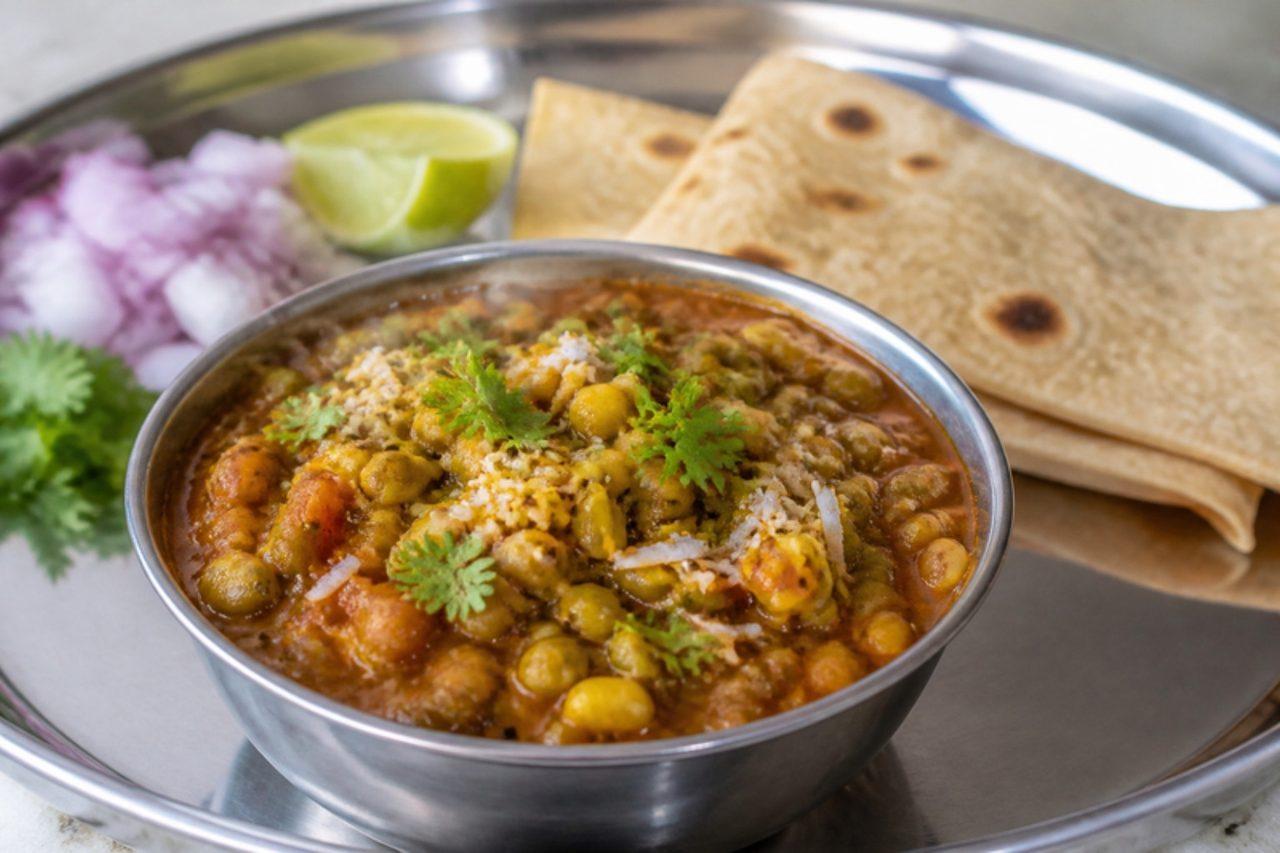
Matki usalSprouted moth bean curry

Every Marathi kitchen from Pune to Kolhapur keeps a jar of matki, the small brown moth beans, sprouting on the counter, and a bowl of usal is what turns up with chapati or bhakri at a weekday lunch, or topped with farsan as misal on Sundays. The sprouts stay slightly firm in a thin, spicy gravy flavoured with goda masala, the sweet-smoky spice mix of Maharashtra, and a little fresh coconut. A portion is about 230 kcal. Sprouting takes 2 days (soak overnight, then leave wrapped in a cloth for 24–36 hours), which is not counted in the times. The common mistake is overcooking the sprouts until they split and go mushy; they should hold their shape and still have a slight bite. Chef's tip: add a teaspoon of jaggery and a few kokum petals at the end; the gentle sweet-sour balance is what makes usal taste Maharashtrian.

by KrazyBadal 0 views

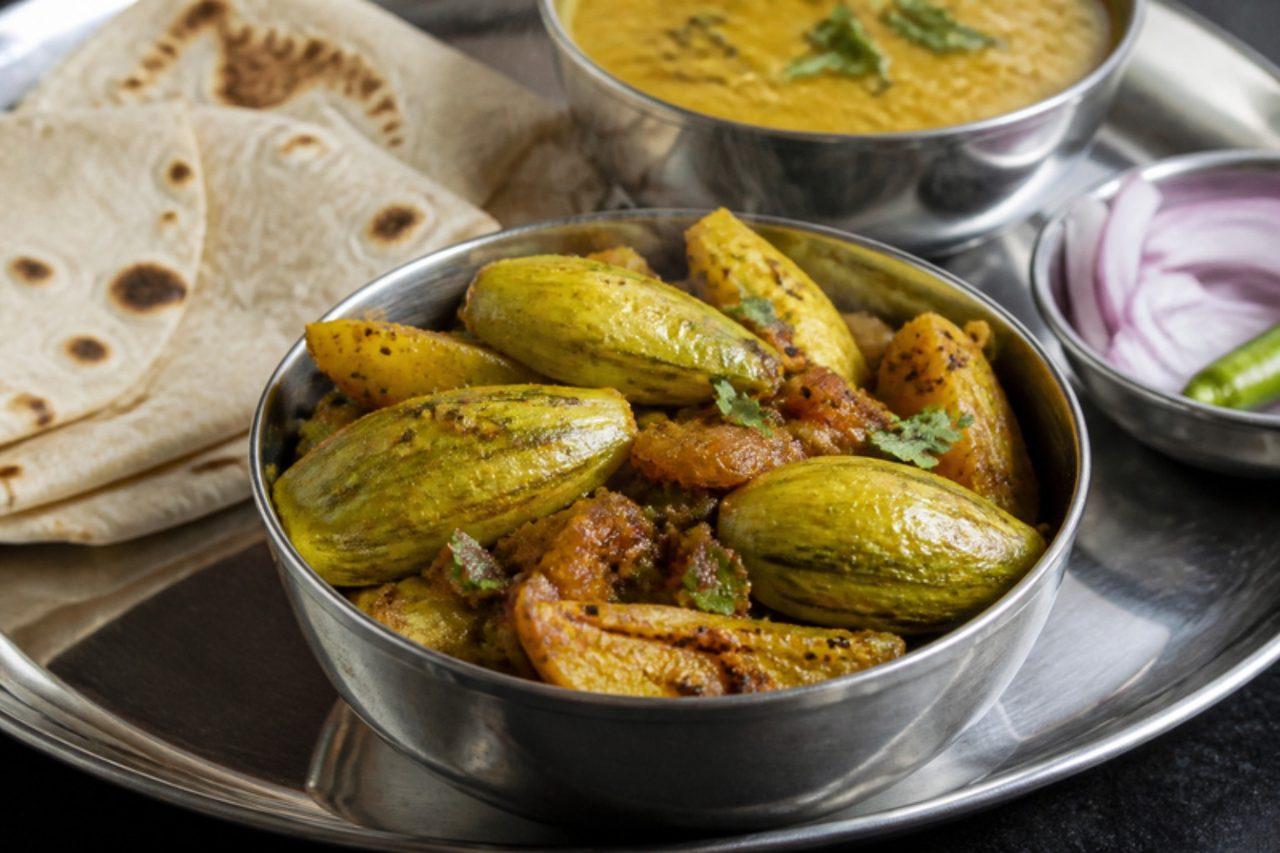
Parwal ki sabziPointed gourd and potato curry

Parwal, the small striped pointed gourd, is the summer vegetable of Patna, Varanasi and the Bhojpuri belt, and parwal-aloo is what fills the plate beside dal, rice and roti through the monsoon months. Lightly scraped gourds are halved and cooked with potato, onion, turmeric and a little garam masala until tender and golden in spots. A portion is about 140 kcal. The common mistake is peeling the parwal completely; just scrape off the rough outer skin so the halves keep their green colour and do not fall apart. Chef's tip: choose firm, bright green parwal with soft seeds; if the seeds are hard and red, scoop them out before cooking.

by KrazyBadal 0 views

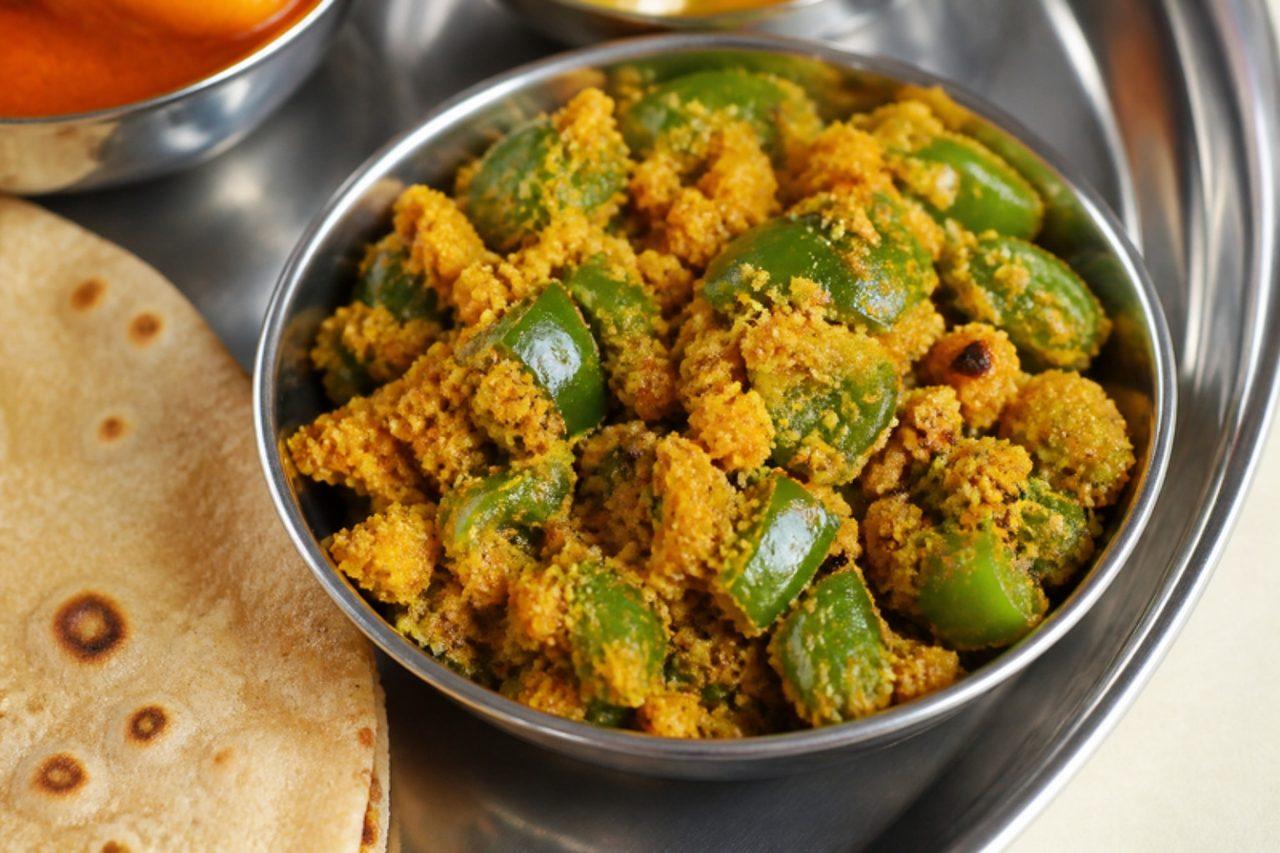
Shimla mirch besanCapsicum with gram flour

In Marwari homes in Jodhpur and Bikaner, and across Vidarbha in Maharashtra, gram flour stretches a few vegetables into a satisfying dry sabzi, and capsicum with besan is the weekday favourite, eaten with phulka and a bowl of kadhi or dal. Diced green peppers are cooked until just soft, then dusted with roasted, spiced besan, which turns into crumbly golden bits that cling to the peppers. A portion is about 165 kcal. The common mistake is adding the besan raw to the wet peppers, which gives a pasty, raw-tasting coating; roast it dry in a separate pan first until it smells nutty. Chef's tip: keep the capsicum slightly crunchy; it carries on softening once the besan goes in.

by KrazyBadal 0 views

UlavacharuHorse gram soup

Horse gram (ulavalu) was once the grain fed to horses and the poorest farmers in the dry Rayalaseema and Krishna districts; today ulavacharu is a prized dish in Vijayawada restaurants, served with hot rice, a dot of ghee for those who eat it and fresh cream in the fancier places. The beans are boiled for a long time, and their dark, earthy cooking liquid is simmered down with tamarind, jaggery and spices into a thick, glossy, sweet-sour soup. A portion is about 210 kcal. The beans need soaking overnight first. The most common mistake is throwing away the cooking water: it is the soup. Chef's tip: let ulavacharu reduce slowly until it coats a spoon like thin gravy; that thick, almost syrupy finish is what separates it from rasam.

by KrazyBadal 0 views

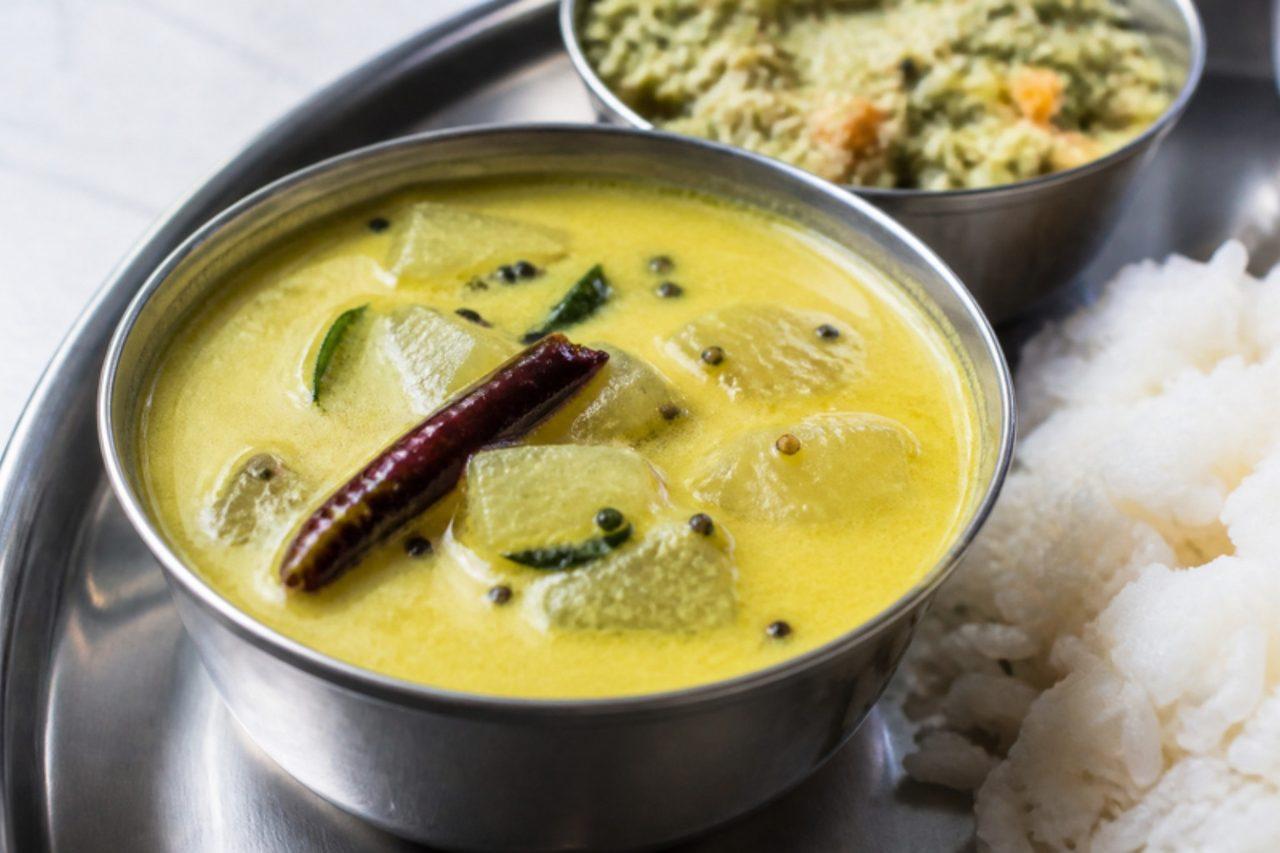
Majjige huliAsh gourd in buttermilk

Majjige huli is part of the Udupi and Mangaluru lunch, served with rice on banana leaves at temple meals and weddings and made at home on hot days: chunks of ash gourd (or cucumber, or chayote) cooked tender and then simmered gently in sour buttermilk thickened with a paste of coconut, green chilli, ginger and soaked chana dal. It is mild, tangy and pale yellow, and very cooling. A portion is about 150 kcal. The most common mistake is boiling it after the buttermilk goes in; it splits into curds and whey. Heat it until just steaming and then take it off. Chef's tip: use buttermilk that is a day or two old and properly sour; fresh buttermilk tastes flat in this dish.

by KrazyBadal 0 views

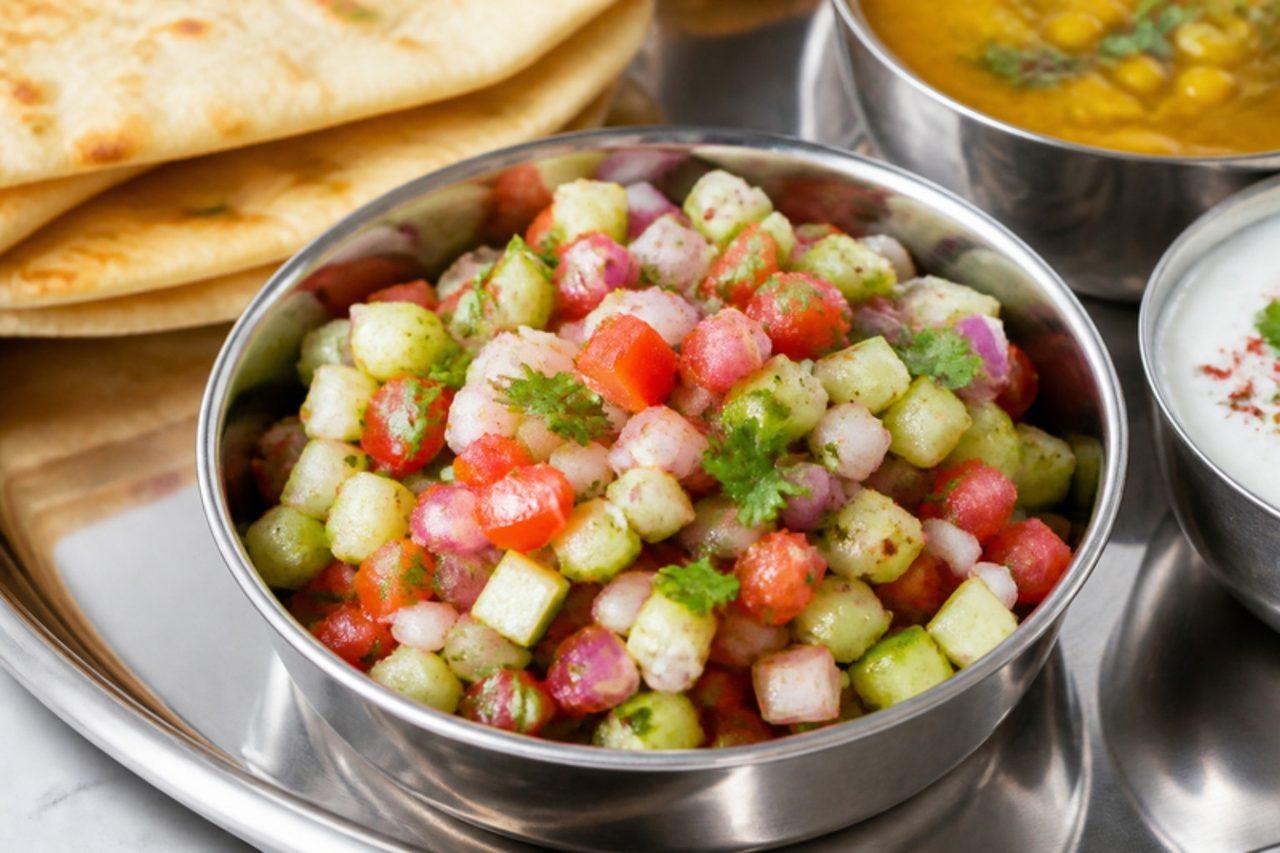
KachumberCucumber tomato onion salad

No North Indian or Gujarati thali is complete without a little heap of kachumber, the chopped salad that cuts through rich dal makhani, biryani or chhole in homes and dhabas from Delhi to Ahmedabad. Cucumber, tomato and onion are diced small and dressed only with lemon juice, salt, chilli and roasted cumin, so it stays crisp and sharp. A portion is about 40 kcal. The most common mistake is salting it too early; salt draws the water out of the cucumber and tomato and leaves a soggy puddle, so dress it just before serving. Chef's tip: soak the chopped onion in iced water for 5 minutes and drain; it loses its harsh bite and stays crunchy.

by KrazyBadal 0 views

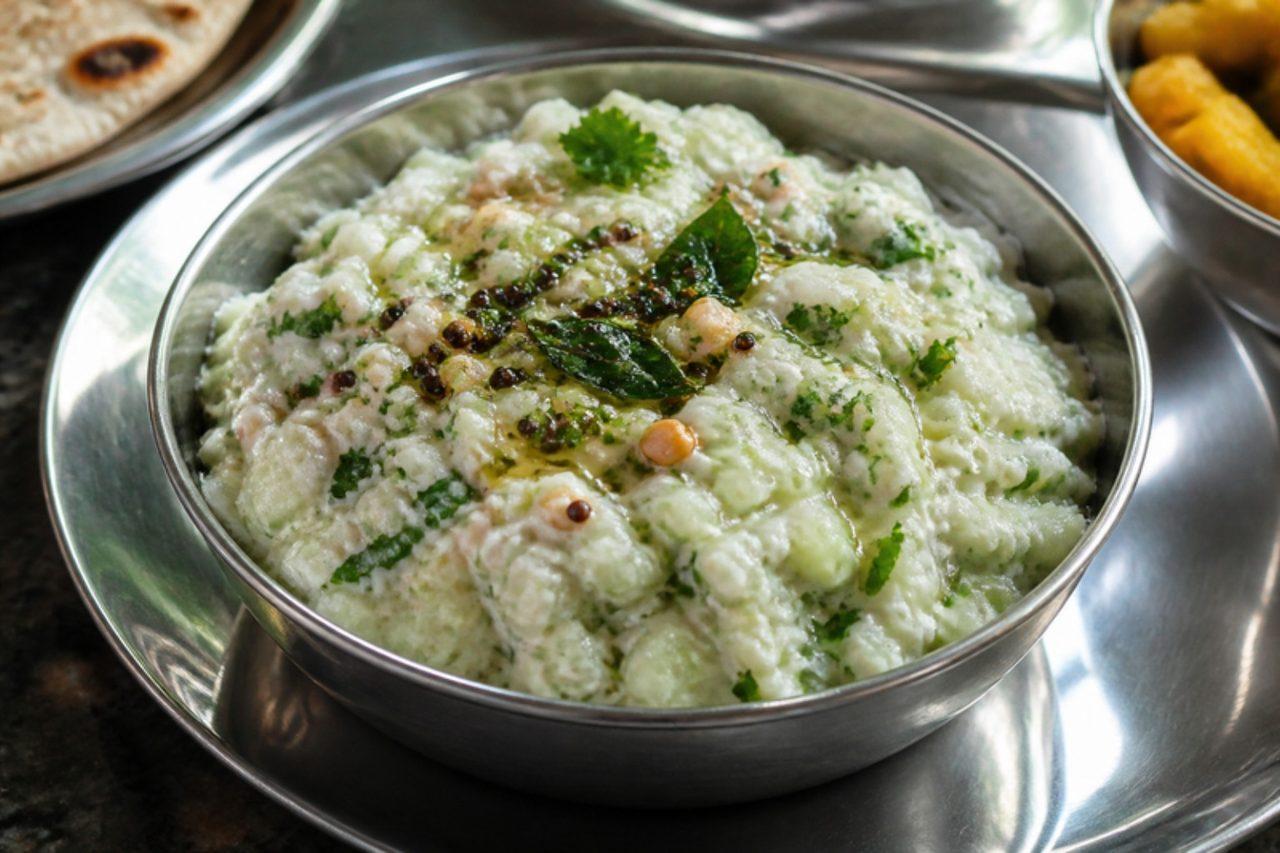
Kakdi koshimbirCucumber peanut salad

Koshimbir is the cool, crunchy salad that sits on the left side of a Marathi thali in Pune and Nashik, eaten at lunch with varan-bhaat and served at every festival meal. This one is grated or finely chopped cucumber mixed with crushed roasted peanuts, green chilli and a little yogurt, then finished with a fizz of mustard seeds and asafoetida in hot oil. A portion is about 110 kcal. The common mistake is not squeezing the cucumber, which makes the salad watery within minutes; press out the juice (and drink it). Chef's tip: add the crushed peanuts at the last moment so they stay crunchy, and use a pinch of sugar only if your yogurt is very sour.

by KrazyBadal 0 views

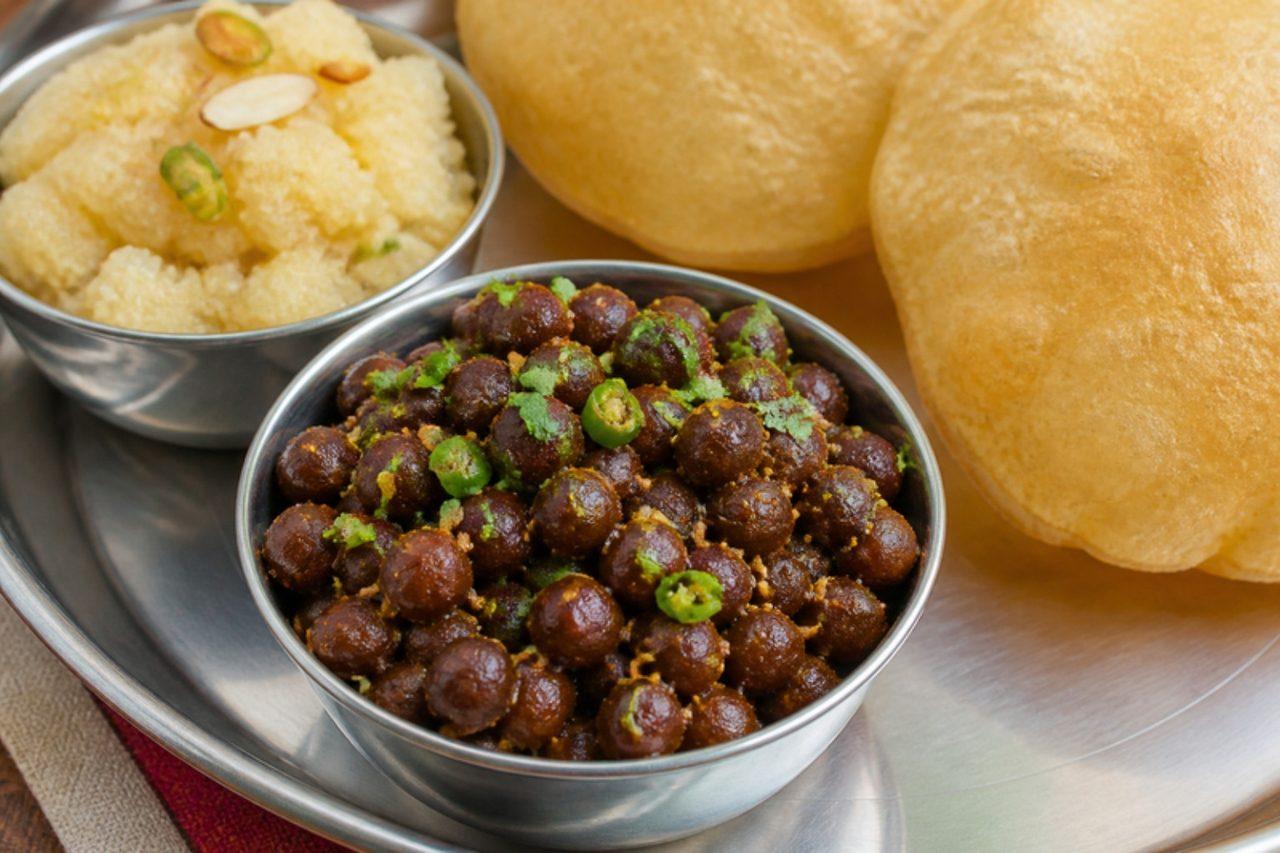
Sukhe kale chaneDry black chickpeas

On Ashtami, the eighth day of Navratri, homes in Delhi, Punjab and Uttar Pradesh invite young girls for kanjak puja and feed them puri, sooji halwa and these dry black chickpeas, cooked without onion or garlic. The kala chana are boiled until tender and then tossed in a hot, dry masala of cumin, coriander, amchur and green chilli until every chickpea is coated and the edges catch slightly. Outside festivals they make a protein-rich side or a snack with a squeeze of lemon. A portion is about 240 kcal. Soak the chickpeas overnight first. The common mistake is undercooking them: black chickpeas need longer than white, and should squash easily between two fingers. Chef's tip: keep 3 tablespoons of the cooking water and add it with the spices; it helps the masala cling to each chickpea.

by KrazyBadal 0 views

Mooli ki sabziRadish stir-fry

In Punjab and western Uttar Pradesh, radishes are bought with their leafy tops in the winter months, and nothing is wasted: the root is grated and the greens chopped, and both are cooked down with ajwain and green chilli into a soft, slightly sweet sabzi. It is eaten with makki or wheat roti and a spoon of white butter for those who are not counting, and it is very light without it. A portion is about 80 kcal. The usual mistake is skipping the squeeze: grated radish holds a lot of sharp-tasting water, so press it out first, or the sabzi turns soupy and bitter. Chef's tip: ajwain is the classic partner for radish; it softens the pungency and helps digestion, so don't leave it out.

by KrazyBadal 0 views

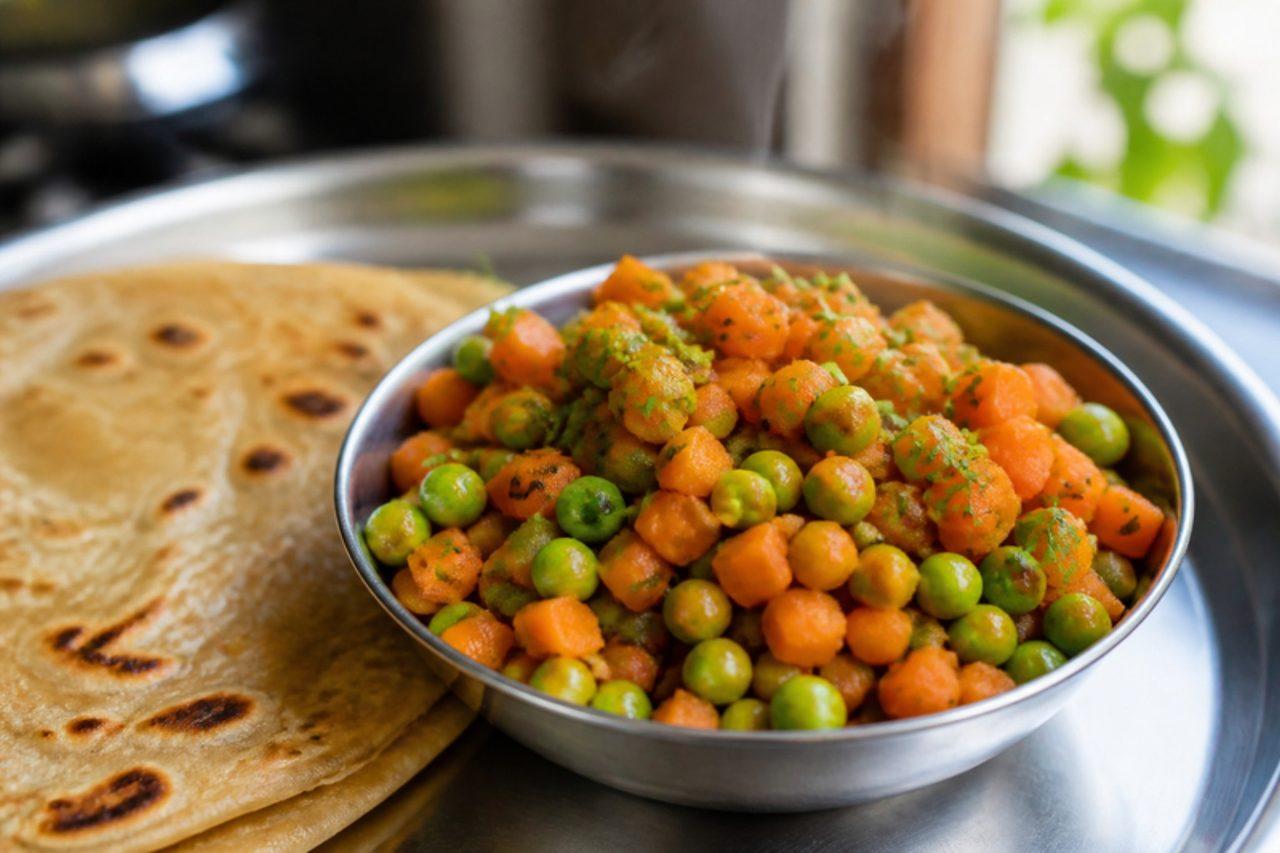
Gajar matarCarrot and pea stir-fry

Come December, the carts in Delhi and Lucknow are full of long red Delhi carrots and pods of fresh peas, and gajar matar becomes the everyday sabzi of the season, packed into tiffins with paratha or eaten with dal and rice. Diced carrot and peas are cooked with cumin, a little ginger and dry spices until just tender and sweet. Children tend to like it for its colour and mild taste. A portion is about 120 kcal. The usual mistake is cutting the carrot too big, so the peas go wrinkly before the carrot is cooked; dice it to the size of a pea. Chef's tip: if you can find the red winter carrots, use them; they are sweeter and juicier than orange ones, so you need no sugar at all.

by KrazyBadal 0 views

Kheera raitaCucumber yogurt dip

From Lucknow dinner tables to the biryani counters of Old Delhi, a bowl of cucumber raita is the cooling answer to anything spicy, and in summer it is eaten on its own with a paratha. Grated cucumber is folded into smooth, whisked yogurt with freshly roasted cumin, mint and a pinch of black salt. A portion is about 70 kcal. The common mistake is using yogurt straight from the pot without whisking, which gives a lumpy raita; whisk it smooth first and thin it with a spoon of cold water if needed. Chef's tip: roast whole cumin seeds in a dry pan and crush them yourself just before serving; the smoky smell is what makes a raita sing.

by KrazyBadal 0 views

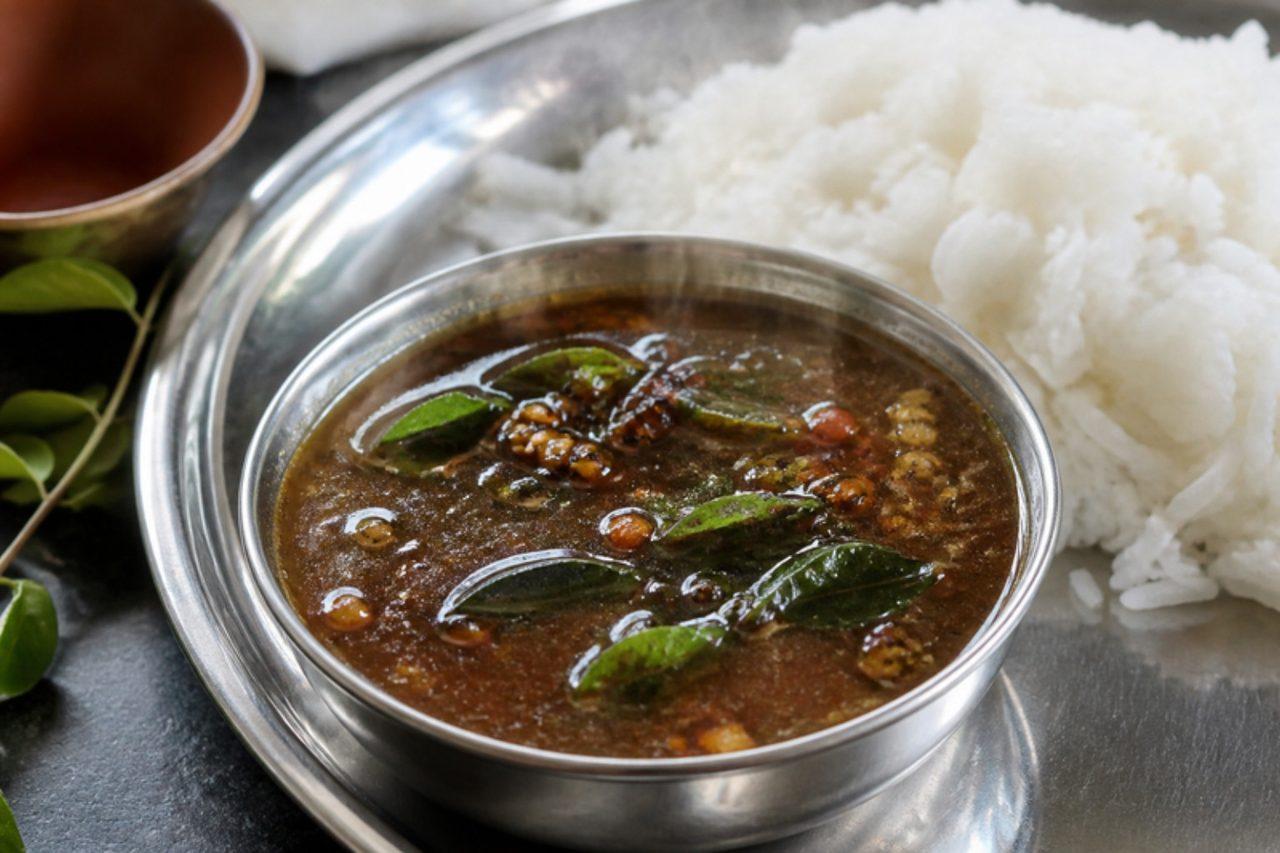
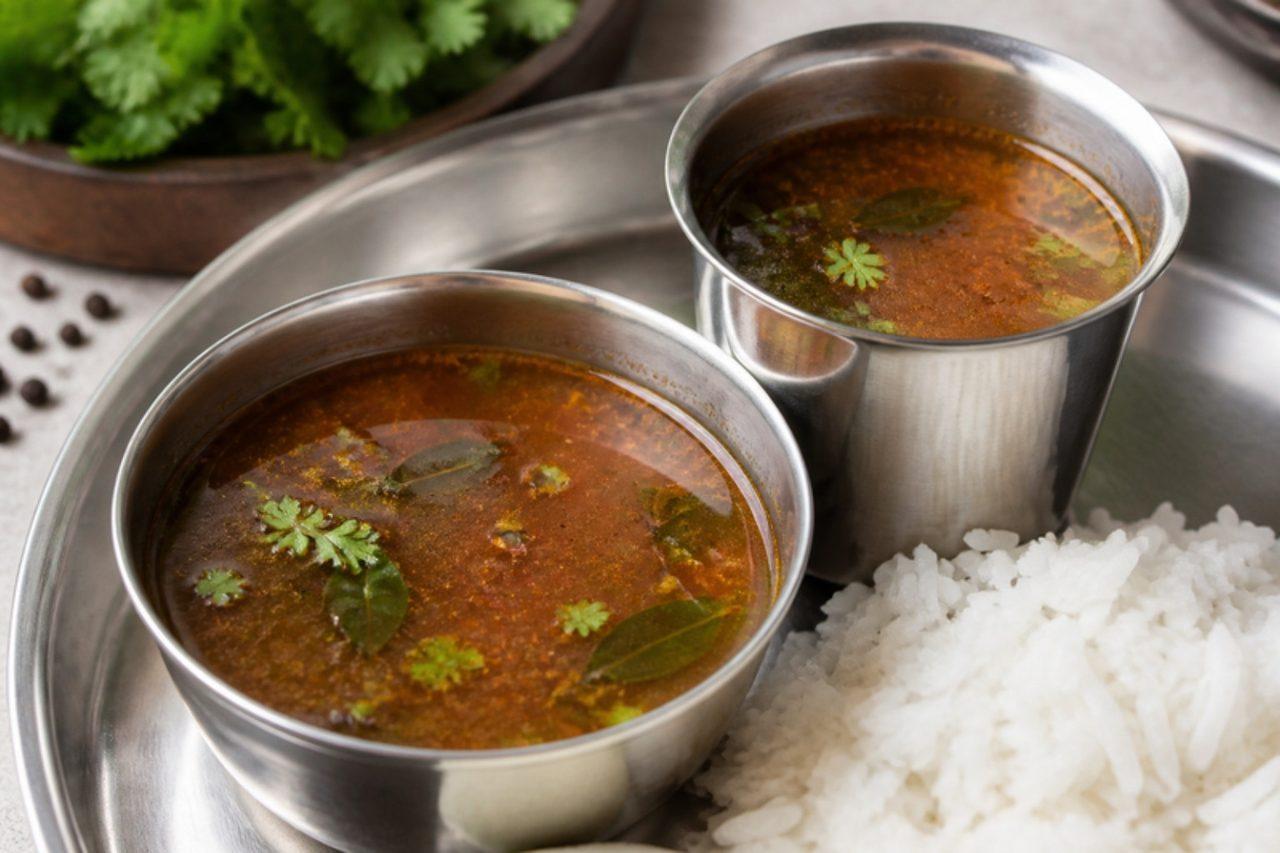
Milagu rasamPepper rasam

In Tamil homes from Madurai to Chennai, milagu rasam is the medicine of the kitchen, made when someone has a cold, the weather turns wet, or the family just wants a light dinner of rasam and rice. Unlike tomato rasam it needs no dal: tamarind water is simmered with a freshly ground paste of black pepper, cumin and garlic and tempered with ghee or oil, giving a thin, sharp, warming broth that clears the head. It is poured over rice or sipped from a cup. A portion is about 55 kcal. The common mistake is letting it boil hard after the spice paste goes in, which makes it bitter; once it froths up, turn off the heat. Chef's tip: dry-roast the pepper and cumin for a minute before grinding; it turns the heat round and deep instead of harsh.

by KrazyBadal 0 views

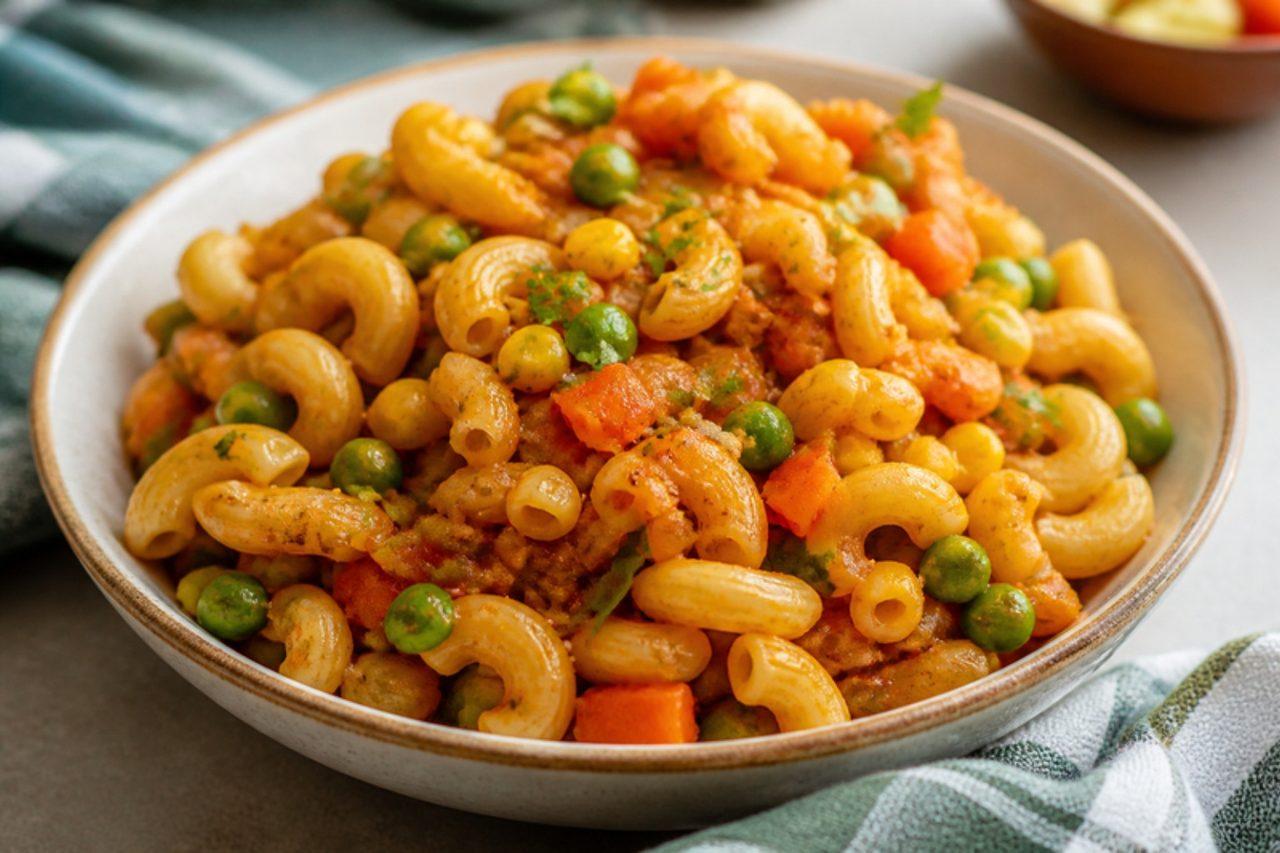
Masala macaroniSpiced vegetable macaroni

Pasta arrived in Indian kitchens through Irani cafés and school canteens, and home cooks quickly made it their own. This tiffin favourite from cities like Mumbai, Hyderabad and Bengaluru cooks elbow macaroni until just tender, then tosses it in a cumin-scented onion and tomato masala with soft carrot, peas, capsicum and sweetcorn. The spice stays gentle (a little Kashmiri chilli for colour, turmeric, coriander and a pinch of garam masala) and a spoonful of ketchup adds the sweet-sour note children expect. It is good hot for dinner and still tasty at room temperature in a lunchbox by midday. Grated cheese on top is optional; most cheddar and processed cheese uses animal rennet unless labelled vegetarian, so choose a vegetarian one. Chef's tip: keep a cup of the starchy pasta water; a splash at the end turns the masala into a light sauce that clings to every piece instead of sitting at the bottom.

by KrazyBadal 0 views

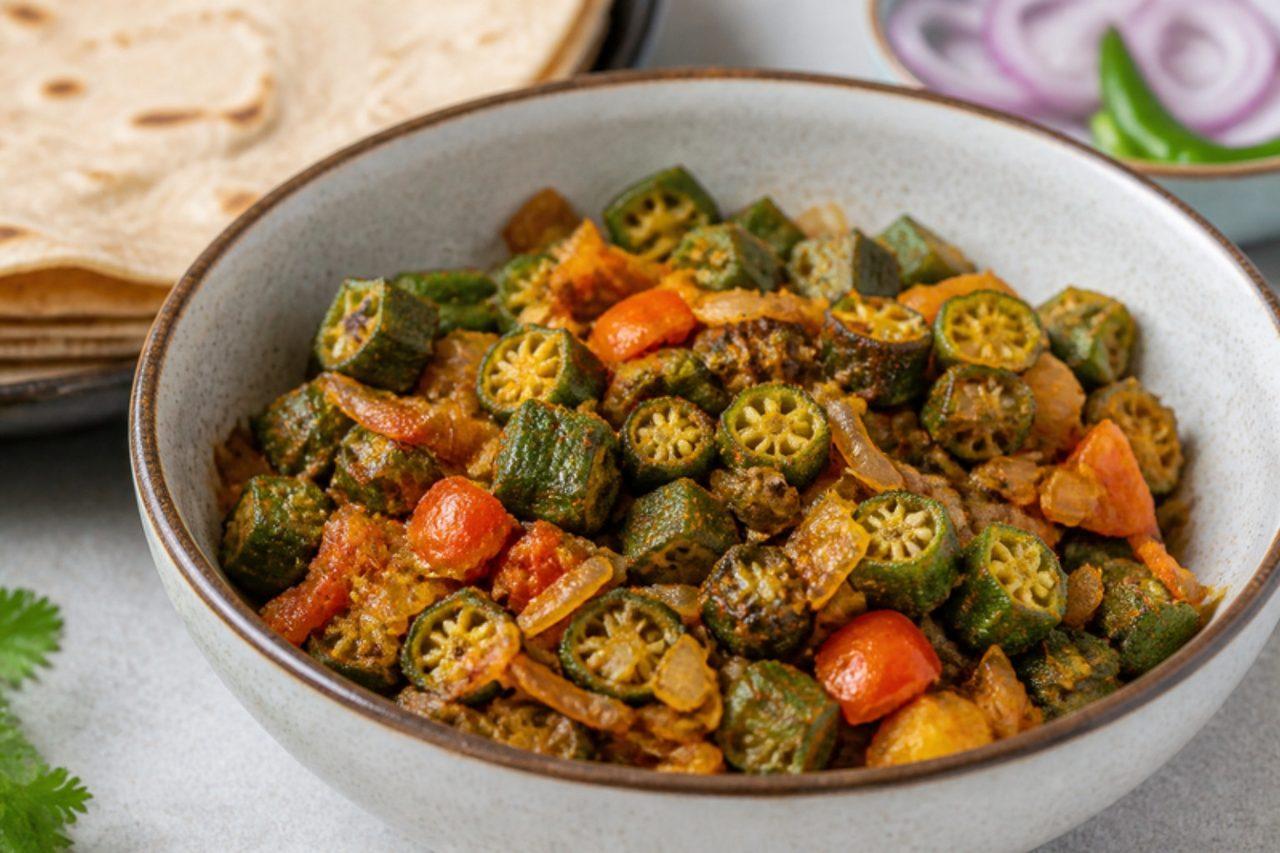
Bhindi masalaSpiced okra

Bhindi masala is the dry okra dish of North Indian homes and Delhi dhabas, made with sliced okra rather than the stuffed whole pods. The okra is fried in a wide pan until it loses its stickiness and gets crisp, browned edges, then tossed with onions softened until sweet, a little tomato and a dry masala finished with amchur. It is a favourite with dal-chawal, roti and raita, and keeps well in a lunchbox. The common mistake is washing okra and slicing it wet, or covering the pan; both make it slimy. Wash it well ahead, dry every pod with a cloth, and cook uncovered. Chef's tip: add salt only at the end, once the okra is cooked, because salt draws out moisture and makes it sticky.

by KrazyBadal 0 views

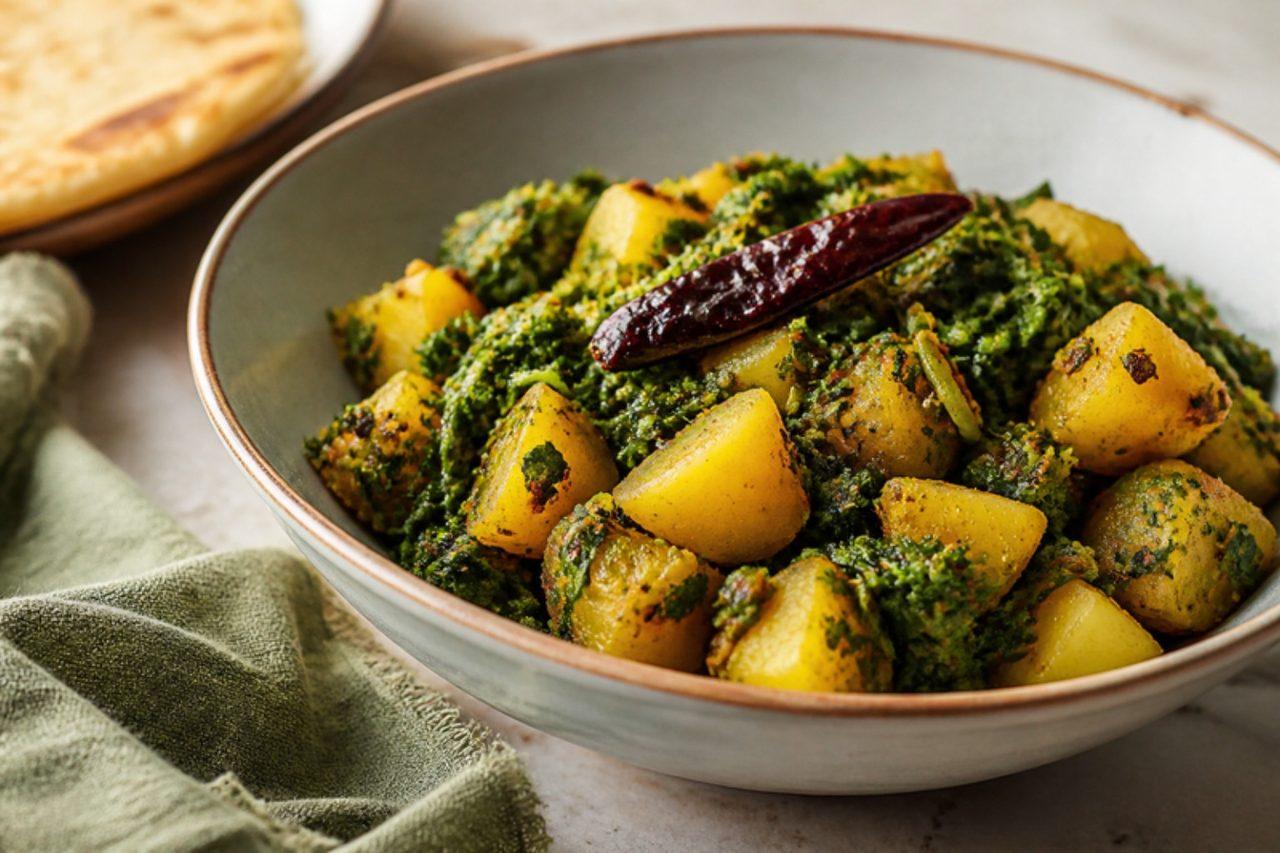
Aloo methiPotato and fenugreek stir-fry

When winter methi floods the Punjab sabzi mandis, every family cooks aloo methi with makki di roti or plain phulka and a bowl of dal. The leaves cook right down into a dark green coating around tender potato cubes, garlicky and gently bitter, with a little sourness from amchur and heat from dried red chilli. It's a classic tiffin sabzi because it tastes just as good cold. The common mistake is covering the pan after the methi goes in, which traps steam and brings out the bitterness; cook the potatoes covered first, then finish uncovered. Chef's tip: sprinkle the chopped methi with a pinch of salt, leave it ten minutes and squeeze out the green juice to tame the bitterness, just as Punjabi grandmothers do.

by KrazyBadal 0 views

Kacha kela nu shaakRaw banana stir-fry

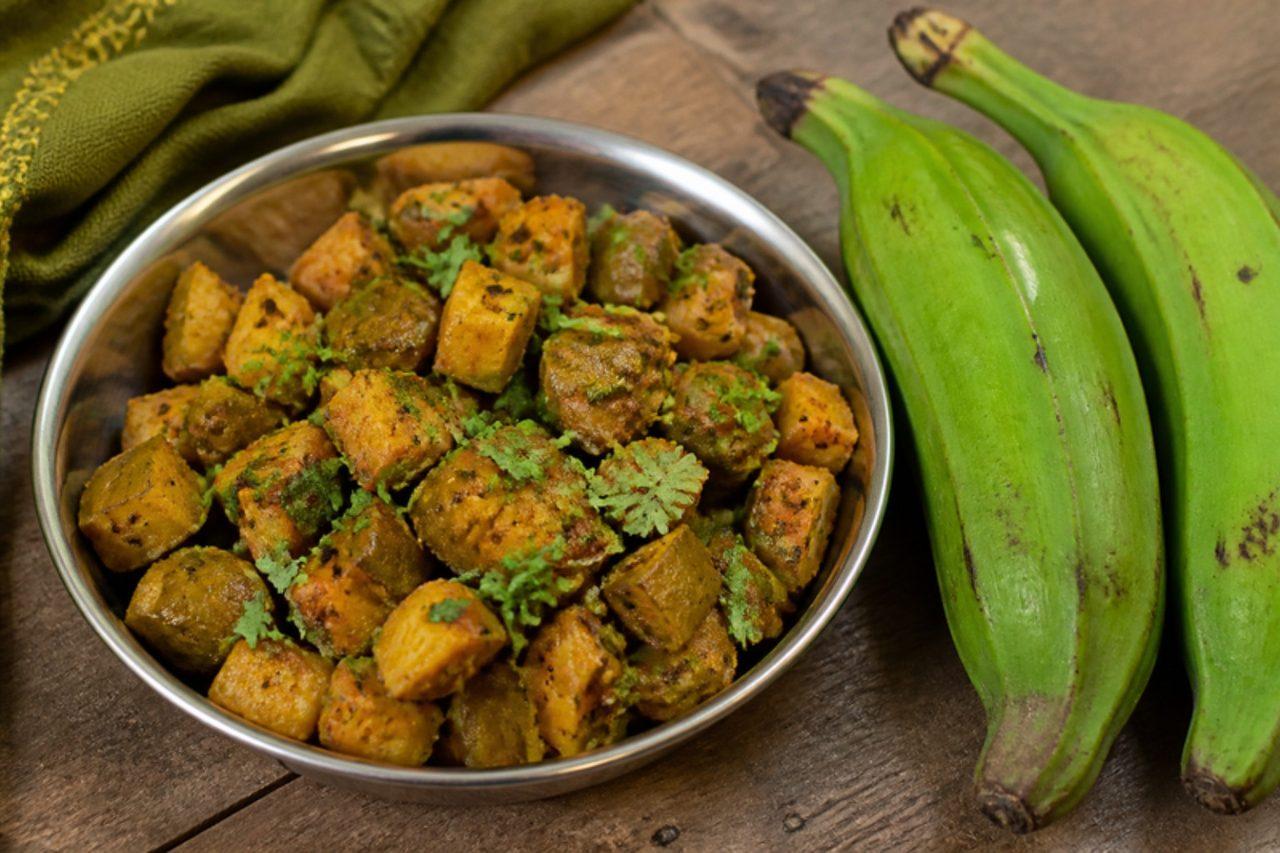
Jain kitchens leave out potatoes, along with every other root, so in Ahmedabad, Palanpur and Mumbai's Gujarati homes raw green banana steps in, and this dry shaak is the one you'll find in the thali at paryushan and at Jain bhojanshalas year round. The cubes are cooked gently in a vaghar of mustard seed, ajwain and hing, dusted with turmeric, chilli and dhana-jiru, and finished with a pinch of sugar and lemon, so they turn soft and creamy inside with lightly browned edges. It tastes savoury, sweet-sour and peppery from the ajwain. Serve it with rotli, dal-bhaat or puri. The common mistake is stirring too much once the banana softens; the cubes break and turn mushy. Turn them with a flat spatula only two or three times. Chef's tip: drop the cubes into water as you cut them so they stay pale, and drain well before they hit the oil.

by KrazyBadal 0 views

Methi theplaFenugreek flatbreads

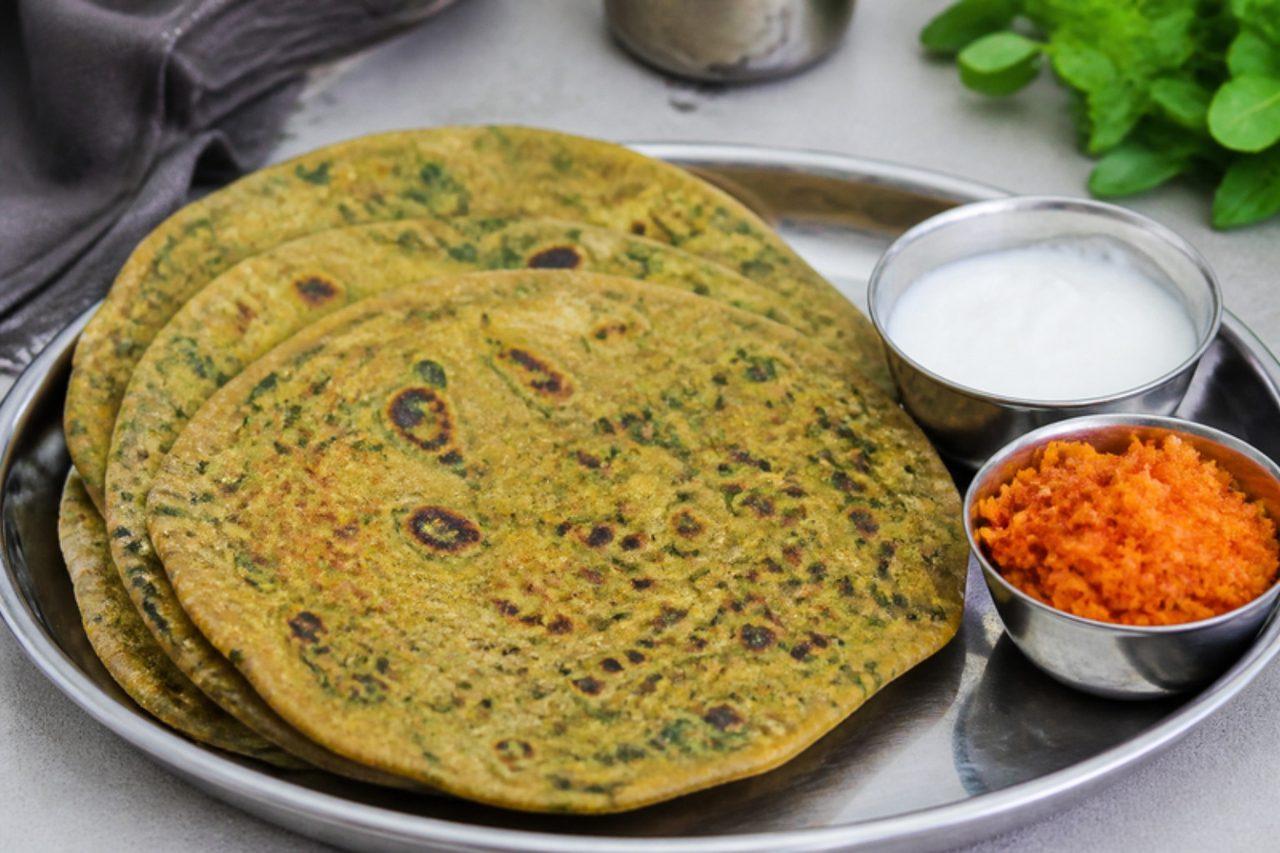
Ask any Gujarati family heading for a train, a flight or a yatra what is in the steel dabba and the answer is methi thepla, with a jar of chhundo and some dry garlic chutney. Kneaded with dahi and a little oil rather than water, and spiced with turmeric, chilli, ajwain and sesame, they stay soft and fresh for three or four days without a fridge. Fresh methi gives a gentle bitterness balanced by a pinch of sugar, and the spoonful of besan adds a nutty depth. They are breakfast with masala chai, the school tiffin with dry aloo shaak, and the evening snack with pickle. A common mistake is pouring in water at the start; salt draws juice from the methi and dahi loosens the dough, so it turns sticky. Add water only by the spoonful at the end. Chef's tip: roll them really thin and cook on a medium tawa; thick theplas go leathery once cold.

by KrazyBadal 0 views

Paneer bhurjiScrambled paneer

Dhabas on the Delhi-Chandigarh highway and Punjabi homes everywhere make paneer bhurji when an egg bhurji won't do: for vegetarian guests, for a fast lunchbox, or when there's a block of paneer waiting in the fridge. The paneer is crumbled and folded into an onion-tomato masala with green chilli, a little garam masala and kasuri methi, and a splash of milk keeps it soft and moist. It goes with butter roti, a buttered pav from the Mumbai stalls, or rolled into a paratha for a tiffin. The common mistake is cooking the paneer too long; it toughens and dries out in minutes. Add it last and heat it through for no more than two or three minutes. Chef's tip: homemade or very fresh paneer crumbles best; grate a firm shop block instead of crumbling it.

by KrazyBadal 0 views

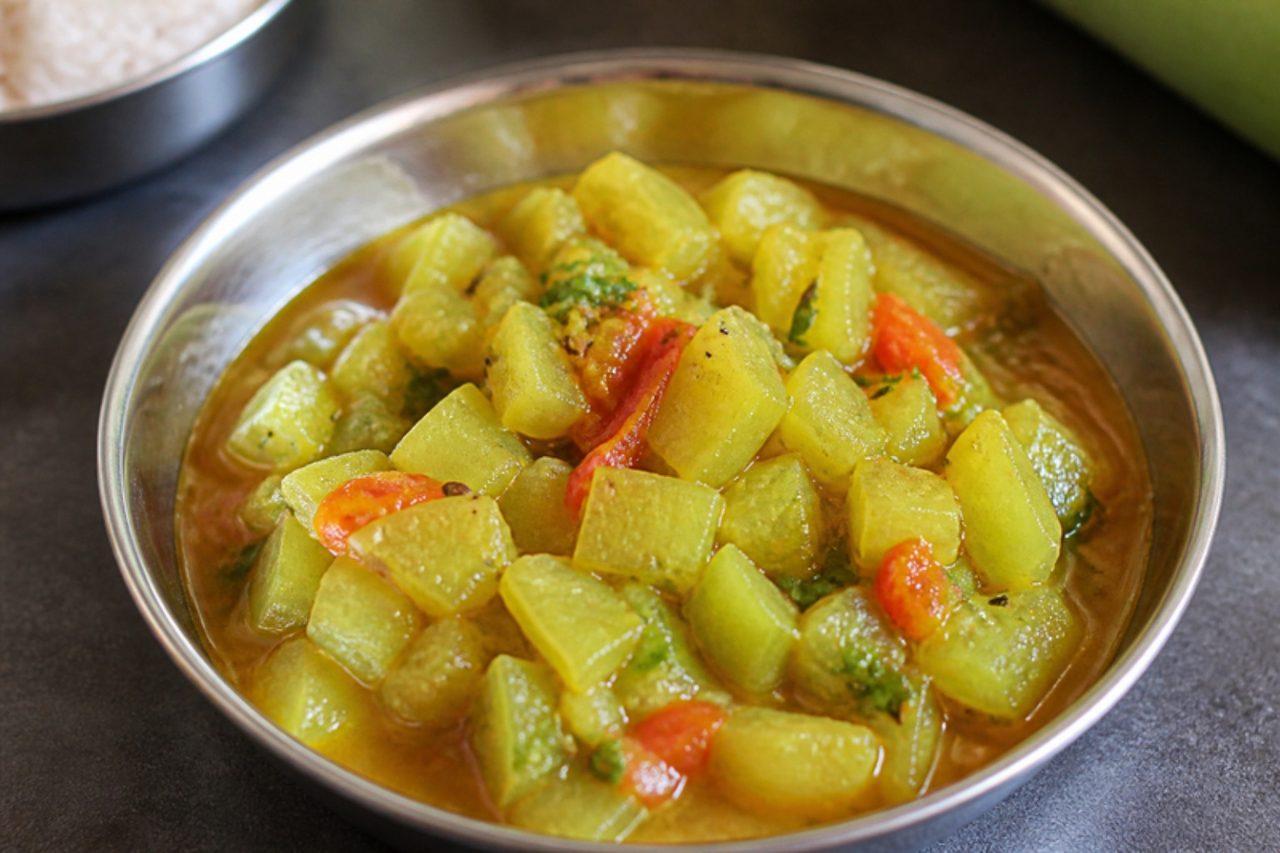
Turiya nu shaakRidge gourd curry

Turiya arrives in Gujarat's markets with the monsoon, and this quick, juicy shaak is a weekday staple from Rajkot to Navsari, eaten with rotli and a dollop of ghee, or with khichdi and kadhi. It is cooked the Jain way, in a vaghar of mustard seed, ajwain and hing with green chilli and dry ginger powder instead of fresh ginger, plus tomato and a pinch of sugar. The gourd turns silky and almost melts, leaving a light, sweetish gravy. A common mistake is overcooking: ridge gourd softens in about eight minutes and turns to mush soon after. Take it off the heat as soon as the pieces are translucent but still hold their shape. Chef's tip: scrape off only the hard ridges and leave the green skin between them; it keeps the pieces together and adds flavour.

by KrazyBadal 0 views

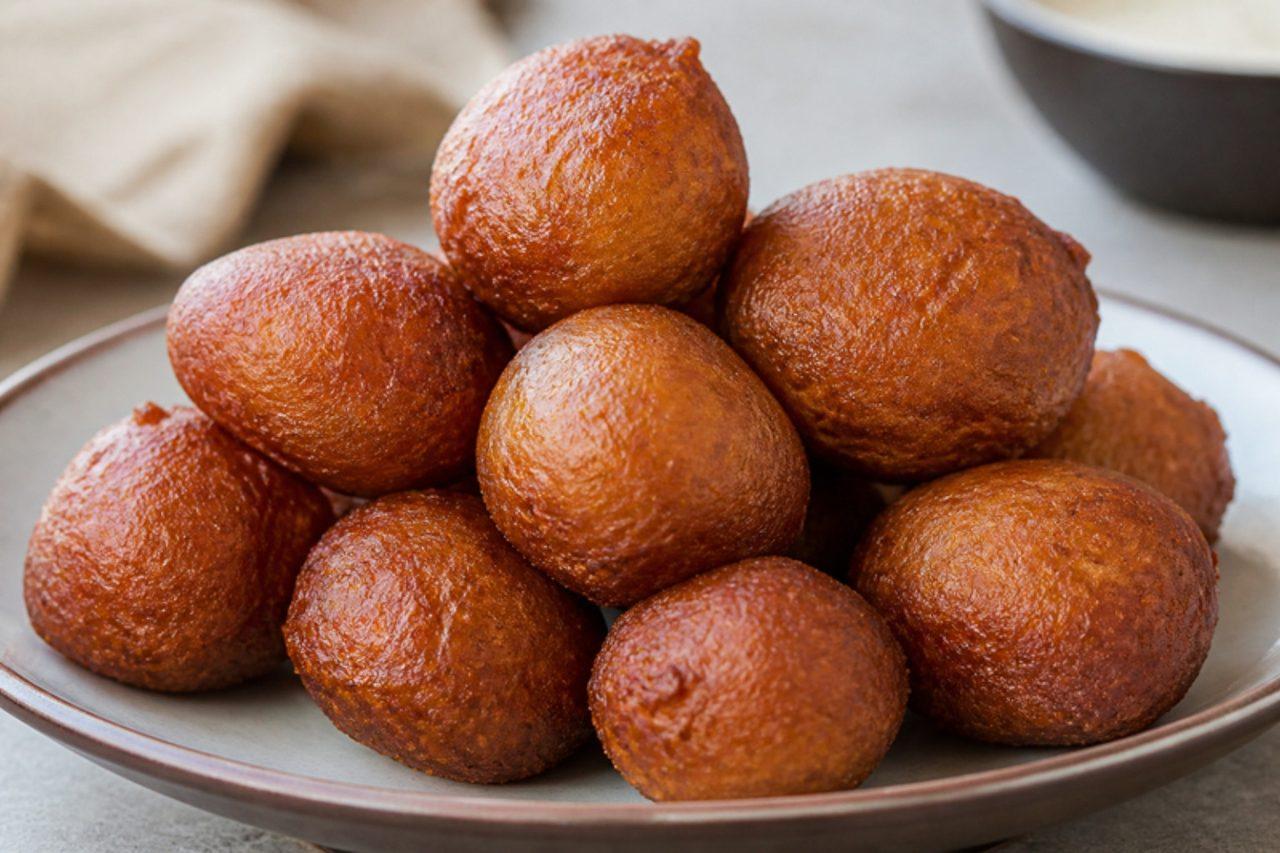
GulguleJaggery and wheat fritters

Rainy afternoons in Lucknow, Varanasi and Patna smell of gulgule frying. These little sweet fritters are made from a thick batter of whole wheat flour and melted jaggery, studded with fennel seeds, and dropped by hand into medium-hot oil, where they puff up and roll themselves over into dark-golden balls. Outside they are thin and crisp; inside they stay soft and cakey with a deep caramel sweetness. They are also made as a prasad for Sheetla Ashtami and on Teej, and children love them warm with a glass of milk. Made with water and fried in oil, as here, they are vegan. Expect about 20 bite-sized fritters. Chef's tip: test the batter by dropping a spoonful into water; if it holds its shape and doesn't spread, it is thick enough to make round gulgule.

by KrazyBadal 0 views

Dudhi nu shaakBottle gourd curry

When someone in a Gujarati house is unwell, or it's simply too hot to eat anything heavy, this is the shaak that appears with khichdi or thin rotli. Pale green bottle gourd cubes are cooked in a vaghar of cumin, mustard seed and hing with green chilli, a little tomato and a pinch of jaggery, and they release so much juice that almost no water is needed. With no onion, garlic or fresh ginger, it's everyday Jain food too. It ends up soft, light and gently sweet-sour, with a little thin gravy to soak into rice. The common mistake is adding water; dudhi is mostly water itself, and the shaak goes soupy and bland. Cover and let it stew in its own juice. Chef's tip: always taste a tiny raw piece first; a bottle gourd that tastes bitter can make you ill and must be thrown away.

by KrazyBadal 0 views

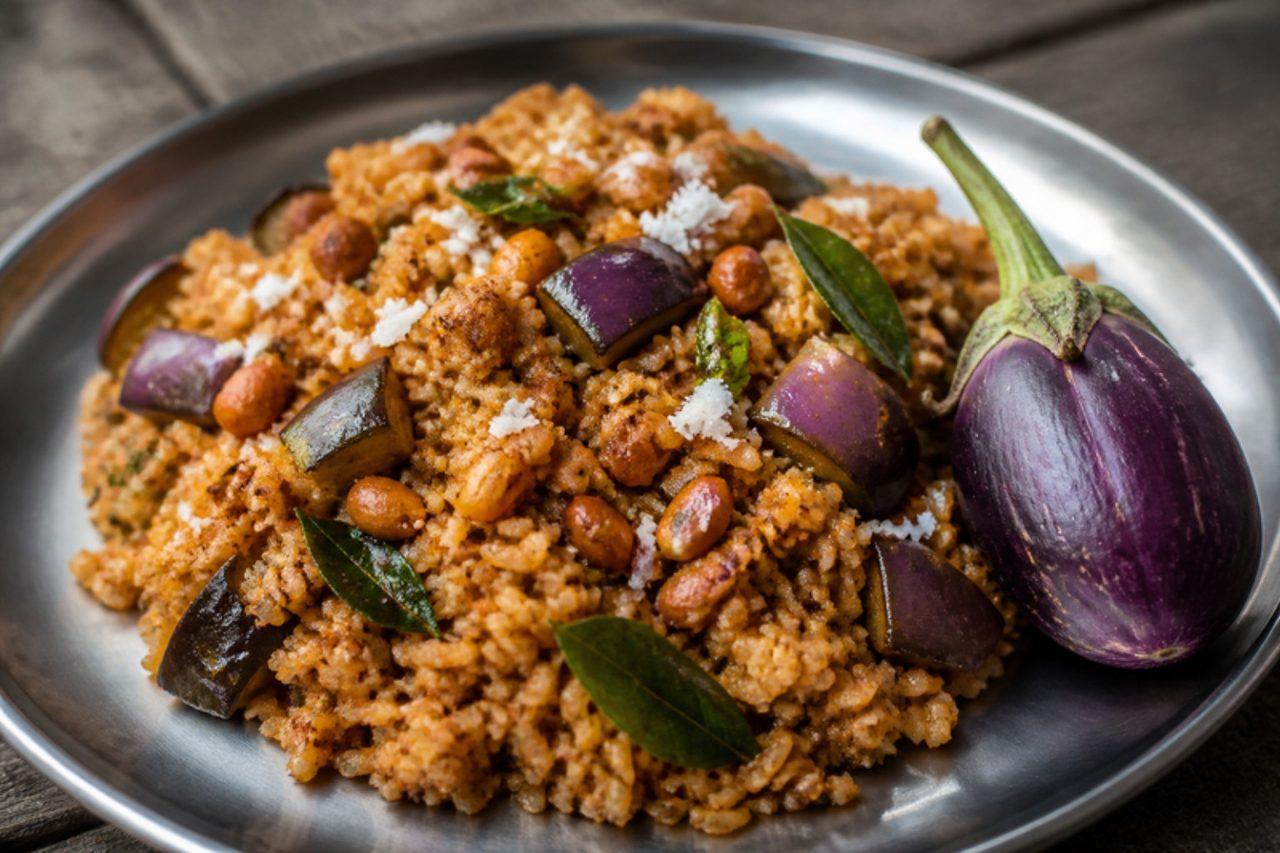
Vangi bathAubergine rice

In Bengaluru and Mysuru, vangi bath is weekend breakfast at a darshini and a favourite for office tiffins, and at Kannada weddings it often appears on the banana leaf. Small purple brinjals are cooked with tamarind, jaggery and a fresh vangi bath powder roasted from dals, coriander seed, byadgi chillies, cinnamon and dry coconut, then folded into cooled rice. The flavour is warm, smoky, tangy and slightly sweet, with peanuts for crunch. Serve it with plain curd or a cucumber raita and a papad. The common mistake is cooking the brinjal to mush; cut it into fingers and cook just until tender, so the pieces hold. Chef's tip: grind the powder fresh and roast each ingredient separately on low heat; burnt dal or coriander turns the whole dish bitter.

by KrazyBadal 0 views

Mag nu shaakDry whole green moong

Wednesday is mag day in many Gujarati homes, and in Jain families this is how it is cooked: whole green moong soaked overnight, pressure-cooked until just soft, then tossed in a vaghar of mustard seed, ajwain and hing with green chilli and dry ginger powder instead of fresh ginger, and no onion or garlic at all. A pinch of jaggery and a squeeze of lemon give it the gentle sweet-sour taste Gujaratis expect. It's a dry shaak, each bean whole and coated, eaten with rotli, or with kadhi-bhaat for a light, very satisfying meal. A common mistake is overcooking the moong until it bursts and turns to mush; two whistles is enough, and the beans should still hold their shape. Chef's tip: save the cooking water; a few spoons loosen the shaak if it looks too dry, and the rest makes a lovely mag nu osaman with a little lemon and vaghar.

by KrazyBadal 0 views

Dhana jiruCoriander and cumin powder

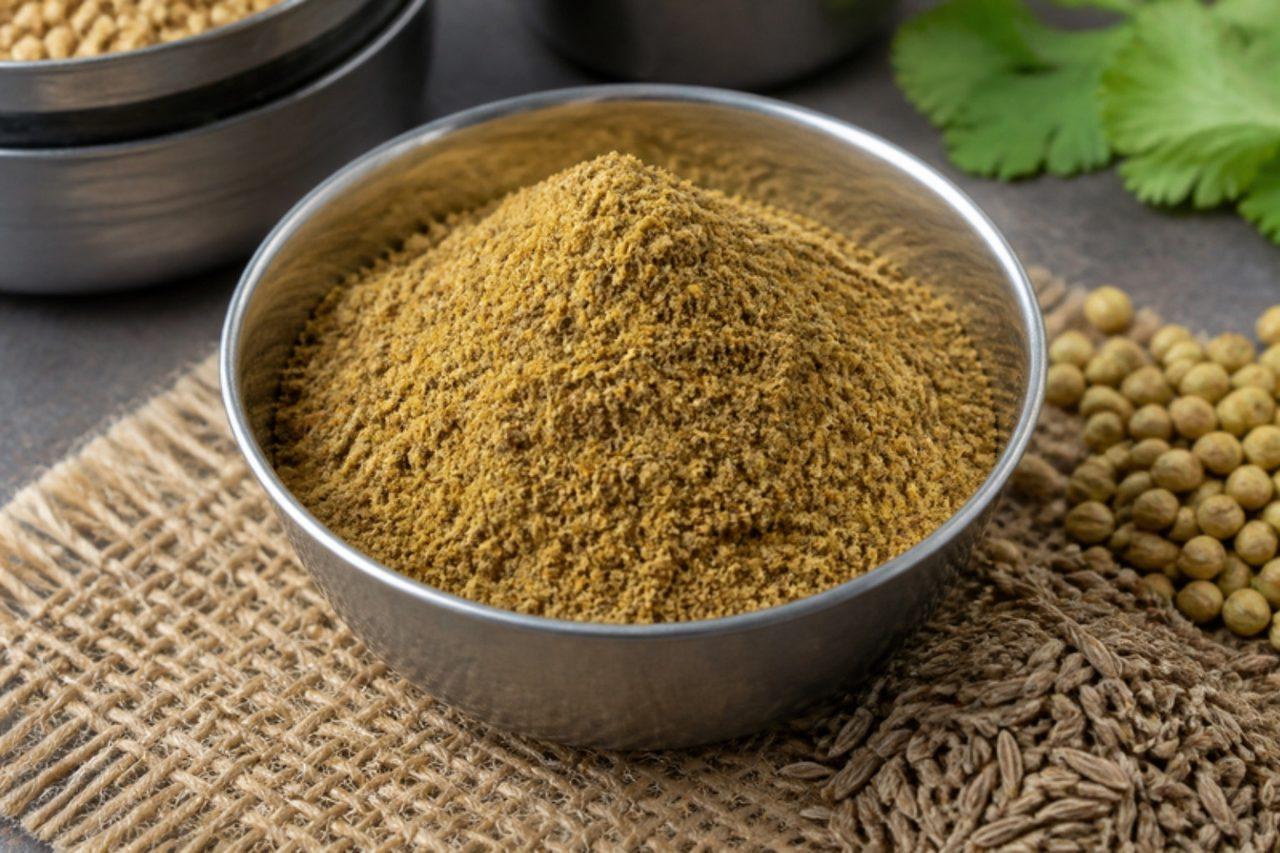
Open the masala dabba in any Gujarati kitchen, from Rajkot to Vadodara, and next to the haldi and marchu there will be a compartment of dhana jiru. It is the spice that goes into almost every shaak, dal and kadhi, often alongside red chilli and turmeric in the same pinch-and-throw rhythm. The ratio is roughly four parts coriander to one of cumin, giving a mild, citrusy, earthy powder that thickens and rounds out a dish rather than heating it. Many families buy it ready-ground, but a fresh home batch is so much more fragrant that it changes a plain potato shaak or tuver dal. Surti and Parsi kitchens roast it darker; most Gujarati homes keep it light. Common mistake: over-roasting, which kills the fresh lemony note of the coriander. Chef's tip: roast just until warm and fragrant, grind, then sift; the coriander husks stay in the sieve and the powder comes out soft and fine.

by KrazyBadal 0 views

Jeera alooCumin potatoes

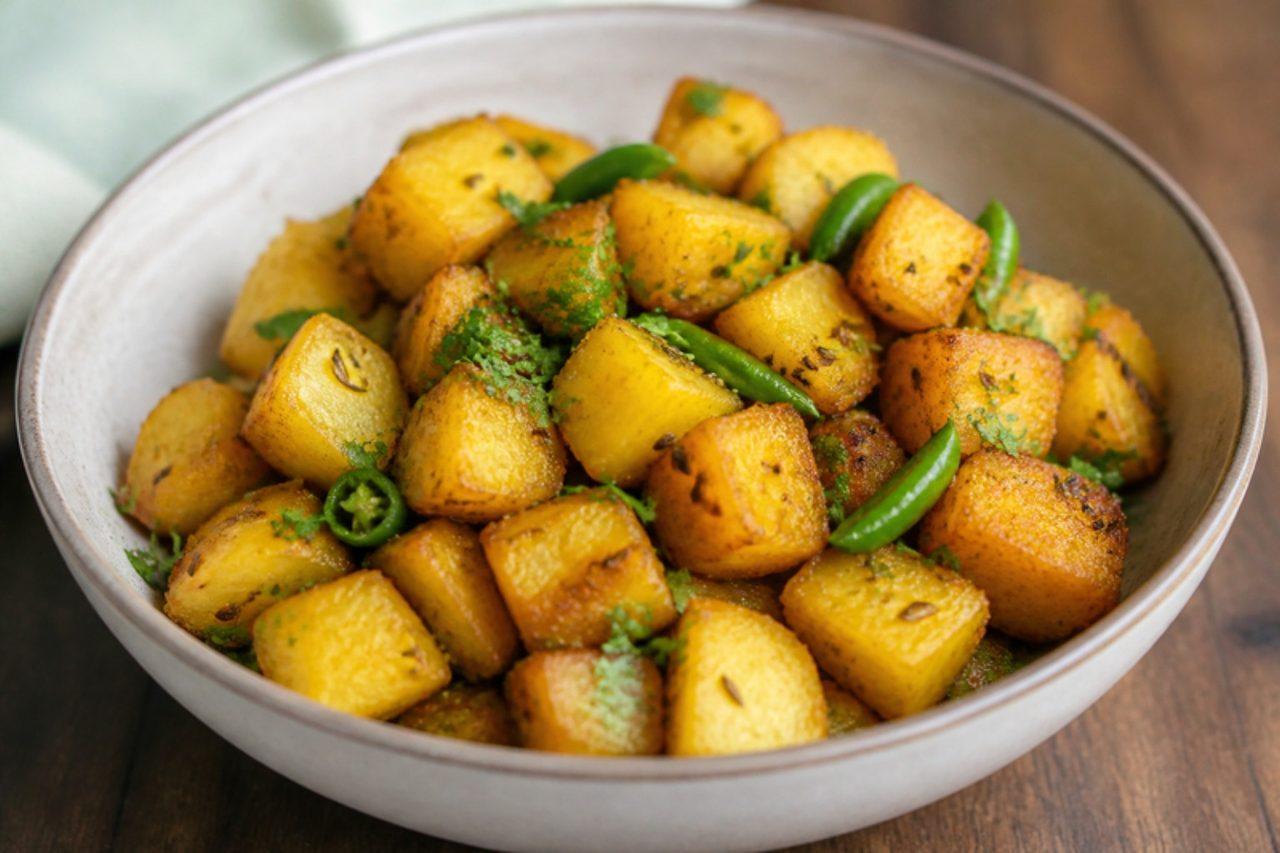
Jeera aloo is what North Indian mothers pack with puri for a train ride, serve with dal and rice on a weeknight, and cook in bulk for Navratri kanjak lunches alongside halwa and chana. Boiled potatoes are cubed and tossed in plenty of cumin that has sizzled until dark and nutty, with green chilli, ginger, a little turmeric and chilli, then soured with amchur. The edges catch and turn golden while the insides stay soft and fluffy. The common mistake is tossing potatoes that are still hot from boiling; they crumble. Cool them completely, ideally in the fridge, so the cubes hold their shape. Chef's tip: let the cumin turn a shade darker before the potatoes go in; pale cumin gives a raw, dusty taste.

by KrazyBadal 0 views

Methi dana ki sabziSweet-sour fenugreek seed curry

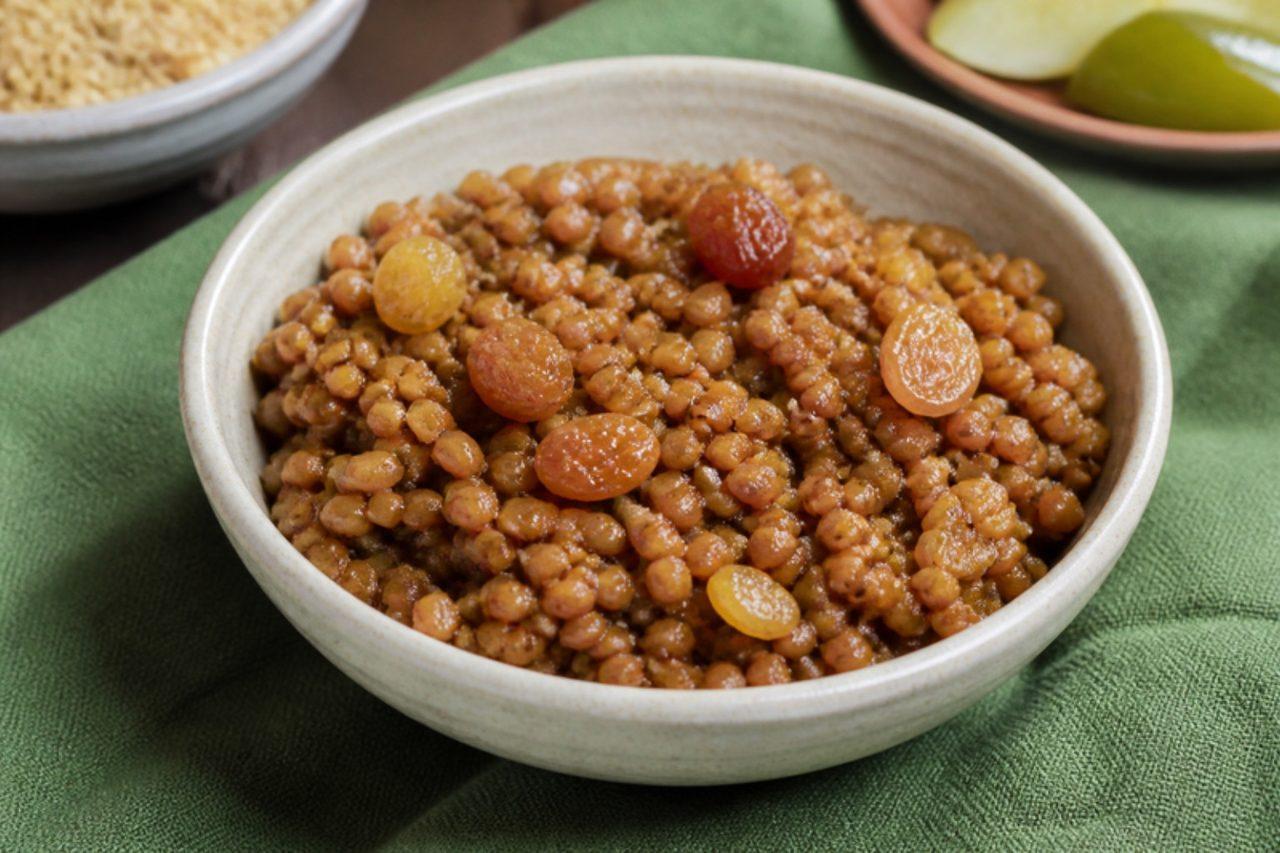
Marwari wedding and festival thalis in Jaipur, Bikaner and the Marwari homes of Kolkata always carry a small bowl of this: fenugreek seeds soaked overnight, boiled to tame their bitterness, then cooked down with jaggery, raisins, amchur and warm spices until sticky and glossy. It is eaten in small spoonfuls with puri, bajra roti or dal-baati, more like a relish than a vegetable, and it's especially loved after childbirth and in winter as a warming food. With no onion, garlic or root vegetables, it suits Jain homes as is. The common mistake is skipping the boil-and-drain; seeds that are only soaked stay unpleasantly bitter. Chef's tip: the sabzi keeps for a week in the fridge and tastes better on day two, so make it a day before a festive meal.

by KrazyBadal 0 views

Panch phoronFive-seed spice mix

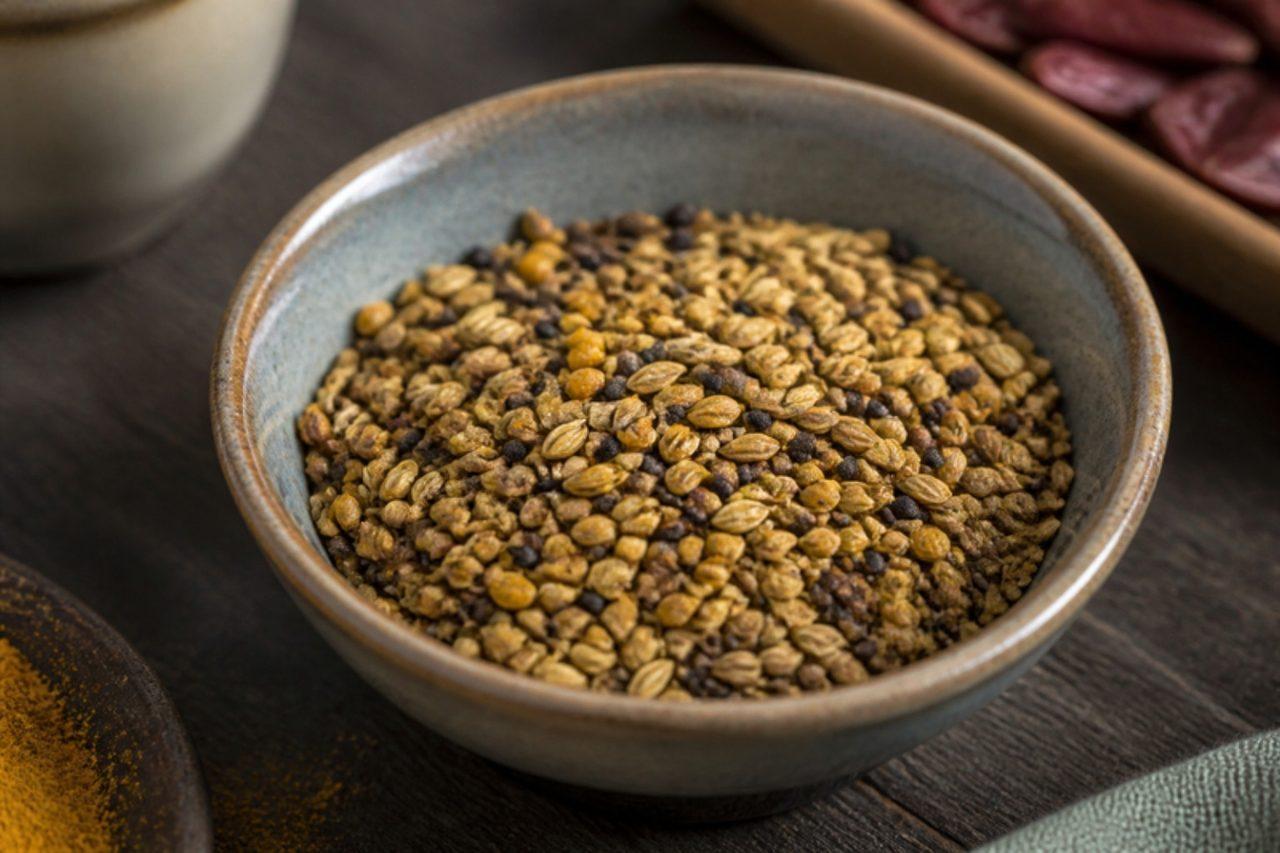
Every Bengali and Odia kitchen keeps a jar of panch phoron within reach of the stove, because so much of the cooking begins with a teaspoon of it crackling in hot mustard oil. The five seeds, in equal measure, are left whole and never roasted or ground ahead: bitter fenugreek, oniony nigella (kalonji), earthy cumin, sharp black mustard and sweet fennel. Together they give a layered, slightly bittersweet aroma that is the signature of tomato chutney, cholar dal, labra, chorchori and the sweet-sour vegetable dishes of a Bengali lunch. In some traditional homes radhuni, a wild celery seed, replaces the mustard. Common mistake: tempering over a high flame. The fenugreek blackens in seconds and the whole dish tastes bitter. Chef's tip: let the oil heat until it just shimmers, add the panch phoron, and the moment the mustard starts popping and the fenugreek is reddish brown, add the vegetables or dal.

by KrazyBadal 0 views

Pav bhaji masalaPav bhaji spice blend

The bhaji at a Juhu Beach or Girgaum Chowpatty stall gets its unmistakable taste from a ready-made masala, but a home-roasted blend smells far brighter and lets you choose the heat. Whole coriander, cumin, fennel, cloves, cinnamon, cardamom and star anise are roasted, cooled and ground with Kashmiri chilli for colour, amchur (dry mango powder) for tang, kala namak (black salt) for that eggy, savoury depth, and dry ginger. A good pav bhaji masala is red, sour-salty and aromatic rather than very hot. It is also the quick way to give tawa pulao, masala toast and Bombay sandwiches their street flavour. Common mistake: stirring the masala into a dry, very hot pan; the amchur and chilli powder scorch in seconds. Chef's tip: add the masala once the tomatoes have broken down into the butter, and keep a spoonful back to sprinkle over the bhaji in the last minute for a fresh hit of aroma.

by KrazyBadal 0 views

Malvani masalaKonkan spice blend

Head down the coast to Malvan, Vengurla or Devgad and every family has its own masala tin, ground in summer when the chillies are crisp and dry. Malvani masala is hotter and more aromatic than goda masala and uses no coconut: it is mostly Bedgi chillies (for a deep red colour and moderate heat) with a handful of fiery Sankeshwari, roasted with coriander and about fifteen whole spices including fennel, star anise, mace, nutmeg and stone flower. Fried in oil with coconut and onion, it becomes the base of kombdi vade (chicken curry with puris), bangda and surmai curries, prawn sukka, and vegetarian dishes like kala vatana usal and Malvani batata bhaji. The blend itself is vegan. Common mistake: leaving the stalks on the chillies; they grind into hard, woody bits and dull the colour. Chef's tip: dry the chillies in the sun or in a barely warm pan first, then roast them separately on low until they crackle, so they grind to a fine, bright powder.

by KrazyBadal 0 views

Karela nu shaakBitter gourd and jaggery curry

Most children in Gujarat grow up hating karela and end up asking for this version. Bitter gourd is sliced into thin rings, rubbed with salt and turmeric, squeezed, then cooked slowly in a vaghar of mustard seed and hing until soft and browned. A spoonful of besan toasted in the same pan clings to each ring, and jaggery melts into a glossy coating, so it tastes sweet, nutty, spicy and only pleasantly bitter. With no onion or garlic it suits Jain homes, and it's a monsoon favourite with dal-bhaat-rotli. A common mistake is salting the shaak again as if from scratch; the squeezed karela still holds salt, so taste first. Chef's tip: add the besan only once the karela is dry and browned, and stir constantly for a minute; in a wet pan it forms lumps.

by KrazyBadal 0 views

Methia masalaPickle spice mix

In Gujarati homes, methia masala (also called achar masala or sambhar masala in Kathiawad) is mixed each April before the mango pickling begins, and a jar of it lasts the year. It is built on methi kuria and rai kuria, split fenugreek and split mustard seeds sold at every Gujarati grocer, which are bloomed in smoking-hot groundnut oil with hing so they lose their raw bitterness, then mixed with Kashmiri chilli powder, turmeric and salt. That one masala makes instant pickles of carrot, gunda, raw mango or kerda in minutes, is spooned beside khichu, thepla and dhokla and goes into methia keri, the classic Gujarati mango pickle. Common mistake: pouring the oil over the chilli powder while it is smoking hot; the chilli turns black and bitter. Chef's tip: pour the hot oil over the kuria and hing only, wait until it is just warm, and only then stir in the chilli, turmeric and salt.

by KrazyBadal 0 views

Chora nu shaakBlack-eyed pea curry

Chora nu shaak is a Sunday favourite in Surat and Baroda homes and one of the pulse shaaks that rotate through a Jain kitchen in place of onion-based gravies. Black-eyed peas are cooked soft, then simmered in a thin tomato gravy built on a vaghar of mustard seed, cumin, hing, cloves and dry red chilli, sweetened with jaggery and sharpened with lemon in true Gujarati style. Dry ginger powder replaces fresh ginger, and there is no onion or garlic. The gravy should be loose enough to soak into rotli or rice, with a few beans mashed to give it body. A common mistake is adding tomato and jaggery before the beans are fully soft; acid and sugar keep them hard however long you cook them. Chef's tip: let the shaak rest for 10 minutes before serving; the chora drink up the gravy and the flavours round out.

by KrazyBadal 0 views

Rabodi ki sabziDried maize wafers in yogurt curry

In the Thar desert towns of Barmer, Jodhpur and Bikaner, green vegetables were scarce for much of the year, so women boiled maize flour with sour buttermilk in summer, spread it in thin rounds on cloth and dried it in the sun. Those rabodi keep for months and become this curry: fried until puffed, then simmered in a spiced yogurt gravy until soft and chewy. It is tangy, savoury and comforting, eaten with bajra roti or rice, and because it has no onion, garlic or fresh ginger, it suits a Jain or Marwari festive thali. A common mistake is letting the dahi gravy boil before it has been stirred to a boil with besan; it curdles. Whisk besan into the dahi and stir constantly until it comes to a boil. Chef's tip: fry the rabodi only until they puff and turn a shade darker; burnt rabodi taste bitter and stay hard in the gravy.

by KrazyBadal 0 views

Paruppu sadamMashed rice and toor dal

Long before they can manage rasam or sambar, children in Tamil homes are fed paruppu sadam: rice and toor dal cooked together until very soft, mashed smooth and loosened with a spoonful of ghee. It is plainer and wetter than a khichdi, with no vegetables or spice blend, just turmeric, salt and a light thalippu (tempering) of cumin, curry leaves and a pinch of asafoetida. The same bowl is comfort food for grown-ups, eaten with a crisp potato roast, a fried appalam (urad papad) and a dollop of mango pickle. It also turns up at the start of a festive Tamil meal, where the first course is always dal rice with ghee. The texture should be creamy and spoonable, almost like a thick soup. Chef's tip: mash the rice and dal while they are piping hot; once they cool, the starch sets and the mash turns gluey rather than smooth.

by KrazyBadal 0 views

Goda masalaMaharashtrian spice blend

Goda means sweet in Marathi, and the word describes not sugar but the warm, rounded fragrance of this masala, which every Pune and Satara household roasts in small batches. It is the soul of Brahmin Maharashtrian cooking: masale bhaat at weddings, a spoonful in amti (tangy toor dal), bharli vangi (stuffed brinjal), and usal for misal. It is dark and aromatic rather than hot, built on coriander, dry coconut (kopra) and sesame, perfumed with cinnamon, cloves and cardamom, and given its earthy, slightly musky depth by dagad phool (stone flower, a lichen), with nagkesar and maratha moggu if you can find them at a Marathi grocer. Common mistake: roasting the coconut and sesame with the hard spices on a high flame; the coconut burns before the coriander is done and the whole batch tastes bitter. Chef's tip: roast each spice in a drop of oil until a shade darker, because that slow roasting is what gives goda masala its colour.

by KrazyBadal 0 views

Kanda lasun masalaOnion and garlic spice blend

Kolhapuri women still make kanda lasun masala once a year, in the hot months, in a day-long session of frying, roasting and pounding, and the jar lasts until the next summer. The masala is a deep brick-red, oily paste-powder that smells of browned onion and garlic and sets your mouth on fire, thanks to plenty of hot chilli powder, traditionally from Sankeshwari or Lavangi chillies, plus milder Kashmiri for colour. A spoon or two transforms misal, kat (the spicy gravy for pav), batata bhaji, anda curry or the famous tambda rassa of mutton. Common mistake: frying the onions only until golden. They must be deep brown and crisp, with no moisture left, or the masala will turn mouldy within weeks. Chef's tip: dry the fried onion and garlic on paper for an hour before grinding, and keep the finished jar in the fridge if your kitchen is humid.

by KrazyBadal 0 views

Kashmiri ver masalaKashmiri spice cakes

In Srinagar's old city, ver is still made at the end of summer and strung up to dry in kitchens: flat, ring-shaped cakes of ground spices bound with shallot paste and pungent mustard oil, dark red and rock hard. It was a way to store flavour for the long winter, when fresh ingredients were scarce. A piece grated into the pot gives Kashmiri food its typical deep red colour and its warm, sweet-hot fennel and dry ginger flavour, without tomatoes or onions: think dum aloo, nadru yakhni (lotus stem), haak (collard greens), chaman (paneer) and rogan josh. Kashmiri Muslim kitchens often add garlic; Pandit homes may leave the shallots out altogether. Common mistake: drying the cakes in a damp or closed spot; they stay soft inside and grow mould. Chef's tip: heat the mustard oil until it smokes and then cool it before mixing, to take away its raw, sharp bite.

by KrazyBadal 0 views

Rasam powderRasam spice powder

A spoon of rasam podi, a lime-sized ball of tamarind, a tomato and a ladle of cooked toor dal: that is lunch in countless Tamil homes, from Thanjavur to Tirunelveli, and the podi is what makes one family's rasam taste unlike the neighbour's. This version is peppery and cumin-forward, as rasam should be, with roasted coriander for body and a little toor dal that thickens the broth slightly and gives it a rounded, nutty base. It is meant for clear, thin rasams: tomato rasam, pepper rasam, lemon rasam, and the one you sip as a soup when you have a cold. Make a small batch, since the aroma fades after a couple of months. Common mistake: roasting the coriander seeds until dark brown; they turn bitter and the rasam tastes burnt. Chef's tip: add rasam powder at the end, when the tamarind water is already boiling, and switch off the heat as soon as the rasam froths; boiling it hard kills the pepper aroma.

by KrazyBadal 0 views

Showing 120 of 765 recipes

Show more recipes

Page 5 of 32

More collections