Skip to content
WhatToEat.Today

Vegetarian Italian recipes

Pasta, risotto, pizza and bakes without meat or fish. (357 recipes)

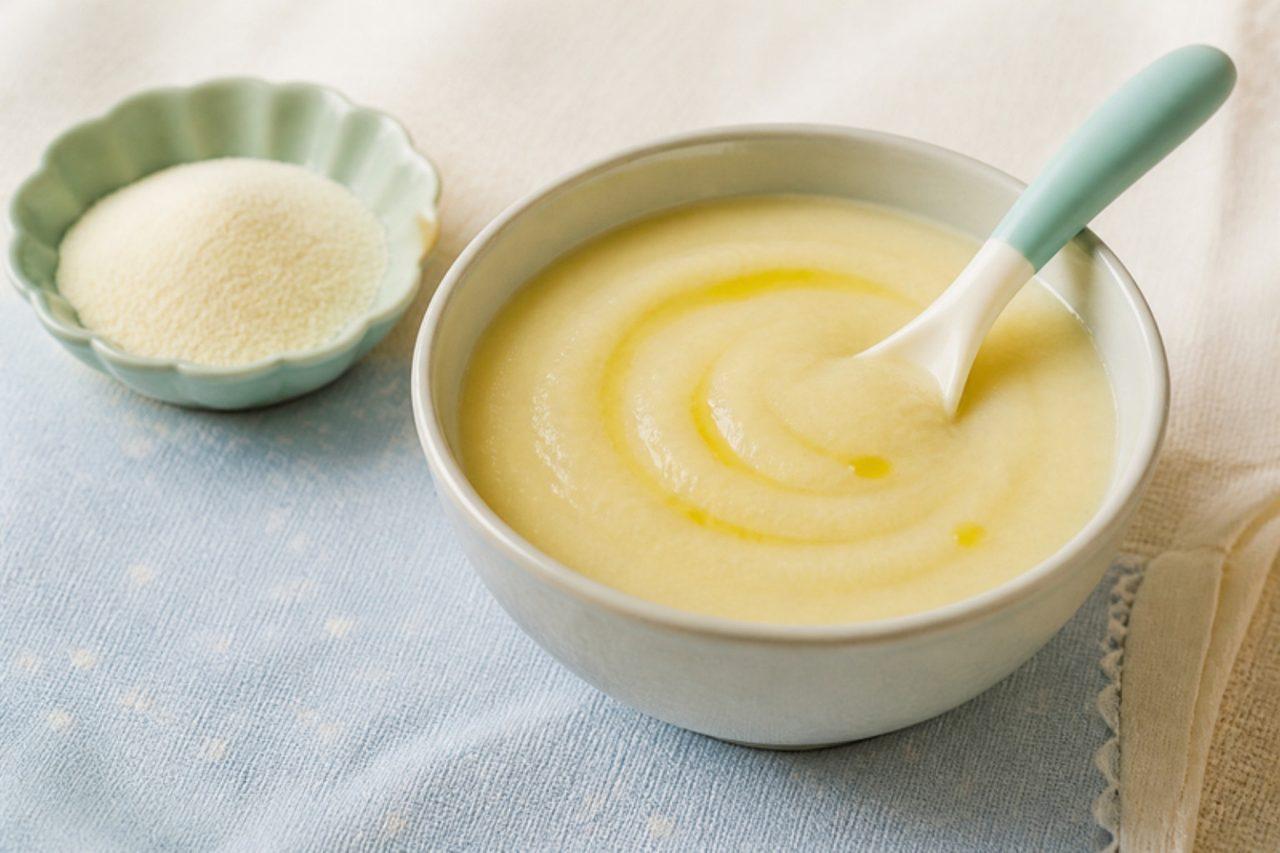
Semolina in broth (semolino in brodo)

Semolino in brodo is the dish Italian nonne cook for anyone who needs something gentle: babies at the start of weaning and older children with a cold. Fine durum-wheat semolina is rained into hot vegetable broth and stirred into a soft, silky porridge, usually served at supper. For babies the broth is home-made without salt, and the grated parmesan that adults add stays out or is kept to the tiniest pinch, because it is salty. It contains gluten (wheat), and milk if you add parmesan; there is no egg, nuts, soya, sesame or fish. Chef's tip: rain the semolina in from a height while whisking, and you will never get lumps.

by KrazyBadal 0 views
Polenta e lattePolenta in milk

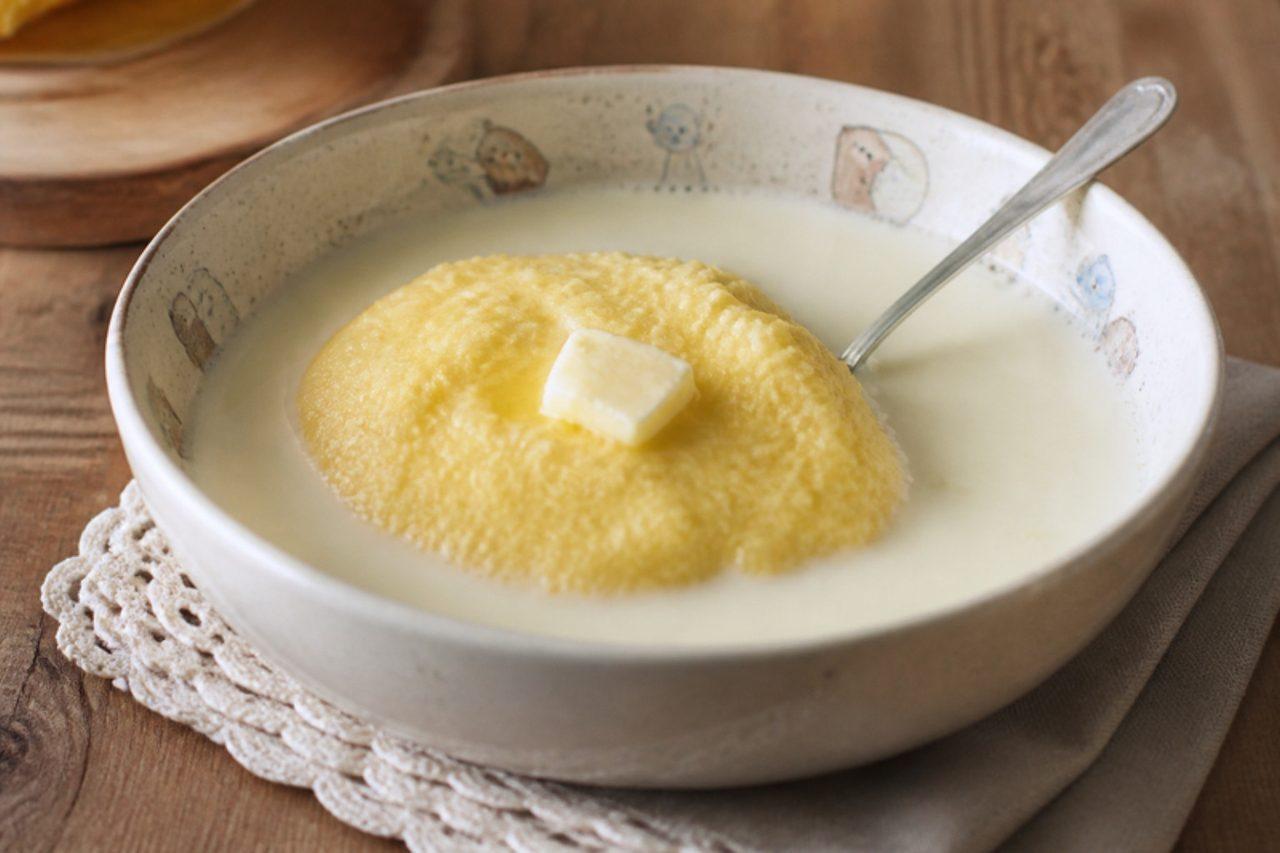
In farmhouses across Lombardy and the Veneto, the polenta left over from lunch was cut into pieces at night and dropped into bowls of warm milk for the children, and polenta e latte is still remembered fondly as a cosy winter supper. Freshly made polenta works just as well: soft, golden and comforting, with the milk soaking into it. It contains milk; it has no gluten, egg, nuts, soya, sesame or fish. Chef's tip: whisk the polenta into the water in a thin stream, like rain, to keep it smooth.

by KrazyBadal 0 views
Crostata di marmellata (Italian jam tart)

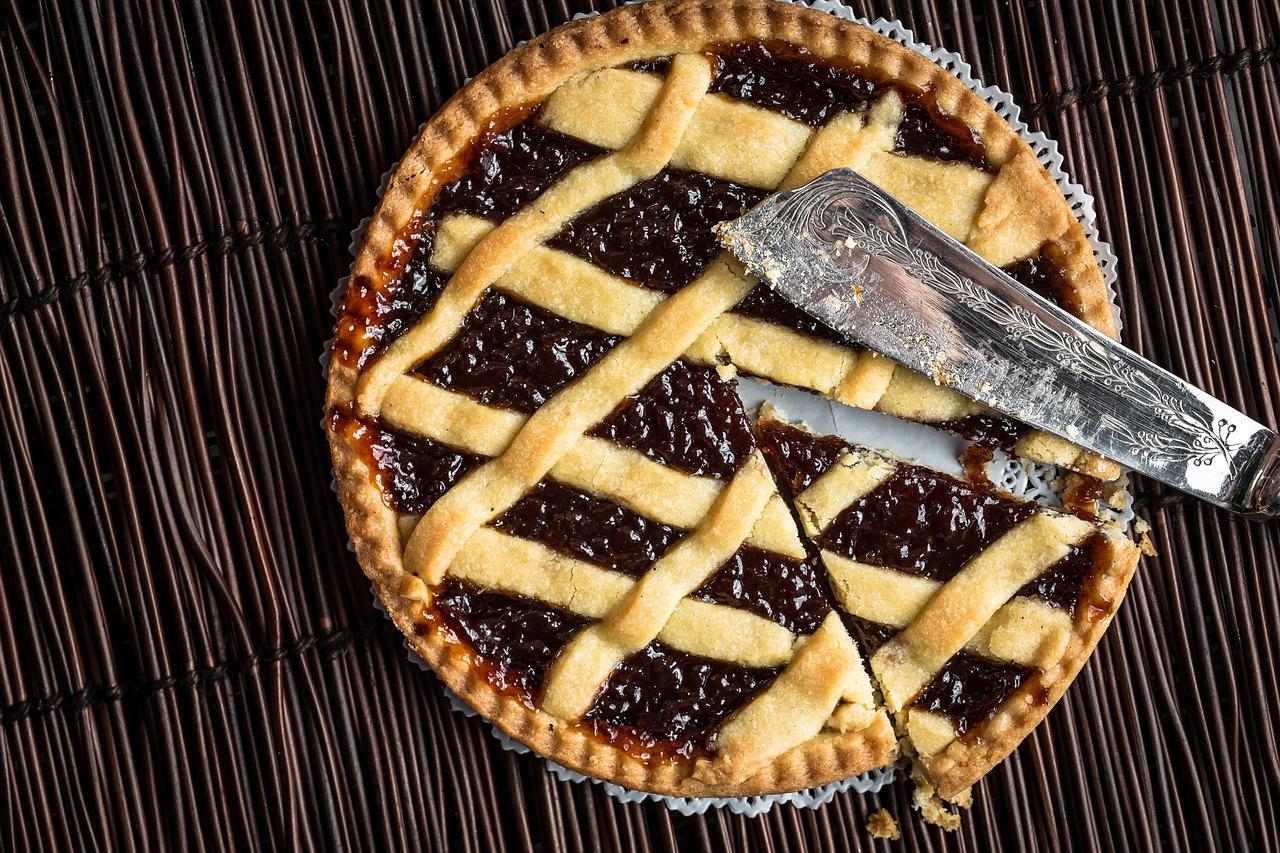
Crostata di marmellata is the tart that Italian grandmothers bake on Sunday and cut into slices for the week's merenda, the after-school snack eaten from Turin to Palermo with a glass of milk. A tender, lemon-scented pasta frolla holds a layer of apricot or cherry jam under a simple lattice. Choose a high-fruit jam to keep the sugar down. It contains gluten, milk and egg. Chef's tip: chill the pastry well and keep it cold; warm pasta frolla tears and shrinks in the oven.

by KrazyBadal 0 views
Torta di meleApple cake

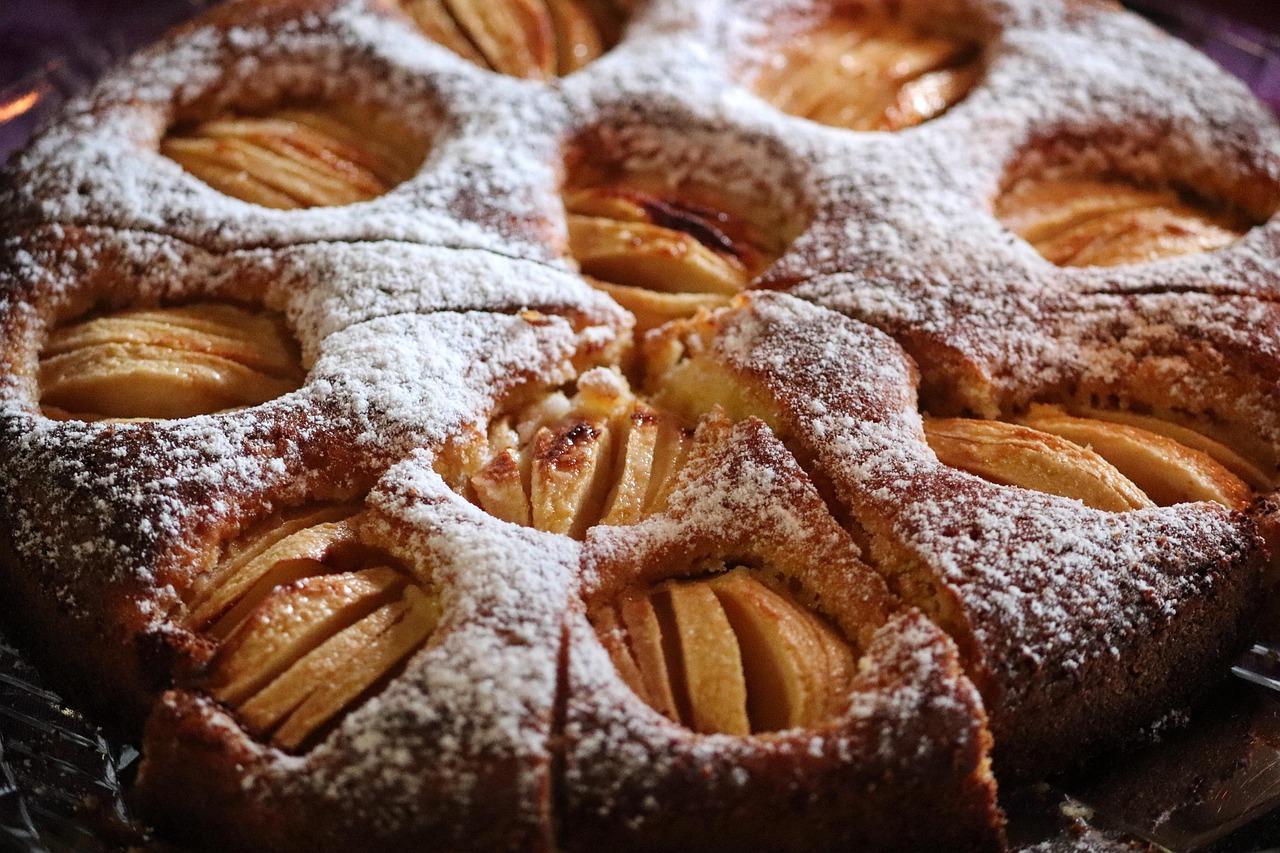
Ask anyone in Trentino, Emilia or Piedmont for their nonna's torta di mele and they will describe much the same thing: a plain, lemon-scented batter with thin apple slices sunk all through it and fanned over the top, baked in a round tin on a Sunday and finished at breakfast the next morning with caffè latte. It is soft, moist and only lightly sweet, the apples almost melting into custardy pockets. A slice also makes a good after-school snack. Thick wedges of apple are the usual mistake: they stay hard while the batter overcooks, so slice them 3–4 mm thin. Chef's tip: hold back the prettiest slices for the top and brush them with a little melted butter and sugar, so they caramelise at the edges.

by KrazyBadal 0 views
Ciceri e triaChickpeas with pasta

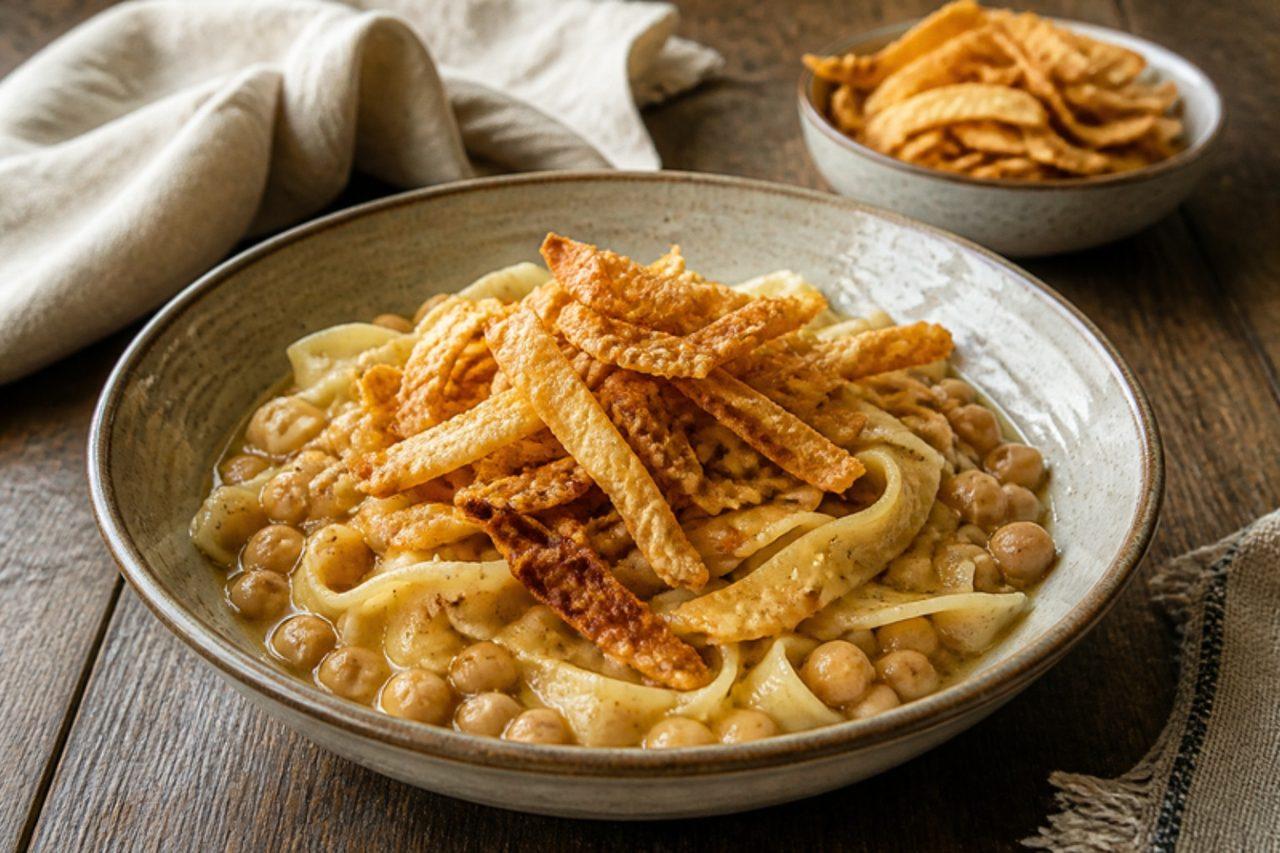
In the Salento, at the heel of Puglia, ciceri e tria is an ancient dish, its name from the Arabic "itriya" for dried pasta: creamy chickpeas cooked with bay and garlic, tossed with homemade ribbons of flour-and-water pasta, a third of which are fried in olive oil until crisp and scattered on top. It is made for the feast of San Giuseppe on 19 March, and in the trattorie of Lecce all year round. Chef's tip: the contrast is the whole point; fry the pasta strips until golden and crunchy and add them only at the very last moment, so they stay crisp.

by KrazyBadal 0 views
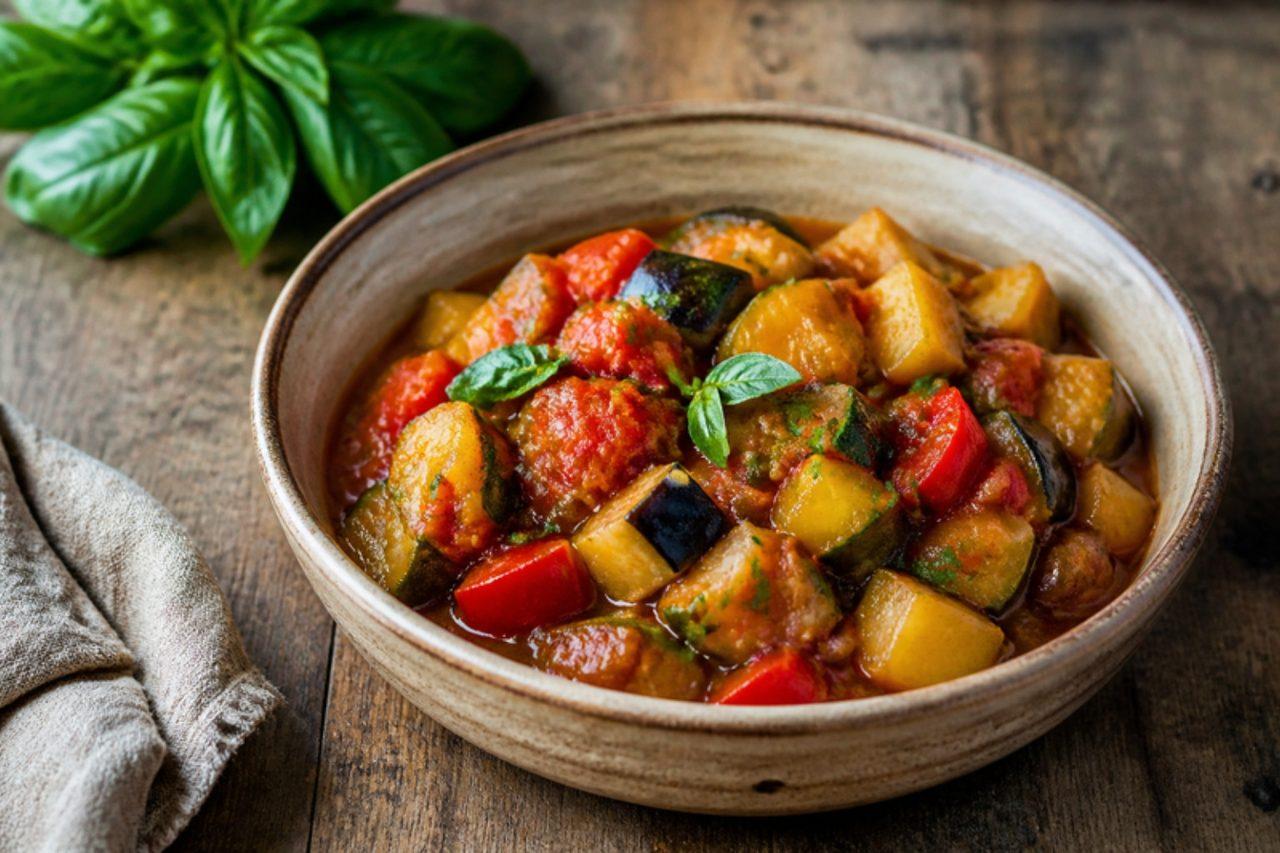
CiambottaSummer vegetable stew

In August, when the vegetable gardens of Basilicata and the Cilento are overflowing, families make ciambotta: peppers, aubergines, potatoes, courgettes, onion and tomato stewed slowly together in olive oil until soft and sweet. Farmworkers once ate it in the fields with bread; today it's a summer supper, eaten warm or at room temperature, sometimes with an egg cracked on top. Chef's tip: add the vegetables in stages, potatoes first and courgettes last; that way they all finish tender at the same time without any turning to mush.

by KrazyBadal 0 views
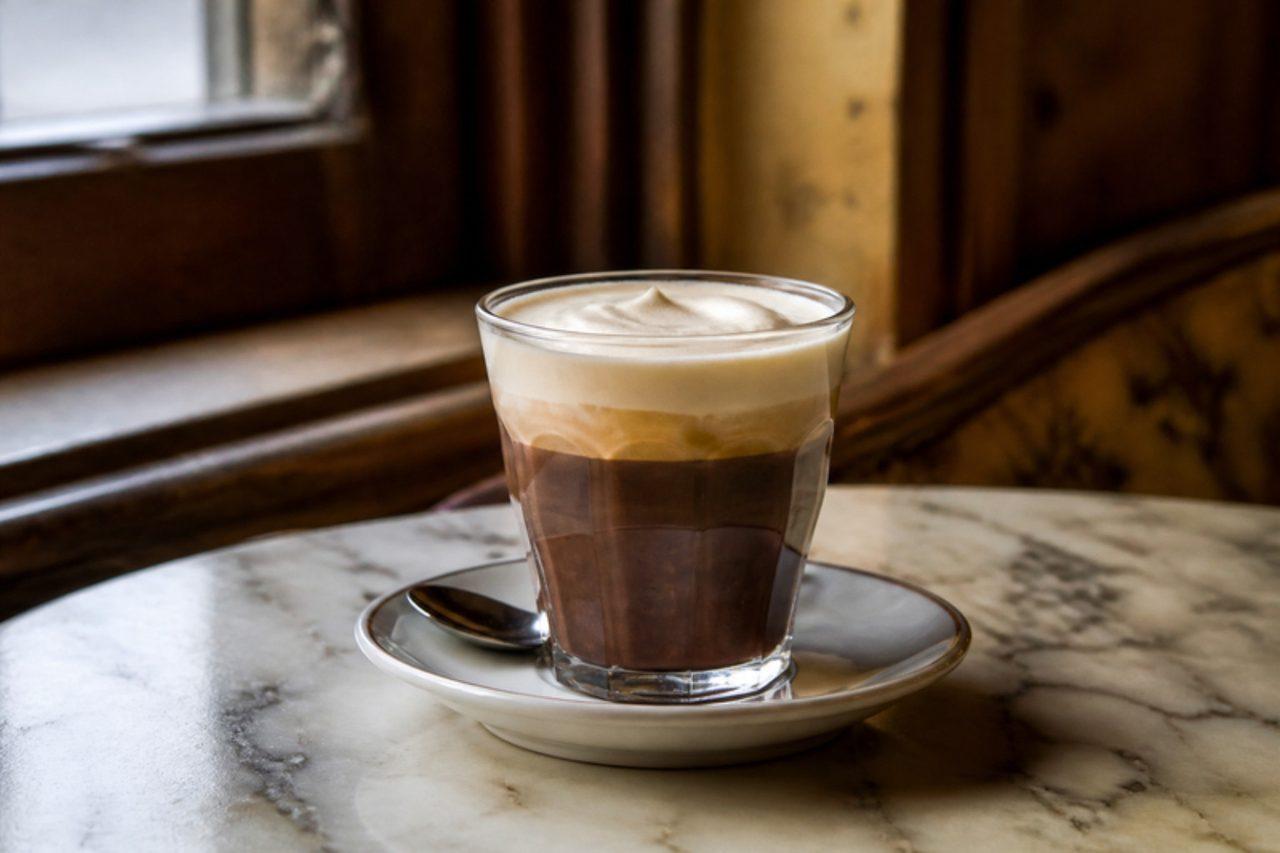
BicerinLayered chocolate and coffee drink

The bicerin ("little glass" in Piedmontese dialect) has been served since 1763 at the tiny Caffè al Bicerin opposite the Consolata church in Turin, where it was the drink that churchgoers had after fasting before Mass. It is three layers in a small glass: thick hot chocolate at the bottom, espresso in the middle and cold, lightly whipped cream on top, not stirred, so you taste each layer in turn. Contains caffeine. Chef's tip: pour the coffee and then the cream slowly over the back of a spoon so the layers sit on top of each other instead of mixing.

by KrazyBadal 0 views
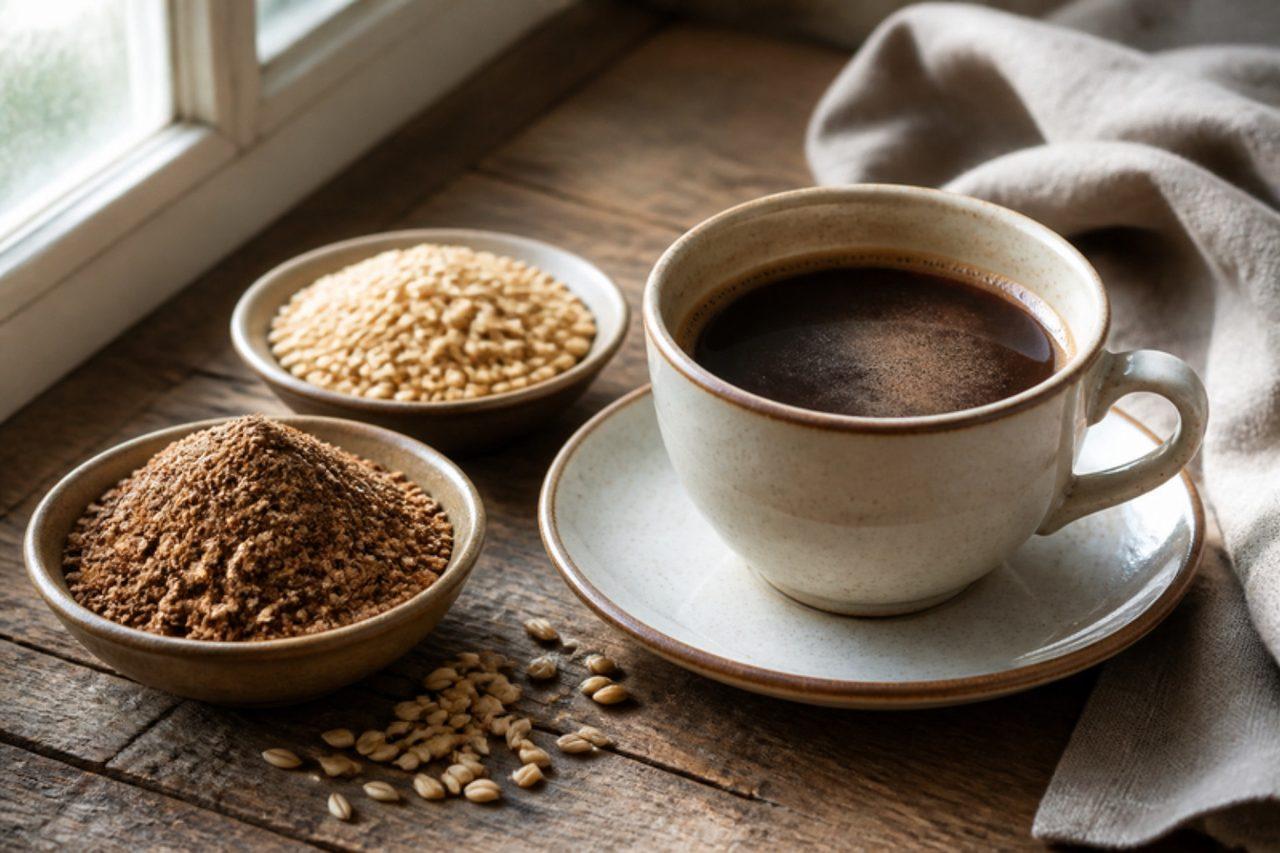
Caffè d'orzoBarley coffee

In Italian bars you can always ask for "un orzo": a hot drink made from roasted barley that looks like coffee and has a toasty, slightly sweet taste but no caffeine. During the war, when coffee was scarce, families drank it every morning, and today it is given to children, pregnant women and anyone avoiding caffeine. It can be made in a moka pot, served in a small cup like espresso or in a large one with milk. Barley contains gluten. Chef's tip: don't press the barley into the moka basket like coffee; packed tightly, it blocks the water and the pot hisses.

by KrazyBadal 0 views
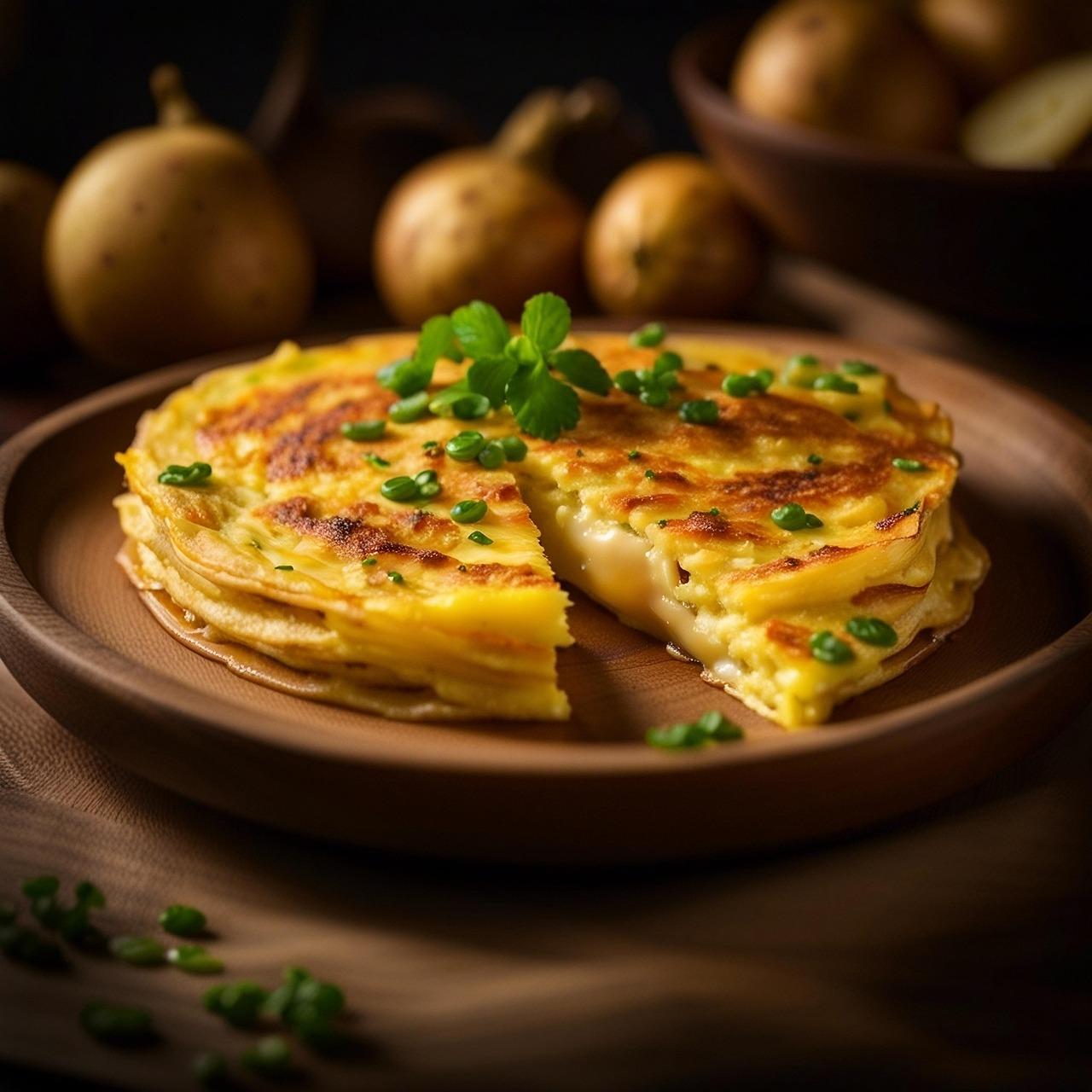
Frittata di zucchineCourgette frittata

Frittata is Italy's everyday dish for a quick supper or a packed lunch: a thick, flat omelette cooked slowly in a pan, then flipped over a plate. Courgette frittata, with soft, golden slices of courgette and Parmigiano, is the summer favourite, taken to the beach in a panino or cut into squares for children. It is just as good cold the next day. Parmigiano is made with animal rennet; choose a vegetarian hard cheese if you need to. Chef's tip: cook the courgettes until golden before adding the eggs; raw courgettes make the frittata watery.

by KrazyBadal 0 views
Cioccolata caldaThick hot chocolate

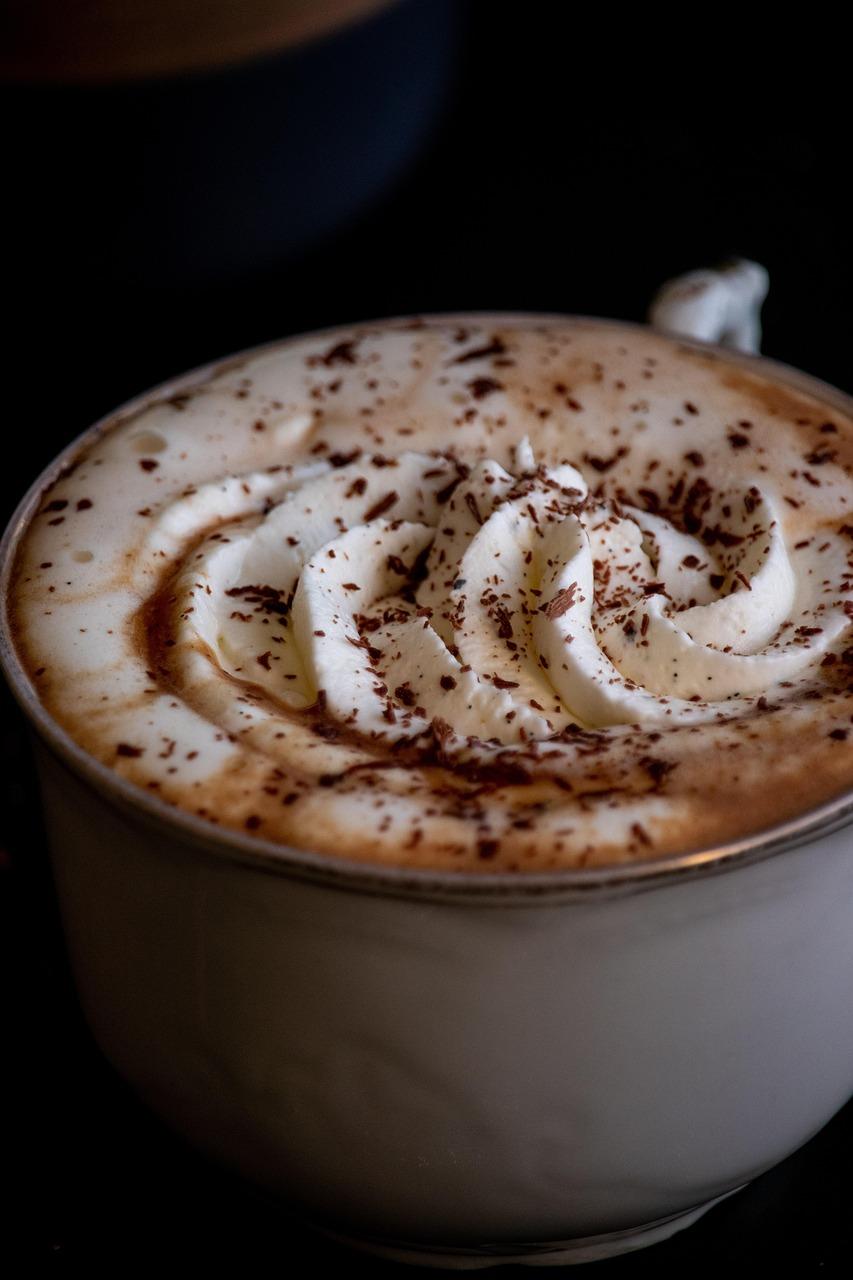
Italian hot chocolate is not a milky drink but almost a pudding: thick enough to coat a spoon, made with real dark chocolate and cocoa thickened with a little starch. On cold winter afternoons in Turin, Florence and Perugia, families sit in historic cafés with a cup topped with whipped cream (con panna), dipping biscuits into it. Children love it. Chef's tip: mix the cornflour and cocoa with a little cold milk to a smooth paste first; dropped straight into hot milk, they form lumps.

by KrazyBadal 0 views
Budino al cioccolatoChocolate pudding

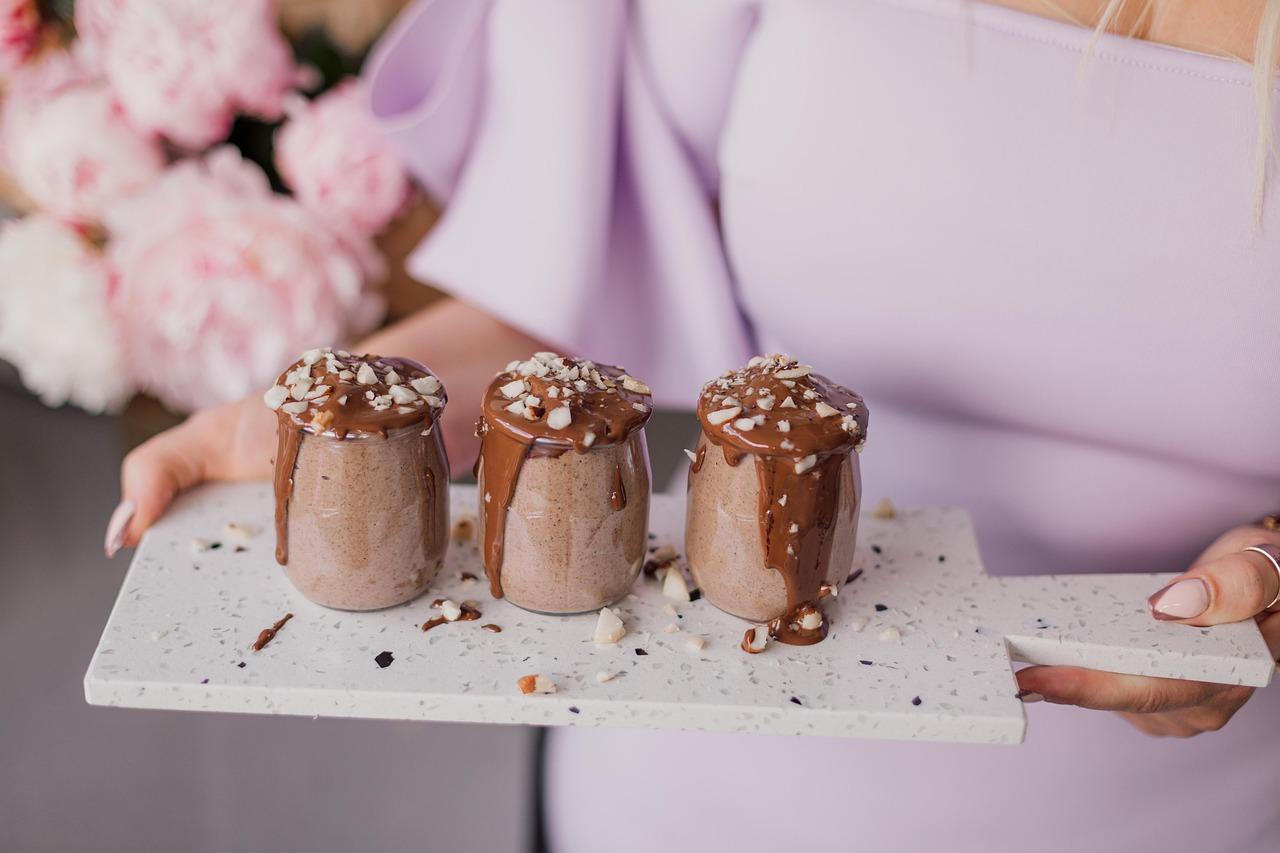
Budino is the dessert Italian children find in the fridge on a Sunday afternoon: a soft, wobbly milk pudding flavoured with cocoa and set with cornflour, poured into little cups or a mould and chilled. It is the kind of thing nonna makes in ten minutes for the grandchildren's merenda (afternoon snack), and it is gluten free and egg free. Chef's tip: whisk the cocoa, sugar and cornflour together before adding the milk; mixed dry, they don't form lumps.

by KrazyBadal 0 views
Cappuccino

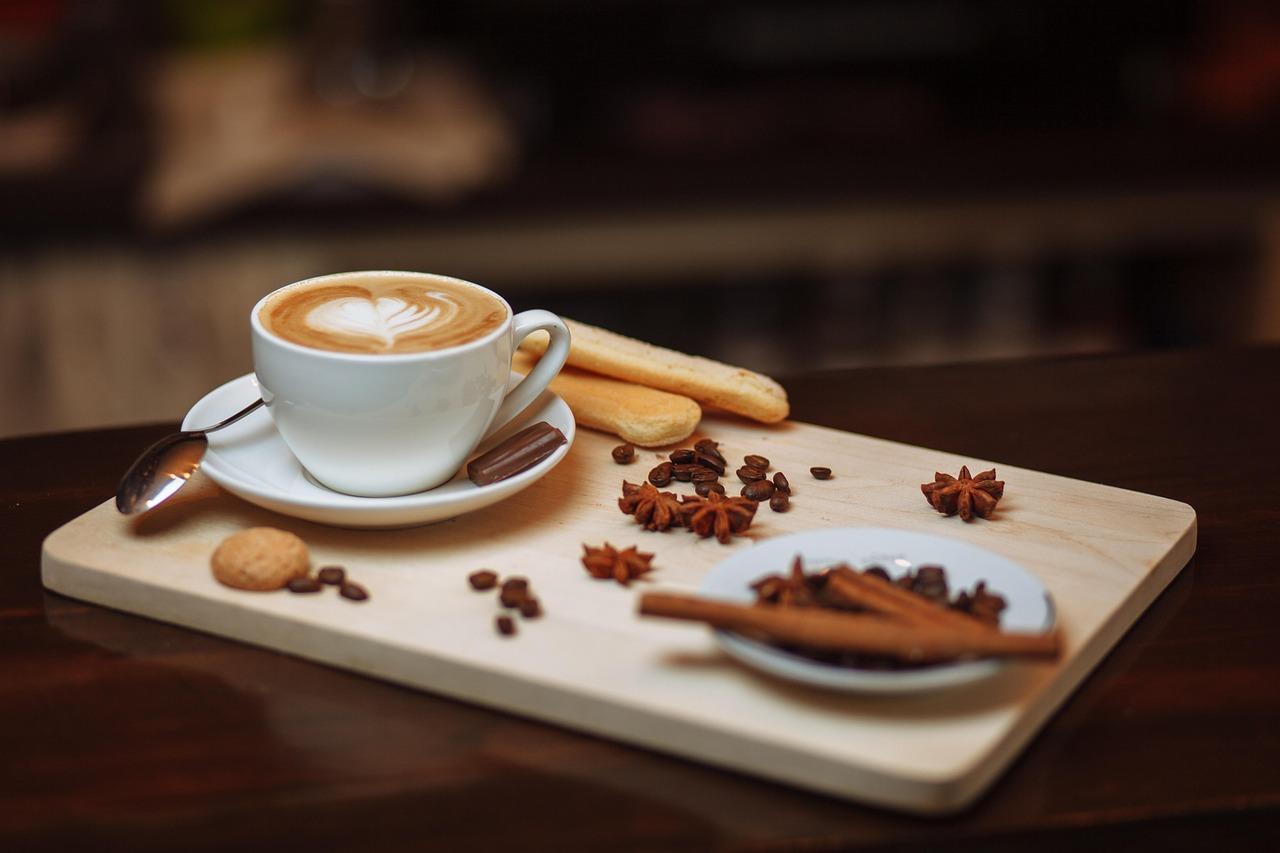
In Italy the cappuccino is strictly a breakfast drink, ordered at the bar counter with a cornetto before 11 in the morning, never after a meal. It is a single espresso topped with an equal amount of hot milk and a thick cap of velvety foam, named after the brown habits of Capuchin friars. Baristas in Turin and Trieste are famous for their thick, glossy microfoam. Contains caffeine, so it's not for children. Chef's tip: heat the milk only to about 65 °C, when the jug is too hot to hold for more than a second; hotter milk tastes cooked and the foam collapses.

by KrazyBadal 0 views
Tramezzini all'uovoEgg mayonnaise sandwiches

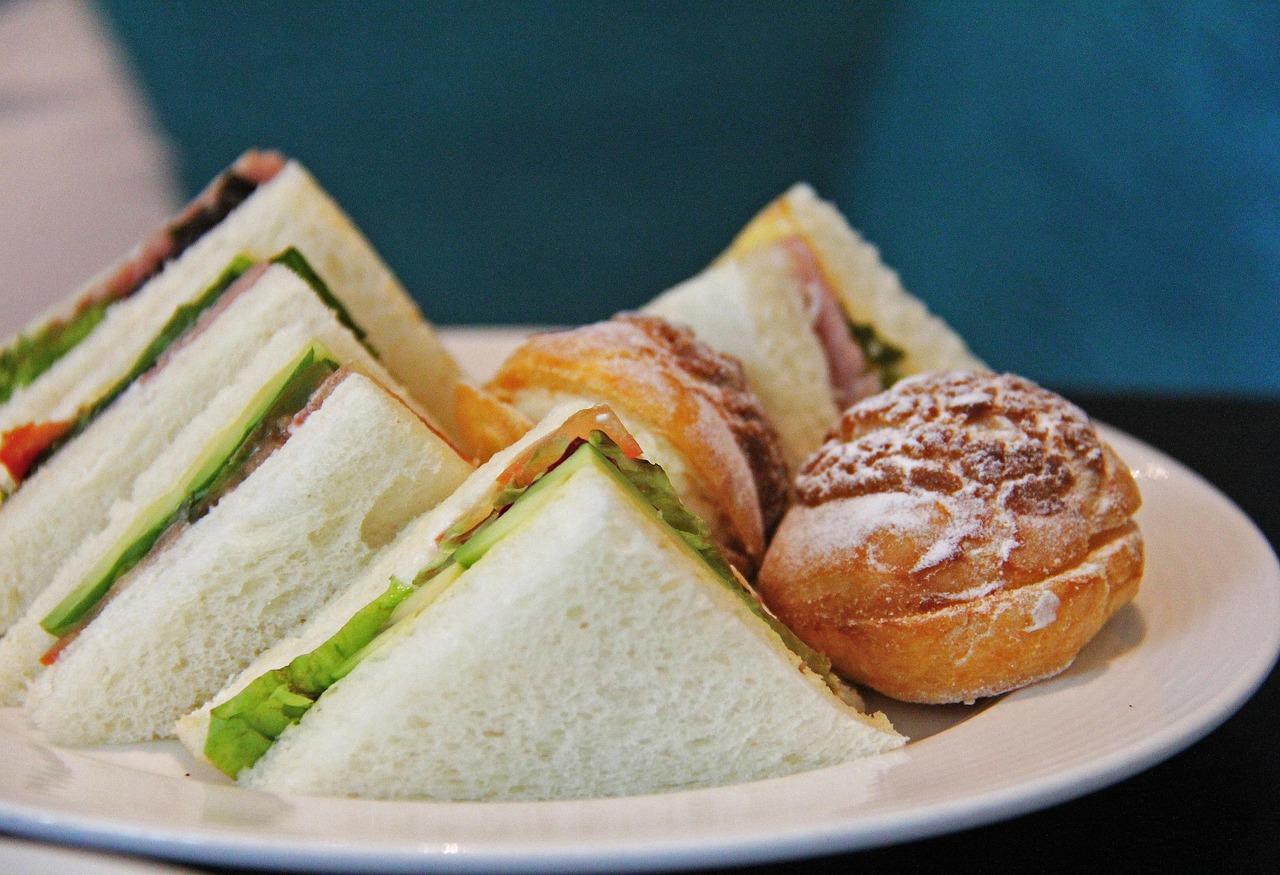
In the bars of Venice, around Campo Santa Margherita and the Rialto, glass cases are piled with tramezzini: soft white sandwich triangles with no crusts, so generously filled they look like small pillows. They are eaten standing at the bar mid-morning or with an aperitivo in the evening. Egg and mayonnaise is one of the classic fillings; tuna and olives is another. Use mayonnaise made with pasteurised eggs. Chef's tip: pile the filling in a mound in the middle, not spread to the edges; pressing the bread around it gives the classic puffy shape.

by KrazyBadal 0 views
Torta allo yogurtYogurt cake

Torta allo yogurt is the first cake many Italian children bake, because everything is measured using the empty yogurt pot: one pot of yogurt, then pots of sugar, flour and oil. It is a soft, moist everyday cake made in homes across the country for breakfast or the afternoon merenda (snack), plain or with fruit. This recipe gives the amounts in grams for an average 125 g pot. Chef's tip: use whole-milk yogurt at room temperature; it gives a moist cake that stays soft for days.

by KrazyBadal 0 views
Passato di verdureSmooth vegetable soup

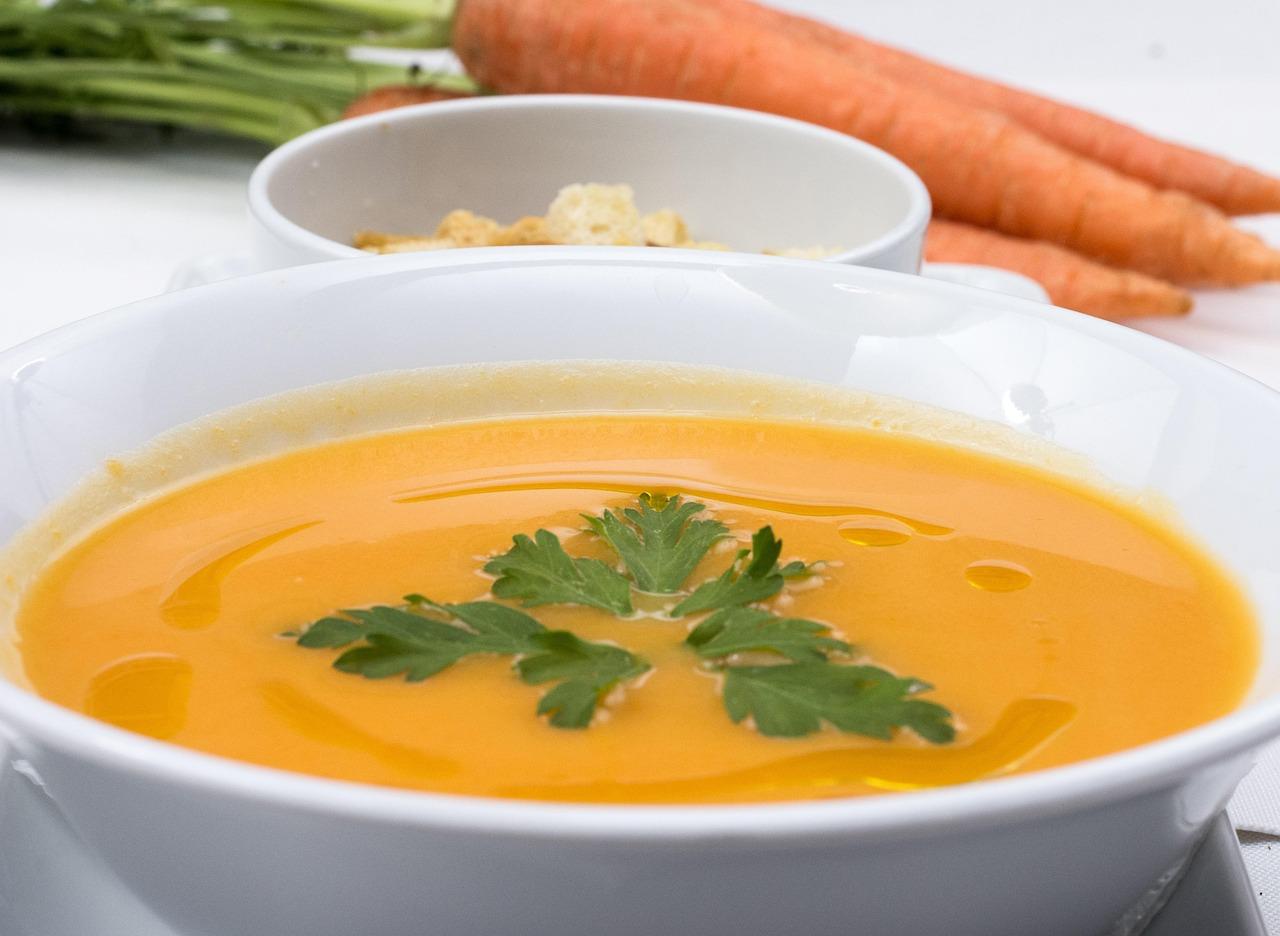
Passato di verdure is the soup Italian children grow up on: a pot of mixed vegetables, simmered in water until soft and blended until velvety, with a thread of olive oil on top. It is the first food many Italian babies are given at around six months, without salt, and it stays the family's light supper for years. For babies from 6 months, the purée here is made with no salt and no stock; older children and adults season their bowls at the table. Chef's tip: take out the baby's portion before you add any salt, and blend it extra smooth.

by KrazyBadal 0 views
PeperonataStewed peppers and onions

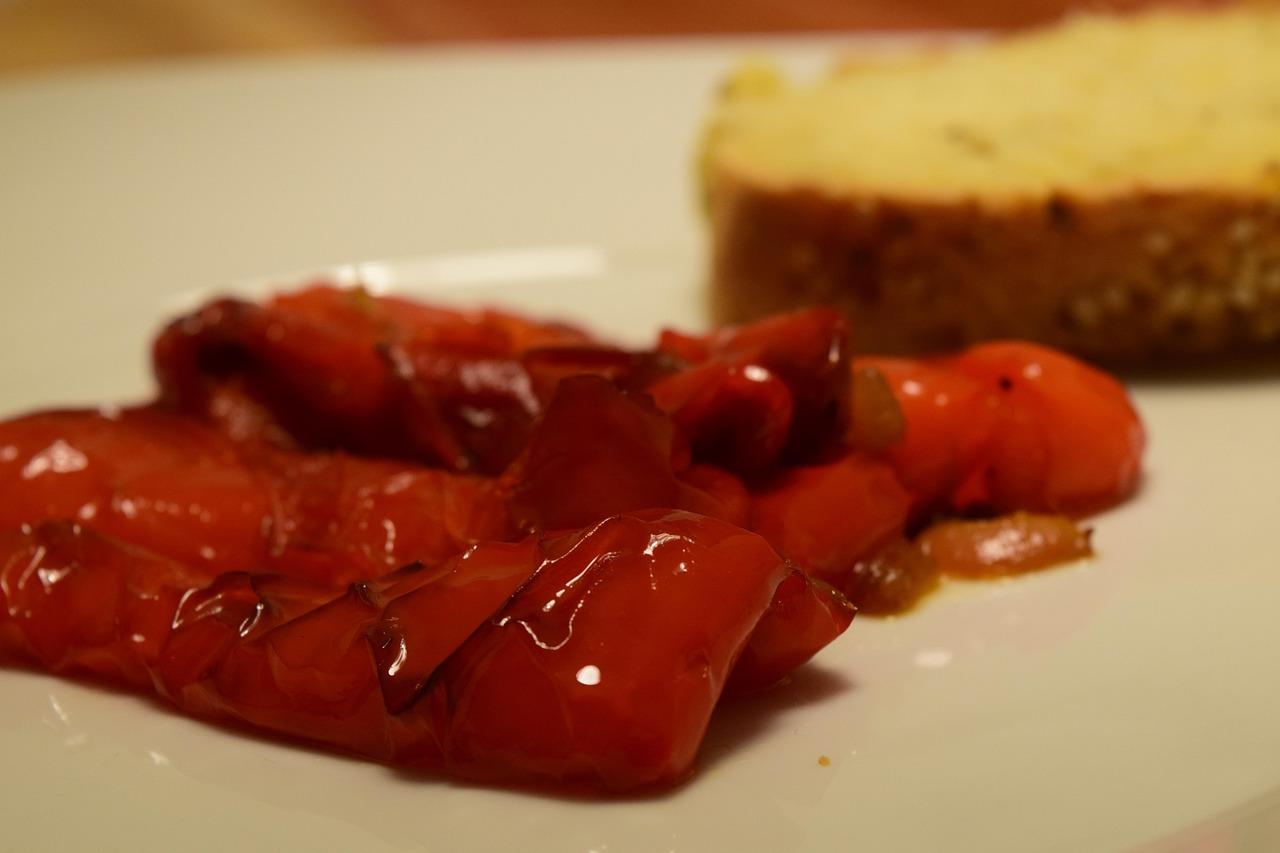
Peperonata is the summer side dish of the south, made from Naples to Palermo when red and yellow peppers are at their sweetest: strips of pepper and onion stewed slowly in olive oil with a little tomato until soft, glossy and sweet, sometimes with a splash of vinegar. Families serve it with grilled meat, sausages or a frittata, or pile it on bread, and it tastes even better the next day. Chef's tip: cook it slowly with the lid on for the first 15 minutes; the peppers steam in their own juice and turn silky instead of frying hard.

by KrazyBadal 0 views
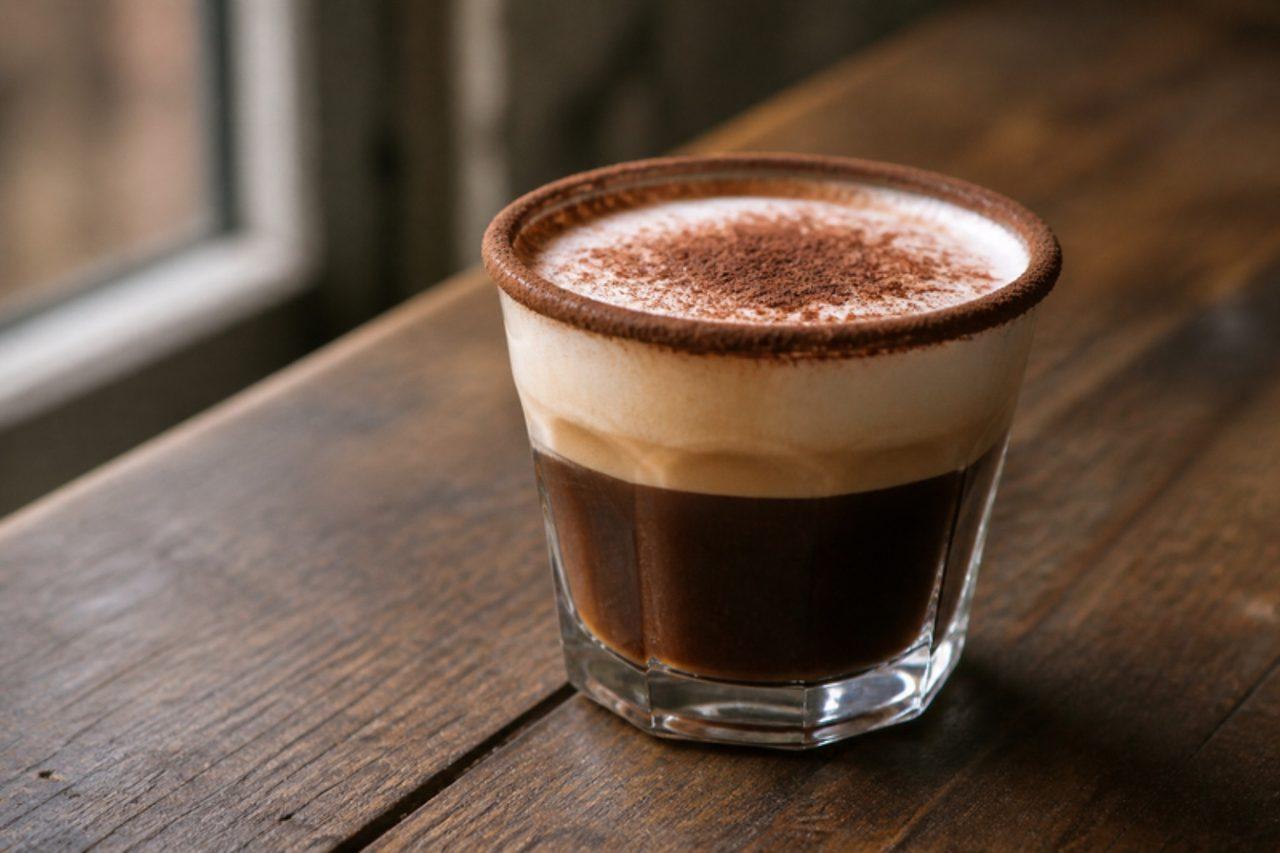
MarocchinoEspresso with cocoa and milk foam

The marocchino was born in the bars of Alessandria in Piedmont, and it is now ordered all over northern Italy: a little glass dusted inside with cocoa, filled with an espresso and topped with milk foam and more cocoa, sometimes with a spoonful of chocolate sauce at the bottom. Its name comes from the brown colour of a leather called "marocchino" once used for hat bands. It is a mid-morning or afternoon treat. Contains caffeine. Chef's tip: dust the empty glass with cocoa before pouring the coffee in; it sticks to the hot glass and gives each sip a chocolate edge.

by KrazyBadal 0 views
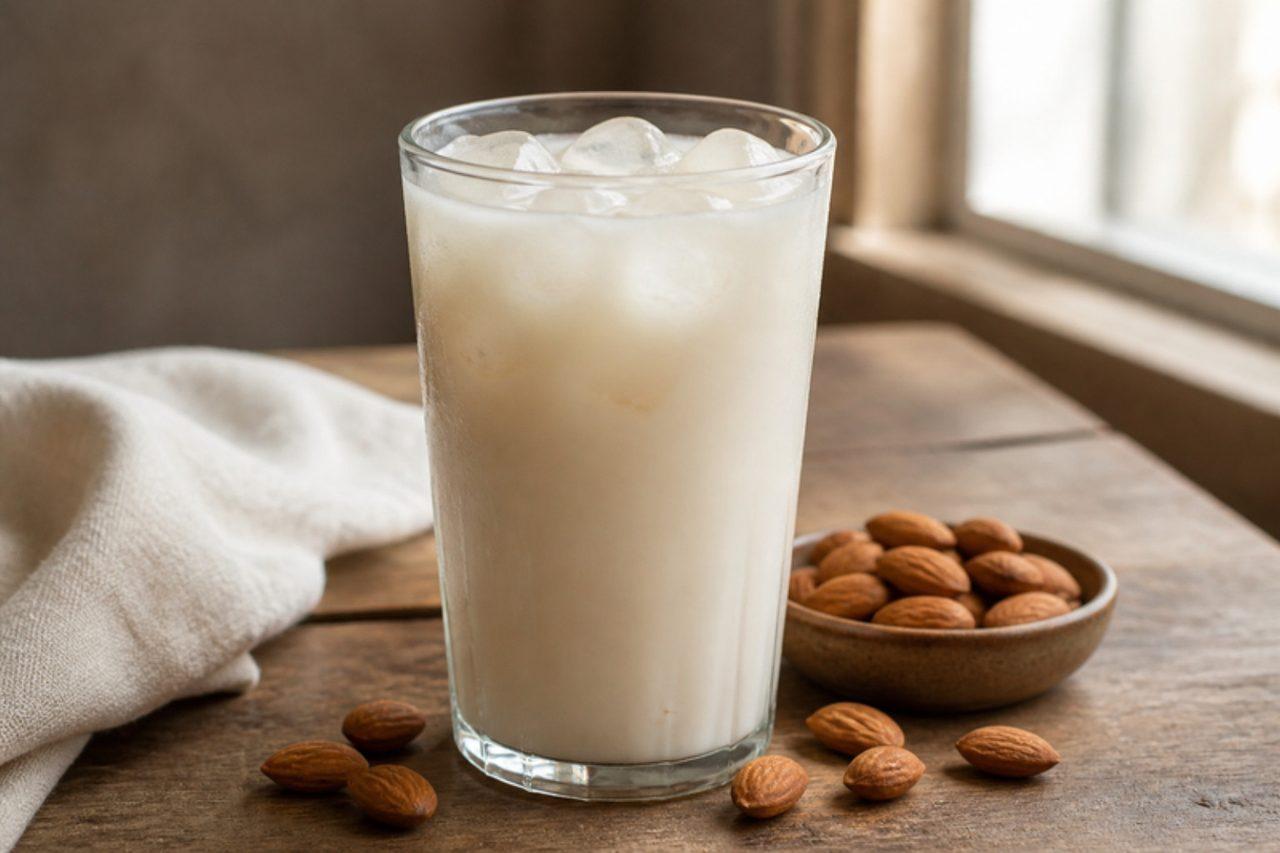
OrzataAlmond syrup drink

Orzata was first made from barley (orzo), but in Liguria, Sardinia and Sicily it has long been made from almonds: a milky, sweet almond syrup, diluted with ice-cold water and drunk on hot summer afternoons in seaside bars and at home. Its gentle almond and orange-blossom flavour makes it a children's favourite. Contains nuts. Chef's tip: soak the blanched almonds in water for an hour before blending; they release more milk and the syrup is richer.

by KrazyBadal 0 views
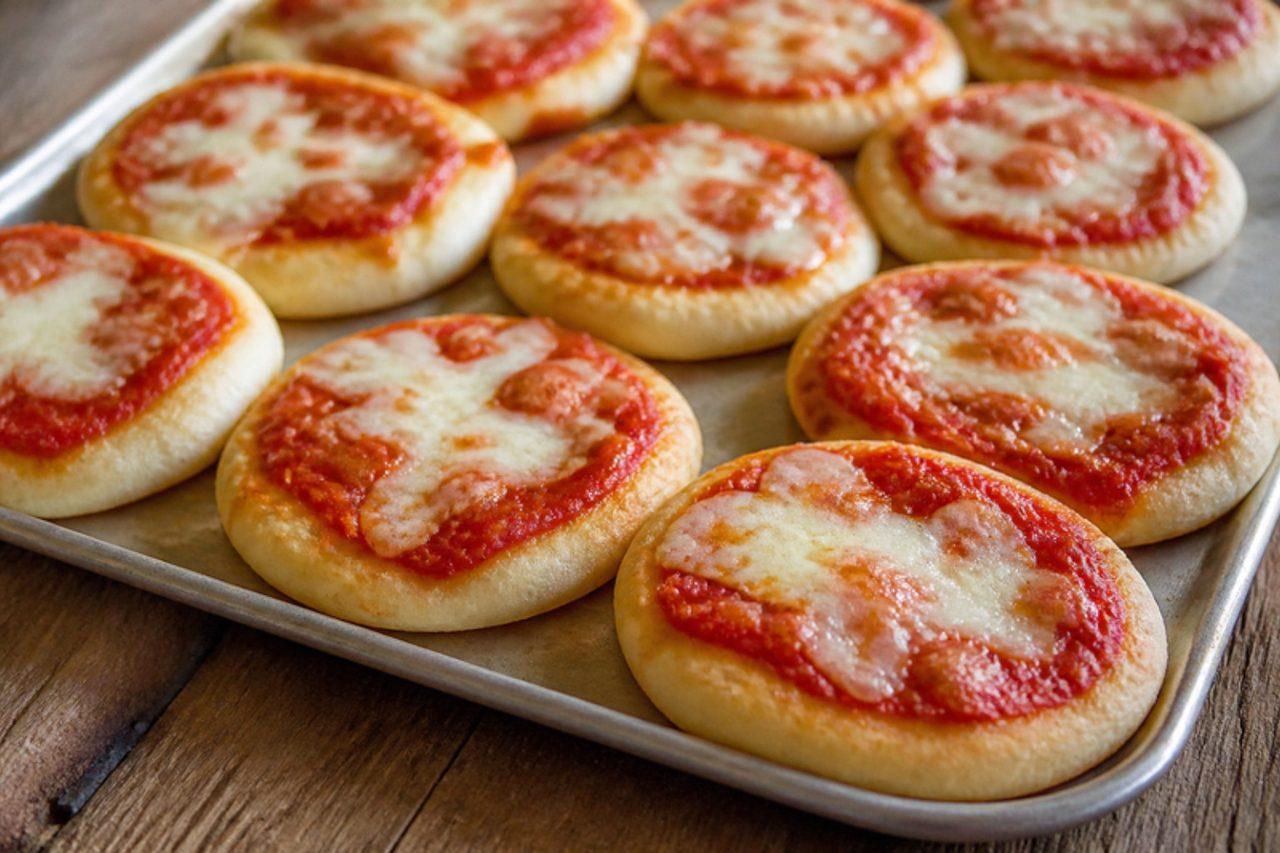
Pizzette rosseMini tomato pizzas

At every Italian children's birthday party, and in every bakery window from Rome to Bari, there is a tray of pizzette: small round pizzas the size of a palm, topped with tomato and a little mozzarella and oregano, soft and easy for small hands. Mothers buy them by the dozen for school snacks and christening buffets. They freeze well. Mozzarella is usually made with calf rennet; vegetarian versions are easy to find. Chef's tip: cook the tomato sauce briefly first and keep it thick; a runny sauce makes soggy pizzette that slide off the plate.

by KrazyBadal 0 views
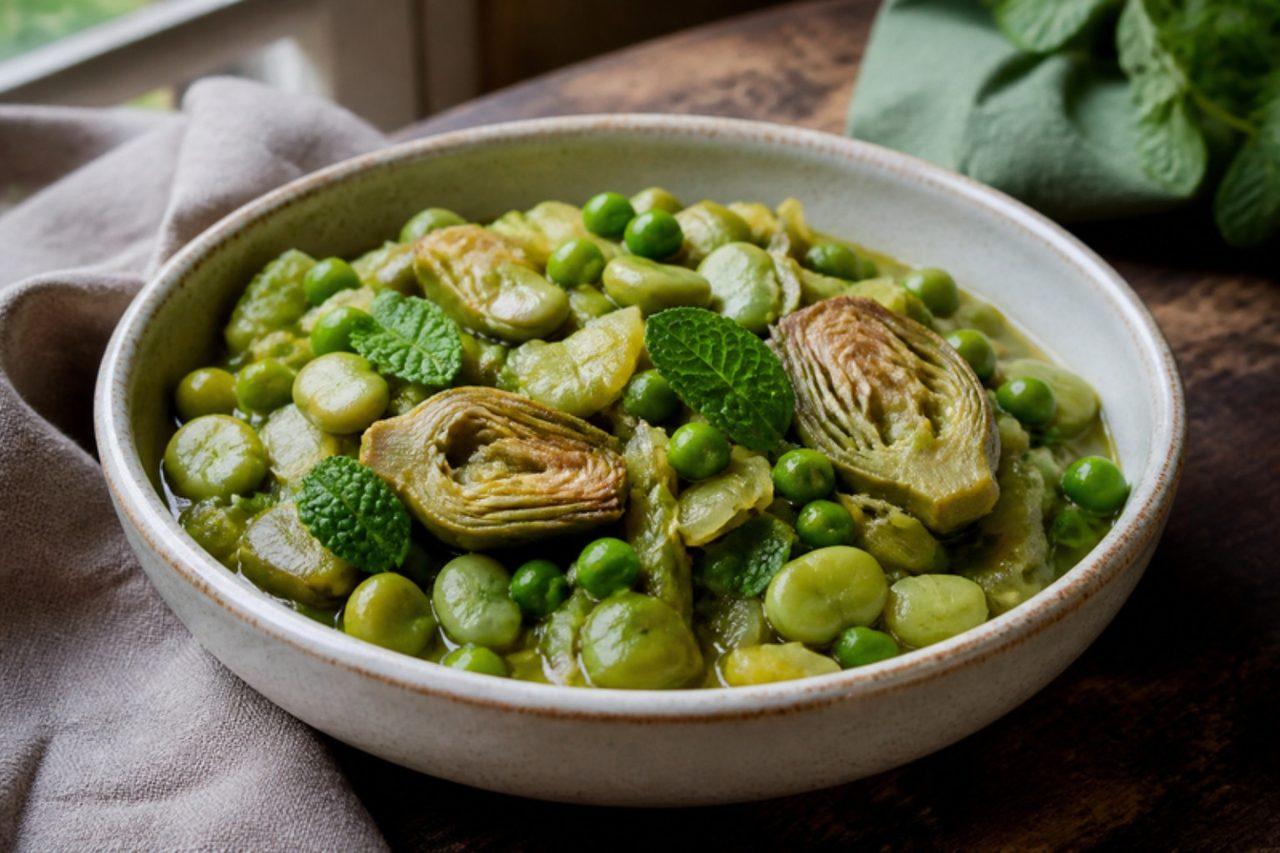
VignarolaArtichoke, broad bean and pea stew

Vignarola is the dish Romans wait for all year: for a few weeks in April and May, when the first artichokes, broad beans and peas all arrive at once at the markets of Campo de' Fiori and Testaccio, they are stewed together gently with spring onion, lettuce and mint. It is eaten as a side or a light main with bread. Romans usually add a little guanciale (cured pork cheek); this version leaves it out and is fully vegan. Chef's tip: add the peas and broad beans only for the last few minutes; they should stay bright green and sweet.

by KrazyBadal 0 views
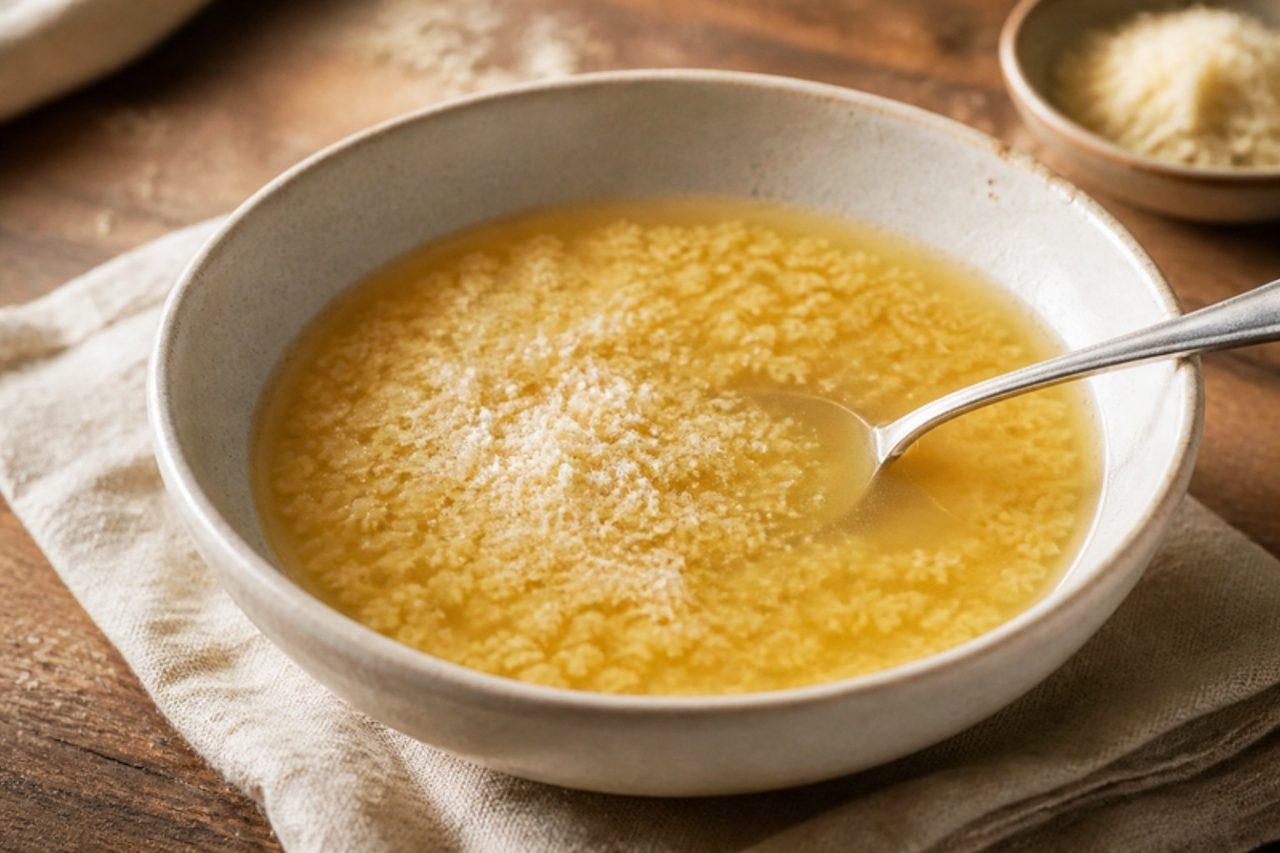
Pastina in brodoTiny pasta in broth

Ask any Italian what their mother made when they were ill as a child, and the answer is pastina in brodo: tiny pasta stars (stelline) or alphabet letters cooked in a light homemade broth and finished with a spoonful of grated Parmigiano and a drizzle of olive oil. It is the first "grown-up" food for many Italian toddlers and the comfort food for everyone on a cold or tired evening. Parmigiano is made with animal rennet; a vegetarian hard cheese works. Chef's tip: cook the pasta directly in the broth, not in water; the starch gives the broth a gentle, silky body.

by KrazyBadal 0 views
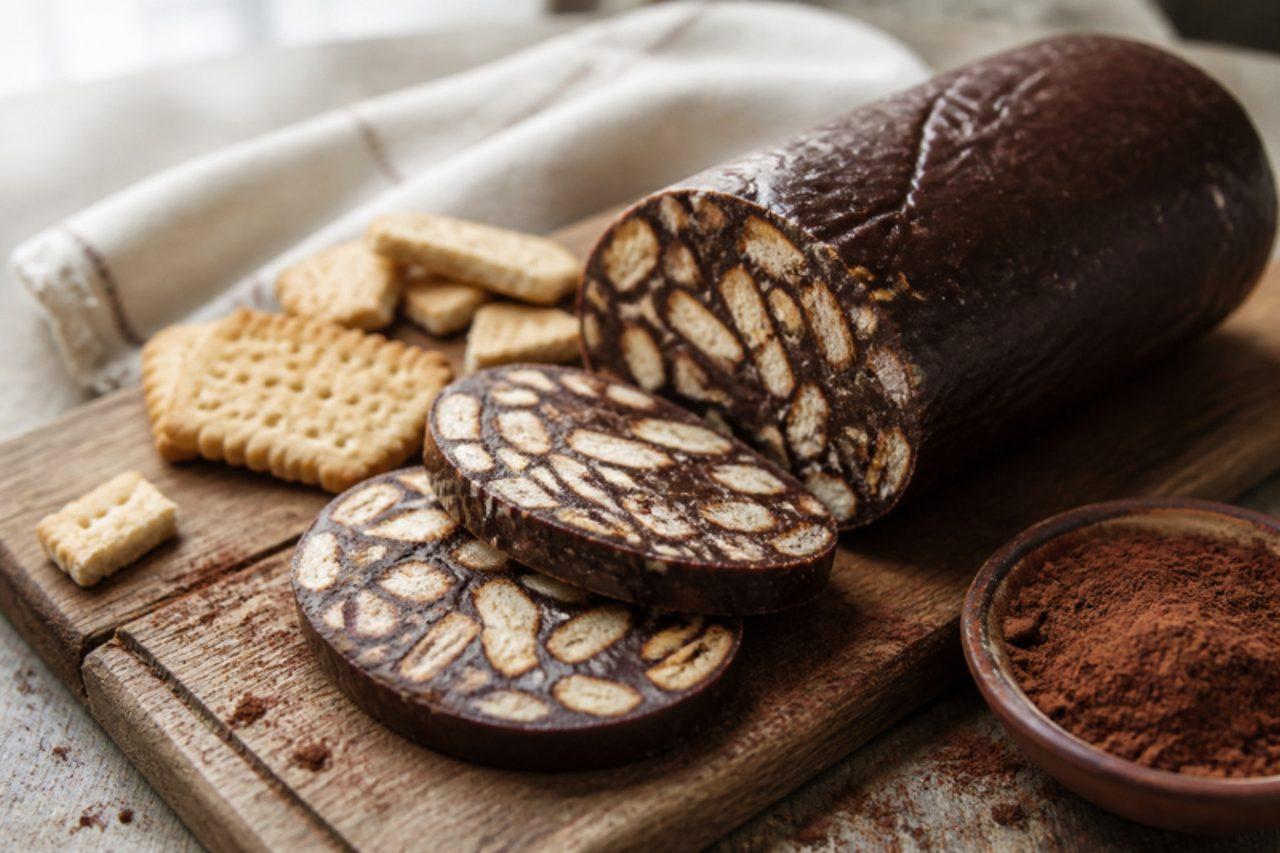
Salame di cioccolatoChocolate biscuit log

Salame di cioccolato is the sweet that Italian children help to make: crushed biscuits mixed with melted chocolate, butter and cocoa, rolled into a log, chilled and dusted with icing sugar so that, when sliced, it looks just like a salami with "fat" spots of biscuit. It is served at birthday parties and Christmas, and some families add rum for adults. This version uses no raw eggs and no alcohol, so it is safe for everyone. Chef's tip: break the biscuits by hand into pieces the size of a fingernail; crumbs make it look like a plain chocolate log.
by KrazyBadal 0 views

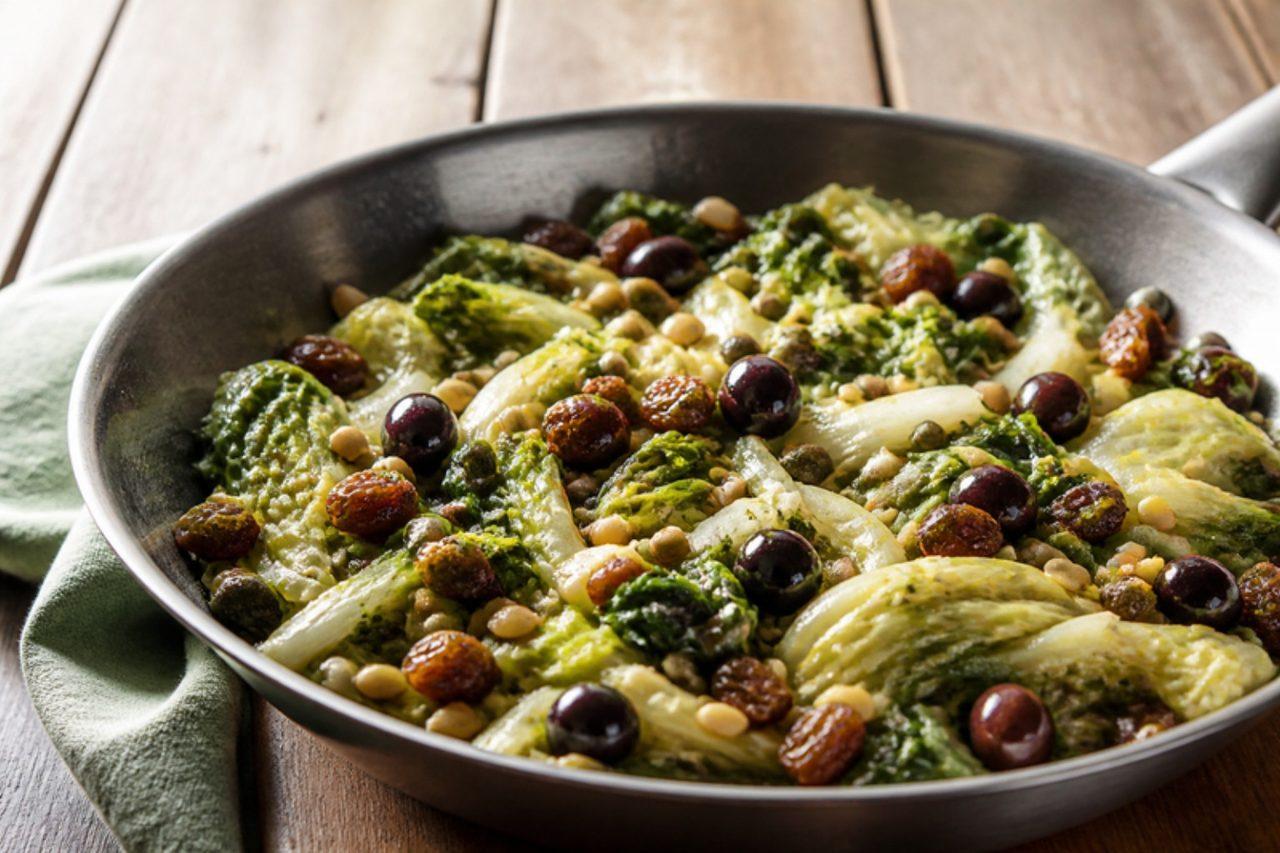
Scarola alla napoletanaSautéed escarole with olives and raisins

Scarola alla napoletana is a Neapolitan Christmas Eve side dish, also cooked all winter: tender escarole sautéed with garlic, black Gaeta olives, capers, pine nuts and raisins, a balance of bitter, salty and sweet that reflects the Arab influence on southern Italian cooking. It is the same filling used in the Christmas pizza di scarola, and families often serve it with fried fish. Contains pine nuts. Chef's tip: dry the washed escarole well before it goes in the pan; wet leaves splash and steam rather than sauté.

by KrazyBadal 0 views

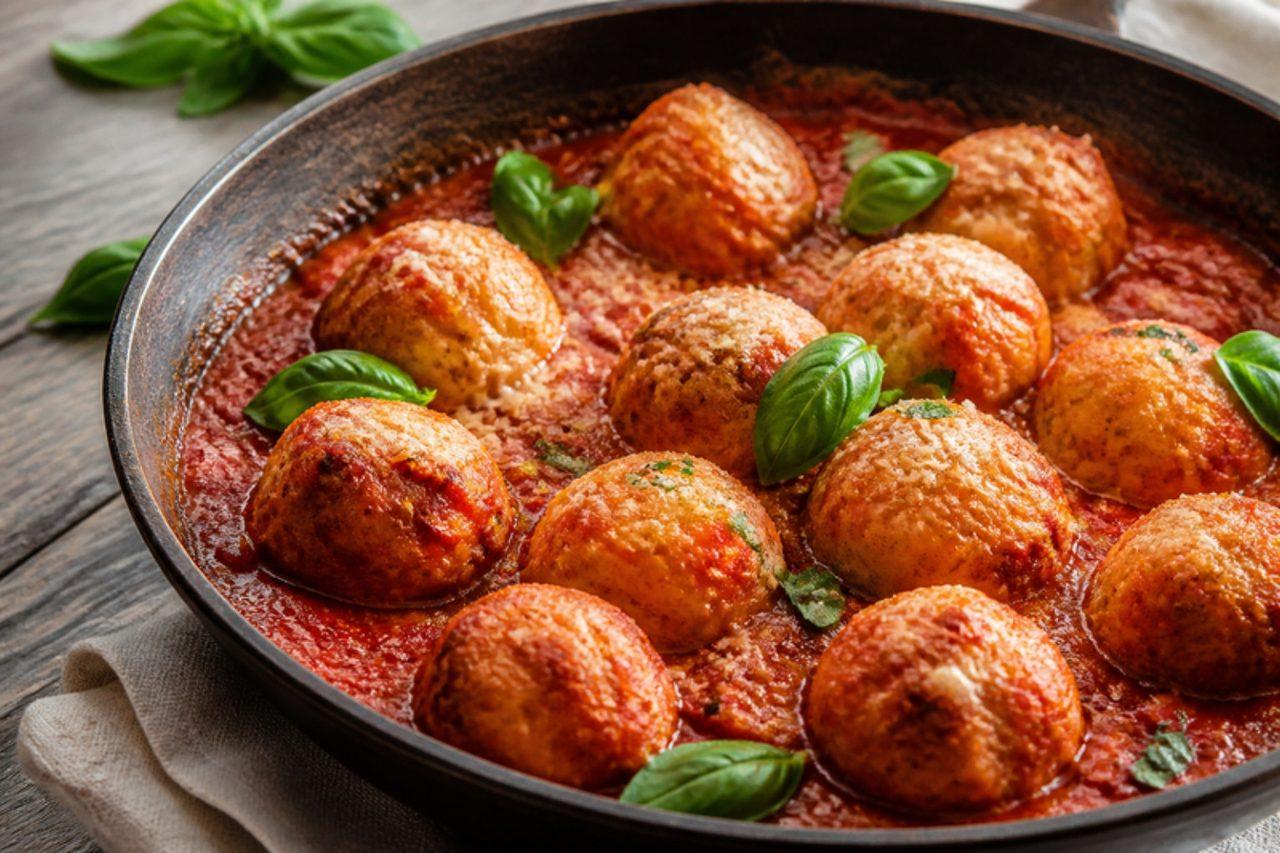
Polpette di pane al sugoBread balls in tomato sauce

When meat was a luxury, families in Calabria, Basilicata and Campania made "meatballs" from stale bread, eggs, pecorino, garlic and parsley, fried until crisp and then simmered in tomato sauce. These polpette are so good that they're still made today, as a Friday supper or as part of a Sunday spread, eaten with lots of bread to wipe up the sauce. Pecorino is usually made with animal rennet; a vegetarian hard cheese works. Chef's tip: squeeze the soaked bread really dry; wet bread makes polpette that break apart in the sauce.

by KrazyBadal 0 views

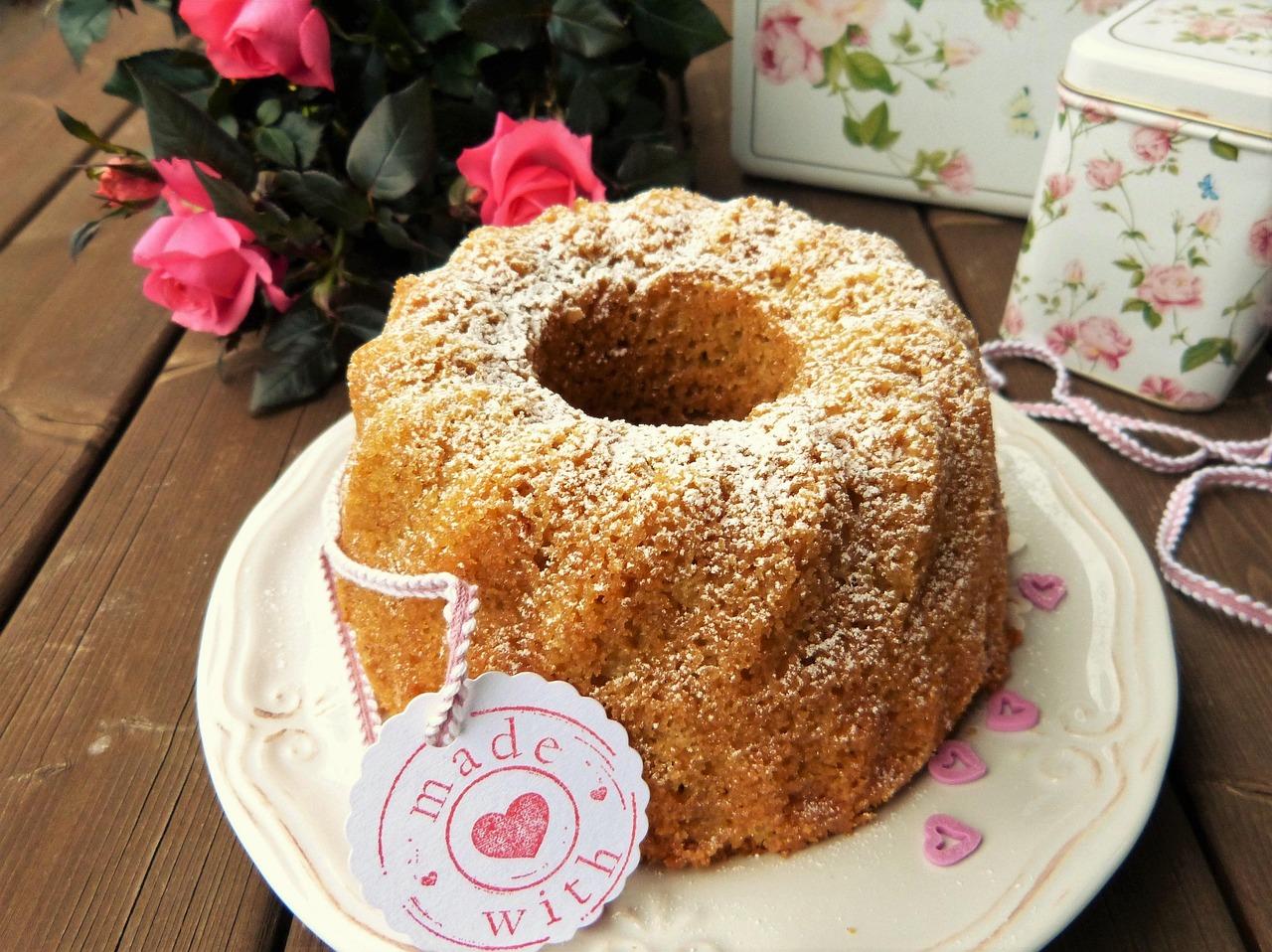
CiambelloneItalian ring cake

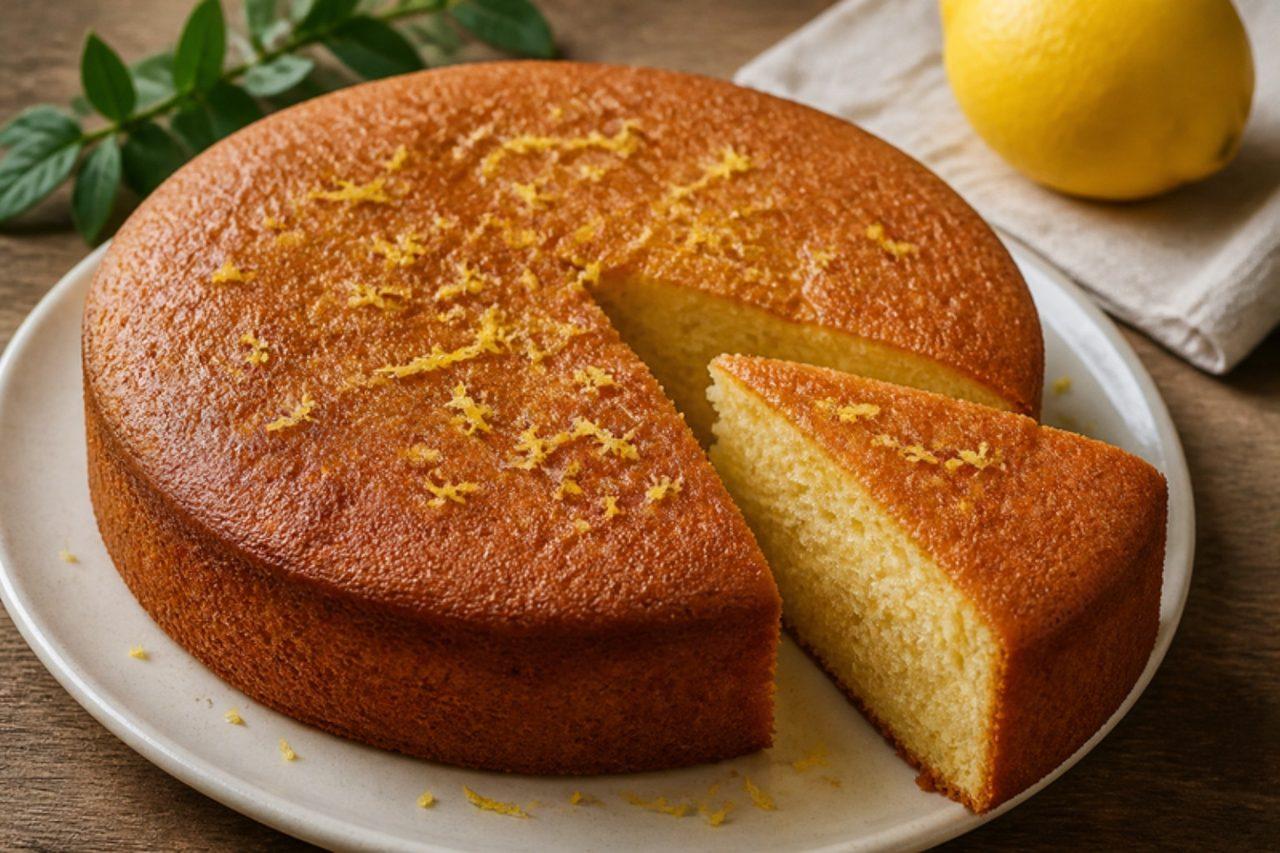
Every Italian nonna has her own ciambellone, the tall, plain ring cake that sits under a glass dome on the kitchen counter for breakfast, sliced and dunked in caffellatte or eaten with jam. It is made with eggs, sugar, flour and oil or butter, flavoured with lemon zest, and often marbled with cocoa. In Rome and Emilia it is also the cake brought to friends' houses and church fêtes. Chef's tip: whisk the eggs and sugar for a full 8 minutes, until very pale and thick; that air is what makes the cake rise tall without much baking powder.

by KrazyBadal 0 views

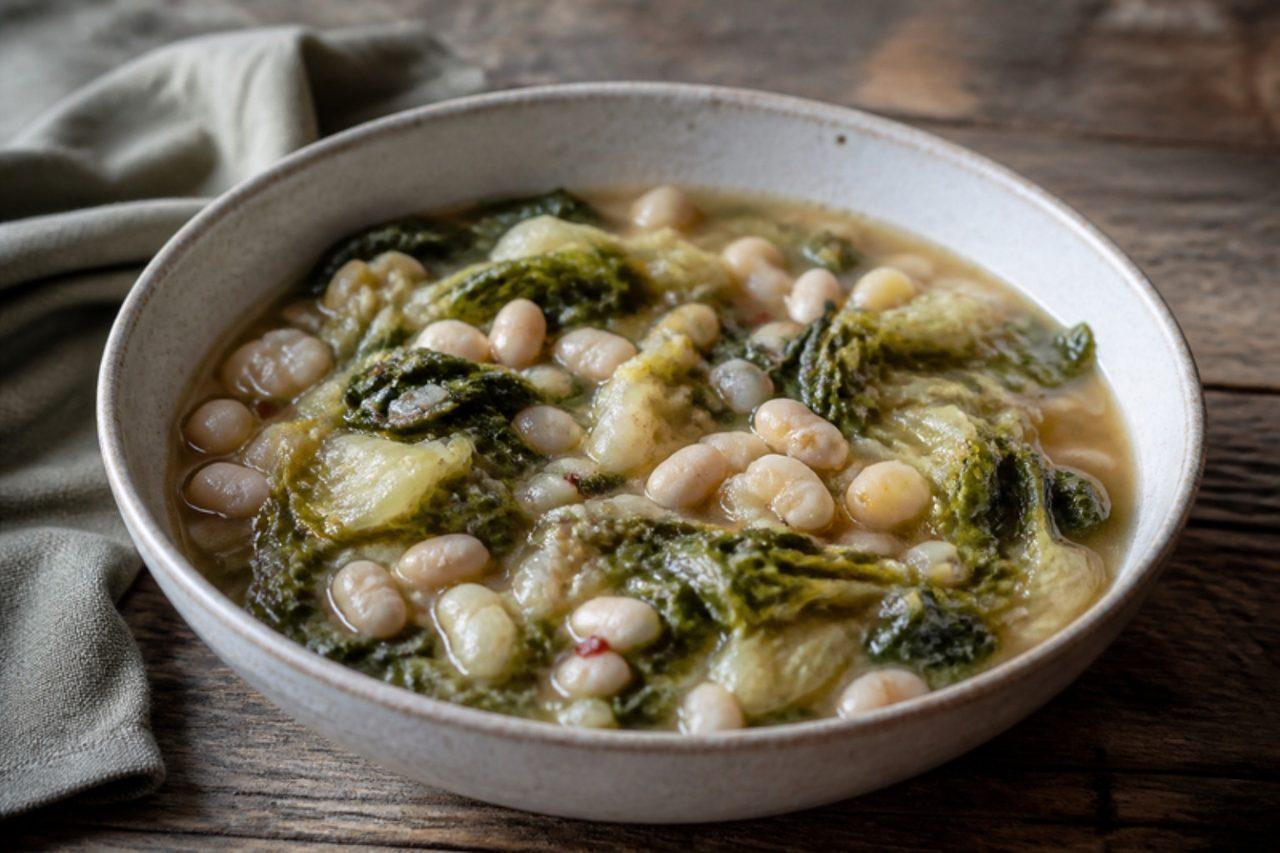
Scarola e fagioliEscarole and bean soup

Scarola e fagioli is one of the oldest dishes of Neapolitan home cooking: tender escarole, a slightly bitter winter salad green, simmered with creamy cannellini beans, garlic, chilli and olive oil into a thick soup, sometimes with broken pasta stirred in. In Naples it is a cold-weather supper, eaten with toasted bread rubbed with garlic. Chef's tip: mash a ladle of the beans into the broth; it thickens the soup and makes it creamy without any cream.

by KrazyBadal 0 views

Zuppa di cicerchieGrass pea soup

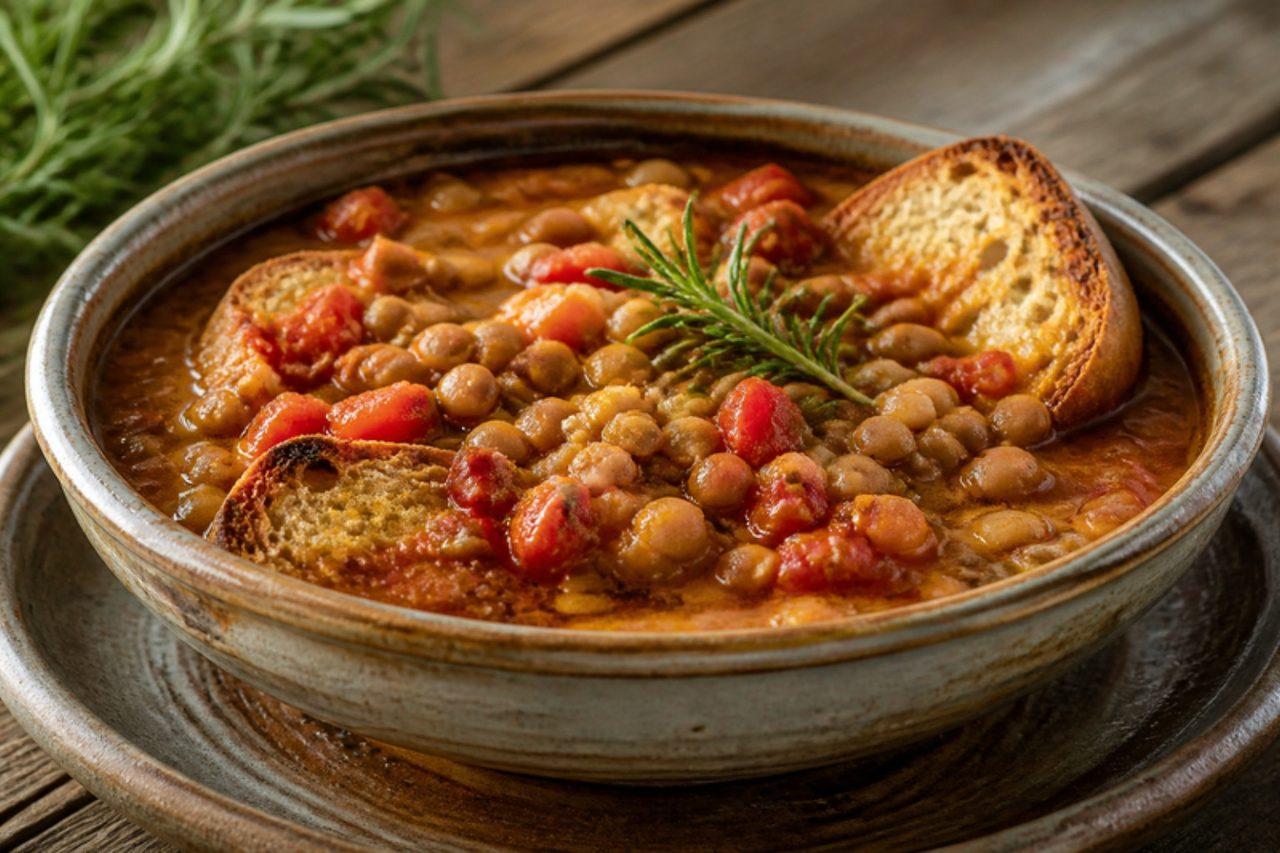
Cicerchie (grass peas) are an ancient legume that looks like a small, squared-off chickpea, grown on the hills of the Marche and Umbria around Serra de' Conti and Gubbio. They make a thick, nutty, rustic winter soup cooked with garlic, tomato and rosemary, served over toasted bread with a thread of new olive oil. Grass peas contain a natural toxin when eaten in large amounts, so always soak them for at least 24 hours, changing the water a few times, and enjoy them as an occasional dish. Chef's tip: change the soaking water at least three times; it removes most of the toxin and makes the peas easier to digest.

105 minItalianSoupsVeganGluten free
by KrazyBadal 0 views

Gelato alla cremaCustard gelato

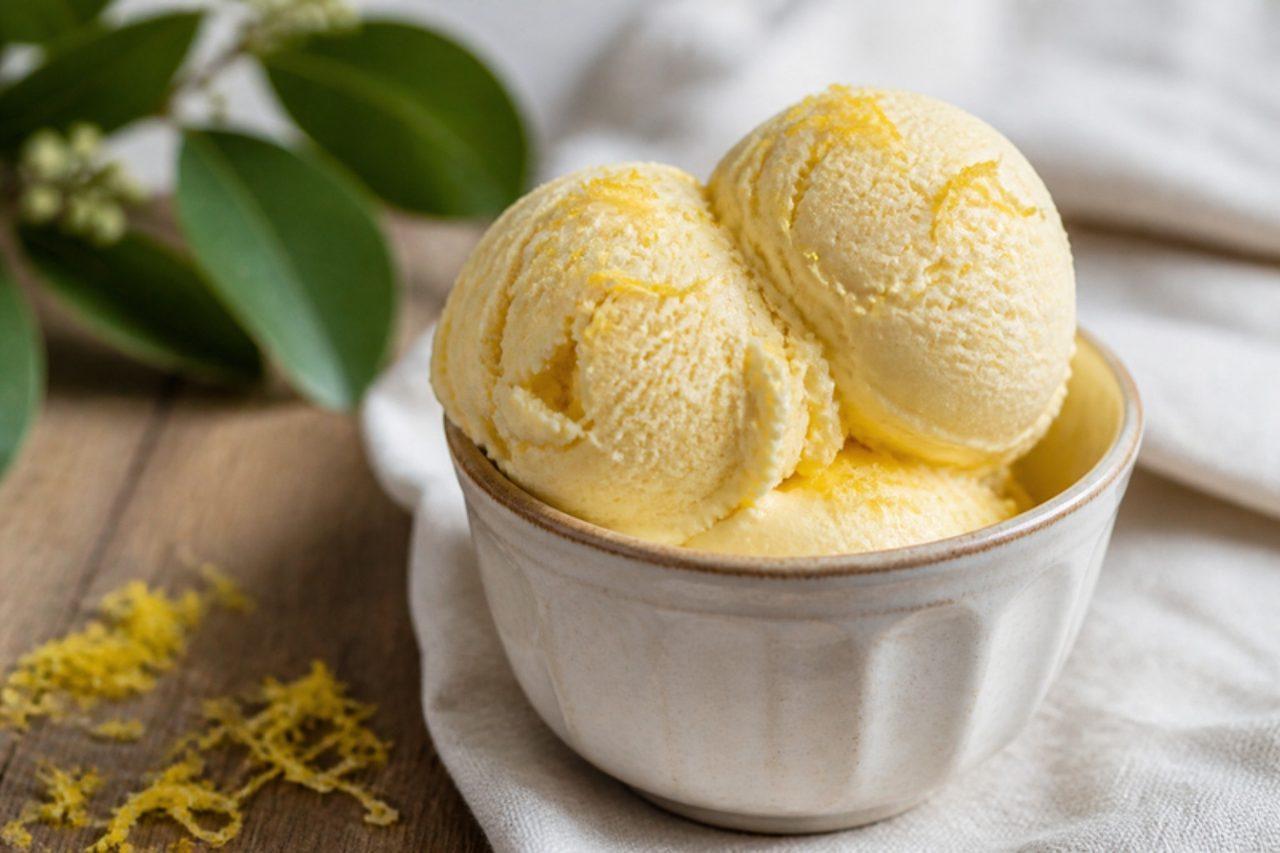
Crema is the yellow, custard-flavoured gelato that Italian grandparents always order, made with egg yolks like a crème anglaise and perfumed with lemon zest rather than vanilla, as was the old way in Florence and Sicily. It is rich and smooth and is the base for many classic flavours, and many gelaterie still call it "crema della nonna". Chef's tip: cook the custard until it reaches 82 °C and coats the back of a spoon; this makes the yolks safe and gives a silky texture without scrambling.

by KrazyBadal 0 views

Peperoni sott'acetoPickled sweet peppers

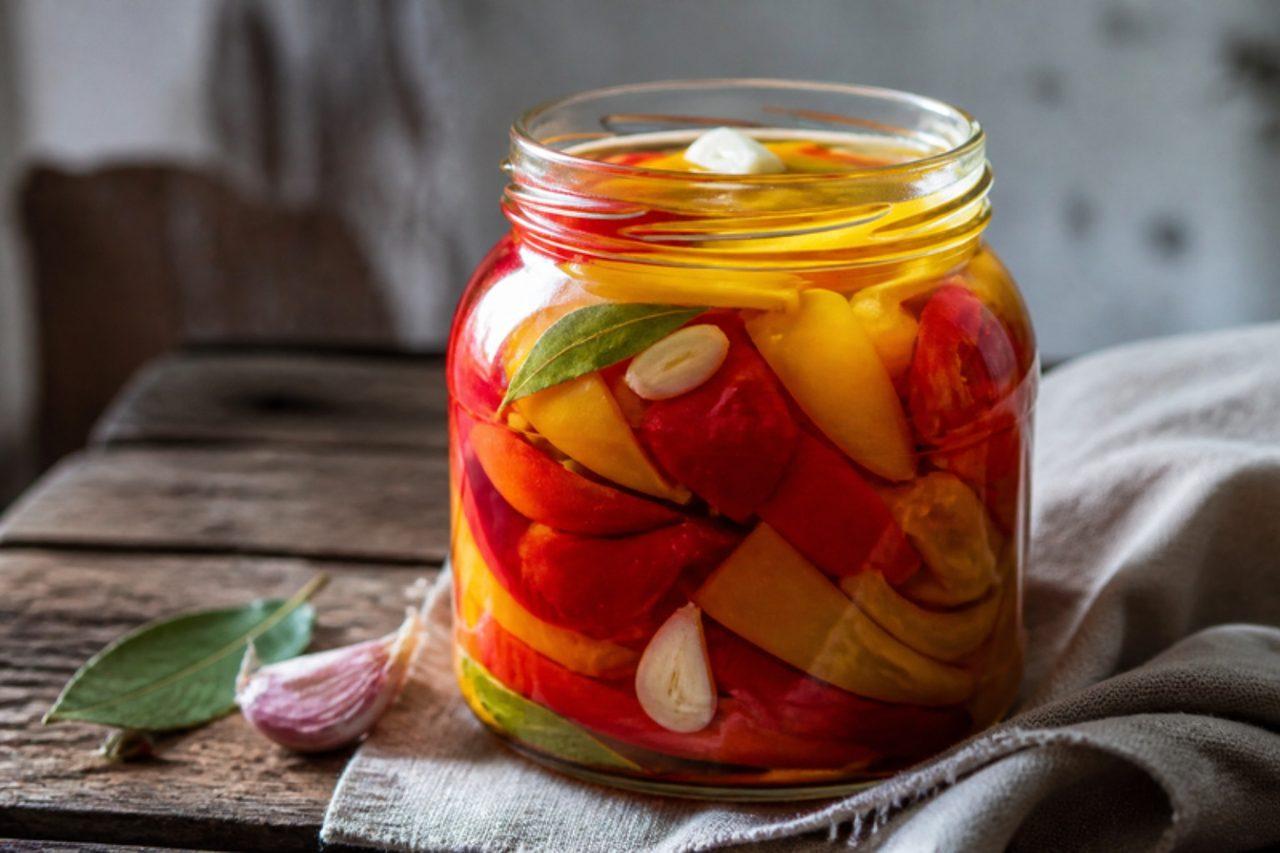
In Campania, Basilicata and Calabria, late summer means jars of red and yellow peppers in vinegar lined up in the larder. In winter they are fried with potatoes, chopped into Christmas insalata di rinforzo, or served with sausages. The thick, fleshy peppers stay crisp and turn tangy and sweet. Chef's tip: use thick-walled peppers and cut them into wide strips; thin peppers go soft in the vinegar.

by KrazyBadal 0 views

Tortelloni di ricotta burro e salviaRicotta tortelloni in sage butter

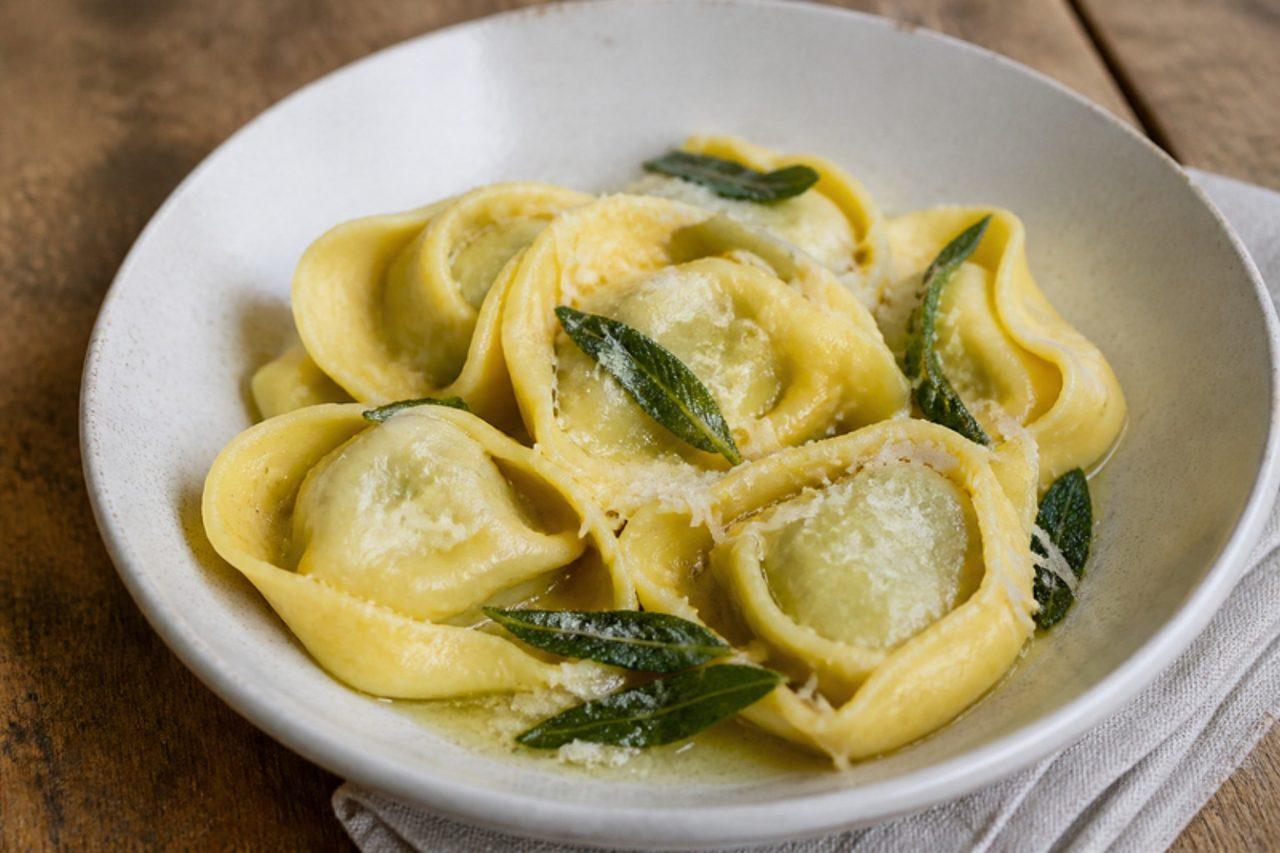
In Bologna, tortelloni are the big brothers of tortellini: wide parcels of egg pasta folded around ricotta, parsley and Parmigiano, often made on Christmas Eve, when meat is avoided, and on Fridays. The sfogline (pasta makers) of the Quadrilatero market roll the dough by hand so thin you can read through it. They are served simply with butter and sage so the filling shines. Parmigiano is made with animal rennet; choose a vegetarian hard cheese if you need to. Chef's tip: press every bit of air out around the filling before you seal; trapped air makes the tortelloni burst in the pot.

by KrazyBadal 0 views

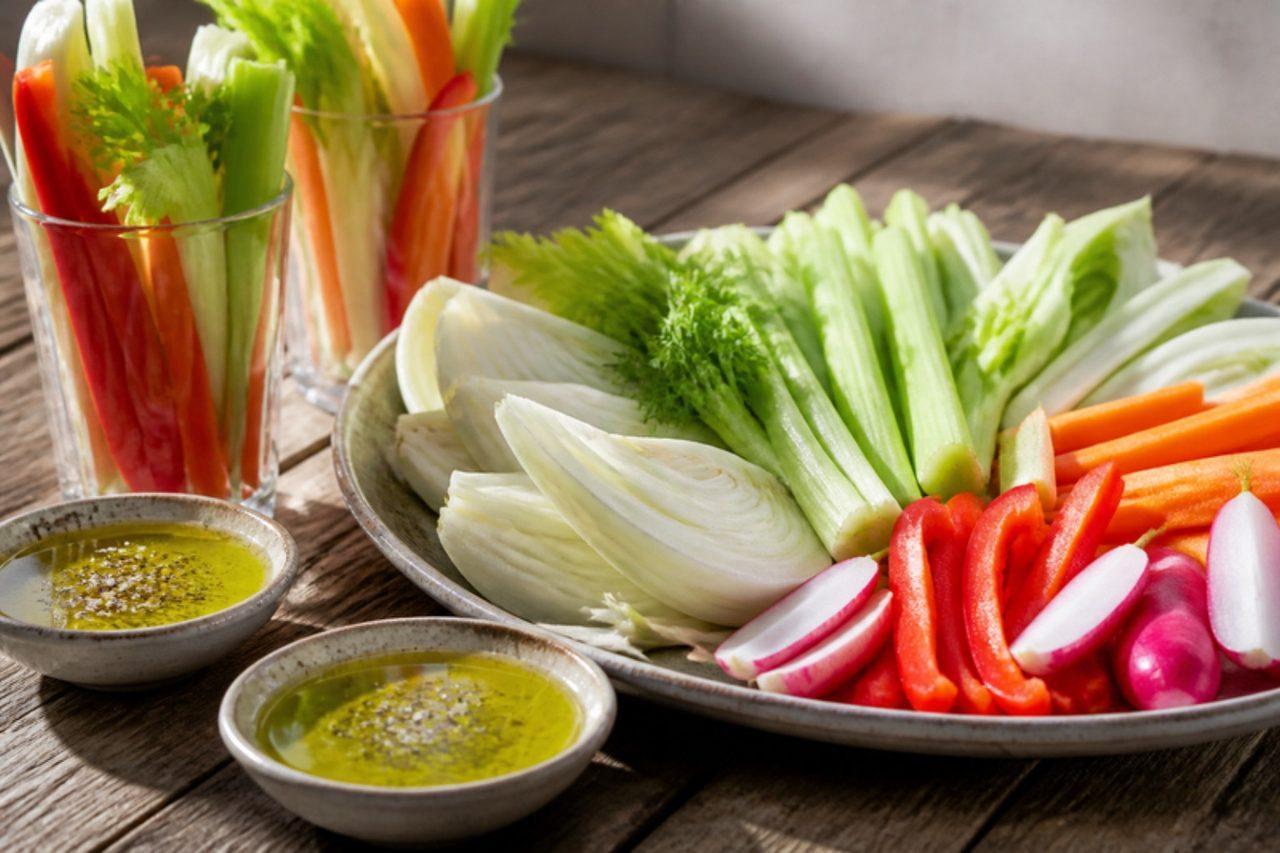
PinzimonioRaw vegetables with olive oil

In Tuscany pinzimonio comes out in November, when the frantoi (olive mills) press the new oil and families want something that shows off its peppery green bite. A jug of raw, cold vegetables is set in the middle of the table and everyone dips into their own little bowl of oil seasoned with salt and pepper, usually before a plate of pasta or alongside bruschetta at the mill. Crunch matters more than anything: fennel, celery hearts, radishes, carrots, young artichokes and red peppers, all very fresh. Chef's tip: keep the cut vegetables in a bowl of iced water for 15 minutes before serving; they turn crisper and look glossy without any dressing.

by KrazyBadal 0 views

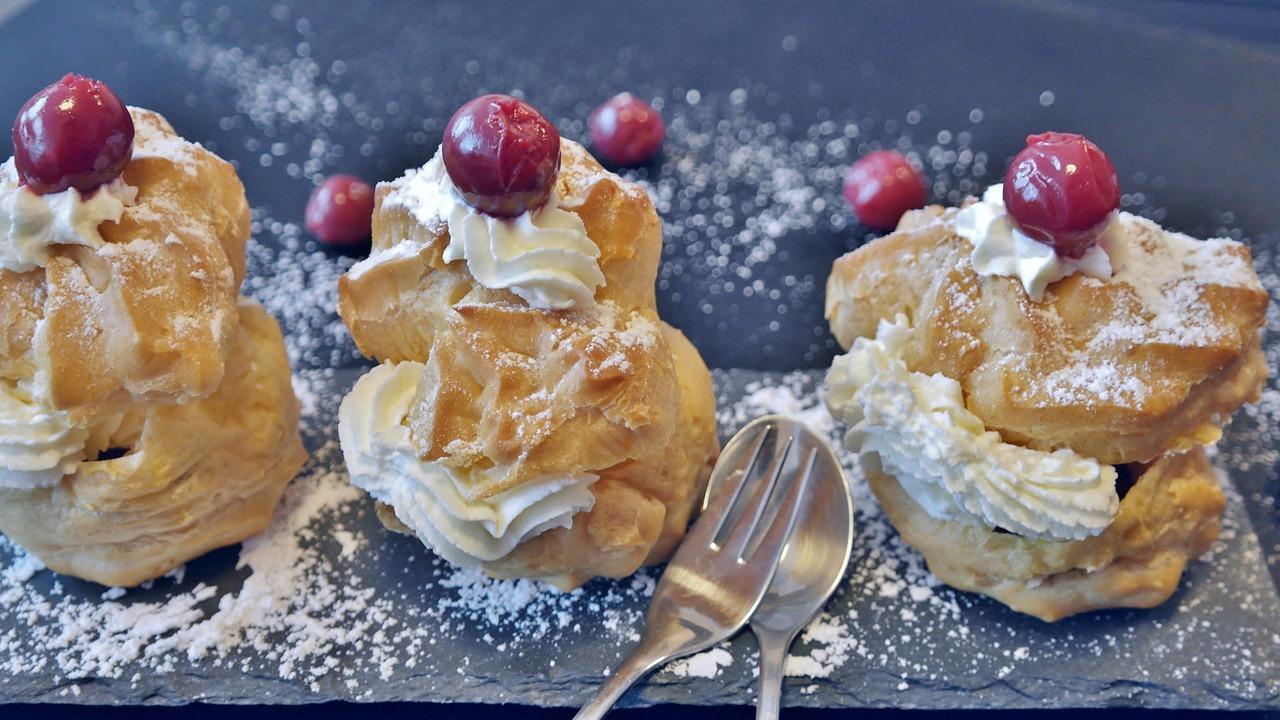
Zeppole di San GiuseppeCustard-filled choux rings

On 19 March, the feast of San Giuseppe and Father's Day in Italy, every bar and pastry shop in Naples sells zeppole: rings of choux pastry piped in a spiral, fried or baked, filled with thick custard and topped with a dark, syrupy amarena cherry. The fried version is the traditional one; baked zeppole are lighter and easier at home. Families buy them by the tray to share after lunch. Chef's tip: pipe the rings onto squares of baking paper so you can lower them into the oil without misshaping them; the paper comes away on its own.

by KrazyBadal 0 views

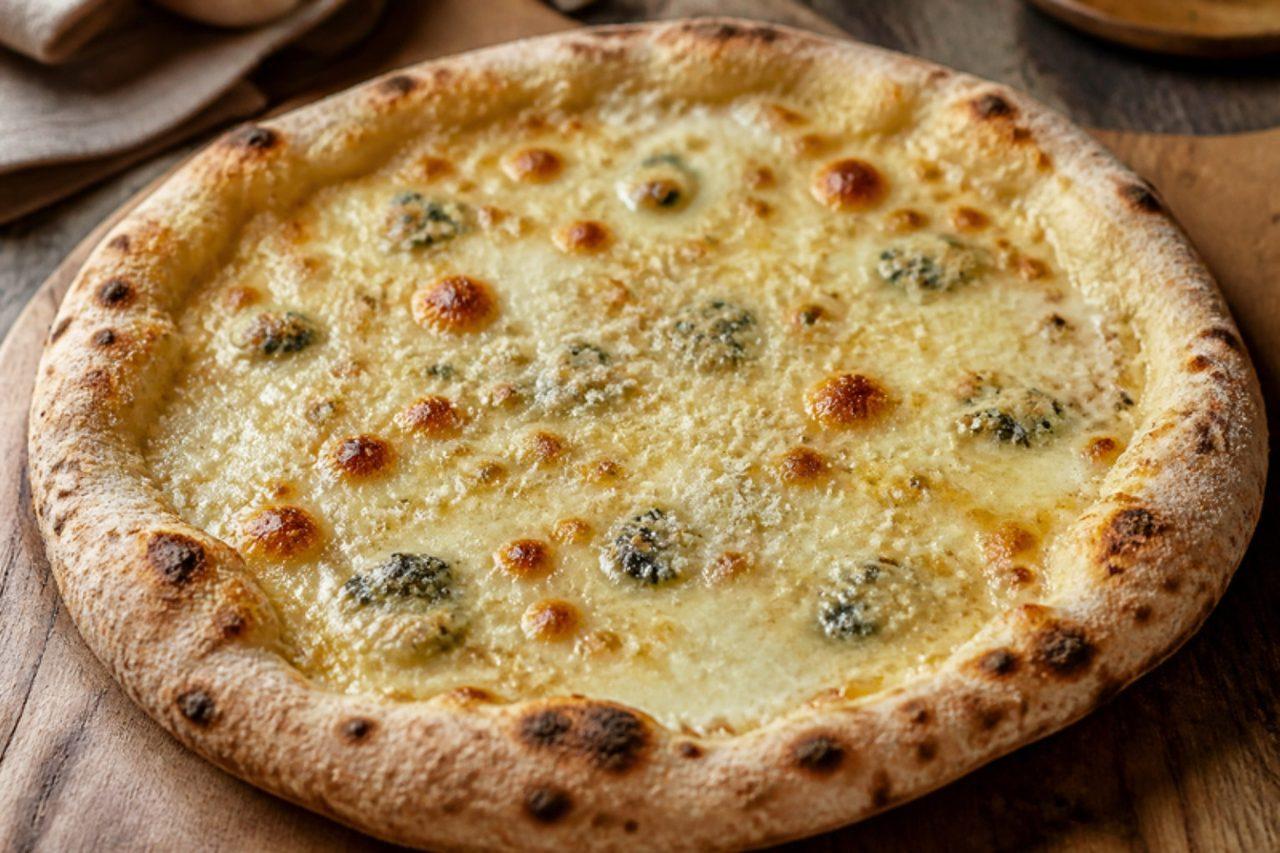
Pizza ai quattro formaggiFour-cheese pizza

Four-cheese pizza is a pizzeria classic from Milan to Palermo, a pizza bianca (no tomato) where each cheese does a different job: mozzarella for stretch, gorgonzola for a blue tang, fontina from the Aosta Valley for creaminess and Parmigiano for a salty crust. It is the order for winter evenings, often with a drizzle of honey or a few walnuts on top. Most of these cheeses are made with animal rennet; choose vegetarian versions of each if you need to. Chef's tip: cut the cheeses into small cubes rather than slices and scatter them unevenly; they melt at different speeds and give pockets of flavour.

by KrazyBadal 0 views

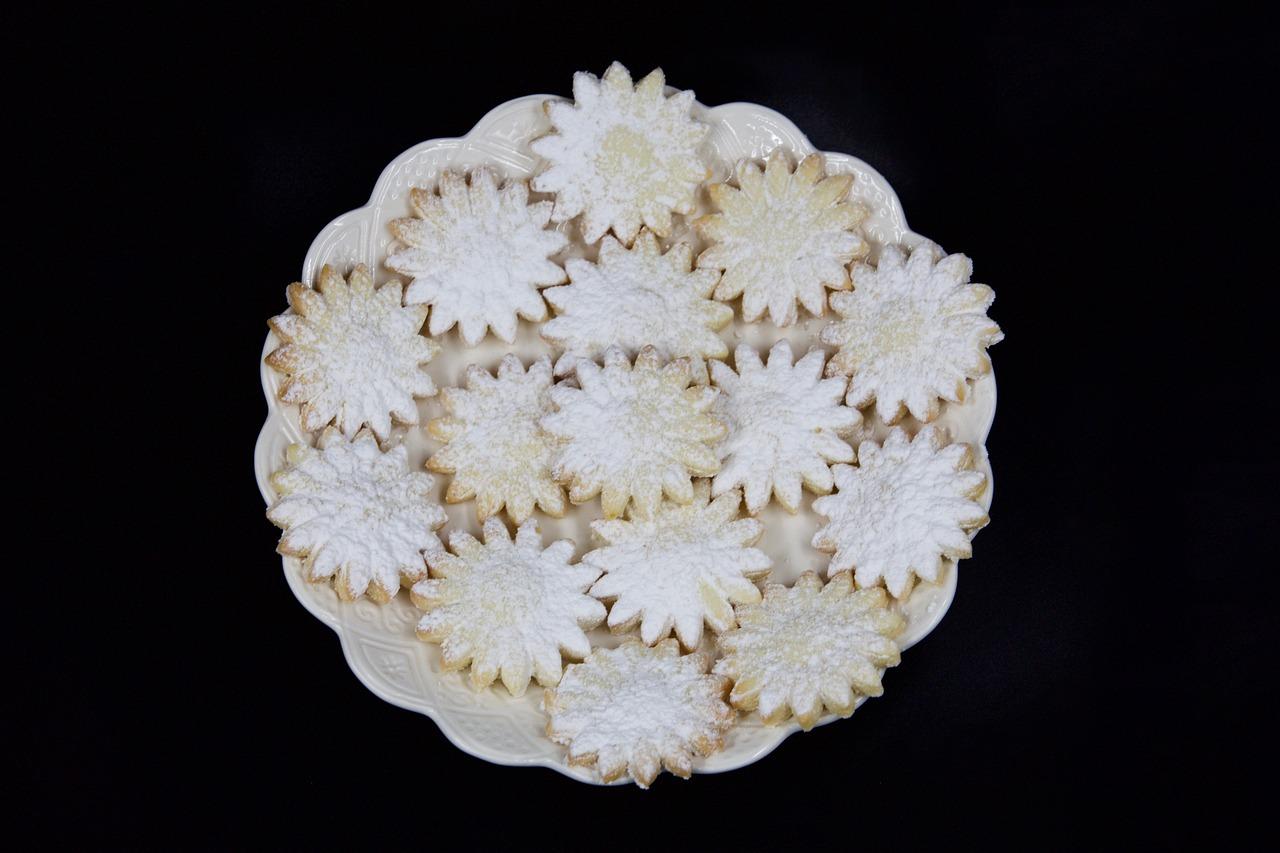
Canestrelli liguriFlower shortbread biscuits

Canestrelli are the most delicate biscuits in Liguria: daisy-shaped shortbread with a hole in the middle, so fragile they melt in the mouth. The secret is hard-boiled egg yolks pushed through a sieve into the dough, with potato starch, which makes them crumbly and sandy. They are sold in Genoa and the hill town of Torriglia, piled in paper and covered with snowy icing sugar. Chef's tip: work the dough as little as possible and keep it cold; warm dough becomes too soft to cut into neat flowers.

by KrazyBadal 0 views

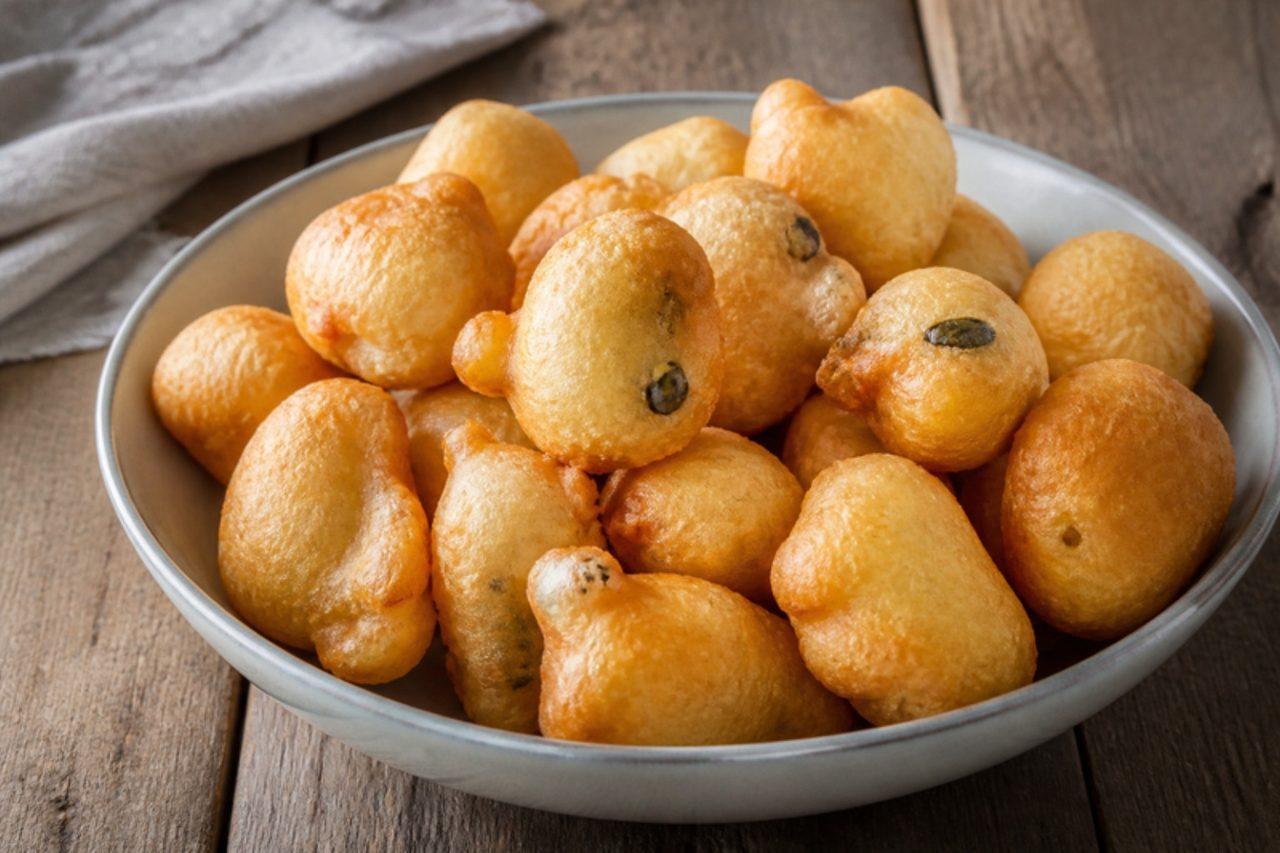
PittuleFried dough balls

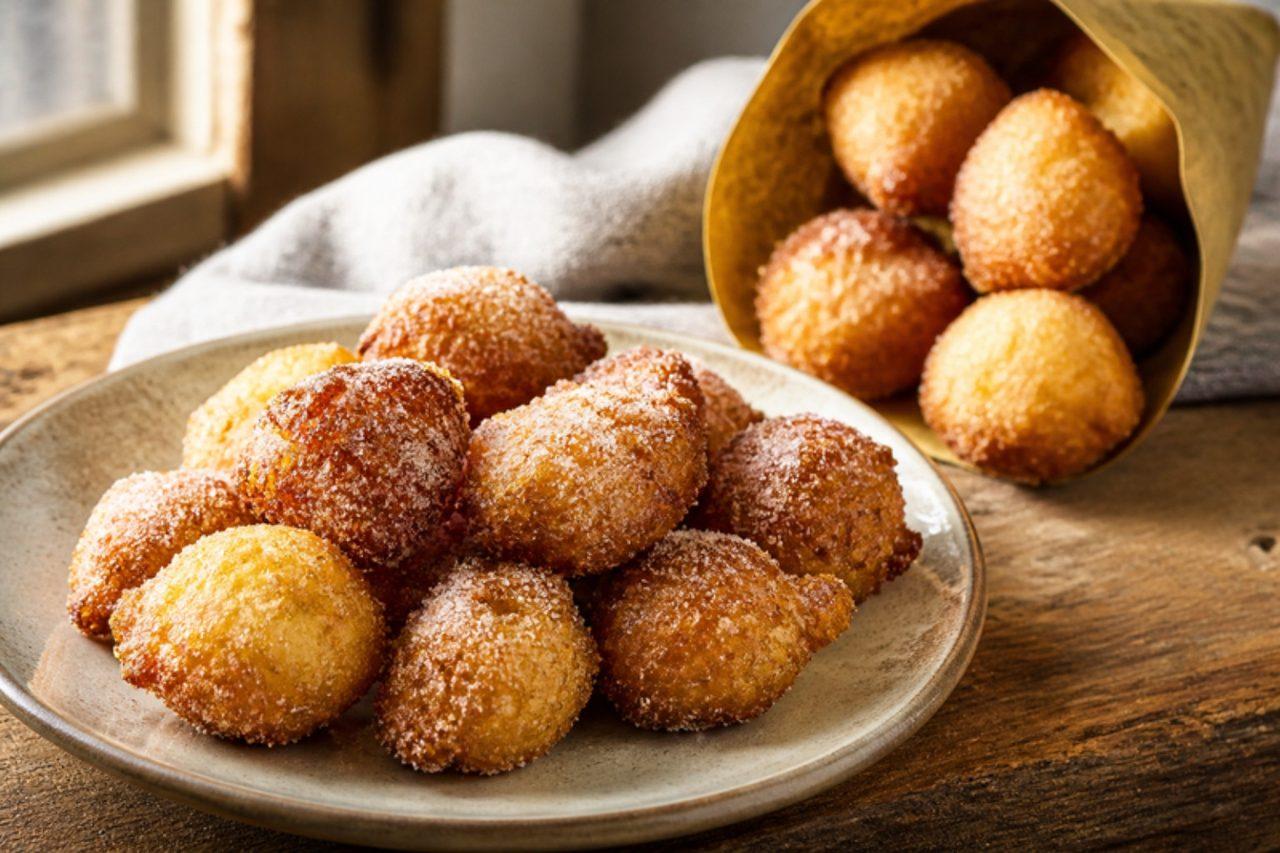
In the Salento, the heel of Puglia, pittule are fried on the night of 7 December, the eve of the Immaculate Conception, to open the Christmas season, and again on St Martin's Day in November when the new wine is tasted. The dough is so wet it can't be shaped; it is dropped from a spoon or a wet hand into hot olive oil, puffing into soft, irregular golden balls. Plain ones are dusted with sugar; savoury ones hide olives, capers or cherry tomatoes. Chef's tip: dip your hand or spoon in water before each scoop so the sticky dough slides off into the oil.

by KrazyBadal 0 views

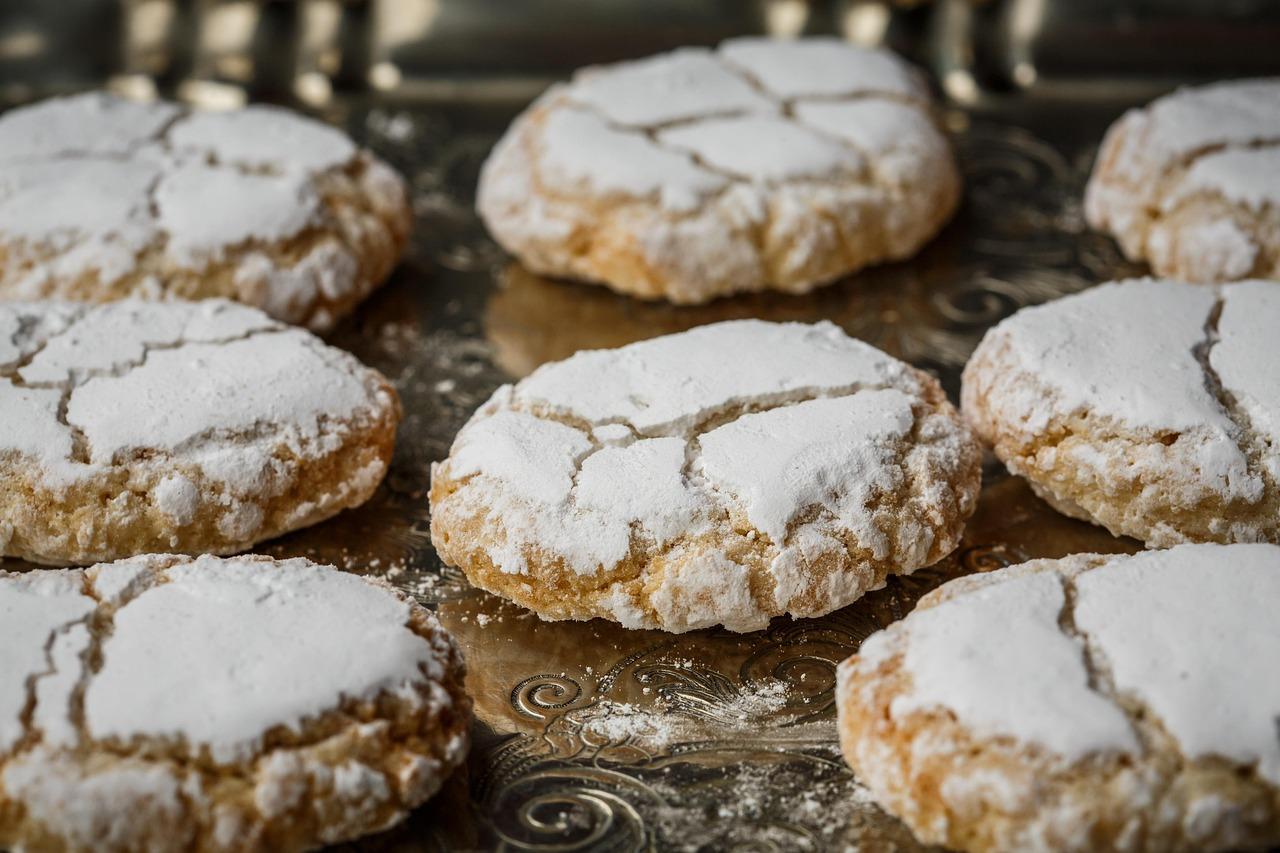
RicciarelliSoft almond biscuits

Siena has been making ricciarelli since the Renaissance: soft, chewy almond biscuits in the shape of a diamond or a curved eye, with a crackled top covered in icing sugar. Sienese families buy them from the historic pasticcerie near the Campo at Christmas and serve them with a glass of Vin Santo after dinner, but they are eaten all winter with coffee. This recipe is naturally gluten free. Chef's tip: let the shaped biscuits dry at room temperature overnight before baking; a dry crust cracks beautifully in the oven while the inside stays soft.

by KrazyBadal 0 views

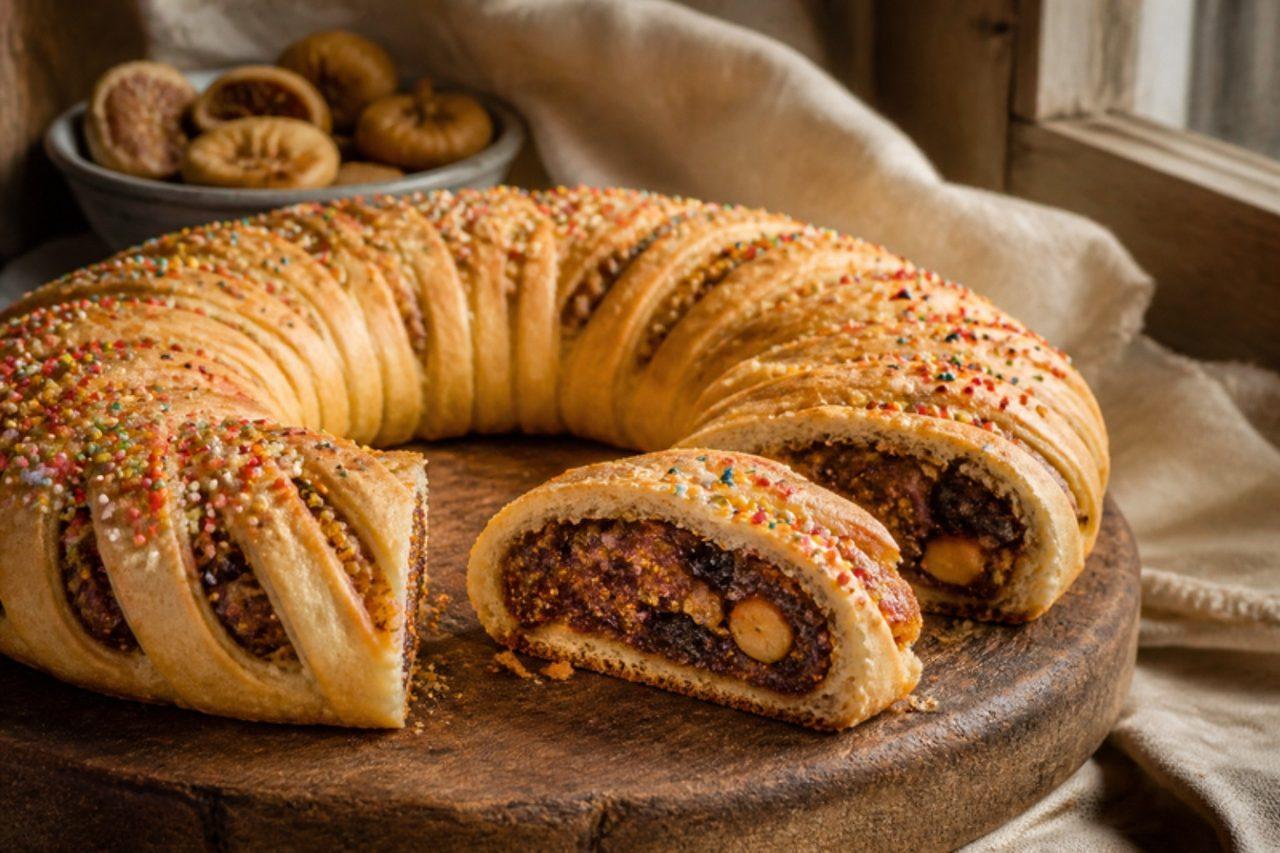
Buccellato sicilianoFig and nut pastry ring

In Palermo and western Sicily, buccellato is the great Christmas ring: a crumbly shortcrust wrapped around a dark, sticky filling of dried figs, raisins, almonds, walnuts, orange peel, chocolate and spices, often decorated with cuts along the top and coloured sprinkles. Families start the filling days ahead and bake several rings to give away. The filling traditionally includes a splash of Marsala; use orange juice for an alcohol-free version. Chef's tip: cut slits along the top of the ring before baking; they let steam out and show off the dark filling.

by KrazyBadal 0 views

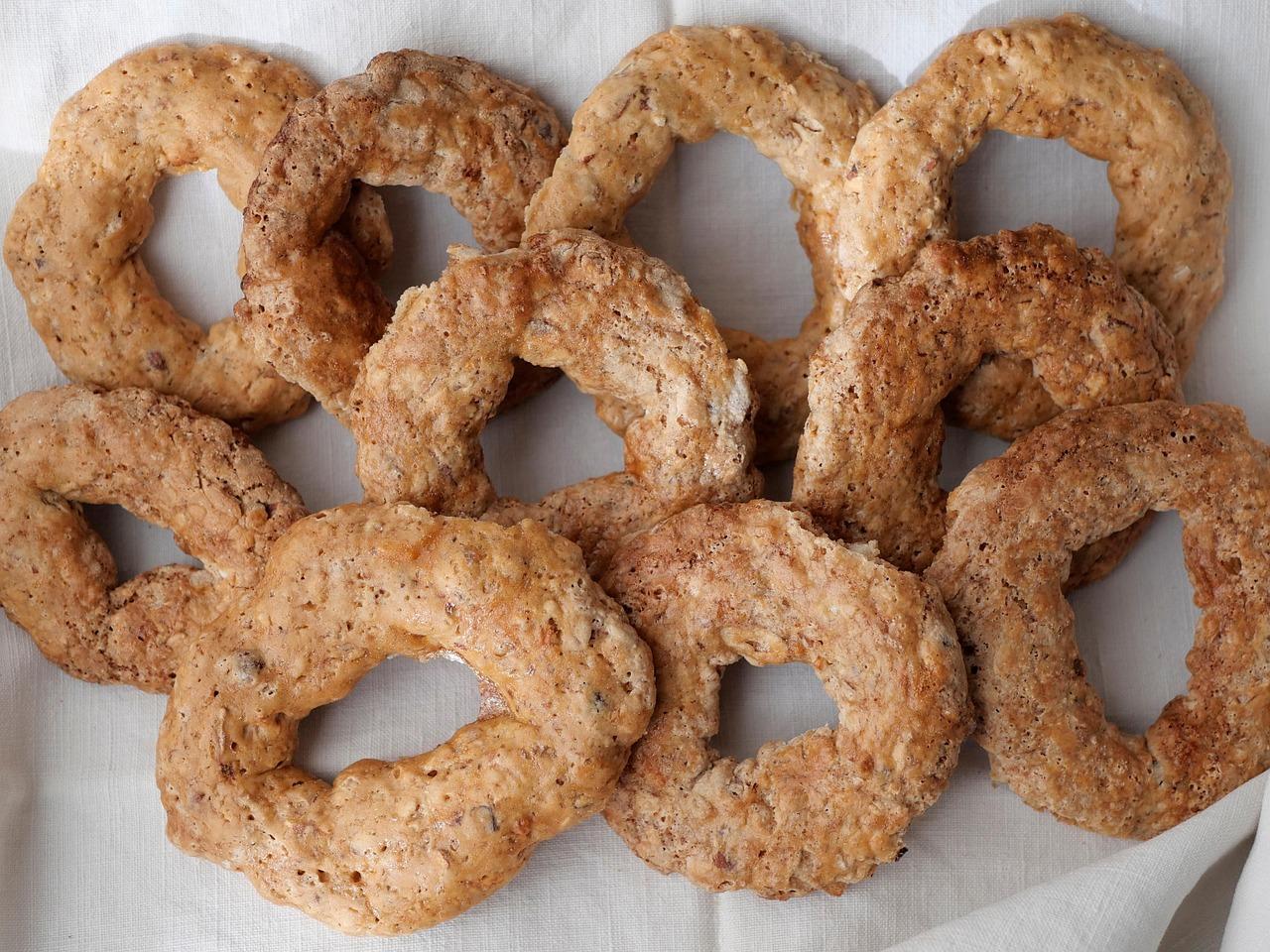
RoccocòHard almond spice rings

Roccocò are the hardest biscuits on the Neapolitan Christmas tray, ring-shaped and studded with whole almonds, scented with orange and pisto spice. The name is said to come from the curly French "rocaille" shape. They are baked in early December, and Neapolitans dunk them in sweet wine or milk, or break them carefully, because they are famously hard on teeth. Chef's tip: bake them twice as long as you think and leave them to dry overnight; roccocò are meant to be crunchy, and they soften pleasantly after a week in the tin.

by KrazyBadal 0 views

Zucchine alla scapeceMarinated fried courgettes

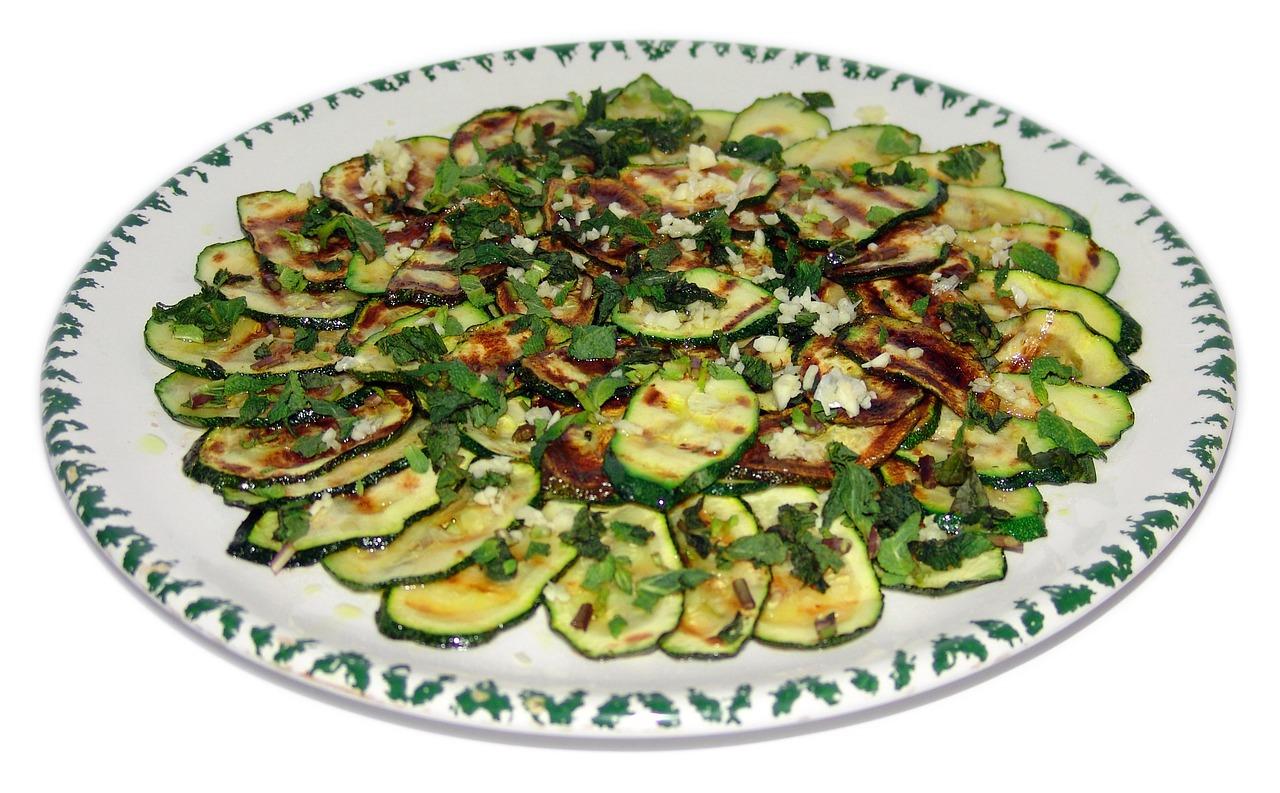
Scapece is an old way of preserving fried food with vinegar, brought to Naples from Spain (escabeche). In Neapolitan homes, courgette slices are fried until golden, then layered with garlic, fresh mint and a splash of wine vinegar and left for a few hours. The dish is a summer classic, served at room temperature as part of a Sunday antipasto spread or alongside grilled meat, and it gets better the next day. Chef's tip: dry the courgette slices in the sun or on a rack for an hour before frying, as Neapolitan grandmothers do; dry slices fry crisp and golden instead of steaming.

by KrazyBadal 0 views

Polpette di melanzaneAubergine fritters with pecorino

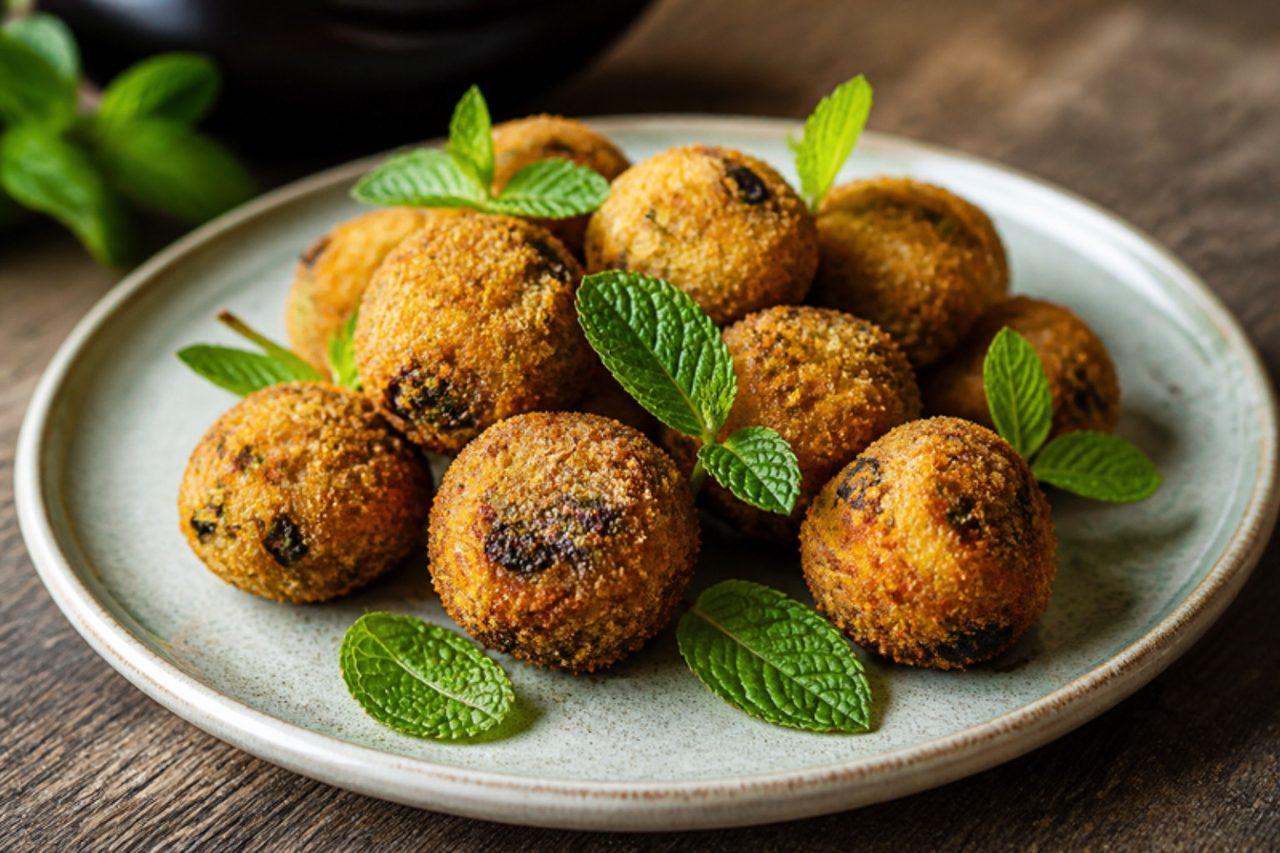
In Calabria, from Reggio up to Cosenza, polpette di melanzane are what grandmothers fry in August when the garden is full of aubergines and nobody wants meat. Boiled aubergine is squeezed dry and mixed with stale bread, egg, pecorino, garlic and mint, then shaped into small balls and fried; they are eaten warm as an antipasto or cold the next day in a sandwich. They should be soft and almost creamy inside with a thin golden crust. Pecorino is usually made with animal rennet; a vegetarian hard cheese works. Chef's tip: squeeze the boiled aubergine in a clean tea towel until no more water drips; wet aubergine makes polpette that fall apart in the oil.

by KrazyBadal 0 views

Tortelli di CarnevaleFried choux puffs

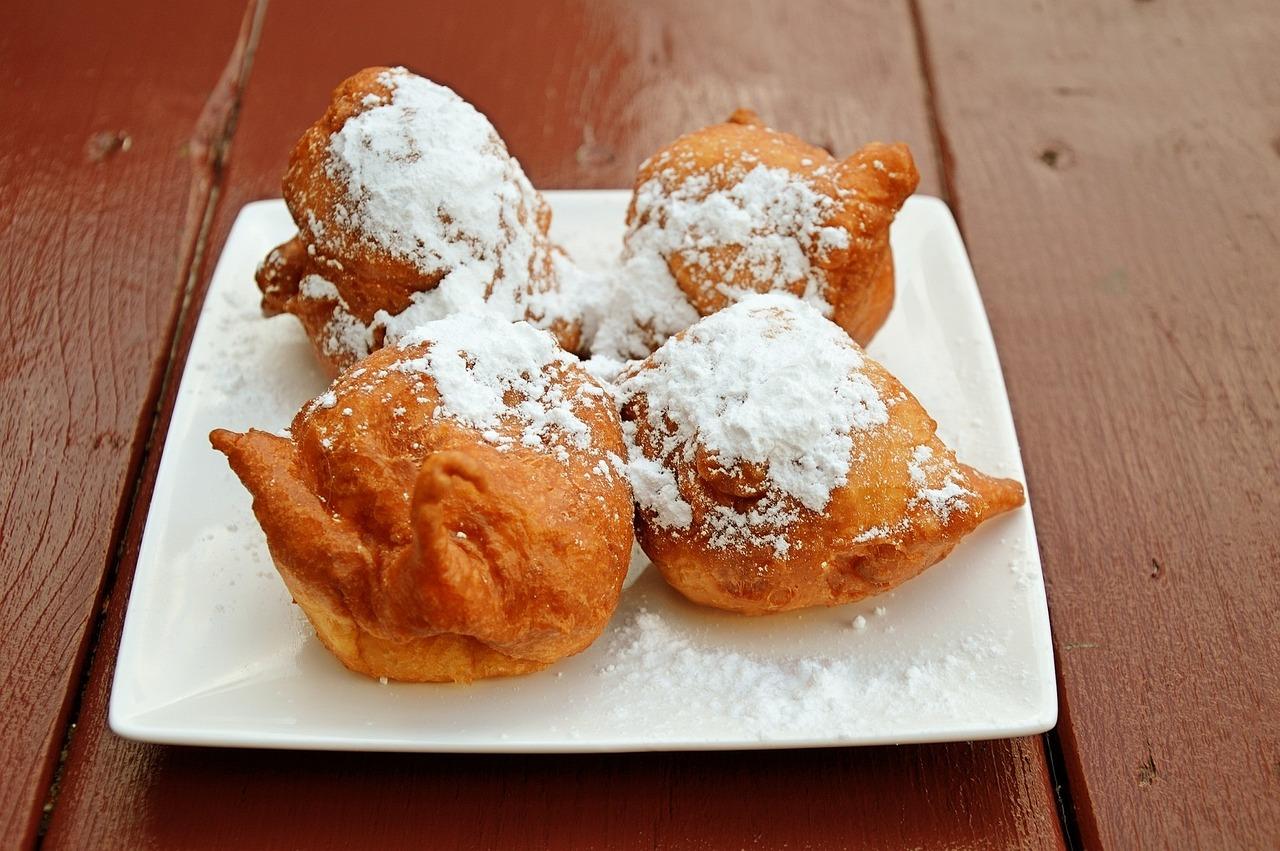
In Milan, Carnival lasts a few days longer than everywhere else, following the old Ambrosian calendar, and the bakeries fill with tortelli: little balls of choux pastry fried until they puff up hollow, light and golden, then rolled in sugar. Milanese children eat them warm from paper bags, and bakeries sell them plain or filled with custard, chocolate cream or zabaglione. Chef's tip: drop spoonfuls of dough into oil that is not too hot and let them turn themselves over; when they puff and roll on their own, they are hollow and cooked inside.

by KrazyBadal 0 views

KrumiriCornmeal butter biscuits

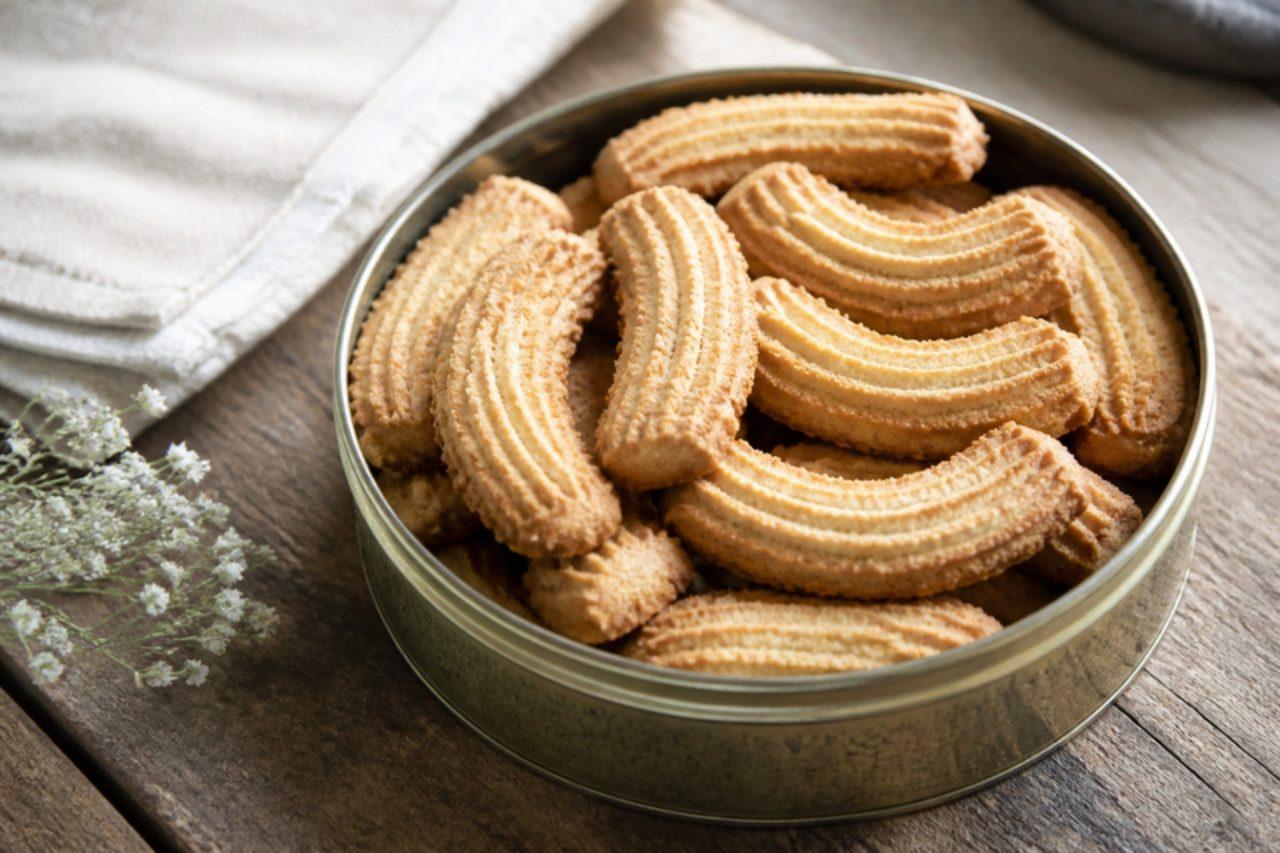
Krumiri were created in 1878 in Casale Monferrato in Piedmont, and they are said to be shaped like the curled moustache of King Vittorio Emanuele II, who had just died. They are sandy, buttery biscuits made with flour and fine cornmeal, piped through a star nozzle into a curved line, and still sold in their red tins in the town's old shops. Piedmontese eat them dunked in a glass of sweet wine or with a cup of hot chocolate. Chef's tip: use fine cornmeal, not coarse polenta; coarse grains make the biscuits gritty and stop them piping.

by KrazyBadal 0 views

Frittelle di risoRice fritters

In Florence and across Tuscany, frittelle di riso are fried on 19 March for the feast of San Giuseppe (Father's Day in Italy), and also through Carnival. Rice is cooked slowly in milk until soft and creamy, then left overnight, mixed with egg, flour and lots of lemon and orange zest, and fried by the spoonful into golden fritters, rolled in sugar. Stalls in Florence's piazzas sell them in paper bags. Chef's tip: cook the rice the day before and chill it; cold, set rice holds its shape in the oil.

by KrazyBadal 0 views

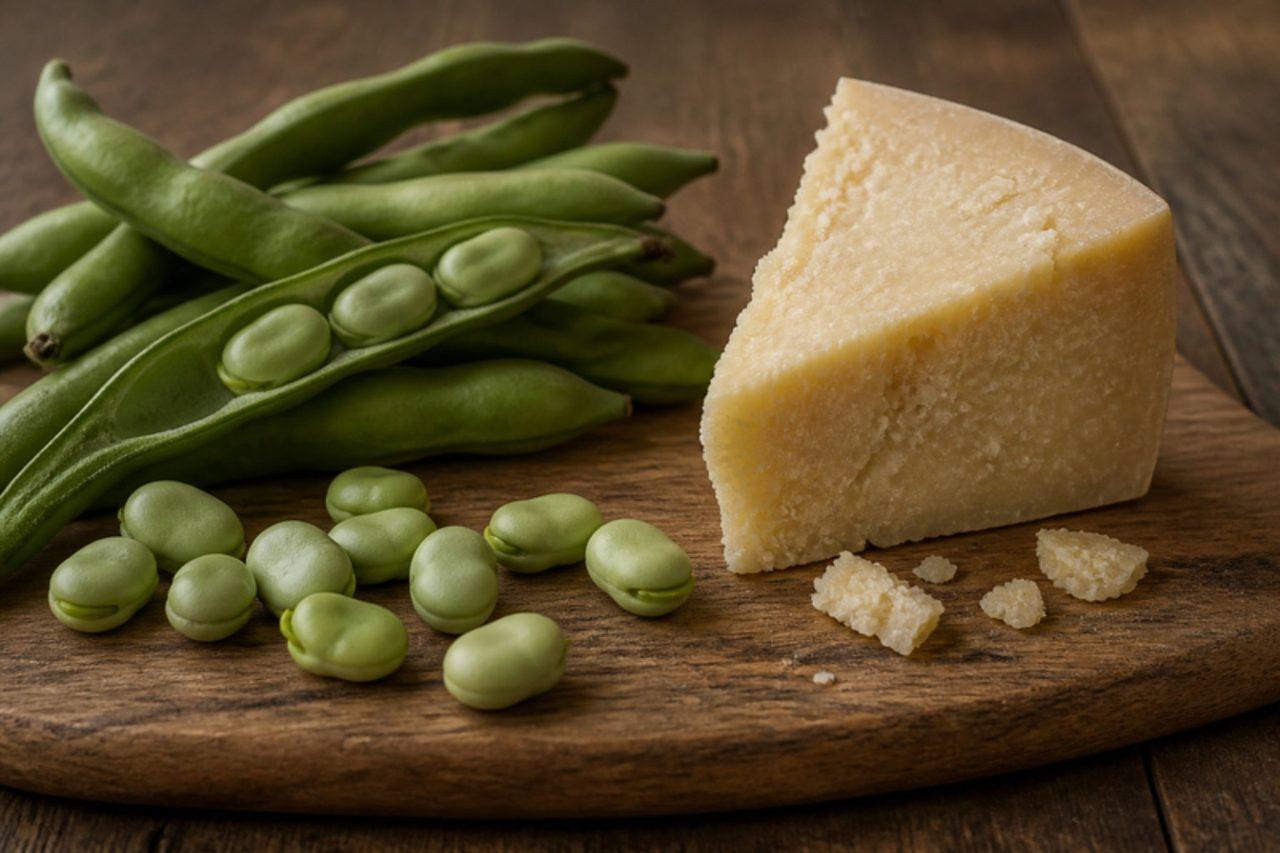
Fave e pecorinoRaw broad beans with pecorino

On 1 May, Romans head out to the parks and the Castelli Romani hills with a sack of fresh broad beans still in their pods and a hunk of young Pecorino Romano, and spend the afternoon shelling, nibbling and talking. The pairing is simple and very Roman: sweet, grassy raw beans against salty, sharp cheese, often with a glass of something cold and a hunk of bread. Only the youngest, smallest beans work raw, so this is a dish for a few weeks of spring. Traditional pecorino uses animal rennet; choose a vegetarian sheep's cheese if you need to. Chef's tip: taste a bean before you buy; if it is starchy or bitter rather than sweet, braise those beans instead.

by KrazyBadal 0 views

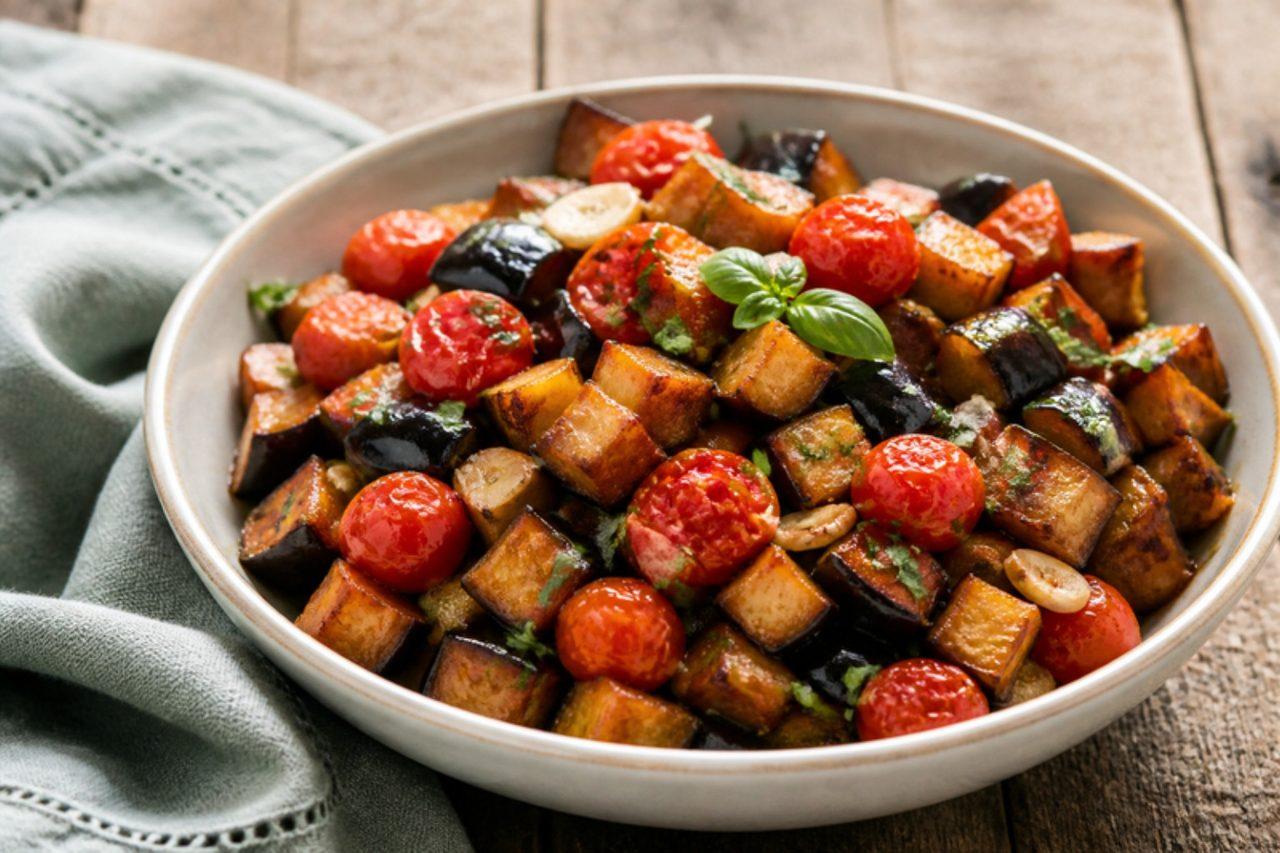
Melanzane a funghettoFried aubergine with tomatoes

Neapolitans call this aubergine "a funghetto" because the small fried cubes look and taste a little like sautéed mushrooms. It is a summer side dish from Naples and the Amalfi Coast, made when aubergines are cheap and glossy: cubes fried until golden, then tossed with a quick sauce of cherry tomatoes, garlic and basil. It is served warm or cold next to grilled meat or fish, or piled on bread. Chef's tip: salt the aubergine cubes and leave them in a colander for 30 minutes, then pat dry; they soak up less oil and fry crisp.

by KrazyBadal 0 views

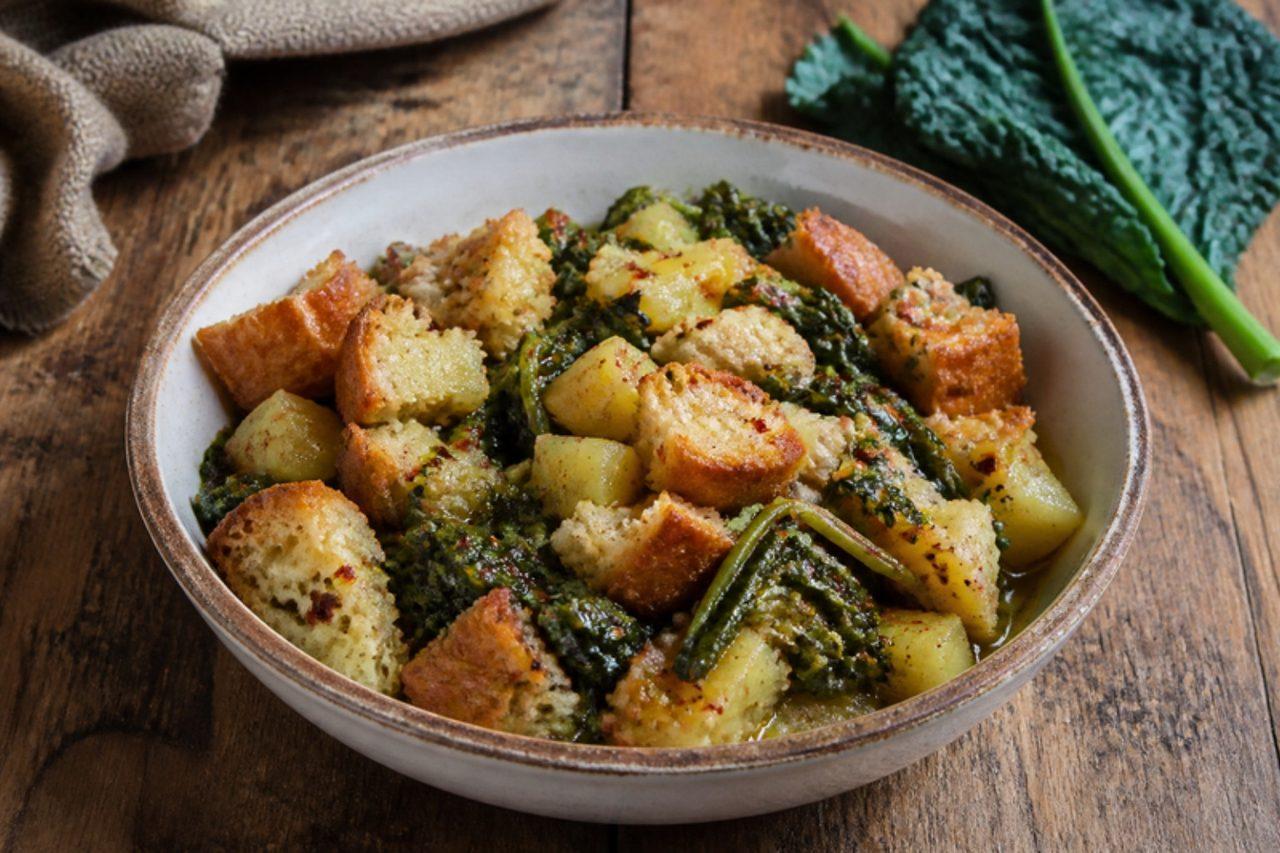
Pancotto puglieseBread and greens soup

Pancotto, "cooked bread", is the purest cucina povera of Puglia, from the farms of the Tavoliere plain around Foggia to the villages of the Gargano: stale bread, potatoes and whatever greens are growing, such as turnip tops, chicory or rocket, simmered together in salted water and dressed generously with raw olive oil and chilli. It was a farmworker's supper and is still the comfort dish families make in winter. Chef's tip: use a dense, day-old country loaf with a thick crust; soft sliced bread turns into a slimy mush.

by KrazyBadal 0 views

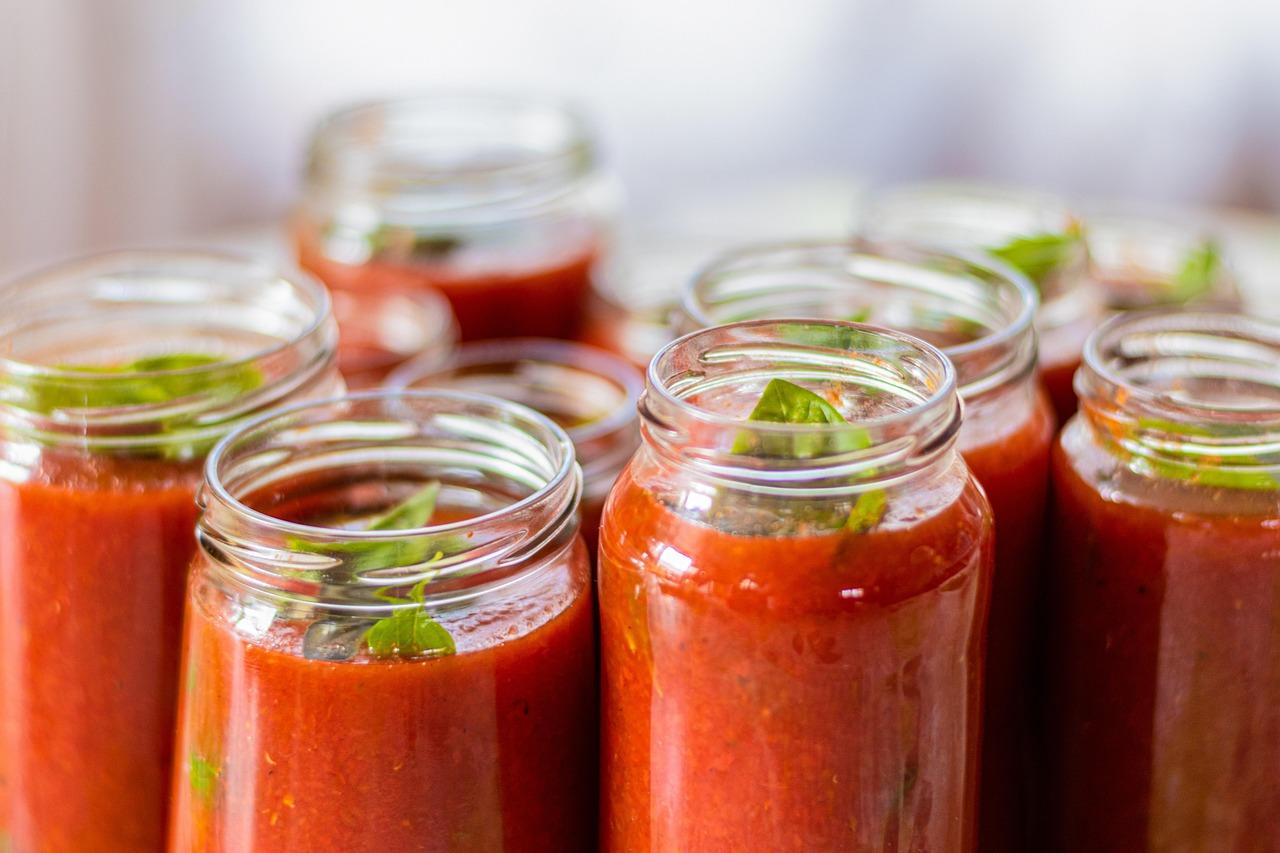
Passata di pomodoroBottled tomato purée

At the end of August, all over southern and central Italy, families gather for the "giornata della salsa", the day of the sauce: crates of ripe plum tomatoes are washed, cooked, passed through a hand-cranked mill and bottled in hundreds, with a basil leaf in each bottle. The passata lasts until the next summer and is used for every ragù and pizza. For home bottling, add lemon juice to each jar and process in a water bath, as tomatoes alone are not acidic enough to be safe at room temperature. Chef's tip: use only fully ripe, deep red plum tomatoes; underripe tomatoes give a pale, sour passata.

by KrazyBadal 0 views

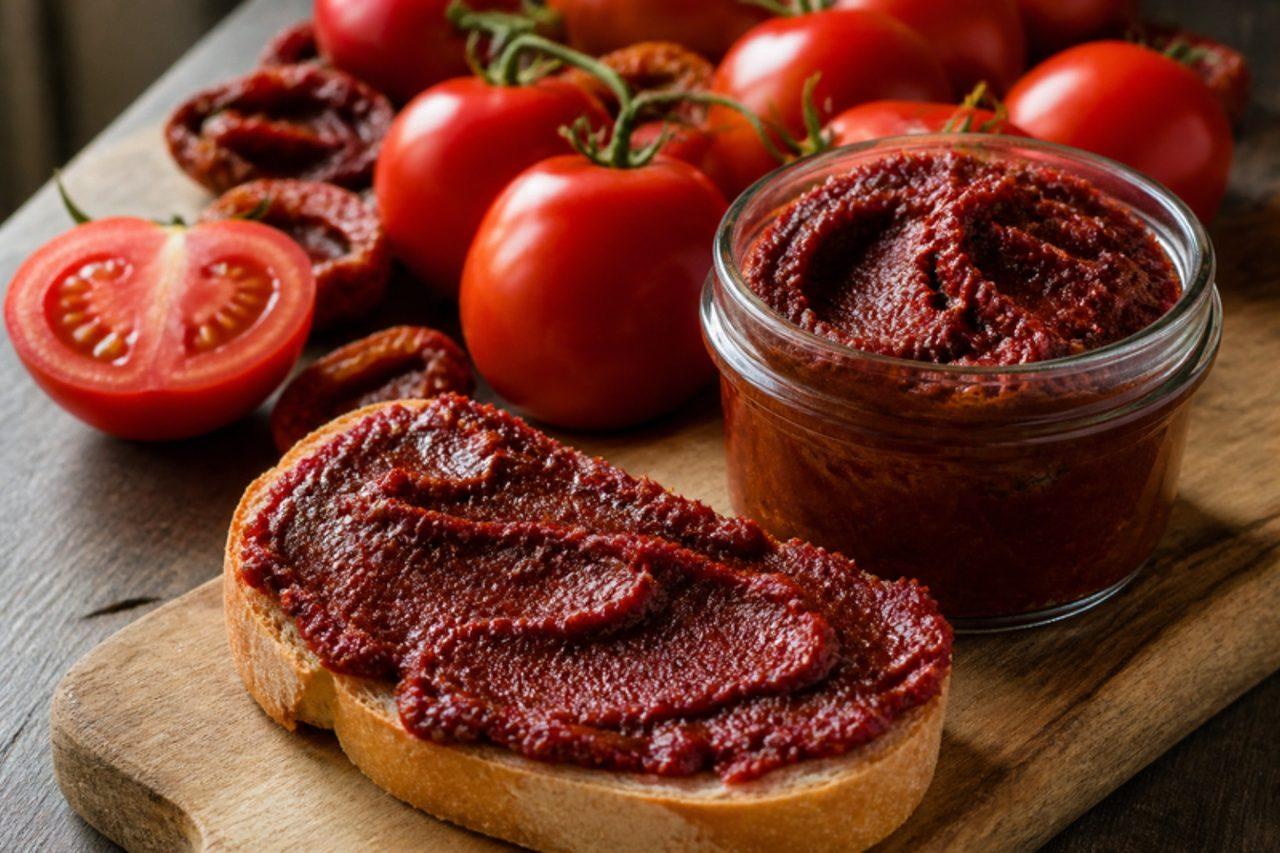
StrattuSun-dried tomato paste

In late August in western Sicily, around Trapani and Palermo, tomato purée is spread on large wooden boards and left in the hot sun for several days, stirred by hand until it turns into a thick, dark-red paste that smells of sun and sweet tomatoes. Strattu, short for "estratto", is used a spoonful at a time to give depth to sauces and stews. This home version dries the passata slowly in a low oven over a day. Chef's tip: spread the purée thin, no more than 1 cm, and stir it every hour; thick layers dry on top and stay wet underneath.

by KrazyBadal 0 views

Showing 48 of 357 recipes

Show more recipes

Page 5 of 15

More collections