Skip to content

Vegetarian Italian recipes

Pasta, risotto, pizza and bakes without meat or fish. (352 recipes)

Cicoria ripassataSautéed bitter chicory

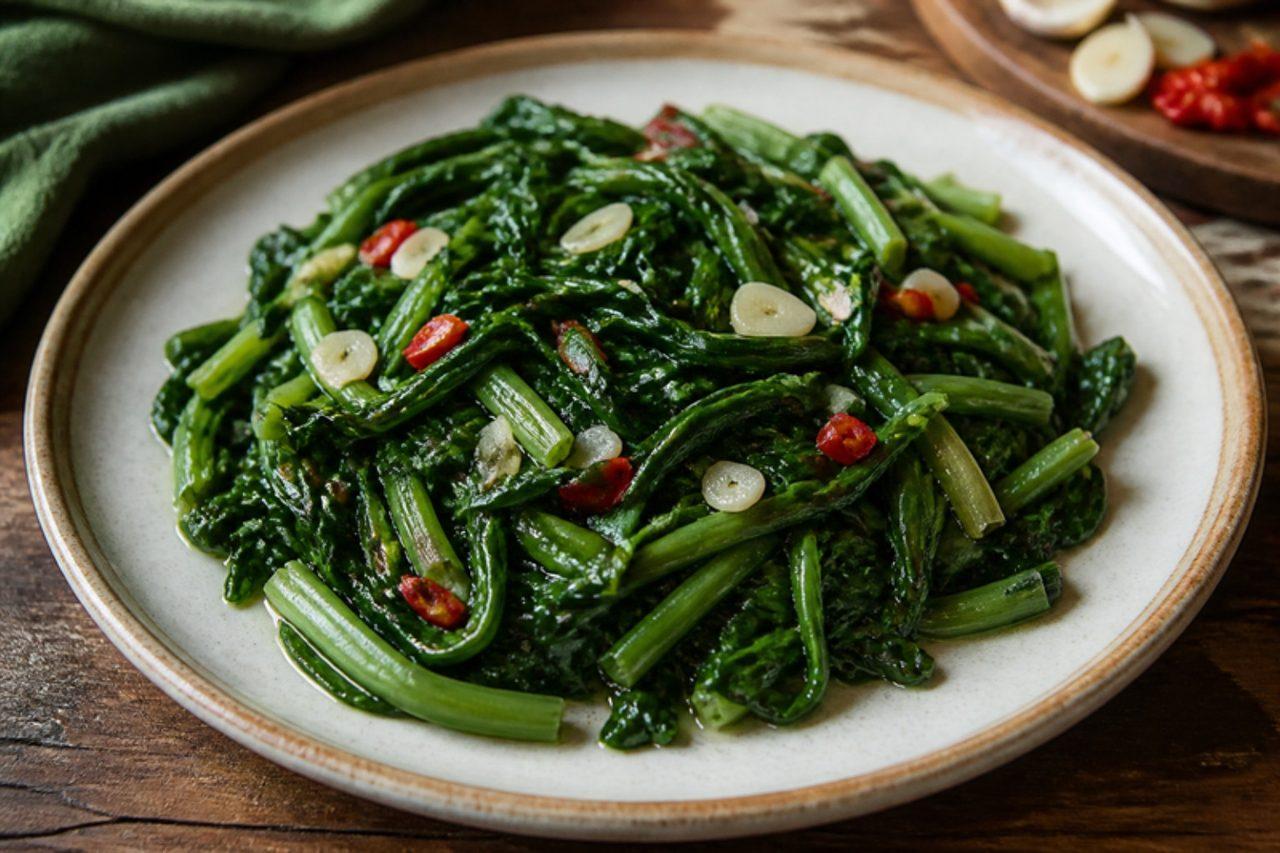
In Rome and across Puglia, cicoria is the bitter green that arrives at every market from autumn to spring, often gathered wild in the fields. It is boiled first to soften its bitterness, then "ripassata", passed through the pan again with garlic, chilli and olive oil. Roman trattorie serve it next to roast lamb or saltimbocca, and in Puglia it is the classic partner for fava bean purée. Chef's tip: boil the chicory in plenty of well-salted water and then squeeze it hard; most of the harsh bitterness goes down the drain with the water.

by KrazyBadal 0 views
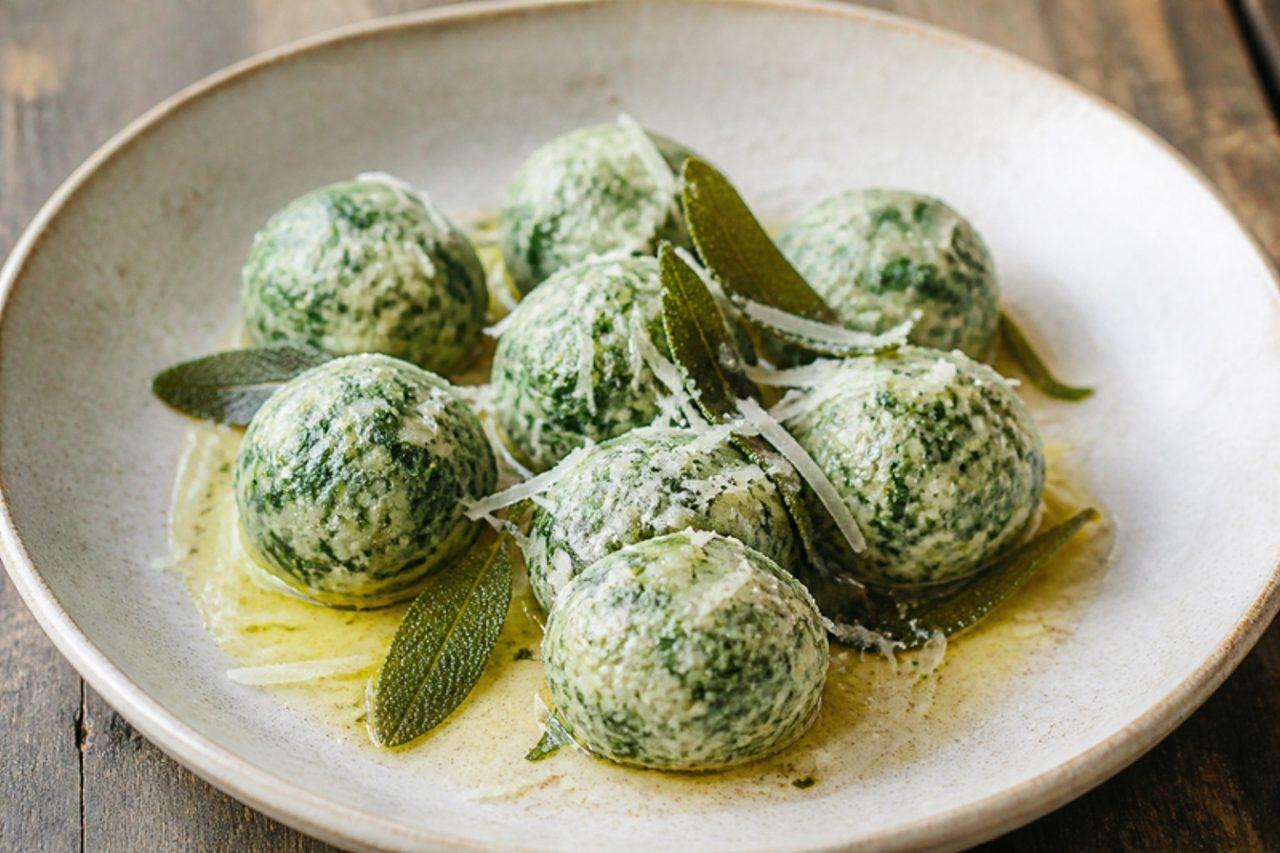
Gnudi di ricotta e spinaciRicotta and spinach dumplings

Gnudi means "naked", because these Tuscan dumplings are ravioli filling with no pasta around it: ricotta and spinach bound with a little egg, flour and Parmigiano. In Florence and the Mugello they are winter comfort food, served in a pool of butter and sage, or in tomato sauce for a lighter lunch. They should be soft as a cloud and just hold their shape. Parmigiano is made with animal rennet; a vegetarian hard cheese works well. Chef's tip: drain the ricotta in a sieve for an hour and squeeze the spinach bone dry; wet mixtures need too much flour and turn heavy.

by KrazyBadal 0 views
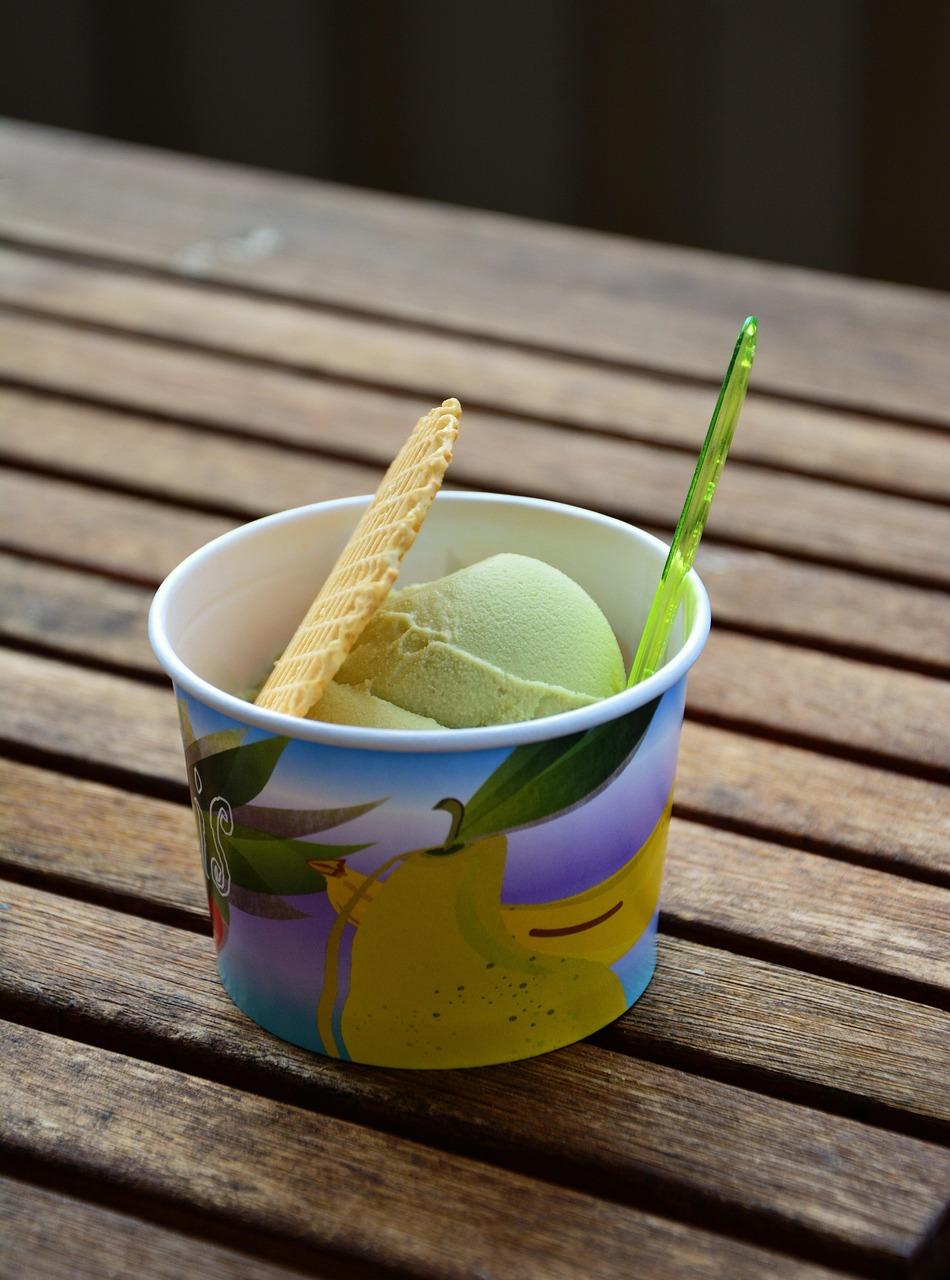
Gelato al pistacchioPistachio gelato

Real Sicilian pistachio gelato is not bright green; it is a dull, olive-brown colour and tastes intensely of roasted nuts, especially when made with pistachios from Bronte on the slopes of Mount Etna. In Palermo and Catania it is eaten in a brioche for breakfast or as a cone after dinner. The secret is pure pistachio paste, with no added colour or flavourings. Contains nuts. Chef's tip: if you can't find pistachio paste, blend roasted pistachios with a spoon of oil for 5 minutes until it runs smooth; any graininess shows up in the gelato.

by KrazyBadal 0 views
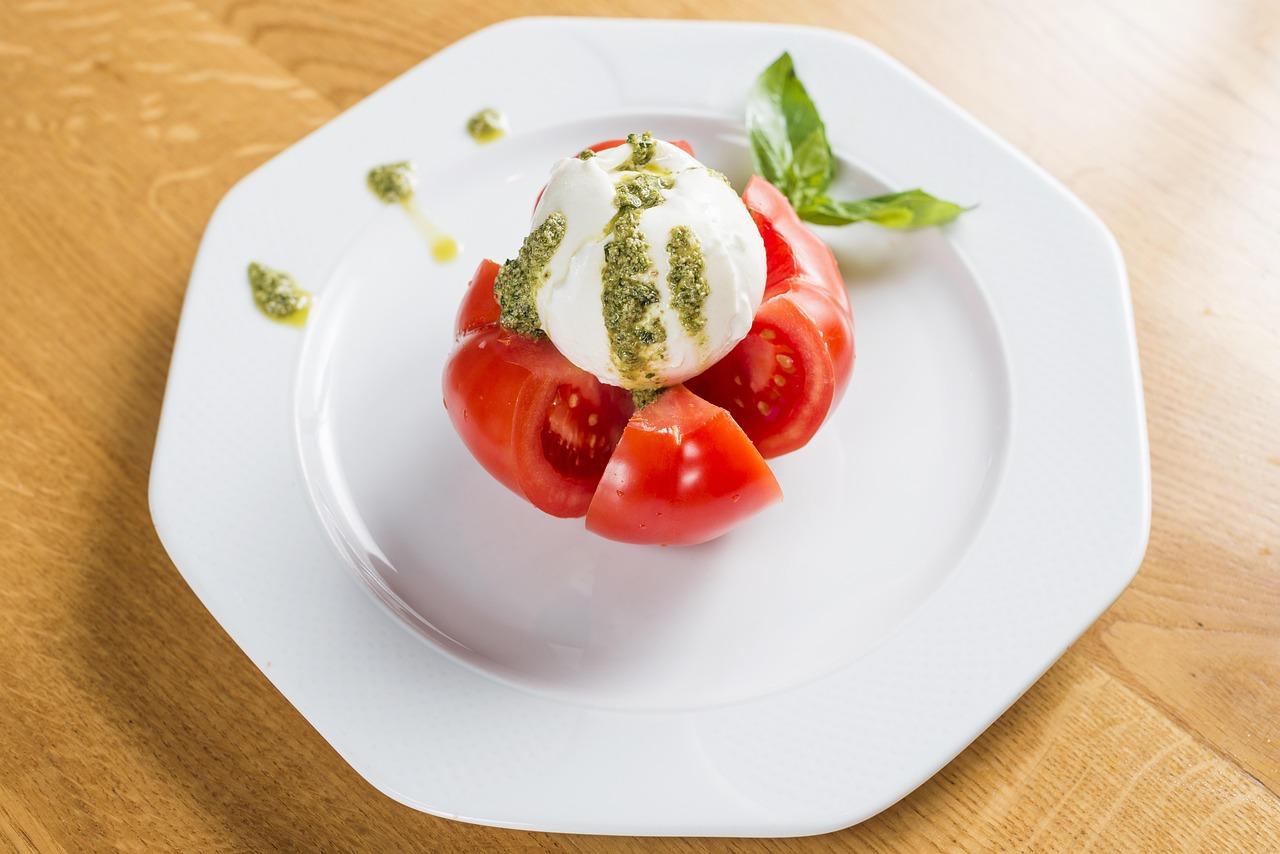
Burrata con pomodoriniBurrata with cherry tomatoes

Burrata was born in the dairies around Andria in northern Puglia as a way to use the scraps of mozzarella curd, wrapped in a pouch of stretched curd and filled with cream. In Bari and the towns of the Murge it is eaten the day it is made, often as the first thing on the table at Sunday lunch, torn open over the sweetest summer tomatoes. The outside is soft and springy; the inside, called stracciatella, spills out like thick cream. Mozzarella and burrata are usually made with calf rennet, so look for a vegetarian-rennet burrata if that matters to you. Chef's tip: take the burrata out of the fridge 30 minutes before serving; straight from the cold it tastes of very little.

by KrazyBadal 0 views
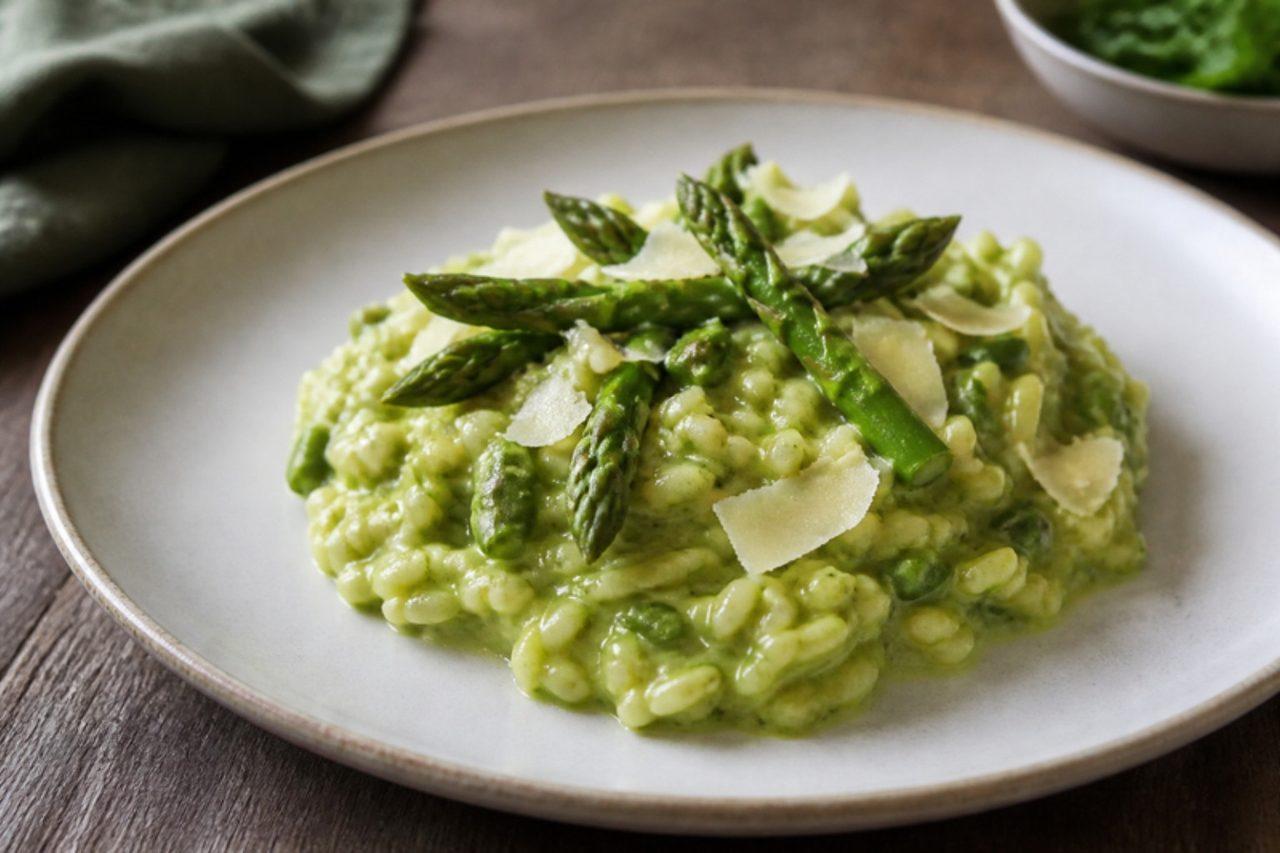
Risotto agli asparagiAsparagus risotto

In April and May the town of Bassano del Grappa celebrates its white asparagus, and all over the Veneto green and white spears turn up in risotto. The stalks are cooked into the rice so their flavour runs through every grain, and the tender tips are added at the end so they stay bright and crisp. It is a light spring Sunday lunch, often followed by grilled fish. Parmigiano is made with animal rennet; choose a vegetarian hard cheese if you need to. Alcohol is used here: white wine, which you can replace with broth and a squeeze of lemon. Chef's tip: simmer the woody ends in the broth for 15 minutes before you start; they add a lot of asparagus flavour for free.

by KrazyBadal 0 views
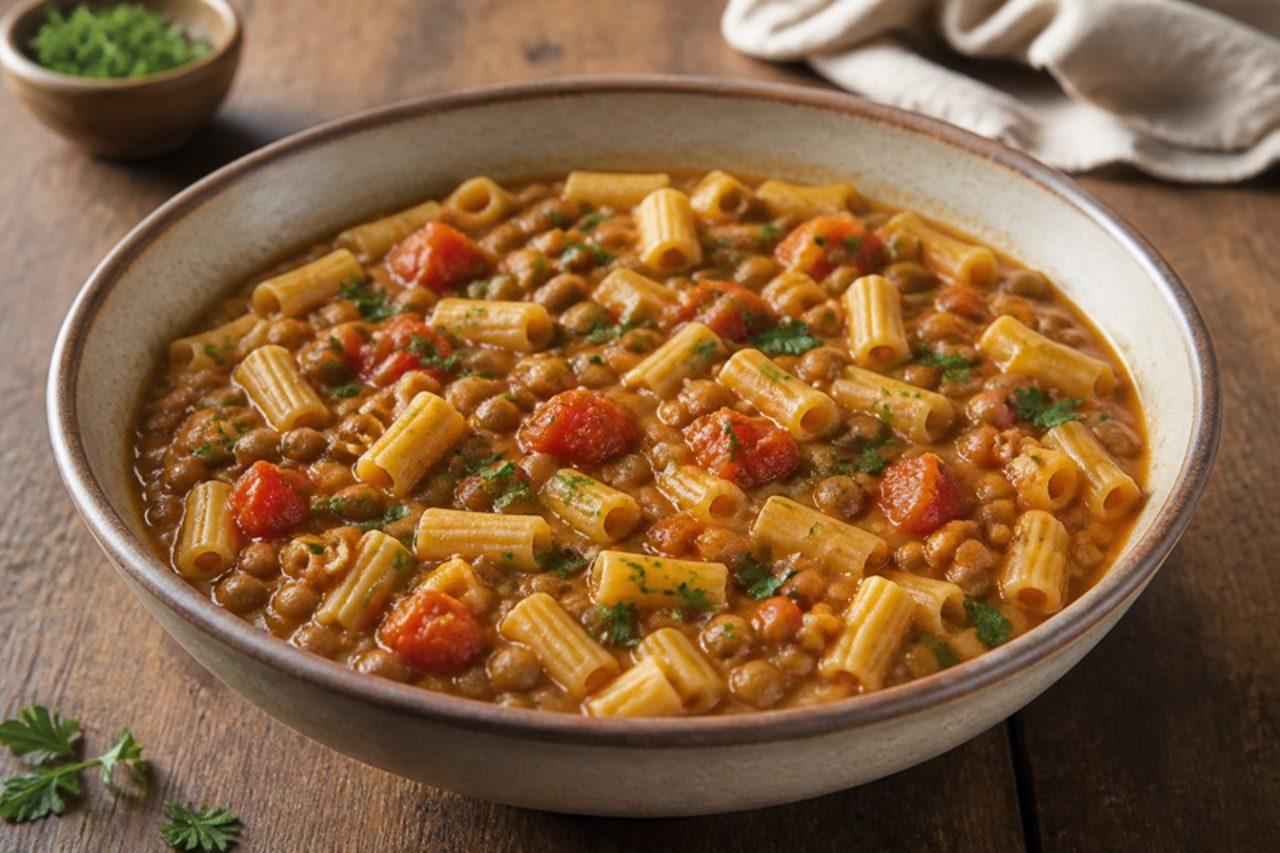
Pasta e lenticchiePasta and lentil stew

In Naples, pasta with legumes is weekday food, and pasta e lenticchie is the one every family makes in winter: small lentils cooked with garlic, celery and a little tomato until soft, then mixed short pasta (pasta mista, the broken ends of different shapes) is cooked right in the pot until thick and creamy. Lentils also bring luck for the New Year, so many families make it on 1 January. Chef's tip: cook the pasta in the lentils with only just enough water, adding it a ladle at a time; the starch from the pasta makes the stew creamy without any cheese.

by KrazyBadal 0 views
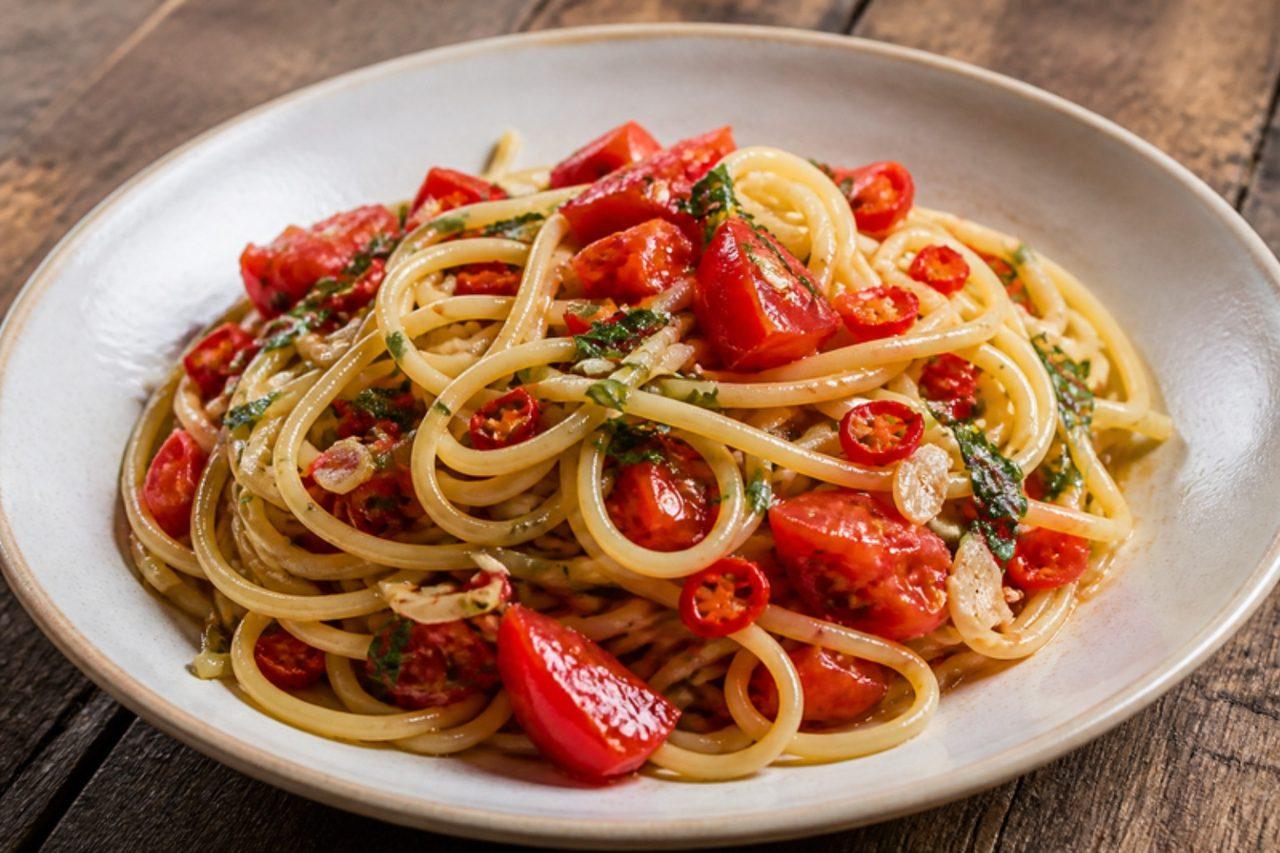
Spaghetti alla carrettieraSpaghetti with raw tomato and chilli

The carrettieri were the cart drivers who hauled goods across Sicily, and this was the pasta they could make on the road with whatever they carried: raw tomatoes, garlic, chilli, basil and olive oil, tossed with hot spaghetti and never cooked. Around Palermo and Catania it is still a summer lunch when the kitchen is too hot to light the stove for long; some families finish it with toasted breadcrumbs instead of cheese. Chef's tip: salt the chopped tomatoes and leave them for 20 minutes; they release juice that becomes the sauce once the hot pasta hits it.

by KrazyBadal 0 views
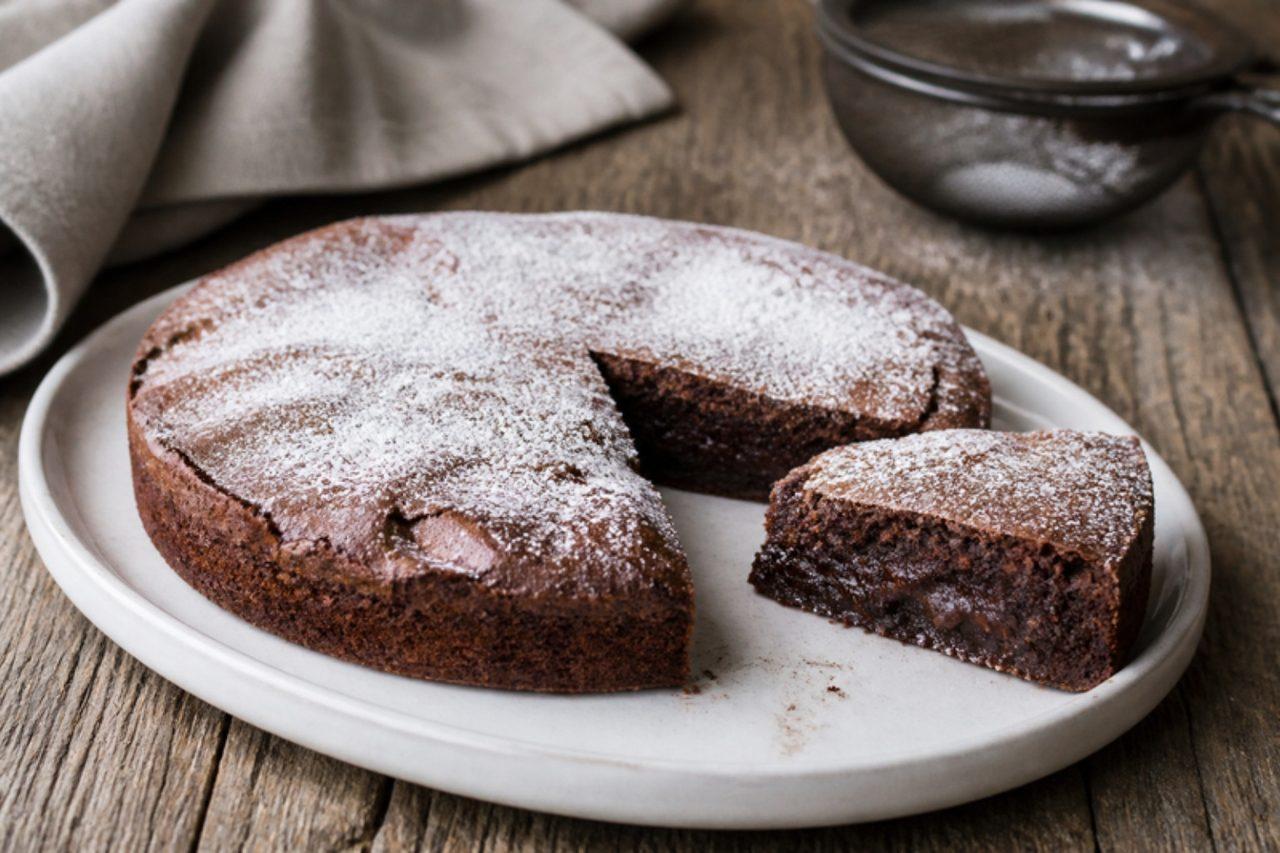
Torta tenerinaSoft chocolate cake

Ferrara, in Emilia-Romagna, calls this cake "tenerina" (the tender one) because the middle stays soft and almost creamy under a thin, crackly crust. It was created in the early 1900s and named in honour of Queen Elena of Montenegro, wife of King Vittorio Emanuele III. Families bake it for birthdays and Sunday lunches, and it is served plain or with whipped cream. It uses very little flour. Chef's tip: bake it for no longer than the recipe says; it should be just set at the edge and wobbly in the middle when it comes out.

by KrazyBadal 0 views
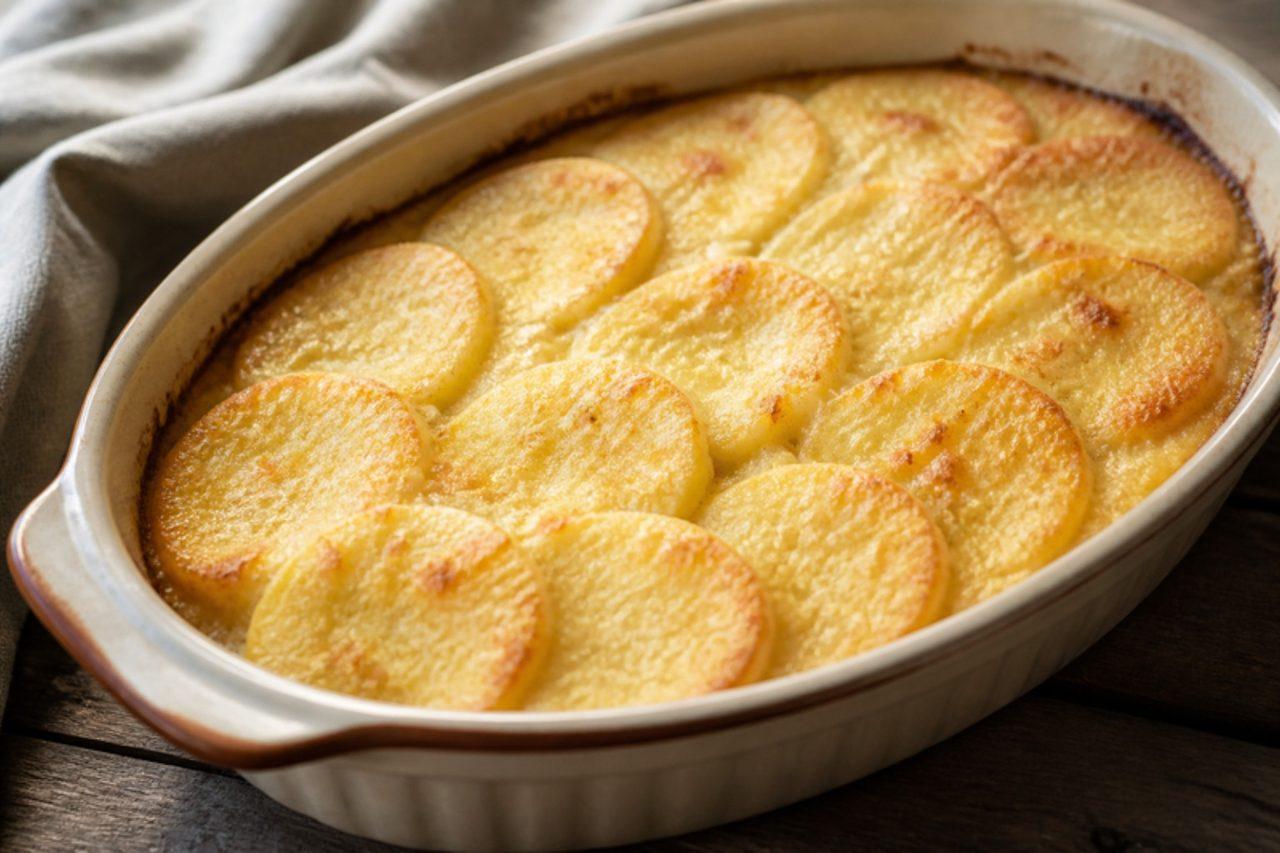
Gnocchi alla romanaBaked semolina gnocchi

Unlike potato gnocchi, Roman gnocchi are made from semolina cooked in milk like a thick porridge, spread out to set, cut into discs and baked with butter and Parmigiano until golden and bubbling. In Rome they are traditionally Thursday food: "giovedì gnocchi" is still on trattoria chalkboards across the city. Children love their soft centre and crisp, cheesy top. Parmigiano is made with animal rennet; a vegetarian hard cheese works well. Chef's tip: wet the worktop and spatula before spreading the hot semolina; it won't stick and sets in a smooth, even sheet.

by KrazyBadal 0 views

Scarcella puglieseEaster egg biscuit bread

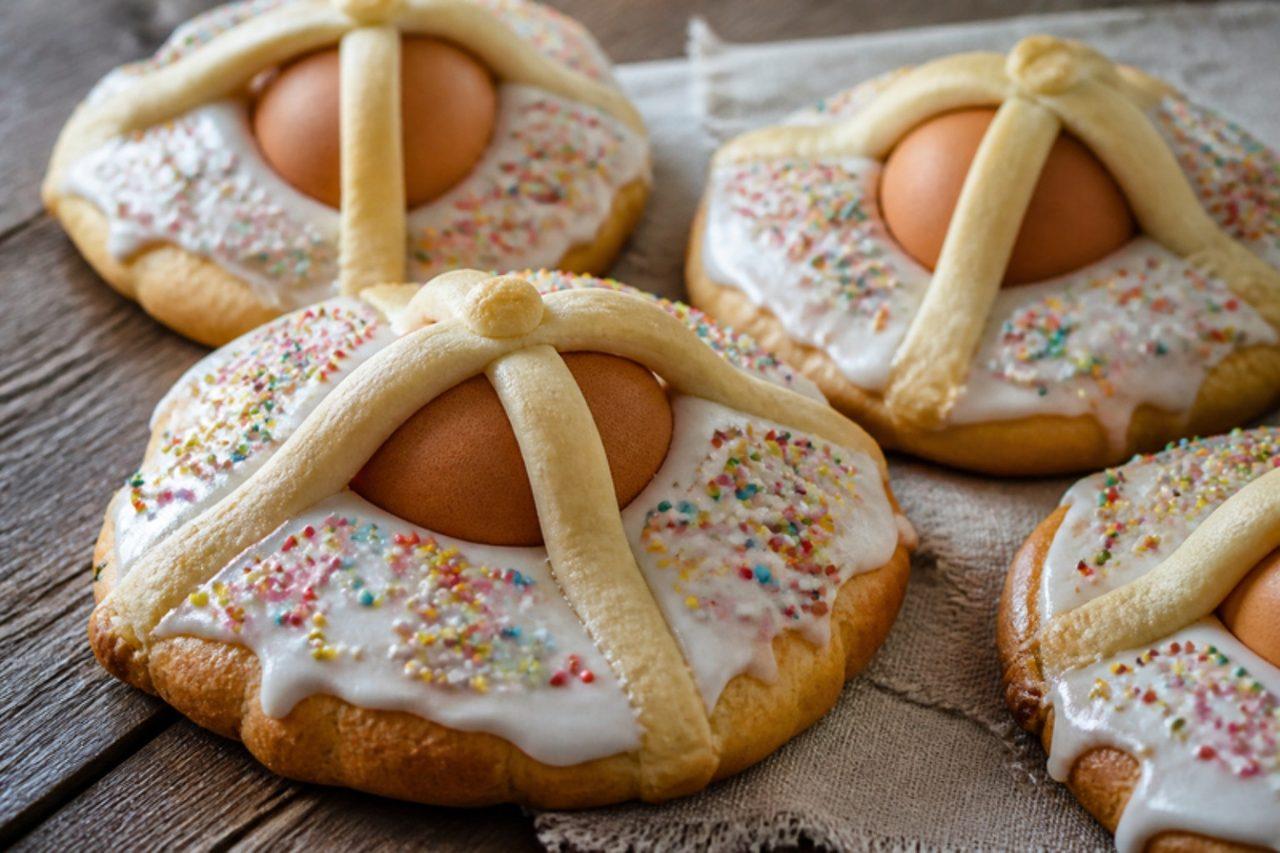
In Bari, Foggia and the Salento, scarcelle are baked in the days before Easter, often by children with their grandmothers: a soft, lemony shortbread-like dough shaped into baskets, doves, hearts or dolls, each holding a whole egg in its shell held down by strips of dough, then iced and covered in sprinkles. They are given as gifts on Easter morning and to children as a sign of new life. Chef's tip: use raw eggs in their shells and wash them first; they cook in the oven while the biscuit bakes. They are decorative, so wash and dry them well.

by KrazyBadal 0 views

Insalata di farroSpelt salad

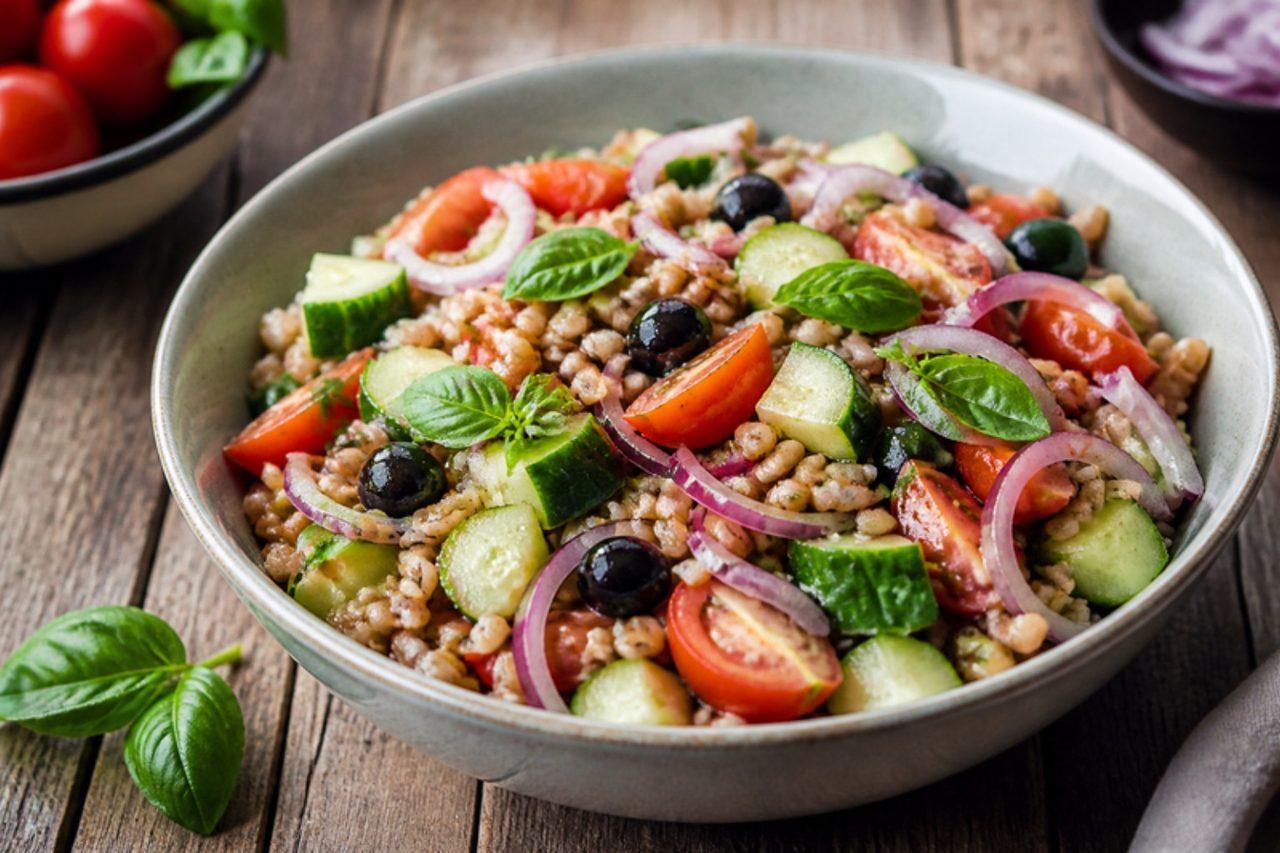
Farro has grown in the hills of Garfagnana in Tuscany and around Monteleone di Spoleto in Umbria since Roman times, and in summer it turns into a cold salad that families pack for the beach or a picnic in the hills. The grains stay chewy and nutty, dressed with ripe tomato, cucumber, red onion, olives and plenty of basil. It keeps well for a day, so it is the salad you make the night before a trip. Chef's tip: dress the farro while it is still warm; the grains drink up the oil and vinegar, then you add the fresh vegetables once it has cooled.

by KrazyBadal 0 views

Testaroli al pestoGriddled pasta with pesto

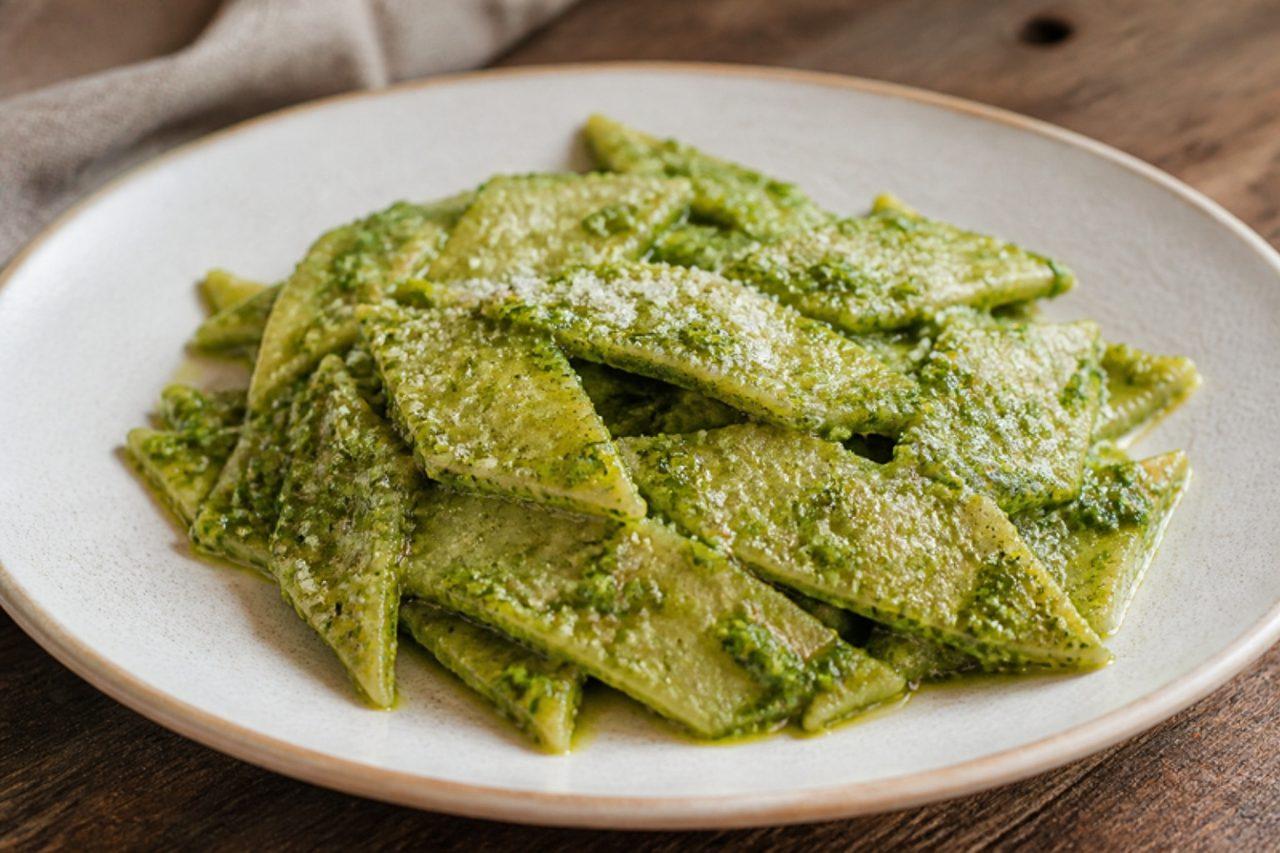
Testaroli may be the oldest pasta in Italy. In the Lunigiana valley, where Tuscany meets Liguria, a thin batter of flour and water is cooked into a wide pancake on a hot testo, a cast-iron or terracotta pan, then cut into diamonds, dipped in hot water and dressed with pesto. Families in Pontremoli eat it for Sunday lunch and at summer festivals. Parmigiano and pecorino in pesto are usually made with animal rennet; a vegetarian hard cheese works well. Chef's tip: never boil testaroli; just let them soak in water that has come off the boil for 2–3 minutes, or they turn to slime.

by KrazyBadal 0 views

Carciofi alla giudiaCrisp fried artichokes

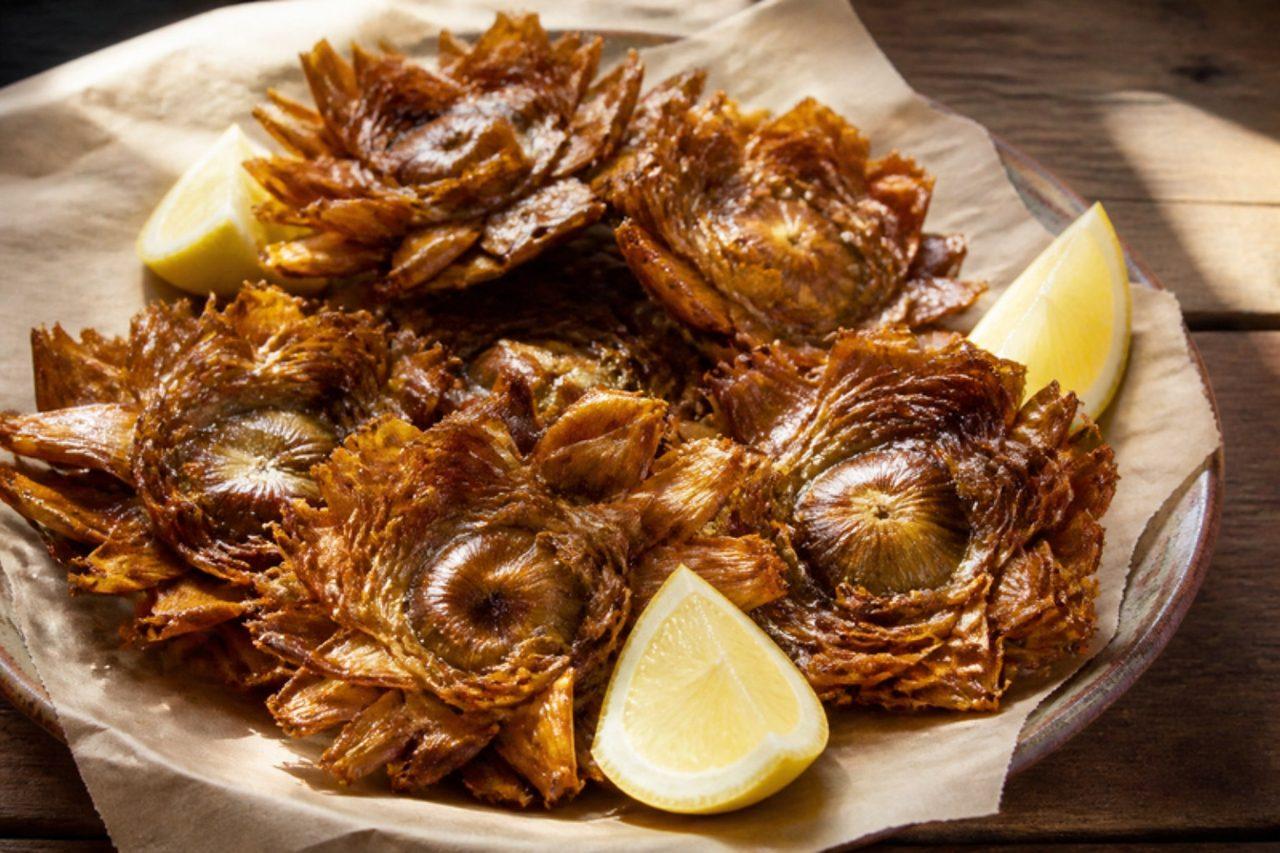
Carciofi alla giudia come from Rome's old Jewish Ghetto, where for centuries the restaurants along Via del Portico d'Ottavia have fried them from February to April, when the round Roman romanesco artichokes are in season. The artichokes are trimmed, fried once slowly until tender, then opened like flowers and fried again in hotter oil until the leaves are bronze and crunchy like crisps, while the heart stays soft. Chef's tip: before the second fry, flick a few drops of cold water into the oil from your fingers, standing well back; Roman cooks say the spatter is what makes the leaves extra crisp. Do this carefully.

by KrazyBadal 0 views

RicciarelliSoft almond biscuits

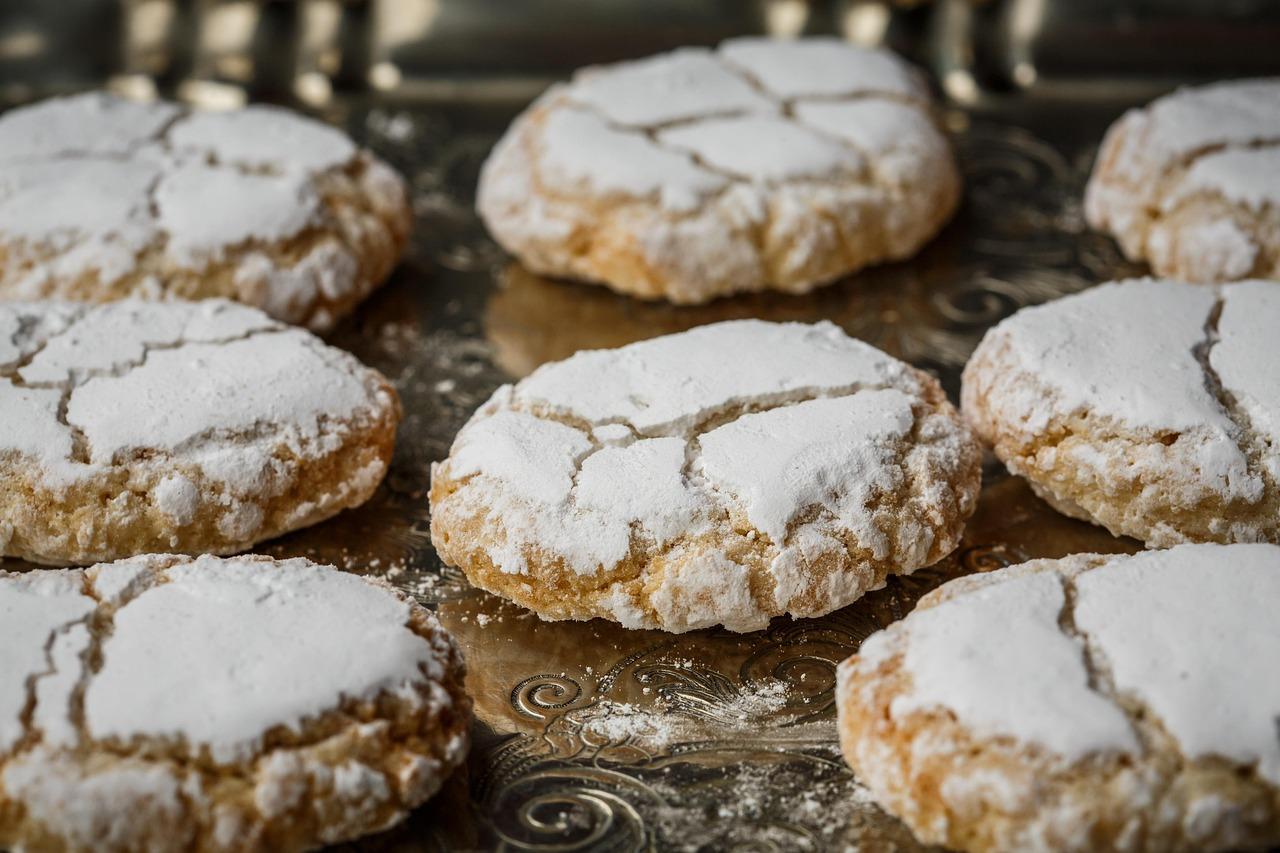
Siena has been making ricciarelli since the Renaissance: soft, chewy almond biscuits in the shape of a diamond or a curved eye, with a crackled top covered in icing sugar. Sienese families buy them from the historic pasticcerie near the Campo at Christmas and serve them with a glass of Vin Santo after dinner, but they are eaten all winter with coffee. This recipe is naturally gluten free. Chef's tip: let the shaped biscuits dry at room temperature overnight before baking; a dry crust cracks beautifully in the oven while the inside stays soft.

by KrazyBadal 0 views

Gelato alla cremaCustard gelato

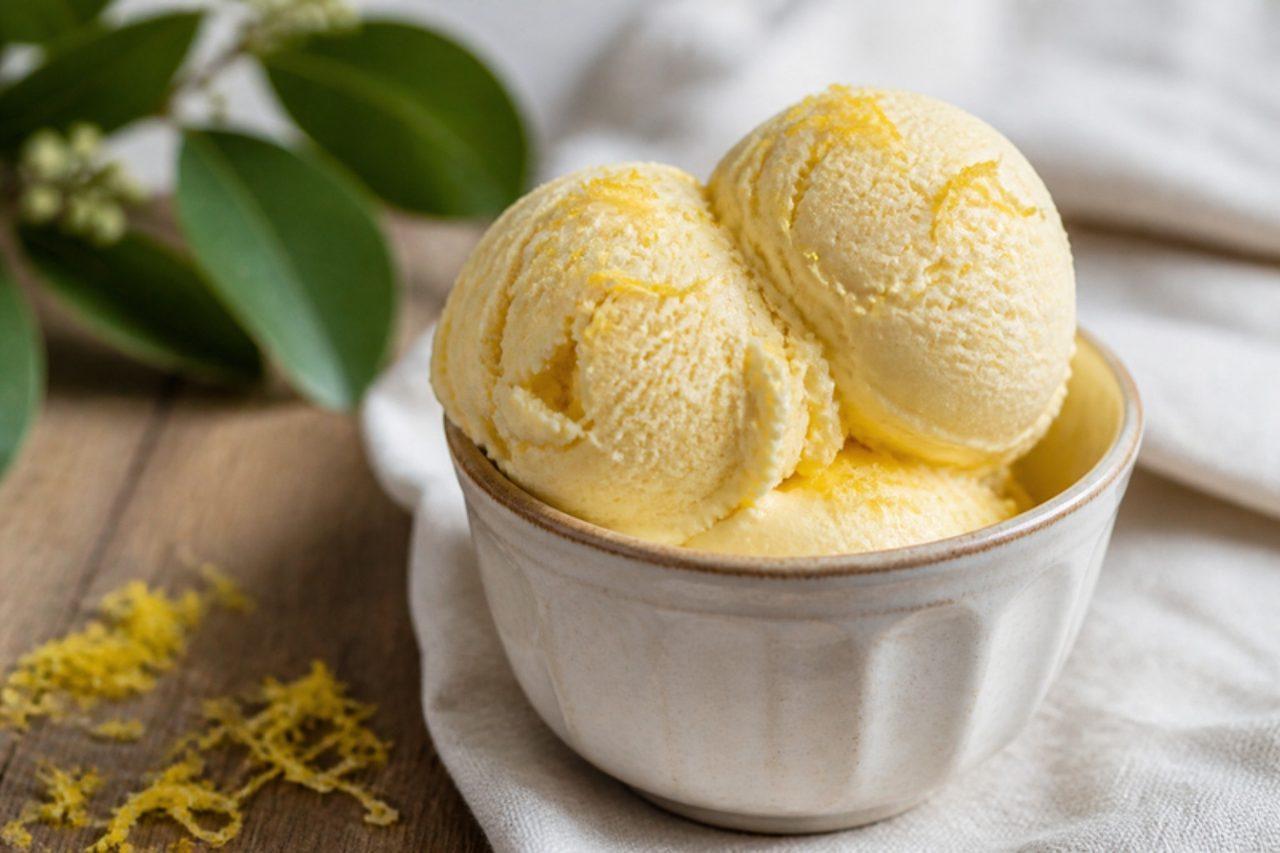
Crema is the yellow, custard-flavoured gelato that Italian grandparents always order, made with egg yolks like a crème anglaise and perfumed with lemon zest rather than vanilla, as was the old way in Florence and Sicily. It is rich and smooth and is the base for many classic flavours, and many gelaterie still call it "crema della nonna". Chef's tip: cook the custard until it reaches 82 °C and coats the back of a spoon; this makes the yolks safe and gives a silky texture without scrambling.

by KrazyBadal 0 views

Buccellato sicilianoFig and nut pastry ring

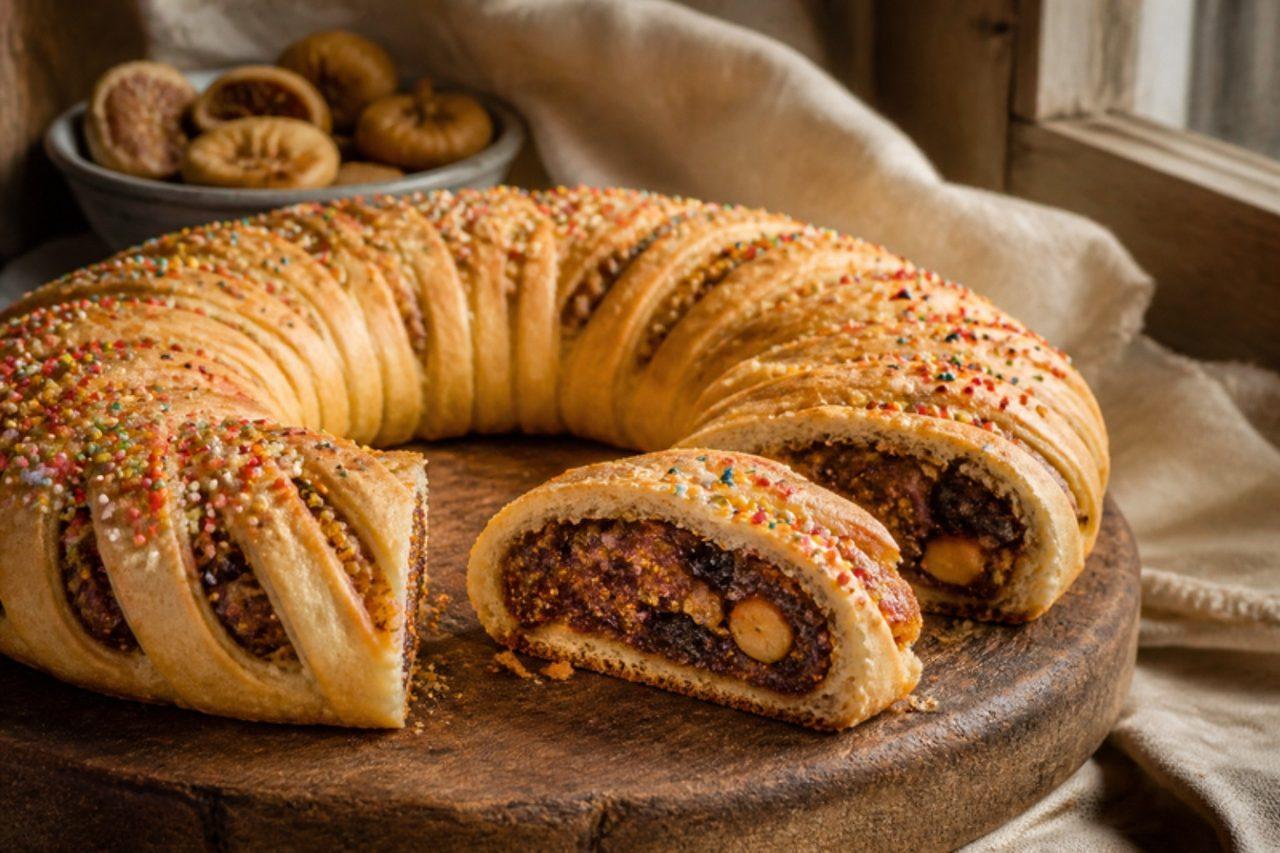
In Palermo and western Sicily, buccellato is the great Christmas ring: a crumbly shortcrust wrapped around a dark, sticky filling of dried figs, raisins, almonds, walnuts, orange peel, chocolate and spices, often decorated with cuts along the top and coloured sprinkles. Families start the filling days ahead and bake several rings to give away. The filling traditionally includes a splash of Marsala; use orange juice for an alcohol-free version. Chef's tip: cut slits along the top of the ring before baking; they let steam out and show off the dark filling.

by KrazyBadal 0 views

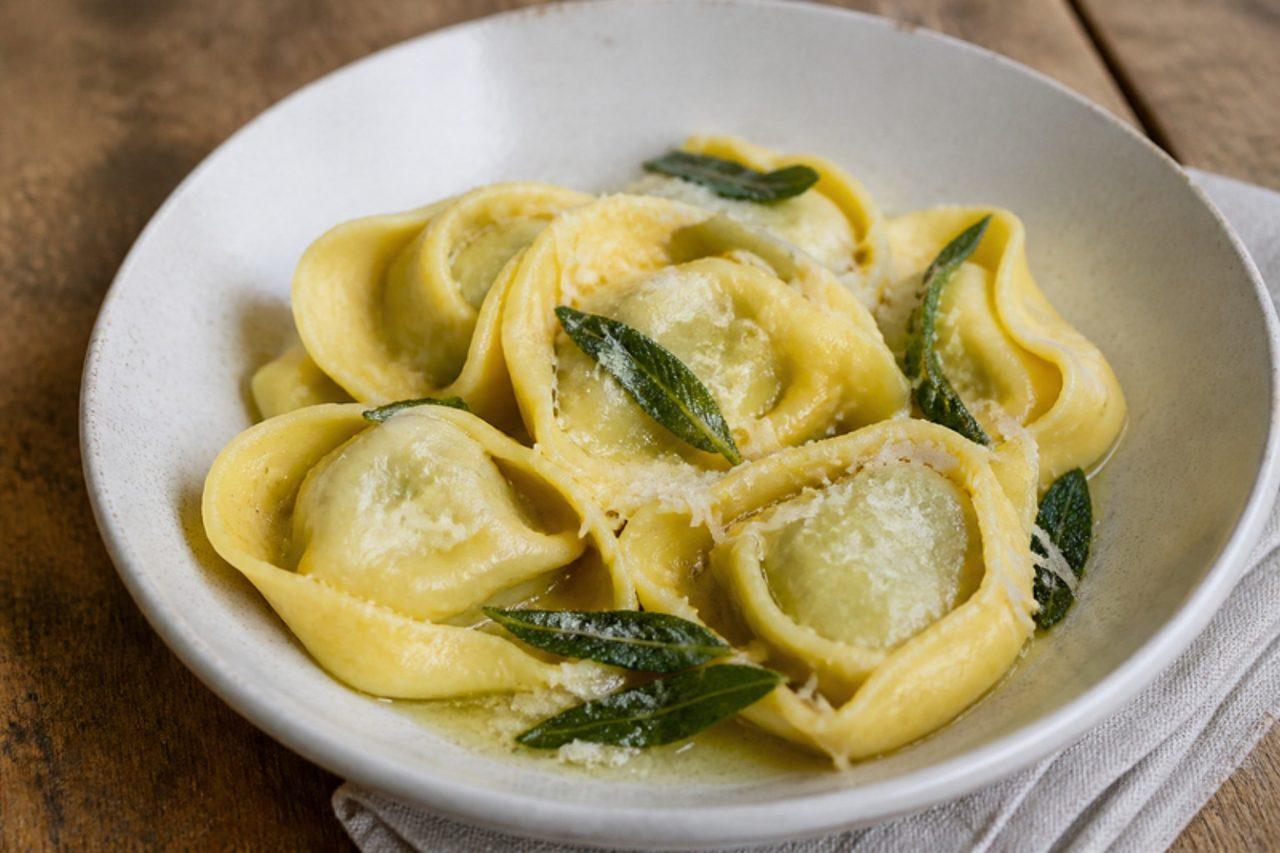
Tortelloni di ricotta burro e salviaRicotta tortelloni in sage butter

In Bologna, tortelloni are the big brothers of tortellini: wide parcels of egg pasta folded around ricotta, parsley and Parmigiano, often made on Christmas Eve, when meat is avoided, and on Fridays. The sfogline (pasta makers) of the Quadrilatero market roll the dough by hand so thin you can read through it. They are served simply with butter and sage so the filling shines. Parmigiano is made with animal rennet; choose a vegetarian hard cheese if you need to. Chef's tip: press every bit of air out around the filling before you seal; trapped air makes the tortelloni burst in the pot.

by KrazyBadal 0 views

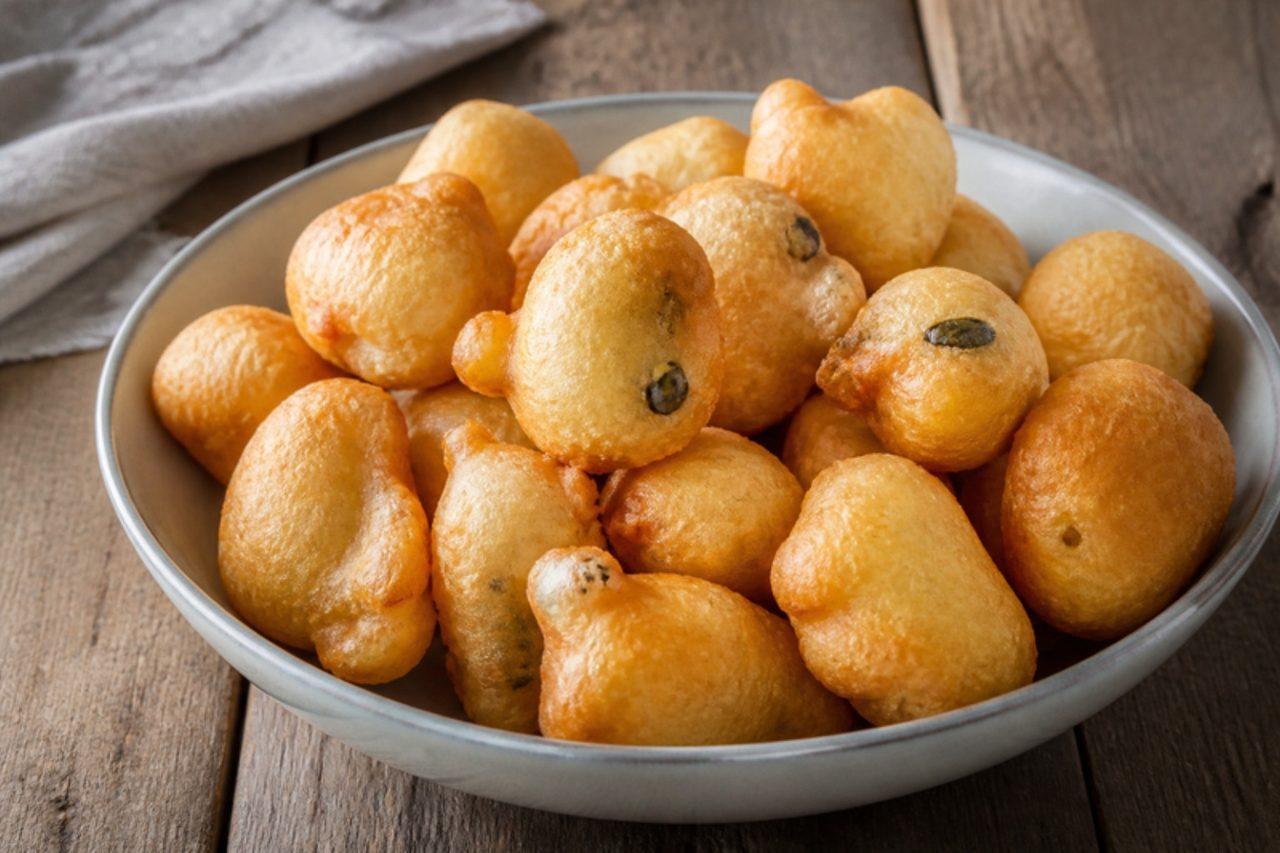
PittuleFried dough balls

In the Salento, the heel of Puglia, pittule are fried on the night of 7 December, the eve of the Immaculate Conception, to open the Christmas season, and again on St Martin's Day in November when the new wine is tasted. The dough is so wet it can't be shaped; it is dropped from a spoon or a wet hand into hot olive oil, puffing into soft, irregular golden balls. Plain ones are dusted with sugar; savoury ones hide olives, capers or cherry tomatoes. Chef's tip: dip your hand or spoon in water before each scoop so the sticky dough slides off into the oil.

by KrazyBadal 0 views

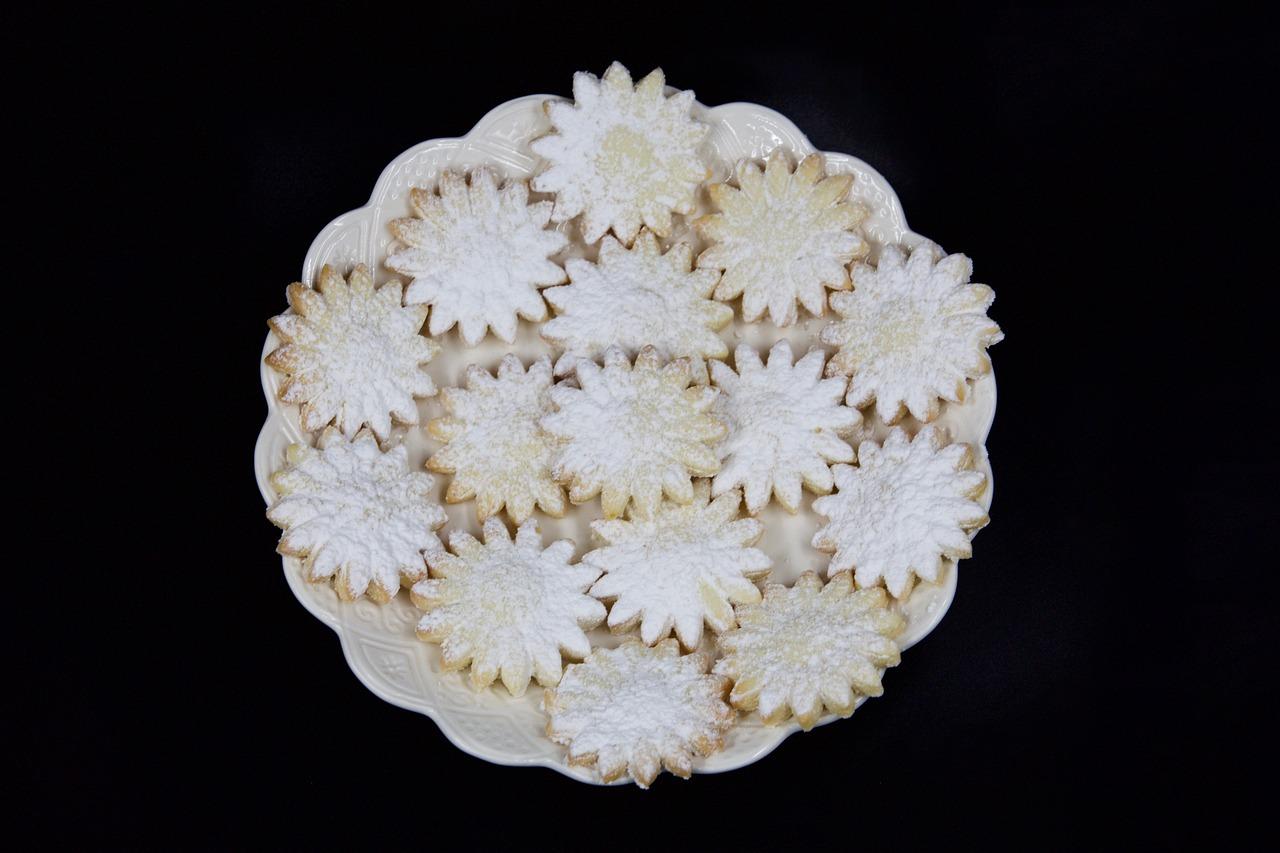
Canestrelli liguriFlower shortbread biscuits

Canestrelli are the most delicate biscuits in Liguria: daisy-shaped shortbread with a hole in the middle, so fragile they melt in the mouth. The secret is hard-boiled egg yolks pushed through a sieve into the dough, with potato starch, which makes them crumbly and sandy. They are sold in Genoa and the hill town of Torriglia, piled in paper and covered with snowy icing sugar. Chef's tip: work the dough as little as possible and keep it cold; warm dough becomes too soft to cut into neat flowers.

by KrazyBadal 0 views

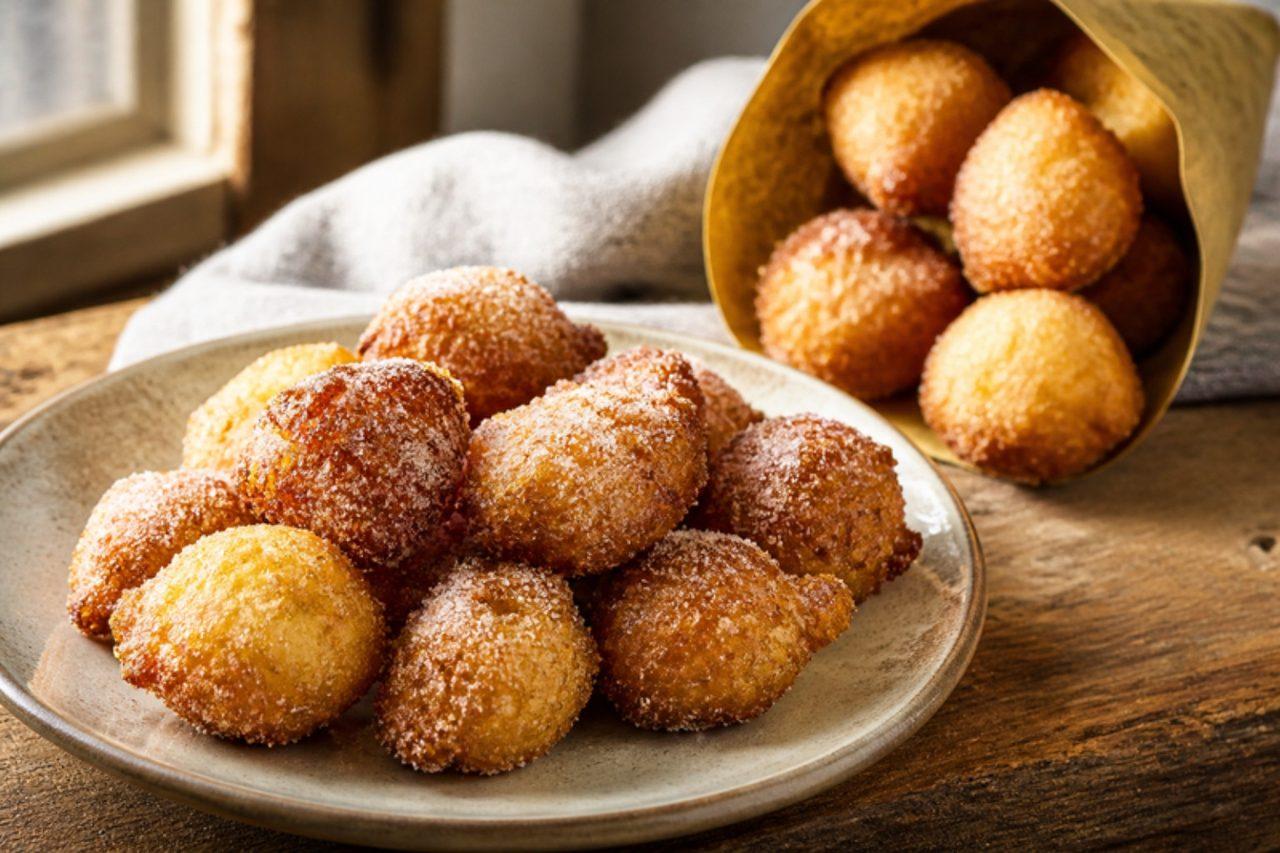
Frittelle di risoRice fritters

In Florence and across Tuscany, frittelle di riso are fried on 19 March for the feast of San Giuseppe (Father's Day in Italy), and also through Carnival. Rice is cooked slowly in milk until soft and creamy, then left overnight, mixed with egg, flour and lots of lemon and orange zest, and fried by the spoonful into golden fritters, rolled in sugar. Stalls in Florence's piazzas sell them in paper bags. Chef's tip: cook the rice the day before and chill it; cold, set rice holds its shape in the oil.

by KrazyBadal 0 views

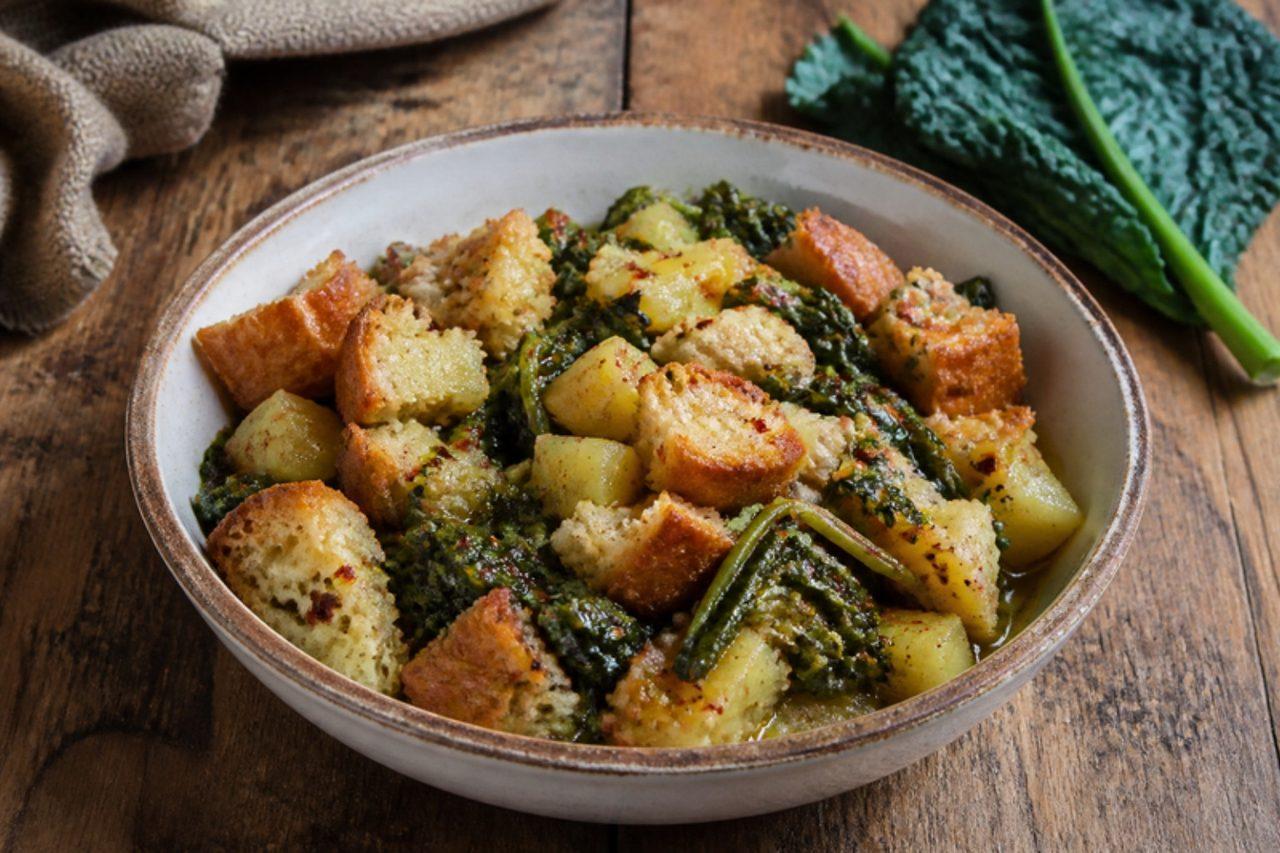
Pancotto puglieseBread and greens soup

Pancotto, "cooked bread", is the purest cucina povera of Puglia, from the farms of the Tavoliere plain around Foggia to the villages of the Gargano: stale bread, potatoes and whatever greens are growing, such as turnip tops, chicory or rocket, simmered together in salted water and dressed generously with raw olive oil and chilli. It was a farmworker's supper and is still the comfort dish families make in winter. Chef's tip: use a dense, day-old country loaf with a thick crust; soft sliced bread turns into a slimy mush.

by KrazyBadal 0 views

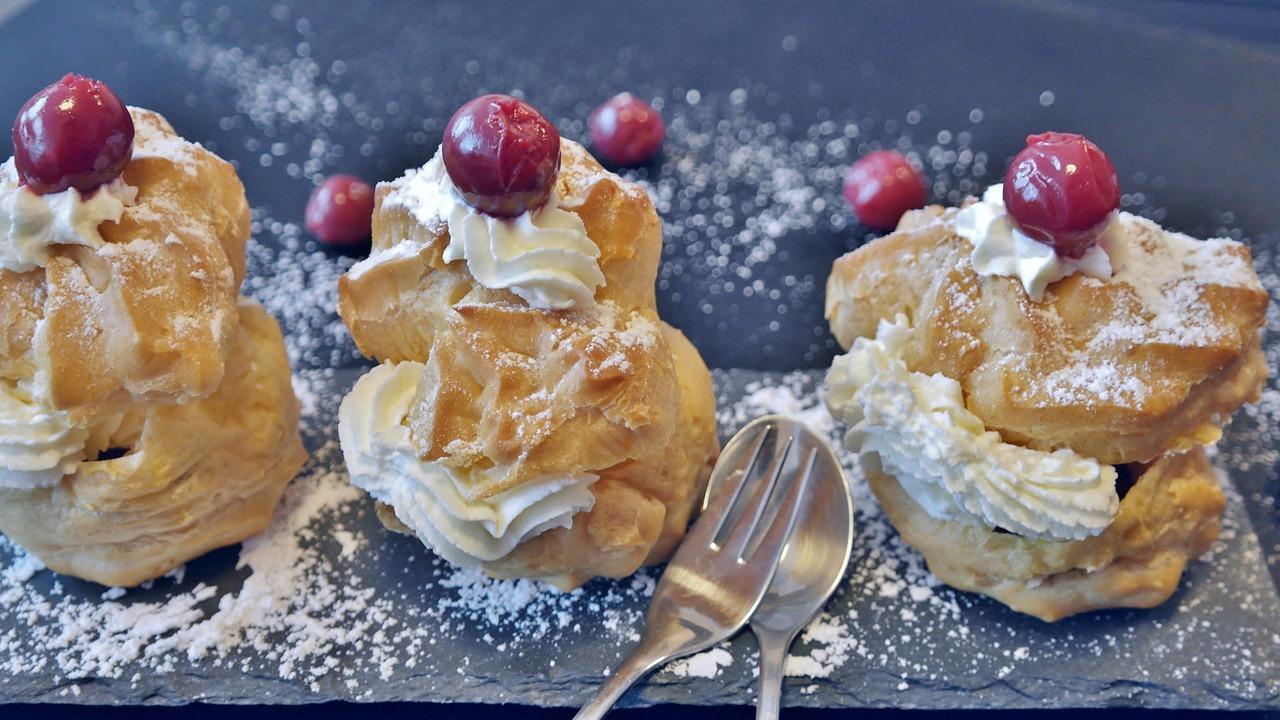
Zeppole di San GiuseppeCustard-filled choux rings

On 19 March, the feast of San Giuseppe and Father's Day in Italy, every bar and pastry shop in Naples sells zeppole: rings of choux pastry piped in a spiral, fried or baked, filled with thick custard and topped with a dark, syrupy amarena cherry. The fried version is the traditional one; baked zeppole are lighter and easier at home. Families buy them by the tray to share after lunch. Chef's tip: pipe the rings onto squares of baking paper so you can lower them into the oil without misshaping them; the paper comes away on its own.

by KrazyBadal 0 views

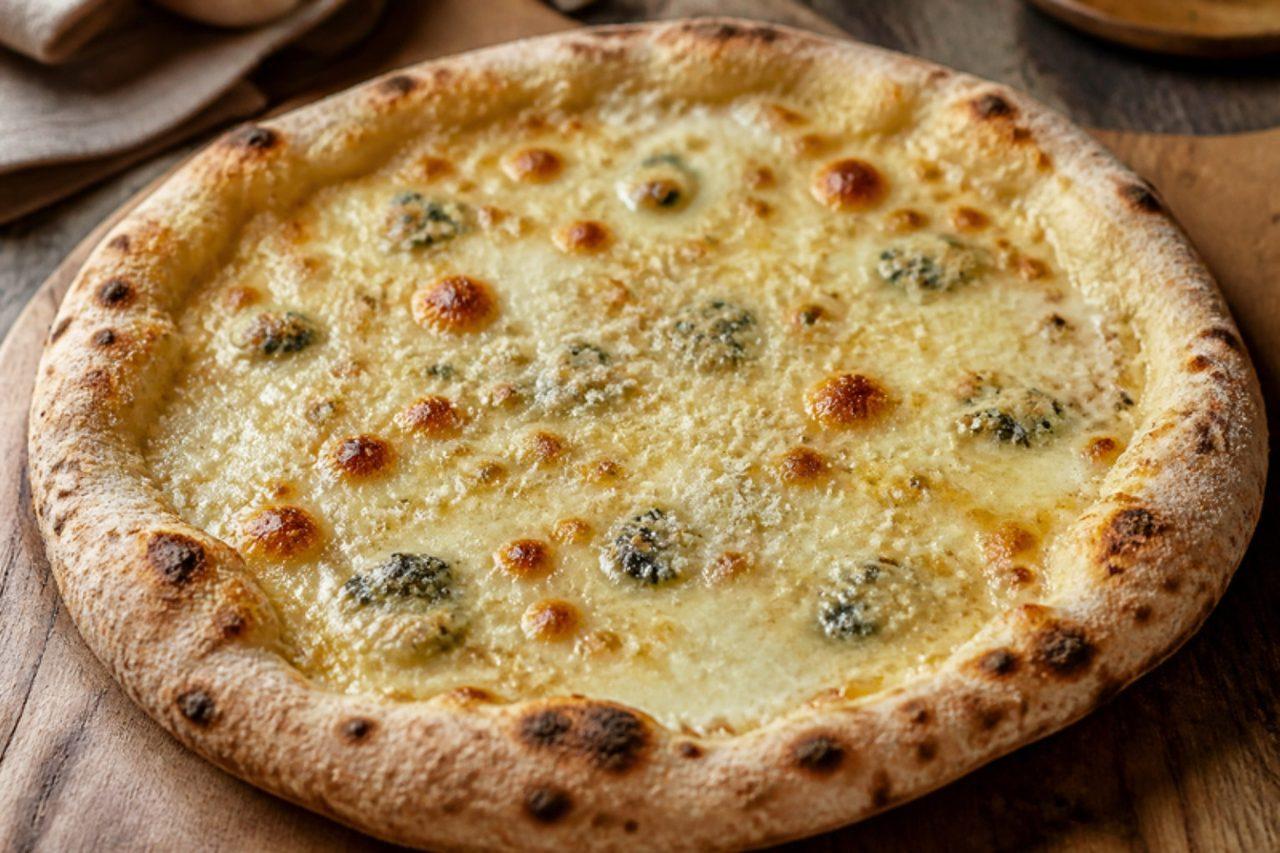
Pizza ai quattro formaggiFour-cheese pizza

Four-cheese pizza is a pizzeria classic from Milan to Palermo, a pizza bianca (no tomato) where each cheese does a different job: mozzarella for stretch, gorgonzola for a blue tang, fontina from the Aosta Valley for creaminess and Parmigiano for a salty crust. It is the order for winter evenings, often with a drizzle of honey or a few walnuts on top. Most of these cheeses are made with animal rennet; choose vegetarian versions of each if you need to. Chef's tip: cut the cheeses into small cubes rather than slices and scatter them unevenly; they melt at different speeds and give pockets of flavour.

by KrazyBadal 0 views

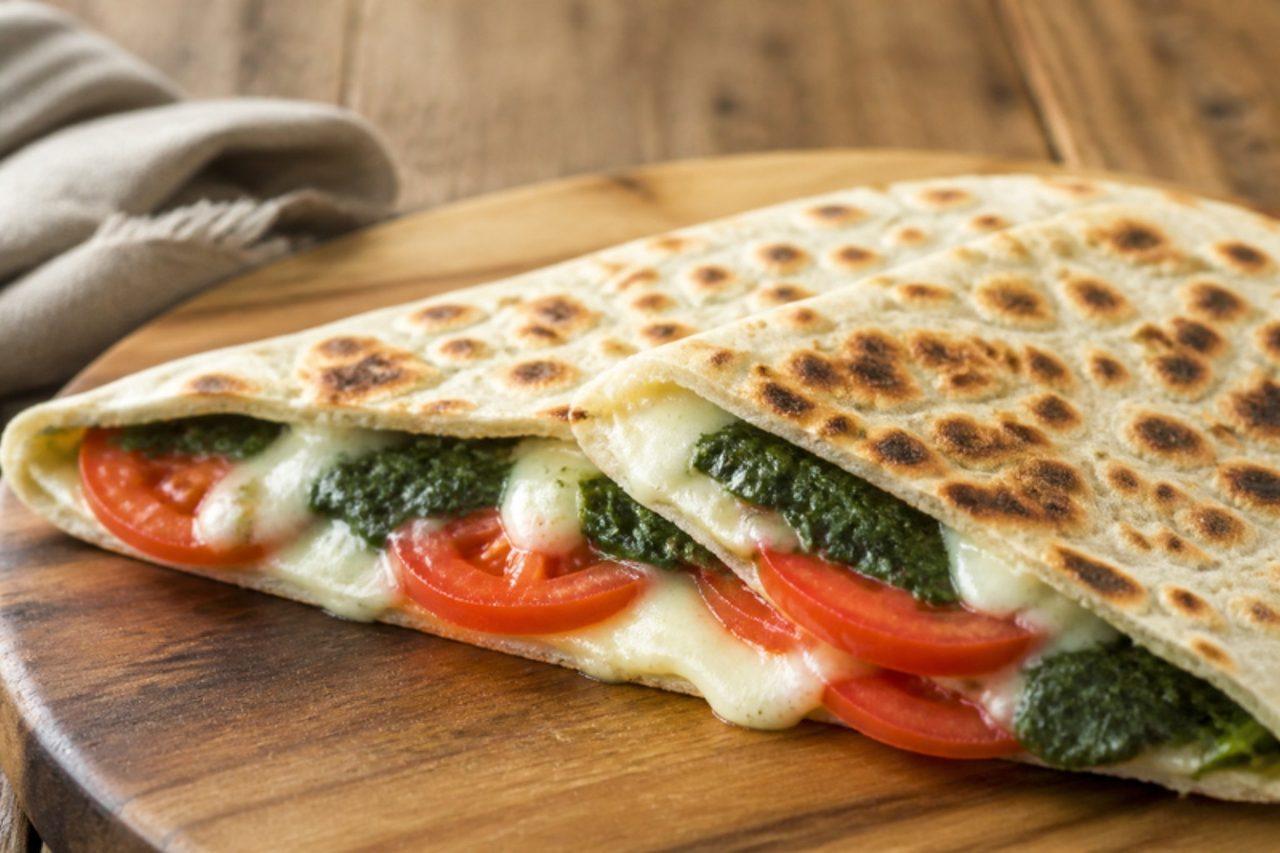
CrescioneFolded filled flatbread

Along the Romagna coast, in Rimini, Cesena and Riccione, every piadina kiosk also sells crescioni (called cassoni in some towns): a thin disc of piadina dough folded in half over a filling and sealed into a half-moon, then cooked on a hot griddle. The classic fillings are tomato and mozzarella, or wild greens and potato, eaten as a beach lunch or a late snack. Piadina dough is traditionally made with pork lard; this vegetarian version uses olive oil. Mozzarella is usually made with calf rennet; vegetarian versions are easy to find. Chef's tip: seal the edges with a fork and cook on a medium heat, not high; the dough needs time to cook through before it burns.

by KrazyBadal 0 views

Showing 24 of 352 recipes

Show more recipes

Page 6 of 15

More collections