Skip to content

Vegetarian Italian recipes

Pasta, risotto, pizza and bakes without meat or fish. (336 recipes)

Spumone napoletanoLayered gelato dessert

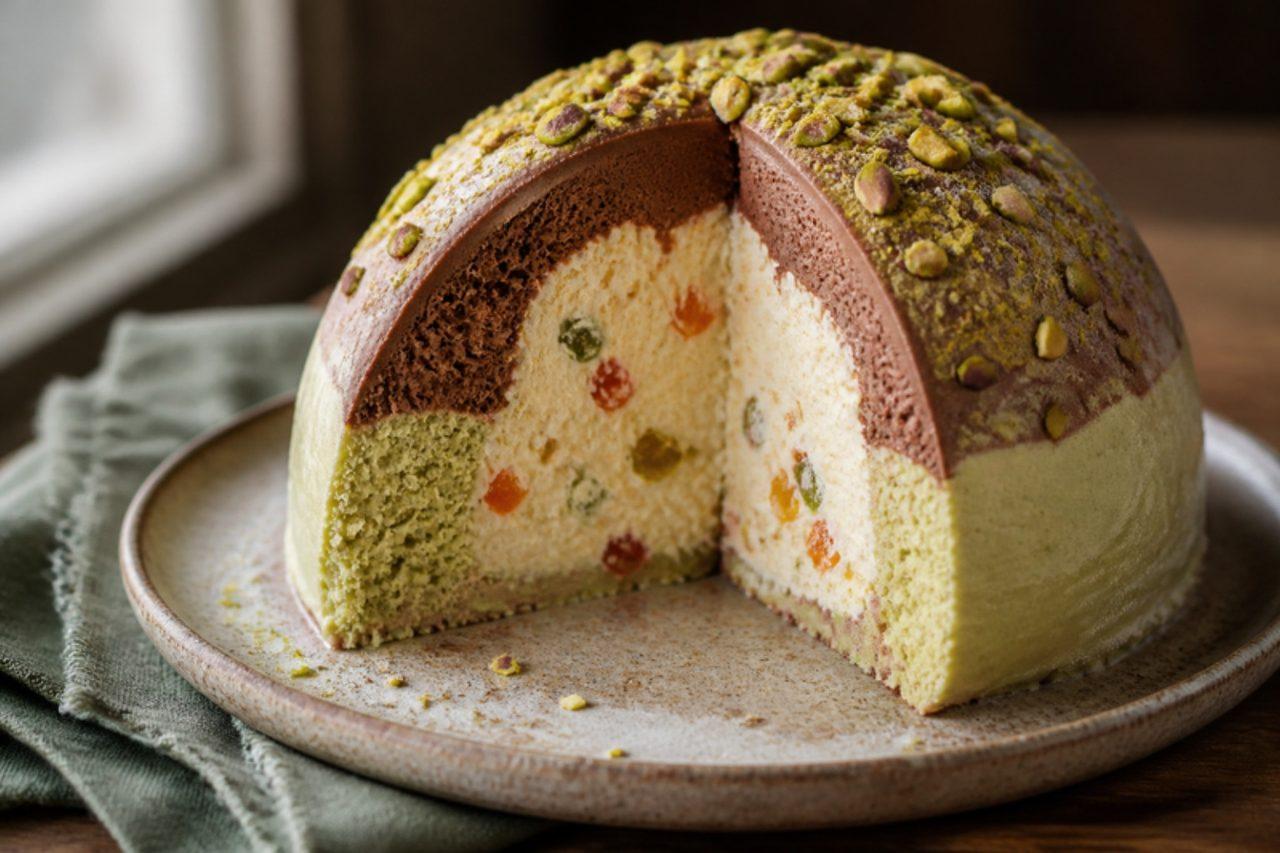
Spumone was the grand dessert of Neapolitan cafés in the 1800s, later carried to America by emigrants: a dome or brick of layered frozen desserts, usually chocolate and pistachio gelato around a soft centre of semifreddo with candied fruit and nuts. In Naples it is served at weddings and Christmas, cut into slices that show all the colours. The traditional semifreddo is flavoured with rum; this version uses orange zest and vanilla so it is alcohol free. Contains nuts. Chef's tip: freeze each layer until firm before adding the next; soft layers melt into each other and lose their stripes.

by KrazyBadal 0 views
Fiori di zucca ripieni frittiFried stuffed courgette flowers

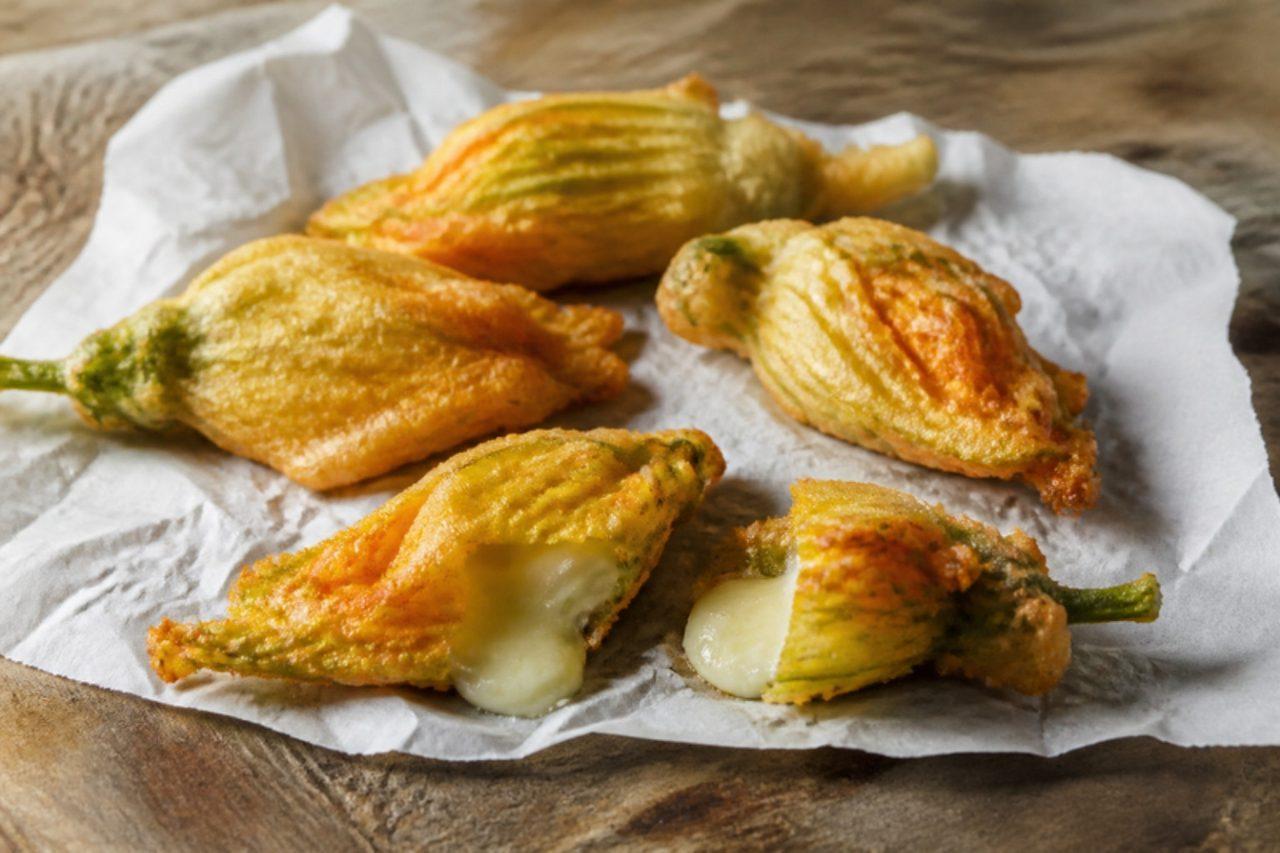
Every Roman pizzeria a taglio and friggitoria has a tray of fiori di zucca in summer: courgette flowers stuffed with a stick of mozzarella, dipped in a thin cold batter and fried until they shatter. Romans usually tuck in an anchovy fillet, but this vegetarian version swaps it for a little lemon zest and a caper, which gives the same salty spark. They are eaten as an antipasto before pizza or as a snack standing at the counter. Mozzarella is usually made with calf rennet; vegetarian versions are easy to find. Chef's tip: make the batter with ice-cold sparkling water and leave a few lumps; a smooth, warm batter fries heavy and soft.

by KrazyBadal 0 views
Pizza di scarolaEscarole pie

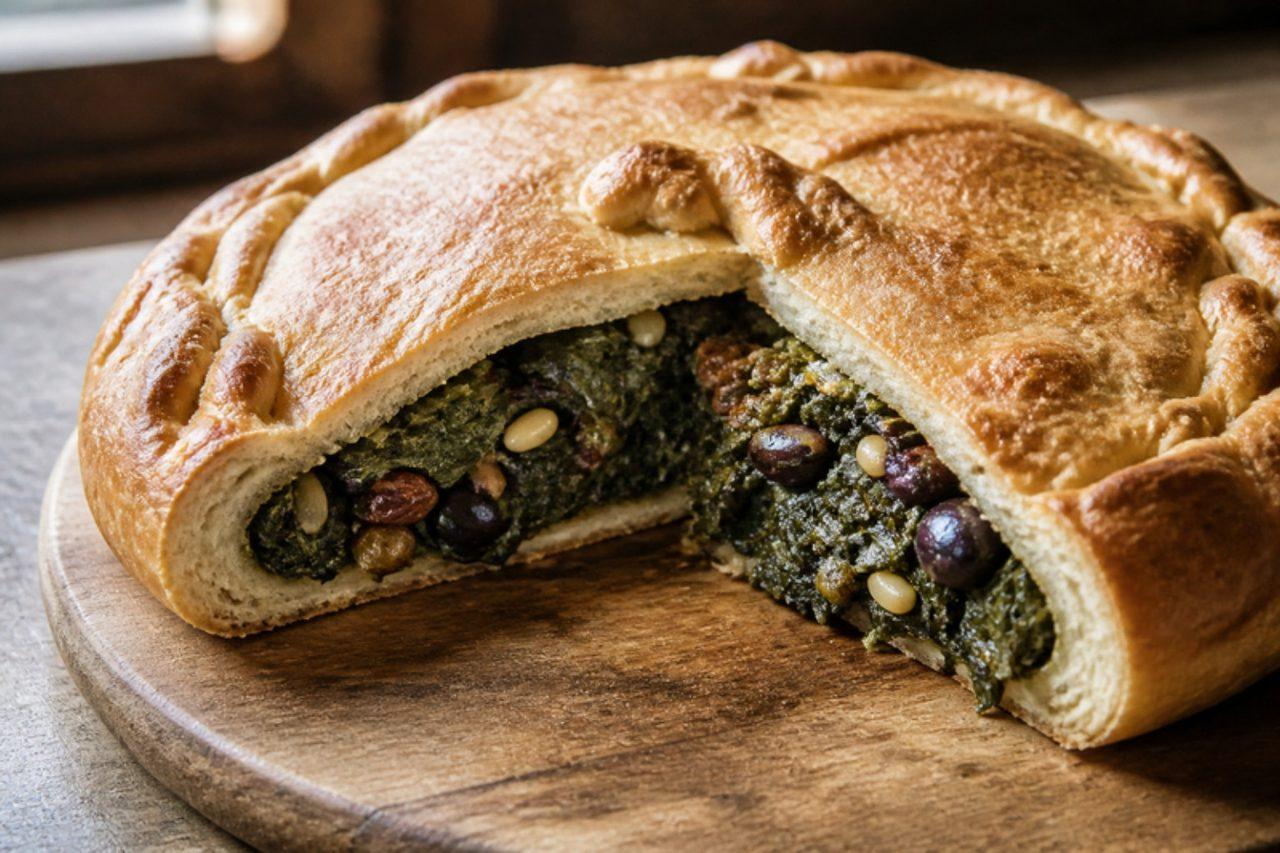
Pizza di scarola is a Neapolitan Christmas Eve tradition, when families avoid meat: a covered pie of bread dough filled with sautéed escarole (a bitter salad green), black Gaeta olives, capers, pine nuts and raisins. Many families add anchovies, but this version keeps it vegan and gets its salty depth from the capers and olives instead. It is eaten warm or cold, cut into wedges, on the night before Christmas and in the days after. Chef's tip: squeeze the cooked escarole well before filling; wet greens make the bottom crust soggy.

by KrazyBadal 0 views
Gelato alla stracciatellaChocolate chip gelato

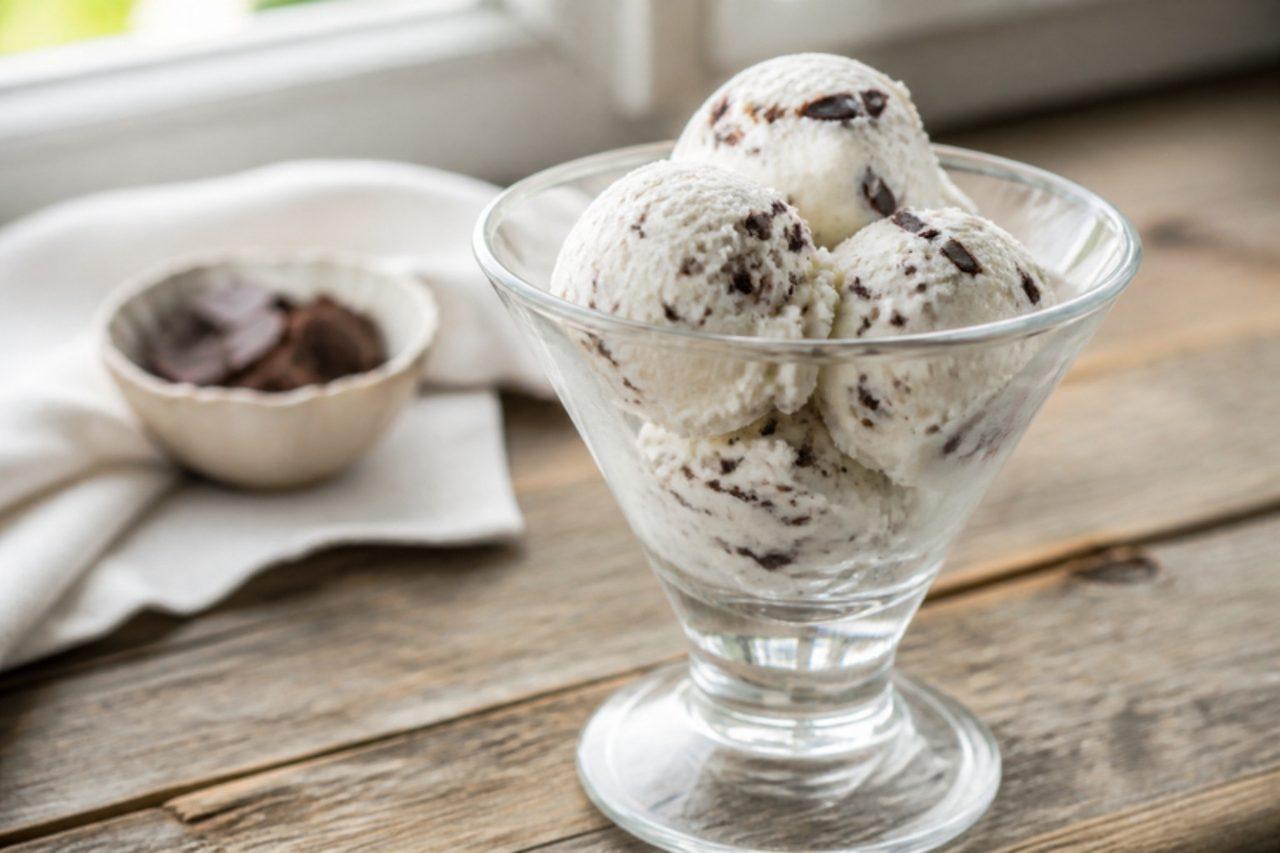
Stracciatella was invented in 1961 at the Gelateria La Marianna in Bergamo's upper town, inspired by stracciatella soup, where egg is stirred into broth in little rags (stracci). The gelato maker drizzled melted dark chocolate into churning fior di latte, where it froze instantly into thin, crisp shards. It became one of the best-loved flavours in Italy, a favourite with children. Chef's tip: drizzle the chocolate in a thin stream right at the end of churning; it must hit the cold gelato and set at once, or it forms hard lumps.

by KrazyBadal 0 views
Granita di mandorlaAlmond granita

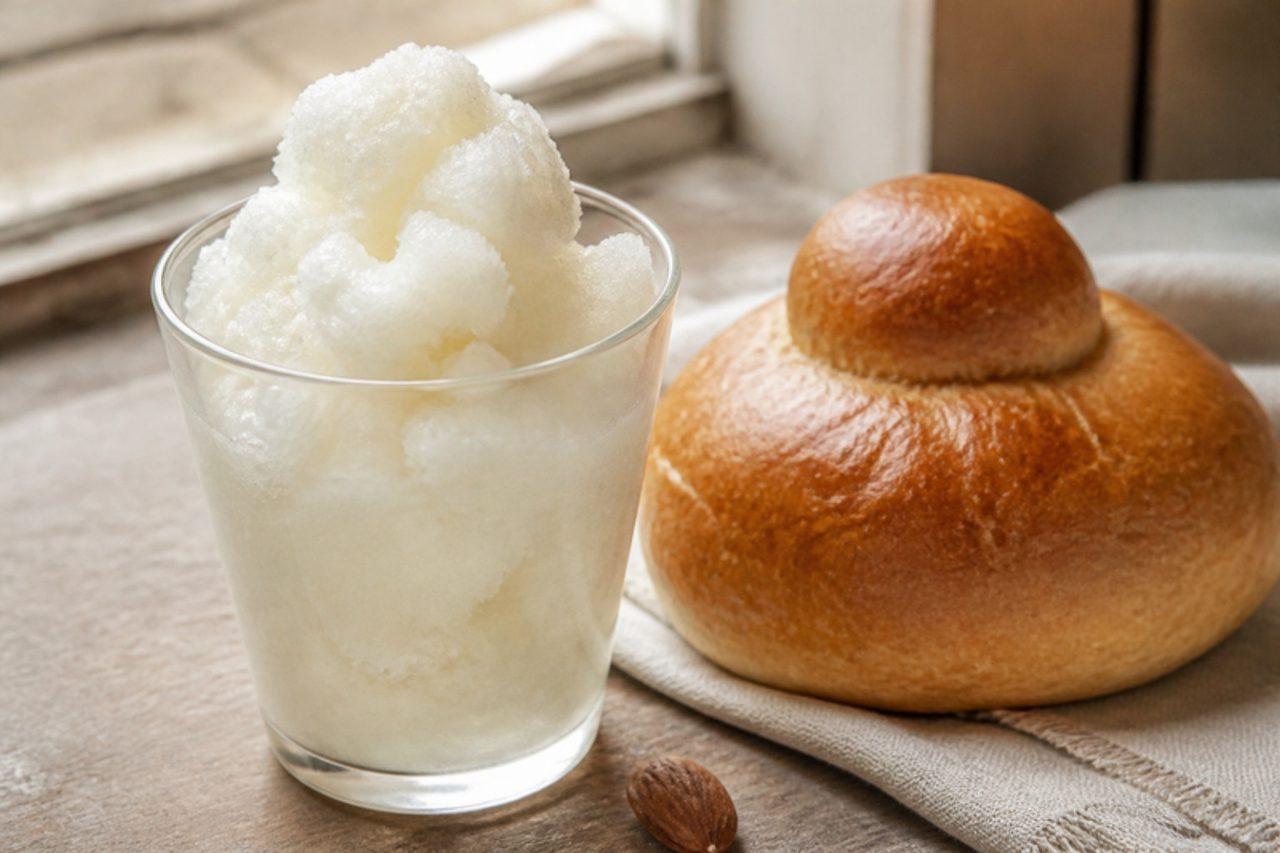
On summer mornings in Catania, Messina and the towns around Mount Etna, Sicilians have granita for breakfast: a glass of soft, flaky ice made from almond milk and sugar, eaten with a warm brioche col tuppo (with a little bun on top) for dunking. The almond granita is the most traditional flavour, white, sweet and fragrant. It is made without a machine, just scraped with a fork as it freezes. Contains nuts. Chef's tip: stir the granita every 30 minutes without fail; that's what gives it the soft, creamy flakes instead of a solid block.

by KrazyBadal 0 views
Granita al caffè con pannaCoffee granita with cream

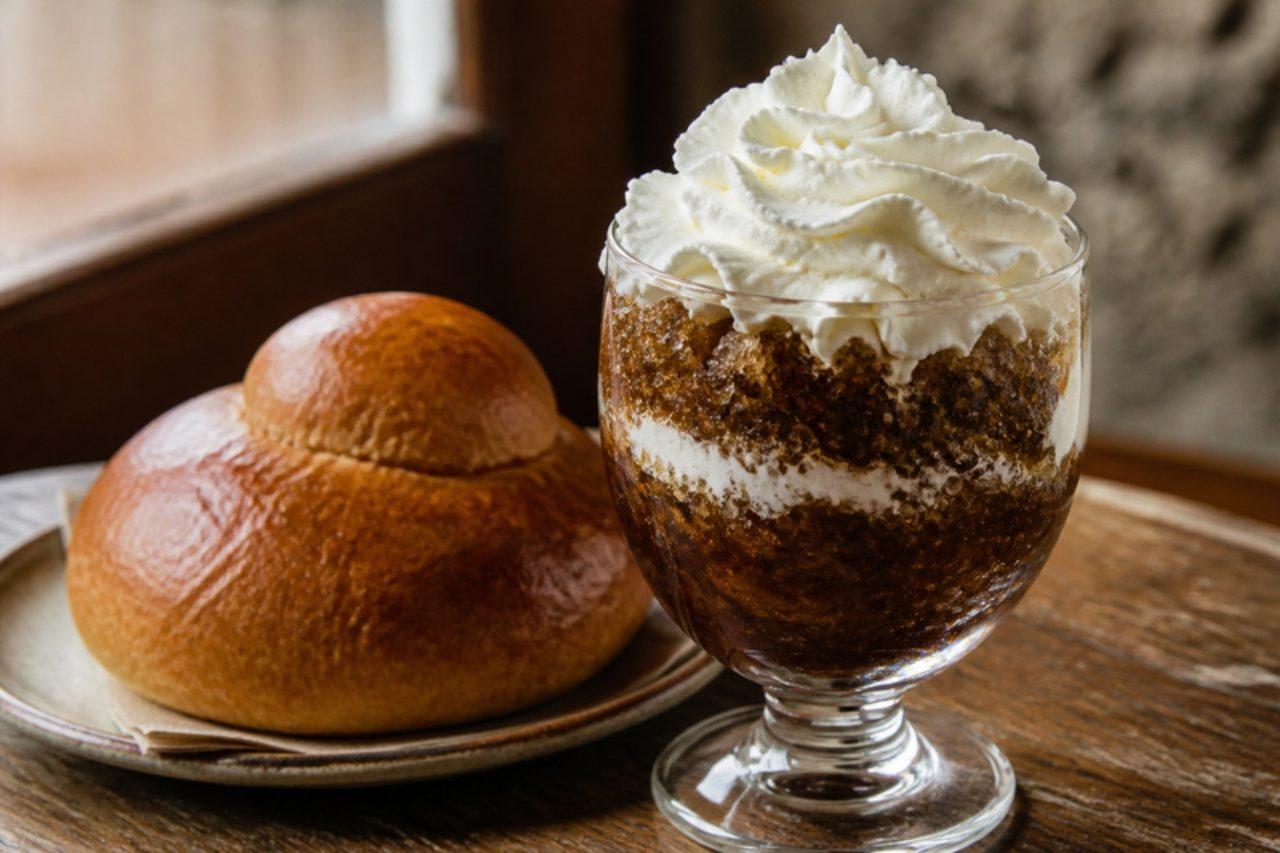
In Sicily, and in Rome at the famous Tazza d'Oro café near the Pantheon, coffee granita is served in a glass layered with unsweetened whipped cream: cream at the bottom, coffee ice in the middle and more cream on top. It is a summer breakfast or afternoon pick-me-up, eaten with a long spoon or a brioche. It contains caffeine, so it isn't for children. Chef's tip: make the coffee strong and sweet; flavours fade when frozen, so it should taste almost too sweet before it goes in the freezer.

by KrazyBadal 0 views
Granita di gelsi neriBlack mulberry granita

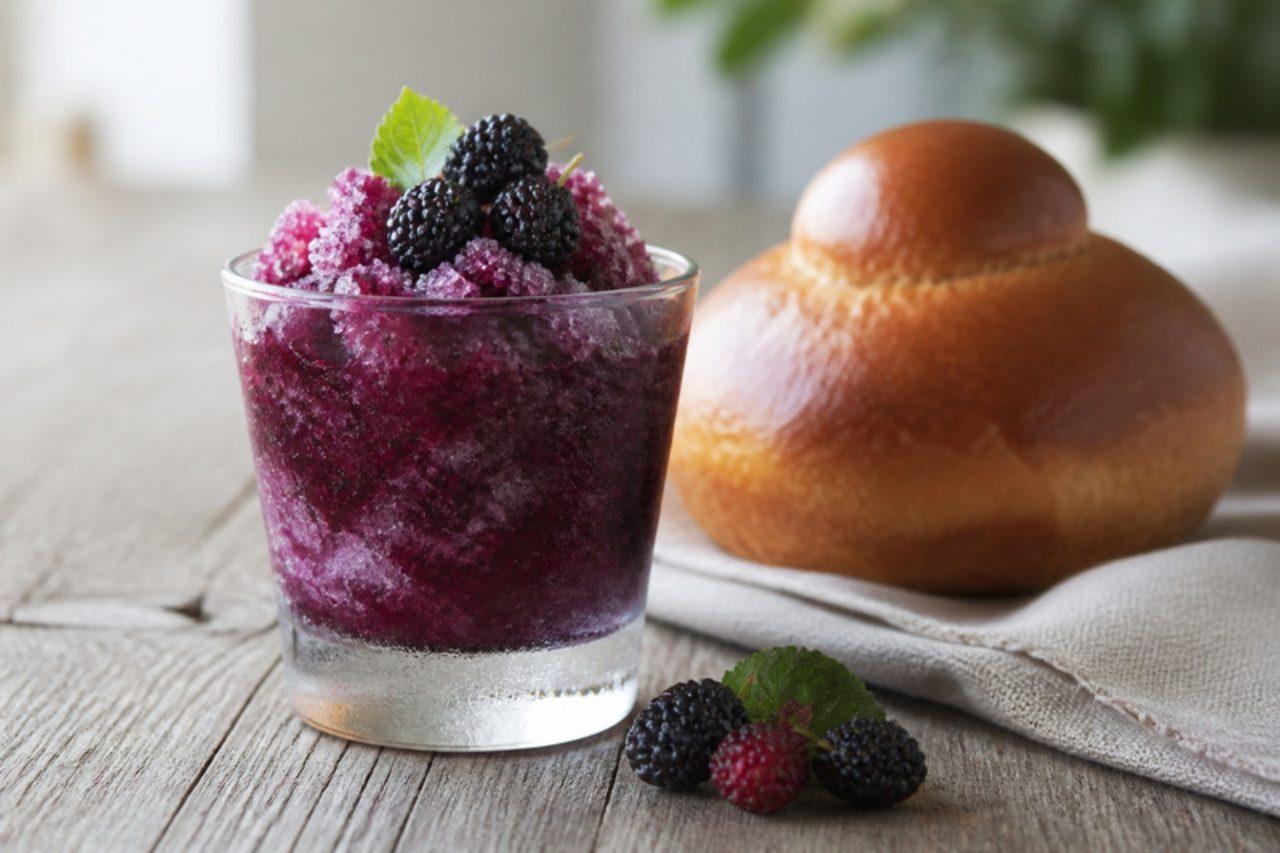
In late June and July the black mulberry trees of Sicily, especially around Messina and Acireale, drop their dark, juicy fruit, and the bars turn them into a granita the colour of ink, sweet and tangy, served in a glass with a warm brioche. Mulberries stain everything, so locals eat it carefully. If you can't find black mulberries, blackberries make a very similar granita. Chef's tip: add a squeeze of lemon; it brightens the berry flavour and keeps the colour vivid.

by KrazyBadal 0 views
Carciofi alla giudiaCrisp fried artichokes

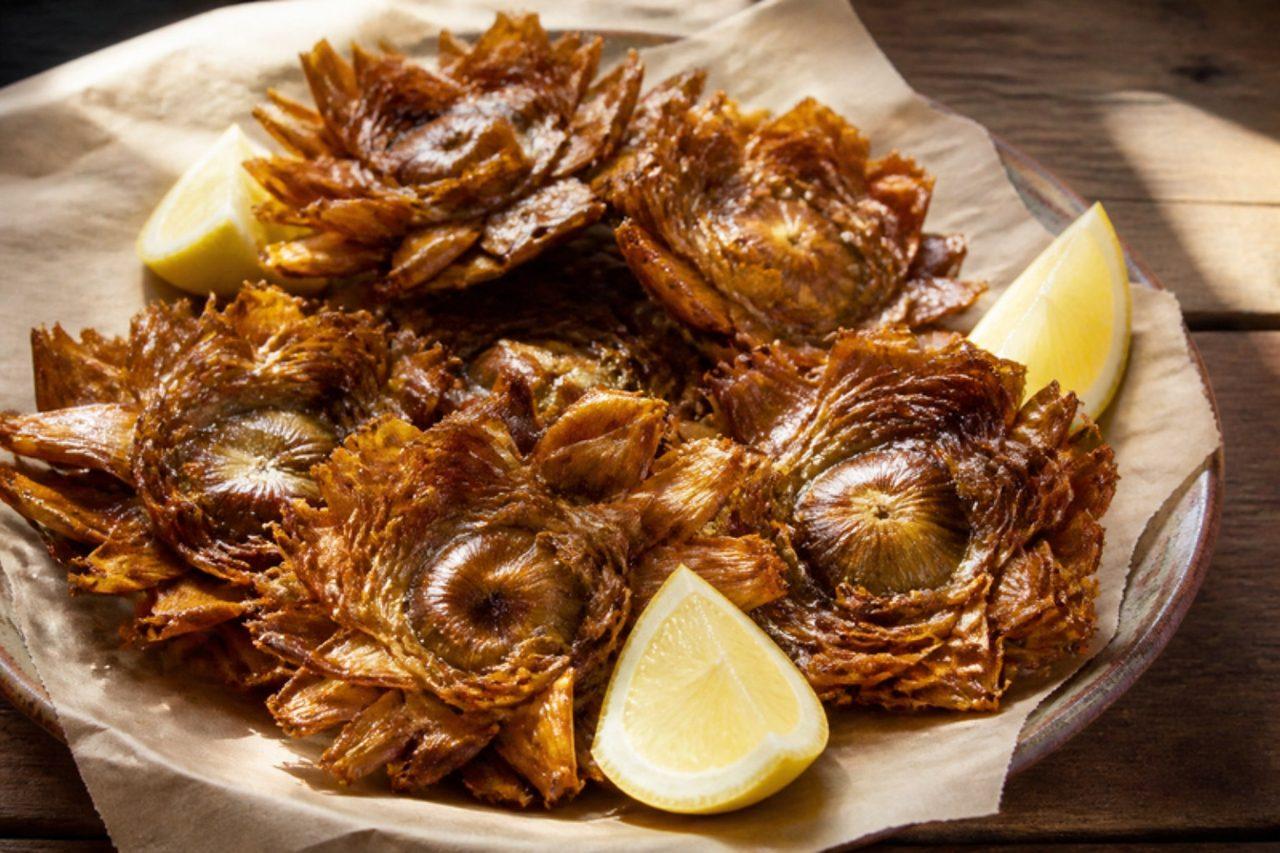
Carciofi alla giudia come from Rome's old Jewish Ghetto, where for centuries the restaurants along Via del Portico d'Ottavia have fried them from February to April, when the round Roman romanesco artichokes are in season. The artichokes are trimmed, fried once slowly until tender, then opened like flowers and fried again in hotter oil until the leaves are bronze and crunchy like crisps, while the heart stays soft. Chef's tip: before the second fry, flick a few drops of cold water into the oil from your fingers, standing well back; Roman cooks say the spatter is what makes the leaves extra crisp. Do this carefully.

by KrazyBadal 0 views
Pizza di Pasqua al formaggioEaster cheese bread

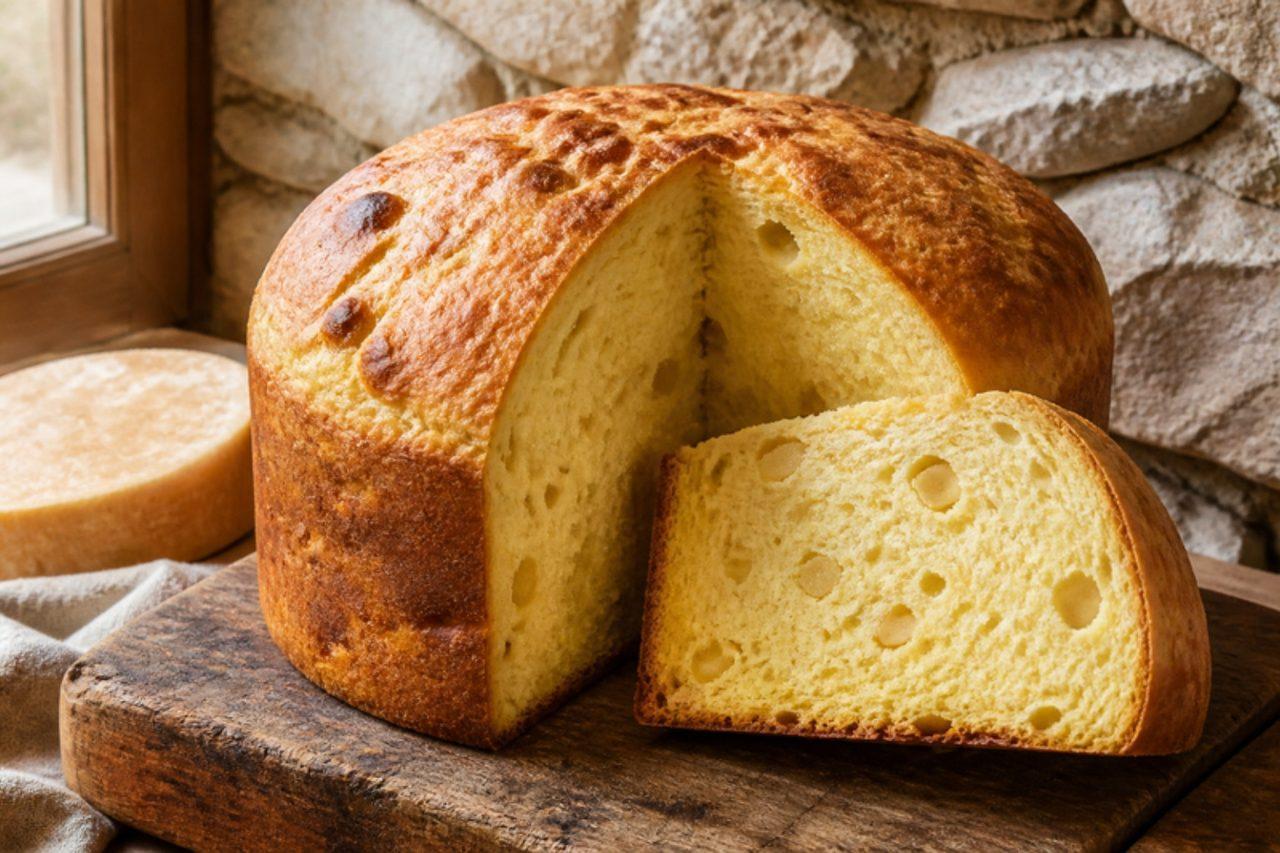
On Easter morning in Perugia, Ancona and the villages of Umbria and the Marche, families sit down to a breakfast that comes after Lent: a tall, golden cheese bread, rich with eggs, pecorino and Parmigiano, sliced and eaten with hard-boiled eggs and salami that has been blessed in church. The bread rises high like a panettone and has a soft yellow crumb dotted with cubes of cheese. Pecorino and Parmigiano are usually made with animal rennet; vegetarian hard cheeses work. Chef's tip: bake it in a tall, straight-sided tin or a clean coffee can lined with paper; the high sides help it rise up rather than spread.

by KrazyBadal 0 views

Graffe napoletanePotato doughnuts

Graffe are the Neapolitan doughnut, sold warm at bars and pastry shops all year round but especially at Carnival: soft, fluffy rings made with mashed potato in the dough, which keeps them light and moist, fried and rolled in sugar. Neapolitans eat them for breakfast with an espresso, or as a children's snack after school. The name probably comes from the Austrian krapfen, brought to the city in the 1700s. Chef's tip: let the shaped rings rise on small squares of baking paper; you can lower them into the oil on the paper without knocking out the air, then pull the paper away.

by KrazyBadal 0 views

Savoiardi

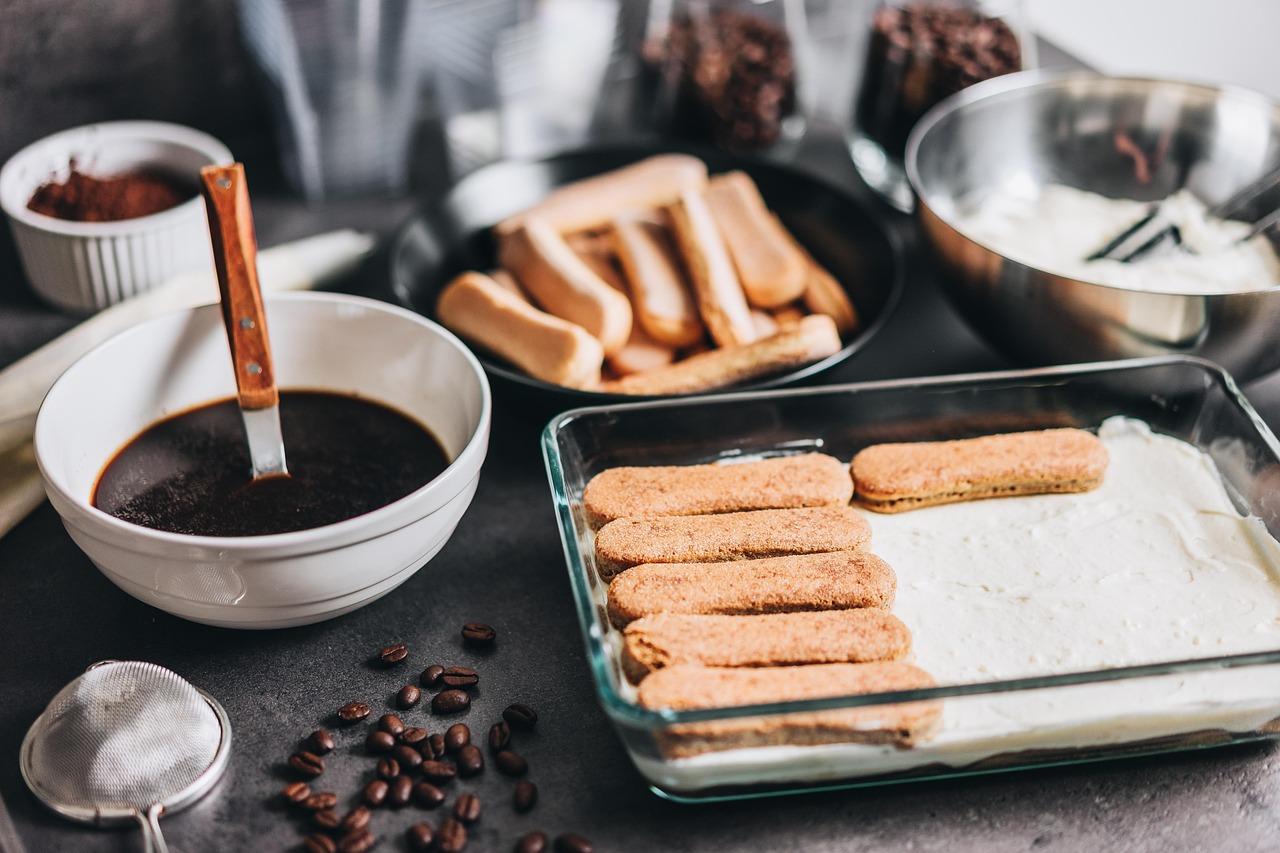
Savoiardi were created in the 1300s at the court of the House of Savoy in Piedmont, for a visit by the King of France. They are long, light finger biscuits of whipped eggs, sugar and flour, with a crisp sugary crust and a dry, spongy inside, made to be soaked: in coffee for tiramisù, in liqueur for zuppa inglese, or in milk for children's breakfast. Chef's tip: dust the piped fingers twice with icing sugar, 5 minutes apart; this forms the pearly crust that keeps them crisp outside.

by KrazyBadal 0 views

Polenta taragnaBuckwheat polenta with cheese

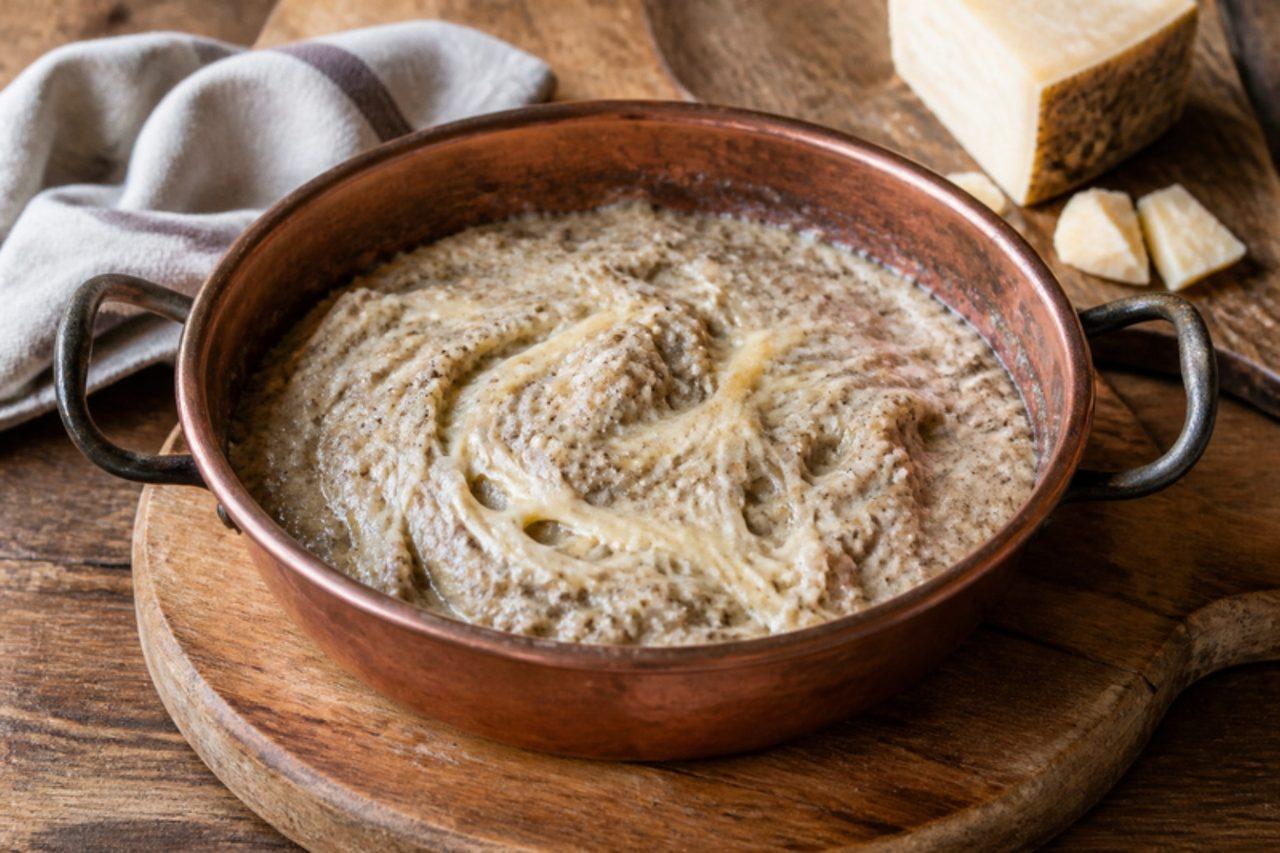
High in the Valtellina valley near Sondrio, where wheat struggles but buckwheat grows well, polenta is made grey-brown and nutty with a mix of buckwheat and cornmeal. Taragna gets its name from the tarell, the long wooden stick used to stir it in a copper pot over the fire. At the end, butter and cubes of the local Valtellina Casera or Bitto cheese are stirred in until they melt into strings. It is winter food for cold mountain evenings, eaten with mushrooms or sausages on the side. Local cheeses are usually made with animal rennet; a vegetarian melting cheese works. Chef's tip: stir the flour into the boiling water in a slow rain with a whisk; once it is all in, switch to a wooden spoon and keep stirring.

by KrazyBadal 0 views

Migliaccio napoletanoSemolina and ricotta cake

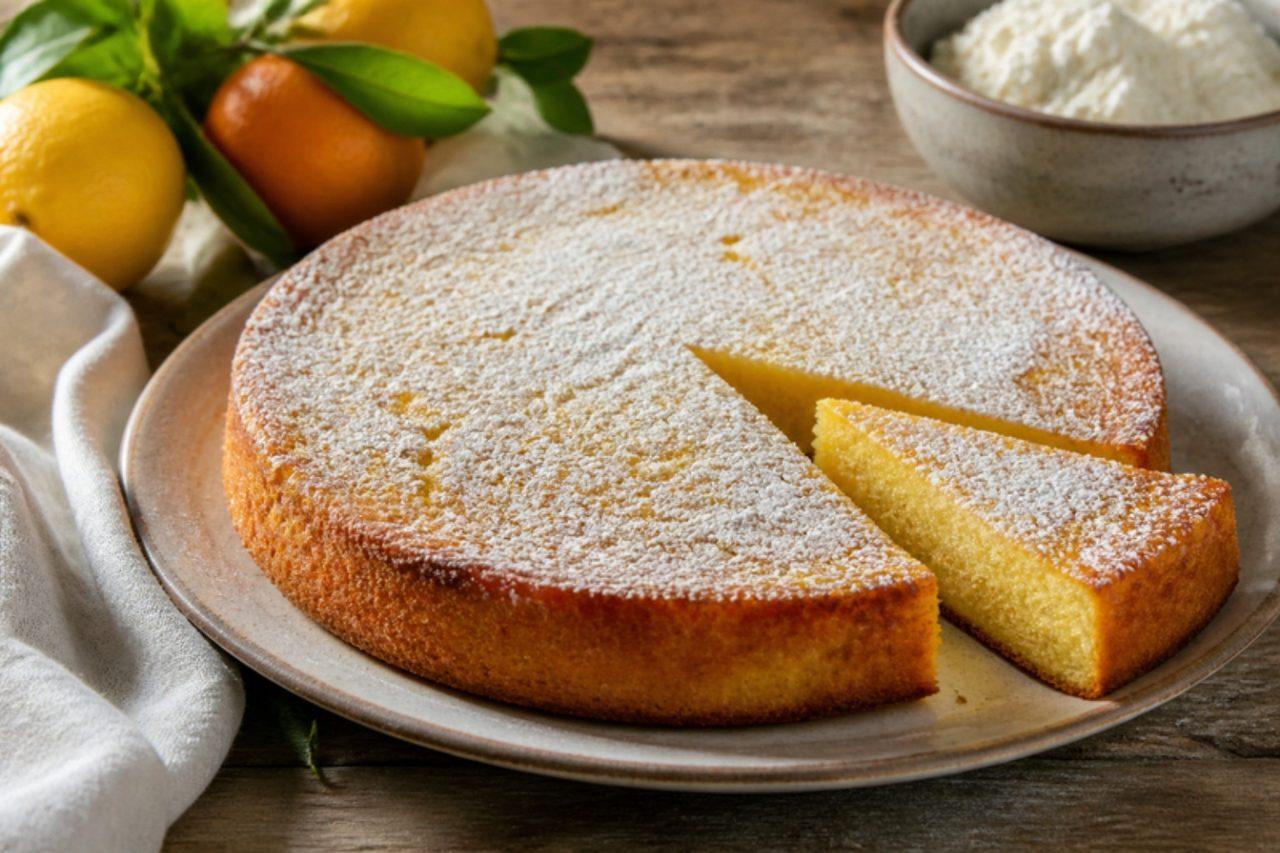
Migliaccio is the cake Neapolitan grandmothers bake on Fat Tuesday, the last day of Carnival before Lent. Its name comes from miglio, millet, which was used before semolina: today semolina is cooked in milk with butter, then mixed with ricotta, eggs, sugar and plenty of orange and lemon zest, and baked into a soft, dense, custardy cake. It is a close cousin of the Easter pastiera, without the pastry. Chef's tip: let the cooked semolina cool before beating in the eggs and ricotta; hot semolina scrambles the eggs and the cake turns grainy.

by KrazyBadal 0 views

Passata di pomodoroBottled tomato purée

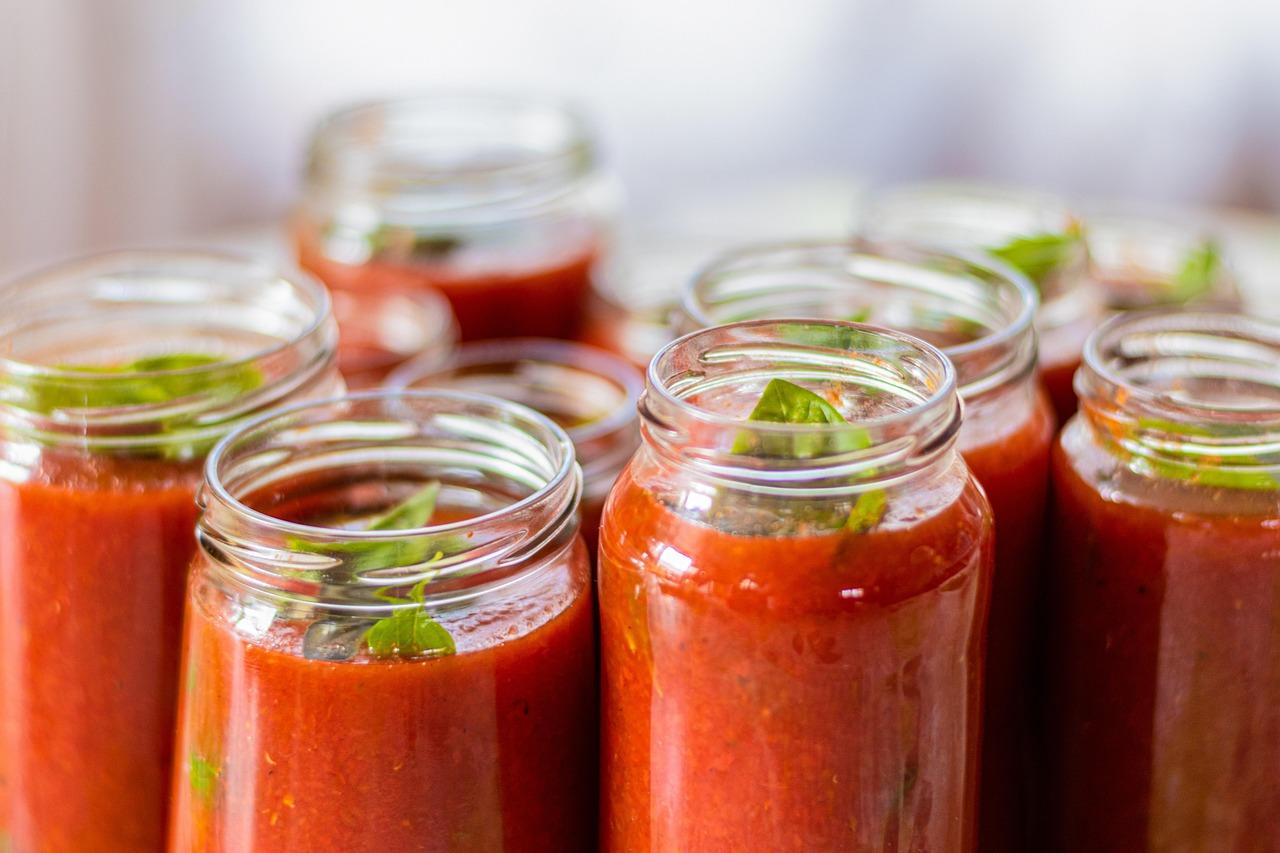
At the end of August, all over southern and central Italy, families gather for the "giornata della salsa", the day of the sauce: crates of ripe plum tomatoes are washed, cooked, passed through a hand-cranked mill and bottled in hundreds, with a basil leaf in each bottle. The passata lasts until the next summer and is used for every ragù and pizza. For home bottling, add lemon juice to each jar and process in a water bath, as tomatoes alone are not acidic enough to be safe at room temperature. Chef's tip: use only fully ripe, deep red plum tomatoes; underripe tomatoes give a pale, sour passata.

by KrazyBadal 0 views

Pomodori col risoRice-stuffed tomatoes

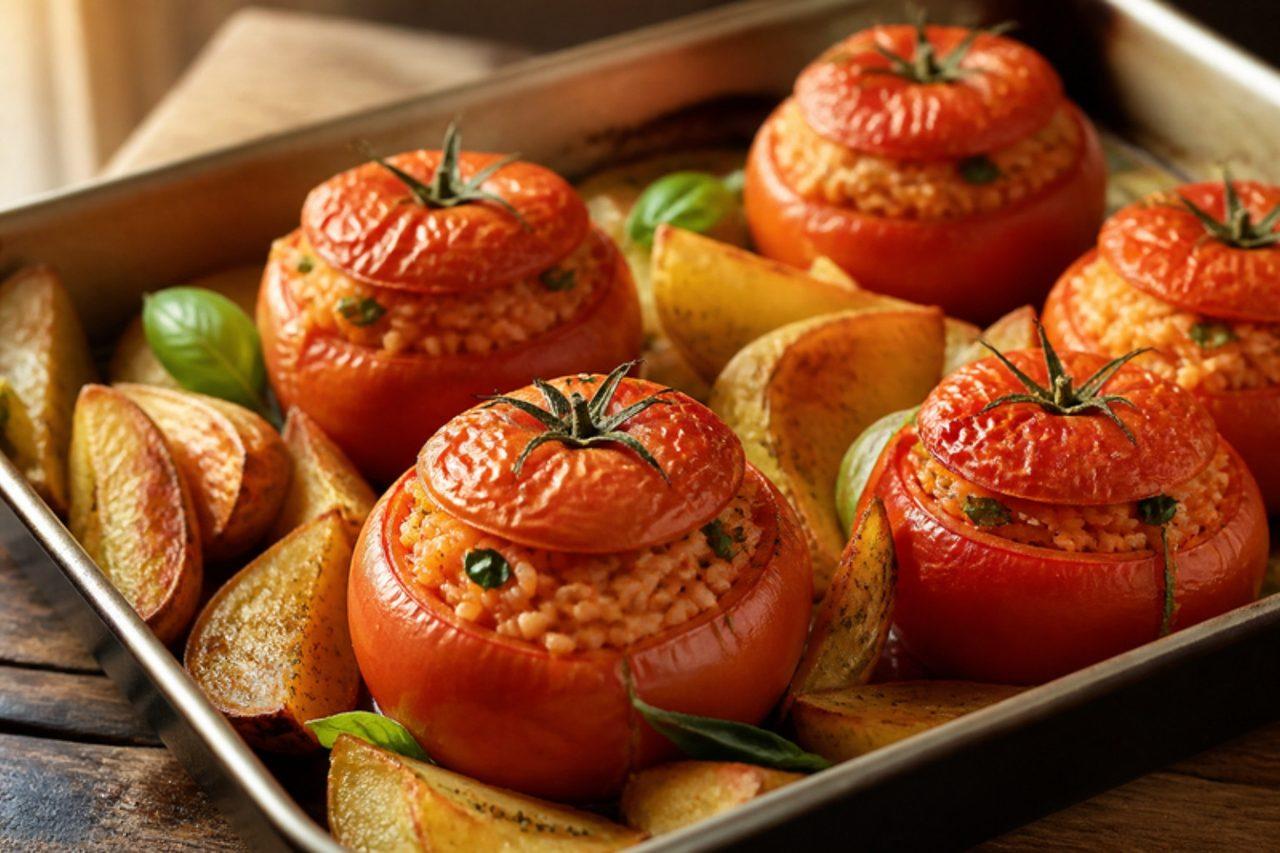
Every Roman bakery and rosticceria has a tray of pomodori col riso in summer: big round tomatoes, hollowed out and filled with raw rice soaked in their own pulp with garlic, basil and olive oil, then baked with wedges of potato that soak up the juices. Romans eat them warm or at room temperature for lunch on hot days, often on Ferragosto (15 August). Chef's tip: let the rice soak in the tomato pulp for at least an hour before filling; it softens and then cooks evenly inside the tomatoes.

by KrazyBadal 0 views

Mozzarella in carrozzaFried mozzarella sandwich

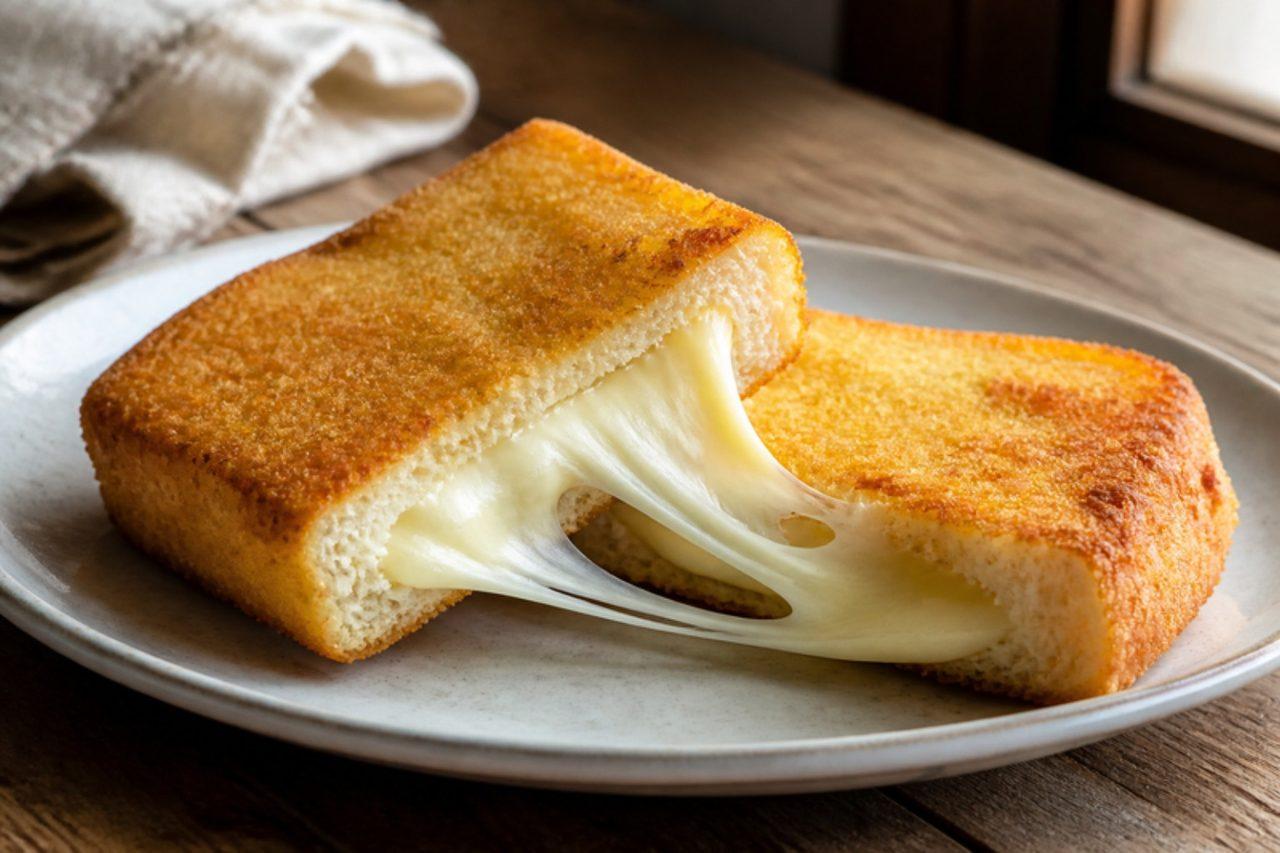
"Mozzarella in a carriage" is how Neapolitan families used up mozzarella that was a day or two old: slices of cheese sandwiched in white bread, dipped in flour, egg and milk, and fried until the bread is golden and the cheese stretches in long strings. It is sold in Naples friggitorie and eaten at home as a quick lunch or a snack after school. Mozzarella is usually made with calf rennet; vegetarian versions are easy to find. Chef's tip: press the sandwich edges firmly together after dipping in flour; a good seal keeps the melted cheese inside the carriage.

by KrazyBadal 0 views

Colomba pasqualeEaster dove bread

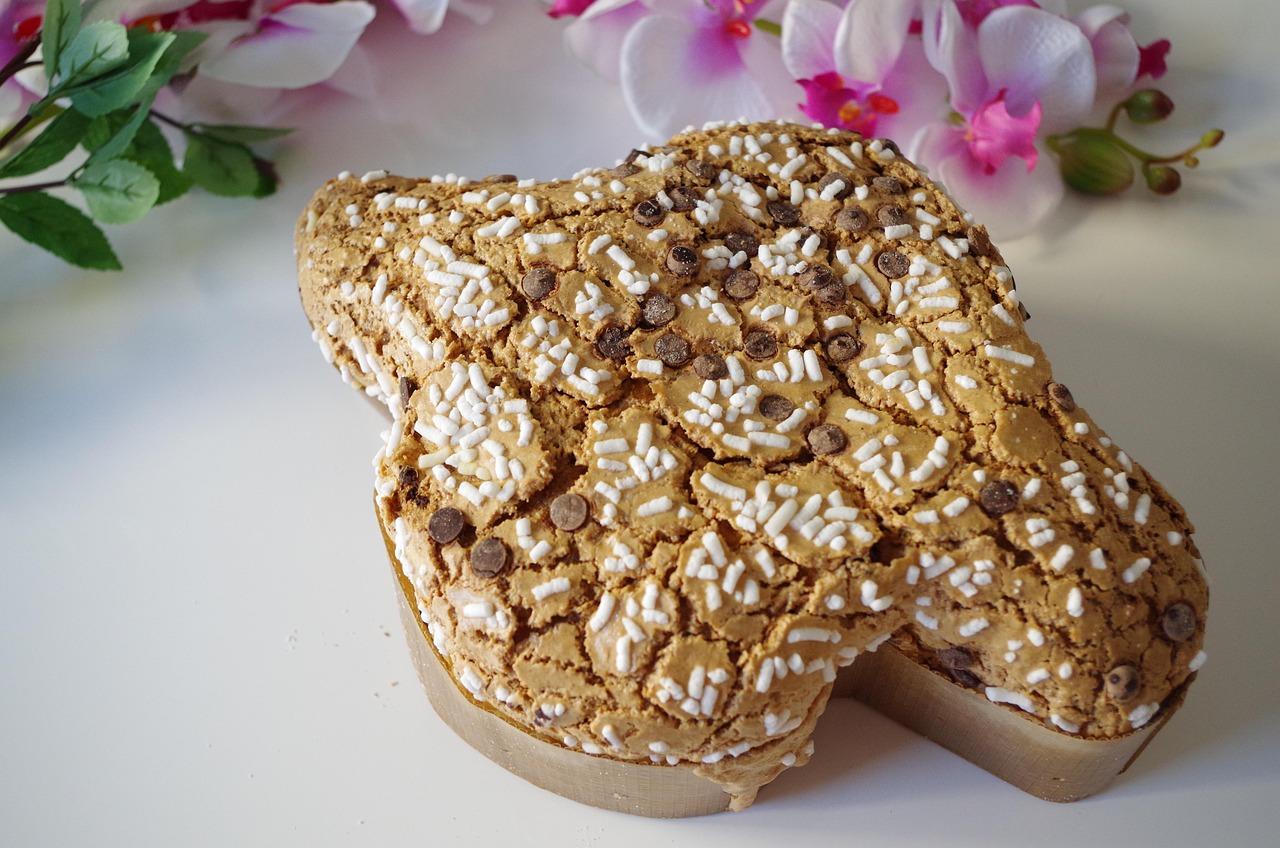
The colomba, the "dove" of peace, is Milan's Easter answer to Christmas panettone: a rich, buttery yeasted bread full of candied orange, baked in a dove-shaped paper mould and topped with a crunchy almond and sugar glaze. Italian families buy or bake one for Easter Sunday and eat it for breakfast through Easter Monday. Bakers use a sourdough starter and three days; this home version uses yeast and an overnight rise in the fridge, so it fits a weekend. Chef's tip: let the dough rise until it really reaches the top of the mould before baking; under-risen colomba bakes dense and heavy.

by KrazyBadal 0 views

CicerchiataHoney fried dough ring

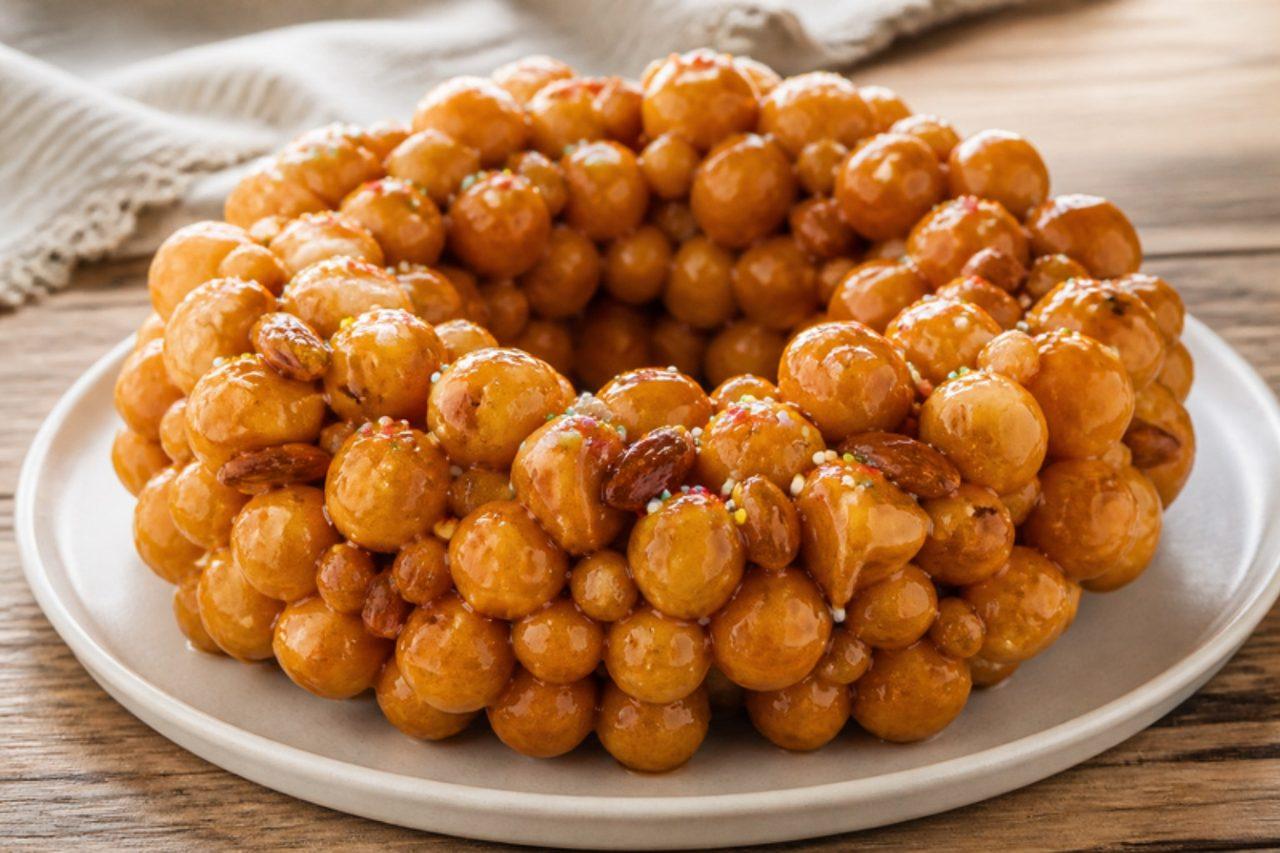
Cicerchiata takes its name from the cicerchia, a small dried legume, because its tiny balls of fried dough look just like them. In Abruzzo, Umbria and the Marche it is the Carnival sweet: the fried balls are stirred into hot honey with almonds and candied peel, then shaped into a ring or mound and decorated with sprinkles. It is broken apart with fingers at the end of Carnival meals. Not for babies under 1 because of the honey. Chef's tip: work quickly once the balls are in the honey and wet your hands with cold water to shape the ring; the honey sets fast as it cools.

by KrazyBadal 0 views

Pignolata messineseGlazed fried dough mound

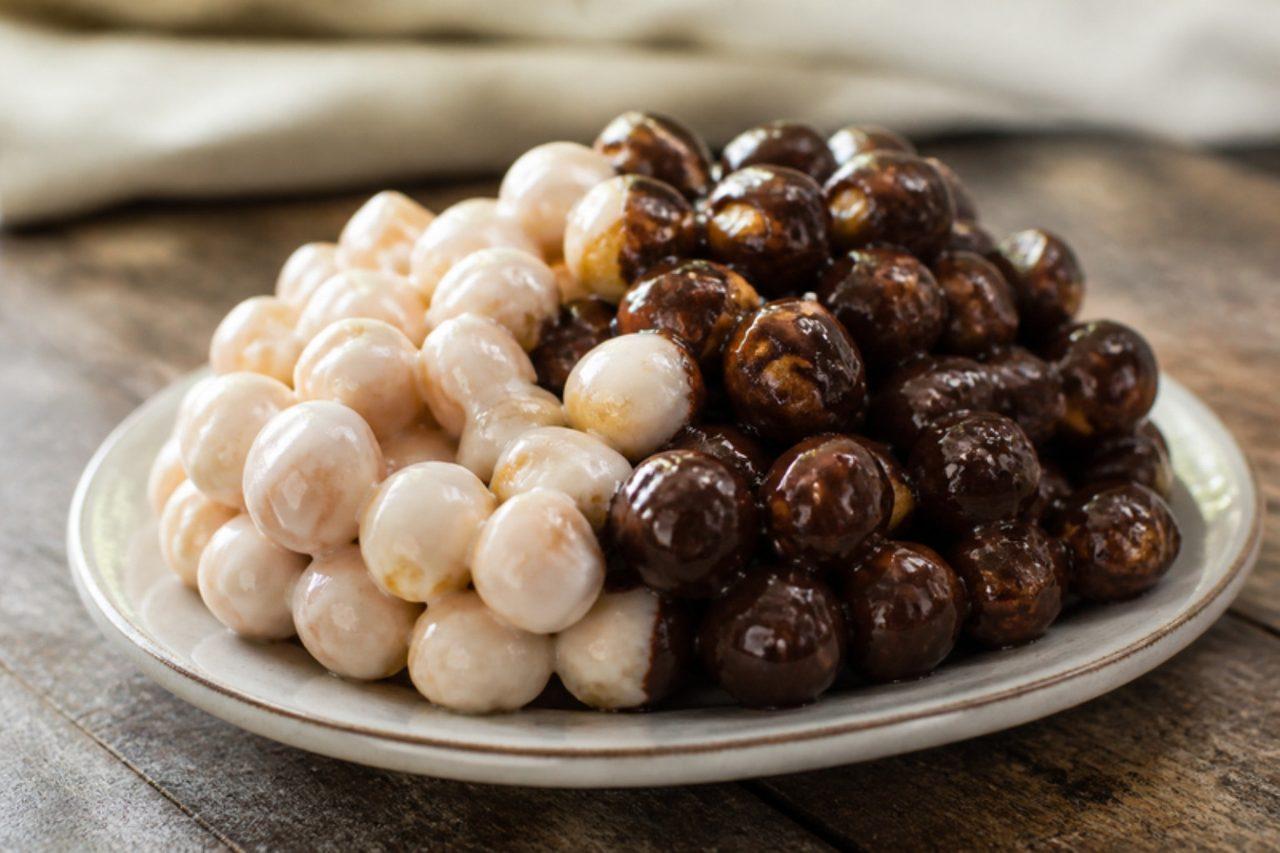
In Messina, at the north-east tip of Sicily, Carnival means pignolata: a mound of small fried dough pieces, glazed half with a white lemon icing and half with a dark chocolate one, like a little mountain with a snowy side and a dark side. It is said to have been created by Messina's aristocratic families as a grand version of the humble honey pignolata eaten by the poor. It is served in slices with coffee. Chef's tip: let the first glaze set completely before adding the second; if both are soft at once, the colours run into each other.

by KrazyBadal 0 views

Amaretti

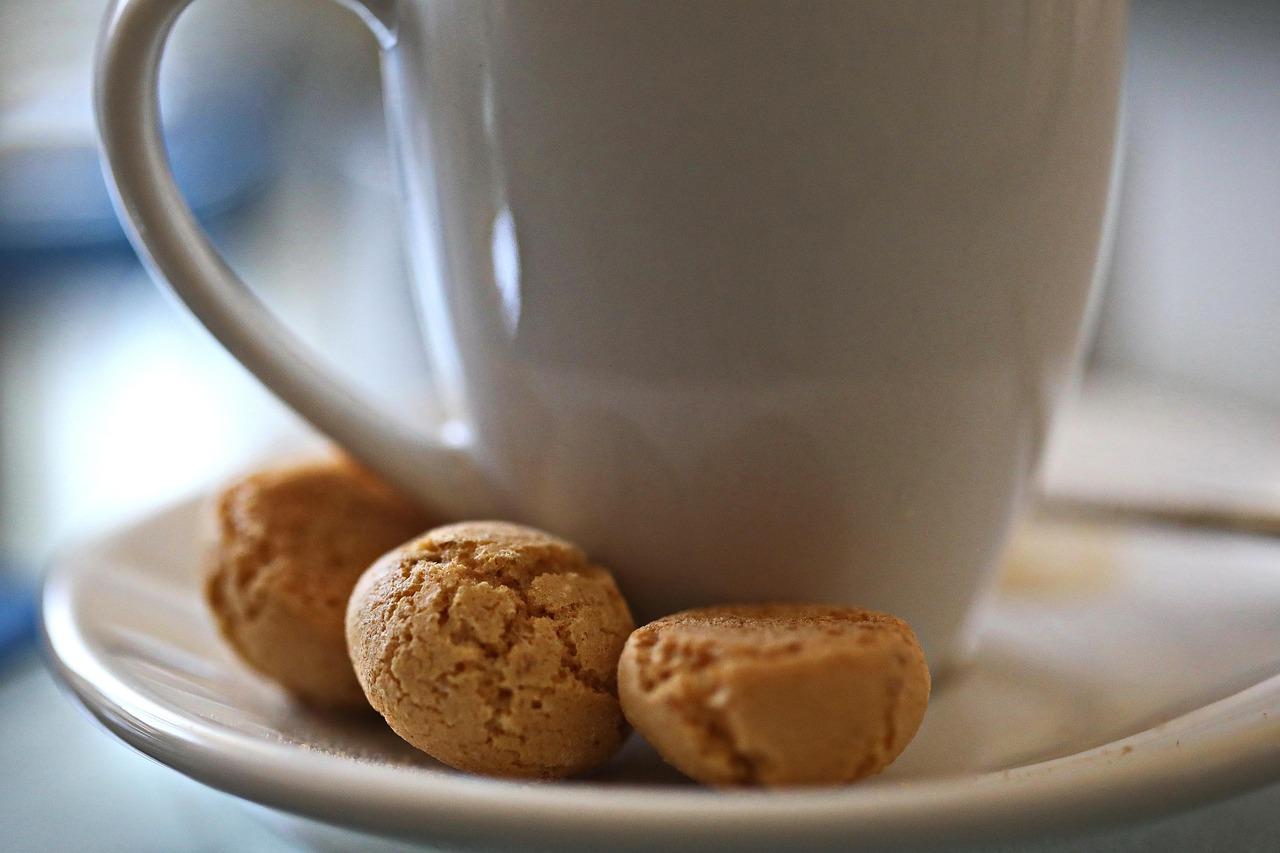
Amaretti, "little bitter ones", are named after the bitter almonds that give them their sharp, marzipan flavour. In Saronno, near Milan, they are crisp and light, wrapped in paper; in Mombaruzzo and Sassello in Piedmont and Liguria they are soft and chewy. Both are eaten with coffee, crumbled over ice cream or baked peaches, and used in the filling for Mantua's pumpkin tortelli. This soft version is naturally gluten free. Chef's tip: use a few drops of almond extract rather than bitter almonds, which are toxic raw in quantity; a little goes a long way.

by KrazyBadal 0 views

Baci di damaHazelnut shortbread sandwiches

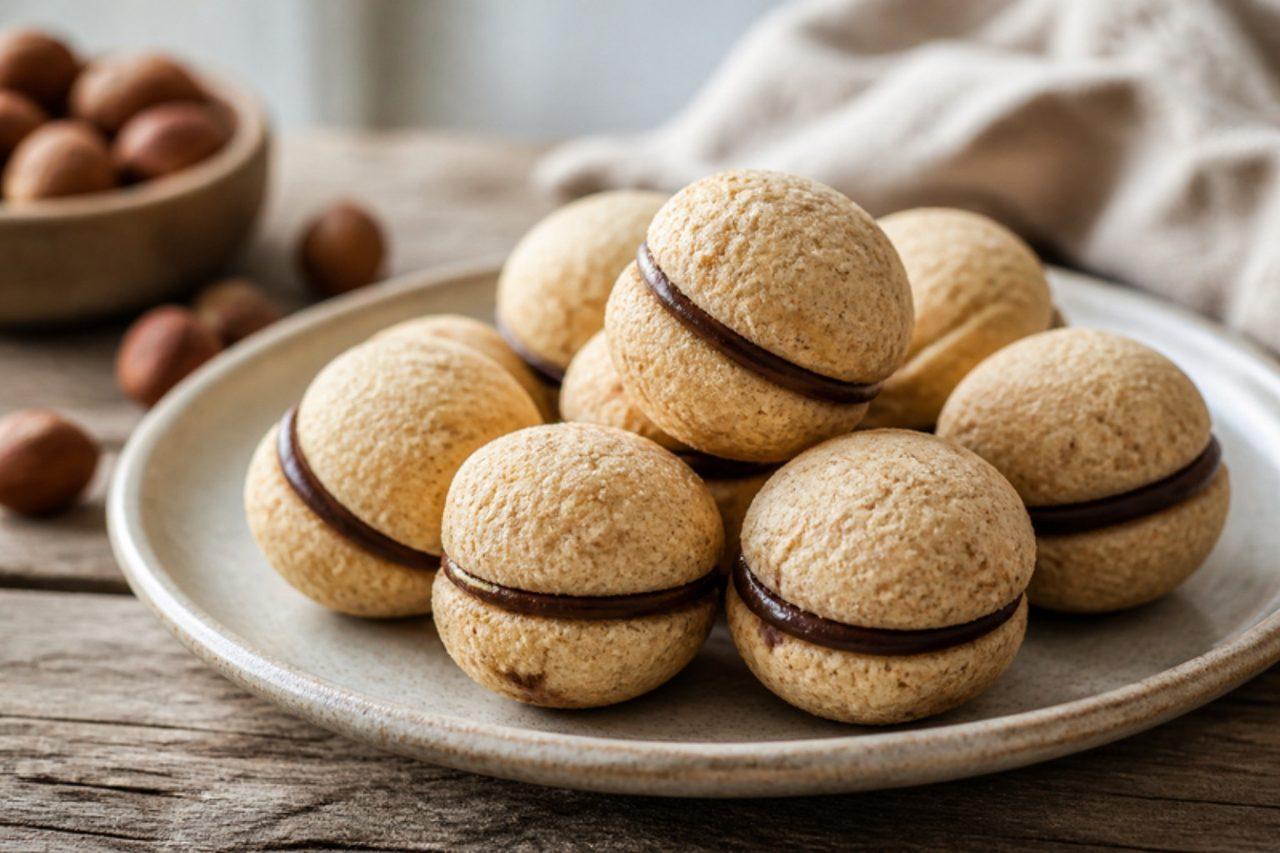
Baci di dama, "lady's kisses", were born in Tortona in Piedmont in the 1800s: two small domes of buttery hazelnut shortbread pressed together with dark chocolate, like two lips meeting in a kiss. They are sold in every pastry shop in Piedmont and eaten with coffee or as a gift at Christmas. The local Piedmont hazelnuts are some of the best in the world. Contains nuts. Chef's tip: weigh each ball of dough so they're all the same size; matching domes make neat kisses.

by KrazyBadal 0 views

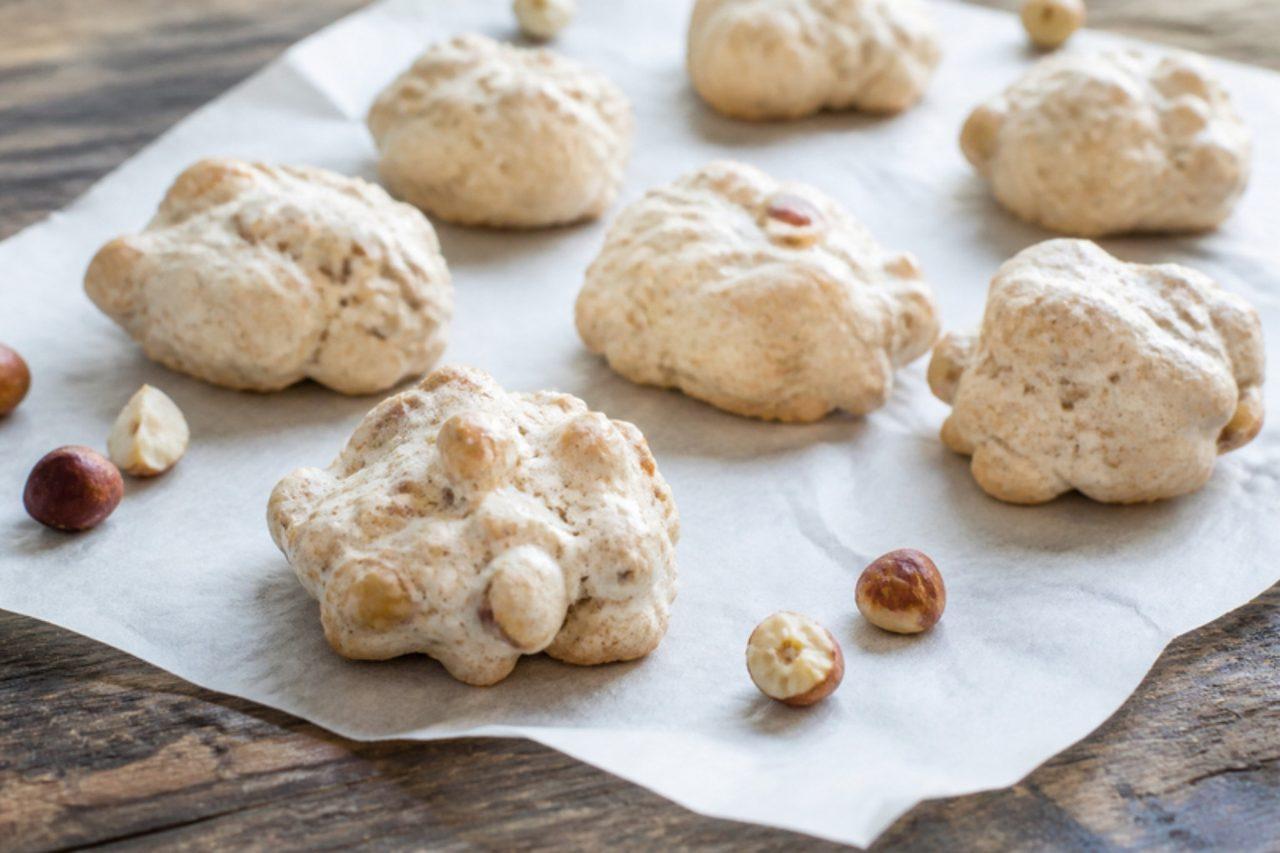
Brutti ma buoniHazelnut meringue biscuits

"Ugly but good": the name says it all. These lumpy, irregular biscuits from Borgomanero in Piedmont and Prato in Tuscany are made by cooking whipped egg whites, sugar and toasted hazelnuts in a pan before baking, which gives them a crisp shell and a chewy centre. They are sold in paper bags at pastry shops, and Italian grandmothers make them to use up egg whites left over from custards. They are naturally gluten free. Contains nuts. Chef's tip: toast the hazelnuts until they smell deeply nutty and the skins crack; that's what gives the biscuits their flavour.

by KrazyBadal 0 views

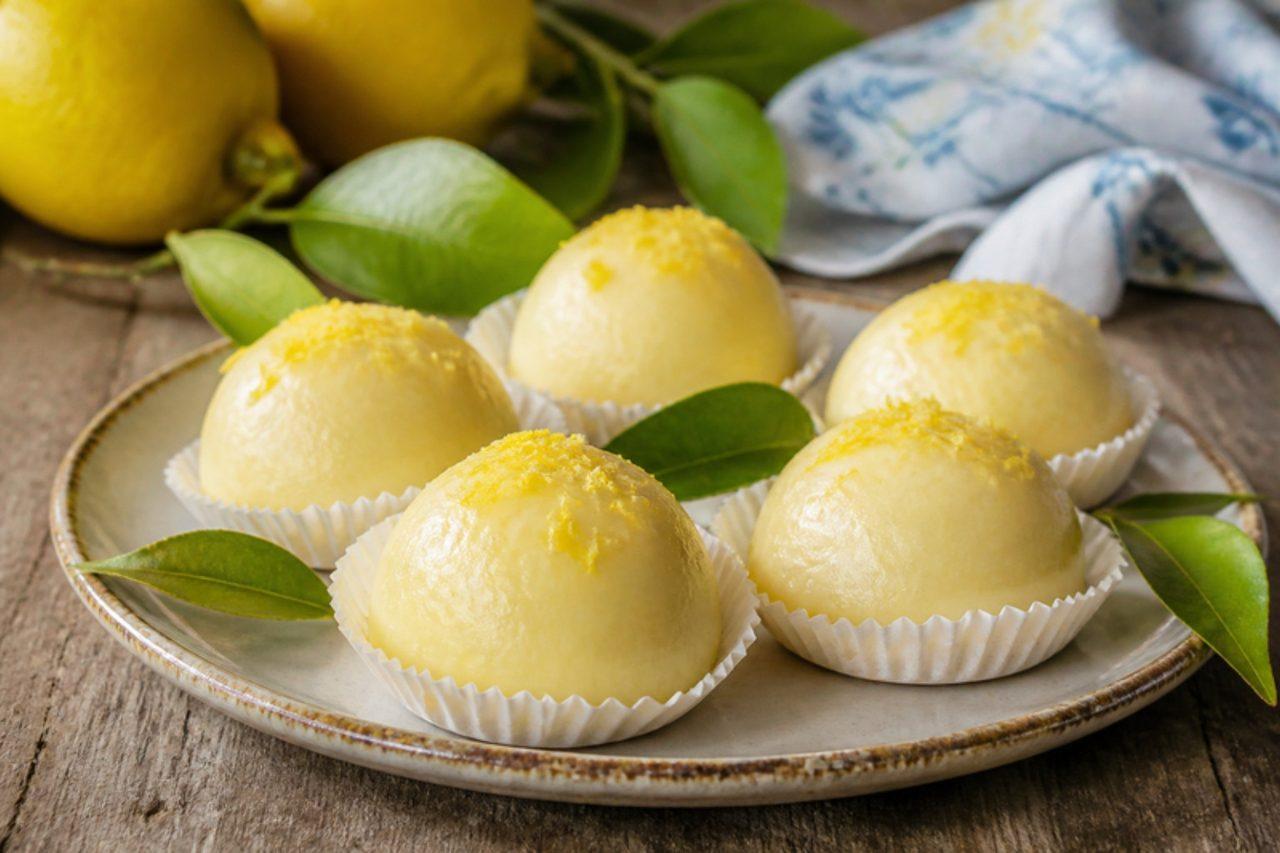
Delizia al limoneLemon cream sponge domes

Delizia al limone was created in 1978 by a pastry chef in Sorrento and became the signature dessert of the Amalfi Coast: small domes of light sponge, filled and soaked with syrup made from the coast's huge, fragrant sfusato lemons, then covered in a lemon custard lightened with whipped cream. Traditionally the syrup includes limoncello; this version uses a lemon syrup so it is alcohol free. Chef's tip: soak the sponges generously but slowly with a spoon; they should be moist through without falling apart.

by KrazyBadal 0 views

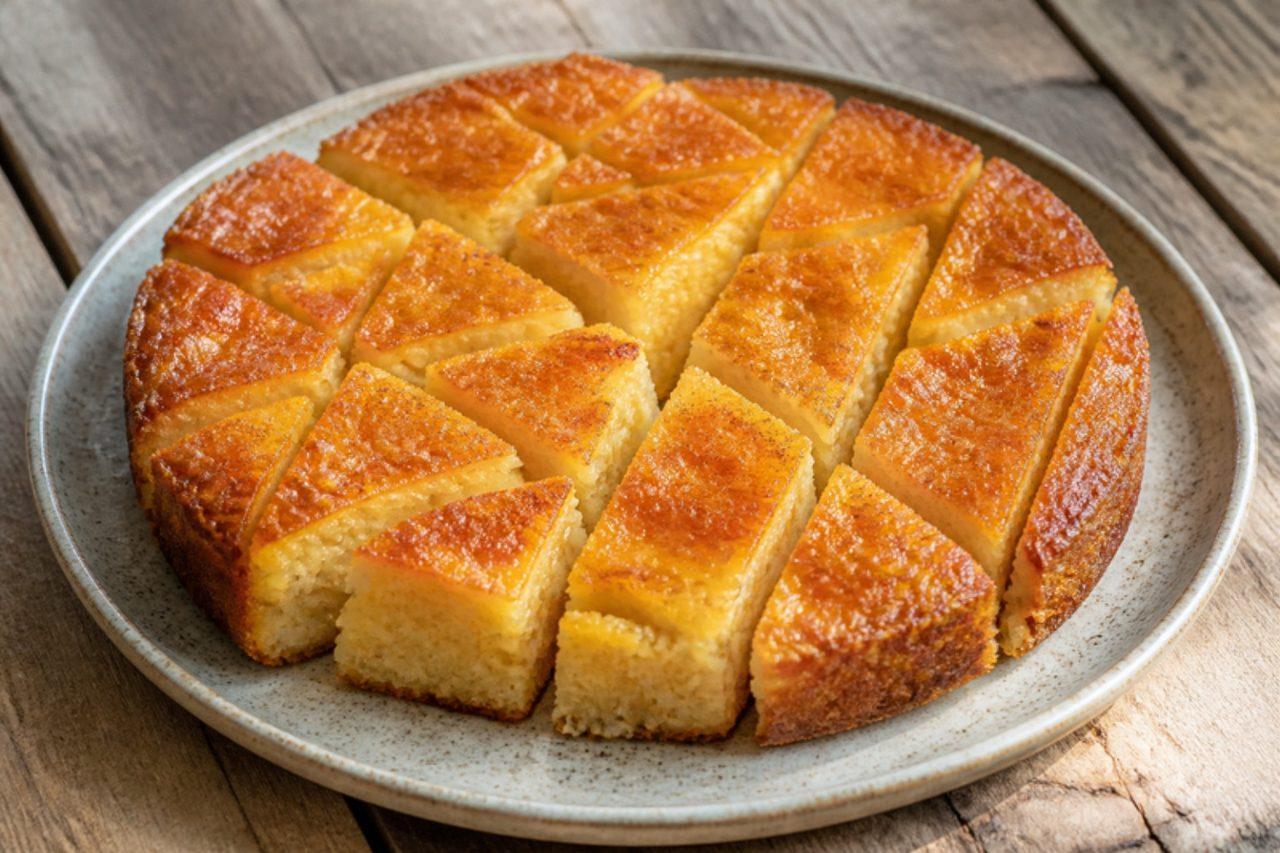
Torta di riso bologneseRice and almond cake

In Bologna this rice cake is called torta degli addobbi, after the decorations (addobbi) hung on the houses every ten years for each parish's big religious festival, when it was made and given to visitors. It is a dense, moist cake of rice cooked slowly in milk with lemon, mixed with eggs, sugar and almonds and baked until golden, then cut into diamonds. Traditionally it is soaked with almond liqueur; this version leaves it out, so it is alcohol free. It is gluten free. Contains nuts. Chef's tip: let the cake rest a full day before slicing; it firms up and the flavours deepen.

by KrazyBadal 0 views

Showing 24 of 336 recipes

Show more recipes

Page 7 of 14

More collections