Skip to content

Vegetarian Italian recipes

Pasta, risotto, pizza and bakes without meat or fish. (352 recipes)

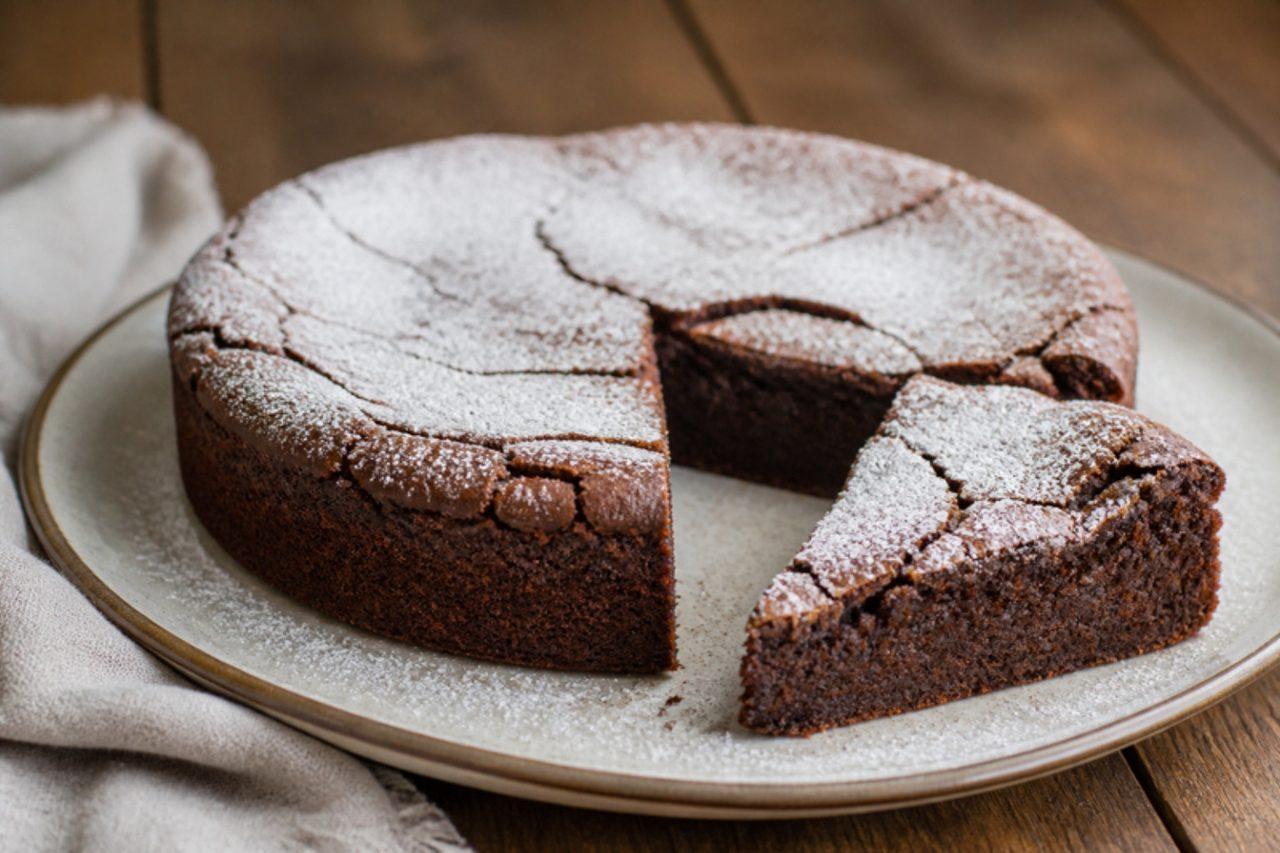
Torta tenerinaSoft chocolate cake

Ferrara, in Emilia-Romagna, calls this cake "tenerina" (the tender one) because the middle stays soft and almost creamy under a thin, crackly crust. It was created in the early 1900s and named in honour of Queen Elena of Montenegro, wife of King Vittorio Emanuele III. Families bake it for birthdays and Sunday lunches, and it is served plain or with whipped cream. It uses very little flour. Chef's tip: bake it for no longer than the recipe says; it should be just set at the edge and wobbly in the middle when it comes out.

by KrazyBadal 0 views
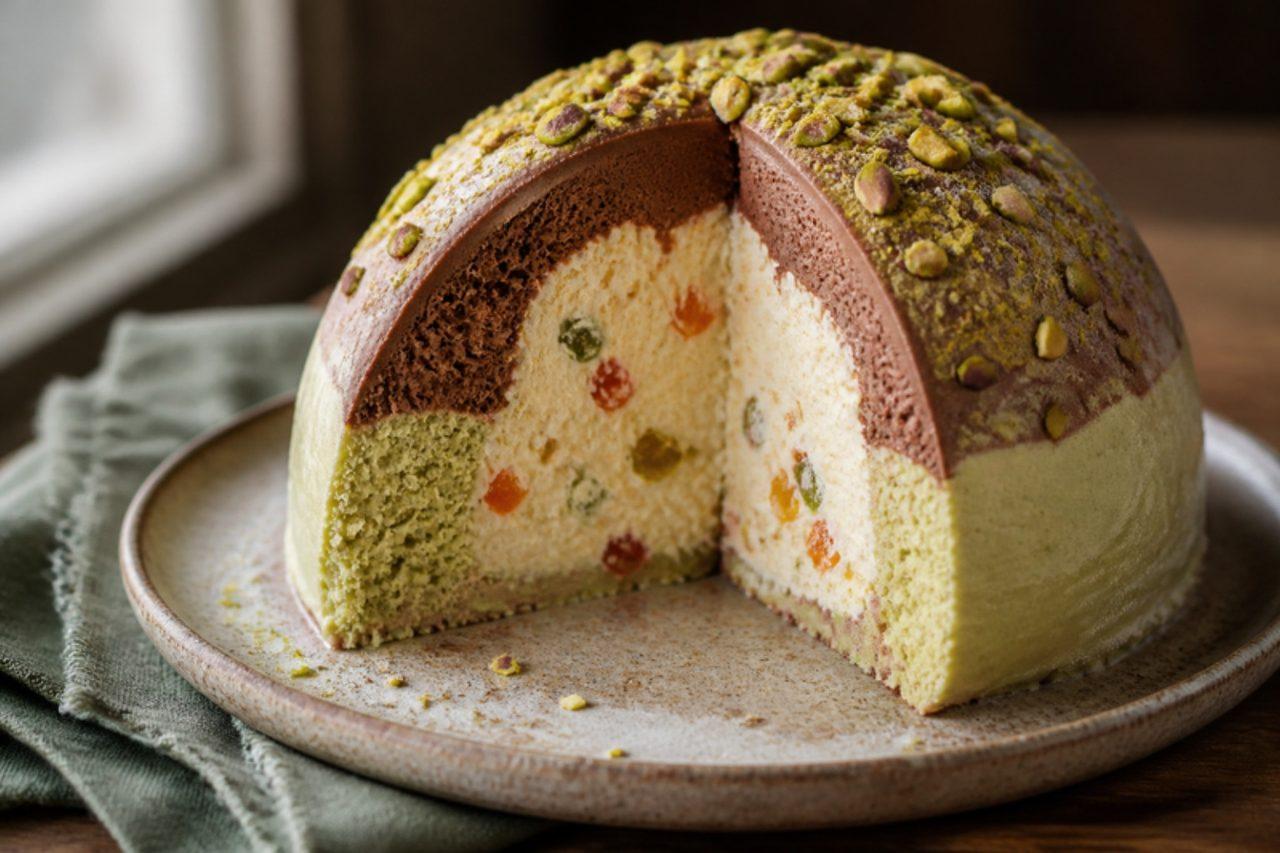
Spumone napoletanoLayered gelato dessert

Spumone was the grand dessert of Neapolitan cafés in the 1800s, later carried to America by emigrants: a dome or brick of layered frozen desserts, usually chocolate and pistachio gelato around a soft centre of semifreddo with candied fruit and nuts. In Naples it is served at weddings and Christmas, cut into slices that show all the colours. The traditional semifreddo is flavoured with rum; this version uses orange zest and vanilla so it is alcohol free. Contains nuts. Chef's tip: freeze each layer until firm before adding the next; soft layers melt into each other and lose their stripes.

by KrazyBadal 0 views
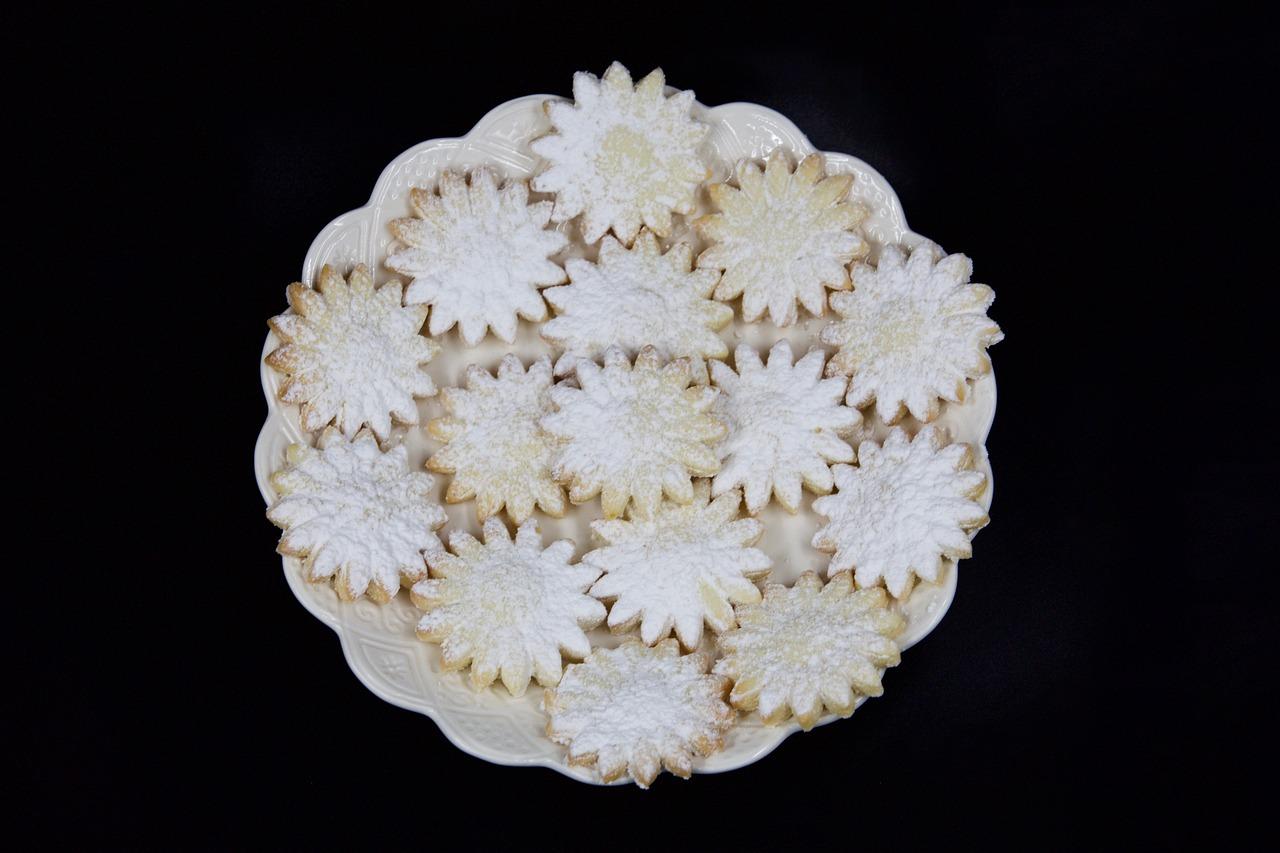
Canestrelli liguriFlower shortbread biscuits

Canestrelli are the most delicate biscuits in Liguria: daisy-shaped shortbread with a hole in the middle, so fragile they melt in the mouth. The secret is hard-boiled egg yolks pushed through a sieve into the dough, with potato starch, which makes them crumbly and sandy. They are sold in Genoa and the hill town of Torriglia, piled in paper and covered with snowy icing sugar. Chef's tip: work the dough as little as possible and keep it cold; warm dough becomes too soft to cut into neat flowers.

by KrazyBadal 0 views
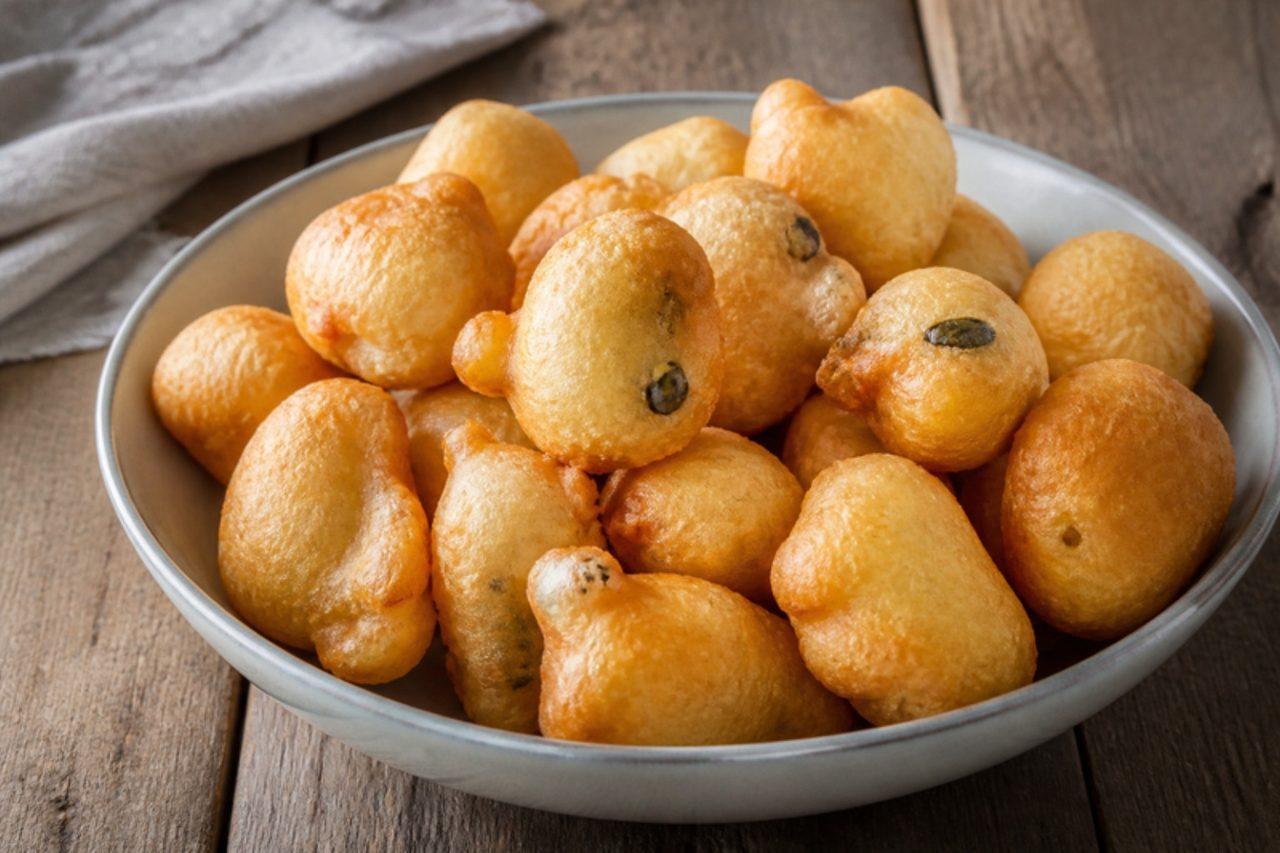
PittuleFried dough balls

In the Salento, the heel of Puglia, pittule are fried on the night of 7 December, the eve of the Immaculate Conception, to open the Christmas season, and again on St Martin's Day in November when the new wine is tasted. The dough is so wet it can't be shaped; it is dropped from a spoon or a wet hand into hot olive oil, puffing into soft, irregular golden balls. Plain ones are dusted with sugar; savoury ones hide olives, capers or cherry tomatoes. Chef's tip: dip your hand or spoon in water before each scoop so the sticky dough slides off into the oil.

by KrazyBadal 0 views
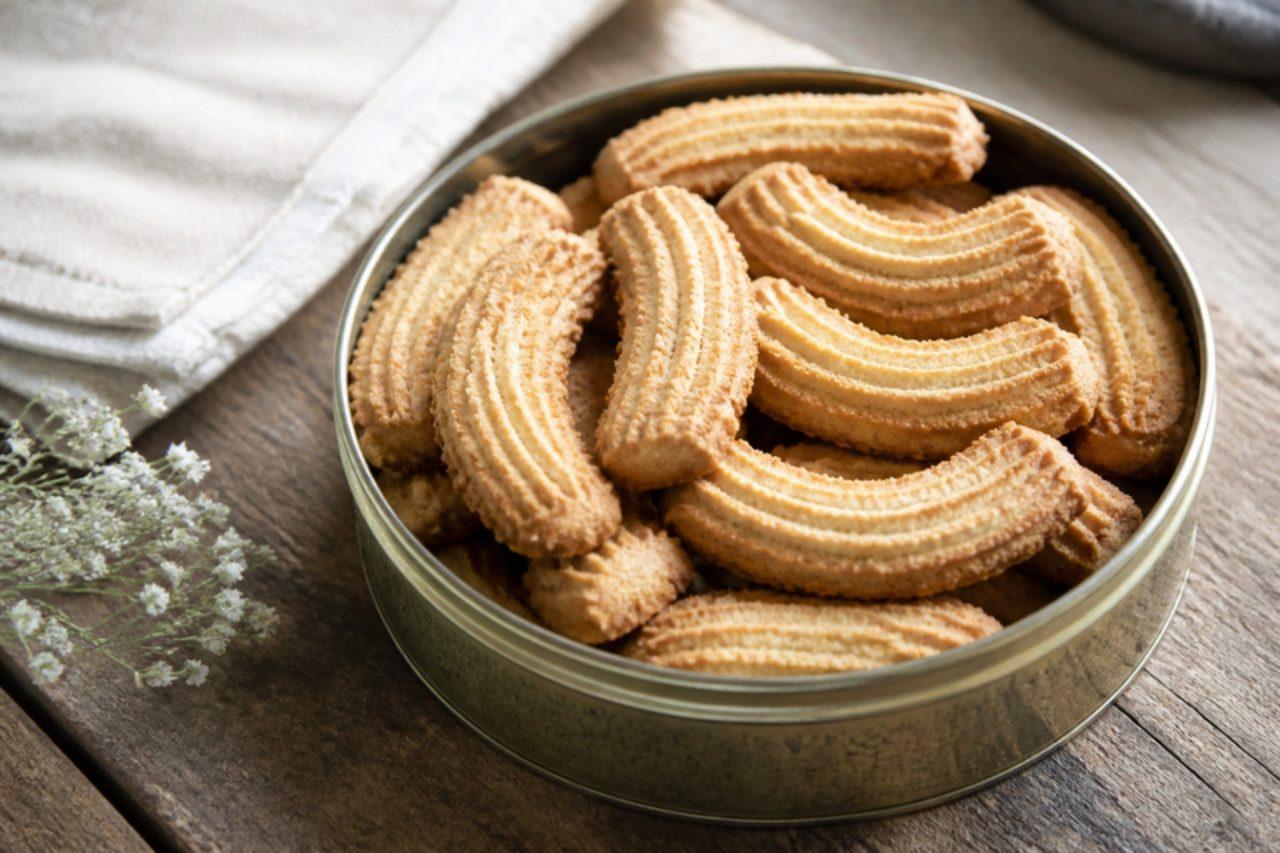
KrumiriCornmeal butter biscuits

Krumiri were created in 1878 in Casale Monferrato in Piedmont, and they are said to be shaped like the curled moustache of King Vittorio Emanuele II, who had just died. They are sandy, buttery biscuits made with flour and fine cornmeal, piped through a star nozzle into a curved line, and still sold in their red tins in the town's old shops. Piedmontese eat them dunked in a glass of sweet wine or with a cup of hot chocolate. Chef's tip: use fine cornmeal, not coarse polenta; coarse grains make the biscuits gritty and stop them piping.

by KrazyBadal 0 views
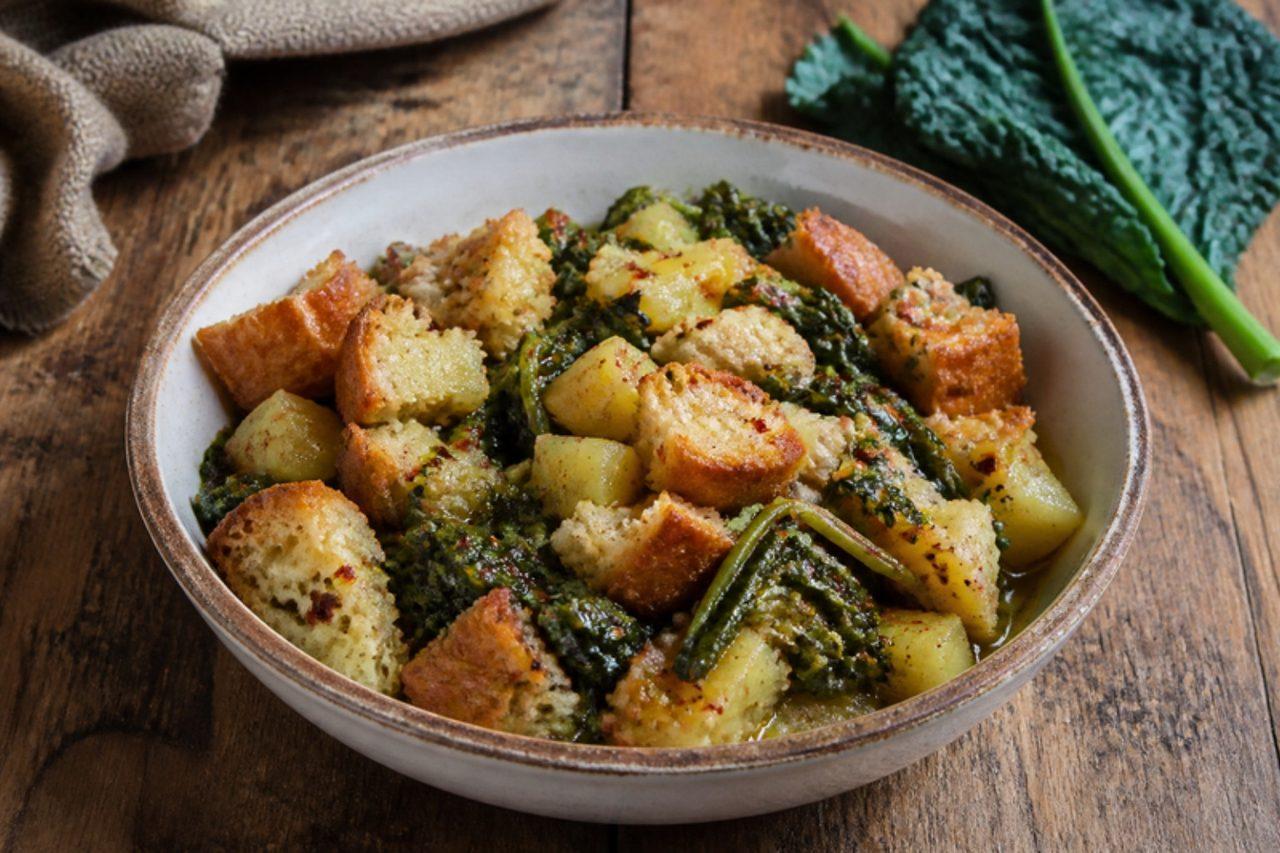
Pancotto puglieseBread and greens soup

Pancotto, "cooked bread", is the purest cucina povera of Puglia, from the farms of the Tavoliere plain around Foggia to the villages of the Gargano: stale bread, potatoes and whatever greens are growing, such as turnip tops, chicory or rocket, simmered together in salted water and dressed generously with raw olive oil and chilli. It was a farmworker's supper and is still the comfort dish families make in winter. Chef's tip: use a dense, day-old country loaf with a thick crust; soft sliced bread turns into a slimy mush.

by KrazyBadal 0 views
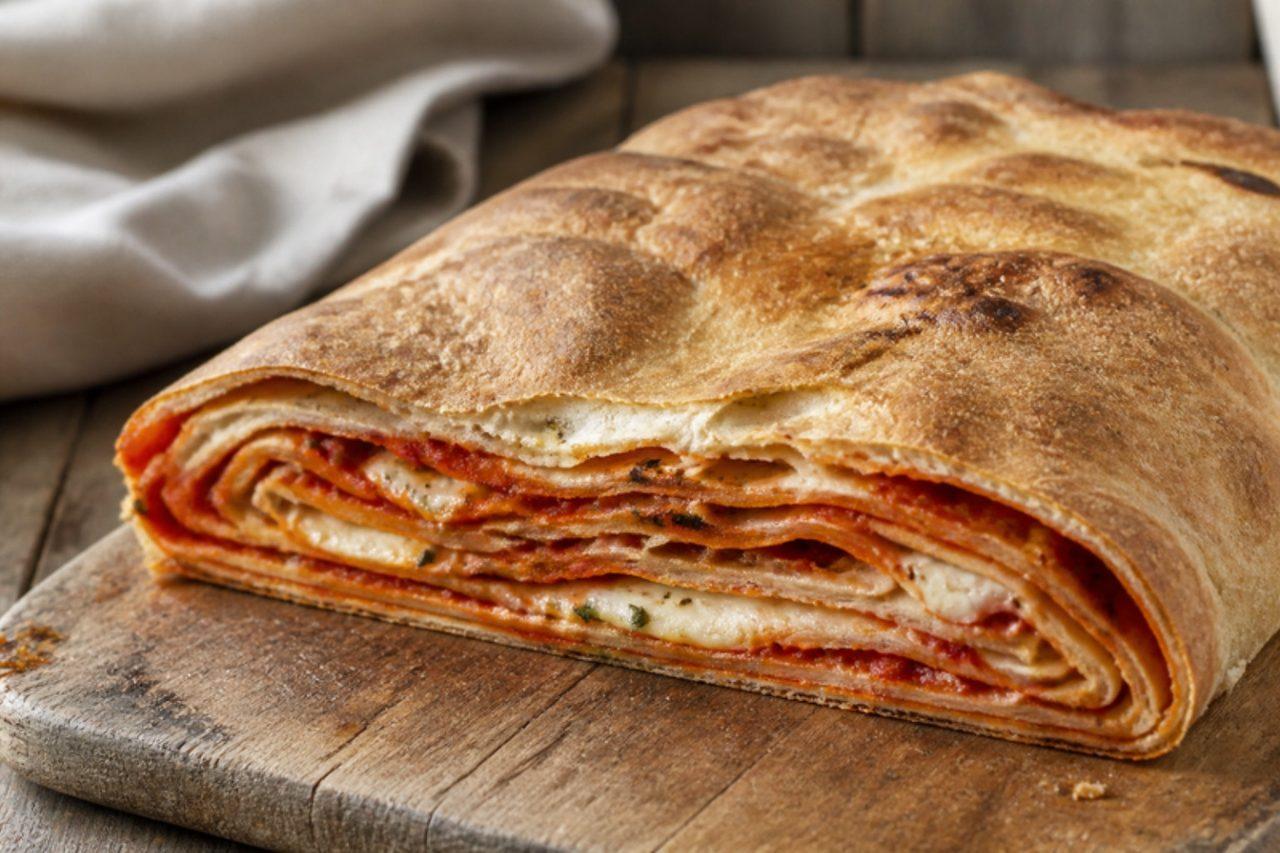
Scaccia ragusanaRolled tomato and cheese flatbread

In Ragusa and Modica in south-east Sicily, scaccia is what families bake for Christmas and Easter and for every picnic in between: a semolina dough rolled out paper-thin, spread with tomato sauce and grated caciocavallo, then folded over and over into a flat, layered loaf. Cut across, it shows thin stripes of dough and filling. It is eaten warm or at room temperature, often for the evening "passeggiata" snack. Caciocavallo is usually made with animal rennet; a vegetarian melting cheese works. Chef's tip: roll the dough really thin, almost see-through; thick dough makes stodgy layers.

105 minItalianPizza
by KrazyBadal 0 views
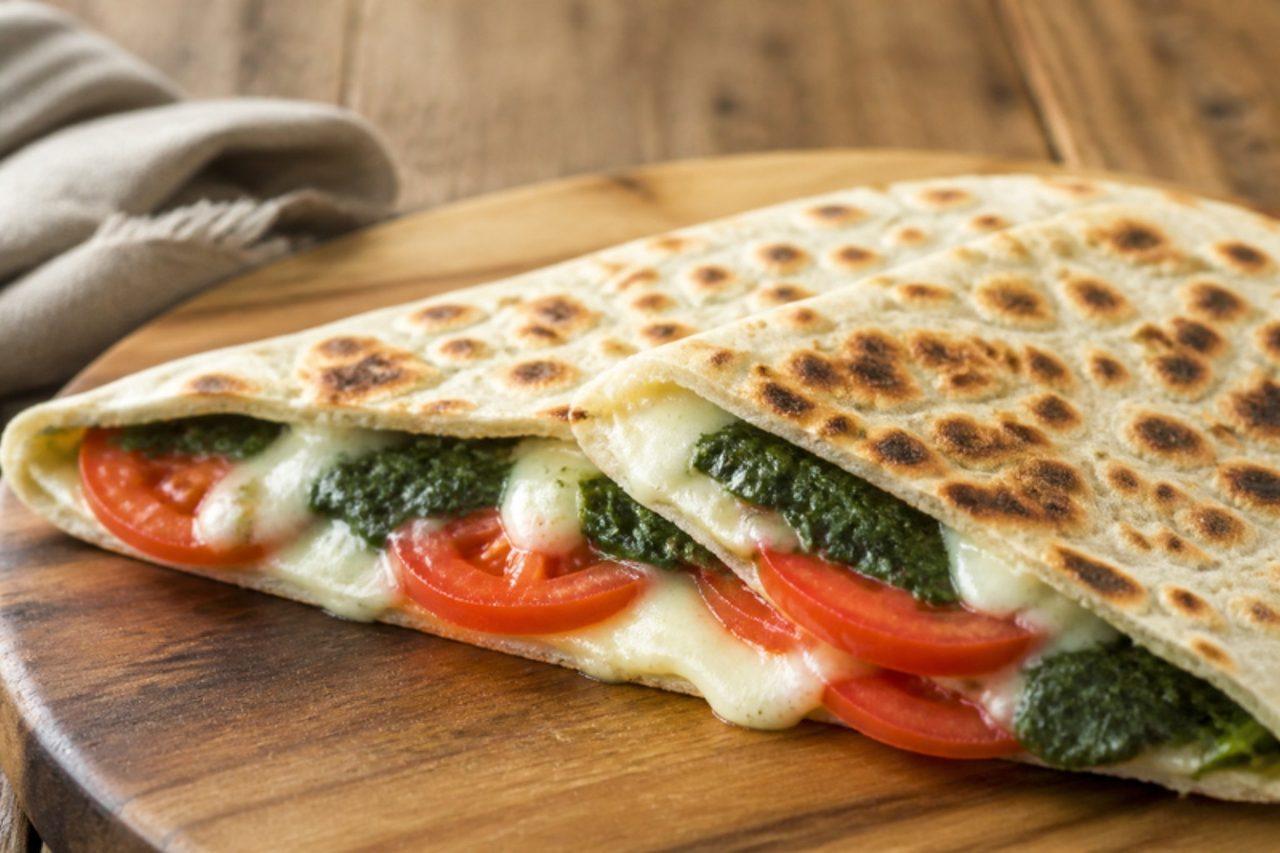
CrescioneFolded filled flatbread

Along the Romagna coast, in Rimini, Cesena and Riccione, every piadina kiosk also sells crescioni (called cassoni in some towns): a thin disc of piadina dough folded in half over a filling and sealed into a half-moon, then cooked on a hot griddle. The classic fillings are tomato and mozzarella, or wild greens and potato, eaten as a beach lunch or a late snack. Piadina dough is traditionally made with pork lard; this vegetarian version uses olive oil. Mozzarella is usually made with calf rennet; vegetarian versions are easy to find. Chef's tip: seal the edges with a fork and cook on a medium heat, not high; the dough needs time to cook through before it burns.

by KrazyBadal 0 views
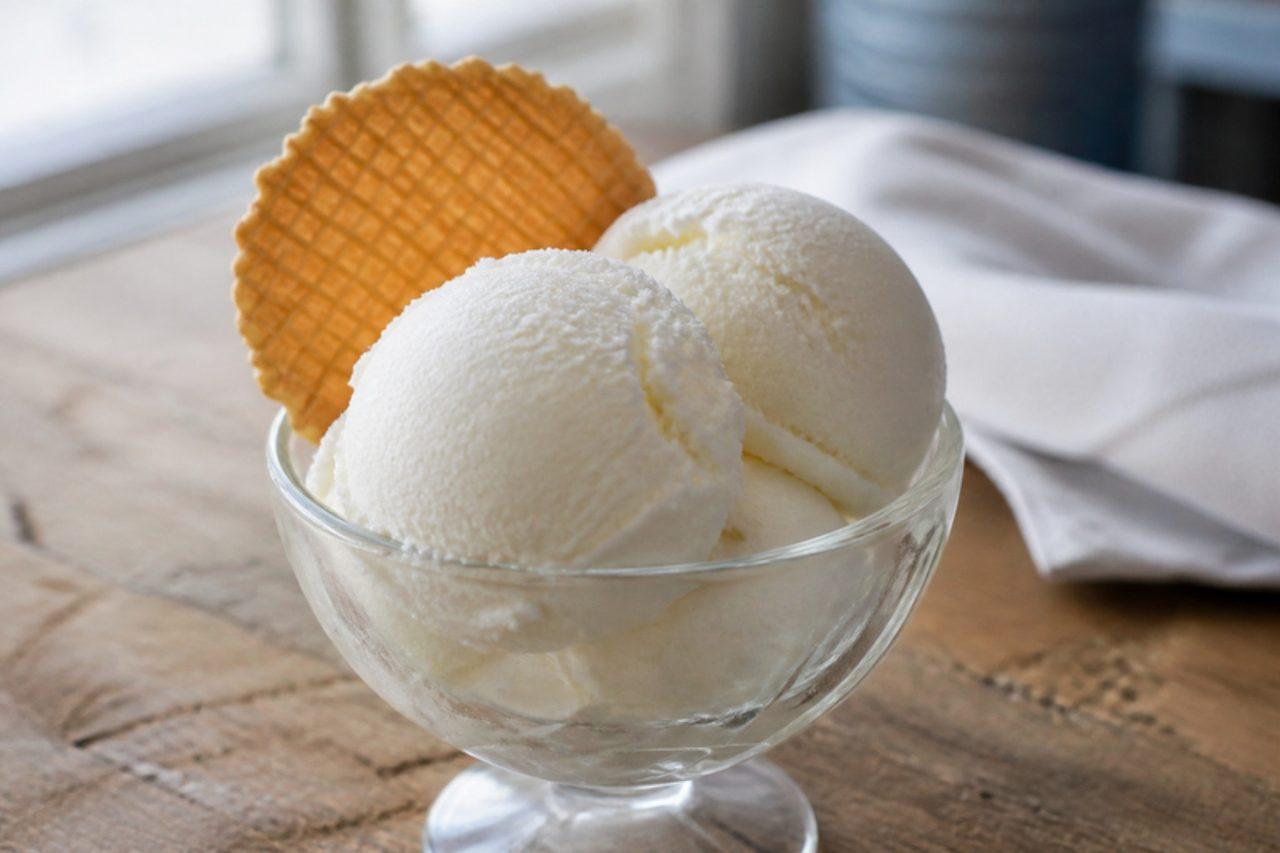
Gelato al fiordilatteMilk gelato

In every gelateria from Turin to Palermo, fior di latte ("flower of milk") is the plainest flavour in the case and the one gelato makers judge each other by: just fresh milk, cream and sugar, with no eggs and no vanilla, so it tastes clean and milky. It is the base for stracciatella and the perfect partner for fruit sorbets in a cone. Italian children often choose it on summer evenings during the passeggiata. Chef's tip: chill the base overnight before churning; a fully cold base freezes faster into smaller ice crystals, which makes it smoother.

by KrazyBadal 0 views

Pici all'aglioneHand-rolled pasta in garlic tomato sauce

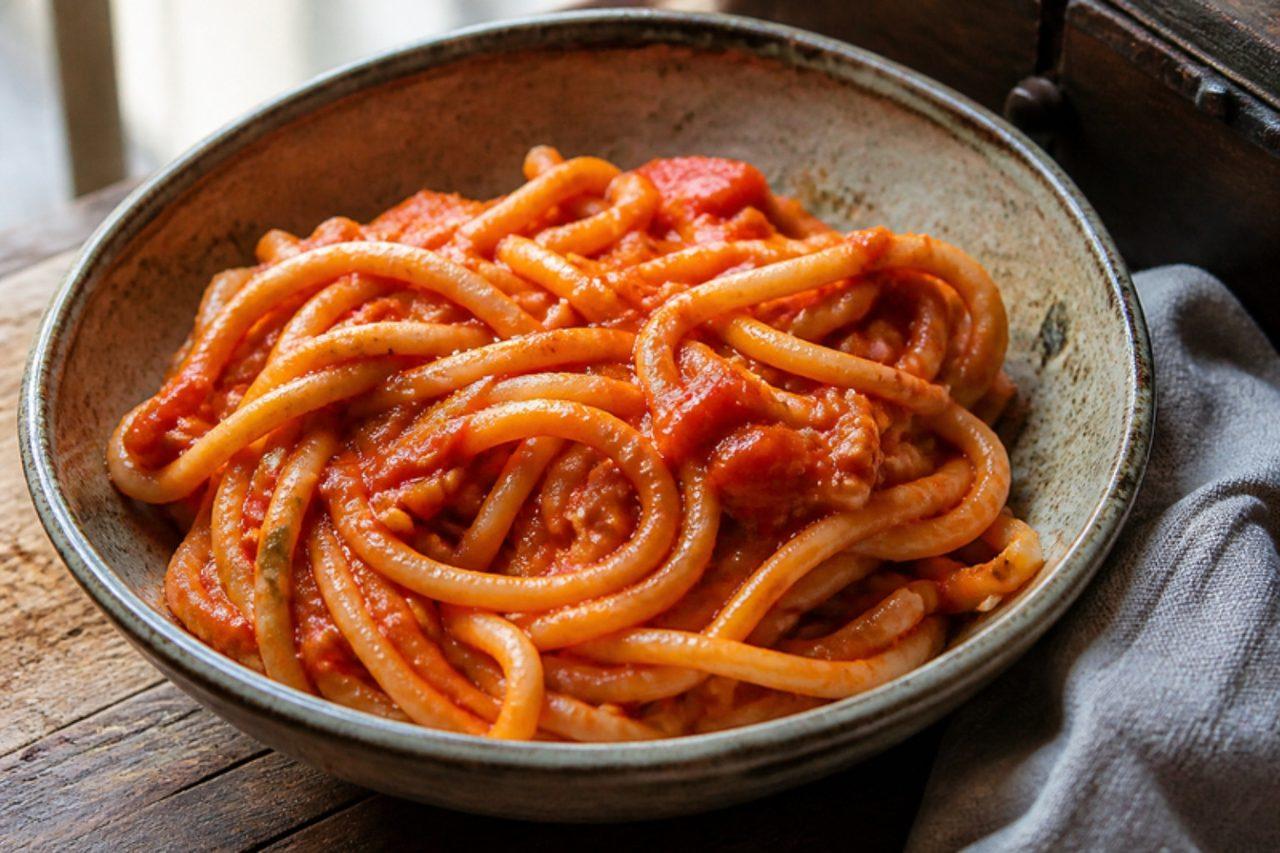
Pici are fat, uneven strands of pasta rolled by hand on the board, the everyday pasta of southern Tuscany around Siena, Montepulciano and the Val di Chiana. There they are served all'aglione, in a tomato sauce slowly cooked with aglione, a giant local garlic with a mild, almost sweet taste. Ordinary garlic is much stronger, so this recipe blanches it first to tame it. It is Sunday food at village sagre in summer, when tables are set up in the piazza. Chef's tip: roll the pici on a wooden board, not a smooth worktop; a little friction stretches them into long strands instead of sliding.

by KrazyBadal 0 views

Insalata di farroSpelt salad

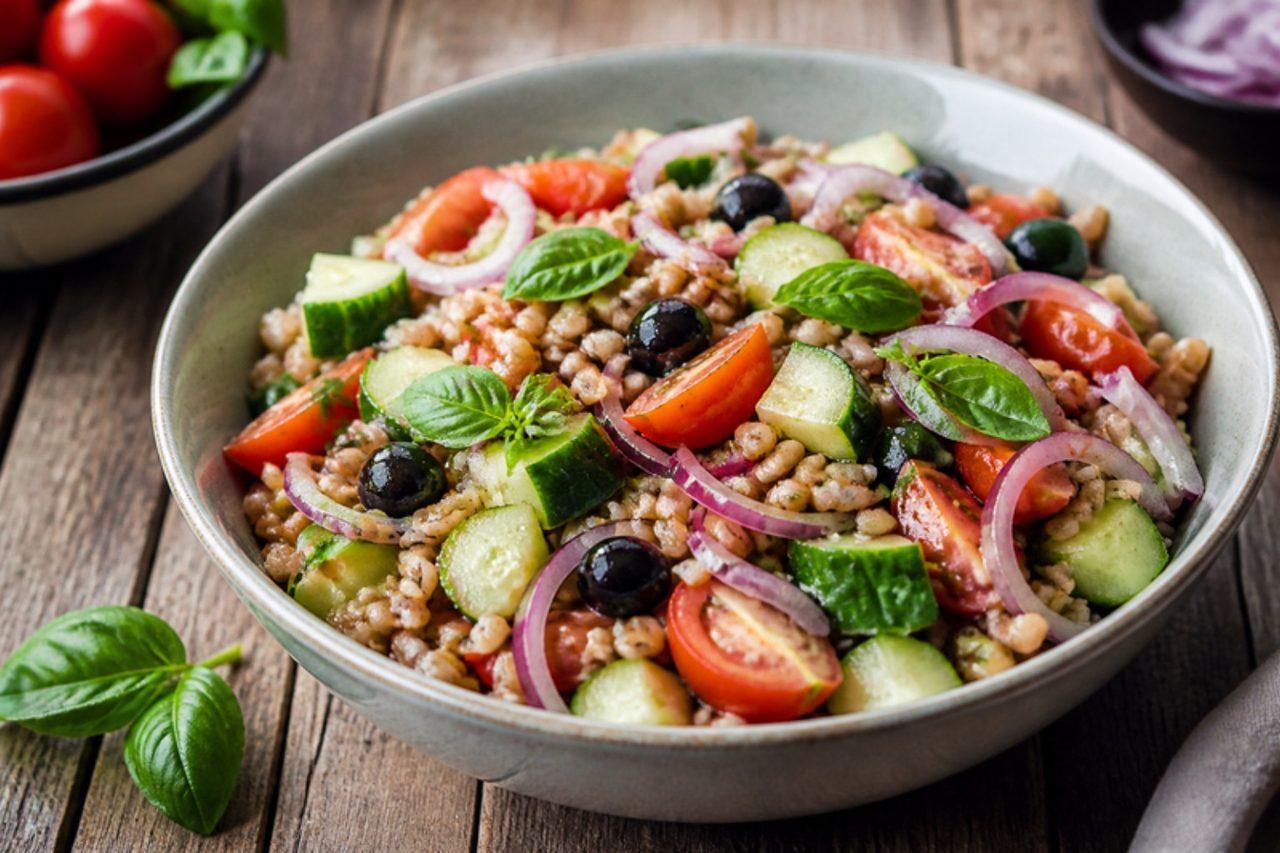
Farro has grown in the hills of Garfagnana in Tuscany and around Monteleone di Spoleto in Umbria since Roman times, and in summer it turns into a cold salad that families pack for the beach or a picnic in the hills. The grains stay chewy and nutty, dressed with ripe tomato, cucumber, red onion, olives and plenty of basil. It keeps well for a day, so it is the salad you make the night before a trip. Chef's tip: dress the farro while it is still warm; the grains drink up the oil and vinegar, then you add the fresh vegetables once it has cooled.

by KrazyBadal 0 views

Torta della nonnaLemon custard pine nut tart

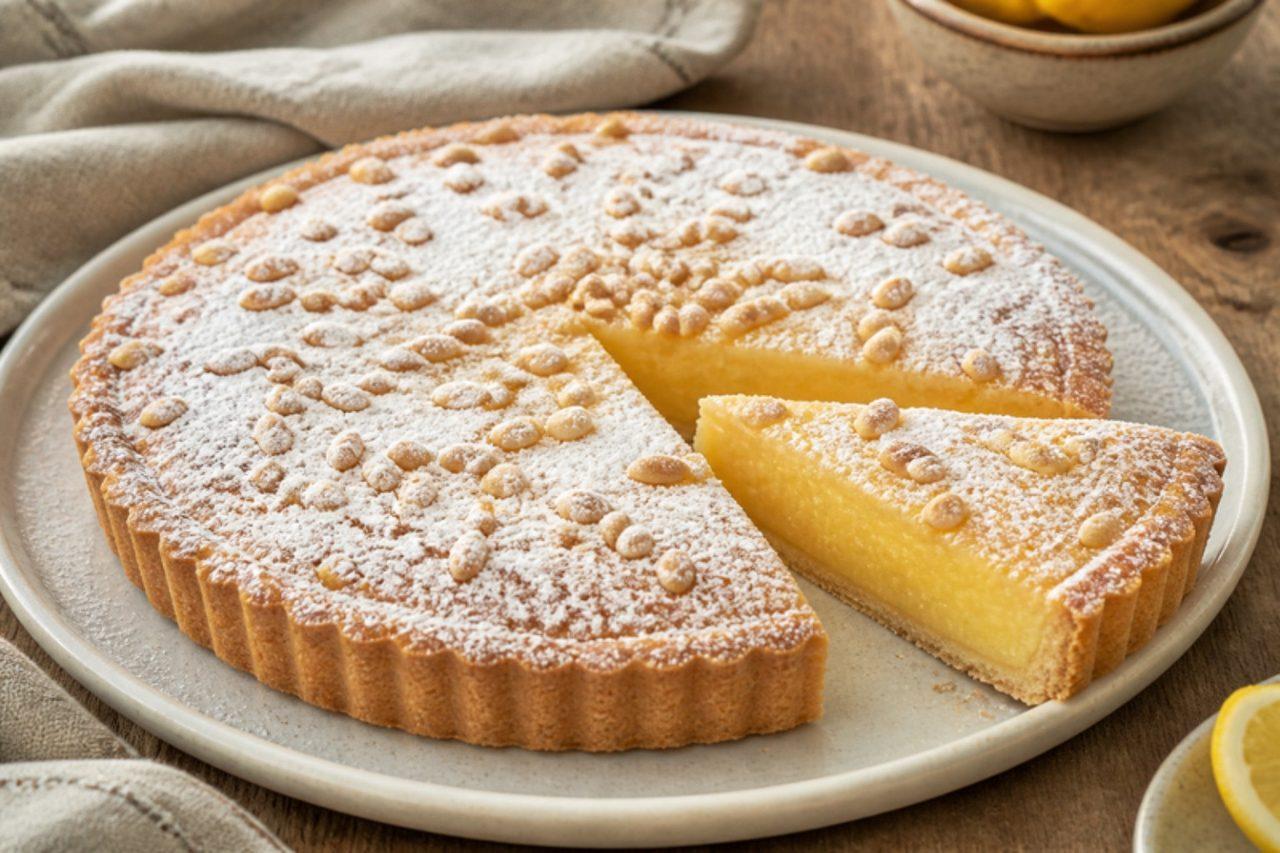
Torta della nonna, "grandmother's tart", is on the dessert menu of almost every trattoria in Florence and across Tuscany: a shortcrust case filled with thick lemon-scented custard, covered with a second layer of pastry and scattered with pine nuts and icing sugar. Despite the name it was probably invented by a Florentine restaurant cook in the 1900s, but it tastes of family Sunday lunches. Contains pine nuts. Chef's tip: let the custard cool completely before filling the tart; warm custard melts the butter in the pastry and makes the base soggy.

by KrazyBadal 0 views

Pizza a portafoglioFolded street pizza

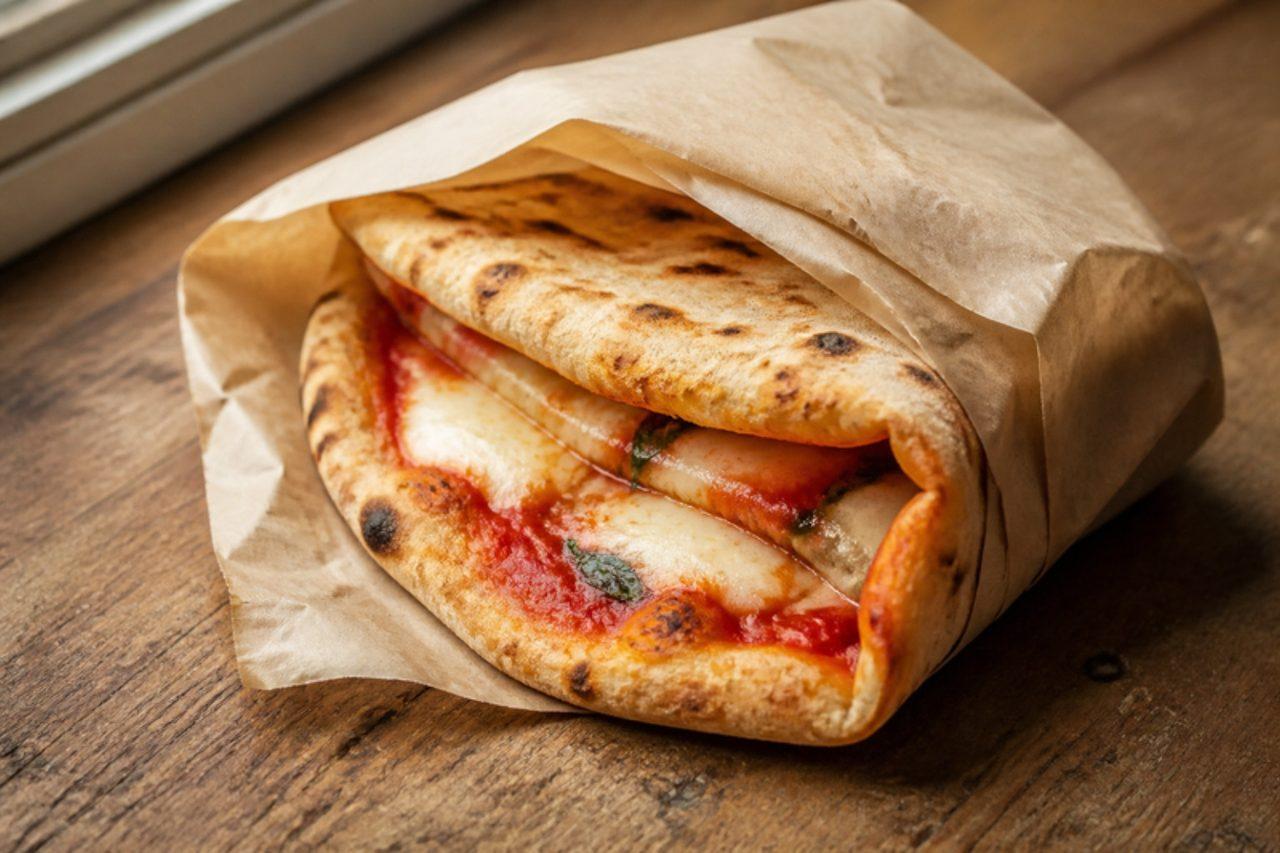
In the narrow streets of Naples's historic centre, pizzerie sell a small margherita folded in four like a wallet, wrapped in paper and eaten while walking, for a couple of euros. It is the city's original fast food and still a lunch for students and workers around Via dei Tribunali and the Spanish Quarter. The pizza is small and soft so it folds without cracking. Mozzarella is usually made with calf rennet; vegetarian versions are easy to find. Chef's tip: take the pizza out while the crust is still soft and a little pale; a crisp pizza snaps when you fold it.

by KrazyBadal 0 views

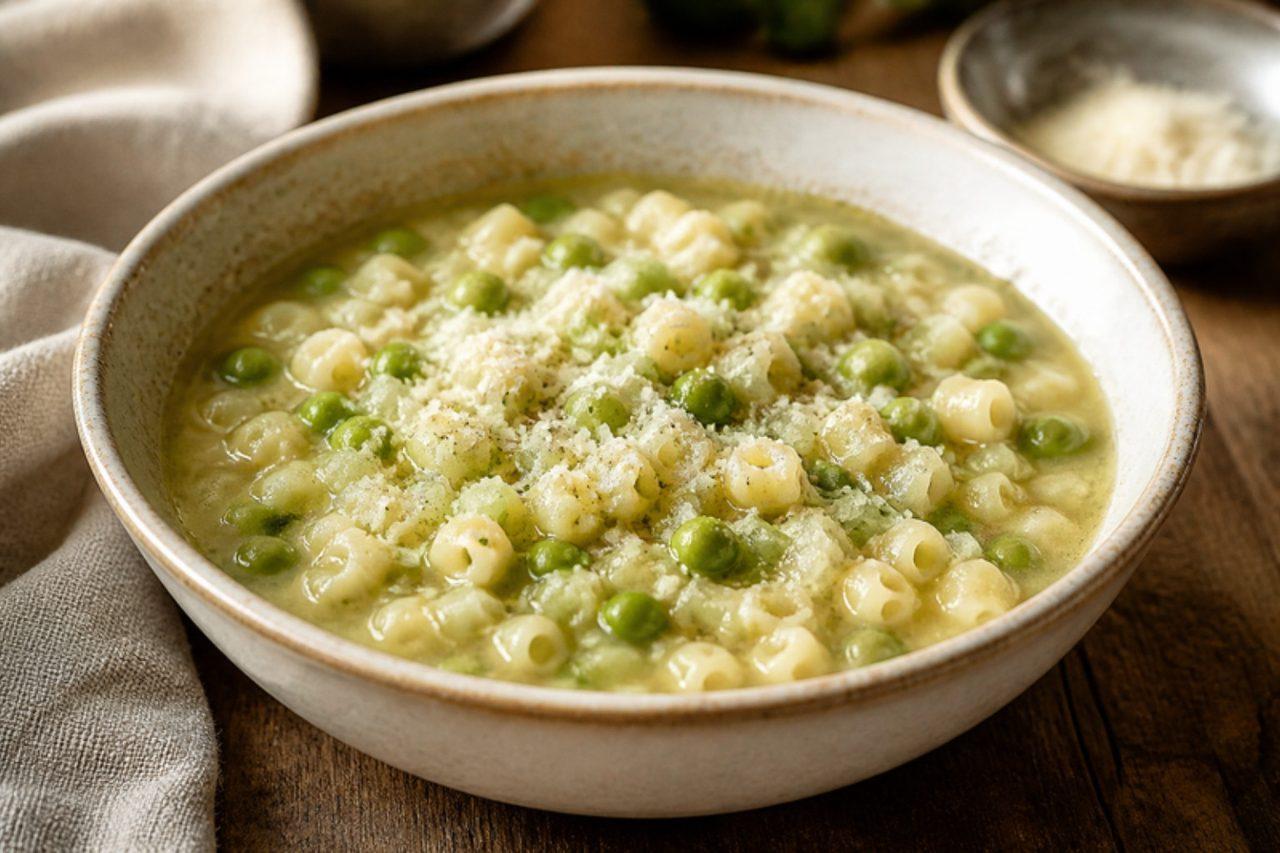
Pasta e piselliPasta and pea soup

Pasta e piselli is the Neapolitan pasta children ask for: small pasta cooked right in a pan of sweet peas and soft onion until it is half soup, half pasta, finished with a heap of grated Parmigiano and a grind of pepper. In spring it's made with fresh peas; the rest of the year frozen petits pois work perfectly. Many families add pancetta, but the vegetarian version is just as loved. Parmigiano is made with animal rennet; choose a vegetarian hard cheese if you need to. Chef's tip: stir the cheese in off the heat with a splash of water; it melts into a creamy sauce instead of turning stringy.

by KrazyBadal 0 views

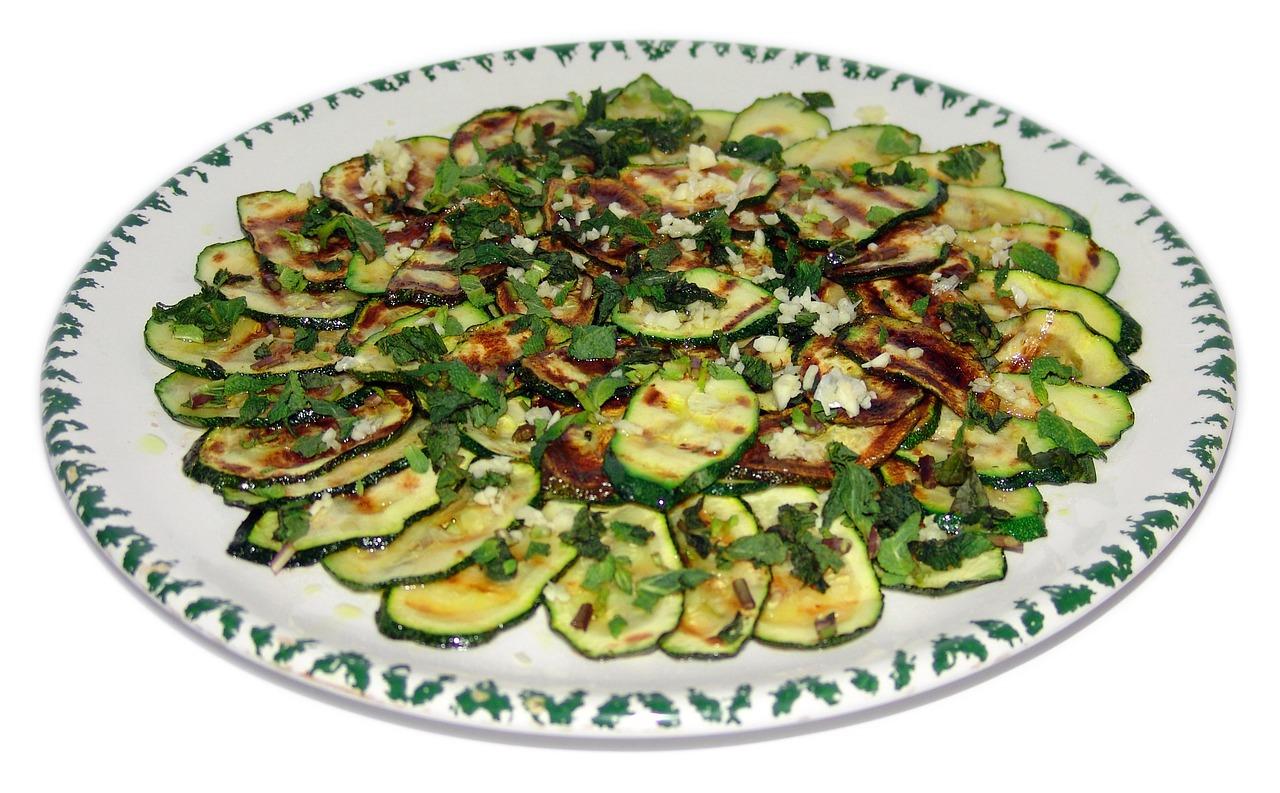
Zucchine alla scapeceMarinated fried courgettes

Scapece is an old way of preserving fried food with vinegar, brought to Naples from Spain (escabeche). In Neapolitan homes, courgette slices are fried until golden, then layered with garlic, fresh mint and a splash of wine vinegar and left for a few hours. The dish is a summer classic, served at room temperature as part of a Sunday antipasto spread or alongside grilled meat, and it gets better the next day. Chef's tip: dry the courgette slices in the sun or on a rack for an hour before frying, as Neapolitan grandmothers do; dry slices fry crisp and golden instead of steaming.

by KrazyBadal 0 views

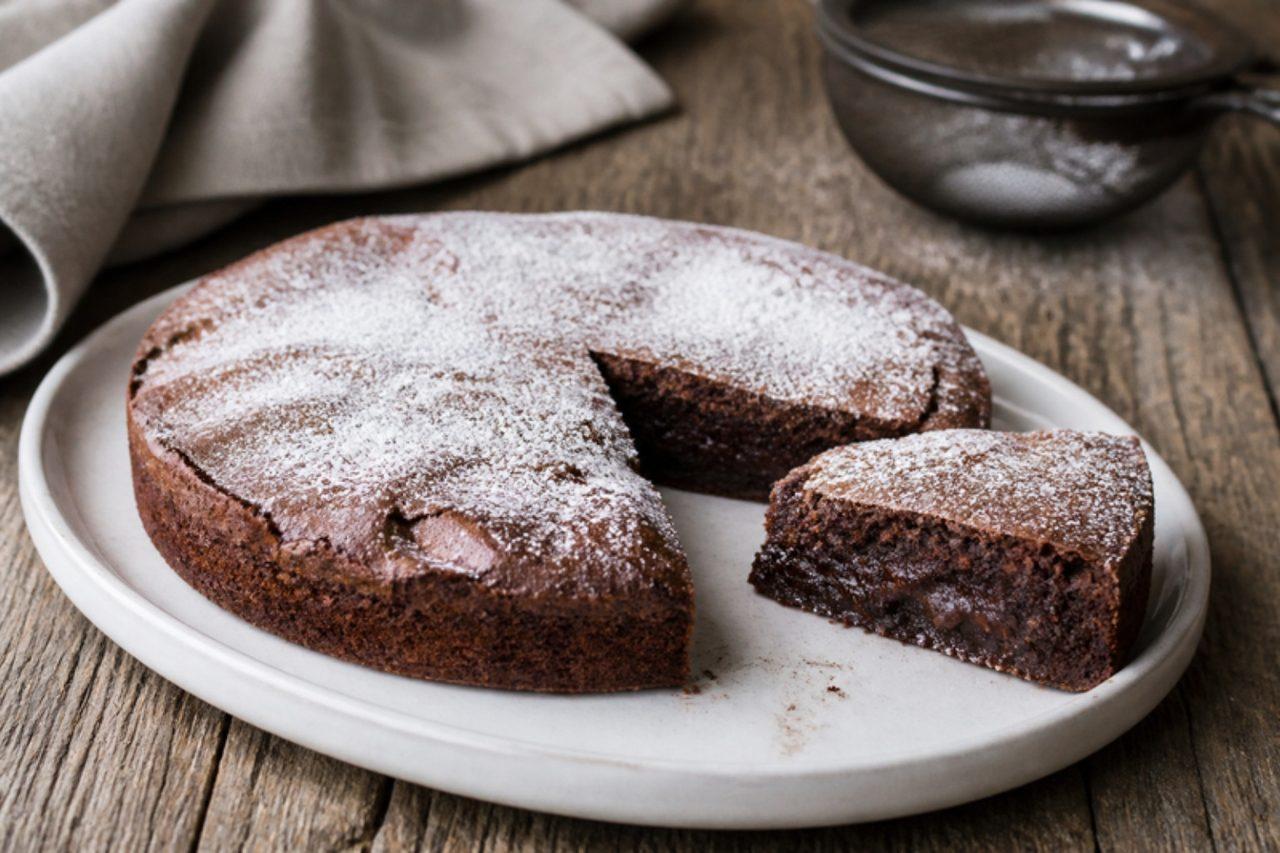
Torta capreseFlourless chocolate almond cake

Torta caprese was born on the island of Capri in the 1920s, the story goes, when a baker forgot to add flour to a chocolate almond cake and created a classic by accident. It is now the cake of the Amalfi Coast: dense, moist and fudgy in the middle, with a thin crackled crust and a dusting of icing sugar. Restaurants in Capri and Sorrento serve it with a spoonful of cream or lemon sorbet. It is naturally gluten free. Contains nuts. Chef's tip: take it out while the middle is still slightly soft; it firms up as it cools and stays moist for days.

by KrazyBadal 0 views

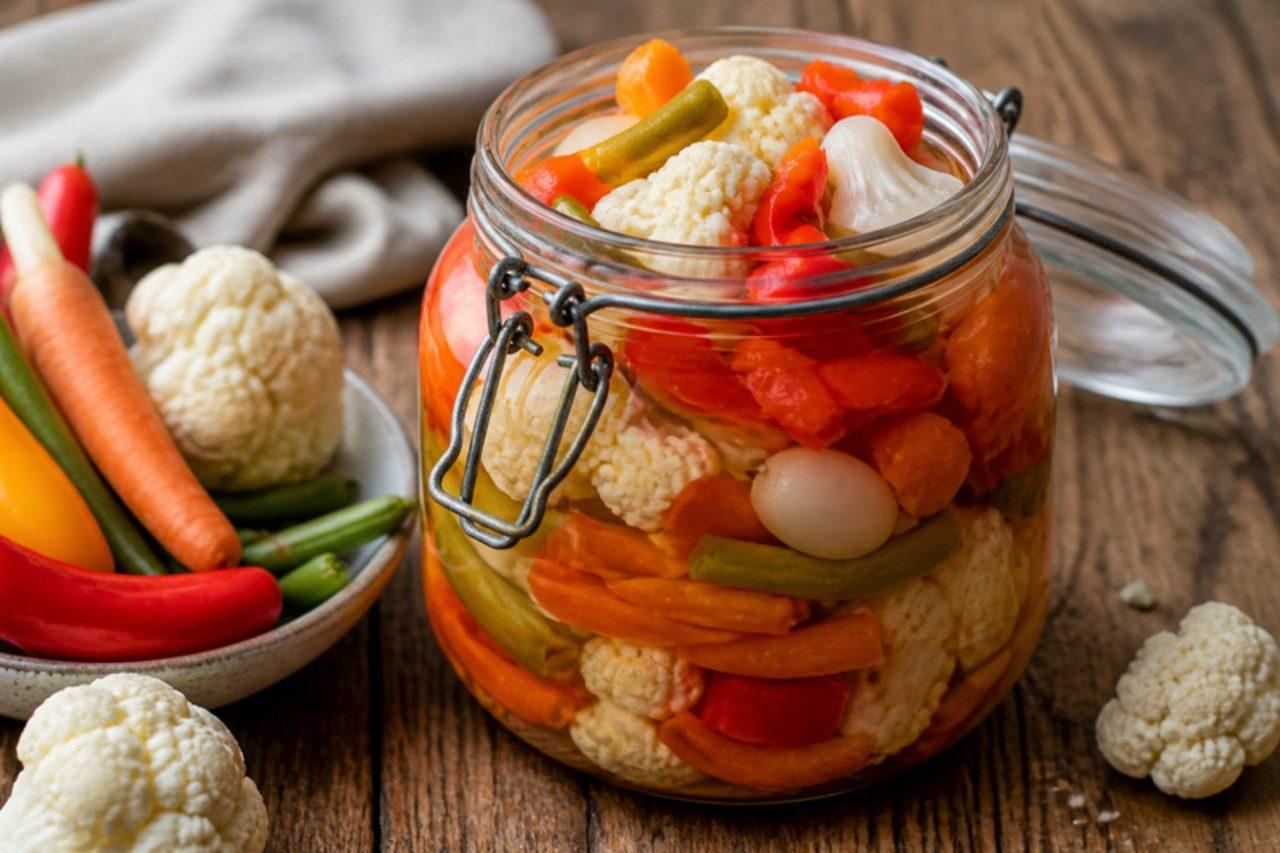
Giardiniera piemontesePickled mixed vegetables

Giardiniera means "from the garden", and in Piedmont and the north of Italy it is the colourful jar of mixed pickled vegetables served with boiled meats (bollito misto), cold cuts or tuna. Unlike the spicy Chicago-style relish, Italian giardiniera is cut into larger pieces and cooked briefly in a sweet-sour mixture of vinegar, sugar, tomato and a little oil. Families make it in late summer when the garden is full. Chef's tip: add the vegetables to the pan in order of hardness, carrots first and cauliflower and peppers later, so each one stays crunchy.

by KrazyBadal 0 views

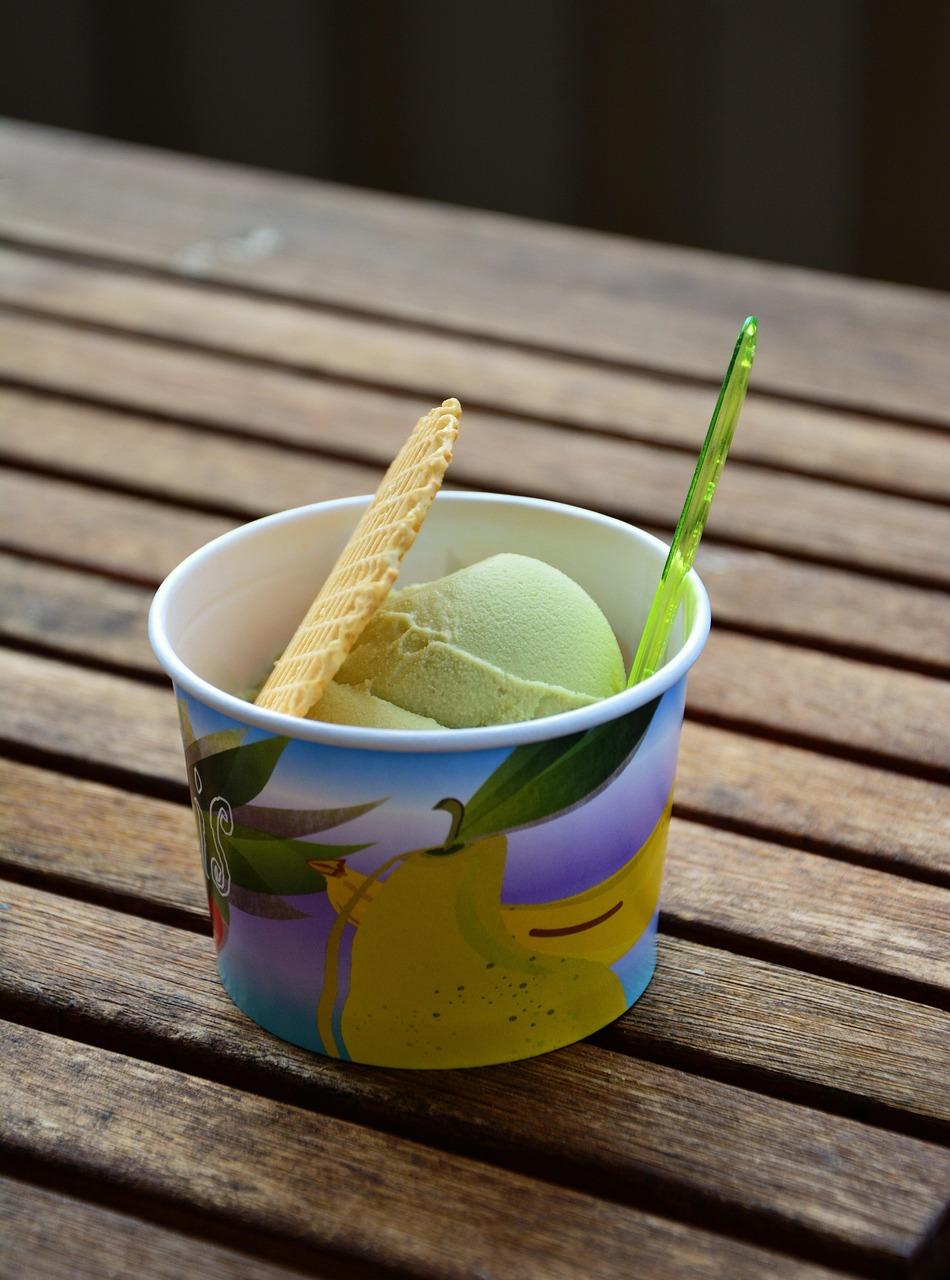
Gelato al pistacchioPistachio gelato

Real Sicilian pistachio gelato is not bright green; it is a dull, olive-brown colour and tastes intensely of roasted nuts, especially when made with pistachios from Bronte on the slopes of Mount Etna. In Palermo and Catania it is eaten in a brioche for breakfast or as a cone after dinner. The secret is pure pistachio paste, with no added colour or flavourings. Contains nuts. Chef's tip: if you can't find pistachio paste, blend roasted pistachios with a spoon of oil for 5 minutes until it runs smooth; any graininess shows up in the gelato.

by KrazyBadal 0 views

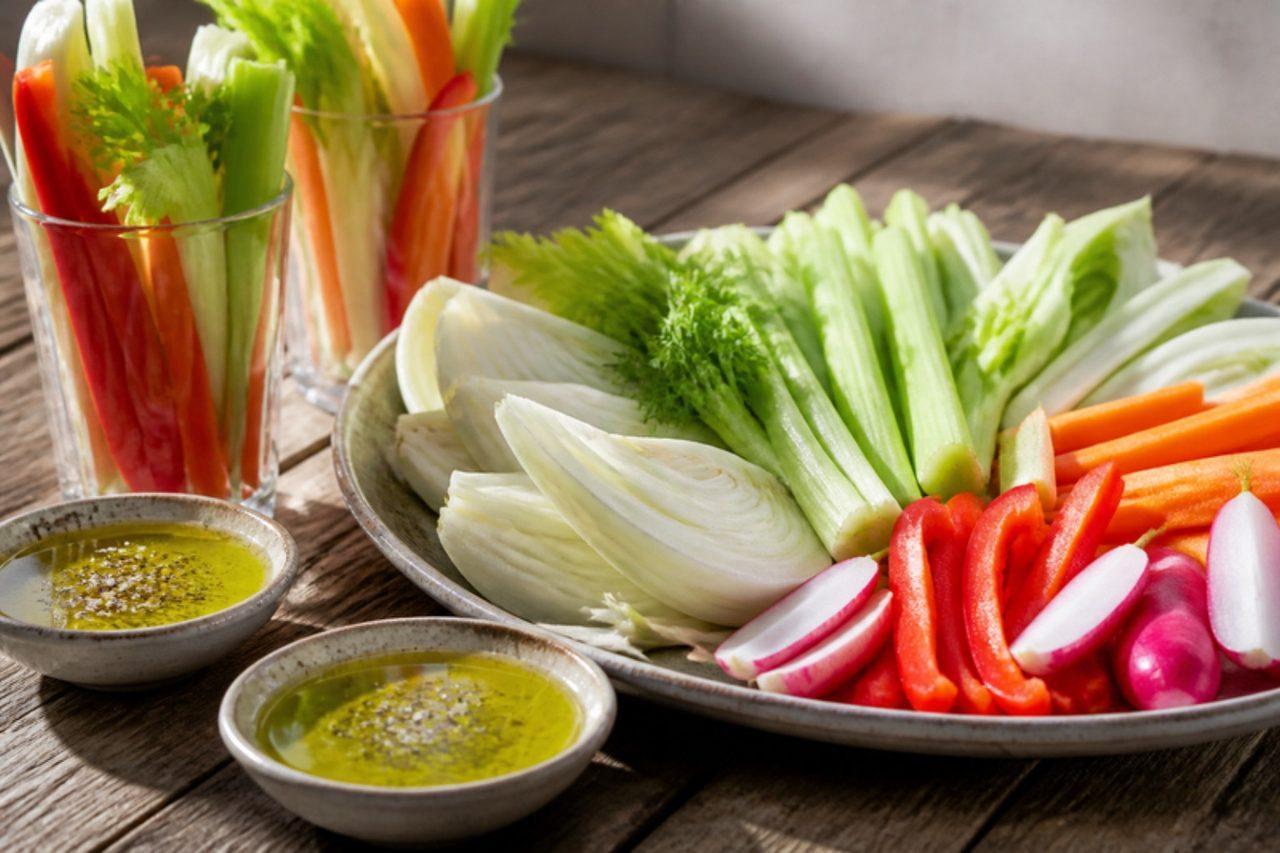
PinzimonioRaw vegetables with olive oil

In Tuscany pinzimonio comes out in November, when the frantoi (olive mills) press the new oil and families want something that shows off its peppery green bite. A jug of raw, cold vegetables is set in the middle of the table and everyone dips into their own little bowl of oil seasoned with salt and pepper, usually before a plate of pasta or alongside bruschetta at the mill. Crunch matters more than anything: fennel, celery hearts, radishes, carrots, young artichokes and red peppers, all very fresh. Chef's tip: keep the cut vegetables in a bowl of iced water for 15 minutes before serving; they turn crisper and look glossy without any dressing.

by KrazyBadal 0 views

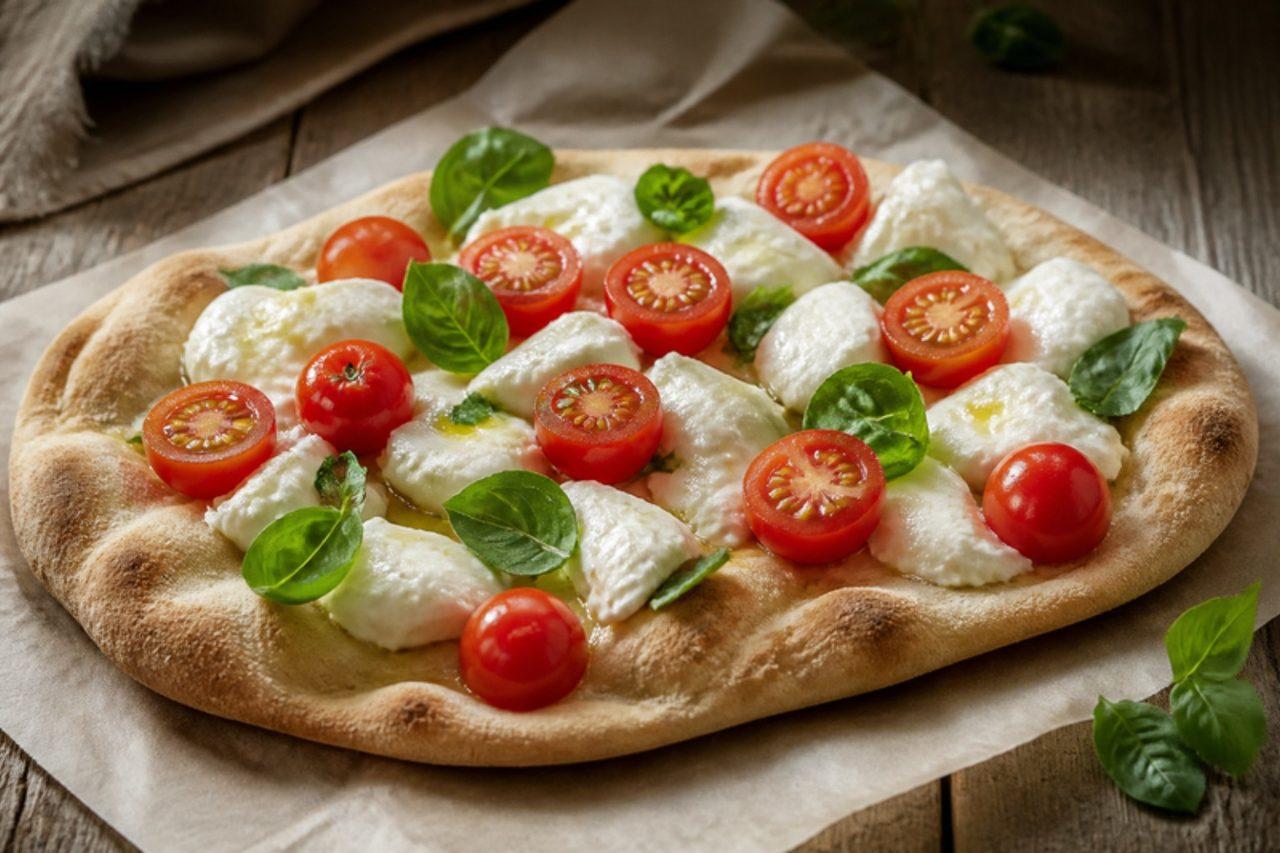
Pinsa romanaOval Roman flatbread

Pinsa is a modern Roman creation inspired by the flatbreads of ancient Rome: an oval base made from a mix of wheat, rice and soy flour (or in this home version, wheat and rice), with a lot of water and a long rest in the fridge. The result is crisp outside, light as a cloud inside and easy to digest. Pinserie in Rome top it with everything from buffalo mozzarella to courgette flowers; this version uses cherry tomatoes, mozzarella and basil. Mozzarella is usually made with calf rennet; vegetarian versions are easy to find. Chef's tip: shape the pinsa by pressing with your fingertips on a floured board, never stretching it; you want to keep all the bubbles.

by KrazyBadal 0 views

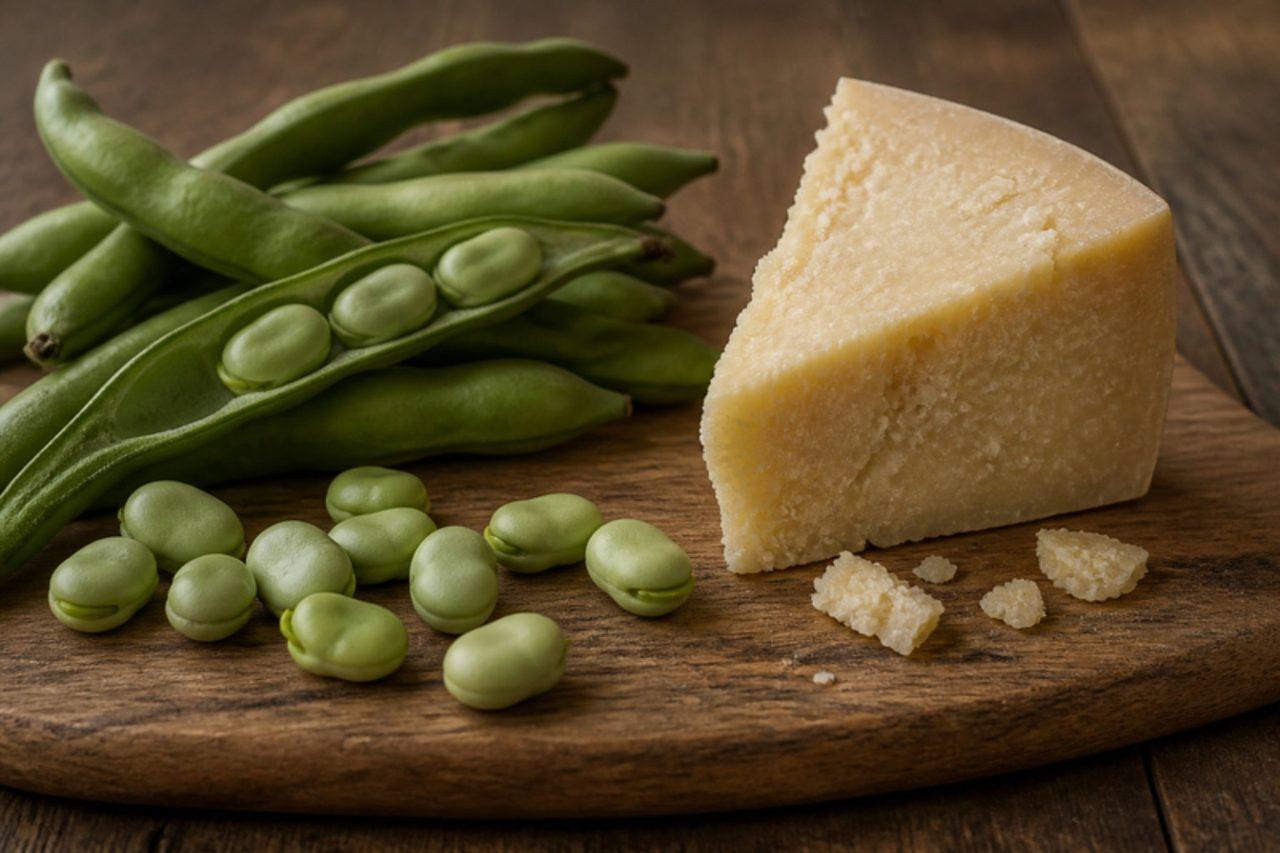
Fave e pecorinoRaw broad beans with pecorino

On 1 May, Romans head out to the parks and the Castelli Romani hills with a sack of fresh broad beans still in their pods and a hunk of young Pecorino Romano, and spend the afternoon shelling, nibbling and talking. The pairing is simple and very Roman: sweet, grassy raw beans against salty, sharp cheese, often with a glass of something cold and a hunk of bread. Only the youngest, smallest beans work raw, so this is a dish for a few weeks of spring. Traditional pecorino uses animal rennet; choose a vegetarian sheep's cheese if you need to. Chef's tip: taste a bean before you buy; if it is starchy or bitter rather than sweet, braise those beans instead.

by KrazyBadal 0 views

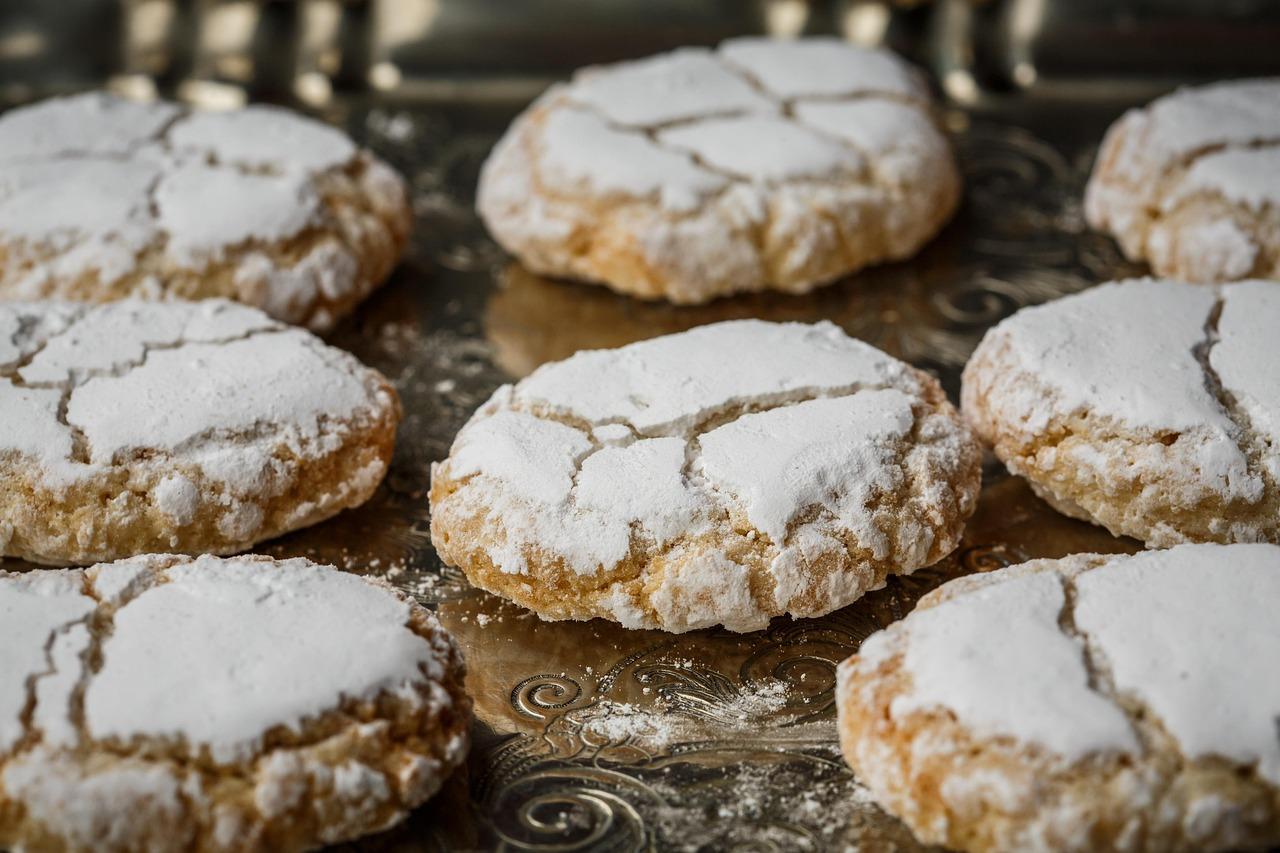
RicciarelliSoft almond biscuits

Siena has been making ricciarelli since the Renaissance: soft, chewy almond biscuits in the shape of a diamond or a curved eye, with a crackled top covered in icing sugar. Sienese families buy them from the historic pasticcerie near the Campo at Christmas and serve them with a glass of Vin Santo after dinner, but they are eaten all winter with coffee. This recipe is naturally gluten free. Chef's tip: let the shaped biscuits dry at room temperature overnight before baking; a dry crust cracks beautifully in the oven while the inside stays soft.

by KrazyBadal 0 views

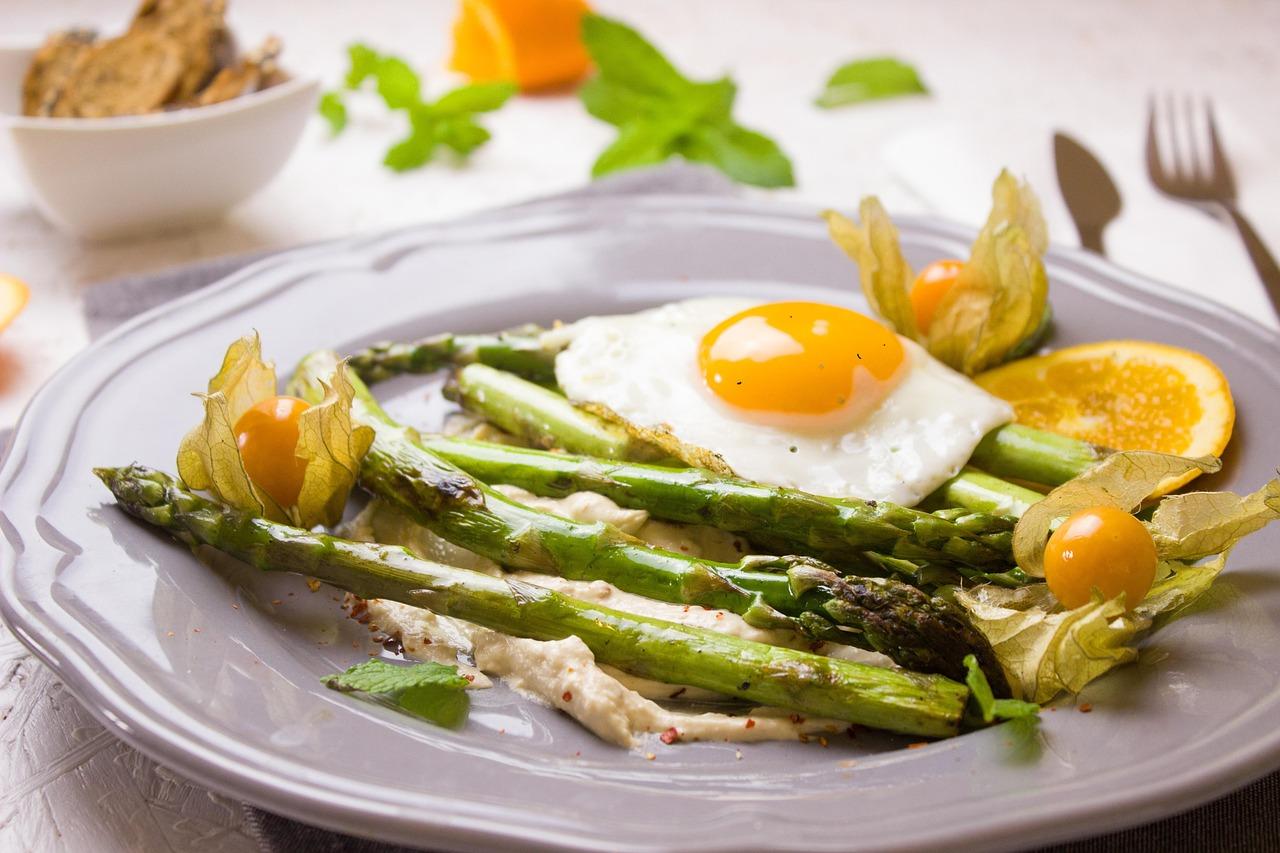
Asparagi alla milaneseAsparagus with fried egg

In Milan in April, when the first fat green asparagus come down from the farms of Lombardy, they are served "alla milanese": boiled until just tender, laid on a plate with melted butter and Parmigiano, and topped with a fried egg whose runny yolk becomes the sauce. It is a light lunch or a spring starter in old Milanese trattorie. Parmigiano is made with animal rennet; a vegetarian hard cheese works. For pregnant women, young children and older people, cook the yolk until firm. Chef's tip: tie the asparagus in a bundle and stand it upright in the pan so the thick stems boil while the tender tips steam.

by KrazyBadal 0 views

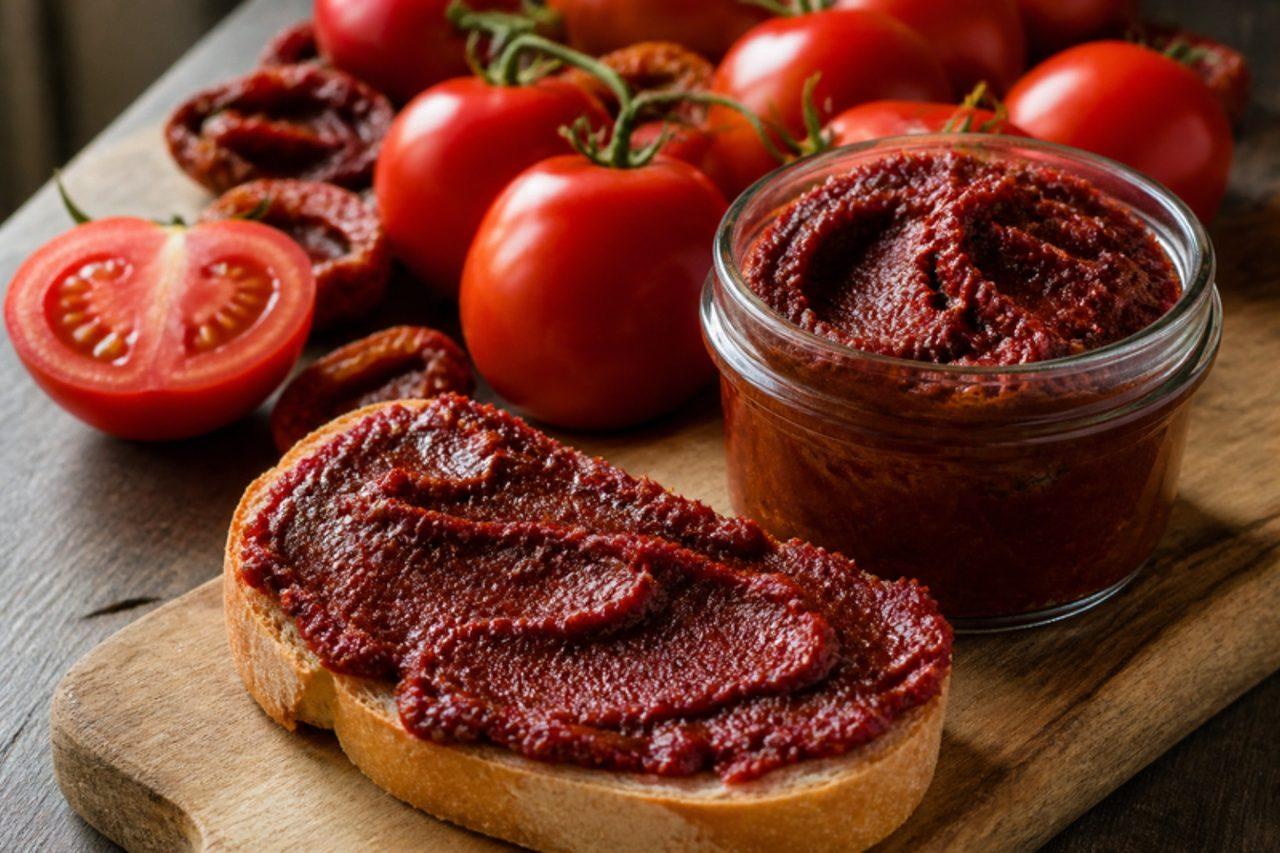
StrattuSun-dried tomato paste

In late August in western Sicily, around Trapani and Palermo, tomato purée is spread on large wooden boards and left in the hot sun for several days, stirred by hand until it turns into a thick, dark-red paste that smells of sun and sweet tomatoes. Strattu, short for "estratto", is used a spoonful at a time to give depth to sauces and stews. This home version dries the passata slowly in a low oven over a day. Chef's tip: spread the purée thin, no more than 1 cm, and stir it every hour; thick layers dry on top and stay wet underneath.

by KrazyBadal 0 views

Showing 24 of 352 recipes

Show more recipes

Page 5 of 15

More collections