Skip to content
WhatToEat.Today

Vegetarian Italian recipes

Pasta, risotto, pizza and bakes without meat or fish. (357 recipes)

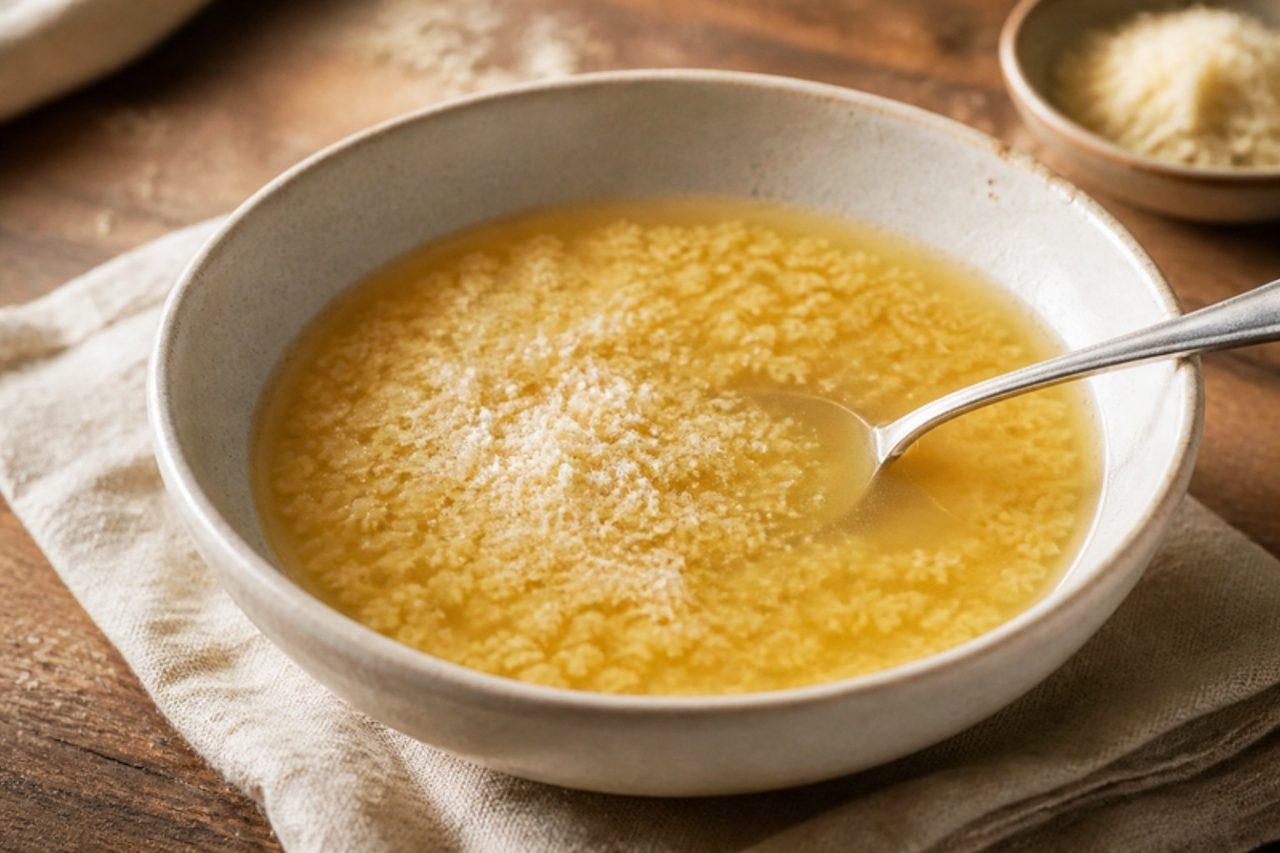
Pastina in brodoTiny pasta in broth

Ask any Italian what their mother made when they were ill as a child, and the answer is pastina in brodo: tiny pasta stars (stelline) or alphabet letters cooked in a light homemade broth and finished with a spoonful of grated Parmigiano and a drizzle of olive oil. It is the first "grown-up" food for many Italian toddlers and the comfort food for everyone on a cold or tired evening. Parmigiano is made with animal rennet; a vegetarian hard cheese works. Chef's tip: cook the pasta directly in the broth, not in water; the starch gives the broth a gentle, silky body.

by KrazyBadal 0 views

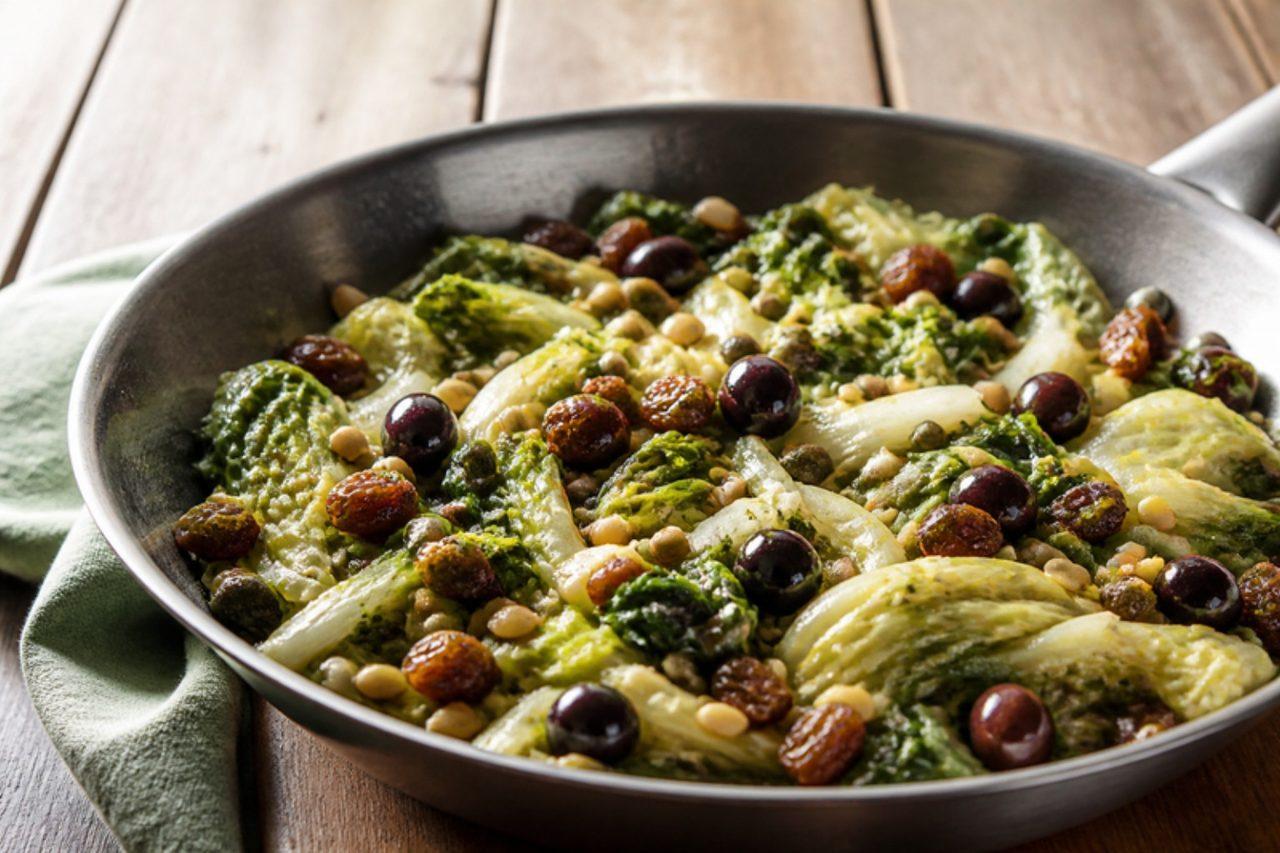
Scarola alla napoletanaSautéed escarole with olives and raisins

Scarola alla napoletana is a Neapolitan Christmas Eve side dish, also cooked all winter: tender escarole sautéed with garlic, black Gaeta olives, capers, pine nuts and raisins, a balance of bitter, salty and sweet that reflects the Arab influence on southern Italian cooking. It is the same filling used in the Christmas pizza di scarola, and families often serve it with fried fish. Contains pine nuts. Chef's tip: dry the washed escarole well before it goes in the pan; wet leaves splash and steam rather than sauté.

by KrazyBadal 0 views

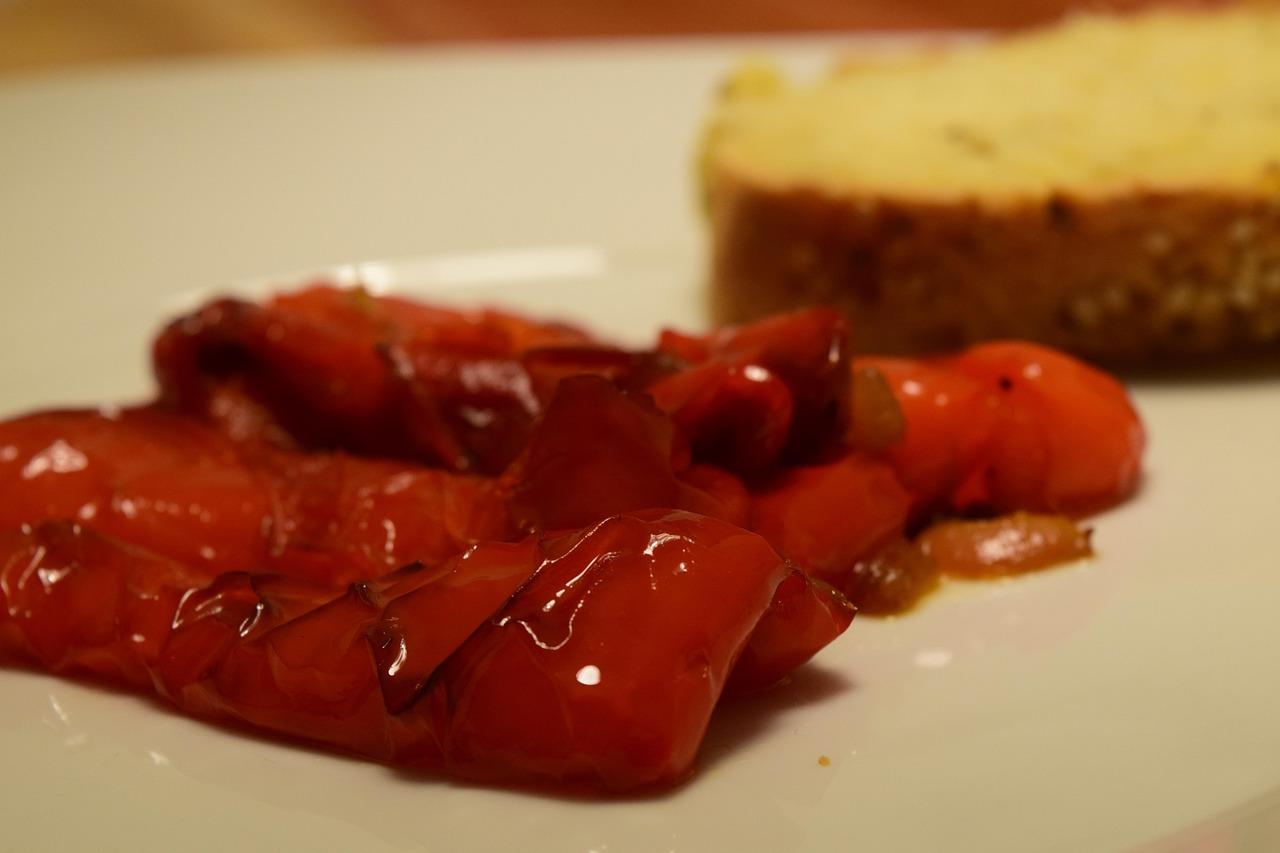
PeperonataStewed peppers and onions

Peperonata is the summer side dish of the south, made from Naples to Palermo when red and yellow peppers are at their sweetest: strips of pepper and onion stewed slowly in olive oil with a little tomato until soft, glossy and sweet, sometimes with a splash of vinegar. Families serve it with grilled meat, sausages or a frittata, or pile it on bread, and it tastes even better the next day. Chef's tip: cook it slowly with the lid on for the first 15 minutes; the peppers steam in their own juice and turn silky instead of frying hard.

by KrazyBadal 0 views

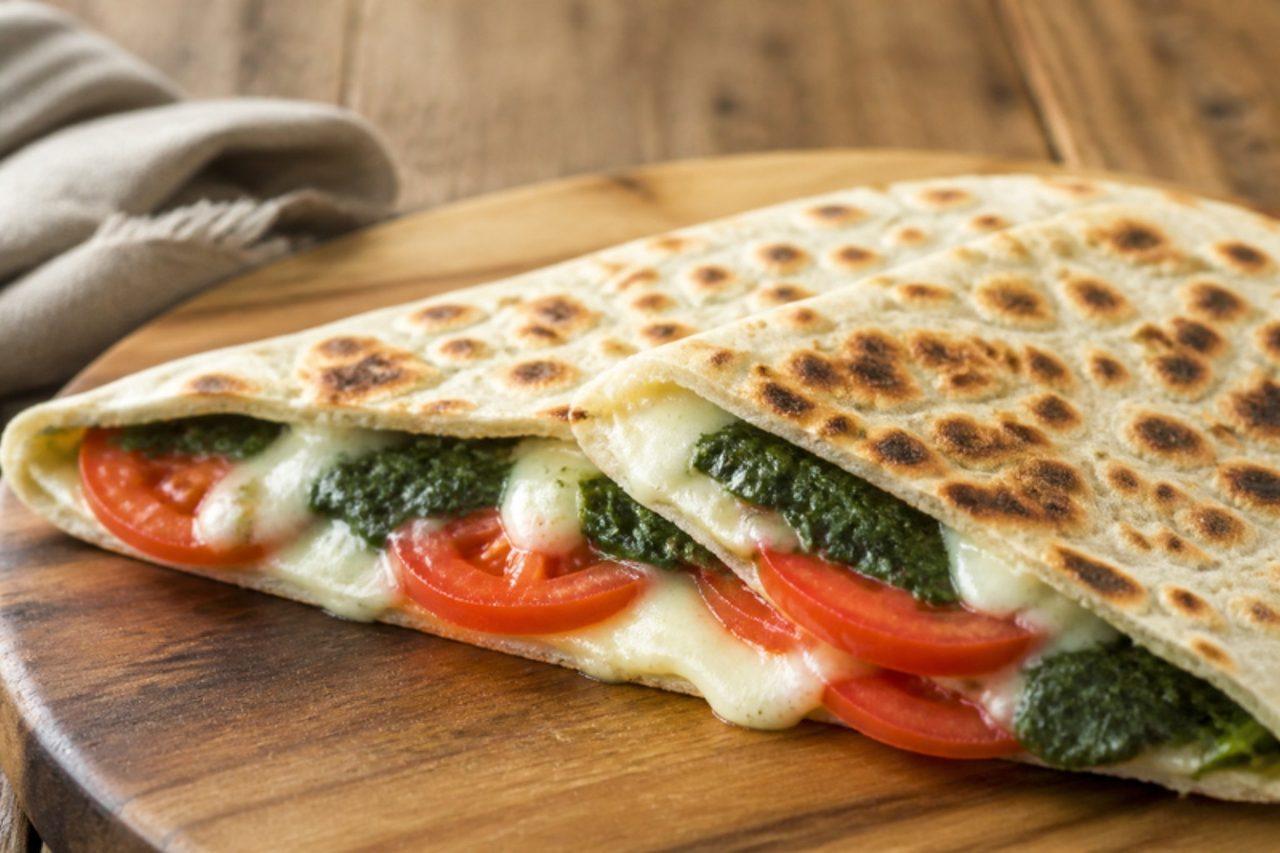
CrescioneFolded filled flatbread

Along the Romagna coast, in Rimini, Cesena and Riccione, every piadina kiosk also sells crescioni (called cassoni in some towns): a thin disc of piadina dough folded in half over a filling and sealed into a half-moon, then cooked on a hot griddle. The classic fillings are tomato and mozzarella, or wild greens and potato, eaten as a beach lunch or a late snack. Piadina dough is traditionally made with pork lard; this vegetarian version uses olive oil. Mozzarella is usually made with calf rennet; vegetarian versions are easy to find. Chef's tip: seal the edges with a fork and cook on a medium heat, not high; the dough needs time to cook through before it burns.

by KrazyBadal 0 views

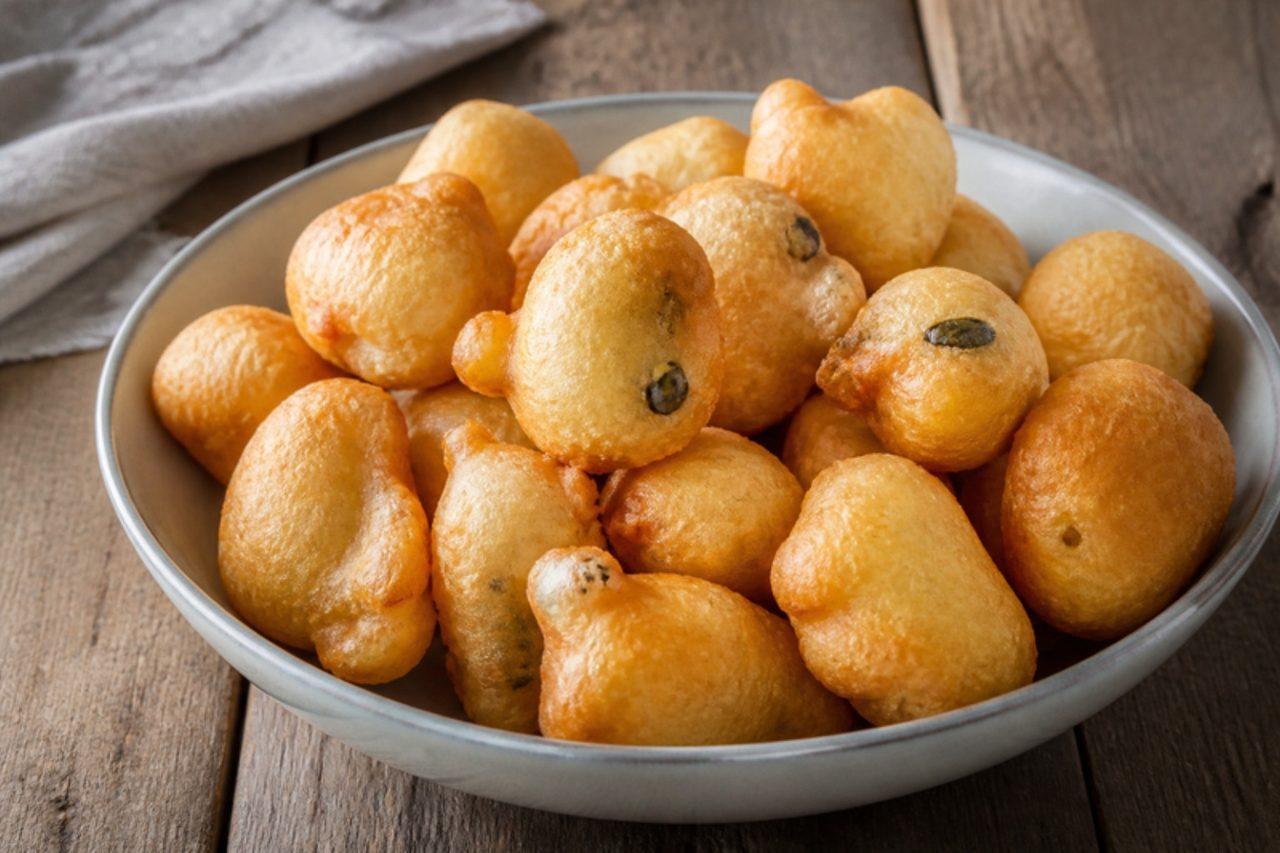
PittuleFried dough balls

In the Salento, the heel of Puglia, pittule are fried on the night of 7 December, the eve of the Immaculate Conception, to open the Christmas season, and again on St Martin's Day in November when the new wine is tasted. The dough is so wet it can't be shaped; it is dropped from a spoon or a wet hand into hot olive oil, puffing into soft, irregular golden balls. Plain ones are dusted with sugar; savoury ones hide olives, capers or cherry tomatoes. Chef's tip: dip your hand or spoon in water before each scoop so the sticky dough slides off into the oil.

by KrazyBadal 0 views

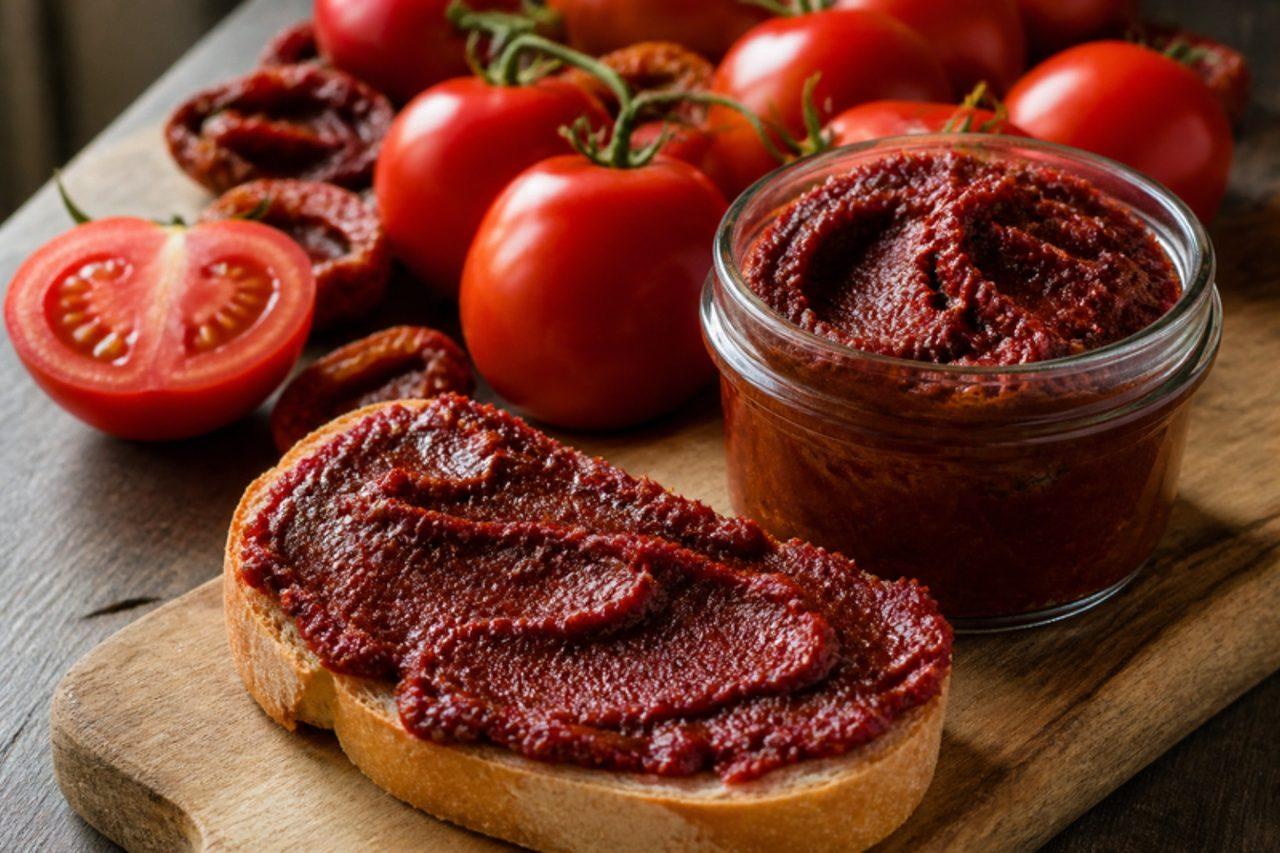
StrattuSun-dried tomato paste

In late August in western Sicily, around Trapani and Palermo, tomato purée is spread on large wooden boards and left in the hot sun for several days, stirred by hand until it turns into a thick, dark-red paste that smells of sun and sweet tomatoes. Strattu, short for "estratto", is used a spoonful at a time to give depth to sauces and stews. This home version dries the passata slowly in a low oven over a day. Chef's tip: spread the purée thin, no more than 1 cm, and stir it every hour; thick layers dry on top and stay wet underneath.

by KrazyBadal 0 views

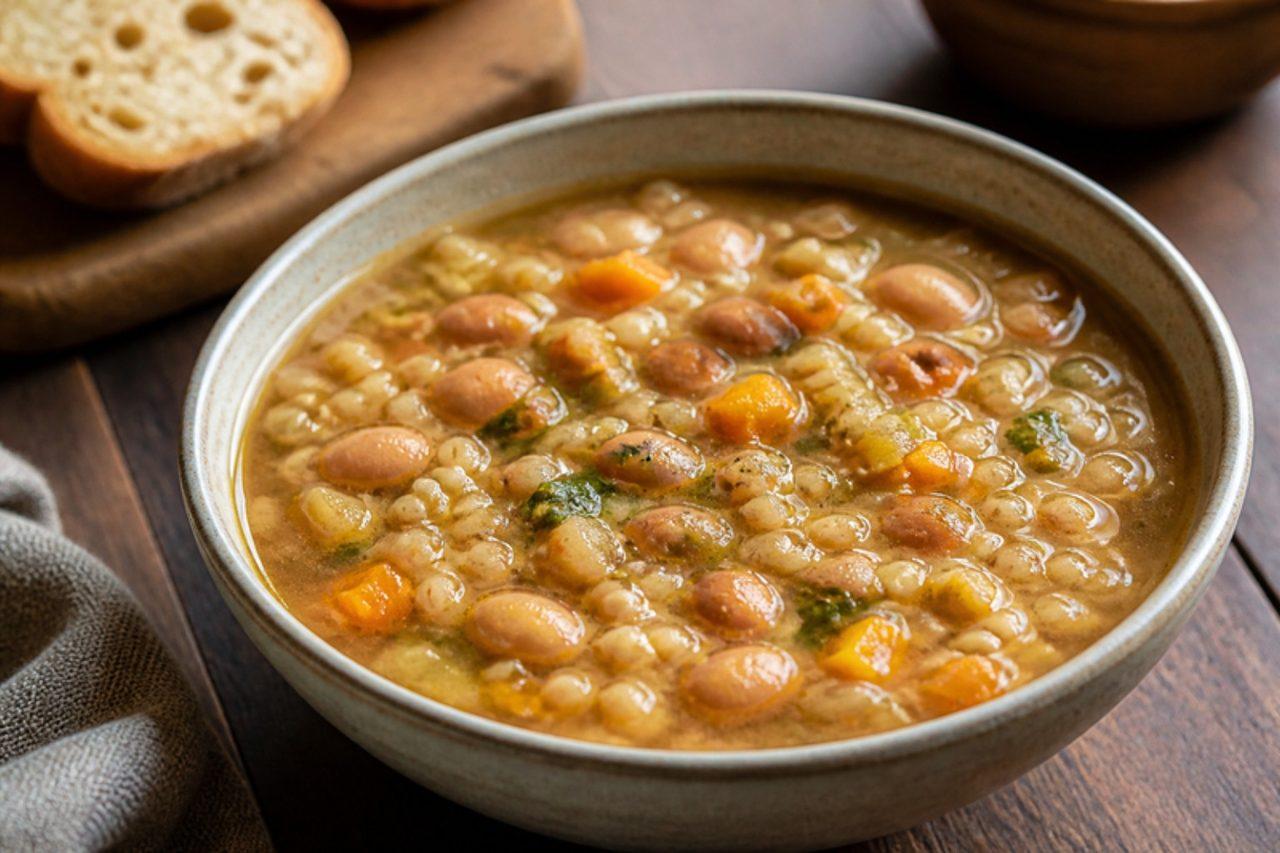
Zuppa di farro della GarfagnanaEmmer and bean soup

In the Garfagnana, the wooded mountain valley north of Lucca in Tuscany, farro (emmer wheat) has been grown for 2,000 years and has its own protected status. The classic local dish is a thick, warming soup of farro and borlotti beans, half of them puréed, with onion, carrot, celery, tomato and herbs, served in winter with a thread of new olive oil. Chef's tip: blend half of the cooked beans before adding the farro; it gives the soup a creamy body.

110 minItalianSoupsVegan
by KrazyBadal 0 views
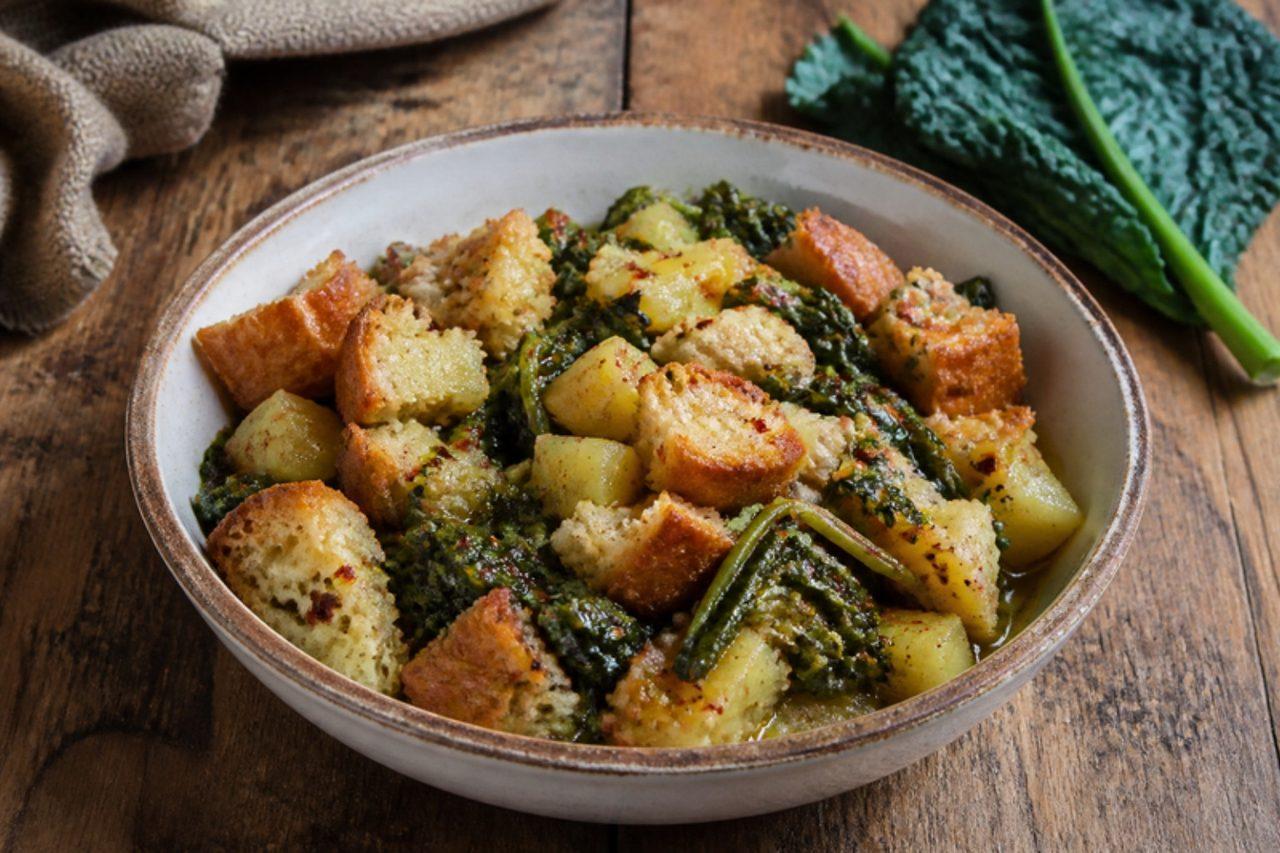
Pancotto puglieseBread and greens soup

Pancotto, "cooked bread", is the purest cucina povera of Puglia, from the farms of the Tavoliere plain around Foggia to the villages of the Gargano: stale bread, potatoes and whatever greens are growing, such as turnip tops, chicory or rocket, simmered together in salted water and dressed generously with raw olive oil and chilli. It was a farmworker's supper and is still the comfort dish families make in winter. Chef's tip: use a dense, day-old country loaf with a thick crust; soft sliced bread turns into a slimy mush.

by KrazyBadal 0 views
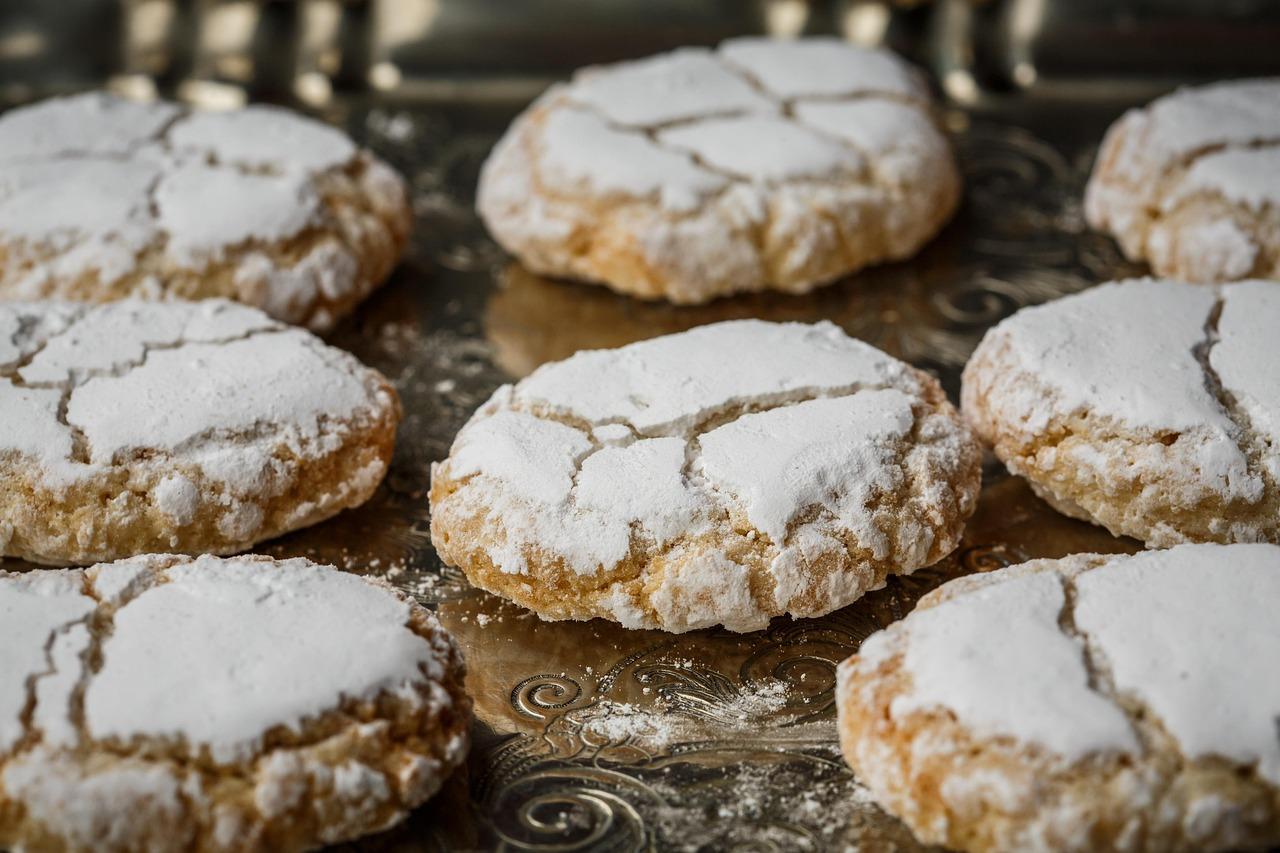
RicciarelliSoft almond biscuits

Siena has been making ricciarelli since the Renaissance: soft, chewy almond biscuits in the shape of a diamond or a curved eye, with a crackled top covered in icing sugar. Sienese families buy them from the historic pasticcerie near the Campo at Christmas and serve them with a glass of Vin Santo after dinner, but they are eaten all winter with coffee. This recipe is naturally gluten free. Chef's tip: let the shaped biscuits dry at room temperature overnight before baking; a dry crust cracks beautifully in the oven while the inside stays soft.

by KrazyBadal 0 views
Giardiniera piemontesePickled mixed vegetables

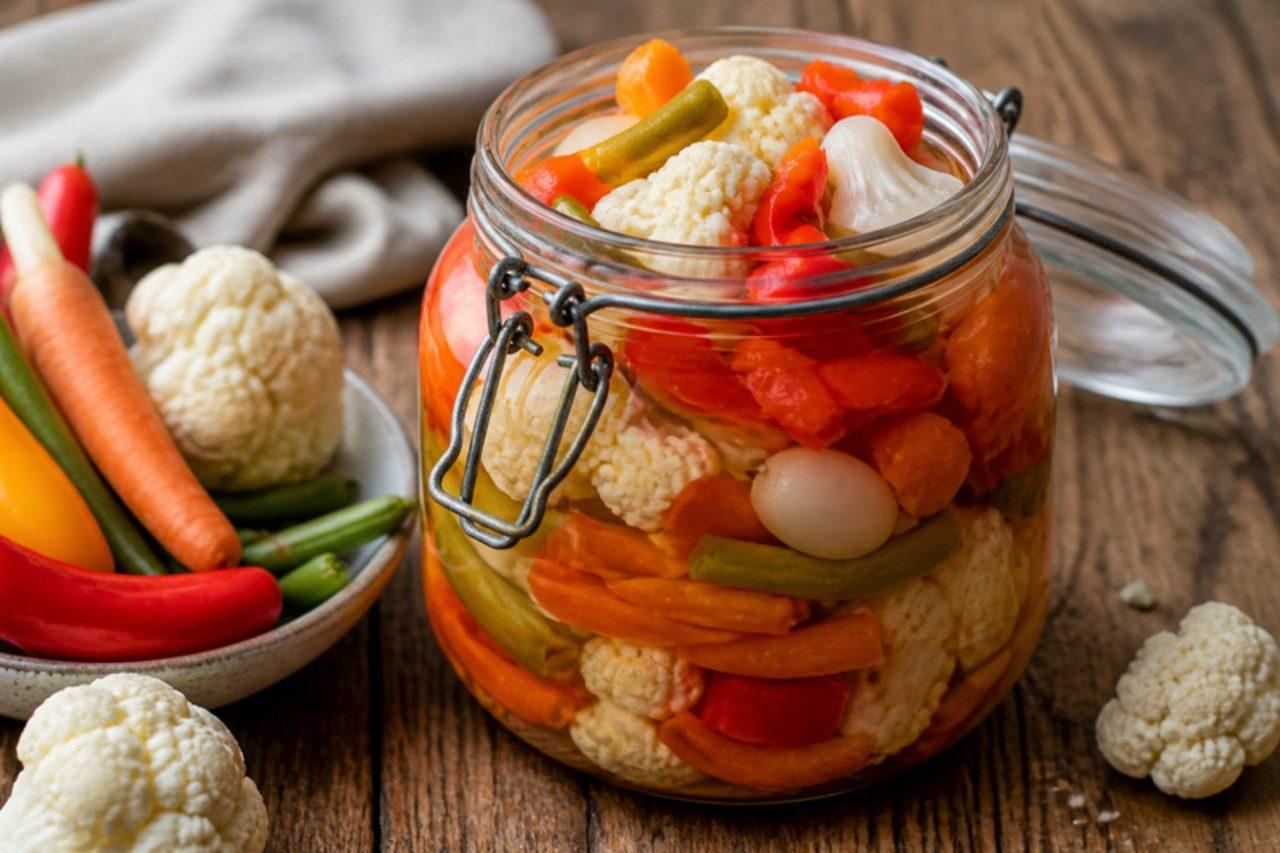
Giardiniera means "from the garden", and in Piedmont and the north of Italy it is the colourful jar of mixed pickled vegetables served with boiled meats (bollito misto), cold cuts or tuna. Unlike the spicy Chicago-style relish, Italian giardiniera is cut into larger pieces and cooked briefly in a sweet-sour mixture of vinegar, sugar, tomato and a little oil. Families make it in late summer when the garden is full. Chef's tip: add the vegetables to the pan in order of hardness, carrots first and cauliflower and peppers later, so each one stays crunchy.

by KrazyBadal 0 views
Torta capreseFlourless chocolate almond cake

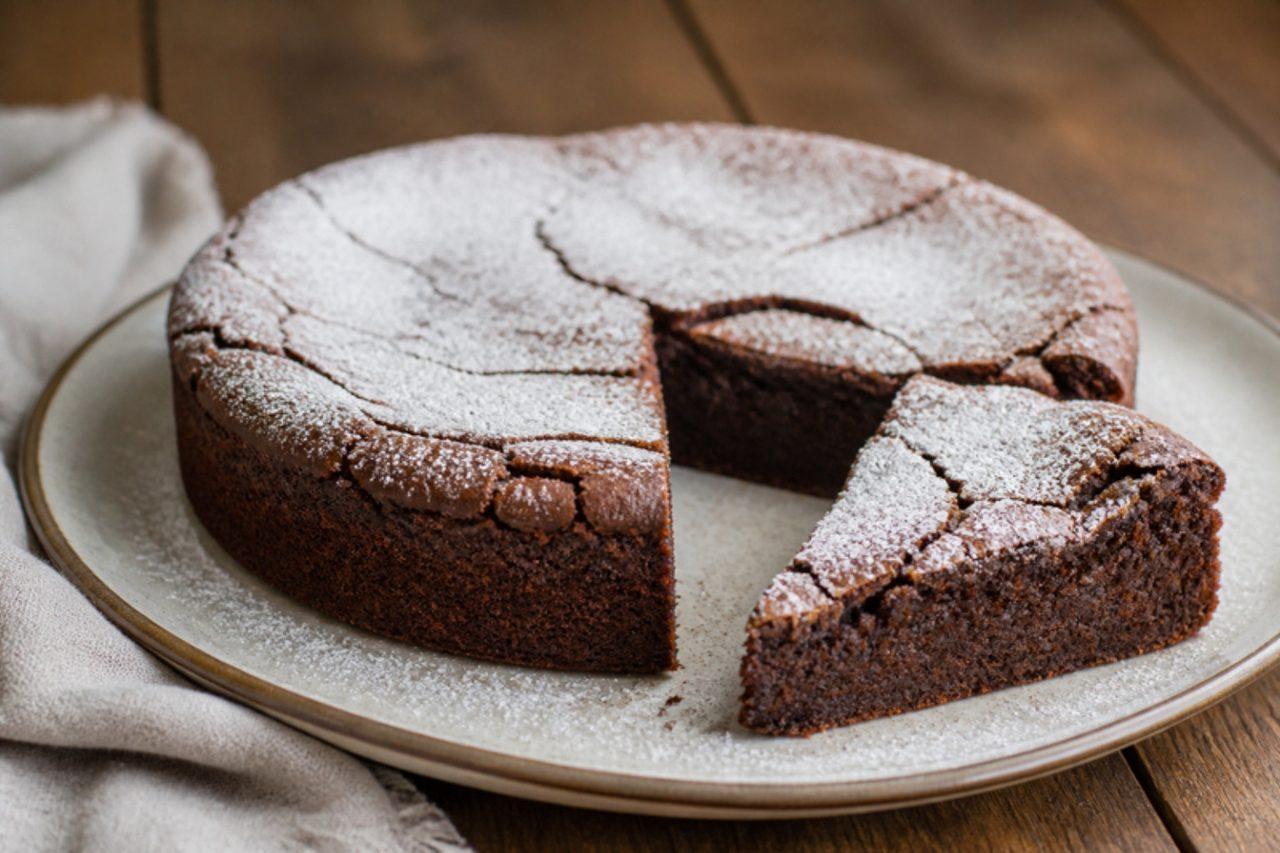
Torta caprese was born on the island of Capri in the 1920s, the story goes, when a baker forgot to add flour to a chocolate almond cake and created a classic by accident. It is now the cake of the Amalfi Coast: dense, moist and fudgy in the middle, with a thin crackled crust and a dusting of icing sugar. Restaurants in Capri and Sorrento serve it with a spoonful of cream or lemon sorbet. It is naturally gluten free. Contains nuts. Chef's tip: take it out while the middle is still slightly soft; it firms up as it cools and stays moist for days.

by KrazyBadal 0 views
Tagliatelle ai porciniTagliatelle with porcini

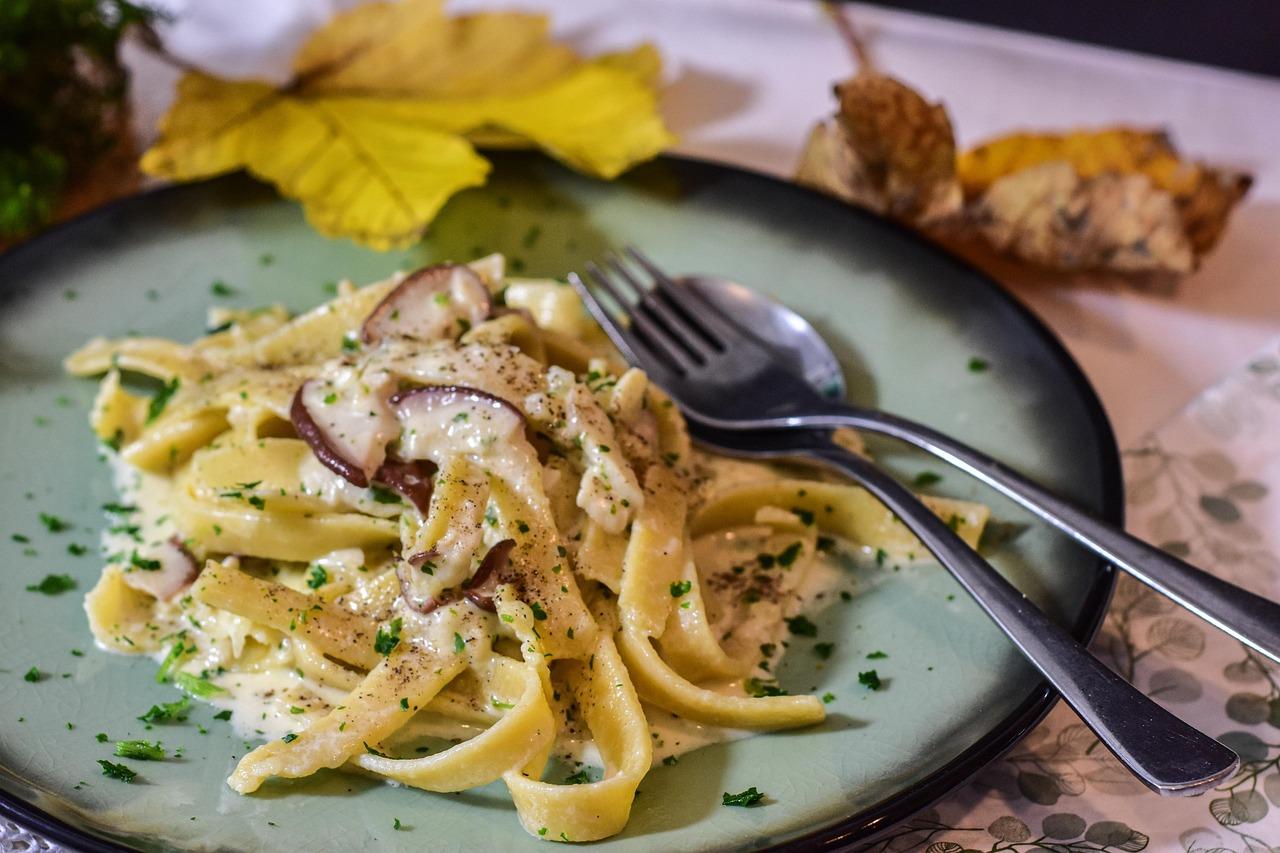
In September and October, when porcini push up through the chestnut woods of the Apennines between Emilia-Romagna and Tuscany, every mountain trattoria from Borgotaro to the Casentino puts tagliatelle ai porcini on the menu. The mushrooms are sliced and sautéed fast in olive oil with garlic and parsley, then tossed with ribbons of egg pasta. If you can't find fresh porcini, use chestnut mushrooms with a little soaked dried porcini. Chef's tip: clean porcini with a brush and a damp cloth, never under the tap; they soak up water like a sponge and then steam instead of browning.

by KrazyBadal 0 views
Buccellato sicilianoFig and nut pastry ring

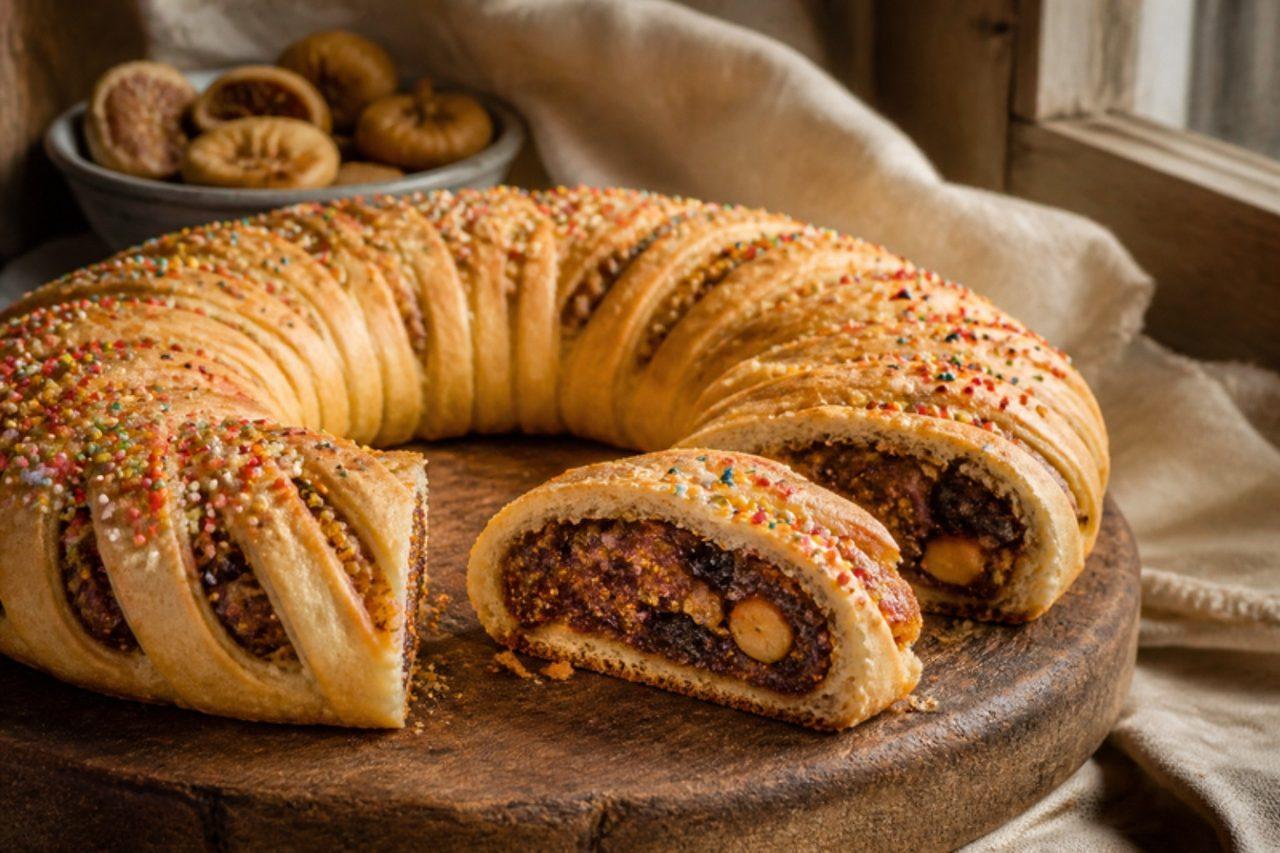
In Palermo and western Sicily, buccellato is the great Christmas ring: a crumbly shortcrust wrapped around a dark, sticky filling of dried figs, raisins, almonds, walnuts, orange peel, chocolate and spices, often decorated with cuts along the top and coloured sprinkles. Families start the filling days ahead and bake several rings to give away. The filling traditionally includes a splash of Marsala; use orange juice for an alcohol-free version. Chef's tip: cut slits along the top of the ring before baking; they let steam out and show off the dark filling.

by KrazyBadal 0 views
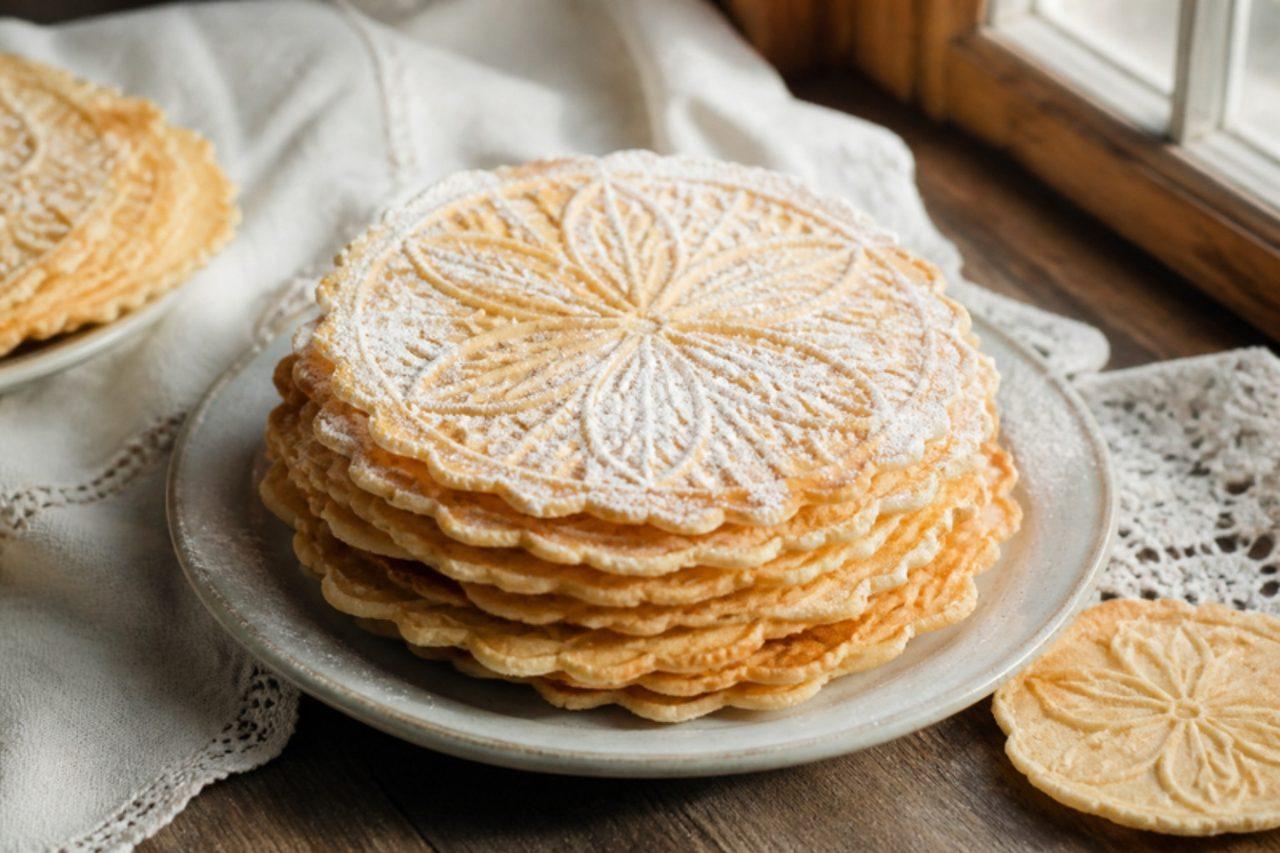
PizzelleAnise waffle biscuits

In Abruzzo, every family has its own pizzelle iron, often a wedding present engraved with the family's initials or a pattern of flowers. The thin, crisp waffles are baked for weddings, Christmas and Easter, and for the feast of San Domenico in Cocullo, flavoured with anise or lemon. Warm, they can be rolled into cones or tubes and filled. You need a pizzelle iron or a thin waffle maker. Chef's tip: lightly oil the iron only for the first pizzella; after that the batter's oil keeps them from sticking.

by KrazyBadal 0 views
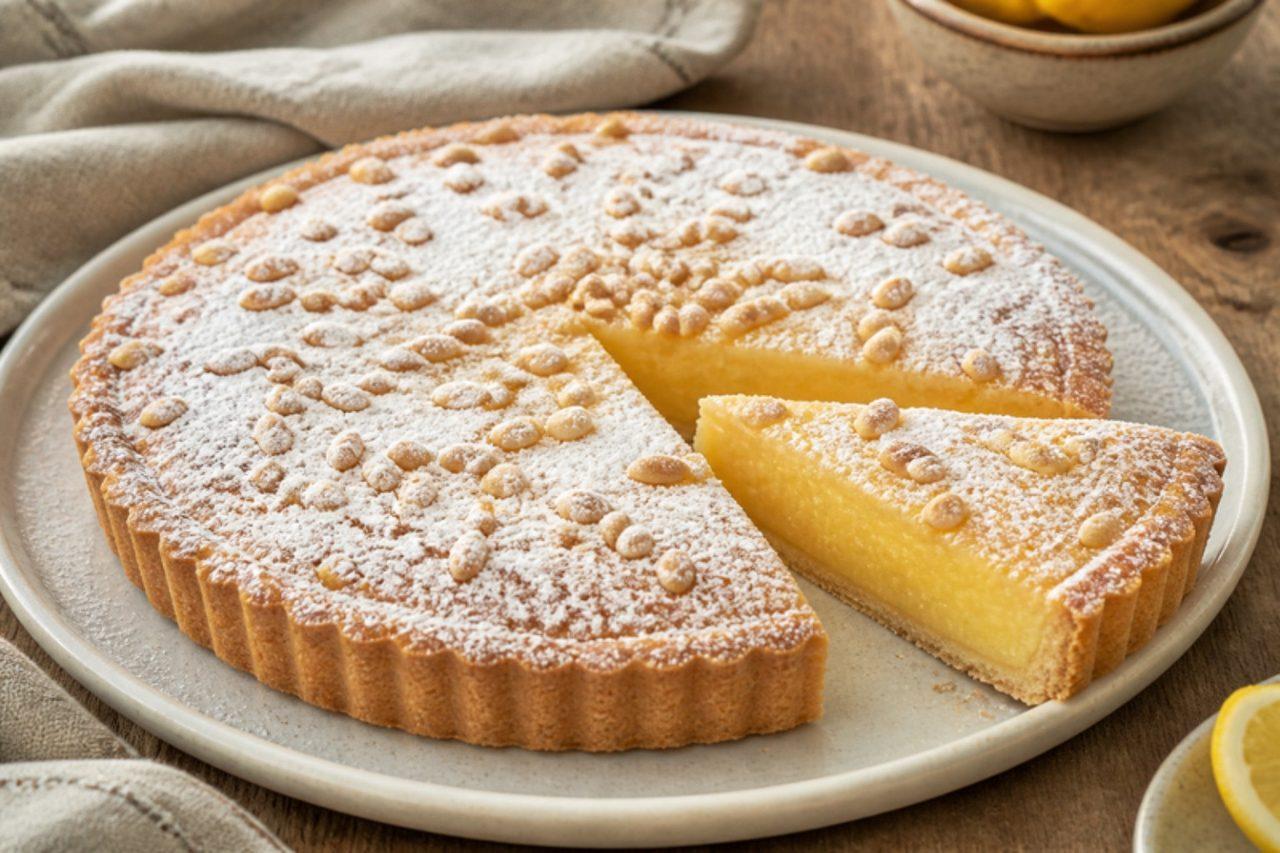
Torta della nonnaLemon custard pine nut tart

Torta della nonna, "grandmother's tart", is on the dessert menu of almost every trattoria in Florence and across Tuscany: a shortcrust case filled with thick lemon-scented custard, covered with a second layer of pastry and scattered with pine nuts and icing sugar. Despite the name it was probably invented by a Florentine restaurant cook in the 1900s, but it tastes of family Sunday lunches. Contains pine nuts. Chef's tip: let the custard cool completely before filling the tart; warm custard melts the butter in the pastry and makes the base soggy.

by KrazyBadal 0 views
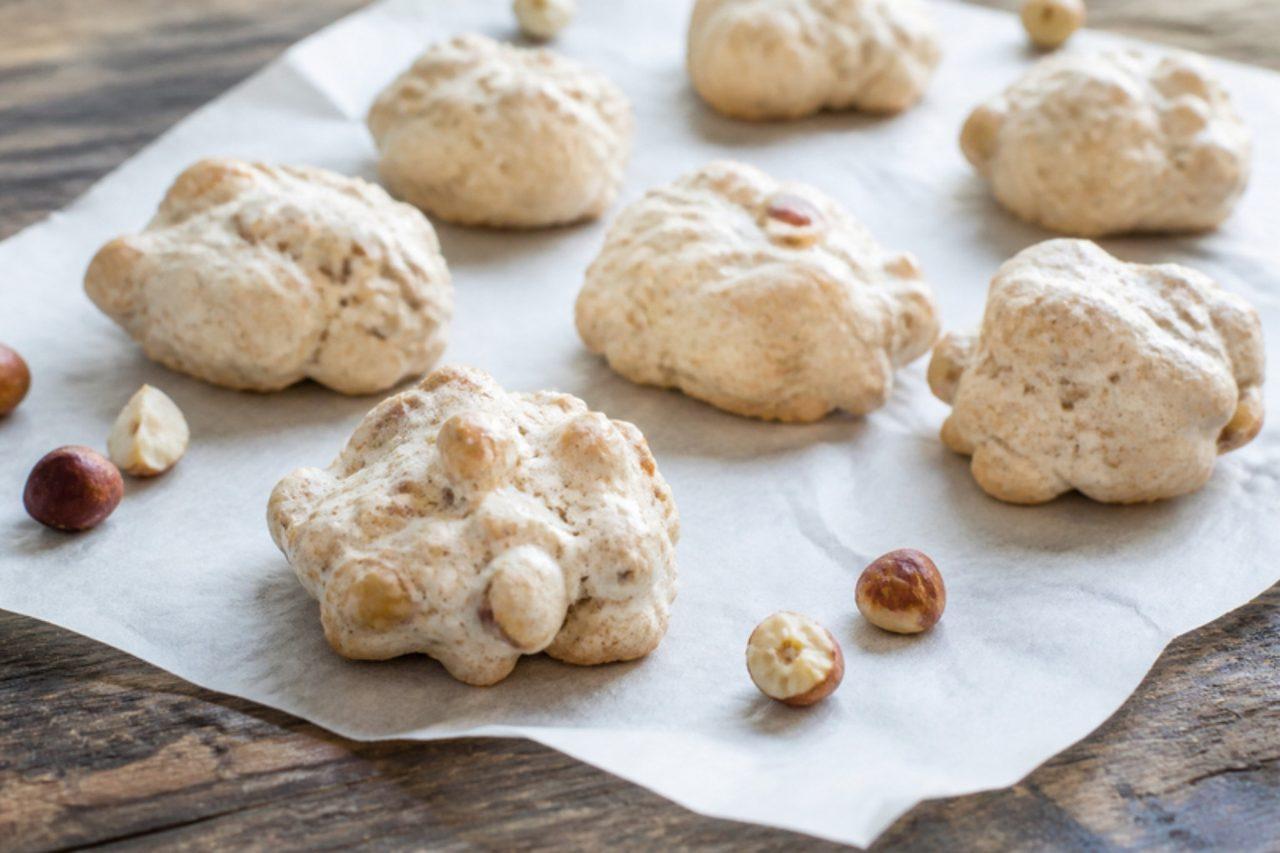
Brutti ma buoniHazelnut meringue biscuits

"Ugly but good": the name says it all. These lumpy, irregular biscuits from Borgomanero in Piedmont and Prato in Tuscany are made by cooking whipped egg whites, sugar and toasted hazelnuts in a pan before baking, which gives them a crisp shell and a chewy centre. They are sold in paper bags at pastry shops, and Italian grandmothers make them to use up egg whites left over from custards. They are naturally gluten free. Contains nuts. Chef's tip: toast the hazelnuts until they smell deeply nutty and the skins crack; that's what gives the biscuits their flavour.

by KrazyBadal 0 views
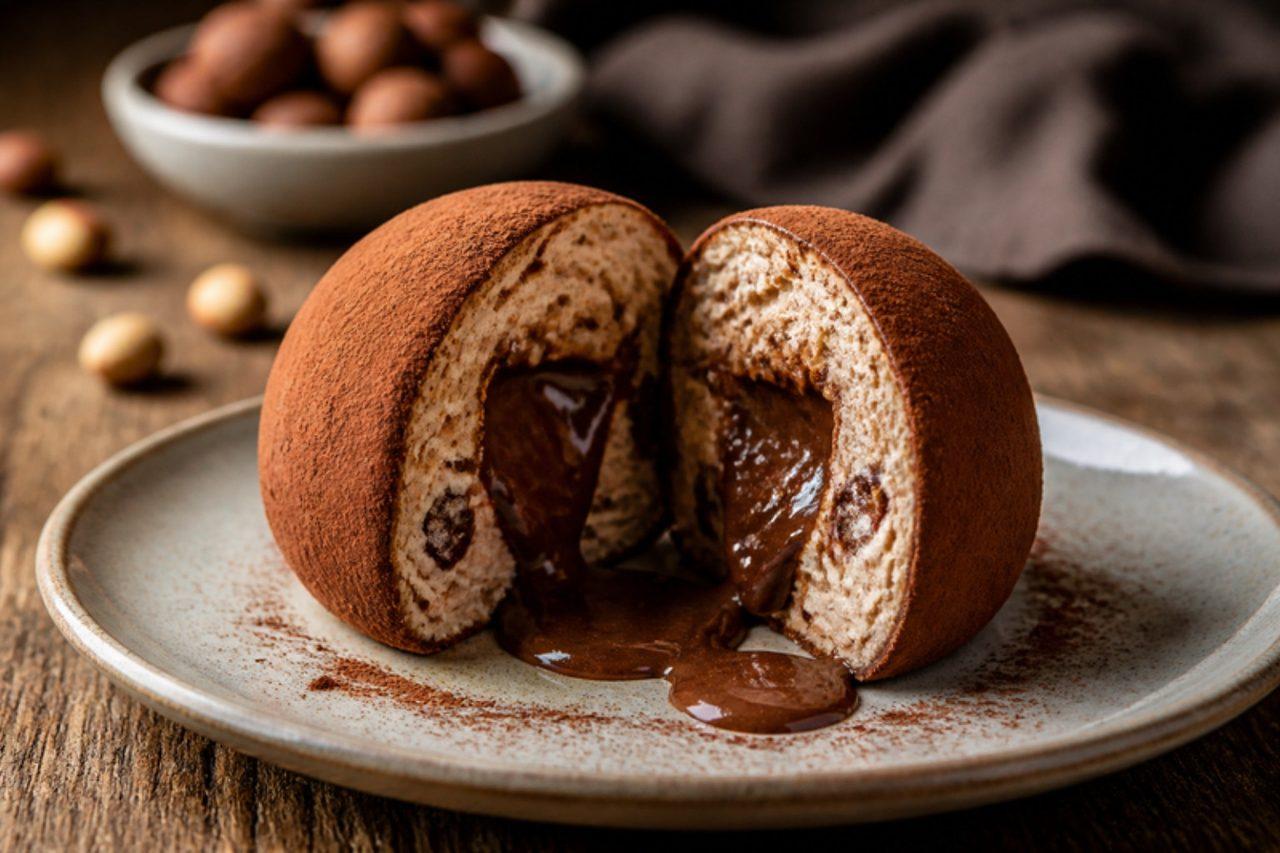
Tartufo di PizzoChocolate hazelnut gelato ball

In 1952, in the seaside town of Pizzo in Calabria, a gelato maker ran out of moulds for a wedding banquet and shaped gelato by hand in his palm, around a centre of molten chocolate, then rolled it in cocoa. The tartufo, named for its resemblance to a truffle, is now protected as a local speciality, and the cafés on Pizzo's main piazza serve it in summer to crowds of visitors. Contains nuts. Chef's tip: work in a cold kitchen with chilled cling film and refreeze between each step; the gelato must stay firm enough to hold its ball shape.

by KrazyBadal 0 views
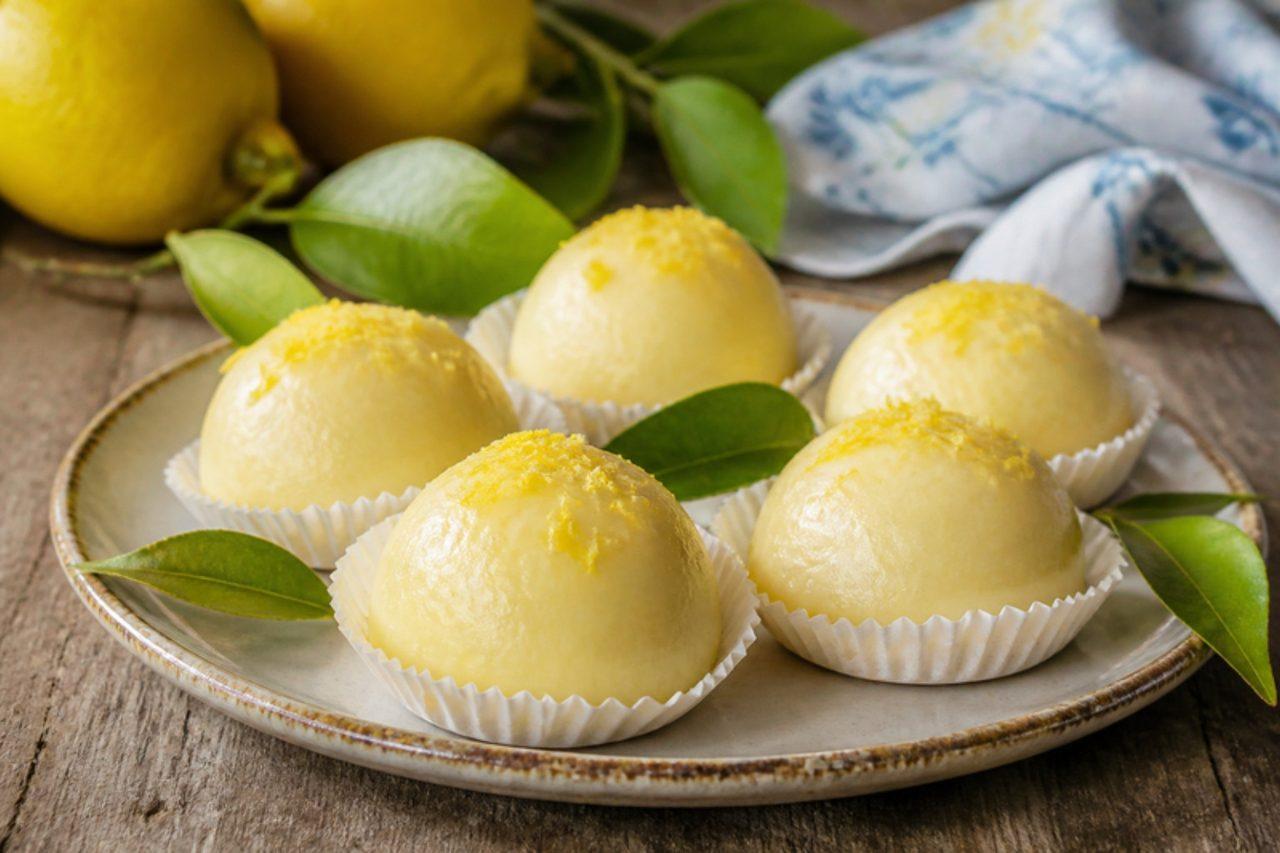
Delizia al limoneLemon cream sponge domes

Delizia al limone was created in 1978 by a pastry chef in Sorrento and became the signature dessert of the Amalfi Coast: small domes of light sponge, filled and soaked with syrup made from the coast's huge, fragrant sfusato lemons, then covered in a lemon custard lightened with whipped cream. Traditionally the syrup includes limoncello; this version uses a lemon syrup so it is alcohol free. Chef's tip: soak the sponges generously but slowly with a spoon; they should be moist through without falling apart.

by KrazyBadal 0 views
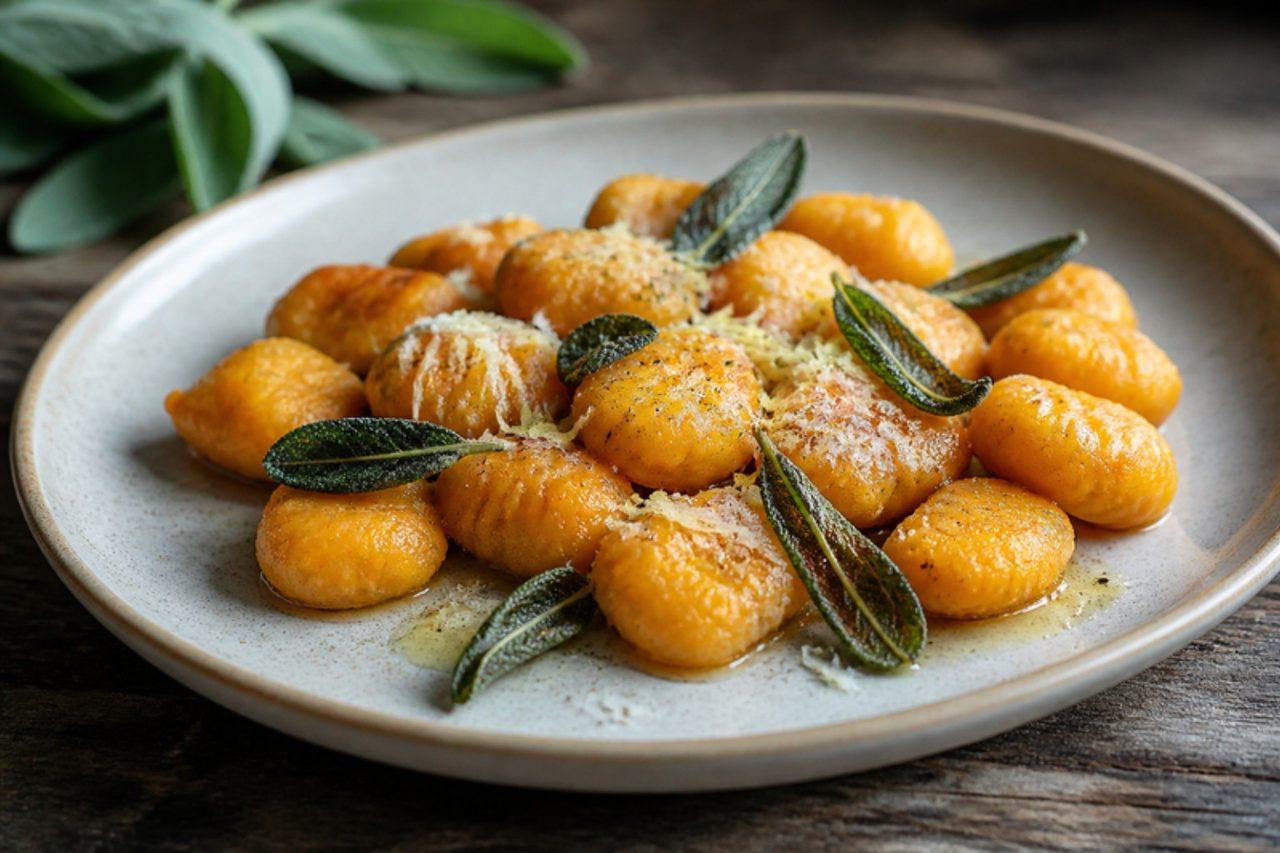
Gnocchi di zuccaPumpkin gnocchi

When the dense, sweet pumpkins come in from the fields around Mantua and Chioggia in October, families turn them into soft orange gnocchi, served with brown butter, sage and a heap of grated cheese. They are rustic and irregular, often shaped with two spoons rather than rolled on a board. Roasting the pumpkin instead of boiling it keeps it dry and full of flavour. Parmigiano is made with animal rennet; a vegetarian hard cheese works well. Chef's tip: add flour a little at a time and stop when the dough just holds; too much makes gnocchi that taste of flour and bounce like rubber.

by KrazyBadal 0 views
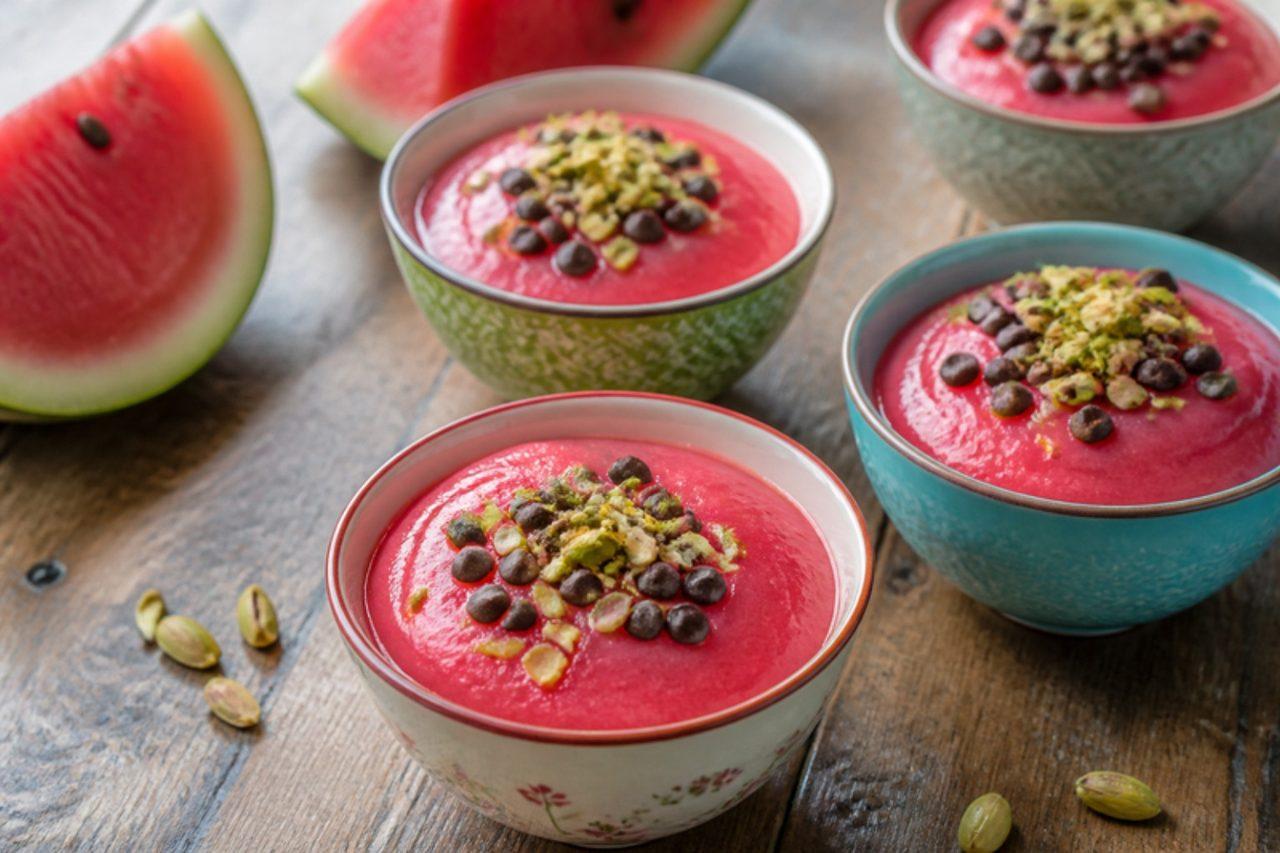
Gelo di melloneWatermelon jelly pudding

Gelo di mellone is the summer dessert of Palermo, eaten above all on 15 July for the feast of Santa Rosalia, the city's patron saint. Fresh watermelon juice is set with starch into a soft, wobbly pink pudding, scented with cinnamon and sometimes jasmine flowers, and topped with chocolate chips and chopped pistachios that look like watermelon seeds. It is served chilled in small bowls or as a tart filling. Contains nuts in the topping. Chef's tip: strain the watermelon juice through a fine sieve; any pulp clouds the jelly and stops it from setting smoothly.

by KrazyBadal 0 views
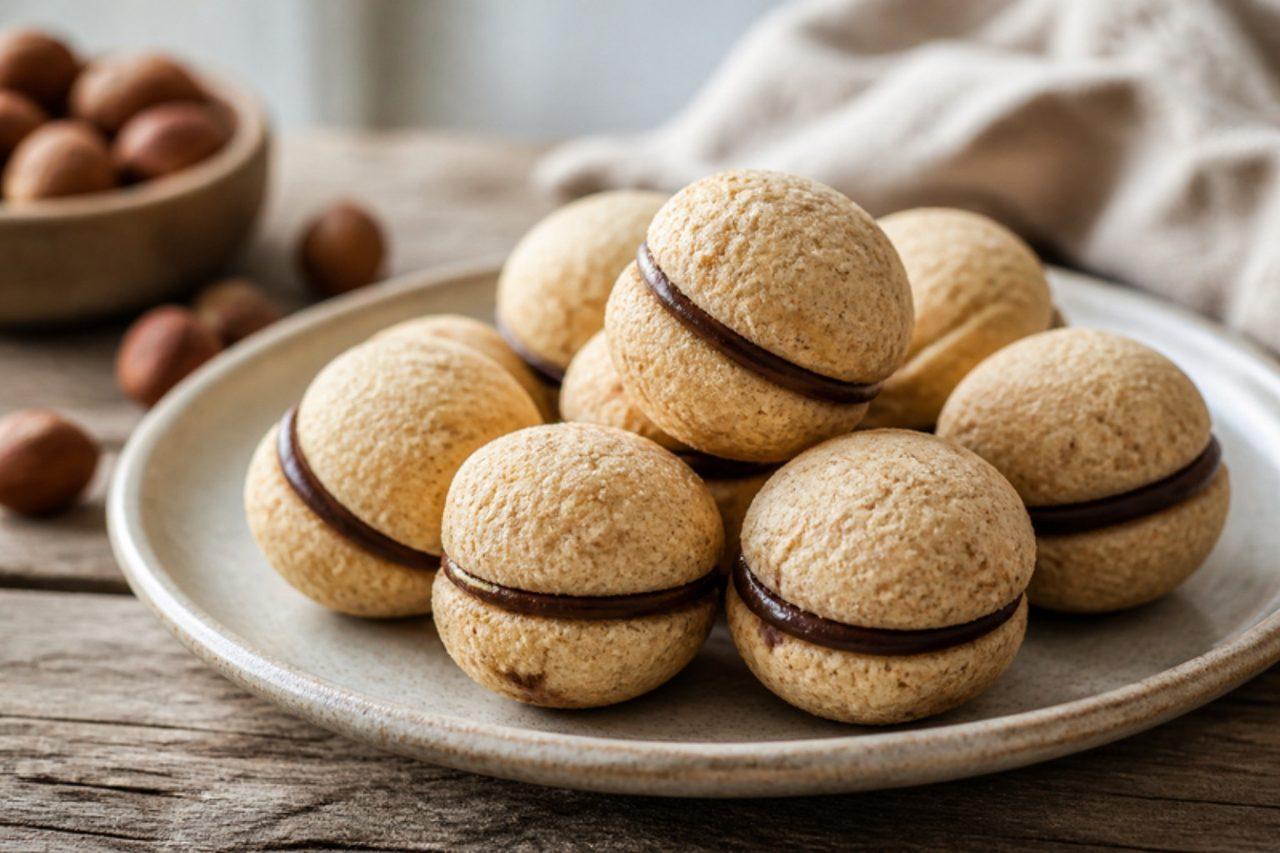
Baci di damaHazelnut shortbread sandwiches

Baci di dama, "lady's kisses", were born in Tortona in Piedmont in the 1800s: two small domes of buttery hazelnut shortbread pressed together with dark chocolate, like two lips meeting in a kiss. They are sold in every pastry shop in Piedmont and eaten with coffee or as a gift at Christmas. The local Piedmont hazelnuts are some of the best in the world. Contains nuts. Chef's tip: weigh each ball of dough so they're all the same size; matching domes make neat kisses.

by KrazyBadal 0 views
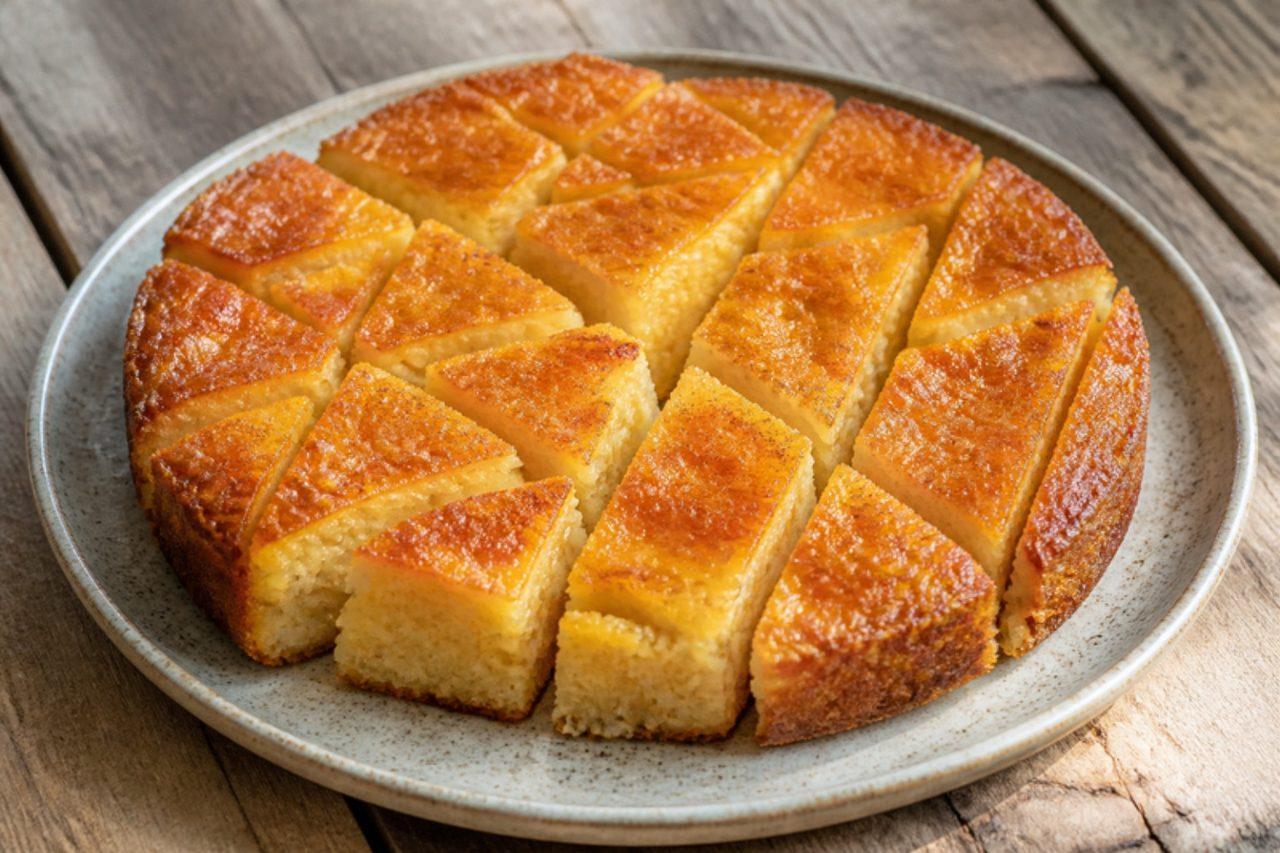
Torta di riso bologneseRice and almond cake

In Bologna this rice cake is called torta degli addobbi, after the decorations (addobbi) hung on the houses every ten years for each parish's big religious festival, when it was made and given to visitors. It is a dense, moist cake of rice cooked slowly in milk with lemon, mixed with eggs, sugar and almonds and baked until golden, then cut into diamonds. Traditionally it is soaked with almond liqueur; this version leaves it out, so it is alcohol free. It is gluten free. Contains nuts. Chef's tip: let the cake rest a full day before slicing; it firms up and the flavours deepen.

by KrazyBadal 0 views
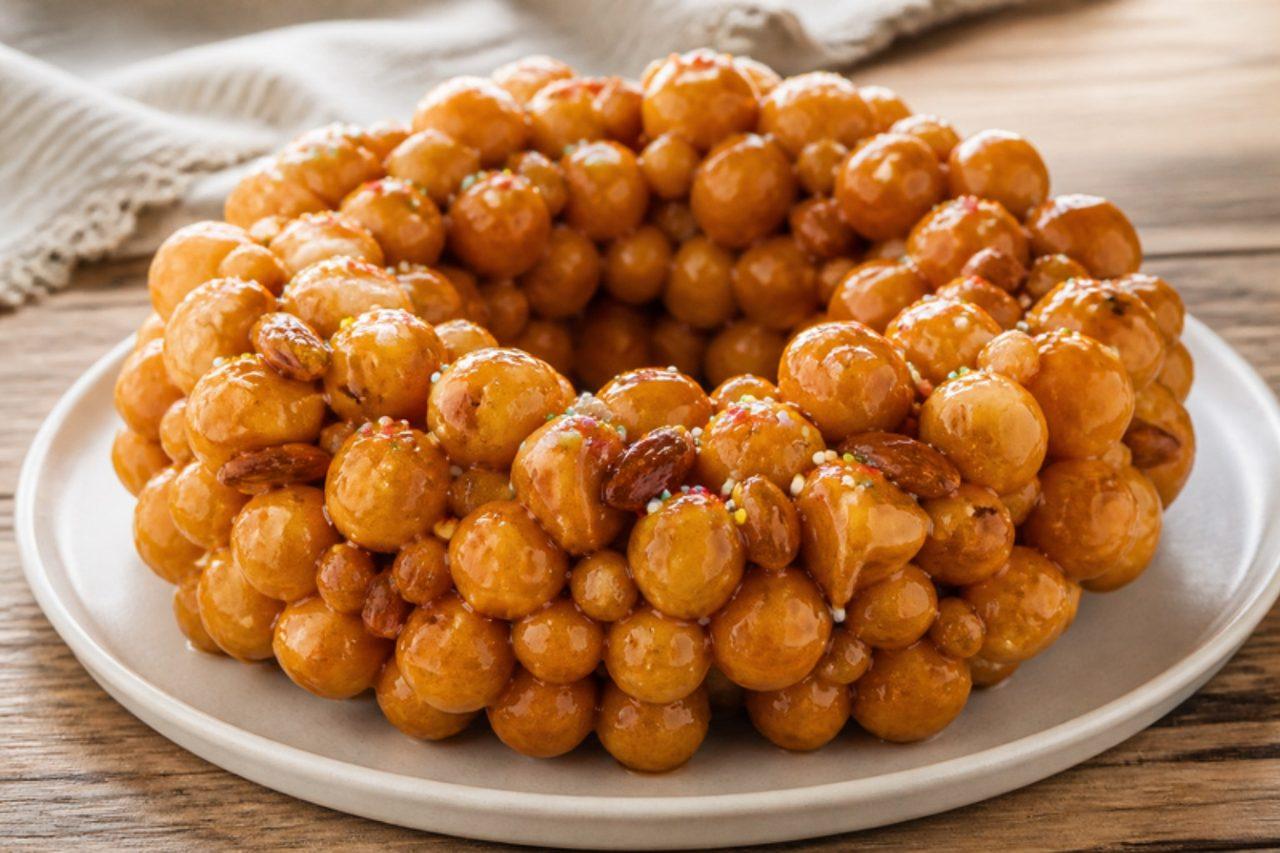
CicerchiataHoney fried dough ring

Cicerchiata takes its name from the cicerchia, a small dried legume, because its tiny balls of fried dough look just like them. In Abruzzo, Umbria and the Marche it is the Carnival sweet: the fried balls are stirred into hot honey with almonds and candied peel, then shaped into a ring or mound and decorated with sprinkles. It is broken apart with fingers at the end of Carnival meals. Not for babies under 1 because of the honey. Chef's tip: work quickly once the balls are in the honey and wet your hands with cold water to shape the ring; the honey sets fast as it cools.

by KrazyBadal 0 views
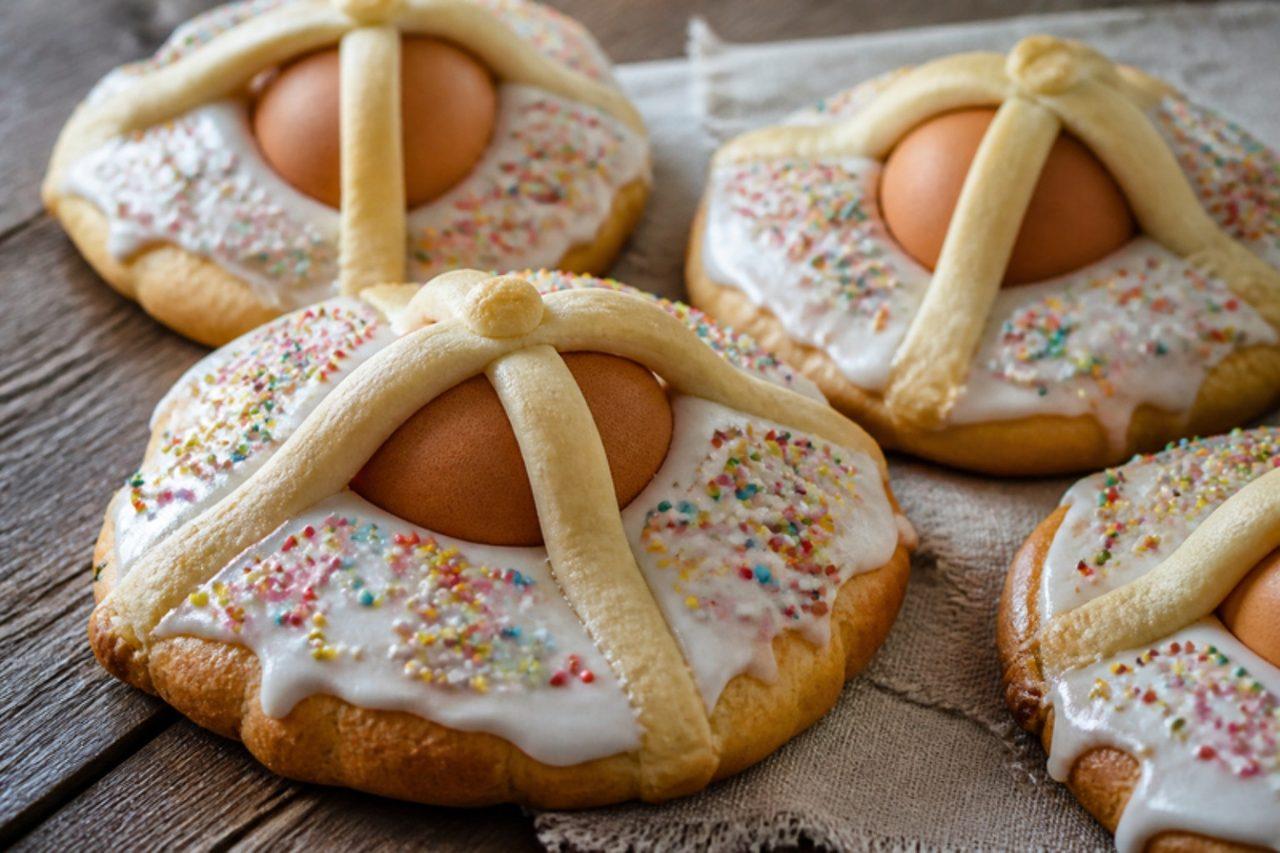
Scarcella puglieseEaster egg biscuit bread

In Bari, Foggia and the Salento, scarcelle are baked in the days before Easter, often by children with their grandmothers: a soft, lemony shortbread-like dough shaped into baskets, doves, hearts or dolls, each holding a whole egg in its shell held down by strips of dough, then iced and covered in sprinkles. They are given as gifts on Easter morning and to children as a sign of new life. Chef's tip: use raw eggs in their shells and wash them first; they cook in the oven while the biscuit bakes. They are decorative, so wash and dry them well.

by KrazyBadal 0 views
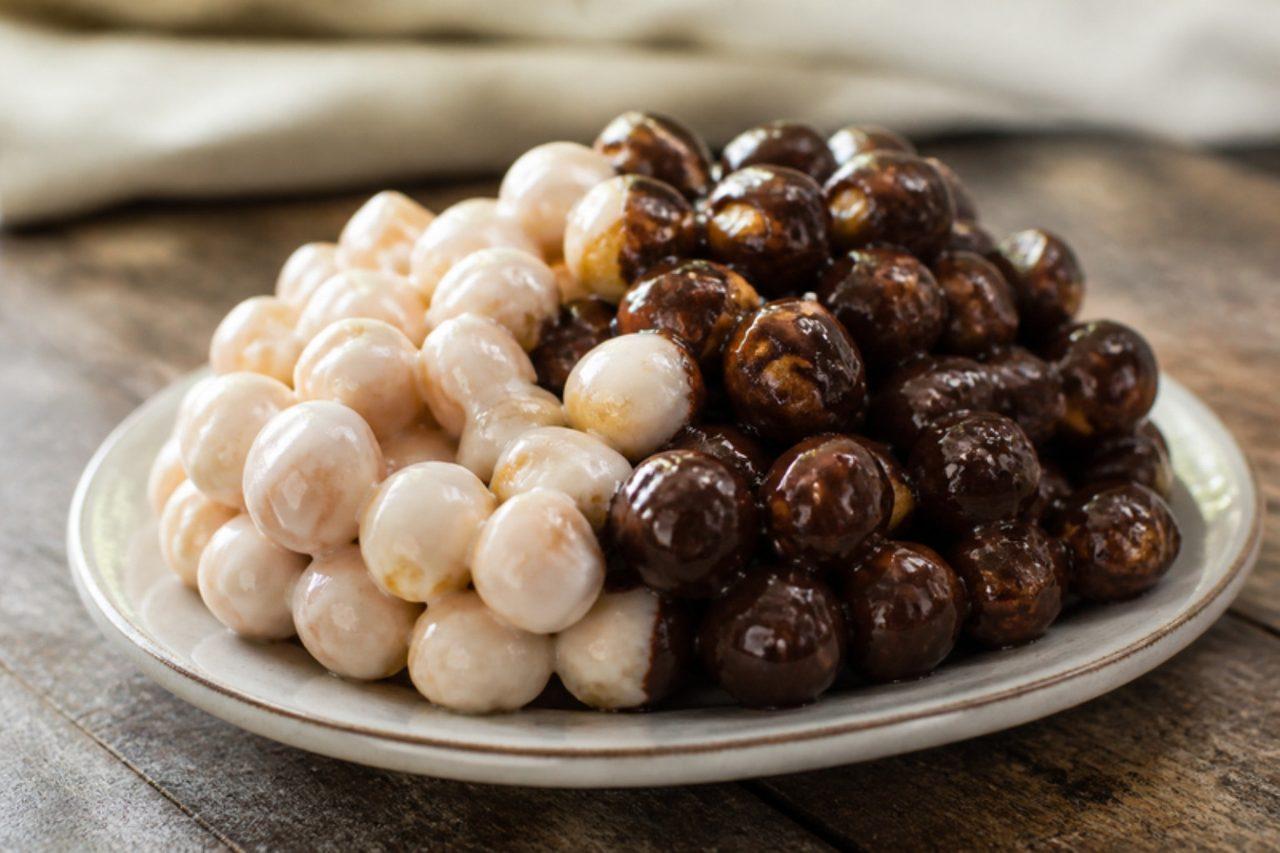
Pignolata messineseGlazed fried dough mound

In Messina, at the north-east tip of Sicily, Carnival means pignolata: a mound of small fried dough pieces, glazed half with a white lemon icing and half with a dark chocolate one, like a little mountain with a snowy side and a dark side. It is said to have been created by Messina's aristocratic families as a grand version of the humble honey pignolata eaten by the poor. It is served in slices with coffee. Chef's tip: let the first glaze set completely before adding the second; if both are soft at once, the colours run into each other.

by KrazyBadal 0 views
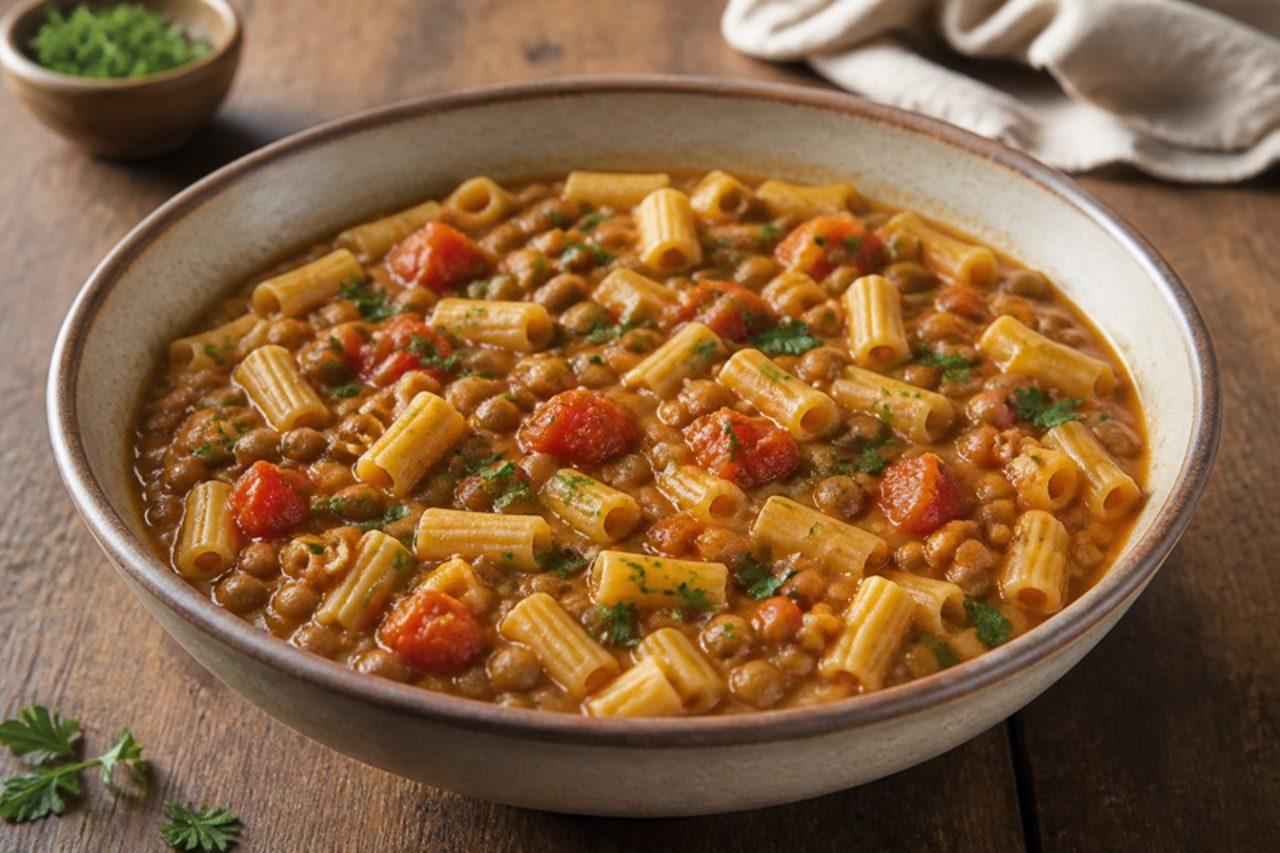
Pasta e lenticchiePasta and lentil stew

In Naples, pasta with legumes is weekday food, and pasta e lenticchie is the one every family makes in winter: small lentils cooked with garlic, celery and a little tomato until soft, then mixed short pasta (pasta mista, the broken ends of different shapes) is cooked right in the pot until thick and creamy. Lentils also bring luck for the New Year, so many families make it on 1 January. Chef's tip: cook the pasta in the lentils with only just enough water, adding it a ladle at a time; the starch from the pasta makes the stew creamy without any cheese.

by KrazyBadal 0 views
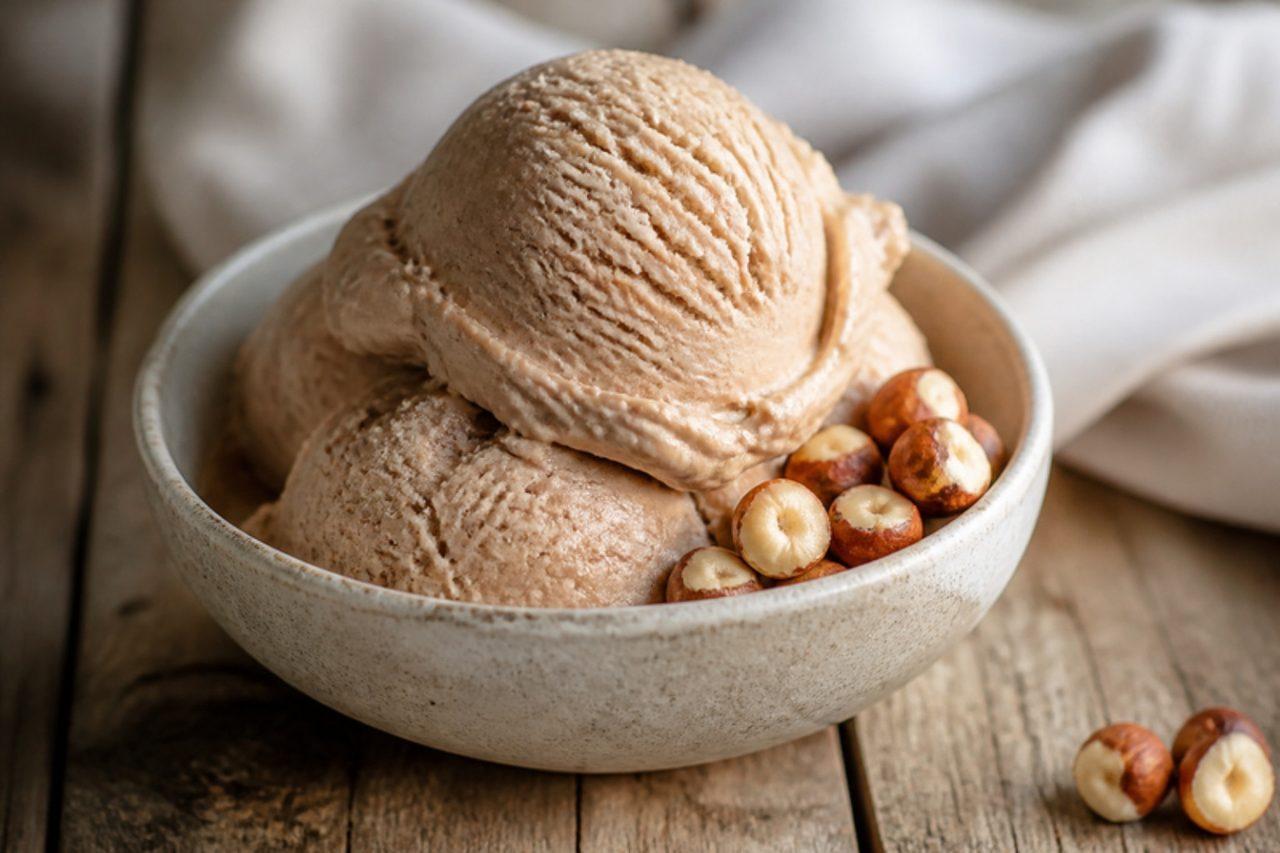
Gelato alla nocciolaHazelnut gelato

Piedmont's Langhe hills grow the Tonda Gentile hazelnut, prized for its sweet, toasty flavour, and the region's gelaterie turn it into a deep, nutty, caramel-coloured gelato that many Italians consider the king of flavours. Turin is also where hazelnut and chocolate were first combined, in gianduja. In winter the same paste goes into cakes and biscuits. Contains nuts. Chef's tip: toast the hazelnuts until dark golden right through; under-toasted nuts give a flat, green flavour.

by KrazyBadal 0 views

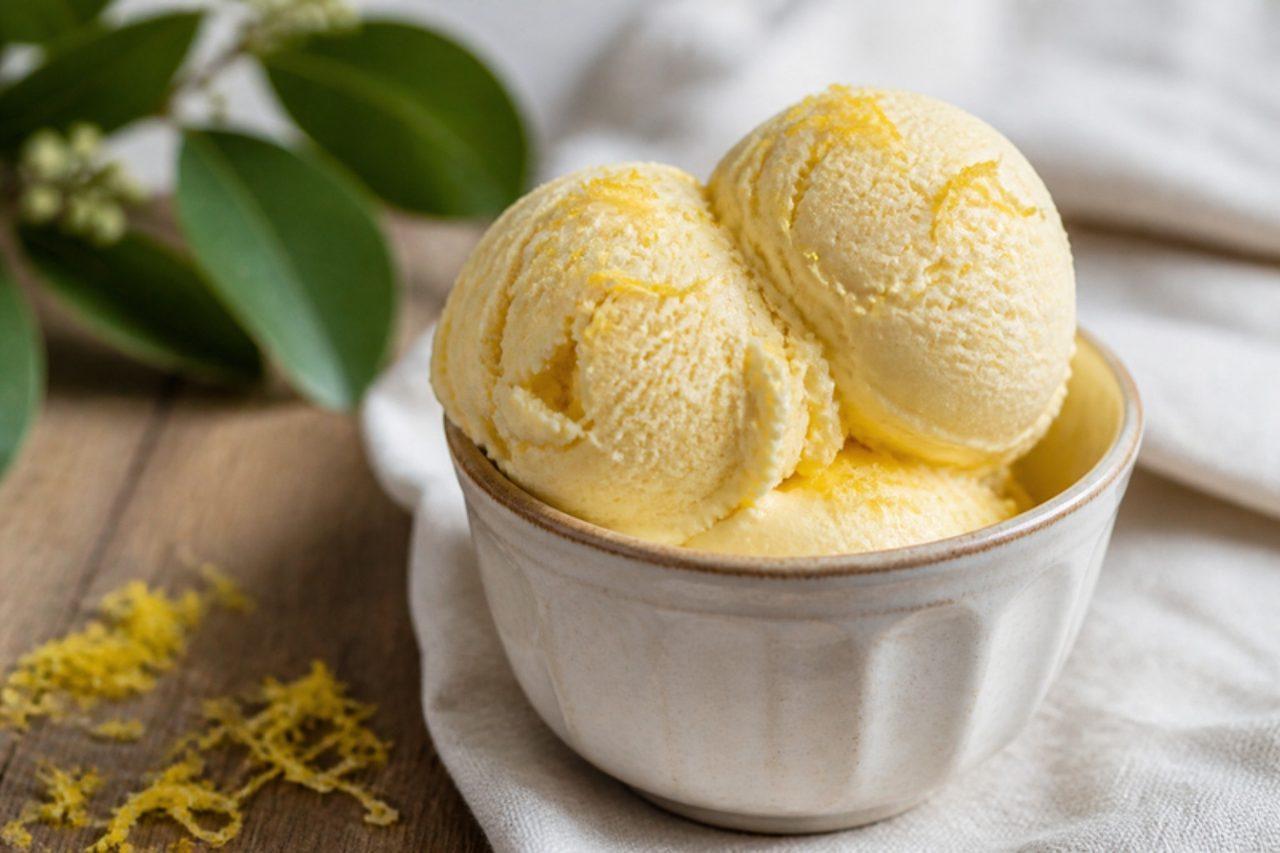
Gelato alla cremaCustard gelato

Crema is the yellow, custard-flavoured gelato that Italian grandparents always order, made with egg yolks like a crème anglaise and perfumed with lemon zest rather than vanilla, as was the old way in Florence and Sicily. It is rich and smooth and is the base for many classic flavours, and many gelaterie still call it "crema della nonna". Chef's tip: cook the custard until it reaches 82 °C and coats the back of a spoon; this makes the yolks safe and gives a silky texture without scrambling.

by KrazyBadal 0 views
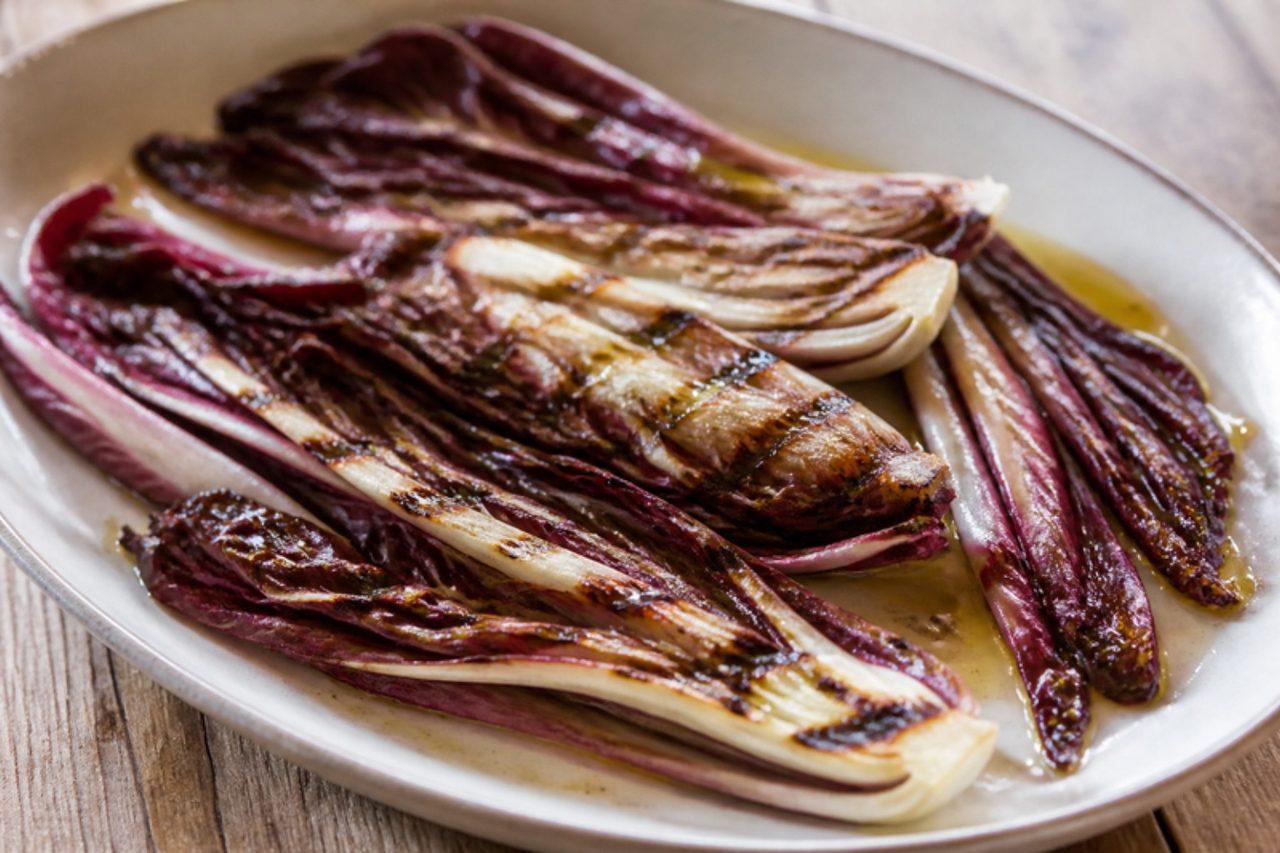
Radicchio trevigiano ai ferriGrilled radicchio

Treviso, north of Venice, is famous for its radicchio tardivo, long crimson leaves with white ribs that are harvested in December and forced in cold spring water until they are crisp and only gently bitter. In the Veneto it is often grilled on a griddle over the fire, dressed with olive oil, salt and a few drops of vinegar, and served next to grilled meat or polenta. The heat softens the bitterness and adds a smoky sweetness. Chef's tip: cut the heads lengthways through the root so the leaves stay joined and don't fall through the grill.
by KrazyBadal 0 views

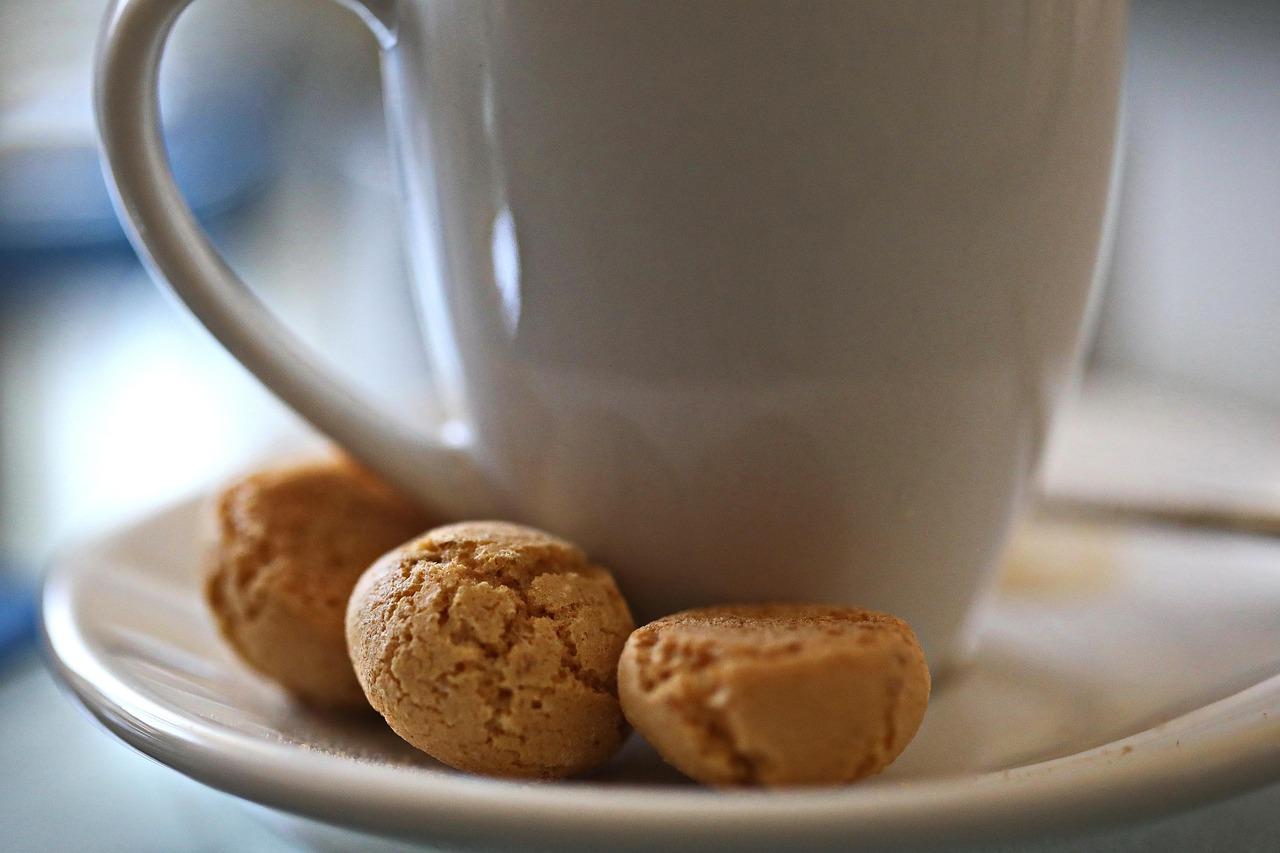
Amaretti

Amaretti, "little bitter ones", are named after the bitter almonds that give them their sharp, marzipan flavour. In Saronno, near Milan, they are crisp and light, wrapped in paper; in Mombaruzzo and Sassello in Piedmont and Liguria they are soft and chewy. Both are eaten with coffee, crumbled over ice cream or baked peaches, and used in the filling for Mantua's pumpkin tortelli. This soft version is naturally gluten free. Chef's tip: use a few drops of almond extract rather than bitter almonds, which are toxic raw in quantity; a little goes a long way.

by KrazyBadal 0 views

Insalata di arance e finocchiOrange and fennel salad

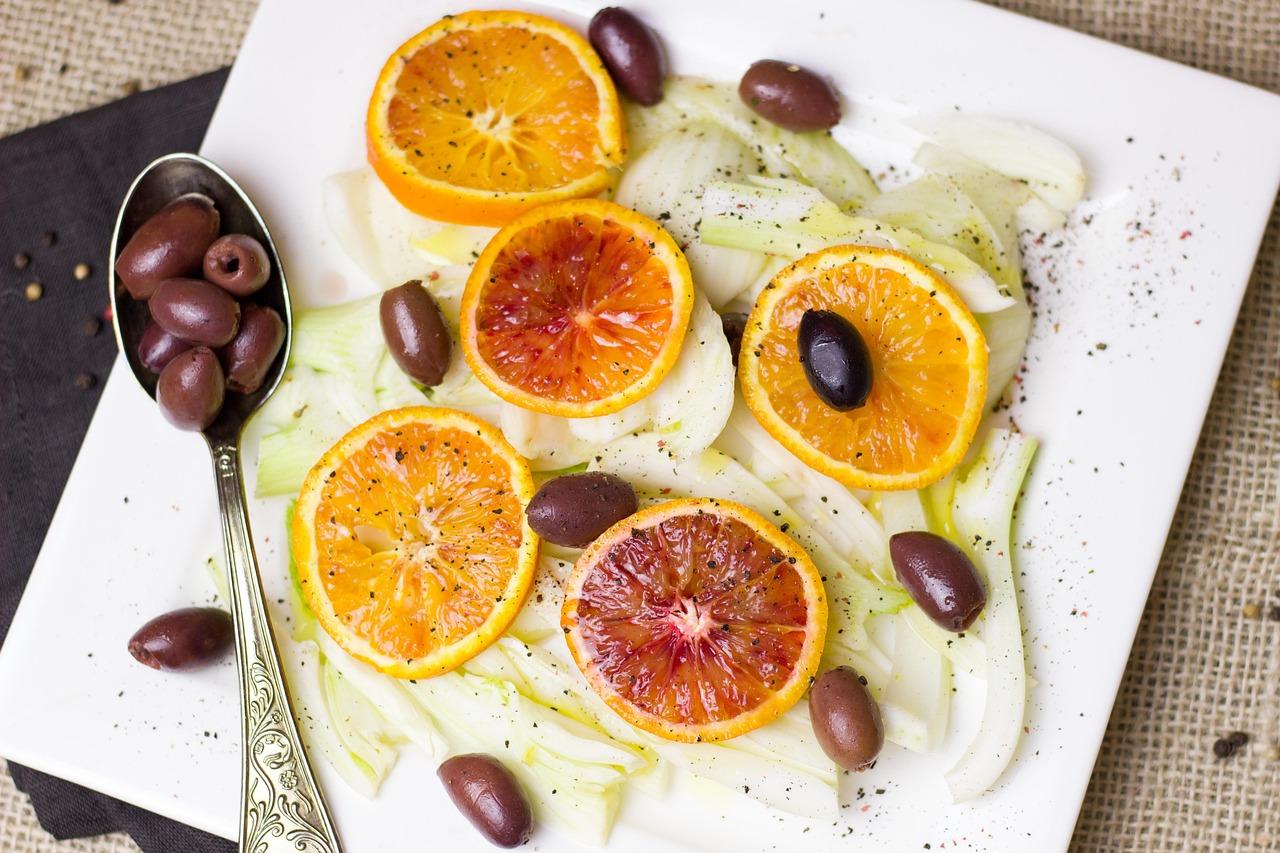
In Sicily the orange harvest peaks in January, just as wild fennel and the big fennel bulbs come in, and this bright salad is on the table across the island at Christmas and through the winter, often to clean the palate after a rich main dish. Juicy oranges, ideally blood oranges from the slopes of Etna, are sliced with shaved fennel, red onion, black olives and good olive oil. Chef's tip: cut the peel and all the white pith away with a knife, then slice the oranges into rounds; pith is bitter and makes the salad chewy.

by KrazyBadal 0 views

Colomba pasqualeEaster dove bread

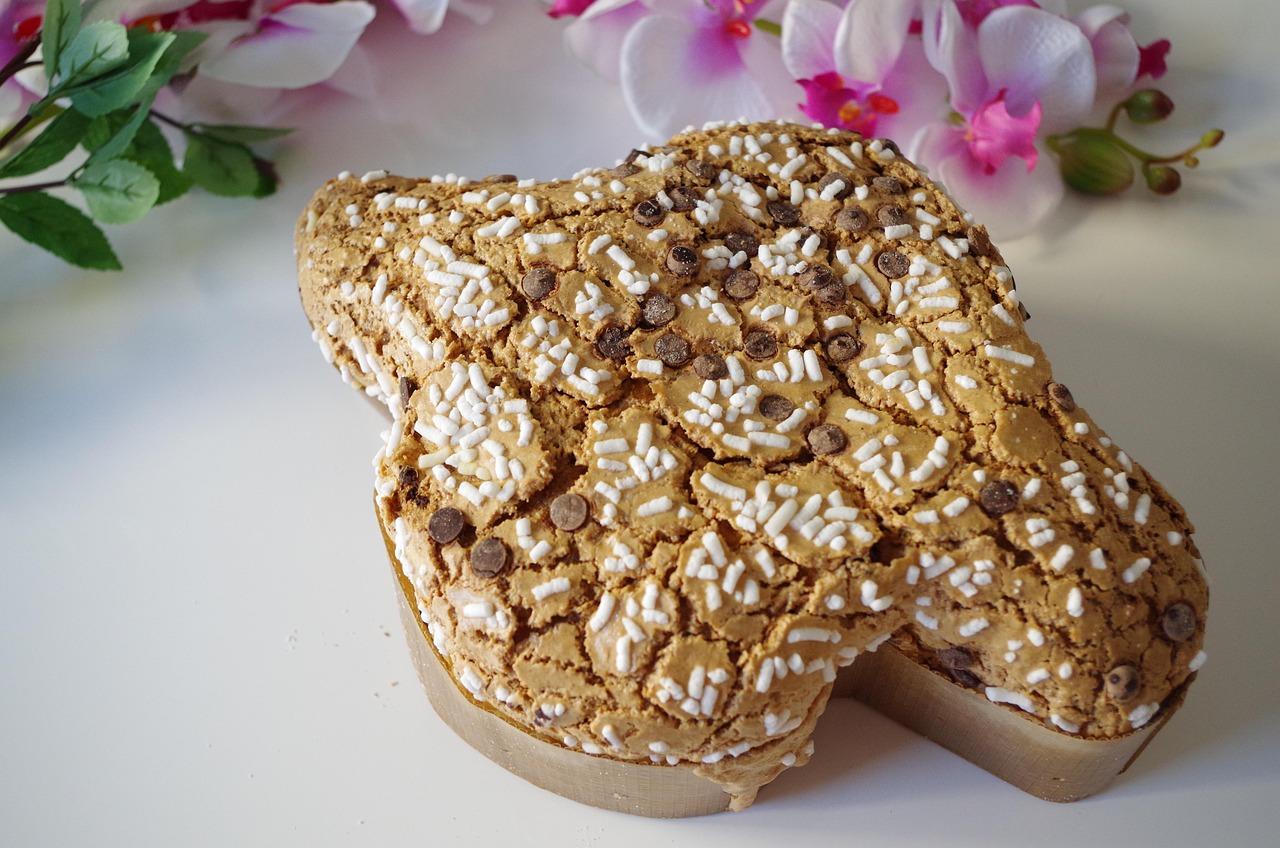
The colomba, the "dove" of peace, is Milan's Easter answer to Christmas panettone: a rich, buttery yeasted bread full of candied orange, baked in a dove-shaped paper mould and topped with a crunchy almond and sugar glaze. Italian families buy or bake one for Easter Sunday and eat it for breakfast through Easter Monday. Bakers use a sourdough starter and three days; this home version uses yeast and an overnight rise in the fridge, so it fits a weekend. Chef's tip: let the dough rise until it really reaches the top of the mould before baking; under-risen colomba bakes dense and heavy.

by KrazyBadal 0 views

Burrata con pomodoriniBurrata with cherry tomatoes

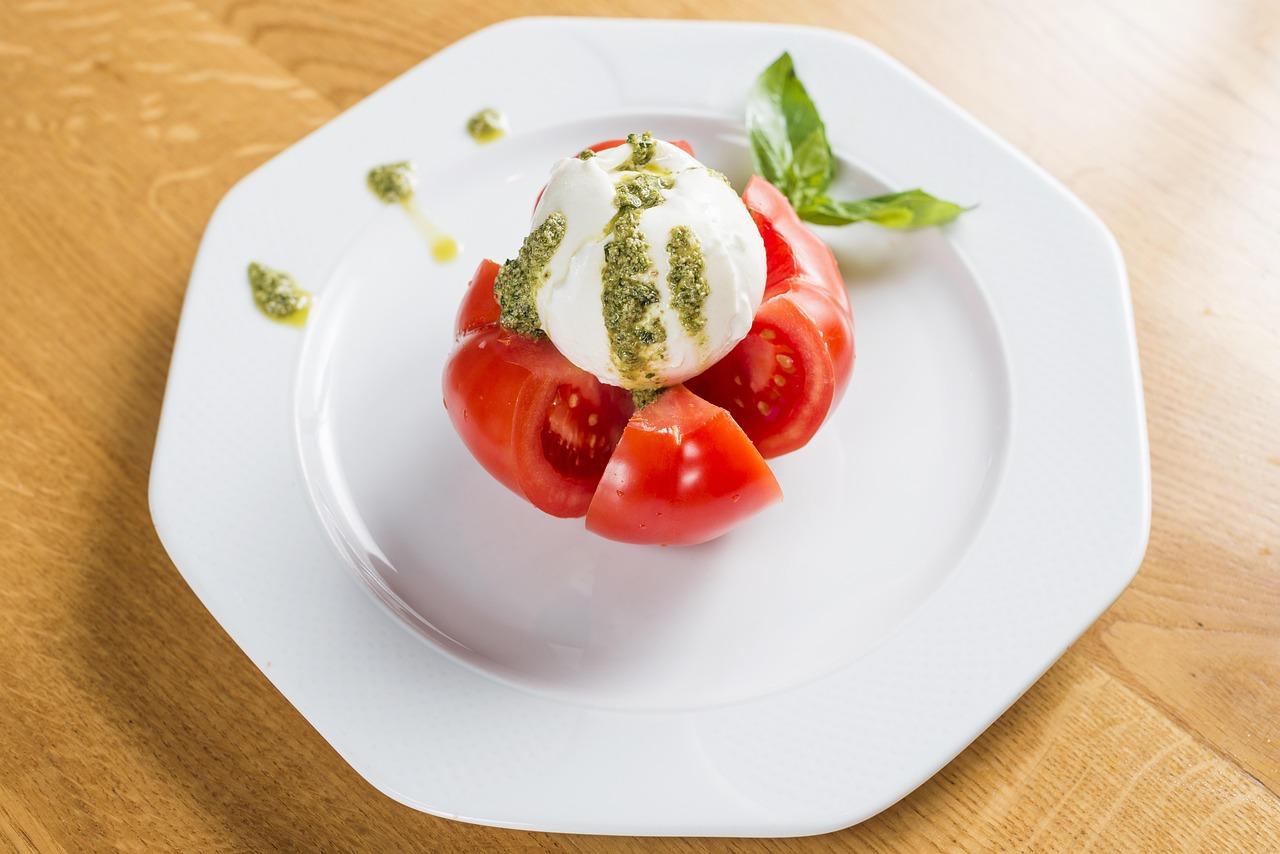
Burrata was born in the dairies around Andria in northern Puglia as a way to use the scraps of mozzarella curd, wrapped in a pouch of stretched curd and filled with cream. In Bari and the towns of the Murge it is eaten the day it is made, often as the first thing on the table at Sunday lunch, torn open over the sweetest summer tomatoes. The outside is soft and springy; the inside, called stracciatella, spills out like thick cream. Mozzarella and burrata are usually made with calf rennet, so look for a vegetarian-rennet burrata if that matters to you. Chef's tip: take the burrata out of the fridge 30 minutes before serving; straight from the cold it tastes of very little.

by KrazyBadal 0 views

CastagnoleCarnival fried dough balls

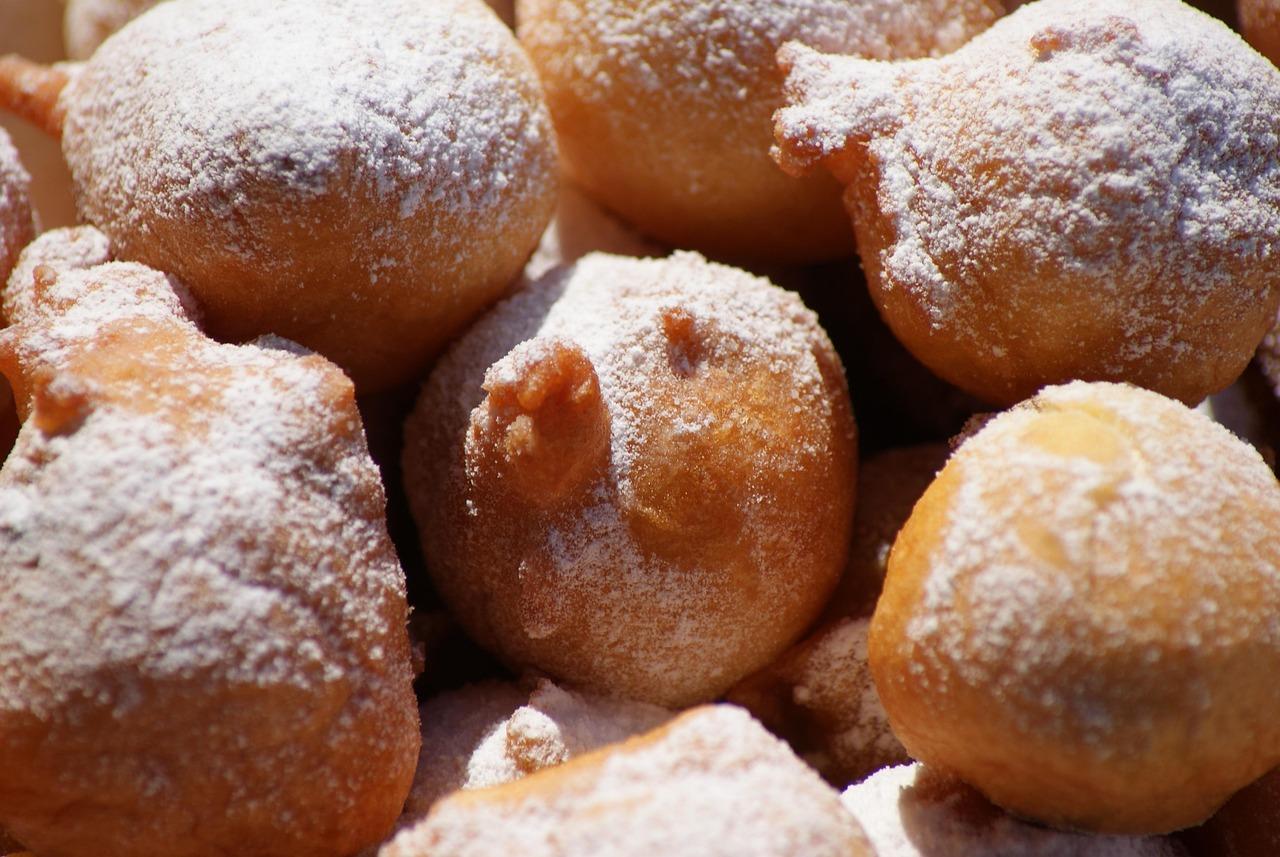
In February, from Bologna and Rimini down to Rome, pastry shop windows fill with castagnole, small fried balls of sweet dough the size of a chestnut (castagna), rolled in sugar while still warm. Children eat them by the bagful at Carnival parades, often in costume, and some bakeries fill them with custard or ricotta. Families in Romagna add a splash of anise liqueur or rum; this version flavours them with lemon and vanilla instead, so they are alcohol free. Chef's tip: fry them in oil that isn't too hot, about 165 °C; castagnole need time to puff and cook through to the centre.

by KrazyBadal 0 views

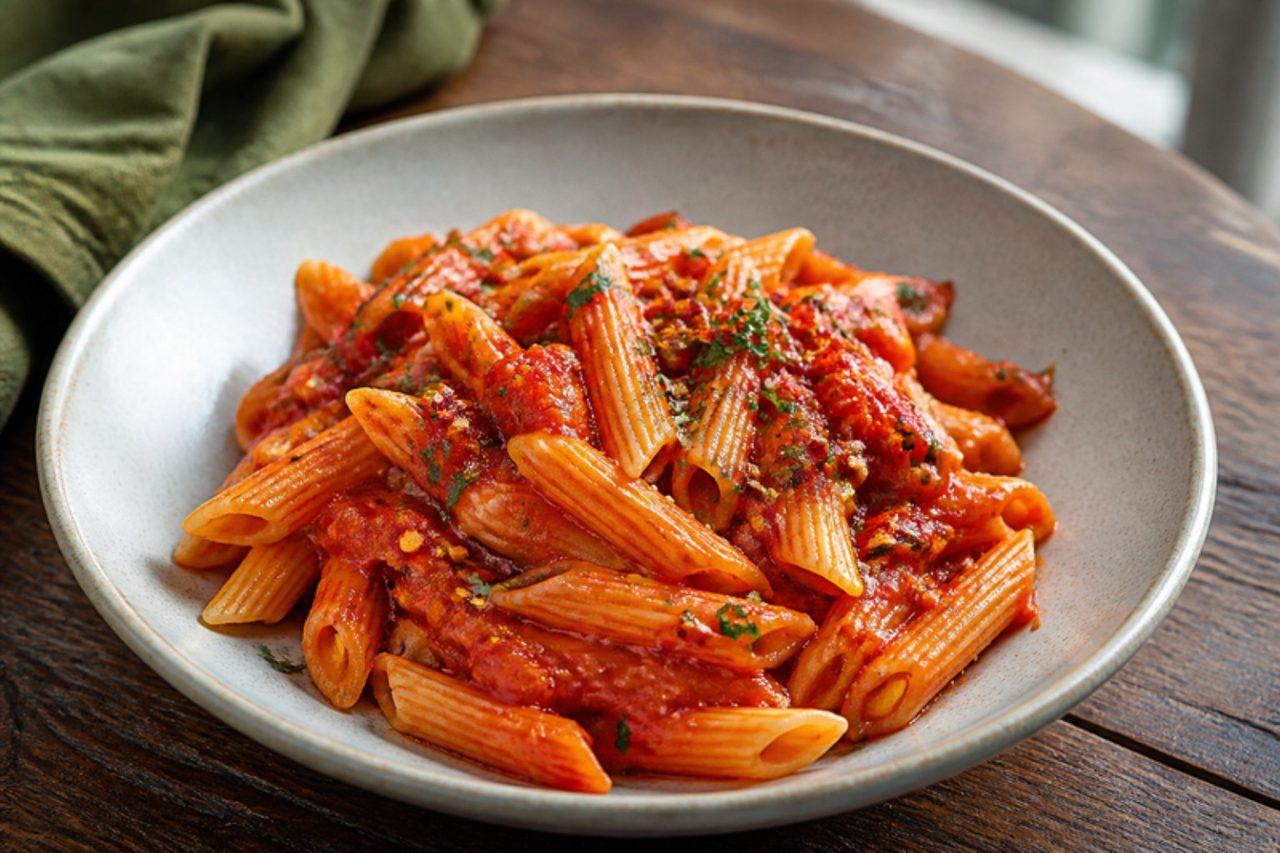
Penne all'arrabbiataPenne in spicy tomato sauce

Arrabbiata means "angry", and Romans say the name comes from the red face you get after a plateful. It is the late-night pasta of Roman trattorie and student flats: penne in a tomato sauce made fierce with dried peperoncino and plenty of garlic, ready in the time the water takes to boil. There is no cheese in the classic Roman version, just parsley and the heat. Chef's tip: warm the chilli and garlic gently in the oil before the tomatoes go in; the oil carries the heat through the whole sauce, so it tastes hot all the way through rather than in random bites.

by KrazyBadal 0 views

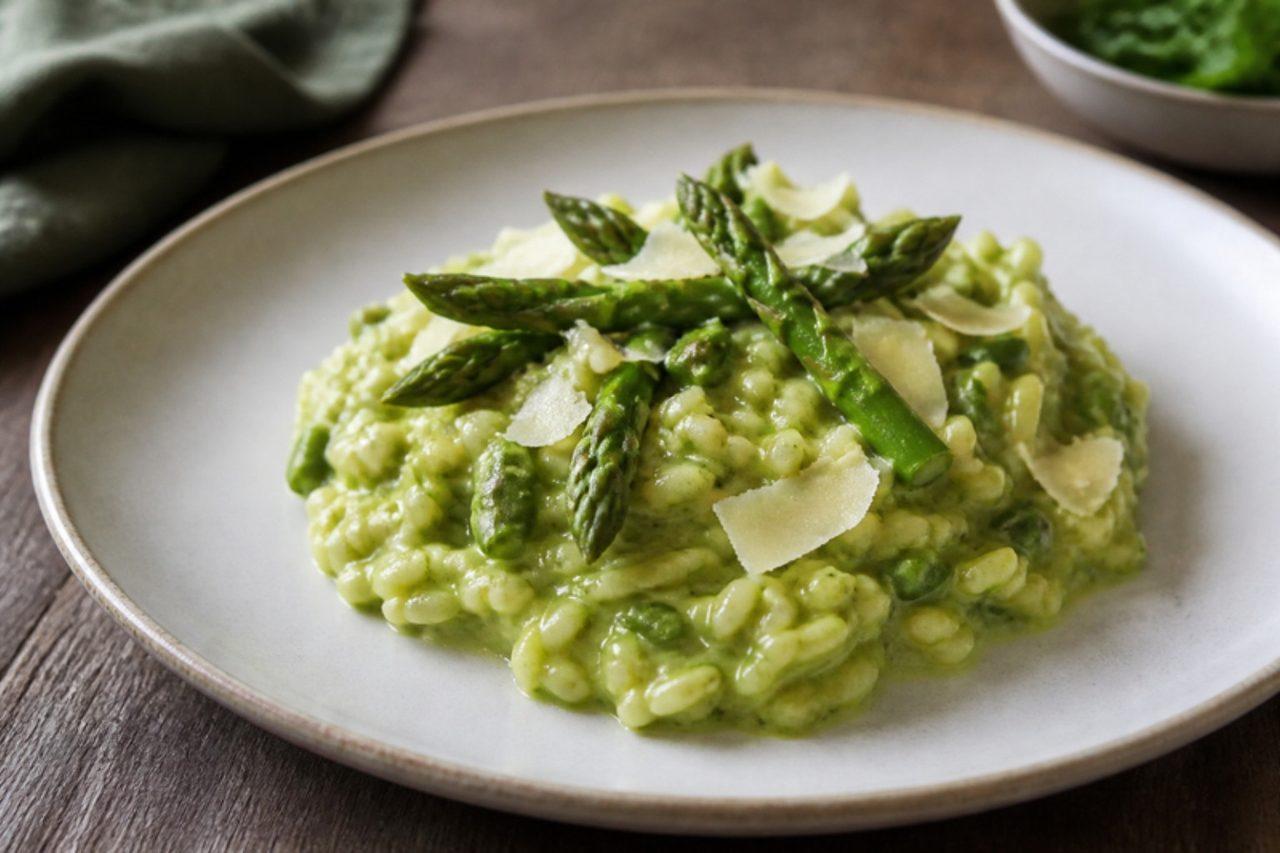
Risotto agli asparagiAsparagus risotto

In April and May the town of Bassano del Grappa celebrates its white asparagus, and all over the Veneto green and white spears turn up in risotto. The stalks are cooked into the rice so their flavour runs through every grain, and the tender tips are added at the end so they stay bright and crisp. It is a light spring Sunday lunch, often followed by grilled fish. Parmigiano is made with animal rennet; choose a vegetarian hard cheese if you need to. Alcohol is used here: white wine, which you can replace with broth and a squeeze of lemon. Chef's tip: simmer the woody ends in the broth for 15 minutes before you start; they add a lot of asparagus flavour for free.

by KrazyBadal 0 views

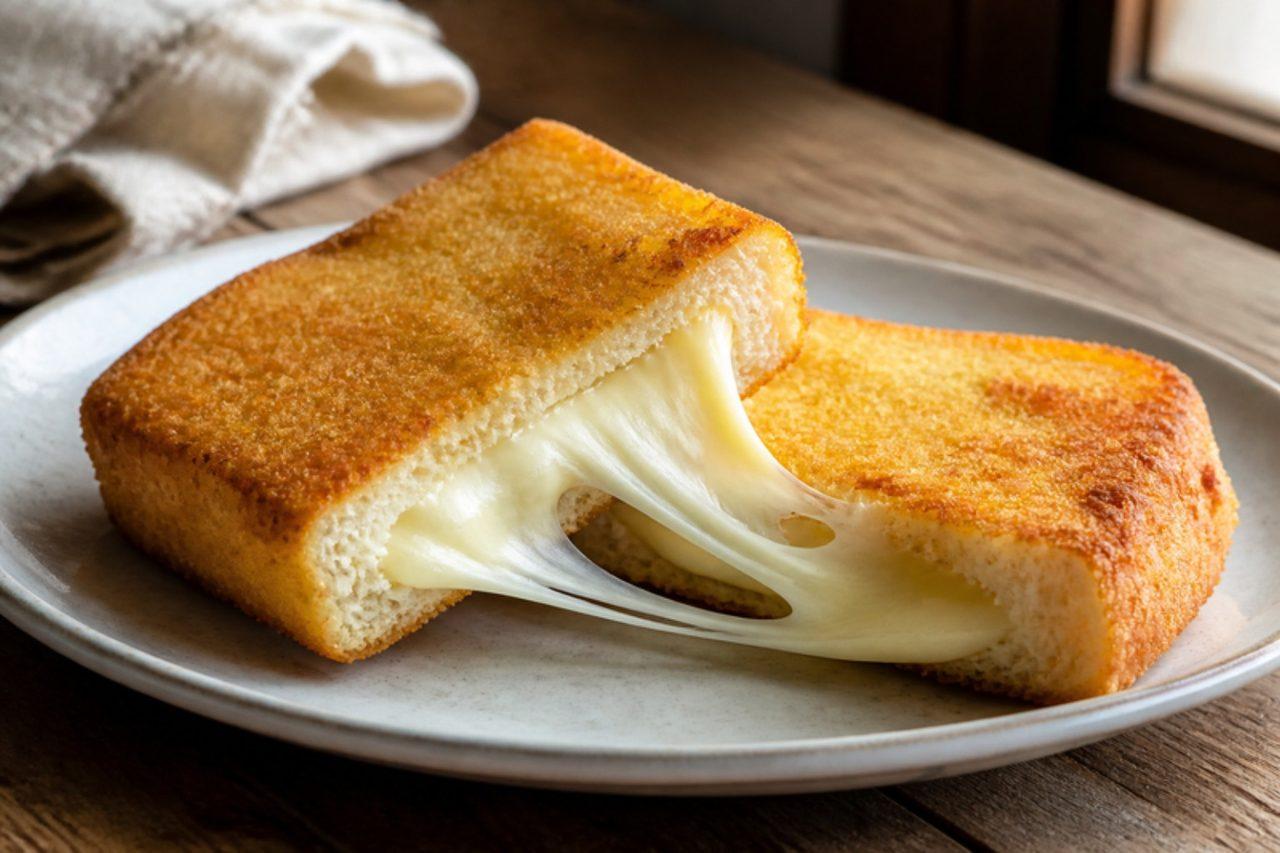
Mozzarella in carrozzaFried mozzarella sandwich

"Mozzarella in a carriage" is how Neapolitan families used up mozzarella that was a day or two old: slices of cheese sandwiched in white bread, dipped in flour, egg and milk, and fried until the bread is golden and the cheese stretches in long strings. It is sold in Naples friggitorie and eaten at home as a quick lunch or a snack after school. Mozzarella is usually made with calf rennet; vegetarian versions are easy to find. Chef's tip: press the sandwich edges firmly together after dipping in flour; a good seal keeps the melted cheese inside the carriage.

by KrazyBadal 0 views

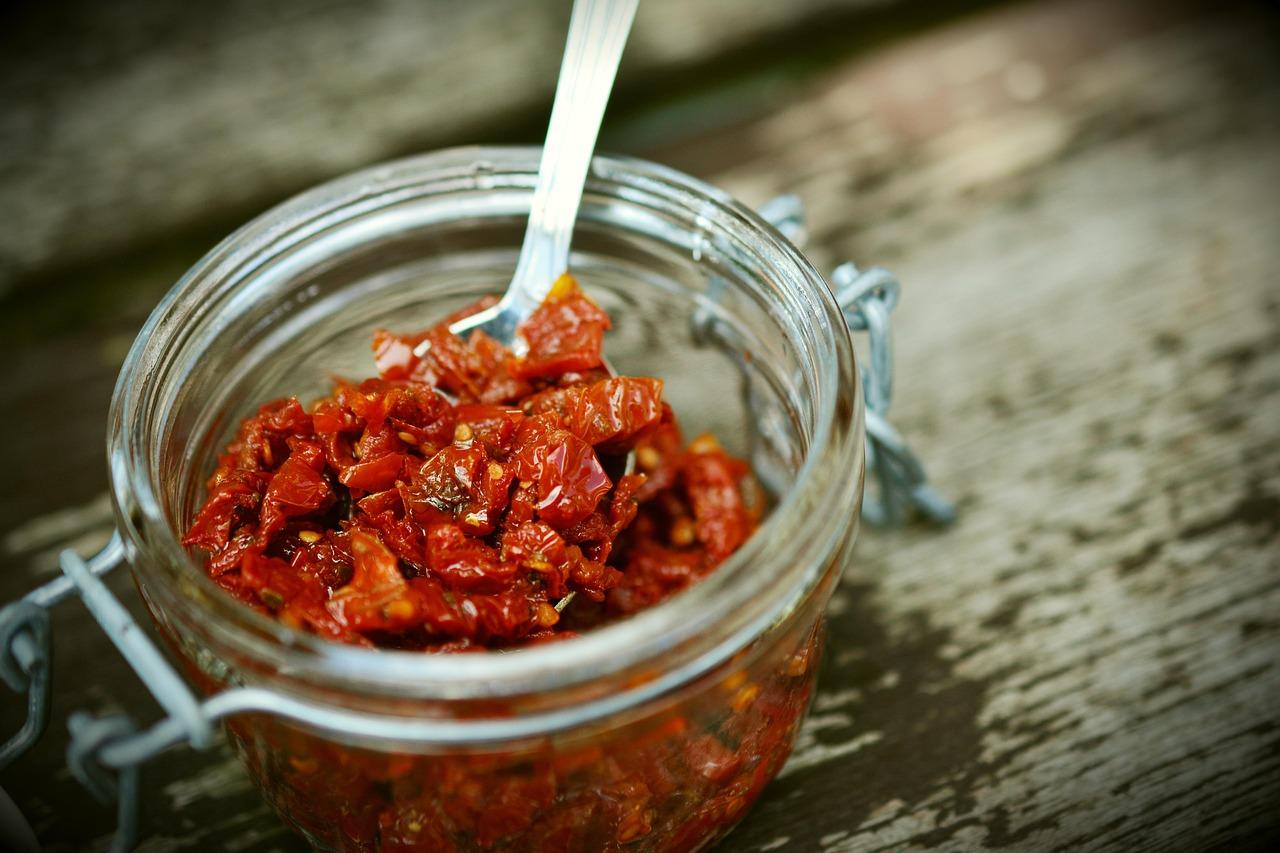
Pomodori secchi sott'olioSun-dried tomatoes in oil

In August, in Puglia and Sicily, halved tomatoes are laid salted on wooden boards and dried in the sun on rooftops for days, then softened in vinegar and packed in oil with garlic, oregano and capers. They are eaten through the winter on bread, in pasta or in salads. This recipe starts from shop-bought dried tomatoes. Chef's tip: dip the tomatoes in hot vinegar and water before packing; it softens them, adds a tang and makes them safer to keep in oil.

by KrazyBadal 0 views

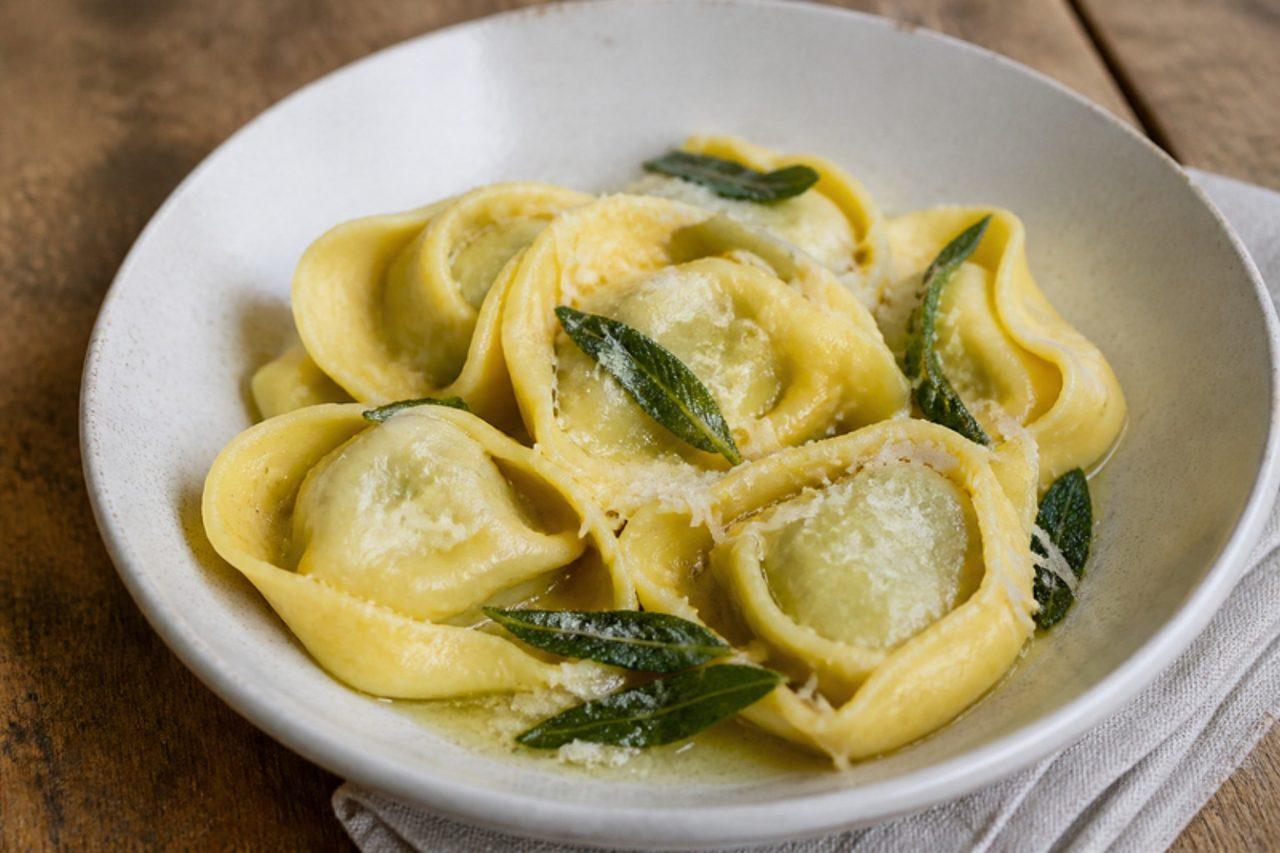
Tortelloni di ricotta burro e salviaRicotta tortelloni in sage butter

In Bologna, tortelloni are the big brothers of tortellini: wide parcels of egg pasta folded around ricotta, parsley and Parmigiano, often made on Christmas Eve, when meat is avoided, and on Fridays. The sfogline (pasta makers) of the Quadrilatero market roll the dough by hand so thin you can read through it. They are served simply with butter and sage so the filling shines. Parmigiano is made with animal rennet; choose a vegetarian hard cheese if you need to. Chef's tip: press every bit of air out around the filling before you seal; trapped air makes the tortelloni burst in the pot.

by KrazyBadal 0 views

Canestrelli liguriFlower shortbread biscuits

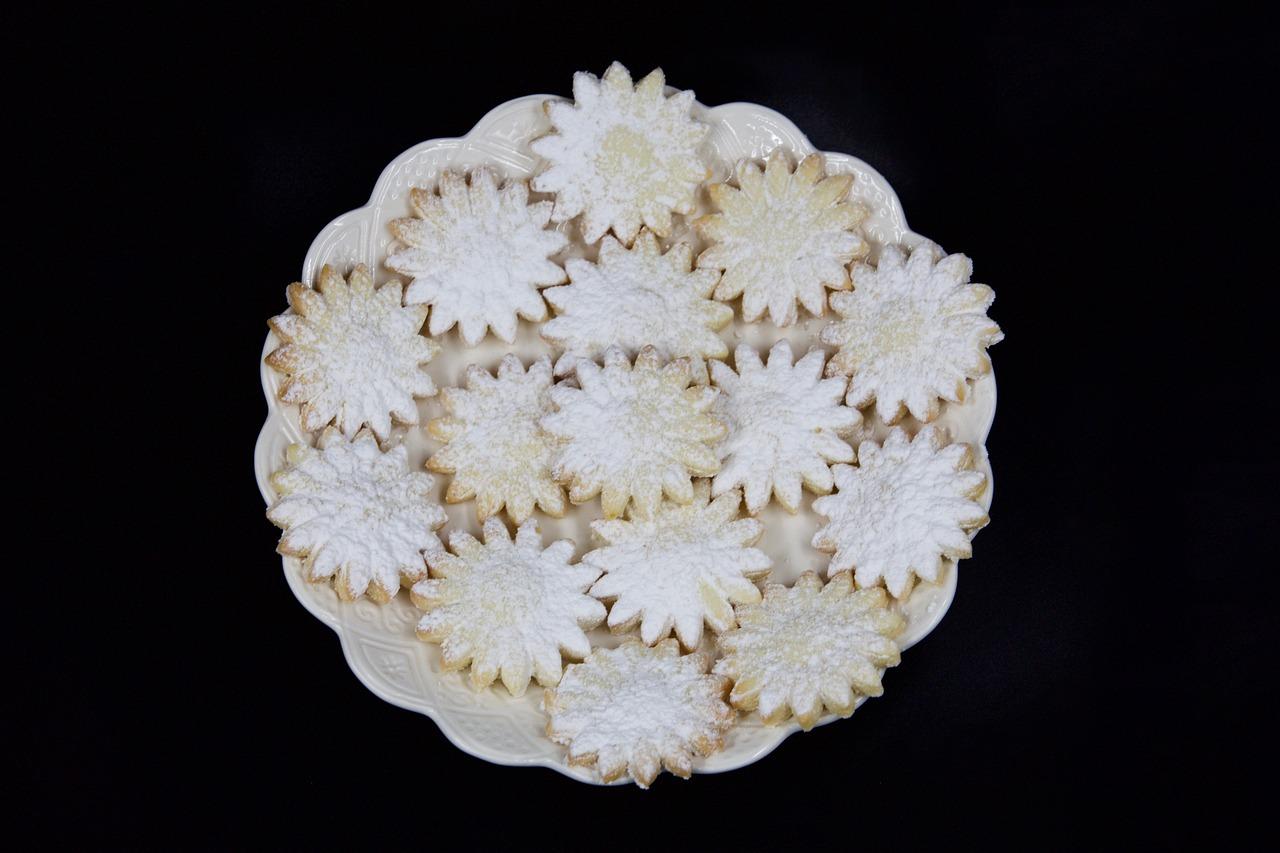
Canestrelli are the most delicate biscuits in Liguria: daisy-shaped shortbread with a hole in the middle, so fragile they melt in the mouth. The secret is hard-boiled egg yolks pushed through a sieve into the dough, with potato starch, which makes them crumbly and sandy. They are sold in Genoa and the hill town of Torriglia, piled in paper and covered with snowy icing sugar. Chef's tip: work the dough as little as possible and keep it cold; warm dough becomes too soft to cut into neat flowers.

by KrazyBadal 0 views

Cicoria ripassataSautéed bitter chicory

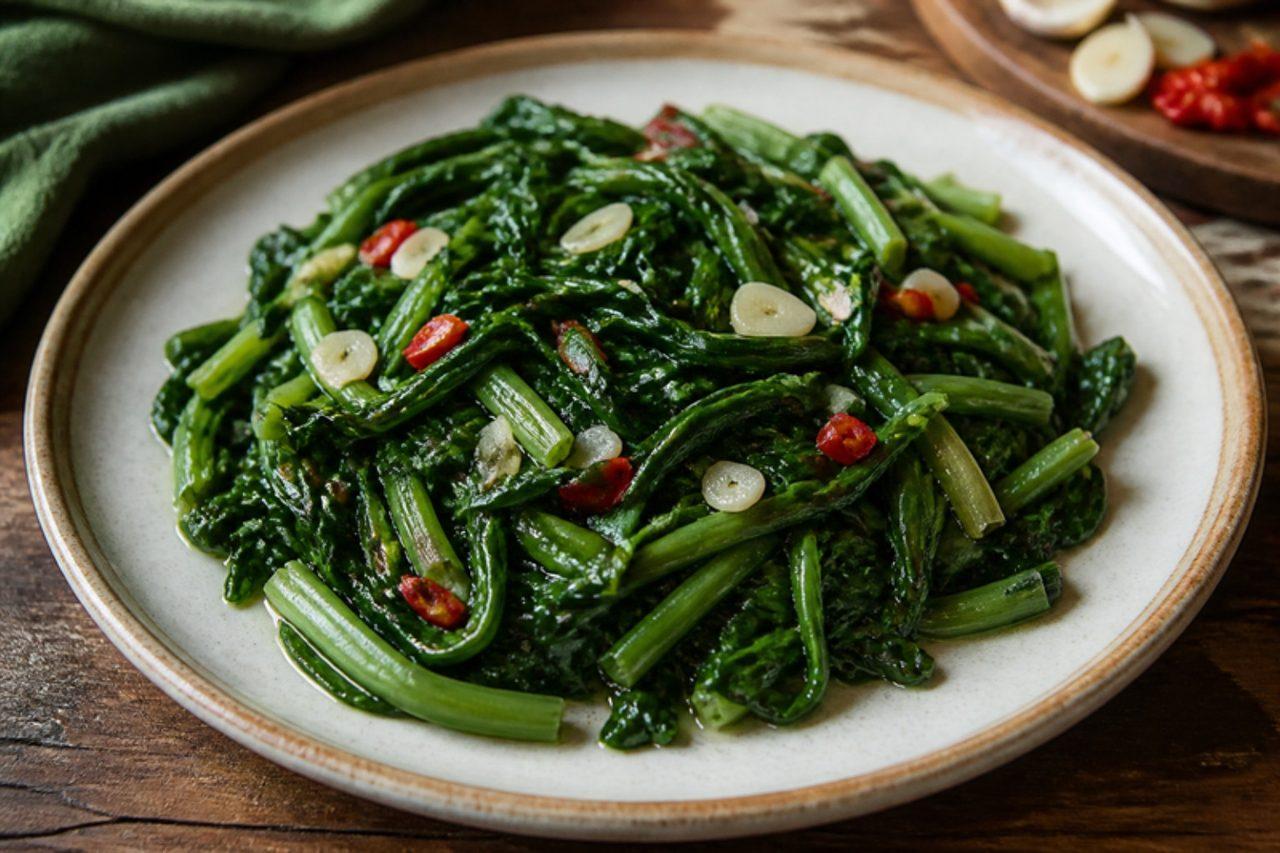
In Rome and across Puglia, cicoria is the bitter green that arrives at every market from autumn to spring, often gathered wild in the fields. It is boiled first to soften its bitterness, then "ripassata", passed through the pan again with garlic, chilli and olive oil. Roman trattorie serve it next to roast lamb or saltimbocca, and in Puglia it is the classic partner for fava bean purée. Chef's tip: boil the chicory in plenty of well-salted water and then squeeze it hard; most of the harsh bitterness goes down the drain with the water.

by KrazyBadal 0 views

Polenta pasticciataBaked polenta with mushroom sauce

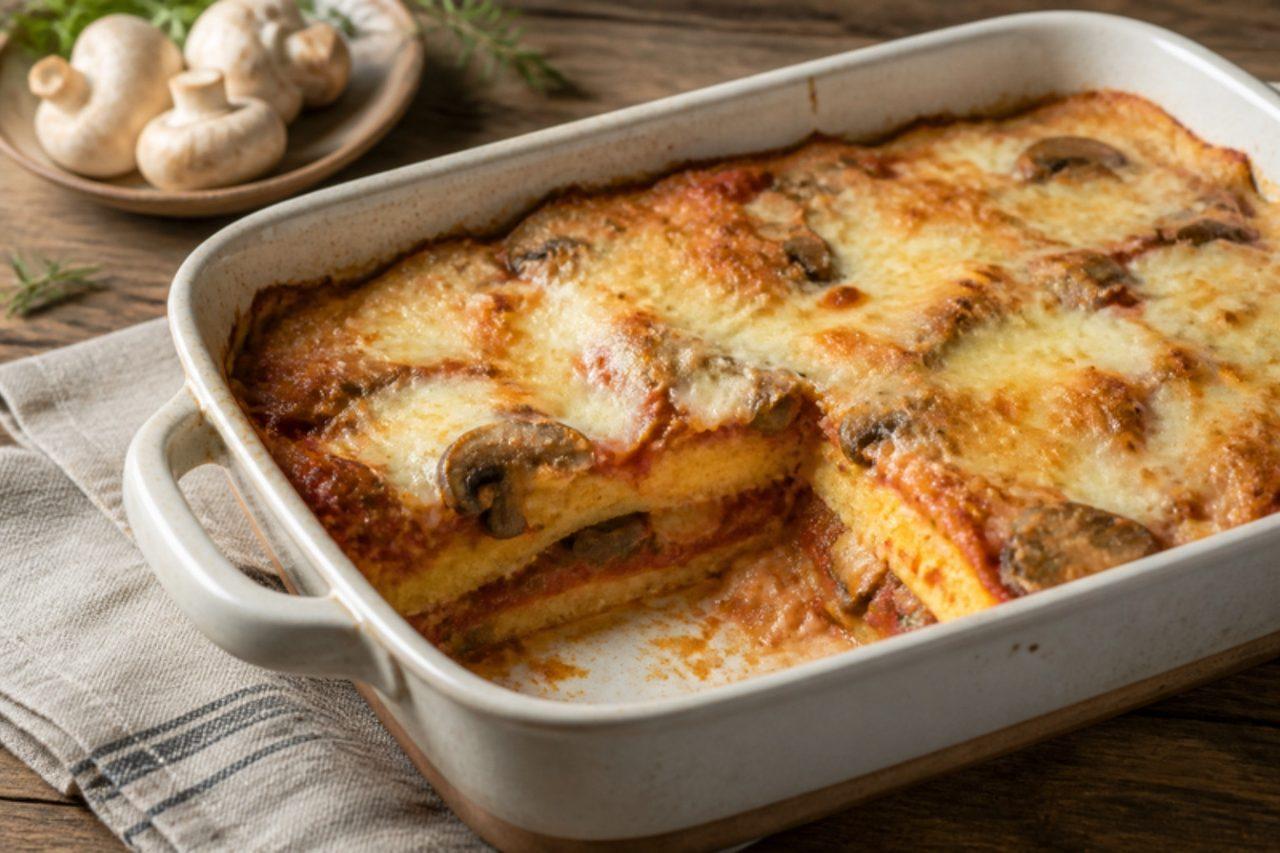
Across the Veneto and Lombardy, yesterday's polenta becomes today's polenta pasticciata: slices of set polenta layered like lasagne with a sauce of tomato and mushrooms, mozzarella and grated cheese, then baked until bubbling. It is the dish families make for Sunday in winter, often prepared on Saturday. Parmigiano is made with animal rennet, and mozzarella usually uses calf rennet; vegetarian versions work well. Chef's tip: set the polenta in a thin layer the day before; firm, cold polenta slices cleanly and holds its layers in the oven.

by KrazyBadal 0 views

Pomodori col risoRice-stuffed tomatoes

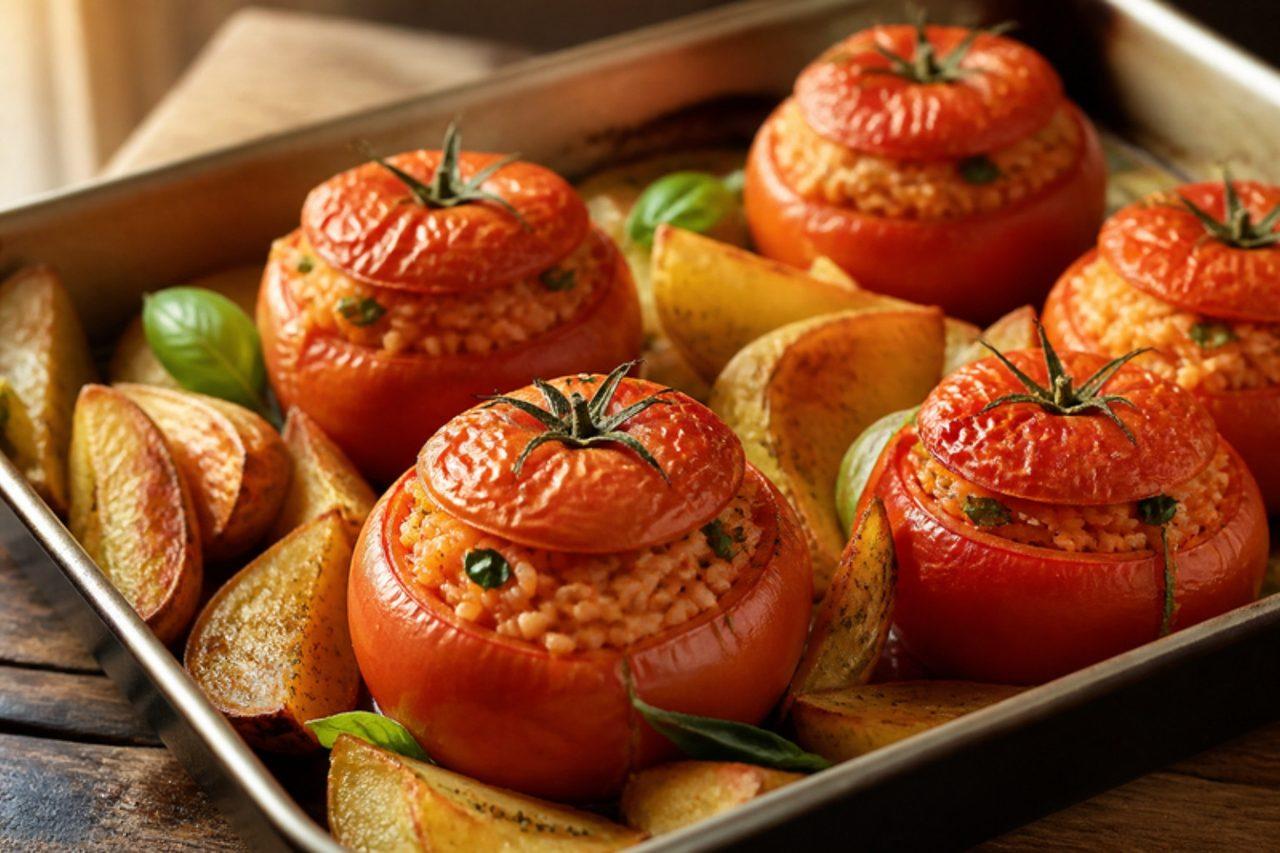
Every Roman bakery and rosticceria has a tray of pomodori col riso in summer: big round tomatoes, hollowed out and filled with raw rice soaked in their own pulp with garlic, basil and olive oil, then baked with wedges of potato that soak up the juices. Romans eat them warm or at room temperature for lunch on hot days, often on Ferragosto (15 August). Chef's tip: let the rice soak in the tomato pulp for at least an hour before filling; it softens and then cooks evenly inside the tomatoes.

by KrazyBadal 0 views

Pizza di Pasqua al formaggioEaster cheese bread

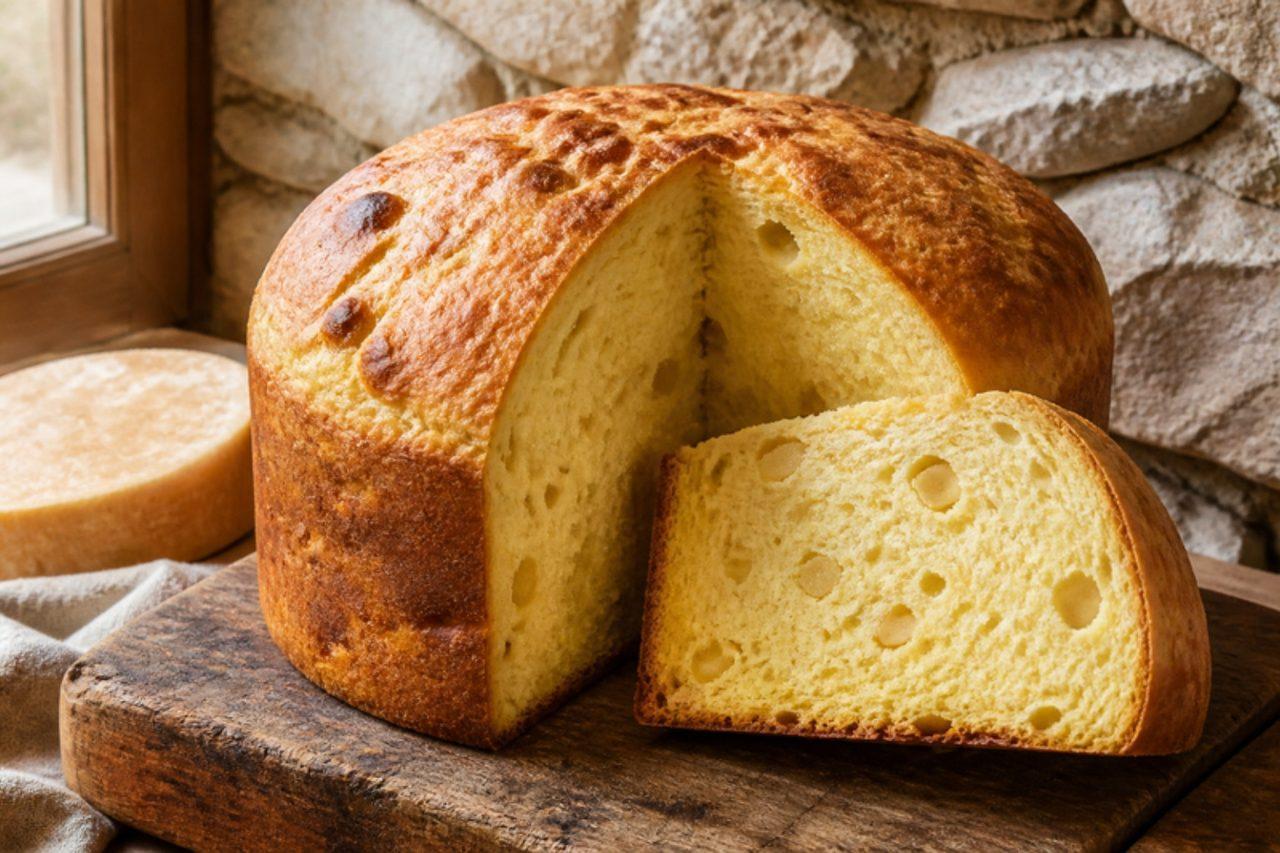
On Easter morning in Perugia, Ancona and the villages of Umbria and the Marche, families sit down to a breakfast that comes after Lent: a tall, golden cheese bread, rich with eggs, pecorino and Parmigiano, sliced and eaten with hard-boiled eggs and salami that has been blessed in church. The bread rises high like a panettone and has a soft yellow crumb dotted with cubes of cheese. Pecorino and Parmigiano are usually made with animal rennet; vegetarian hard cheeses work. Chef's tip: bake it in a tall, straight-sided tin or a clean coffee can lined with paper; the high sides help it rise up rather than spread.

by KrazyBadal 0 views

Schiacciata alla fiorentinaOrange Carnival sponge cake

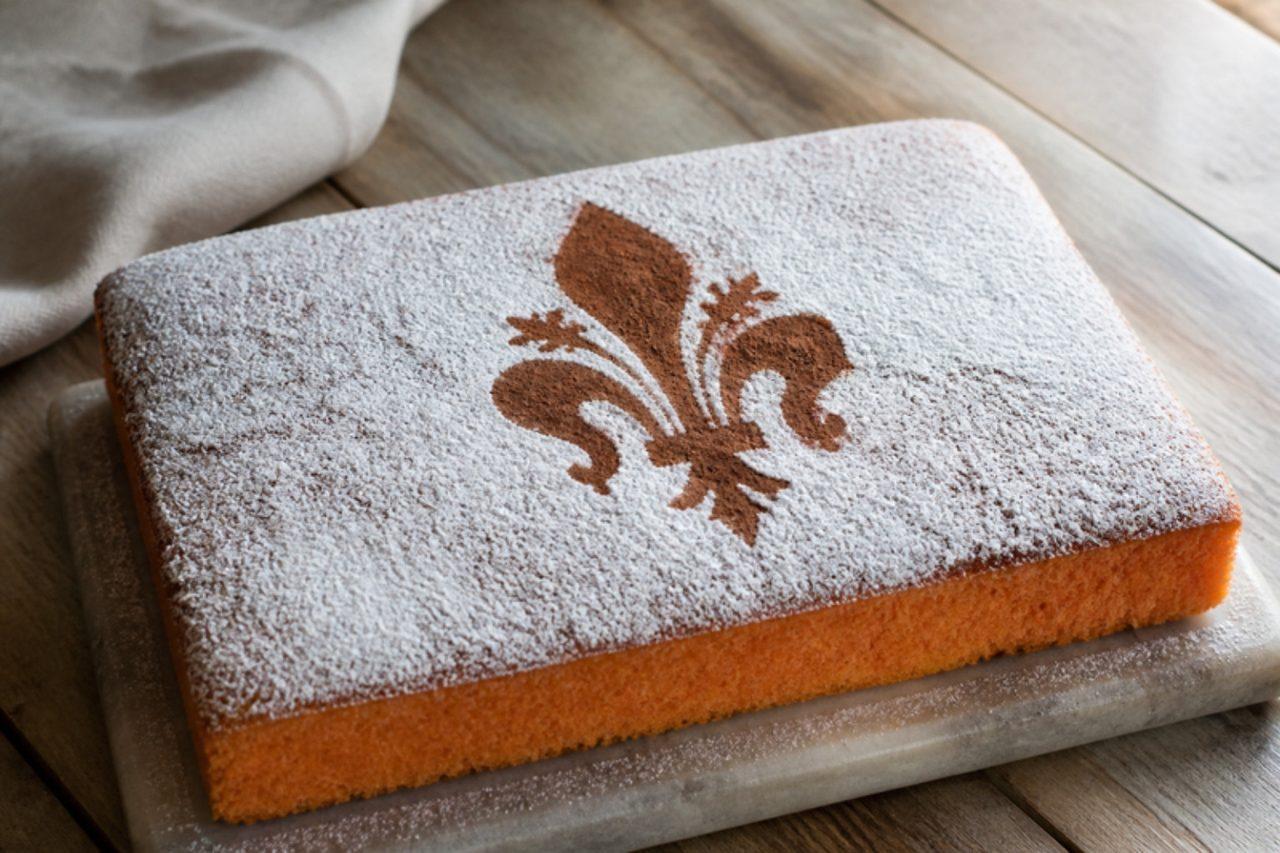
During Carnival every bakery in Florence sells schiacciata alla fiorentina: a low, soft, orange-scented sponge, baked in a rectangular tin and covered with icing sugar with the Florentine lily (the giglio) stencilled in cocoa on top. Florentines eat it for breakfast with a cappuccino or as an afternoon snack, plain or split and filled with cream. The original was a rich yeasted bread with lard; today almost everyone makes this simple, quick version. Chef's tip: keep the cake low, about 3 cm; it is meant to be a thin, moist sponge, not a tall cake.

by KrazyBadal 0 views

Graffe napoletanePotato doughnuts

Graffe are the Neapolitan doughnut, sold warm at bars and pastry shops all year round but especially at Carnival: soft, fluffy rings made with mashed potato in the dough, which keeps them light and moist, fried and rolled in sugar. Neapolitans eat them for breakfast with an espresso, or as a children's snack after school. The name probably comes from the Austrian krapfen, brought to the city in the 1700s. Chef's tip: let the shaped rings rise on small squares of baking paper; you can lower them into the oil on the paper without knocking out the air, then pull the paper away.

by KrazyBadal 0 views

Zabaione

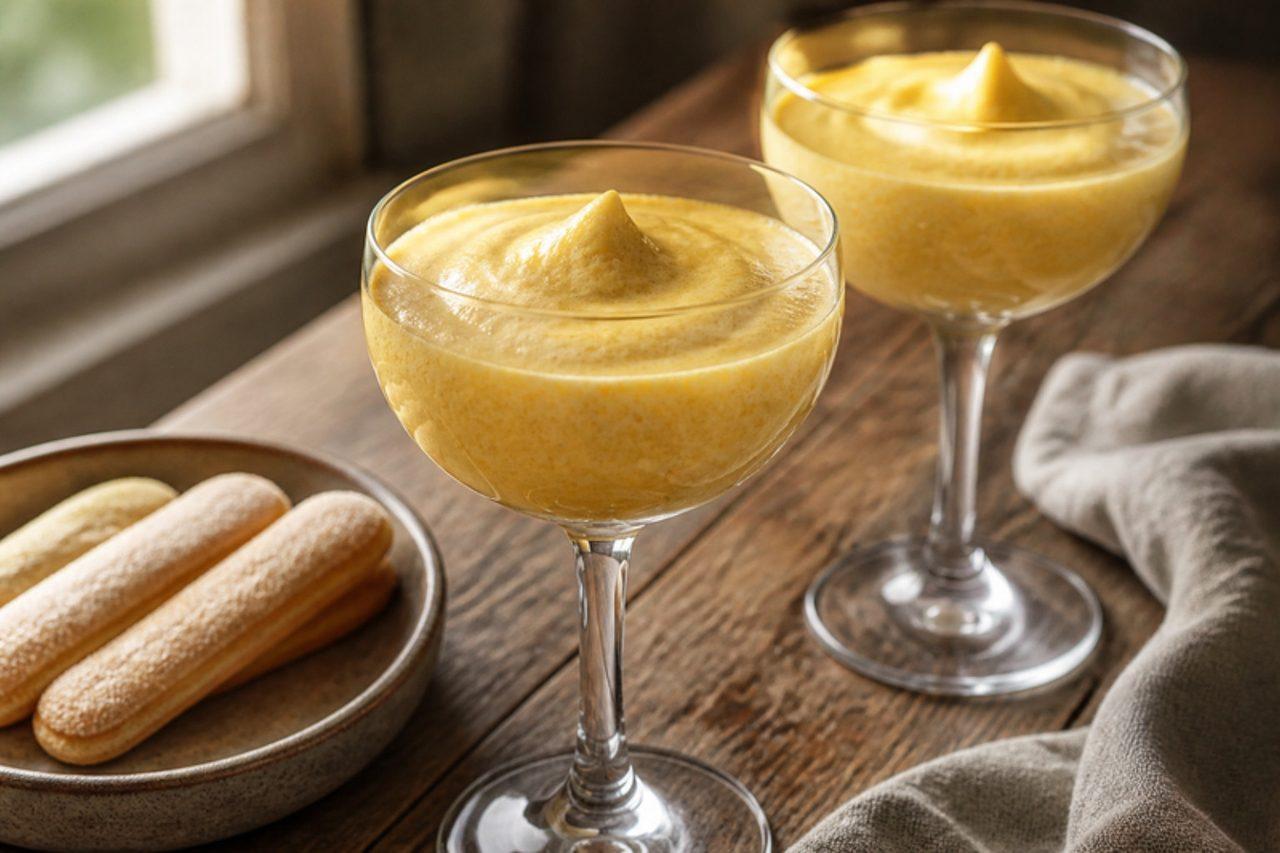
Zabaione (or zabaglione) is said to have been created in Turin in the 1500s and dedicated to San Pasquale, the patron saint of pastry cooks. It is a warm, airy foam of egg yolks and sugar whisked over a gentle heat with Marsala wine, served in glasses with savoiardi biscuits, or poured over fresh berries. In Piedmontese homes it was also given as a pick-me-up. This dessert contains alcohol and is for adults only. For an alcohol-free version, use the same amount of strong coffee or milk with a spoonful of vanilla. Chef's tip: whisk over barely simmering water and keep the bowl moving; too much heat cooks the yolks into scrambled egg.

by KrazyBadal 0 views

Cannoncini alla cremaCustard puff pastry horns

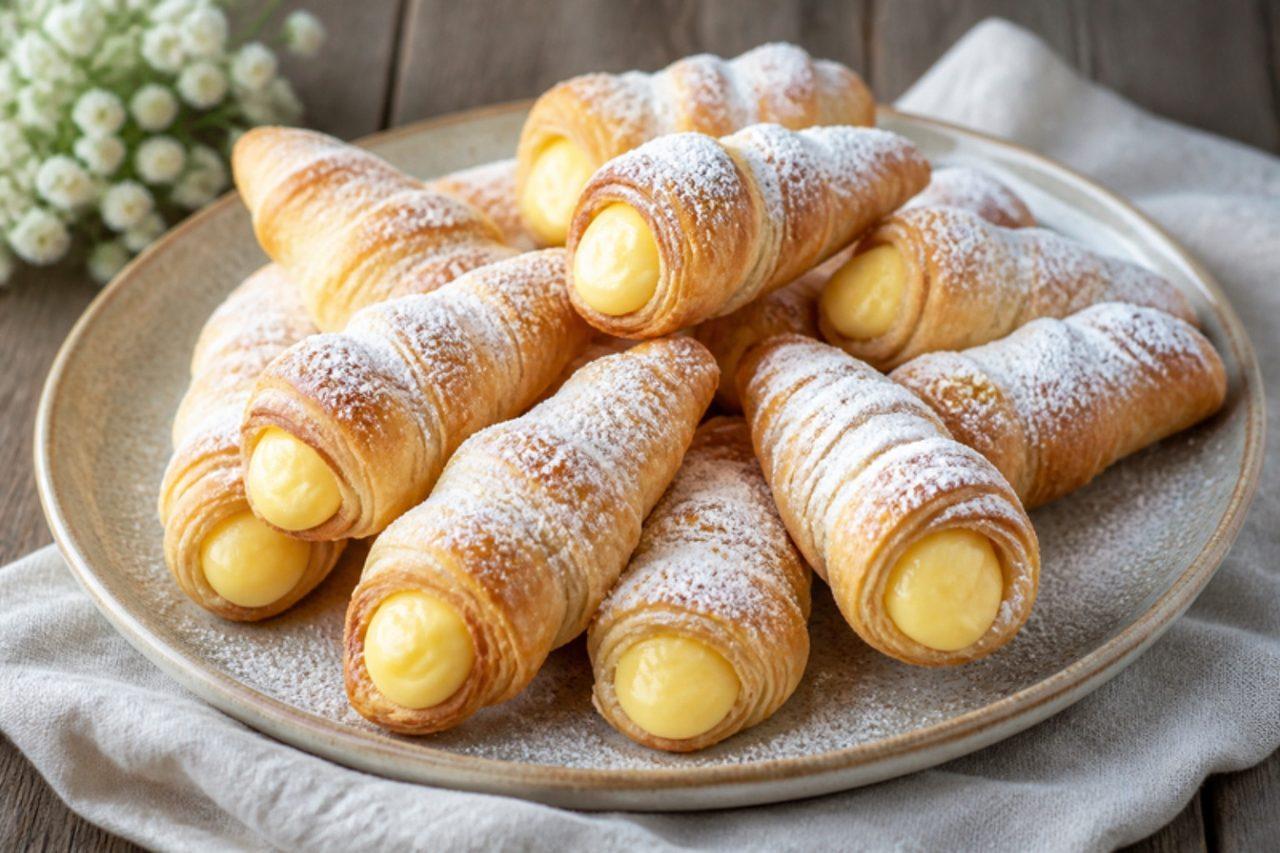
Every pastry shop in Turin and Piedmont has a tray of cannoncini: puff pastry wrapped around metal cones, baked until golden and flaky, then piped full of vanilla custard and dusted with icing sugar. Little ones are part of the "pasticcini mignon" bought on Sunday morning after church to take to lunch at the grandparents' house. You need cannoncino or cream-horn moulds. Chef's tip: fill them just before serving; custard softens the pastry within a few hours.

by KrazyBadal 0 views

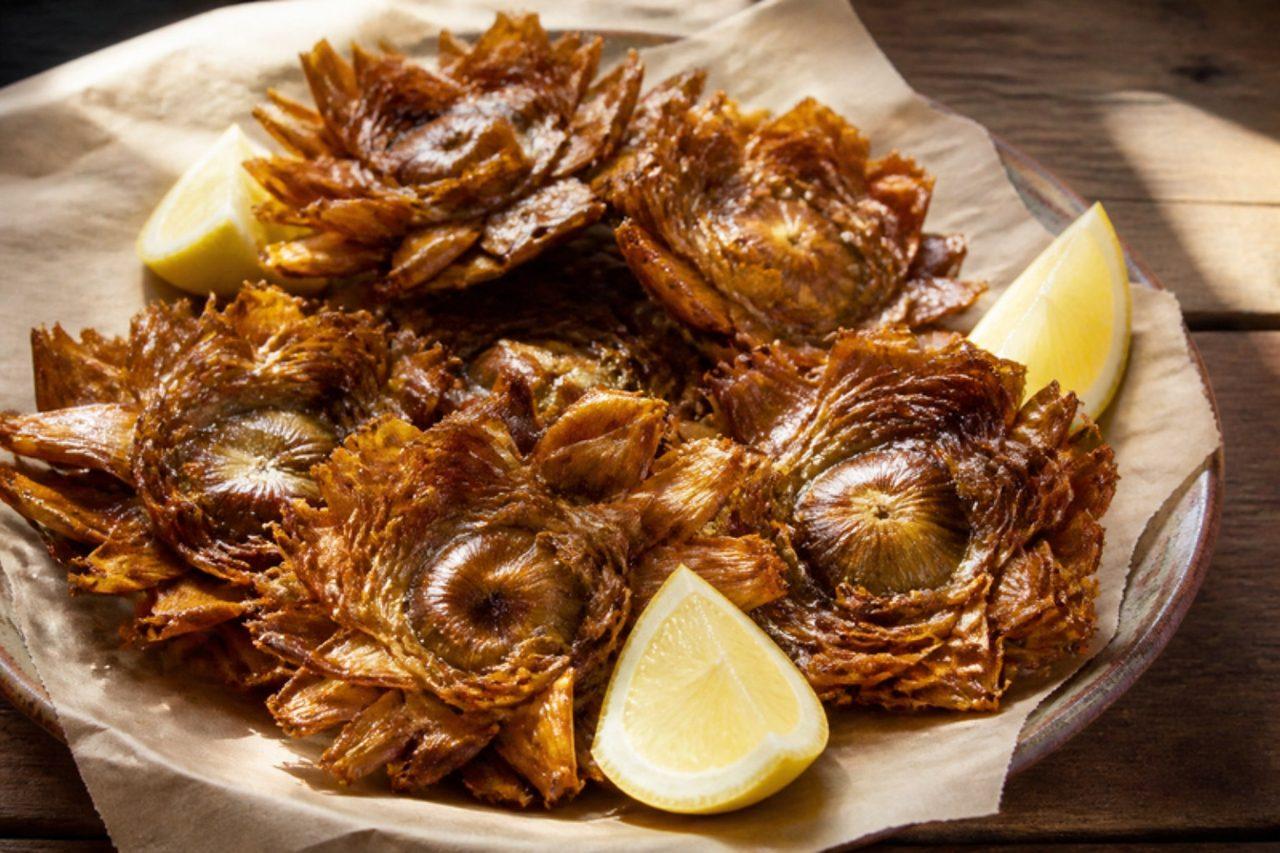
Carciofi alla giudiaCrisp fried artichokes

Carciofi alla giudia come from Rome's old Jewish Ghetto, where for centuries the restaurants along Via del Portico d'Ottavia have fried them from February to April, when the round Roman romanesco artichokes are in season. The artichokes are trimmed, fried once slowly until tender, then opened like flowers and fried again in hotter oil until the leaves are bronze and crunchy like crisps, while the heart stays soft. Chef's tip: before the second fry, flick a few drops of cold water into the oil from your fingers, standing well back; Roman cooks say the spatter is what makes the leaves extra crisp. Do this carefully.

by KrazyBadal 0 views

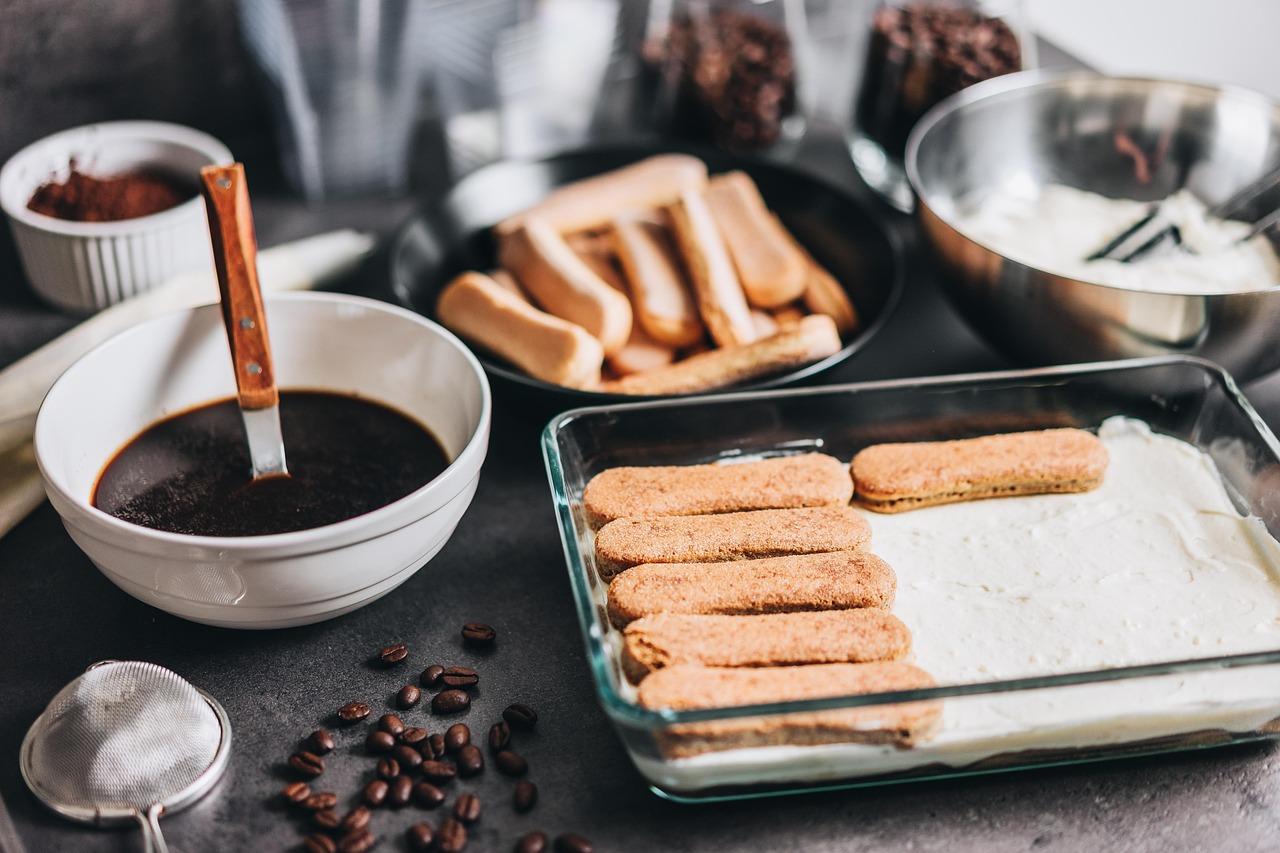
Savoiardi

Savoiardi were created in the 1300s at the court of the House of Savoy in Piedmont, for a visit by the King of France. They are long, light finger biscuits of whipped eggs, sugar and flour, with a crisp sugary crust and a dry, spongy inside, made to be soaked: in coffee for tiramisù, in liqueur for zuppa inglese, or in milk for children's breakfast. Chef's tip: dust the piped fingers twice with icing sugar, 5 minutes apart; this forms the pearly crust that keeps them crisp outside.

by KrazyBadal 0 views

Granita di mandorlaAlmond granita

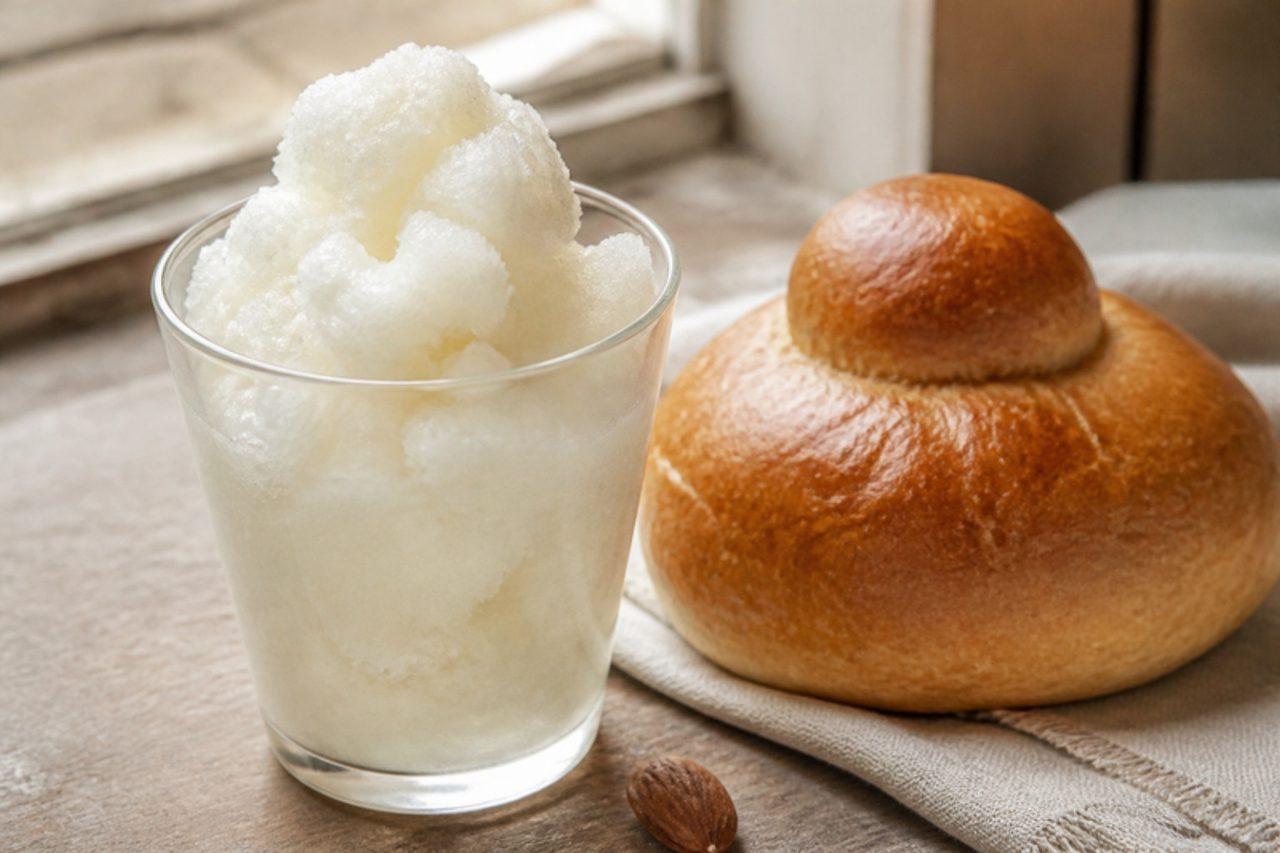
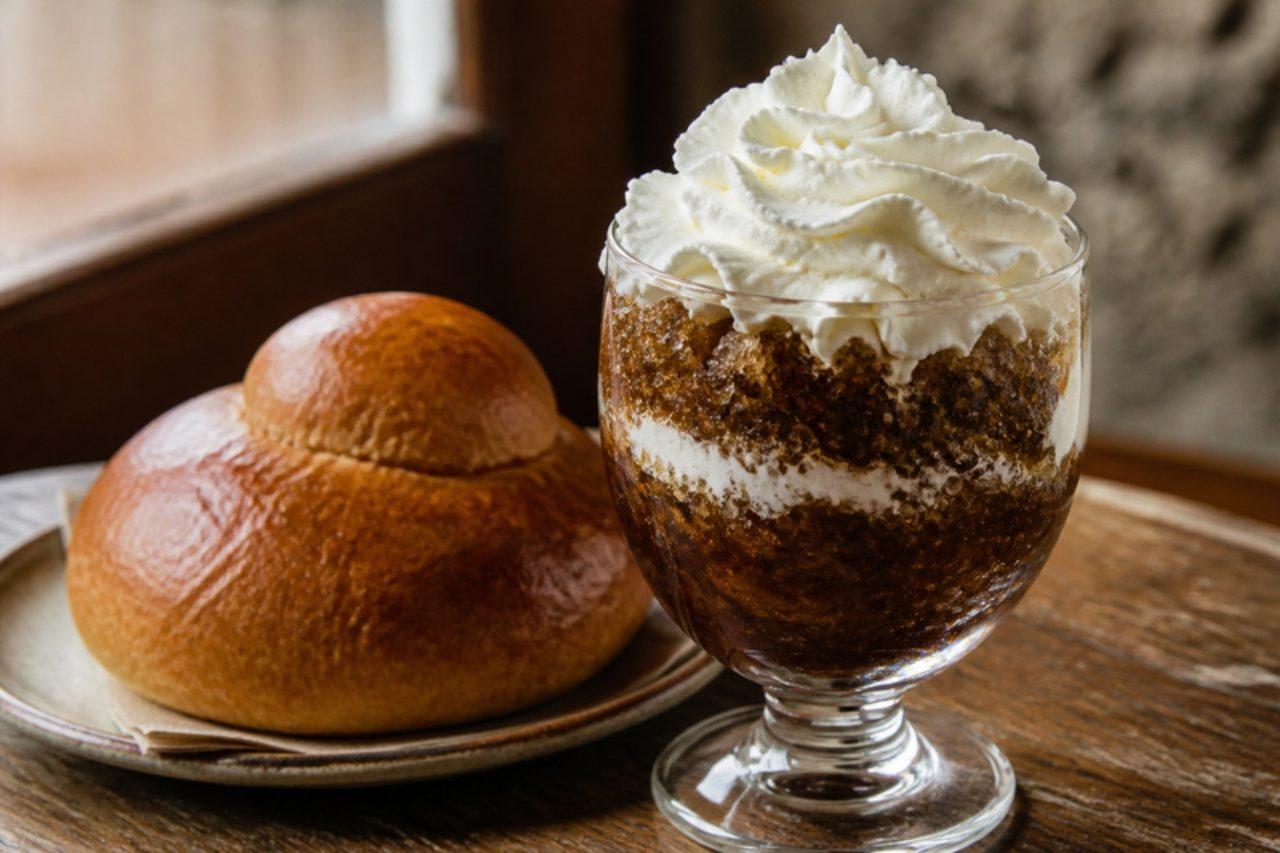
On summer mornings in Catania, Messina and the towns around Mount Etna, Sicilians have granita for breakfast: a glass of soft, flaky ice made from almond milk and sugar, eaten with a warm brioche col tuppo (with a little bun on top) for dunking. The almond granita is the most traditional flavour, white, sweet and fragrant. It is made without a machine, just scraped with a fork as it freezes. Contains nuts. Chef's tip: stir the granita every 30 minutes without fail; that's what gives it the soft, creamy flakes instead of a solid block.

by KrazyBadal 0 views

Zeppole di San GiuseppeCustard-filled choux rings

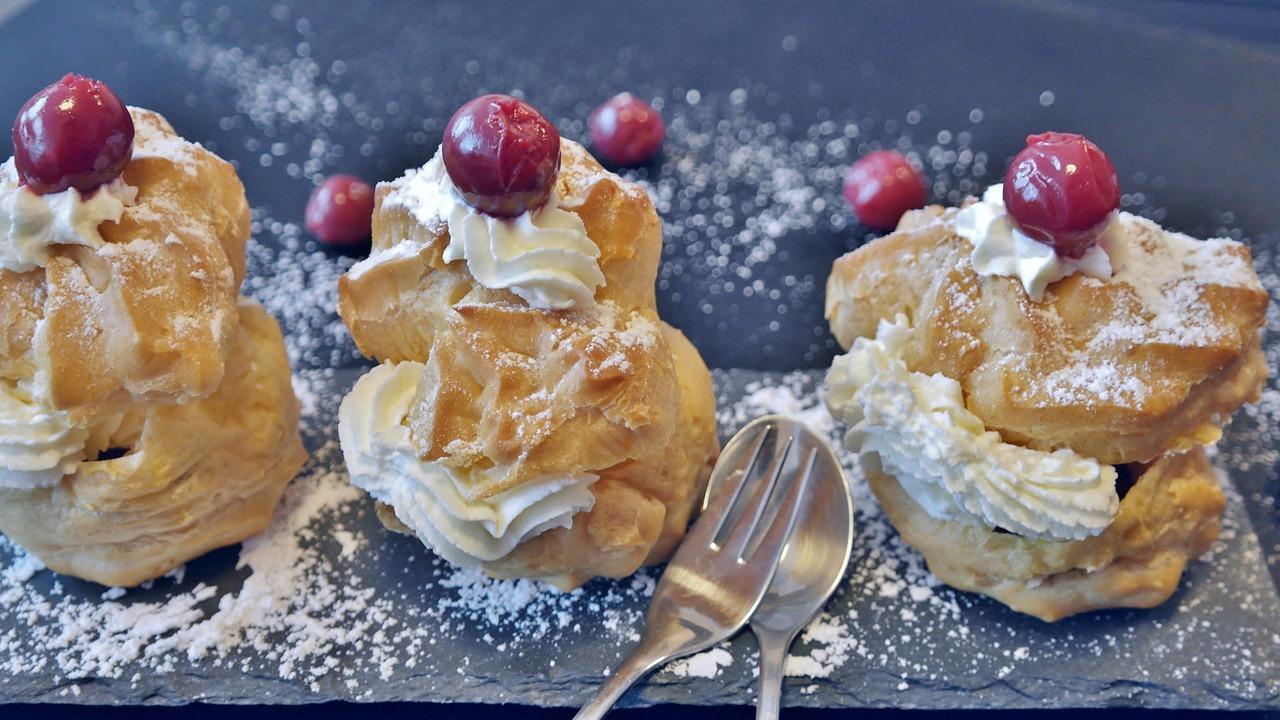
On 19 March, the feast of San Giuseppe and Father's Day in Italy, every bar and pastry shop in Naples sells zeppole: rings of choux pastry piped in a spiral, fried or baked, filled with thick custard and topped with a dark, syrupy amarena cherry. The fried version is the traditional one; baked zeppole are lighter and easier at home. Families buy them by the tray to share after lunch. Chef's tip: pipe the rings onto squares of baking paper so you can lower them into the oil without misshaping them; the paper comes away on its own.

by KrazyBadal 0 views

Granita al caffè con pannaCoffee granita with cream

In Sicily, and in Rome at the famous Tazza d'Oro café near the Pantheon, coffee granita is served in a glass layered with unsweetened whipped cream: cream at the bottom, coffee ice in the middle and more cream on top. It is a summer breakfast or afternoon pick-me-up, eaten with a long spoon or a brioche. It contains caffeine, so it isn't for children. Chef's tip: make the coffee strong and sweet; flavours fade when frozen, so it should taste almost too sweet before it goes in the freezer.

by KrazyBadal 0 views

CartellateFried honey pastry rosettes

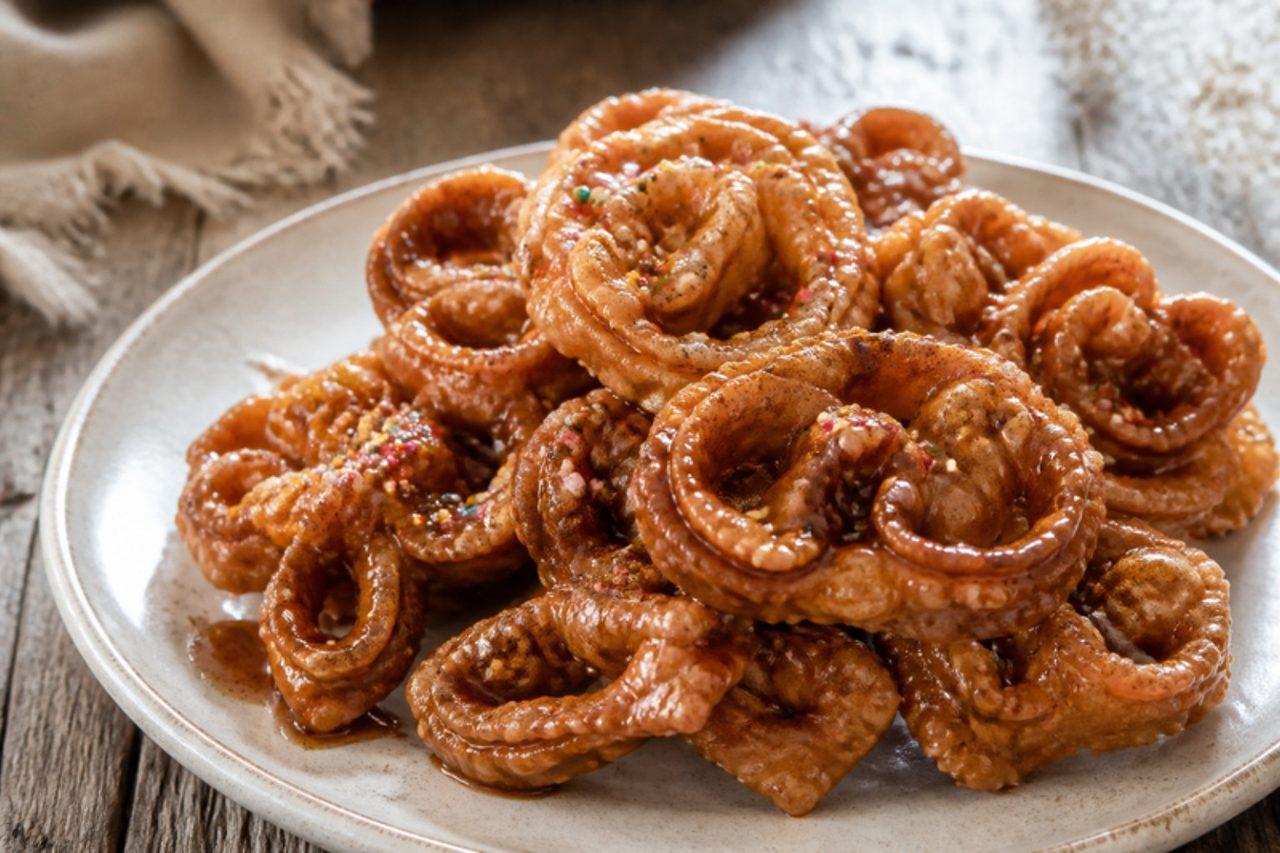
In Bari and the towns of Puglia, cartellate are the Christmas sweet that families make together: thin ribbons of dough, pinched every few centimetres and rolled up into a rosette with lots of small pockets, fried, then dipped in warm vincotto, a dark, syrupy reduced grape must, or honey. The pockets fill with syrup, and they are sprinkled with cinnamon and coloured sprinkles. The dough traditionally includes a little white wine; this version gives a water and lemon option for an alcohol-free bake. Chef's tip: pinch the ribbon firmly every 3 cm before rolling; well-sealed pockets hold the syrup instead of flattening in the oil.

by KrazyBadal 0 views

Mostarda di CremonaCandied fruit in mustard syrup

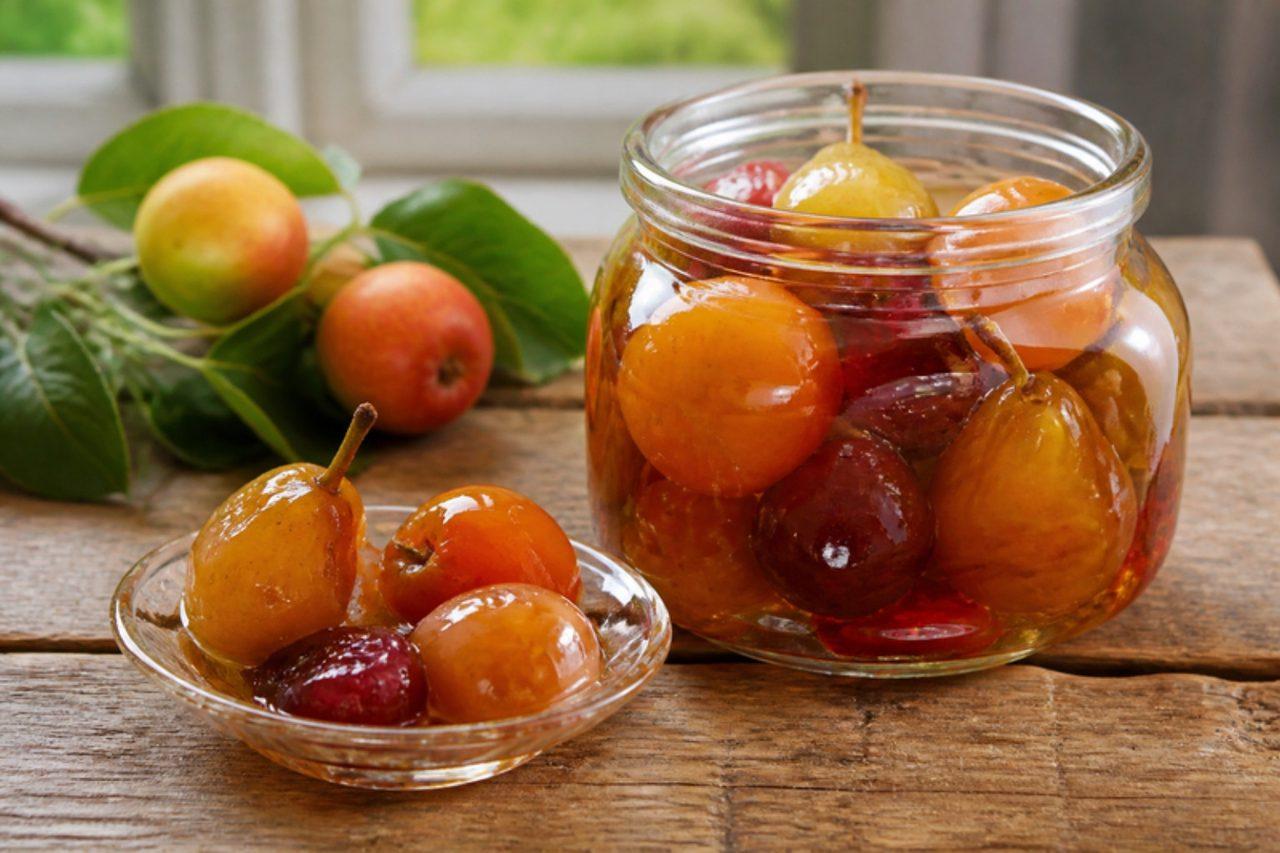
Mostarda di Cremona is a jar of jewel-like whole fruits, pears, cherries, figs, clementines and apricots, candied slowly in sugar syrup and then spiked with mustard oil so that each sweet mouthful ends with a sharp, nose-tingling heat. In Cremona and across Lombardy it is served at Christmas with bollito misto (boiled meats) and with cheese, and it fills the tortelli of Cremona and Mantua. Pure mustard essence is hard to buy, so this home version uses strong mustard powder. Chef's tip: candy the fruit over three days, bringing the syrup to the boil each day; slow candying keeps the fruit whole and glossy.

by KrazyBadal 0 views

Granita di gelsi neriBlack mulberry granita

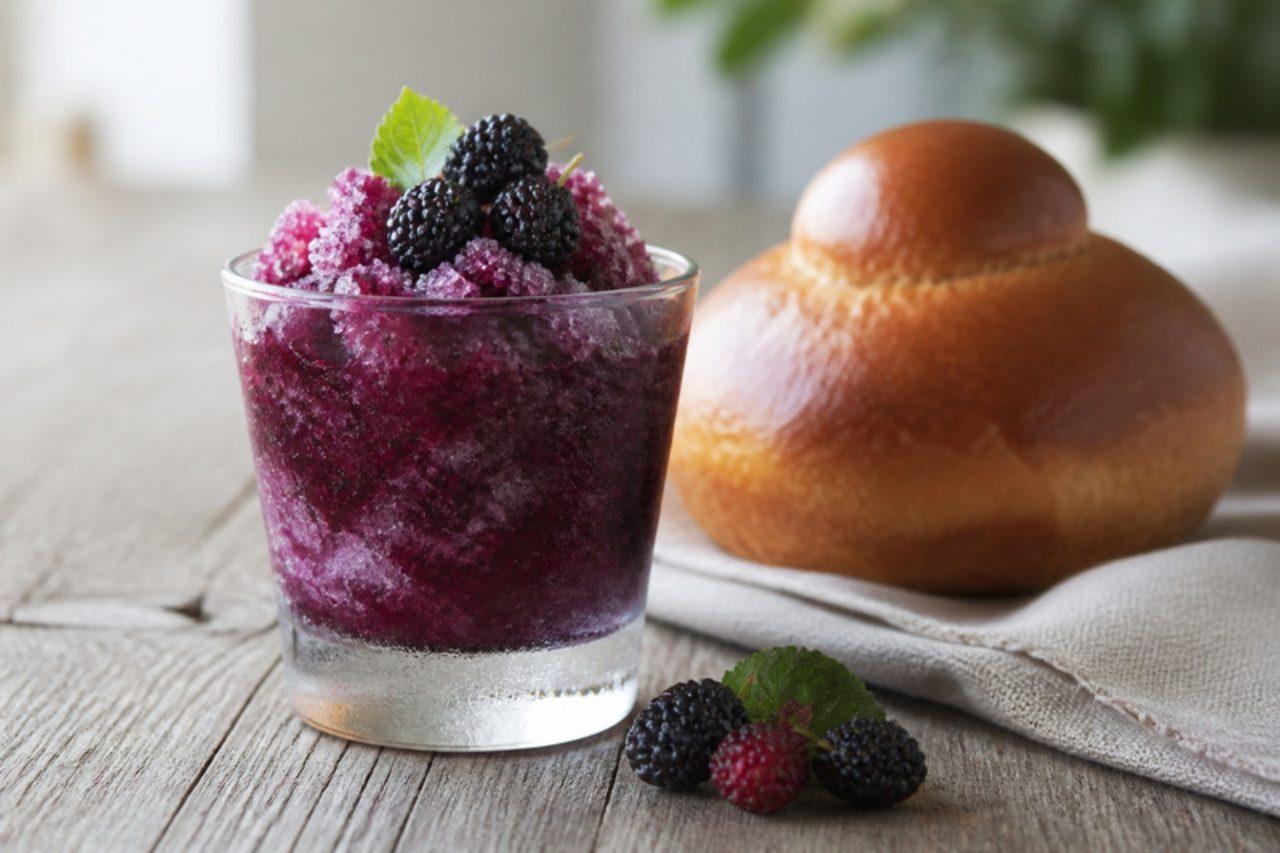
In late June and July the black mulberry trees of Sicily, especially around Messina and Acireale, drop their dark, juicy fruit, and the bars turn them into a granita the colour of ink, sweet and tangy, served in a glass with a warm brioche. Mulberries stain everything, so locals eat it carefully. If you can't find black mulberries, blackberries make a very similar granita. Chef's tip: add a squeeze of lemon; it brightens the berry flavour and keeps the colour vivid.

by KrazyBadal 0 views

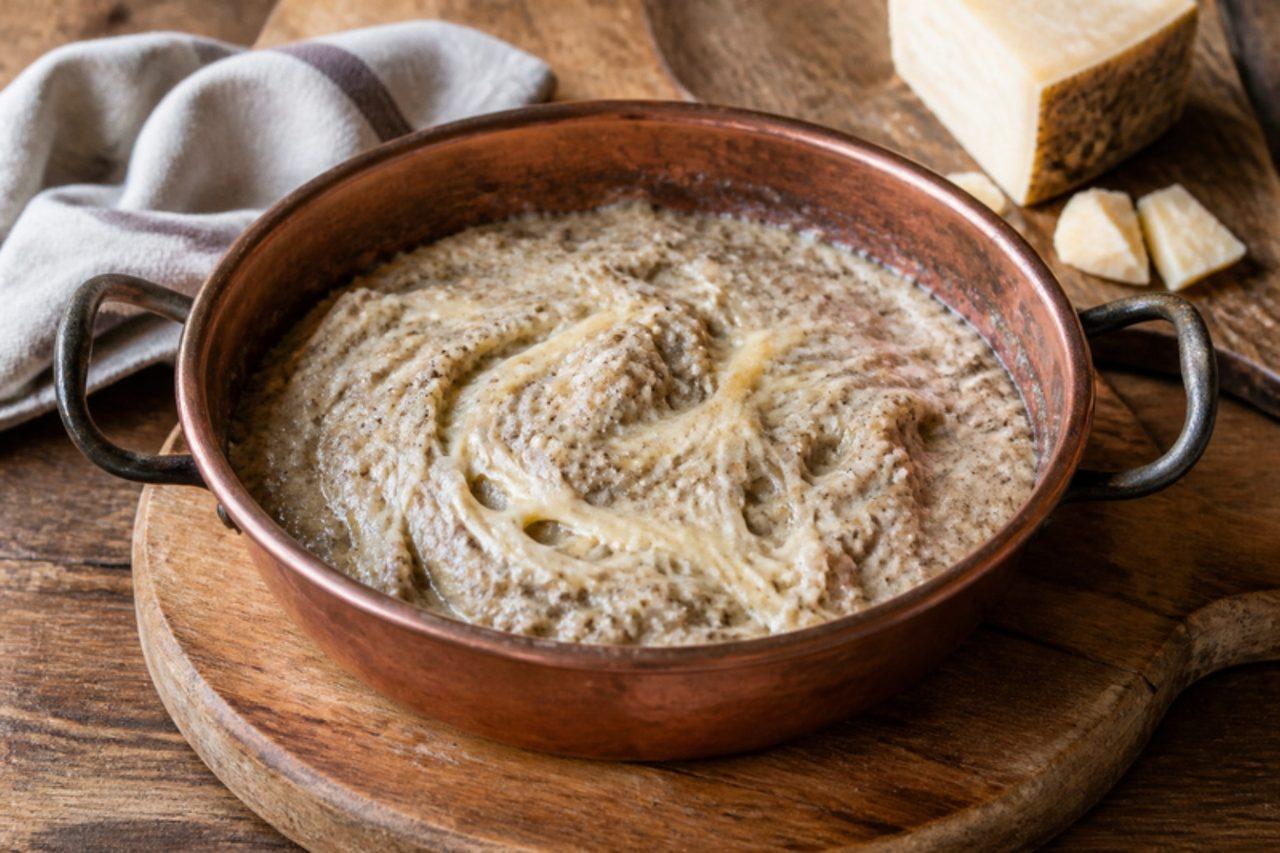
Polenta taragnaBuckwheat polenta with cheese

High in the Valtellina valley near Sondrio, where wheat struggles but buckwheat grows well, polenta is made grey-brown and nutty with a mix of buckwheat and cornmeal. Taragna gets its name from the tarell, the long wooden stick used to stir it in a copper pot over the fire. At the end, butter and cubes of the local Valtellina Casera or Bitto cheese are stirred in until they melt into strings. It is winter food for cold mountain evenings, eaten with mushrooms or sausages on the side. Local cheeses are usually made with animal rennet; a vegetarian melting cheese works. Chef's tip: stir the flour into the boiling water in a slow rain with a whisk; once it is all in, switch to a wooden spoon and keep stirring.

by KrazyBadal 0 views

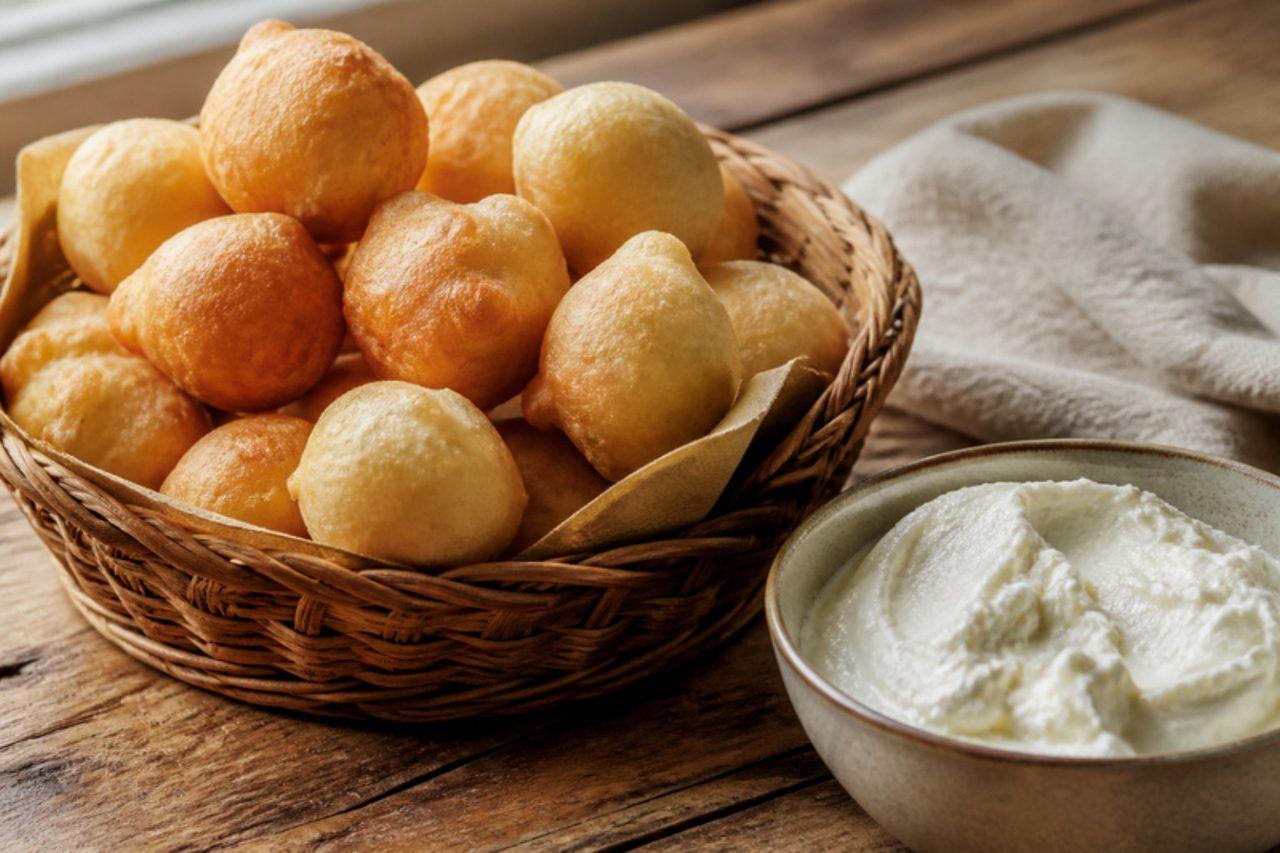
Coccoli con stracchinoFried dough with creamy cheese

In Florence, coccoli are little balls of bread dough fried until puffy and golden, piled into a basket and served hot with stracchino, a soft, fresh, slightly tangy cow's-milk cheese, and usually with prosciutto too. They are the start of a meal in Florentine trattorie and a snack at street stalls in the evening. This is the vegetarian way, with cheese only; stracchino is often made with animal rennet, so look for a vegetarian soft cheese if needed. Chef's tip: salt the coccoli the moment they come out of the oil, while they are still glistening, so the salt sticks.

by KrazyBadal 0 views

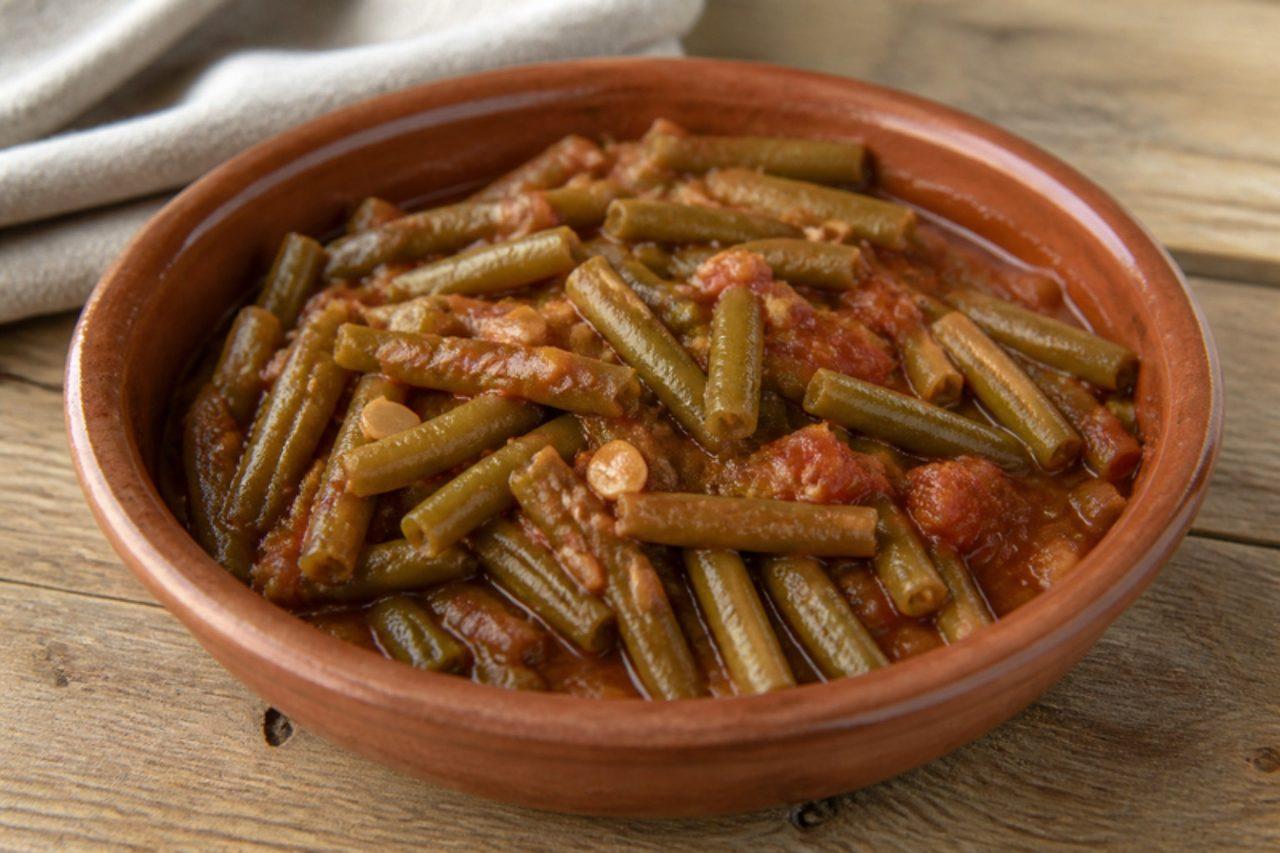
Fagiolini in umidoBraised green beans in tomato

In Tuscany, vegetables are often cooked "in umido", slowly in a little tomato until they are soft and full of flavour, rather than crisp. Florentine families make fagiolini in umido in summer with flat runner beans or green beans, garlic, a spoonful of tomato and plenty of olive oil, and serve them warm or cold next to roast chicken or boiled meat. They are even better reheated the next day. Chef's tip: don't rush them; the beans should be fully soft and soaked in sauce, not bright green and crunchy.

by KrazyBadal 0 views

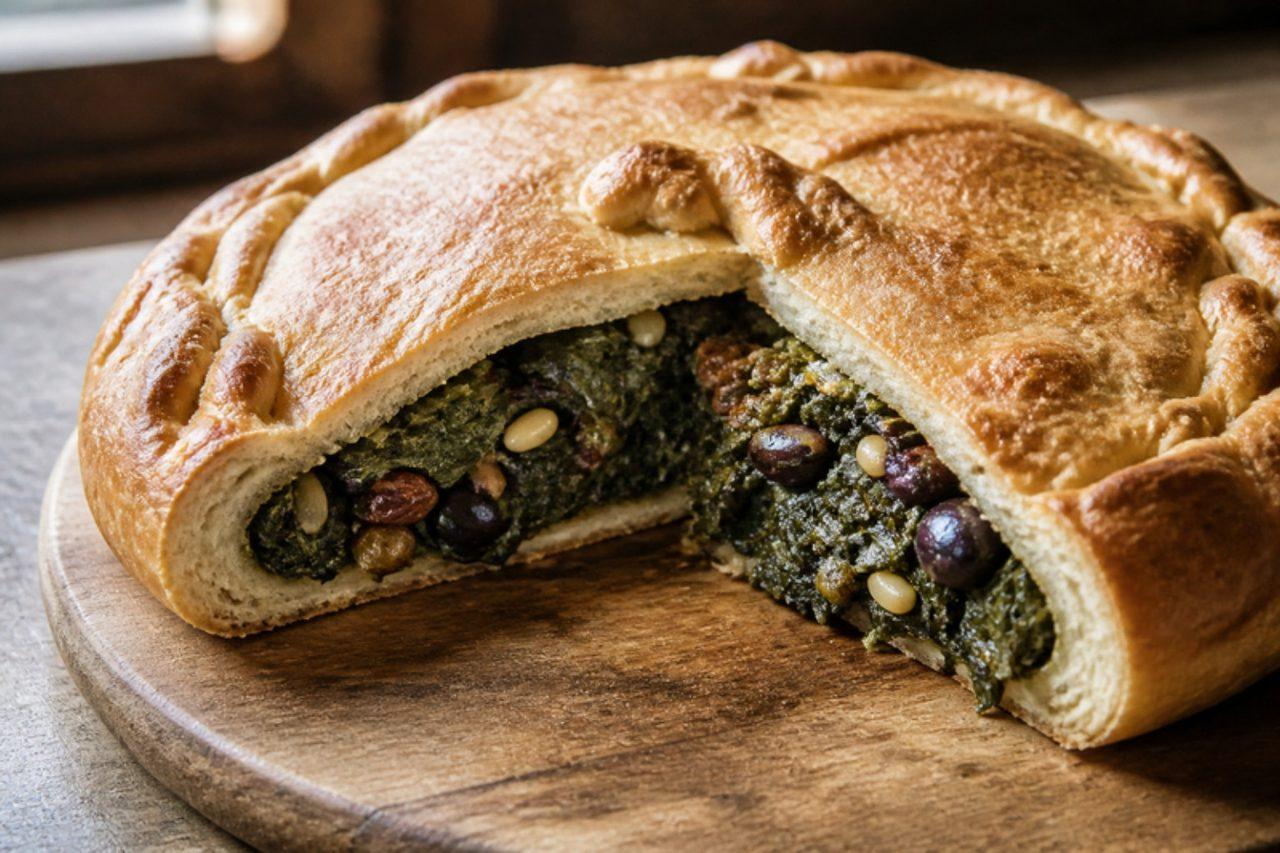
Pizza di scarolaEscarole pie

Pizza di scarola is a Neapolitan Christmas Eve tradition, when families avoid meat: a covered pie of bread dough filled with sautéed escarole (a bitter salad green), black Gaeta olives, capers, pine nuts and raisins. Many families add anchovies, but this version keeps it vegan and gets its salty depth from the capers and olives instead. It is eaten warm or cold, cut into wedges, on the night before Christmas and in the days after. Chef's tip: squeeze the cooked escarole well before filling; wet greens make the bottom crust soggy.

by KrazyBadal 0 views

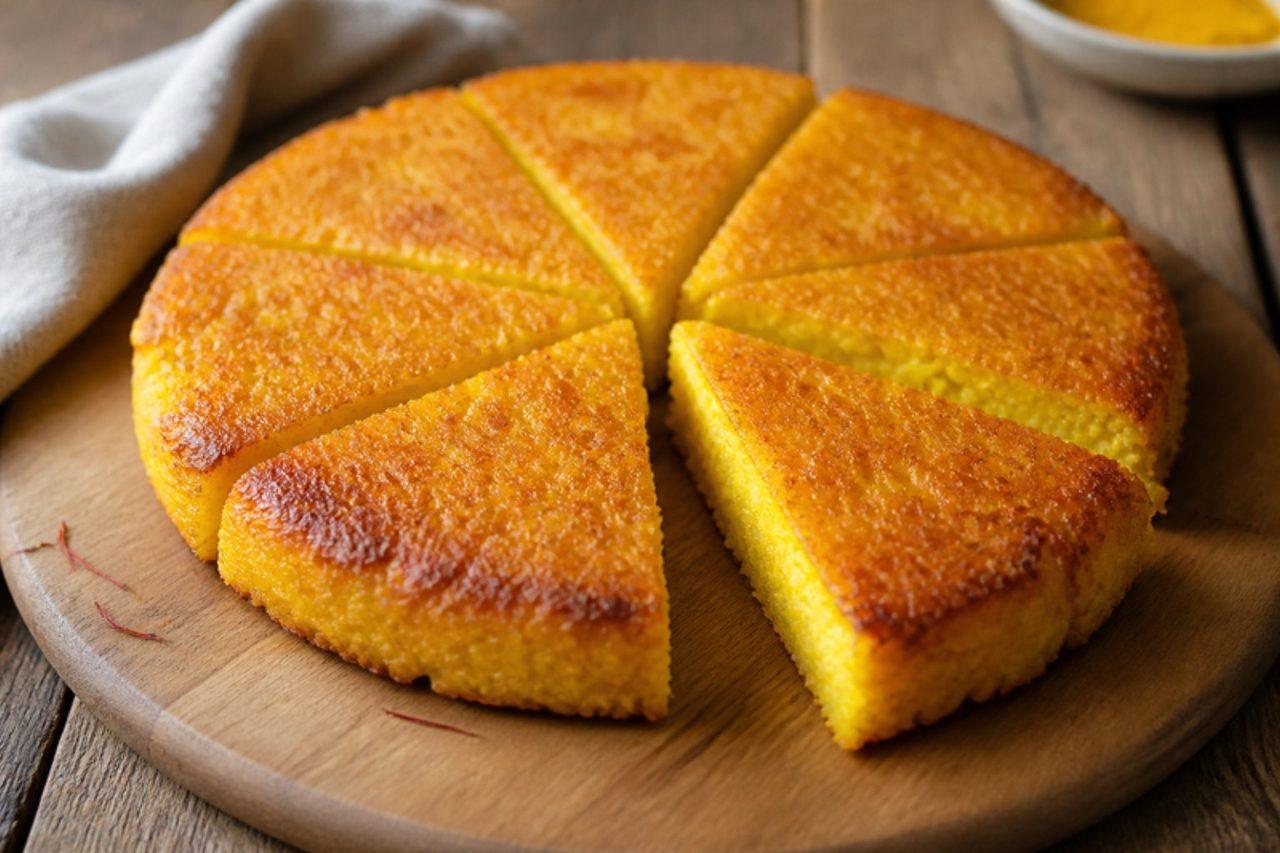
Riso al saltoCrisp fried saffron risotto cake

In Milan, nobody throws away risotto alla milanese. The next day it is pressed into a hot buttered pan and fried until it forms a thin, crackling golden disc, flipped "al salto" (with a jump) like a pancake. Old Milanese trattorie near the Brera district served it late at night after the theatre, and it is still a favourite way to use up saffron risotto. The cheese in the leftover risotto is usually made with animal rennet. Chef's tip: use cold risotto straight from the fridge and press it thin; warm or thick risotto won't crisp and falls apart when you flip it.

by KrazyBadal 0 views

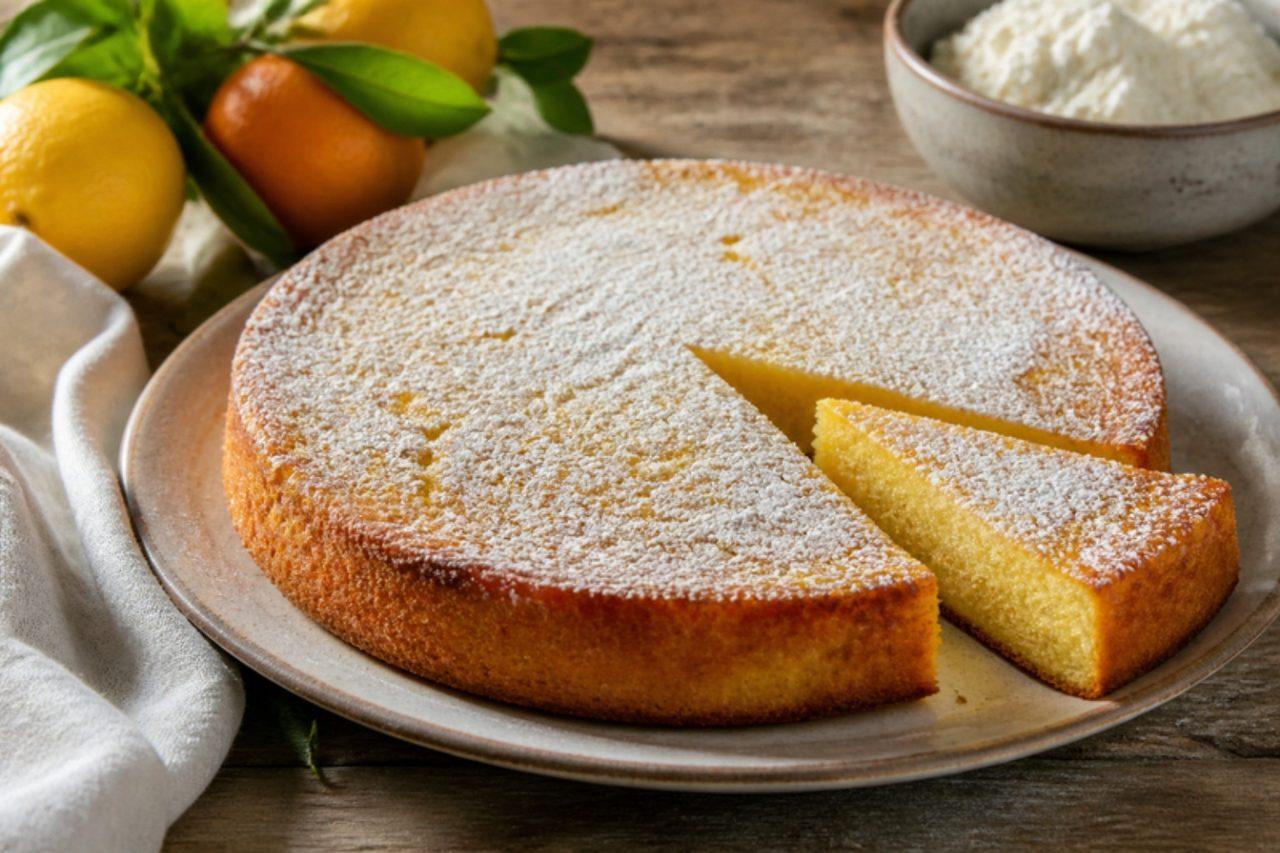
Migliaccio napoletanoSemolina and ricotta cake

Migliaccio is the cake Neapolitan grandmothers bake on Fat Tuesday, the last day of Carnival before Lent. Its name comes from miglio, millet, which was used before semolina: today semolina is cooked in milk with butter, then mixed with ricotta, eggs, sugar and plenty of orange and lemon zest, and baked into a soft, dense, custardy cake. It is a close cousin of the Easter pastiera, without the pastry. Chef's tip: let the cooked semolina cool before beating in the eggs and ricotta; hot semolina scrambles the eggs and the cake turns grainy.

by KrazyBadal 0 views

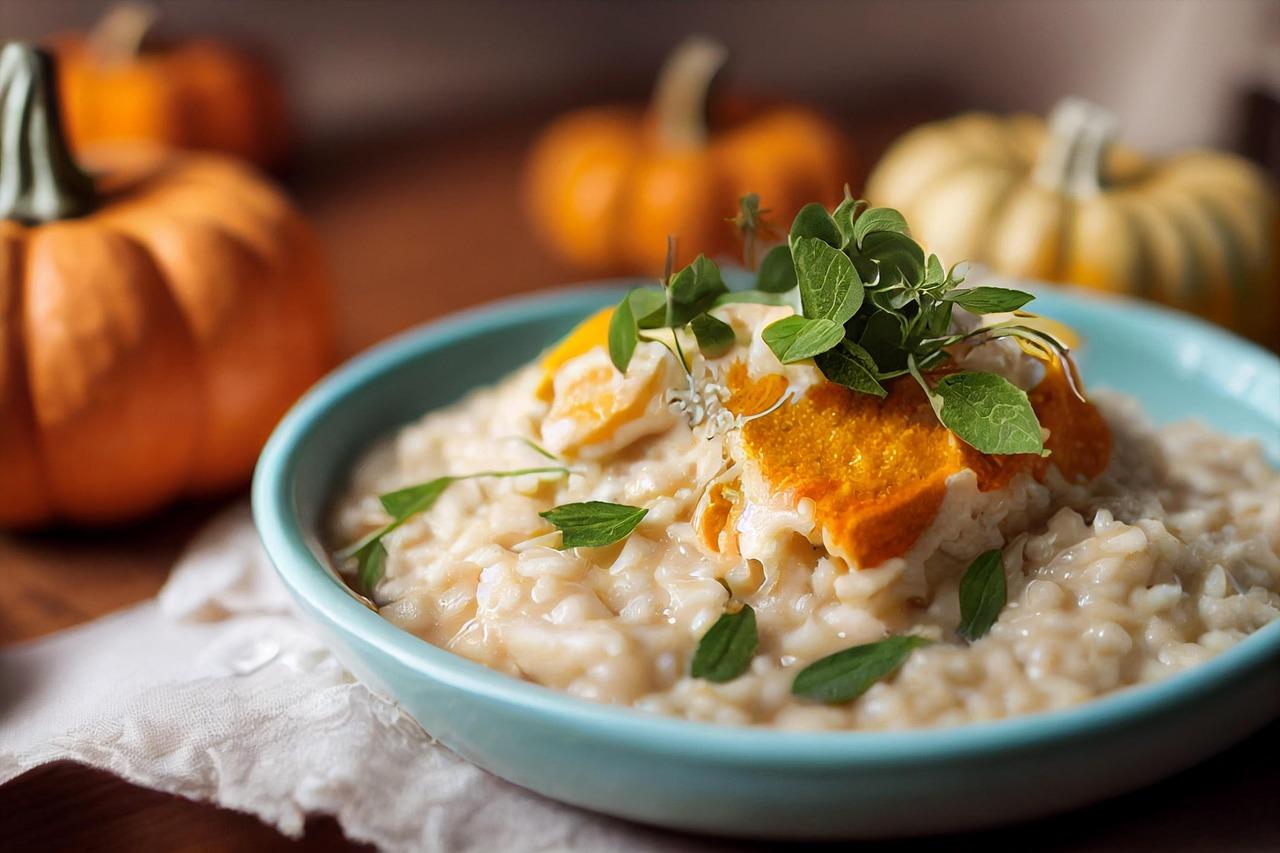
Risotto alla zuccaPumpkin risotto

Mantua is pumpkin country: the dense, sweet zucca mantovana fills tortelli, gnocchi and this golden autumn risotto, eaten across the Lombard plain from October to the first frosts. Half the pumpkin is roasted and mashed into the rice so it turns creamy and orange; the rest is folded in as soft cubes. Children love its sweetness. Parmigiano is made with animal rennet; choose a vegetarian hard cheese if you need to. Chef's tip: roast rather than boil the pumpkin; roasting concentrates its sugar, while boiled pumpkin waters down the risotto.

by KrazyBadal 0 views

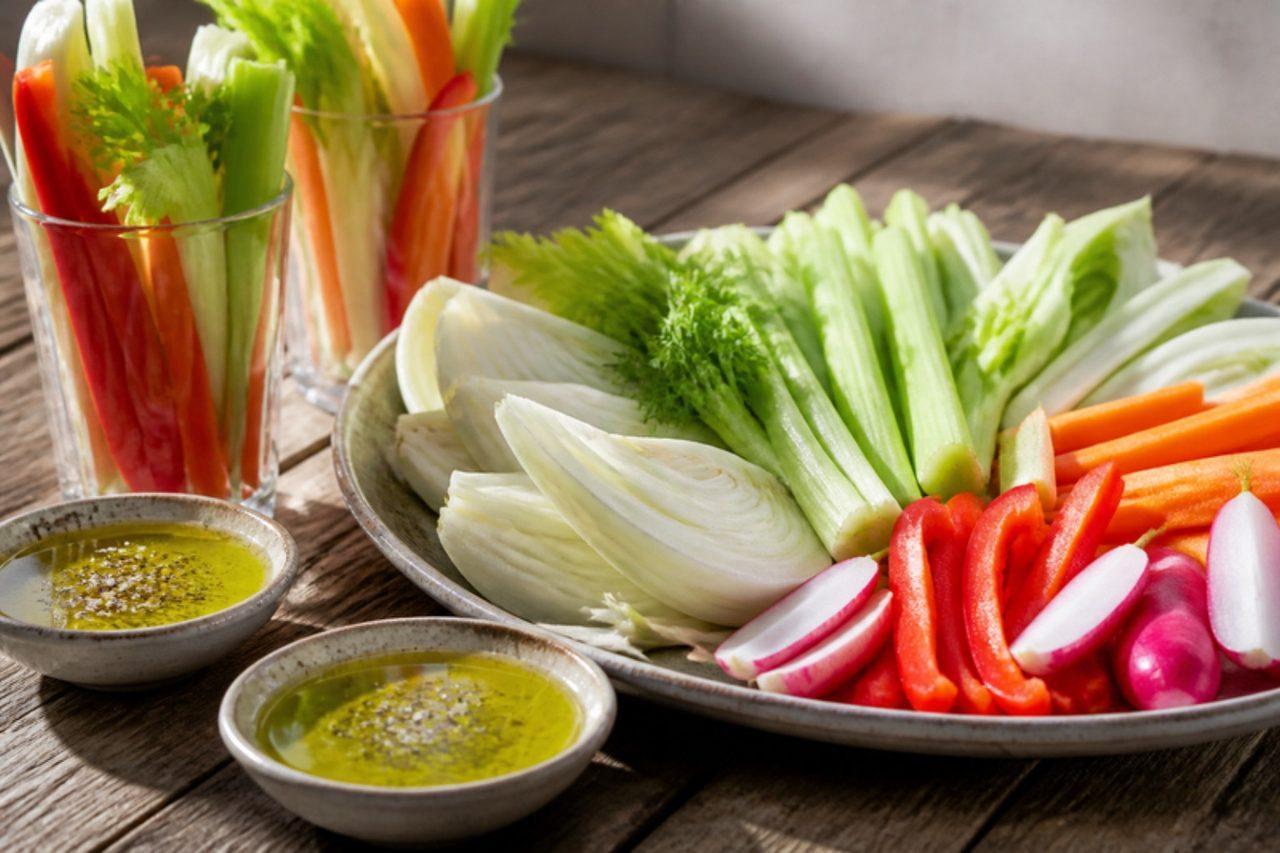
PinzimonioRaw vegetables with olive oil

In Tuscany pinzimonio comes out in November, when the frantoi (olive mills) press the new oil and families want something that shows off its peppery green bite. A jug of raw, cold vegetables is set in the middle of the table and everyone dips into their own little bowl of oil seasoned with salt and pepper, usually before a plate of pasta or alongside bruschetta at the mill. Crunch matters more than anything: fennel, celery hearts, radishes, carrots, young artichokes and red peppers, all very fresh. Chef's tip: keep the cut vegetables in a bowl of iced water for 15 minutes before serving; they turn crisper and look glossy without any dressing.

by KrazyBadal 0 views

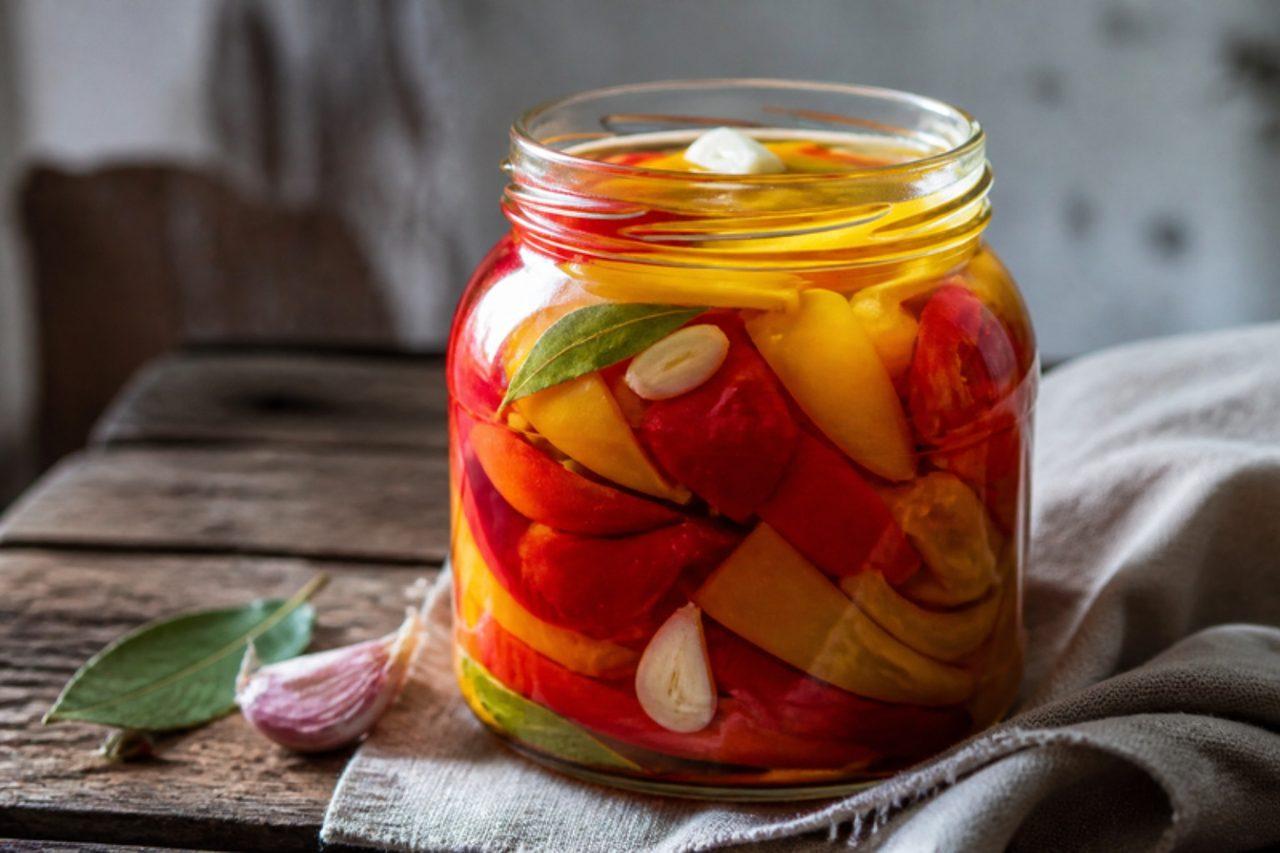
Peperoni sott'acetoPickled sweet peppers

In Campania, Basilicata and Calabria, late summer means jars of red and yellow peppers in vinegar lined up in the larder. In winter they are fried with potatoes, chopped into Christmas insalata di rinforzo, or served with sausages. The thick, fleshy peppers stay crisp and turn tangy and sweet. Chef's tip: use thick-walled peppers and cut them into wide strips; thin peppers go soft in the vinegar.

by KrazyBadal 0 views

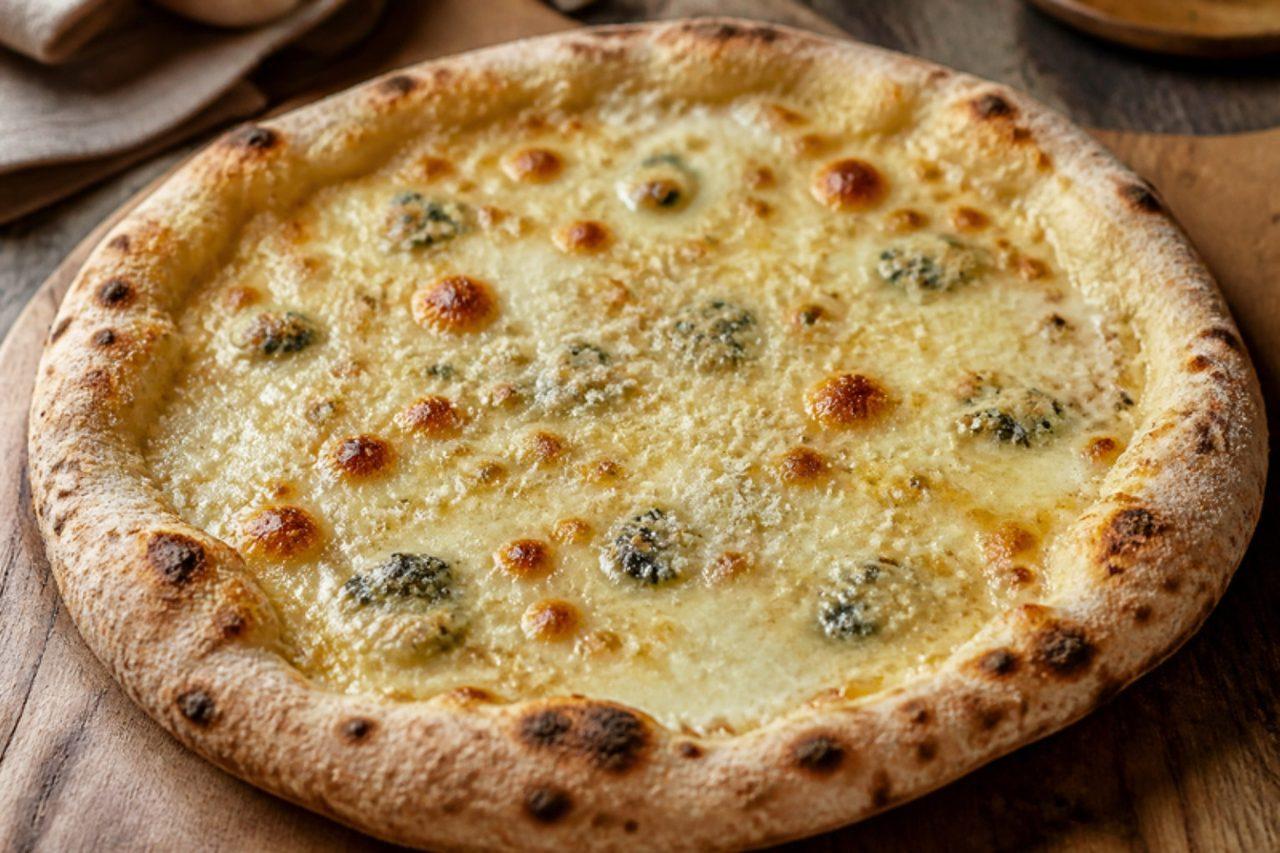
Pizza ai quattro formaggiFour-cheese pizza

Four-cheese pizza is a pizzeria classic from Milan to Palermo, a pizza bianca (no tomato) where each cheese does a different job: mozzarella for stretch, gorgonzola for a blue tang, fontina from the Aosta Valley for creaminess and Parmigiano for a salty crust. It is the order for winter evenings, often with a drizzle of honey or a few walnuts on top. Most of these cheeses are made with animal rennet; choose vegetarian versions of each if you need to. Chef's tip: cut the cheeses into small cubes rather than slices and scatter them unevenly; they melt at different speeds and give pockets of flavour.

by KrazyBadal 0 views

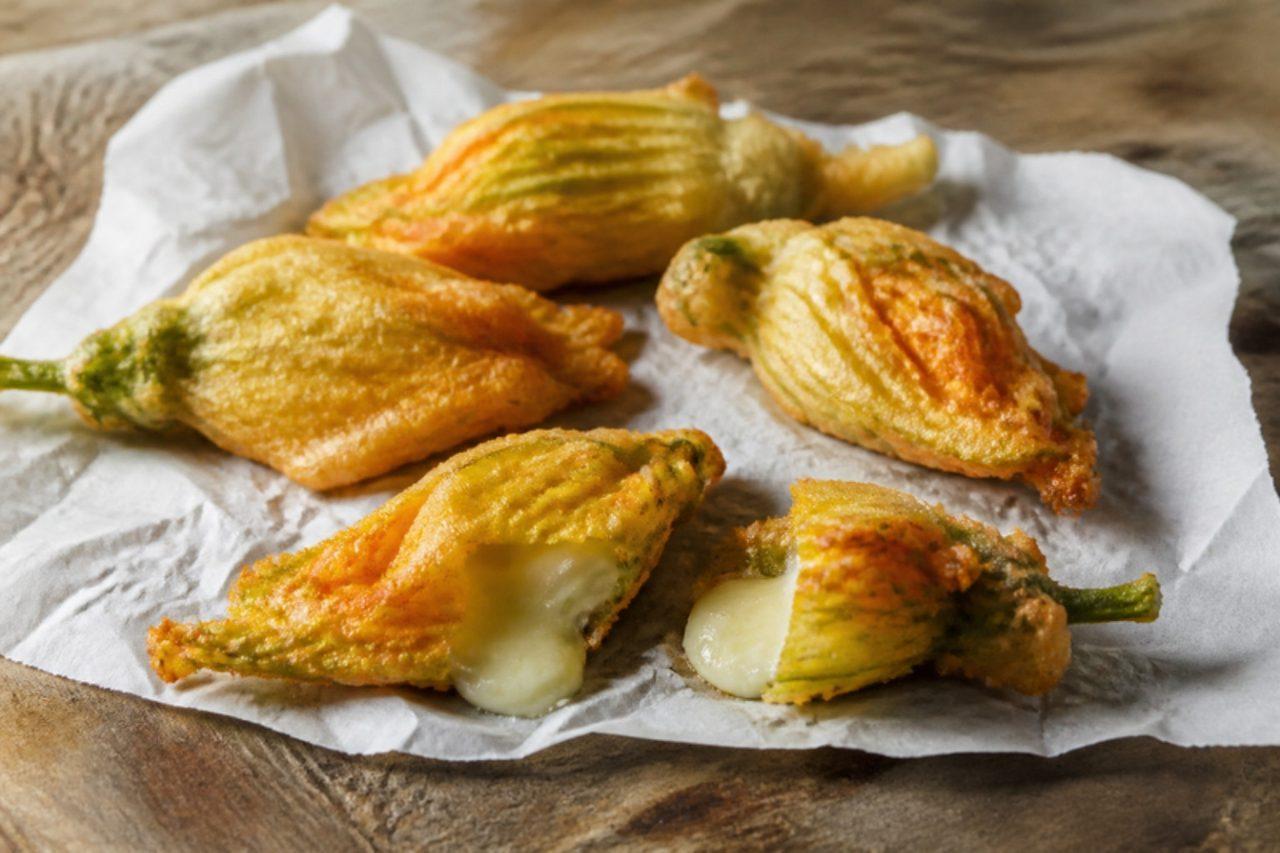
Fiori di zucca ripieni frittiFried stuffed courgette flowers

Every Roman pizzeria a taglio and friggitoria has a tray of fiori di zucca in summer: courgette flowers stuffed with a stick of mozzarella, dipped in a thin cold batter and fried until they shatter. Romans usually tuck in an anchovy fillet, but this vegetarian version swaps it for a little lemon zest and a caper, which gives the same salty spark. They are eaten as an antipasto before pizza or as a snack standing at the counter. Mozzarella is usually made with calf rennet; vegetarian versions are easy to find. Chef's tip: make the batter with ice-cold sparkling water and leave a few lumps; a smooth, warm batter fries heavy and soft.

by KrazyBadal 0 views

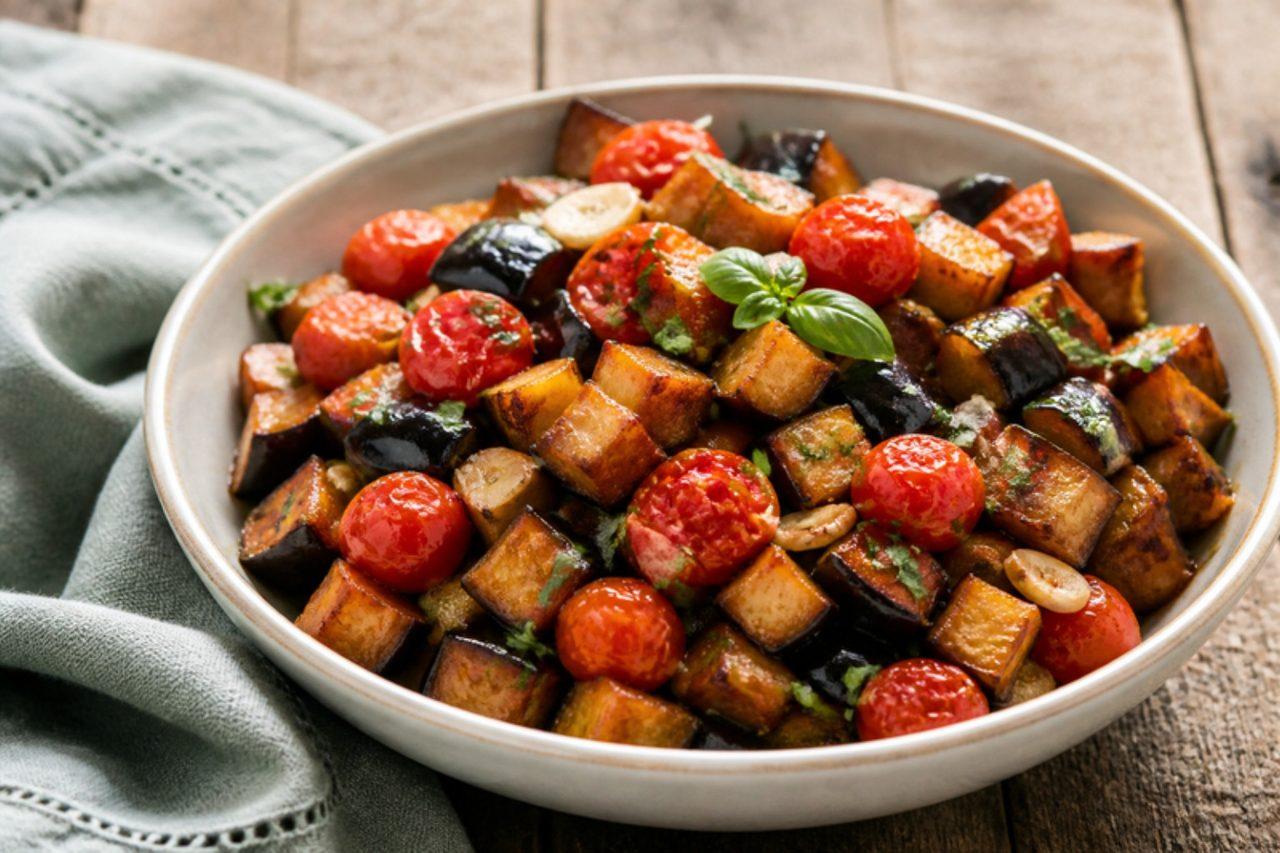
Melanzane a funghettoFried aubergine with tomatoes

Neapolitans call this aubergine "a funghetto" because the small fried cubes look and taste a little like sautéed mushrooms. It is a summer side dish from Naples and the Amalfi Coast, made when aubergines are cheap and glossy: cubes fried until golden, then tossed with a quick sauce of cherry tomatoes, garlic and basil. It is served warm or cold next to grilled meat or fish, or piled on bread. Chef's tip: salt the aubergine cubes and leave them in a colander for 30 minutes, then pat dry; they soak up less oil and fry crisp.

by KrazyBadal 0 views

Fave e pecorinoRaw broad beans with pecorino

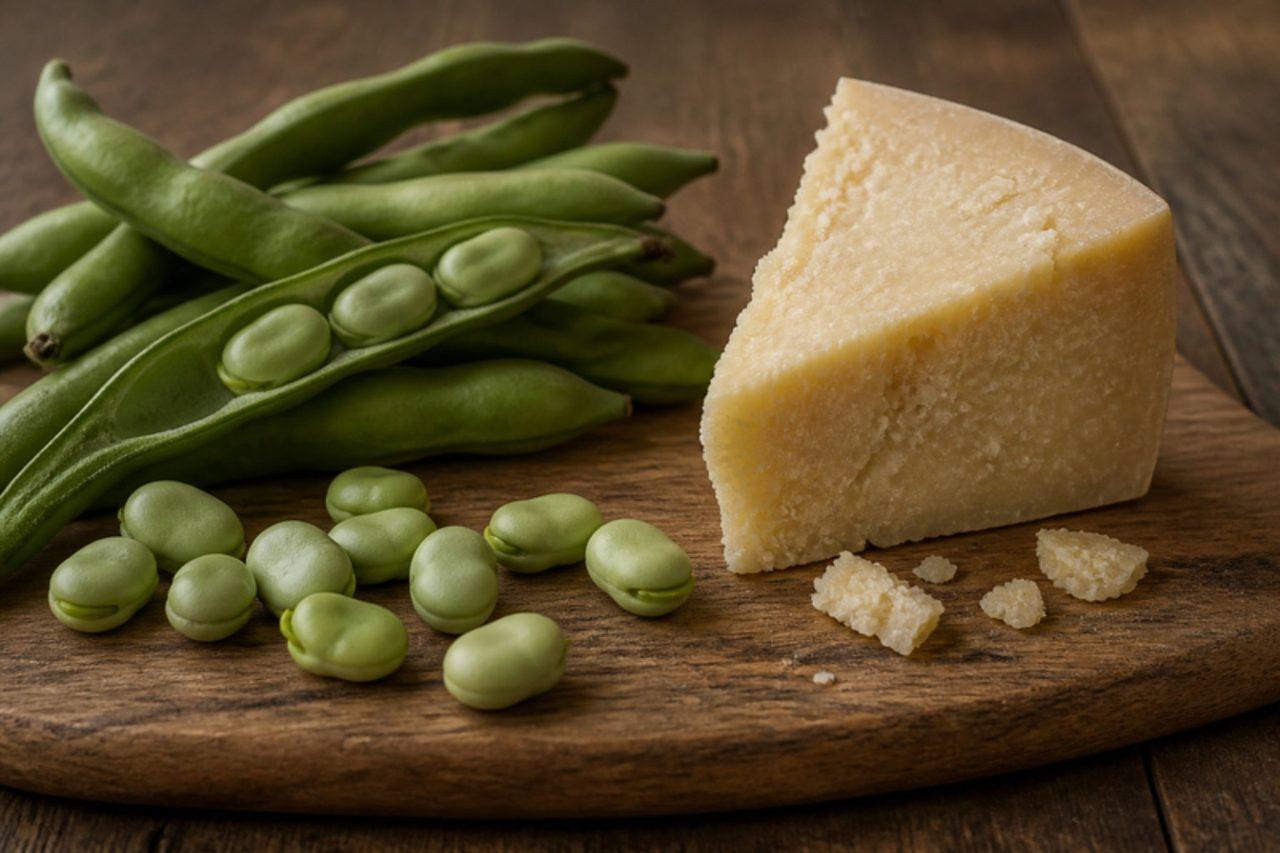
On 1 May, Romans head out to the parks and the Castelli Romani hills with a sack of fresh broad beans still in their pods and a hunk of young Pecorino Romano, and spend the afternoon shelling, nibbling and talking. The pairing is simple and very Roman: sweet, grassy raw beans against salty, sharp cheese, often with a glass of something cold and a hunk of bread. Only the youngest, smallest beans work raw, so this is a dish for a few weeks of spring. Traditional pecorino uses animal rennet; choose a vegetarian sheep's cheese if you need to. Chef's tip: taste a bean before you buy; if it is starchy or bitter rather than sweet, braise those beans instead.

by KrazyBadal 0 views

Polpette di melanzaneAubergine fritters with pecorino

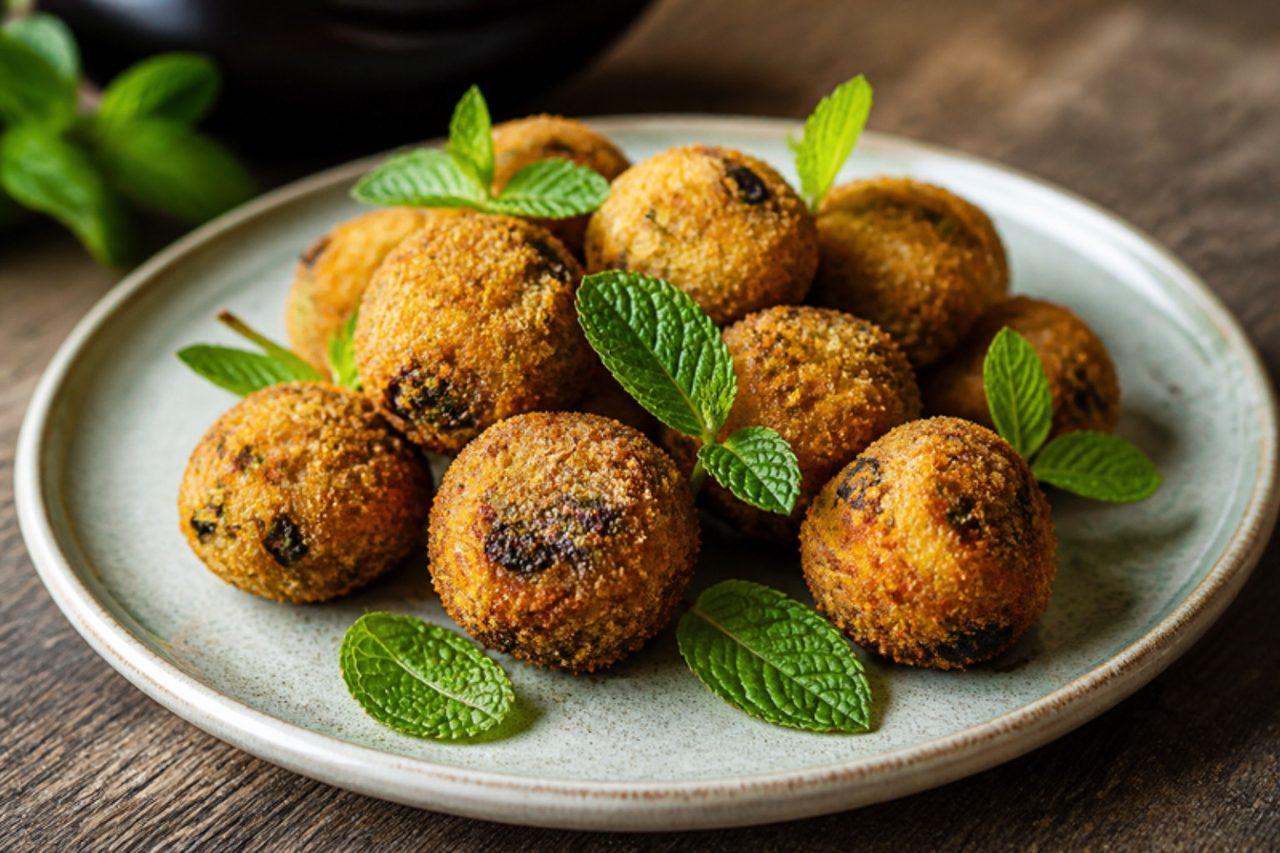
In Calabria, from Reggio up to Cosenza, polpette di melanzane are what grandmothers fry in August when the garden is full of aubergines and nobody wants meat. Boiled aubergine is squeezed dry and mixed with stale bread, egg, pecorino, garlic and mint, then shaped into small balls and fried; they are eaten warm as an antipasto or cold the next day in a sandwich. They should be soft and almost creamy inside with a thin golden crust. Pecorino is usually made with animal rennet; a vegetarian hard cheese works. Chef's tip: squeeze the boiled aubergine in a clean tea towel until no more water drips; wet aubergine makes polpette that fall apart in the oil.

by KrazyBadal 0 views

Pizza a portafoglioFolded street pizza

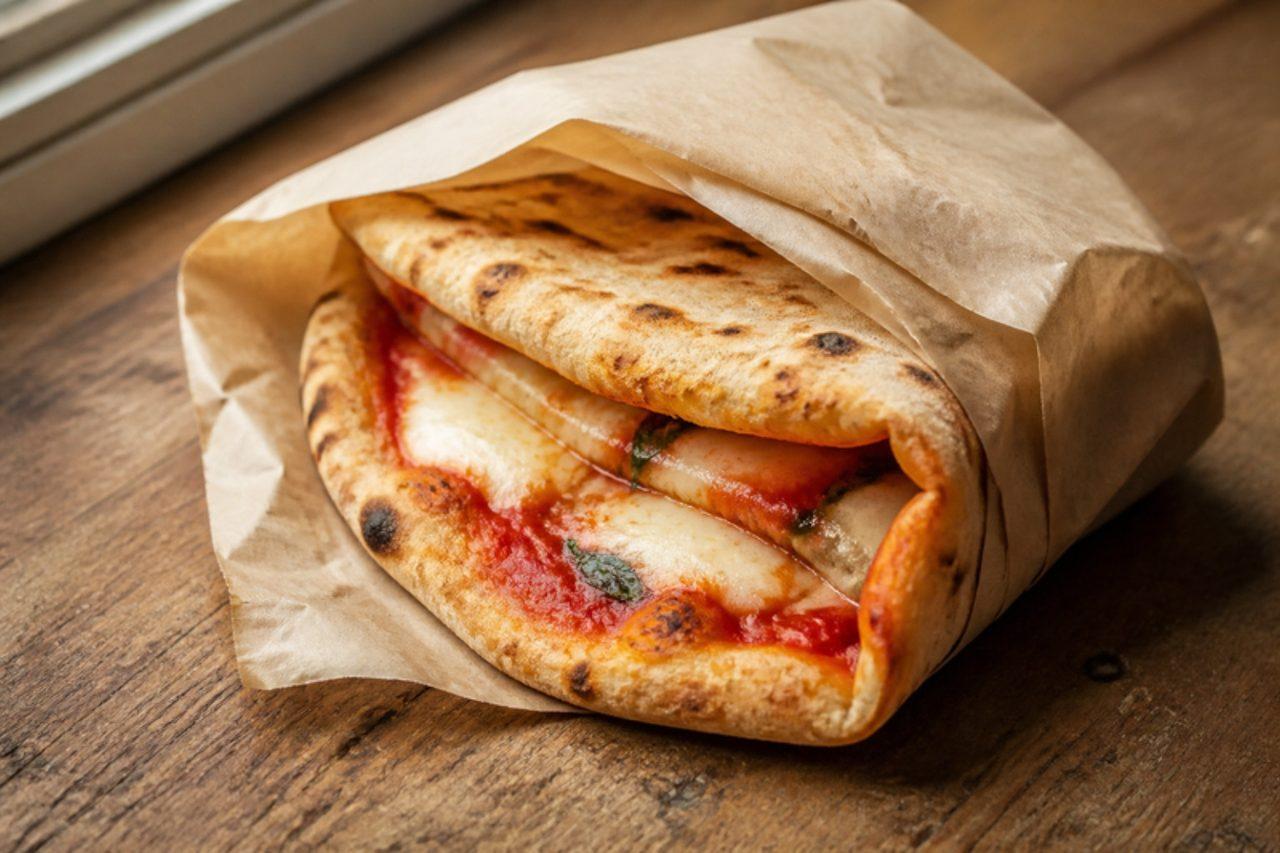
In the narrow streets of Naples's historic centre, pizzerie sell a small margherita folded in four like a wallet, wrapped in paper and eaten while walking, for a couple of euros. It is the city's original fast food and still a lunch for students and workers around Via dei Tribunali and the Spanish Quarter. The pizza is small and soft so it folds without cracking. Mozzarella is usually made with calf rennet; vegetarian versions are easy to find. Chef's tip: take the pizza out while the crust is still soft and a little pale; a crisp pizza snaps when you fold it.

by KrazyBadal 0 views

RoccocòHard almond spice rings

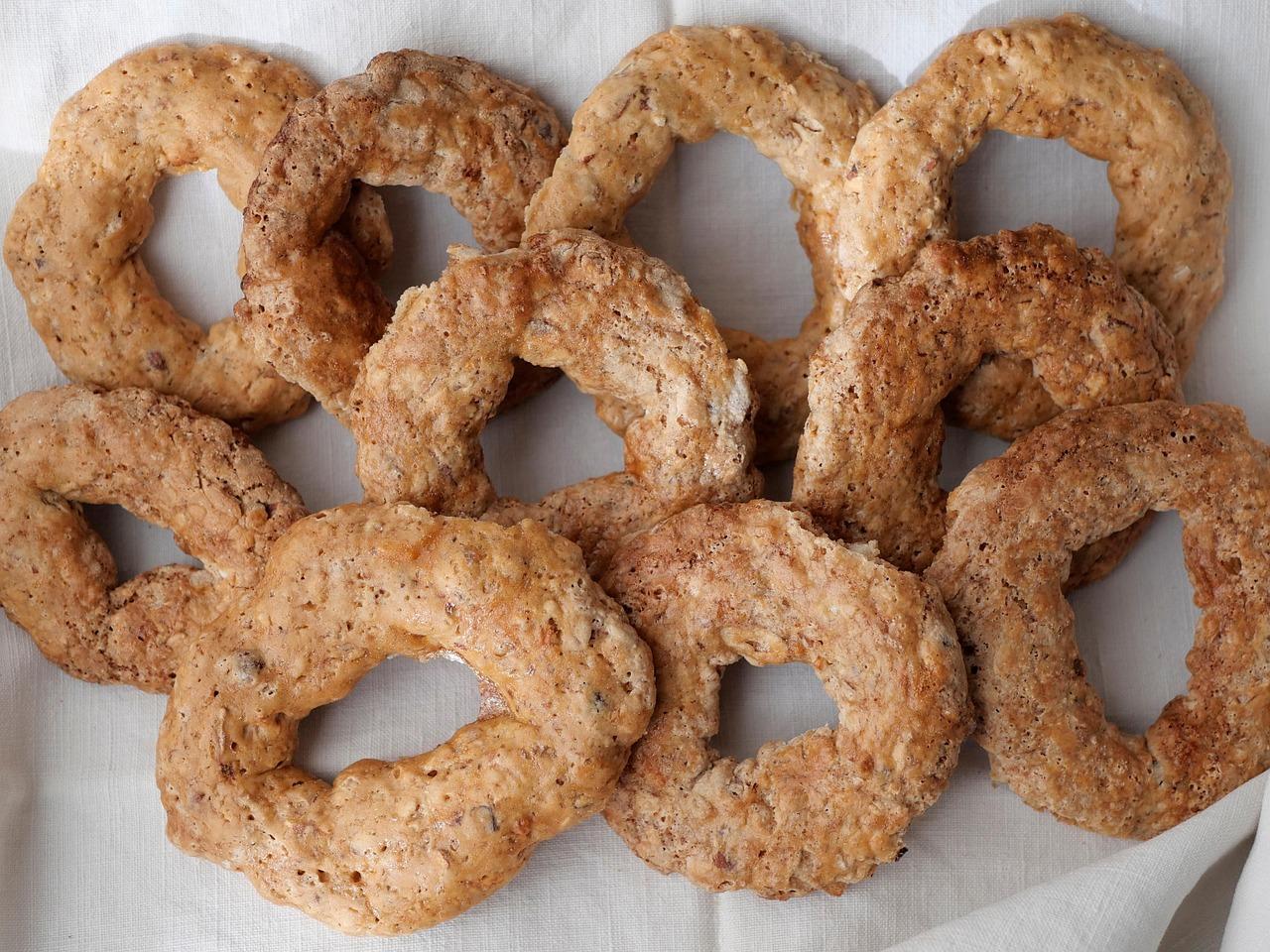
Roccocò are the hardest biscuits on the Neapolitan Christmas tray, ring-shaped and studded with whole almonds, scented with orange and pisto spice. The name is said to come from the curly French "rocaille" shape. They are baked in early December, and Neapolitans dunk them in sweet wine or milk, or break them carefully, because they are famously hard on teeth. Chef's tip: bake them twice as long as you think and leave them to dry overnight; roccocò are meant to be crunchy, and they soften pleasantly after a week in the tin.

by KrazyBadal 0 views

Showing 72 of 357 recipes

Show more recipes

Page 7 of 15

More collections