Boiled pasta
The basic method for any dried pasta, from penne to spaghetti. A large pan of salted boiling water keeps the pasta from sticking, and you cook it only until just done, with a little bite left. Use it in salads, bakes or with any sauce.
Pasta, risotto, pizza and bakes without meat or fish. (325 recipes)
The basic method for any dried pasta, from penne to spaghetti. A large pan of salted boiling water keeps the pasta from sticking, and you cook it only until just done, with a little bite left. Use it in salads, bakes or with any sauce.
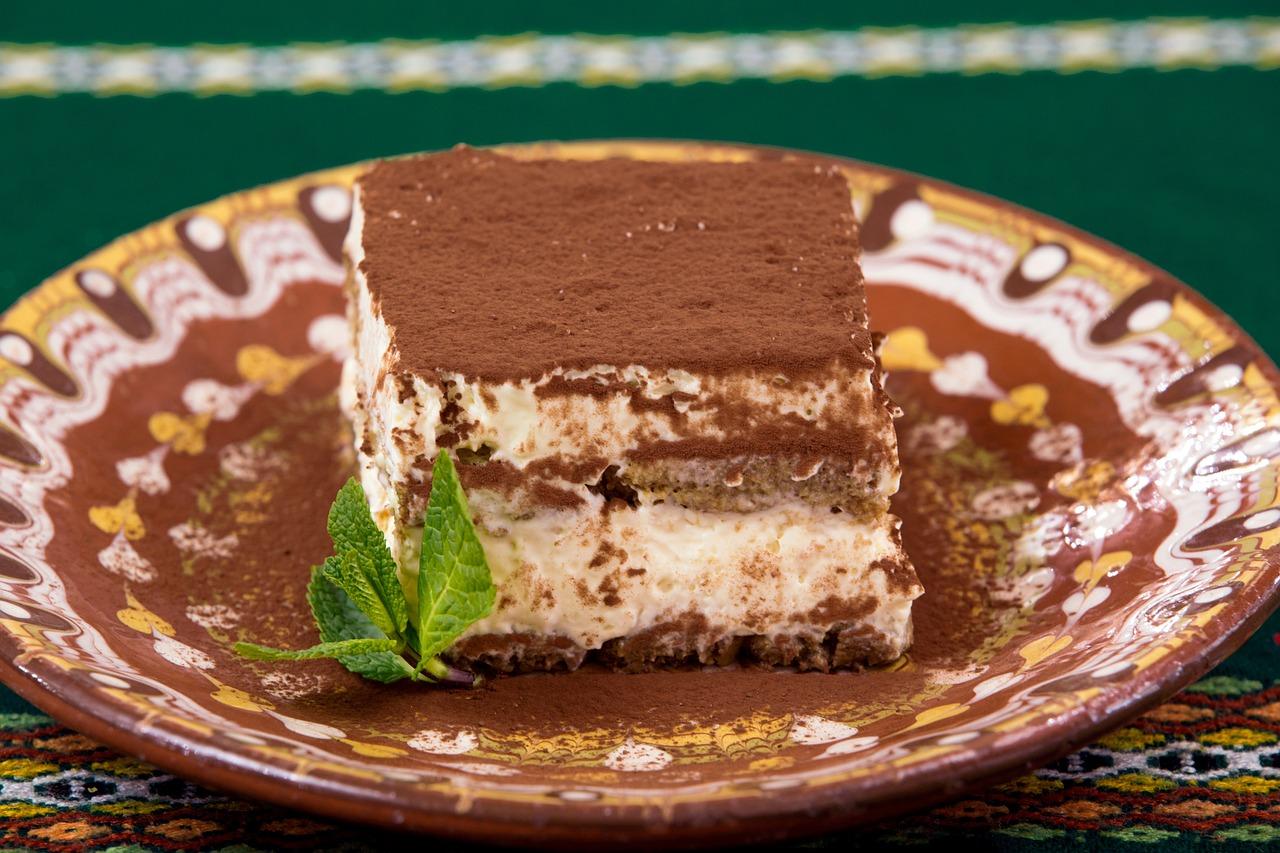
Tiramisù ('pick me up') was created in Treviso, in the Veneto, around the 1960s and 70s; the restaurant Le Beccherie is the best-known claimant. The original is simple: savoiardi biscuits dipped in espresso, layered with a cream of egg yolks, sugar and mascarpone, and dusted with cocoa. No alcohol and no cream in the Treviso version, which is different from this site's Baileys tiramisu. It is best made the morning of, or the day before. Because the eggs are raw, use the freshest you can find, or pasteurised eggs. Chef's tip: beat the yolks and sugar for a full 5 minutes until pale and thick as custard; that is what makes the cream light without whipped cream.
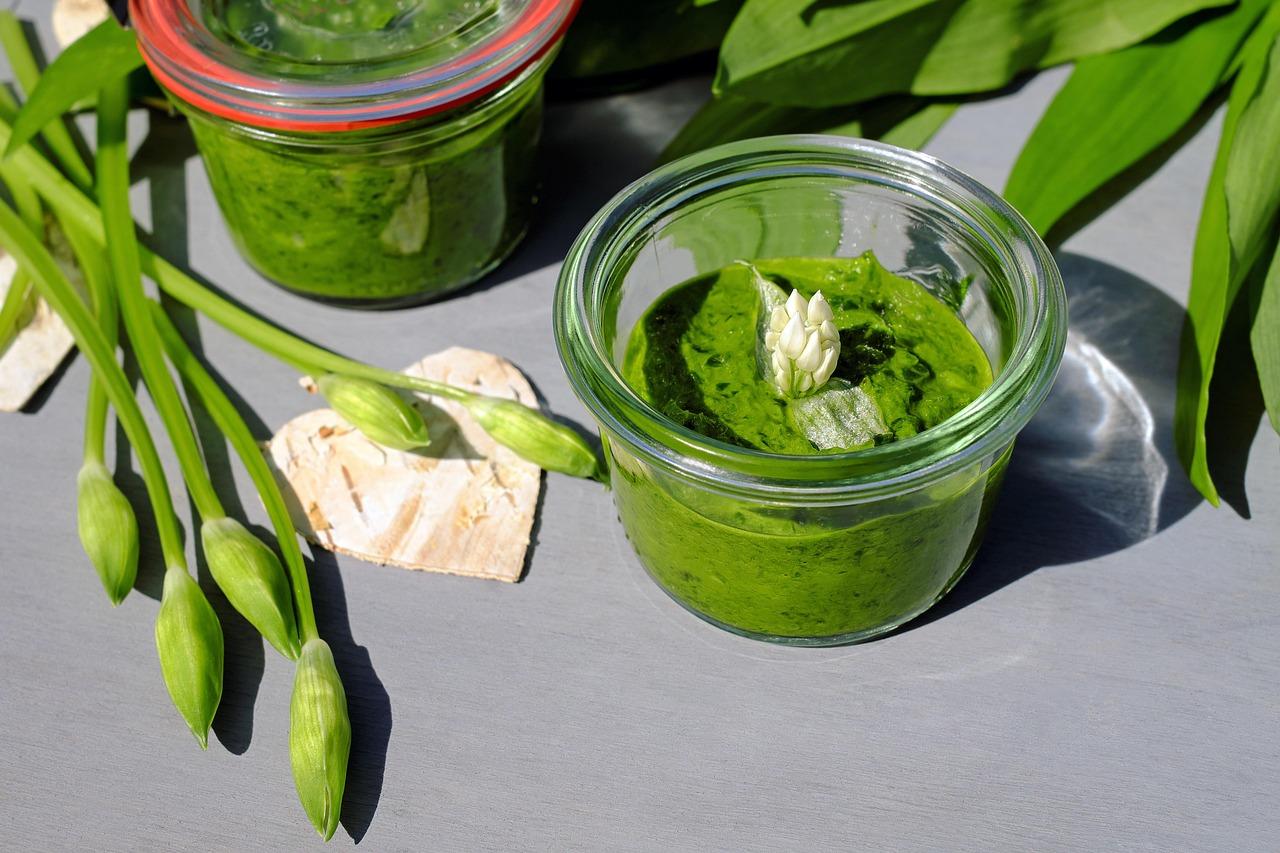
A fresh, fragrant pesto made with mint leaves and toasted pistachios. It is lovely tossed through hot pasta or spooned over roasted vegetables, and a spoonful lifts a plain vegetable soup.
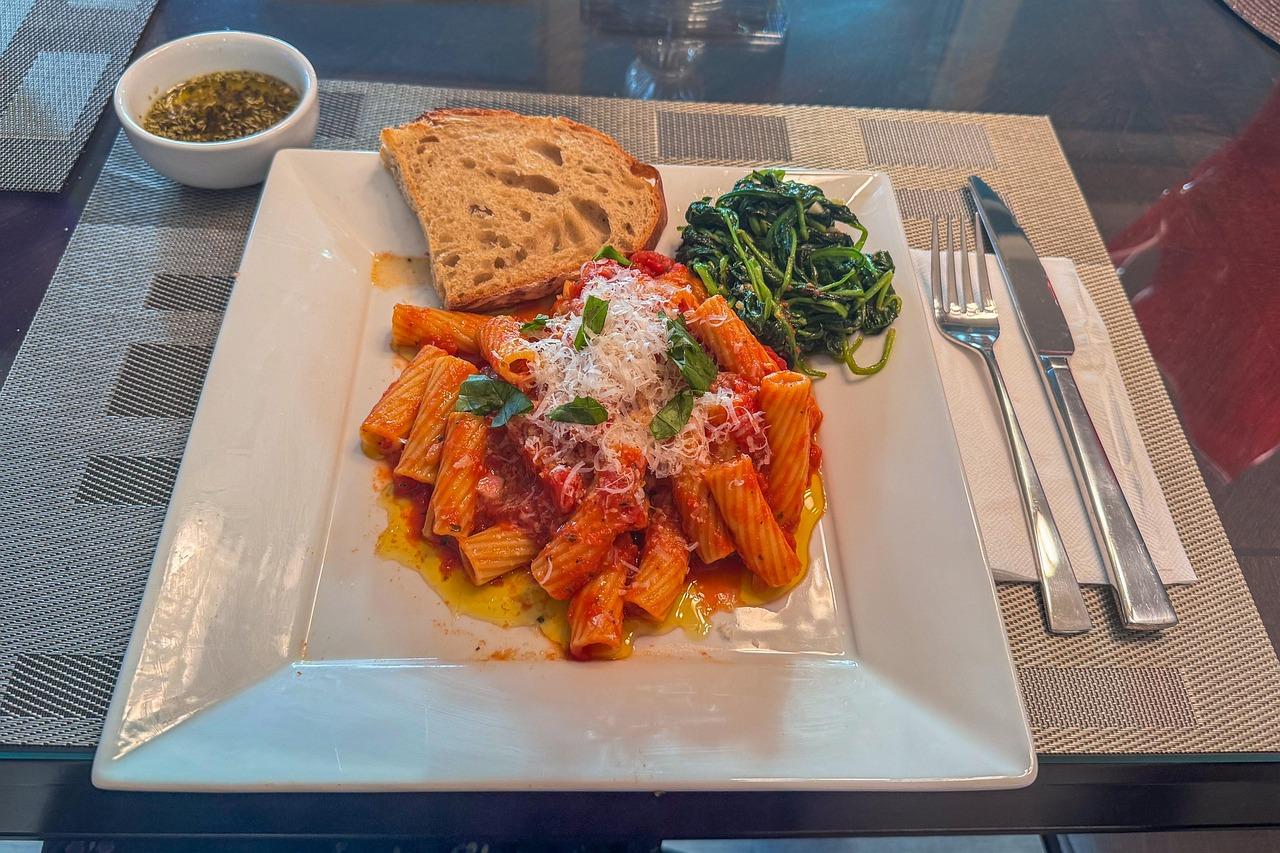
Rigatoni tossed in a thick tomato sauce with soft aubergine, celery and garlic, with an optional splash of brandy for depth, and topped with grated cheddar.
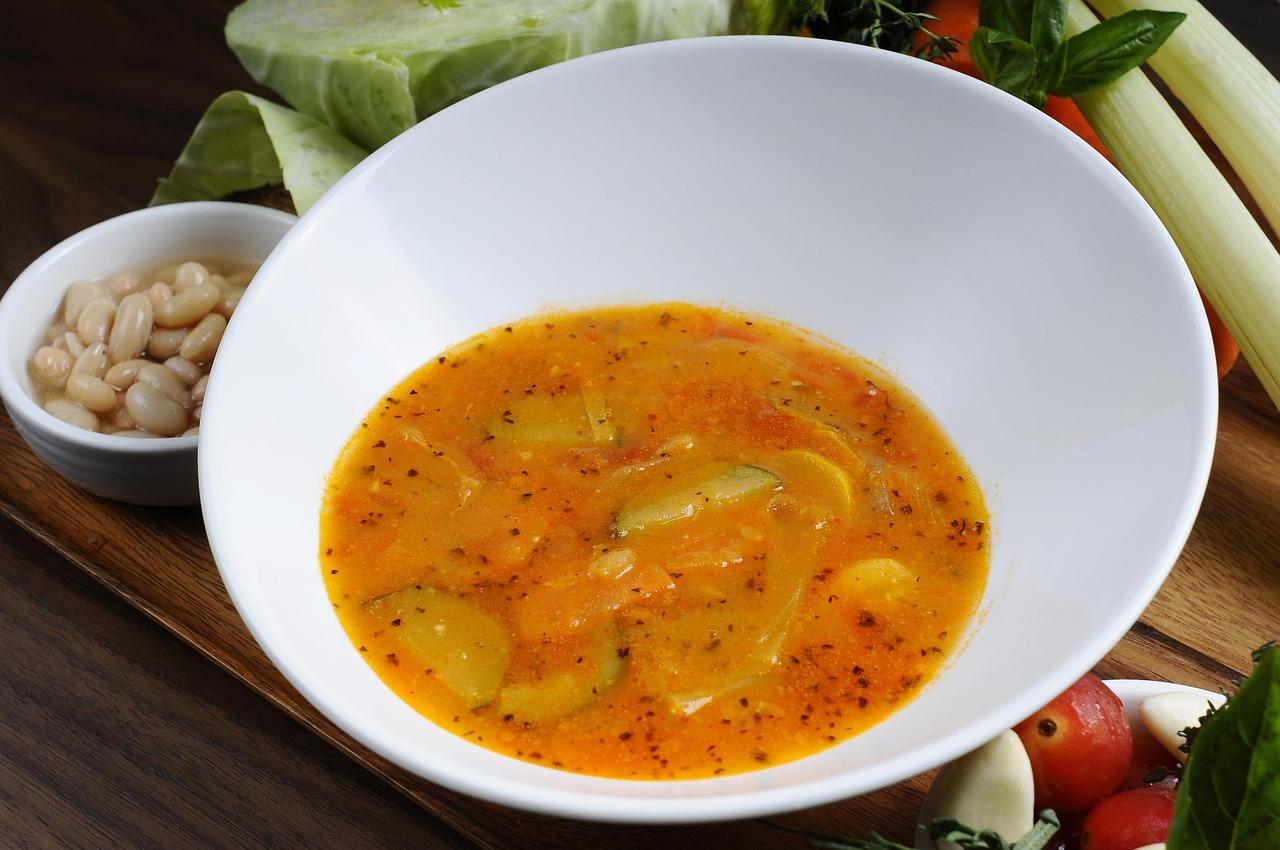
A hearty Italian vegetable soup with cannellini beans, cabbage and a little spaghetti, finished with a bright basil and tomato pesto stirred in at the end. Don't let it boil hard once the vegetables are in: over-boiled soups lose their colour and body. Serve hot with crisp garlic toast.
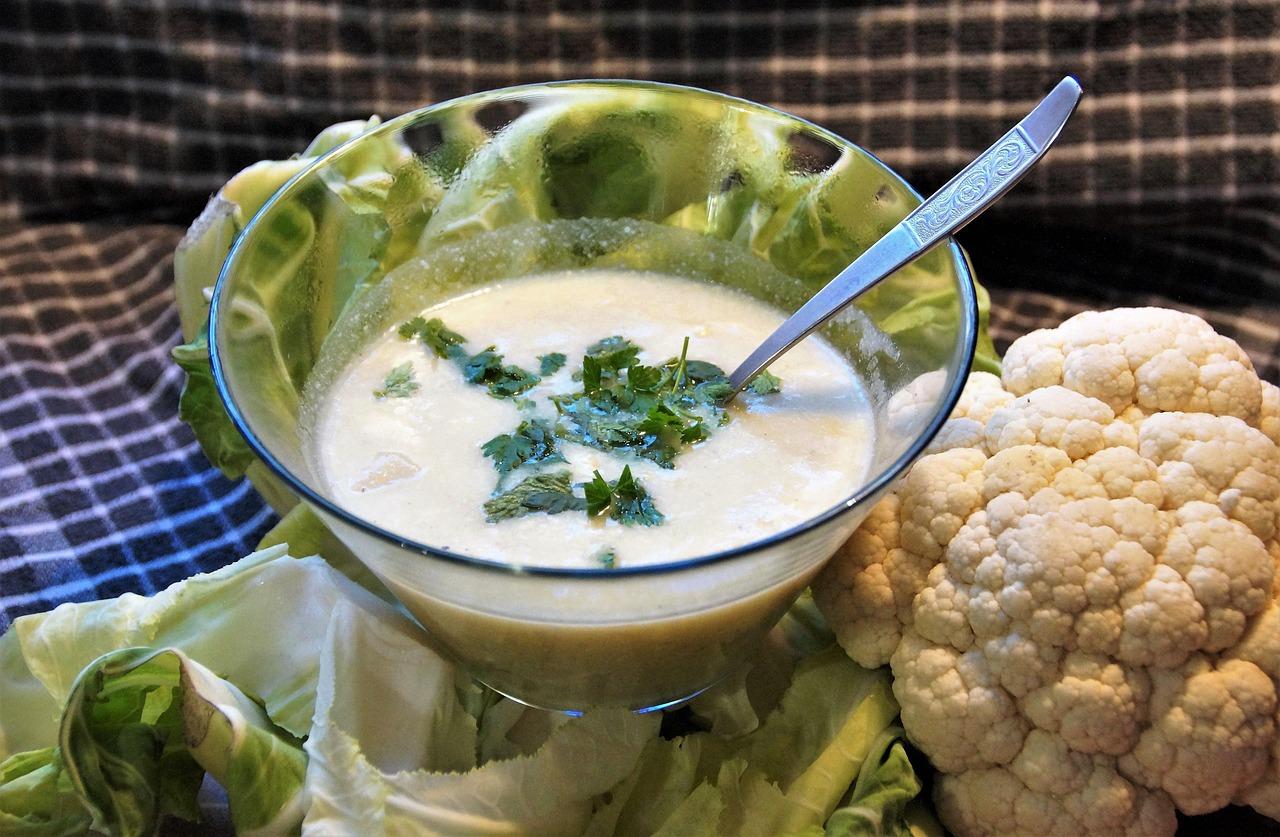
A smooth, creamy cauliflower soup flavoured with nutmeg and Parmesan, with little bow-tie pasta stirred through. It's served with crisp, curled melba toast sprinkled with Parmesan and paprika, so it makes a light meal on its own.
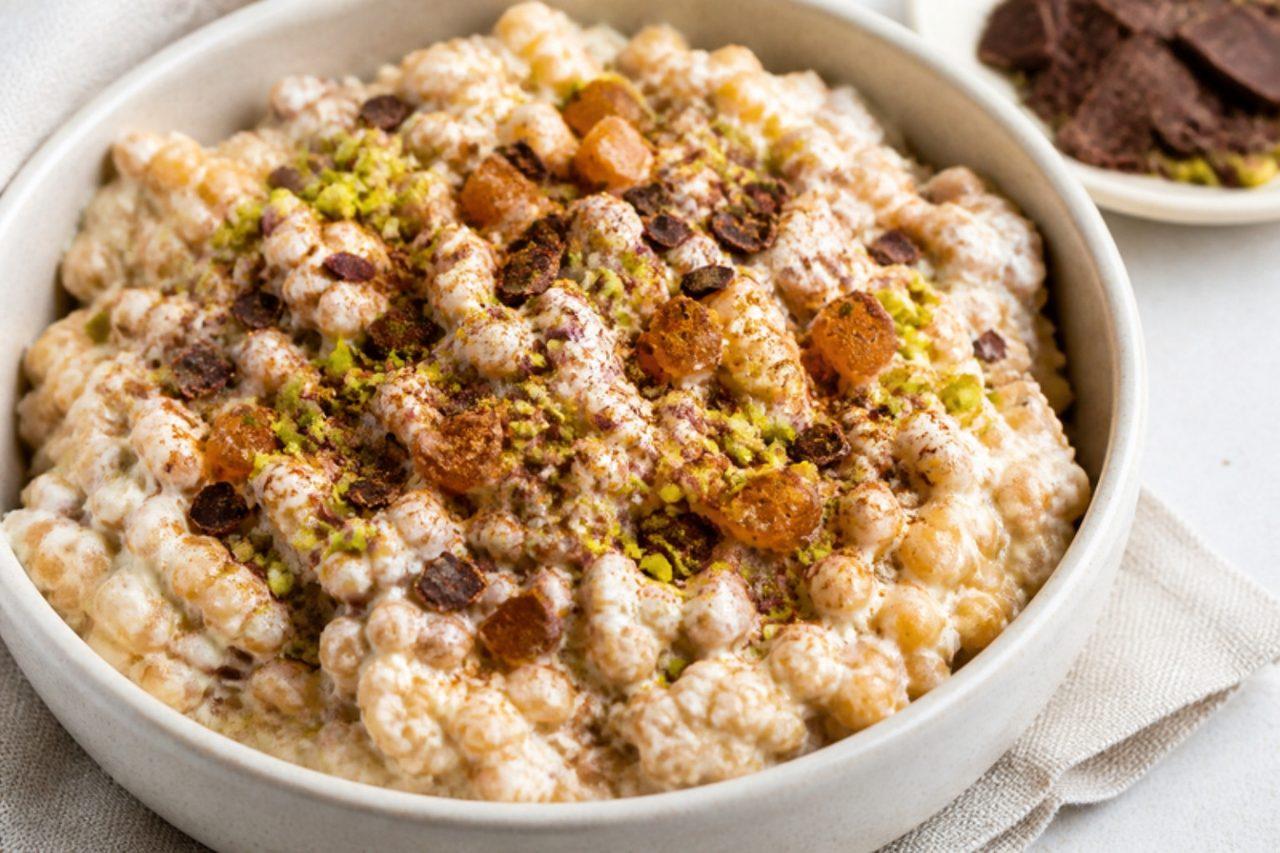
On 13 December, the feast of Santa Lucia, Palermo stops eating bread and pasta for a day. The story goes that during a famine a ship of grain arrived on her feast day and people were too hungry to mill it, so they boiled the wheat whole; cuccìa remembers that. The berries are boiled until plump and chewy, then folded into sweetened sheep's ricotta with candied orange, chocolate and cinnamon, so it eats like a cannolo filling with a pleasant bite. Serve it chilled in bowls or glasses, on the day itself or any winter afternoon. Like most Sicilian ricotta sweets it is egg-free by nature: the thick, drained ricotta binds the wheat into a creamy pudding, with nothing to set. Some families make a savoury version with chickpeas and oil, too. Chef's tip: cool the wheat completely before it meets the ricotta; the common mistake is folding in warm grains, which melts the cheese into a runny, grainy mess.
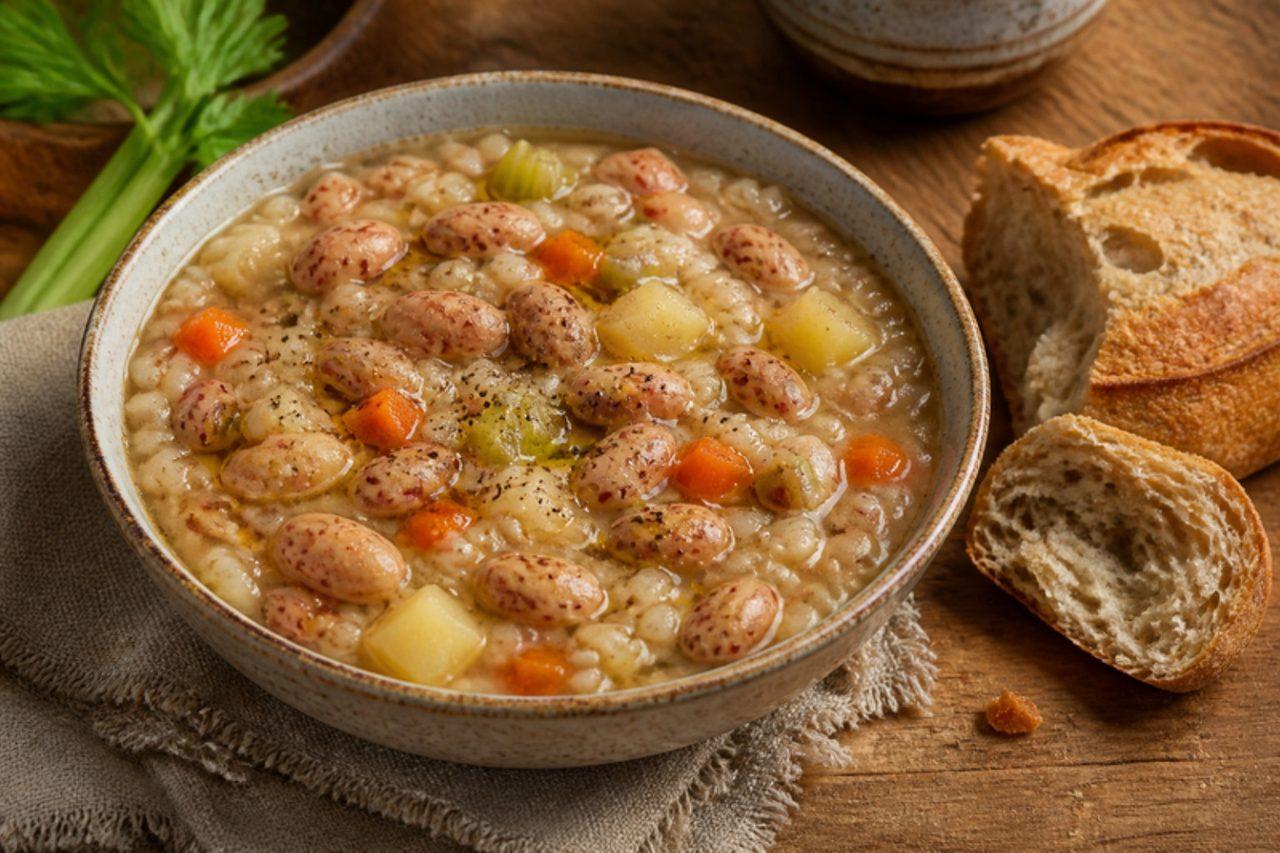
In Friuli-Venezia Giulia, around Udine and up into the Carnic Alps, orzo e fagioli is the thick bowl that warms people through the cold months, made in big pots and eaten for supper over several days. Borlotti beans and pearl barley simmer slowly with potato, carrot and celery until the soup turns creamy and dense enough for a spoon to stand in it. Many families add pork rind or a ham bone; this version is vegetarian and vegan, building depth instead with a slow soffritto, rosemary and a final swirl of good olive oil. A bowl gives about 20 g of protein from the beans and barley. Soak the beans for 12 hours first; that time is not counted below. The most common mistake is adding the barley at the start: by the time the beans are soft it has collapsed into glue. Chef's tip: mash a ladleful of the cooked beans and potato against the side of the pot and stir it back in; it thickens the soup without any flour.
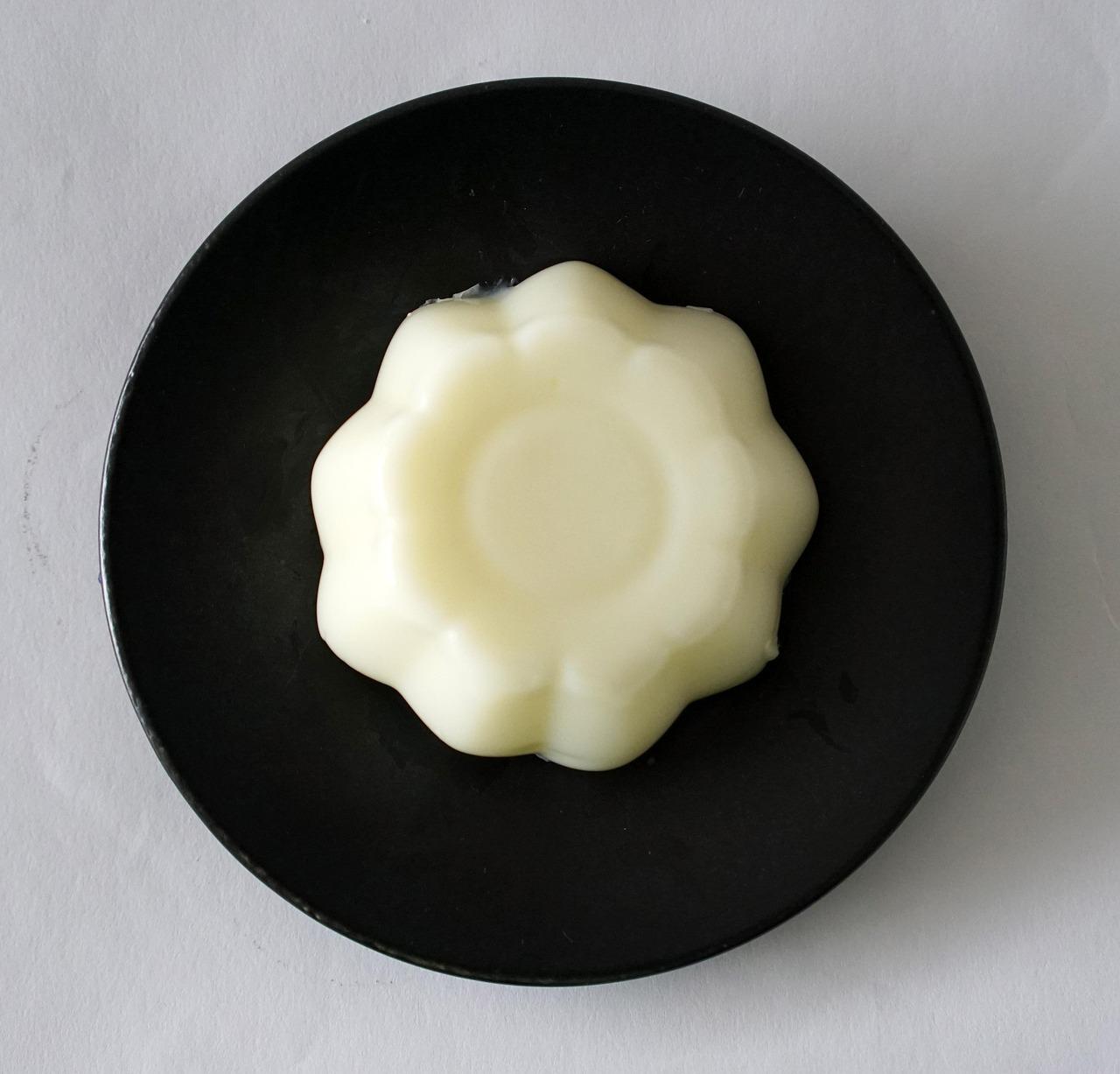
In Sicily, and above all around Modica and Avola where the almonds grow, biancomangiare is the cool, white pudding of high summer, turned out of fluted moulds after Sunday lunch or eaten at the bar from a little glass. The old Sicilian kind is made with almond milk rather than cow's milk and thickened with starch, which makes it dairy-free and vegan. It is smooth and soft, faintly marzipan-scented, brightened with a strip of lemon peel and warmed with cinnamon. Serve it cold, topped with chopped pistachios, a dusting of cinnamon or a few jasmine flowers, as they do in Palermo. No egg has ever belonged in it, and nothing else is needed to set it: cornflour boiled in the almond milk sets it as it cools, the same way it sets a custard without yolks. Chef's tip: once it thickens, keep it bubbling for 2 more minutes; the common mistake is pulling it off too soon, which leaves a raw starch taste and a pudding that won't turn out cleanly.
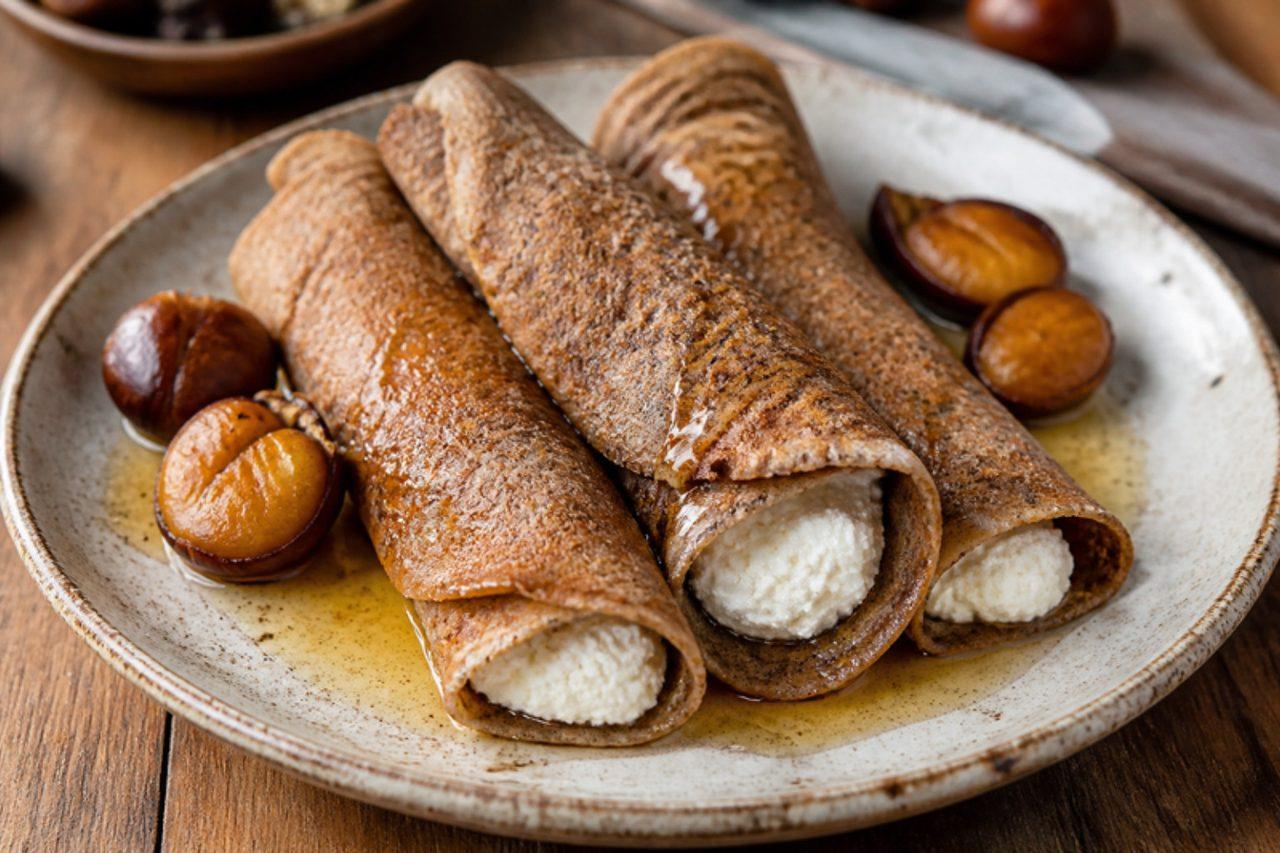
In the chestnut woods of the Garfagnana above Lucca and the hills around Pistoia, necci arrive with the new season's chestnut flour in late autumn and stay through winter, cooked at village fairs and at home as a sweet snack or a light supper. The batter is nothing but sweet chestnut flour, water and a pinch of salt; traditionally it was poured between pairs of hot iron or stone discs lined with chestnut leaves, but a non-stick crêpe pan does the job. The pancakes are soft, faintly smoky and naturally sweet, with an earthy taste, and are rolled around cold fresh ricotta. Serve two or three each, with a drizzle of honey or a cup of coffee alongside. They are naturally egg-free: the fine starch and sugar in chestnut flour set the batter on the heat by themselves, so it holds together without eggs. Chef's tip: sieve the flour and whisk the batter until it is as smooth and thin as single cream; the common mistake is a thick batter, which gives heavy, gummy necci that crack when rolled.
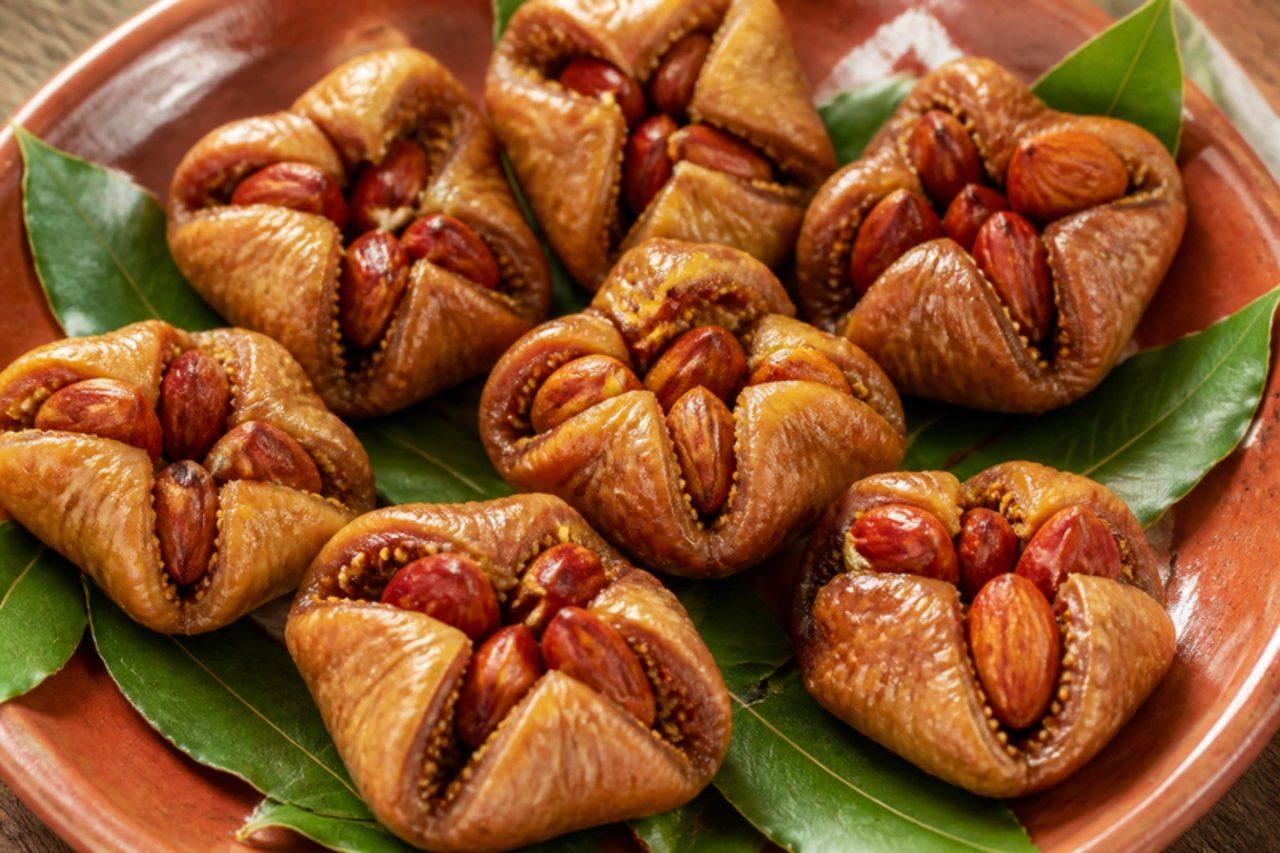
Around Cosenza in northern Calabria the late-summer fig crop is dried in the sun, and the best figs are kept for crocette: two figs split open, laid across each other, filled with a toasted almond and a few fennel seeds, then baked until they darken and caramelise. They come out at Christmas, often stored in tins between bay leaves, and are eaten after dinner with nuts and mandarins. Expect a soft, jammy, chewy bite with crunch from the almond and the bright, slightly liquorice note of fennel. They go well with a cup of strong coffee or a little hard cheese. There is no egg and nothing added to bind them: in the oven the figs' own sugars soften and turn sticky, and as they cool they glue the cross together. Chef's tip: pull them out when they look shiny and just a shade darker; the common mistake is baking too long, which makes the figs hard and bitter.
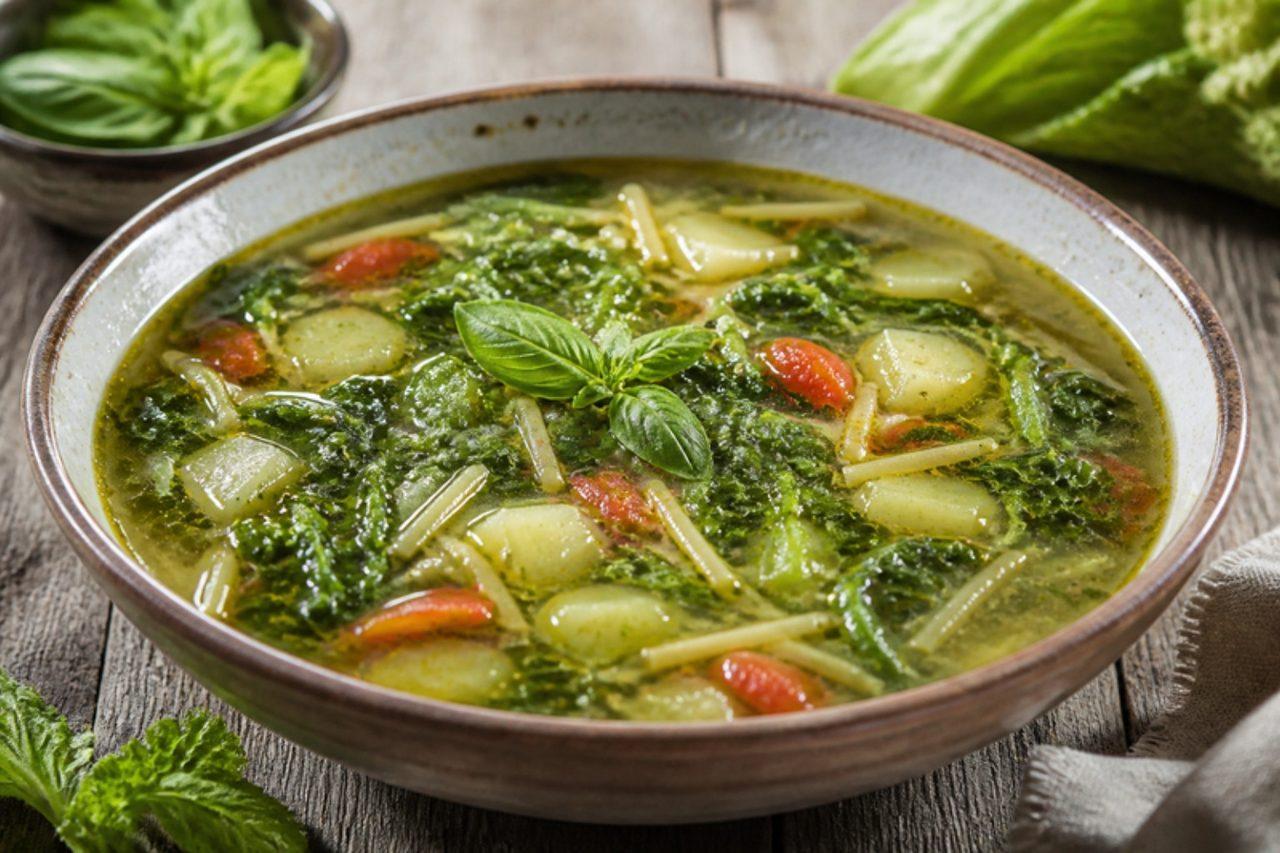
In Palermo and across Sicily, July and August bring bunches of tenerumi, the soft leaves and shoots of the long cucuzza squash, to every market stall, and families turn them into this light, brothy minestra for supper, often eaten warm rather than hot. The leaves cook down with garlic, ripe tomato and a little potato, and broken spaghetti is cooked right in the pot. It tastes green, sweet and gently garlicky, with about 5 g of protein per portion from the pasta and greens; grate pecorino over the top if you are not cooking it vegan (traditional pecorino uses animal rennet, so choose a vegetarian hard cheese). The common mistake is using only the large, tough leaves: pick the tender tops and shoots and strip the stringy stems. Chef's tip: let it rest for 10 minutes off the heat before serving; Sicilians say the flavour comes together as it cools a little.
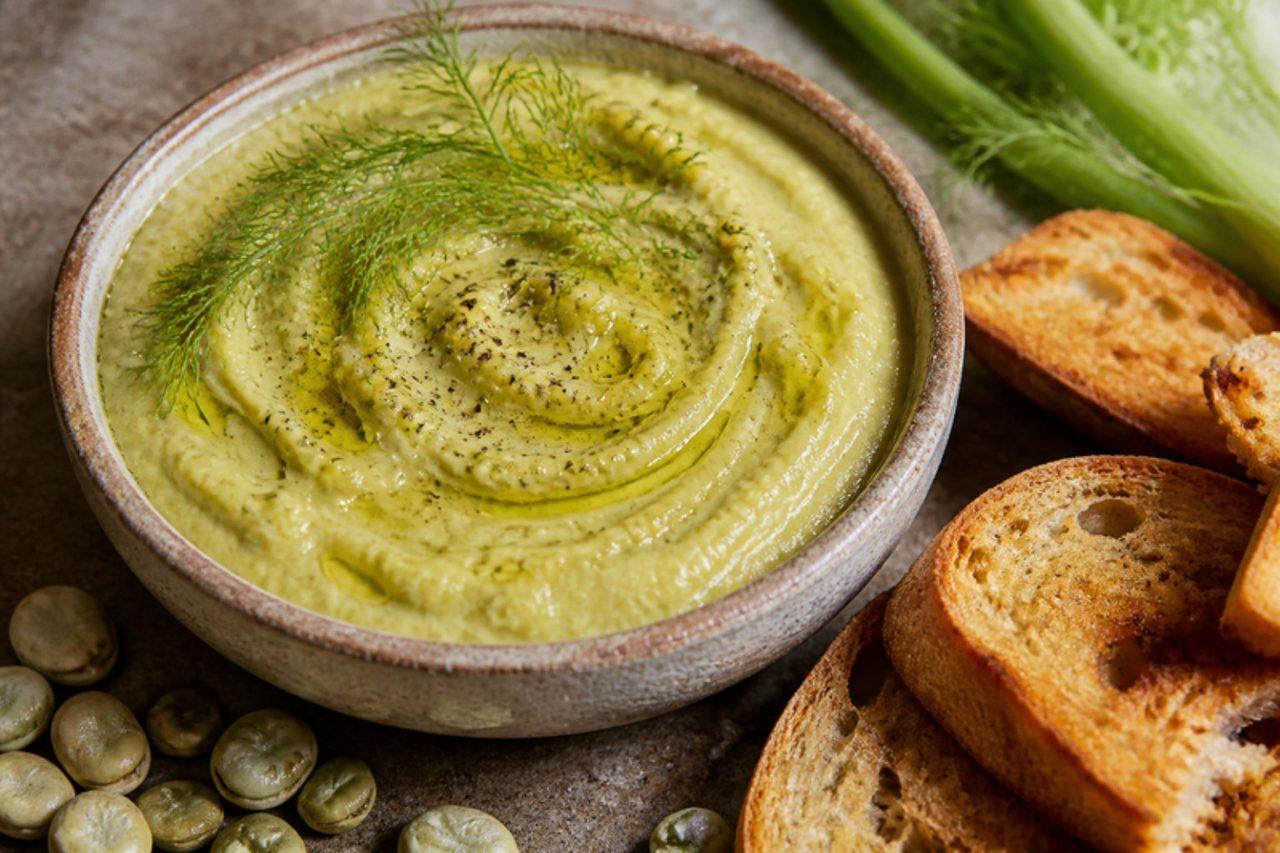
In Sicily, from the villages around Palermo to the hill towns of Ragusa, macco di fave is old peasant food that still appears every 19 March for the feast of San Giuseppe, and on cold evenings through the winter. Dried, peeled broad beans are cooked slowly until they fall into a thick, pale green-gold purée, scented with wild fennel and finished with a thread of peppery olive oil. It is eaten hot from the bowl with bread, or loosened with broken spaghetti; leftovers set firm and are sliced and fried. A bowl gives about 26 g of protein, almost all from the broad beans. Soak the split beans for 6–8 hours first; that time is not counted below. The most common mistake is walking away from the pot near the end: the purée thickens fast and catches on the base, which makes it taste scorched. Chef's tip: if you can't find wild fennel, use a bulb's feathery fronds plus a teaspoon of crushed fennel seeds for the same aniseed lift.
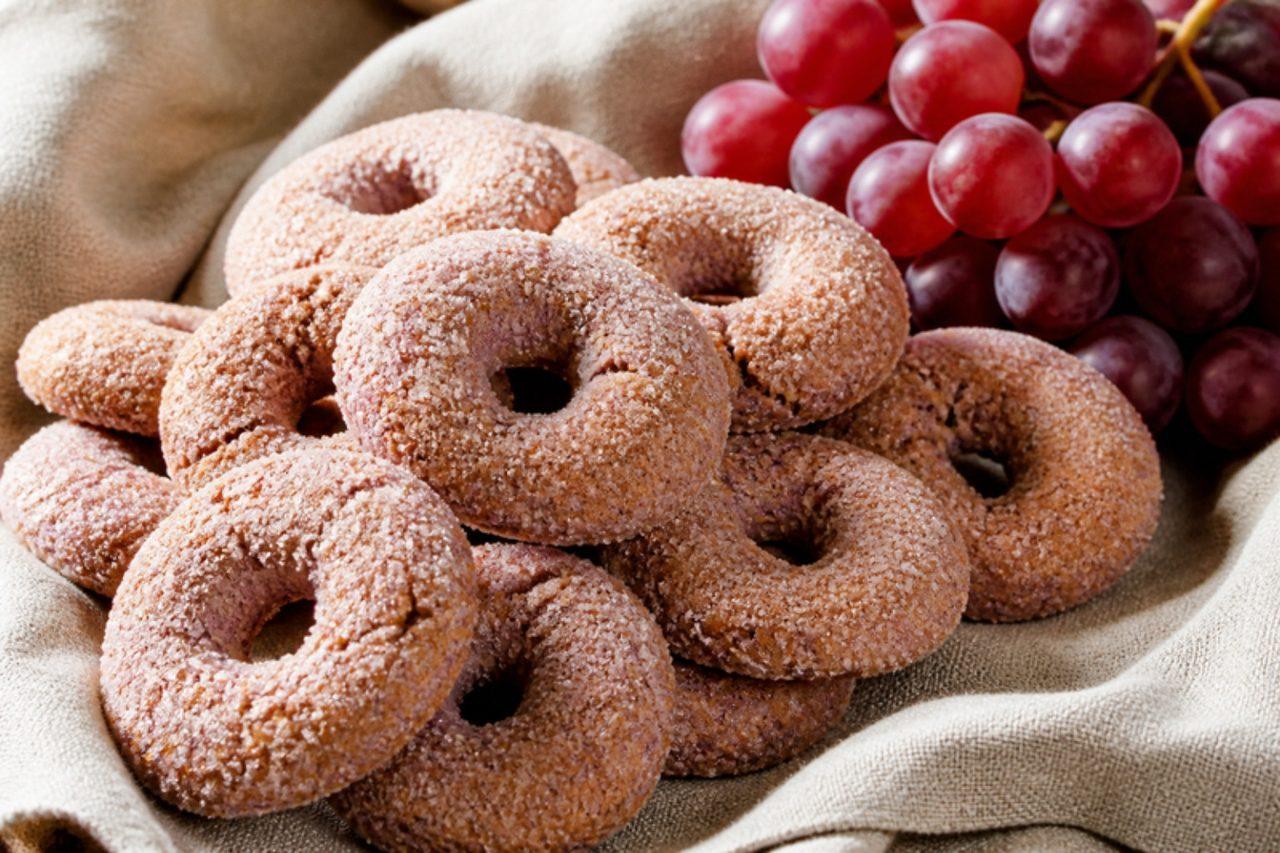
All over Lazio, from the Castelli Romani to the countryside around Rome, these sugar-crusted ring biscuits are put out at the end of a meal and at the autumn grape harvest, when they are dunked into a glass to soften. The classic dough is made with equal measures of liquid, olive oil and sugar; here the liquid is red grape juice, which is close to the fresh mosto of harvest time and gives the same pinkish crumb and fruity edge with no alcohol at all. The rings are crunchy and light, a little crumbly, with a crackly sugar coat and a hint of aniseed. Serve them with grape juice, coffee or a pot of tea for dunking. They are naturally egg-free: the olive oil and juice bind the flour into a smooth dough, and baking powder does the lifting that eggs might do elsewhere. Chef's tip: roll the ropes no thicker than a pencil and a half, about 1 cm; the common mistake is chunky ropes, which brown outside before the middle dries and leave the biscuits hard instead of crisp.
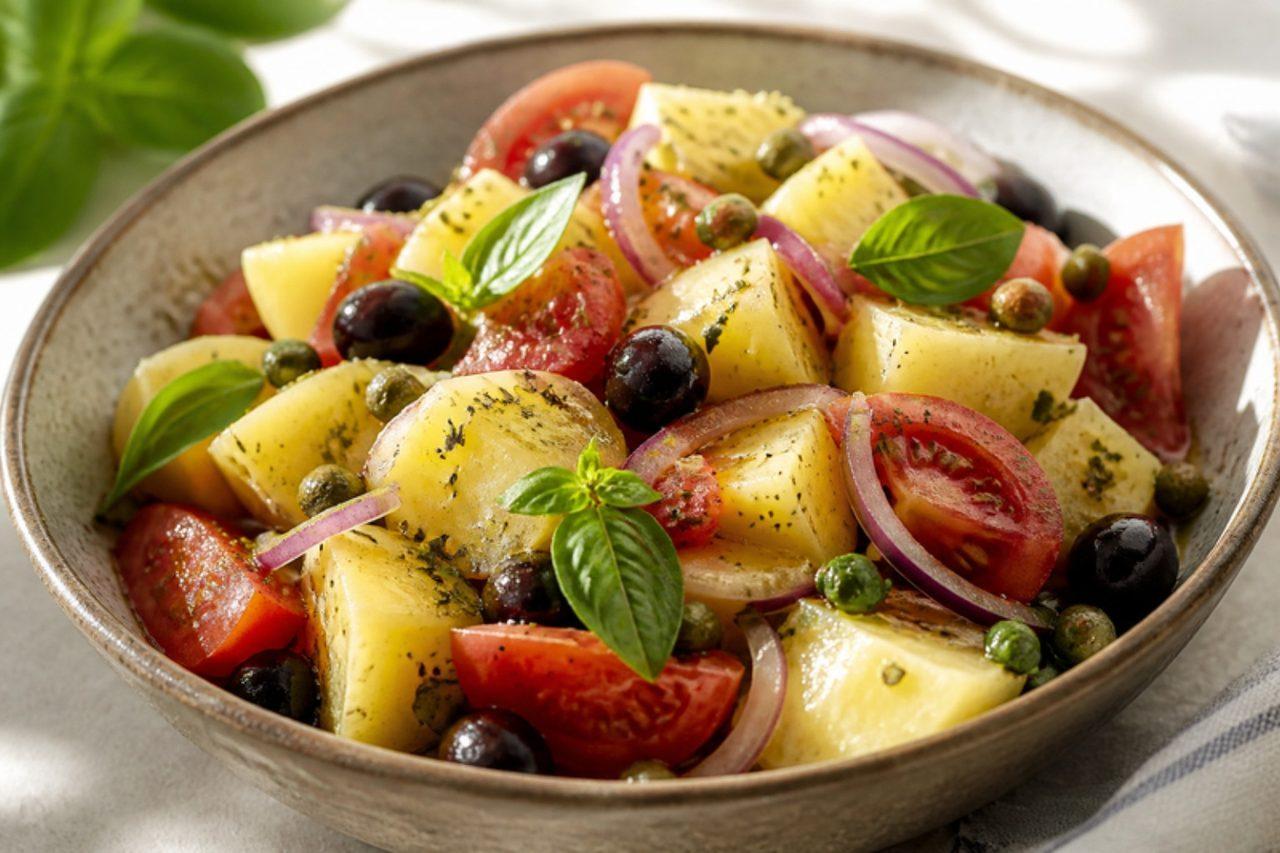
Insalata pantesca comes from Pantelleria, the volcanic island between Sicily and Tunisia famous for its capers, and is eaten all over Sicily on hot summer days, at lunch or as a side to a frittata. Waxy potatoes are boiled and dressed while warm with ripe tomatoes, sliced red onion, the island's capers, black olives, oregano and plenty of olive oil, so the potatoes soak up all the juices. Island cooks sometimes add tuna; this version stays vegan. It gives about 5 g of protein a portion, so for a fuller meal serve it with hard-boiled eggs or a bean dish. The most common mistake is using floury potatoes, which crumble into mash; choose a waxy variety and cut it after cooking. Chef's tip: rinse salted capers well and soak the sliced onion in cold water for 10 minutes; both lose their harshness and the salad tastes sweeter.
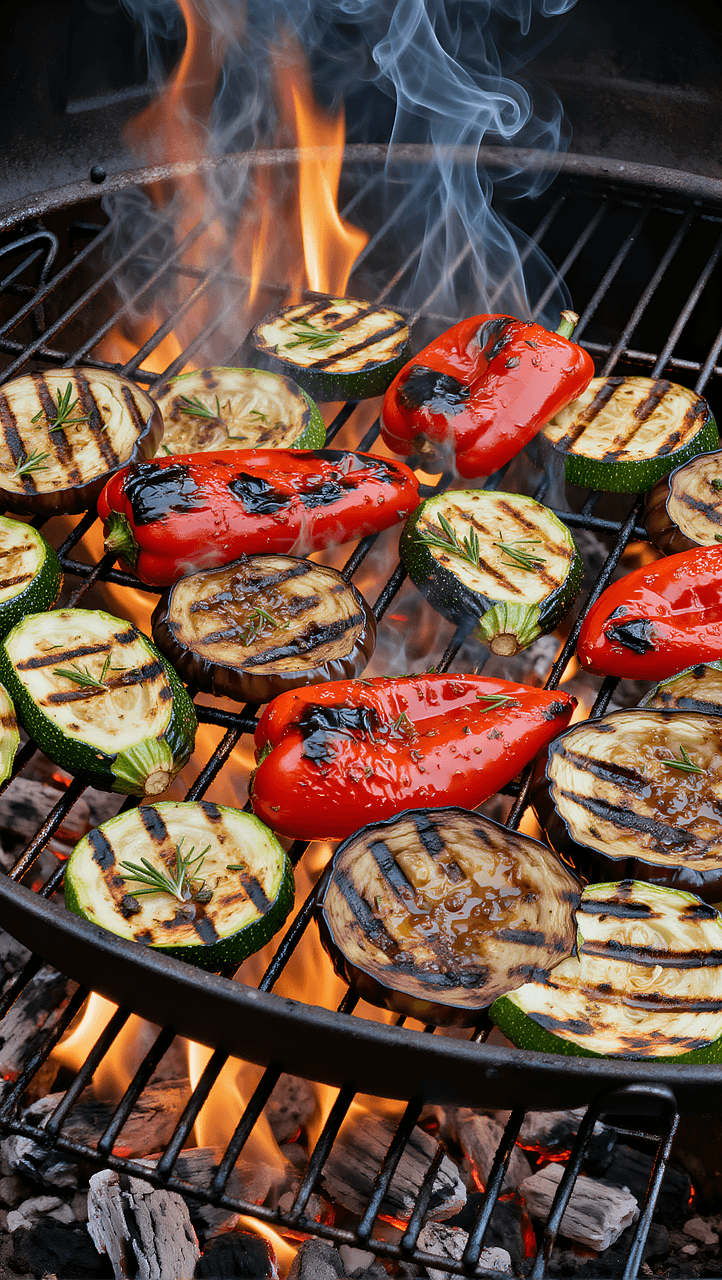
Every Italian region has its plate of verdure grigliate, laid out on summer lunch tables from Puglia to Liguria as part of the antipasti, or eaten as a side to bread and cheese. Slices of aubergine, courgette and pepper are grilled dry until striped and soft, then dressed afterwards in good olive oil, garlic, parsley and a little vinegar so they soak it up as they cool. It is vegan and light, with about 3 g of protein per portion; add a ball of mozzarella or a can of white beans to make it a meal. The common mistake is oiling the vegetables before grilling: they smoke, burn and turn greasy. Chef's tip: make it a few hours ahead; the dressing works its way in and it tastes better at room temperature than hot.
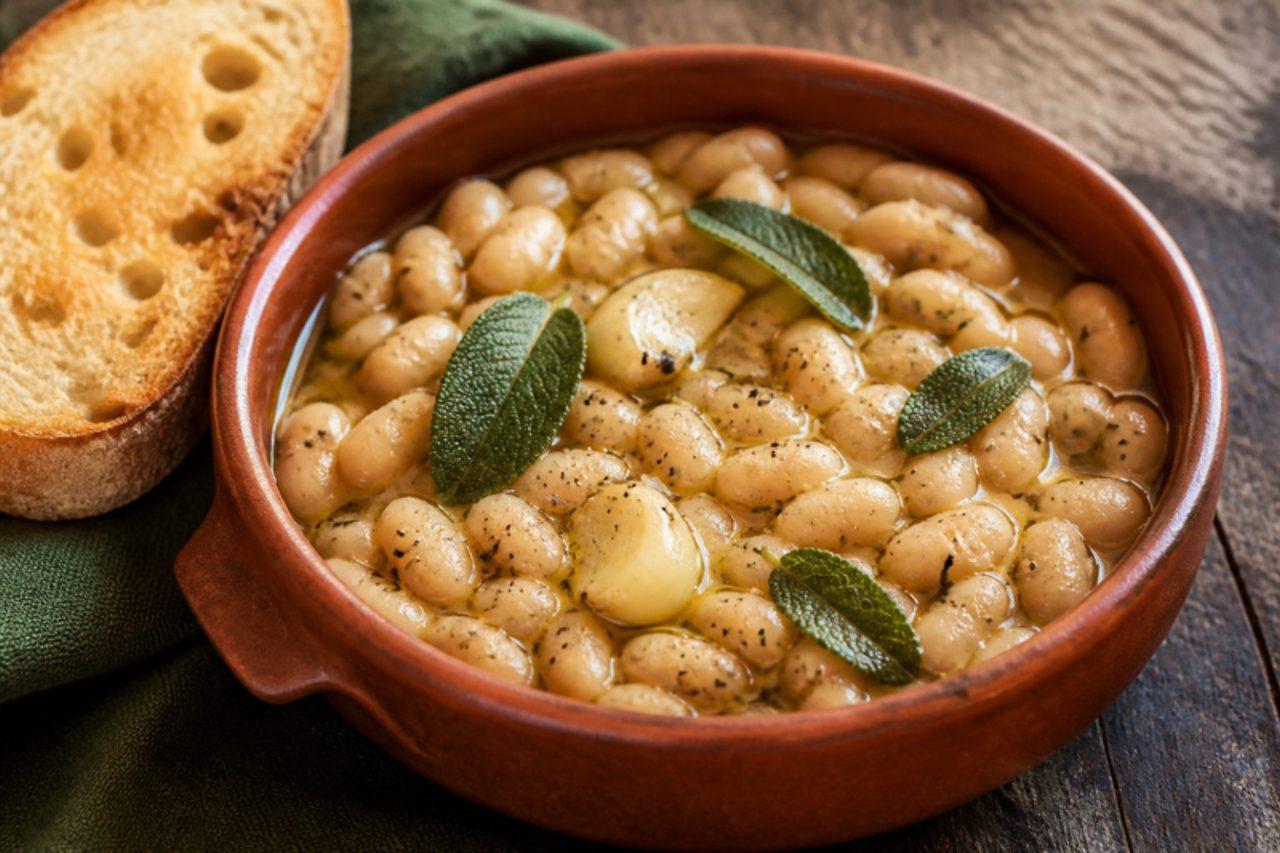
In Tuscany, and above all in Florence and the Chianti hills, beans were once cooked overnight in an old glass wine flask set in the dying embers of the hearth, and fagioli al fiasco are still made in autumn when the new season's peppery olive oil arrives in November. Cannellini, sage, garlic and oil are sealed in a lidded pot and cooked very slowly, so the beans turn creamy and buttery inside while staying whole. At home a heavy casserole in a low oven does the job. Served as a side or a light main with toasted bread, a portion gives about 23 g of protein from the beans. Soak the beans for 12 hours first; that time is not counted below. The most common mistake is letting the liquid boil: fast bubbling splits the skins and turns the beans mealy. Chef's tip: salt only at the very end, and pour over your best oil at the table, not during cooking, where its fresh flavour is lost.
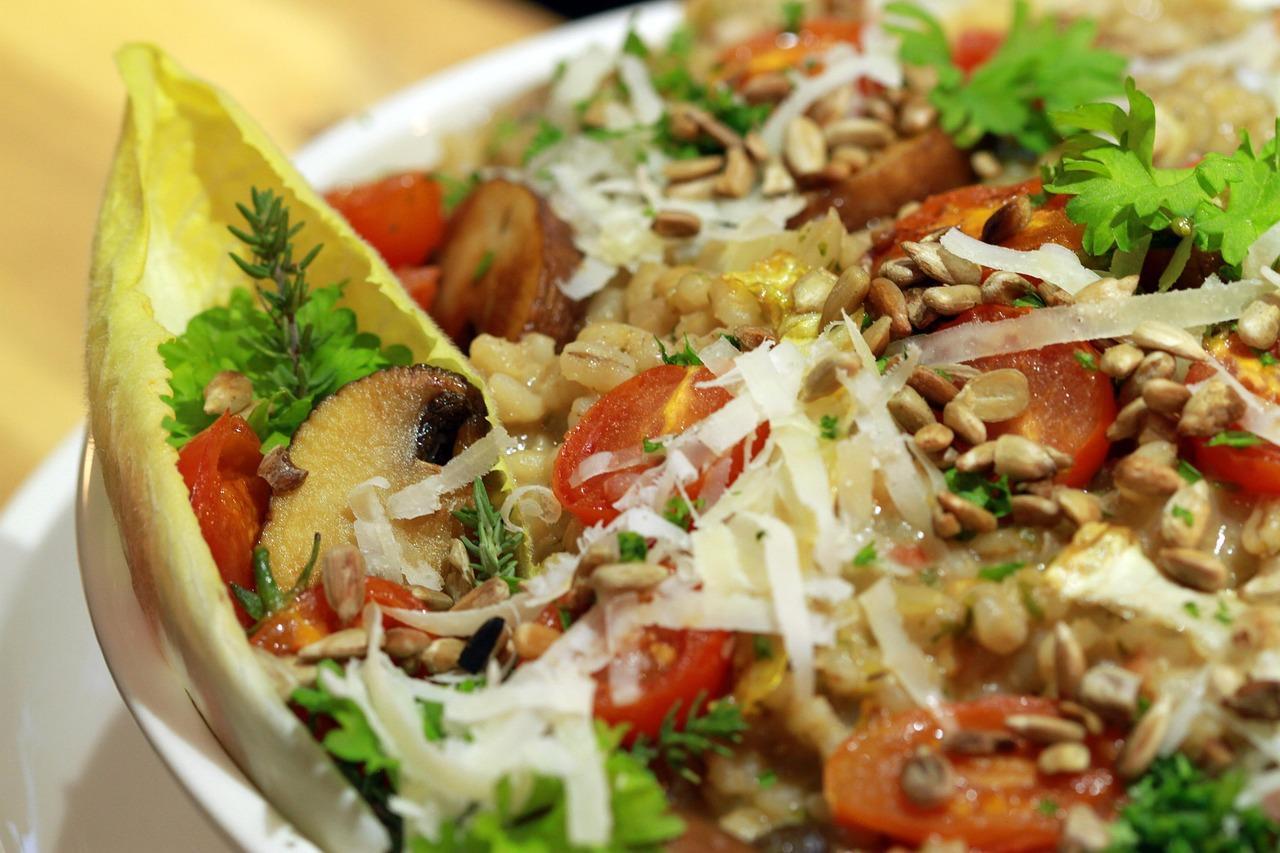
In Friuli-Venezia Giulia and Trentino, barley was the everyday grain of the mountains long before rice arrived, and orzotto is the dish cooks make when they treat it like risotto: toasted, then fed hot stock ladle by ladle and finished with butter and cheese. This spring version uses leek, asparagus and peas; in autumn swap in squash or mushrooms. A portion gives about 16 g of protein, from the barley, peas and cheese, so it is not high-protein. Traditional Parmigiano and Grana Padano are made with animal rennet; use a vegetarian Italian-style hard cheese to keep it vegetarian. The common mistake is expecting it to cook in risotto time: barley needs 35–40 minutes and stays slightly chewy even when done. Chef's tip: stir in cold cubes of butter and the cheese off the heat and beat hard for a minute; that mantecatura makes it creamy.
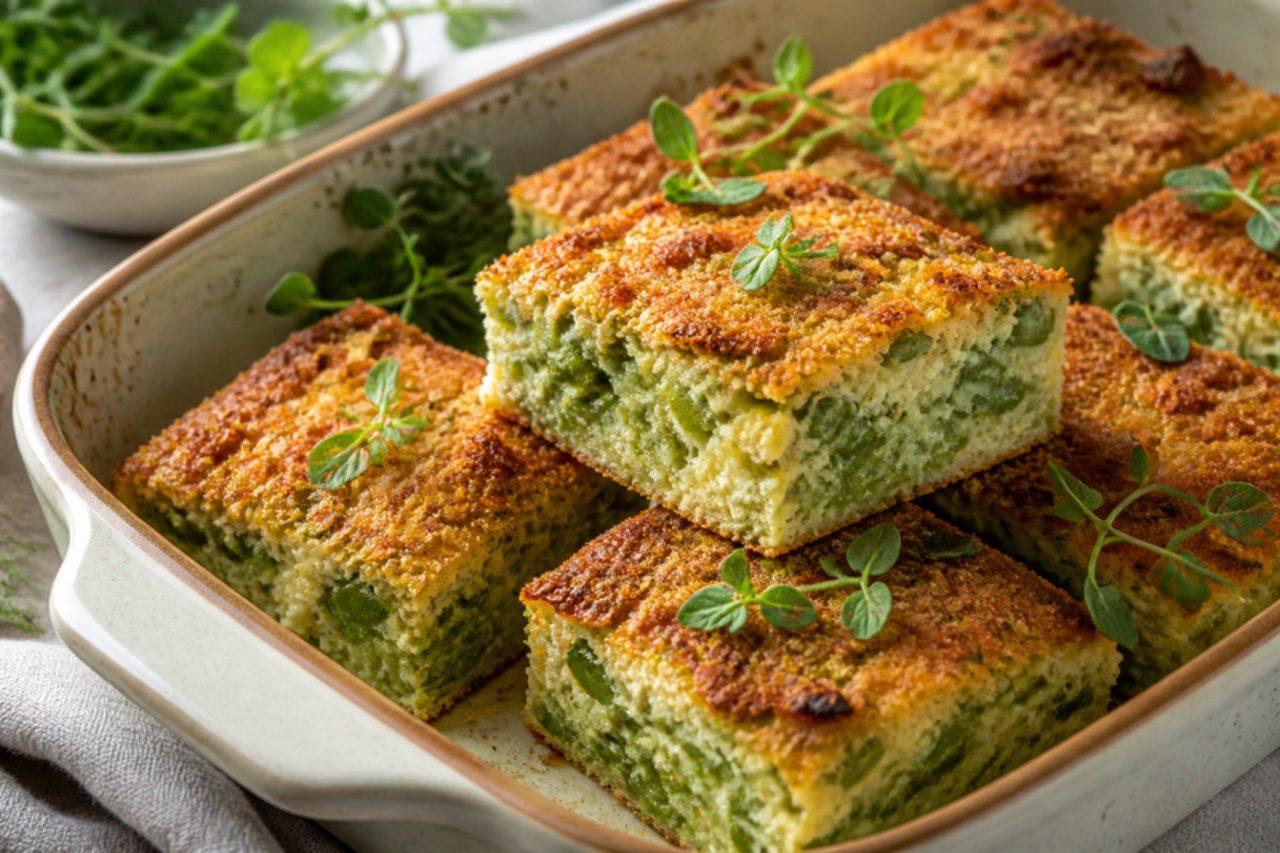
In Genoa and along the Riviera di Levante, polpettone is the summer dish made when the green beans come in fast: beans and potatoes are boiled, chopped and bound with eggs, cheese and fresh marjoram, then baked flat in an oiled tin until the top is golden and crackly. It is eaten warm for supper or cold the next day, cut into squares for a picnic or a train journey. One portion gives about 24 g of protein, from the eggs, ricotta and Parmesan, with a little more from the beans and potato. Parmesan is made with animal rennet, so use a vegetarian Italian-style hard cheese if you need it to be strictly vegetarian. The most common mistake is leaving the vegetables wet: squeeze and drain them well, or the loaf stays soggy and will not slice cleanly. Chef's tip: scatter dry breadcrumbs, or fine polenta for a gluten-free loaf, over the oiled tin before you spread the mixture in; it gives the bottom a crisp crust, just like a Genoese grandmother's.
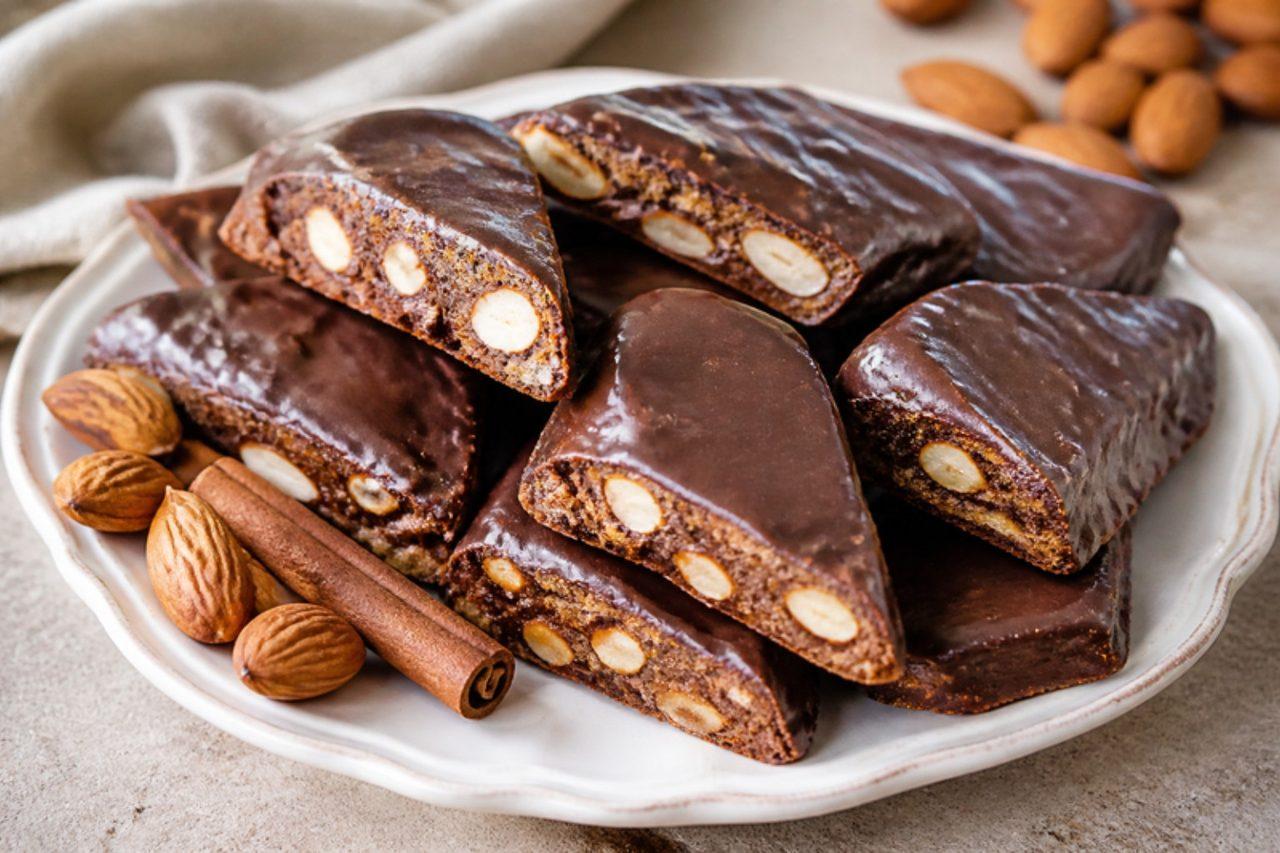
In Lecce and the towns of the Salento, mustazzoli are baked for Christmas and for the summer saints' feasts, when stalls at the fairs stack them in glossy dark piles. They are diamond-shaped biscuits of toasted almonds, flour, sugar and cocoa, spiced with cinnamon and cloves and brightened with orange zest, then coated in dark chocolate. Inside they are firm and dense, a bit like a soft gingerbread, with a crisp chocolate shell. Eat them with an espresso after lunch or pack them as a gift; they keep for weeks. The dough was always egg-free: water and the sugar bind it, the ground almonds give fat and body, and a little baking powder keeps them from being leaden. Use a dark chocolate with no milk solids and the whole batch is vegan. Chef's tip: let the biscuits cool completely before glazing; the common mistake is dipping them warm, which melts the chocolate into a thin streaky coat that never sets glossy.
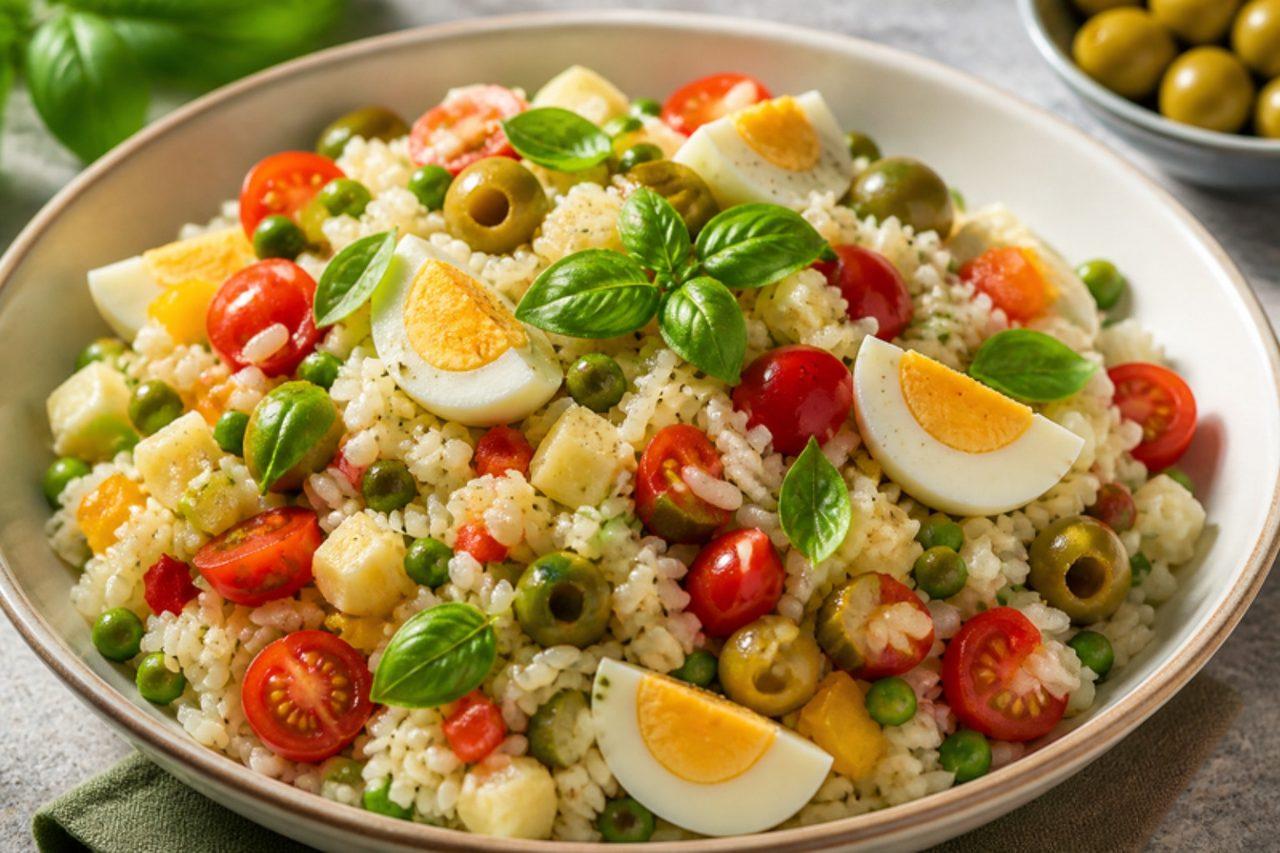
From July to the end of August, a big bowl of insalata di riso sits in Italian fridges ready for beach days, Ferragosto picnics and lazy suppers on the balcony. Firm, separate grains of rice are tossed with diced Emmental, hard-boiled egg, peas, sweet pepper, olives and the tangy chopped pickled vegetables called giardiniera, dressed only with olive oil. Many versions add ham, tuna or frankfurters; this one is vegetarian and gets its protein, about 23 g per portion, from the cheese, eggs, peas and rice. Emmental is usually made with animal rennet, so pick a vegetarian Swiss-style cheese if that matters. The classic mistake is overcooking the rice, which goes mushy and claggy as it cools; cook it just al dente and rinse it cold. Chef's tip: dress the rice with half the oil while it is still slightly warm so the grains stay separate, then add the rest when you mix in everything else.
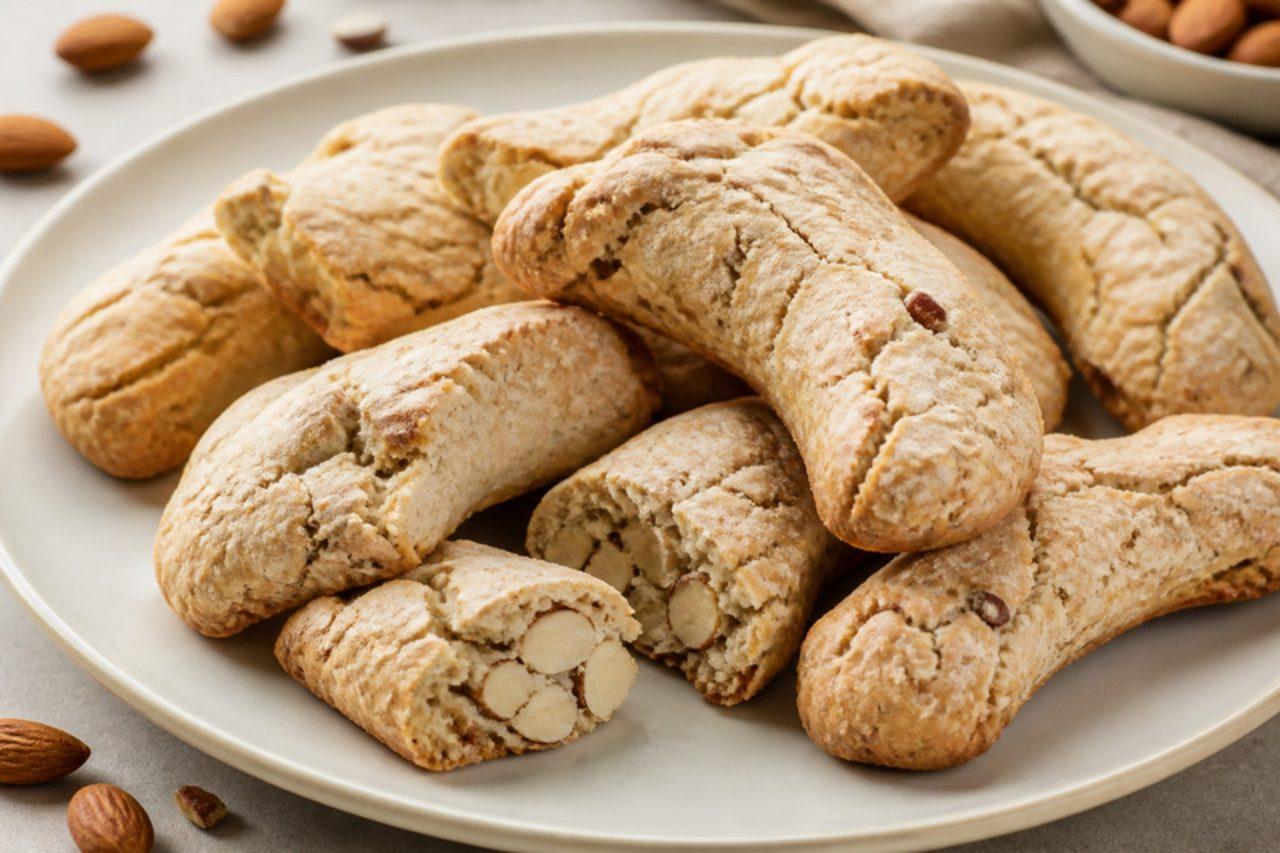
Italian families remember their dead on 2 November, and in Lombardy, Sicily and much of the country in between, the pastry shops fill with 'bones of the dead'. Shapes and recipes vary from town to town; this is the northern style, a lean dough of egg white, sugar, flour and toasted chopped almonds, scented with cinnamon, clove and lemon and rolled into knobbly bone shapes. They bake very hard and crunchy, made for dunking in coffee, milk or a sweet vin santo-style wine, and they keep for weeks. Sicilian children traditionally find them in a basket left by the departed, together with fruit made of marzipan. Chef's tip: let the shaped bones dry for half an hour before baking, which gives them their pale crust; skipping the rest is the common slip, and the bones spread into flat blobs.
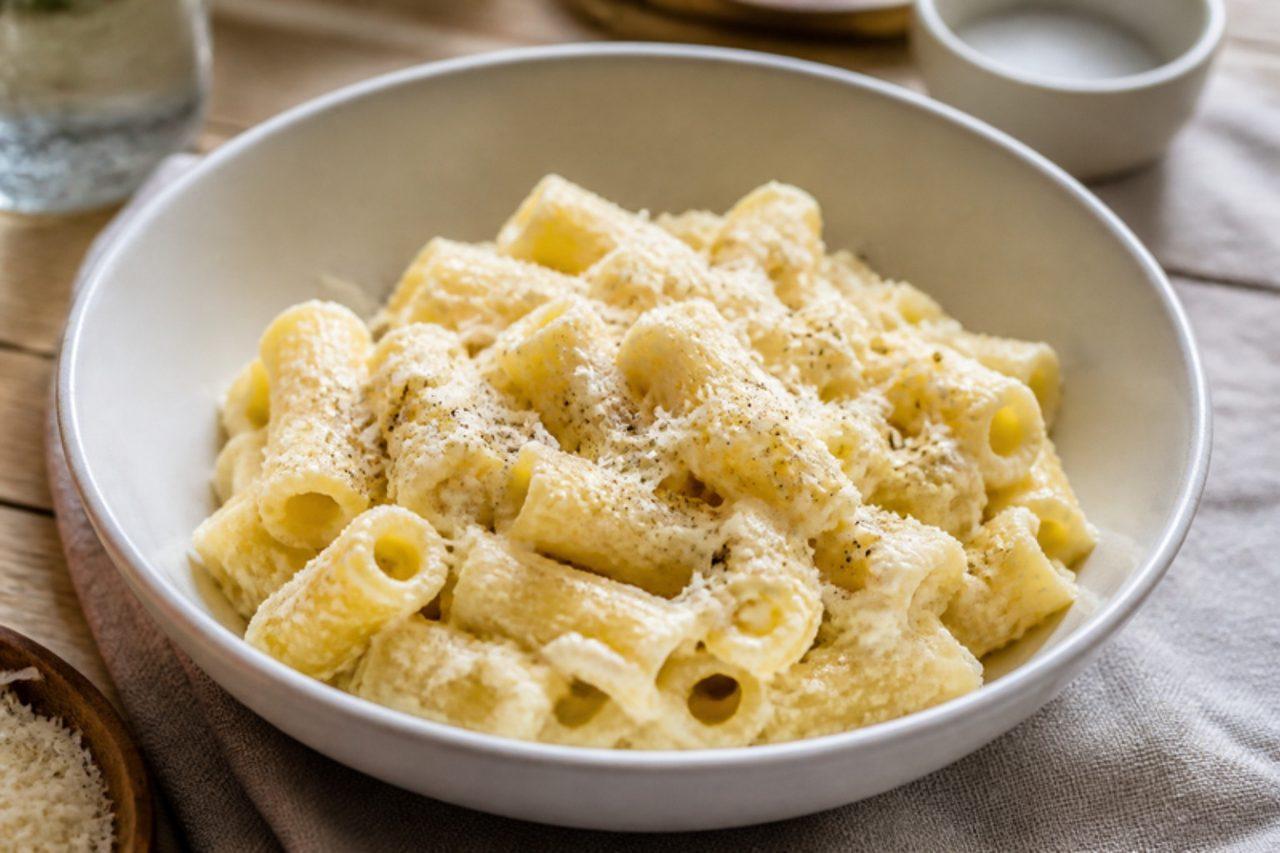
Sicilian mothers make pasta con la ricotta on busy evenings and for children home from school: fresh sheep's or cow's milk ricotta is loosened with hot pasta water into a soft, milky sauce, then seasoned with black pepper and a little grated cheese. It is mild, creamy and ready in a quarter of an hour. Ricotta is made without rennet, but parmesan or pecorino usually contain animal rennet, so use a vegetarian hard cheese if needed. The common mistake is spooning cold ricotta straight onto the pasta, where it stays in lumps; whisk it with hot water first. Chef's tip: a little lemon zest or a few mint leaves lifts the sauce without hiding the ricotta.
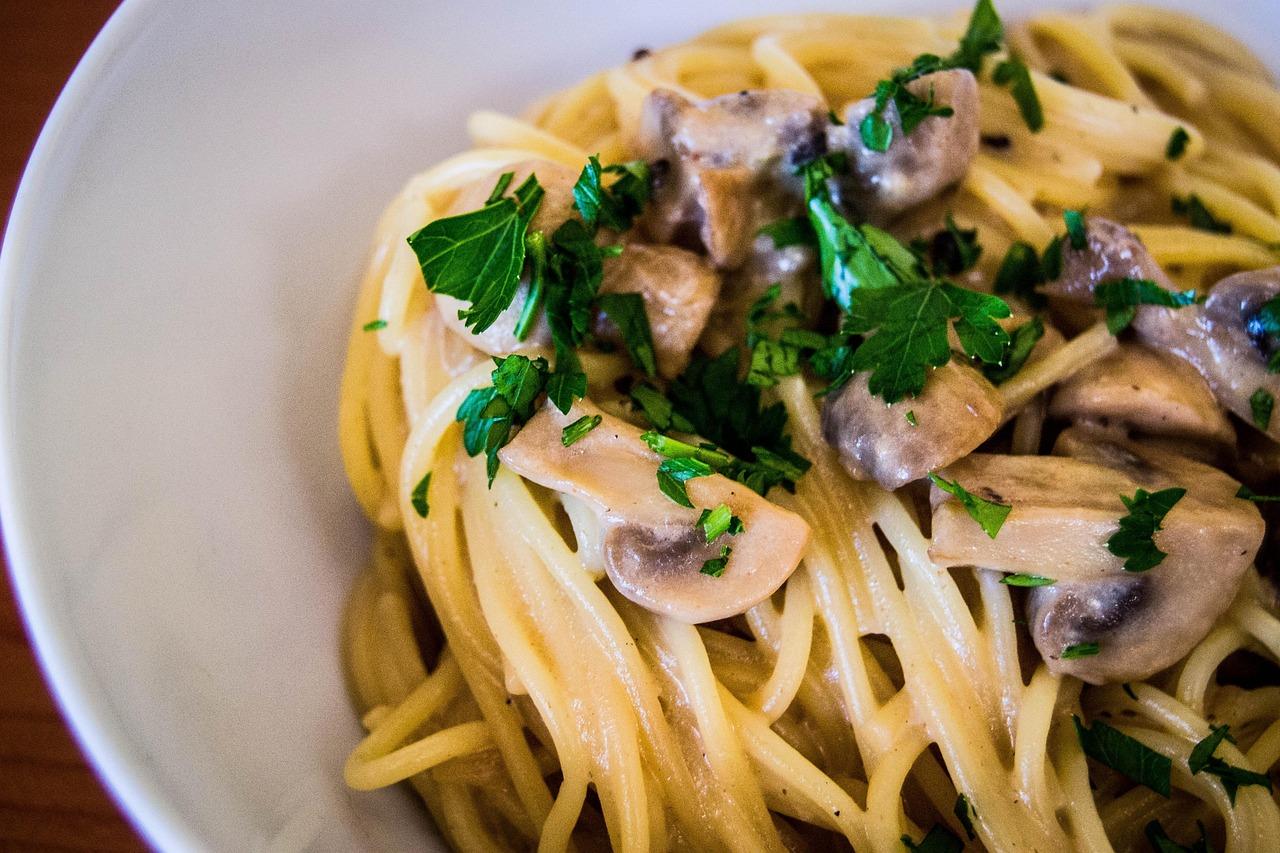
Pasta ai funghi is an autumn weeknight standby across Italy, from the porcini woods of Piedmont to the trattorie of Rome, made with whatever mushrooms the market has. The mushrooms are seared until browned and nutty, then tossed with garlic, parsley and pasta water into a silky, oil-based sauce that is vegan as written. Serve it with a green salad. The most common mistake is stirring the mushrooms too early and too often, so they release water and boil grey instead of browning. Chef's tip: a few dried porcini, soaked and chopped, with a spoon of their soaking liquid give ordinary mushrooms a deep, woodland flavour.
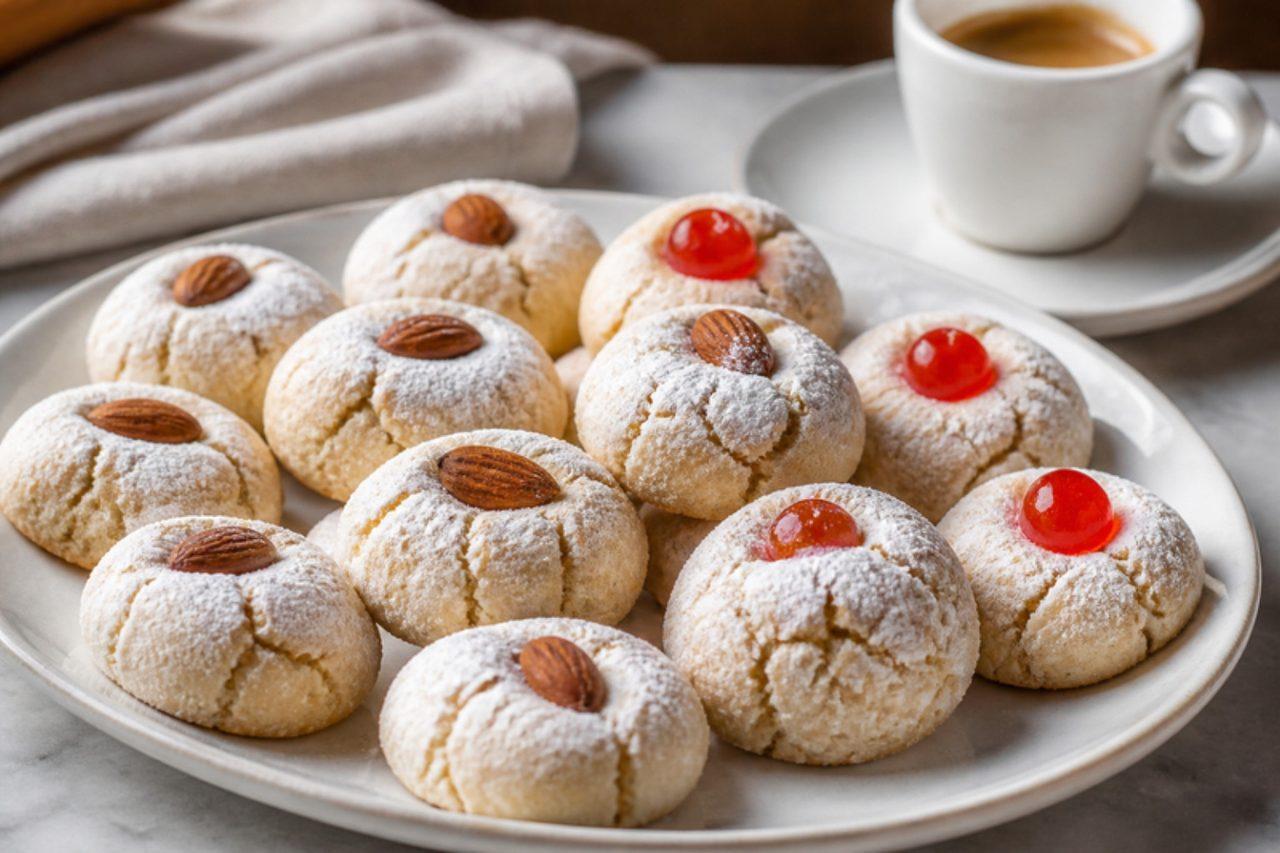
Every Sicilian pasticceria keeps a tray of these by the till: small, pale, crackled mounds of almond paste, crisp on the outside and soft and chewy within, each crowned with a whole almond or half a candied cherry. They appear at weddings, christenings and on Sunday trays bought after Mass, and they are wonderful with an espresso or a glass of chilled almond milk. Made from ground almonds, sugar and egg white, they are naturally gluten free and dairy free. A strip of lemon zest and a little honey keep them moist for days. Chef's tip: rest the shaped cookies uncovered for an hour, or overnight in the fridge, so a thin skin forms and they crack attractively in the oven; baking them too long is the classic error, and they turn hard right through.
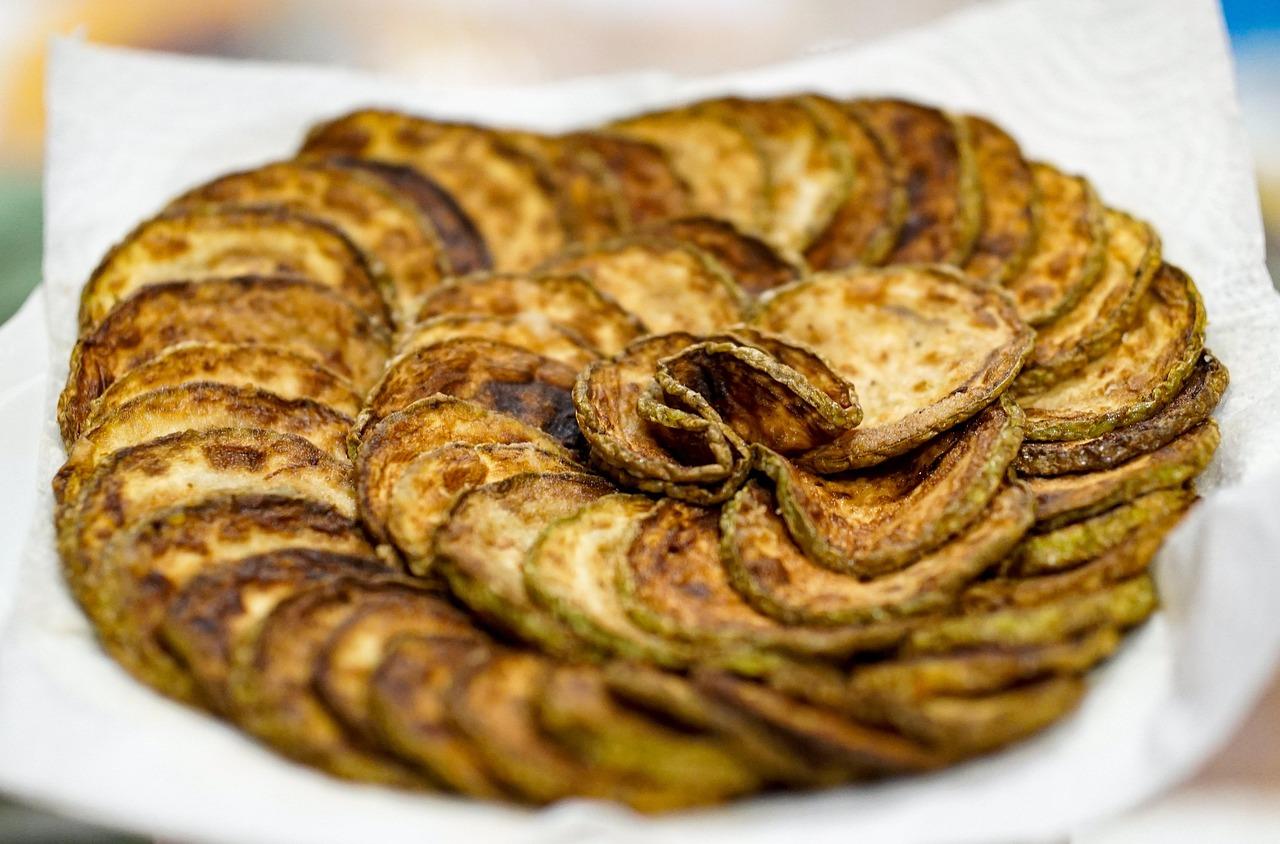
Zucchine trifolate is a contorno cooked all over Italy through the summer glut, when every market stall is piled with courgettes: thin slices sautéed in olive oil with garlic and finished with chopped parsley, the same way Italians cook mushrooms 'trifolati'. They come out golden at the edges and tender in the middle, and go beside eggs, cheese or a plate of beans and bread. It is vegan, gluten free and light. The most common mistake is crowding the pan, which steams the courgettes into a watery mush; cook them in a wide pan or in two batches. Chef's tip: salt only at the end, because salt draws out water and stops the slices browning.
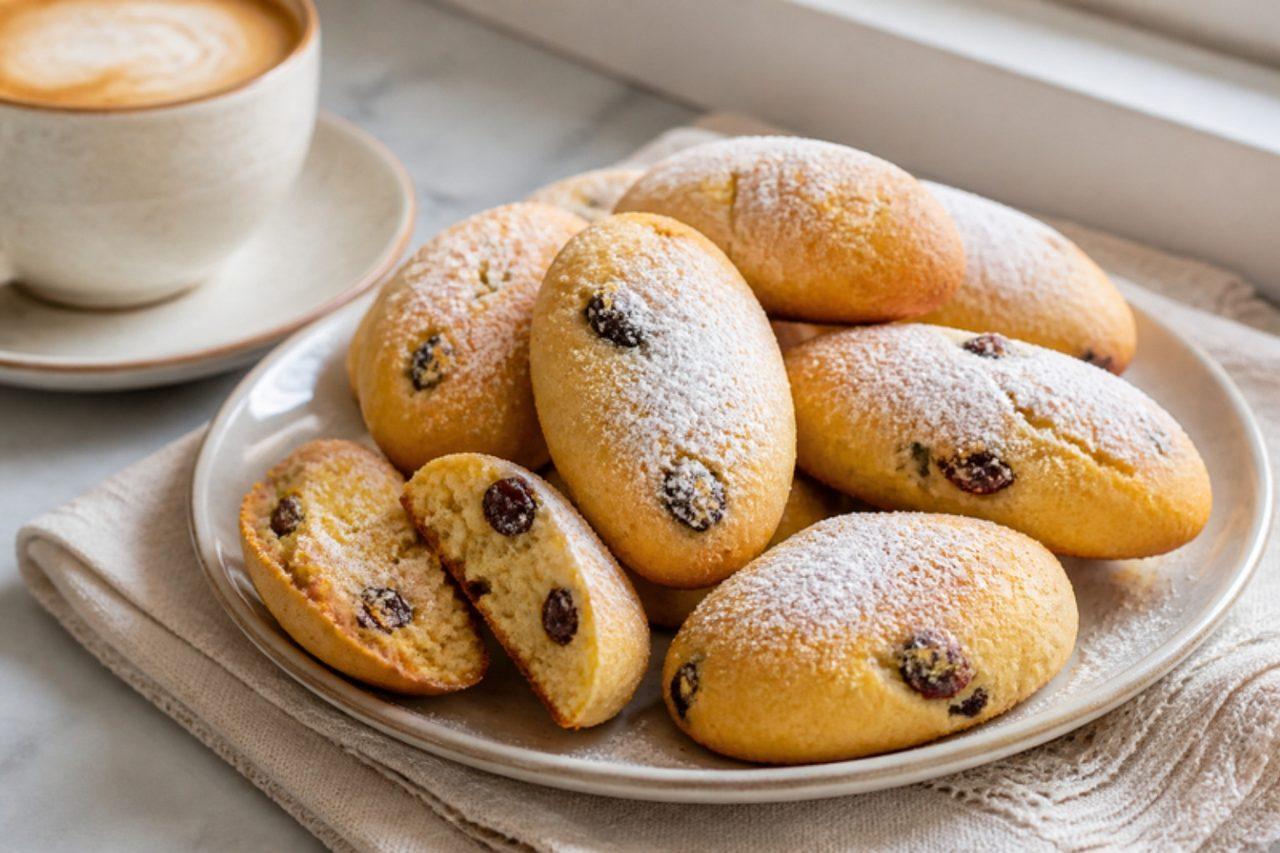
Their name comes from the Venetian word for 'little yellow ones', after the polenta flour that gives them their colour and slightly gritty bite. Bakers in Venice and the Veneto make them all year, though they are especially popular at Carnival, dipped in a glass of sweet wine or eaten with a morning cappuccino. The dough is buttery and lemony, studded with plump raisins. Traditionally the raisins are soaked in grappa or rum; here they are soaked in warm water with a little lemon juice, and the spirit is an option for adults. Chef's tip: use fine cornmeal, not coarse polenta, or the biscuits crumble; and stop mixing as soon as the flour disappears, because overworking makes them dense rather than short.
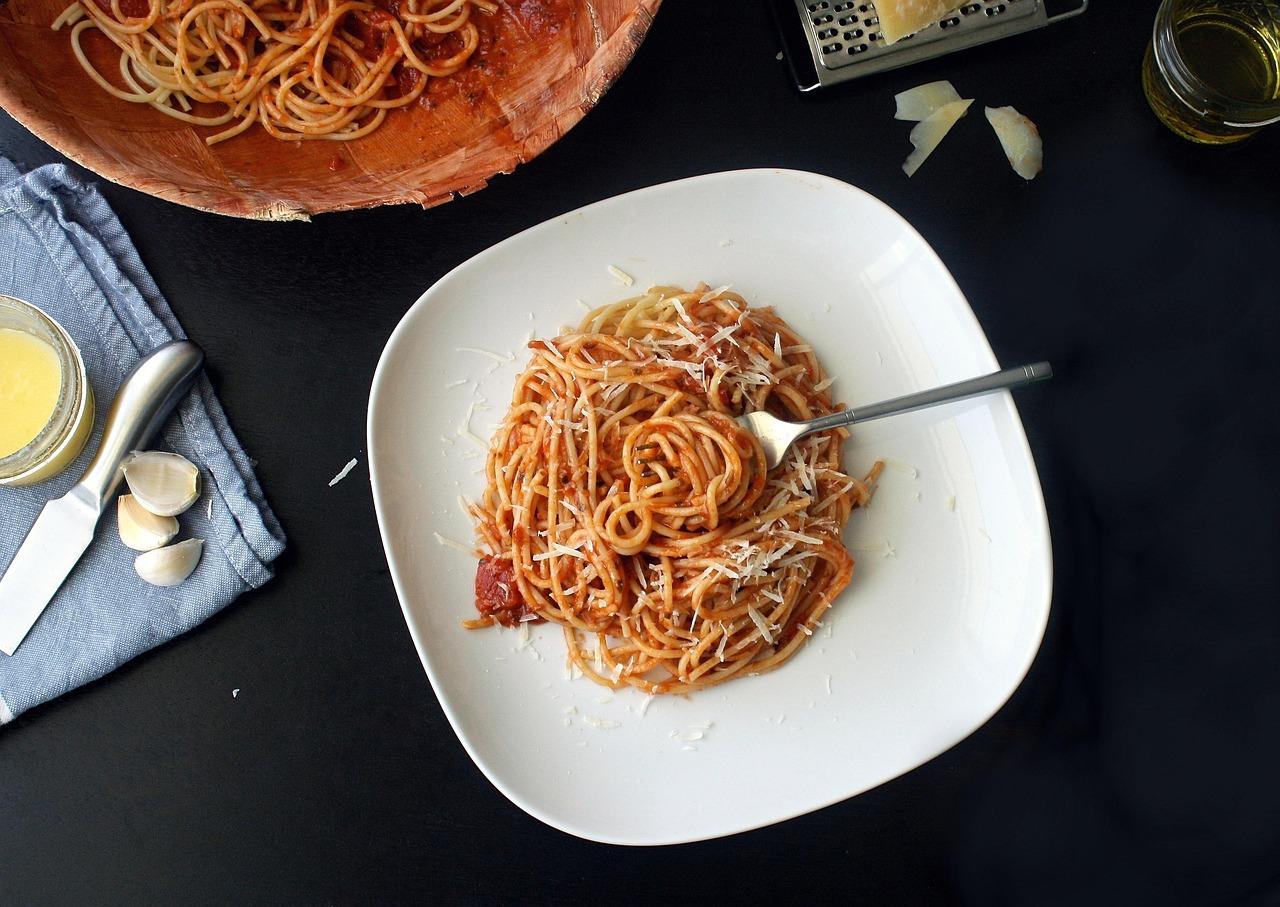
From Naples to Turin, spaghetti al pomodoro is what Italian families cook on a Tuesday night when the cupboard holds little more than a tin of tomatoes, a bulb of garlic and a pot of basil on the windowsill. The sauce cooks in the time the pasta boils, turning sweet and glossy as the tomatoes break down in good olive oil. Because there is no cheese in the sauce it is vegan as written, and children love its plain, bright flavour. The most common mistake is burning the garlic: once it turns brown it makes the whole sauce bitter, so keep the heat gentle. Chef's tip: finish the pasta in the sauce pan with a splash of its cooking water for a minute, so the sauce clings instead of sliding off.
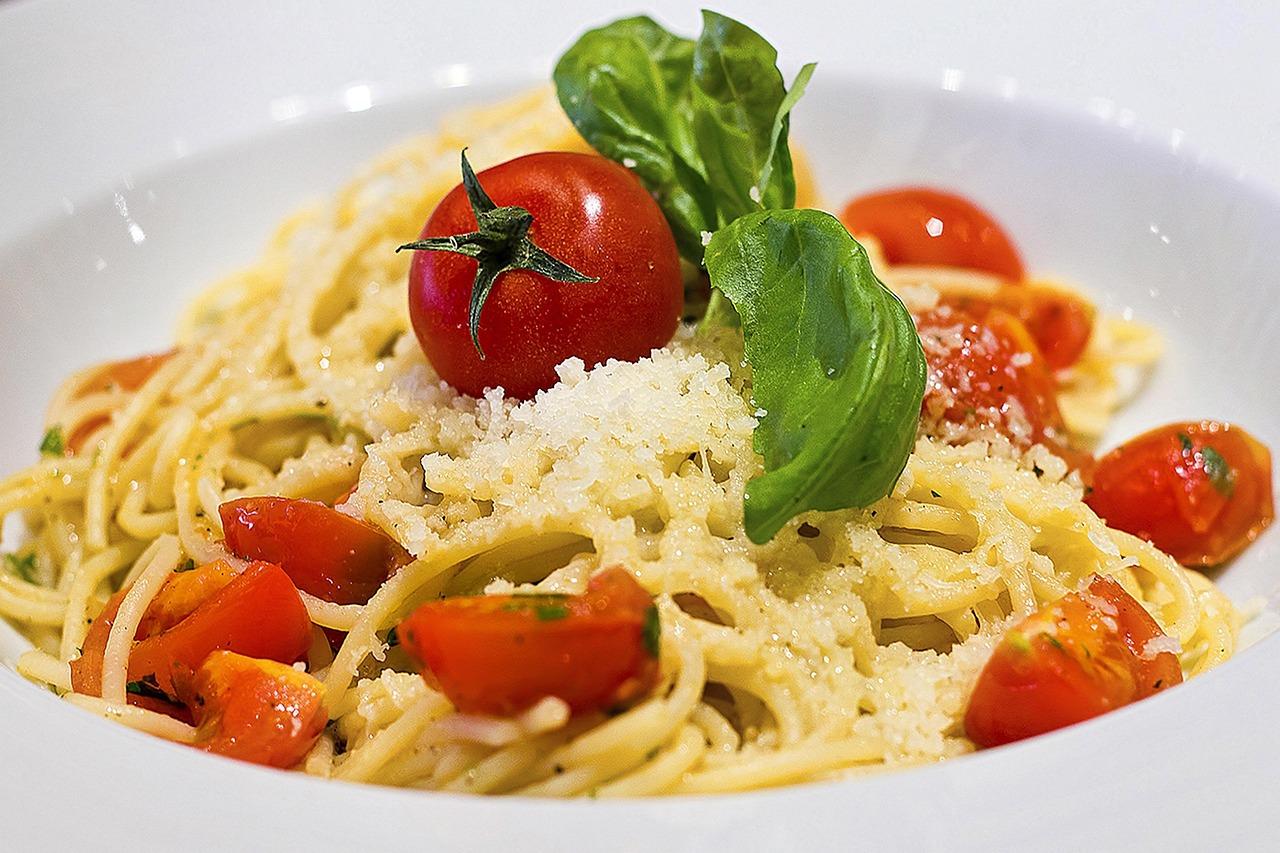
In Puglia, through the hottest weeks of July and August, nobody wants to stand over a simmering sauce, so they make pasta alla crudaiola: ripe tomatoes chopped raw, left to steep with basil, garlic and olive oil, then tossed with hot pasta and salty grated ricotta salata. The heat of the pasta barely warms the tomatoes, so it tastes fresh and juicy. Ricotta salata is usually made with animal rennet; a vegetarian feta-style or hard cheese works well instead. The common mistake is using pale, watery winter tomatoes, which give a bland, thin sauce, so make this only when tomatoes are deep red and fragrant. Chef's tip: salt the chopped tomatoes 15 minutes ahead so they release their juices, which become the sauce.
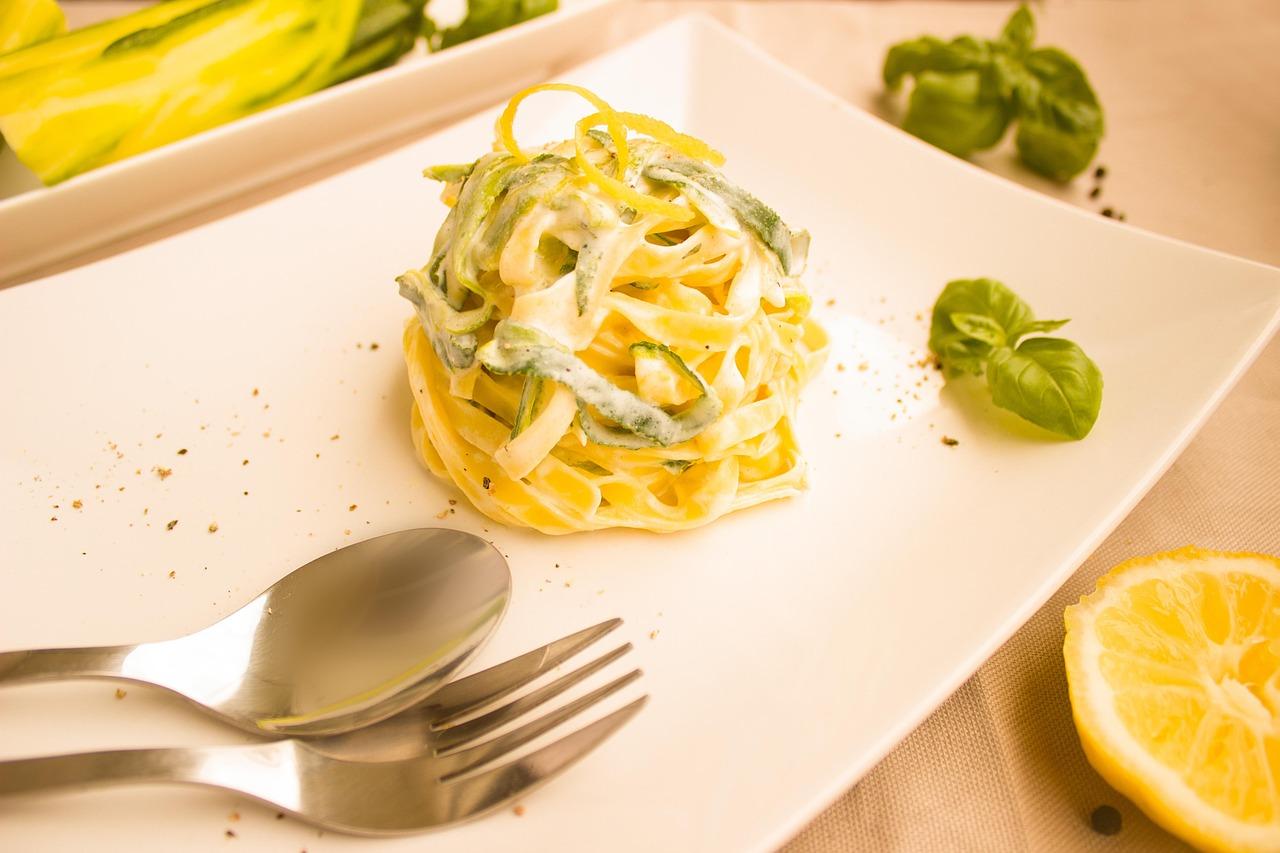
On the Amalfi Coast, where knobbly lemons hang over every terrace, pasta al limone is a summer supper made in the time it takes to boil water. Lemon zest, juice, butter and grated cheese melt into the starchy cooking water to make a light, creamy sauce with no cream at all, fragrant and sharp. Parmesan is traditionally made with animal rennet, so use a vegetarian hard cheese if you need the dish to be fully vegetarian. The usual mistake is adding the cheese over high heat, which makes it clump into strings; take the pan off the flame first. Chef's tip: zest the lemons before you juice them, and only the yellow part, as the white pith is bitter.
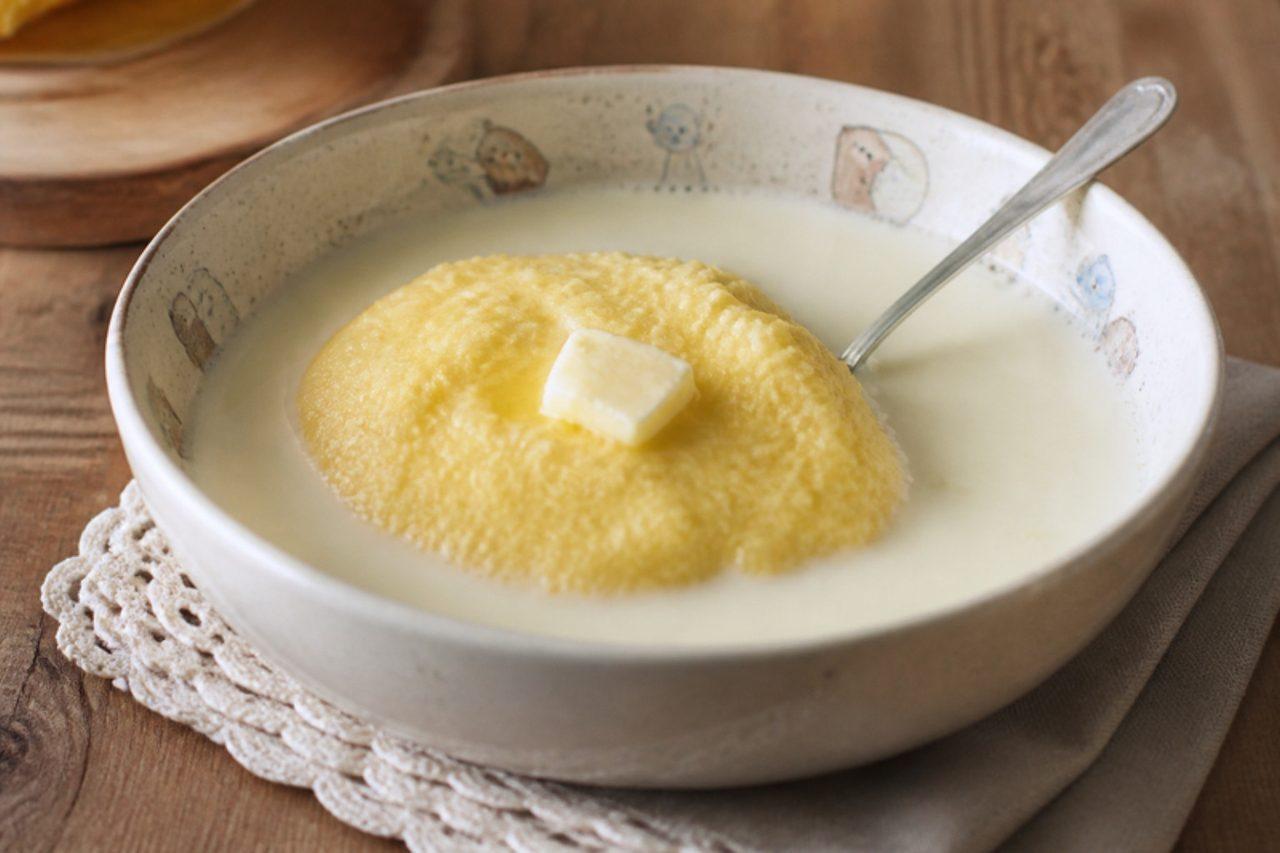
In farmhouses across Lombardy and the Veneto, the polenta left over from lunch was cut into pieces at night and dropped into bowls of warm milk for the children, and polenta e latte is still remembered fondly as a cosy winter supper. Freshly made polenta works just as well: soft, golden and comforting, with the milk soaking into it. It contains milk; it has no gluten, egg, nuts, soya, sesame or fish. Chef's tip: whisk the polenta into the water in a thin stream, like rain, to keep it smooth.
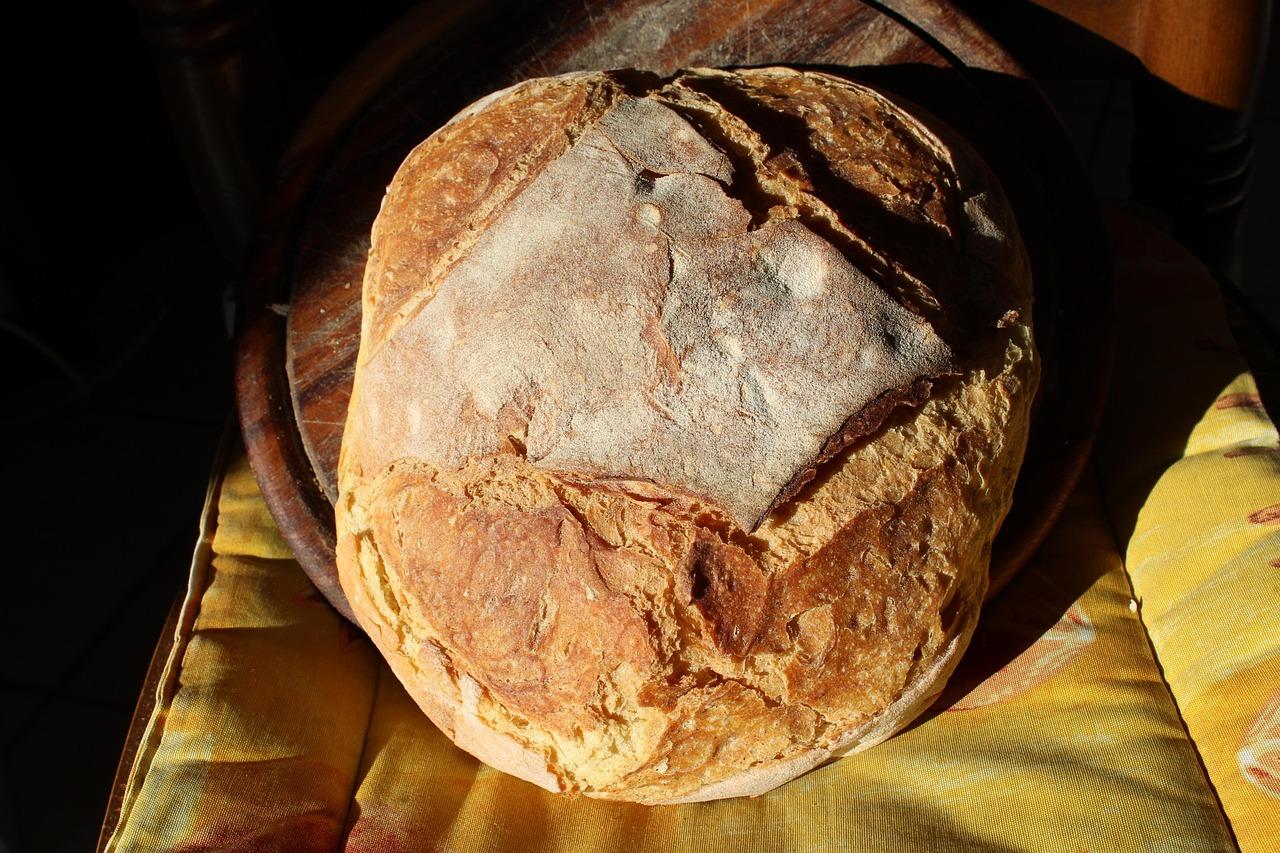
Locals in Altamura like to quote Horace, who praised the bread of this corner of Apulia two thousand years ago; in 2003 it became the first bread in Europe to receive DOP protection. Pane di Altamura is made only from twice-milled durum semolina grown on the Murgia plateau, sourdough, salt and water, and it is famous for keeping fresh for a week. The crust is thick and crunchy, the crumb is sunflower-yellow, springy and faintly sweet. Its classic shapes are the folded 'accavallato' and the tall 'cappello da prete', or priest's hat, made by folding the loaf over itself before baking. Eat it with olive oil and tomatoes, with burrata and grilled vegetables, or in thick slices beside a bean soup. Plain durum flour or coarse pasta semolina are the wrong substitutes: you need the fine, flour-like semola rimacinata, or the dough stays gritty and won't rise. Chef's tip: durum dough is extensible rather than springy, so knead it well and give it a stiff hydration; a wet durum dough spreads flat instead of standing tall.
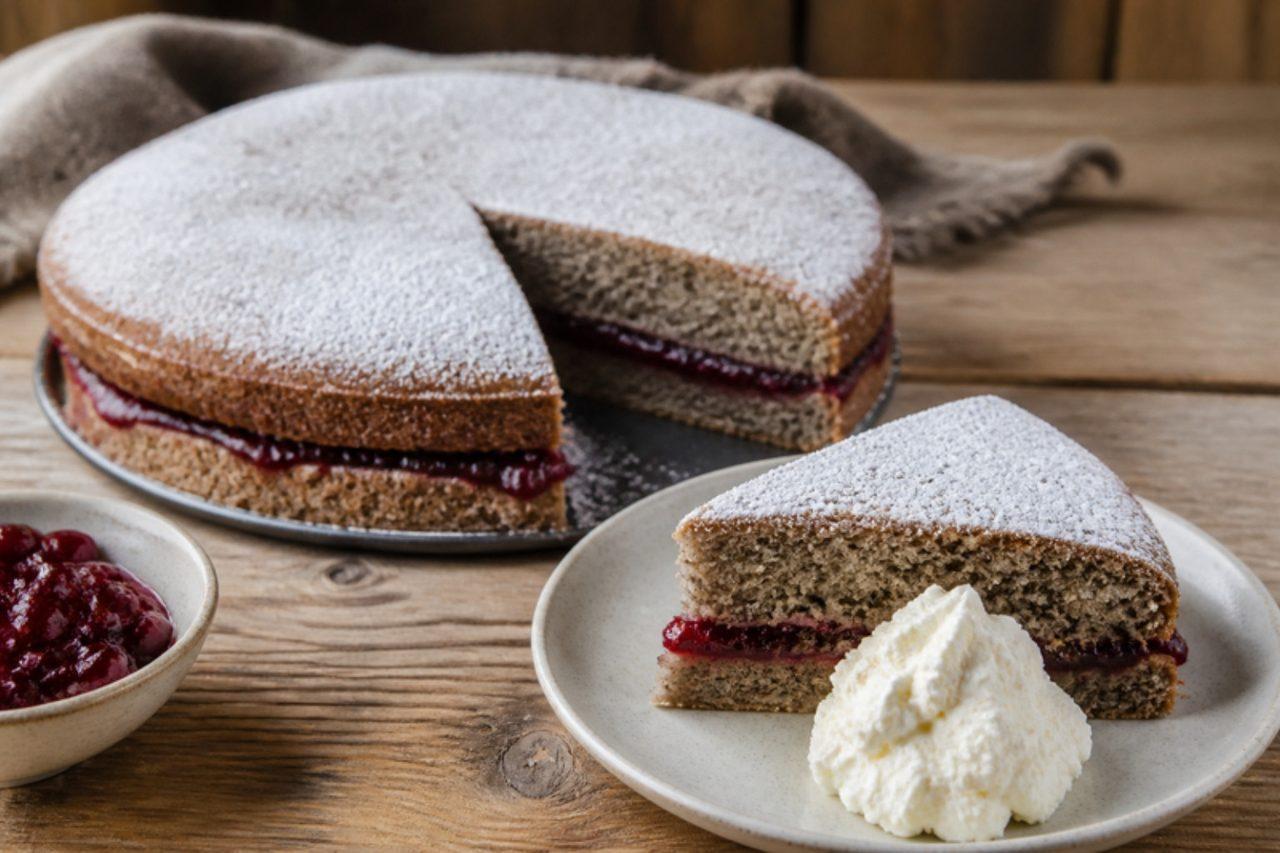
Buckwheat once grew on the terraces of the Vinschgau and Pustertal valleys, and Buchweizentorte, also called torta di grano saraceno, is what South Tyrolean farmhouse kitchens made of it: an earthy grey-brown almond sponge, split and filled with sharp red lingonberry jam. Mountain huts above Merano and Bolzano still serve wedges of it with a cloud of whipped cream after a hike, and it is naturally free of wheat flour. The crumb is tender and nutty, the jam cutting the richness. Overbeating after the flour goes in is the common mistake, as it knocks the air out of the whites and the cake stays flat and dense; fold lightly. Chef's tip: leave the torte a day before splitting it; the crumb firms up, it cuts cleanly and the jam soaks in evenly.
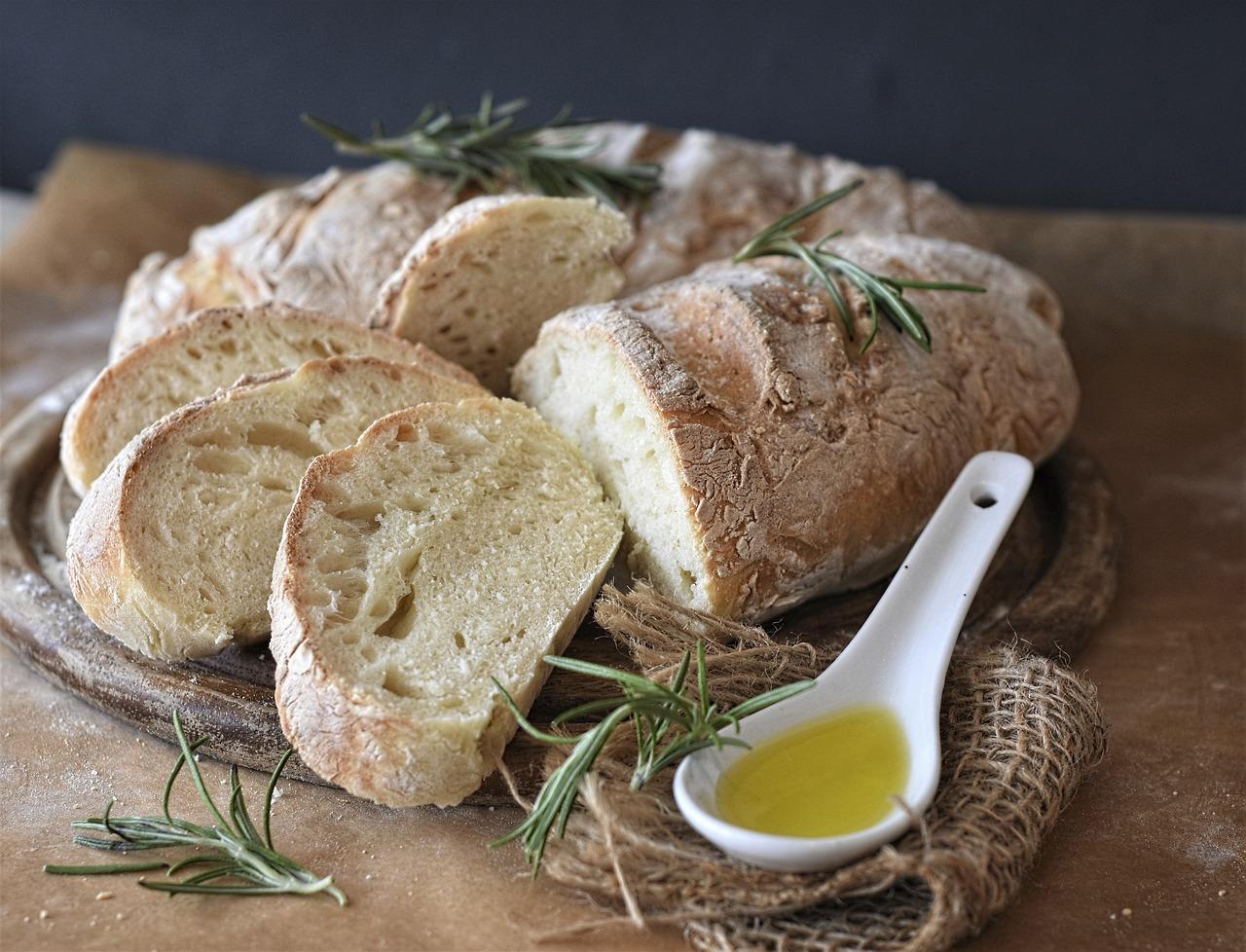
Surprisingly young for an Italian classic, ciabatta was created in 1982 by a baker near Adria, in the Veneto, as Italy's answer to the French baguettes that were filling sandwich shops. Its name means 'slipper', after its flat, floury, oblong shape. The dough is so wet it is barely shaped at all, which gives a thin, crisp crust and a chewy, glossy crumb full of irregular holes, with a wheaty, slightly tangy flavour from an overnight biga. Split it for panini with grilled vegetables and mozzarella, dip it in good olive oil, or serve it with soup and antipasti. The commonest error is panicking at the sticky dough and working in extra flour; that closes up the crumb, so use wet hands and a scraper instead. Chef's tip: once the dough has risen, don't shape it, just cut it into strips with a floured scraper and flip each one over onto its cloth, so the bubbled underside becomes the top.

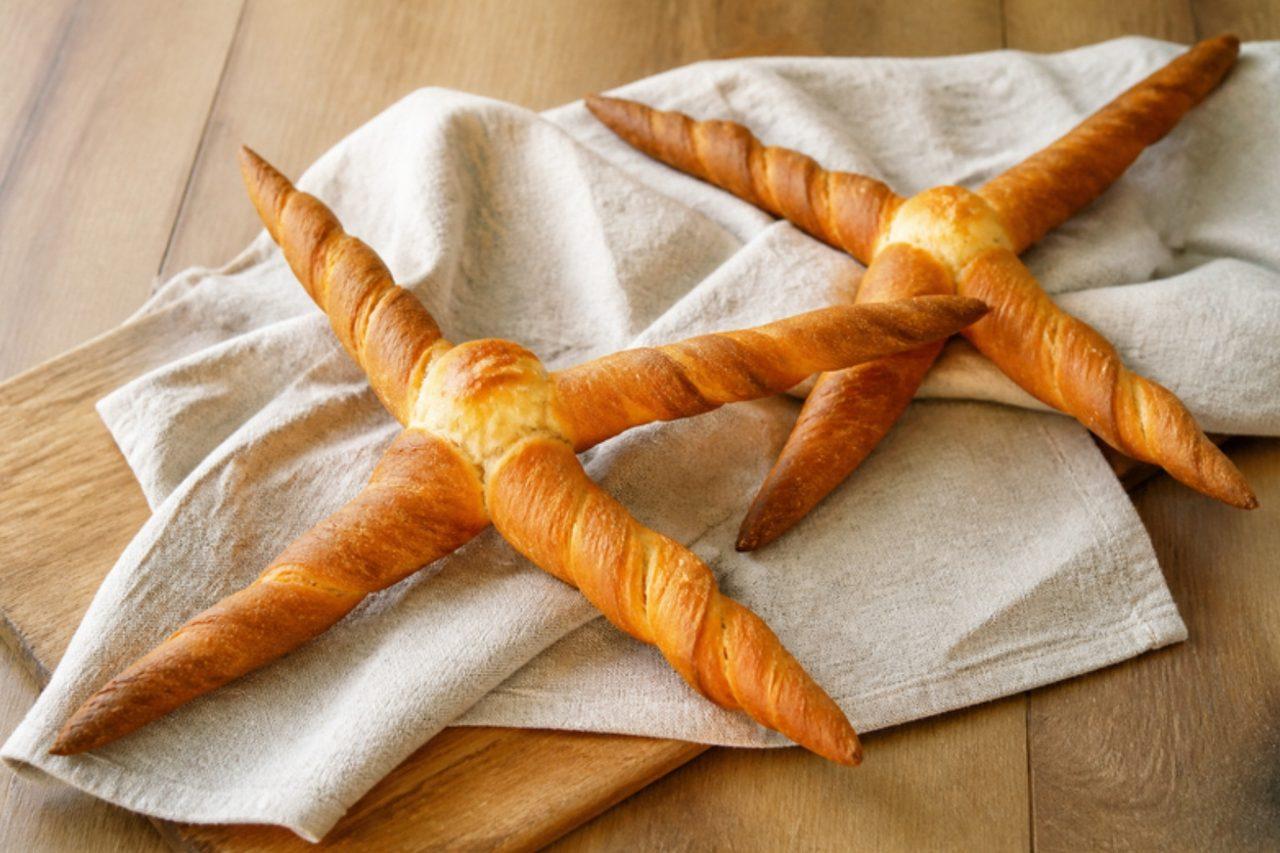
Four crunchy horns joined at a soft central knot make the coppia ferrarese the most recognisable bread in Emilia-Romagna; Ferrara's bakers have shaped it since at least the Renaissance, and it has had IGP status since 2001. The dough is stiff and very smooth, rolled thin and twisted into spirals, so the ends bake shatteringly crisp while the 'belly' in the middle stays tender. Ferrarese eat it with salumi for meat-eaters, with cheese, grilled vegetables or a bowl of pumpkin cappellacci. It is traditionally made with lard; this version uses olive oil instead, which keeps it vegan and still gives the light, crumbly crunch. Rolling the strips too thick is the usual slip, because thick horns stay bready instead of crisp. Chef's tip: a pasta machine makes the dough as smooth and thin as a Ferrara baker's rollers, and the barley malt gives the horns their honey-brown colour.
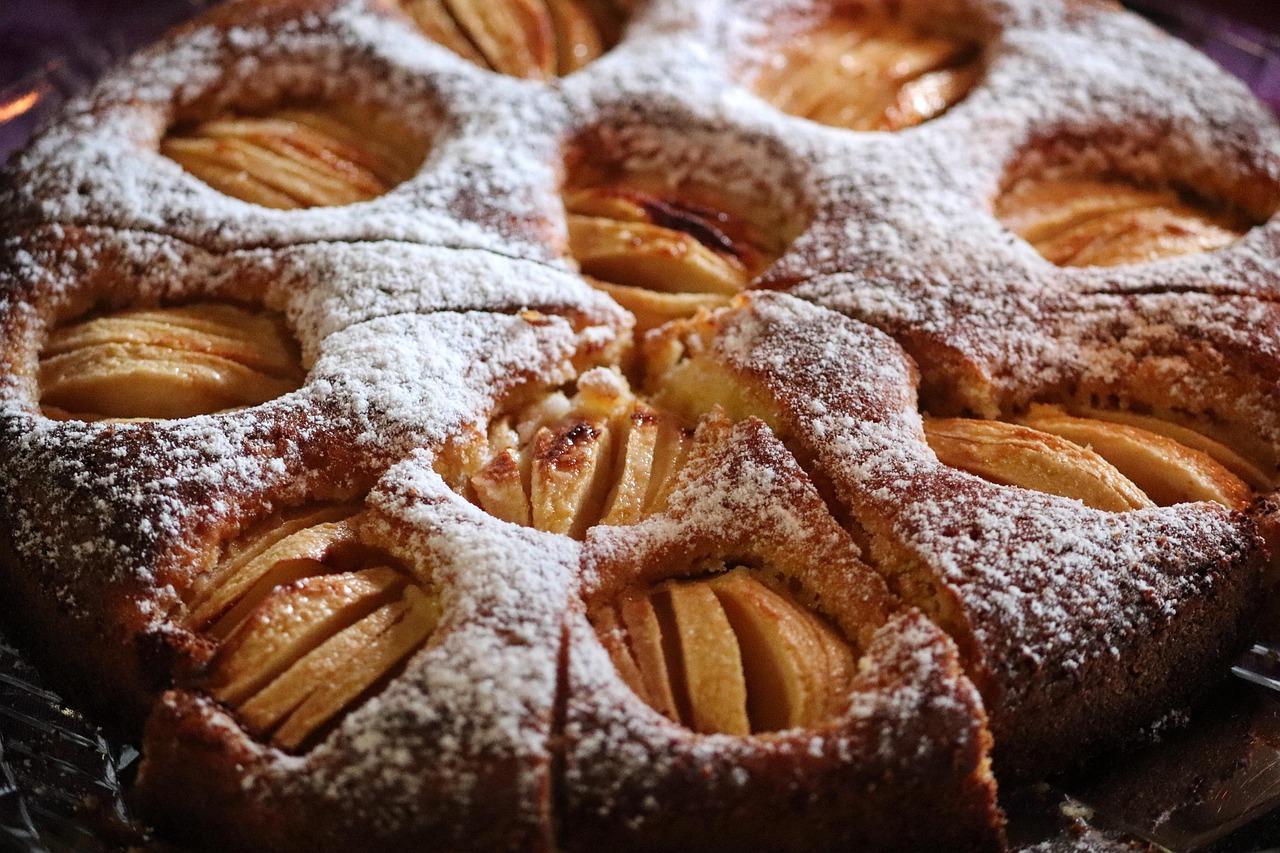
Ask anyone in Trentino, Emilia or Piedmont for their nonna's torta di mele and they will describe much the same thing: a plain, lemon-scented batter with thin apple slices sunk all through it and fanned over the top, baked in a round tin on a Sunday and finished at breakfast the next morning with caffè latte. It is soft, moist and only lightly sweet, the apples almost melting into custardy pockets. A slice also makes a good after-school snack. Thick wedges of apple are the usual mistake: they stay hard while the batter overcooks, so slice them 3–4 mm thin. Chef's tip: hold back the prettiest slices for the top and brush them with a little melted butter and sugar, so they caramelise at the edges.
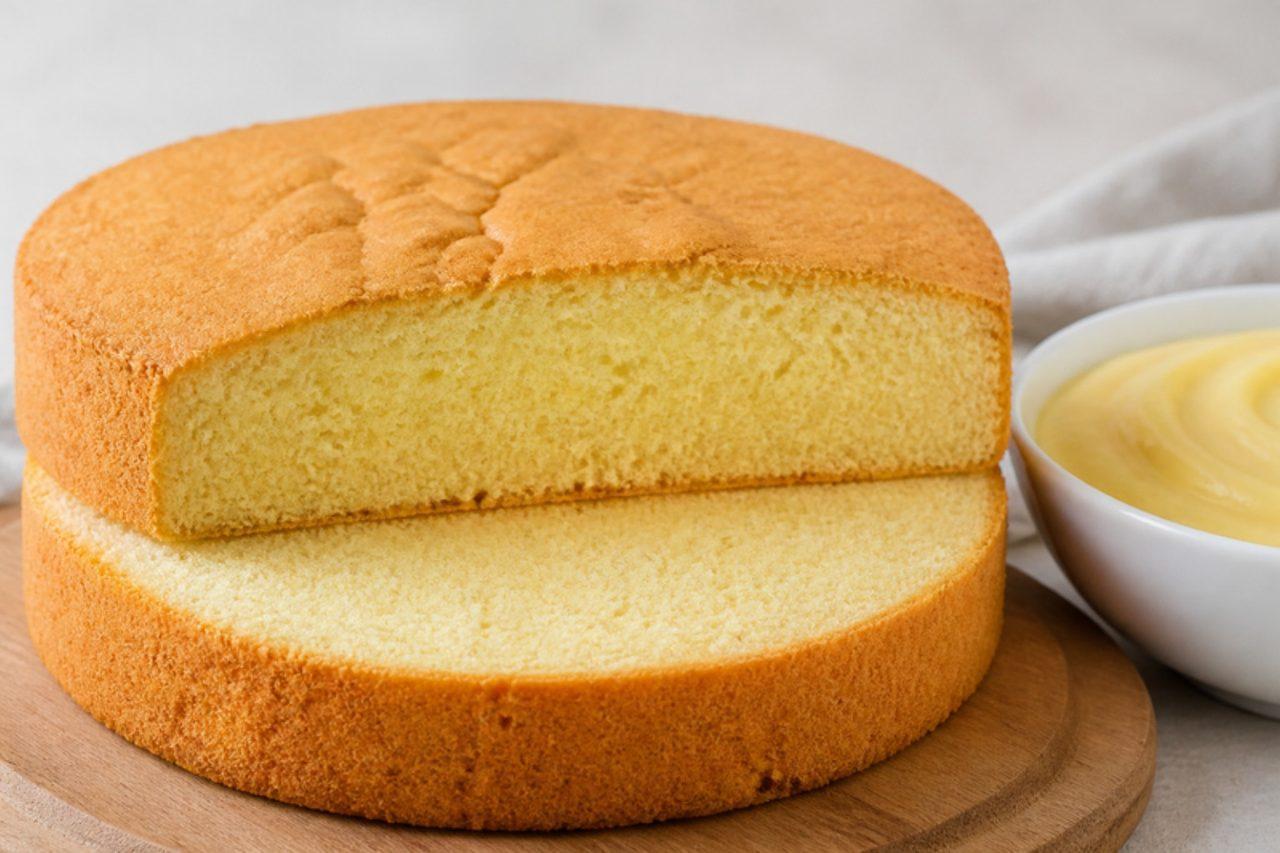
Almost every Italian birthday cake, from a child's party in Naples to a name-day torta in Turin, starts with pan di Spagna: a golden, springy sponge made only of eggs, sugar and flour, beaten until it holds its own air. It is split into layers, moistened with a little syrup and filled with crema pasticcera, whipped cream or chocolate. Without butter or milk it is dairy free. It contains egg and gluten. Chef's tip: soak the layers with orange-juice syrup rather than plain sugar syrup, and children will love it even more.
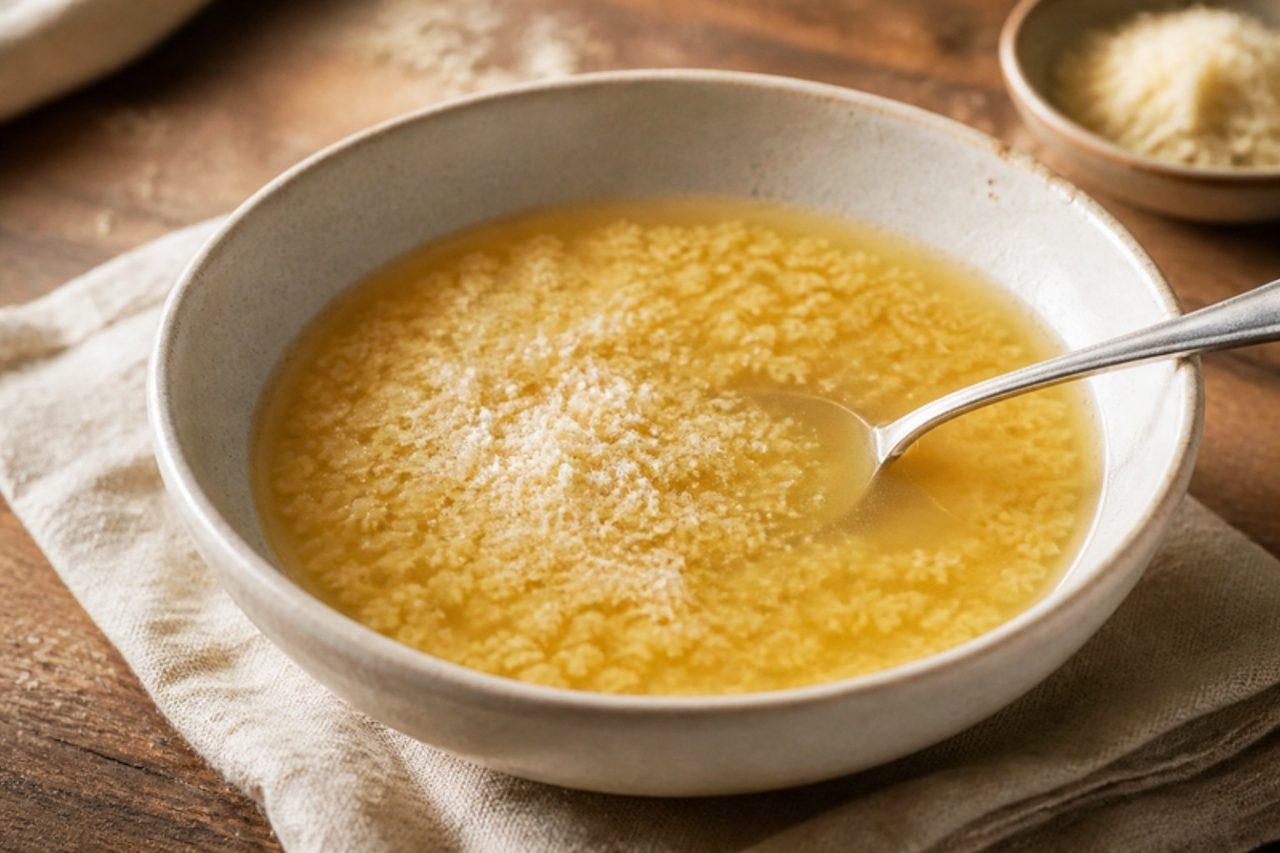
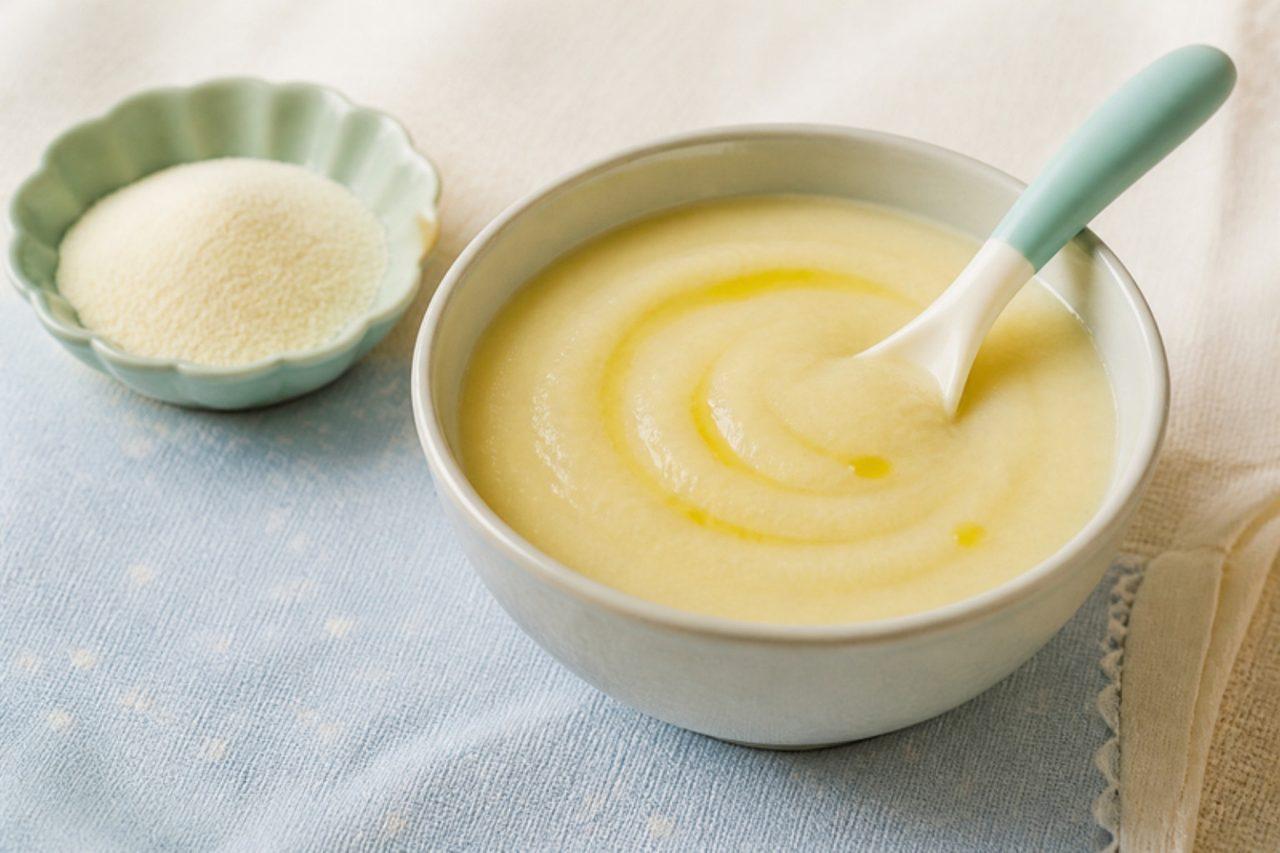
Semolino in brodo is the dish Italian nonne cook for anyone who needs something gentle: babies at the start of weaning and older children with a cold. Fine durum-wheat semolina is rained into hot vegetable broth and stirred into a soft, silky porridge, usually served at supper. For babies the broth is home-made without salt, and the grated parmesan that adults add stays out or is kept to the tiniest pinch, because it is salty. It contains gluten (wheat), and milk if you add parmesan; there is no egg, nuts, soya, sesame or fish. Chef's tip: rain the semolina in from a height while whisking, and you will never get lumps.
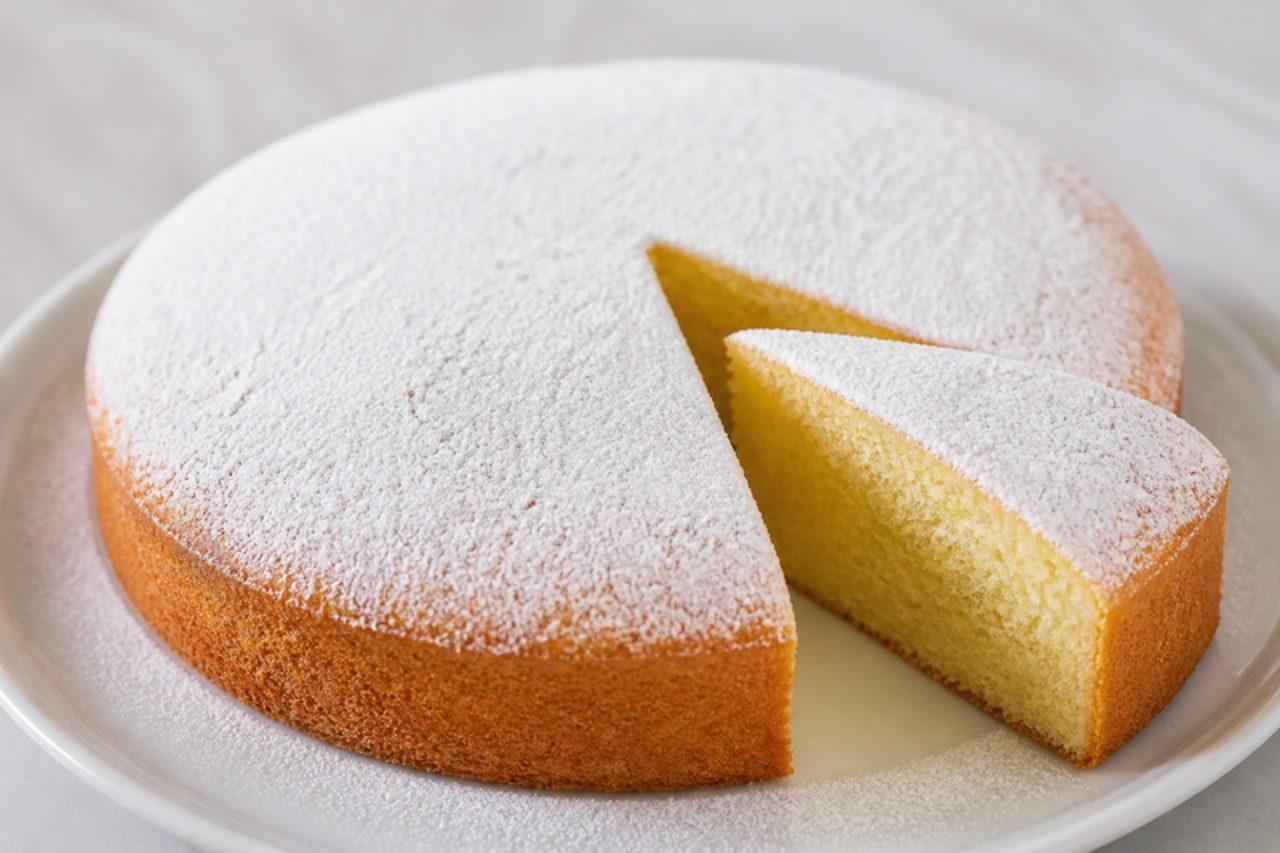
Torta Margherita has been baked around Pavia in Lombardy for centuries and is still the plain, yellow cake Italian grandmothers make for a child's birthday merenda or a Sunday breakfast. Potato starch gives it a fine, melting crumb, and a thick snowfall of icing sugar is all it needs, though children like it split and spread with jam. It contains egg, milk and gluten. Chef's tip: cream the butter and sugar for a full five minutes until almost white; that air is what makes the cake rise.
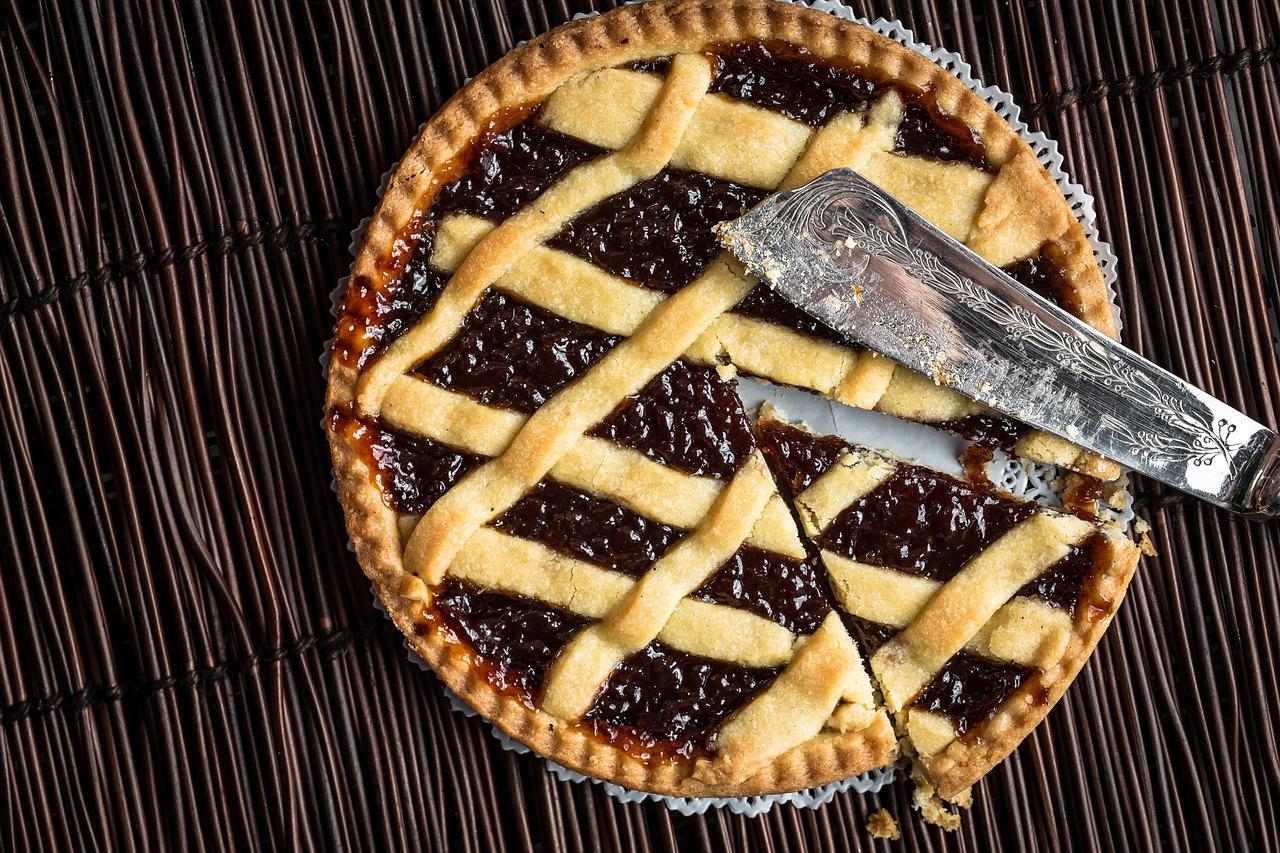
Crostata di marmellata is the tart that Italian grandmothers bake on Sunday and cut into slices for the week's merenda, the after-school snack eaten from Turin to Palermo with a glass of milk. A tender, lemon-scented pasta frolla holds a layer of apricot or cherry jam under a simple lattice. Choose a high-fruit jam to keep the sugar down. It contains gluten, milk and egg. Chef's tip: chill the pastry well and keep it cold; warm pasta frolla tears and shrinks in the oven.
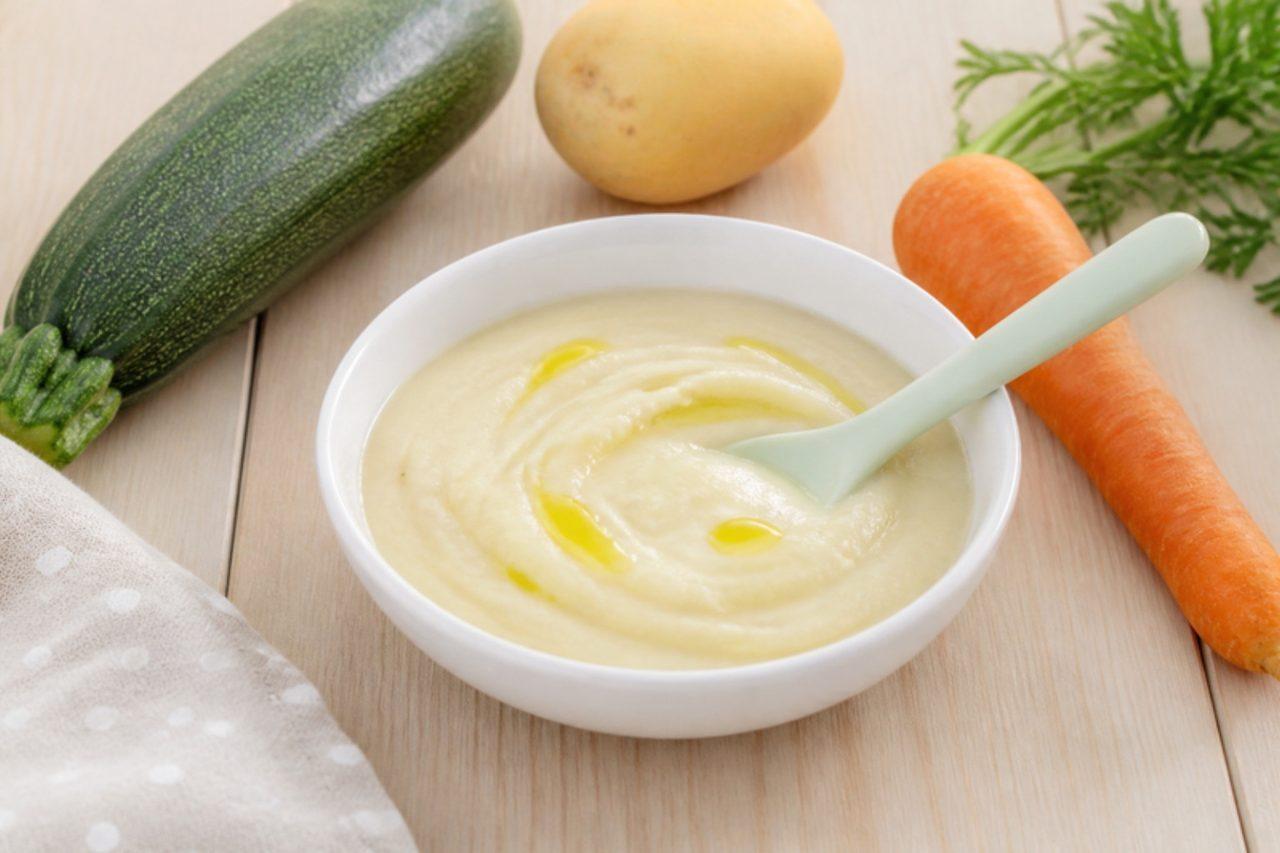
The Italian weaning ritual, lo svezzamento, traditionally starts at midday with a bowl of pappa: home-made brodo vegetale thickened with crema di riso, fine rice flour, and finished with a drop of extra-virgin olive oil. Paediatric habits in Italy favour a fresh broth of carrot, potato and courgette made without salt, and the cooked vegetables are often mashed in as the weeks go by. It is pale, light and gently savoury. It contains none of the common allergens (milk, egg, gluten, peanut, tree nuts, soya, sesame, fish), as long as the rice flour is pure rice. Chef's tip: freeze the spare broth in ice-cube trays, so each pappa takes only five minutes.
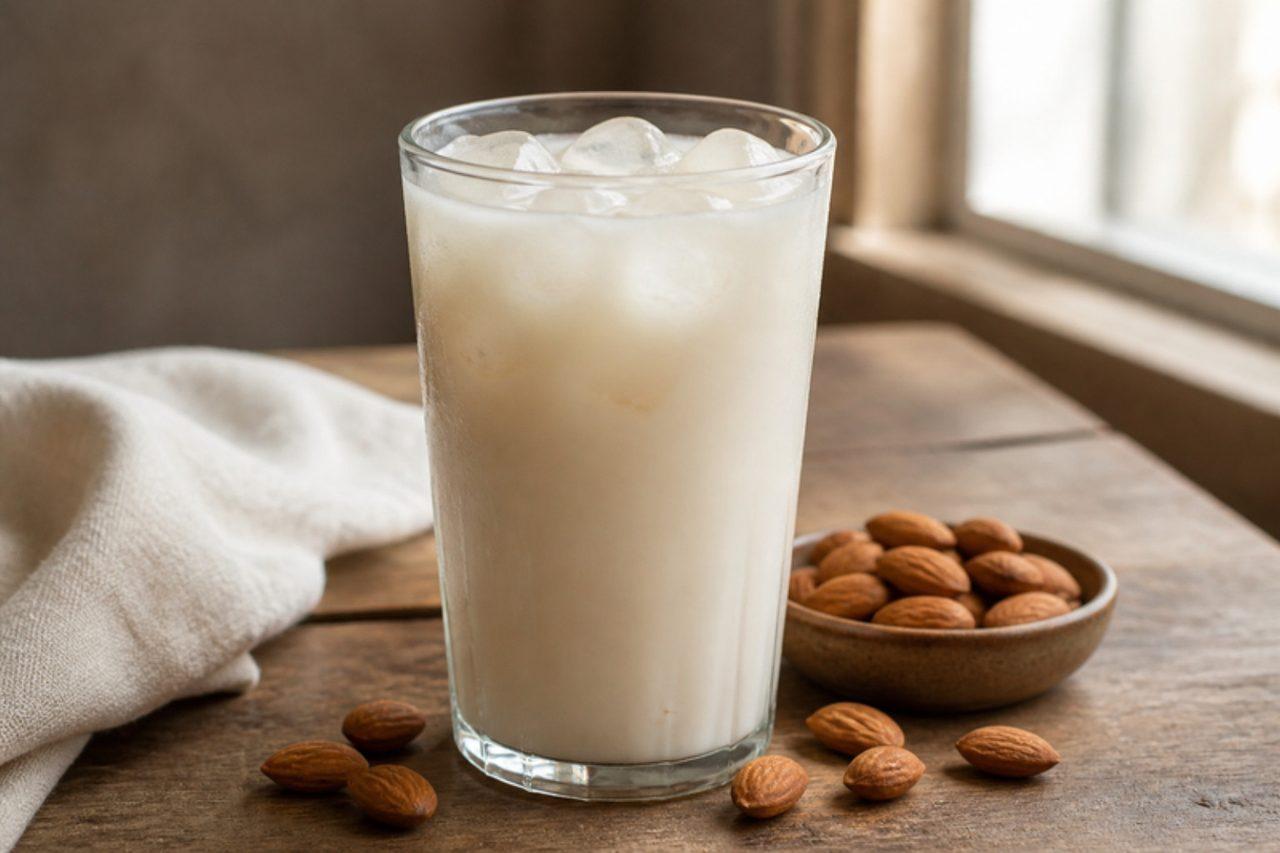
Orzata was first made from barley (orzo), but in Liguria, Sardinia and Sicily it has long been made from almonds: a milky, sweet almond syrup, diluted with ice-cold water and drunk on hot summer afternoons in seaside bars and at home. Its gentle almond and orange-blossom flavour makes it a children's favourite. Contains nuts. Chef's tip: soak the blanched almonds in water for an hour before blending; they release more milk and the syrup is richer.
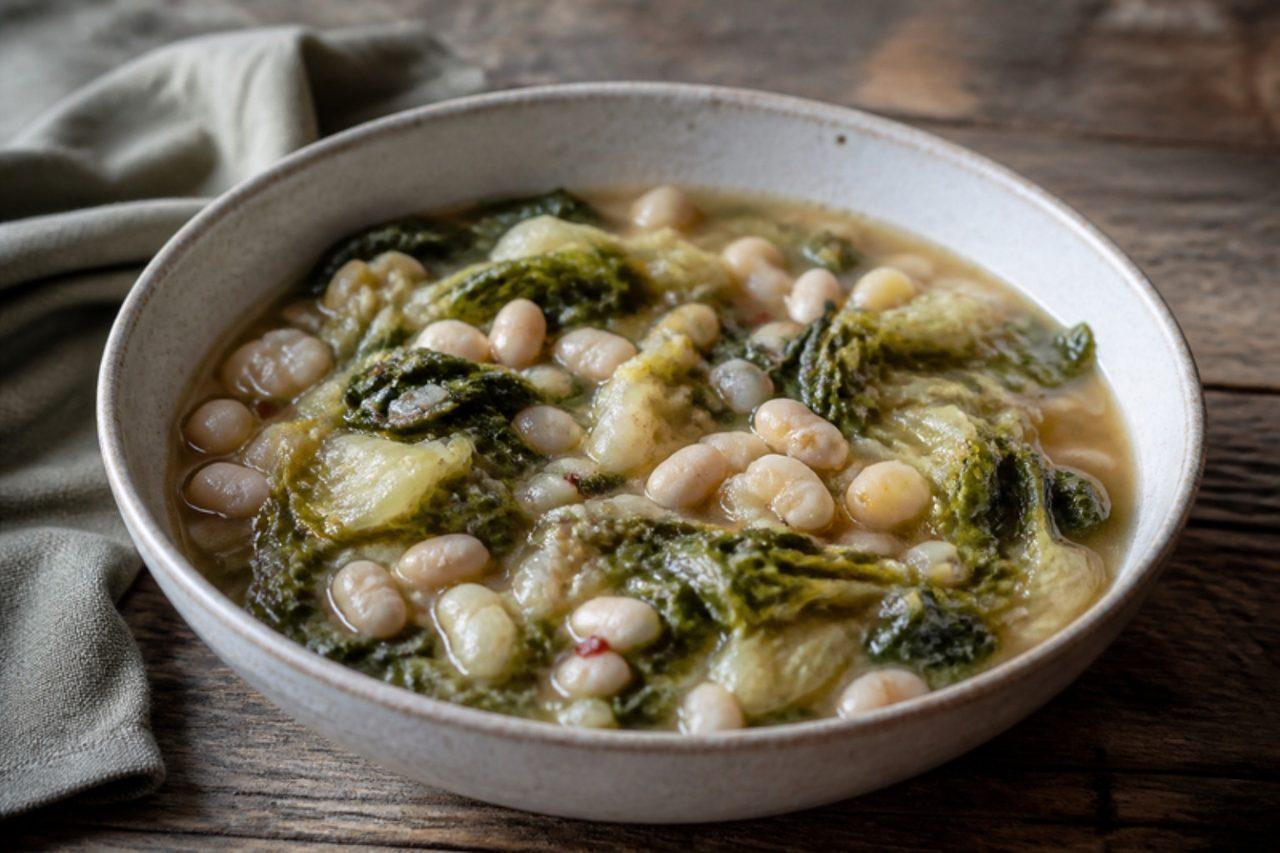
Scarola e fagioli is one of the oldest dishes of Neapolitan home cooking: tender escarole, a slightly bitter winter salad green, simmered with creamy cannellini beans, garlic, chilli and olive oil into a thick soup, sometimes with broken pasta stirred in. In Naples it is a cold-weather supper, eaten with toasted bread rubbed with garlic. Chef's tip: mash a ladle of the beans into the broth; it thickens the soup and makes it creamy without any cream.
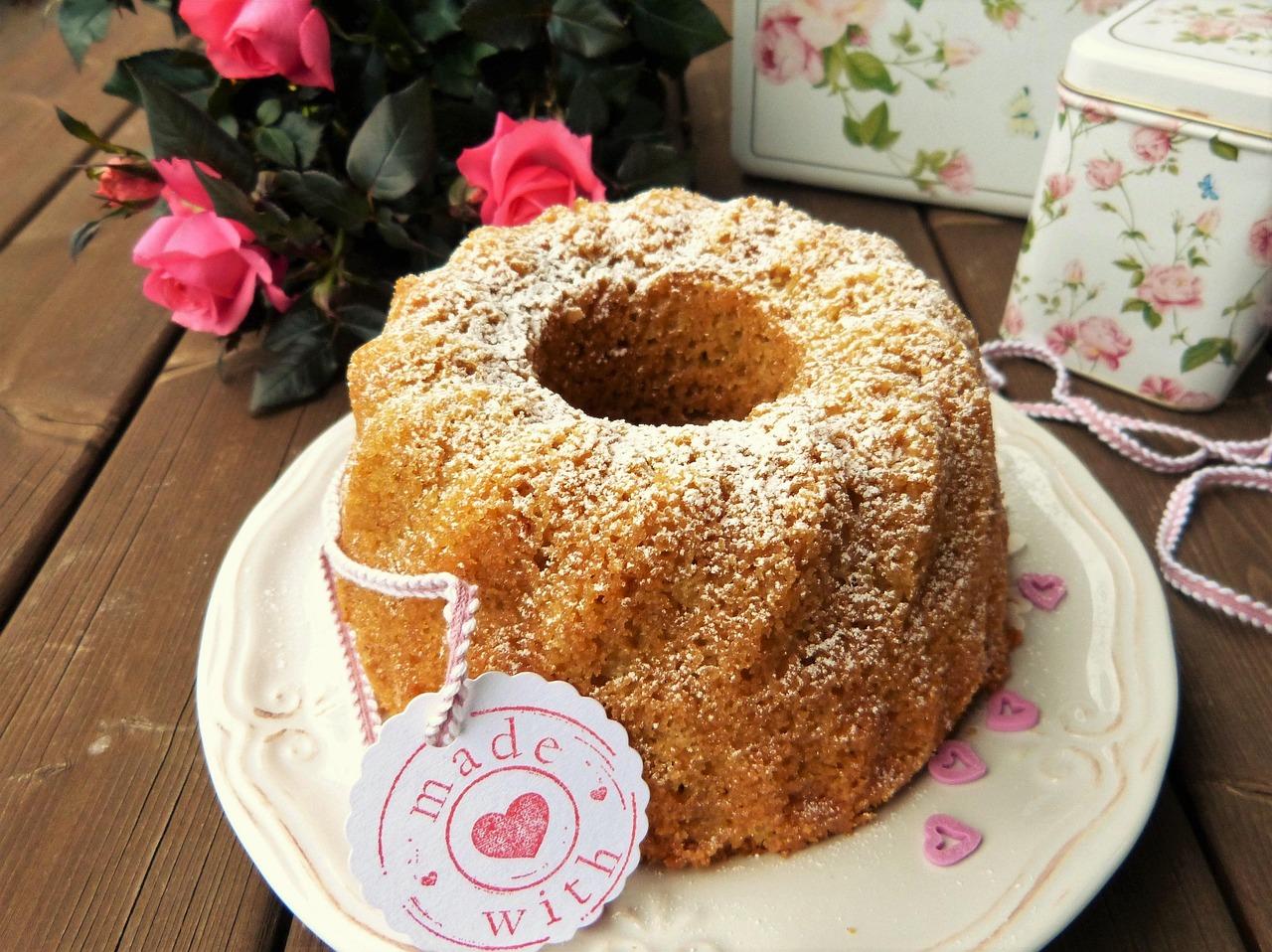
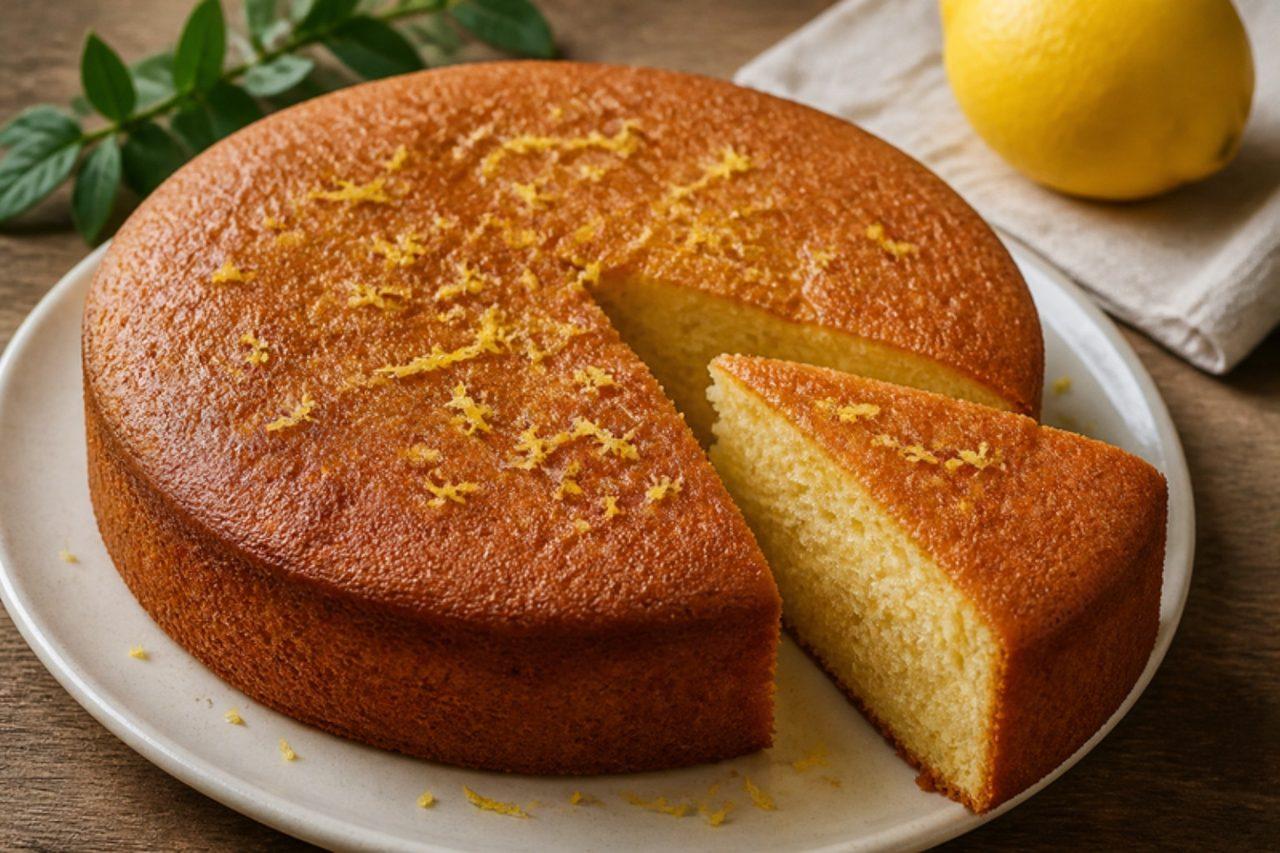
Every Italian nonna has her own ciambellone, the tall, plain ring cake that sits under a glass dome on the kitchen counter for breakfast, sliced and dunked in caffellatte or eaten with jam. It is made with eggs, sugar, flour and oil or butter, flavoured with lemon zest, and often marbled with cocoa. In Rome and Emilia it is also the cake brought to friends' houses and church fêtes. Chef's tip: whisk the eggs and sugar for a full 8 minutes, until very pale and thick; that air is what makes the cake rise tall without much baking powder.
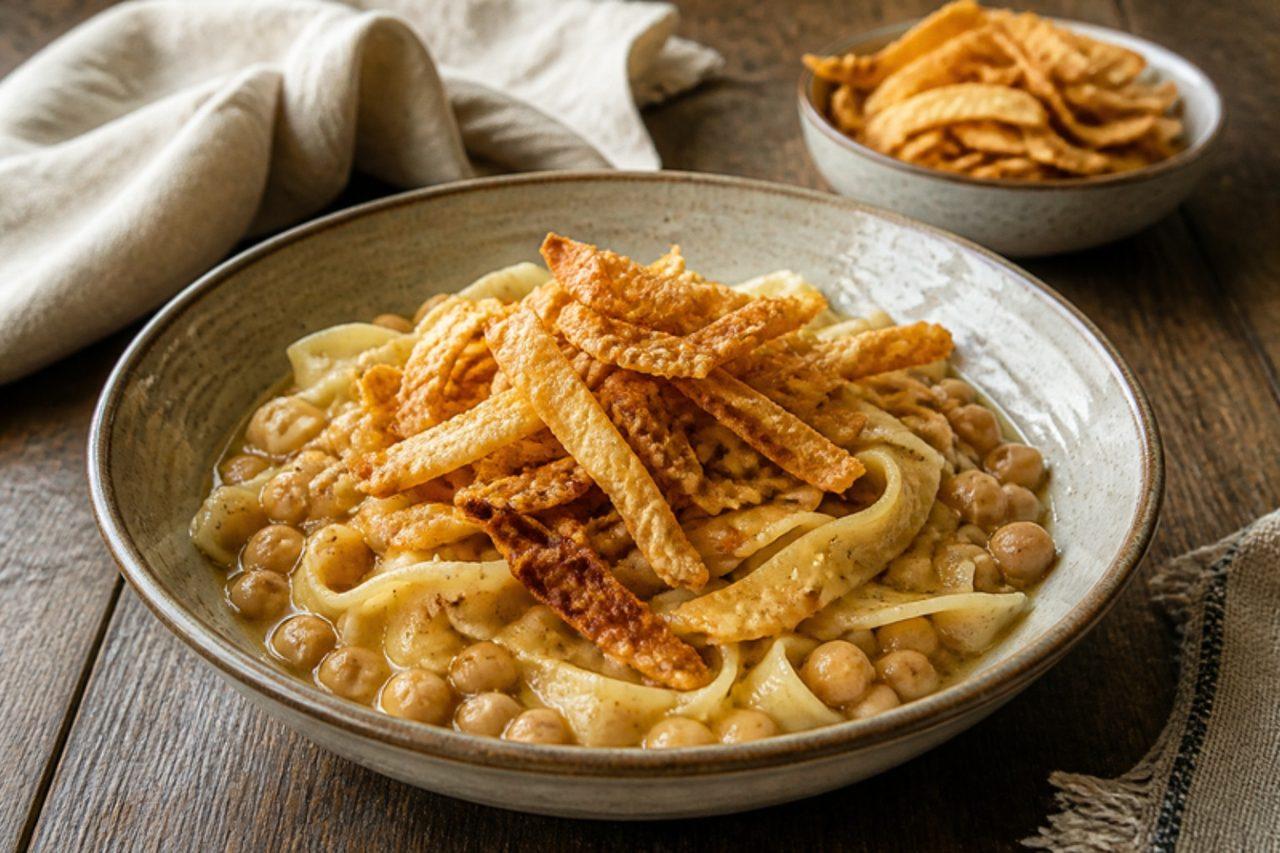
In the Salento, at the heel of Puglia, ciceri e tria is an ancient dish, its name from the Arabic "itriya" for dried pasta: creamy chickpeas cooked with bay and garlic, tossed with homemade ribbons of flour-and-water pasta, a third of which are fried in olive oil until crisp and scattered on top. It is made for the feast of San Giuseppe on 19 March, and in the trattorie of Lecce all year round. Chef's tip: the contrast is the whole point; fry the pasta strips until golden and crunchy and add them only at the very last moment, so they stay crisp.
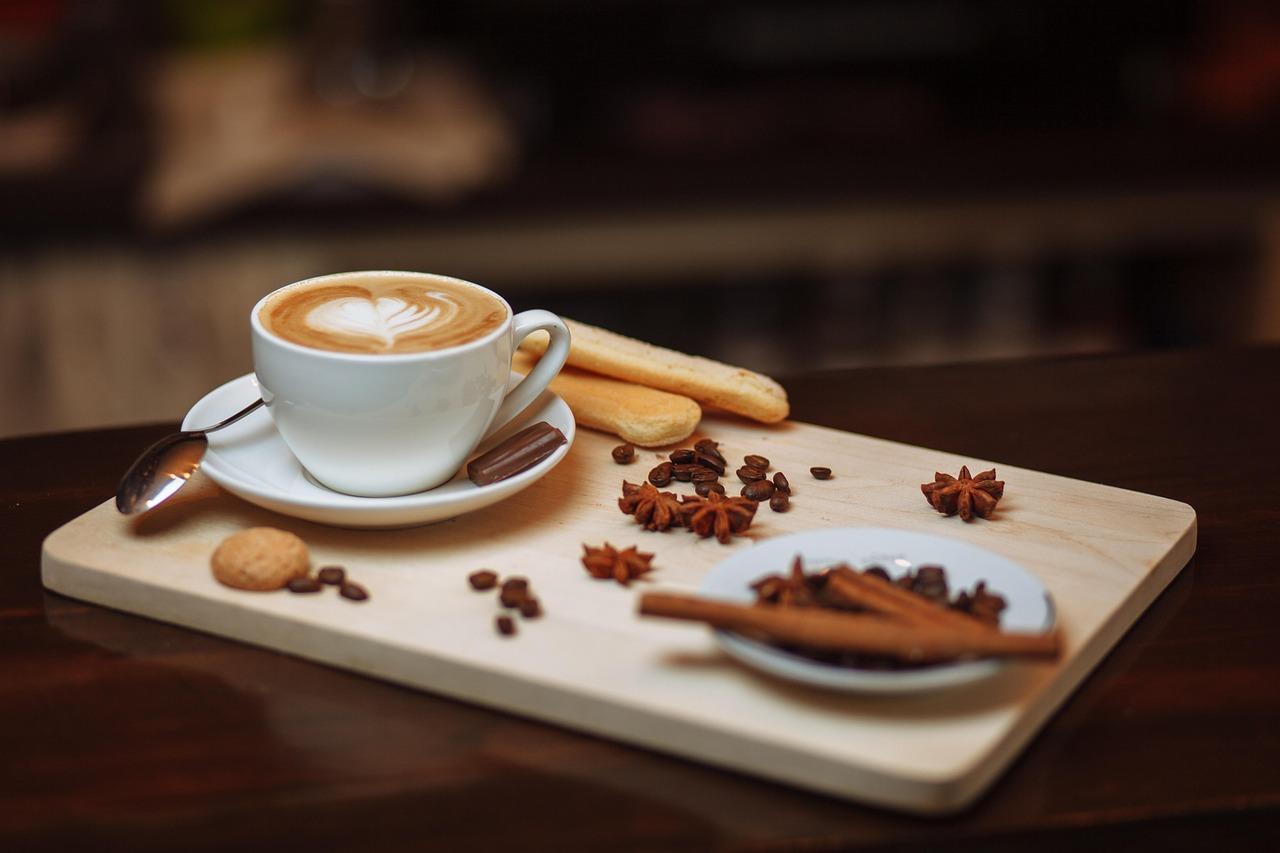
In Italy the cappuccino is strictly a breakfast drink, ordered at the bar counter with a cornetto before 11 in the morning, never after a meal. It is a single espresso topped with an equal amount of hot milk and a thick cap of velvety foam, named after the brown habits of Capuchin friars. Baristas in Turin and Trieste are famous for their thick, glossy microfoam. Contains caffeine, so it's not for children. Chef's tip: heat the milk only to about 65 °C, when the jug is too hot to hold for more than a second; hotter milk tastes cooked and the foam collapses.
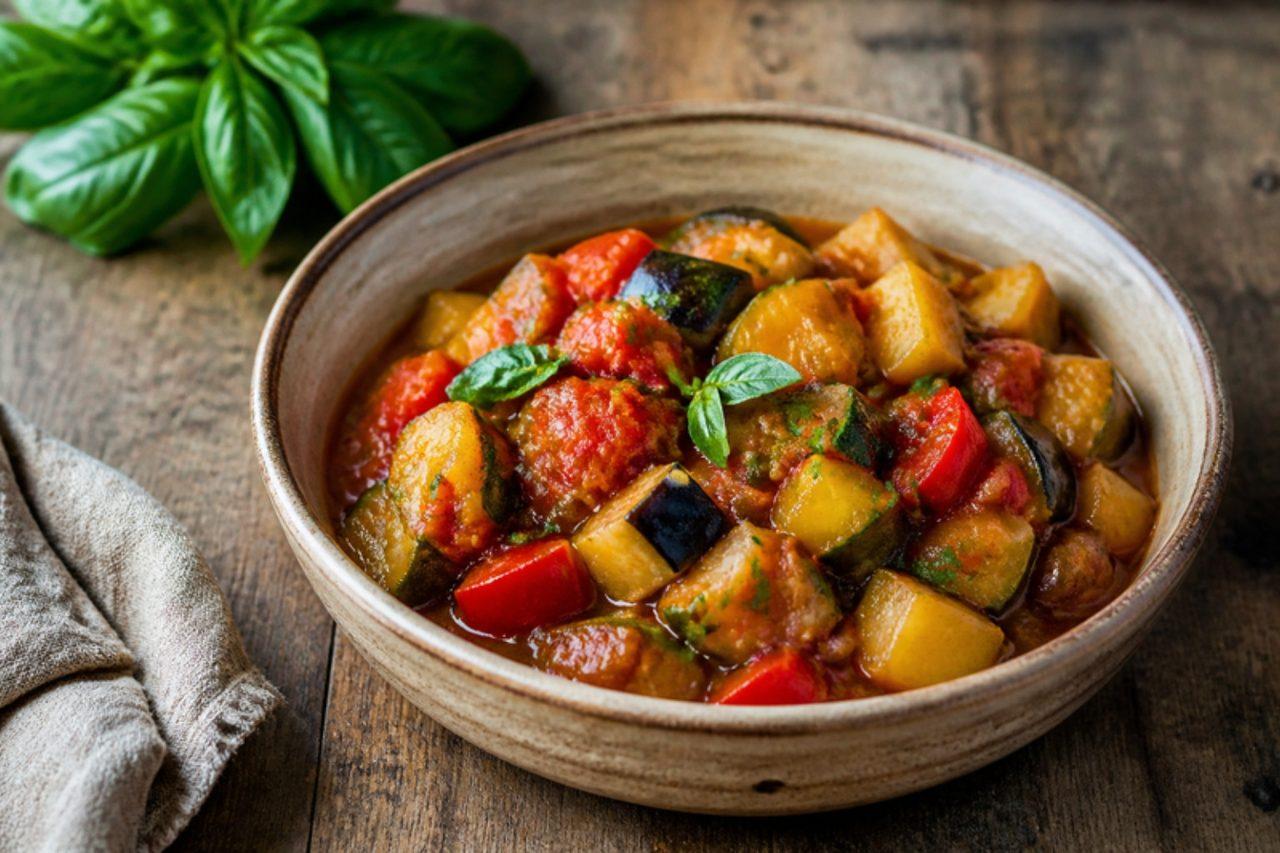
In August, when the vegetable gardens of Basilicata and the Cilento are overflowing, families make ciambotta: peppers, aubergines, potatoes, courgettes, onion and tomato stewed slowly together in olive oil until soft and sweet. Farmworkers once ate it in the fields with bread; today it's a summer supper, eaten warm or at room temperature, sometimes with an egg cracked on top. Chef's tip: add the vegetables in stages, potatoes first and courgettes last; that way they all finish tender at the same time without any turning to mush.
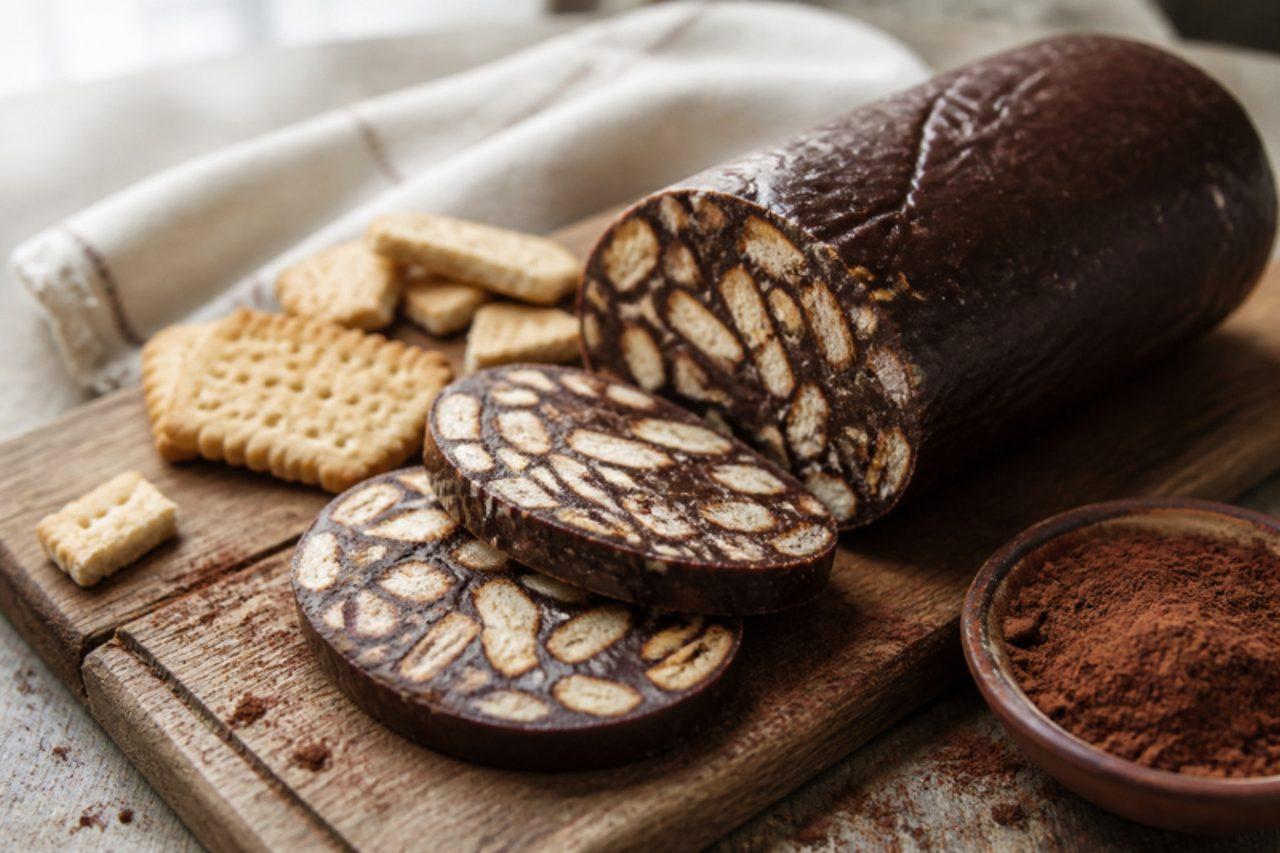
Salame di cioccolato is the sweet that Italian children help to make: crushed biscuits mixed with melted chocolate, butter and cocoa, rolled into a log, chilled and dusted with icing sugar so that, when sliced, it looks just like a salami with "fat" spots of biscuit. It is served at birthday parties and Christmas, and some families add rum for adults. This version uses no raw eggs and no alcohol, so it is safe for everyone. Chef's tip: break the biscuits by hand into pieces the size of a fingernail; crumbs make it look like a plain chocolate log.
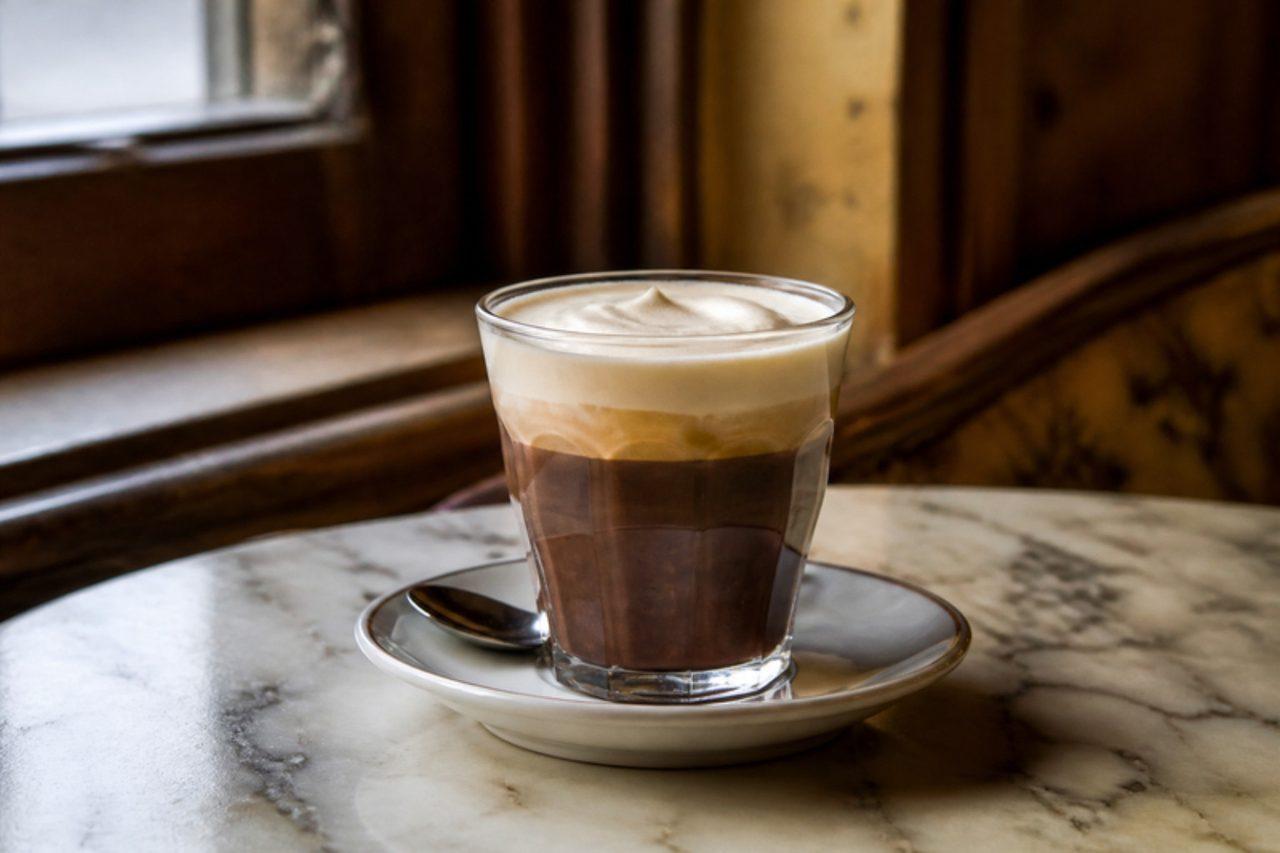
The bicerin ("little glass" in Piedmontese dialect) has been served since 1763 at the tiny Caffè al Bicerin opposite the Consolata church in Turin, where it was the drink that churchgoers had after fasting before Mass. It is three layers in a small glass: thick hot chocolate at the bottom, espresso in the middle and cold, lightly whipped cream on top, not stirred, so you taste each layer in turn. Contains caffeine. Chef's tip: pour the coffee and then the cream slowly over the back of a spoon so the layers sit on top of each other instead of mixing.
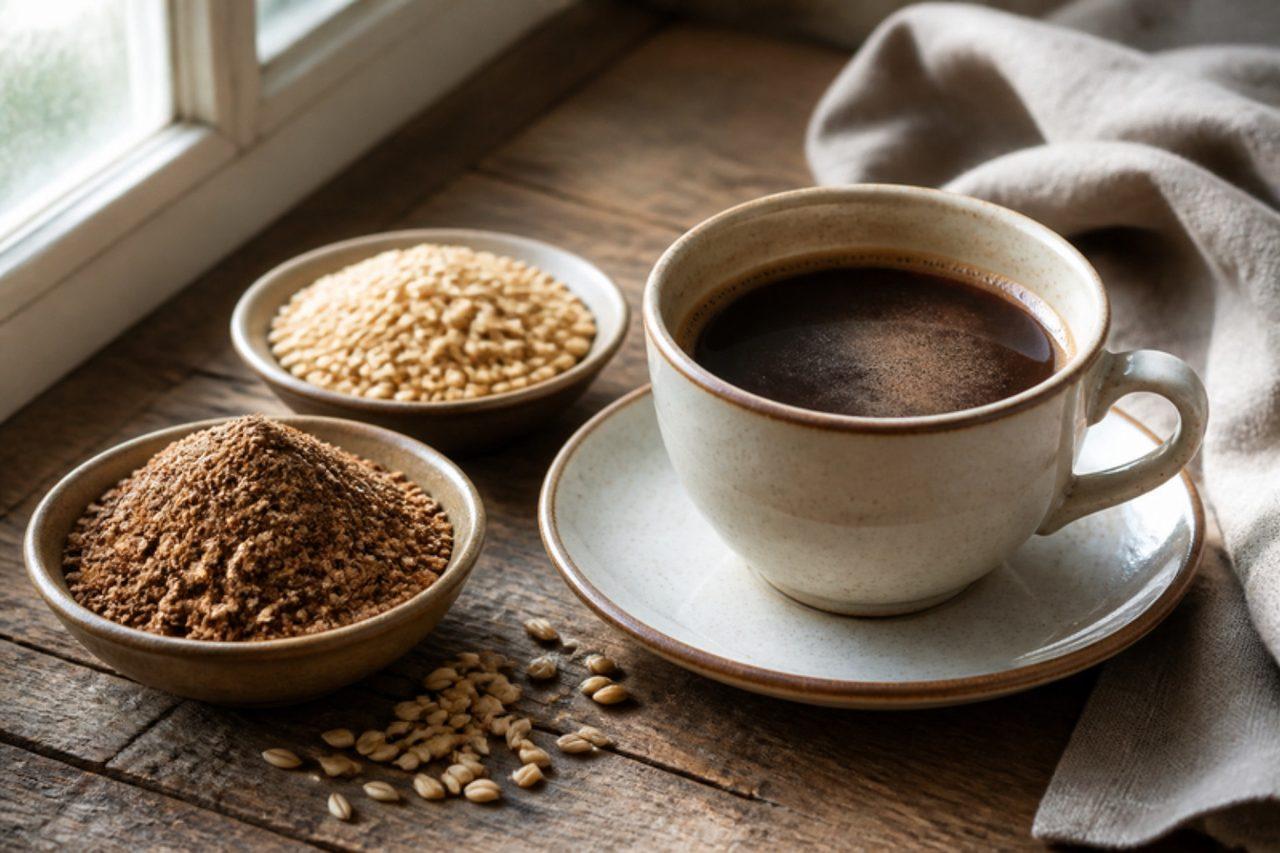
In Italian bars you can always ask for "un orzo": a hot drink made from roasted barley that looks like coffee and has a toasty, slightly sweet taste but no caffeine. During the war, when coffee was scarce, families drank it every morning, and today it is given to children, pregnant women and anyone avoiding caffeine. It can be made in a moka pot, served in a small cup like espresso or in a large one with milk. Barley contains gluten. Chef's tip: don't press the barley into the moka basket like coffee; packed tightly, it blocks the water and the pot hisses.
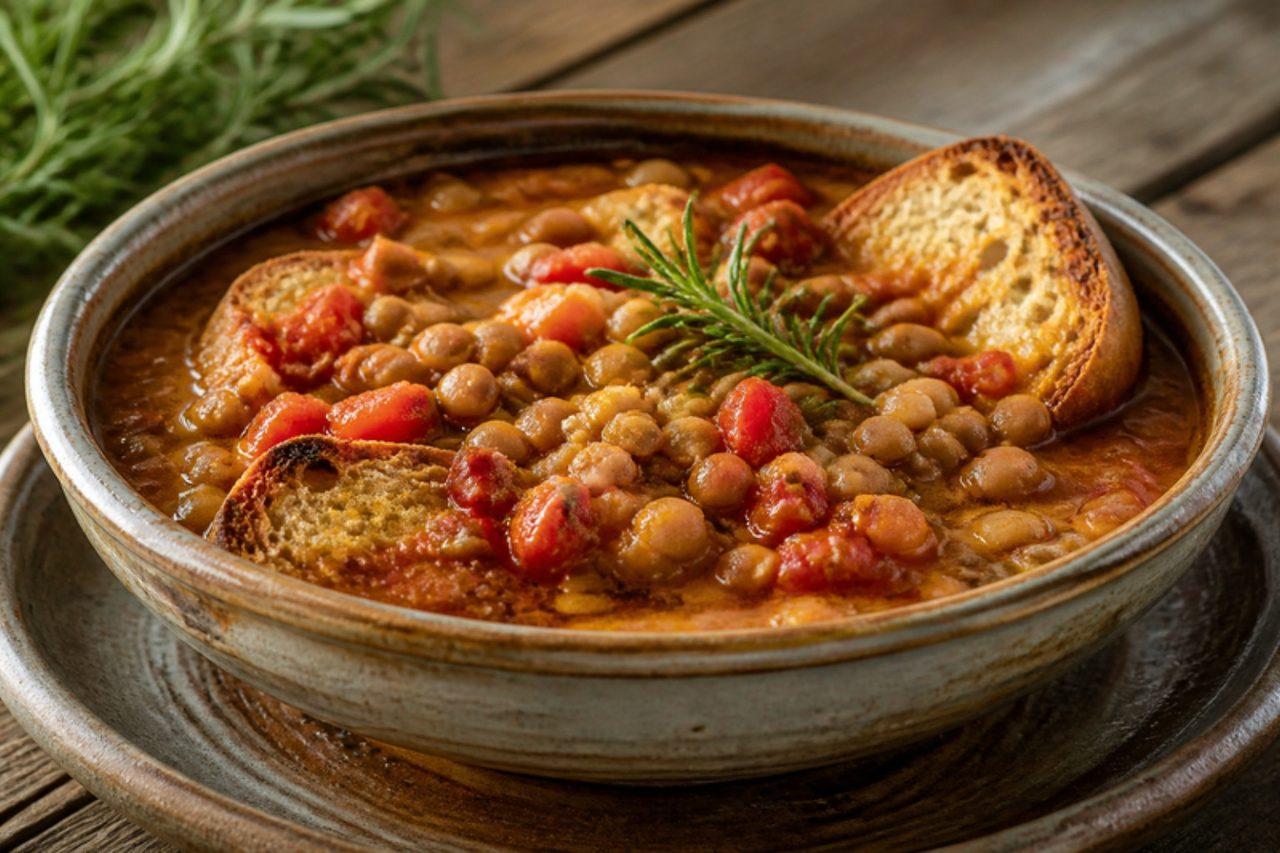
Cicerchie (grass peas) are an ancient legume that looks like a small, squared-off chickpea, grown on the hills of the Marche and Umbria around Serra de' Conti and Gubbio. They make a thick, nutty, rustic winter soup cooked with garlic, tomato and rosemary, served over toasted bread with a thread of new olive oil. Grass peas contain a natural toxin when eaten in large amounts, so always soak them for at least 24 hours, changing the water a few times, and enjoy them as an occasional dish. Chef's tip: change the soaking water at least three times; it removes most of the toxin and makes the peas easier to digest.
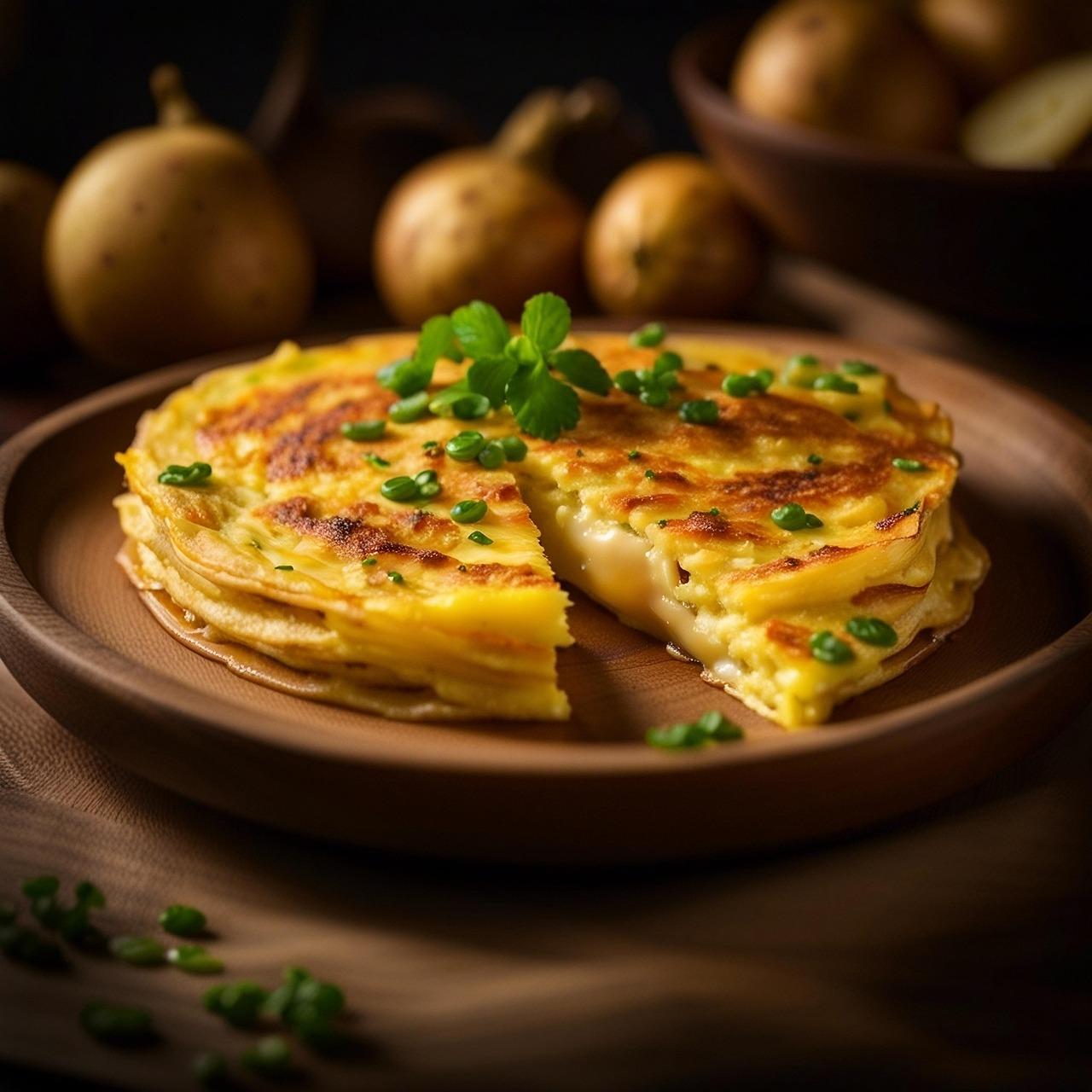
Frittata is Italy's everyday dish for a quick supper or a packed lunch: a thick, flat omelette cooked slowly in a pan, then flipped over a plate. Courgette frittata, with soft, golden slices of courgette and Parmigiano, is the summer favourite, taken to the beach in a panino or cut into squares for children. It is just as good cold the next day. Parmigiano is made with animal rennet; choose a vegetarian hard cheese if you need to. Chef's tip: cook the courgettes until golden before adding the eggs; raw courgettes make the frittata watery.
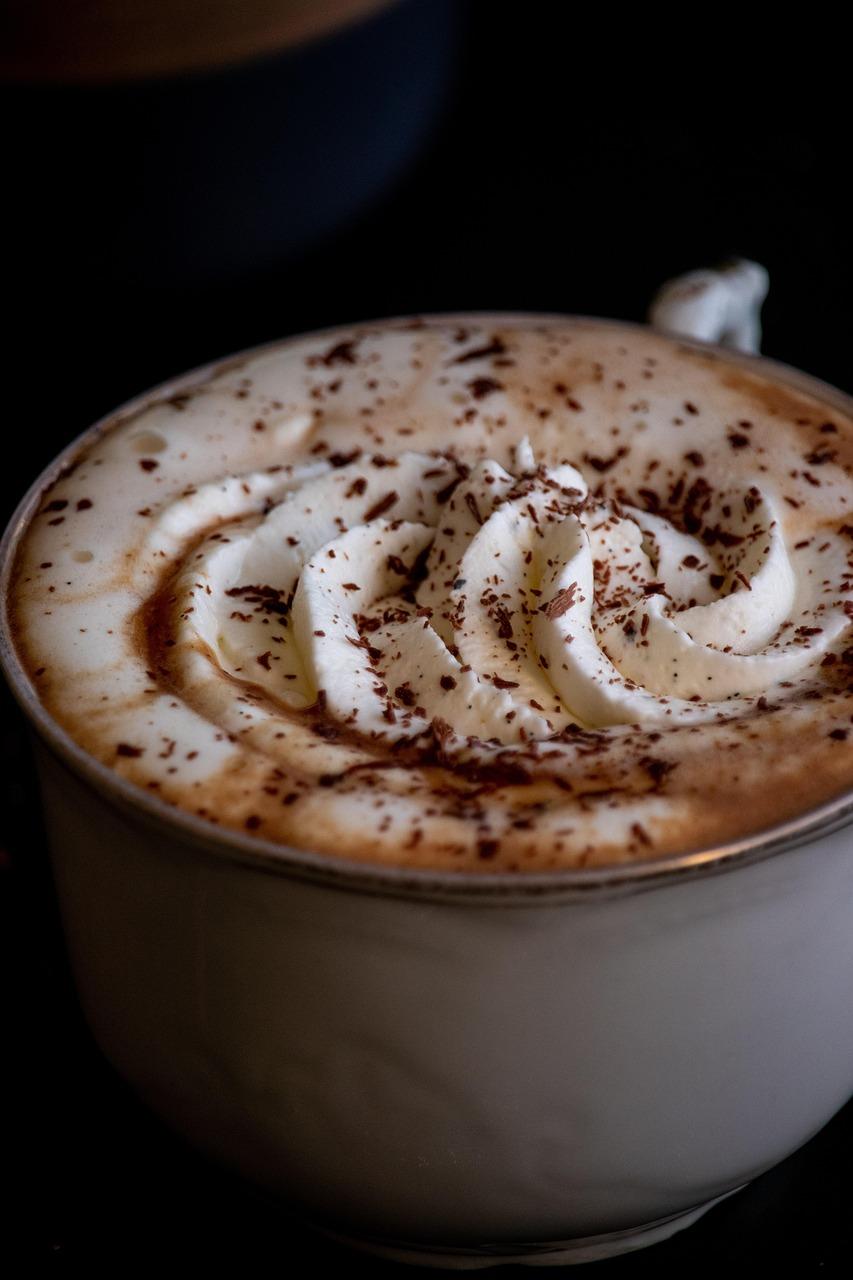
Italian hot chocolate is not a milky drink but almost a pudding: thick enough to coat a spoon, made with real dark chocolate and cocoa thickened with a little starch. On cold winter afternoons in Turin, Florence and Perugia, families sit in historic cafés with a cup topped with whipped cream (con panna), dipping biscuits into it. Children love it. Chef's tip: mix the cornflour and cocoa with a little cold milk to a smooth paste first; dropped straight into hot milk, they form lumps.
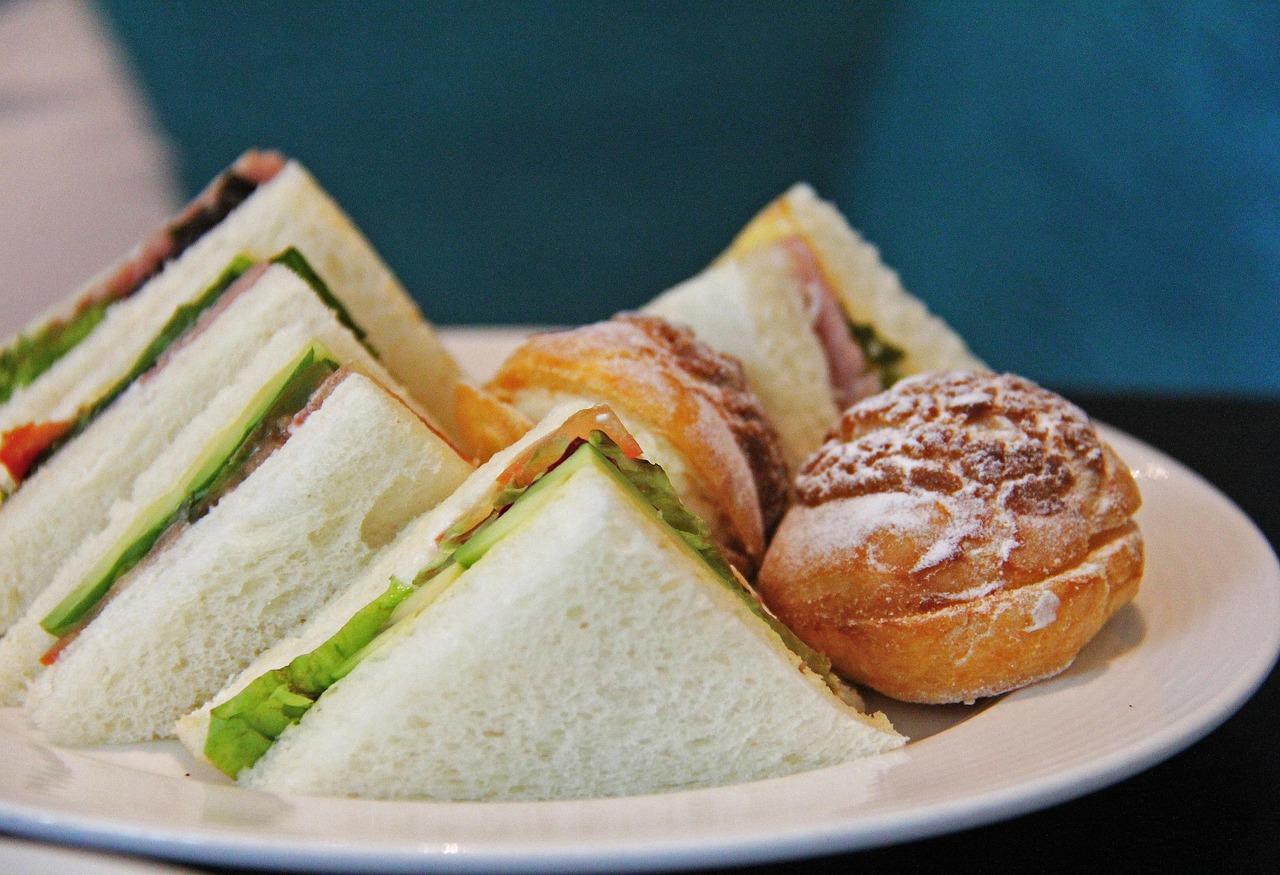
In the bars of Venice, around Campo Santa Margherita and the Rialto, glass cases are piled with tramezzini: soft white sandwich triangles with no crusts, so generously filled they look like small pillows. They are eaten standing at the bar mid-morning or with an aperitivo in the evening. Egg and mayonnaise is one of the classic fillings; tuna and olives is another. Use mayonnaise made with pasteurised eggs. Chef's tip: pile the filling in a mound in the middle, not spread to the edges; pressing the bread around it gives the classic puffy shape.
Torta allo yogurt is the first cake many Italian children bake, because everything is measured using the empty yogurt pot: one pot of yogurt, then pots of sugar, flour and oil. It is a soft, moist everyday cake made in homes across the country for breakfast or the afternoon merenda (snack), plain or with fruit. This recipe gives the amounts in grams for an average 125 g pot. Chef's tip: use whole-milk yogurt at room temperature; it gives a moist cake that stays soft for days.
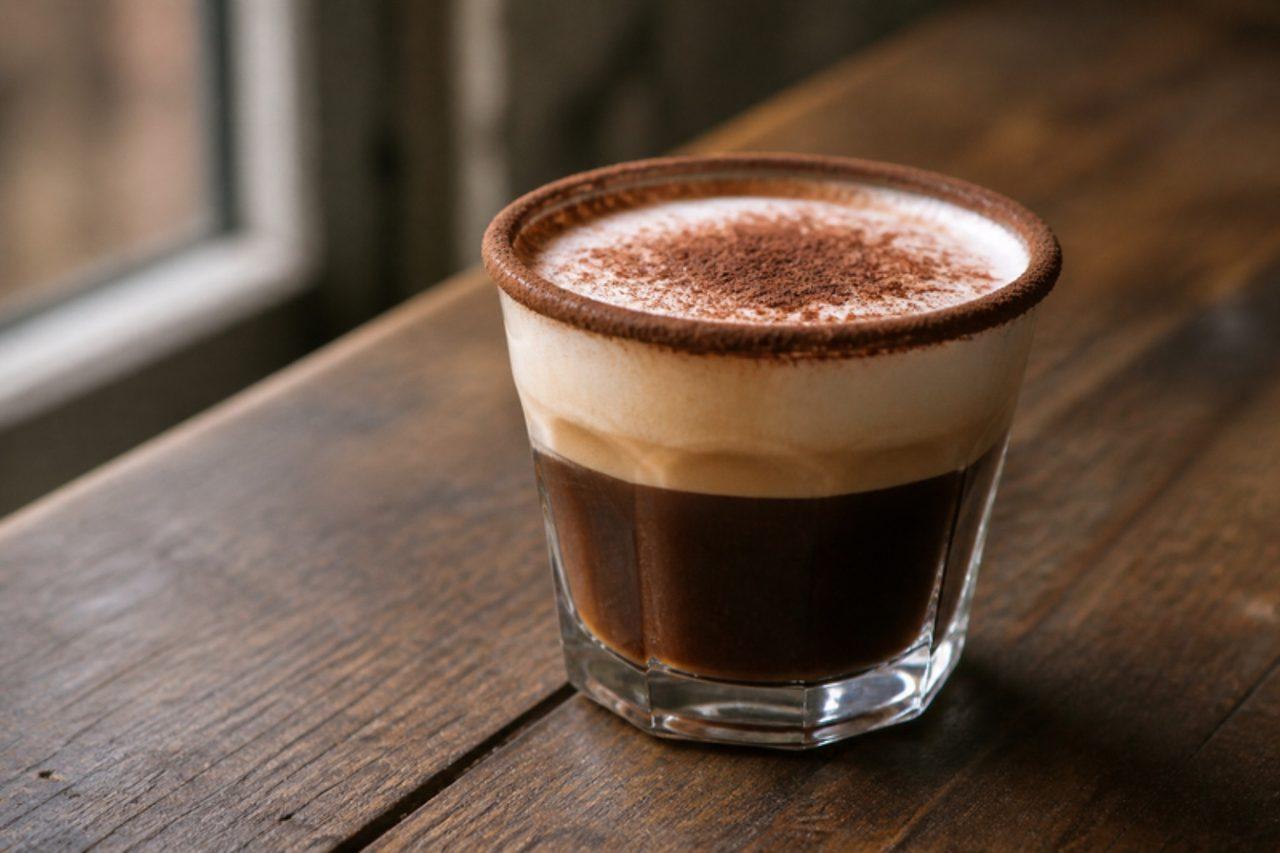
The marocchino was born in the bars of Alessandria in Piedmont, and it is now ordered all over northern Italy: a little glass dusted inside with cocoa, filled with an espresso and topped with milk foam and more cocoa, sometimes with a spoonful of chocolate sauce at the bottom. Its name comes from the brown colour of a leather called "marocchino" once used for hat bands. It is a mid-morning or afternoon treat. Contains caffeine. Chef's tip: dust the empty glass with cocoa before pouring the coffee in; it sticks to the hot glass and gives each sip a chocolate edge.
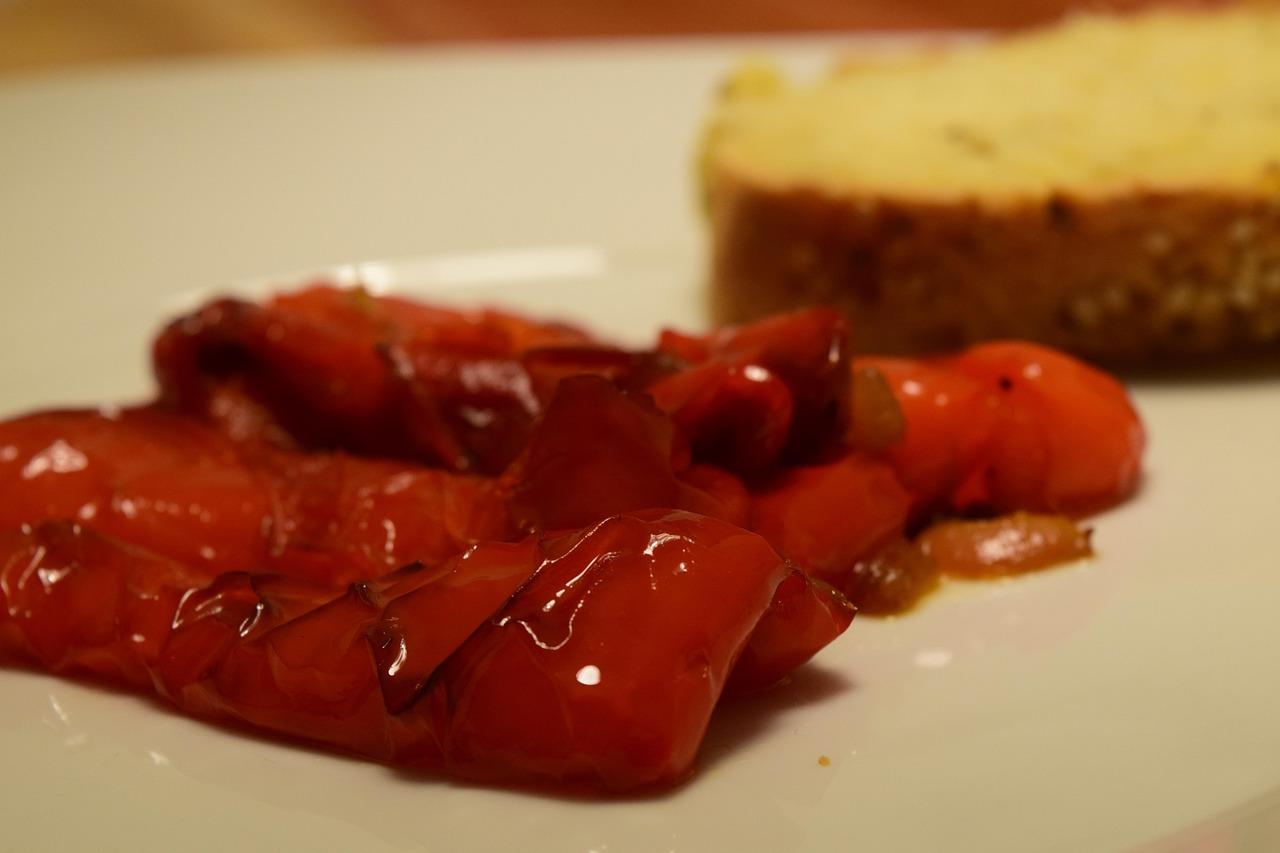
Peperonata is the summer side dish of the south, made from Naples to Palermo when red and yellow peppers are at their sweetest: strips of pepper and onion stewed slowly in olive oil with a little tomato until soft, glossy and sweet, sometimes with a splash of vinegar. Families serve it with grilled meat, sausages or a frittata, or pile it on bread, and it tastes even better the next day. Chef's tip: cook it slowly with the lid on for the first 15 minutes; the peppers steam in their own juice and turn silky instead of frying hard.
Ask any Italian what their mother made when they were ill as a child, and the answer is pastina in brodo: tiny pasta stars (stelline) or alphabet letters cooked in a light homemade broth and finished with a spoonful of grated Parmigiano and a drizzle of olive oil. It is the first "grown-up" food for many Italian toddlers and the comfort food for everyone on a cold or tired evening. Parmigiano is made with animal rennet; a vegetarian hard cheese works. Chef's tip: cook the pasta directly in the broth, not in water; the starch gives the broth a gentle, silky body.
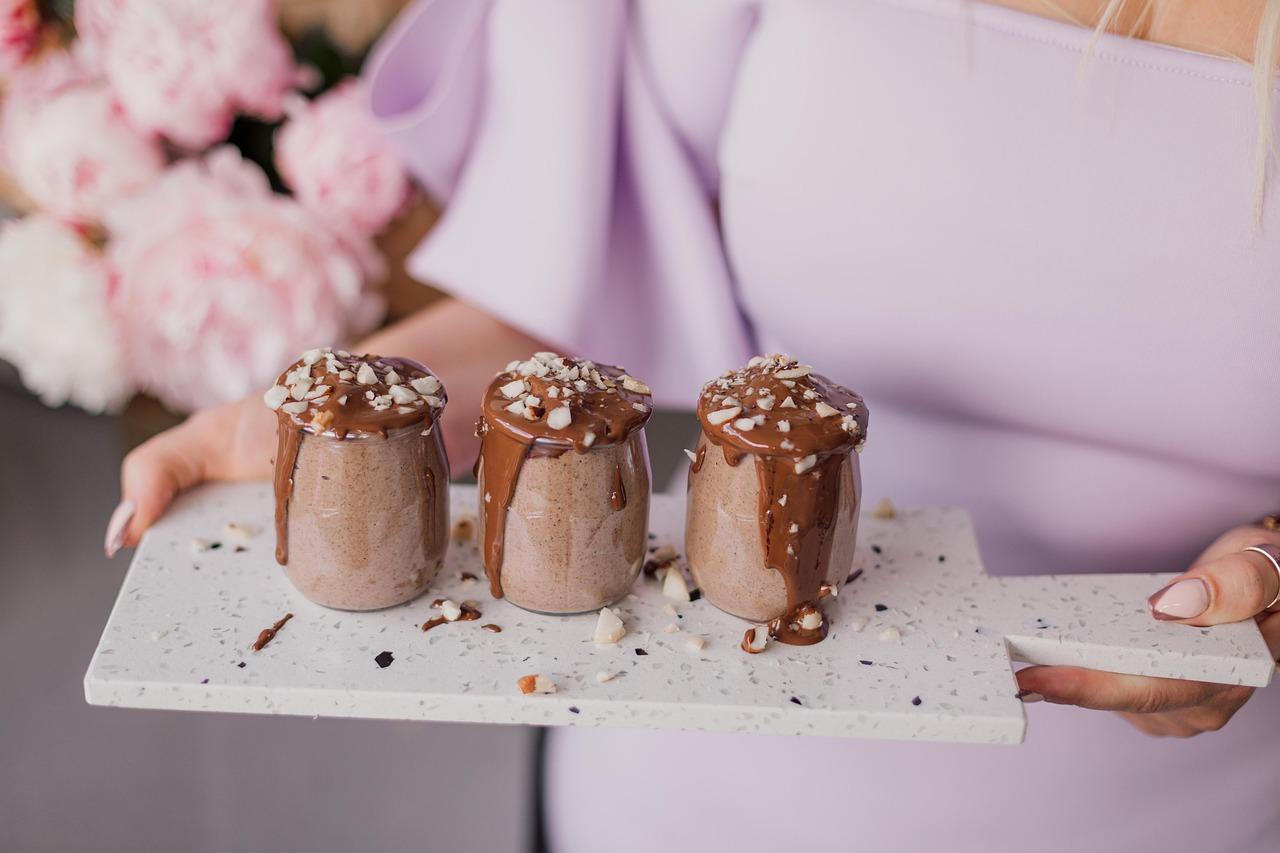
Budino is the dessert Italian children find in the fridge on a Sunday afternoon: a soft, wobbly milk pudding flavoured with cocoa and set with cornflour, poured into little cups or a mould and chilled. It is the kind of thing nonna makes in ten minutes for the grandchildren's merenda (afternoon snack), and it is gluten free and egg free. Chef's tip: whisk the cocoa, sugar and cornflour together before adding the milk; mixed dry, they don't form lumps.
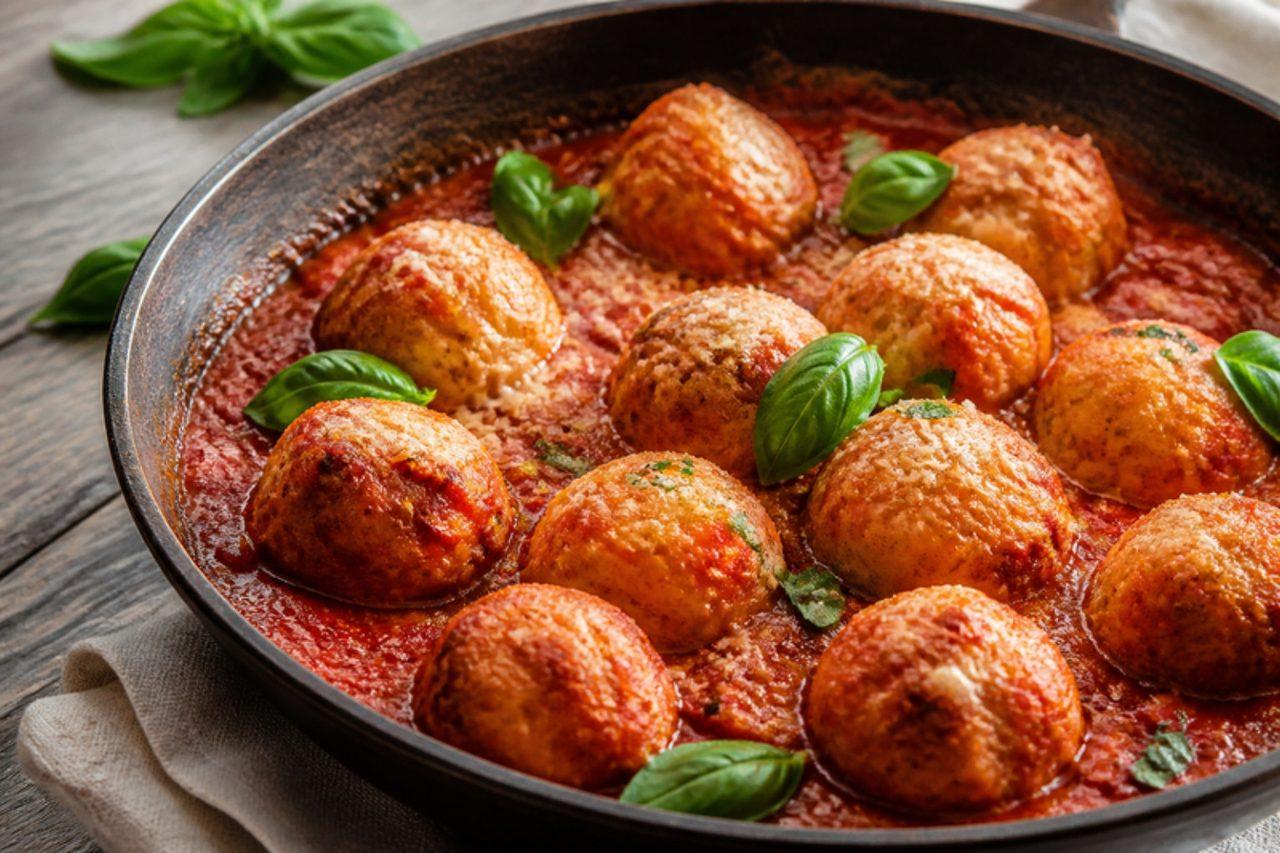
When meat was a luxury, families in Calabria, Basilicata and Campania made "meatballs" from stale bread, eggs, pecorino, garlic and parsley, fried until crisp and then simmered in tomato sauce. These polpette are so good that they're still made today, as a Friday supper or as part of a Sunday spread, eaten with lots of bread to wipe up the sauce. Pecorino is usually made with animal rennet; a vegetarian hard cheese works. Chef's tip: squeeze the soaked bread really dry; wet bread makes polpette that break apart in the sauce.
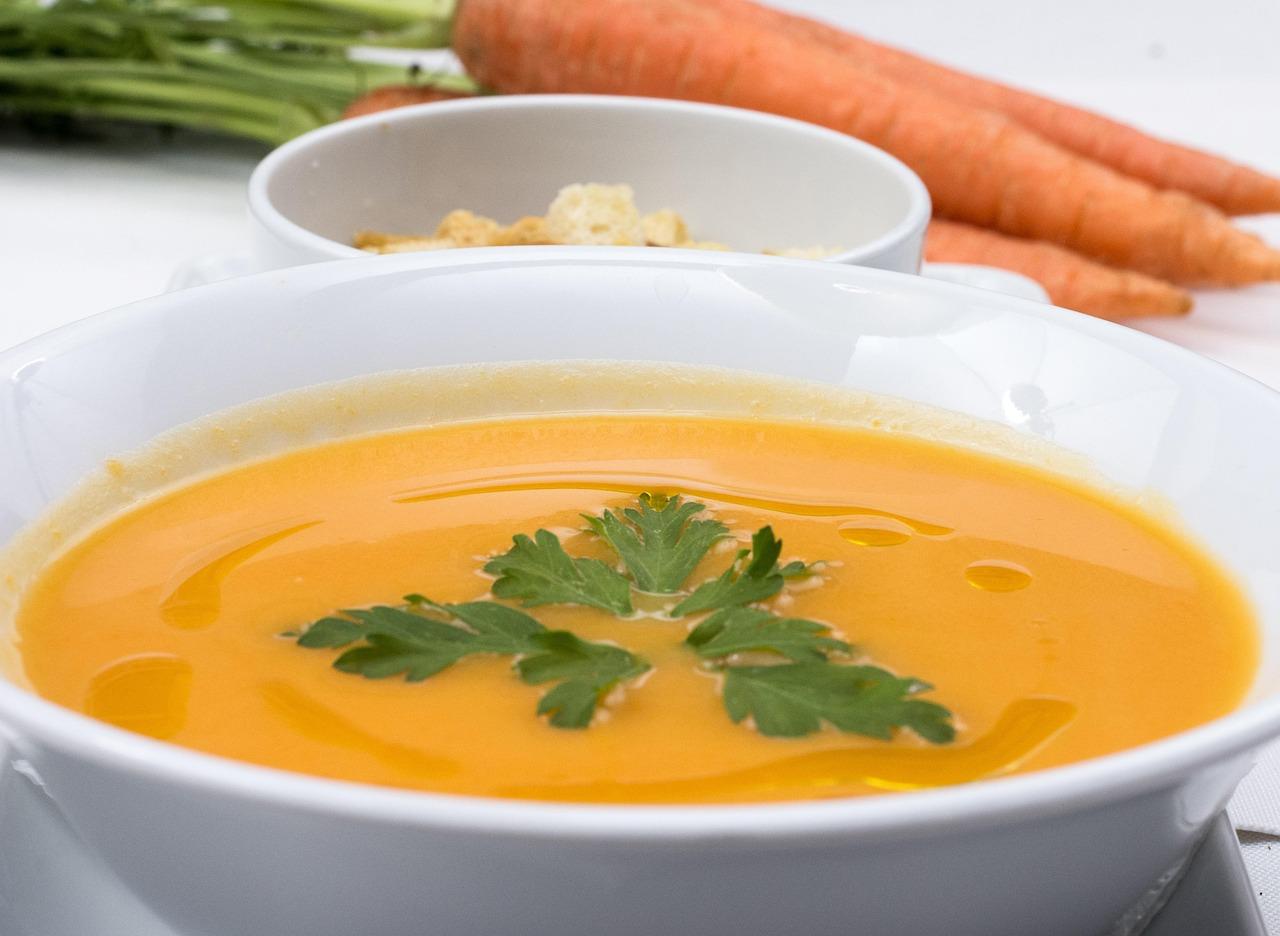
Passato di verdure is the soup Italian children grow up on: a pot of mixed vegetables, simmered in water until soft and blended until velvety, with a thread of olive oil on top. It is the first food many Italian babies are given at around six months, without salt, and it stays the family's light supper for years. For babies from 6 months, the purée here is made with no salt and no stock; older children and adults season their bowls at the table. Chef's tip: take out the baby's portion before you add any salt, and blend it extra smooth.
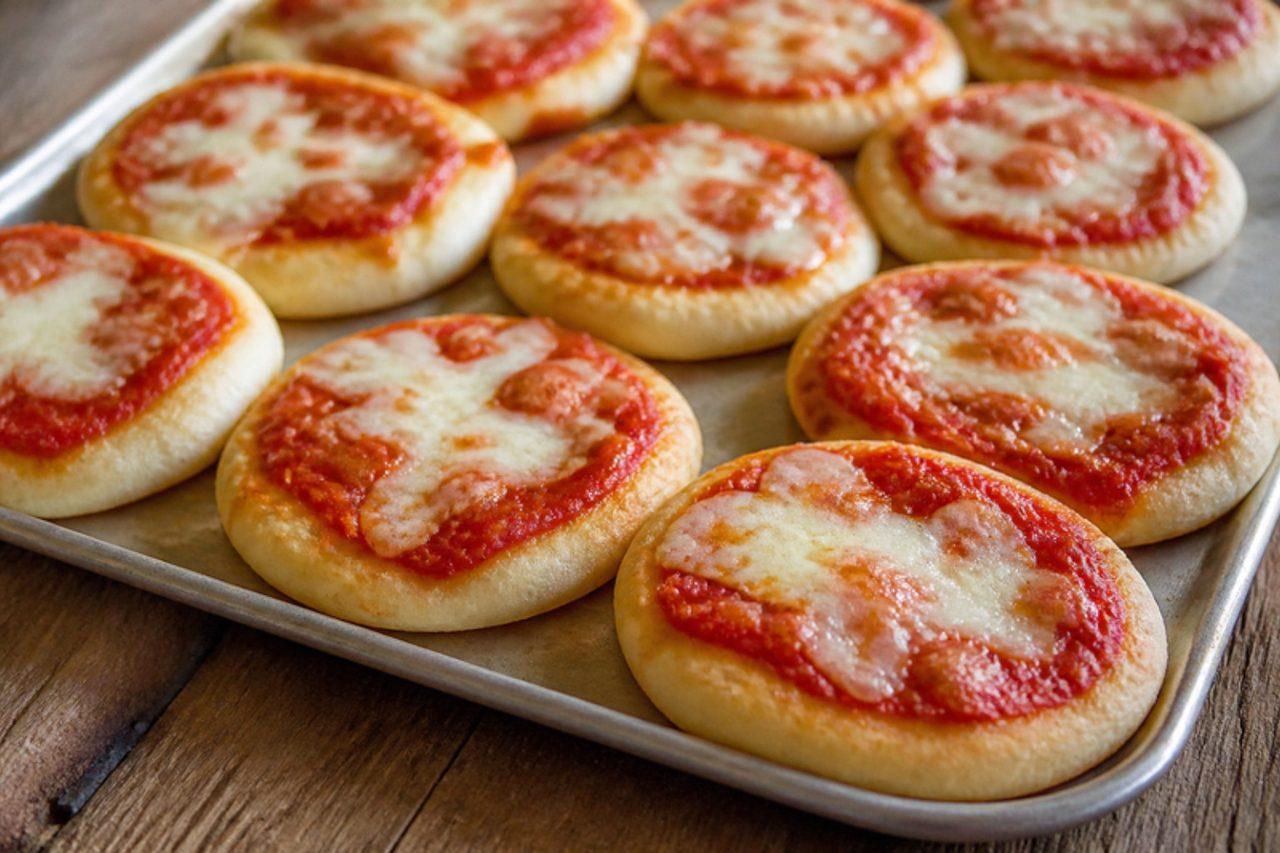
At every Italian children's birthday party, and in every bakery window from Rome to Bari, there is a tray of pizzette: small round pizzas the size of a palm, topped with tomato and a little mozzarella and oregano, soft and easy for small hands. Mothers buy them by the dozen for school snacks and christening buffets. They freeze well. Mozzarella is usually made with calf rennet; vegetarian versions are easy to find. Chef's tip: cook the tomato sauce briefly first and keep it thick; a runny sauce makes soggy pizzette that slide off the plate.
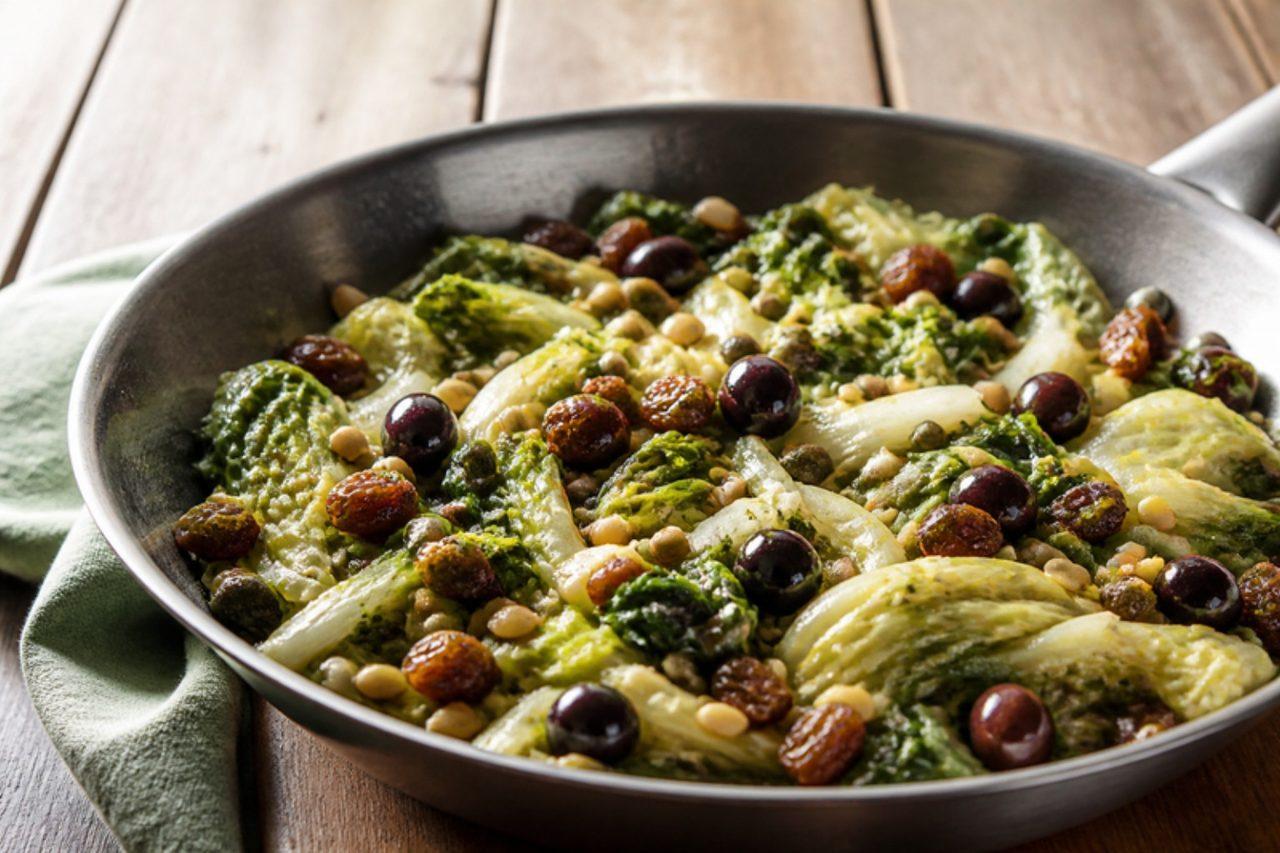
Scarola alla napoletana is a Neapolitan Christmas Eve side dish, also cooked all winter: tender escarole sautéed with garlic, black Gaeta olives, capers, pine nuts and raisins, a balance of bitter, salty and sweet that reflects the Arab influence on southern Italian cooking. It is the same filling used in the Christmas pizza di scarola, and families often serve it with fried fish. Contains pine nuts. Chef's tip: dry the washed escarole well before it goes in the pan; wet leaves splash and steam rather than sauté.
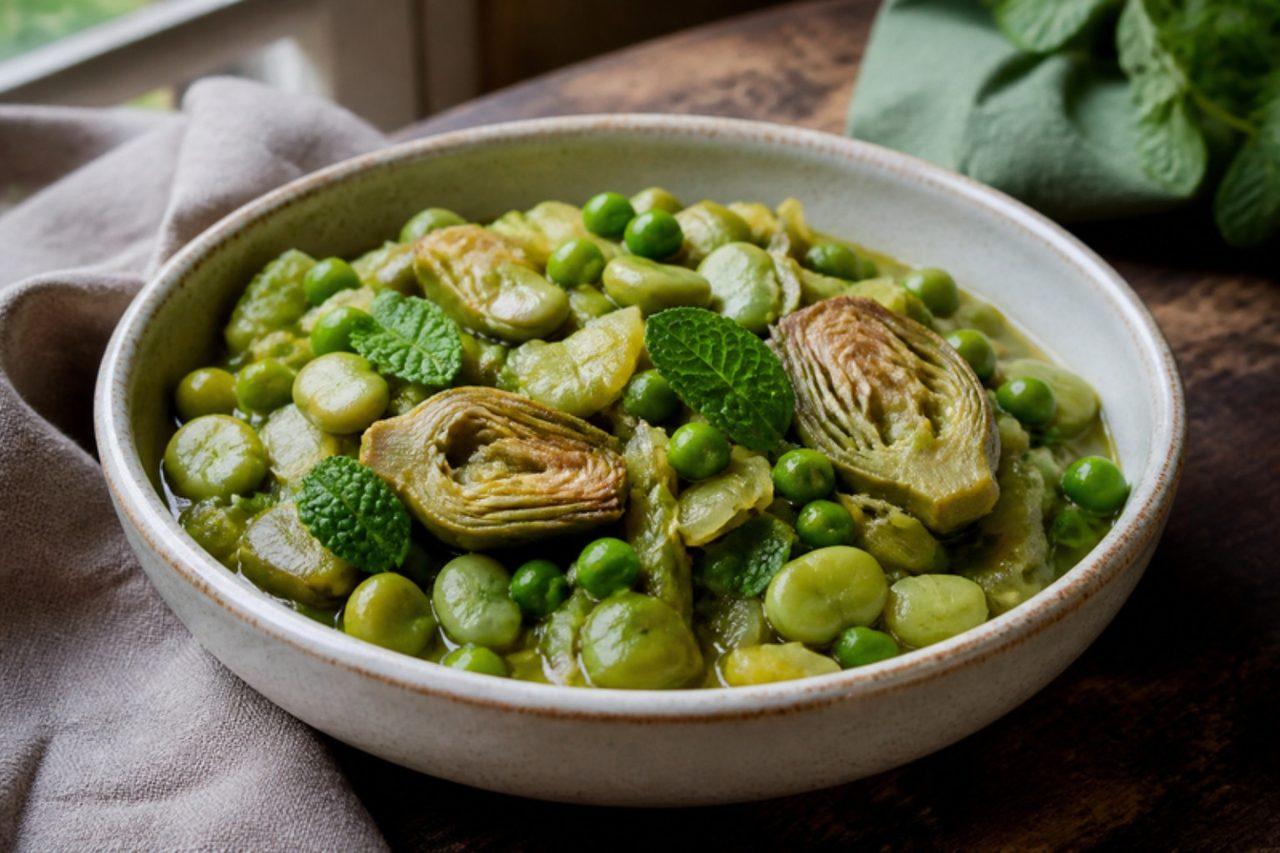
Vignarola is the dish Romans wait for all year: for a few weeks in April and May, when the first artichokes, broad beans and peas all arrive at once at the markets of Campo de' Fiori and Testaccio, they are stewed together gently with spring onion, lettuce and mint. It is eaten as a side or a light main with bread. Romans usually add a little guanciale (cured pork cheek); this version leaves it out and is fully vegan. Chef's tip: add the peas and broad beans only for the last few minutes; they should stay bright green and sweet.
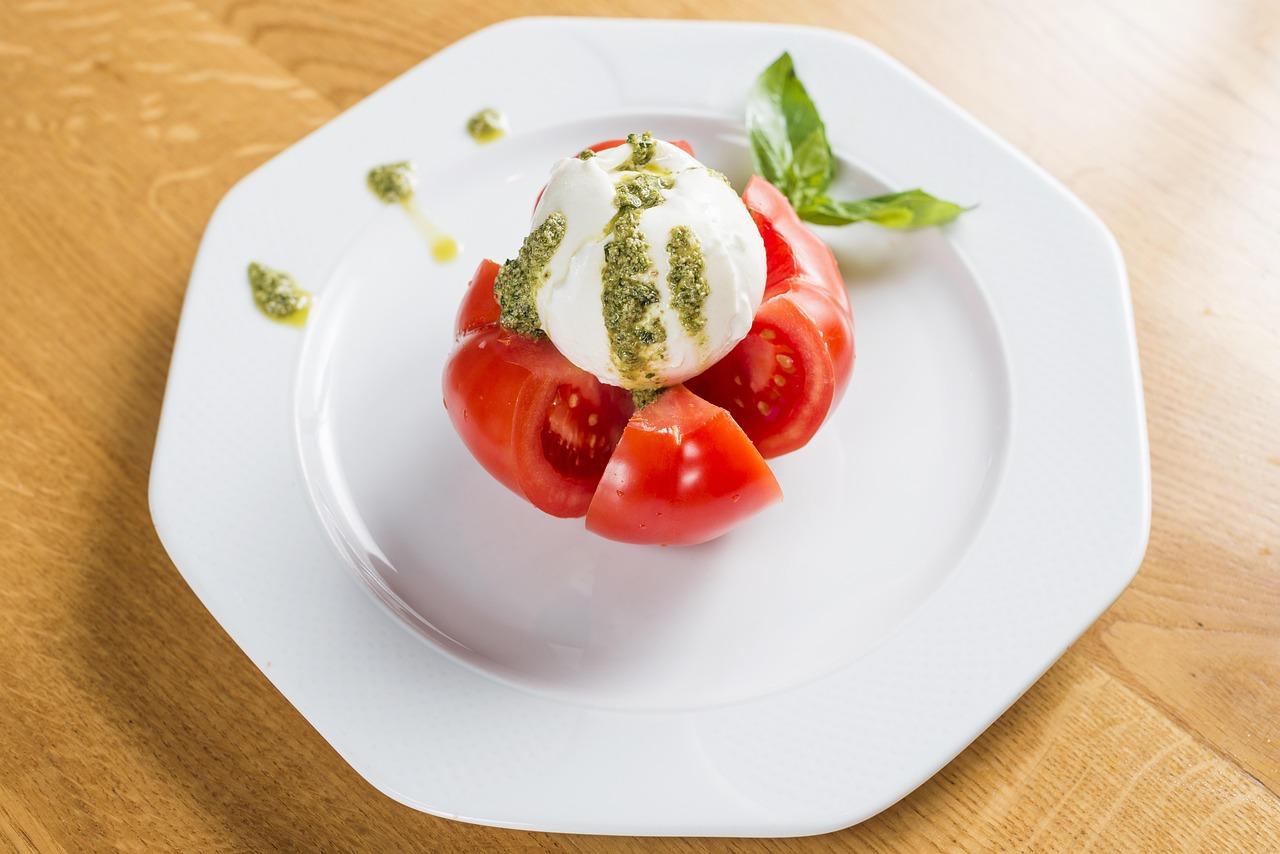
Burrata was born in the dairies around Andria in northern Puglia as a way to use the scraps of mozzarella curd, wrapped in a pouch of stretched curd and filled with cream. In Bari and the towns of the Murge it is eaten the day it is made, often as the first thing on the table at Sunday lunch, torn open over the sweetest summer tomatoes. The outside is soft and springy; the inside, called stracciatella, spills out like thick cream. Mozzarella and burrata are usually made with calf rennet, so look for a vegetarian-rennet burrata if that matters to you. Chef's tip: take the burrata out of the fridge 30 minutes before serving; straight from the cold it tastes of very little.
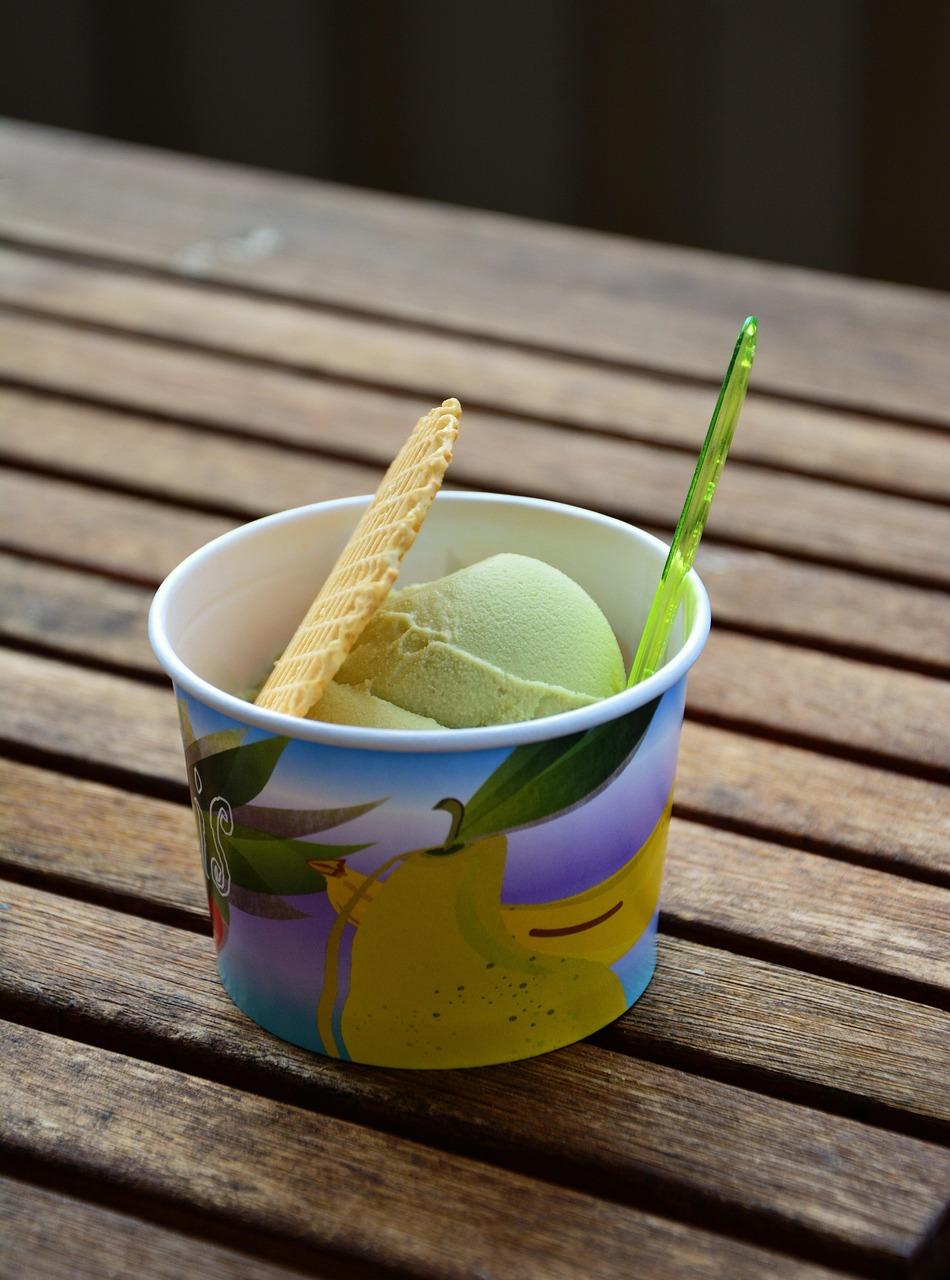
Real Sicilian pistachio gelato is not bright green; it is a dull, olive-brown colour and tastes intensely of roasted nuts, especially when made with pistachios from Bronte on the slopes of Mount Etna. In Palermo and Catania it is eaten in a brioche for breakfast or as a cone after dinner. The secret is pure pistachio paste, with no added colour or flavourings. Contains nuts. Chef's tip: if you can't find pistachio paste, blend roasted pistachios with a spoon of oil for 5 minutes until it runs smooth; any graininess shows up in the gelato.
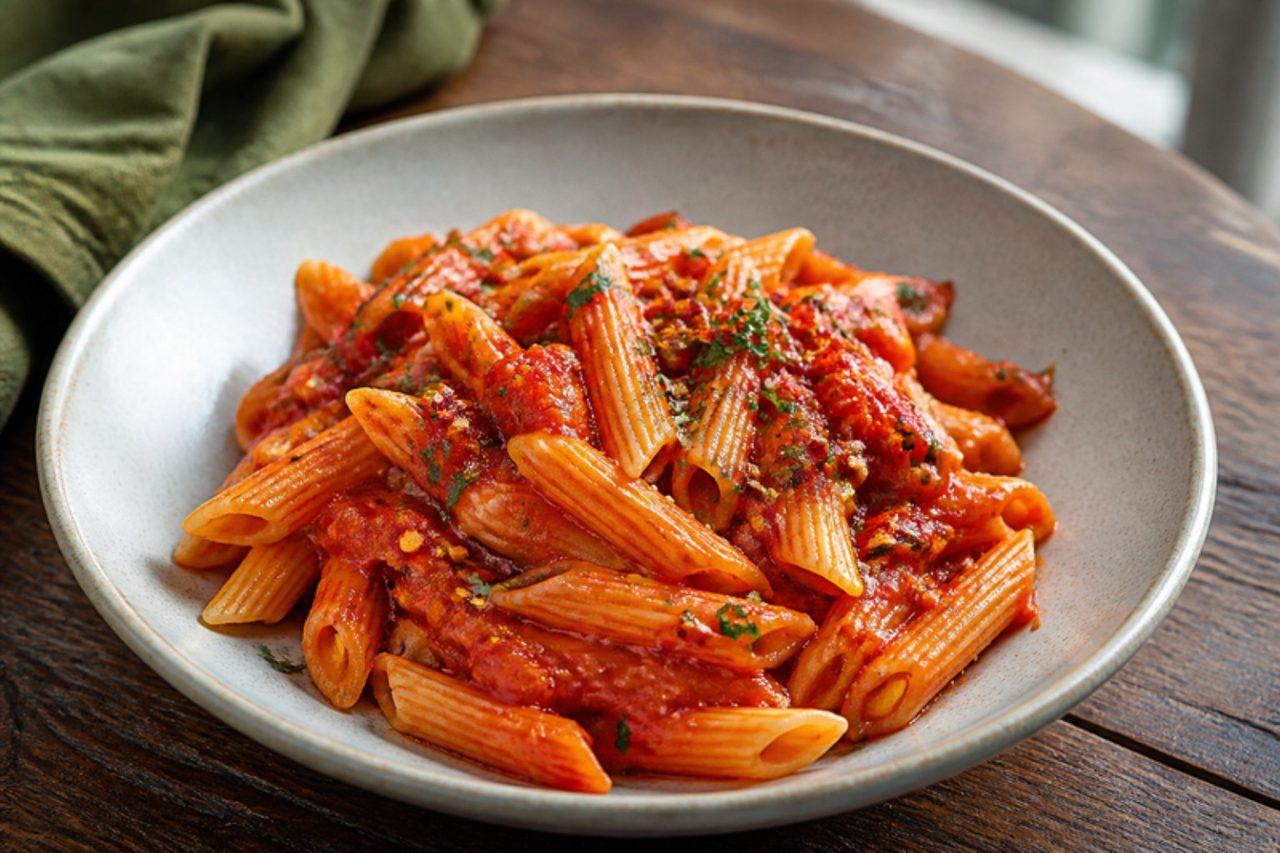
Arrabbiata means "angry", and Romans say the name comes from the red face you get after a plateful. It is the late-night pasta of Roman trattorie and student flats: penne in a tomato sauce made fierce with dried peperoncino and plenty of garlic, ready in the time the water takes to boil. There is no cheese in the classic Roman version, just parsley and the heat. Chef's tip: warm the chilli and garlic gently in the oil before the tomatoes go in; the oil carries the heat through the whole sauce, so it tastes hot all the way through rather than in random bites.
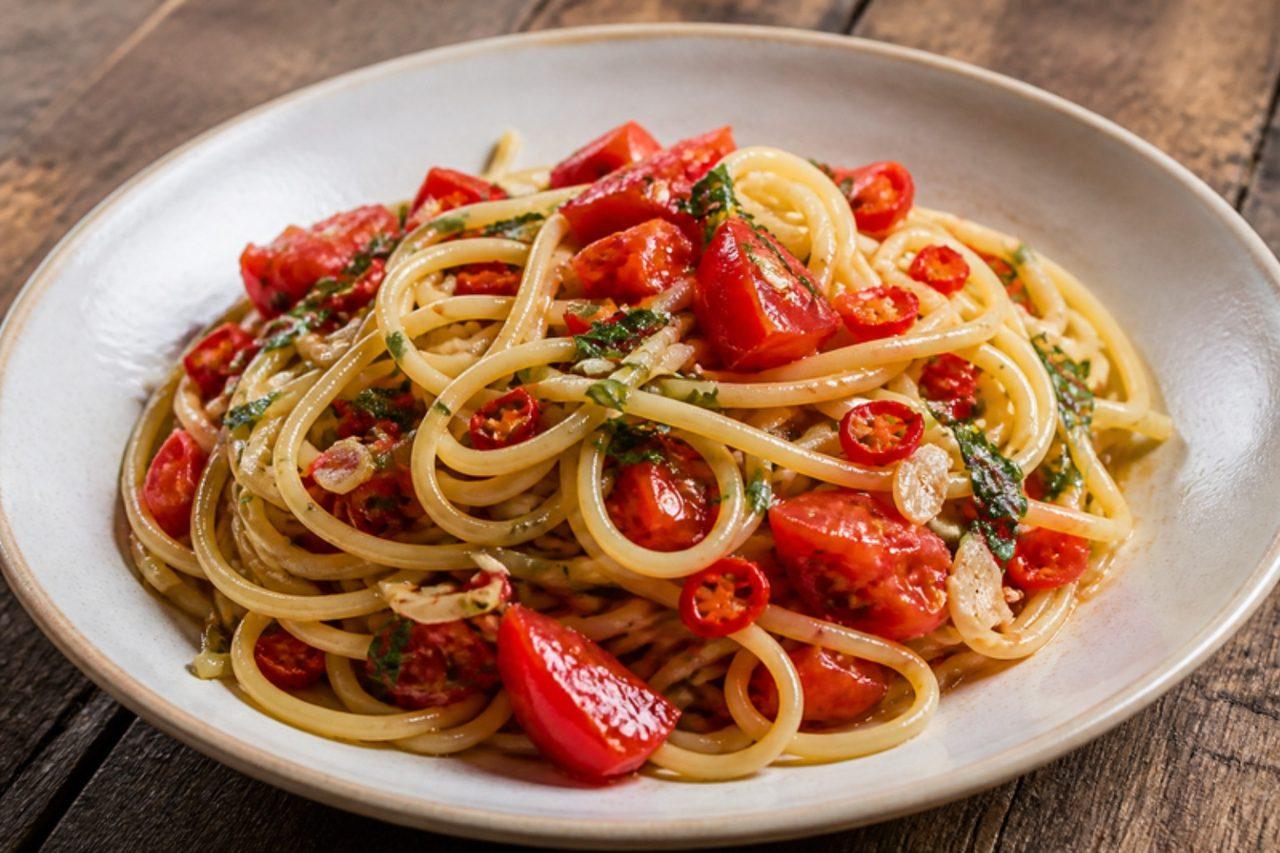
The carrettieri were the cart drivers who hauled goods across Sicily, and this was the pasta they could make on the road with whatever they carried: raw tomatoes, garlic, chilli, basil and olive oil, tossed with hot spaghetti and never cooked. Around Palermo and Catania it is still a summer lunch when the kitchen is too hot to light the stove for long; some families finish it with toasted breadcrumbs instead of cheese. Chef's tip: salt the chopped tomatoes and leave them for 20 minutes; they release juice that becomes the sauce once the hot pasta hits it.
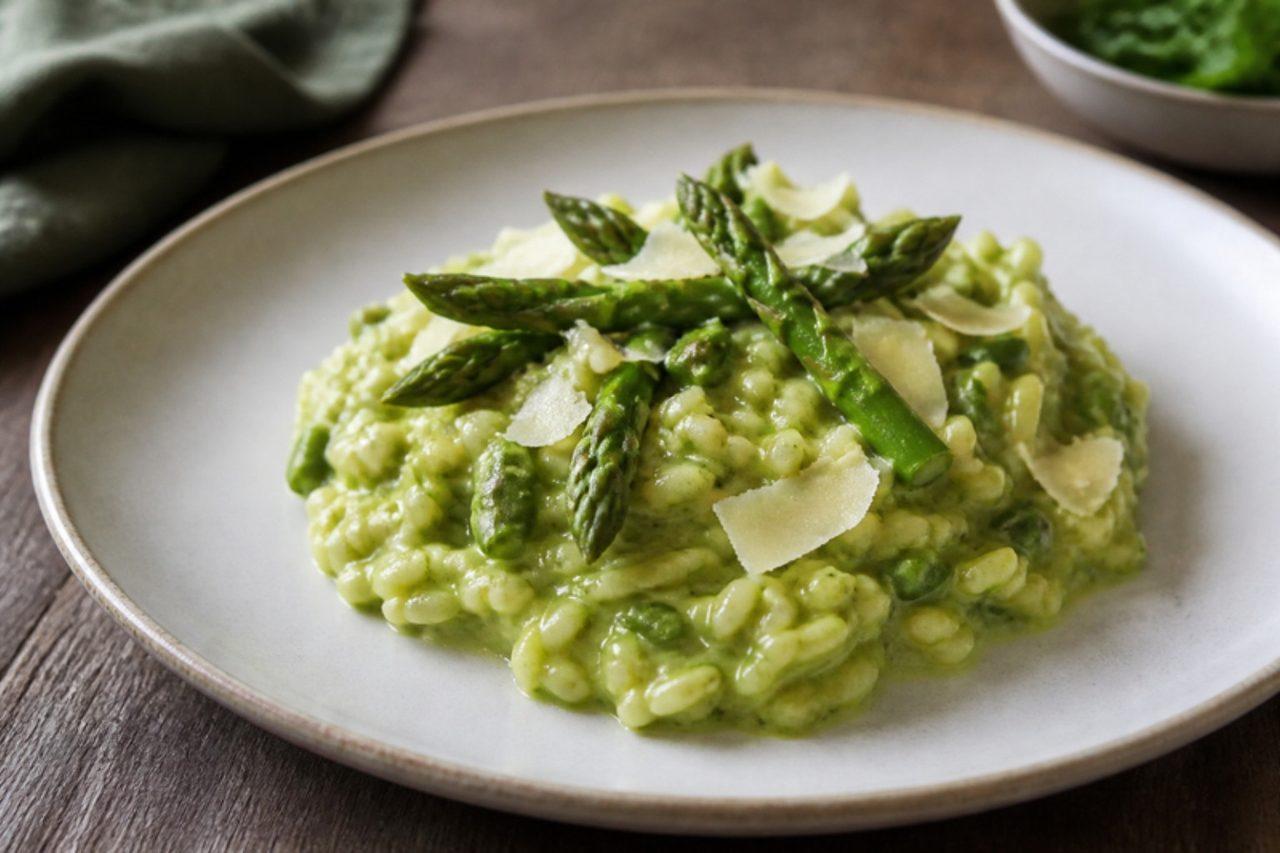
In April and May the town of Bassano del Grappa celebrates its white asparagus, and all over the Veneto green and white spears turn up in risotto. The stalks are cooked into the rice so their flavour runs through every grain, and the tender tips are added at the end so they stay bright and crisp. It is a light spring Sunday lunch, often followed by grilled fish. Parmigiano is made with animal rennet; choose a vegetarian hard cheese if you need to. Alcohol is used here: white wine, which you can replace with broth and a squeeze of lemon. Chef's tip: simmer the woody ends in the broth for 15 minutes before you start; they add a lot of asparagus flavour for free.
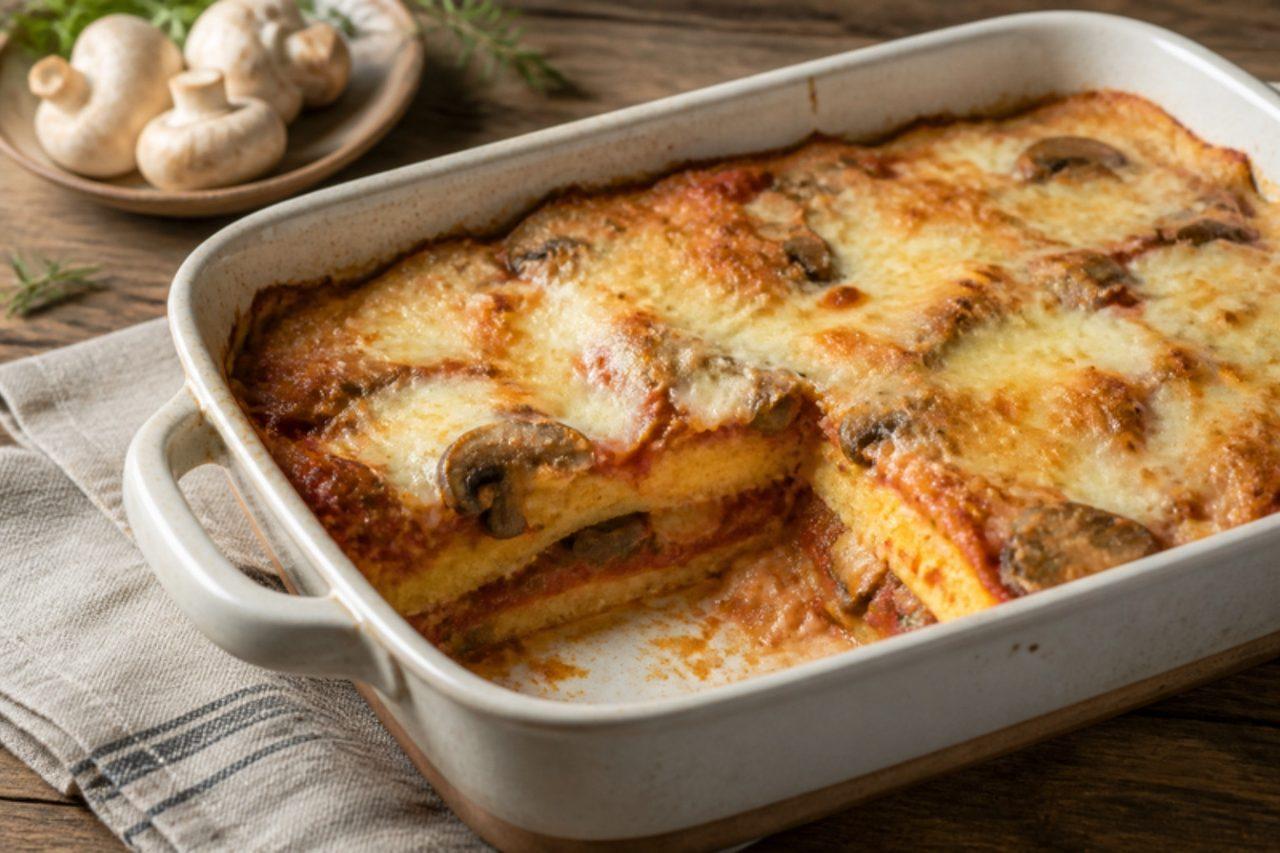
Across the Veneto and Lombardy, yesterday's polenta becomes today's polenta pasticciata: slices of set polenta layered like lasagne with a sauce of tomato and mushrooms, mozzarella and grated cheese, then baked until bubbling. It is the dish families make for Sunday in winter, often prepared on Saturday. Parmigiano is made with animal rennet, and mozzarella usually uses calf rennet; vegetarian versions work well. Chef's tip: set the polenta in a thin layer the day before; firm, cold polenta slices cleanly and holds its layers in the oven.
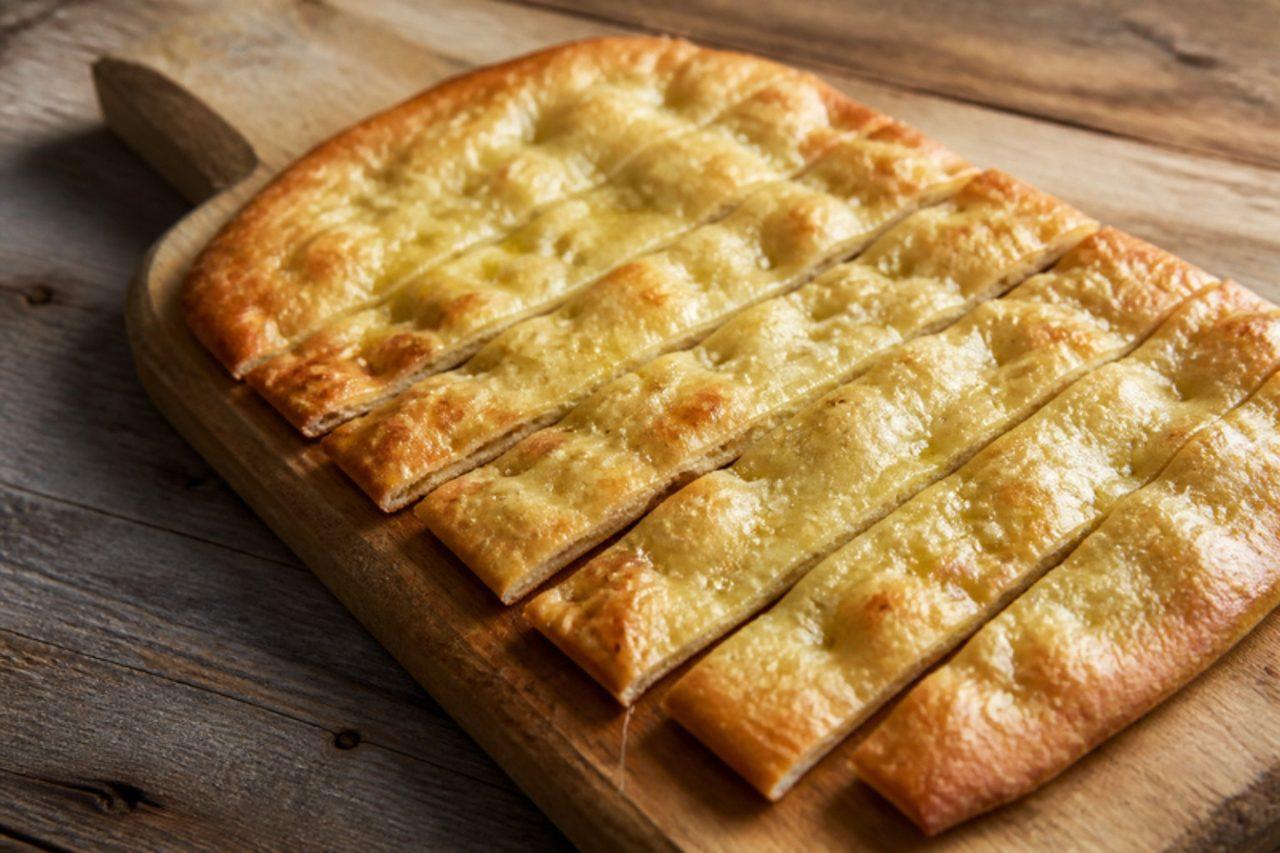
Walk past any Roman forno at eleven in the morning and you'll see pizza bianca coming out of the oven in planks a metre long: crisp on top, chewy and full of holes inside, brushed with olive oil and scattered with salt. Romans buy it by the slice for children's snacks after school, or split it open and fill it with mortadella or fresh figs in late summer. The dough is very wet and needs only folding, not kneading. Chef's tip: stretch the dough with oily fingertips straight onto the tray; dimpling it presses big bubbles into the dough that puff up in the oven.
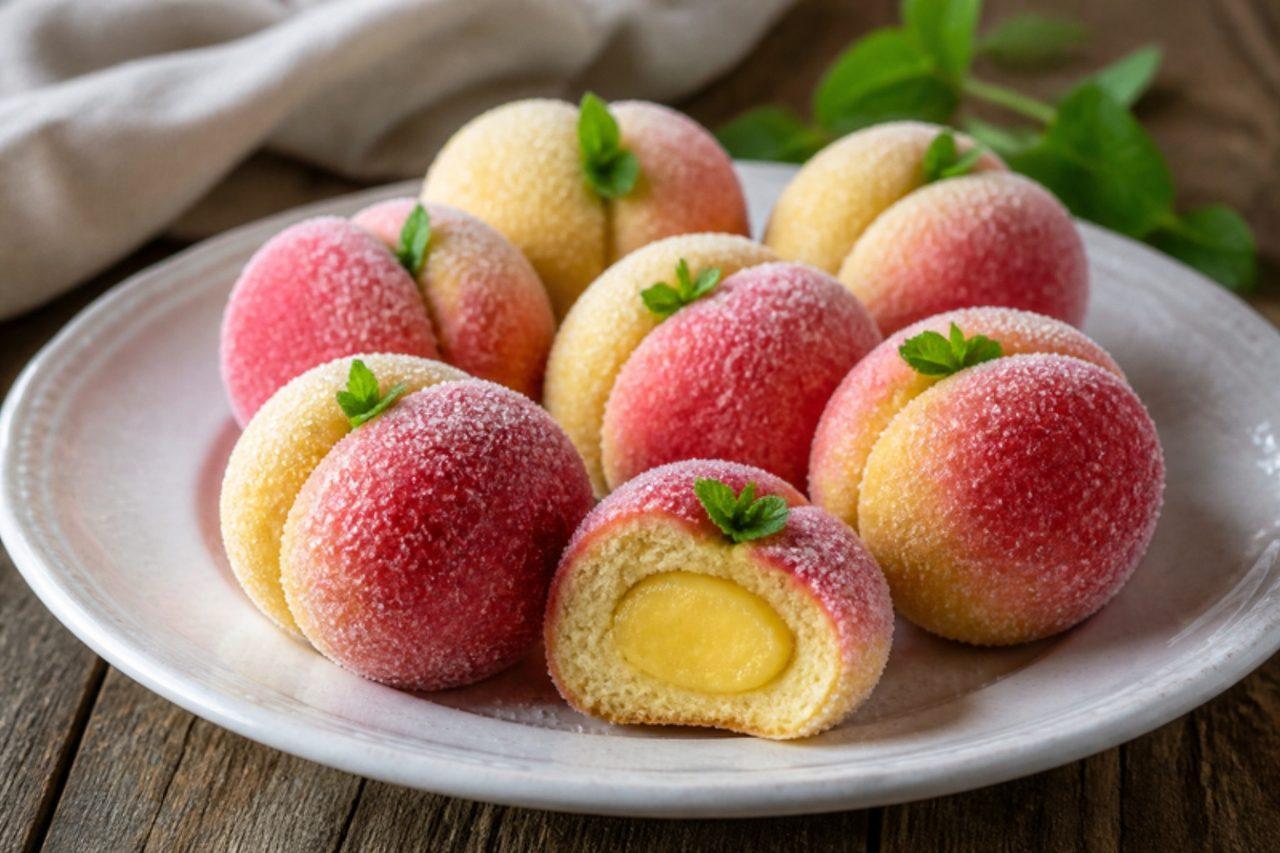
Pesche dolci are the showpiece biscuits of weddings and christenings across central and northern Italy, from Emilia to the Marche and Tuscany: two soft, domed biscuits hollowed out, filled with custard, stuck together, tinted rosy red and yellow and rolled in sugar, finished with a mint leaf so they look just like real peaches. Many families soak them in alchermes, a red liqueur; this version uses fruit syrup and food colouring instead, so it is alcohol free and child friendly. Chef's tip: brush the colour on unevenly, red on one side and pale gold on the other, like a ripe peach; one flat colour looks fake.
Showing 72 of 325 recipes
Show more recipesPage 3 of 14