Skip to content

Vegetarian Japanese recipes

Noodles, rice bowls, tofu and vegetable dishes without meat or fish. (189 recipes)

Horenso no ohitashiSpinach in dashi

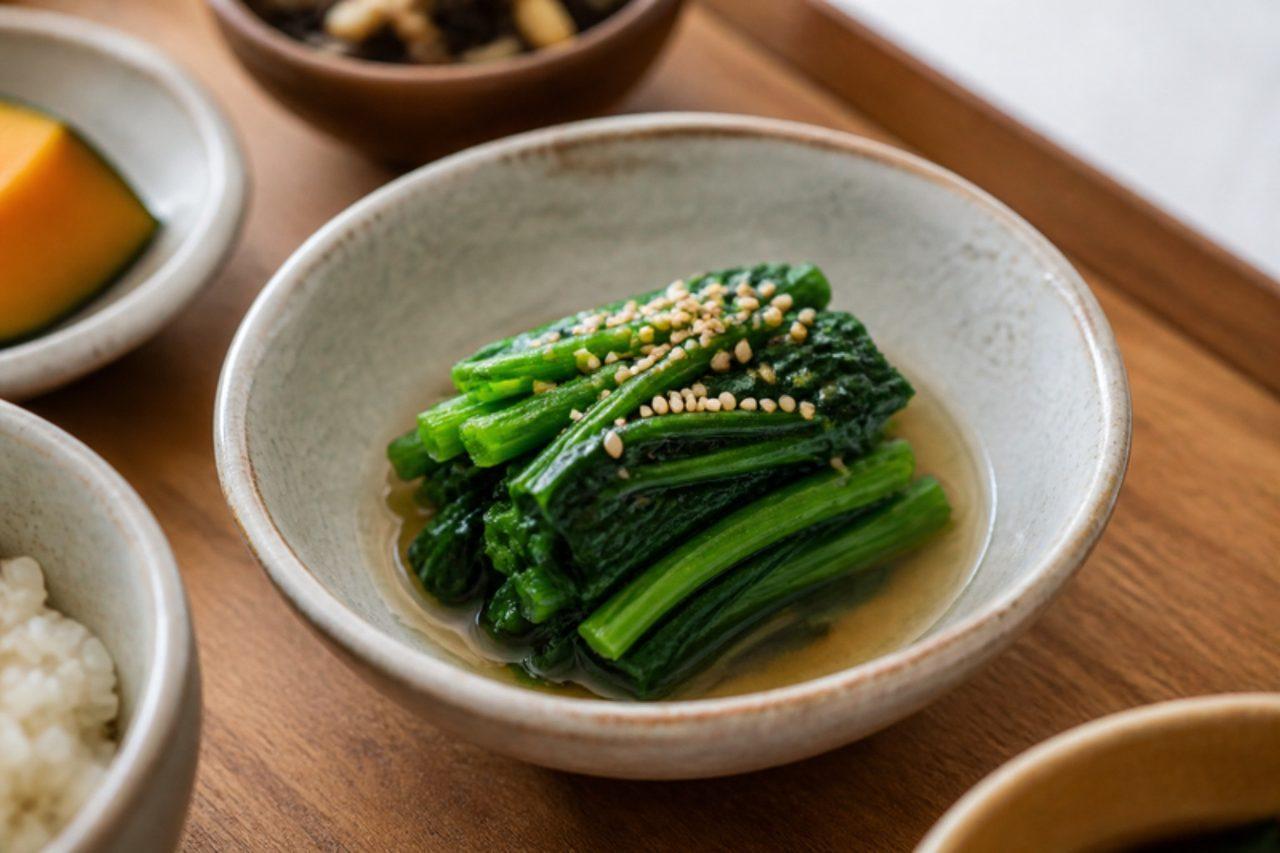
Ohitashi, "the soaked dish", is one of the three small sides of the everyday ichiju-sansai meal, and in Tokyo homes a little mound of spinach steeped in cool seasoned broth turns up beside grilled fish and miso soup most weeks of the year. Usually it is topped with bonito flakes; this vegetarian version uses kombu and shiitake dashi and a sprinkle of toasted sesame instead. It is clean, savoury and barely seasoned, so the sweetness of the spinach comes through. A portion is about 35 kcal. The most common mistake is not squeezing the spinach after blanching, which dilutes the broth into a watery puddle. Chef's tip: blanch the stems for 10 seconds before pushing in the leaves; the stems need longer, and this way the whole bunch is tender at once.

by KrazyBadal 0 views

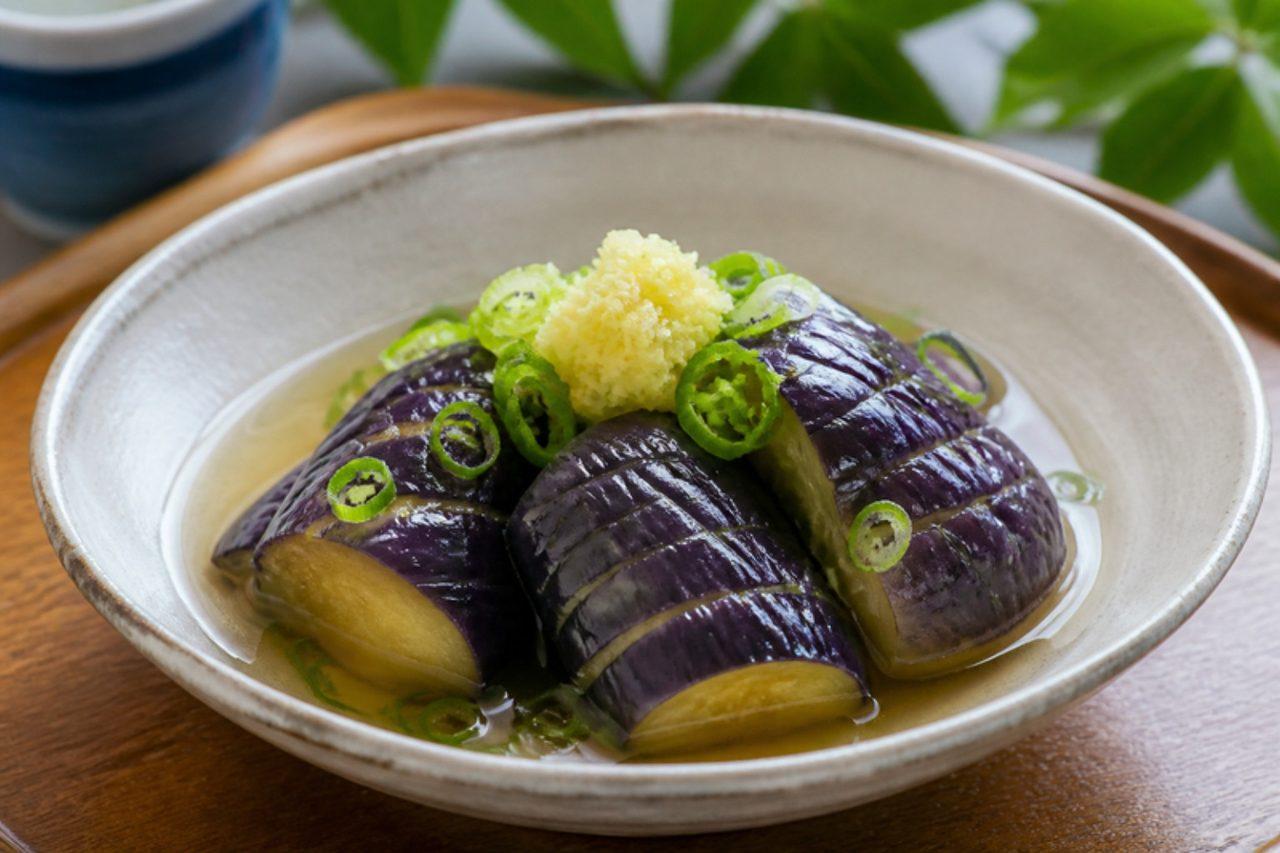
Nasu no nibitashiAubergine in cold dashi

On a sticky summer evening in Osaka or Tokyo, a chilled dish of nibitashi is one of the nicest things to find in the fridge: Japanese eggplant cut into pieces, cooked in a little oil until silky, then left to soak in cold, lightly sweet soy dashi with grated ginger. It is served cool beside rice and grilled fish or tofu. This version uses vegetarian kombu-shiitake dashi. A portion is about 80 kcal. The most common mistake is frying the eggplant in lots of oil; it drinks it all up and turns heavy. Brush it lightly and cook it covered so it steams soft. Chef's tip: score the skin in fine diagonal lines before cooking; the broth soaks in faster and the purple skin stays bright.

by KrazyBadal 0 views

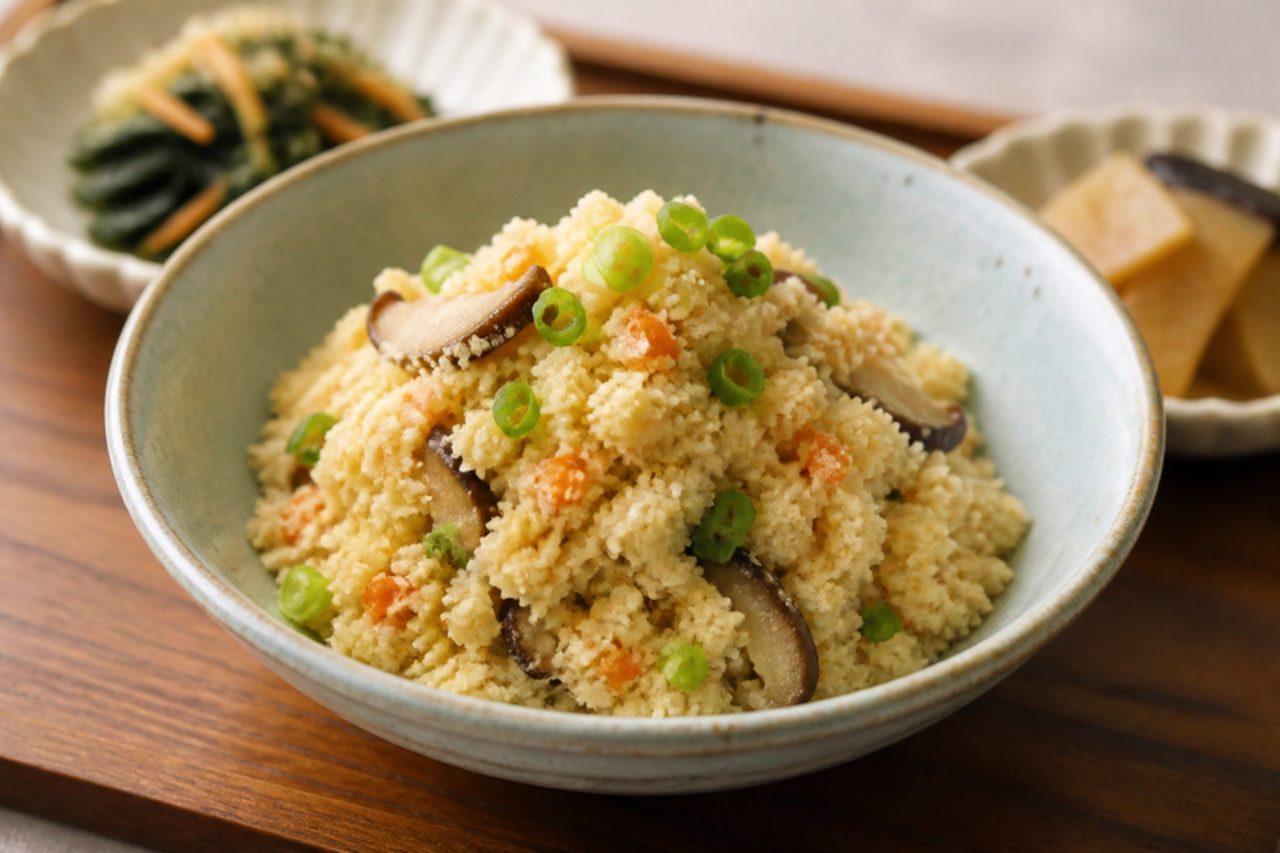
UnohanaSimmered okara with vegetables

Okara, the soft white pulp left after making soy milk and tofu, is sold for pennies in Kyoto tofu shops, and grandmothers turn it into unohana, named after the white deutzia flowers that bloom in early summer: the pulp is simmered with carrot, shiitake, fried tofu, konnyaku and spring onion in sweet soy dashi until moist and fluffy. It is a side dish for rice and a classic of frugal, high-fibre home cooking. Many homes add a little chicken; this version is vegetarian, with kombu-shiitake dashi. A portion is about 140 kcal. The most common mistake is cooking it dry and crumbly; it should be moist enough to hold together when pressed with chopsticks, so don't skimp on the broth. Chef's tip: dry-fry the okara in the pan for a few minutes first; it loses its beany smell and absorbs the seasoning better.

by KrazyBadal 0 views

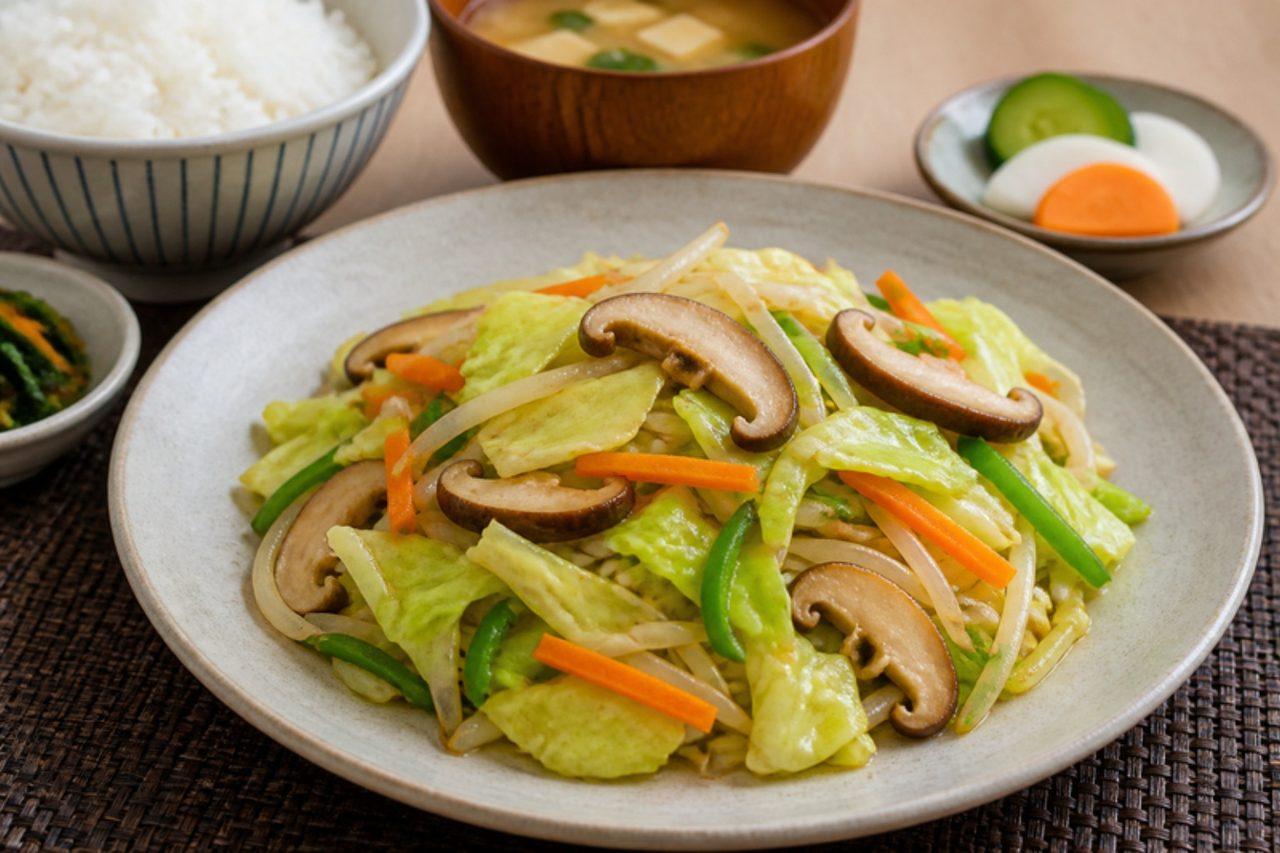
Yasai itameVegetable stir-fry

Yasai itame is the dish on every teishoku menu in Tokyo's cheap lunch counters and the default weeknight vegetable in Japanese homes: cabbage, bean sprouts, carrot, peppers and onion tossed fast over a high flame with salt, pepper and a splash of soy until glossy and still crunchy. Many homes add a few slices of pork; this is the vegetable-only version, with shiitake for savouriness. Eat it with rice and miso soup. A portion is about 110 kcal. The most common mistake is crowding a cool pan, which stews the vegetables in their own water; get the pan very hot and cook in two batches if your pan is small. Chef's tip: add the bean sprouts last and cook them for only 30 seconds; they should still snap.

by KrazyBadal 0 views

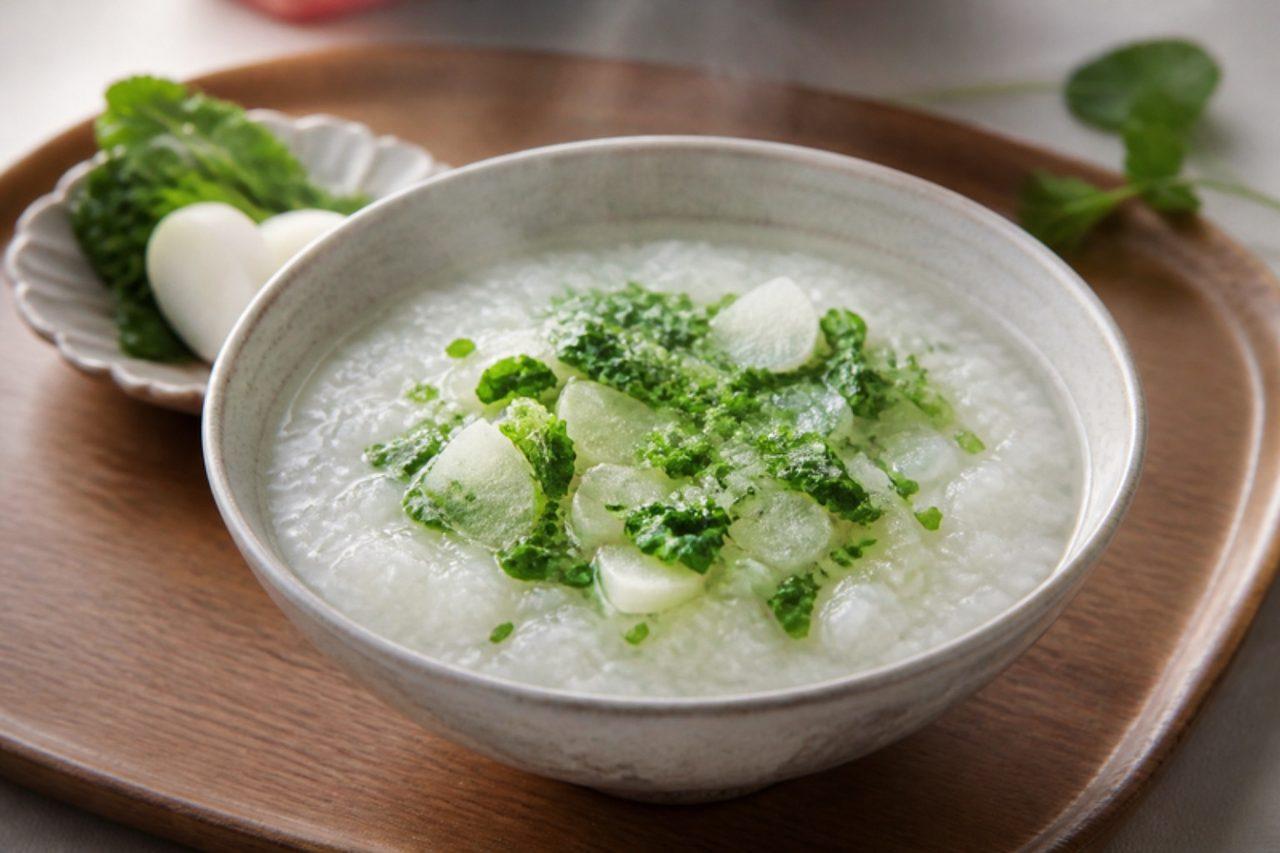
Nanakusa-gayuSeven-herb rice porridge

On the morning of 7 January, after days of rich New Year food, families all over Japan eat a bowl of nanakusa-gayu, rice porridge with seven young spring herbs, to rest the stomach and wish for good health in the year ahead. Supermarkets sell little packs of the seven herbs (seri, nazuna, gogyo, hakobera, hotokenoza, suzuna and suzushiro), but turnip, radish and their tops with watercress and spinach make a good stand-in. The porridge is plain, soft and seasoned only with salt. A portion is about 130 kcal. The most common mistake is adding the greens too early, which turns them grey and bitter; add them in the last minute. Chef's tip: don't stir the rice while it simmers; stirring breaks the grains and makes the porridge sticky instead of soft and clean.

by KrazyBadal 0 views

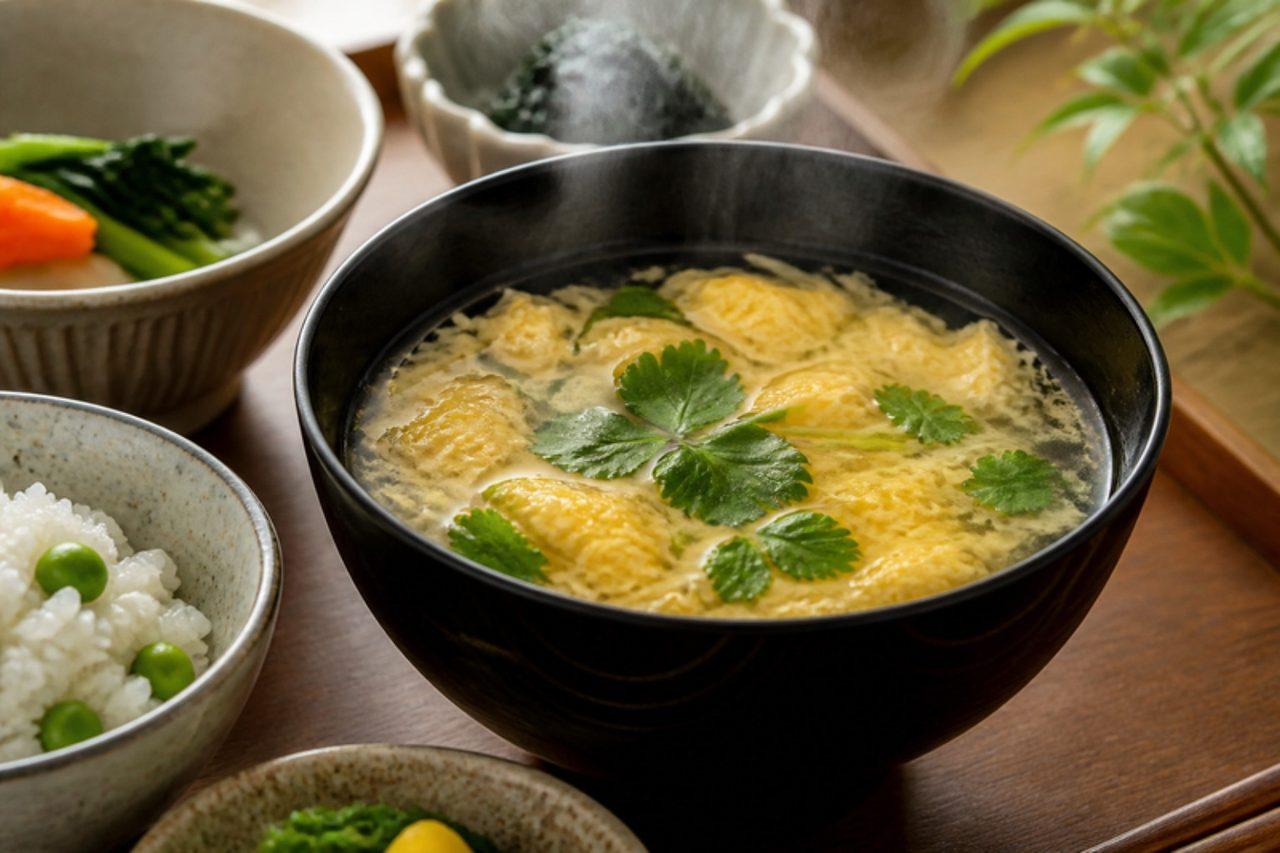
KakitamajiruEgg drop soup

When the miso pot is empty, or someone in a Japanese home is feeling poorly, kakitamajiru is the soup that comes out: a clear, gently seasoned dashi thickened very slightly with potato starch so that a stream of beaten egg sets into soft, floating ribbons. It is served in lacquer bowls alongside rice and a main dish at an ordinary dinner anywhere in Japan. This version uses vegetarian kombu-shiitake dashi. Eggs are an allergen. A bowl is about 55 kcal. The most common mistake is pouring the egg into soup that is not quite boiling, which makes it cloudy; the broth must be bubbling when the egg goes in. Chef's tip: pour the egg through the tines of a fork in a thin stream, moving round the pan; it gives the finest, fluffiest strands.

by KrazyBadal 0 views

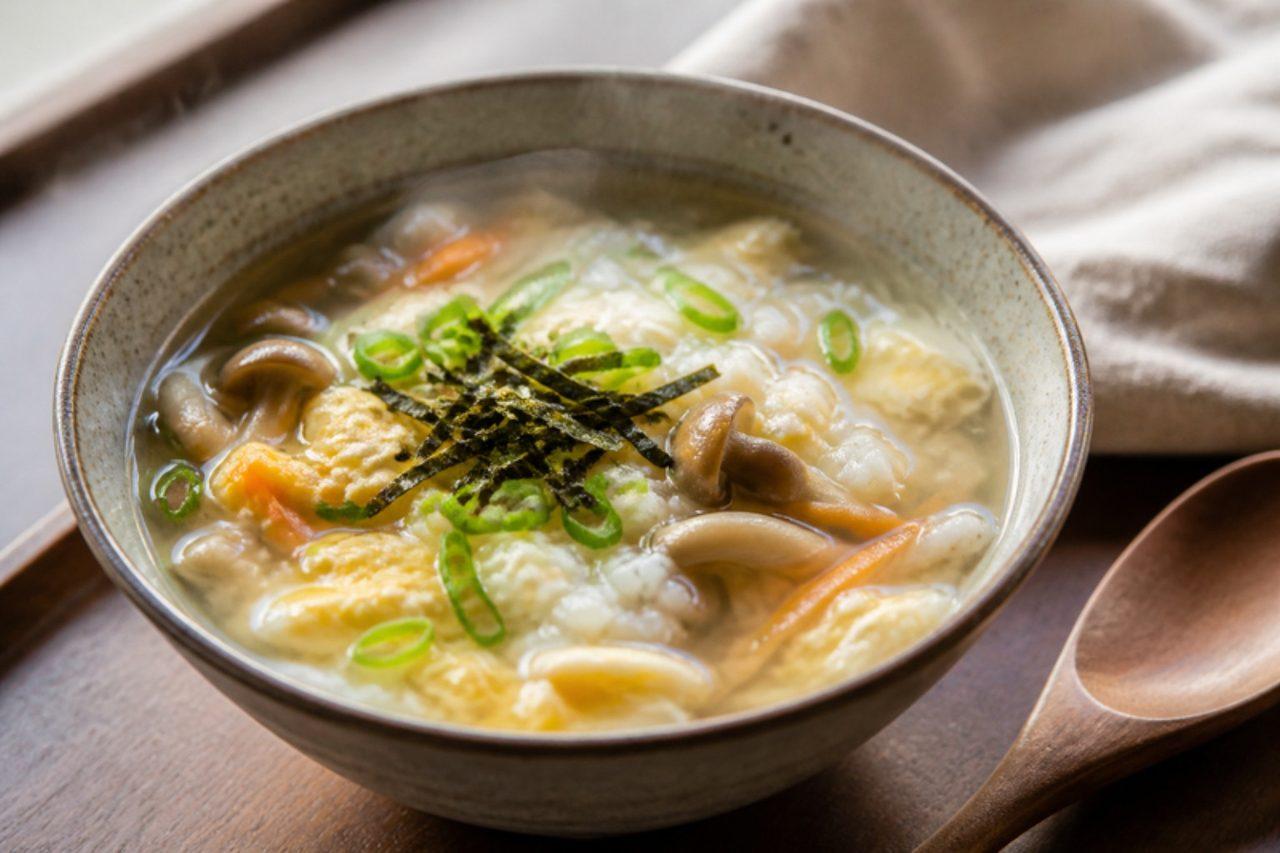
ZosuiRice and vegetable soup

In Japan, zosui is what happens to the last of the hotpot broth: when the nabe is nearly finished, leftover rice goes into the pot with beaten egg, and everyone shares the soft, savoury porridge at the end. It is also the light dish made at home for upset stomachs and cold nights, using any rice from the cooker. This version uses kombu-shiitake dashi, mushrooms and greens. Eggs are an allergen. A portion is about 260 kcal. The common mistake is stirring the rice too much, which turns it gluey like okayu; zosui should be loose, with separate grains in clear broth. Chef's tip: rinse the cooked rice briefly in a sieve before adding it; it washes off surface starch and keeps the broth clear.

by KrazyBadal 0 views

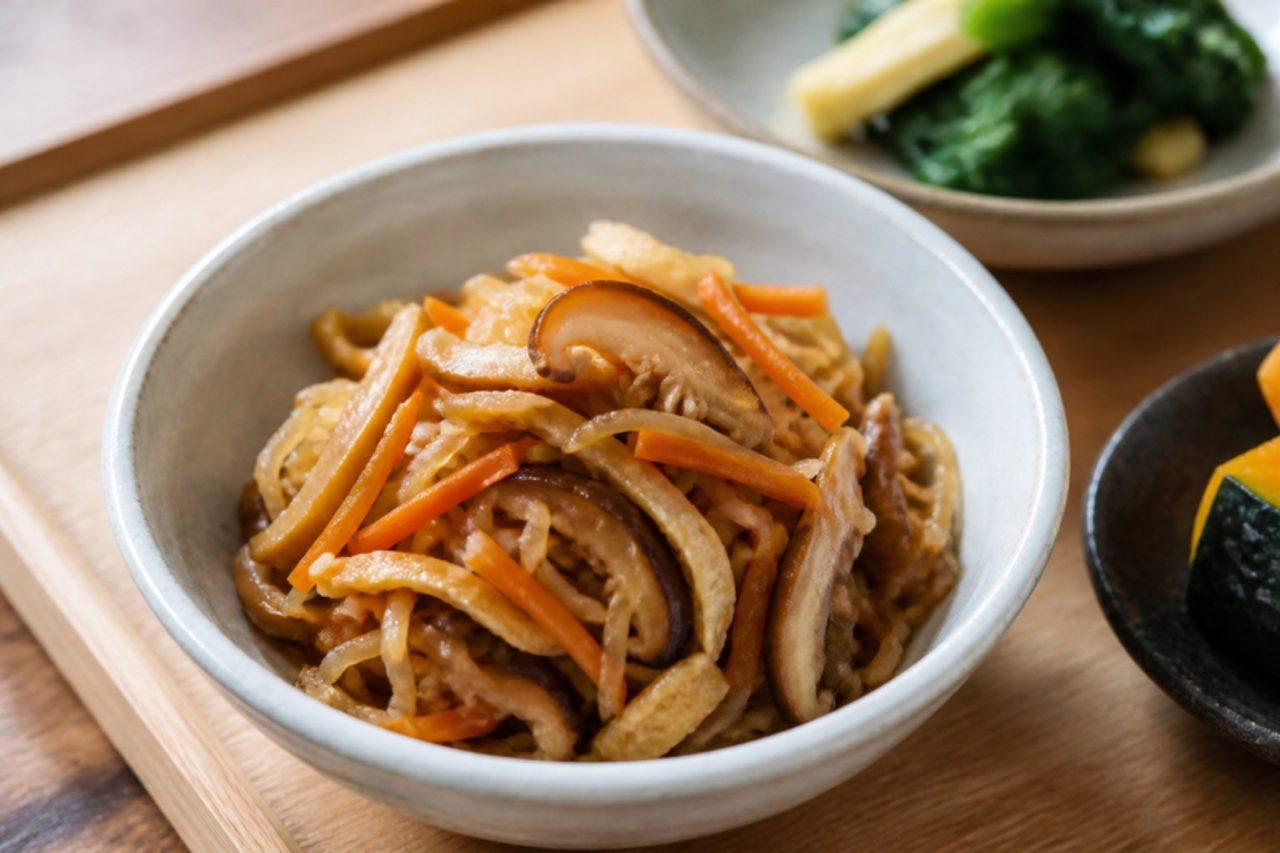
Kiriboshi daikon no nimonoSimmered dried daikon

Kiriboshi daikon, radish cut into thin strips and dried in the winter sun, is a pantry staple in Miyazaki, where most of it is made, and in homes all over Japan; simmered with carrot and thin fried tofu it becomes a brown, sweet-savoury side that fills bento boxes and the small plates of a home dinner. The dried strips have a deeper, sweeter flavour than fresh daikon and a pleasant chew. This vegetarian version uses kombu-shiitake dashi. A portion is about 95 kcal. The common mistake is soaking the dried daikon for too long; 10–15 minutes is enough, or it goes limp and loses its sweetness. Chef's tip: keep the soaking water and use a little of it in the broth; it is full of flavour.

by KrazyBadal 0 views

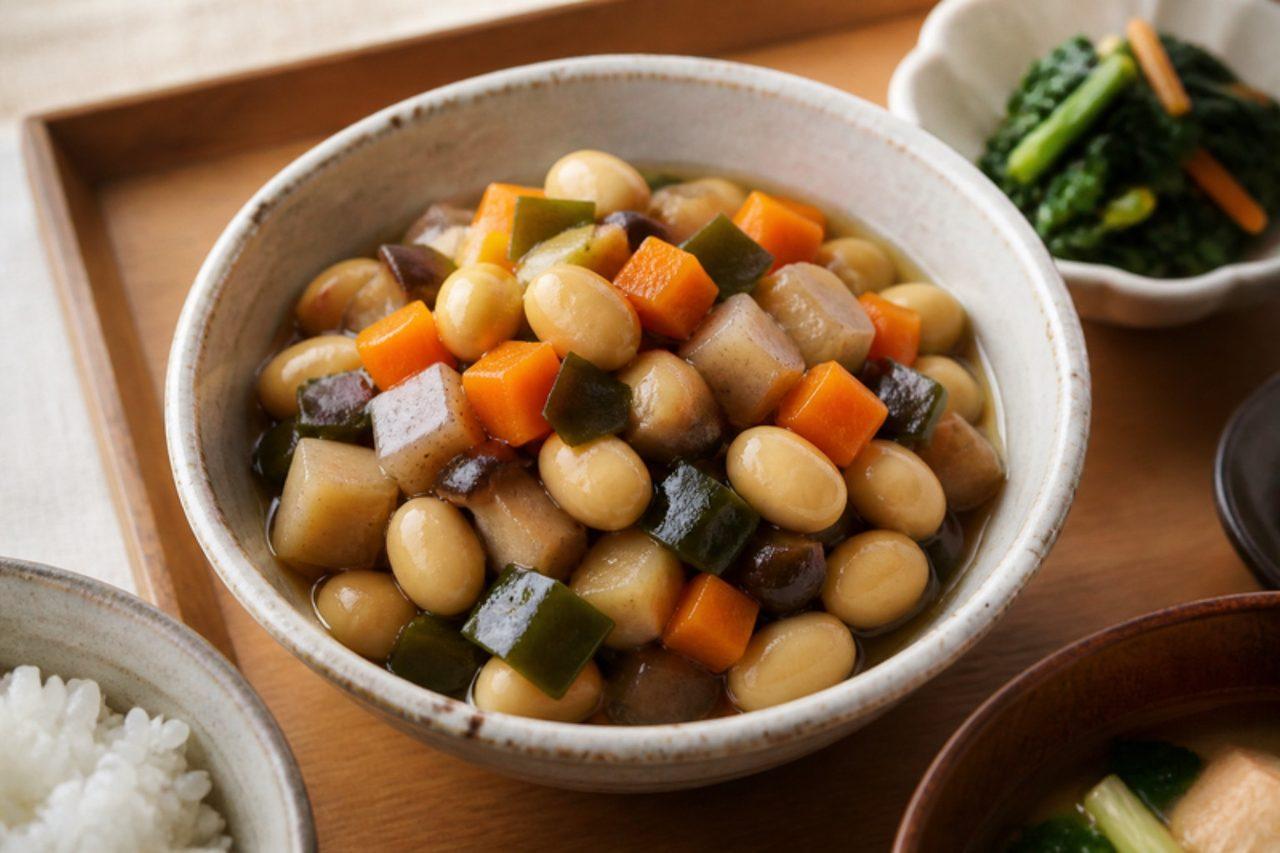
Gomoku mameSimmered mixed beans

Gomoku mame, "five-ingredient beans", is a pot of soybeans simmered with kombu, carrot, burdock, konnyaku and shiitake that grandmothers across Japan make on a Sunday and keep in the fridge for a week of small side dishes and bento, and it is often part of the New Year spread too. Every piece is cut to the size of a bean, so each spoonful has a little of everything, sweet, savoury and full of protein. This is vegetarian, with no bonito. A portion is about 150 kcal. Using cooked soybeans makes it a 45-minute dish; from dried, soak 150 g overnight and boil for 1 hour first. The usual mistake is cutting the vegetables in large chunks; they should be the size of the beans. Chef's tip: let it cool in its broth; the beans soak up the flavour as the temperature drops.

by KrazyBadal 0 views

Tororo gohanMountain yam over barley rice

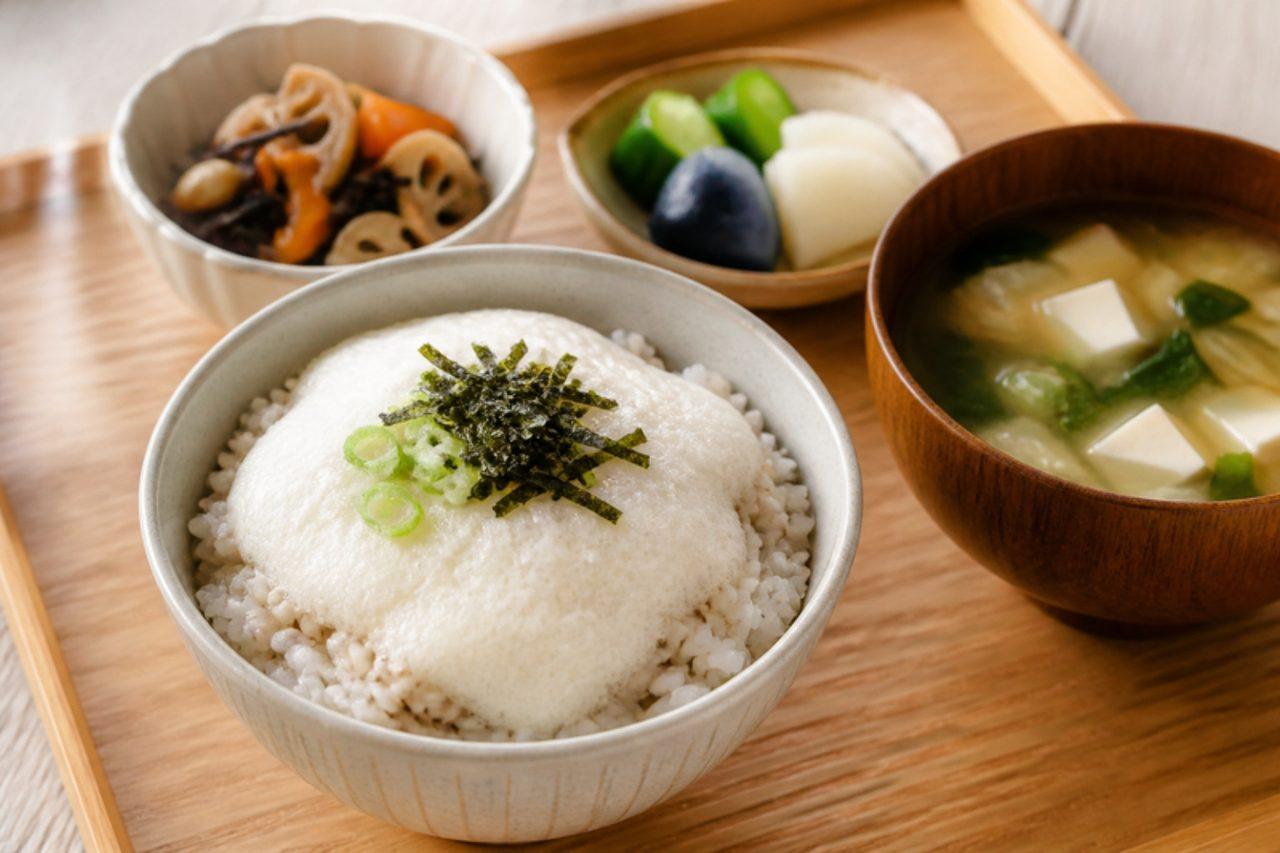
Tororo gohan is the speciality of Mariko-juku in Shizuoka, a post town on the old Tokaido road where travellers have stopped for bowls of it for four centuries, and it is now a simple, nourishing lunch all over Japan. Raw nagaimo (Chinese yam) is grated into a frothy, slippery purée, thinned with cool seasoned dashi and poured over hot barley rice, then topped with spring onion and nori. It sounds strange and tastes clean and comforting. This version uses vegetarian kombu dashi. A portion is about 330 kcal. Many people add a raw egg yolk: use a pasteurised egg if you do, especially for anyone pregnant, very young, older or with a weakened immune system. The common mistake is letting the dashi go in hot, which cooks the yam and loses its fluffiness; it must be cool. Chef's tip: grate the yam on the fine side of a grater, or the rough side of a suribachi bowl, and wear gloves; the raw sap can make skin itch.

by KrazyBadal 0 views

Furofuki daikonSimmered daikon with miso

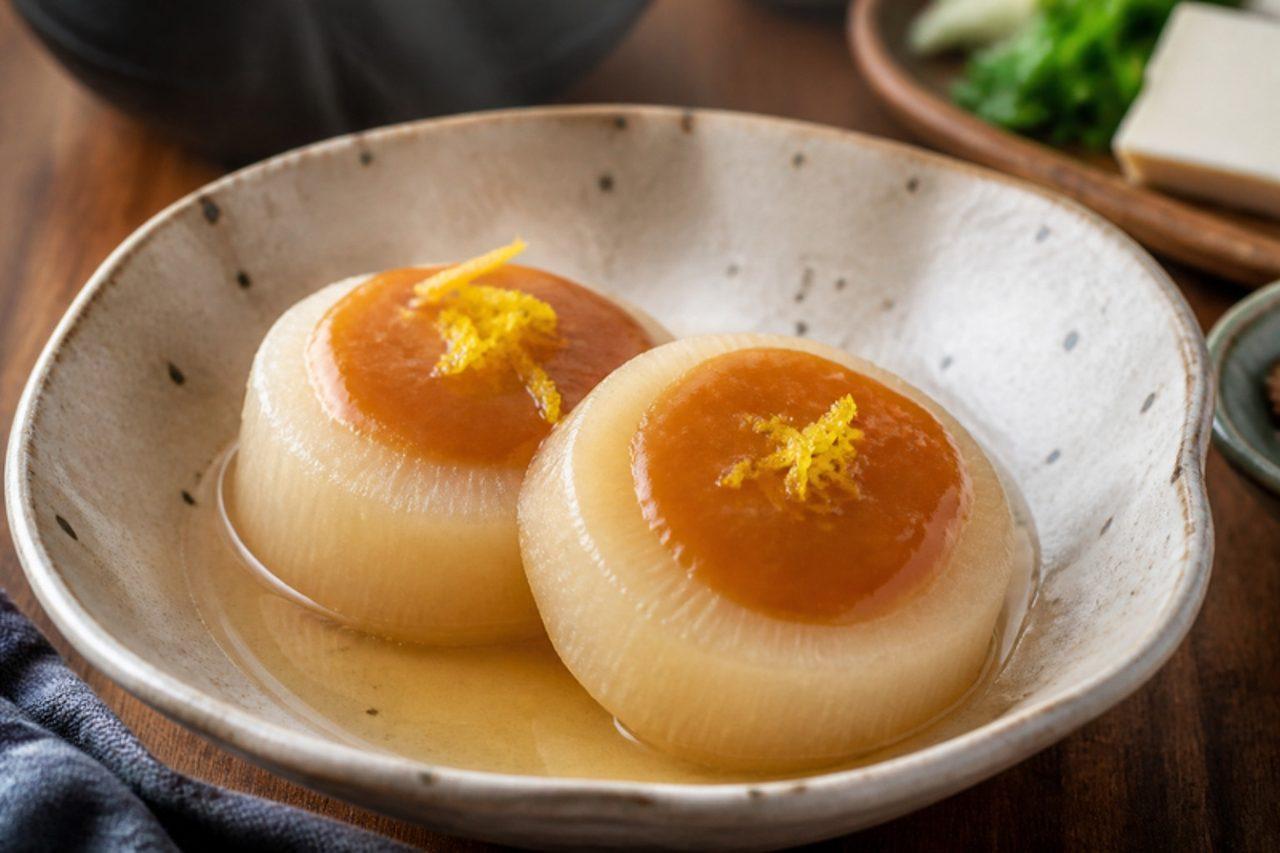
In the cold months, when the daikon in Kyoto and Nerima are fat and juicy, furofuki daikon is the warming dish that steams on the dinner table: thick rounds of radish simmered slowly in kombu broth until they are almost translucent and so tender they break with chopsticks, then topped with a glossy, sweet miso sauce. It is eaten as a light main or a side with rice. A portion is about 120 kcal. The most common mistake is rushing the simmer: the daikon should be cooked through to the centre, with no white, hard core. Chef's tip: bevel the edges of each round with a peeler and score a cross on the base; the rounds keep their shape and the heat reaches the middle.

by KrazyBadal 0 views

Yaki atsuageGrilled thick fried tofu

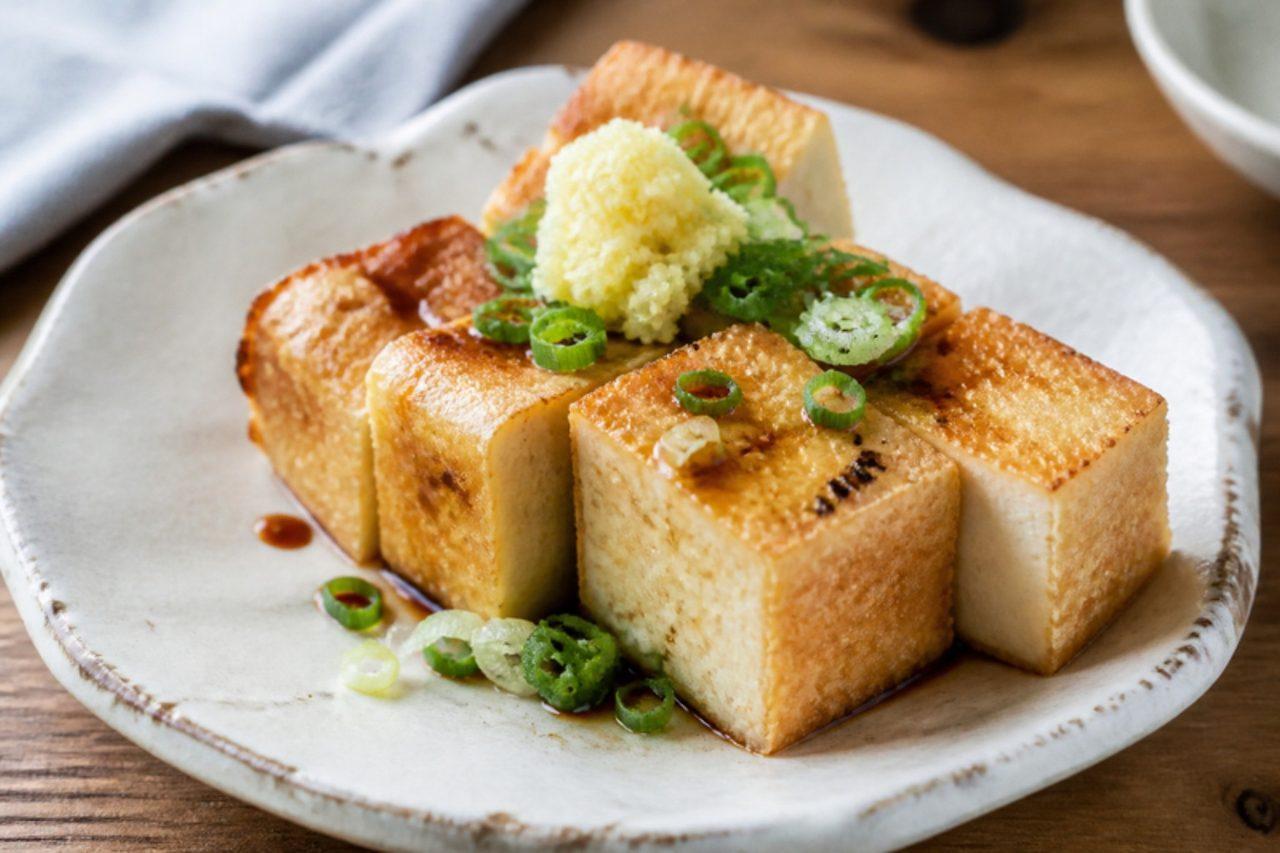
Atsuage, thick blocks of tofu deep-fried on the outside and soft and white within, sit in every supermarket chiller in Japan, and grilling them until crisp is one of the fastest dinners there is: an izakaya favourite in Tokyo and an easy dish at home when there is nothing else in. The block is grilled until the skin crackles, cut into cubes and topped with grated ginger, spring onion and a few drops of soy. A portion is about 190 kcal. The common mistake is grilling it in oil; atsuage is already fried, so a dry pan is all it needs. Chef's tip: pour boiling water over the block and pat it dry before grilling; it removes stale oil and the skin crisps up much better.

by KrazyBadal 0 views

GanmodokiTofu and vegetable fritters

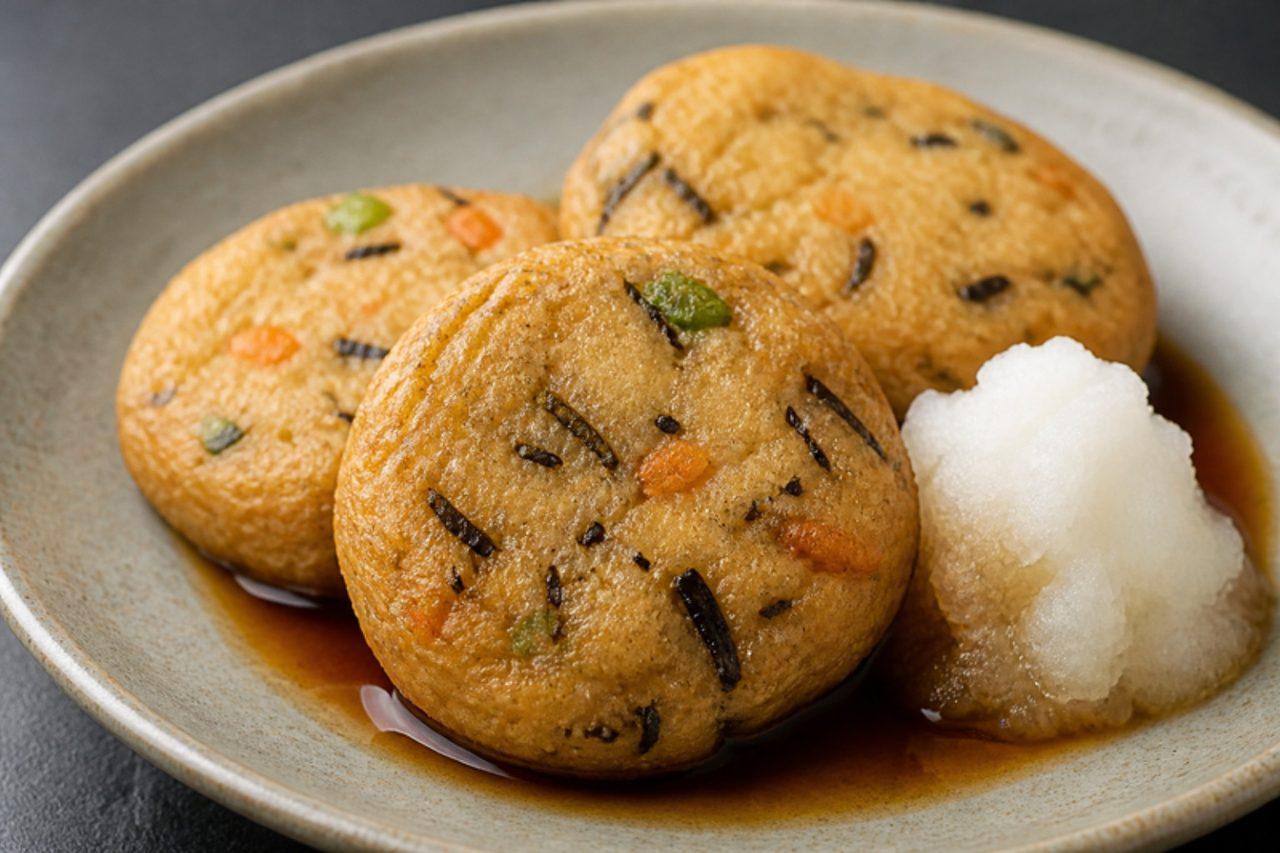
The name means 'mock goose', a hint that these fritters were invented by Buddhist monks who wanted something rich and satisfying without meat; in Kyoto they are called hiryōzu. Firm tofu is pressed, mashed with grated yam, carrot, hijiki and sesame, then fried into golden discs that are crisp outside and soft and springy within. Eat them hot with ginger and soy, or simmer them in oden or sweet dashi on cold days. The common mistake is not pressing the tofu enough; wet tofu makes fritters that split and spit in the oil. Chef's tip: a little grated Japanese mountain yam (nagaimo) binds the mix without egg and makes it fluffier; potato starch alone gives a denser fritter.

by KrazyBadal 0 views

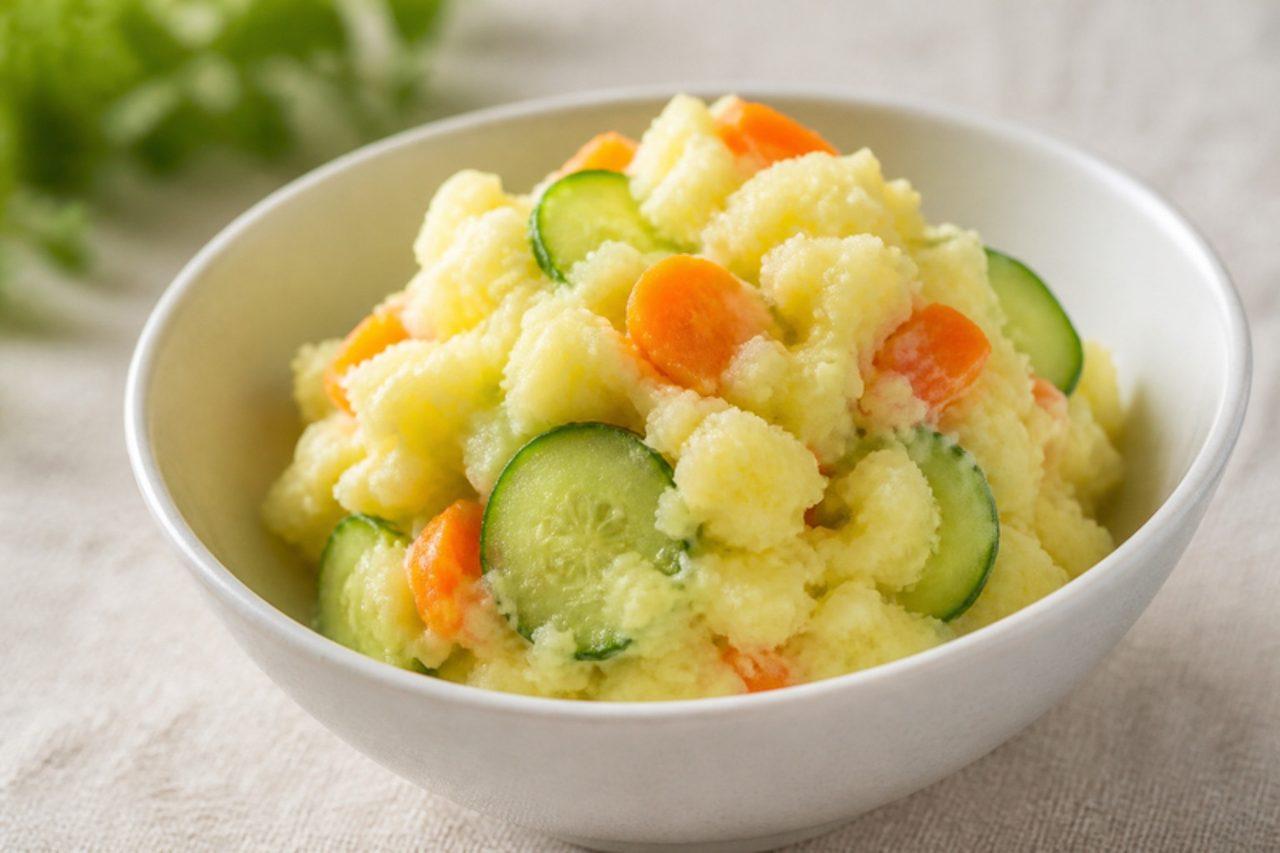
Japanese potato salad

Every konbini, school lunch tray and izakaya menu in Japan seems to have its own potato salad, a Western-born dish the Japanese have made entirely theirs. The potatoes are half-mashed so the salad is creamy with chunks, then folded with salted cucumber, carrot, onion and a rich, slightly tangy Japanese-style mayonnaise; it is often served as a side to tonkatsu or packed in a bento. Japanese mayonnaise is made with egg yolk, so this contains egg. The common mistake is mixing in the mayonnaise while the potatoes are hot, which makes it oily and gluey; season with vinegar while hot, then cool before the mayo goes in. Chef's tip: salt the cucumber and onion and squeeze them hard, so they stay crisp and don't water down the salad.

by KrazyBadal 0 views

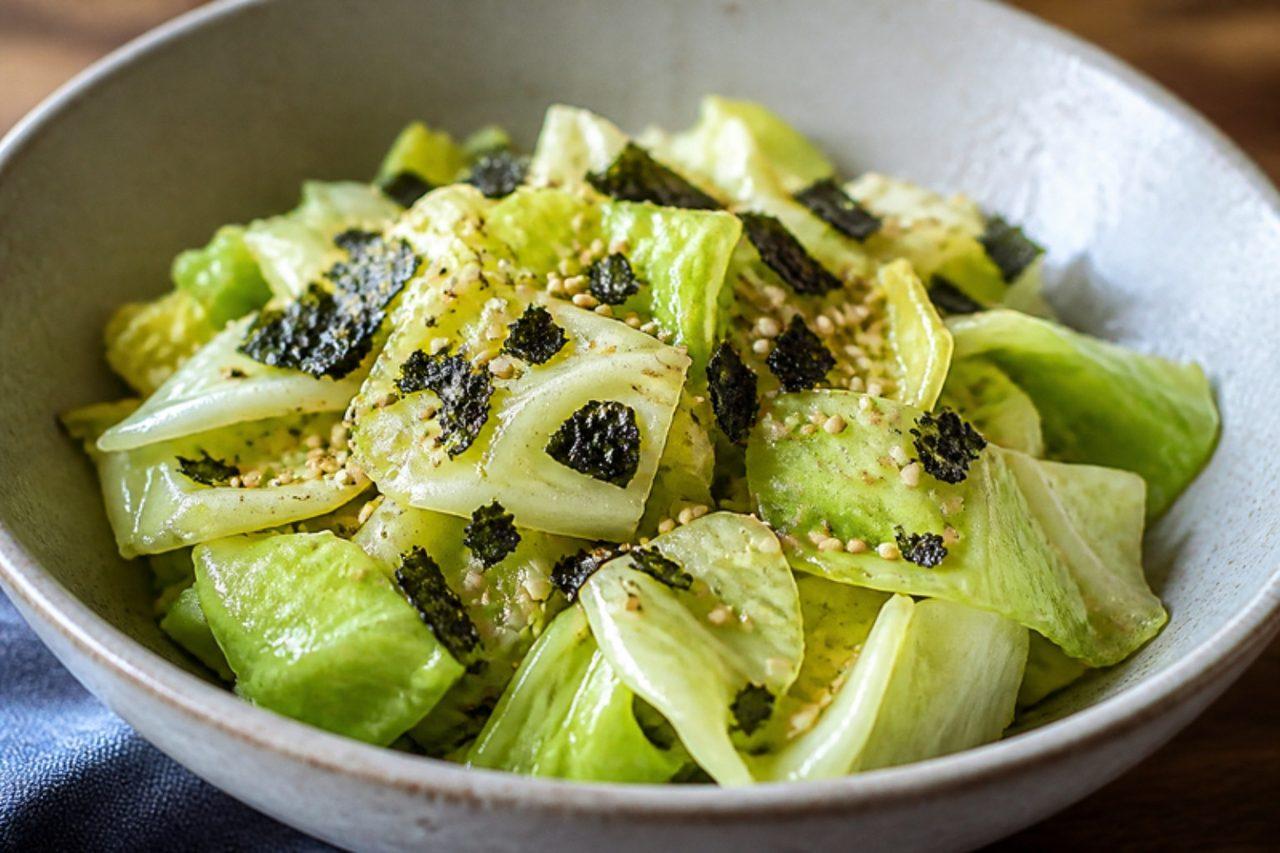
Yamitsuki cabbageSesame cabbage salad

Yamitsuki means 'addictive', and this bowl of raw cabbage is what many Tokyo yakitori bars put down free the moment you sit, to nibble while the grill heats up. The leaves are torn rather than cut, tossed with sesame oil, garlic, salt and a little stock powder or soy, and finished with crumbled nori and sesame: crunchy, salty and hard to stop eating. The common mistake is dressing it too early; after ten minutes the salt draws out water and it goes limp. Chef's tip: tear the cabbage with your hands into bite-size pieces, because the ragged edges hold far more dressing than a knife-cut slice.

by KrazyBadal 0 views

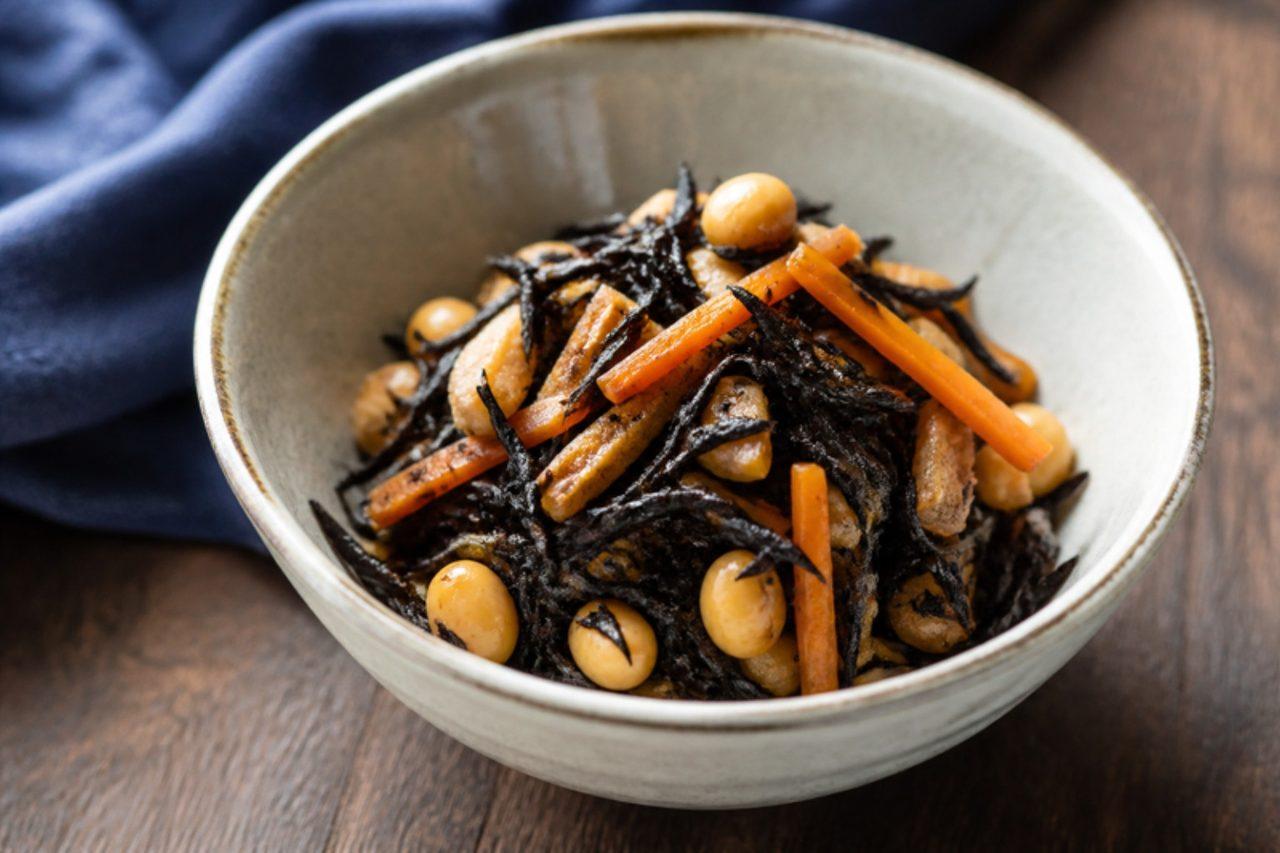
Hijiki no nimonoSimmered hijiki seaweed

This is the quiet, dark heap of seaweed that turns up next to rice in set lunches all over Japan, and it is a staple of home bento boxes because it tastes just as good cold. Tiny black hijiki strands are simmered with carrot, thin fried tofu (aburaage) and soybeans in a sweet soy broth until the liquid is nearly gone. It is savoury, faintly of the sea and rich in fibre. Mirin contains alcohol; the note gives an alcohol-free swap, and this version uses fish-free kombu–shiitake dashi. A common mistake is skipping the rinse after soaking: dried hijiki carries sand, so swish it in fresh water twice. Because hijiki can hold inorganic arsenic, soak it well, discard the soaking water and eat it as a small side rather than daily in large amounts. Chef's tip: pour boiling water over the aburaage first to remove excess frying oil, so it soaks up the broth.

by KrazyBadal 0 views

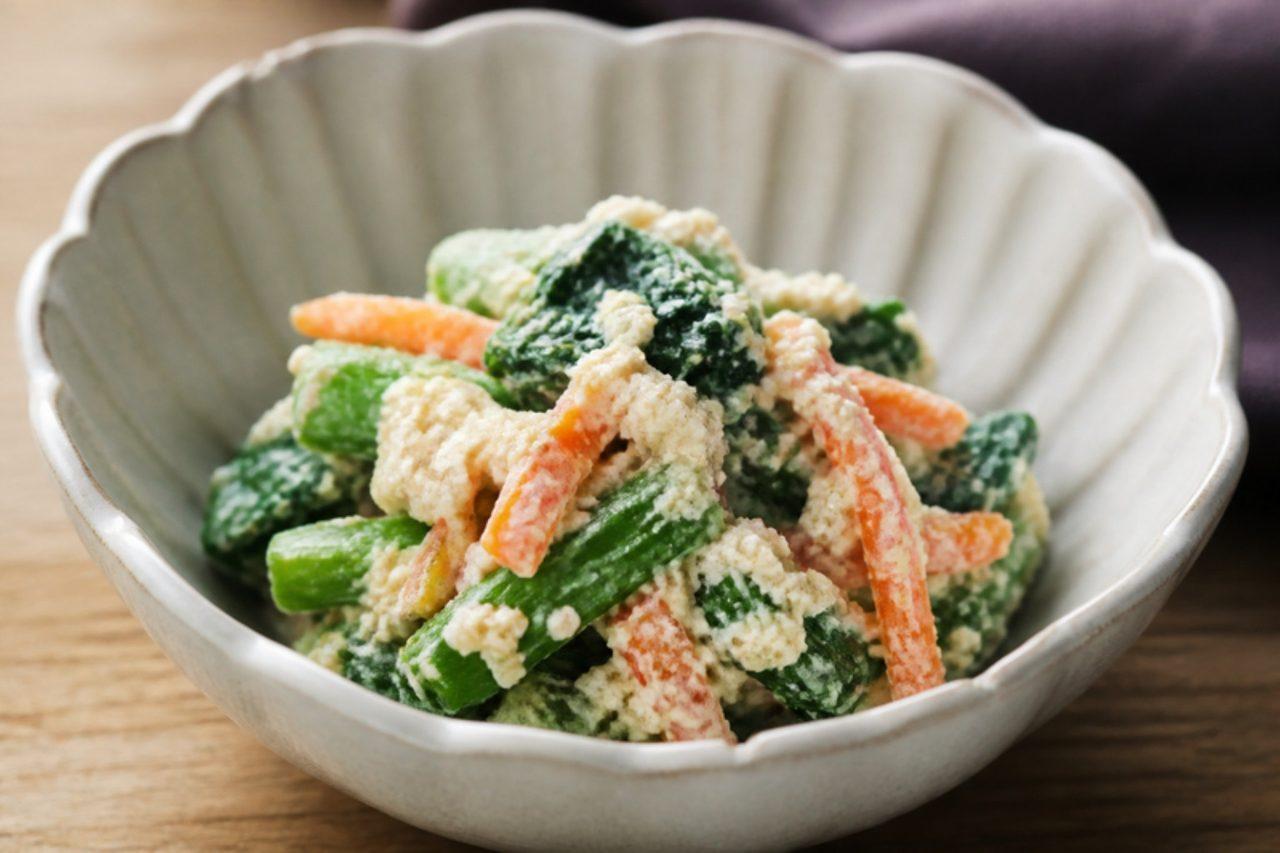
ShiraaeVegetables in tofu dressing

Shiraae, 'white dressing', is one of the oldest dishes of Japanese temple cooking and still a gentle home side today, especially in the Kyoto area: blanched spinach, carrot and konnyaku folded into a creamy paste of tofu, ground sesame and a touch of white miso. It tastes mild, nutty and lightly sweet, rather like a Japanese answer to a dip-dressed salad. The common mistake is leaving the vegetables wet, which turns the dressing grey and runny; squeeze them well and dress just before serving. Chef's tip: for the silkiest dressing, grind the toasted sesame in a suribachi (or mortar) until it starts to turn oily, then mash the tofu straight into it.

by KrazyBadal 0 views

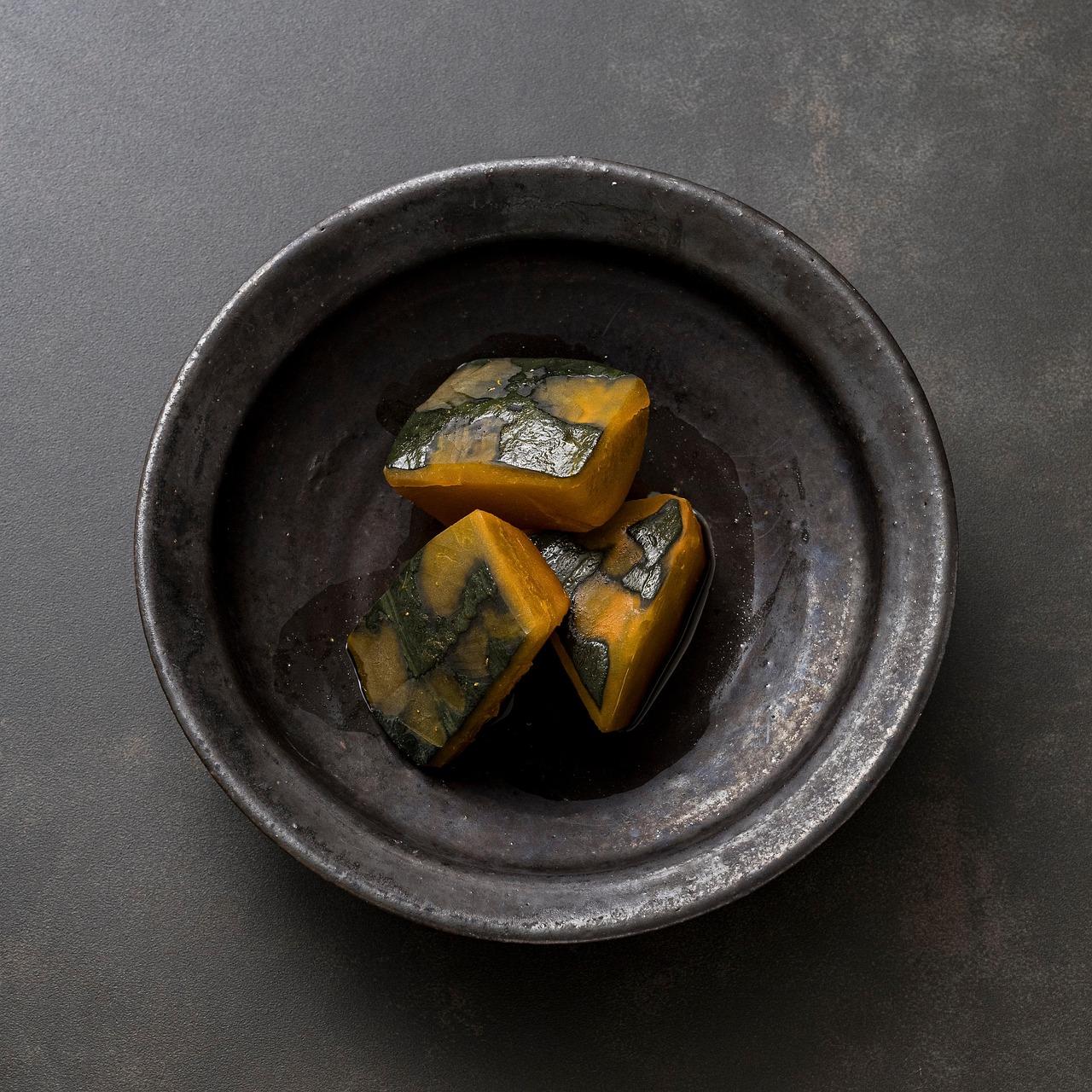
Kabocha no nimonoSimmered Japanese pumpkin

In Japanese homes kabocha nimono is autumn and winter comfort, and it is traditionally eaten on the winter solstice (tōji) for good health; the wedges also travel well in a lunchbox. The dense, chestnut-sweet pumpkin is simmered skin-side down in a little dashi with sugar, mirin and soy until a skewer slides in, and the flesh turns fluffy while the dark green skin holds the shape. This version uses kombu–shiitake dashi so it is fully vegan; mirin contains alcohol and the note gives a swap. The usual mistake is stirring: it breaks the pumpkin into mash, so just shake the pan. Chef's tip: trim the sharp edges of each wedge (mentori) with a peeler so they don't crumble into the broth.

by KrazyBadal 0 views

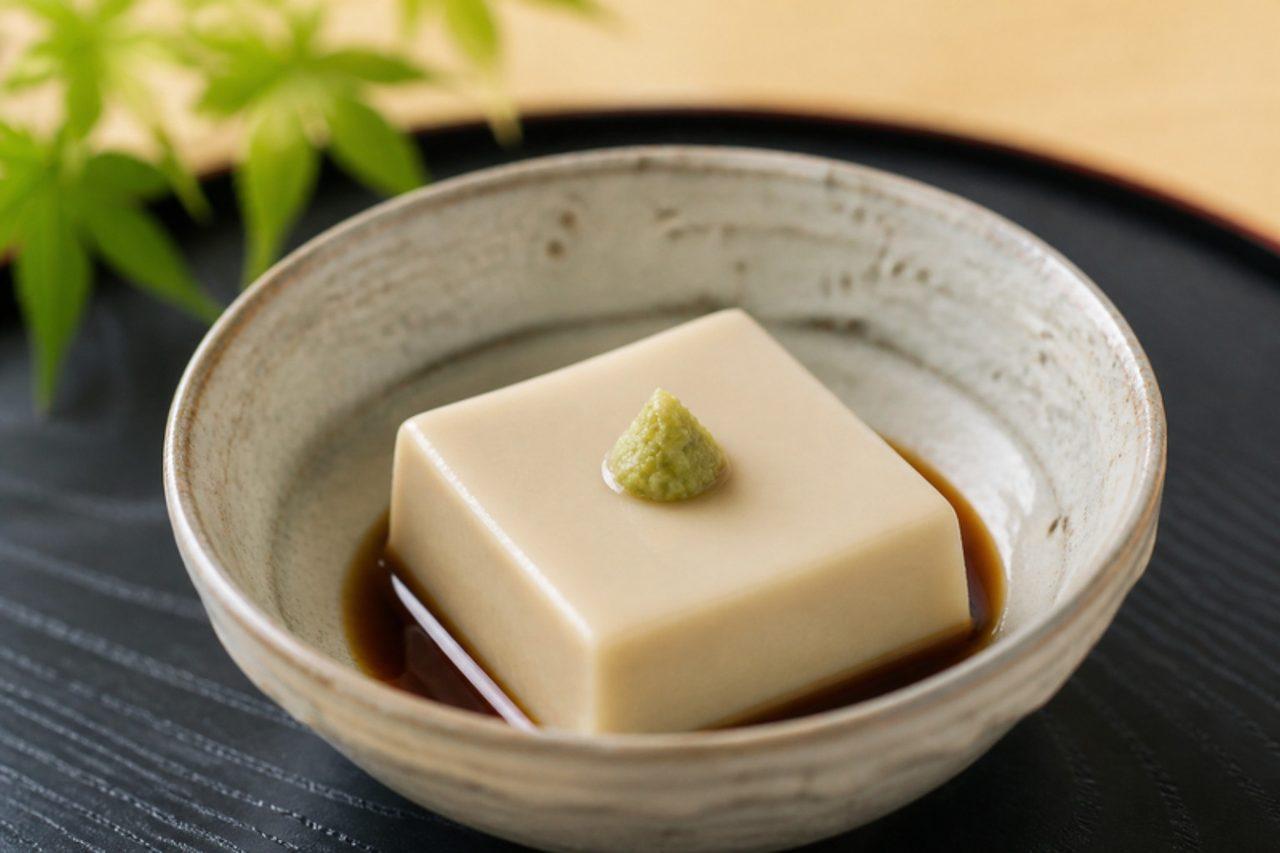
Goma dofuSesame tofu

Despite its name, goma dofu contains no soybeans: it is a pale, wobbly block of ground sesame and water, set with kudzu starch, and it is the signature dish of the temple lodgings on Mount Kōya in Wakayama, served at breakfast and at the start of shojin ryori meals. It has a bouncy, almost mochi-like texture and a deep, toasty sesame flavour, eaten with a dab of wasabi and soy. The common mistake is stopping the stirring too soon: it must be beaten hard over the heat for a full 15 minutes, or it sets soft and pasty instead of springy. Chef's tip: use pure white sesame paste (neri goma) rather than tahini if you can; it is more roasted and gives a richer, creamier flavour.

by KrazyBadal 0 views

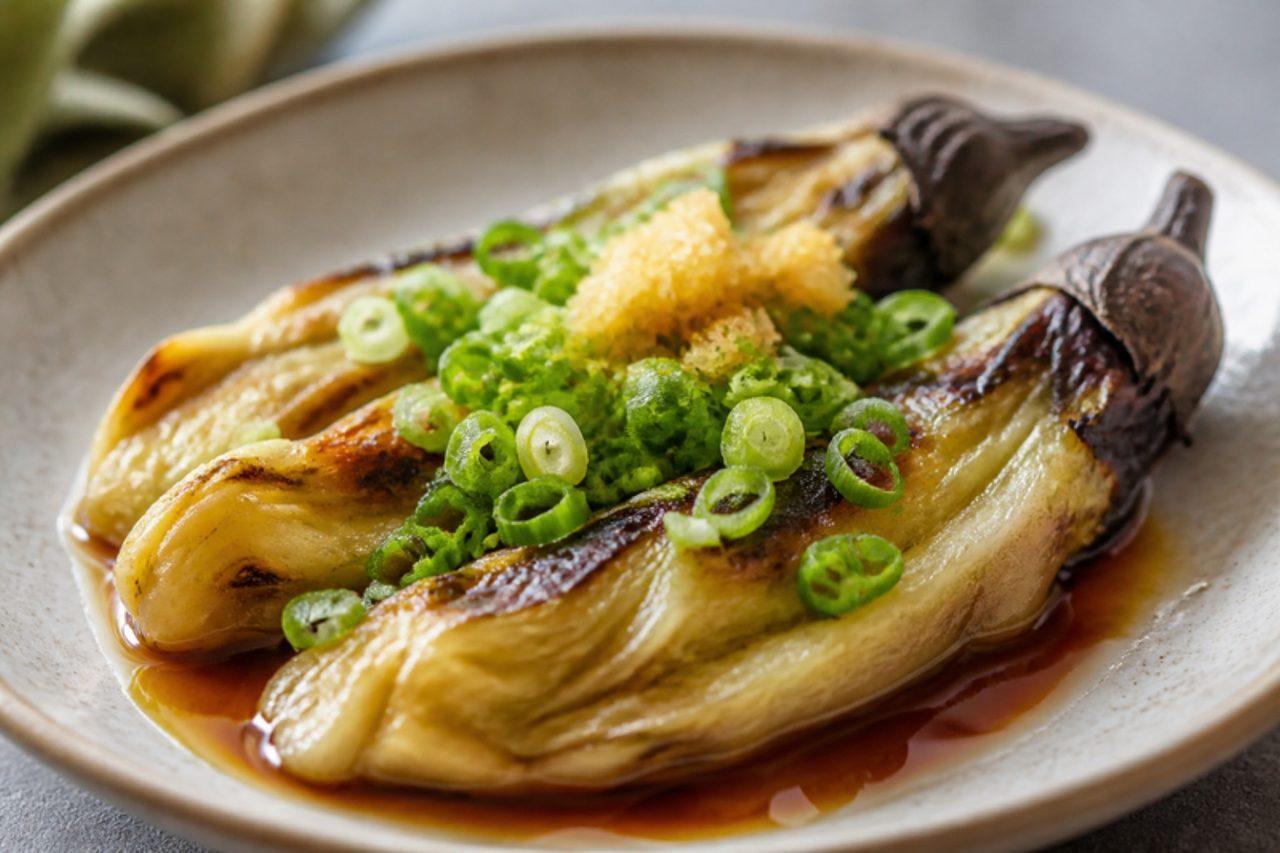
Yaki nasuGrilled aubergine

Summer evenings in Japanese homes and izakaya often bring a plate of yaki nasu: whole aubergines blackened over a flame until the skin is burnt and the inside collapses into smoky, silky strands. Peeled while hot, they are served chilled or warm with grated ginger, soy and spring onion. The classic topping is bonito flakes; this vegetarian version uses toasted sesame and a kombu–shiitake dashi in the dressing instead. The common mistake is pulling the aubergine off the flame too early, leaving a firm, bitter centre; it should feel completely floppy. Chef's tip: plunge the charred aubergines into iced water for a few seconds only, which makes them easy to peel without washing away the smoky flavour.

by KrazyBadal 0 views

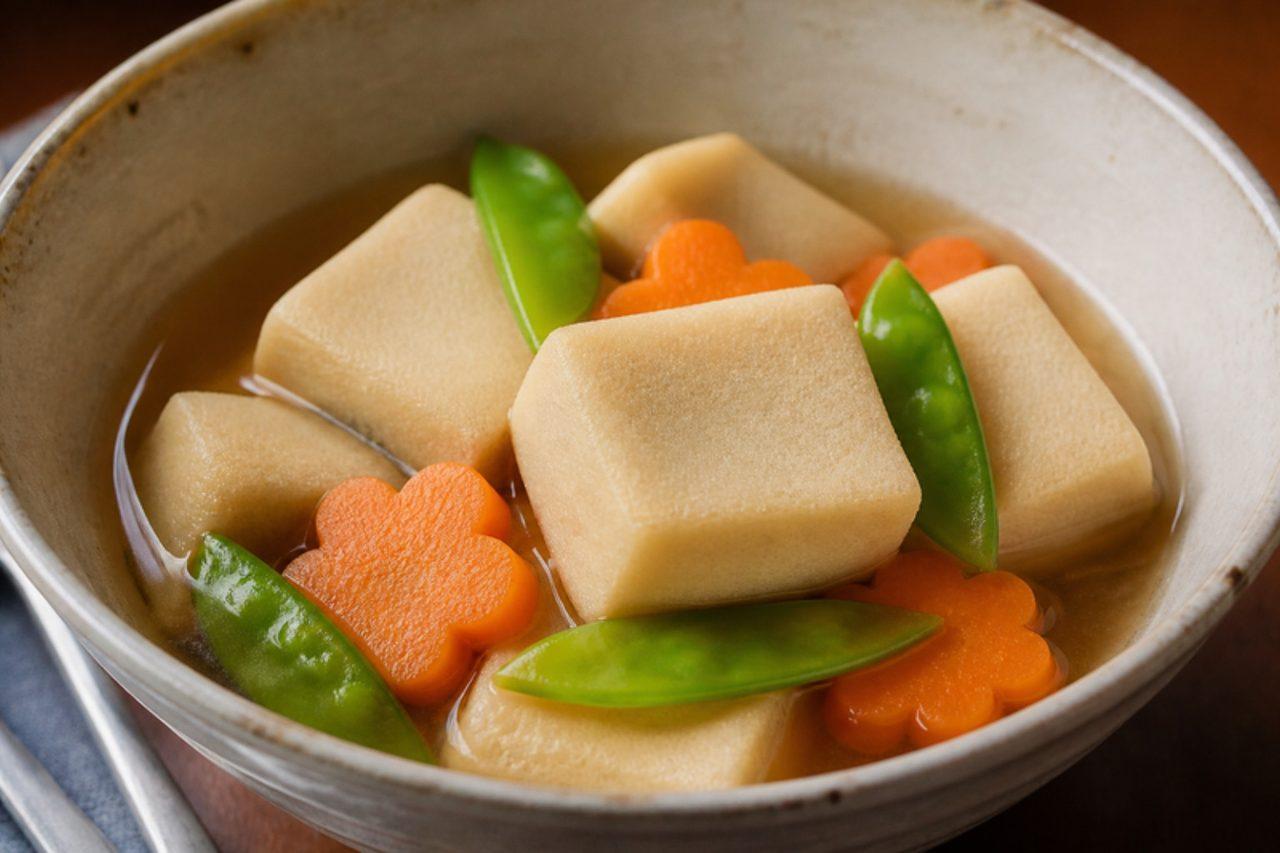
Koya dofu no nimonoSimmered freeze-dried tofu

Kōya-dōfu takes its name from Mount Kōya, where monks discovered that tofu left out in the winter frost dried into light, spongy blocks that would keep for months. Rehydrated and simmered in sweet dashi, it soaks up broth like a sponge, so every bite releases a mouthful of savoury-sweet liquid. It is a regular in bento boxes, osechi and temple meals across Japan. Mirin contains alcohol but simmers away; see the note for an alcohol-free swap. The common mistake is boiling it hard, which makes it crumble; keep the pan at a lazy simmer. Chef's tip: after soaking, press each block between your palms in fresh water until the water runs clear, or it tastes faintly of the packet.

by KrazyBadal 0 views

Nasu dengakuMiso-glazed aubergine

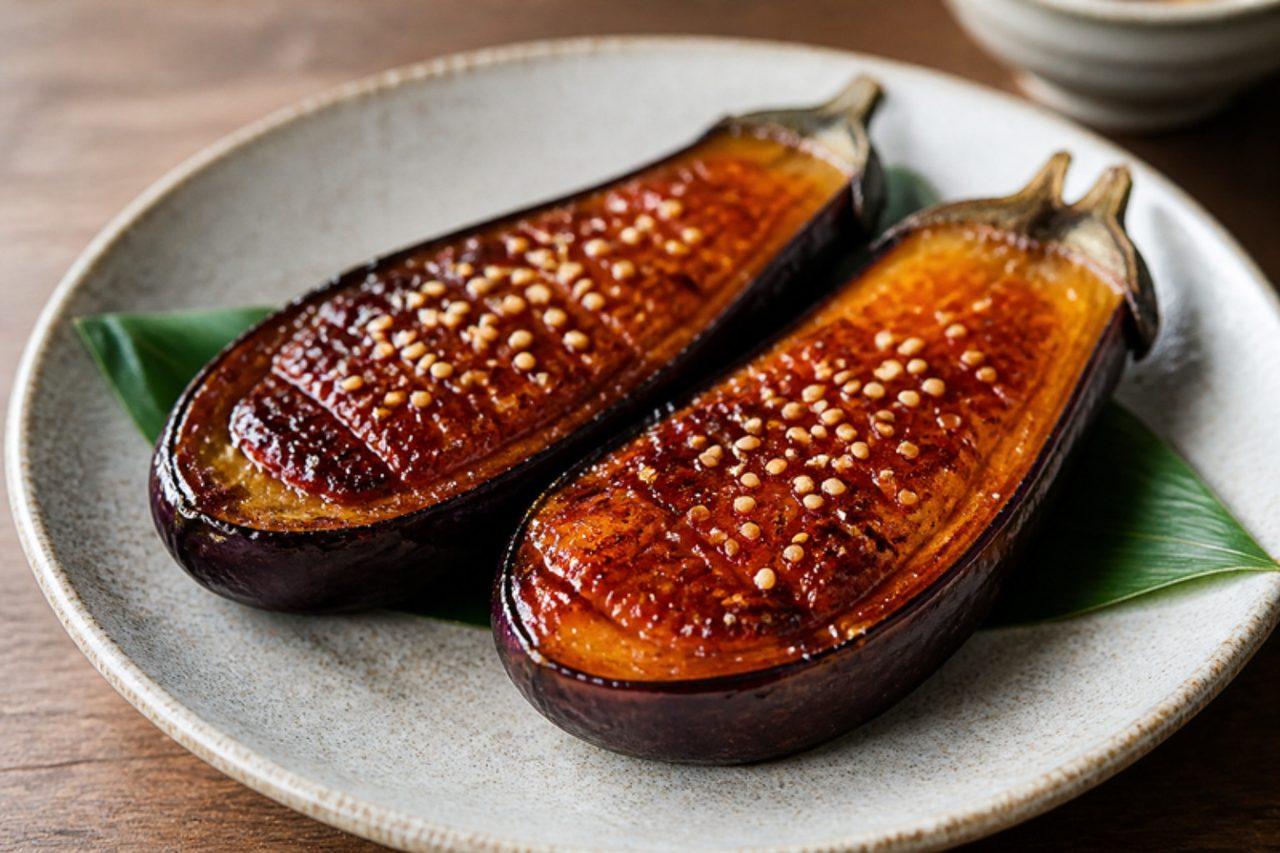
Dengaku began in Kyoto as tofu on skewers brushed with miso and grilled at temple festivals; today the aubergine version is a favourite izakaya plate across Japan, best in late summer when Japanese aubergines are at their sweetest. The halves are scored, cooked until the flesh is custard-soft, then spread with a glossy sweet miso and grilled until it bubbles and blisters. The mirin and sake contain alcohol but simmer away in the glaze; the notes give alcohol-free swaps. The usual mistake is grilling the miso before the aubergine is fully soft: it burns while the inside stays spongy. Chef's tip: score the cut side in a deep criss-cross, almost to the skin, so the heat and the glaze both get right in.

by KrazyBadal 0 views

Kinpira goboBurdock and carrot stir-fry

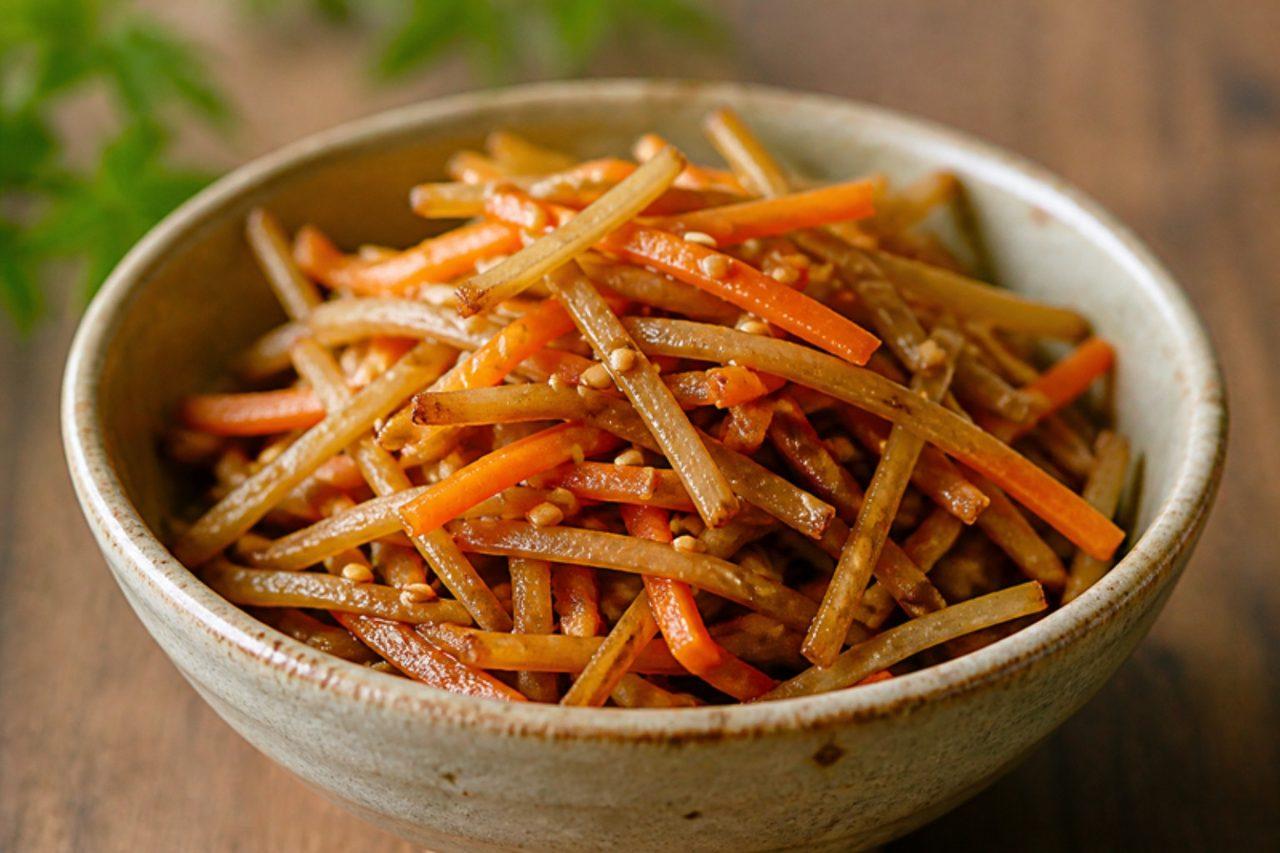
Open almost any home-packed bento in Tokyo or Osaka and there is a small heap of kinpira tucked into a corner: burdock root and carrot cut into matchsticks, fried in sesame oil, then cooked down with soy, mirin and a little chilli until glossy and almost dry. It is earthy, sweet-salty and crunchy, and it keeps for four days in the fridge, which is exactly why mothers make a big pan on Sunday. The mirin and sake both contain alcohol; the ingredient notes give alcohol-free swaps. The most common mistake is soaking the cut burdock for too long, which washes away its flavour; five minutes in water is plenty. Chef's tip: leave a little skin on the burdock by scrubbing with the back of a knife rather than peeling, because most of the aroma sits just under it.

by KrazyBadal 0 views

Shojin dashiKombu and shiitake stock

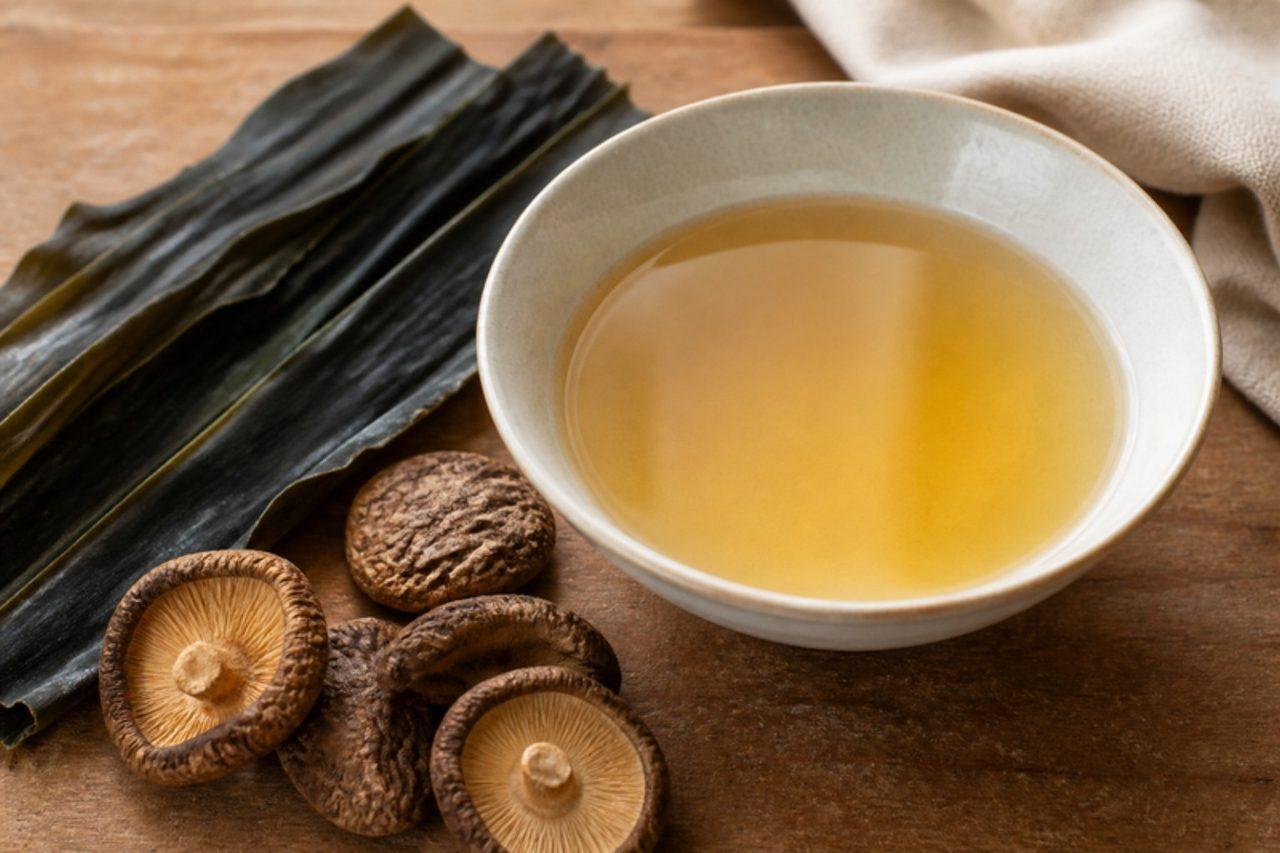
Zen temples in Kyoto and Kamakura build their whole cuisine on this stock: kombu kelp and dried shiitake soaked in cold water until the liquid turns golden and deeply savoury, with no bonito at all. It is the vegan dashi for miso soup, simmered vegetables, noodle broths and dipping sauces, and every vegetarian Japanese recipe on this site can use it. The common mistake is boiling the kombu, which releases slime and bitterness; it should never go beyond a gentle simmer, and taking it out just before boiling gives the cleanest flavour. Chef's tip: soak overnight in the fridge (mizudashi) for the best, roundest flavour with no effort, then keep the softened shiitake for a simmered dish.

by KrazyBadal 0 views

Showing 24 of 189 recipes

Show more recipes

Page 3 of 8

More collections