Skip to content

Vegetarian Mexican recipes

Tacos, enchiladas, beans and salsas without meat or fish. (198 recipes)

Huevos ahogadosEggs poached in salsa

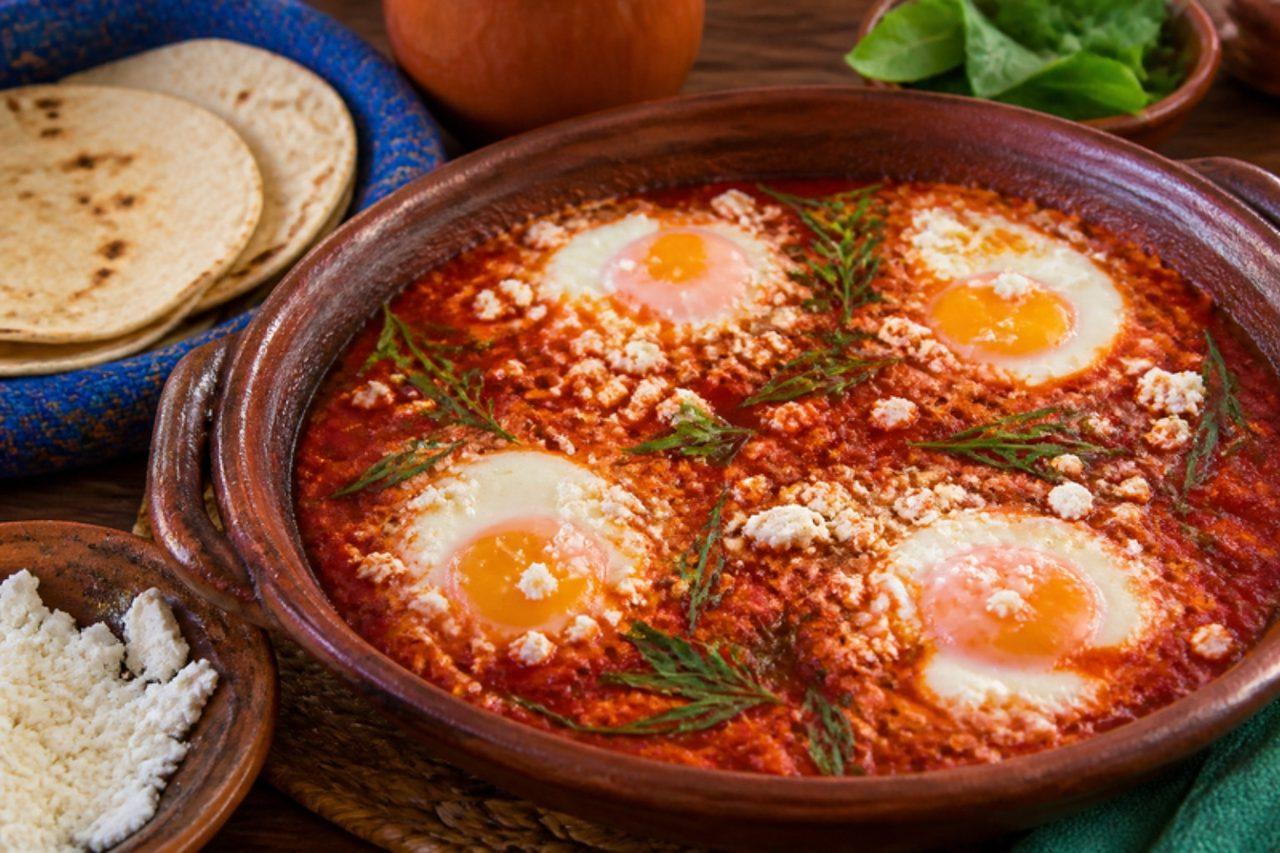
In homes across Puebla, Hidalgo and Mexico City, 'drowned eggs' are what you make when the fridge is nearly empty and breakfast must still be hot: a thin, brothy salsa of tomato, chile and onion is brought to a simmer, a sprig of epazote goes in, and the eggs are poached right in it. Spooned into bowls with tortillas or a crusty bolillo for dunking, it is lighter than it looks. Chef's tip: keep the salsa thinner than a pasta sauce, so the eggs can sink and poach evenly.

by KrazyBadal 0 views
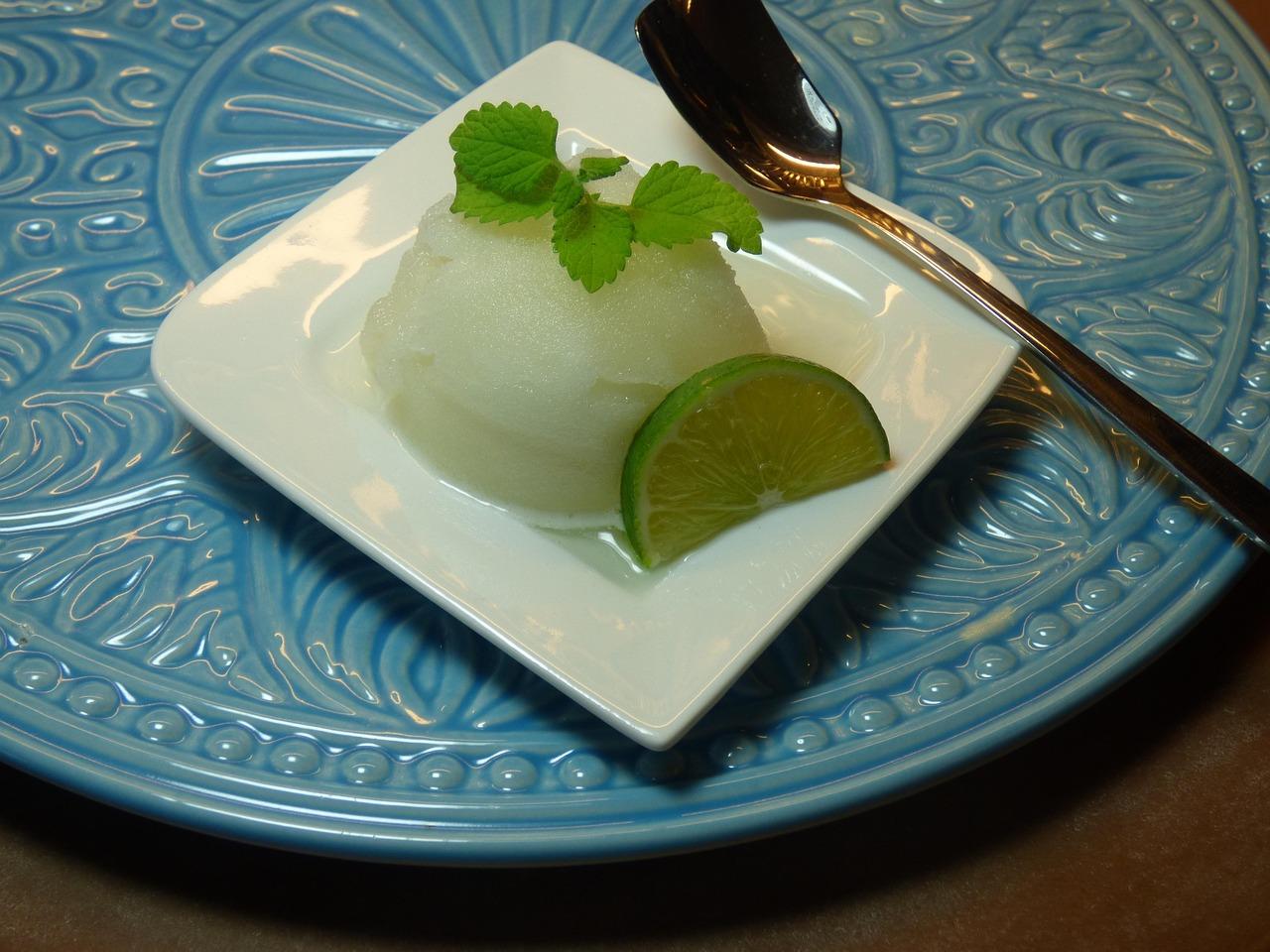
Nieve de garrafa de limónLime water ice

In town plazas from Oaxaca to Guadalajara, neveros still churn nieve de garrafa by spinning a tall metal can in a wooden barrel of ice and rock salt, scraping the frozen walls with a long paddle. Lime nieve is the sharpest and most refreshing, pale green from the zest, and it is eaten in small cups after a hot walk through the market. At home a metal bowl set in ice and salt works the same way. Chef's tip: add the zest at the start but strain it out; that way you get its oils without the bitterness.

by KrazyBadal 0 views
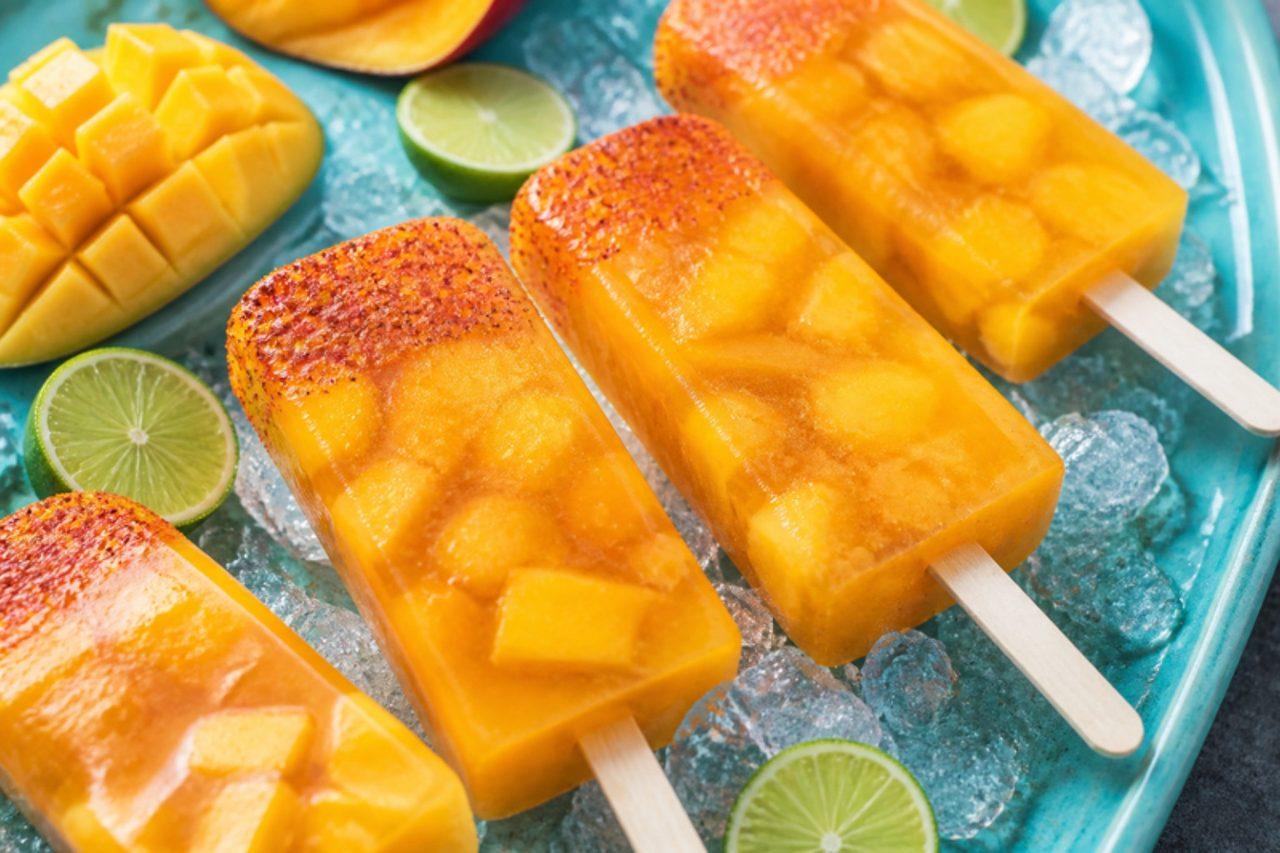
Paletas de mango con chileMango ice pops with chile

The town of Tocumbo in Michoacán sent paleteros all over Mexico, and their shops, the paleterías michoacanas, sell fruit ice pops from Tijuana to Cancún. Mango con chile is one of the most loved: chunky frozen mango purée, sharp with lime, with a ribbon of chile powder through it and more sprinkled on top. Chef's tip: leave a few small cubes of mango in the purée, so every bite has real fruit.

by KrazyBadal 0 views
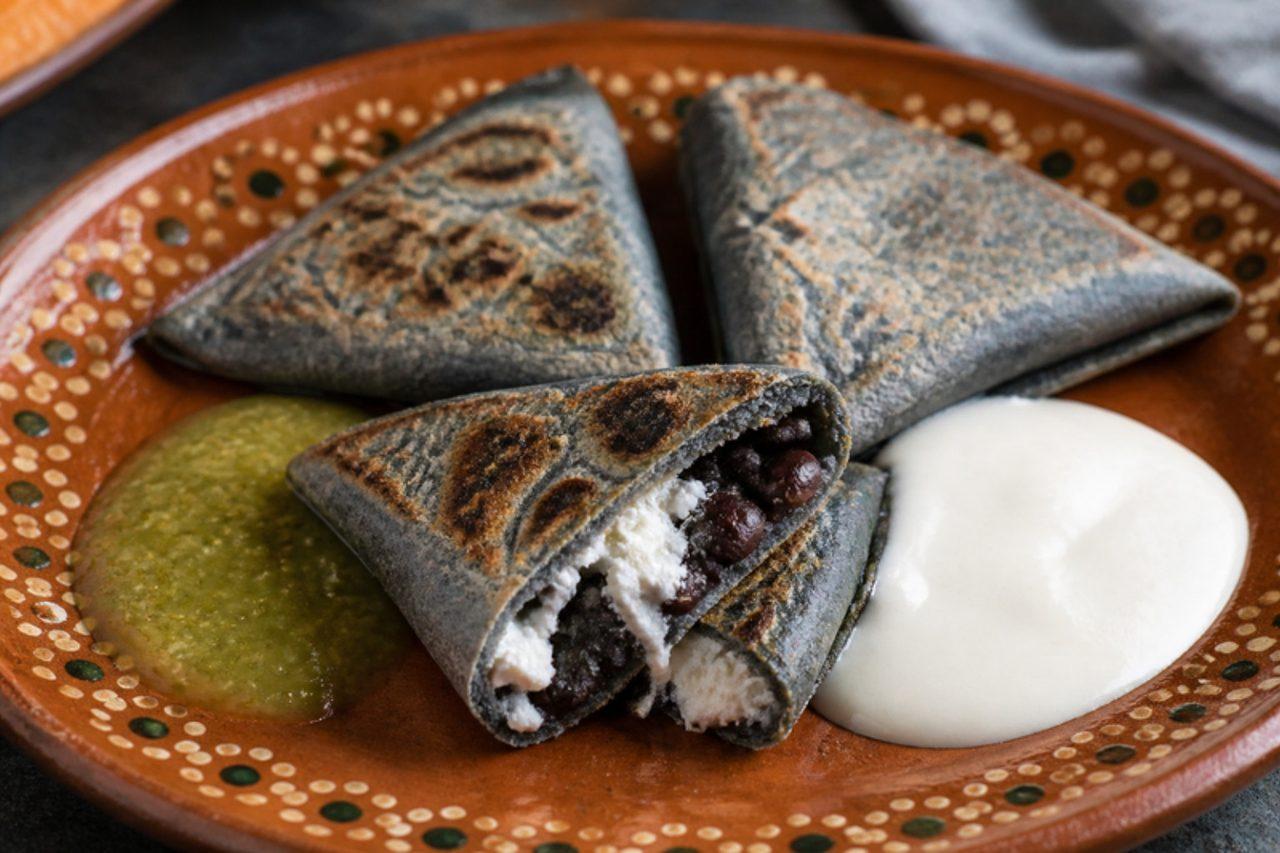
TetelasBean-filled masa triangles

In the Mixteca region between Oaxaca and Puebla, tetelas are folded into neat triangles on the comal and sold at village markets, often filled with black beans scented with avocado leaf and a little stringy quesillo. The masa turns toasty and slightly crisp outside while the filling stays creamy, and they are eaten with salsa as a snack or light supper. Quesillo is traditionally made with animal rennet, so pick a vegetarian stretched-curd cheese or a mozzarella labelled suitable for vegetarians. Chef's tip: fold the third side over last and press the seams with your fingertip so nothing leaks onto the comal.

by KrazyBadal 0 views
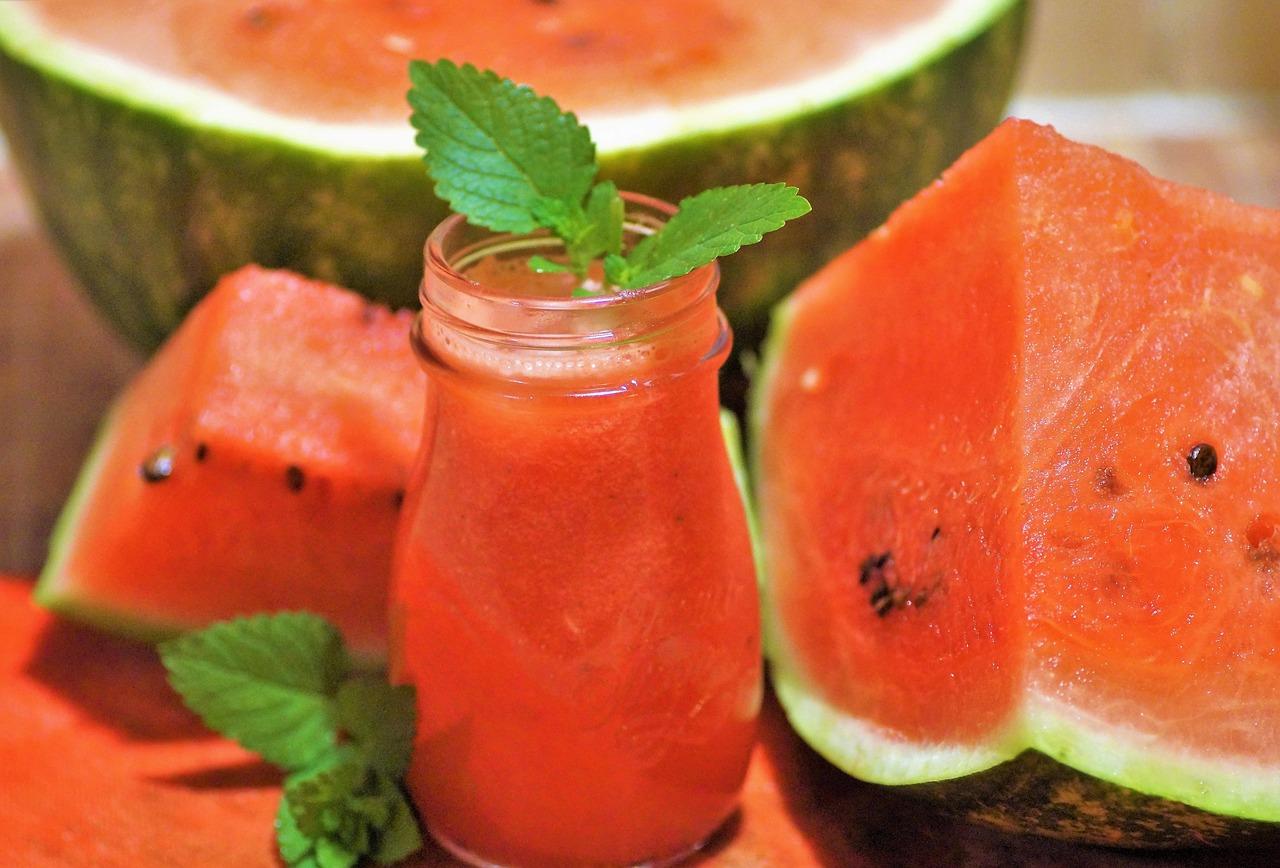
Agua de sandíaWatermelon drink

When watermelons are piled high in the markets of Jalisco and Sonora in summer, almost every taquería has a jar of bright pink agua de sandía next to the horchata. It needs only ripe watermelon, water, a squeeze of lime and a touch of sugar, and children love it. Chef's tip: a very ripe melon may need no sugar at all, so taste before you sweeten.

by KrazyBadal 0 views
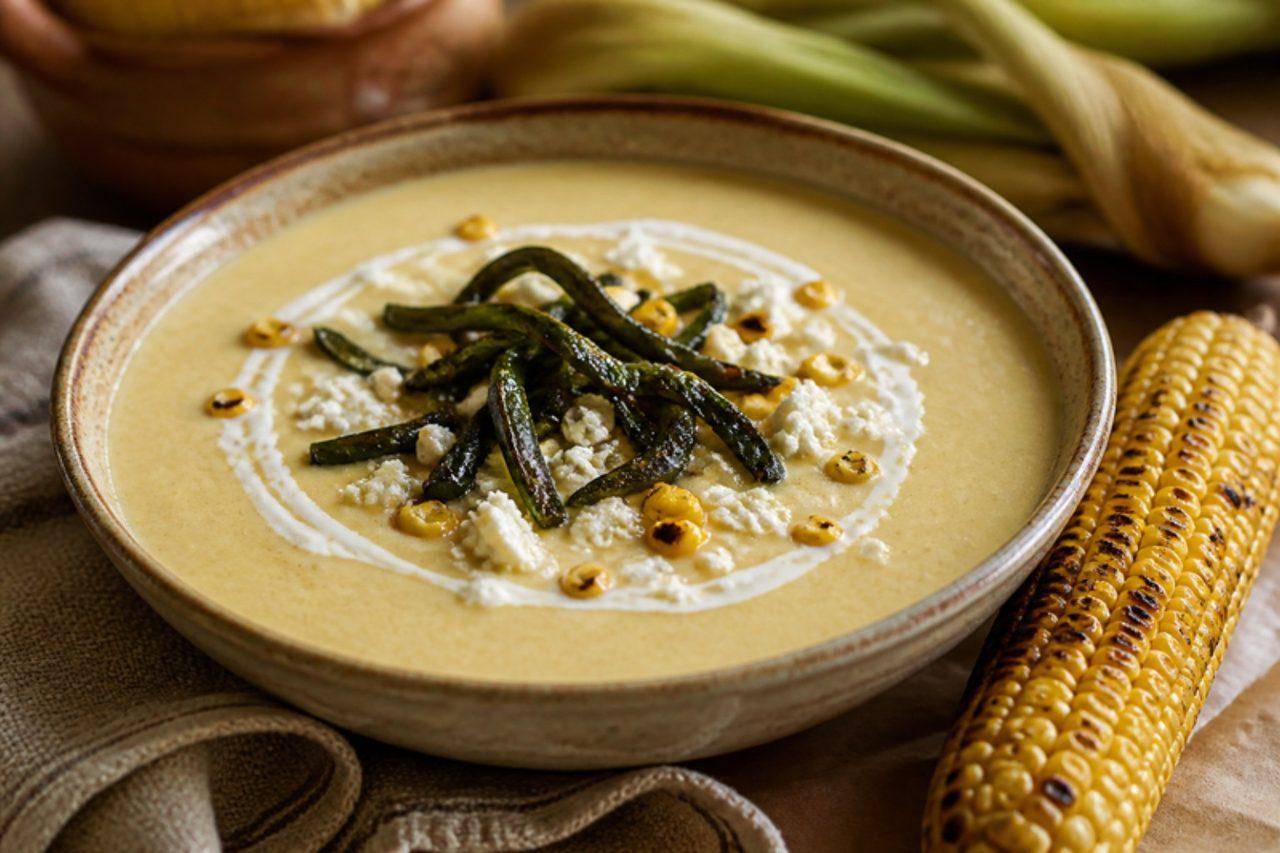
Crema de eloteCreamy corn soup

Market fondas around Mexico City and Puebla ladle this pale-gold soup as the opening course of the comida corrida, the set lunch served from about two until four in the afternoon. Fresh kernels are simmered in milk with a little onion, blended until silky and finished with ribbons of roasted poblano, a few cubes of queso fresco and a swirl of crema. Sweet corn comes first, then a gentle green heat from the chile. Queso fresco is usually made with animal rennet, so choose one labelled vegetarian or use a mild vegetarian feta. Chef's tip: scrape the bare cobs with the back of a knife; that milky pulp thickens the soup without any flour.

by KrazyBadal 0 views
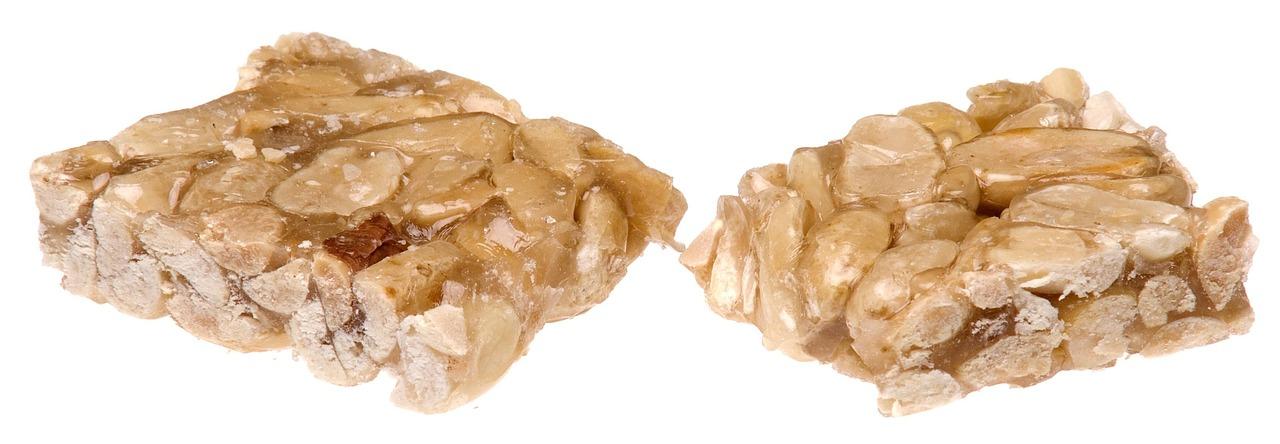
Palanquetas de cacahuatePeanut brittle bars

Bus-station vendors, school gates and the sweet stalls around the Basilica in Mexico City all sell palanquetas, crisp bars of roasted peanuts bound in amber piloncillo or sugar caramel. They are crunchy, toasty and only lightly salted, and families also make them with pumpkin seeds or sesame. They contain peanuts. Chef's tip: have everything oiled and ready before you start, because the caramel sets within a minute of leaving the heat.

by KrazyBadal 0 views
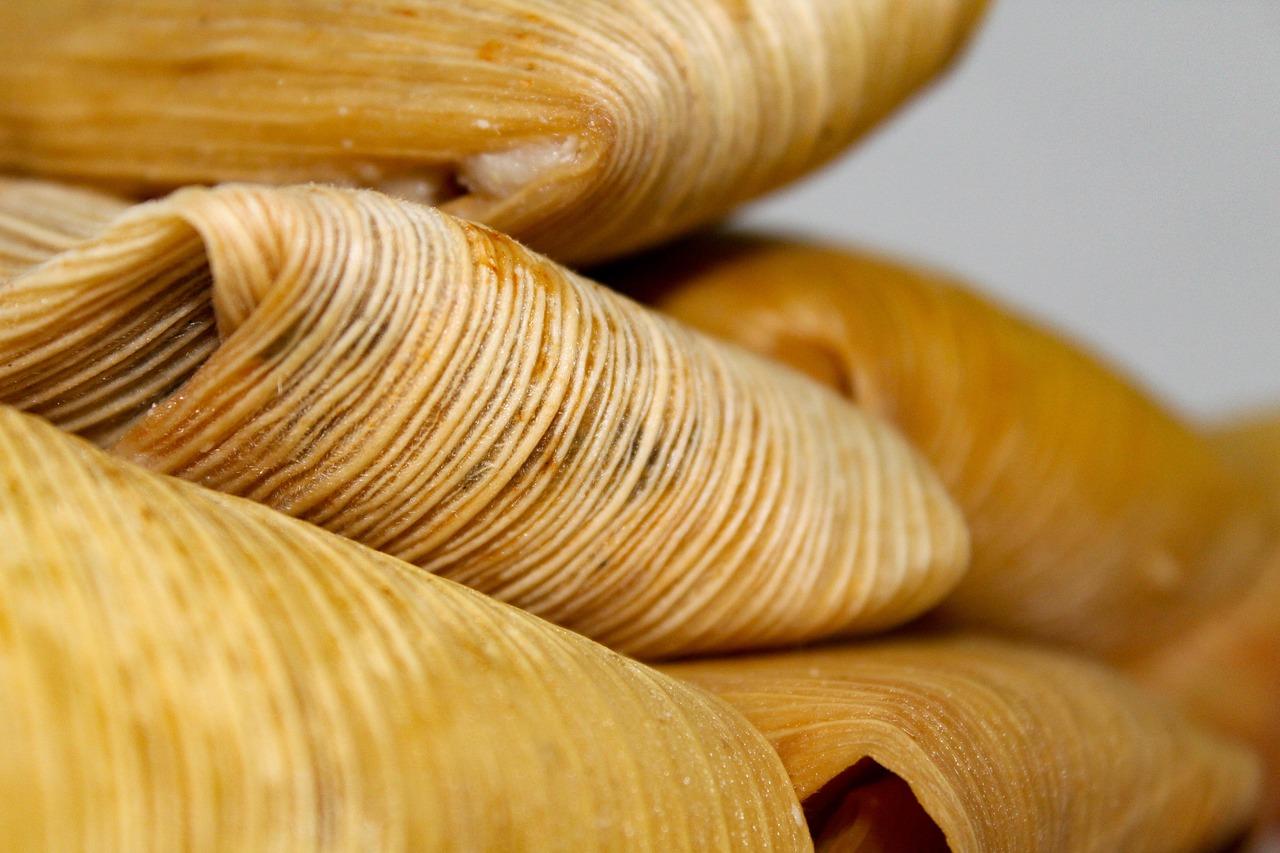
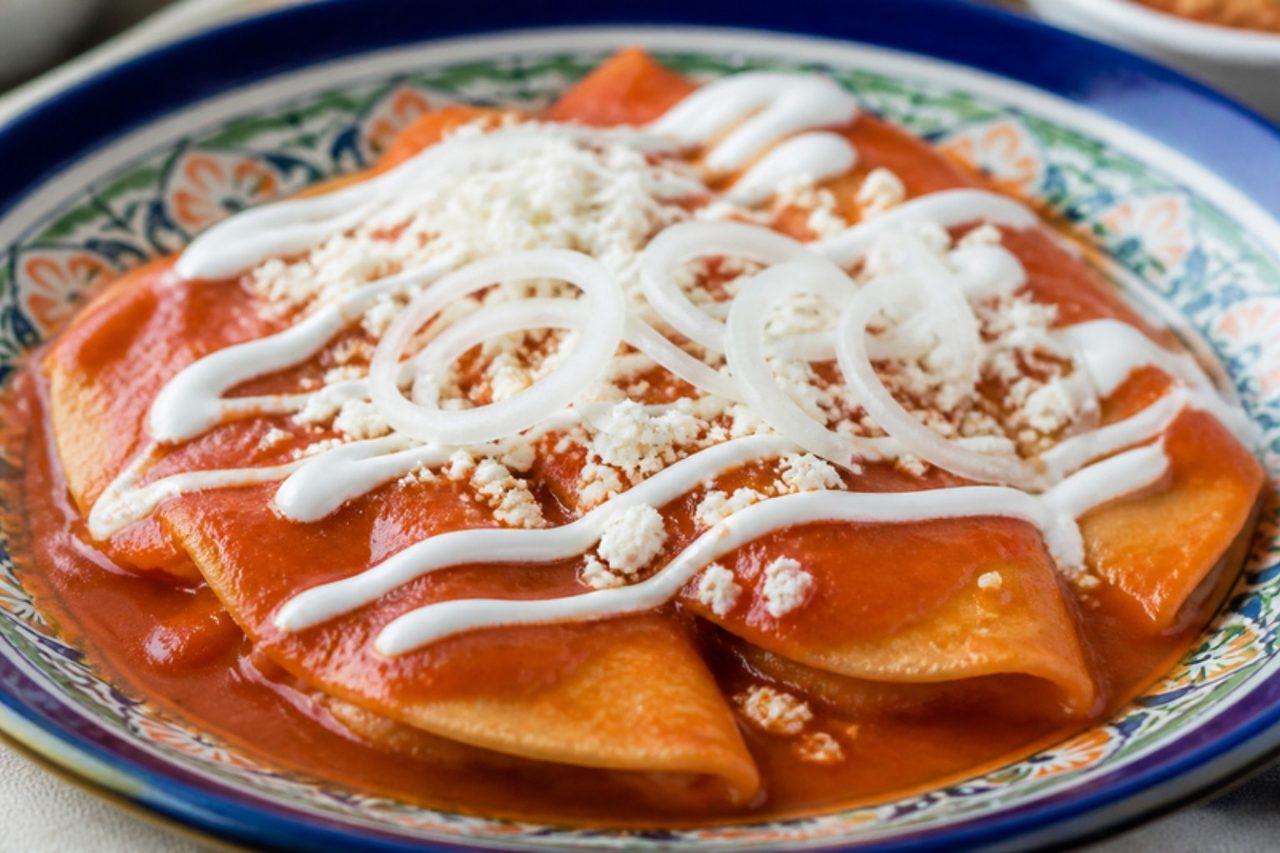
EntomatadasEnchiladas in tomato sauce

Entomatadas are what many families in central and northern Mexico make on a weekday evening, from Querétaro to Chihuahua: corn tortillas warmed in oil, bathed in a mild, garlicky tomato sauce and folded around fresh cheese. Without dried chiles they are gentle enough for children, and they are often served with refried beans and a fried egg on the side. Check the cheese label: many fresh Mexican cheeses use animal rennet, and a vegetarian queso fresco or ricotta salata works just as well here. Chef's tip: warm each tortilla in a little oil before it meets the sauce, so it bends without tearing.

by KrazyBadal 0 views
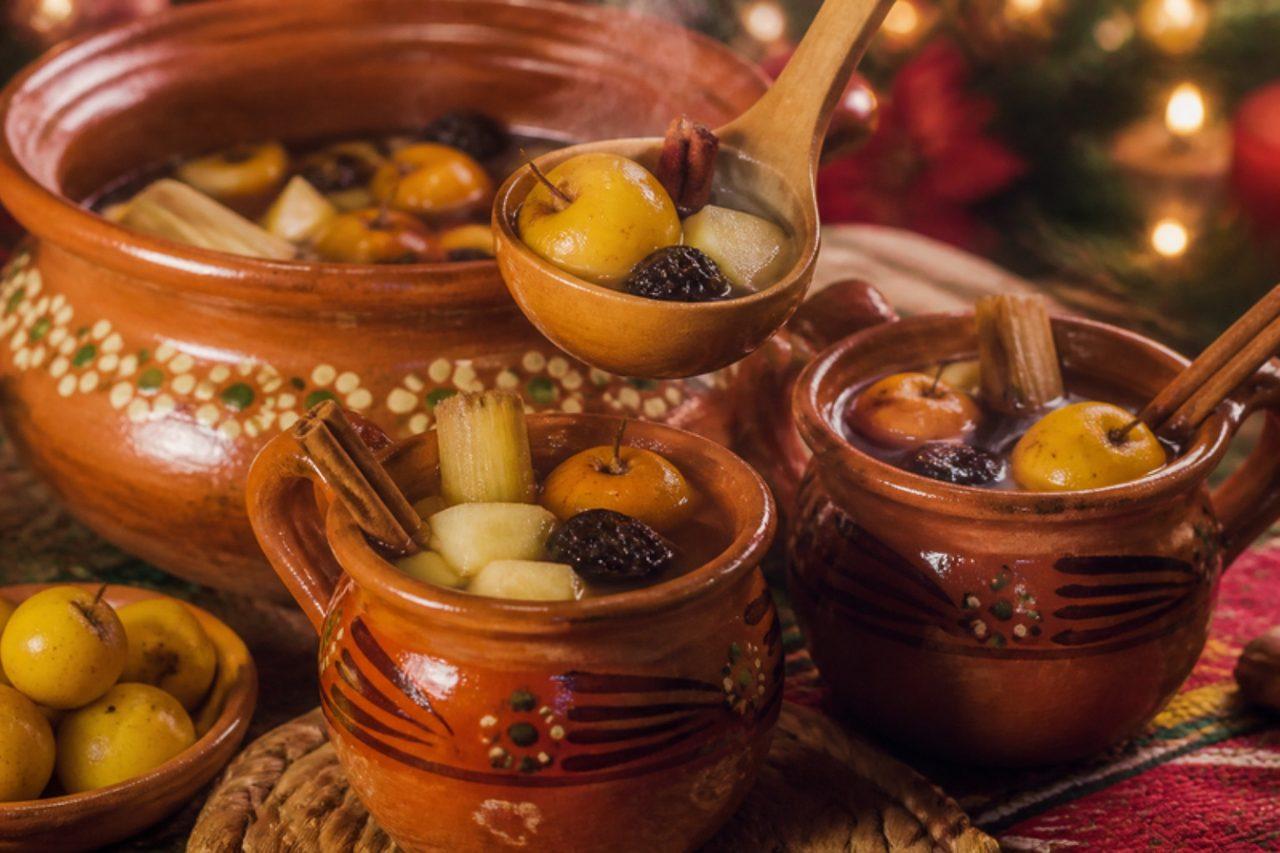
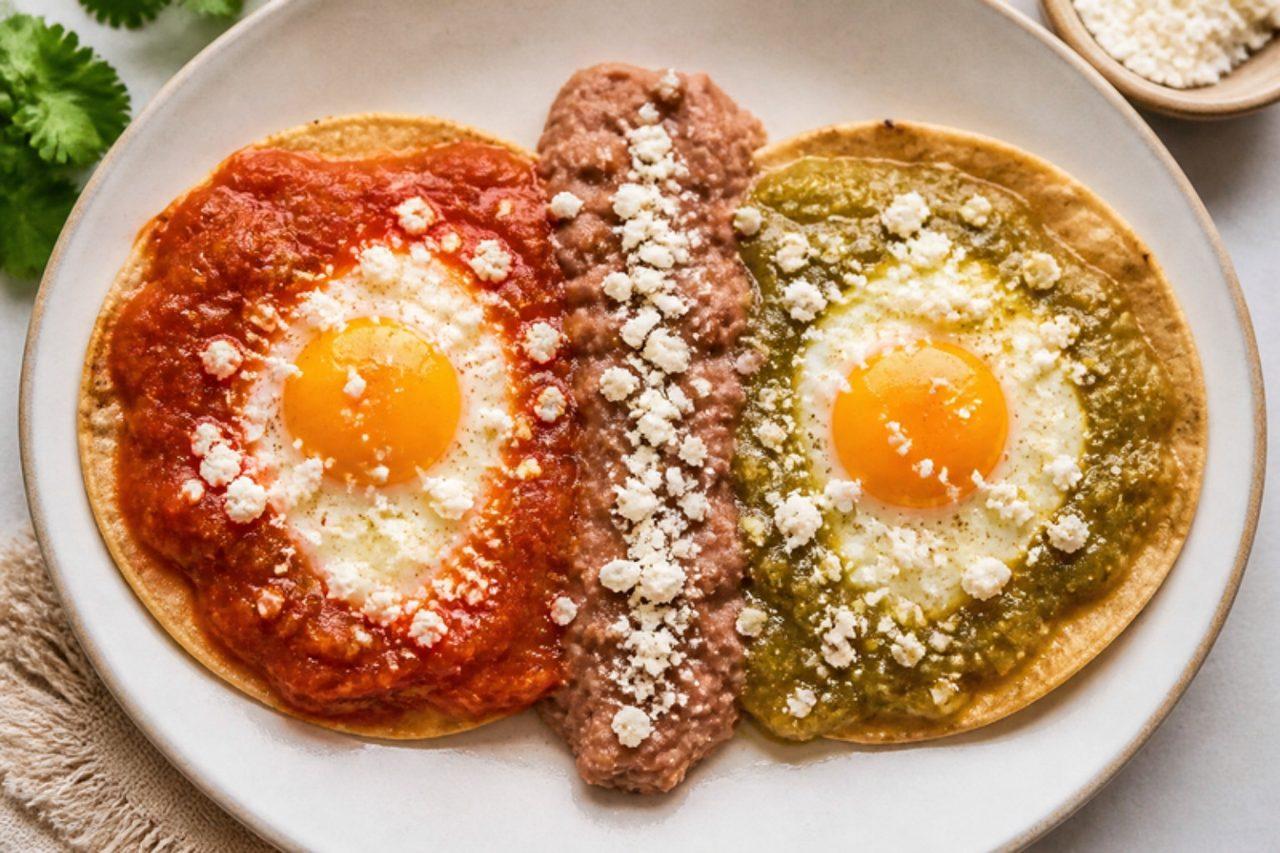
Huevos divorciadosEggs in red and green salsa

Order 'divorced eggs' in any Mexico City café or roadside fonda and you get a plate split down the middle: one fried egg on a tortilla under smoky red salsa, the other under tangy green tomatillo salsa, with a ridge of refried beans keeping the couple apart. It is a cheerful weekend breakfast and a good way to use up leftover salsas. Mexican crumbling cheese is often made with animal rennet, so choose a vegetarian one if needed. Chef's tip: warm the tortillas in the egg pan first, so they are soft but not greasy.

by KrazyBadal 0 views
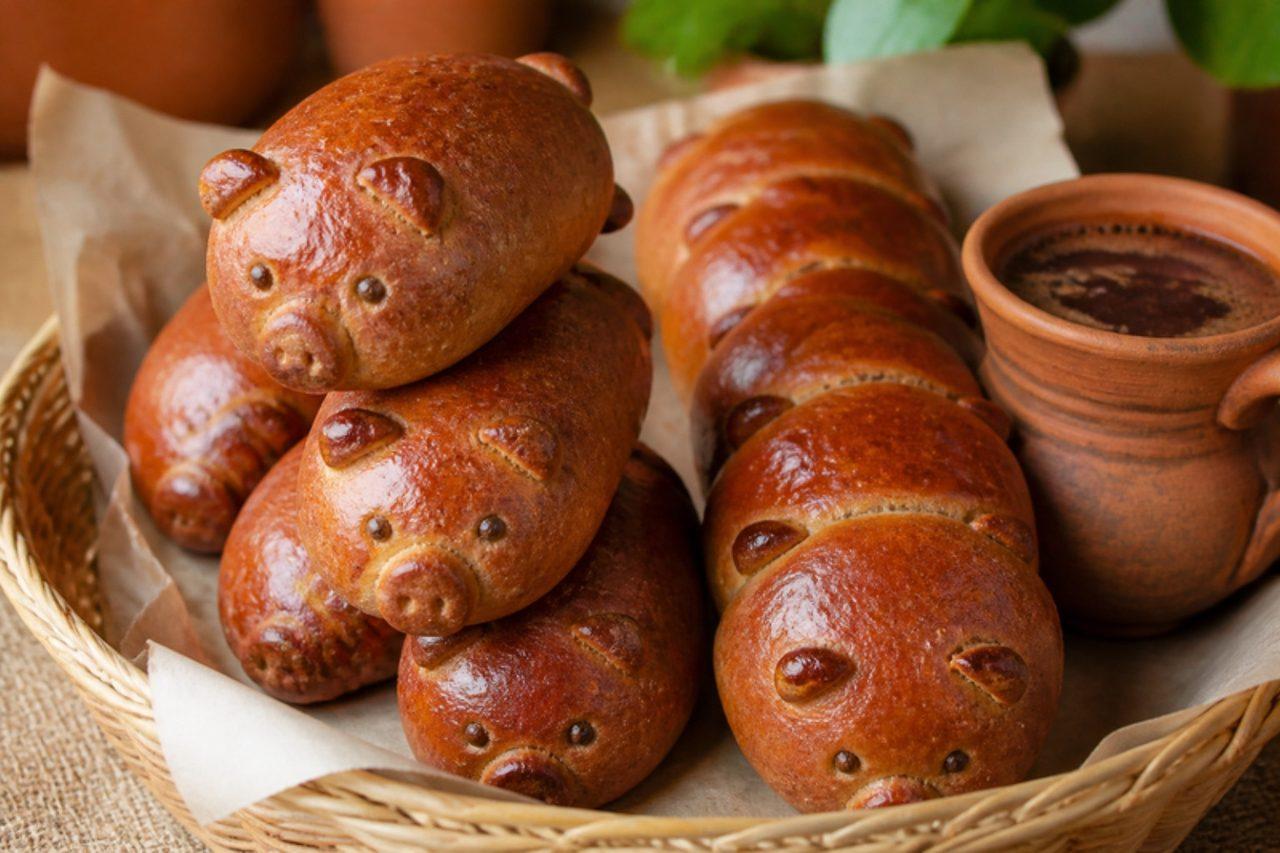
Agua de mangoMango drink

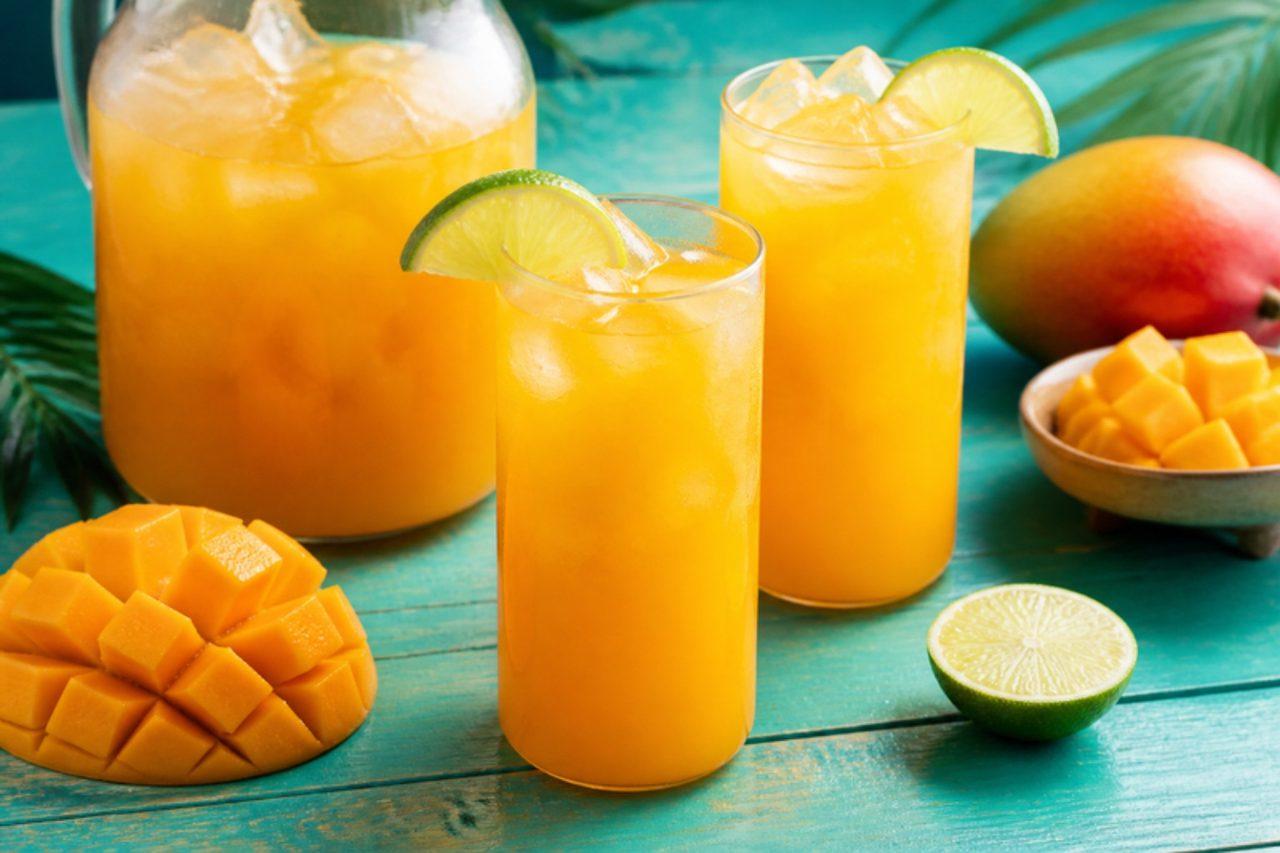
In April and May, when Ataulfo mangoes from Chiapas and Manila mangoes from Veracruz flood the markets, agua de mango becomes the drink of every comida corrida. It is thick, golden and very fruity, sharpened with lime. Chef's tip: use soft, fully ripe yellow mangoes with wrinkled skin; they need far less sugar and give a smooth, fibre-free drink.

by KrazyBadal 0 views

Ensalada de NochebuenaBeetroot and fruit salad

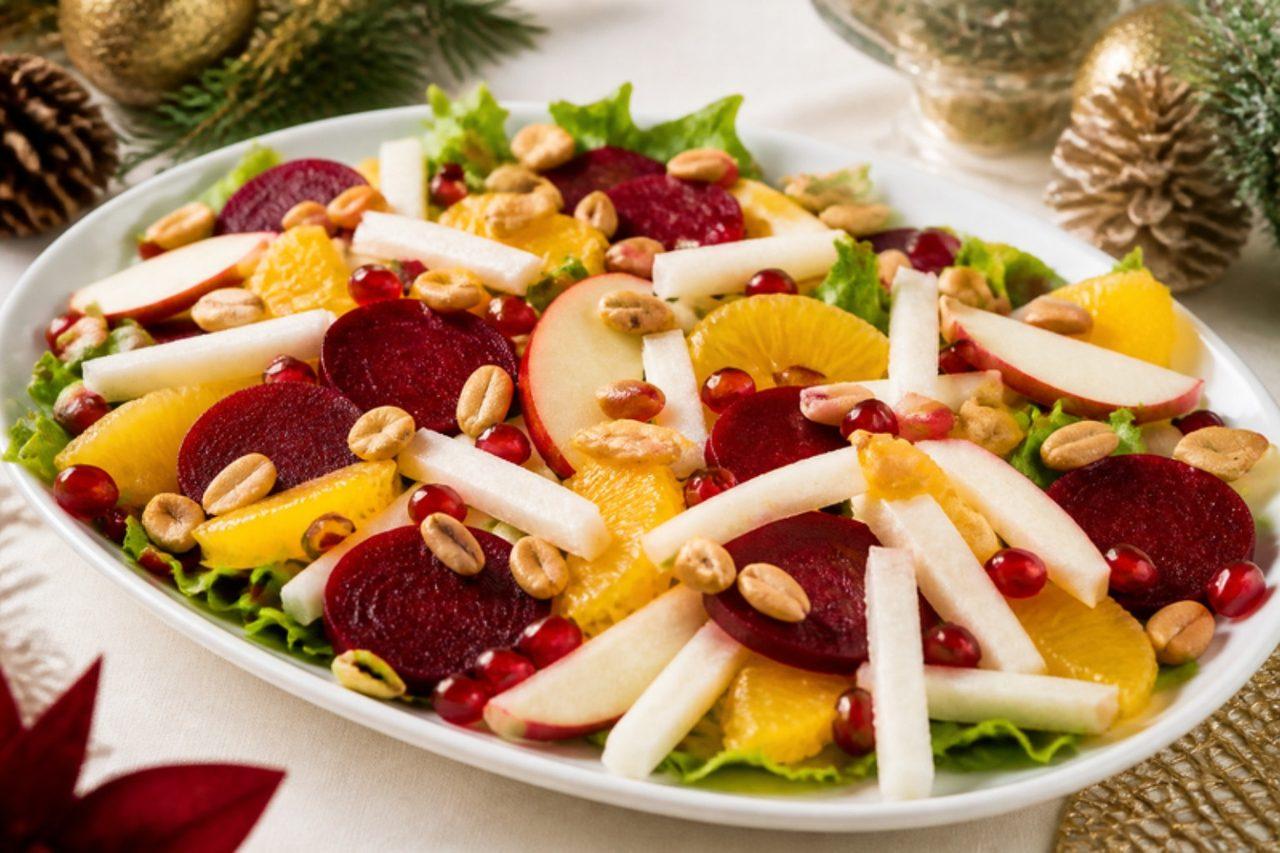
Late on 24 December, families in Mexico City and the central states gather for the cena de Nochebuena, and on the table, next to the romeritos and bacalao, sits this jewel-bright salad. Beetroot stains the crisp jícama pink, sweet oranges and apple balance its earthiness, and roasted peanuts and pomegranate seeds scatter over the top with a little lettuce underneath. It is fresh relief among rich Christmas dishes and children love the colour. Chef's tip: dress the beetroot separately and add it at the last minute, unless you want everything magenta.

by KrazyBadal 0 views

Jícama con chile y limónJícama with chile and lime

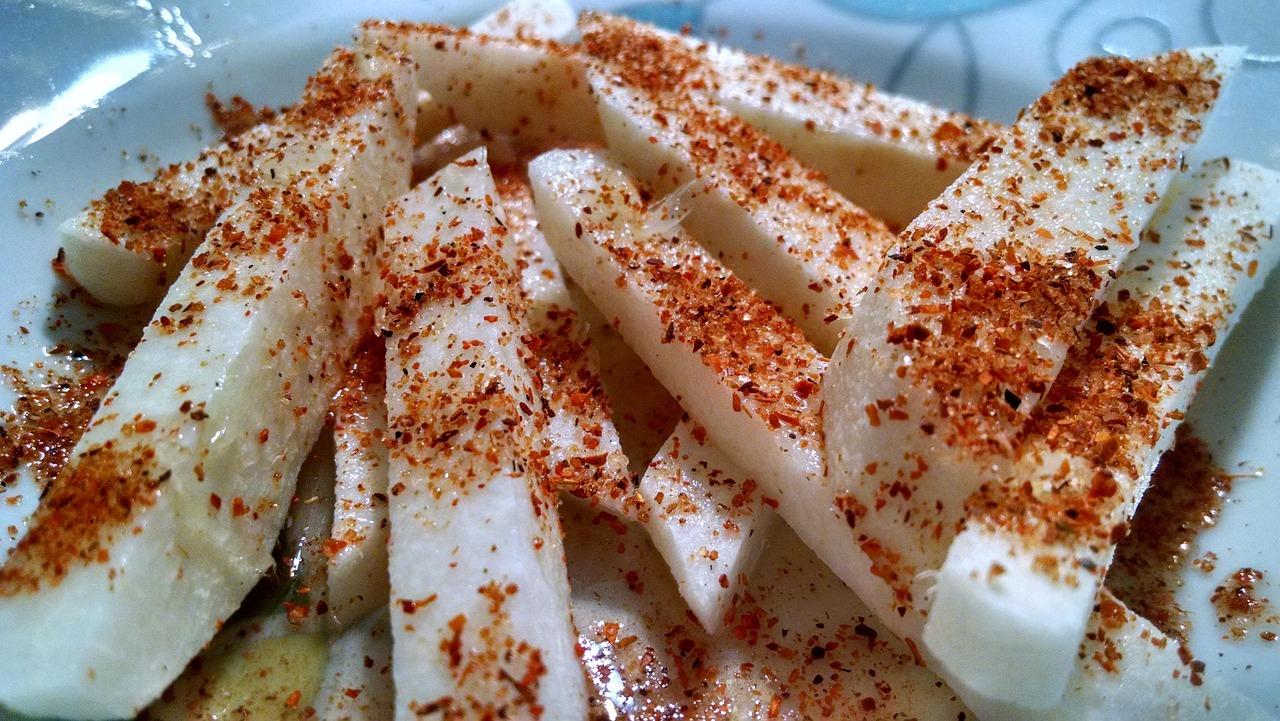
Few snacks are as simple or as refreshing as this one, sold in bags from street carts and made at home all over Mexico as an after-school or pre-lunch nibble. Jícama tastes like a cross between apple and water chestnut: crisp, juicy and barely sweet. Lime, salt and chile powder are all it needs. Chef's tip: a short soak in iced water makes the sticks extra crisp.

by KrazyBadal 0 views

Rosca de reyesEpiphany bread ring

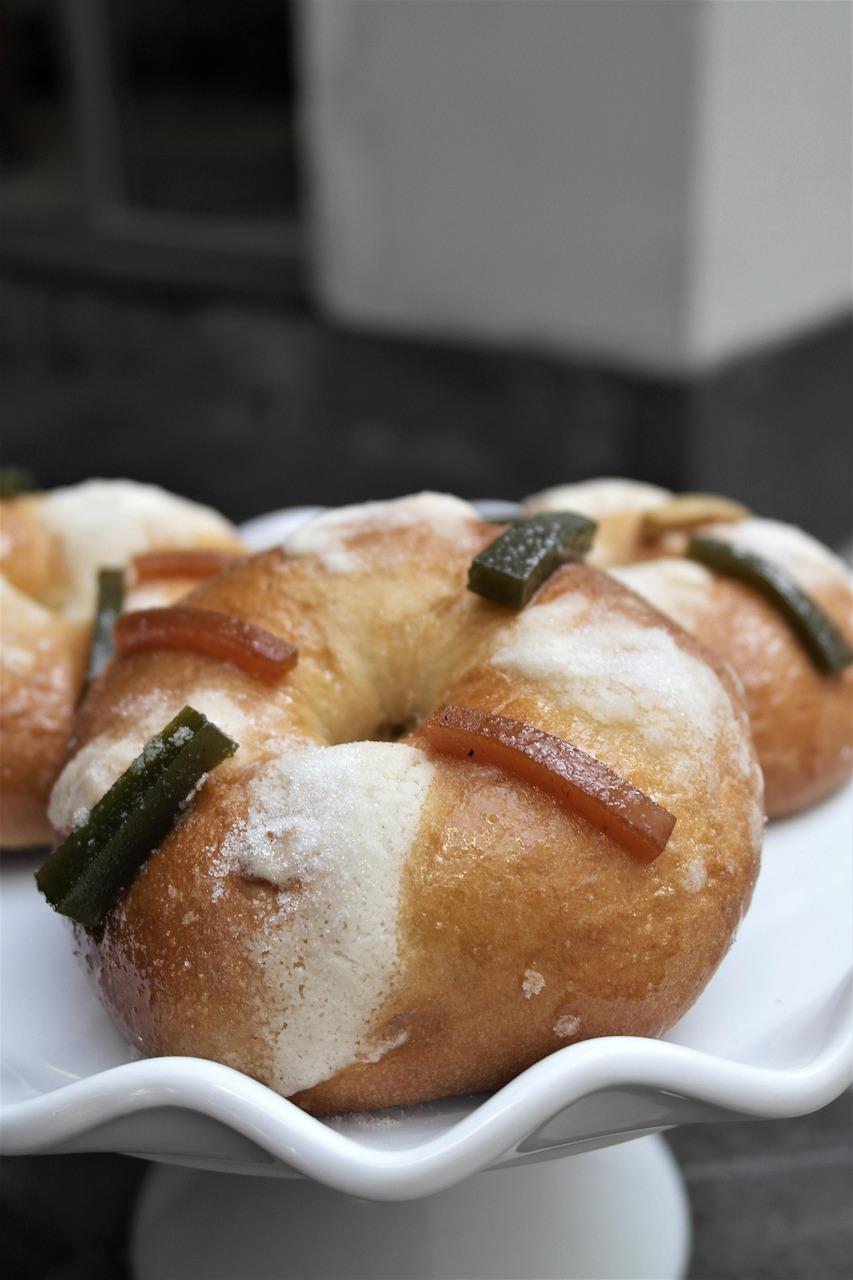
On the evening of 5 or 6 January, offices, schools and families all over Mexico cut a rosca de reyes for the Three Kings, washing it down with hot chocolate. The soft orange-scented ring is jewelled with candied fig, quince paste and cherries and striped with crunchy sugar paste; hidden inside is a tiny figure of the baby Jesus, and whoever finds it in their slice must host a tamales party on 2 February. Always tell guests there is a figurine and warn little children, as it is a choking risk; a whole almond is a safer stand-in. Chef's tip: push the figure in from underneath after baking, so it does not melt or show.

by KrazyBadal 0 views

Rebanadas de mantequillaButtered sweet bread slices

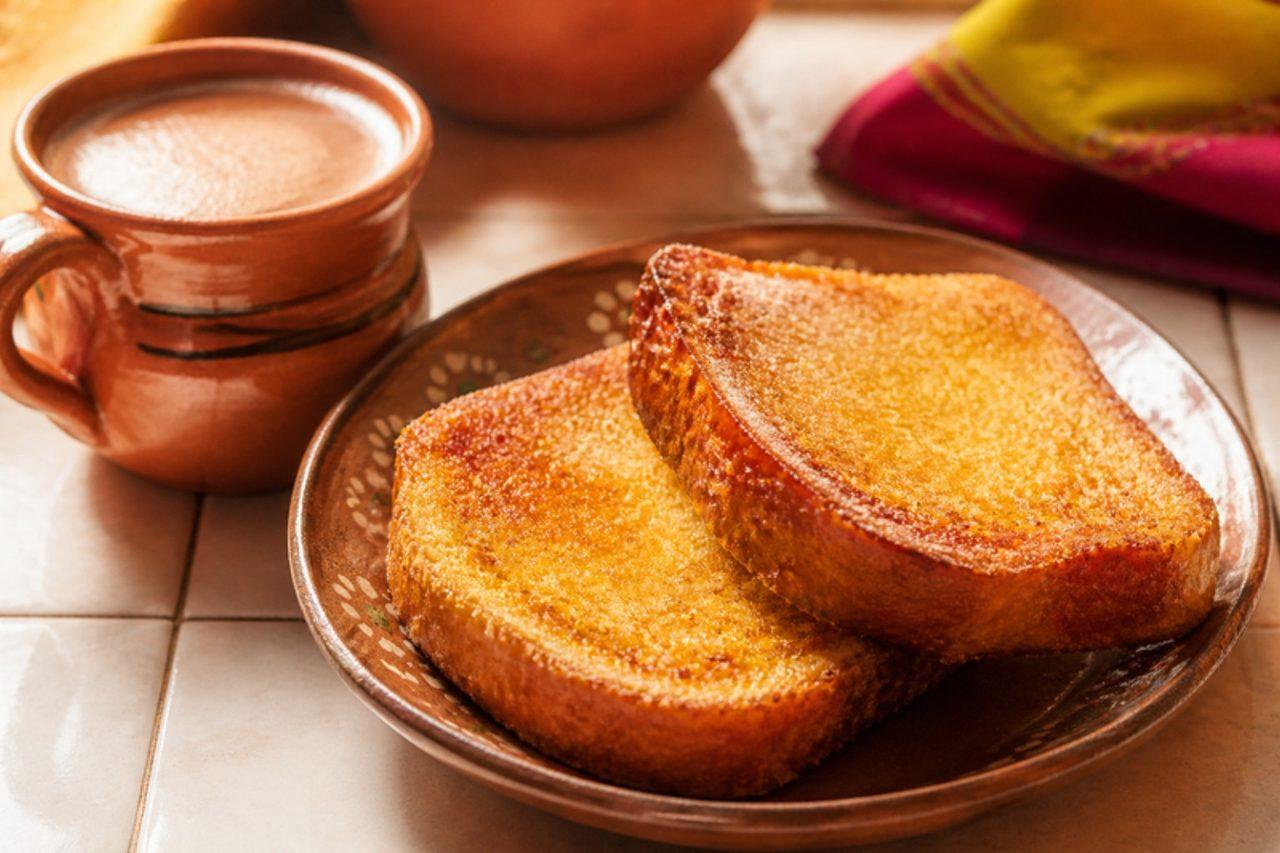
When yesterday's pan dulce goes stale, Mexican bakeries slice it thick, spread it with butter, dust it with sugar and toast it until crisp, and the result, rebanadas, often sells out first. At home it is a ten-minute afternoon treat with hot chocolate or a glass of cold milk, and a good way to use up a loaf of brioche, a pan de yema or a few bolillos. This version uses butter, so it is vegetarian. Chef's tip: let the butter get really soft so it sinks into the bread instead of sitting on top.

by KrazyBadal 0 views

Paletas de fresa con cremaStrawberry cream ice pops

Pink, creamy and dotted with red fruit, fresa con crema pops are the milky paletas children pick first at any paletería michoacana, and they echo the strawberries and cream sold in cups in Irapuato. Fresh strawberries are folded into a sweet milk-and-cream base that freezes smooth. It contains dairy. Chef's tip: macerate the strawberries in sugar first, as the syrup keeps the fruit soft rather than icy.

by KrazyBadal 0 views

Lentejas con piña y plátanoLentils with pineapple and plantain

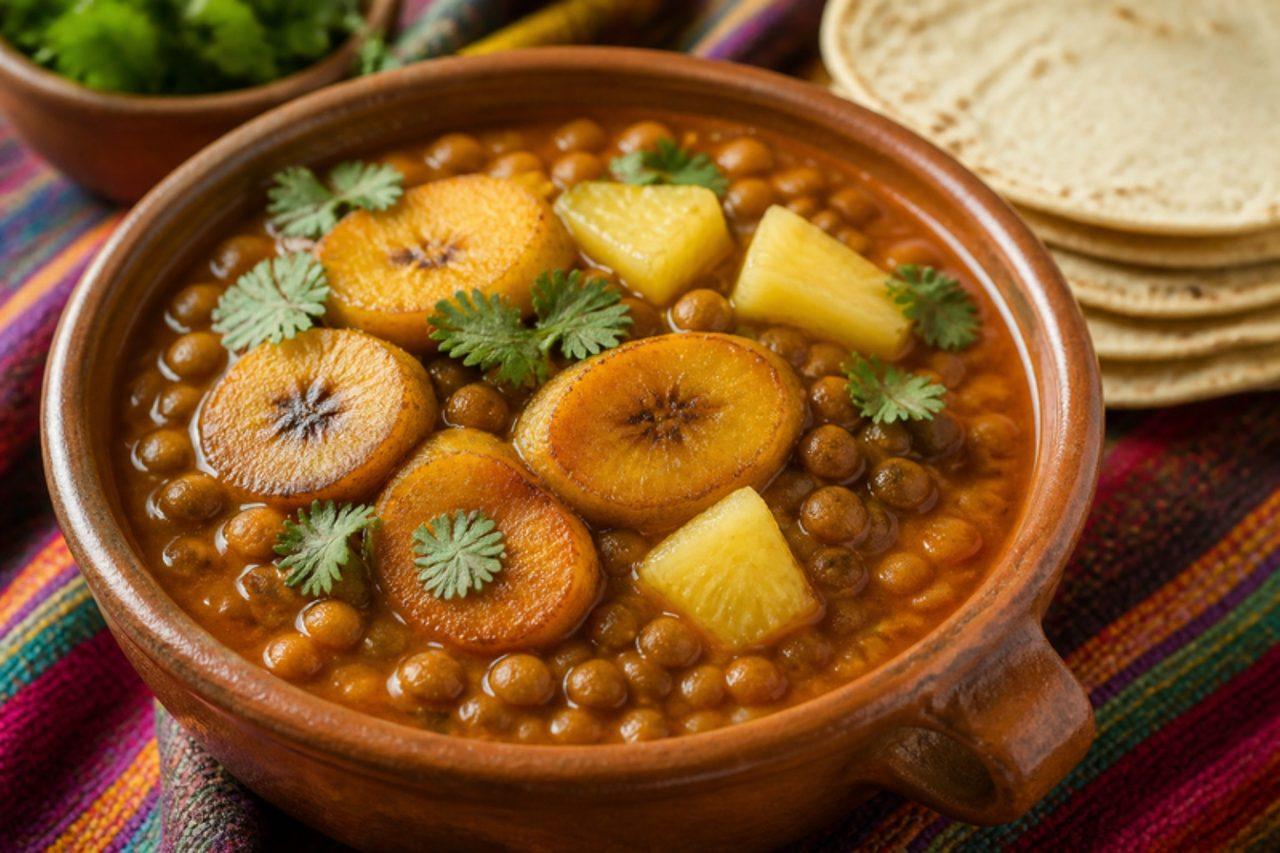
Sweet and savoury share a pot in this Lent favourite from Puebla and Mexico City kitchens: brown lentils simmered in a tomato and garlic broth, finished with chunks of pineapple and slices of fried ripe plantain. It sounds unusual but tastes balanced and comforting, and many families eat it on the Fridays before Easter with white rice and tortillas. Chef's tip: use a plantain with a black-speckled skin; green ones stay starchy and never sweeten.

by KrazyBadal 0 views

Polvorones de nuezPecan butter cookies

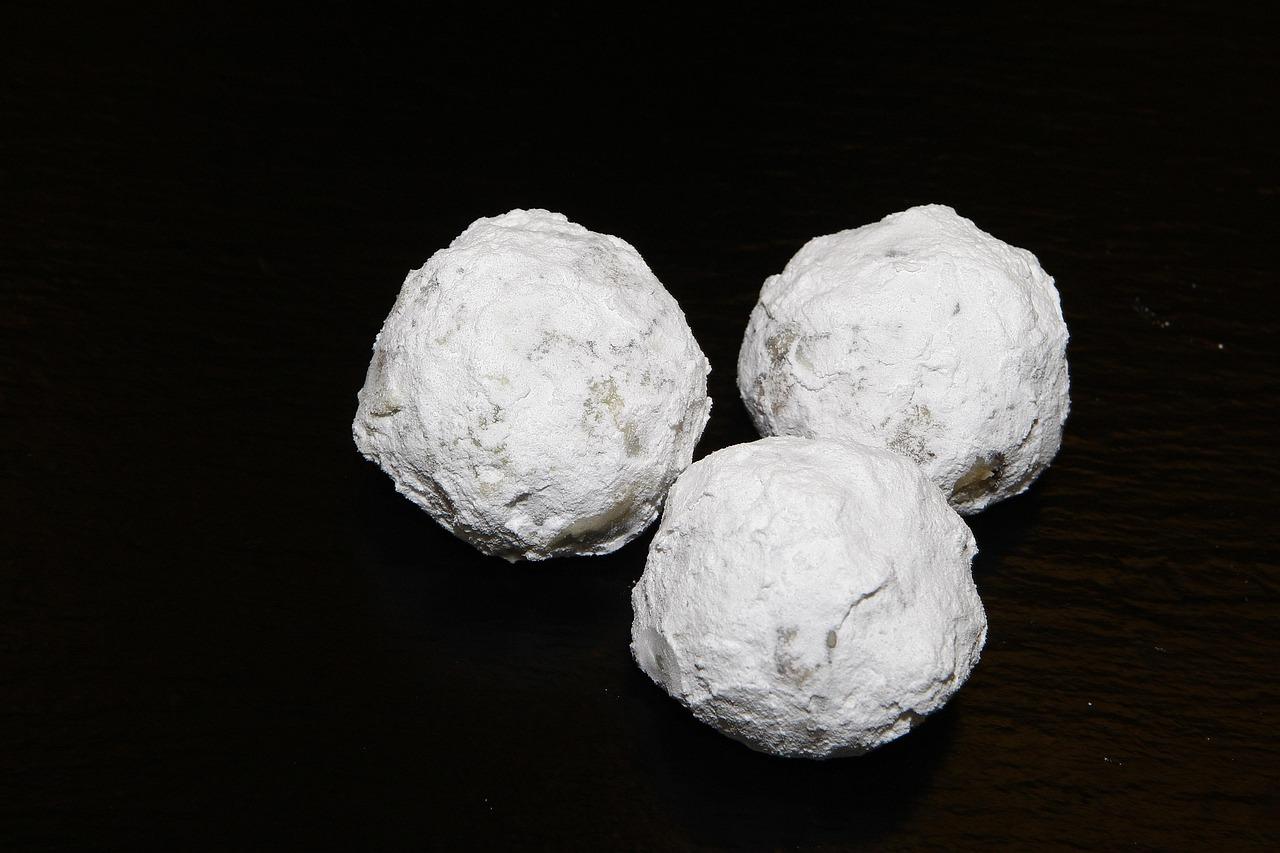
Christmas cookie tins, wedding tables and bakery counters all over northern and central Mexico hold polvorones, small domes of toasted pecan shortbread that crumble to dust in the mouth, which is how they got their name. They are rolled twice in icing sugar, once warm and once cold, so they look snowy. Old recipes used lard; this one uses butter, so it is vegetarian, and it contains wheat and tree nuts. Chef's tip: toast the pecans first, which turns a plain cookie into a deeply nutty one.

by KrazyBadal 0 views

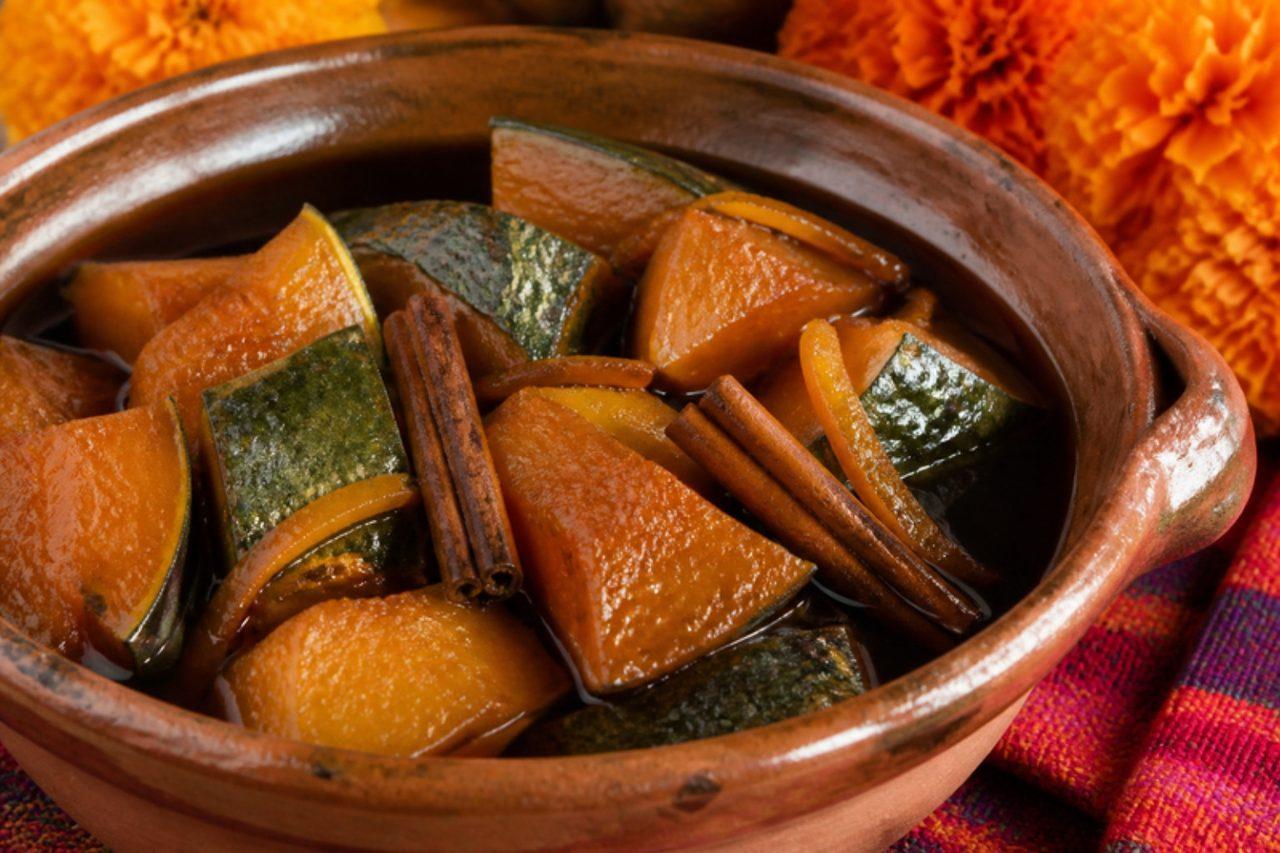
Calabaza en tachaCandied pumpkin

When the first squash of autumn arrives, kitchens across Puebla, Tlaxcala and Mexico State fill with the dark caramel smell of calabaza en tacha, a sweet that goes on the ofrenda on 1 November and is eaten warm at breakfast with a splash of cold milk. Wedges of pumpkin simmer slowly in piloncillo, the cone-shaped raw cane sugar, with cinnamon bark, orange and a few cloves until the flesh turns glossy amber and the syrup thickens. It is homely, deeply sweet and spiced. Chef's tip: lay the pumpkin skin side down and never stir, just baste, so the pieces stay whole.

by KrazyBadal 0 views

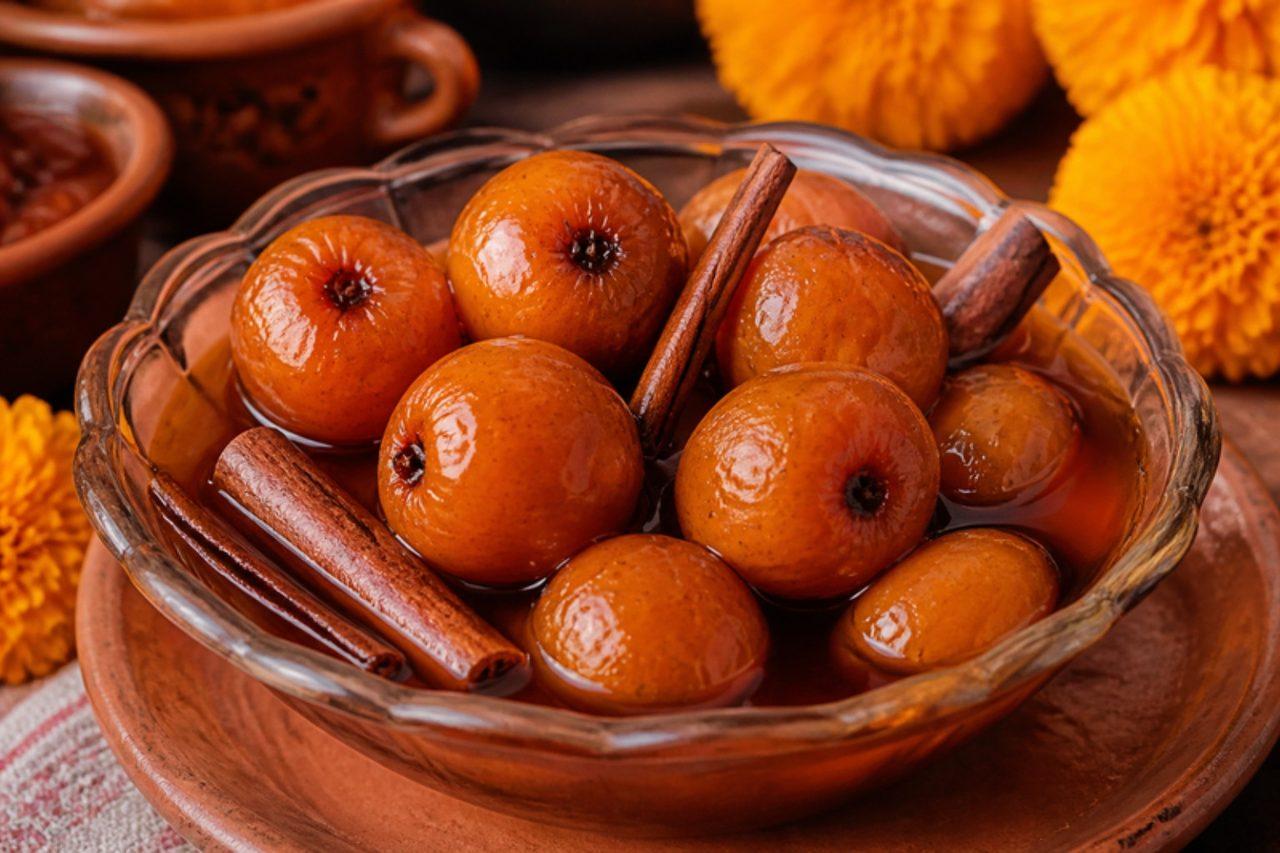
Tejocotes en almíbarHawthorn fruit in syrup

Golden tejocotes, small tart hawthorn fruits from the highlands around Puebla and the State of Mexico, appear in market sacks for only a few weeks before Day of the Dead and Christmas. Poached whole in piloncillo syrup with cinnamon and a strip of orange, they turn soft and perfumed, a little like quince crossed with apricot, and are set on the ofrenda or eaten from a bowl with their syrup. Outside Mexico, look for them frozen or in jars at Latin grocers; small crab apples are the nearest swap. Chef's tip: blanch and peel them first, as the skins go tough and bitter in syrup.

by KrazyBadal 0 views

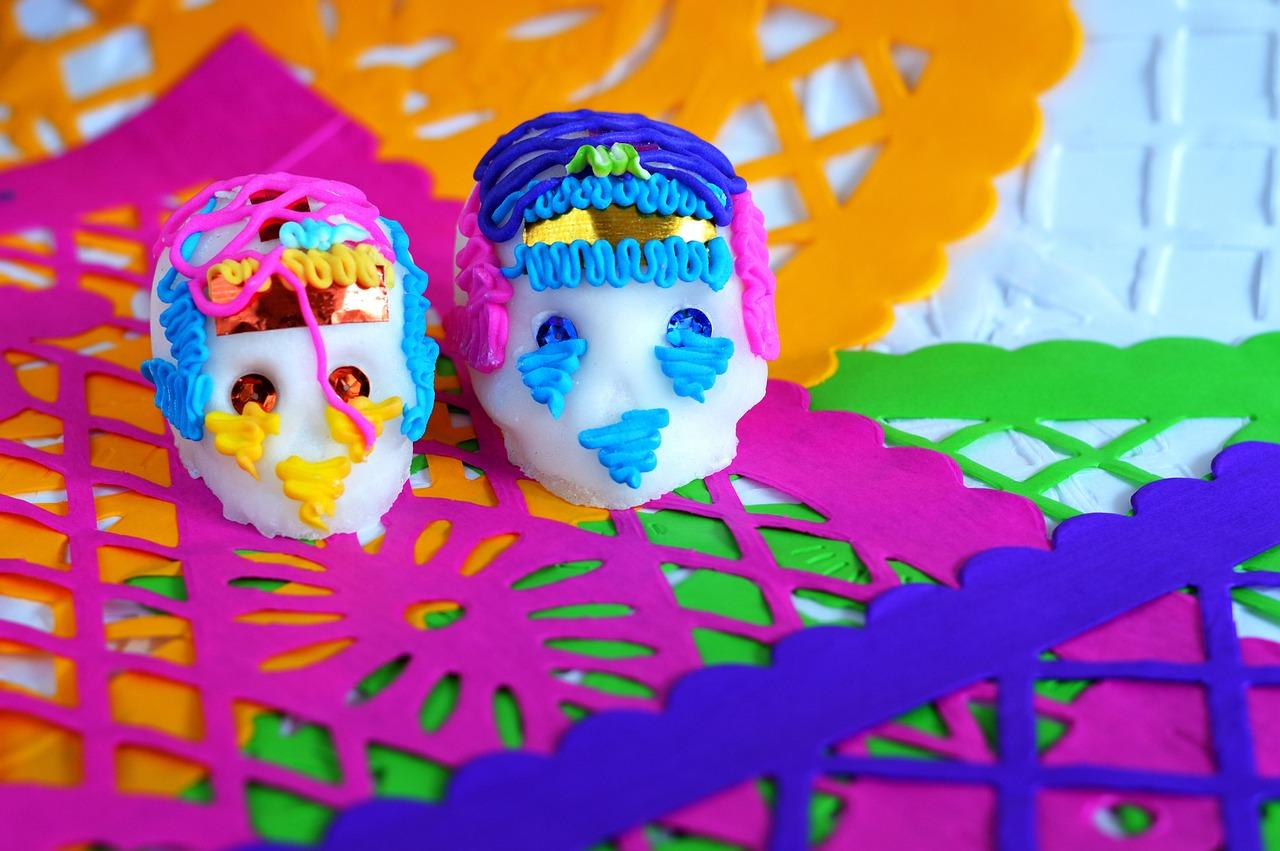
Calaveras de azúcarSugar skulls

In the markets of Toluca, Mexico City and Oaxaca, the alfeñique stalls of late October are piled with gleaming white sugar skulls, and families buy them to write a loved one's name across the forehead and set them on the home altar. They are mainly decorative: made right they set rock hard and keep for a year, and children may nibble a little, but they are not really a sweet for eating. Pressing damp sugar into a skull mould is easy, and the fun is the decorating with royal icing, sequins and coloured foil. Chef's tip: let the skulls dry for a full day before icing, or the damp sugar weeps into the colours.

by KrazyBadal 0 views

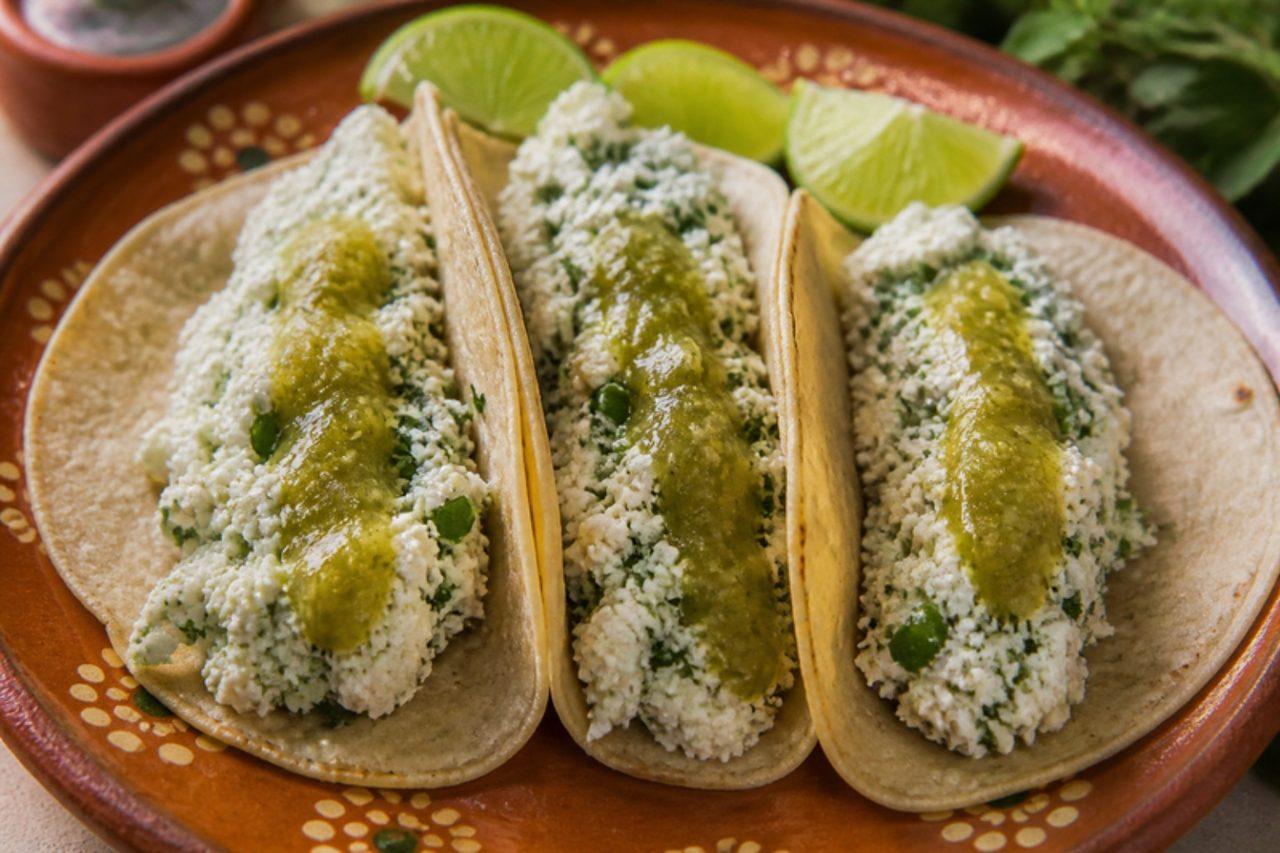
Tacos de requesón

Among the stews kept warm in clay pots at Mexico City's taco de guisado stands, requesón is a mild, creamy favourite: soft fresh curd cooked with onion, serrano and the pungent herb epazote. It is eaten in small doubled tortillas with salsa verde, often at breakfast. Requesón is made from whey left after rennet cheesemaking, so choose ricotta labelled vegetarian if that matters to you. Chef's tip: cook the curd only until hot and slightly dry; long cooking makes it rubbery.

by KrazyBadal 0 views

Tamales dulcesSweet tamales

Every tamal tray in Mexico City has a few pink ones tucked in among the green and red, and these sweet tamales are what children reach for first at December posadas and on 2 February, Día de la Candelaria. The masa is beaten with butter and sugar, tinted the colour of a sugared almond and studded with raisins, then steamed in husks until soft and cakey; they are eaten warm with atole or hot chocolate. This version uses butter and vegetable shortening, not lard. Chef's tip: add a few drops of colour at a time; the pink deepens as it steams.

by KrazyBadal 0 views

Ponche navideñoHot Christmas fruit punch

During the nine nights of posadas from 16 to 24 December, neighbours in central Mexico walk the streets singing for shelter, and the reward at the last door is a cup of steaming ponche ladled from a clay pot. Whole fruits, tejocotes, guavas, apple, prunes, sticks of sugarcane, simmer with hibiscus, cinnamon and piloncillo until the punch is fragrant and amber, and everyone fishes the soft fruit out with a spoon. This recipe is alcohol-free and good for all ages; some adults add a splash of rum to their own cup, but none is used here. Chef's tip: add the guavas late, as they collapse if cooked too long.

by KrazyBadal 0 views

Marranitos de piloncilloPig-shaped gingerbread biscuits

Every pan dulce case in Mexico has a row of little brown pigs, called marranitos in the centre, cochinitos in the north and puerquitos in between. They are soft, cakey biscuits sweetened with dark piloncillo cane sugar, spiced with cinnamon and a touch of anise, and dunked into café de olla or cold milk in the afternoon. They are made here with butter, so they suit vegetarians, and contain egg and wheat. Chef's tip: roll the dough thick, about 1 cm, because thin pigs bake into hard crackers instead of soft cakes.

by KrazyBadal 0 views

Showing 24 of 198 recipes

Show more recipes

Page 3 of 9

More collections