Skip to content
WhatToEat.Today

Vegetarian Mexican recipes

Tacos, enchiladas, beans and salsas without meat or fish. (220 recipes)

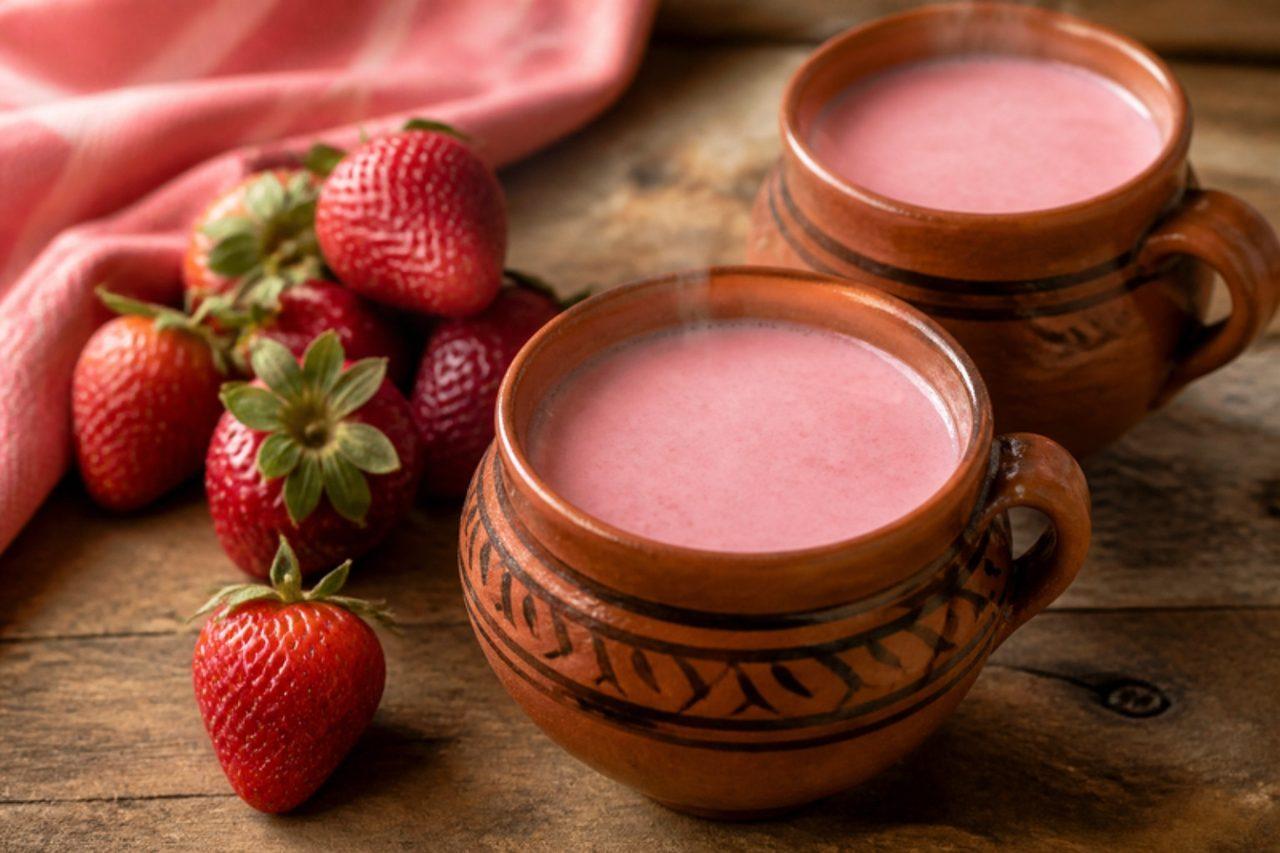
Atole de fresaStrawberry masa drink

Pink, warm and sweet, atole de fresa is a children's favourite in Mexico City and Irapuato, the strawberry capital of Guanajuato, sold in polystyrene cups alongside tamales for breakfast. Fresh strawberries are blended with milk and thickened with a little masa, which gives a gentle corn flavour under the fruit. It contains dairy. Chef's tip: blend the strawberries raw and add them at the end, so the drink keeps its bright colour.

by KrazyBadal 0 views
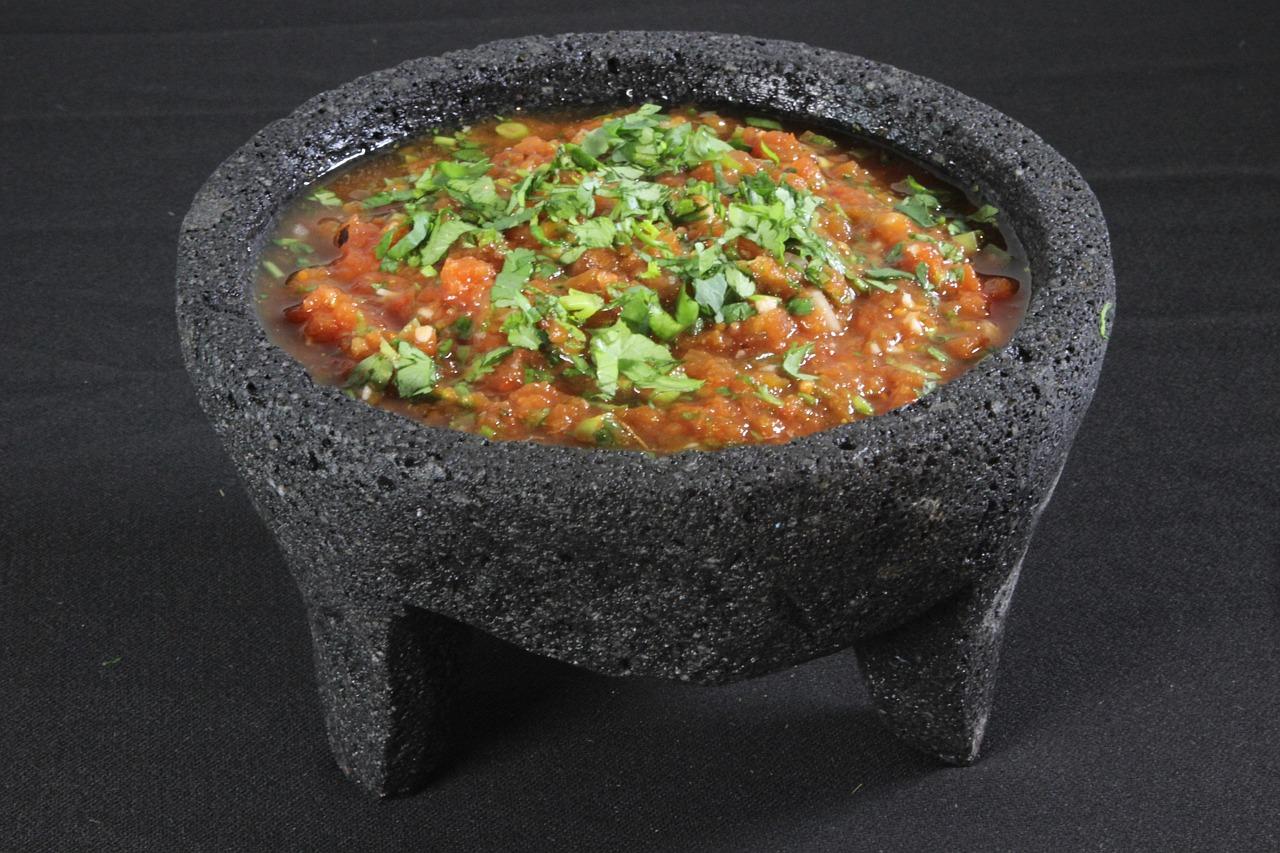
Salsa de molcajeteCharred tomato chile salsa

Market cooks in Puebla, Tlaxcala and the State of Mexico still blister tomatoes, garlic and chiles on a dry comal and grind them in the same volcanic-stone mortar that gives this salsa its name. The result is chunky, smoky and slightly sweet from the charred tomato skins, and it is served warm or at room temperature with grilled meat, quesadillas and barbacoa. A blender works, but the molcajete gives a rougher, juicier texture. Chef's tip: grind the garlic, chile and salt first, then the tomatoes, so the hard bits break down properly.

by KrazyBadal 0 views

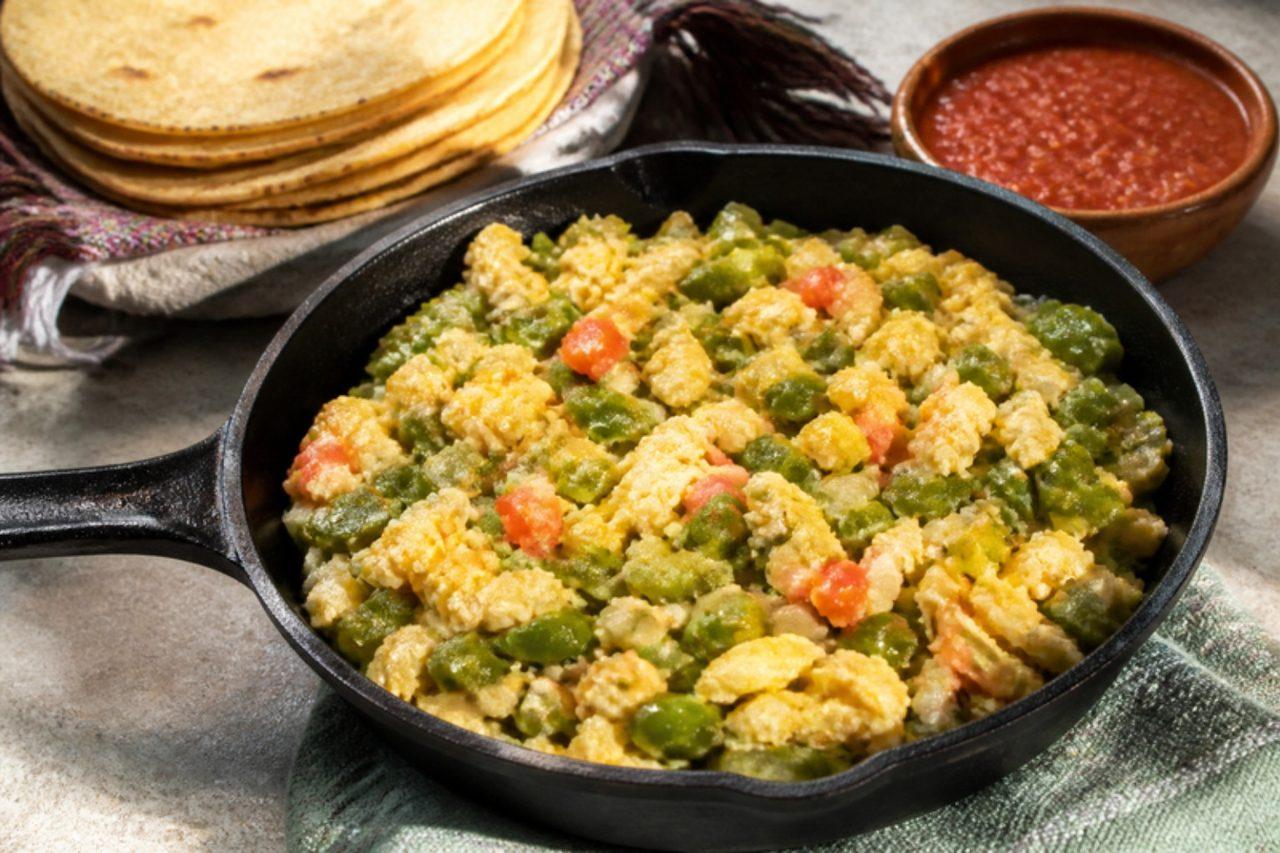
Nopales con huevoCactus and scrambled eggs

Tender cactus paddles are sold cleaned and diced in bags at every market in Mexico City and Michoacán, and the quickest breakfast they make is this: nopales fried with onion, tomato and green chile until their sticky juice cooks off, then folded through softly scrambled eggs. It is light, green and tangy, and wrapped in a warm tortilla it becomes a taco to eat on the way out. Chef's tip: cook the nopales uncovered until the slime has gone completely before the eggs go in.

by KrazyBadal 0 views
Paletas de fresa con cremaStrawberry cream ice pops

Pink, creamy and dotted with red fruit, fresa con crema pops are the milky paletas children pick first at any paletería michoacana, and they echo the strawberries and cream sold in cups in Irapuato. Fresh strawberries are folded into a sweet milk-and-cream base that freezes smooth. It contains dairy. Chef's tip: macerate the strawberries in sugar first, as the syrup keeps the fruit soft rather than icy.

by KrazyBadal 0 views
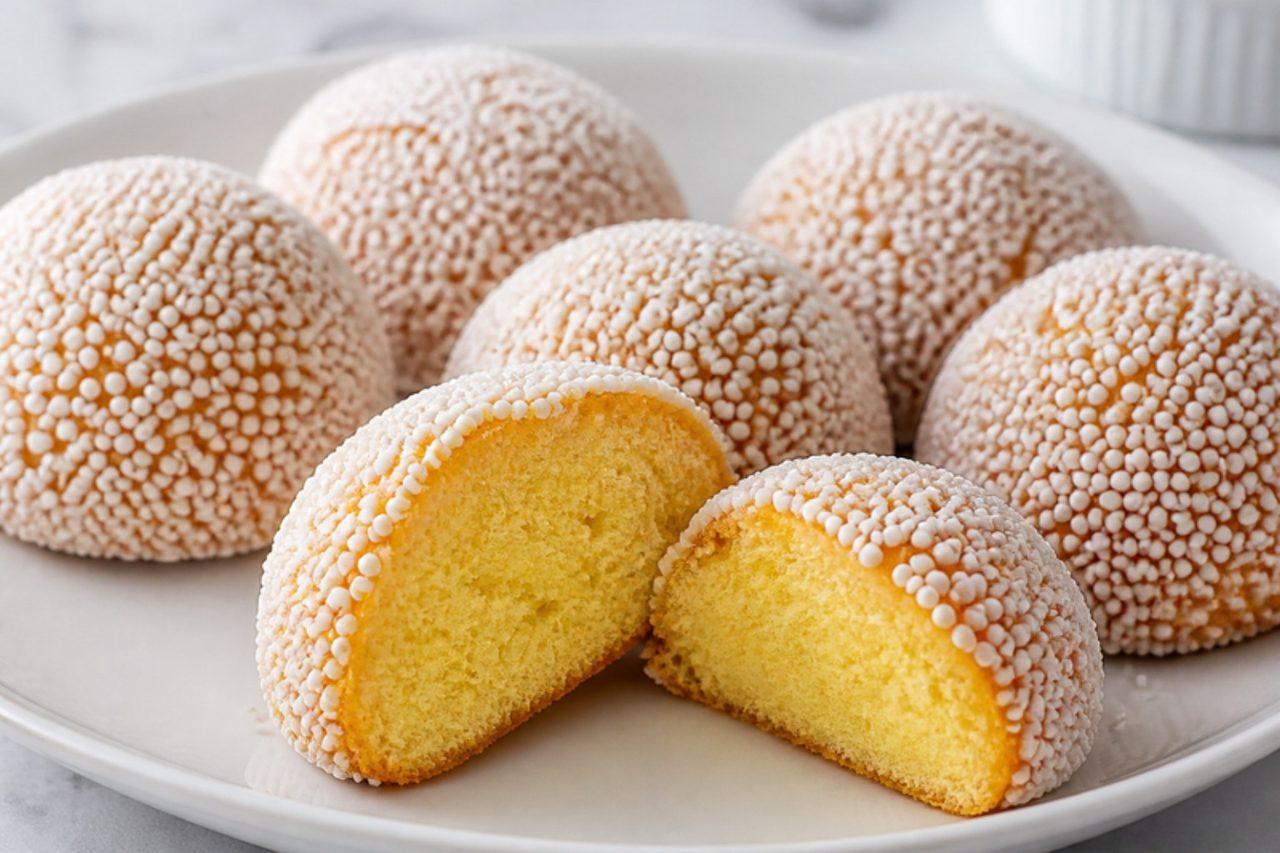
GaribaldisJam-glazed sprinkle cakes

Named after a famous old Mexico City bakery, garibaldis are little dome-shaped butter cakes coated in warm apricot jam and rolled in white nonpareils, so they look like snowballs on the counter. Chilangos buy them by the bag for afternoon coffee and school lunchboxes. The cake is dense and buttery, the jam gives a sharp, sticky contrast and the sprinkles a light crunch. Chef's tip: brush the jam on while the cakes are still warm, as the sprinkles then stick evenly.

by KrazyBadal 0 views
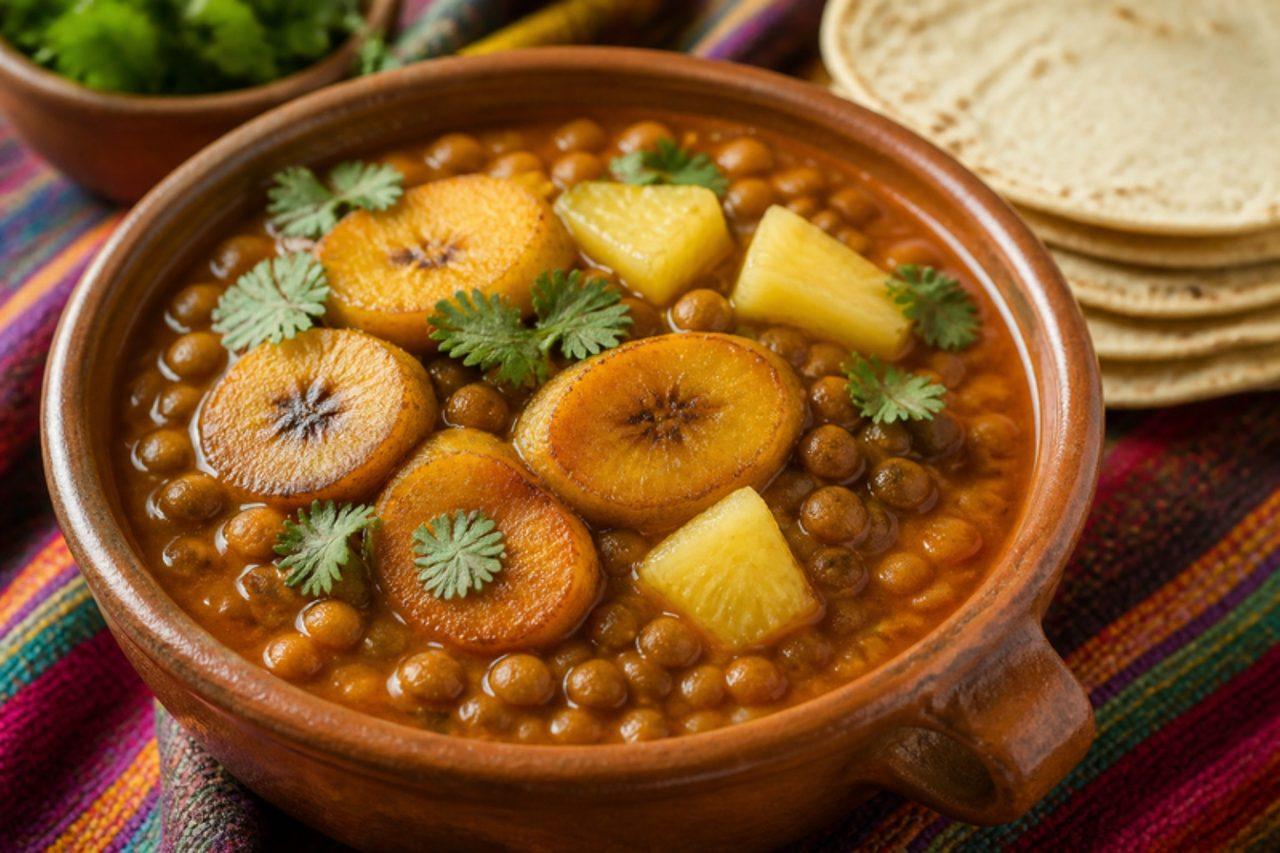
Lentejas con piña y plátanoLentils with pineapple and plantain

Sweet and savoury share a pot in this Lent favourite from Puebla and Mexico City kitchens: brown lentils simmered in a tomato and garlic broth, finished with chunks of pineapple and slices of fried ripe plantain. It sounds unusual but tastes balanced and comforting, and many families eat it on the Fridays before Easter with white rice and tortillas. Chef's tip: use a plantain with a black-speckled skin; green ones stay starchy and never sweeten.

by KrazyBadal 0 views
Pan de muertoDay of the Dead bread

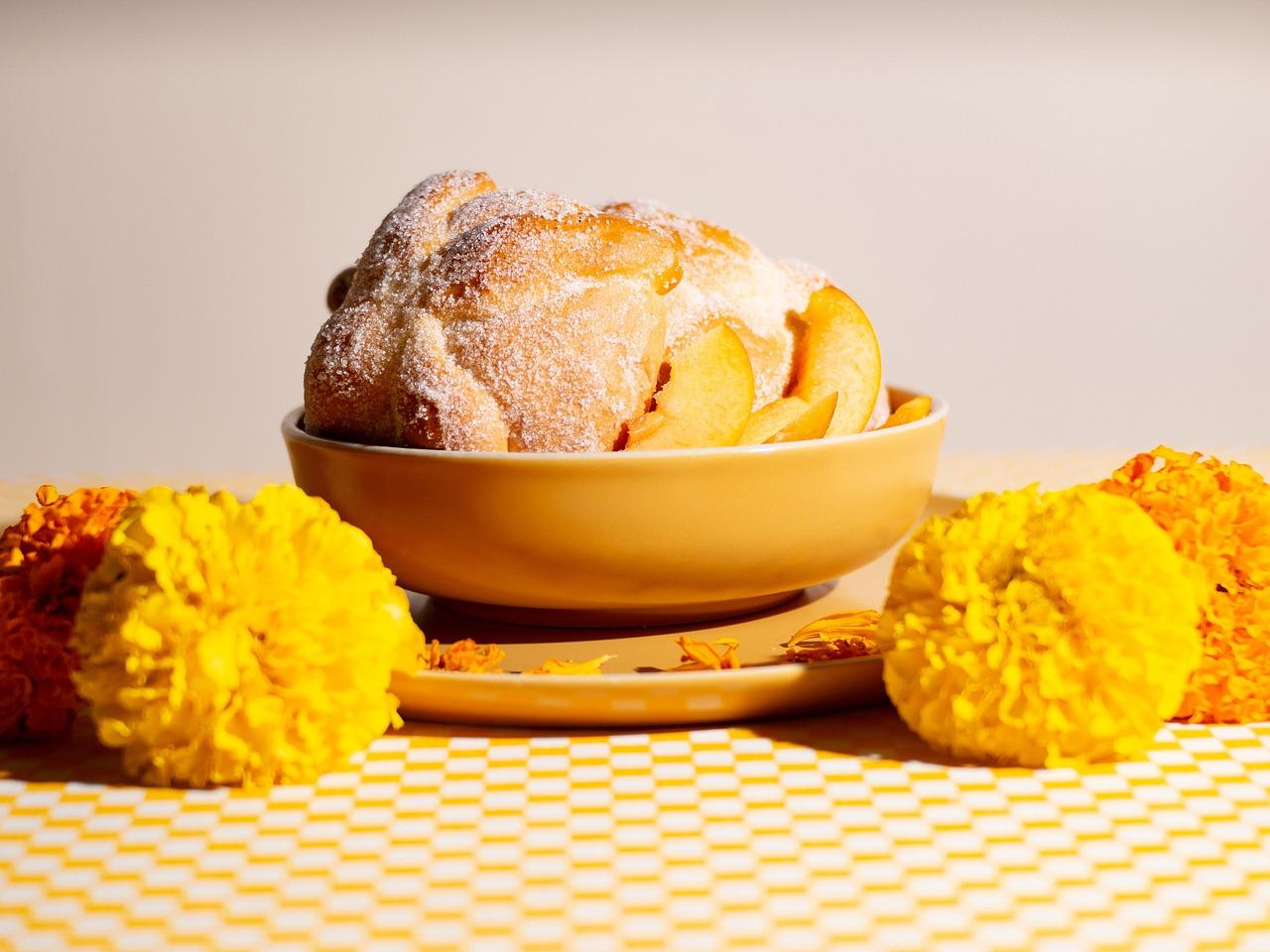
From mid-October, bakeries from Mexico City to Puebla stack their shelves with these domed loaves, and families set one on the ofrenda for the souls who return on 1 and 2 November, then share the rest with hot chocolate. The crumb is soft and rich with butter and egg, scented with orange zest and orange-blossom water, and the knobbly strips across the top stand for bones, with a small ball for the skull. A sugar crust or a dusting of sesame finishes it. Chef's tip: shape the bones from dough you have held back and chilled, so they keep their ridges instead of melting flat in the oven.

by KrazyBadal 0 views
Rebanadas de mantequillaButtered sweet bread slices

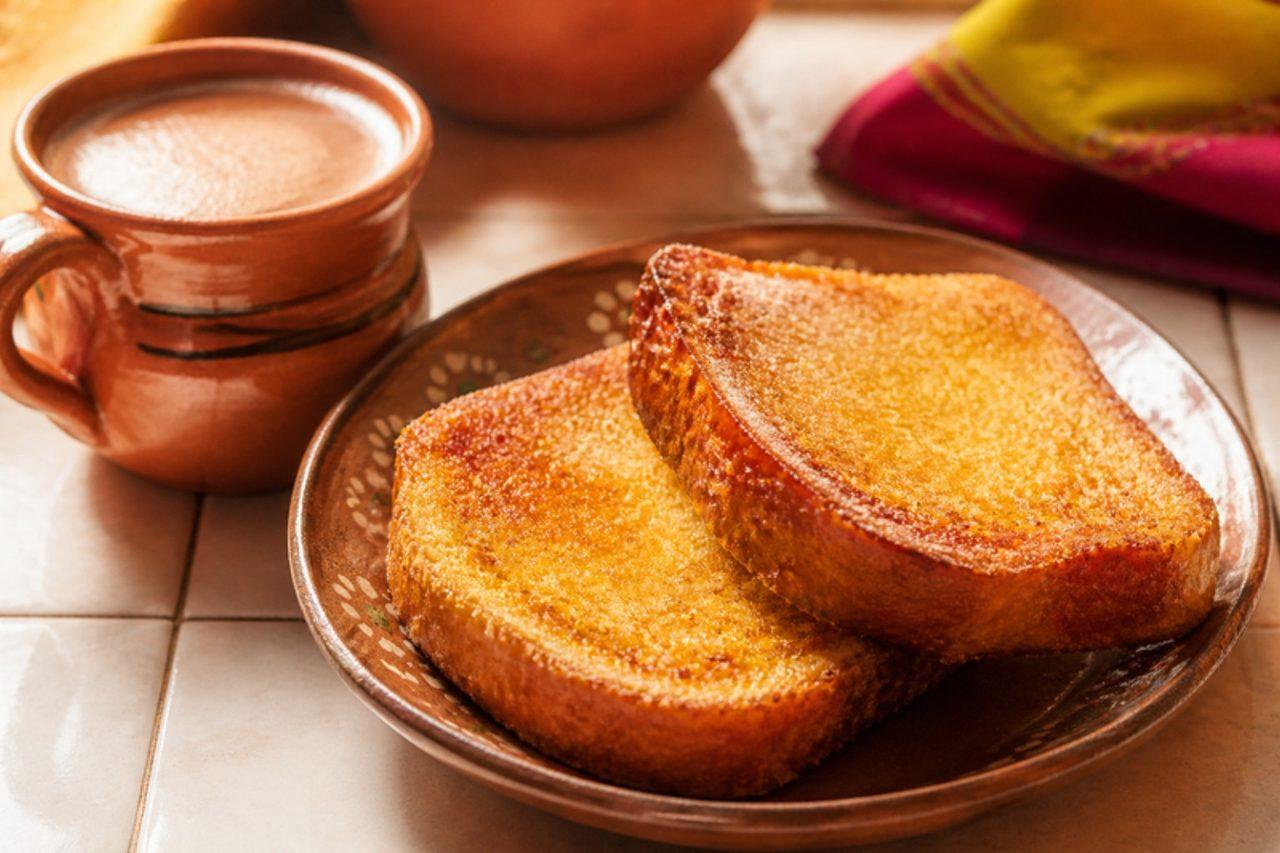
When yesterday's pan dulce goes stale, Mexican bakeries slice it thick, spread it with butter, dust it with sugar and toast it until crisp, and the result, rebanadas, often sells out first. At home it is a ten-minute afternoon treat with hot chocolate or a glass of cold milk, and a good way to use up a loaf of brioche, a pan de yema or a few bolillos. This version uses butter, so it is vegetarian. Chef's tip: let the butter get really soft so it sinks into the bread instead of sitting on top.

by KrazyBadal 0 views
CocolesAnise sweet bread

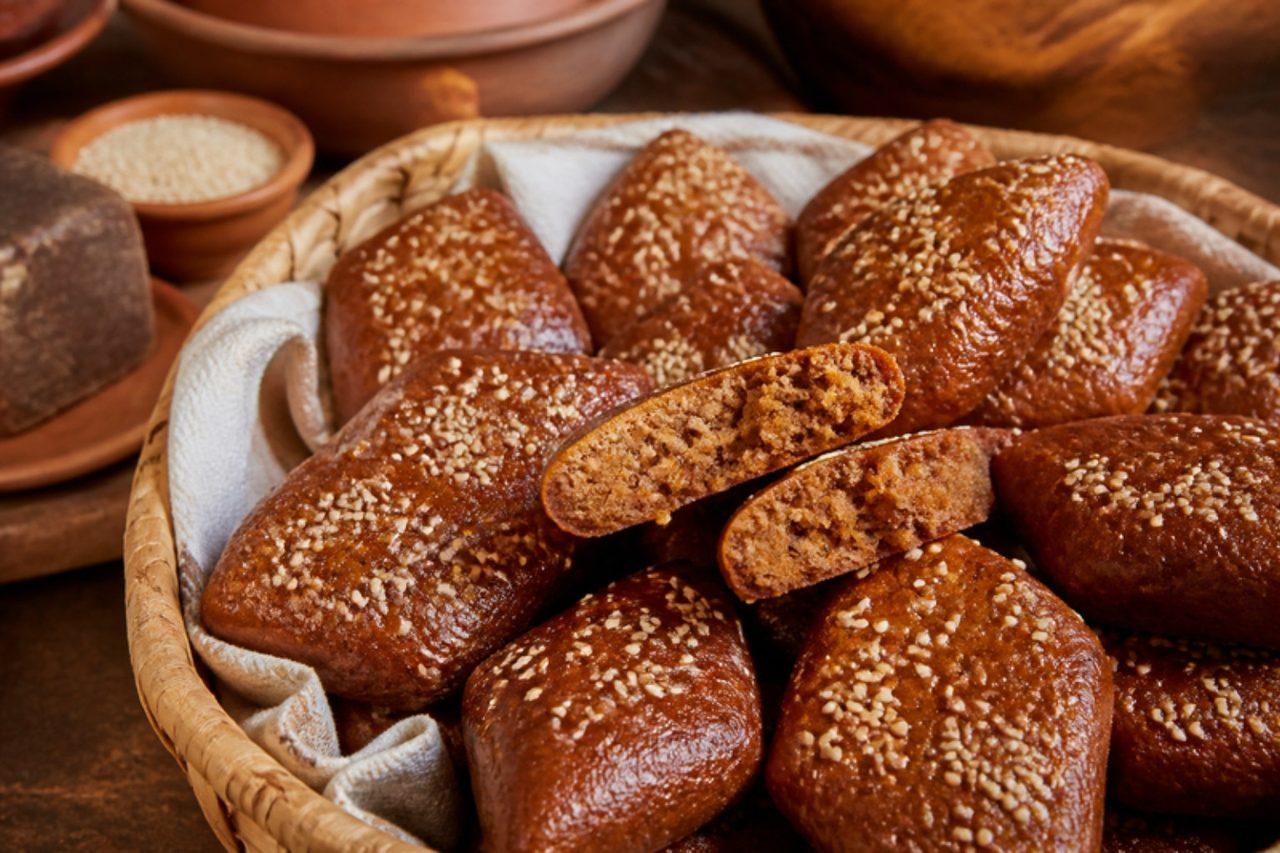
In the markets of Puebla, Tlaxcala and Mexico City, cocoles are the plain, honest bread of the morning: diamond-shaped, deep brown from piloncillo, fragrant with anise and studded with sesame seeds on top. They are not very sweet, so people eat them with café de olla or split them for a cheese torta. Old bakers used lard; this version uses vegetable shortening, so it stays vegetarian and vegan. Chef's tip: steep the anise in the warm piloncillo syrup, so its flavour runs through every bite.

by KrazyBadal 0 views
Palanquetas de cacahuatePeanut brittle bars

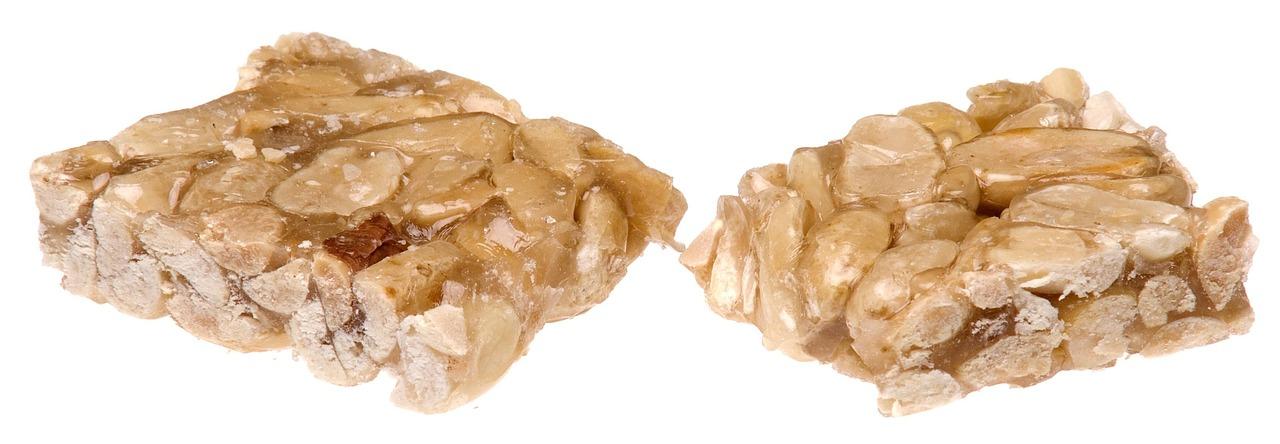
Bus-station vendors, school gates and the sweet stalls around the Basilica in Mexico City all sell palanquetas, crisp bars of roasted peanuts bound in amber piloncillo or sugar caramel. They are crunchy, toasty and only lightly salted, and families also make them with pumpkin seeds or sesame. They contain peanuts. Chef's tip: have everything oiled and ready before you start, because the caramel sets within a minute of leaving the heat.

by KrazyBadal 0 views
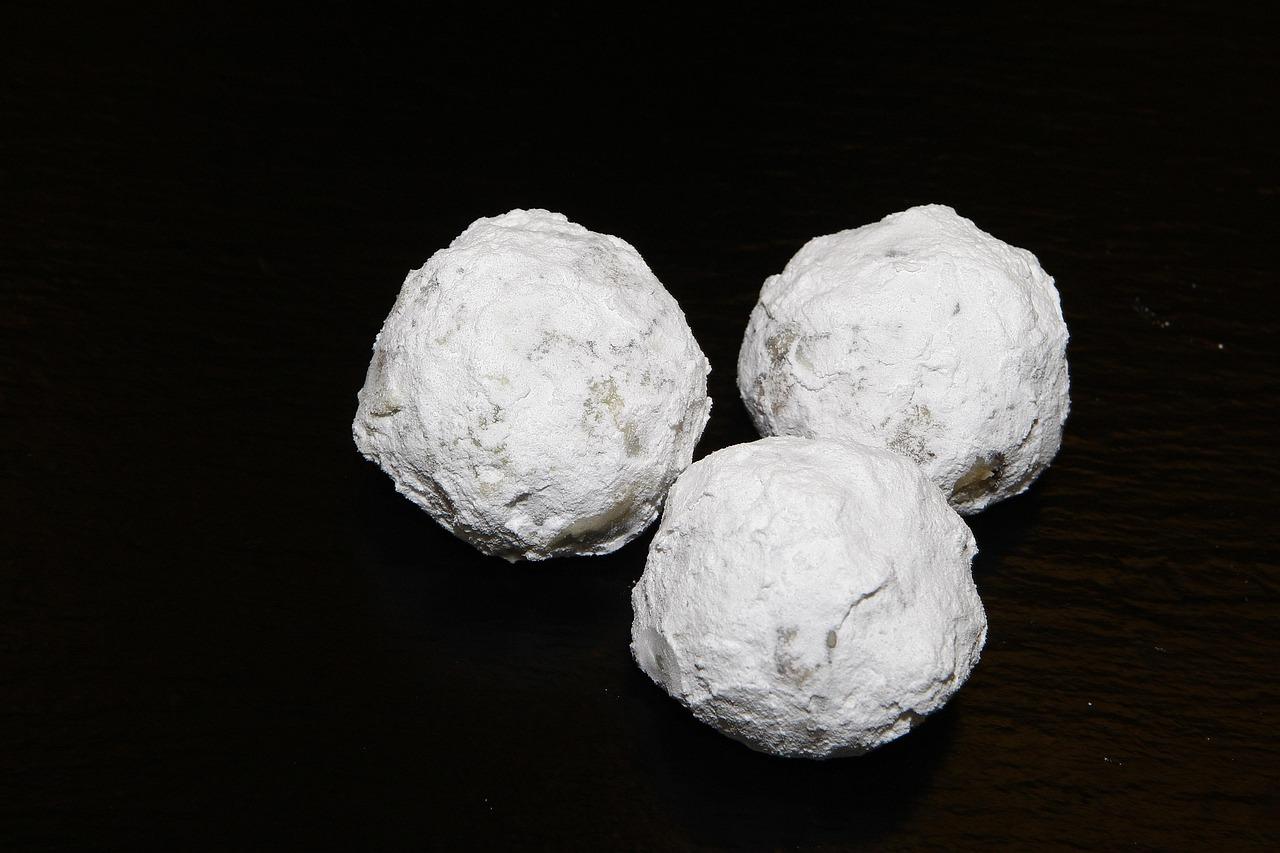
Polvorones de nuezPecan butter cookies

Christmas cookie tins, wedding tables and bakery counters all over northern and central Mexico hold polvorones, small domes of toasted pecan shortbread that crumble to dust in the mouth, which is how they got their name. They are rolled twice in icing sugar, once warm and once cold, so they look snowy. Old recipes used lard; this one uses butter, so it is vegetarian, and it contains wheat and tree nuts. Chef's tip: toast the pecans first, which turns a plain cookie into a deeply nutty one.

by KrazyBadal 0 views
GaznatesMeringue-filled pastry tubes

Gaznates are a fair and fiesta sweet in Puebla, Mexico City and the State of Mexico: paper-thin squares of pastry wrapped around metal tubes, fried until blistered and filled with a glossy meringue or sweetened coconut. Some stalls tint the meringue pink. The shell shatters like a cannoli while the filling is soft and cloud-like. They contain wheat and egg. Chef's tip: roll the dough as thin as you can, so it bubbles and turns crisp; thick dough turns hard.

by KrazyBadal 0 views
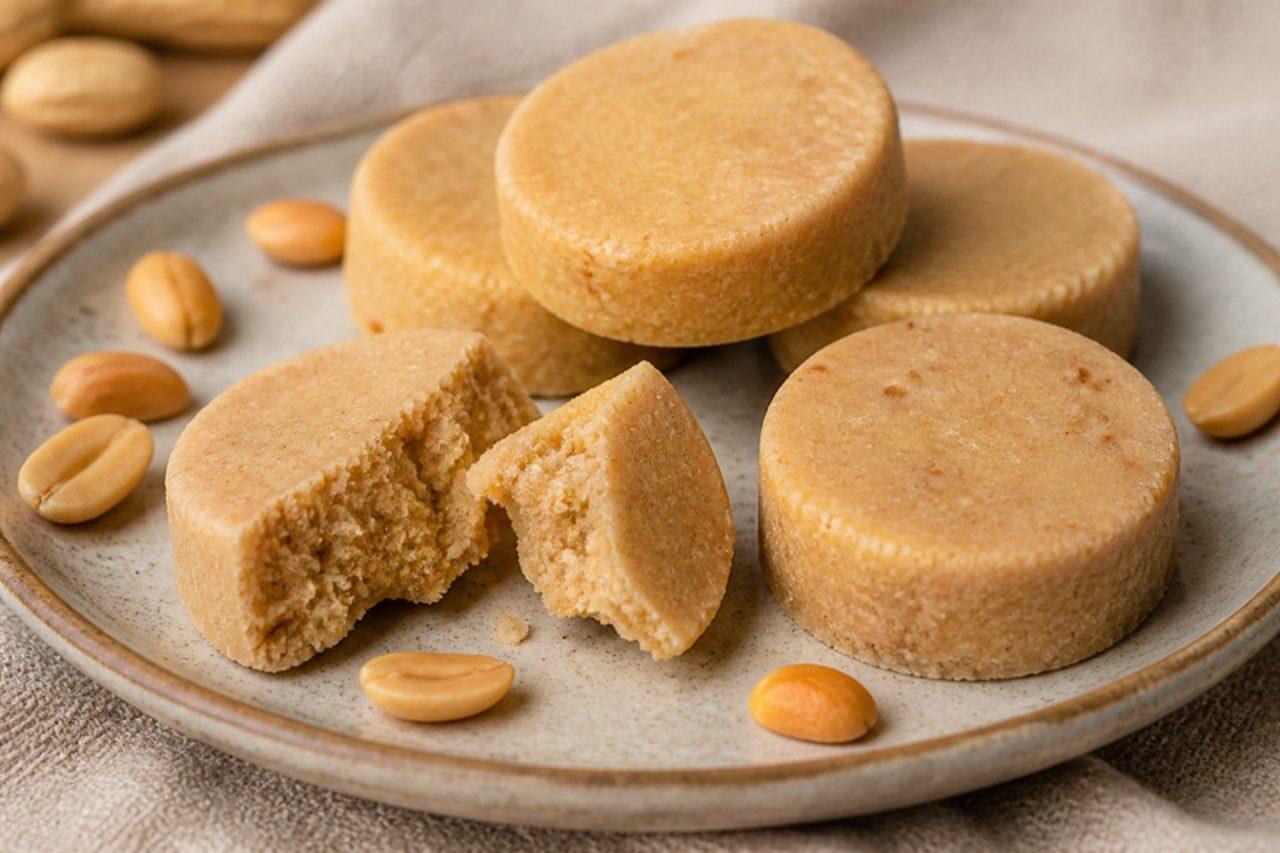
Mazapán de cacahuatePeanut sugar sweets

Mexican children grow up on mazapán, little rounds of ground roasted peanuts and powdered sugar that crumble at the first bite, sold singly at corner shops and piñata parties across the country. The homemade version tastes even more of peanut and needs no cooking at all, only a blender and a pastry cutter or bottle cap to press the rounds. They contain peanuts. Chef's tip: press really hard and lift the cutter straight up, as loose pressing is why homemade mazapán falls apart.

by KrazyBadal 0 views
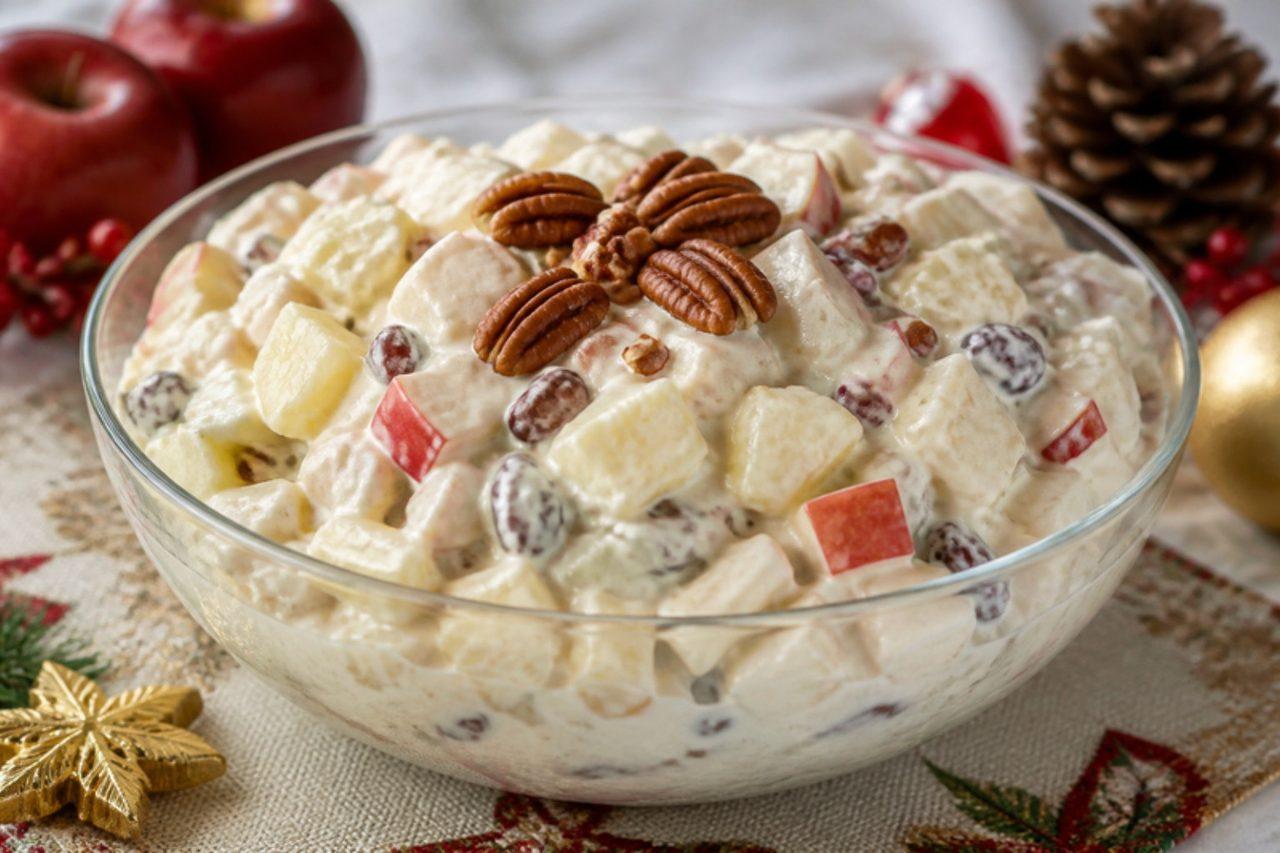
Ensalada de manzana navideñaCreamy apple salad

In homes from Monterrey to Guadalajara, a big bowl of creamy apple salad is chilling in the fridge on Christmas Eve, ready to sit alongside roast pork or turkey, and the kids usually go back for seconds as dessert. Crisp diced apple, juicy pineapple, celery for crunch, raisins and toasted pecans are folded into a sweet dressing of cream, condensed milk and a little soured cream. Many versions add marshmallows, but most contain gelatine, so they are left out here. Chef's tip: chill it for an hour before serving; the dressing thickens and the flavours marry.

by KrazyBadal 0 views
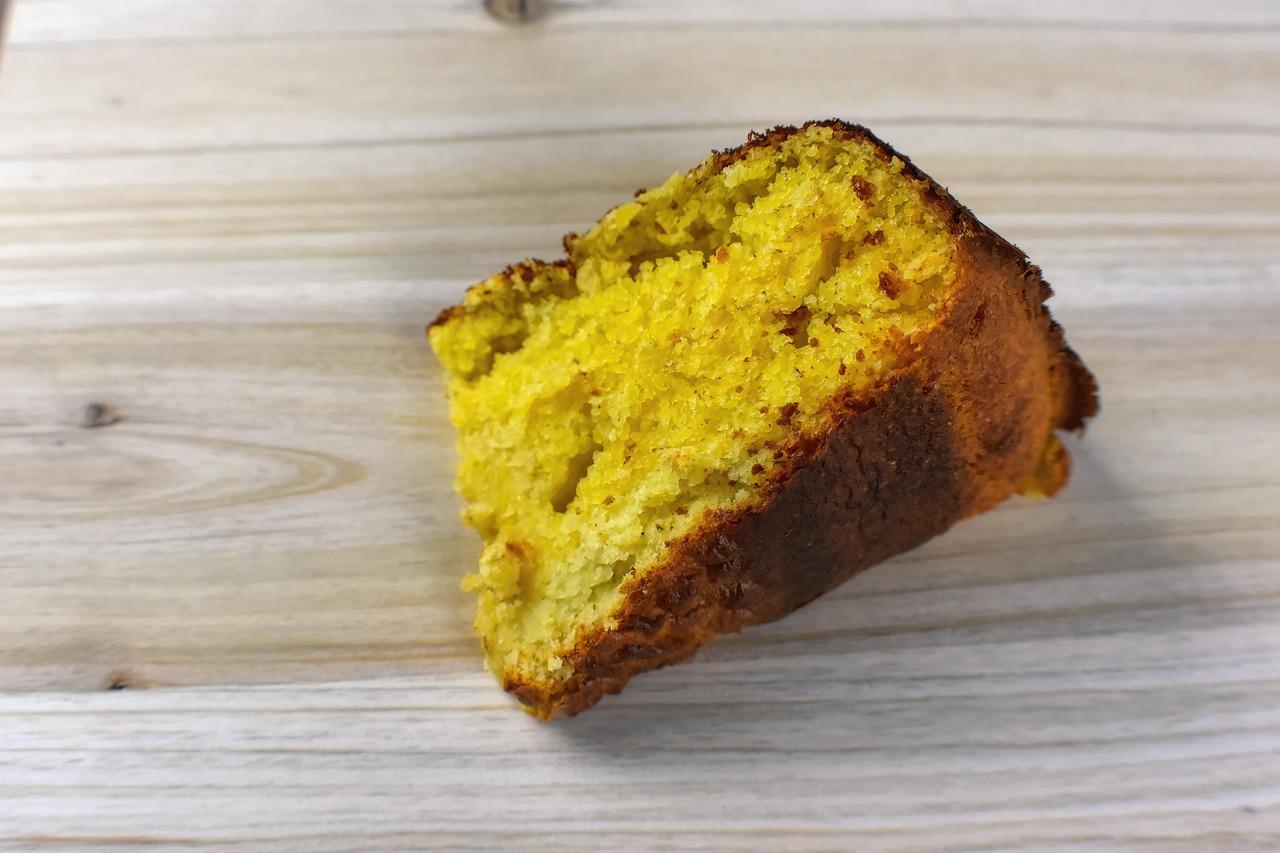
Pan de eloteFresh corn cake

Across central Mexico, from Morelos to the State of Mexico, pan de elote is baked when fresh corn is cheap in late summer and sold by the slice at market stalls. Despite its name it is more cake than bread: fresh kernels blended with butter, eggs and condensed milk bake into a dense, custardy, golden loaf that tastes of sweet corn. It contains wheat and egg. Chef's tip: use the starchiest, most mature corn you can find, because young sweetcorn makes a wetter, flatter cake.

by KrazyBadal 0 views
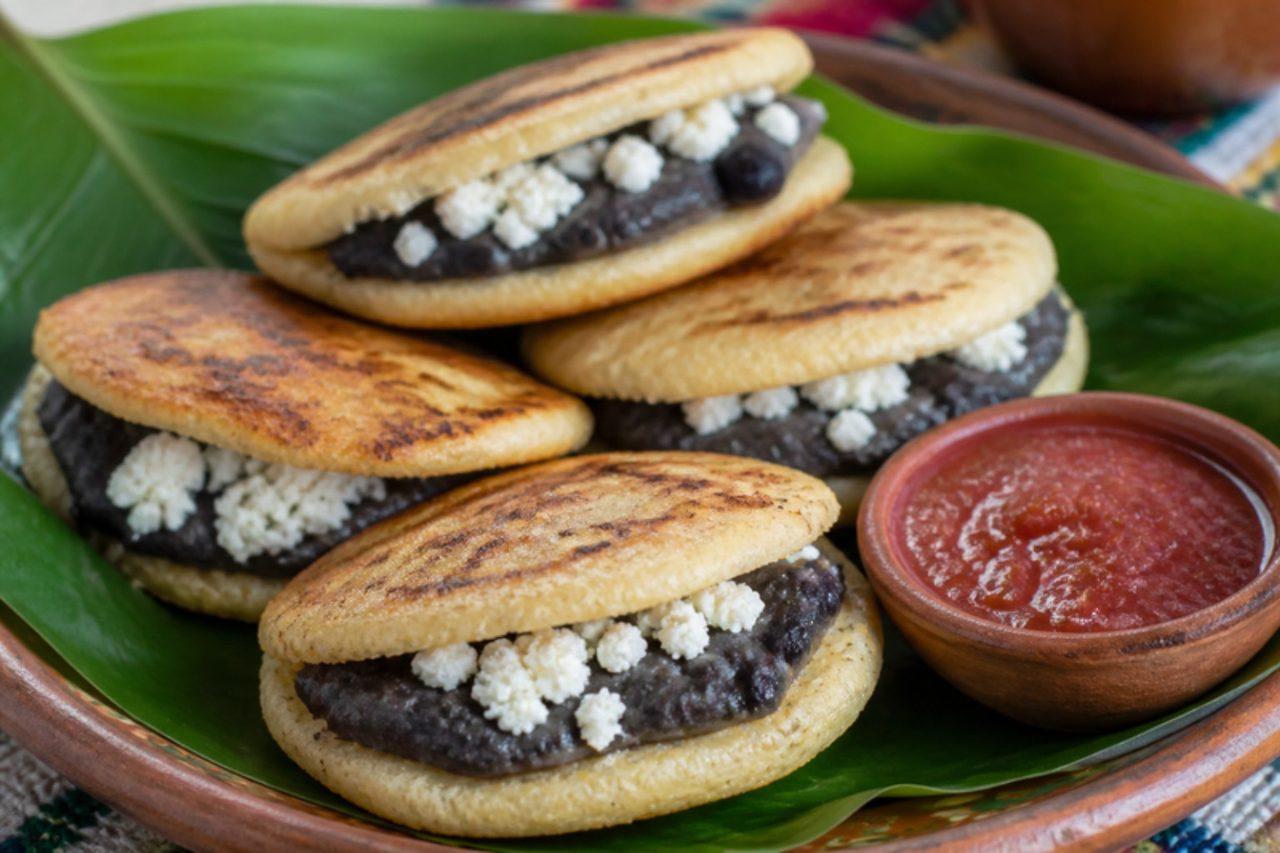
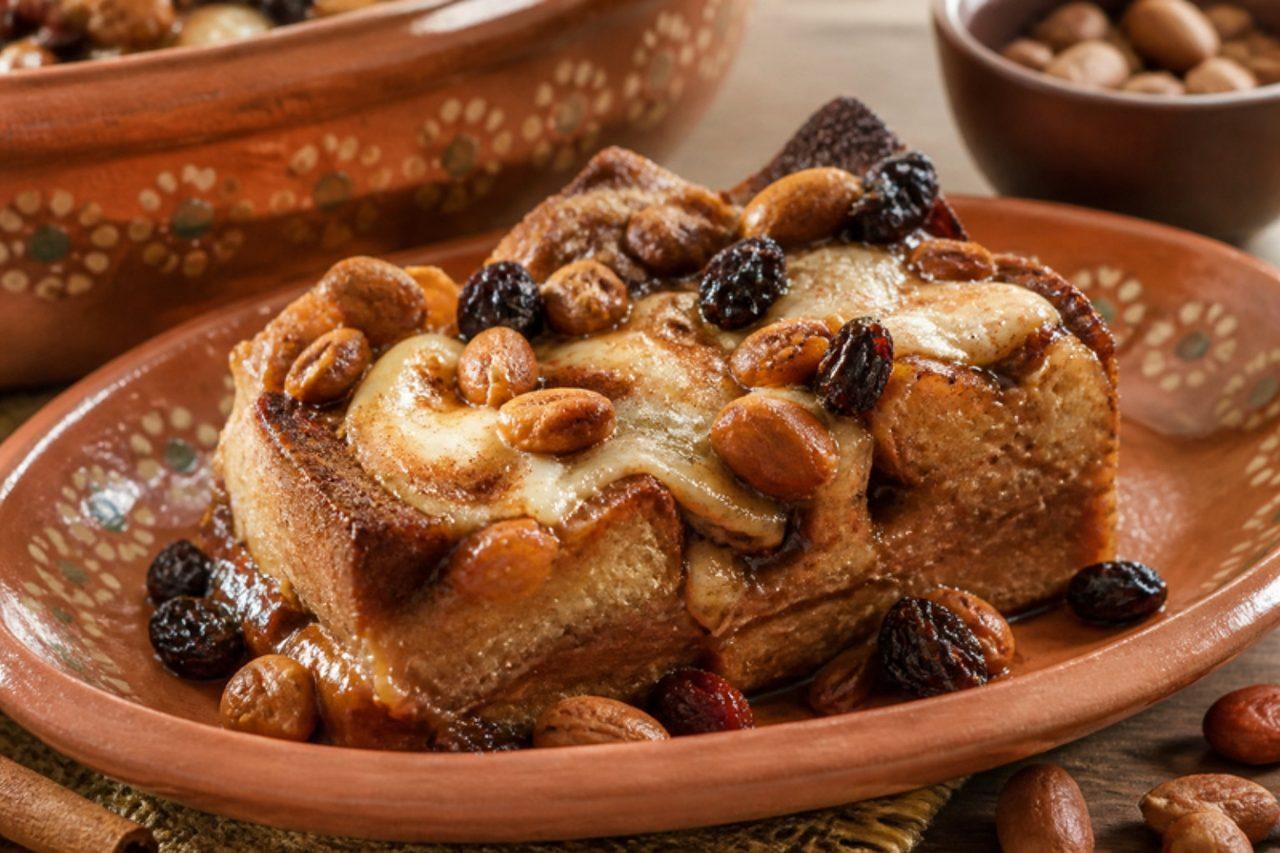
CapirotadaMexican bread pudding

On the Fridays of Lent and above all on Good Friday, grandmothers from Jalisco to Sonora layer stale bolillo with a dark syrup of piloncillo, cinnamon and cloves, then tuck in raisins, peanuts and crumbled cheese, a sweet-salty pudding that uses up bread when meat is off the menu. It comes out of the oven sticky at the edges and soft in the middle, and is eaten warm or at room temperature. The traditional cheese, queso añejo or cotija, is usually made with animal rennet, so use a vegetarian hard cheese or mild feta if you prefer. Chef's tip: fry or toast the bread until really dry and golden first; soft bread turns to porridge in the syrup.

by KrazyBadal 0 views
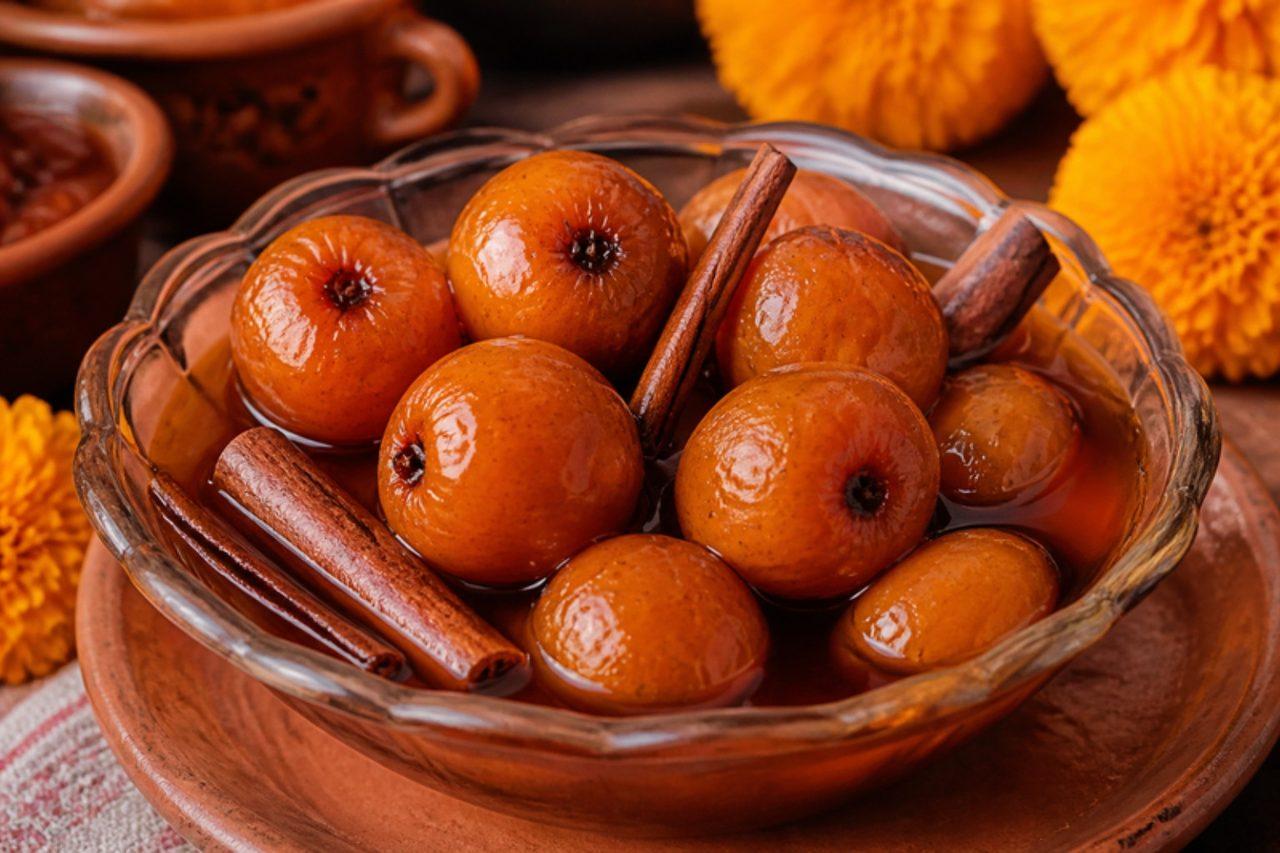
Paletas de cocoCoconut ice pops

Coconut pops are a classic of the paleterías of Michoacán and of the beach carts of Acapulco and Veracruz, where fresh coconuts are cracked open to order. They are milky, sweet and chewy with shreds of coconut, more like frozen coconut cream than ice. It contains dairy. Chef's tip: toast a third of the coconut lightly before using, which brings out a deeper flavour without changing the snowy colour much.

by KrazyBadal 0 views
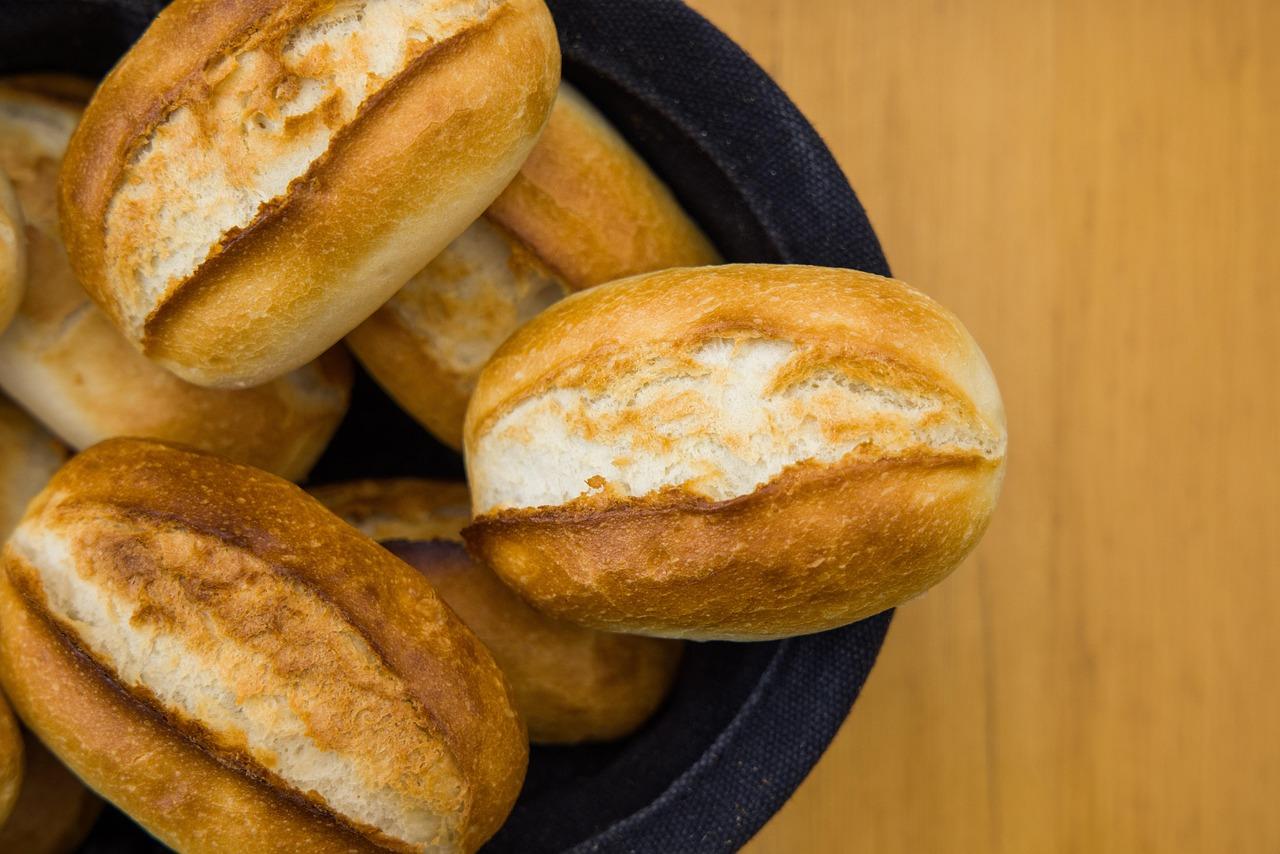
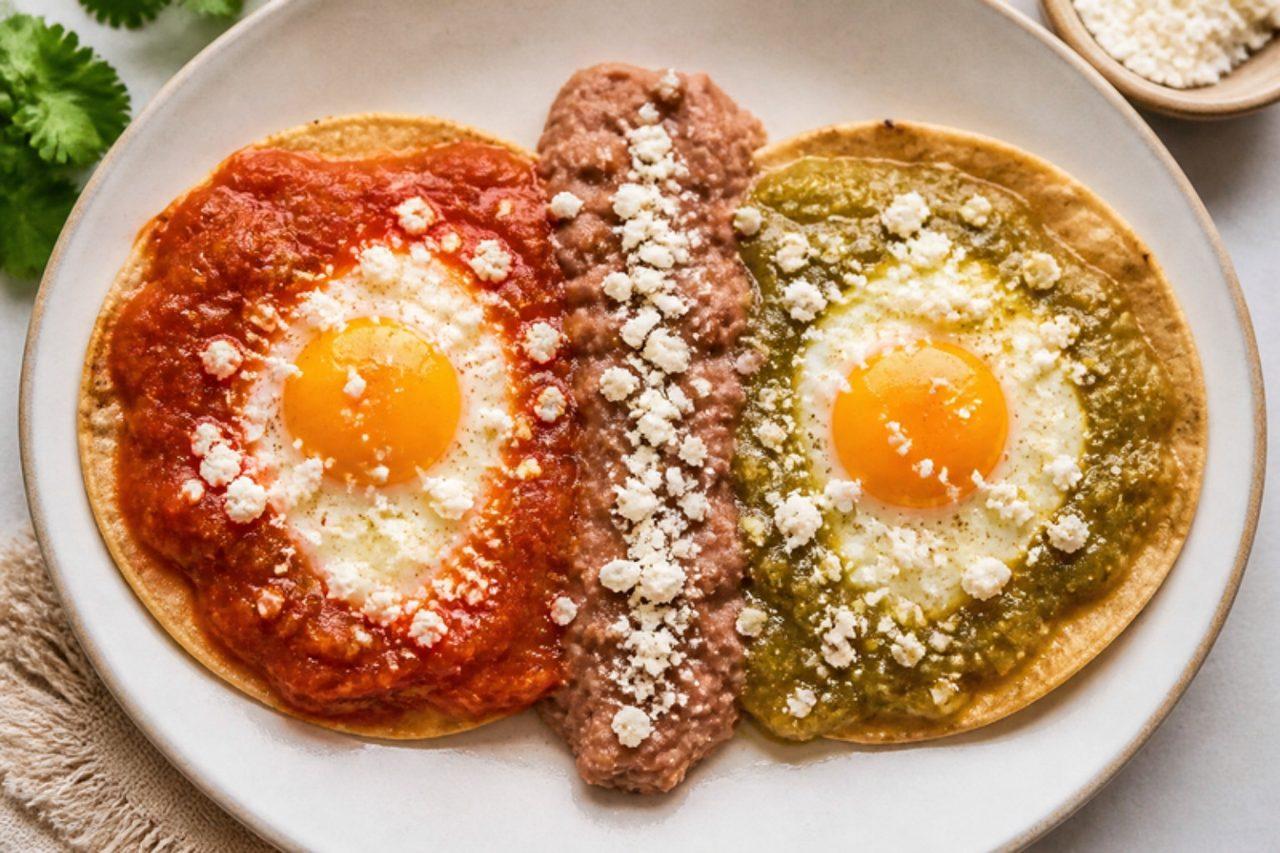
Huevos divorciadosEggs in red and green salsa

Order 'divorced eggs' in any Mexico City café or roadside fonda and you get a plate split down the middle: one fried egg on a tortilla under smoky red salsa, the other under tangy green tomatillo salsa, with a ridge of refried beans keeping the couple apart. It is a cheerful weekend breakfast and a good way to use up leftover salsas. Mexican crumbling cheese is often made with animal rennet, so choose a vegetarian one if needed. Chef's tip: warm the tortillas in the egg pan first, so they are soft but not greasy.

by KrazyBadal 0 views
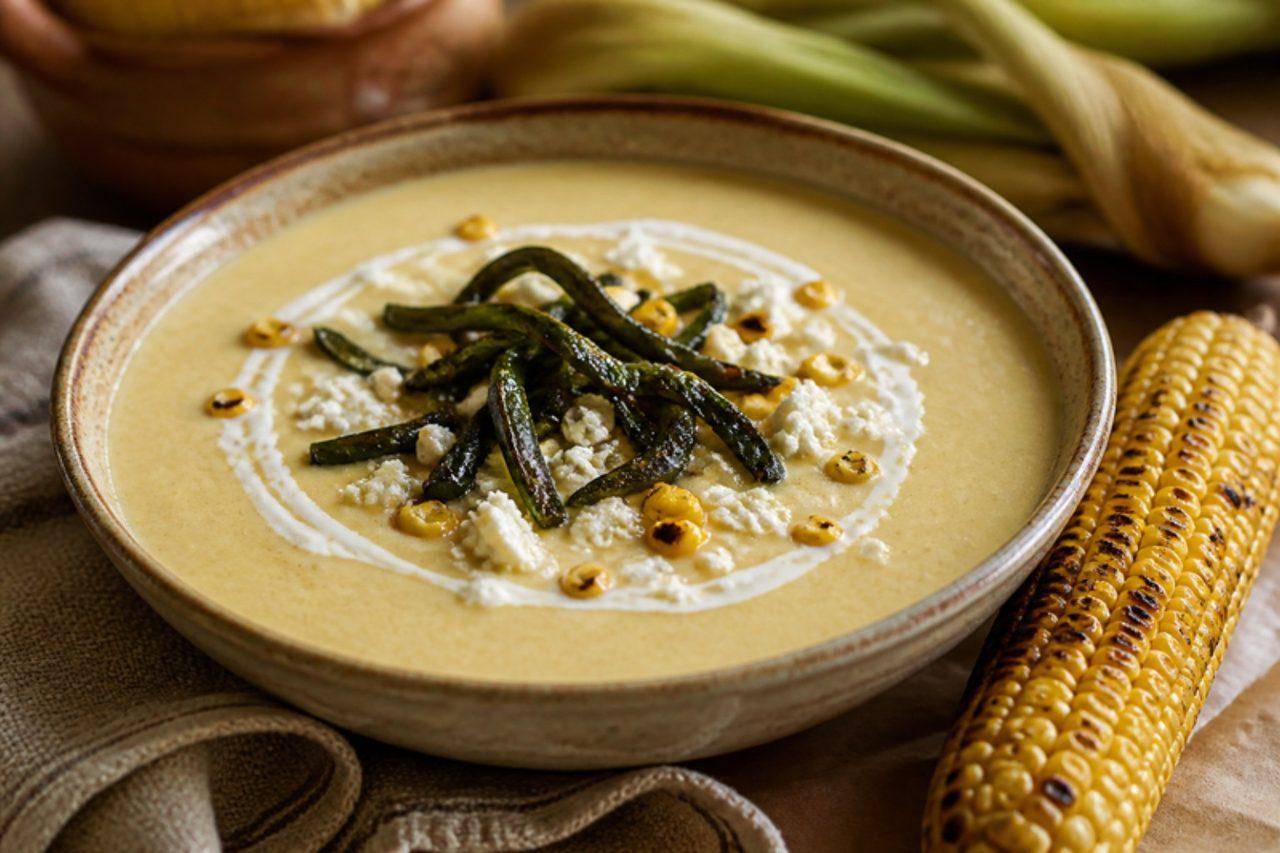
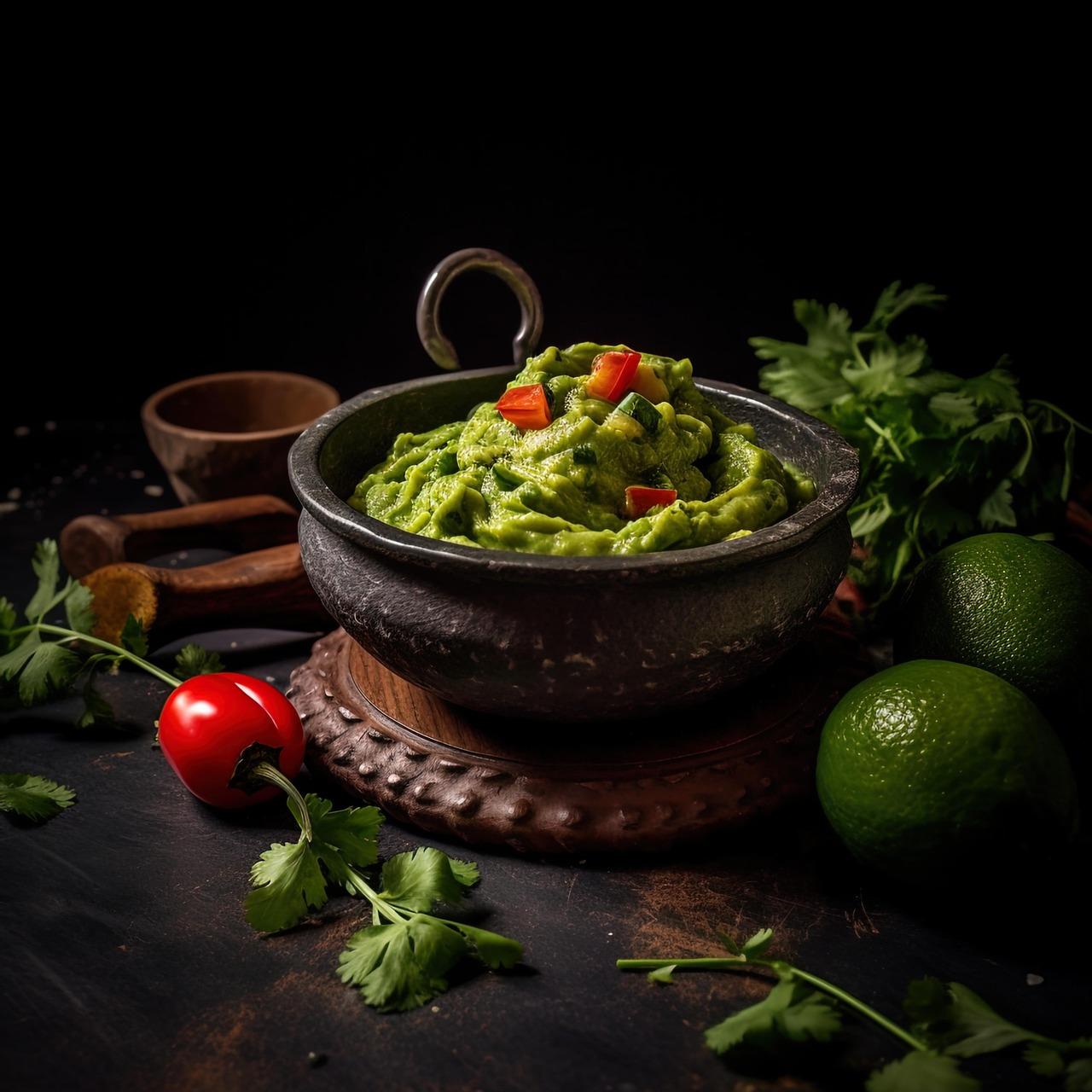
Guacamole

In fondas around Mexico City and at Sunday carne asada gatherings across Puebla and the Bajío, guacamole is pounded to order in a basalt molcajete and carried to the table still in the stone. No sour cream, no garlic powder: just ripe avocado crushed over a paste of onion, serrano chile, cilantro and salt, sharpened with lime. It is a dip for warm totopos, a topping for tacos and a side for grilled meat, and it is best eaten within the hour. Chef's tip: grind the chile, onion and salt to a wet paste first, so the heat spreads through every bite instead of sitting in chunks.

by KrazyBadal 0 views
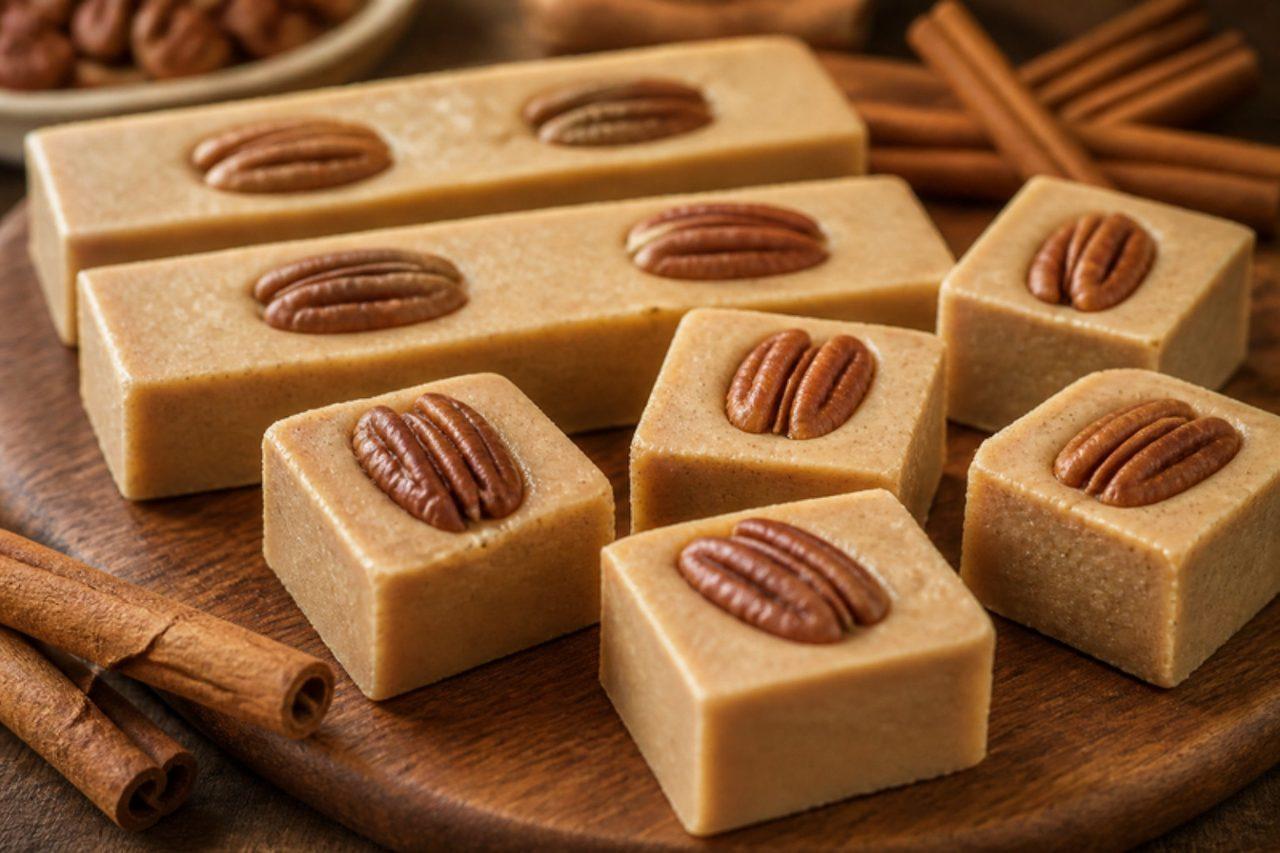
Jamoncillo de lecheMilk fudge

Jamoncillo turns up wrapped in waxed paper at sweet stalls from Puebla to Coahuila, and in San Luis Potosí and Guadalajara whole shops are given over to it. Milk and sugar are cooked down slowly with cinnamon until they turn into a pale caramel-coloured fudge that is firm, slightly grainy and rich, then pressed into bars and topped with pecan halves. Chef's tip: keep the heat moderate and stir all the time near the end, because the paste can catch and burn in seconds.

by KrazyBadal 0 views
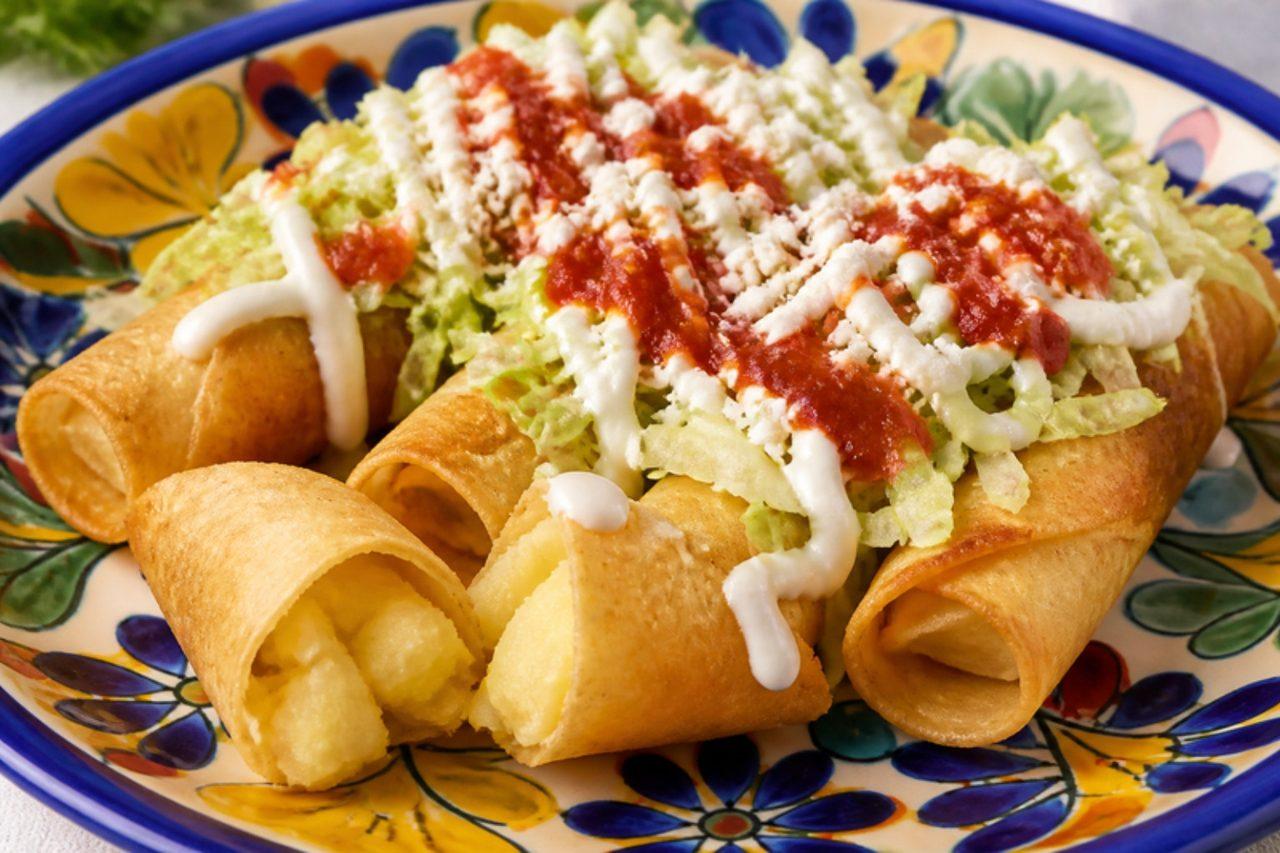
Tacos dorados de papaFried potato tacos

Crisp potato tacos are a Friday and Lent staple in homes across central Mexico, and a cheap favourite at fondas near schools in Mexico City. Tortillas are rolled around buttery-soft mashed potato, fried until shattering, then buried under cool lettuce, crema, salsa and crumbled cheese. Children love them, and the potato filling is easy to make ahead. Fresh crumbly cheeses here are often set with animal rennet; a vegetarian queso fresco or a microbial-rennet feta keeps the dish meat-free. Chef's tip: mash the potatoes while hot and let them cool before rolling, so the filling is firm and doesn't ooze into the oil.

by KrazyBadal 0 views
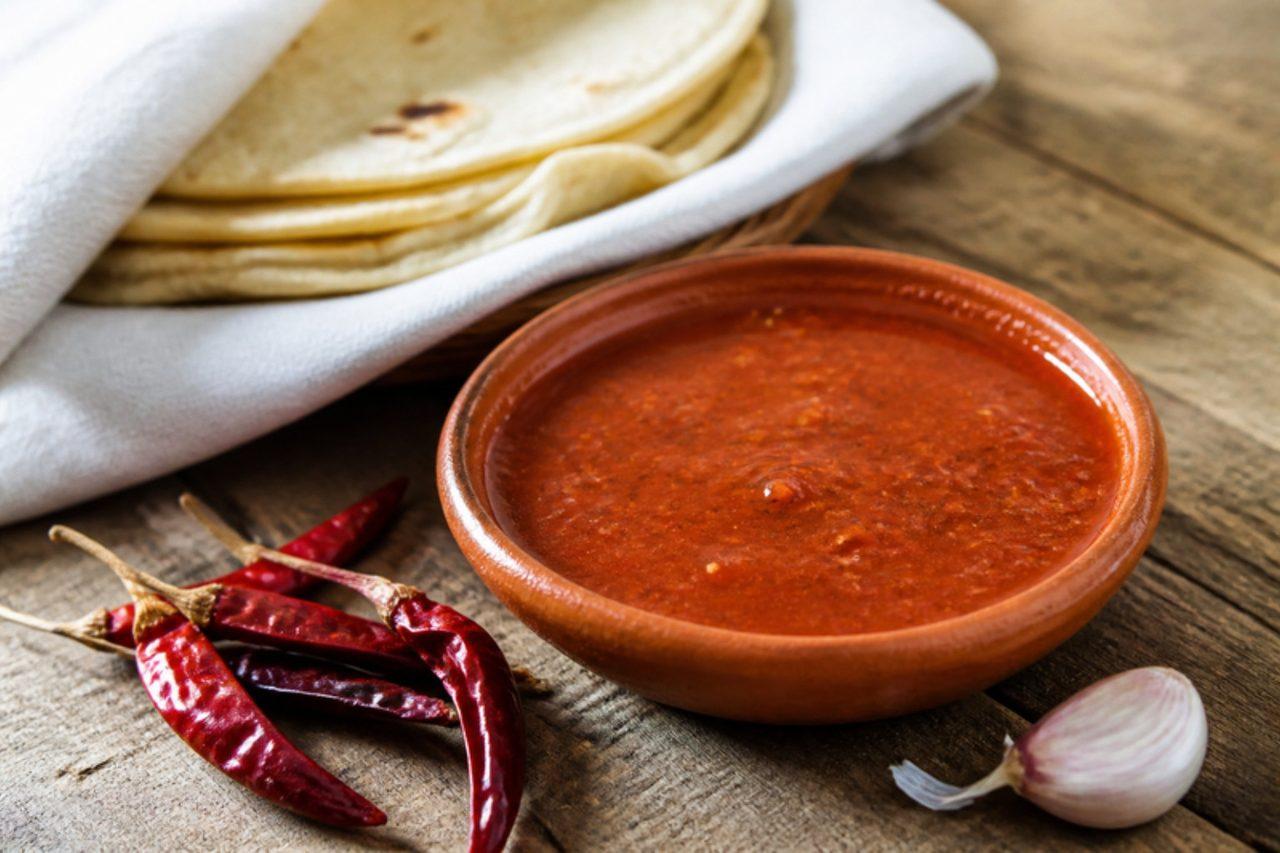
Salsa taquera de chile de árbolChile de árbol taco salsa

Late at night outside Mexico City's taquerías, the squeeze bottle of rust-red salsa is what regulars reach for to wake up tacos de suadero and al pastor. It is thin, very hot and a little sour from vinegar, with the toasty, nutty heat of chile de árbol balanced by cooked tomatillo. Small amounts go a long way, and it keeps two weeks in the fridge. Chef's tip: toast the chiles only until they darken and smell nutty, about 30 seconds; a minute too long and the whole batch turns bitter.

by KrazyBadal 0 views
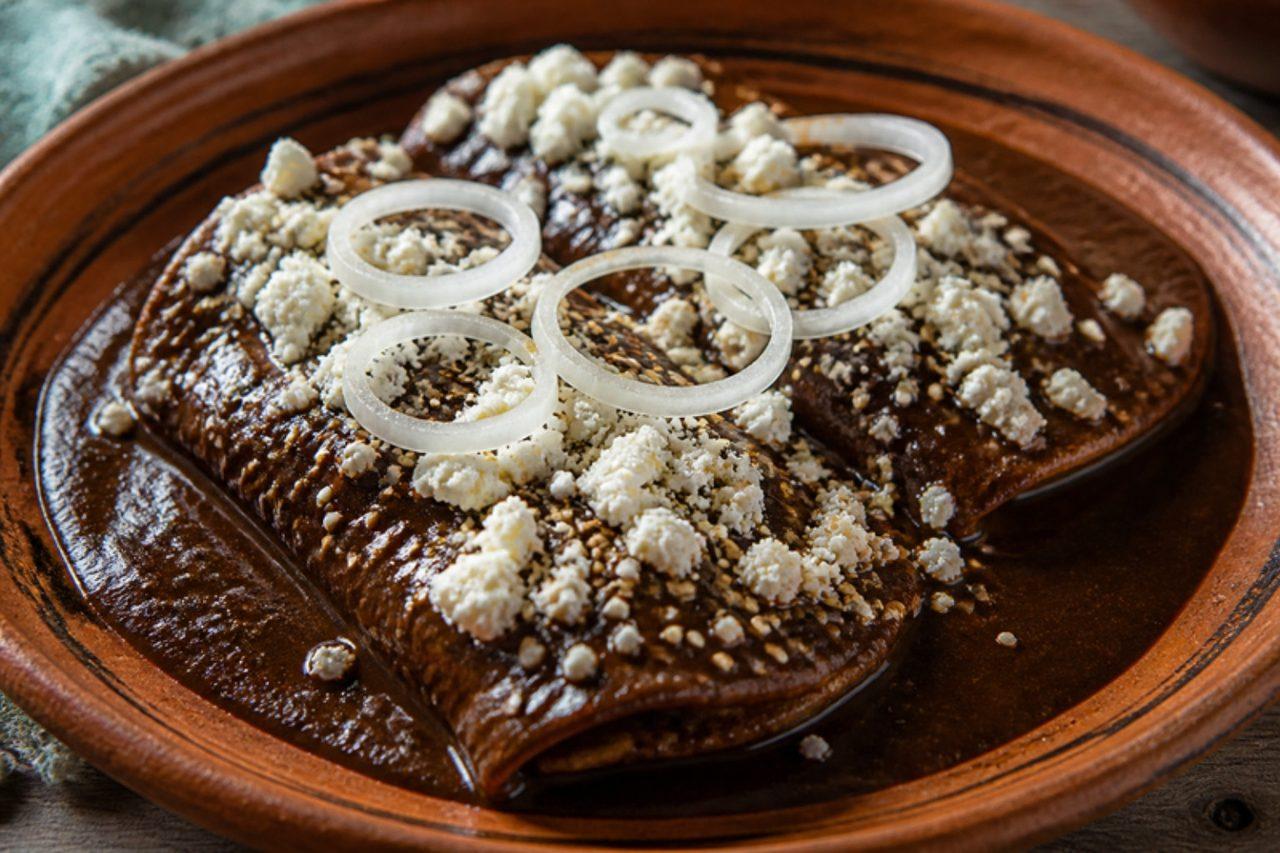
EnmoladasEnchiladas in mole
In Puebla and Oaxaca, leftover mole from a fiesta becomes enmoladas the next day: warm tortillas dipped in the dark sauce, folded around cheese and finished with onion and toasted sesame. This version makes a quick vegetarian mole from scratch with vegetable stock and oil, because market moles often contain lard or chicken stock. The cheese is the one ingredient to check, since queso fresco is often made with animal rennet; use a vegetarian fresh cheese or paneer-style curd instead. Chef's tip: keep the mole loose, like pouring cream, so it coats each tortilla in a thin glossy layer rather than a thick paste.

by KrazyBadal 0 views

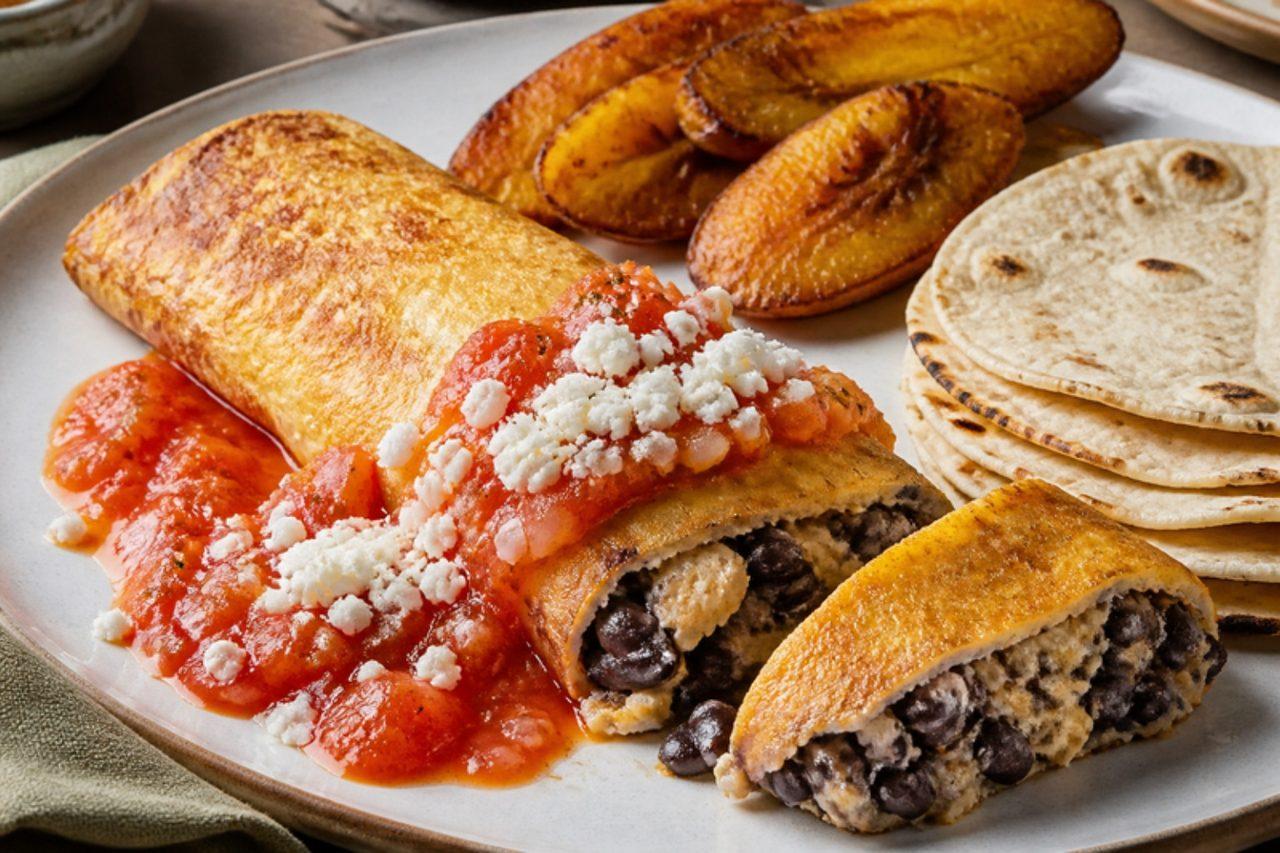
Huevos tiradosEggs with black beans

In the port of Veracruz and the coffee towns around Xalapa, morning cafés roll out a dark, savoury omelette that looks plain and tastes rich: eggs are 'thrown' into a pan of black refried beans and stirred, then rolled into a log and served with tortillas, fresh cheese and salsa. It keeps workers going till lunch. Chef's tip: the beans should be thick and fairly dry, like mashed potato, or the roll won't hold.

by KrazyBadal 0 views

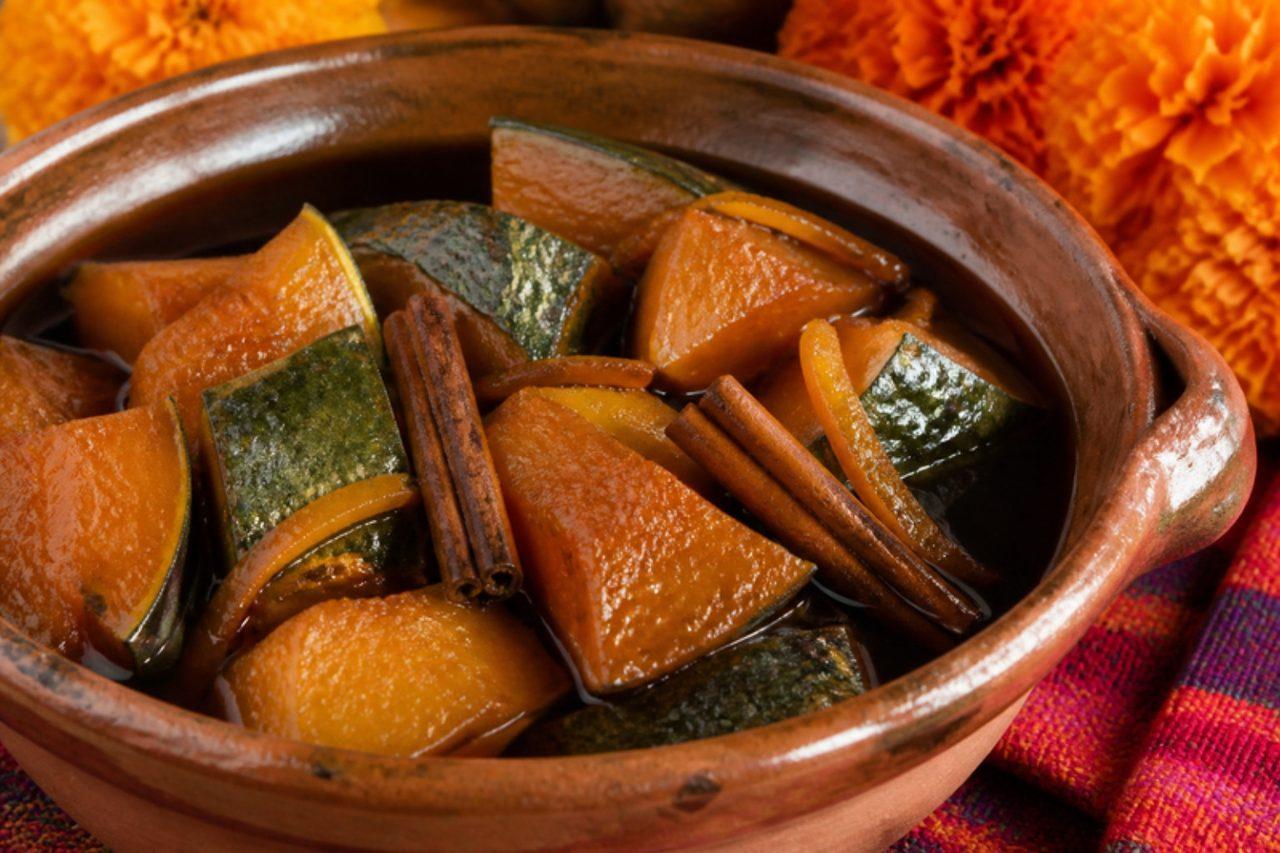
Calabaza en tachaCandied pumpkin

When the first squash of autumn arrives, kitchens across Puebla, Tlaxcala and Mexico State fill with the dark caramel smell of calabaza en tacha, a sweet that goes on the ofrenda on 1 November and is eaten warm at breakfast with a splash of cold milk. Wedges of pumpkin simmer slowly in piloncillo, the cone-shaped raw cane sugar, with cinnamon bark, orange and a few cloves until the flesh turns glossy amber and the syrup thickens. It is homely, deeply sweet and spiced. Chef's tip: lay the pumpkin skin side down and never stir, just baste, so the pieces stay whole.

by KrazyBadal 0 views

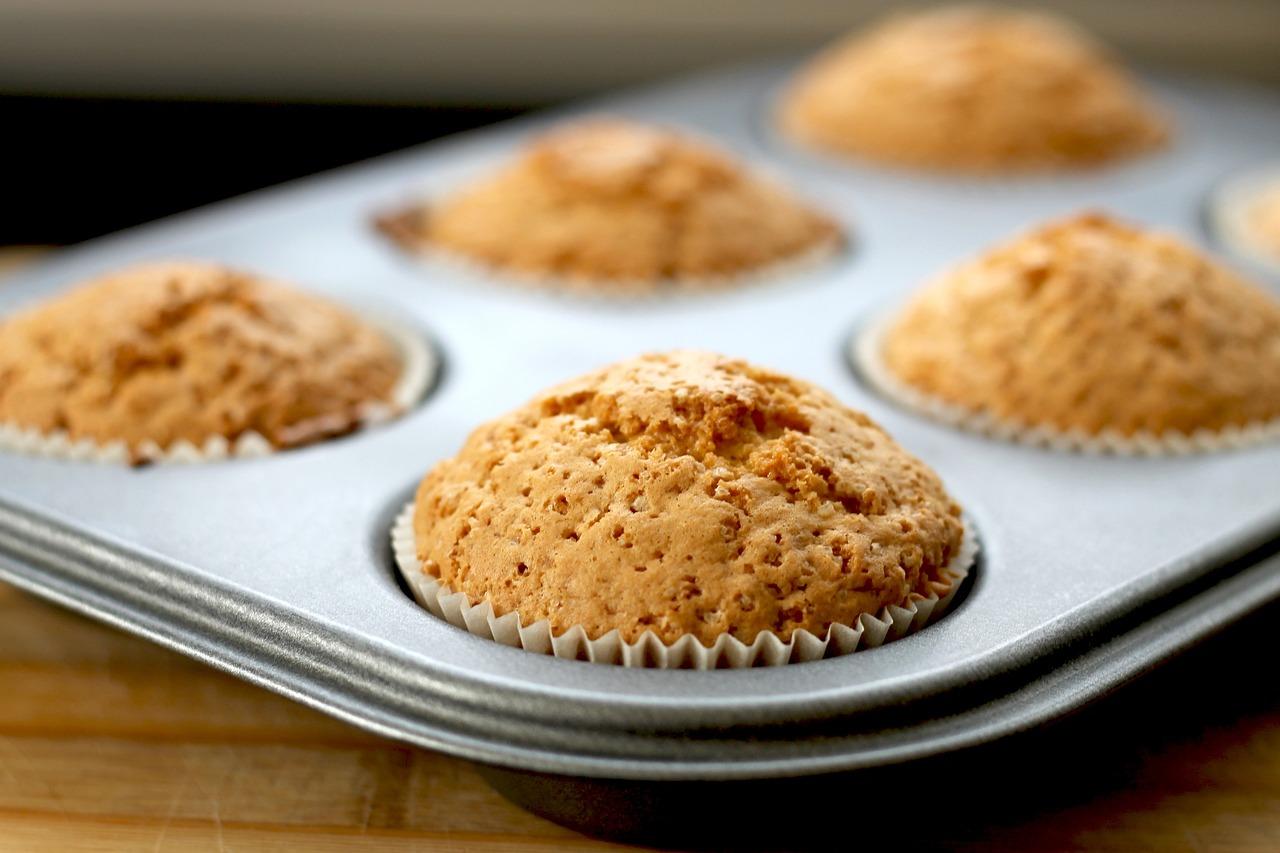
MantecadasMexican muffins

Red pleated paper cups give mantecadas away at once on the bakery tray, from Monterrey to Mérida. Inside is a tender, golden, slightly orange-scented sponge, richer than a cupcake and topped with a domed crust, eaten for breakfast or merienda with milky coffee. They contain egg, butter and wheat. Chef's tip: let the batter rest for 20 minutes before baking, which gives the tall, cracked dome bakery mantecadas are known for.

by KrazyBadal 0 views

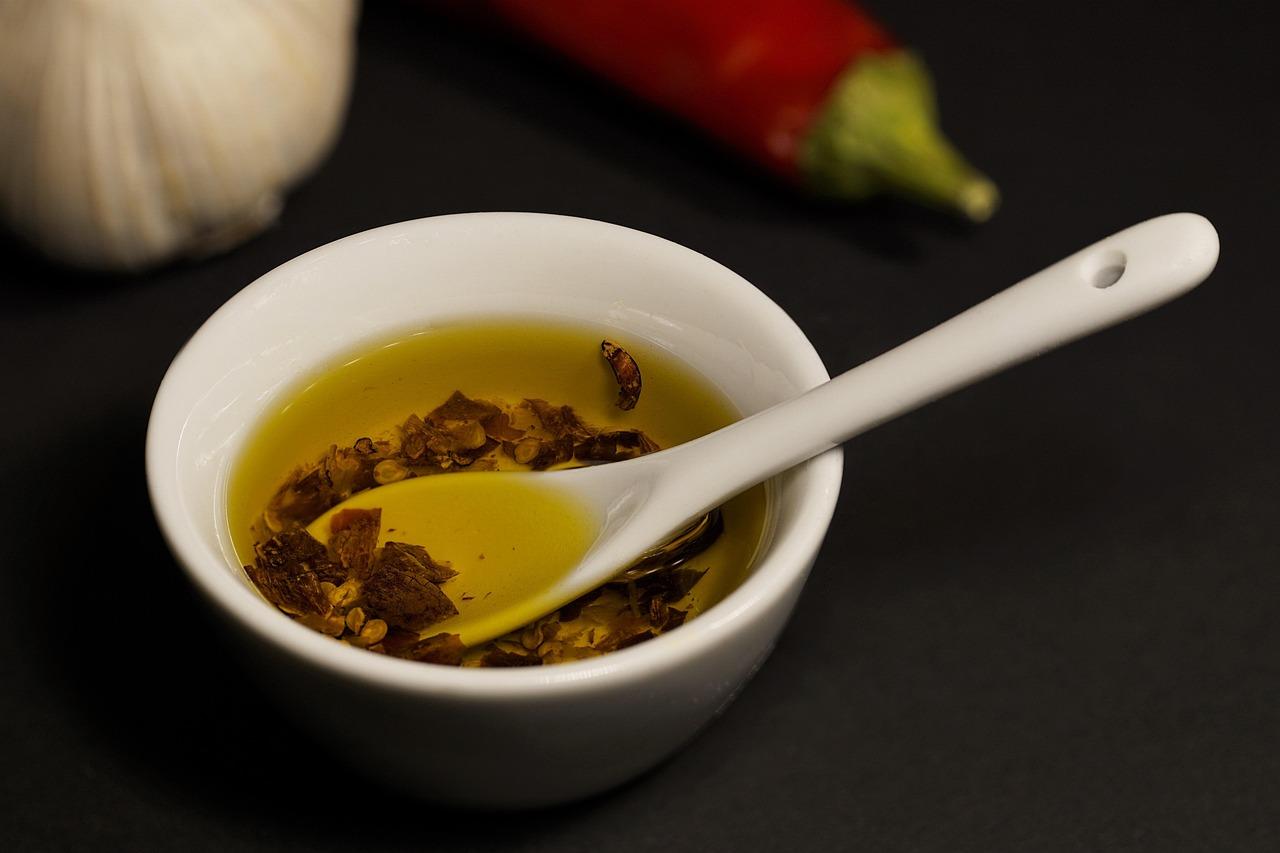
Salsa machaChile peanut oil salsa

In Orizaba and Córdoba in the mountains of Veracruz, salsa macha is a jar that lives on the table: dried chiles, garlic, peanuts and sesame fried in oil and crushed into a dark, crunchy relish. It is spooned over eggs, tamales, beans, grilled vegetables and even fresh cheese, and a little goes a long way. The flavour is smoky and nutty rather than fiercely hot when made with mild chiles. This version contains peanuts and sesame, both common allergens. Chef's tip: let the oil cool for a minute before the chiles go in; they need gentle heat to release their flavour without scorching.

by KrazyBadal 0 views

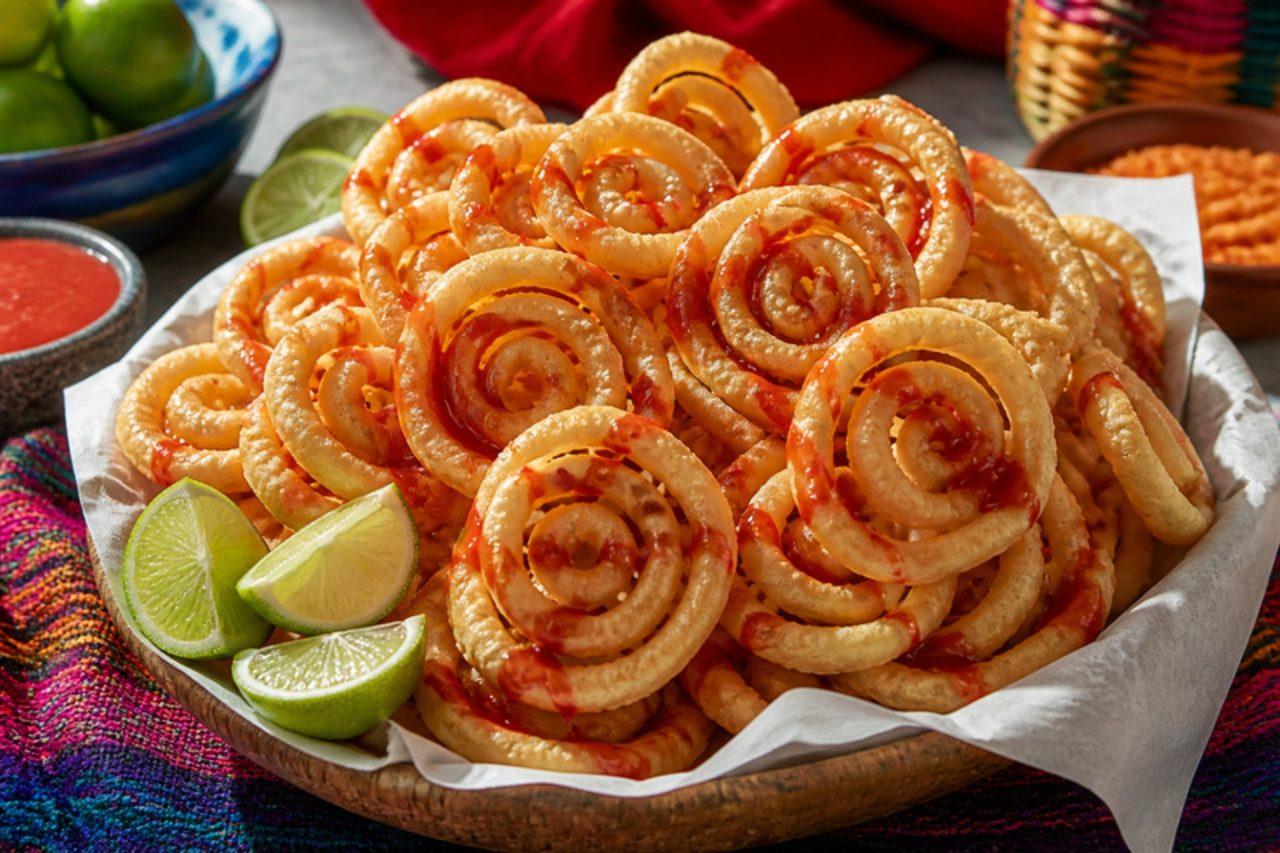
Chicharrones de harinaPuffed wheat snacks

Outside Mexican schools and parks, vendors fry little dried wheels and rectangles of wheat dough until they balloon into airy, crackly chicharrones de harina, also called duritos. They're handed over in a plastic bag drenched in lime juice and bottled hot sauce. At home you can buy the dried pellets (duros) at Latin grocers, and they puff in seconds. Chef's tip: fry just a small handful at a time; they triple in size.

by KrazyBadal 0 views

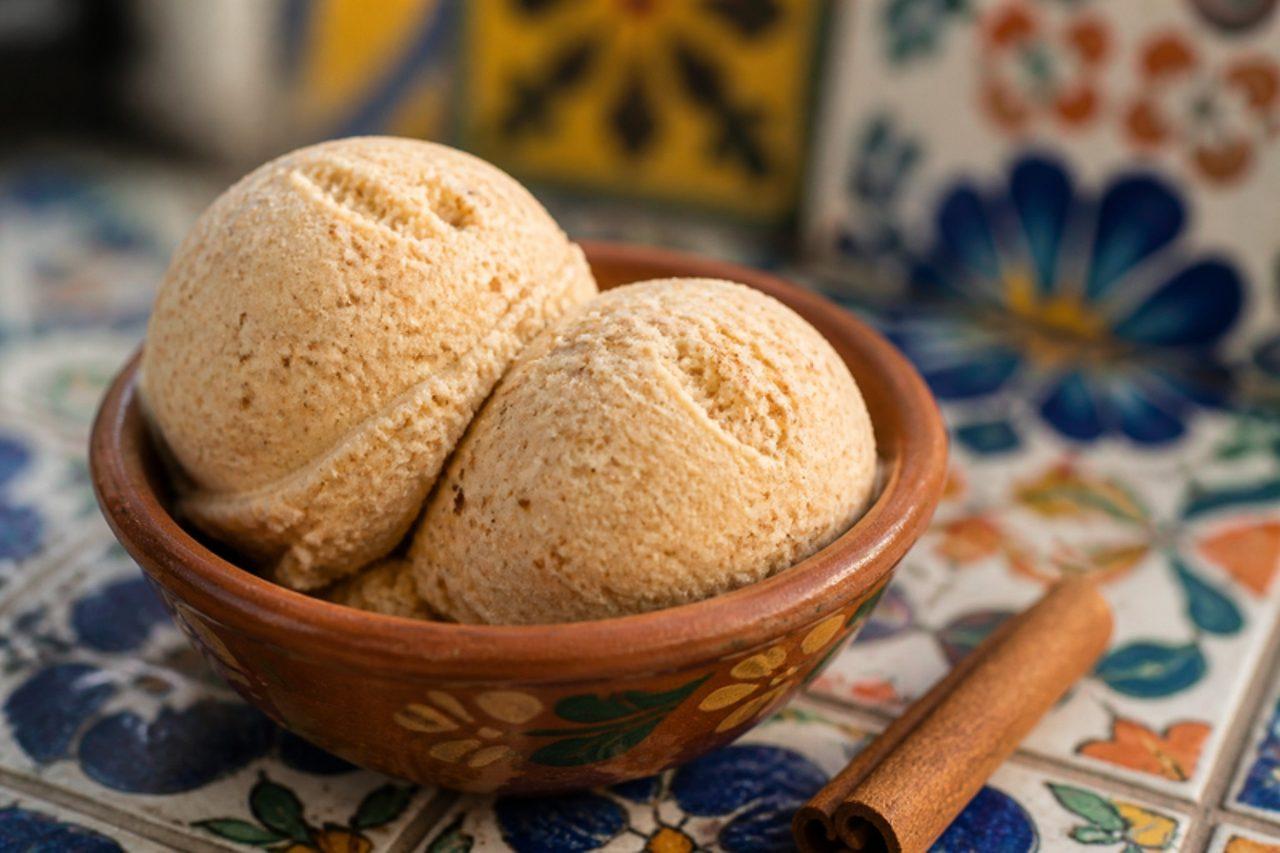
Nieve de leche quemadaBurnt milk ice cream

Under the laurel trees by the church of La Soledad in Oaxaca city, the nieve stalls scoop leche quemada, burnt milk ice cream, often paired in one cup with a tart tuna (prickly pear) sorbet. The milk is cooked with cinnamon until it catches and caramelises on the bottom of the pan, giving a smoky, toffee-like flavour and a light beige colour. It contains dairy and egg. Chef's tip: let the milk scorch deliberately, but scrape the brown layer into the milk rather than letting it go black.

by KrazyBadal 0 views

BocolesFilled masa cakes

Bocoles are breakfast across the Huasteca, the green hill country shared by Veracruz, San Luis Potosí and Tamaulipas, where they come off the comal at dawn to be split open and stuffed. The masa is enriched with fat (traditionally pork lard; vegetable shortening here keeps them vegetarian) so the cakes are tender and slightly crumbly. Fill them with beans, cheese and salsa, or with scrambled egg. If you keep a vegetarian kitchen, note that ranch-style fresh cheese is usually set with animal rennet; a vegetarian queso fresco or feta does the same job. Chef's tip: cook them slowly over a medium-low heat so the thick centre cooks through before the outside burns.

by KrazyBadal 0 views

Tejocotes en almíbarHawthorn fruit in syrup

Golden tejocotes, small tart hawthorn fruits from the highlands around Puebla and the State of Mexico, appear in market sacks for only a few weeks before Day of the Dead and Christmas. Poached whole in piloncillo syrup with cinnamon and a strip of orange, they turn soft and perfumed, a little like quince crossed with apricot, and are set on the ofrenda or eaten from a bowl with their syrup. Outside Mexico, look for them frozen or in jars at Latin grocers; small crab apples are the nearest swap. Chef's tip: blanch and peel them first, as the skins go tough and bitter in syrup.

by KrazyBadal 0 views

BolilloCrusty Mexican rolls

Before dawn in Mexico City, León or Puebla, neighbourhood bakeries pull trays of bolillos from the oven for tortas, molletes and the morning coffee. The rolls are oval with pointed ends and one deep slash, a thin crackly crust and a light, slightly chewy crumb, born from the French bakers who worked in Mexico in the 1860s. This version is made with no lard or butter, so it is vegan. Chef's tip: a tray of boiling water in the oven for the first ten minutes is what gives the crust its shine and crackle.

by KrazyBadal 0 views

Crema de eloteCreamy corn soup

Market fondas around Mexico City and Puebla ladle this pale-gold soup as the opening course of the comida corrida, the set lunch served from about two until four in the afternoon. Fresh kernels are simmered in milk with a little onion, blended until silky and finished with ribbons of roasted poblano, a few cubes of queso fresco and a swirl of crema. Sweet corn comes first, then a gentle green heat from the chile. Queso fresco is usually made with animal rennet, so choose one labelled vegetarian or use a mild vegetarian feta. Chef's tip: scrape the bare cobs with the back of a knife; that milky pulp thickens the soup without any flour.

by KrazyBadal 0 views

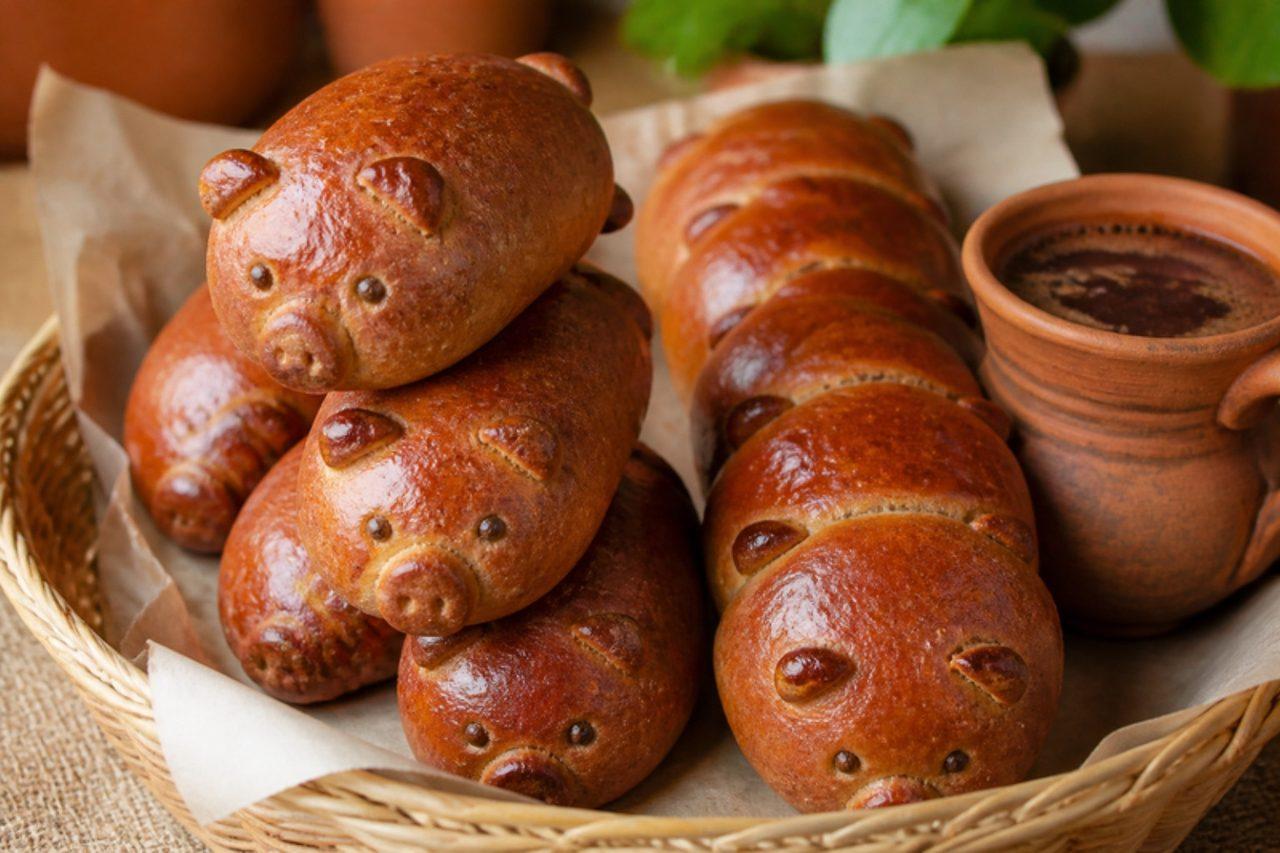
Marranitos de piloncilloPig-shaped gingerbread biscuits

Every pan dulce case in Mexico has a row of little brown pigs, called marranitos in the centre, cochinitos in the north and puerquitos in between. They are soft, cakey biscuits sweetened with dark piloncillo cane sugar, spiced with cinnamon and a touch of anise, and dunked into café de olla or cold milk in the afternoon. They are made here with butter, so they suit vegetarians, and contain egg and wheat. Chef's tip: roll the dough thick, about 1 cm, because thin pigs bake into hard crackers instead of soft cakes.

by KrazyBadal 0 views

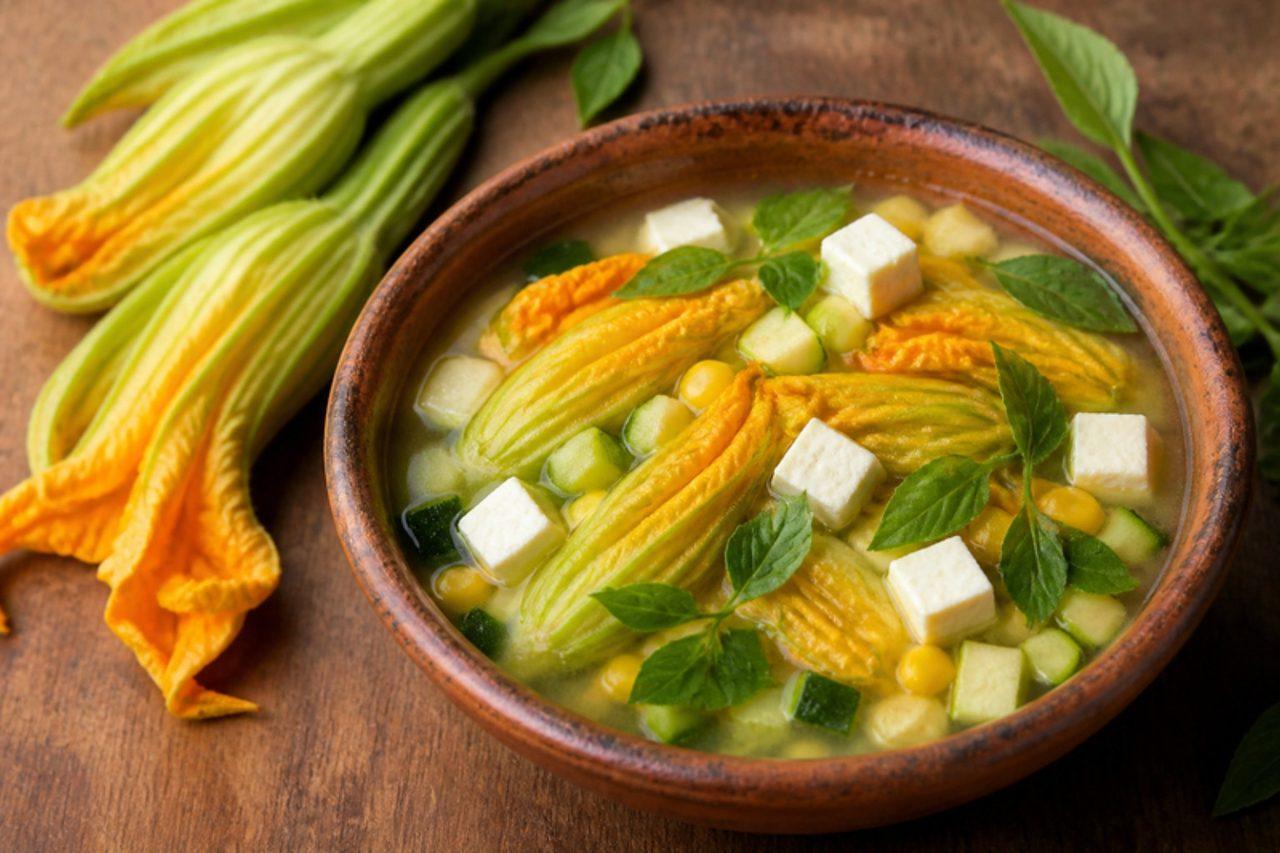
Sopa de flor de calabazaSquash blossom soup

From July to September, when the summer rains fill Mexico City's markets with armfuls of orange squash blossoms, home cooks turn them into this light, golden soup. Half the blossoms are blended with onion into the base and the rest go in whole at the end, with diced courgette, sweetcorn and a sprig of epazote. The result is delicate and floral, a good first course before something rich. Serve with crumbled queso fresco; it is usually made with animal rennet, so look for a vegetarian one. Chef's tip: buy blossoms in the morning and use them the same day, as they wilt within hours.

by KrazyBadal 0 views

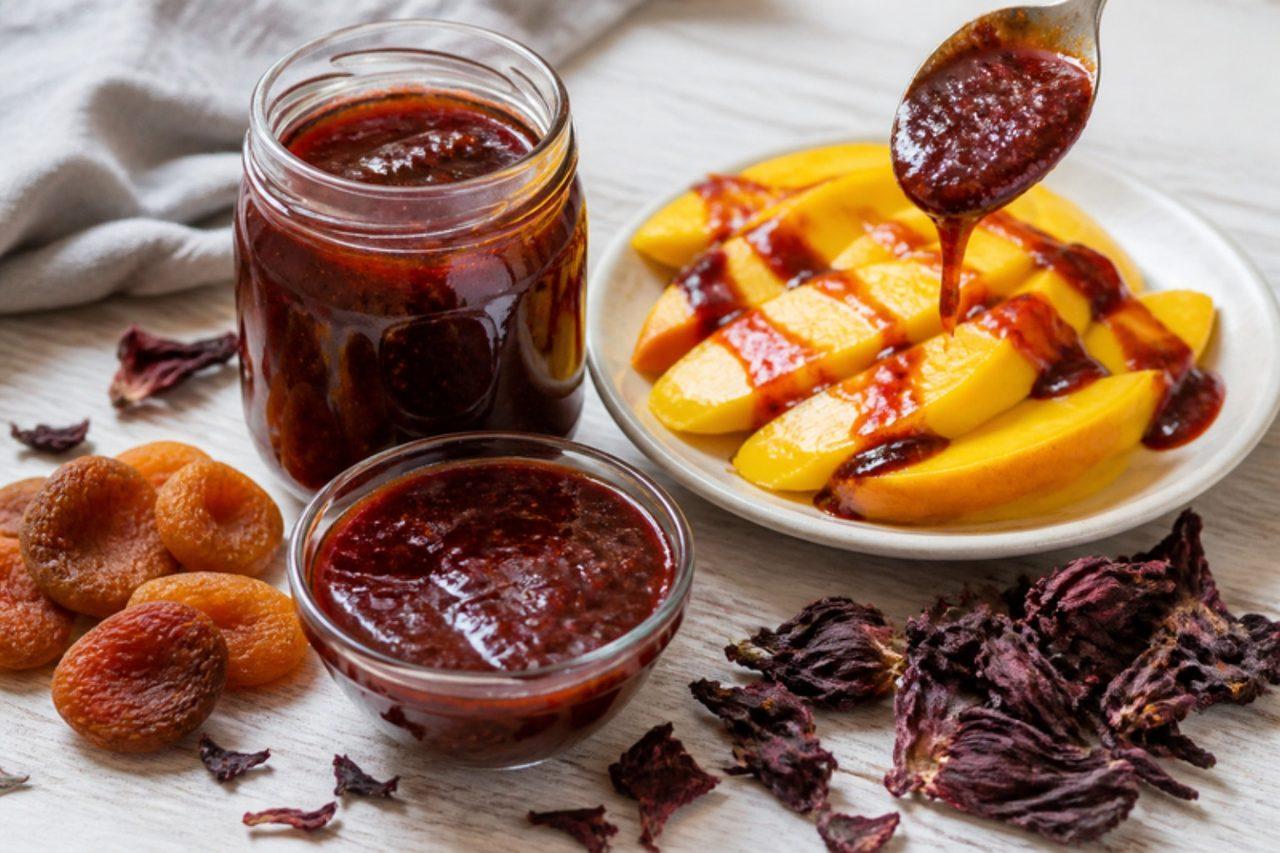
ChamoySweet-sour chile sauce

Brick-red and glossy, chamoy is the sauce Mexicans splash over fresh fruit, mango sorbet, crisps and the rim of a michelada glass. It is said to descend from Asian salted plum sauces, but today's version is pure Mexican: dried apricots and hibiscus simmered and blended with chile, lime, sugar and salt. Homemade chamoy is fruitier and less sweet than the bottled kind. Chef's tip: it thickens a lot as it cools, so take it off the heat when it still pours like warm ketchup.

by KrazyBadal 0 views

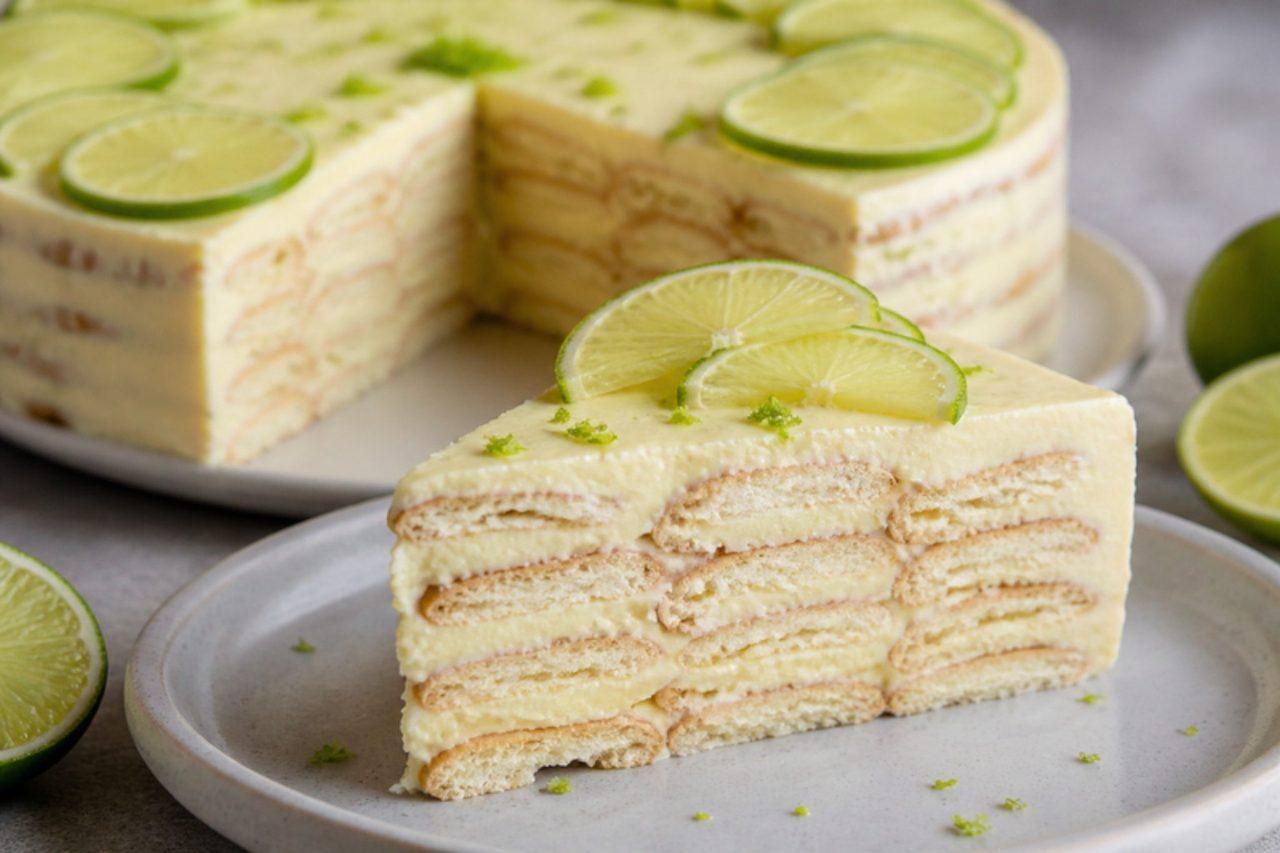
Carlota de limónLime icebox cake

In Mexican home kitchens carlota de limón is the dessert everyone's aunt knows by heart: layers of Marías biscuits and a lime cream whipped from condensed and evaporated milk, chilled until it slices like a cake. It is made on hot afternoons in Sonora and Veracruz and turns up at every children's party. The lime curdles the milk just enough to thicken it, so there's no cooking at all. It contains wheat and dairy. Chef's tip: blend in the lime juice slowly, with the motor running, until the cream thickens visibly.

by KrazyBadal 0 views

Crema de chile poblanoCreamy poblano soup

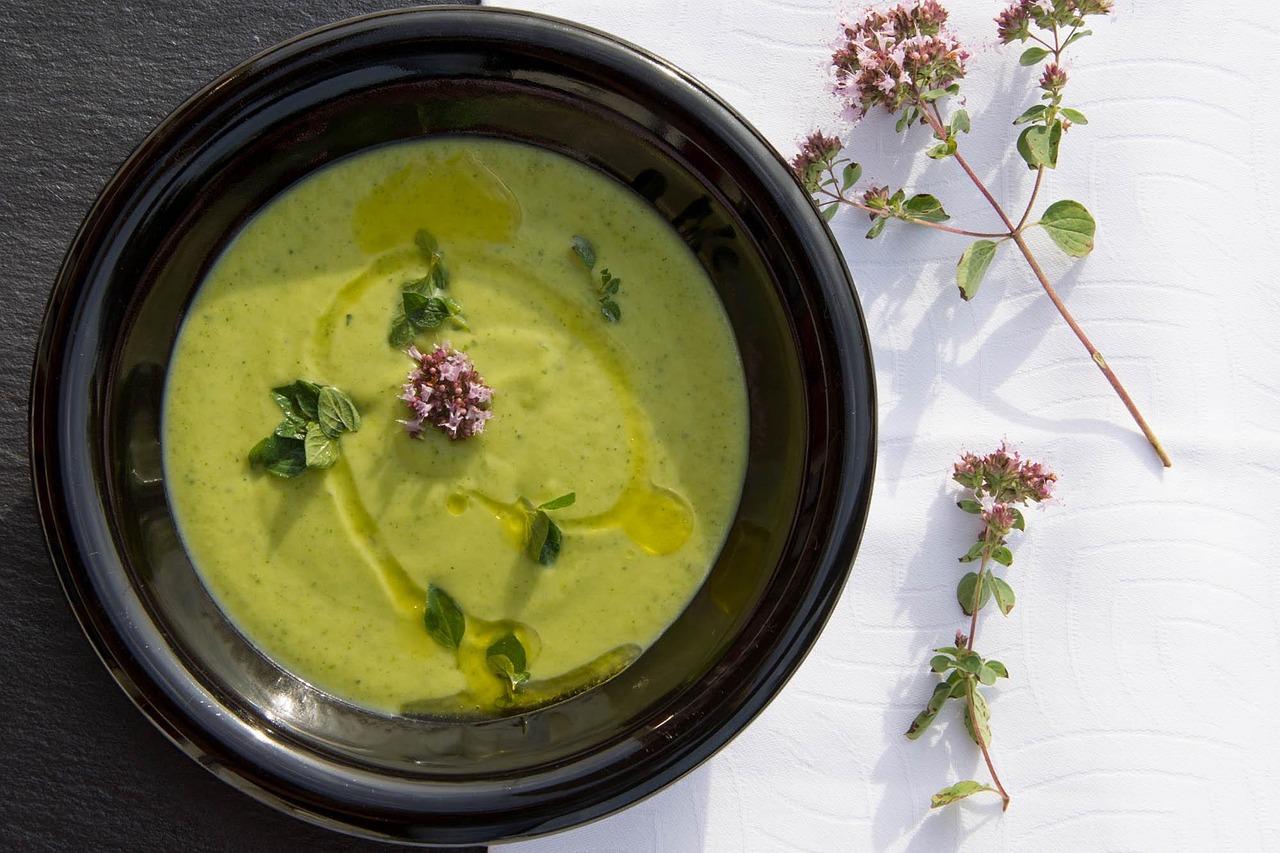
In Puebla, where poblano chiles take their name, this pale-jade soup appears at family lunches and on the menu of almost every cocina económica. Roasted chiles are blended with onion, a little corn and milk, then enriched with cream, so the flavour is smoky and mellow with just a flicker of heat. Serve it with crisp tortilla strips or a few corn kernels on top. Chef's tip: roast a couple of extra chiles while the grill is hot; the strips keep for four days and lift any taco or quesadilla.

by KrazyBadal 0 views

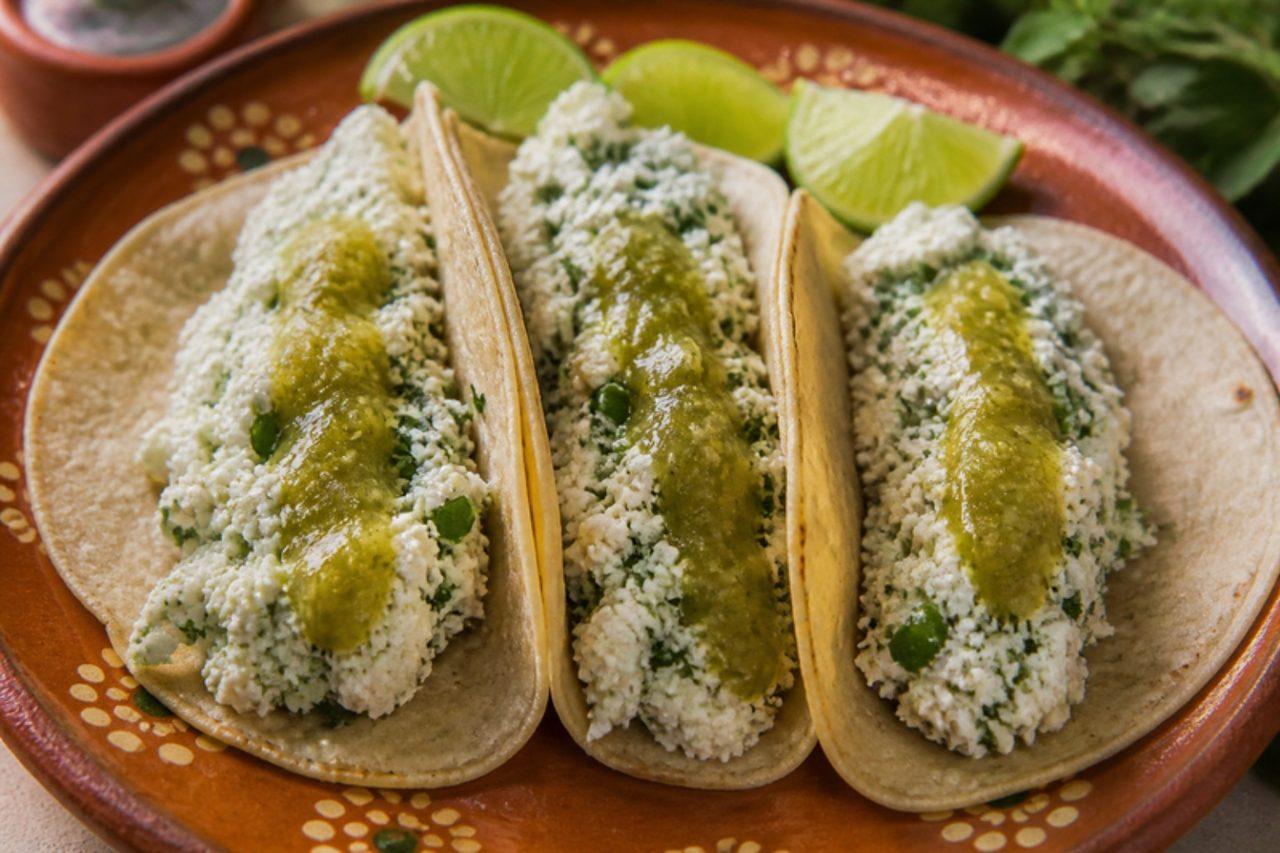
Tacos de requesón

Among the stews kept warm in clay pots at Mexico City's taco de guisado stands, requesón is a mild, creamy favourite: soft fresh curd cooked with onion, serrano and the pungent herb epazote. It is eaten in small doubled tortillas with salsa verde, often at breakfast. Requesón is made from whey left after rennet cheesemaking, so choose ricotta labelled vegetarian if that matters to you. Chef's tip: cook the curd only until hot and slightly dry; long cooking makes it rubbery.

by KrazyBadal 0 views

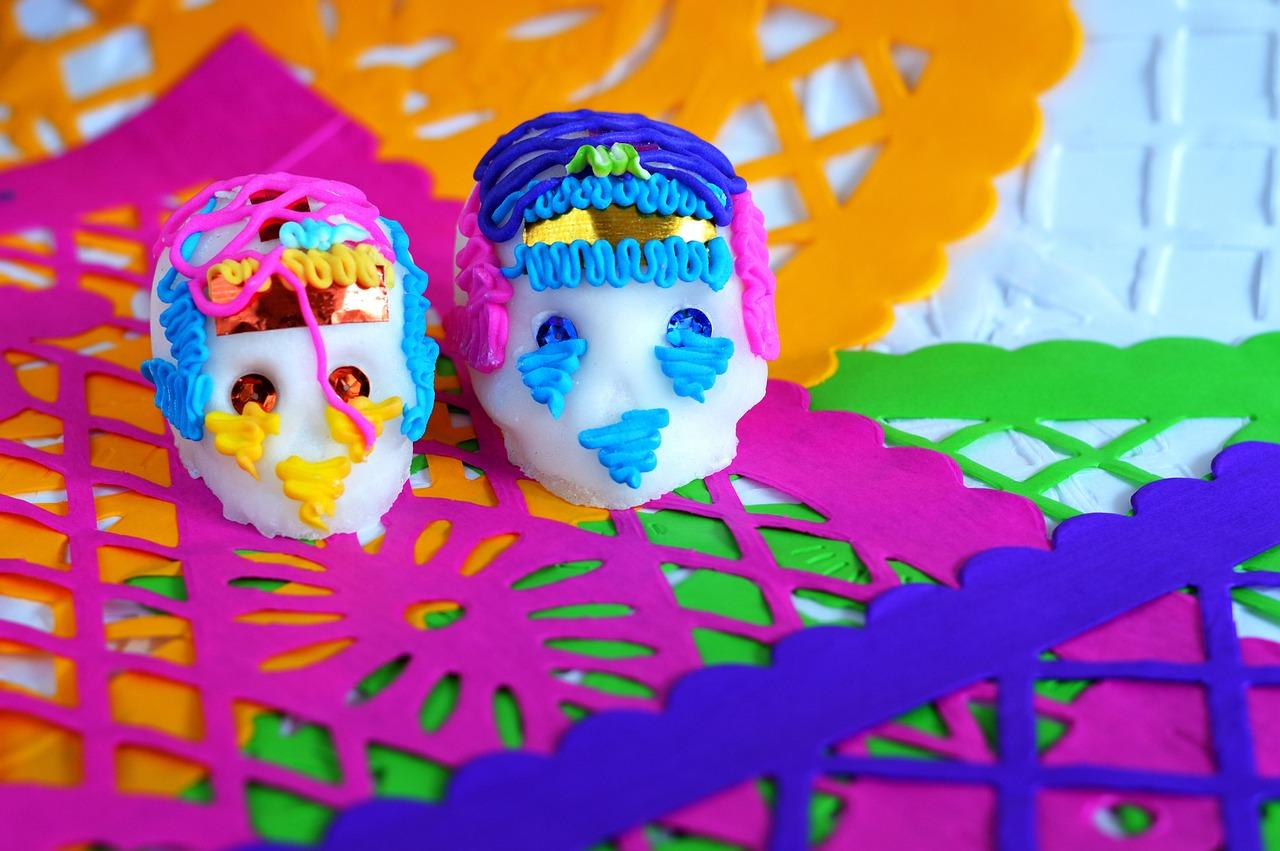
Calaveras de azúcarSugar skulls

In the markets of Toluca, Mexico City and Oaxaca, the alfeñique stalls of late October are piled with gleaming white sugar skulls, and families buy them to write a loved one's name across the forehead and set them on the home altar. They are mainly decorative: made right they set rock hard and keep for a year, and children may nibble a little, but they are not really a sweet for eating. Pressing damp sugar into a skull mould is easy, and the fun is the decorating with royal icing, sequins and coloured foil. Chef's tip: let the skulls dry for a full day before icing, or the damp sugar weeps into the colours.

by KrazyBadal 0 views

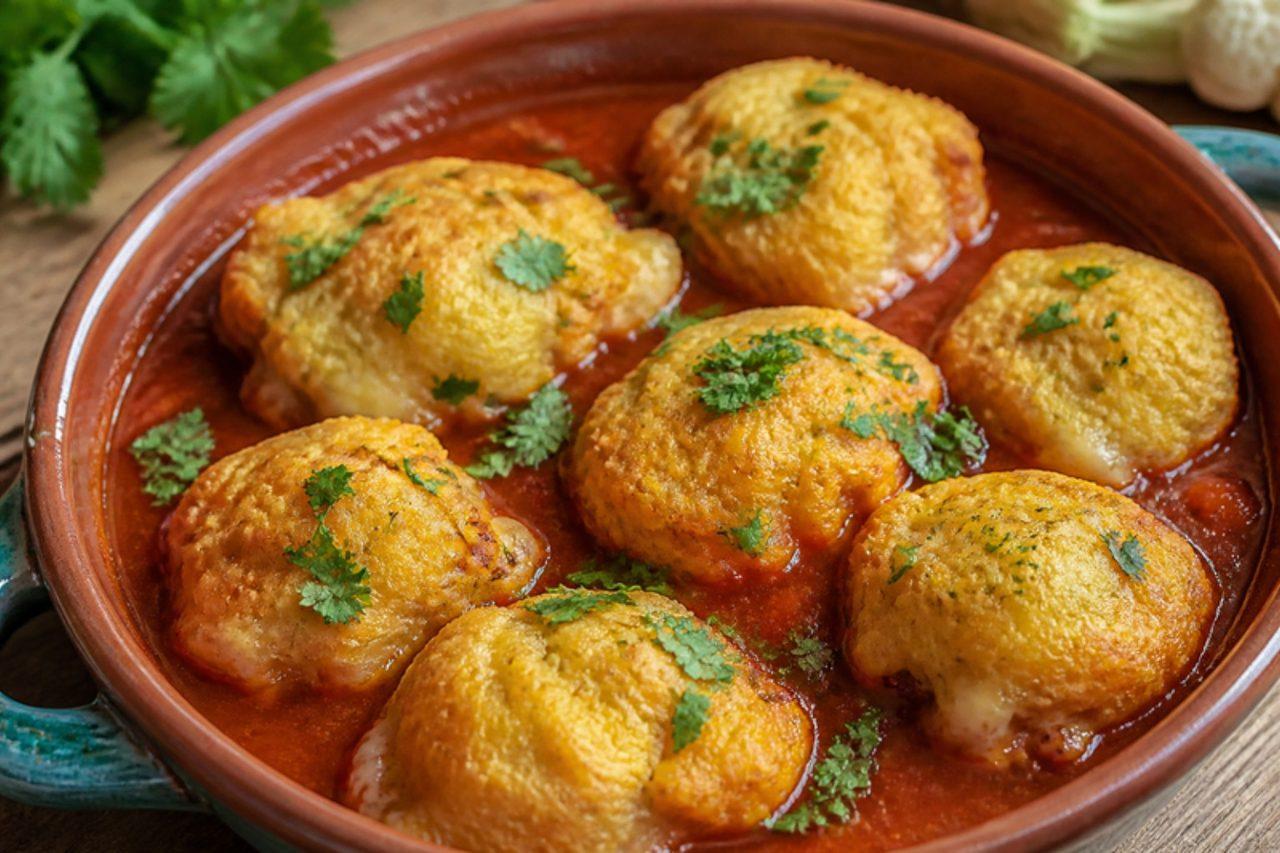
Tortitas de coliflorCauliflower in egg batter

Cuaresma, the six weeks of Lent, is cauliflower season in the markets of Puebla and Mexico City, and cooks turn the florets into these puffy capeados: each piece stuffed with a little cheese, dipped in whisked egg, fried until golden and then bathed in a brick-red sauce of tomato and guajillo chilli. They come to the table with white rice and a stack of tortillas. Queso Oaxaca and panela are often made with animal rennet, so pick a vegetarian melting cheese if needed. Chef's tip: dust the florets with flour before the batter so it clings rather than slides off.

by KrazyBadal 0 views

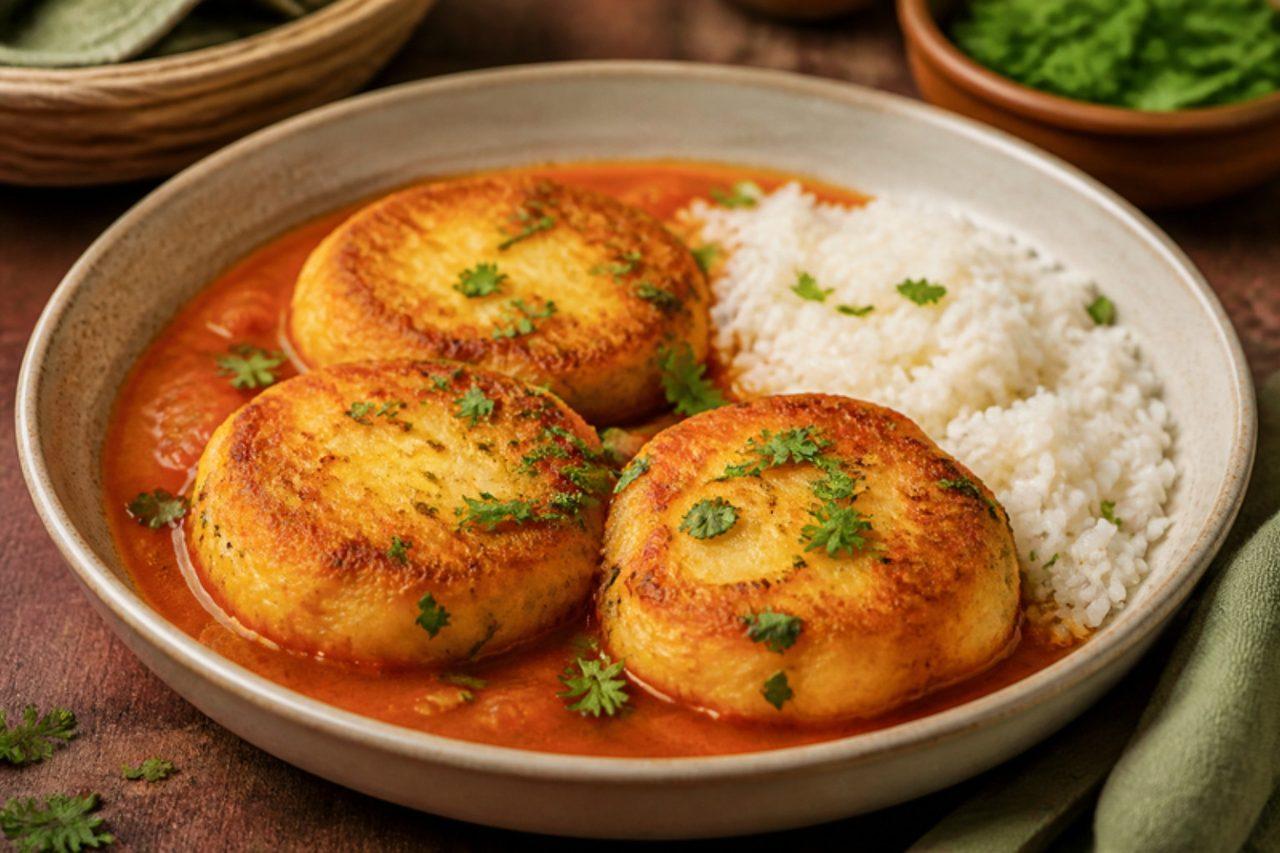
Tortitas de papaPotato patties in tomato broth

Meatless Fridays in Lent turn Mexican kitchens toward tortitas: in Mexico City and across the Bajío, golden patties of mashed potato and cheese are fried, then slipped into a thin, warm tomato caldillo and eaten with rice, beans and tortillas. Children love them, and they stretch a few potatoes into a proper meal. Mexican fresh cheeses are often made with animal rennet; a vegetarian mozzarella or mild cheddar works well. Chef's tip: mash the potatoes while hot and let them steam dry, so the patties hold together without flour.

by KrazyBadal 0 views

Tamales dulcesSweet tamales

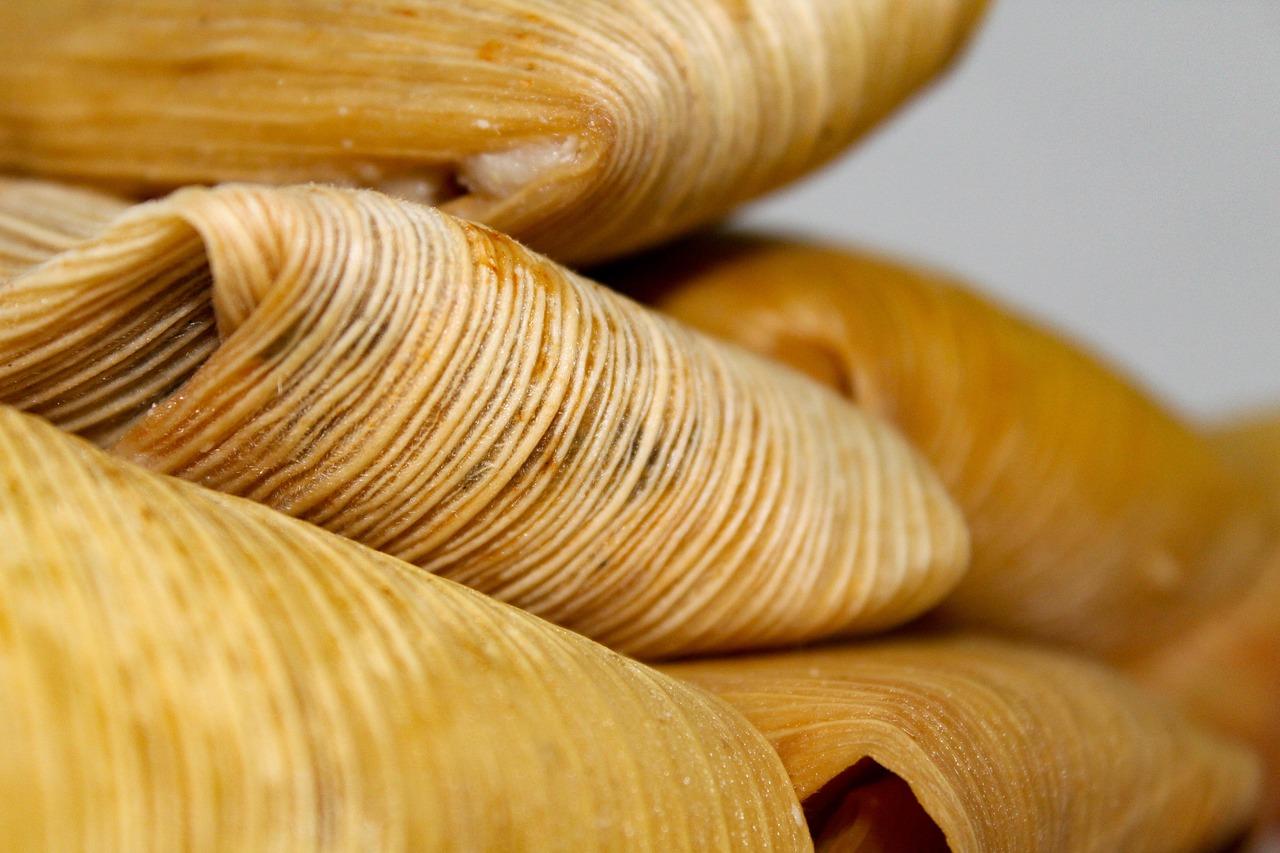
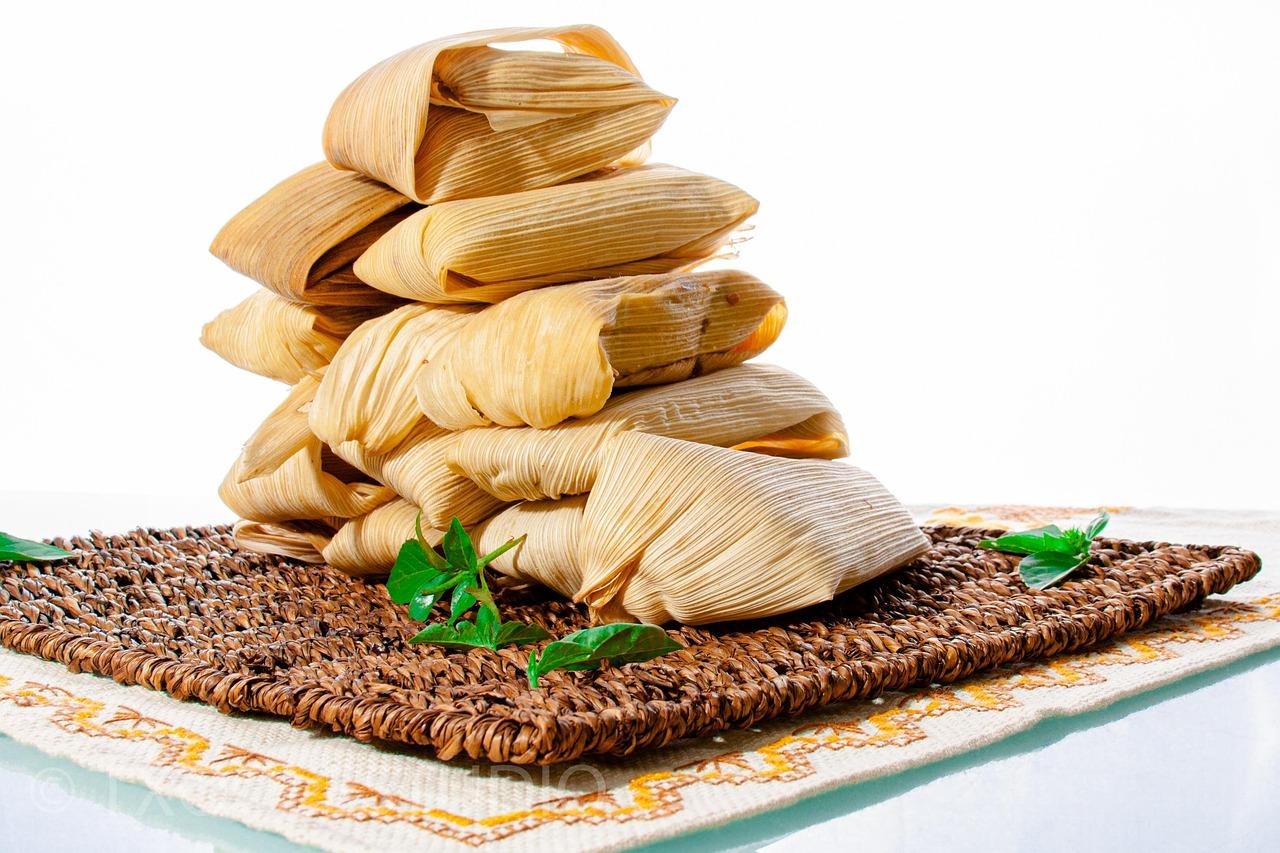
Every tamal tray in Mexico City has a few pink ones tucked in among the green and red, and these sweet tamales are what children reach for first at December posadas and on 2 February, Día de la Candelaria. The masa is beaten with butter and sugar, tinted the colour of a sugared almond and studded with raisins, then steamed in husks until soft and cakey; they are eaten warm with atole or hot chocolate. This version uses butter and vegetable shortening, not lard. Chef's tip: add a few drops of colour at a time; the pink deepens as it steams.

by KrazyBadal 0 views

Tamales de rajas con quesoPoblano and cheese tamales

On the evening of 2 November, after the graveyard visit, many families in central Mexico sit down to a pot of steaming tamales, and rajas con queso is the meat-free favourite at every tamalera's stall. Soft, fluffy masa beaten with fat until it floats wraps a filling of charred poblano strips, a spoon of tomato salsa and a finger of melting cheese. Fresh Mexican cheeses such as queso Oaxaca or panela are often made with animal rennet; choose a vegetarian mozzarella-style cheese if that matters to you. The masa here uses vegetable shortening rather than lard. Chef's tip: test the beaten masa by dropping a pinch into cold water; when it floats, it is light enough.

by KrazyBadal 0 views

Chiles en escabechePickled jalapeños

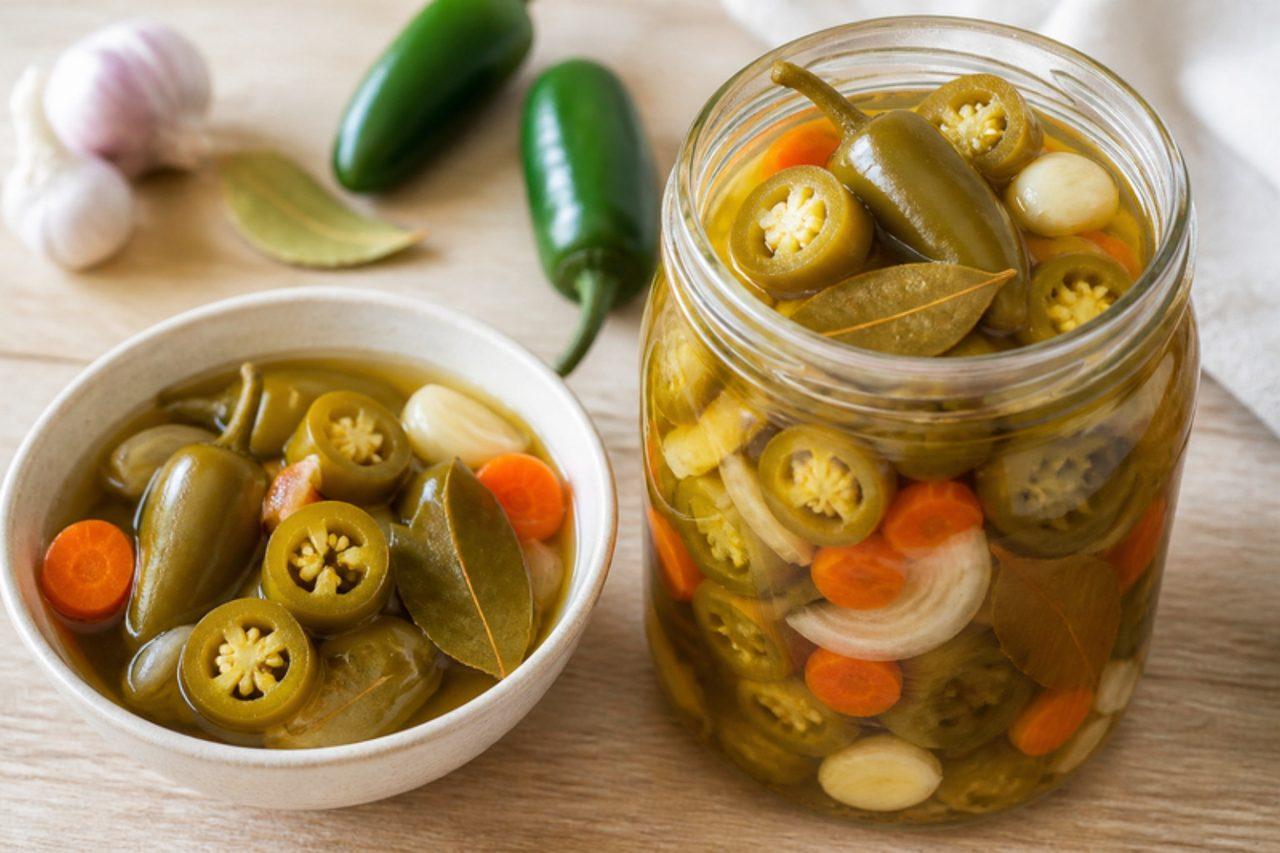
Every Mexican home and fonda keeps a jar of pickled jalapeños for tortas, tacos, rice and a plate of beans, and the homemade kind is crisper and more fragrant than anything in a tin. Whole or sliced chiles are briefly fried with carrot coins, onion and garlic, then simmered in a herb-scented vinegar brine with bay, thyme and Mexican oregano. They are ready the next day and keep a month in the fridge. Chef's tip: wear gloves when slicing the chiles and keep your hands away from your eyes.

by KrazyBadal 0 views

Agua de melónCantaloupe drink

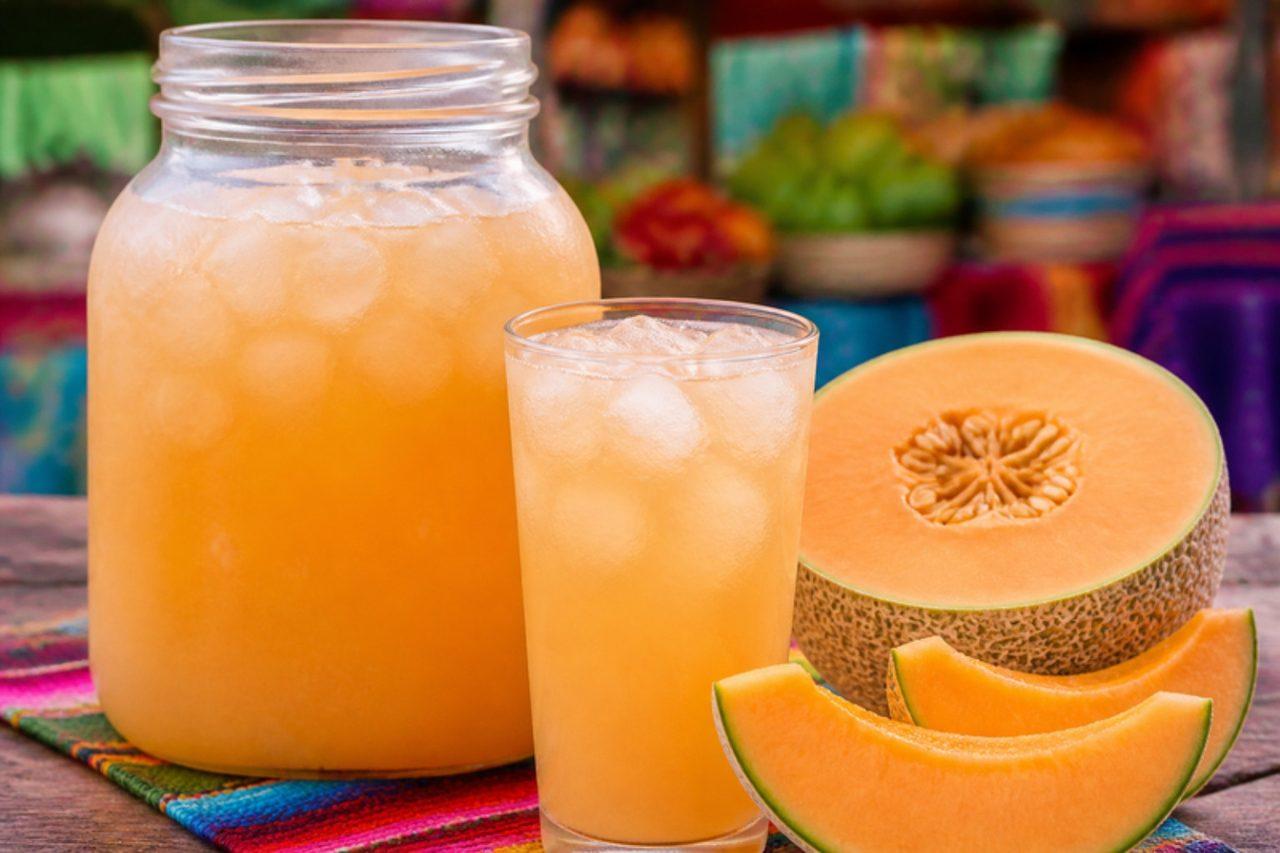
Mexican market juice stalls make agua de melón with the ripest, most fragrant cantaloupes, and many cooks blend in the seeds and the soft pulp around them, which adds a creamy body and a nutty flavour. It's served in tall glasses on hot afternoons from Guanajuato to Veracruz and is a favourite with kids. Chef's tip: smell the stalk end of the melon before you buy it; if it smells sweet, the drink will too.

by KrazyBadal 0 views

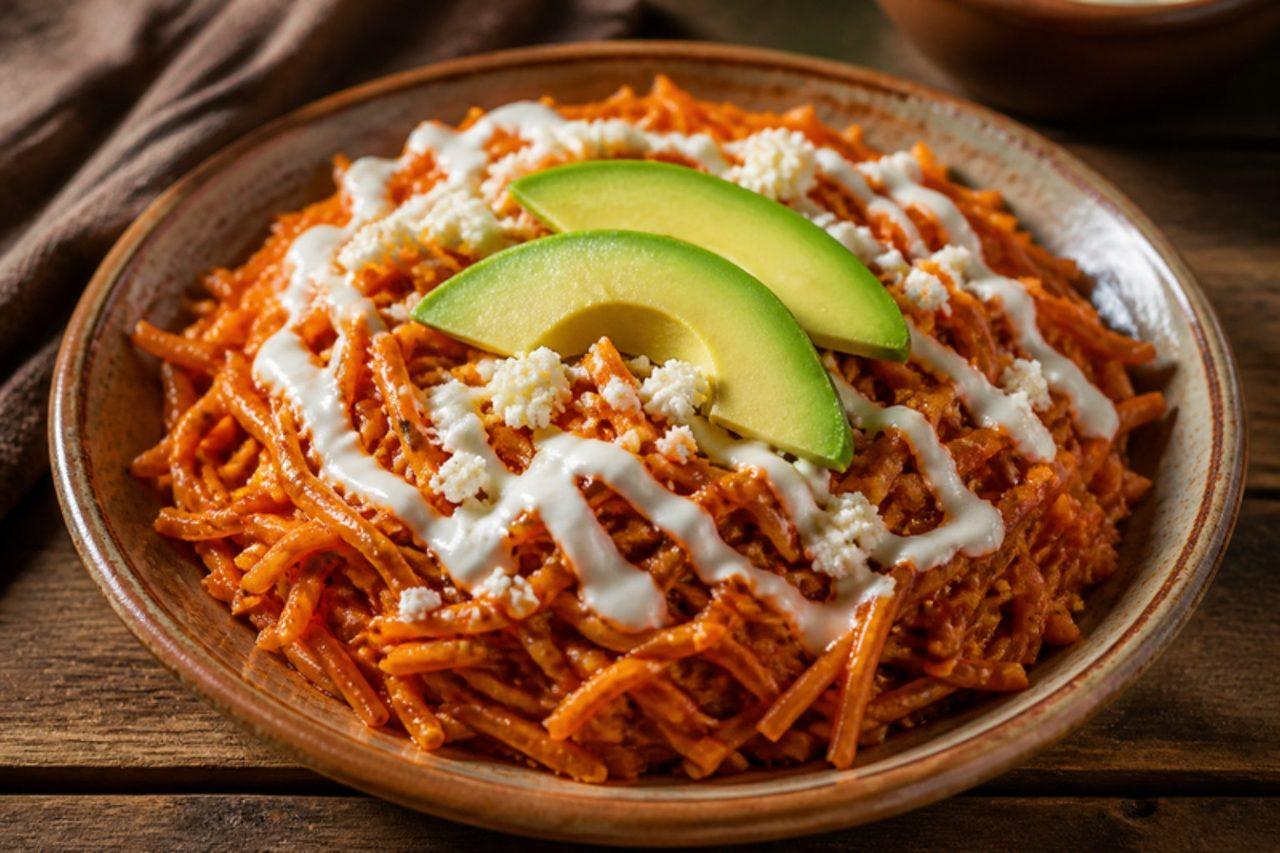
Fideo secoDry chipotle vermicelli

A 'dry soup' sounds like a contradiction, but in Central Mexico sopa seca is the pasta or rice course that follows the brothy soup at the comida corrida. Short vermicelli is fried until nut-brown, then simmered in a smoky chipotle and tomato purée until every drop is absorbed. It's served heaped with crema, crumbled cheese and slices of avocado. Cotija and queso fresco are normally made with animal rennet, so use a vegetarian crumbly cheese. Chef's tip: fry the noodles until they're the colour of a hazelnut; pale noodles taste flat.

by KrazyBadal 0 views

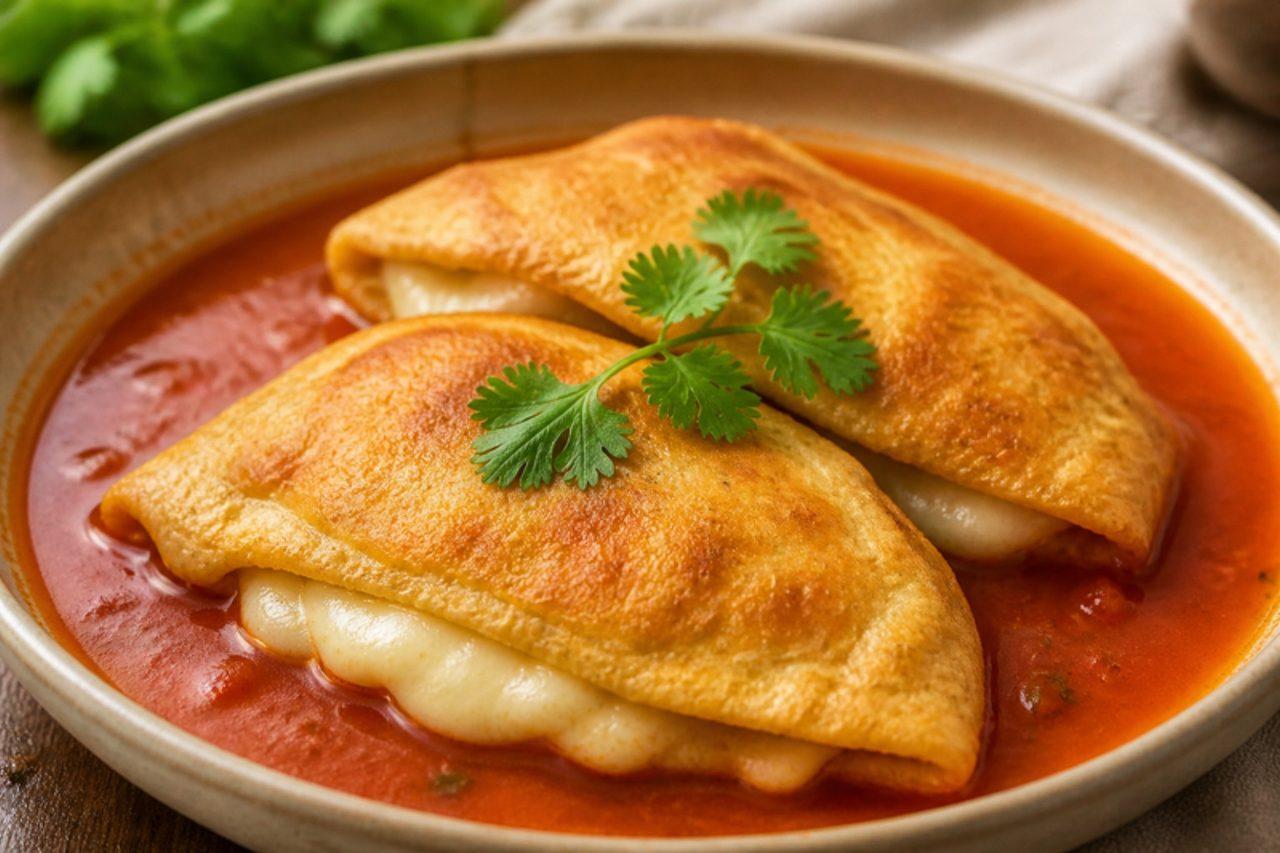
PenequesCheese-filled masa pockets

Peneques are a Lenten and weekday favourite in the fondas of Mexico City and Puebla: thin masa pockets are cooked on the comal, stuffed with stringy cheese, coated in a fluffy egg batter, fried and then simmered briefly in a light tomato broth, like a chile relleno without the chile. They are soft, comforting and served with rice and beans. Oaxaca cheese is commonly made with animal rennet, so choose a vegetarian mozzarella or stretched-curd cheese if that matters to you. Chef's tip: dust the stuffed pockets with masa harina before battering so the egg clings instead of sliding off.

by KrazyBadal 0 views

Showing 48 of 220 recipes

Show more recipes

Page 4 of 10

More collections