Skip to content
Seasons

Winter recipes: hearty soups, halwa and warming food

Hearty soups and stews, gajar halwa, sarson da saag, undhiyu, gond ladoo and hot chocolate for cold days. (115 recipes)

Escudella i carn d'ollaChristmas soup with giant pasta

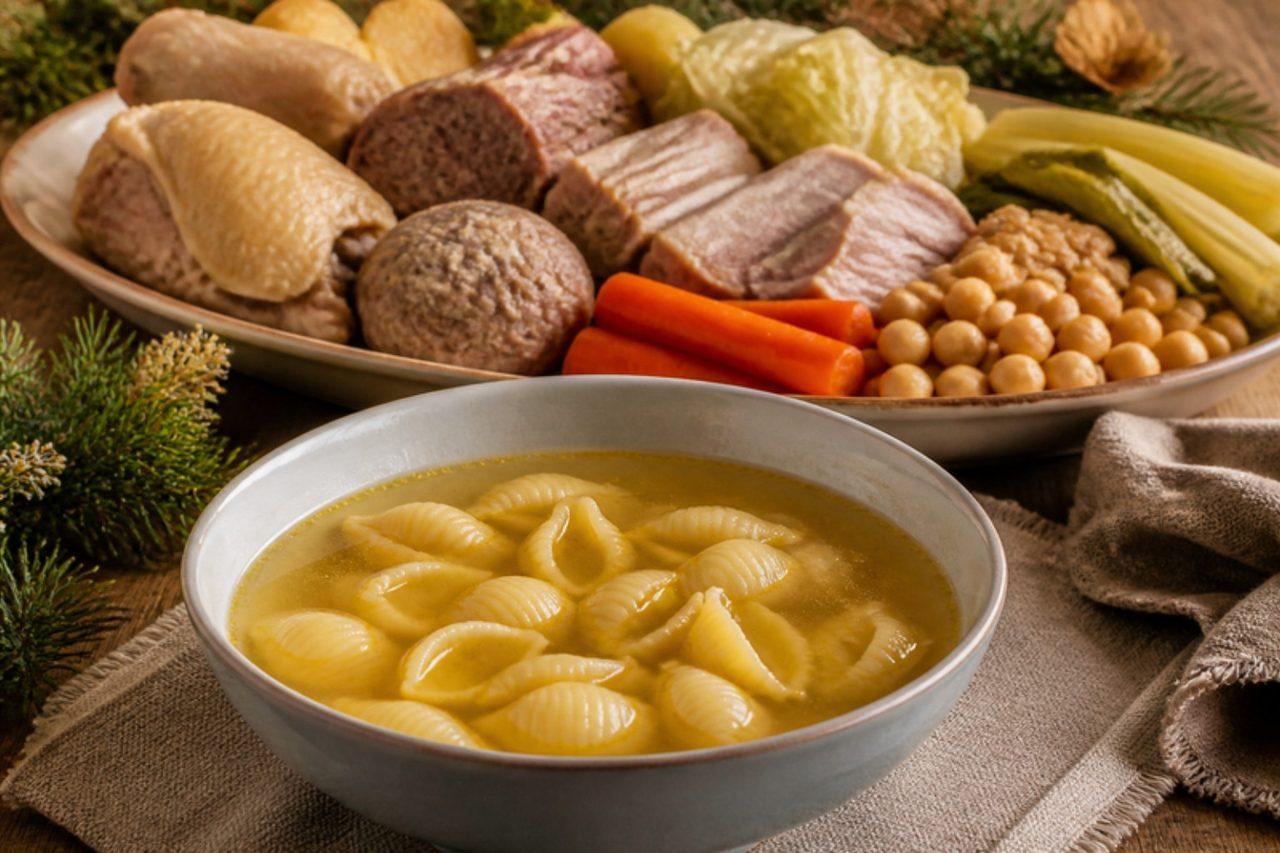
This contains pork (pork belly and pork mince). On Christmas Day, Catalan families sit down to escudella i carn d'olla, served in two courses: first the broth with giant snail-shaped galets pasta, then the carn d'olla, a platter of the meats, chickpeas and vegetables that made it, including the pilota, a large herby meatball. The pot simmers for hours, and the leftovers become the next day's canelons. Chef's tip: start the meats in cold water and skim patiently as it comes to the boil; it is the only way to a clear, golden broth.

255 minSpanishSoups
by KrazyBadal 1 views

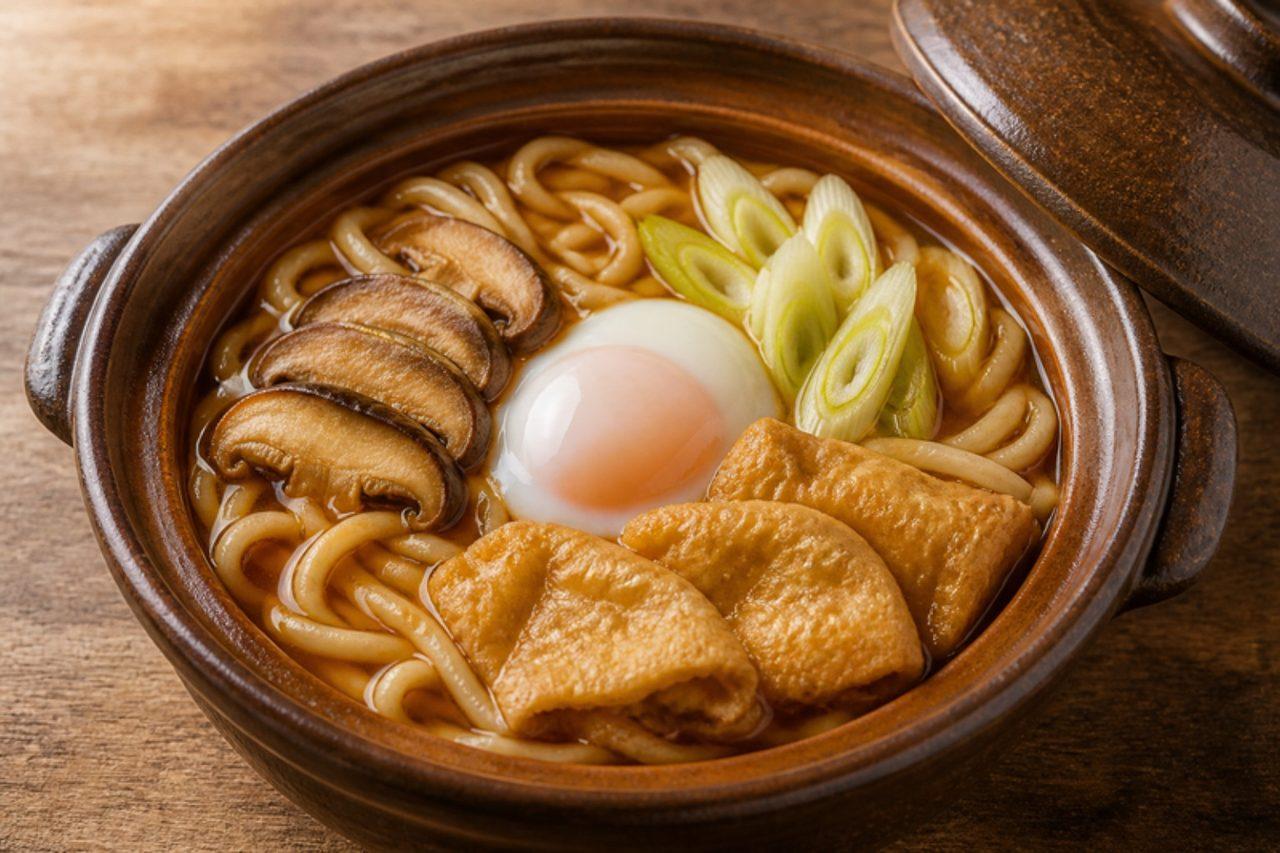
Miso nikomi udonUdon in miso broth

In Nagoya, udon is cooked in its broth rather than boiled separately, in a small clay pot called a donabe that comes to the table still bubbling. The broth is made with Aichi's famous dark soybean miso, hatcho miso, which is aged for years and tastes deep, slightly bitter and chocolatey. Nagoya's noodles are deliberately firm, almost chewy at the centre, and locals use the pot's lid as a plate to cool each mouthful. It is a cold-weather lunch, and the egg poached on top is part of the ritual. Our version uses kombu-shiitake dashi and fried tofu instead of chicken. Chef's tip: dissolve the miso in a ladle of broth before adding it. Hatcho miso is dense and stays in lumps if it goes straight in.

by KrazyBadal 1 views

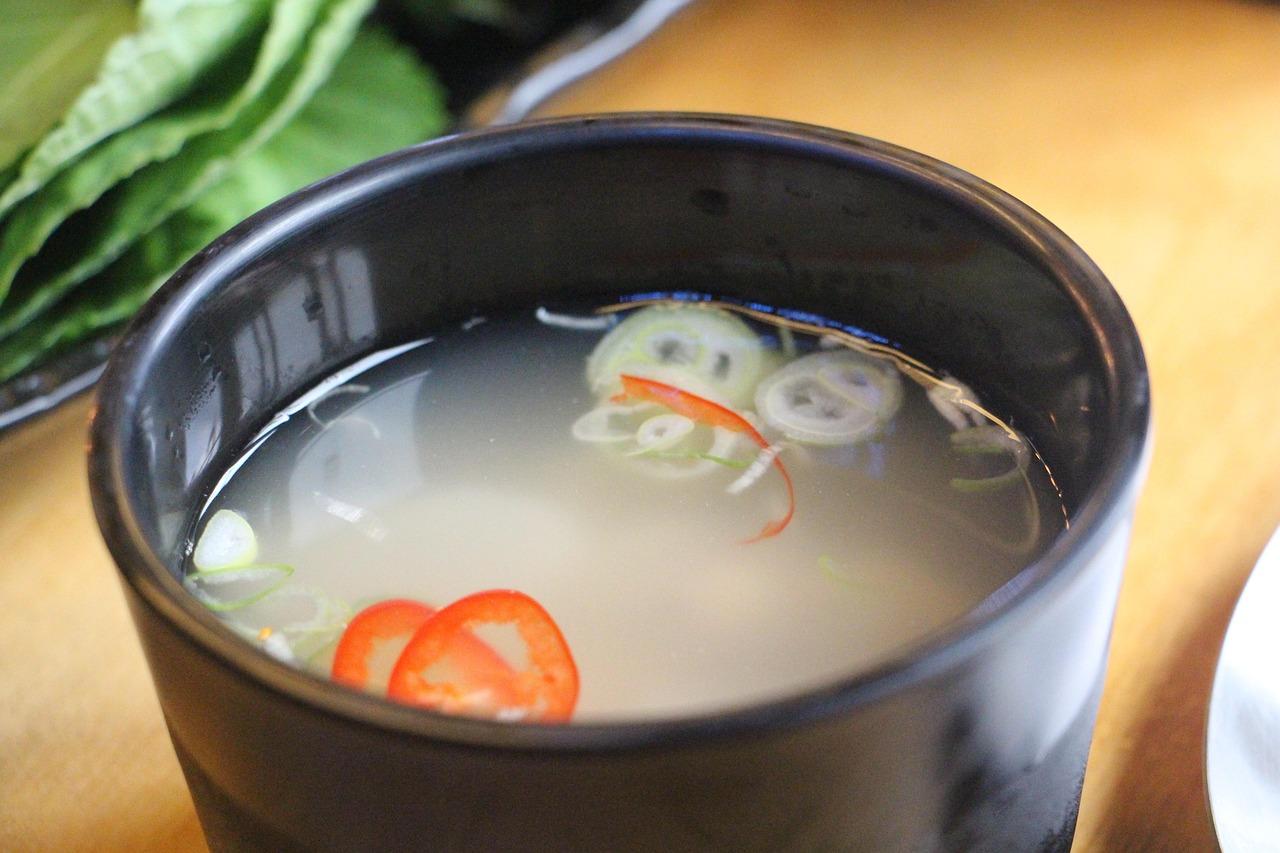
DongchimiRadish water kimchi

Dongchimi is the winter water kimchi of Korea's north and Gangwon province, traditionally made just before the first frost in a big onggi crock buried in the yard. Whole radishes sit in a clear, salty brine with pear, garlic, ginger and green chillies, and after a few weeks the brine turns tangy, cold and lightly fizzy. It is served with roasted sweet potatoes, rice-cake soup, and is famous as the broth for cold naengmyeon noodles. The common mistake is eating it too early: the brine needs at least two weeks of slow, cold fermentation to lose its raw saltiness. Use a clean glass or ceramic jar or kimchi box scalded with boiling water, and keep the vegetables pressed below the brine; anything sticking out can grow mould. Chef's tip: roll the radishes in salt and leave them overnight before adding the brine; they stay crunchy all winter.

by KrazyBadal 0 views

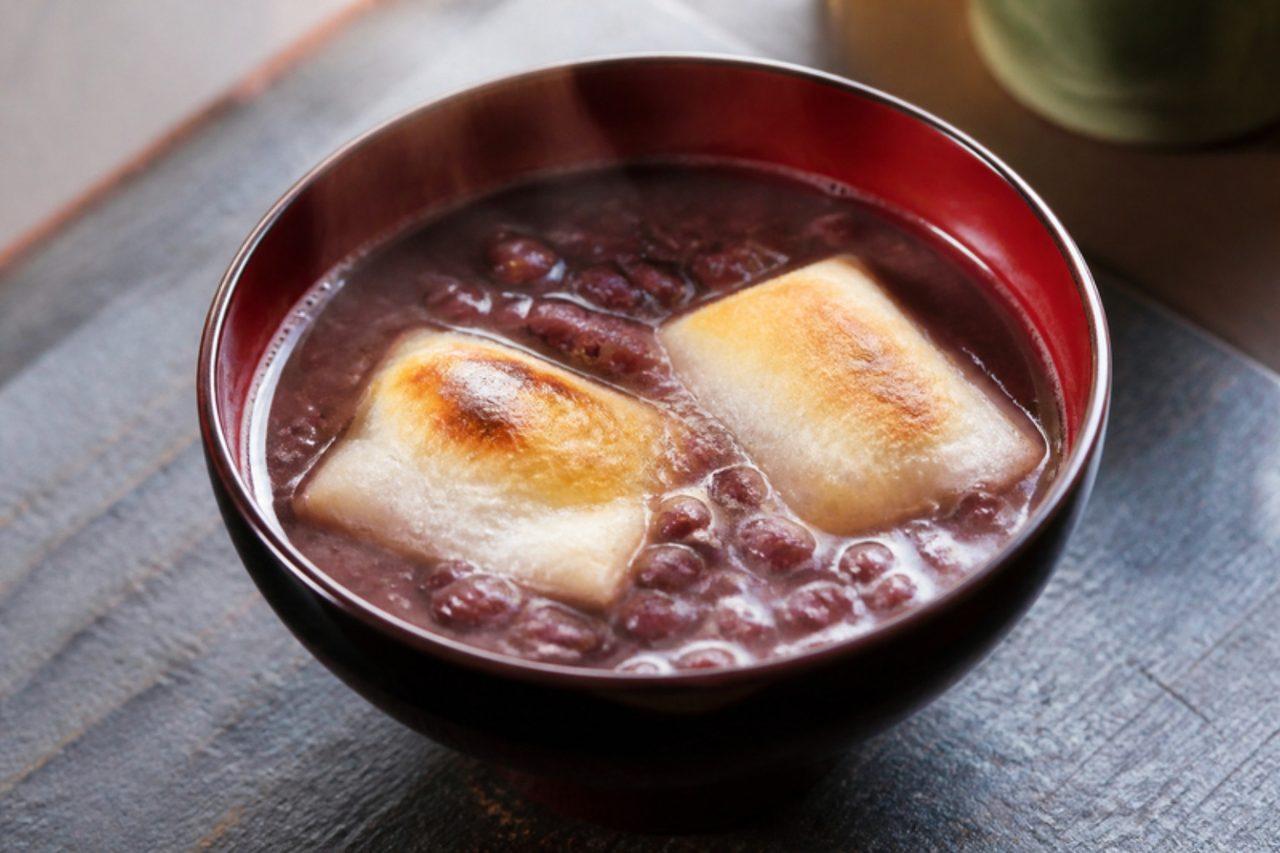
OshirukoSweet red bean soup

On snowy days in northern and eastern Japan, and especially after kagami-biraki on 11 January, when the New Year offering of mochi is broken up, families warm up with a bowl of oshiruko: azuki beans simmered into a sweet, thick soup with a puffed, toasted rice cake bobbing in it. In Kansai a chunky version is called zenzai. Mochi is very sticky: cut it into small pieces for young children and older people, and make sure they chew well and eat sitting down. The common mistake is adding all the sugar at the start, which stops the beans softening; sweeten only once they are tender. Chef's tip: a pinch of salt at the end makes the sweetness taste rounder and the bean flavour deeper.

by KrazyBadal 0 views

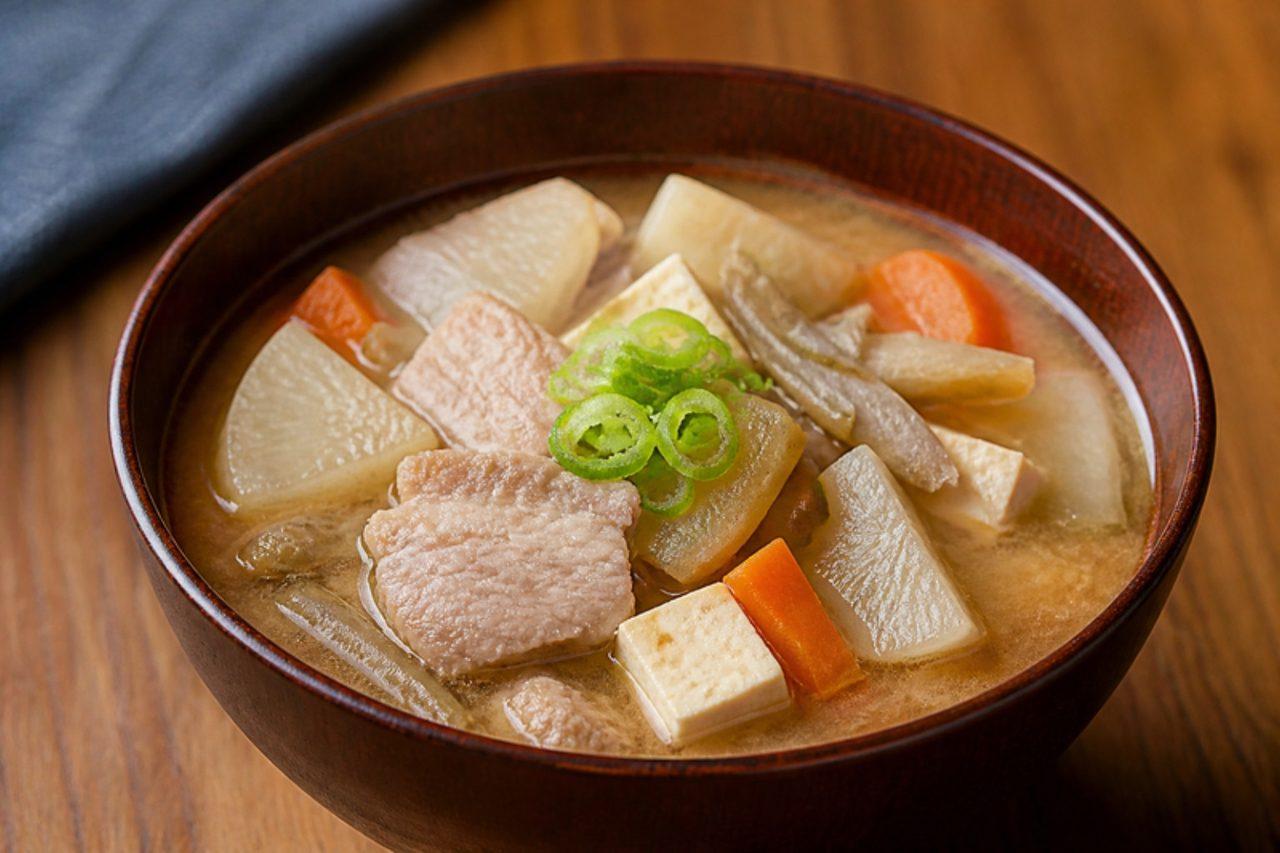
Tonjiru (pork and root vegetable miso soup)

Tonjiru is the big-pot miso soup that gets ladled out at Japanese school festivals, winter fire drills and New Year shrine visits, and at home it is filling enough to make a meal with just rice. Thin slices of pork belly are fried in sesame oil with daikon, carrot, burdock, potato and konnyaku, then simmered in dashi until tender and finished with miso. The common mistake is boiling the soup after the miso goes in, which dulls its aroma; stir it in off the boil. Simmer until the pork is cooked through (71 °C) and the vegetables are soft. Chef's tip: dissolve the miso in a ladle of hot broth first so it melts in smoothly without lumps.

by KrazyBadal 0 views

Gun gogumaRoasted sweet potato

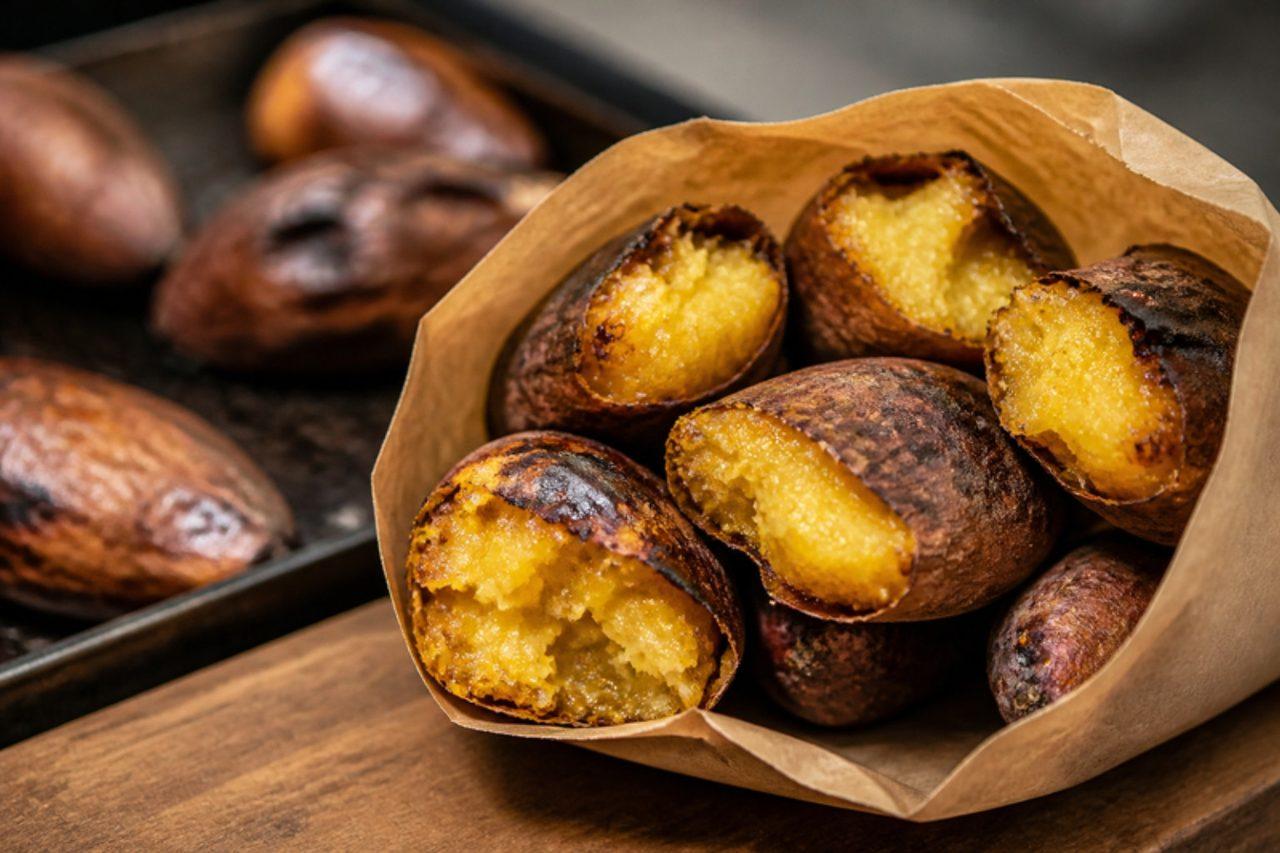
On a winter evening in Seoul, the smell of gun goguma drifts out of black drum ovens on street corners, and vendors hand the potatoes over in paper bags to warm cold hands on the way home. Korean sweet potatoes have purple skin and pale, chestnut-sweet flesh that turns dense and sticky when slow-roasted, and the sugars seep out and caramelise on the skin. At home they are eaten with cold dongchimi or kimchi and a glass of milk or a cup of tea. The common mistake is roasting too hot and too short: the potato cooks but never turns syrupy, so give it the full hour. Chef's tip: once roasted, leave them in the switched-off oven for 15 minutes; they keep getting sweeter as they rest.

by KrazyBadal 0 views

Moong dal halwaMoong dal pudding

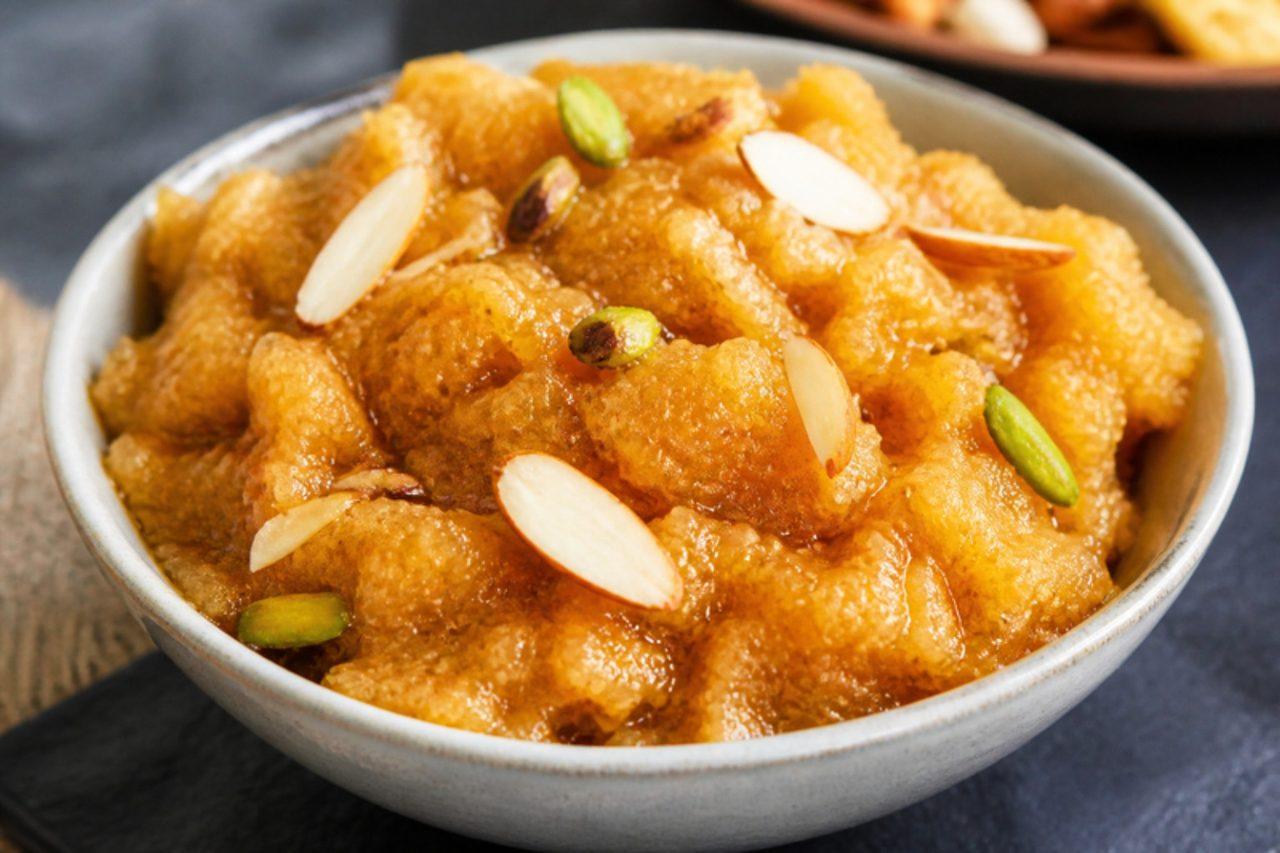
At Rajasthani and Marwari weddings in winter, the halwai's moong dal halwa is the dish people go back for. It is also made at home for Holi, when it is cooked in big kadhais and passed around warm. Soaked yellow moong dal is ground to a coarse paste and roasted in ghee for the best part of an hour, first clumping into a heavy mass, then breaking down into golden grains that smell of toasted nuts and ghee. Hot saffron milk and sugar go in at the end and are cooked back until the ghee glistens. The result is rich, grainy, buttery and fragrant, best served warm in small bowls with slivered almonds. It needs steady stirring and a strong arm, so share the job. Chef's tip: grind the dal with as little water as possible; a wet paste takes far longer to roast and turns sticky instead of grainy.

by KrazyBadal 0 views

Kali gajar ki kanjiFermented black carrot drink

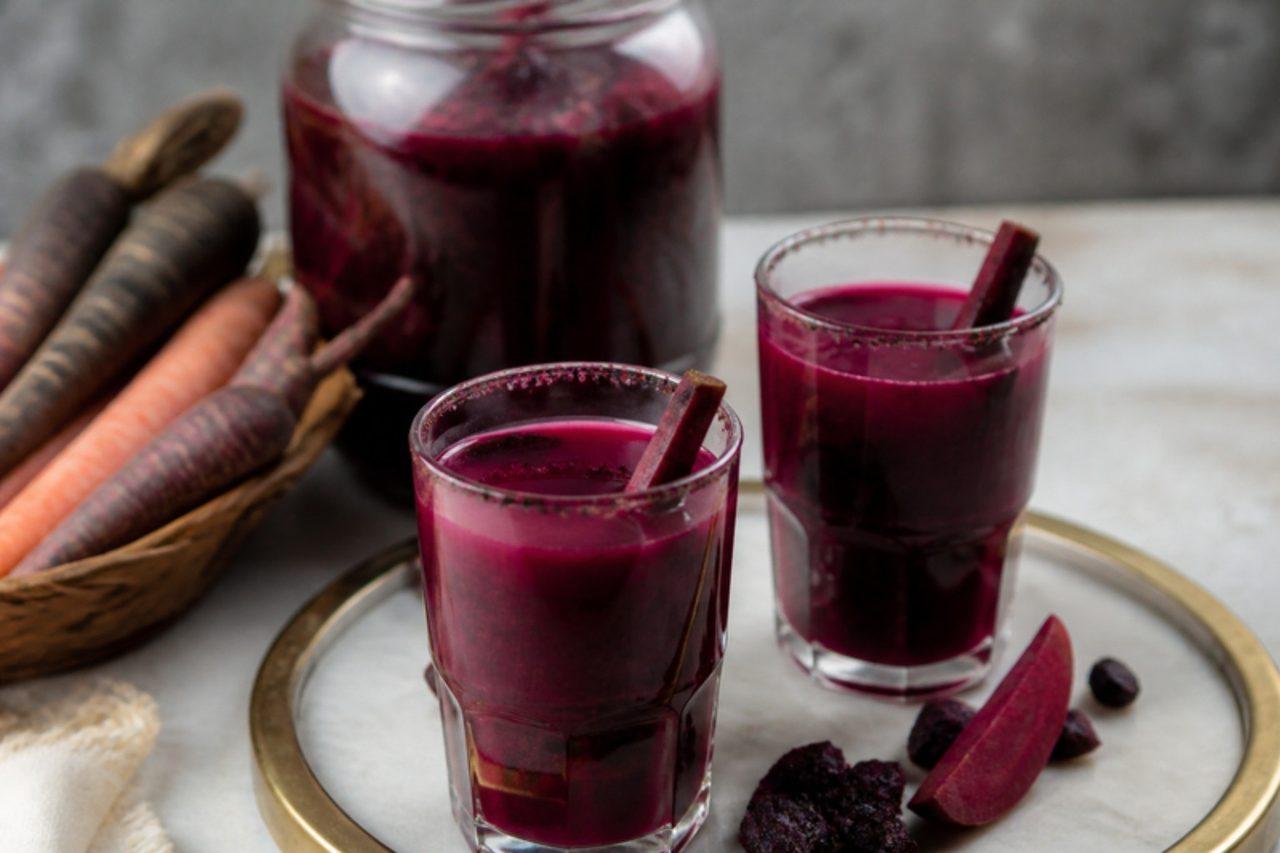
When the last black carrots of winter reach Punjabi and UP markets in February and March, kitchens start a jar of kanji. The carrots are cut into fingers, steeped in water with crushed mustard seed, salt and chilli, and left in the sun for a few days until the liquid turns deep purple, sour and sharp enough to tickle your nose. It is drunk by the glass before meals around Holi as a digestive and a spring tonic, and the soft, tangy carrot sticks are eaten too. The flavour is like a lively pickle brine, earthy from the carrots and peppery from mustard. Use a glass or ceramic jar that you have washed and dried completely, keep the vegetables under the water, stir with a clean dry spoon, and discard if mould or an unpleasant smell appears. Chef's tip: a small beetroot deepens the colour if your carrots are more red than black, but don't overdo it or the kanji tastes earthy and sweet.

by KrazyBadal 0 views

Nolen gurer payeshRice pudding with date palm jaggery

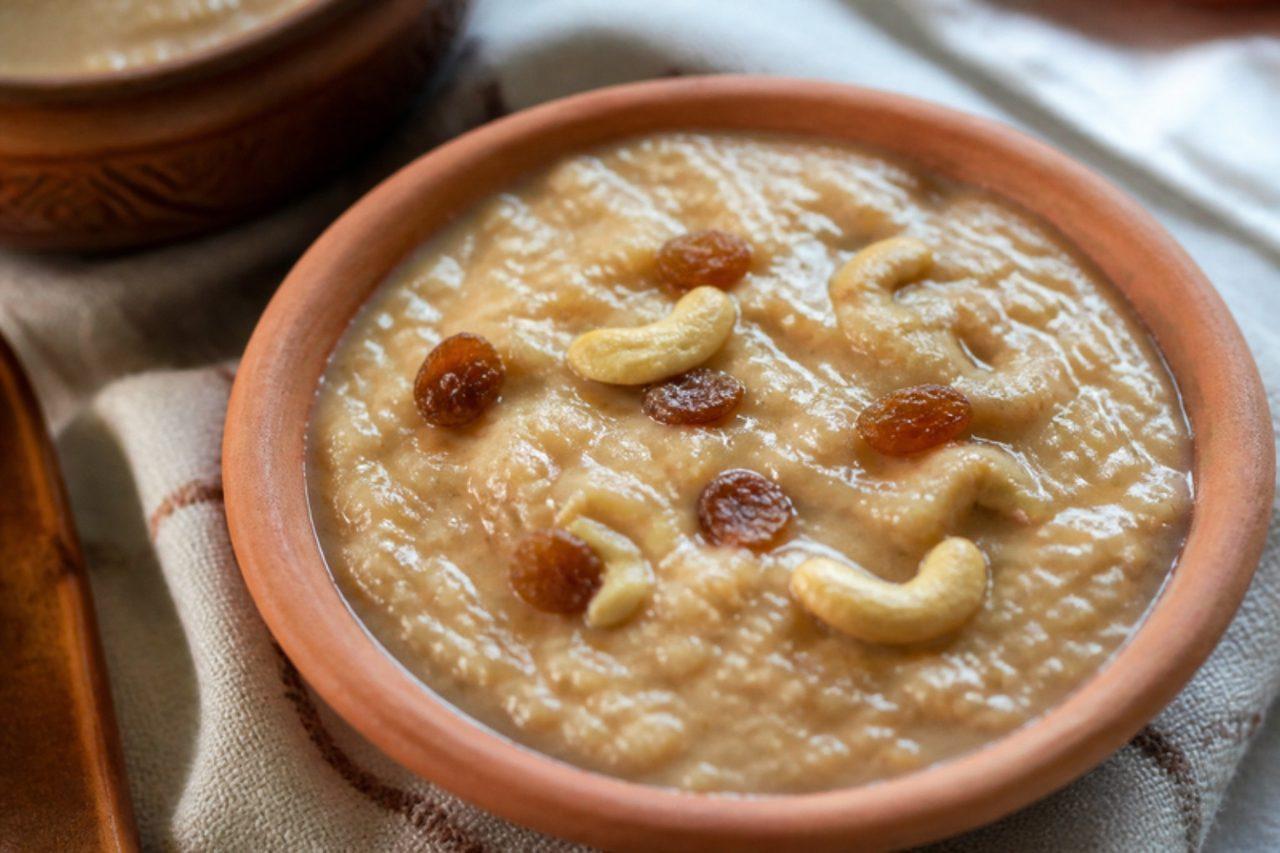
In Bengal winter means nolen gur, the new date-palm jaggery that arrives in clay pots in December and January and smells of caramel and smoke. Kolkata sweet shops put it in everything, but at home the best use is a pot of payesh for Poush Sankranti or a birthday. Short, buttery gobindobhog rice is fried briefly in ghee with a bay leaf, then cooked slowly in full-fat milk until the grains break down and the milk reduces to a creamy, spoonable pudding. The jaggery goes in last and turns it a soft brown. Serve warm or cold, in small bowls or clay bhar, with pithe on the side. Common mistake: adding the gur while the milk is boiling, which almost always curdles it; take the pot off the heat and let it cool for a few minutes first. Chef's tip: no nolen gur? Use liquid date-palm jaggery (jhola gur) or a soft palm jaggery; cane jaggery works but the flavour is flatter.

by KrazyBadal 0 views

Grünkohl mit PinkelBraised kale with smoked sausage

In Bremen and Oldenburg, Grünkohl mit Pinkel is the dish of the winter Kohlfahrt, when groups walk out into the frosty countryside and finish at an inn for kale, smoked pork and Pinkel, a smoked sausage of pork, bacon and oats. The kale is braised for hours with onions, lard and smoked pork until dark, soft and almost creamy, then the sausages warm through on top. Serve with boiled potatoes or small caramelised ones and mustard. The usual mistake is cooking the kale briefly like a vegetable side; it needs the long braise to lose its bitterness. Chef's tip: kale is best after the first frost, which makes the leaves sweeter; frozen chopped kale is a good shortcut.

160 minGermanMeat
by KrazyBadal 0 views

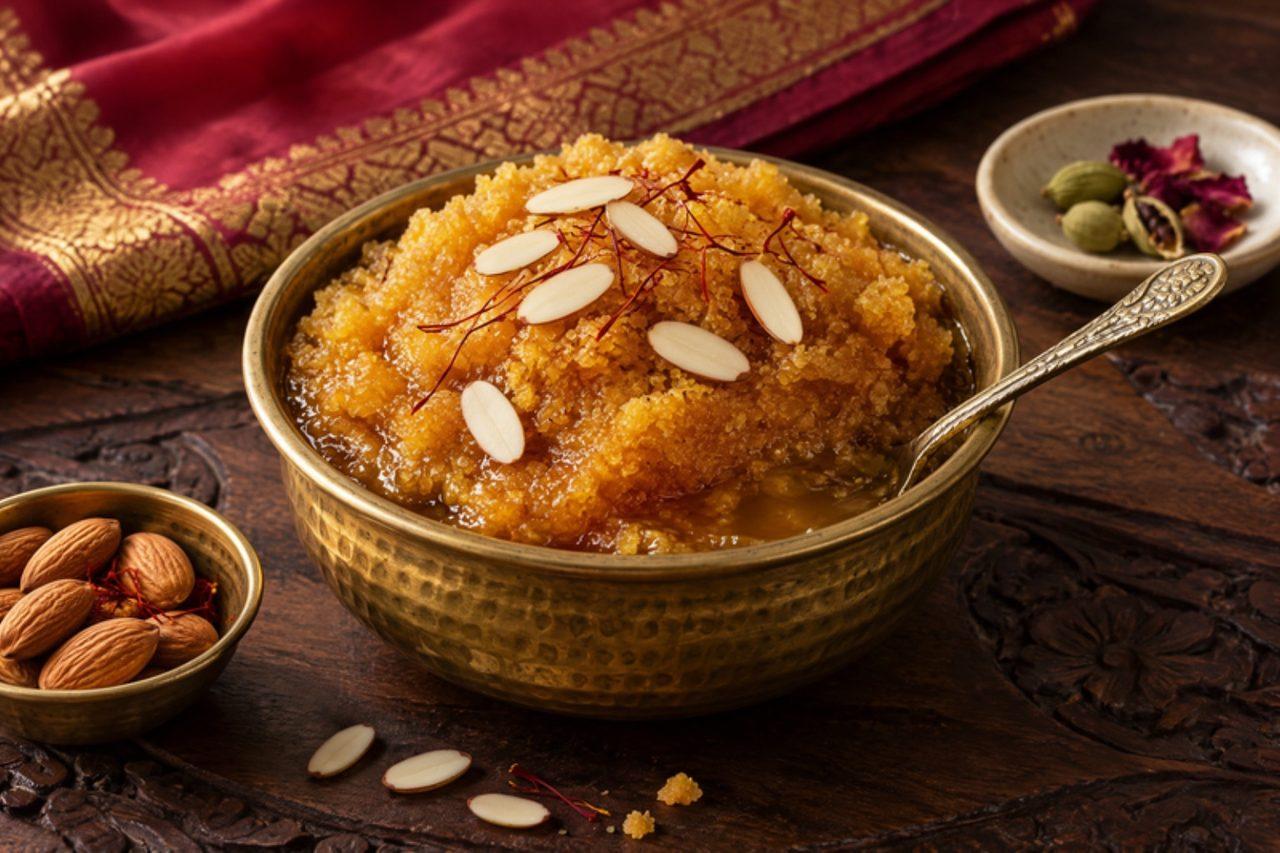
Badam ka halwaAlmond halwa

In Jaipur, badam ka halwa came out of the royal kitchens and now appears at winter weddings and on cold nights when someone wants a real treat. Soaked, peeled almonds are ground to a coarse paste and cooked slowly in ghee with milk, sugar and saffron until the halwa turns golden, glossy and leaves the sides of the pan. It is very rich, so a small bowl is enough. The common mistake is grinding the almonds too fine, which gives a pasty halwa instead of a soft, grainy one. Chef's tip: stop grinding when the almonds look like wet semolina and add the milk only during grinding, never water.

by KrazyBadal 0 views

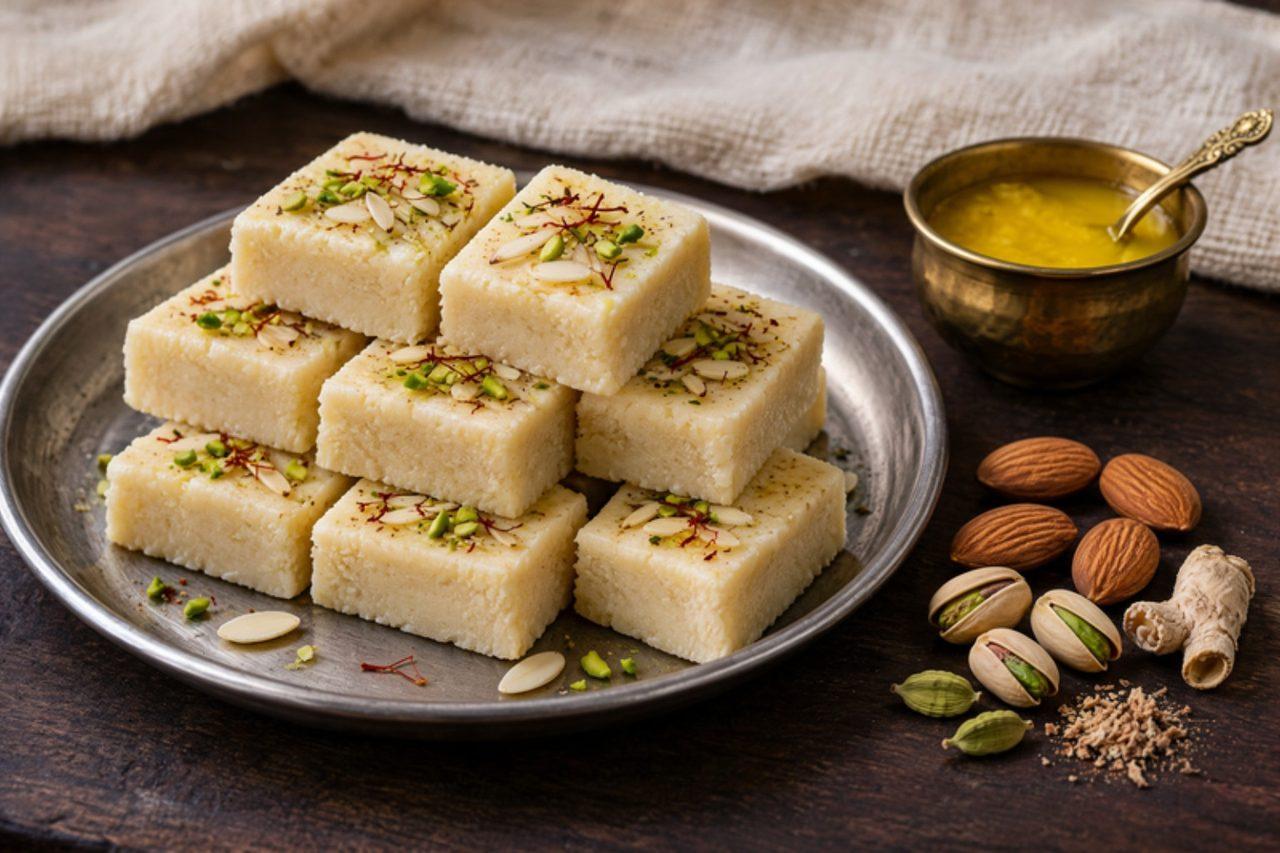
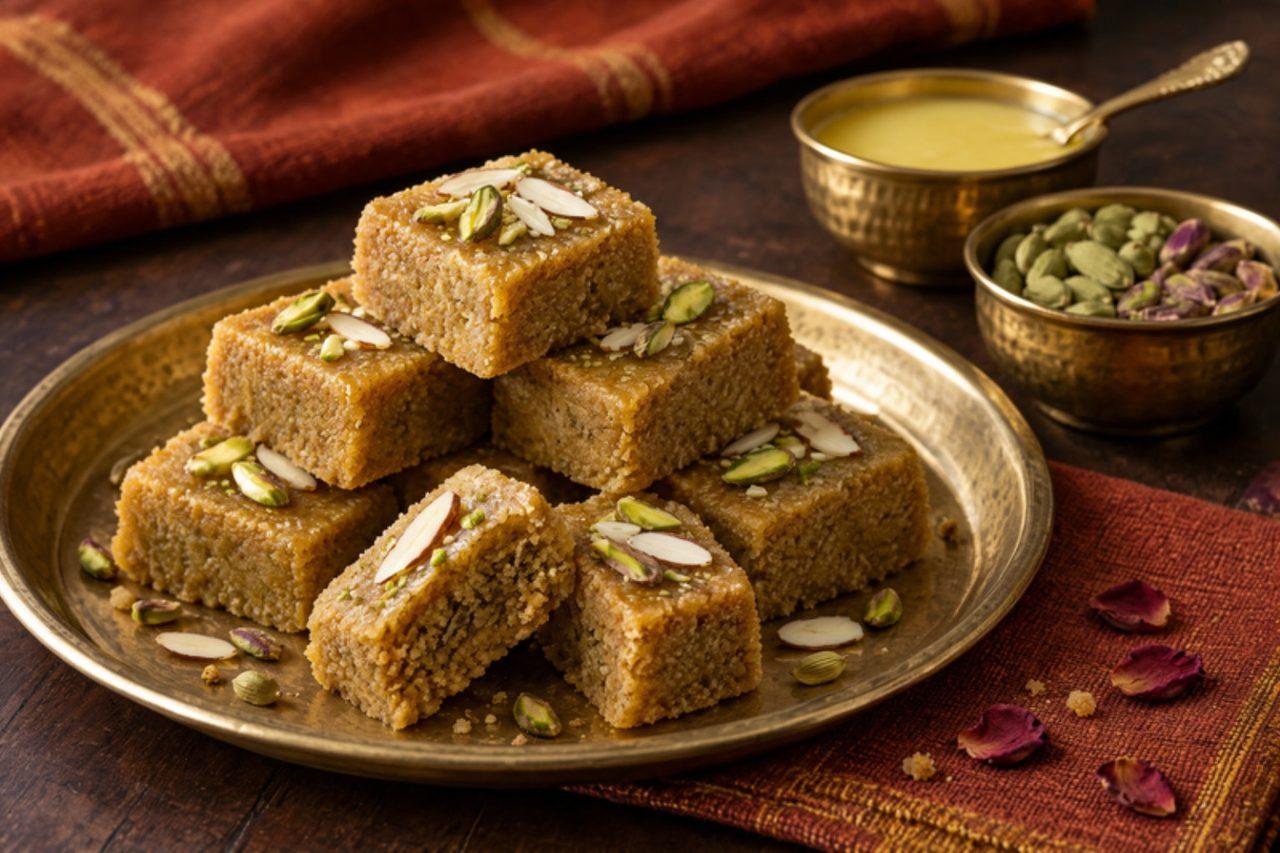
Salam pakSalep root and milk fudge

Salam pak is the grandest of the Gujarati winter paks, made in Kathiawadi and Ahmedabad homes in the cold months and handed out to family as a strengthening sweet. Salam (salep) is the dried, powdered root of a wild orchid sold by Gujarati grocers and Ayurvedic shops; cooked in milk it thickens into a silky, slightly chewy body that mawa, ghee and nuts make luxurious. A frequent mistake is adding the salam straight into hot milk, where it seizes into rubbery lumps that never cook out. Chef's tip: buy salam powder from a busy shop and smell it; it should be clean and faintly sweet, never musty.

by KrazyBadal 0 views

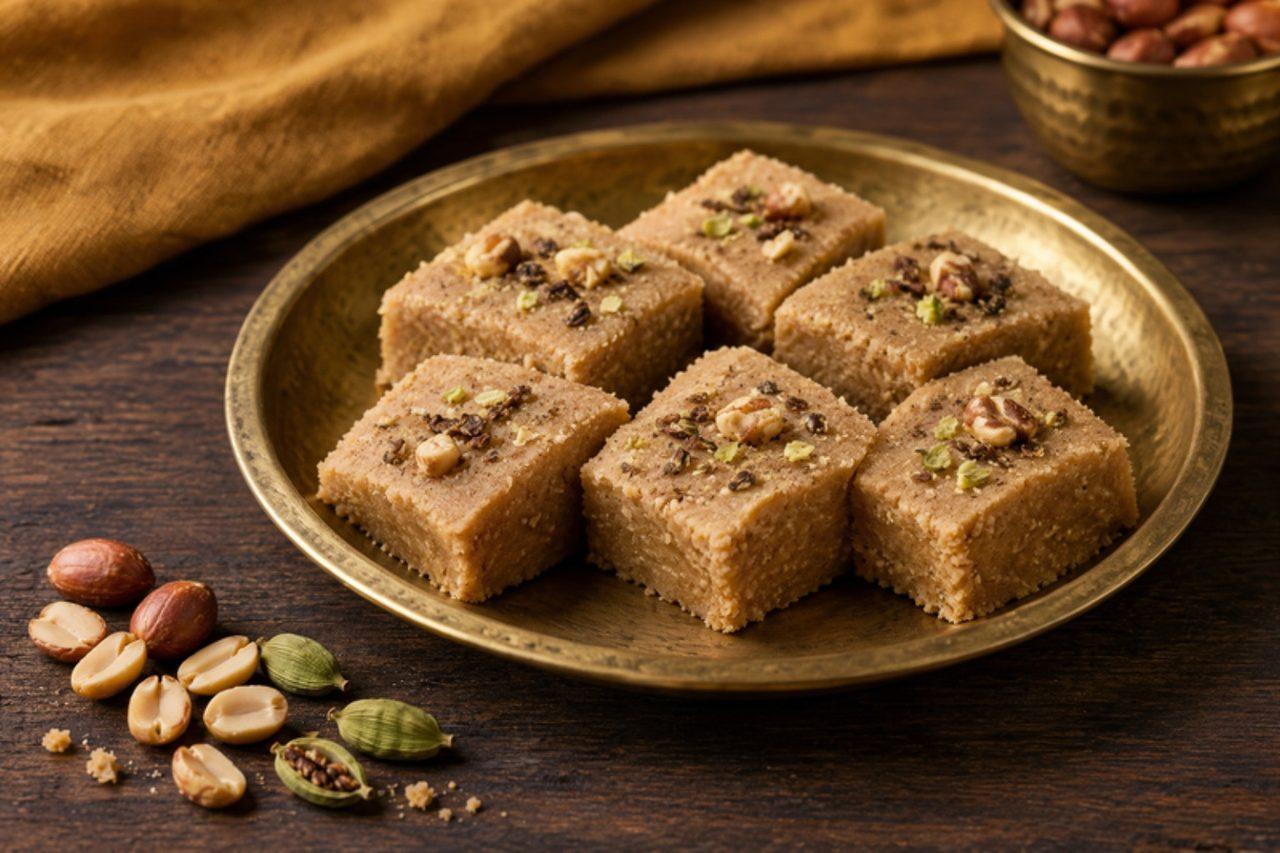
Sing pakPeanut fudge

Sing pak is the Gujarati fasting-day fudge: peanuts roasted, skinned and ground coarse, then cooked into a one-string sugar syrup with ghee and cardamom and set in a tray. Because it uses no grain, it is made for Ekadashi, Shravan Mondays and Navratri, and children love it any day. It is soft, rich and a little crumbly. The common mistake is cooking the syrup too far; past one string it sets rock-hard and grainy. Chef's tip: pinch a drop of syrup between finger and thumb (carefully, after cooling it on a spoon): one thin thread should form as you pull them apart.

by KrazyBadal 0 views

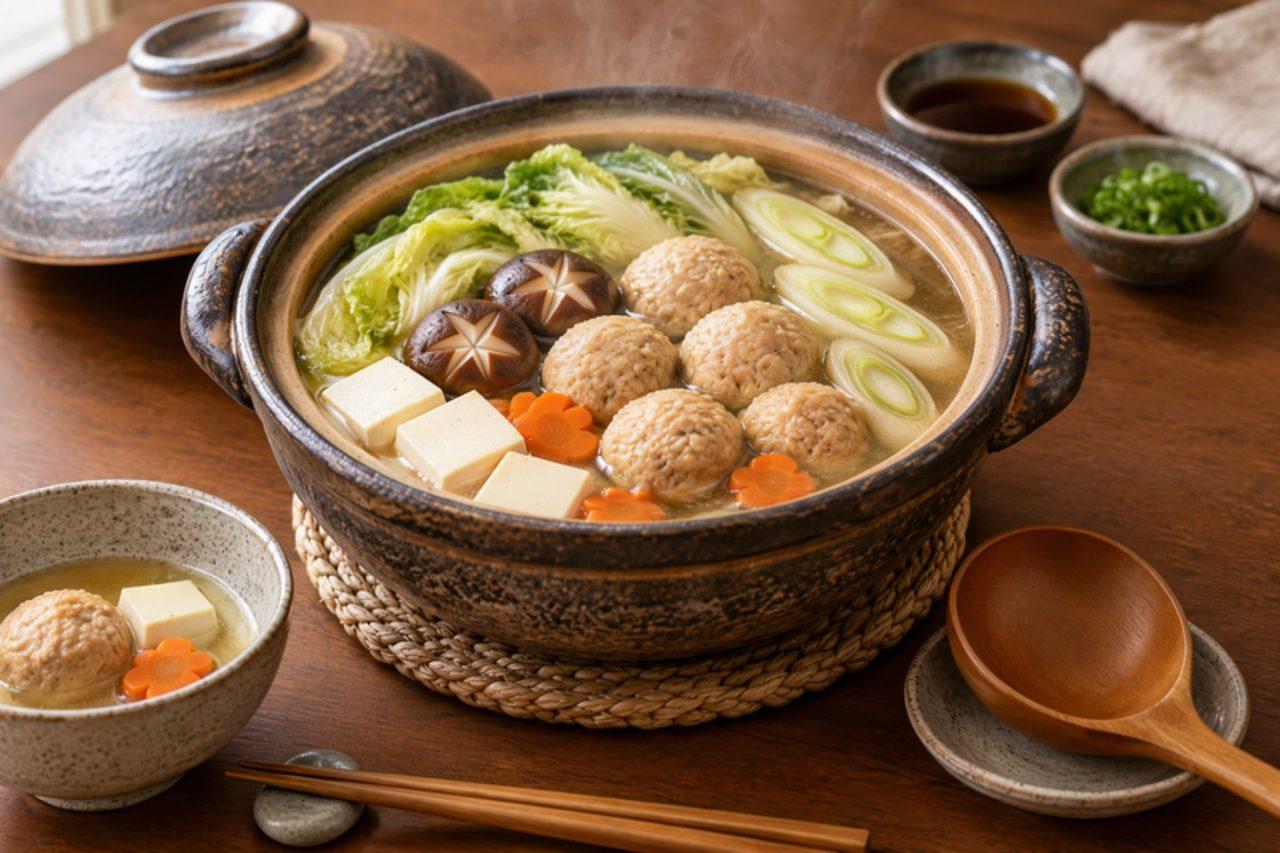
Chanko nabeChicken meatball hot pot

Chanko nabe is the daily meal of the sumo stables around Ryōgoku in east Tokyo, where young wrestlers cook a huge pot after morning practice and the senior ranks eat first. At home it is a winter supper cooked on a tabletop burner or on the hob: a clear chicken and kombu dashi seasoned lightly with soy, then loaded with ginger-scented chicken meatballs, tofu, napa cabbage, leek, carrot and mushrooms. Everything cooks in the one pot, and the last of the broth is often finished with udon or rice. The usual mistake is boiling the pot hard once the meatballs go in, which turns the broth cloudy and the tofu ragged; keep it at a lazy simmer. Chef's tip: shape the meatballs with two wet spoons and drop them in before the vegetables, so they flavour the broth while the cabbage softens.

by KrazyBadal 0 views

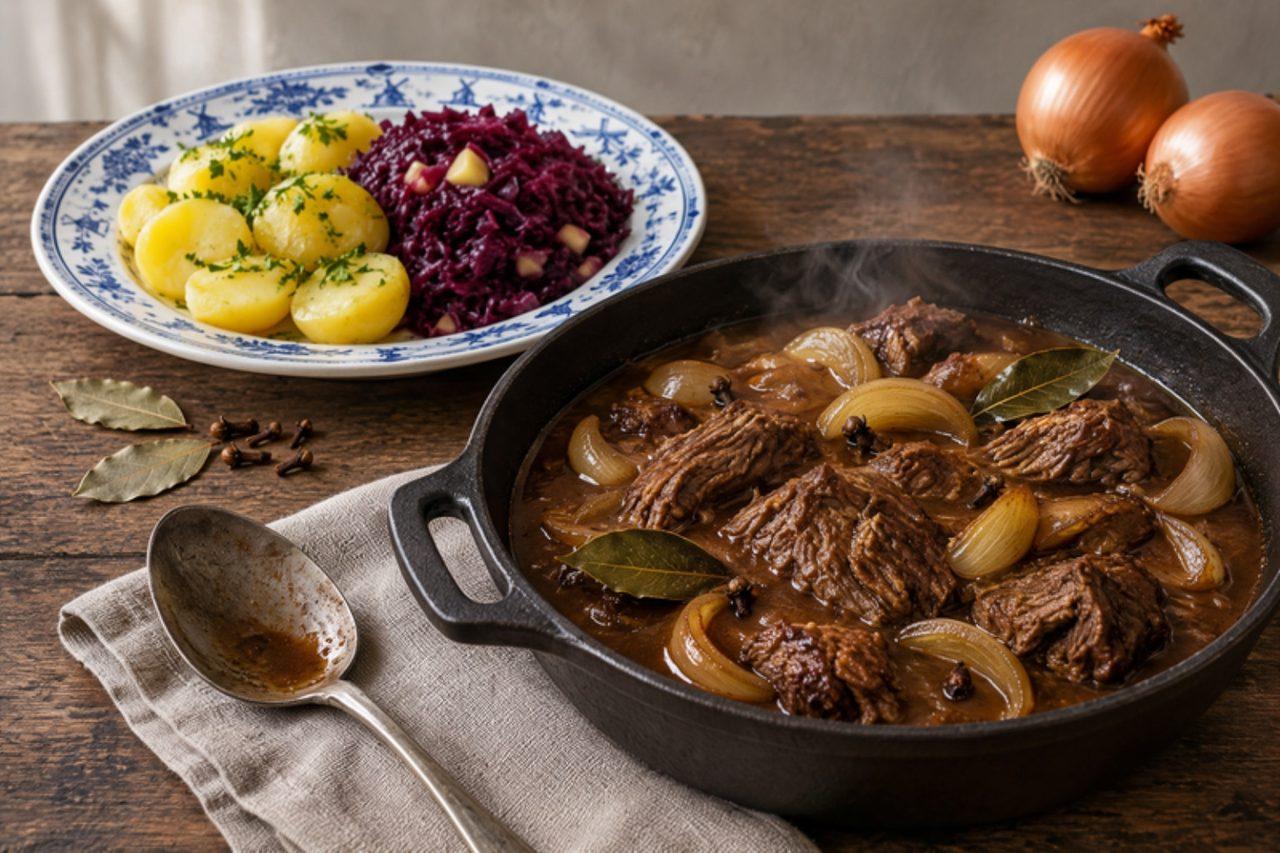
HacheeBeef and onion stew

Hachee is the Dutch stoofpotje that grandmothers in Friesland, Groningen and Brabant leave murmuring on the back of the stove on cold Sundays: beef braised with almost as much onion as meat, plus bay leaves, cloves and a splash of vinegar, until it falls apart into a dark, sweet-sour gravy. It goes on boiled potatoes with red cabbage, or with stamppot, and leftovers are eaten on toast. The usual mistake is rushing the onions: they need a good 15 minutes to turn deep golden, or the gravy stays pale and sharp. Slow-cooker option: after browning, cook on low for 8 hours. Chef's tip: stir in a spoon of dark syrup or apple butter at the end only if the vinegar tastes too sharp; taste first, as good onions often make it unnecessary.

190 minDutchMeat
by KrazyBadal 0 views

Yuja-cha (citron tea)

Goheung, on the southern coast of South Jeolla, is Korea's yuja country: in November the groves turn gold and families slice the knobbly citrons for yuja-cheong, the honeyed preserve that becomes tea all winter. From December to March a spoonful in hot water is offered to guests, to students cramming late and to anyone with a scratchy throat, as it is traditionally drunk for colds. The tea is sweet, floral and sharp, with soft, chewy strands of peel that you eat at the end with a spoon. The common mistake is leaving the fruit damp or the pith too thick: wet fruit lets mould in, and thick white pith makes the preserve bitter. Scrub, dry completely and pare away any pith thicker than a few millimetres. The cheong is ready after a day or two, when the sugar has dissolved into a clear, glossy syrup around the peel. Keep it in the fridge for up to three months, always with a dry spoon; throw it away if you see fuzzy mould, smell alcohol or it bubbles. No yuja? Japanese yuzu is the same fruit; otherwise use 2 lemons and 2 mandarins. Chef's tip: soak the seeds in a little of the honey and add that liquid back for a silkier syrup.

by KrazyBadal 0 views

Moong thalMoong dal flour fudge

Moong thal is a Diwali tray sweet of Bikaner and Marwari homes, made by roasting coarsely ground moong dal in a generous amount of ghee, then setting it with sugar syrup and mawa and topping with nuts. It is richer and grainier than besan barfi, with a deep, toasty flavour. Marwari families in Kolkata and Mumbai still make it for Diwali boxes. The common mistake is under-roasting the moong, which leaves a raw, beany taste. Chef's tip: roast until the mixture turns light and frothy and the ghee releases from it; that is your sign it is cooked through.

by KrazyBadal 0 views

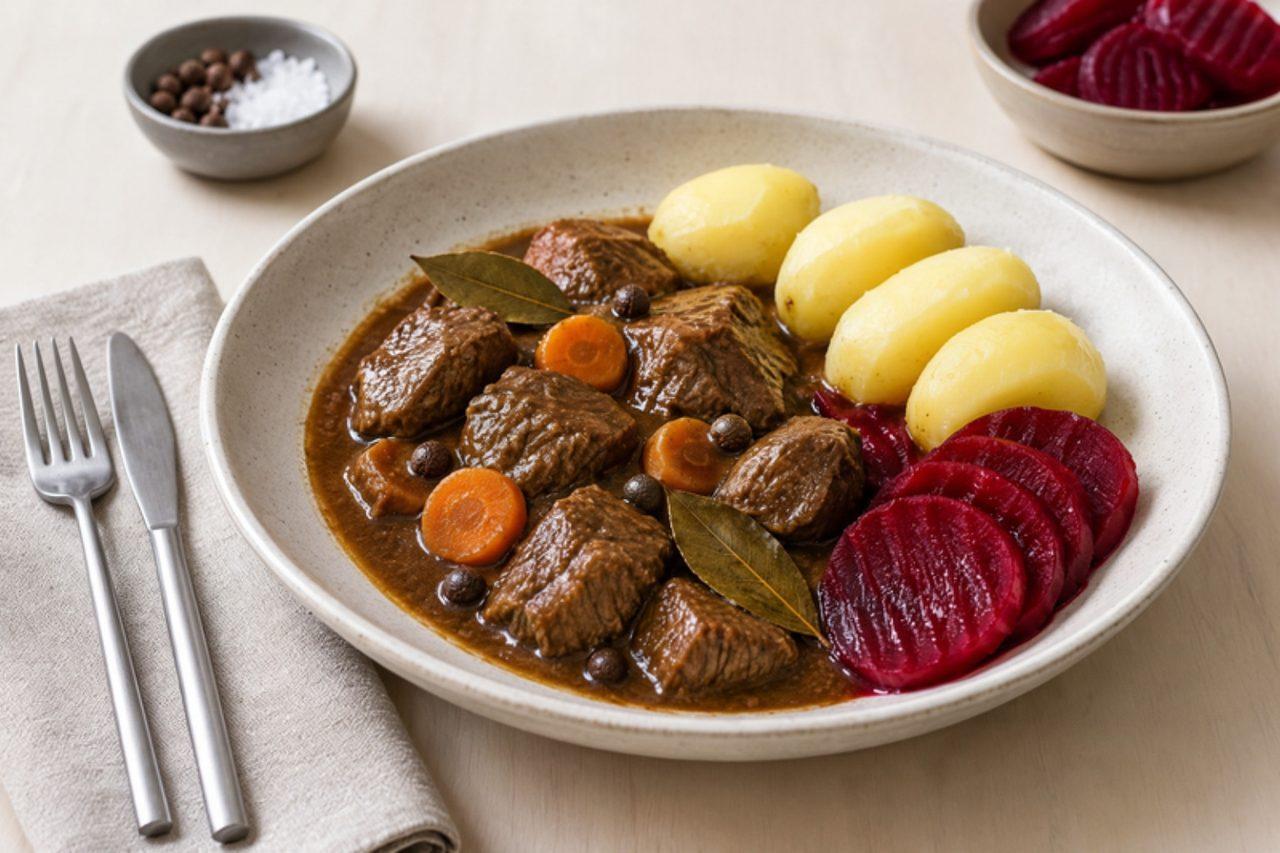
KalopsBeef stew with allspice

Kalops is the Swedish winter stew that fills kitchens from Skåne to Norrland on dark November weekends: chunks of beef chuck simmered slowly with onions, carrots, whole allspice and bay until the sauce turns brown, glossy and lightly peppery. It is always eaten with plain boiled potatoes and a spoonful of sweet pickled beetroot (inlagda rödbetor), whose sharpness cuts the richness. It reheats beautifully, so many families make it a day ahead. The usual mistake is crowding the pan when browning, so the beef steams grey and the sauce never gets its deep colour; brown in batches. Chef's tip: crush half the allspice berries lightly before they go in so the warm clove-like scent reaches the whole pot, but leave the rest whole for a gentler background note.

by KrazyBadal 0 views

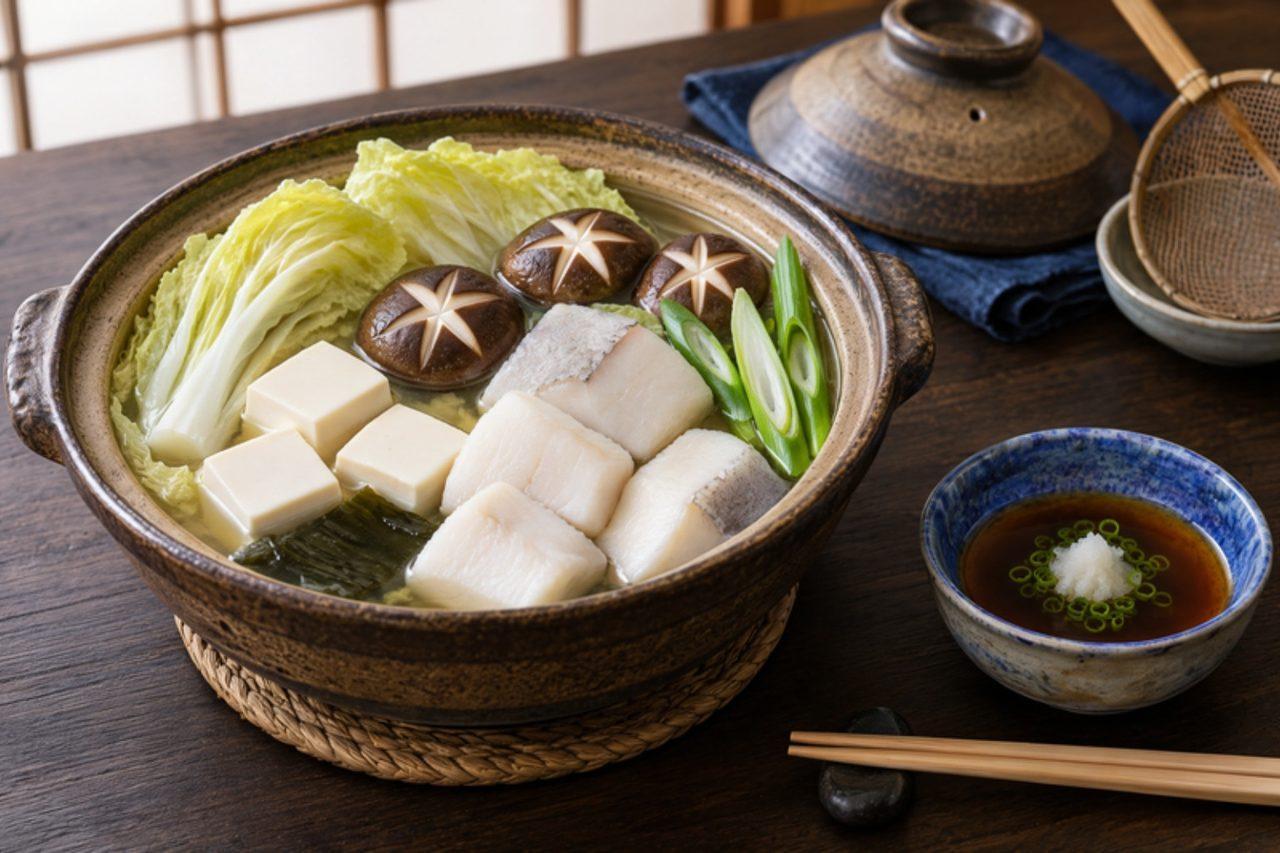
Tara chiriCod and tofu hot pot

Tara chiri is a winter hot pot from all over Japan, cooked at the table on cold nights in December and January when Pacific cod is at its fattest and cheapest. The broth is only kombu and water, so the clean taste of the fish comes through; cod, tofu, napa cabbage, leek and mushrooms poach gently, and each mouthful is dipped into citrusy ponzu with grated daikon and chilli. Suitable as part of a balanced diet: lean protein and plenty of vegetables, with no rice needed. About 260 kcal and 12 g carbohydrate per portion. The usual mistake is boiling the fish hard, which breaks it into flakes in the pot; it should poach just below a simmer. Chef's tip: pour boiling water over the cod pieces and rinse them in cold water first (shimofuri); it removes any fishy smell and keeps the broth clear.

by KrazyBadal 0 views

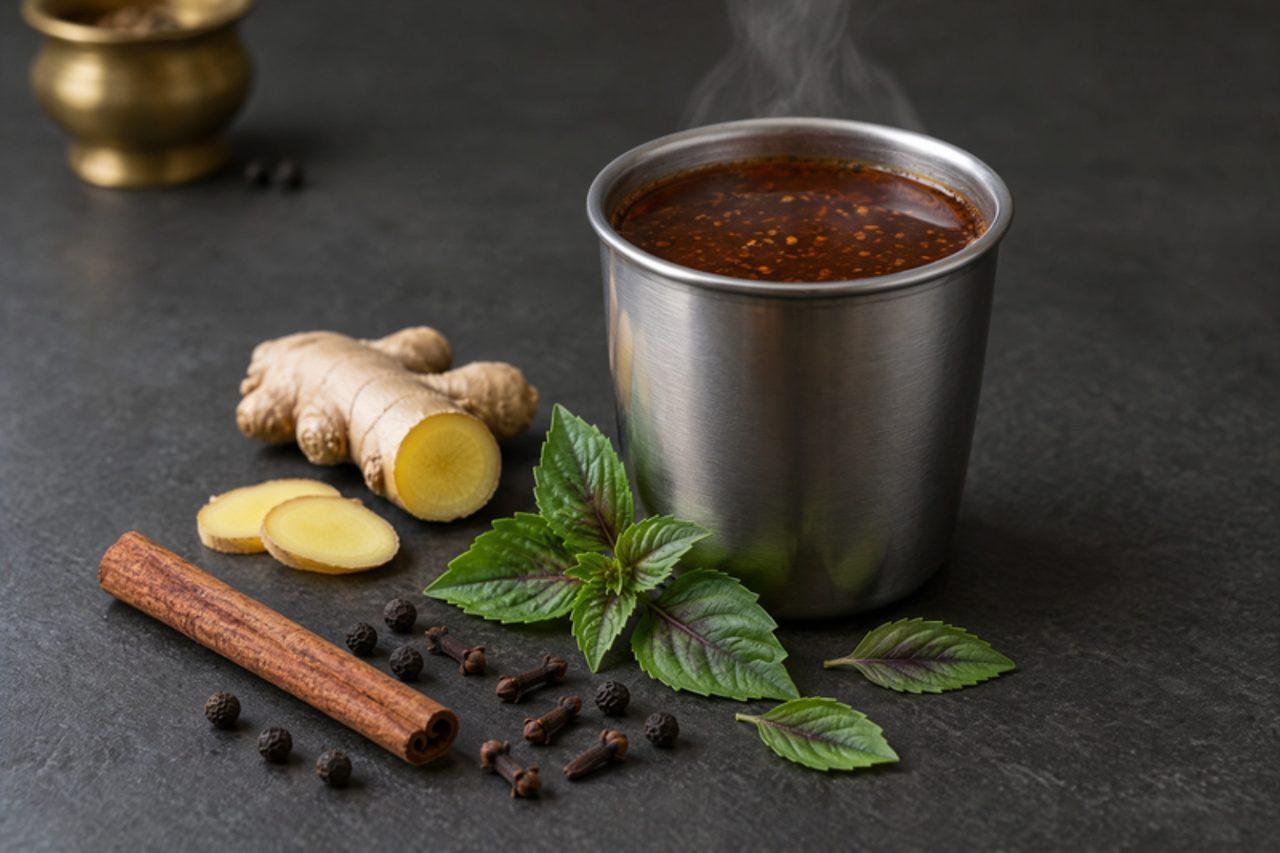
Kadha (spiced herbal decoction)

When the fog settles over Delhi, Lucknow and the plains of Uttar Pradesh in December, or whenever the monsoon brings coughs round the house, someone puts a pan of kadha on the stove. Tulsi leaves, ginger, black pepper, cinnamon, cloves and sometimes a little ajwain are boiled hard until the water reduces by half, then sweetened with jaggery and sipped in small cups, morning or night. It is not a gentle tea: it is hot, peppery, clove-numbing and earthy, with a dark amber colour and a sweet edge. It is traditionally drunk for coughs and colds; it does not replace medical care, and anyone who is pregnant, on medication or giving it to small children should keep it mild and check with a doctor. The common mistake is simmering it gently like tea: kadha needs a steady boil so the spices give up their strength and the liquid reduces. It is ready when the volume has halved and the brew is deep amber and pungent. Chef's tip: crush the pepper and cloves just before they go in; whole spices hardly flavour the water in this short time.

by KrazyBadal 0 views

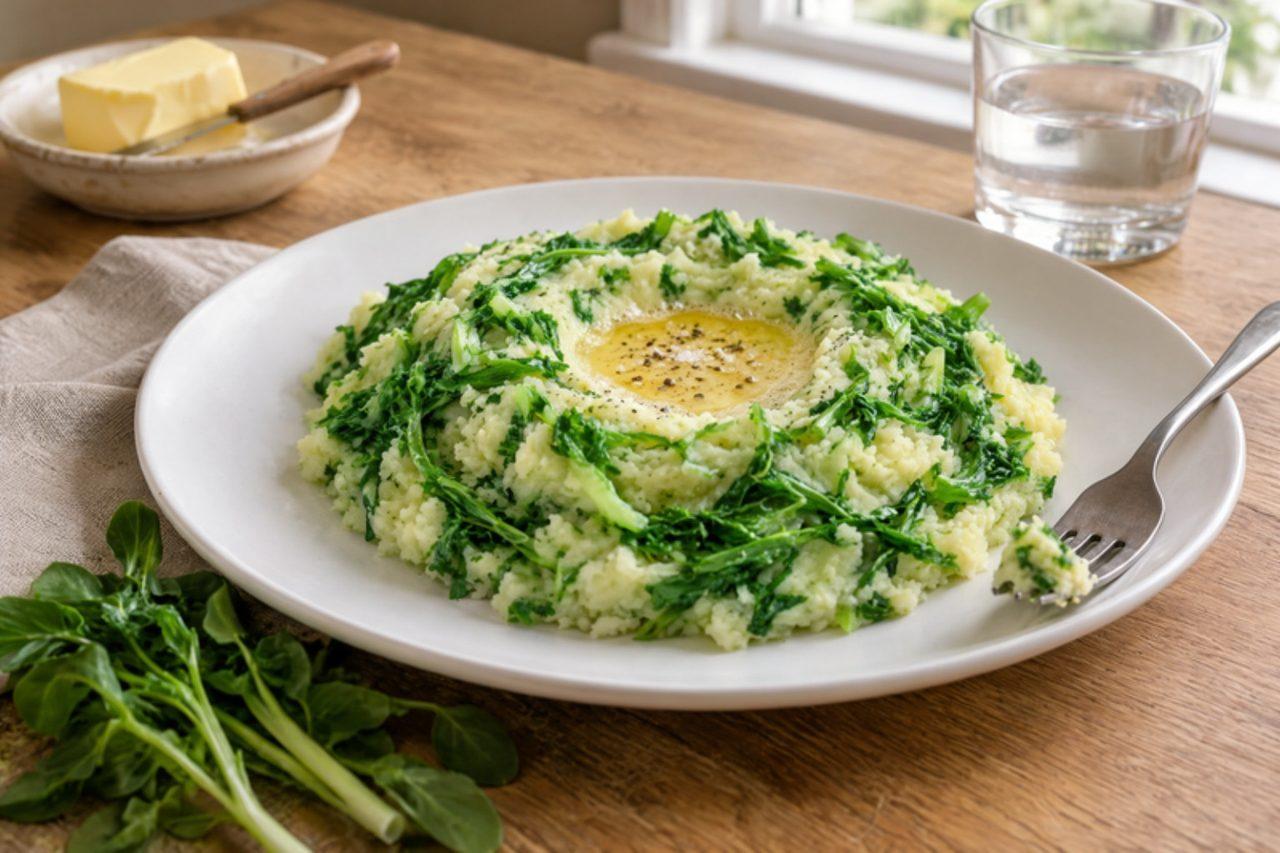
Stamppot raapstelenMashed potato with turnip greens

When the first raapstelen (tender young turnip tops) appear at Dutch markets in March and April, families from Groningen to Zeeland make this spring stamppot for supper. Floury potatoes are boiled and mashed in the same pan with butter and hot milk, then the raw, finely cut greens are stirred through so they stay bright, crisp and slightly peppery. It is classic with a vegetarian sausage or a fried egg and a puddle of gravy in a well in the middle. The usual mistake is cooking the greens: they should only wilt from the heat of the mash. Chef's tip: dry the boiled potatoes over the heat for a minute before mashing, so they soak up the milk and butter instead of turning gluey.

by KrazyBadal 0 views

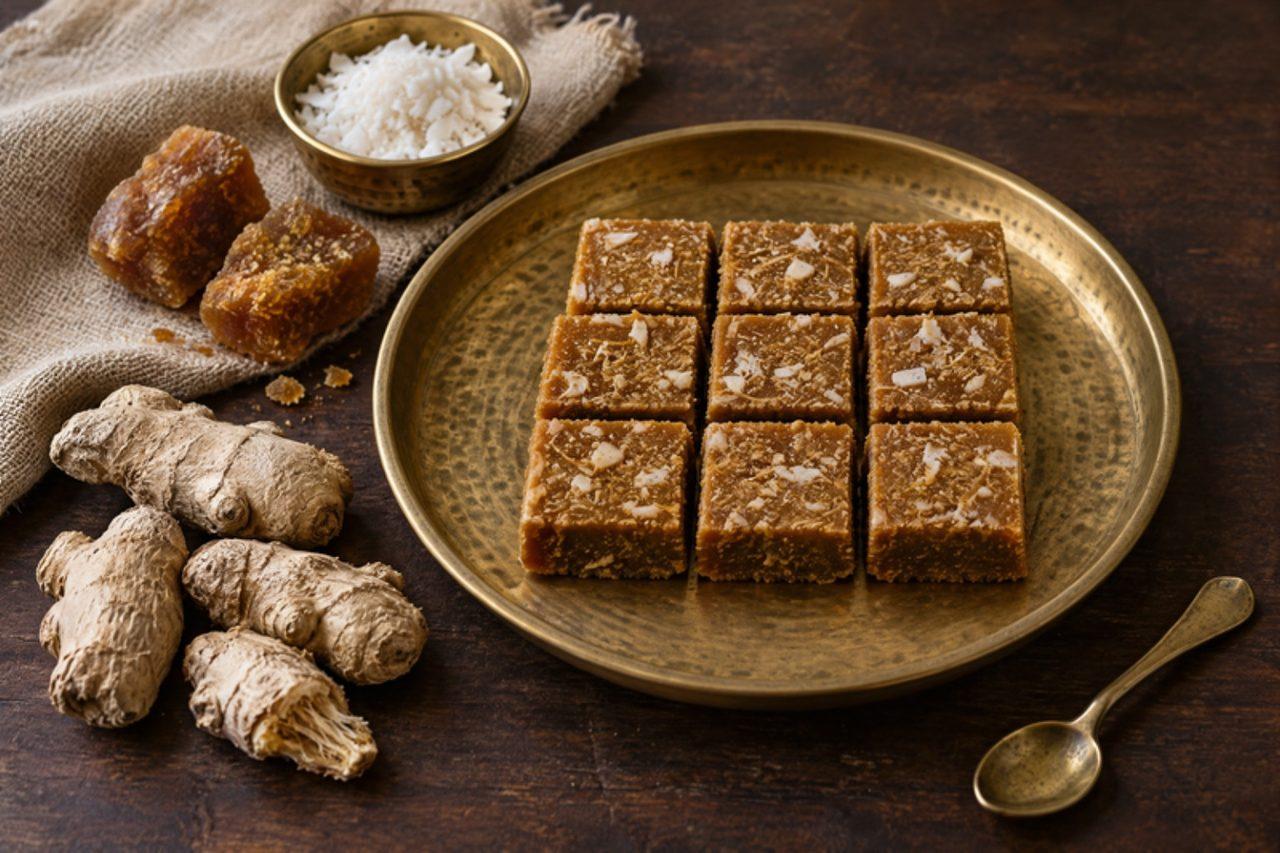
Sooth pakDry ginger fudge squares

In Saurashtra a new mother is handed a tin of sooth pak within days of giving birth, and the rest of the family quietly helps themselves when winter colds arrive. It is a small, potent square: plenty of dry ginger roasted in ghee, softened by jaggery and wheat flour, with a little puffed gum and coconut for texture, so one piece warms you right through. The mistake to avoid is roasting the ginger powder on its own in very hot ghee, which scorches it in seconds and leaves the pak bitter. Chef's tip: grind dry ginger root yourself in a spice grinder just before cooking; the flavour is far brighter than old packet powder.

by KrazyBadal 0 views

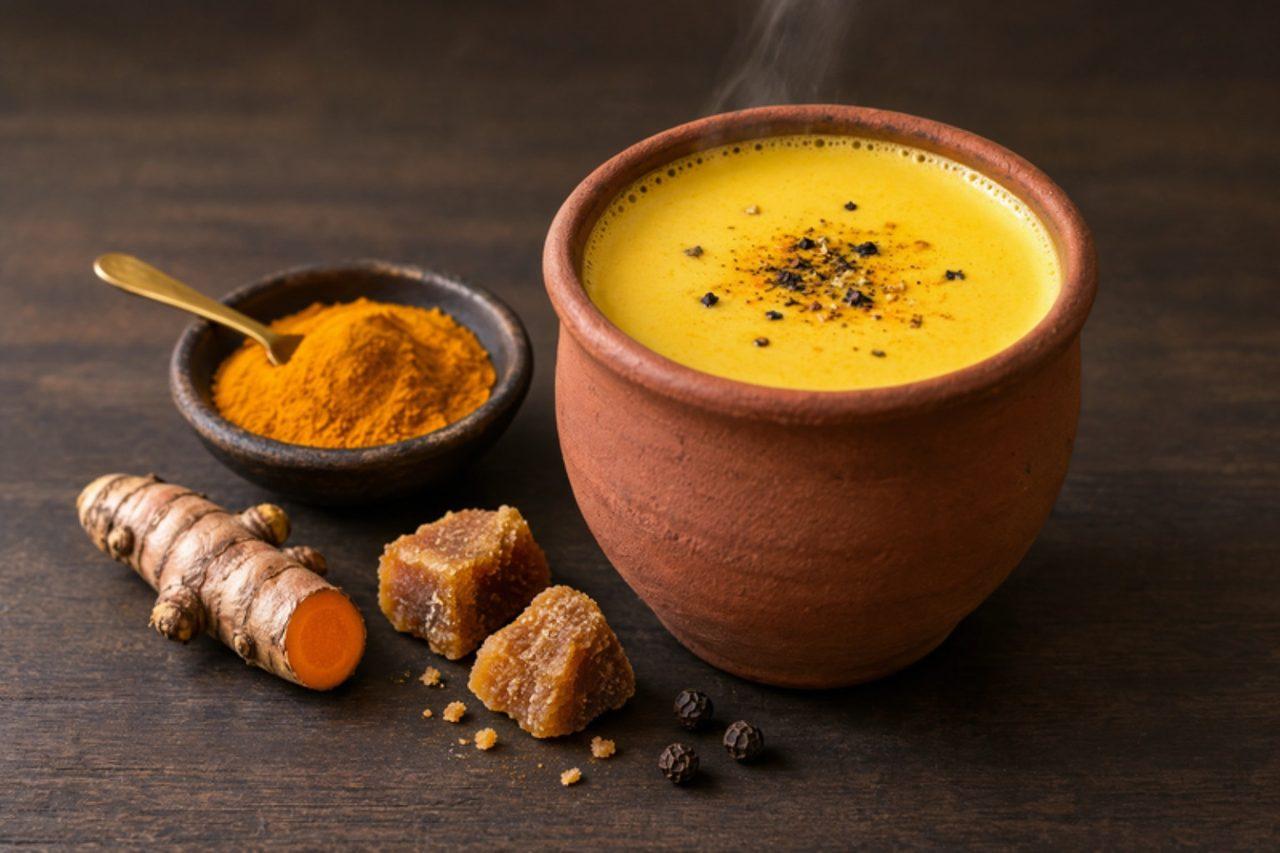
Haldi doodh (turmeric milk)

In homes from Punjab to Kerala, a mother or grandmother hands round haldi doodh on cold winter nights, after a fall in the playground or whenever someone starts sniffling; it is drunk at bedtime, steaming, in a steel tumbler. Milk is simmered with turmeric, a few grinds of black pepper and sometimes ginger or cinnamon, then sweetened with jaggery. It is golden, warming and gently earthy, with a soft peppery heat and a slightly grainy feel if the turmeric is fresh-ground. It is traditionally drunk for colds and aches, as a comfort rather than a cure. The common mistake is adding raw turmeric powder to hot milk at the end: it tastes chalky and bitter. Simmer it in the milk for a few minutes so the raw edge cooks out. It is ready when the milk turns an even deep yellow, smells mellow and has a thin skin forming on top. Add jaggery off the heat, as it can curdle boiling milk. Turmeric stains, so use a steel pan. Chef's tip: a teaspoon of ghee stirred in at the end makes it rounder and is how many families make it.

by KrazyBadal 0 views

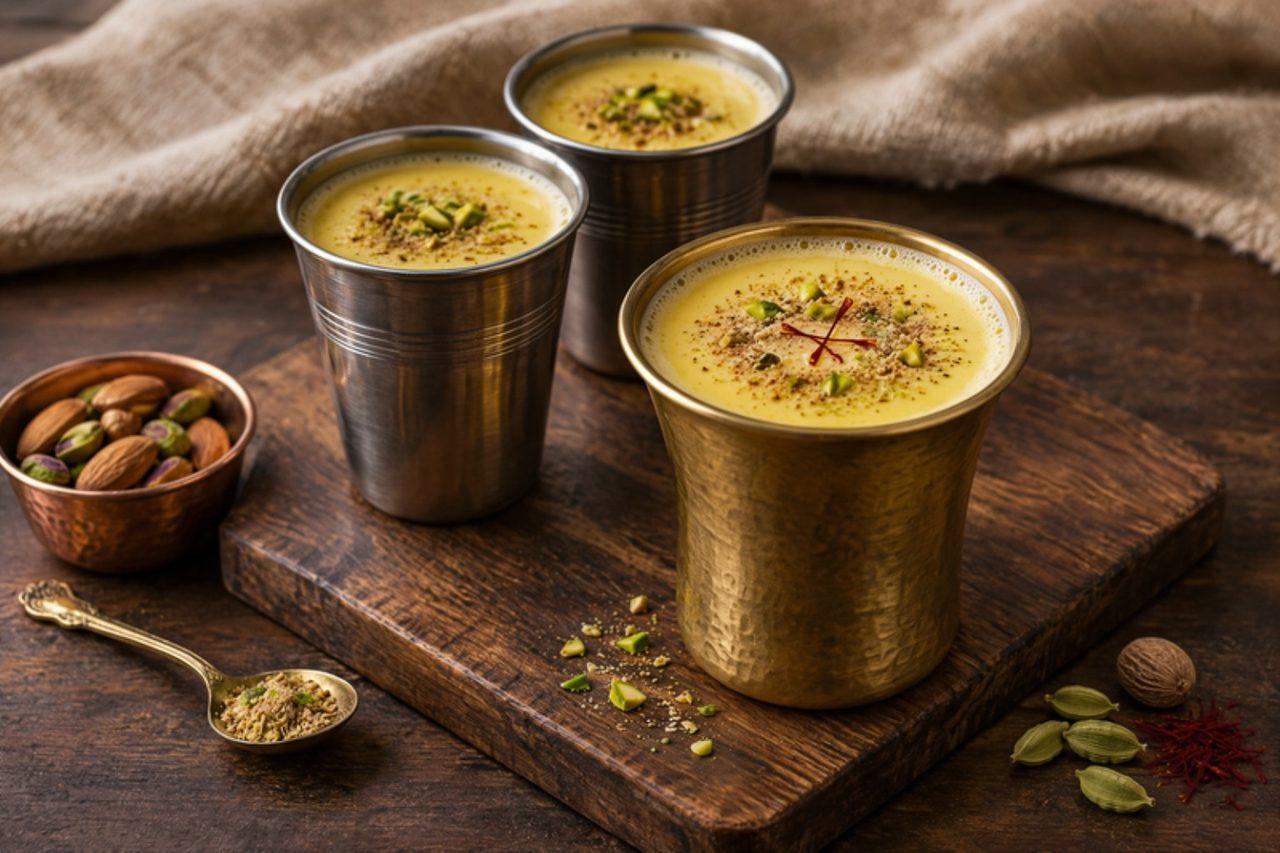
Masala doodhSaffron nut milk

Late evening at Ahmedabad's Manek Chowk, milk sellers pour masala doodh from a height between two brass pots to cool and froth it, and on Sharad Purnima families set a pot of it under the full moon before drinking it chilled. It is richer and more fragrant than plain badam milk: a home-ground masala of almonds, pistachios, cardamom, nutmeg and a little black pepper is stirred into milk reduced with saffron and sugar. The common mistake is boiling it hard after the nut masala goes in, which makes it catch and taste scorched. Chef's tip: grind a jar of the masala in one go and keep it in the fridge; two teaspoons turn any glass of milk into a treat.

by KrazyBadal 0 views

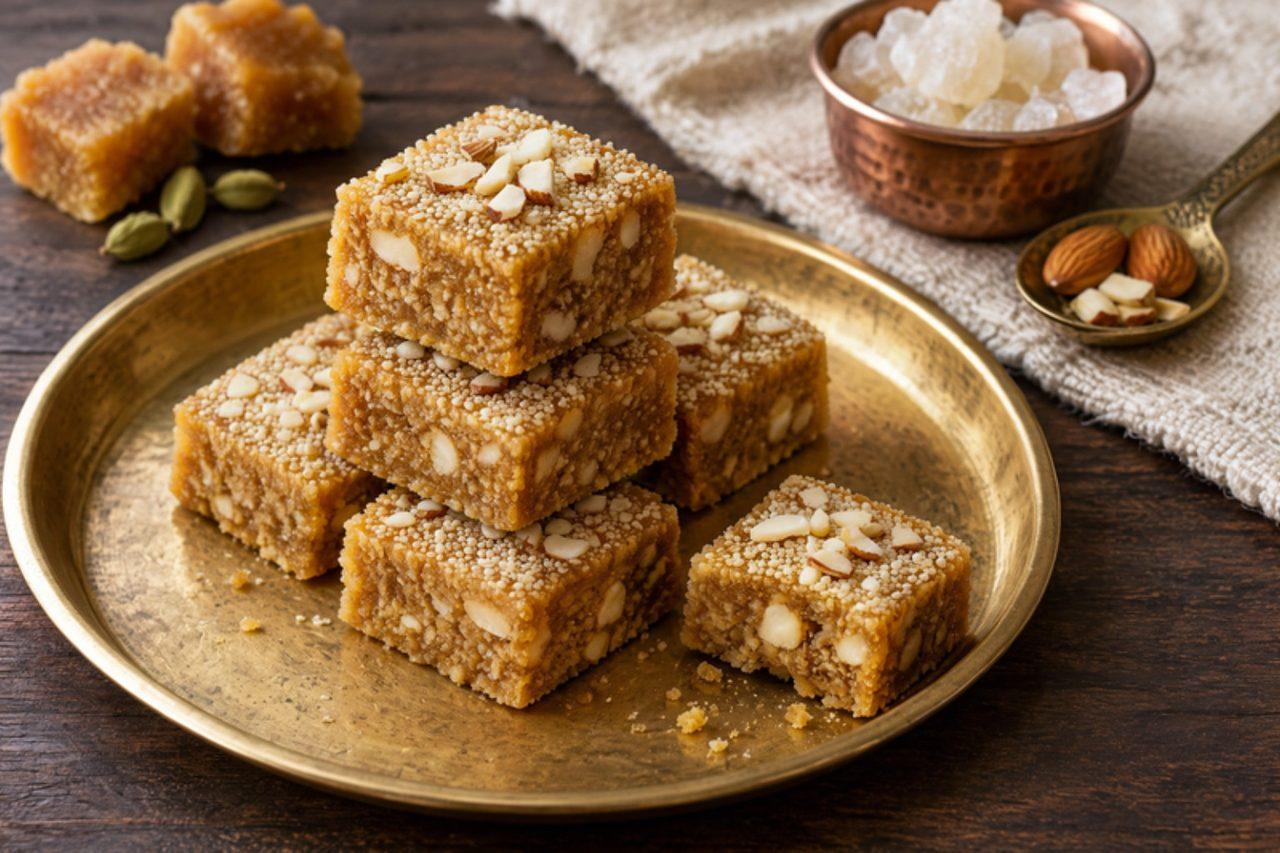
Gundar pakEdible gum and wheat fudge

When the first cold mornings reach Rajkot and Junagadh, Kathiawadi kitchens fry a big batch of gundar, the edible acacia gum, in ghee and set it into this dense, crunchy pak, eaten one square a day with tea through December and January. Here the gum is the star: it puffs into crisp white popcorn-like pieces that give the fudge its crackle, while wheat flour, jaggery, dry ginger and coconut hold it together. The common mistake is frying the gum in ghee that is too cool, so it stays hard and glassy and sticks to your teeth; it must puff fully within seconds. Chef's tip: crush the puffed gum only lightly with a rolling pin so you still bite into small crunchy nuggets.

by KrazyBadal 0 views

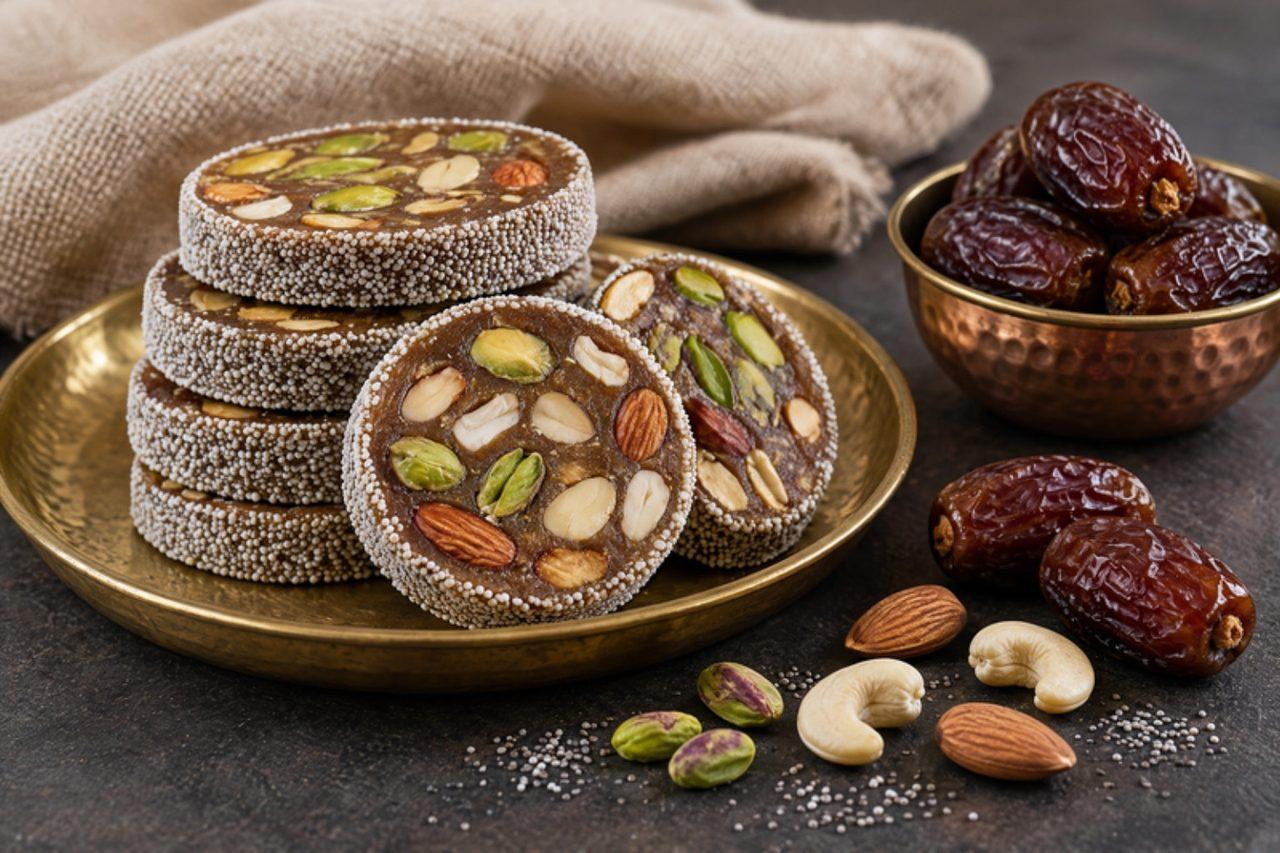
Khajur pakDate and nut fudge

Kutch grows some of India's best dates, and in Bhuj and Anjar homes khajur pak is the sweet made for Diwali boxes and for Ekadashi and other fast days, since it needs nothing but dates, ghee, nuts and coconut. The dates melt in warm ghee into a sticky paste, the nuts give crunch, and the log is rolled in poppy seeds and sliced into neat coins. The common mistake is cooking the dates too long, which dries them out so the log cracks when you slice it. Chef's tip: for a harder winter version, swap a third of the soft dates for chopped kharek (dry dates) soaked overnight in a little milk.

by KrazyBadal 0 views

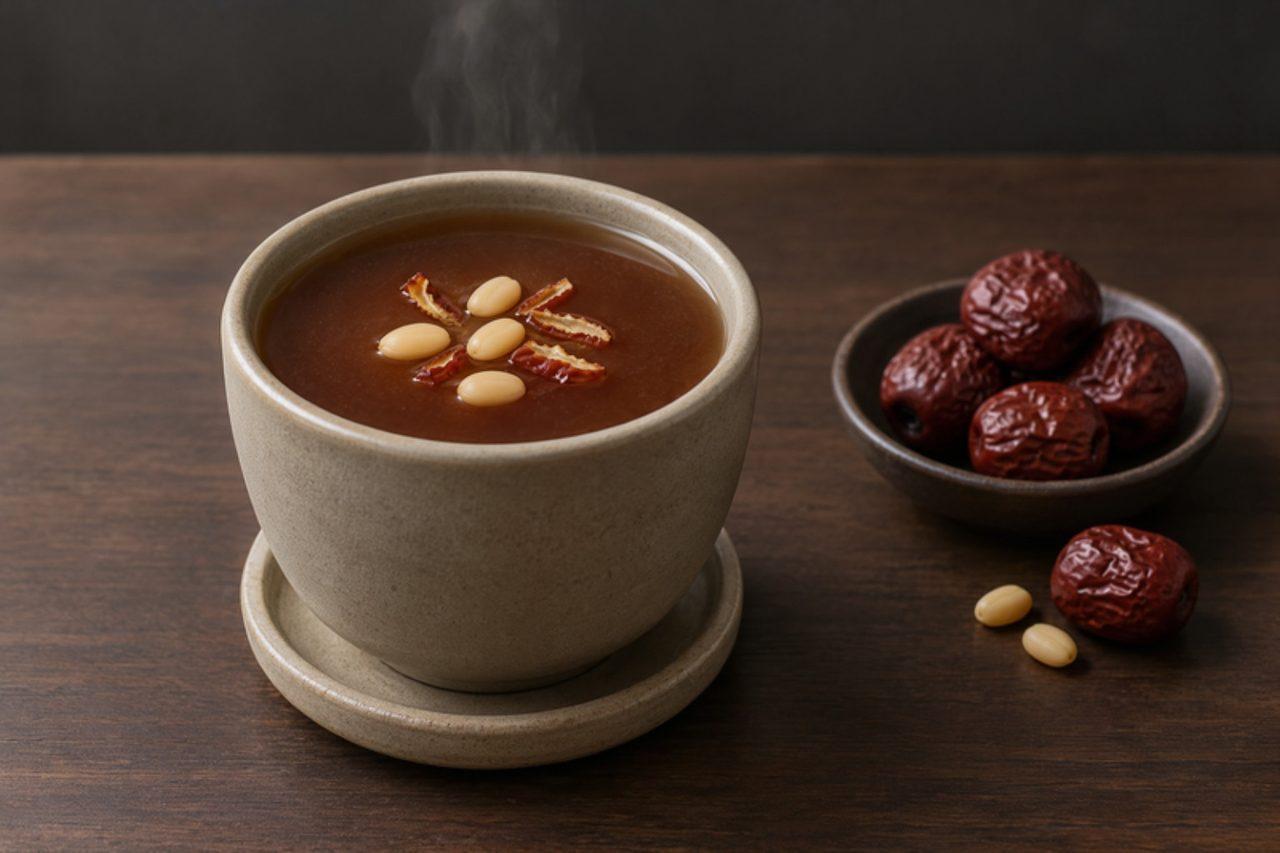
Daechu-cha (jujube tea)

Boeun county in North Chungcheong is famous for its large, sweet jujubes, harvested each October and sold at a lively autumn festival. Once dried, they become daechu-cha, the deep amber tea Korean traditional teahouses in Insadong and Jeonju serve from late autumn to early spring, topped with pine nuts. Long, slow simmering with ginger and a stick of cinnamon draws out a flavour like dates, caramel and baked apple; pressing the softened flesh through a sieve gives the tea its velvety, almost soup-thick body. It is traditionally drunk to warm up on cold nights. The common mistake is simply boiling whole jujubes and straining: the skins stay sealed, the tea comes out thin and pale, and most of the sweetness is thrown away. Slit each jujube, simmer until the flesh slides off the stone, then mash the pulp through the sieve. It is ready when the liquid has reduced by about half, is dark amber and lightly coats a spoon. Keep it covered in the fridge for up to 5 days and reheat gently. Chef's tip: a few slices of fresh ginger added in the last 20 minutes give a brighter heat than ginger boiled for the whole time.

110 minKoreanDrinksGluten free
by KrazyBadal 0 views

Kuzuyu (hot kudzu drink)

Kuzuyu is what Japanese mothers make when someone has a chill or an upset stomach, and what many people sip on a frosty winter evening, especially in Nara, whose Yoshino mountains have produced the finest hon-kuzu starch for centuries. Kudzu root starch is stirred into water with a little sugar and cooked until the milky liquid suddenly turns clear, glossy and gently thick, somewhere between a hot drink and a soft pudding you drink from the cup. Grated ginger warms it; some families add a spoon of matcha or a squeeze of yuzu. It tastes clean, mildly sweet and comforting, and it is traditionally given to people recovering from colds. The mistake almost everyone makes once is sprinkling kudzu into hot water, where it forms rubbery lumps at once. Always crush it and dissolve it completely in cold water first, then heat it while stirring without stopping. It is ready when there are no white streaks left, the drink is translucent and it coats the back of a spoon. Chef's tip: real hon-kuzu comes in chalky lumps; crush them with the back of a spoon in the cold water and they dissolve in seconds.

by KrazyBadal 0 views

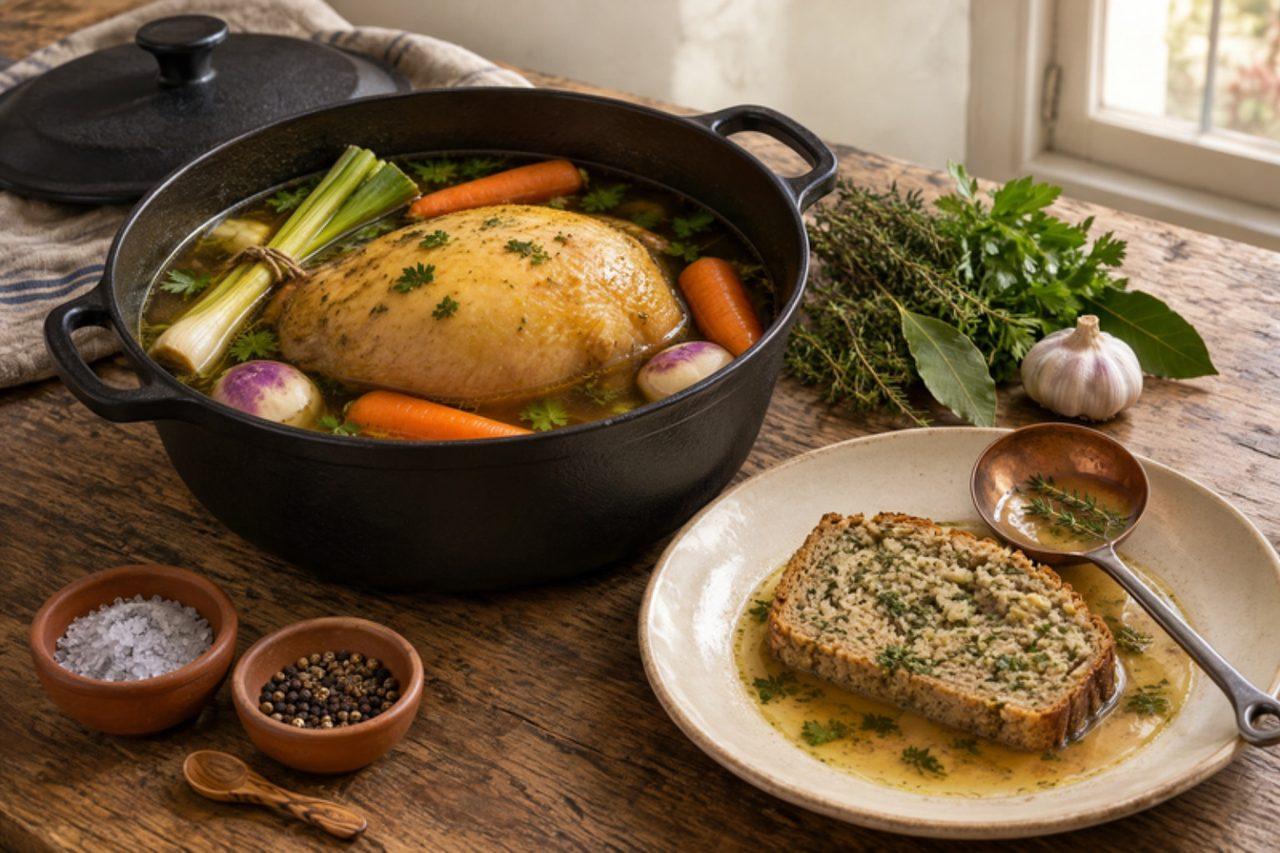
Poule au potStuffed hen with vegetables

Poule au pot is the Sunday dish of Béarn in south-west France, linked for centuries with King Henri IV's wish that every peasant family should have a chicken in the pot on Sundays. A hen is filled with a stuffing of bread, Bayonne ham (a cured pork ham), chicken livers, garlic and parsley, then poached slowly with leeks, carrots and turnips. The golden broth is served first as a soup, followed by the sliced bird, stuffing and vegetables with a little coarse salt and mustard or a sauce gribiche. The usual mistake is stuffing the bird too tightly: the stuffing swells and can burst the skin, and a dense centre takes longer to cook through. Chef's tip: sew the neck and tail openings shut, or close them with cocktail sticks, so no stuffing leaks into the broth.

by KrazyBadal 0 views

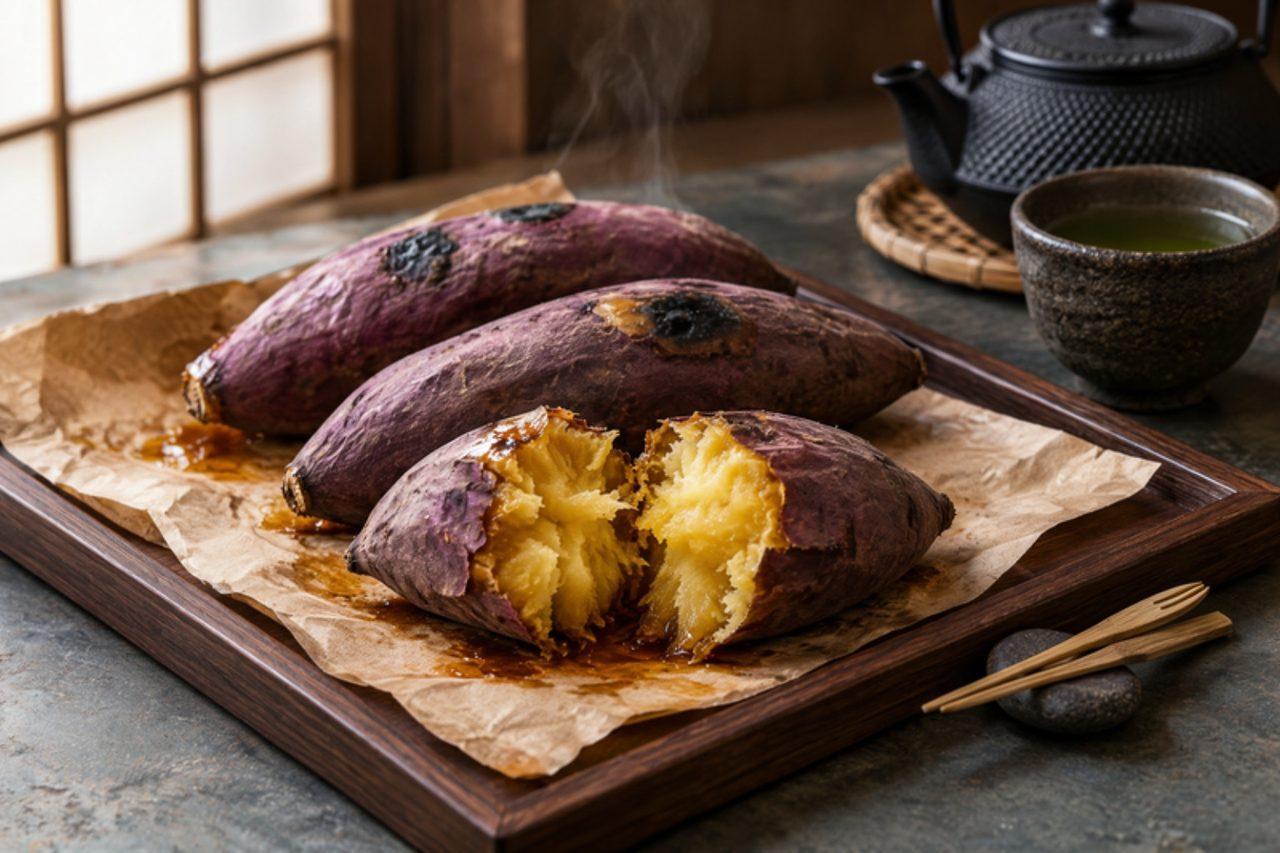
Yaki imoRoasted sweet potato

Yaki imo is the winter street snack of Japan: from November the yaki-imo trucks crawl through Tokyo and Osaka neighbourhoods singing 'ishi-yaki imo' through a loudspeaker, selling Japanese sweet potatoes roasted slowly on hot stones. At home the oven does the job. Long, low heat turns the starch into natural sugars, so the flesh becomes golden, fudgy and almost syrupy, and nothing at all needs adding: no butter, no sugar, no salt. About 0.1 g salt per portion, all of it naturally in the potato. Eat them hot from paper as an afternoon snack or alongside miso soup. The usual mistake is roasting too hot and fast, which cooks the potato but never sweetens it. Chef's tip: the potato is ready when sticky syrup bubbles out of the skin and the whole thing slumps when squeezed with an oven glove.

by KrazyBadal 0 views

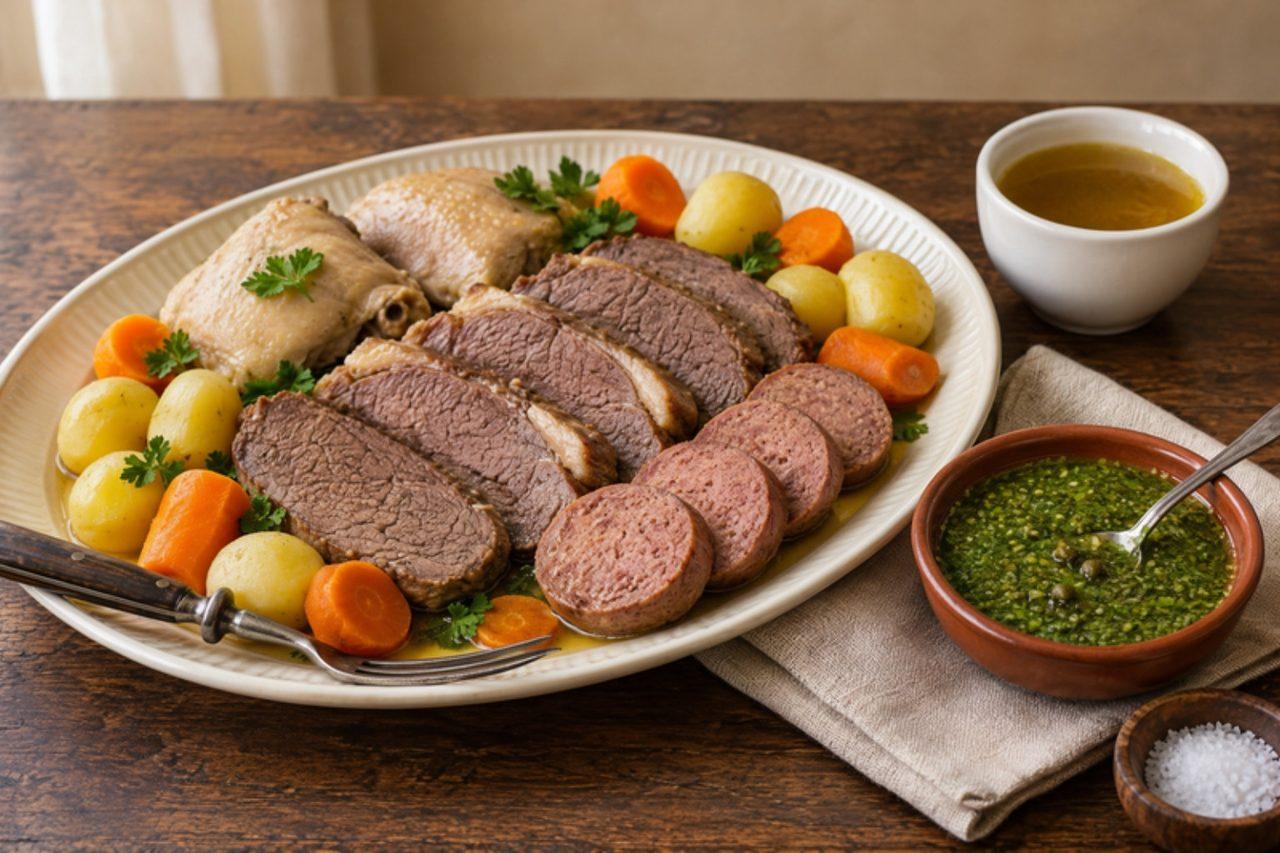
Bollito mistoMixed boiled meats

In Piedmont, bollito misto is the great winter feast, served from November to carnival in Turin trattorias and on family tables when there are many to feed. Several cuts of beef, a chicken and a cotechino (a soft, rich pork sausage) poach gently in one big pot until tender, then come to the table sliced on a warm platter with a sharp parsley and caper salsa verde; the broth is saved for soup or risotto the next day. The usual mistake is letting the pot boil hard: the meat turns stringy and the broth cloudy, so keep it at a bare shiver. Serve with boiled potatoes or mostarda if you like. Chef's tip: put the beef into water that is already boiling so its juices stay in the meat, and use cold water only if the broth matters more to you than the meat.

240 minItalianMeatGluten free
by KrazyBadal 0 views

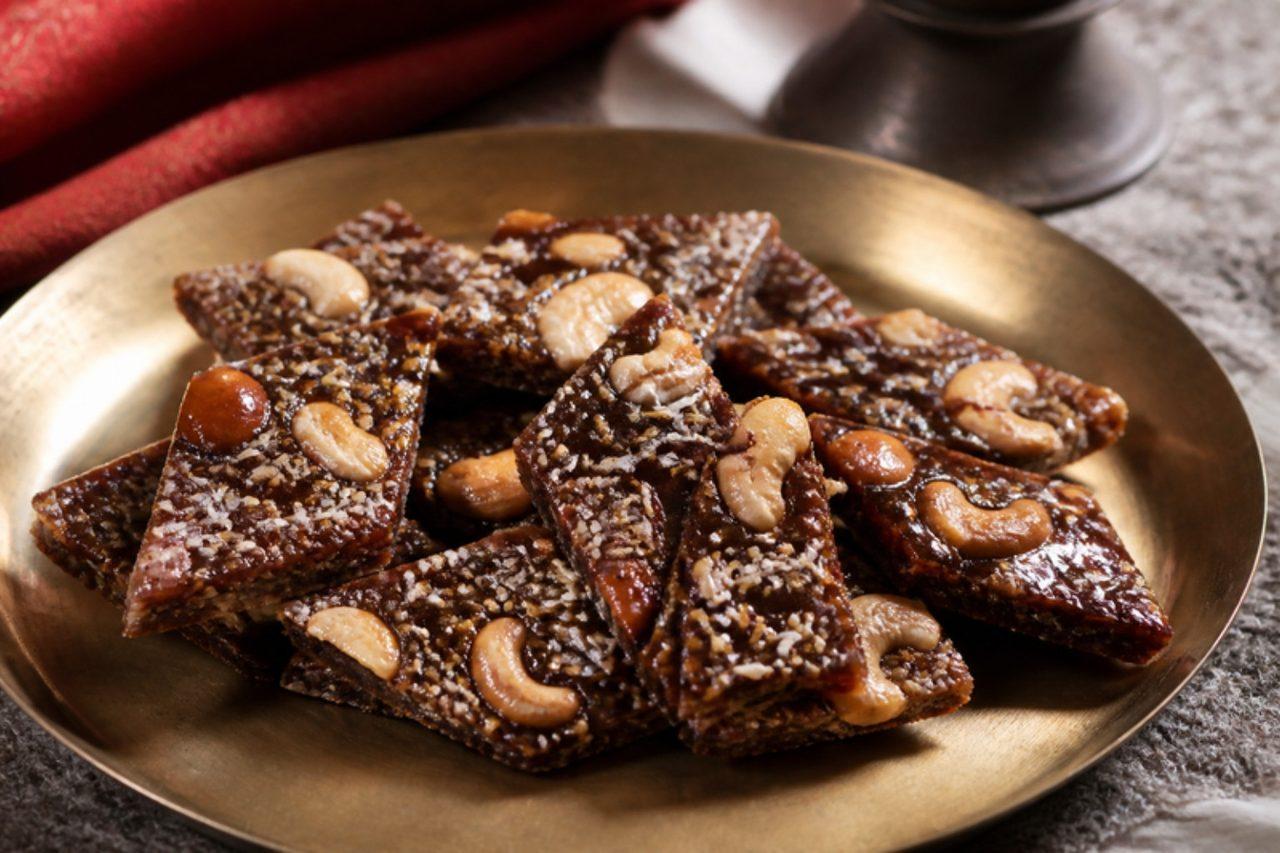
ChakuMolasses toffee with nuts

The towns of the Kathmandu Valley smell of hot molasses in early January, as Newar confectioners in Bhaktapur, Thimi and Patan boil sugarcane syrup down into chaku, a dark, glossy toffee that is pulled until it turns light and chewy and then mixed with ghee, cashews, coconut and sesame. On Ghyo Chaku Sanlhu, the Newar name for Maghe Sankranti, it is eaten with ghee and boiled yams to warm the body, and pieces are wrapped and sent to married daughters. At home it is easiest to start from good jaggery. Pulling it off the heat too early is the classic failure, leaving a runny mess that will never set. Chef's tip: once it reaches the hard-ball stage, let the toffee cool on a greased tray just until you can handle it, then stretch and fold it with greased hands for a few minutes until it turns from dark brown to golden and chewy.

by KrazyBadal 0 views

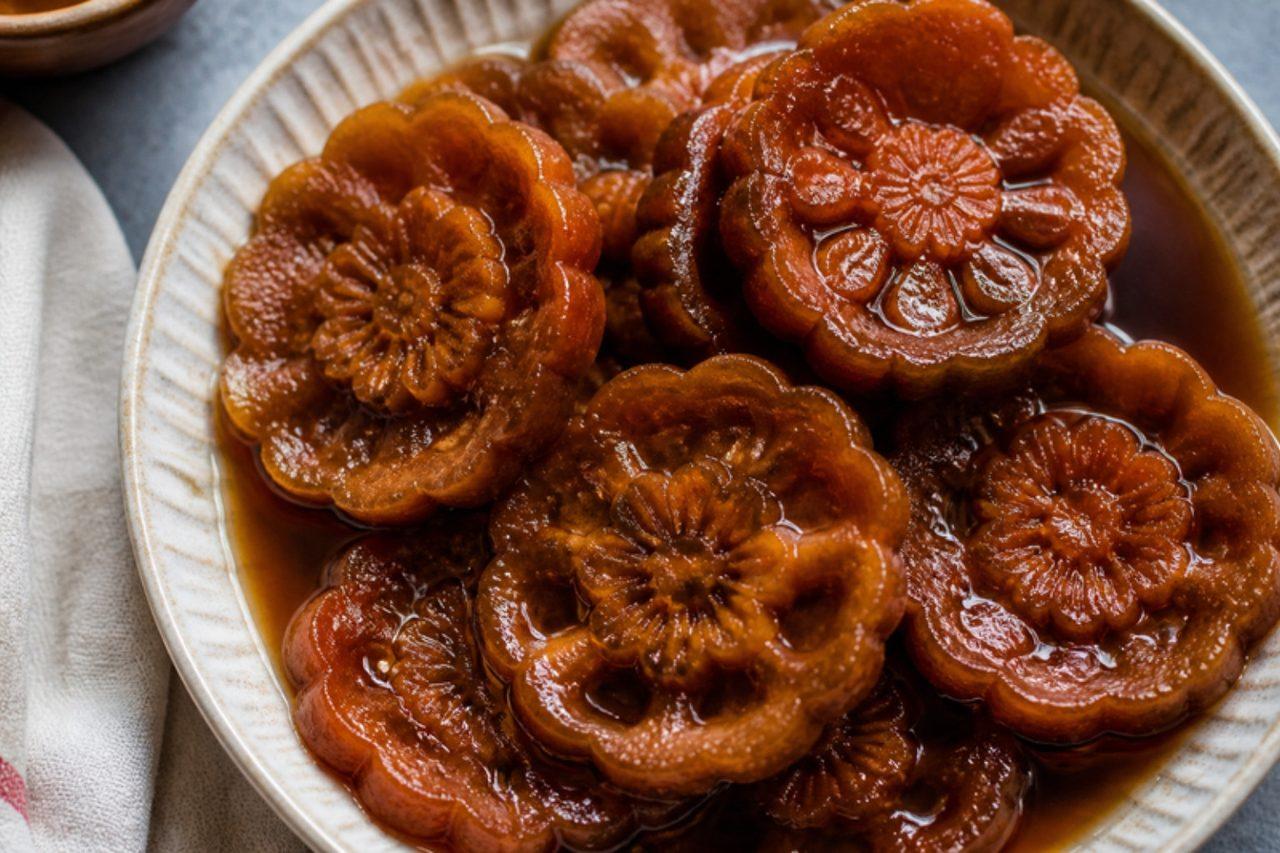
Nakshi pithaCarved fried rice cakes in syrup

Nakshi means embroidered, and in Mymensingh and Kishoreganj these winter cakes are as much craft as food: women carve flowers, leaves, fish and paisleys into thick rounds of rice dough with a date-palm thorn or a sharpened bamboo stick, and a family's most beautiful pitha are set aside for a visiting son-in-law or a new bride's first winter. The carved cakes are fried slowly until crisp and then dipped in syrup, so the lines of the pattern fill with sweetness. They are crunchy outside, chewy within, and keep for days in a tin. Dough that is too dry cracks along the carving, which is the most frequent problem, so keep it covered with a damp cloth as you work. Chef's tip: fry over a low heat; hot oil browns the surface before the inside cooks and blurs the pattern.

by KrazyBadal 0 views

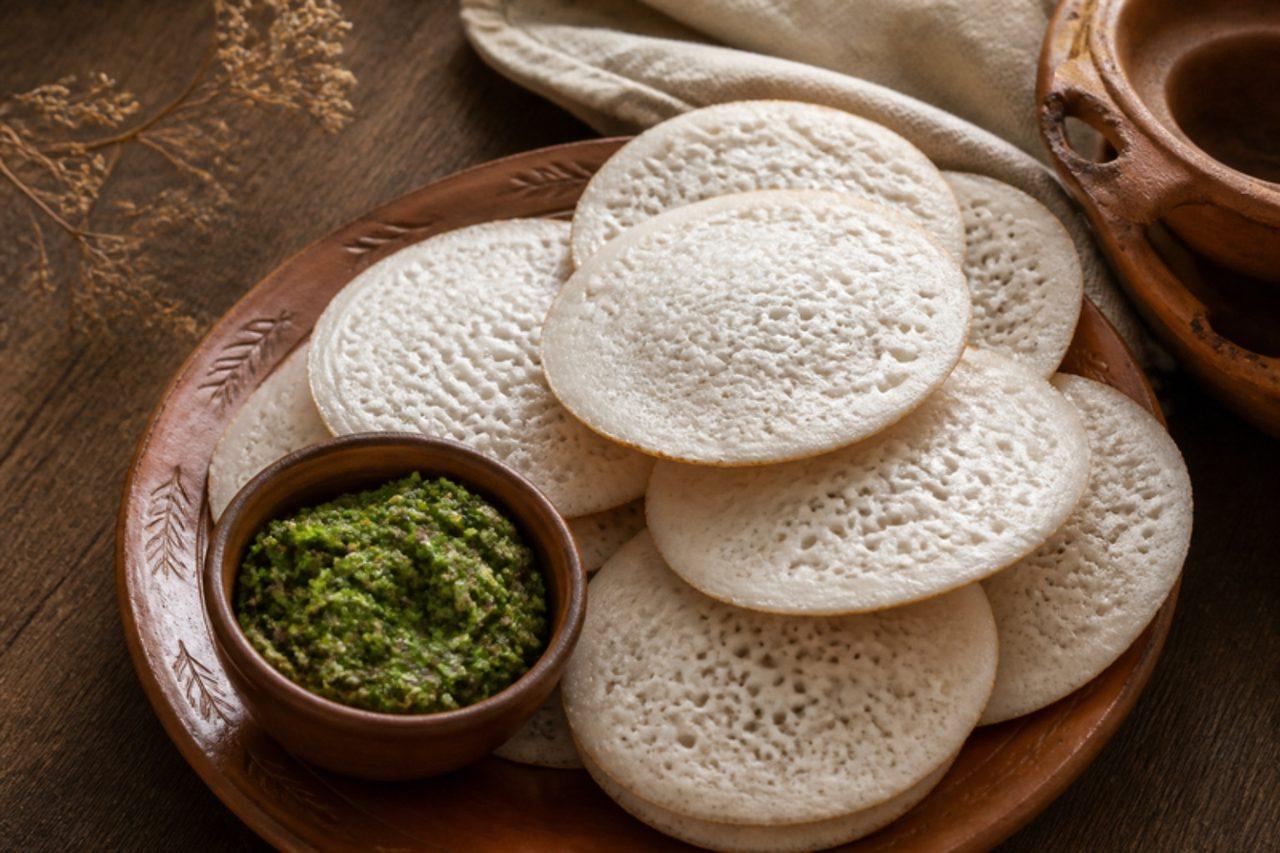
Chitoi pithaSpongy rice flour cakes

As soon as the cold arrives in December, women set up clay stoves on the pavements of Dhaka, Mymensingh and every district town, and chitoi pitha is what they sell: round, white rice cakes steamed and baked in small covered clay moulds, smooth and slightly crisp underneath and full of tiny holes on top. Winter evenings are spent queuing for them, and they are eaten hot with a row of bhortas, mustard, coriander, garlic or dried fish, or with duck curry. At home, leftover chitoi is soaked overnight in milk sweetened with date-palm jaggery to make dudh chitoi for breakfast. A batter that is too thin gives flat, dense cakes; it should be like a thick pancake batter. Chef's tip: blend a spoonful of cooked rice into the batter, which keeps the pitha soft and spongy even after it cools.

by KrazyBadal 0 views

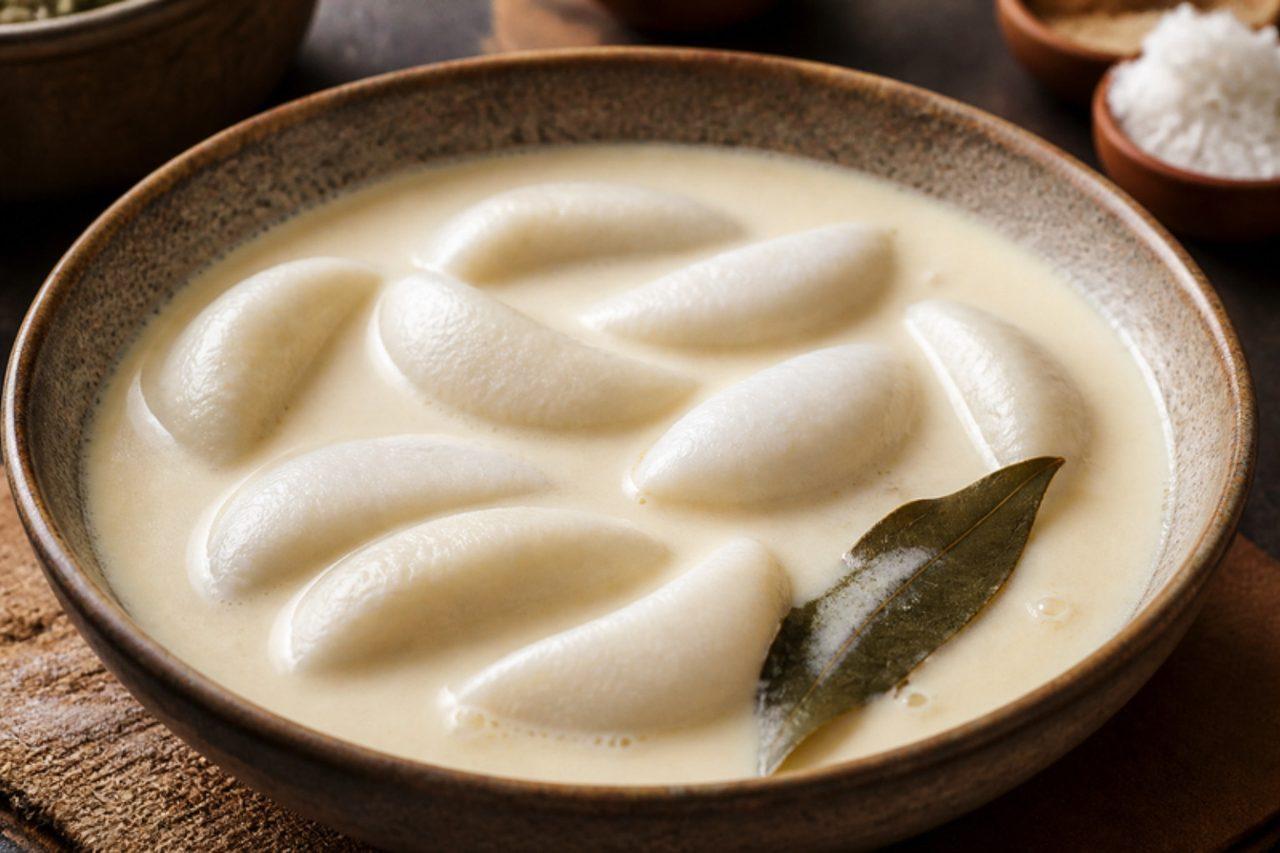
Dudh puliRice dumplings in sweet milk

Poush Sankranti, the mid-January festival that marks the height of winter, is the day for dudh puli in Bangladeshi and Bengali homes, when grandmothers sit with daughters and granddaughters shaping dozens of little half-moon dumplings from cooked rice dough. Each one hides a sticky filling of fresh coconut and khejur gur, the smoky date-palm jaggery of the season, and the dumplings are simmered in milk until it thickens around them into a pale, fragrant sauce. The puli are soft and slightly chewy, the milk sweet and caramel-scented, and the bowl is eaten warm or cold the next morning. Milk often splits when cold jaggery hits it at a hard boil, so take the pan off the heat before stirring the jaggery in. Chef's tip: knead the hot rice dough with the heel of your hand until completely smooth, or the dumplings crack in the milk.

by KrazyBadal 0 views

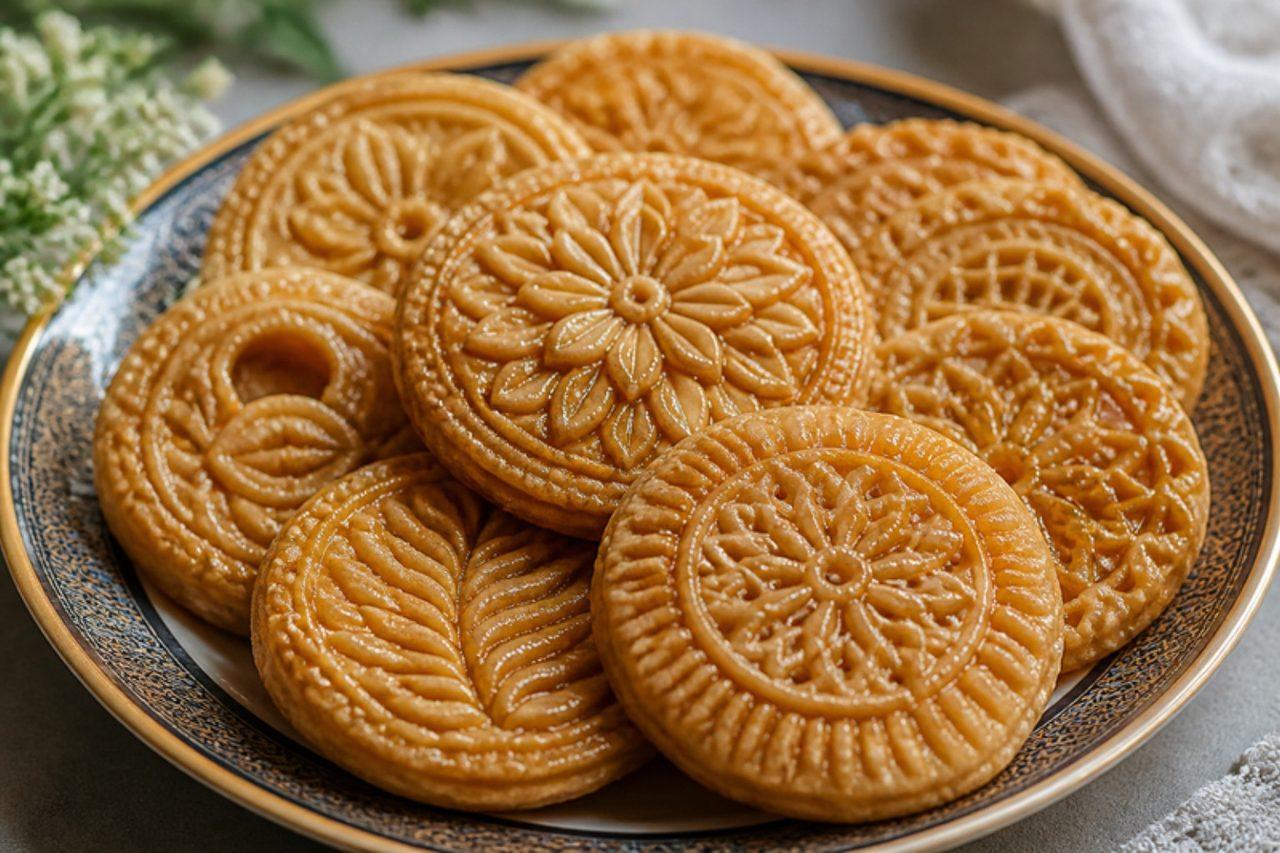
Pakan pithaFried rice flowers in date syrup

Pakan pitha belongs to the long nights of the Bengali month of Poush, when village kitchens in Rajshahi, Bogura and the Mymensingh plains make batch after batch for guests and for relatives coming home for the harvest. Smaller and quicker than nakshi pitha, each cake is cut into a flower and stamped with a carved wooden pitha mould or the tines of a fork, fried until crunchy, then dipped in syrup made with khejur gur, the date-palm jaggery that gives it a smoky, caramel colour and taste. The outside softens slightly in the syrup while the centre stays crisp, and they are eaten warm with tea or kept in a tin for visitors. Frying straight from the board with the dough warm and sticky makes the shapes collapse, so let the cut flowers dry for 10 minutes first. Chef's tip: a little sugar in the dough helps the pitha colour evenly.

by KrazyBadal 0 views

GajakSesame jaggery brittle

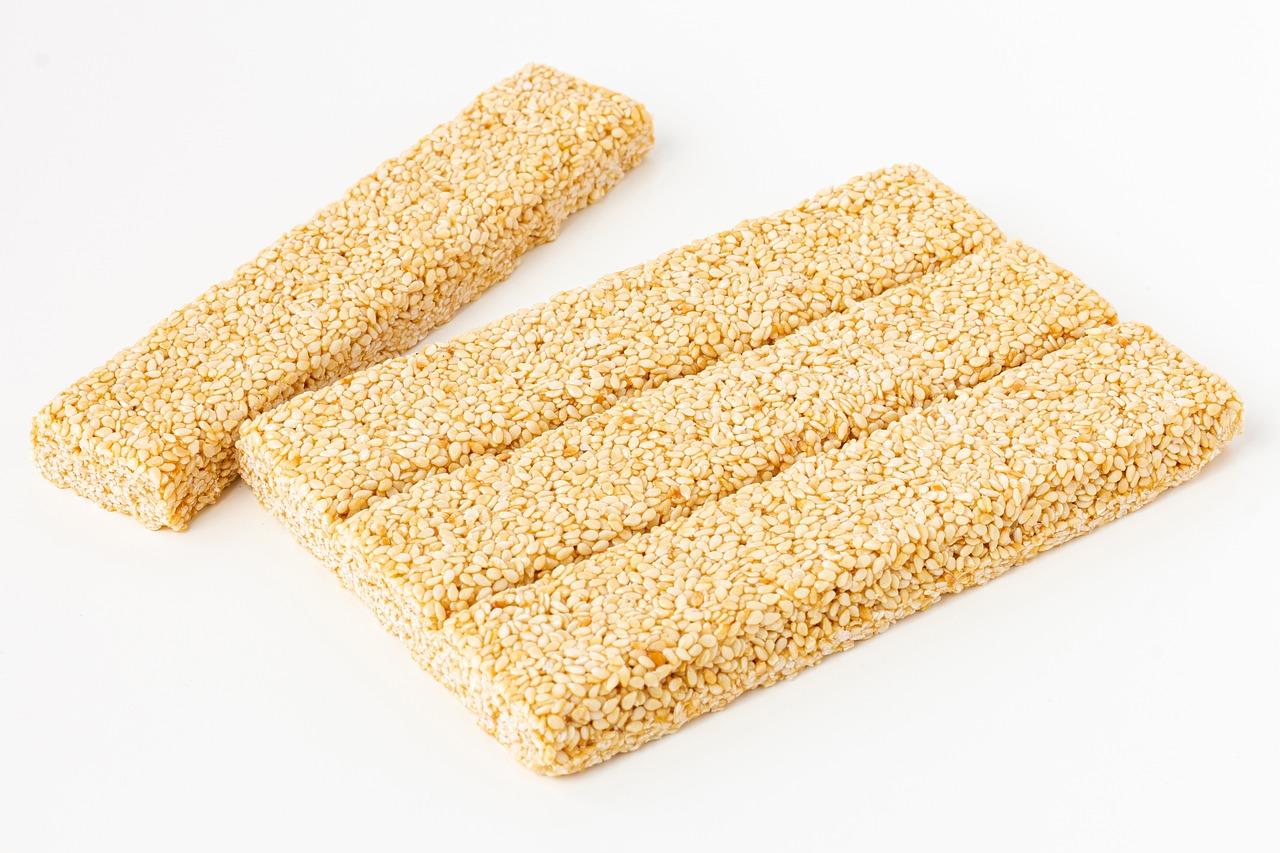
Winter in Punjab has a sound, and it is the snap of gajak: thin, glossy sheets of toasted sesame bound in jaggery, sold from piled trays outside the sweet shops of Multan, Gujranwala and Lahore from the first cold week of December. It is nutty, crunchy and toffee-sweet, with the earthy depth of gur, and families keep a tin of it beside the heater to nibble after dinner with green tea or to share with visitors. The commercial kind is hammered and pulled into flaky layers, but the home version poured thin and rolled flat is what most households make. The pitfall is pulling the jaggery off the heat too early, which gives a brittle that turns chewy and sticky after a day. Chef's tip: test the syrup by dropping a little into cold water; it must snap cleanly at once, and that hard-crack stage is reached quickly, so have the sesame warm and ready. Take care: the syrup is far hotter than boiling water.

by KrazyBadal 0 views

TilkutSesame and jaggery discs

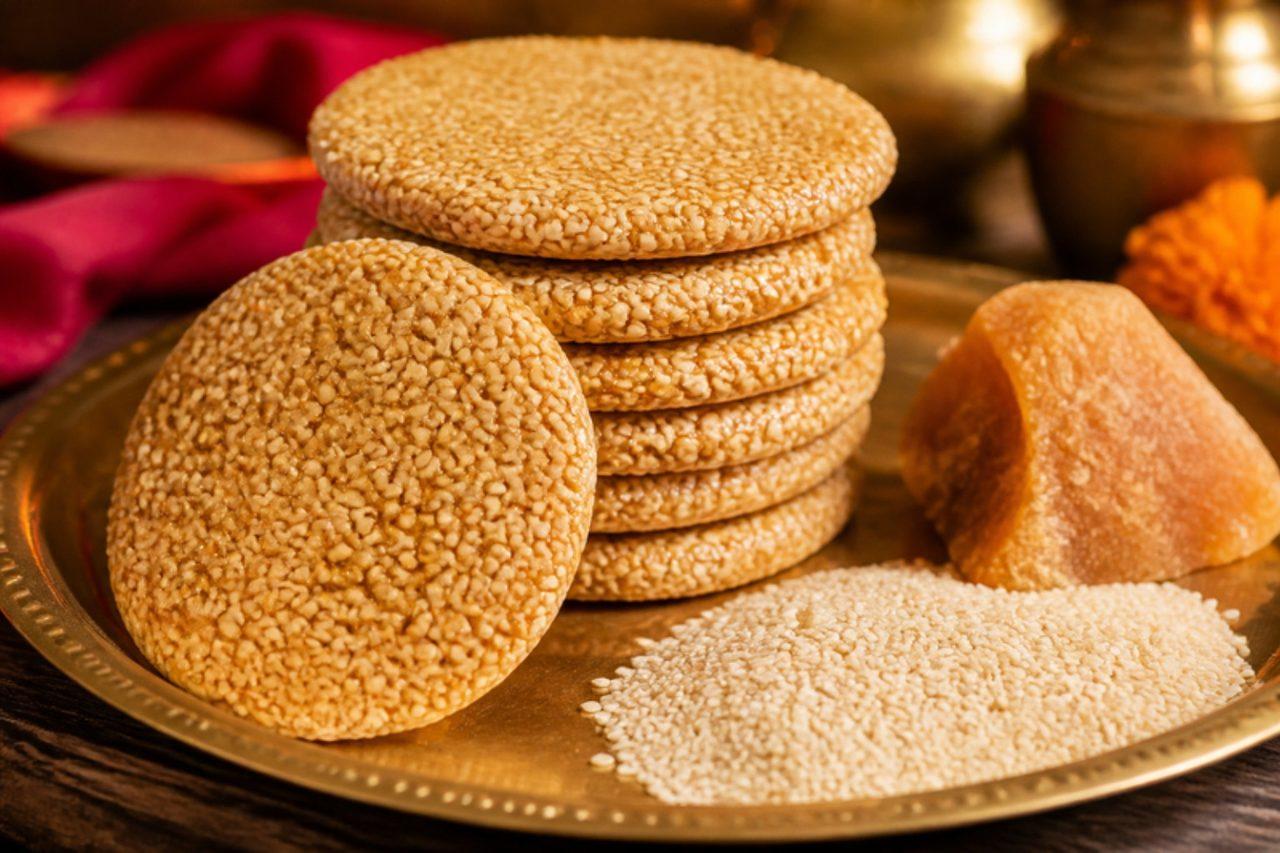
In the second week of January the sweet shops of Janakpur, Birgunj and Rajbiraj fill with the dull thud of wooden pestles, as tilkut makers pound roasted sesame into hot jaggery for Maghe Sankranti, the festival that marks the end of the coldest month. The result is a brittle, crumbly disc with a rich, toasty flavour and a melting, slightly chewy middle, and families give it to each other and eat it with yoghurt, beaten rice and sweet potatoes on the festival morning. Sesame is believed to warm the body in winter, so it is eaten all month. The thing that spoils it is burning the sesame, which turns the whole batch bitter. Chef's tip: roast the seeds only until they smell nutty and one crushes easily between your fingers; they keep darkening for a minute after they leave the pan.

by KrazyBadal 0 views

SbitenHot honey and spice drink

Long before tea reached Russia, street sellers wrapped in shawls carried copper urns of sbiten through winter markets, pouring steaming glasses of spiced honey water for traders and coachmen. It comes back every Maslenitsa at fairs in Moscow and Suzdal, drunk beside blini. The taste is warming and sweet, with the bite of ginger, a bitter edge of bay and clove, and a resinous note from St John's wort or mint. Where most people go wrong is boiling the honey hard, which dulls its perfume; simmer the spices first and dissolve the honey off the boil. Honey should not be given to babies under one year old. Chef's tip: make the spiced base ahead and keep it in the fridge, then reheat a glass at a time and finish with a squeeze of lemon.

by KrazyBadal 0 views

Bajre di rotiPearl millet flatbread

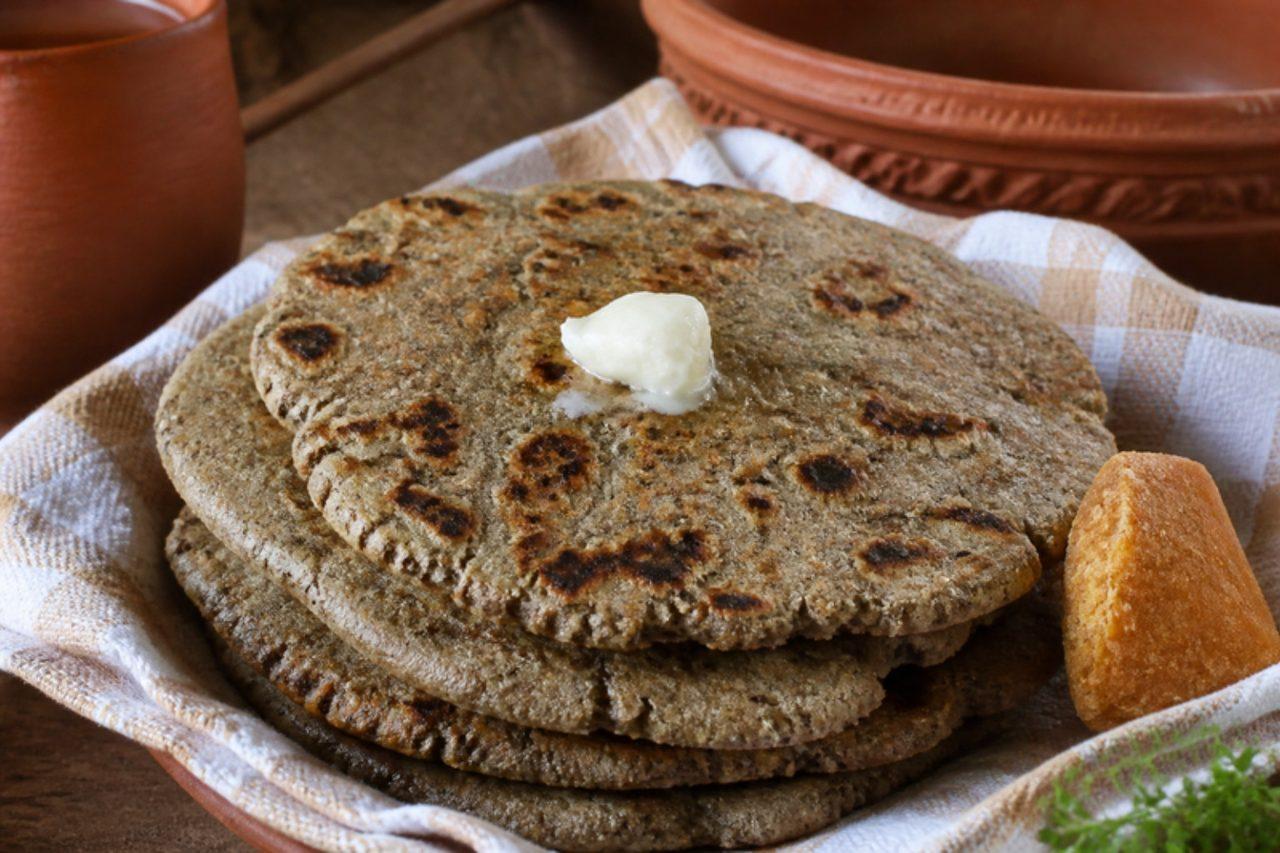
Pearl millet grows where wheat gives up, in the sandy fields on the edge of the Cholistan desert around Bahawalpur, and there bajre di roti is the bread of winter, thick, grey-green and earthy with a slightly sweet, nutty taste. Because millet has no gluten, the dough is kneaded one roti at a time and patted out between wet palms rather than rolled, which takes a little practice but no special equipment. In village homes it is eaten hot with a lump of white butter or ghee and a piece of jaggery, or with sarson ka saag and a bowl of lassi; for a vegan meal, serve it with saag cooked in oil. Making all the dough at once is the classic error: millet dough dries and cracks within minutes. Chef's tip: knead each portion fresh with warm water and the heel of your hand until it feels smooth and slightly sticky, like soft clay.

by KrazyBadal 0 views

PanjiriRoasted wheat flour with nuts

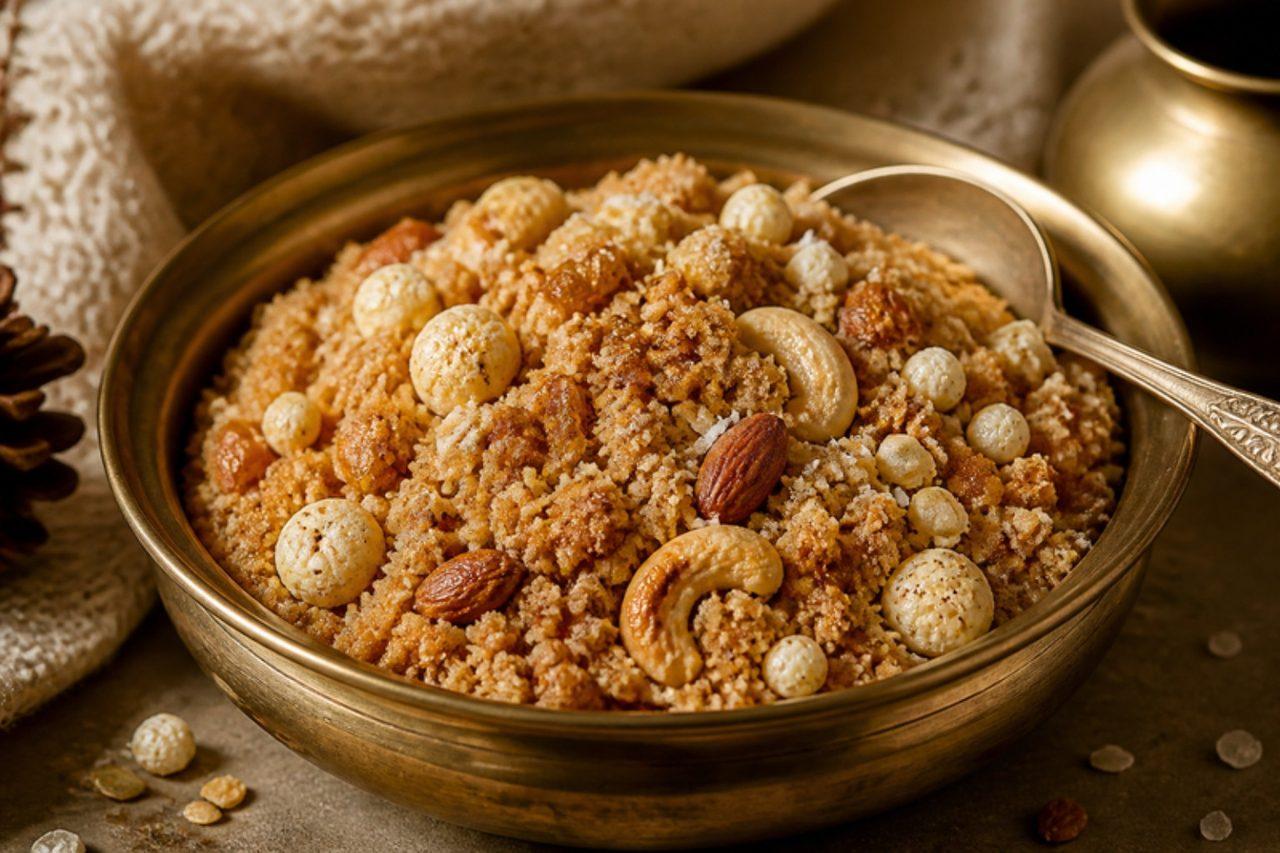
When a baby is born in a Punjabi home, one of the first things the grandmothers do is roast a huge karahi of panjiri, loose, golden crumbs of wholewheat flour fried in ghee and mixed with sugar, nuts, seeds, makhana and crunchy fried gond, meant to warm and strengthen the new mother through the forty days after birth. The same mixture is made in every household from Sialkot to Bahawalpur when the winter cold sets in, eaten by the spoonful with hot milk at night or sprinkled over a bowl of milk for breakfast. It tastes nutty, toasty and lightly sweet, with crunch in every mouthful. The usual way it goes wrong is roasting the flour too fast on a high flame, which browns the outside while the inside still tastes raw. Chef's tip: roast the flour slowly until it is the colour of pale biscuit and smells like baking cookies, and add the sugar only once the flour has cooled, so it stays crunchy rather than melting.

by KrazyBadal 0 views

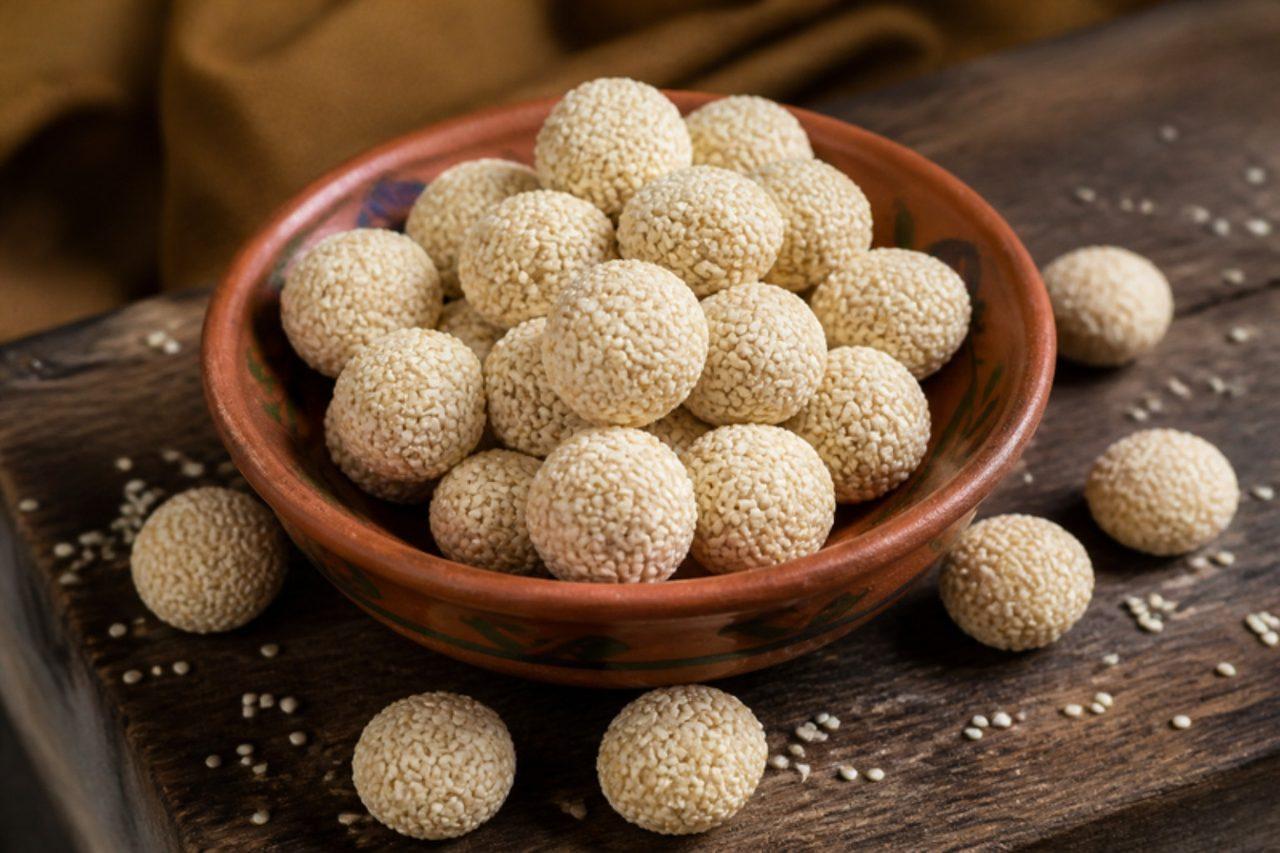
RewriSesame-coated sugar sweets

Children in Lahore grow up buying rewri by the paper cone from the old shops in Rang Mahal and from the carts at the Basant and Mela Chiraghan fairs, little white coins of hard candy crusted with toasted sesame that crack between the teeth and then melt slowly. The sugar is boiled to hard crack, pulled on a greased hook or with oiled hands until it turns opaque and white, flavoured with kewra, then cut into tiny pieces and rolled in sesame. It is a winter sweet, eaten with peanuts and gajak around the fire and handed out at shrines. The step that trips people up is pulling the sugar when it is either too hot to handle or already cooling into glass, so time it carefully and work fast. Chef's tip: wear clean, thick rubber gloves rubbed with ghee for pulling, and keep the candy near a warm oven door so it stays pliable while you cut. Take care: boiled sugar causes serious burns, so keep children away while it is hot.

by KrazyBadal 0 views

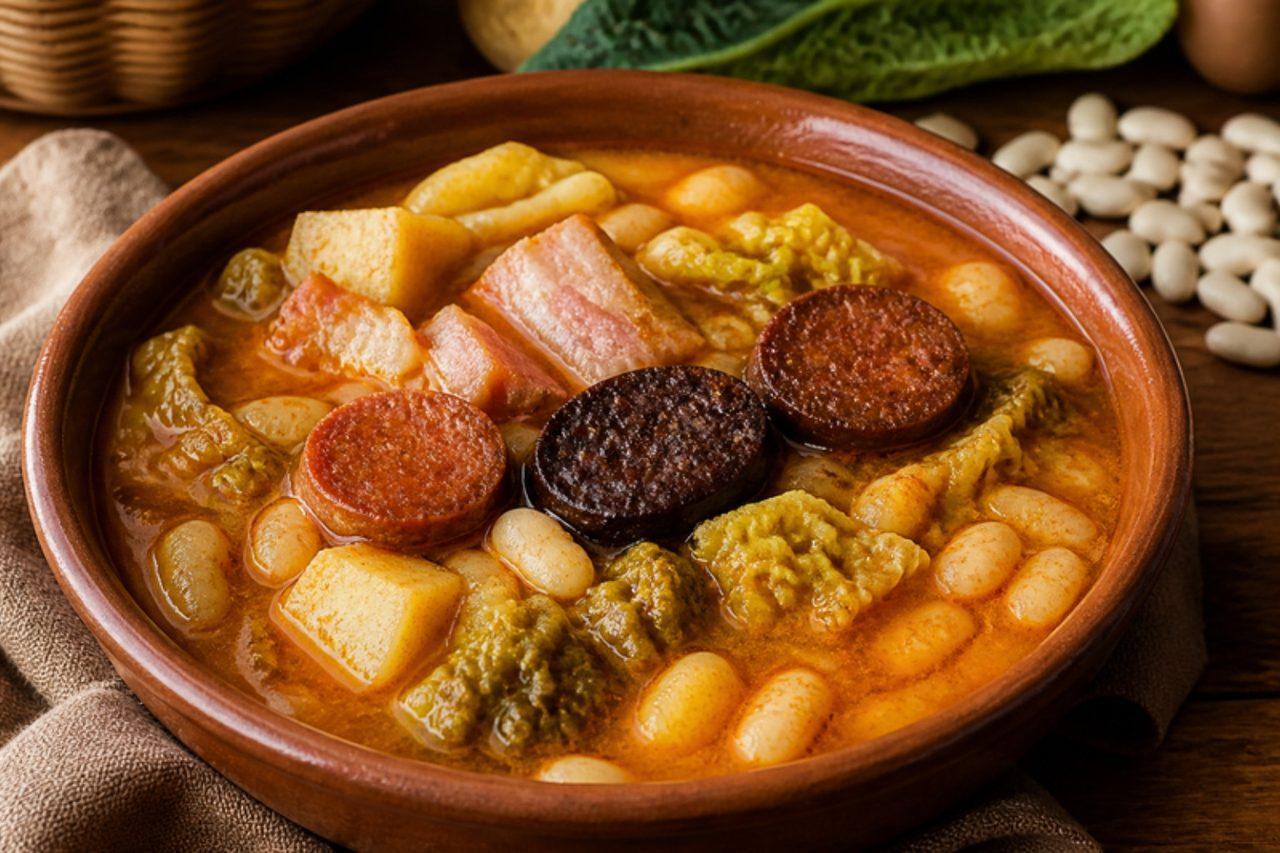
Pote asturianoWhite bean and cabbage stew

Before fabada became famous, pote was what simmered on every Asturian hearth: white beans, dark winter cabbage, potatoes and the cured pork mix the locals call compango. It is still the dish for a cold, wet weekday in the mining valleys around Mieres and Langreo, served from the pot with crusty bread. This contains pork (chorizo, morcilla, pork belly and ham hock). Chef's tip: add the morcilla only for the last 20 minutes and never stir hard after that, or it breaks up and clouds the broth.

185 minSpanishMeat
by KrazyBadal 0 views

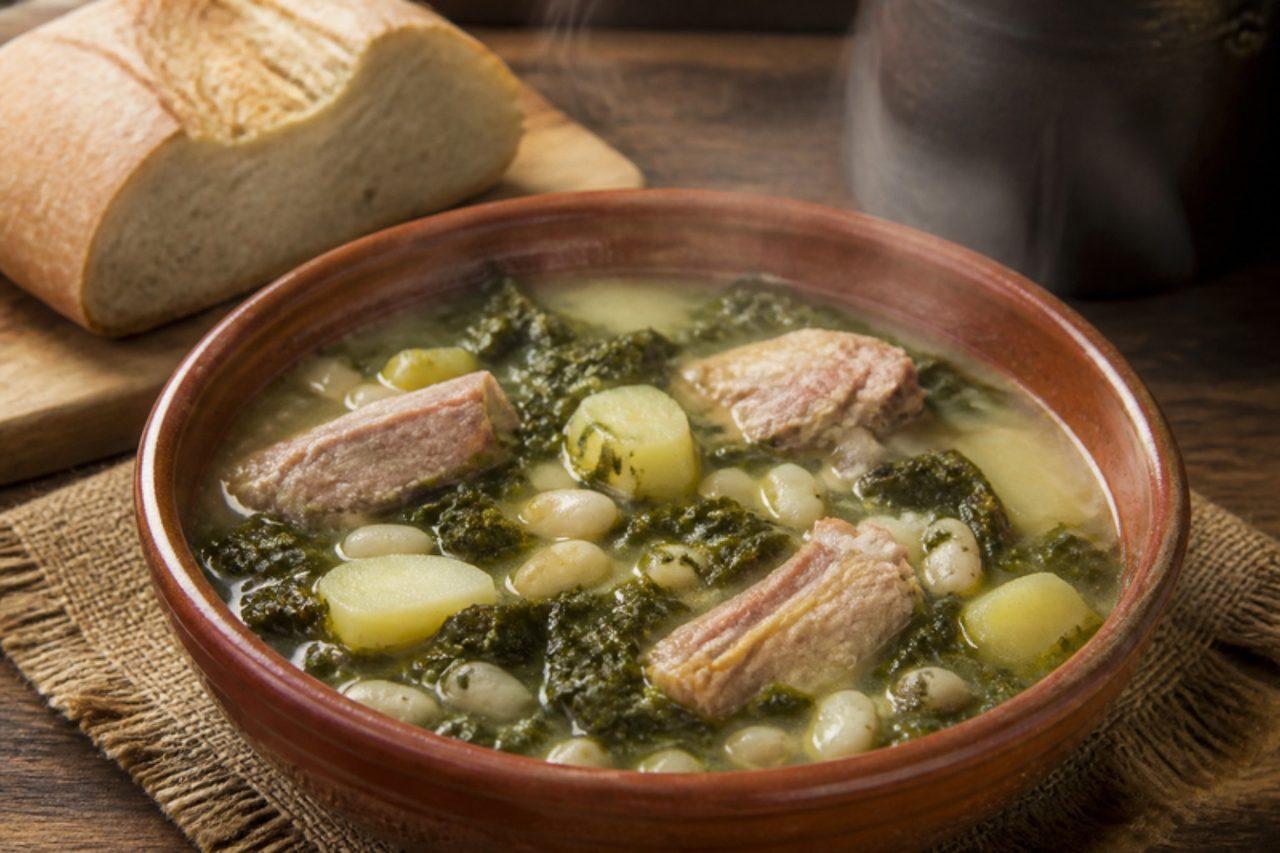
Caldo gallegoGreens, white bean and pork soup

On cold, rainy days in Santiago, Lugo or any village in between, a bowl of caldo starts lunch: a light broth with white beans, potatoes and turnip greens (grelos) or cabbage, flavoured with pork. This contains pork (cured rib and unto, Galician cured pork fat; bacon fat works in its place). The pork is cooked with the beans first, then the potatoes and greens go in. A common mistake is adding the greens too early, so they turn grey; they need only the last 15–20 minutes. Chef's tip: caldo tastes better reheated the next day, so make a big pot.

140 minSpanishSoupsGluten free
by KrazyBadal 0 views

Chocolate santafereñoHot chocolate with cheese

Old Bogotá, once Santafé, built an afternoon ritual around hot chocolate. In the café-restaurants of La Candelaria it comes in a big cup, frothed with a wooden molinillo, with a plate of white cheese, almojábanas and buttered bread on the side. The surprise for visitors is the cheese: cubes go straight into the hot chocolate, softening into stretchy strings that are fished out with a spoon, a salty contrast to the sweet, spiced drink. Colombian table chocolate comes in bars already sweetened and often flavoured with cinnamon and clove; dark chocolate plus sugar and spice is a fair swap. The usual cheese, queso campesino or doble crema, is normally set with animal rennet, so choose a vegetarian (microbial-rennet) mozzarella-style cheese. Boiling the chocolate hard is the misstep that makes it grainy and scorched; keep it at a gentle simmer. Chef's tip: no molinillo? Whisk briskly with a balloon whisk or a milk frother until there's a thick foam.

by KrazyBadal 0 views

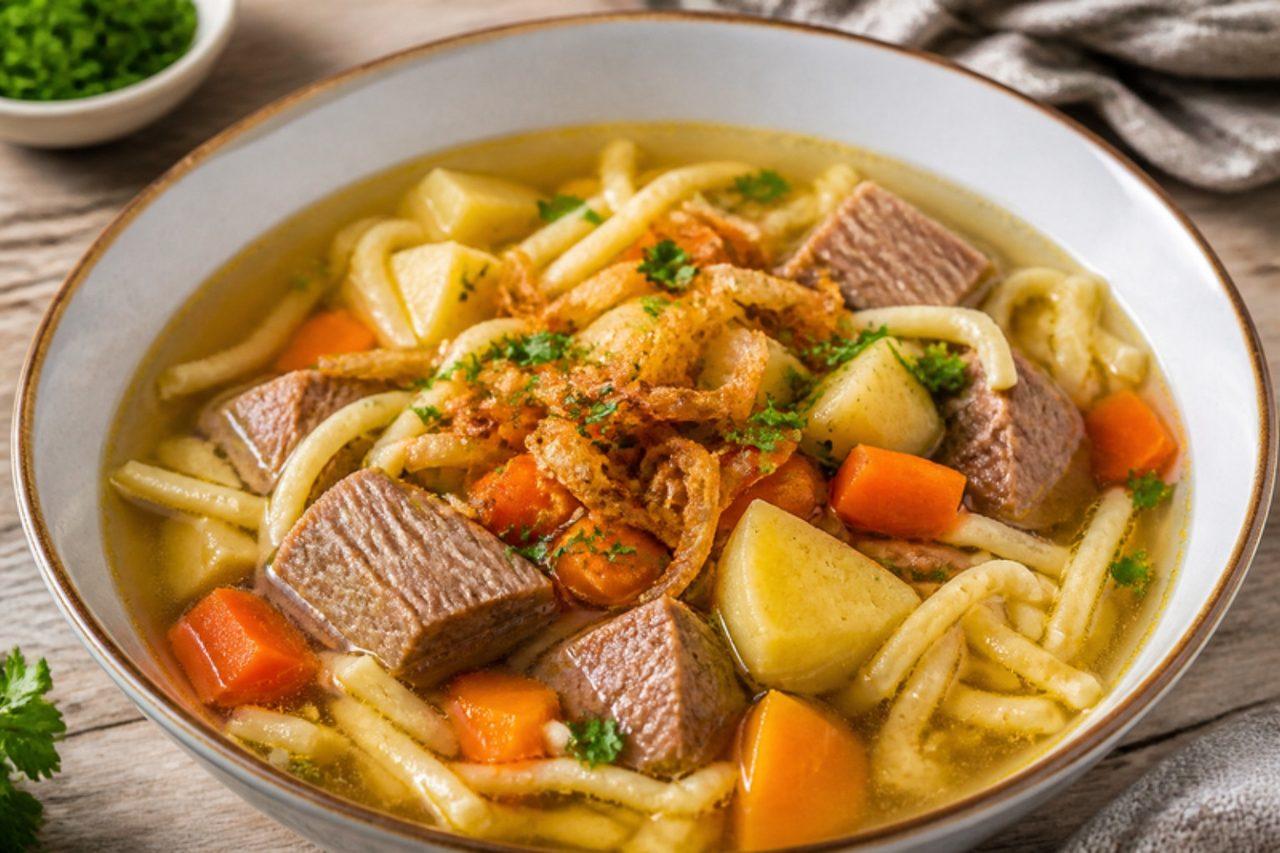
Gaisburger MarschBeef stew with potatoes and spätzle

Gaisburger Marsch is named after Gaisburg, a district of Stuttgart, and the story goes that officer cadets marched there from barracks for it. It is a hearty Swabian one-pot of beef broth, cubes of boiled beef, potatoes and spätzle, crowned with onions fried in butter until sweet and brown, and it is still a weekday lunch in Stuttgart pubs and canteens. Chef's tip: cook the potatoes in the strained broth rather than in water, so they soak up the beef flavour.

180 minGermanSoups
by KrazyBadal 0 views

Heiße MaronenRoasted chestnuts

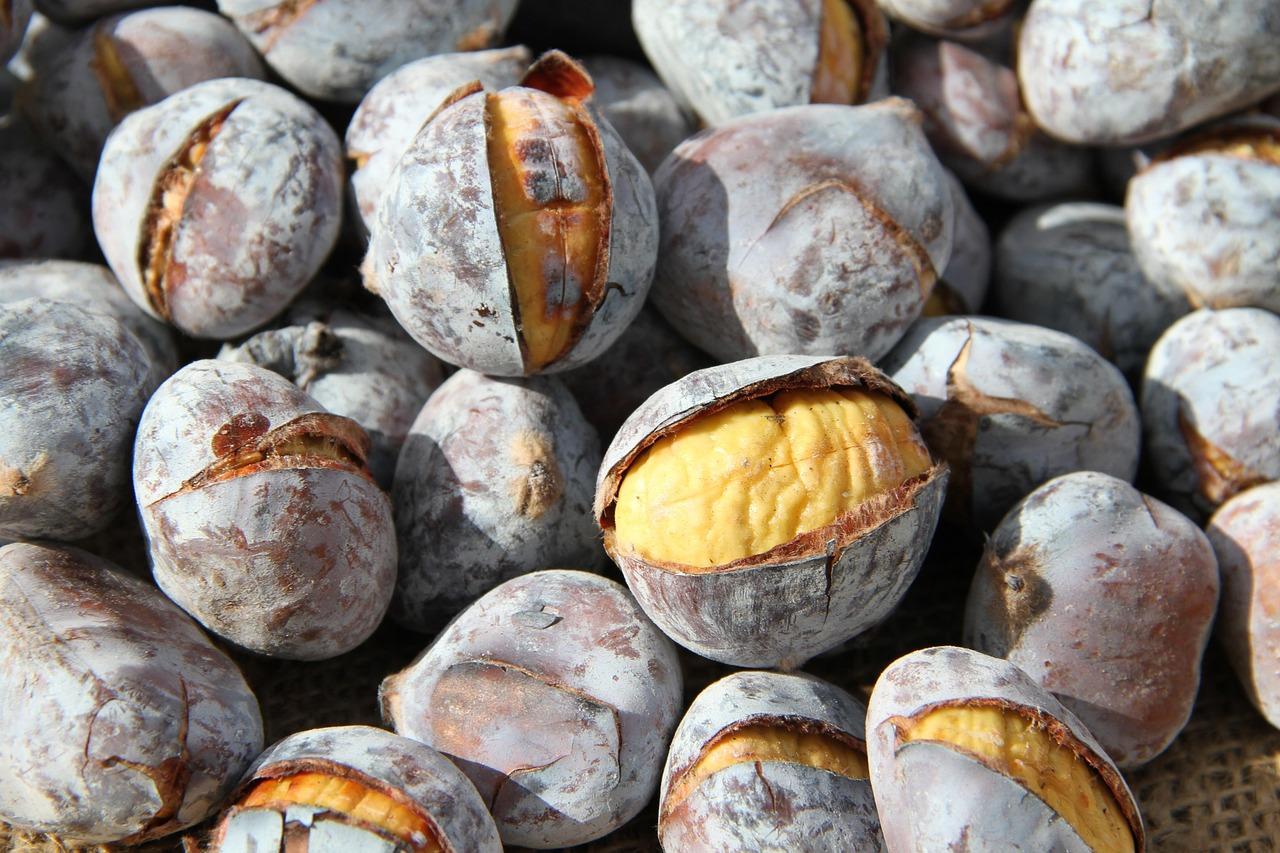
From late October the Maronibrater set up their black drum ovens on street corners in Vienna, Salzburg and every German Christmas market, and the smoky smell of roasting chestnuts means winter has properly begun. Hot chestnuts in a paper cone warm your hands first and your stomach second. At home a hot oven and a bowl of water give the same soft, sweet, slightly charred result. The commonest mistake is not scoring the shells deeply enough: steam builds up inside and the chestnuts can burst in the oven. Chef's tip: wrap the roasted chestnuts in a tea towel for 5 minutes before peeling; the steam loosens the bitter inner skin so it comes away with the shell.

by KrazyBadal 0 views

Adas bi hamodLentils with chard and lemon

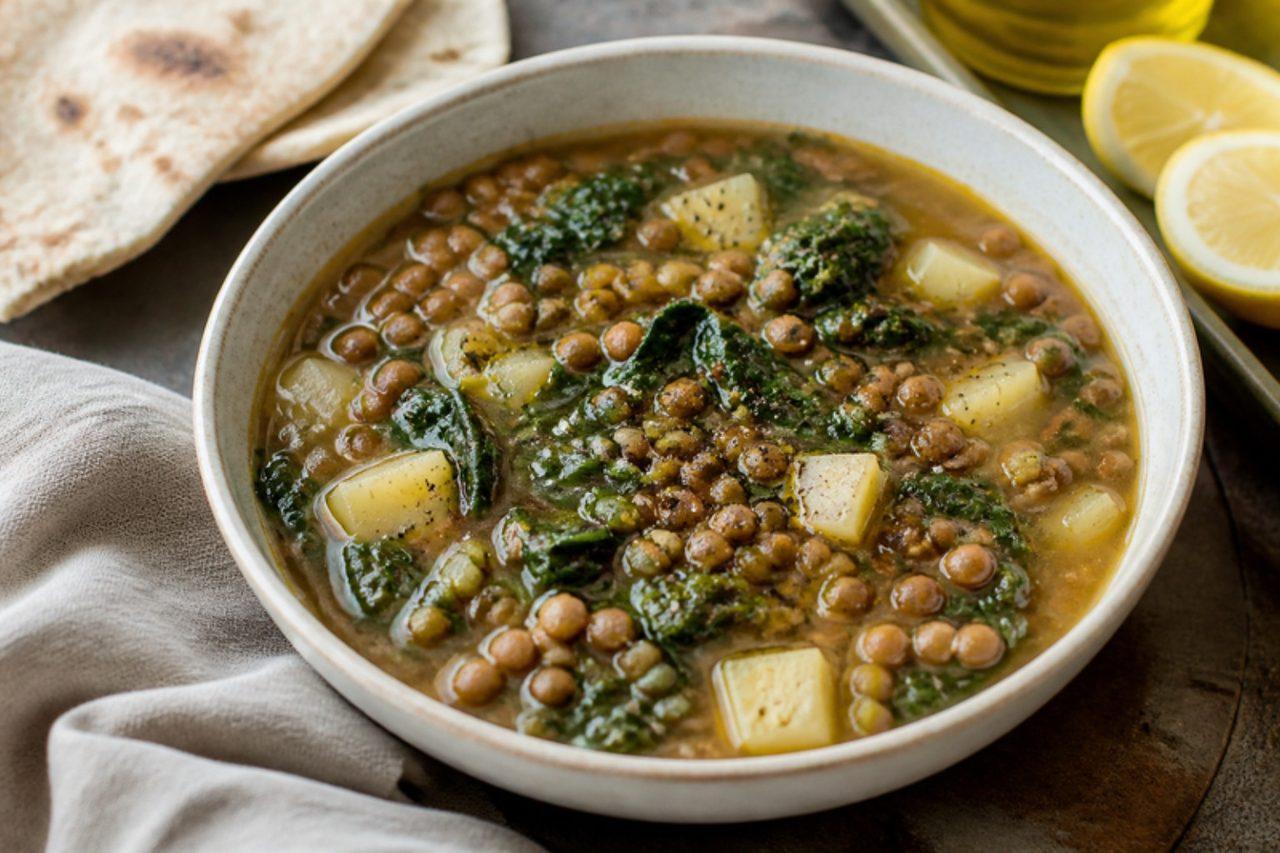
Adas bi hamod — 'lentils with sourness' — is a Lenten staple in Lebanese Christian homes and a thrifty weeknight pot everywhere else, especially in the south. Brown lentils simmer with chard, potato and a fried paste of garlic and coriander until the broth turns thick, then a generous amount of lemon makes it tangy and refreshing. It is somewhere between a soup and a stew and is just as good warm or at room temperature with bread. Common mistake: adding the lemon at the start; the acid stops the lentils softening, so add it at the end. Chef's tip: mash a ladleful of lentils against the side of the pot to give the broth body without any flour.

by KrazyBadal 0 views

Showing 48 of 115 recipes

Show more recipes

Page 2 of 5

More occasions