Skip to content
Recipes

All recipes

Vegetarian, or something you can't eat? Set your diet once and we'll hide recipes that don't fit.

RoccocòHard almond spice rings

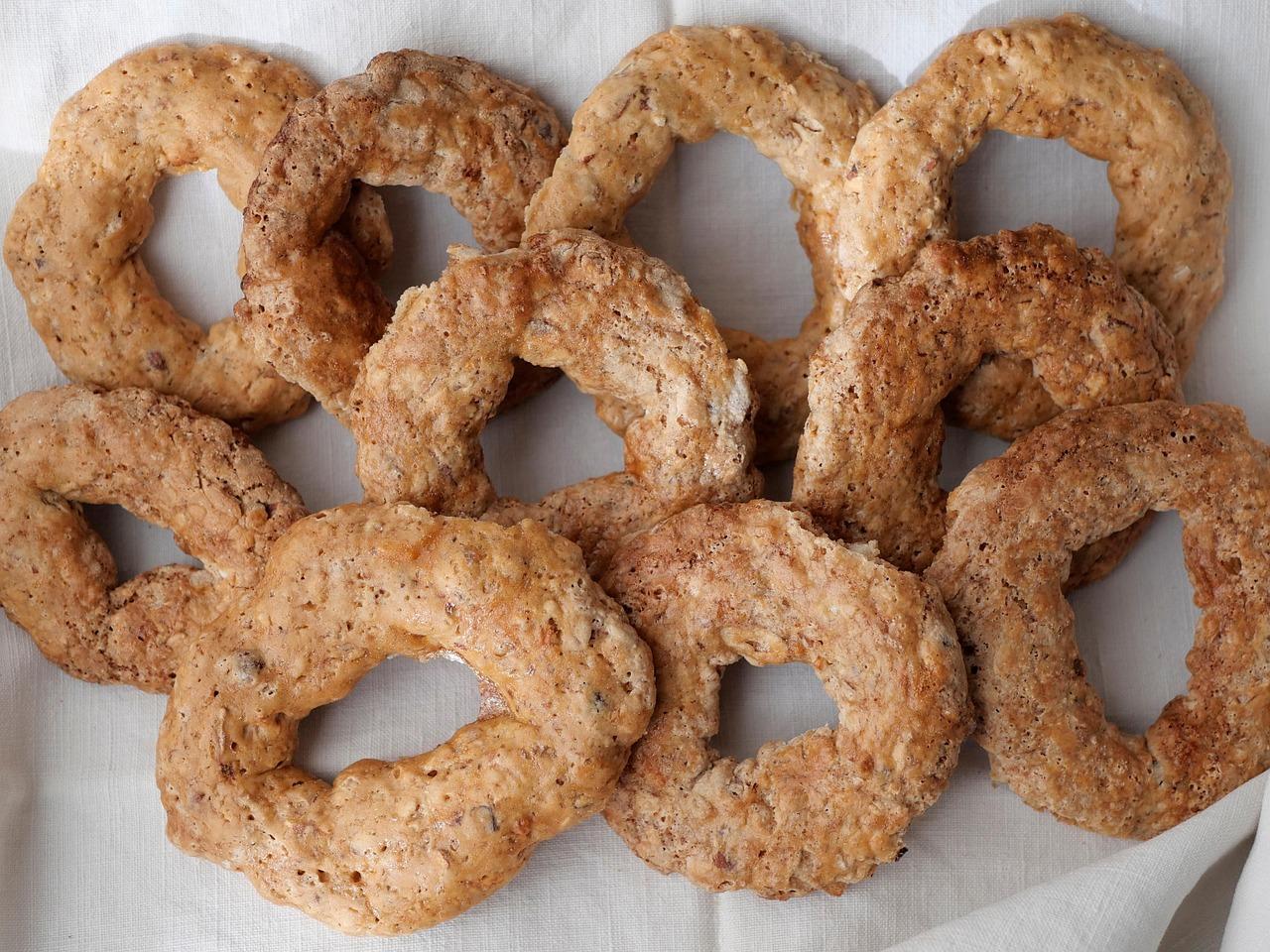
Roccocò are the hardest biscuits on the Neapolitan Christmas tray, ring-shaped and studded with whole almonds, scented with orange and pisto spice. The name is said to come from the curly French "rocaille" shape. They are baked in early December, and Neapolitans dunk them in sweet wine or milk, or break them carefully, because they are famously hard on teeth. Chef's tip: bake them twice as long as you think and leave them to dry overnight; roccocò are meant to be crunchy, and they soften pleasantly after a week in the tin.

by KrazyBadal 0 views

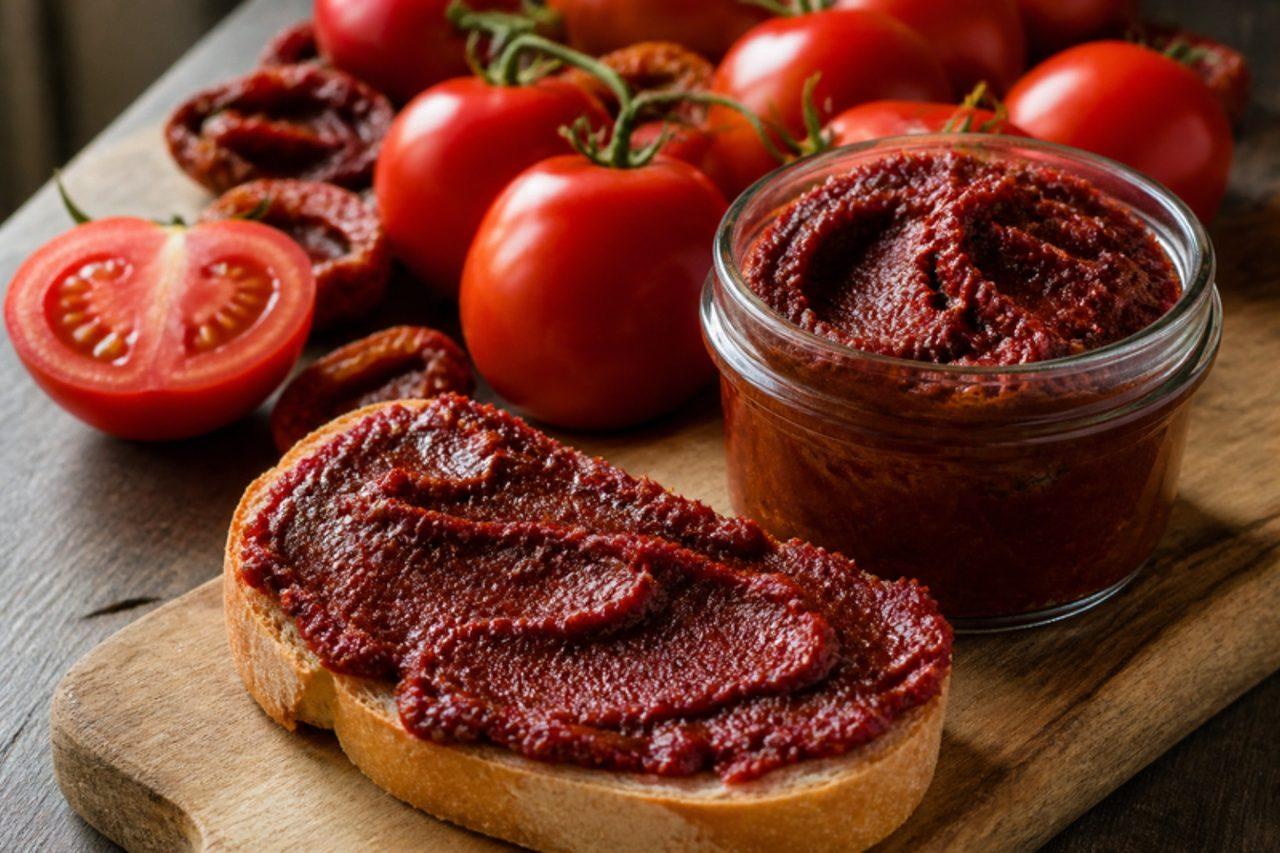
StrattuSun-dried tomato paste

In late August in western Sicily, around Trapani and Palermo, tomato purée is spread on large wooden boards and left in the hot sun for several days, stirred by hand until it turns into a thick, dark-red paste that smells of sun and sweet tomatoes. Strattu, short for "estratto", is used a spoonful at a time to give depth to sauces and stews. This home version dries the passata slowly in a low oven over a day. Chef's tip: spread the purée thin, no more than 1 cm, and stir it every hour; thick layers dry on top and stay wet underneath.

by KrazyBadal 0 views

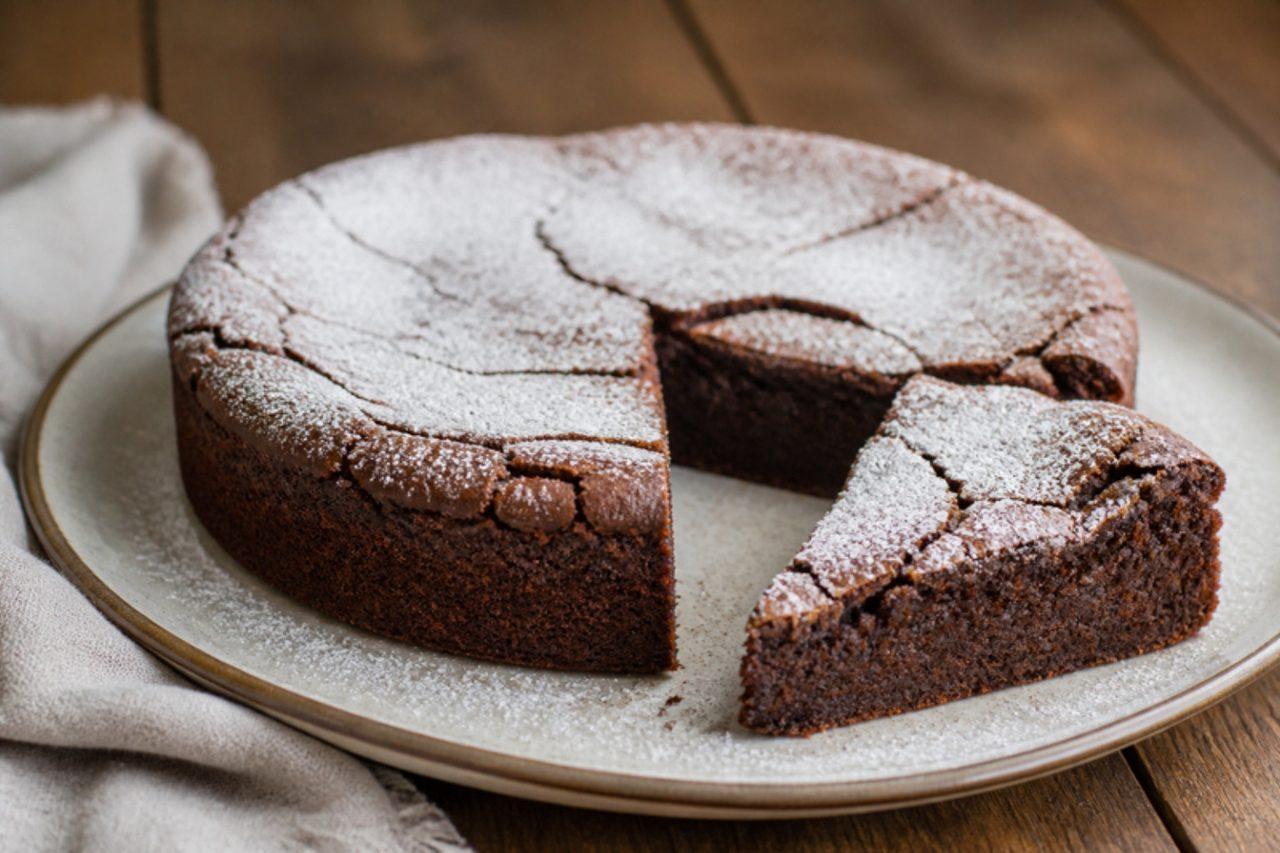
Torta capreseFlourless chocolate almond cake

Torta caprese was born on the island of Capri in the 1920s, the story goes, when a baker forgot to add flour to a chocolate almond cake and created a classic by accident. It is now the cake of the Amalfi Coast: dense, moist and fudgy in the middle, with a thin crackled crust and a dusting of icing sugar. Restaurants in Capri and Sorrento serve it with a spoonful of cream or lemon sorbet. It is naturally gluten free. Contains nuts. Chef's tip: take it out while the middle is still slightly soft; it firms up as it cools and stays moist for days.

by KrazyBadal 0 views

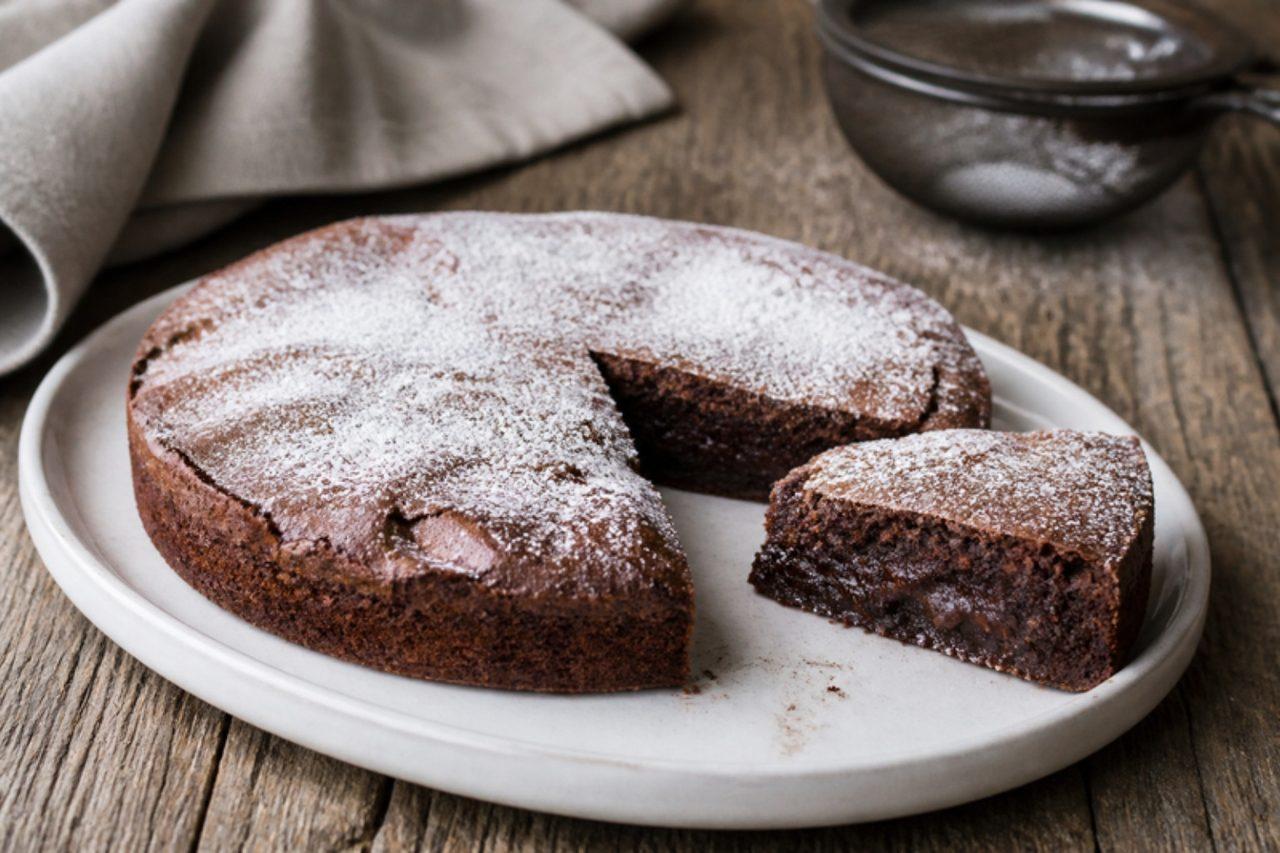
Torta tenerinaSoft chocolate cake

Ferrara, in Emilia-Romagna, calls this cake "tenerina" (the tender one) because the middle stays soft and almost creamy under a thin, crackly crust. It was created in the early 1900s and named in honour of Queen Elena of Montenegro, wife of King Vittorio Emanuele III. Families bake it for birthdays and Sunday lunches, and it is served plain or with whipped cream. It uses very little flour. Chef's tip: bake it for no longer than the recipe says; it should be just set at the edge and wobbly in the middle when it comes out.

by KrazyBadal 0 views

Cannoncini alla cremaCustard puff pastry horns

Every pastry shop in Turin and Piedmont has a tray of cannoncini: puff pastry wrapped around metal cones, baked until golden and flaky, then piped full of vanilla custard and dusted with icing sugar. Little ones are part of the "pasticcini mignon" bought on Sunday morning after church to take to lunch at the grandparents' house. You need cannoncino or cream-horn moulds. Chef's tip: fill them just before serving; custard softens the pastry within a few hours.

by KrazyBadal 0 views

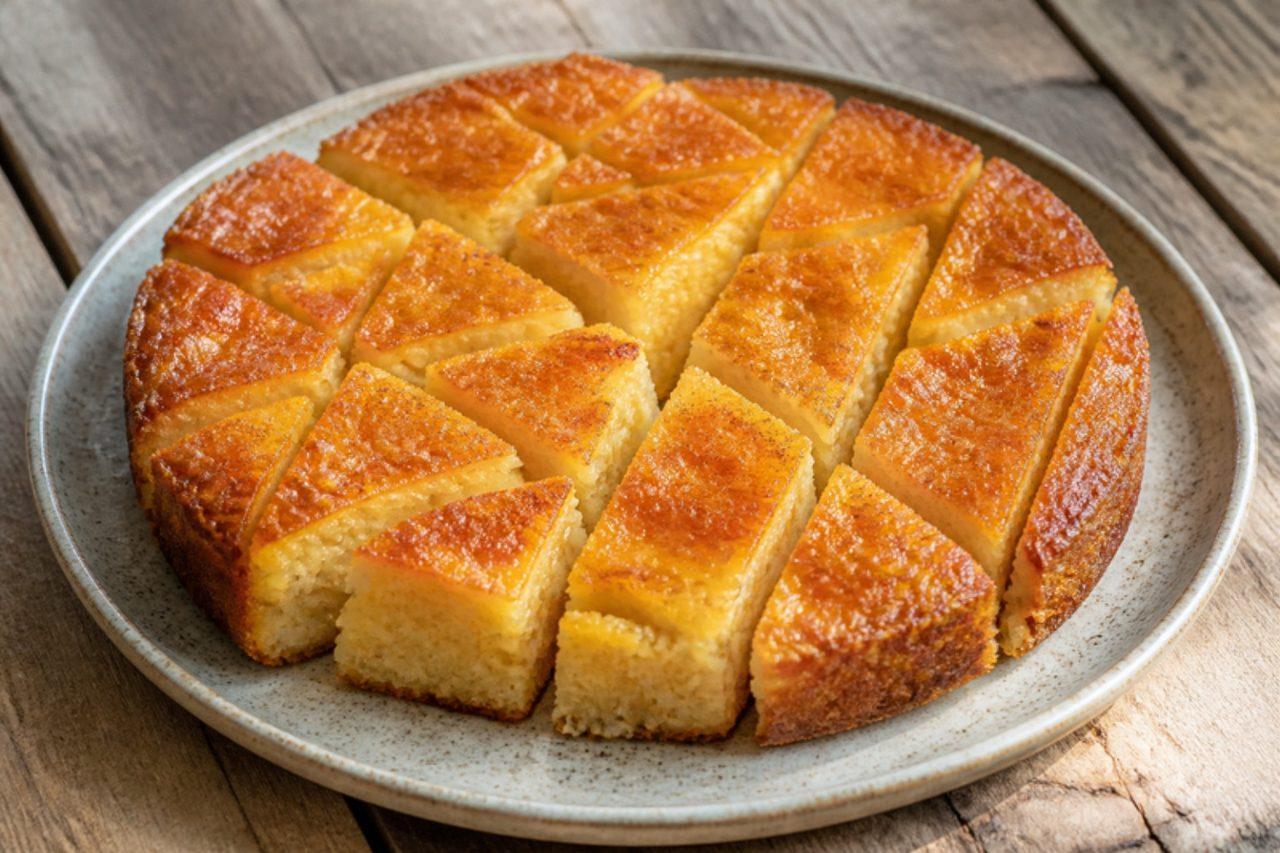
Torta di riso bologneseRice and almond cake

In Bologna this rice cake is called torta degli addobbi, after the decorations (addobbi) hung on the houses every ten years for each parish's big religious festival, when it was made and given to visitors. It is a dense, moist cake of rice cooked slowly in milk with lemon, mixed with eggs, sugar and almonds and baked until golden, then cut into diamonds. Traditionally it is soaked with almond liqueur; this version leaves it out, so it is alcohol free. It is gluten free. Contains nuts. Chef's tip: let the cake rest a full day before slicing; it firms up and the flavours deepen.

by KrazyBadal 0 views

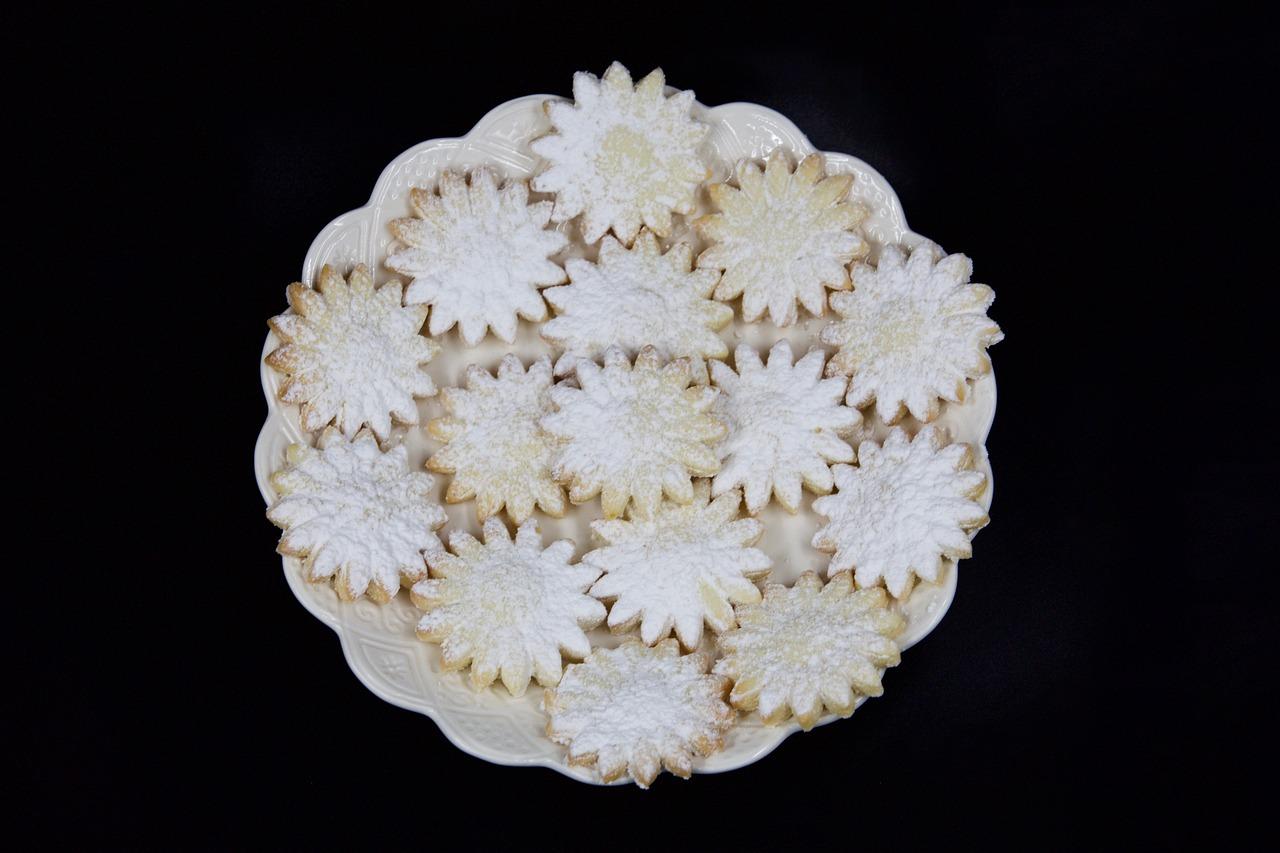
Canestrelli liguriFlower shortbread biscuits

Canestrelli are the most delicate biscuits in Liguria: daisy-shaped shortbread with a hole in the middle, so fragile they melt in the mouth. The secret is hard-boiled egg yolks pushed through a sieve into the dough, with potato starch, which makes them crumbly and sandy. They are sold in Genoa and the hill town of Torriglia, piled in paper and covered with snowy icing sugar. Chef's tip: work the dough as little as possible and keep it cold; warm dough becomes too soft to cut into neat flowers.

by KrazyBadal 0 views

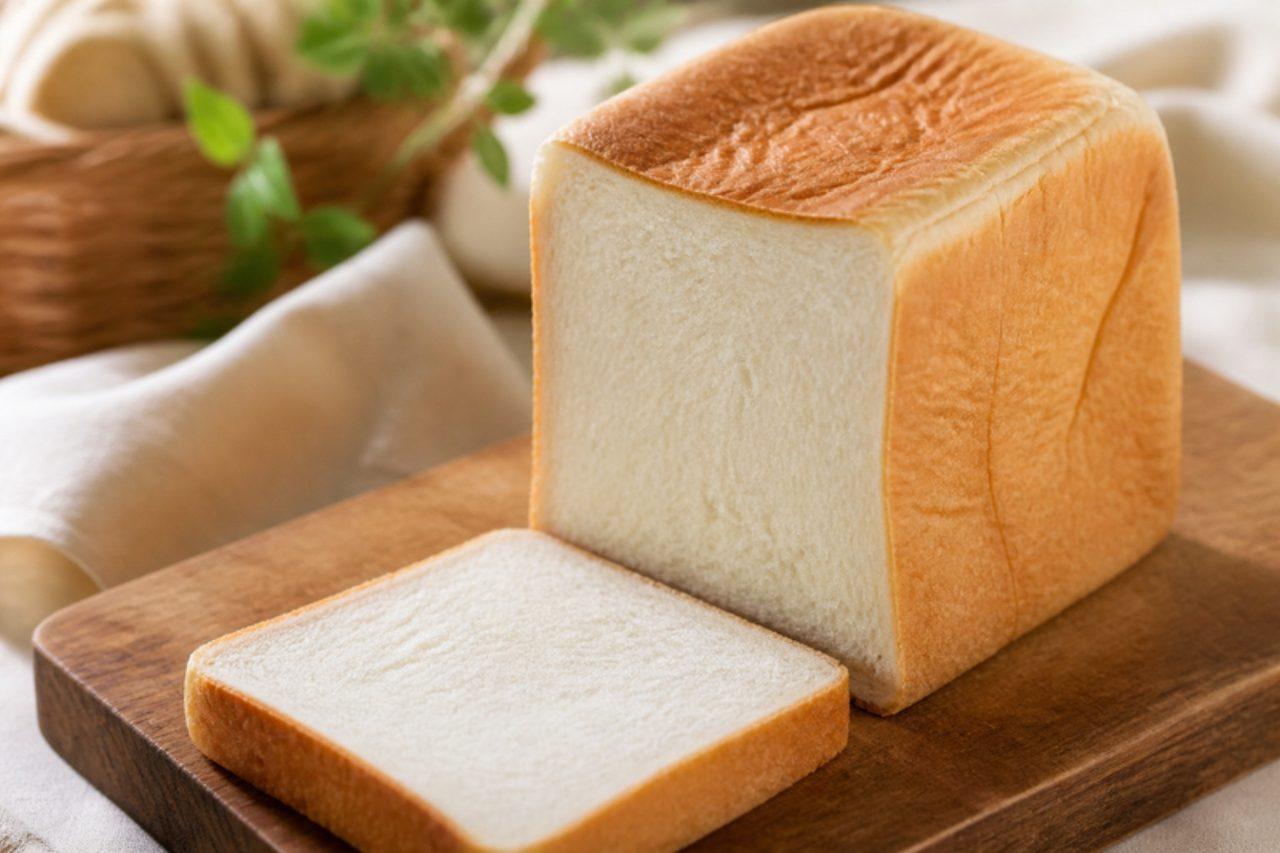
Shokupan (Japanese milk bread)

Shokupan is the everyday sandwich loaf of Japan, sold by the half loaf at bakeries from Sapporo to Fukuoka and toasted in thick slabs for breakfast with butter and jam. Its feathery, pull-apart crumb comes from a cooked flour paste (yudane-style) that lets the dough hold more water, so the bread stays soft for days. You need a 900 g loaf tin and a few hours of mostly waiting. The usual mistake is slicing it while hot, which squashes the delicate crumb into gummy layers; let it cool fully. Chef's tip: roll each piece of dough into a tight spiral before it goes into the tin, which gives the tall, even rise and those stringy, tearable layers.

by KrazyBadal 0 views

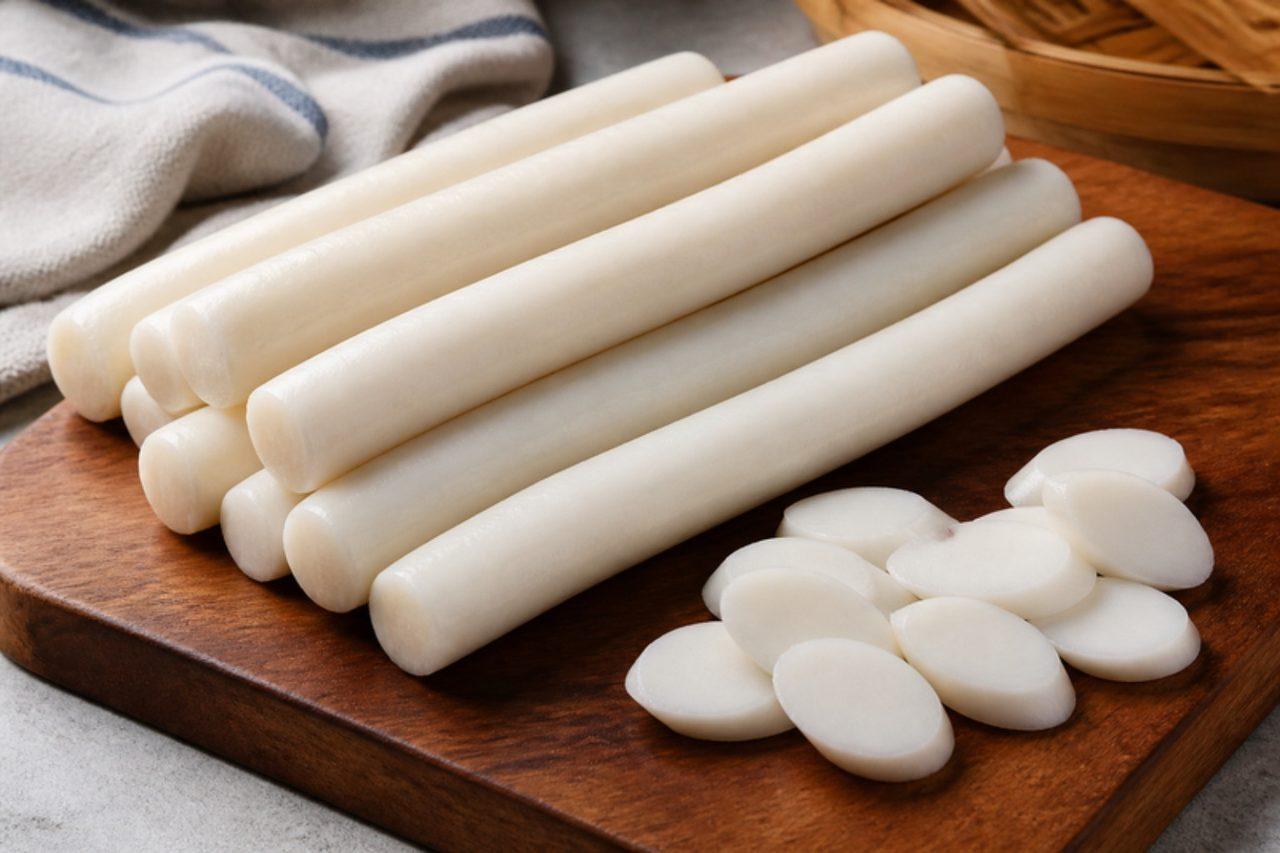
GaraetteokLong cylinder rice cakes

Garaetteok are the long white rice-cake logs that Korean mills churn out before Seollal, when families queue with their own rice to have them pressed and then slice them into ovals for tteokguk, the New Year soup. The length is meant to wish for a long life. Freshly made, they are soft and chewy and eaten warm, dipped in honey or toasted over a grill; once they firm up they are sliced for soup or cut into sticks for tteokbokki. Making them at home is simple, though the logs come out a little less glossy than machine-pressed ones. The usual mistake is rolling the dough when it has cooled: it must be hot to stay smooth. Rice cakes are chewy and sticky, a known choking risk: cut them into small pieces for young children and older people and eat them sitting down. Chef's tip: leave the logs to firm overnight before slicing on the diagonal; they cut cleanly instead of squashing.

by KrazyBadal 0 views

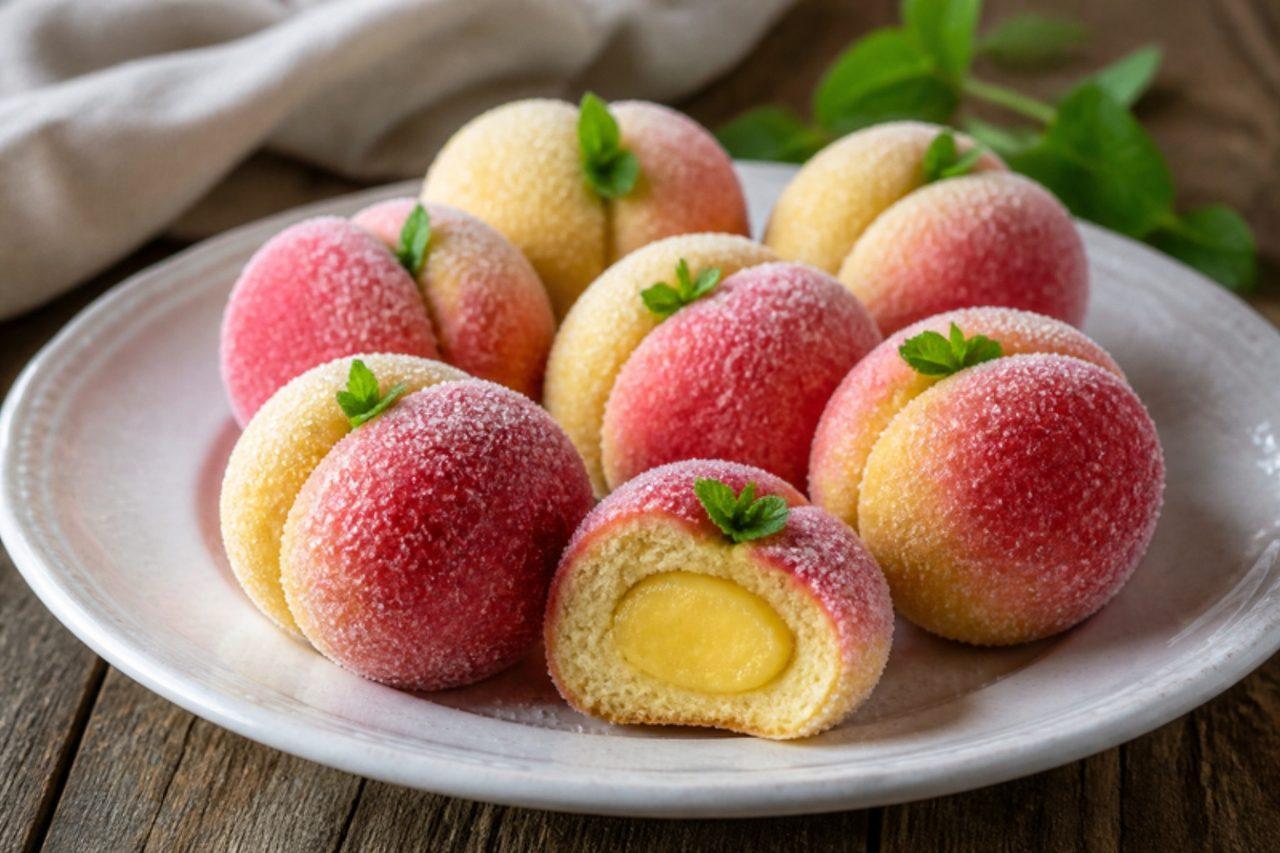
Pesche dolciCustard-filled peach biscuits

Pesche dolci are the showpiece biscuits of weddings and christenings across central and northern Italy, from Emilia to the Marche and Tuscany: two soft, domed biscuits hollowed out, filled with custard, stuck together, tinted rosy red and yellow and rolled in sugar, finished with a mint leaf so they look just like real peaches. Many families soak them in alchermes, a red liqueur; this version uses fruit syrup and food colouring instead, so it is alcohol free and child friendly. Chef's tip: brush the colour on unevenly, red on one side and pale gold on the other, like a ripe peach; one flat colour looks fake.

by KrazyBadal 0 views

Brutti ma buoniHazelnut meringue biscuits

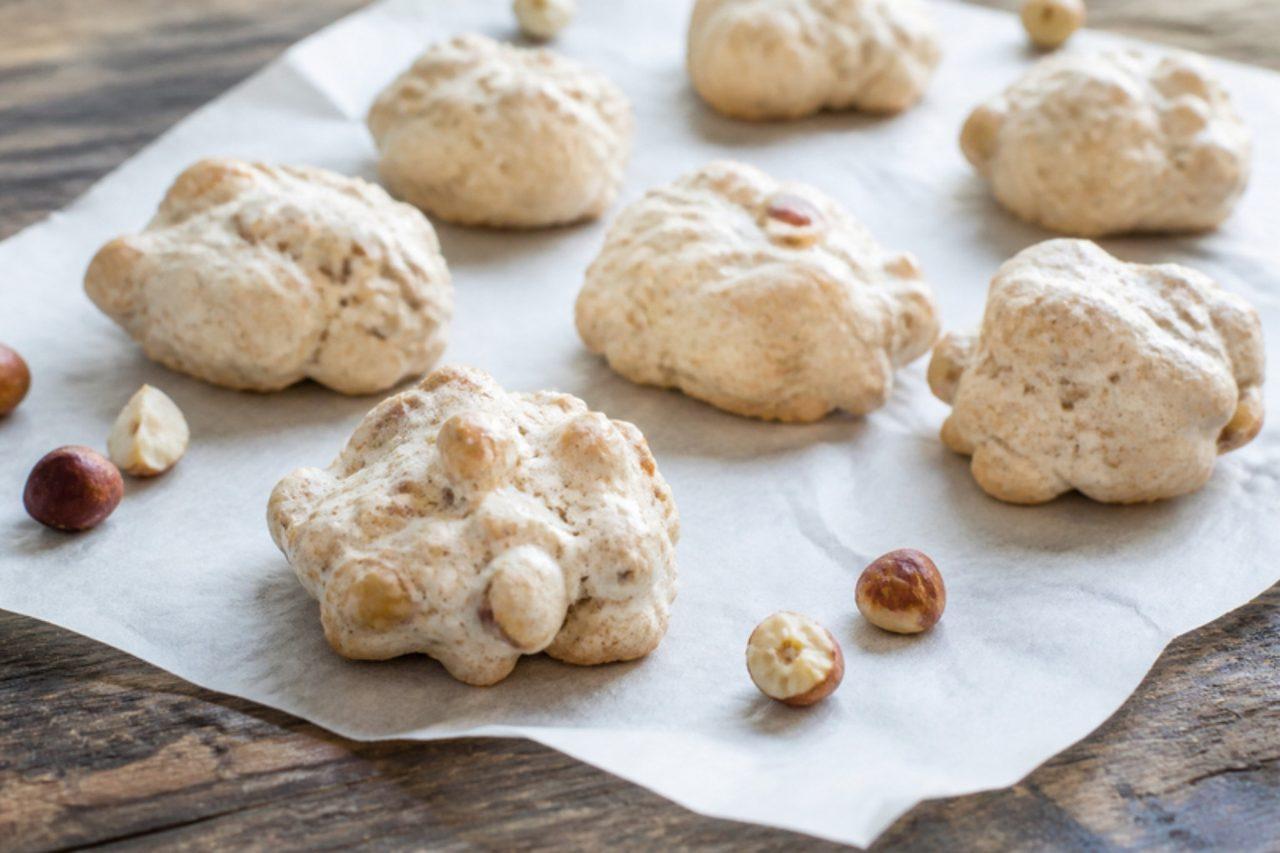
"Ugly but good": the name says it all. These lumpy, irregular biscuits from Borgomanero in Piedmont and Prato in Tuscany are made by cooking whipped egg whites, sugar and toasted hazelnuts in a pan before baking, which gives them a crisp shell and a chewy centre. They are sold in paper bags at pastry shops, and Italian grandmothers make them to use up egg whites left over from custards. They are naturally gluten free. Contains nuts. Chef's tip: toast the hazelnuts until they smell deeply nutty and the skins crack; that's what gives the biscuits their flavour.

by KrazyBadal 0 views

PizzelleAnise waffle biscuits

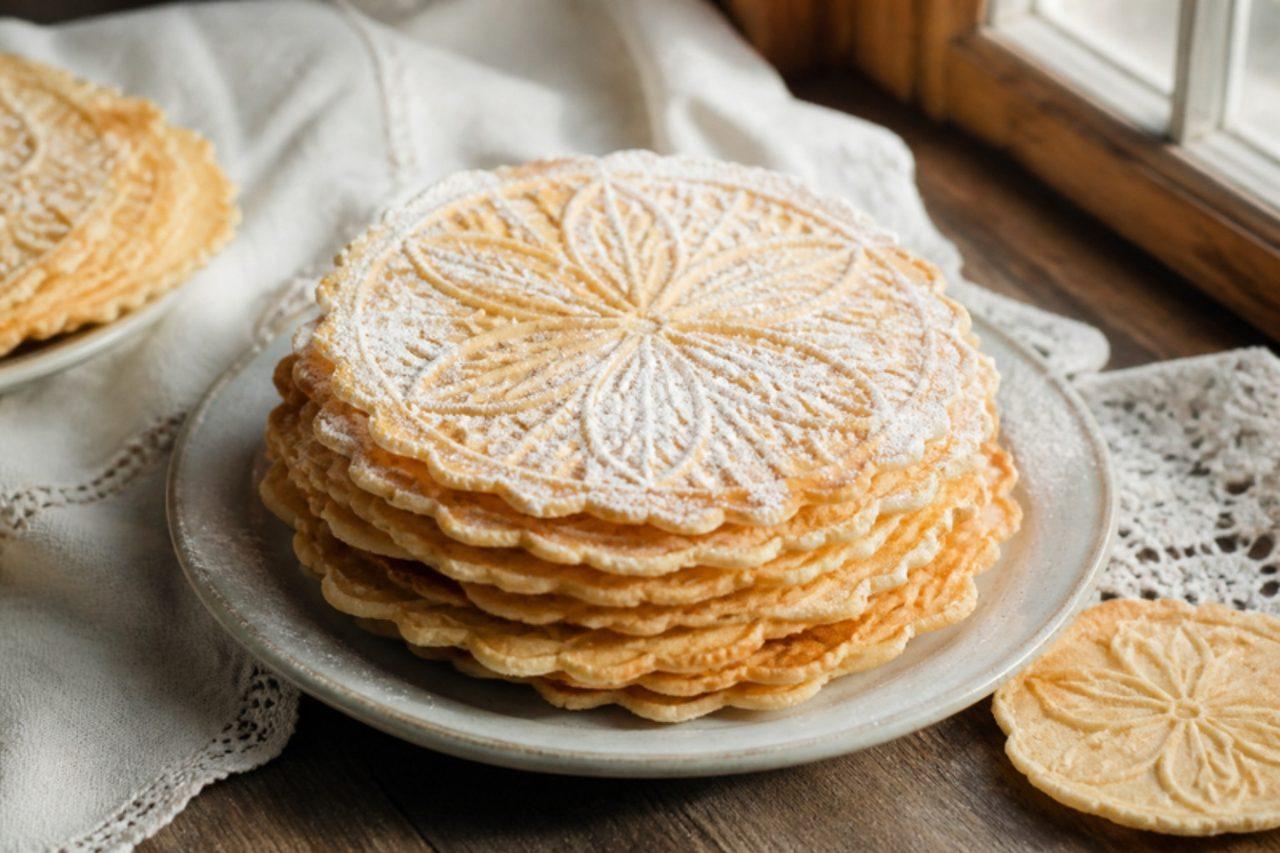
In Abruzzo, every family has its own pizzelle iron, often a wedding present engraved with the family's initials or a pattern of flowers. The thin, crisp waffles are baked for weddings, Christmas and Easter, and for the feast of San Domenico in Cocullo, flavoured with anise or lemon. Warm, they can be rolled into cones or tubes and filled. You need a pizzelle iron or a thin waffle maker. Chef's tip: lightly oil the iron only for the first pizzella; after that the batter's oil keeps them from sticking.

by KrazyBadal 0 views

RicciarelliSoft almond biscuits

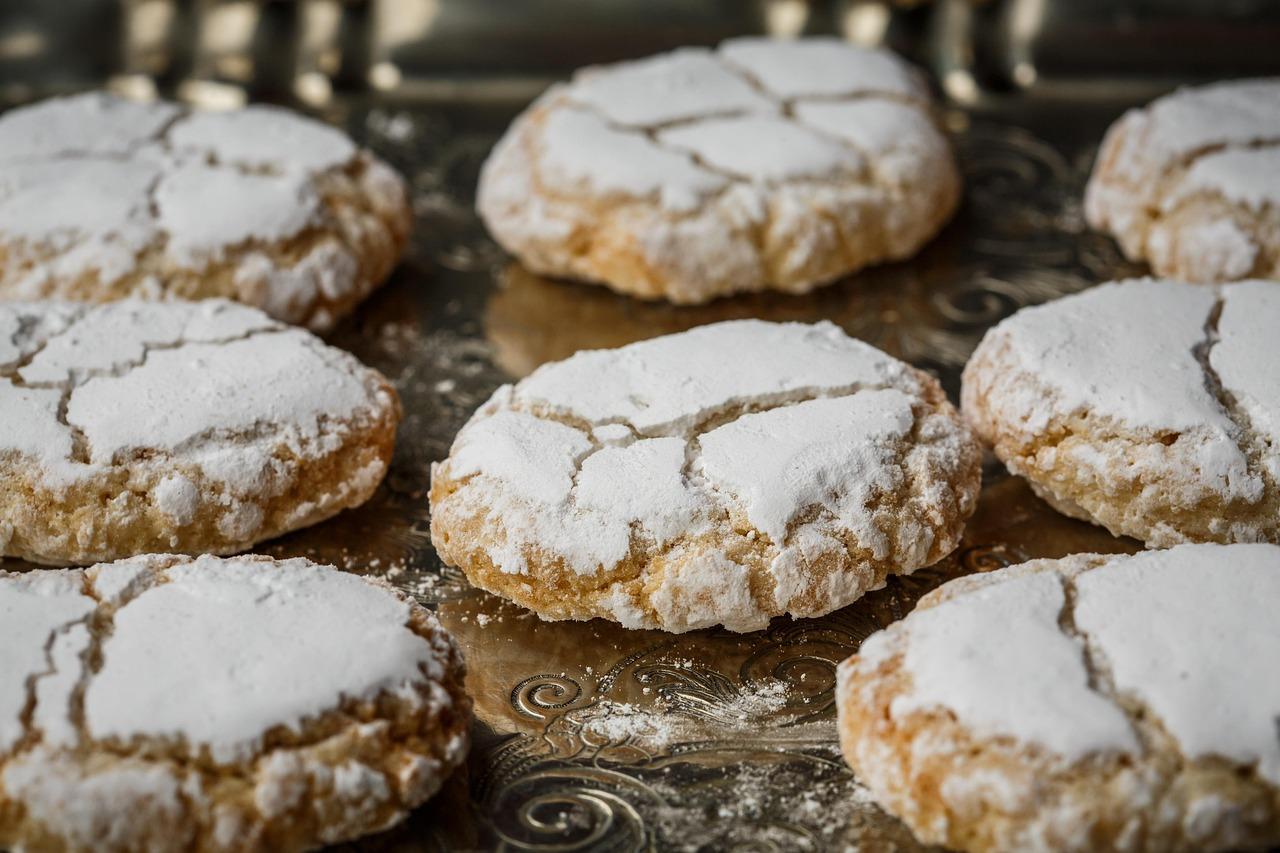
Siena has been making ricciarelli since the Renaissance: soft, chewy almond biscuits in the shape of a diamond or a curved eye, with a crackled top covered in icing sugar. Sienese families buy them from the historic pasticcerie near the Campo at Christmas and serve them with a glass of Vin Santo after dinner, but they are eaten all winter with coffee. This recipe is naturally gluten free. Chef's tip: let the shaped biscuits dry at room temperature overnight before baking; a dry crust cracks beautifully in the oven while the inside stays soft.

by KrazyBadal 0 views

Baci di damaHazelnut shortbread sandwiches

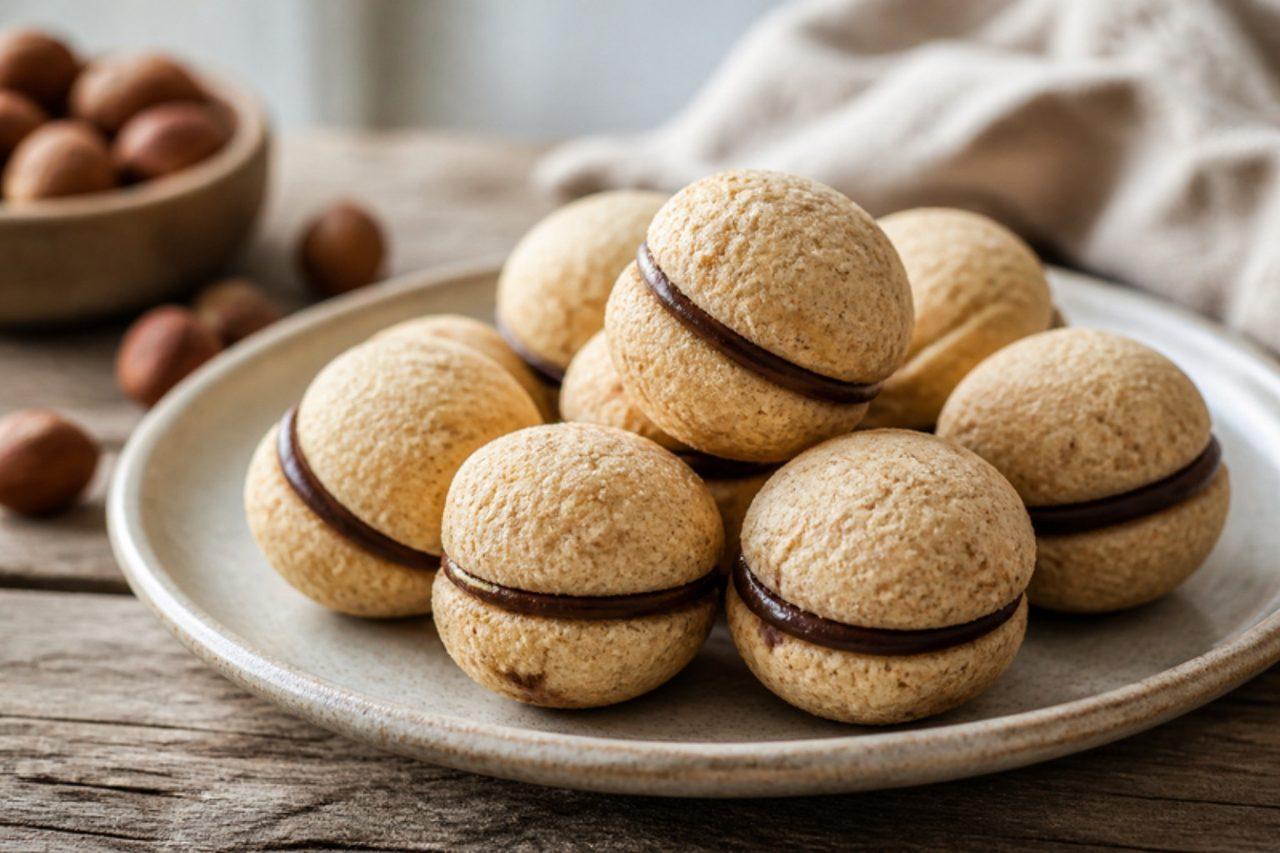
Baci di dama, "lady's kisses", were born in Tortona in Piedmont in the 1800s: two small domes of buttery hazelnut shortbread pressed together with dark chocolate, like two lips meeting in a kiss. They are sold in every pastry shop in Piedmont and eaten with coffee or as a gift at Christmas. The local Piedmont hazelnuts are some of the best in the world. Contains nuts. Chef's tip: weigh each ball of dough so they're all the same size; matching domes make neat kisses.

by KrazyBadal 0 views

Schiacciata alla fiorentinaOrange Carnival sponge cake

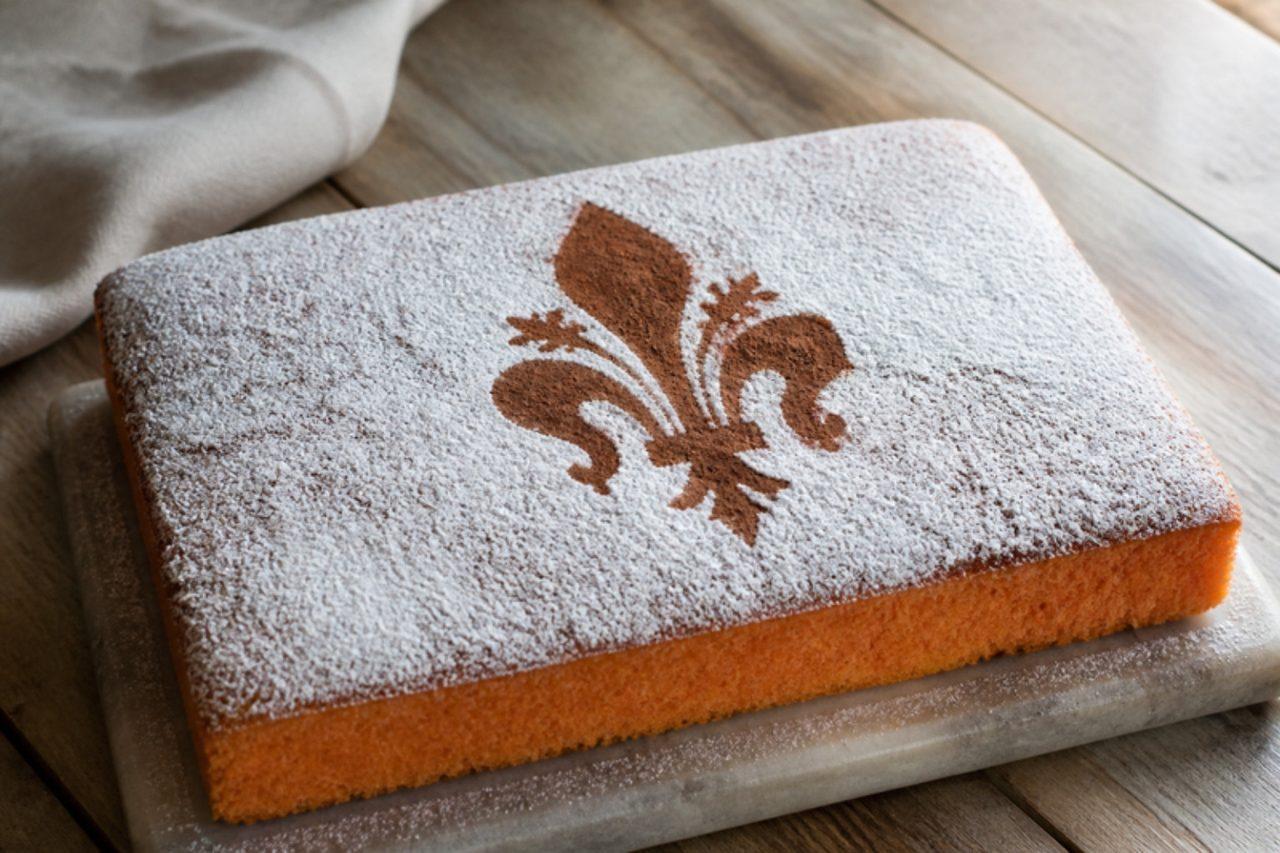
During Carnival every bakery in Florence sells schiacciata alla fiorentina: a low, soft, orange-scented sponge, baked in a rectangular tin and covered with icing sugar with the Florentine lily (the giglio) stencilled in cocoa on top. Florentines eat it for breakfast with a cappuccino or as an afternoon snack, plain or split and filled with cream. The original was a rich yeasted bread with lard; today almost everyone makes this simple, quick version. Chef's tip: keep the cake low, about 3 cm; it is meant to be a thin, moist sponge, not a tall cake.

by KrazyBadal 0 views

Passata di pomodoroBottled tomato purée

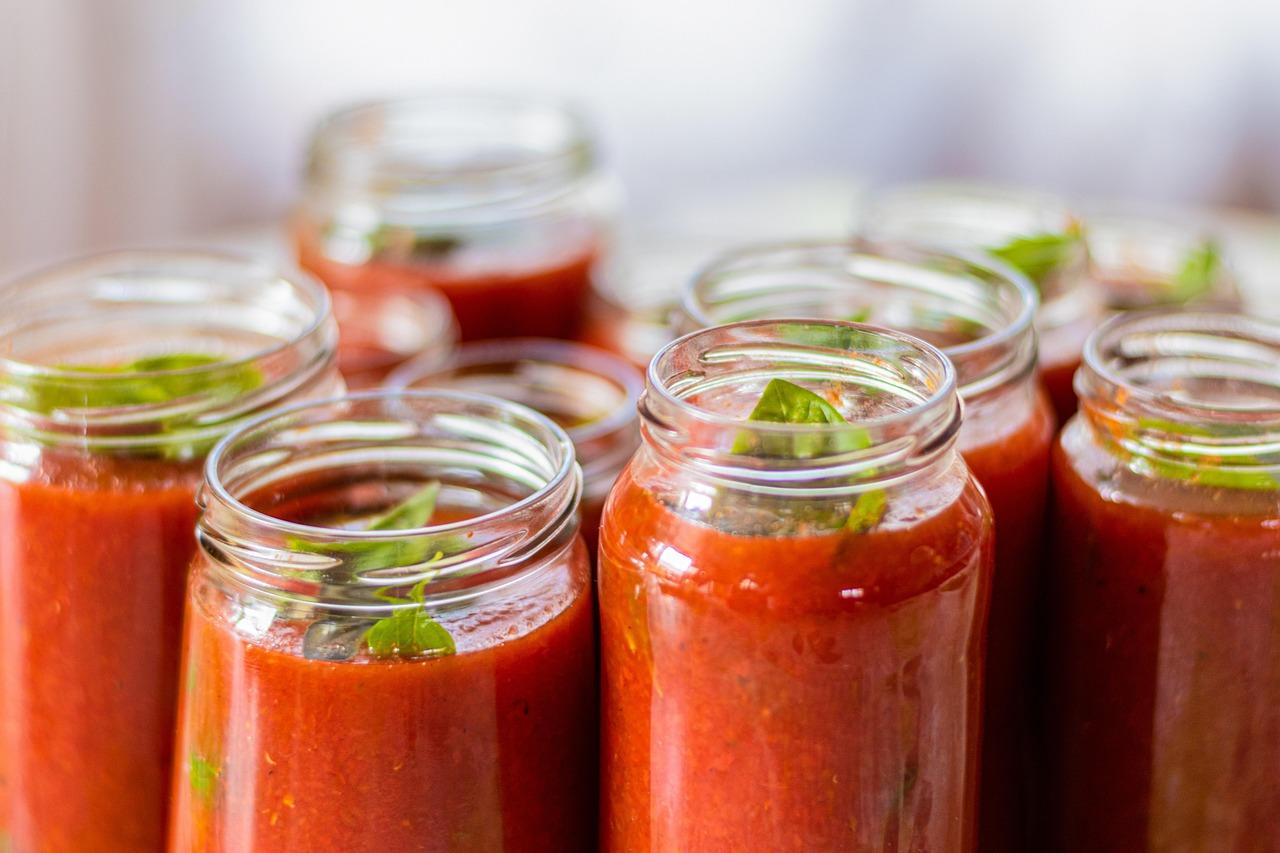
At the end of August, all over southern and central Italy, families gather for the "giornata della salsa", the day of the sauce: crates of ripe plum tomatoes are washed, cooked, passed through a hand-cranked mill and bottled in hundreds, with a basil leaf in each bottle. The passata lasts until the next summer and is used for every ragù and pizza. For home bottling, add lemon juice to each jar and process in a water bath, as tomatoes alone are not acidic enough to be safe at room temperature. Chef's tip: use only fully ripe, deep red plum tomatoes; underripe tomatoes give a pale, sour passata.

by KrazyBadal 0 views

MostaccioliSpiced chocolate biscuits

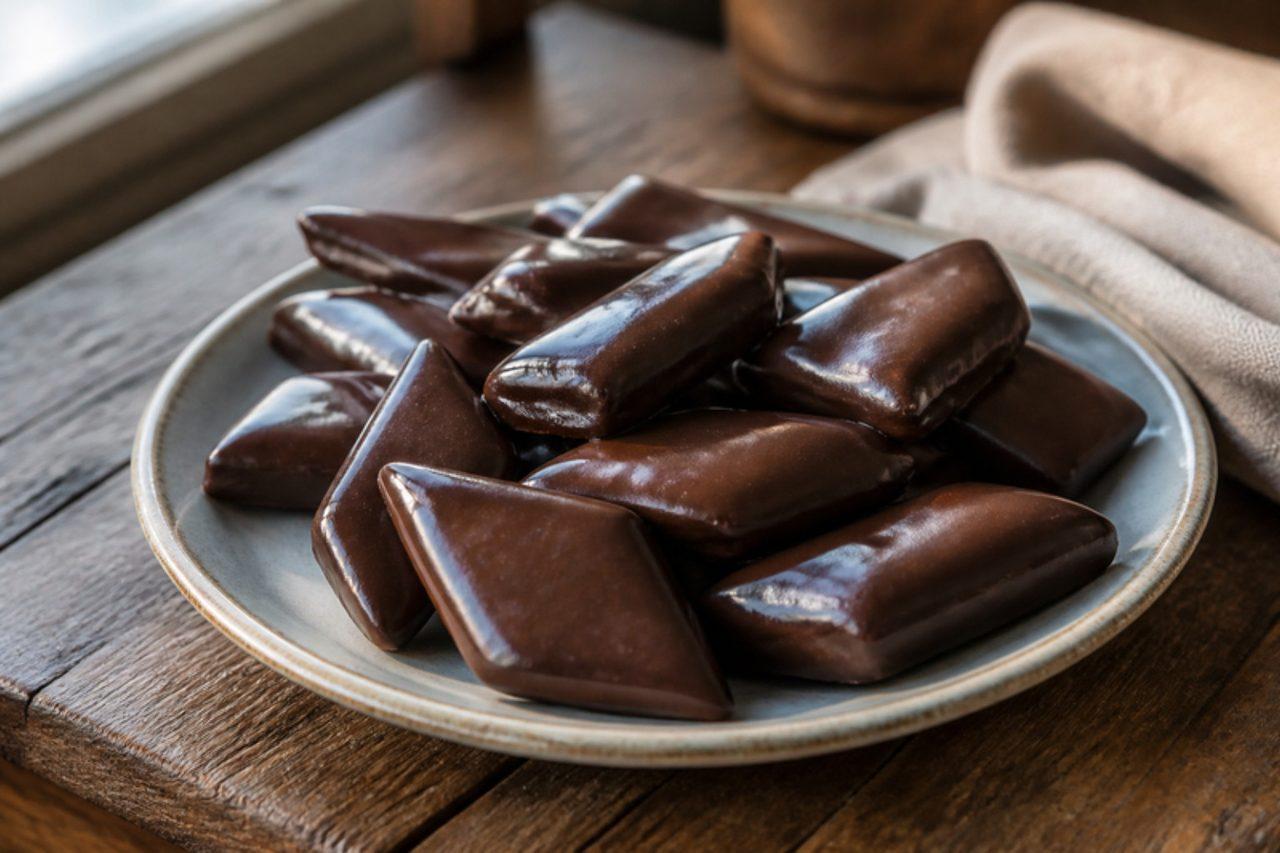
Neapolitan Christmas trays always include mostaccioli: soft, spiced biscuits shaped like diamonds and covered in a shiny coat of dark chocolate. The dough is flavoured with honey, cocoa, orange and pisto, a Neapolitan spice mix of cinnamon, clove, nutmeg, star anise and coriander. They are made in early December with roccocò and struffoli and kept in tins for the whole holiday. Not for babies under 1 because of the honey. Chef's tip: let the biscuits rest a day before coating; spiced honey biscuits soften and their flavour deepens after a night in the tin.

by KrazyBadal 0 views

Scarcella puglieseEaster egg biscuit bread

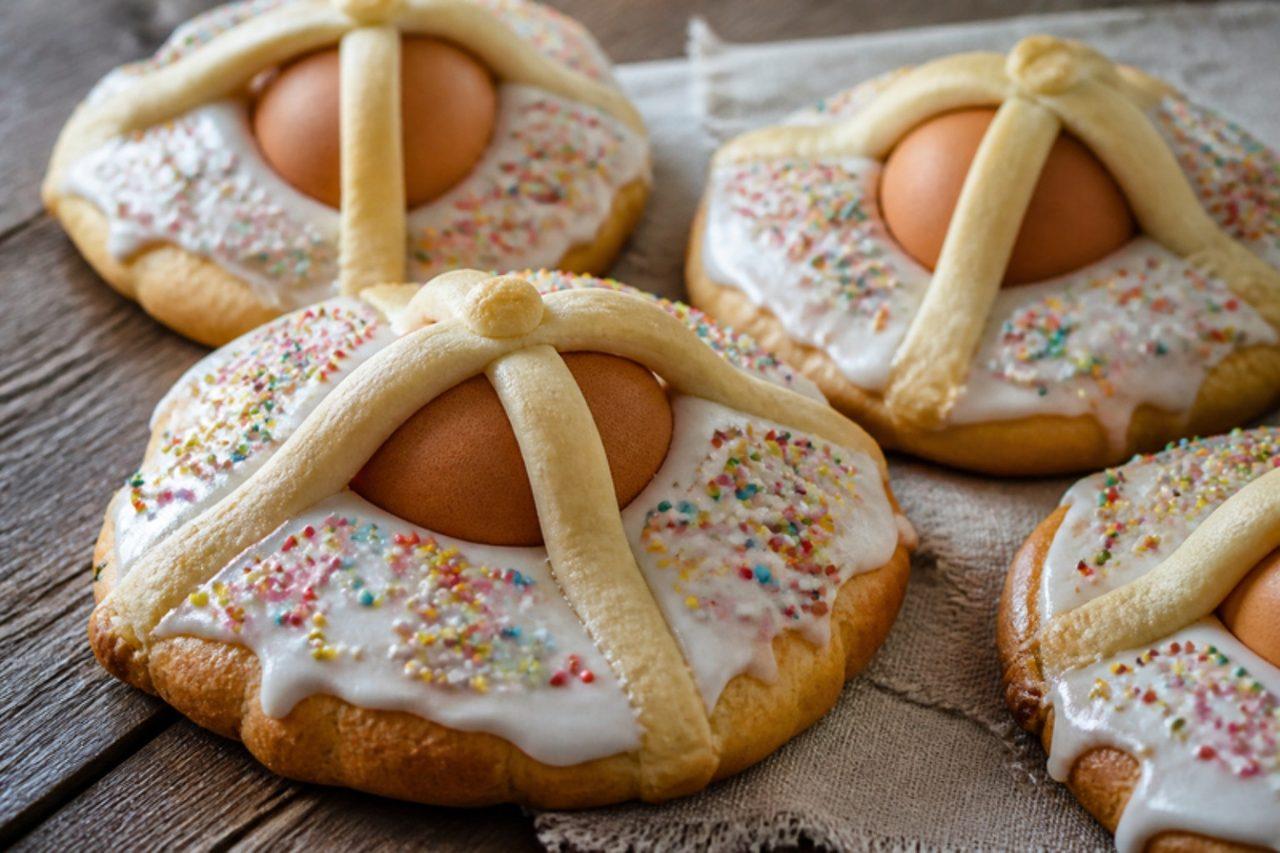
In Bari, Foggia and the Salento, scarcelle are baked in the days before Easter, often by children with their grandmothers: a soft, lemony shortbread-like dough shaped into baskets, doves, hearts or dolls, each holding a whole egg in its shell held down by strips of dough, then iced and covered in sprinkles. They are given as gifts on Easter morning and to children as a sign of new life. Chef's tip: use raw eggs in their shells and wash them first; they cook in the oven while the biscuit bakes. They are decorative, so wash and dry them well.

by KrazyBadal 0 views

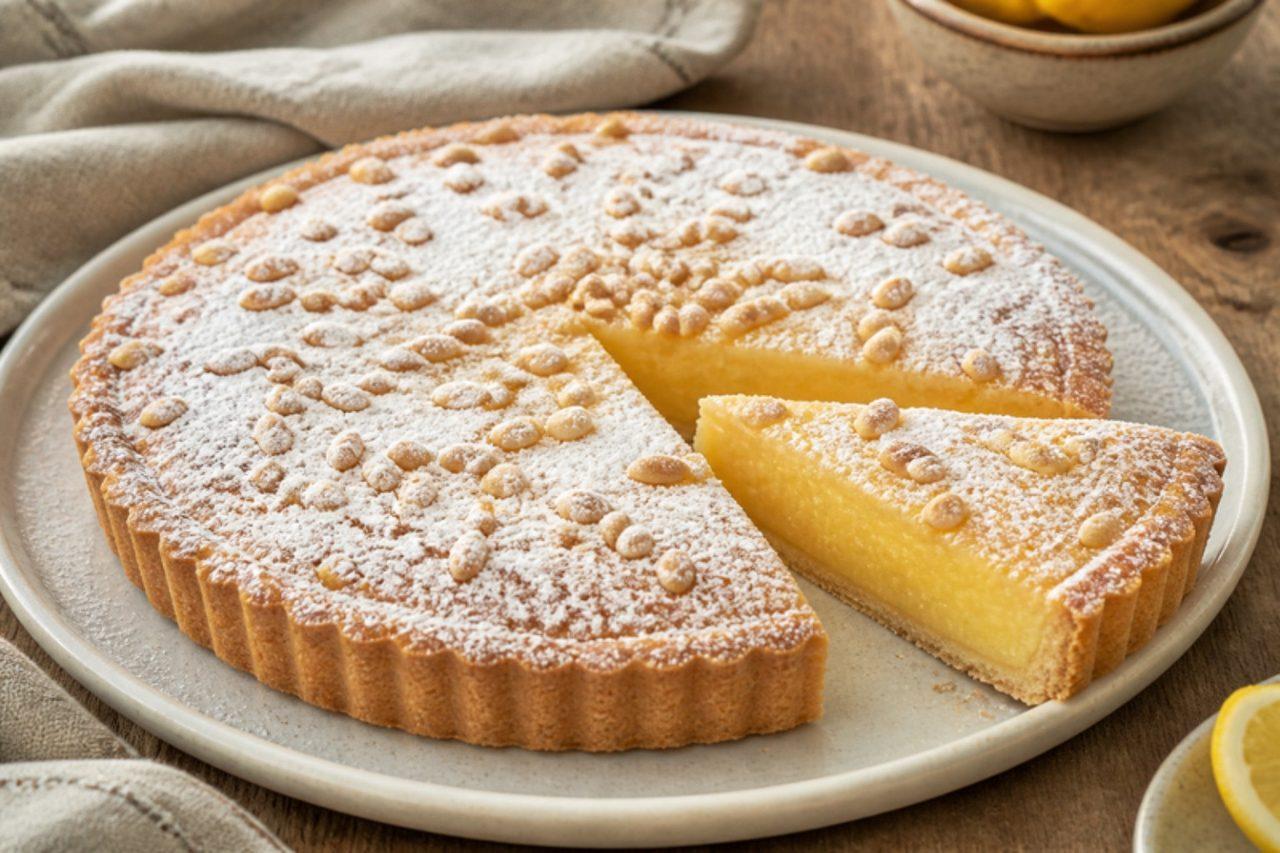
Torta della nonnaLemon custard pine nut tart

Torta della nonna, "grandmother's tart", is on the dessert menu of almost every trattoria in Florence and across Tuscany: a shortcrust case filled with thick lemon-scented custard, covered with a second layer of pastry and scattered with pine nuts and icing sugar. Despite the name it was probably invented by a Florentine restaurant cook in the 1900s, but it tastes of family Sunday lunches. Contains pine nuts. Chef's tip: let the custard cool completely before filling the tart; warm custard melts the butter in the pastry and makes the base soggy.

by KrazyBadal 0 views

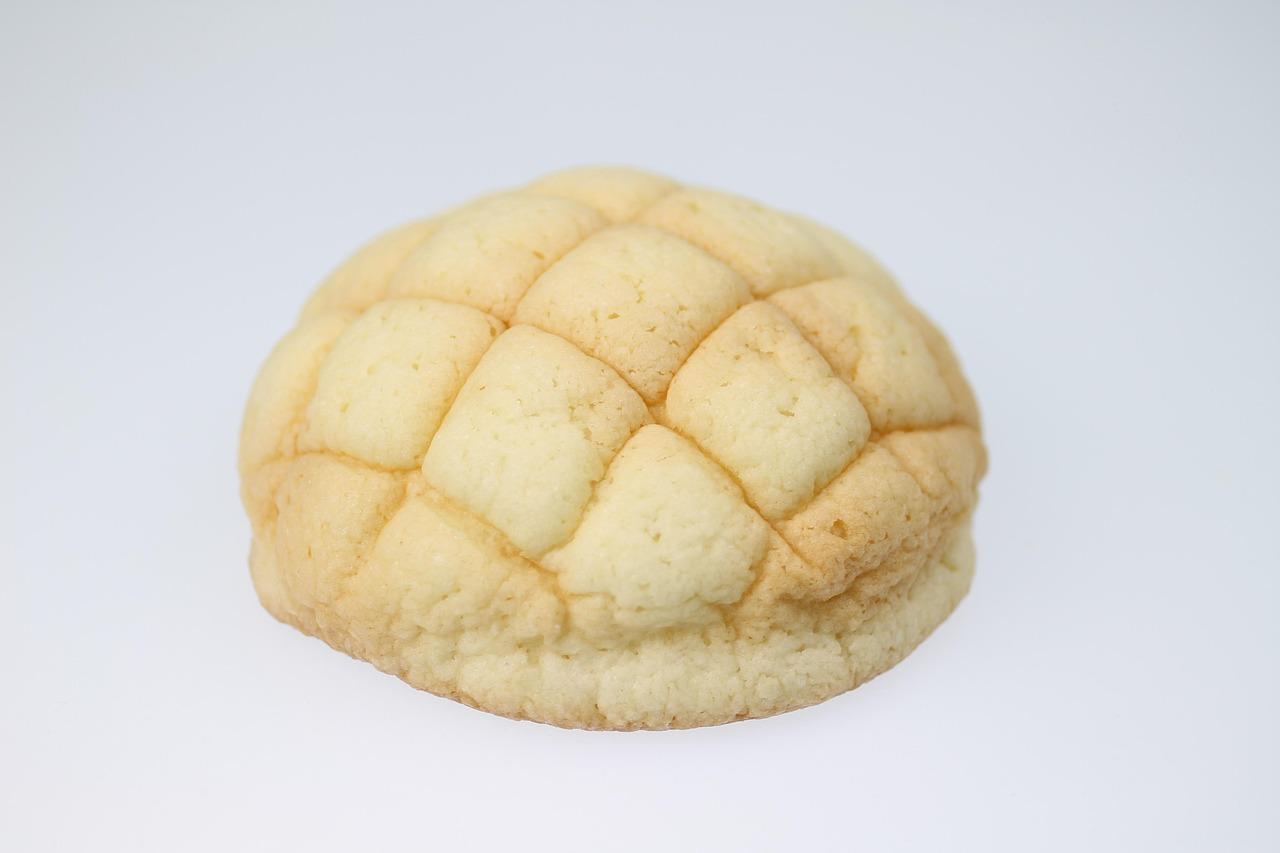
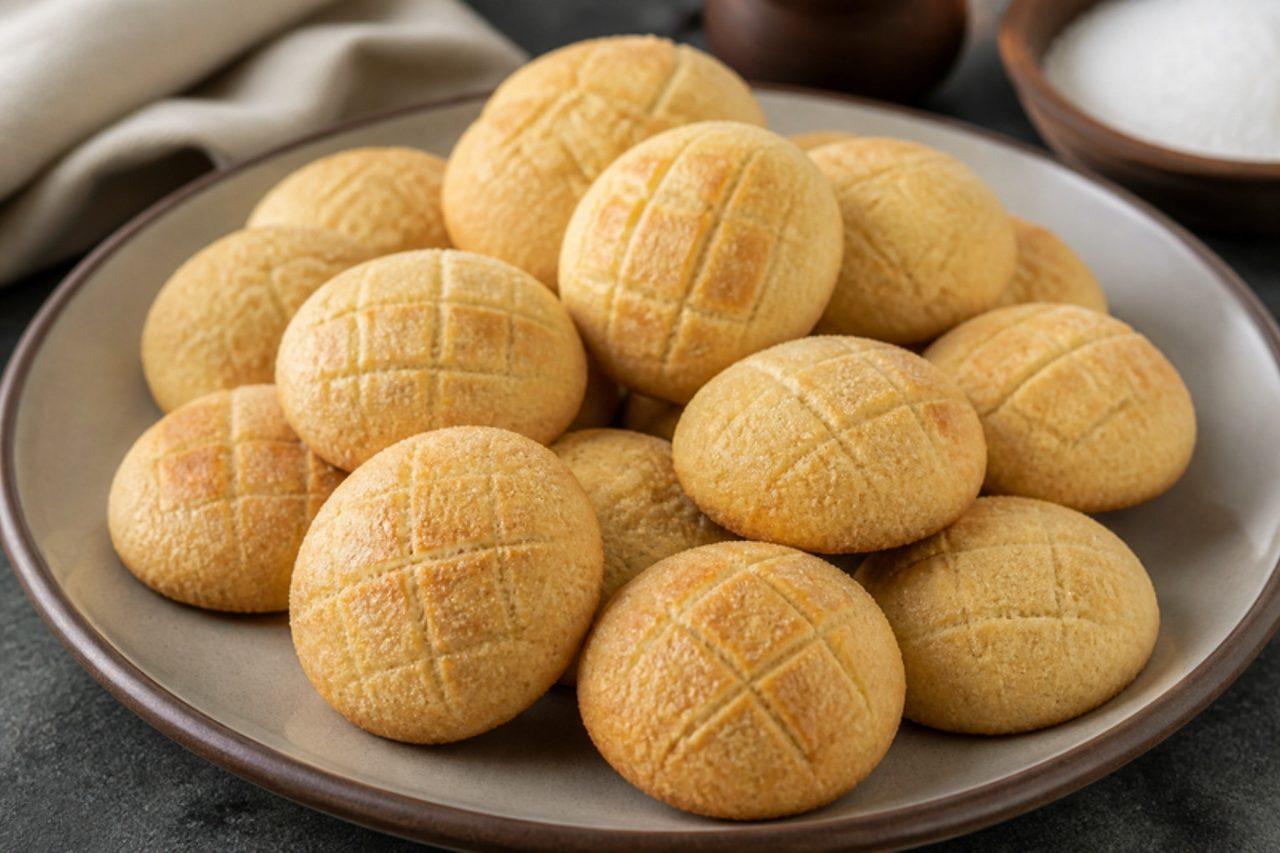
Melon panCookie-crust sweet bun

Melon pan takes its name from its looks, not its taste: a soft sweet bun baked under a sugary cookie crust scored into a criss-cross pattern like a cantaloupe rind. Japanese bakeries and school canteens sell it everywhere, and around Kobe and Hiroshima the same bun is often called sunrise. It is best on the day it is baked, when the crust still crackles against the fluffy inside. The common mistake is warm, soft cookie dough, which sticks to your hands and slides off the bun in the oven; keep it well chilled and work quickly. Chef's tip: roll the cookie dough between two sheets of baking paper so you can lift it neatly onto each bun.

by KrazyBadal 0 views

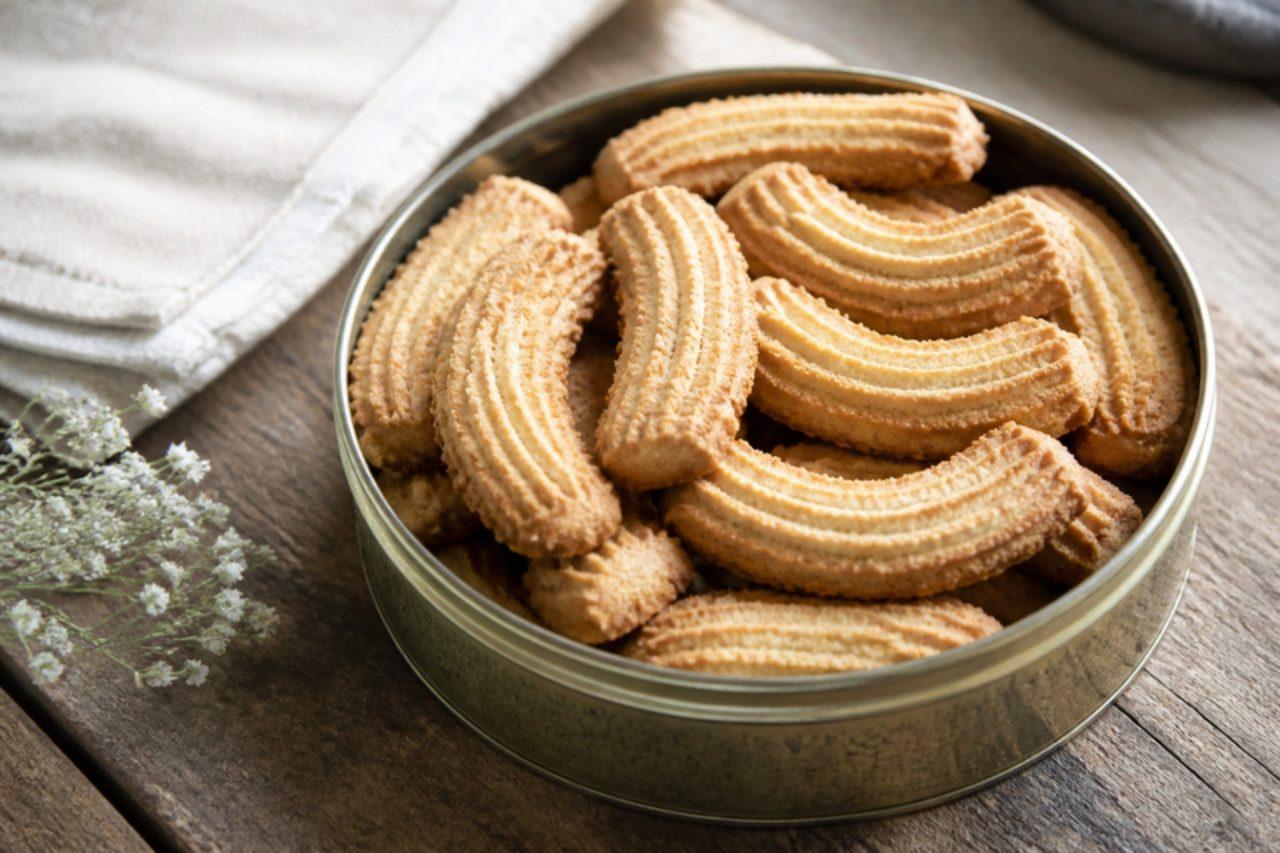
KrumiriCornmeal butter biscuits

Krumiri were created in 1878 in Casale Monferrato in Piedmont, and they are said to be shaped like the curled moustache of King Vittorio Emanuele II, who had just died. They are sandy, buttery biscuits made with flour and fine cornmeal, piped through a star nozzle into a curved line, and still sold in their red tins in the town's old shops. Piedmontese eat them dunked in a glass of sweet wine or with a cup of hot chocolate. Chef's tip: use fine cornmeal, not coarse polenta; coarse grains make the biscuits gritty and stop them piping.

by KrazyBadal 0 views

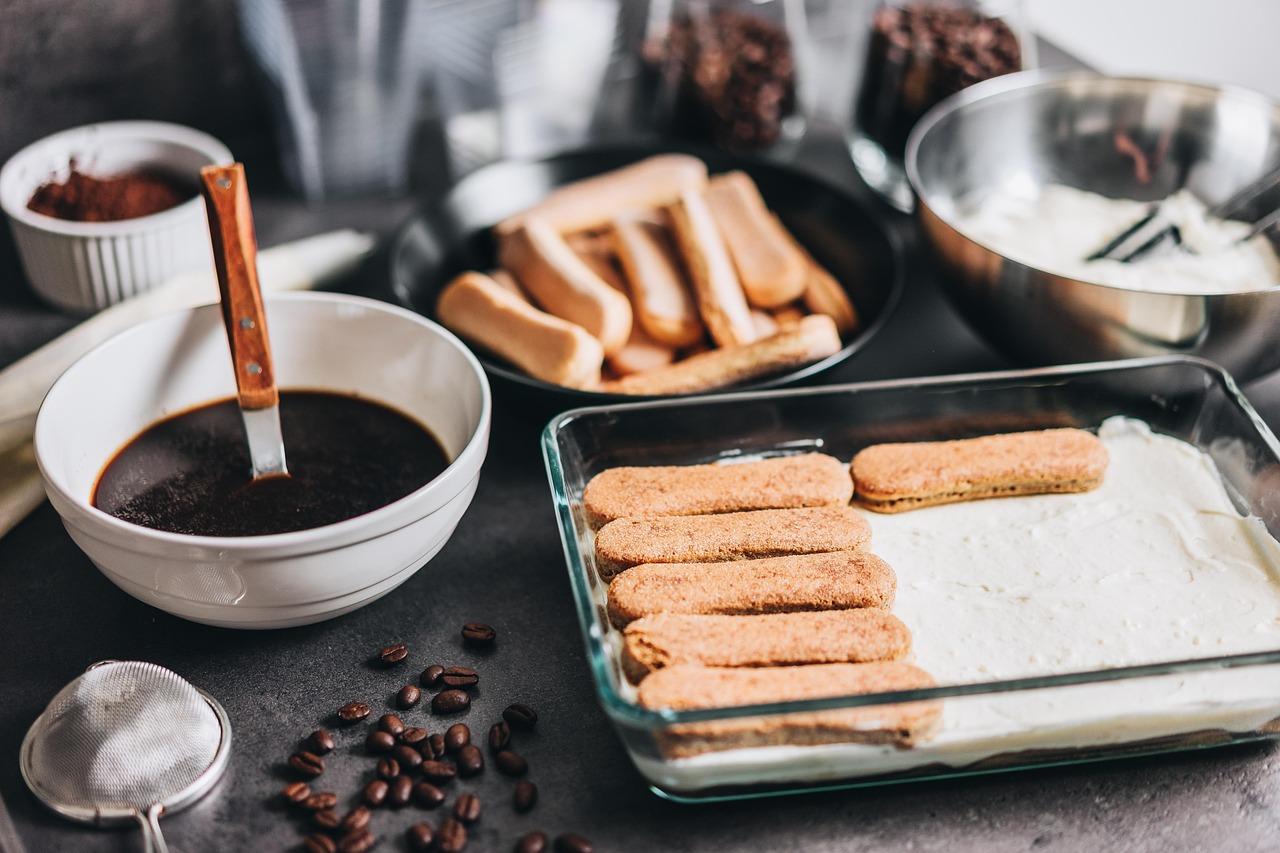
Savoiardi

Savoiardi were created in the 1300s at the court of the House of Savoy in Piedmont, for a visit by the King of France. They are long, light finger biscuits of whipped eggs, sugar and flour, with a crisp sugary crust and a dry, spongy inside, made to be soaked: in coffee for tiramisù, in liqueur for zuppa inglese, or in milk for children's breakfast. Chef's tip: dust the piped fingers twice with icing sugar, 5 minutes apart; this forms the pearly crust that keeps them crisp outside.

by KrazyBadal 0 views

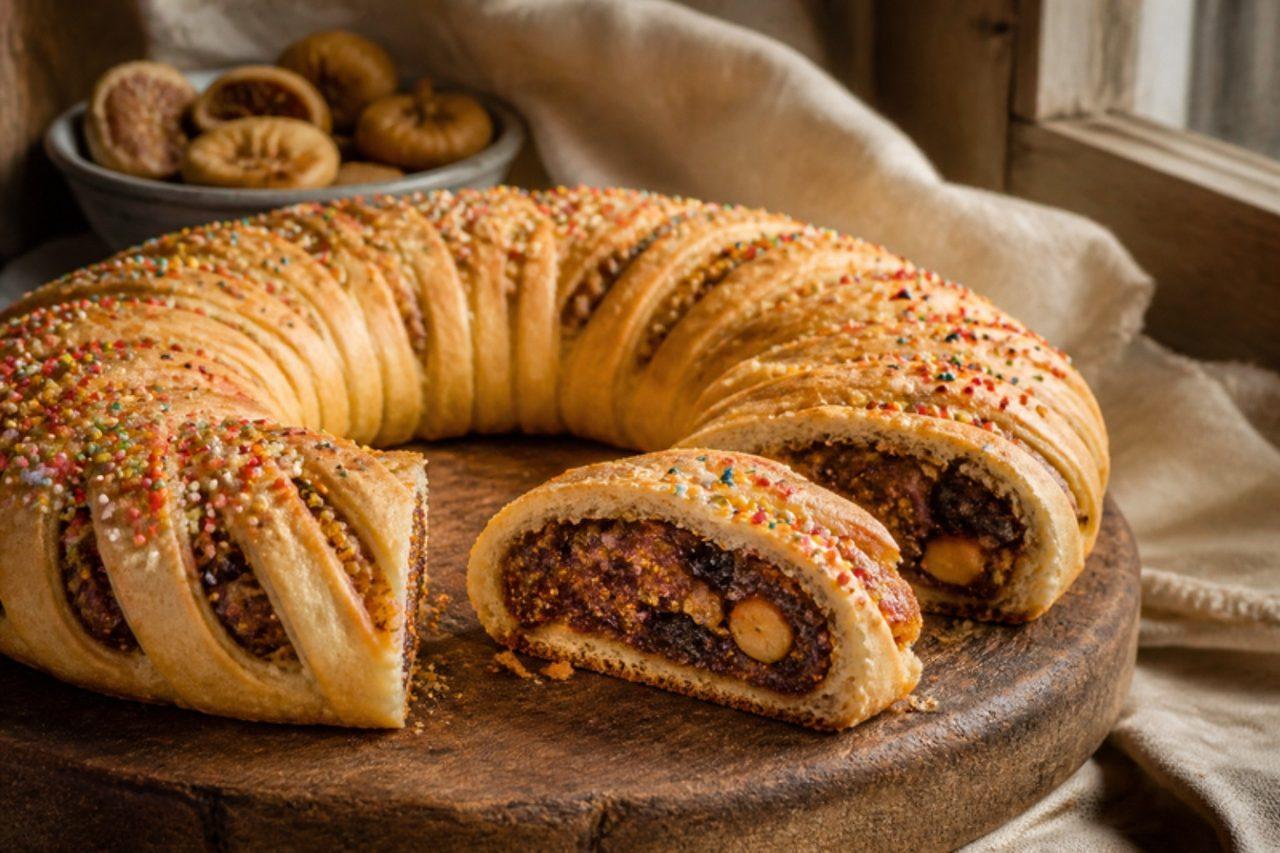
Buccellato sicilianoFig and nut pastry ring

In Palermo and western Sicily, buccellato is the great Christmas ring: a crumbly shortcrust wrapped around a dark, sticky filling of dried figs, raisins, almonds, walnuts, orange peel, chocolate and spices, often decorated with cuts along the top and coloured sprinkles. Families start the filling days ahead and bake several rings to give away. The filling traditionally includes a splash of Marsala; use orange juice for an alcohol-free version. Chef's tip: cut slits along the top of the ring before baking; they let steam out and show off the dark filling.

by KrazyBadal 0 views

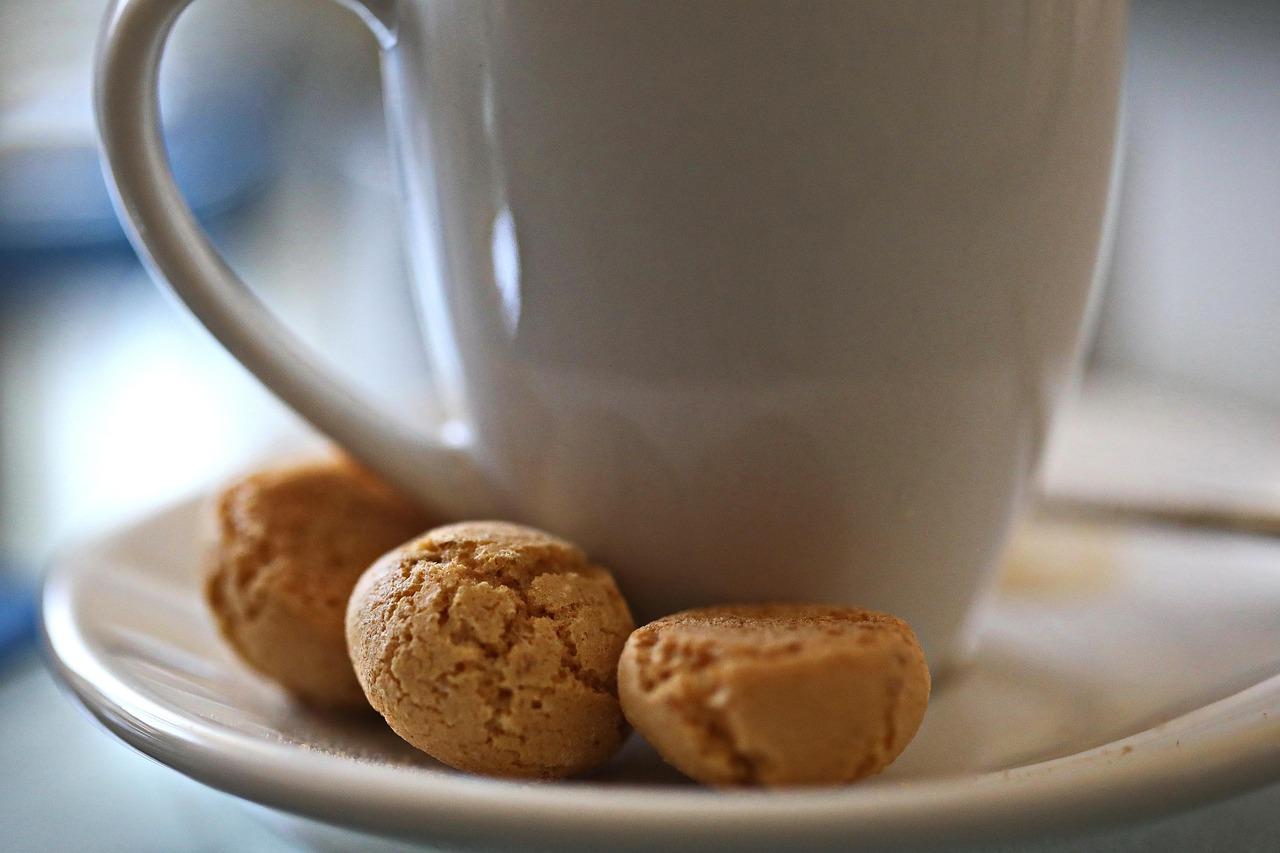
Amaretti

Amaretti, "little bitter ones", are named after the bitter almonds that give them their sharp, marzipan flavour. In Saronno, near Milan, they are crisp and light, wrapped in paper; in Mombaruzzo and Sassello in Piedmont and Liguria they are soft and chewy. Both are eaten with coffee, crumbled over ice cream or baked peaches, and used in the filling for Mantua's pumpkin tortelli. This soft version is naturally gluten free. Chef's tip: use a few drops of almond extract rather than bitter almonds, which are toxic raw in quantity; a little goes a long way.

by KrazyBadal 0 views

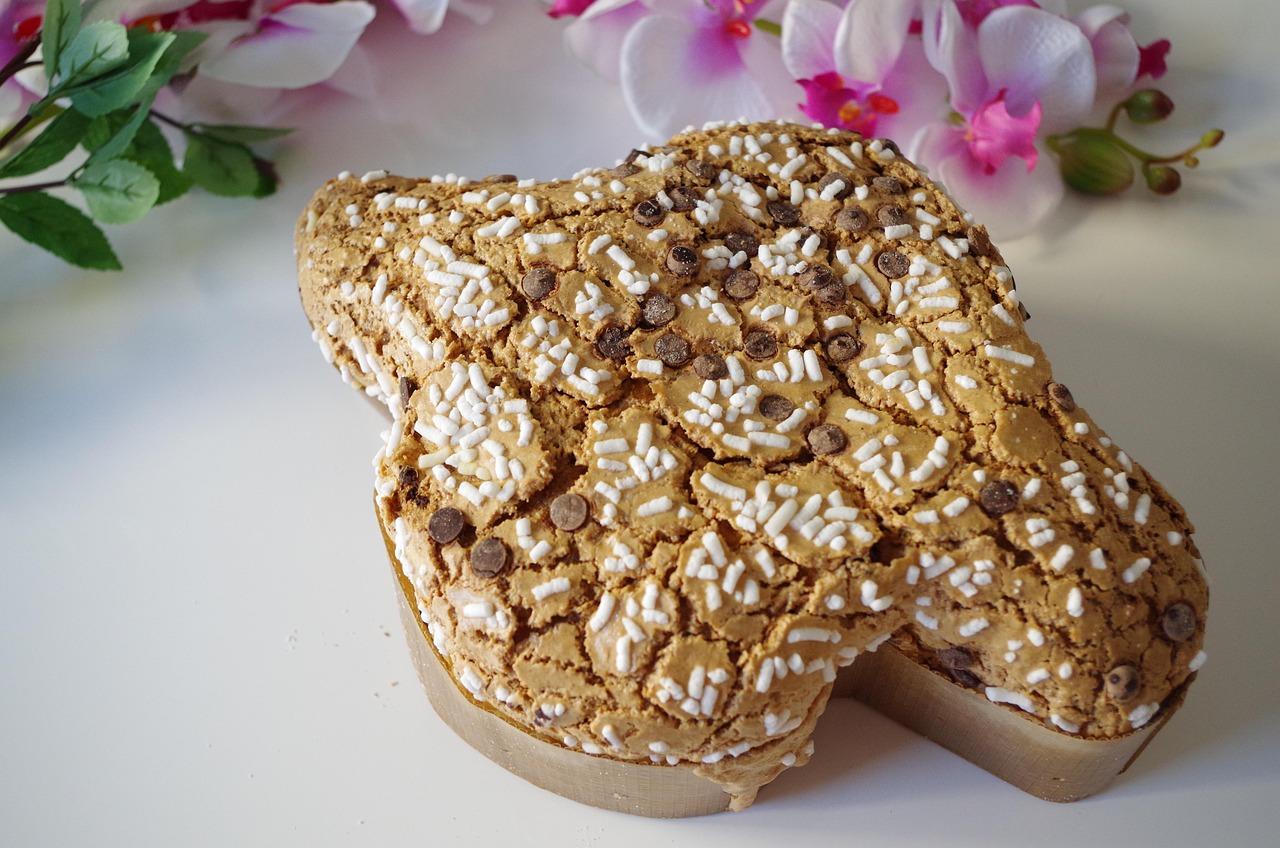
Colomba pasqualeEaster dove bread

The colomba, the "dove" of peace, is Milan's Easter answer to Christmas panettone: a rich, buttery yeasted bread full of candied orange, baked in a dove-shaped paper mould and topped with a crunchy almond and sugar glaze. Italian families buy or bake one for Easter Sunday and eat it for breakfast through Easter Monday. Bakers use a sourdough starter and three days; this home version uses yeast and an overnight rise in the fridge, so it fits a weekend. Chef's tip: let the dough rise until it really reaches the top of the mould before baking; under-risen colomba bakes dense and heavy.

by KrazyBadal 0 views

HoppangRed bean steamed buns

When the first cold snap hits, Korean convenience stores bring out glass steamer cabinets full of hoppang, and office workers grab one for breakfast on the way to the subway. The bun is soft, slightly sweet yeasted dough wrapped around a thick, smooth red bean paste, steamed until pillowy and eaten piping hot. Making them at home takes a morning but they freeze perfectly. The usual mistake is opening the lid too early or steaming over too fierce a heat: the buns collapse and wrinkle, so keep a steady medium heat and leave them to rest 5 minutes before lifting the lid. Contains wheat. Chef's tip: let the shaped buns rise on squares of baking paper; you can move them into the steamer without squashing them.

120 minKoreanBakingVegan
by KrazyBadal 0 views

Migliaccio napoletanoSemolina and ricotta cake

Migliaccio is the cake Neapolitan grandmothers bake on Fat Tuesday, the last day of Carnival before Lent. Its name comes from miglio, millet, which was used before semolina: today semolina is cooked in milk with butter, then mixed with ricotta, eggs, sugar and plenty of orange and lemon zest, and baked into a soft, dense, custardy cake. It is a close cousin of the Easter pastiera, without the pastry. Chef's tip: let the cooked semolina cool before beating in the eggs and ricotta; hot semolina scrambles the eggs and the cake turns grainy.

by KrazyBadal 0 views

Dum ka roatBaked semolina and khoya cake

Dum ka roat is baked in Hyderabadi homes and bakeries in the first ten days of Muharram, and boxes of it are shared with neighbours and at majlis gatherings in the Old City. It is closer to a dense shortbread than a sponge: coarse semolina soaked overnight in ghee and milk, mixed with khoya, sugar, eggs, cardamom and nutmeg, then baked slowly until golden and crumbly with a crunchy almond top. It contains egg, so it is vegetarian with egg, not vegan. Each piece tastes of browned butter, milk and spice, and it keeps for a week in a tin. Eat it with Irani chai. The common mistake is skipping the overnight rest: the semolina stays gritty and the roat falls apart. Chef's tip: bake low and slow, at 160 °C, until the top is deep golden and a skewer comes out with moist crumbs; at higher heat the edges burn before the khoya centre has set.

by KrazyBadal 0 views

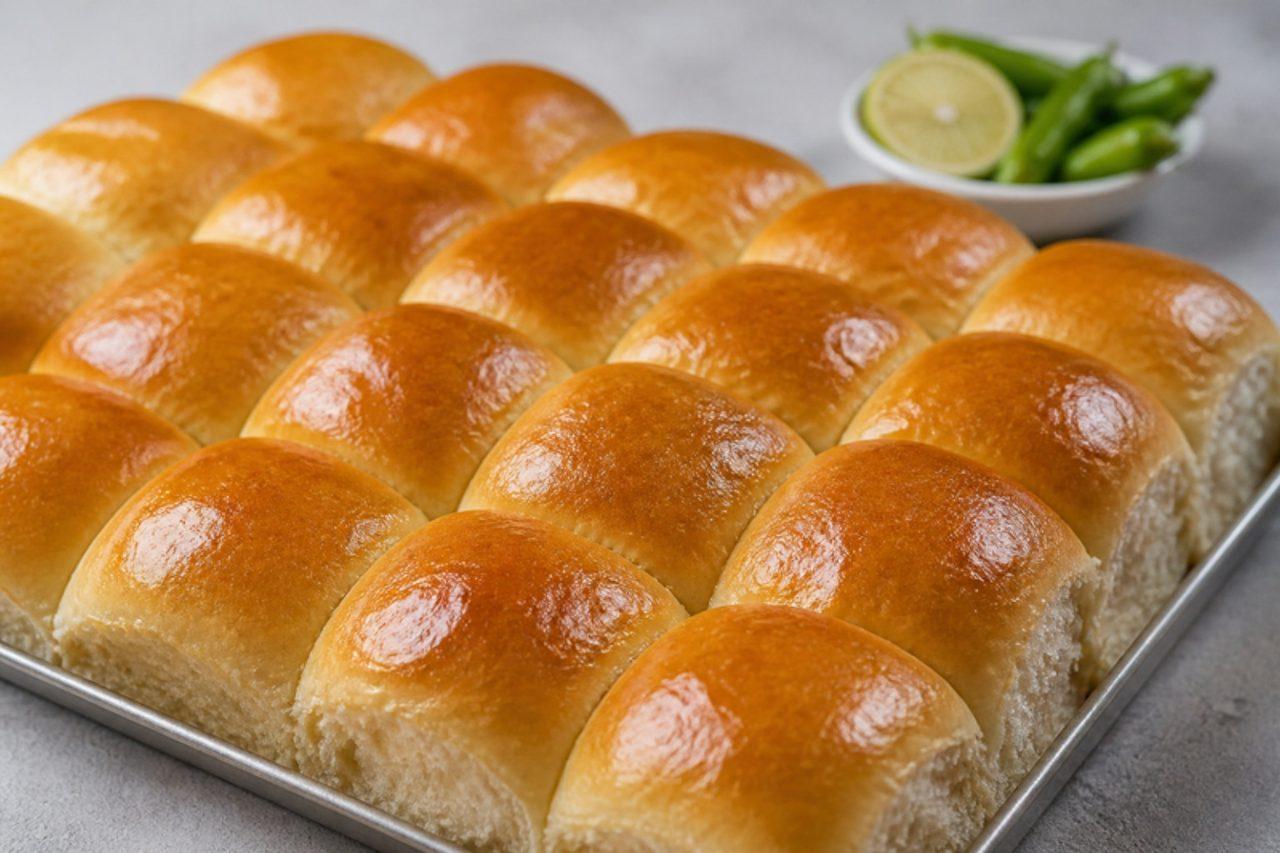
Ladi pavSoft pull-apart bread rolls

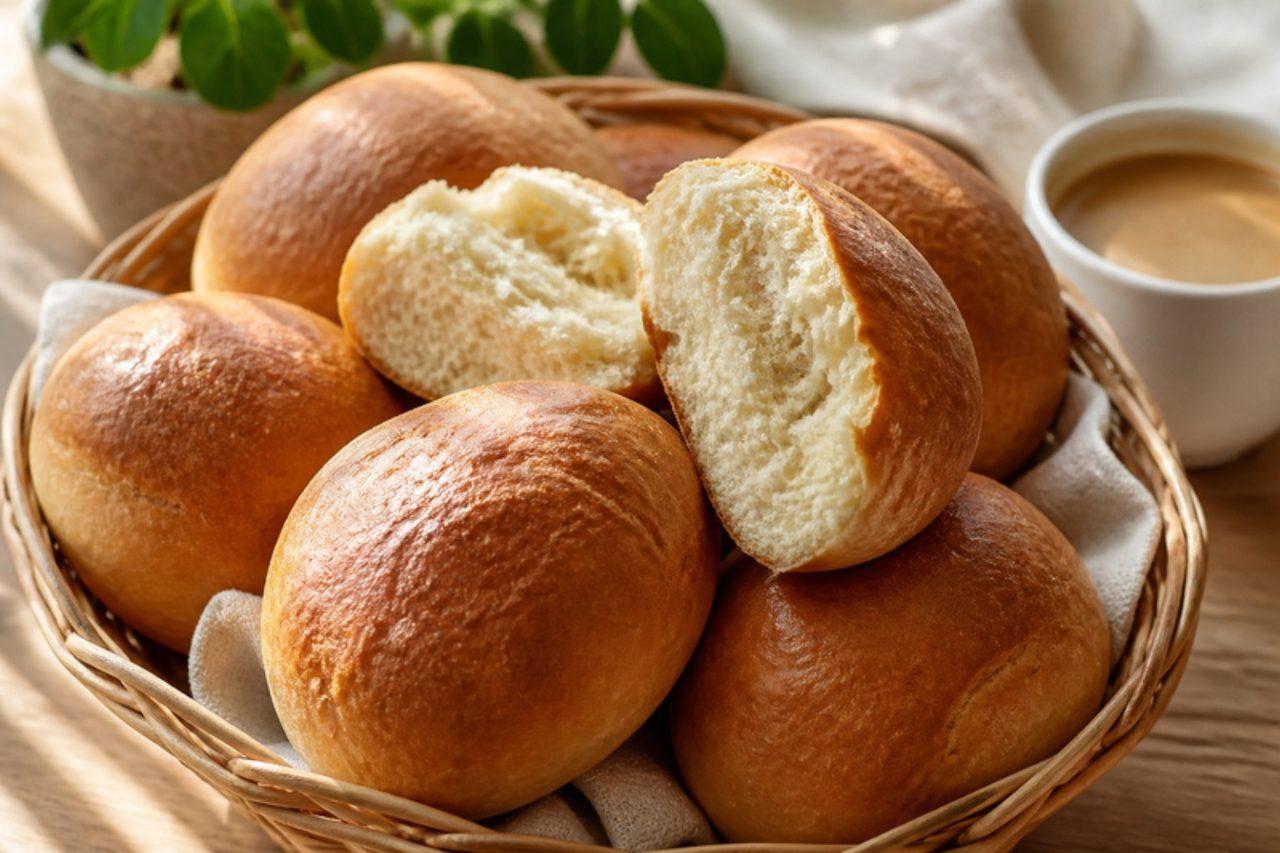
Pav came to Mumbai with the Portuguese and was taken up by the city's Goan and Irani bakeries, and today it is the bread every street snack depends on: vada pav, misal pav, bhurji pav, dabeli and pav bhaji. A ladi is a slab of rolls baked touching each other, so their sides stay pale and fluffy and they tear apart with soft white edges and a thin golden top. This home version uses milk and a little butter for a tender, slightly sweet crumb that holds up to a buttery tawa toast. It bakes in an ordinary oven at 190 °C (170 °C fan). Common mistake: baking the pav too long or too hot, so the crust turns hard and brown; take it out the moment the tops are golden and brush with butter at once. Chef's tip: cover the hot ladi with a clean cloth as it cools; the trapped steam is what gives that typical bakery softness.

by KrazyBadal 0 views

BolinhasSemolina and coconut cookies

Bolinhas (small balls in Portuguese) are the cookies Goan Catholic families bake in batches for the Christmas kuswar, the tins of sweets sent to friends and neighbours in Panjim and Salcete in mid-December. Fresh coconut is cooked briefly in a sugar syrup, mixed with semolina and left overnight so the grains soften, then bound with butter and egg yolks, shaped into small balls, marked with a fork or a cross and baked until golden. The texture is sandy and crumbly outside with a chewy coconut centre, and they smell of cardamom and browned butter. They contain egg yolk, so they are vegetarian with egg, not vegan. The common mistake is baking them the same day: unsoaked semolina stays gritty and the cookies spread. Chef's tip: shape with slightly damp hands and keep them small, about 3 cm; they puff a little and need room on the tray.

by KrazyBadal 0 views

AmchurDry mango powder

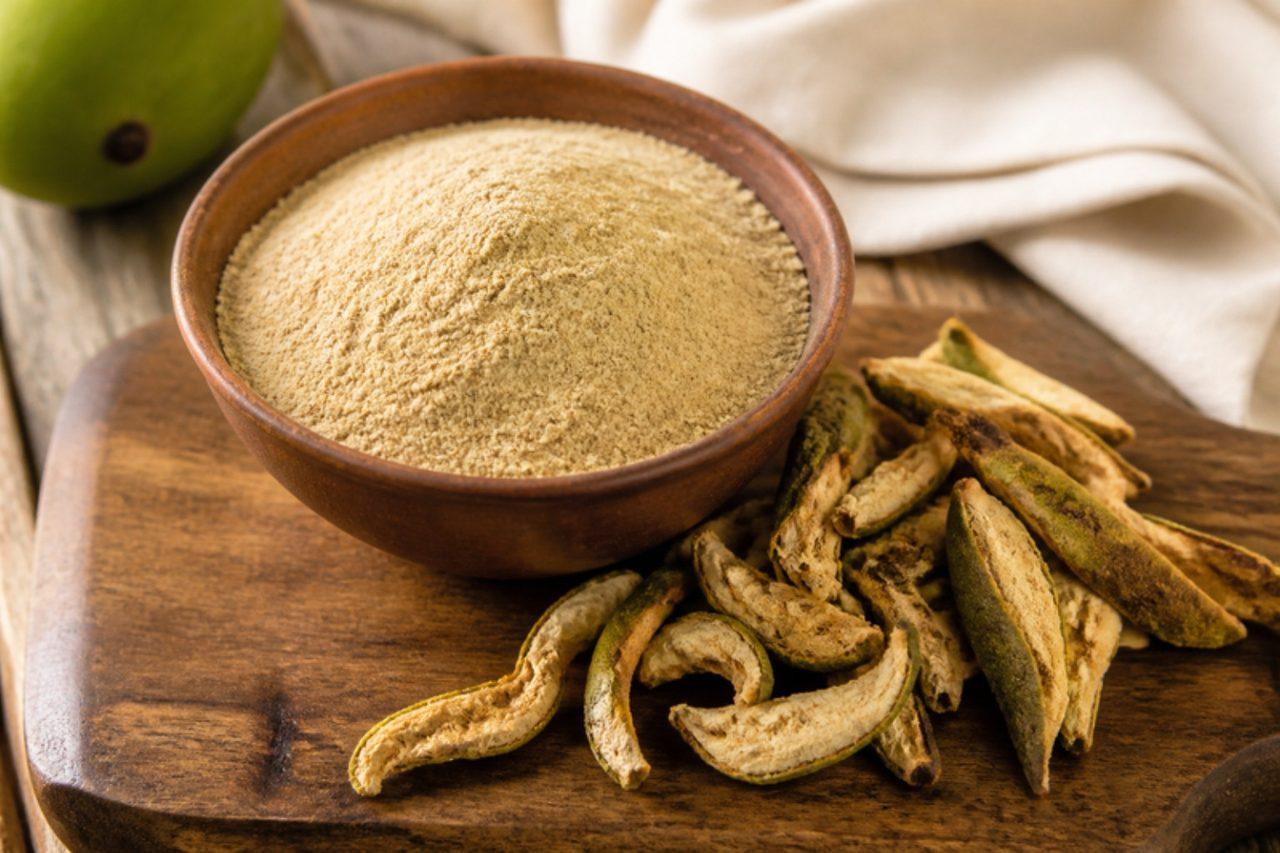
Every Punjabi and UP kitchen keeps a jar of amchur next to the jeera and haldi, and the homemade version smells far fresher and sourer than most shop powder. In villages around Saharanpur and Malihabad, the raw mangoes that fall in early-summer storms are peeled, sliced and spread out to dry, and the brittle slices (amchur khatai) are either stored whole or ground. Amchur gives a fruity, mouth-puckering sourness without any liquid, which is why it goes into dry dishes where tomato or tamarind would make things soggy: bhindi masala, stuffed karela, samosa and kachori fillings, chole, chaat masala and pav bhaji masala. A kilo of mangoes gives roughly 100 g of powder. Common mistake: grinding slices that still bend; even slight moisture makes the powder clump into hard lumps in the jar. Chef's tip: choose small, rock-hard, very sour green mangoes with white flesh, not ones starting to turn yellow; riper fruit dries into a brown, sweetish powder.

by KrazyBadal 0 views

Bengali boriSun-dried lentil dumplings

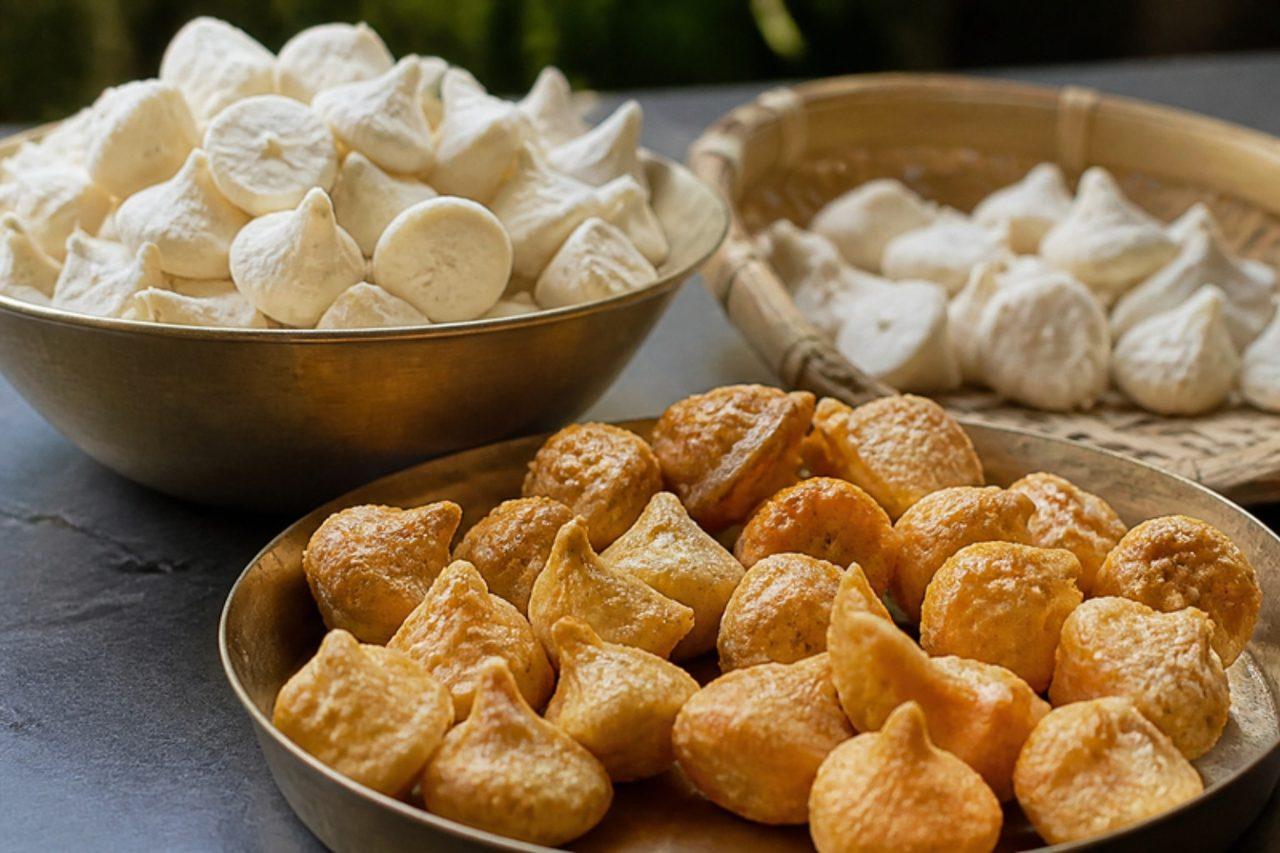
Winter mornings in rural Bengal used to mean bori-making: the household gathered on the roof with a big bowl of freshly ground, hand-whipped urad dal and dropped little peaked dollops onto cloth in neat rows. In Medinipur the women even pipe them into lace-like gohona bori, a folk art of its own. The everyday kind is simpler, a cone the size of a marble, sun-dried until rock hard. Fried in mustard oil, a bori turns crisp and golden outside and slightly spongy inside, and it soaks up gravy beautifully. A handful goes into shukto, into a maacher jhol with potatoes, into lau ghonto (bottle gourd) or into a simple vegetable chorchori. Common mistake: grinding the dal with too much water; the paste then spreads flat on the cloth instead of holding a peak. Chef's tip: check the whipped paste by dropping a little into a bowl of water. If it floats, it has enough air and the bori will be light; if it sinks, keep beating.

by KrazyBadal 0 views

MacatiaSweet breakfast buns

Bakeries in Saint-Denis and Saint-Paul fill their shelves with macatias before dawn, and they go fast: plump, shiny buns with a close, cotton-soft crumb and just enough sugar to taste sweet with black coffee. Children take them to school, workers tear one open on the bus, and people split them and fill them with butter, cheese or even a spoon of cari for a quick lunch. Some bakers add grated coconut and call them macatia coco. The commonest mistake is using milk that is too hot, which kills the yeast; it should feel just warm on your wrist. Chef's tip: brush the buns with a little milk as soon as they come out of the oven and cover them with a cloth, which keeps the crust soft rather than crisp.

by KrazyBadal 0 views

Pâté créolePork and chicken pie

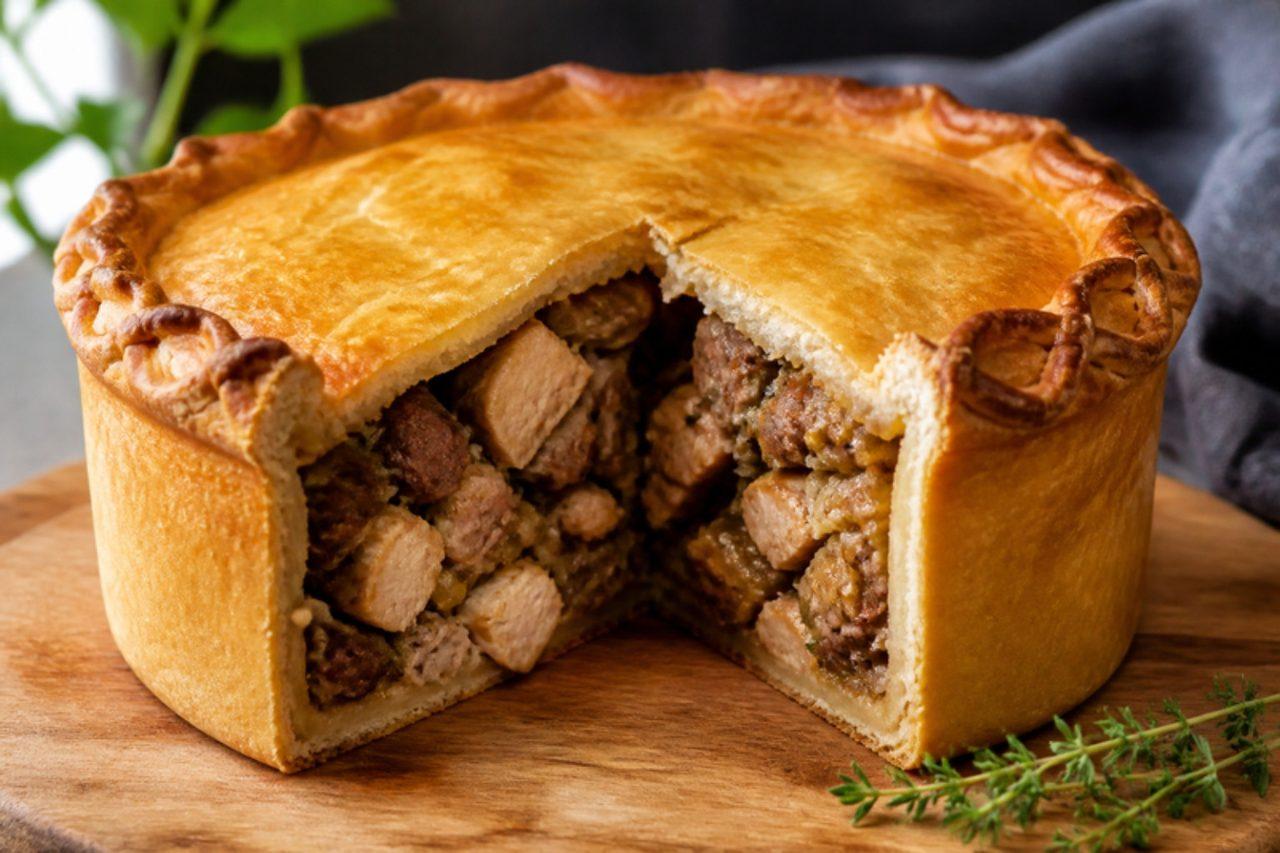
Christmas Eve, New Year and big christenings in Réunion are not complete without a pâté créole, a deep, golden shortcrust pie filled with pork and chicken that have spent a night soaking up garlic, ginger, thyme, parsley and four-spice. It bakes slowly so the meat cooks in its own juices into a tender, fragrant filling that slices neatly, and it is served warm or at room temperature with a green salad. Families often order one from the local baker or traiteur, but it is a satisfying weekend project at home. Because the filling goes in raw, the usual mistake is cutting the meat too large and taking the pie out too early; dice it small and check the centre with a thermometer. Chef's tip: keep a little hole in the middle of the lid; it lets steam escape so the crust stays crisp, and it is exactly where the thermometer goes.

by KrazyBadal 0 views

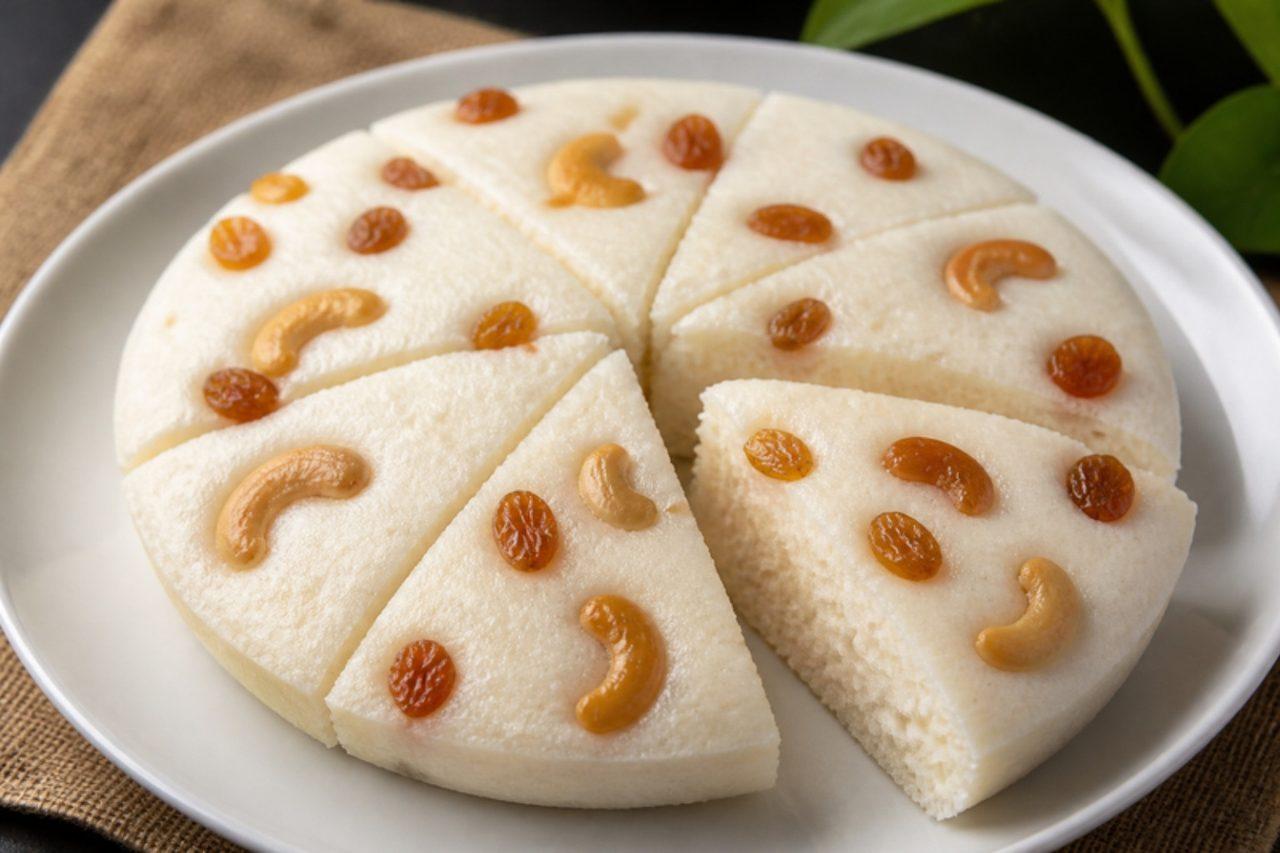
VattayappamSteamed rice and coconut cake

In Syrian Christian homes in Kottayam and Thiruvalla, vattayappam is the sweet that appears on Christmas and Easter mornings and goes in boxes to every neighbour. A batter of raw rice and coconut is fermented until airy, sweetened, flavoured with cardamom and steamed in a round plate until it rises into a fluffy, honeycombed cake. It is light, moist and gently sweet, with a faint tang from the ferment. Grandmothers used kallu (coconut toddy) to ferment it; this recipe uses dried yeast instead and contains no alcohol at all. Eat it warm with tea, or alongside chicken stew for breakfast. The common mistake is a batter that is too thick: it steams heavy and dense. It should pour like thick pancake batter. Rice and coconut only, so it is naturally gluten-free and vegan. Chef's tip: cook a spoon of the soaked rice into a soft porridge (kurukku) and grind it in; that is what gives vattayappam its fine, silky crumb.

by KrazyBadal 0 views

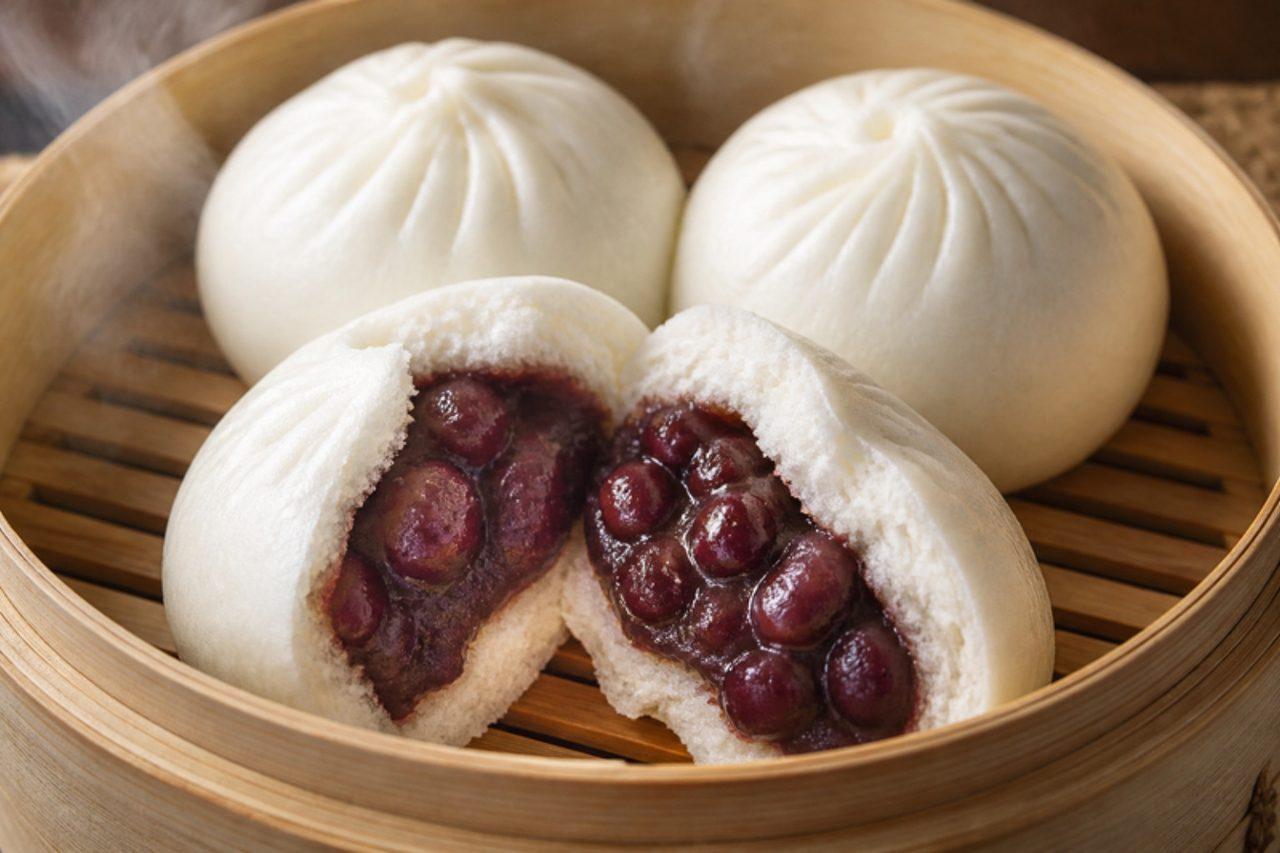
Dousha bao (red bean buns)

All over China, from Beijing breakfast stalls to Shanghai school bags, dousha bao are the sweet buns people grab in the morning and tuck into a lunch box for later: fluffy white yeasted dough wrapped around smooth red bean paste and steamed until springy. They freeze beautifully, so families make a big batch on Sunday. The mistake is opening the steamer lid as soon as the timer goes; the sudden cold makes the buns wrinkle and collapse. Turn off the heat and wait five minutes before lifting the lid. Chef's tip: chill the bean paste and roll it into balls before wrapping; a firm filling is much easier to seal neatly.

by KrazyBadal 0 views

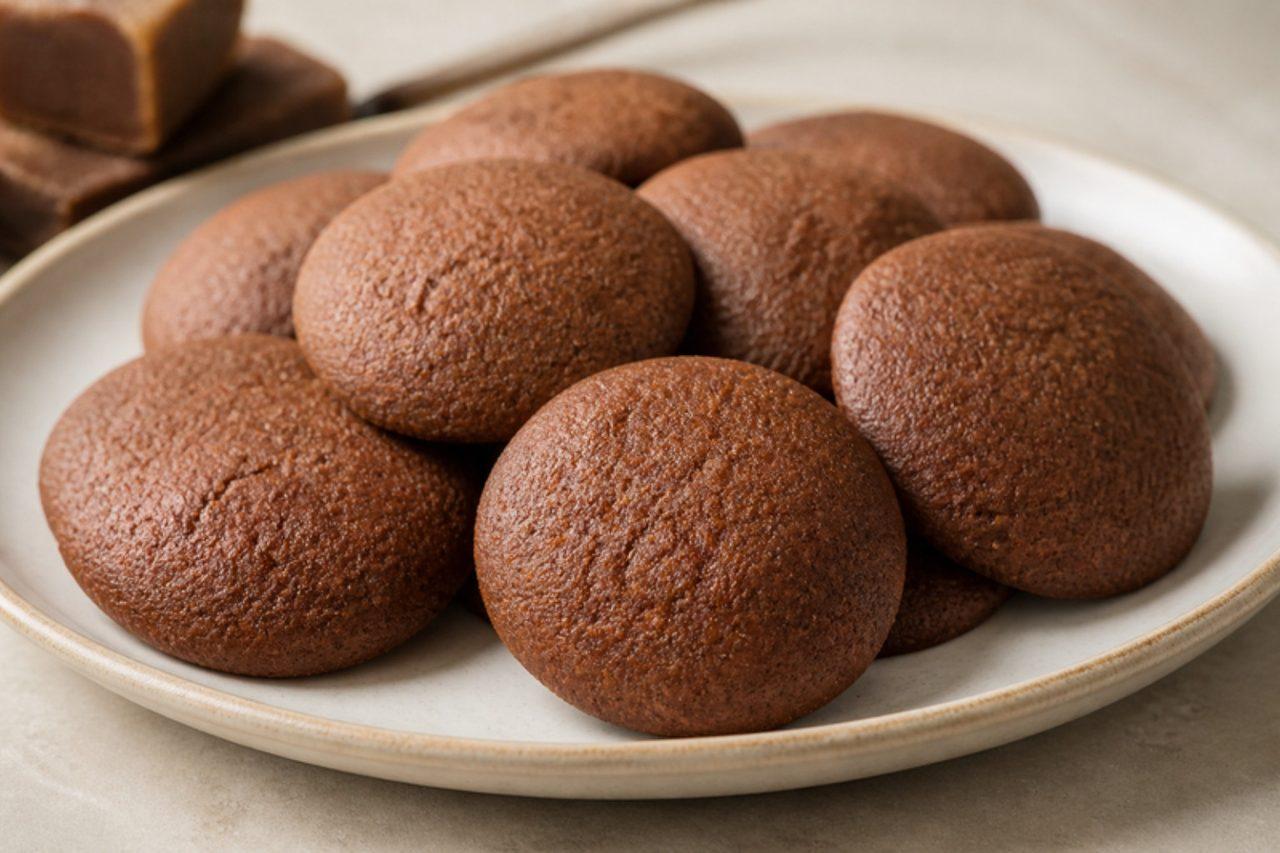
CatalinasChewy panela anise cookies

Catalinas are the big dark cookies stacked in clear bags by the till of every Venezuelan bodega and panadería, eaten as a mid-afternoon snack with a glass of cold milk or a small black coffee. The dough is sweetened with melted panela and perfumed with anise, cinnamon and clove, and they stay soft and chewy for days. The mistake people make is baking until hard; they firm up as they cool. Chef's tip: take them out when they have puffed and the edges just feel set.

by KrazyBadal 1 views

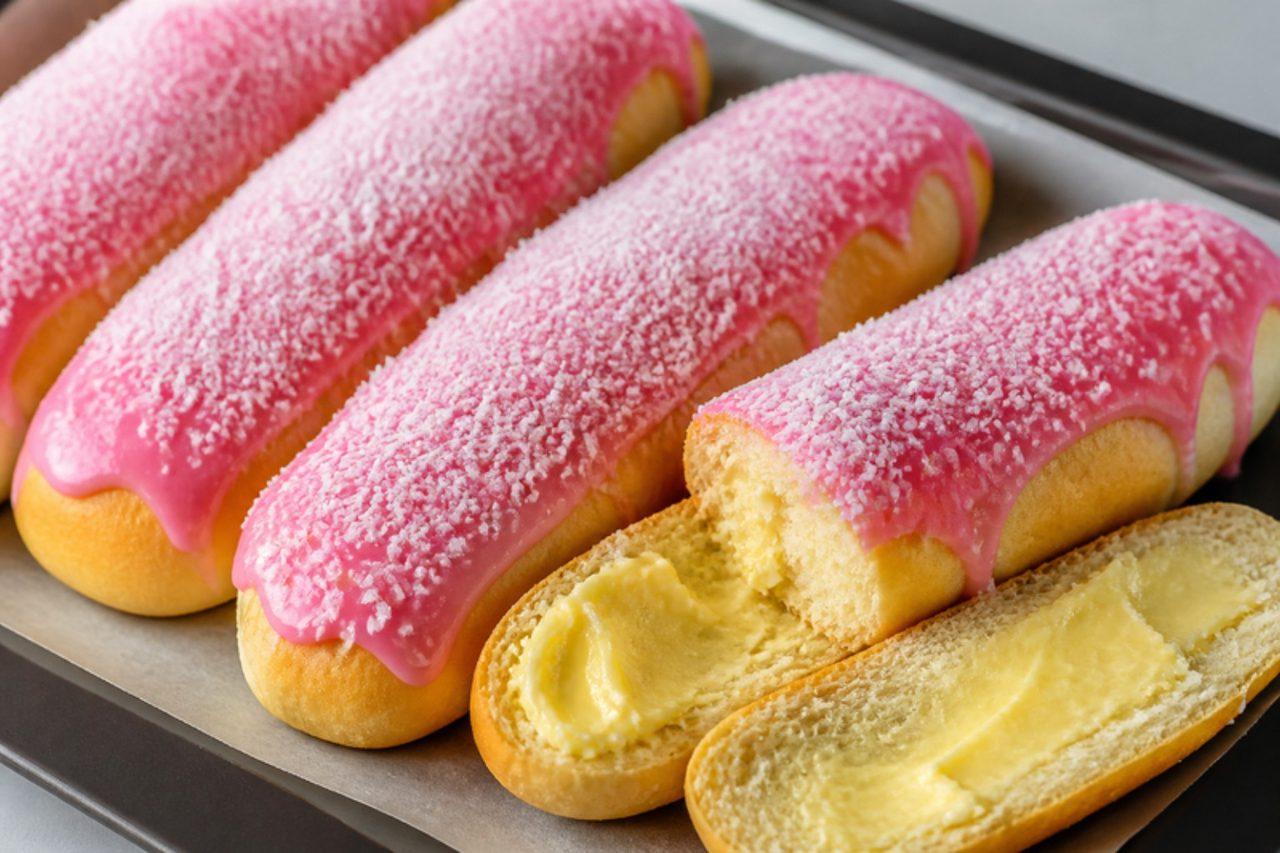
Finger bunsIced coconut finger buns

Finger buns are the classic Australian school canteen and tuckshop bun, sold in every suburban bakery and supermarket from Perth to Brisbane: soft, slightly sweet long rolls, sometimes with sultanas, topped with bright pink icing and a scatter of desiccated coconut. Kids eat them split and buttered. A common mistake is icing them warm, which makes it run off; let them cool completely. Chef's tip: brush them with a sugar glaze straight from the oven for a soft, shiny crust under the icing.

by KrazyBadal 0 views

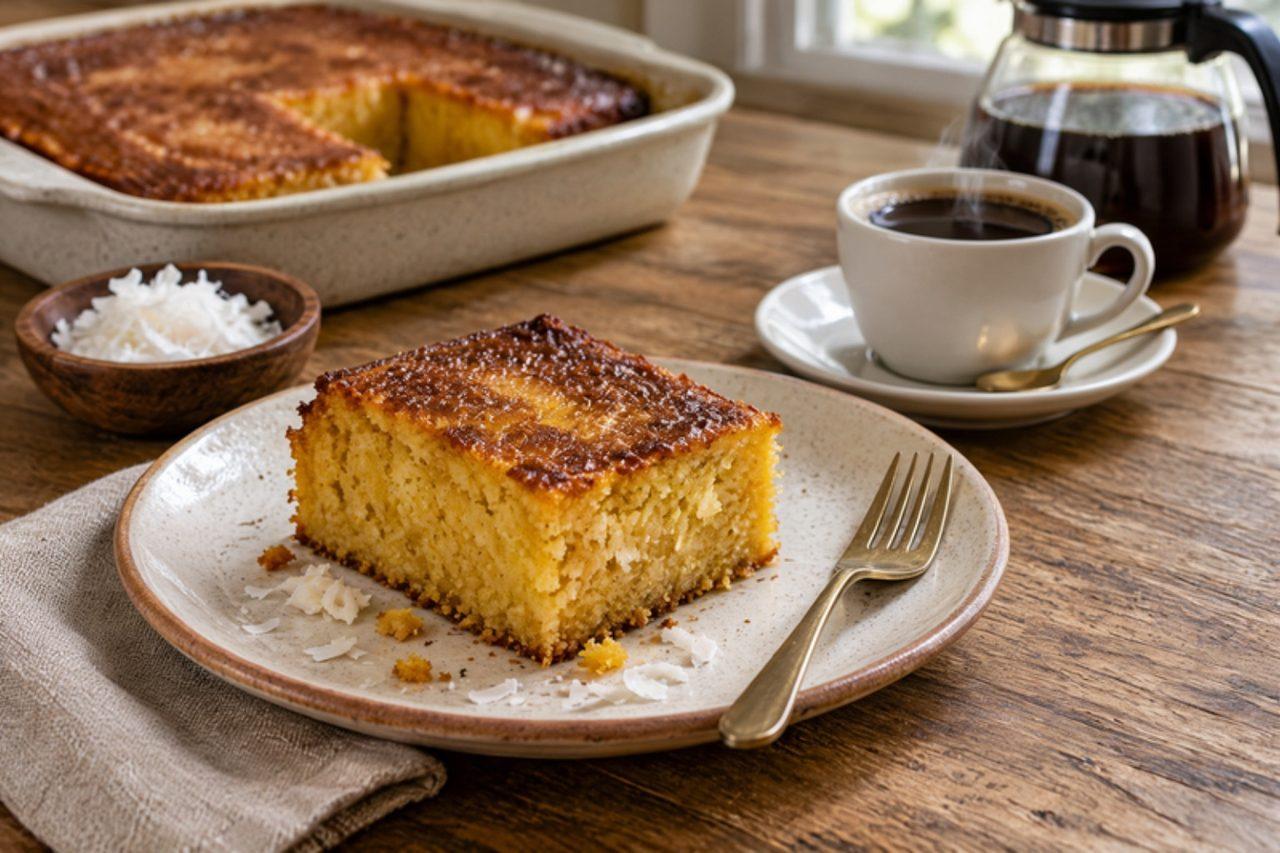
Bolo de pubaFermented cassava cake

In Bahia, Pernambuco and Maranhão the afternoon and early-morning coffee table often carries a slab of bolo de puba, a dense, custardy cake made from puba, cassava that has been soaked until it ferments and softens into a tangy white paste. Coconut milk, grated coconut, eggs and butter turn it into something between a cake and a pudding, with a caramel-brown crust and a moist, slightly springy middle; it is especially loved around the June São João festivals. Puba is sold in Brazilian and African grocers as massa puba or carimã; it contains no wheat, so the cake is naturally gluten free. The common mistake is cutting it hot: it sets as it cools and will be gummy if sliced too early. Chef's tip: squeeze the puba in a clean cloth first if it is very wet, so the batter is thick enough to hold the coconut in suspension rather than letting it sink.

by KrazyBadal 0 views

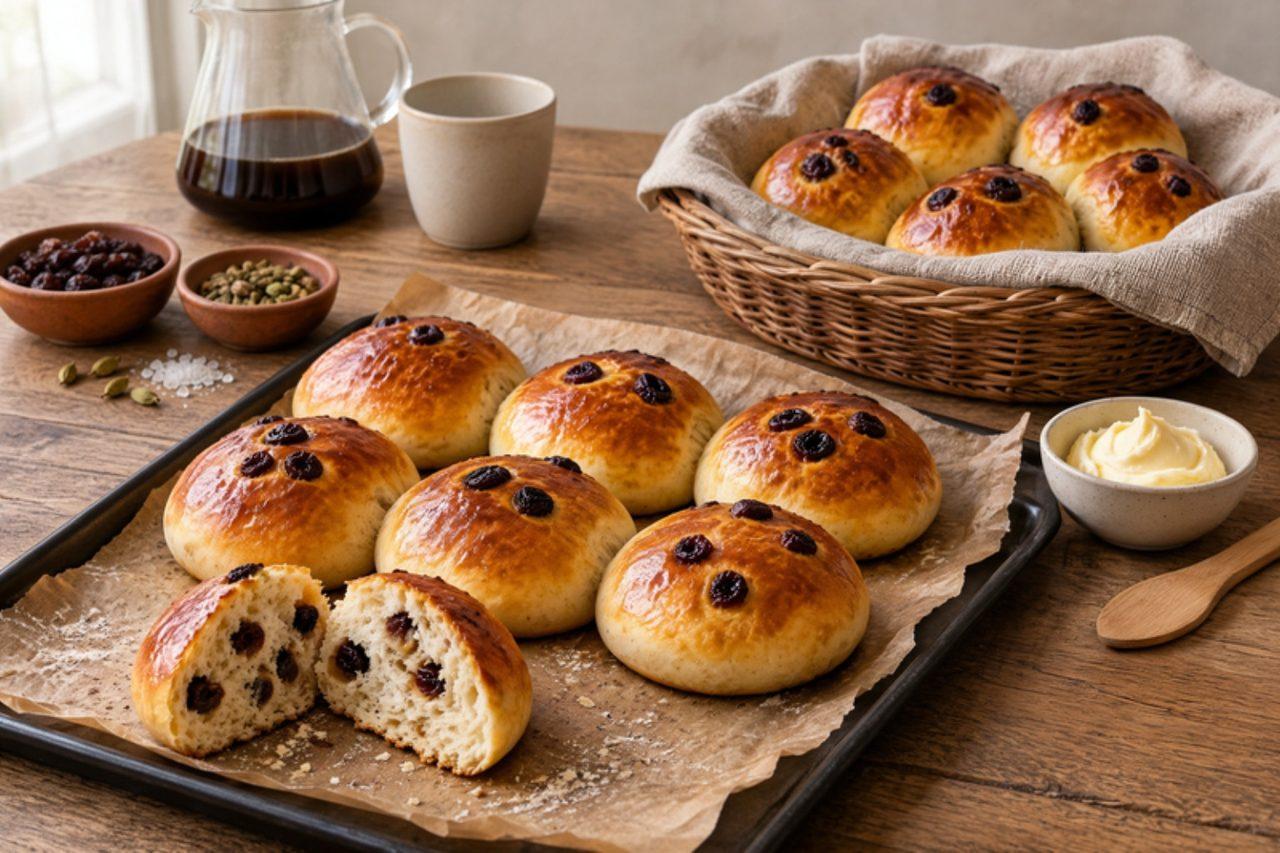
RosinbollerCardamom raisin buns

In Norway, rosinboller are what a parent bakes on Sunday so the week's lunch boxes have something sweet, and what fills the tables at every school dugnad and bake sale. The dough is enriched with milk and butter and scented with freshly ground cardamom, and the buns are pulled apart soft and golden. The common mistake is using hot milk: anything above blood heat kills the yeast and the buns stay flat. Chef's tip: crush the cardamom seeds yourself just before mixing; the pre-ground powder loses most of its perfume.

by KrazyBadal 0 views

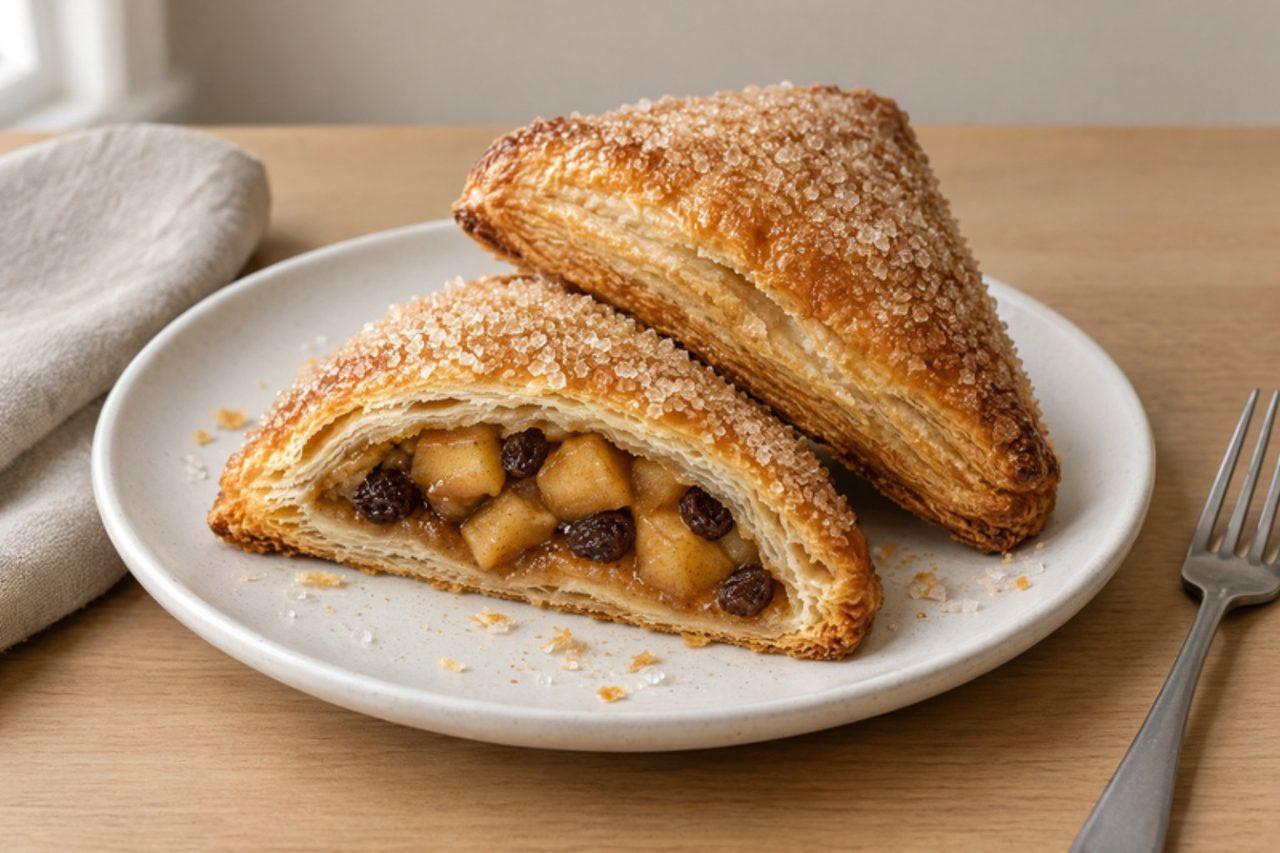
AppelflapApple puff pastry

An appelflap is the snack Amsterdammers pick up at the bakery counter or the Albert Cuyp market on a grey afternoon: a triangle of flaky puff pastry, packed with soft cinnamon apple and plump raisins, its top crackling with sugar. You eat it from a paper bag on a bench by the canal, or with a coffee at about four o'clock, and the filling is always hotter than you expect. Chef's tip: cook the apple filling first and let it cool completely; warm filling melts the butter in the pastry and you lose the layers.

by KrazyBadal 0 views

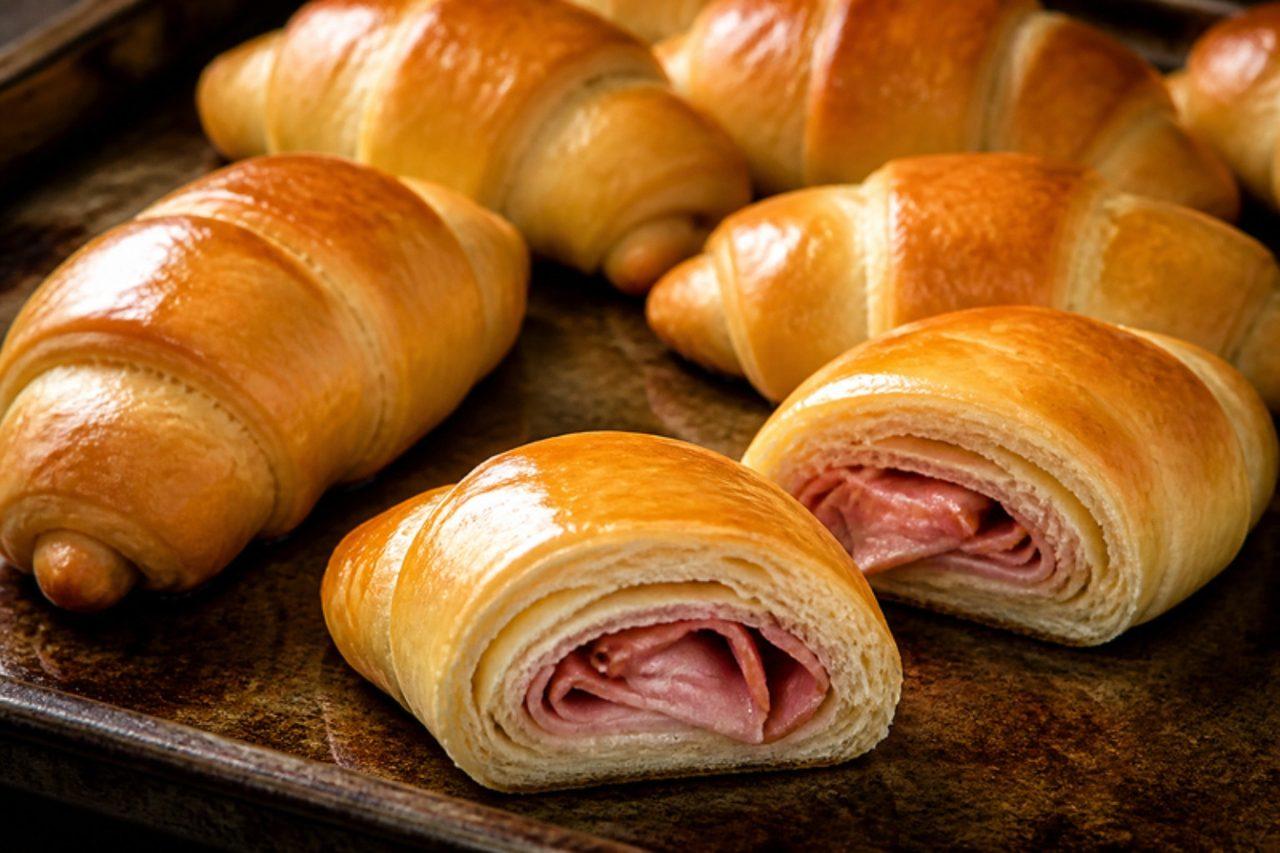
Cachitos de jamónHam-filled crescent rolls

Every Caracas panadería opens its morning with trays of cachitos: soft, slightly sweet crescent rolls wrapped around finely chopped cooked ham (pork), eaten standing at the counter with a café con leche. Some bakeries add a little bacon or cheese; cheese-only cachitos are a good vegetarian swap. The common mistake is overfilling, so the ham pokes out and burns. Chef's tip: roll each wedge snugly from the wide end and tuck the point underneath so it doesn't unroll as it bakes.

by KrazyBadal 0 views

KneippbrødWholemeal loaf

Open almost any Norwegian matpakke (the packed lunch wrapped in paper) and you will find slices of kneippbrød, a soft, lightly sweet loaf of sammalt hvete (wholemeal wheat) baked in a tin. Its fine crumb slices thin without crumbling, perfect for brown cheese, jam or cucumber at the school desk. The common mistake is adding too much flour while kneading because wholemeal dough feels sticky; the loaf then bakes dense and dry. Chef's tip: let the dough rest for 20 minutes after mixing, before kneading, so the bran softens and the dough turns smooth on its own.

by KrazyBadal 0 views

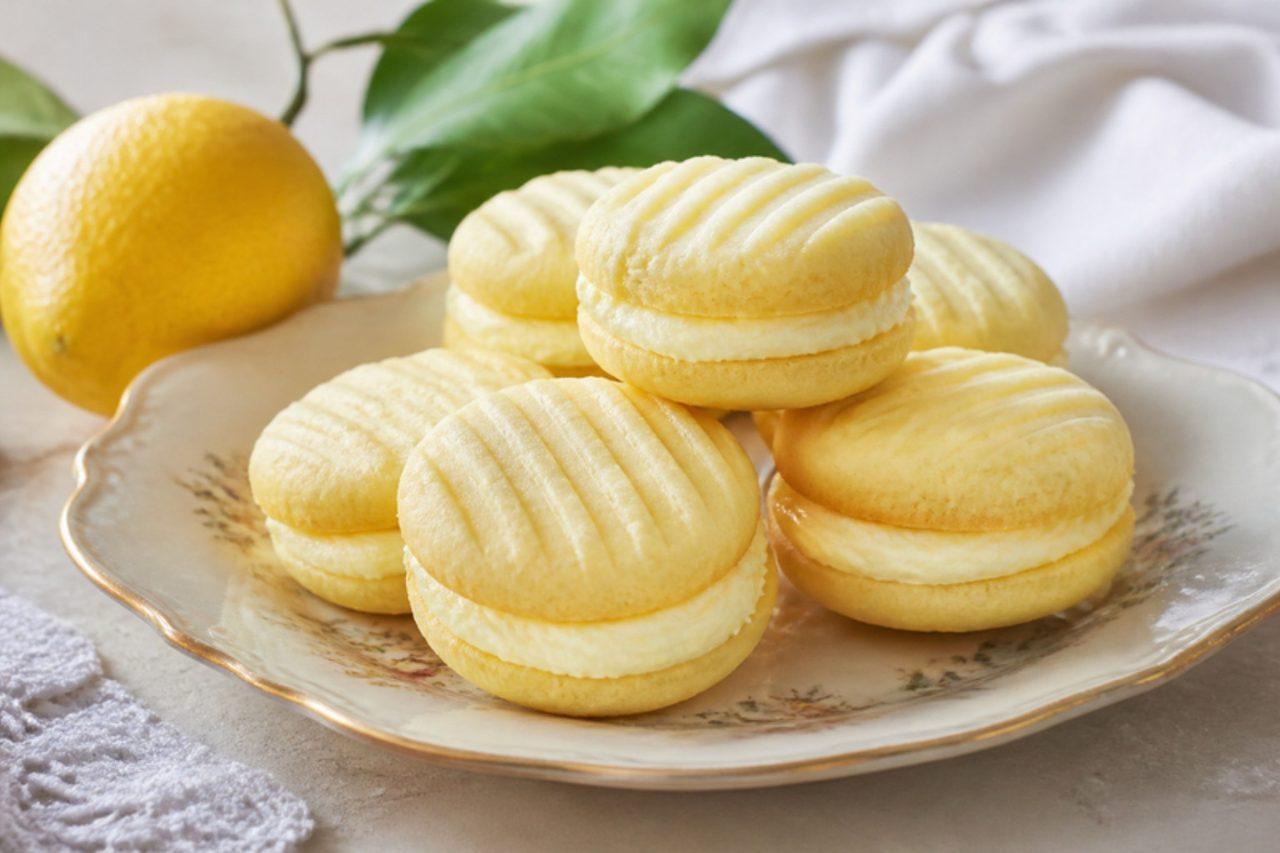
Melting momentsLemon buttercream sandwich biscuits

Melting moments are the soft, crumbly biscuits found in Australian and New Zealand bakery jars and grandmother's tins, two rounds made with custard powder and icing sugar sandwiched with a lemon butter icing. The custard powder gives them their yellow colour and tender, short texture that melts in the mouth, hence the name. A common mistake is overbaking; they should be pale, not golden. Chef's tip: press each ball with a floured fork for the classic stripes.

by KrazyBadal 0 views

Tarta de zapallitosCourgette and cheese tart

In Buenos Aires every rotisería sells tartas by the slice, and at home a tarta de zapallitos is baked on Sunday evening so that a wedge can go into the vianda (packed lunch) for school and work all week. Zapallitos are round green courgettes; ordinary courgettes work just as well. The common mistake is adding the courgette raw, which floods the pastry; sauté it until the liquid has cooked away. Argentine queso rallado and many hard cheeses are made with animal rennet, so use a vegetarian hard cheese. Chef's tip: bake the tart on a preheated baking tray so the base crisps before the filling soaks in.

by KrazyBadal 0 views

Pumpkin scones

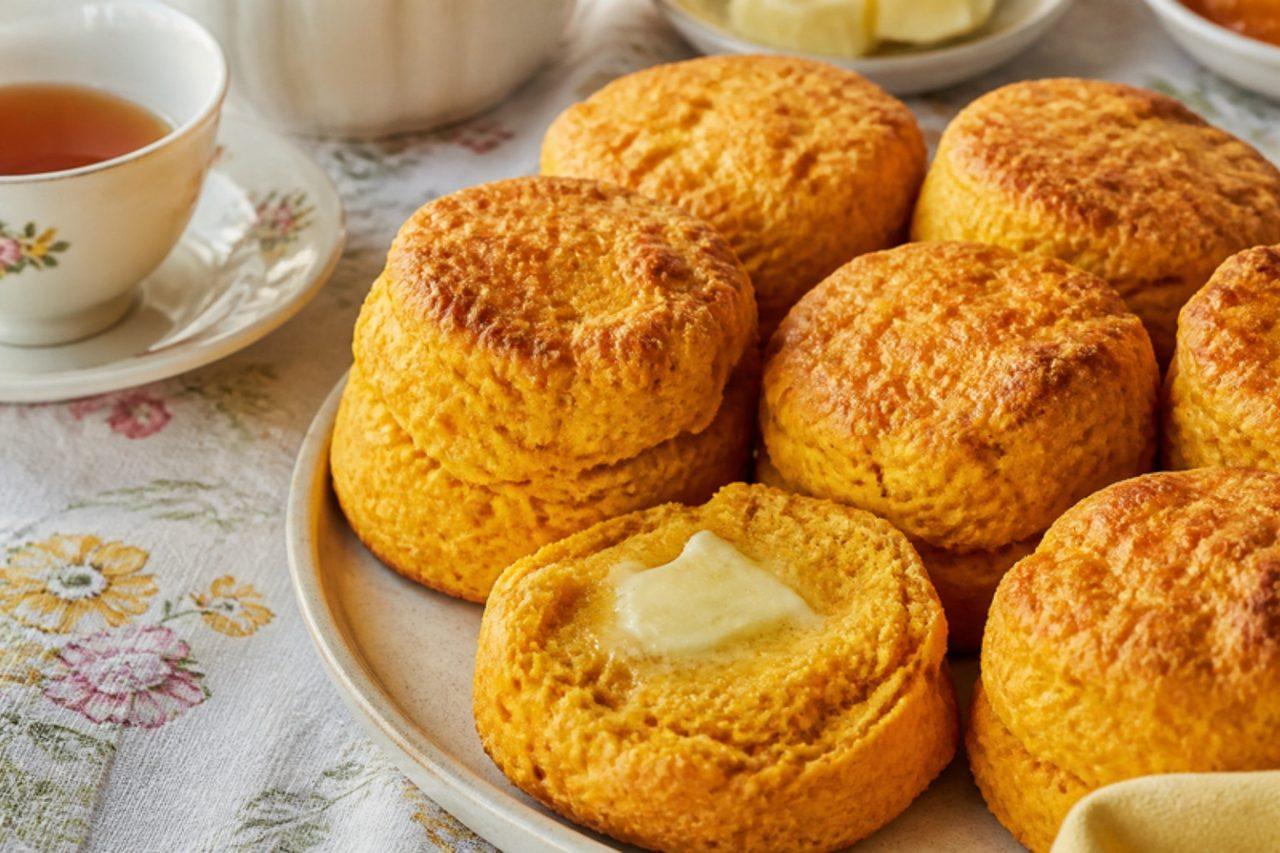
Pumpkin scones are a Queensland country tradition, made famous by the farm-raised wife of a long-serving state premier and baked for every Country Women's Association morning tea from Toowoomba to Rockhampton. Mashed pumpkin makes them golden, soft and slightly sweet, and they are best warm from the oven with plenty of butter. A common mistake is wet pumpkin; steam or roast it and let it cool so the dough isn't sticky. Chef's tip: cut straight down without twisting the cutter, so the scones rise tall and even.

by KrazyBadal 0 views

Vanilla slice

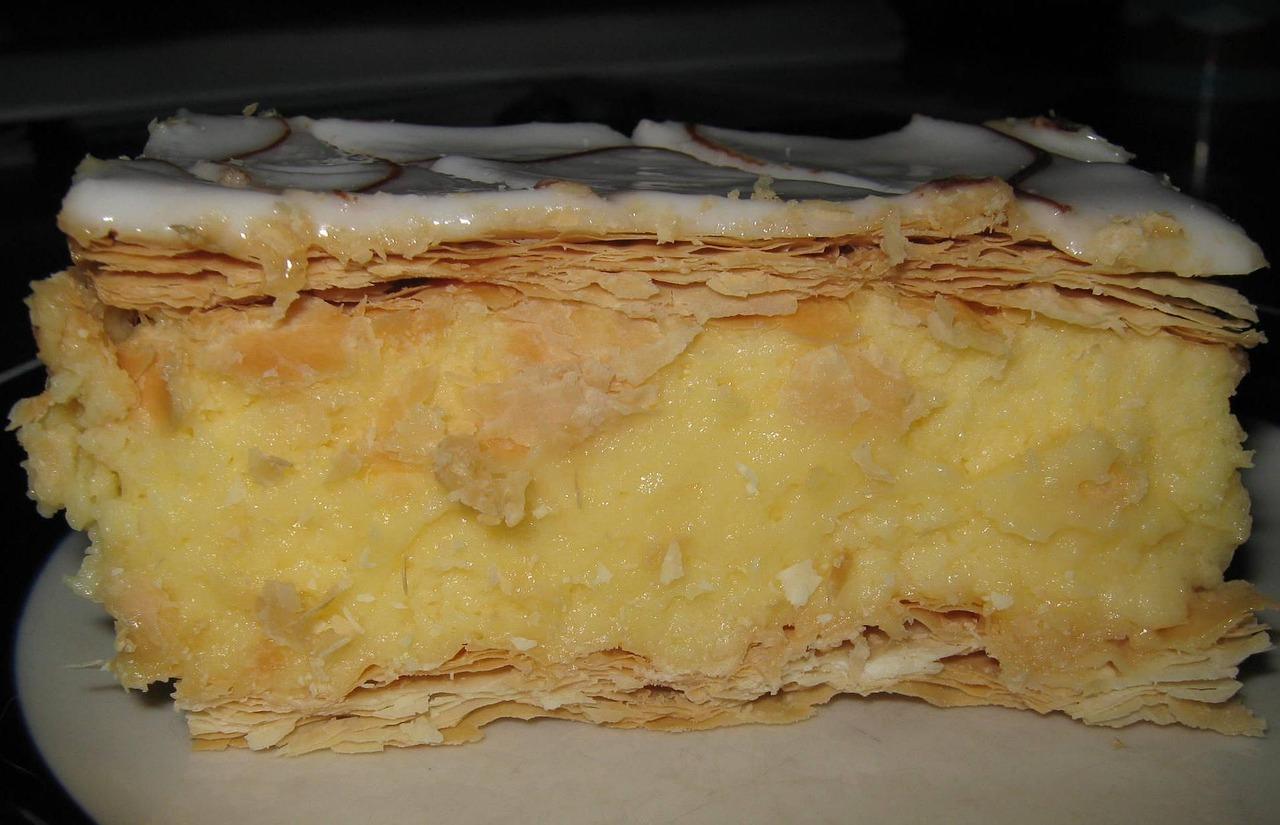
The vanilla slice, or snot block as Aussie kids call it, is the country bakery's pride; towns like Ouyen in north-west Victoria even hold a yearly competition for the best one. A thick, wobbly vanilla custard is set between two sheets of crisp puff pastry and topped with white or passionfruit icing. It needs a few hours to set but is easy. A common mistake is a soft custard that oozes when cut; it must boil for a full minute to thicken properly. Chef's tip: prick and weigh the pastry down with a tray while baking so it stays flat and thin.

by KrazyBadal 0 views

Brazo de reinaSponge roll with dulce de leche

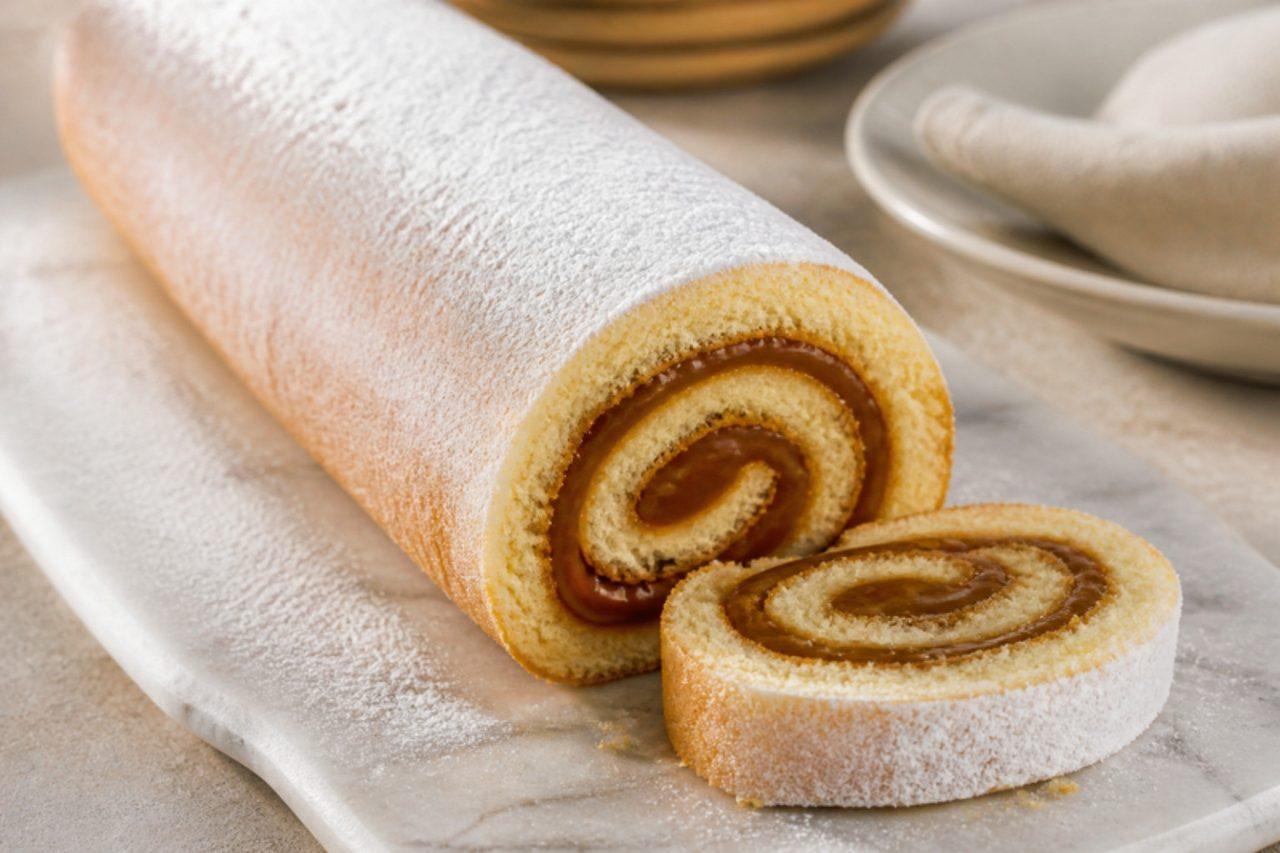
The 'queen's arm' sits in the glass cabinet of every Chilean bakery: a light sponge rolled around a thick layer of manjar (Chilean dulce de leche) and dusted with icing sugar. At home it is the cake for a birthday tea or an unexpected visitor, because it bakes in 10 minutes. The common mistake is overbaking: a dry sponge cracks as you roll it. Take it out the moment it springs back. Chef's tip: roll the sponge up in a sugared tea towel while it is still hot and let it cool that way; it remembers the shape and won't crack when you fill it.

by KrazyBadal 0 views

Showing 48 of 818 recipes

Show more recipes

Page 2 of 35