Skip to content
Recipes

All recipes

Vegetarian, or something you can't eat? Set your diet once and we'll hide recipes that don't fit.

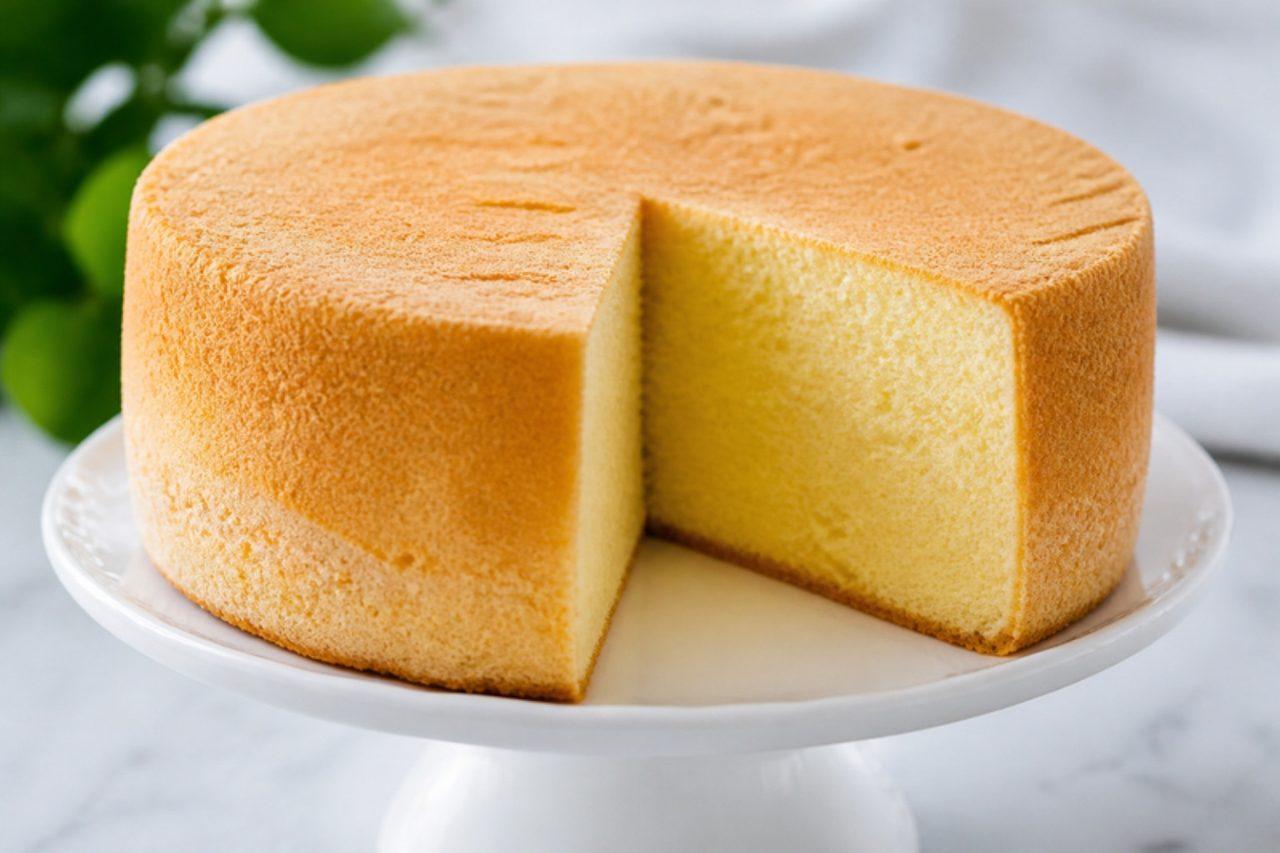
BizcochueloPlain whisked sponge cake

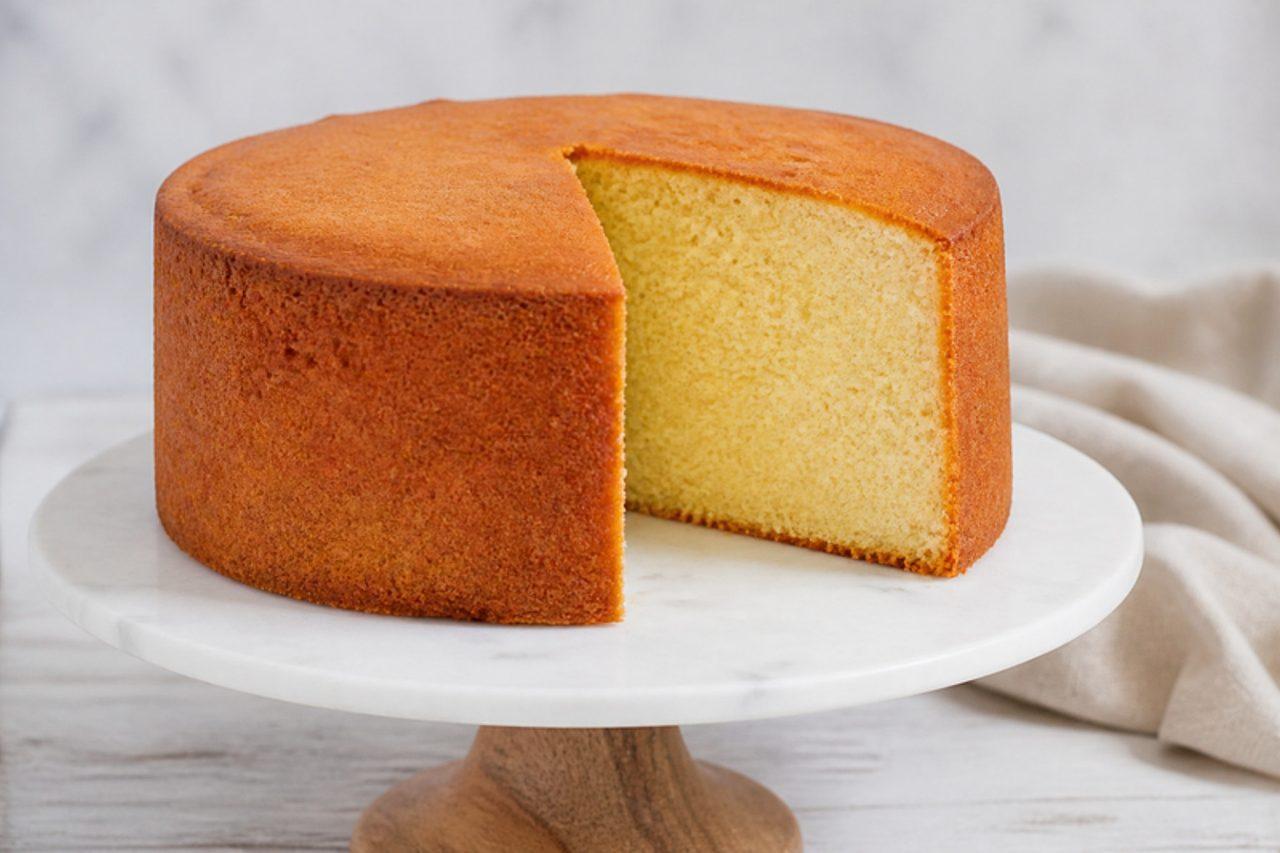
Nearly every Argentine birthday torta starts life as a bizcochuelo: a tall, plain sponge of eggs, sugar, flour and cornflour, with no butter and no baking powder, lifted only by long whisking. Grandmothers bake it on Sunday to split into three and fill with dulce de leche and whipped cream, or eat it plain in the afternoon with mate. The crumb is fine, dry-ish and airy, made to soak up syrup. Opening the oven in the first 20 minutes is the classic way to flatten it, so leave the door shut. Chef's tip: whisk until the mixture reaches 'punto letra', thick enough that a ribbon drawn on the surface holds its shape for a few seconds; that takes a good 8–10 minutes with an electric mixer, and warm eggs get there faster.

by KrazyBadal 0 views

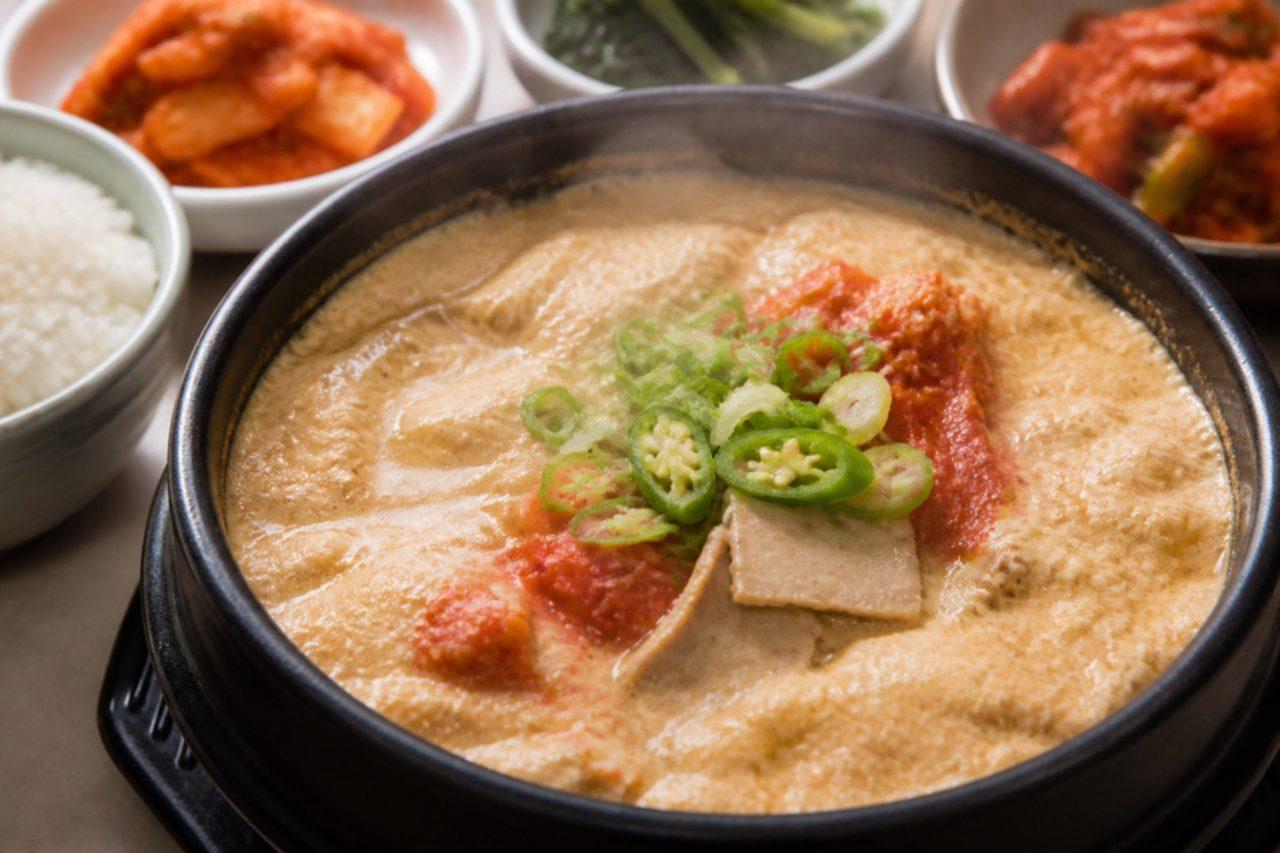
Kongbiji jjigaeSoybean pulp stew

Kongbiji jjigae is the rustic winter stew of Korean farmhouses, once made with the soy pulp left from tofu-making and now with soaked soybeans blended into a creamy, nutty paste: it is simmered with sour kimchi and a little pork belly until thick, and eaten with rice in Gyeonggi and Chungcheong homes when the weather turns cold. It is filling, mildly spicy and full of protein. This recipe contains pork. A portion is about 290 kcal. Soak the soybeans overnight first (not counted). The most common mistake is stirring the stew once the bean paste goes in; it should be left to bubble gently so the beans set into soft curds on top. Chef's tip: use well-aged, sour kimchi; fresh kimchi tastes flat against the rich beans.

by KrazyBadal 0 views

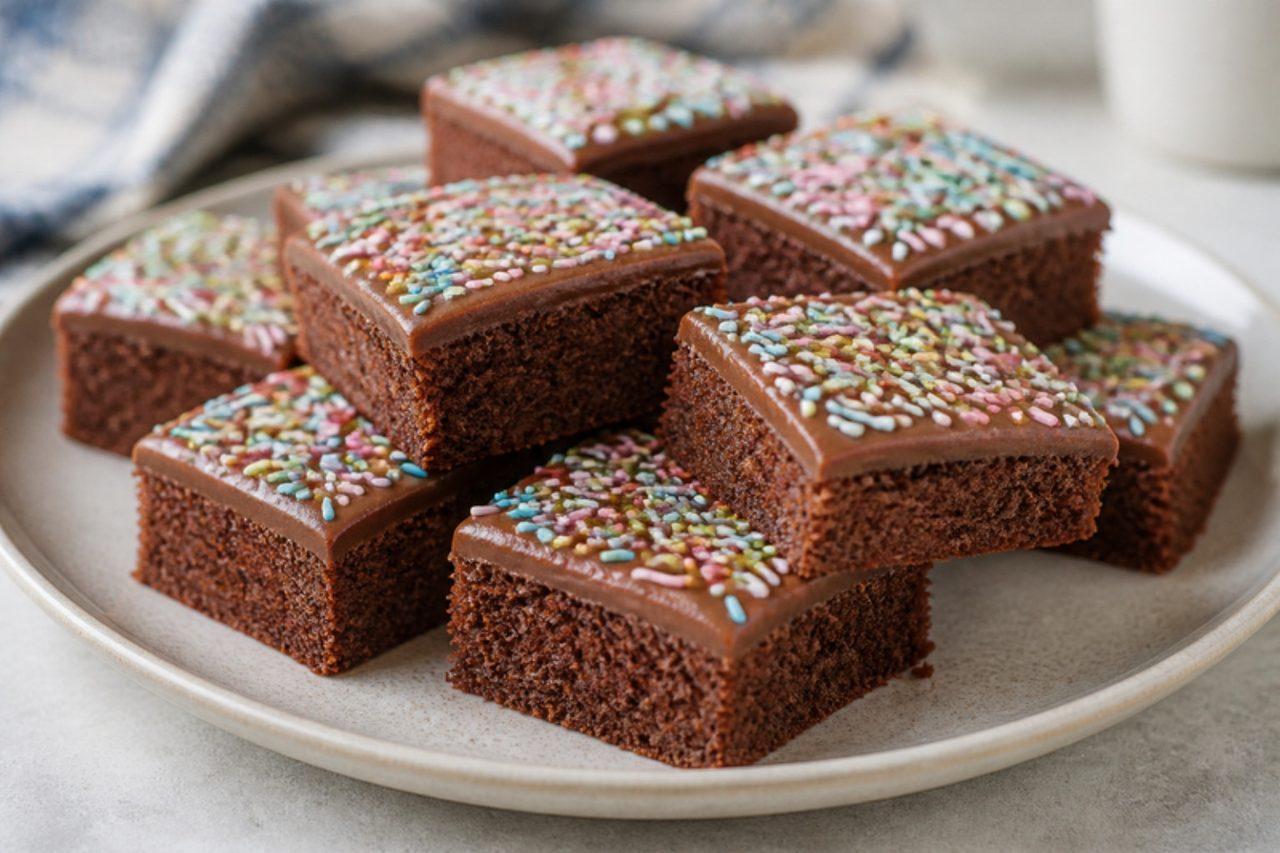
MokkapalatChocolate coffee squares

Mokkapalat ('mocha pieces') are what Finnish parents bake on the big oven tray for a child's birthday, a school bake sale or a summer cottage weekend: soft chocolate sponge squares with a thin, glossy coffee-cocoa icing and a shower of coloured sprinkles. The coffee is gentle and only deepens the chocolate, so children love them, and you can use decaf. They are moist enough to keep three days in a tin and freeze well. Icing the cake while it is hot is the classic mistake; it soaks in and goes dull, so wait until it is just warm. Chef's tip: add the icing liquid a spoonful at a time; it should spread like thick paint and set with a shine.

by KrazyBadal 0 views

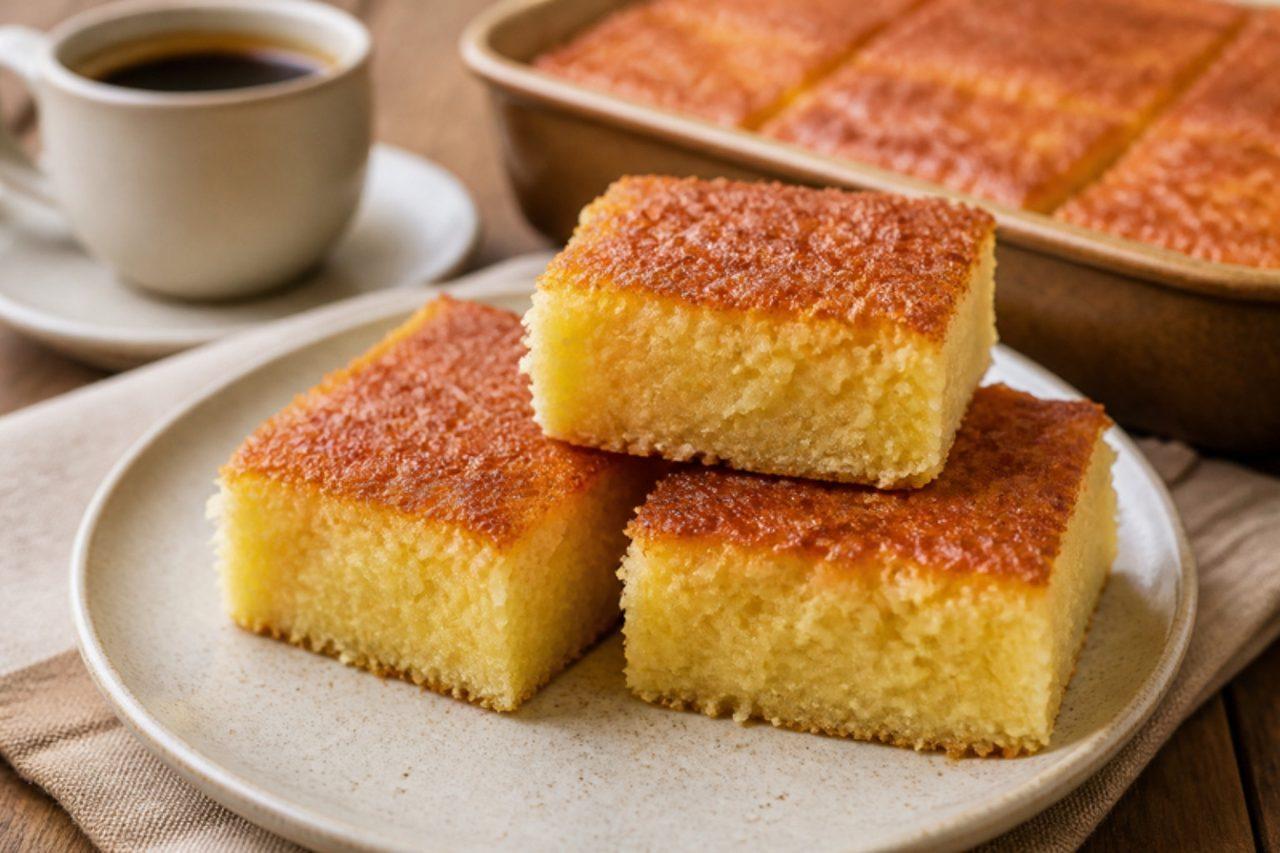
Mané peladoCassava, coconut and cheese cake

On farms around Goiânia and across the Goiás cerrado, mané pelado is the cake for coffee time and for June festivals: raw cassava grated straight into the bowl, mixed with fresh coconut, eggs, sugar and a handful of grated cheese, then baked until the top is deep golden. It is dense, moist and slightly chewy, sweet with a faint salty edge from the cheese. There's no flour, so it is naturally gluten free. Cutting it hot is the mistake to avoid; the starch needs time to set, and warm slices are gummy, so let it cool fully. Use sweet cassava (the ordinary kind sold for cooking), always cooked through; frozen grated cassava works well. The cheese in Goiás is a semi-cured queijo minas; any mild, salty semi-hard cheese works, or a vegetarian alternative. Chef's tip: grate the cassava on the fine side of the grater; coarse shreds stay stringy.

by KrazyBadal 0 views

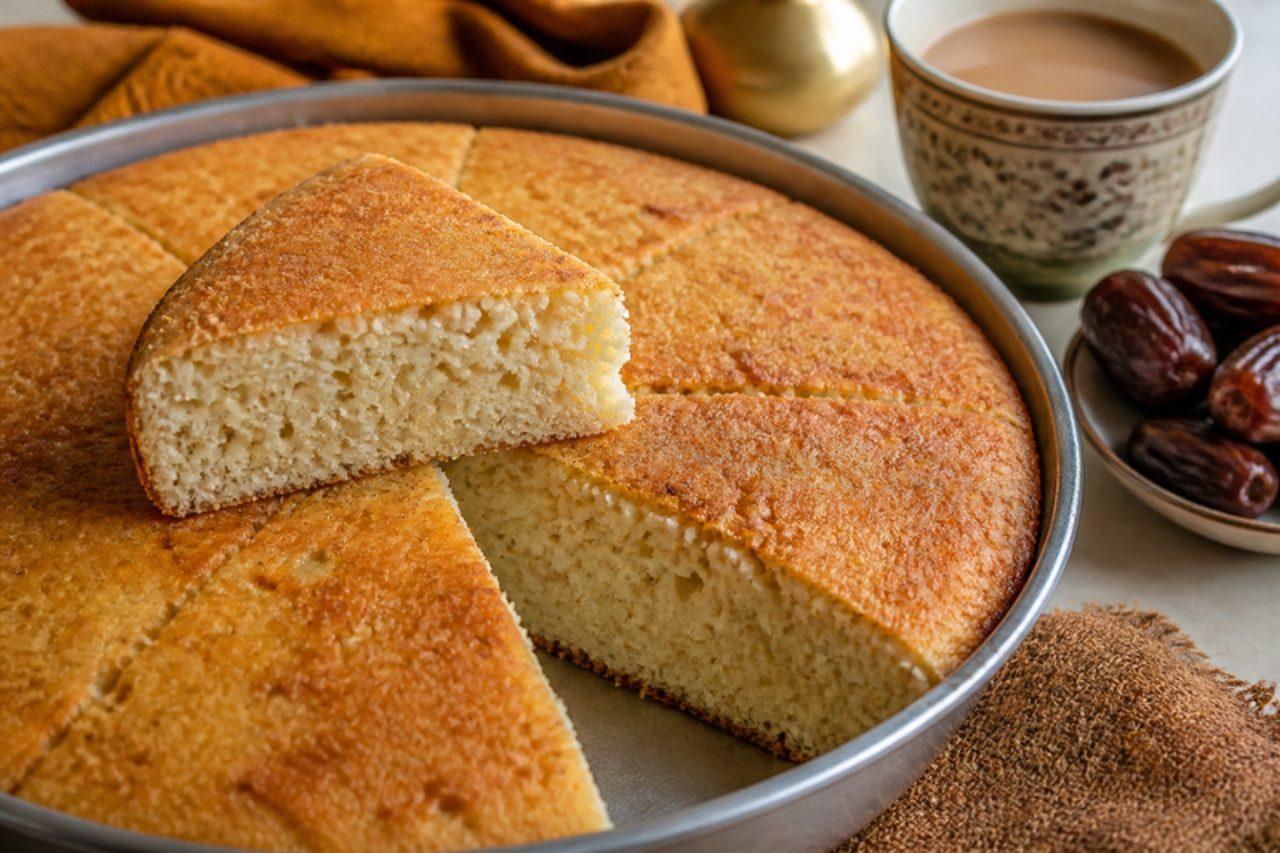
Mkate wa siniaCoconut and rice tray cake

Ramadan evenings in Stone Town and Mombasa bring out trays of mkate wa sinia, cut into wedges and set out for iftar beside spiced chai and dates. Soaked rice is blended with coconut milk, sugar, cardamom and yeast into a pourable batter (hence its other name, mkate wa kumimina, 'poured bread'), left to bubble, then baked in a round metal tray called a sinia. Inside it is spongy and full of holes like a crumpet; the top and base turn golden and slightly chewy. It contains no egg, dairy or wheat. Under-blending is what ruins it: a gritty batter bakes into a sandy cake, so blend until a drop rubbed between your fingers feels completely smooth. Chef's tip: add a couple of spoonfuls of cooked rice to the blender, the way coastal cooks do; it makes the crumb softer and more springy.

by KrazyBadal 0 views

AgujjimSpicy steamed monkfish

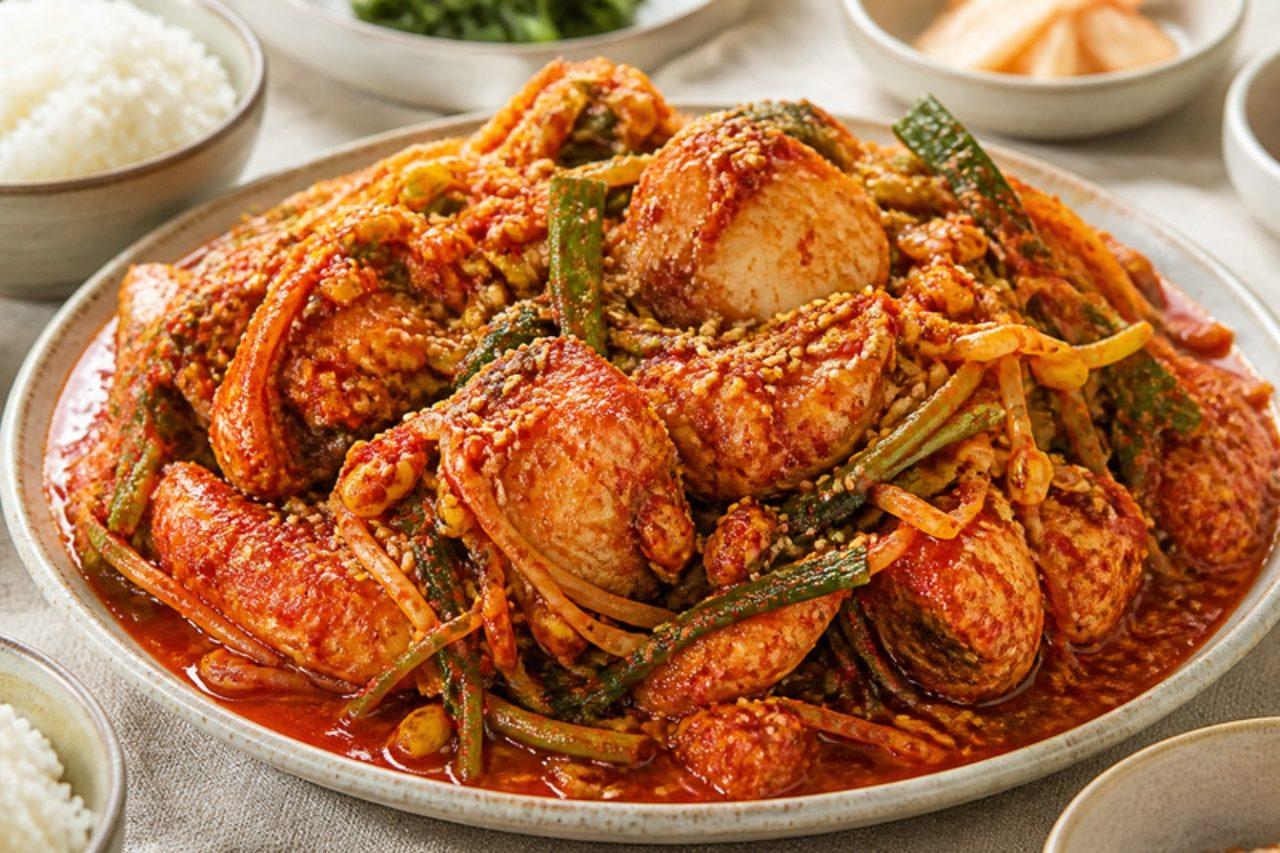
Agu-jjim was invented in the 1960s in the port of Masan in South Gyeongsang, where fishermen's taverns started braising the ugly monkfish they used to throw back, and Masan's "agu-jjim street" is still full of restaurants serving it on huge platters to share. Chunks of firm monkfish are cooked with a mountain of crunchy soybean sprouts and minari in a fiery gochugaru sauce, thickened with starch until glossy. It is spicy, juicy and low in fat. A portion is about 240 kcal. The common mistake is cooking the bean sprouts too long; they should stay crisp, so add them only for the last few minutes. Chef's tip: steam the monkfish before saucing; it releases a lot of water, which you pour off so the sauce stays thick and red.

45 minKoreanFishSpicy
by KrazyBadal 0 views

Crostata di marmellata (Italian jam tart)

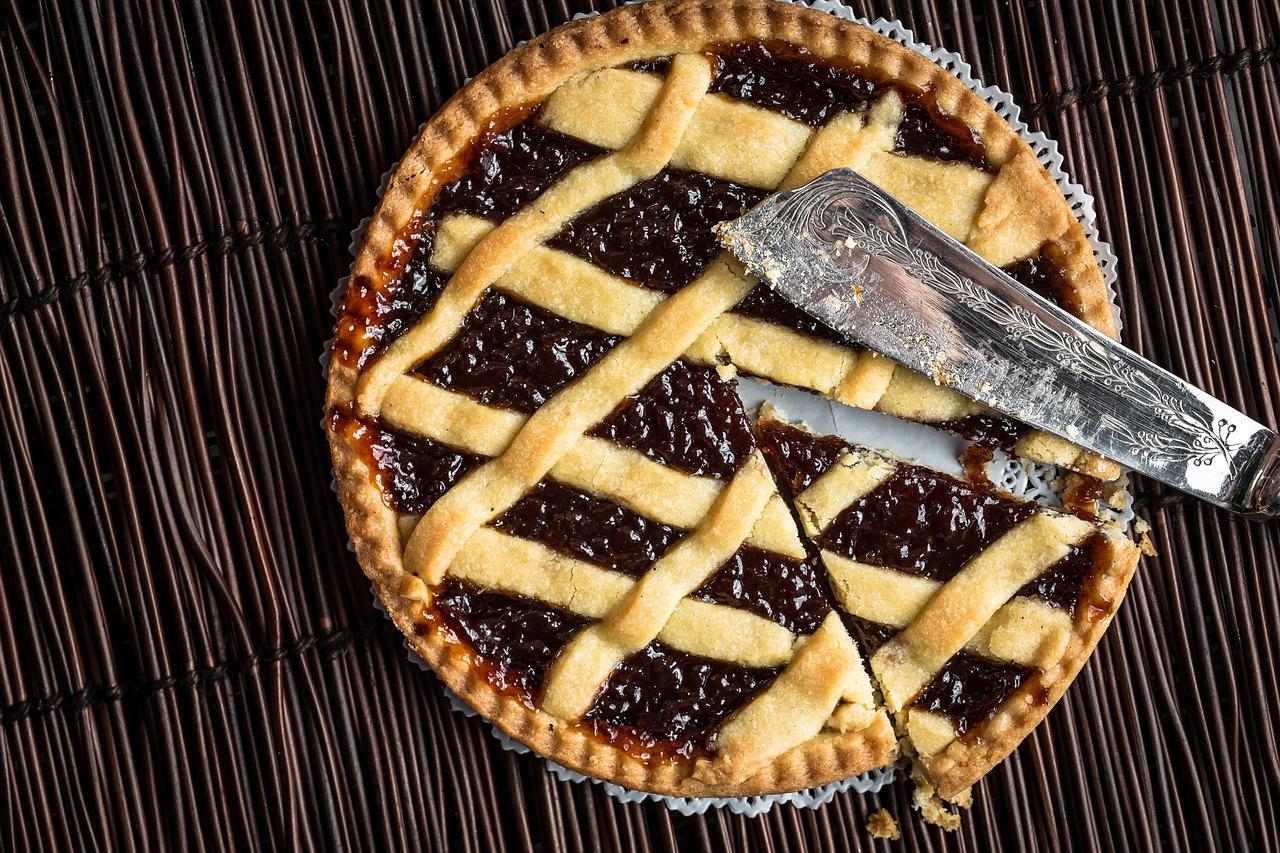
Crostata di marmellata is the tart that Italian grandmothers bake on Sunday and cut into slices for the week's merenda, the after-school snack eaten from Turin to Palermo with a glass of milk. A tender, lemon-scented pasta frolla holds a layer of apricot or cherry jam under a simple lattice. Choose a high-fruit jam to keep the sugar down. It contains gluten, milk and egg. Chef's tip: chill the pastry well and keep it cold; warm pasta frolla tears and shrinks in the oven.

by KrazyBadal 0 views

Shou tao bao (longevity peach buns)

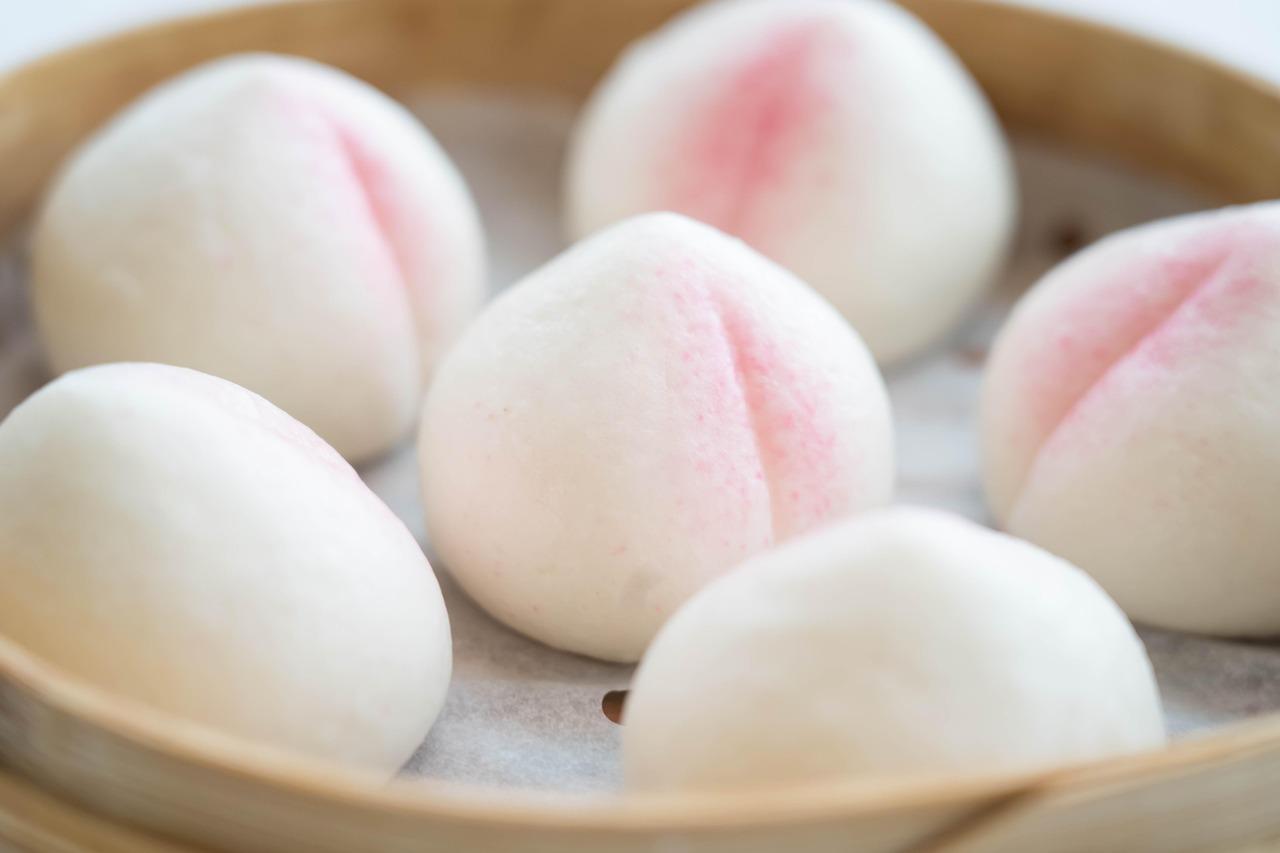
In Chinese tradition the peach is the fruit of long life, so birthday tables, from a grandparent's 80th to a child's party, carry a plate of shou tao bao: fluffy white steamed buns pinched into a peach shape, blushed pink at the tip and filled with sweet lotus seed paste. Children love helping to shape the creases and add the pastry leaves. This version is made without milk. It contains gluten. Chef's tip: steam over a gentle, not roaring, boil and wait 5 minutes before lifting the lid, so the buns stay smooth and don't wrinkle.

by KrazyBadal 0 views

Placek ze śliwkamiPlum and crumble yeast cake

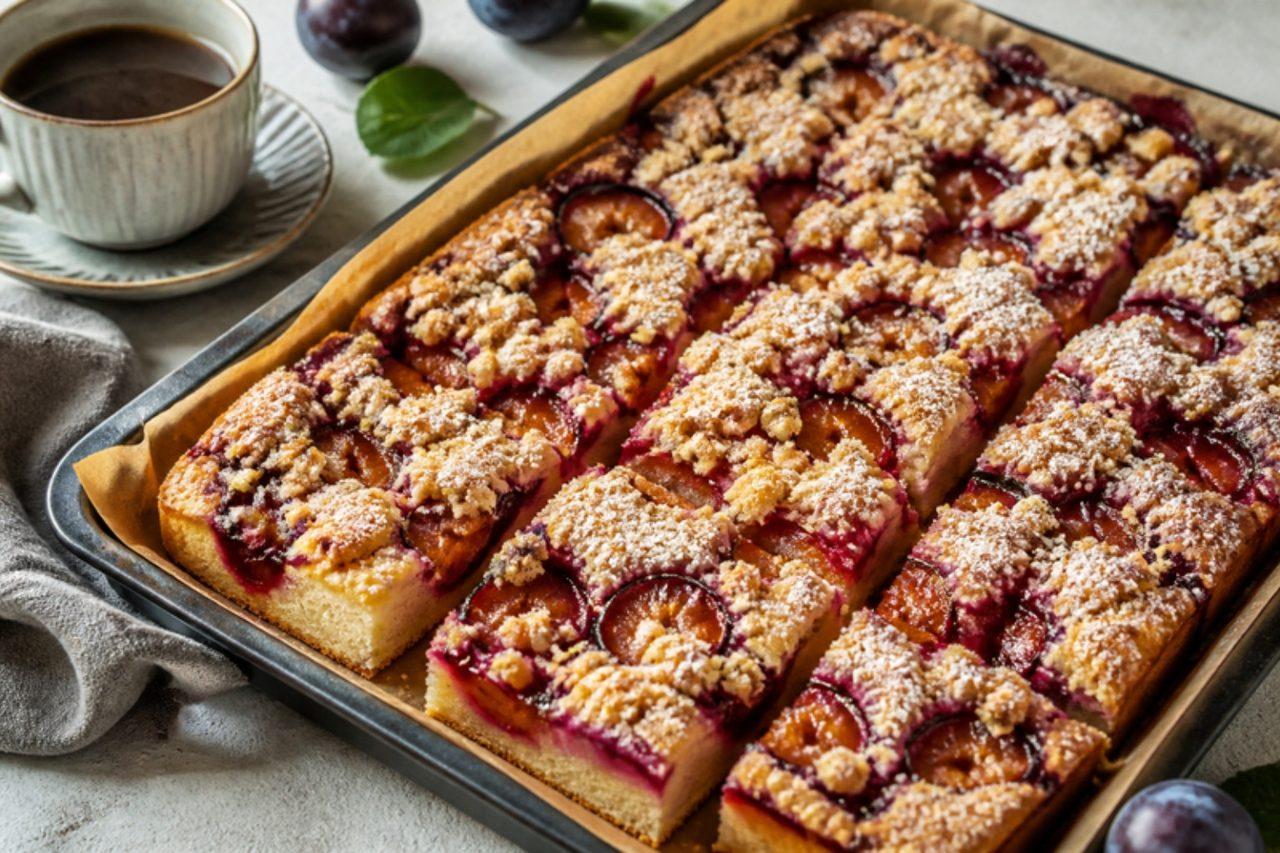
When the węgierki plums ripen in late August, Polish grandmothers from Kraków to Gdańsk bake placek ze śliwkami on the big oven tray and cut it into squares for Sunday coffee or for the neighbours. Under a buttery kruszonka crumble the plums melt into jammy, sharp pools on a soft, slightly sweet yeast dough. It is best on the day, still faintly warm, with a mug of coffee or a dollop of whipped cream. Laying the plums skin side down is the classic mistake: the juice floods the dough and leaves it raw, so set them cut side up and close together. Chef's tip: toss the plum halves with a spoonful of semolina or breadcrumbs before arranging; it soaks up the juice and keeps the base light.

150 minPolishBaking
by KrazyBadal 0 views

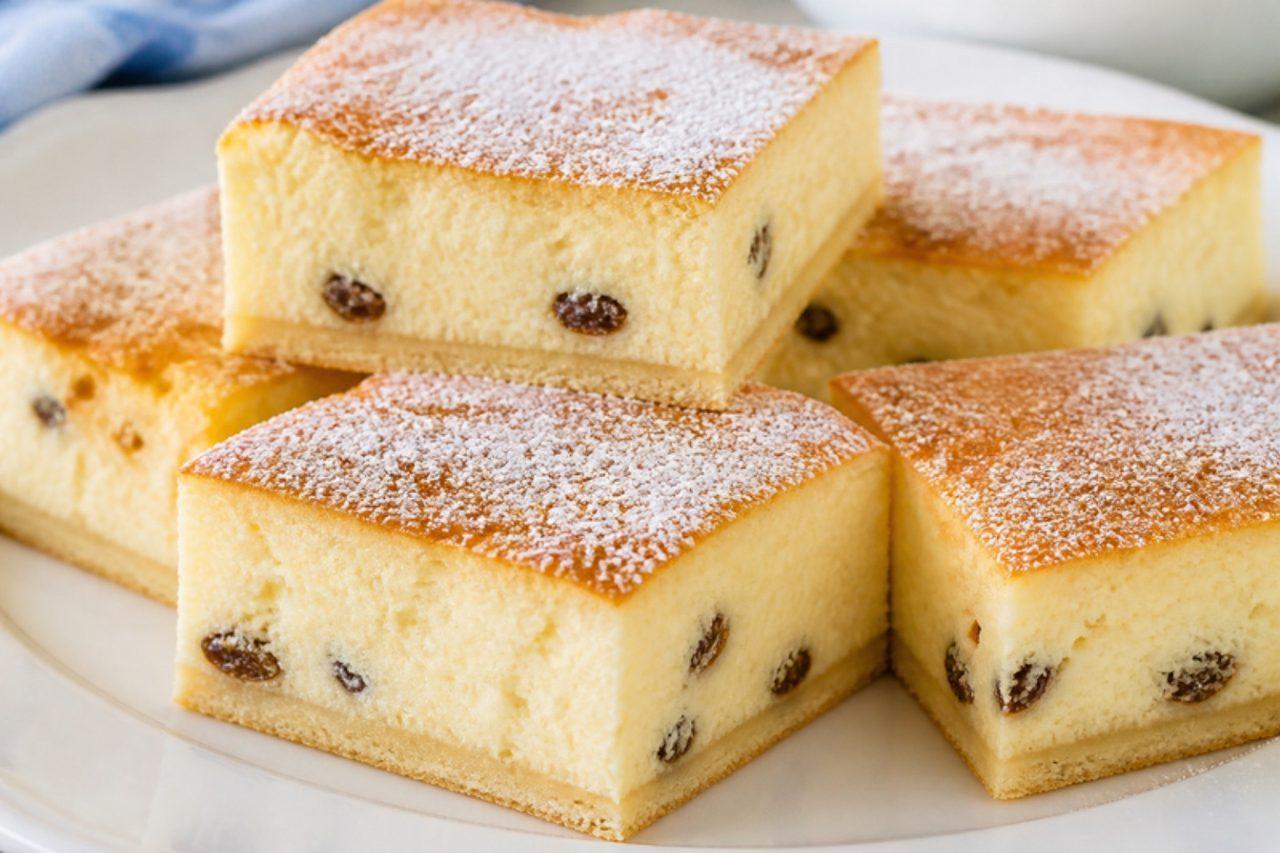
Túrós lepénySweet curd cheese sheet cake

Hungarians use túró, a dry, crumbly fresh curd cheese, the way other cooks use cream, and túrós lepény is one of its homeliest outings: a thin short pastry base, a deep layer of lemony sweetened curd with raisins, baked in a tray and cut into squares for afternoon coffee, a picnic at Lake Balaton or the school lunch box. The filling is light and tangy rather than dense like a cheesecake, because the egg whites are whipped and folded in. Wet curd is the classic mistake; it weeps and the base goes soggy, so press the cheese through a sieve and use farmer's cheese or well-drained quark if you can't find túró. Chef's tip: take the lepény out while the very centre still has a slight wobble; it sets as it cools and stays creamy instead of cracking.

by KrazyBadal 0 views

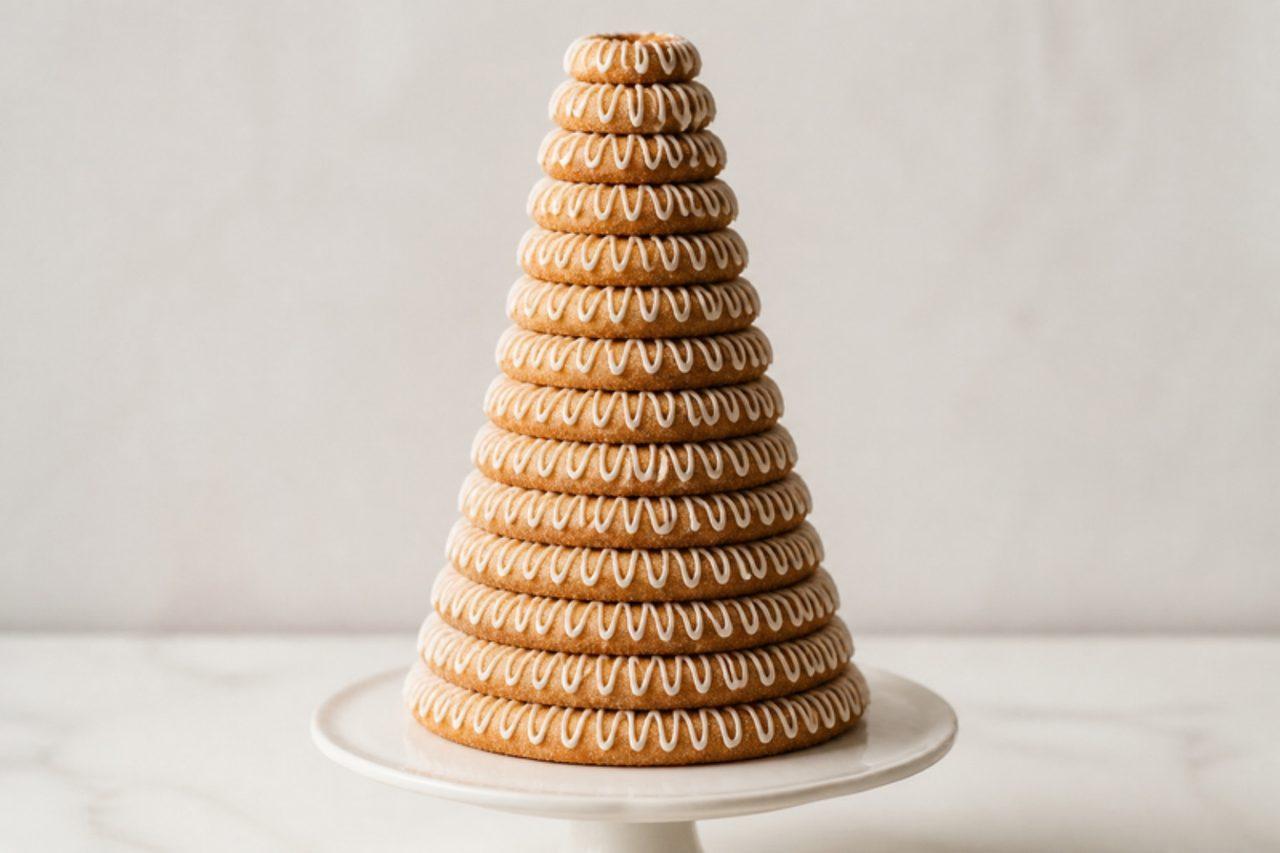
KransekakeAlmond ring tower cake

A kransekake towers over the table at Norwegian and Danish weddings, christenings, Christmas and the 17 May national day in Norway: eighteen rings of chewy almond paste, each a little smaller than the last, stacked and laced with zigzags of white icing, often decorated with little flags. Guests break off rings from the bottom; the outside is crisp and the inside soft and marzipan-like. It is naturally gluten free, made only of almonds, icing sugar and egg whites. Baking the rings until hard is the most common mistake; take them out when they are just pale gold, so they stay chewy. If you have no kransekake tins, shape ropes and join them into rings over circles drawn on baking paper. Chef's tip: grind the almonds with some of the icing sugar and rest the dough overnight in the fridge; it becomes much easier to roll and the rings keep their shape.

by KrazyBadal 0 views

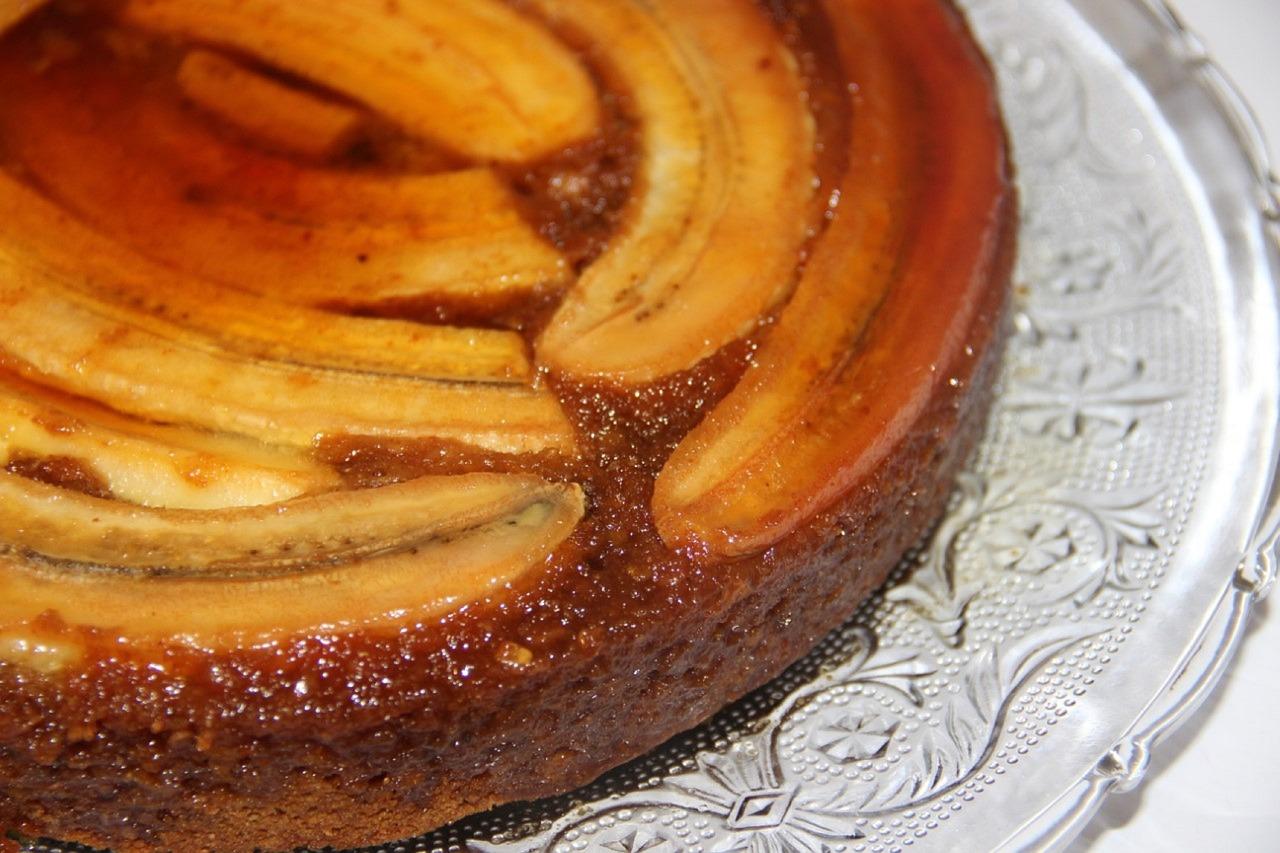
Bolo de bananaUpside-down banana cake

Ask a Brazilian what was on the table for café da tarde as a child and the answer is often this: a soft cake turned out of its tin with a glossy layer of caramelised banana and cinnamon on top, eaten with a small strong coffee. Home cooks make it with overripe bananas from the fruit bowl, and many mix the batter in a blender. The crumb is light and moist, the top sticky and fragrant. Eggless versions exist, but this one uses eggs for a springier cake. Cooking the caramel too far is the usual slip: once it goes past amber it turns bitter, so pull the pan off the heat while it is still the colour of honey. Chef's tip: cut the bananas lengthwise rather than into rounds; long slices lie flat in neat rows and don't slide when you turn the cake out.

by KrazyBadal 0 views

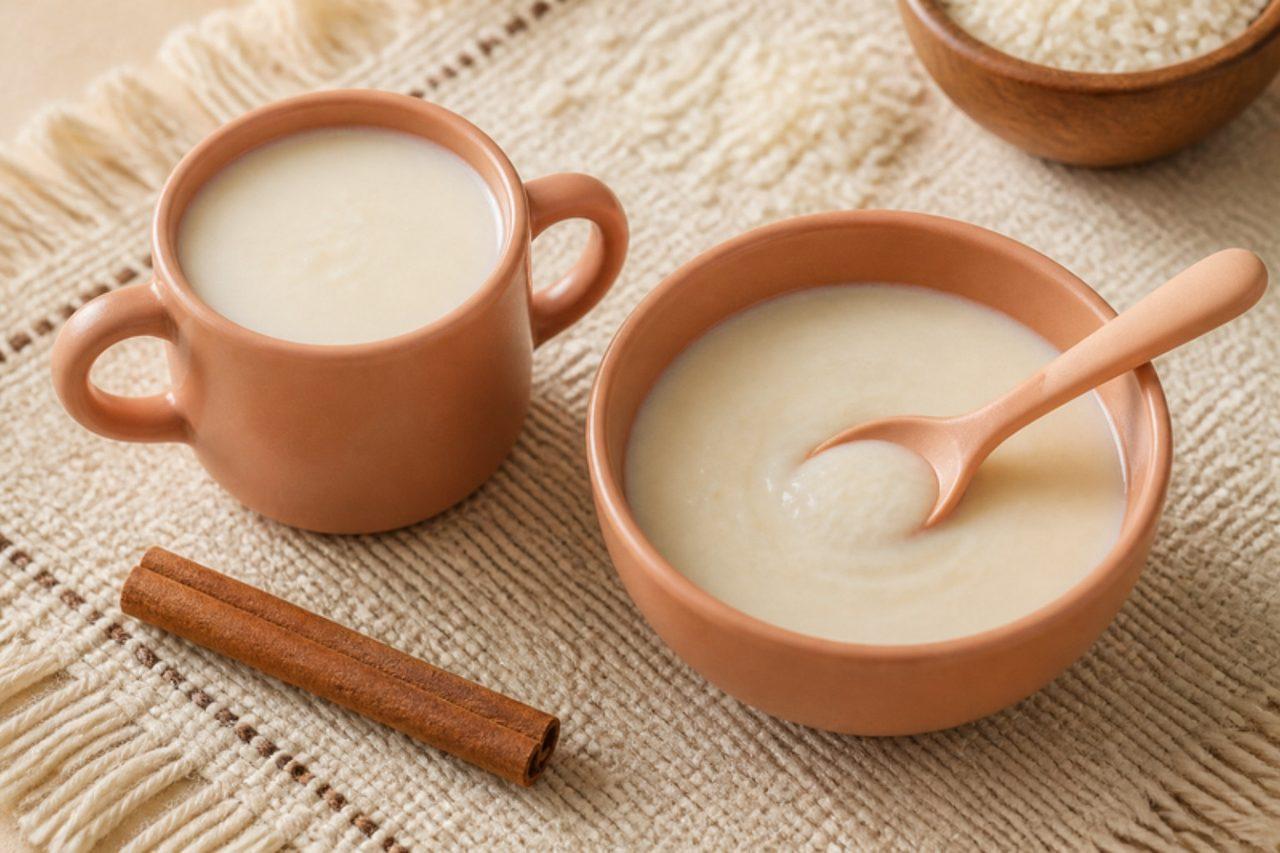
Rice atole for babies (atole de arroz)

Atole is the warm, thick drink Mexicans have sipped since before the conquest, and in many homes the first version a baby tastes is atole de arroz, ground rice cooked with a stick of true cinnamon. For grown-ups it is sweetened with piloncillo and drunk at breakfast or on cold evenings around Día de Muertos; for babies the sugar stays out and it is thickened enough to eat from a spoon. It contains milk; there is no egg, gluten, nuts, soya, sesame or fish. Chef's tip: grind the rice yourself in a spice grinder; shop-bought rice flour works, but freshly ground rice tastes sweeter.

by KrazyBadal 0 views

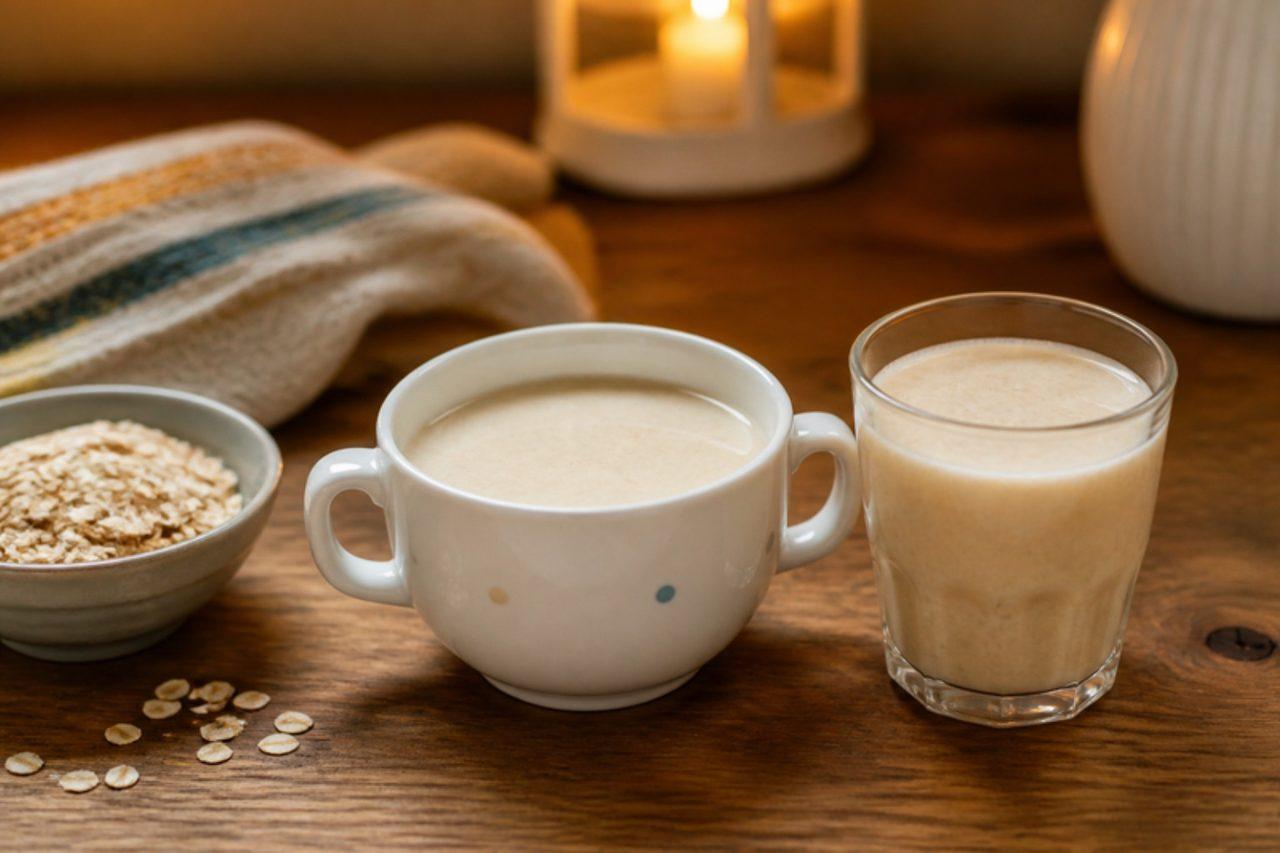
Välling (Swedish oat and milk drink)

Välling, a thin gruel of cereal and milk, has been the Swedish child's bedtime drink for generations, and many families still make their own for toddlers once they move on to cow's milk at around a year old. It is smooth, warm and lightly oaty, with no added sugar or honey. It contains milk and gluten (oats are often processed with wheat; use certified gluten-free oats if needed); there is no egg, nuts, soya, sesame or fish. Chef's tip: blend the oats to a fine flour first, so the drink is silky and flows easily from a beaker.

by KrazyBadal 0 views

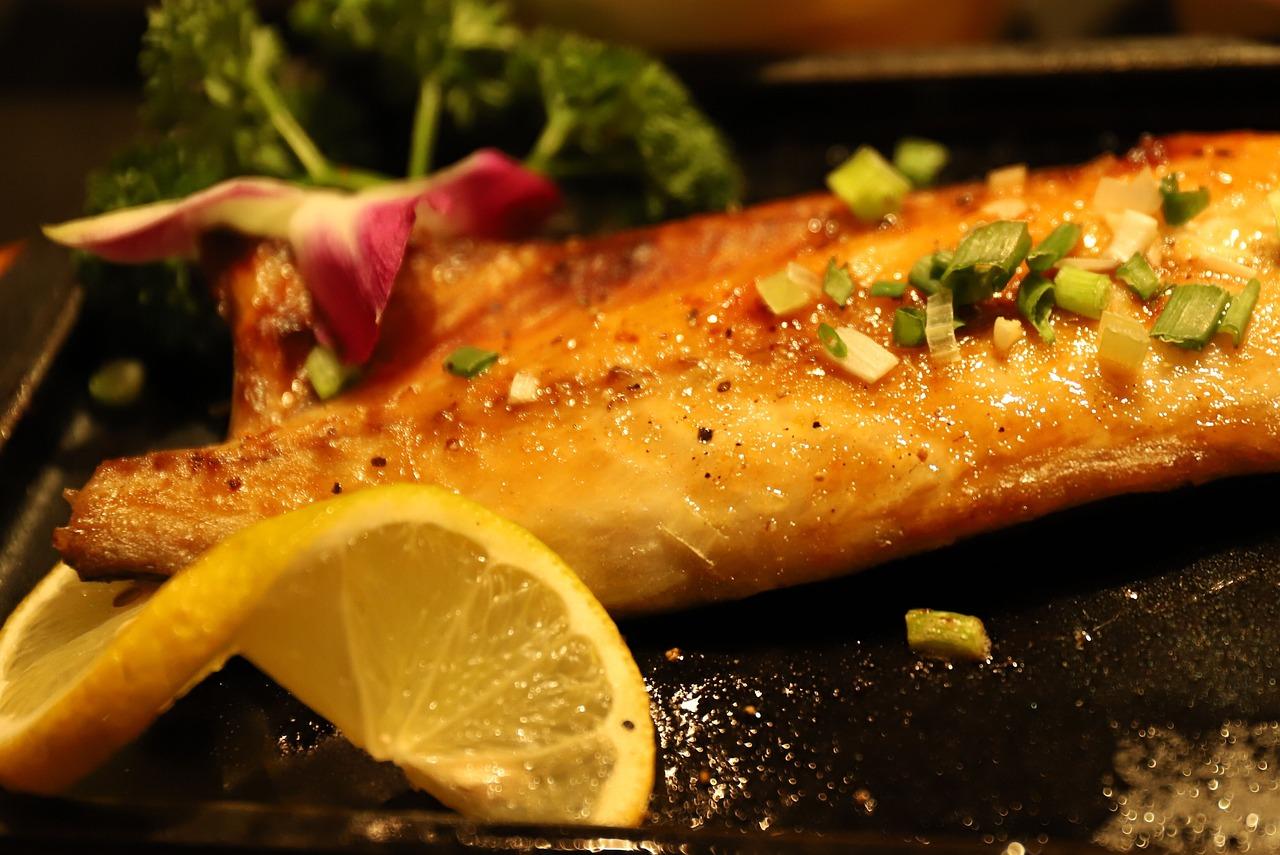
Godeungeo guiGrilled mackerel

Andong, far inland, is oddly famous for its mackerel: the fish was salted on the coast and carried over the mountains, arriving perfectly seasoned, and Andong gangodeungeo is still sold that way. Across Korea, a salted mackerel fillet pan-grilled until the skin crackles is a staple of home dinners and set-meal restaurants, served with rice, doenjang soup and kimchi. Mackerel is an oily fish, so this is filling rather than low calorie: about 340 kcal a portion. The most common mistake is moving the fish too soon; leave it skin side down until the skin releases on its own, or it tears and sticks. Chef's tip: dust the skin very lightly with flour or starch before grilling, or simply pat it bone-dry; you'll get a crisp, glassy skin.

22 minKoreanFishGluten free
by KrazyBadal 0 views

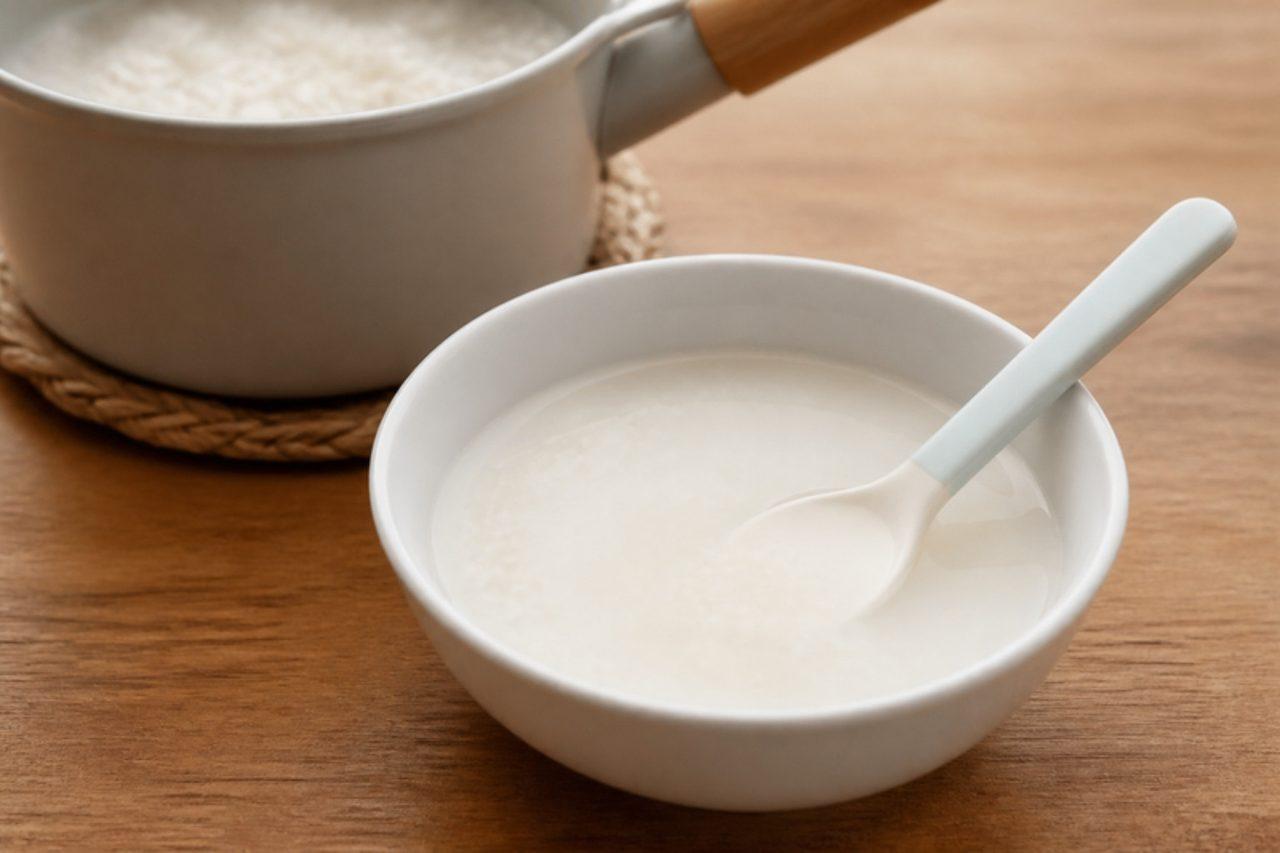
Am (Filipino rice-water first porridge)

Filipino lolas remember giving babies am, the thick, cloudy liquid that rises to the top as rice boils, ladled off and cooled before the rest of the pot is cooked for the family's lunch. Today it is offered as a thin, smooth first porridge, a few spoonfuls alongside other first foods such as mashed squash or banana, rather than on its own. It tastes mild and slightly sweet. It contains none of the common allergens (milk, egg, gluten, peanut, tree nuts, soya, sesame, fish). Chef's tip: use more water than usual and keep the lid off, so the liquid thickens into a creamy am instead of evaporating away.

by KrazyBadal 0 views

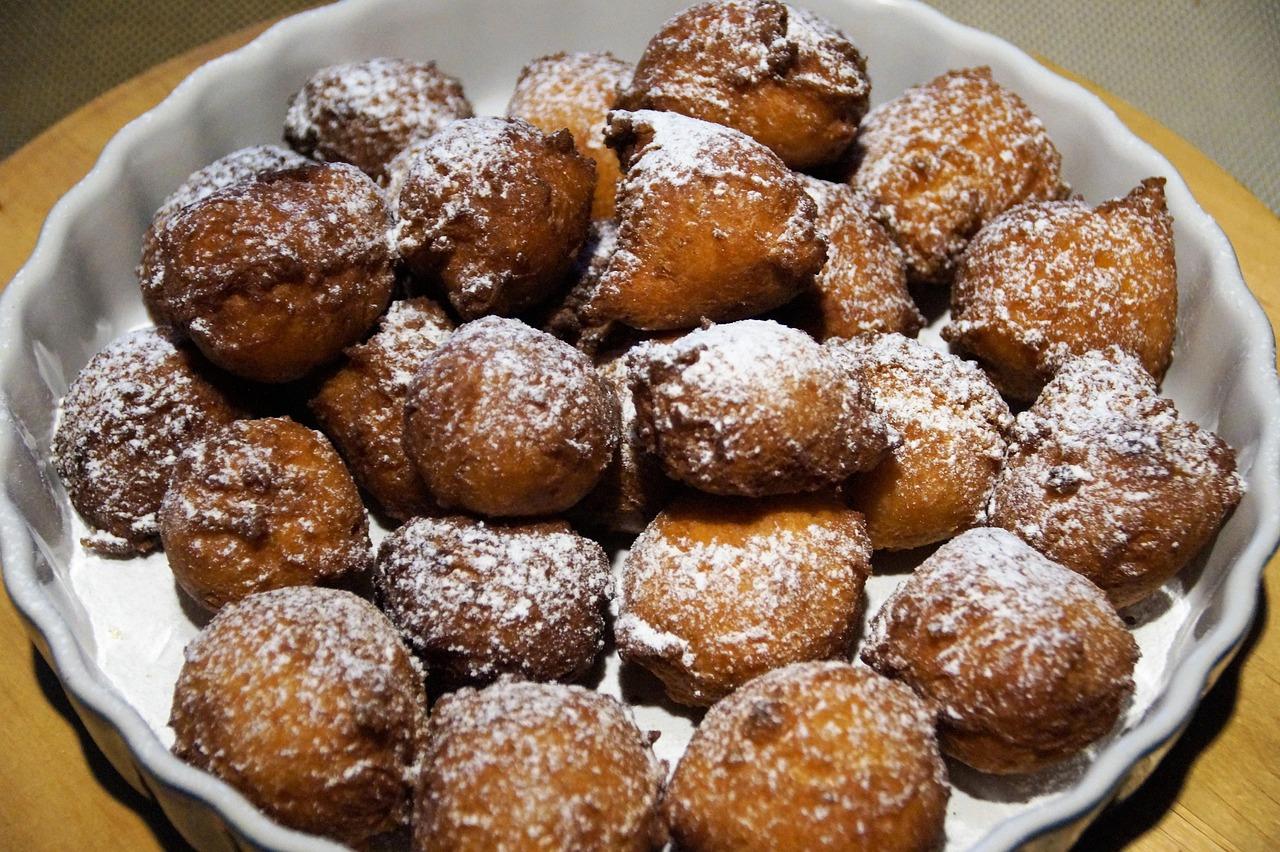
Quarkbällchen (German quark doughnut balls)

Quarkbällchen fill the trays of German bakeries all year and reach their peak at Fasching, the carnival season, and families in Berlin, Saxony and beyond make them at home for children's afternoon Kaffee und Kuchen. The quark dough needs no yeast, so they are quick: crisp and golden outside, soft and cake-like inside, with a light tang. They are rolled in sugar rather than drenched. They contain milk, egg and gluten. Chef's tip: keep the oil at 170 °C so they cook through; hotter oil browns them before the centre is done.

by KrazyBadal 0 views

Bánh bông lan (Vietnamese sponge cake)

Bánh bông lan is the soft, golden sponge sold in every Vietnamese bakery, eaten with coffee or as an after-school snack, and it is also the cake under the cream and fruit at most children's birthdays from Hanoi to Saigon. Made with oil instead of butter, it stays moist and springy for days and is free of milk. It contains egg and gluten. Chef's tip: whisk the whites in a spotlessly clean bowl; a trace of yolk or grease stops them rising.

by KrazyBadal 0 views

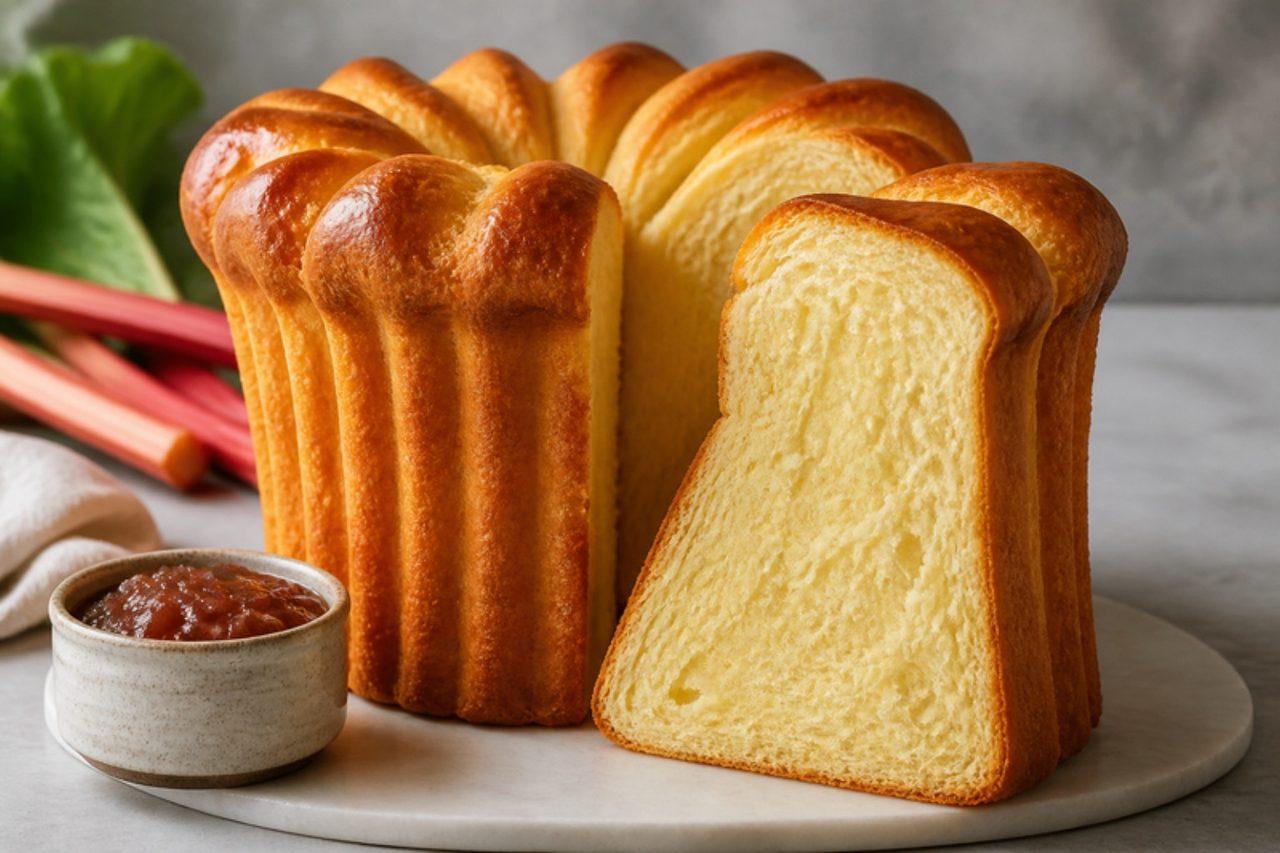
Gâteau battuTall egg-rich brioche cake

Picardy's tall, fluted gâteau battu ("beaten cake") gets its name from the long beating its dough needs: so many egg yolks and so much butter go in that it is closer to a thick batter than a bread dough. In the Somme it is the cake of family celebrations, first communions and weddings, and of Sunday breakfast, and it is baked in a distinctive tall, ridged mould that gives it the look of a chef's toque. The crumb is yellow, very light, buttery and only gently sweet. Serve it in slices with rhubarb jam, poached fruit or crème anglaise, or toasted the next day. Unmoulding too soon is how it collapses: the crumb is so tender that it needs 10 minutes to firm in the tin. Chef's tip: let the dough rise slowly until it reaches the rim of the mould, even if that takes 3 hours; rushing it gives a dense, cakey bottom.

300 minFrenchBaking
by KrazyBadal 0 views

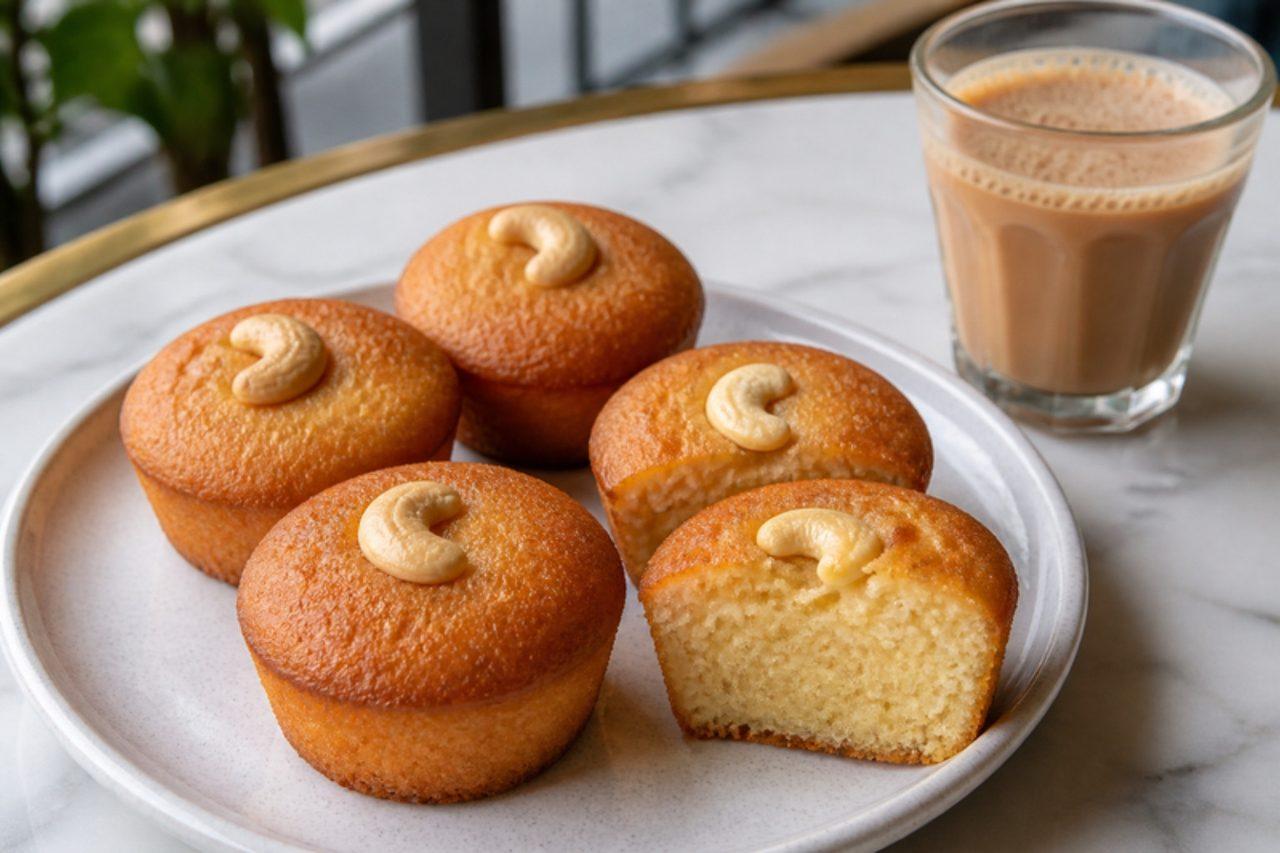
Mawa cakeCardamom khoya butter cake

Walk into an old Irani café in Mumbai or Pune at teatime and the glass jars on the counter will hold squat, golden mawa cakes, each crowned with a single cashew. The crumb is close and buttery, heavy with milky khoya and perfumed with cardamom, somewhere between a pound cake and a barfi. Locals dunk a slice in cutting chai or eat it with a bun maska on the side. This version uses eggs, as the classic bakeries do; eggless versions swap the eggs for yogurt or condensed milk and are just as popular. The usual slip is adding the khoya in hard lumps, which leave greasy pockets in the cake, so grate it and rub it smooth before it meets the butter. Chef's tip: warm the cardamom seeds in a dry pan for a minute before grinding; the aroma doubles and carries right through the bake.

by KrazyBadal 0 views

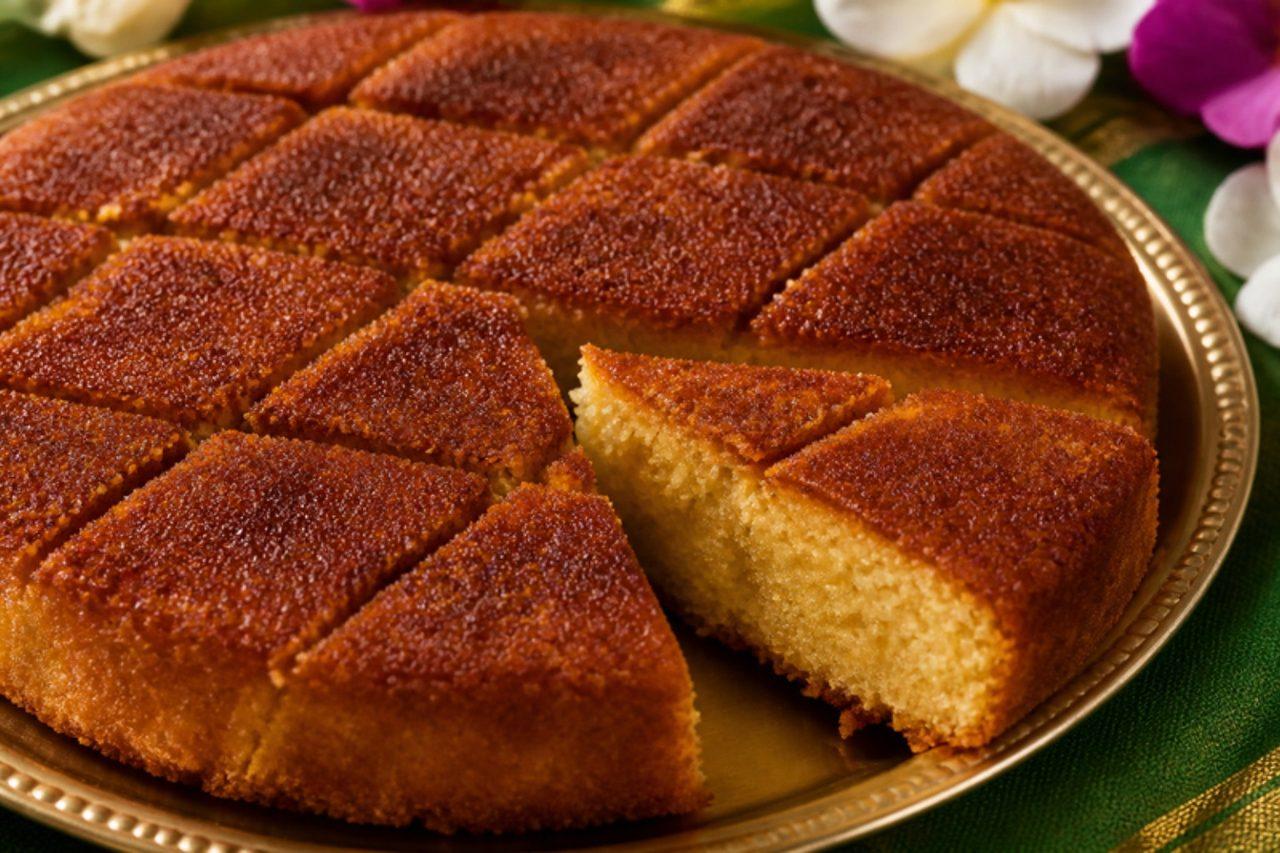
Goan baathSemolina and coconut cake

From Margao to Mapusa, Goan Catholic families start baath a day early: semolina, fresh coconut, sugar and butter are rubbed together and left overnight so the grains drink up the coconut milk. The next morning eggs go in and the cake is baked until brown and fragrant, ready for the Christmas kuswar plate alongside bebinca and neureos, or cut into diamonds for a wedding. The crust is crisp and caramelised; the inside is dense, moist and chewy with coconut, scented with cardamom and sometimes a little rose water. Desiccated coconut is the common shortcut and the common mistake: it makes a dry, crumbly baath, so use fresh or frozen grated coconut. Chef's tip: bake it in a heavy metal tin and do not open the oven for the first 40 minutes; the slow, steady heat gives the dark crust without a raw middle.

660 minIndianBaking
by KrazyBadal 0 views

BoterkoekButter cake

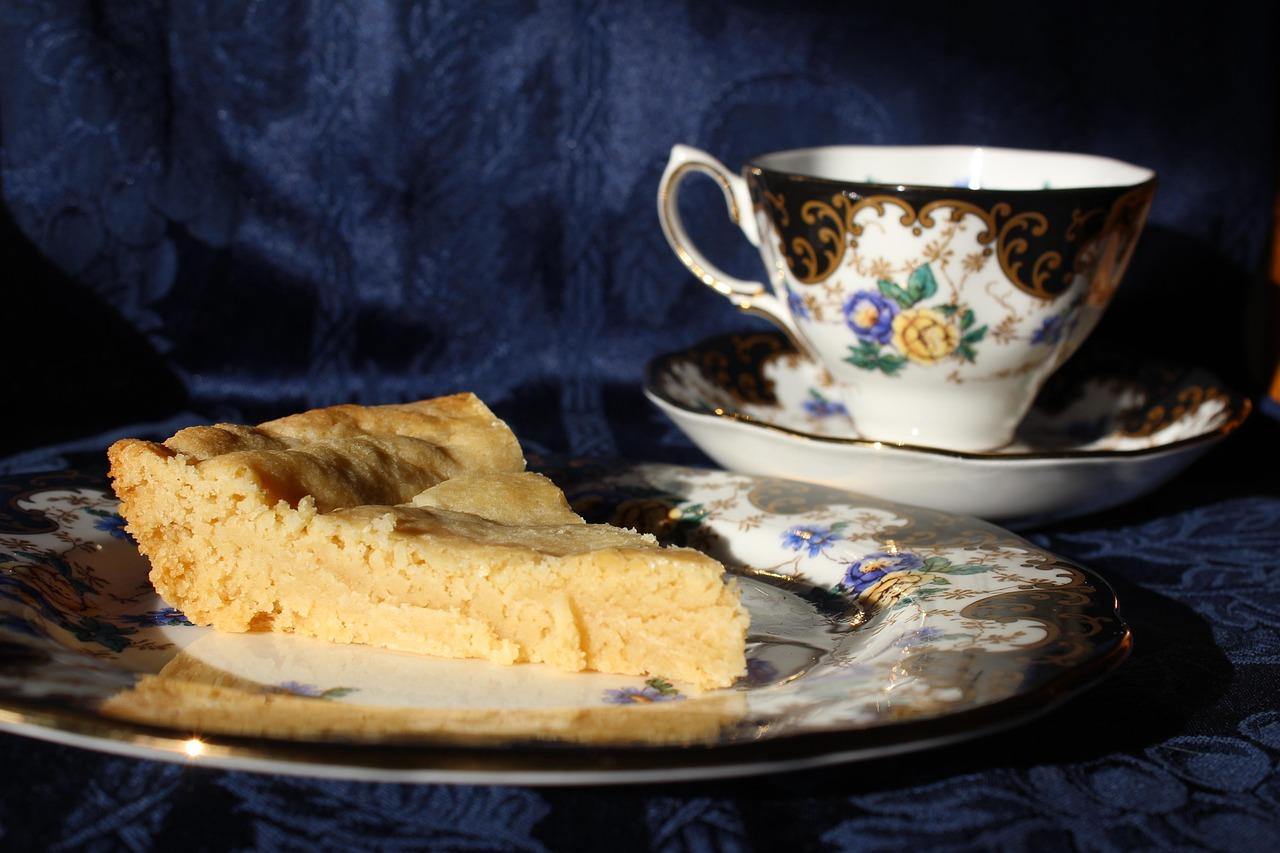
Boterkoek sits on the counter of almost every Dutch bakker, from Amsterdam to small towns in Brabant: a round, flat butter cake, scored in a criss-cross on top, glossy with glaze, dense and fudgy in the middle and crisp at the edges. It is cut into small wedges, because it is rich, and eaten with a cup of coffee at elf uur, the eleven o'clock break, or offered to visitors. The dough itself has no egg; only the top is brushed with beaten egg for shine (milk works too, though the colour is paler). Overbaking is the classic mistake: it should come out golden but still soft in the centre, so it sets fudgy, not dry. Chef's tip: use salted butter, or add the pinch of salt; it is what stops boterkoek tasting merely sweet.

by KrazyBadal 0 views

Gâteau à la brocheSpit cake

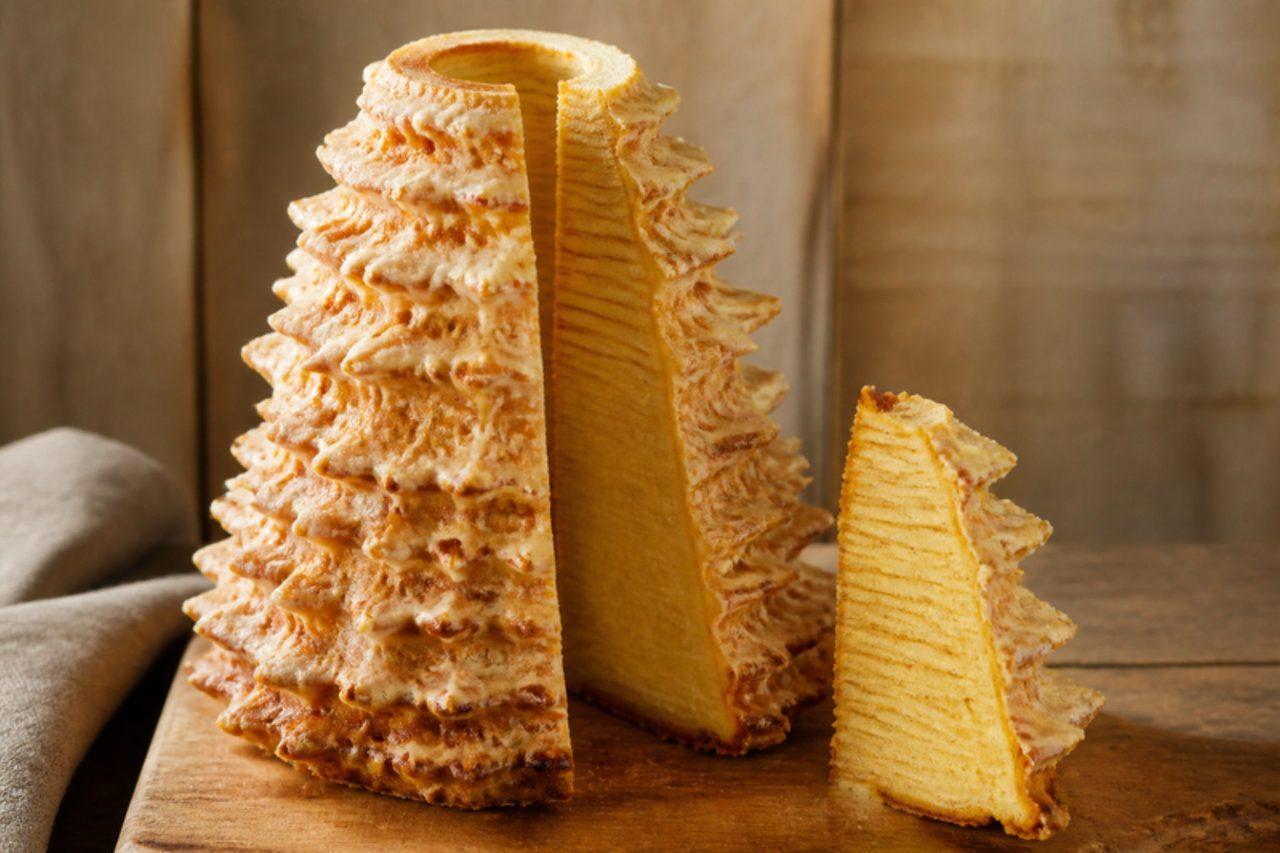
At weddings and village fairs in the Aveyron and the Pyrenees, gâteau à la broche is a performance: a wooden cone turns on a spit in front of a wood fire while a cook ladles batter over it, layer after layer, for hours. The drips set into the spiky ridges that make the tall, hollow cake look like a fir tree. Slices have thin golden rings, a soft, buttery, eggy crumb and a scent of orange-flower water; it is eaten at the end of the feast with sweet wine for the adults or coffee. Older recipes use rum where this one uses orange-flower water and lemon, and at home a foil-wrapped rolling pin turned under a hot grill does the job of the spit. Pouring too much batter at once is the easy mistake: thick layers stay raw inside, so ladle thinly and let each one colour. Chef's tip: keep the batter at room temperature and stir it each time; cold batter clings badly and drips off in sheets.

140 minFrenchBaking
by KrazyBadal 0 views

Galchi jorimBraised hairtail with radish

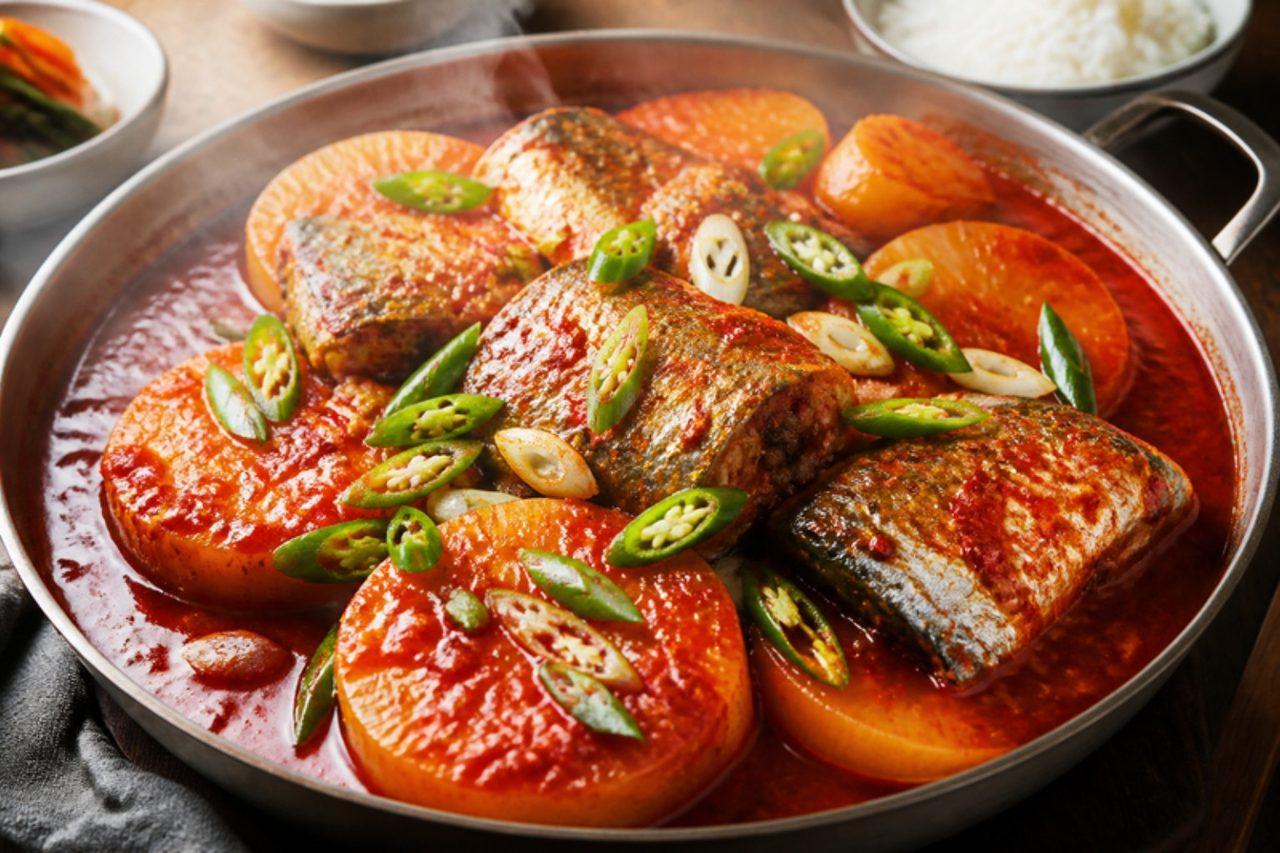
On Jeju island, the silvery hairtail caught on long lines at night by boats off Seogwipo is the pride of the local restaurants, and galchi-jorim is how islanders eat it most: pieces of the long, thin fish braised over thick slices of radish and potato in a bright red sauce of gochugaru, soy and garlic until the radish soaks up all the flavour. It is spicy, sweet and savoury and eaten with lots of rice. A portion is about 260 kcal. Hairtail has a soft, fine flesh and fine bones that lift away when cooked. The common mistake is stirring the pot, which breaks the delicate fish; spoon the sauce over instead. Chef's tip: put the radish on the bottom of the pan and the fish on top; the radish protects the fish from the heat and drinks up the sauce.

40 minKoreanFishSpicy
by KrazyBadal 0 views

Showing 24 of 2,455 recipes

Show more recipes

Page 1 of 103