Skip to content
Recipes

All recipes

Vegetarian, or something you can't eat? Set your diet once and we'll hide recipes that don't fit.

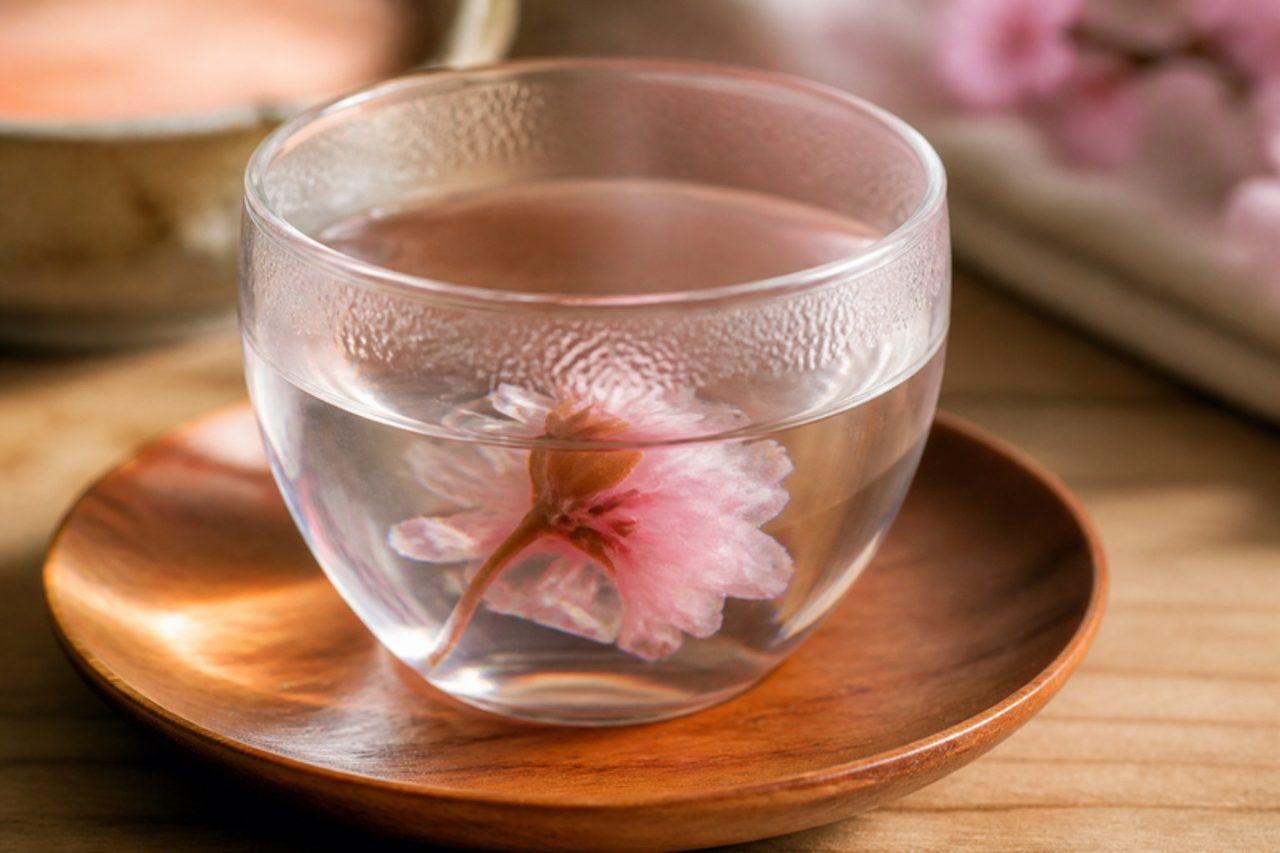
Sakurayu (salted cherry blossom tea)

Sakurayu is not really tea at all but salt-pickled cherry blossoms steeped in hot water, and it is served all over Japan at engagements, weddings and other happy occasions, as well as in the hanami season. Green tea is avoided at such moments because "muddying the tea" is a phrase for being evasive, while a blossom opening in a clear cup is a picture of a bright beginning. The drink is pale pink, gently salty and faintly scented of cherry and almond. The blossoms are bought ready-salted (sakura no shiozuke) from Japanese grocers. Serve it with small sweets such as sakura mochi or hanami dango. Chef's tip: use water just off the boil and pour it slowly down the side of the cup, so the petals open without tearing.

by KrazyBadal 0 views

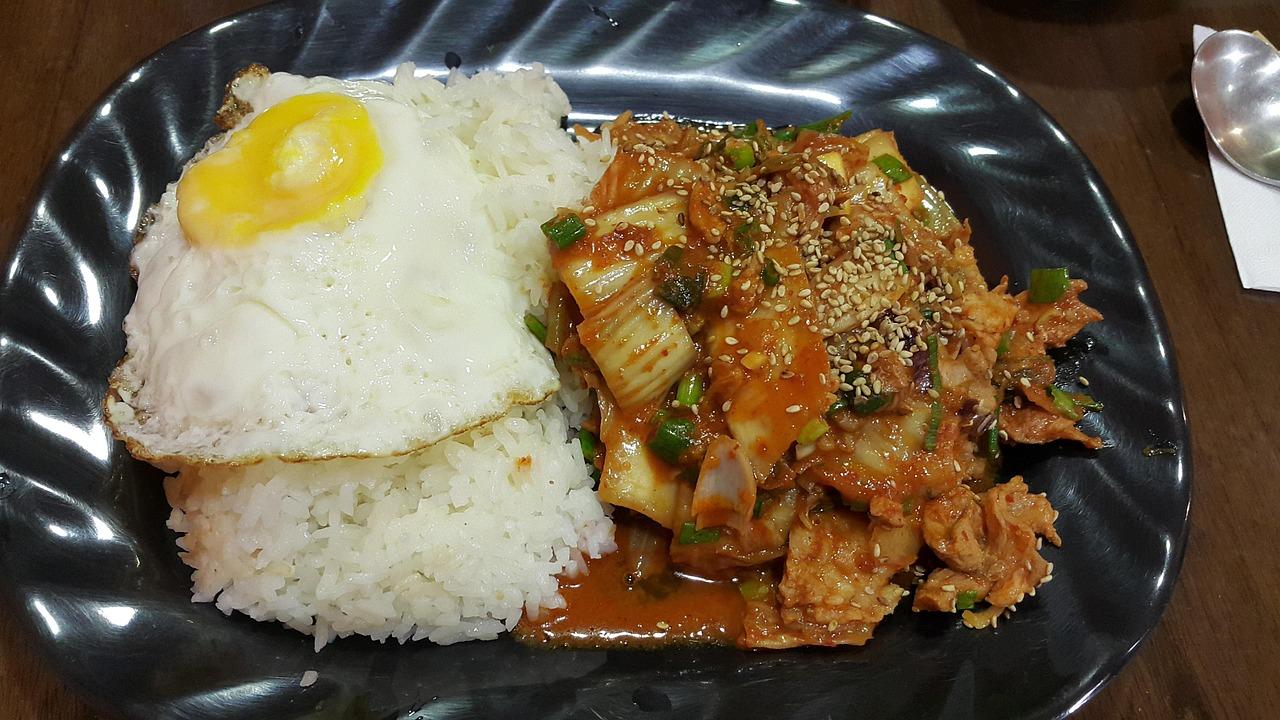
Buta kimchi (pork and kimchi stir-fry)

Buta kimchi is a Japanese izakaya and home favourite, cooked in Tokyo flats in the time it takes the rice to finish: thin slices of pork belly or shoulder fried until the fat crisps, then tossed with sour, spicy kimchi and onion. This is a pork dish. The common mistake is using fresh, young kimchi; well-fermented, sour kimchi gives the deep flavour, and fresh kimchi just tastes of raw cabbage. Chef's tip: add a splash of the kimchi juice at the very end for an instant sauce.

by KrazyBadal 0 views

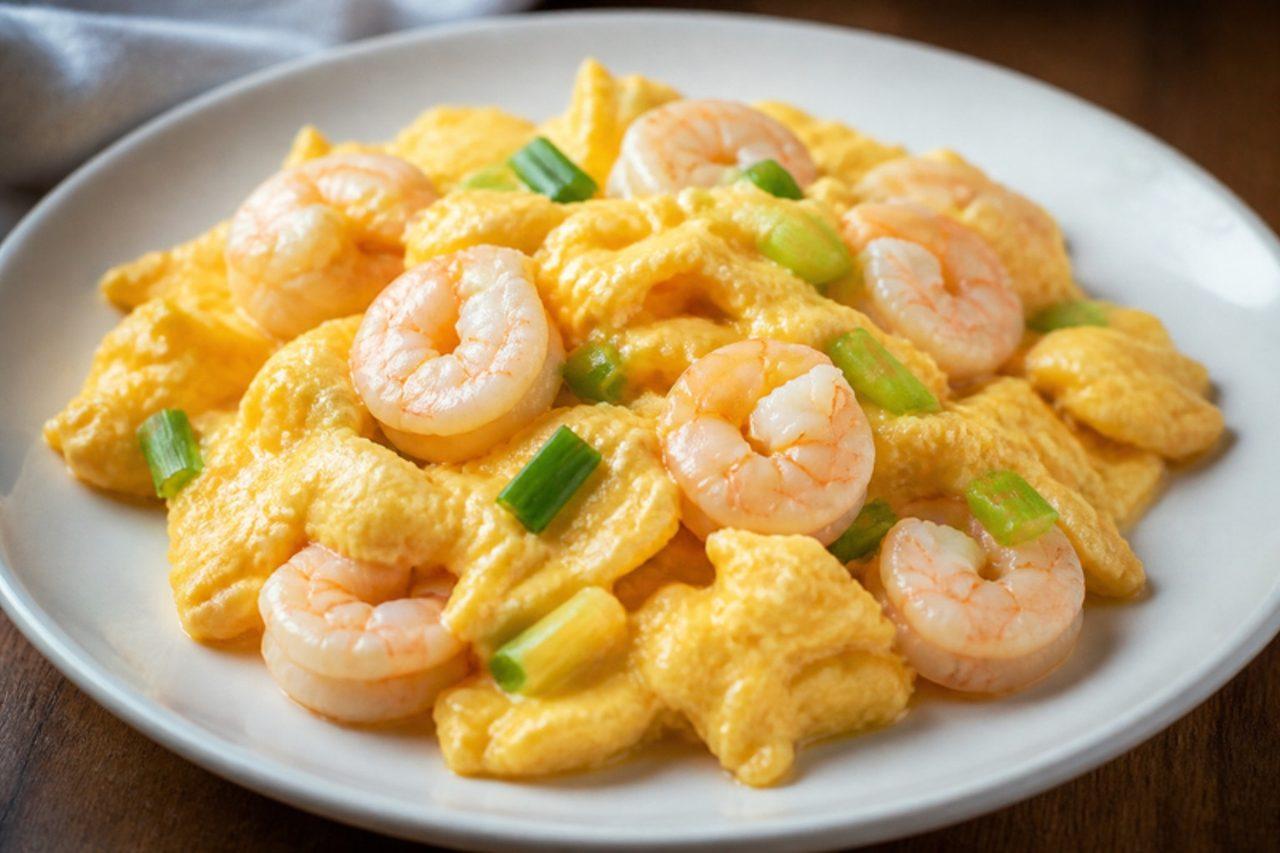
Hua dan xia ren (shrimp with silky scrambled egg)

Hua dan xia ren comes from Guangdong and the Hong Kong cha chaan teng, where it is spooned over rice for a quick lunch or set in the middle of a family dinner: prawns folded into eggs that are barely set, glossy and soft as custard. The classic error is stirring the eggs like a breakfast scramble over a high flame, which gives you dry little curds. Because the eggs are only just set, cook them a little longer for anyone pregnant, very young, older or vulnerable. Chef's tip: a spoon of cornflour slurry and a little oil in the beaten eggs keeps them silky even if you overshoot by a few seconds.

by KrazyBadal 0 views

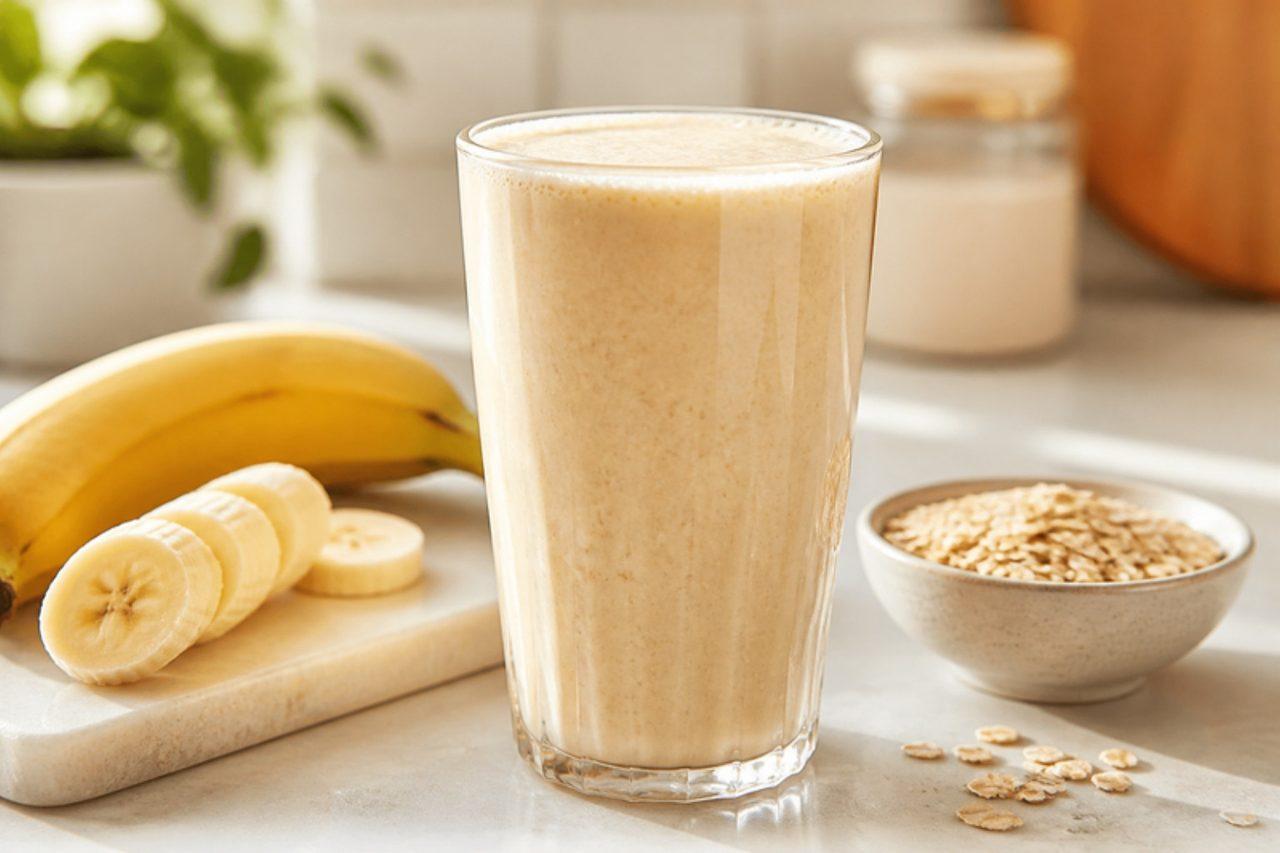
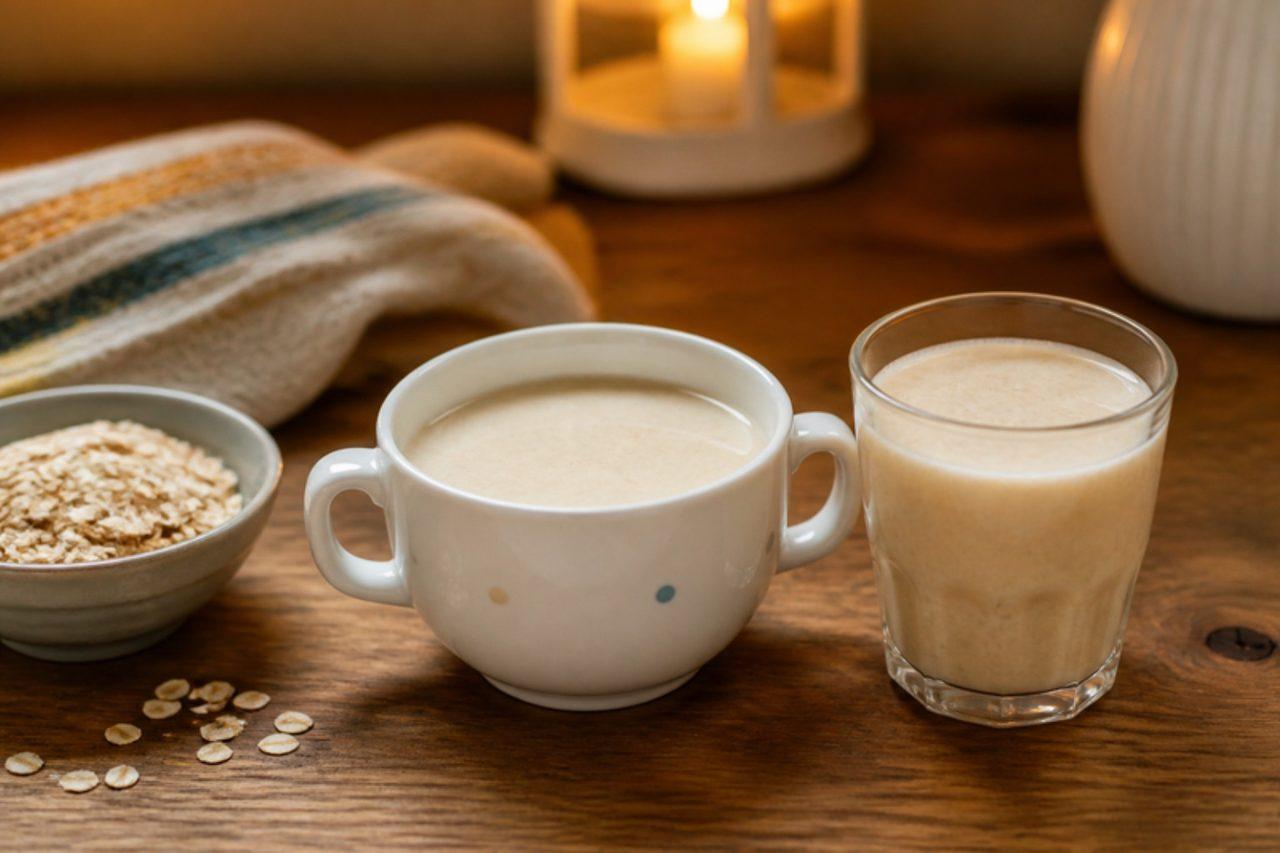
Vitamina de banana (Brazilian banana smoothie)

In Brazil a smoothie is a vitamina, and vitamina de banana is what parents from São Paulo to Recife whizz up for breakfast or when children get home from school hungry. Ripe banana, cold milk and a spoonful of oats make a thick, naturally sweet drink that fills a gap until dinner, so no sugar is needed. It contains milk and gluten (oats, unless labelled gluten free). Chef's tip: use bananas with brown freckles on the skin; they are sweeter and blend creamier than green-tipped ones.

by KrazyBadal 0 views

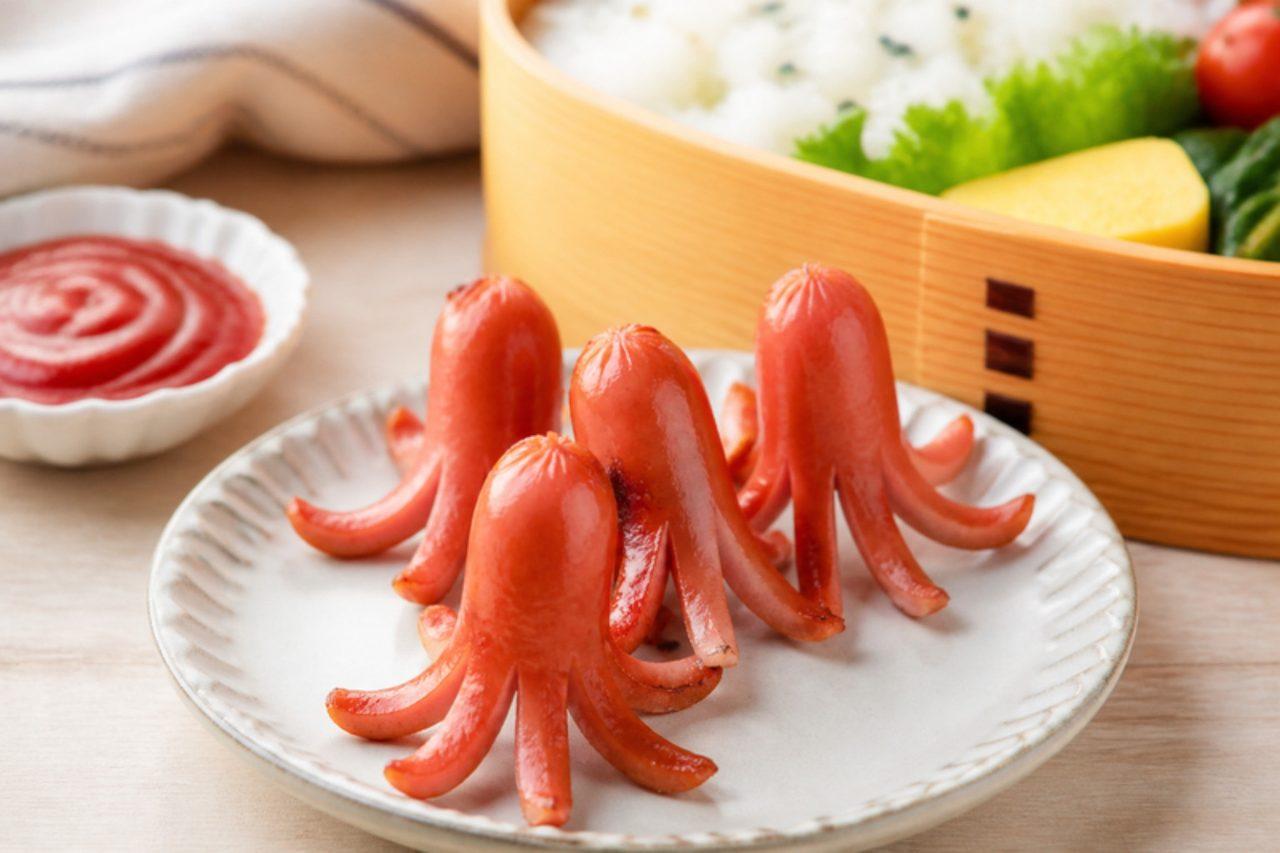
Octopus sausages (tako-san wiener)

Open a Japanese child's bento almost anywhere in the country and there is a good chance of finding tako-san wiener: small frankfurters with the bottom half cut into legs, which curl out like an octopus when they hit a hot pan. They go in on school-trip days and sports days, often with a tiny sesame-seed face. They contain whatever your sausages contain; check the label for wheat, milk and soya. For children under 5, cut the finished sausages in half lengthwise to avoid a choking risk. Chef's tip: cut the legs only halfway up the sausage, or the head splits off.

by KrazyBadal 0 views

Välling (Swedish oat and milk drink)

Välling, a thin gruel of cereal and milk, has been the Swedish child's bedtime drink for generations, and many families still make their own for toddlers once they move on to cow's milk at around a year old. It is smooth, warm and lightly oaty, with no added sugar or honey. It contains milk and gluten (oats are often processed with wheat; use certified gluten-free oats if needed); there is no egg, nuts, soya, sesame or fish. Chef's tip: blend the oats to a fine flour first, so the drink is silky and flows easily from a beaker.

by KrazyBadal 0 views

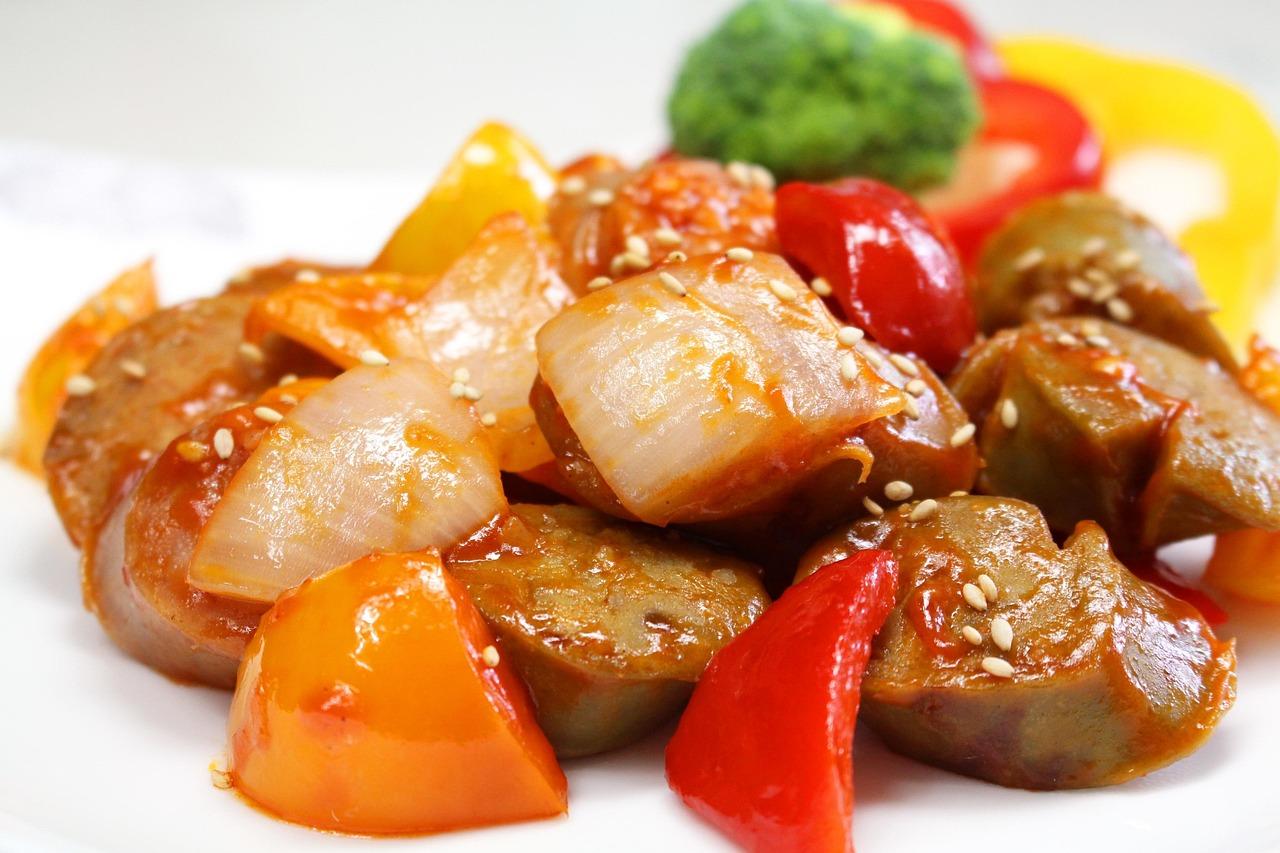
Soya bokkeum (sausage and vegetable stir-fry)

The name joins 'sausage' and 'vegetables' (yachae), and soya bokkeum is a staple banchan in Korean children's lunchboxes and on cheap and cheerful dinner tables: scored sausages and colourful peppers stir-fried in a glossy ketchup and soy glaze. It is sweet, a little tangy and tastes as good cold as hot. Adults often add a spoonful of gochujang. It contains soya and wheat (soy sauce) and sesame; check your sausages for milk. Chef's tip: score the sausages diagonally; the cuts open up in the pan and catch the sauce.

15 minKoreanMeat
by KrazyBadal 0 views

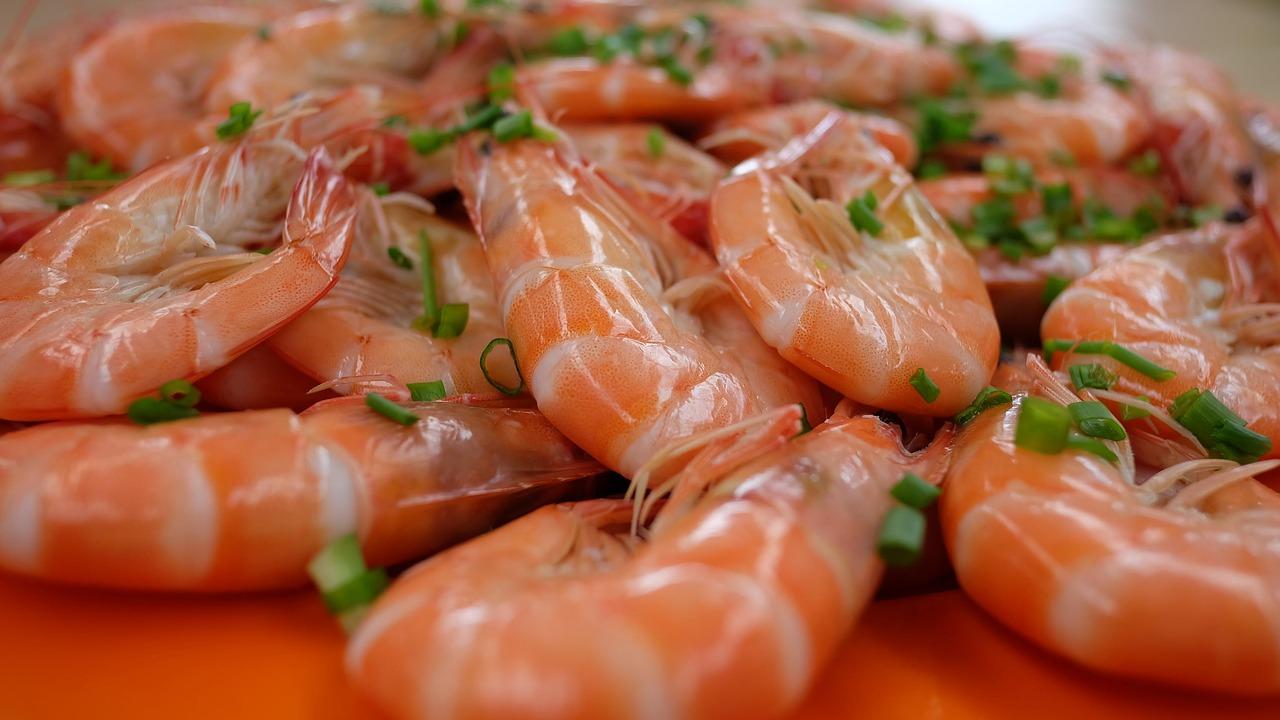
Bai zhuo xiaPoached prawns

Bai zhuo, "plain poaching", is how Cantonese cooks treat seafood they think is too good to sauce, and a plate of whole poached prawns is on the table at almost every family dinner and wedding banquet in Guangzhou and Shunde. The prawns are dropped into boiling water with ginger and spring onion for barely two minutes, then peeled at the table and dipped in a sizzling sauce of soy, chilli and spring onion. They are sweet, springy and very light. A portion is about 130 kcal. In Guangdong the prawns are often bought live; this recipe uses fresh or thawed raw shell-on prawns. Discard any that smell of ammonia, have black heads or slimy, soft shells. The common mistake is overcooking, which makes them rubbery and hard to peel; take them out the moment they curl and turn pink. Chef's tip: plunge the cooked prawns into iced water for 30 seconds; the flesh firms up and shrinks slightly from the shell, so they peel easily.

by KrazyBadal 0 views

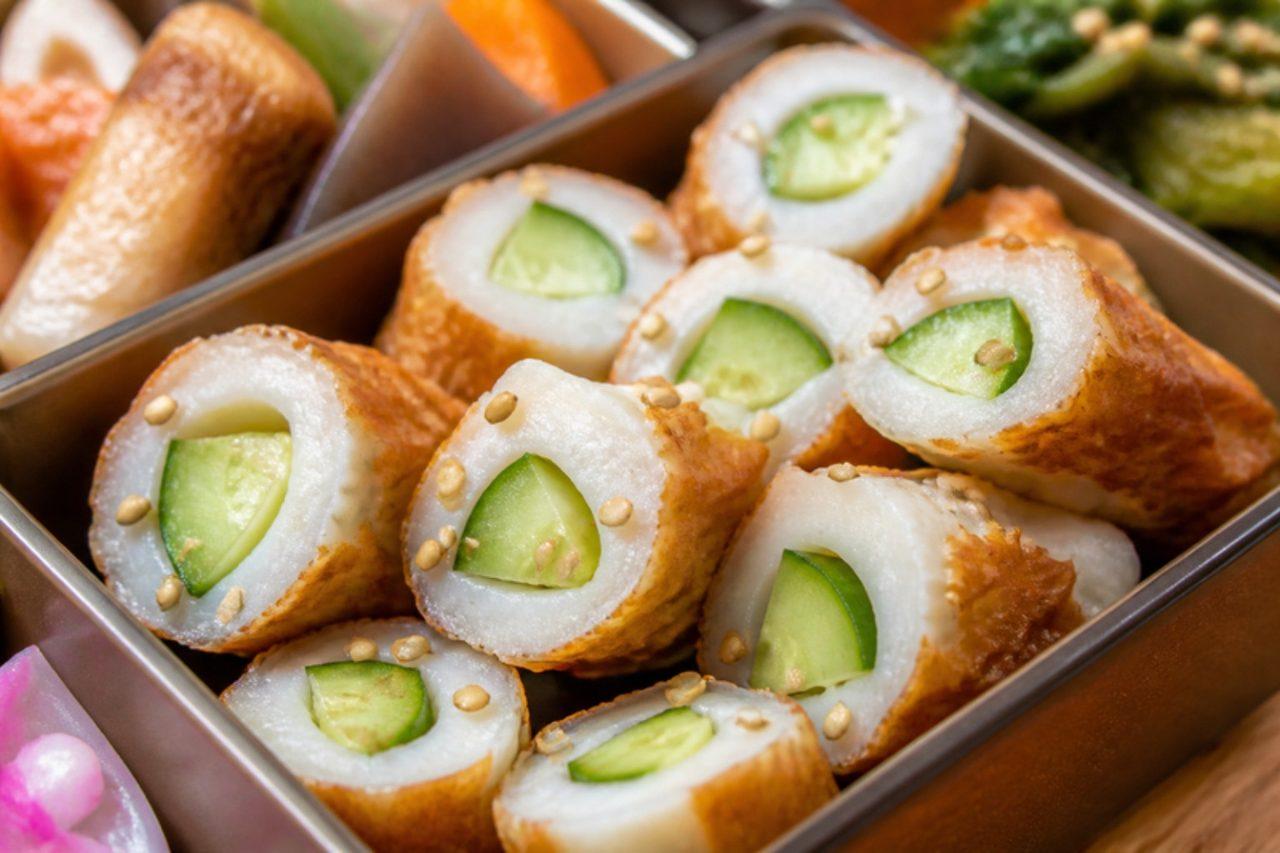
Cucumber-stuffed chikuwa (chikuwa kyuri)

Chikuwa, the tube-shaped grilled fish cake sold in every Japanese supermarket, gets the simplest treatment of all in children's bento: a stick of crisp cucumber pushed through the hole and the tube sliced into rounds, so each piece looks like a little green-eyed wheel. It is cold, crunchy and gently savoury, ready in five minutes on a busy morning, and good as an after-school nibble too. Chikuwa is ready to eat; it contains fish and usually wheat and egg white, so check the label. Chef's tip: trim the cucumber stick to fit snugly; too fat and the chikuwa splits.

by KrazyBadal 0 views

Doodh pattiStrong milk tea

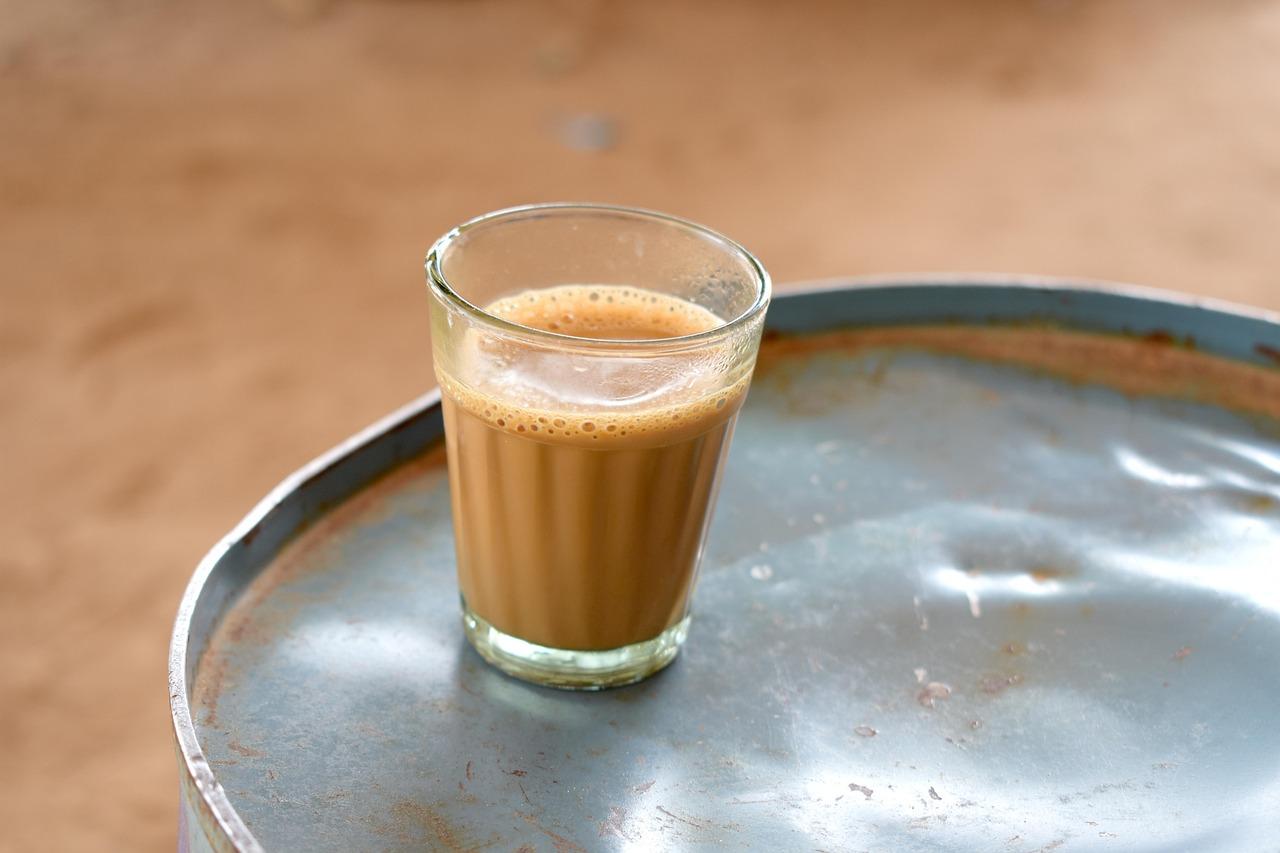
Doodh patti is poured from a dented pan at every truck stop, university canteen and street-corner dhaba in Pakistan, from Karachi's Saddar to the Murree road, and it is drunk at all hours: before work, after cricket, at midnight with a paratha. The tea is made without any water at all, boiling loose black tea and sugar in milk until it turns a deep caramel colour and tastes rich, malty and strong. The mistake is simmering too gently and pulling it off too soon, giving a weak, milky drink; it needs a proper rolling boil, more than once. Contains milk. Chef's tip: lift the pan off the heat each time the tea froths to the top and return it, three times; each rise deepens the colour and flavour.

by KrazyBadal 0 views

Røget ål med rørægSmoked eel and scrambled egg

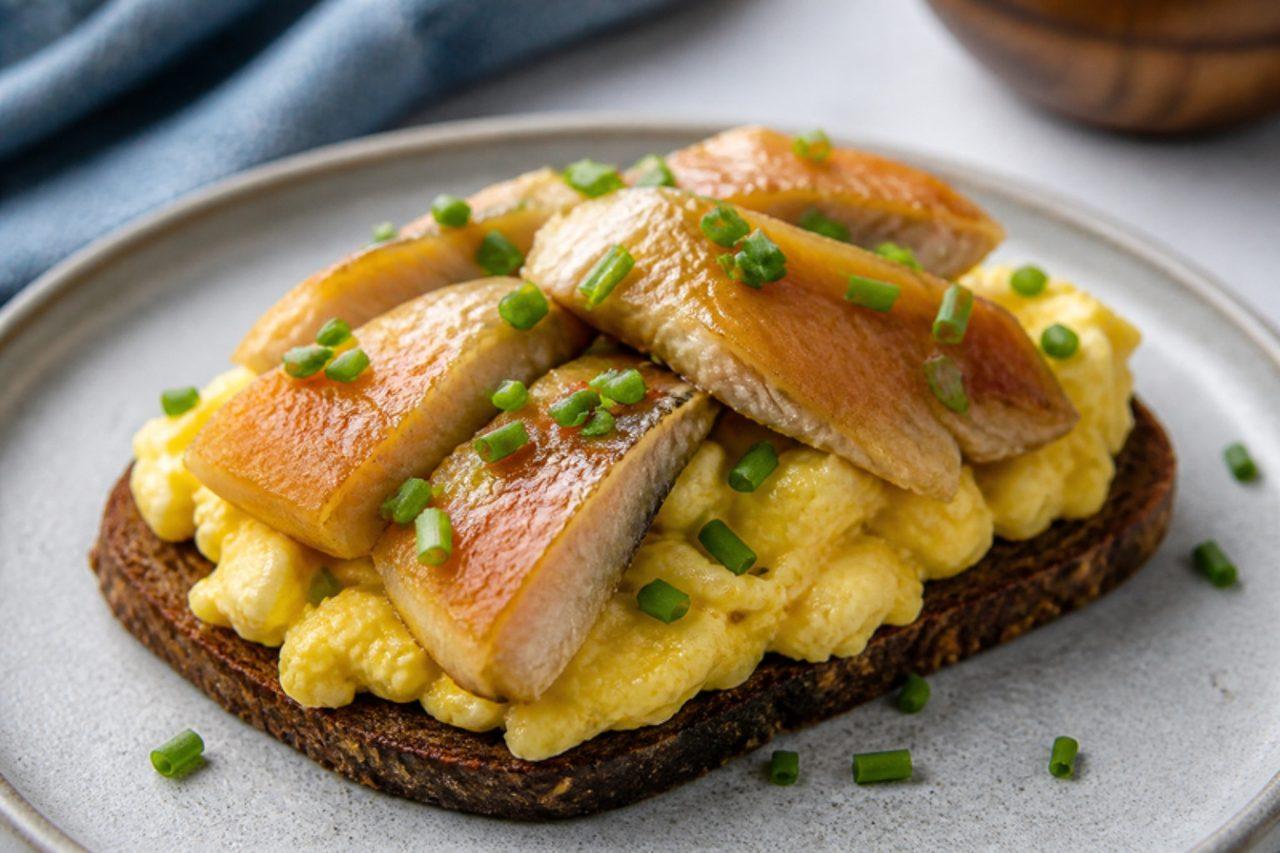
Smoked eel with scrambled egg is a summer smørrebrød from the islands south of Zealand and from Bornholm's smokehouses, served on rye with chives and sometimes a little radish. The rich, oily fish and the soft egg are a classic pairing. European eel is now endangered, so buy only eel certified as legally and sustainably farmed, or swap in hot-smoked mackerel or trout, which taste close and are easy to find. Smoked fish carries a listeria risk, so it is not for pregnant women, young children or anyone with a weakened immune system unless heated until steaming. A common mistake is scrambling the egg until dry. Chef's tip: lift the egg off the heat while it still looks slightly wet; it carries on cooking on the bread.

by KrazyBadal 0 views

Isubgul sharbatPsyllium lemon drink

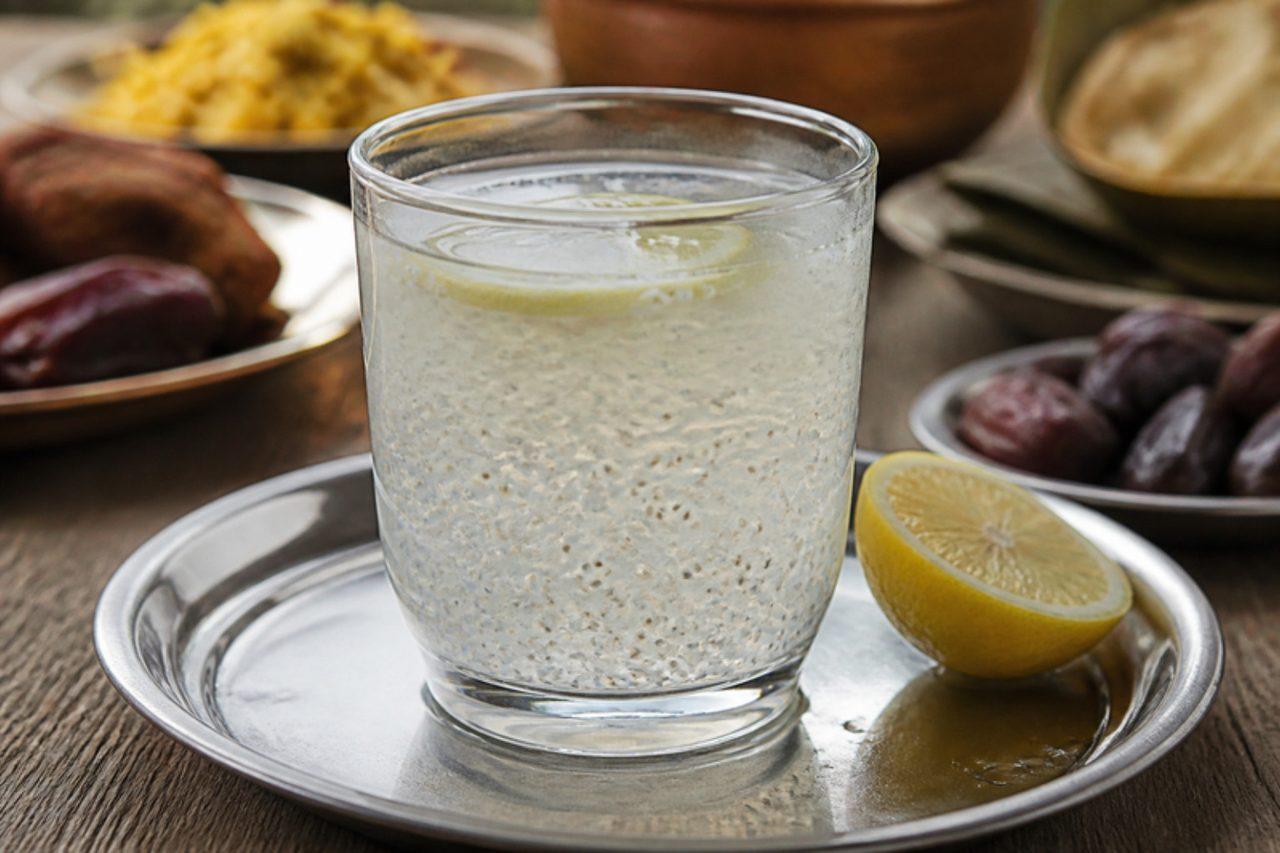
Many Bangladeshi grandmothers insist on a glass of isubgul sharbat at iftar or before sehri, and in Dhaka's old neighbourhoods it is sold from shops alongside tokma and lebu sharbat throughout Ramadan; the psyllium is valued for keeping digestion comfortable during the fast. Stirred into sweetened lemon water, the husk swells into a soft, slightly thick drink with a mild, neutral taste. The classic mistake is letting it stand: psyllium keeps absorbing water and sets into a jelly within minutes, so mix it just before drinking. Drink plenty of water as well, and anyone taking regular medication should space it at least two hours away from psyllium. Chef's tip: sprinkle the husk on top and whisk immediately with a fork rather than spooning it in a heap, so it disperses without lumps.

by KrazyBadal 0 views

Tokma sharbatBasil seed lemon drink

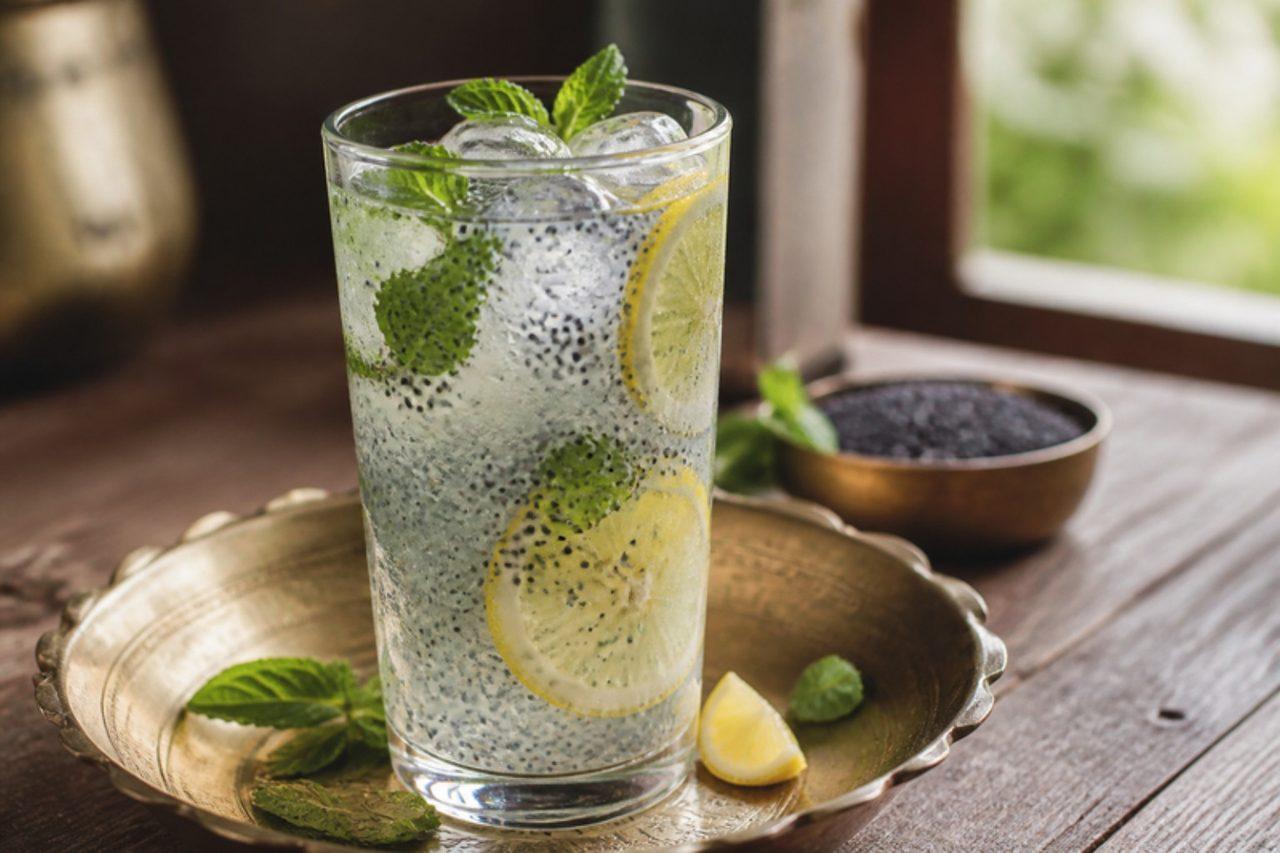
When the azan sounds at sunset during Ramadan, tables from Dhaka's Mirpur flats to village courtyards in Comilla carry a jug of tokma sharbat: lemon water swirling with soaked sweet basil seeds, each one wearing a soft, jelly-like halo. It is sweet, sharp and cooling, a gentle first sip after a long hot fast before the dates and piyaju. The most common mistake is stirring the seeds straight into the jug dry, where they clump into slimy lumps; always soak them separately in plenty of water first. Chef's tip: bruise a few mint leaves or add a thumb of grated ginger to the jug, which many Dhaka families do in the hottest months.

by KrazyBadal 0 views

ApfelschorleApple juice spritzer

At any German beer garden, from Munich's Chinese Tower to the cider taverns of Frankfurt, the drink for children, drivers and anyone on a hot afternoon is Apfelschorle: cloudy apple juice topped up with sparkling mineral water. Germans drink it at family lunches, after sport and at school summer parties, and it is far less sweet than juice alone. The usual mix is half and half, but many people go lighter on the juice. The common mistake is pouring the water first, which knocks out the bubbles. Chef's tip: use naturally cloudy apple juice and very cold, strongly sparkling water, and pour the water in slowly down the side of the glass.

by KrazyBadal 0 views

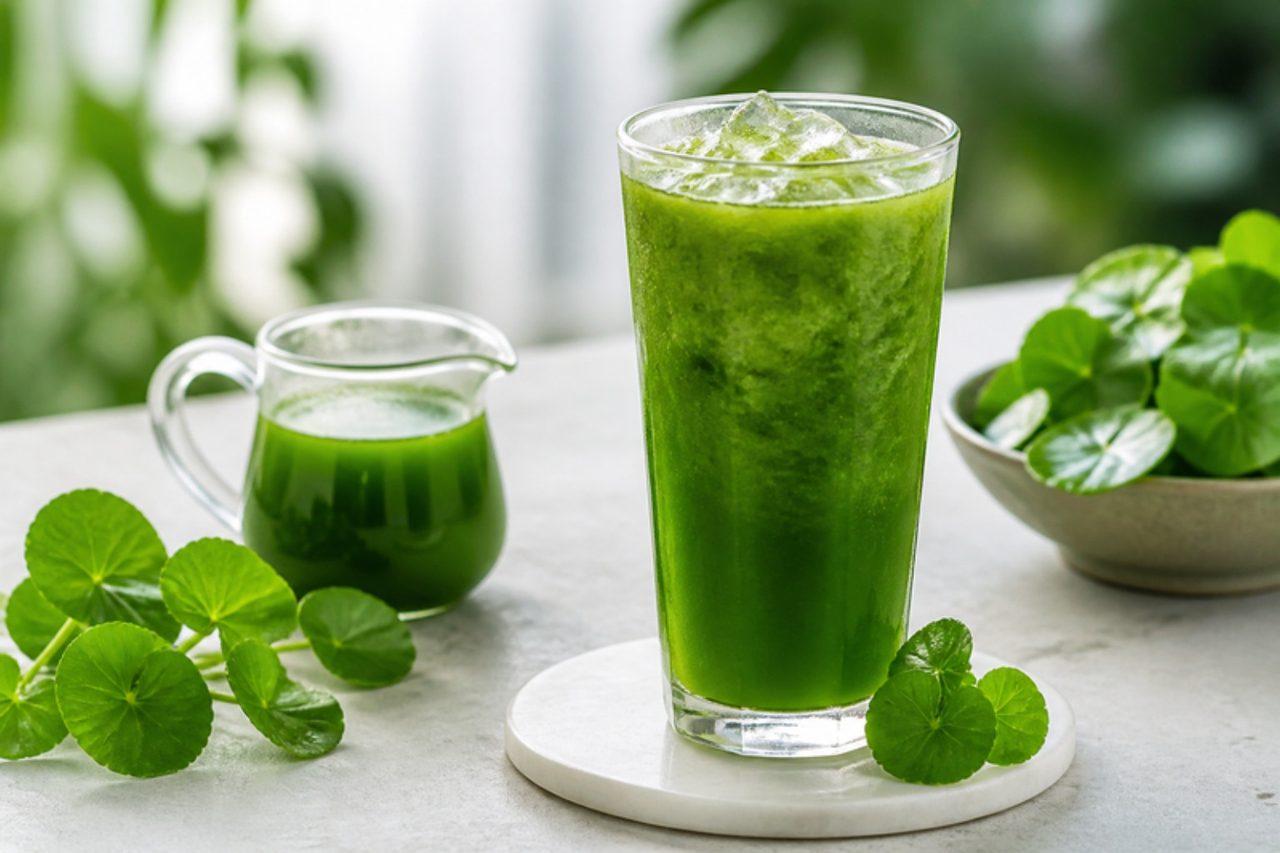
Nước rau máPennywort juice

Saigon street carts blend nước rau má to order through the hottest part of the afternoon, pouring the bright green juice into plastic cups over crushed ice for office workers and students. Pennywort (rau má) tastes fresh, grassy and very slightly bitter, and southerners drink it to 'cool the body' in the dry season; some stalls blend in cooked mung beans or a splash of coconut milk to make it richer. Look for bunches of rau má in Vietnamese and South Asian grocers, where it is also sold as gotu kola. Chef's tip: strain twice through a fine cloth and drink it within the hour; left standing, it separates and darkens to a dull khaki.

by KrazyBadal 0 views

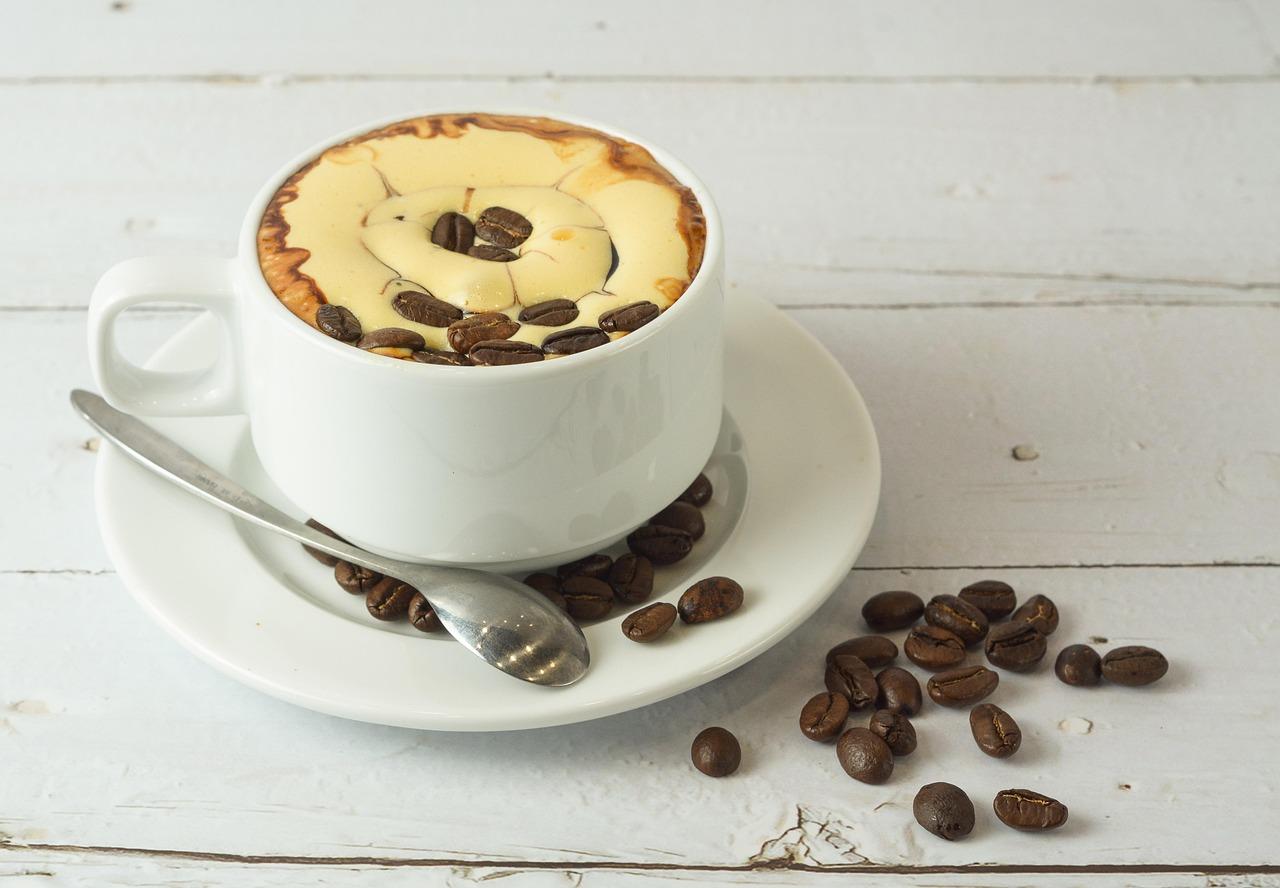
Cà phê trứngEgg coffee

Hanoi's old-quarter cafés, up narrow stairs and in tiny back rooms, serve cà phê trứng in a small cup set in a bowl of hot water so it stays warm while you spoon through the custardy foam into bitter coffee below. The topping is egg yolk whisked with condensed milk until pale and thick, a trick that began when fresh milk was scarce in the 1940s. Because the yolk is not cooked, use pasteurised eggs for pregnant women, young children, older people or anyone with a weakened immune system. Chef's tip: whisk longer than you think; under-beaten yolk tastes eggy and sinks straight into the coffee instead of sitting on top.

by KrazyBadal 0 views

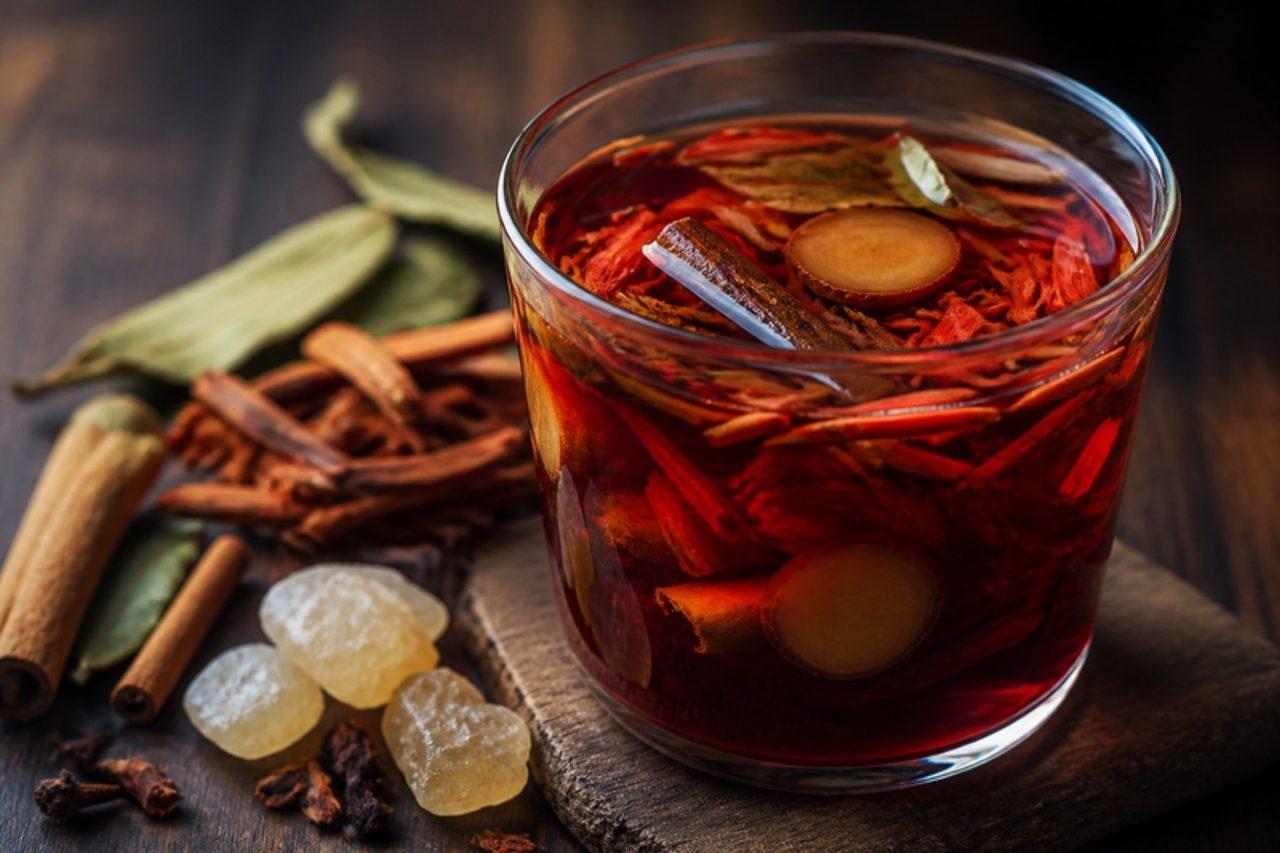
Wedang uwuhSpiced herbal infusion

The name means 'rubbish drink', because a glass looks like a jumble of twigs and leaves, but around the royal tombs at Imogiri, south of Yogyakarta, wedang uwuh is a point of pride. Chips of sappan wood stain hot water a deep ruby red, while ginger, clove, cinnamon, nutmeg leaf and rock sugar give a sweet, woody spice. It is sold by roadside warung as a dry pack to brew at home. Chef's tip: steep it, don't boil it for long; sappan wood turns from red to a muddy brown and tastes tannic if cooked hard.

by KrazyBadal 0 views

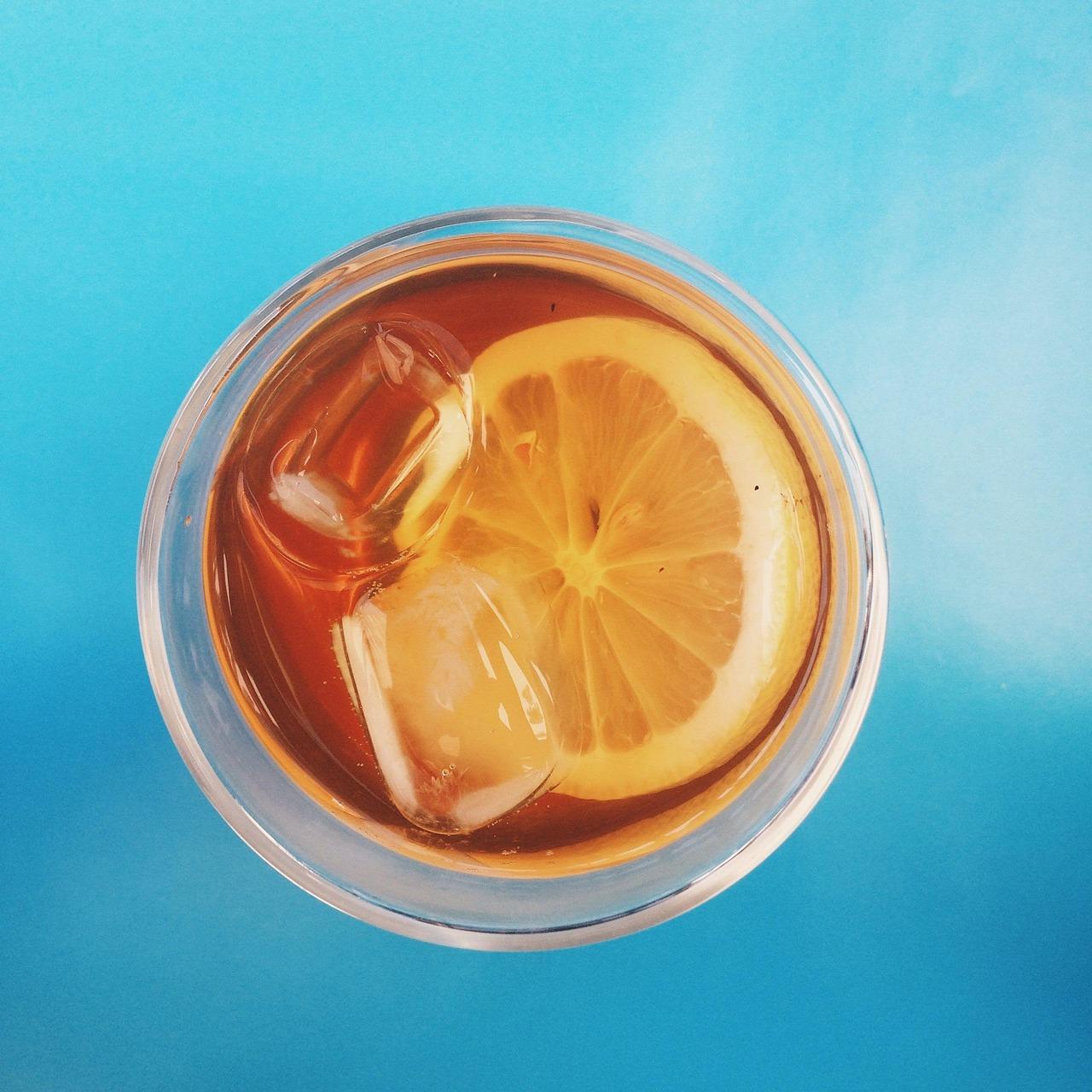
Teh O ais limauIced black tea with lime

In kopitiam shorthand, 'teh' is tea with milk, 'O' means no milk, 'ais' is iced and 'limau' adds lime, so this is the order Malaysians shout across the counter on a sticky afternoon in Penang or Kuala Lumpur. Strong, sweetened black tea is cooled over ice and squeezed with lime until it tastes like a sharper, less perfumed iced lemon tea. It goes with fried noodles and roti. Chef's tip: pouring hot tea straight onto a glass of ice dilutes it into weak tea; brew it double strength, or chill it first.

by KrazyBadal 0 views

Es buahIced fruit cocktail

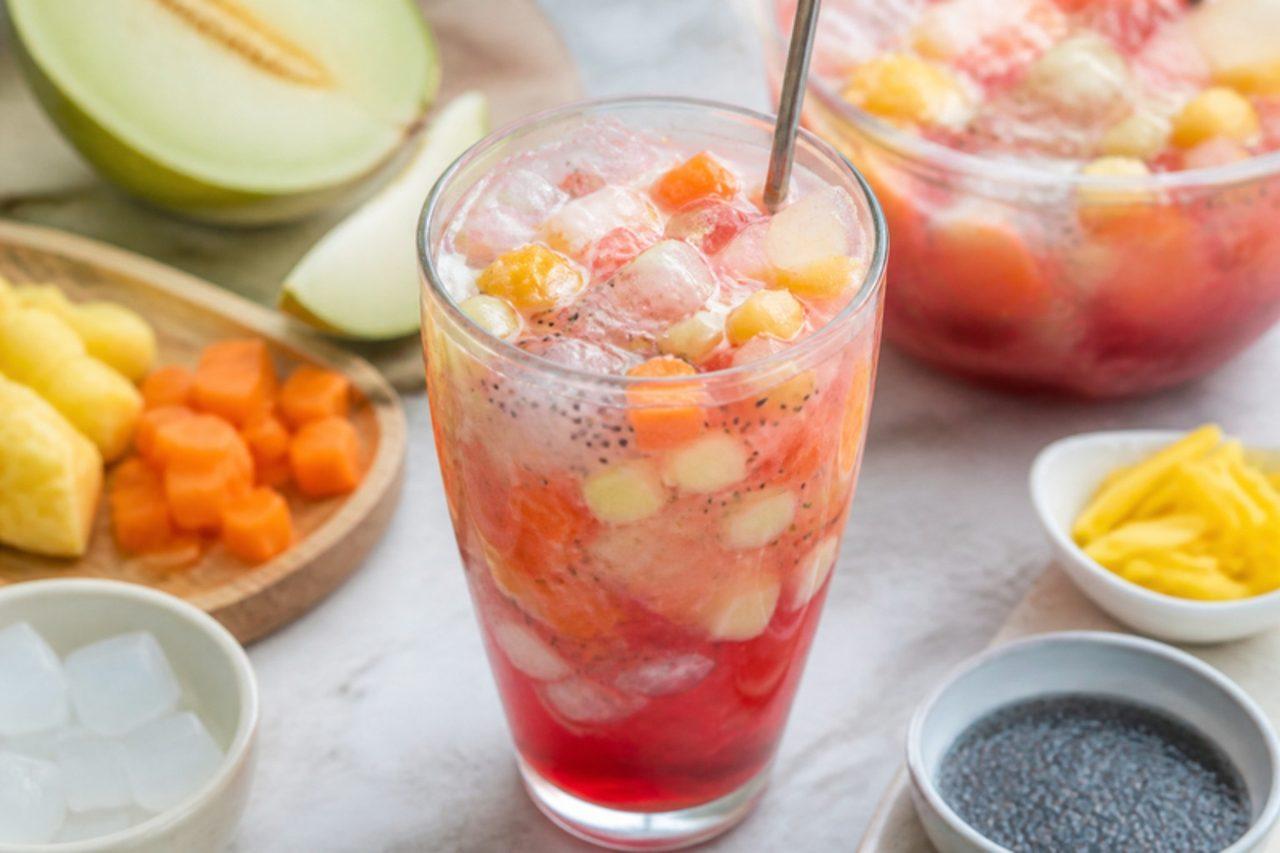
Ramadan evenings in Jakarta mean queues at the es buah carts, where melon, papaya, pineapple, jackfruit and nata de coco are scooped into glasses with swollen basil seeds, red rose syrup and a ribbon of condensed milk over crushed ice. It is drunk with a spoon at iftar, after dates, and it is just as welcome on any hot afternoon. Use whatever ripe fruit you have. Chef's tip: soak the basil seeds fully before adding them; dry seeds clump and stay gritty in the cold syrup.

by KrazyBadal 0 views

Cà phê muốiSalt coffee

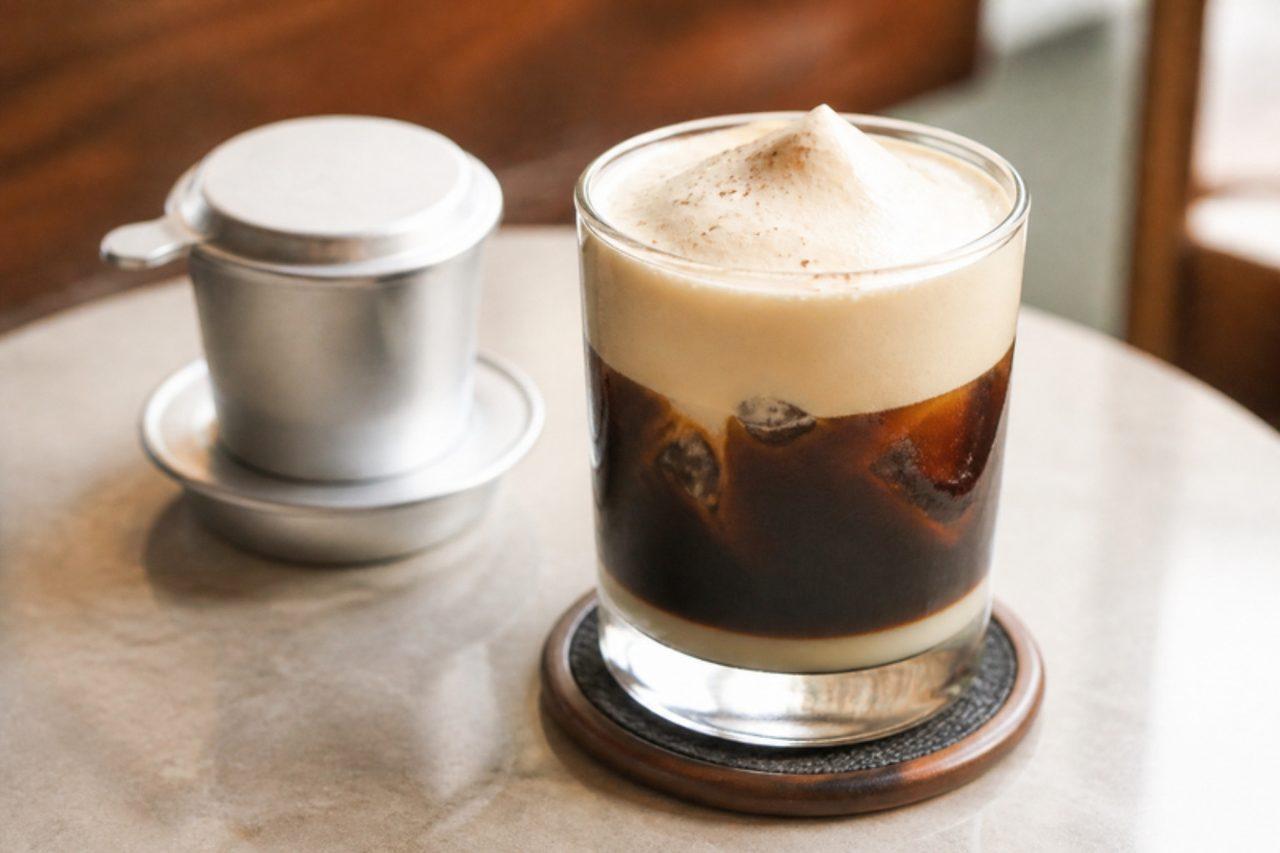
A family café in Huế's citadel quarter began topping its coffee with salted cream, and now cà phê muối is served across central Vietnam and in trendy cafés in Saigon and Hanoi. Sip it without stirring: first the cool, faintly salty cream, then sweet condensed milk and strong phin coffee, the salt rounding off the bitterness much like a pinch in caramel. It is good hot or poured over ice. Chef's tip: use only a small pinch of salt per glass; too much and the drink tastes like seawater rather than salted caramel.

by KrazyBadal 0 views

Sirap limauRose syrup lime drink

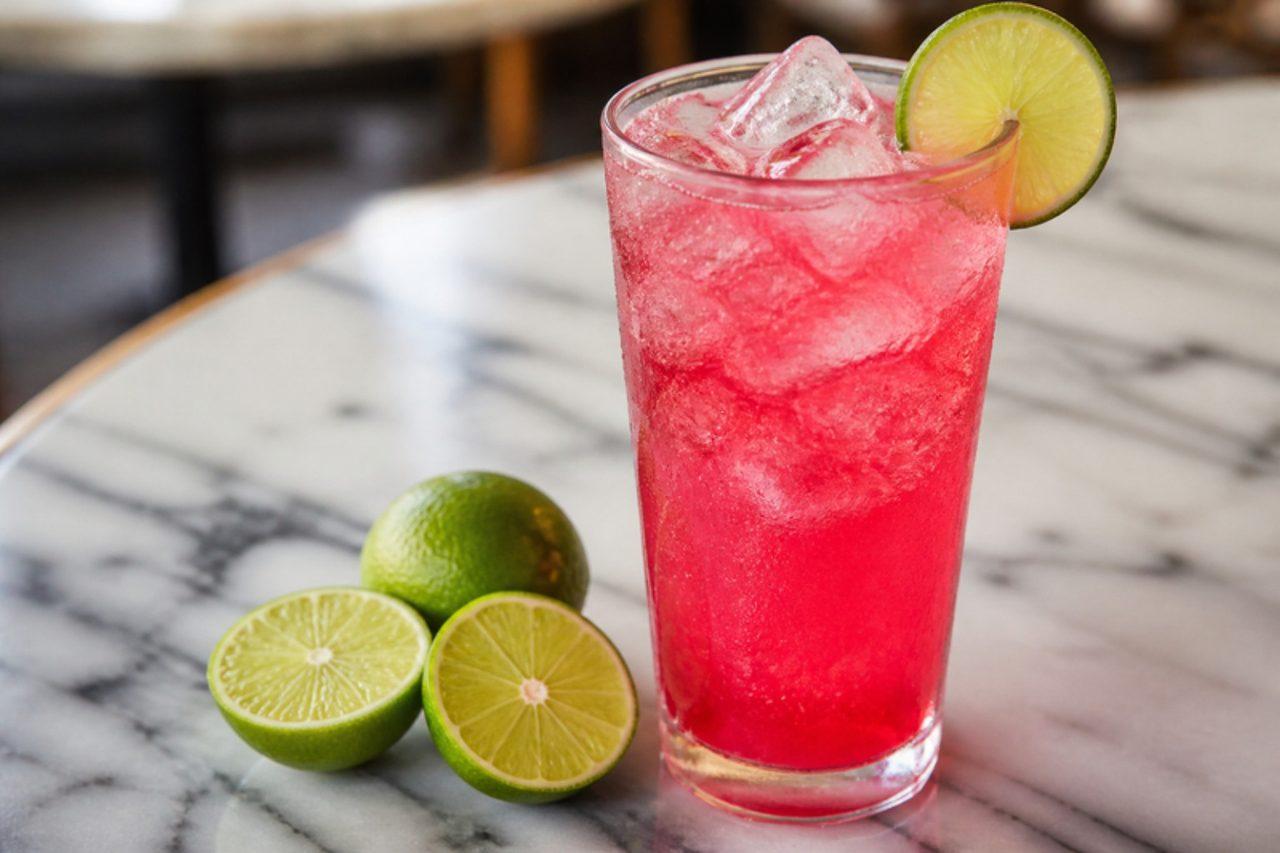
Order a sirap limau at any kopitiam or warung from Johor to Kedah and a tall glass of shocking pink arrives, sweet with rose syrup and sharpened with fresh lime; it is the drink that goes with nasi lemak at lunch and fried snacks after school. The rose syrup, 'sirap', is easy to make at home and keeps for weeks. Chef's tip: squeezing the limes hours ahead makes the drink taste flat and bitter; squeeze them just before you pour.

by KrazyBadal 0 views

Five-spice powder

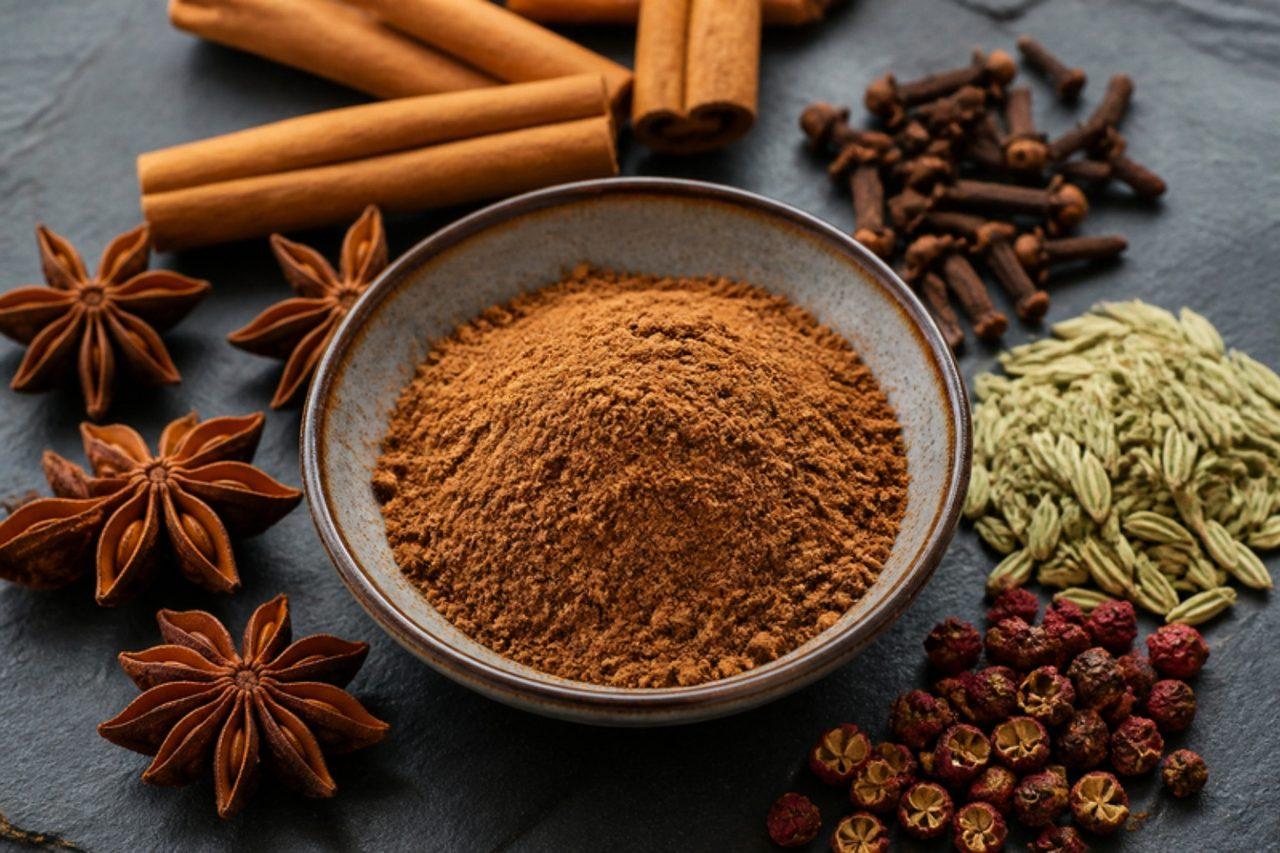
Across China, from Cantonese roast meat shops to Sichuan home kitchens, five-spice is the blend that seasons red-braised dishes, tea eggs, roast duck and spiced tofu. Shop-bought powder loses its scent quickly; grinding your own takes ten minutes and gives a sweet, warm aroma with a gentle tingle from the Sichuan pepper. It is used by the pinch, not the spoonful. The classic mistake is grinding the spices raw or toasting them until they smoke; warm them just until fragrant. Chef's tip: pick the black seeds out of the Sichuan peppercorns before toasting, since they are gritty and bitter, and sieve the ground blend so it is silky fine.

by KrazyBadal 0 views

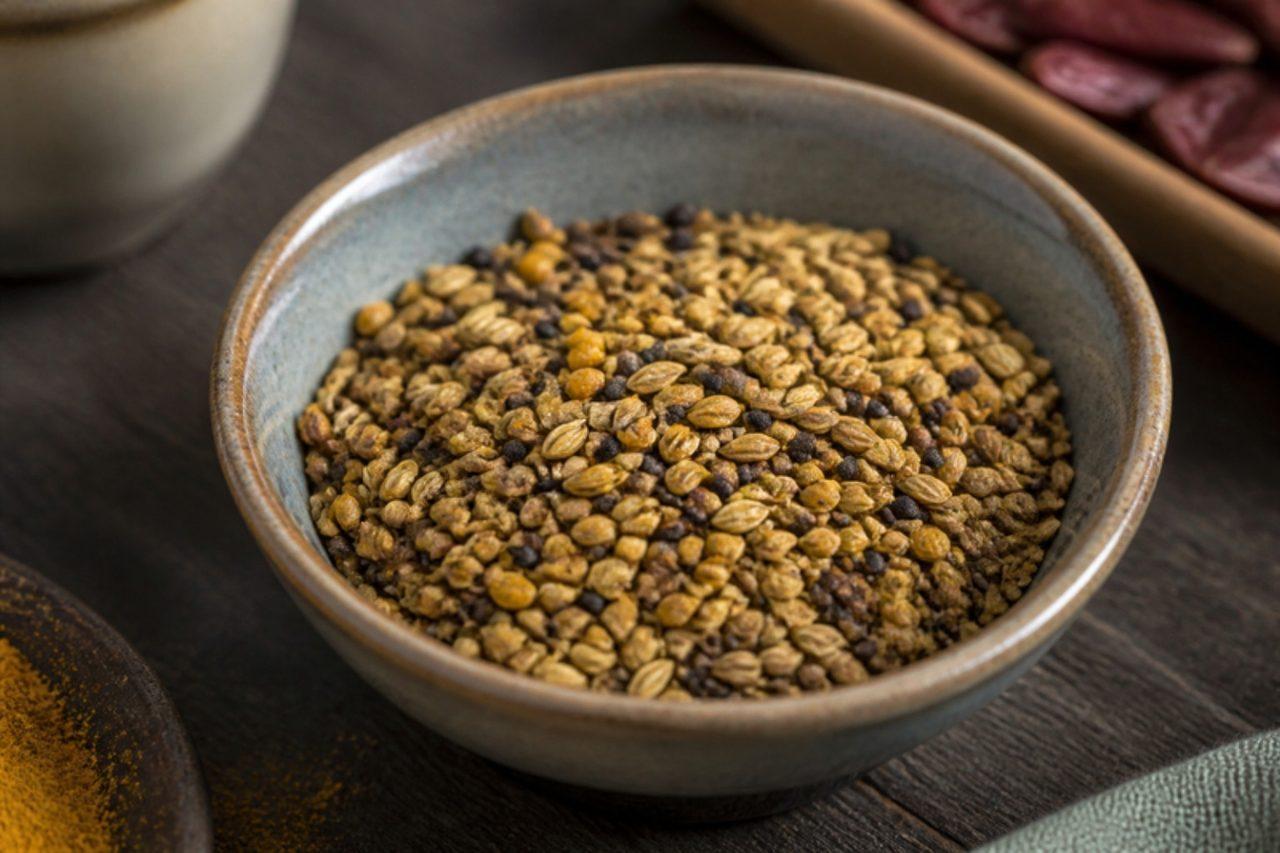
Panch phoronFive-seed spice mix

Every Bengali and Odia kitchen keeps a jar of panch phoron within reach of the stove, because so much of the cooking begins with a teaspoon of it crackling in hot mustard oil. The five seeds, in equal measure, are left whole and never roasted or ground ahead: bitter fenugreek, oniony nigella (kalonji), earthy cumin, sharp black mustard and sweet fennel. Together they give a layered, slightly bittersweet aroma that is the signature of tomato chutney, cholar dal, labra, chorchori and the sweet-sour vegetable dishes of a Bengali lunch. In some traditional homes radhuni, a wild celery seed, replaces the mustard. Common mistake: tempering over a high flame. The fenugreek blackens in seconds and the whole dish tastes bitter. Chef's tip: let the oil heat until it just shimmers, add the panch phoron, and the moment the mustard starts popping and the fenugreek is reddish brown, add the vegetables or dal.

by KrazyBadal 0 views

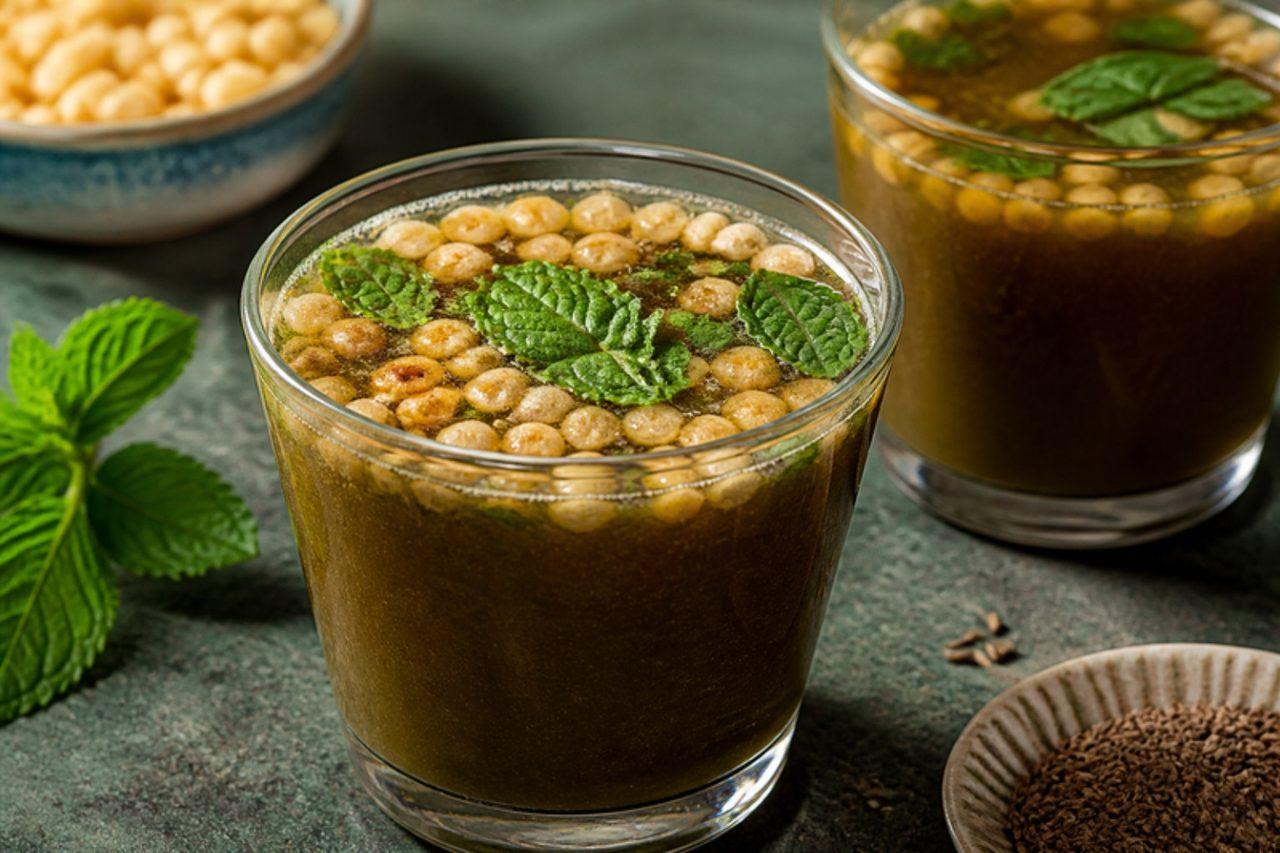
JaljeeraTamarind mint cumin drink

Street vendors in Old Delhi and Varanasi sell jaljeera from big red clay matkas wrapped in wet cloth, ladling it into glasses with a handful of boondi on top. The name simply means cumin water, but the flavour is busier than that: sour tamarind and lemon, a cool rush of mint, the sulphur note of black salt and the warmth of roasted cumin and dry ginger. It is drunk before a heavy Punjabi meal to wake the appetite, at summer weddings, and on long train journeys. Make the masala fresh and the difference shows. The common mistake is using raw cumin powder; it tastes dusty. Dry-roast whole cumin until it darkens a shade and smells toasty, then grind it. Chef's tip: add the boondi only at the table so it stays crunchy for the first sip and softens by the last.

by KrazyBadal 0 views

Showing 24 of 366 recipes

Show more recipes

Page 1 of 16